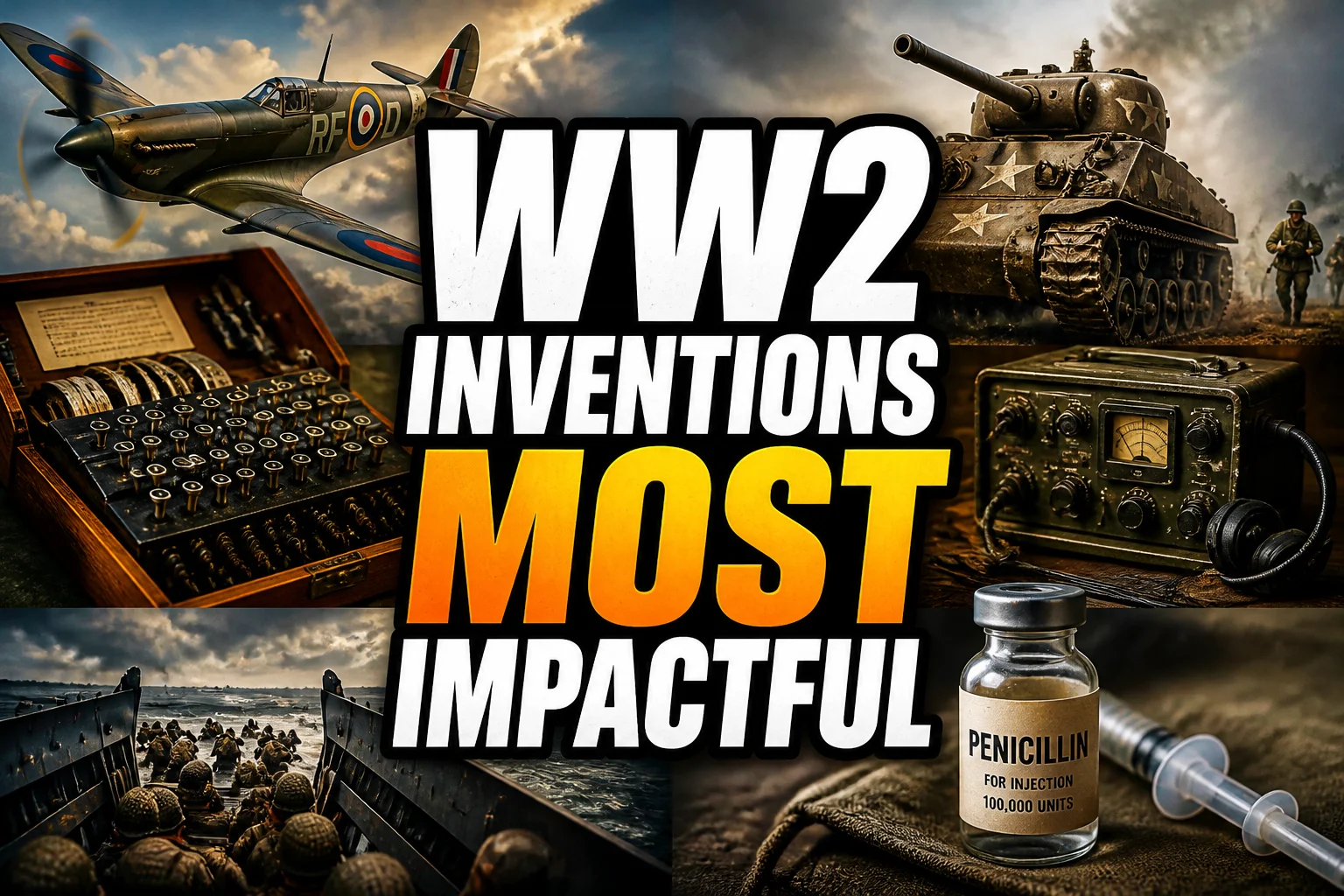
TL;DR: World War II compressed decades of innovation into six years, producing radar, jet engines, penicillin mass production, and dozens of other inventions that still shape daily life today.
Introduction: The War That Invented the Modern World
World War II was the deadliest conflict in human history, but it was also one of the most inventive periods. Governments poured money into research at a scale never seen before, and the pressure of war turned laboratories into factories of new ideas. Many of the technologies we rely on today — from jet travel to antibiotics to the computer — trace their roots back to this era.
When people ask about WW2 inventions, they often picture tanks and bombs. The real story is far more surprising. The conflict accelerated progress in medicine, communication, materials science, and computing in ways that peace never could have matched.
This listicle covers 23 of the most impactful inventions from WWII, ranked roughly by how deeply they changed the world. Some were brand new, and others were existing ideas pushed into mass production by wartime necessity.
What Technology Was Used in WW2? A Quick Overview
Before diving into the list, it helps to understand the scale of wartime innovation. New technology in WW2 spanned radar, sonar, jet propulsion, rockets, antibiotics, synthetic materials, and early computers. Nations treated scientific research as a weapon of war, funding labs and universities at unprecedented levels.
Britain, the United States, Germany, and Japan all ran secret programs. The race to build better technology was often as important as the battles themselves. That is why inventions during World War 2 matter so much today — they set the foundation for the modern world.
1. Radar
Radar was one of the single most decisive technologies of the war. It uses radio waves to detect objects at a distance, and Britain's coastal radar chain helped the Royal Air Force win the Battle of Britain. Without it, German bombers might have gained the upper hand in 1940.
Radar was developed in several countries before the war, but WW2 pushed it into mass production and constant improvement. The cavity magnetron, a British invention shared with the United States, made radar compact and powerful enough for ships and aircraft. Today radar guides air traffic, weather forecasting, and even self-driving cars.
2. The Jet Engine
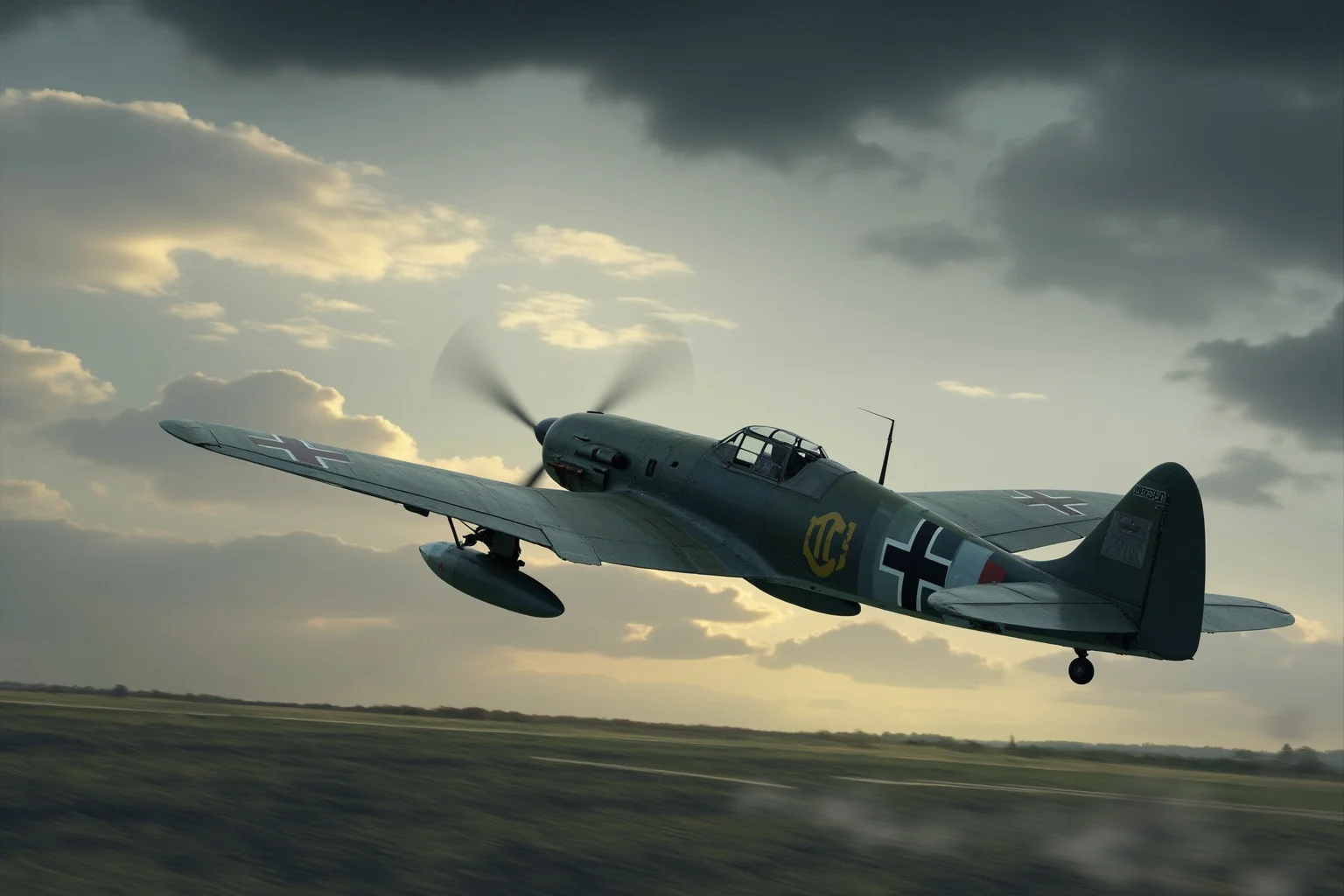
The jet engine was a genuine child of WWII. Germany flew the first operational jet fighter, the Messerschmitt Me 262, in 1944, and Britain's Gloster Meteor entered service the same year. These early jets were fast but unreliable, yet they proved the concept worked.
After the war, jet technology transformed commercial aviation. The principles developed in wartime Germany and Britain led directly to the passenger jets that made global travel routine. Every time you board a modern airliner, you are benefiting from inventions from WWII.
3. Penicillin Mass Production
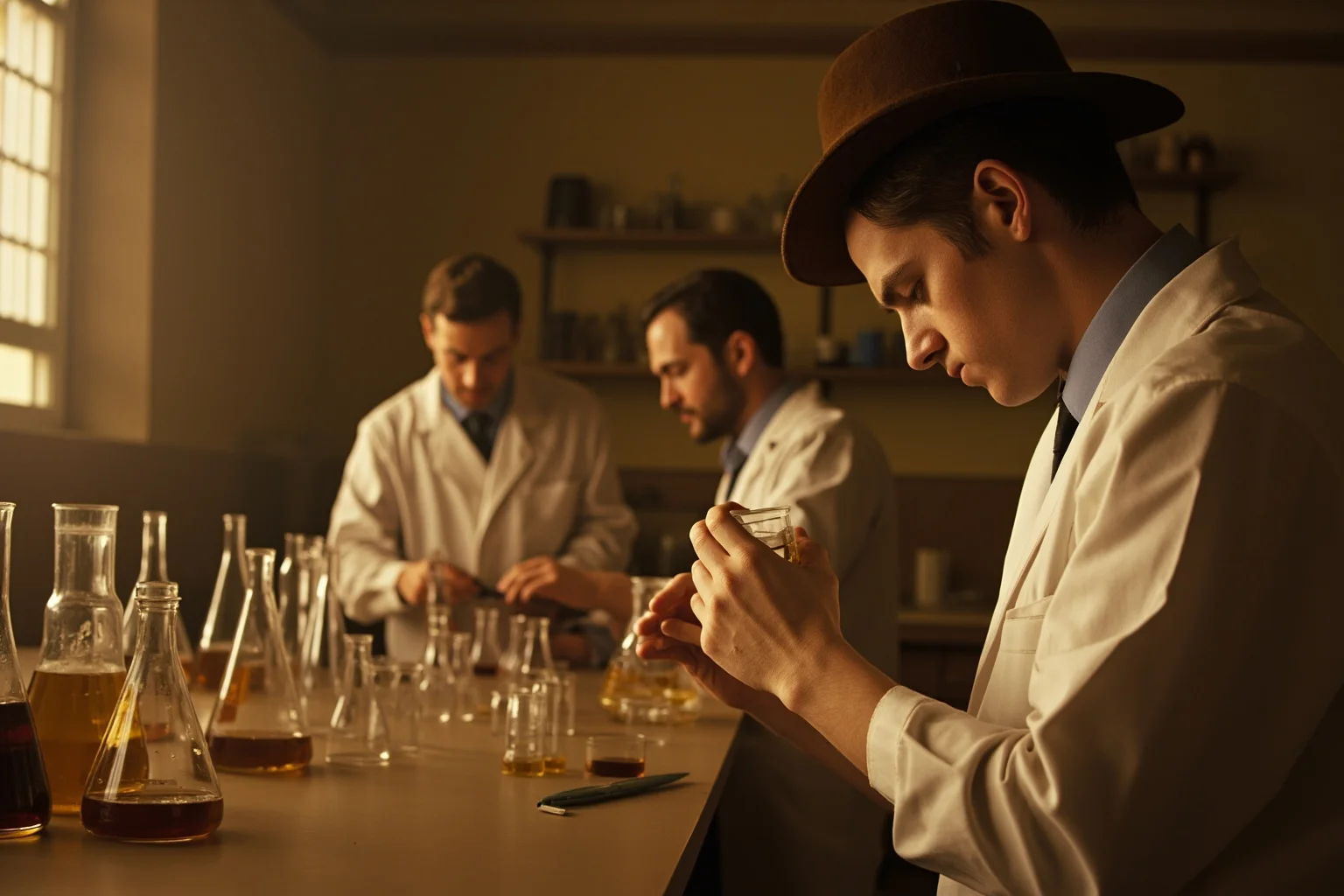
Penicillin was discovered in 1928, but it remained a laboratory curiosity until WWII. The need to treat infected wounds on the battlefield drove a massive effort to produce it in bulk. By 1944, Allied forces had enough penicillin to treat every wounded soldier who needed it.
This was one of the most life-saving inventions of the war. Before penicillin, a simple infection could kill. After the war, antibiotics became available to the public and revolutionized medicine. The mass production techniques developed during the conflict saved millions of lives worldwide.
4. The Electronic Computer
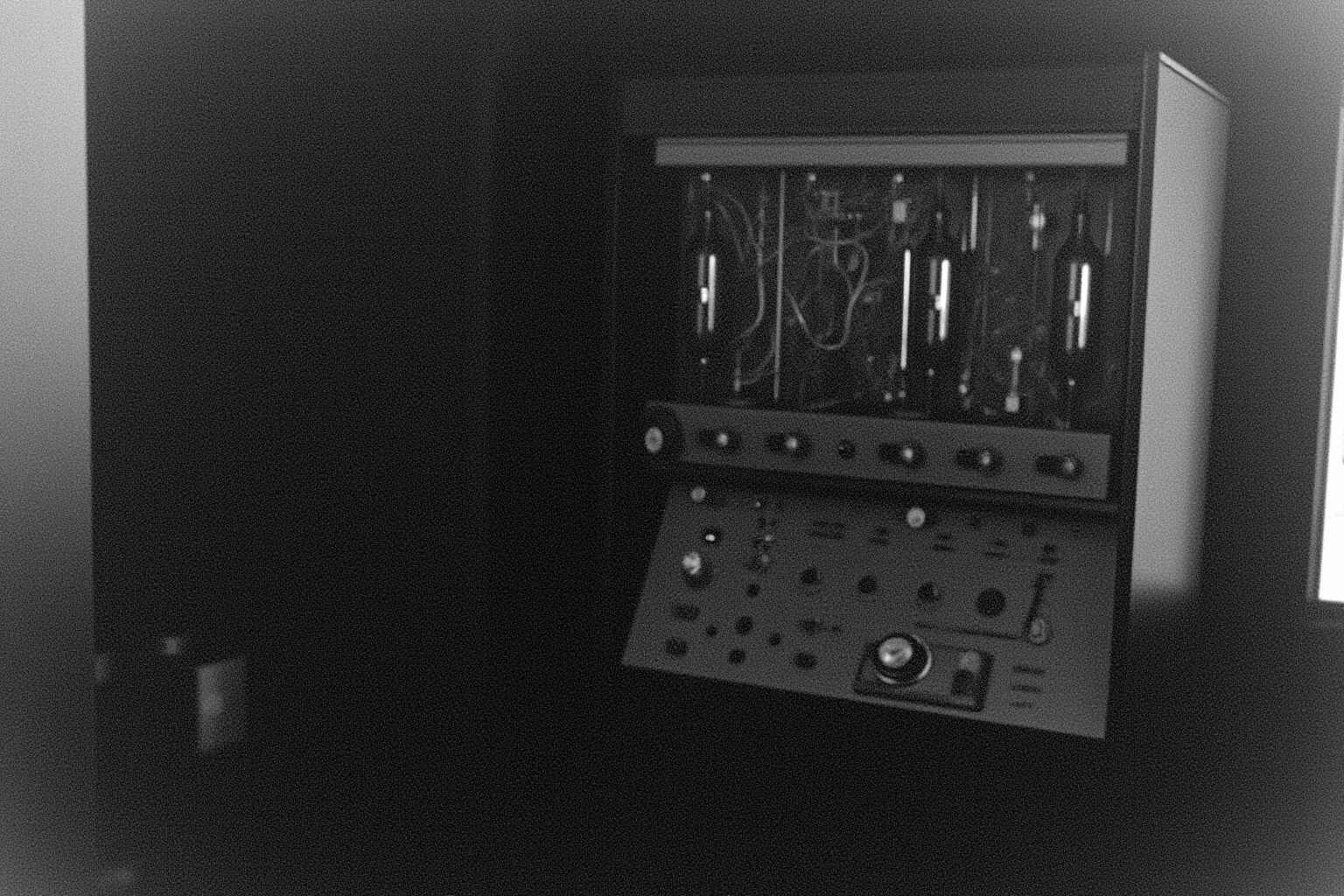
The first electronic digital computers were built during WWII. Britain's Colossus, completed in 1943, helped crack German encrypted messages. The American ENIAC, finished in 1945, calculated artillery firing tables and later contributed to hydrogen bomb research.
These machines were enormous and used thousands of vacuum tubes. Still, they proved that electronic computation was possible. Every laptop and smartphone today is a distant descendant of these wartime machines, making the computer one of the most consequential 1945 inventions.
5. The Atomic Bomb
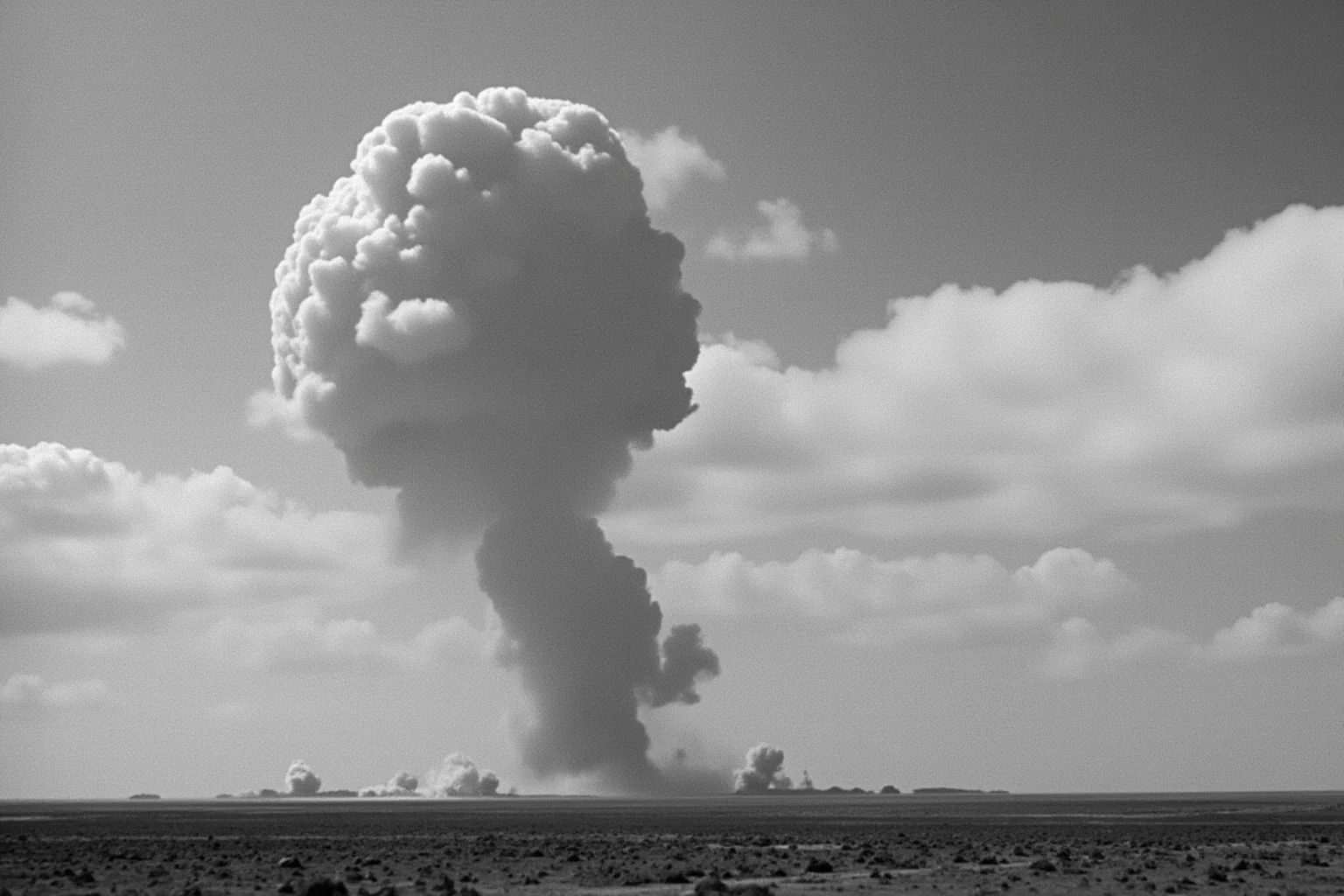
The Manhattan Project produced the atomic bomb, arguably the most impactful and controversial invention of the war. The first nuclear test took place in July 1945, and bombs were dropped on Hiroshima and Nagasaki that August. The world has never been the same since.
Beyond the immediate devastation, the bomb ushered in the nuclear age. It reshaped geopolitics, led to the Cold War arms race, and also gave rise to nuclear power. Whatever one's view, it is impossible to discuss inventions from 1945 without mentioning it.
6. Synthetic Rubber
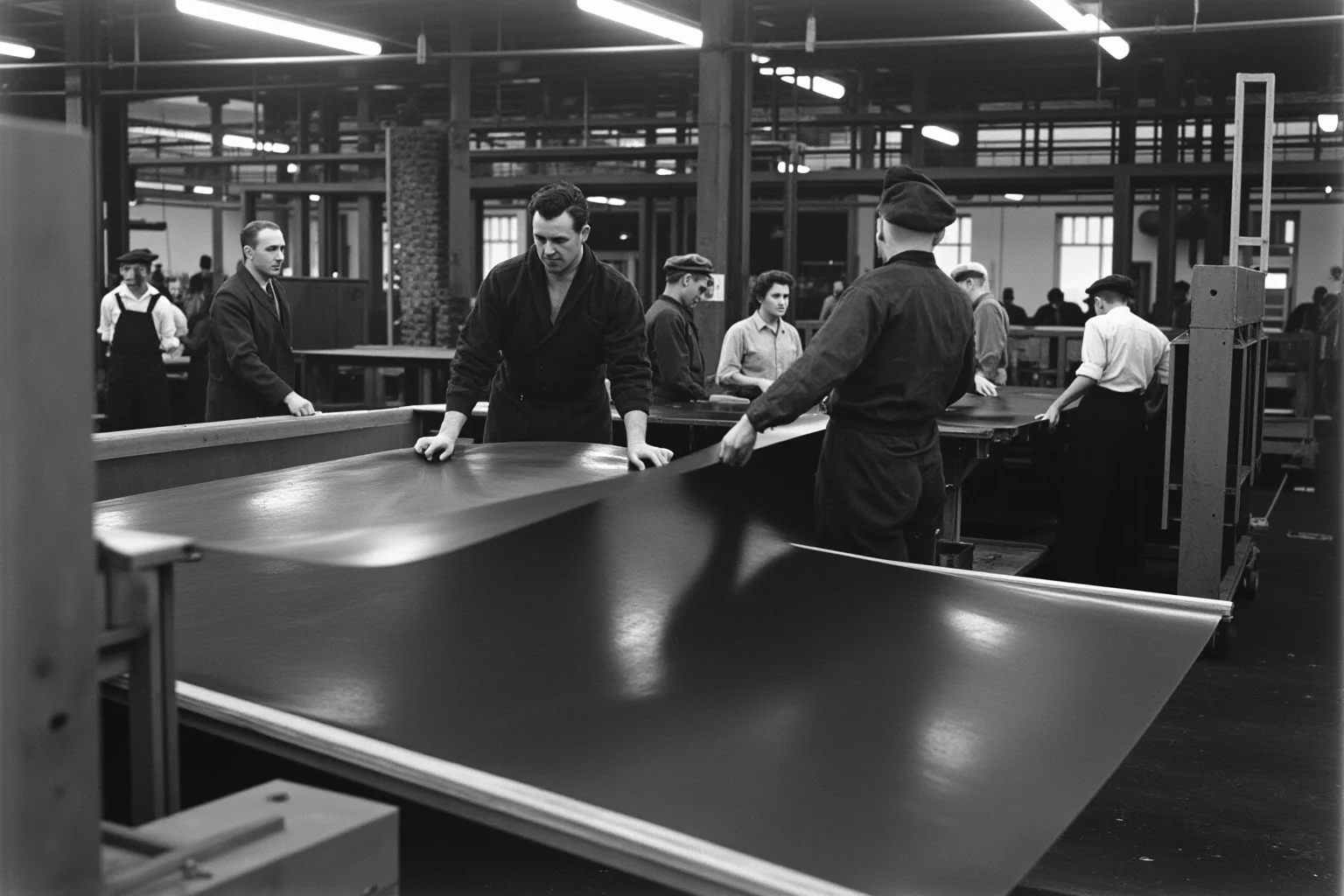
When Japan cut off natural rubber supplies from Southeast Asia, the Allies faced a crisis. Tires, boots, hoses, and countless military items depended on rubber. The solution was synthetic rubber, produced through industrial chemistry on a massive scale.
The United States launched a crash program that produced hundreds of thousands of tons of synthetic rubber by 1944. This WW2 innovation kept vehicles rolling and later became a staple of consumer manufacturing. Today most tires contain synthetic rubber born from wartime necessity.
7. Pressurized Aircraft Cabins
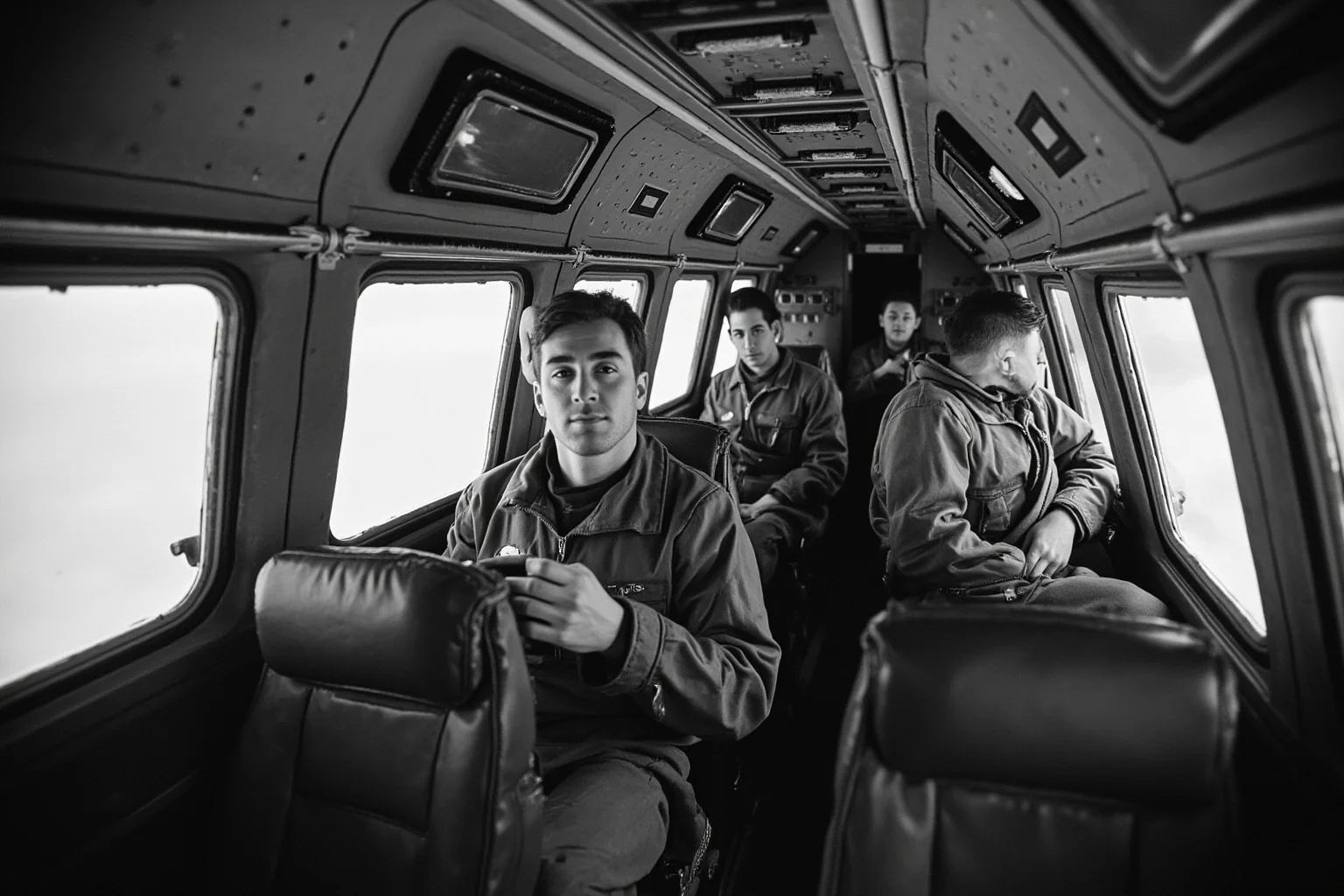
High-altitude bombing required crews to survive thin air and freezing temperatures. Pressurized cabins allowed bombers to fly higher, above much of the enemy's anti-aircraft fire. This technology was refined throughout the war.
After 1945, pressurized cabins made comfortable high-altitude commercial flights possible. They are a key reason modern air travel is safe and relatively pleasant. This is a classic example of technology from World War 2 that quietly shapes everyday life.
8. The Proximity Fuze
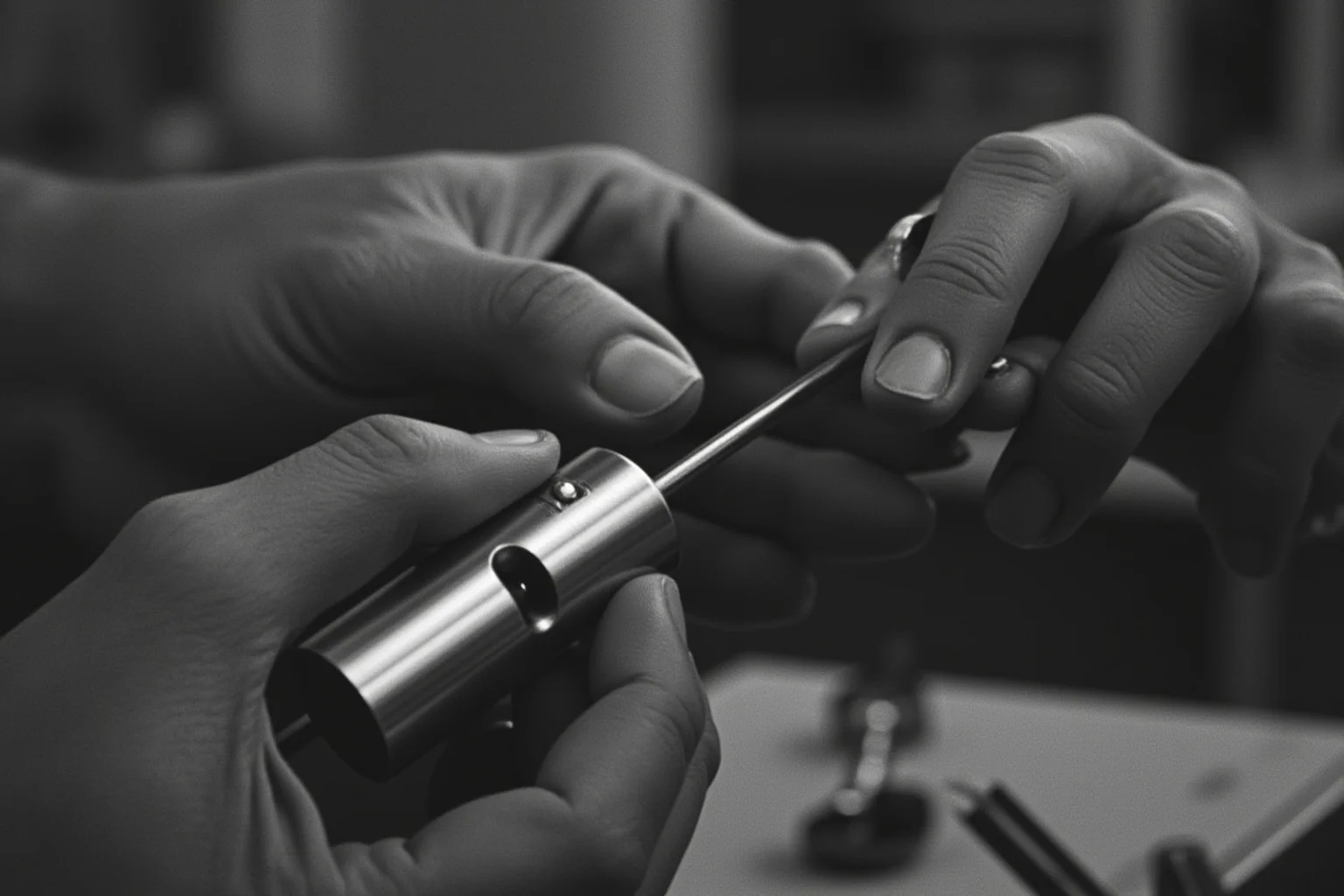
The proximity fuze was a small radio device that detonated an artillery shell when it neared a target. It dramatically improved the accuracy of anti-aircraft fire and was considered so valuable that the Allies initially restricted its use to avoid capture.
Developed largely by American and British scientists, it combined electronics and miniaturization in new ways. The fuze is often overlooked, but it was one of the most effective WW2 technology inventions. Its principles influenced later smart weapons and radar-guided systems.
9. DDT
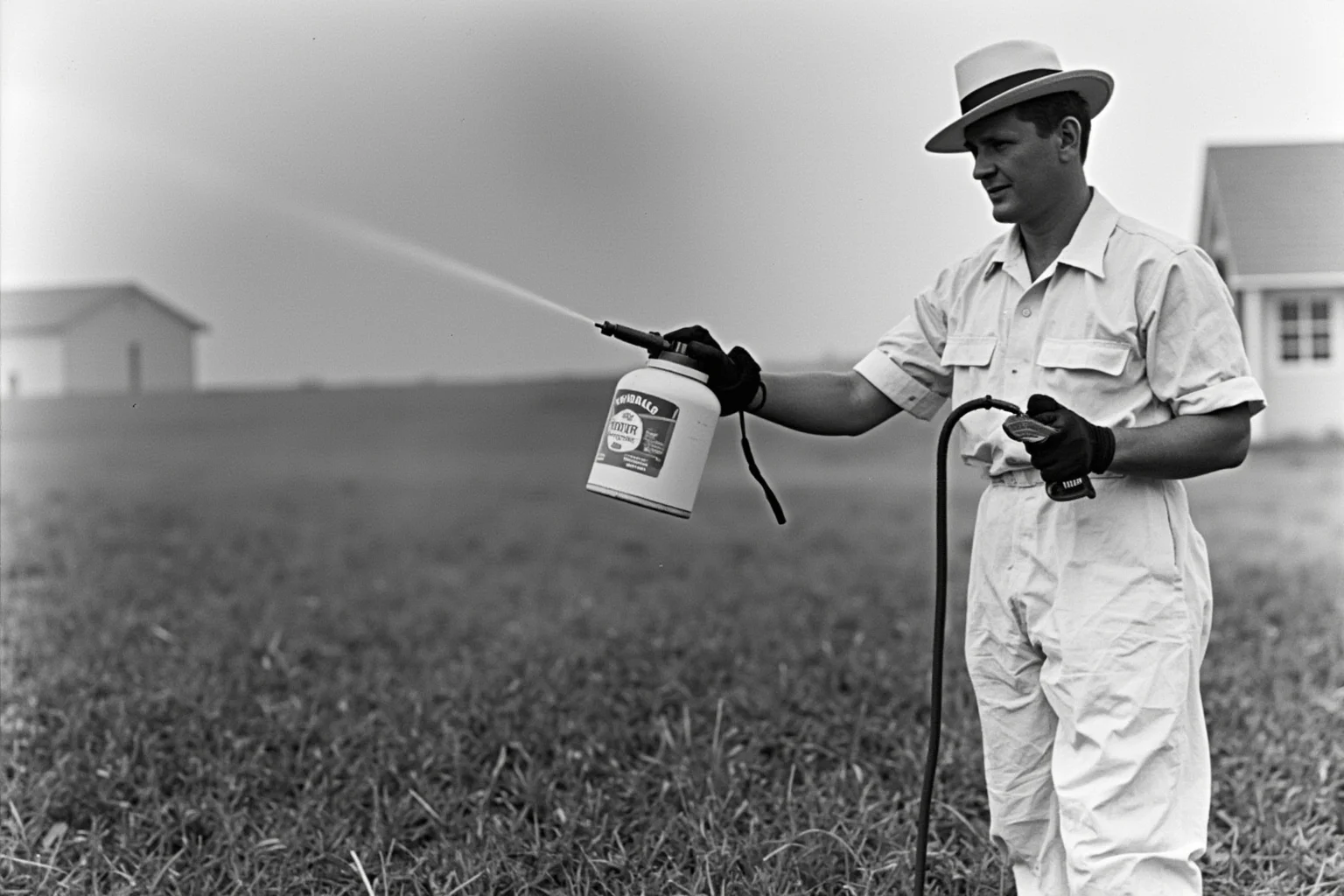
DDT was an insecticide first synthesized in 1939 and used heavily during WWII to control malaria and typhus. It saved countless soldiers and civilians from disease, especially in the Pacific and Mediterranean theaters.
After the war, DDT was used widely in agriculture and public health. However, its environmental damage later led to bans in many countries. The story of DDT is a reminder that wartime inventions can have complex and unintended consequences.
10. The Bazooka
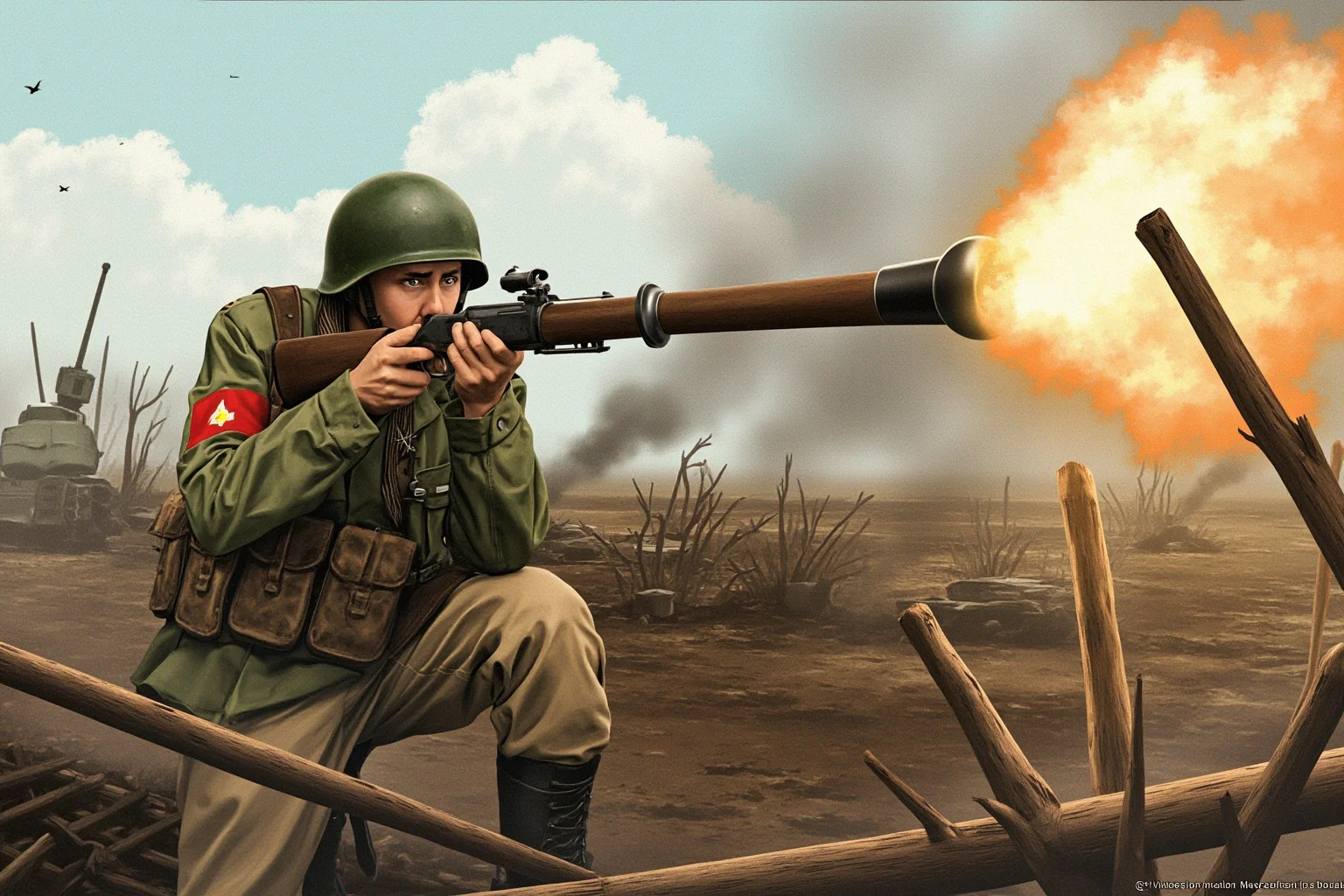
The bazooka was an American shoulder-fired rocket launcher introduced in 1942. It gave infantry a way to fight tanks, which had previously been nearly invulnerable to foot soldiers. The name came from a popular comedy routine of the time.
Germany captured examples and developed its own version, the Panzerschreck. This back-and-forth of innovation was typical of the war. The bazooka helped shape modern anti-tank warfare and inspired later rocket-propelled weapons.
11. The V-2 Rocket
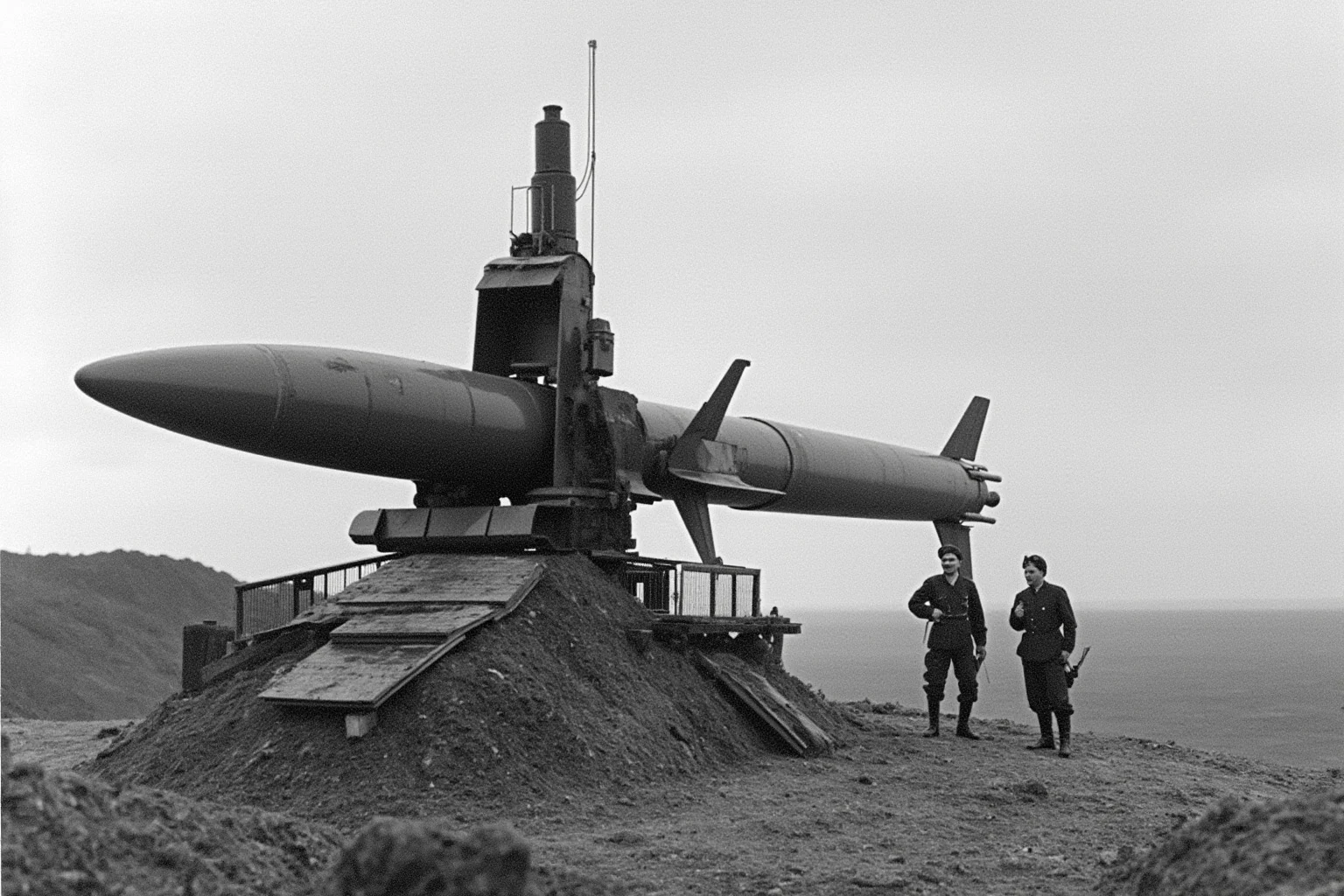
Germany's V-2 was the first ballistic missile used in combat, striking London and other cities in 1944 and 1945. It flew at supersonic speed and could not be intercepted, though it was inaccurate and strategically limited.
More important than its wartime impact was its legacy. The V-2 became the basis for both American and Soviet rocket programs after the war. It was a direct ancestor of the rockets that later launched satellites and humans into space.
12. Sonar and ASDIC
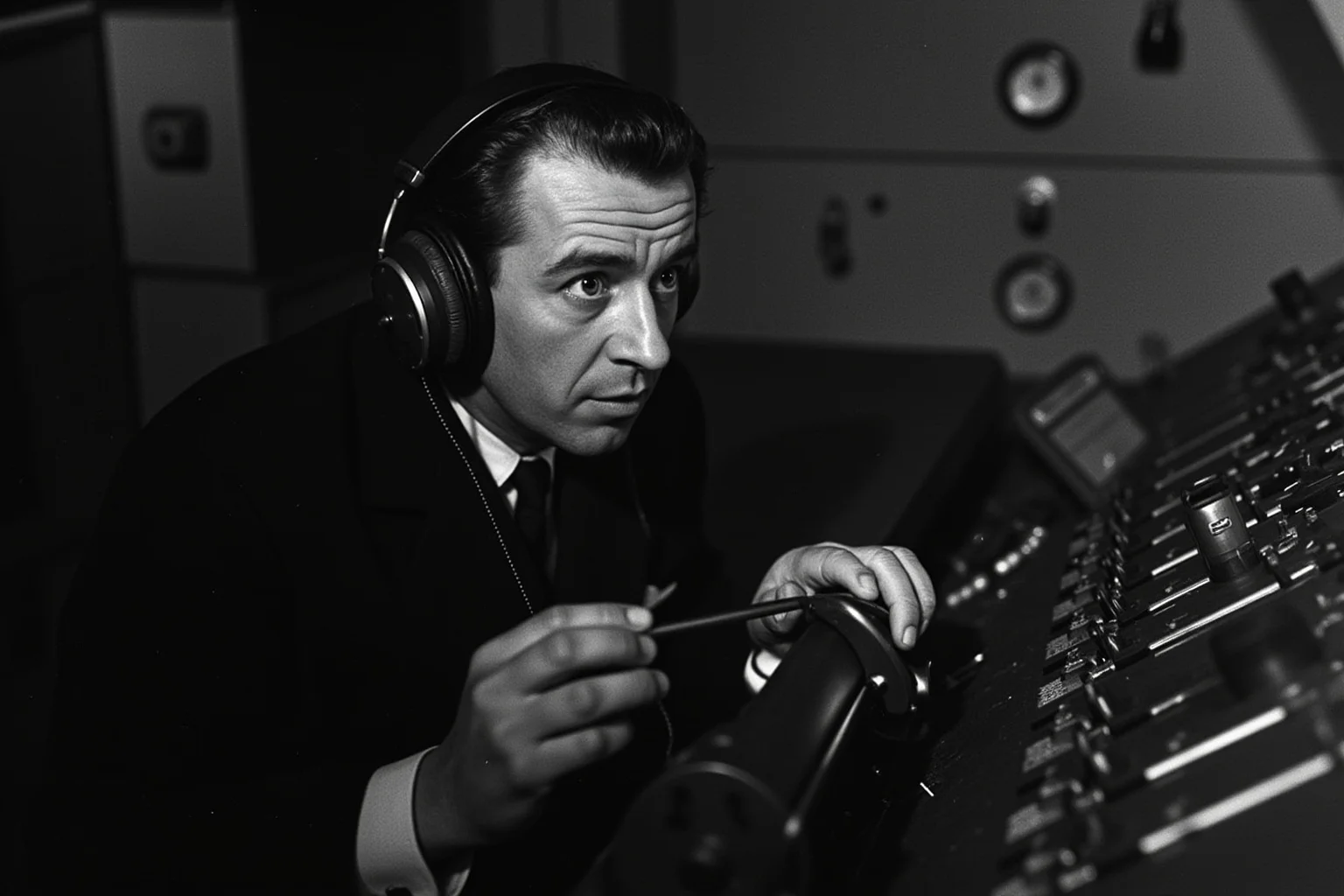
Sonar, known as ASDIC in Britain, used sound waves to detect submarines underwater. It was essential for winning the Battle of the Atlantic, where German U-boats threatened to cut Britain's supply lines.
Allied convoys used sonar to hunt submarines, and the technology improved steadily throughout the conflict. Today sonar is used in navigation, fishing, and ocean research. It is another example of inventions during WW2 that became everyday tools.
13. The Jeep
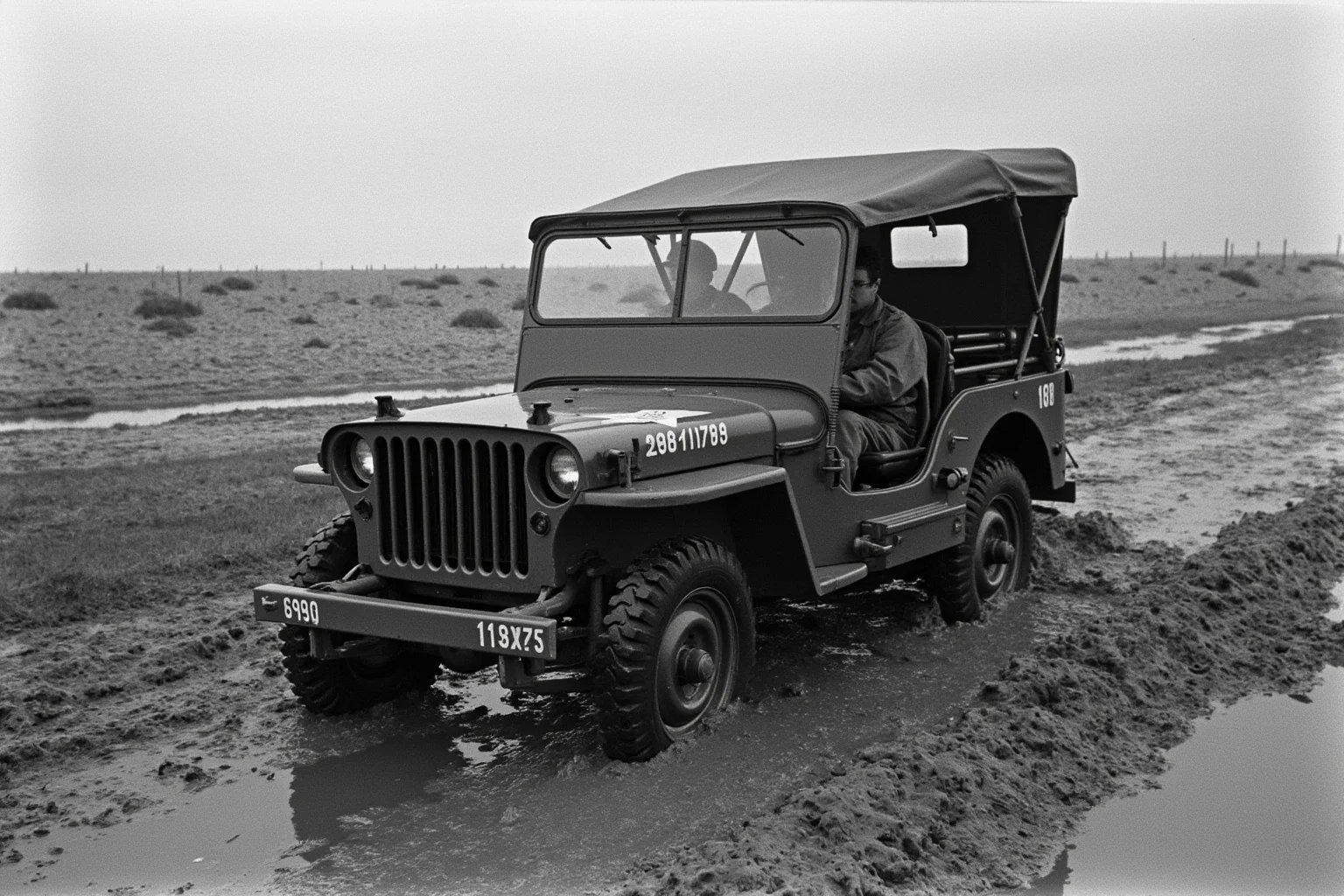
The Jeep was a lightweight, rugged vehicle built for military use. It was fast to produce, easy to repair, and could handle almost any terrain. Soldiers loved it, and it became an icon of the war.
After 1945, the Jeep inspired a whole category of civilian off-road vehicles. Its design philosophy — simple, durable, versatile — influenced automotive engineering for decades. Few things invented during World War 2 are as recognizable as the Jeep.
14. Duct Tape
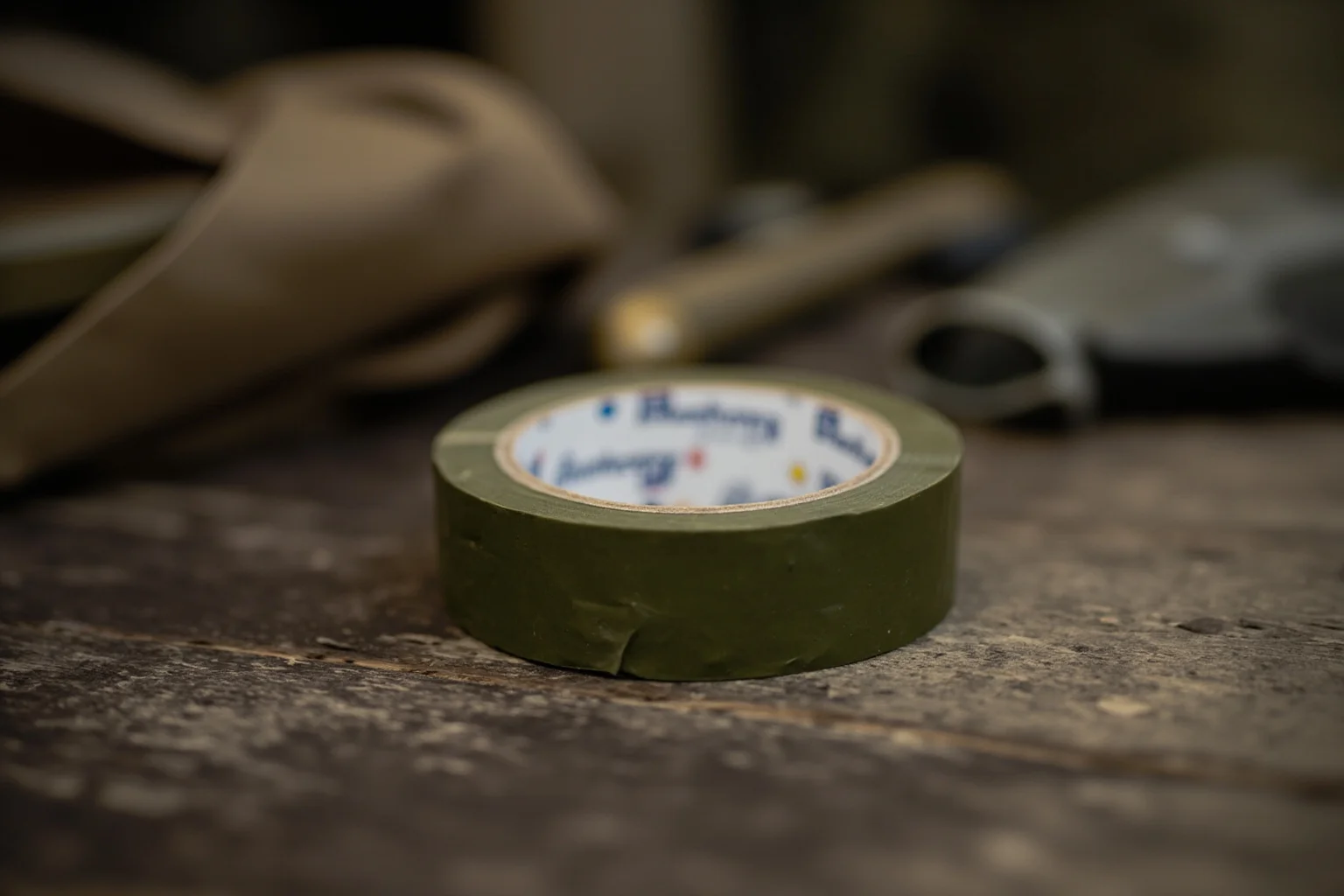
Duct tape was developed during WWII for sealing ammunition boxes and repairing equipment. Soldiers found countless other uses for it, and its reputation as a universal fix-it tool was born.
After the war, it became a household staple. The original military version was often green, but the familiar silver color came later. It is a small but enduring example of WWII innovations that stuck around.
15. Nylon and Synthetic Fibers
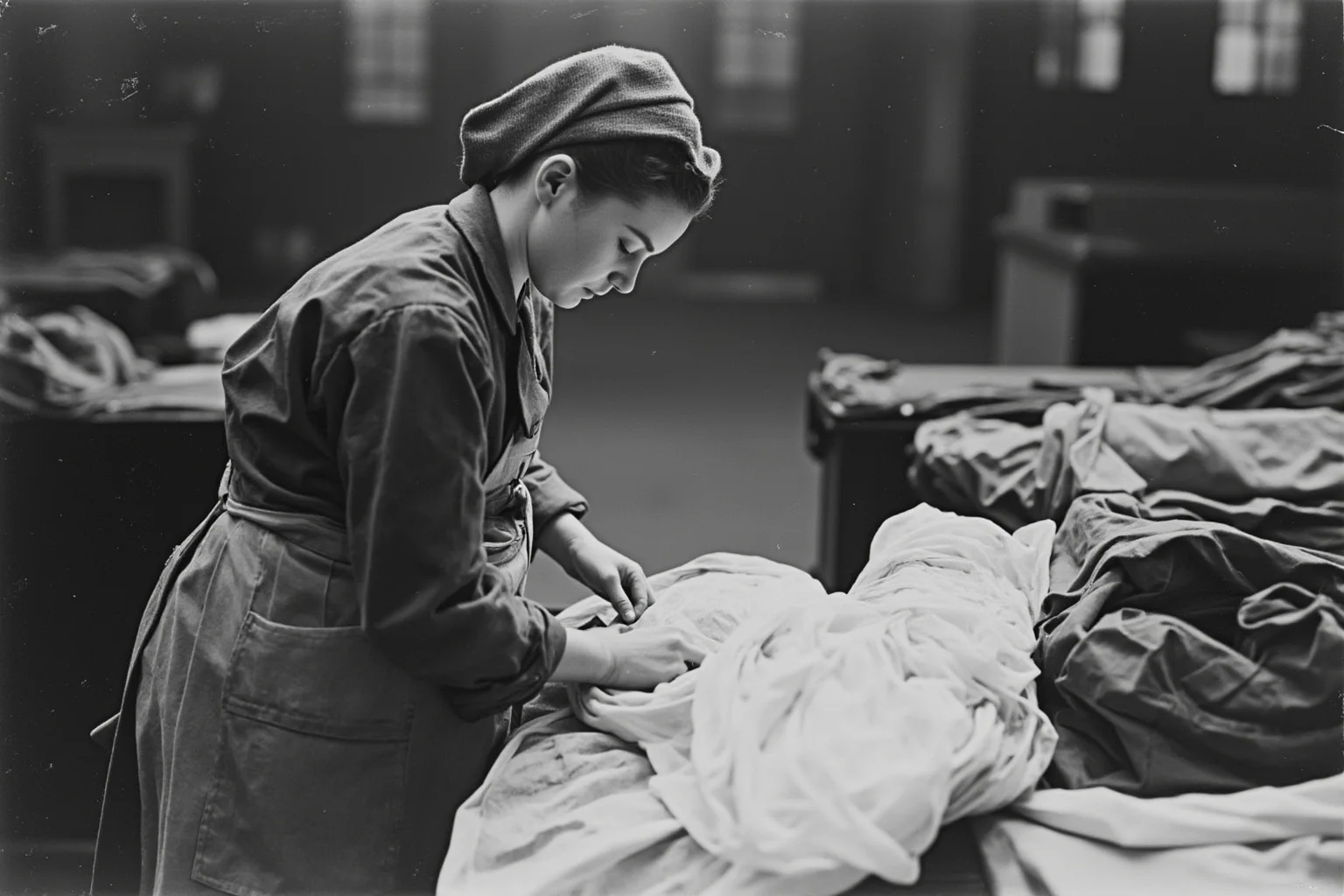
Nylon was invented in 1935 but exploded in importance during the war. It replaced silk in parachutes and was used in ropes, tents, and uniforms. When silk supplies from Japan were cut off, nylon filled the gap.
Other synthetic fibers also advanced rapidly. These materials changed clothing, industry, and consumer goods after the war. The textile innovations of the 1940s still influence what we wear today.
16. Blood Plasma Transfusion
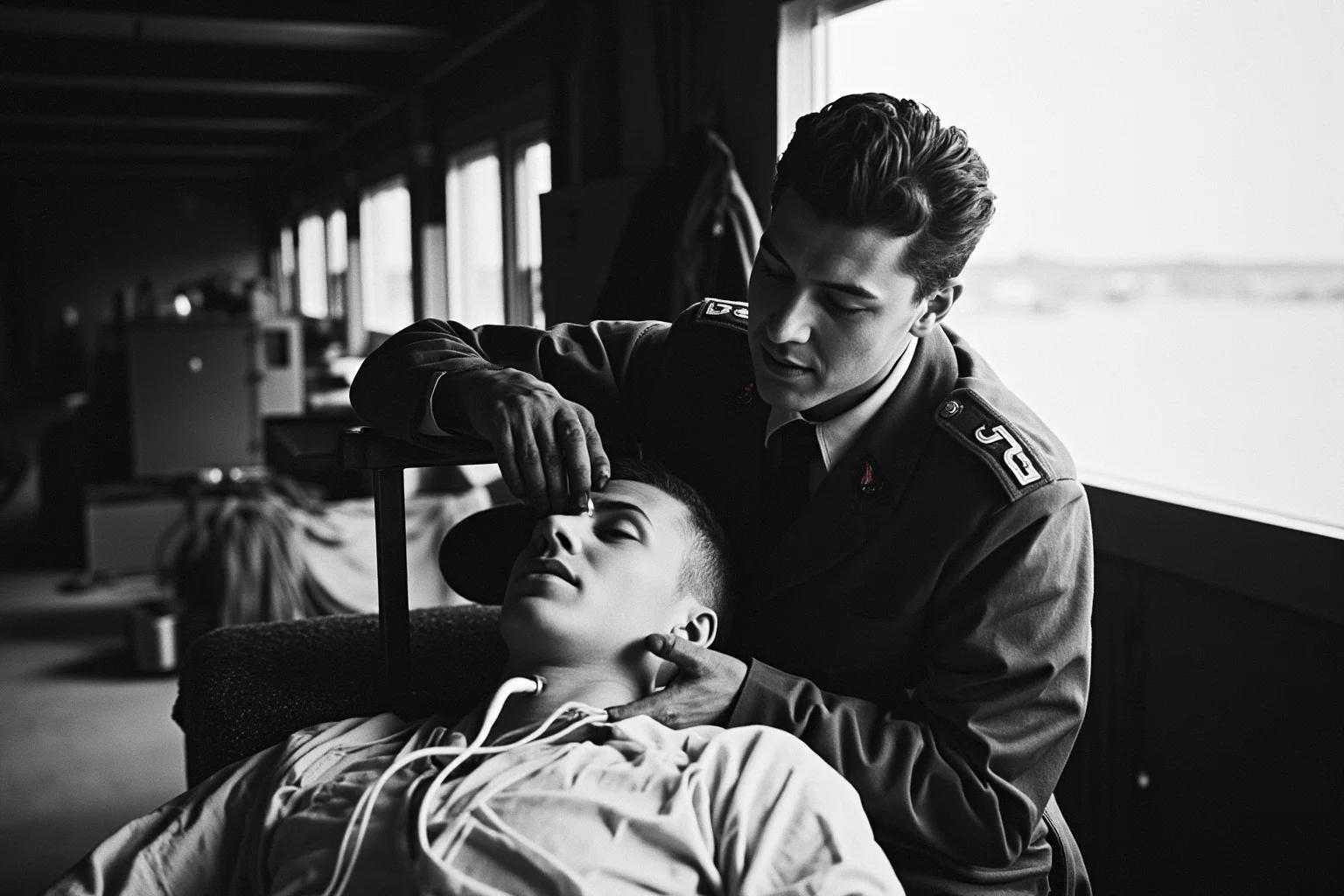
Blood plasma transfusion techniques were refined during WWII to treat wounded soldiers. Storing and shipping plasma made it possible to save lives far from hospitals. This was a major medical breakthrough.
The technology and logistics developed during the war led to modern blood banking. Today, blood donation and transfusion are routine, but they were once battlefield innovations. This is one of the most humane inventions from WWII.
17. The Walkie-Talkie
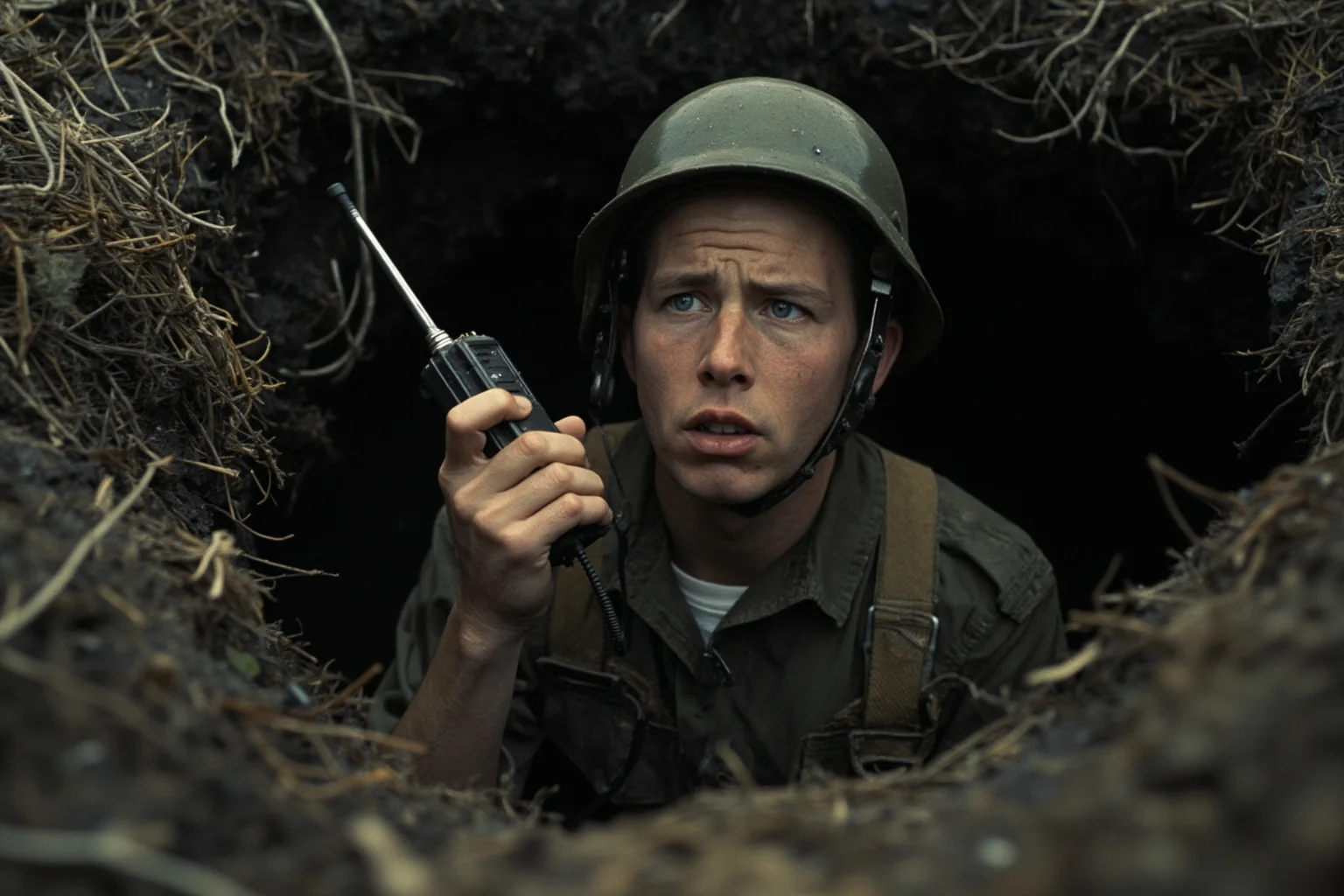
Handheld two-way radios, known as walkie-talkies, were developed during the war for infantry communication. They allowed soldiers to stay in contact over short distances without bulky equipment.
Motorola produced one of the most famous versions. After the war, walkie-talkies became popular with civilians and later evolved into mobile phones. The urge to communicate on the move started here.
18. Freeze-Drying
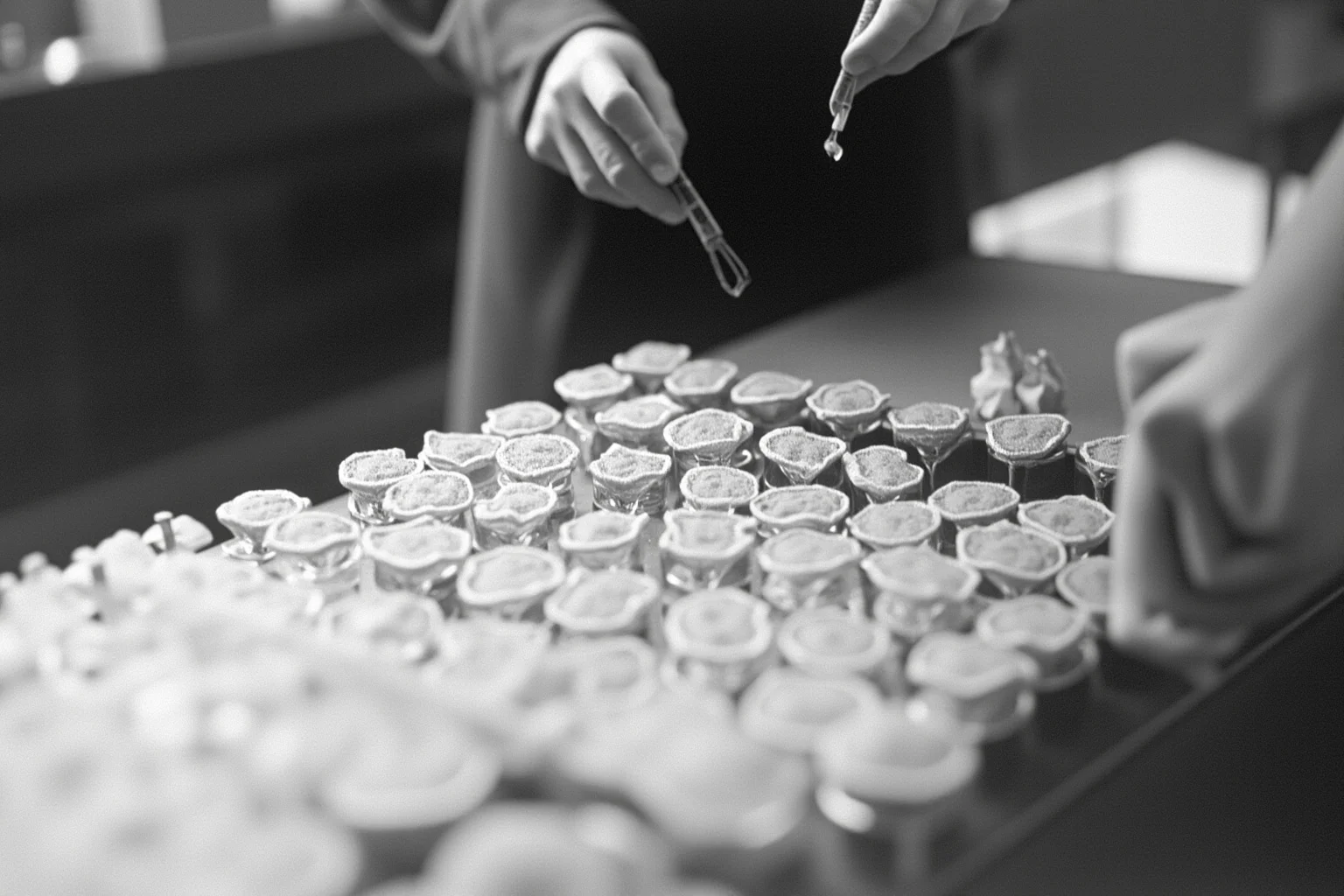
Freeze-drying was developed to preserve blood serum and food for military use. It removed water from a product while frozen, allowing it to be stored for long periods. This was a practical solution to a wartime logistics problem.
Today freeze-drying is used for instant coffee, camping food, and even pharmaceuticals. It is a quiet but important WW2 innovation that affects daily life more than most people realize.
19. Synthetic Oil and Fuel
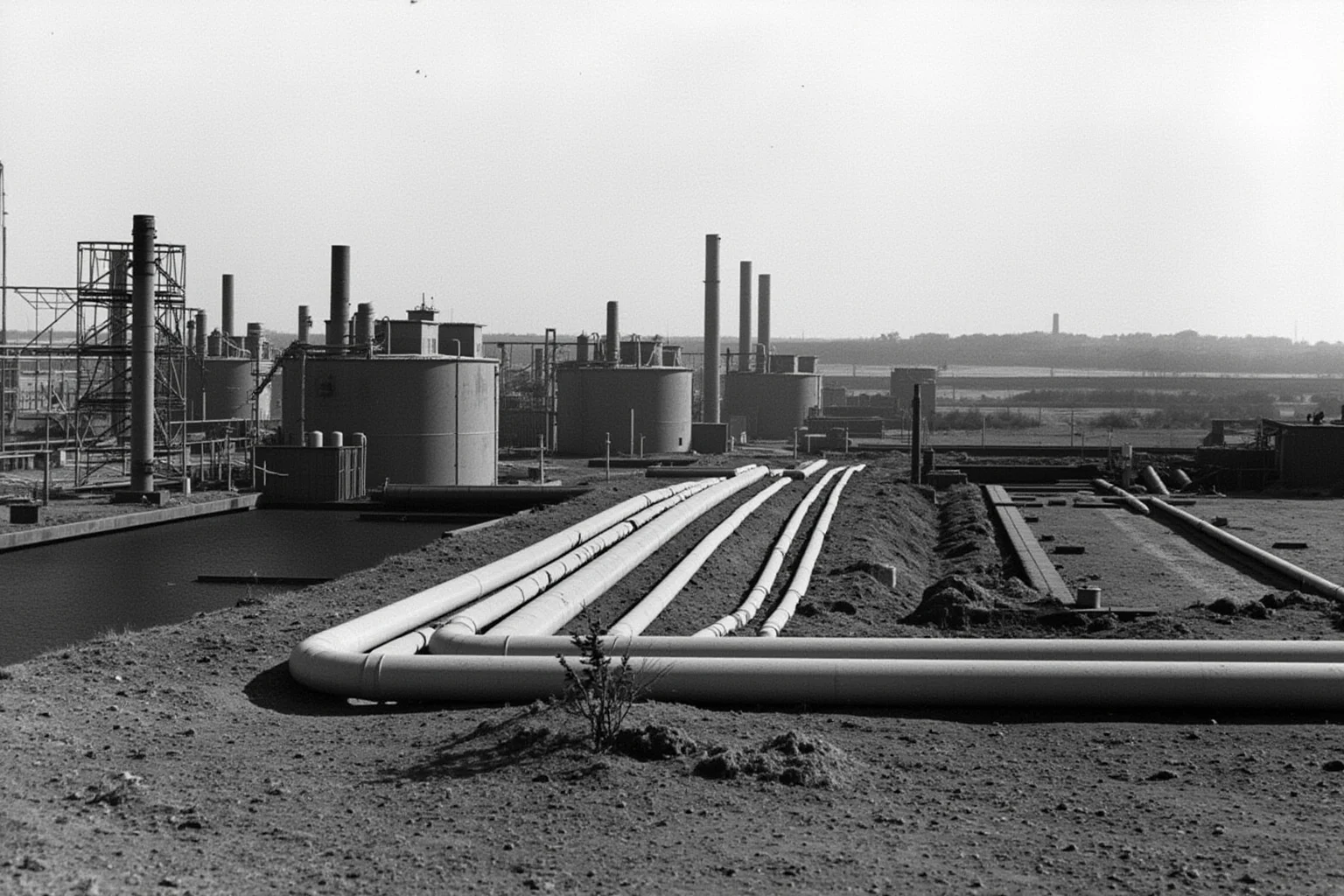
Germany lacked natural oil, so it developed synthetic fuel from coal. This technology kept its war machine running longer than it otherwise could have. The process was expensive but strategically vital.
After the war, synthetic fuel research influenced the energy industry. It also contributed to chemical engineering more broadly. The quest for energy independence during wartime left a lasting mark on technology.
20. The Helicopter
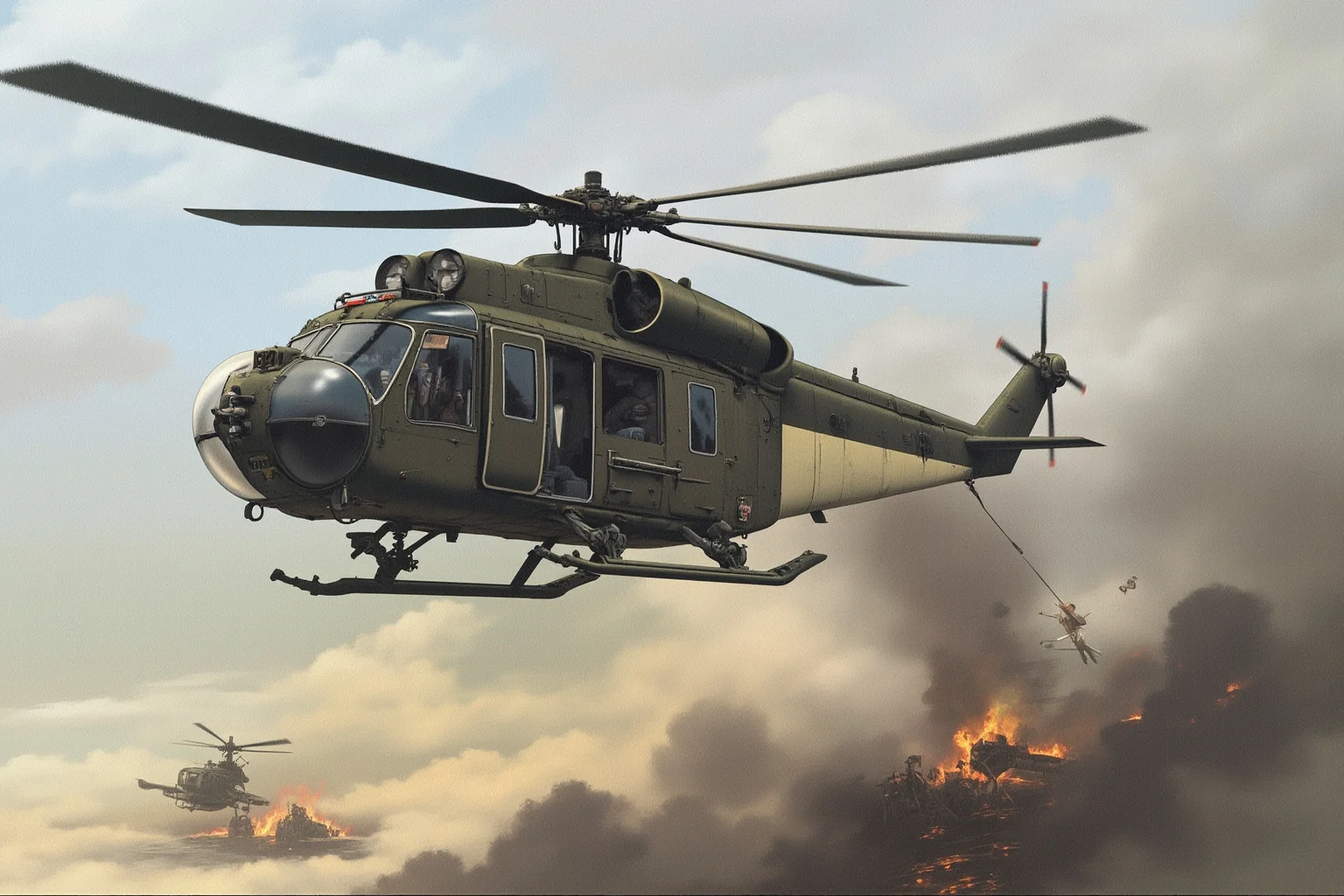
Helicopters existed in prototype form before the war, but WWII accelerated their development. The German Flettner Fl 282 and the American Sikorsky R-4 were among the first practical models. They were used mainly for reconnaissance and rescue.
After 1945, helicopters became essential for medical evacuation, transport, and warfare. The modern helicopter industry owes much to wartime experimentation. This is a clear case of new technology in WW2 that matured rapidly.
21. The Aerosol Spray Can
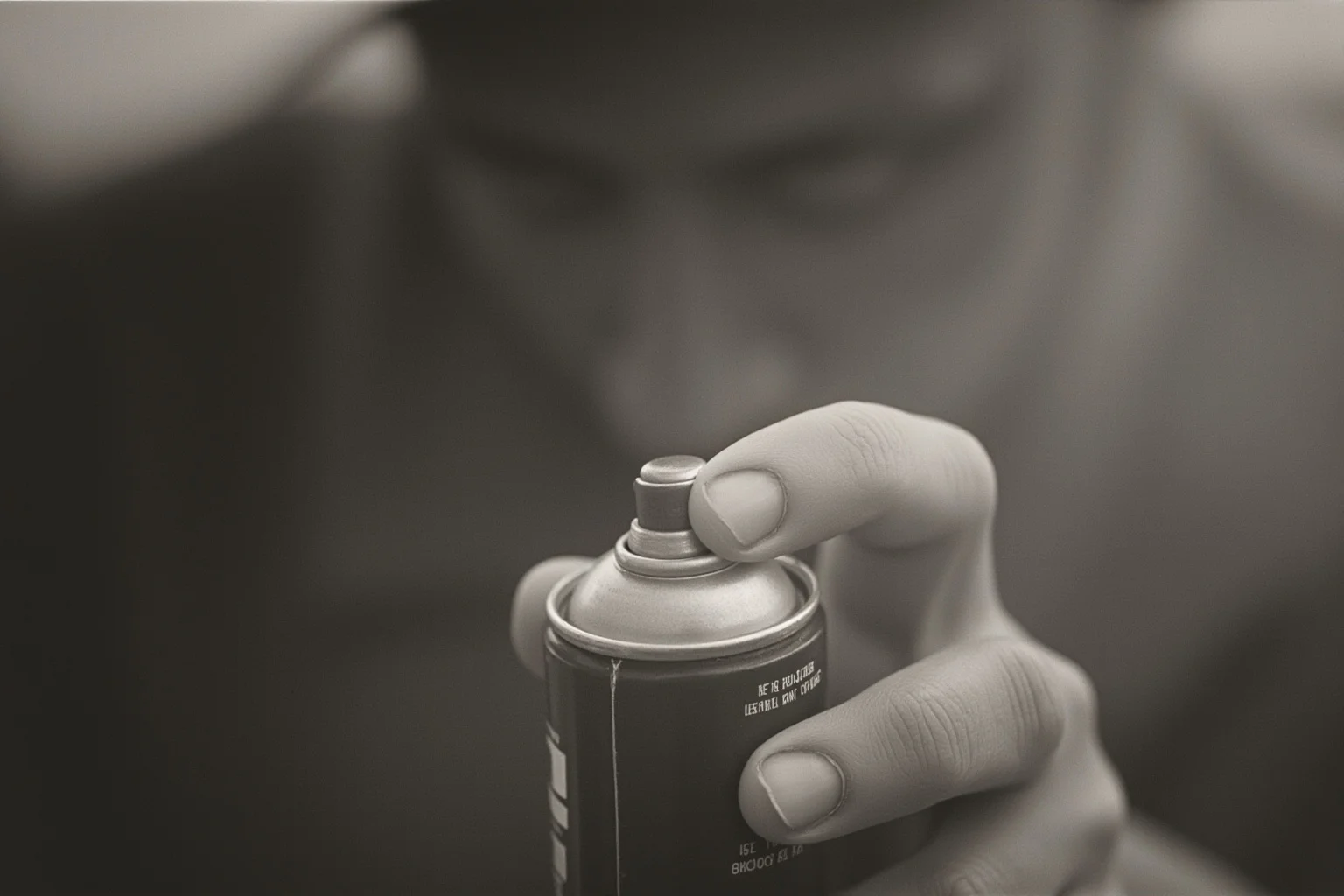
The aerosol spray can was invented in 1941 for dispensing insecticide to protect soldiers from malaria. It used a pressurized gas to turn liquid into a fine mist. The design was simple and effective.
After the war, aerosol cans were adapted for hairspray, paint, and countless other products. They became a common household item. It is a small invention with a surprisingly wide reach.
22. The Computer Bug and Debugging
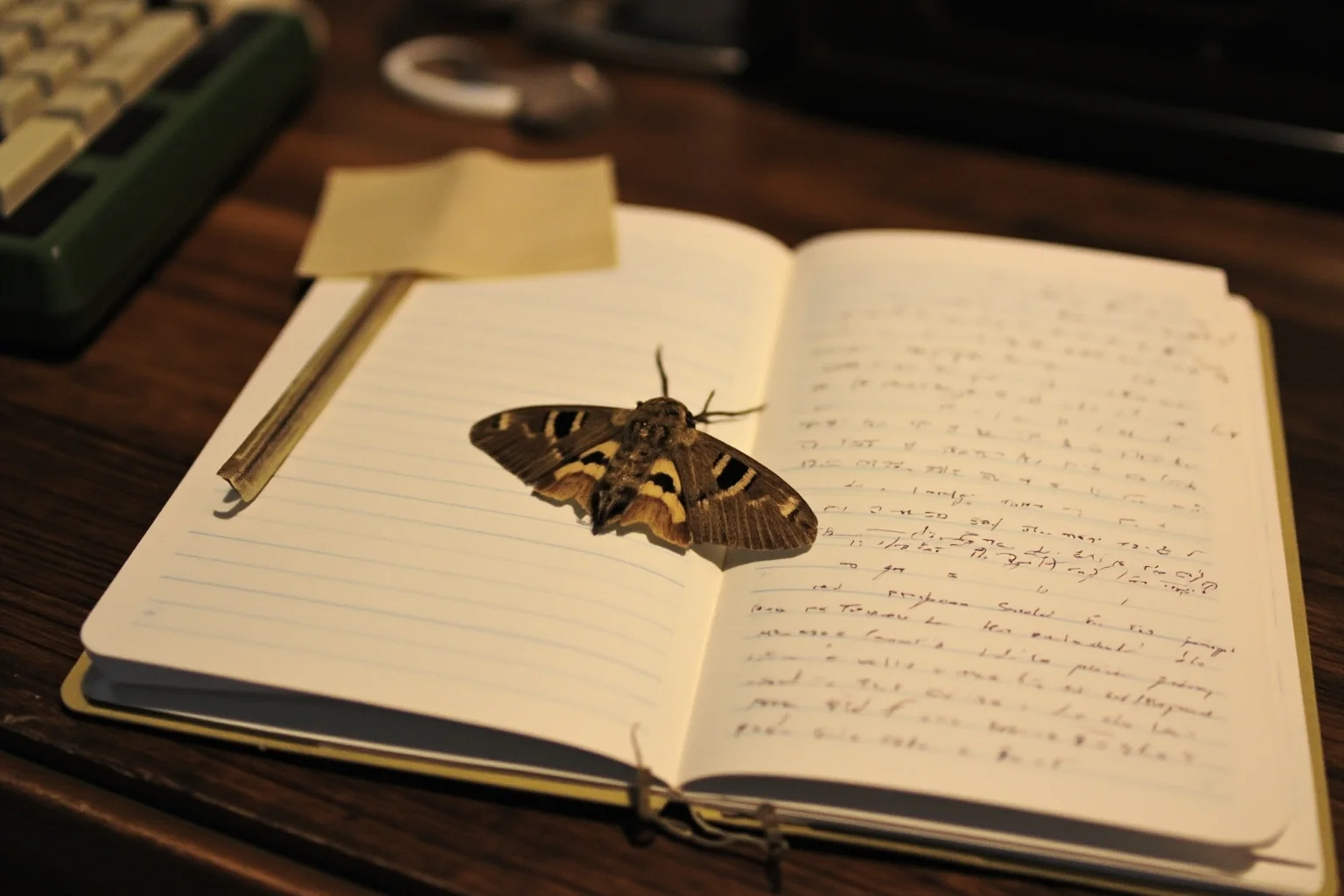
The term "bug" for a computer error became popular during the war era, partly thanks to early computing pioneers. Operators of machines like the Harvard Mark II once found an actual moth in a relay, which was taped into a logbook.
This story is often told as the origin of "debugging," though the term was already used in engineering. Regardless, the culture of software troubleshooting began with these early machines. It is a lighthearted legacy of wartime computing.
23. The Ballpoint Pen
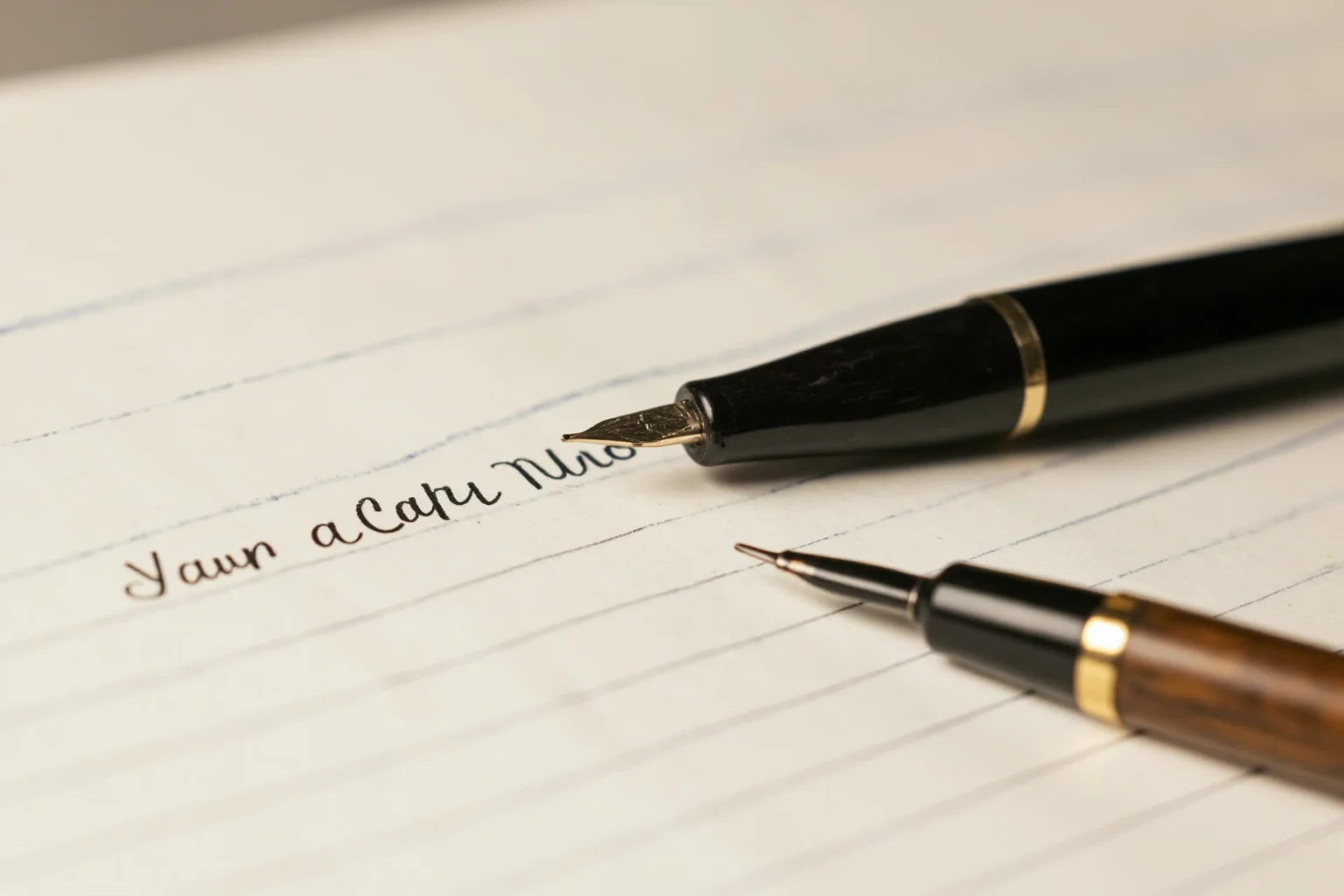
The ballpoint pen was patented in the late 1930s and became widely used during WWII. British and American forces needed a reliable pen that did not leak at high altitudes, and the ballpoint fit the bill. It was sturdy and quick-drying.
After the war, ballpoint pens flooded the civilian market and largely replaced fountain pens. Today they are everywhere, from offices to checkout counters. It is a simple invention, but one that changed how the world writes.
How WW2 Inventions Shaped the Modern World
The inventions of WWII did not stay on the battlefield. They moved into homes, hospitals, airports, and offices within a generation. Radar, jets, antibiotics, and computers all became foundations of modern life.
This is why the study of inventions during World War Two is more than military history. It is the story of how crisis drives creativity, and how quickly ideas can move from secret labs to everyday use. The war ended, but its innovations kept working.
Many of these technologies also raised ethical questions. The atomic bomb, DDT, and synthetic chemicals all showed that progress can have a dark side. Understanding that balance is part of understanding the war's legacy.
Conclusion: The Long Shadow of Wartime Innovation
World War II was a tragedy, but it was also a catalyst. The inventions from WWII reshaped medicine, communication, travel, and computing in ways that still define our world. From the jet engine to the ballpoint pen, the war left a technological fingerprint everywhere.
When we ask what technology was used in WW2, the answer is not just tanks and rifles. It is also the antibiotics that save lives and the computers that power our economy. The conflict forced the world to innovate faster than ever before.
Remembering these inventions is not about glorifying war. It is about recognizing how human ingenuity can emerge even in the darkest times. The next time you use a jet, take an antibiotic, or write with a ballpoint, you are touching a piece of WWII history.
Frequently Asked Questions
What was the most important new technology in WW2?
Many historians consider radar, the jet engine, and penicillin mass production to be among the most important. Radar helped win the Battle of Britain, jets transformed aviation, and penicillin saved millions of lives. The atomic bomb was also hugely significant, though its legacy is more controversial.
What new technology was used in World War 2?
World War 2 saw the introduction or rapid development of radar, sonar, jet aircraft, ballistic missiles, electronic computers, proximity fuzes, synthetic rubber, and antibiotics like penicillin. These technologies were used in combat, logistics, and medicine, and many became everyday items after 1945.
Were computers invented during WW2?
The first electronic digital computers were built during WW2. Britain's Colossus (1943) helped break German codes, and the American ENIAC (1945) calculated artillery tables. These machines were huge and used vacuum tubes, but they laid the foundation for modern computing.
What inventions came out of 1945 specifically?
1945 saw the first atomic bomb test and the bombings of Hiroshima and Nagasaki. The ENIAC computer was also completed that year. Other 1945 milestones include advances in jet aircraft and the widespread use of penicillin, which became available to the public after the war.
How did WW2 inventions change everyday life?
WW2 inventions led to commercial jets, antibiotics, computers, duct tape, ballpoint pens, and synthetic materials. They also improved weather forecasting, air travel safety, and medical care. Many items we take for granted today began as wartime solutions.

Alex Warren
Related Articles