
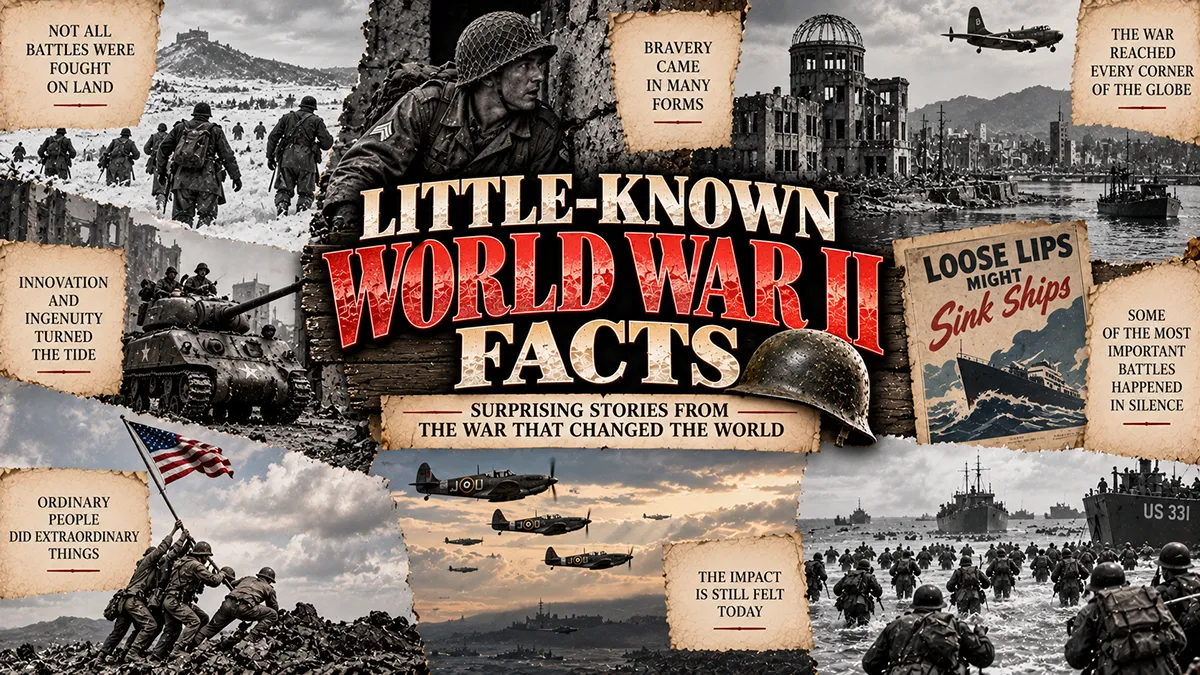
World War II gets taught in almost every school on the planet, yet most of us only walk away with a handful of dates, names, and battles. The real story is far stranger, far more human, and far more surprising than the textbook version. Beneath the big headlines of D-Day and the atomic bomb sit hundreds of smaller, weirder, and genuinely fascinating stories that rarely make it into the standard lesson plan.
This list pulls together 20 of the most interesting facts about WWII, ranging from the deadly serious to the downright bizarre. Some will change how you think about the war’s scale. Others are simply fun facts about World War 2 that make for great trivia night ammunition.
TL;DR: World War II reshaped the entire globe through staggering loss of life, extraordinary human ingenuity, and countless strange, little-known stories that go far beyond the battles most people learn about in school.
1. WWII Was the Deadliest Conflict in Human History
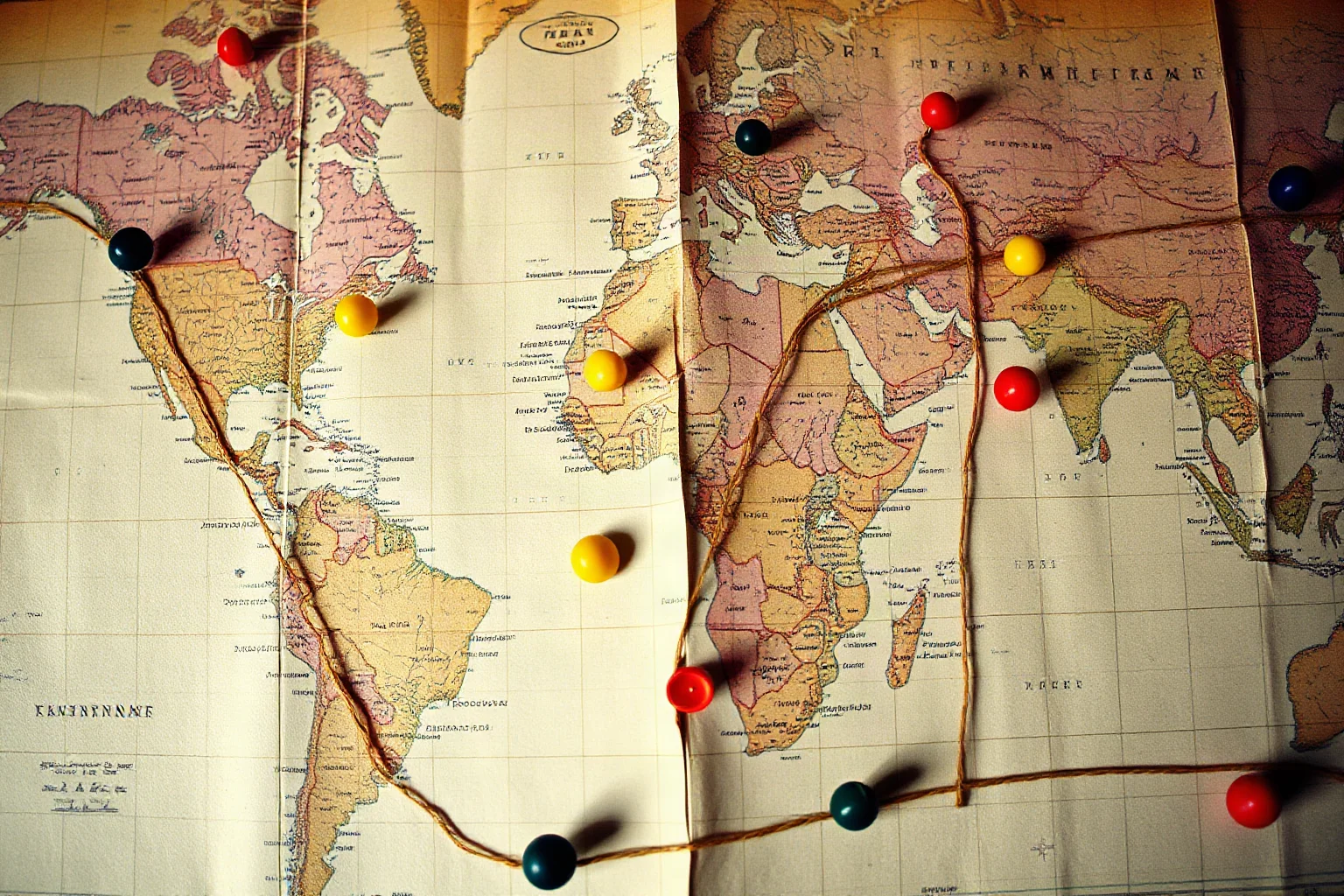
Any honest list of second world war facts has to start with scale, because nothing in recorded history compares to it. Estimates vary, but most historians place total deaths, military and civilian combined, somewhere between 70 and 85 million people. That works out to roughly 3% of the entire world population at the time.
The war touched every inhabited continent and involved more than 30 countries in active combat. Its economic cost, adjusted for inflation, is estimated in the trillions of dollars. No single number can fully capture the devastation, which is part of why the war still dominates history curricula worldwide.
2. The War Didn’t Start (or End) on One Neat Date
Most Western accounts mark the start of WWII as September 1, 1939, when Germany invaded Poland. But in East Asia, many historians trace the conflict back to Japan’s invasion of China in July 1937, or even its invasion of Manchuria in 1931. This is one of those key facts about World War 2 that rarely gets mentioned outside academic circles, even in rundowns of major wars everyone knows about.
The ending is just as messy. Germany surrendered in May 1945, but fighting in the Pacific continued until Japan’s formal surrender on September 2, 1945. Even that date isn’t universal, since some Japanese holdouts kept fighting for years afterward, as you’ll see further down this list.
3. The Soviet Union Bore the Heaviest Human Cost
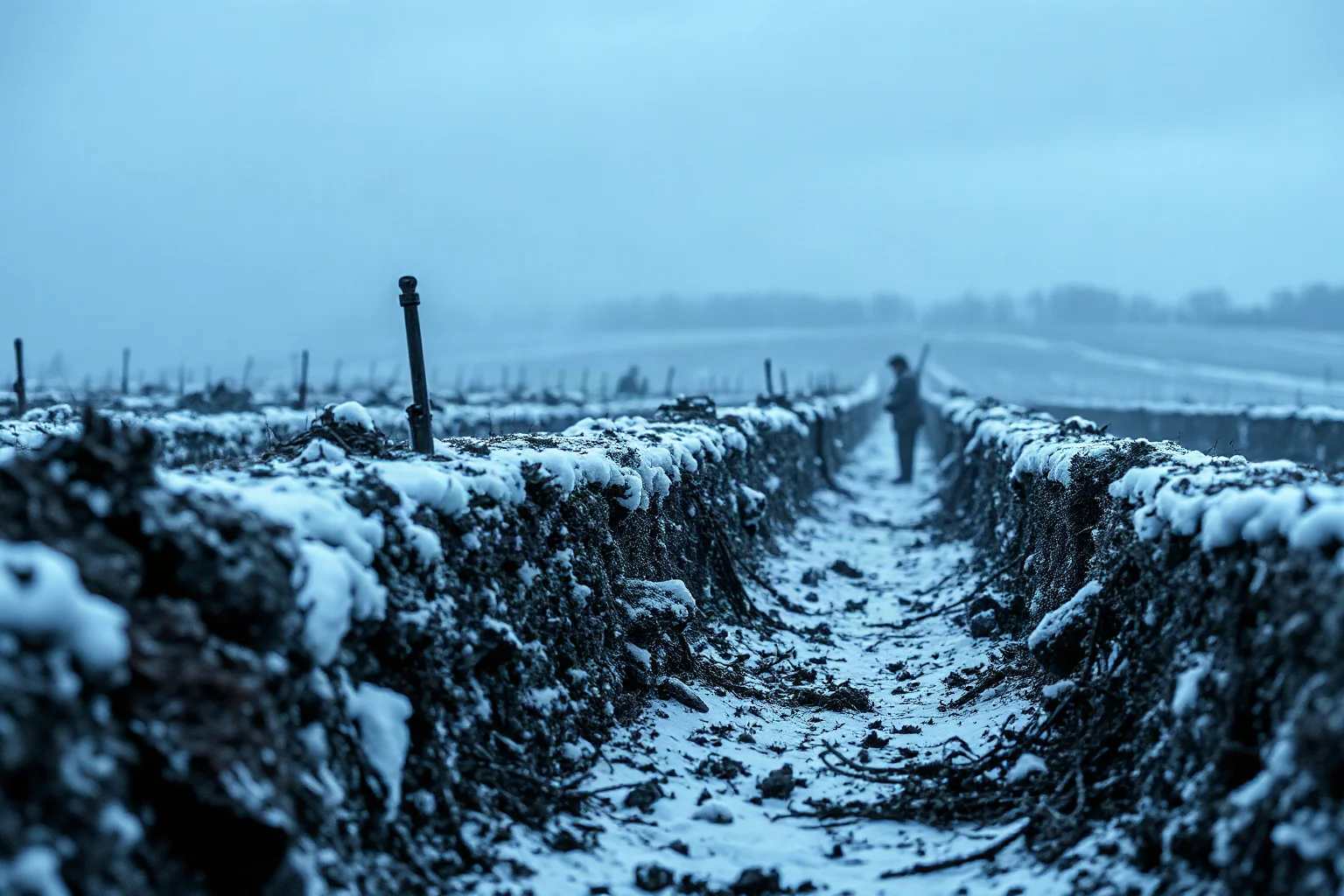
When people picture WWII, they often think first of D-Day or the London Blitz. Yet the Soviet Union suffered by far the highest death toll of any nation, with estimates ranging from 24 to 27 million military and civilian deaths. The brutal fighting on the Eastern Front, particularly around Stalingrad and Leningrad, was some of the most destructive warfare ever recorded.
This staggering loss is one of the more sobering facts about WWII, and it’s a major reason the Soviet Union emerged from the war as a global superpower. The scale of sacrifice on the Eastern Front shaped Cold War politics for decades afterward.
4. One Japanese Soldier Kept Fighting Until 1974
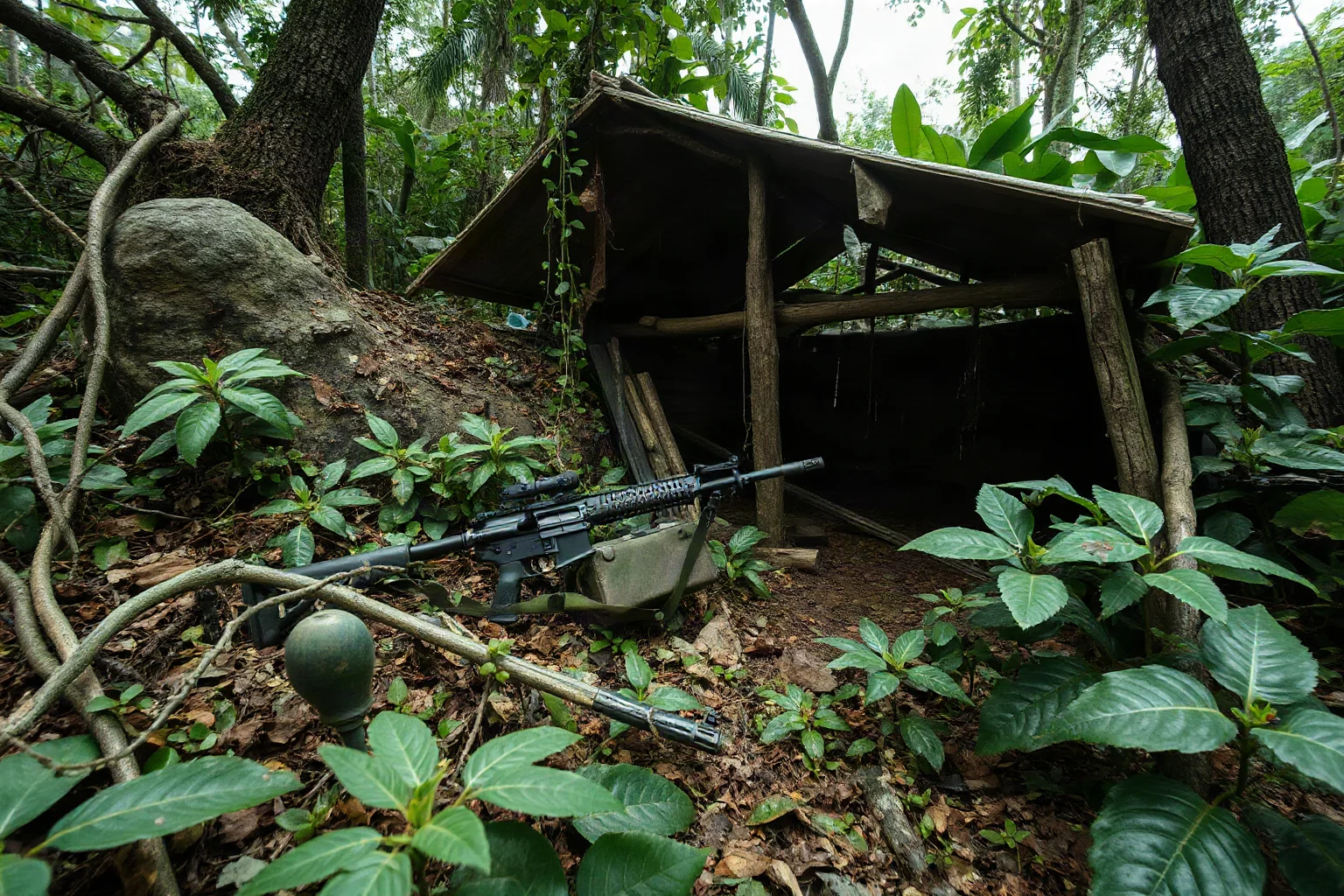
Hiroo Onoda, a Japanese intelligence officer, was stationed on the Philippine island of Lubang during the war. When Japan surrendered in 1945, Onoda didn’t believe it, convinced the announcements were Allied propaganda. He continued guerrilla operations in the jungle for nearly three decades.
Onoda only stood down in 1974 after his former commanding officer traveled to the Philippines and personally issued the order to surrender. It remains one of the most jaw-dropping unknown facts about World War 2 — the kind of story that could easily fit among historical events that sound too crazy to be true, showing just how differently the war’s end was experienced depending on where you stood.
5. A 12-Year-Old American Boy Served in the US Navy
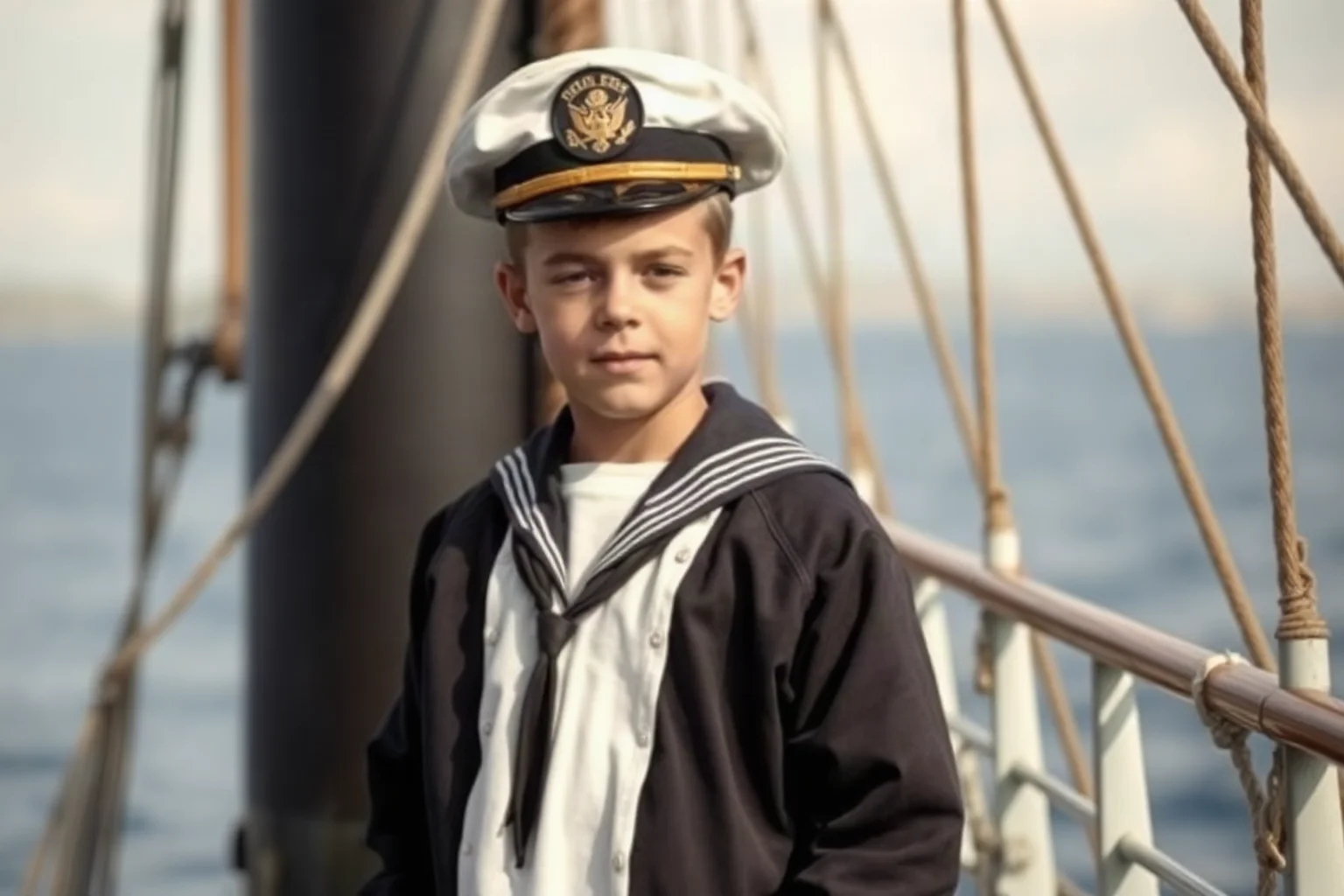
Calvin Graham lied about his age to enlist in the US Navy in 1942, at just 12 years old. He served aboard the USS South Dakota and was wounded during the Naval Battle of Guadalcanal. When the truth about his age came out, he was discharged, though his story later inspired public debate about underage service.
Graham wasn’t entirely unique. Thousands of underage teenagers managed to enlist across various Allied and Axis nations, often by forging documents. It’s a strange facts about World War 2 entry that highlights just how chaotic wartime recruitment could be.
6. Sliced Bread Got Banned in America—Because of the War
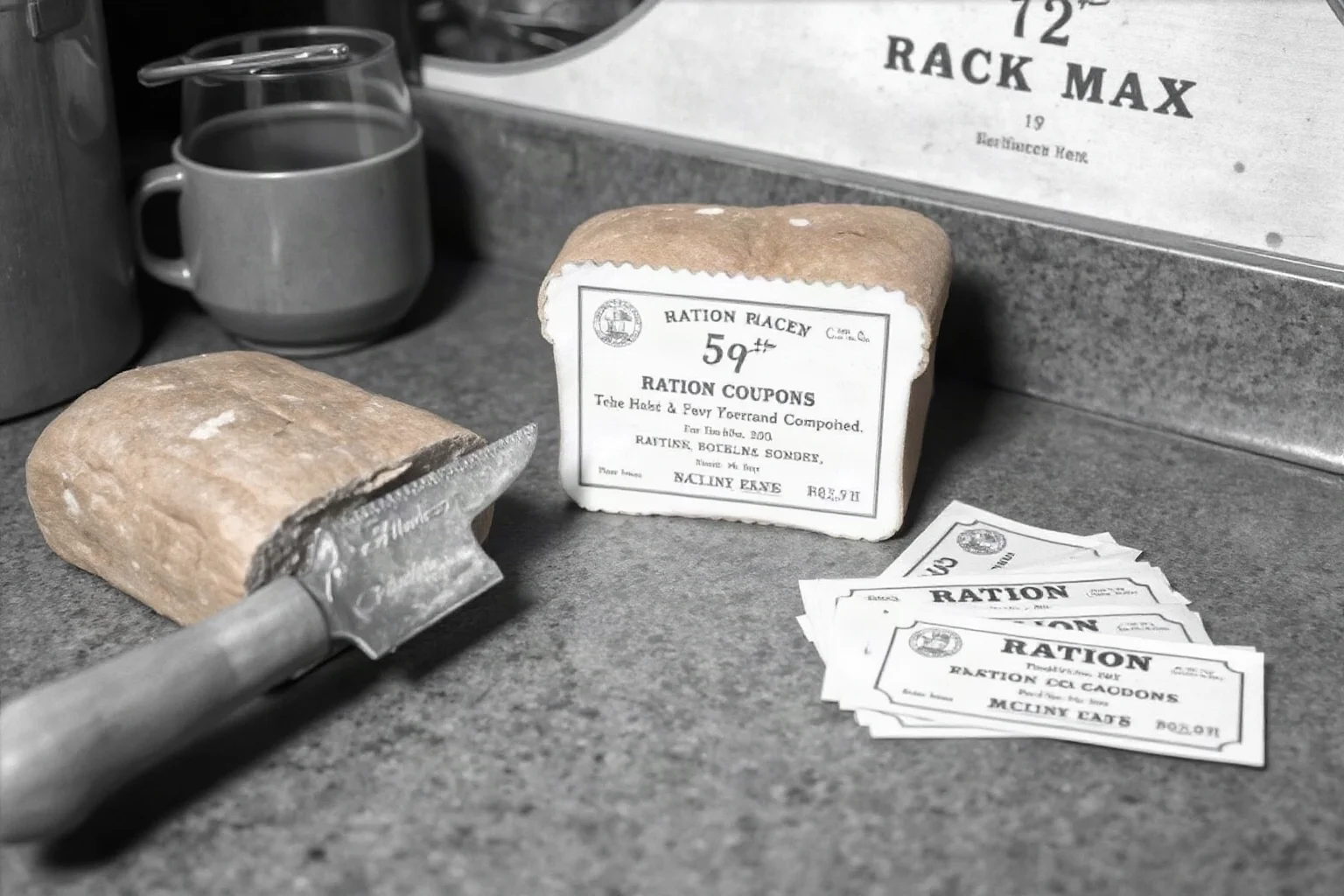
In January 1943, the US government temporarily banned the sale of pre-sliced bread. The stated reason was to conserve steel used in bread-slicing machines and to reduce wax paper usage, both tied to wartime rationing efforts. The ban caused genuine public frustration and was reversed just a few months later.
It’s a small, almost comical footnote compared to the war’s larger horrors, but it’s exactly the kind of stuff about World War 2 that shows how deeply rationing reached into everyday life. Sugar, meat, gasoline, and rubber were all tightly controlled in households across the Allied nations.
7. Codebreakers at Bletchley Park Shortened the War
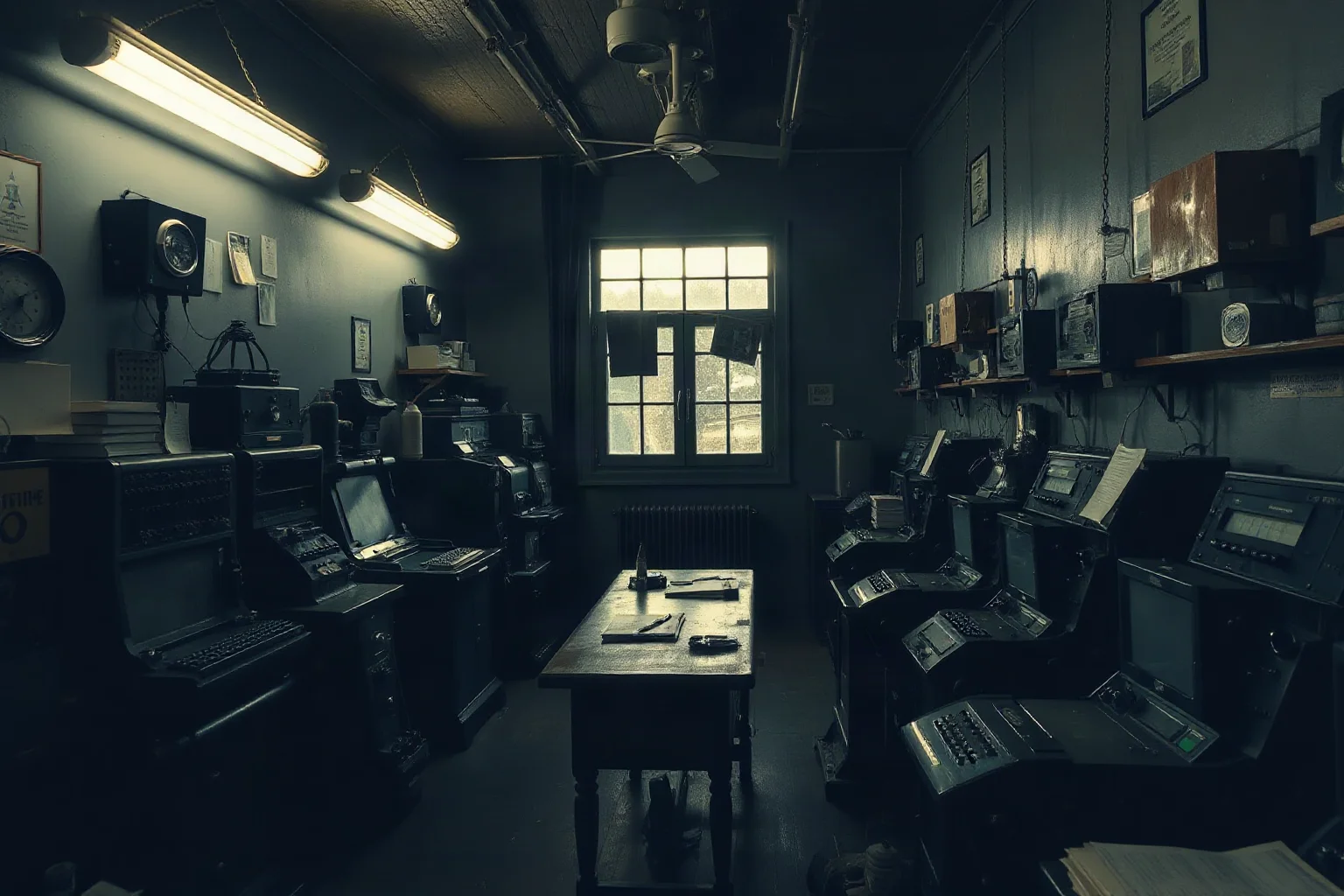
At Bletchley Park in England, a team that included mathematician Alan Turing worked to crack Germany’s Enigma cipher machine. Their success let the Allies read a significant portion of German military communications throughout much of the war. Many historians believe this intelligence work shortened the war by a meaningful margin, though exact estimates vary.
The work was kept secret for decades after the war ended, meaning many of the codebreakers never received public recognition in their lifetimes. It’s now considered one of the most important, and once one of the most unknown, facts about WWII.
8. A German General Disobeyed Hitler to Save Paris
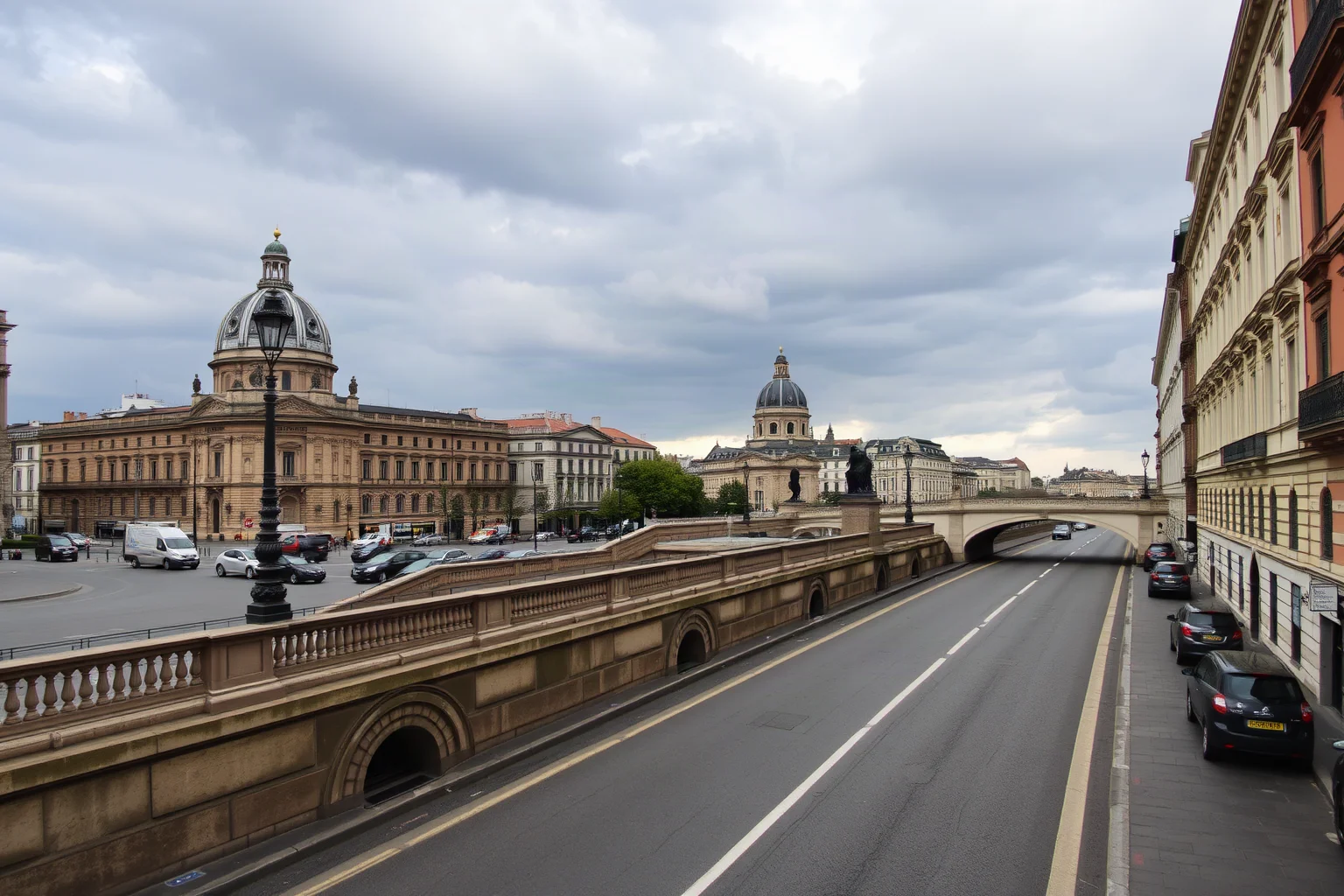
As Allied forces closed in on Paris in August 1944, Hitler ordered the city’s military commander, General Dietrich von Choltitz, to destroy it rather than let it fall intact. Von Choltitz ultimately did not carry out the demolition orders and negotiated a surrender to French and Allied forces instead.
Historians still debate his exact motivations, and his decision doesn’t erase his earlier wartime record. Still, it’s why Paris’s bridges, monuments, and boulevards survived the war largely undamaged, unlike so many other European cities.
9. Hitler Was Named Time’s “Man of the Year”
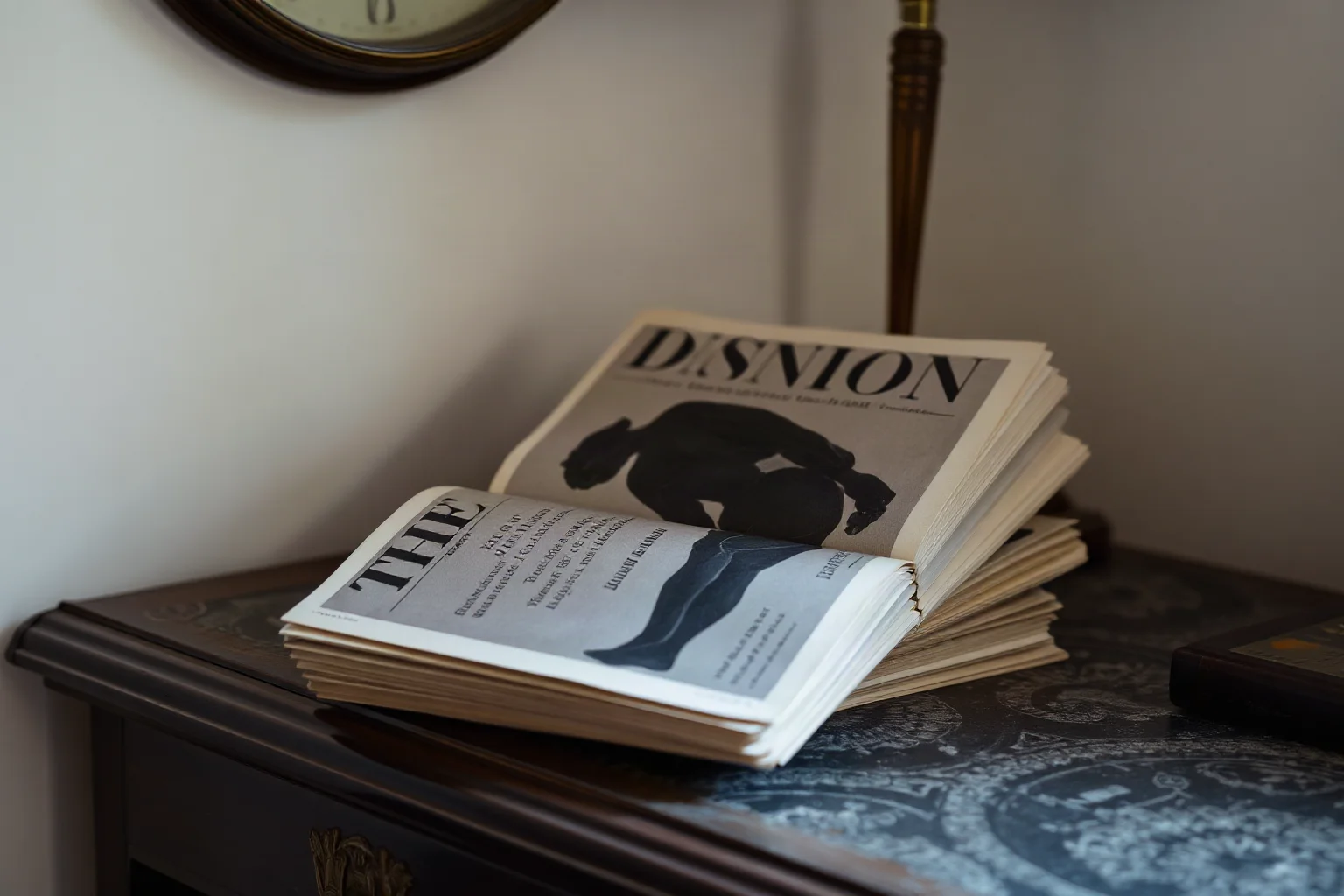
In January 1939, Time magazine named Adolf Hitler its “Man of the Year” for 1938. The distinction was never meant as an honor. Time’s own criteria explicitly recognized the person who had most influenced world events that year, for better or worse.
This fact often surprises people encountering it for the first time, and it’s frequently misunderstood as an endorsement. In reality, the accompanying article was sharply critical of Hitler’s actions, including the annexation of Austria and persecution of German Jews.
10. The Doolittle Raid Was a One-Way Mission for Morale
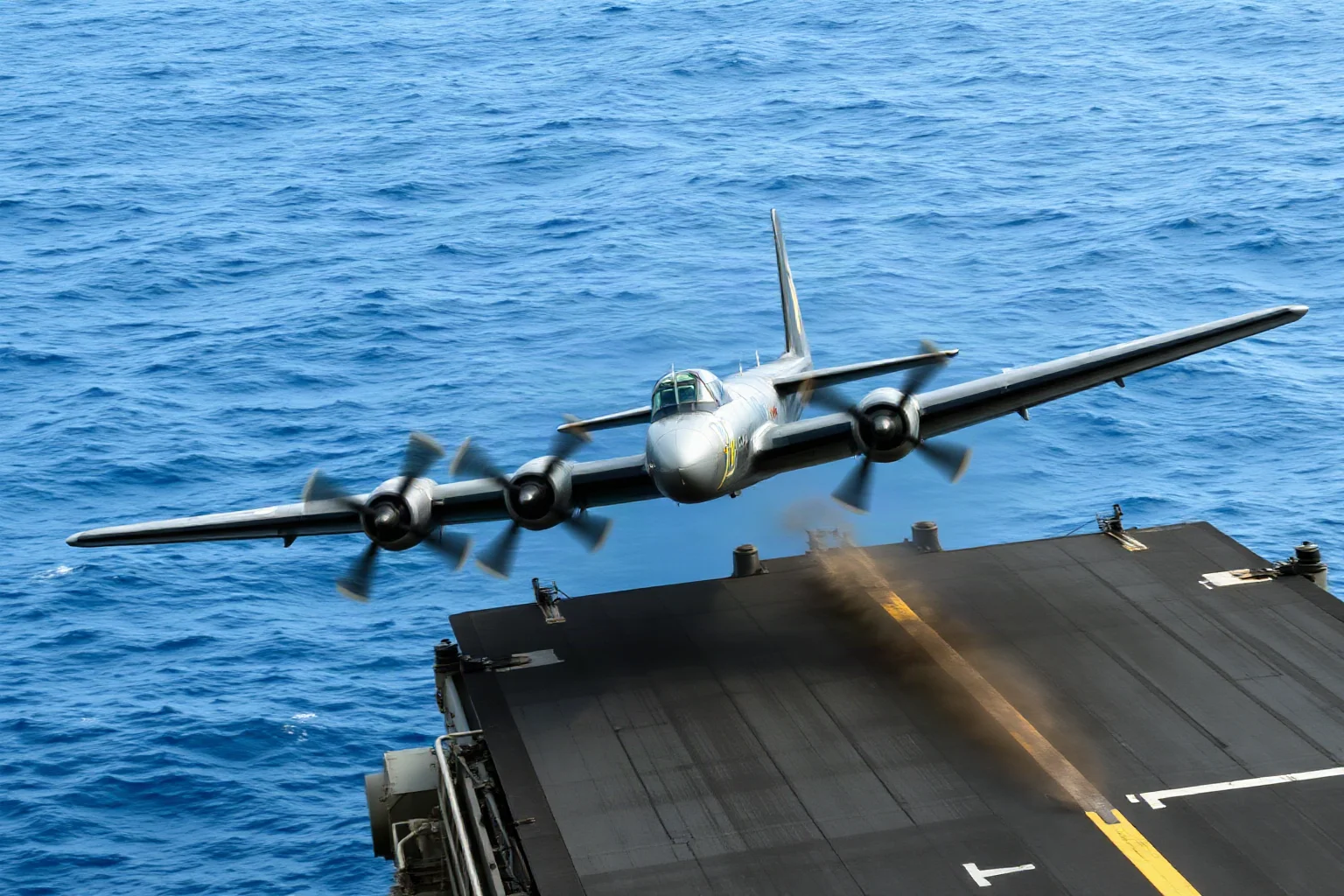
In April 1942, just months after Pearl Harbor — one of the biggest events in American history — the United States launched a daring air raid on Tokyo led by Lieutenant Colonel James Doolittle. Sixteen B-25 bombers took off from the carrier USS Hornet, even though the planes weren’t designed for carrier landings and couldn’t return to the ship afterward.
Most crews had to crash-land or bail out over China after completing the mission. The raid caused only modest physical damage but delivered a massive boost to American morale and rattled Japanese confidence in their home islands’ safety.
11. Pigeons Received Medals for Bravery
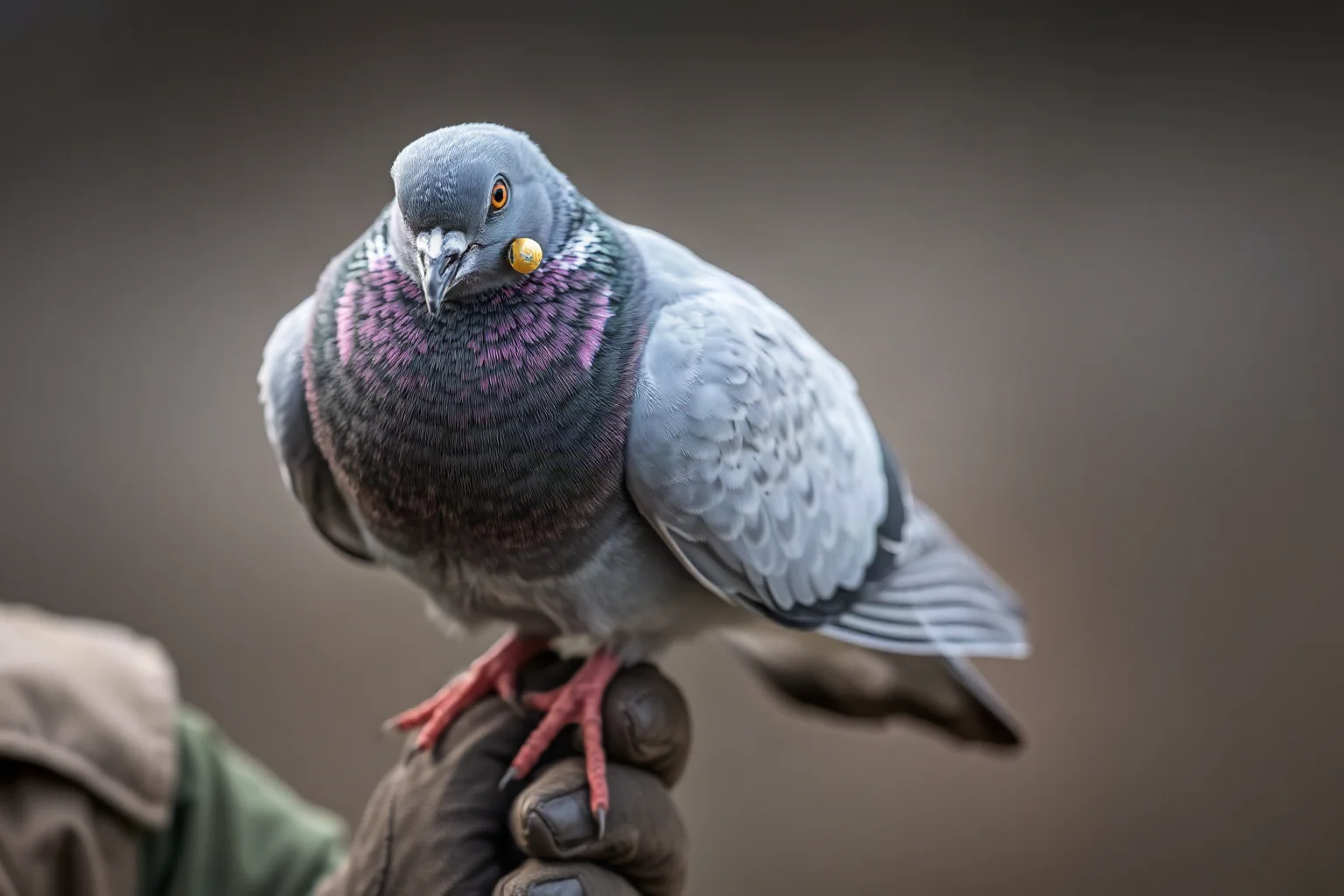
Homing pigeons carried critical messages across enemy lines when radios failed or were too risky to use. One pigeon named G.I. Joe is credited with delivering a message that helped halt a friendly-fire bombing raid in Italy. Several pigeons, including G.I. Joe, received the Dickin Medal, Britain’s highest award for animal bravery.
It sounds almost too whimsical to be true, but it’s a genuinely documented and oddly charming corner of WWII history. Military animals, including dogs and even dolphins in later conflicts, played real operational roles that rarely make it into mainstream retellings.
12. Stalingrad Was the War’s Bloodiest Turning Point
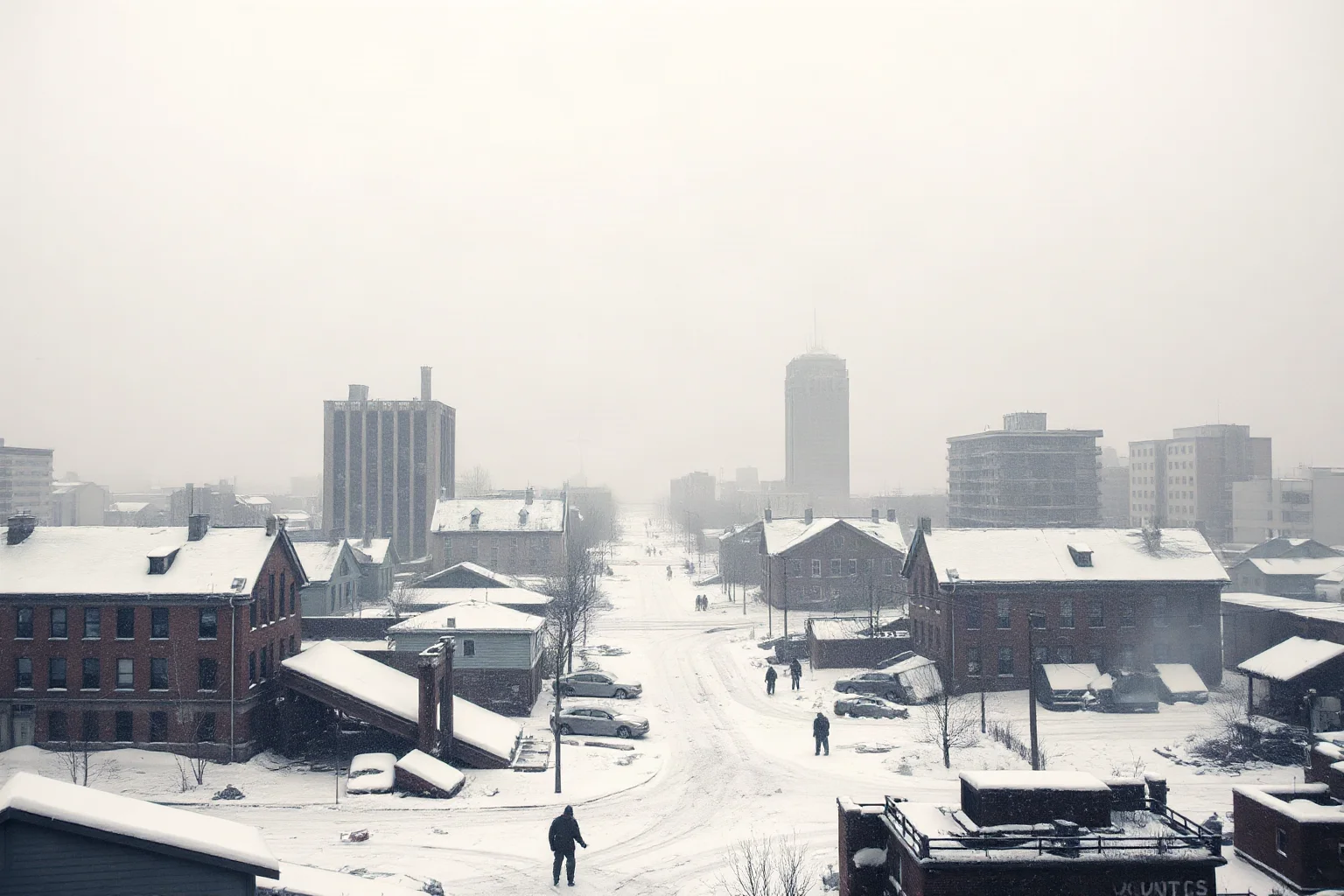
The Battle of Stalingrad, fought between August 1942 and February 1943, is widely regarded as the turning point on the Eastern Front. Combined military and civilian casualties are estimated at well over a million people, making it one of the deadliest single battles in human history. The German Sixth Army’s eventual surrender marked the first major defeat of a full Wehrmacht field army.
After Stalingrad, German forces were largely on the defensive across the Eastern Front for the remainder of the war. It’s a pivotal chapter in any serious rundown of world war two facts and information.
13. Rosie the Riveter Reflected a Real Workforce Revolution
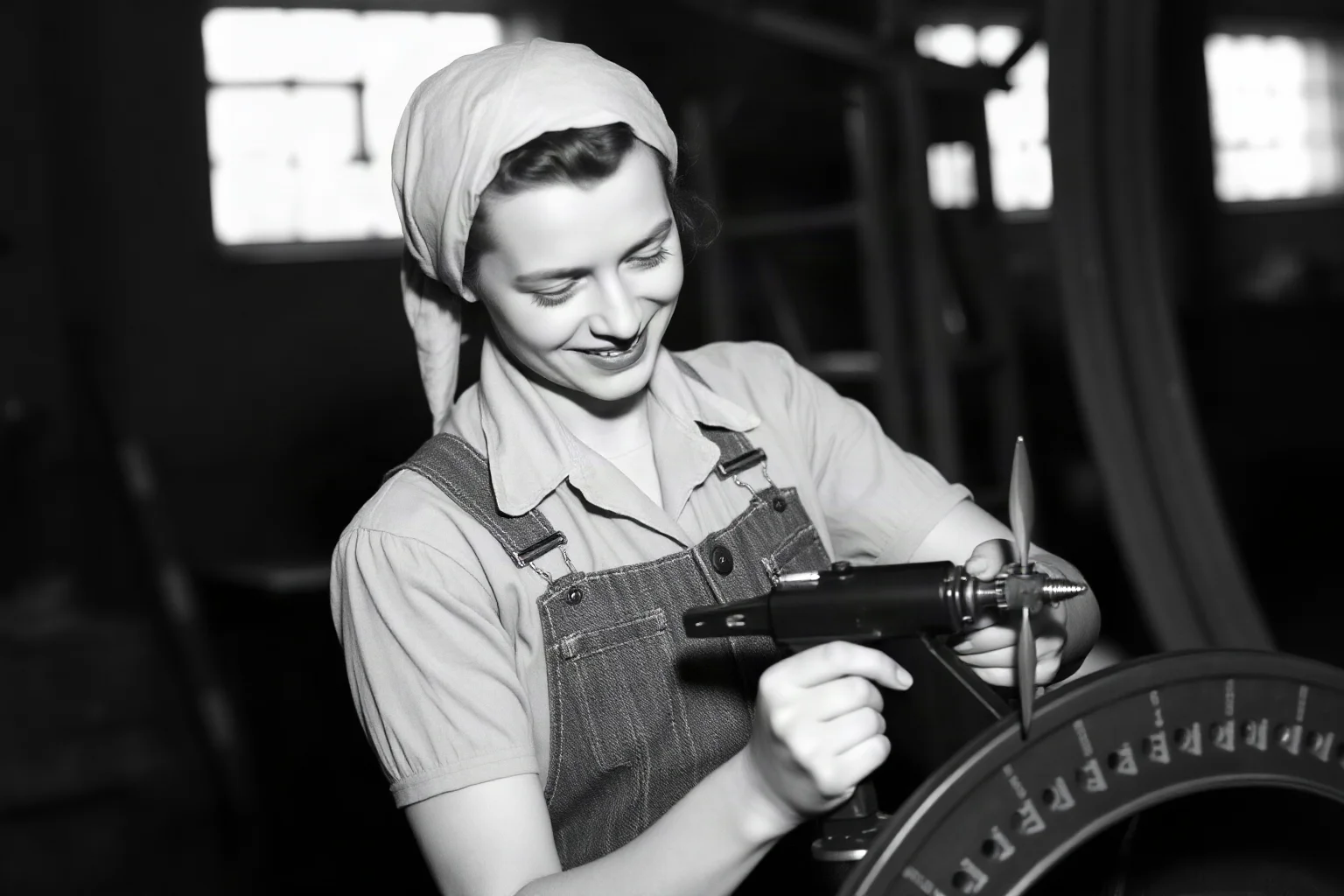
“Rosie the Riveter” became a cultural icon representing the millions of American women who entered factories and shipyards during the war. With so many men serving overseas, women took on manufacturing jobs building aircraft, ships, and munitions in unprecedented numbers. Female participation in the US workforce rose dramatically between 1940 and 1945.
Similar shifts happened in Britain, the Soviet Union, and other combatant nations. This wartime workforce shift is often credited as an early catalyst for later 20th-century changes in women’s employment and social roles.
14. The Manhattan Project Employed Over 100,000 People in Secret
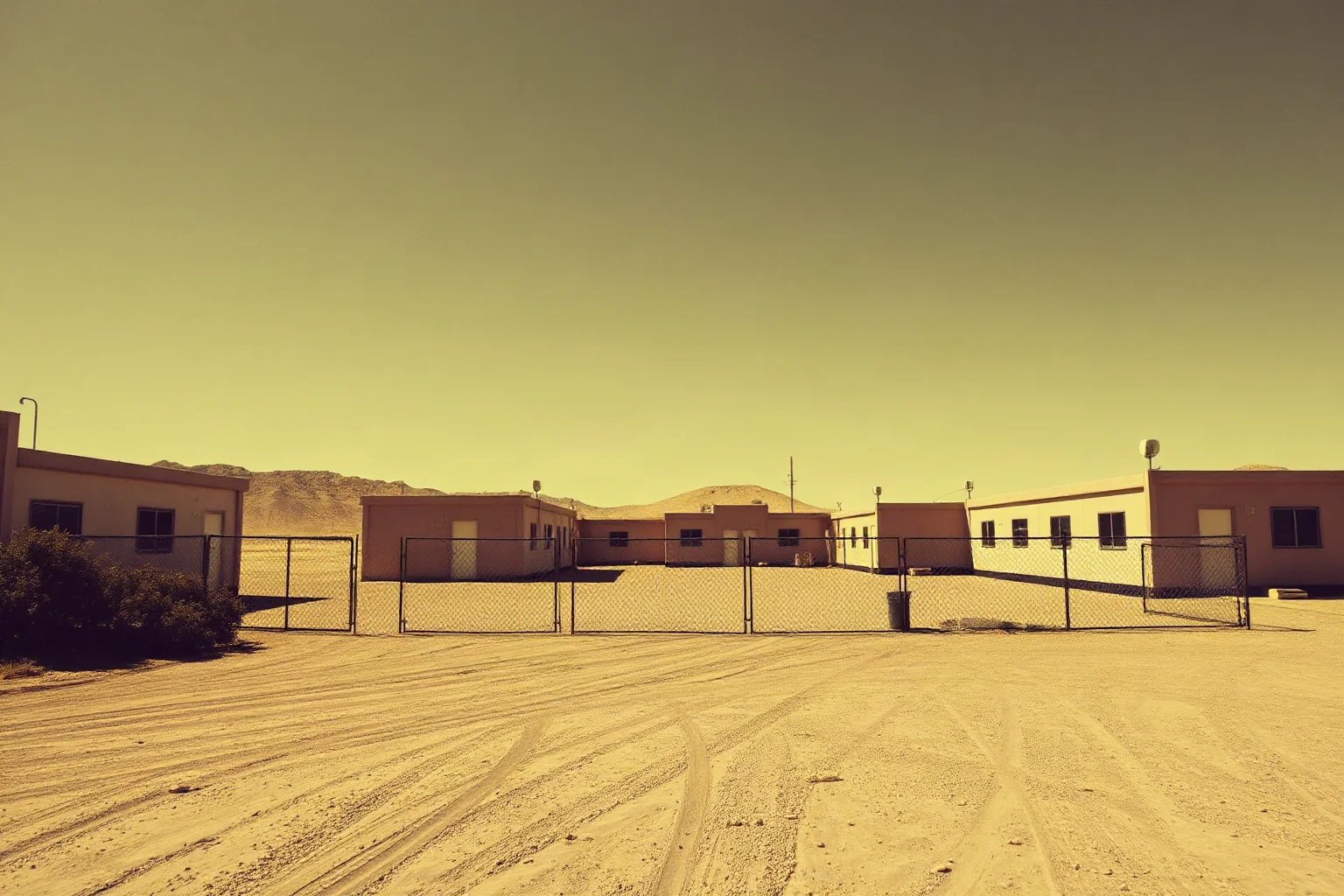
The Manhattan Project, the US-led effort to develop the atomic bomb, ultimately employed well over 100,000 people across sites in Los Alamos, Oak Ridge, and Hanford. Remarkably, most workers had no idea what the final product actually was. Compartmentalized secrecy meant only a small circle of scientists and officials understood the project’s true purpose.
The project culminated in the atomic bombings of Hiroshima and Nagasaki in August 1945, which remain among the most consequential and debated events of the entire war. It also launched the nuclear age that would define Cold War geopolitics for decades.
15. Nazi Rocket Technology Helped Launch the Space Race
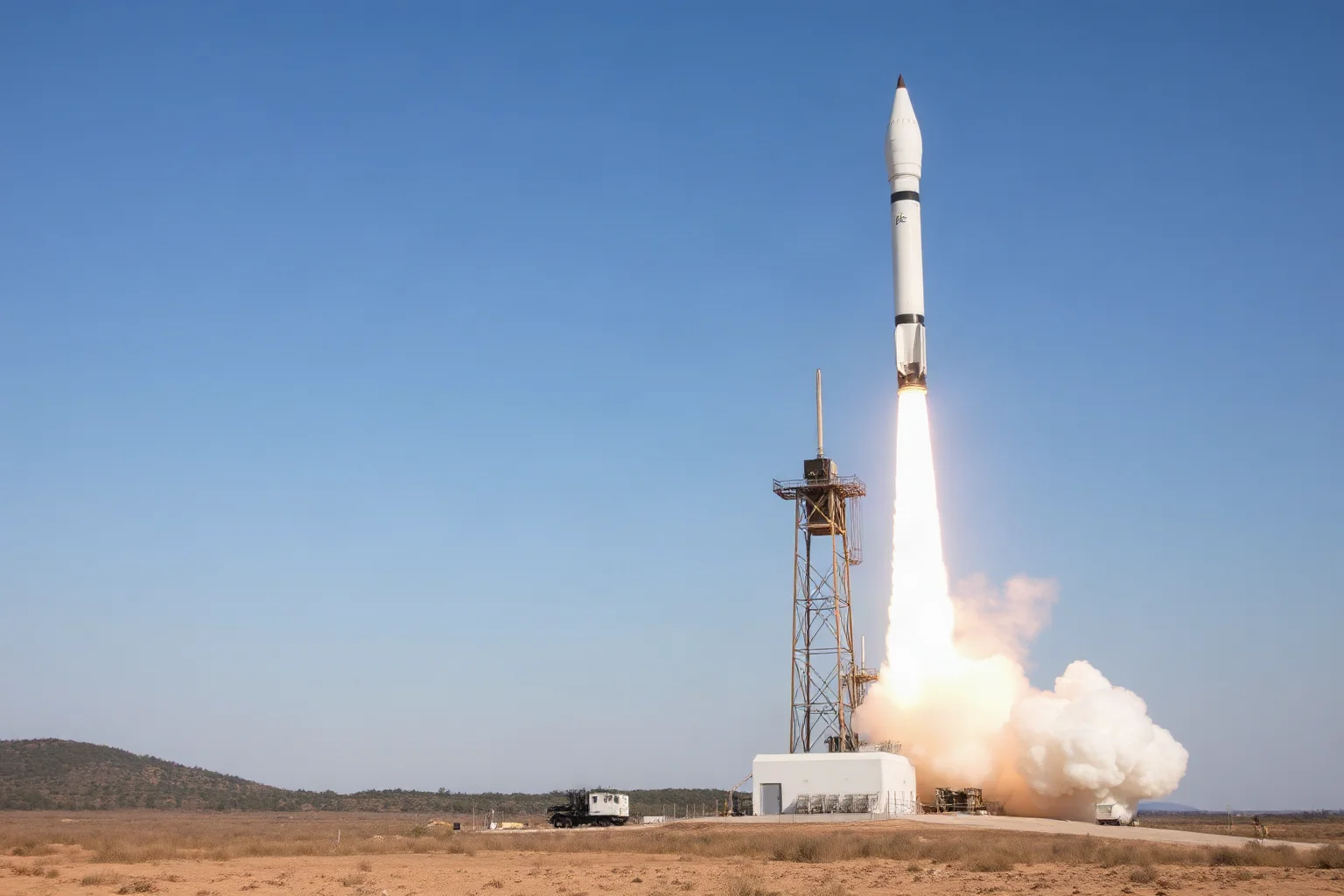
Germany’s V-2 rocket program, developed under scientist Wernher von Braun, produced the world’s first long-range guided ballistic missile. After the war, both the United States and the Soviet Union raced to recruit German rocket scientists and seize remaining technology and hardware. Von Braun himself later became a key figure in NASA’s early space program.
This uncomfortable link between wartime weapons development and the later space race is one of the more complicated, lesser-discussed threads connecting WWII to the second half of the 20th century. It’s worth remembering the V-2 program also relied heavily on forced labor, a grim detail often left out of the more celebratory space history narratives.
16. Navajo Code Talkers Created an Unbreakable Code
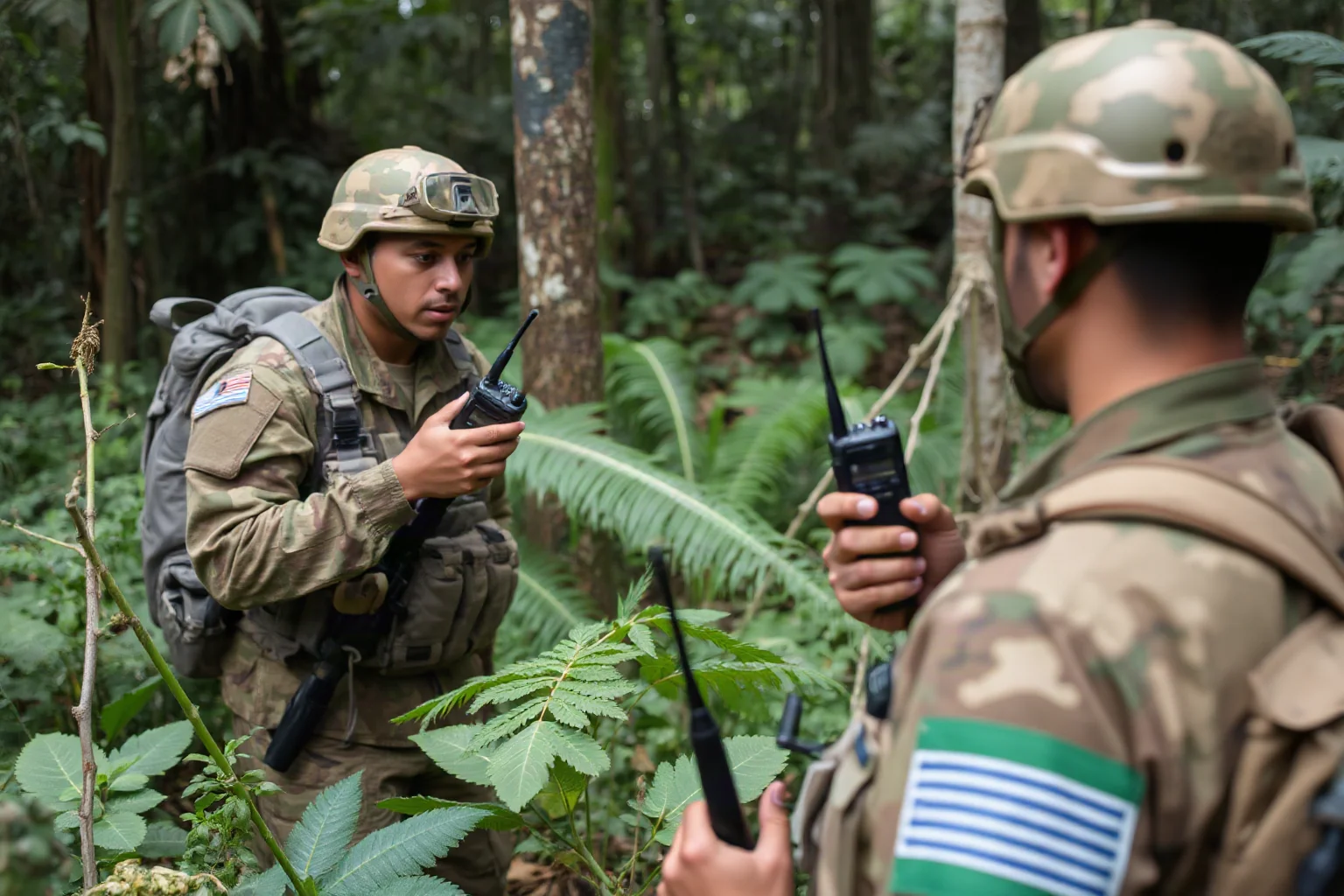
The US Marine Corps recruited Navajo speakers to develop a code based on their language for secure battlefield communication in the Pacific theater. Japanese cryptographers never managed to break it. The Navajo Code Talkers took part in major operations including Guadalcanal, Iwo Jima, and Okinawa.
Their contributions remained classified until 1968 and weren’t widely publicly recognized until decades later. It’s a striking example of how some of the most important facts about WWII stayed hidden from public knowledge for generations.
17. D-Day Was the Largest Amphibious Invasion in History
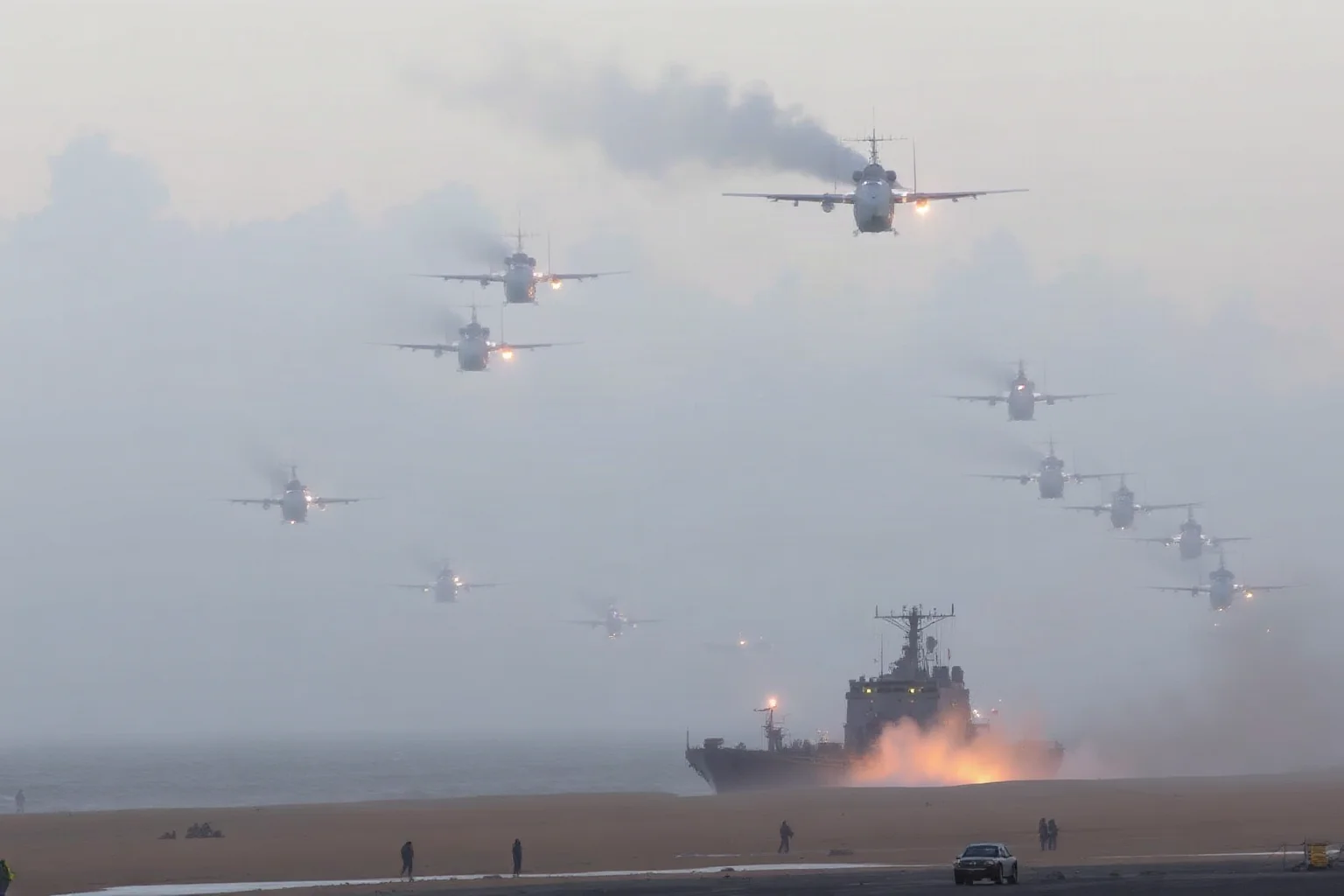
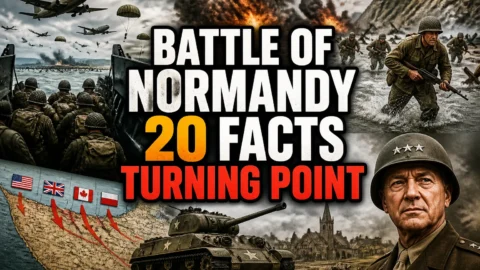
On June 6, 1944, Allied forces launched Operation Overlord, landing roughly 156,000 troops on the beaches of Normandy in a single day. The operation involved nearly 7,000 vessels and thousands of aircraft, coordinated across five separate beach landing zones. It remains the largest seaborne invasion ever conducted.
Casualties on D-Day itself are estimated at several thousand Allied troops, with figures varying by source and definition. The successful establishment of a Western European front proved decisive in the eventual defeat of Nazi Germany less than a year later.
18. The Holocaust and Civilian Bombing Made This the Deadliest War for Non-Combatants
Unlike many earlier wars, WWII killed civilians on a scale that rivaled or exceeded military deaths. The Holocaust saw the systematic murder of six million European Jews, along with millions of other victims targeted by Nazi Germany, including Roma people, disabled individuals, and political prisoners. Strategic bombing campaigns on both sides also killed hundreds of thousands of civilians in cities like Dresden, Tokyo, Hiroshima, and Nagasaki.
This civilian toll is one of the most important, and heaviest, facts about World War II to understand. It fundamentally changed how the international community approached the laws of war and human rights protections afterward.
19. Spam and Rationing Changed How the World Ate

Canned meat products like Spam became a dietary staple for both soldiers and civilians because they didn’t require refrigeration and were relatively cheap to mass-produce. The US alone shipped over 100 million pounds of Spam to Allied forces and civilians during the war. Rationing programs across the US, Britain, and other Allied nations restricted everyday items like sugar, butter, and gasoline.
These food shortages pushed households toward victory gardens, meat substitutes, and creative cooking under scarcity. Many of these habits, including a lasting fondness or lasting distaste for canned meat, persisted for years after the fighting ended.
20. The War’s End Created the United Nations and Redrew the Map
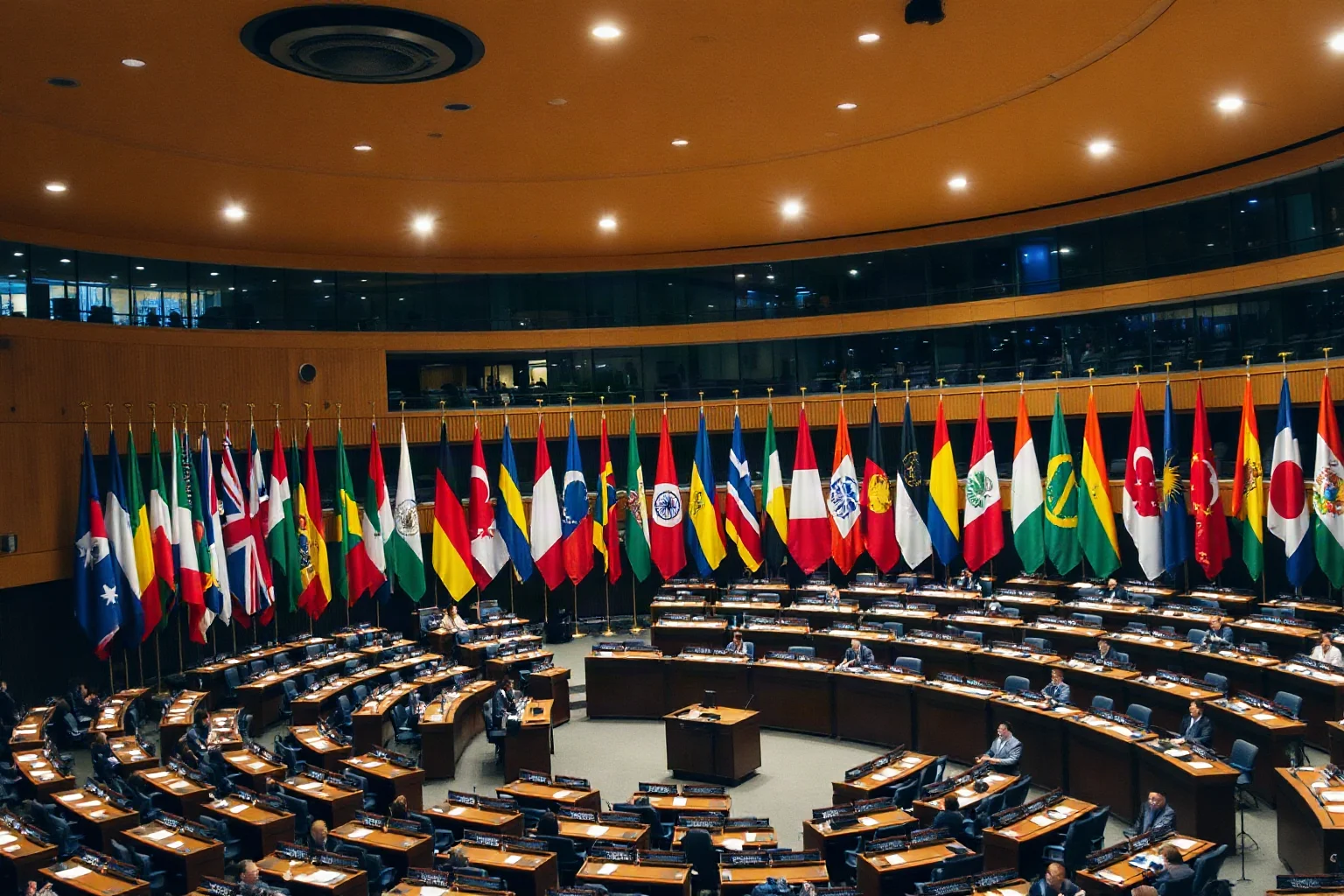
When WWII ended in 1945, the world’s political map looked dramatically different than it had in 1939. The United Nations was founded that same year specifically to prevent future conflicts on this scale, replacing the failed League of Nations. Colonial empires began unraveling in the years that followed, as independence movements gained momentum across Asia and Africa, fueling many of the major revolutions throughout history.
The war also set the stage for the Cold War, as the US and Soviet Union emerged as the two dominant global superpowers. Understanding this aftermath is essential to understanding nearly every major geopolitical event of the following half-century, including many of the historical events that quietly reshaped the world.
Why These Facts Still Matter
World War II wasn’t just a series of battles fought and won. It was a total, global reordering of politics, technology, and everyday life that still shapes the world today. From the United Nations to the space race to modern debates about civilian protections in warfare, its fingerprints are everywhere.
Whether you came here looking for fun facts about World War 2 for a trivia night or a deeper appreciation of its historical weight, hopefully this list added a few surprises to what you already knew. History rewards curiosity, and WWII has no shortage of stories left to discover.
Frequently Asked Questions
What are some interesting second world war facts most people don’t know?
Beyond the well-known battles, some lesser-known second world war facts include a Japanese soldier who kept fighting until 1974 because he didn't believe the war had ended, the temporary US ban on sliced bread in 1943 to save resources, and the fact that Navajo Code Talkers created a code the Japanese never managed to break.
What were the main causes of World War II?
The war's roots include the harsh terms of the Treaty of Versailles after World War I, the rise of fascist and militarist governments in Germany, Italy, and Japan, unresolved territorial ambitions, and the failure of the League of Nations to prevent aggressive expansion. Germany's invasion of Poland in September 1939 is generally cited as the immediate trigger in Europe.
How many people died in World War II?
Estimates vary by source, but most historians place total deaths, both military and civilian, at roughly 70 to 85 million people worldwide. This makes it the deadliest conflict in recorded human history.
What is the weirdest fact about World War 2?
One of the strangest facts about World War 2 is that homing pigeons received official military medals for delivering critical messages, including one credited with preventing a friendly-fire incident. Another oddity is that the US briefly banned sliced bread in 1943 to conserve wartime resources.
When did World War II actually start and end?
In Europe, WWII is usually dated from Germany's invasion of Poland on September 1, 1939, to Germany's surrender in May 1945. In the Pacific, fighting is often traced back to Japan's invasion of China in 1937, and the war didn't formally end until Japan's surrender in September 1945.
What was the deadliest single battle of WWII?
The Battle of Stalingrad, fought from 1942 to 1943, is widely considered the deadliest single battle of the war, with combined military and civilian casualties estimated at well over a million people. It also marked a major turning point on the Eastern Front.

Alex Warren
Related Articles