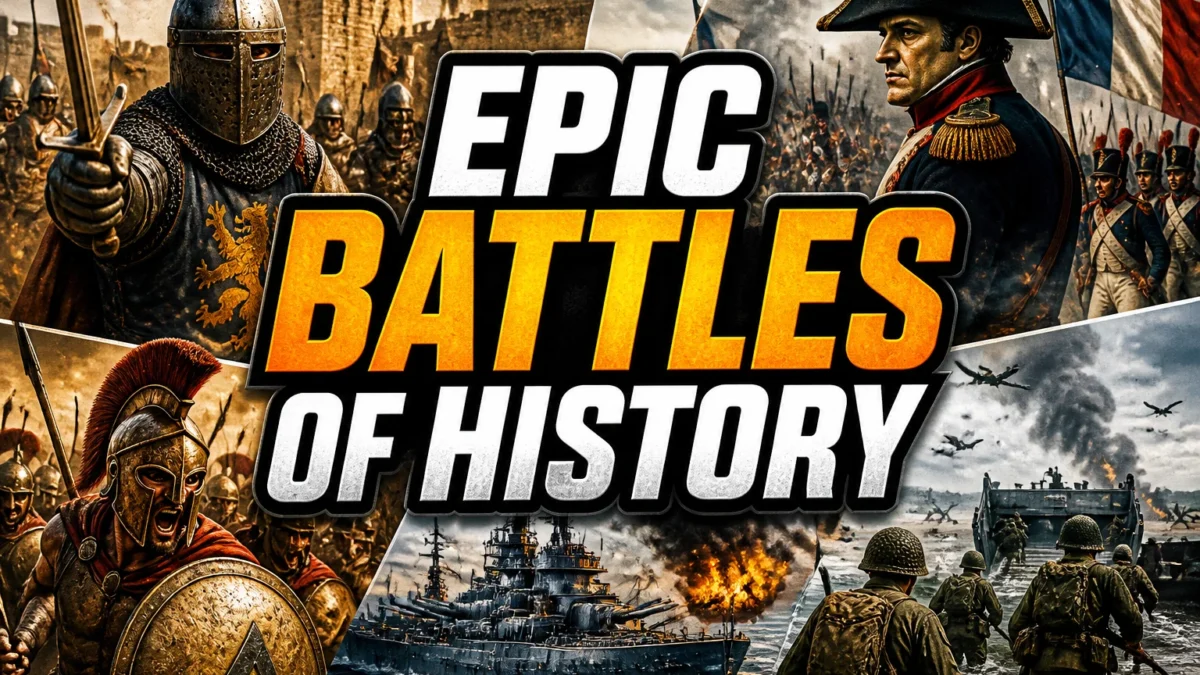
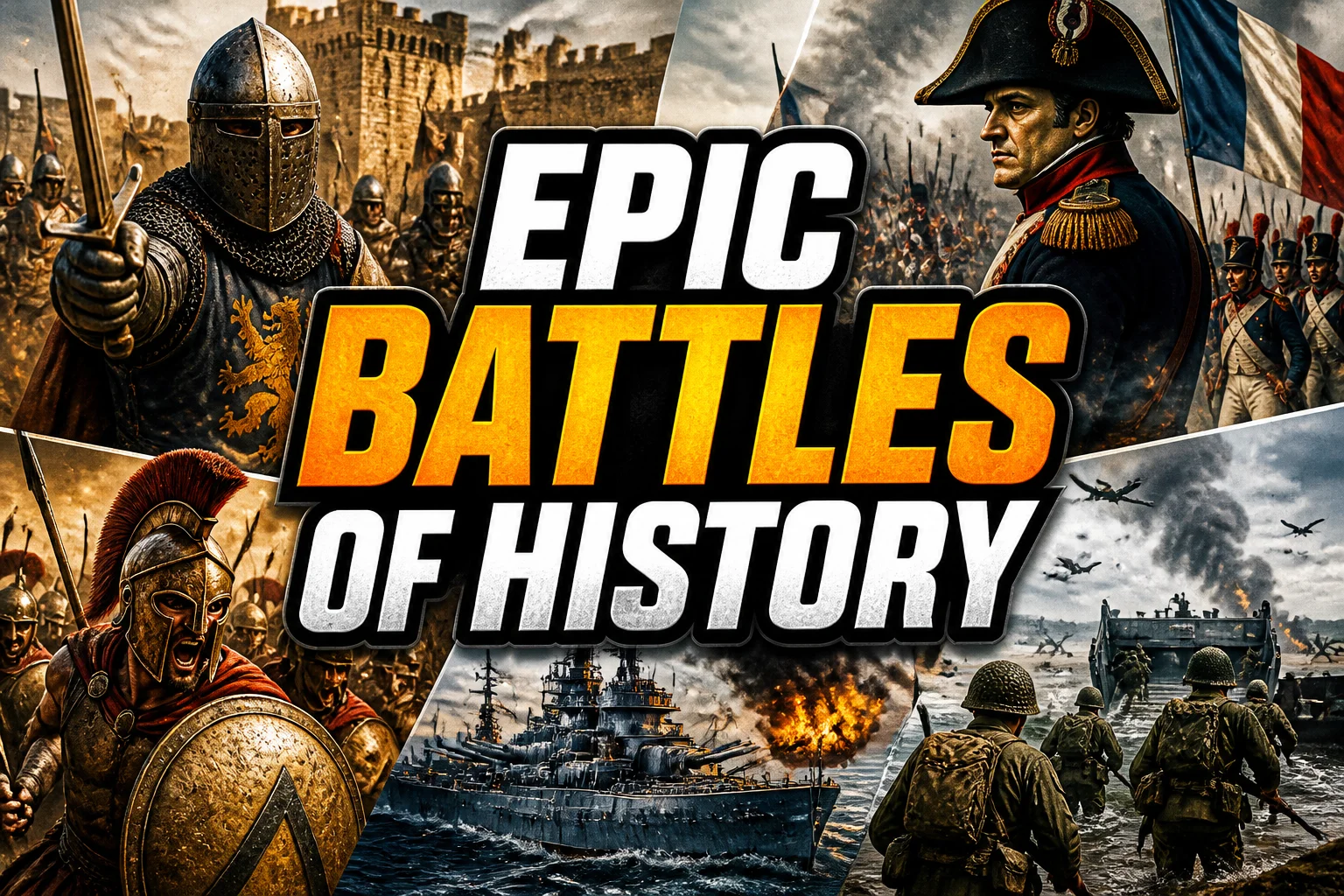
War has been a constant companion of civilization, and within the long story of human conflict, certain clashes stand apart. These are the epic battles of history — moments when the fate of nations, empires, and entire ways of life hung in the balance. Some were won by genius, others by sheer desperation, and a few by nothing more than stubborn courage in the face of impossible odds.
This list explores 25 of the biggest battles in history, spanning more than three thousand years and every corner of the globe. Along the way, we will separate legend from fact and dig into why each of these clashes still matters today. Whether you are a lifelong student of battle history or just curious about the famous battles everyone references, there is something here to surprise you.
TL;DR: The greatest battles in history were rarely decided by numbers alone — terrain, timing, technology, and leadership repeatedly overturned the odds and reshaped the world.
Why Some Battles Become Legendary
Not every war battle earns a place in the history books. Thousands of skirmishes have been fought and forgotten, while a select few are remembered for millennia. What separates them is usually scale, consequence, or drama — and often all three at once.
A battle becomes legendary when its outcome changes something permanent. It might end an empire, spark a religion, or introduce a new way of fighting that renders everything before it obsolete. The most important battle in history is not necessarily the bloodiest one; it is the one whose result we can still feel today.
Another factor is storytelling. Victors write the first drafts, and a great narrative can elevate an ordinary engagement into myth. That is why historians are careful to question sources, especially for ancient battles where accounts were written decades later. Throughout this list, we will flag where the evidence is solid and where legend has crept in.
What Makes a Battle "Epic"?
Before diving into the list, it helps to define our terms. An epic battle typically involves enormous armies, high stakes, and a result that echoed far beyond the battlefield. The biggest ancient battles could field tens of thousands of soldiers, while modern clashes mobilized millions.
Scale alone is not enough, though. A legendary battle also needs a compelling human story — a last stand, a brilliant gamble, or a commander who defied the odds. These elements are why certain battles of the war are studied in military academies centuries later.
Finally, epic battles tend to introduce something new. A novel tactic, a technological leap, or a strategic insight often emerges from the chaos of combat. Those innovations then spread, changing how wars are fought everywhere.
25 Epic Battles of History
1. Battle of Megiddo (c. 1457 BCE)
The Battle of Megiddo is often called the earliest battle in recorded history, and we know about it because the Egyptians wrote it down. Pharaoh Thutmose III marched his army through a narrow mountain pass to surprise a Canaanite coalition, a risky move his own generals opposed. The gamble worked, and the resulting siege lasted months before the city fell.
Why was this battle important? It established Egyptian dominance over the Levant for generations and gave historians one of the first detailed battle accounts ever written. The site's name, Megiddo, later inspired the word Armageddon.
2. Battle of Kadesh (c. 1274 BCE)
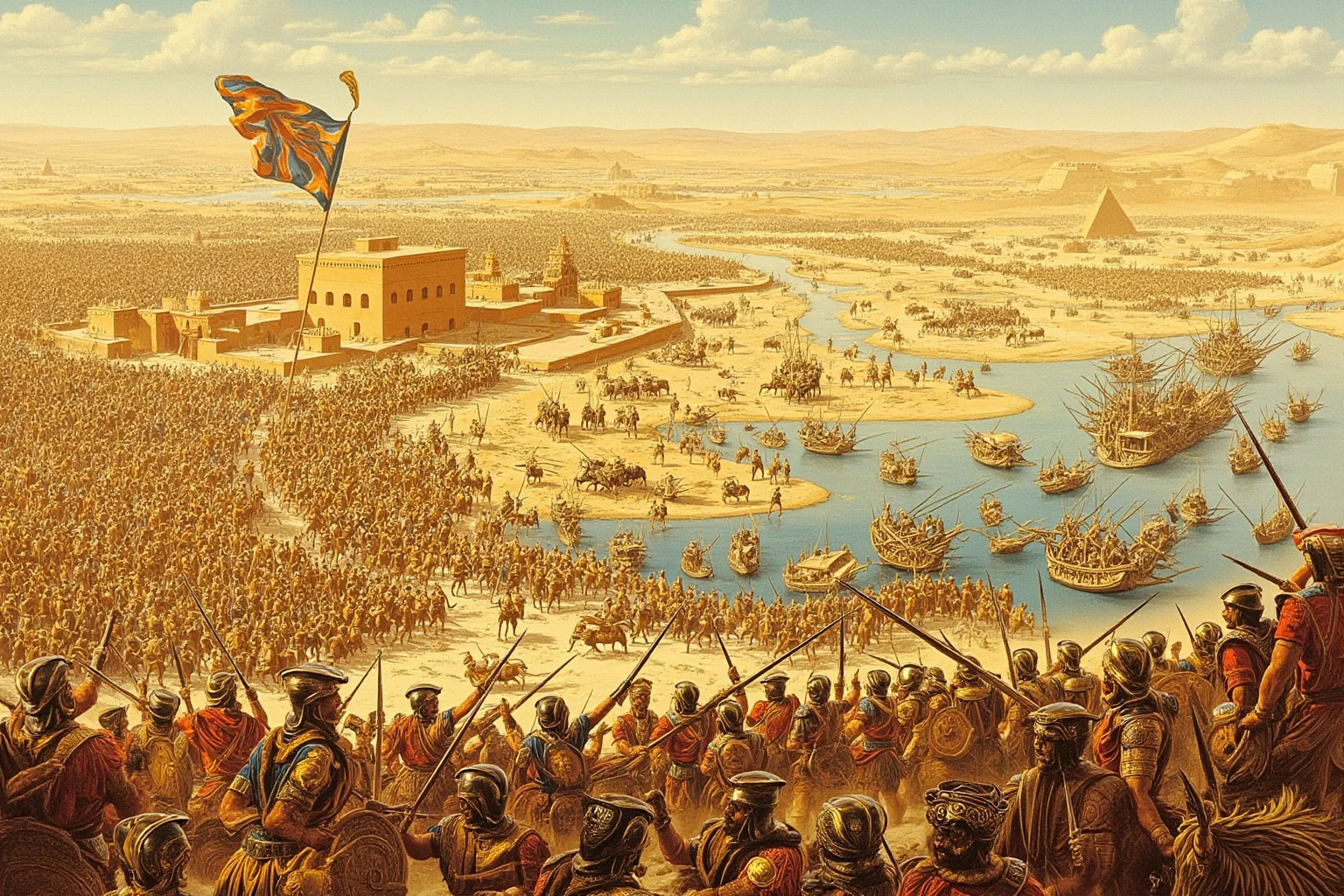
Kadesh is famous for producing the world's first known peace treaty. Egyptian forces under Ramesses II clashed with the Hittite empire in what is now Syria, and both sides claimed victory. In truth, the battle was likely a costly draw that neither could afford to repeat.
The aftermath mattered more than the fighting. The Egyptian-Hittite treaty that followed is the earliest surviving international peace agreement, and a copy still hangs at the United Nations today.
3. Battle of Marathon (490 BCE)
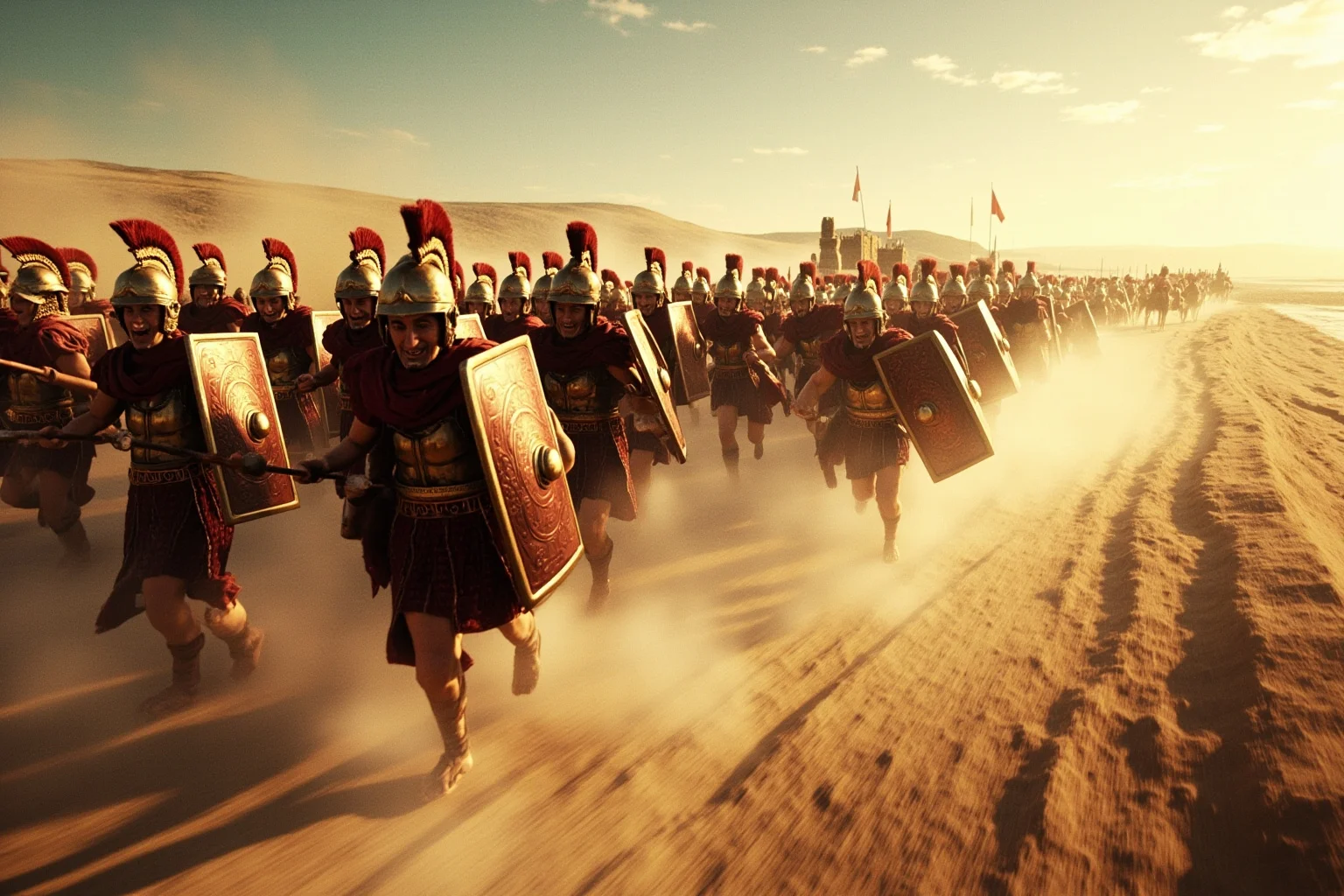
At Marathon, a heavily outnumbered Athenian force defeated a Persian invasion that threatened to end Greek independence. The Athenians attacked at a run to close the distance before Persian archers could overwhelm them, a tactic that caught the invaders off guard.
The victory preserved the young Athenian democracy and became a founding myth of Western civilization. The modern marathon race commemorates the legendary run of a messenger to Athens, though historians debate whether that run actually happened as described.
4. Battle of Thermopylae (480 BCE)
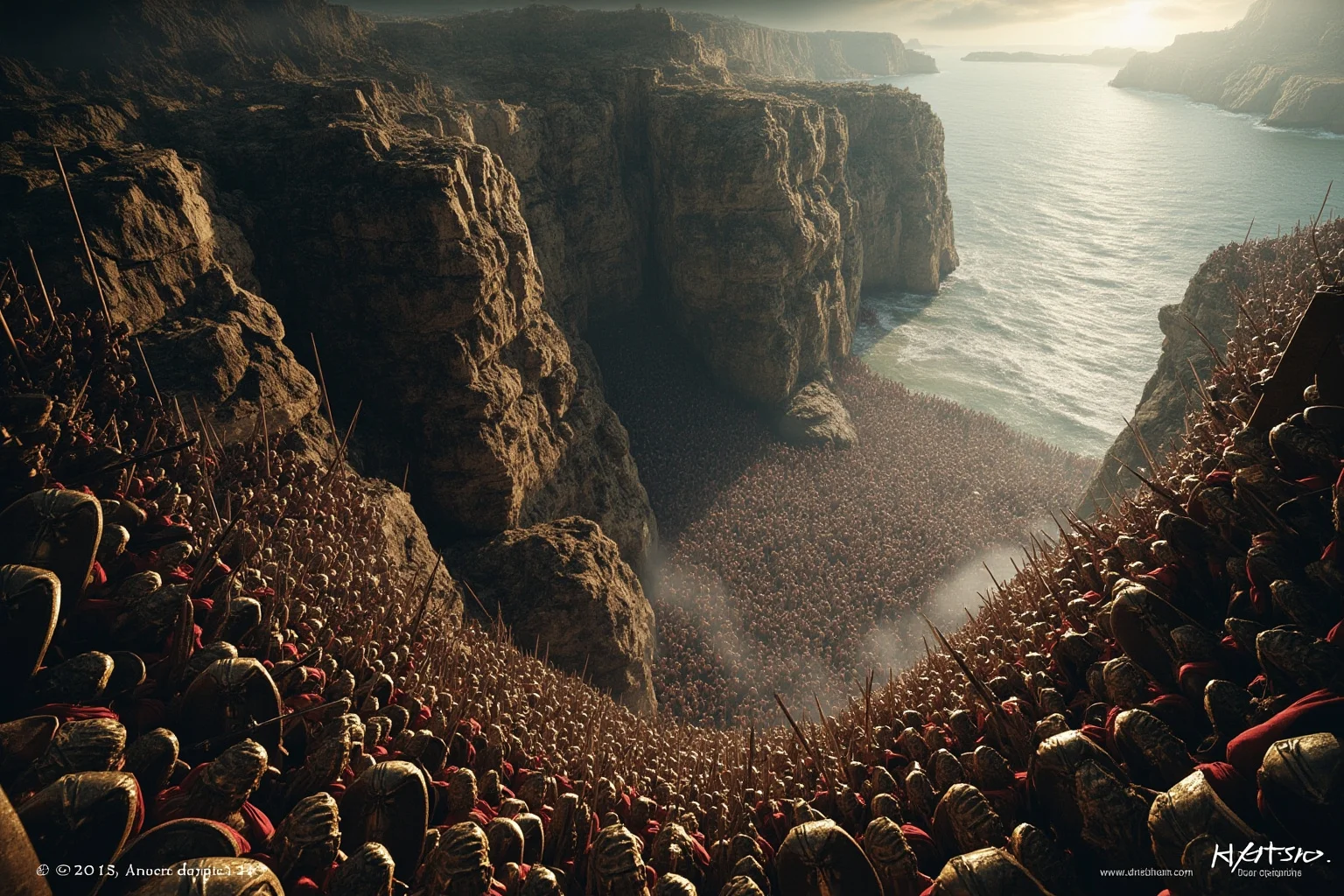
Thermopylae is the ultimate last stand, and it is also one of the most mythologized battles in history. A small Greek force led by King Leonidas of Sparta held a narrow mountain pass against a vastly larger Persian army for several days. When a traitor revealed a path around the pass, the rearguard stayed behind to cover the Greek retreat and was annihilated.
Militarily, it was a defeat. Strategically, it bought time for the Greek fleet and army to regroup, and the sacrifice became a permanent symbol of resistance against overwhelming odds.
5. Battle of Salamis (480 BCE)
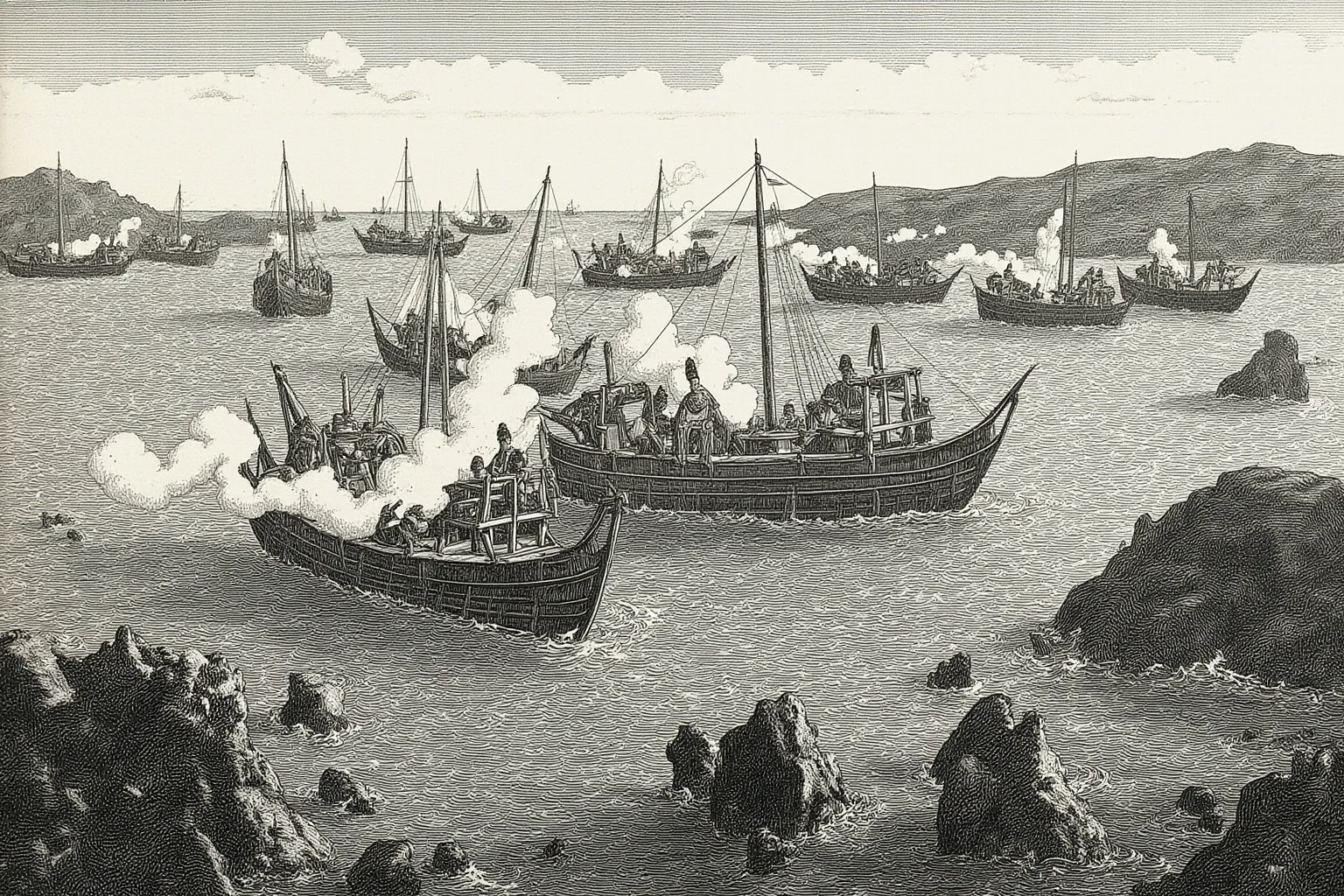
Salamis was the naval battle that saved Greece, and unlike Thermopylae, it was a clear victory. The Athenian general Themistocles lured the much larger Persian fleet into the narrow straits near Athens, where Persian numbers became a liability rather than an advantage.
The Persian king Xerxes watched his fleet collapse from a throne on the shore and withdrew much of his army soon after. Salamis is a textbook example of how terrain and clever planning can neutralize a numerical disadvantage.
6. Battle of Gaugamela (331 BCE)
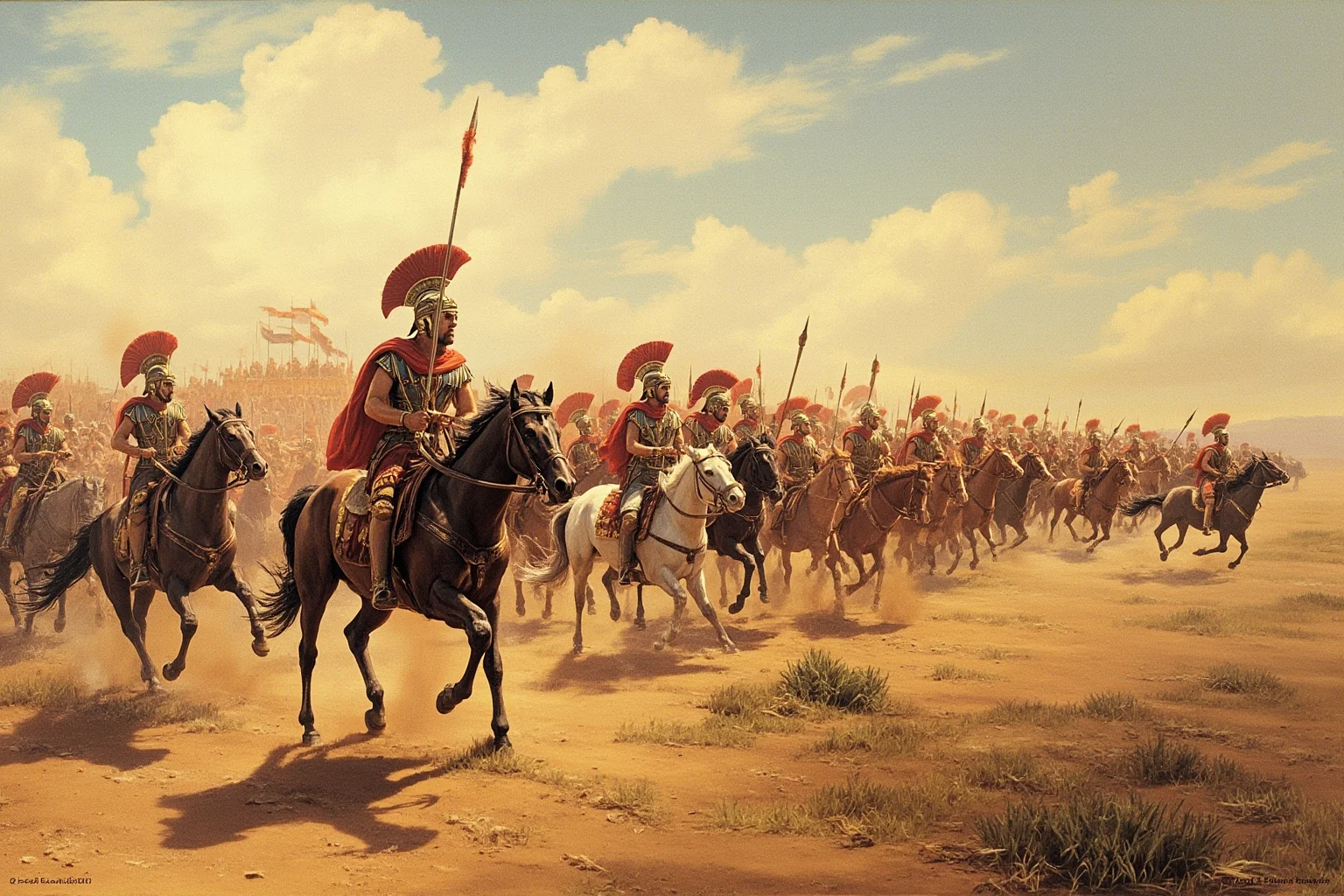
Alexander the Great's victory at Gaugamela toppled the Persian Empire in a single afternoon. Facing a Persian army that reportedly outnumbered his own several times over, Alexander used a angled attack to punch a gap in the enemy line and drove straight toward King Darius III.
Darius fled the field, and the empire he abandoned soon belonged to Alexander. This is arguably the greatest victory of Alexander's career and one of the most decisive battles ever fought.
7. Battle of the Hydaspes (326 BCE)
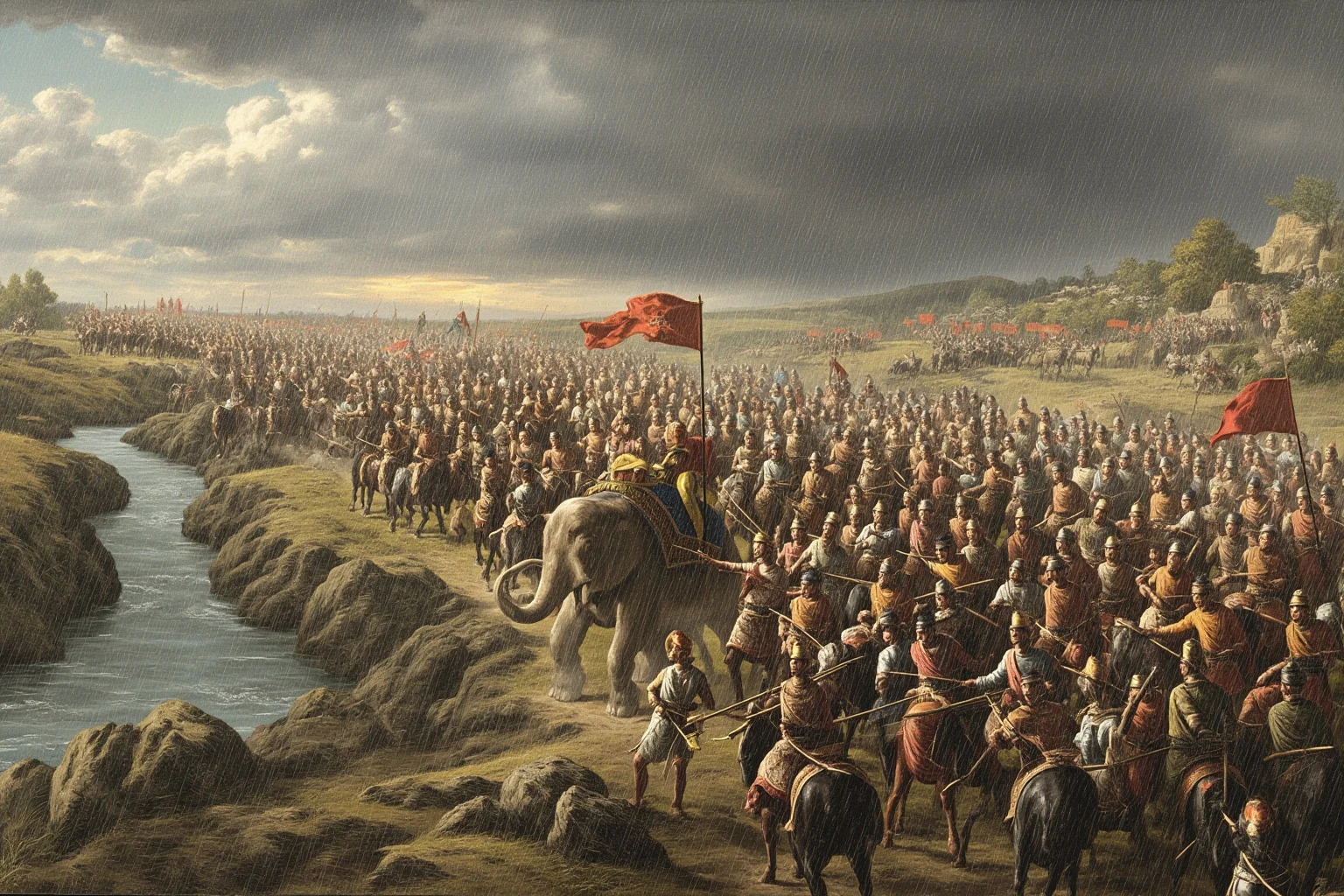
The Battle of the Hydaspes took place in modern-day Pakistan, where Alexander faced war elephants for the first time. King Porus of the Pauravas fought fiercely, and Alexander's victory came at a heavy cost to his own weary troops.
Impressed by Porus's courage, Alexander allowed him to keep his kingdom as a vassal. The battle marked the eastern limit of Alexander's conquests, as his exhausted army soon refused to march further.
8. Battle of Cannae (216 BCE)
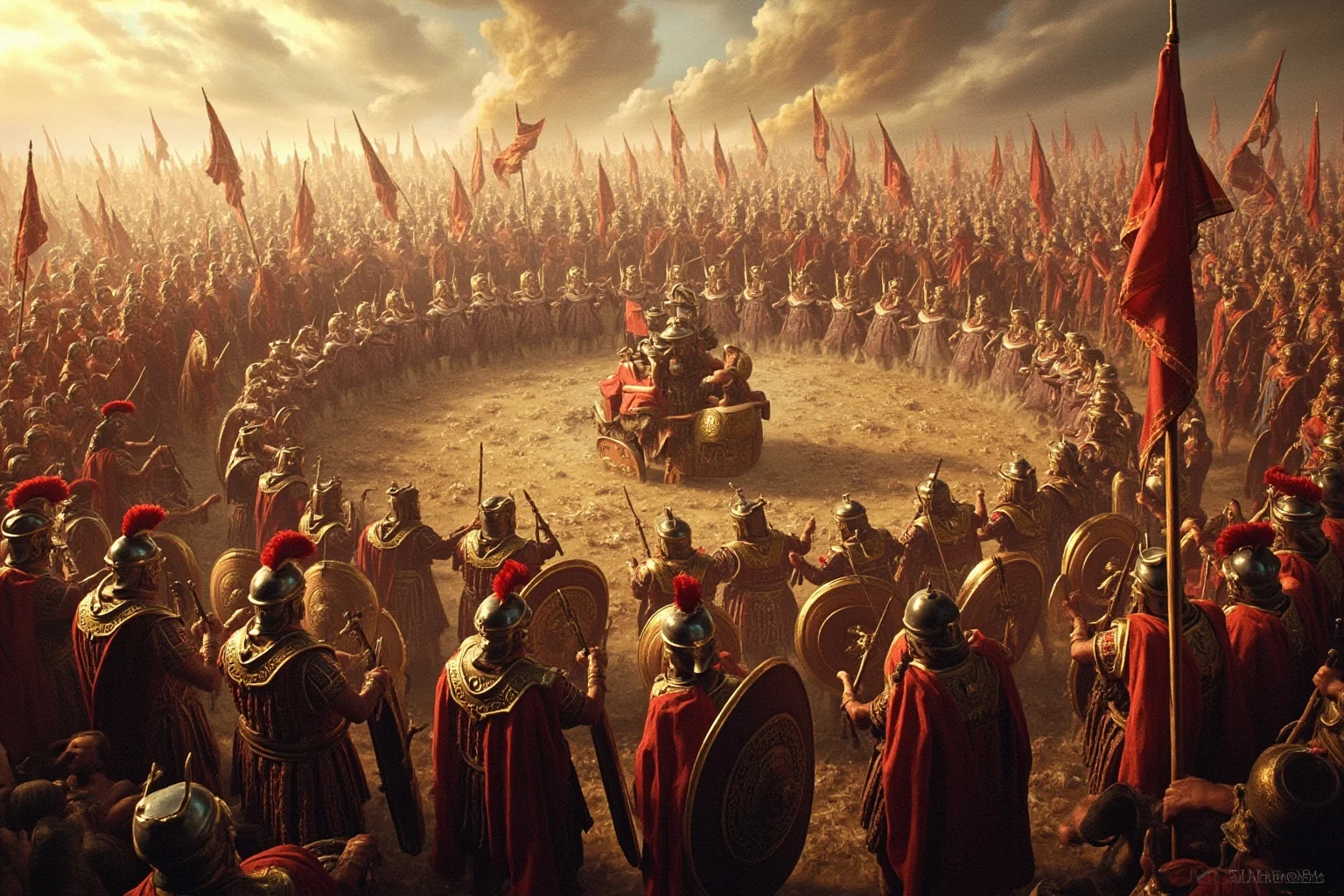
Cannae is studied in military academies to this day as the perfect double envelopment. Hannibal of Carthage, outnumbered by a larger Roman army, allowed his center to slowly give ground while his wings closed around the Roman flanks. The Romans were trapped and slaughtered in one of the worst defeats in their history.
Despite the scale of the disaster, Rome refused to surrender, a decision that ultimately won the wider war. Cannae remains the classic demonstration that a brilliant tactical victory does not always translate into strategic success.
9. Battle of Zama (202 BCE)
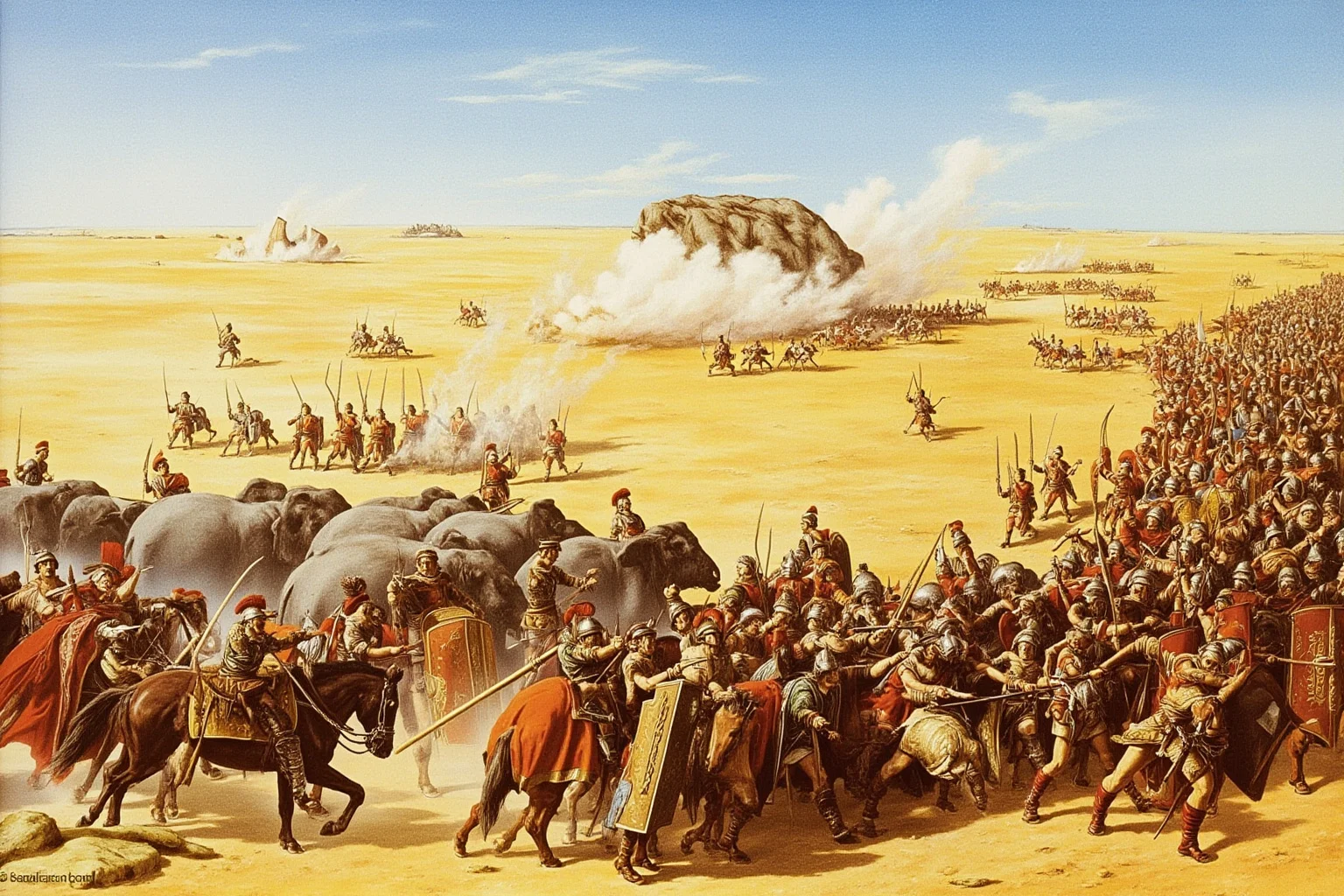
Zama ended the Second Punic War and settled the long rivalry between Rome and Carthage. The Roman general Scipio Africanus defeated Hannibal on North African soil, using tactics that neutralized Carthage's war elephants.
The defeat stripped Carthage of its empire and navy, leaving Rome as the dominant power of the western Mediterranean. It is a strong candidate for the most important battle in Rome's rise to empire.
10. Battle of Alesia (52 BCE)
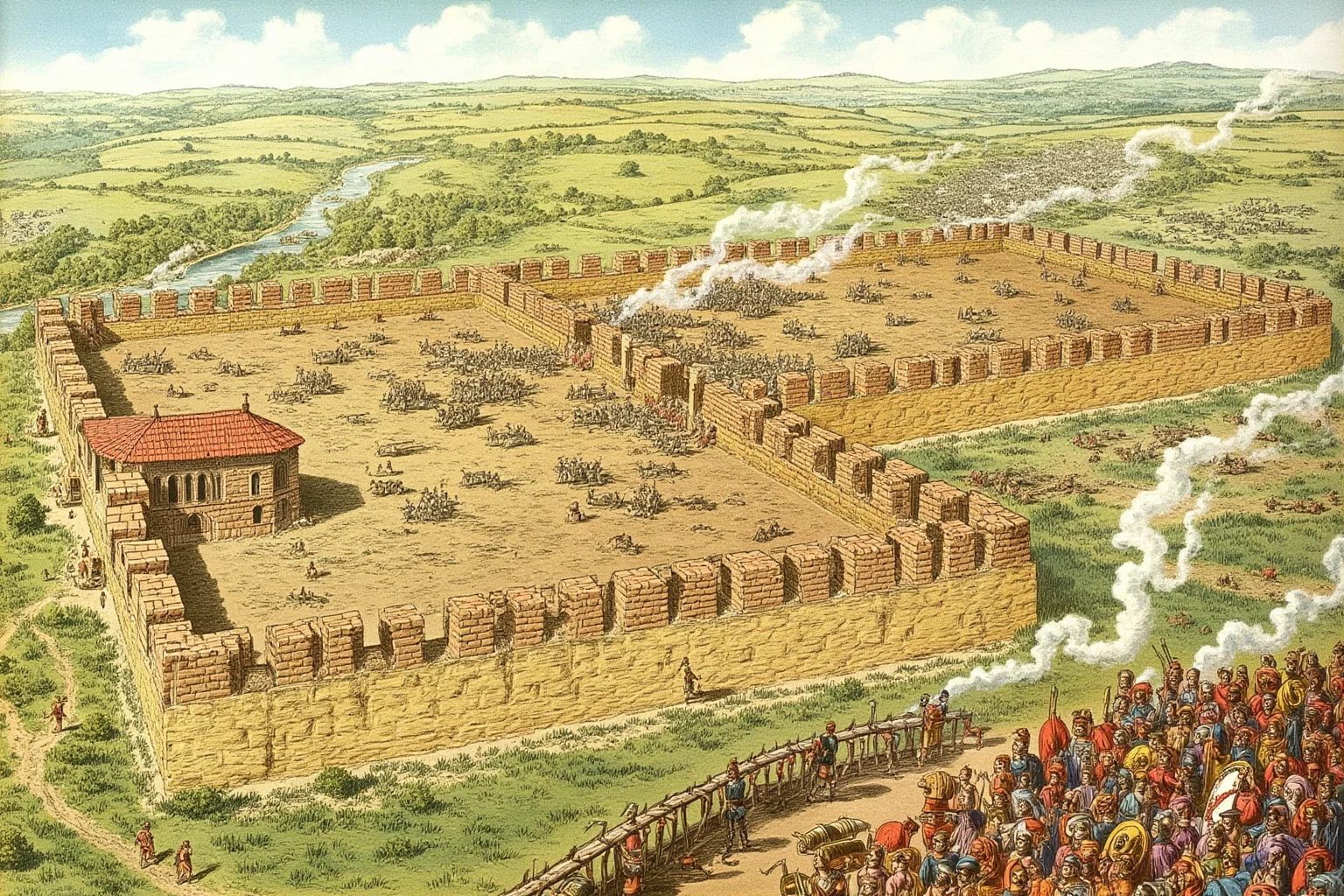
At Alesia, Julius Caesar pulled off one of the most audacious engineering feats in military history. He besieged a Gallic stronghold while simultaneously building a second wall to defend against a massive relief army attacking from behind.
Caesar's forces held both lines, and the Gallic leader Vercingetorix surrendered. The victory completed the Roman conquest of Gaul and made Caesar powerful enough to challenge the Roman Senate itself.
11. Battle of the Teutoburg Forest (9 CE)
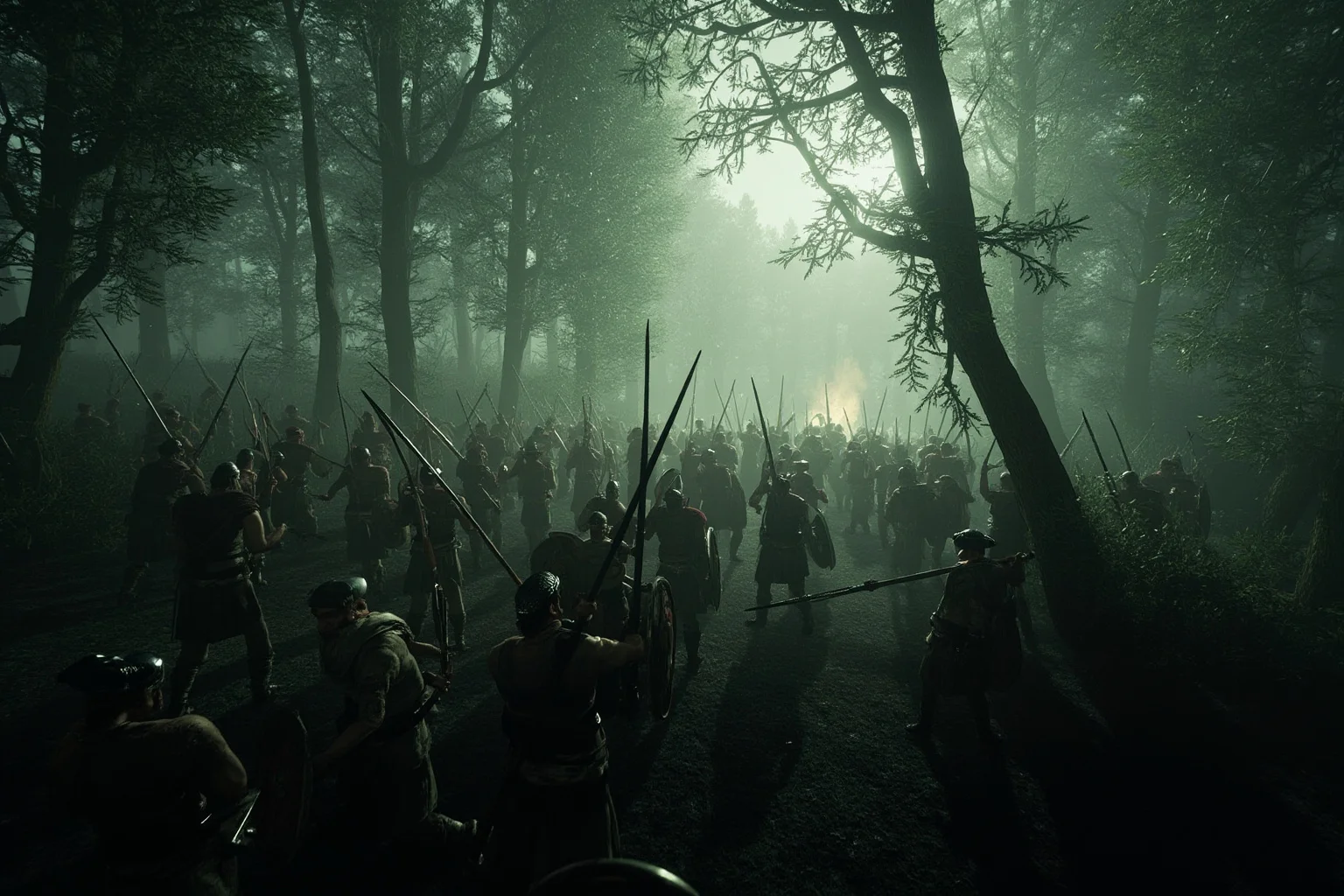
The Teutoburg Forest was a catastrophe that shaped the map of Europe. Three Roman legions under Varus were ambushed and destroyed by Germanic tribes led by Arminius, a former Roman ally who knew Roman tactics well.
The shock was so severe that Rome largely abandoned plans to conquer Germania east of the Rhine. Some historians argue this battle helped preserve a cultural divide between Latin and Germanic Europe that persists in language and custom today.
12. Battle of Adrianople (378 CE)
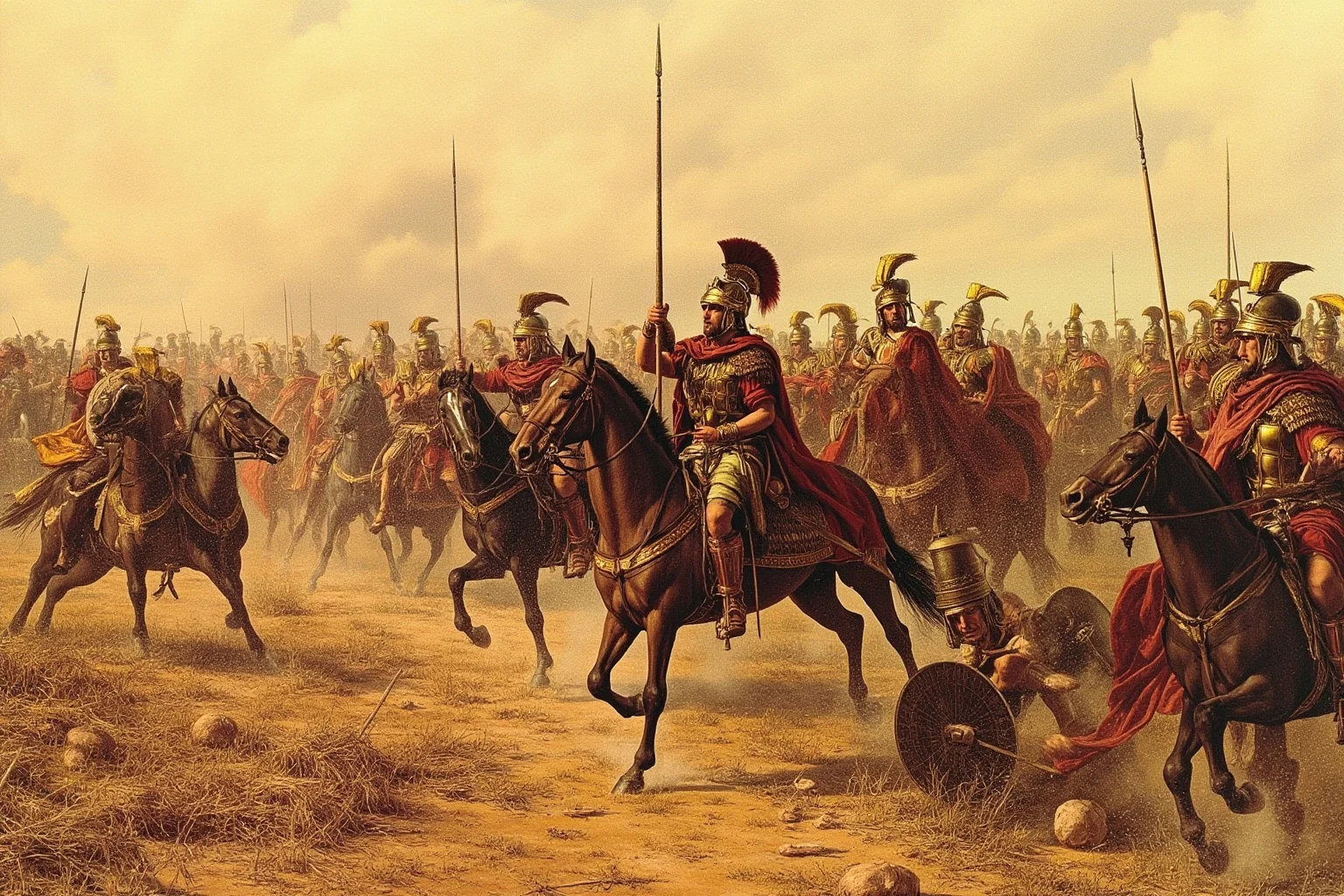
Adrianople shattered the myth of Roman invincibility and is often cited as a milestone in the fall of the Western Roman Empire. Gothic forces, many of them refugees pushed into Roman territory, destroyed a Roman army and killed the emperor Valens.
The defeat forced Rome to settle Gothic tribes inside its borders as federates, a precedent that weakened imperial control. It showed that cavalry and mobile tribal warfare could overwhelm the legions that had once seemed unbeatable.
13. Battle of Tours (732 CE)
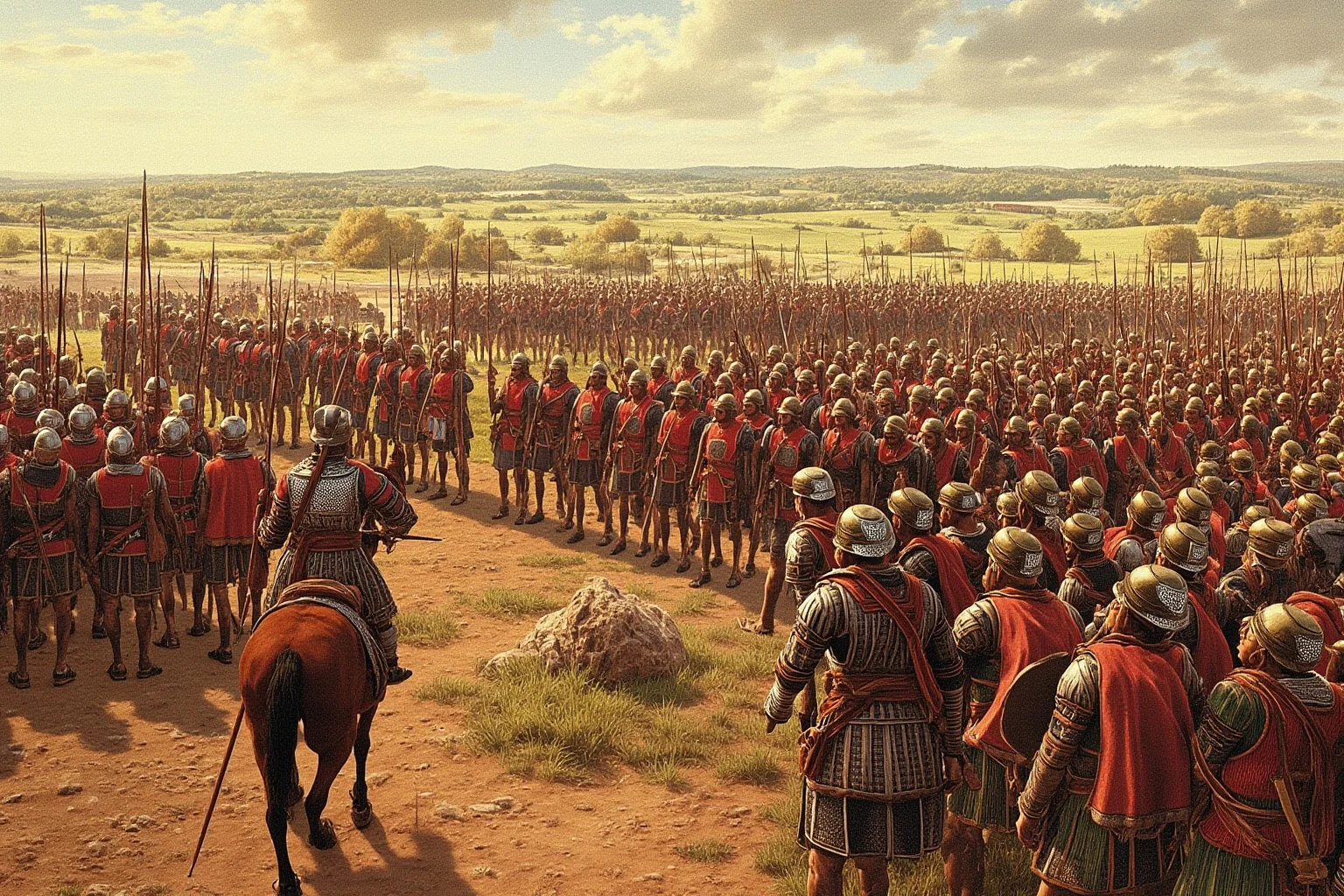
At Tours, often called Poitiers, Frankish forces under Charles Martel halted an Umayyad raiding army advancing from the Iberian Peninsula. The Frankish infantry held firm against cavalry charges, and the Umayyad commander was killed.
Historians debate how decisive the battle really was, since Umayyad expansion had already stretched thin. Still, it became a symbol of the Christian defense of Europe and strengthened the Frankish dynasty that produced Charlemagne.
14. Battle of Hastings (1066 CE)
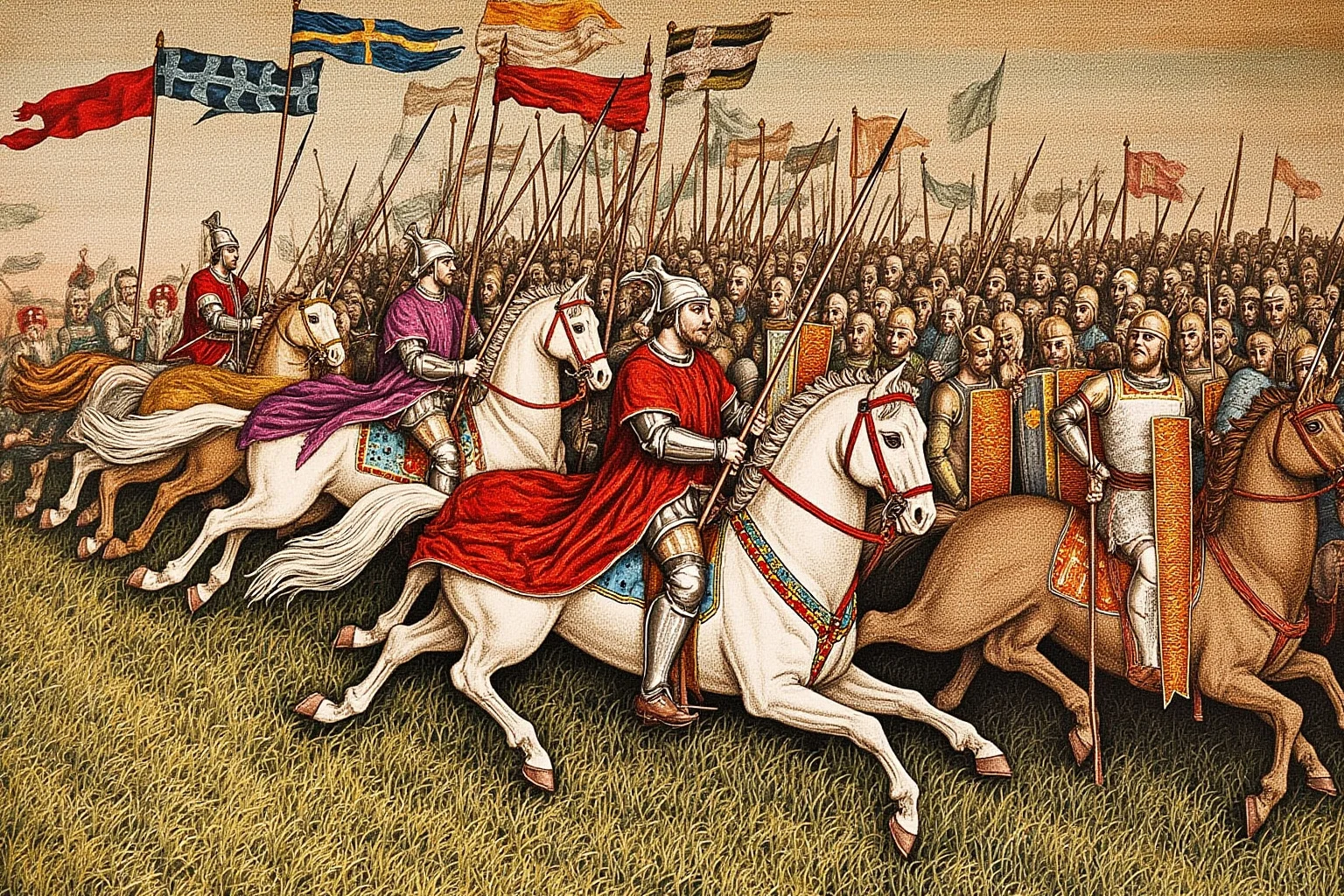
Hastings decided who would rule England and reshaped the English language forever. William of Normandy defeated King Harold Godwinson, whose army had just marched north to repel a Viking invasion and then rushed back south.
The Norman victory brought a new aristocracy, new laws, and thousands of French words into English. If you have ever wondered why English spelling is so strange, Hastings is a good place to start.
15. Battle of Manzikert (1071 CE)
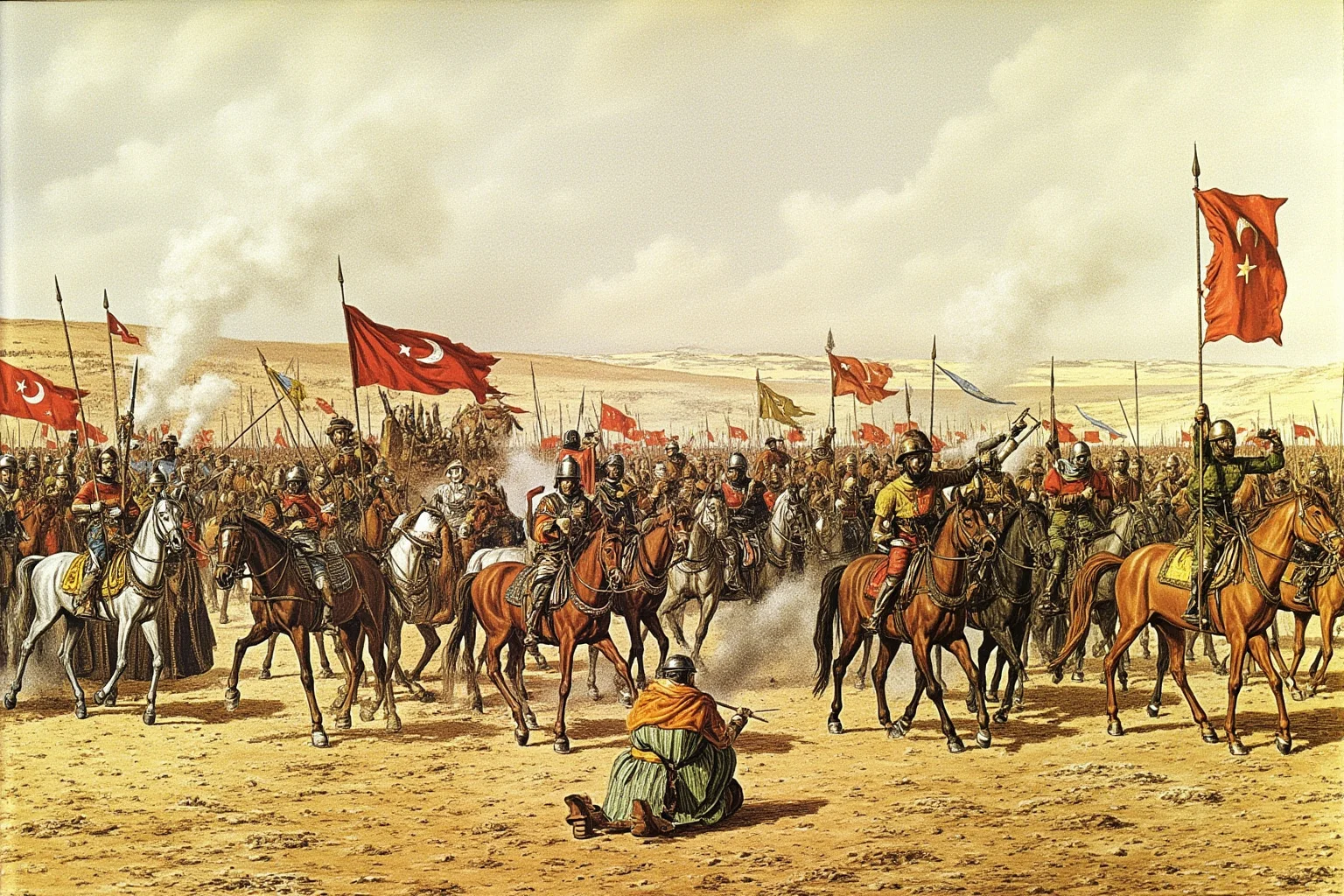
Manzikert was a disaster for the Byzantine Empire and a turning point for the region. The Seljuk Turks defeated and captured Emperor Romanos IV, opening Anatolia to Turkish settlement.
The loss of Anatolia stripped Byzantium of its main source of soldiers and revenue. It also contributed to the calls for help that eventually triggered the Crusades.
16. Battle of Hattin (1187 CE)
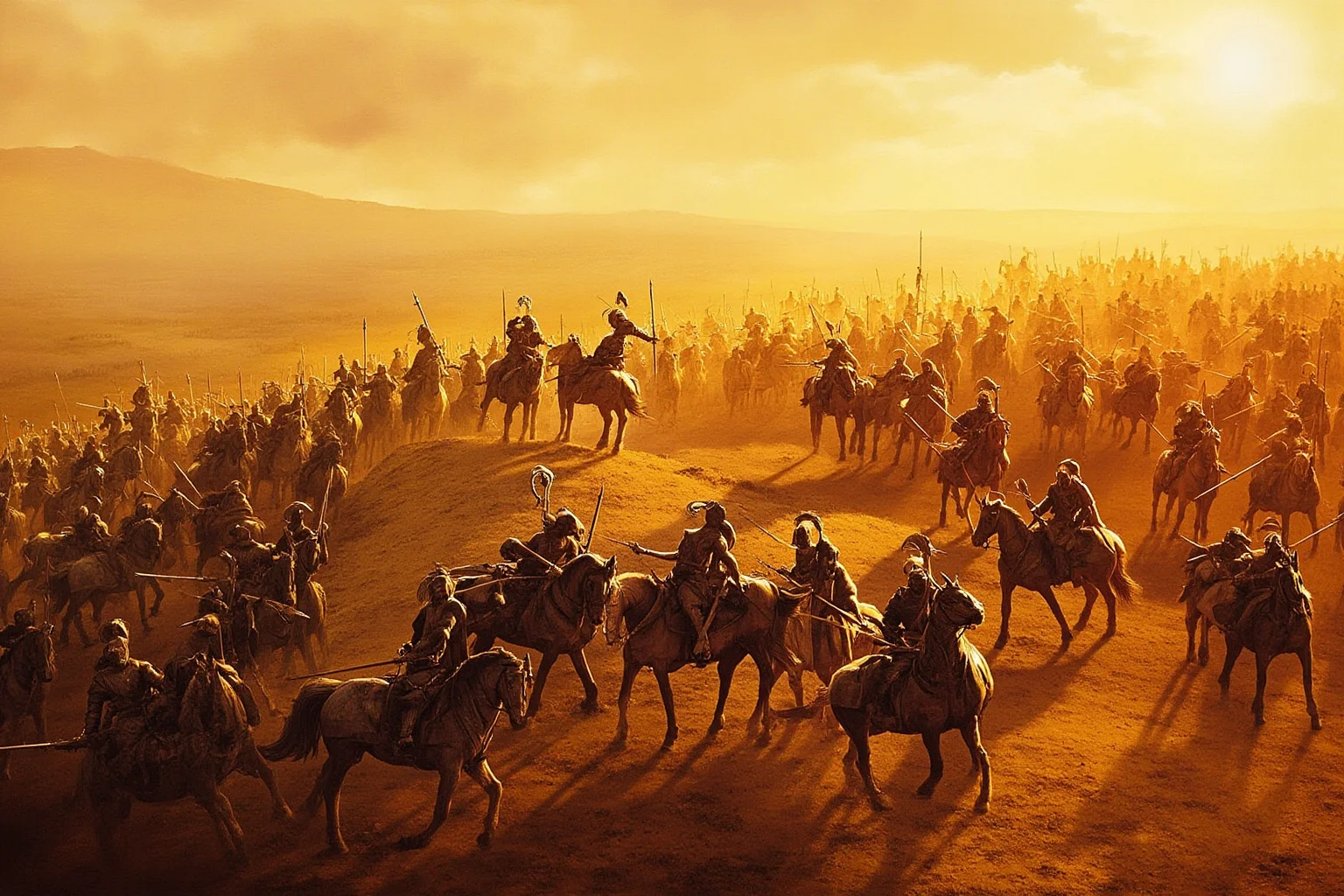
At Hattin, Saladin destroyed the Crusader army of the Kingdom of Jerusalem in a single brutal engagement. Cut off from water in the summer heat, the Crusader forces were surrounded and overwhelmed.
The victory led to the recapture of Jerusalem and prompted the Third Crusade. Hattin is a case study in how logistics and terrain can decide a battle before the first sword is drawn.
17. Battle of Agincourt (1415 CE)
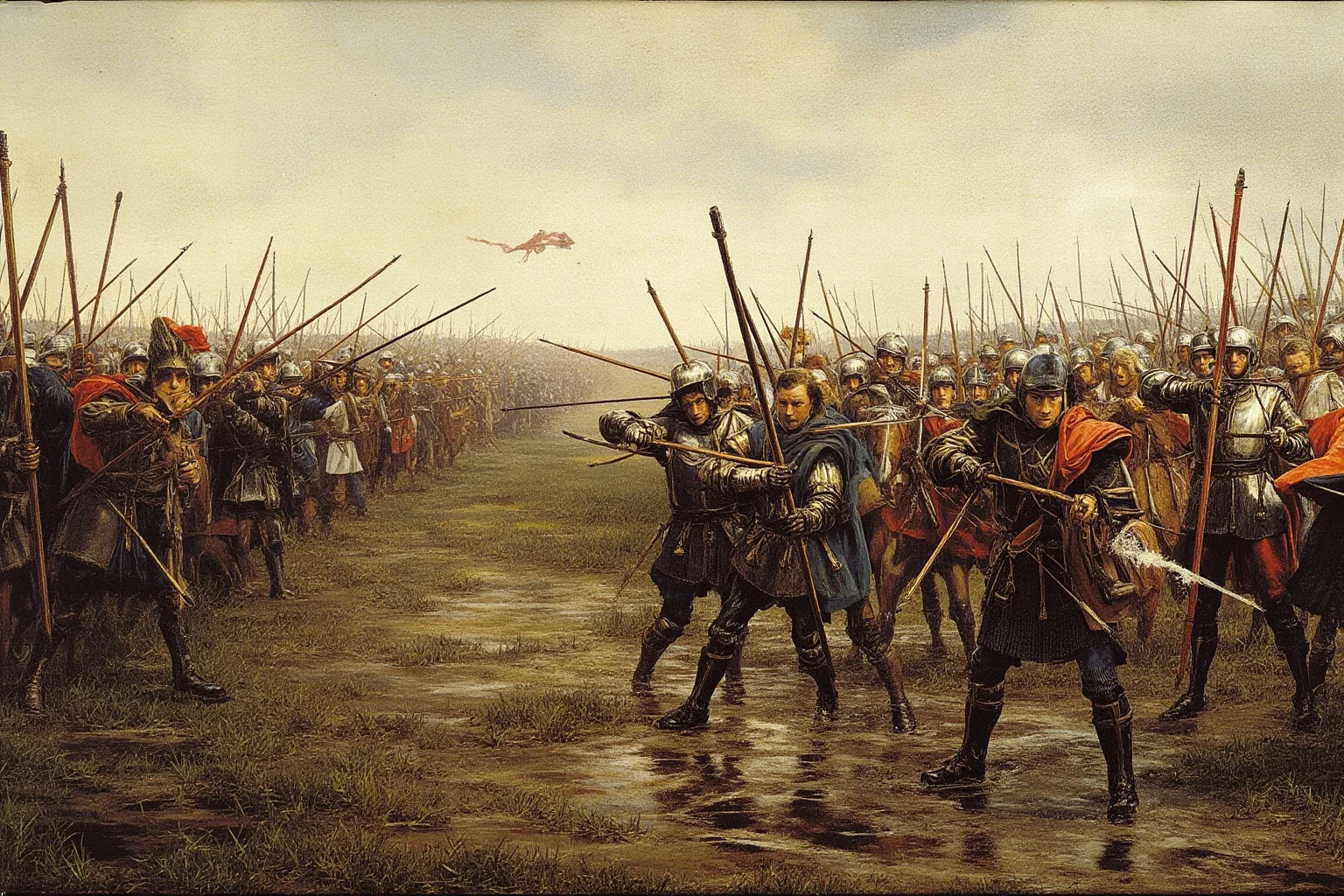
Agincourt is one of the most famous battles of the Hundred Years' War, and it is also one of the most mythologized. Henry V's exhausted English army, badly outnumbered and suffering from disease, defeated a larger French force in a muddy field.
The English longbow and the confined terrain turned the French advantage into a bottleneck. The victory secured Henry's claim to the French throne for a time and gave Shakespeare some of his best material.
18. Siege of Constantinople (1453 CE)
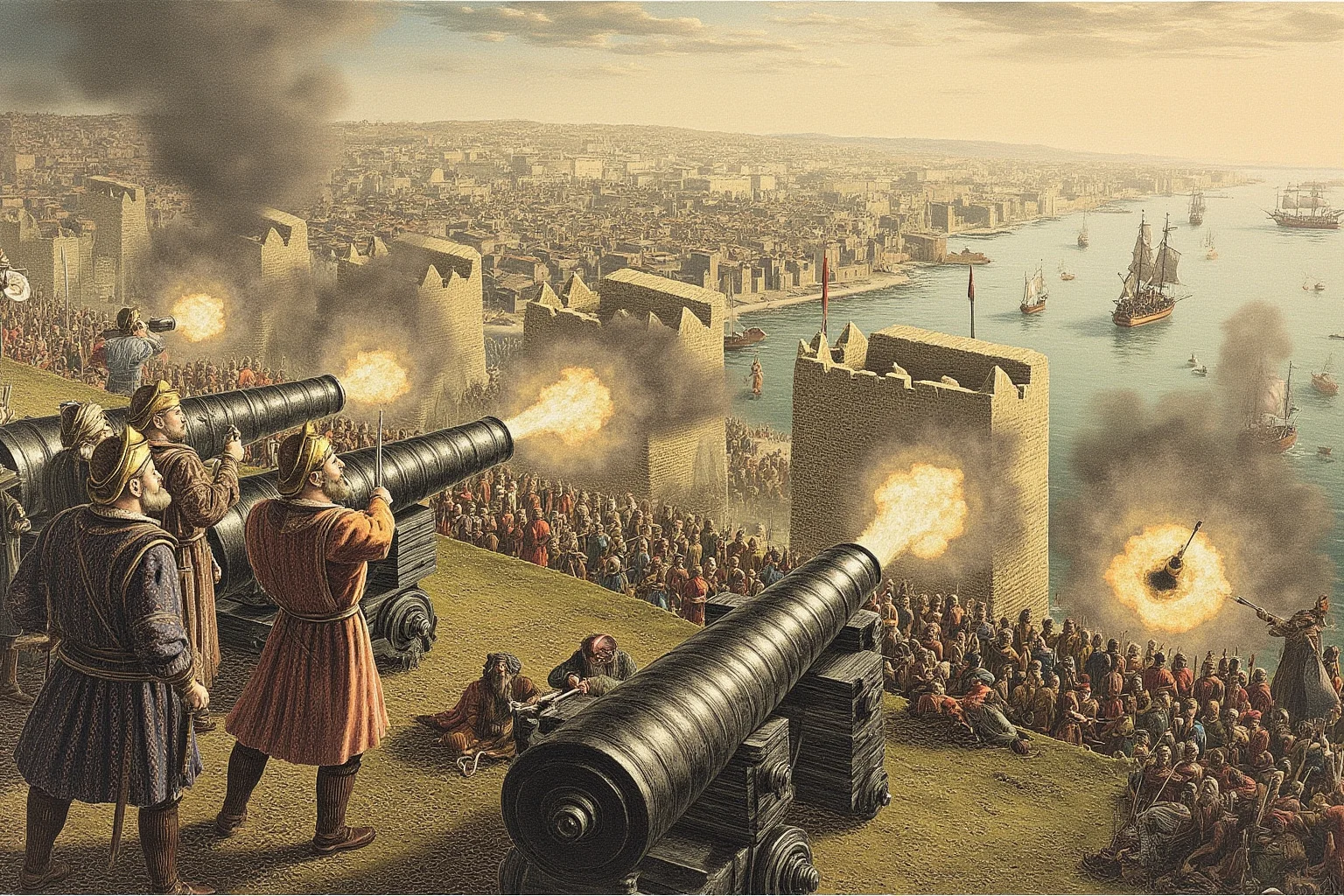
The fall of Constantinople ended the Byzantine Empire and is often used to mark the end of the Middle Ages. Ottoman Sultan Mehmed II used enormous cannons to batter walls that had resisted attackers for a thousand years.
When the city fell, many scholars fled west with ancient manuscripts, helping fuel the Renaissance. The event also shifted trade routes, indirectly encouraging European voyages of exploration.
19. Spanish Armada (1588 CE)
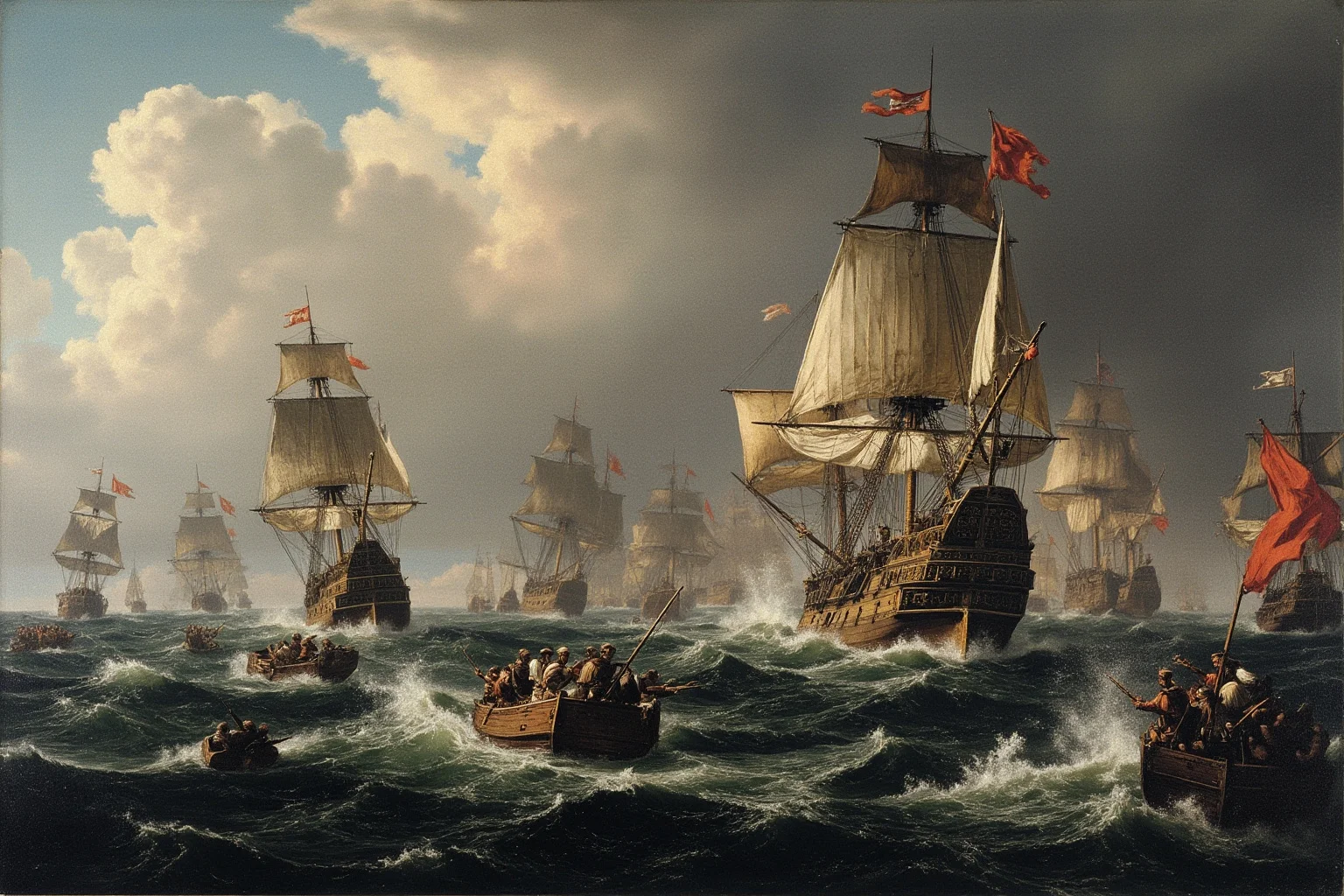
The Spanish Armada was a massive invasion fleet sent by Philip II to conquer England. English ships, faster and more maneuverable, harried the Armada in the Channel, and then a devastating storm scattered the fleet along the coasts of Scotland and Ireland.
The failure was a strategic blow to Spain and a boost to English confidence and naval ambition. It is a reminder that weather has decided more battles than most generals would like to admit.
20. Battle of Blenheim (1704 CE)
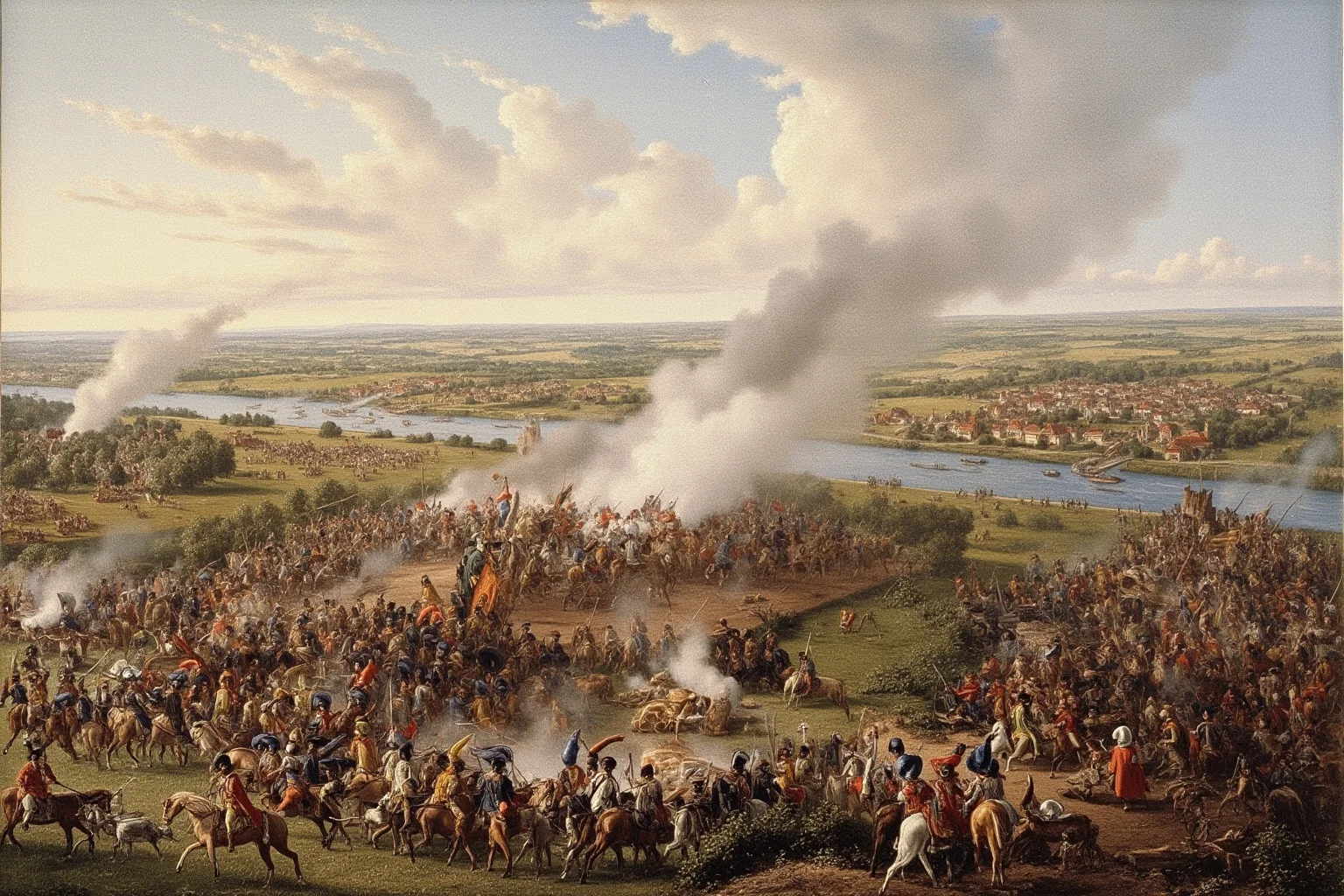
Blenheim was a turning point in the War of the Spanish Succession and a masterpiece of coalition warfare. The Duke of Marlborough and Prince Eugene of Savoy combined their armies to smash a Franco-Bavarian force.
The victory saved Vienna from capture and prevented France from dominating Europe. It also demonstrated how coordination between allied commanders could defeat a single powerful state.
21. Battle of Saratoga (1777 CE)
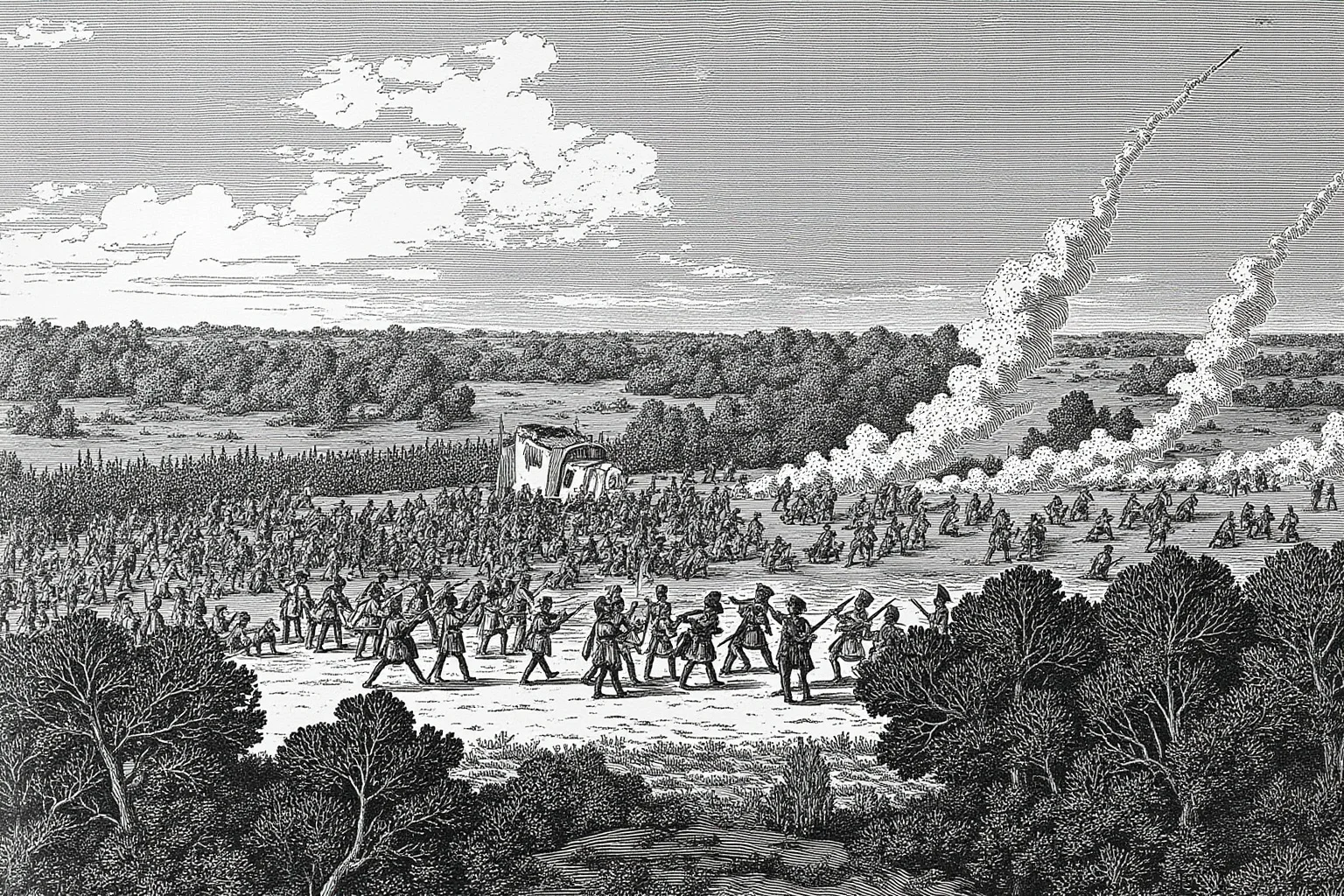
Saratoga is widely considered the turning point of the American Revolutionary War. American forces surrounded and captured a British army under General Burgoyne, a shocking defeat for the world's leading military power.
The victory convinced France to enter the war on the American side, providing money, troops, and a navy. Without Saratoga, the revolution might well have collapsed.
22. Battle of Austerlitz (1805 CE)
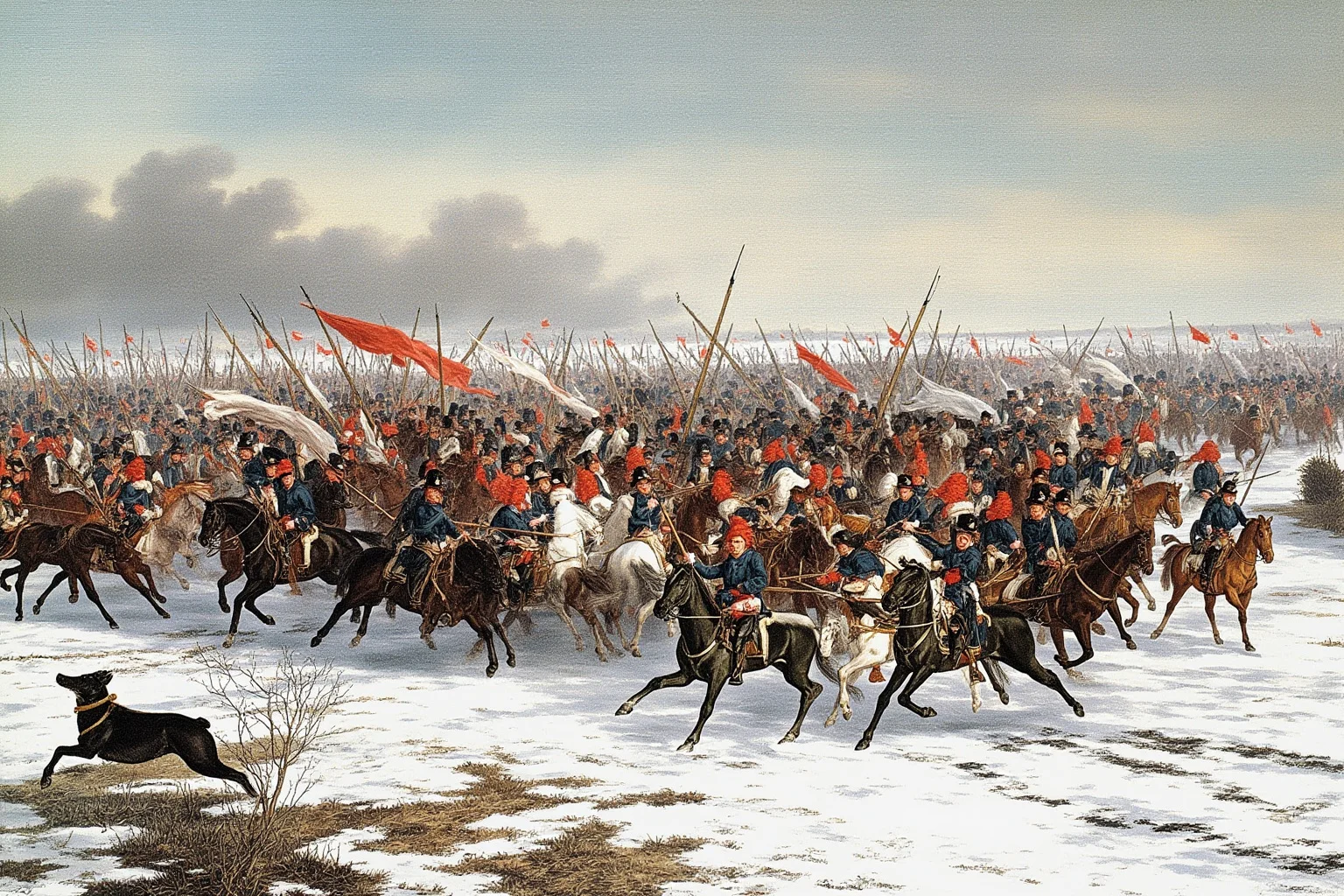
Austerlitz is often called Napoleon's greatest victory. Outnumbered by Russian and Austrian forces, Napoleon deliberately weakened his right flank to lure the enemy into overextending, then struck at the center.
The Allies fell into the trap, and their army was split and routed. The victory forced Austria out of the war and gave Napoleon control of central Europe for years.
23. Battle of Waterloo (1815 CE)
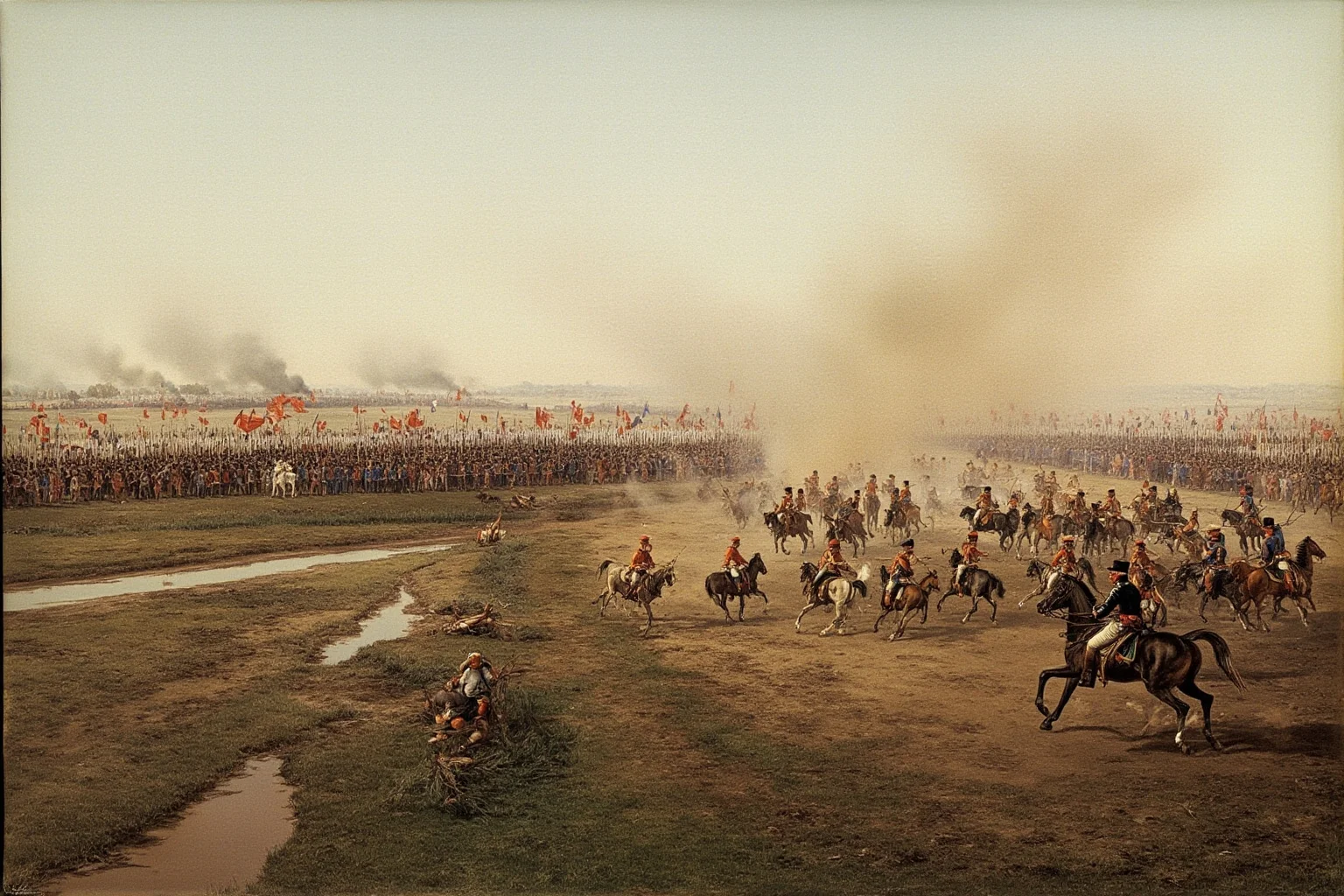
Waterloo ended Napoleon's comeback and reshaped European politics for a century. Napoleon attacked a coalition army under the Duke of Wellington while waiting for reinforcements that never came in time, as Prussian forces arrived late in the day.
The defeat sent Napoleon into permanent exile and restored the balance of power in Europe. It is one of the most studied battles in history, partly because so much of it could have gone differently.
24. Battle of Gettysburg (1863 CE)
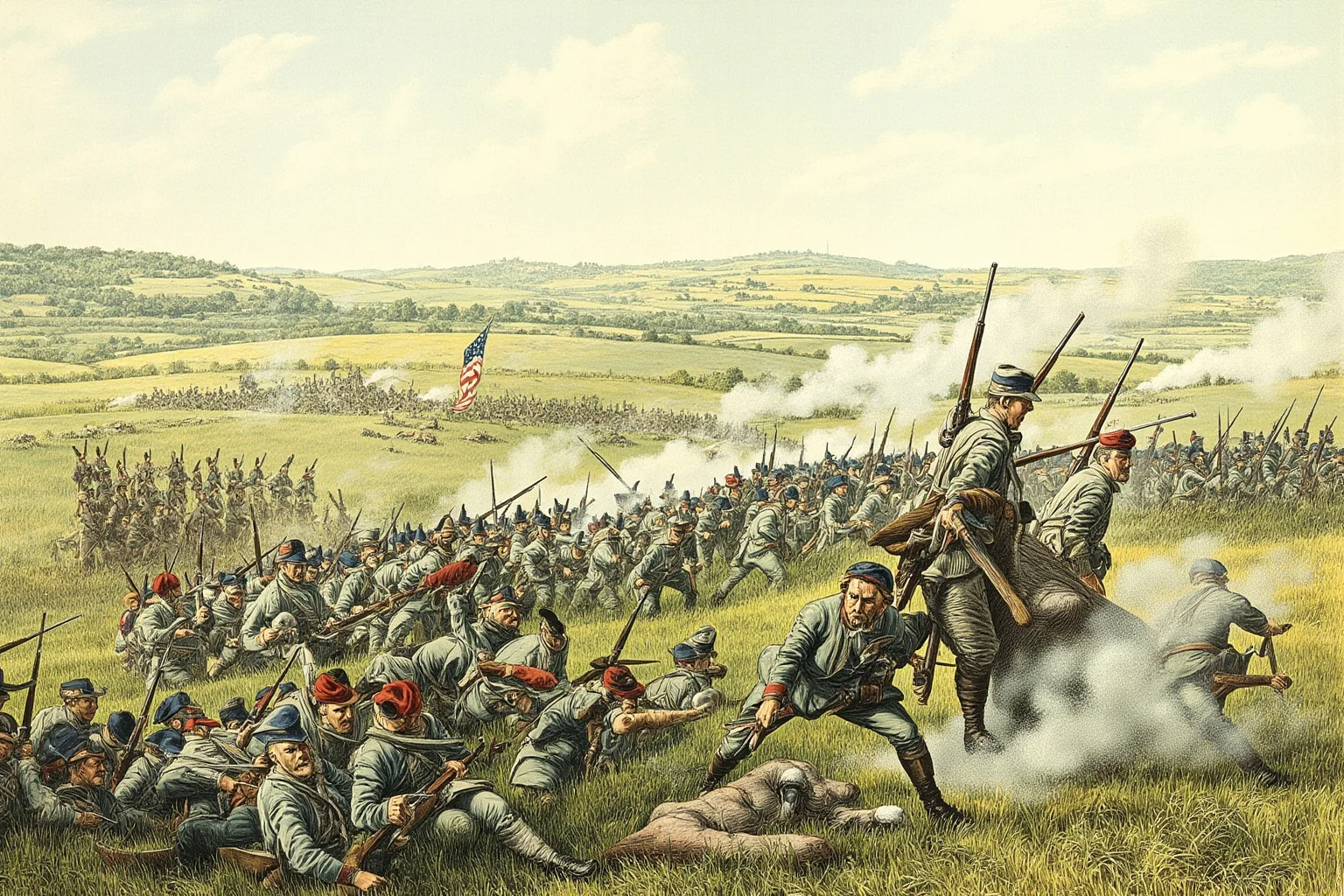
Gettysburg was the bloodiest battle of the American Civil War and the high-water mark of the Confederate advance north. After two days of fierce fighting, a massive Confederate assault known as Pickett's Charge was repulsed with heavy losses.
The defeat ended any realistic chance of Confederate victory on Northern soil. Months later, Abraham Lincoln delivered the Gettysburg Address at the dedication of the battlefield cemetery.
25. Battle of Stalingrad (1942–1943)
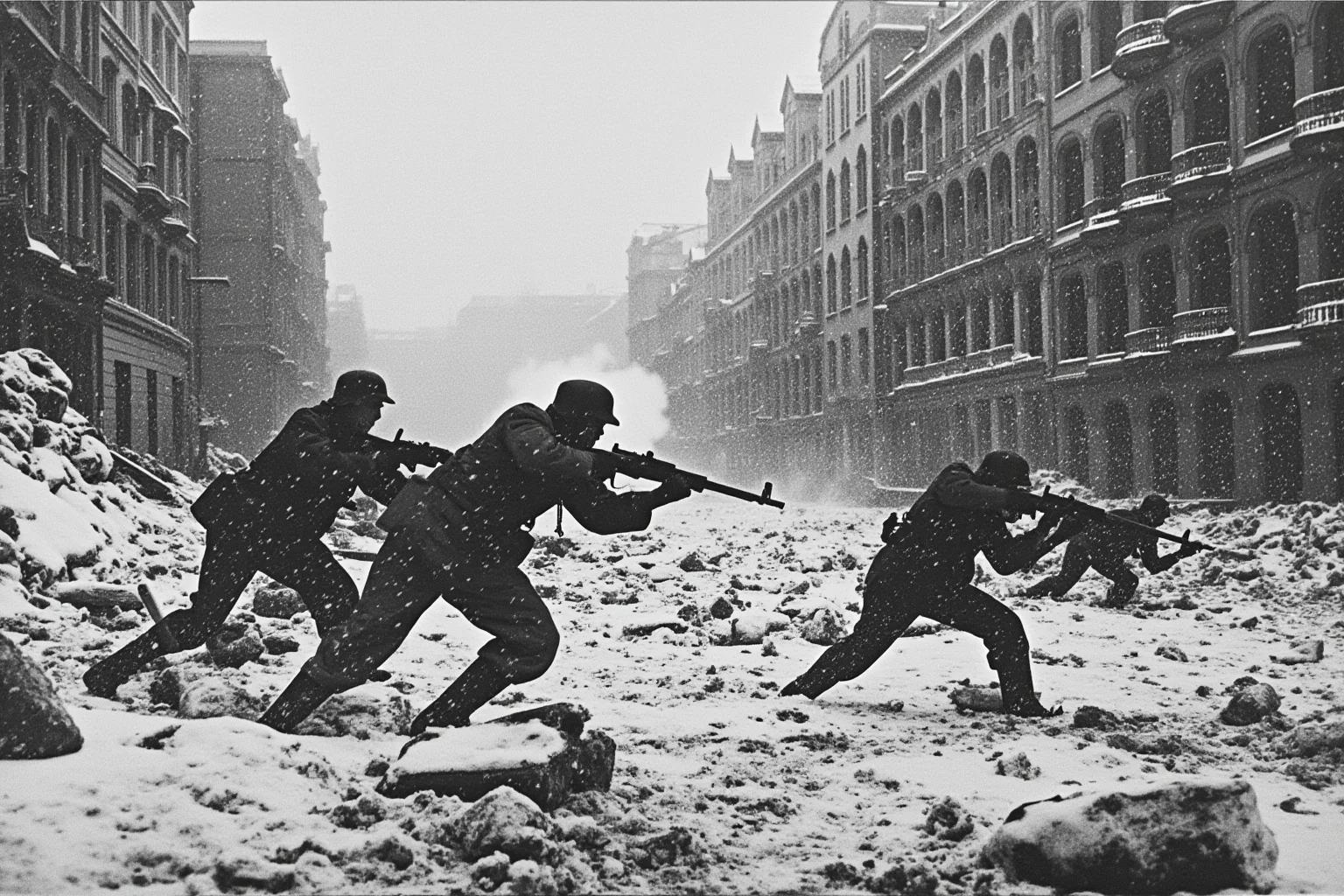
Stalingrad is often called the greatest battle of World War II and one of the bloodiest in all of human history. Soviet forces fought street by street against the German army, then launched a counteroffensive that encircled and destroyed an entire German army group.
The defeat shattered the myth of German invincibility and turned the tide of the war in the East. It remains the standard by which modern industrial warfare is measured.
Honorable Mentions and Battles That Just Missed the Cut
A list of 25 cannot include everything, and several legendary battles deserve a nod. The Battle of Actium in 31 BCE ended the Roman Republic and made Octavian the first Roman emperor. The Battle of Tours' cousin, the Siege of Vienna in 1683, halted Ottoman expansion deep into Europe.
In more recent history, the Battle of Midway in 1942 reversed Japanese naval dominance in the Pacific in just a few minutes of dive-bombing. The D-Day landings of 1944 were not a single battle so much as a massive campaign that opened the Western Front.
Other candidates include the Battle of Kursk, the largest tank battle ever fought, and the Battle of Trafalgar, which secured British naval supremacy for a century. Each of these would be a worthy addition to any list of epic battles of history.
How Historians Decide Which Battles Matter Most
There is no single agreed ranking of the greatest battles, and historians often disagree. Some judge by casualties, others by strategic consequences, and others by long-term cultural impact. A battle that looks minor in military terms can become hugely influential in memory and myth.
Another problem is evidence. For ancient battles, we often rely on a handful of sources written long after the event, sometimes by people with political motives. Modern historians cross-check archaeology, geography, and logistics to estimate army sizes, which were frequently exaggerated in ancient accounts.
That is why you should treat any claim about the "greatest battle in history" with a healthy dose of skepticism. The honest answer is that it depends on what you value: lives lost, empires changed, or stories that still inspire people centuries later.
Why These Battles Still Matter Today
Studying famous battles is not just about glorifying war. It is about understanding how decisions made under extreme pressure can shape the world for generations. The borders, languages, and political systems we live with today were often set by outcomes on a single day.
Battle history also teaches lessons that apply far beyond the battlefield. Logistics, morale, intelligence, and adaptability matter in business, politics, and everyday life. When a general ignores the terrain or underestimates the enemy, the consequences are immediate and brutal.
Finally, these stories connect us to the people who lived through them. Behind every epic clash are ordinary soldiers, farmers, and families whose lives were upended by forces far beyond their control. Remembering them is part of remembering who we are.
Final Thoughts
From the chariots of Megiddo to the tanks of Stalingrad, the biggest battles in history reveal both the worst and the best of human nature. They show our capacity for destruction, but also our courage, ingenuity, and willingness to sacrifice for something larger than ourselves.
The next time you hear a famous battle mentioned in a movie or a book, dig a little deeper. The real story is almost always stranger, more complicated, and more interesting than the legend. And that is exactly why these battles continue to fascinate us thousands of years later.
Whether you are researching for a school project, planning a history trip, or simply winning a trivia night, this list is a starting point. There are hundreds more battles worth exploring, each with its own lessons and its own ghosts.
Frequently Asked Questions
What are the most epic battles of history?
The most epic battles of history include Thermopylae, Cannae, Alesia, Hastings, Waterloo, Gettysburg, and Stalingrad. What makes them epic is a combination of scale, high stakes, and lasting consequences. Many also feature dramatic stories of last stands, brilliant tactics, or shocking upsets that have kept them alive in memory for centuries.
What was the greatest battle in history?
There is no universally agreed answer, because greatness can mean different things. Stalingrad is often cited as the greatest battle of World War II due to its scale and consequences, while Cannae is celebrated as a tactical masterpiece. Thermopylae is legendary for its symbolism rather than its strategic result. Historians typically judge battles by casualties, strategic impact, or cultural legacy, and each measure produces a different winner.
Which was the biggest battle in history by number of soldiers?
The Battle of Stalingrad and the broader Battle of Kursk involved millions of soldiers combined and are among the largest in history. Some estimates suggest the Battle of the Somme in 1916 involved over three million troops across both sides. Ancient battles like Gaugamela or Cannae were large for their time, but ancient sources often exaggerated army sizes, so modern historians rely on logistics and archaeology to produce more realistic figures.
Why was the Battle of Thermopylae important if the Greeks lost?
Thermopylae was a tactical defeat but a strategic and symbolic victory. The small Greek force delayed the Persian advance and bought time for the Greek coalition to prepare its defense. More importantly, the sacrifice became a lasting symbol of resistance against overwhelming odds, inspiring later Greek victories at Salamis and Plataea.
What is the most important battle in history?
Many historians point to Salamis in 480 BCE, which preserved Greek civilization, or to the fall of Constantinople in 1453, which ended the Byzantine Empire and helped trigger the Renaissance and the Age of Exploration. Others argue for Stalingrad, which turned the tide of World War II. The answer depends on which historical consequences you consider most significant.
Were ancient battles really as large as ancient writers claimed?
Often not. Ancient historians frequently exaggerated enemy numbers to make their own side's victory more impressive. Modern scholars estimate army sizes using supply requirements, road capacity, and archaeological evidence. For example, the Persian army at Thermopylae was likely far smaller than the millions claimed in some ancient sources, though still vastly larger than the Greek force.

Alex Warren
Related Articles