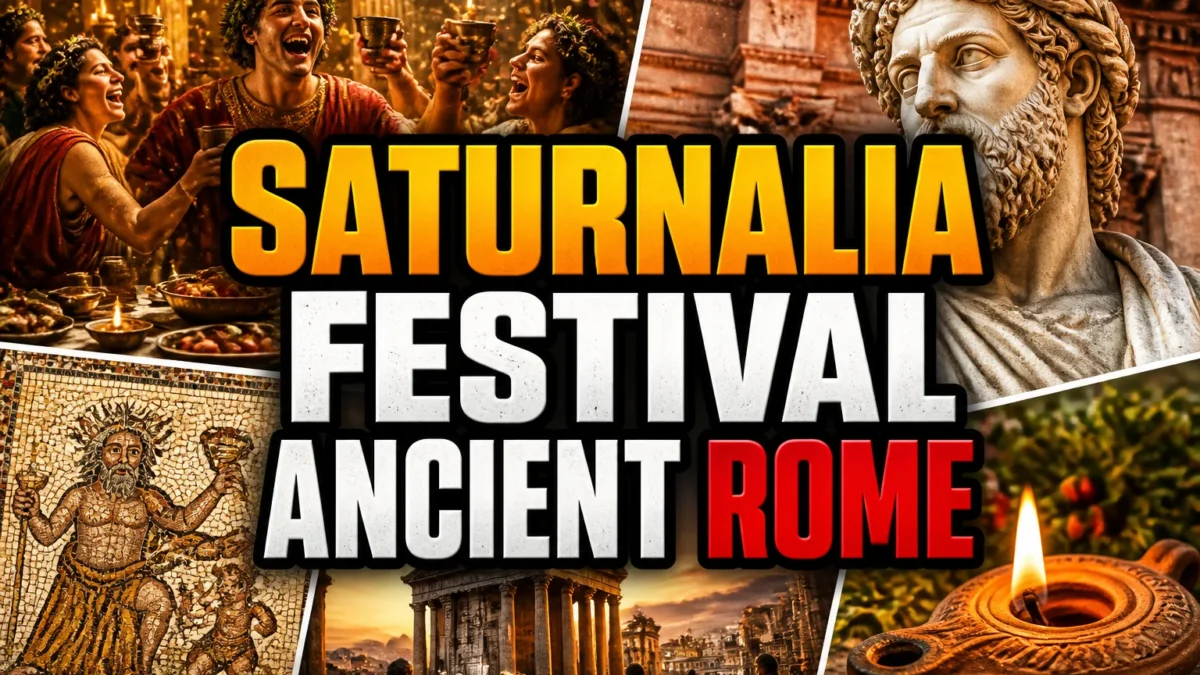
Every December, people debate whether modern winter holidays are too commercial or too serious. The ancient Romans would have been baffled by that debate. Their great midwinter blowout, the Saturnalia festival, was built around gambling, feasting, role reversal, and the gleeful cry of "Io Saturnalia!"
Saturnalia in Rome was not a silent, candlelit observance. It was a citywide release valve that flipped social rules, packed the streets, and turned the Forum into a party zone for as many as seven days.
TL;DR: Saturnalia in ancient Rome was a multi-day winter festival of feasting, gift-giving, gambling, and social role reversal that shaped later December traditions far more than most people realize.
Why the Roman Saturnalia Festival Deserves More Hype
The Roman Saturnalia festival was not a single event but a cluster of customs that shifted over centuries. It mixed religious ceremony with street-level fun in a way few modern holidays do. To understand its appeal, you have to imagine Rome without electric lights, weekend leisure, or separation between civic and sacred life.
Saturnalia stood out because it was both sacred and subversive. Romans honored Saturn while also mocking authority, reversing dinner service, and turning the city into a temporary carnival. That combination made the holiday feel essential rather than merely decorative.
1. It Began as a Rustic Seed-God Celebration
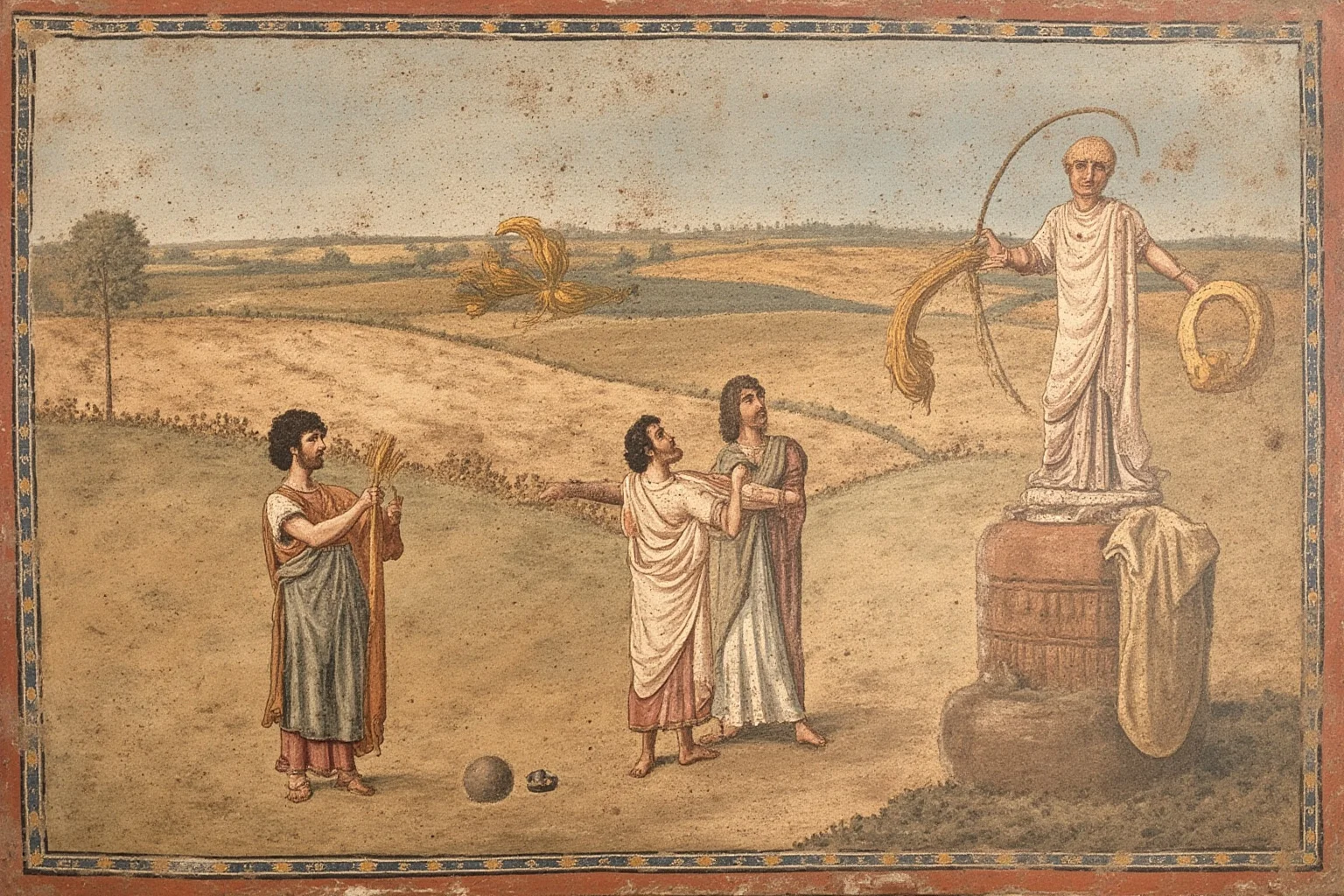
Saturnalia's roots reach back to a simple agricultural rite. Saturn was the Roman god of sowing, seed, and abundance, and farmers honored him after the autumn planting was safely in the ground. The earliest observances were probably local and modest, not the sprawling urban party they later became.
Over centuries, the Roman Saturnalia festival absorbed new customs from the city and beyond. By the late Republic, it had transformed into the most anticipated public holiday of the Roman calendar. That shift from rural rite to raucous civic festival is one reason its story fascinates historians.
2. One Day of Feasting Was Never Going to Be Enough
Originally, Saturnalia fell on December 17 as a single day of sacrifice and feasting. The date remained fixed in Roman calendars, but the celebration kept stretching to include more days of games and banquets. Emperors later tried to place limits on the holiday, yet people kept treating it as a longer break.
By the late empire, the festival frequently ran from December 17 through December 23. That weeklong span meant more time for private parties, public entertainment, and the famous Saturnalia feast. The expansion proves just how reluctant Romans were to return to their normal routines.
3. Saturnalia in Rome Brought the City to a Halt
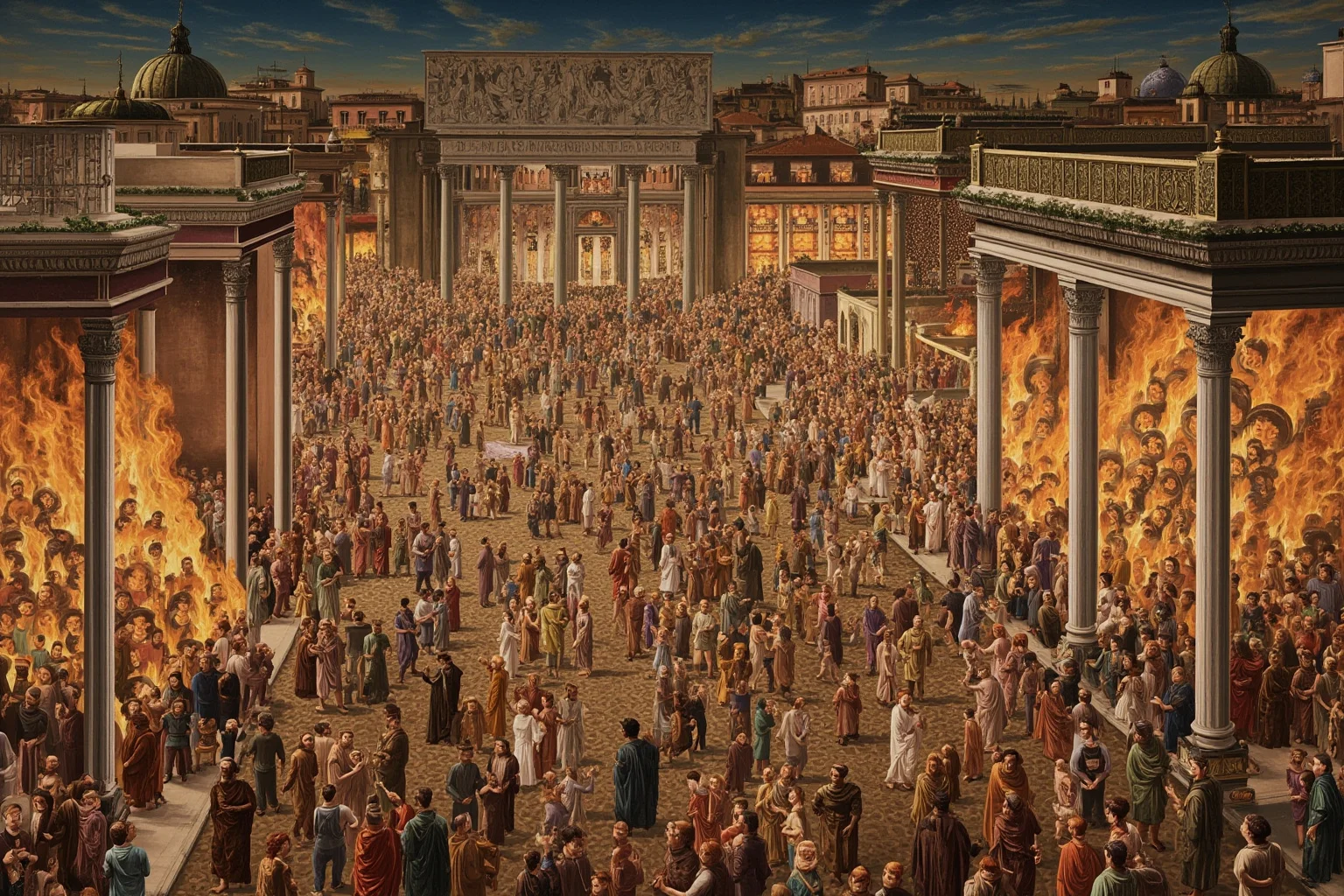
During Saturnalia in Rome, ordinary work and public business paused. Courts closed, schools let out, and political meetings were set aside so people could pour into the streets. The city's usual legal and civic machinery ground to a halt.
This was not a partial holiday observed only by the wealthy. Enslaved people, freedmen, citizens, and public officials were all expected to join the celebration. Roman writers sometimes joked that the entire city was collectively ignoring its own rules.
4. Masters Served Enslaved People at the Table
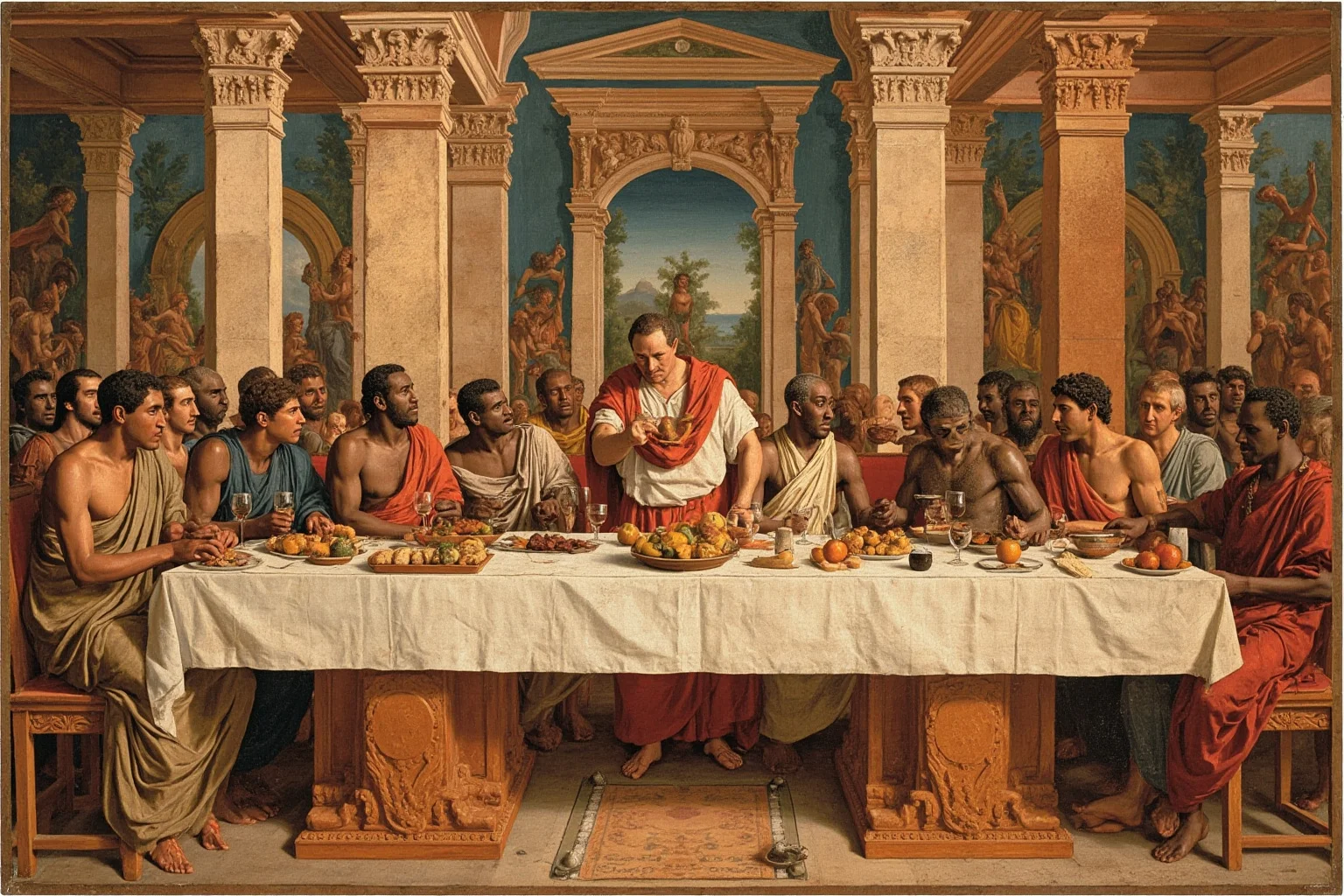
The most famous Saturnalian custom is the role reversal between enslaved people and masters. In elite households, enslaved people might dine first or recline at the same table while owners waited on them. Ancient sources describe this as a temporary reversal of fortune, not a permanent reform.
Historians caution that the practice was probably uneven and did not erase slavery's brutality. Still, it was a remarkable symbolic break from Roman social order. The image of masters serving their household staff made Saturnalia genuinely subversive, even if only for a few days.
5. The Pileus Cap Turned Everyone into a Freedman for a Day
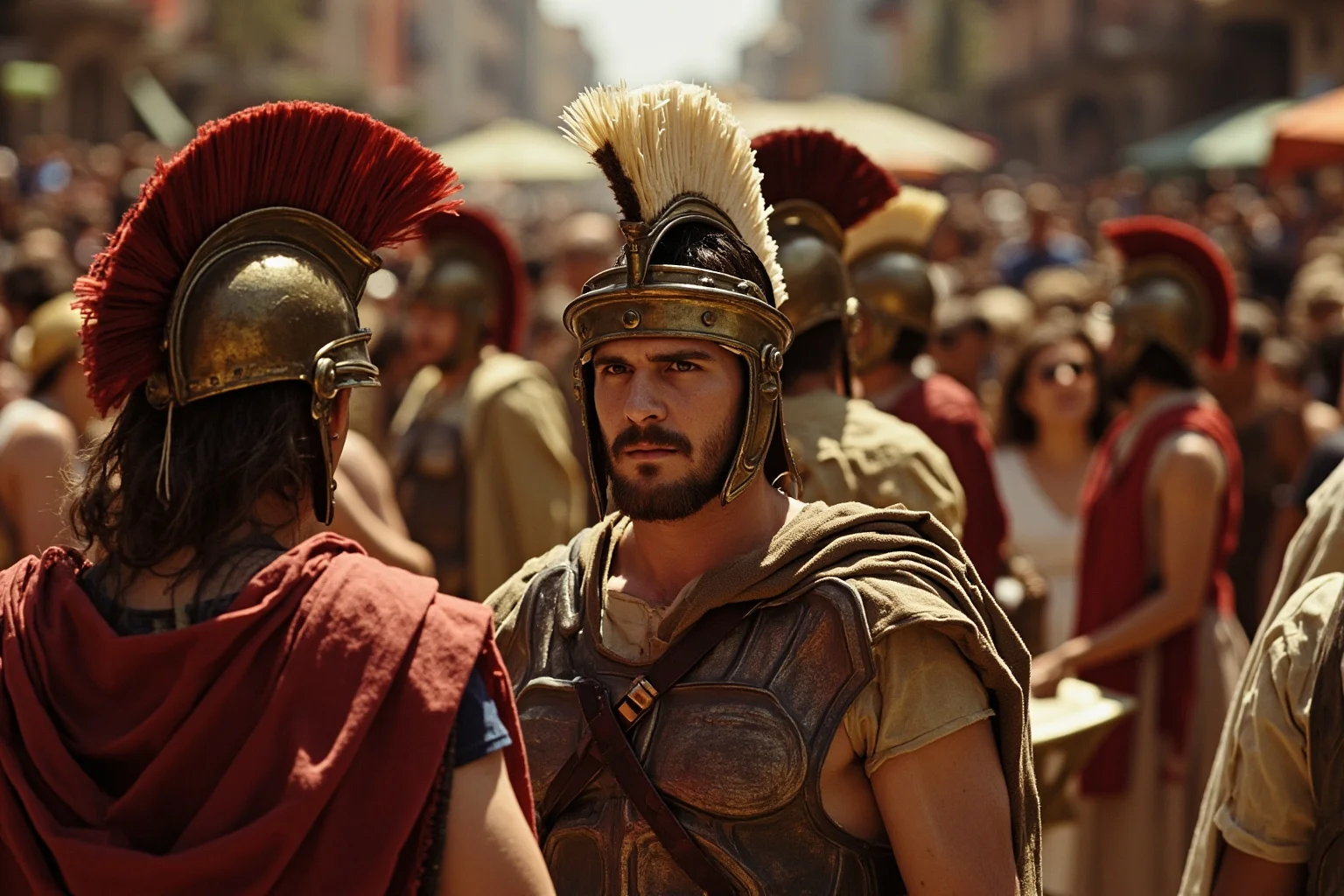
During the festival, many Romans wore the pileus, a conical felt cap associated with freed slaves. This was not merely a fashion choice; it marked the wearer as temporarily free from normal status labels. When masters and enslaved people alike donned the cap, the visual message was that Saturnalia suspended hierarchy.
Some scholars think the cap also echoed the god Saturn's own association with a lost golden age. The hat became such a symbol of the holiday that it appears in Roman art and later literary descriptions. It gave the carnival a shared uniform that made role reversal visible.
6. Gambling Suddenly Became Legal for Everyone
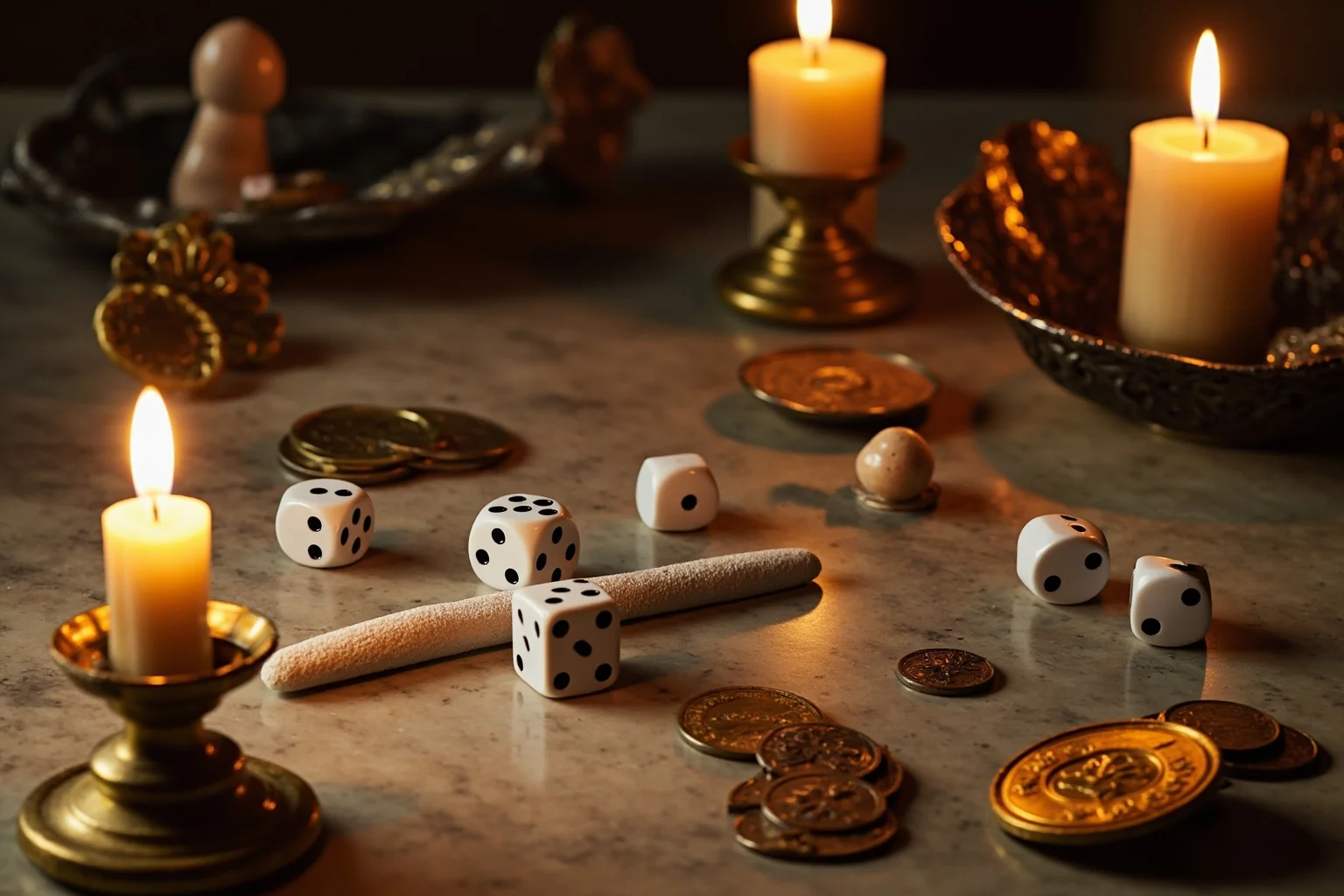
Roman law normally restricted gambling, but Saturnalia carved out a festive exception. Dice games, knucklebones, and wagering on simple board games were permitted for everyone, including enslaved people. Even children joined in by using nuts as low-stakes currency.
Adults often played for real coins, though the official expectation was that sums would stay modest. The poet Martial joked about the noise of dice and the chaos of holiday betting. Legalized gambling was one of the clearest signs that ordinary rules were off for the week.
7. A Mock King Ruled the Party
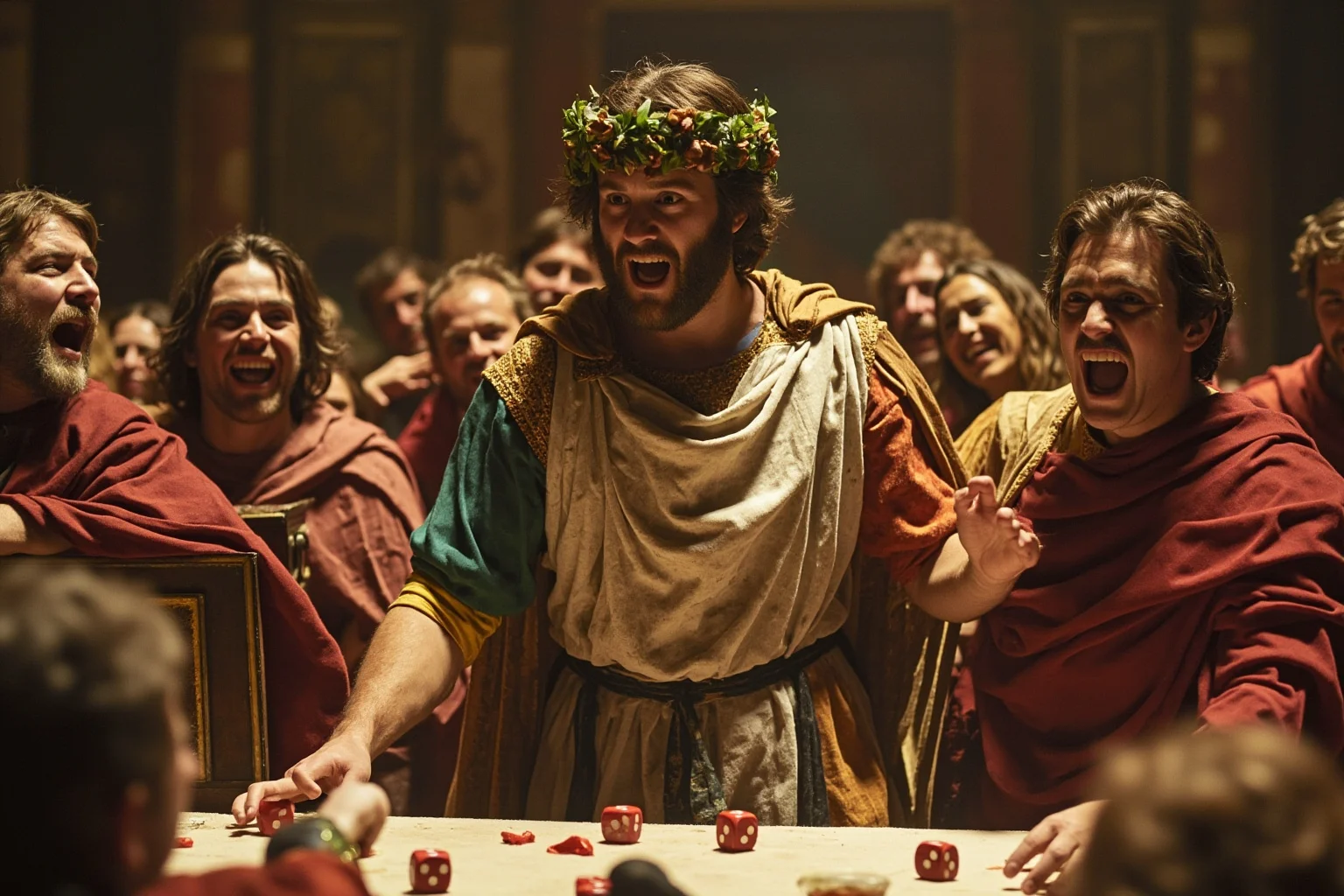
The Saturnalicius princeps, or "leader of Saturnalia," was chosen by a throw of the dice or by lot. This mock king could demand absurd tasks, order people to sing, or direct the household's evening entertainment. Everyone was expected to obey his ridiculous commands in the spirit of play.
The custom resembles later medieval Feast of Fools and Twelfth Night king traditions. Scholars debate how widespread the mock king was outside elite parties, but the idea captured Roman imaginations. It turned authority itself into a game.
8. The Cry of "Io Saturnalia!" Filled the Streets
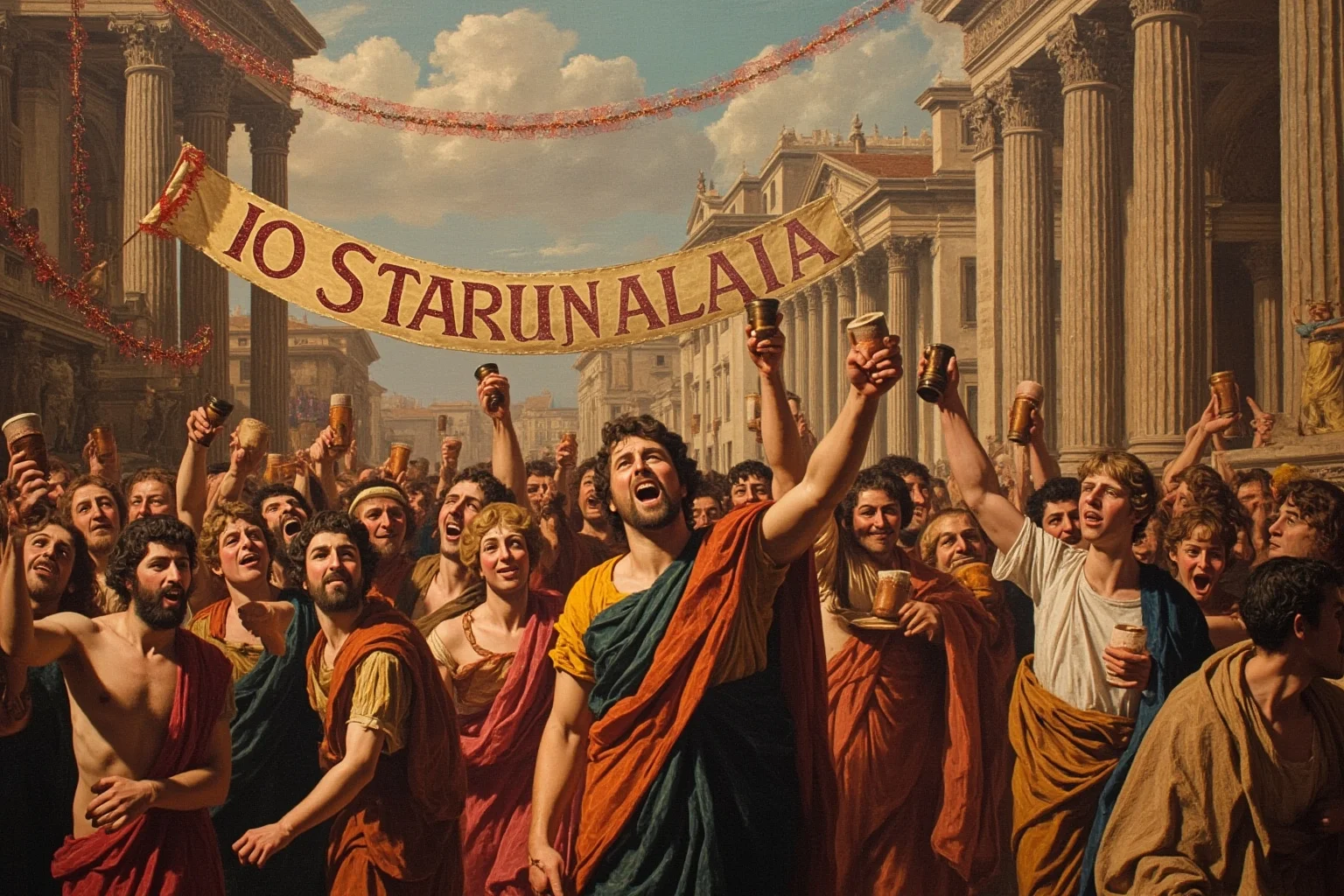
Romans greeted one another by shouting "Io Saturnalia!"—an ancient equivalent of a holiday cheer. The phrase appears in poems, letters, and even on gifts. It combined the name of Saturn with an exclamation of joy and release.
We cannot recover the exact pronunciation today, but the phrase clearly functioned as a public signal that the holiday had begun. People used it in the streets, at banquets, and in the Forum. Hearing it meant the usual social distance was, for a few days, relaxed.
9. Gift-Giving Was Everywhere, Not Just for Children
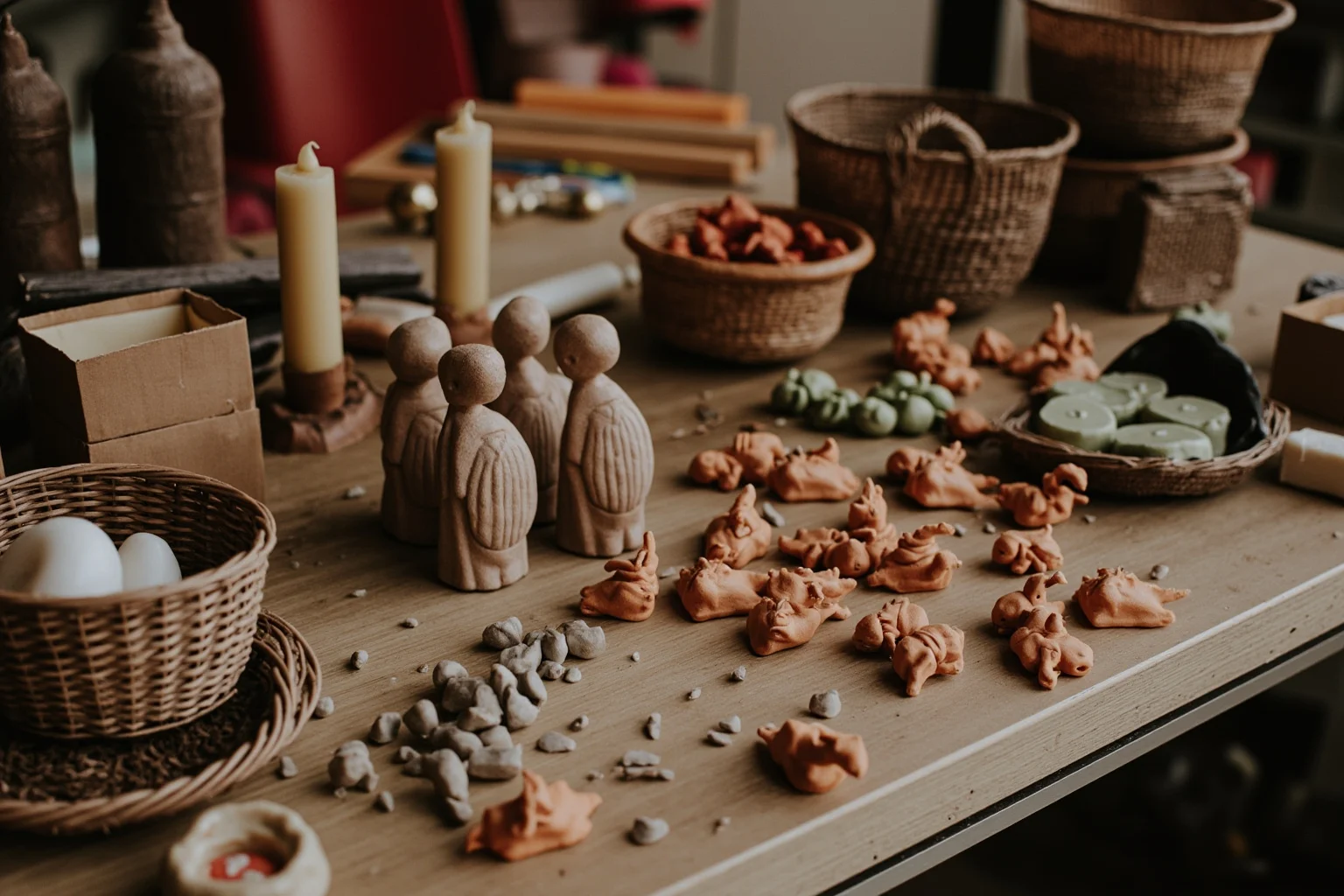
Saturnalia had its own present-giving tradition long before Christmas became the dominant winter exchange. Common gifts included wax figurines called sigillaria, candles known as cerei, clay toys, books, and small baskets. Candles were especially fitting for a festival near the winter solstice, symbolizing light returning to the world.
Wealthier Romans gave silver, clothing, or even livestock as grander presents. Martial's epigrams mock bad Saturnalia gifts in a way that feels surprisingly modern. The exchange of gifts was not limited to family; patrons, clients, and friends all swapped presents.
10. Homes Were Decked with Greenery and Light
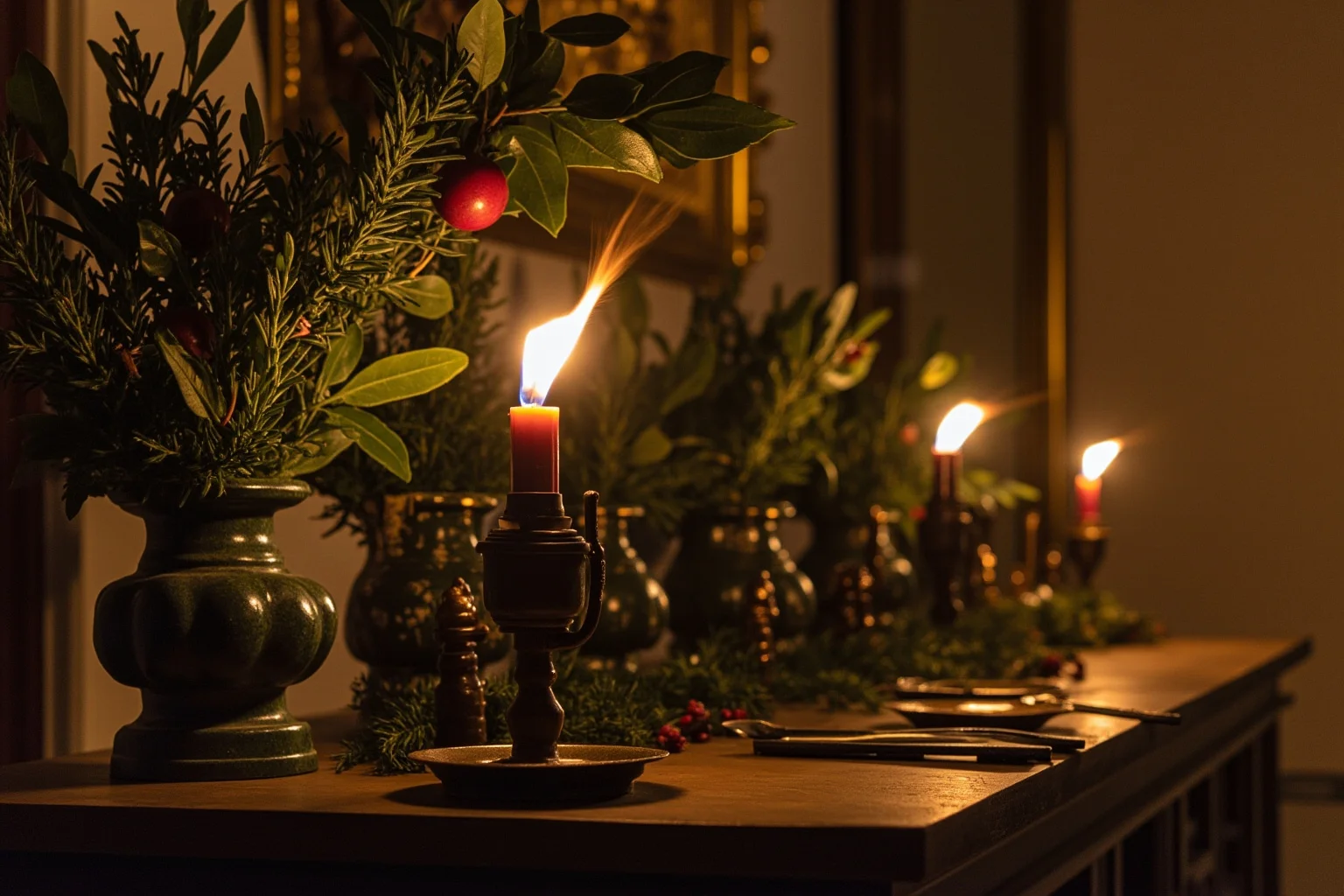
Romans decorated their homes with evergreen branches, holly, and bay leaves during Saturnalia. These plants stayed green in winter, so they became symbols of life and continuity. The decoration was not identical to a modern Christmas tree, but the instinct to bring greenery indoors was already strong.
People also hung garlands and lit lamps to brighten the darkest stretch of the year. Martial mentions the smell of bay and the glow of candles in his Saturnalia poems. The visual backdrop of the festival must have made Rome feel transformed.
11. The Saturnalia Feast Was a Multi-Course Marathon
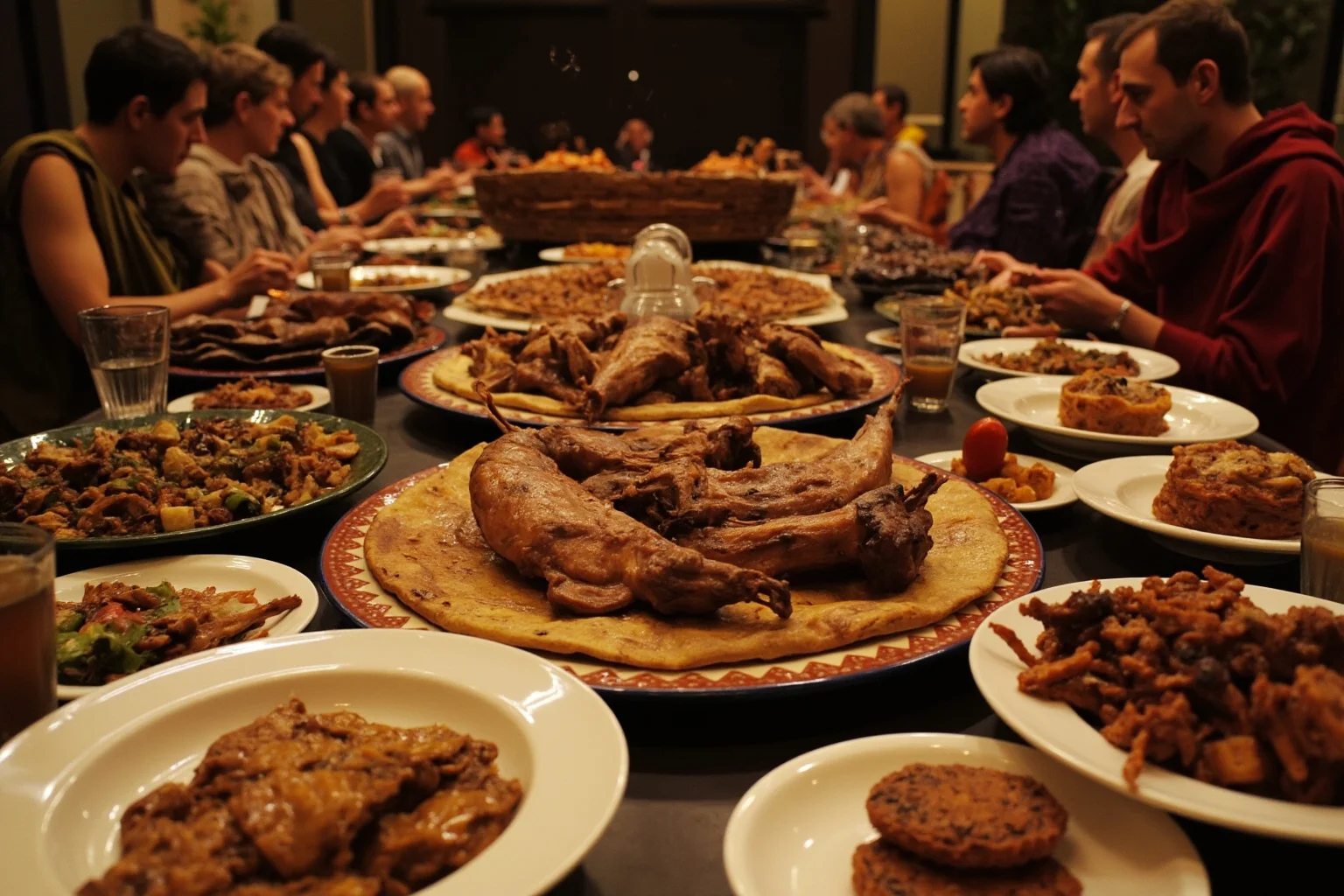
The centerpiece of the holiday was the Saturnalia feast, a long dinner that could stretch for hours. Hosts served multiple courses, including roasted meats, fish, stuffed dormice, sweet wine, and honeyed desserts. The best feasts were private affairs, but public banquets also accompanied the temple rites.
Diners reclined on couches, wore relaxed clothing, and drank more freely than usual. Food was one of the clearest ways to show status, so a lavish Saturnalia dinner also became a form of social competition. The feast blurred the line between religious sacrifice and sheer indulgence.
12. Togas Came Off and Colorful Dinner Clothes Came On
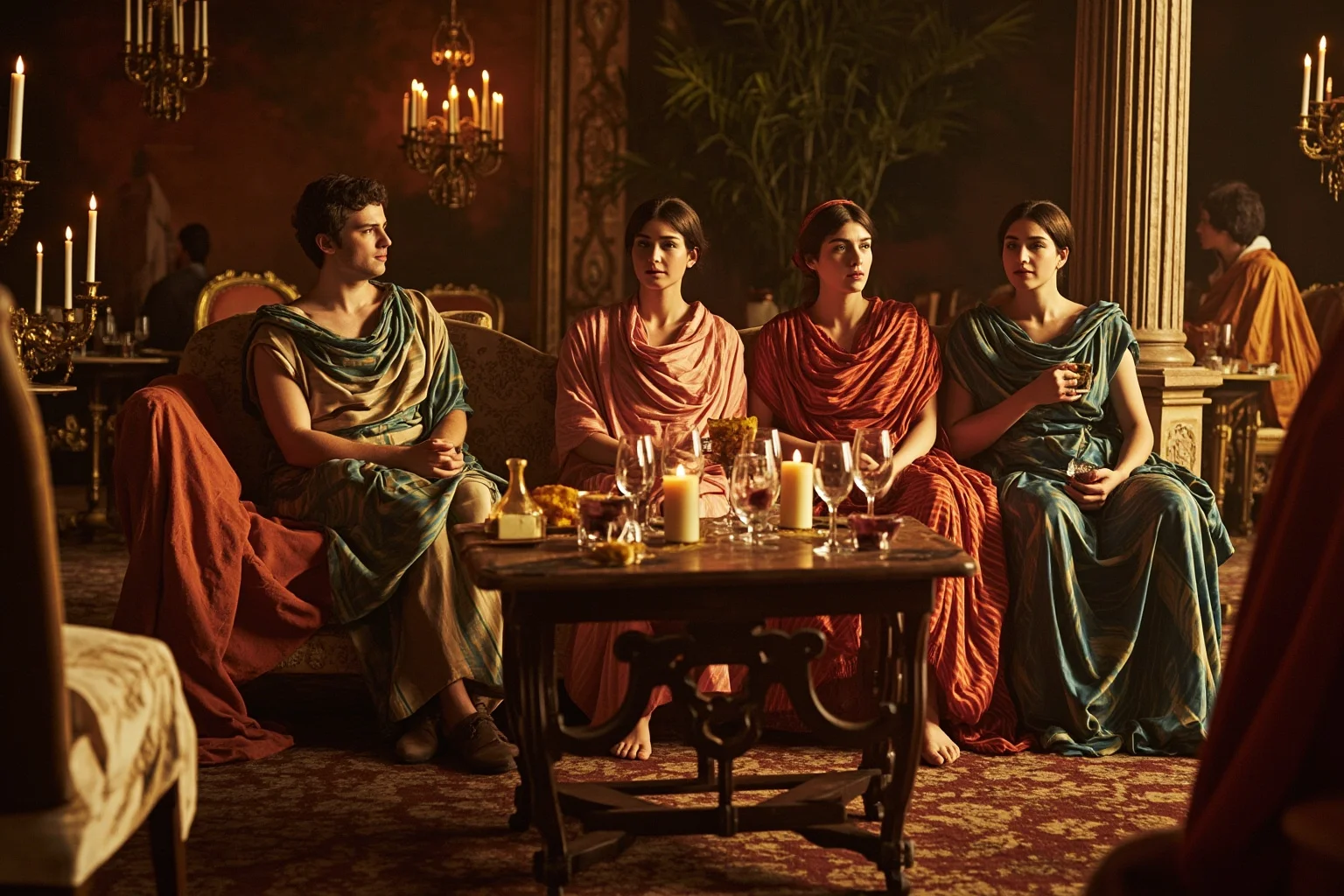
For much of Roman public life, male citizens were expected to wear the toga. During Saturnalia, many swapped the cumbersome toga for the synthesis, a colorful and comfortable dinner garment. This shift was practical because banqueting in a toga was awkward, but it was also symbolic.
Loose, bright clothing matched the holiday's relaxed rules and carnival atmosphere. The change in dress helped mark Saturnalia as a time outside normal time. Even people who rarely hosted parties might keep a synthesis ready for the season.
13. Public Rituals Opened the Holiday
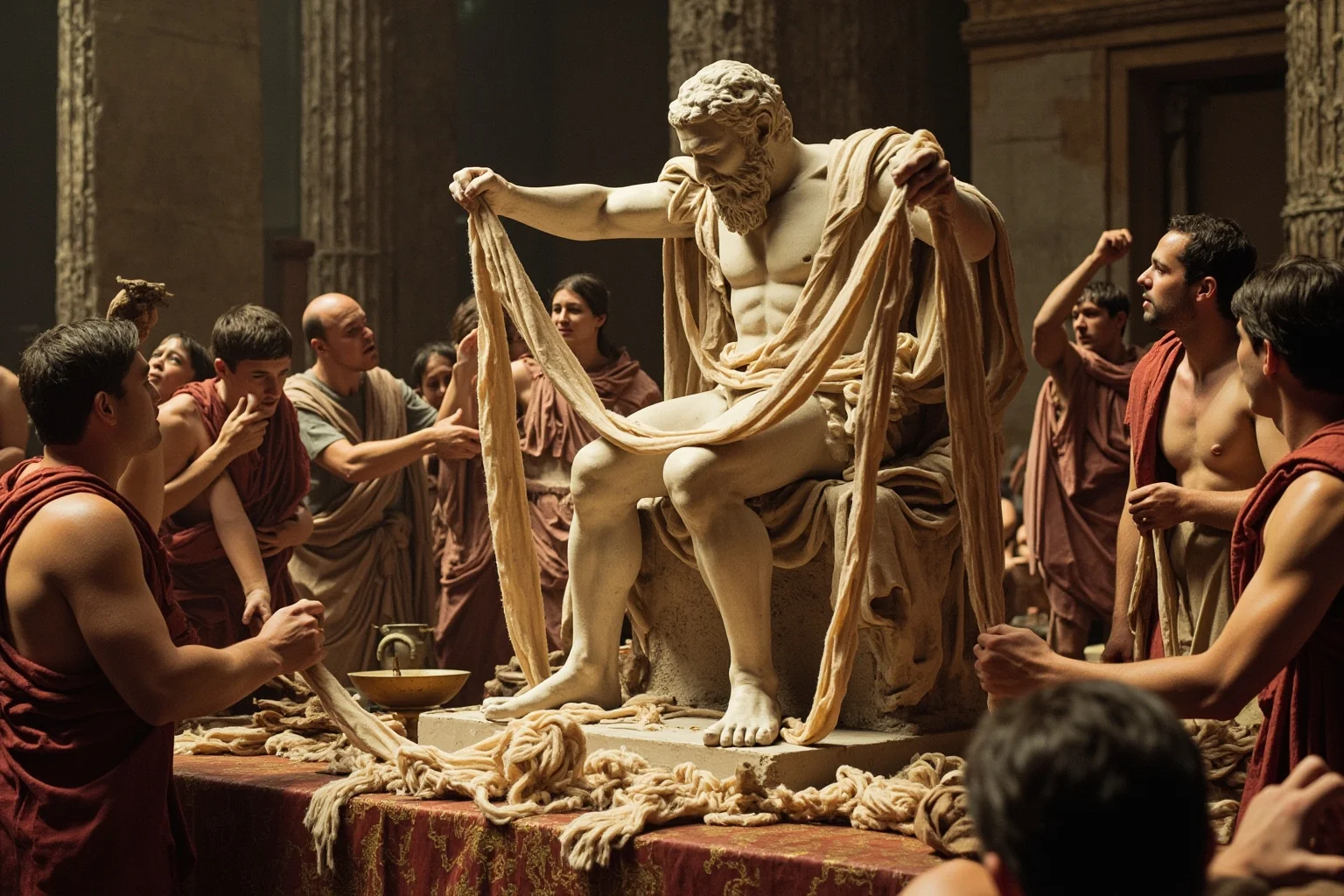
Saturnalia was not only private revelry; it began with public religious acts. Priests loosened the woolen bonds around the statue of Saturn in his temple near the Forum and performed a sacrifice. After the sacrifice, a public lectisternium, or ritual banquet of the gods, was held.
The people were then invited to share in a public feast. This mix of temple ceremony and street party gave the festival civic legitimacy. It also reminded Romans that Saturn's favor was tied to the health of crops and the city.
14. Social Rank Was Blurred Beyond the Dinner Table
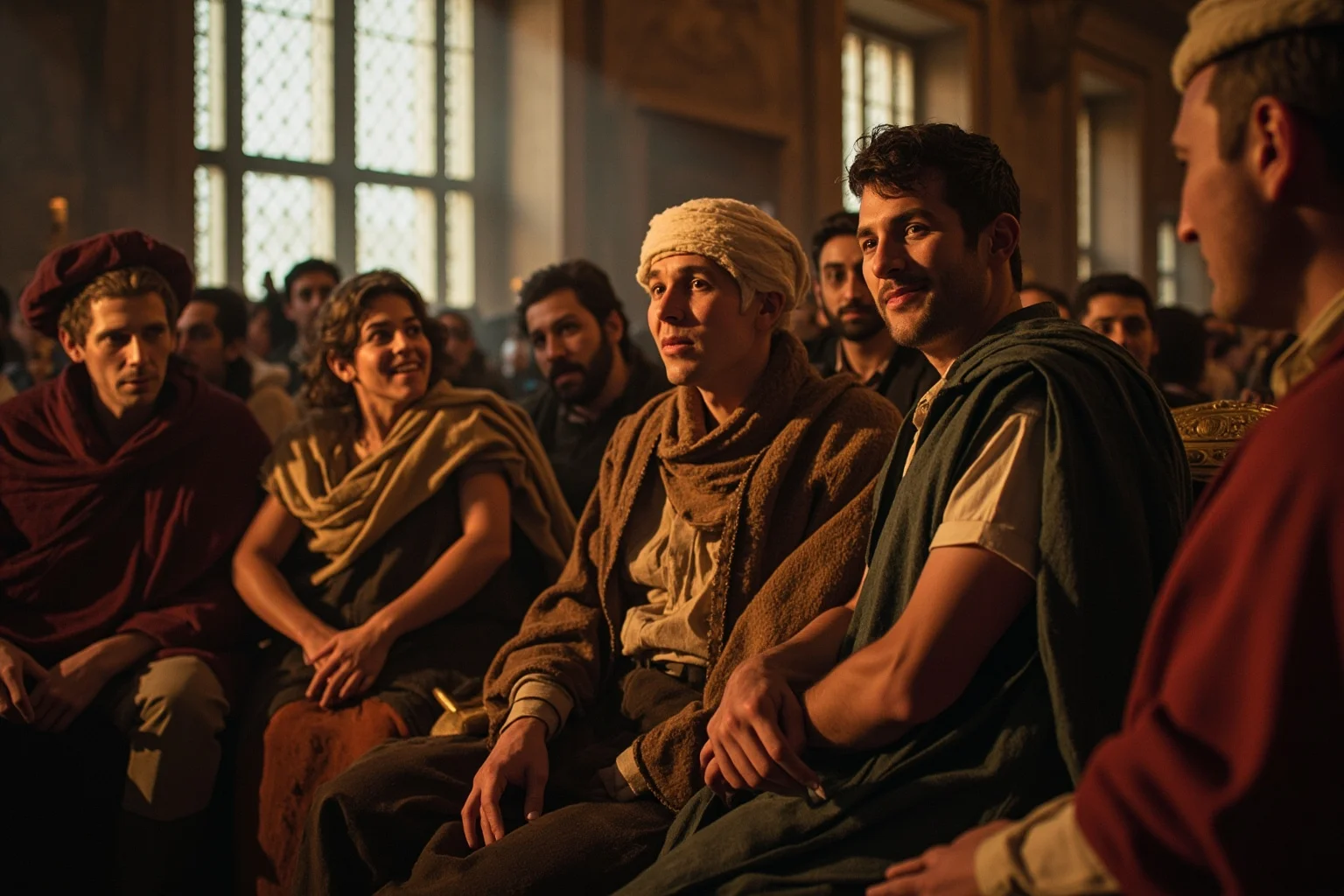
Masters serving enslaved people is the most famous inversion, but Saturnalia touched other hierarchies too. Formal speech rules relaxed, and people could joke with their social superiors. Freedmen might host their patrons, and clients could speak with unusual bluntness.
The festival did not create real equality, and historians warn against romanticizing it. But it offered a temporary "world turned upside down" that no other Roman holiday matched. That controlled chaos may have helped reinforce the normal order afterward by giving grievances a safe release.
15. Its Origins Include Dark and Disputed Stories
Some ancient writers connected Saturn's cult to strange and violent origins. A few late sources claim that human sacrifices were once offered to Saturn, possibly at an altar near the Capitoline Hill. Modern historians treat these accounts with caution because they come from later authors trying to explain old customs.
The god's association with the Greek Kronos, who devoured his children, may also have colored the stories. It is not proven that Saturnalia itself ever required human sacrifice. Still, the darker myths complicate the festival's cheerful image and show how much was gradually softened.
16. It Lined Up with the Return of the Light
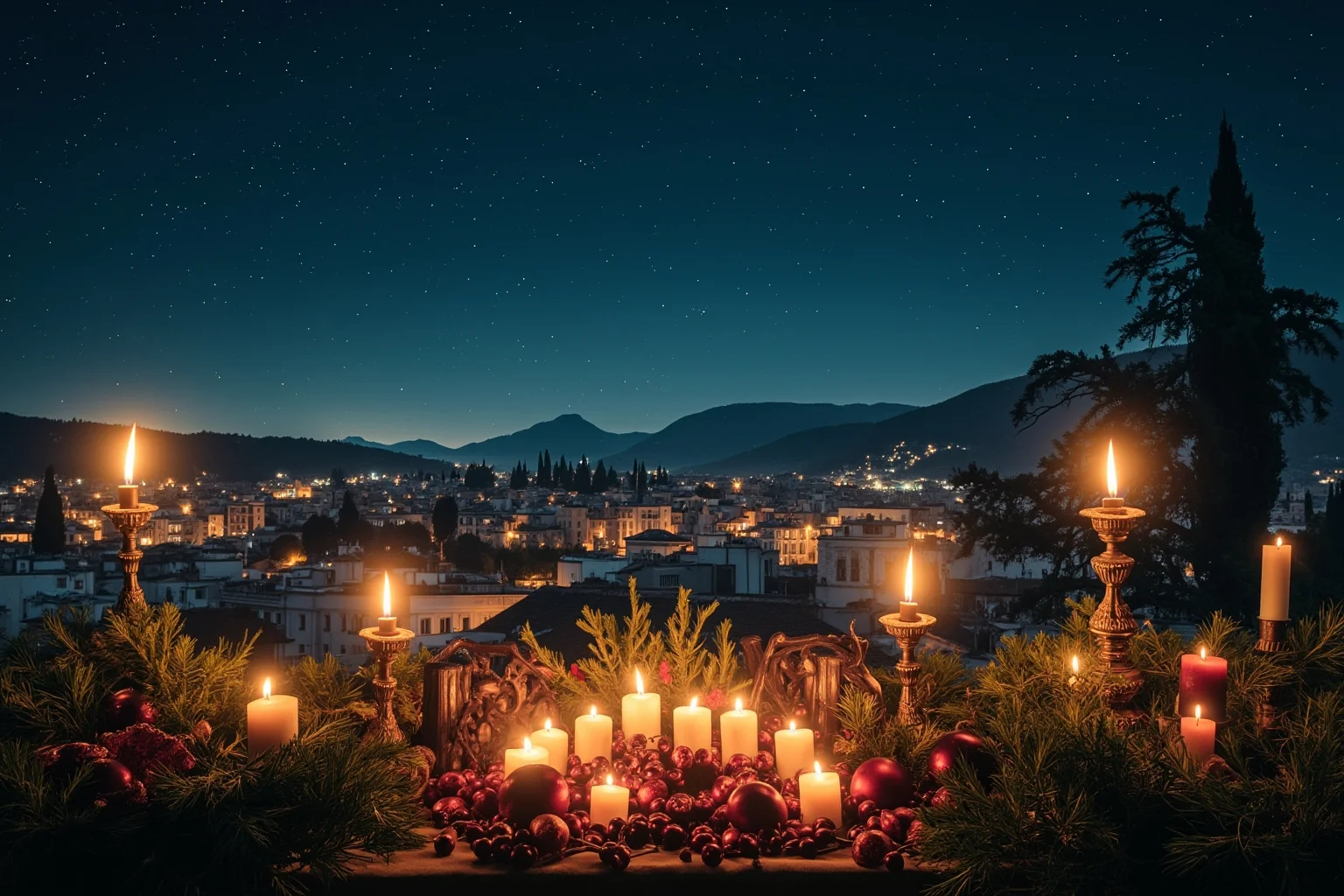
Saturnalia fell in December, with its later days often landing just after the winter solstice. Romans used the Julian calendar, so the solstice date drifted slightly by their system, but the seasonal meaning was clear. The holiday celebrated the gradual lengthening of days and the promise of returning light.
Candles, lamps, and evergreens all reinforced that message. This solar symbolism made the festival feel like a turning point in the year. That connection to the solstice is one reason the celebration still feels familiar in December.
17. It Borrowed from Greek and Etruscan Traditions
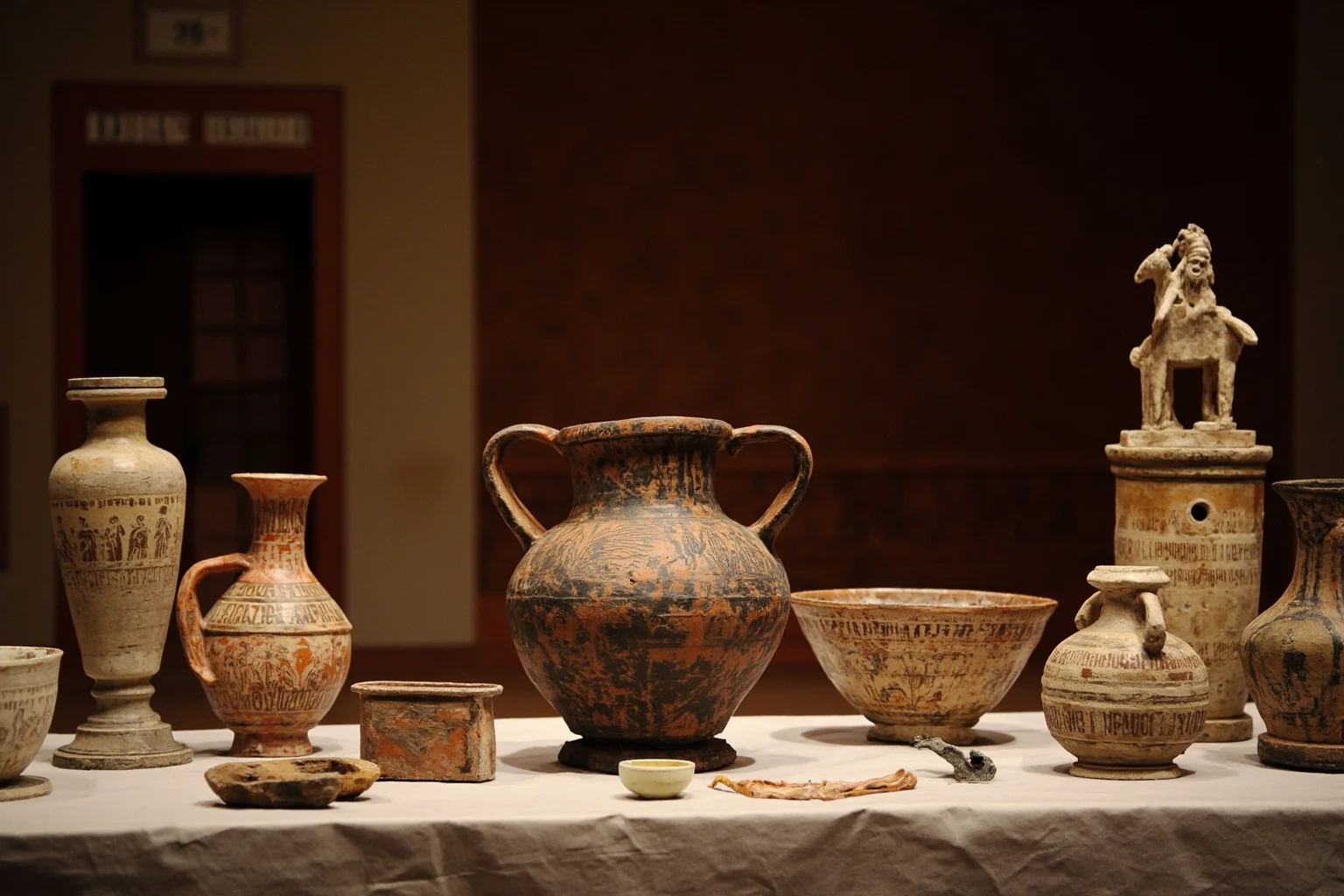
Roman culture was never isolated, and Saturnalia shows it clearly. The god Saturn was increasingly identified with the Greek Kronos, which brought new myths and rituals into the Roman festival. Etruscan religious practices likely shaped early Roman temple rites, including details of the public sacrifice.
Greek-style dining and gift customs also influenced the holiday's private celebrations. The result was not a single pure tradition but a blended festival that evolved for centuries. That borrowing is normal in Roman religion, which absorbed and adapted rather than wiped out.
18. The Festival of Hilaria Was a Different Celebration Altogether
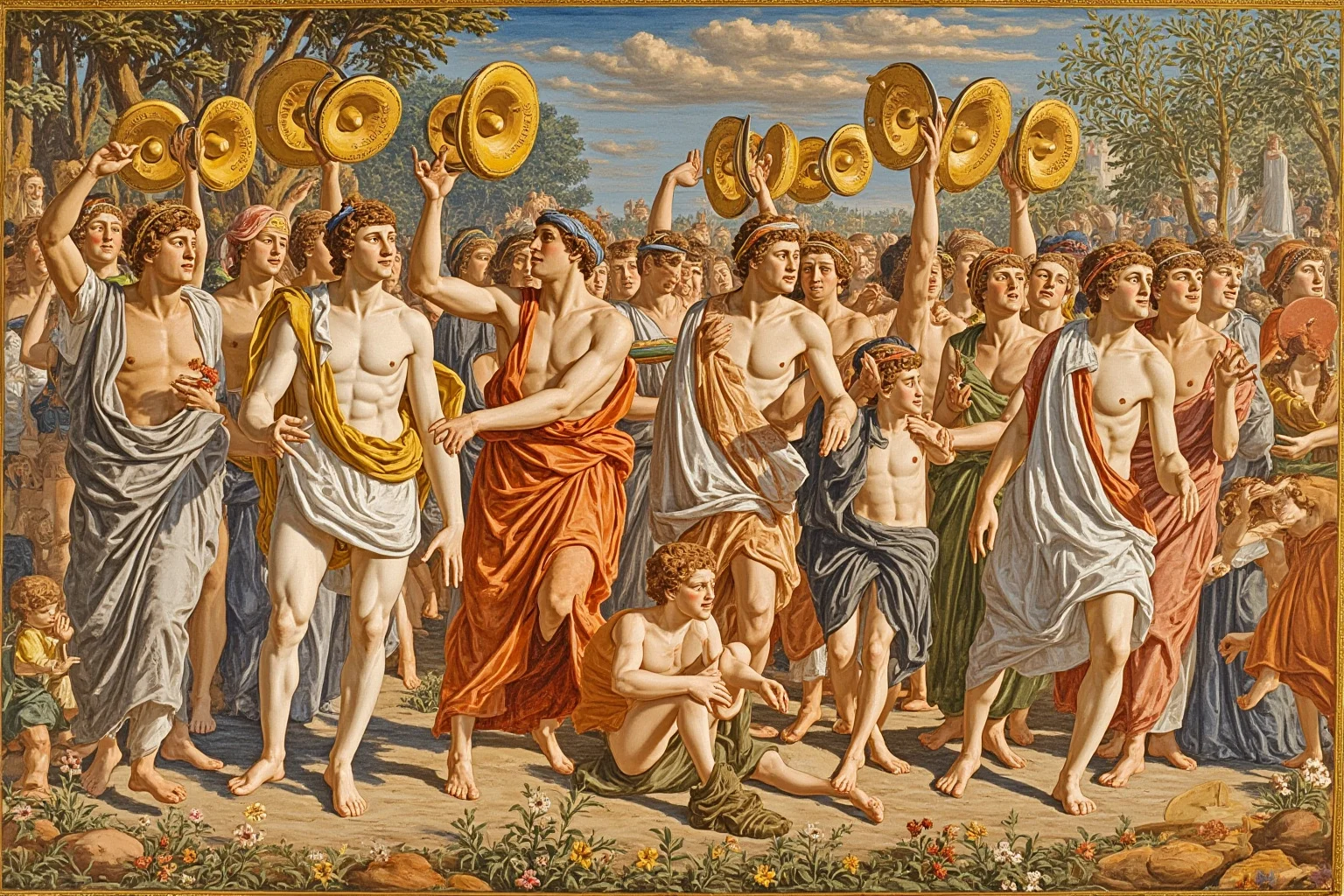
People sometimes confuse Saturnalia with the festival of Hilaria, a joyful day in the cult of Cybele held in late March. Hilaria focused on the rebirth of Attis and included days of mourning before the final rejoicing. It had its own processions, costumes, and public ecstasy, but it was not the winter Saturnalia.
The two festivals shared a spirit of joy, yet they belonged to different gods and different seasons. Rome had many celebrations, and lumping them together makes ancient religion look simpler than it was. Saturnalia remained the winter party; Hilaria was a spring resurrection festival.
19. Ancient Rome Gave New Year's Gift of Strenae, but Saturnalia Gifts Were Bigger
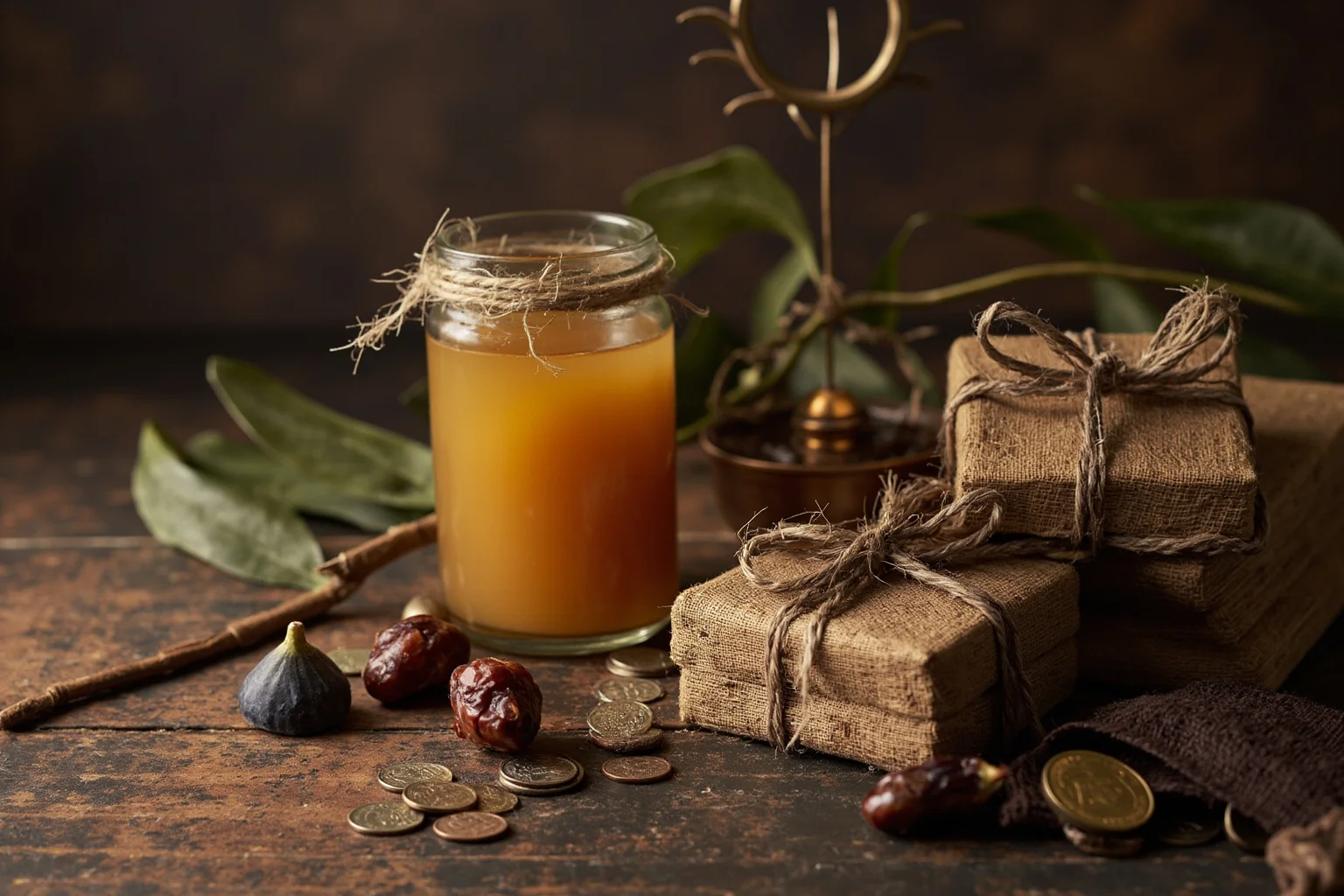
If you have ever wondered what ancient Rome gave New Year's gift of, the answer starts with strenae. On the Kalends of January, Romans exchanged branches of bay or palm, honey, figs, dates, and small coins as good-luck presents. This New Year custom honored the goddess Strenia and was distinct from Saturnalia.
The Saturnalia gifts, by contrast, were often more personal and playful, especially the wax figurines and candles. Over time the two traditions existed side by side, and later Christian winter customs absorbed elements of both. So Rome effectively had two gift seasons: one for New Year's luck and one for Saturnalian fun.
20. Early Christianity Had to Reckon with Saturnalia's Shadow
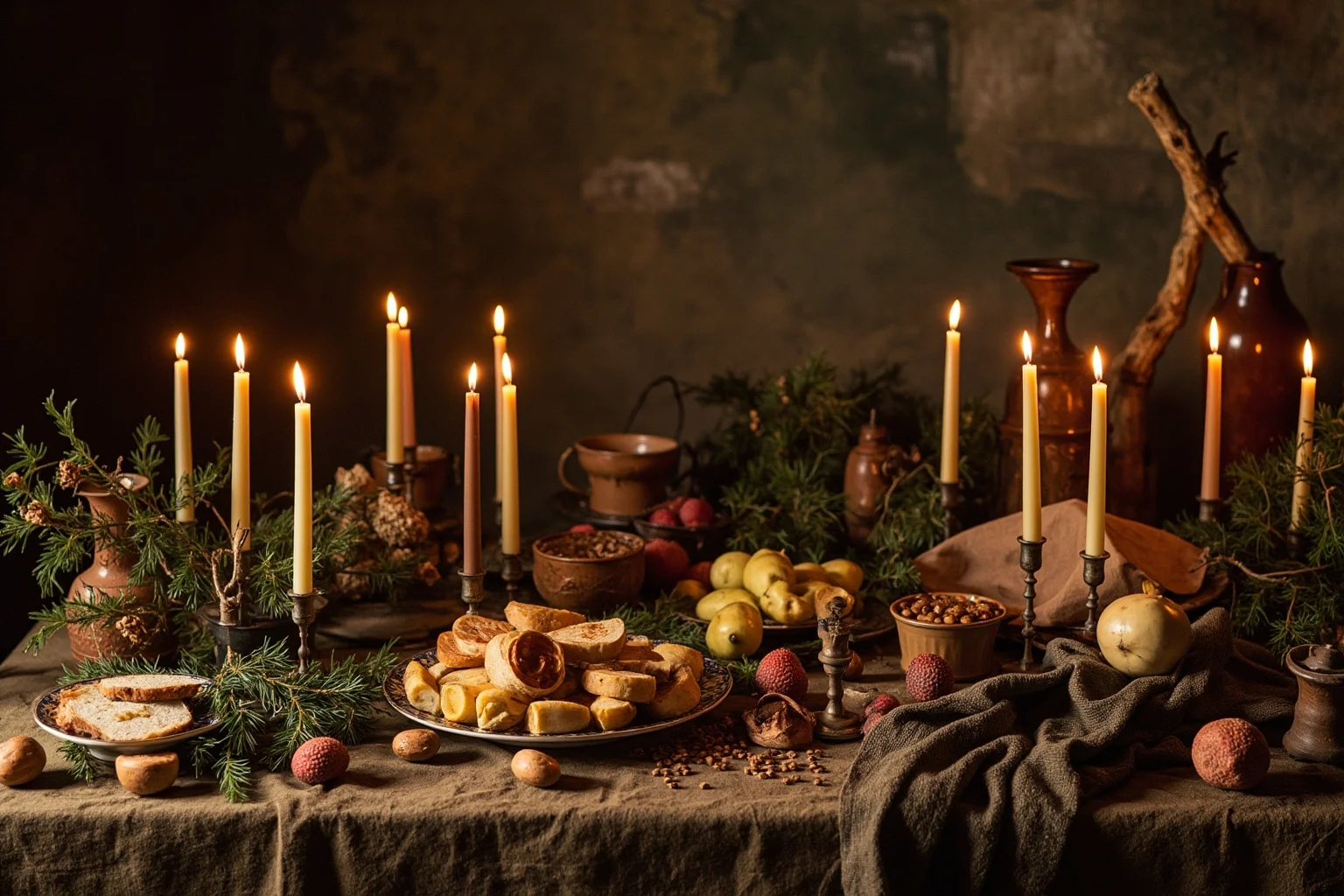
Early Christians did not simply invent December gift-giving out of nothing. As Christianity grew in the Roman world, December 25 was chosen to celebrate the birth of Jesus, though the exact reasons are still debated by scholars. Saturnalia's themes of light, generosity, and social reversal overlapped with Christian ideas, but they were not identical.
Church leaders sometimes criticized the rowdier elements of the old festival. The later development of Christmas traditions was gradual and varied by region. So Saturnalia did not "become" Christmas directly, but it left a long shadow on the winter season.
21. The Sigillaria Fair Sold Gifts and Trinkets
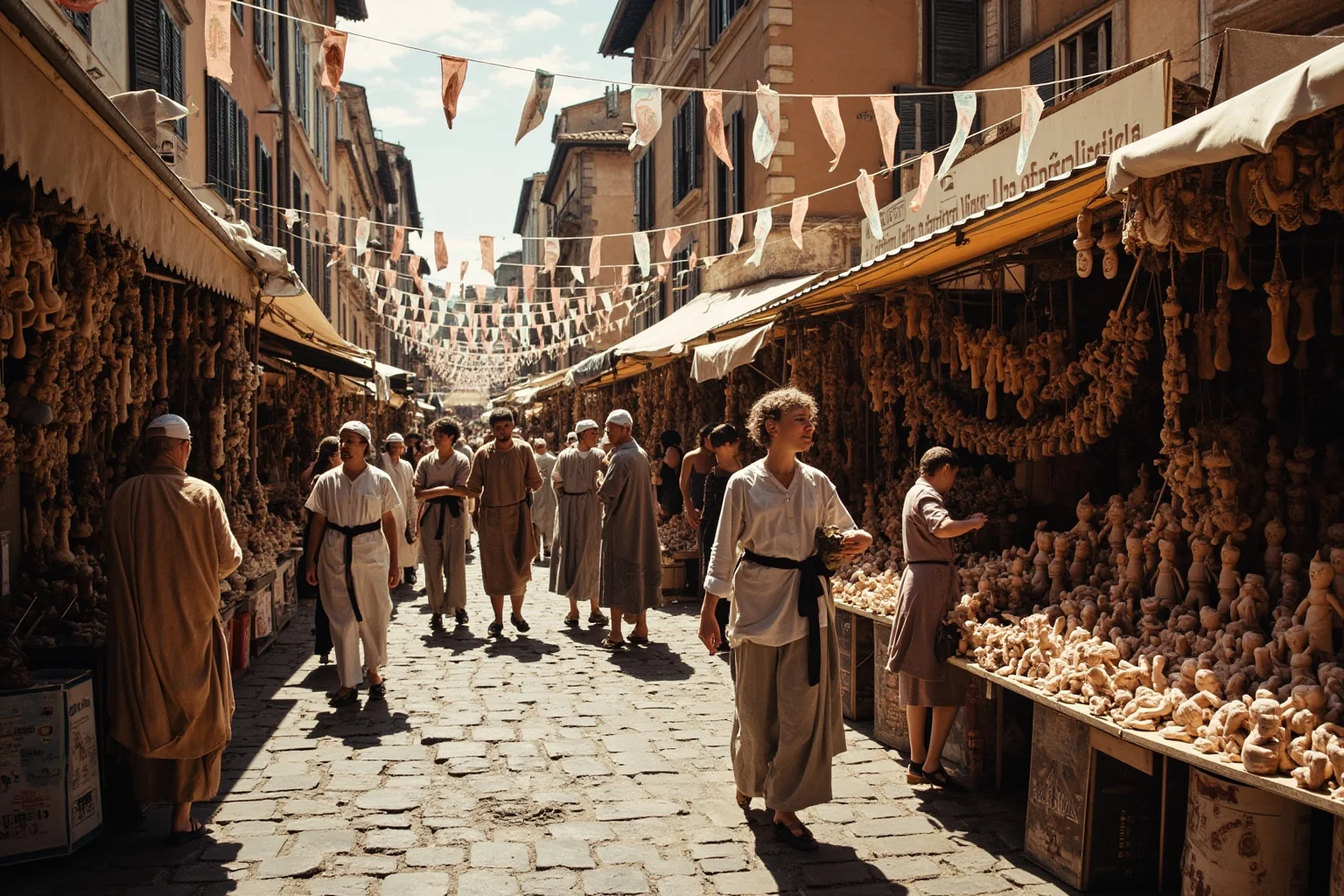
During late Saturnalia, a market or fair called the Sigillaria sold wax figurines, toys, and small presents. It may have begun as a single day tied to the gift tradition and later expanded into a noisy street fair. Romans could buy ready-made presents without relying on aristocratic patronage.
The fair made gift-giving more varied and accessible across social levels. Parents looked for clay dolls, toy chariots, and little animals for children. The Sigillaria market helps explain why Saturnalia gifts were such a big part of the holiday economy.
22. Roman Soldiers and Provincials Celebrated Too
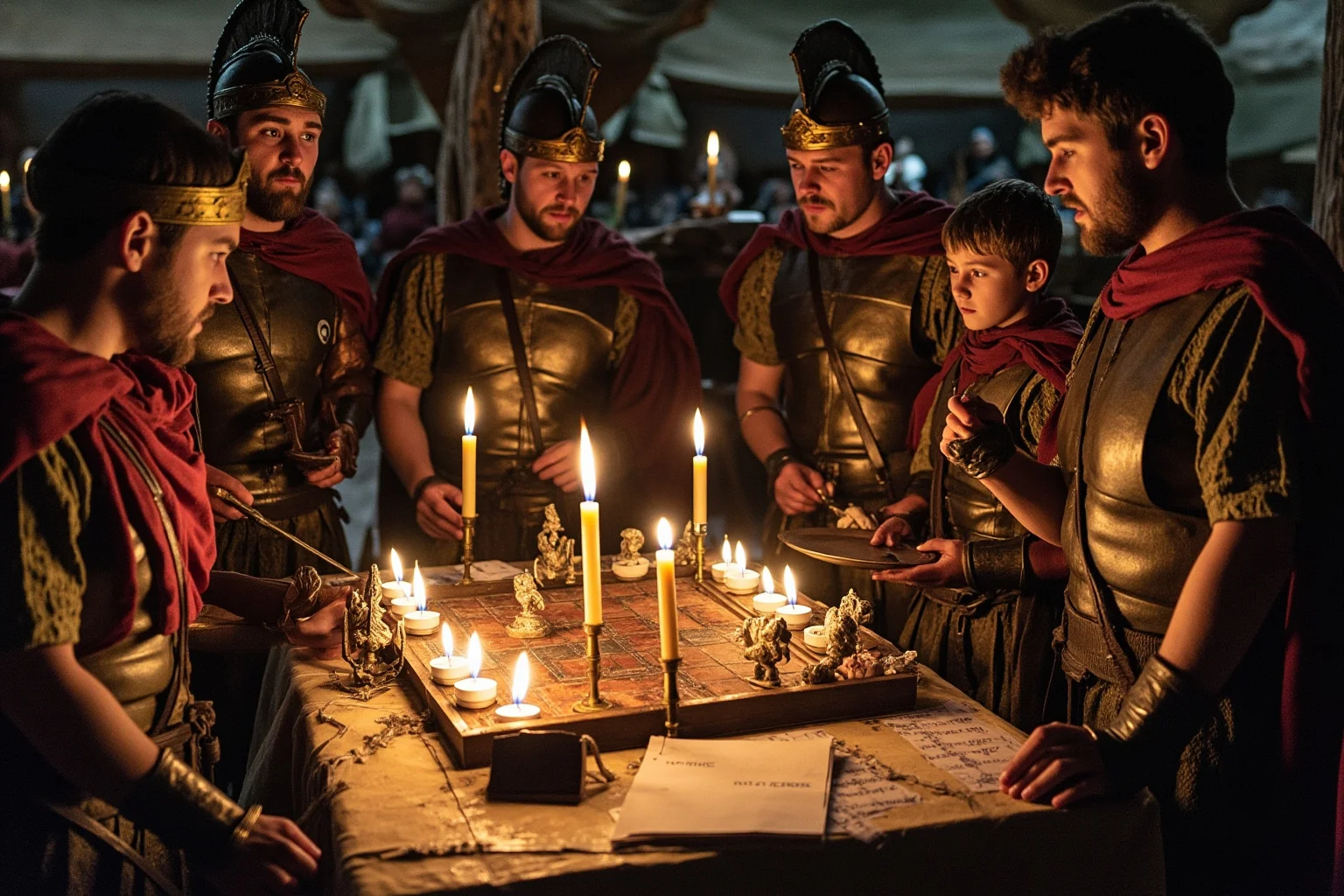
Saturnalia in Rome gets most of the attention, but the holiday traveled with Roman culture. Soldiers stationed on distant frontiers and Roman citizens in provincial towns also held feasts, games, and gift exchanges. Letters from Roman military communities sometimes mention Saturnalia greetings and presents.
This spread was not always identical to the capital's party. Local traditions and limited resources shaped smaller celebrations. Still, the fact that the festival reached the edges of the empire shows how deeply it was embedded in Roman identity.
23. Children and Families Had Their Own Saturnalia Roles
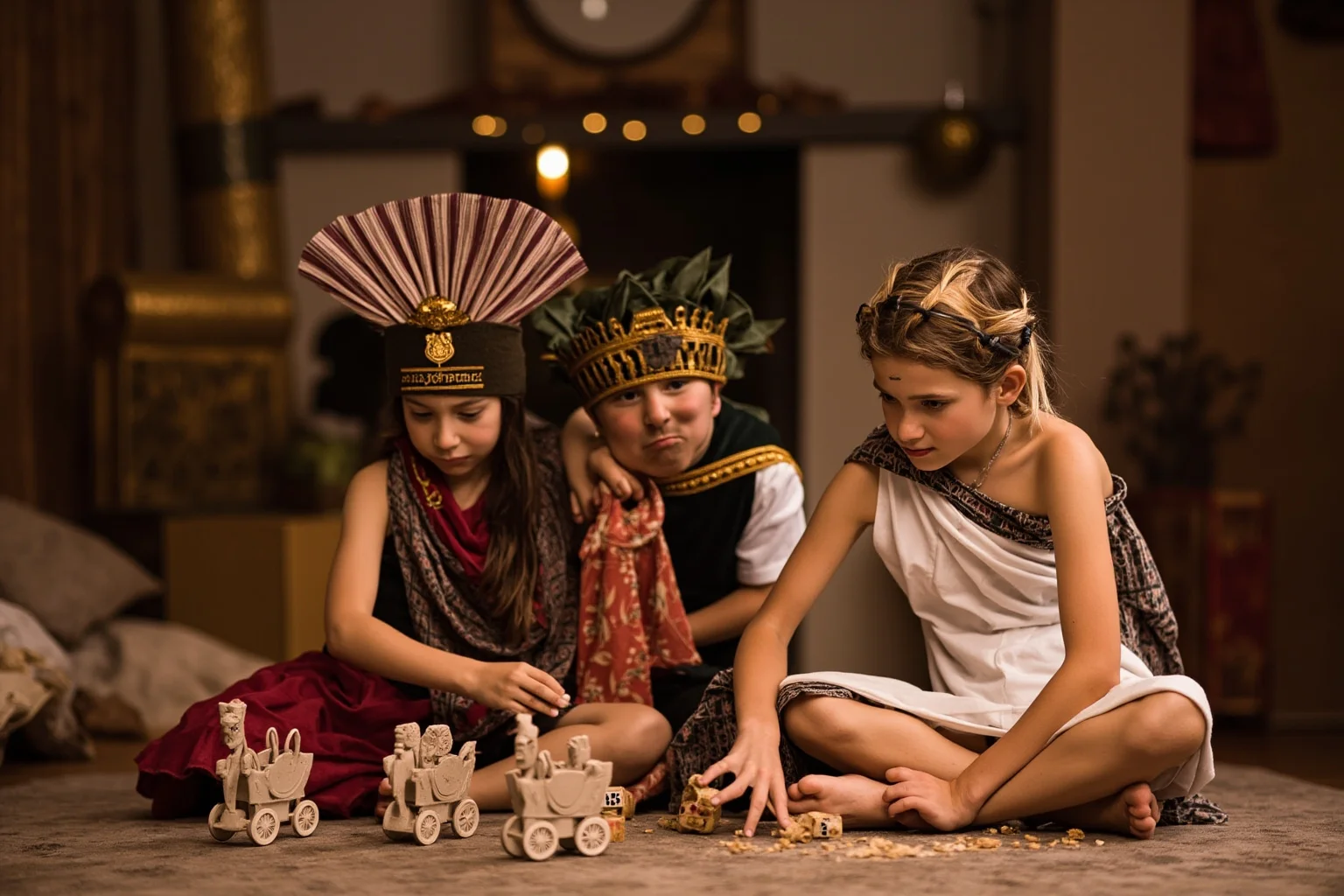
Saturnalia was not just an adult excuse for drinking and gambling. Children received clay dolls, wax figurines, toy weapons, and nuts to use in their own games. Families decorated the house together and joined the noise of the holiday.
The emphasis on children's gifts gave the festival a domestic warmth that could survive alongside its wilder elements. It also meant the season was not limited to male citizens or elite dinner parties. The whole household, from young to old, had a part in the celebration.
24. Ancient Writers Loved to Complain About the Chaos
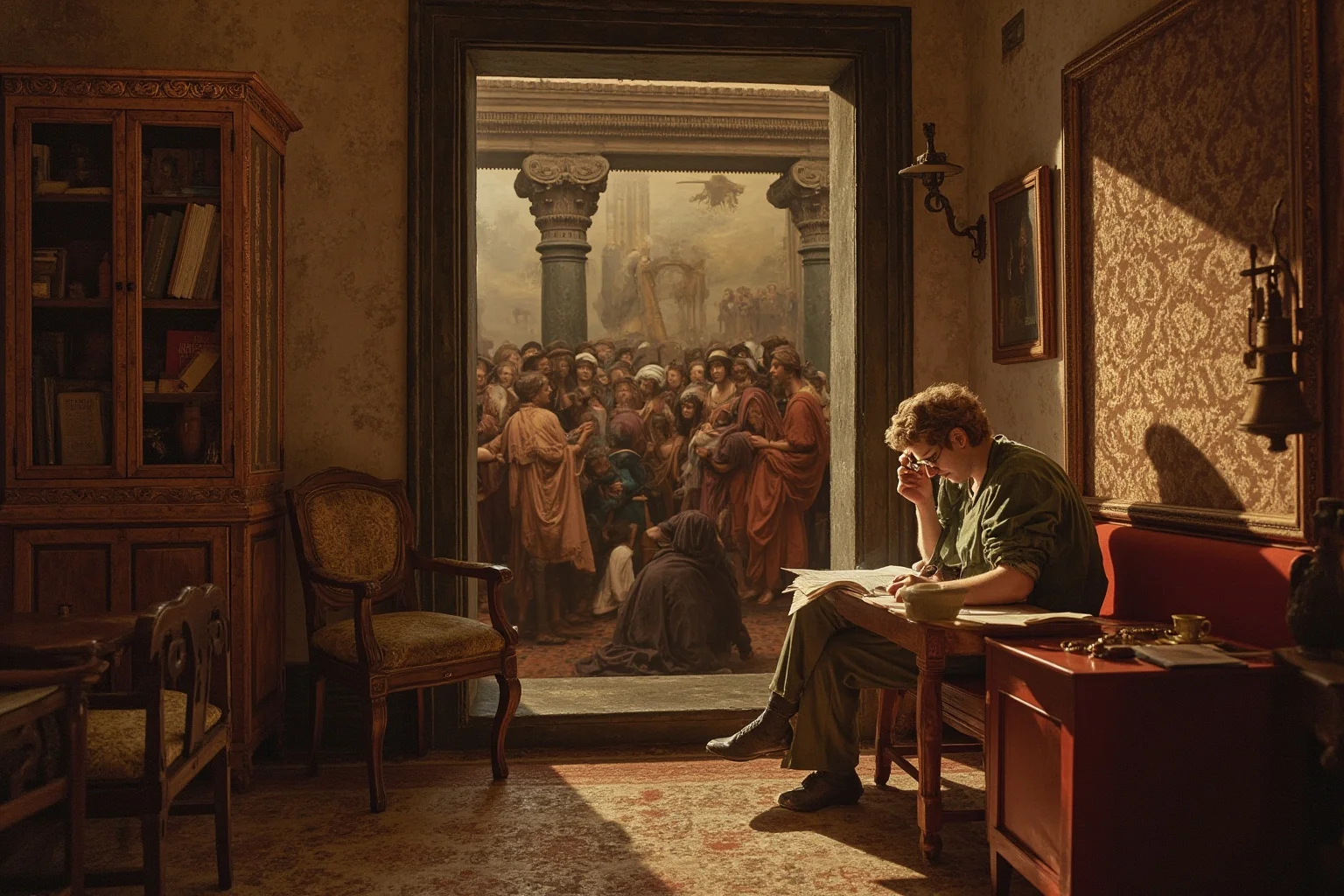
Roman authors treated Saturnalia as a wonderful source of satire and self-deprecation. Pliny the Younger wrote that he retreated to a quiet room while the rest of his household partied. Martial produced collections of short poems designed to accompany Saturnalia gifts.
These complaints were often half affectionate; the chaos was part of the holiday's point. Poets also mocked cheap, useless, or recycled presents. The literary record shows that ancient people knew the gap between festive ideals and real gift-giving.
25. Saturnalia Helped Inspire Later Winter Carnival Traditions
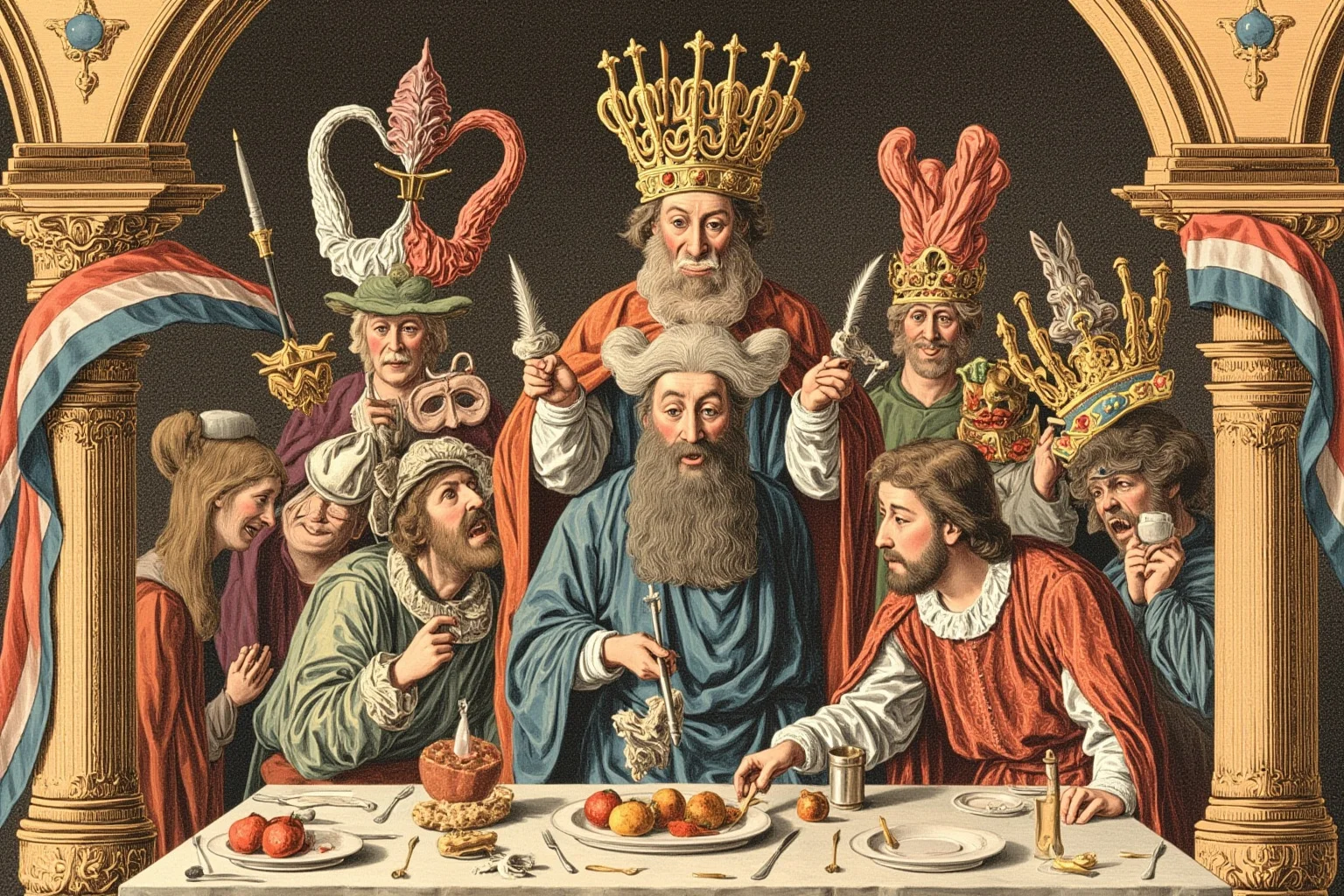
Saturnalia did not directly become Christmas, but its spirit of inversion echoed for centuries. Medieval Feast of Fools, Twelfth Night customs, and European carnival all played with social reversal and mock rulers. Scholars treat these as kinship, not simple cloning.
The idea of a temporary "world turned upside down" has deep roots in Roman holiday culture. Later Christian winter celebrations absorbed some Saturnalian timing and gift customs through a gradual, regionally varied process. That long afterlife is part of what makes the Roman Saturnalia festival feel so important.
Saturnalia's Real Lesson for Modern December
Saturnalia's appeal is not just that it was loud and chaotic. It was a festival that made space for generosity, play, and the temporary suspension of everyday rank. Ancient Rome was a deeply hierarchical society, yet for a few days it allowed the bottom of the social ladder to be seen and heard.
Modern December celebrations are often consumed by shopping, scheduling, and nostalgia for a perfect family gathering. Looking back at the Roman Saturnalia festival is a reminder that winter festivities can also be about collective joy and lowering the stakes. The Romans did not need snow, Santa, or a perfectly decorated tree to mark the season.
They needed food, light, a little gambling, and permission to laugh at themselves for a week. That may be the most useful Saturnalian inheritance of all.
Frequently Asked Questions
What did ancient Rome have New Year’s gift of?
Ancient Rome had New Year's gifts known as strenae, often branches of bay laurel or palm, honey, figs, dates, and small coins. These were exchanged on the Kalends of January to wish good fortune. Saturnalia gifts, by contrast, included wax figurines, candles, and toys.
How long did the Saturnalia festival last?
Saturnalia originally fell on December 17 as a single day of sacrifice and feasting. Over time it expanded, and by the late empire it often ran from December 17 through December 23, creating a weeklong winter celebration.
Was Saturnalia the same as the festival of Hilaria?
No. Saturnalia was a winter festival honoring Saturn, while the festival of Hilaria was a joyful spring celebration in the cult of Cybele in late March. Hilaria focused on the rebirth of Attis and belonged to a different religious tradition.
What was the Saturnalia feast?
The Saturnalia feast was a long, multi-course banquet that could include roasted meats, fish, sweet wine, and honeyed desserts. It was held in private homes and also accompanied public temple sacrifices, blending religious ritual with festive indulgence.
Did masters really serve enslaved people during Saturnalia?
Ancient sources describe masters serving enslaved people or dining with them during Saturnalia as a temporary reversal of fortune. Historians caution that the practice was probably uneven and did not change the reality of slavery, but it was a striking symbolic break from normal Roman social order.
Is Christmas just Saturnalia renamed?
No. Early Christians chose December 25 for the birth of Jesus, but the exact reasons are still debated. Christmas developed gradually and absorbed some winter themes of light, generosity, and festive greenery, but it is not simply a renamed Saturnalia festival.

Alex Warren
Related Articles