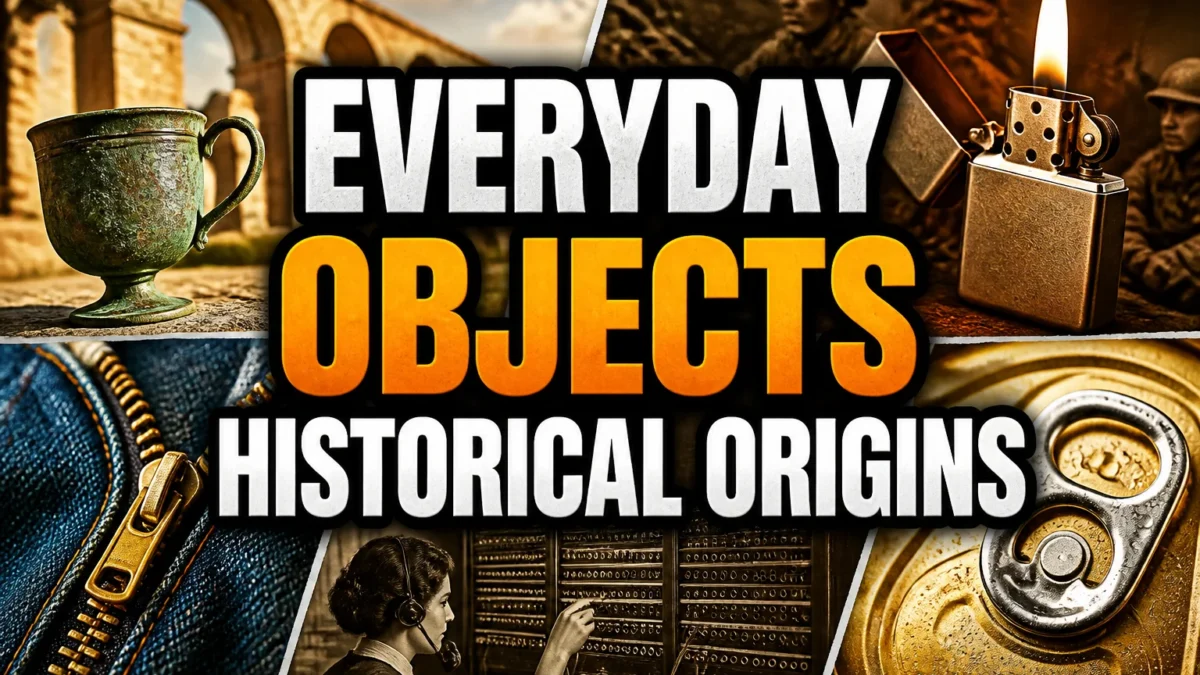
History museums tend to display crowns, swords, and marble statues, but some of the most interesting objects in daily life sit quietly in a kitchen drawer or bathroom cabinet. The objects created and used by humans every day often carry surprising origin stories that reveal trade, class, and accidents. Even a humble safety pin or coffee filter can open a window into the past.
Many of these history items were never meant to become famous. They were practical fixes that eventually spread through mass production, changing manners and routines along the way. This list traces two dozen everyday objects from their earliest-known forms to the versions we use now.
TL;DR: The most ordinary household and personal items often began as ancient tools, failed experiments, or elite status symbols, and their histories show how everyday life has changed.
Why Everyday Objects Hide in Plain Sight
Archaeologists use the term artifact for an object made or used by people in the past. That category includes broken clay pipes, bent pins, and glass beads as much as ceremonial swords or gilded thrones. Because useful items were often discarded or worn out, their stories survive in middens, patent records, and trade documents rather than in royal archives.
Another reason these histories stay hidden is that an object's original purpose can look nothing like its modern use. A zipper began as a slow shoe fastener, and a sticky note grew out of a failed strong adhesive. Once you know the backstory, a drawer of ordinary items becomes a small museum of human problem-solving.
How to Read the Origins of Everyday Objects
The history of an object is rarely a single eureka moment. It usually involves older prototypes, parallel inventors, and slow adoption. A good origin story should mention both the object's predecessors and the social conditions that made it useful.
For example, many inventions fail until a material becomes cheap enough or a fashion changes. The zipper needed reliable interlocking teeth, and the ballpoint pen needed fast-drying ink. In each case, the final product depended on earlier discoveries.
Household and Kitchen Items
The first group includes objects found in kitchens, bathrooms, and laundry rooms. Each one solved a problem so well that it now feels inevitable.
1. The Toothbrush: From Chew Sticks to Nylon Bristles
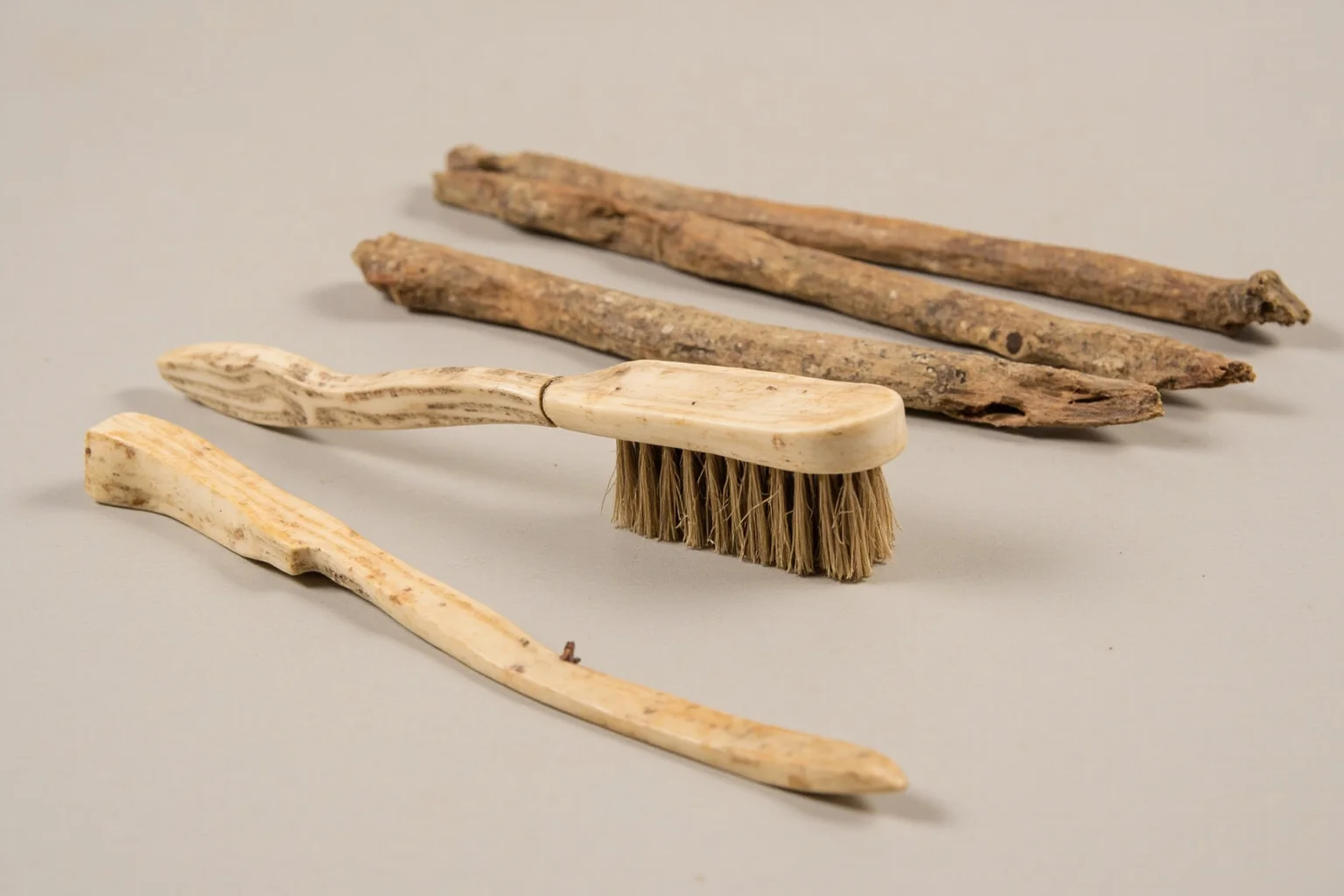
People cleaned their teeth long before the modern toothbrush existed. Ancient cultures used chew sticks, cloth scraps, and powdered herbs to scrub teeth and freshen breath. In China during the Tang dynasty, bone or bamboo handles were fitted with stiff hog bristles in a form closer to today's brush.
That style of bristled toothbrush reached Europe later, and mass production began in England around 1780 with carved bone handles and boar hair. Nylon bristles, introduced in the late 1930s, eventually replaced animal hair and made toothbrushes cheaper and more hygienic. The basic shape has remained remarkably stable since then.
2. The Fork: A Late Arrival to the Dinner Table
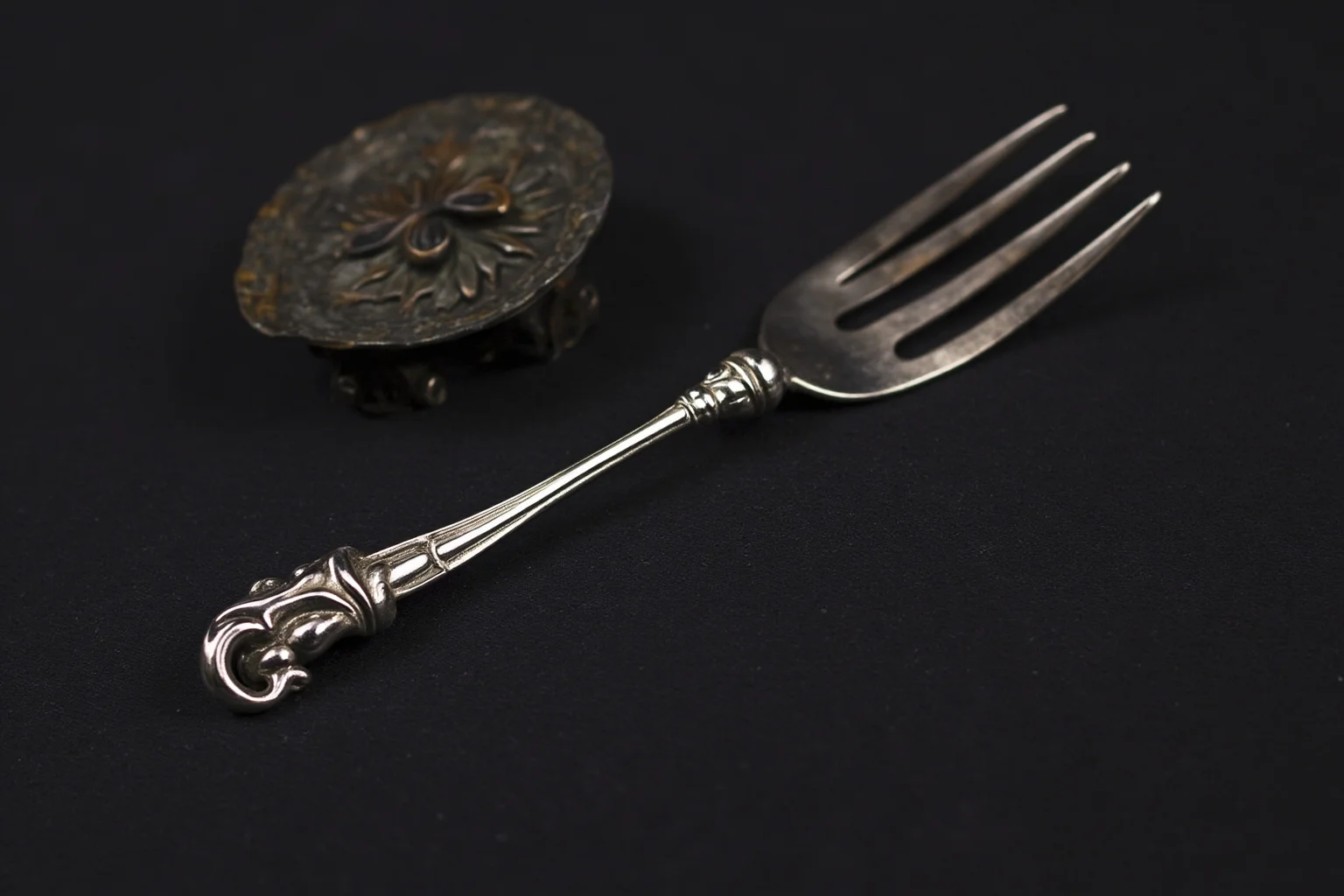
Forks existed in ancient Egypt, Greece, and Rome, but mostly as long-handled cooking and carving tools. People ate with knives, spoons, and their hands for centuries. The small table fork took a surprisingly long time to become acceptable.
A widely repeated story says a Byzantine princess shocked Venice by eating with a gold fork in the early 1000s. Church authorities and social critics saw the fork as suspiciously refined, and it did not spread quickly. It became common in Italy by the 1500s and only later reached northern Europe and the Americas.
3. The Safety Pin: A Quick Fix That Became a Classic
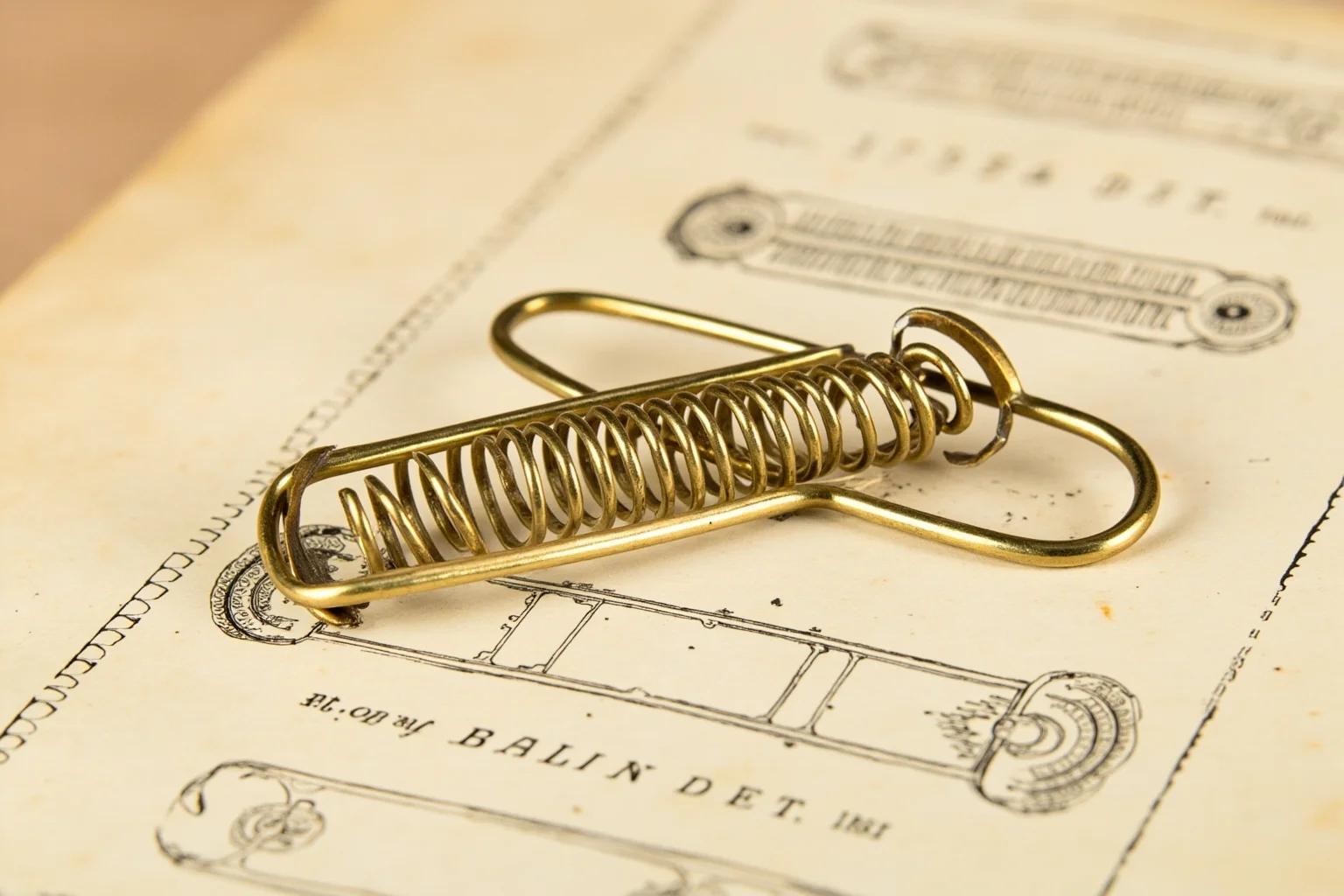
American mechanic Walter Hunt is usually credited with inventing the modern safety pin in 1849. According to the standard account, he needed to settle a fifteen-dollar debt, so he twisted a piece of wire into a springlike clasp in about three hours. He patented the design on April 10 of that year.
Hunt then sold his patent rights for roughly four hundred dollars, a modest sum compared with the fortune the fastener would later generate. The coiled wire holds the point and protects the user from being pricked, which is still the core principle of today's pins. Its simplicity made it cheap to manufacture and globally useful.
4. The Zipper: An Inventor's Side Project
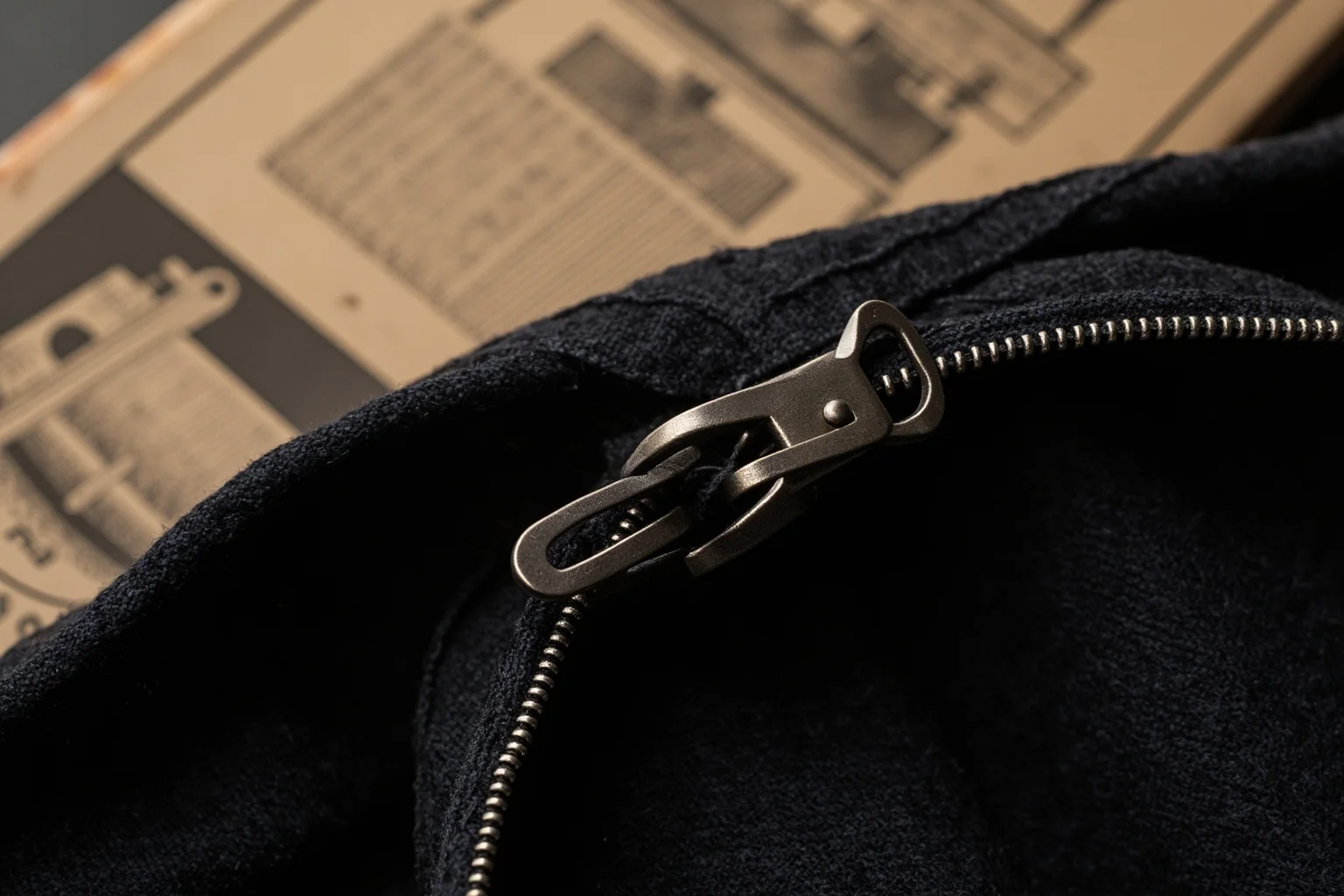
Elias Howe, better known for the sewing machine, patented an 'Automatic, Continuous Clothing Closure' in 1851, but he did not develop it. Whitcomb Judson later created a hook-and-eye fastener called the clasp locker, shown at the 1893 Chicago World's Fair. It was intended mainly for shoes and did not catch on quickly.
Modern zippers owe much to Gideon Sundback, whose early twentieth-century redesign introduced interlocking metal teeth that could be joined reliably. The name 'zipper' was popularized in the 1920s when the B.F. Goodrich Company used the device on rubber boots. After that, it moved from boots to trousers, jackets, and countless other fasteners.
5. The Tin Can: A Container Ahead of Its Opener
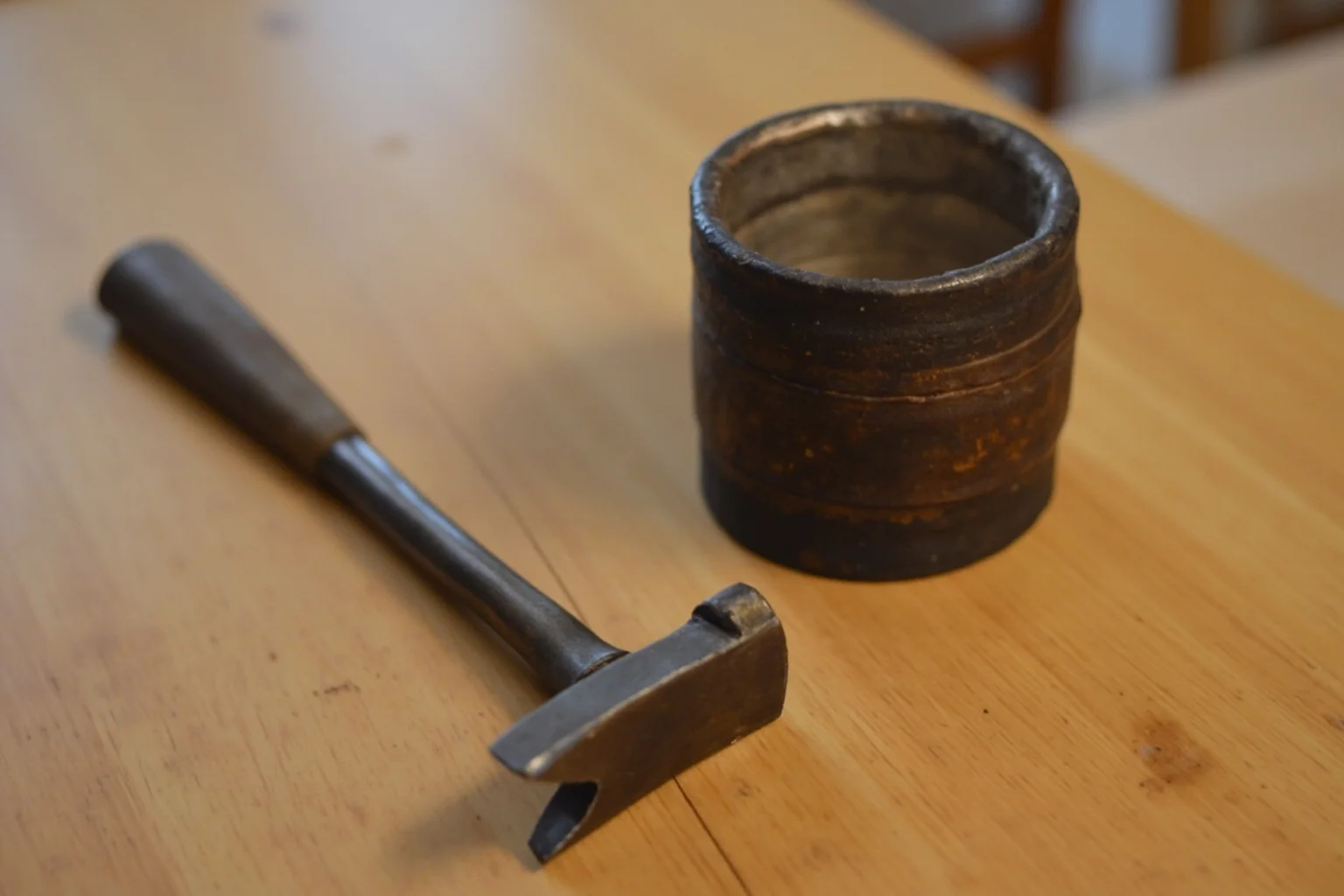
Canning emerged in the early 1800s as a way to preserve food for armies and navies. Nicolas Appert developed a method of sealing food in glass containers in France, and Peter Durand received a British patent in 1810 for a tin-plated iron canister. Early cans were heavy, handmade, and far from convenient.
Dedicated can openers did not appear until decades later, so people opened cans with hammers, chisels, or bayonets. The instructions on early cans reportedly told buyers to use whatever tools they had. The modern rotating-wheel can opener was patented by Ezra Warner in 1858, long after canned food had proven its value.
6. The Dishwasher: Born in a Kitchen of Fine China
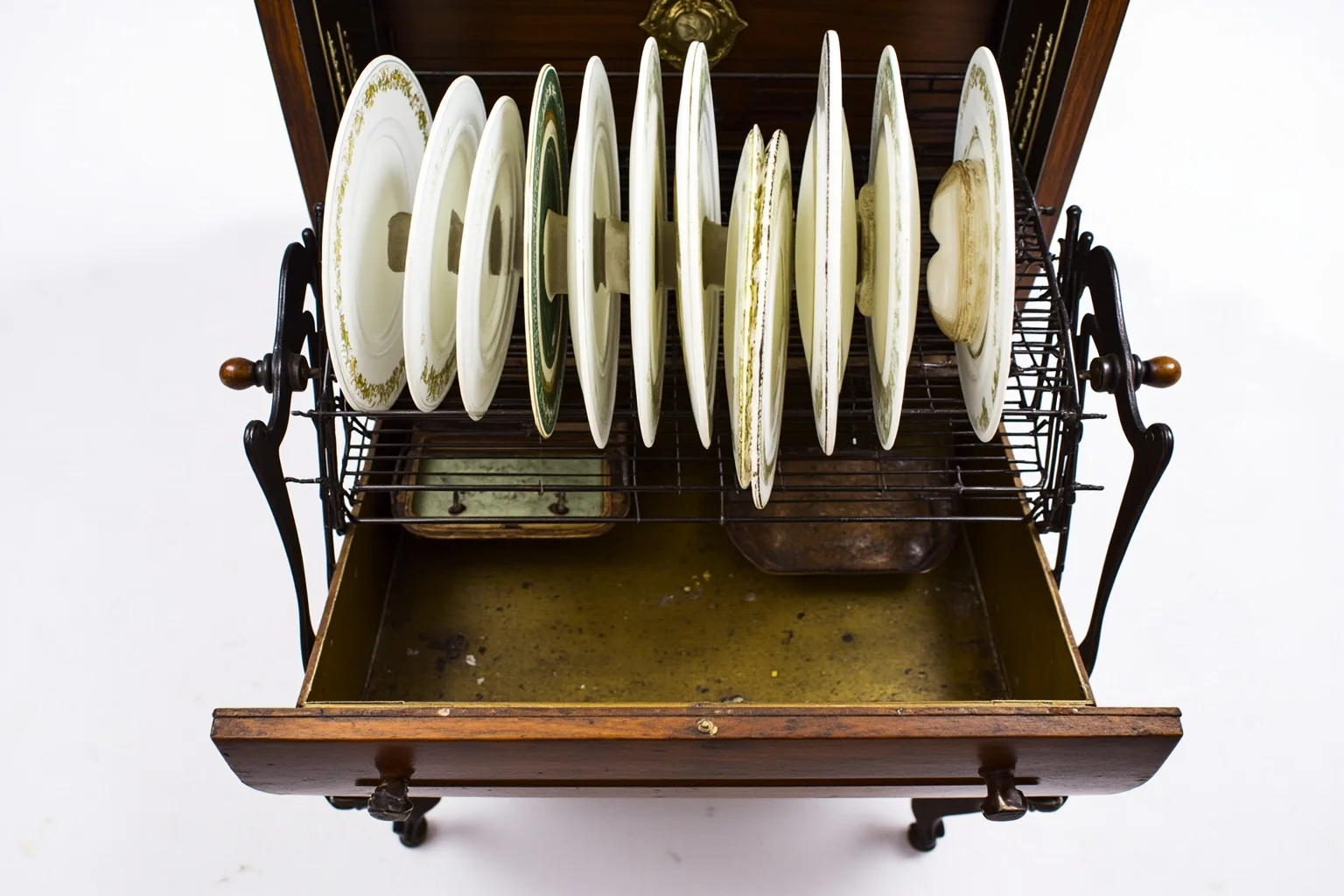
Josephine Cochrane, an Illinois socialite, wanted a machine that could wash dishes without chipping her good china. She patented her design in 1886, using water pressure and wire compartments to hold plates, cups, and saucers in place. The machine was a departure from earlier models that relied on scrubbing.
Cochrane's dishwasher attracted interest from hotels and restaurants before it entered homes. Her company eventually became part of what is now KitchenAid. She solved a problem many people still recognize: wanting clean dishes with less breakage and labor.
7. The Microwave Oven: Radar Technology in the Kitchen
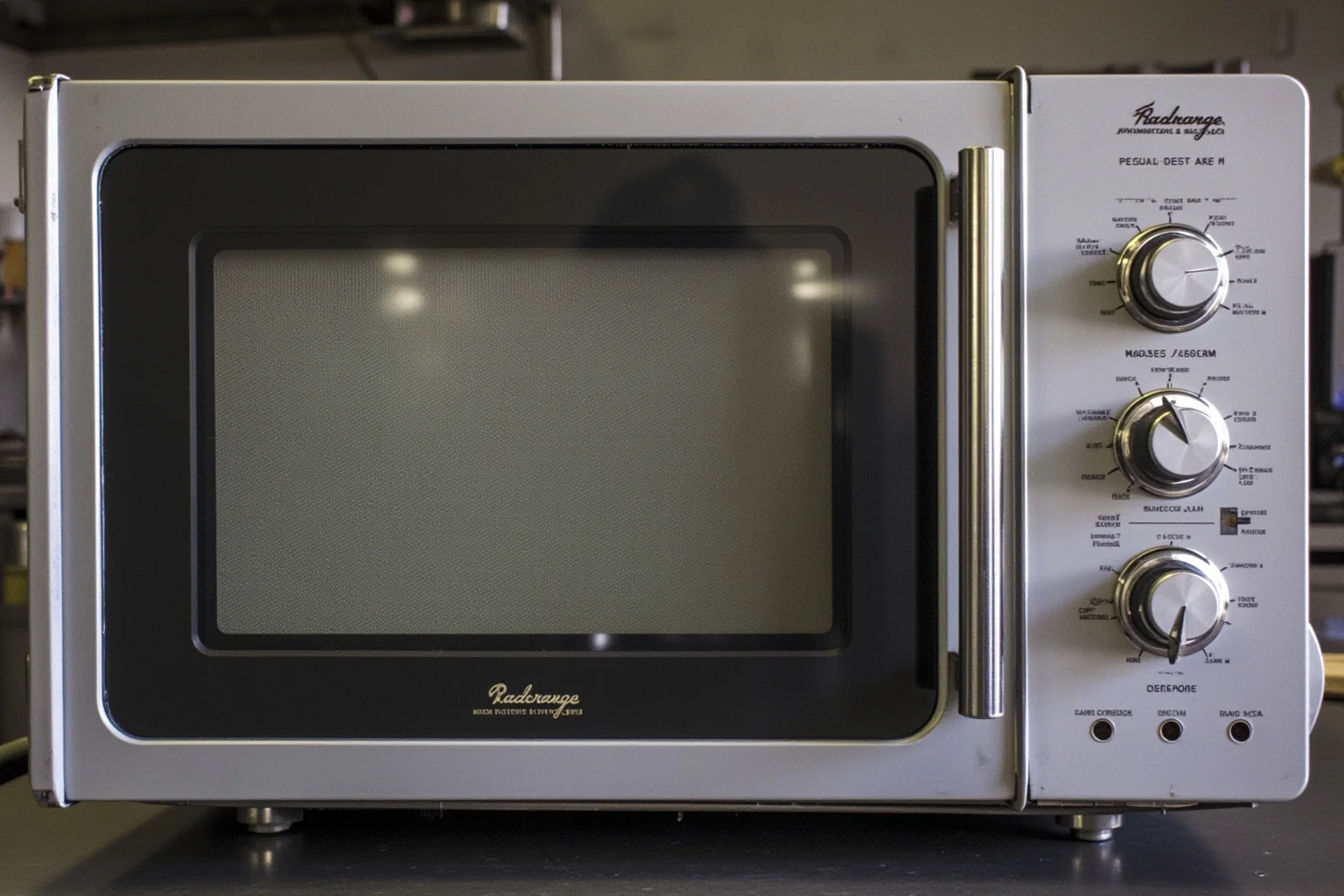
In 1945, engineer Percy Spencer was testing a radar-related magnetron tube at Raytheon when he noticed a candy bar in his pocket had melted. Curious, he tried popcorn kernels and then an egg, which promptly exploded. Spencer realized that microwave energy could heat food quickly.
Raytheon patented the process and introduced the Radarange in 1947. Early models were enormous, water-cooled, and expensive, so they first appeared in commercial kitchens and ships. Smaller countertop versions became common in households only decades later as manufacturing costs fell.
8. The Coffee Filter: A Small Household Revolution
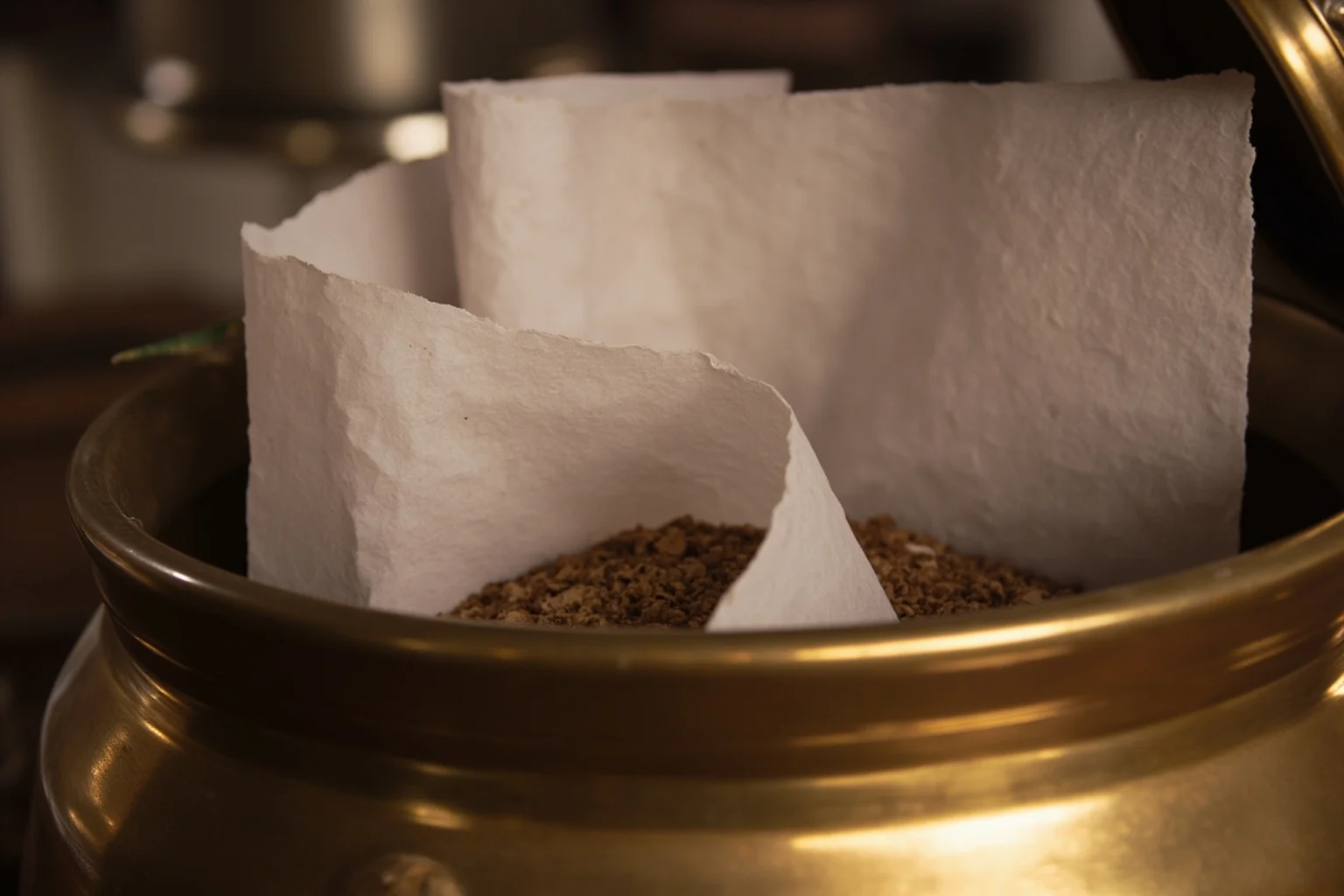
Before paper filters, coffee drinkers struggled with grounds in their cups and messy cloth bags. In 1908, Dresden homemaker Melitta Bentz grew frustrated with bitter, gritty coffee. She punctured holes in a brass pot and lined it with blotting paper from her son's school supplies.
The simple setup strained out grounds and produced a cleaner cup, so Bentz patented the idea and started a business. The Melitta company still exists today. Her invention helped turn paper filtration into a standard coffee-brewing method.
Personal and Wearable Items
The next group covers things we wear or apply to our bodies. Many began as marks of status, protection, or practicality before becoming everyday products.
9. Lipstick: Ancient Color in a Modern Tube
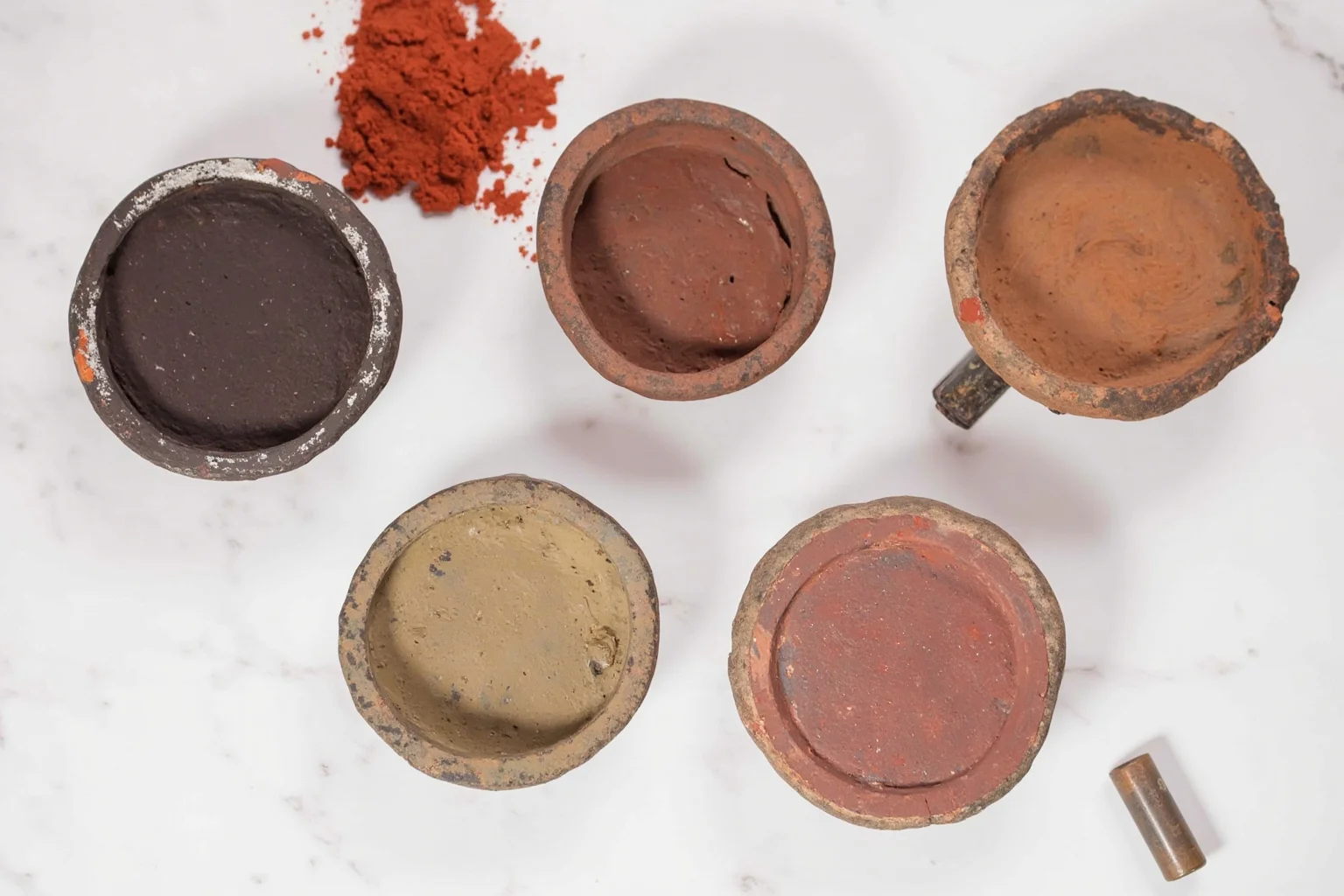
People have colored their lips for thousands of years. Ancient Mesopotamians and Egyptians used tinted clays, ochres, and fats to create lip color, and various societies associated red lips with status, ritual, or attractiveness. Ingredients ranged from crushed minerals to plant-based dyes.
The convenient portable lipstick arrived much later. Early twentieth-century metal tubes made lipstick easy to carry and apply, helping it move from cosmetics boxes into everyday handbags. Its popularity has fluctuated with changing ideas about beauty and propriety, but the core desire for color persists.
10. High Heels: From Stirrups to Status
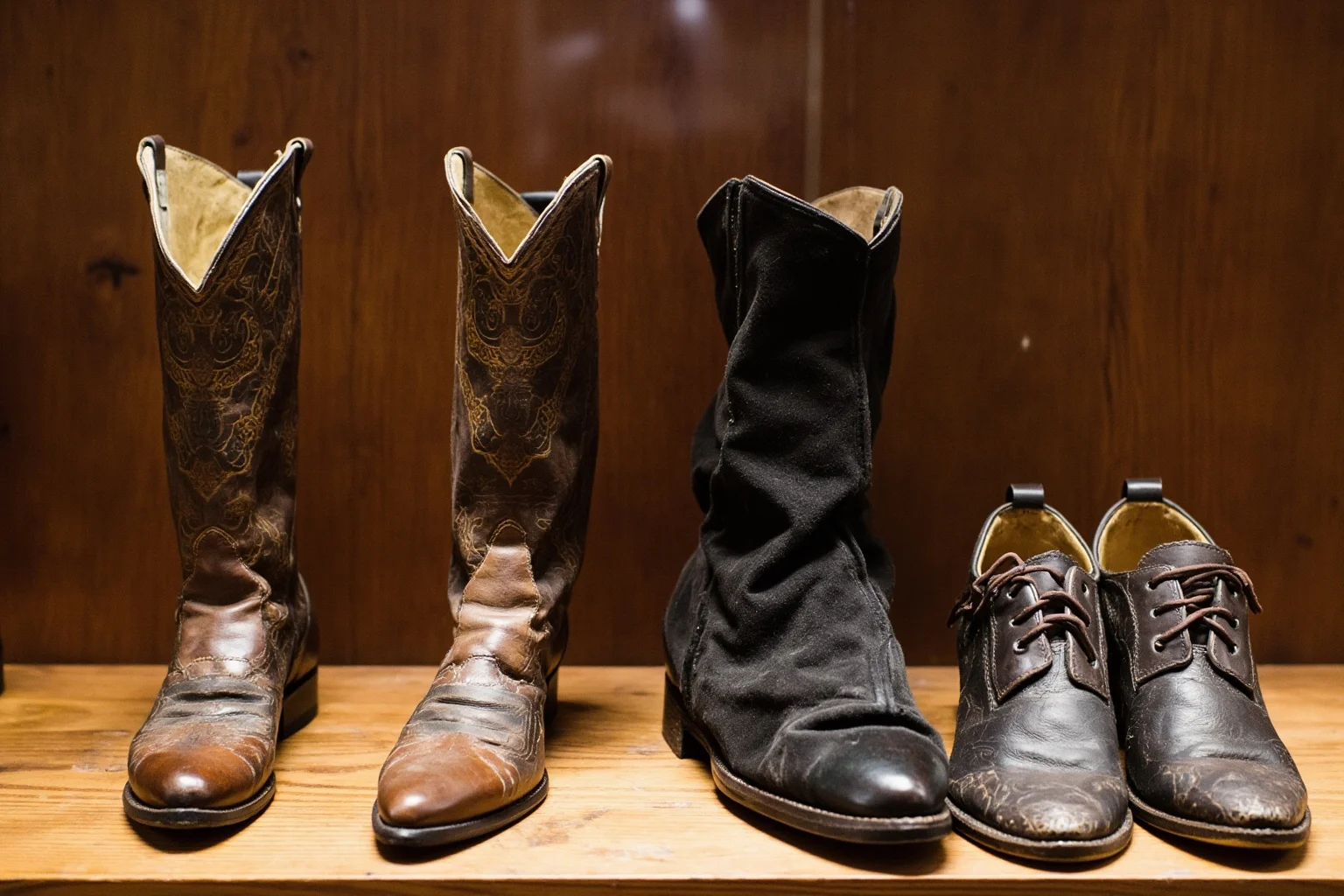
The most widely cited origin of high heels points to Persian cavalry riders in the tenth century or earlier. Heeled shoes helped riders keep their feet in stirrups while standing to shoot arrows. The design was practical equipment before it became a fashion statement.
When Persian styles reached Europe, aristocratic men adopted heels as a sign of equestrian skill and status. Over time, women also wore heeled shoes, and the meaning of heels shifted across gender and class lines. What began as military footwear is now a global fashion staple.
11. Sunglasses: Snow Goggles and Smoky Quartz
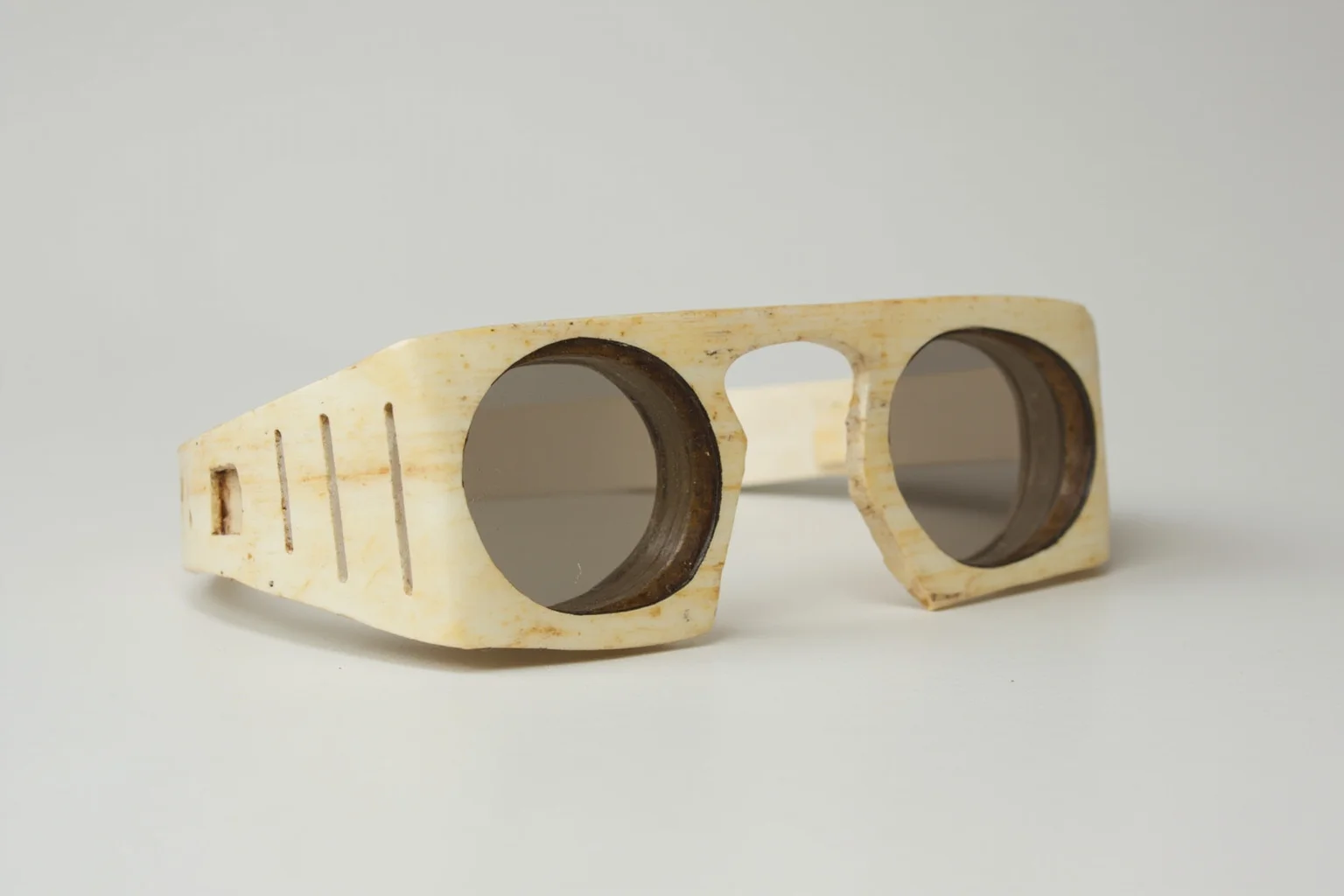
Indigenous peoples of the Arctic, including Inuit groups, created narrow-slit snow goggles from ivory, wood, or bone. The slits reduced glare and protected eyes from snow blindness during bright winter travel. These goggles were functional and built for extreme conditions.
In twelfth-century China, judges are said to have worn flat panels of smoky quartz over their eyes, though the purpose may have been to conceal facial expressions rather than to block sunlight. Modern tinted sunglasses for public use became more common in the early twentieth century. Their history mixes protection, performance, and mystery.
12. The Necktie: A Croatian Military Style
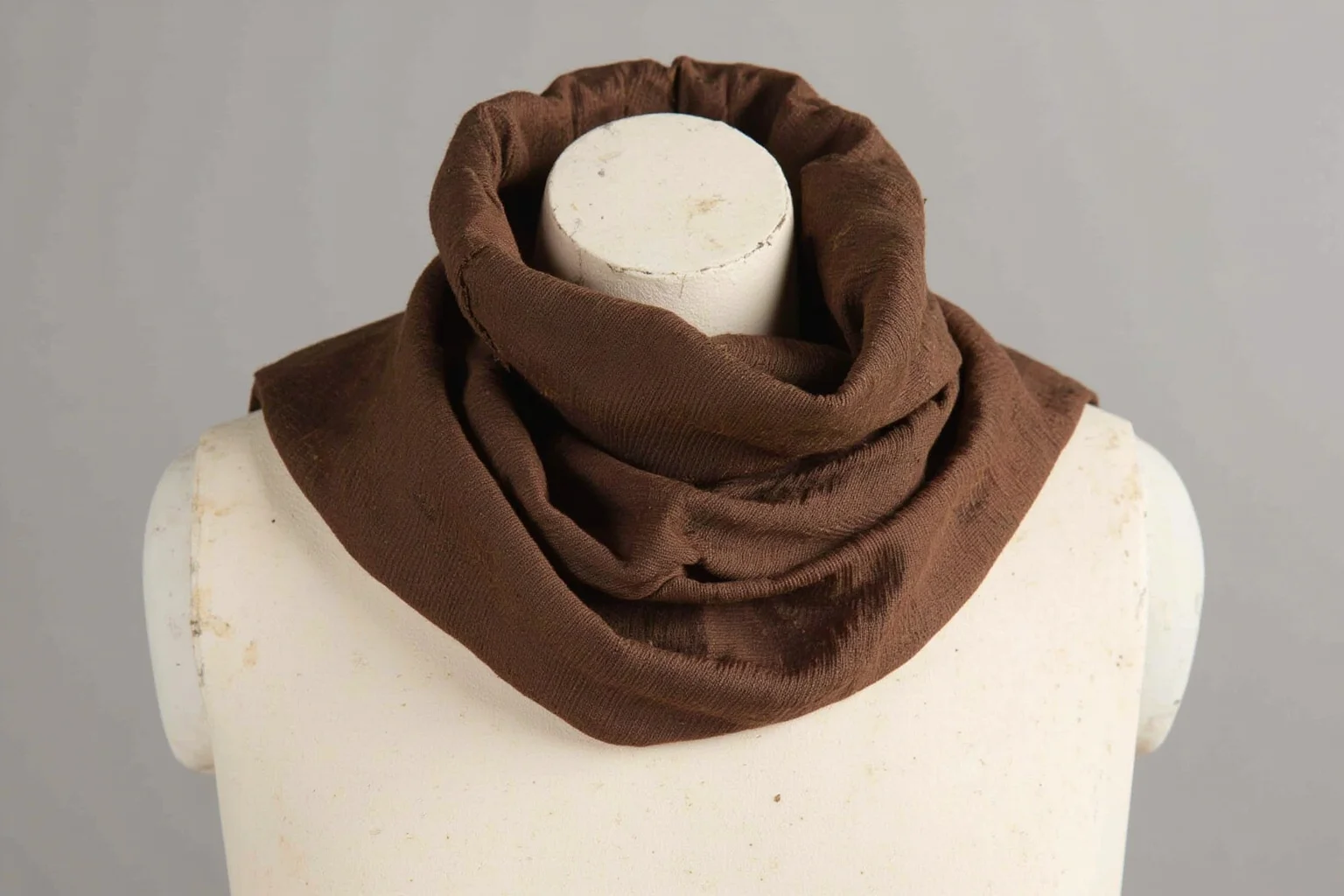
During the Thirty Years' War in the seventeenth century, Croatian mercenaries serving in France wore decorated cloth bands around their necks. The style stood out from collars and ruffs common at the time. French observers linked the look to the Croats, giving rise to the word 'cravat.'
Over the following centuries, the cravat tightened and lengthened into versions of the modern necktie. Industrial textile production and changing men's fashion made ties increasingly standardized. Today the tie is mostly symbolic rather than practical, a direct descendant of military dress.
13. Deodorant: From Hand-Applied Pastes to Roll-Ons
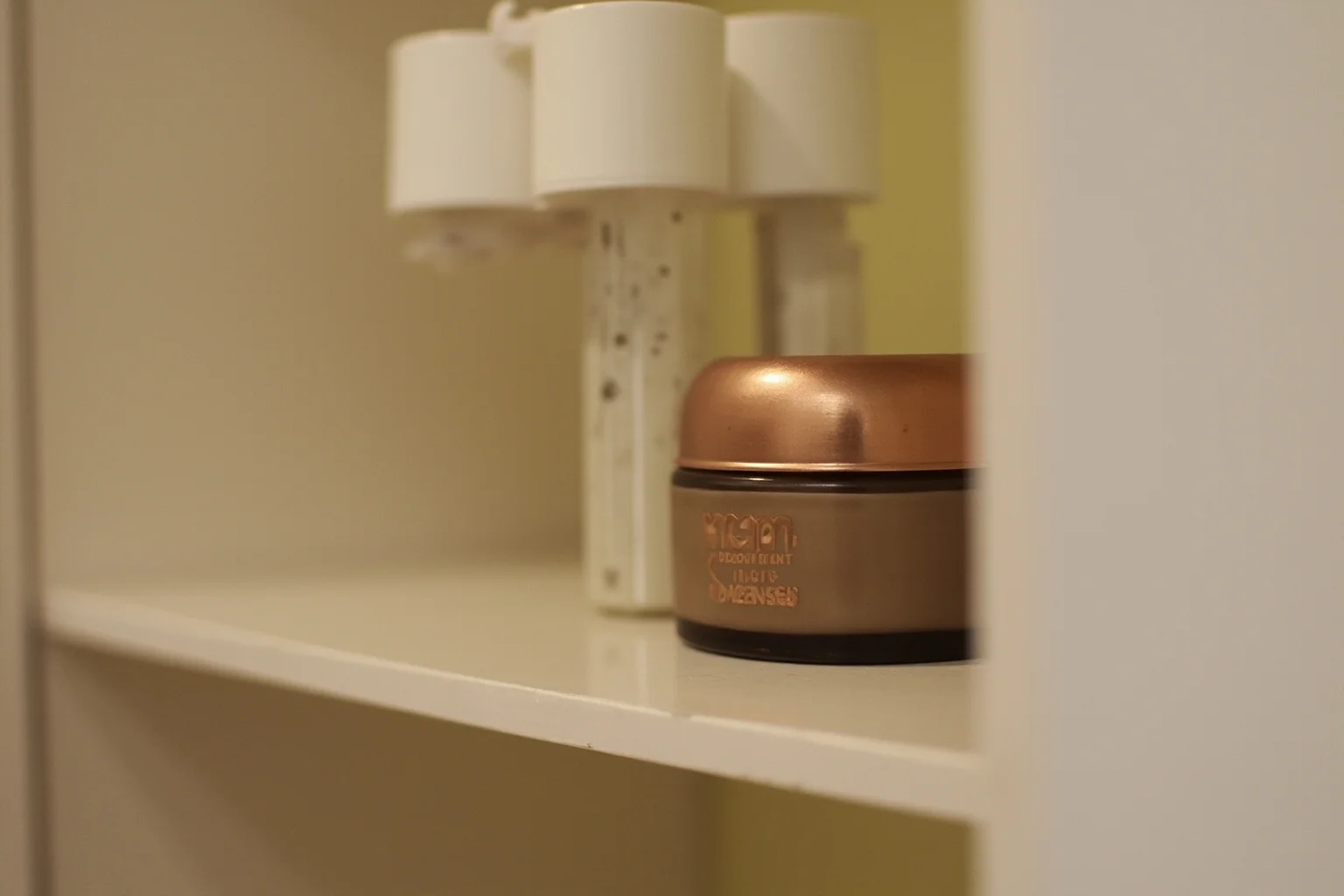
People have used perfumes, powders, and herbal preparations to mask body odor for centuries. One early commercial deodorant brand, Mum, appeared in Philadelphia in 1888 as a thick cream. Early users applied it with the fingers, which made it less convenient than later products.
The roll-on applicator developed in the mid-twentieth century borrowed its ball-and-socket idea from the ballpoint pen. Aerosol sprays, sticks, and gels later expanded the market. Modern deodorants use antiperspirant salts and fragrance, but their goal remains the same as in 1888.
14. Buttons: Ornaments Before Fasteners
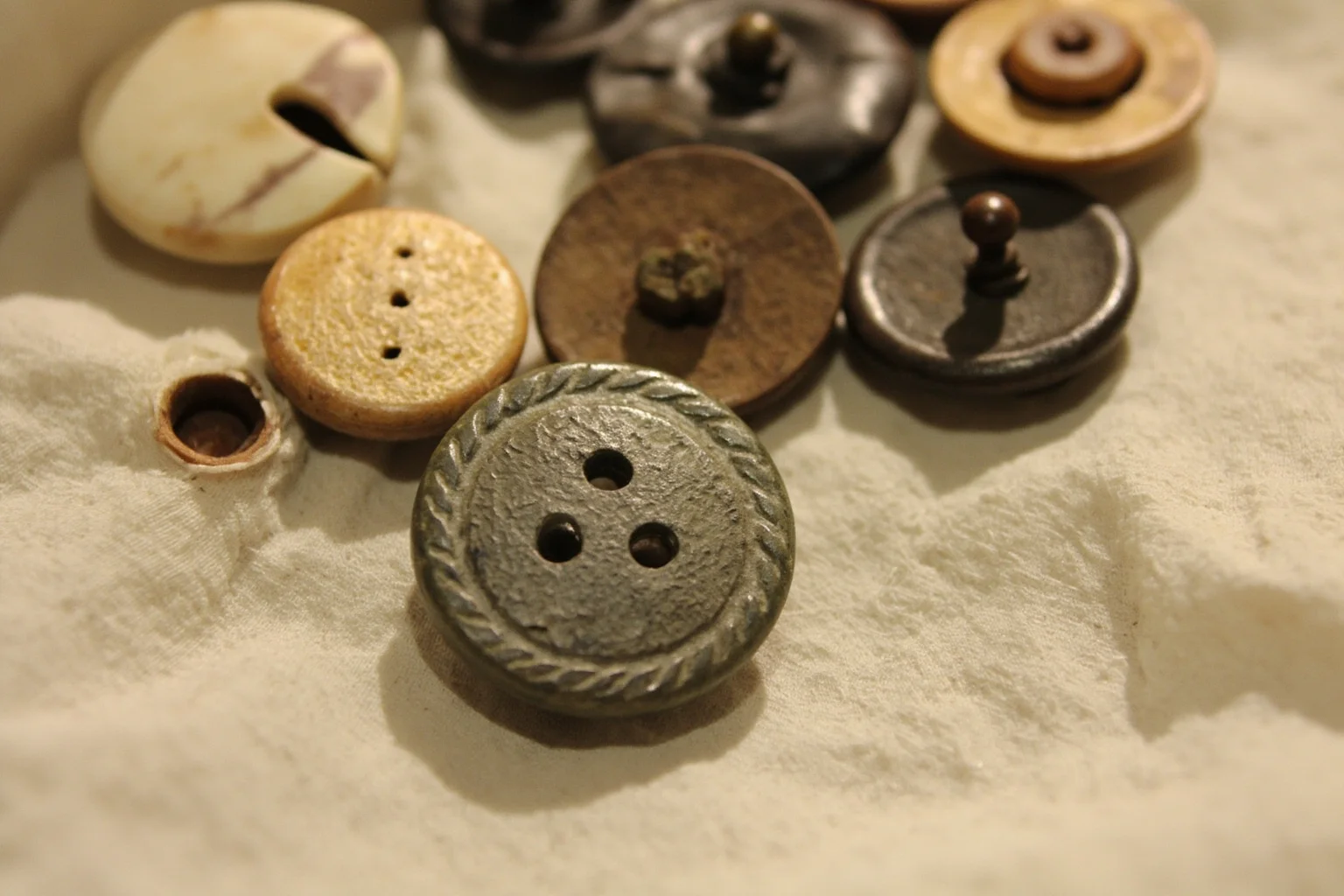
Buttons appear in ancient archaeological sites across the Indus Valley, China, Egypt, and Rome, but many early examples were decorative ornaments or seals. Clothes were more often held together with pins, belts, lacing, or ties. The button as a practical fastener emerged slowly.
Functional buttonholes began to spread in Europe during the thirteenth century. They allowed clothing to fit more closely, a change that fit the era's tailored fashions. From that point onward, buttons became both useful and decorative, multiplying across garments.
15. The Band-Aid: A Husband's Kitchen Solution
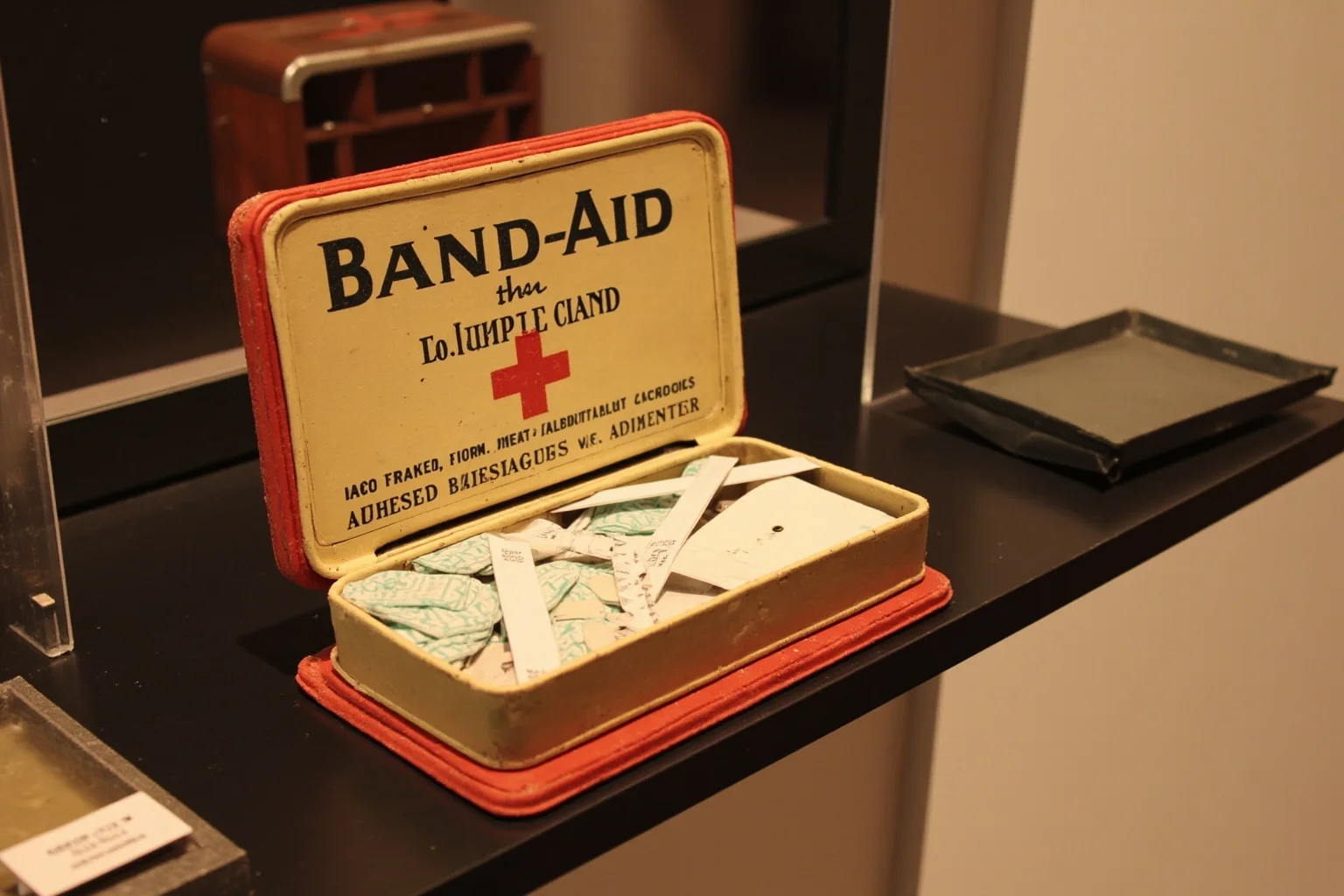
Earle Dickson worked for Johnson & Johnson in the early twentieth century, and his wife frequently cut or burned herself while cooking. Dickson prepared small gauze pads attached to strips of adhesive tape so she could dress wounds quickly. He added fabric facing to keep the adhesive from sticking to the wound.
Johnson & Johnson saw the potential and launched Band-Aid adhesive bandages in 1921. Early sales were modest, but improved designs and pre-cut strips eventually made the product a household staple. It transformed first aid from something requiring scissors and tape into a peel-and-stick routine.
Work, Writing, and Office Items
Office supplies and writing tools have particularly messy histories. Several started as accidents, alternatives, or packaging failures before becoming desk-drawer standards.
16. The Pencil: From Borrowdale Graphite to Clay Blends
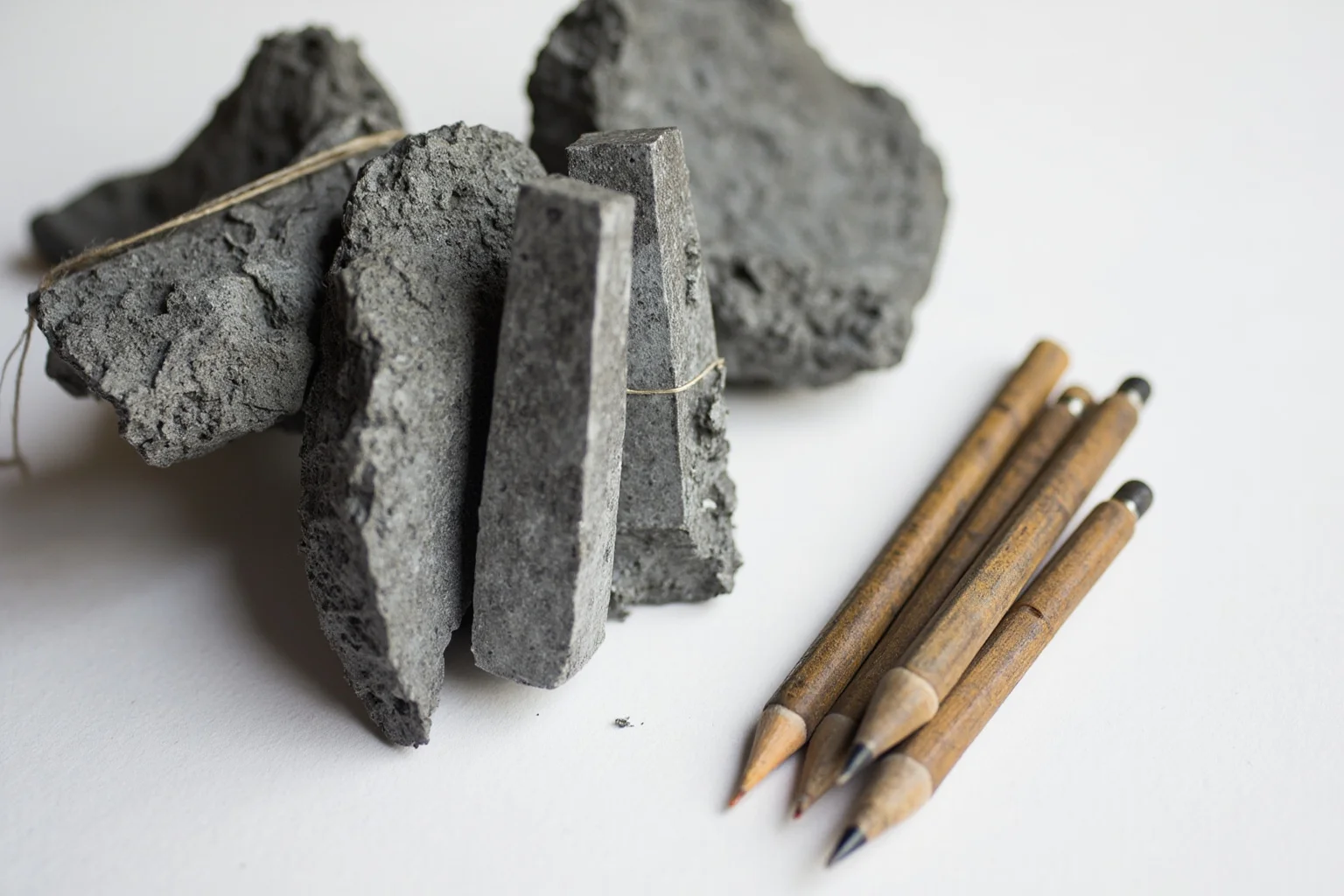
A large deposit of graphite was discovered in Borrowdale, England, in the sixteenth century. Local shepherds reportedly used chunks of the material to mark sheep. Early users wrapped graphite sticks in string or wood to keep their hands clean and reduce breakage.
The modern wood-cased pencil developed over the next centuries. In the 1790s, Nicolas-Jacques Conté mixed powdered graphite with clay and fired it in a kiln, allowing manufacturers to control hardness and darkness. That principle still shapes the pencils we use today.
17. The Eraser: A Rubber Upgrade from Bread
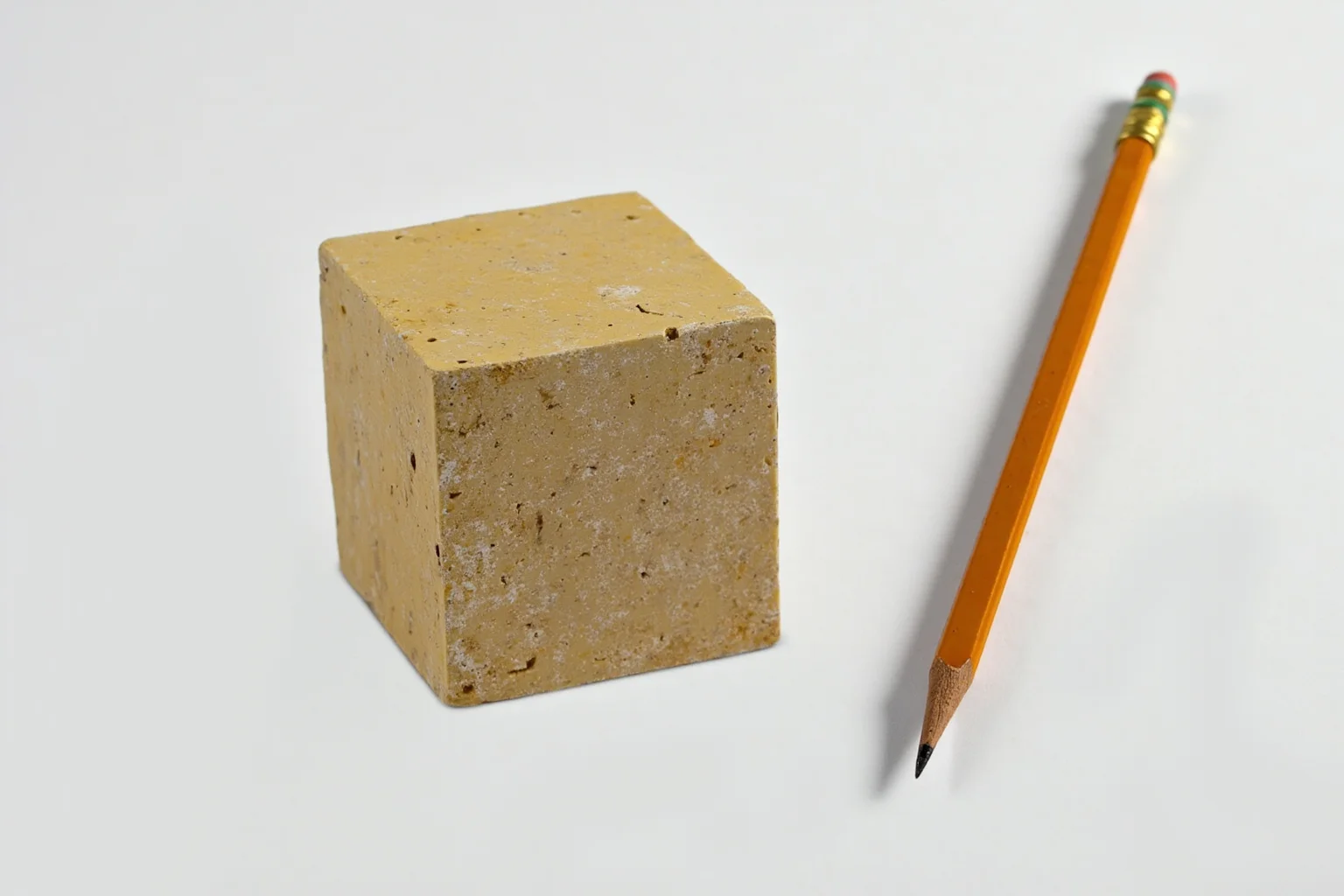
Before rubber erasers, people removed pencil marks with scraped bread crumbs, wax, or soft stone. In the late eighteenth century, Joseph Priestley described the ability of rubber to rub out black lead pencil marks. Others soon began selling small cubes of rubber for the same purpose.
Natural rubber was fragile and melted in heat, so erasers improved after Charles Goodyear's vulcanization process made rubber stable. Later designs attached erasers to the ends of pencils, though many schools and offices still keep separate erasers on hand. The concept has changed little, even as materials have improved.
18. Sticky Notes: A Failed Adhesive Finds Its Purpose
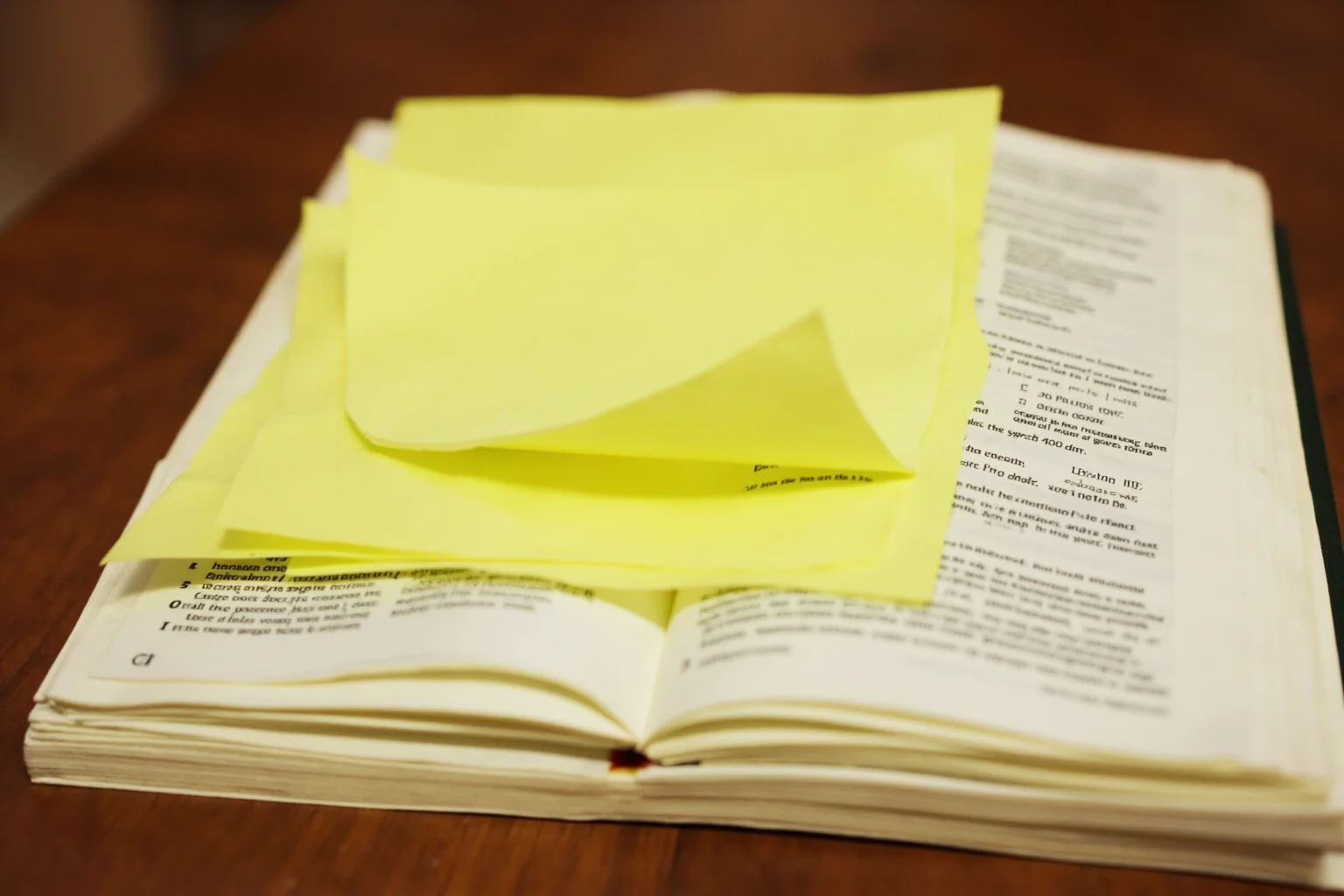
In 1968, Spencer Silver, a scientist at 3M, developed an adhesive that stuck lightly and could be repositioned many times. It was not strong enough for permanent bonding, so the company treated it as a failed product for years. The adhesive needed an application that valued weak stick.
Art Fry, another 3M researcher, had the key insight while looking for a bookmark for his church hymnal. He applied Silver's adhesive to paper, creating a note that would stay put but remove cleanly. The product launched as Post-it Notes in 1980 and became one of the most recognized office supplies in the world.
19. The Ballpoint Pen: Newspaper Ink in Your Pocket
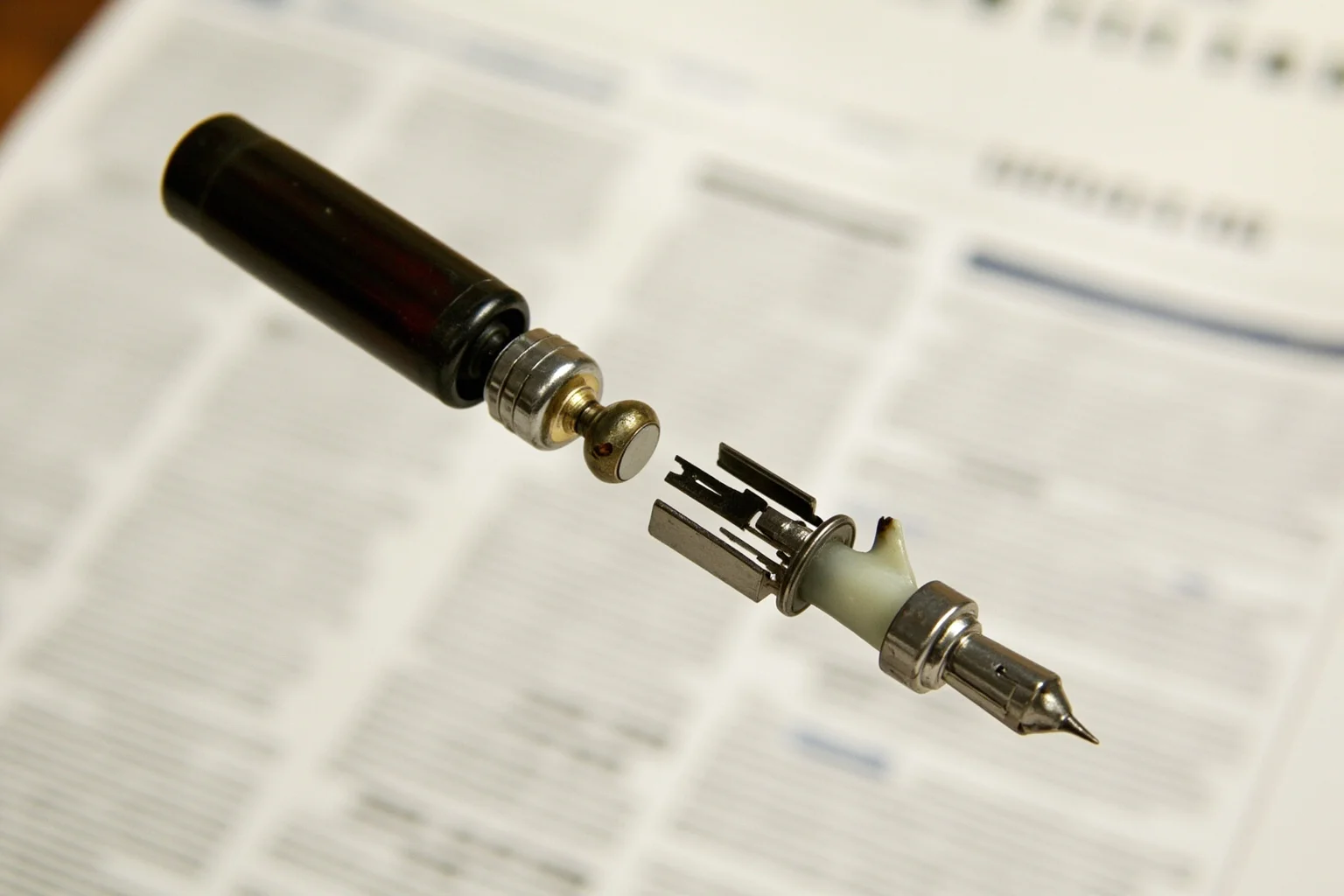
Early ballpoint patents existed in the late nineteenth century, but the modern pen is most often linked to Hungarian-Argentine journalist Laszlo Biro. Biro noticed that newspaper ink dried quickly and did not smudge, unlike fountain pen ink. With his brother Gyorgy, he designed a pen that used a tiny rotating ball to deliver viscous ink.
The Biro brothers patented their work in 1938 and refined it while living in Argentina. During World War II, ballpoints were useful for aircrews because they did not leak at altitude. After the war, cheap mass production brought the ballpoint into every office and school bag.
20. The Paper Clip: A Design With Tangled Origins
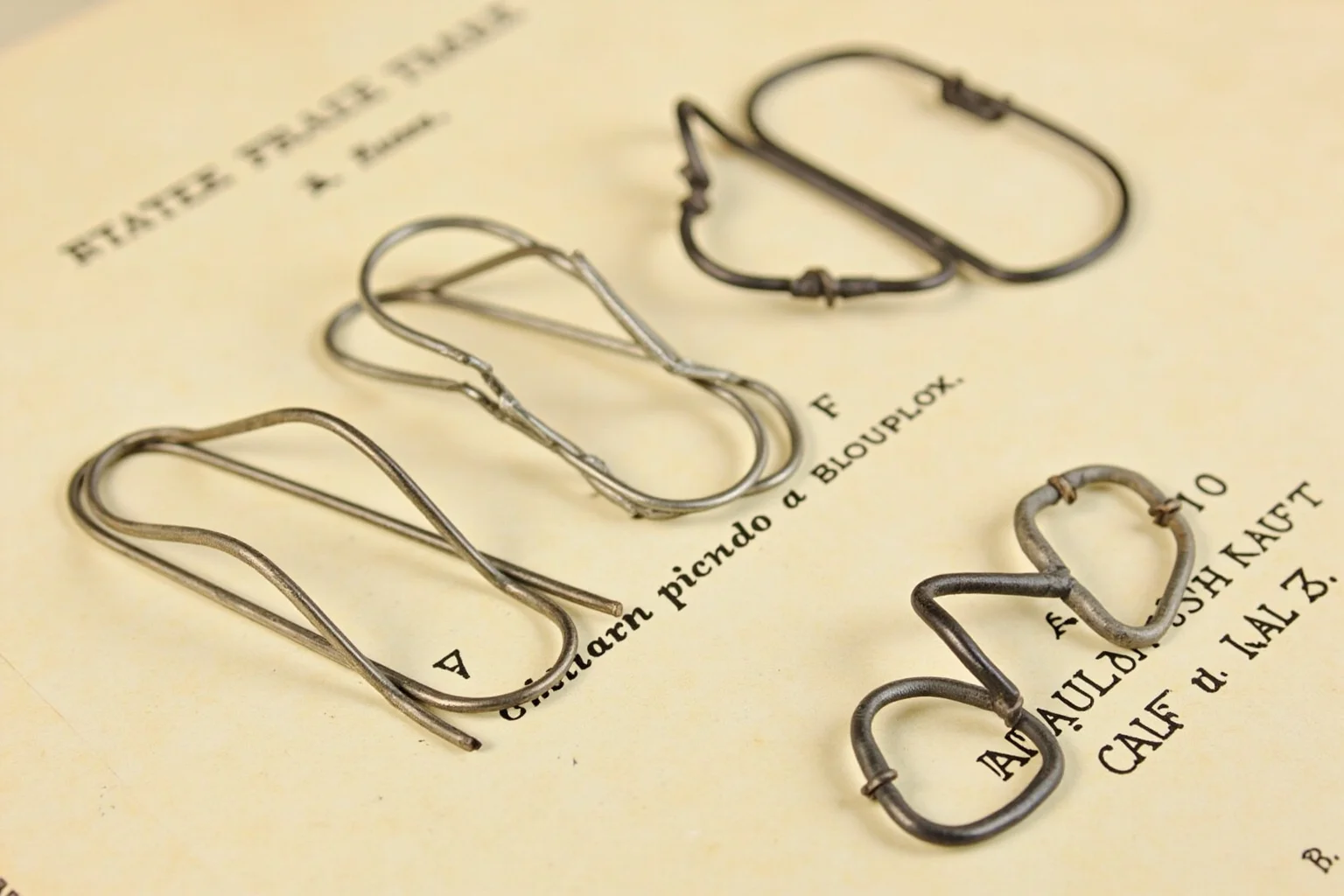
People once fastened papers with straight pins, string, wax, or ribbons. Wire paper fasteners began to appear in the nineteenth century, but the familiar double-loop Gem design was not the only shape. Early patent records show many competing bends and clips.
Norwegian Johan Vaaler patented a paper clip design around 1900, though it was not the Gem shape used widely today. During World War II, Norwegians wore paper clips as a subtle symbol of national unity and resistance. The object's simple wire construction makes it cheap, reusable, and difficult to improve.
21. Bubble Wrap: From Failed Wallpaper to Shipping Essential
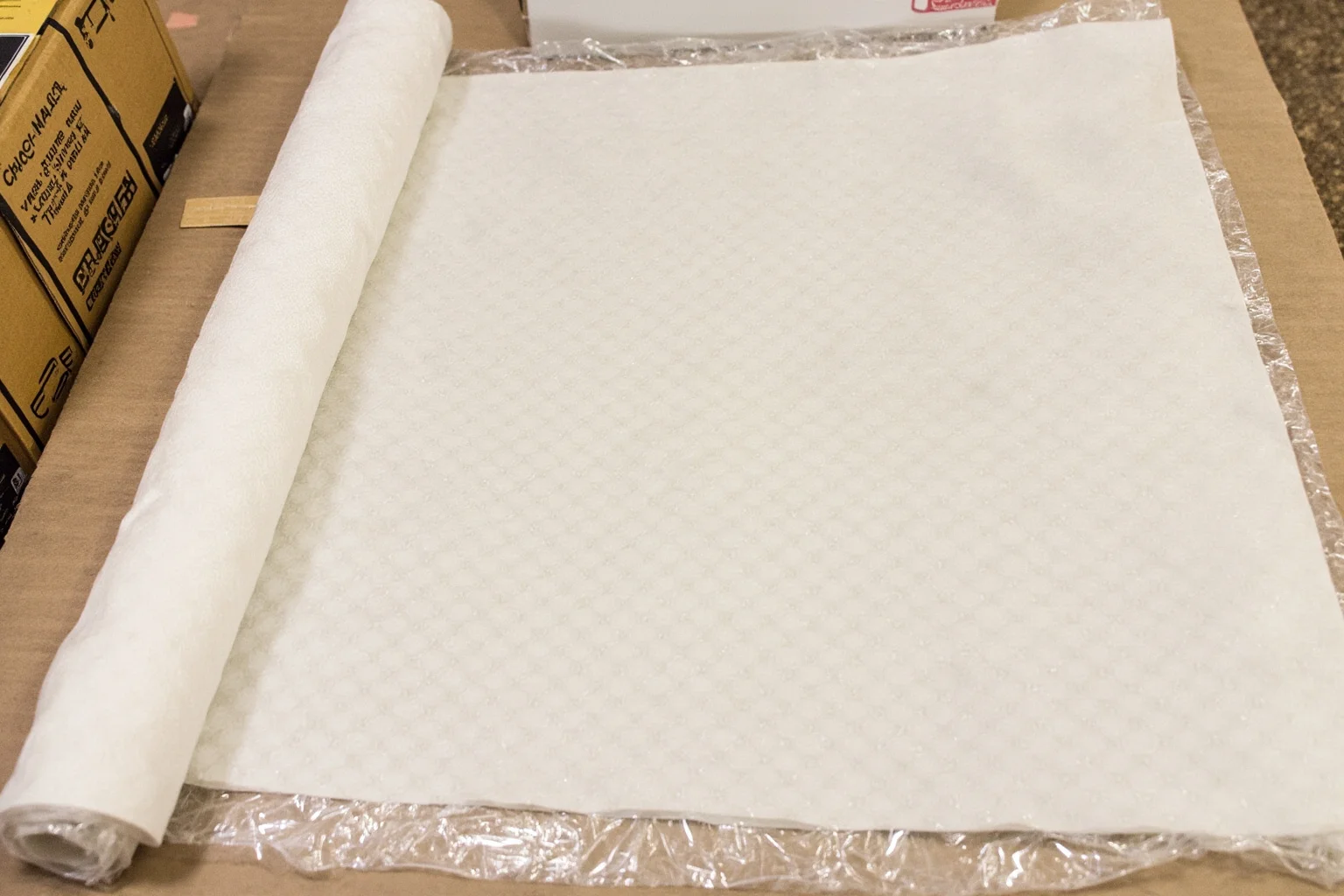
In 1957, engineers Alfred Fielding and Marc Chavannes tried to create textured wallpaper by sealing two plastic sheets with air pockets trapped inside. The material did not catch on as décor, and later attempts to market it as greenhouse insulation also fizzled. Its future was unclear.
In the early 1960s, IBM needed protective packaging for sensitive computers and turned to the padded plastic. Sealed Air then branded and sold Bubble Wrap as a shipping material. The invention found success not by decorating walls but by protecting objects in transit.
Leisure, Play, and Symbolic Objects
The final group spans hobbies, childhood, and symbols. These items show how leisure and cultural memory can also create objects with long histories.
22. The Teddy Bear: A Hunting Trip Becomes a Toy
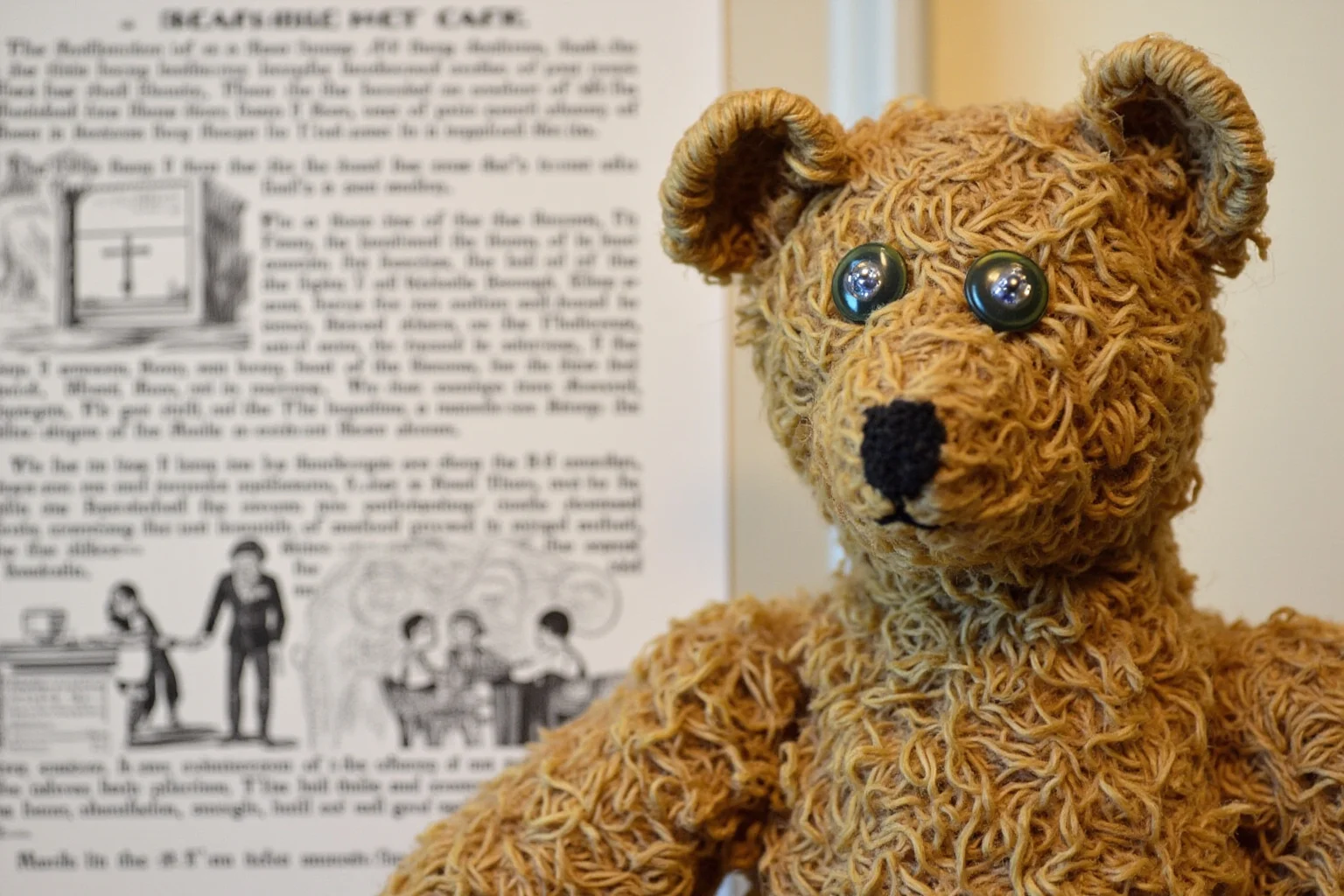
In 1902, President Theodore Roosevelt refused to shoot a bear that had been cornered and tied during a hunting trip in Mississippi. A political cartoon turned the moment into a story about fair play. Morris Michtom, a Brooklyn shopkeeper, made a small stuffed bear and asked Roosevelt for permission to use the name 'Teddy's bear.'
Around the same time, the German company Steiff independently developed jointed stuffed bears that found an international market. The teddy bear became one of the most recognizable children's toys of the twentieth century. Its origin combines politics, sentimentality, and industrial toy making.
23. The Bicycle: From Running Machine to Safety Frame
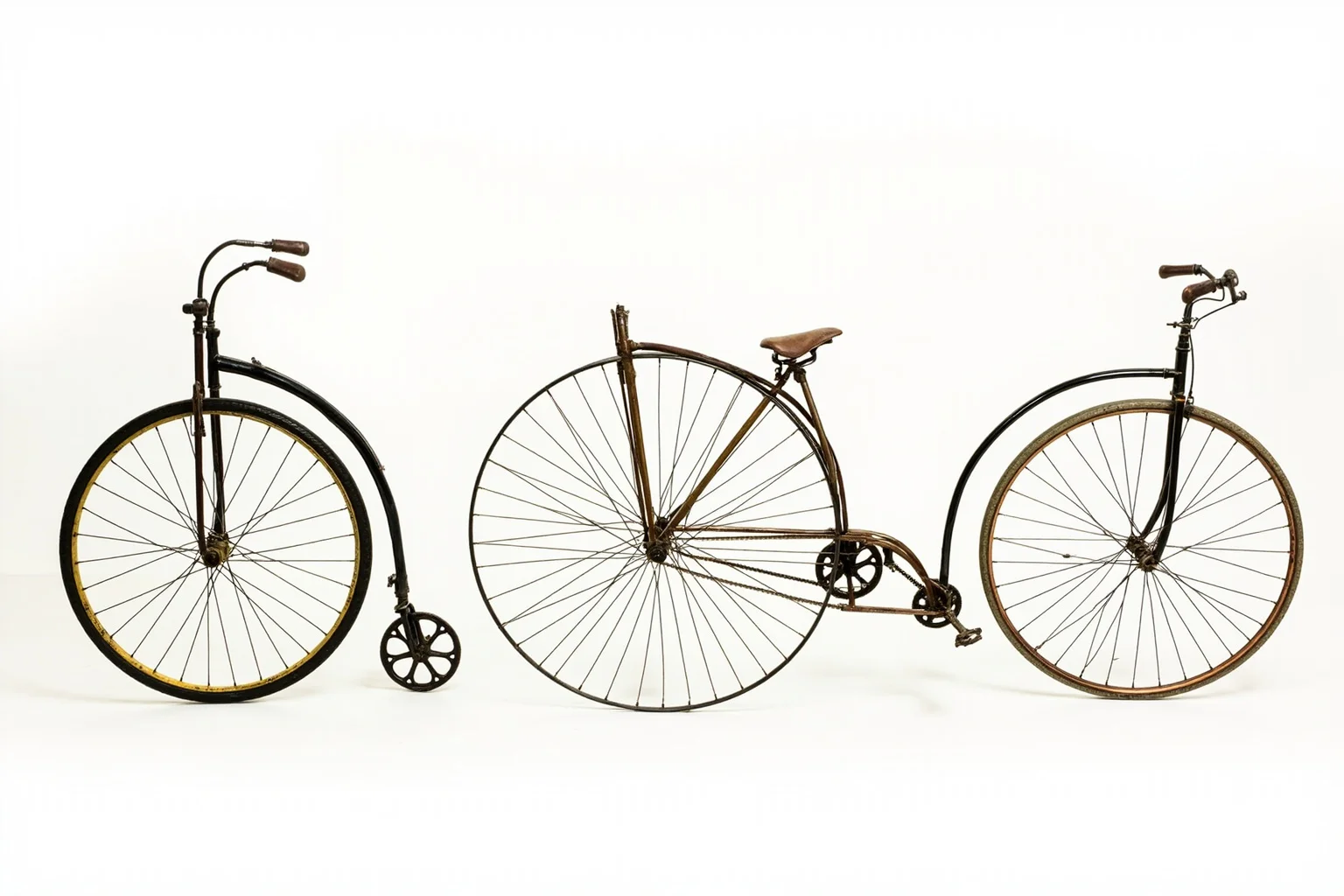
In 1817, German inventor Karl von Drais introduced a two-wheeled 'running machine' with no pedals. Riders pushed their feet against the ground and coasted, an innovation after crop failures and horse shortages made cheaper transport appealing. It was not yet a bicycle in the modern sense.
Pedals were added in the 1860s, and the high-wheeled penny-farthing soon followed. The safety bicycle introduced in 1885 by John Kemp Starley had a chain drive and similar-sized wheels, making it stable and practical. That design directly shaped the modern bicycle and helped spark a cycling boom.
24. Playing Cards: A Global Game of Suits
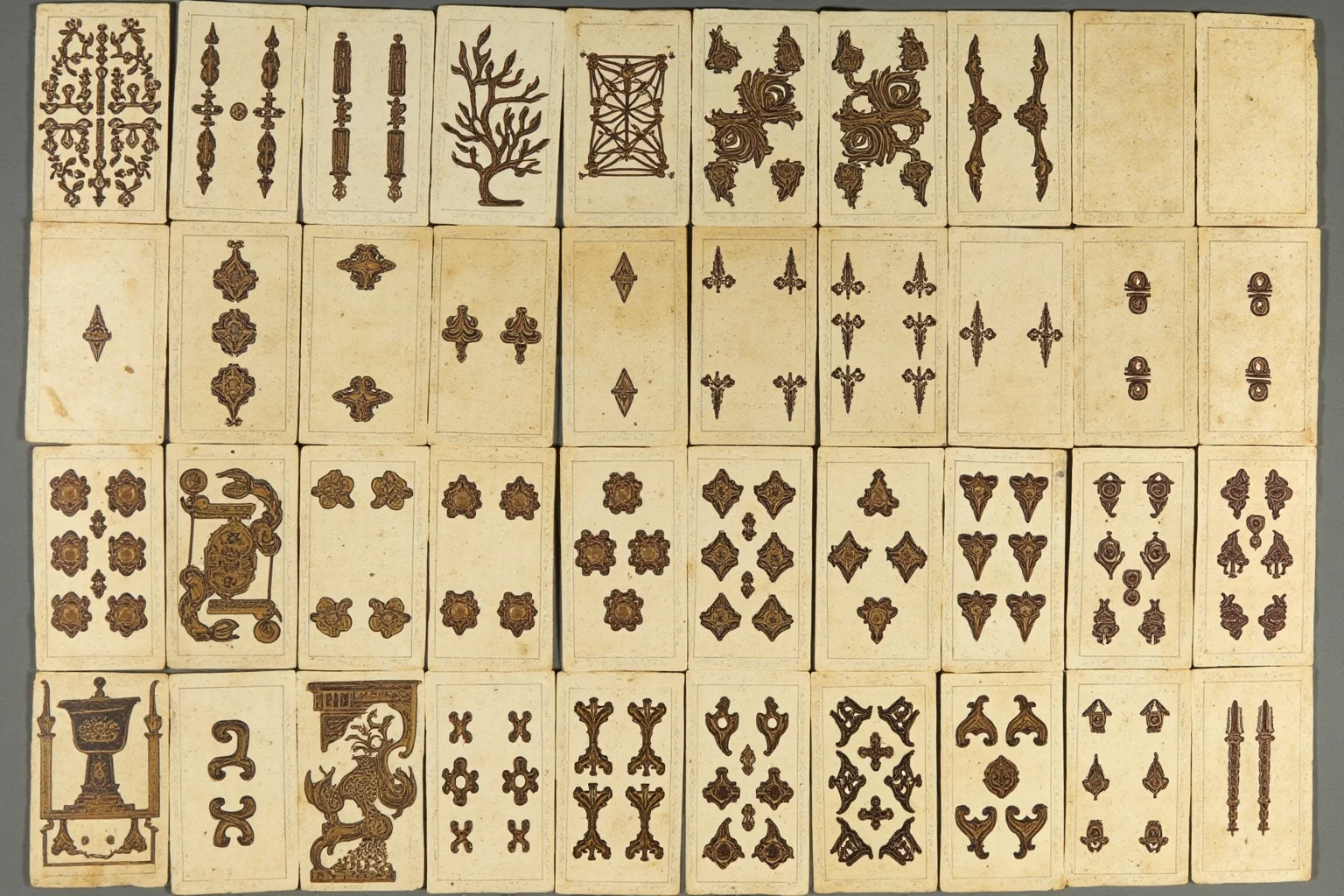
Playing cards likely originated in China, with early examples or references appearing by the Tang dynasty or later. They traveled along trade routes into the Middle East and North Africa. By the late fourteenth century, cards had entered Europe and were quickly adapted to local tastes.
European suits evolved partly from Mamluk suit signs such as cups, coins, swords, and polo sticks. Different regions developed their own suit systems, including the familiar hearts, diamonds, clubs, and spades. The cards we shuffle today are the product of centuries of cross-cultural exchange.
What These Everyday Objects Have in Common
So what do these objects have in common? Almost all began as practical answers to narrow problems, from keeping feet in stirrups to protecting computer shipments. They later spread through new materials, mass production, and changing social manners until they became invisible parts of daily life.
Their origin stories also reveal how easily history can drift into myth. Patents and archaeological finds often tell a more cautious story than popular tales of sudden genius. Still, the broader lesson is clear: an object made or used by people in the past can be just as revealing as any monument.
Next time you use a sticky note, zip a jacket, or pour a filtered coffee, you are handling a small piece of human problem-solving. Objects created and used by humans are not just tools; they are evidence of how ordinary life has changed. That is why history items this humble are worth a closer look.
Frequently Asked Questions
What do these objects have in common?
The everyday objects in this list share common origins as solutions to practical problems, often created by accident, necessity, or changing social status. Many began as tools for one purpose and evolved as materials, manufacturing, and manners changed over time.
What is an object made or used by people in the past called?
Historians and archaeologists call such an item an artifact or artefact. The term covers everything from broken pottery and old pins to entire buildings and ships, as long as humans made or modified it.
Why do so many everyday objects have surprising origins?
Many common items started as elite luxuries, failed inventions, or specialized tools before mass production made them cheap and ubiquitous. Their histories often stay hidden because they were considered too ordinary to record.
Are all origin stories for everyday items historically proven?
No. Some popular tales are based on later retellings and should be treated as plausible traditions rather than settled fact. Historians prefer patent records, archaeological finds, and contemporary documents when they exist.

Alex Warren
Related Articles