
Ask ten people to name the coolest dinosaur and you’ll probably get ten different answers — and that’s part of the fun. Dinosaurs ruled the planet for roughly 165 million years, evolving into an almost unbelievable variety of shapes, sizes, and survival strategies. Some were armored tanks, some were feathered sprinters, and some were so strange that scientists are still arguing about how they lived.
This list rounds up 25 of the coolest dinosaurs ever discovered, mixing the household names everyone recognizes with the niche, unknown, and downright bizarre species that deserve way more attention. We’ll separate solid fossil evidence from popular myth along the way, because good dinosaur trivia should also be accurate.
TL;DR: The coolest dinosaurs range from icons like T. rex and Triceratops to bizarre, lesser-known species like Nigersaurus and Therizinosaurus, and real fossil evidence — not movie myths — is what makes them genuinely fascinating.
What Actually Makes a Dinosaur “Cool”?
Every paleo-fan has a personal ranking, and there’s no single scientific definition of “best dino.” For this list, we weighed a few factors: unusual anatomy, unique behavior suggested by fossil evidence, cultural fame, and sheer rarity of discovery.
Some entries are famous dinosaurs you’d recognize from any museum hall. Others are the coolest dinosaurs you’ve never heard of — animals with only a handful of specimens ever found. Both categories matter, because niche dinosaurs often reveal more about evolution’s weirder experiments than the celebrities do.
Legendary Icons Everyone Knows
These are the famous dinosaurs that built the public’s image of the Mesozoic Era. They earned their fame honestly, through spectacular anatomy and genuinely dramatic fossil records.
1. Tyrannosaurus rex
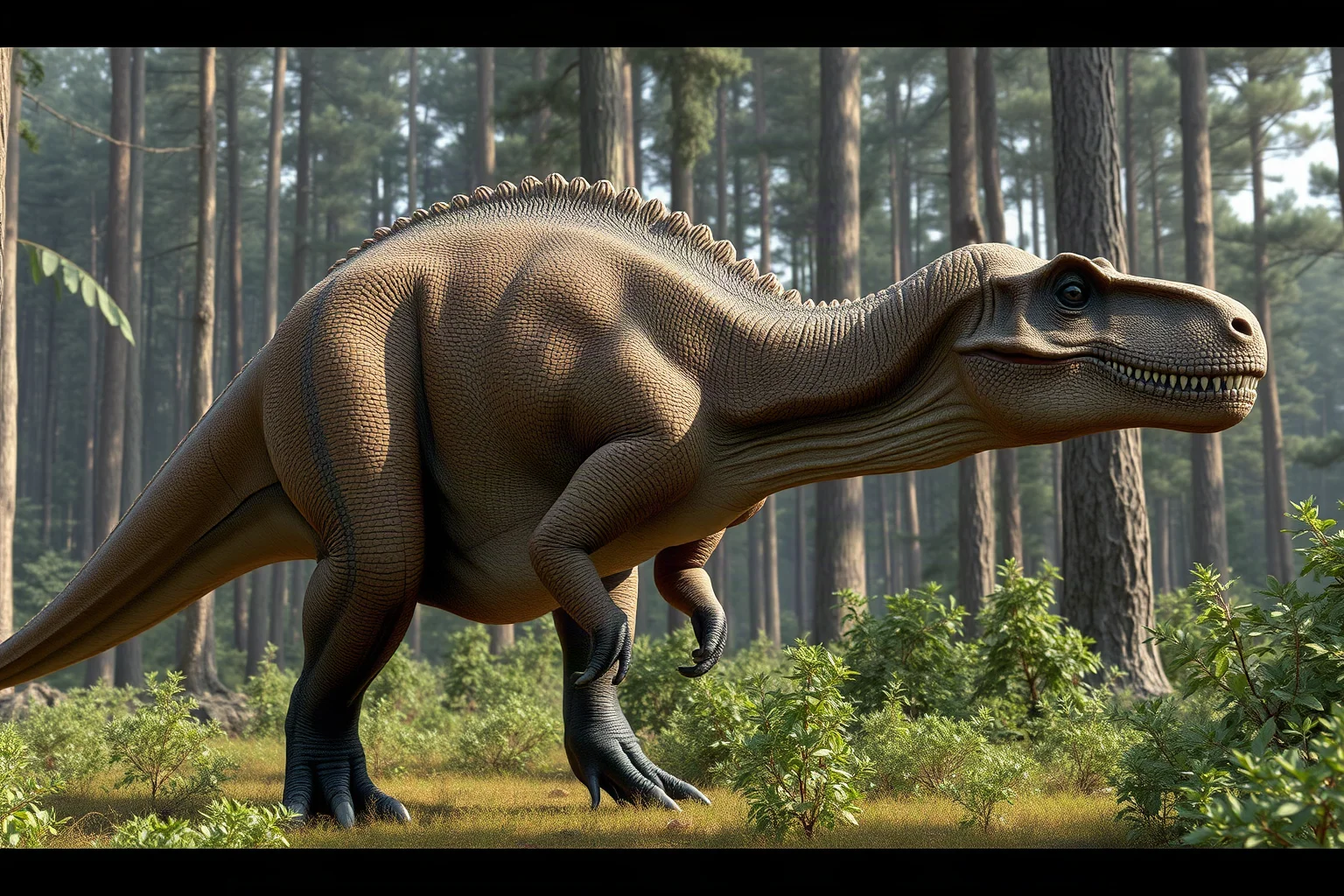
No list of the best dinosaurs could skip T. rex, the undisputed pop-culture king of the Late Cretaceous. It lived in western North America around 68 to 66 million years ago and could grow to roughly 40 feet long, with a bite force among the strongest ever measured in a land animal.
Contrary to old movie tropes, current research suggests T. rex likely had decent low-light vision and a strong sense of smell rather than poor eyesight. It was also probably an opportunistic hunter and scavenger, not purely a monstrous predator waiting to ambush jeeps.
2. Velociraptor
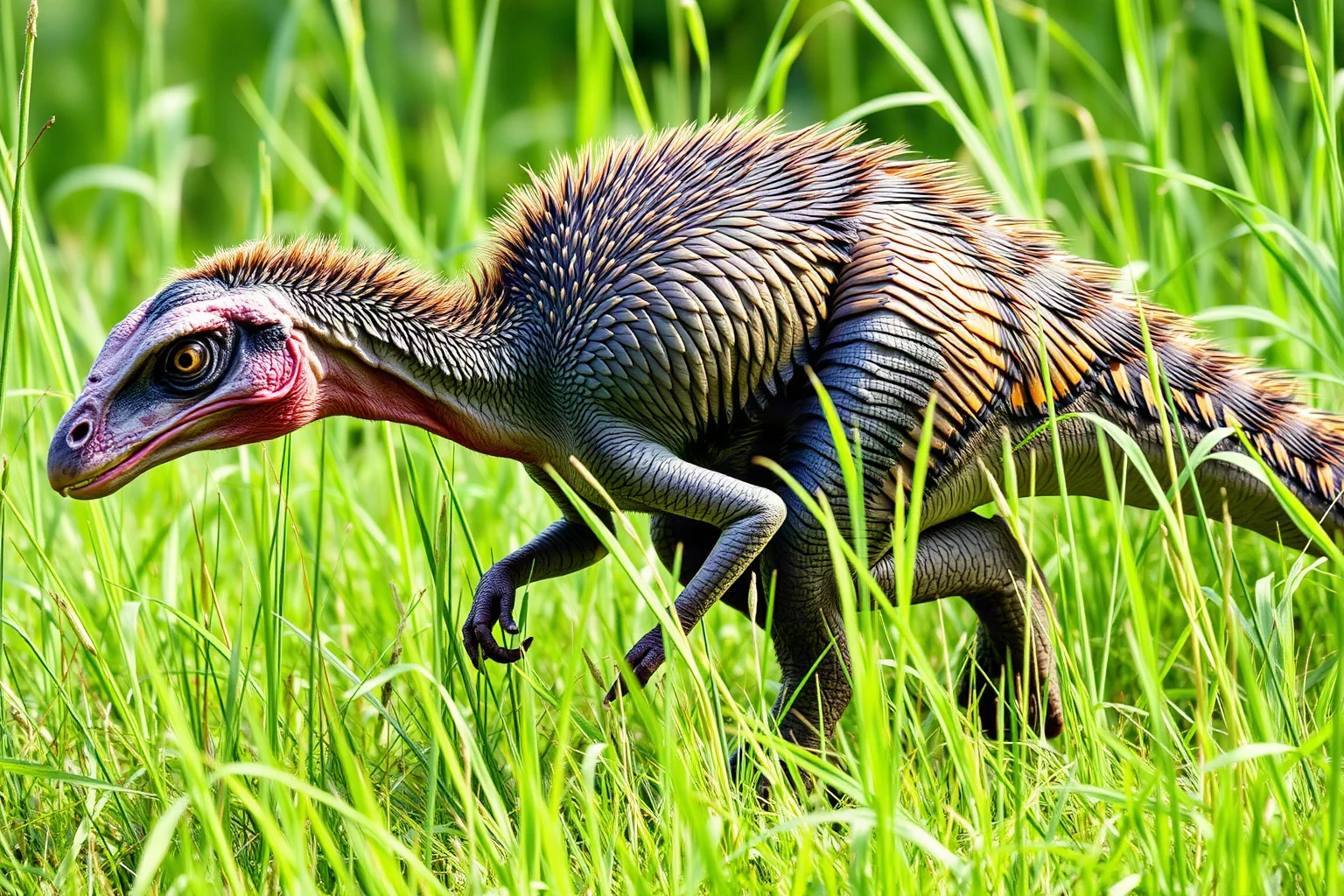
The real Velociraptor looked almost nothing like its Hollywood version. It stood about knee-high to an adult human, was covered in feathers, and lived in Mongolia around 75 to 71 million years ago.
A famous fossil nicknamed the “Fighting Dinosaurs” shows a Velociraptor locked in combat with a Protoceratops, giving rare direct evidence of predator-prey behavior. It’s a great reminder that some of the coolest dinosaur facts come from actual specimens, not screenwriters.
3. Triceratops
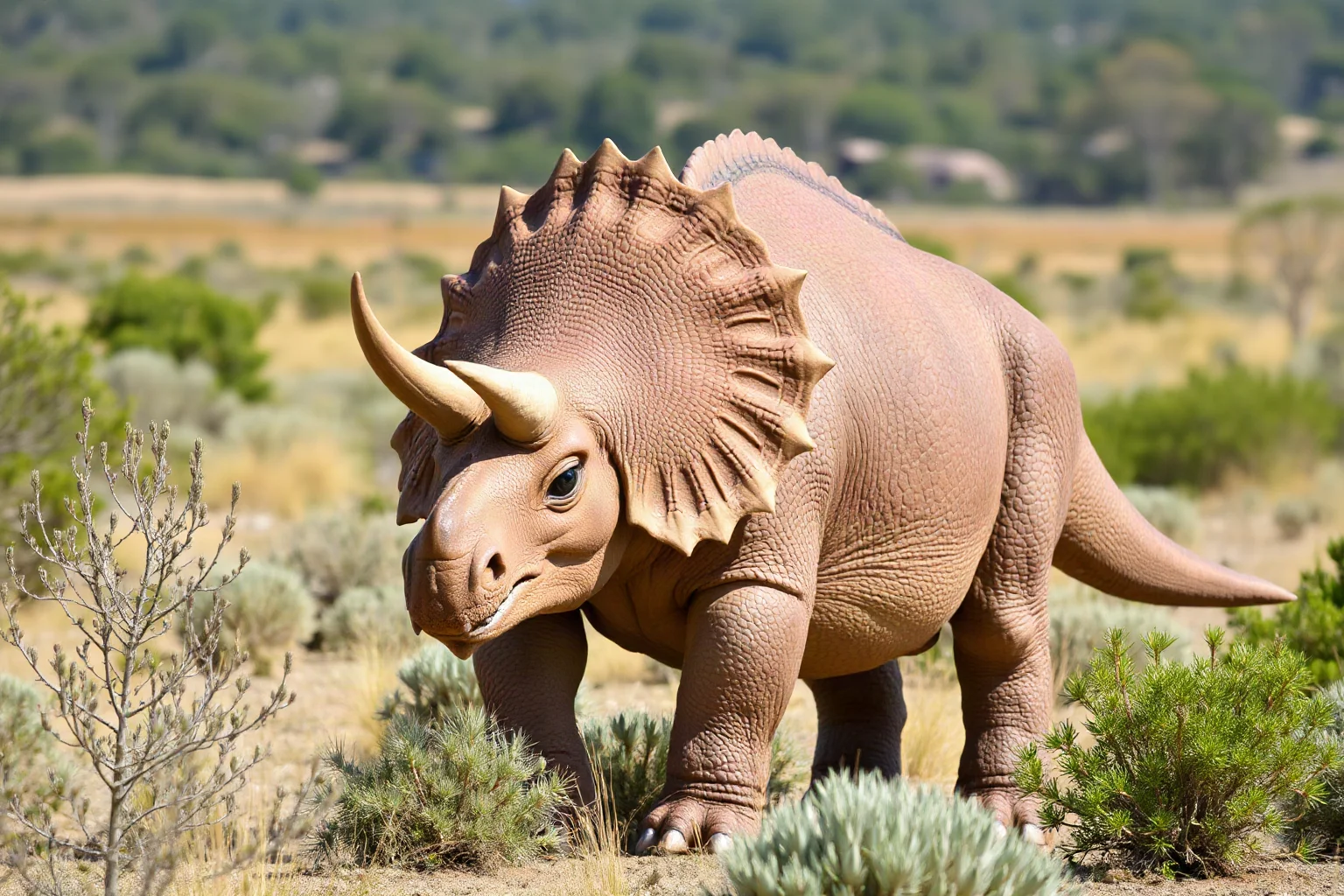
With its massive frill and paired brow horns, Triceratops is one of the most recognizable herbivores in history. It roamed North America at the very end of the Cretaceous, making it one of the last dinosaur species before the mass extinction.
Paleontologists have found Triceratops skulls with healing bite marks, suggesting real confrontations with predators like T. rex. Its horns likely served multiple purposes, including defense and possibly species recognition or display.
4. Stegosaurus
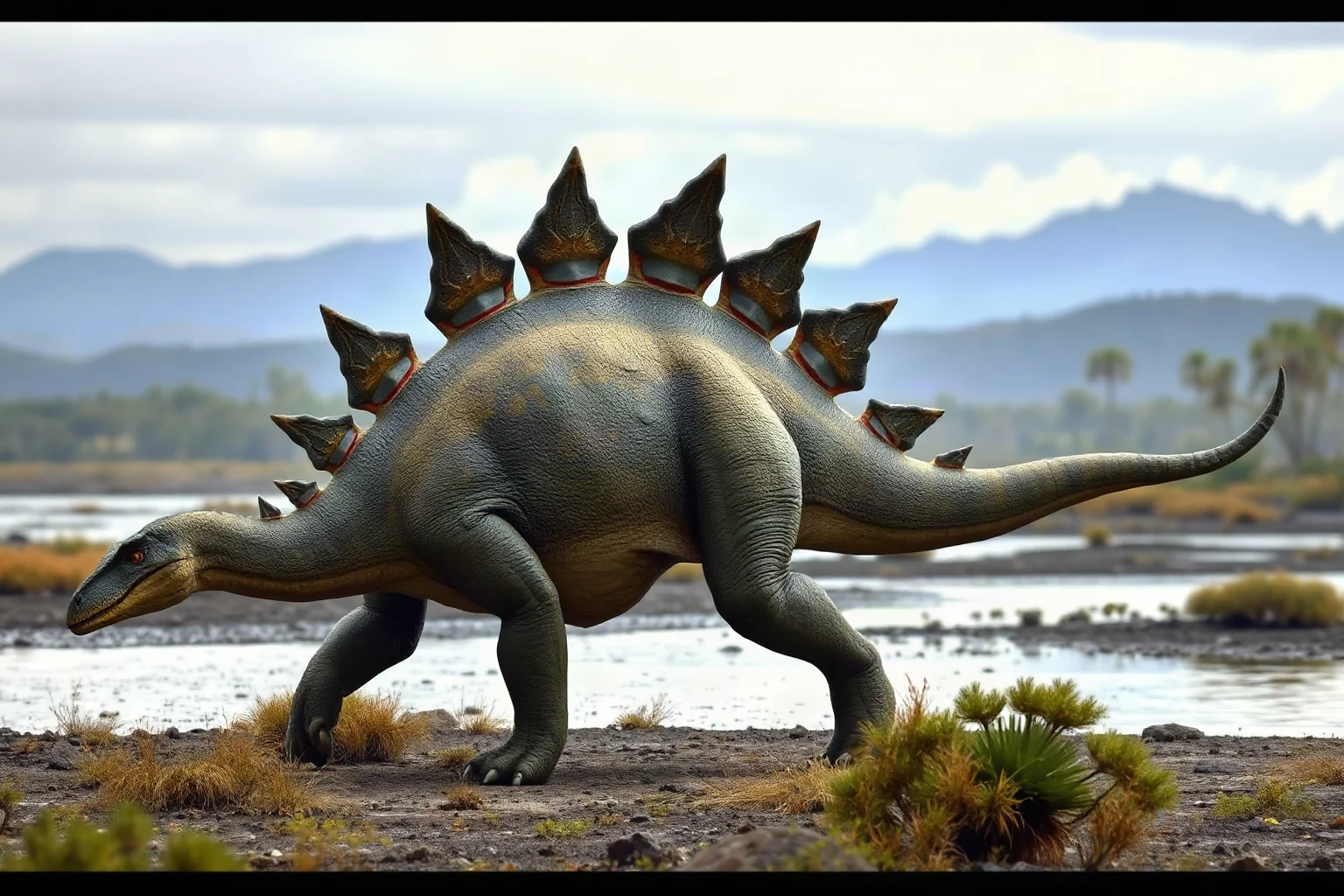
Stegosaurus is instantly identifiable thanks to its row of tall back plates and spiked tail, known informally as a “thagomizer.” It lived in what is now the western United States roughly 155 to 150 million years ago, during the Late Jurassic.
Scientists still debate whether those iconic plates were primarily for defense, temperature regulation, or visual display. Its brain was famously small relative to its body size, though the old myth of dinosaurs having a “second brain” in their hips has been debunked by modern anatomy.
5. Spinosaurus
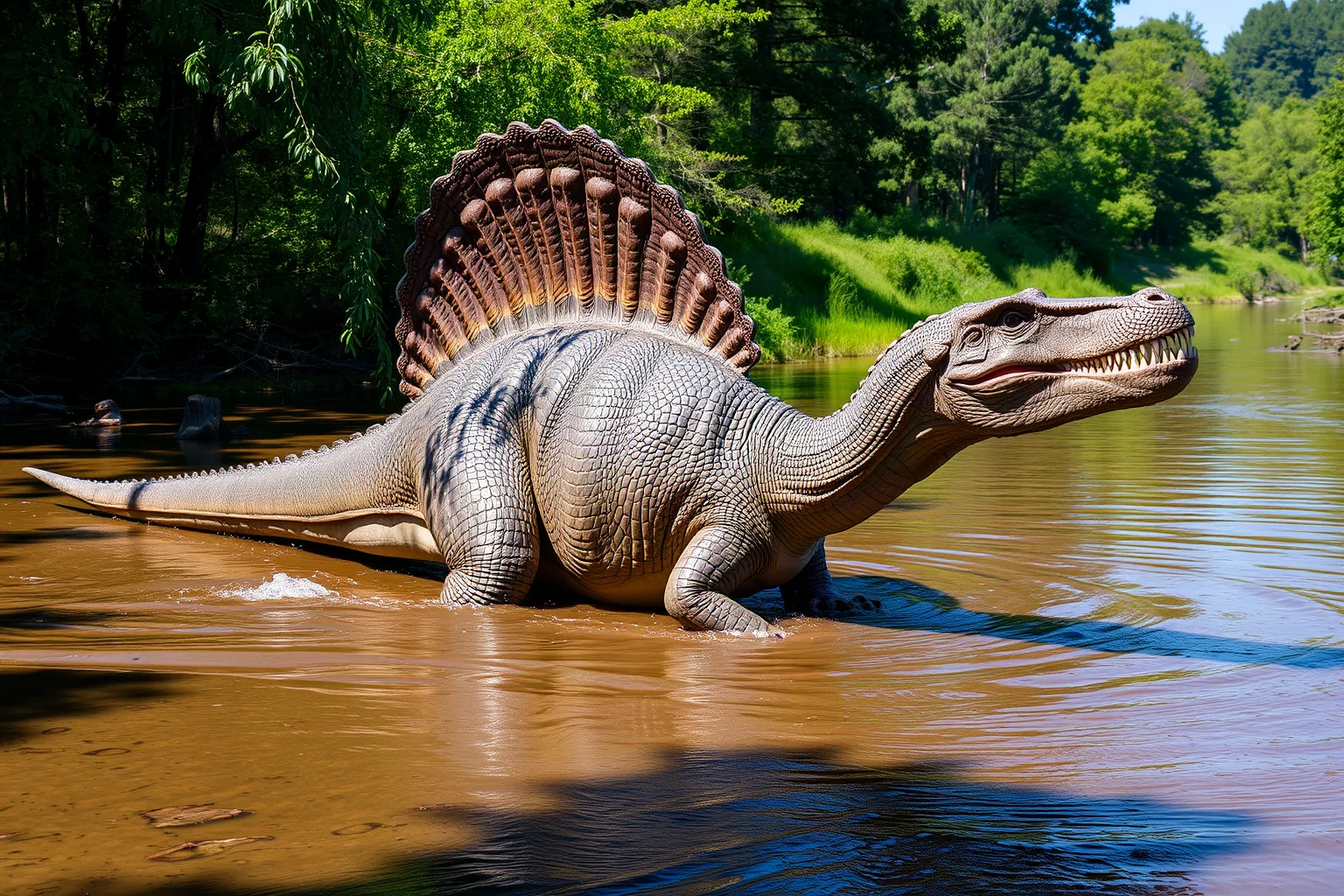
Spinosaurus is arguably the most unique dinosaur ever discovered, thanks to its towering back sail and elongated, crocodile-like snout. Fossil evidence from Morocco and Egypt indicates it lived roughly 99 to 93 million years ago and spent significant time in or around water.
Studies of its dense bones and paddle-like tail, described in research published in the 2020s, support the idea that it was at least partly aquatic — a rarity among large predatory dinosaurs. It may have been longer than T. rex, though its build was leaner and adapted differently.
6. Ankylosaurus
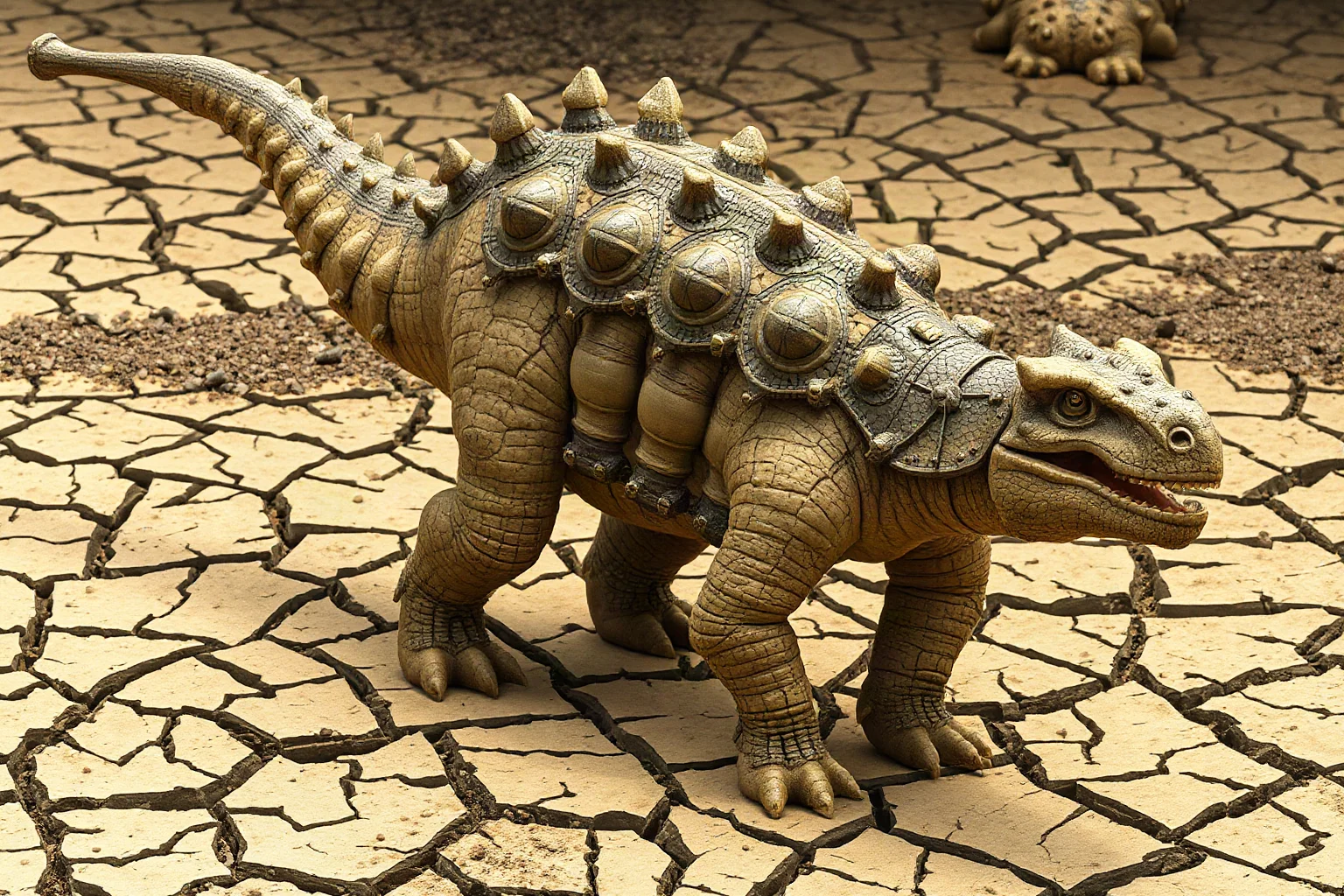
Ankylosaurus was essentially a living tank, covered in bony armor plates called osteoderms and ending in a heavy club-like tail. It lived in North America near the very end of the Cretaceous Period, sharing territory with T. rex.
That tail club could likely deliver bone-breaking blows to an attacker’s legs. Complete Ankylosaurus skeletons are rare, which makes it one of the more mysterious armored dinosaurs despite its fame.
7. Pachycephalosaurus
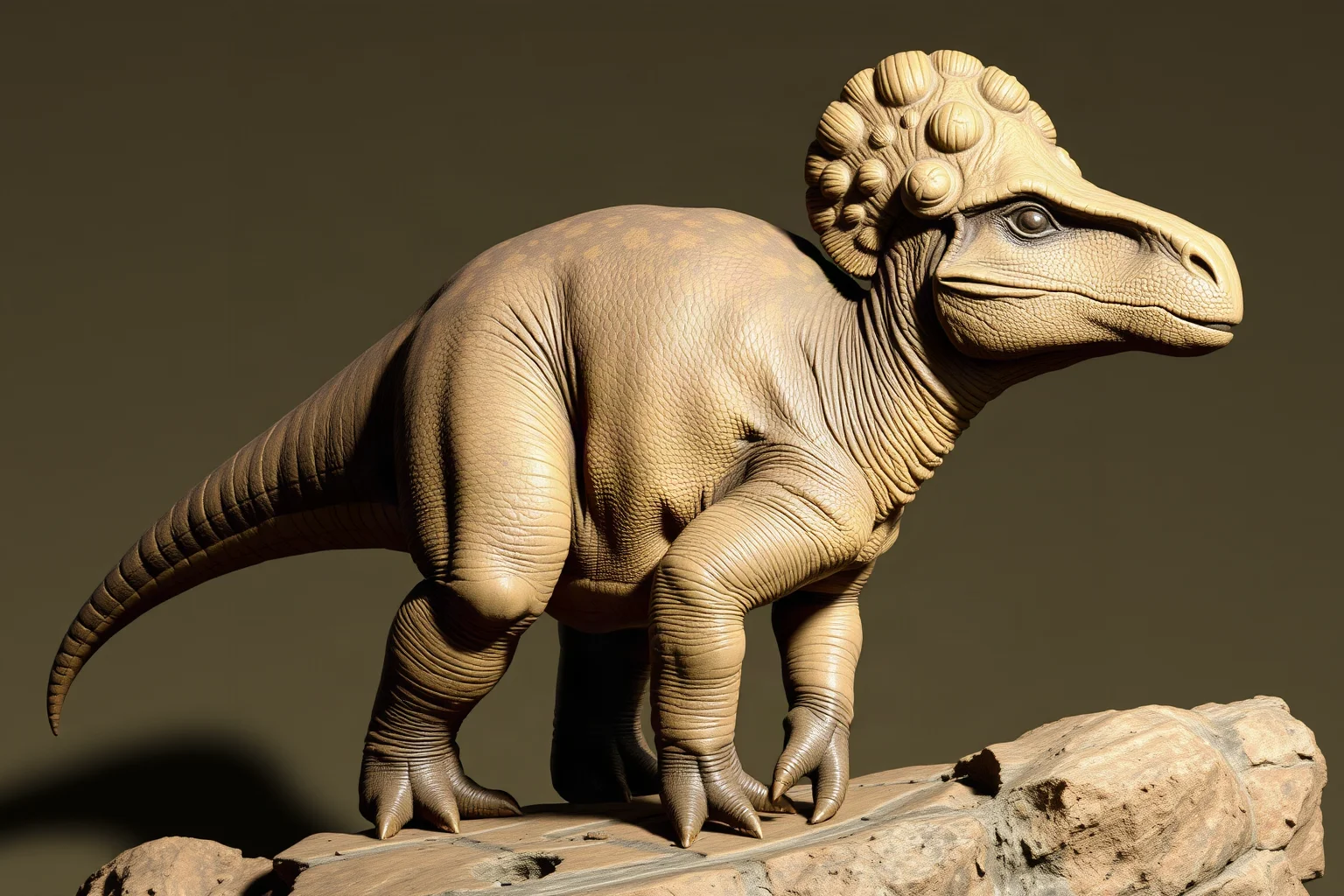
This dinosaur is best known for its thick, dome-shaped skull, which could be roughly 10 inches of solid bone. For decades, the popular theory was that Pachycephalosaurus used its head for ramming combat like modern bighorn sheep.
More recent biomechanical studies have questioned whether head-butting was really its primary use, suggesting the dome may have also played a role in display or species recognition. It’s a great example of how “settled” dinosaur facts keep evolving as science advances.
8. Parasaurolophus
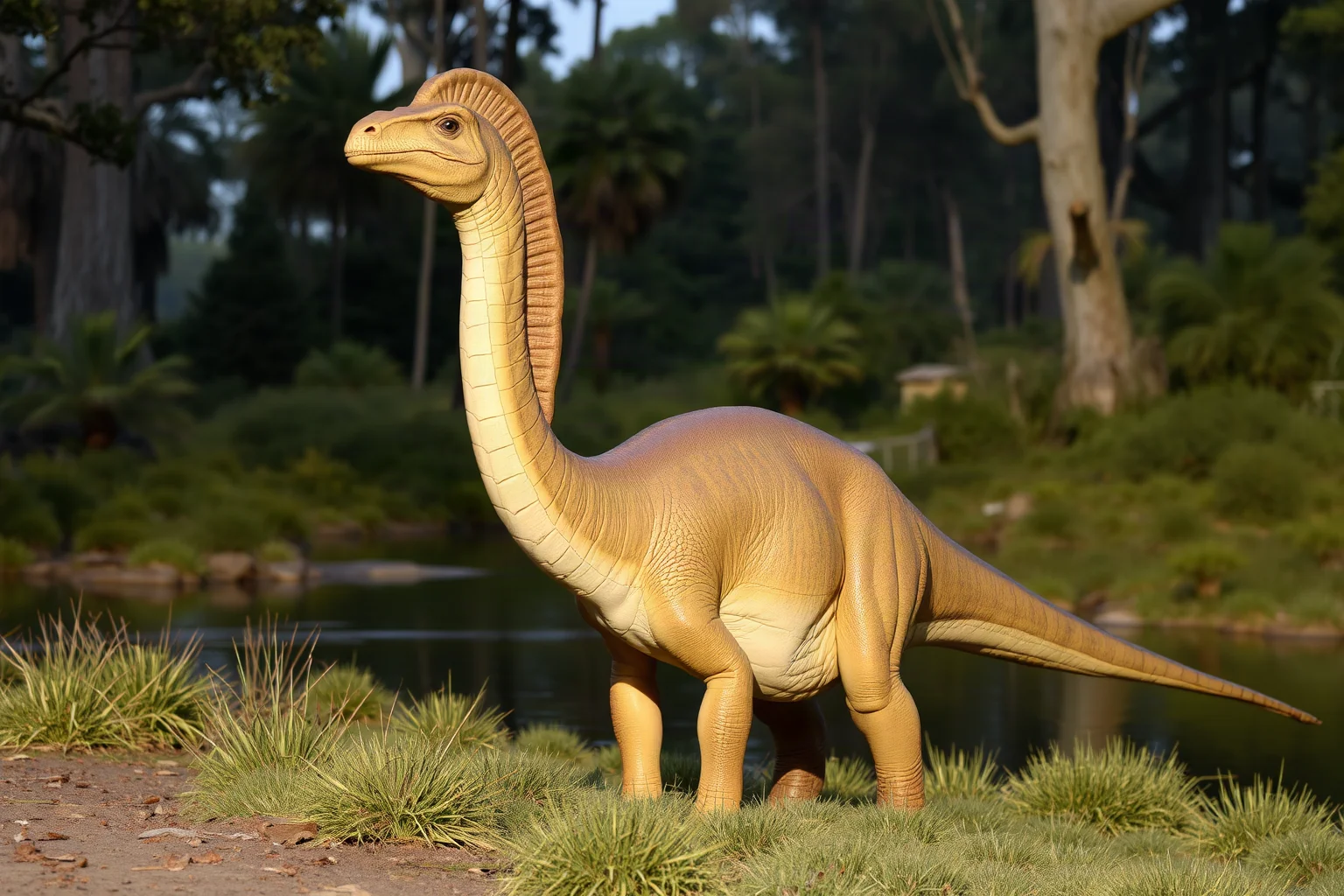
Parasaurolophus stood out for its long, curved cranial crest, which was actually a hollow tube connected to its nasal passages. Researchers believe this structure functioned like a natural horn, producing low-frequency calls for communication.
It lived in North America during the Late Cretaceous and belonged to the duck-billed hadrosaur family. Digital reconstructions of the crest’s internal air chambers have even let scientists estimate what its calls may have sounded like.
9. Brachiosaurus
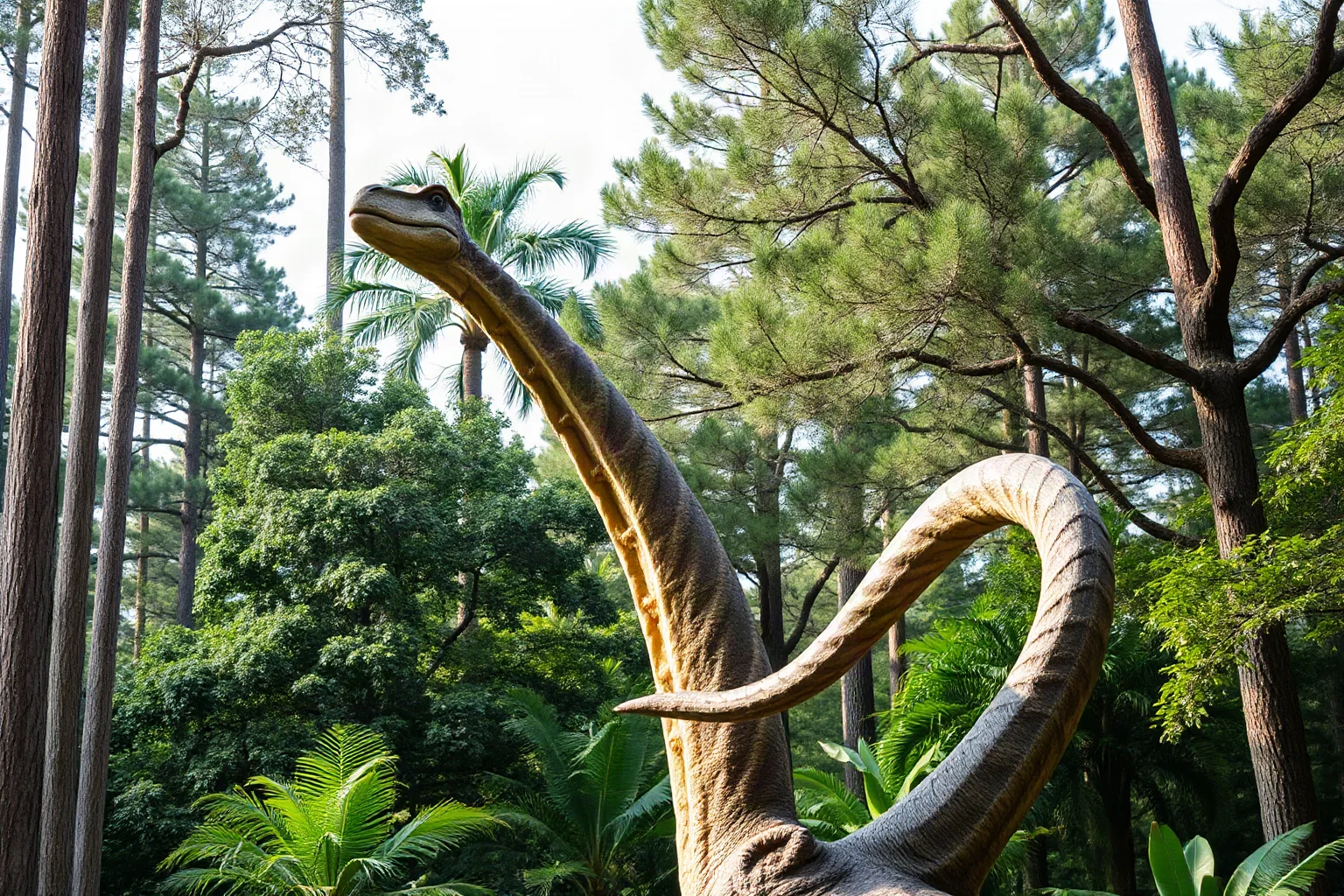
Brachiosaurus helped define what a “classic” long-necked dinosaur looks like, with front legs longer than its back legs and a giraffe-like posture. It lived in North America during the Late Jurassic, roughly 154 to 150 million years ago.
Its height let it browse treetop vegetation that shorter herbivores couldn’t reach. Despite its fame, complete Brachiosaurus skeletons are surprisingly rare, and much of its popular image comes from closely related species and reconstructions.
10. Deinonychus
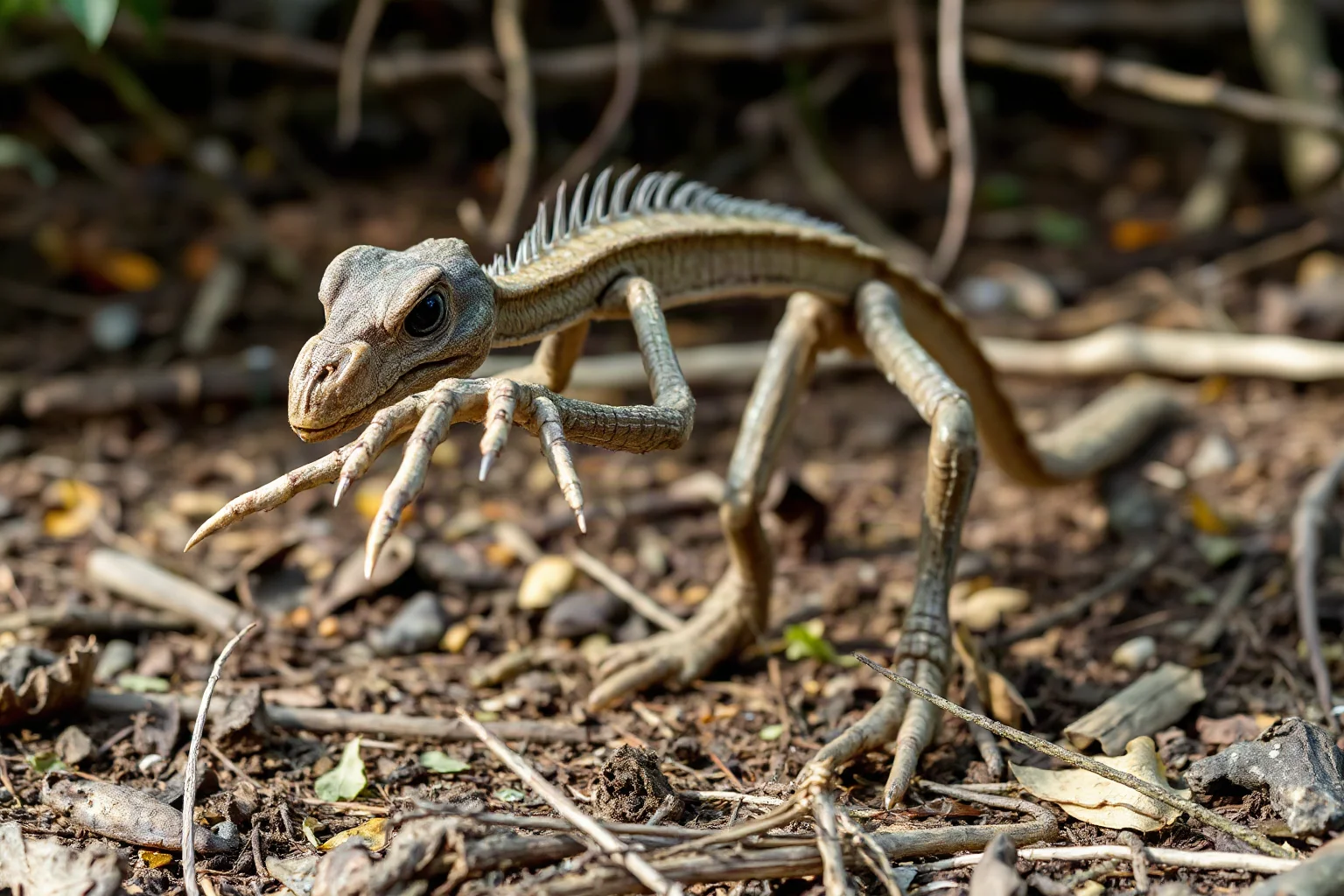
Deinonychus is the dinosaur that essentially inspired the modern image of clever, active raptors, including the Velociraptors in “Jurassic Park.” It lived in North America around 115 to 108 million years ago and had a large curved claw on each foot.
Its discovery in the 1960s helped fuel the “Dinosaur Renaissance,” a shift in science toward viewing dinosaurs as active, bird-like animals rather than sluggish reptiles. That reassessment still shapes how paleontologists study dinosaur behavior today.
Bizarre, Niche, and Underrated Dinosaurs
Now for the good stuff: the niche dinosaurs and coolest dinosaurs you’ve never heard of. These species rarely make it into movies, but their fossil evidence is often stranger than fiction.
11. Therizinosaurus
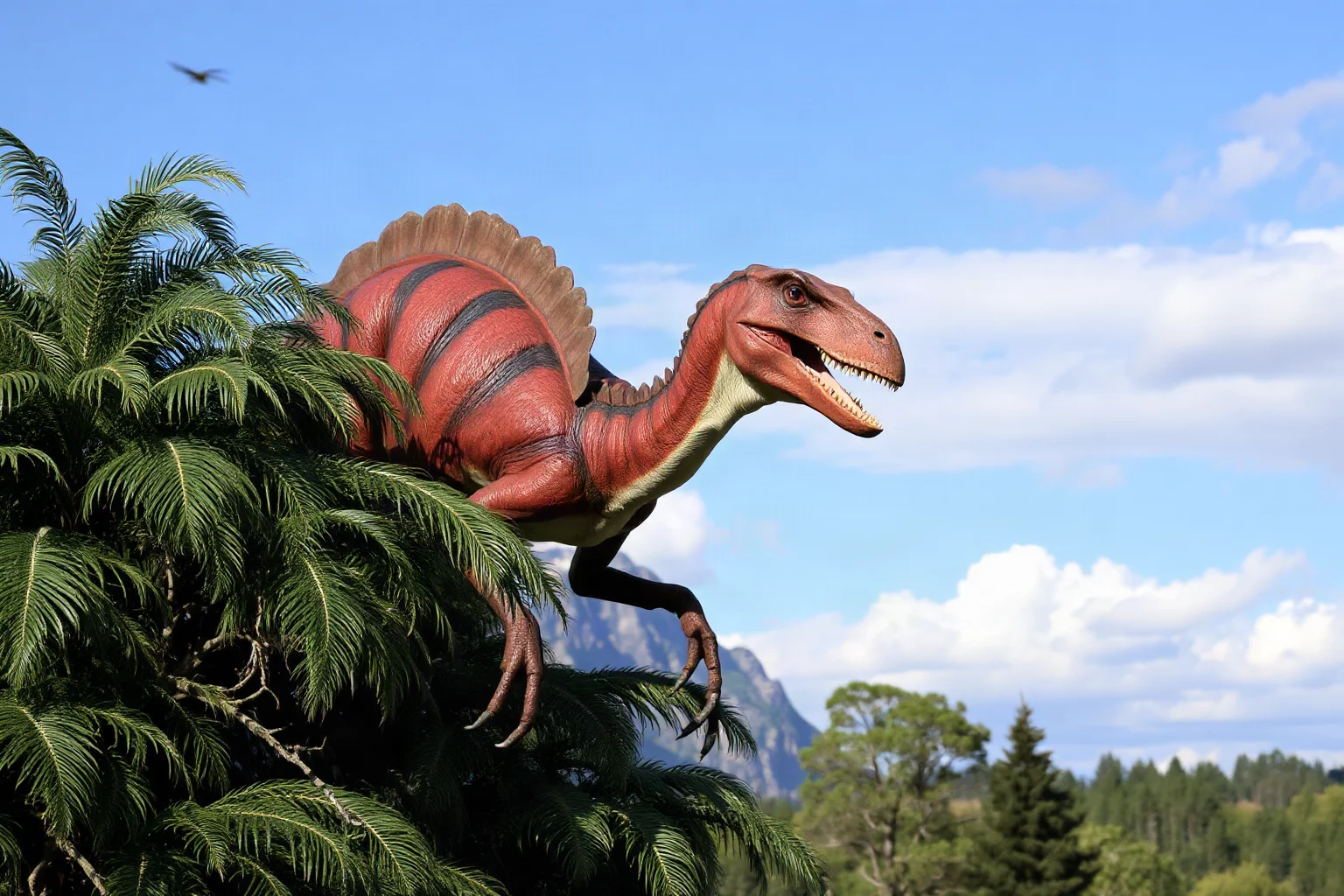
Therizinosaurus is famous for having some of the longest claws of any known animal, reaching over two feet in length. Despite its intimidating appearance, evidence suggests it was a herbivore that used those claws for feeding on vegetation, not hunting.
It lived in Mongolia during the Late Cretaceous and belonged to a bizarre branch of theropods that evolved away from meat-eating. It’s a strong contender for one of the most unique dinosaurs in terms of pure visual shock value.
12. Nigersaurus
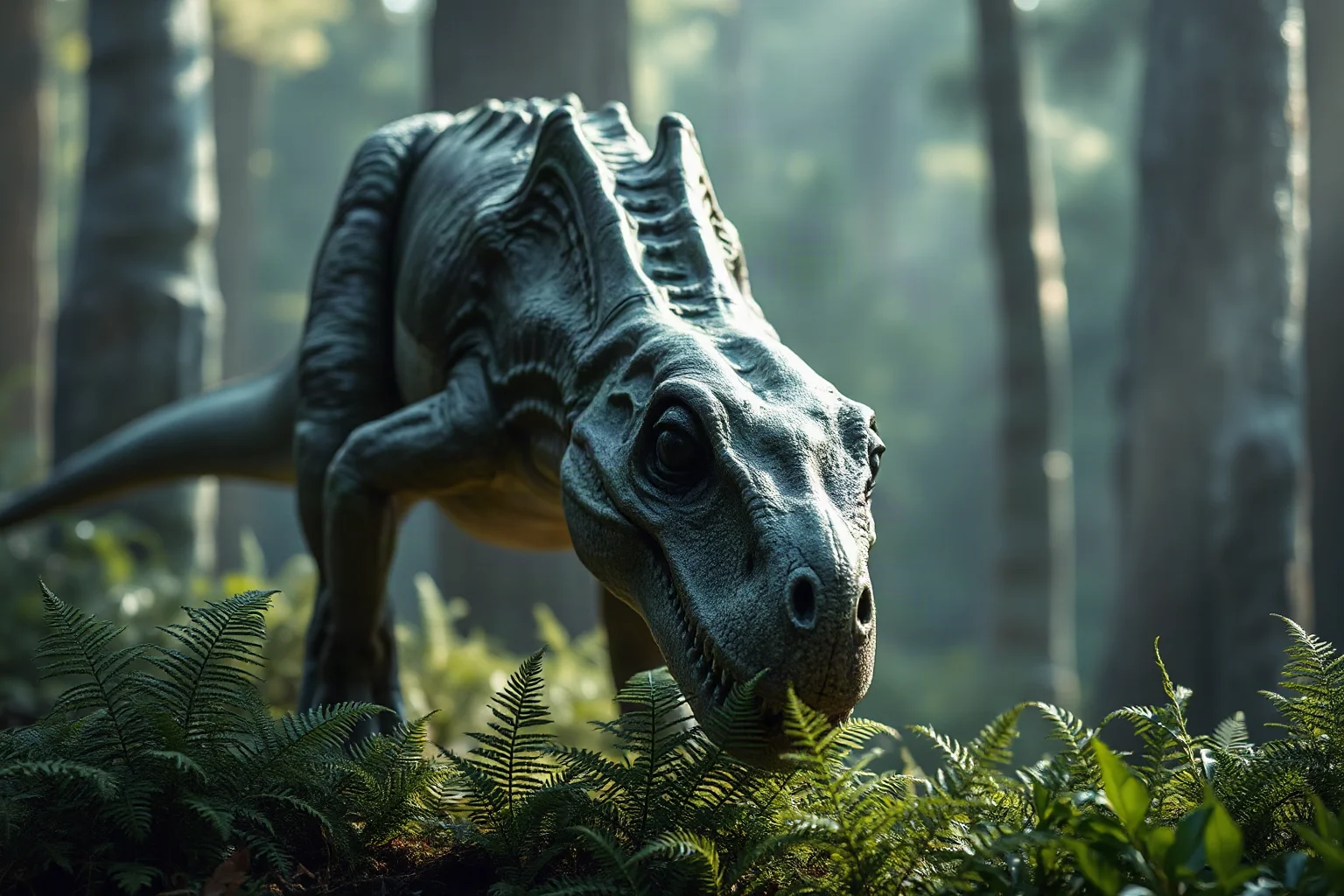
Nigersaurus had a wide, flat skull lined with hundreds of small teeth arranged like a built-in lawnmower. It lived in what is now Niger during the Cretaceous Period and likely grazed on low ground-level vegetation.
Its skull was so thin and lightweight that some early reconstructions were met with skepticism until CT scans confirmed the unusual anatomy. It remains one of the more underrated niche dinosaurs outside serious paleontology circles.
13. Amargasaurus
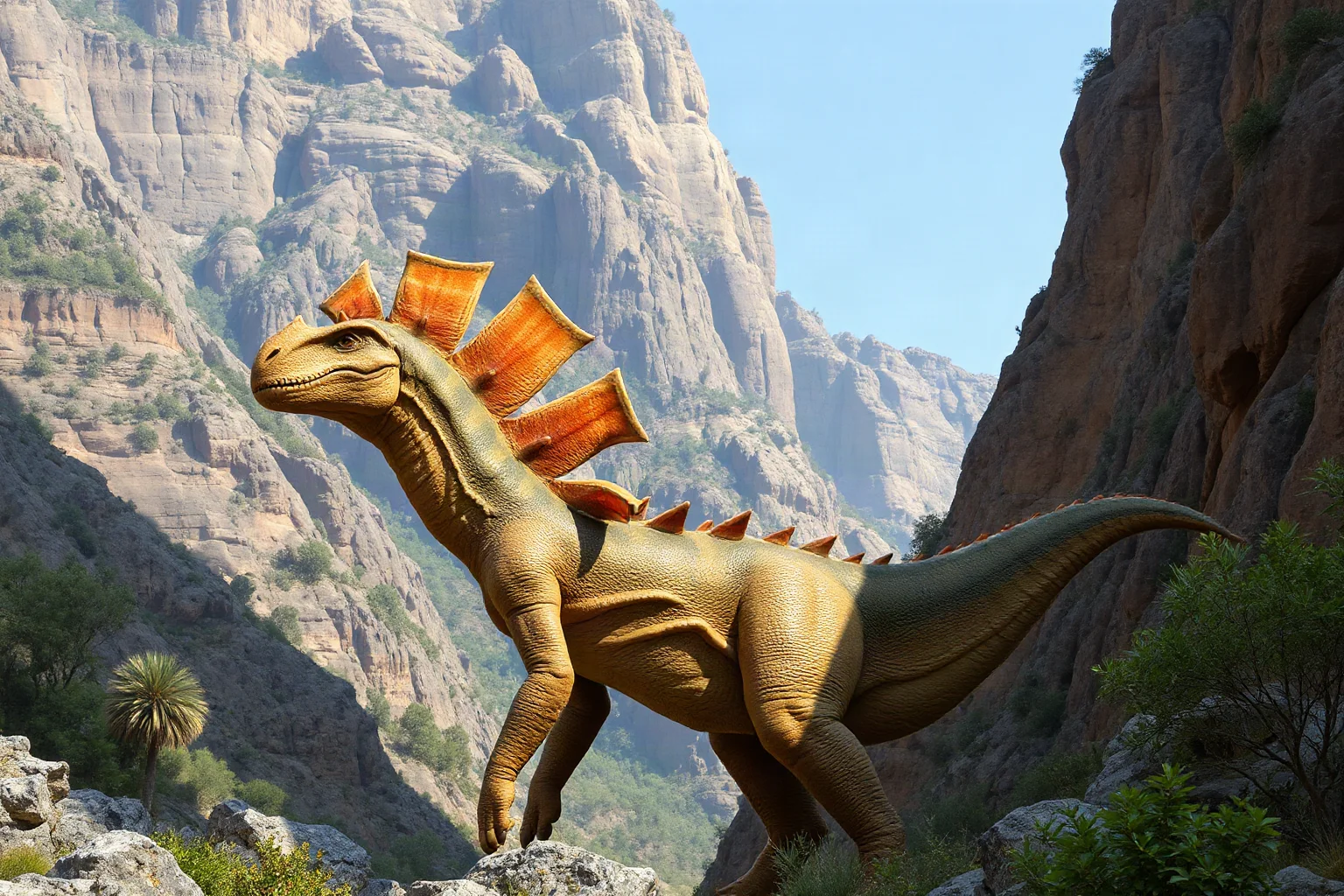
Amargasaurus sported a double row of tall, narrow spines running down its neck, unlike almost anything else in the dinosaur world. It lived in Argentina during the Early Cretaceous, and paleontologists still debate whether the spines supported a skin sail, were used for display, or served some defensive purpose.
Its relatively small size compared to other long-necked sauropods makes it stand out even more. Amargasaurus is a favorite among fans hunting for the coolest dinosaur names and the strangest body plans.
14. Carnotaurus
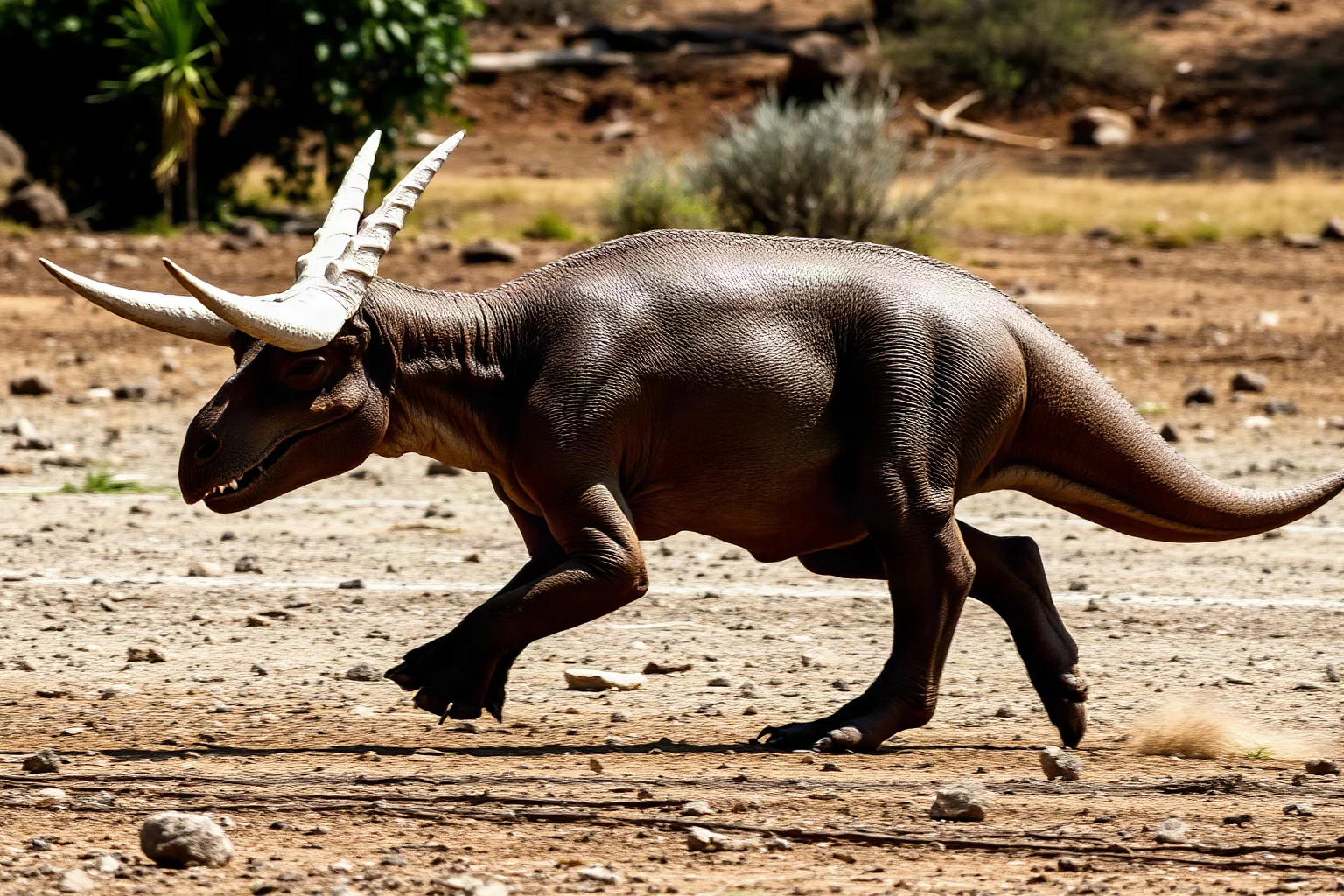
Carnotaurus means “meat-eating bull,” a fitting name for a predator with two short, thick horns above its eyes. It lived in Argentina during the Late Cretaceous and had unusually small, almost vestigial-looking arms even by theropod standards.
Its skull was built for speed and a strong, quick bite rather than crushing force. Well-preserved skin impressions from Carnotaurus fossils have also given scientists rare direct evidence of dinosaur skin texture.
15. Styracosaurus
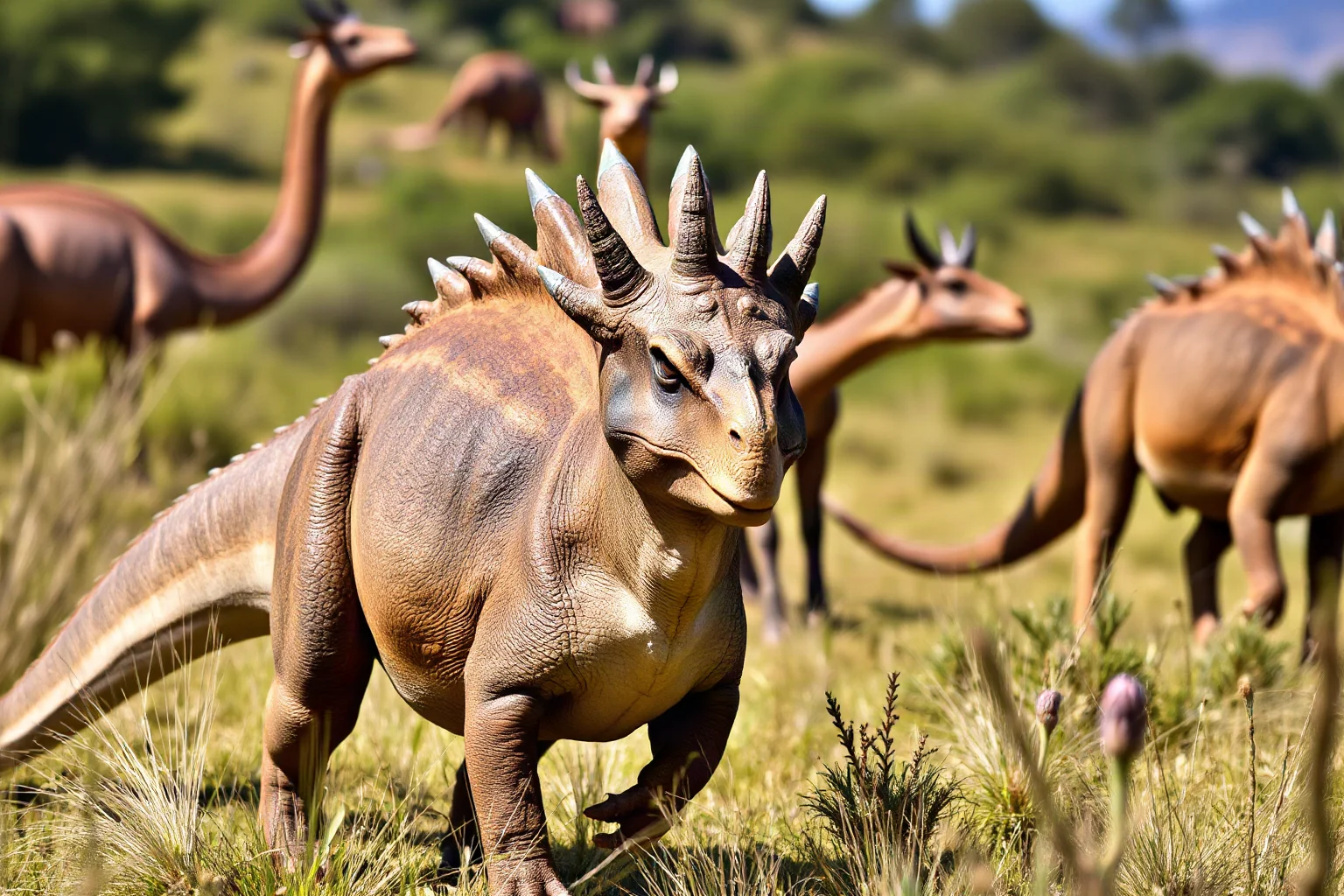
Styracosaurus took the horned-dinosaur look to an extreme, with a crown of long spikes radiating from its frill. It lived in North America during the Late Cretaceous and was a relative of Triceratops within the ceratopsian family.
Like its cousins, the exact purpose of its ornate frill is debated, ranging from predator defense to visual signaling among herds. It’s frequently cited among the coolest looking dinosaurs for good reason.
16. Deinocheirus
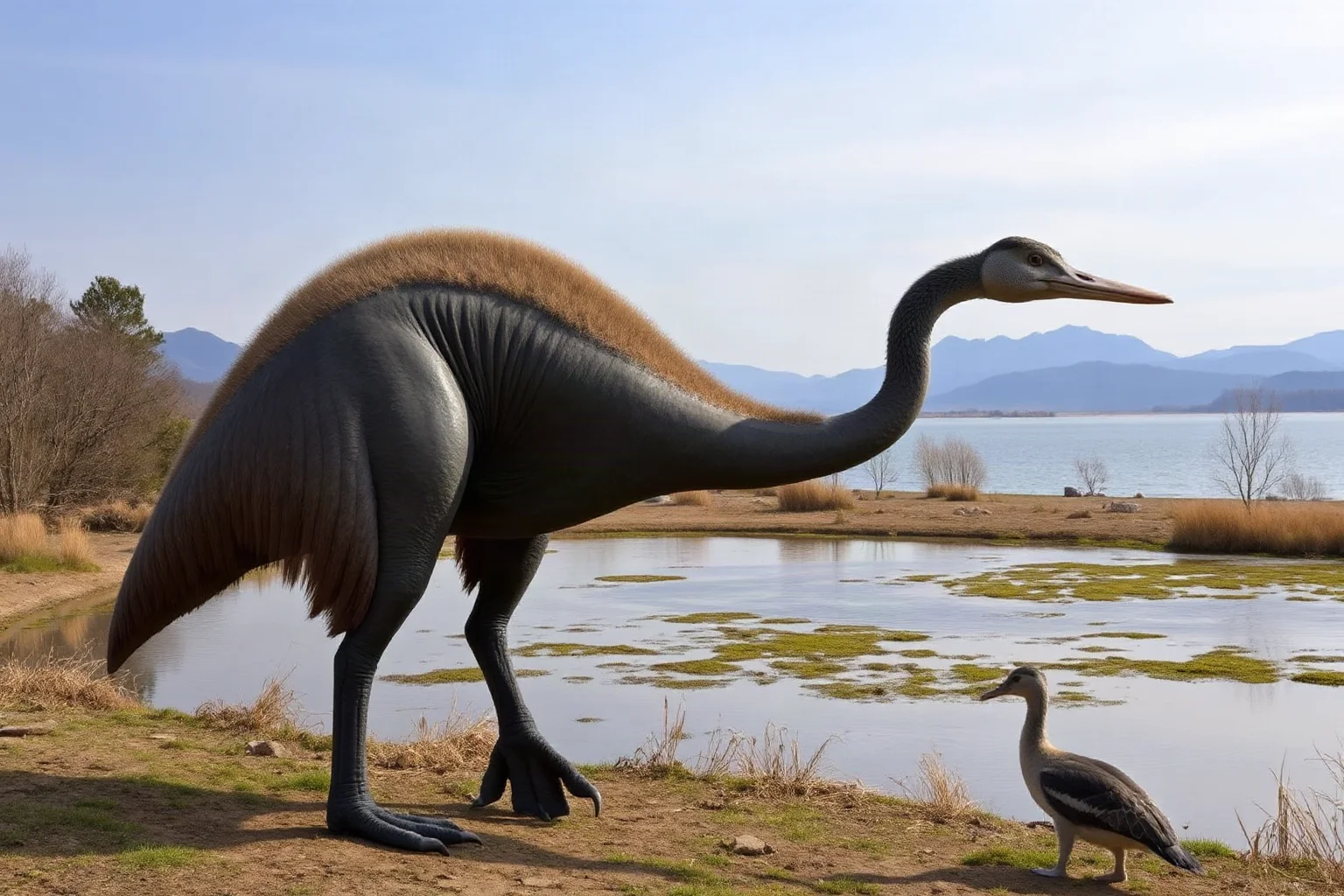
For decades, Deinocheirus was known only from a pair of enormous arms, making it one of the most mysterious dinosaurs in the fossil record. More complete skeletons discovered later revealed a strange, humpbacked animal with a duck-like bill and clawed hands.
It lived in Mongolia during the Late Cretaceous and appears to have been an omnivore based on stomach contents, including fish remains. It’s a perfect case study in how “unknown dinosaurs” can suddenly become fascinating once new fossils turn up.
17. Yutyrannus
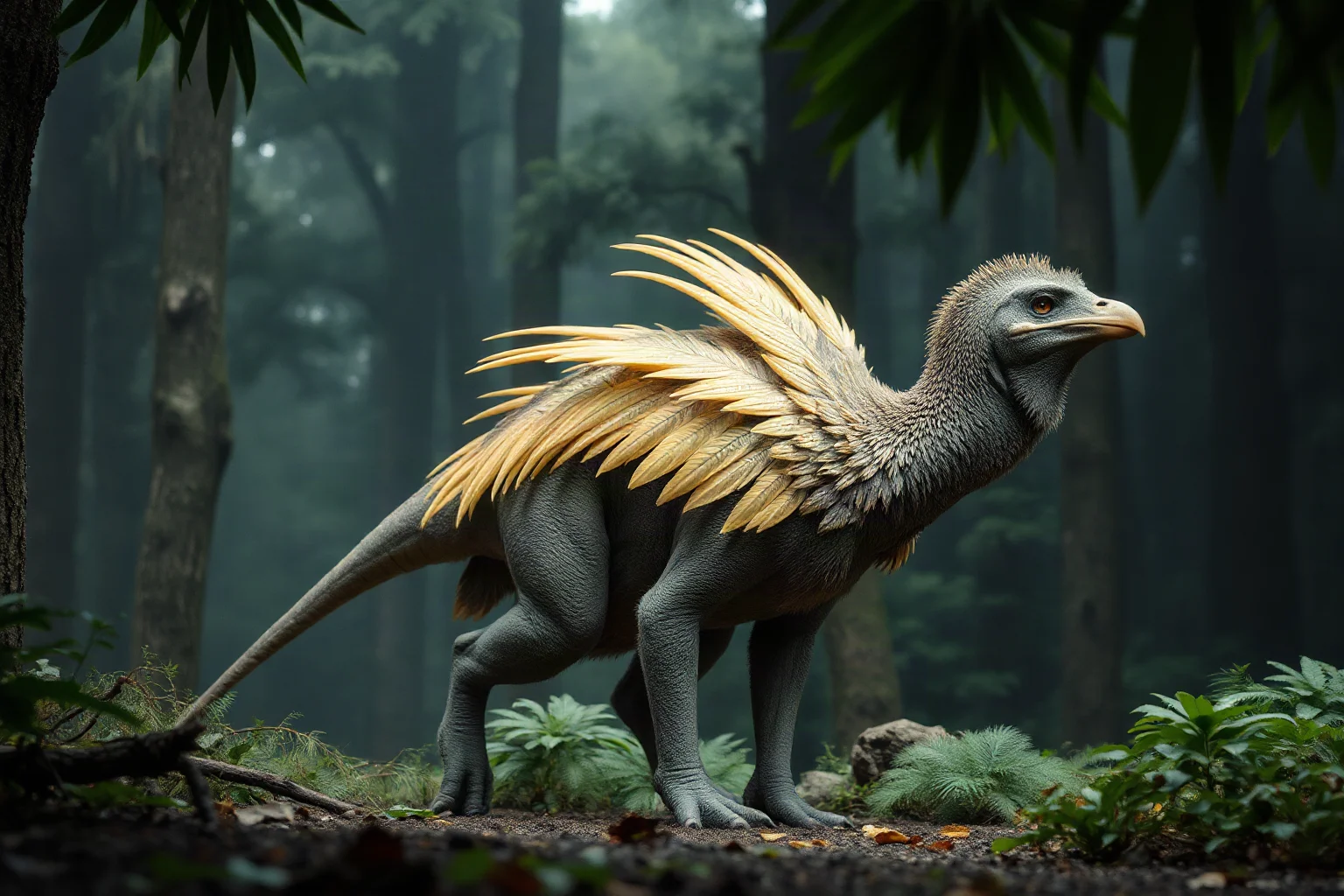
Yutyrannus is one of the largest known feathered dinosaurs, related to the same broad group as T. rex but living roughly 125 million years earlier. Fossils from China preserved clear evidence of simple feather-like structures covering its body.
Its size, around 30 feet long, challenged the assumption that only small dinosaurs had feathers. Yutyrannus remains one of the strongest pieces of evidence that many dinosaurs, not just birds’ close relatives, carried feathers.
18. Microraptor
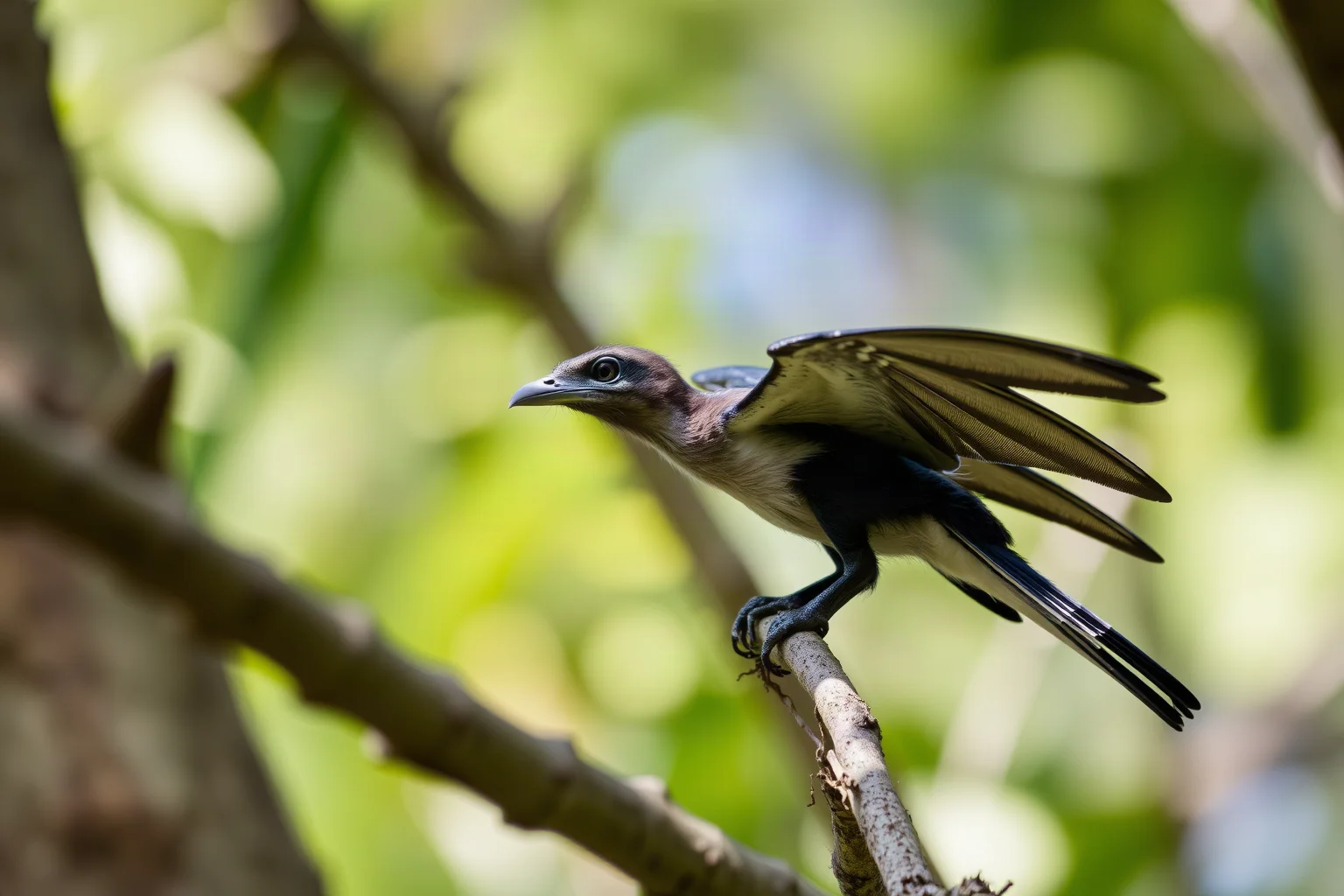
Microraptor was a small, crow-sized dinosaur with feathered wings on both its arms and legs, a highly unusual four-wing arrangement. It lived in China during the Early Cretaceous and is considered a key transitional fossil for understanding the origin of flight.
Some fossilized specimens even preserve iridescent feather structures, hinting at glossy, dark coloring similar to modern crows. It’s a small dinosaur with an outsized impact on how scientists understand bird evolution.
19. Giganotosaurus
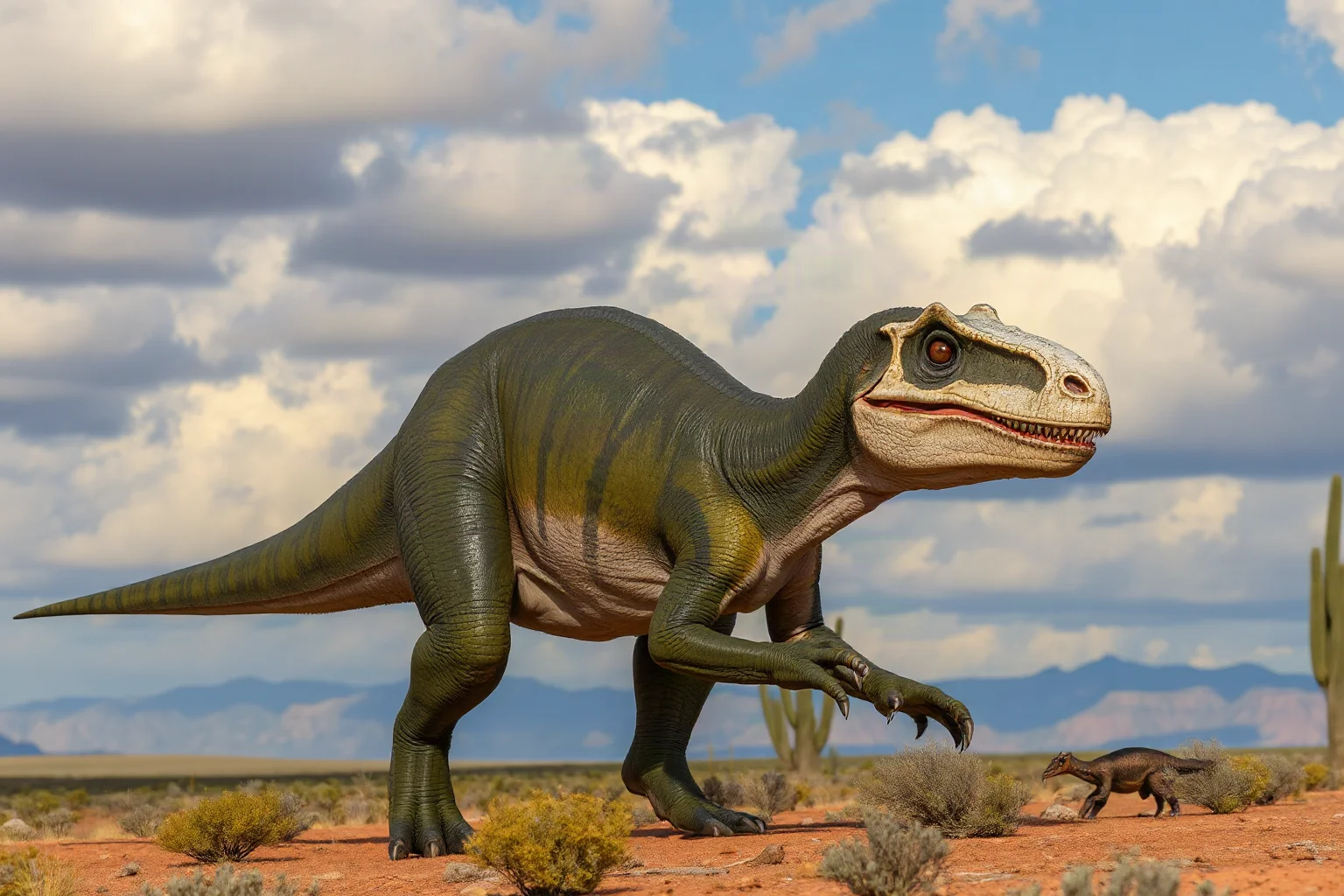
Giganotosaurus was one of the largest land predators ever discovered, rivaling or possibly exceeding T. rex in body length depending on the specimen. It lived in Argentina during the Late Cretaceous, tens of millions of years before T. rex existed.
Its skull was more lightly built than a T. rex skull, suggesting a different hunting style focused on speed and slashing bites. Giganotosaurus is a favorite talking point whenever people debate the best dinosaur predator of all time.
20. Argentinosaurus
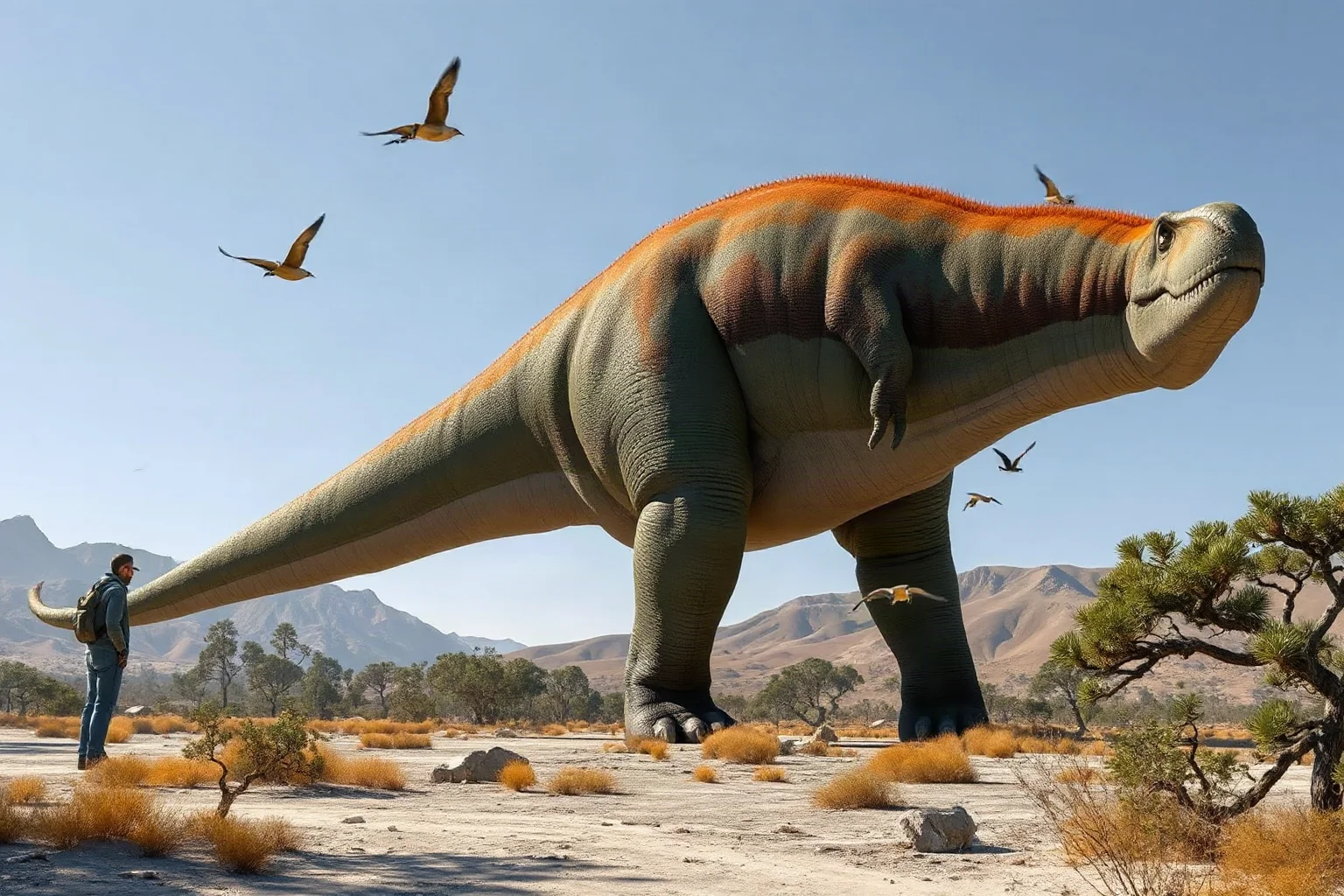
Argentinosaurus is widely considered one of the largest land animals to have ever existed, with length estimates commonly ranging from 98 to 115 feet. It lived in Argentina during the Late Cretaceous, and its exact size remains an active area of research due to incomplete remains.
Estimating the true size of such a massive, partially known skeleton is genuinely difficult, so cautious ranges rather than exact figures are the honest scientific answer. Even with the uncertainty, it’s one of the most awe-inspiring dinosaurs ever found.
21. Dilophosaurus
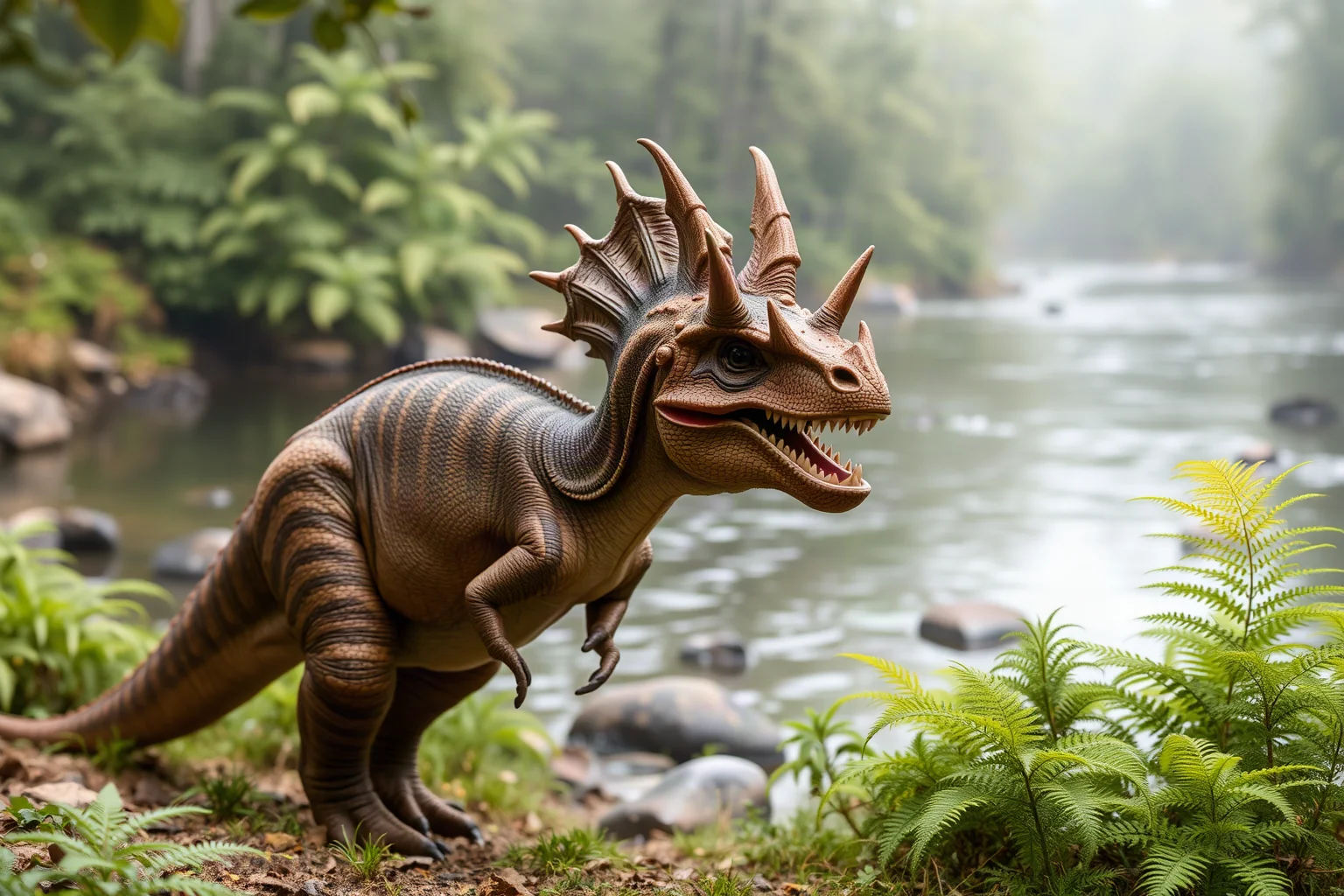
Dilophosaurus is famous for the twin bony crests on top of its skull, though its “Jurassic Park” depiction — complete with a neck frill and venom spit — is pure fiction. It lived in North America during the Early Jurassic and was a mid-sized predator, not the small dinosaur shown in film.
No fossil evidence supports venom glands or a expandable neck frill in Dilophosaurus. It’s a great example of separating real paleontology from movie myth-making.
22. Kentrosaurus
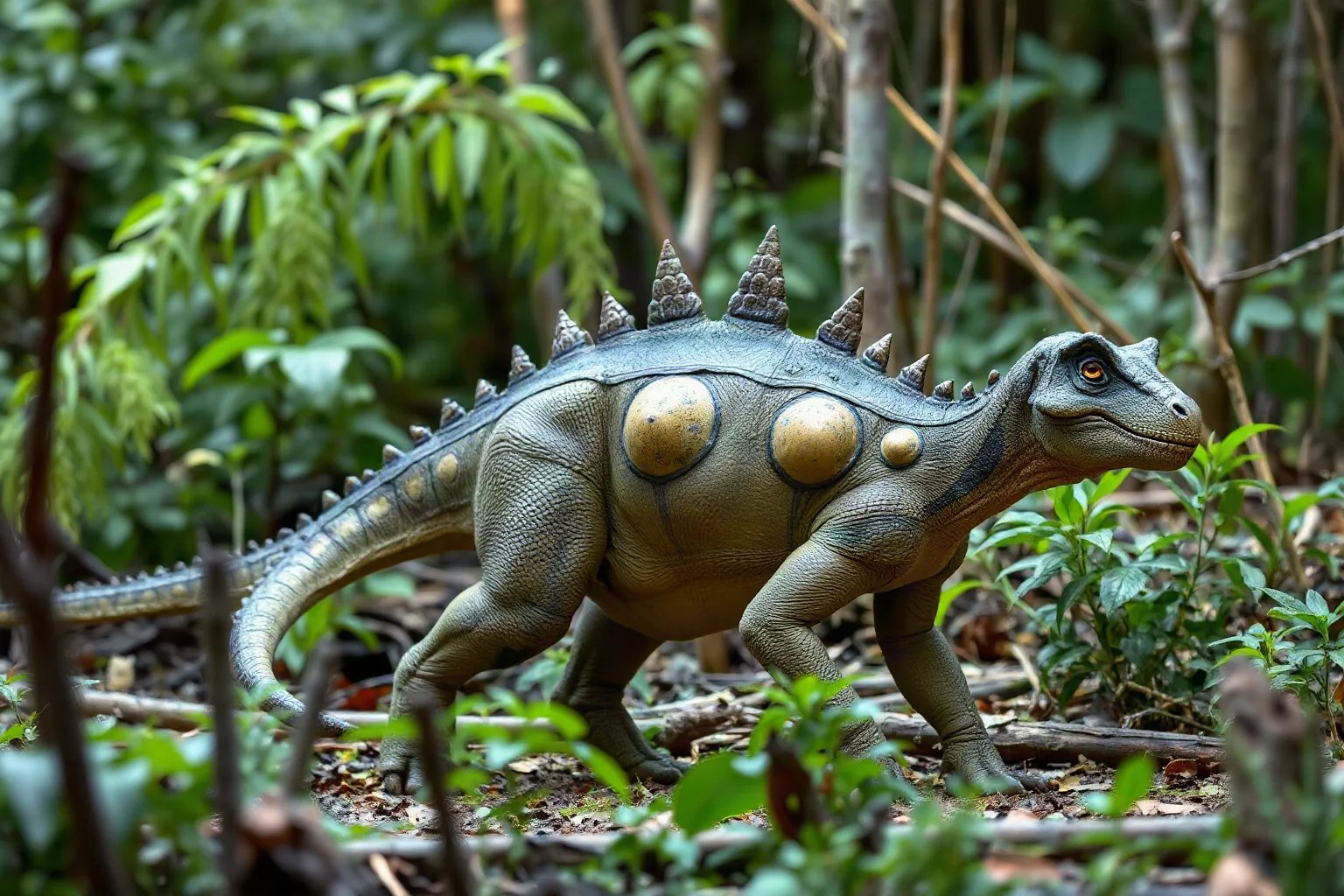
Kentrosaurus was a smaller relative of Stegosaurus, covered in a mix of plates near its shoulders and sharp spikes along its back and tail. It lived in what is now Tanzania during the Late Jurassic.
Its spiked tail likely served as an active defense weapon against predators. Kentrosaurus doesn’t get nearly the attention its more famous cousin does, making it a solid pick among niche dinosaurs.
23. Dracorex hogwartsia
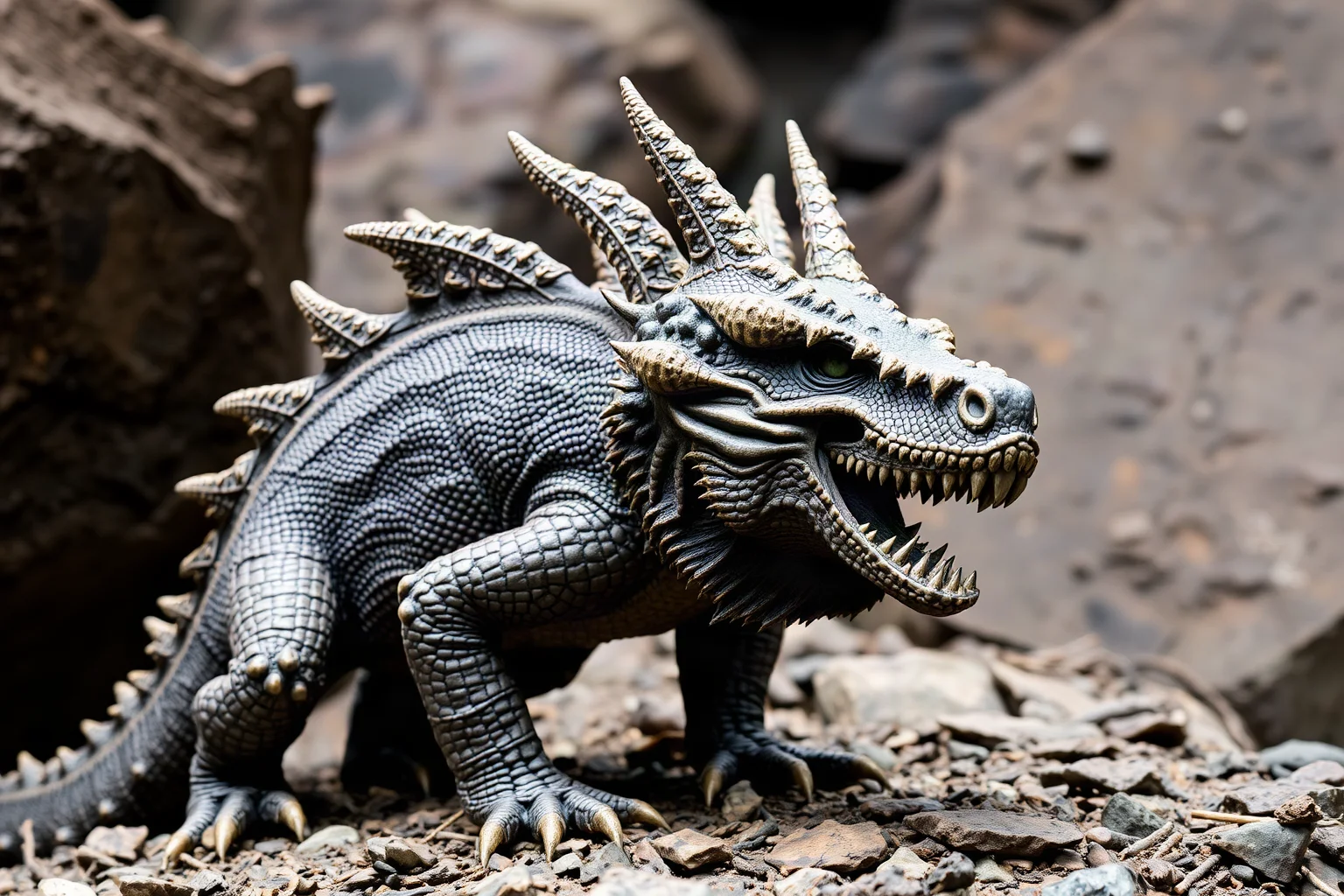
Dracorex hogwartsia earned its dragon-inspired name thanks to its flat, spiky skull, and yes, the species name is a nod to the Harry Potter series. It was described from fossils found in South Dakota, dating to the Late Cretaceous.
Some researchers have proposed that Dracorex might actually represent a juvenile growth stage of Pachycephalosaurus rather than a distinct species, an idea still debated in paleontology. Either way, it’s a strong pick for coolest dinosaur names on any list.
24. Oviraptor
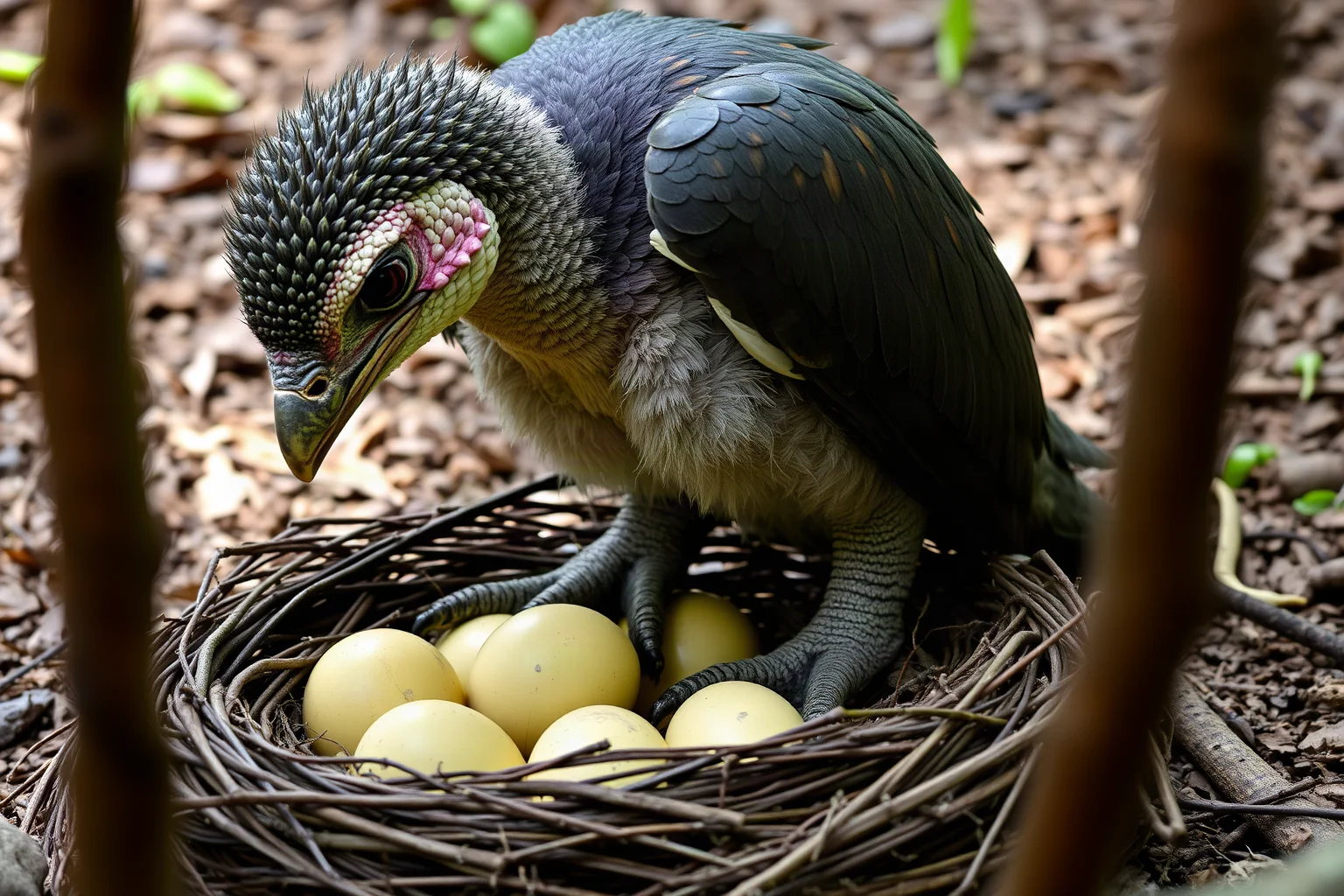
Oviraptor’s name means “egg thief,” a label it earned unfairly after its first fossil was found near a nest of eggs once assumed to belong to another species. Later discoveries revealed those eggs were actually Oviraptor’s own, showing it was likely brooding its nest rather than raiding it.
It lived in Mongolia during the Late Cretaceous and had a short, parrot-like beak instead of teeth. It’s one of the best examples of how a dinosaur’s reputation can be completely rewritten by new evidence.
25. Gallimimus
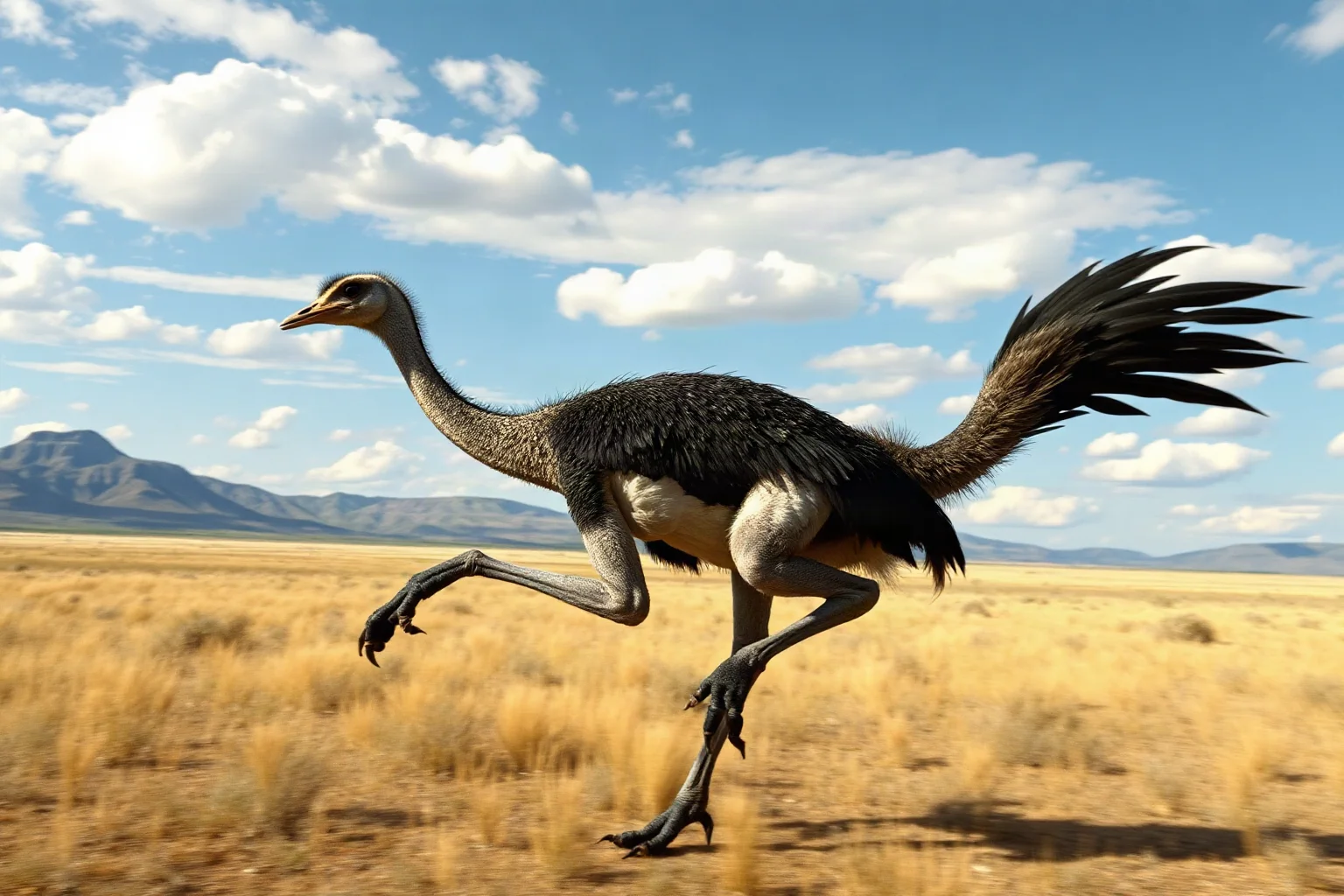
Gallimimus was a fast, ostrich-like dinosaur built for speed rather than combat, with long legs and a small toothless beak. It lived in Mongolia during the Late Cretaceous and is thought to have been an omnivore, feeding on plants, small animals, or insects depending on availability.
Its slender build and running adaptations made it one of the quickest dinosaurs relative to its size. Gallimimus is a good reminder that not every cool dinosaur needs claws or armor to earn a spot on the list.
Famous Dinosaurs vs. Niche Dinosaurs: Why Both Matter
It’s easy to assume the “best” dinosaurs are the ones with the most movie appearances, but that overlooks a huge amount of genuine diversity. Famous dinosaurs like T. rex and Triceratops earned their fame through dramatic anatomy and abundant, well-preserved fossils.
Niche and unknown dinosaurs, on the other hand, often survive in the fossil record through pure luck, sometimes represented by only one or two partial skeletons. Species like Nigersaurus or Deinocheirus show that some of the most interesting dinosaurs in scientific terms are barely known to the public.
A Note on Dinosaurs in Pop Culture
Animated and live-action dinosaurs have shaped public imagination for generations, sometimes more than actual fossils have. Pixar’s “The Good Dinosaur,” for example, features Arlo, a young Apatosaurus, in a story that reimagines dinosaurs as never having gone extinct.
It’s a fun, fictional premise rather than a paleontology lesson, and that’s fine — good storytelling doesn’t need to be scientifically literal. Still, it’s worth knowing where the line between movie magic and real fossil evidence sits, especially for young dinosaur fans encountering these creatures for the first time.
How Paleontologists Actually Rank “Cool”
There’s no official scientific metric for the coolest dinosaur, but researchers do tend to get excited about specific things. Unusual anatomy, rare soft-tissue preservation, and evidence of unexpected behavior — like brooding, feathers, or pack activity — all generate real buzz in academic circles.
That’s slightly different from what makes a dinosaur popular with the public, which often comes down to size, ferocity, or screen time. Understanding both angles gives a fuller picture of why certain dinosaurs, cool-looking or not, matter so much to science.
Final Thoughts on the Coolest Dinosaurs
There may never be a single, universally agreed-upon answer to what the best dinosaur is, and that’s part of what makes paleontology so much fun to follow. New fossil discoveries regularly reshuffle the rankings, revealing feathers on giants, brooding behavior in “thieves,” and body plans stranger than anything a screenwriter could invent.
Whether your favorite is a household name like T. rex or a niche pick like Amargasaurus, every entry on this list represents real evidence, carefully pieced together from rock and bone. That’s a far more interesting story than any single “coolest” title could ever capture.
Frequently Asked Questions
What is the best dinosaur?
There's no single scientifically agreed-upon "best" dinosaur, since it depends on what you value most — size, ferocity, weirdness, or cultural fame. Tyrannosaurus rex is the most popular pick worldwide due to its size and bite force, but many paleontologists find niche species like Nigersaurus or Deinocheirus equally fascinating for their unusual anatomy.
What was the nicest dinosaur?
"Nicest" isn't a scientific category, but gentle, plant-eating dinosaurs like Brachiosaurus, Parasaurolophus, and Gallimimus are often cited as friendlier-seeming due to their herbivorous or omnivorous diets and lack of aggressive weaponry. Fossil evidence can't confirm personality, but their behavior likely centered on grazing, migration, and herd living rather than conflict.
What is the coolest dinosaur name?
Names like Dracorex hogwartsia, Therizinosaurus (meaning "scythe lizard"), and Carnotaurus (meaning "meat-eating bull") are frequently ranked among the coolest dinosaur names for their vivid, descriptive Latin and Greek roots. Many dinosaur names describe a standout physical feature, which is why they tend to sound so dramatic.
What are some unknown or niche dinosaurs worth knowing about?
Nigersaurus, Amargasaurus, Kentrosaurus, and Deinocheirus are excellent examples of niche dinosaurs that rarely appear in mainstream media despite having remarkable, well-documented anatomy. They're often known from limited fossil specimens, which keeps them out of the spotlight compared to dinosaurs like T. rex.
Is the dinosaur from The Good Dinosaur based on a real species?
Yes, loosely — the main character Arlo in Pixar's "The Good Dinosaur" is an Apatosaurus, a real long-necked sauropod from the Late Jurassic. However, the film's premise, where dinosaurs never went extinct and coexist with early humans, is entirely fictional and not supported by the fossil record.
Were Velociraptors really as intelligent and dangerous as shown in movies?
Real Velociraptors were about the size of a large turkey, much smaller than their on-screen depictions, and were covered in feathers. Fossil evidence, including a claw shape suited for pinning small prey, suggests they were agile hunters, but there's no solid evidence they hunted in coordinated packs the way films portray.

Alex Warren
Related Articles