
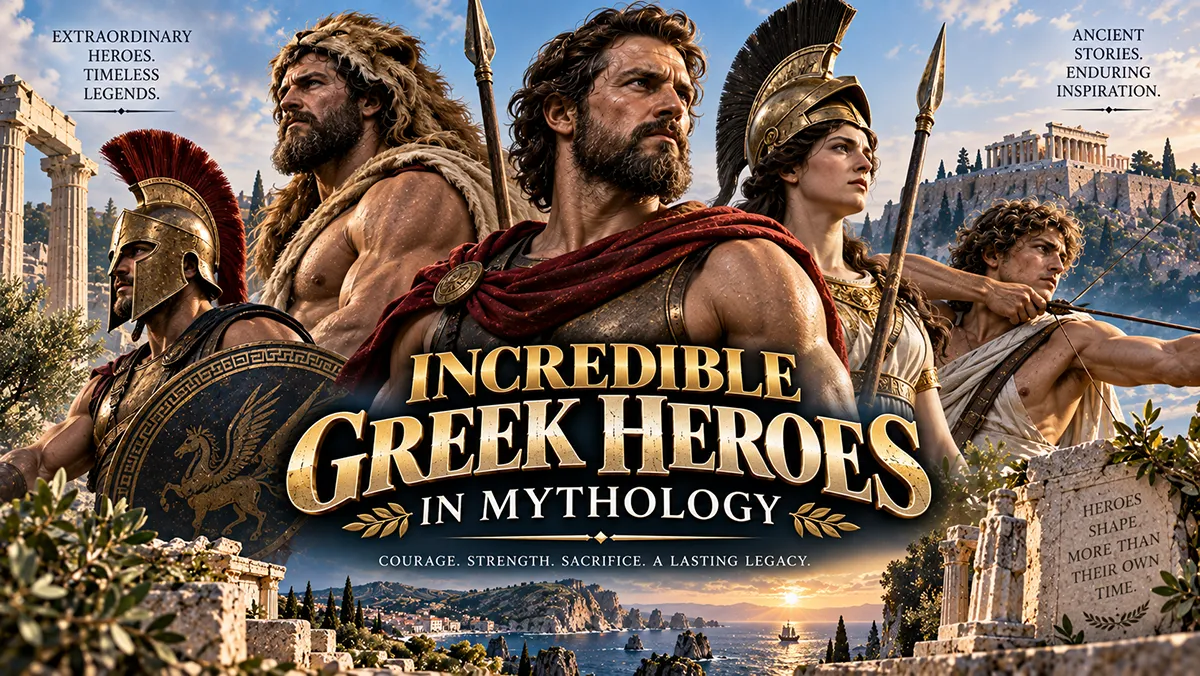
Ask ten people to name a Greek hero and you’ll probably hear Hercules first, maybe Achilles, and if you’re talking to a mythology nerd, Bellerophon or Atalanta.
But the world of Greek mythology heroes is far bigger and stranger than the Hollywood version suggests. These were flawed, complicated figures — part divine, part human, and almost always doomed by the very traits that made them great.
This list rounds up the most incredible Greek heroes in mythology, explains what actually made someone a “hero” in the ancient Greek sense, and separates the legendary from the historical along the way.
Whether you’re here for a school project, a tattoo idea, or genuine curiosity about heroes of Greek myth, you’re in the right place.
TL;DR: Greek mythology’s greatest heroes weren’t flawless supermen — they were mortals and demigods defined by courage, cleverness, and tragic flaws, and their stories still shape how we think about heroism today.
What Is a Greek Hero, Really?
In ancient Greece, a “hero” wasn’t just someone brave or good. The Greek word hērōs (ἥρως) originally referred to a figure — often semi-divine, usually dead — who received cult worship at a shrine or tomb because their life had been extraordinary in some way. Scholars still debate the exact linguistic root, but the practical meaning is clear: a hero in ancient Greece occupied a space between mortal and god.
That’s very different from our modern definition of a hero. A Greek hero could be selfish, violent, or arrogant and still be celebrated, as long as they achieved something remarkable — slaying a monster, founding a city, surviving an impossible journey. So when people ask “what is a Greek hero” or look for a clean definition of a Greek hero, the honest answer is: it’s complicated, and that complexity is exactly what makes these stories endure.
The Greek Word for Warrior (and Why It’s Different from “Hero”)
It’s worth separating two ideas that often get blended together: the hero and the warrior. The Greek word for warrior is generally rendered as polemistēs (πολεμιστής) or stratiōtēs (στρατιώτης) for a soldier, while hērōs is reserved for someone whose deeds crossed into legend.
Every mythical warrior on this list is also a hero, but not every hero was primarily a fighter. Some, like Odysseus, won through cunning rather than muscle. Others, like Daedalus, never picked up a weapon at all. Keeping this distinction in mind helps explain why Greek mythology heroes come in so many different shapes.
Qualities of a Greek Hero
So what actually made someone a hero in Greek mythology? A few recurring qualities show up across nearly every story on this list, and they’re worth knowing before you meet the individual names.
- Divine or semi-divine parentage — many heroes were demigods, children of a god and a mortal.
- Arete (excellence) — outstanding skill in combat, strategy, or craft.
- Hubris — a dangerous excess of pride that often triggers their downfall.
- Xenia — respect for hospitality and the gods’ laws, which heroes ignore at their peril.
- A tragic flaw or fate (moira) — most heroes are doomed by prophecy or their own choices, not just bad luck.
These qualities of Greek heroes explain why so many of these stories end in tragedy rather than a tidy happy ending. Heroism in Greek mythology was rarely about being perfect; it was about facing an impossible fate with courage anyway.
The Most Incredible Greek Heroes in Mythology, Ranked
Below is a list of Greek heroes drawn from epic poetry, tragedy, and centuries of oral tradition. This isn’t an exhaustive catalogue of every name in Greek myth — that would take a book — but it covers the most famous Greek heroes and a few underrated ones worth knowing.
1. Heracles (Hercules)
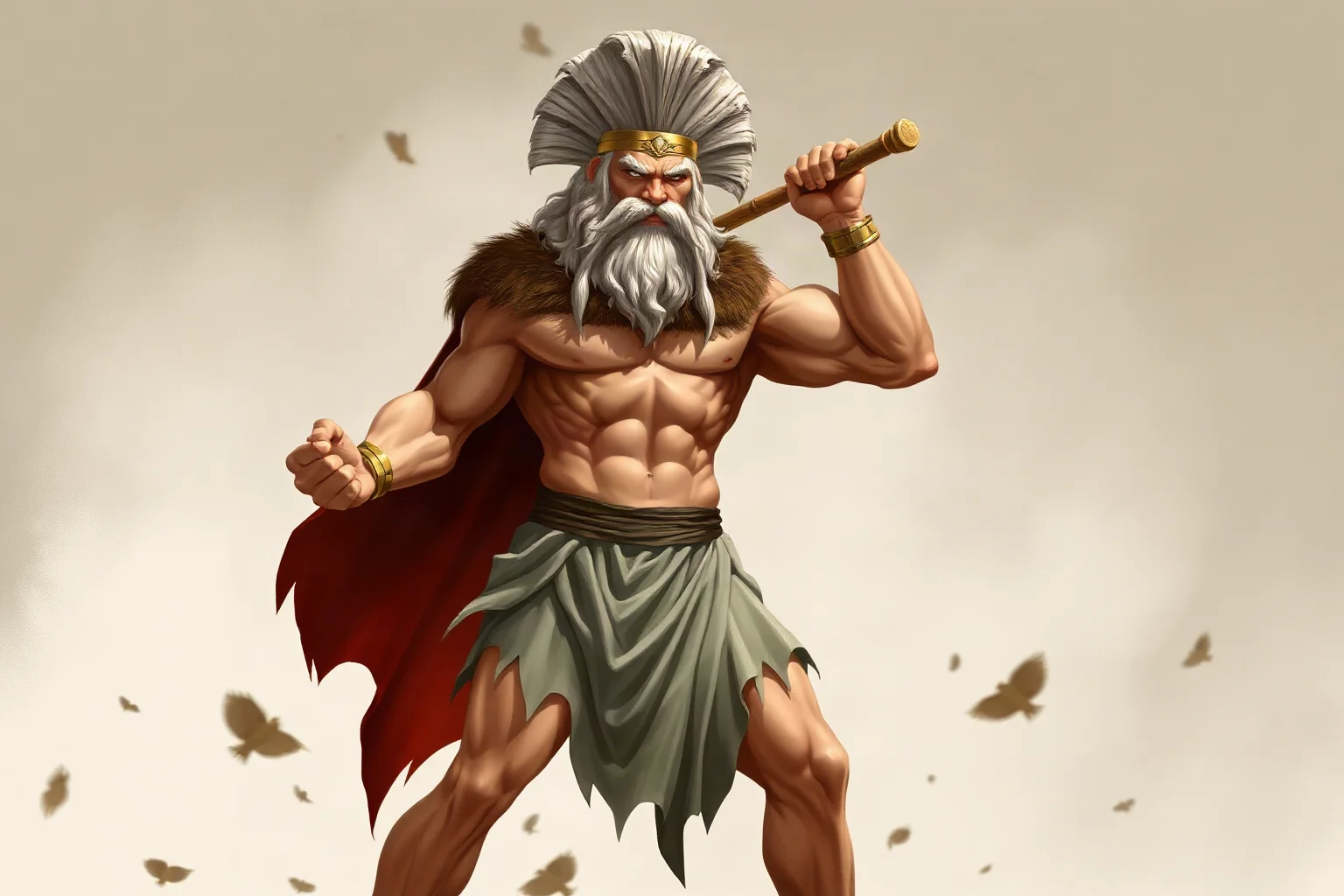
Heracles is probably the single most famous name in all of Greek mythology, and for good reason. Son of Zeus and the mortal Alcmene, he was famous for the Twelve Labors, a series of impossible tasks assigned as punishment after Hera drove him to a terrible act of violence.
His strength was legendary, but his story is really about redemption and endurance. Upon his death, Heracles was granted a place among the gods on Olympus, making him one of the few heroes who crossed fully into divinity — a genuinely heroic god by the end of his tale.
2. Achilles
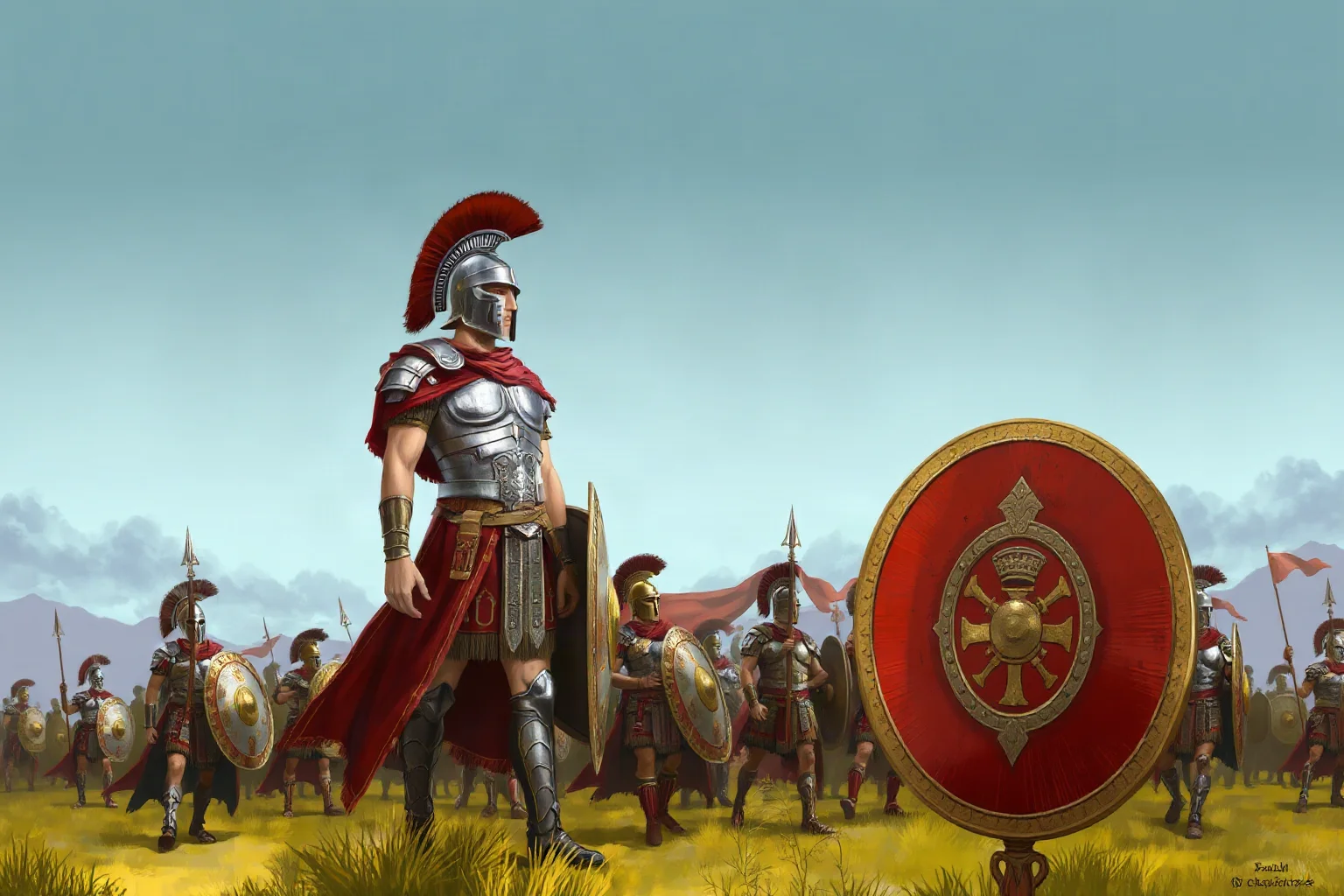
Few figures are as famous in Greek legend as Achilles, the greatest fighter at Troy in Homer’s Iliad. Son of the mortal Peleus and the sea nymph Thetis, he was nearly invincible except for one now-proverbial weak spot: his heel.
Achilles’ rage after the death of his companion Patroclus drives much of the Iliad’s plot, and it’s often cited as the definitive epic heroes example in Western literature. When people debate who is the greatest Greek warrior, Achilles’ name comes up more than any other, though his pride and temper make him a deeply flawed model of heroism.
3. Odysseus
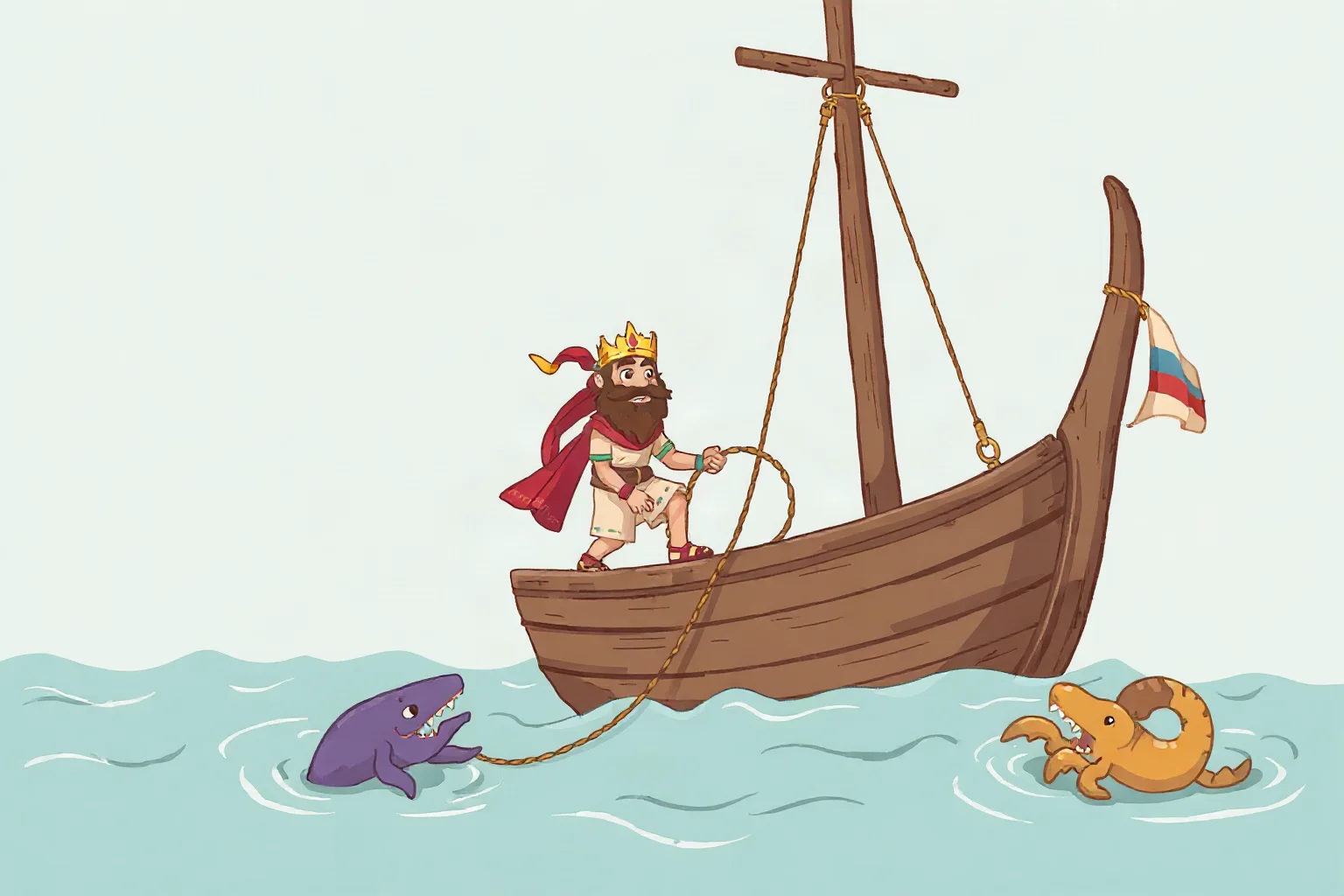
Odysseus proves that a Greek hero didn’t need to be the strongest man in the room. His decade-long journey home after the Trojan War, told in Homer’s Odyssey, showcases cunning, patience, and resourcefulness over brute force.
He outwitted the Cyclops Polyphemus, resisted the Sirens’ song, and survived Circe’s magic through wit rather than muscle. If Achilles represents raw martial glory, Odysseus represents the intelligence side of Greek heroism.
4. Perseus
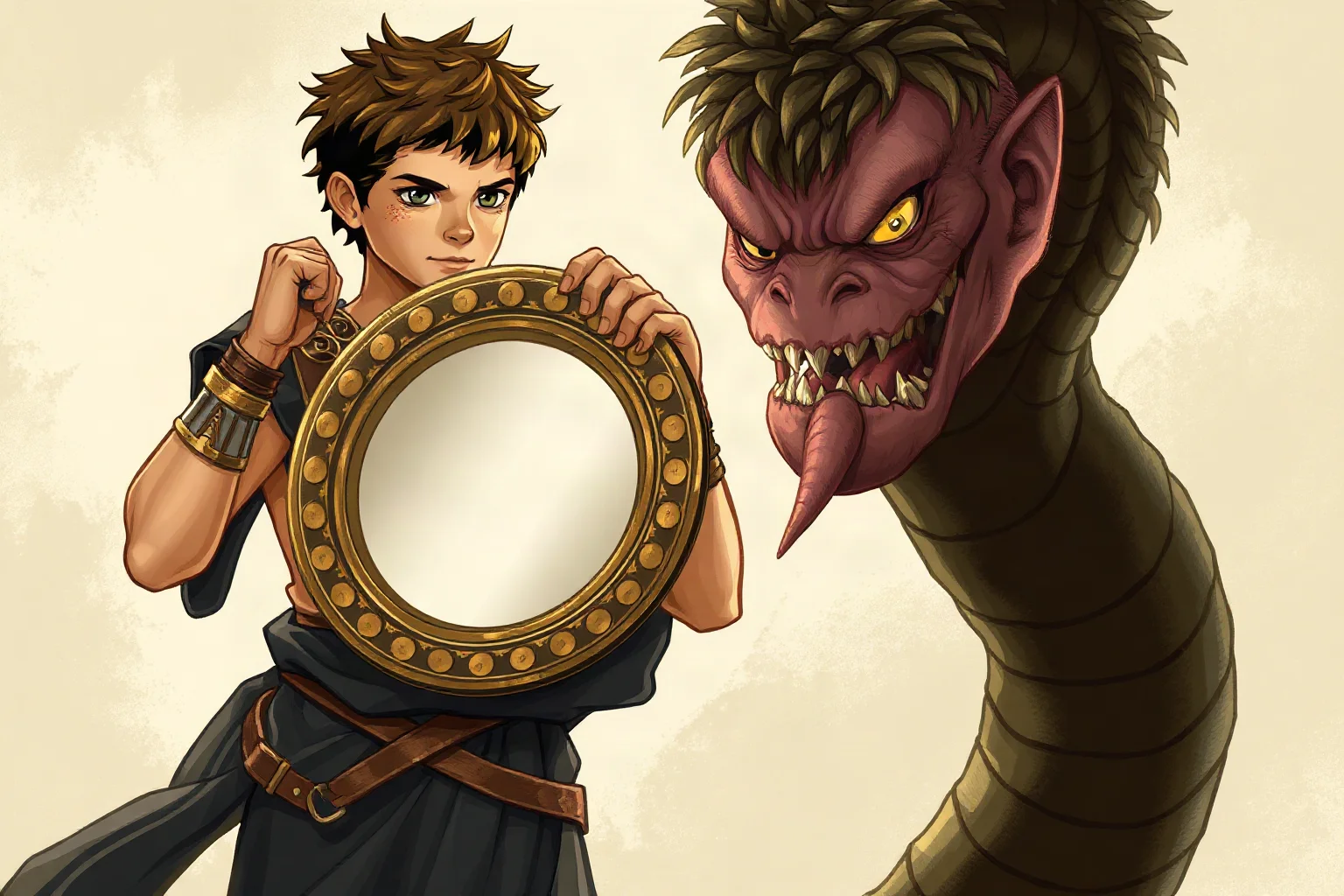
Perseus is best known for beheading the Gorgon Medusa, whose gaze turned onlookers to stone. Using a reflective shield, winged sandals, and a cap of invisibility borrowed from the gods, he succeeded where lesser men had died trying.
He later rescued Andromeda from a sea monster, cementing his reputation as one of the more classically “heroic” heroes of Greek myth — clear villain, clear victory, happy ending. That relative simplicity is part of why his story remains so popular in modern retellings.
5. Theseus
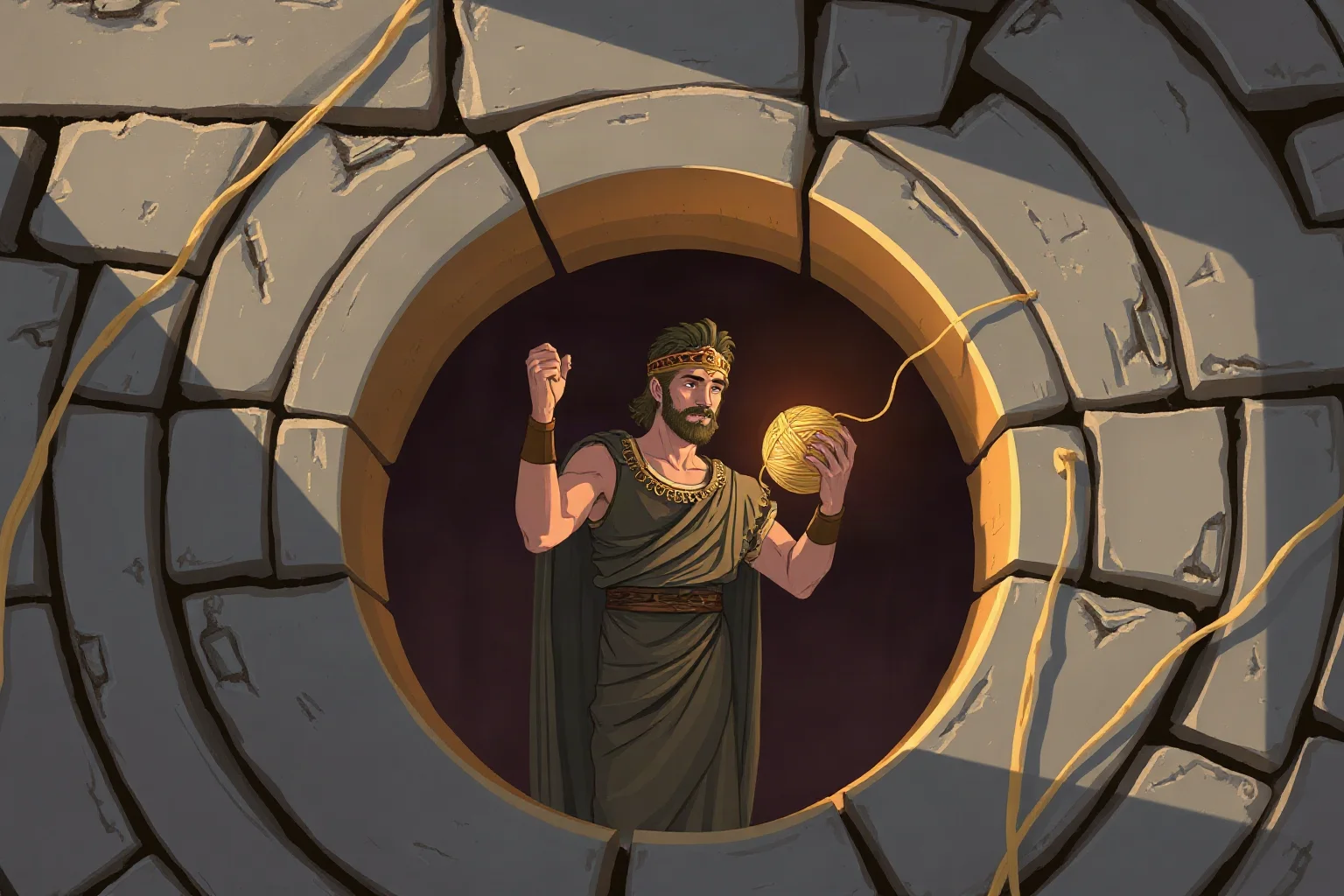
Theseus is the legendary founder-king of Athens, remembered above all for slaying the Minotaur in the labyrinth of Crete. He navigated the maze using a ball of thread given to him by Ariadne, a detail that’s given us the modern phrase “unraveling a thread.”
Like many Greek heroes, his story isn’t purely triumphant — he later abandoned Ariadne and made decisions that led to his own father’s death. Theseus is a good example of how Greek mythology men were rarely written as flawless.
6. Jason
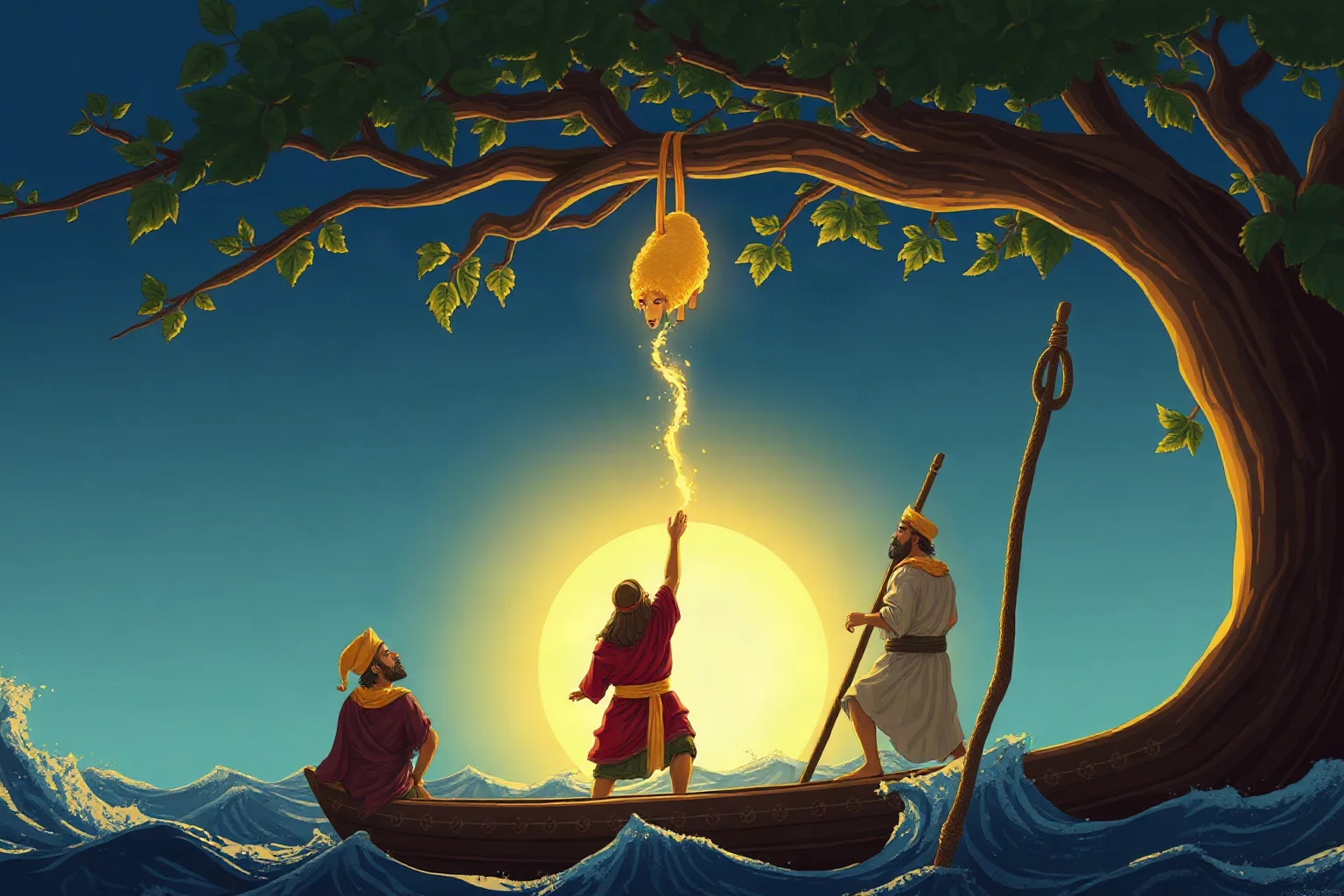
Jason led the Argonauts on a quest for the Golden Fleece, assembling one of mythology’s original “team-up” adventures with heroes like Heracles and the Dioscuri along for the ride. He succeeded largely thanks to the sorceress Medea, whom he later betrayed.
That betrayal turned Jason’s story into a cautionary tale about broken oaths and ingratitude. It’s a useful reminder that Greek warriors and heroes were judged on their whole life story, not just their greatest triumph.
7. Bellerophon
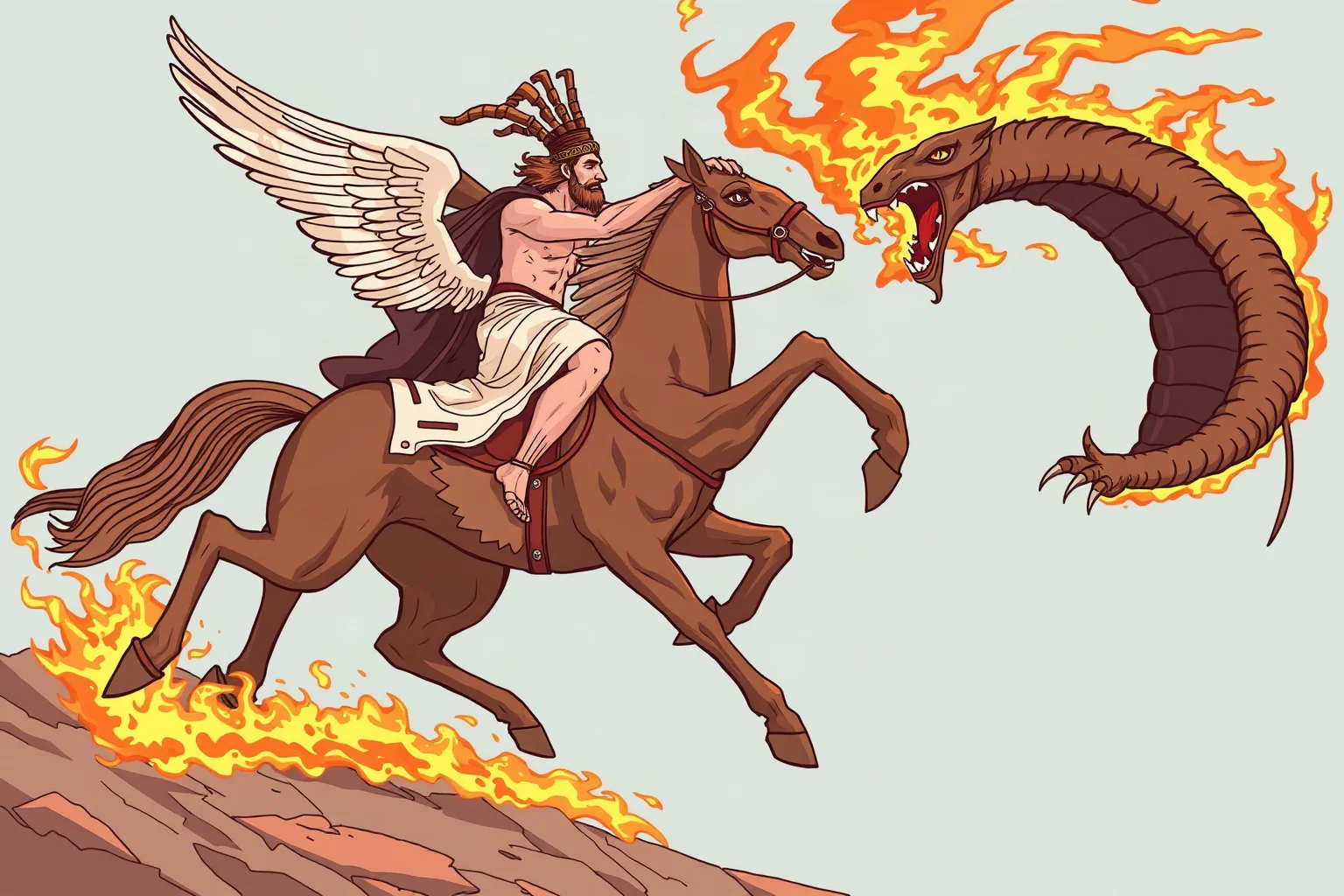
Bellerophon tamed the winged horse Pegasus and used him to defeat the fire-breathing Chimera, one of Greek mythology’s most iconic monsters. For a while, he was treated as a hero on par with Perseus or Theseus.
His downfall came from hubris: he attempted to fly to Mount Olympus itself, and Zeus struck him down for the presumption. Bellerophon’s arc is one of the clearest illustrations of how pride destroys even the most capable Greek mythology hero.
8. Atalanta
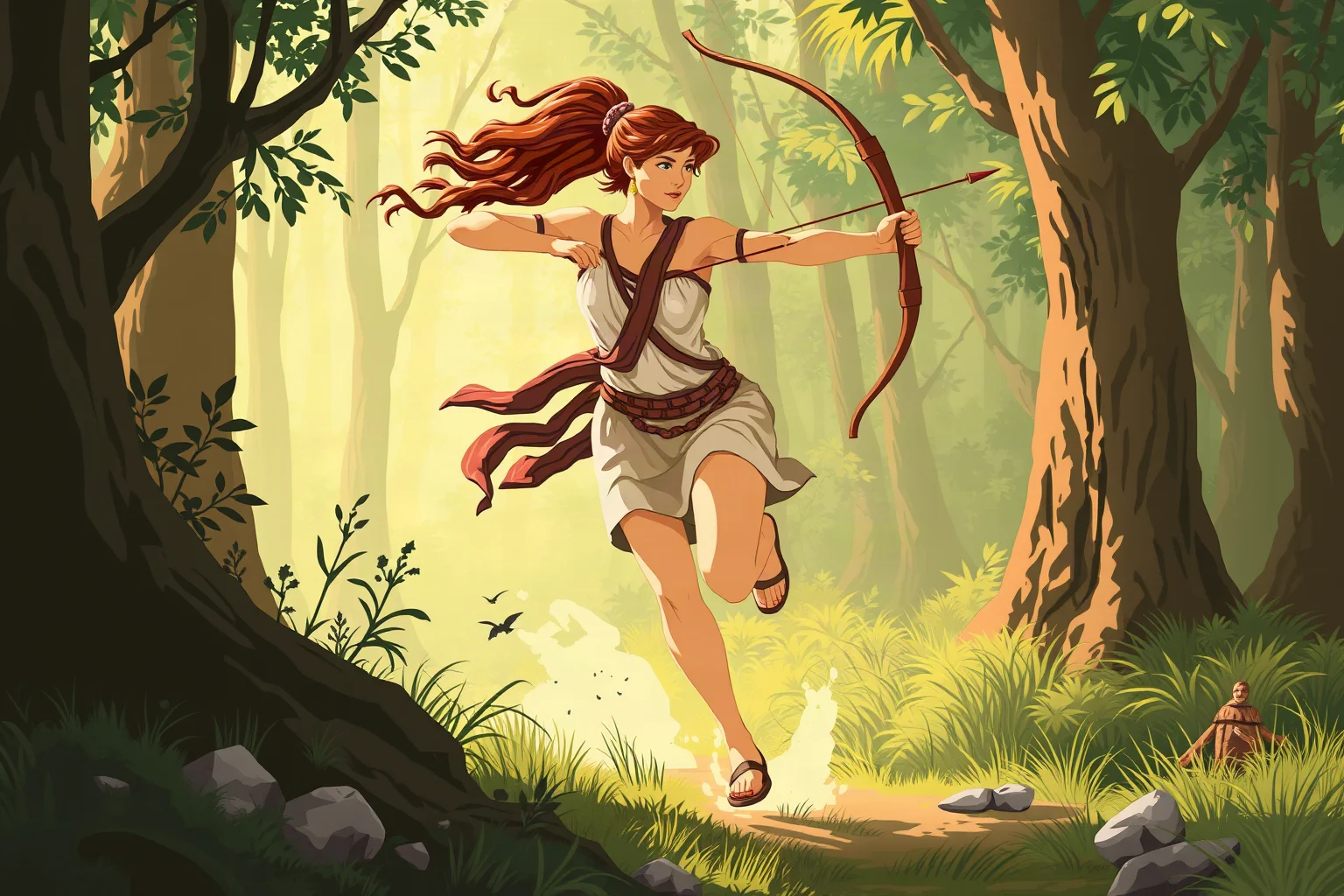
Atalanta was a swift-footed huntress and one of the few women commonly listed among the great Greek heroes and warriors. She joined the Calydonian Boar Hunt alongside male heroes and reportedly outran every suitor who tried to win her hand in marriage.
Her myth pushes back on the idea that Greek heroism was an exclusively male domain. Atalanta’s skill, independence, and refusal to be easily conquered make her one of the more genuinely empowering heroes of Greek myth.
9. Orpheus
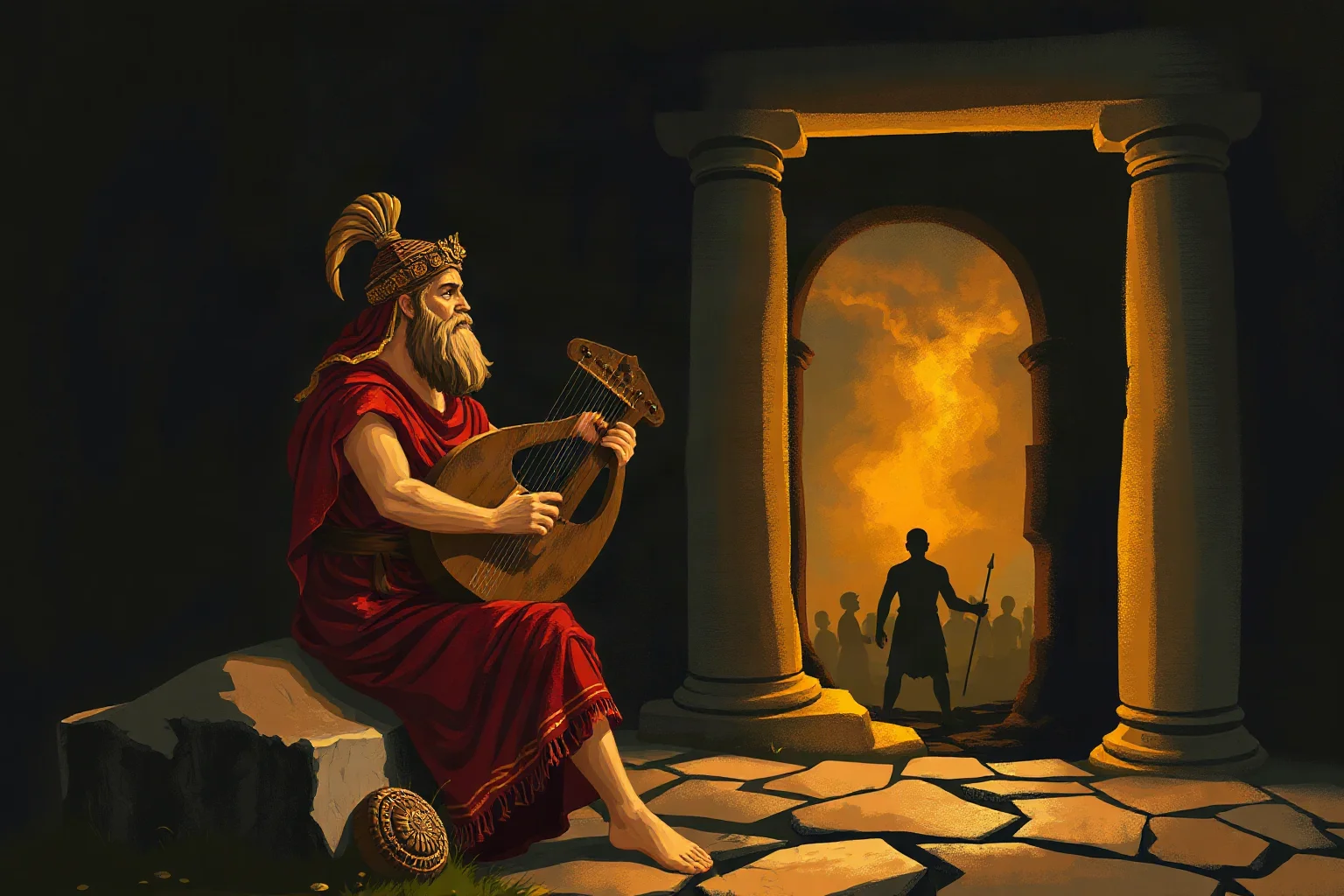
Orpheus wasn’t a fighter at all — his weapon was music. His lyre-playing was said to charm animals, trees, and even the god of the underworld, and he famously journeyed into Hades to bring back his wife Eurydice.
He nearly succeeded, only to lose her again by looking back too soon. Orpheus shows that Greek heroism could be about art and devotion just as easily as combat.
10. Ajax the Great
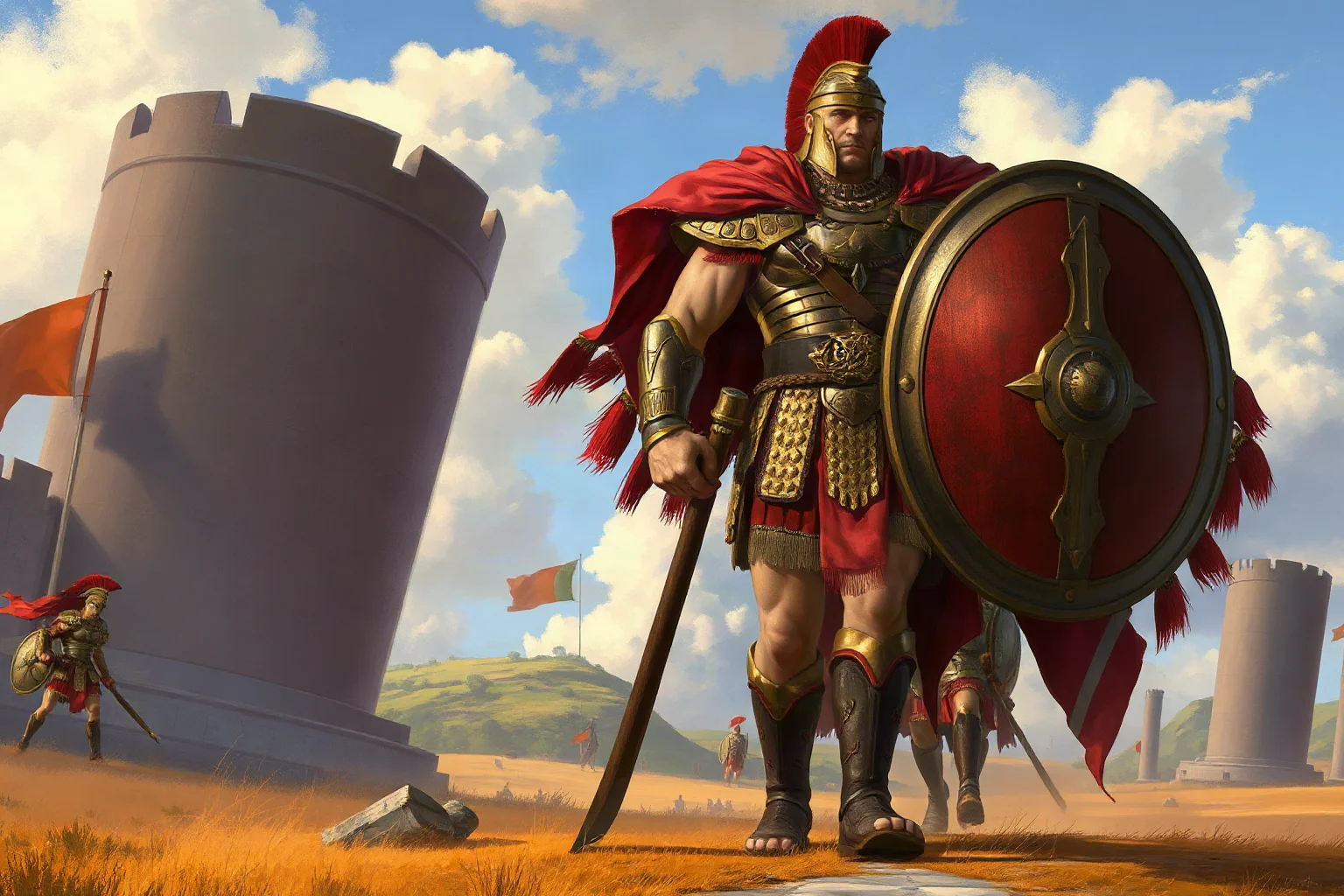
Ajax was, after Achilles, considered the most formidable Greek warrior at Troy. Massive, armored, and nearly unstoppable in battle, he was a central figure among the Greek fighters besieging the city for a decade.
His story turns tragic when he loses out on Achilles’ armor to Odysseus in a contest of honor, and the humiliation drives him to suicide. It’s a stark reminder that even the greatest warriors in Greek mythology could be undone by pride and shame rather than an enemy blade.
11. Diomedes
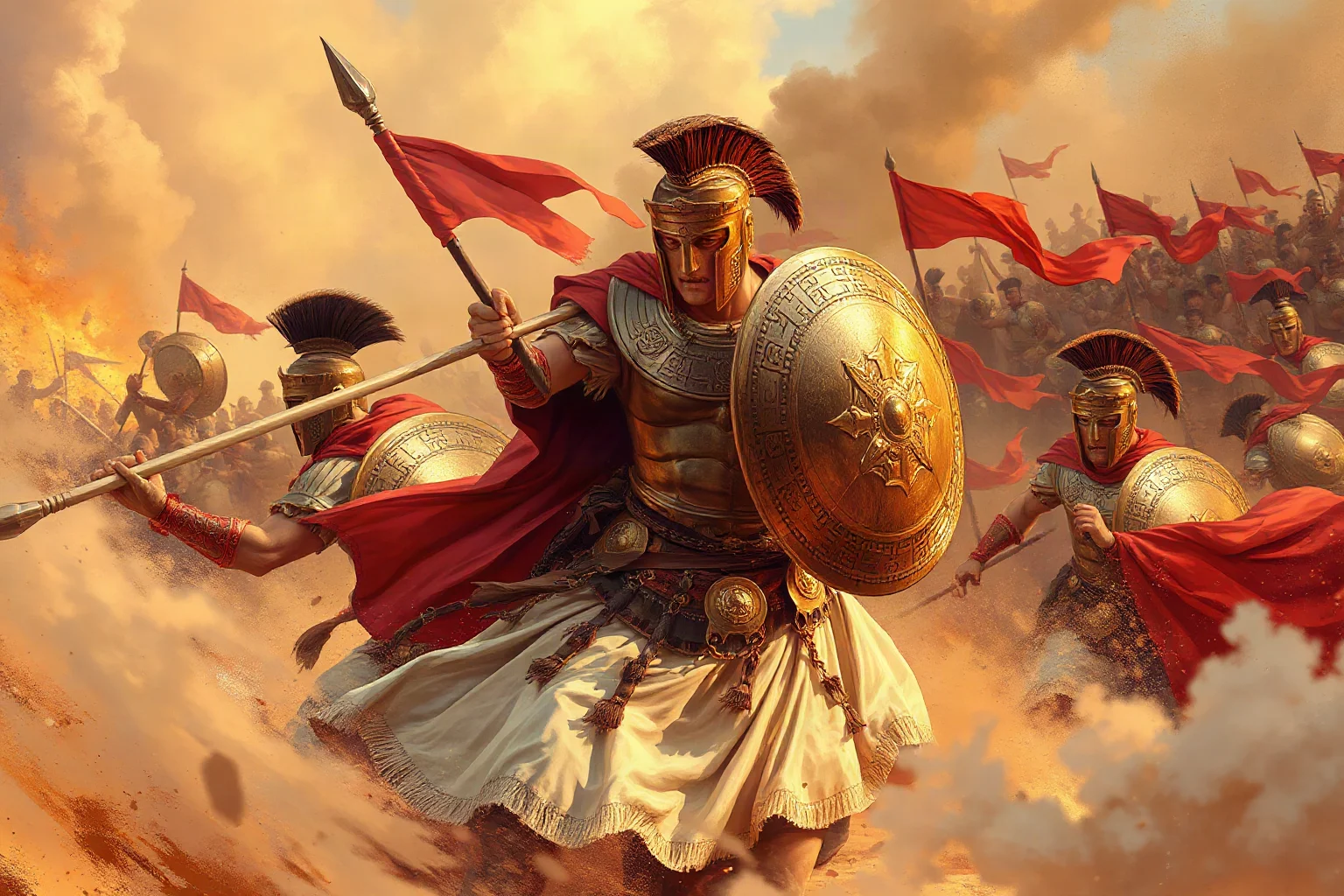
Diomedes is one of the more underrated names on any list of Greek heroes, despite being one of the most effective fighters in the Iliad. He’s shown wounding the gods Aphrodite and Ares in battle — an almost unthinkable act for a mortal.
Unlike Achilles, Diomedes is portrayed as level-headed and loyal, making him a favorite among readers who want a hero without the ego. He survived the war and, according to later legend, went on to found several cities in Italy.
12. Castor and Pollux (The Dioscuri)
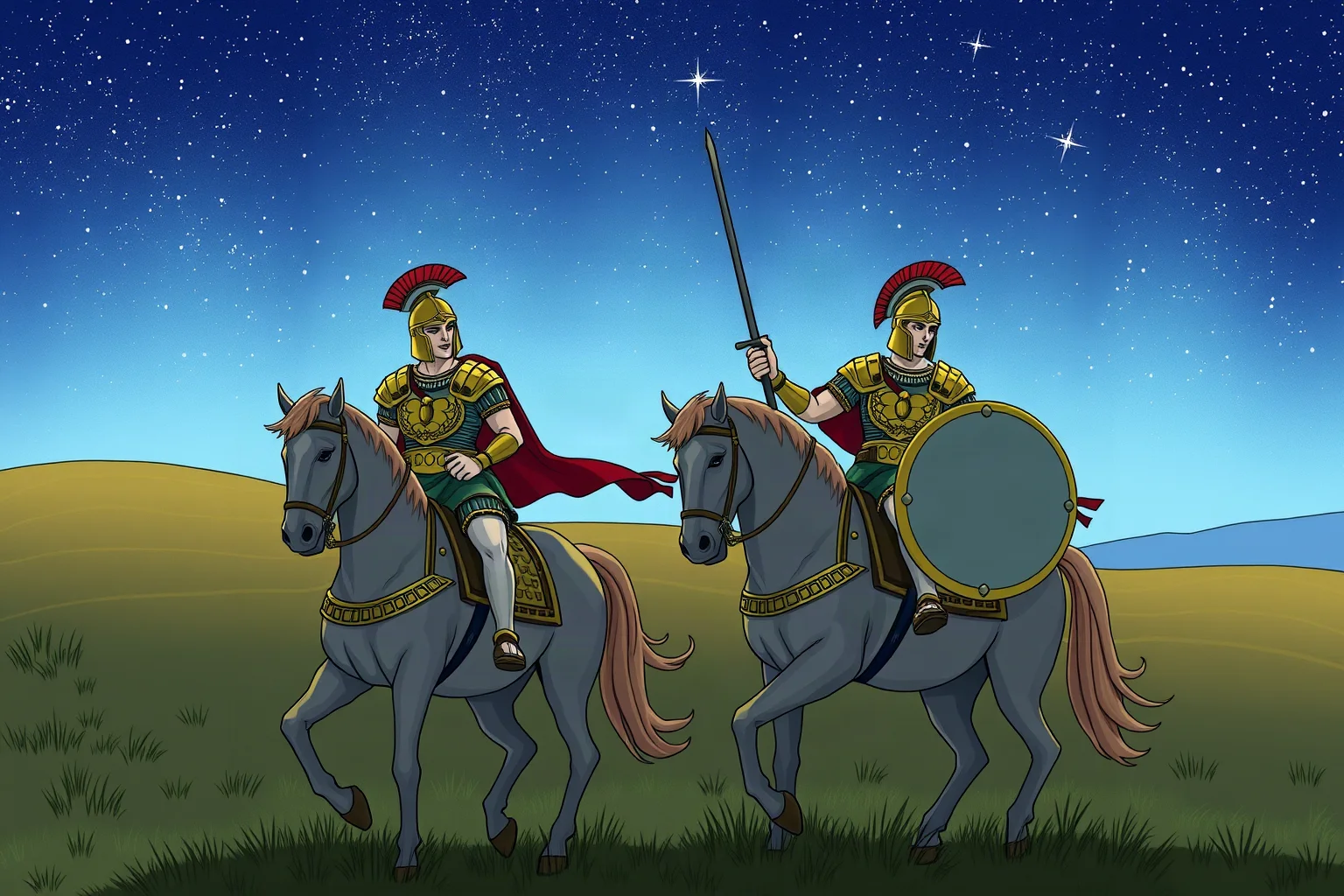
Castor and Pollux were twin brothers, sons of Leda, and famous companions on the Argonauts’ voyage. One was mortal and one divine, and when Castor died, Pollux asked Zeus to share his own immortality with his brother.
Zeus granted the request by placing them together in the sky as the constellation Gemini. Their bond became an ancient symbol of brotherhood and loyalty among Greek warriors.
13. Meleager
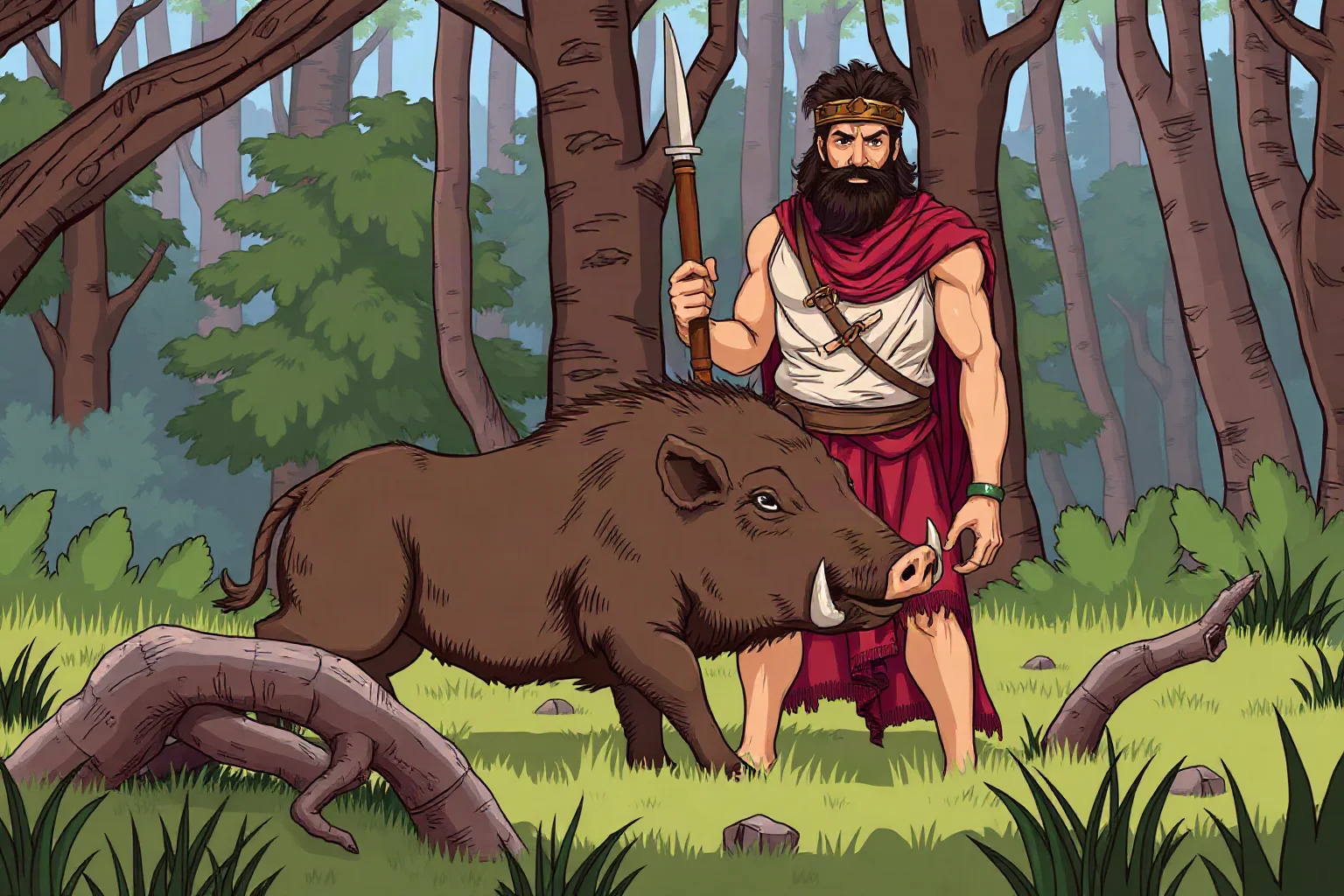
Meleager led the Calydonian Boar Hunt, the same legendary expedition that included Atalanta and several other notable heroes. His life was tied to a burning log kept safe by his mother — as long as it survived, so did he.
His story ends in tragedy after a family feud over the boar’s hide leads to his own death. Meleager’s tale is a lesser-known but genuinely gripping entry among the mythical warriors of ancient Greece.
14. Cadmus
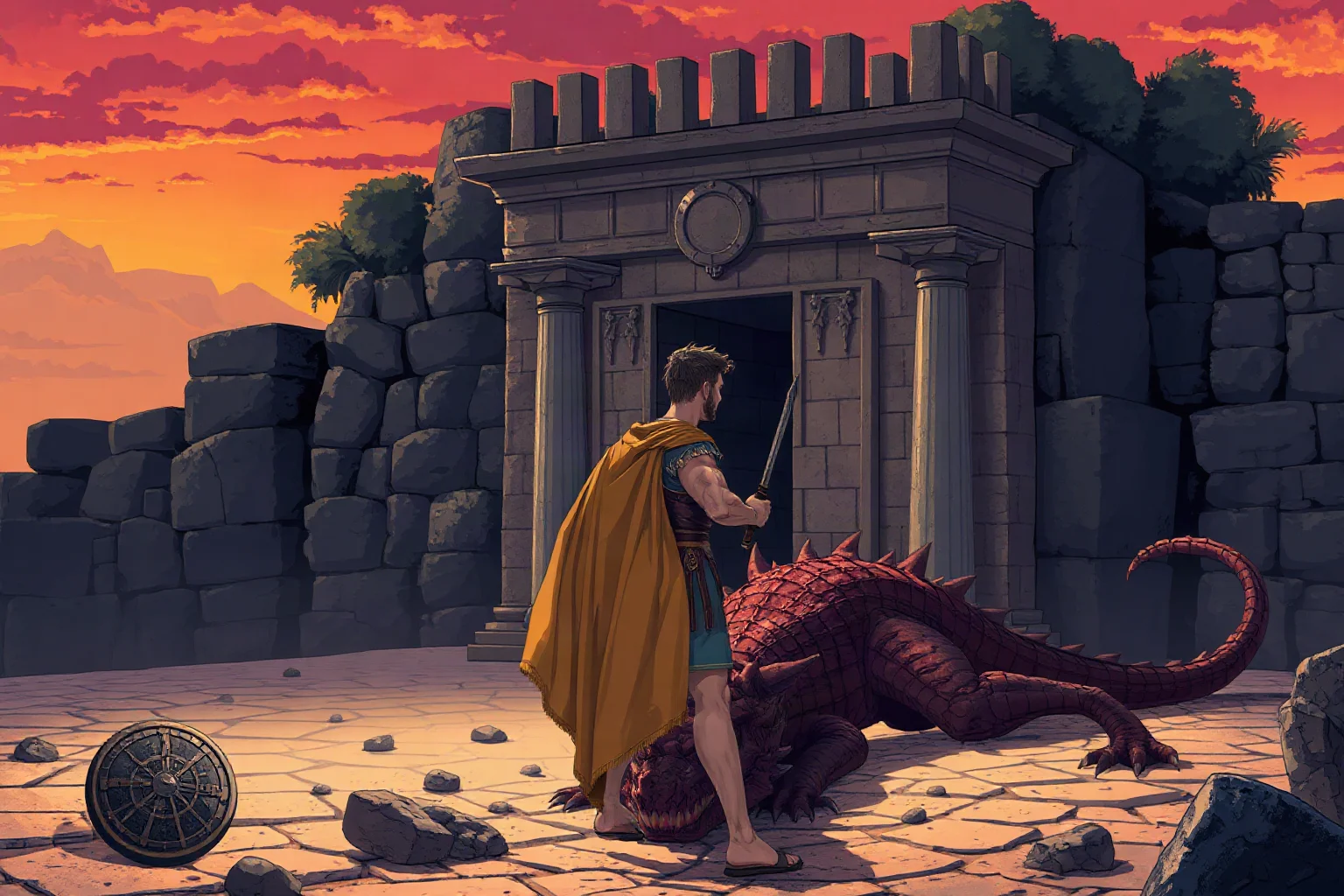
Cadmus was the legendary founder of Thebes, one of the most powerful city-states in Greek myth and history. He slew a dragon guarding a sacred spring and, following the goddess Athena’s instructions, sowed its teeth into the ground to grow an army of warriors.
He’s also credited in some ancient traditions with introducing the alphabet to Greece from Phoenicia. Cadmus represents a different kind of hero — one whose legacy is a city and a civilization rather than a monster’s corpse.
15. Peleus

Peleus is best known as the father of Achilles, but he was a notable hero in his own right, joining both the Calydonian Boar Hunt and the Argonauts’ voyage. His marriage to the sea nymph Thetis was arranged by the gods themselves, and their wedding — attended by every Olympian — indirectly set off the chain of events leading to the Trojan War.
His story is a good example of how Greek myth wove individual heroes into a much larger, interconnected family saga. Nearly every great hero in this list turns out to be related to another one by blood or marriage.
16. Hector
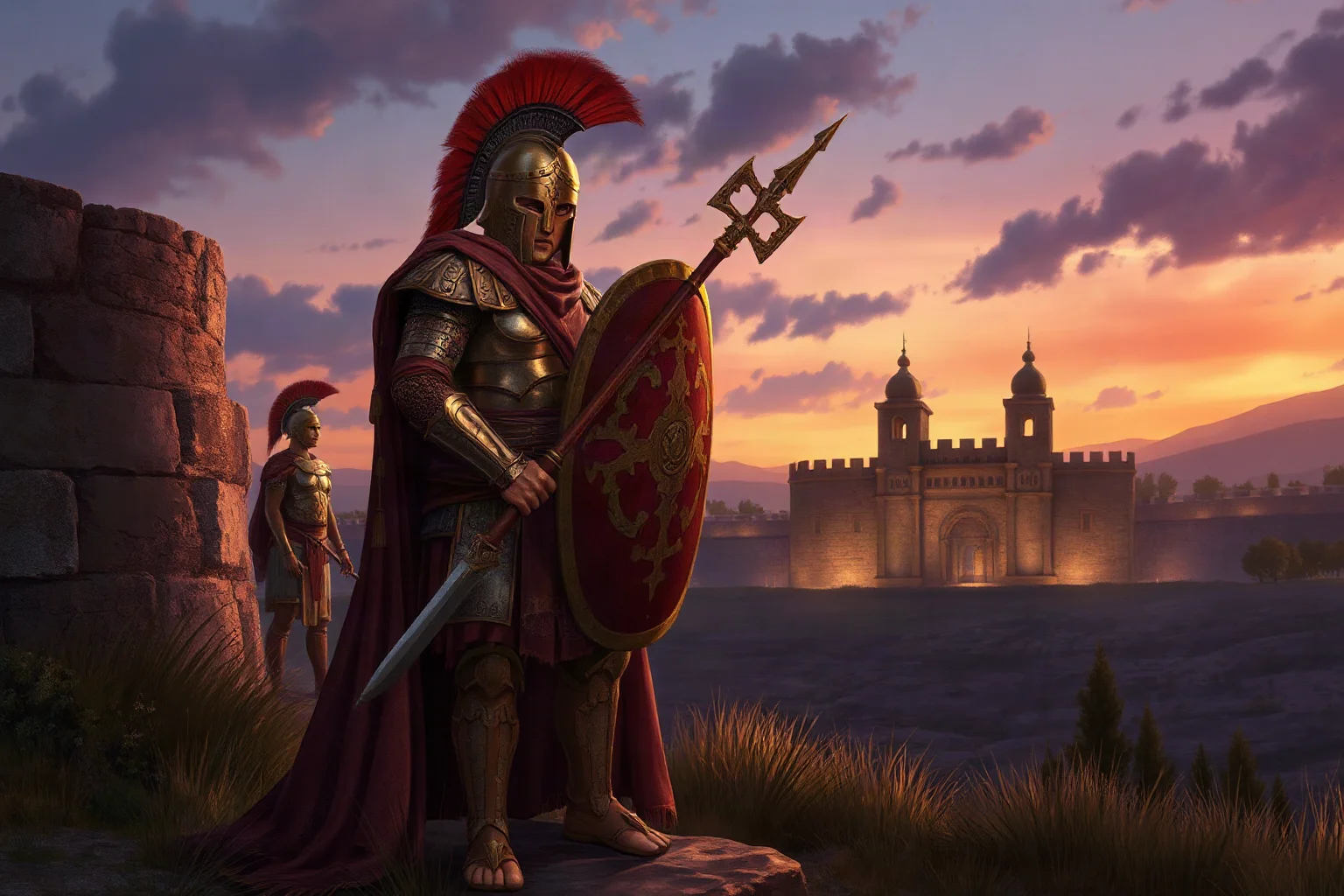
Hector fought for Troy, not Greece, so he’s technically not one of the Greek heroes — but no list of heroes of Greek myth feels complete without him. As Troy’s greatest defender, he was honorable, devoted to his family, and widely respected even by his Greek enemies.
His death at Achilles’ hands is one of the most emotionally devastating scenes in the Iliad. Including Hector helps illustrate that Greek epic didn’t paint every non-Greek fighter as a villain — heroism, in Homer’s eyes, wasn’t limited by nationality.
17. Menelaus
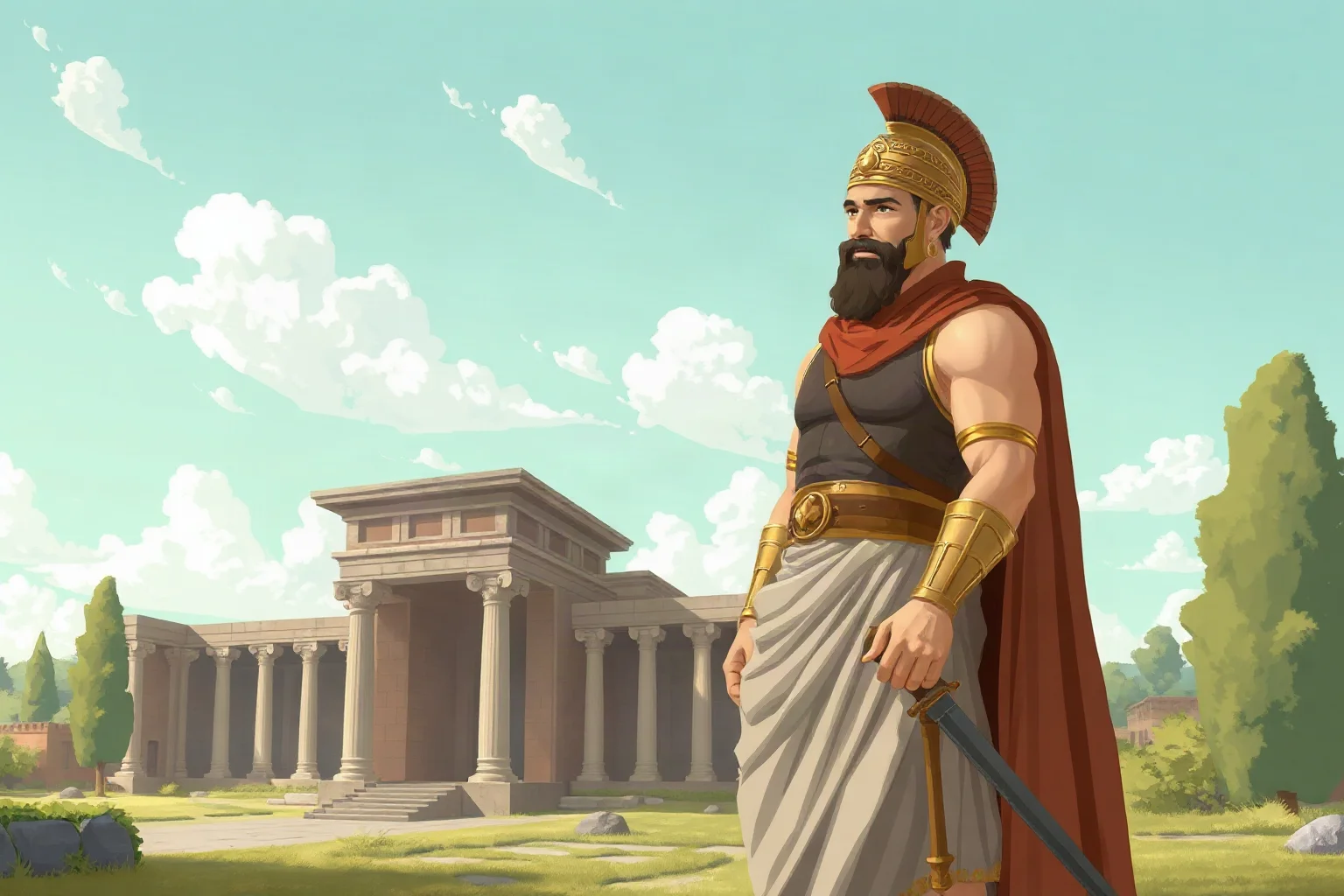
Menelaus was king of Sparta and the husband of Helen, whose abduction (or elopement, depending on the version) triggered the Trojan War. While often overshadowed by flashier warriors, he fought bravely at Troy and eventually reclaimed Helen and his throne.
His role reminds us that many Greek warrior names from the Iliad belonged to real political rulers within the story’s world, not just wandering adventurers. Menelaus represents the more grounded, political side of Greek heroism.
18. Nestor
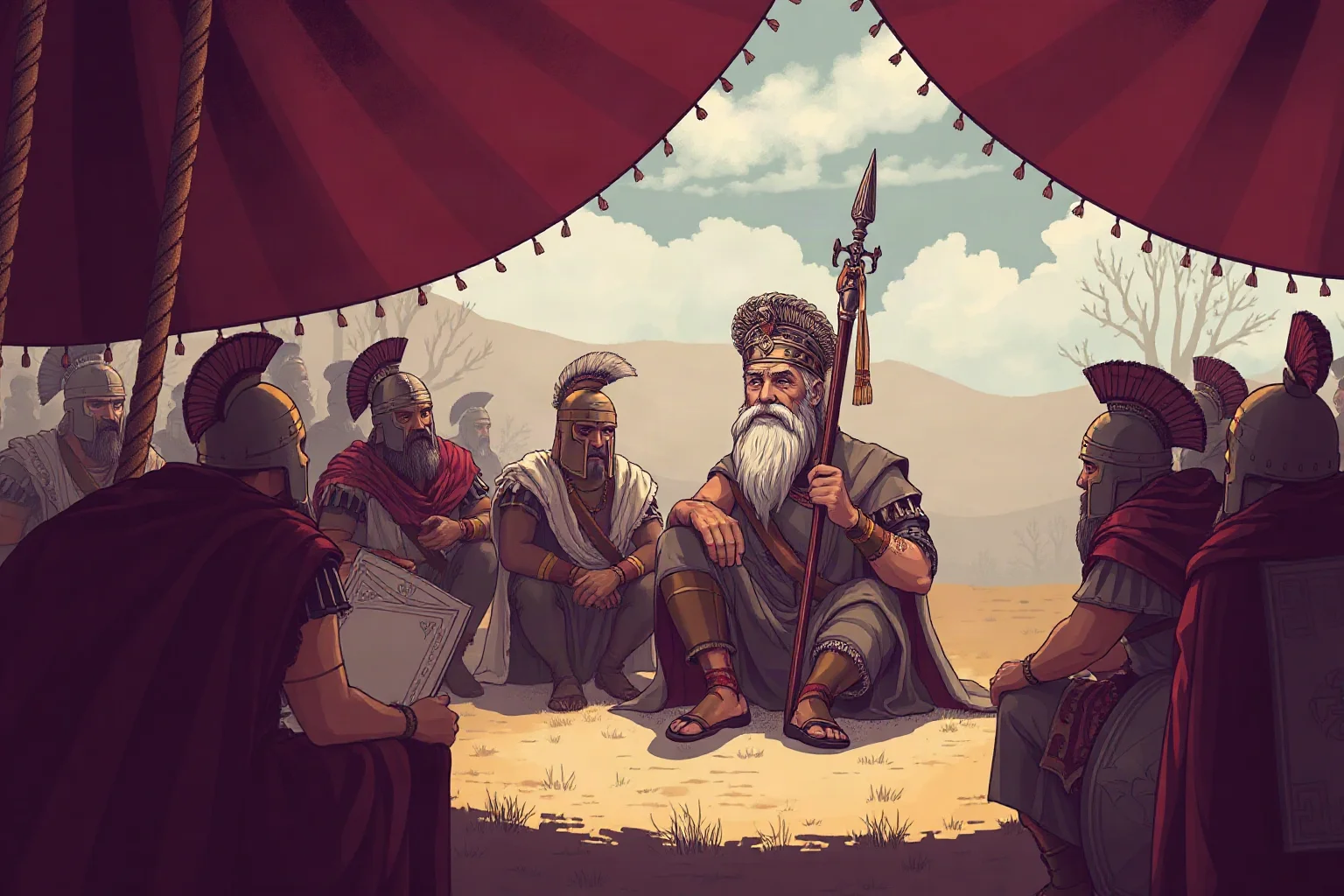
Nestor, king of Pylos, was the elder statesman among the Greek forces at Troy — famous less for combat prowess and more for wisdom and long experience. He had reportedly outlived multiple generations of heroes by the time the war began.
His presence in the Iliad shows that Greek mythology valued strategic counsel as much as sword skill. Not every notable hero needed to win duels to earn a lasting reputation.
19. Philoctetes
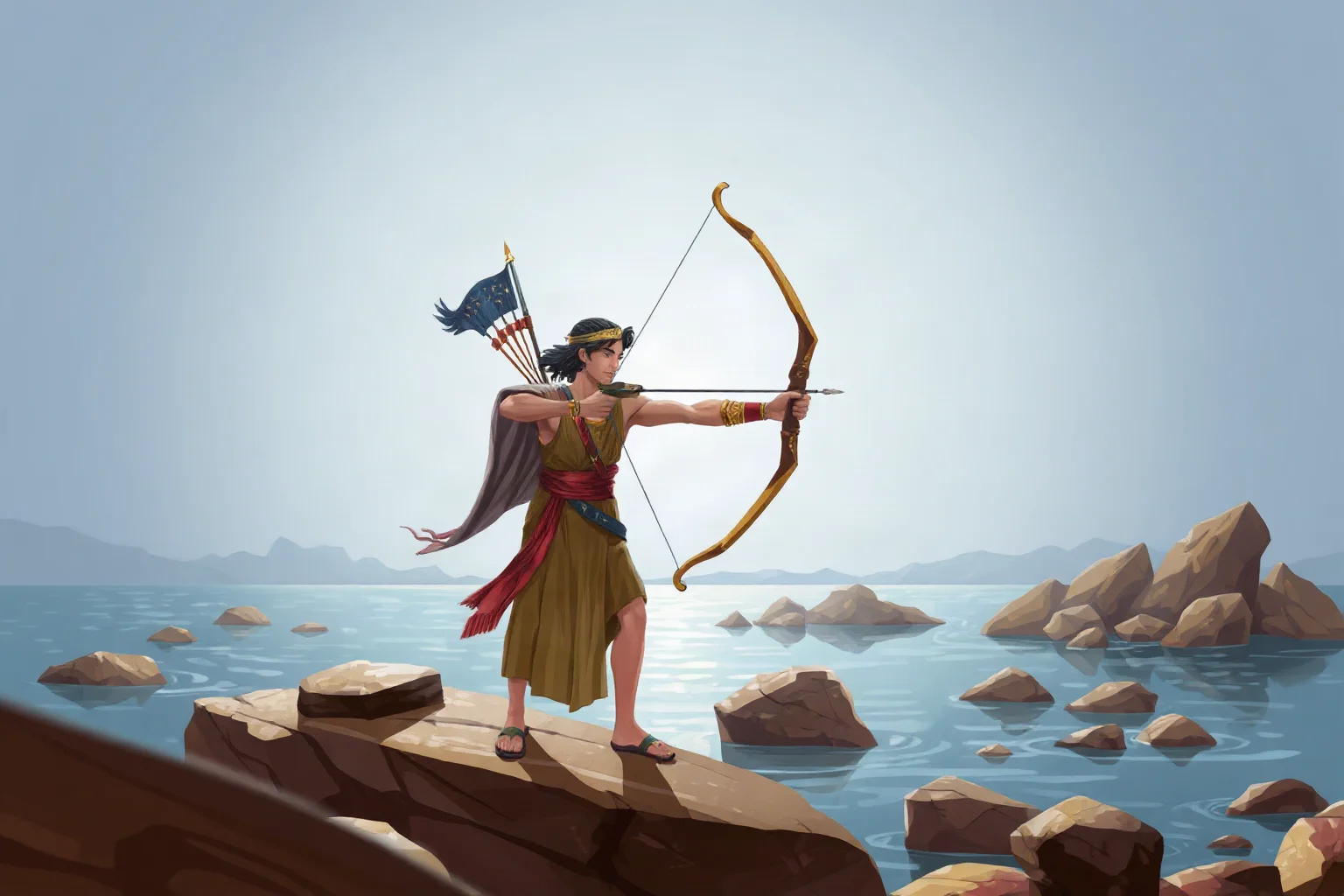
Philoctetes possessed the bow and arrows of Heracles, weapons the Greeks desperately needed to win the Trojan War. He was abandoned on an island for years after suffering a wound that wouldn’t heal, only to be retrieved once the Greeks realized they couldn’t win without him.
His myth, later dramatized by the playwright Sophocles, explores themes of betrayal, pain, and reluctant forgiveness. Philoctetes is proof that Greek heroism sometimes hinged on possessions and fate as much as personal virtue.
20. Antigone
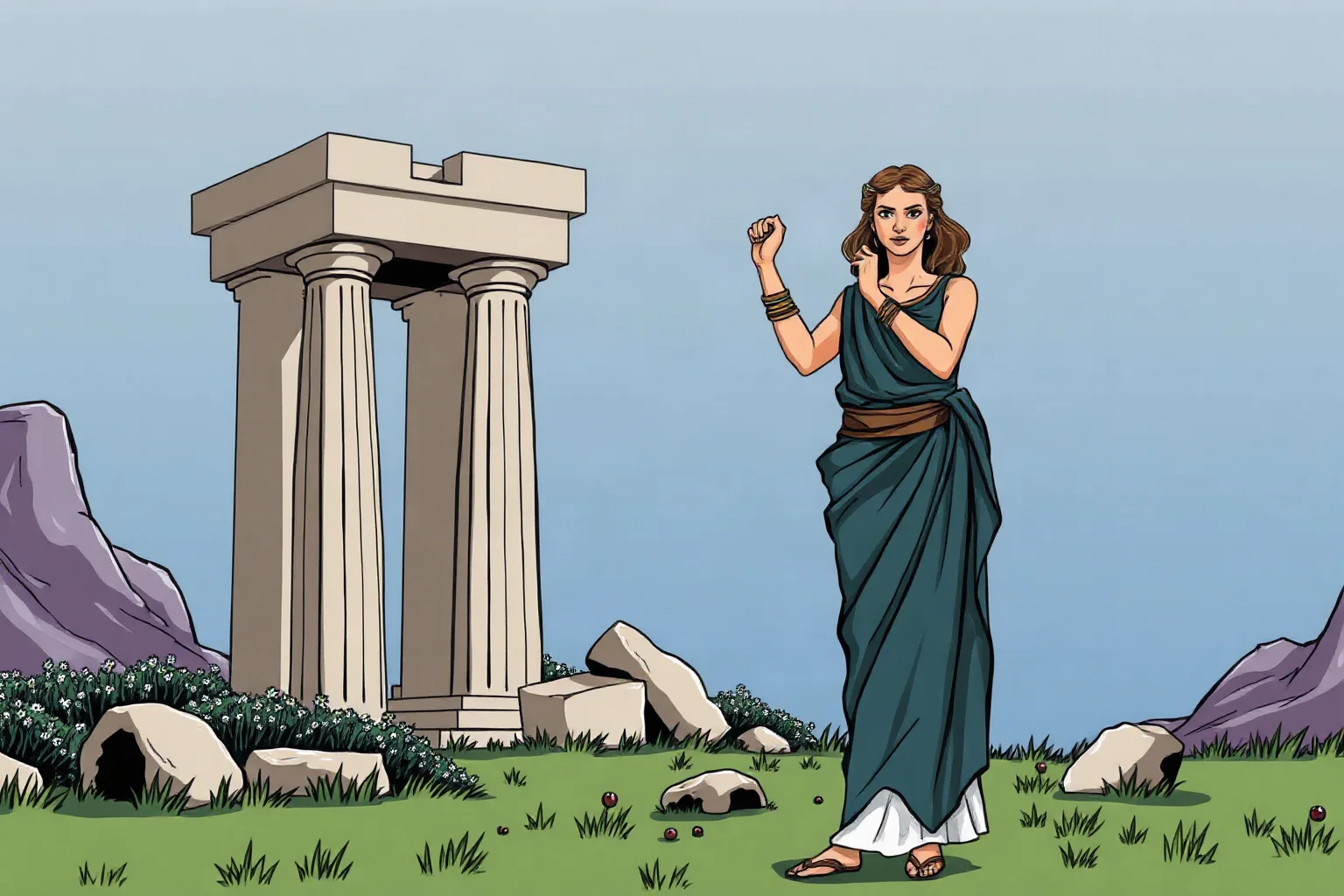
Antigone wasn’t a warrior, but she’s one of Greek myth’s most enduring heroines for a different reason: moral courage. Daughter of the tragic king Oedipus, she defied a royal decree to bury her brother according to sacred custom, knowing it would cost her life.
Her story, dramatized by Sophocles, is often cited in discussions of civil disobedience and personal conscience. Antigone expands the definition of a Greek hero well beyond the battlefield.
21. Daedalus
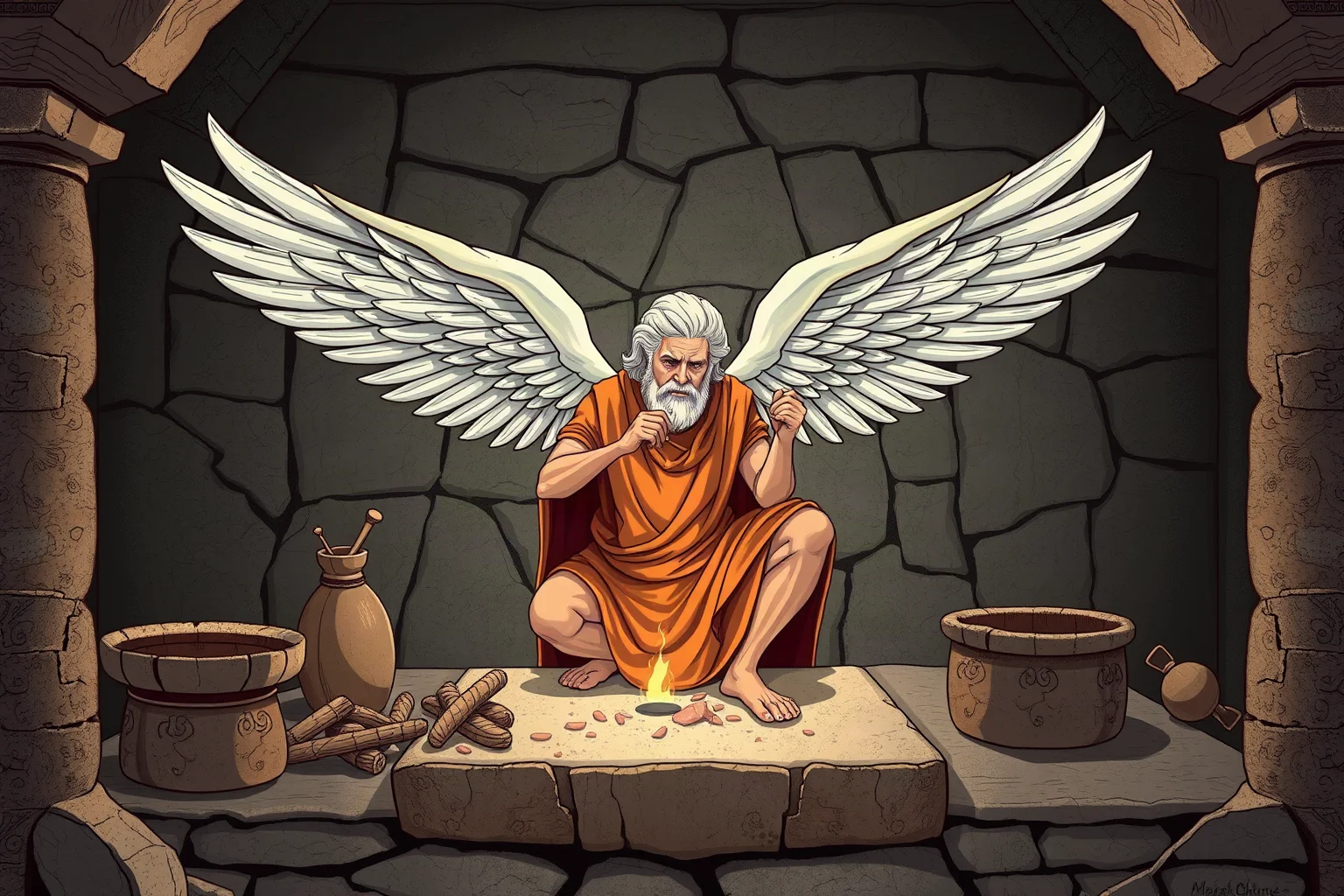
Daedalus was the master craftsman who built the labyrinth that housed the Minotaur and later constructed wings of feathers and wax to escape imprisonment on Crete with his son Icarus. His cleverness makes him one of the few heroes celebrated purely for intellect and invention.
The tragedy of his son Icarus, who flew too close to the sun despite his father’s warnings, has become one of Greek mythology’s most famous cautionary tales. Daedalus shows that not every hero needed a sword to leave a legendary mark.
22. Prometheus

Prometheus was a Titan, not a mortal hero, but his defiant gift of fire to humanity — against Zeus’s wishes — has made him one of the most heroic figures in the entire Greek pantheon. He was punished brutally for it, chained to a rock and tormented for generations.
His story has become a lasting symbol of rebellion against unjust authority and sacrifice for humanity’s benefit. Prometheus blurs the line between heroic gods and heroic mortals more than almost any other figure in Greek myth.
23. Oedipus
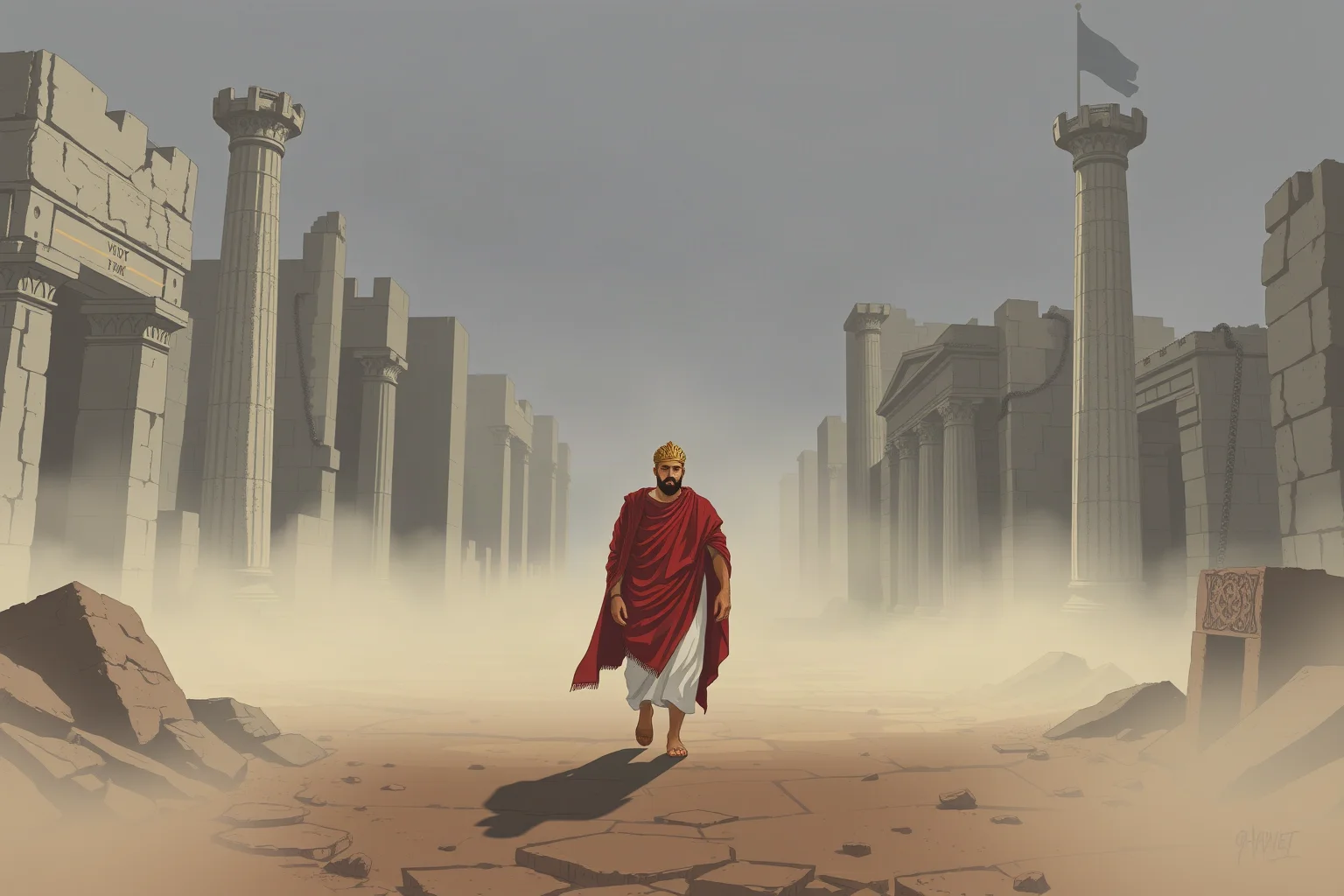
Oedipus is remembered less for combat and more for the devastating irony of his story: a king who unknowingly fulfills a prophecy he spent his whole life trying to avoid. His journey from celebrated hero of Thebes to tragic outcast is one of the most studied narratives in Western literature.
Sophocles’ Oedipus Rex turned his tale into the model for classical tragedy itself. Oedipus proves that in Greek myth, being a hero never guaranteed a happy ending.
24. Penelope
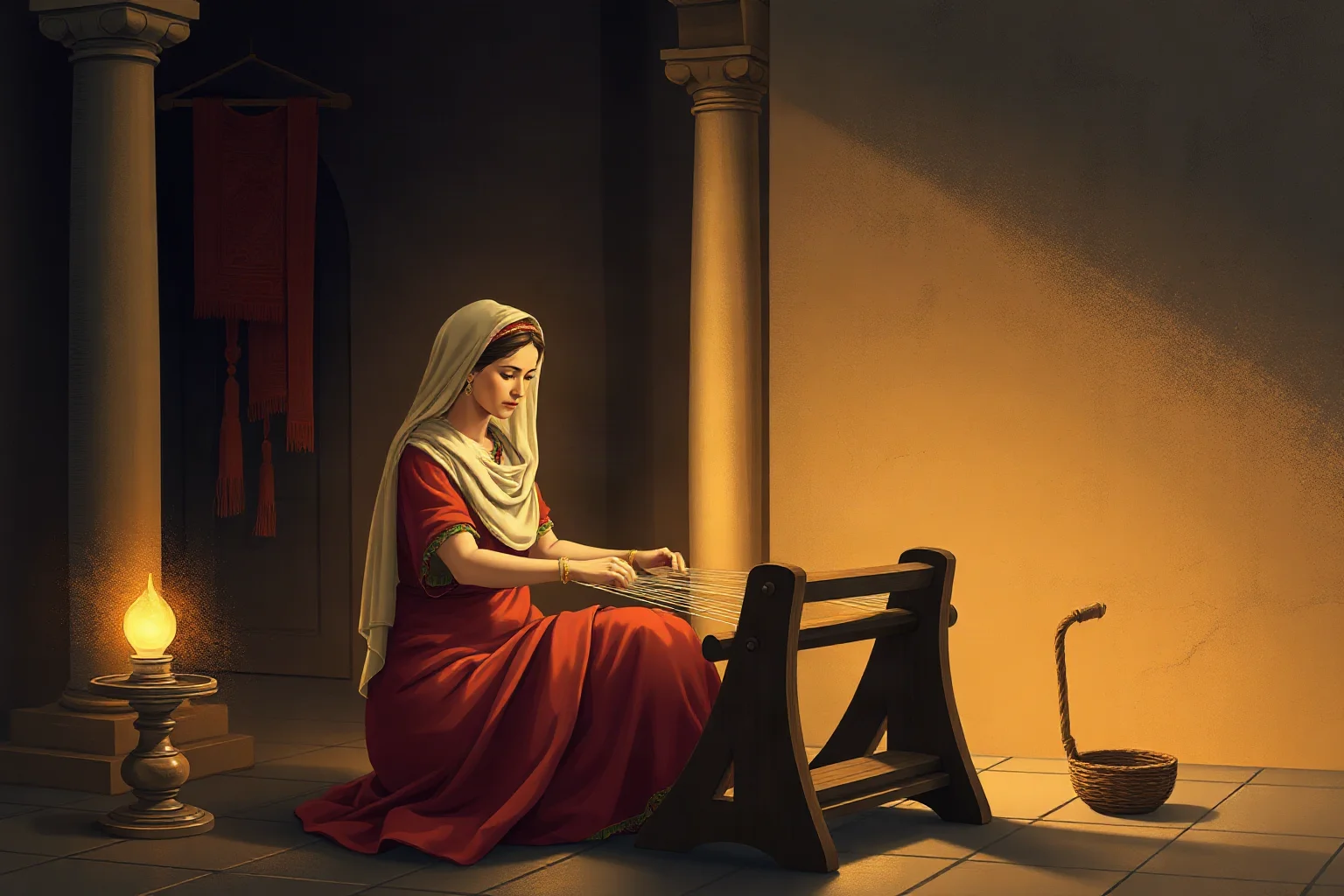
Penelope, wife of Odysseus, spent twenty years fending off suitors while maintaining hope for her husband’s return. Her cleverness — famously stalling her suitors by endlessly weaving and unraveling a burial shroud — matches her husband’s cunning step for step.
She’s rarely called a “warrior,” but ancient and modern readers alike have long recognized her patience and wit as a distinct, quieter form of Greek heroism. Penelope broadens the popular Greek mythology characters list beyond spears and shields.
25. Leonidas of Sparta

Leonidas belongs on this list with an important caveat: he wasn’t a mythological figure at all, but a real, historical Spartan king. He led a small force, famously including 300 Spartans, in a legendary last stand against the Persian army at Thermopylae in 480 BCE.
Over time, his very real historical stand against overwhelming odds took on a near-mythical quality in popular memory, much like the legendary heroes around him on this list. Including Leonidas is a useful reminder that Greek history is full of historical figures from ancient Greece whose real courage rivaled anything found in myth.
Greek Warrior Names and Their Meanings
Many Greek heroes’ names carry meanings that hint at their stories. Achilles’ name has been linked by some ancient sources to “grief,” foreshadowing the sorrow surrounding his short life. Heracles means roughly “glory of Hera,” ironic given the goddess’s hostility toward him.
Odysseus is connected to a root meaning “to hate” or “to be wrathful,” reflecting the many enemies he made on his journey home. Even Perseus and Theseus carry etymological roots tied to “destruction” and “setting in place” respectively, according to various ancient and classical sources. These greek warrior names and meanings aren’t always agreed upon by scholars, but they add another layer of storytelling to already rich myths.
Heroes, Gods, and the Line Between Myth and History
It’s worth separating three overlapping categories that often get blurred together: the gods and heroes of ancient Greece, mythical heroes with no historical basis, and real historical figures like Leonidas who were later mythologized. Zeus, Athena, and Ares were gods — worshipped, not buried. Heroes like Achilles and Theseus were legendary mortals or demigods honored at shrines, but there’s no reliable historical evidence they existed as described.
Figures like Leonidas, and to some extent city founders whose names got wrapped in legend, sit in a middle ground where real history picked up mythic flourishes over centuries of retelling. Understanding this distinction helps answer a common question people have: are Greek heroes real? The honest answer is that most are literary and religious figures, not historical ones, even when their stories reflect real ancient Greek values around courage and honor.
Why These Heroes Still Matter Today
Greek heroes never really left popular culture — they just changed costumes. From comic books and blockbuster films to video games and fantasy novels, the mythical warrior archetype these figures created is everywhere. Achilles’ rage, Odysseus’ cunning, and Heracles’ brute strength are templates writers still reach for constantly.
We obviously can’t cover all the Greek heroes in a single article — Greek mythology includes hundreds of named figures across regional traditions, genealogies, and later Roman adaptations like Hercules and Aeneas. But the names above represent the core of what most people mean when they talk about Greek heroes: complicated, larger-than-life figures who remind us that courage and flaws often come from the exact same place.
Frequently Asked Questions
What are the heroes of Greek myth actually known for?
The heroes of Greek myth are known for extraordinary feats — slaying monsters, surviving epic journeys, founding cities, or fighting in legendary wars like the siege of Troy. What sets them apart from simple strongmen is that their stories almost always combine impressive deeds with serious personal flaws, like pride, jealousy, or poor judgment, which usually shape their eventual fate.
Who is considered the greatest Greek hero?
Heracles (Hercules) is often called the greatest Greek hero because of his superhuman strength and the Twelve Labors, but Achilles is frequently named the greatest Greek warrior specifically for his unmatched combat skill in the Trojan War. There's no single official answer — different heroes are 'greatest' depending on whether you're measuring strength, cunning, or lasting cultural influence.
What is the definition of a Greek hero?
In ancient Greece, a hero (hērōs) was typically a semi-divine or exceptional mortal, often honored with cult worship after death because of extraordinary deeds. This differs from the modern definition of 'hero' as simply a brave or morally good person — ancient Greek heroes could be flawed, violent, or arrogant and still be celebrated for their achievements.
What is the Greek word for warrior or hero?
The Greek word most closely translated as 'hero' is hērōs (ἥρως), while 'warrior' or 'soldier' is more commonly rendered as polemistēs or stratiōtēs. Hero and warrior aren't identical concepts in Greek — a hero could earn their status through cleverness, craftsmanship, or leadership rather than fighting alone.
Were any Greek heroes real historical figures?
Most famous Greek heroes, like Achilles, Heracles, and Theseus, are legendary or literary figures without solid historical evidence of their existence. However, some real historical figures, such as the Spartan king Leonidas, later took on near-mythical status in popular memory because of their genuinely remarkable real-world actions.
What qualities made someone a hero in Greek mythology?
Common qualities of Greek heroes include divine or semi-divine parentage, exceptional skill (arete), respect for hospitality customs (xenia), and a tragic flaw or fated destiny that often leads to their downfall. Courage mattered, but cleverness, craftsmanship, and moral conviction could make someone a hero just as easily as combat skill.
Were there any famous female heroes in Greek mythology?
Yes — figures like Atalanta, a swift huntress who joined male heroes on the Calydonian Boar Hunt, and Antigone, who showed extraordinary moral courage defying a royal decree, are both widely recognized heroines in Greek mythology. Penelope is also frequently celebrated for her patience and cleverness during Odysseus's twenty-year absence.

Alex Warren
Related Articles