
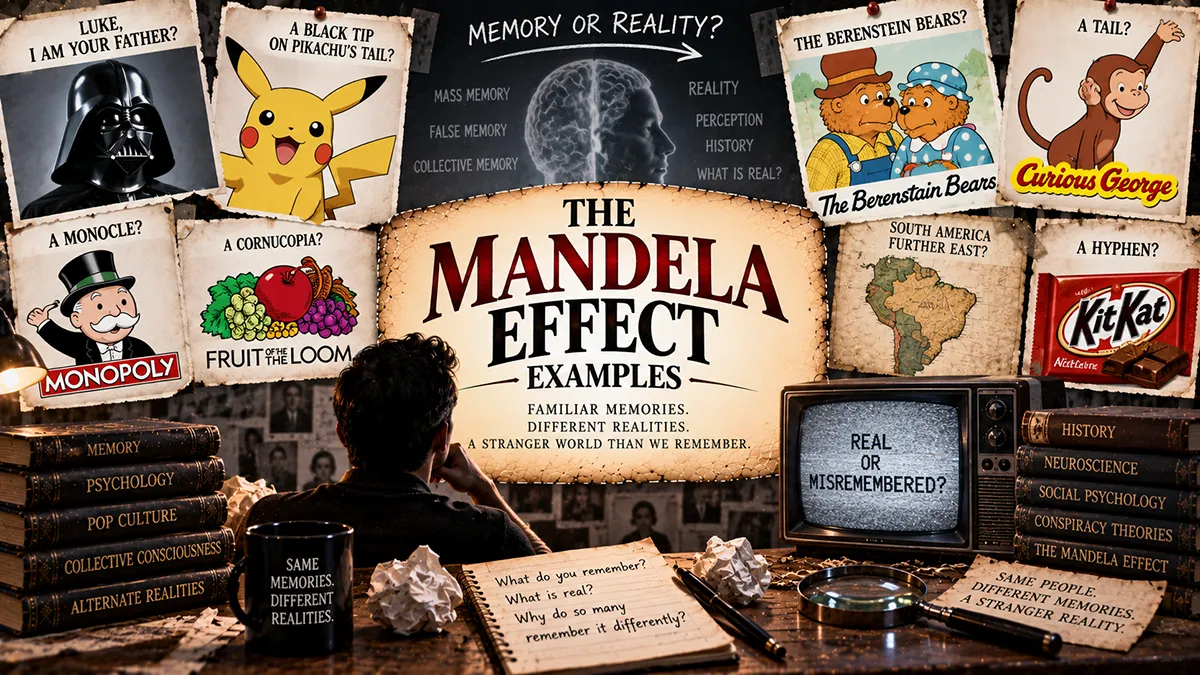
Have you ever been absolutely certain about a small detail from your childhood, only to discover the internet insists you’re wrong? Maybe you grew up reading the “Berenstein Bears,” or you swear the Monopoly Man wears a monocle. If so, you’ve already experienced the phenomenon this post is all about.
It’s called the Mandela Effect, and it turns out you’re far from alone. Thousands of people share these exact same “wrong” memories, which is what makes the whole thing so genuinely strange and worth digging into.
This post walks through the origin of the term, what’s actually happening inside your brain when it fails you this way, and a long, carefully fact-checked list of the best-known Mandela effect examples in history. Some are pulled from movies and cartoons, others from real historical events, but every single one has been checked against the actual record.
TL;DR: The Mandela Effect describes when large groups of people share the same vivid but incorrect memory, and history is full of fascinating, well-documented examples—from Nelson Mandela’s death to Napoleon’s height—that science, not the supernatural, can actually explain.
What Is the Mandela Effect, Exactly?
The Mandela Effect happens when a large number of people, who have no connection to one another, remember an event, phrase, or detail the exact same way—and that memory turns out to be false. It isn’t just one person misremembering something small. It’s dozens, hundreds, or even millions of people confidently recalling the same incorrect detail, often down to specific wording or colors.
You’ll see this phenomenon written a few different ways online, including Mandela affect, Mandella effect, Mendela effect, Madala effect, Mandala effect, or even Mandela effekten in Scandinavian and Norwegian search results. They’re all pointing to the same idea, just with a spelling that got caught in someone’s own memory glitch along the way.
Most Mandela effects fall into one of three buckets: a misremembered visual detail like a logo or costume, a misquoted line of dialogue or song lyric, or a misremembered fact about a real historical event. All three types show up on this list, and all three tend to share the same underlying explanation once you dig into the psychology behind them.
Why Is It Called the Mandela Effect?
The name comes from an oddly fitting origin story. In 2009, paranormal researcher Fiona Broome coined the term after realizing she distinctly remembered Nelson Mandela dying in prison sometime in the 1980s, complete with a memory of news coverage and a widow’s speech.
The problem is that never happened. Nelson Mandela was released from prison in 1990, went on to become President of South Africa in 1994, and lived until 2013, when he passed away at his home in Johannesburg surrounded by family. Broome discovered she wasn’t the only one with this false memory—many other people online described the exact same detailed, incorrect recollection, and the Mandela Effect got its name from that shared mix-up.
So when people ask who the Mandela Effect is named after, the answer is simple. It’s Nelson Mandela himself, not because anything strange happened to him, but because of the strange, collective false memory surrounding his actual, real death.
Is the Mandela Effect Real? What Science Actually Says
The Mandela Effect is absolutely real in the sense that these shared false memories genuinely happen and have been documented again and again. What isn’t real, or at least isn’t proven, is the more sensational explanation some corners of the internet prefer: parallel universes, timeline glitches, or a “glitch in the simulation.”
Psychologists and memory researchers point to something far less exciting but much better supported: confabulation and false memory formation. Decades of research, including pioneering work by cognitive psychologist Elizabeth Loftus, has shown that human memory doesn’t record events like a video camera. It reconstructs them every time we recall them, and it fills in gaps using assumptions, patterns, and outside influence.
Logos and phrases are especially vulnerable to this because our brains love patterns. A hyphen “feels” like it belongs in KitKat, a monocle “feels” like it belongs on a wealthy cartoon banker, so our memory quietly edits the detail in to match the pattern. Multiply that tendency by millions of people exposed to the same cultural touchstones, and you get a shared false memory that feels like undeniable proof of something eerie, even though it’s really proof of something very human.
As for actual proof of the Mandela effect being anything beyond memory error, there isn’t any peer-reviewed evidence supporting alternate universes or timeline splits. What there is plenty of, though, is documentation: original wrappers, film reels, printed book covers, and newspaper archives that consistently show one version of events, while a large share of the public confidently remembers another. That gap between documented fact and shared memory is the real, well-proven phenomenon.
When Did the Mandela Effect Start Trending?
The term itself was coined in 2009, but the underlying phenomenon is much older than the internet. False, shared memories have been studied by psychologists since at least the 1930s, when researcher Frederic Bartlett demonstrated how people systematically distort memories to fit their existing expectations.
What changed the Mandela Effect from a niche paranormal theory into a mainstream obsession was social media. Forums, Reddit threads, and YouTube videos throughout the 2010s gave millions of people a place to compare notes and realize their “personal” false memory was actually shared by strangers around the world, which is exactly when the term exploded in popularity.
Search interest has kept climbing every year since, partly because new “newest Mandela effect” claims keep surfacing, and partly because streaming services and social media make it easier than ever to instantly fact-check a childhood memory. That constant fact-checking is also why so many older, weaker examples have quietly fallen out of favor while the most famous Mandela effect examples on this list have only gotten more entrenched.
The Most Famous and Craziest Mandela Effect Examples in History
Below is a list of the most popular Mandela effects, pulling from pop culture, brand history, music, and real historical events. Some of these are the best-known examples of the Mandela effect you’ll find anywhere, while a few are lesser-known Mandela effects that deserve far more attention.
This is intentionally one of the more comprehensive Mandela effect lists you’ll find, going well beyond the usual handful of movie quotes and logos. It includes several genuinely historical entries, since a history site wouldn’t be doing its job if it only covered cartoons and candy bar branding.
Pop Culture, Movie & TV Mandela Effects
1. Nelson Mandela’s “Death” in Prison
This is the example that started it all. Countless people vividly recall news broadcasts of Nelson Mandela dying in prison during the 1980s, even describing specific emotional reactions to it. In reality, he was released in 1990 and didn’t pass away until 2013.
2. “Berenstein Bears” vs. “Berenstain Bears”
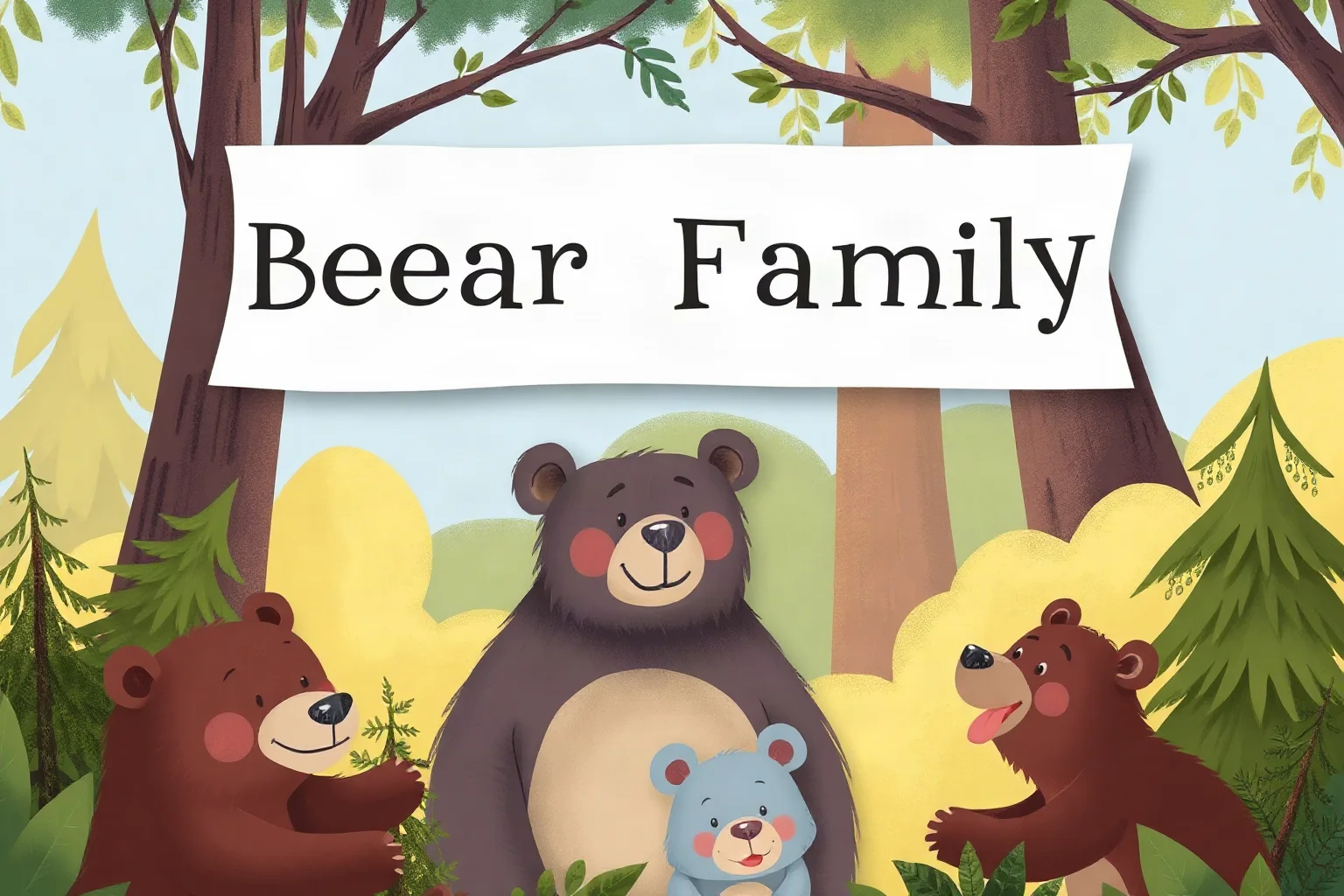
This might be the single most famous Mandela Effect example involving branding. The beloved children’s book series was created by Stan and Jan Berenstain, and the title has always been spelled “Berenstain,” yet an enormous number of readers insist they grew up with “Berenstein” on the covers.
3. The Monopoly Man’s Missing Monocle
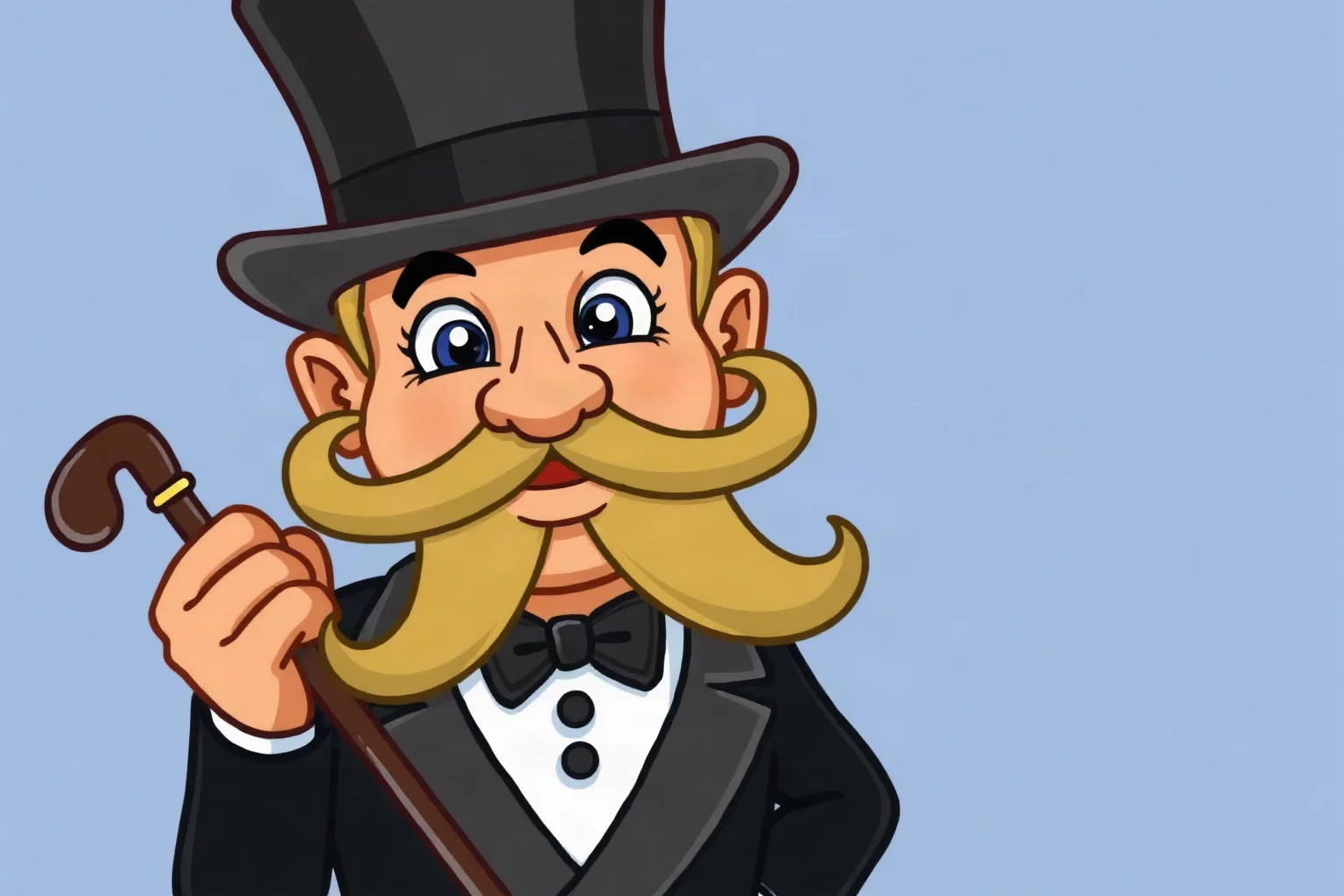
Rich Uncle Pennybags, the mustachioed mascot of Monopoly, has never worn a monocle in official artwork. Many people confidently picture one anyway, likely because they’re blending his image with Mr. Peanut, another vintage mascot who actually does sport one.
4. “Luke, I Am Your Father”
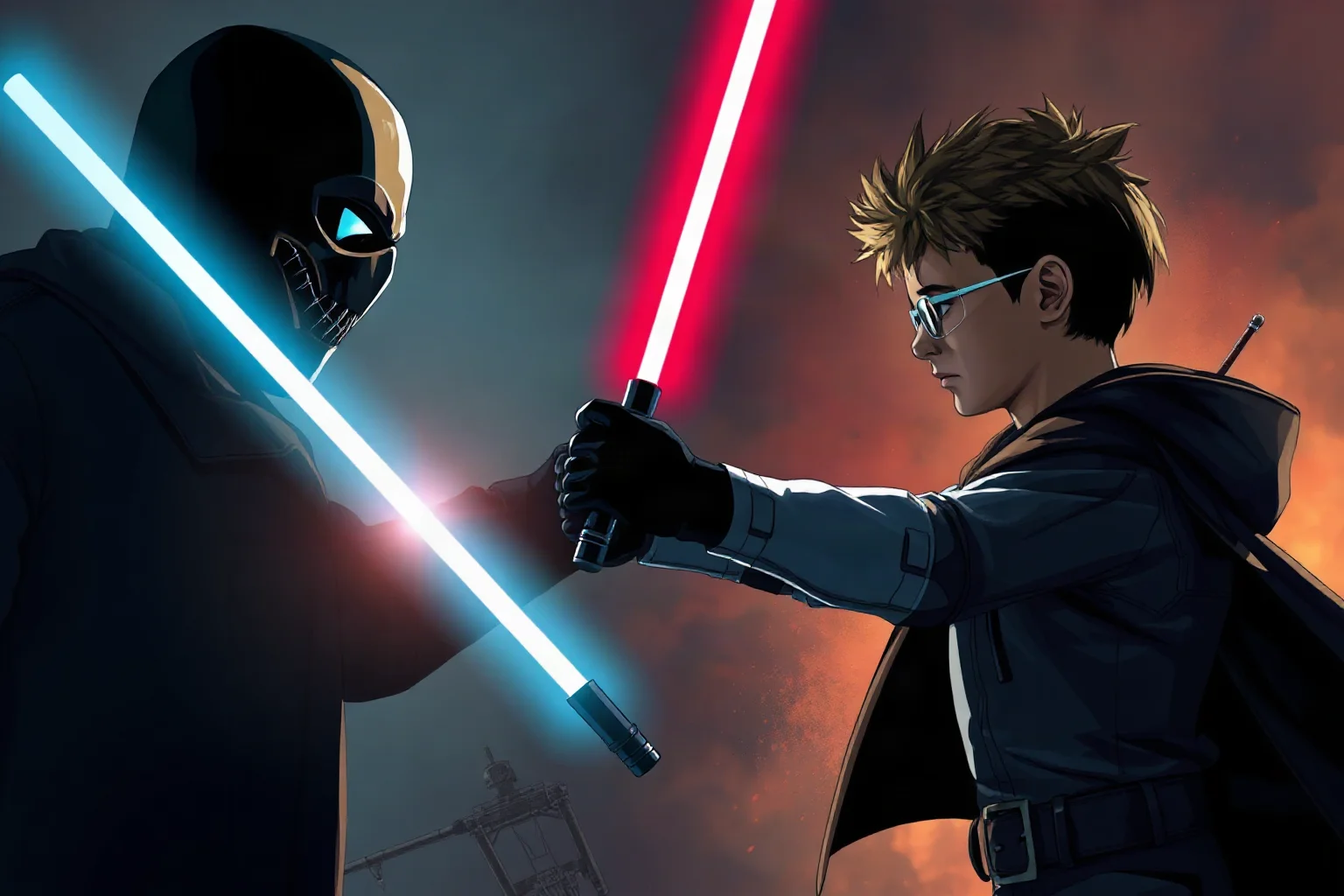
One of the most quoted movie lines in history is also one of the most misquoted. In “The Empire Strikes Back,” Darth Vader actually says “No, I am your father,” directly responding to something Luke said moments earlier, not addressing him by name at all.
5. C-3PO’s All-Gold Body
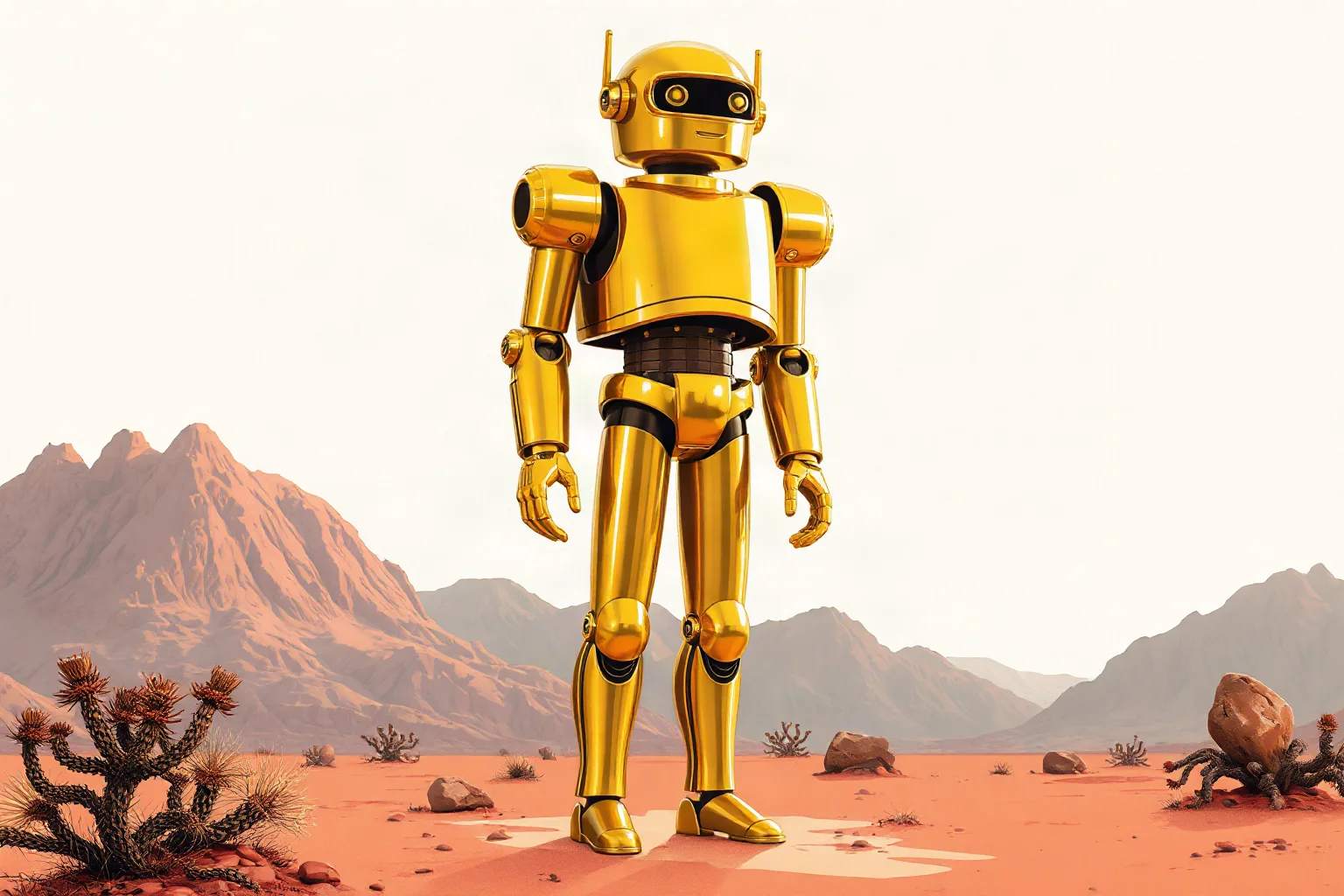
Star Wars fans overwhelmingly remember C-3PO as entirely gold from head to toe. In the original trilogy, however, the droid clearly has a silver lower leg piece, a detail visible in the very first film once you know to look for it.
6. Pikachu’s Solid Yellow Tail
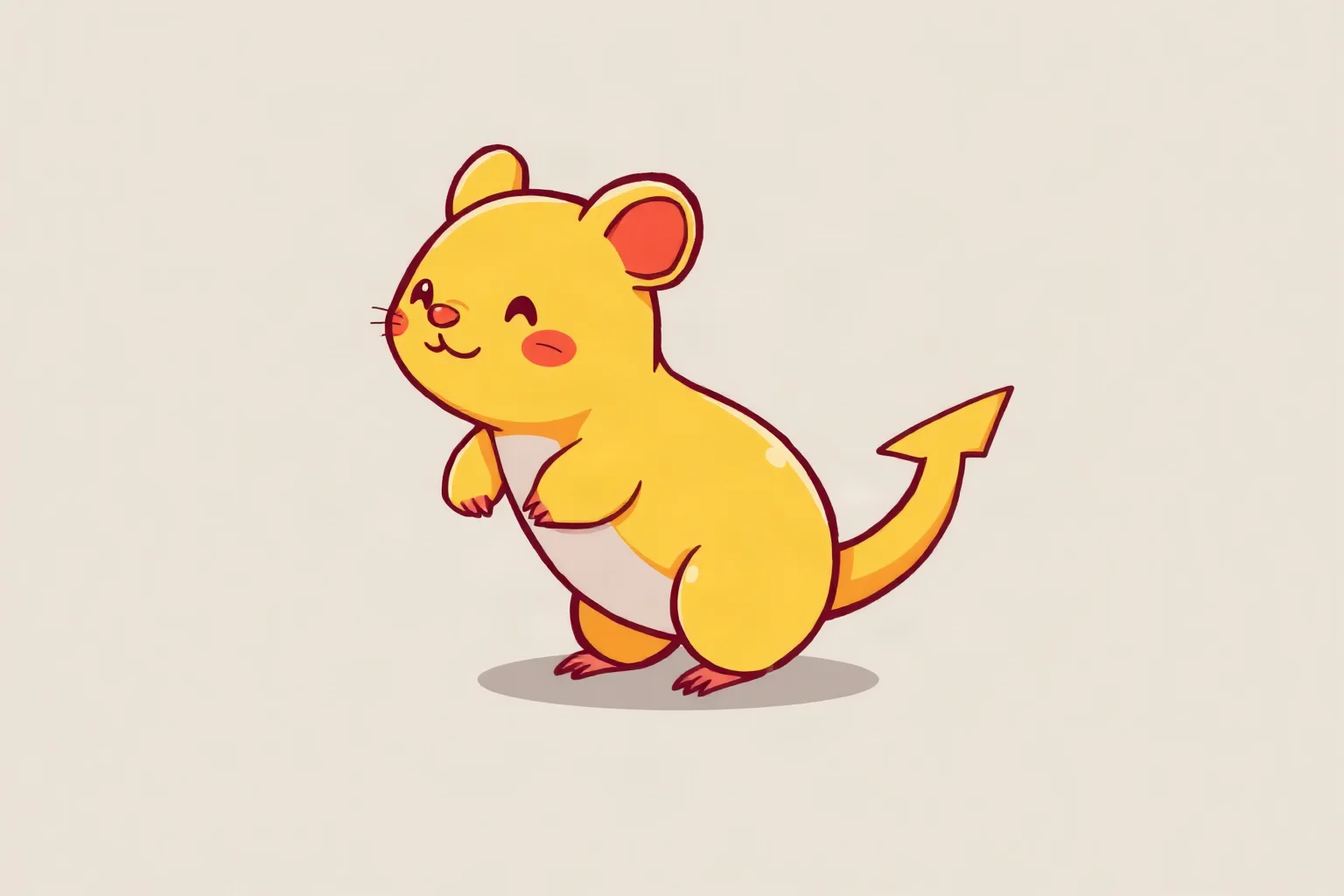
Pikachu’s tail has always been entirely yellow with no markings. Millions of fans nonetheless remember a black tip at the end of it, likely confusing the tail with Pikachu’s black-tipped ears.
7. “Mirror, Mirror on the Wall”
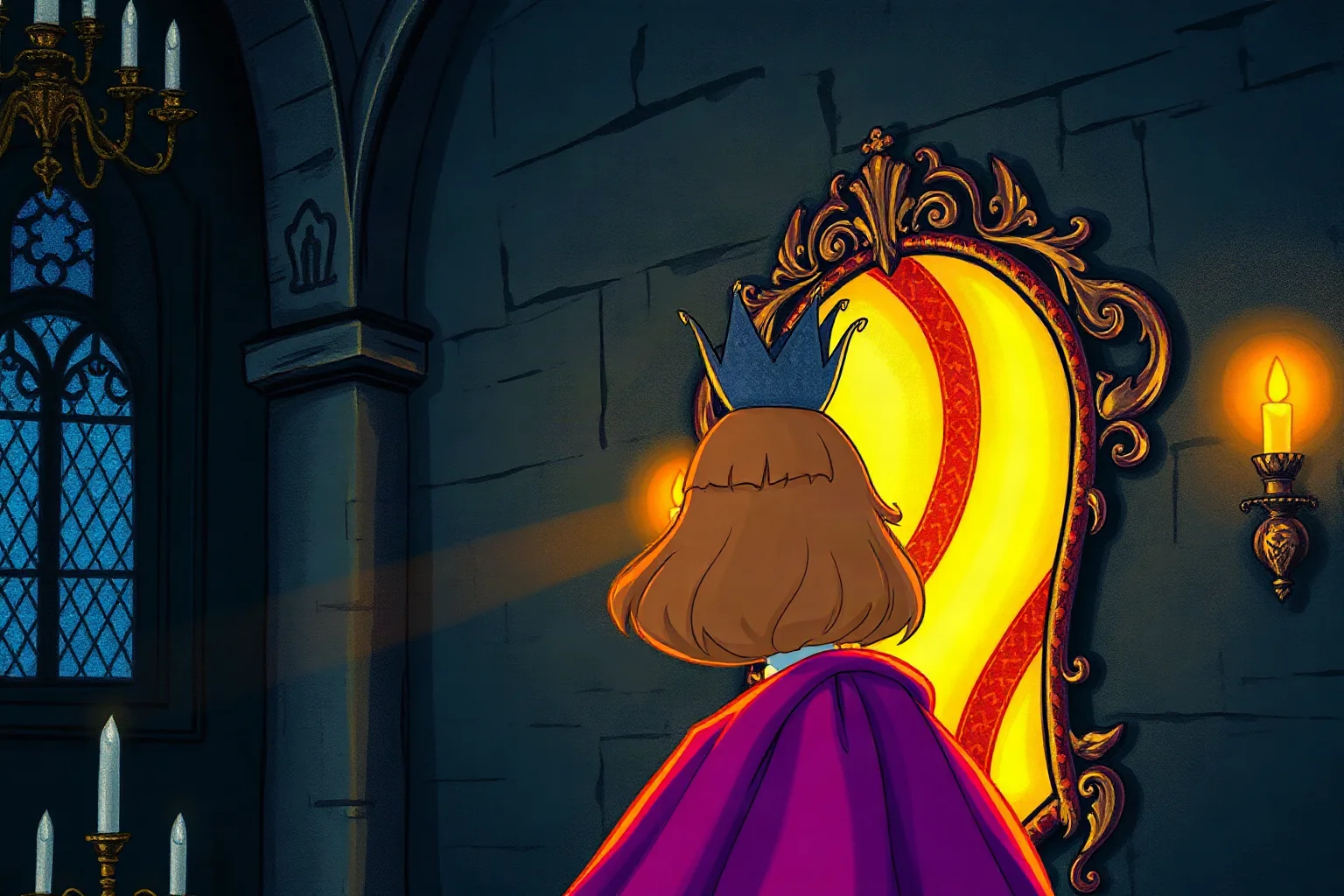
In Disney’s 1937 “Snow White and the Seven Dwarfs,” the Evil Queen actually says “Magic mirror on the wall, who is the fairest one of all?” The more famous “Mirror, mirror” phrasing that most people quote never appears in the film itself.
8. Curious George’s Missing Tail
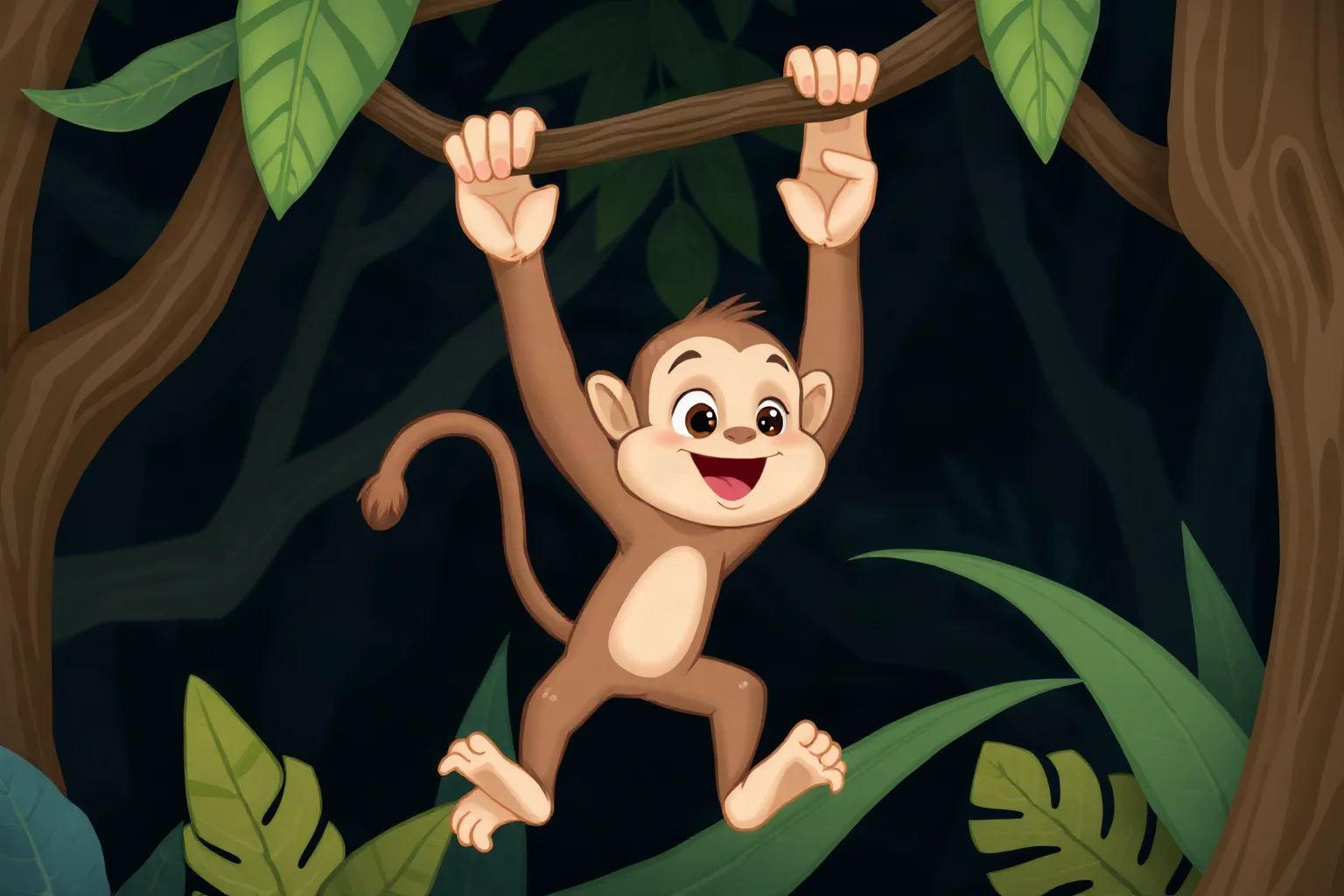
The mischievous monkey at the center of H.A. and Margret Rey’s classic books has never had a tail in the original illustrations, which is actually consistent with George being drawn as an ape rather than a monkey. Despite this, huge numbers of readers picture him swinging around with one.
9. The “Shazaam” Genie Movie
This might be the single strangest example on this entire list. A large number of people distinctly remember a 1990s film called “Shazaam” starring comedian Sinbad as a genie, complete with vague memories of the plot and VHS cover art, yet no such film has ever been found to exist.
10. “Sex and the City” vs. “Sex in the City”
The wildly popular HBO series has always carried the title “Sex and the City.” A surprising number of former viewers swear the show was called “Sex in the City,” a mix-up that has persisted for decades.
11. Looney Tunes vs. “Looney Toons”
The classic Warner Bros. cartoon franchise is spelled “Looney Tunes,” a deliberate play on its musical roots alongside its sister series, “Merrie Melodies.” Many people misremember it as “Looney Toons,” which admittedly makes more visual sense for a cartoon.
12. Froot Loops vs. “Fruit Loops”
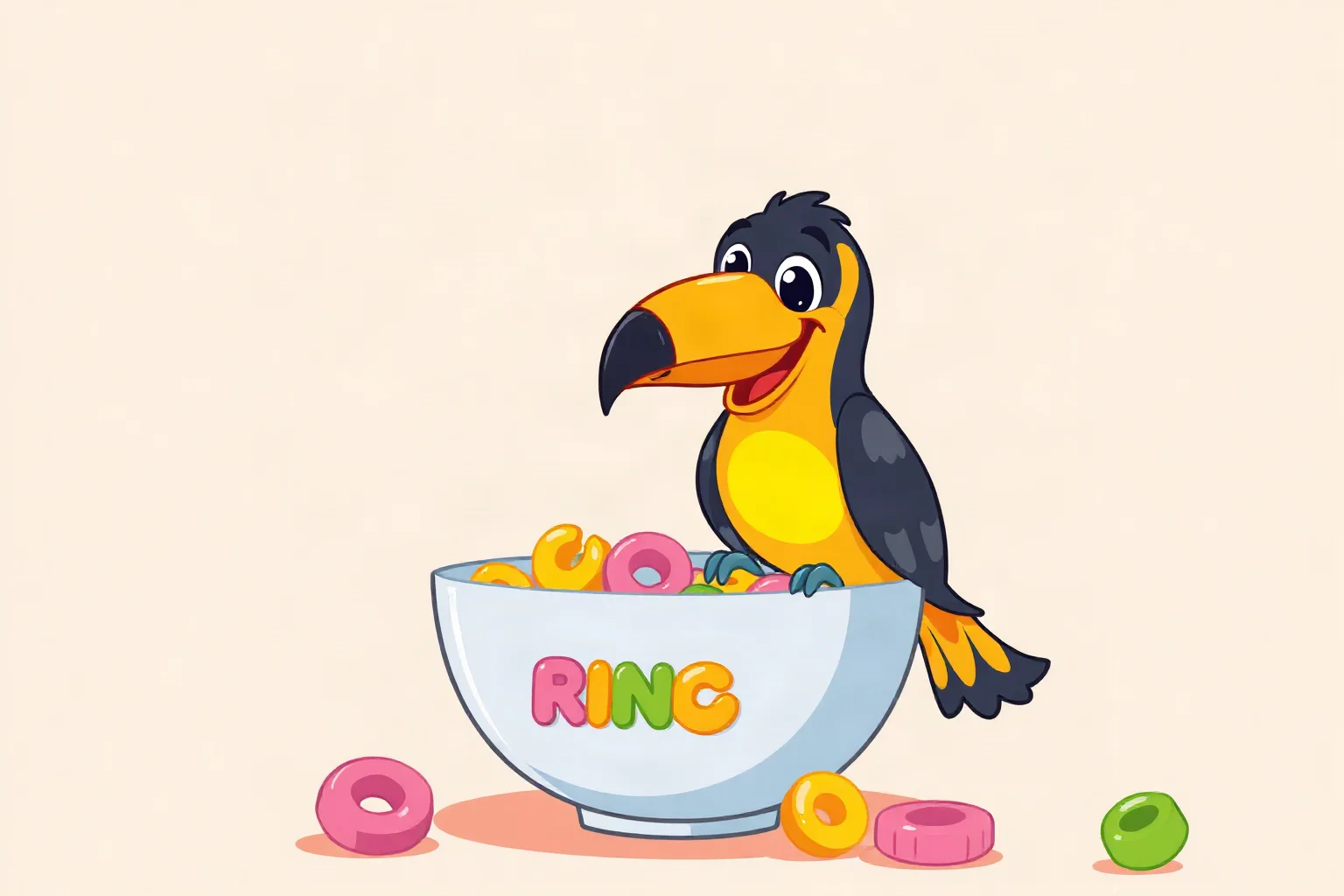
The colorful cereal has always been spelled “Froot Loops” on its box, a playful, brand-friendly spelling rather than the standard word. A large number of shoppers picture “Fruit Loops” instead, since that’s how the word is actually pronounced and spelled in everyday English.
Brand, Logo & Product Mandela Effects
13. Fruit of the Loom’s Missing Cornucopia

This is frequently cited as one of the best examples of the Mandela effect involving imagery. Countless people picture the Fruit of the Loom logo with a cornucopia, or horn of plenty, spilling fruit behind the pile, but the company’s actual logo has never included one.
14. KitKat’s Nonexistent Hyphen
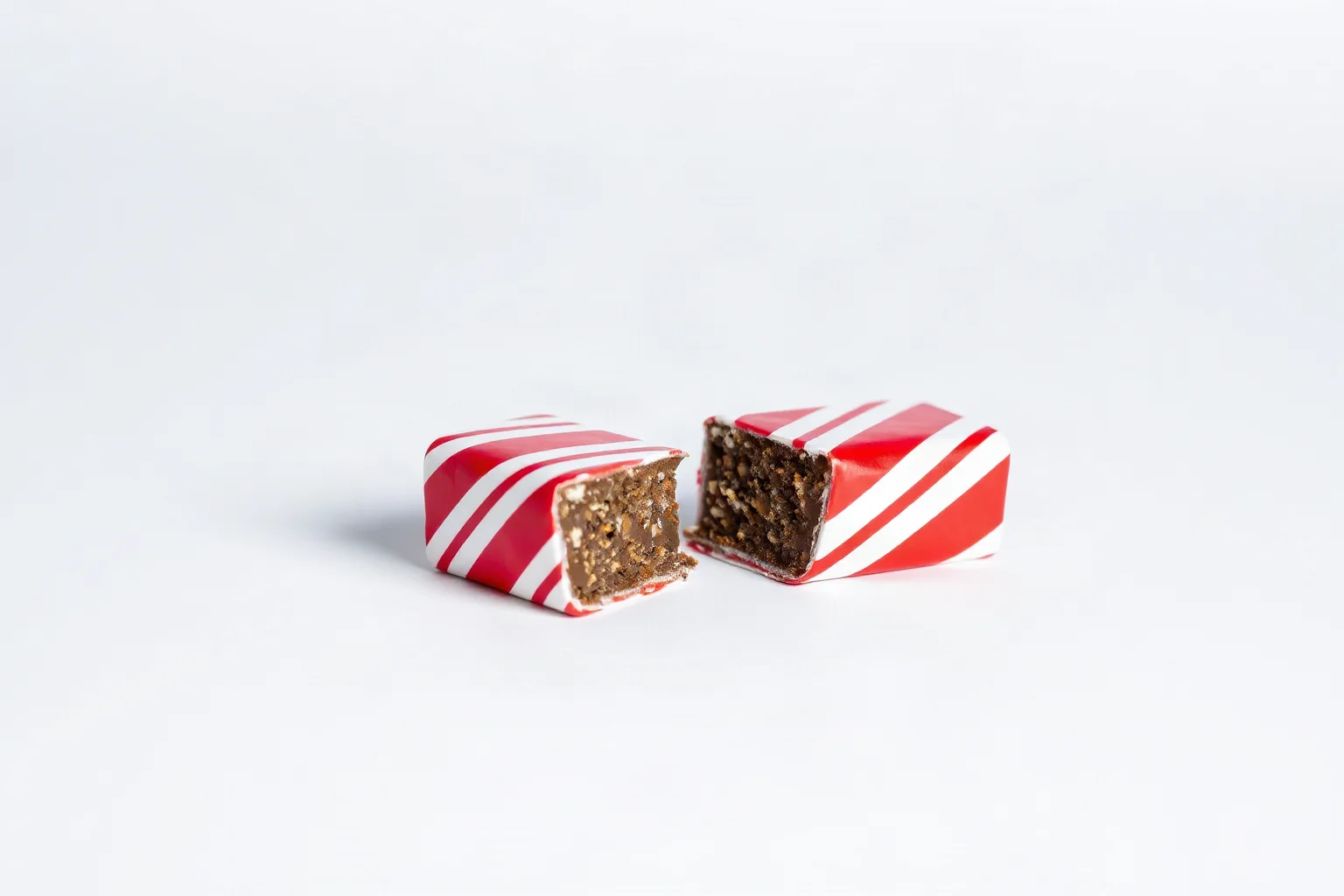
Many fans picture the candy bar’s name written as “Kit-Kat,” complete with a hyphen. The brand has confirmed publicly that the name has never been hyphenated on any of its wrappers in the U.K. or the U.S.
15. Febreze, Not “Febreeze”

The popular odor-eliminating spray is spelled “Febreze,” with a single “e” in the middle. Its unusual pronunciation makes the “Febreeze” spelling feel more intuitive, which is likely why so many shoppers misremember it.
16. Oscar Mayer, Not “Oscar Meyer”
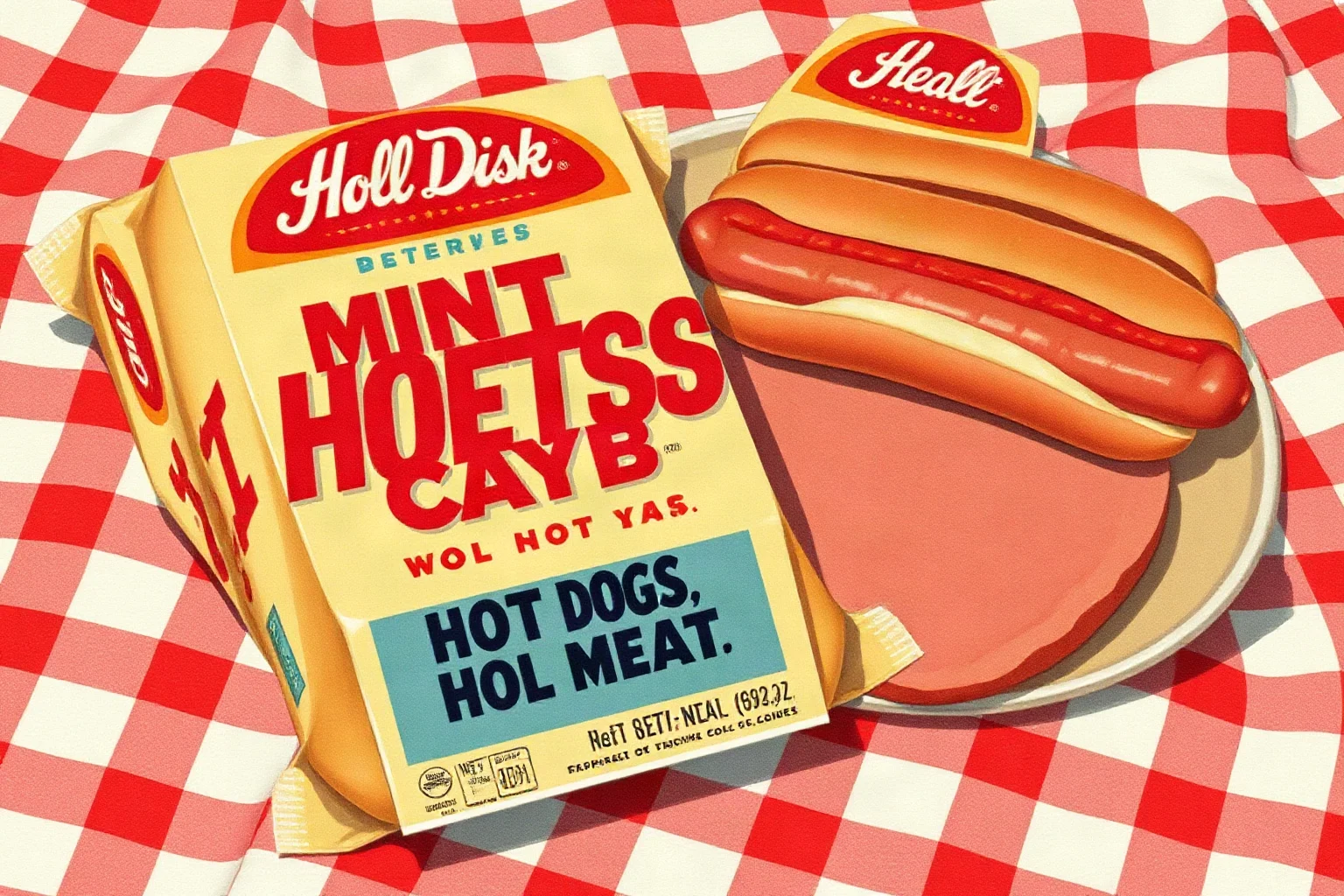
The hot dog and lunch meat brand has always spelled its name “Oscar Mayer.” “Meyer” simply looks and sounds more like a typical surname spelling, which may explain why it’s one of the most common brand-related Mandela effects.
17. Tom Cruise’s “Show Me the Money!”
Fans of “Jerry Maguire” often credit Tom Cruise’s character with shouting the film’s most famous catchphrase. It’s actually Cuba Gooding Jr.’s character, Rod Tidwell, who repeatedly yells “Show me the money!” at Cruise’s character, not the other way around.
Music, Quotes & Catchphrase Mandela Effects
18. “We Are the Champions” and the Missing Final Line
Queen’s stadium anthem is often remembered as ending with one last triumphant repetition of “of the world.” The studio recording actually fades out on the instrumental without that final vocal line, even though live performances and sports chants have reinforced the misremembered ending for decades.
19. “Hello, Clarice”
Anthony Hopkins’s Hannibal Lecter is one of cinema’s most quoted villains, largely thanks to the line “Hello, Clarice.” Watch “The Silence of the Lambs” closely, though, and you’ll find Lecter never actually says those exact words in the film.
20. Sally Field’s “You Like Me” Oscar Speech
Field’s emotional 1985 Best Actress acceptance speech is almost always paraphrased as “You like me! You really like me!” What she actually said was “I can’t deny the fact that you like me, right now, you like me,” a subtly different line that pop culture simplified over time.
21. “Objects in Mirror May Be Closer Than They Appear”
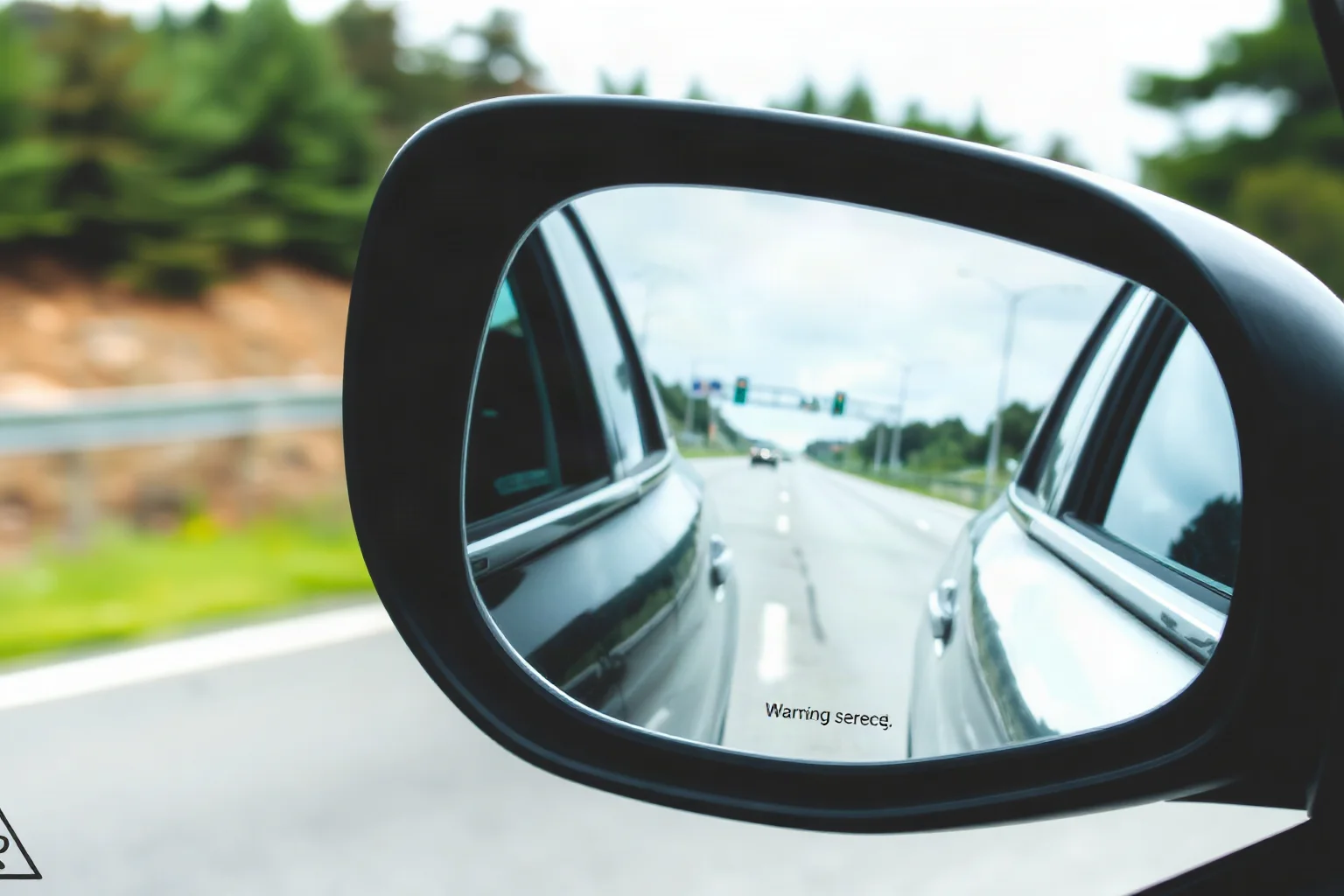
Passenger-side mirrors on vehicles are widely remembered as carrying this exact warning. The standard legal wording is actually “Objects in mirror are closer than they appear,” without the word “may.”
22. “Play It Again, Sam”
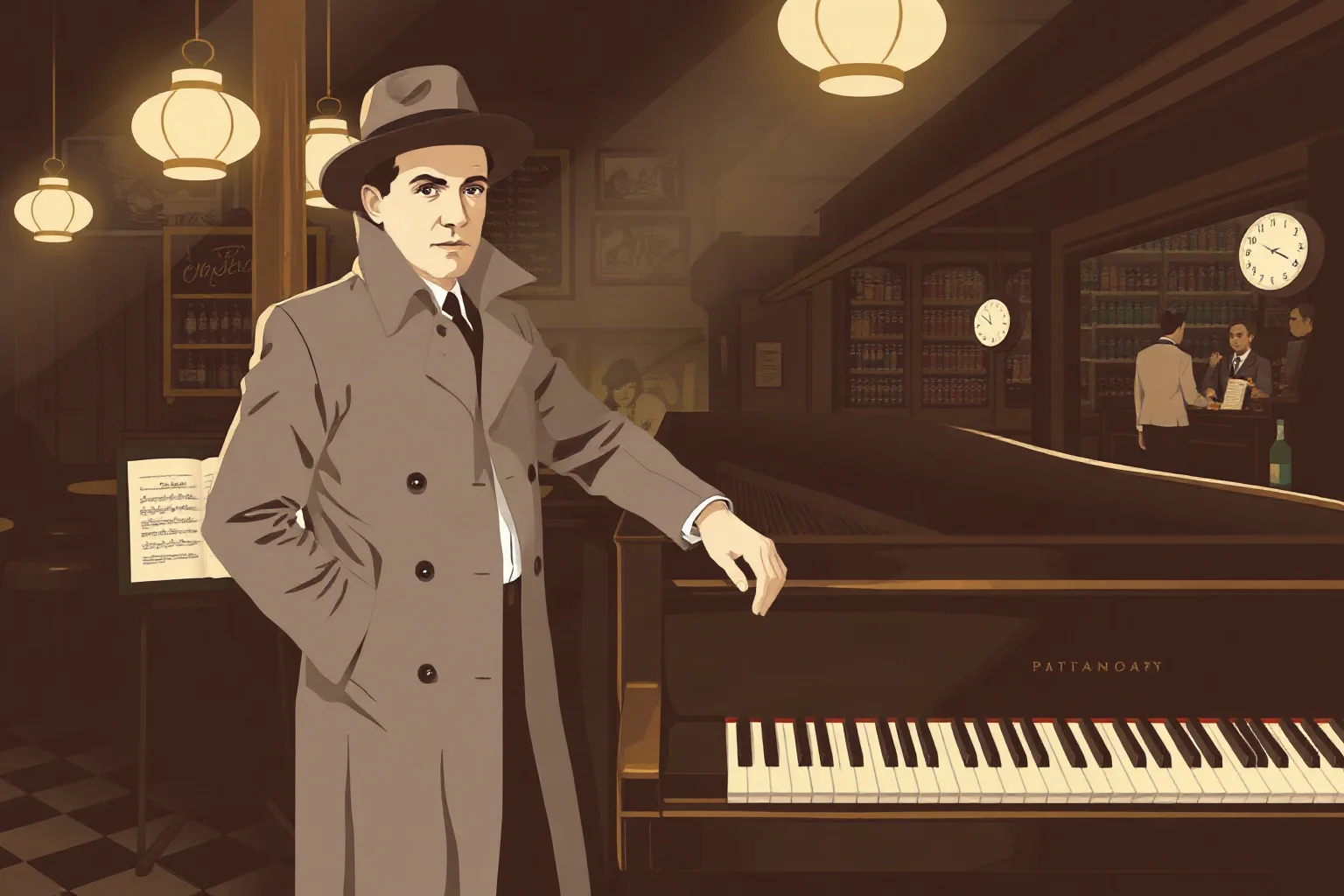
Classic film buffs frequently quote this line from “Casablanca” as if Humphrey Bogart’s character says it directly. In the actual 1942 film, Bogart’s character says “Play it,” and it’s Ingrid Bergman’s character who earlier says “Play it once, Sam,” meaning the exact phrase “Play it again, Sam” never appears in the movie at all.
Historical & Real-World Mandela Effects
23. Henry VIII’s Turkey Leg Portrait
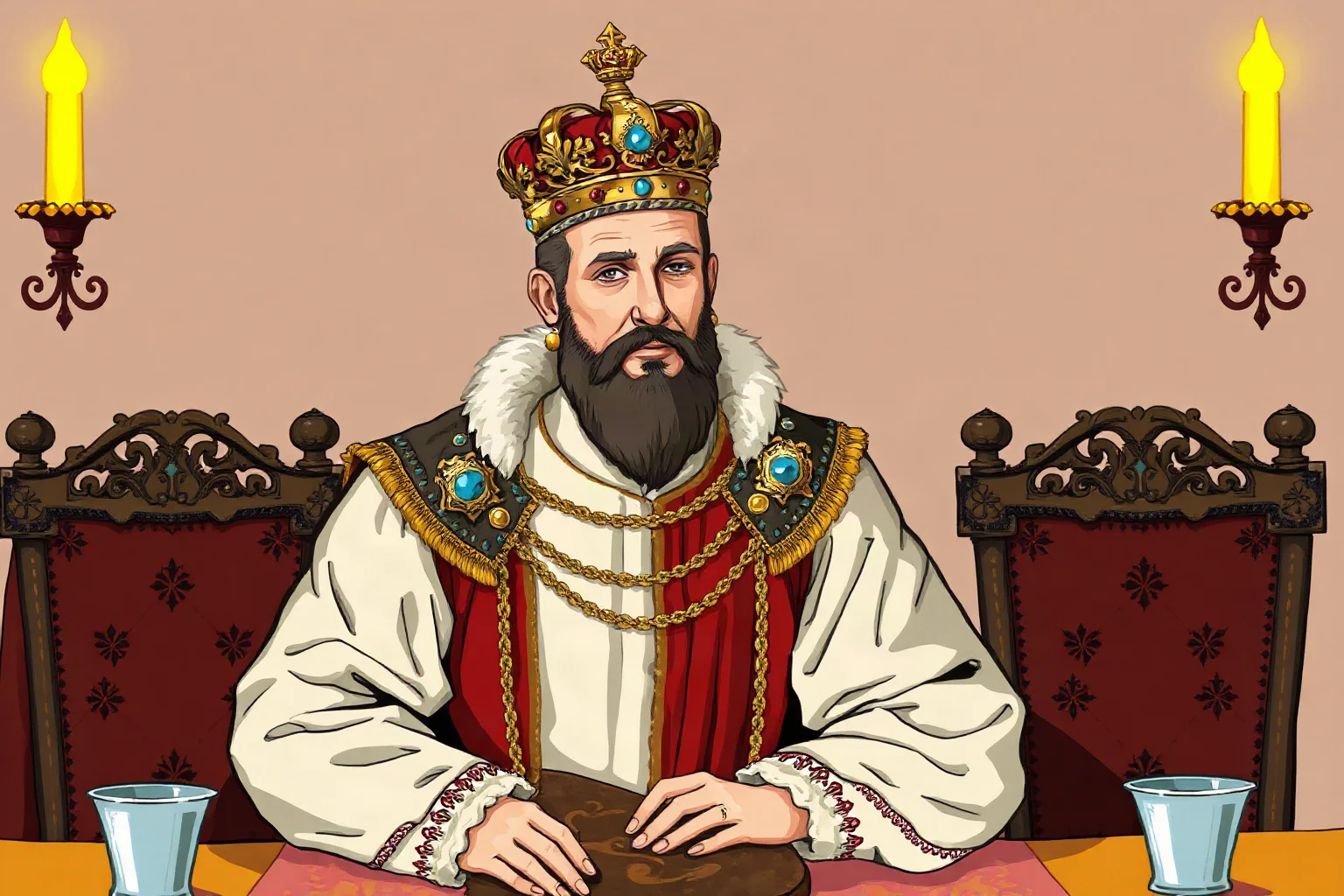
Pop culture has cemented an image of King Henry VIII gripping a giant turkey leg in one hand while holding court. No historical portrait of Henry VIII actually shows this; the image comes entirely from stage plays, movies, and Renaissance-fair caricatures rather than any real 16th-century painting.
24. Napoleon’s Supposedly Tiny Height
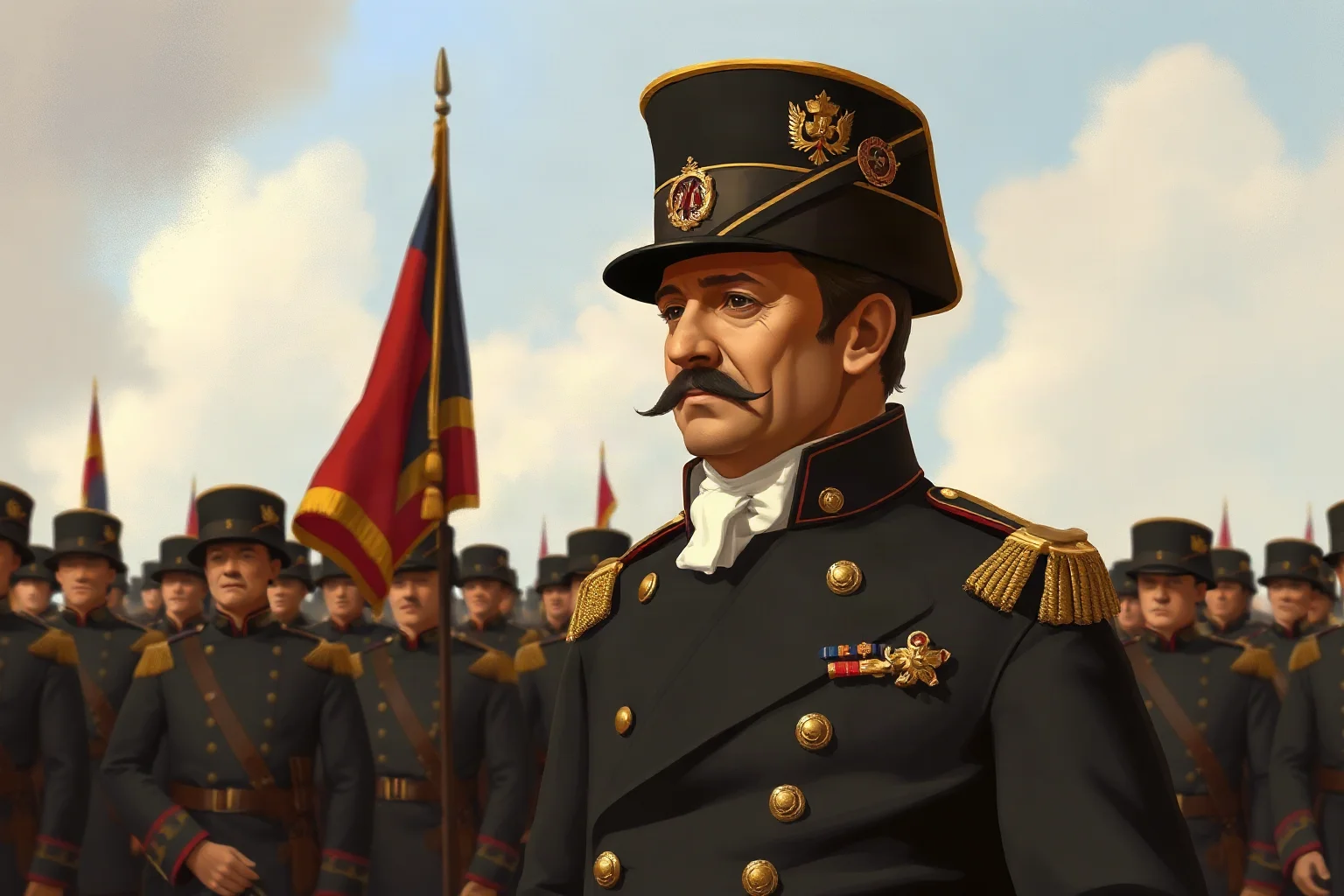
Napoleon Bonaparte is remembered by many as strikingly short, even shorter than most of his soldiers. Historical records suggest he stood around 5 feet 6 to 5 feet 7 inches, close to average height for a Frenchman of his era, far from the record-setting stature of some of history’s tallest people, with the “shrimp” myth largely fueled by British political cartoons and confusion between old French and English inch measurements.
25. Albert Einstein “Failing” Math
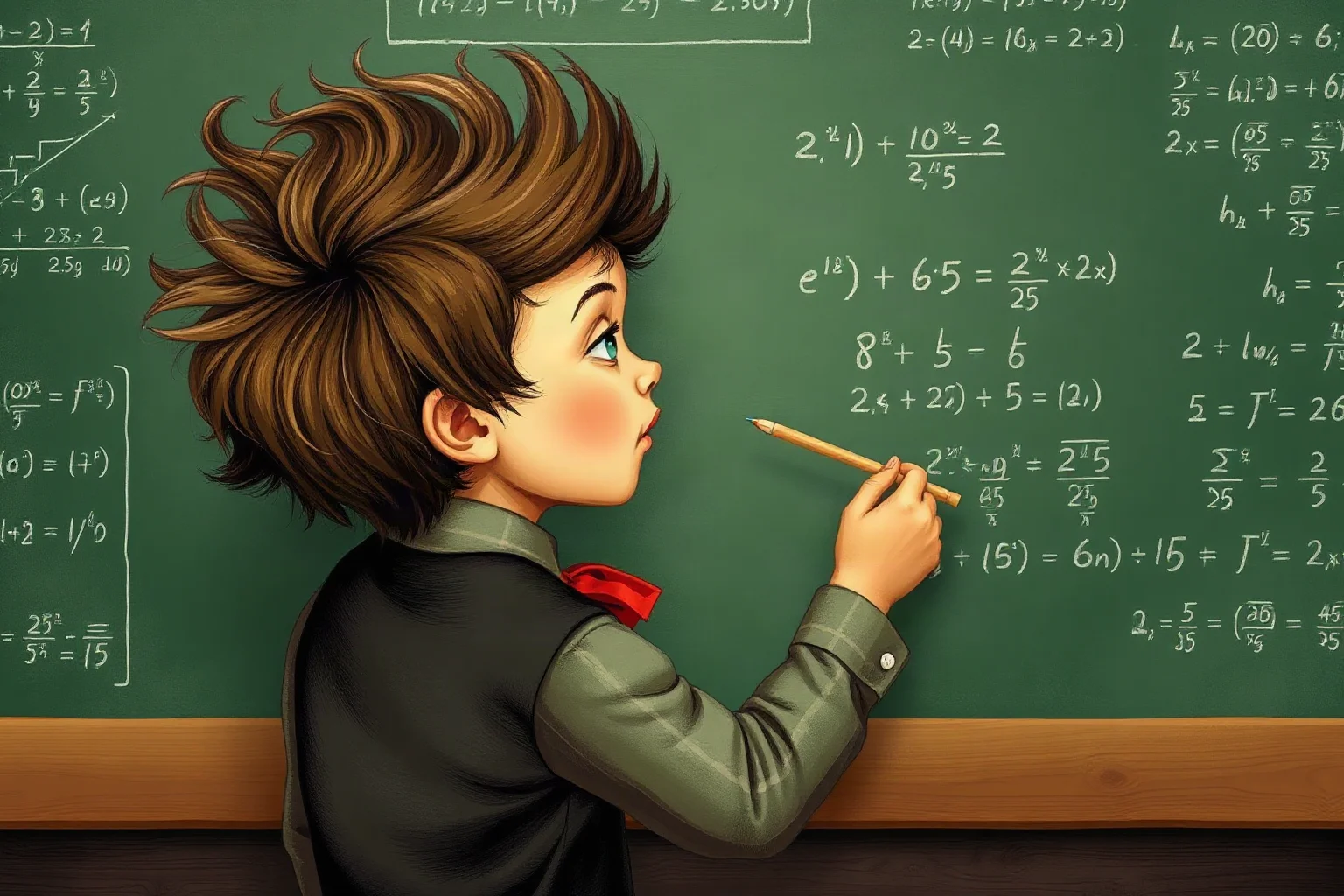
A popular story claims young Einstein failed math in school, often shared as inspiration for struggling students. School records and biographers have shown this isn’t true; Einstein excelled at mathematics from an early age, cementing his place among the smartest people in history, and the myth likely spread through misunderstood grading systems and secondhand retellings.
26. Sherlock Holmes’s “Elementary, My Dear Watson”
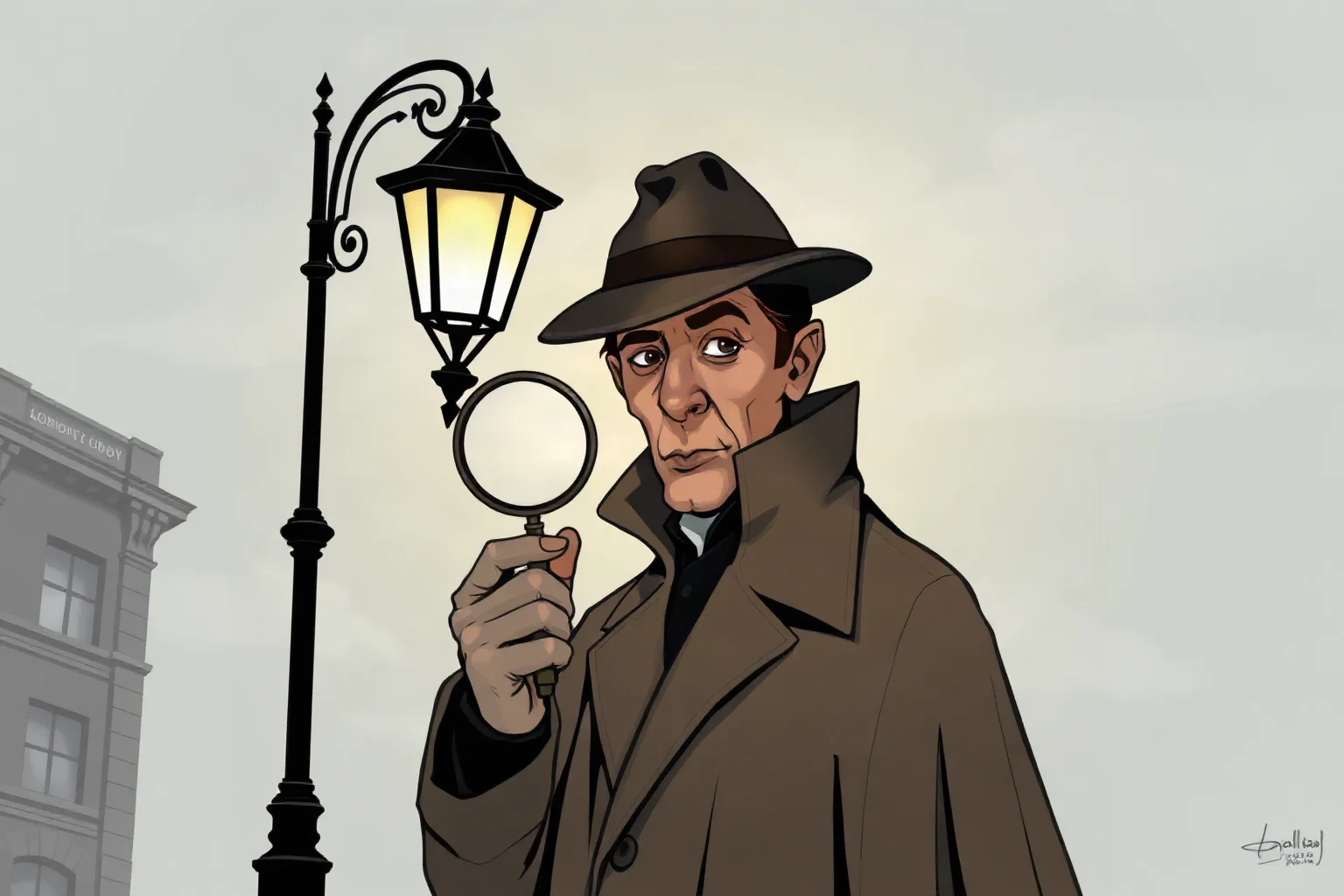
This is one of the most famous fictional catchphrases in the English language. Yet in Arthur Conan Doyle’s original stories, Holmes never actually says the full phrase “Elementary, my dear Watson” together in that exact combination; it was popularized later by stage and film adaptations.
27. The Zapruder Film’s Color
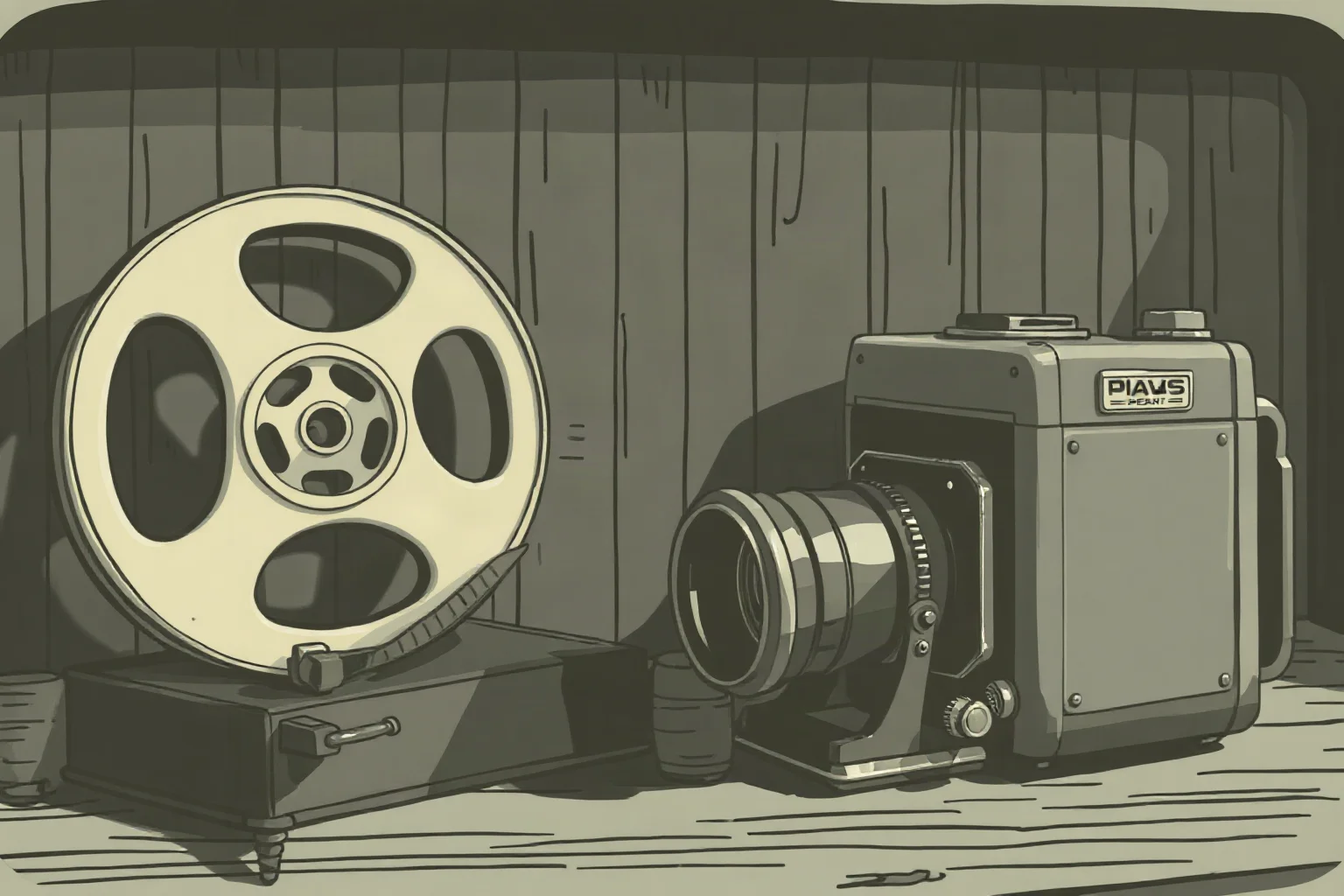
Many people who’ve grown up seeing grainy printed stills of President Kennedy’s assassination assume the famous Zapruder footage was shot in black and white. The home movie was actually filmed in color on Kodachrome film, and it’s only decades of black-and-white newspaper reproductions that shaped the false memory.
28. Neil Armstrong’s Moon Landing Quote
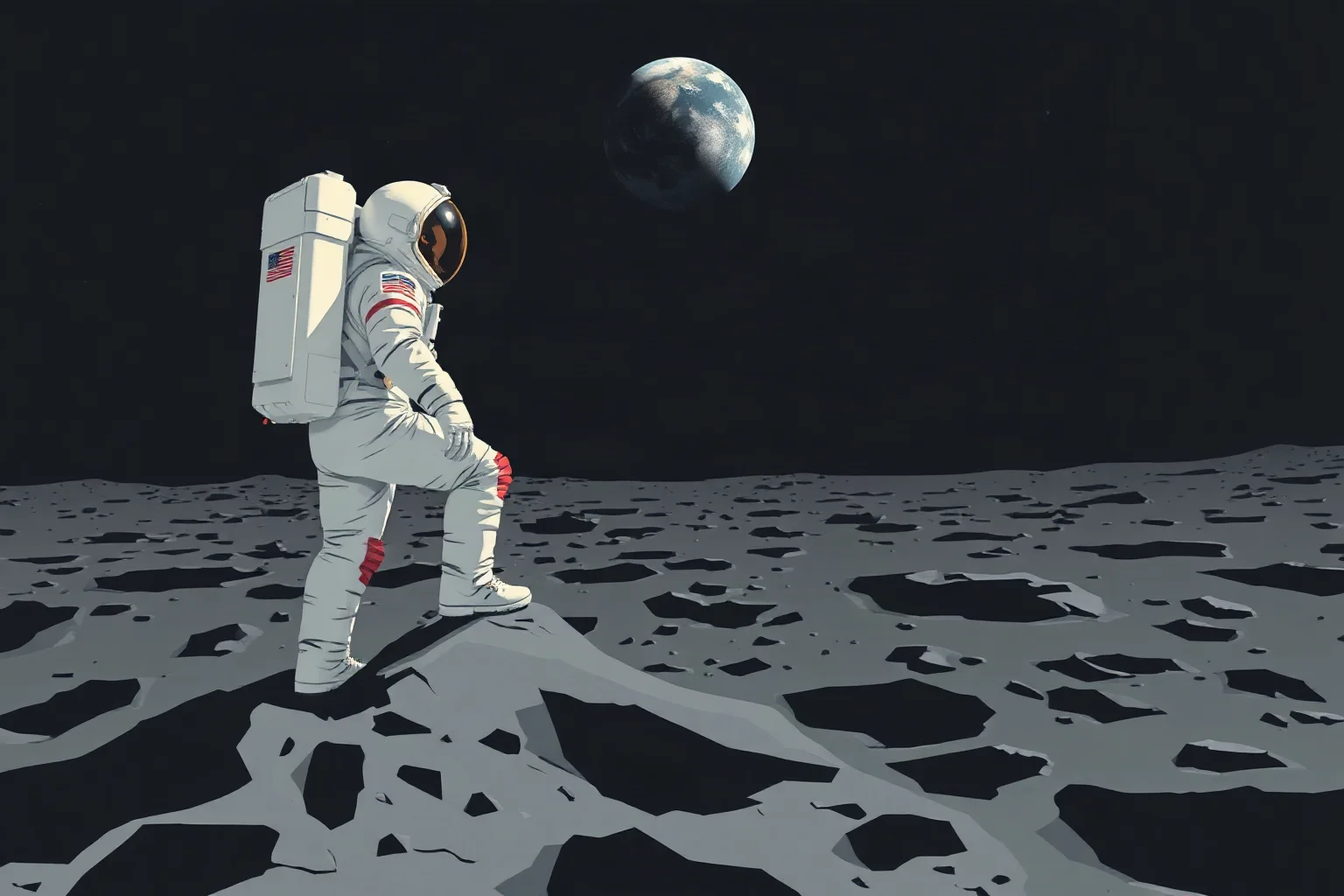
Armstrong intended to say, “That’s one small step for a man, one giant leap for mankind” while stepping onto the lunar surface in 1969. Audio analysis suggests the article “a” may have simply been lost to static or spoken too quickly to register, and Armstrong himself maintained for years that he’d said it, even though most recordings appear to skip straight from “for” to “man.”
What the Mandela Effect Really Teaches Us About Memory
After going through dozens of these cases, a clear pattern emerges: almost every genuine Mandela Effect involves a detail that feels like it should be true. A monocle fits a rich cartoon man, a hyphen fits a compound word, and a shorter Napoleon fits a stereotype about him that political enemies were happy to encourage.
That pattern is the real story here, and it’s arguably more fascinating than any theory involving alternate timelines. It shows just how easily human memory blends in outside influence, cultural assumptions, and pure pattern recognition, all without us ever noticing it happening.
New examples get proposed constantly on forums and social media, and not all of them hold up under scrutiny, so it’s worth staying skeptical of any “newest Mandela effect” claim until you’ve checked the original source yourself. The genuinely well-documented examples above have survived that scrutiny precisely because they can be checked against real photographs, film reels, court records, and original printed pages. That’s ultimately good news: it means the Mandela Effect isn’t evidence of a broken universe, but a fascinating, well-earned reminder that even our most confident memories deserve a second look.
Whether you came here already knowing dozens of these examples, or you’re only now realizing the Monopoly Man never had a monocle, the takeaway is the same. Shared false memories are a normal, well-studied part of being human, not a sign that reality itself is malfunctioning around you.
The next time a friend insists they remember something “for a fact,” it might be worth pulling up the original source together. More often than not, you’ll find yourselves looking at a textbook example of the Mandela Effect in real time.
Frequently Asked Questions
What are some examples of the Mandela Effect?
Some of the most-cited examples of the Mandela Effect include people misremembering the Berenstain Bears as "Berenstein Bears," picturing the Monopoly Man with a monocle he never had, recalling a nonexistent movie called "Shazaam" starring Sinbad, and believing Darth Vader says "Luke, I am your father" instead of the actual line, "No, I am your father."
Why is it called the Mandela Effect?
It's named after Nelson Mandela because researcher Fiona Broome coined the term in 2009 after discovering she and many others falsely remembered Mandela dying in prison in the 1980s, when he actually was released in 1990 and died in 2013.
Is the Mandela Effect real?
The shared false memories themselves are real and well documented, but the explanation is psychological rather than supernatural. Researchers attribute the effect to confabulation and false memory formation, not parallel universes or timeline glitches.
When did the Mandela Effect start?
The term was coined in 2009, though the underlying psychological phenomenon of shared false memory has been studied since at least the 1930s. The concept became widely known after social media and online forums let people compare and realize they shared the same "wrong" memories.
What is the Mandela Effect involving the Berenstain Bears?
Many people distinctly remember the children's book series being spelled "Berenstein Bears," but the title has always been "Berenstain Bears," named after its real-life creators, Stan and Jan Berenstain.
What are the most common Mandela Effect examples?
Beyond the Berenstain Bears and the Monopoly Man's monocle, commonly cited examples include the Fruit of the Loom logo's missing cornucopia, KitKat's nonexistent hyphen, and Pikachu's tail, which many people incorrectly remember having a black tip.
Is the Mandela Effect proof of parallel universes?
No credible scientific evidence supports that idea. Most psychologists explain the Mandela Effect through memory reconstruction and pattern-based false recall rather than alternate timelines or a glitch in reality.

Alex Warren
Related Articles