

Every artifact is a message in a bottle, thrown from one century and caught in another. A chipped stone tool, a gold death mask, a scrap of papyrus — each one carries a fragment of a story that would otherwise be lost completely. Archaeologists and historians spend careers piecing those fragments together, and the results are often stranger and more astonishing than fiction.
This list rounds up some of the most incredible artifacts ever uncovered, spanning millions of years of historical time periods across human (and pre-human) history. Along the way, we’ll cover what actually counts as an artifact, how archaeologists find and date them, and why some “legendary” artifacts belong more to myth than to museums.
TL;DR: From 3.3-million-year-old stone tools to a 15th-century book no one can read, the artifacts on this list show how ordinary objects become extraordinary windows into the human past.
What Is an Artifact, Exactly?
In archaeology, an artifact is simply any object that was made, modified, or used by humans (or older hominin relatives). That’s a broad definition, and it’s meant to be. It covers everything from a crude stone chopper to a cathedral’s stained glass window, as long as human hands shaped or used it in some way.
People often ask what are examples of artifacts, expecting a narrow answer, but the category is huge. Here are just a few common types:
- Tools and weapons (axes, spearheads, swords, arrowheads)
- Pottery, coins, and jewelry
- Written or printed documents (tablets, scrolls, manuscripts, books)
- Art objects (statues, carvings, paintings, figurines)
- Clothing, textiles, and personal ornaments
- Structures and their fittings, like doors, hinges, or tiles
It’s worth noting that “artifact” gets used a little differently outside archaeology too. In computing, for instance, people talk about digital or compression artifacts — glitches or distortions left behind in an image or file. That’s a legitimate use of the word, just a very different one from the historical artifacts this article focuses on.
How Do Archaeologists Find and Date Artifacts?
Most artifacts turn up through deliberate excavation, but plenty are found by accident — farmers plowing fields, construction crews digging foundations, or hikers stumbling across something half-buried in melting ice. Once an object is recovered, its exact location and depth (the archaeological context) matter almost as much as the object itself, since that positioning helps date it and connect it to other finds nearby.
Dating methods vary depending on the material. Organic artifacts like wood, bone, or textile can often be dated using radiocarbon (carbon-14) analysis, while layers of rock and soil (stratigraphy) help date objects that don’t contain organic material. Historians also lean on written records, artistic style, and comparisons to similar, already-dated objects.
What can historians learn from artifacts is really the whole point of the exercise. A single cooking pot can reveal trade routes, diet, technology, and social status, often more honestly than the written records left by the powerful people of an era.
1. The Lomekwi Stone Tools — The Oldest Artifacts Ever Found
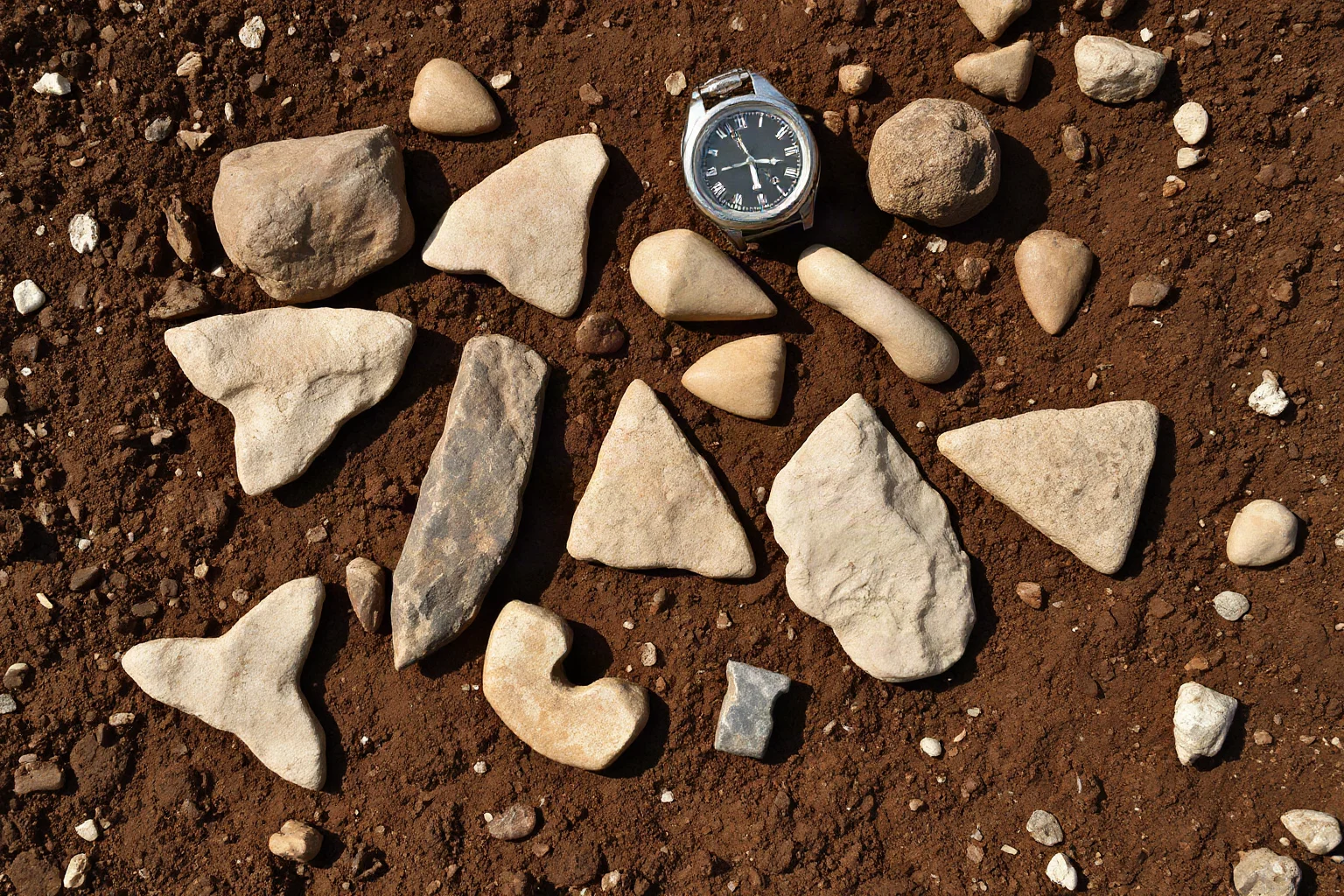
Discovered near Lake Turkana in Kenya, the Lomekwi 3 stone tools are currently considered the oldest artifacts ever found, dated to roughly 3.3 million years old. That’s older than the genus Homo itself, meaning these tools were likely made by an earlier hominin species, not a direct human ancestor in the way we usually picture one.
The find upended the old assumption that toolmaking began with Homo habilis. It pushed the origin of technology back by hundreds of thousands of years and forced researchers to rethink what counts as the true dawn of the oldest artifact in the world.
2. Blombos Cave Ochre Engravings
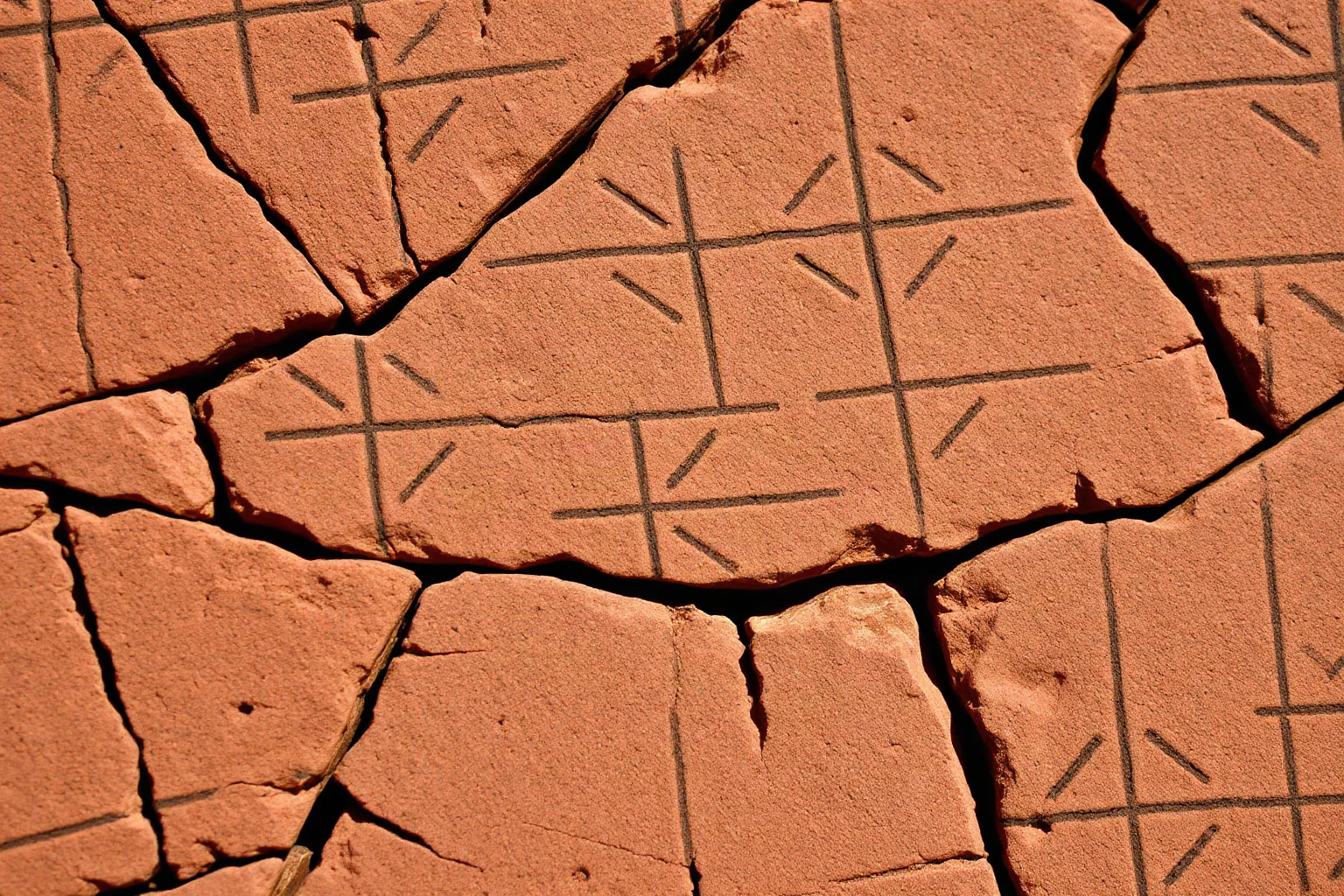
In a cave along South Africa’s southern coast, researchers found pieces of ochre etched with deliberate cross-hatched patterns, dated to around 73,000 years old. These engravings are among the earliest known examples of abstract, symbolic art made by early humans.
What makes this artifact so significant is what it implies about the mind behind it. Deliberate pattern-making suggests early Homo sapiens were already capable of symbolic thought, long before cave paintings in Europe made headlines.
3. The Venus of Willendorf
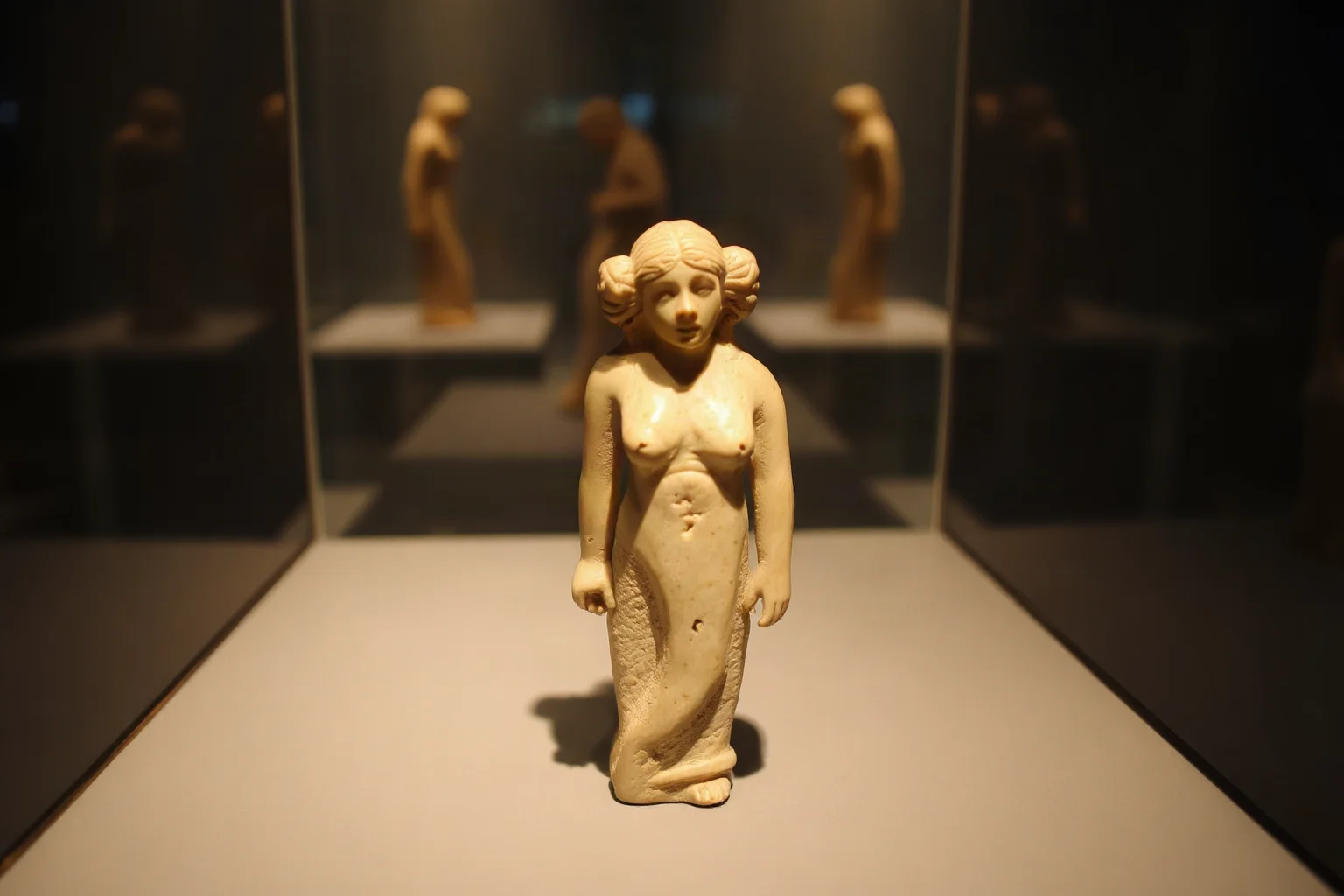
This small limestone figurine of a rounded female form was carved roughly 30,000 years ago and found in Austria in 1908. It’s one of the most famous examples of Upper Paleolithic “Venus figurines” found across prehistoric Europe.
No one knows for certain what the figure represented, whether it was linked to fertility, spirituality, or something else entirely. That mystery is part of why it remains one of the most discussed prehistoric artefacts in any museum collection.
4. The Ishango Bone
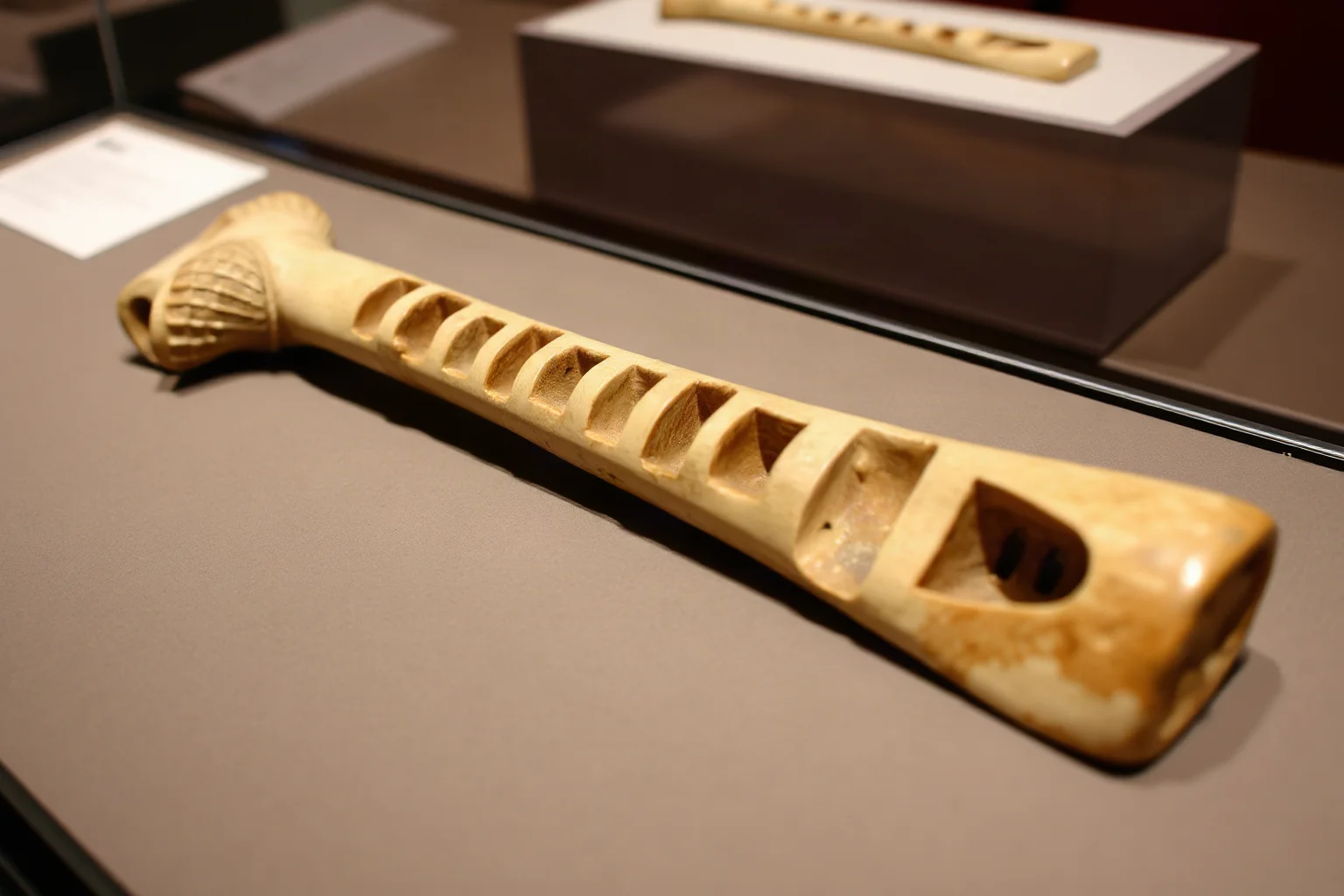
Found near the Semliki River in the Democratic Republic of the Congo, this small bone tool is carved with rows of notches arranged in distinct groupings. Dated to roughly 20,000 years old, it’s often cited as one of the earliest possible mathematical tools.
Scholars still debate whether the notches represent a lunar calendar, a tally system, or something more abstract. Either way, it’s a striking reminder that counting and record-keeping are far older than written numerals.
5. Ötzi the Iceman’s Tool Kit
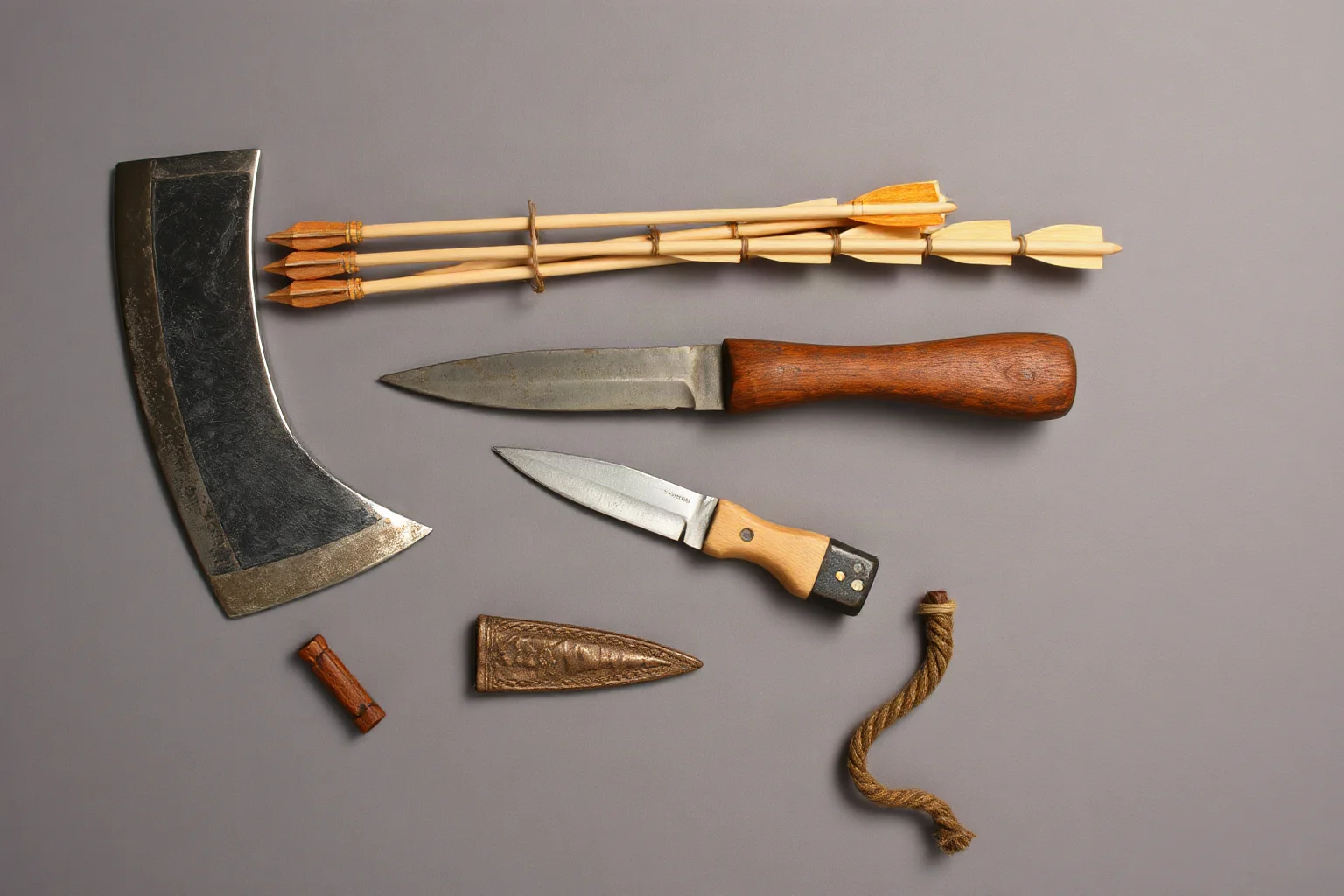
In 1991, hikers in the Ötztal Alps found a naturally mummified body dating back roughly 5,300 years, preserved by ice and snow. Alongside Ötzi himself, researchers recovered an incredibly rare, fully intact Copper Age tool kit: a copper axe, a flint knife, a quiver of arrows, and even remnants of his clothing and shoes.
Because organic materials like leather and wood so rarely survive this long, Ötzi’s belongings are treated as one of the most valuable artifacts in the world for understanding daily life at the dawn of metalworking.
6. The Code of Hammurabi
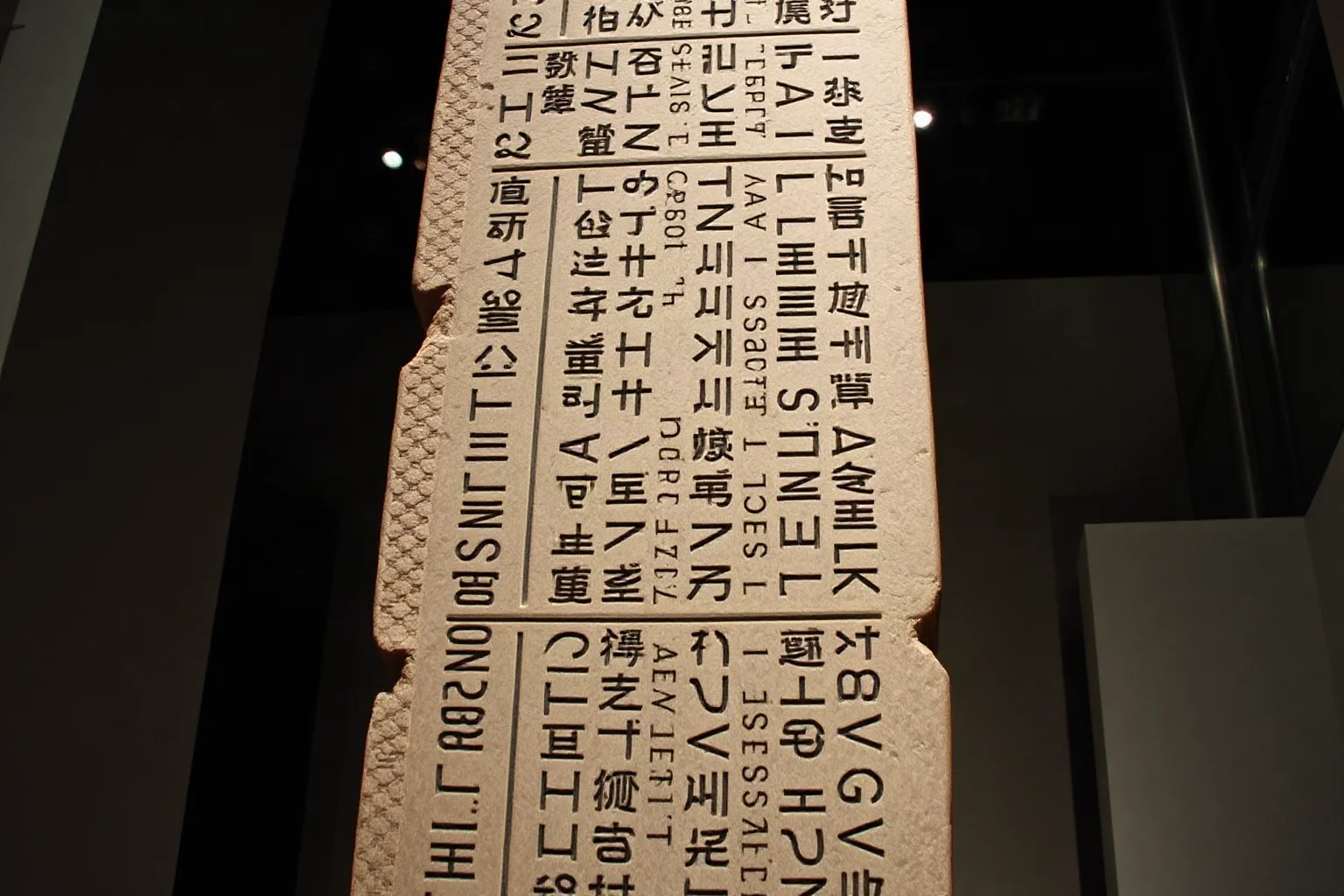
Carved into a tall basalt stele around 1754 BCE, the Code of Hammurabi lists nearly 300 laws issued by the Babylonian king Hammurabi. It was found in 1901 in Susa, in modern-day Iran, where it had apparently been taken as war plunder centuries after it was made.
It isn’t the oldest known legal text, but it’s the most complete and famous ancient artifact of law, and it still shapes how historians talk about early justice systems.
7. The Standard of Ur
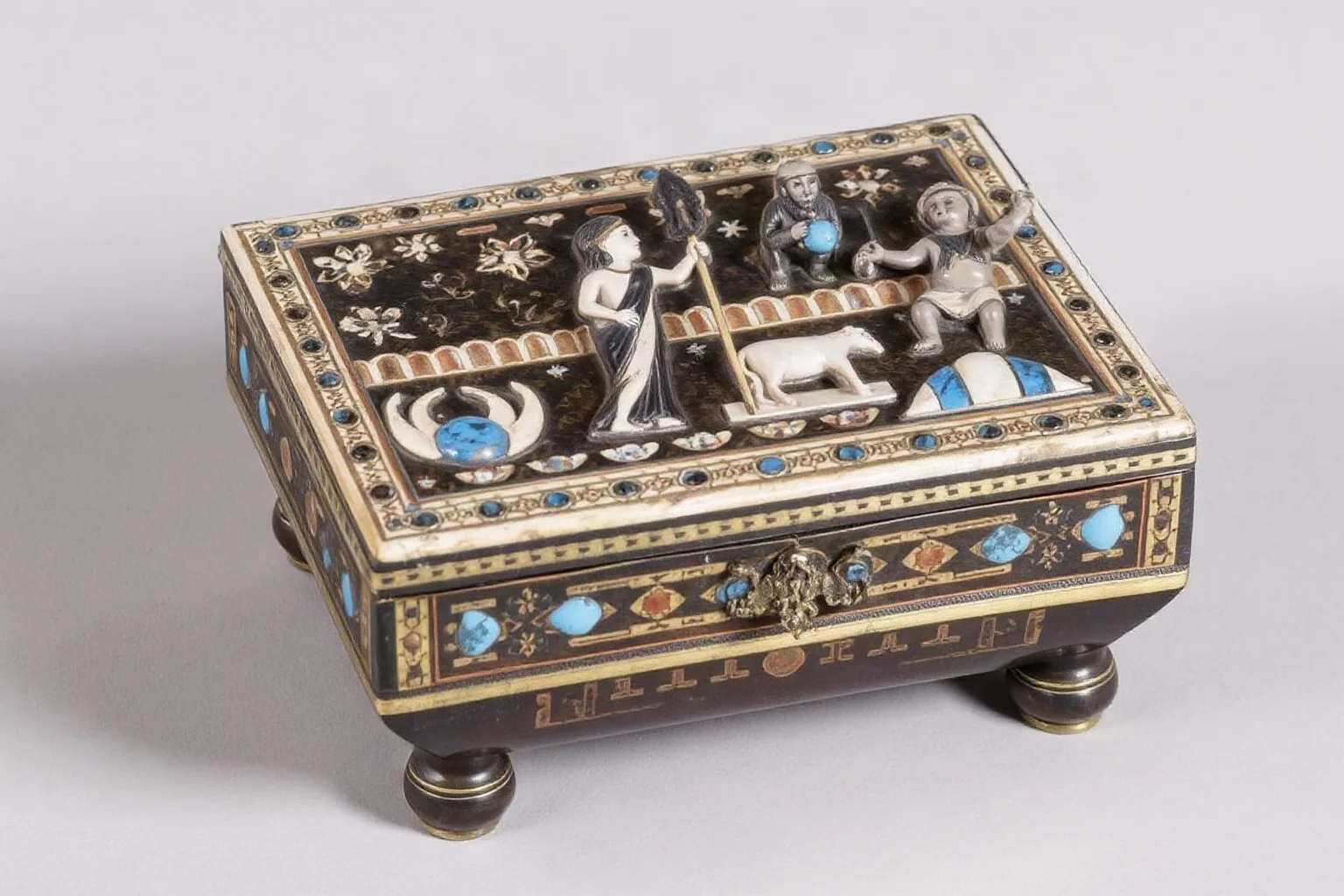
This small, box-shaped Mesopotamian artifact, inlaid with shell, limestone, and lapis lazuli, dates to roughly 2600–2400 BCE. It was uncovered by archaeologist Leonard Woolley during excavations of royal tombs in southern Iraq in the 1920s.
Its two main panels are nicknamed “War” and “Peace,” depicting battle scenes on one side and feasting on the other. Its actual original function is still debated, but it remains one of the most detailed visual records of early Sumerian society.
8. The Nefertiti Bust
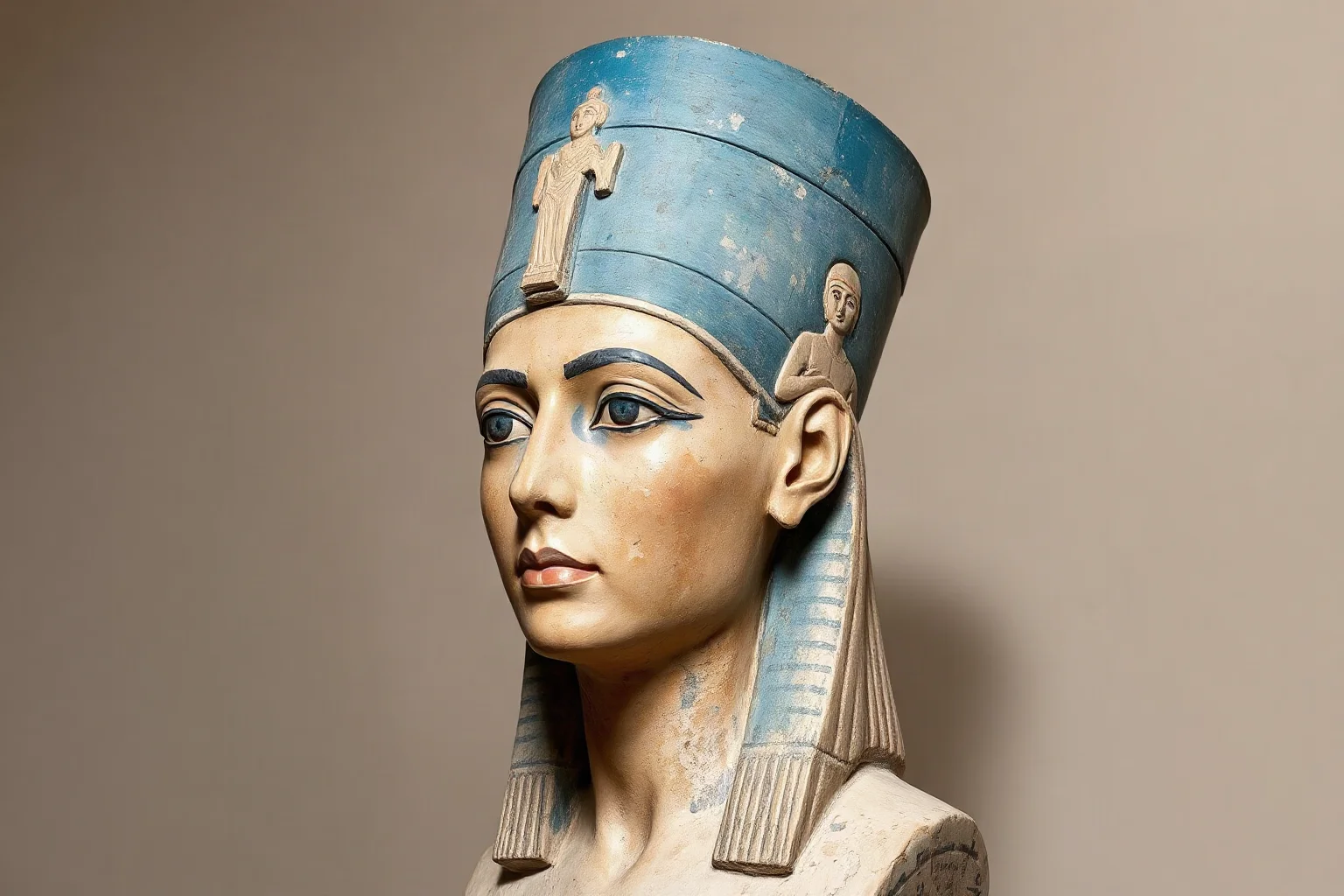
Carved from limestone around 1345 BCE, this painted bust depicts Queen Nefertiti, wife of Pharaoh Akhenaten, with striking symmetry and color still visible after more than 3,300 years. German archaeologists found it in 1912 while excavating the workshop of the sculptor Thutmose in Amarna, Egypt.
Its ownership has been a source of diplomatic tension between Egypt and Germany for decades. It’s a strong example of the debate around where famous ancient Egyptian artifacts should ultimately reside.
9. King Tutankhamun’s Golden Death Mask
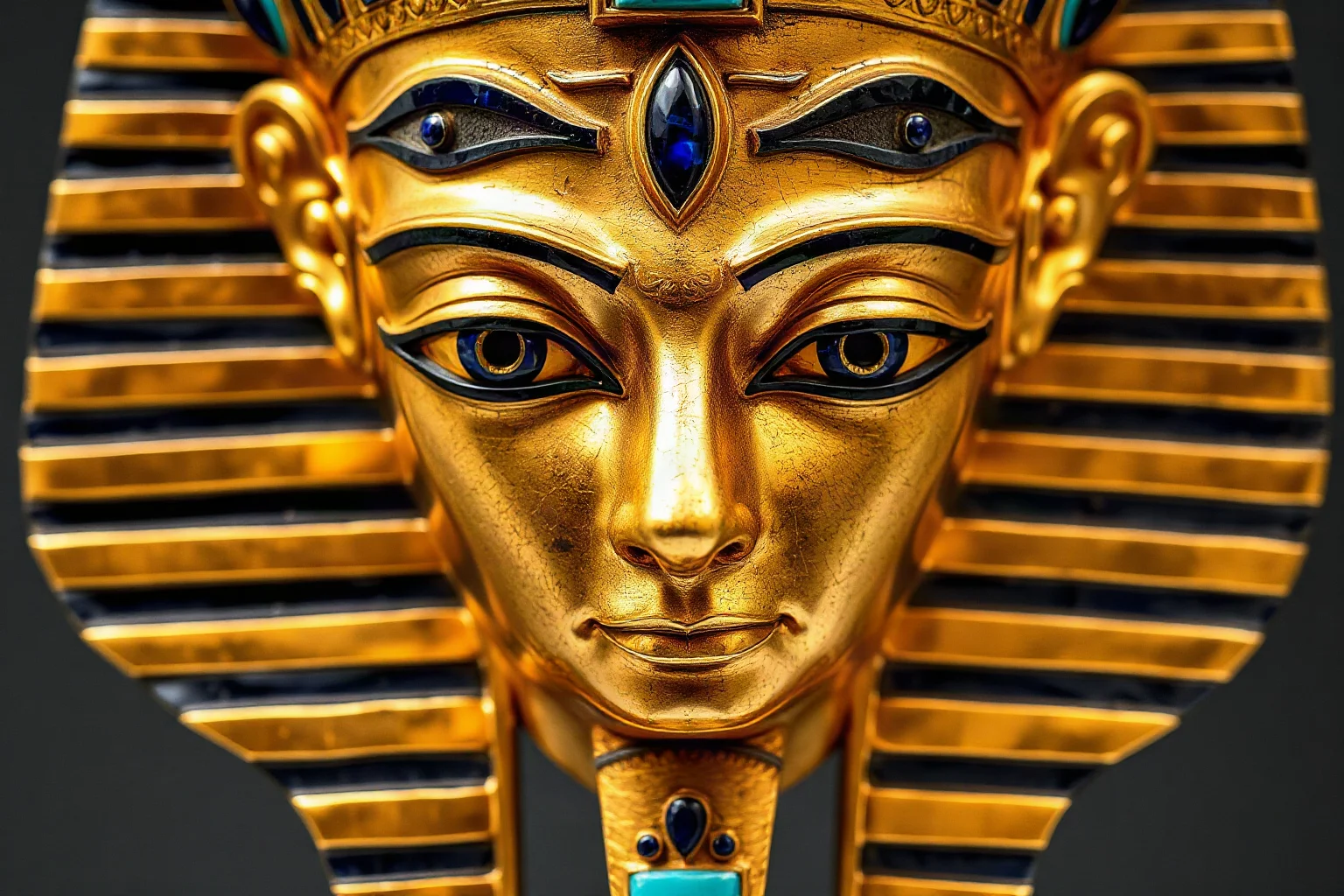
When Howard Carter opened Tutankhamun’s tomb in 1922, he found the young pharaoh’s mummy covered by a solid gold funerary mask inlaid with lapis lazuli, turquoise, and colored glass. Dating to around 1323 BCE, it remains one of the most recognizable and famous artifacts in the world.
What made the tomb so remarkable wasn’t just the mask, but the fact that it had escaped serious looting for over 3,000 years. That near-untouched condition made it an unmatched source of information about royal burial practices in ancient Egypt.
10. The Rosetta Stone
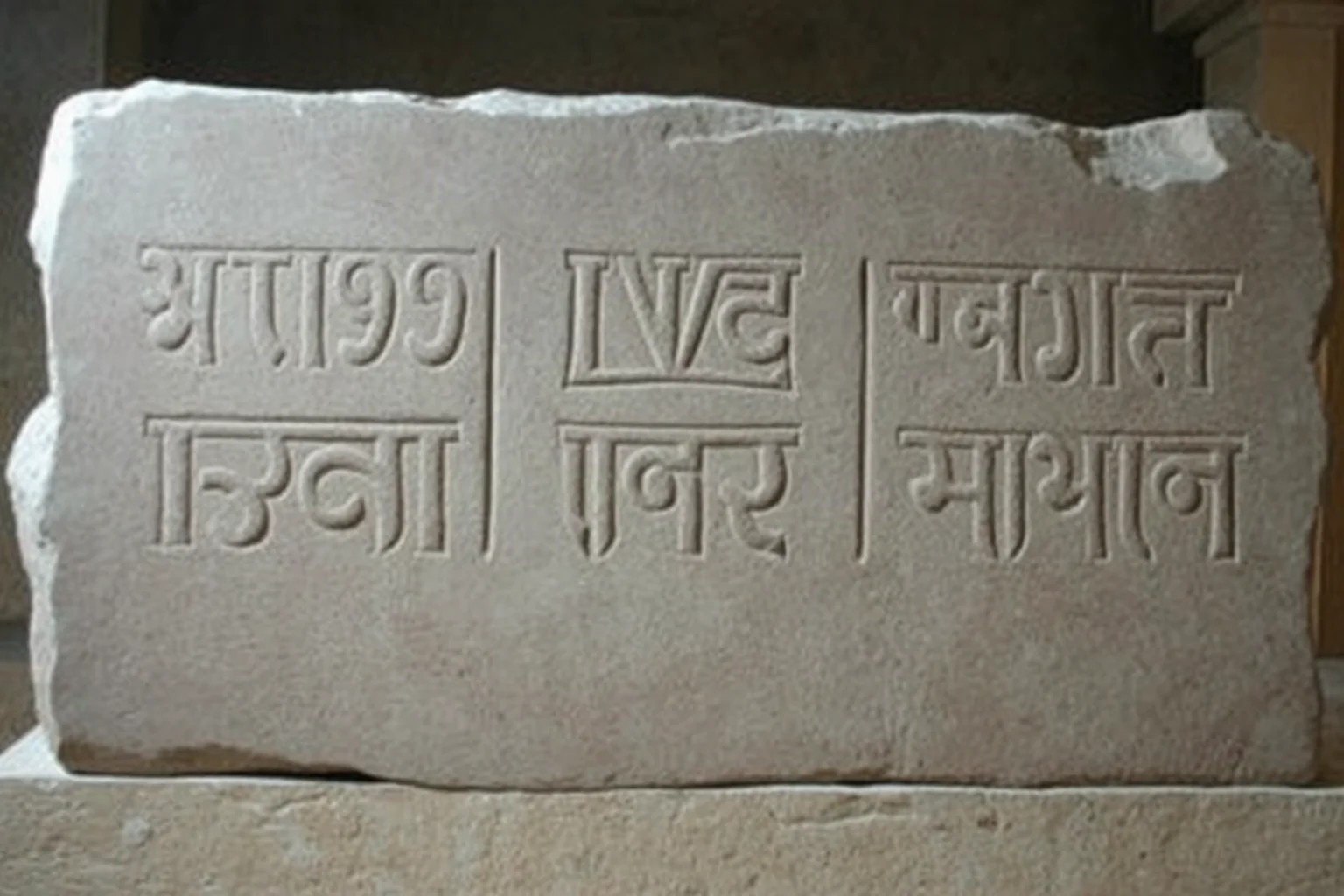
Discovered in 1799 by French soldiers near the Egyptian town of Rosetta, this granodiorite stele carries the same decree written in three scripts: hieroglyphic, Demotic, and ancient Greek. Dated to 196 BCE, it became the key that finally let scholars decode Egyptian hieroglyphs in the early 19th century.
Without it, huge swaths of ancient Egyptian writing might still be unreadable today. It’s easily one of the most famous historical artifacts ever put on public display, currently housed at the British Museum.
11. The Terracotta Army
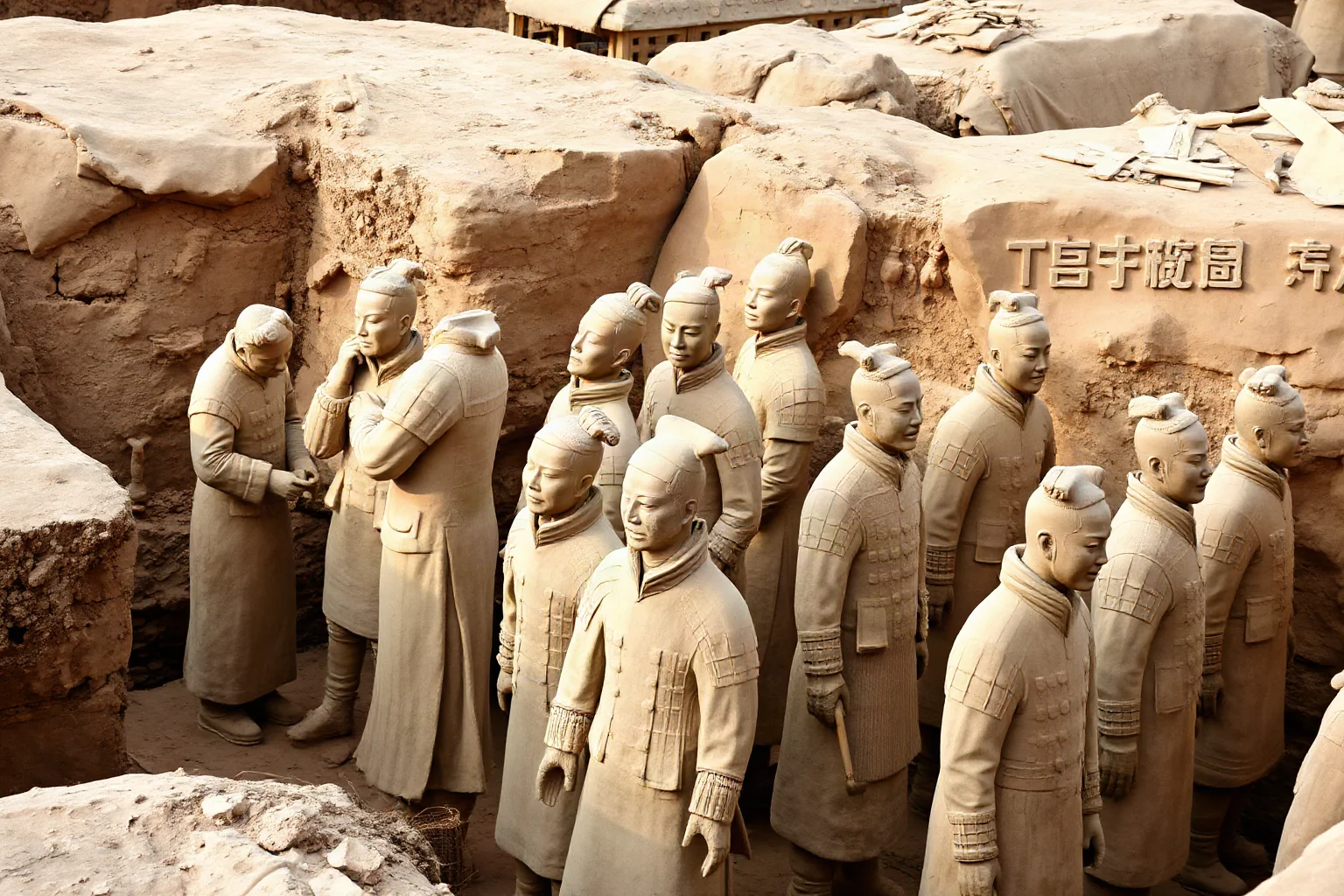
In 1974, farmers digging a well near Xi’an, China, stumbled onto one of the largest archaeological finds of the 20th century. Buried around 210 BCE to guard the tomb of China’s first emperor, Qin Shi Huang, the site contains thousands of life-sized terracotta soldiers, horses, and chariots.
Each figure has individually distinct facial features, suggesting a level of craftsmanship and organization that stunned archaeologists. It remains one of the most visited museum artifacts collections on earth, even though excavation of the full site is still ongoing.
12. The Antikythera Mechanism
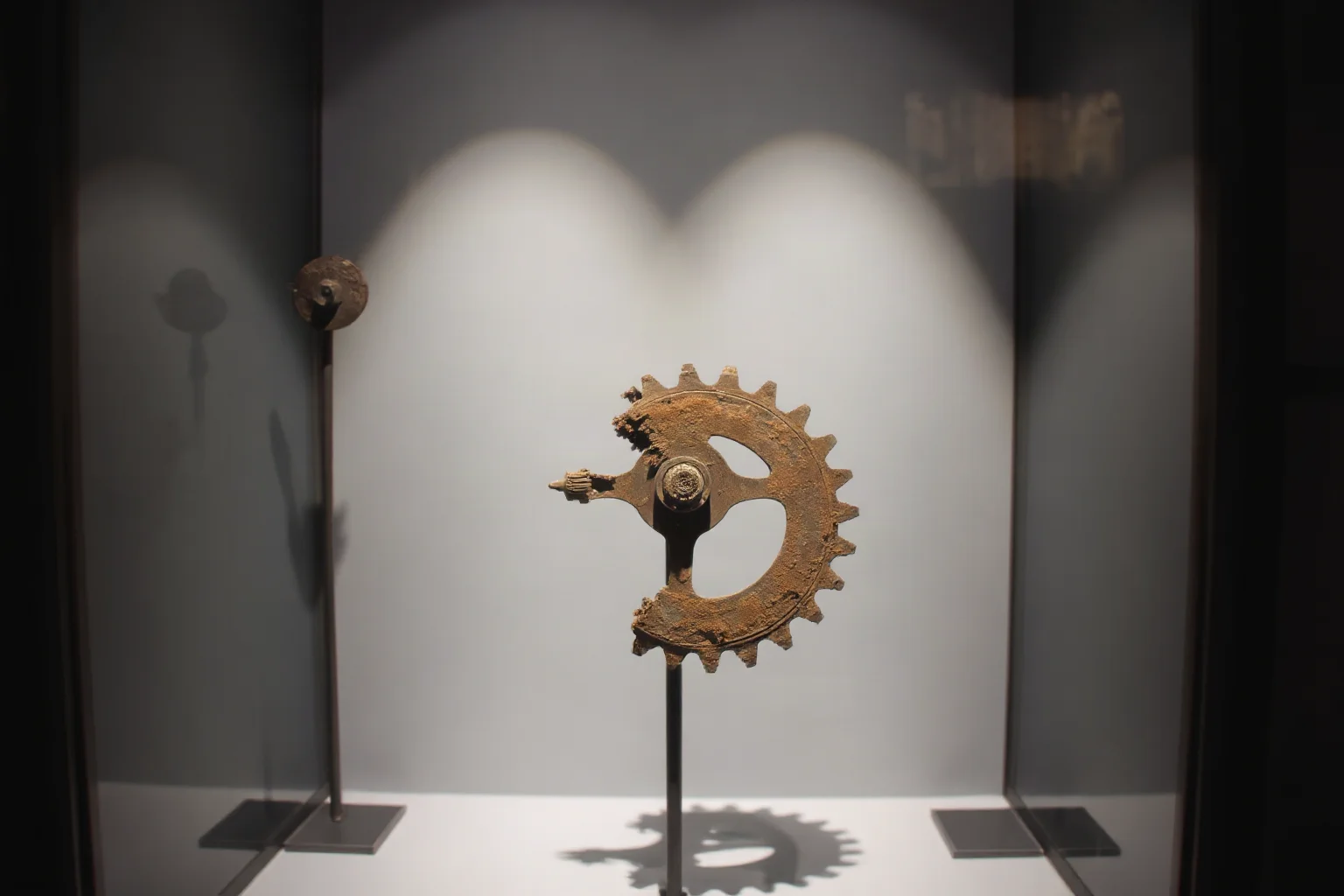
Recovered from a Roman-era shipwreck near the Greek island of Antikythera in 1901, this corroded bronze device turned out to be a startlingly complex geared mechanism. Dated to roughly 150–100 BCE, it’s often called the world’s first known analog computer, built to track astronomical positions and predict eclipses.
Its sophistication had no obvious equal for over a thousand years afterward. It’s a genuine epic artifact in the truest sense: a device so advanced for its time that early researchers doubted its authenticity.
13. The Dead Sea Scrolls
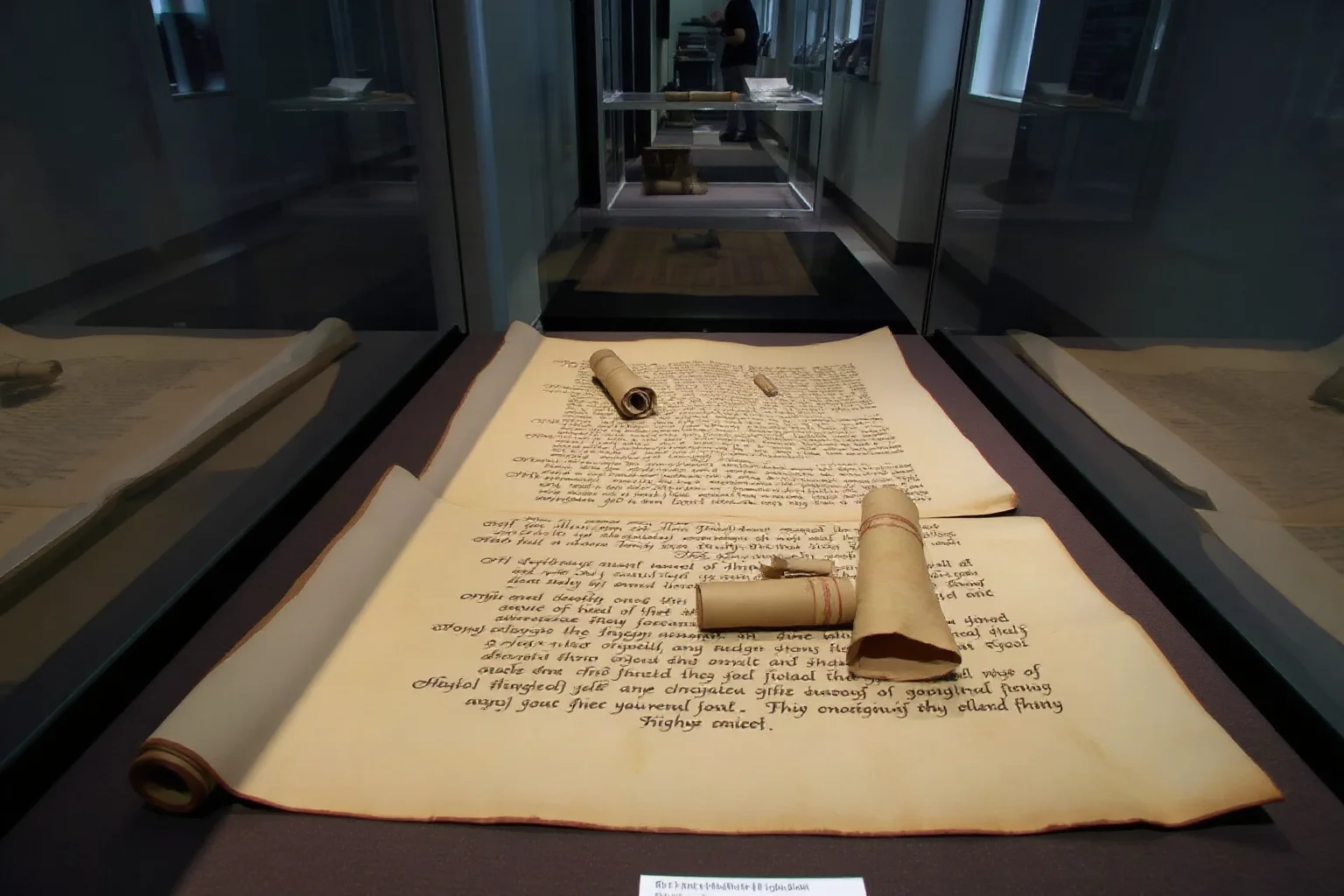
Between 1946 and 1956, Bedouin shepherds and archaeologists uncovered roughly 900 manuscripts hidden in caves near Qumran, in the Judaean Desert. Dating from about 150 BCE to 70 CE, the scrolls include some of the oldest surviving copies of Hebrew scripture.
They offer an unmatched window into Jewish religious life in the centuries around the turn of the era. Few artifacts have had as large an impact on biblical scholarship as this single cache of fragile parchment and papyrus.
14. The Phaistos Disc
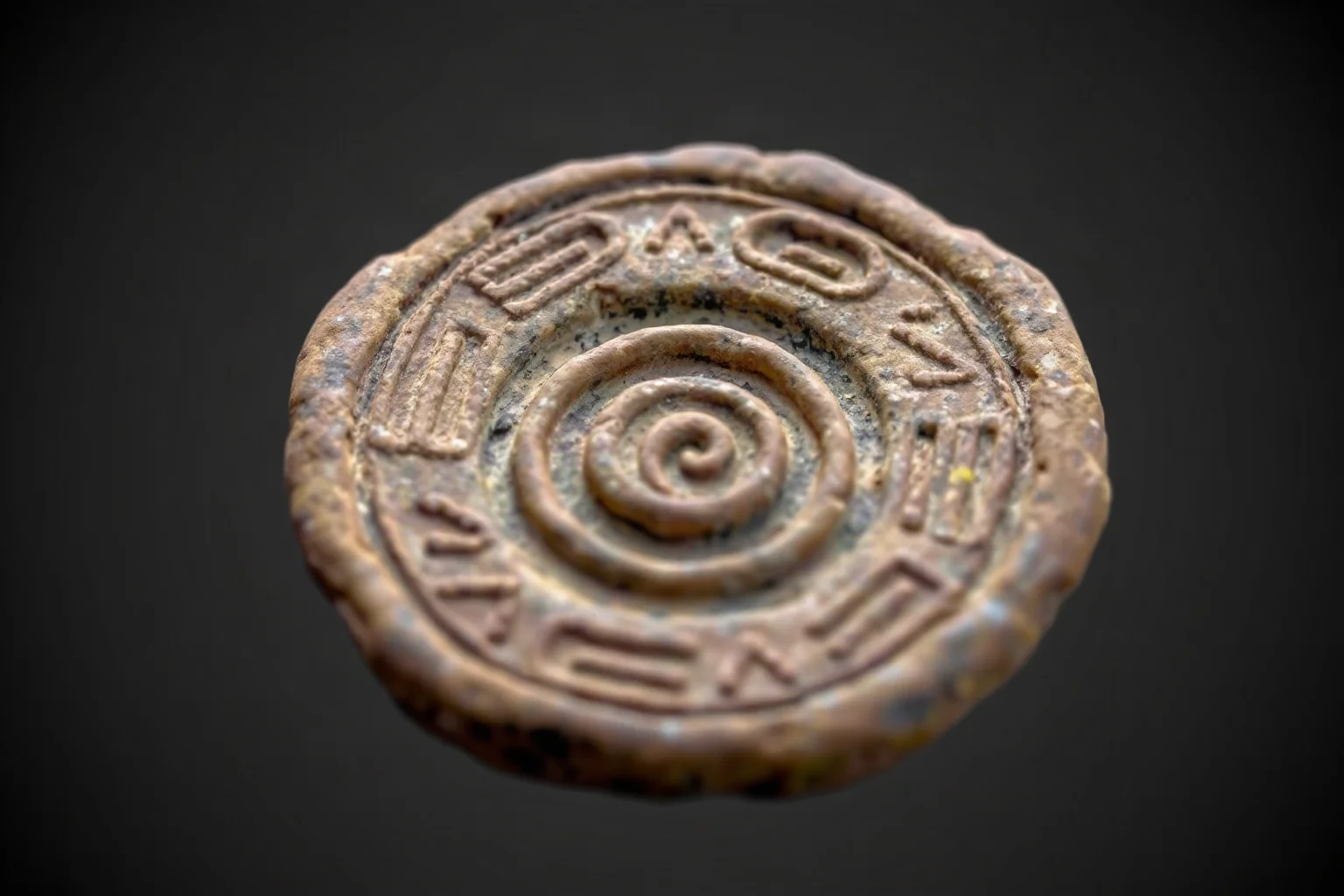
Found in 1908 at the Minoan palace site of Phaistos on Crete, this fired clay disc is stamped on both sides with a spiral of unknown symbols. It’s usually dated to around 1700 BCE, though even that estimate carries some uncertainty.
Despite more than a century of attempts, no one has definitively deciphered its script. It stands as one of the more genuinely mysterious ancient objects in any museum, resisting every proposed solution so far.
15. The Aztec Sun Stone
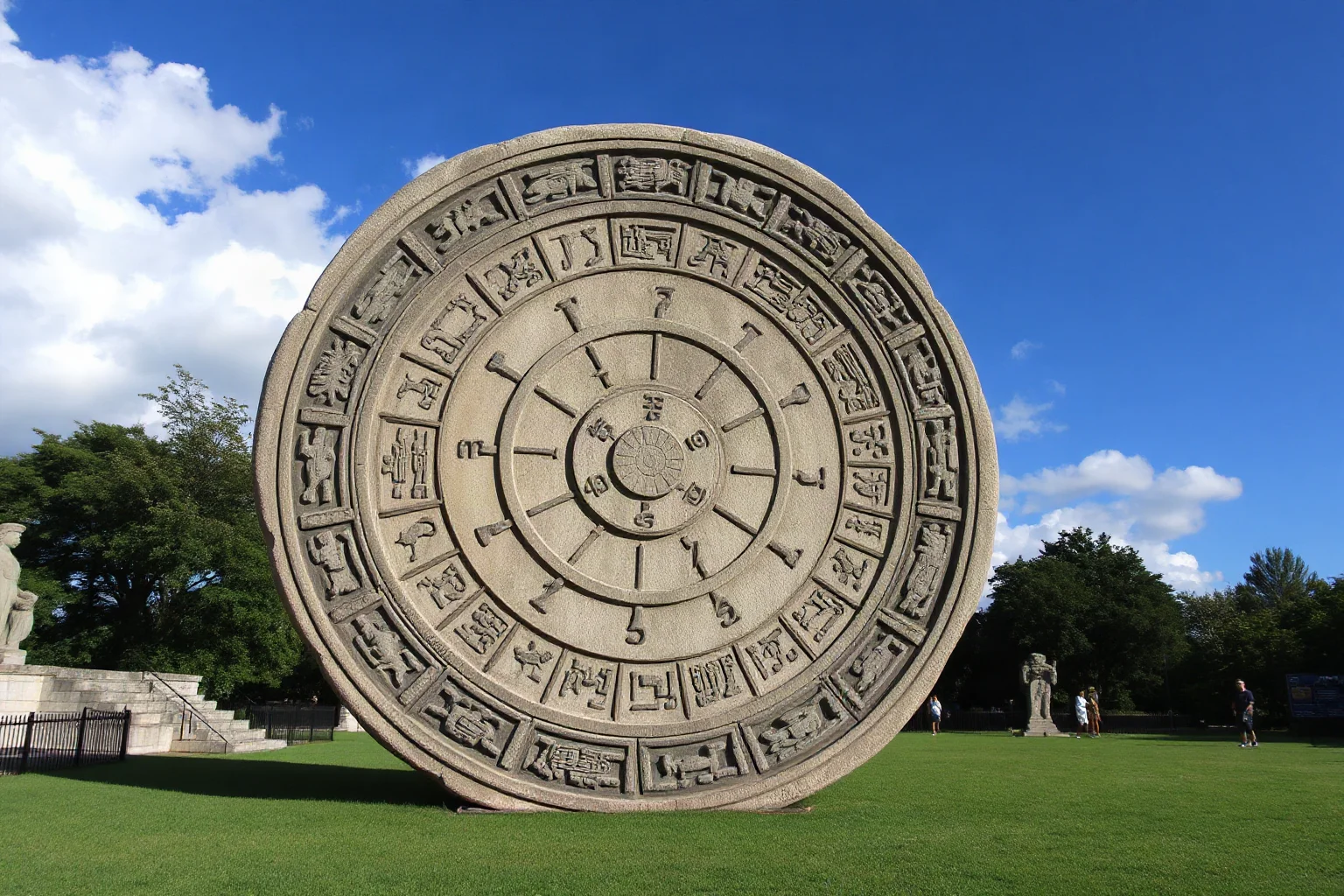
Carved in the late 15th century and unearthed in 1790 beneath Mexico City’s main square, this massive basalt disc is covered in intricate carvings tied to the Aztec calendar and cosmology. It’s often mistakenly called a straightforward calendar, though scholars believe its imagery is more ritual and symbolic than a functional daily calendar.
Its rediscovery came centuries after the Spanish conquest, buried and largely forgotten. Today it’s one of the most famous artifacts tied to ancient civilizations from the Americas, on permanent display at Mexico’s National Museum of Anthropology.
16. The Vindolanda Tablets
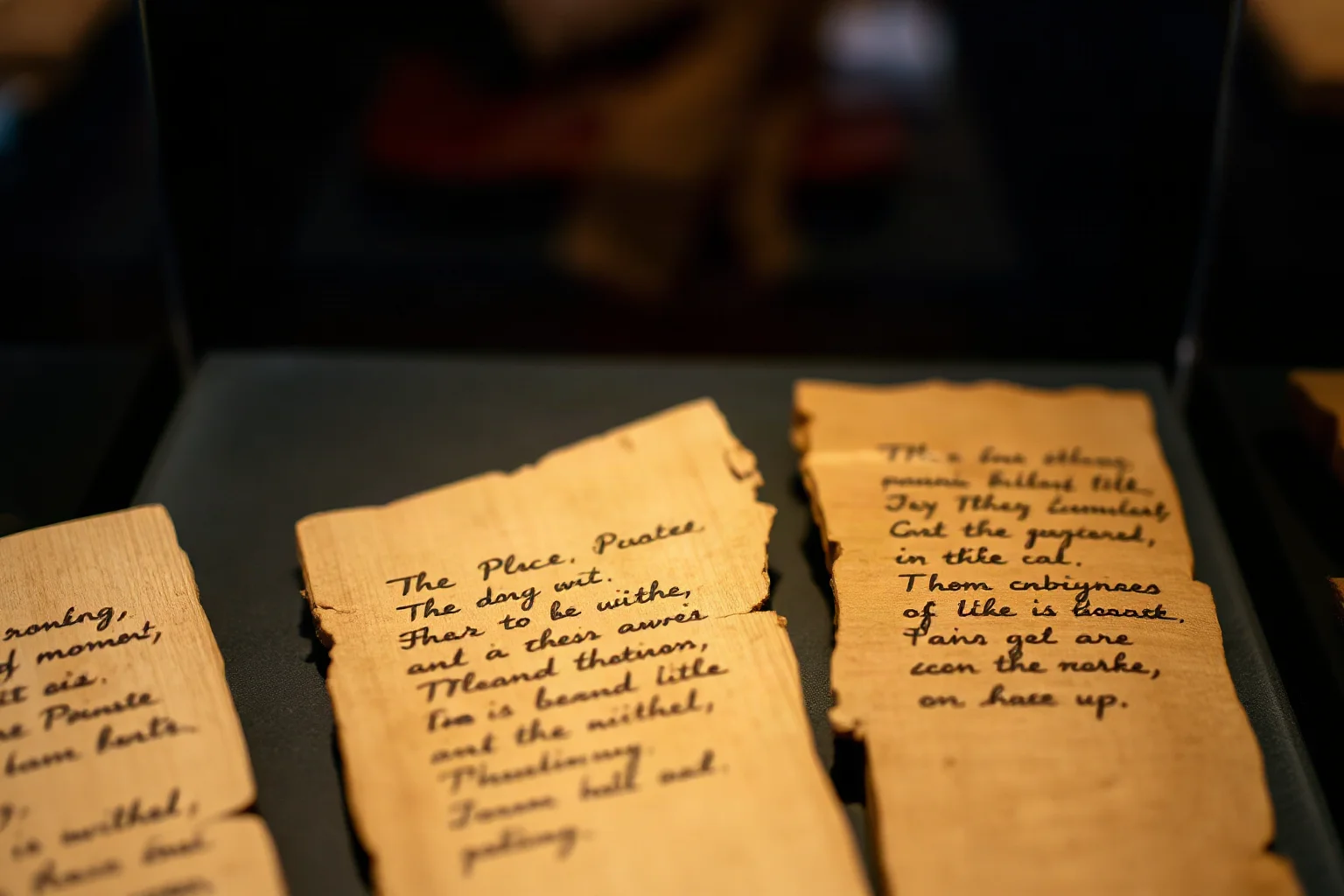
At a Roman fort near Hadrian’s Wall in northern England, archaeologists starting in 1973 uncovered hundreds of thin wooden writing tablets dated to roughly 85–92 CE. Preserved in oxygen-poor mud, these tablets contain everyday Roman handwriting: military reports, personal letters, even a birthday party invitation.
They’re not grand monuments, but that’s exactly their value. Few artifacts from Europe capture the ordinary, personal side of Roman life as vividly as this collection.
17. The Sutton Hoo Helmet
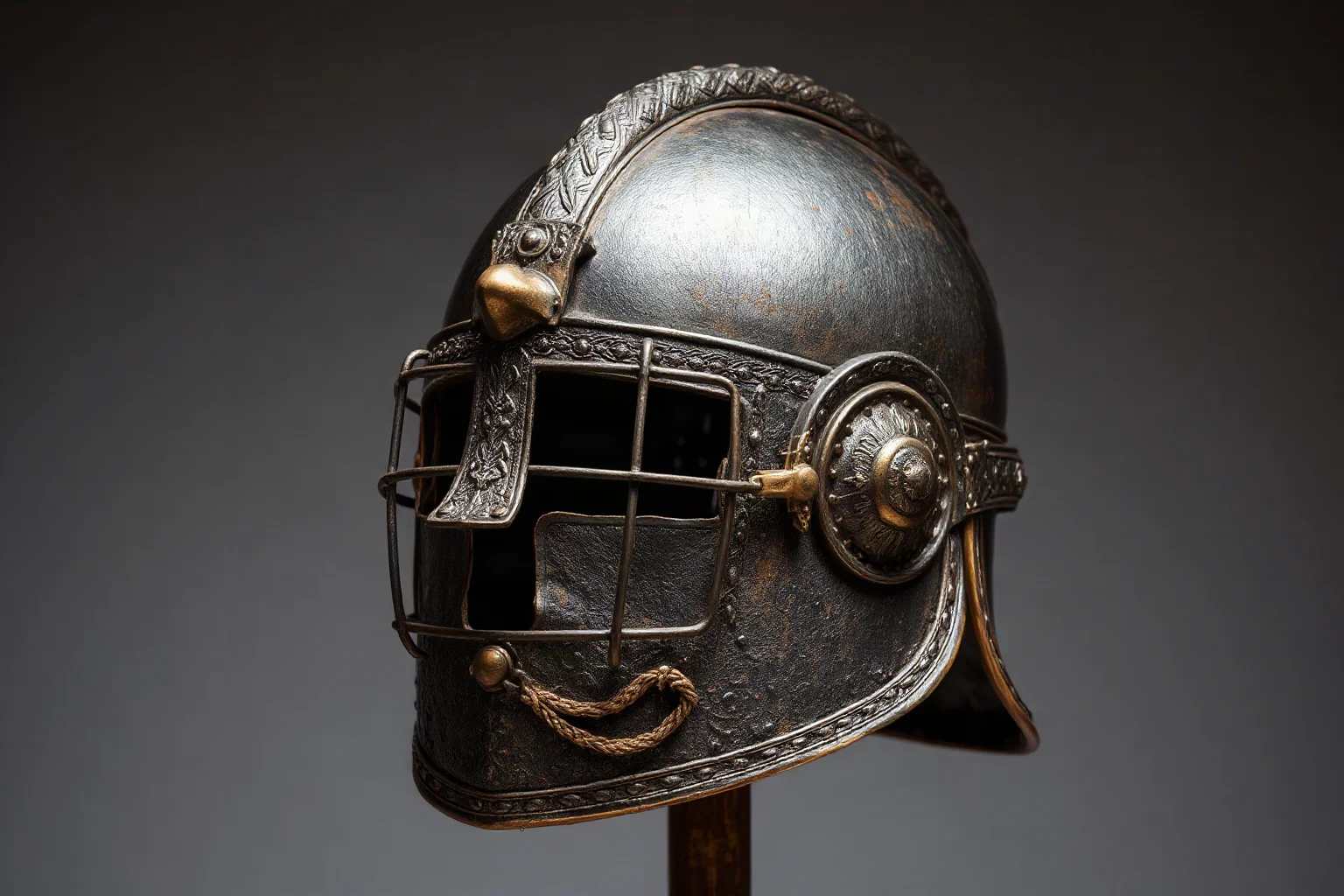
Unearthed in 1939 from a ship burial in Suffolk, England, this iron and bronze helmet dates to the early 7th century CE and is one of the defining artifacts from the Dark Ages in Britain. It was found alongside coins, weapons, and jewelry belonging to what was likely an Anglo-Saxon king.
The burial reshaped how historians viewed early medieval England, a period once dismissed as culturally impoverished. It’s a strong counterexample to that old stereotype, showing real wealth, artistry, and international trade connections.
18. The Staffordshire Hoard
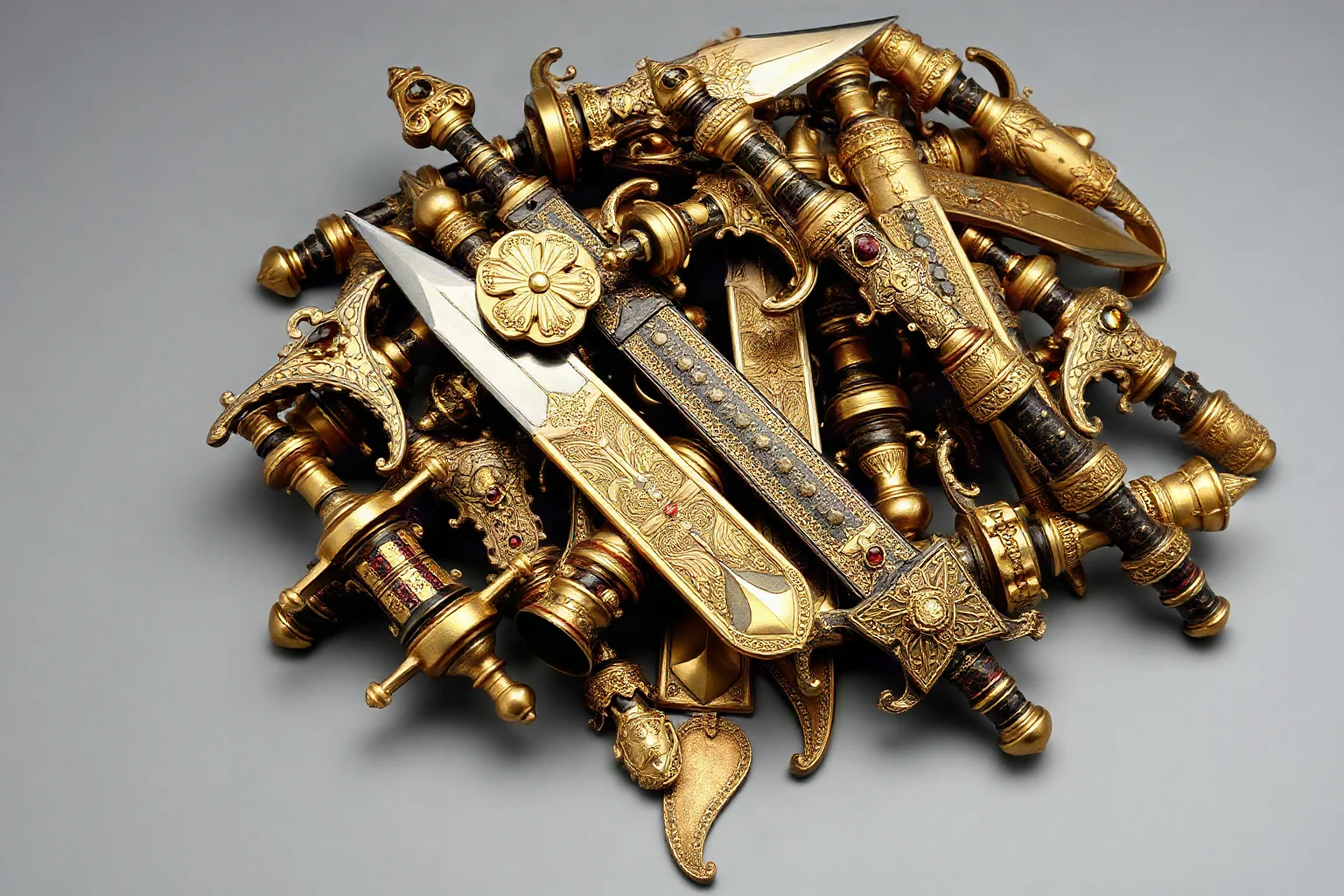
Discovered by a metal detectorist in a Staffordshire field in 2009, this hoard is the largest collection of Anglo-Saxon gold and silver ever found, dating to around the 7th century CE. It contains over 4,000 pieces, mostly fittings from swords and other war gear.
Its sheer scale surprised even seasoned archaeologists, since finds from this period are usually far smaller. It remains one of the most important medieval artifacts uncovered in Europe this century.
19. The Book of Kells

Produced by Celtic monks around 800 CE, this illuminated manuscript of the four Gospels is famous for its intricate, colorful decoration and interwoven Celtic knotwork. It has been housed at Trinity College Dublin for centuries and remains one of Ireland’s most treasured medieval artefacts.
Each page took enormous time and skill to complete, using pigments sourced from as far away as the Mediterranean. It’s a reminder that “Dark Ages” Europe still produced dazzling, sophisticated artistry.
20. The Bayeux Tapestry

Stitched sometime in the 1070s, this nearly 70-meter embroidered cloth narrates the events leading up to the Norman conquest of England in 1066. It functions almost like a medieval comic strip, packed with battle scenes, ships, and even a famous depiction of Halley’s Comet.
Its survival across nearly a millennium is remarkable in itself, given how fragile textiles usually are. Historians treat it as both an artwork and a genuine historical artifact, offering visual detail no written chronicle could match.
21. The Shroud of Turin

This linen cloth, bearing a faint image of a man’s body, has been venerated by some as the burial shroud of Jesus of Nazareth. Radiocarbon testing conducted in 1988 dated the cloth to approximately 1260–1390 CE, placing its origin firmly in the medieval period rather than antiquity.
Some researchers have questioned aspects of that testing, and the debate hasn’t fully settled. What’s clear is that its religious significance and its scientifically documented age tell two different stories, which is exactly why it remains one of the most argued-over famous historical artefacts in the world.
22. The Voynich Manuscript

Named after the book dealer who acquired it in 1912, this manuscript is filled with an unknown script and bizarre illustrations of plants, astronomical charts, and unidentifiable creatures. Radiocarbon dating places the vellum to the early 15th century, roughly 1404–1438.
Cryptographers, linguists, and codebreakers have tried and failed to translate it for over a century. It’s arguably the closest thing history has to a genuinely legendary artifact hiding in plain sight, on public display at Yale’s Beinecke Library.
23. The Gutenberg Bible

Printed around 1455 by Johannes Gutenberg in Mainz, Germany, this was the first major book produced in Europe using movable metal type. It marked the beginning of the print revolution, a technological shift arguably as significant as the internet is today.
Only a small number of complete copies survive, and each is treated as an irreplaceable museum artifact. It sits at the hinge point between the medieval world and the early modern one that eventually led into the industrial age.
24. The Codex Leicester
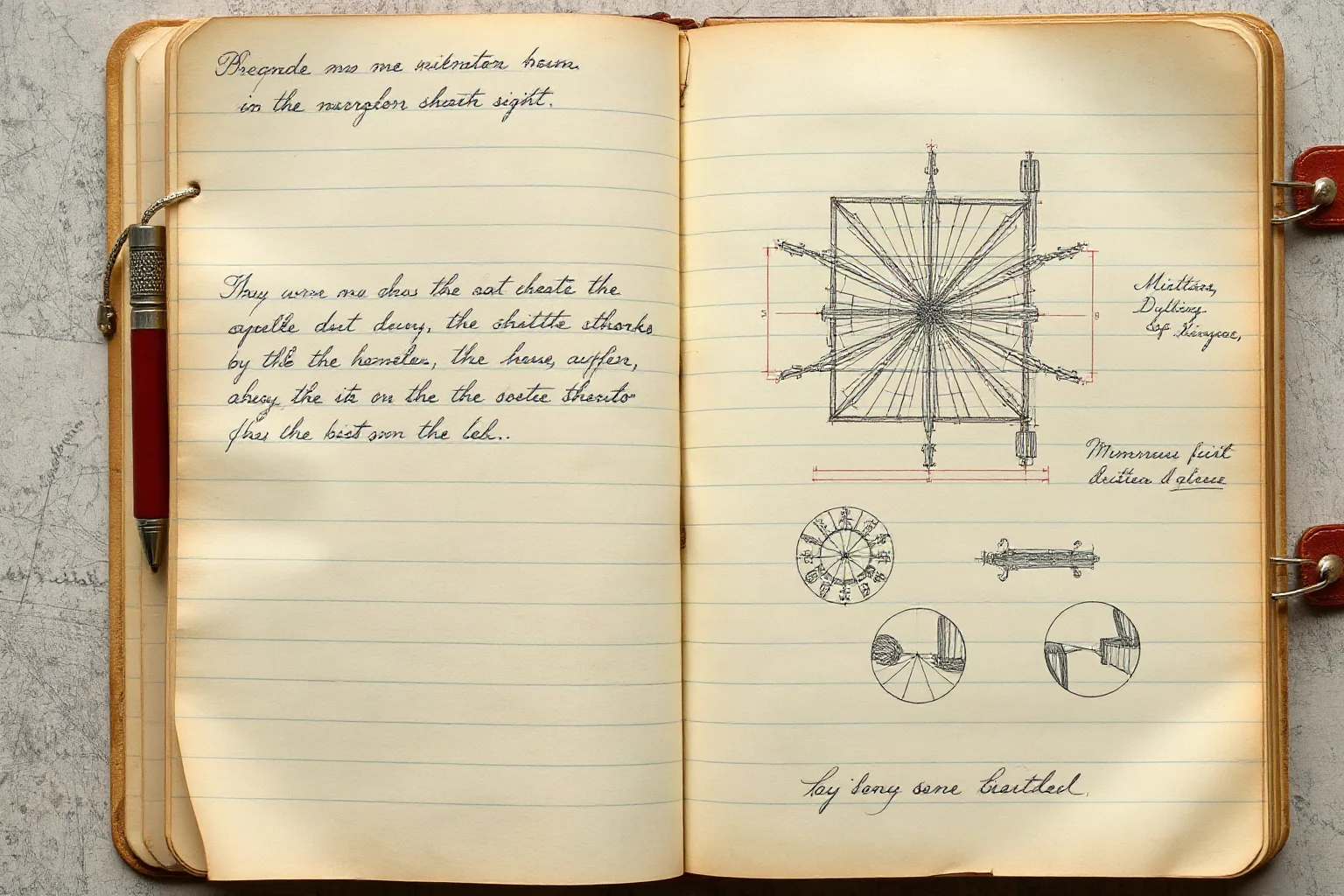
This is one of Leonardo da Vinci‘s personal notebooks, filled with his mirror-written observations on water, fossils, and the moon, compiled in the early 1500s. In 1994, Bill Gates purchased it for around $30.8 million, making it one of the most expensive artifacts ever sold at the time.
It shows da Vinci’s scientific curiosity in his own handwriting, unfiltered by later interpretation. Few objects blur the line between art, science, and history as elegantly as this notebook does.
25. The Hope Diamond

This deep blue, 45.52-carat diamond is believed to have been cut from a larger stone mined in India during the 1600s. After passing through European royal collections, it eventually landed at the Smithsonian, where it’s now considered one of the world’s most valuable artifacts.
Stories about a supposed “Hope Diamond curse” have circulated for well over a century, blamed for various owners’ misfortunes. Most historians treat this as colorful legend rather than documented fact, since the timeline of claimed “curse” events doesn’t hold up well under scrutiny.
Myths, Legends, and “Lost” Artifacts
Not every famous artifact people search for actually exists in a museum case. The Ark of the Covenant and the Holy Grail, for instance, are legendary artifacts rooted in religious tradition and medieval storytelling, not confirmed archaeological finds. That doesn’t make them uninteresting, but it does mean they belong in a different category from the physical objects on this list.
Similarly, claims about “ancient alien artifacts” — from supposed out-of-place technology to crystal skulls once marketed as pre-Columbian relics — rarely hold up under real analysis. Most crystal skulls examined by museums, including ones at the British Museum and Smithsonian, show tool marks consistent with 19th-century craftsmanship rather than ancient Mesoamerican origin. The lesson isn’t that mysteries don’t exist, since the Voynich Manuscript and Phaistos Disc prove genuine unsolved puzzles are out there. It’s that extraordinary claims about artifacts deserve the same scrutiny as any other historical evidence.
Why These Artifacts Still Matter
Artifacts survive by accident as much as by design. A dry cave, a sealed tomb, an oxygen-starved bog, or a frozen glacier can preserve what should have rotted away centuries ago. That’s part of why oldest artifacts ever found tend to cluster around unusually stable environments, from Egyptian tombs to Alpine ice.
Each object on this list, whether it’s a 3.3-million-year-old stone flake or a Renaissance notebook, does the same basic job. It closes the gap between us and people who lived, worked, worshipped, and died long before written history could record their names.
Museums around the world continue to add new artifacts to their collections every year, and archaeologists are still digging, scanning, and re-analyzing old finds with new technology. The story of ancient artifacts is nowhere near finished, and the next incredible find could be sitting in a field, a cave, or a basement archive right now, simply waiting to be noticed.
Frequently Asked Questions
What is an example of an artefact?
An artefact (or artifact) is any object made or used by humans, so examples range enormously: a stone axe, a clay pot, a gold coin, a written manuscript, a piece of jewelry, or a tool. Even something as simple as a broken pottery shard counts, since it was shaped and used by a person in the past.
What is the oldest artifact ever found?
The oldest artifacts currently known are the Lomekwi stone tools, found in Kenya and dated to roughly 3.3 million years old. They predate the genus Homo, suggesting an earlier hominin species was already shaping stone tools long before modern humans existed.
What is the oldest artifact in the world?
As of current archaeological knowledge, that title belongs to the Lomekwi 3 stone tools from Kenya, dated to about 3.3 million years old. Older discoveries are always possible, since archaeology is a constantly evolving field.
What is the most expensive artifact in the world?
Prices are hard to compare directly since many priceless artifacts, like the Rosetta Stone or Tutankhamun's mask, are never sold. Among items that have actually changed hands, Leonardo da Vinci's Codex Leicester notebook sold for about $30.8 million in 1994, making it one of the most expensive historical artifacts ever purchased.
What are some examples of artifacts from different eras?
Prehistoric examples include stone tools and carved figurines like the Venus of Willendorf. Ancient examples include the Rosetta Stone and the Terracotta Army, medieval examples include the Sutton Hoo Helmet and Bayeux Tapestry, and industrial-era examples include early printed books like the Gutenberg Bible.
What’s the difference between an artifact and a relic?
The terms overlap, but "artifact" is the broader archaeological term for any human-made object, while "relic" often carries a religious or sentimental connotation, referring to an object venerated for its connection to a person or sacred event. All relics are technically artifacts, but not all artifacts are considered relics.
How do archaeologists know how old an artifact is?
Archaeologists use several dating methods depending on the material. Organic artifacts like bone or wood can often be radiocarbon dated, while stone or metal objects are usually dated using the surrounding soil layers (stratigraphy), written records, or stylistic comparison to similar known objects.
Are ancient alien artifacts real?
No verified artifact has ever been confirmed by mainstream archaeology to be of non-human origin. Objects sometimes cited as evidence, like certain crystal skulls, have been examined and found to show tool marks consistent with 19th-century manufacturing rather than ancient or extraterrestrial craftsmanship.

Alex Warren
Related Articles