

Human history is full of triumphs, but it’s also littered with tragedy on a scale that’s hard to fully process. Wars, plagues, famines, genocides, and natural disasters have repeatedly reshaped civilizations and erased millions of lives, sometimes in the span of a single day.
This list pulls together some of the worst events in human history, drawing on historical consensus where it exists and flagging real uncertainty where death tolls and details are still debated.
We’re not ranking these with mathematical precision, because historians themselves often disagree on numbers, but we’ve grouped them roughly by scale of devastation and lasting impact.
TL;DR: From the Black Death to the Holocaust, the worst events in human history share common threads of unchecked power, ignored warnings, and catastrophic failures of humanity that still offer urgent lessons today.
How Do You Even Rank the Unrankable?
Before diving into the list, it’s worth pausing on a myth worth busting: there’s no single, agreed-upon formula for the “worst” historical event. Some rankings focus purely on death toll, others weigh long-term societal collapse, and others consider the worst impact of an event on culture, economics, or geopolitics for generations afterward.
Many of the death toll estimates below come from historical records that were incomplete, biased, or written centuries after the fact. Where sources disagree significantly, we say so rather than presenting a single number as settled fact. That’s the myth-busting part of this piece: precise body counts for ancient and medieval catastrophes are almost always estimates, not exact figures.
1. The Black Death (1347–1351)
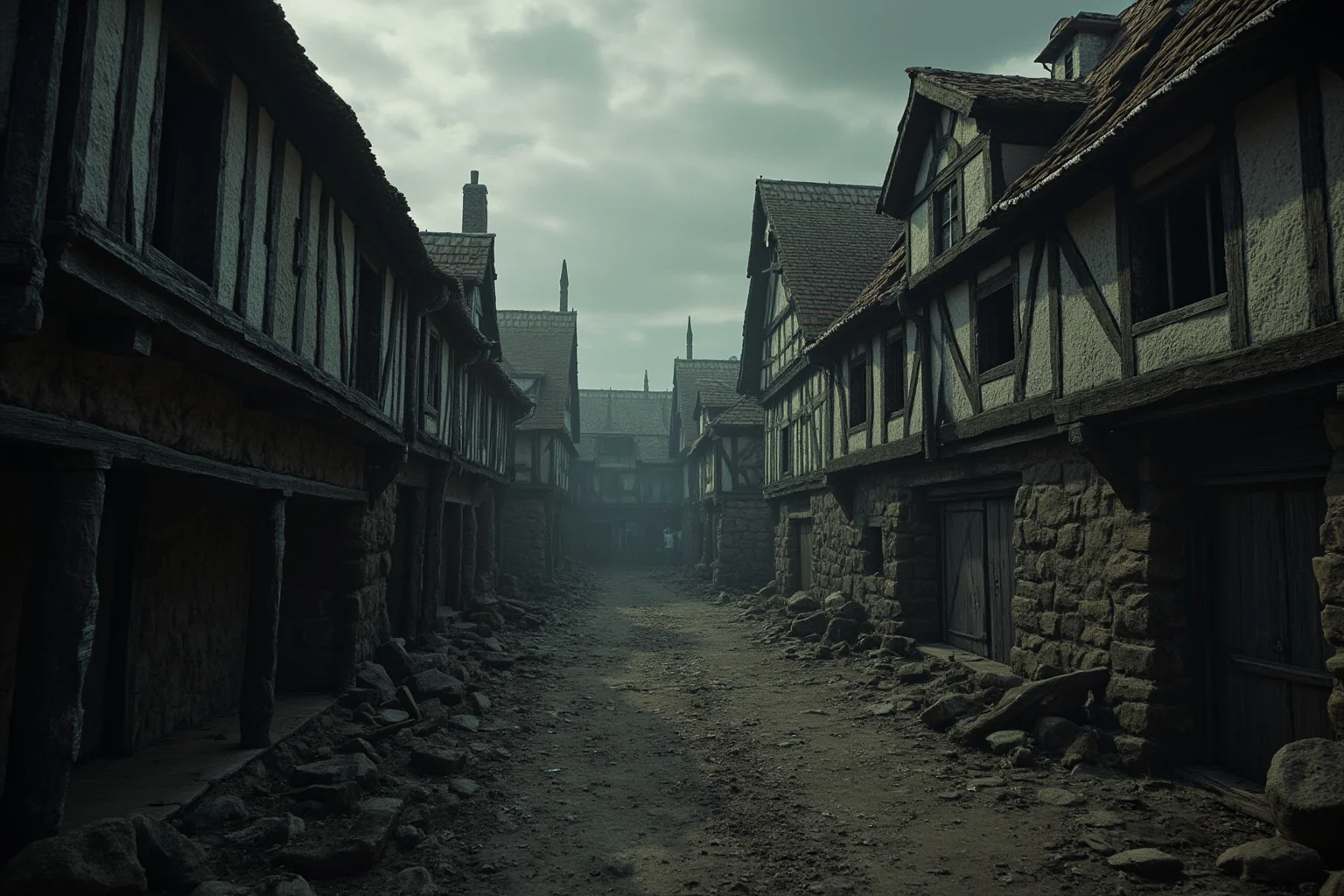
The Black Death remains one of the deadliest pandemics ever recorded, killing an estimated 75 to 200 million people across Europe, Asia, and North Africa. Historians estimate it wiped out somewhere between 30 and 60 percent of Europe’s population in just a few years.
The plague, caused by the bacterium Yersinia pestis, spread through flea-infested rodents along trade routes. Entire towns were abandoned, labor shortages upended feudal economies, and the social order of medieval Europe never fully returned to what it was before.
2. World War II (1939–1945)
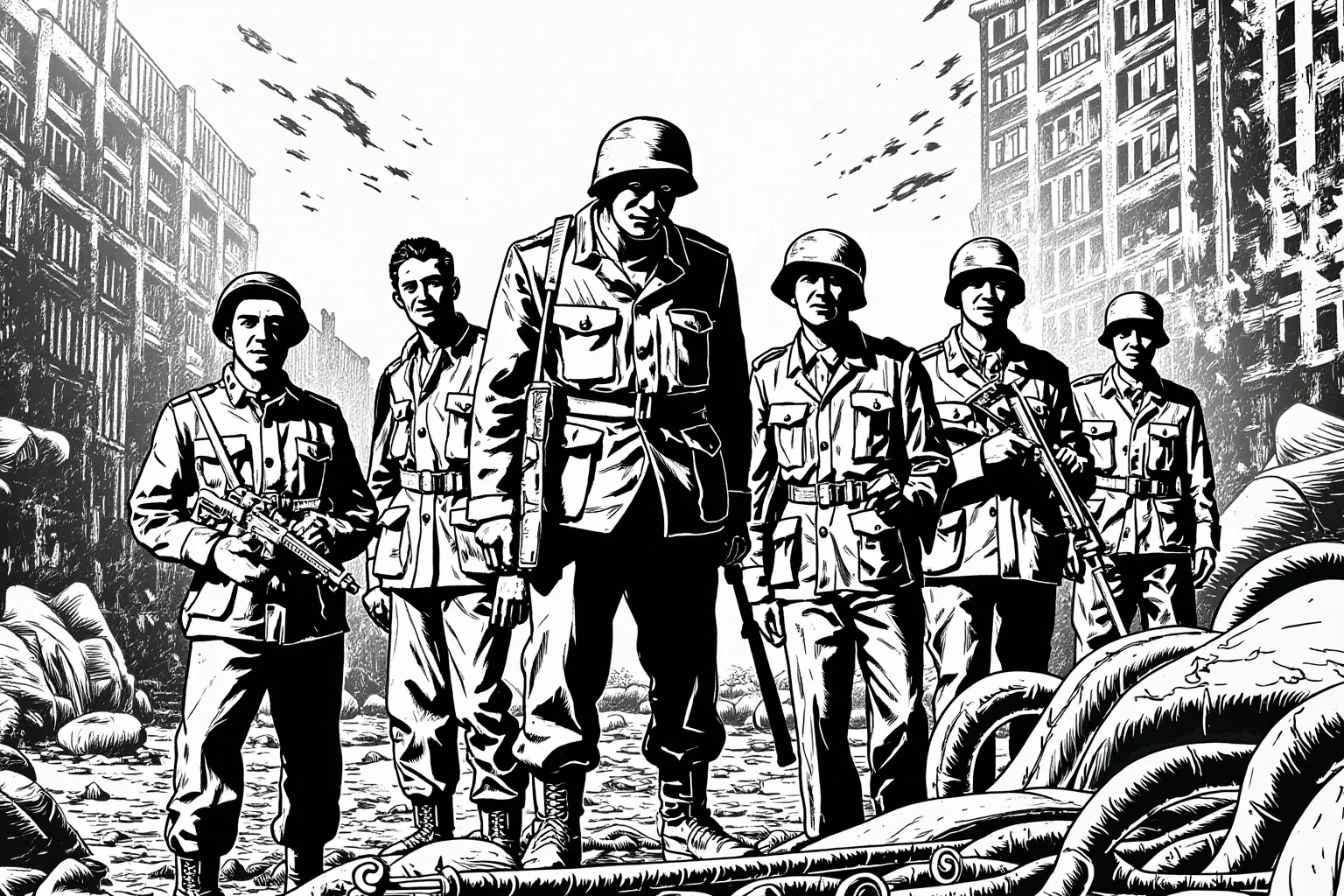
World War II is widely considered the deadliest conflict in human history, with estimates ranging from 70 to 85 million deaths, including military personnel and civilians. It touched nearly every continent and introduced the world to industrialized genocide, strategic bombing of cities, and eventually nuclear weapons.
The war reshaped the global order entirely, leading to the creation of the United Nations and the Cold War standoff that followed. Its economic and psychological aftershocks lasted for decades in nearly every country involved.
3. World War I (1914–1918)
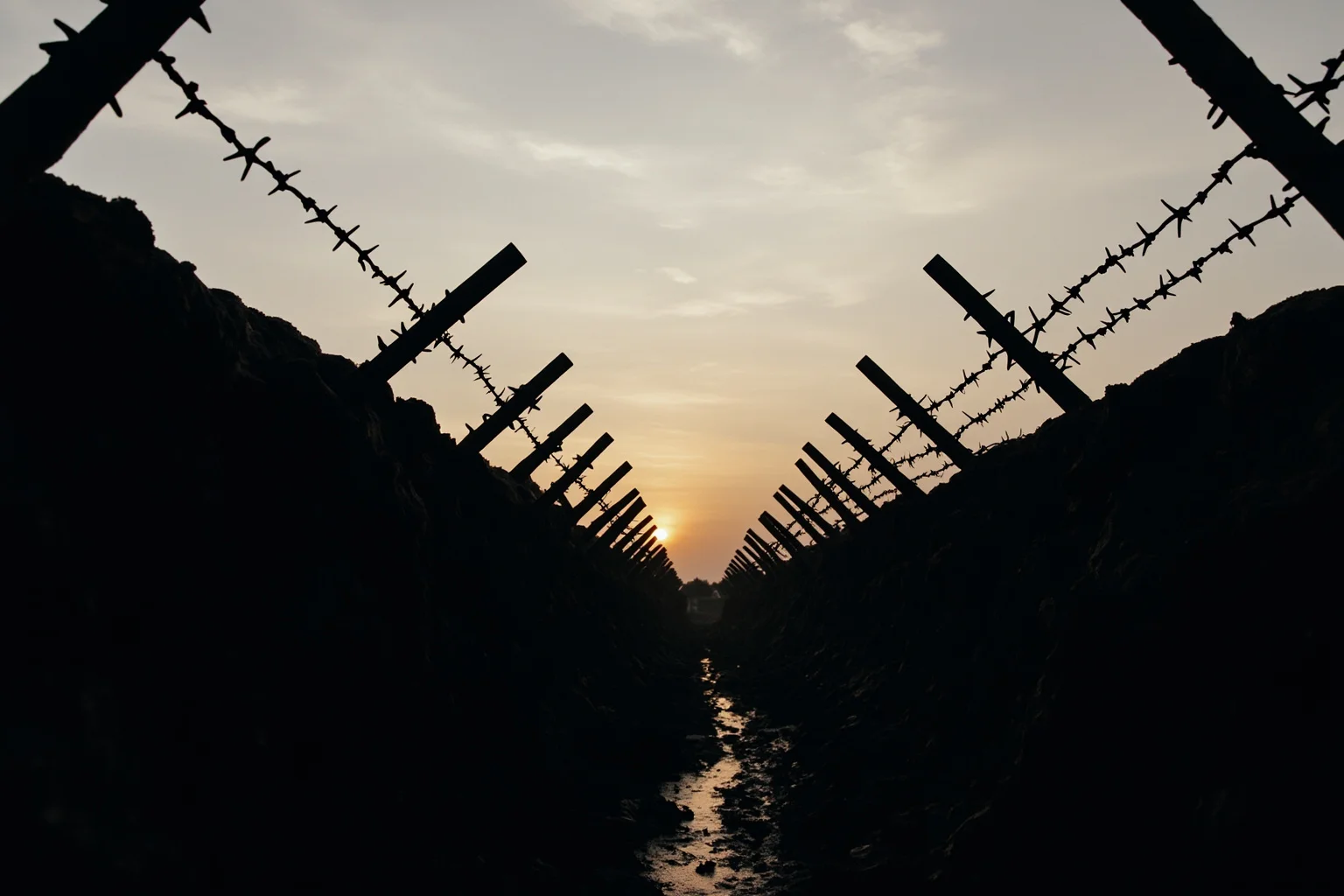
World War I killed an estimated 15 to 22 million people through combat, disease, and famine tied to the conflict. Trench warfare, chemical weapons, and machine guns created casualty rates that stunned even military planners of the era.
One single day stands out when people search for the worst day in history for a specific army: July 1, 1916, the first day of the Battle of the Somme, when British forces suffered roughly 57,000 casualties, including about 19,000 deaths, in under 24 hours. It’s frequently cited as the bloodiest single day in British military history.
4. The Holocaust (1941–1945)
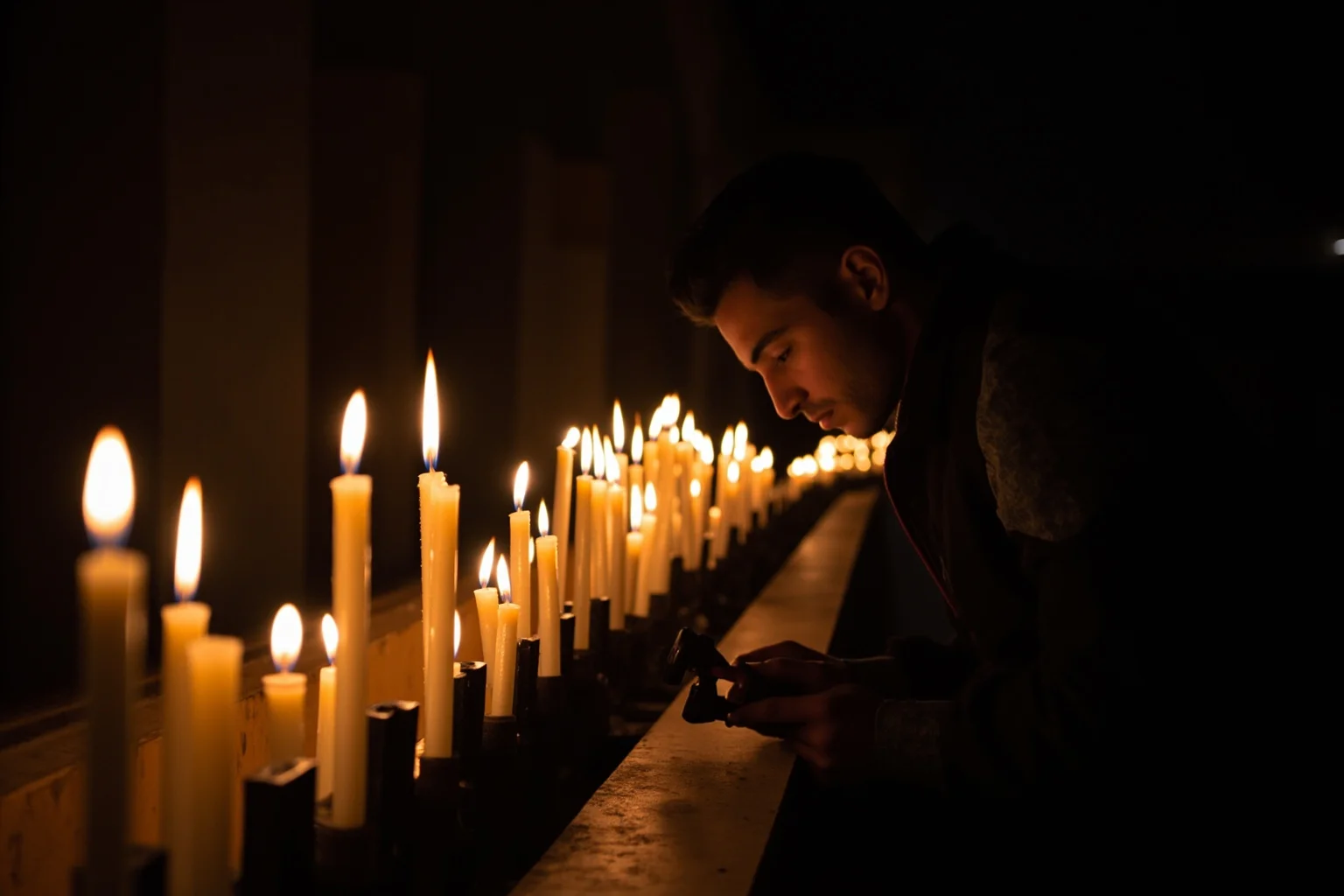
The Holocaust was the systematic, state-organized murder of approximately six million Jews by Nazi Germany and its collaborators. Millions of others, including Roma people, disabled individuals, political prisoners, and Soviet POWs, were also murdered in camps and mass killings.
What makes the Holocaust one of the worst historical events isn’t just the scale, but the bureaucratic, deliberate machinery behind it. It stands as a defining case study in how ordinary institutions can be turned toward mass atrocity when hatred becomes policy.
5. The Mongol Conquests (1206–1368)
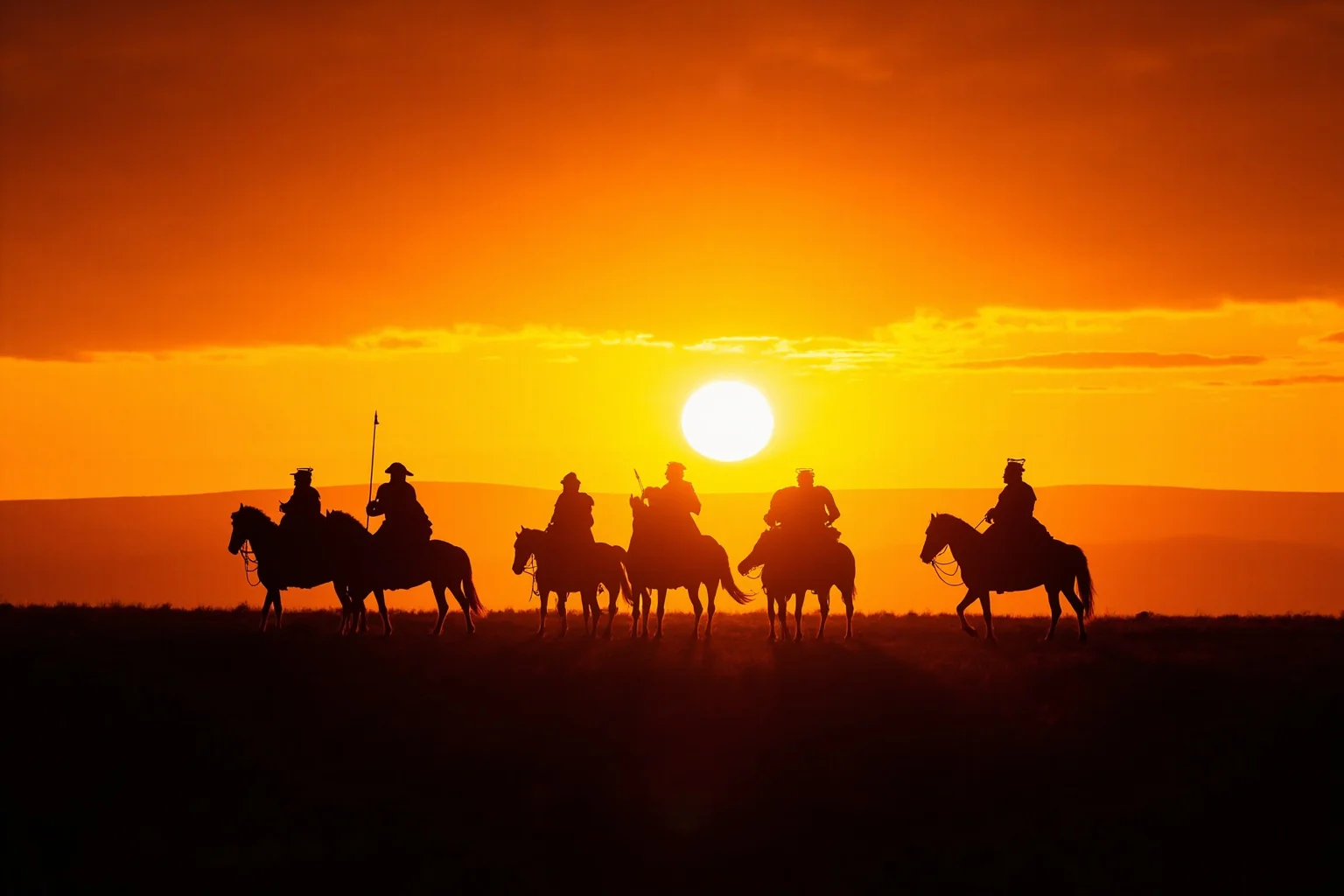
The Mongol Empire’s expansion across Asia and into Europe is estimated to have caused between 30 and 60 million deaths, though exact figures are heavily debated among historians. Entire cities were razed, and some regions reportedly took generations to recover their pre-conquest populations.
The conquests also reshaped trade and cultural exchange along the Silk Road, illustrating how the same event can be simultaneously catastrophic and historically transformative. This dual legacy is part of why historians still argue over how to categorize the Mongol era.
6. The Atlantic Slave Trade (16th–19th Centuries)
Over roughly 400 years, an estimated 12.5 million Africans were forcibly transported across the Atlantic Ocean into slavery. Historians estimate that around 1.8 million people died during the brutal Middle Passage voyage alone.
The survivors and their descendants endured generations of forced labor, violence, and legal disenfranchisement across the Americas. The economic and social consequences of the Atlantic Slave Trade are still visible today, making it one of the longest-running catastrophes in recorded history.
7. The Spanish Flu Pandemic (1918–1919)
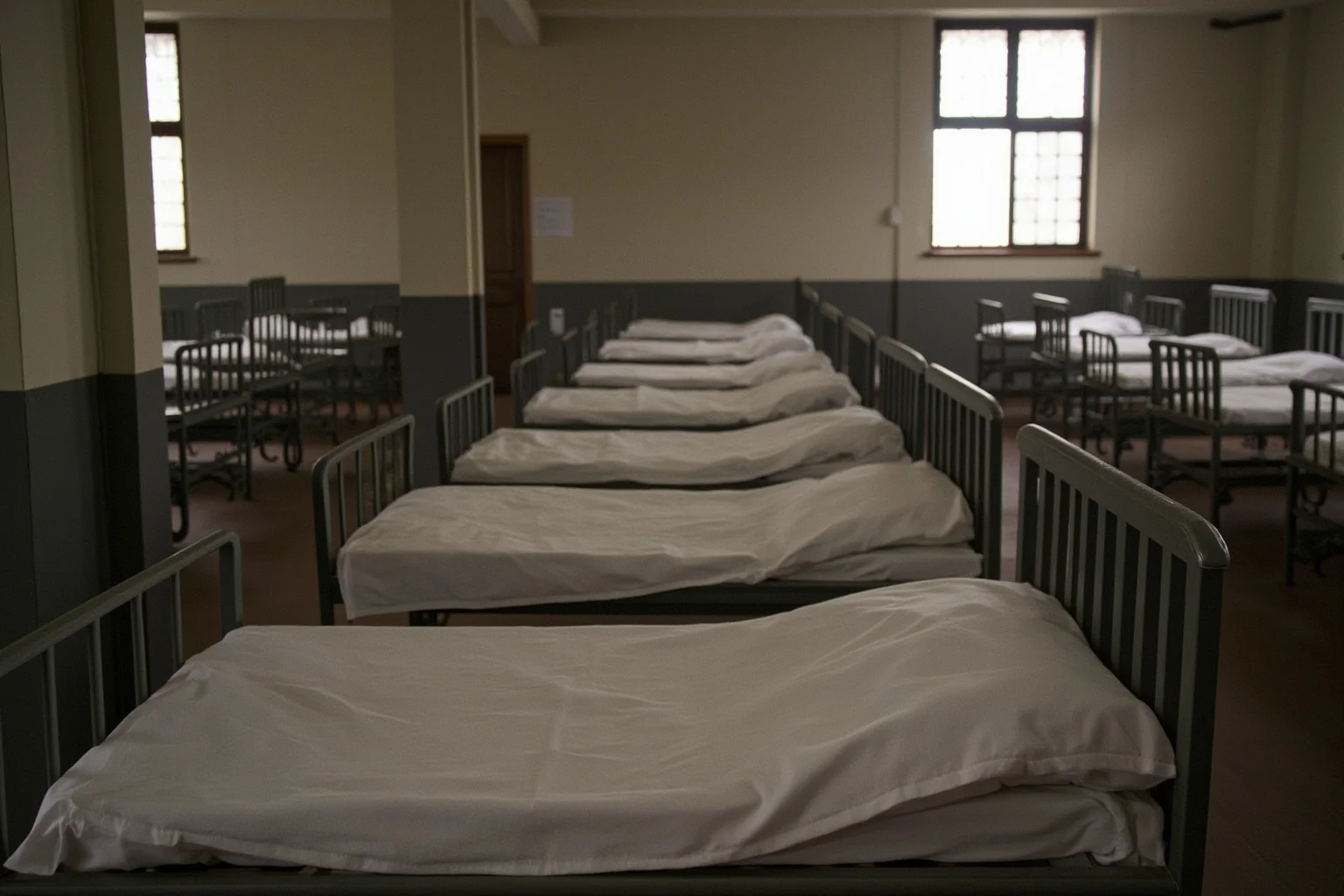
The 1918 influenza pandemic infected roughly a third of the world’s population and killed an estimated 50 million people, though some estimates run as high as 100 million. It struck in overlapping waves, with the second wave in the fall of 1918 proving far deadlier than the first.
Unusually, it hit young, healthy adults hard, not just the elderly or already sick. Wartime censorship during World War I also delayed public awareness, which likely worsened its spread in several countries.
8. The Great Chinese Famine (1959–1961)
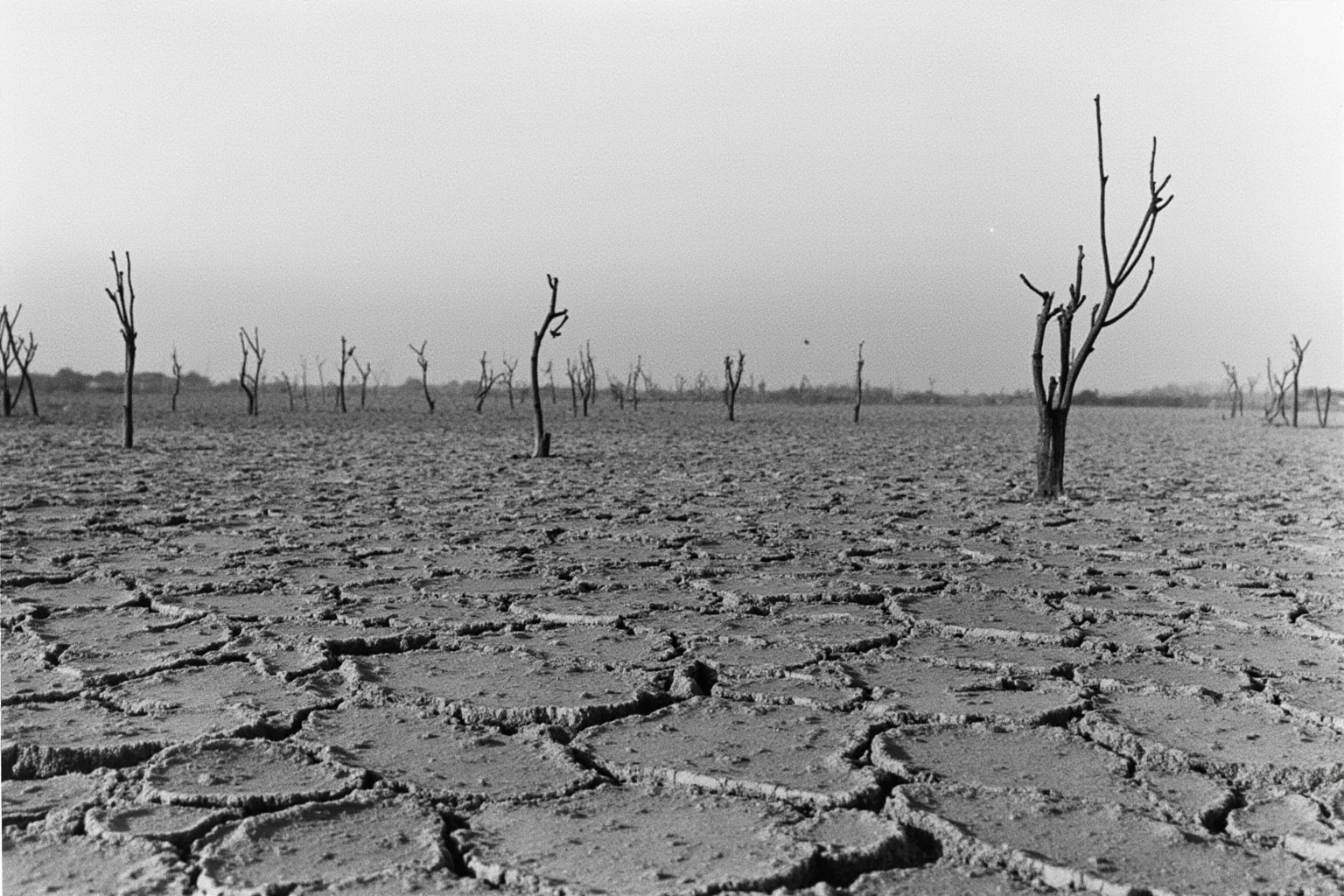
Tied to the policies of the Great Leap Forward, the Great Chinese Famine is estimated to have caused between 15 and 45 million deaths, depending on the source. Forced agricultural collectivization, unrealistic production quotas, and suppressed reporting of shortages combined to create a man-made catastrophe.
It remains one of the deadliest famines in recorded history and a stark example of how policy failures can escalate into mass starvation. Historians continue to debate the exact toll due to limited independent record-keeping at the time.
9. The Rwandan Genocide (1994)
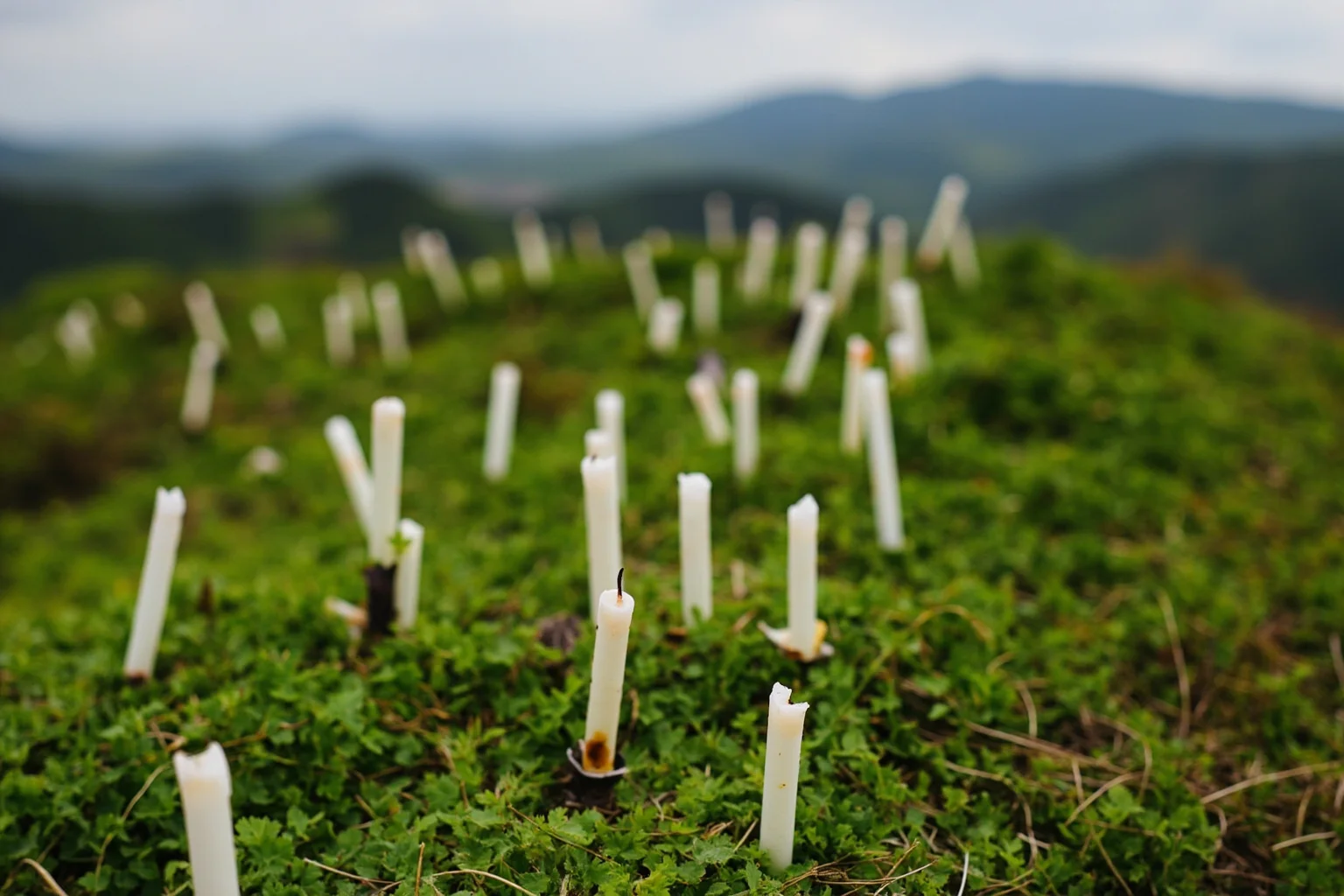
Over approximately 100 days in 1994, an estimated 800,000 people, most of them ethnic Tutsis, were murdered in Rwanda. The killings were carried out largely by machete and small arms in local communities, often by neighbors against neighbors.
The international community’s slow response has become a widely studied failure in genocide prevention. It remains one of the scariest events in history precisely because of how quickly ordinary social structures collapsed into mass violence.
10. The Atomic Bombings of Hiroshima and Nagasaki (1945)
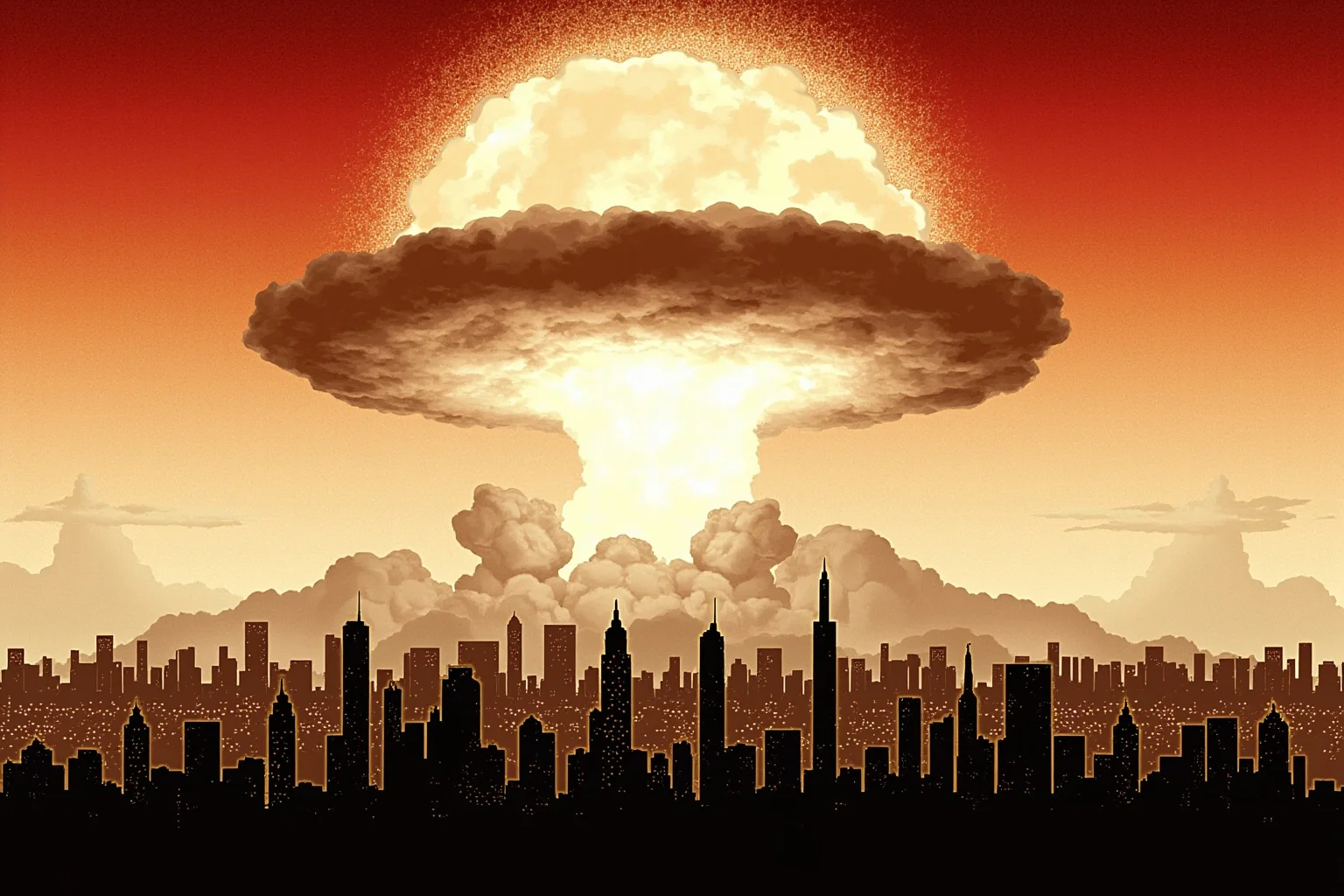
On August 6 and 9, 1945, the United States dropped atomic bombs on the Japanese cities of Hiroshima and Nagasaki. Immediate deaths are estimated at around 70,000 to 140,000 in Hiroshima and 60,000 to 80,000 in Nagasaki, with many more dying later from radiation-related illness.
These bombings remain the only use of nuclear weapons in warfare and effectively ended World War II, marking two of the most memorable dates in history. They also ushered in the nuclear age, permanently changing how humanity thinks about the worst impact of an event on a global scale.
11. The Chernobyl Disaster (1986)
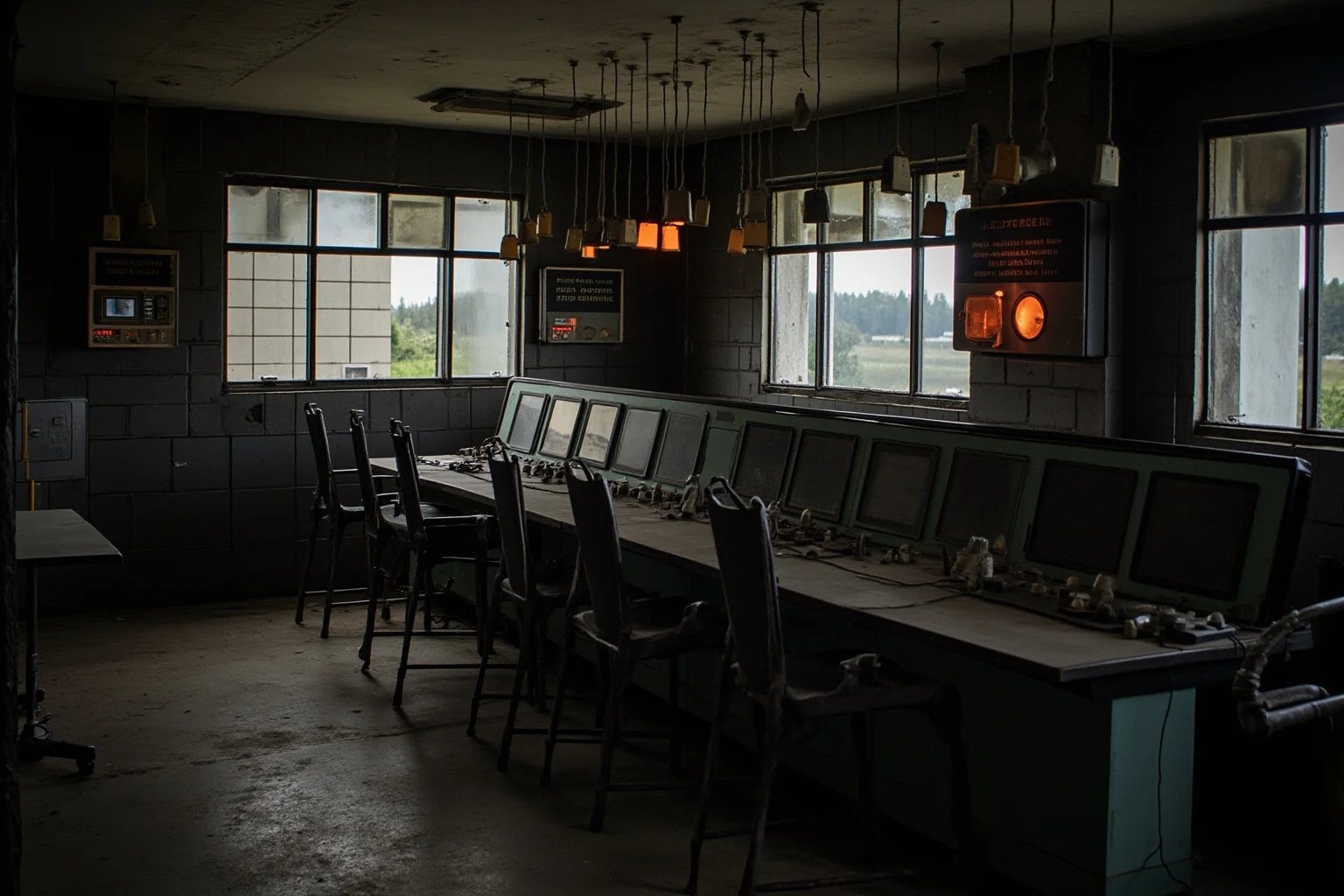
On April 26, 1986, a reactor at the Chernobyl Nuclear Power Plant in Soviet Ukraine exploded during a safety test gone wrong. The immediate death toll from the explosion and acute radiation sickness was relatively small, officially around 30 to 50 people, but long-term health effects across the region remain disputed and difficult to quantify.
The surrounding area was evacuated and remains restricted decades later. Chernobyl is often cited among the scariest events in history because its consequences unfolded slowly and invisibly, through radiation exposure rather than a single dramatic moment.
12. The An Lushan Rebellion (755–763)
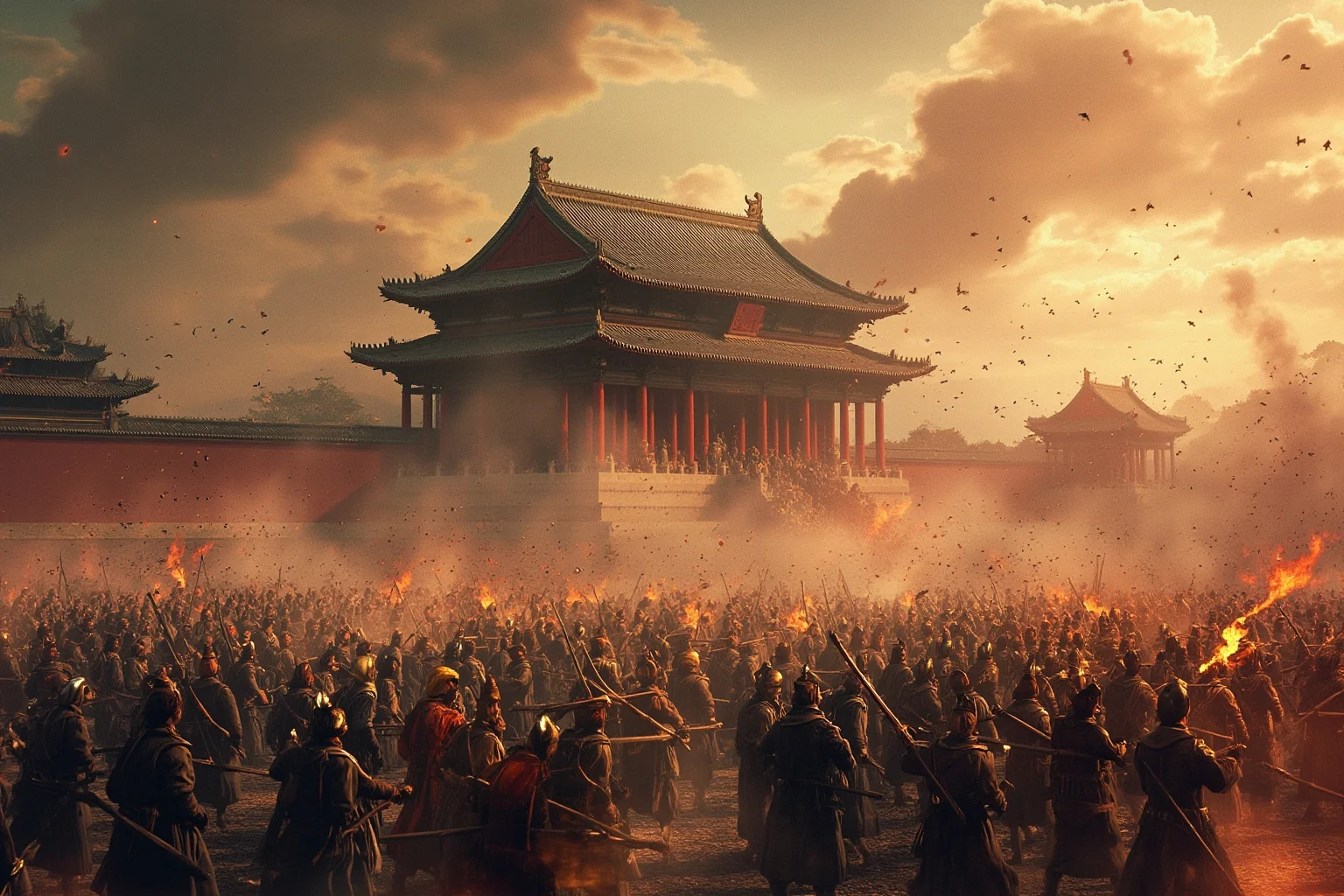
This civil war against China’s Tang Dynasty is sometimes cited by historians as one of the deadliest conflicts in human history, based on census data suggesting tens of millions of deaths or displacements. Modern historians treat these ancient figures with caution, since population data from the era is incomplete and possibly exaggerated by later record keepers.
Even with that uncertainty, the rebellion clearly devastated Tang China’s population and infrastructure. It’s a useful reminder that some of history’s worst events are also among its least documented.
13. The Cambodian Killing Fields (1975–1979)
Under the Khmer Rouge regime led by Pol Pot, an estimated 1.5 to 2 million Cambodians died from execution, forced labor, starvation, and disease. That represented roughly a quarter of the country’s entire population at the time.
Intellectuals, professionals, and anyone associated with the previous government were specifically targeted. The Killing Fields remain a haunting case study in how quickly a society can be torn apart by ideological extremism.
14. The Irish Potato Famine (1845–1852)

A potato blight destroyed Ireland’s staple crop starting in 1845, leading to roughly one million deaths from starvation and disease. Another million or more emigrated, permanently altering Ireland’s population and its global diaspora.
British government policy during the famine has been heavily criticized by historians for worsening the crisis through inadequate and poorly timed relief efforts. The famine remains a defining, painful chapter in Irish history and identity.
15. The Armenian Genocide (1915–1923)
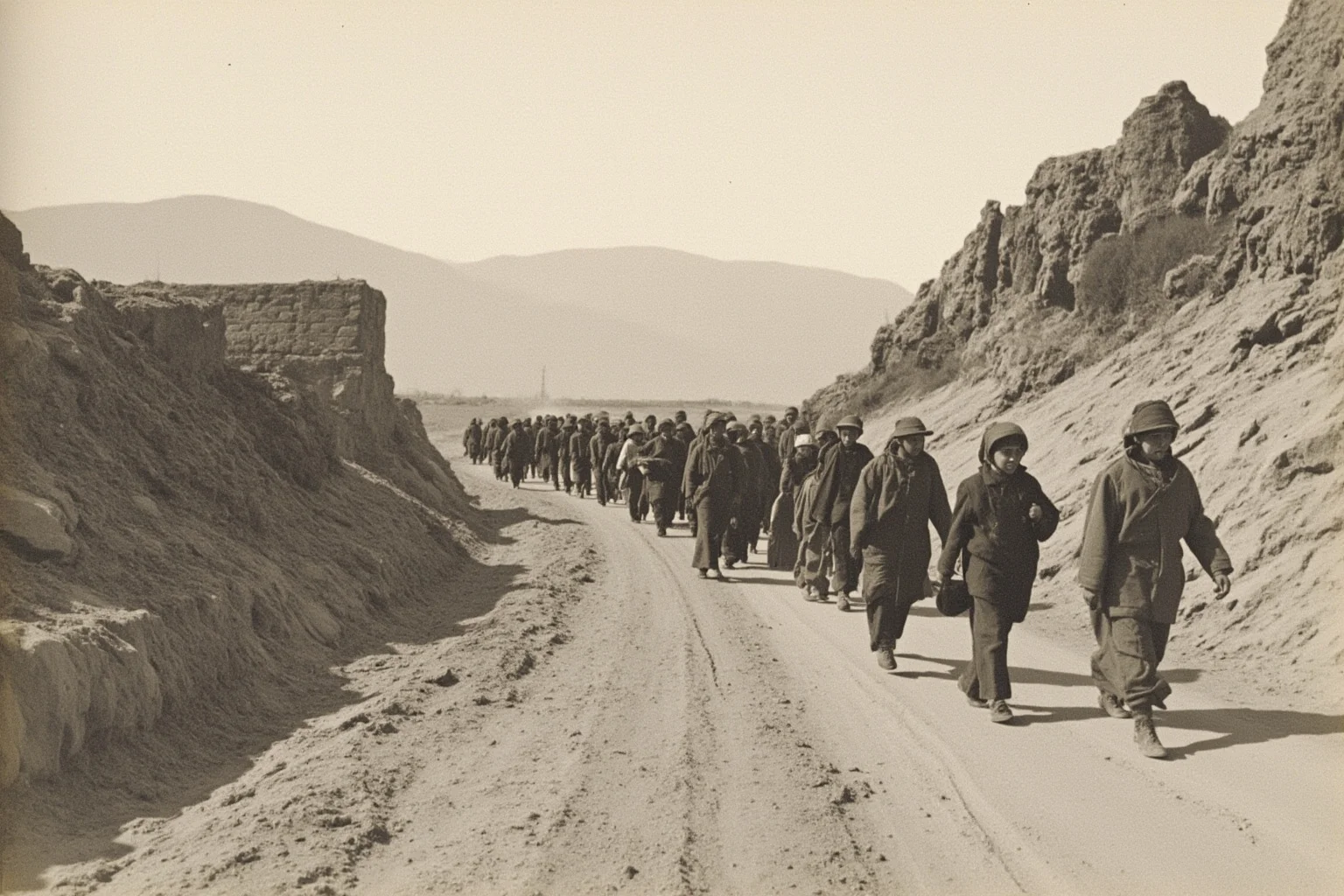
During and after World War I, the Ottoman Empire carried out the systematic killing of an estimated 1 to 1.5 million Armenians through massacres, forced marches, and starvation. Many scholars and numerous governments formally recognize this as genocide, though Turkey disputes the characterization.
Survivors were scattered across the globe, and the event remains a significant point of historical and diplomatic tension today. It’s frequently referenced in discussions of the worst events in human history precisely because of ongoing debates over recognition and accountability.
16. The Taiping Rebellion (1850–1864)
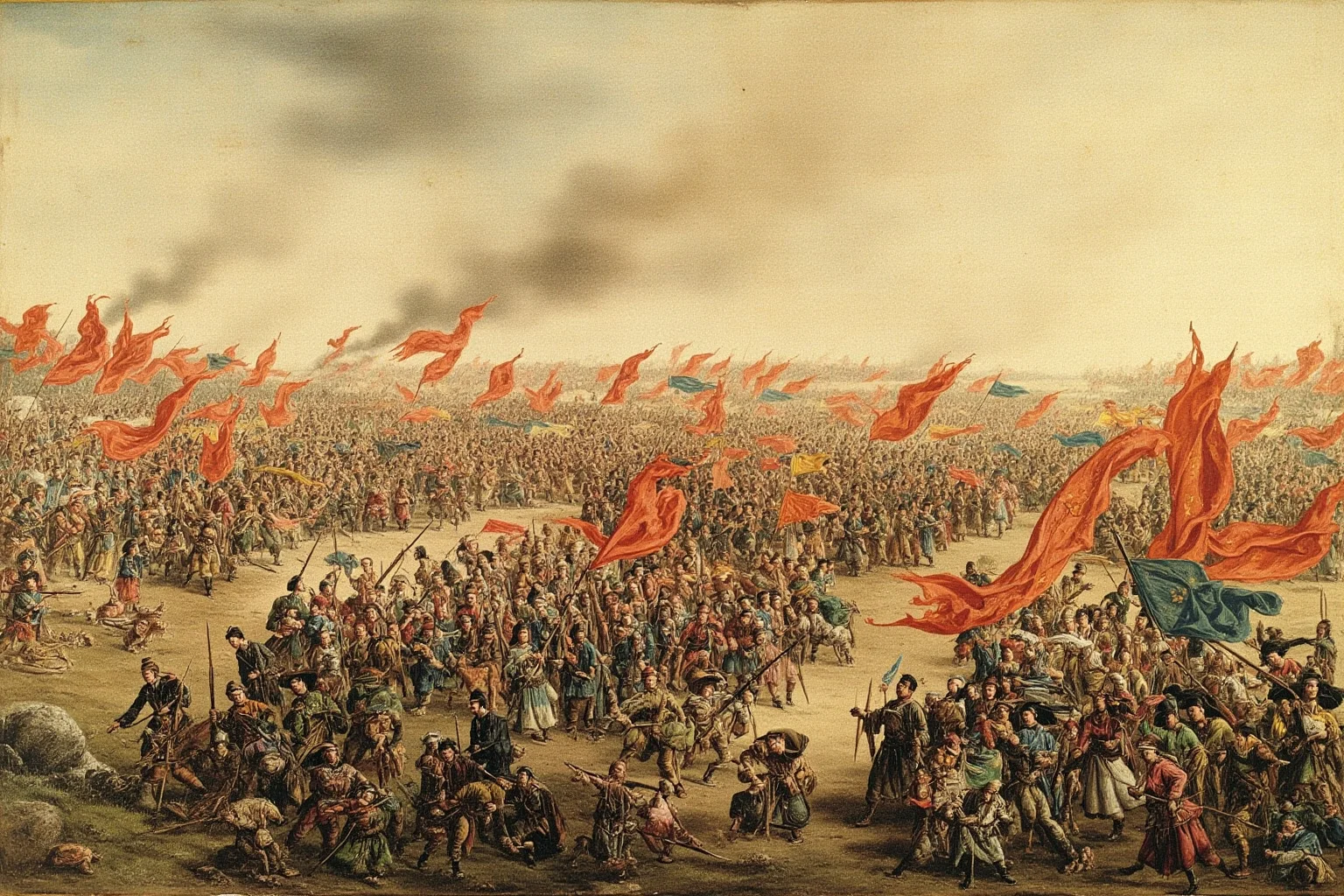
This Chinese civil war, driven by a religious and political movement against the Qing Dynasty, is estimated to have caused between 20 and 30 million deaths, echoing the upheaval seen in other major revolutions throughout history. That makes it one of the deadliest conflicts of the 19th century, and possibly in all of recorded history.
Widespread famine, disease, and brutal military campaigns compounded the direct combat deaths. Despite its staggering toll, the Taiping Rebellion remains relatively unknown outside of China compared to Western conflicts of similar scale.
17. The Partition of India (1947)
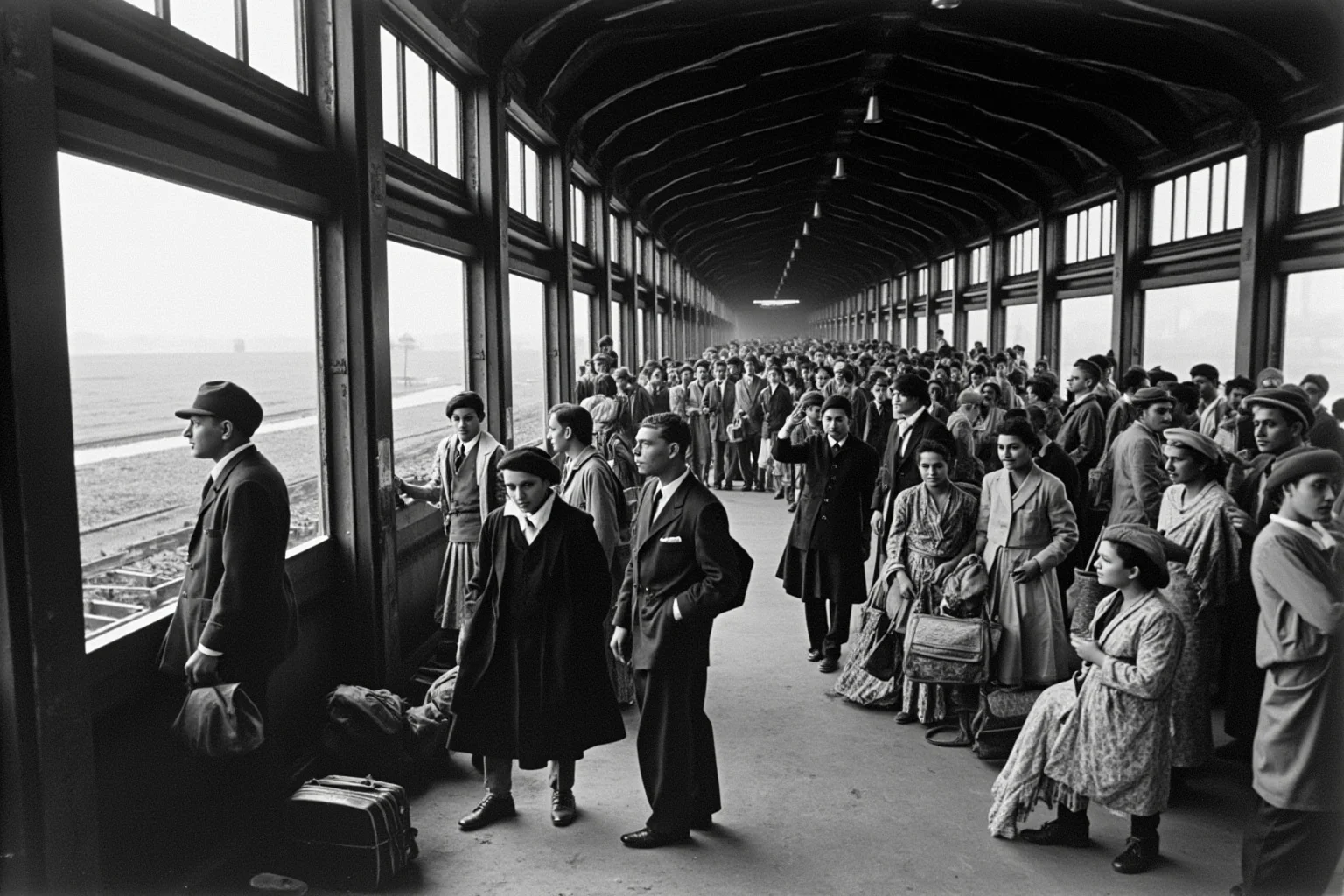
When British India was divided into India and Pakistan in 1947, an estimated 10 to 15 million people were displaced in one of the largest mass migrations in history. Estimates of resulting deaths from violence, disease, and displacement range widely, from several hundred thousand up to around two million.
Communal violence between religious groups erupted across newly drawn borders almost immediately. The Partition’s consequences, including ongoing regional tensions, are still felt in South Asian politics today.
18. The 2004 Indian Ocean Tsunami
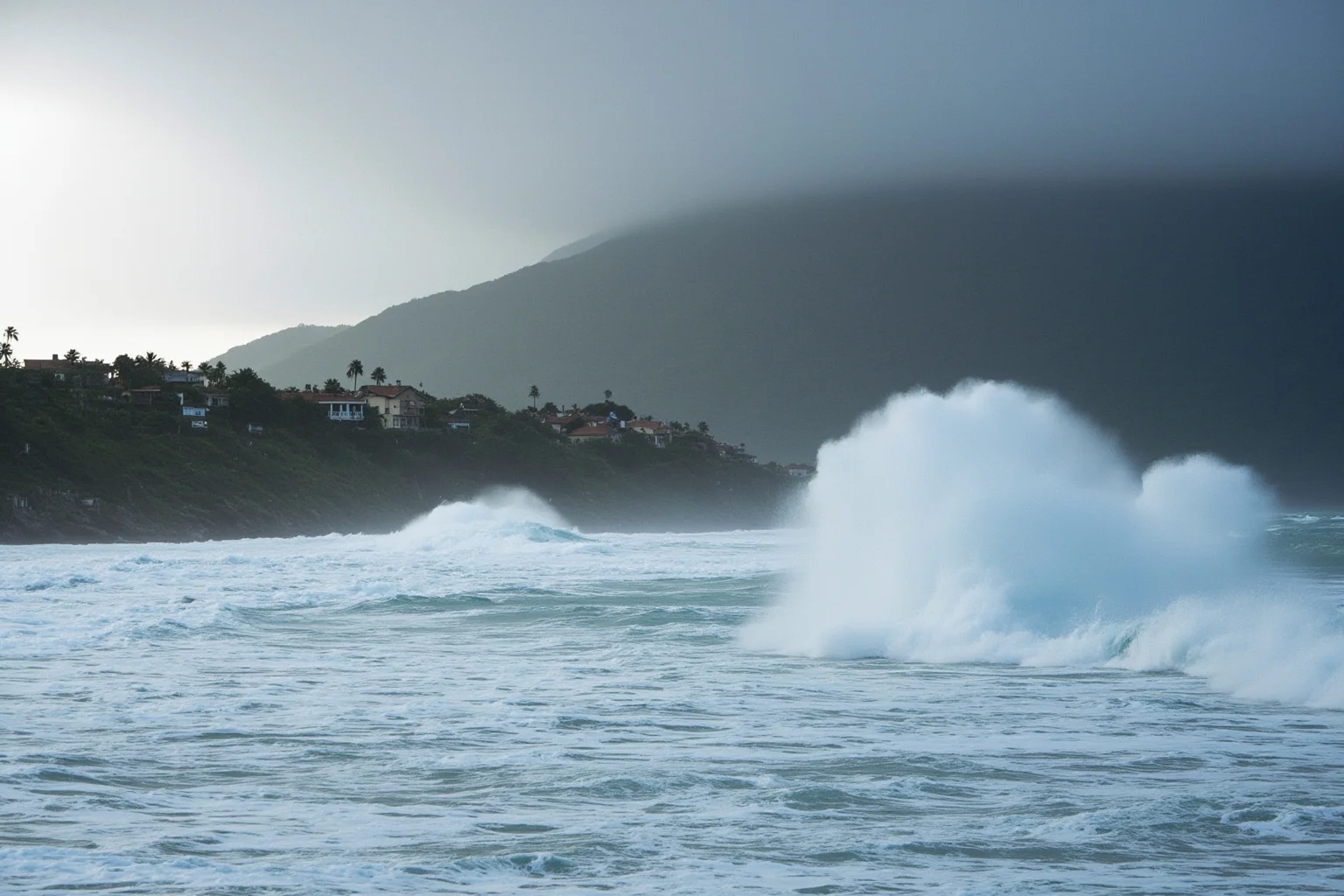
On December 26, 2004, a massive undersea earthquake off Sumatra triggered a tsunami that killed an estimated 230,000 people across 14 countries. Indonesia, Sri Lanka, India, and Thailand were among the hardest-hit nations.
The disaster exposed how unprepared much of the world was for tsunami warning systems at the time. It remains one of the deadliest natural disasters in modern recorded history and a driving force behind improved early-warning technology.
19. The Tangshan Earthquake (1976)
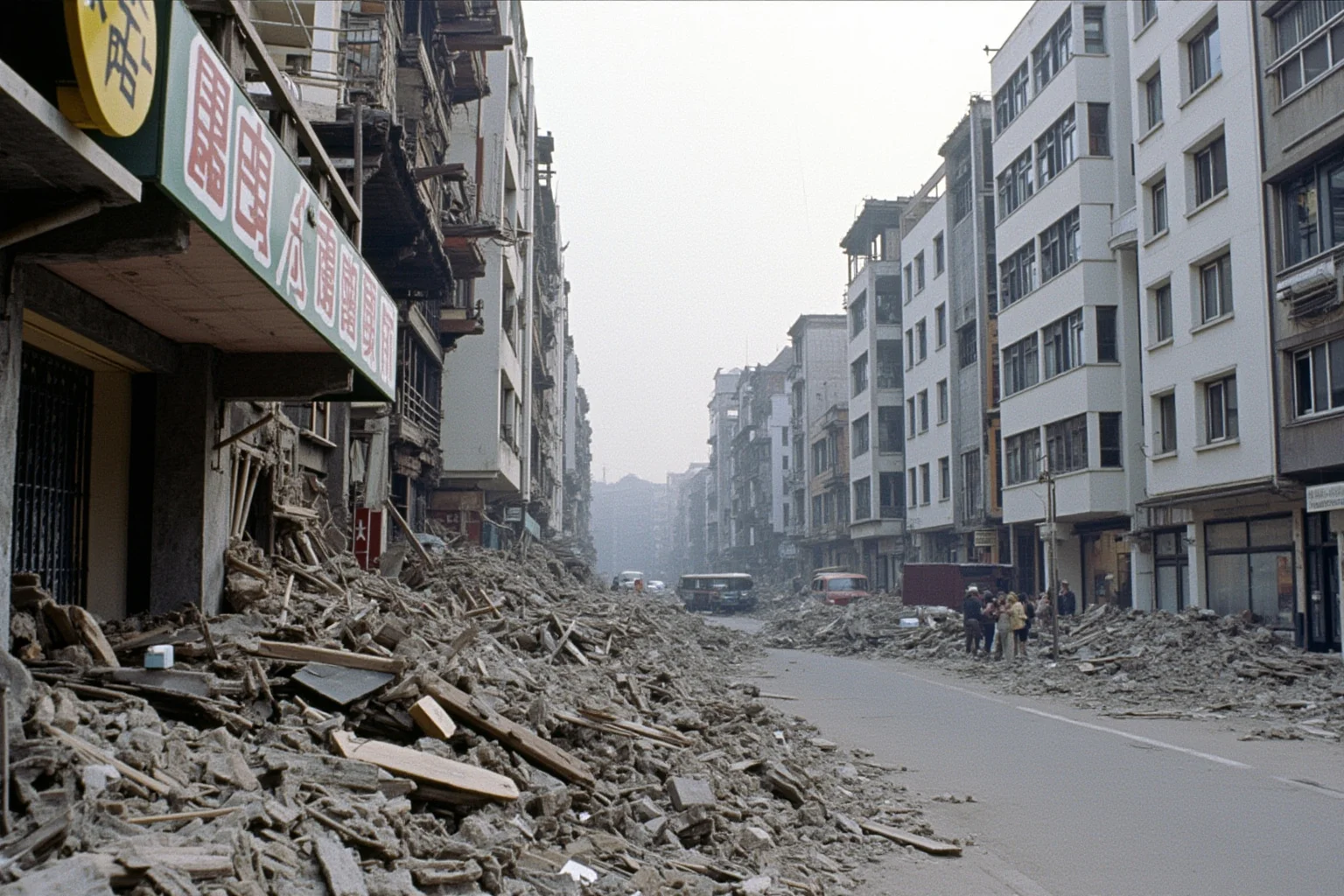
On July 28, 1976, a magnitude 7.6 earthquake struck the industrial city of Tangshan, China, largely without warning in the early morning hours. The official death toll stands at around 242,000, though some independent estimates suggest the real number may have been considerably higher.
The quake leveled most of the city within seconds, catching residents asleep in their homes. It remains one of the deadliest earthquakes ever recorded and a grim example of how a single geological event can qualify among the worst days in history for an entire region.
20. The Bengal Famine of 1943

During World War II, wartime policy failures, grain export decisions, and disrupted trade contributed to a famine in British-ruled Bengal that killed an estimated 2 to 3 million people. Wartime priorities, price speculation, and administrative mismanagement all worsened the crisis significantly.
Historians continue to debate exactly how much of the famine was preventable versus driven by wartime circumstances beyond local control. It stands as one of the deadliest famines of the 20th century and a case study in colonial-era policy failure.
21. The Congo Free State Atrocities (1885–1908)
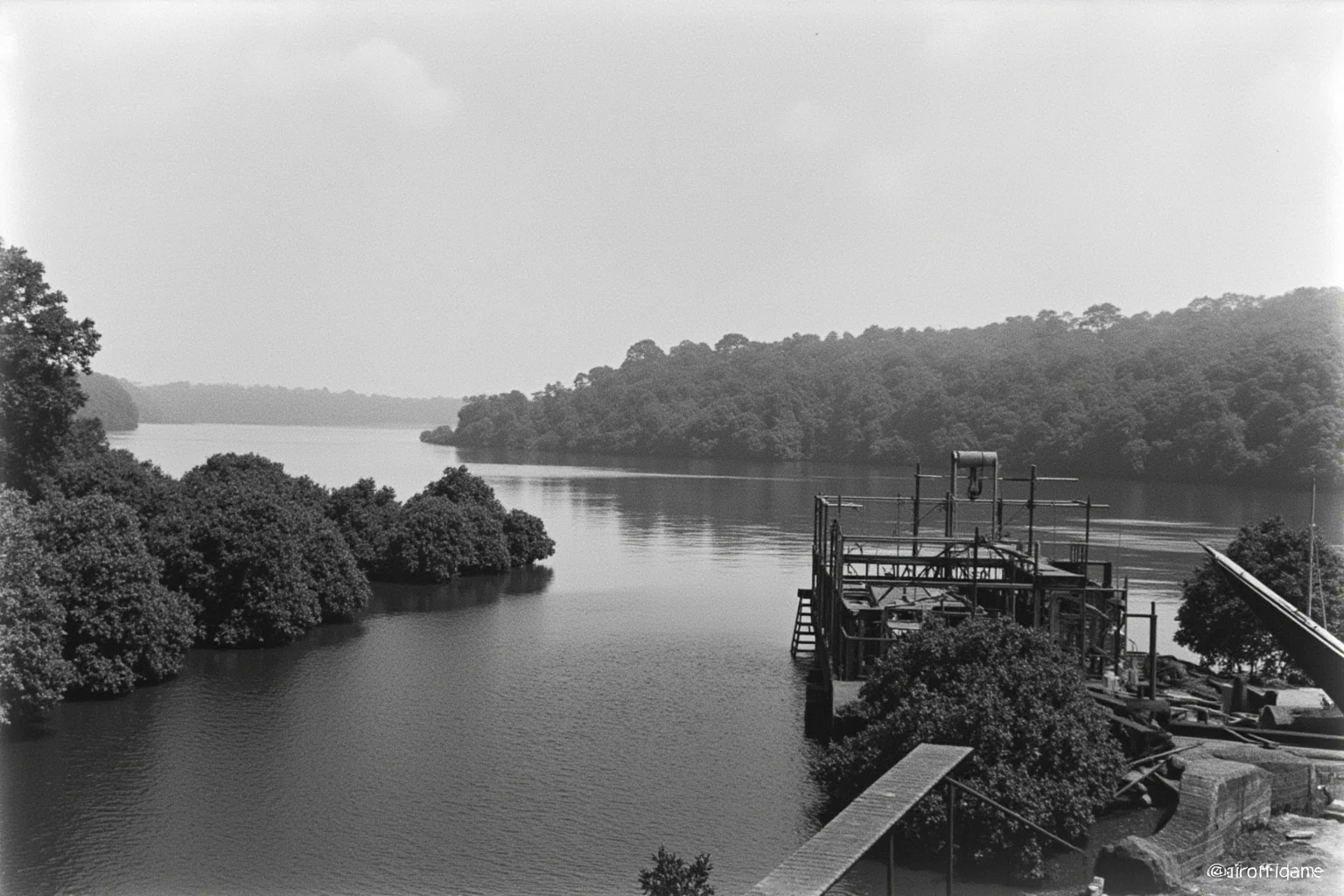
Under the personal rule of Belgium’s King Leopold II, the Congo Free State subjected its population to forced labor, mutilation, and mass killing tied to rubber and ivory extraction. Estimates of the death toll vary enormously, from around 1 million to as high as 10 million, and remain genuinely contested among historians due to limited surviving records.
International outrage eventually forced Leopold to relinquish personal control of the territory in 1908. The Congo Free State remains one of the starkest examples of colonial exploitation escalating into mass atrocity, a pattern explored further among the worst man-made disasters in history.
22. The Thirty Years’ War (1618–1648)
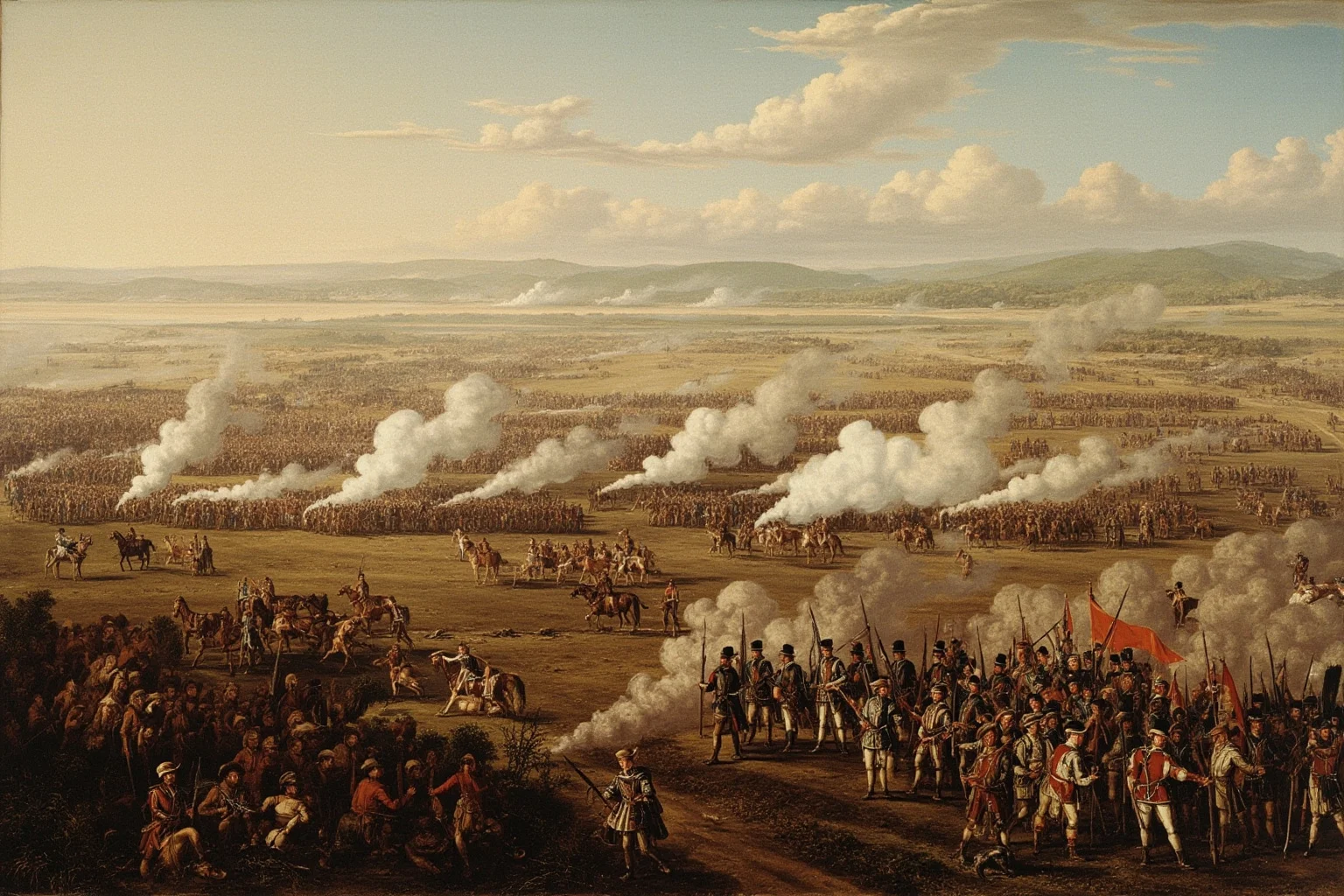
This sprawling European conflict, rooted in religious and political rivalries, killed an estimated 4.5 to 8 million people across the continent. Some regions of the Holy Roman Empire lost as much as a third of their population to combat, famine, and disease tied to the war.
It remains one of the deadliest conflicts in European history relative to the population size of the time. The eventual Peace of Westphalia in 1648 reshaped European borders and diplomatic norms for centuries afterward.
Could Something This Catastrophic Happen Again?
It’s natural to look at this list and wonder about catastrophical events that could happen in our own lifetime. Modern risk researchers and historians generally point to a handful of realistic large-scale threats worth taking seriously, rather than doomsday speculation.
Pandemics remain a genuine concern, since global travel moves pathogens faster than ever before, as the COVID-19 pandemic demonstrated starting in 2019. Nuclear conflict, though thankfully avoided since 1945, remains a possibility that policymakers and historians continue to treat as a serious risk given ongoing global tensions.
Climate-driven disasters, including extreme famine, flooding, and mass displacement, are increasingly discussed by scientists as slow-moving but very real catastrophic risks. None of these are guaranteed to happen, but understanding the worst events in human history helps societies recognize the warning signs earlier next time.
Final Thoughts: Why We Keep Revisiting History’s Darkest Chapters
Looking back at the worst events in history isn’t about dwelling on despair. It’s about understanding the patterns, ignored warnings, unchecked power, and communication failures, that turned disasters into full-blown catastrophes.
Every event on this list, from ancient rebellions to modern genocides, offers a lesson that’s still relevant to how we build institutions, respond to emergencies, and treat each other today. Studying terrible historical events honestly, with room for uncertainty and nuance, is one of the best tools we have for making sure the future writes a different story.
Frequently Asked Questions
What is considered the worst event in human history?
There's no single agreed-upon answer, since historians weigh death toll, long-term impact, and preventability differently. World War II is often cited as the worst event in human history by total death toll (an estimated 70-85 million), while the Black Death caused a higher percentage loss of population in the regions it hit.
What was the worst day in history?
This depends on the metric used. Candidates often cited include July 1, 1916 (the first day of the Battle of the Somme, with roughly 57,000 British casualties), August 6, 1945 (the Hiroshima bombing), and July 28, 1976 (the Tangshan earthquake), each representing a single day of extreme, concentrated loss of life.
What are catastrophical events that could happen in the future?
Historians and risk researchers point to realistic large-scale threats such as future pandemics, nuclear conflict, climate-driven famine or flooding, and major natural disasters like large earthquakes or volcanic eruptions. These aren't predictions, but they're the risks most frequently discussed as plausible catastrophic events based on historical precedent.
How do historians measure the worst impact of an event?
Historians typically look beyond immediate death toll to consider long-term factors like economic collapse, population displacement, cultural destruction, and how long it took a society to recover. This is why events like the Atlantic Slave Trade or the Partition of India are considered catastrophic well beyond their immediate casualty figures.
Why are death tolls for ancient catastrophic events often uncertain?
Record-keeping in ancient and medieval societies was often incomplete, inconsistent, or politically motivated, making precise figures impossible to verify. Events like the Mongol Conquests or the An Lushan Rebellion rely on estimates from limited historical records, so historians present ranges rather than exact numbers.
What makes an event ‘scary’ versus simply tragic in historical terms?
Events often described as among the scariest in history, like the Rwandan Genocide or the Chernobyl disaster, tend to combine a rapid, uncontrollable escalation with a sense that ordinary people or systems could not stop it in time. That combination of speed, scale, and helplessness is what tends to separate 'scary' events from other tragic ones.

Alex Warren
Related Articles





