

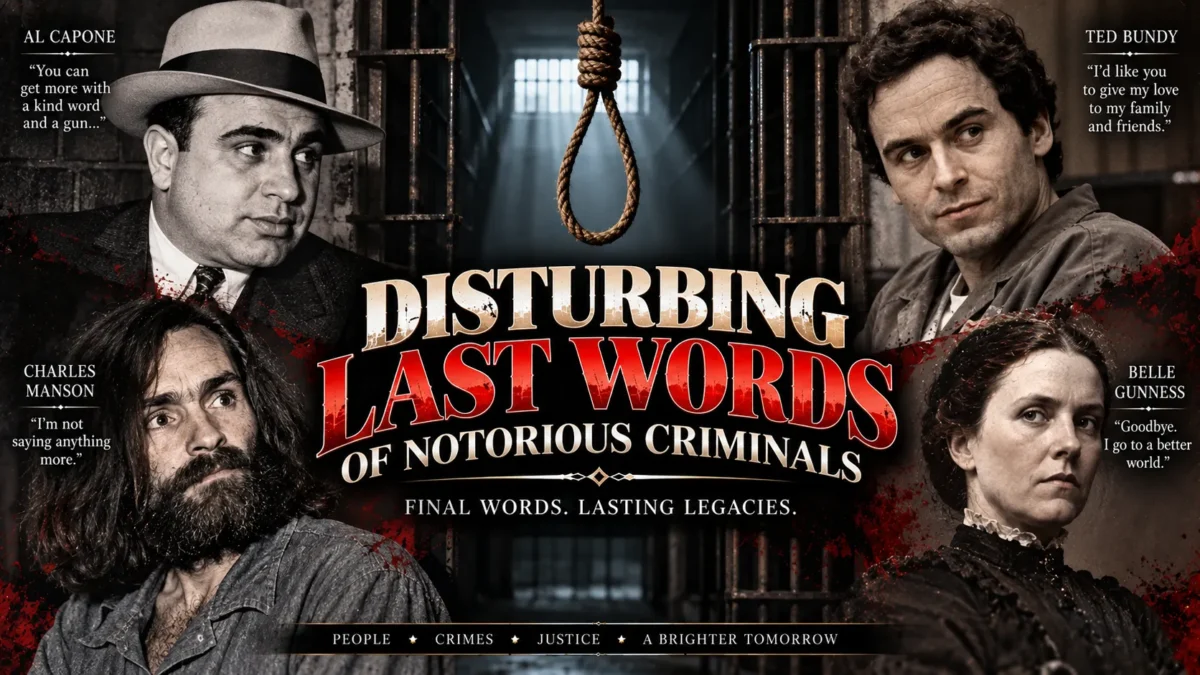
Final words have always held a strange grip on the public imagination. Whether it’s a whispered apology, a flash of dark humor, or a total absence of remorse, the last things people say before execution often become as infamous as the crimes that put them there.
Historians, journalists, and true crime writers have spent decades trying to verify what condemned men and women actually said in their final moments, and not every famous quote holds up to scrutiny.
This list rounds up 25 of the strangest, most disturbing, and most historically documented last words from notorious criminals and death row inmates.
We’ve done our best to separate verified courtroom and witness accounts from the exaggerated legends that tend to grow around famous cases. Consider this your myth-busting guide to some of the most unsettling final statements in criminal history.
TL;DR: From John Wayne Gacy’s icy indifference to Carl Panzram’s snarl at his executioner, the last words of history’s most notorious criminals reveal as much about their crimes as their courtrooms ever did.
Why Last Words Fascinate Us (And Why Not All Of Them Are Real)
Most U.S. states have long allowed condemned prisoners a final statement before execution, a tradition that stretches back to English common law.
Prison officials, chaplains, and reporters present in the death chamber would jot down what they heard, but there was rarely an audio recording to confirm the exact wording. That gap between memory and fact is exactly where legends grow.
It’s easy to use infamous in a sentence when talking about someone like John Wayne Gacy. You might say, “Gacy remains infamous for the sheer scale of his crimes, and his final words did nothing to soften that reputation.” That’s really the throughline of this whole list: infamy and final words tend to travel together, for better or worse.
Some of these quotes are backed by court transcripts and multiple newspaper accounts from the day. Others have been polished, exaggerated, or misattributed over decades of retelling in books and documentaries. We’ve flagged the shakier ones so you can tell a solid historical record from an urban legend.
1. John Wayne Gacy
John Wayne Gacy was convicted in 1980 of murdering 33 young men and boys in the Chicago area, many of them buried in the crawl space beneath his home. He was executed by lethal injection on May 10, 1994, at Stateville Correctional Center in Illinois.
According to multiple witnesses and news reports from the execution, John Gacy’s last words were a blunt “Kiss my ass.” He declined to give a longer final statement, and officials who watched him die said he showed almost no visible emotion. It was a chillingly fitting exit for a man who never expressed genuine remorse for his crimes.
2. Carl Panzram
Carl Panzram was a drifter and serial killer who confessed to killing at least 21 people across the United States and abroad during the 1920s. He was executed by hanging on September 5, 1930, at Leavenworth Federal Penitentiary in Kansas for murdering a prison laundry supervisor.
Carl Panzram’s last words, as recorded in accounts tied to his prison memoir “Killer: A Journal of Murder,” were reportedly aimed at his own executioner: “Hurry up, you Hoosier bastard. I could hang a dozen men while you’re fooling around.” It’s one of the most defiant final statements on record, matching the nihilistic worldview he wrote about extensively in prison.
3. Ted Bundy
Ted Bundy confessed to killing at least 30 women across several states in the 1970s, though the true number may never be known. He was executed in Florida’s electric chair on January 24, 1989, at Florida State Prison.
Witnesses reported that Bundy’s final words were addressed to a chaplain, asking him to “give my love to my family and friends.” It was a strikingly ordinary sentiment from a man whose crimes were anything but.
4. Gary Gilmore

Gary Gilmore was convicted of two murders in Utah in 1976 and became the first person executed in the United States after the Supreme Court reinstated the death penalty. He was killed by firing squad on January 17, 1977.
His final words, “Let’s do it,” became one of the most quoted phrases in execution history. Advertising lore has long claimed the line inspired Nike’s “Just Do It” slogan, a connection some ad executives have referenced over the years, though Nike itself has never officially confirmed it as the source.
5. James French
James French was already serving a life sentence for one murder when he strangled his cellmate in an Oklahoma prison in 1961. He was executed in the electric chair on August 10, 1966.
French reportedly quipped to reporters just before his execution, “Hey fellas, how about this for a headline for tomorrow’s paper: French Fries?” It’s one of the darkest examples of gallows humor on this entire list.
6. George Appel
George Appel was convicted of murdering a New York City police officer and was executed in the electric chair at Sing Sing Prison in 1928. His case is largely remembered today for one line.
Appel reportedly told the assembled witnesses, “Well, folks, you’ll soon see a baked Appel,” moments before the switch was thrown. The pun has been repeated in death-penalty histories for nearly a century.
7. Thomas Grasso
Thomas Grasso was convicted of murder in both New York and Oklahoma and was ultimately executed by lethal injection in Oklahoma in 1995. His final statement had nothing to do with his crimes at all.
Grasso used his last words to complain about his final meal, saying, “I did not get my SpaghettiOs. I got spaghetti. I want the press to know this.” The oddly petty complaint made headlines across the country and remains one of the strangest final statements ever recorded.
8. Aileen Wuornos
Aileen Wuornos was convicted of killing seven men in Florida between 1989 and 1990 and was executed by lethal injection on October 9, 2002. Her case later inspired the film “Monster.”
Her final statement rambled about “coming back” to Earth aboard a spaceship alongside Jesus, a comment so disjointed that news outlets covering her execution struggled to summarize it clearly. Some reporters at the time described it as a statement so disturbing and incoherent that it overshadowed any final clarity about her crimes.
9. James Rodgers
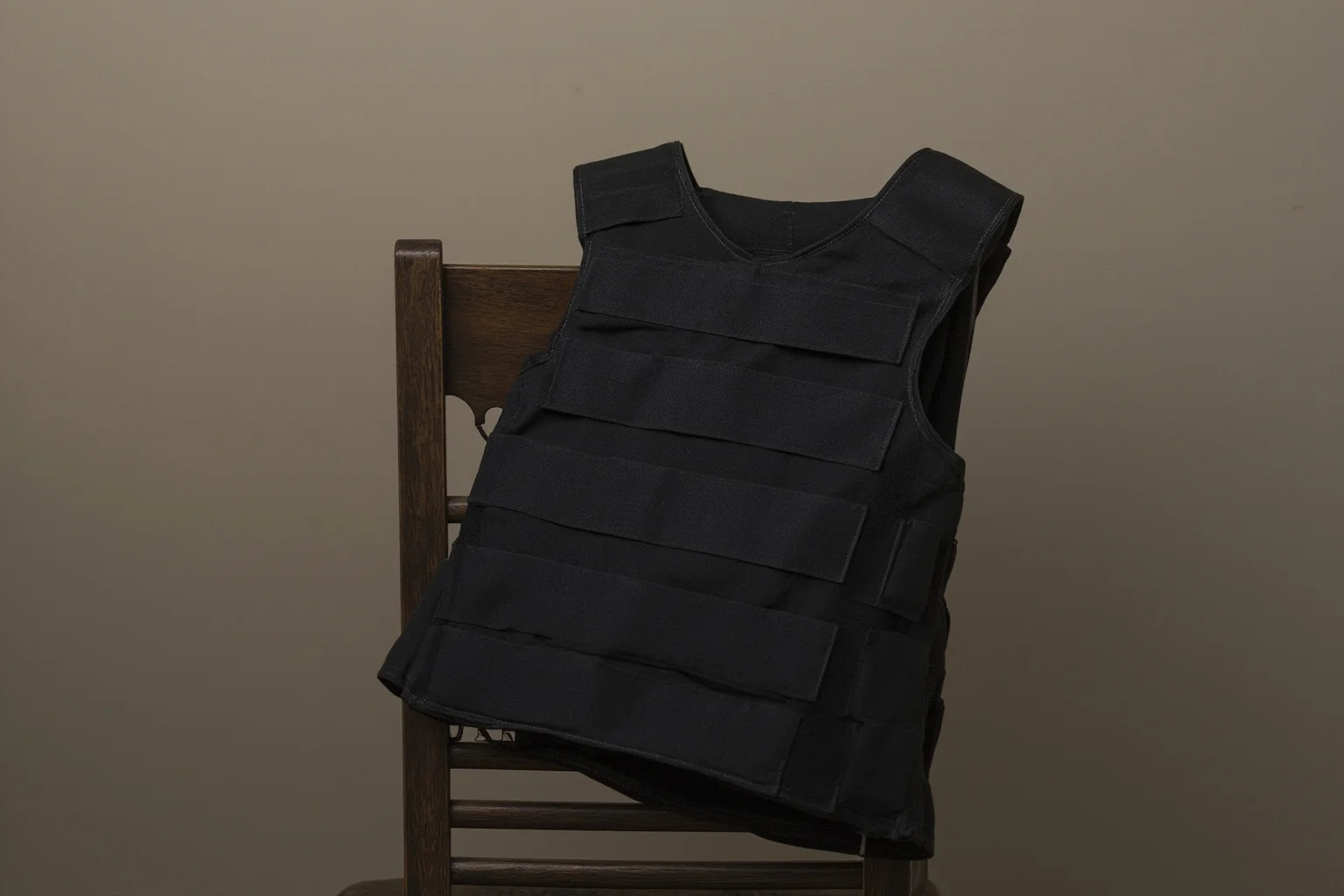
James W. Rodgers was convicted of murder in Utah and executed by firing squad in 1960. His story is remembered less for the crime and more for a single dark joke.
When asked if he had a final request, Rodgers reportedly replied that he’d like a bulletproof vest. It’s remembered as one of the more absurd examples of gallows humor from a death chamber.
10. Ricky Ray Rector
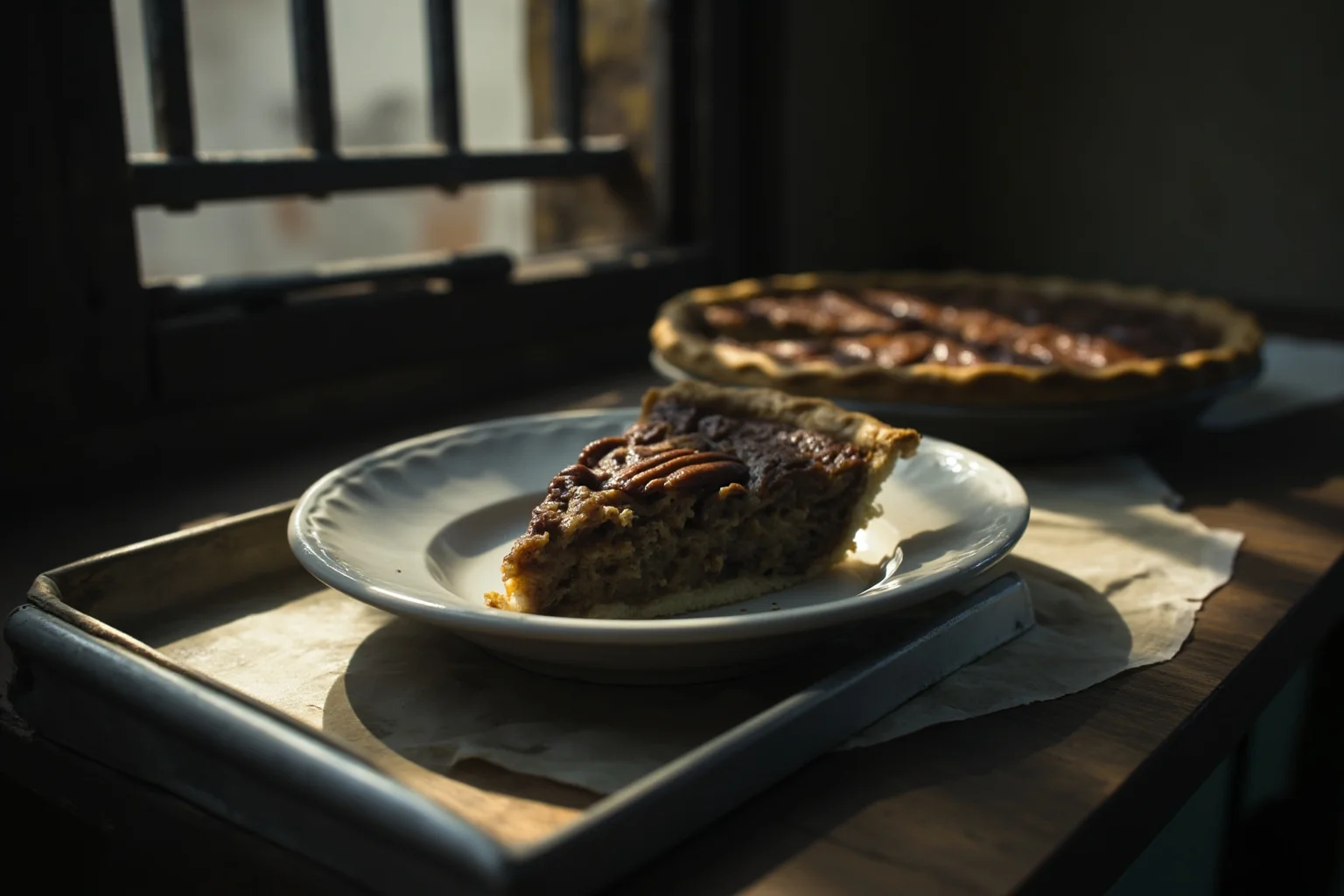
Ricky Ray Rector was convicted of murder in Arkansas, and his case became politically significant because he had shot himself in the head during his crime, leaving him with a severe brain injury. He was executed by lethal injection on January 24, 1992.
Accounts from witnesses, including reporting later compiled in books on the death penalty, describe Rector setting aside a piece of pecan pie from his last meal, telling guards he’d “save it for later.” The comment is widely cited as evidence of how little he understood about what was about to happen to him.
11. Karla Faye Tucker
Karla Faye Tucker was convicted of a 1983 pickaxe murder in Texas and became the first woman executed in that state since 1863. She was put to death by lethal injection on February 3, 1998.
Tucker had become a born-again Christian in prison, and her final words expressed love for her family and a belief she was about to see Jesus. Her case drew international attention and sparked debate over redemption and the death penalty.
12. Perry Smith

Perry Smith, along with Richard Hickock, murdered the Clutter family in Kansas in 1959, a crime immortalized in Truman Capote’s “In Cold Blood.” He was executed by hanging on April 14, 1965.
According to Capote’s account and contemporary news coverage, Smith used his final moments to say he found it a shame that a life had to be taken this way, adding that he had something to offer society. It remains one of the more introspective final statements on this list.
13. Charles Starkweather
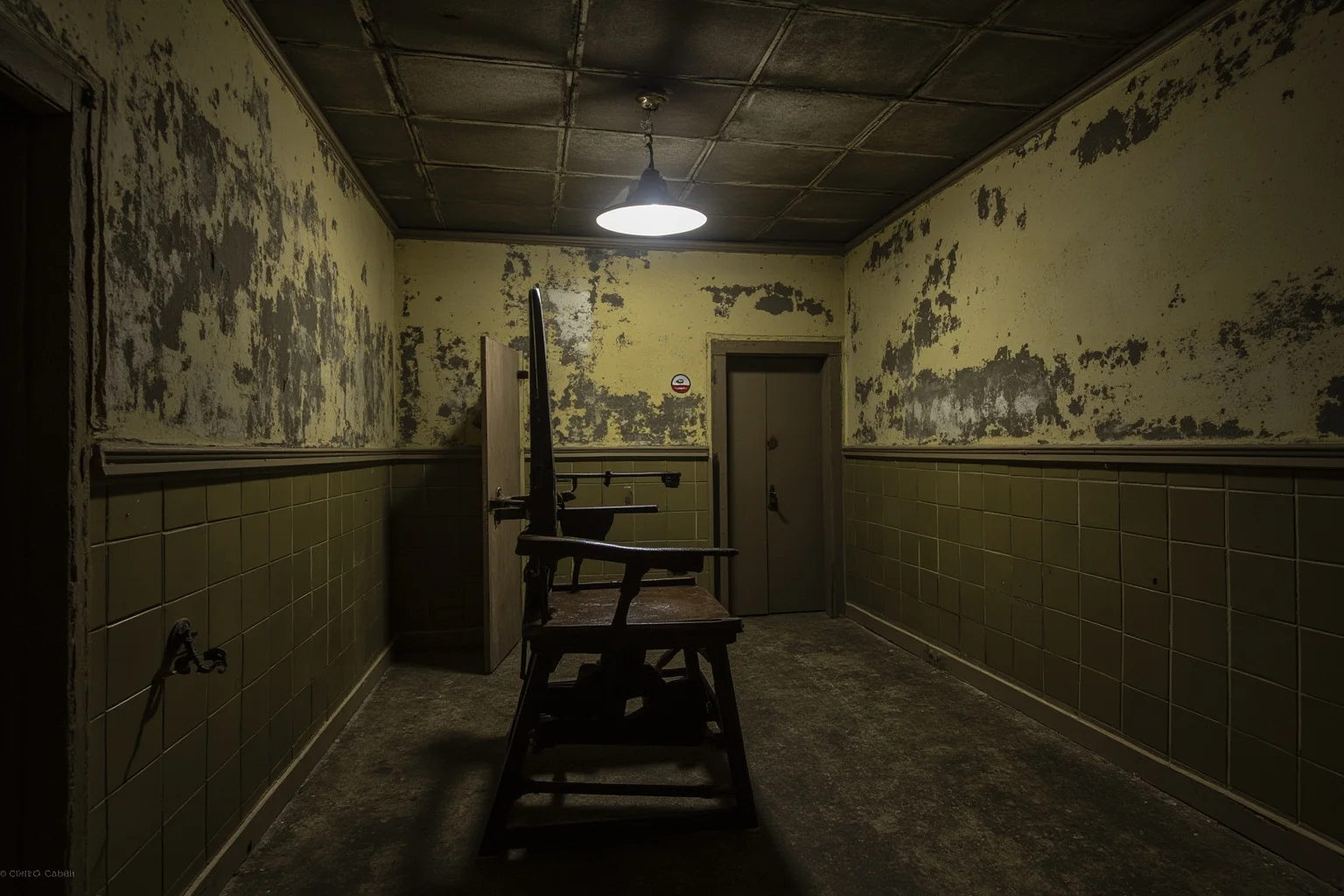
Charles Starkweather went on a killing spree across Nebraska and Wyoming in 1958 with his teenage girlfriend, Caril Ann Fugate, murdering 11 people. He was executed in Nebraska’s electric chair on June 25, 1959.
When asked about donating his organs after death, Starkweather reportedly refused, saying, “Why should I? Society never gave me anything.” It was a bitter final note from a man whose crimes shocked the country.
14. Barbara Graham
Barbara Graham was convicted of murder in California in a case that drew significant public attention and controversy over the strength of the evidence against her. She was executed in the gas chamber on June 3, 1955.
Her reported final words, “Good people are always so sure they’re right,” became famous after her story was dramatized in the 1958 film “I Want to Live!” Her case is still cited by death-penalty researchers as an example of the risks of executing based on circumstantial evidence.
15. Velma Barfield

Velma Barfield poisoned several people, including her own mother and fiancé, in North Carolina. She became the first woman executed by lethal injection in the United States, on November 2, 1984.
Her final statement thanked her family for their love and support and expressed remorse for her crimes. Unlike many on this list, Barfield’s final words leaned toward apology rather than defiance.
16. Robert Alton Harris

Robert Alton Harris was convicted of murdering two teenage boys in San Diego in 1978 and became the first person executed in California in 25 years. He died in the gas chamber on April 21, 1992.
According to news reports from the time, Harris quoted a line from a cartoon he’d seen, saying something to the effect of, “You can be a king or a street sweeper, but everybody dances with the Grim Reaper.” The quote has circulated in death-penalty histories ever since, though its exact origin within pop culture is debated.
17. Timothy McVeigh
Timothy McVeigh detonated a truck bomb outside the Alfred P. Murrah Federal Building in Oklahoma City in 1995, killing 168 people. He was executed by lethal injection on June 11, 2001, the first federal execution carried out in the U.S. in nearly four decades.
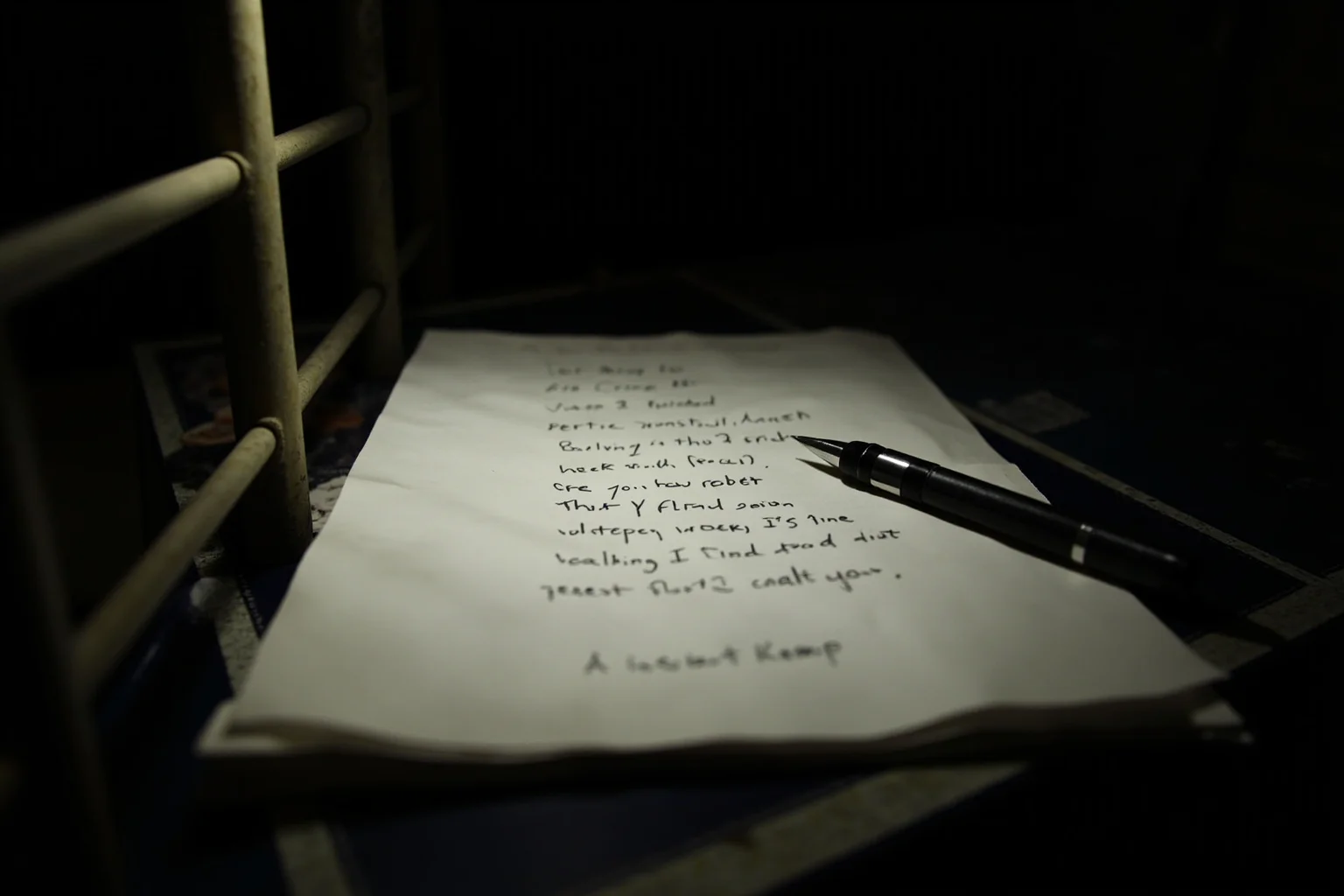
McVeigh gave no verbal final statement. Instead, he provided prison officials with a handwritten copy of the 19th-century poem “Invictus” by William Ernest Henley, a choice widely reported by journalists who witnessed the execution.
18. Westley Allan Dodd
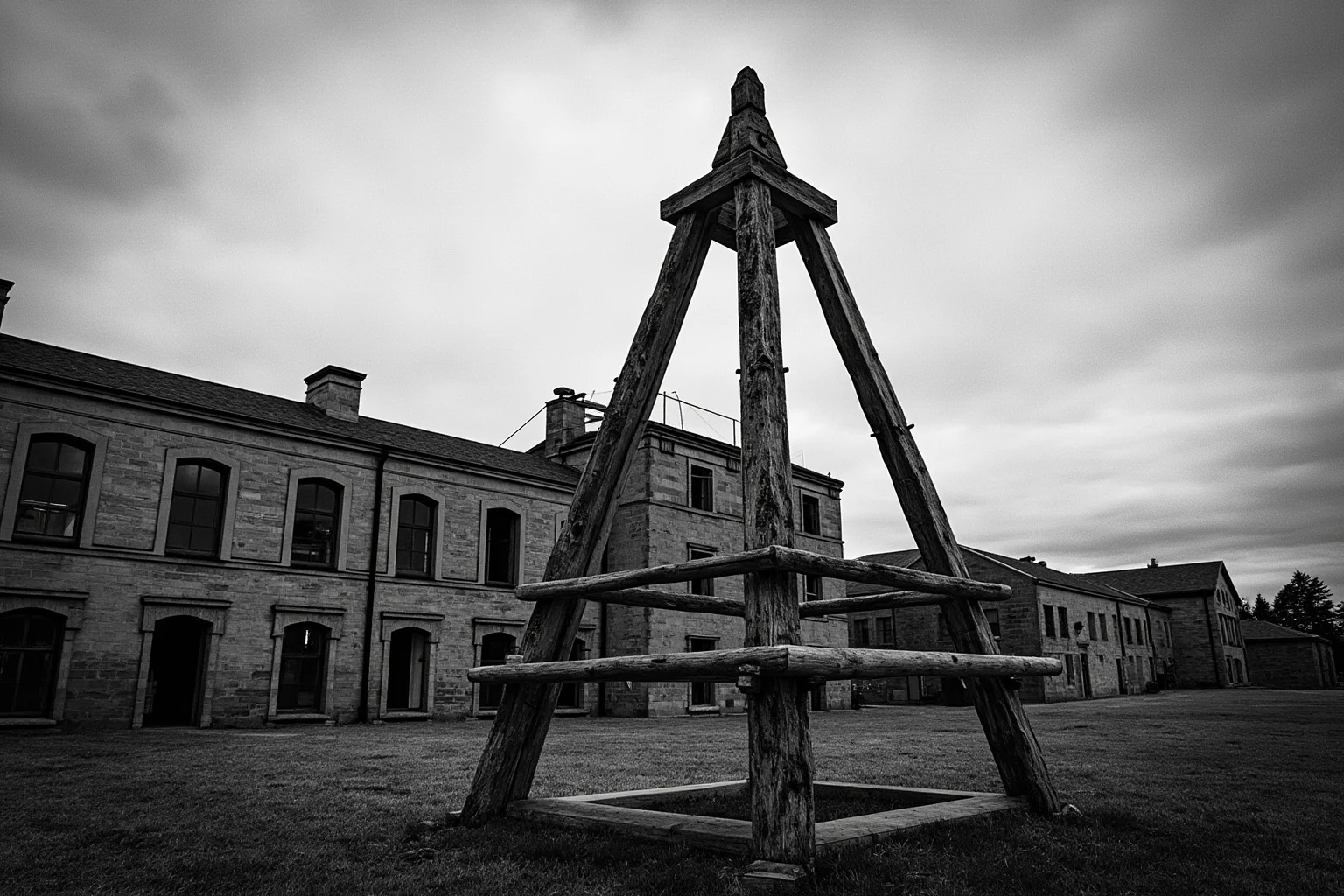
Westley Allan Dodd was convicted of murdering three young boys in Washington State. He specifically requested to be hanged rather than lethally injected, and his execution on January 5, 1993, remains the last judicial hanging carried out in Washington.
Dodd used his final public statements before execution to say he hoped his death would serve as a warning to others who might harm children. It was an unusually direct attempt to frame his own death as a form of prevention.
19. H.H. Holmes
H.H. Holmes, often described as America’s first documented serial killer, operated a Chicago building later nicknamed the “Murder Castle” during the 1893 World’s Fair. He was executed by hanging on May 7, 1896, in Philadelphia.
Accounts of his execution, including those referenced in Erik Larson’s “The Devil in the White City,” describe Holmes calmly asking his executioner to take care and not botch the hanging. His composure struck witnesses as unsettling given the scale of what he was accused of doing.
20. Leon Czolgosz
Leon Czolgosz assassinated President William McKinley in September 1901. He was executed in the electric chair at Auburn Prison in New York on October 29, 1901.
His final statement, recorded by witnesses and reported in newspapers of the era, declared, “I killed the President because he was an enemy of the good people, the good working people. I am not sorry for my crime.” It remains one of the clearest examples of a politically motivated final statement in American execution history.
21. Bruno Hauptmann
Bruno Hauptmann was convicted of kidnapping and murdering the infant son of Charles Lindbergh in one of the most sensational trials of the 20th century. He was executed in New Jersey’s electric chair on April 3, 1936.
Hauptmann maintained his innocence until the very end, offering no dramatic final words but instead a final denial of guilt through his attorney. Historians and researchers have continued to debate the strength of the evidence against him for decades.
22. Albert Fish
Albert Fish was convicted of murdering a child in New York and was suspected of killing several others. He was executed in the electric chair at Sing Sing Prison on January 16, 1936.
True crime accounts have long claimed Fish told guards the execution would be “the supreme thrill” of his life, but the exact sourcing of that quote is difficult to verify with certainty. It’s a good reminder that some of the most quoted lines in criminal history come from secondhand retellings rather than confirmed transcripts.
23. John Wilkes Booth

John Wilkes Booth assassinated President Abraham Lincoln in April 1865 and was killed days later during a standoff with Union soldiers at a Virginia farm, rather than through a court-ordered execution. As he lay dying, he reportedly asked to see his hands.
Witnesses recorded his final words as “Useless, useless,” spoken after looking at his own paralyzed hands. It’s one of the earliest and most famous “last words” attributed to a notorious criminal in American history.
24. Richard Ramirez
Richard Ramirez, known as the “Night Stalker,” was convicted of 13 murders committed across California in the mid-1980s. He was sentenced to death in 1989, though he ultimately died of natural causes in 2013 before his execution could be carried out.
Judges rarely need theatrics to hand down a gruesome sentence, but Ramirez turned his own sentencing hearing into a spectacle. He reportedly told the courtroom, “I’ll see you in Disneyland,” a line that was widely reported by journalists covering the case and remains one of the most chilling courtroom statements in modern criminal history.
25. Julius and Ethel Rosenberg
Julius and Ethel Rosenberg were convicted of conspiracy to commit espionage for passing atomic secrets to the Soviet Union, a case that became one of the defining criminal trials of the Cold War. They were executed in the electric chair at Sing Sing Prison on June 19, 1953.
Neither offered a dramatic final statement. Witnesses reported that Ethel Rosenberg quietly kissed the matron accompanying her before being led to the chair, a small, human gesture that stood in stark contrast to the political weight of the case.
What These Final Words Tell Us
Reading through 25 of these final statements side by side—spanning distinct historical eras—a few patterns start to emerge. Some criminals used their last moments to express genuine remorse, while others doubled down on the same coldness that defined their crimes. A surprising number reached for dark humor, almost as if joking could soften the reality of what was about to happen.
It’s worth remembering that not every quote on this list, or on similar lists circulating online, comes with the same level of verification. Court transcripts and multiple contemporary news sources back up some entries, while others rely on secondhand retellings that have been repeated so often they’ve hardened into accepted fact. A healthy dose of skepticism is always warranted when a quote sounds a little too perfectly cinematic.
What’s undeniable is that these final words have become part of how history remembers these cases. Whether chilling, absurd, or oddly human, they offer one last, unfiltered glimpse into the minds of people whose crimes made them infamous long before their execution dates ever arrived.
Frequently Asked Questions
What were John Gacy’s last words?
According to multiple witnesses at his May 10, 1994 execution in Illinois, John Wayne Gacy's last words were a blunt "Kiss my ass." He declined to give a longer final statement, and officials present said he showed little visible emotion before the lethal injection was administered.
What were Carl Panzram’s last words?
Carl Panzram, executed by hanging in 1930 at Leavenworth Federal Penitentiary, reportedly snapped at his executioner, "Hurry up, you Hoosier bastard, I could hang a dozen men while you're fooling around." The quote is often cited in accounts tied to his prison memoir, "Killer: A Journal of Murder."
What does it mean when someone says ‘he made a statement so horrific’?
This phrase usually describes a final statement, confession, or courtroom remark so disturbing that it overshadows the surrounding facts of a case, as with Aileen Wuornos's rambling final statement or Richard Ramirez's chilling sentencing-hearing remark. It's commonly used in true crime writing to signal that a quote itself became part of the historical record, not just the crime.
How do you use ‘infamous’ in a sentence?
"Infamous" describes someone or something well known for a bad reason, as in: "John Wayne Gacy remains infamous for murdering dozens of young men while hiding behind a friendly public persona." It's a useful word for describing criminals whose reputations are built entirely on notoriety rather than admiration.
What are the strangest last words of death row inmates?
Some of the strangest documented last words include Thomas Grasso complaining that he received spaghetti instead of SpaghettiOs, James French joking about a newspaper headline reading "French Fries," and George Appel's pun about being a "baked Appel." These oddball statements sit alongside more chilling ones, like Gacy's and Wuornos's, on lists of the 25 strangest last words of death row inmates.
What is meant by a ‘gruesome sentence’ in a criminal case?
A gruesome sentence typically refers to either a disturbingly severe judicial sentence, such as a death sentence, or a chilling remark made by a defendant when that sentence is handed down. Richard Ramirez's courtroom line, "I'll see you in Disneyland," delivered right after his 1989 death sentence, is a well-known example of the latter.

Alex Warren
Related Articles





