

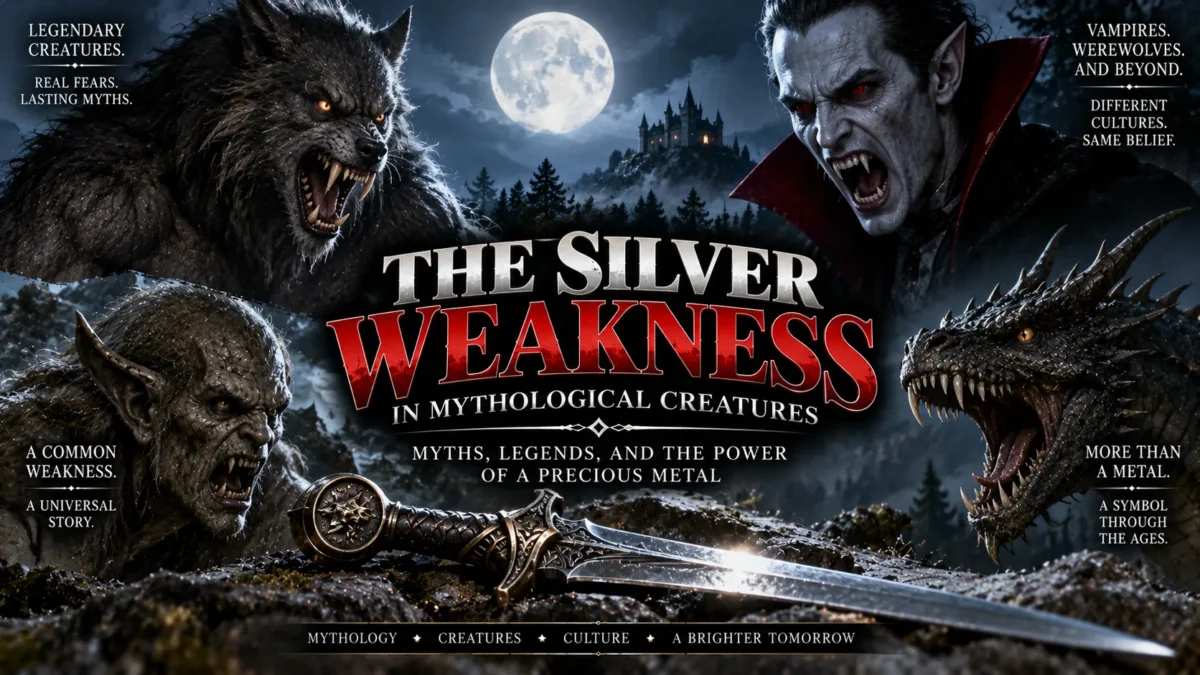
If you’ve ever watched a horror movie, you’ve probably seen a hero load up a silver bullet before facing down a werewolf, or press a silver crucifix against a vampire’s neck.
It’s one of the most durable tropes in monster fiction, but where did it actually come from? The answer is a tangled mix of real folk medicine, biblical symbolism, 18th-century French legend, and a whole lot of 20th-century Hollywood invention.
This post digs into the genuine history behind silver mythology, then walks through twenty mythological creatures and legendary figures that have, at some point, been said to fear the shiny metal. Some of these connections are centuries old. Others are pure pop culture. We’ll be upfront about which is which.
TL;DR: Silver’s reputation as a monster-slaying metal comes less from ancient, universal folklore and more from a patchwork of real folk medicine, religious symbolism, one famous 18th-century French legend, and 20th-century horror films that stitched it all together.
Where the Legend Began: Silver in Folk Medicine and Symbolism
Long before anyone talked about silver mythology in relation to monsters, silver already had a reputation for purity. Ancient alchemists associated gold with the sun and silver with the moon, framing it as a cool, cleansing counterpart to gold’s fiery power. That lunar association would later matter a great deal, since werewolves are themselves tied to the moon.
Silver also had genuine, practical uses that fed its mystique. Silver coins were dropped into jugs of milk in some European households because silver ions do have a mild antimicrobial effect, and people noticed the milk stayed fresher longer. Wealthy families ate off silver plates and believed it kept illness at bay, a practice that likely inspired the phrase “born with a silver spoon in one’s mouth.”
Religious symbolism added another layer. In the Christian tradition, Judas Iscariot was paid thirty pieces of silver to betray Jesus, according to the Gospel of Matthew. That story helped cement silver as a metal tied to moral weight, betrayal, and the boundary between the sacred and the corrupted, which made it a natural fit for later folklore about repelling evil.
From Folklore to Film: How Hollywood Cemented Silver’s Reputation
The single most important real-world event behind the “silver kills monsters” trope is the Beast of Gévaudan, a series of deadly attacks on villagers in south-central France between 1764 and 1767. Contemporary accounts describe a wolf-like creature, though its exact identity was never confirmed, and local legend held that ordinary bullets couldn’t harm it. As the story spread and grew over time, it became attached to the idea that only a blessed or silver bullet could finally end the killings.
That legend simmered in European folklore for over a century before American cinema picked it up. Universal Pictures’ 1941 film “The Wolf Man” is widely credited with popularizing the silver bullet as the definitive werewolf weakness for mass audiences, cementing an association that folklorists had only loosely documented before.
Vampires came to the silver club much later and much less consistently. Bram Stoker’s 1897 novel “Dracula” relies on wooden stakes, decapitation, sunlight avoidance, garlic, and sacred objects, with no meaningful role for silver at all. The idea that silver and vampires go together largely emerged from 20th-century films, novels, and games that borrowed the werewolf’s silver weakness and applied it broadly to “monsters” as a category.
20 Mythological Creatures and Legends Tied to Silver
With that background in mind, here are twenty creatures and legendary figures whose stories have become linked to silver, in folklore, religion, or popular culture. We’ve noted where each connection genuinely traces back through history versus where it’s a more recent invention.
1. Werewolves
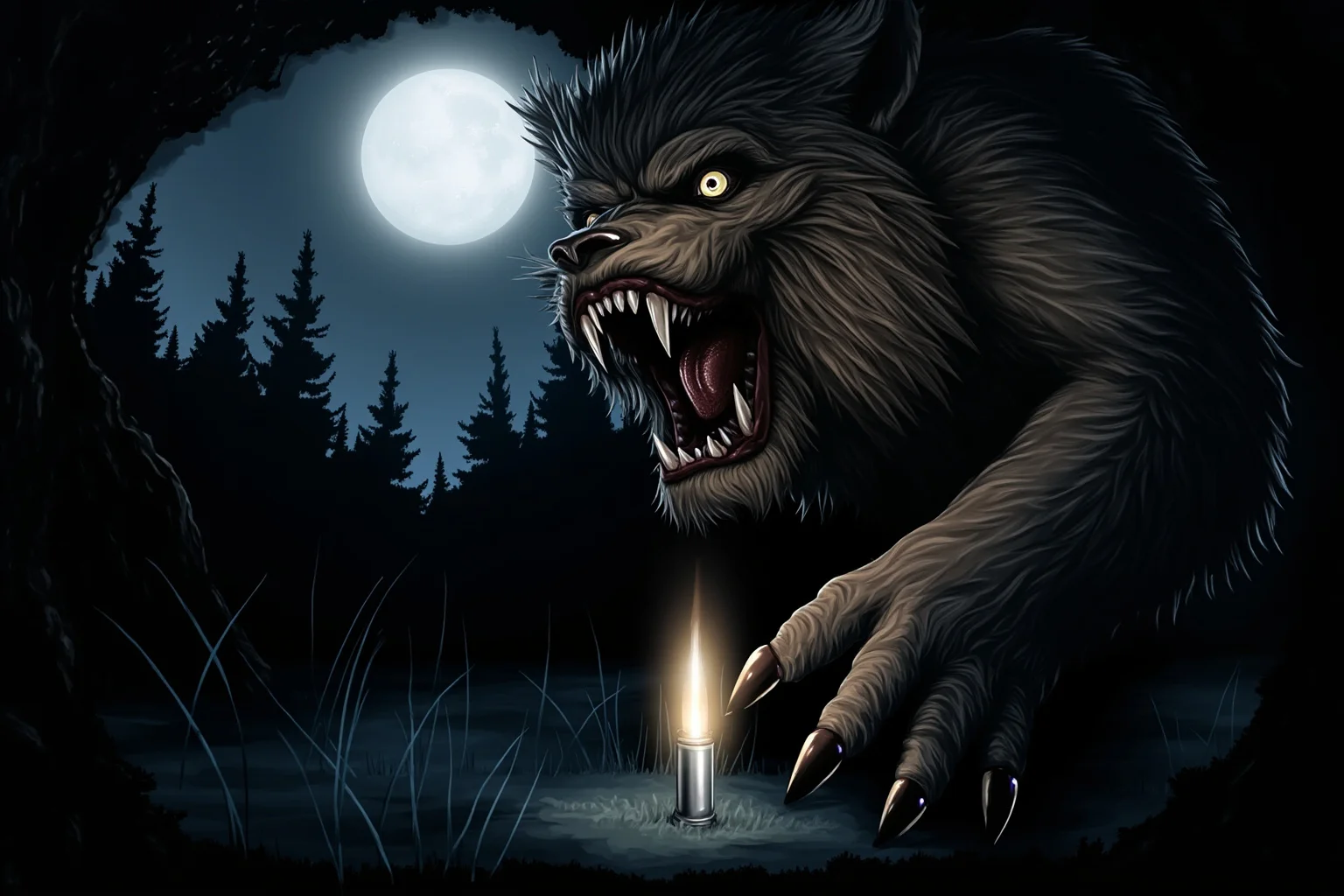
Werewolves are the creature most consistently tied to silver, and the connection has real historical roots. The link grew out of the Beast of Gévaudan legend and was later locked into popular imagination by 20th-century horror films.
The reasoning often given is symbolic: since werewolves transform under the moon, the moon’s metal becomes the one substance that can undo the curse. This is a compelling story, but it’s worth remembering it’s largely a post-medieval, literary explanation rather than an ancient, universal folk belief.
2. The Beast of Gévaudan
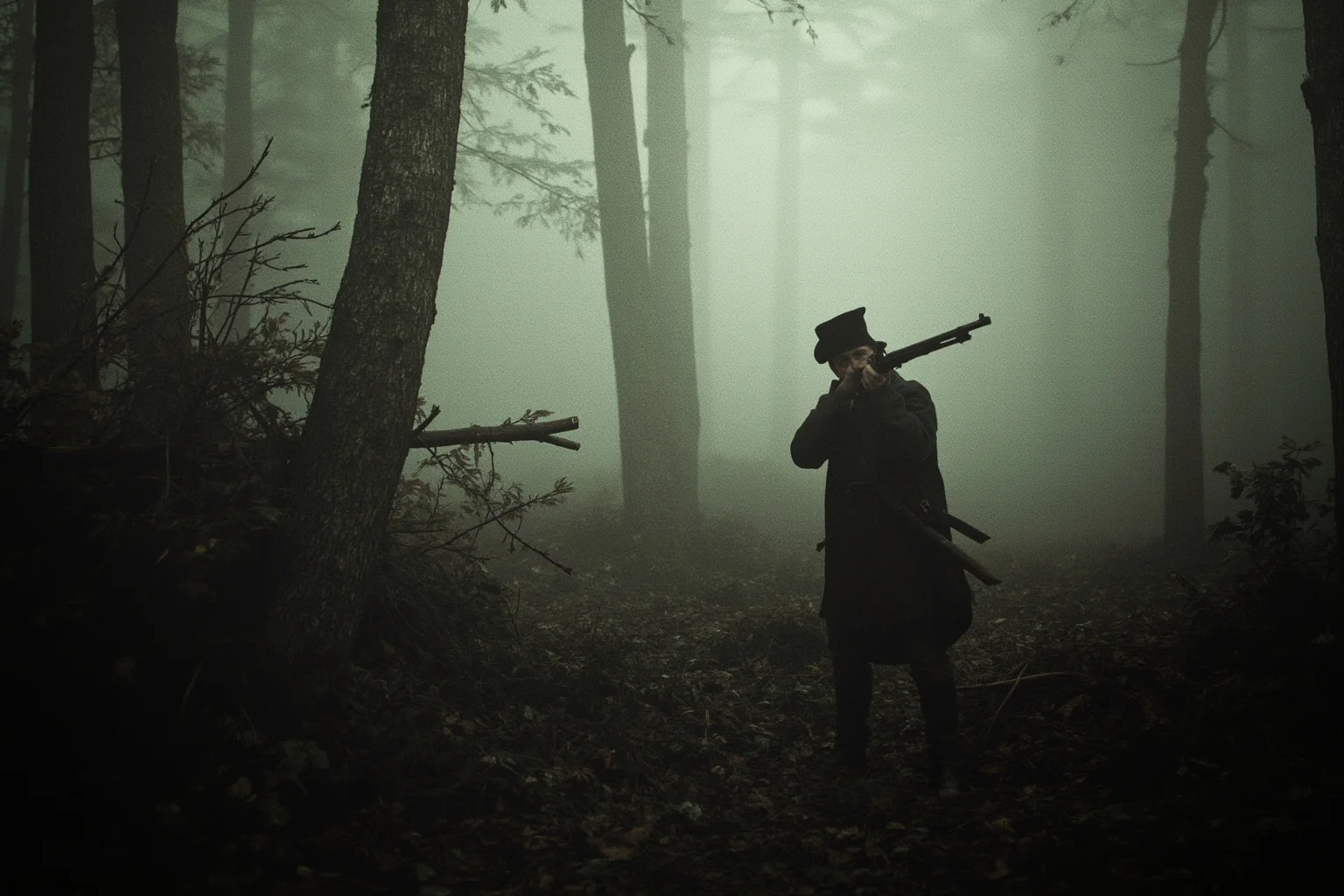
This isn’t a mythical creature so much as a real historical mystery. Between 1764 and 1767, a predator or predators killed dozens of people in the Gévaudan region of France, and no one was ever entirely certain what it was.
Legend holds that hunter Jean Chastel finally killed the beast, and later retellings claim he used a blessed bullet, sometimes described as silver, melted from a religious medallion. Historians can’t confirm the bullet’s exact material, but the story became the foundation for the werewolf-silver connection we know today.
3. Vampires (in modern pop culture)
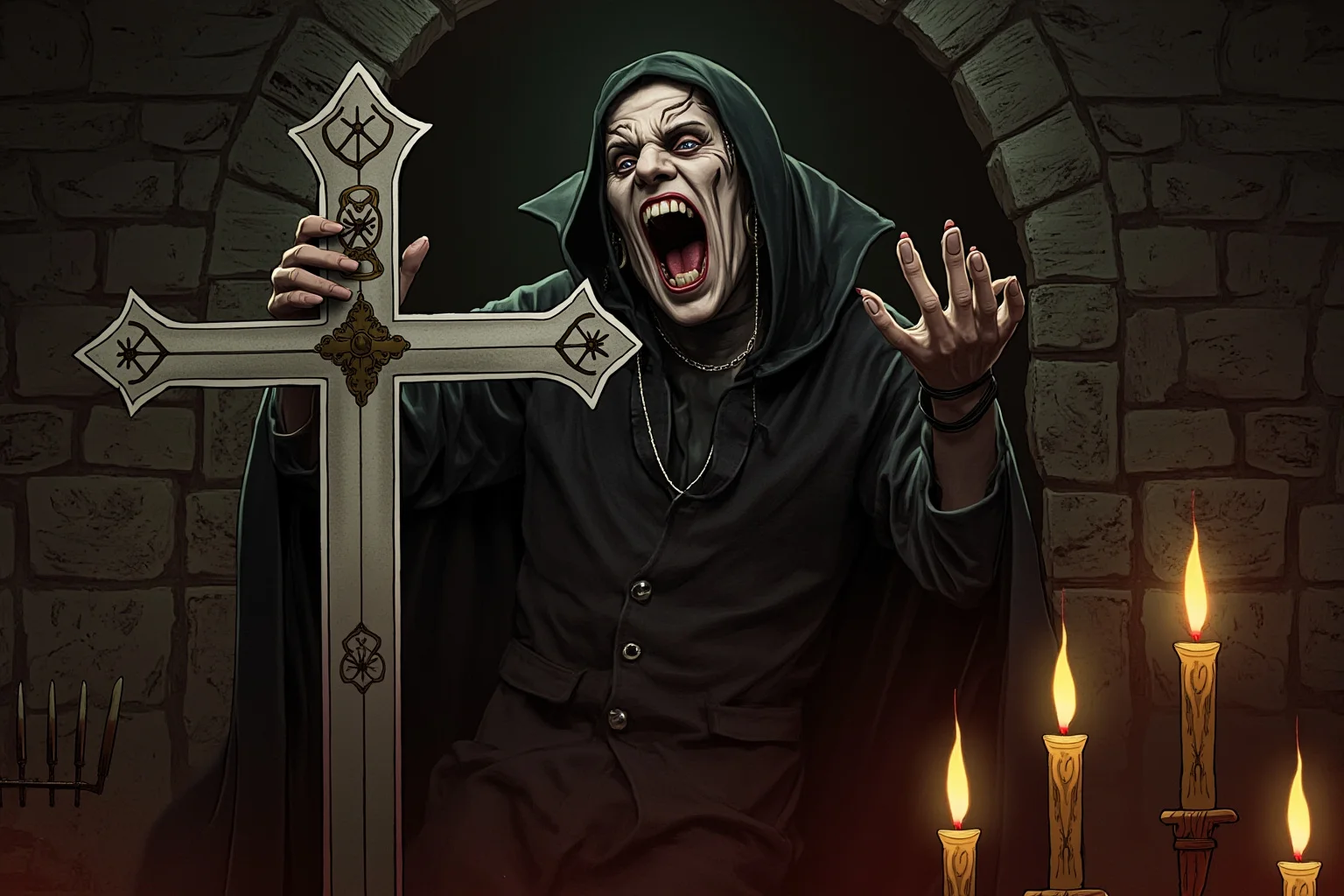
Ask most people today whether vampires are weak to silver, and many will say yes without hesitation. But traditional Eastern European and Balkan vampire folklore relied on stakes, fire, sunlight, garlic, and holy water, not silver.
Silver became attached to vampires mainly through 20th-century films, novels, and tabletop games that treated “silver harms monsters” as a catch-all rule. It’s a great storytelling shorthand, but not something rooted in the original Slavic vampire legends.
4. Dracula, Specifically
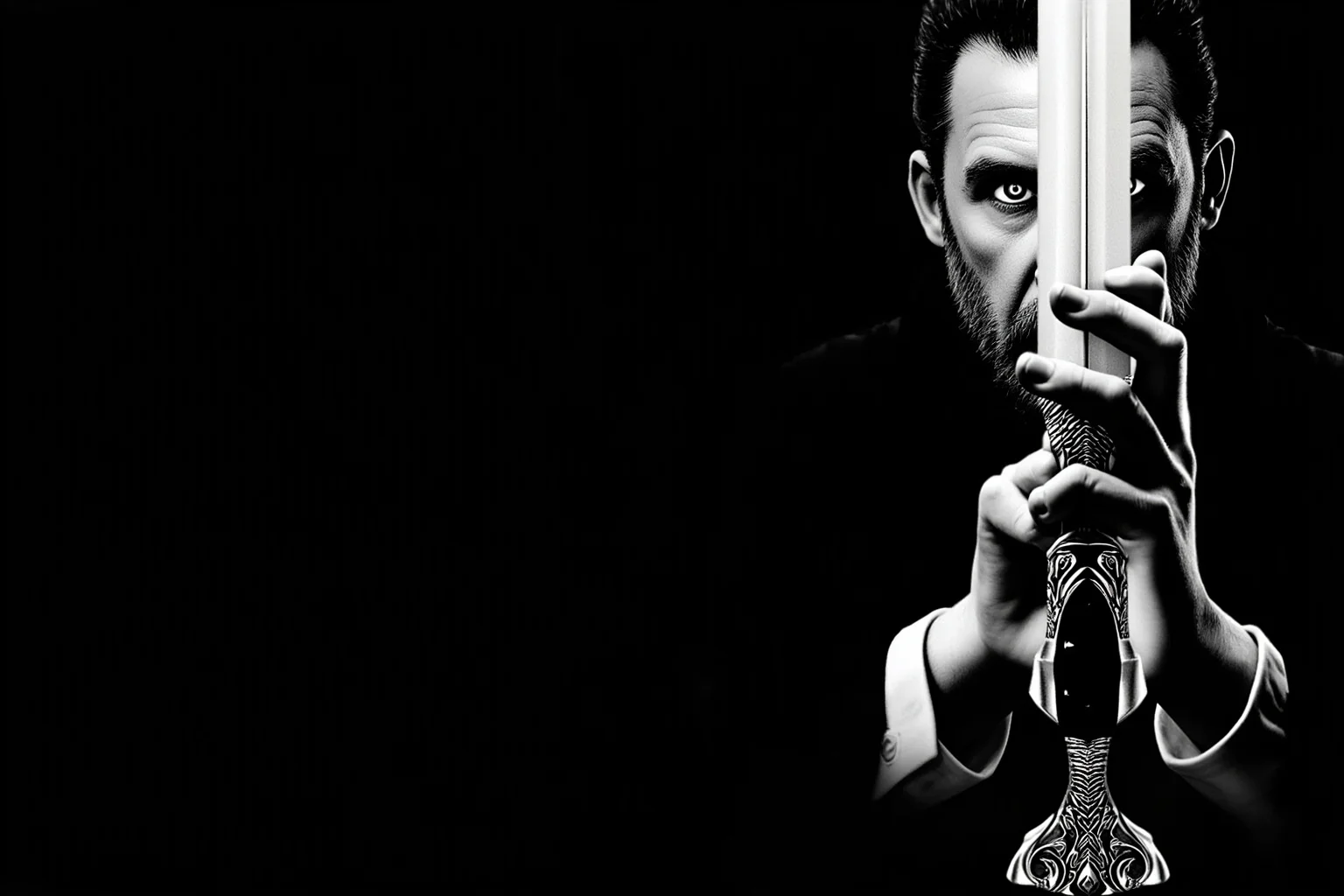
Bram Stoker’s original 1897 novel deserves its own entry because it’s so often misremembered. Count Dracula is repelled by garlic, crucifixes, and sunlight, and destroyed by a stake and blade, with no silver bullet or silver knife anywhere in the text.
The silver association with Dracula came later, through films and adaptations that blended vampire lore with werewolf conventions. It’s a good example of how monster rules get flattened together over decades of retelling.
5. Witches (English Folk Tradition)
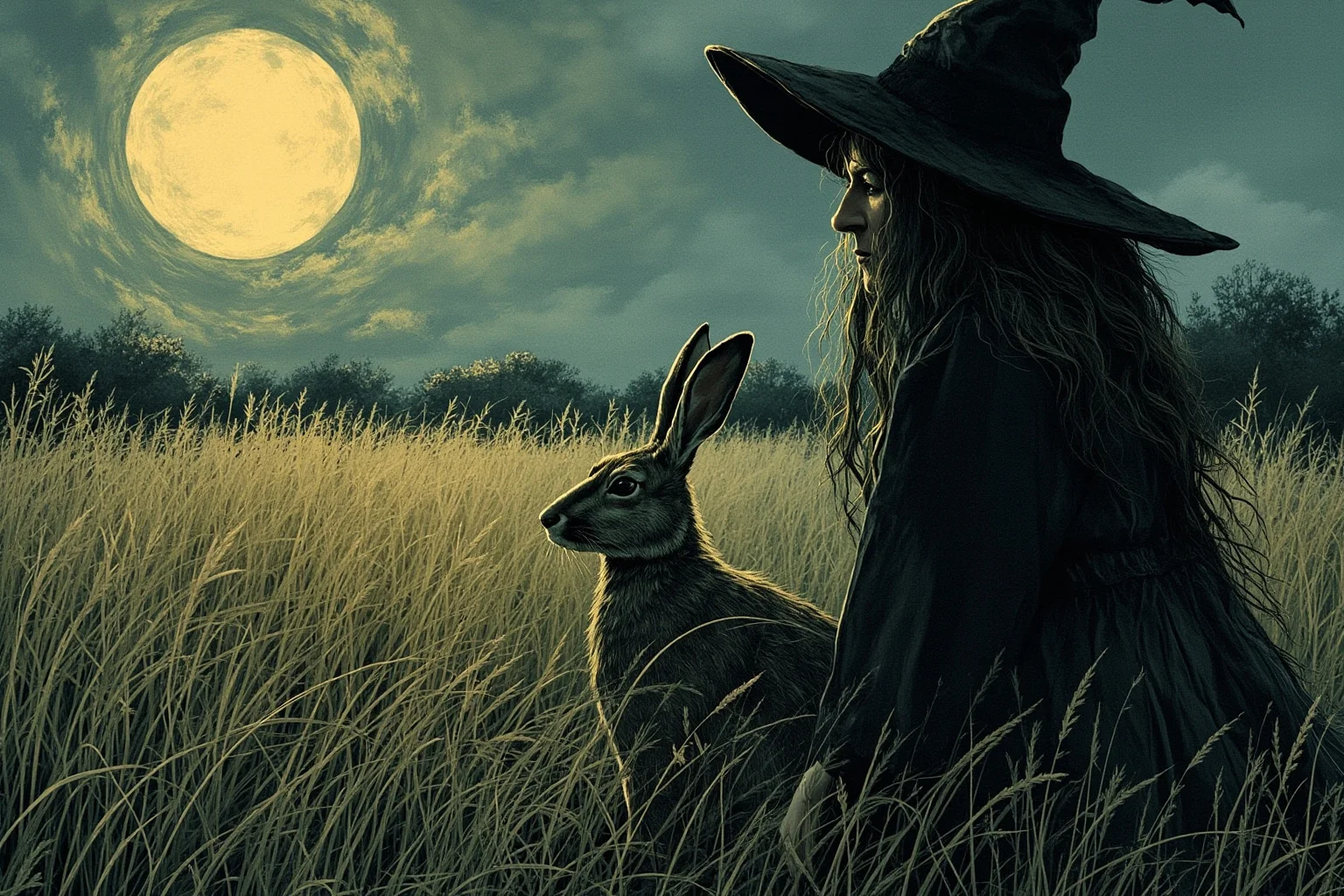
This is one of the lesser-known but genuinely documented uses of silver against a “monster.” In parts of 16th and 17th century England, folk belief held that a witch could transform into an animal, often a hare, to move around unseen.
Villagers reportedly believed that shooting such an animal with an ordinary bullet would fail, but a silver bullet or silver shot could wound it, and the witch would supposedly show a matching injury when she returned to human form. This practice appears in regional English folklore collections and witch-trial-era accounts.
6. Demons and the Devil
Silver’s association with purity and incorruptibility made it a natural symbolic weapon against demonic forces in Christian-influenced European folklore. Silver crosses, medallions, and blessed silver objects were used in various exorcism traditions, though the emphasis was usually on the object being blessed rather than on the silver itself.
This is closely tied to the broader question of whether silver repels evil in general, a theme running through much of European folk magic. The metal itself was rarely considered powerful without religious consecration attached.
7. Loup-Garou and Rougarou
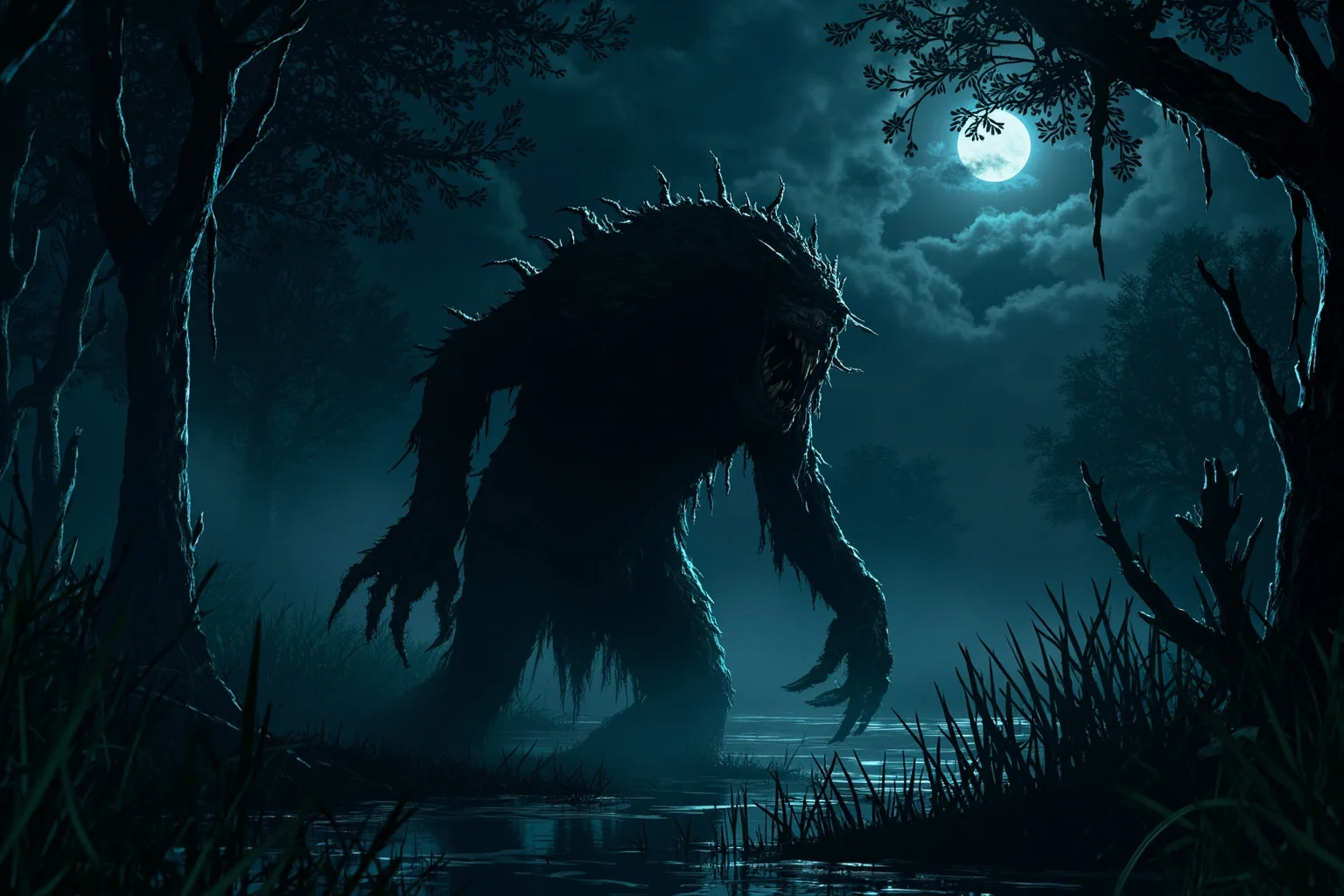
The loup-garou is a French werewolf legend that traveled to North America with French settlers, evolving into the Cajun “rougarou” of Louisiana folklore. These regional variants inherited the same silver-bullet solution associated with European werewolf tales.
In Louisiana storytelling traditions, the rougarou is often used as a cautionary figure to keep children in line, similar to the boogeyman. The silver weakness attached to it is a direct import from older French werewolf lore.
8. Fairies and the Fae

Iron, not silver, is the classic ward against fairies in Celtic and British folklore, used in everything from horseshoes to iron nails placed near cradles. Silver appears far less consistently, though some regional Scottish and Irish tales do mention silver coins as offerings or protective charms against fae mischief.
Because this connection is patchy compared to iron’s dominant role, it’s more accurate to say silver plays a supporting role in fairy lore rather than being their defining weakness. Iron remains the far stronger and better-documented tradition.
9. Kitsune and Japanese Yokai
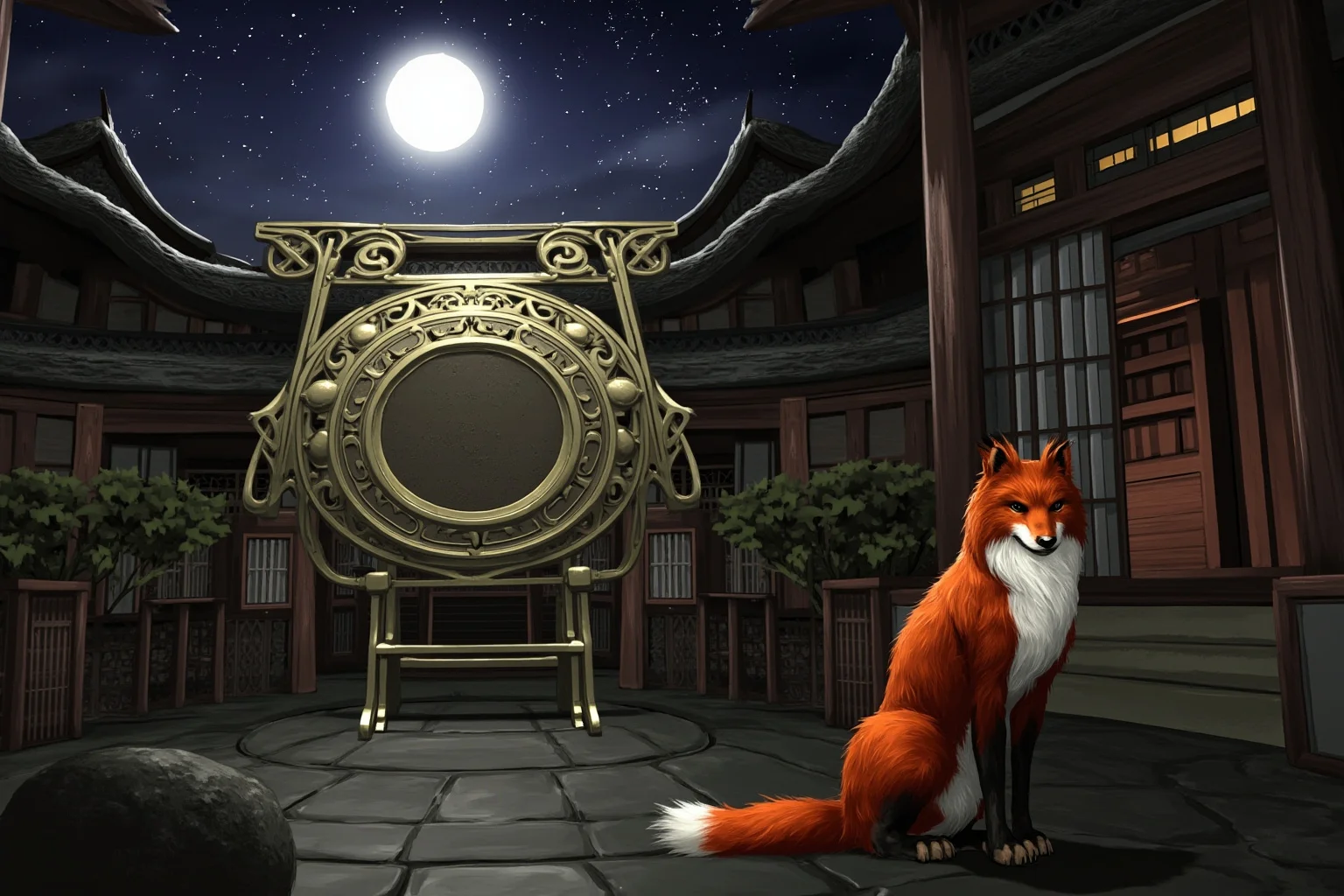
Traditional Japanese folklore about kitsune, or fox spirits, relies on charms, sacred texts called ofuda, and mirrors said to reveal a shapeshifter’s true form, rather than silver specifically. Polished mirrors, historically made of bronze, carried spiritual significance in Japanese tradition long before silver entered the picture.
Modern video games and anime have sometimes given kitsune and other yokai a silver weakness, borrowing the trope from Western monster fiction. This is a clear case of a modern, cross-cultural blending rather than an ancient Japanese belief.
10. Wendigo

The wendigo originates in the oral traditions of Algonquian-speaking peoples, where it represents a cannibalistic, insatiable spirit tied to famine and moral corruption. Traditional stories don’t describe a silver weakness at all.
Contemporary horror media, including television series and video games, have added silver bullets or silver weapons as a way to defeat the wendigo on screen. This is a modern storytelling addition layered onto a much older and culturally specific legend.
11. The Wolf Man (1941 Film)
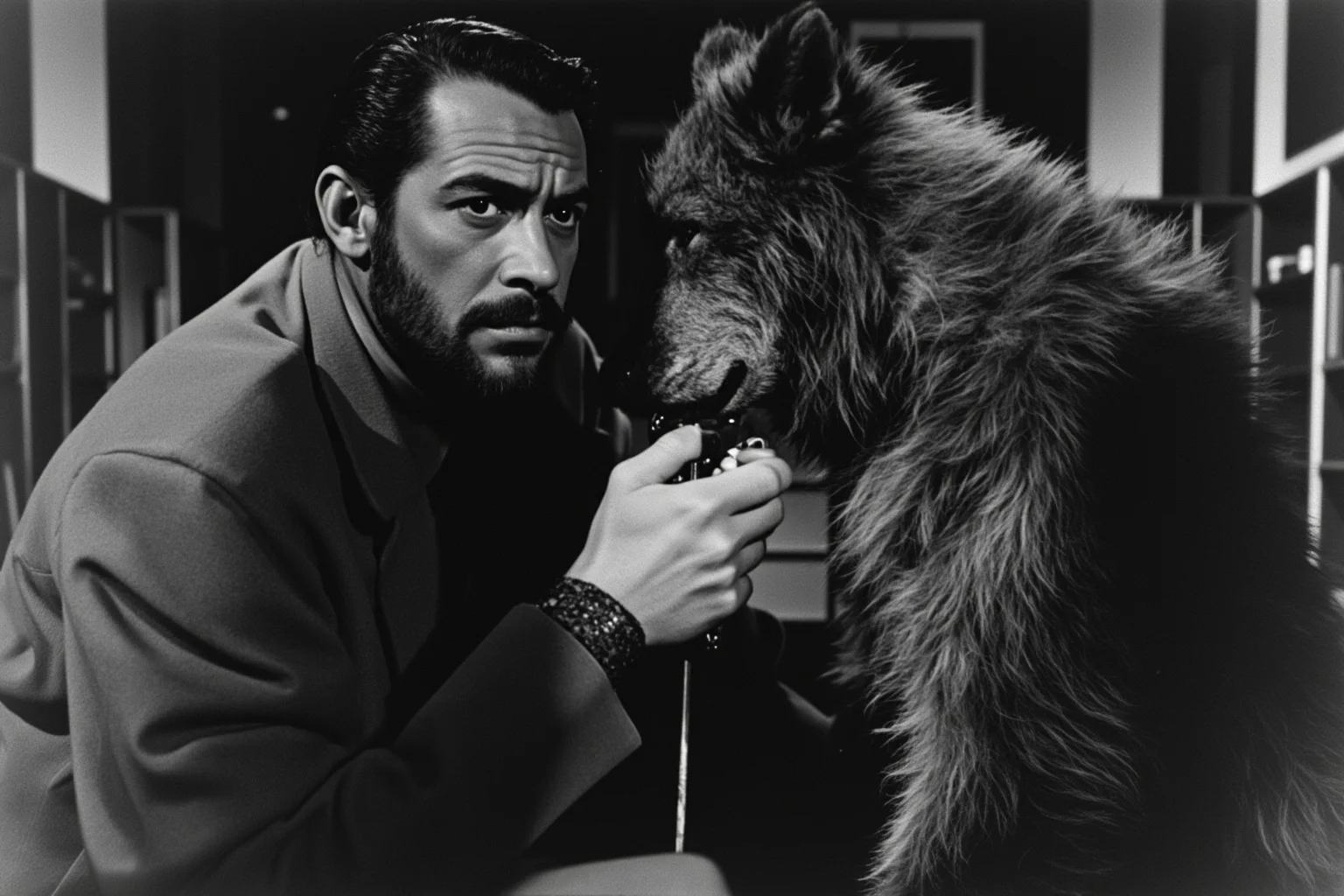
Universal’s “The Wolf Man” deserves recognition as its own cultural touchstone, separate from generic werewolf folklore. The film’s tragic hero, Larry Talbot, is famously killed by his own father using a silver-headed cane.
This single film did more to popularize the silver bullet trope than centuries of scattered European folklore had managed on its own. It’s a strong example of how 20th-century cinema, not ancient myth, shaped what most people now assume is timeless tradition.
12. Chupacabra
The chupacabra is a modern cryptid, first reported in Puerto Rico in the 1990s, said to drain the blood of livestock. Because it shares blood-draining behavior with vampires, popular folklore around it has absorbed silver-bullet solutions from older vampire and werewolf legends.
This is a good illustration of how modern legends borrow freely from older monster traditions. There’s no historical folklore predating the 1990s that ties silver specifically to this creature.
13. Shapeshifters in General
Across many folklore traditions, shapeshifting itself is often treated as suspicious or dangerous, and silver frequently shows up as a way to “catch” a shapeshifter in a vulnerable state. The English witch-hare belief and various European werewolf tales both share this underlying logic.
The common thread seems to be that silver was seen as a metal that couldn’t be fooled by illusion or transformation. Whether that idea is ancient or a later folkloric rationalization is difficult to pin down with certainty.
14. Yeti and Bigfoot-Type Cryptids

Cryptid hunting stories from the 20th century onward occasionally mention silver bullets as a hypothetical way to stop a Yeti or similar creature, though this has no basis in the older regional legends from the Himalayas that describe such beings. Those original stories focus more on the creature’s elusiveness than on any specific weakness.
The silver angle here is almost entirely a product of Western monster-hunting fiction and pulp adventure stories. It shows how thoroughly the silver trope has spread even into legends that never originally featured it.
15. Ghosts and Restless Spirits

In ancient Greek and Roman burial customs, mourners sometimes placed a coin with the deceased, often referred to as Charon’s obol, intended to pay the mythological ferryman for passage across the river Styx. These coins were commonly low-value bronze pieces rather than silver specifically, though some regional traditions did use silver coins.a
This practice reflects a broader ancient belief that coins, silver among them, held power in the boundary between the living and the dead. It’s less about silver harming a ghost and more about silver serving as a kind of toll or offering.
16. Zombies (Modern Pop Culture Variants)
Traditional Haitian Vodou zombie folklore centers on themes of enslavement and loss of will, with salt playing a symbolic role in some retellings rather than silver. Silver doesn’t feature in these original traditions at all.
Modern horror media occasionally gives silver a role against “supernatural” zombie variants, particularly when zombies are blended with vampire or werewolf traits in fiction. This is another example of genre-blending rather than authentic folklore.
17. Skinwalker-Adjacent Legends in Popular Fiction
Separate from specific Indigenous traditions, which involve sensitive and sacred beliefs best left to the communities who hold them, mainstream horror fiction has produced its own generic “skinwalker” monster archetype loosely inspired by shapeshifter fears. These commercialized versions sometimes borrow the silver-bullet trope from werewolf stories.
It’s worth being clear that this pop-culture version is a distinct, non-traditional creation, and it shouldn’t be treated as an accurate reflection of any specific cultural belief system. The silver connection here belongs entirely to modern entertainment, not historical tradition.
18. Tabletop Game Lycanthropes
Dungeons & Dragons and similar tabletop role-playing games codified silver as the go-to material for harming lycanthropes and certain undead creatures, using “silvered weapons” as a specific game mechanic. This rule, first appearing in various editions since the 1970s, has done a huge amount to standardize silver as a universal monster-slaying material for entire generations of players.
Because these games are so influential, their rules have arguably shaped modern assumptions about monster weaknesses as much as, or more than, the original folklore ever did. It’s a fascinating case of games actively rewriting cultural mythology in real time.
19. The Witcher’s Monsters
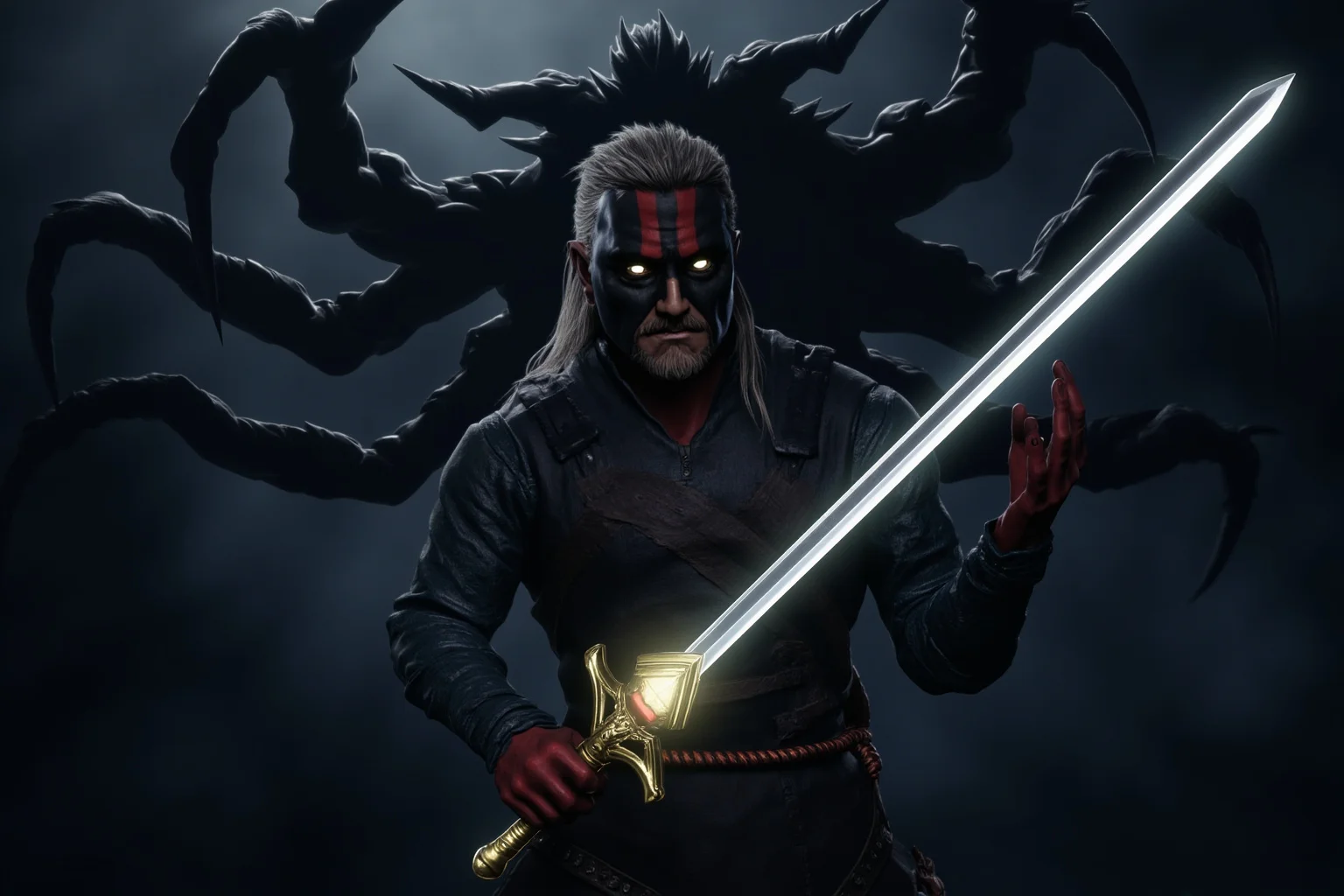
Andrzej Sapkowski’s “The Witcher” novels, later adapted into hugely popular video games, gave silver swords a central role against a huge range of monsters, from vampires to cursed beings. This fictional universe leans heavily on Slavic folklore traditions while also inventing its own internally consistent rules about silver.
The games in particular have introduced millions of players to the idea that silver is a near-universal monster repellent. It’s a modern, deliberately crafted mythology rather than a direct transcription of older folk belief.
20. “Silver Monsters” as a Genre Trope
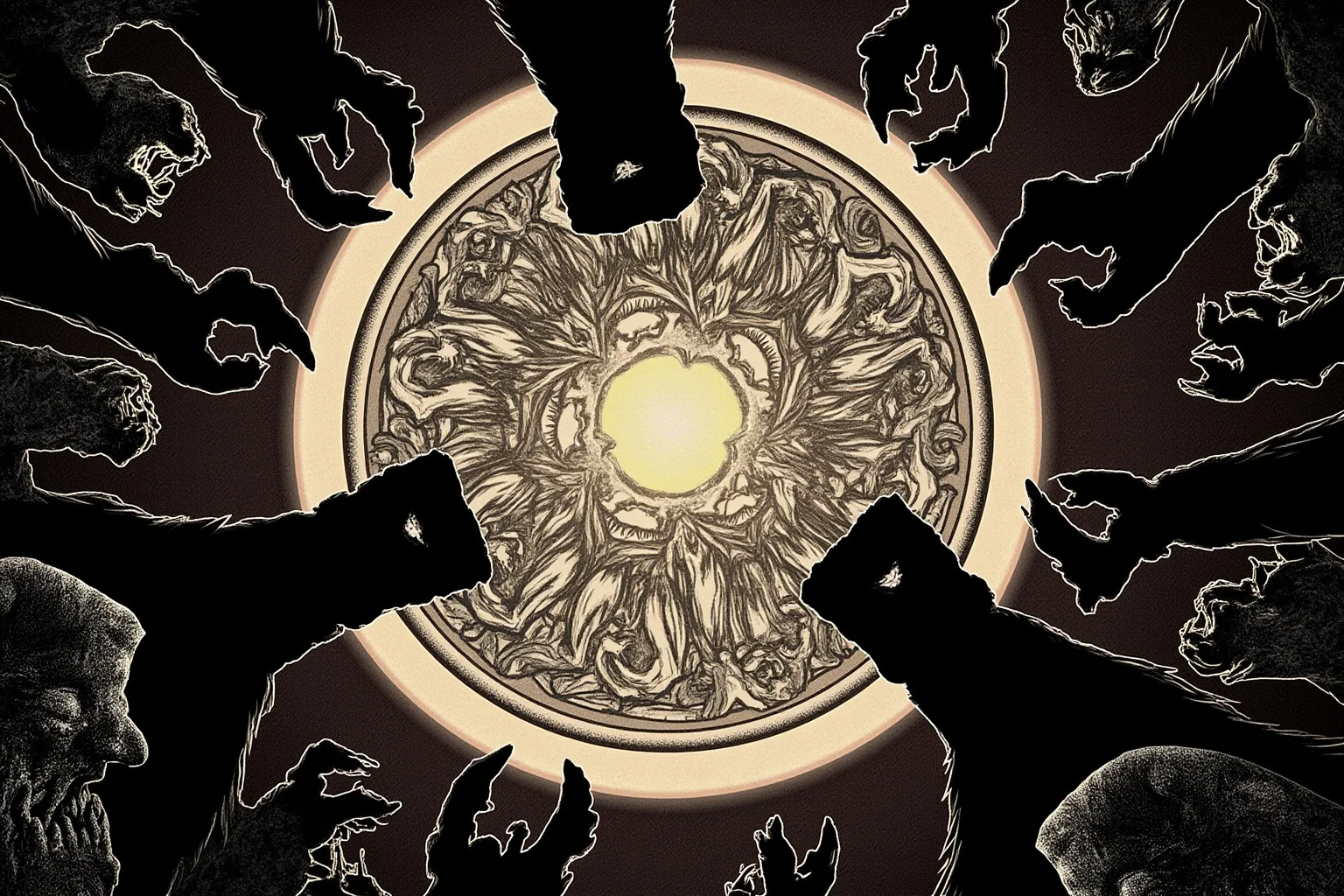
By this point, silver has become such a common shorthand in horror and fantasy that it functions almost as its own genre convention, often called “silver monsters” collectively by fans discussing shared universe rules. Writers reach for it because audiences already recognize and accept it, regardless of whether a specific creature’s original folklore ever mentioned the metal.
This final entry is less about one legend and more about a pattern: modern storytelling keeps recycling silver as the default answer to “how do you hurt a monster,” because it’s become a shared cultural shorthand. That’s a testament to how powerful the Wolf Man and later franchises were at rewriting monster lore for the modern imagination.
So, Does Silver Actually Repel Evil?
There’s no scientific evidence that silver has any supernatural properties, but there is a real historical basis for why people believed it might. Silver genuinely has mild antimicrobial qualities, it carried strong religious and alchemical symbolism, and it played a documented role in specific folk practices like the English witch-hare belief.
The idea that silver universally repels evil is really a later simplification of several distinct traditions that got merged together over time. Werewolf folklore, witch folklore, religious symbolism, and Hollywood filmmaking all contributed separate pieces that eventually got treated as one unified rule.
So when people ask why silver kills vampires or why silver kills werewolves, the most honest answer is that it depends which century and which storyteller you’re asking. The werewolf connection has the deepest folkloric roots, while the vampire connection is mostly a modern, borrowed convention.
Final Thoughts
Silver’s reputation as the ultimate monster-slaying metal is a genuinely fascinating case of folklore, religion, and pop culture layering on top of each other for centuries. What started as scattered beliefs about purity, moonlight, and one very real string of French wolf attacks eventually became a near-universal rule in modern horror storytelling.
The next time you see a hero load a silver bullet before facing down a werewolf or a vampire, you’ll know there’s a real, if winding, history behind that choice. It’s a story less about ancient universal truth and more about how legends evolve, merge, and get reshaped by each new generation of storytellers.
Frequently Asked Questions
Are vampires weak to silver?
Traditional Eastern European and Balkan vampire folklore focuses on stakes, sunlight, fire, garlic, and holy water rather than silver. The idea that vampires are weak to silver comes mostly from 20th-century films, novels, and games that borrowed the trope from werewolf legends and applied it broadly across monster fiction.
Does silver hurt vampires?
In the original folklore that vampire legends come from, silver isn't described as harmful to them at all. The silver-hurts-vampires idea is a modern pop-culture convention, popularized by films, TV shows, and tabletop games rather than centuries-old oral tradition.
Are vampires allergic to silver?
There's no folkloric basis for vampires having an "allergy" to silver in the way some modern shows depict burns or reactions. That specific detail is a dramatic invention from contemporary horror media, layered on top of older folklore that never mentioned silver in connection with vampires.
Why does silver kill werewolves?
The werewolf-silver connection traces largely to the 18th-century legend of the Beast of Gévaudan in France, where locals believed only a blessed or silver bullet could stop the creature. The symbolic idea that silver, associated with the moon, counters a moon-triggered curse also reinforced the legend over time.
Why does silver kill vampires in movies but not in older folklore?
Older vampire folklore predates the werewolf-focused silver bullet legend and relied on different remedies like staking, decapitation, and sunlight. Filmmakers and novelists later blended monster rules together for storytelling convenience, which is how silver ended up attached to vampires in modern media.
Does silver repel evil?
There's no scientific evidence that silver has supernatural protective powers, but it has long carried symbolic associations with purity, the moon, and incorruptibility in various cultures. Those associations, combined with silver's real mild antimicrobial properties, likely helped fuel centuries of folklore about it warding off harmful forces.
What is silver mythology, exactly?
Silver mythology refers to the collection of folk beliefs, religious symbolism, and legends that treat silver as a spiritually significant or protective metal. It spans everything from ancient alchemy's lunar symbolism to the biblical story of Judas's thirty pieces of silver to the 18th-century werewolf legends that eventually inspired modern horror films.

Alex Warren
Related Articles





