
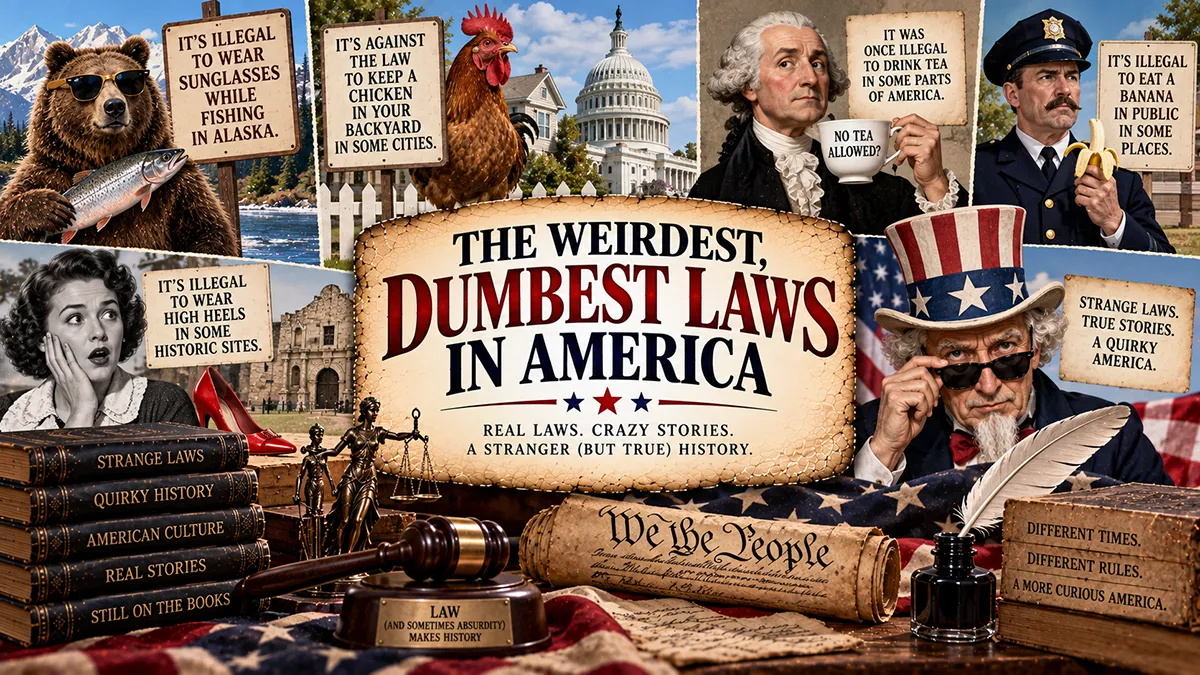
Every few years, a list of “crazy laws in the USA” makes the internet rounds again: no fishing in pajamas, no dueling on the sidewalk, no chaining an alligator to a fire hydrant.
Some of these oddest laws are genuine, dusty statutes that lawmakers simply never bothered to repeal. Others are pure folklore, copied from list to list for decades without a single person checking the actual legal code.
This piece digs into both categories. We’re rounding up some of the most talked-about strange laws in the US, explaining where they actually came from, and being upfront about which ones are real statutes versus which are internet legend dressed up as fact. Think of it as a myth-busting tour through America’s weirdest legal footnotes.
TL;DR: Many of America’s “dumbest laws” are real but outdated relics of local history, while plenty of the internet’s favorite weird laws are unverified legends—and this guide sorts out which is which.
Why Does America Have So Many Weird Laws?
The United States has over 89,000 local governments, plus 50 state legislatures and Congress, all writing rules for well over two centuries. That’s an enormous amount of lawmaking, and a lot of it addresses hyper-specific local problems that made sense at the time.
A 19th-century ordinance about hitching posts or an early-1900s rule about buggy traffic can sound absurd today, but it was often a reasonable response to a real issue. Repealing old laws takes legislative time and political will, and most governments would rather focus on current problems than clean up obscure laws from the 1800s. That’s how outdated laws quietly survive on the books for generations.
At the same time, a huge share of the “weird laws” content online is not carefully sourced. Lists of odd American laws have circulated since at least the early days of print almanacs and got a second life on early internet trivia sites in the 1990s and 2000s.
Many claims were copied and exaggerated so many times that nobody can trace them back to an actual statute anymore — the same way repetition can turn a shared false memory into one of the craziest examples of the Mandela Effect, which is exactly why a myth-busting approach matters here.
1. Alaska: You Can’t Wake a Sleeping Bear for a Photo
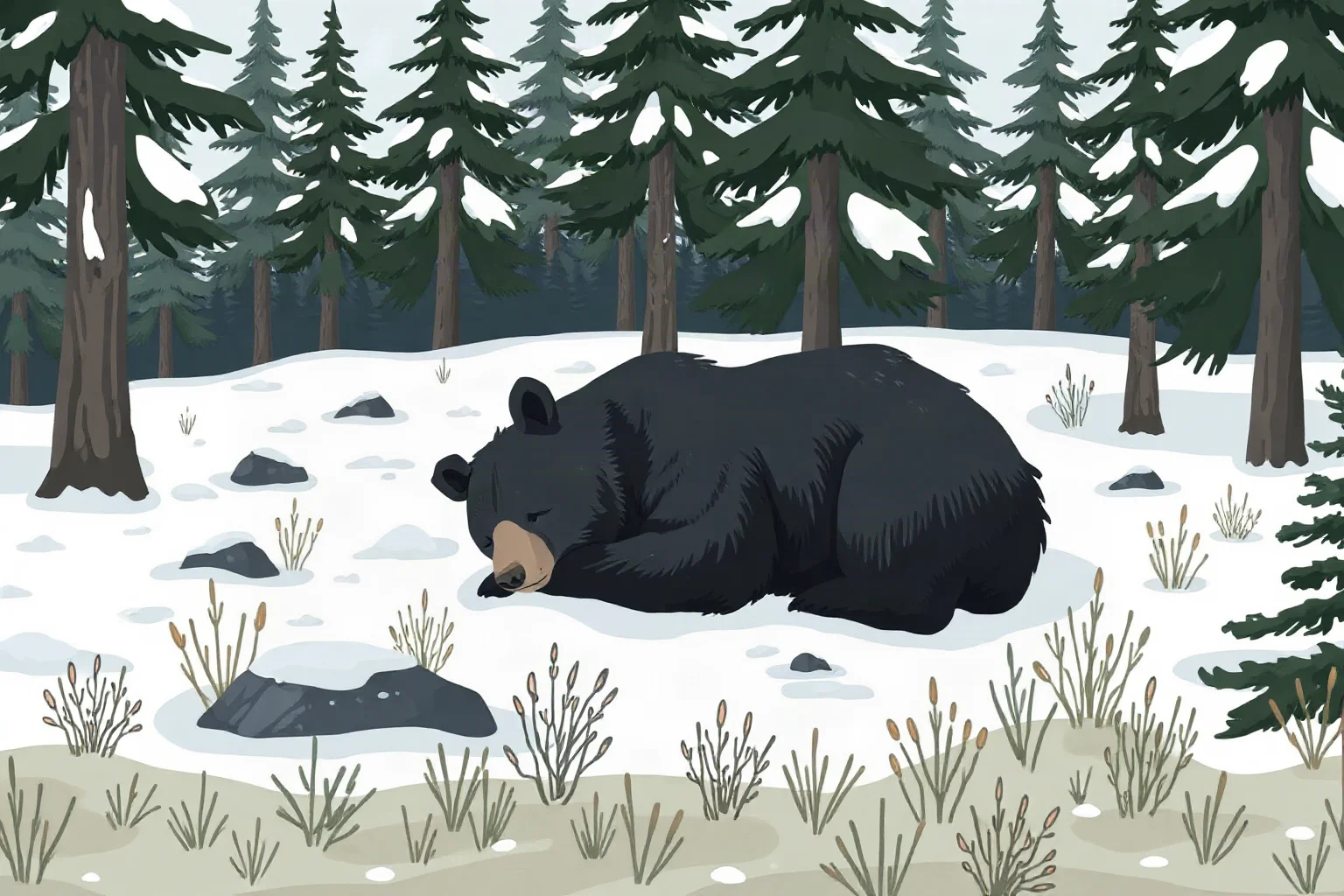
Alaska’s wildlife regulations take harassment of animals seriously, and disturbing a hibernating or resting bear to snap a picture falls under rules against molesting or harassing wildlife. This isn’t a quirky throwback; it’s rooted in genuine public safety and conservation concerns, since a startled bear is a dangerous bear.
It’s a good early reminder that not every “unusual law in the US” is dumb just because it sounds funny. Sometimes the weird-sounding rule is protecting a tourist from becoming a headline.
2. Arizona: Donkeys Can’t Sleep in Bathtubs
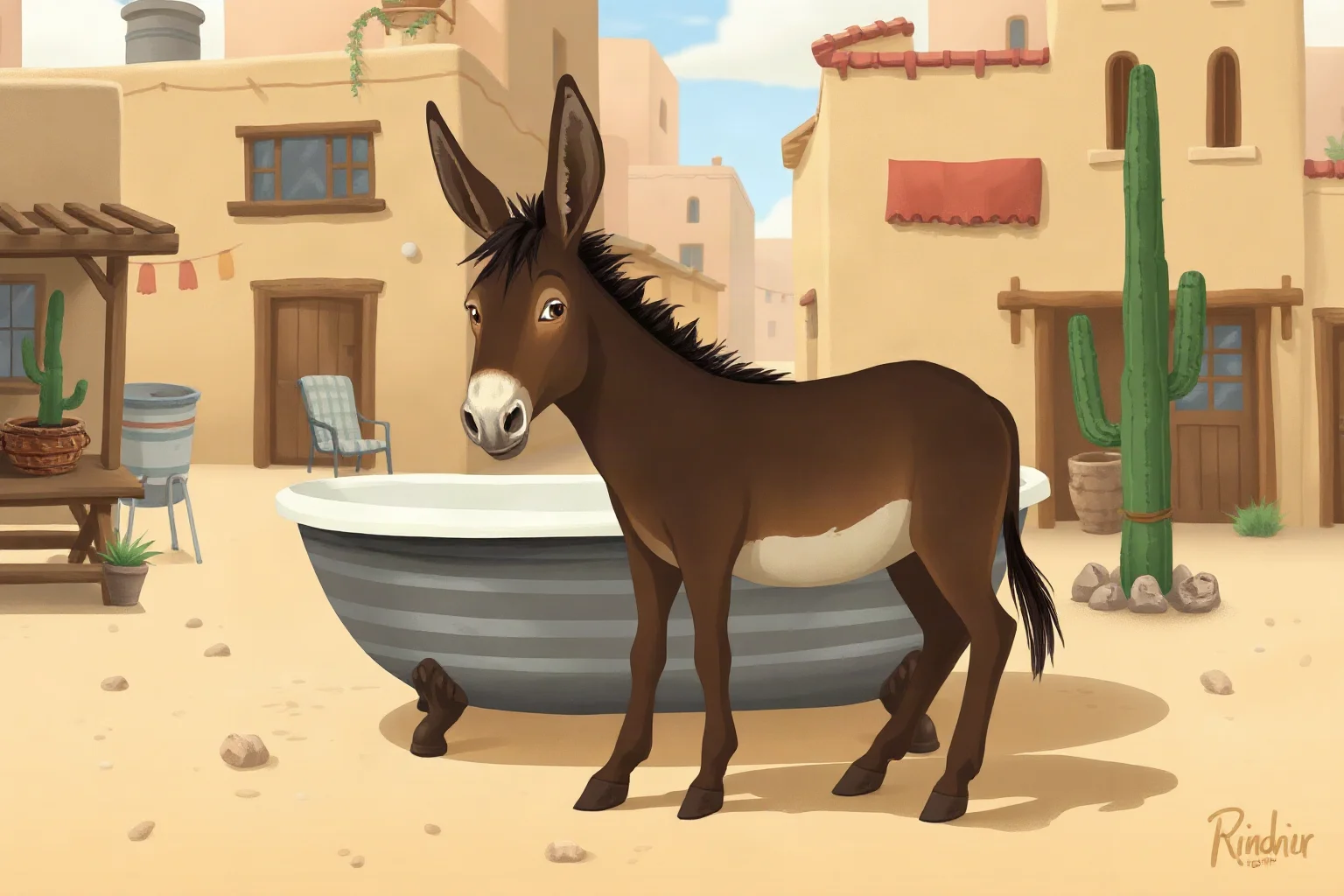
The small town of Kingman, Arizona, is often cited for an ordinance banning donkeys from sleeping in bathtubs. The backstory usually told is that a local man kept his donkey in an outdoor bathtub, the tub washed away in a flash flood, and the town passed a rule afterward to prevent a repeat rescue effort.
The story is widely repeated in local histories and tourism materials, though like many small-town legal legends, the fine details are hard to verify with certainty. Even so, it remains one of the most charming examples of odd laws in the US that likely grew out of a real, very local incident.
3. California: You Can Shoot at Fish From a Car—If It’s a Whale

California’s fish and game code restricts shooting at animals from a vehicle, a rule meant to curb reckless road hunting. The often-cited exception for whales is really just a reflection of the fact the general prohibition was written for land animals and never needed to address marine mammals shot from a moving car in the first place.
It’s less a deliberate “whale loophole” and more a quirk of how narrowly hunting statutes get written. Still, it’s a fun entry point into how specific — and sometimes accidentally funny — state hunting codes can be.
4. Connecticut: A Pickle Isn’t Legally a Pickle Unless It Bounces

This one has real legal roots. In 1948, Connecticut prosecuted two pickle packers for selling spoiled product, and during the case an inspector reportedly testified that a genuine pickle should bounce when dropped.
The phrase stuck, and the “bouncing pickle” story became shorthand for food-safety standards of the era. It’s a great example of how a serious food-quality case can turn into one of the internet’s favorite silly laws in the USA.
5. Alabama: The Ice-Cream-in-Your-Back-Pocket Myth

A law supposedly banning carrying ice cream cones in your back pocket shows up on almost every “weird laws list” for Alabama or Georgia, usually with a claim it was meant to stop people luring horses away with the scent. No verifiable statute or court record backs this up.
It’s a textbook example of a frivolous law claim that spread through decades of trivia books without a documented source. Treat it as folklore rather than settled fact.
6. Idaho: Cannibalism Is Explicitly Outlawed
Unlike most joke entries on these lists, this one is genuinely on the books. Idaho Code makes cannibalism a felony, with narrow exceptions for extreme survival situations, a law passed in the early 1990s.
It sounds like a punchline, but lawmakers added it deliberately because, remarkably, cannibalism wasn’t clearly criminalized under any other statute at the time. Sometimes the strangest laws in the United States exist precisely to close a genuinely odd gap.
7. Kansas: Noodling for Catfish Was Once a Crime
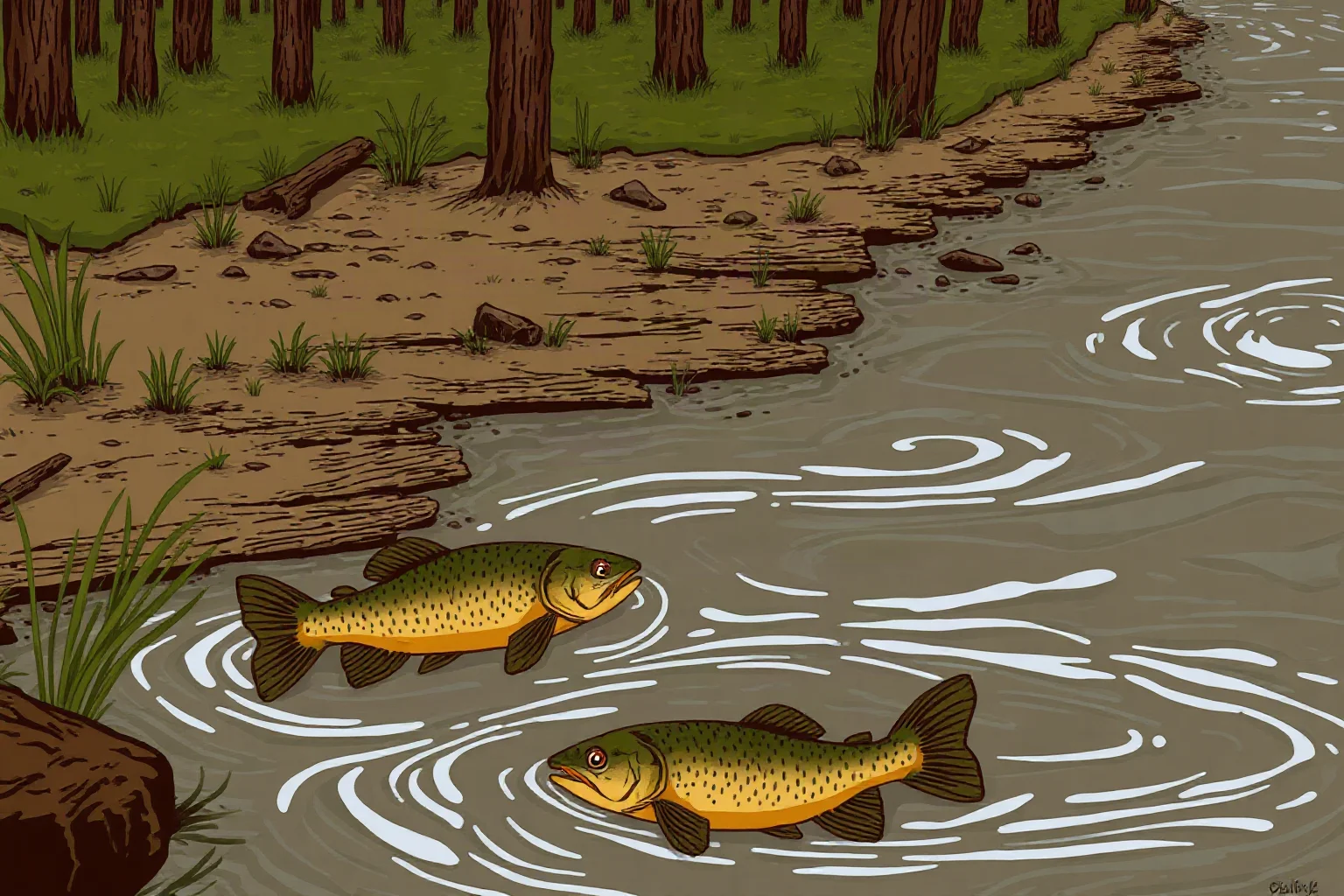
“Noodling,” or catching catfish barehanded, was illegal in several states for decades, including Kansas, largely over safety and conservation concerns. Kansas officially legalized the practice in 2004 after years of lobbying from anglers.
This is a great example of a genuinely restrictive, once-real law that later got fixed through the normal legislative process. It shows that not every unusual law in the United States stays frozen in time forever.
8. Louisiana: Biting Someone With Dentures Is Treated More Harshly
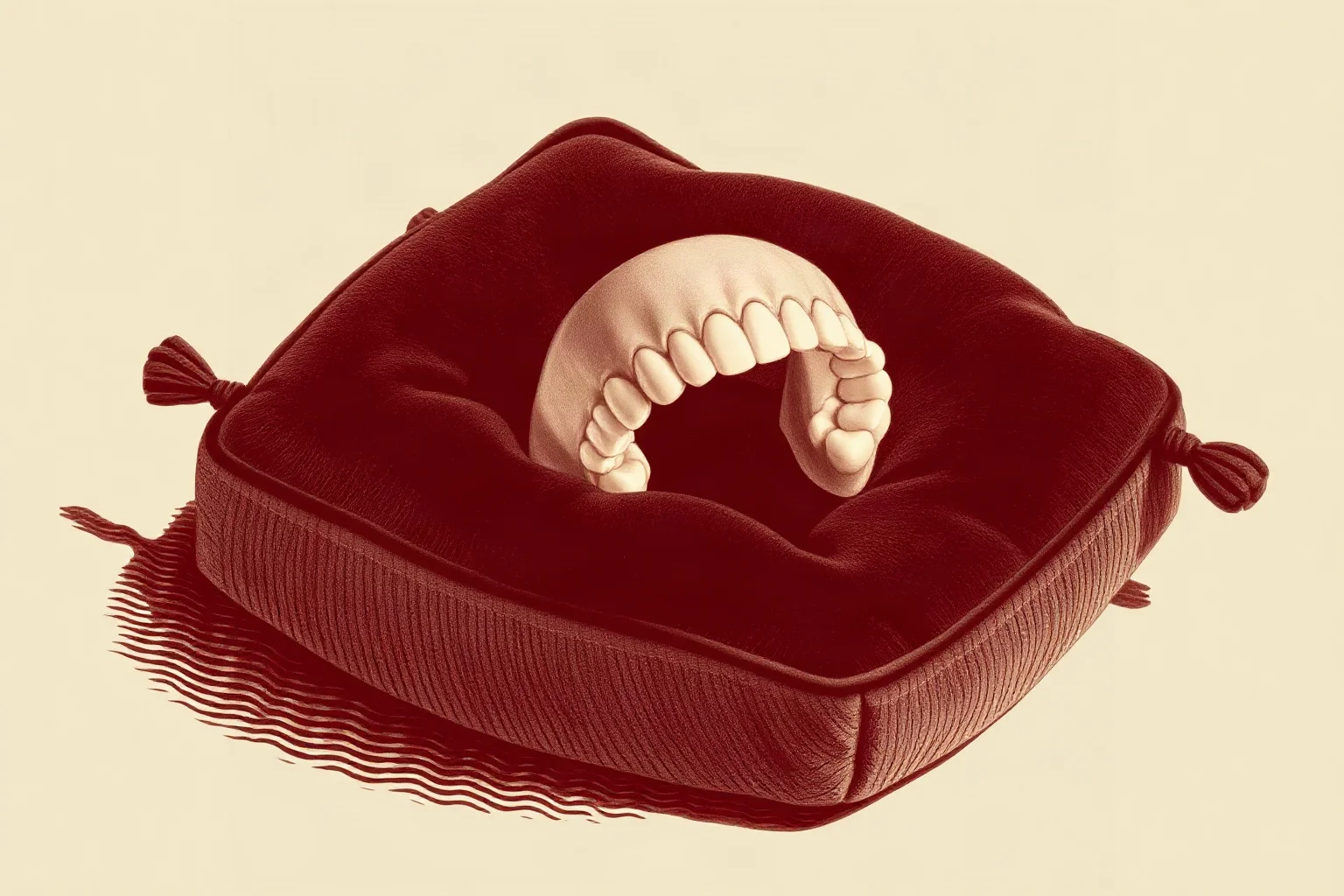
Louisiana’s assault statutes have long distinguished between biting with natural teeth and biting while wearing false teeth, with the latter classified as a more serious offense because of the added potential for injury. Legal reference guides on Louisiana criminal law have cited this distinction for years.
It sounds absurd out of context, but it reflects a real, if unusual, legislative attempt to grade injury severity. It’s one of the more genuinely documented entries among America’s stupidest-sounding laws.
9. Massachusetts: The Blue Laws That Outlasted the Colonies
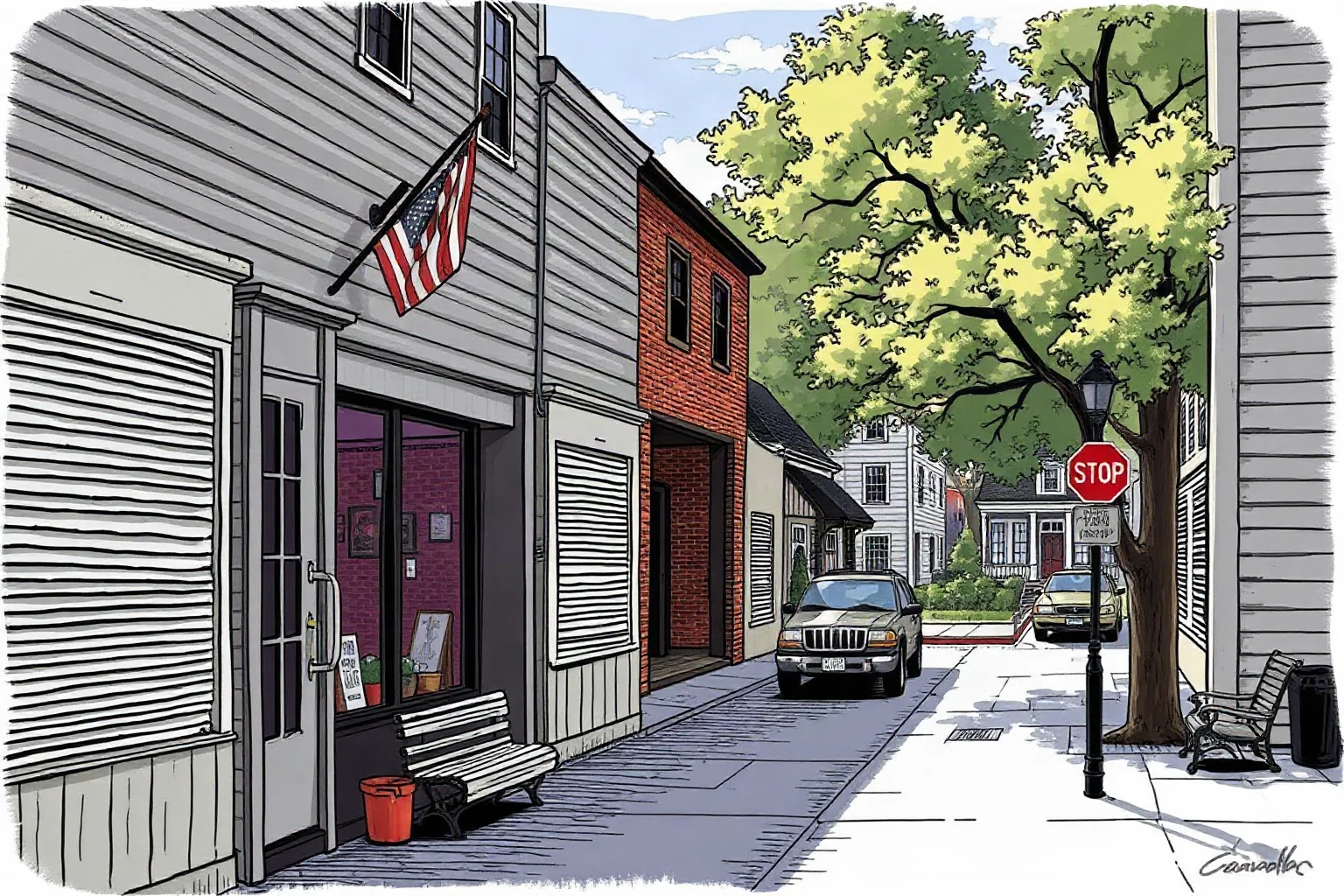
Massachusetts enforced “blue laws” restricting Sunday commerce dating back to Puritan-era colonial rule, one of the many historical time periods that still shape modern American law, and some retail restrictions on Sunday sales persisted in modified form into the 2000s before being largely phased out. Certain categories, like alcohol sales hours, kept limited Sunday restrictions even longer.
Blue laws are one of the clearest throughlines from actual colonial history to modern “dumb laws that still exist” content. Several other states, including Texas and South Carolina, kept versions of their own blue laws well into recent decades.
10. Michigan: No Alligators on Fire Hydrants in Detroit
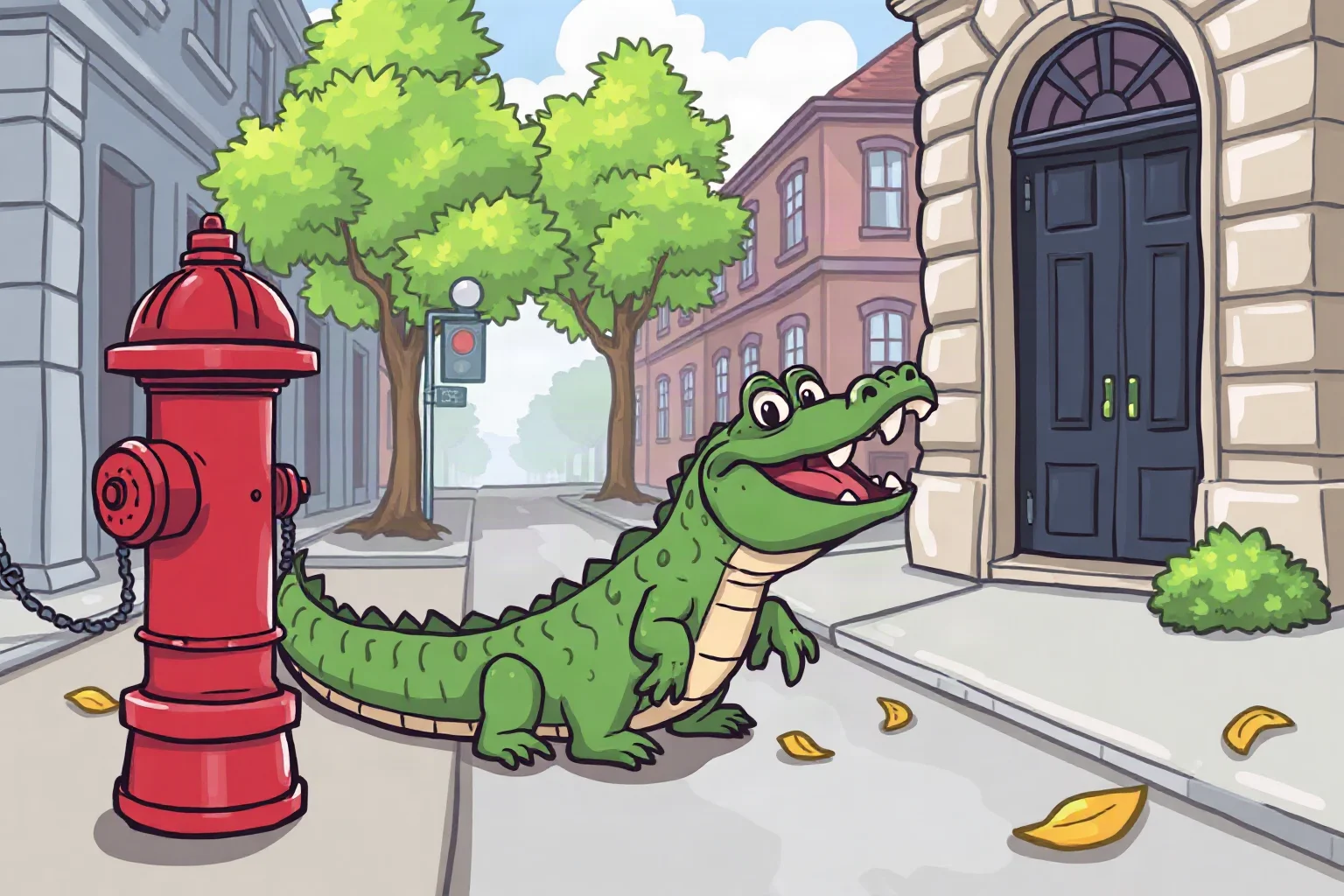
An old Detroit ordinance supposedly bans chaining an alligator to a fire hydrant, and it’s cited often enough in municipal code trivia roundups to suggest it has a real basis, though pinning down an active, enforced citation today is difficult. City ordinances like this were often written to address a specific, forgotten nuisance complaint.
Whether or not anyone still enforces it, the entry reflects a broader truth: cities pass hyper-specific nuisance laws all the time, and most never make headlines until someone digs them up decades later.
11. New Jersey: You Still Can’t Pump Your Own Gas
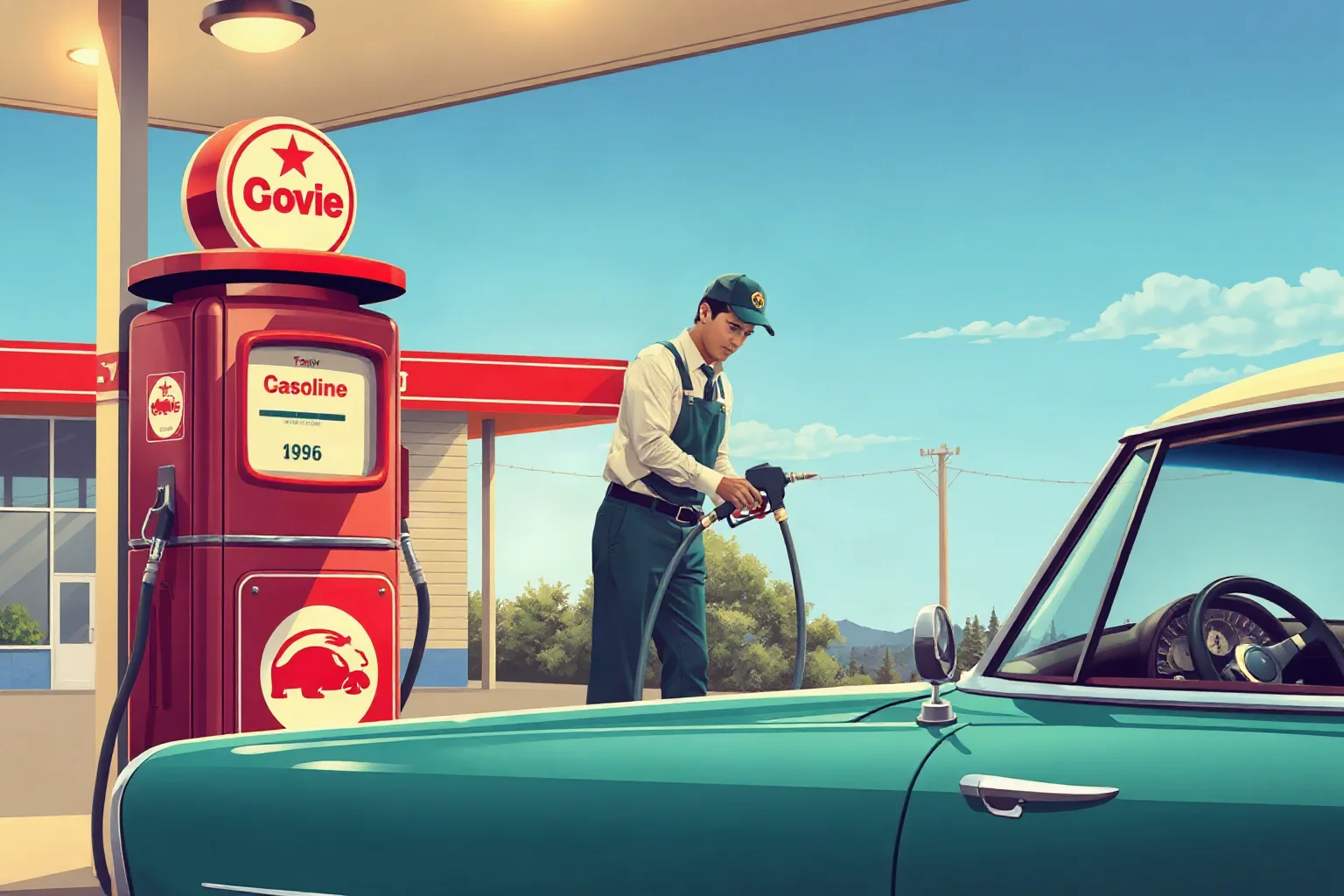
This is very real and very current. New Jersey has banned self-serve gas stations since 1949, a law originally justified around fire safety and, later, employment considerations for the kind of full-service station attendants who defined life in the 1950s American road culture.
Oregon had a similar rule for decades but relaxed it in 2023, leaving New Jersey as the last state with a full self-serve ban. It’s proof that some “weird laws in US states” aren’t outdated jokes at all — they’re actively enforced policy people argue about today.
12. Nevada: No Camels on the Highway

In the 1850s, the US Army experimented with using camels for transport across the Southwest, and when the program ended, many animals were sold off or released into the desert. Nevada and Arizona both passed laws in the following decades restricting camels on public roads, a real response to loose camels startling horses and traffic.
The underlying camel program is well documented history, even if the exact modern enforcement status of these old statutes is murky. It’s one of the more historically rich entries among America’s odd laws.
13. New York: An Anti-Mask Law From the 1840s
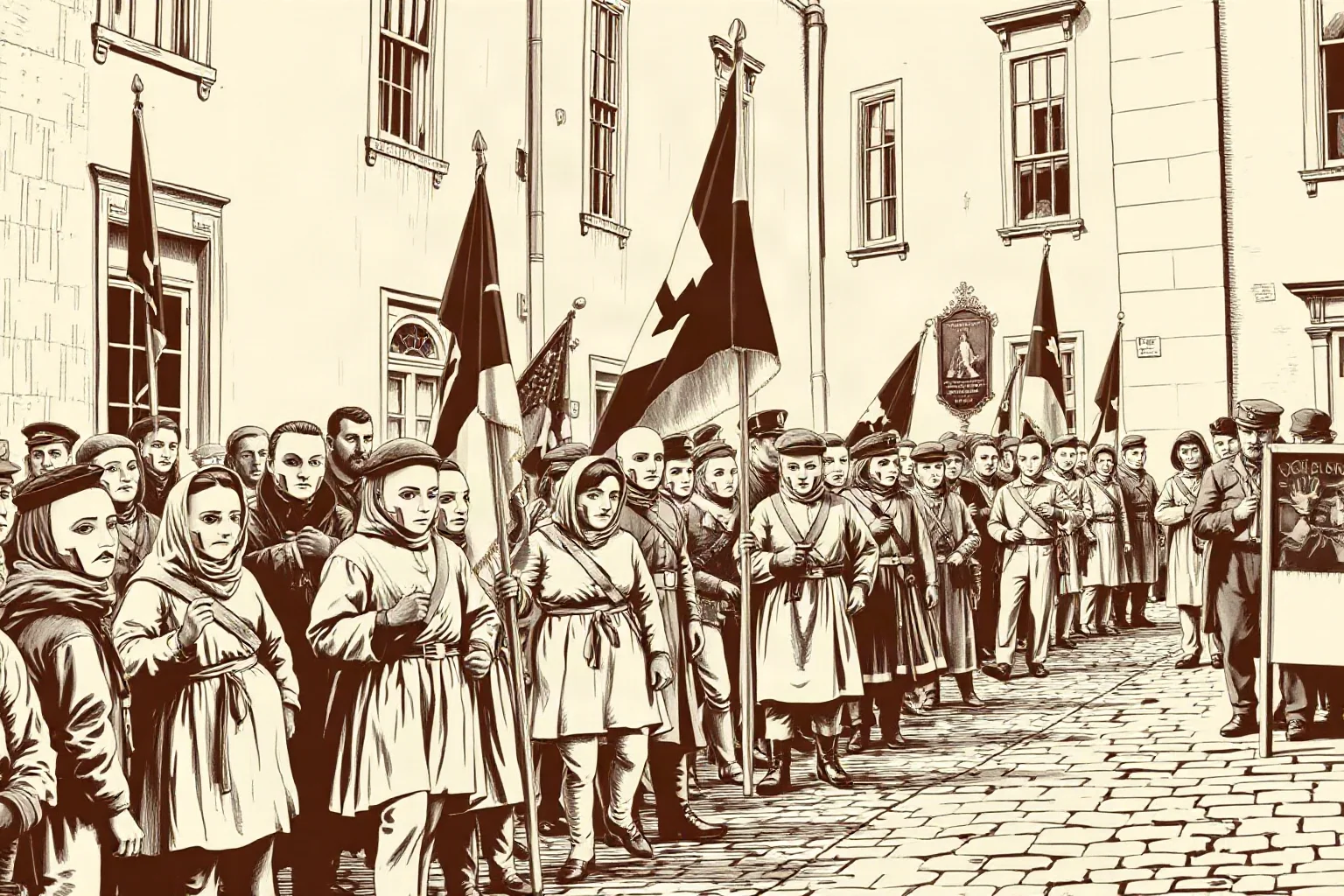
New York passed a law against wearing masks in public assemblies in 1845, originally aimed at disguised rioters during the Anti-Rent War land disputes in the Hudson Valley. The law resurfaced in the news in 2011 when it was cited against masked Occupy Wall Street protesters.
This is a strong example of a genuinely old statute with real, traceable origins that stayed relevant into the 21st century. It shows how a law written for one crisis can echo through completely different eras.
14. North Carolina: The Off-Key Singing Myth
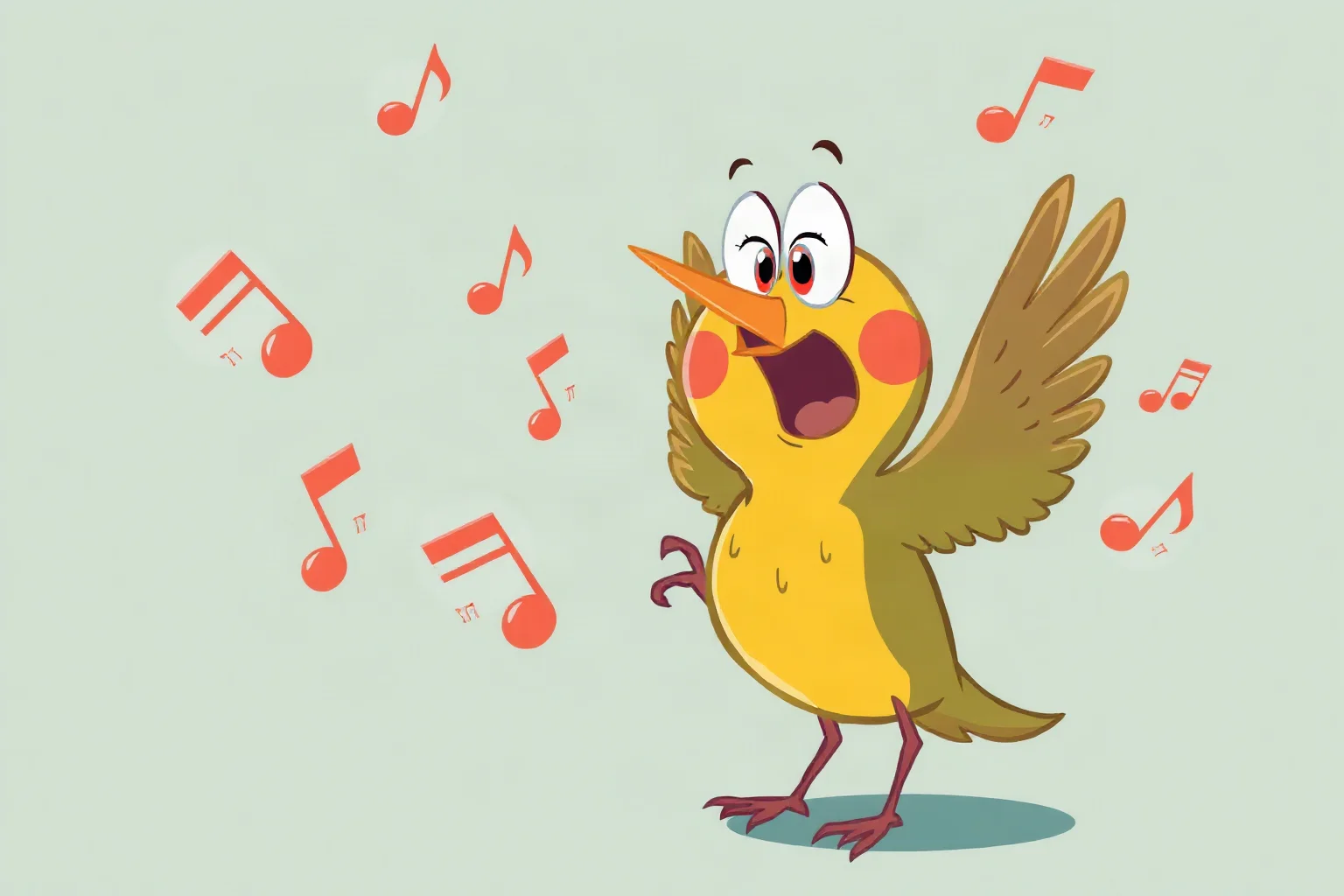
A claim that it’s illegal to sing off-key in North Carolina shows up constantly on “funny laws in America” lists, but no verifiable statute has ever been produced to support it. It has all the hallmarks of an invented trivia-book entry rather than a real ordinance.
It’s worth including precisely because it’s such a common example of how a joke can calcify into a widely believed “fact” online. Always a good reminder to be skeptical of viral legal trivia.
15. North Dakota: The Cheese Factory Nap Myth

Another frequent flyer on strange-laws roundups claims it’s illegal to fall asleep with your shoes on inside a North Dakota cheese factory. Like the North Carolina singing law, there’s no documented statute behind this one.
It likely started as a humorous local rule or a piece of satire that got mistaken for real legislation somewhere along the way. It stays on lists because it’s memorable, not because anyone can point to the actual code section.
16. Oklahoma: Horse-Tripping Is a Real, Serious Crime
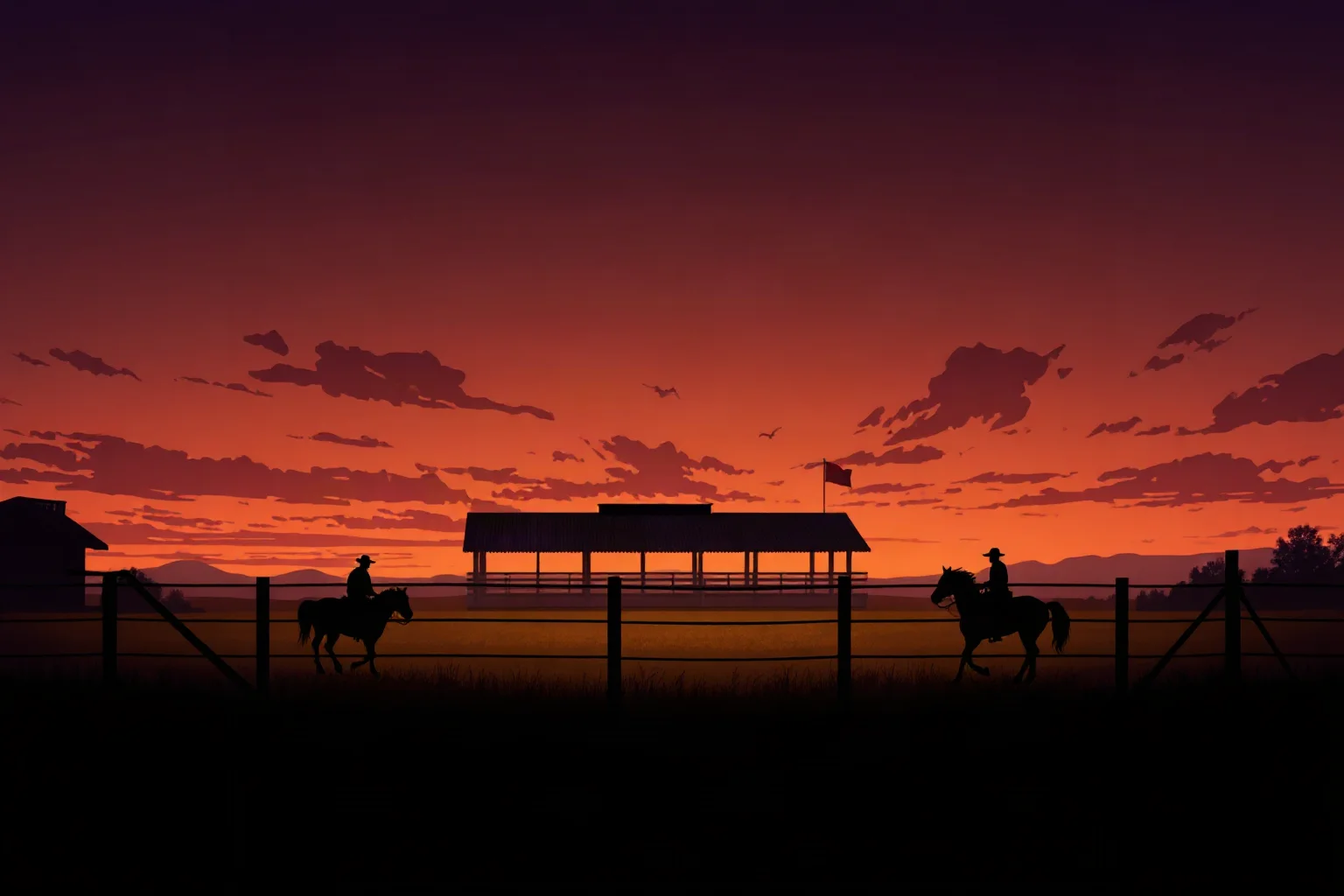
Oklahoma passed a genuine law in 2004 making it illegal to trip or fell a horse by the legs for sport or entertainment, targeting a rodeo-style event called horse tripping that animal welfare groups had long criticized. Several other states have passed similar bans since.
This is one of the more socially meaningful entries here, since it began as an actual animal cruelty debate rather than internet trivia. It’s a reminder that some laws sound unusual purely because most people have never heard of the practice they’re regulating.
17. Ohio: Getting a Fish Drunk
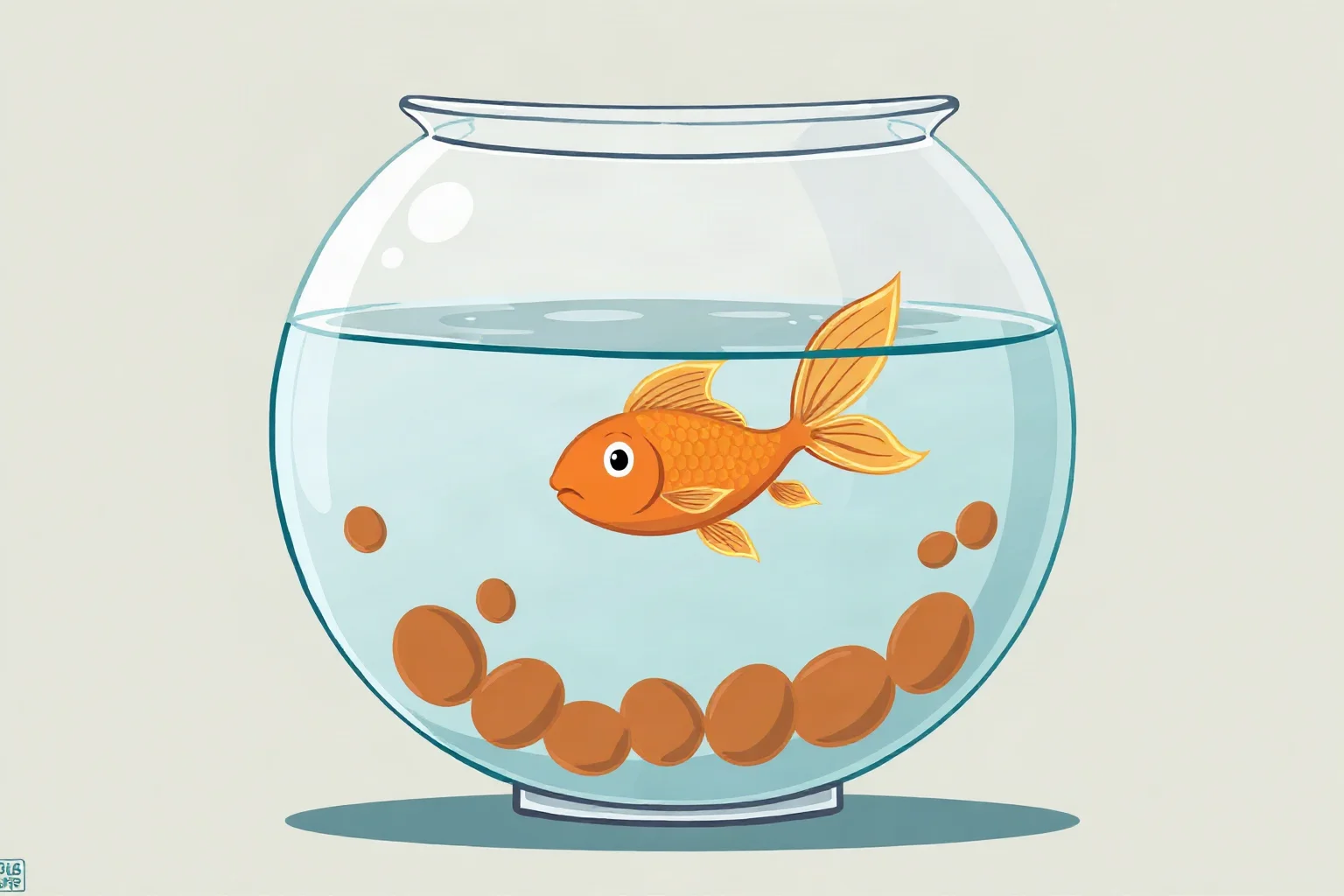
The claim that it’s illegal to get a fish intoxicated in Ohio is repeated often, and while there’s no clean statute simply titled that way, many states do restrict using intoxicating or narcotic substances to catch fish, since it can stun or kill them unfairly. Ohio’s actual fishing regulations focus on methods like explosives, poisons, and electrical devices rather than alcohol specifically.
So the spirit of the claim — laws against using substances to unfairly catch fish — has real regulatory roots, even if the exact “drunk fish” framing is exaggerated for laughs. It’s a good example of a kernel of truth getting stretched into a punchier myth.
18. Texas: You Can’t Sell Your Own Eyeball
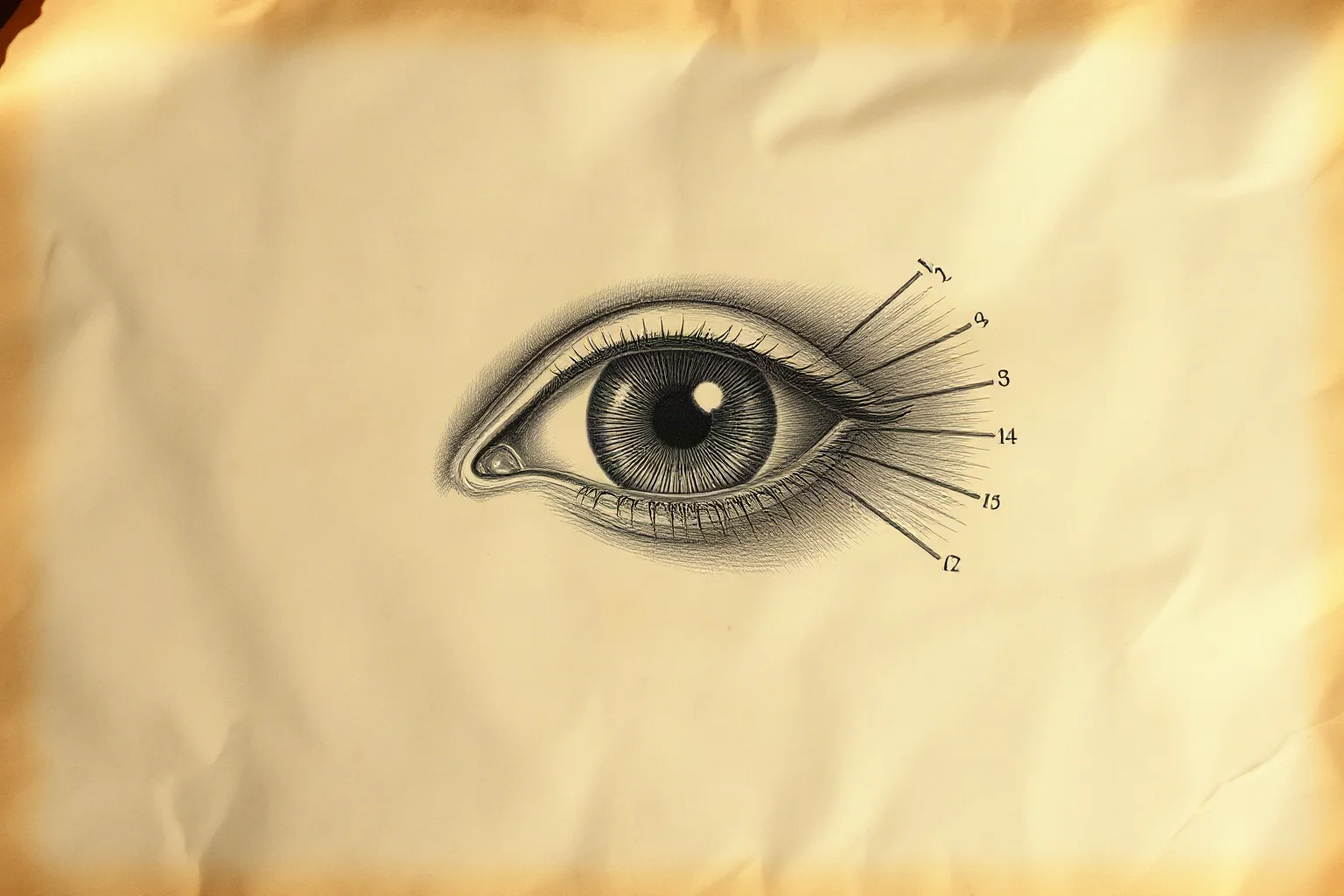
Federal law under the National Organ Transplant Act of 1984 makes it illegal to sell human organs for transplant, and Texas has its own state-level provisions reinforcing restrictions on organ sales. Various trivia lists narrow this down specifically to eyeballs for shock value, but the underlying law covers organs broadly, not just eyes.
This is a case where the real law is serious and well-documented — organ trafficking is a genuine public health and ethics issue — even though pop trivia lists present it as a punchline. It’s a good moment to separate the real policy from the joke version.
19. Utah: The “You Must Drink Milk” Myth

A popular claim states Utah requires residents to drink milk, sometimes phrased as a ban on selling non-dairy substitutes without a permit. No such statute exists, and Utah’s actual dairy regulations mirror standard food-labeling rules seen in most states.
This myth appears to have grown from confusion over routine dairy marketing or labeling laws rather than any unique Utah statute. It’s another solid example of why fact-checking matters before repeating a “weird law” as fact.
20. Vermont and Others: Religious Test Clauses Still Sit in Old State Constitutions
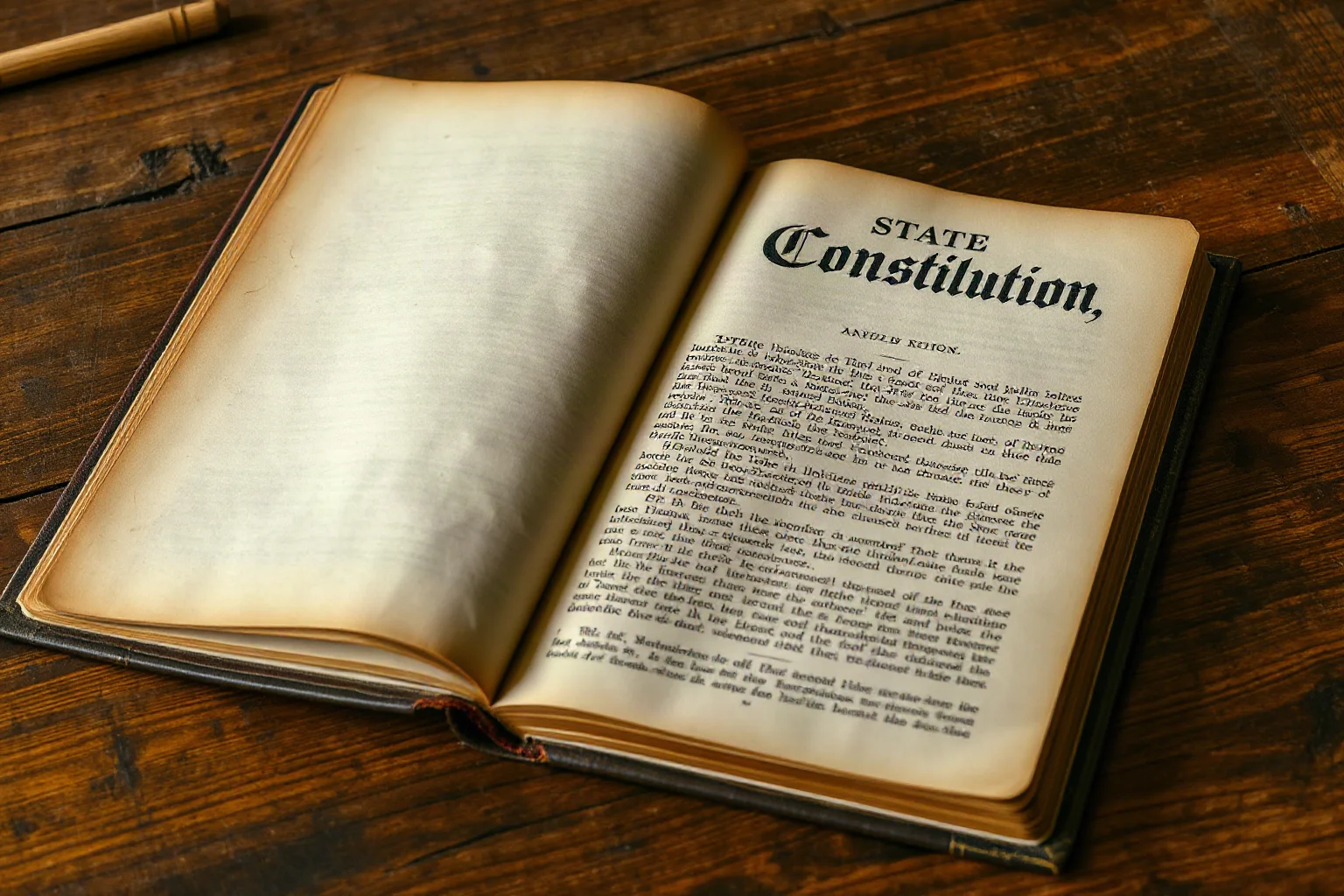
Several states, including Maryland, Tennessee, Texas, and Arkansas, historically included clauses in their constitutions requiring belief in God to hold public office. The US Supreme Court struck these down as unconstitutional in the 1961 case Torcaso v. Watkins, which found such tests violated the First Amendment.
Despite that ruling, some of the old constitutional language technically remains unrepealed text in a few states, even though it’s completely unenforceable. It’s one of the more genuinely fascinating examples of unjust laws in America that linger on paper long after courts gutted their power.
21. Virginia: Cursing on the Highway Is Illegal
Virginia law makes it a misdemeanor to profanely curse or swear on a highway or in a public place within earshot of others, a statute that has actually been used in real citations over the years. It dates back to older public-order and “disturbing the peace” style lawmaking common across many Southern states.
Critics have pointed to it as an example of a vague, easily misapplied rule, making it a genuine entry in conversations about unfair laws in the US. It’s proof that not every strange old law is harmless trivia; some raise real free-speech questions.
22. Washington, D.C.: Dueling Is Still Explicitly Banned

Washington, D.C.’s code contains long-standing provisions criminalizing dueling and challenging someone to a duel, language that dates back to when duels were an actual method of settling disputes among prominent figures. Similar anti-dueling statutes remain technically on the books in a number of states.
Nobody expects a modern pistol duel at dawn, but the law was never formally stripped out because there’s little urgency to do so. It’s a classic case of a crazy old law surviving simply because repealing it isn’t anyone’s priority.
23. Wisconsin: The Cheese-on-Pie Myth

A popular claim insists Wisconsin law requires apple pie in restaurants to be served with a slice of cheese. No such statute has ever been verified, though it plays on Wisconsin’s genuine cultural reputation as a dairy powerhouse.
It’s a fun, harmless myth, and cheese on apple pie really is a regional tradition in parts of the Midwest. The “law” part, though, appears to be invented flavor text rather than an actual unusual law in the United States.
24. Federal Law: Misusing Smokey Bear Is a Federal Crime
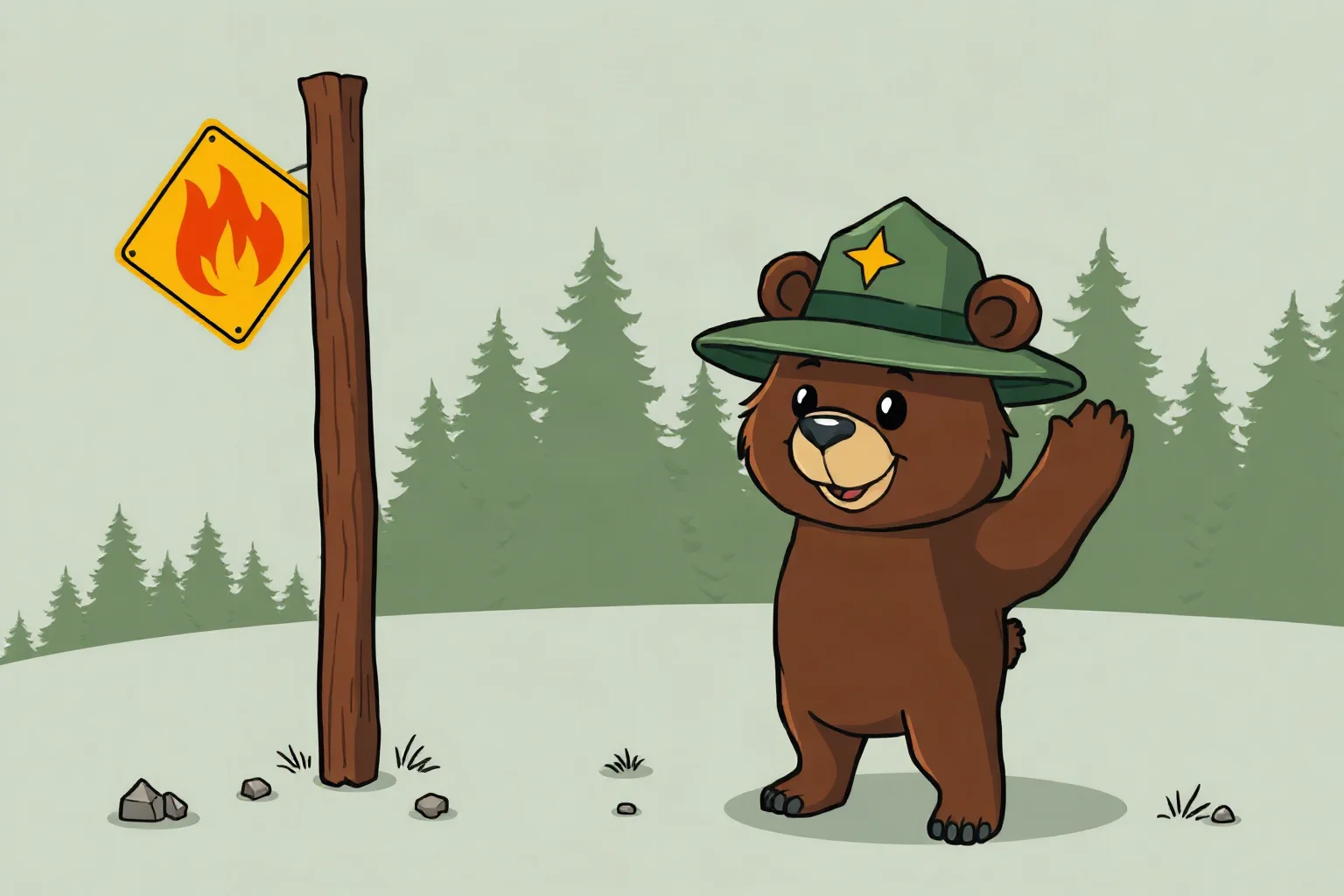
Under Title 18 of the US Code, unauthorized commercial use of the character Smokey Bear is a genuine federal offense, a protection created by Congress in 1952 to safeguard the wildfire-prevention icon. The same section similarly protects the Woodsy Owl character.
This is a real, if obscure, example of a weird federal law that actually exists precisely because Congress wanted to protect a public safety campaign’s brand. It’s one of the more delightfully specific entries in federal law you’ll find.
25. The “Beastly” Movie Hoax
A persistent online rumor claims the 2011 film “Beastly” was effectively illegal to watch or promote in parts of the US due to some old “beastiality”-sounding statute confusion tied to the title. This appears to have started as a satirical or joke news item that got taken literally and spread as if it were real legal history.
There is no credible legal record supporting a ban on watching or distributing the film anywhere in the US. It’s a useful closing example of exactly the kind of unverified claim this guide is designed to catch before it gets repeated as fact.
Sorting Fact From Folklore
Across this list, a clear pattern emerges: some of America’s weirdest laws are genuinely documented statutes with traceable histories, from anti-dueling codes to organ-sale bans to New Jersey’s gas pump rule. Others are internet-era folklore, repeated so often across trivia sites that they start to feel true without ever being sourced.
The United States isn’t unique in having a mix of serious and silly legal history, either; plenty of other countries have their own famous stupid laws from around the world, from obscure European nuisance ordinances to old colonial-era rules still technically on some books. What makes the American version so shareable is the sheer number of overlapping local, state, and federal jurisdictions, each with its own leftover quirks.
If there’s one takeaway, it’s this: enjoy the entertainment value of a good “dumbest laws in America” list, but hold it loosely. Some of these rules are real relics of fascinating history, and some are just really good internet jokes wearing a legal disguise.
Frequently Asked Questions
What are considered the dumbest laws in America?
There's no official ranking, but frequently cited examples include New Jersey's ban on self-serve gas pumps, old anti-dueling statutes still on the books in Washington D.C. and elsewhere, and Idaho's explicit law against cannibalism. Many other widely shared 'dumbest laws' claims, like off-key singing bans, are actually unverified internet folklore rather than real statutes.
Are most viral ‘weird laws’ lists actually true?
Not entirely. Some entries, like Connecticut's 'bouncing pickle' food-safety case or New York's 1845 anti-mask law, are well documented in historical and legal records. Others, like Wisconsin's supposed cheese-on-pie requirement, have never been traced to an actual statute and appear to be invented trivia.
Why do outdated or unusual laws stay on the books?
Repealing old laws takes legislative time, and most governments prioritize current issues over cleaning up obscure statutes. Unless a law causes active harm or gets challenged in court, it often just sits unused and unenforced for decades or even centuries.
Is it actually illegal to watch the movie Beastly in the US?
No. This claim traces back to an online rumor or satirical piece rather than any real statute, and there is no credible legal record banning the film's viewing or distribution anywhere in the United States.
Which US state is known for having the most unusual laws?
No single state dominates; unusual laws show up in state codes, local city ordinances, and even old state constitutions across the country. States like Louisiana, Virginia, and New Jersey do show up often in fact-checkable examples, largely due to their long, continuously updated legal histories.
Do any of these weird laws actually still get enforced?
Some do. New Jersey's self-serve gas ban is actively enforced, Oklahoma's horse-tripping law has real animal welfare enforcement behind it, and New York's old anti-mask law was cited against protesters as recently as 2011. Others, like Detroit's alligator-on-a-fire-hydrant rule, are rarely if ever tested in modern courts.
Where do most fake ‘weird law’ stories originally come from?
Many trace back to mid-20th-century trivia books and local newspaper humor columns that got copied uncritically for decades, then spread further once early internet trivia sites and social media picked them up without fact-checking the original source.

Alex Warren
Related Articles