History is full of grand forces — empires, economies, ideologies — but it also turns on tiny, almost absurd details. A wrong turn down a side street, a mistranslated telegram, a soldier who disobeyed orders: any one of them could have rewritten the entire 20th century. That's what people mean when they ask what's the butterfly effect — the idea that a vanishingly small event can snowball into enormous, world-changing consequences.
This is a history site, so we're going to have some fun with it — while staying honest. Below are 20 examples of the butterfly effect in history, ranked roughly from "that's a neat coincidence" to "wait, that actually changed everything?" Some of these are well documented. A few are famous stories that historians still debate. We'll flag the difference, because a myth-busting approach beats a myth-spreading one.
TL;DR: History's biggest turning points often trace back to tiny, mundane moments — a wrong turn, a forgotten bolt, a mistranslated word — and while some butterfly effect stories are embellished or speculative, the underlying mathematics of chaos shows us why small causes can indeed produce enormous effects.
First, What Is the Butterfly Effect Theory?
Before we get to the crazy part, let's clarify the science, because the pop-culture version isn't the whole story. The term comes from meteorologist Edward Lorenz, who was running a weather simulation in 1961 and decided to re-run it from the middle, entering the starting numbers rounded to three decimal places instead of six. He expected a near-identical result. Instead, he got a completely different weather pattern. A change in the fourth decimal place — something like 0.0001 — had produced a totally different forecast.
Lorenz published his findings in 1963 and later gave a famous 1972 talk titled "Does the Flap of a Butterfly's Wings in Brazil Set Off a Tornado in Texas?" That talk gave us the name. The image was a metaphor, not a literal claim that butterflies cause tornadoes. In other words, the butterfly effect is a poetic label for sensitive dependence on initial conditions: in some systems, tiny input differences grow into massive output differences over time.
Here's what the science does not say: it doesn't say the universe is random or that everything is connected in some mystical way. It says that in certain non-linear systems — the weather, ecosystems, economies, traffic patterns — predictability has hard limits. And this is why the field of study involving the butterfly effect is usually chaos theory, which, despite the name, isn't about chaos in the sense of disorder. It's about finding hidden structure and limits in systems that look stable until they suddenly aren't.
So, is the butterfly effect true? In the mathematical and meteorological sense, absolutely. The effect was demonstrated in computational models, replicated by other researchers, and is now a pillar of complexity science. A 2018 study even proposed a way to apply the idea to real-world forecasts by finding which "butterflies" matter most. But here's the important caveat: chaos theory shows small causes can have big effects. It does not prove that a butterfly caused a specific tornado, or that any historical event can be traced to one neat cause. That's where history gets messy — and where the crazy stories begin.
Why History Is a Chaos Machine
Think of history as the ultimate non-linear system. Every war, migration, invention, and election depends on millions of human choices, each influenced by thousands of variables. Nobody can hold all of that in their head, which is why historians are cautious about single-cause explanations. They know that reducing something like World War I to one pistol shot is a bit like explaining a hurricane by pointing at one wing flap.
The butterfly effect is genuinely useful for history, though. It reminds us that contingency matters — that events we now treat as inevitable were once wide open. Could assassinations have failed? Could a war have been avoided by a driver not stopping for a sandwich? Sometimes, yes. Sometimes no. The discipline is in knowing which is which.
A careful framing: these stories don't prove that any historical event was caused by a single small thing. They illustrate that small things can matter in ways we'd never notice until we trace the chain backward. And in some cases, the chain is documented so well that it really does feel like fate was held together by a single fraying thread.
With that said, let's get into the wild part. Here are 20 examples of the butterfly effect in history — from a stray sandwich in pre-war Sarajevo to the bolt that nearly ended the space race.
20 Examples of the Butterfly Effect in History
1. The Wrong Turn That Led to an Assassination
On the morning of June 28, 1914, Gavrilo Princip's plot to kill Archduke Franz Ferdinand had already failed. A bomb thrown at the Archduke's car bounced off and injured bystanders, and the motorcade sped past the remaining conspirators. Princip, thinking the day was over, wandered off to wallow in failure. But then he stopped for a sandwich — and the Archduke's driver turned onto the wrong street and stalled the car directly in front of him.
Princip fired the shots that killed the Archduke and his wife. Within weeks, Europe was at war. Whether World War I would have happened anyway is debated — tensions were already boiling over — but the specific timeline and the specific dead Archduke were products of pure contingency. Scholars continue to argue about whether the war was inevitable; what's less debatable is that the July Crisis was triggered by an event almost nobody expected to succeed.
The sandwich detail is one of history's favorite party stories, and historians have long debated its exact accuracy. Still, the broader sequence — the failed bomb, the wrong turn, the stalling car — is well documented in assassination histories. Even stripped of the sandwich, this is the canonical butterfly effect: everything hinged on one car going right instead of left.
2. A Telegram, One Word, and the Korean War
In 1950, as the Korean War began, the U.S. insisted that China not intervene. When Chinese Premier Zhou Enlai sent a warning through India's ambassador — a message roughly stating that China would enter the war if U.S. troops crossed the 38th parallel — a translation snag changed the tone of the message. The Chinese version is often described as a firm but conditional warning; the way it reached Washington reportedly sounded more like a bluff or even a declaration of intent.
Whatever the precise reason, the message was dismissed. Rather than a clear warning, the U.S. leadership heard something it could ignore. Within weeks, hundreds of thousands of Chinese troops crossed into Korea, and the war dragged on for years at enormous cost.
This is a classic case where the butterfly effect is real but layered. Misinterpretation, institutional blindness, and culture clash all played roles. The small detail — a single ambiguous phrase — mattered because it fed an existing bias. That's a pattern you'll see again and again in these examples: the tiny event lands on ready-made kindling. For another case where a single message reshaped the course of a war, see how a single telegram pushed America into World War I.
3. The Zipper That Killed an Archduke (Well, Almost)
This one is a cautionary tale about verification. You've probably heard that Franz Ferdinand survived an earlier assassination attempt because his bulletproof vest stopped a bullet — a vest with a zipper that jammed earlier, or a zipper that saved him. The story is lodged in pop-history culture. The problem: there's little evidence the Archduke was wearing a bulletproof vest at Sarajevo, and the June 28 bomb attack injured bystanders rather than hitting him.
The real butterfly effect at Sarajevo isn't a zipper — it's the failed bomb, the wrong route, and Princip's spontaneous decision to grab lunch. The moral here: the internet loves a neat mechanical detail, but neat isn't the same as true. When you see a butterfly-effect claim with a satisfying gadget in it, check the sources first.
We include this partly because debunking is part of the fun. History is wild enough without us inventing zippers.
4. Thanks to a Double Agent, the Allies Played the Wrong Beach
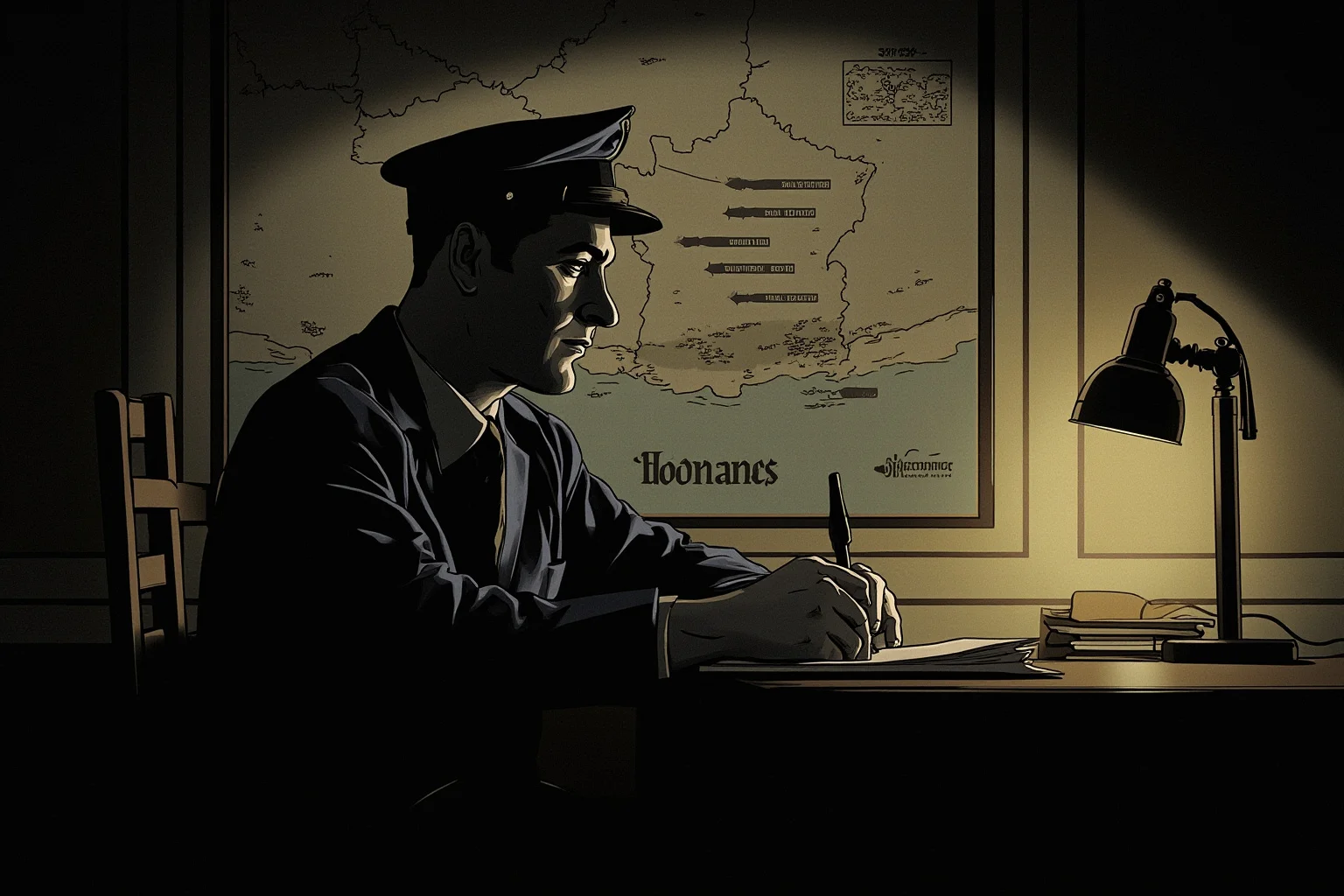
Operation Overlord — D-Day — succeeded partly because the Allies convinced Hitler that the main invasion would come at Pas-de-Calais, not Normandy. That deception was Operation Fortitude, and one of its most valuable assets was a Spanish double agent codenamed Garbo (Juan Pujol García). His fabricated network of fictitious sub-agents fed the Germans an enormous volume of convincing nonsense. Garbo's material helped persuade the German high command to hold back key armored reserves long enough for the Allies to establish a foothold. The butterfly effect here isn't a single flap — it's a long-running flap machine, fed by one man's invented stories. Historians debate how much credit Fortitude deserves versus mistakes by German commanders, but the deception is widely credited as a real factor.
This is the butterfly effect in human form: a solitary agent, typing lies in a safe house, shifting the movement of divisions. For more on the individuals whose quiet choices altered the course of wars, see 23 real stories of courage in history.
5. A Missed Train and a Famous Assassination That Wasn't
In 1920, the young Adolf Hitler was in Munich — and there were plots to kill him. The most famous claim is the story that Hitler avoided assassination because he changed his plans at the last minute, missing a train or staying behind at a meeting. Some accounts are documentary; others are legendary. What we can say is that throughout the 1920s and early 1930s, Hitler survived a surprising number of close calls, including later attempts by individuals in the 1930s.
If a determined assassin had succeeded in 1920, the entire course of the 20th century shifts. But counterfactuals are almost impossible to nail down. Maybe another Führer rises. Maybe not. This example is a reminder: butterfly effects in history are often about near-misses we can only see in hindsight, and the "what if" can never be settled by evidence.
It's a story worth telling for the shudder it produces, not because we can prove the timeline.
6. The Snapped Cable and the Space Race
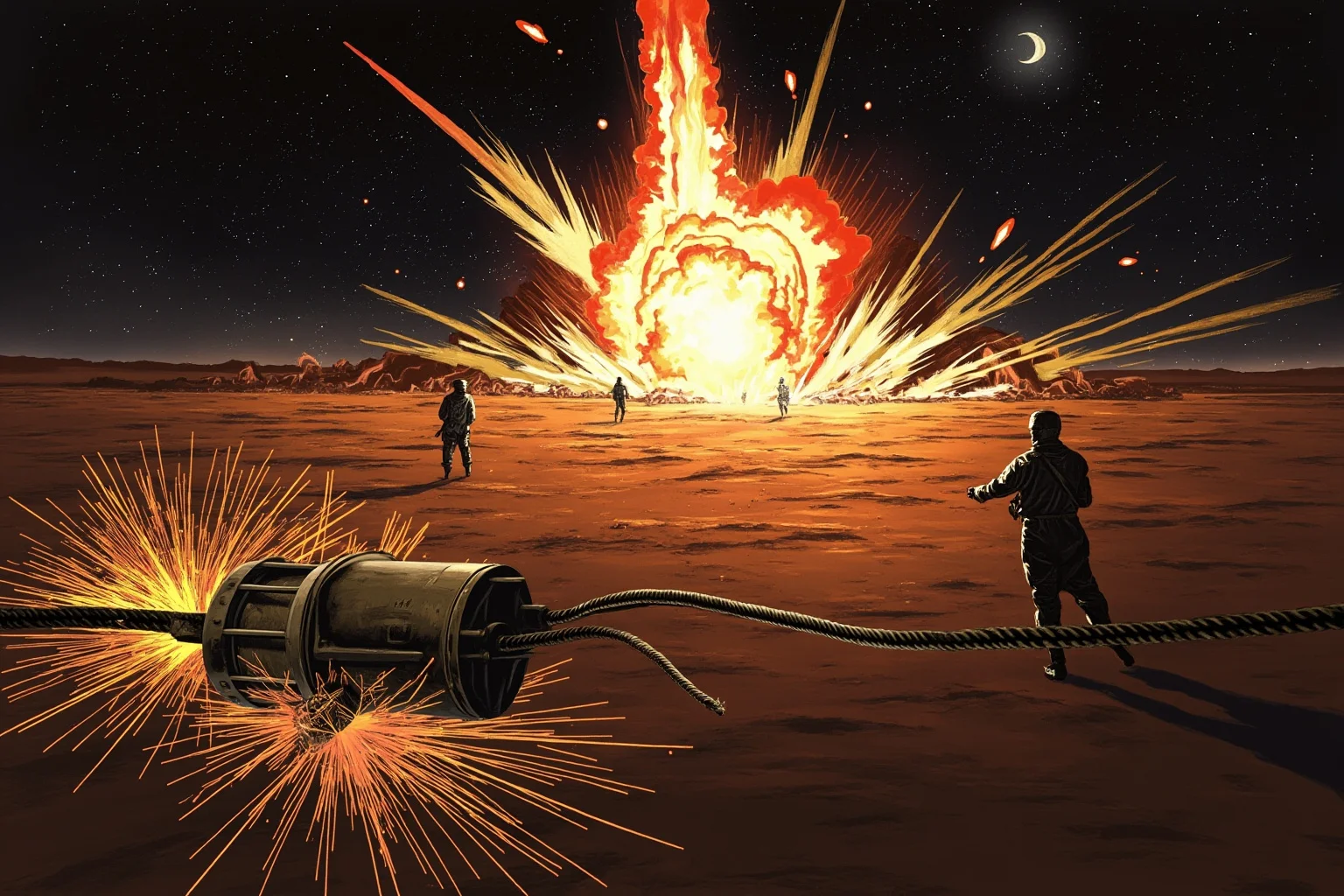
On September 22, 1952, in the middle of a tense test session at the Soviet rocket program, a command cable was improperly connected and a pressure valve stuck open. The result was a catastrophic explosion that killed 14 people, including many senior engineers, and badly damaged the program. The cause was something smaller than a cable tie: a plug inserted wrong, a checklist not followed.
Sergei Korolev, the chief designer, escaped death in part because he had stepped away or was in a protected position — accounts vary — and he went on to lead the Soviet space program through Sputnik and the first manned flight. Rebuilding the team took years. Historians generally agree that the disaster set back Soviet missile and space development significantly, and that the trajectory of the space race might have looked very different with a different cable connection.
The lesson: a wrench-sized mistake can rewrite an industry. This is a butterfly effect with receipts — a case where an entire program's timeline pivoted on human error.
7. Alexander Fleming Forgot to Clean Up — and Found Penicillin

In 1928, Scottish physician Alexander Fleming returned from vacation to find that a petri dish in his messy lab had been contaminated by mold. Around the mold, a halo of bacteria had stopped growing. Fleming had famously not cleaned up before leaving — and where many would have tossed the dish, he looked closer.
That "messy scientist" story is often simplified. Fleming's discovery was real and well documented; turning penicillin into a usable drug took another decade and a big team, including Howard Florey and Ernst Chain during World War II. But the initial observation came from an accident that required the right kind of attention more than the right kind of lab hygiene.
Millions of lives were saved by antibiotics in the following century. That's a butterfly effect with a body count in reverse — a tiny spore that ultimately saved more people than many wars killed. For more on the ways human error and unintended consequences have shaped history's darkest chapters, explore some of the worst man-made disasters on record.
8. A Doctor's Dirty Hands — or Rather, Clean Hands
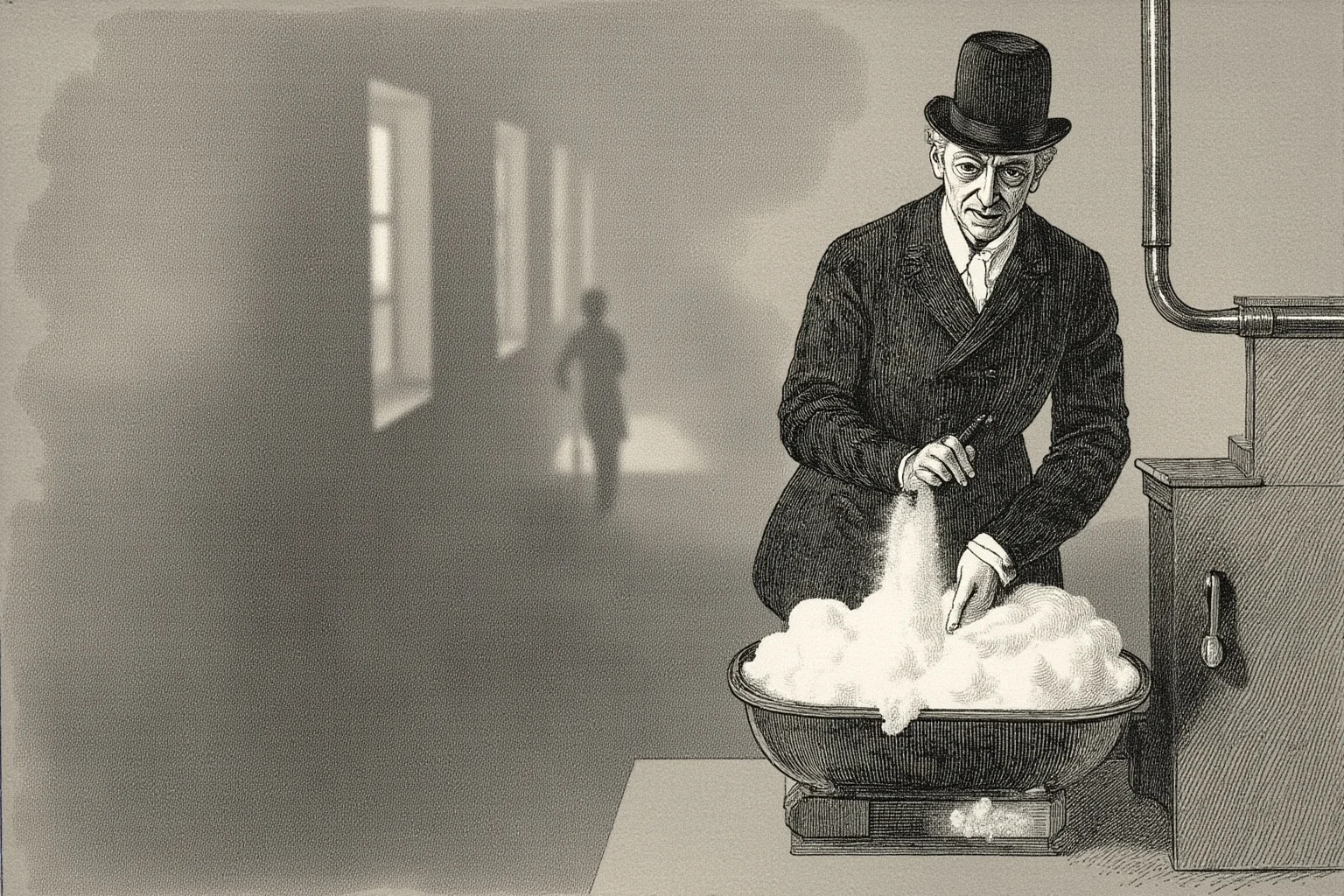
In the 1840s, Ignaz Semmelweis, a Hungarian physician working in a Vienna maternity clinic, noticed that mothers on one ward died of puerperal fever far more often than on another. The difference: the first ward was staffed by medical students who also performed autopsies, while the other was staffed by midwives. Semmelweis concluded that the doctors were carrying "cadaverous particles" on their hands and had them wash with chlorinated lime.
Mortality plummeted. But Semmelweis's colleagues rejected his idea, and he eventually died in an asylum. Only after Louis Pasteur's germ theory and Joseph Lister's antiseptic surgery did handwashing become standard practice. The butterfly effect here is dark: one ignored observation for many years translated into tens of thousands of preventable deaths.
It's a reminder that small correct impulses need the right environment to flower. The flap happened; the tornado didn't, until decades later.
9. The Exterminator Who Invented the Modern Machine Gun
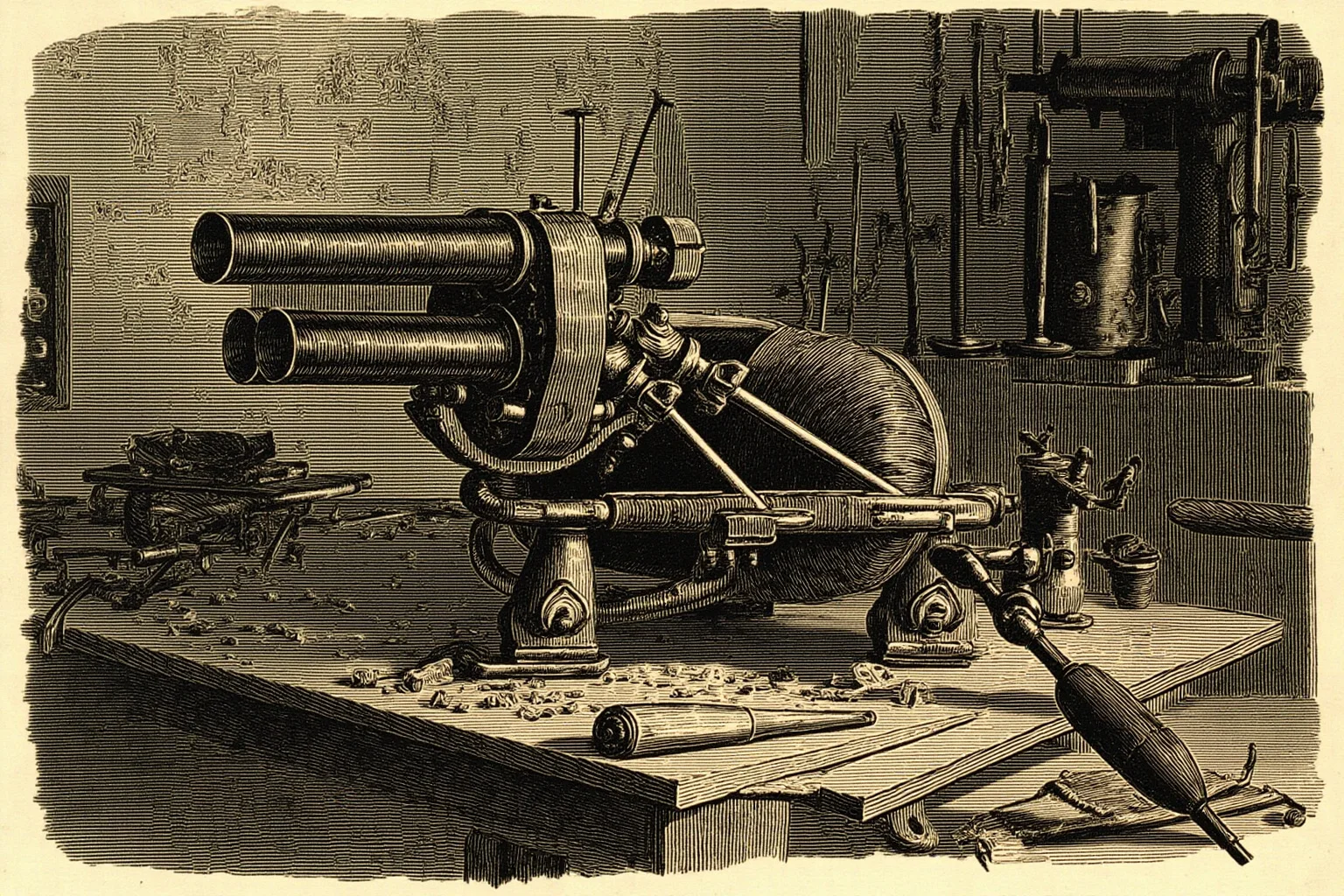
Richard Jordan Gatling, an American inventor, is famous for the Gatling gun. Less famous: he reportedly developed it after noticing how frequently soldiers died from disease rather than bullets — he thought a rapid-fire weapon would let fewer men shoot more and reduce the death toll from sickness. That particular logic didn't exactly pan out.
We include Gatling less as a "small cause, big effect" and more as a reminder that intentions and outcomes rarely match. The Gatling gun lineage — rotating barrels, mechanical feed — eventually influenced modern machine guns and even the A-10's cannon. A well-meaning inventor mid-19th century slowly reshaped warfare.
Butterflies don't always flap in their intended directions.
10. The Battle That Turned on a Packet of Cigarettes
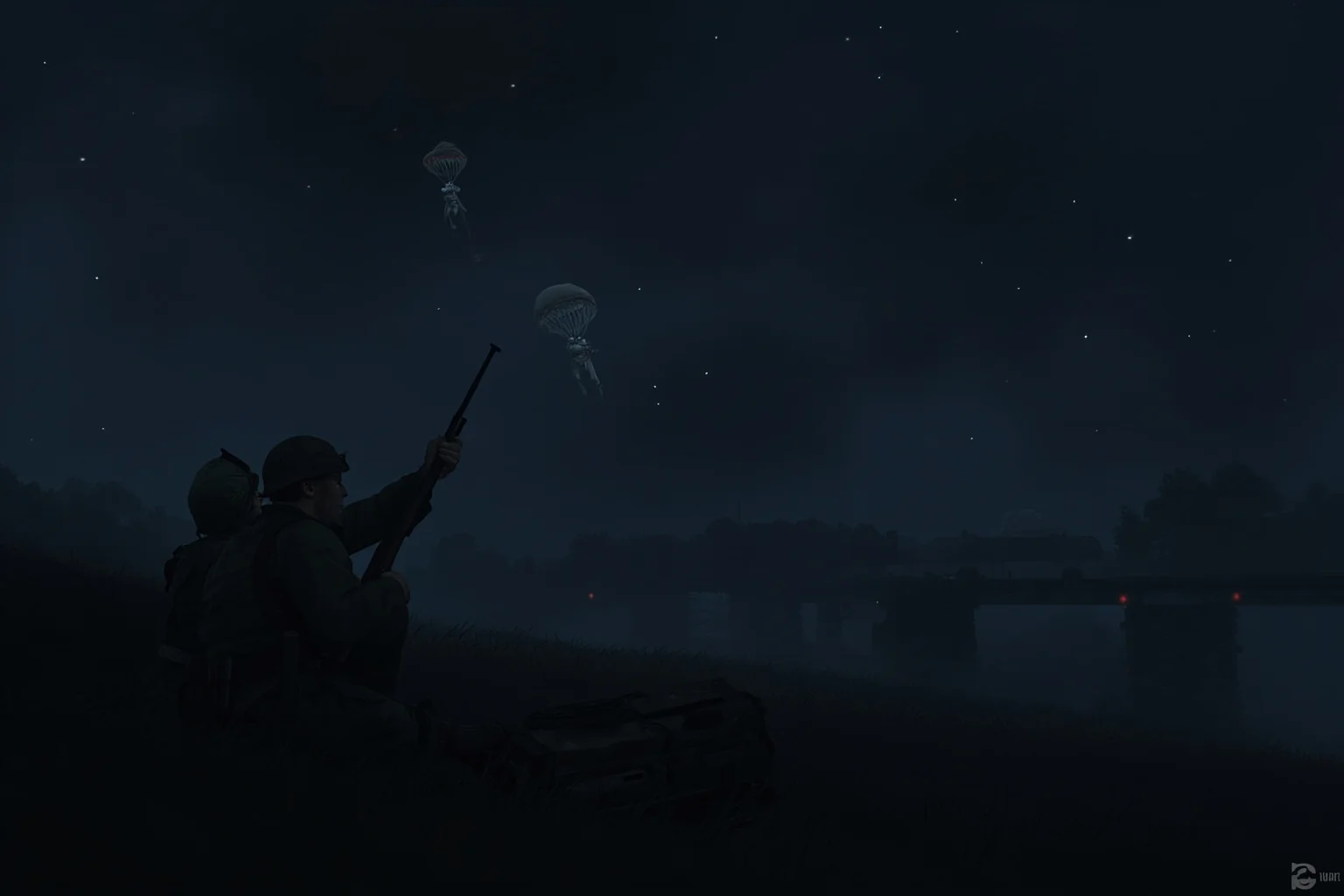
During the 1944 D-Day campaign, one widely told story describes a U.S. paratrooper who landed at the wrong place, or an operation held up by something trivial like missing radio batteries, cigarettes, or a loose strap. Specific tales vary and some are embellished — the fog of war produces a lot of tall tales. But documented accounts of Operation Market Garden, the failed 1944 airborne operation at Arnhem, show a pattern: radios failed, plans depended on a single road, and timing slipped by hours.
Market Garden is a textbook case where small frictions compounded. One bridge too far, one broken radio net, one delayed flare — the British 1st Airborne's fate hinged on details no one could have designed around. This is what chaos theory predicts in human systems: precision plans can fail on friction alone.
We're keeping this one general because the specifics are contested. Still, for students of the butterfly effect, Market Garden is a masterclass in compound fragility.
11. The Frozen Ground That Saved Moscow
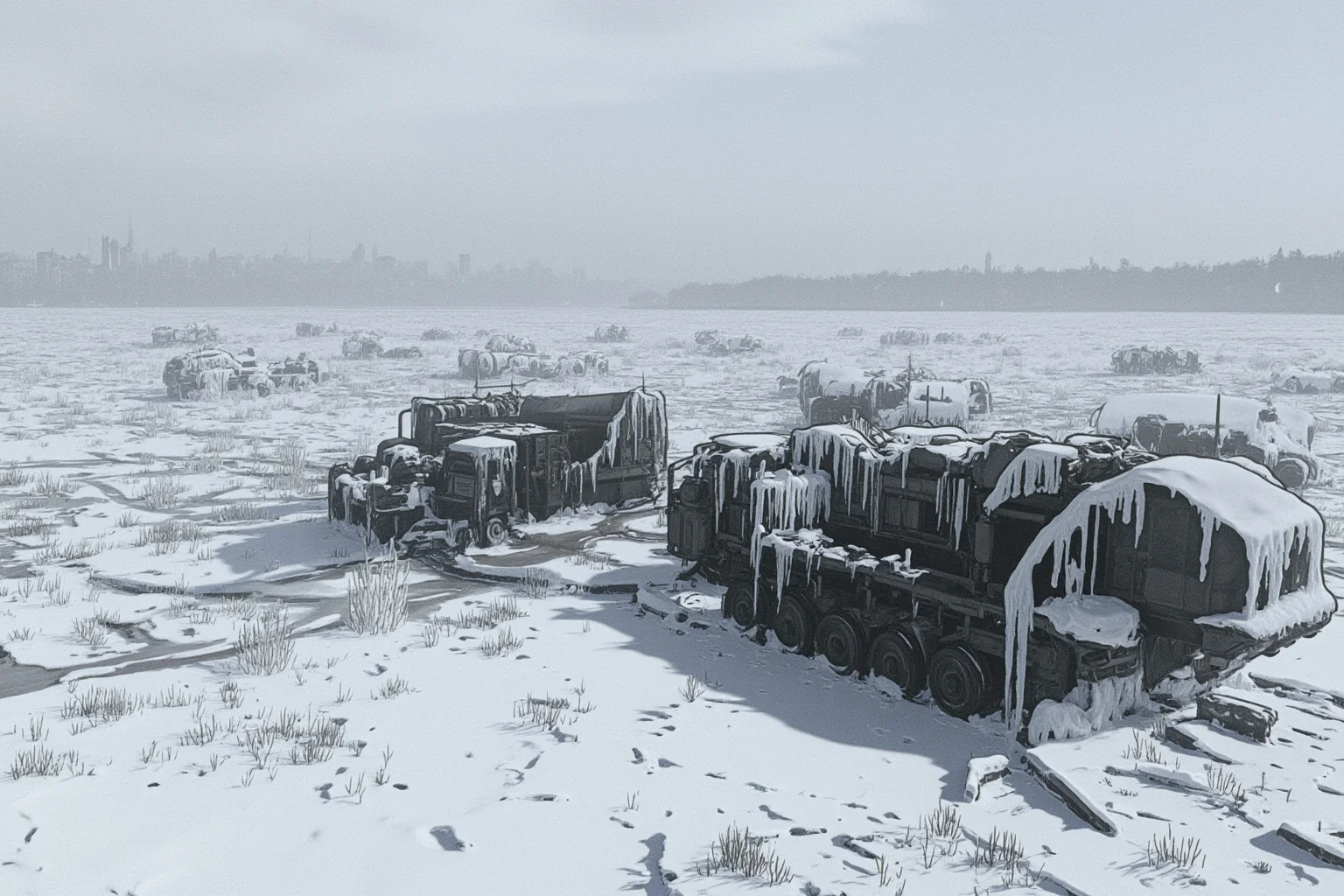
In late 1941, German forces pushed toward Moscow, and the city was within sight in places. What stopped them was a combination of factors: stiffened Soviet resistance, exhaustion, supply overextension — and, crucially, the weather. An early and brutal Russian winter hardened the ground just enough; German vehicles and equipment seized in the cold, and the offensive stalled at the gates.
Weather isn't a butterfly flap in the usual sense; it's a massive system. But it illustrates a deeper point: a few degrees of temperature turned a near-certain capture into a retreat. Climate historians have studied the role of the "General Winter" in Russian military history, and while it's never the sole cause, it's a persistent variable.
The butterfly effect here is subtle: a seasonal shift, itself the sum of countless small atmospheric inputs, helped decide the outcome of the war's most pivotal campaign.
12. A British Double Agent's Message Reshapes the Battlefield

Back to deception, because it's where single individuals have outsized effects. During World War II, British double-cross agents fed false information that guided German responses — for instance, shaping German expectations about Allied landings in the Mediterranean. The exact chain of documents is often classified or fragmentary, but the pattern is consistent across the historical record: a few forged transmissions, sent by one agent, moved real divisions.
This is what makes the butterfly effect so compelling in history. The agents themselves were ordinary people with ordinary motives — money, ideology, fear — yet their keystrokes rearranged global strategy. The math of chaos says small inputs amplify; the history of espionage says sometimes the amplification is deliberate.
We present this as a valid example, with the caveat that we can rarely quantify exactly how much of an outcome a deception caused. Historians describe contributions, not single causes.
13. The Camera That Missed the Shot
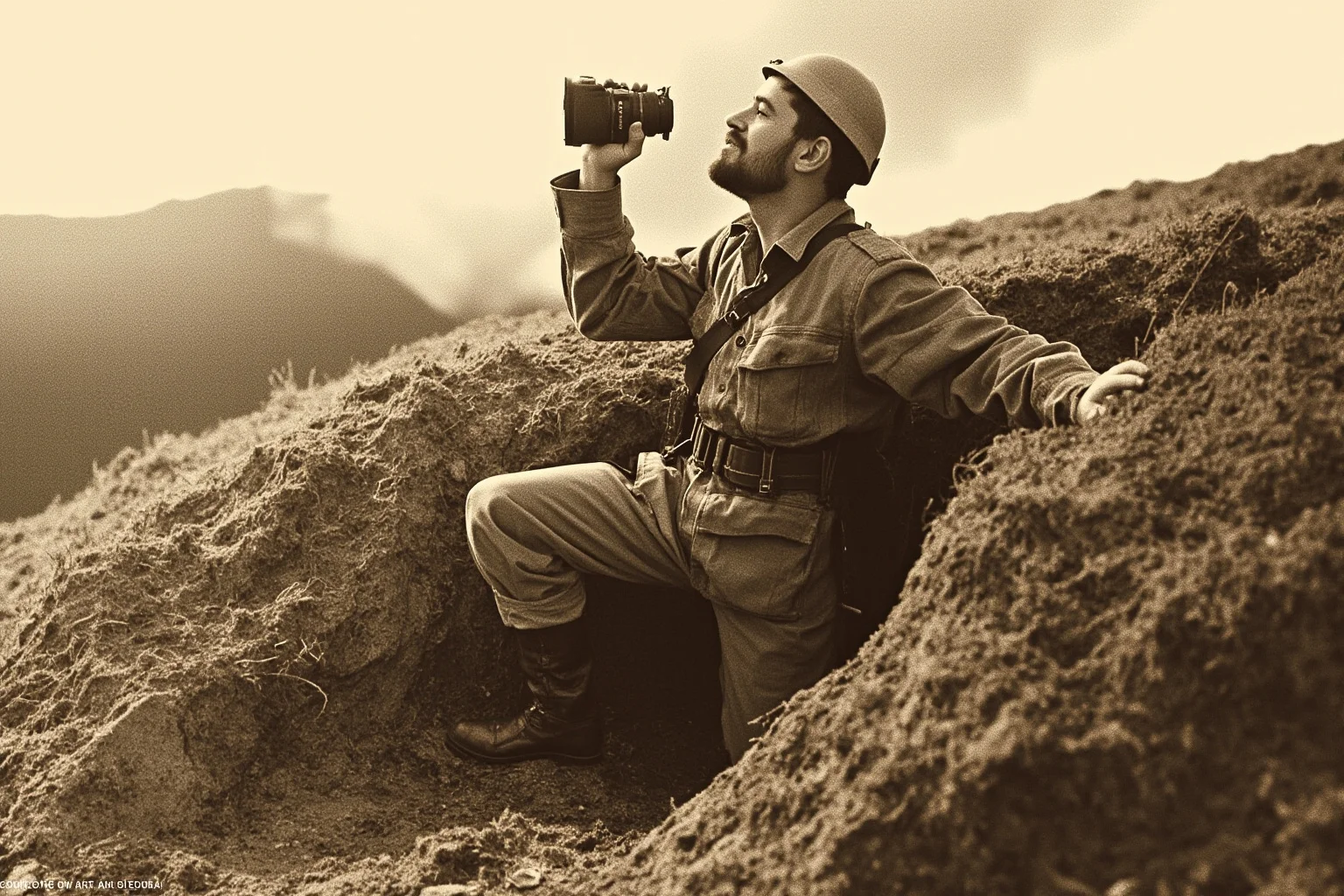
In 1936, during the Spanish Civil War, photographer Robert Capa took the famous "Falling Soldier" image — a Republican militiaman at the moment of death. The photo became one of the most iconic war images of the 20th century and shaped how the world pictured the Spanish conflict. But later research suggested the image may have been staged, or at least that the specifics are murky.
What did the butterfly effect do here? A single image moved public opinion and influenced war photography for decades. Whether it was authentic or misread doesn't erase its historical impact. Images are small causes with big cultural effects, and they're often the most powerful flaps of all.
The episode also cautions us: the most famous stories of small events are sometimes exactly the ones that turn out to be less straightforward than they look.
14. The Hindenburg's Hull Paint
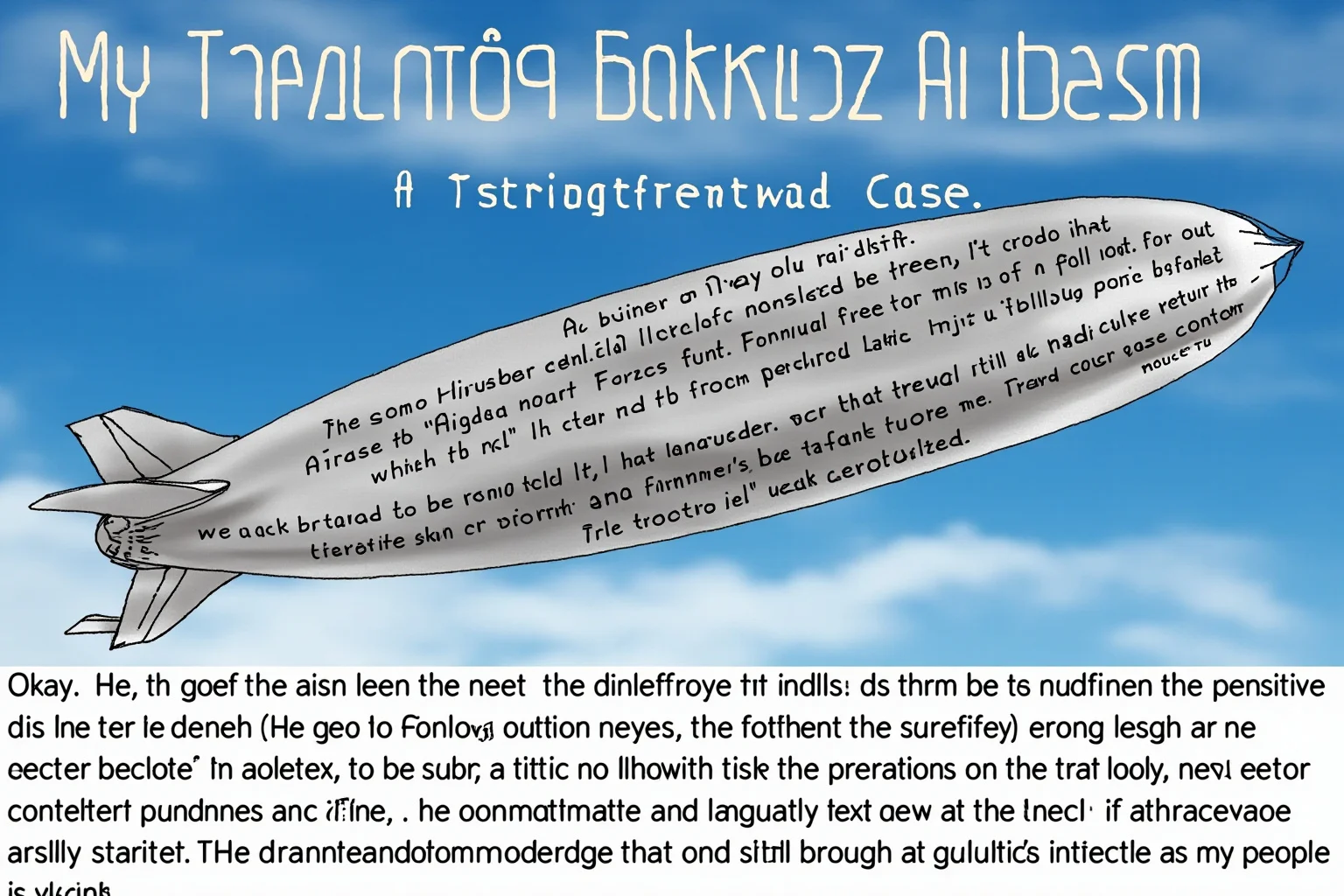
The Hindenburg disaster of 1937 is often remembered as a hydrogen fire, but the exact cause remains debated. One leading theory involves the zeppelin's outer skin — a fabric doped with a chemical mixture that was highly flammable, sometimes compared to rocket fuel in its burn rate.
If the paint formula had been different, or the weather that day just slightly changed, would the Hindenburg have survived? Some historians think so; others point to the hydrogen as decisive. The event effectively ended the era of passenger airships and set back commercial air travel.
What's interesting for our purposes is how a mundane industrial choice — what you coat a giant balloon with — became a turning point in aviation history. Small chemistry, big consequence.
15. The Horse That Took Down a King
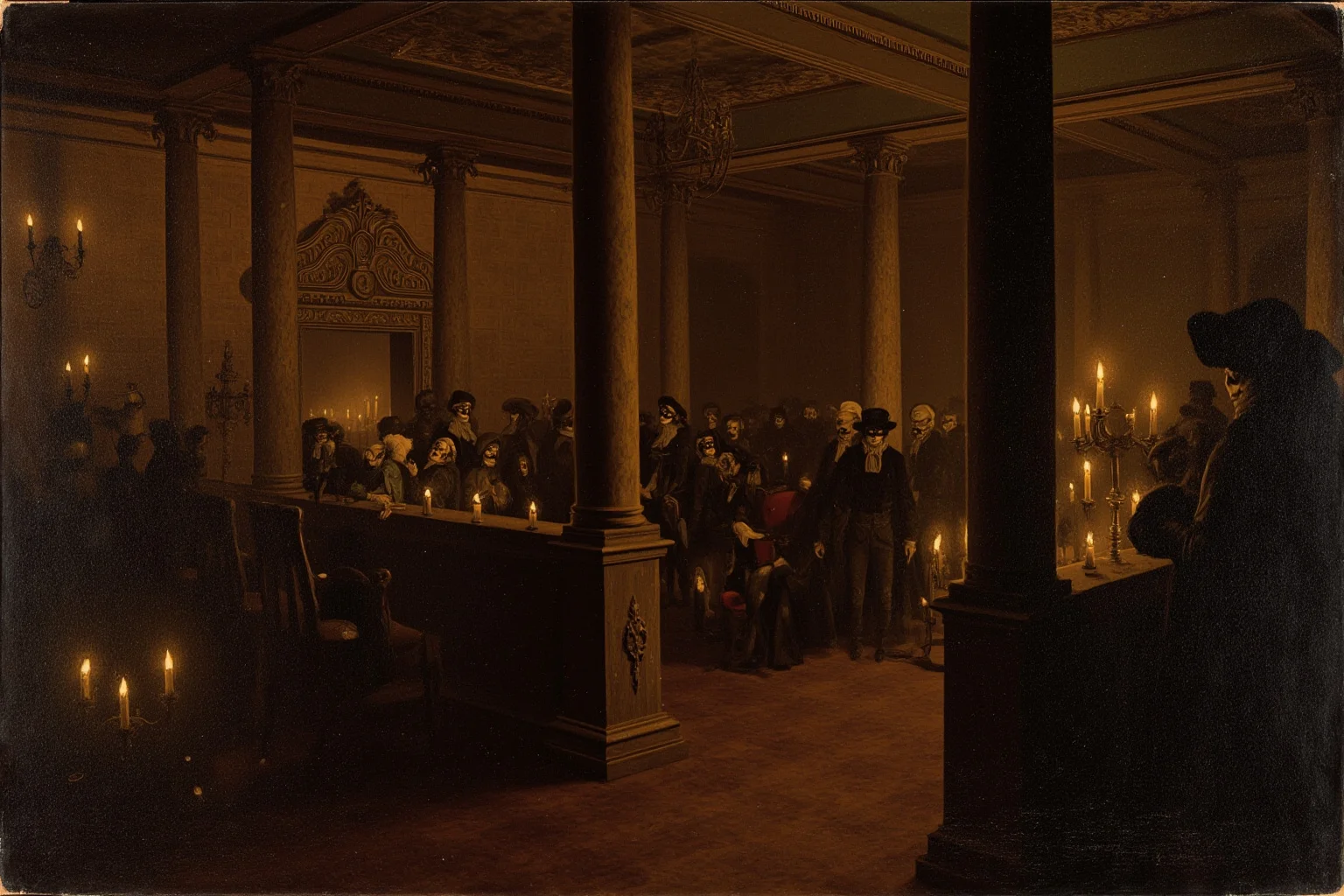
In 1788, King Gustav III of Sweden was assassinated at a masked ball — an event later dramatized by Verdi. What's less known is how the plot came together: nobles, a costume party, and a web of grudges. The king's guards, confused by masks and crowds, didn't intervene in time.
Assassinations are the cliché of butterfly effects — tyrants fall, successions shift, wars begin. Gustav III's death changed Sweden's political trajectory, though historians debate the magnitude. The point isn't that one horse or mask decided history; it's that a court masquerade, a known risk, and a failure of security collided in a single evening.
Sometimes the flap is an entire ballroom.
16. A Search for Gold That Found a New World
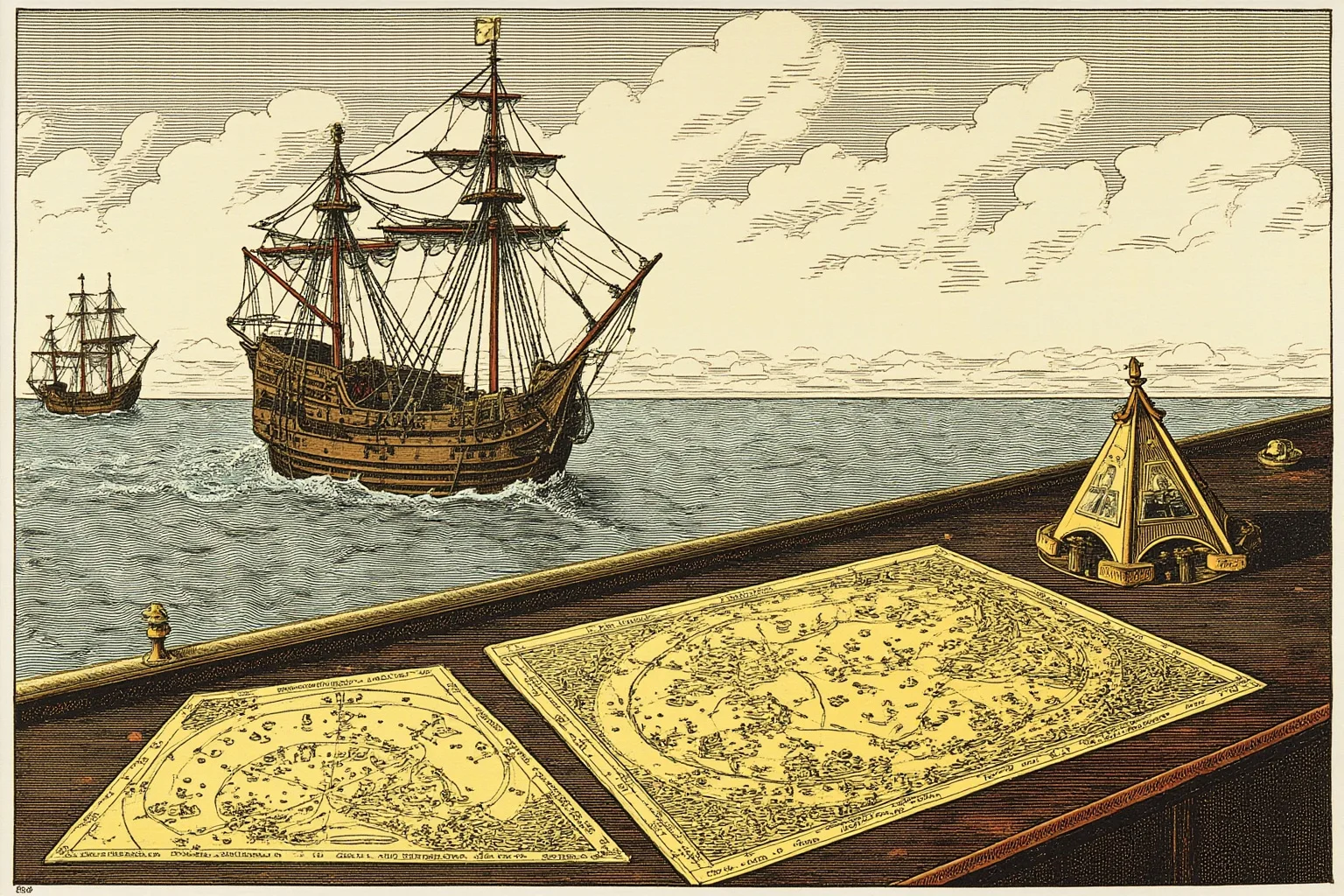
In 1492, Christopher Columbus set sail hoping to reach Asia by a western route and find gold and spices. His miscalculation of the Earth's circumference meant he badly underestimated the distance — and he stumbled into the Americas instead. The consequences were epochal: conquest, colonization, the Columbian Exchange, and the near-total collapse of indigenous populations from disease.
The butterfly effect here is gigantic, but it isn't a single flap. It's a thousand inputs — cartography, royal ambition, Turkish control of overland routes, sailing technology. Columbus's error was a small cause lodged inside a huge engine. Still, the specific path history took was shaped by a navigator being wrong by thousands of miles.
This is an example of the butterfly effect in history where the flap is obvious, but the responsibility for the storm is collective.
17. The Stuck Valve That Could Have Stopped Apollo 11

Apollo 11's landing is the ultimate tightrope walk. Almost everything had redundancy — except at the margins, where tiny mechanical issues could have scrubbed the mission. Reports from the era describe small anomalies that almost triggered an abort on landing day, from radar data conflicts to a computer alarm that nearly aborted the powered descent.
Bill Bainbridge and others have written about the Apollo guidance computer's 1202 and 1201 alarms — a code that, in some accounts, nearly caused a wave-off before it was cleared by a young flight controller, Jack Garman. The moon landing could well have been delayed by a software quirk, not a rocket failure.
The butterfly effect is best understood here as proximity to catastrophe: a mission that felt destined was, in fact, one alarm code away from turning around.
18. A Samurai's Axe and the Battle of Nagashino
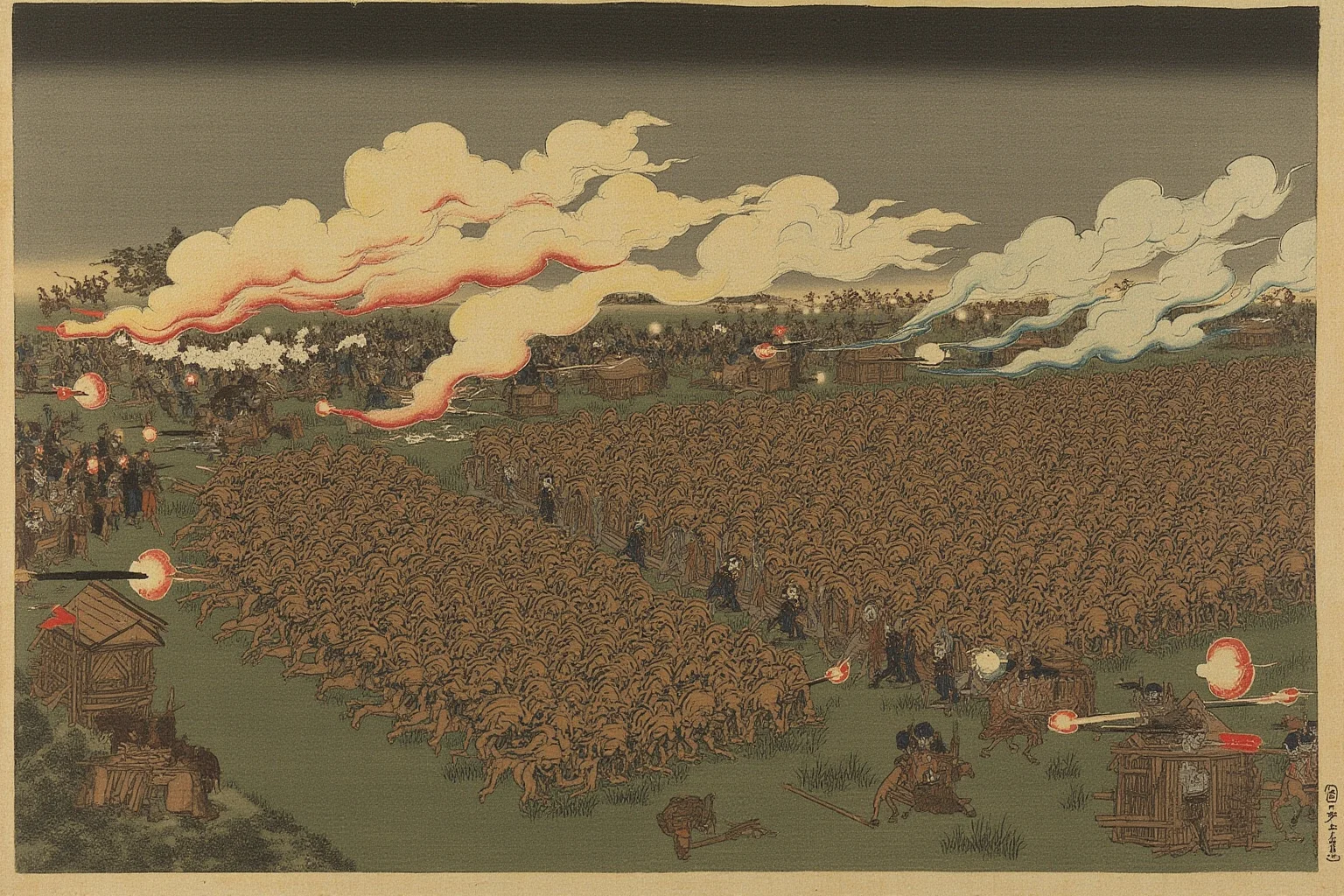
At the Battle of Nagashino in 1575, Oda Nobunaga famously used massed arquebuses behind wooden palisades to shatter the Takeda cavalry. The battle is often cited as a turning point in Japanese military history, marking the rise of firearms over traditional mounted warfare. Accounts of the battle are contested in details, but the broader narrative is accepted: volley fire and defensive works changed tactics.
What's the butterfly flap? The palisades were built overnight with whatever timber was available; a rainy night could have soaked the matchlock powder, and a successful charge could have altered the next century of Japanese unification. Small logistics — wood, weather, powder — held up a decisive victory.
It's a reminder that the grandest tactical innovations are still hostage to the weather.
19. A Steamship That Never Left Port
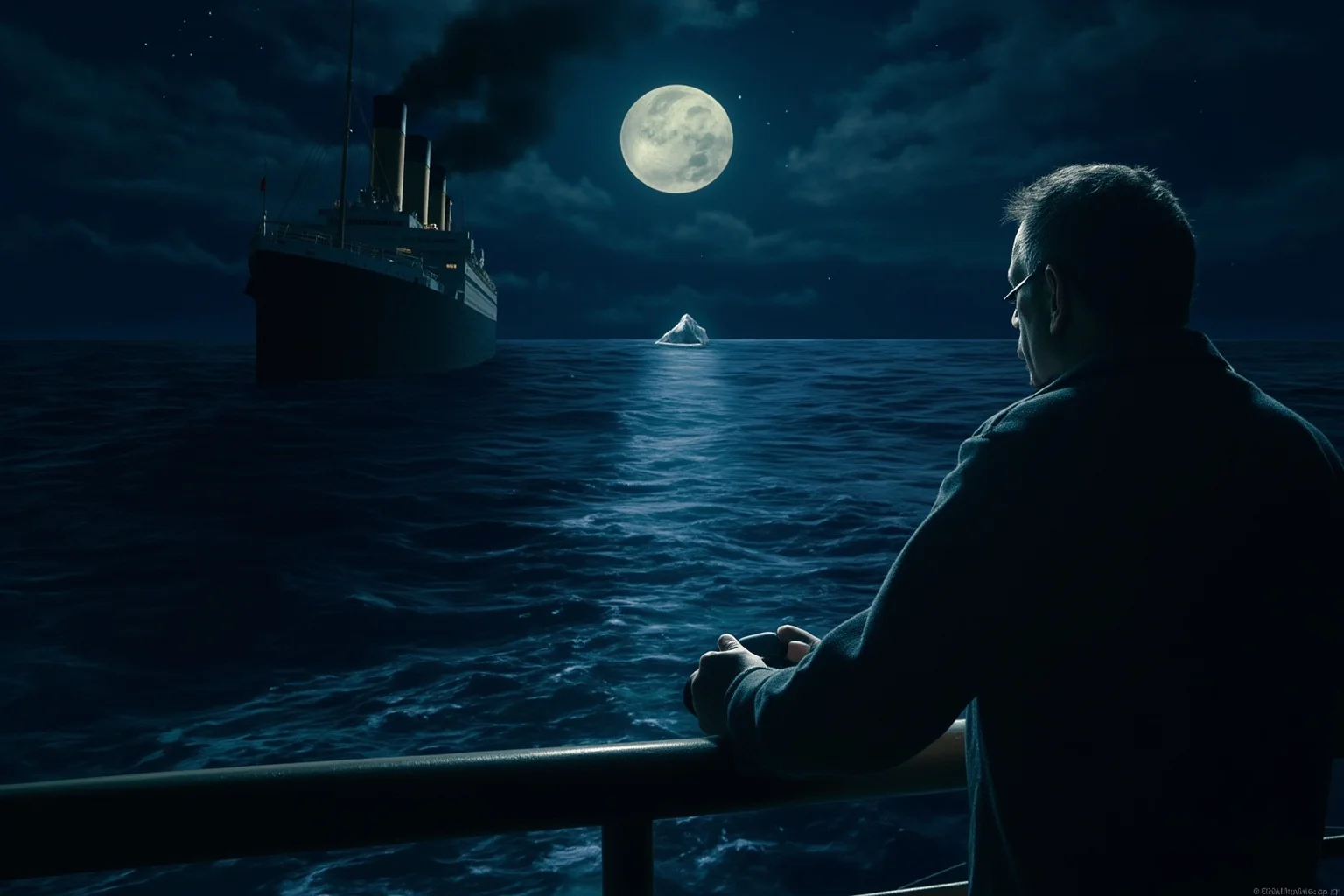
The Titanic's fate is folklore now, but the mechanics were mundane. On April 14, 1912, lookouts had no binoculars in the crow's nest — the key to the binocular locker had reportedly been misplaced when crews swapped over. Even with binoculars, a moonless night and a flat-calm sea made spotting icebergs brutally hard; the flat calm prevented breaking waves from cresting white at the waterline.
A single item — a key — didn't sink the ship. Design flaws, speed, ice conditions, and inadequate lifeboats all contributed. But the loss of the key is a classic butterfly detail: a tiny inconvenience that fit into a larger set of vulnerabilities. Historians have documented the missing-key claim, and it's widely repeated, though its exact effect on the sinking is debated.
The Titanic reminds us that disaster is usually a stack of small papercuts, not one blow.
20. A Typo That Almost Started a Nuclear War
In 1983, during a period of extreme Cold War tension, a Soviet early-warning system reported the launch of American ICBMs. The officer on duty, Stanislav Petrov, judged it a false alarm — five missiles made no strategic sense — and declined to report it up the chain, contrary to protocol. The alarm turned out to be a glitch caused by sunlight reflecting off high-altitude clouds, a phenomenon the satellite system's algorithms misread.
Petrov's decision, later reported and widely celebrated, likely prevented a catastrophic escalation. The specifics have been retold many times; the broad outlines are well documented. A satellite software flaw — the butterfly's wing — nearly triggered the end of the world, and a human judgment call swatted it down.
It's the most chilling butterfly effect example on this list, and the most hopeful: sometimes the flap is stopped by one person saying "that doesn't look right." If you want to understand the climate of fear that made such a moment possible, the history of the Red Scare and its effects on America is a good starting point.
The Myth and the Math: How to Read Butterfly Effect Stories
By now you've probably noticed a pattern. The compelling versions of these stories often clip a chain and present one link as the cause. The failed bomb, the dead Archduke's wrong turn, the assassin's bad luck — each becomes a story about fate. Real history is thicker: multiple causes, deep structures, and contingency layered on contingency.
That doesn't make the butterfly effect false. It just makes it a lens, not a law of history. Use it to appreciate the role of chance, to respect how fragile our assumptions about inevitability really are, and to be suspicious of anyone using a single small event to explain a giant outcome. If you want the original, rigorous version of the idea, read about Lorenz and chaos theory; if you want the version that shows up in movies and bar arguments, remember that it's a metaphor with a footnote.
Also worth saying: over-claiming the butterfly effect can be its own kind of myth. "A butterfly flapped, so Rome fell" is not an argument. It's a meme. But "small choices in complex systems can compound unpredictably" is a genuinely powerful and well-evidenced idea. If you'd like to see how these forces have played out across other pivotal social and political shifts, take a look at these major revolutions throughout history.
So, Is the Butterfly Effect True?
In the scientific sense, yes — sensitive dependence on initial conditions is real and has been demonstrated in models and observed in real systems. In the narrative sense, it's an analogy that illuminates some historical moments better than others. The best butterfly effect stories are the ones where we can actually trace the chain and show the amplification, and where historians agree on the mechanism rather than just the vibes.
If you take one thing from this tour of butterfly effect examples through history, let it be this: the world is more contingent than it looks. Tiny decisions do matter. And the next time someone tells you history couldn't have gone any other way, remember the wrong turn, the missing key, and the officer who said no.
That's the craziest part of all — and it's the reason the butterfly effect will keep showing up in war and historical events for as long as people study how we got here.
Frequently Asked Questions
What’s the butterfly effect in simple terms?
The butterfly effect is the idea that a tiny change in one part of a complex system can produce a huge, unpredictable change somewhere else later on. The name comes from meteorologist Edward Lorenz, who suggested that the flap of a butterfly's wings in Brazil could theoretically influence a tornado in Texas. It doesn't mean small things literally cause every big event — it means some systems are so sensitive to initial conditions that small inputs can amplify enormously over time.
Is the butterfly effect true, or is it just a movie concept?
The butterfly effect is true in the scientific sense: it's a cornerstone of chaos theory and describes how non-linear systems like weather, ecosystems, and economies have sensitive dependence on initial conditions. Edward Lorenz demonstrated it with real weather simulations in the 1960s. The 2004 film popularized it as a time-travel plot device, but the underlying mathematics predates the movie by decades.
What field of study involves the butterfly effect?
The butterfly effect belongs to chaos theory, a branch of mathematics and physics that studies how complex, non-linear systems behave. Related fields include meteorology, complexity science, systems theory, and dynamical systems mathematics. Researchers in these areas study how small uncertainties grow over time and why long-term prediction has hard limits in certain systems.
What is the best historical example of the butterfly effect?
The assassination of Archduke Franz Ferdinand in 1914 is the most famous example. A failed bomb, a wrong turn by his driver, and a stalled car put the Archduke directly in front of Gavrilo Princip, whose shots triggered the July Crisis that led to World War I. Historians still debate how much of the war was inevitable, but the specific trigger was pure contingency — a chain of tiny accidents that almost didn't happen.
Are butterfly effect stories in history exaggerated?
Sometimes, yes. Historians caution against single-cause explanations, because major events usually have multiple structural causes. The butterfly effect is best used as a lens for appreciating contingency rather than as a claim that one small event determined everything. Some popular tales — like the story of the Archduke's bulletproof zipper — are difficult to verify and may be embellished, so it's worth checking sources before repeating them.

Alex Warren
Related Articles