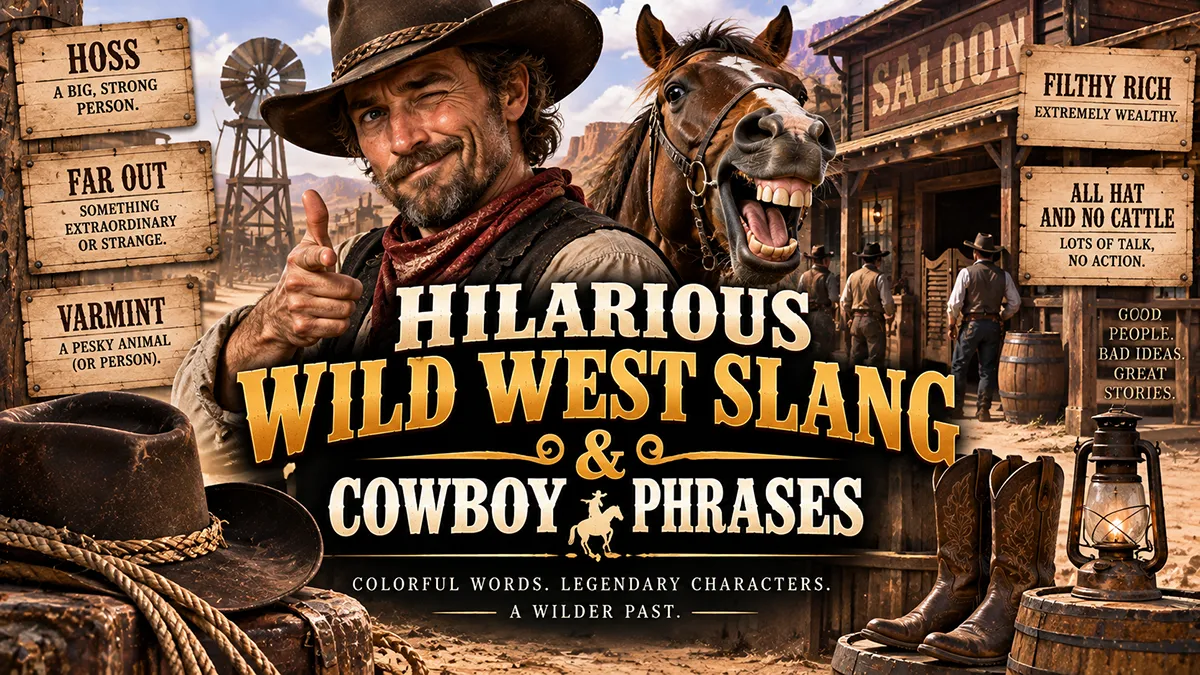
Cowboys, prospectors, and trail hands didn’t just ride horses and rustle cattle — they talked a mile a minute in a language all their own. Wild West slang grew out of cattle drives, saloons, mining camps, and long stretches of boredom on the range, and a lot of it was designed to make people laugh, brag, or scare off a greenhorn.
Some of this old west slang was recorded by folklorists and lexicographers, most notably Ramon F. Adams in his 1944 glossary Western Words, while other phrases were polished up (or invented outright) decades later by Hollywood screenwriters and dime novelists trying to sound authentic.
That’s the fun — and the catch — of digging into cowboy colloquialisms today. Some terms are genuinely old west terminology pulled from ranch ledgers and frontier newspapers, while others are modern western lingo dressed up to feel historic, like the now-viral phrase “it’s about to get western.”
This list sorts through both, covering everything from western greetings and cowboy slang for party occasions to the darkly funny way frontier folks talked about death.
TL;DR: Wild West slang mixed genuinely old cowboy expressions and sayings with later Hollywood embellishments, and this guide sorts out which frontier phrases are real, which are exaggerated, and what they all actually mean.
What Made Old West Lingo So Colorful?
The American frontier of the mid-to-late 1800s was a linguistic melting pot. Cowboys picked up vaquero terms from Spanish-speaking ranch hands in Texas and California, borrowed words from Native American languages, and carried Southern and Appalachian dialect west with them on cattle drives. That mix produced a distinctive wild west terminology that outsiders often found baffling.
Much of this slang cowboy culture also came from necessity and boredom. Long cattle drives, isolated mining camps, and dangerous work meant men needed shorthand for exhaustion, fear, whiskey, and death — often delivered with a joke to take the sting out of it. Humor was a survival tool as much as a personality trait.
It’s worth noting that not everything we associate with “authentic” cowboy talk actually comes from the 1800s. Dime novels of the era and Western films of the 20th century added their own flourishes, and some phrases modern audiences assume are frontier-era western idioms are really 20th- or 21st-century inventions dressed in period costume. We’ll flag those as we go.
Western Greetings And Everyday Talk
1. Howdy
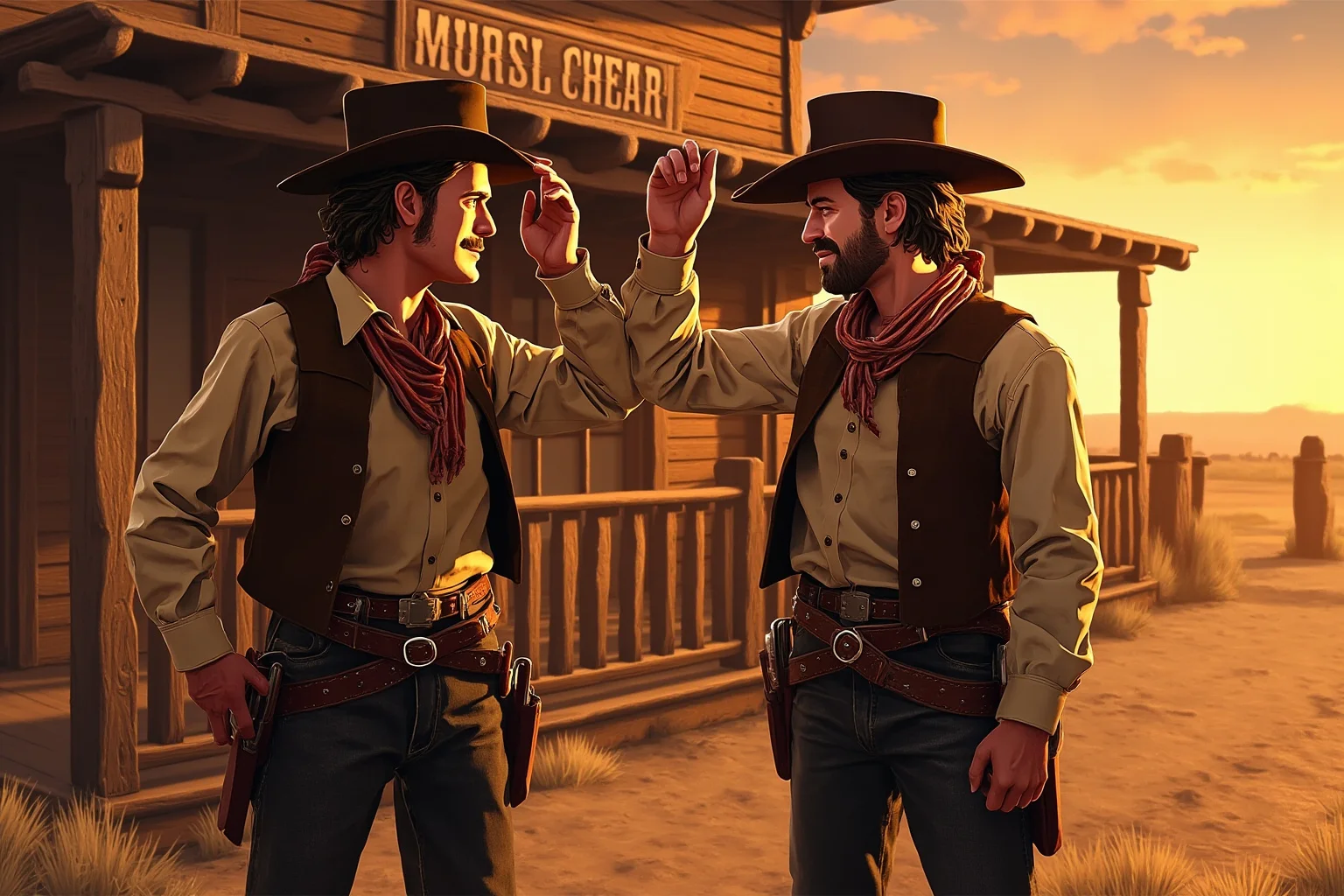
Short for “how do you do,” howdy is probably the most recognizable of all western greetings. It was in common use across the American South and West well before it became a Hollywood cowboy cliché, and it’s one of the few terms on this list still used sincerely today.
2. Much Obliged
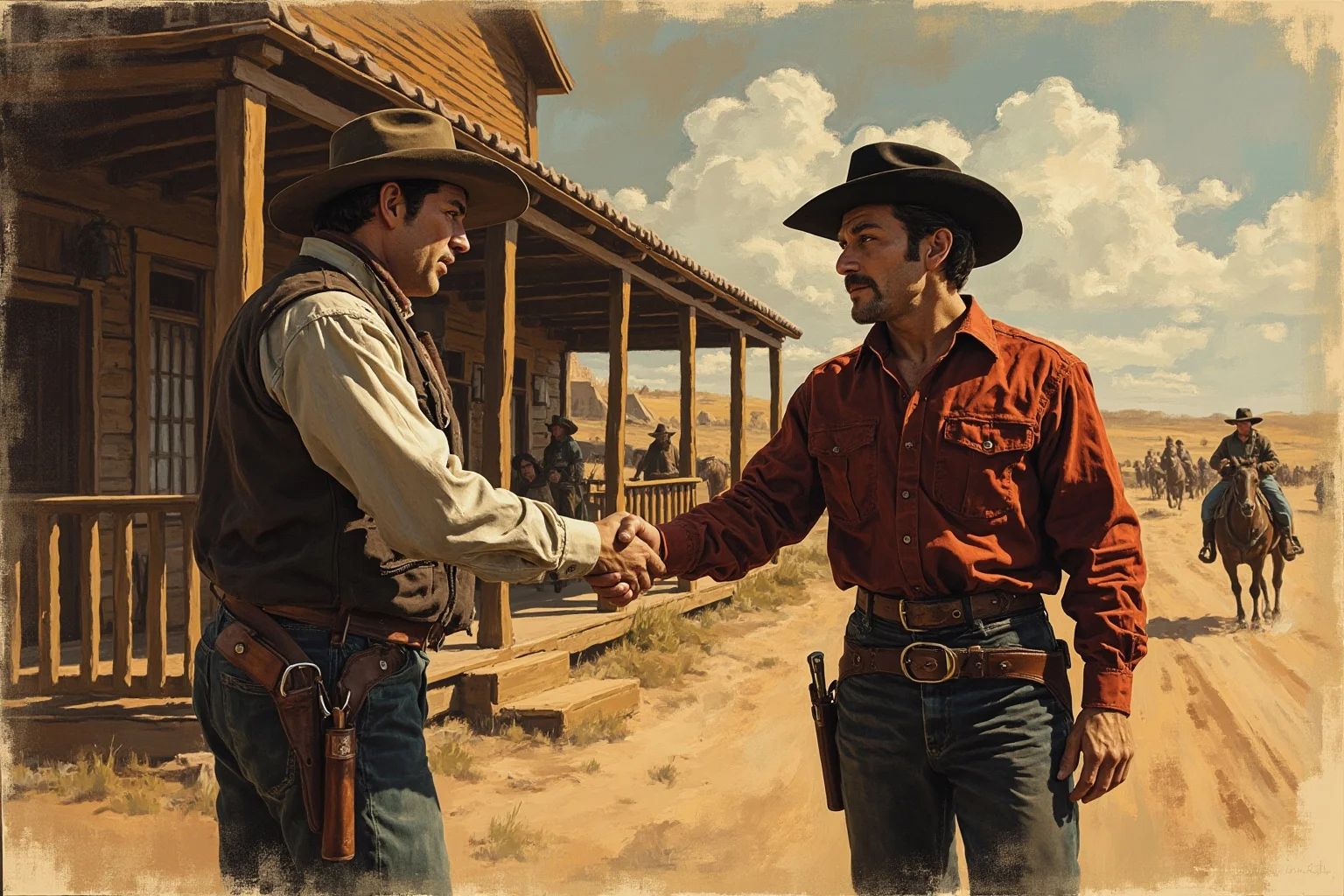
This was the frontier’s version of “thanks so much,” used after a favor, a meal, or a piece of advice. It sounds formal to modern ears, but it was everyday cowboy talk rather than fancy language reserved for special occasions.
3. Fixin’ To
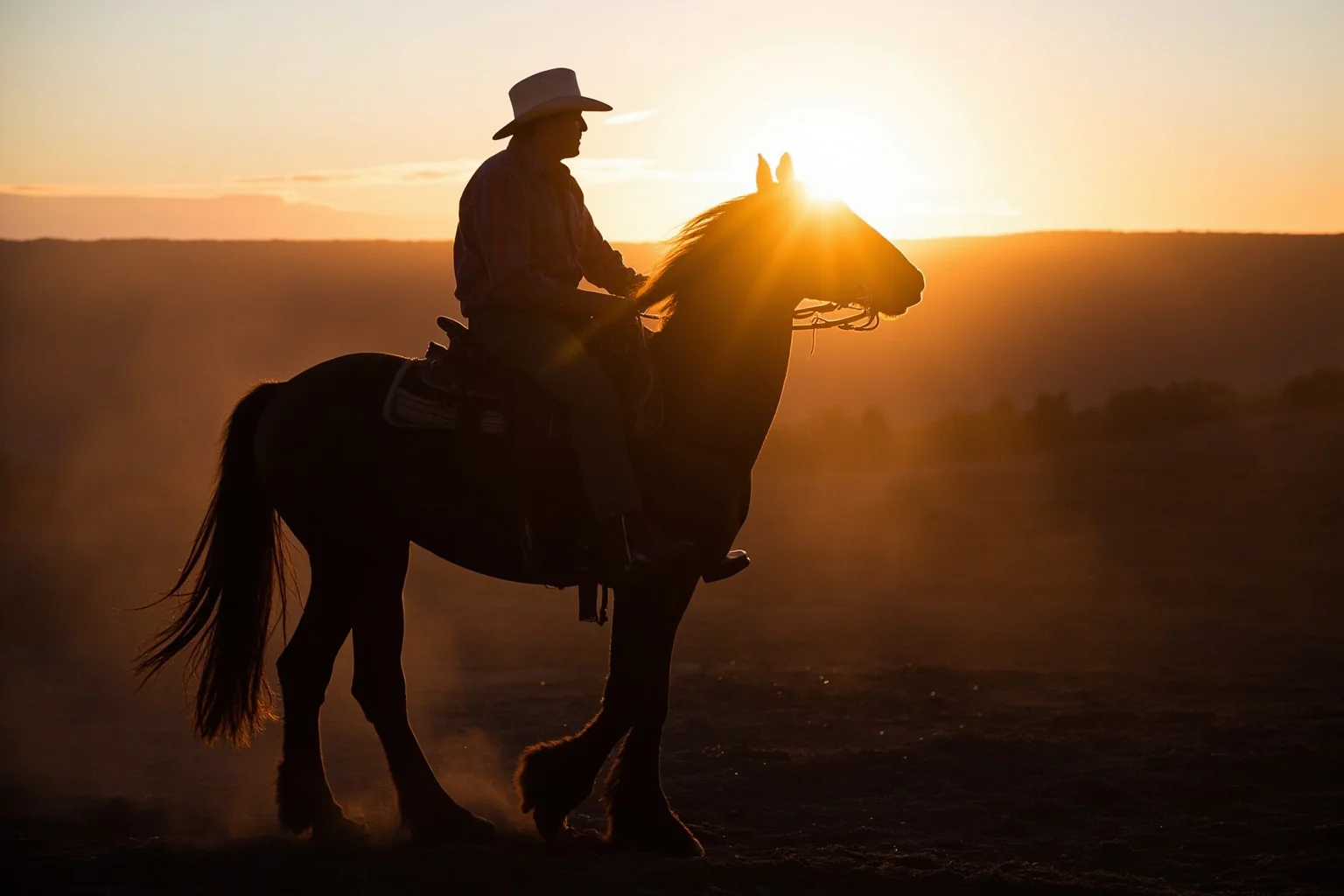
Meaning “about to” or “getting ready to,” this phrase is still alive and well across the American South and West. On the frontier, you might hear a cowhand say he was “fixin’ to head out at first light.”
4. Reckon
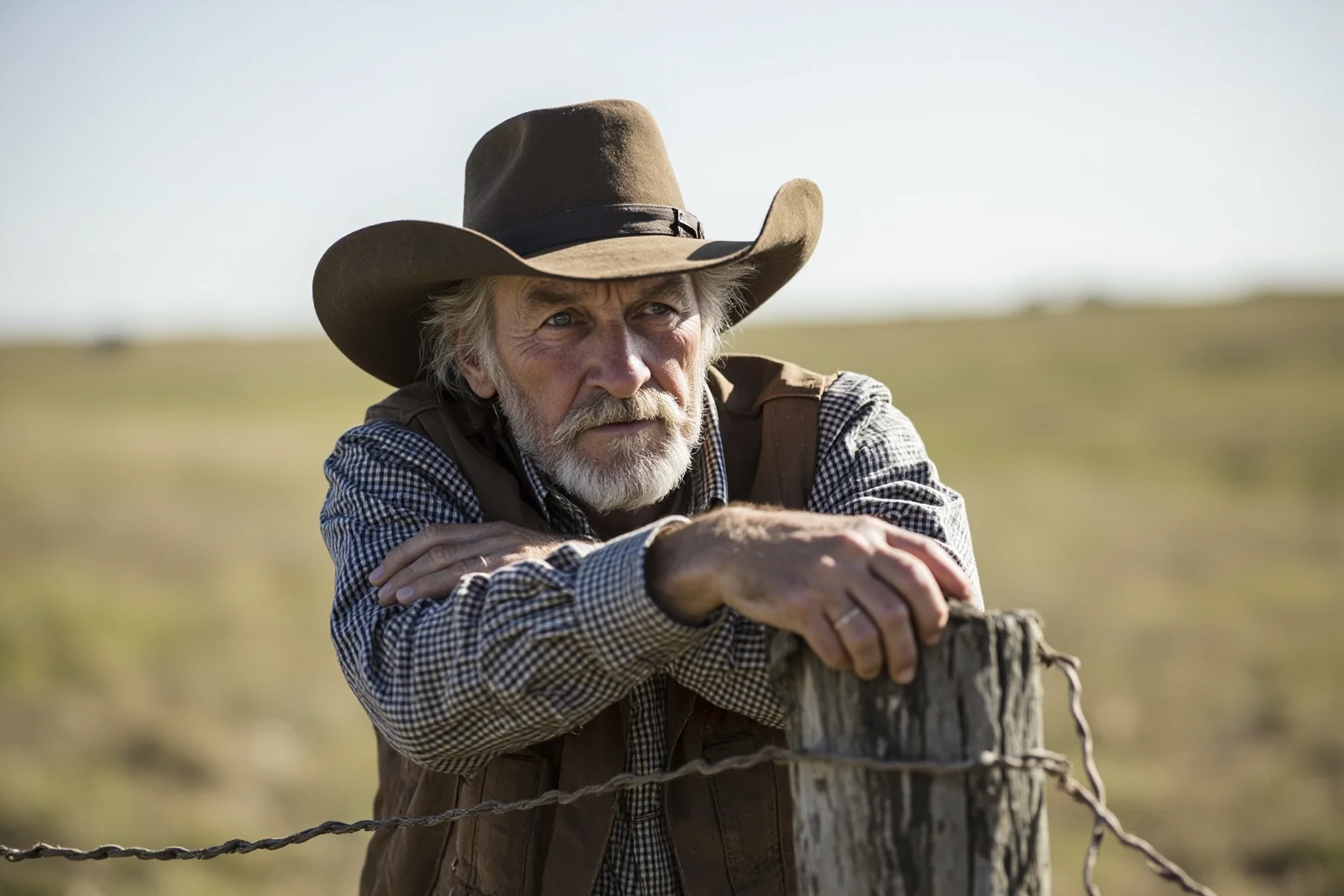
Used in place of “suppose” or “think,” as in “I reckon it’ll rain.” It’s one of the simplest and most enduring pieces of old west jargon, borrowed from earlier British and Appalachian English.
Cowboy Slang For Party Time And Trouble
5. It’s About To Get Western
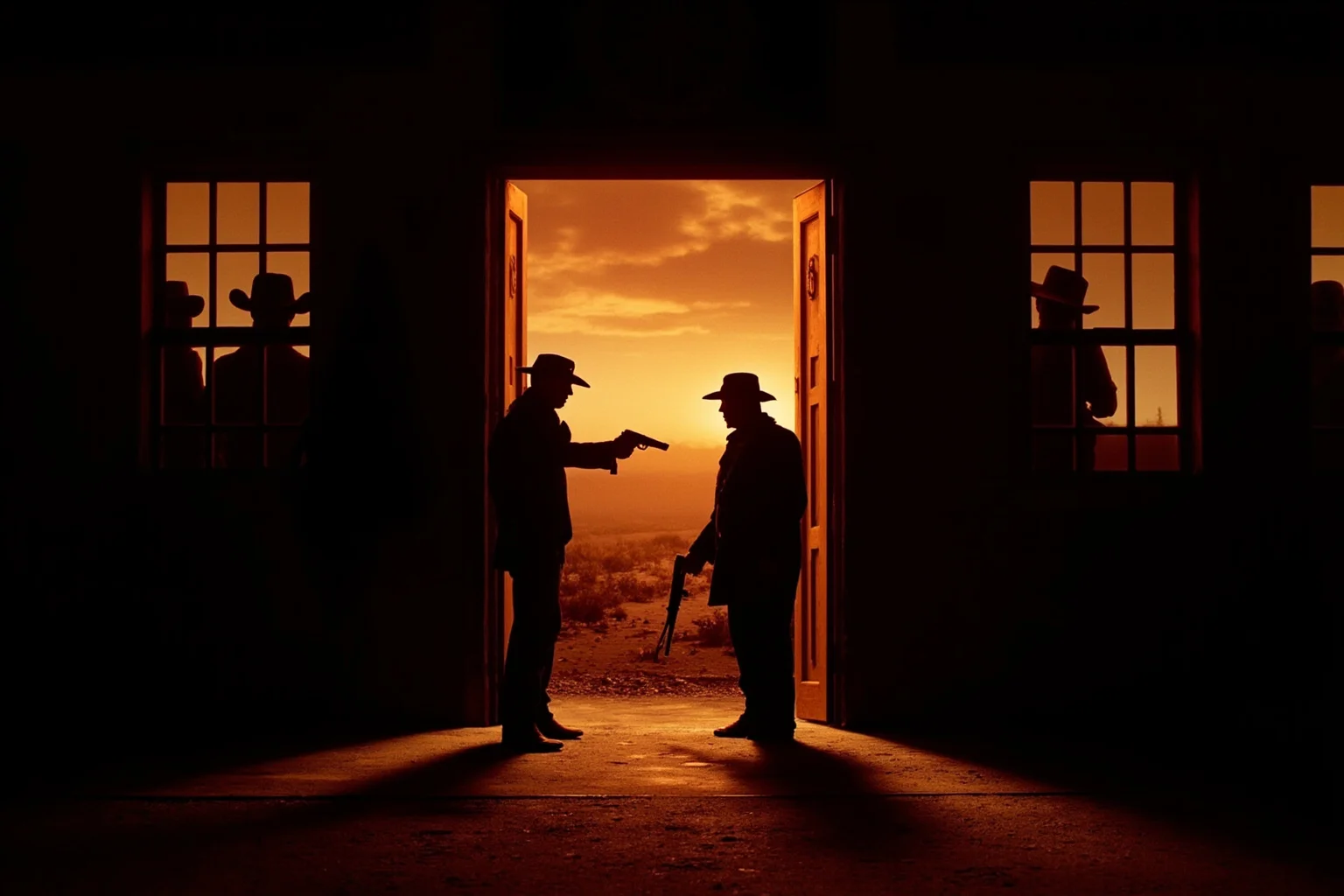
This one deserves an honest myth-bust. Despite feeling like a saloon-era threat, “it’s about to get western” meaning trouble or a fight is actually a much more modern turn of phrase, popularized through country music and internet culture rather than any documented 19th-century source. It plays on the idea of a Wild West showdown, but there’s no solid historical record of frontier cowboys actually saying it.
6. Shindig
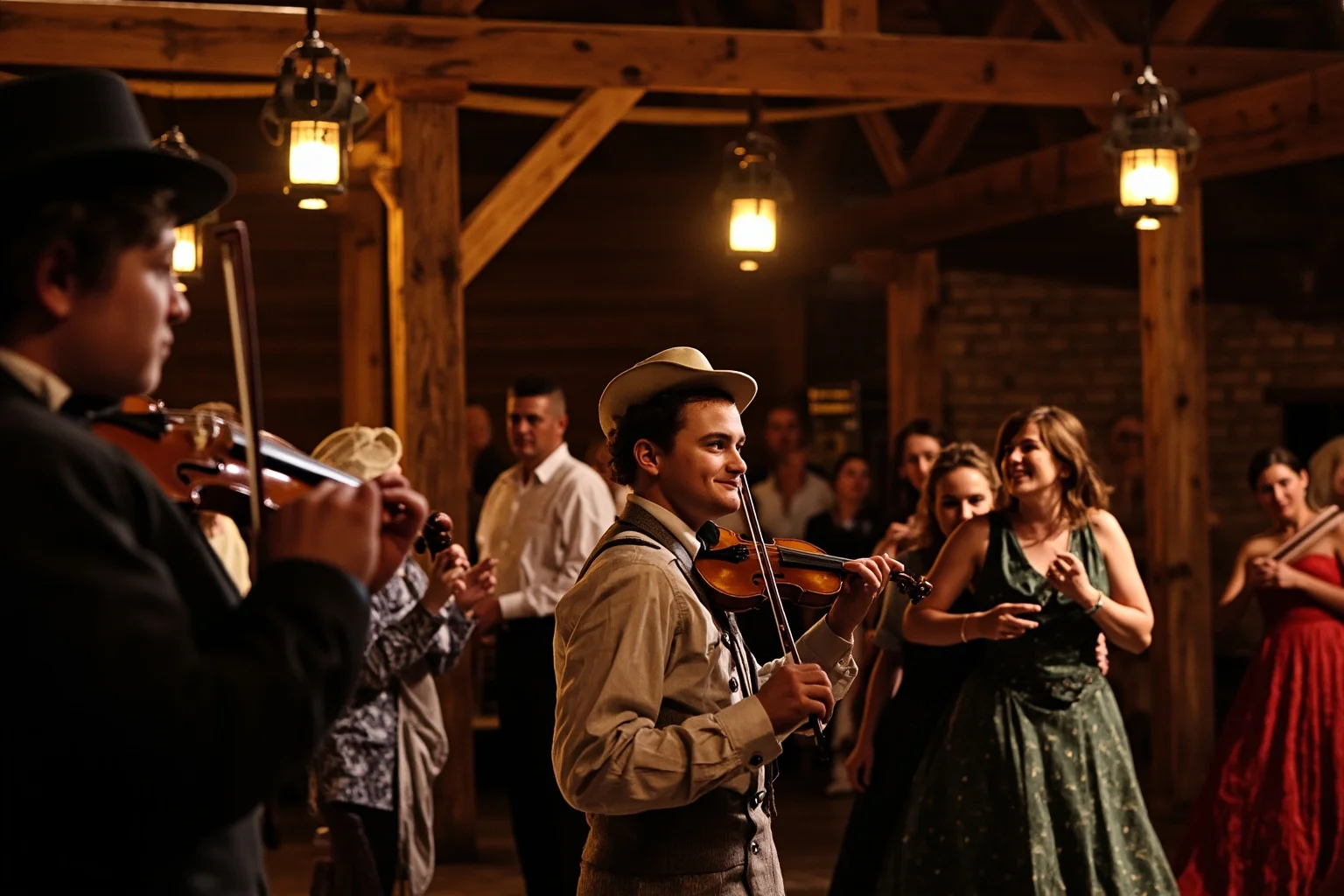
A shindig was a lively dance or party, often held in a barn or saloon after a long cattle drive. The word’s exact origin is debated, but by the mid-1800s it was firmly part of American slang for a rowdy good time.
7. Hoedown
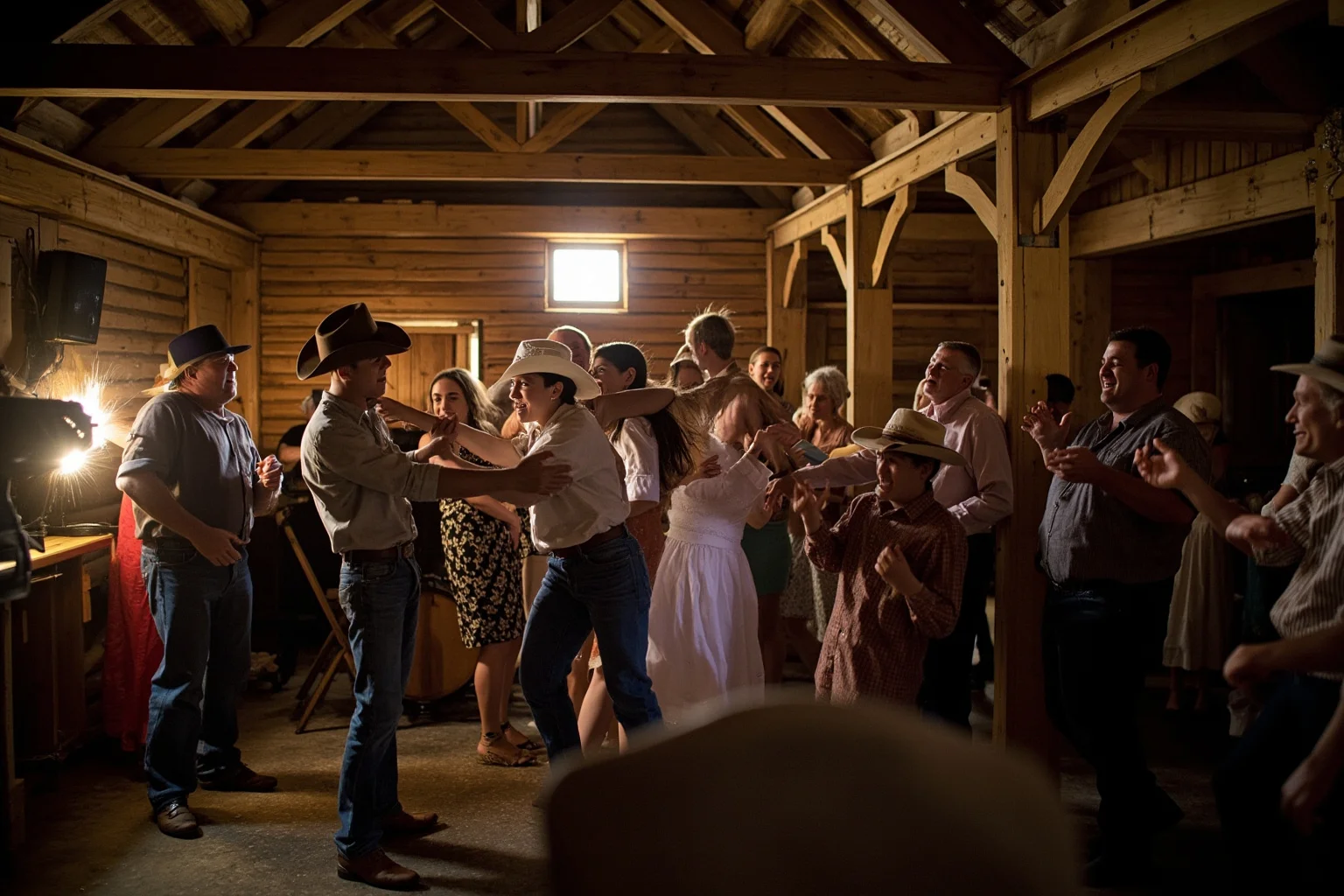
Another term for a country dance party, a hoedown typically involved fiddle music, stomping boots, and plenty of noise. It’s one of the more enduring bits of western slang for party occasions, still used today for barn dances and festivals.
8. Whoop-Up
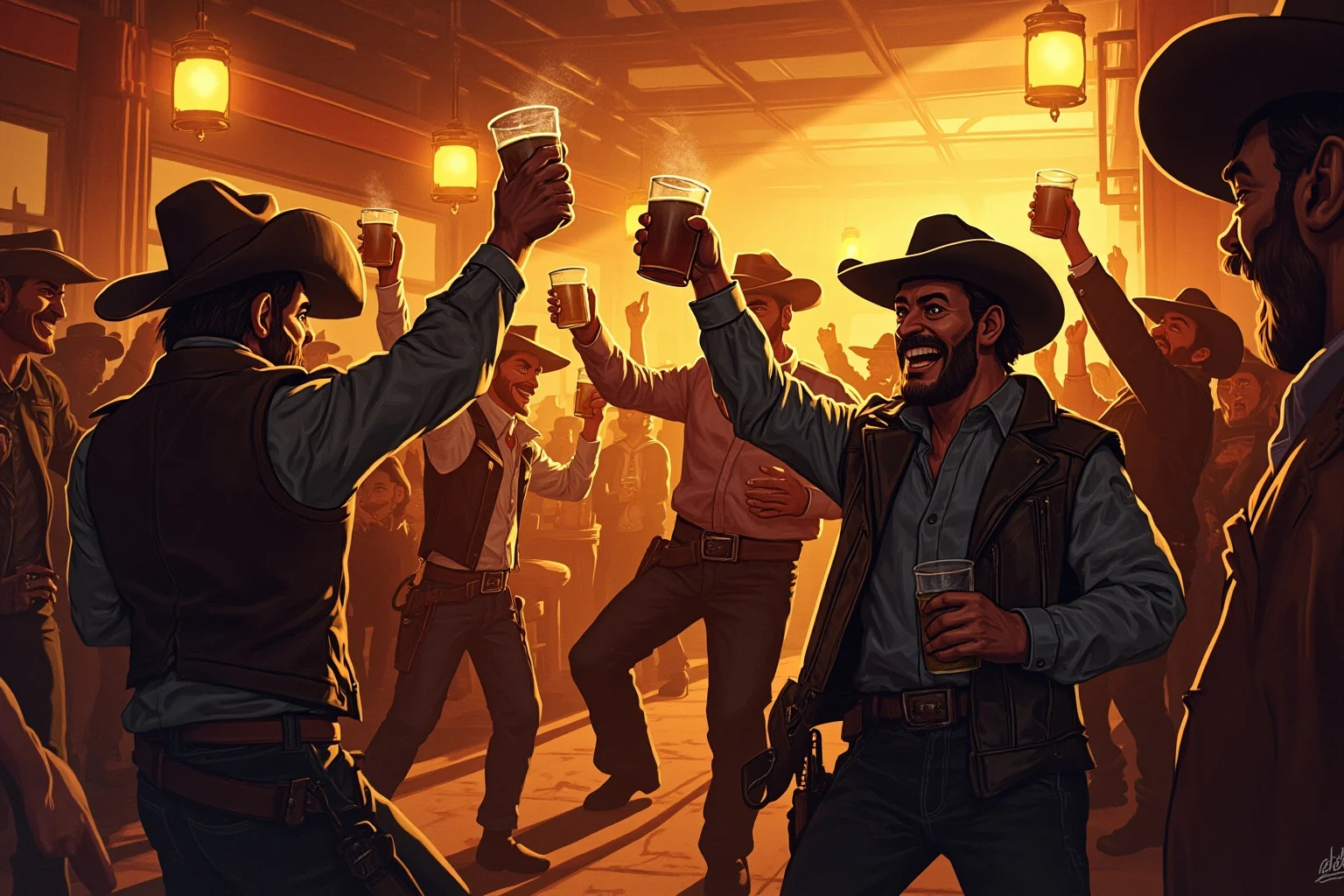
To “have a whoop-up” meant throwing a wild, loud celebration, often fueled by whiskey. It captures the same energy as a modern rager, just with more spurs and fewer speakers.
9. Paint The Town Red
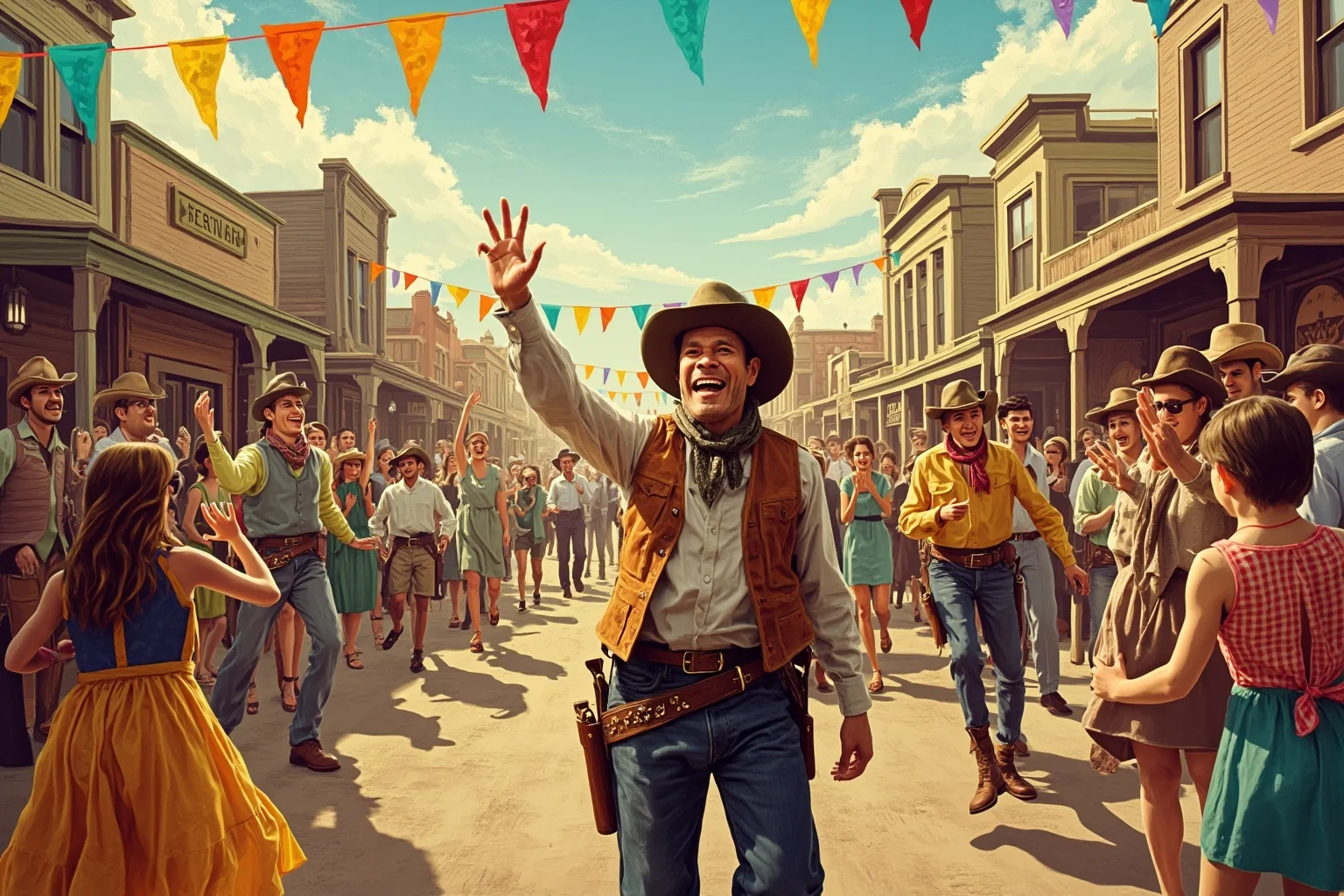
This phrase for a night of wild celebration is often linked to a raucous 1837 incident in Melton Mowbray, England, though the American frontier version is better documented in print by the 1880s. Either way, it became a favorite in cowboy lingo for party nights that got out of hand.
10. Hooch
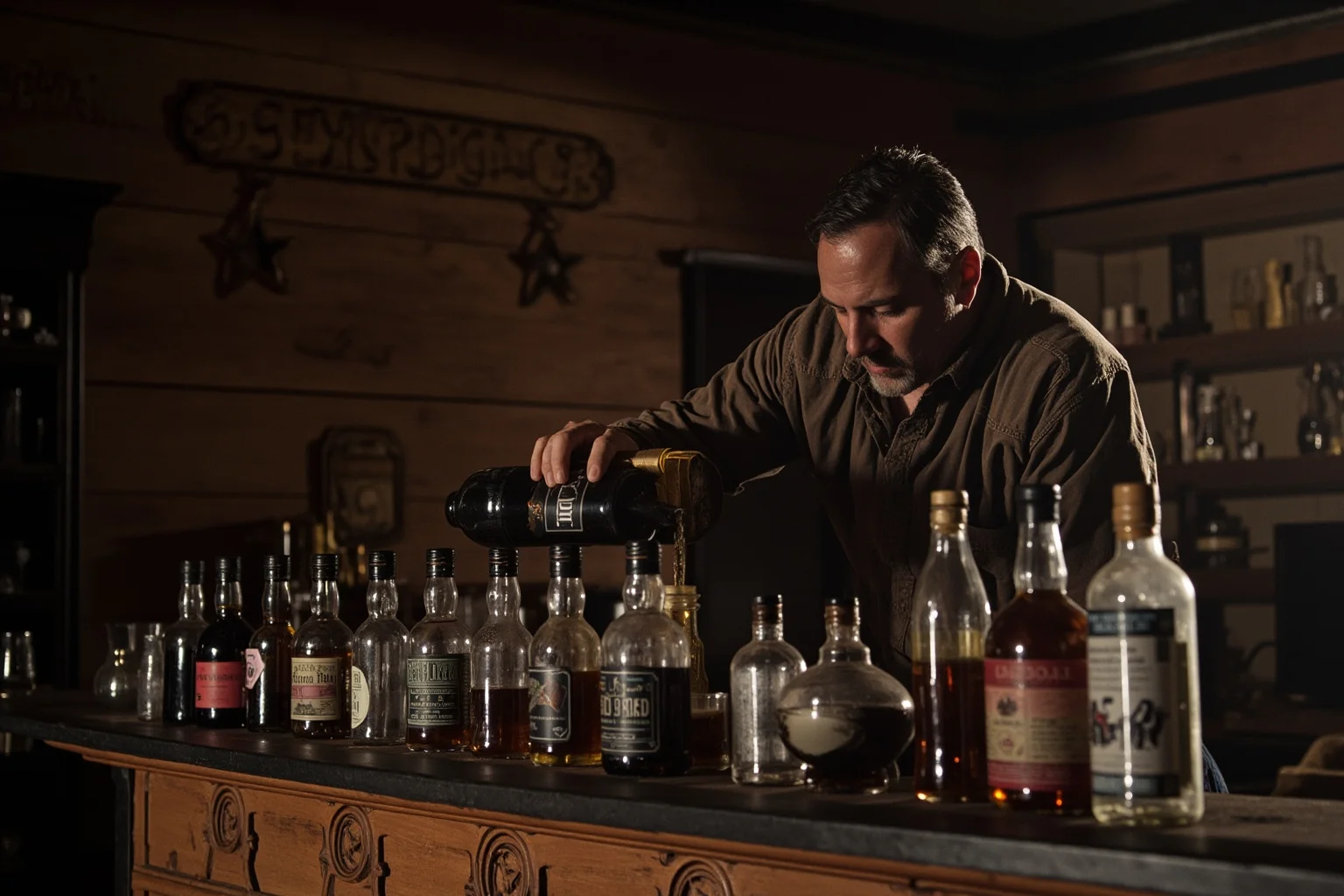
Hooch simply meant alcohol, particularly the rough, homemade kind found in mining camps and saloons. The term is often traced to the Hoochinoo people of Alaska, whose home-brewed liquor lent its name to the wider slang.
11. Tanglefoot
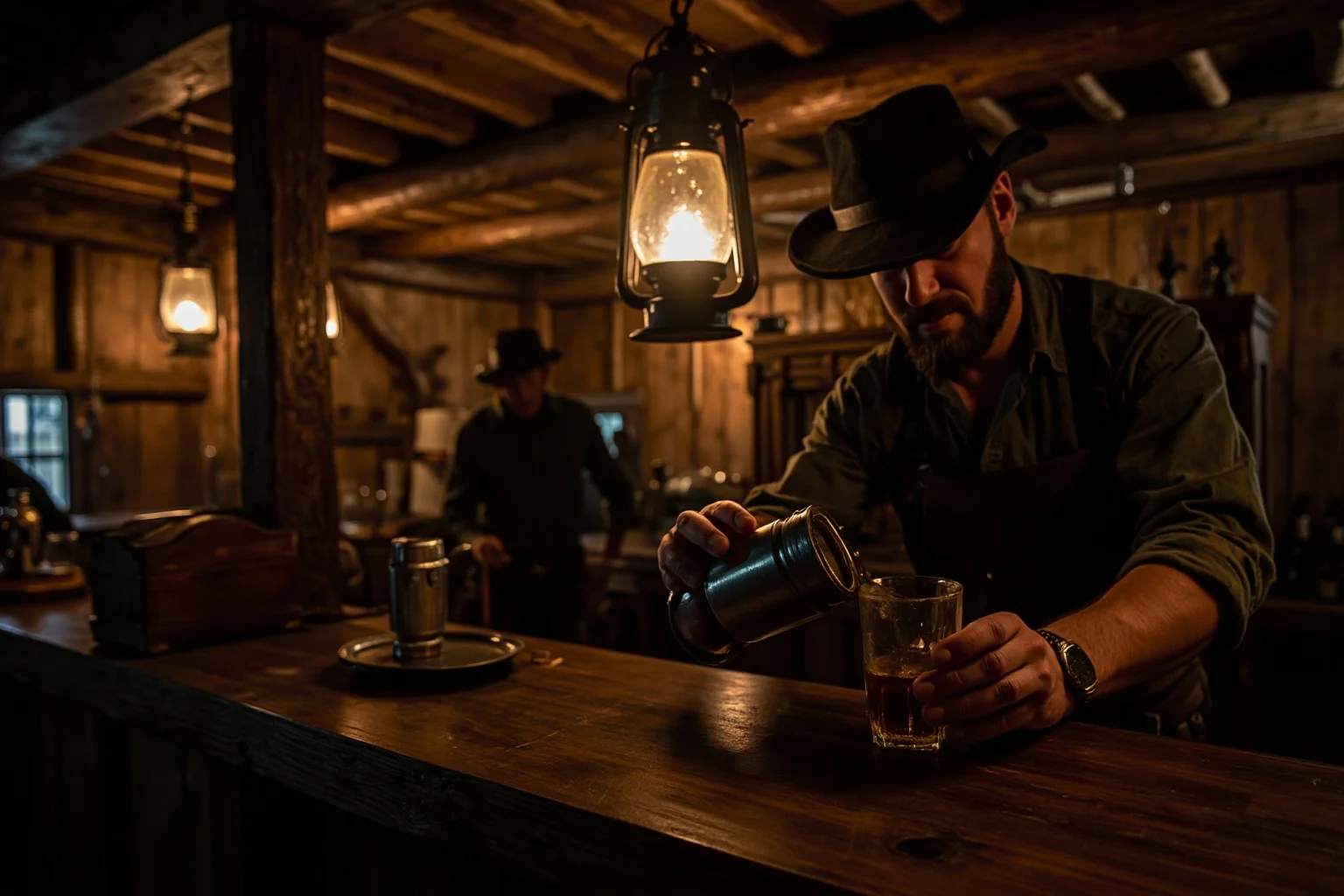
A vivid nickname for cheap, strong whiskey that could supposedly tangle up your feet after just a shot or two. It’s a great example of the humor baked into old west slang — naming the drink after what it did to you.
12. Tarantula Juice And Coffin Varnish
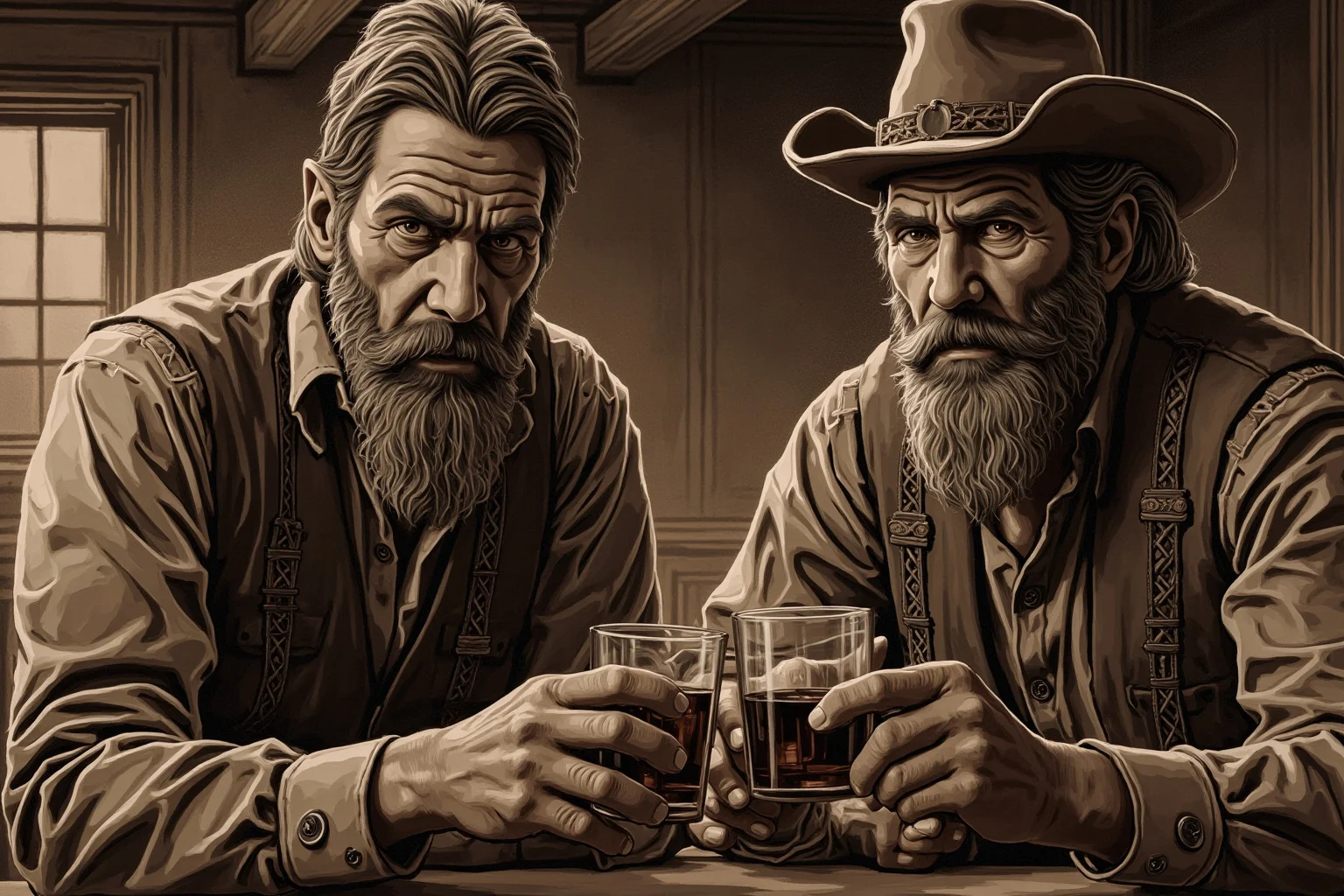
These two nicknames for rotgut whiskey tell you everything you need to know about frontier liquor quality. “Coffin varnish” implied the drink was strong enough to kill you, while “tarantula juice” suggested a bite you wouldn’t forget.
Tough Talk, Bragging, And Insults
13. Yellow-Bellied
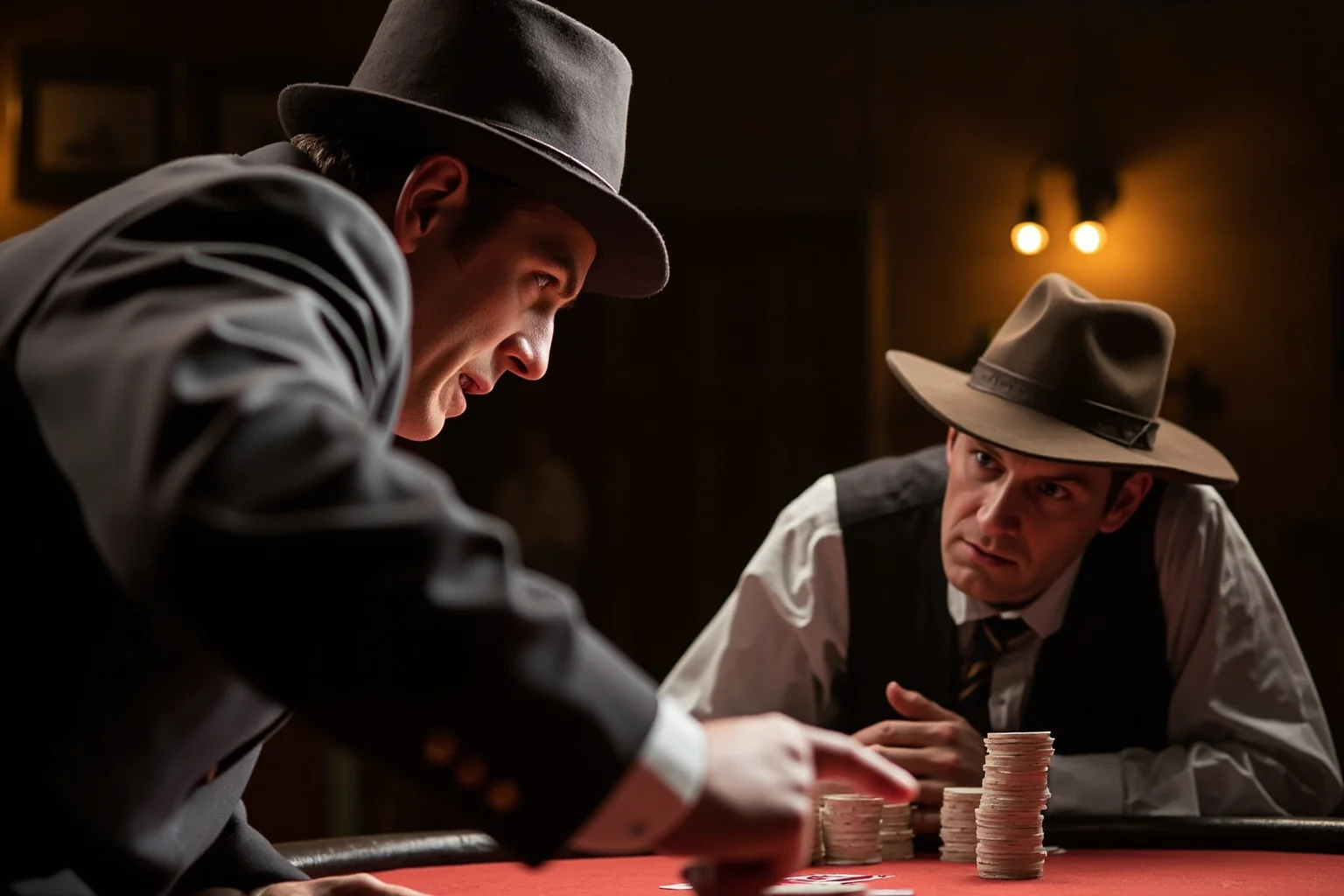
Calling someone yellow-bellied meant branding them a coward, and it was one of the most cutting insults you could level at a man on the frontier. The color yellow had long been associated with cowardice in English slang before it took root in the American West.
14. Hornswoggle
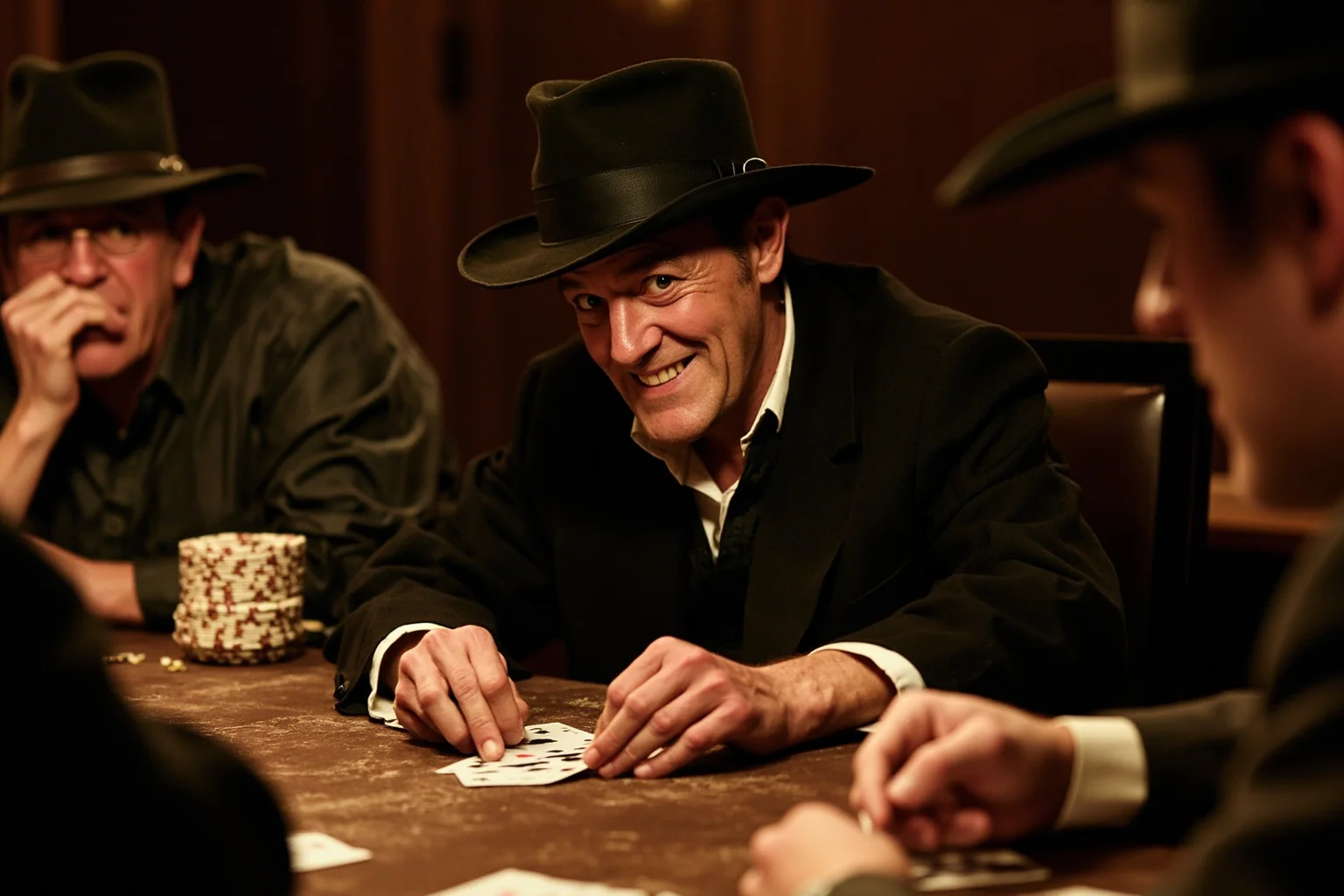
To hornswoggle someone was to cheat, trick, or deceive them, often in a card game or a shady land deal. It’s a delightfully silly-sounding word for what could be a serious accusation.
15. Ornery
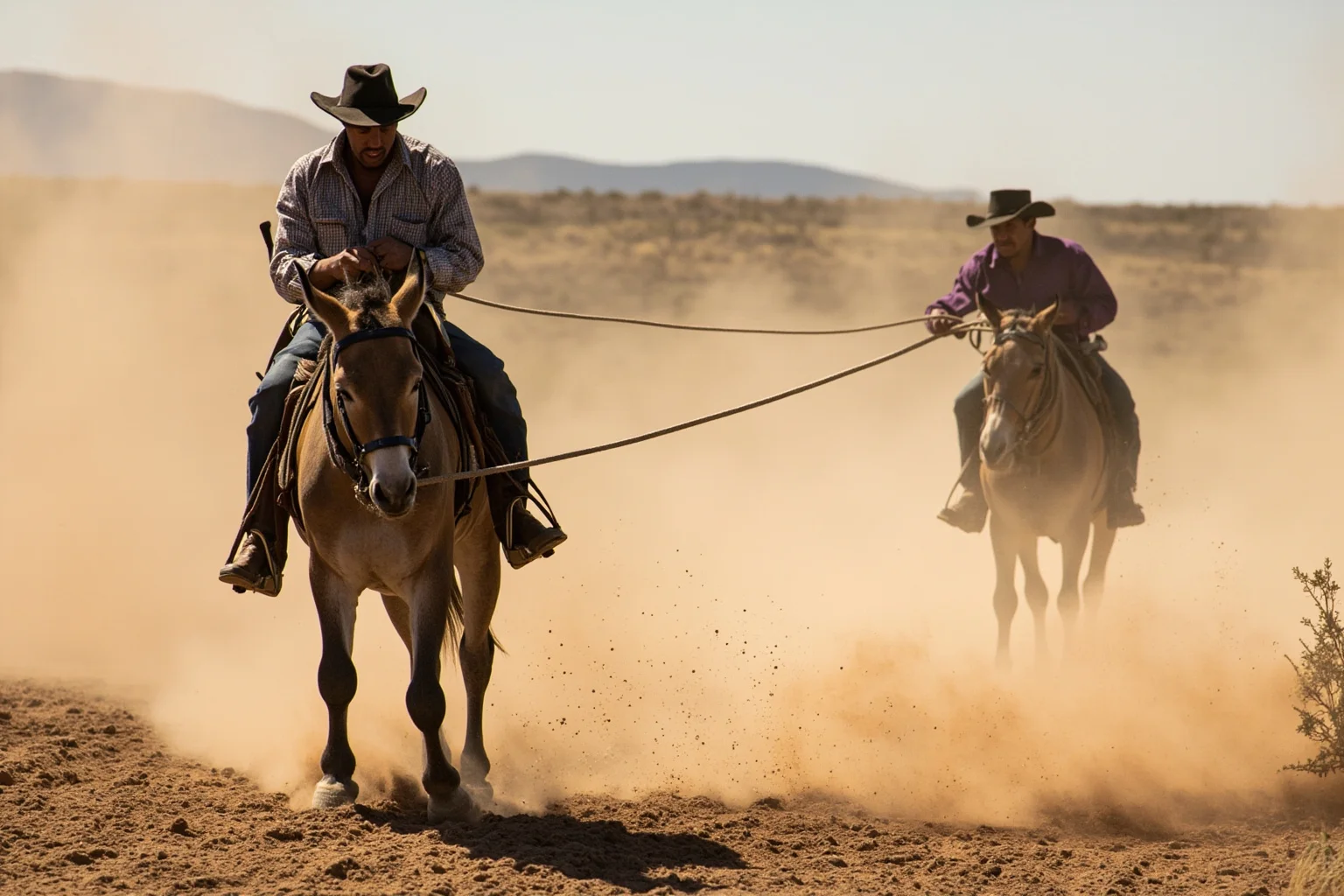
A shortened, drawled version of “ordinary,” ornery came to mean stubborn, cranky, or mean-tempered. It was applied equally to disagreeable mules and disagreeable men.
16. Persnickety
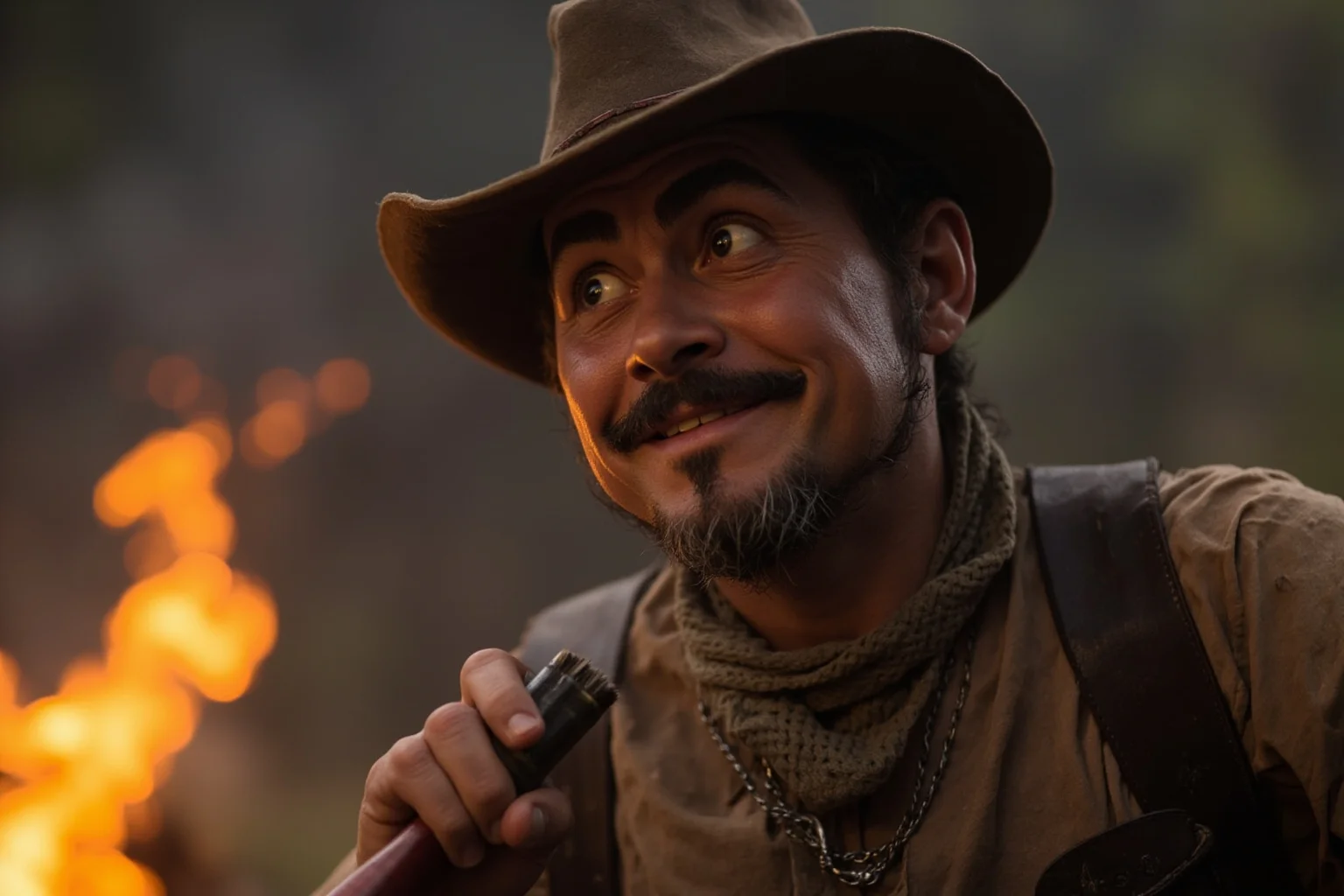
Someone persnickety was overly fussy or hard to please, often used to poke fun at a greenhorn who complained about trail food or dust. It’s still used today in much the same way.
17. Windy (Spinning A Yarn)
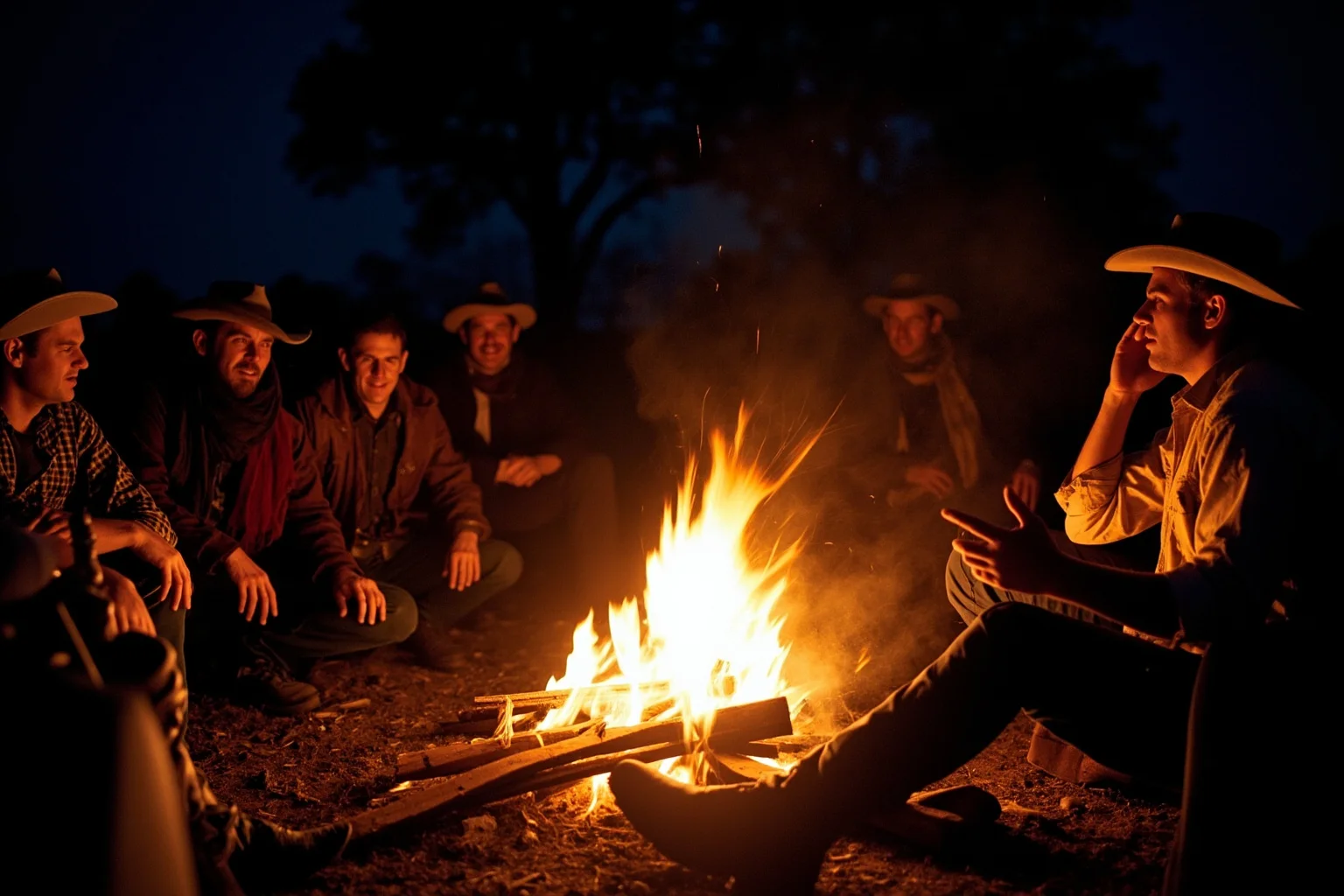
A “windy” was a tall tale, and someone telling one was said to be “spinning a yarn.” Cowboys spent long, quiet nights around the campfire competing to see who could stretch the truth the furthest.
18. Full Of Gas
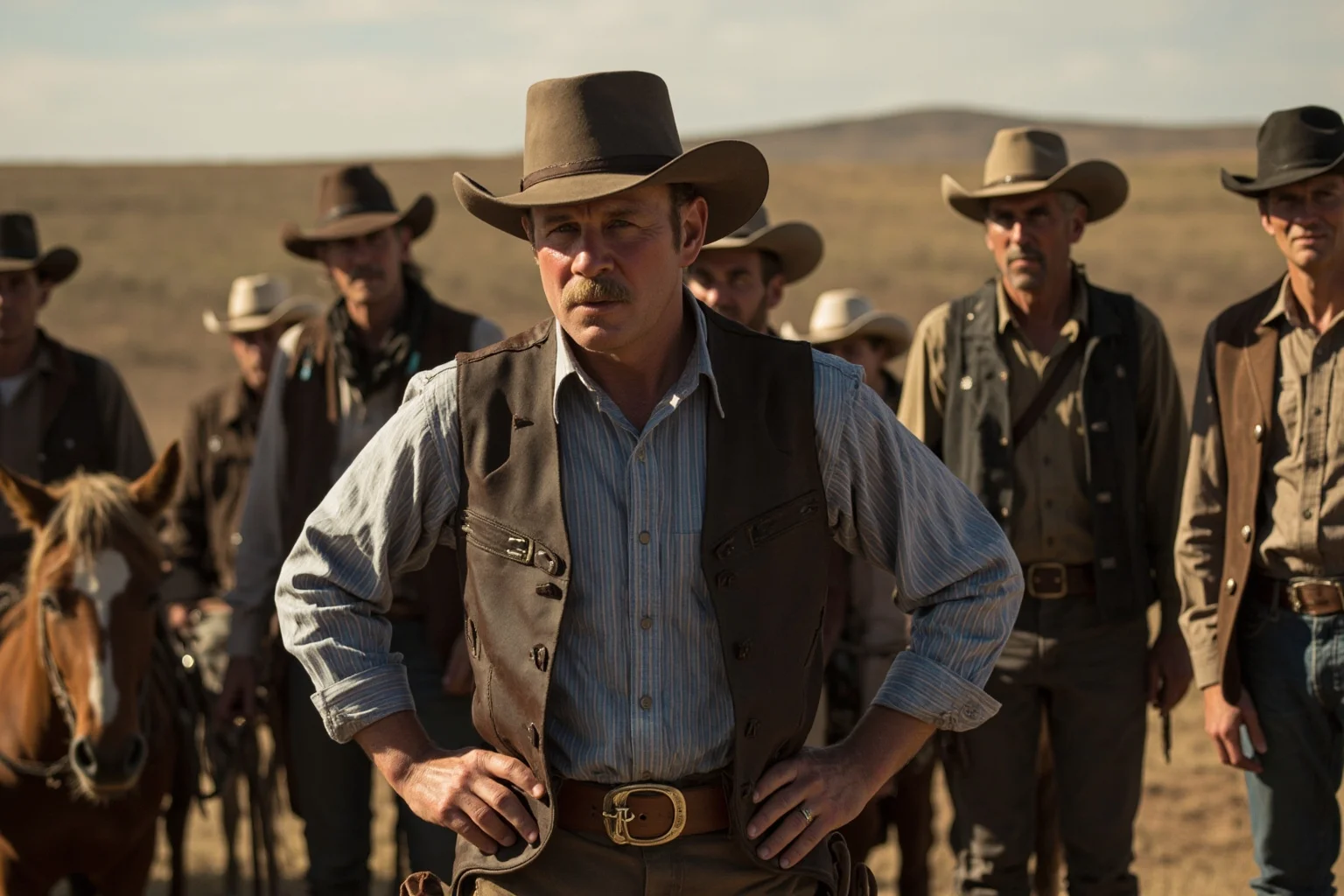
Used to describe a braggart or blowhard, this phrase suggested a man’s talk was mostly hot air with nothing behind it. It’s a cousin of the more familiar “full of hot air.”
Death, Danger, And Gunplay: The Dark Humor Of The Frontier
19. Bone Orchard
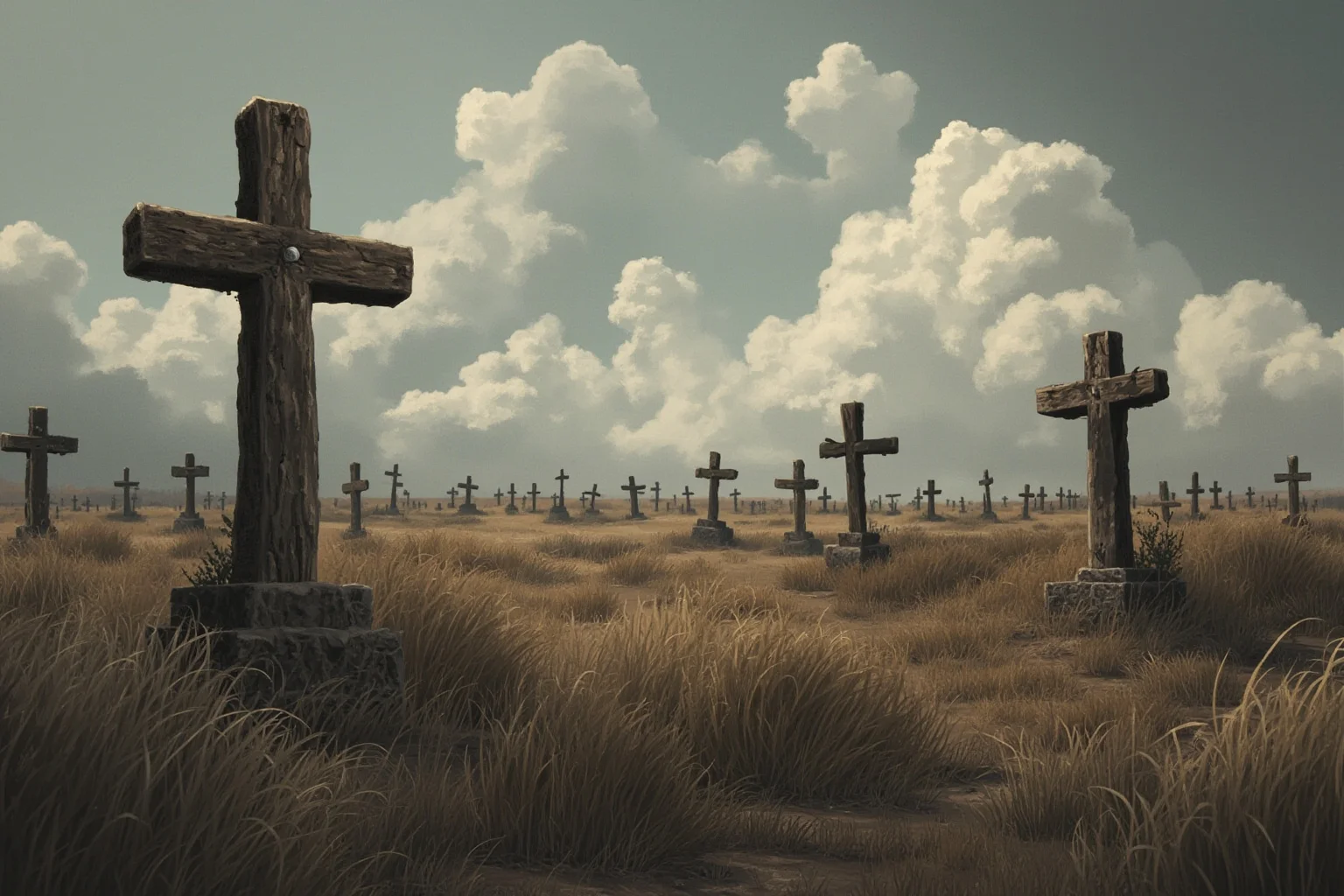
A cemetery, described with the same dry, matter-of-fact humor frontier folks used for most things related to death. Life expectancy was short and violence common, so gallows humor became a coping mechanism.
20. Pushing Up Daisies
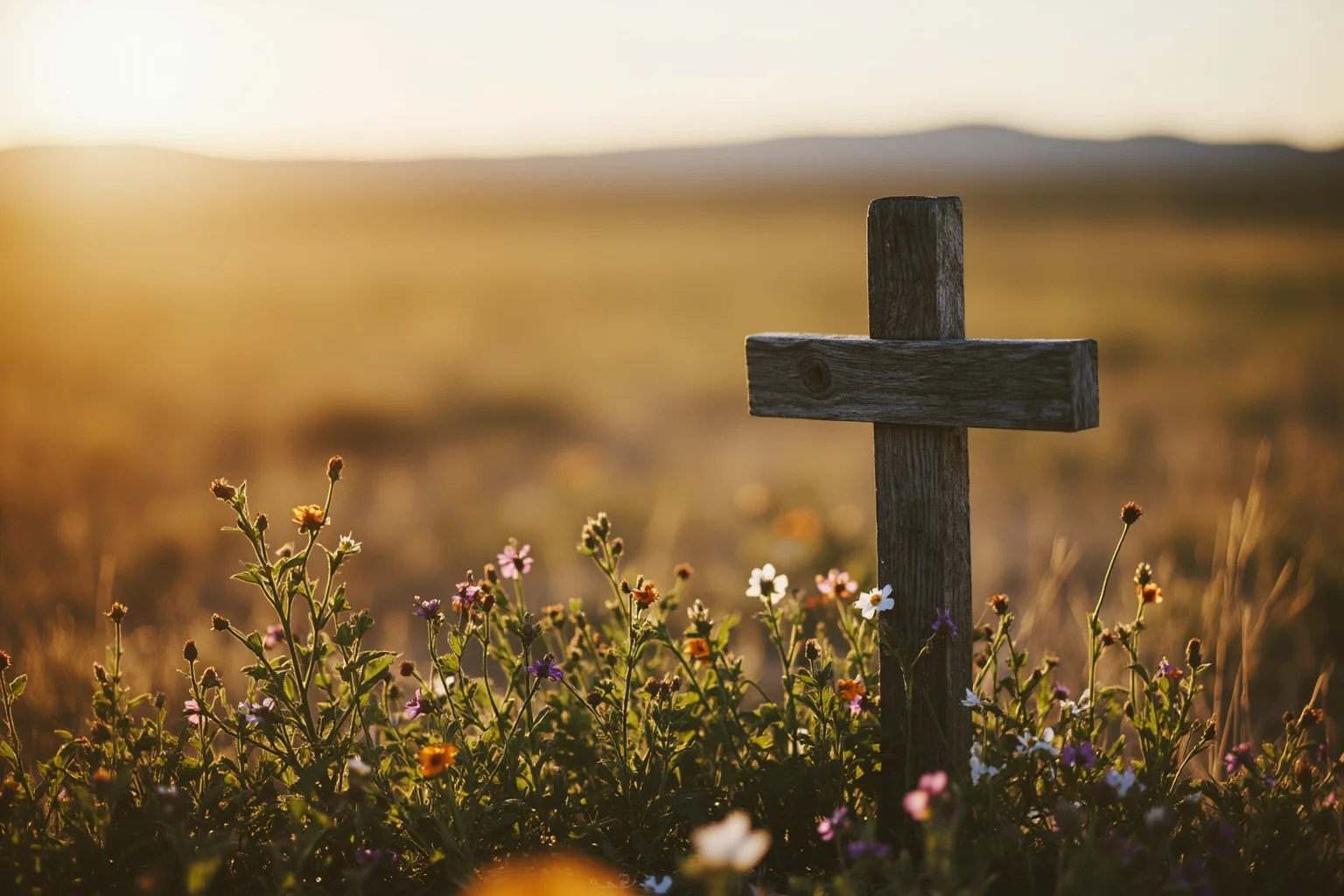
Meaning dead and buried, this phrase turns up in written English by at least the late 1800s and fit right into frontier vocabulary. It remains one of the most widely used old west sayings still heard today.
21. Lead Poisoning
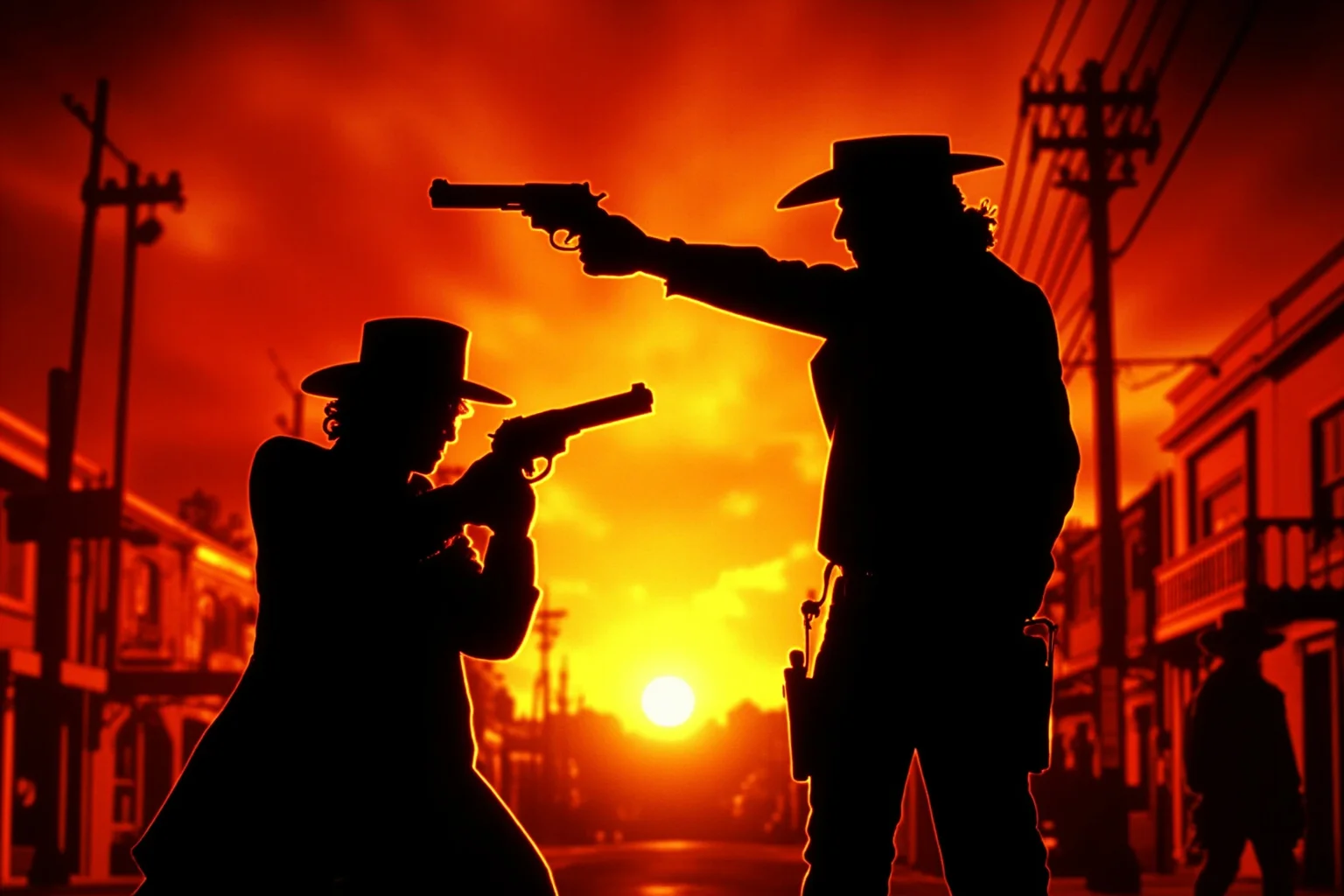
A grimly funny way to say someone had been shot, referencing the lead bullets rather than any medical condition. It’s the kind of joke that only makes sense in a place where gunfights, however less common than movies suggest, were a real risk.
22. Bit The Dust
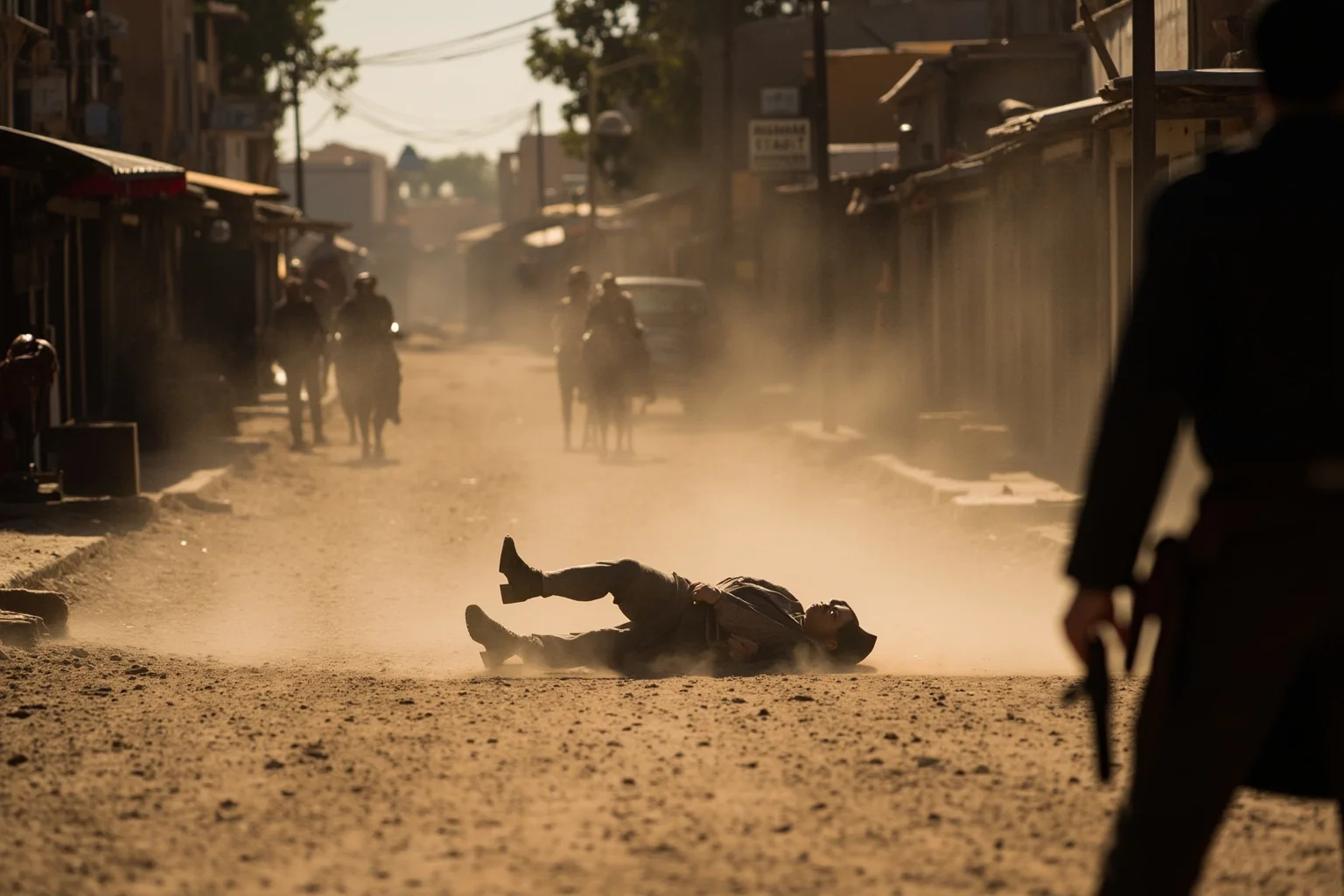
Used to describe someone who had died, often violently, this phrase likely predates the American frontier but became strongly associated with Western films and stories. Real frontier newspapers did use it, though nowhere near as often as Hollywood shootout scenes would suggest.
People, Places, And Everything In Between
23. Tenderfoot
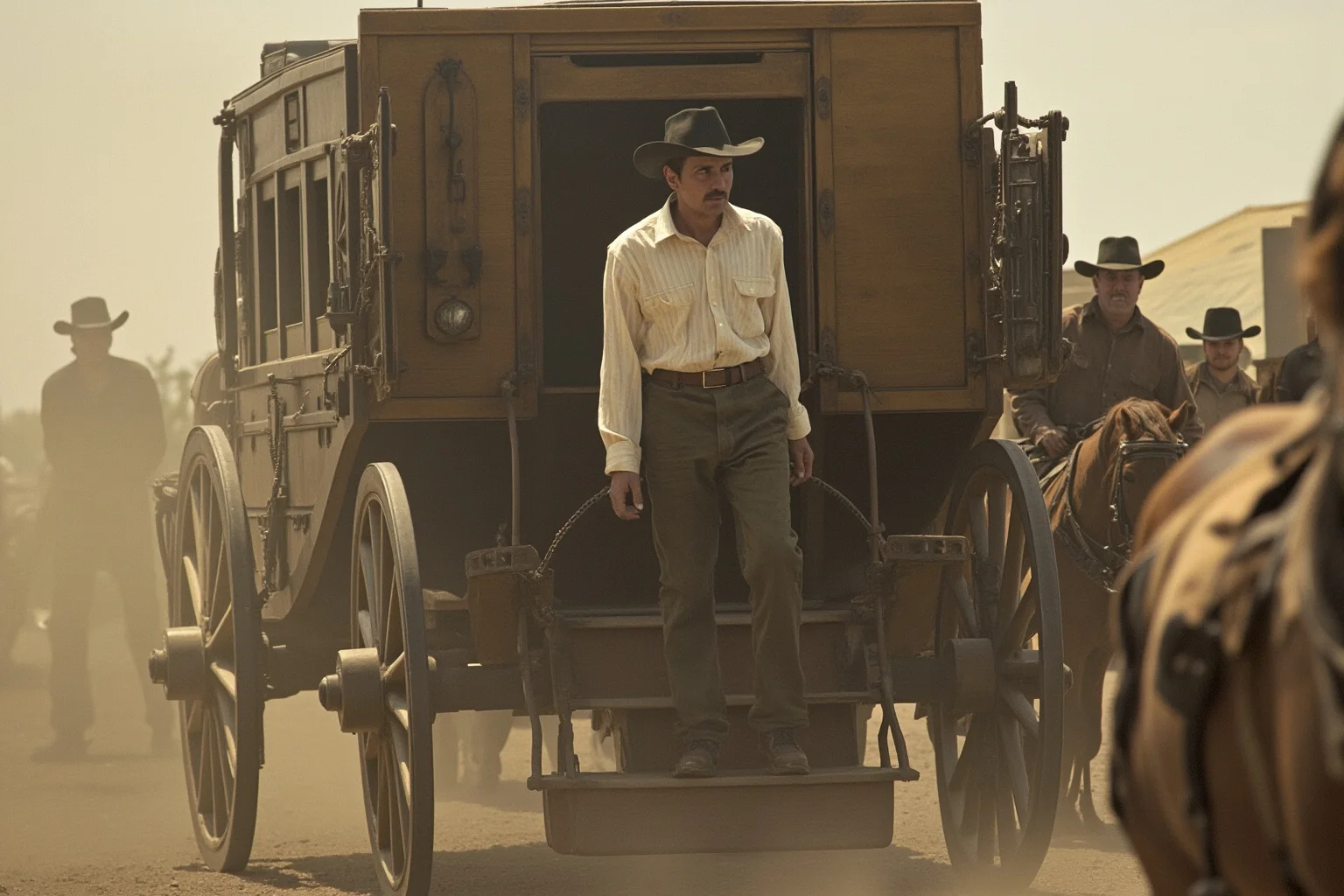
A tenderfoot was a newcomer to the West, someone whose feet — and general toughness — hadn’t yet been broken in by frontier life. It was used good-naturedly and as an insult, depending on how badly the newcomer had embarrassed himself.
24. Dude
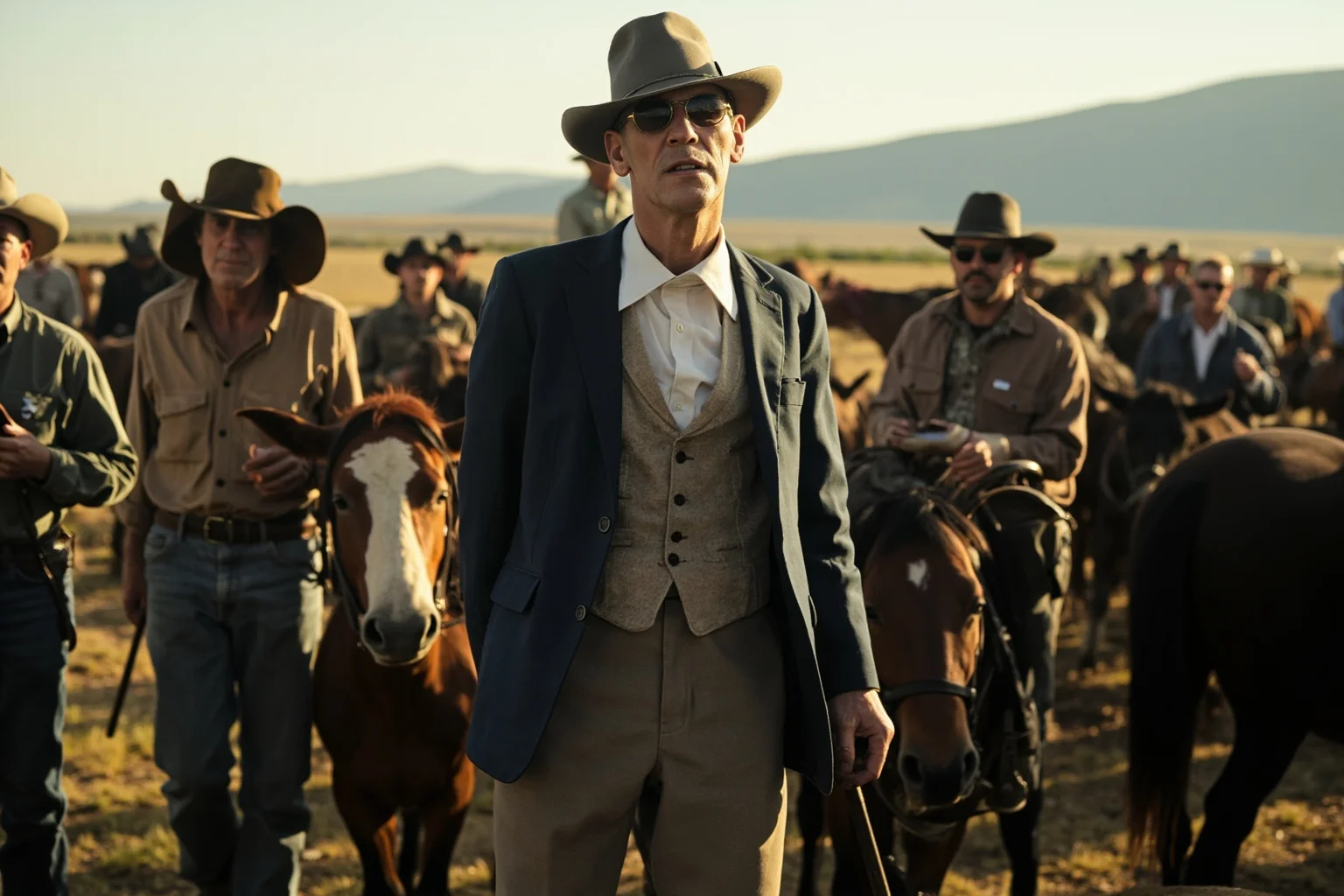
Before it became a casual term for “friend,” dude specifically meant an overdressed city slicker who stuck out on a working ranch. The word gave us “dude ranch,” a vacation spot built around city folks paying to feel like cowboys for a week.
25. Maverick
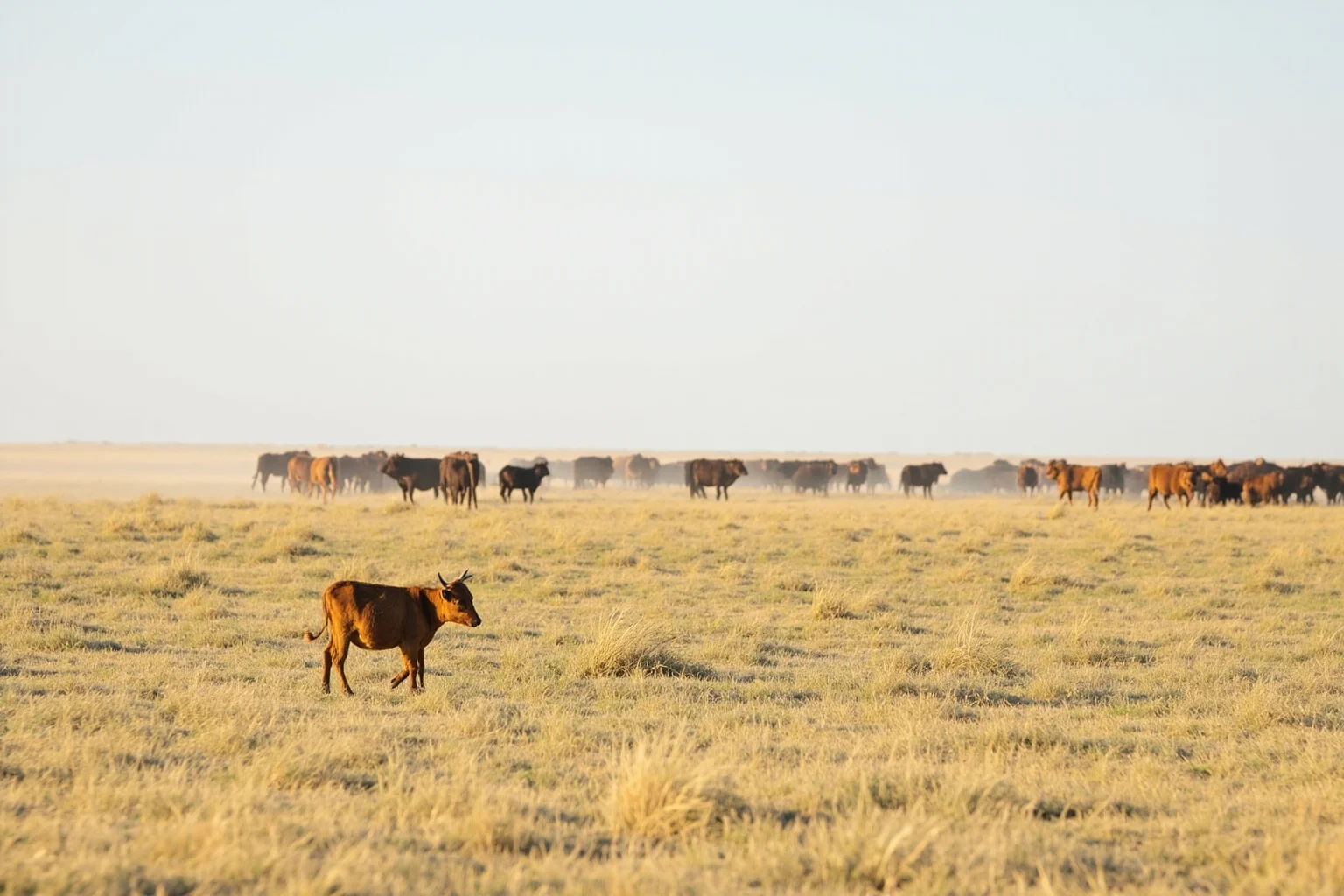
A maverick was an unbranded stray calf, named after Texas rancher Samuel Maverick, who reportedly didn’t bother branding his cattle. The word eventually grew into its modern sense of an independent-minded person who doesn’t follow the herd, literally or figuratively.
26. Rustler
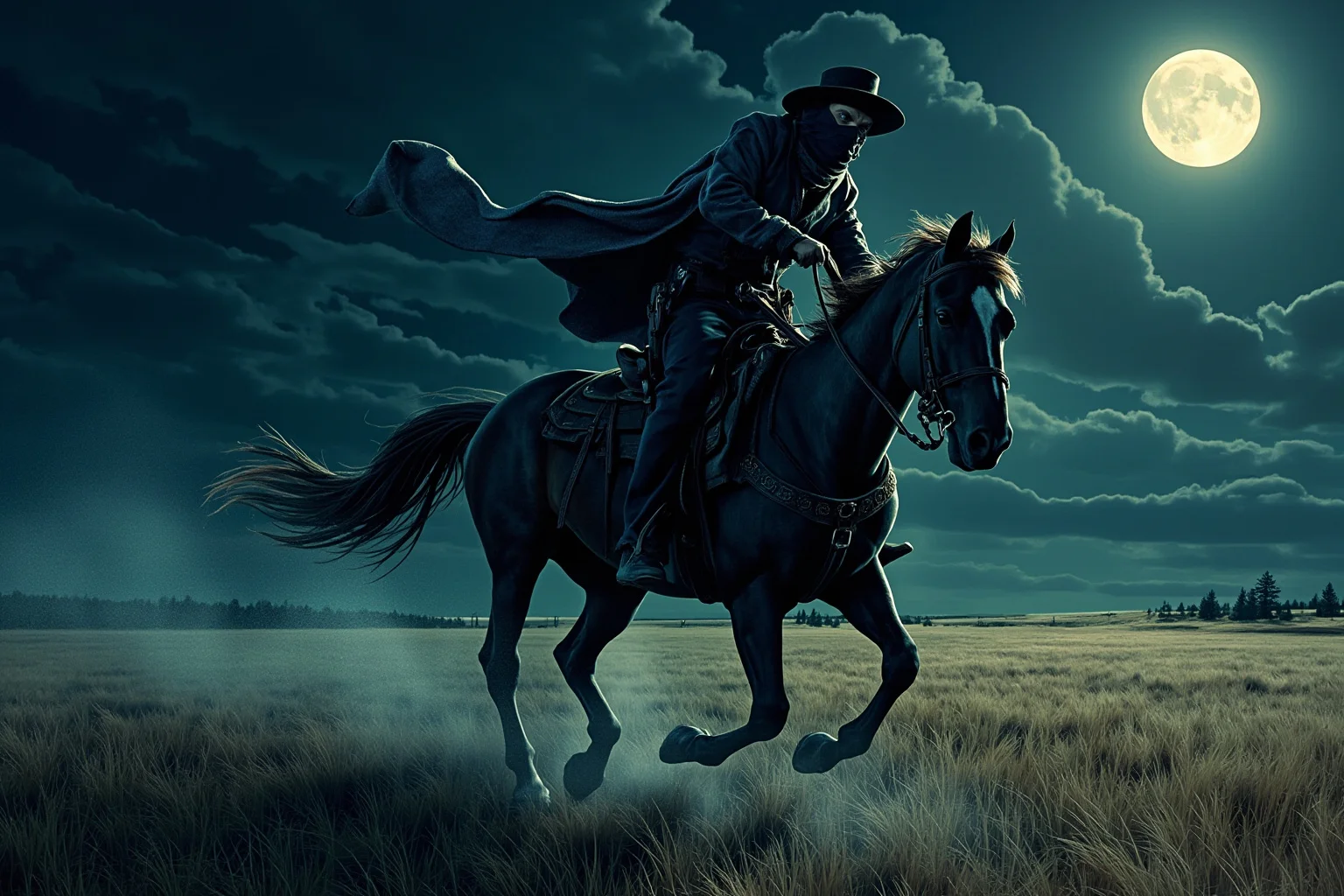
A rustler was a cattle or horse thief, one of the most serious accusations you could make in cattle country. Rustling was treated as a hanging offense in some places, which is part of why the word still carries a sense of real danger rather than playful old west jargon.
Old West Slang In Pop Culture Today
A lot of what people think of as authentic Old West terminology actually got a heavy polish from 20th-century Western films, radio dramas, and novels. Screenwriters needed dialogue that sounded frontier-tough to modern audiences, so they leaned on a handful of real terms and invented others that simply felt right. That’s part of why phrases like “it’s about to get western” can feel like genuine old west slang even when the historical paper trail doesn’t back it up — a pattern that shows up again and again in common Latin phrases whose supposedly ancient origins turn out to be much newer inventions.
Genuine frontier speech also varied enormously by region, occupation, and background. A miner in Colorado, a vaquero in Texas, and a homesteader in Kansas would have used overlapping but distinct vocabularies, so there was never one single unified “cowboy accent” or dialect. Folklorists like Ramon Adams did valuable work collecting real examples, but even his sources acknowledged plenty of regional variation and outright invention mixed into the record.
None of this makes the slang any less fun to say out loud. Whether a phrase is pure 1870s cattle-drive talk or a 1950s screenwriter’s clever guess, it’s become part of how English speakers imagine the frontier, and that cultural footprint is its own kind of history.
Bringing A Little Wild West Lingo Into Modern Life
Next time you’re planning a get-together, you could always call it a shindig or a hoedown instead of a party, and it’ll land as both funny and oddly historically grounded. Calling out a friend’s tall tale as “a real windy” or teasing a first-time camper as a tenderfoot works the same magic, mixing genuine old west terminology with a wink toward its Hollywood-polished reputation. Words have a way of drifting from ranch bunkhouses to internet memes and back again, and Wild West slang is a great example of language staying alive by getting reinvented every few generations. Whatever you call your next get-together, may it be one worth spinning a yarn about later.
Frequently Asked Questions
What are some funny long live western sayings from the Old West?
Classic frontier humor shows up in phrases like "pushing up daisies" for someone who has died, "tanglefoot" or "tarantula juice" for rough whiskey, and "full of gas" for a braggart. These sayings blend genuine 19th-century cowboy colloquialisms with the dry, understated humor frontier communities used to cope with hard, dangerous lives.
What does “it’s about to get western” mean?
The phrase is used to warn that a situation is about to turn confrontational or violent, evoking the image of a classic Wild West showdown. Despite its old-timey feel, it's better understood as a modern slang phrase popularized through country music and internet culture rather than a documented saying from actual 1800s cowboys.
What did cowboys actually call whiskey?
Frontier slang for cheap, strong whiskey included colorful nicknames like tanglefoot, tarantula juice, and coffin varnish, all pointing to how rough and potent saloon liquor could be. These terms were part of a broader body of old west slang that used humor to describe the harsher realities of frontier life.
What is a tenderfoot in cowboy slang?
A tenderfoot was a newcomer to the West who hadn't yet been toughened up by ranch work, harsh weather, or long trail rides. The term could be used affectionately or as a light insult, depending on how much trouble the newcomer's inexperience caused.
Is most Wild West slang historically accurate, or exaggerated by movies?
It's a mix of both. Folklorists like Ramon F. Adams documented genuine 19th-century cowboy expressions and sayings, but many phrases people associate with the frontier were popularized or invented later by Western films, dime novels, and radio dramas trying to sound authentically old west.
What’s a good cowboy term for a party?
Shindig and hoedown were both common cowboy lingo for party occasions, usually involving music, dancing, and drinking after a long cattle drive or during a town celebration. "Whoop-up" was another term for a particularly wild, loud gathering.

Alex Warren
Related Articles