
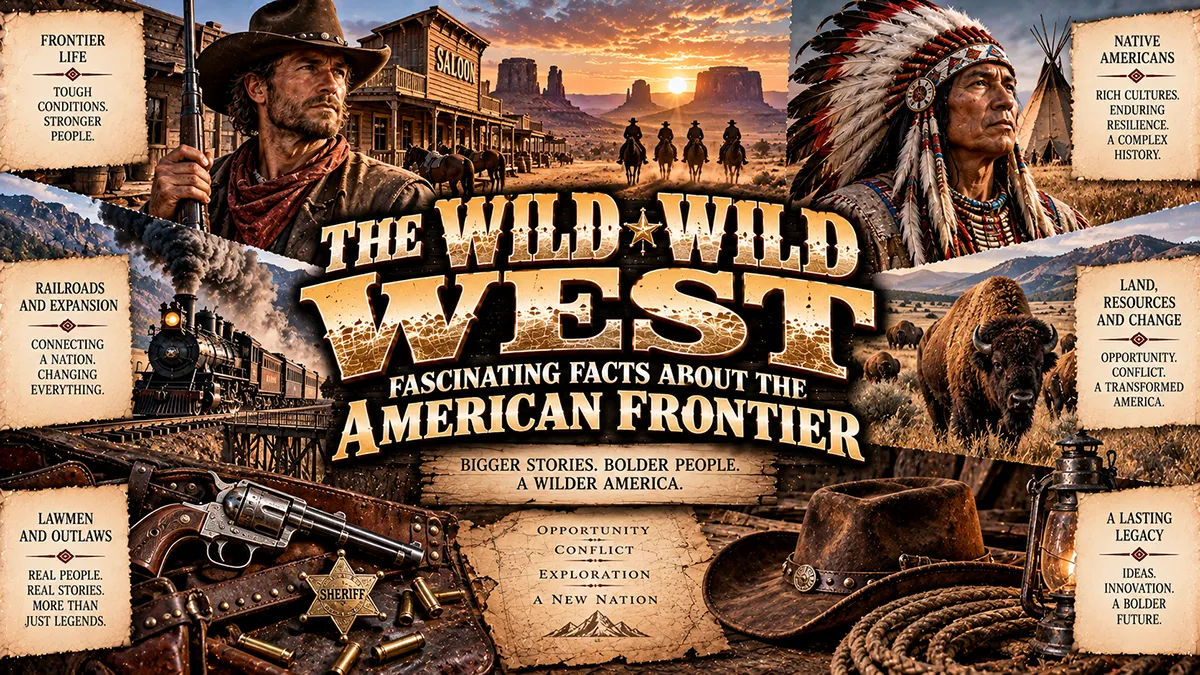
When most people picture the American frontier, they imagine dusty main streets, quick-draw duels at high noon, and lawless towns run by outlaws. That image comes mostly from movies and dime novels, not from the historical record. The real story of the western frontier is messier, more diverse, and in many ways stranger than the legend.
This guide breaks down 20 facts about the American frontier and the Wild West era — what it actually was, when it happened, why it’s called “wild,” and which popular myths deserve a second look.
TL;DR: The American frontier was a decades-long, ever-shifting zone of expansion, conflict, and opportunity — and the real “Wild West” was far less lawless and far more diverse than Hollywood ever let on.
1. What Is the American Frontier, Exactly?

The term “American frontier” doesn’t refer to one specific place. It describes the constantly shifting boundary between land under U.S. settlement and land that wasn’t yet incorporated into that system, stretching from the Appalachians to the Pacific over roughly two centuries — one of many historical time periods and eras historians use to organize the American past.
Historians often use “frontier” as shorthand for the whole process of westward expansion, not a single line on a map. That’s why you’ll see “the western frontier,” “american frontiers” (plural), and “frontier America” used almost interchangeably in historical writing.
2. The Frontier Wasn’t a Fixed Place — It Moved for 300 Years

Before it meant Wyoming or Arizona, “the frontier” meant western Pennsylvania and Kentucky. By the early 1800s it meant the Mississippi Valley; by the 1840s, Texas and Oregon; by the 1870s, the Great Plains and Rockies.
So when people ask where the American frontier was, the honest answer is: it depends on the decade. The frontier was less a location than a moving edge of contact between settler expansion and everything beyond it.
3. Why It’s Called the “Wild West”

The phrase “Wild West” wasn’t really used much by the people living through it. It was popularized later, largely through Wild West shows, dime novels, and newspapers back East that wanted exciting stories about frontier violence, cattle drives, and outlaws.
The “wild” label stuck because it sold books and, later, movie tickets. It captured a real element of danger and lawlessness in some boomtowns, but it also flattened a far more ordinary reality into a marketable myth.
4. When Did the Wild West Era Actually Start?

There’s no single official start date, but most historians tie the beginning of the Wild West era to the end of the Civil War in 1865. That’s when large numbers of veterans, freed people, immigrants, and fortune-seekers pushed west in growing numbers.
Some push the starting point earlier, to the California Gold Rush of 1849, since that’s when mass migration and boomtown chaos really took off. Either way, the “wild west period” is generally understood as roughly 1865 to 1900.
5. The Frontier Era “Closed” Around 1890

In 1890, the U.S. Census Bureau announced something striking: there was no longer a clear, continuous line of frontier settlement left to map. Enough land had been claimed, surveyed, and connected by rail that the old frontier line had effectively disappeared.
That announcement is often treated as the symbolic end of the frontier era, even though settlement, ranching, and conflict continued into the early 1900s. It’s a useful bookend, not a hard cutoff.
6. Frederick Jackson Turner Gave the Frontier Its Big Theory

In 1893, historian Frederick Jackson Turner delivered a famous essay arguing that the frontier experience had shaped American character itself — fostering individualism, democracy, and self-reliance. This became known as the “Frontier Thesis.”
Turner’s ideas dominated American history for decades but have since been heavily critiqued. Many historians now argue his thesis downplayed Native American nations, Mexican and Spanish settlers, and women, treating the frontier as an empty stage for Anglo-American pioneers alone.
7. The Homestead Act Turned the Frontier Into a Land Rush
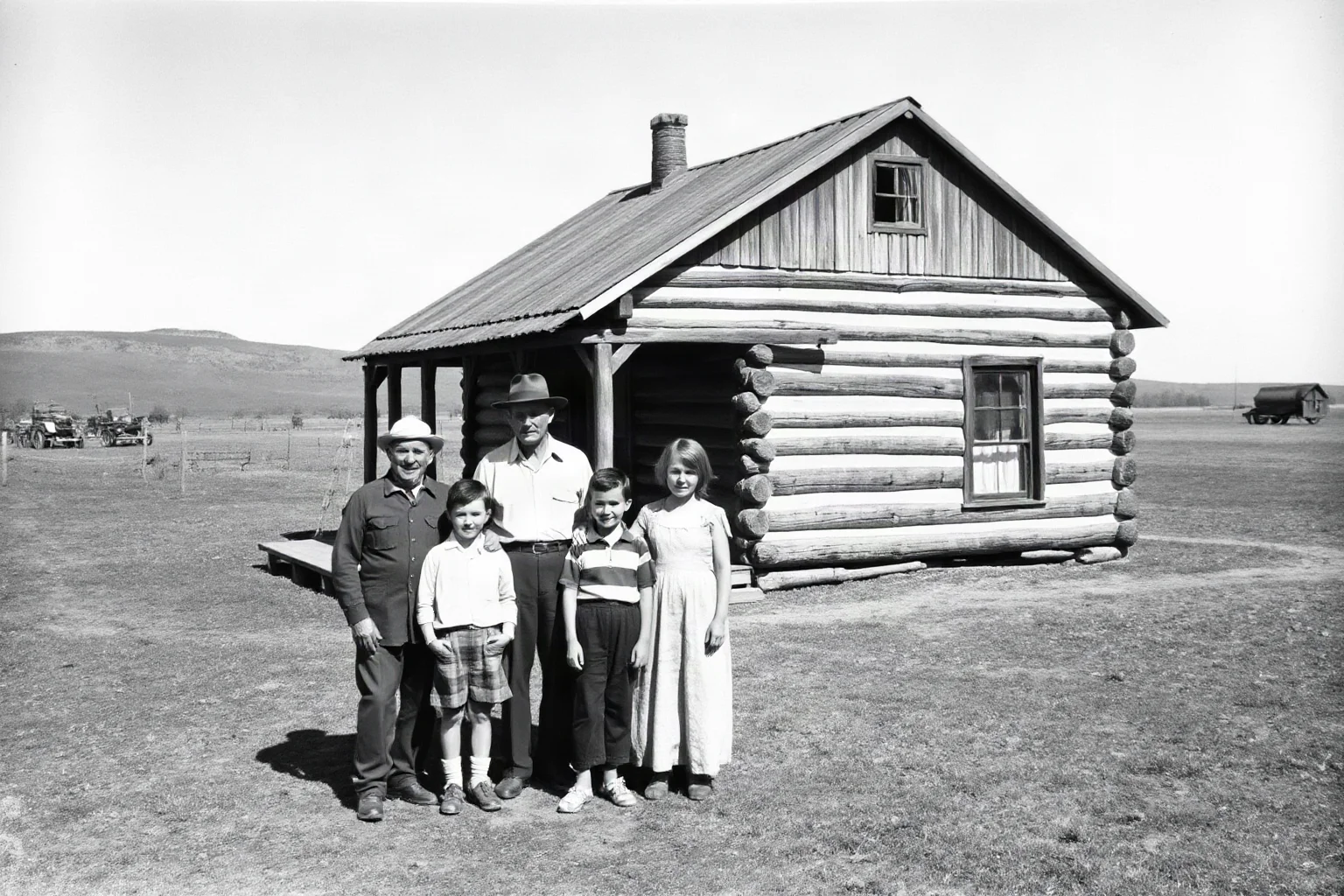
Passed in 1862, the Homestead Act offered 160 acres of public land to settlers willing to live on and farm it for five years. It triggered one of the largest land redistributions in American history and drew hundreds of thousands of families onto the Great Plains.
This is a big reason the “wild west” wasn’t just gunslingers and cattle towns. It was overwhelmingly a story of farmers, sod houses, and brutal weather on land that had recently belonged to Native nations.
8. The Transcontinental Railroad Rewired the Frontier

Completed in 1869, the transcontinental railroad connected the Atlantic and Pacific coasts by rail for the first time. It slashed travel time across the continent from months to about a week.
The railroad accelerated everything: cattle drives to shipping points, mass migration, mail and telegraph service, and the destruction of bison herds that Plains nations depended on. Few single developments changed the western American frontier faster.
9. Real Cowboys Were Far More Diverse Than the Movies Show
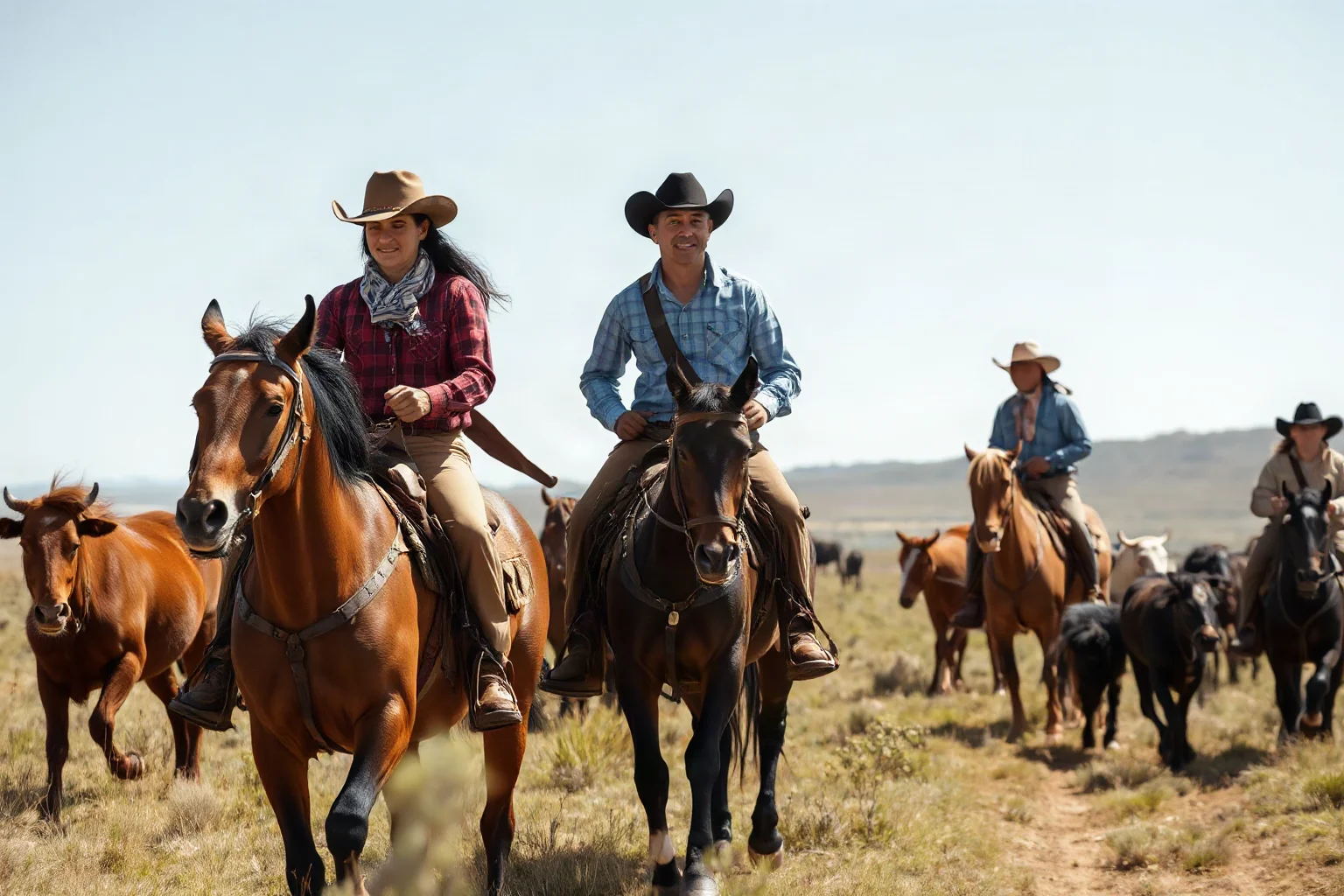
Hollywood’s cowboy is almost always a white man in a big hat. In reality, historians estimate roughly one in four cowboys on major cattle drives were Black, and many others were Mexican vaqueros, whose techniques, saddles, and vocabulary (lasso, rodeo, bronco) shaped the entire profession.
Vaqueros from Spanish and Mexican ranching traditions essentially invented the cowboy trade generations before Anglo-American settlers arrived on the southern plains. The word “cowboy” itself borrows directly from that older tradition.
10. Gunfights Were Much Rarer Than Legend Suggests
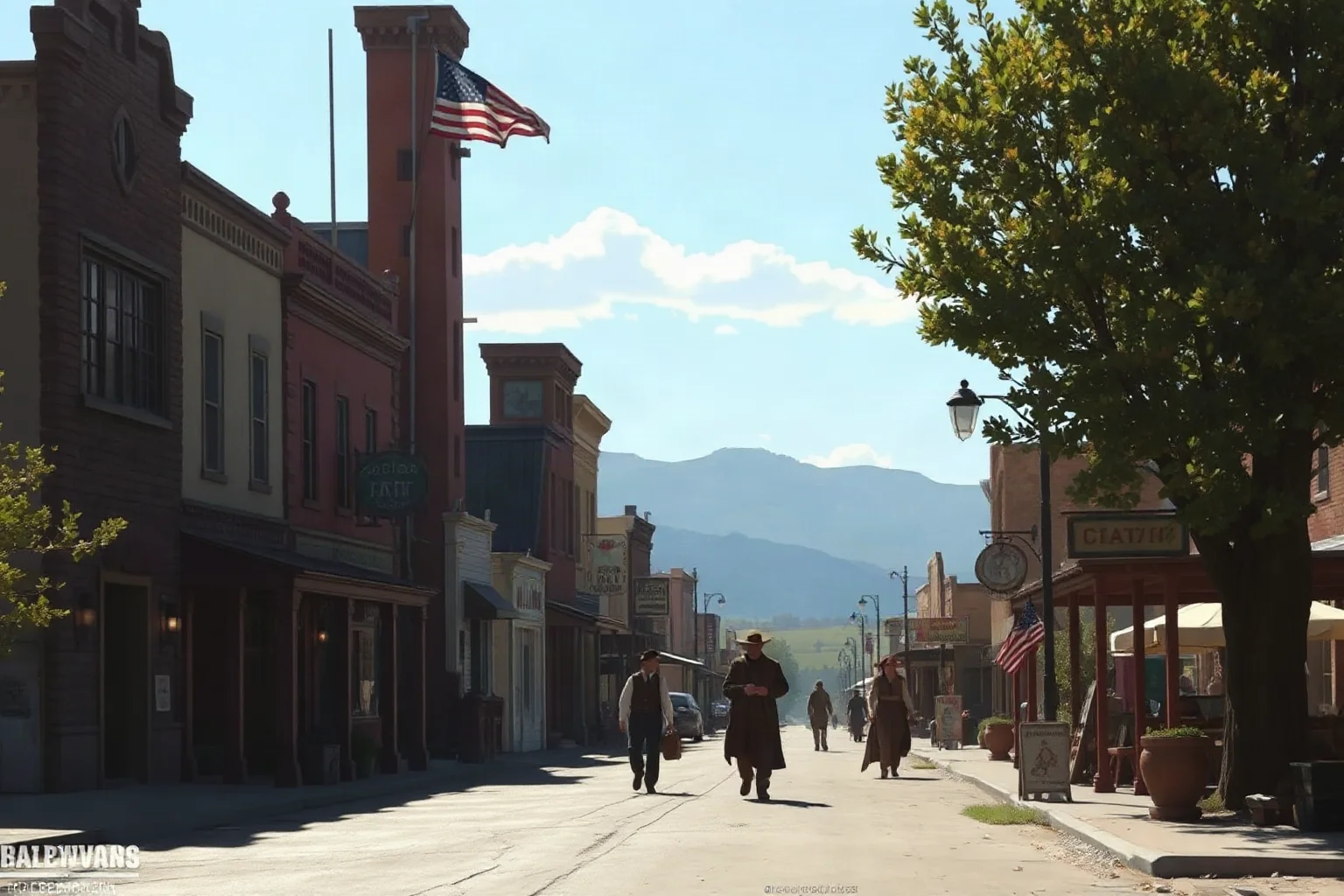
Town-square shootouts like the one at the O.K. Corral did happen, but they were exceptional events, not everyday occurrences. Many famous frontier towns went years without a single gun-related killing.
Most cattle towns had strict gun ordinances requiring visitors to check firearms at the edge of town — a reminder that, much like some of the weirdest, dumbest laws in America still on the books today, frontier legal codes were often stricter and stranger than pop culture suggests. Local businesses wanted order, not chaos, because lawlessness scared away paying customers and investors.
11. The Frontier Economy Ran on Farming, Not Outlawry

Outlaws and gunfighters get the headlines, but the actual backbone of frontier America was agriculture, ranching, mining, and small-town commerce. Millions of ordinary settlers spent their days plowing fields, tending livestock, and building churches and schoolhouses.
Crime certainly existed, especially in mining boomtowns with fast cash and few institutions. But it was the exception that made news, not the daily reality most frontier families lived.
12. Native Nations Fought Hard to Defend Their Homelands
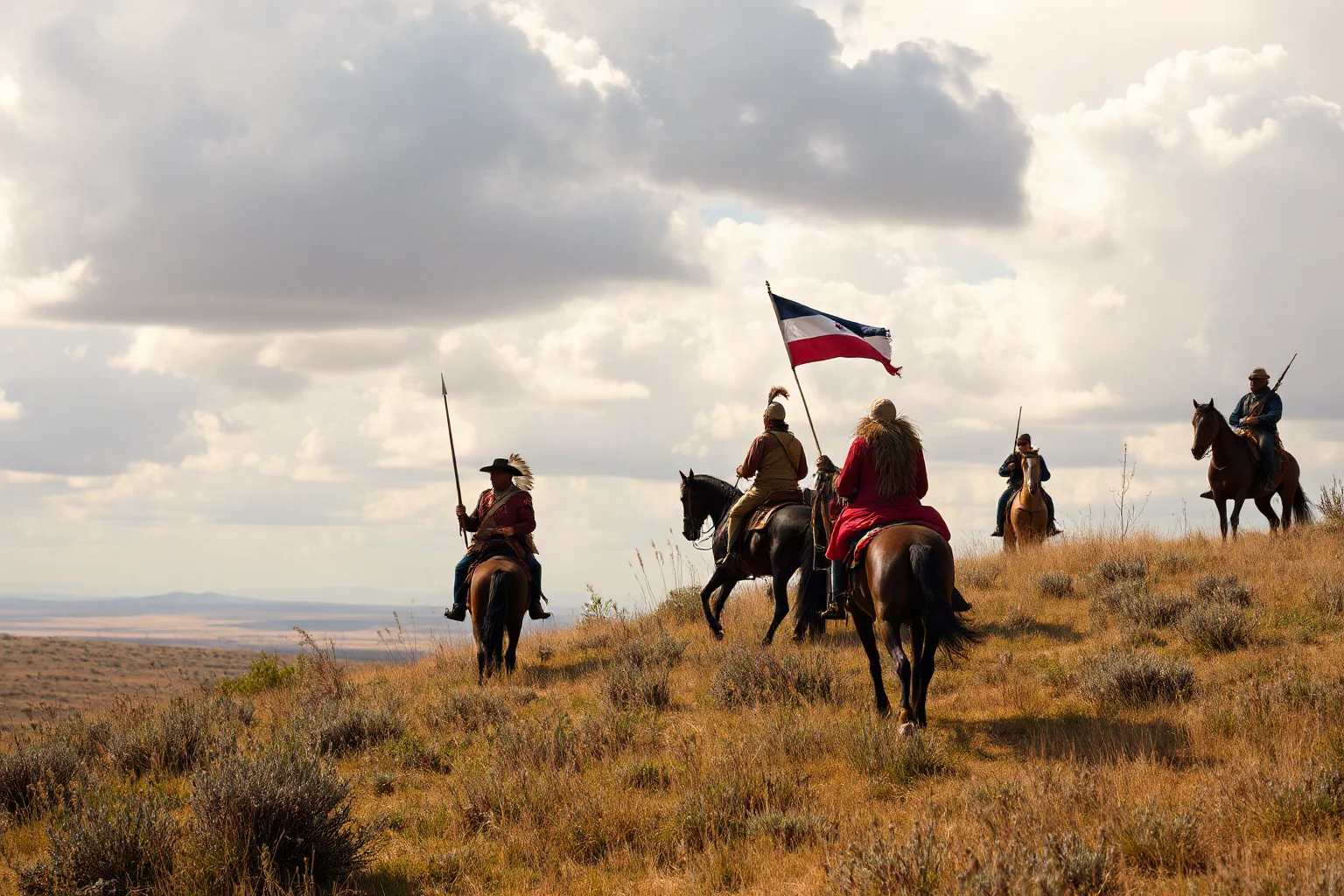
The expansion of the united states frontier came at direct cost to Native American nations, who resisted displacement through treaties, diplomacy, and armed conflict for decades. Conflicts like the Sioux Wars, the Nez Perce War, and the Apache Wars were prolonged struggles, not quick skirmishes.
Treaties were frequently broken by the U.S. government almost as soon as they were signed, especially when gold, farmland, or railroads were at stake. This history is central to understanding the frontier, not a side note to it.
13. Gold and Silver Rushes Fueled Explosive Growth

The California Gold Rush of 1849 was the first and biggest, drawing over 300,000 people within a few years. Later strikes in Nevada, Colorado, South Dakota, and Montana repeated the pattern on a smaller scale.
These rushes created instant cities, instant fortunes, and instant chaos, often with almost no formal government in place for months or years. Many of the era’s most famous boomtowns, from Deadwood to Virginia City, owe their existence entirely to mineral strikes.
14. Some of the Most Famous Lawmen Were Also Outlaws

Wyatt Earp worked as a lawman in several towns but also had brushes with gambling laws and questionable business dealings throughout his life. Other frontier figures moved back and forth between enforcing the law and breaking it, depending on which paid better that year.
The line between “lawman” and “outlaw” on the frontier was often blurry and situational. Reputation, not a clean record, frequently decided which side of that line history remembered someone on.
15. Women Ran Ranches, Businesses, and Even Towns

Women homesteaders filed their own land claims, ran cattle operations, and managed boarding houses, saloons, and newspapers across the frontier. In several western territories, women also won the right to vote decades before the rest of the country.
Wyoming Territory granted women suffrage in 1869, becoming the first place in the modern United States to do so. Frontier necessity — labor shortages, isolation, and self-reliance — often pushed gender roles further than they moved back East.
16. Boomtowns Could Appear and Vanish Within a Decade

A single rich mineral strike could turn empty land into a town of thousands almost overnight, complete with saloons, hotels, and newspapers. When the resource ran dry, that same town could empty out within a few years, leaving what’s now called a ghost town.
Thousands of these ghost towns dot the American West today, scattered across Nevada, Arizona, Colorado, and Montana. They’re some of the most tangible physical evidence left of the boom-and-bust frontier economy.
17. There Were Multiple Frontiers, Not Just One “Wild West”
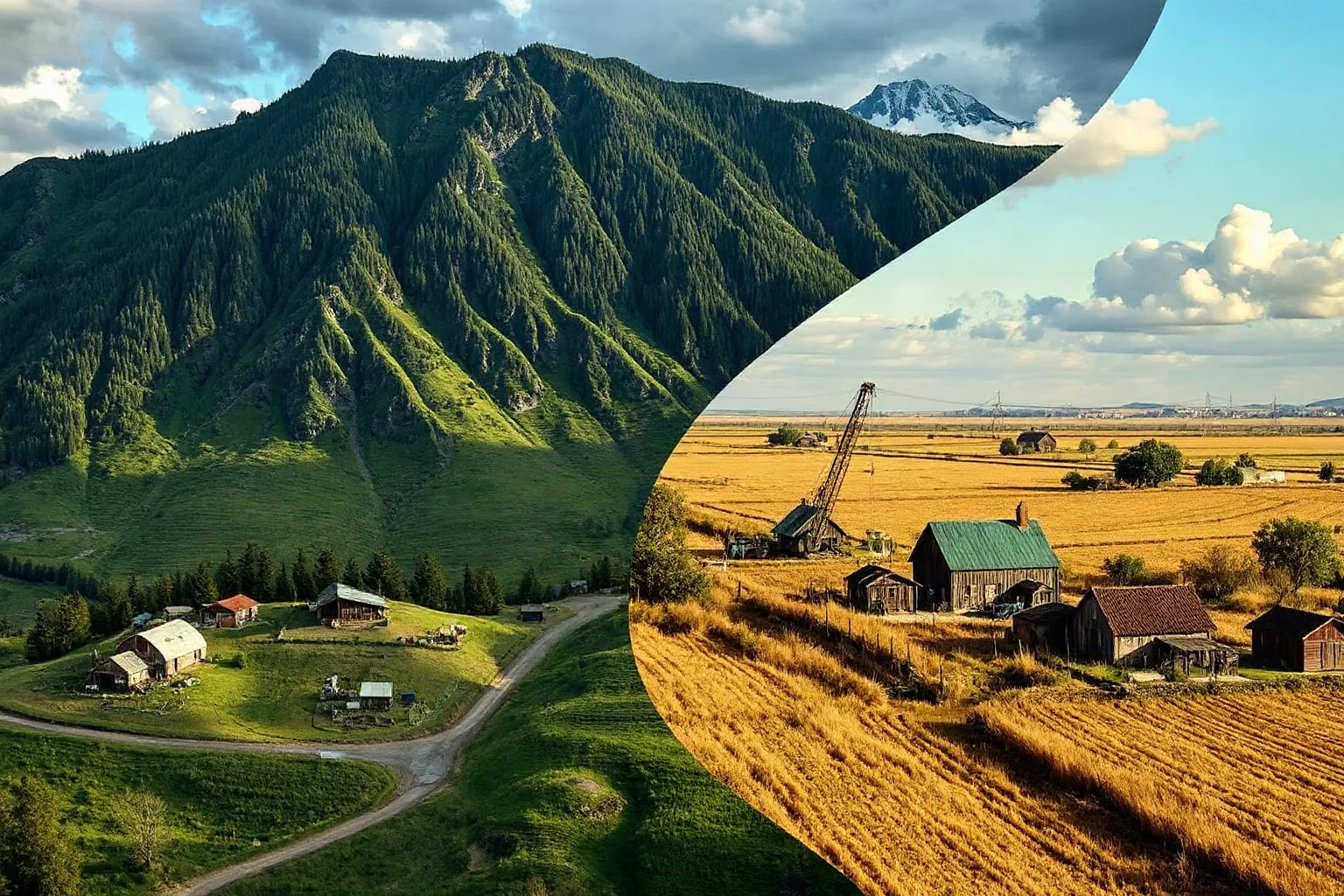
The cattle-and-cowboy frontier of Texas and Kansas looked nothing like the mining frontier of California, the farming frontier of Nebraska, or the fur-trapping frontier of the Rocky Mountains decades earlier. Each region had its own economy, culture, and conflicts.
Lumping all of this together as one “Wild West” oversimplifies a much larger, regionally varied period of American frontiers spanning different decades, climates, and industries. Historians increasingly prefer talking about frontiers, plural, for exactly this reason.
18. Buffalo Soldiers Helped Patrol the Frontier

After the Civil War, the U.S. Army formed all-Black regiments — nicknamed Buffalo Soldiers by some Native American adversaries — who served across the western frontier. They built roads, escorted settlers, and fought in numerous frontier conflicts.
Their service is a reminder that frontier America included significant Black military and civilian presence, not just the white cowboys and settlers most often depicted in old Westerns.
19. The Pony Express Only Ran for About 18 Months
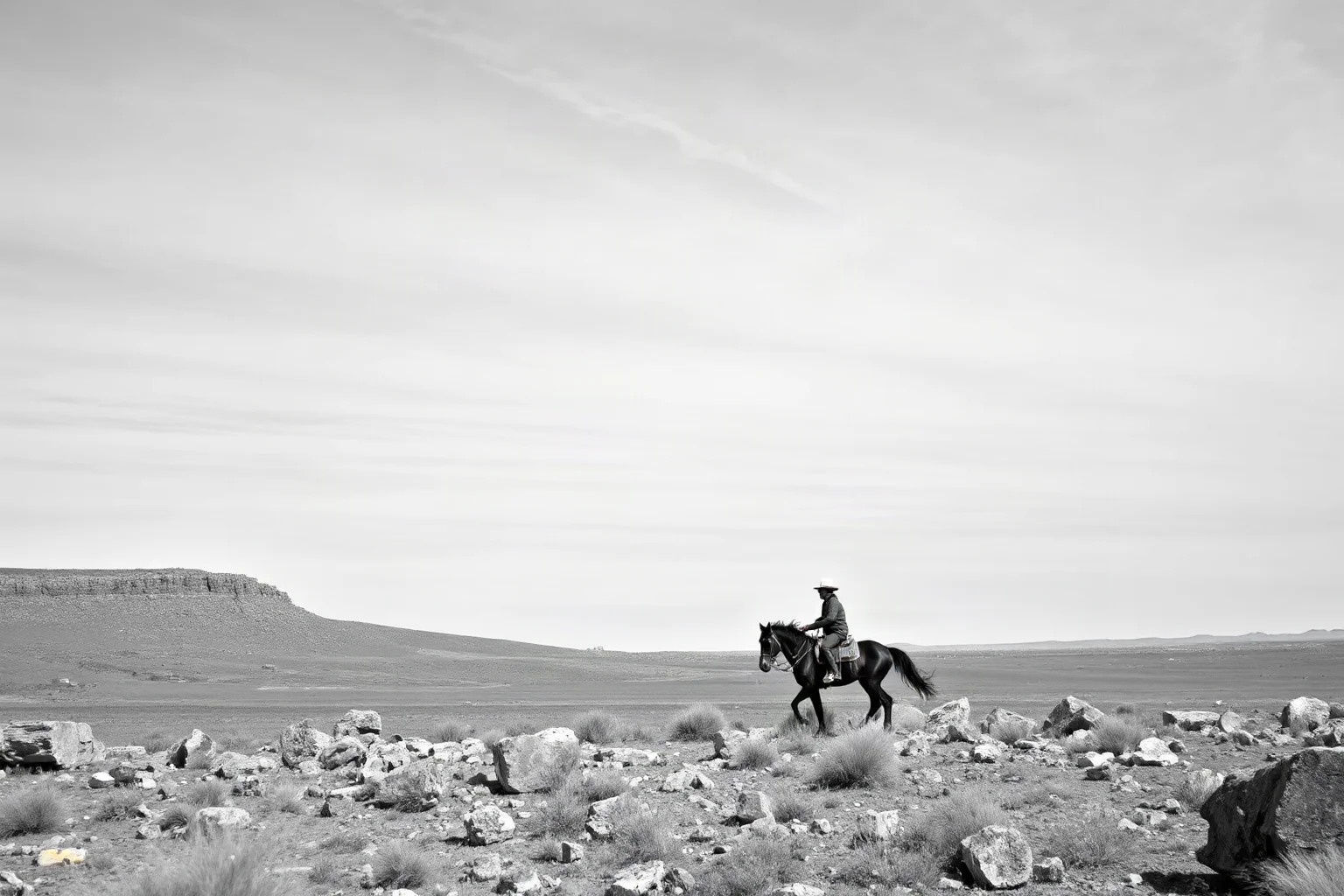
The Pony Express, famous for its relay riders carrying mail across roughly 1,900 miles between Missouri and California, operated from April 1860 to October 1861. It shut down almost immediately after the transcontinental telegraph made it obsolete.
Despite its brief run, the Pony Express became one of the most enduring symbols of frontier speed and daring. Its actual operational lifespan, though, was shorter than many people assume.
20. Barbed Wire Quietly Ended the Open Range

Invented and patented in the 1870s, barbed wire let farmers and ranchers fence enormous stretches of land cheaply for the first time. This ended the era of the open range, where cattle roamed freely across unfenced public land.
The shift sparked real range wars between ranchers and homesteaders, sometimes turning violent. A simple fencing material ultimately reshaped land ownership across the frontier as much as any single law or war.
21. Hollywood Manufactured Many “Wild West” Myths

Many defining images of the Wild West era — the noon showdown, the black-and-white-hat morality, the constant saloon brawls — were shaped far more by 20th-century Western films than by 19th-century reality. Studios needed clear heroes, villains, and dramatic tension, in much the same way collective imagination can warp real history into false but widely shared memories, as seen in famous Mandela Effect examples.
Wild West shows, starting with Buffalo Bill Cody’s touring productions in the 1880s, were already reshaping frontier history into entertainment before Hollywood existed. Film simply picked up and amplified a mythmaking process that started while the real frontier was still open.
22. The Frontier’s Legacy Still Shapes American Identity

Ideas about self-reliance, individualism, and the promise of starting over on new land trace directly back to frontier mythology, whether or not that mythology matches the historical record. Politicians, advertisers, and filmmakers still invoke “frontier” imagery today — much like the mythologized version of life in the 1950s still shapes ideas about the postwar American dream.
Understanding the real american frontier — its diversity, violence, opportunity, and cost to Native nations — gives a fuller picture than the simplified “Wild West” of popular culture. Both the myth and the reality remain part of how Americans understand their own history.
The Real Frontier Was Bigger Than the Legend
The American frontier wasn’t a single time, place, or story — it was two or three centuries of shifting boundaries, competing peoples, and hard economic realities. The “Wild West” label captures a sliver of real drama, but it leaves out the farmers, vaqueros, Buffalo Soldiers, and Native nations who shaped the region just as much as any gunslinger.
Next time you picture the frontier, it’s worth holding both pictures at once: the myth that made for great movies, and the messier, more diverse history that actually built the American West.
Frequently Asked Questions
When did the Wild West start?
Most historians date the start of the Wild West era to around 1865, at the end of the Civil War, when mass westward migration accelerated. Some trace it earlier, to the 1849 California Gold Rush, and the era is generally considered to have run through roughly 1900.
Why is it called the Wild West?
The nickname came from 19th-century dime novels, newspapers, and later Wild West shows that dramatized frontier violence and lawlessness to sell entertainment. While some towns did see real crime and conflict, the phrase exaggerated how lawless daily frontier life actually was.
What is the American frontier?
The American frontier refers to the shifting boundary between U.S. settlement and unincorporated land as the country expanded westward from the late 1700s through the late 1800s. It wasn't one fixed location but a moving zone that shifted from the Appalachians all the way to the Pacific Coast over time.
Where was the American frontier located?
Its location changed by decade: it meant Kentucky and Ohio in the late 1700s, the Mississippi Valley in the early 1800s, and the Great Plains, Rockies, and Pacific states by the mid-to-late 1800s. By the 1890 census, the U.S. Census Bureau concluded there was no longer a continuous frontier line left to track.
What is considered the Wild West today?
Popular culture generally uses "Wild West" to describe the western United States—especially the Great Plains, Southwest, and Rocky Mountain regions—during roughly 1865 to 1900. This includes cattle towns, mining boomtowns, and frontier farming communities across states like Texas, Kansas, Colorado, and Wyoming.
How accurate are Wild West movies?
Not very. Real gunfights were rare compared to films, cowboys were far more ethnically diverse than typically portrayed, and daily frontier life centered on farming, ranching, and small-town commerce rather than constant violence. Much of the genre's imagery came from early Wild West shows and 20th-century filmmaking rather than historical record.

Alex Warren
Related Articles