

History has a reputation for being solemn — kings, wars, plagues, and endless dates to memorize. But if you dig past the textbook headlines, you’ll find that funny history is everywhere, hiding in the footnotes. Real governments have declared war over pigs, buckets, and ears. Real spy agencies have wired up actual cats. Real crowds have danced themselves into exhaustion for no clear reason at all.
This list rounds up 20 of the funniest historical events on record, plus a couple of bonus entries because the story was simply too good to leave out. Some are ironclad fact, backed by government archives and court records. A few are beloved legends that historians still argue about, and we’ll flag those honestly rather than pretending every funny historical story is 100% settled.
TL;DR: From a war fought with whisky bottles to a CIA cat wired for espionage, real history is packed with moments funnier than most fiction — even if a few famous stories are more legend than fact.
1. The Whisky War: Canada vs. Denmark Over a Tiny Frozen Island

Hans Island is a barely-there speck of rock between Canada’s Ellesmere Island and Greenland, and for decades it was the site of the world’s most polite territorial dispute. Instead of sending troops, Canadian and Danish forces took turns planting their flag on the island and leaving a bottle of local liquor for whoever showed up next.
Canadians left whisky, the Danes left schnapps, and the so-called Whisky War ran informally from the 1980s until 2022. That year, the two nations finally signed a treaty splitting the island down the middle, ending one of the funniest wars — if you can even call it a war — in modern diplomatic history.
2. Operation Acoustic Kitty: The CIA’s Ill-Fated Spy Cat
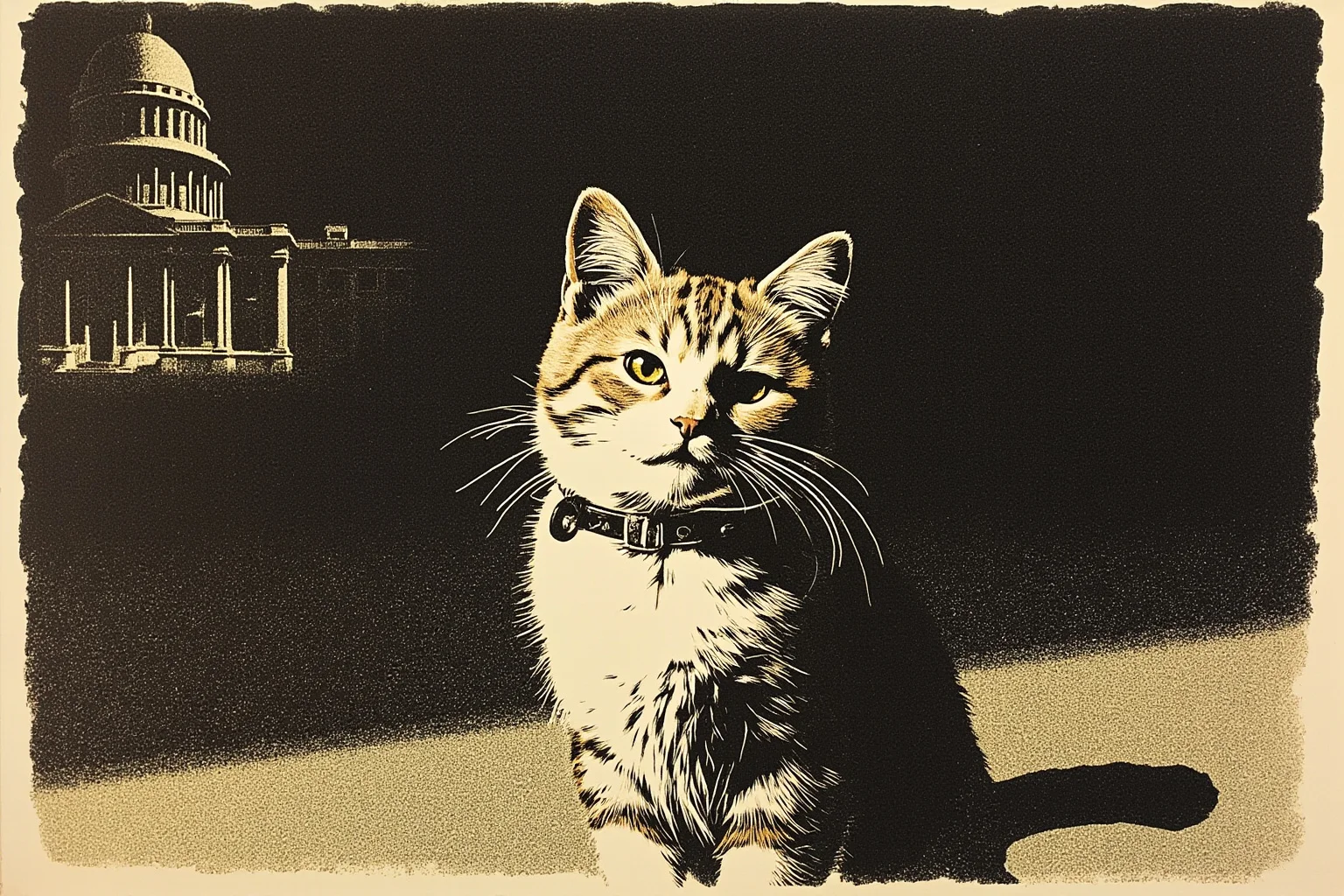
In the 1960s, the CIA spent a reported several million dollars trying to turn an ordinary cat into a listening device. Engineers implanted a microphone and antenna into the animal, hoping it could casually wander near Soviet officials and eavesdrop.
According to declassified accounts referenced by former CIA officials, the very first field test ended when the cat wandered into the street and was struck by a taxi. The program was reportedly scrapped shortly after, making it one of the more expensive punchlines in Cold War espionage history.
3. The Great Emu War: Australia’s Losing Battle With Birds
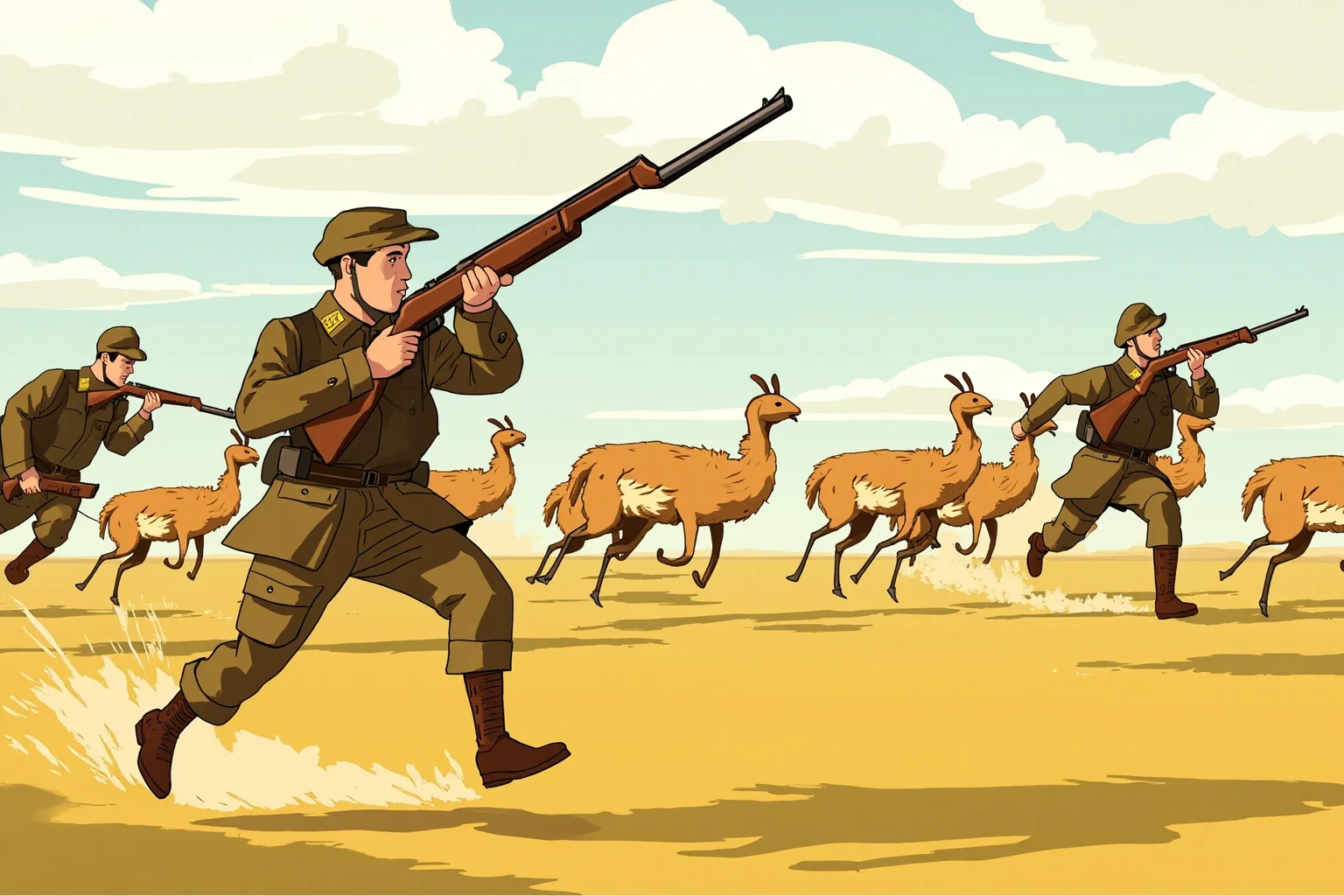
In 1932, Australian farmers in Western Australia were furious after tens of thousands of emus trampled crops and fences during their migration. The military responded by sending soldiers armed with machine guns to cull the birds.
The emus, it turned out, were fast, scattered easily, and were remarkably hard to hit in open country. After several weeks of embarrassingly low kill counts, the operation was quietly called off, and the emus are generally remembered as the unlikely winners of this genuinely funny war.
4. The Pig War: One Dead Pig Almost Started a Real War
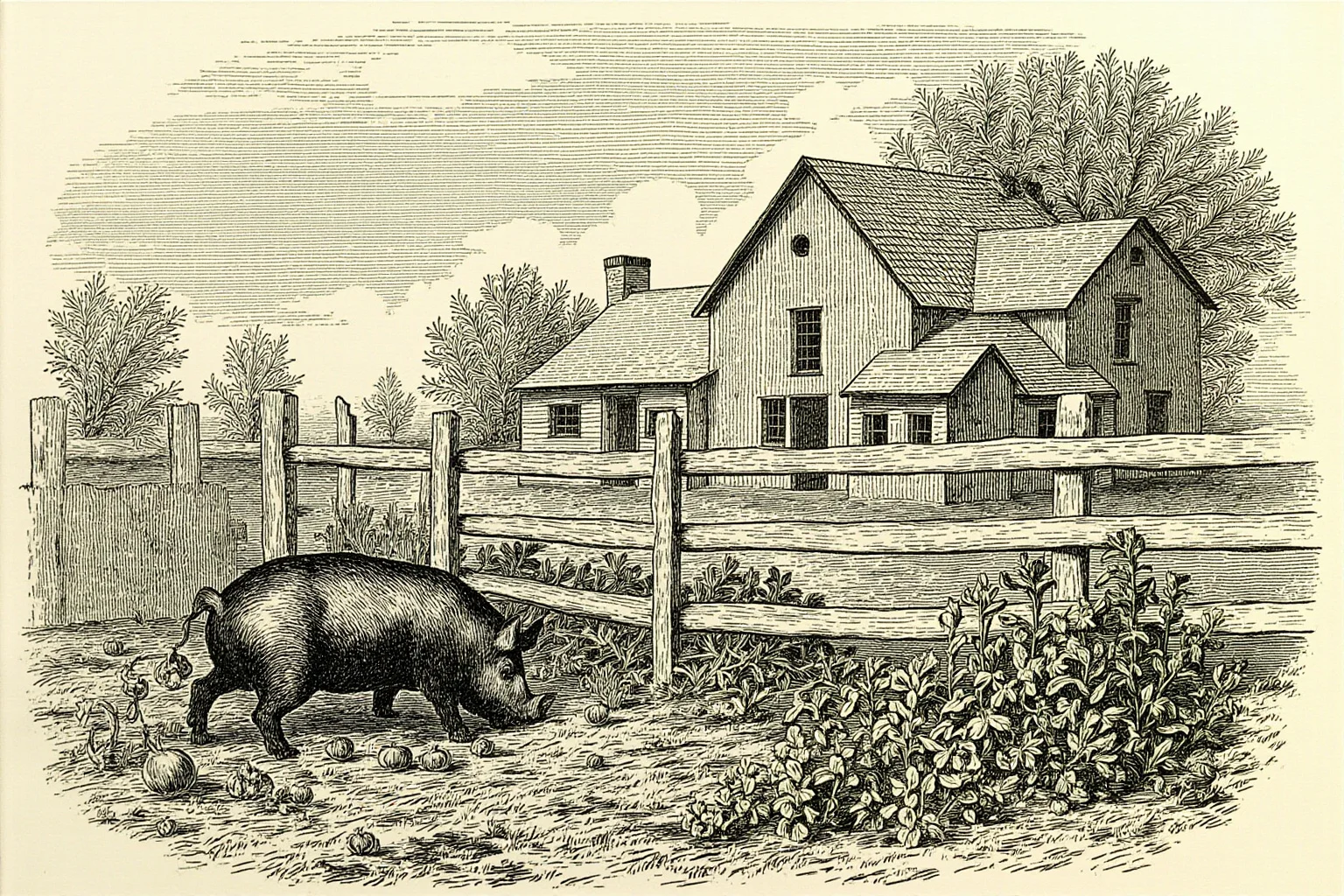
In 1859, tensions between American and British settlers on San Juan Island had been simmering for years over an unclear border decided by an earlier treaty. Things boiled over when an American farmer shot a British-owned pig that kept digging up his garden.
Both sides sent troops to the island, and for a tense stretch, real soldiers faced off ready to fight over the incident. Cooler heads eventually prevailed, no human was ever killed, and the dispute was settled peacefully years later by international arbitration.
5. The War of the Bucket: Bologna vs. Modena Over a Wooden Pail
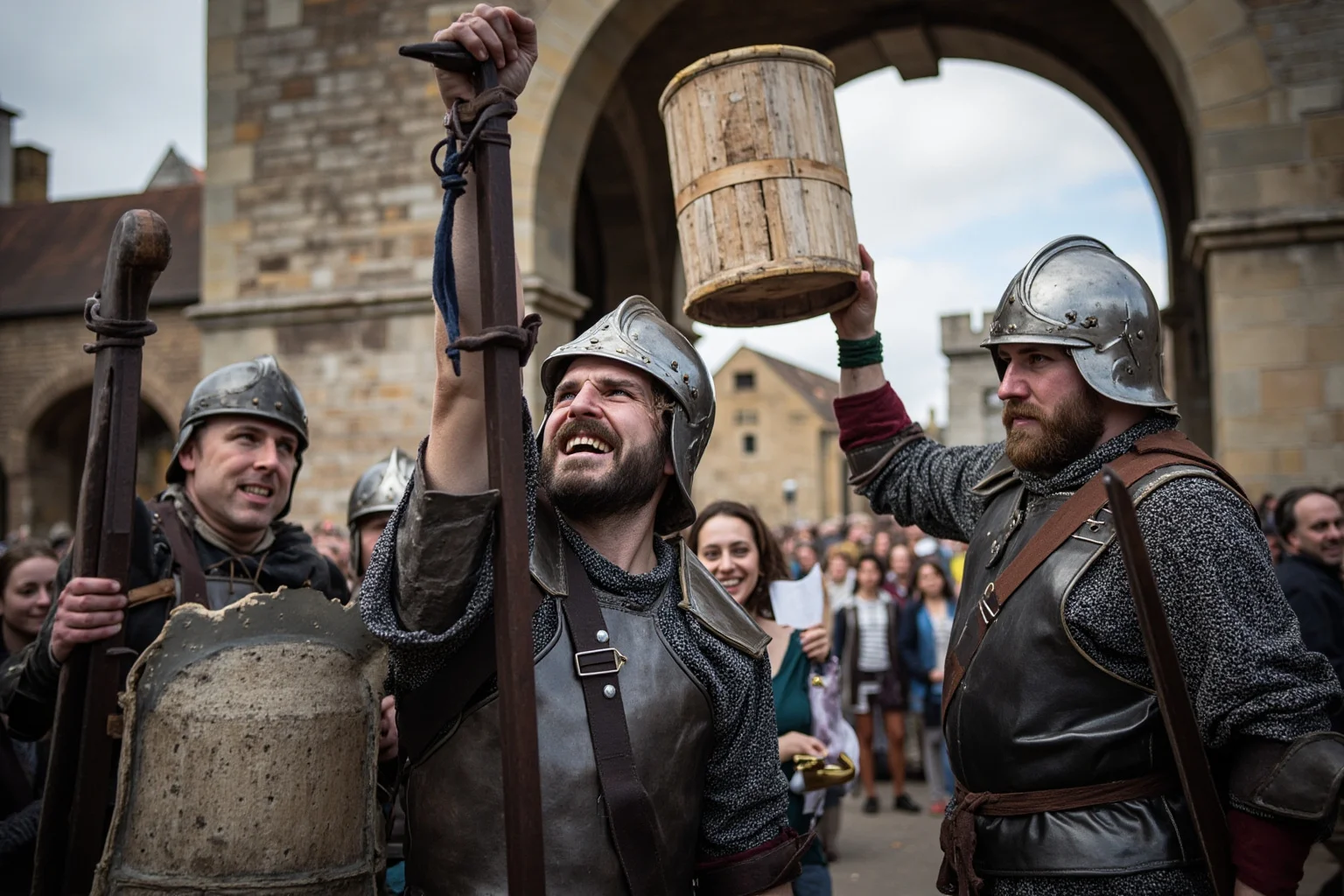
In 1325, soldiers from Modena raided rival Bologna and, among other things, stole a simple oak bucket from a well. Bologna considered this such an insult that the two Italian city-states went to actual war over it, culminating in the Battle of Zappolino.
Modena won the battle, and legend holds the bucket was kept as a trophy in a Modena tower for centuries afterward. It remains one of the strangest reminders that funny historical events aren’t just a modern invention.
6. The Anglo-Zanzibar War: History’s Shortest War
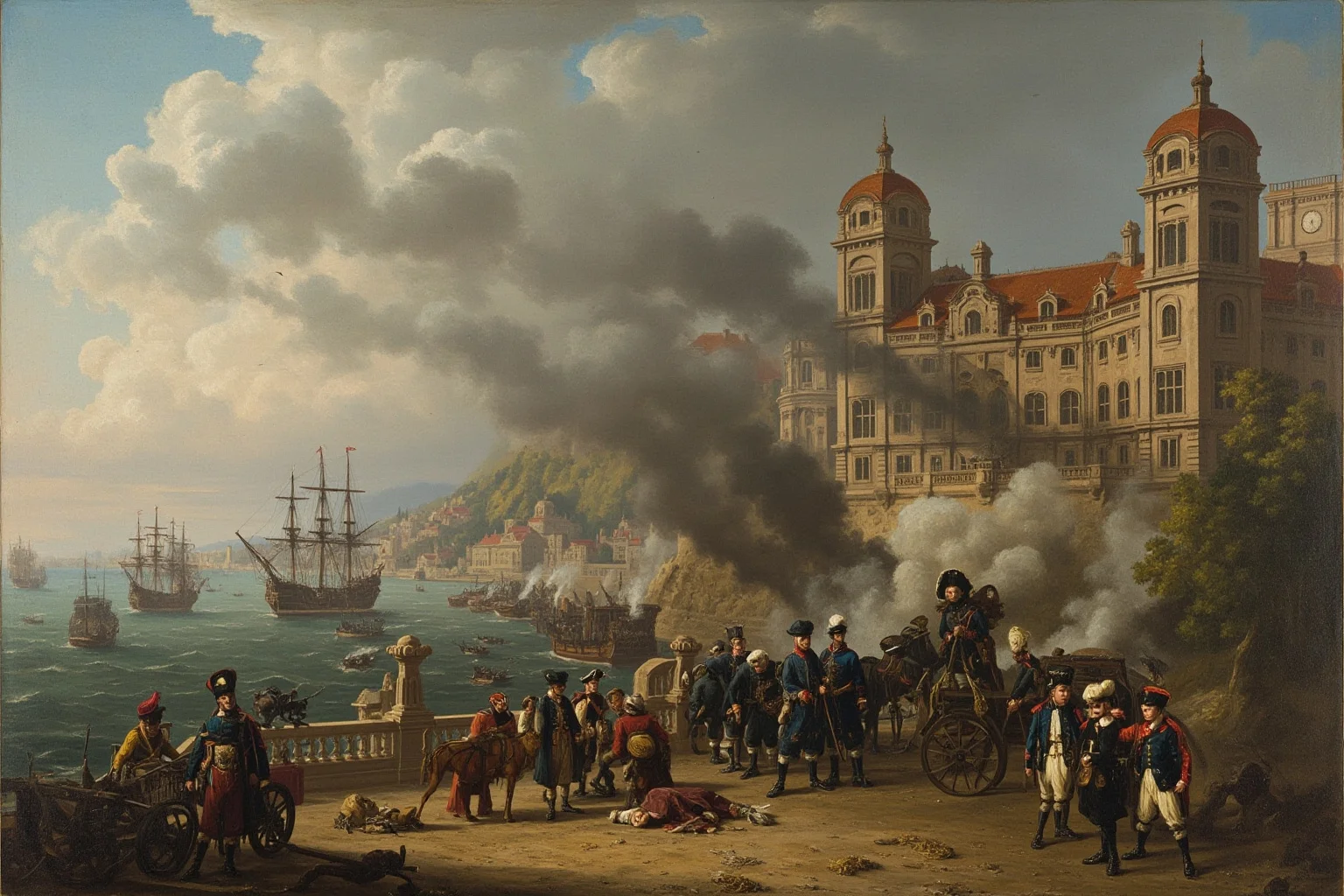
On August 27, 1896, British forces bombarded the palace of the Sultan of Zanzibar after a succession dispute they refused to recognize. The fighting is widely recorded as lasting roughly 38 to 45 minutes before the sultan’s forces surrendered.
It’s generally cited as the shortest war in recorded history — the kind of detail that lands it among historical events that sound too crazy to be true — and the sultan reportedly fled the palace once the bombardment began. Casualty estimates vary across sources, but the sheer brevity of the conflict has made it a staple of funny wars trivia ever since.
7. The Toledo War: Ohio and Michigan’s Bloodless Border Feud
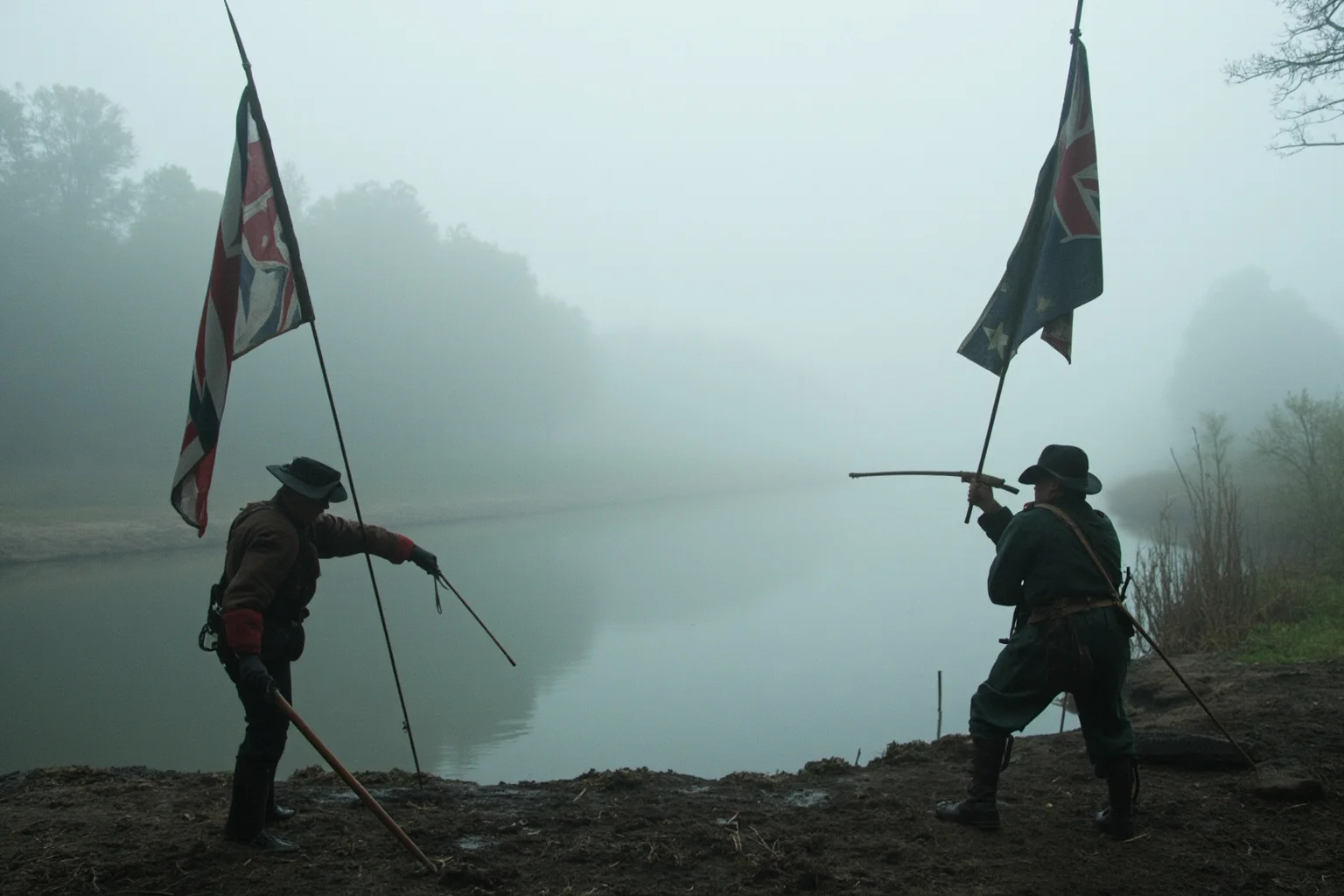
Between 1835 and 1836, Ohio and the Michigan Territory nearly came to blows over a narrow strip of land containing the city of Toledo, thanks to conflicting surveys of the border. Both sides mustered militias and postured aggressively along the disputed strip.
Despite the tension, reports suggest the only real casualties were minor, and one oft-repeated anecdote involves a sheriff’s deputy being stabbed with a penknife during an arrest attempt. Congress eventually resolved it by giving Toledo to Ohio and compensating Michigan with the Upper Peninsula, a trade Michigan residents grumbled about for generations.
8. The Battle of Karánsebes: The Army That Fought Itself
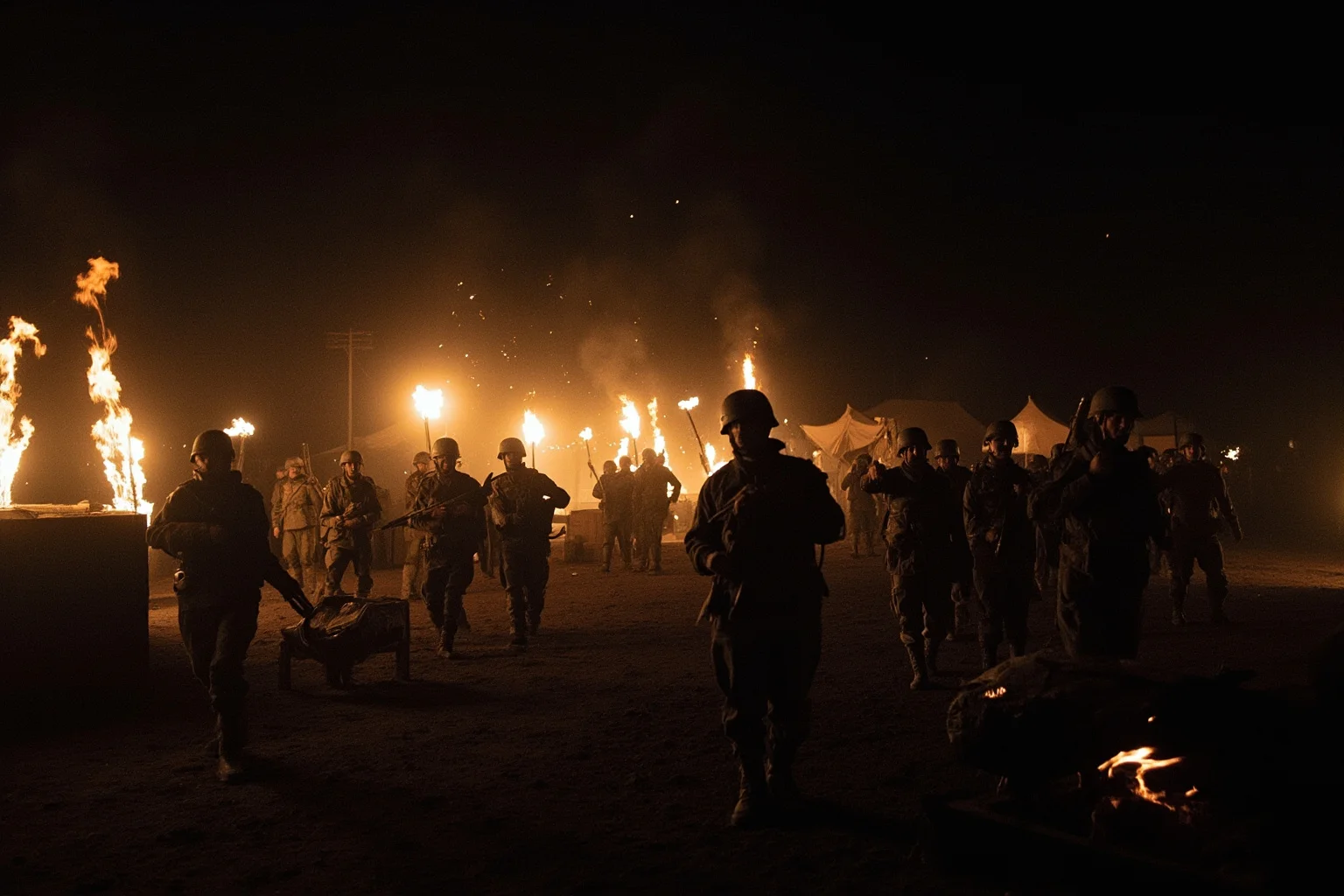
According to a popular and often-repeated story, an Austrian army camped near Karánsebes in 1788 supposedly descended into chaos one night when soldiers argued over schnapps, panicked in the dark, and ended up firing on their own men. The tale claims thousands of casualties resulted before anyone realized there was no enemy at all.
Historians have increasingly questioned this story, noting that contemporary documentation is thin and the most detailed versions appeared decades later. It’s a favorite in funny history stories collections, but it’s best treated as an unverified legend rather than settled fact.
9. The London Beer Flood: When a Brewery Vat Burst

On October 17, 1814, a giant vat at London’s Horseshoe Brewery ruptured, unleashing over 100,000 gallons of beer into the surrounding slum streets. The wave of ale reportedly knocked down walls and flooded basements where people were living.
Tragically, several people did die in the flood — a reminder that even a story this absurd can brush up against the worst man-made disasters in history — so it’s not purely comedic, but the sheer image of a beer tsunami rolling through London has made it a recurring favorite in funny history discussions. The brewery was later found not liable, since the disaster was ruled an accident.
10. The Great Stork Derby: Toronto’s Baby-Making Inheritance Race
When wealthy Toronto lawyer Charles Vance Millar died in 1926, his unusual will left a large portion of his fortune to whichever woman in the city gave birth to the most children in the following decade. Several families competed intensely, and the press dubbed it the Great Stork Derby.
The contest sparked lawsuits, public debate, and no small amount of scandal before it concluded in 1936. Four women were eventually declared joint winners, each having had nine children during the qualifying period, splitting the inheritance.
11. The Kentucky Meat Shower: Meat That Fell From the Sky

On March 3, 1876, small chunks of what appeared to be meat reportedly rained down over a farm in Bath County, Kentucky, startling the family who witnessed it. Samples were sent for analysis, and some scientists at the time speculated it might be lung tissue from vultures that had regurgitated it mid-flight.
The exact explanation is still debated, and no fully conclusive account has ever been agreed upon. Still, it remains one of the more bizarre entries in American history that reads more like folklore than fact.
12. The Dancing Plague of 1518: A Town That Couldn’t Stop Dancing

In the summer of 1518, a woman in Strasbourg reportedly began dancing in the street and didn’t stop for days, and dozens of others soon joined her in what became known as the dancing plague. Some accounts claim participants danced until they collapsed from exhaustion, and a number reportedly died.
Historians have proposed theories ranging from mass psychogenic illness brought on by stress and superstition to ergot poisoning from contaminated grain, though no single explanation has been definitively proven. It remains one of the most genuinely puzzling and oddly funny historical events on record, precisely because nobody fully understands why it happened.
13. The Great Moon Hoax: When a Newspaper Invented a Civilization
In 1835, the New York Sun published a series of articles claiming a famous astronomer had discovered bat-winged humanoids and other fantastical creatures living on the Moon. Readers across the country were captivated, and circulation for the paper reportedly soared.
The stories were entirely fabricated, and the Sun never issued a formal retraction, though it eventually became clear the whole thing was satire that got wildly out of hand. It stands as one of the earliest and funniest media hoaxes in American history.
14. The Berners Street Hoax: London’s Most Elaborate Prank
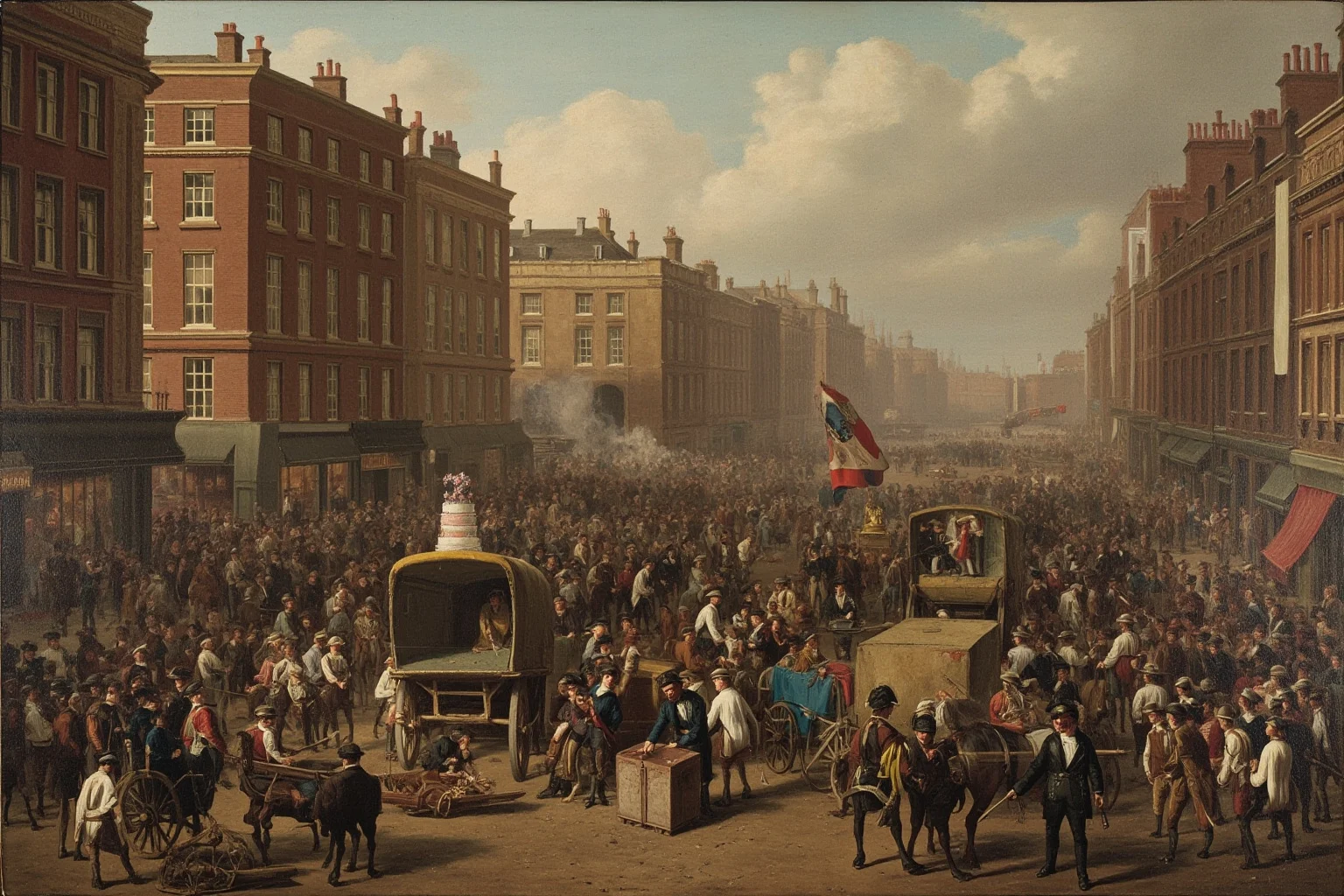
In 1810, a British writer named Theodore Hook reportedly sent out thousands of letters in someone else’s name, ordering deliveries, tradesmen, and even dignitaries to descend on a single address on Berners Street in London. On the appointed day, the street filled with confused wagons, coal deliveries, wedding cakes, and bewildered visitors, all arriving at once.
The chaos apparently lasted most of the day, and Hook is said to have watched the spectacle unfold from a nearby window. It’s remembered as one of the largest and funniest coordinated pranks of the era, long before anyone had heard of a prank call.
15. Operation Mincemeat: The Fake Corpse That Fooled the Nazis

During World War II, British intelligence planted a corpse dressed as a fictional officer, complete with fabricated love letters and fake invasion plans, and let it wash up on a Spanish beach in 1943. The goal was to convince German intelligence that the Allies planned to invade Greece rather than Sicily.
The deception reportedly worked, helping divert German attention away from the real invasion site. It’s a rare case where a genuinely funny and audacious plan also had real, serious wartime consequences.
16. Emperor Norton: San Francisco’s Self-Declared Ruler
In 1859, a failed businessman named Joshua Norton declared himself Emperor of the United States and issued proclamations to local newspapers, which happily printed them. Rather than having him arrested, San Franciscans largely humored him, and some local merchants even accepted his self-printed currency.
He was a fixture of the city for over two decades, and his funeral reportedly drew thousands of mourners. Emperor Norton remains one of American history’s most good-natured oddities, a reminder that a city can choose to be charmed rather than alarmed.
17. Tirpitz the Pig: The Royal Navy’s Unlikely Mascot
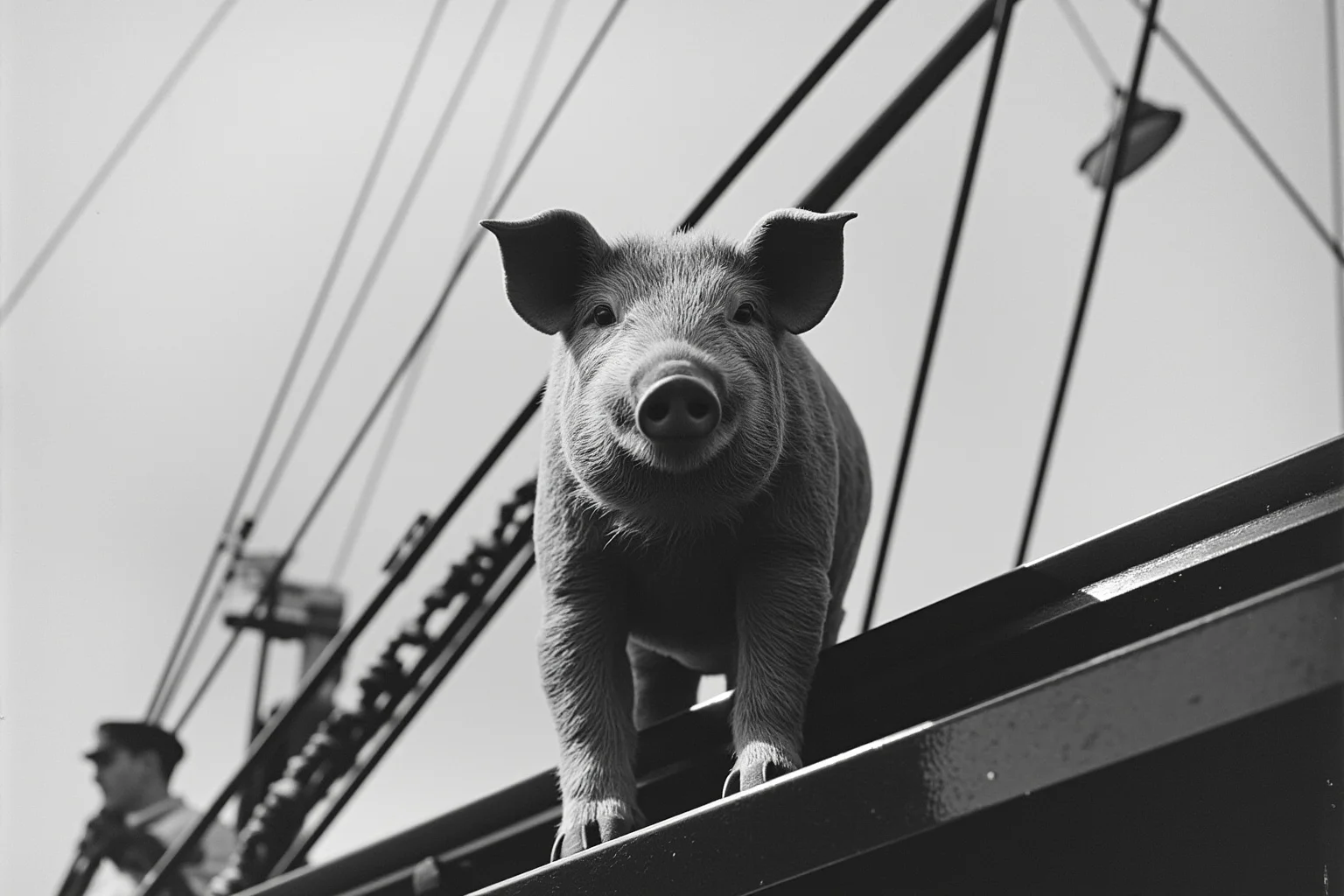
During World War I, a pig was reportedly rescued from a German ship, the SMS Dresden, and brought aboard a British cruiser, where sailors named it Tirpitz after the German admiral. The pig became something of a celebrity mascot for the crew during the war.
After the war ended, Tirpitz was reportedly auctioned off for charity, and the pig’s preserved head has been displayed at the Imperial War Museum. It’s a small, strange story that shows even wartime history has room for the absurd.
18. The War of Jenkins’ Ear: A Conflict Named After a Body Part

In 1739, Britain went to war with Spain partly over an incident years earlier in which a British sea captain, Robert Jenkins, claimed Spanish coast guards had cut off his ear. Jenkins reportedly displayed the preserved ear to Parliament, whipping up public outrage.
The ear incident was really just one grievance among broader trade and colonial tensions, but it gave the conflict its unforgettable nickname. It’s remembered today as proof that funny wars sometimes get remembered for their names rather than their causes.
19. The Great Balloon Hoax: Edgar Allan Poe’s Fake News Story
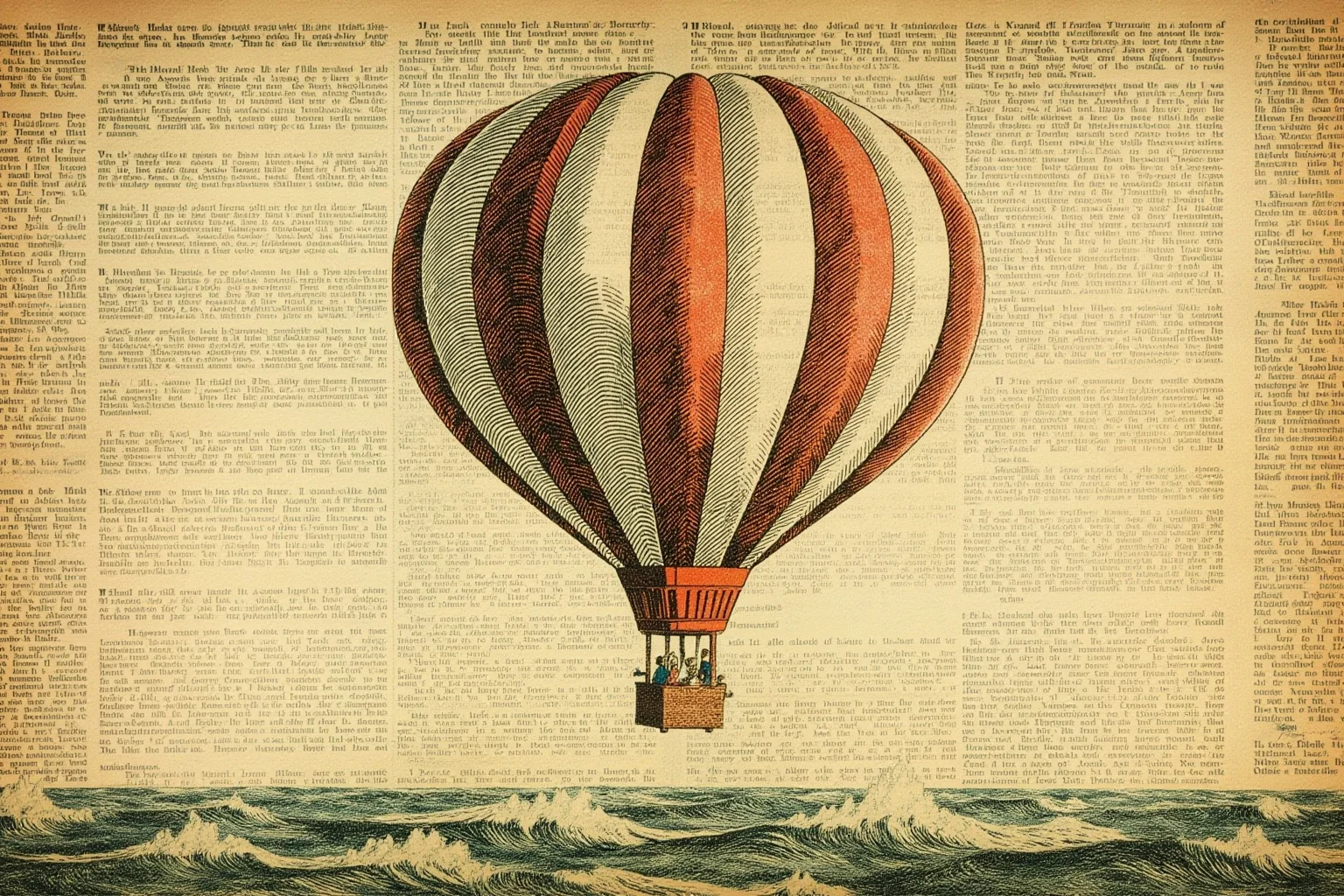
In 1844, writer Edgar Allan Poe published a sensational newspaper account claiming a hot air balloon had successfully crossed the Atlantic Ocean in just three days, complete with named passengers and technical detail. Readers in New York reportedly rushed to buy copies of the paper.
The story was entirely fictional, and Poe retracted it just two days later once the excitement had run its course. It’s often cited as an early example of how convincingly written fake news could spread long before the internet existed.
20. The Exploding Whale of Oregon
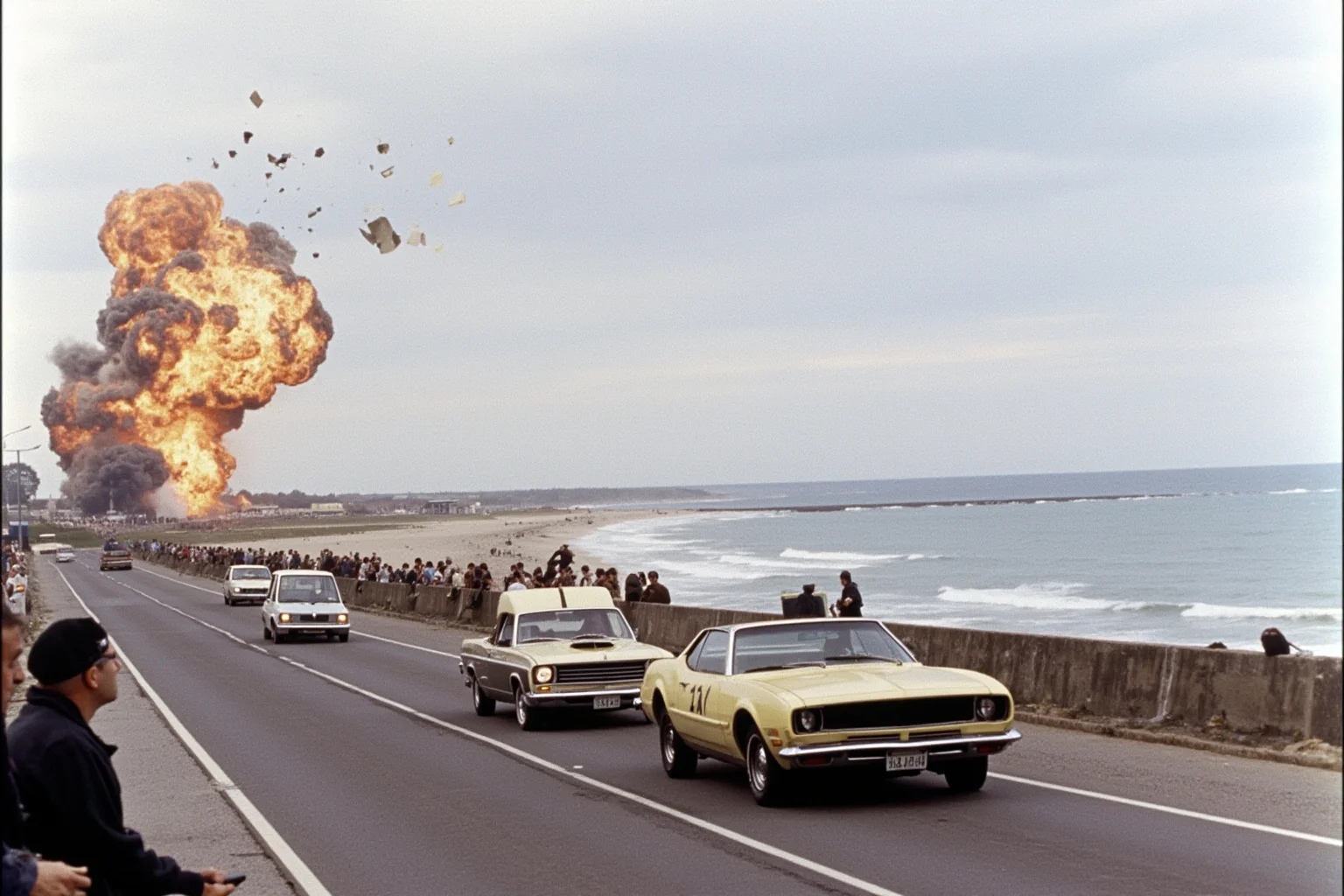
In November 1970, a dead sperm whale washed ashore near Florence, Oregon, and highway officials decided the best way to dispose of it was to use dynamite. Onlookers gathered at a safe distance to watch, expecting a tidy explosion.
Instead, chunks of whale reportedly rained down over the crowd and surrounding area, including on a car that was destroyed by falling debris. Local news footage of the event later went viral decades after the fact, turning a messy 1970s cleanup mishap into an enduring piece of American history.
21. Pope Callixtus III and the Comet He Allegedly Excommunicated
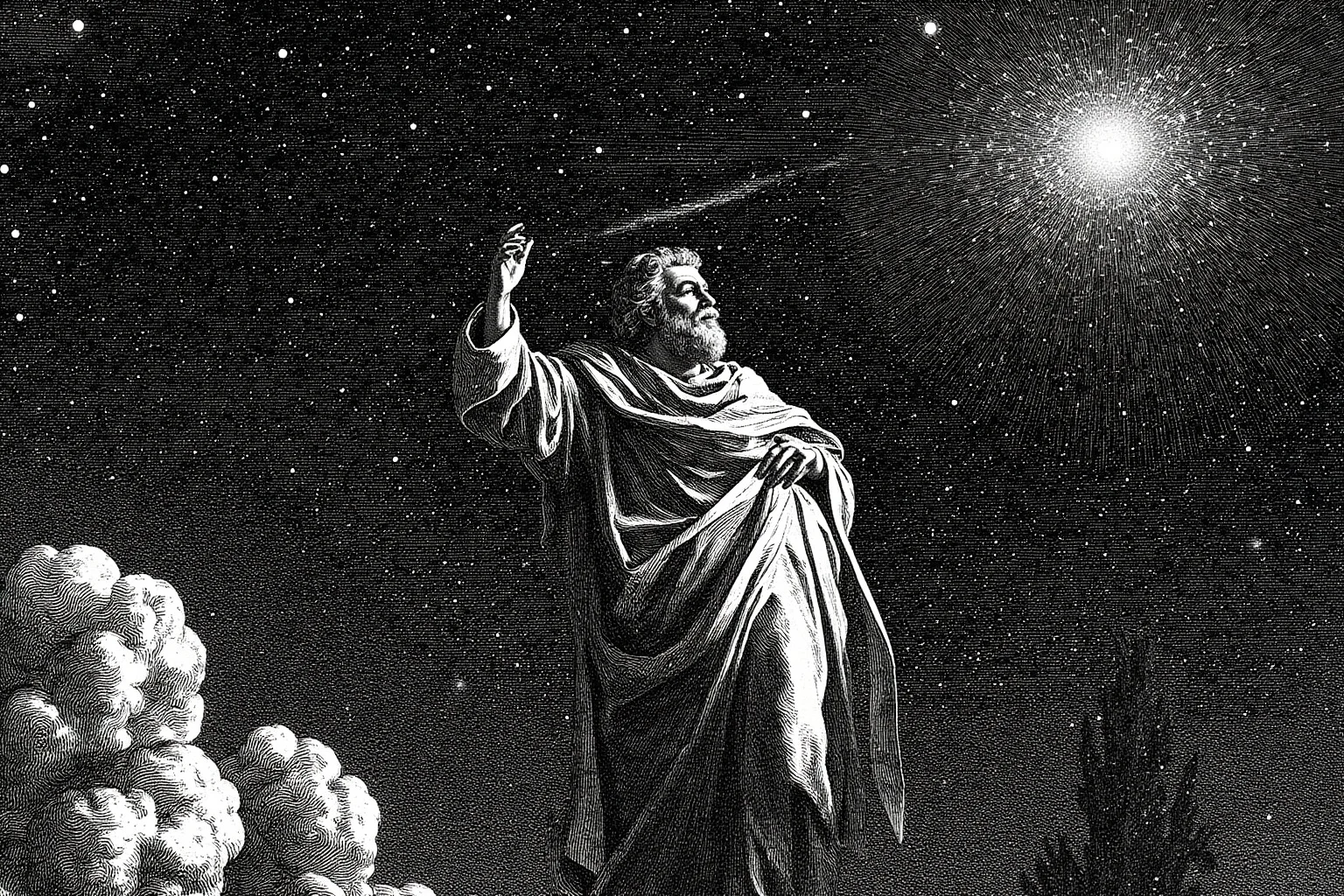
A long-circulated story claims that in 1456, Pope Callixtus III was so alarmed by the appearance of what we now know as Halley’s Comet that he formally excommunicated it, treating the celestial event as a bad omen tied to the Ottoman advance into Europe. The image of a pope trying to banish a comet from the sky has made this one of the most retold funny historical stories online.
Historians have never located a primary church document actually excommunicating the comet, and many now consider the tale exaggerated or invented later. The pope did order prayers regarding the Ottoman threat around that time, but the comet-excommunication detail appears to be a much later embellishment rather than a verified historical event.
22. The Cod Wars: Iceland and Britain’s Trawler Standoffs

Between the 1950s and 1970s, Iceland and the United Kingdom repeatedly clashed over fishing rights in the North Atlantic, in a series of confrontations dubbed the Cod Wars. Icelandic coast guard vessels became known for cutting the nets of British trawlers using specially designed cable cutters, essentially fighting a war with scissors instead of guns.
No one was killed in the disputes, though there were collisions between ships and plenty of diplomatic shouting. Iceland ultimately secured an expanded fishing zone, proving that a funny-sounding war can still end with real geopolitical consequences.
Why We Still Laugh at History
What ties all of these funny historical events together isn’t just absurdity for its own sake. Each one reveals something true about human nature — our stubbornness over borders, our love of a good prank, our willingness to pour enormous resources into ideas that seemed brilliant at the time and turned out to be anything but.
If you enjoy checking what happened on this day in history, stories like these are a good reminder that not every date on the calendar has to be grim or ceremonial. Funny history moments are just as real, just as documented, and honestly a lot more fun to remember at a dinner party.
The next time someone tells you history is boring, mention the spy cat, the exploding whale, or the war fought entirely with liquor bottles. Real events, real archives, and proof that even the past occasionally couldn’t help but be ridiculous.
Frequently Asked Questions
What are some of the funniest events in history?
Some of the funniest events in history include the Whisky War between Canada and Denmark, the CIA's failed Operation Acoustic Kitty spy program, Australia's Great Emu War, and the Pig War between the US and Britain. These are all well-documented events, unlike a few popular legends that historians consider exaggerated or unverified.
Are stories like the Battle of Karánsebes actually true?
The Battle of Karánsebes, where an Austrian army supposedly panicked and fired on itself in 1788, is widely repeated but poorly documented in contemporary sources. Most historians treat it as a legend that grew more dramatic over time rather than a confirmed historical event.
What is considered the funniest war in history?
The Anglo-Zanzibar War of 1896 is often cited as the funniest and shortest war in history, lasting under an hour. The Whisky War between Canada and Denmark, fought entirely through swapped liquor bottles over several decades, is another popular pick for funniest wars.
Did the CIA really try to turn a cat into a spy?
Yes, according to declassified information referenced by former CIA officials, the agency ran a program in the 1960s called Operation Acoustic Kitty that implanted listening equipment into a cat. The program was reportedly abandoned after early field tests failed.
What is a good example of a funny historical event in American history?
The Kentucky Meat Shower of 1876 and the 1970 exploding whale of Oregon are both frequently cited examples of funny American history. Both involve bizarre, well-documented incidents that sound more like tall tales than real events.

Alex Warren
Related Articles





