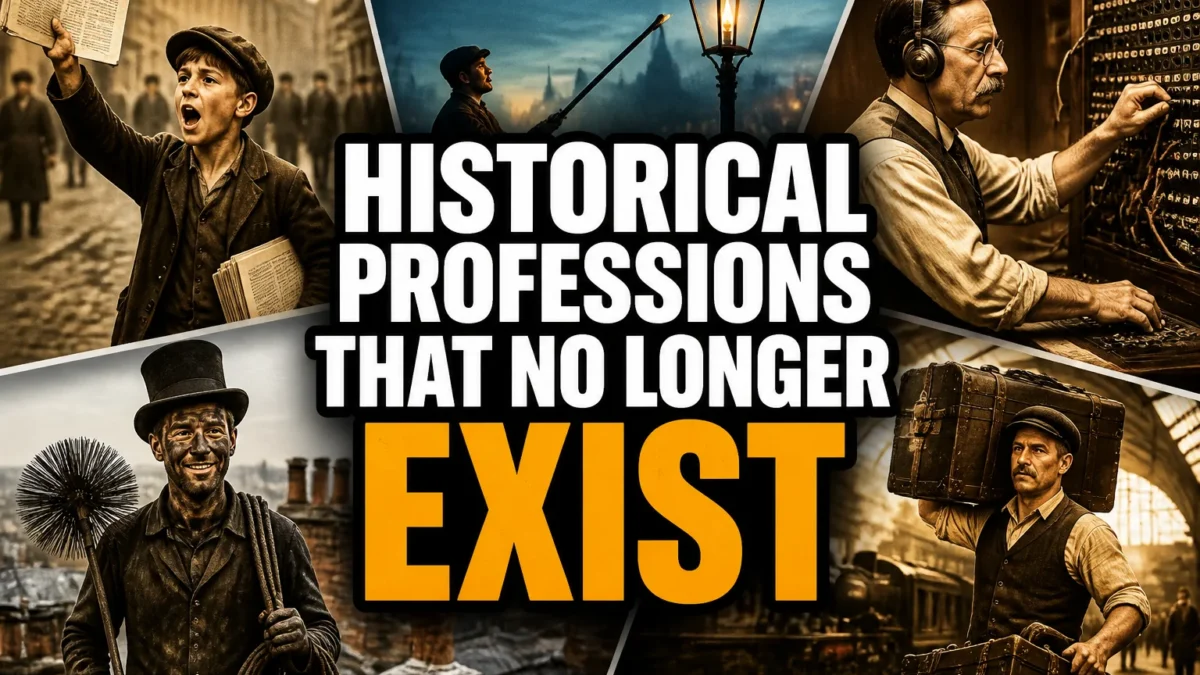
Every job has a lifespan. Some professions lasted centuries, while others flared up for a few decades and vanished almost overnight. The list of jobs that no longer exist is longer than most people realize, and it reads like a strange alternate history of human labor.
Before alarm clocks, before refrigeration, and before modern medicine, people paid other people to do things that now seem almost incomprehensible. These obsolete occupations tell us a lot about how people lived, what they feared, and what they valued. They also bust a few myths about the past — life wasn't always simpler, and work was often much stranger.
TL;DR: From human alarm clocks to professional mourners, dozens of traditional jobs have disappeared as technology, medicine, and social norms evolved — leaving behind a fascinating record of how people once worked.
Why Do Jobs Disappear?
Jobs vanish for three main reasons. The first is technology, which replaces human labor with machines, software, or entirely new systems. The second is social change, which makes certain services unnecessary or unacceptable. The third is economic shift, where supply chains and market structures change so much that entire trades collapse.
Most of the historical jobs on this list disappeared for a combination of reasons. A lamplighter wasn't just replaced by electricity; the entire infrastructure of gas lighting became obsolete. A knocker-upper wasn't just replaced by alarm clocks; the social contract around waking up for work changed too.
Understanding why these old professions died helps explain how the modern labor market works. It also offers a humbling reminder that no job is truly permanent. Today's essential career could be tomorrow's historical curiosity.
What Are the Oldest Professions?
The phrase "oldest profession" is often used jokingly, but historians take it seriously. Some of the earliest documented occupations include farming, toolmaking, weaving, brewing, and midwifery. These ancient jobs predate written records and appear in archaeological evidence from thousands of years ago.
Many old professions on this list are not ancient at all, though. Some lasted only a century or two. What makes them fascinating is not their age, but how completely they have vanished from daily life. A person from 1900 would recognize very few of our jobs, just as we would struggle to understand theirs.
20 Historical Jobs That No Longer Exist
Here are 20 obsolete occupations that once employed thousands of people. Each one tells a story about a different era and a different way of living.
1. Knocker-Upper
The knocker-upper was a human alarm clock. Before affordable alarm clocks became common in the 1920s and 1930s, workers in industrial Britain and Ireland paid someone to tap on their bedroom windows each morning with a long stick. Some knocker-uppers used pea shooters or rattles to wake their clients.
This old timey job was especially common in mill towns where factory shifts started before dawn. The knocker-upper would walk a regular route, tapping windows until they heard a response from inside. The profession faded as mechanical alarm clocks became cheap and reliable enough for working-class households.
2. Lamplighter
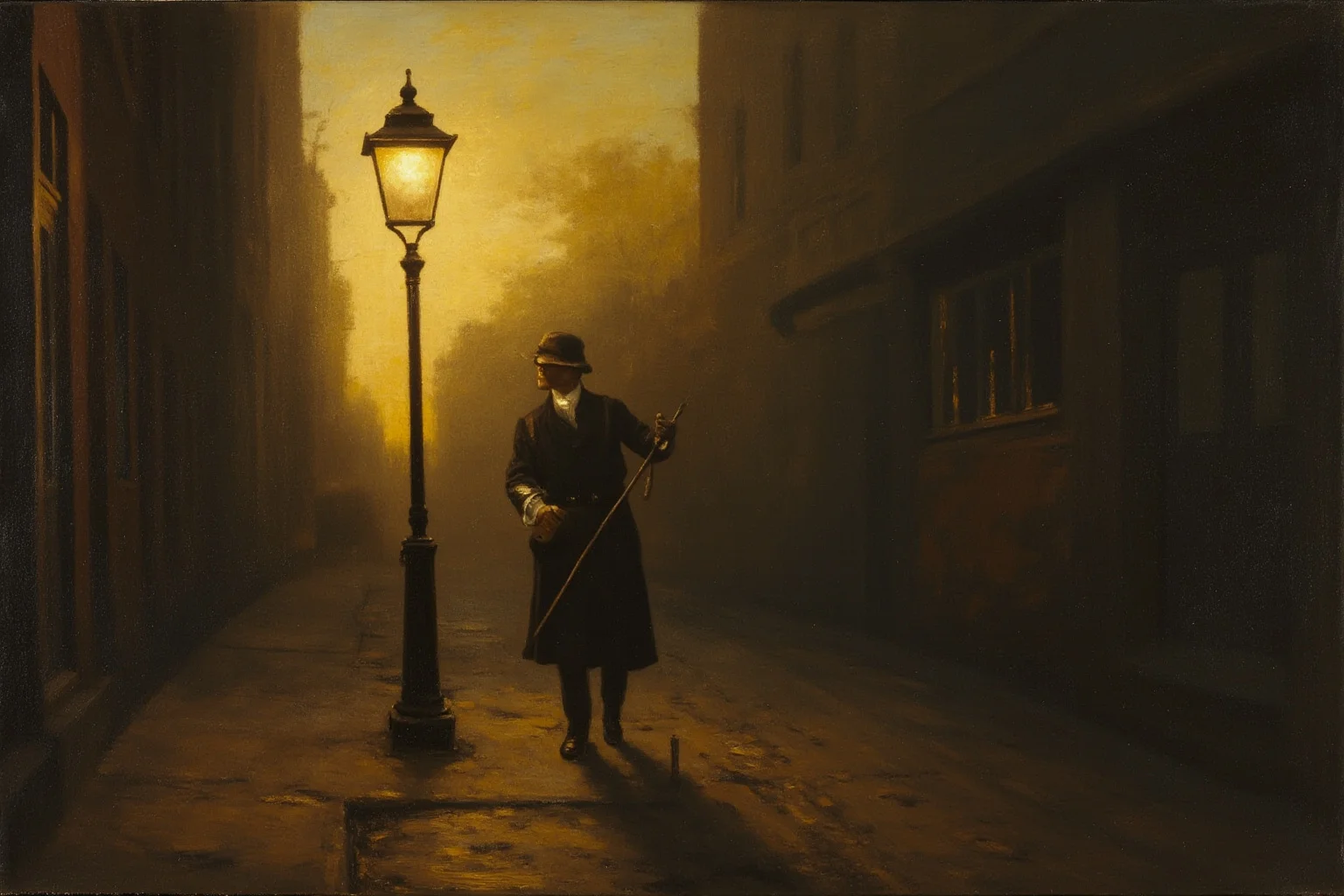
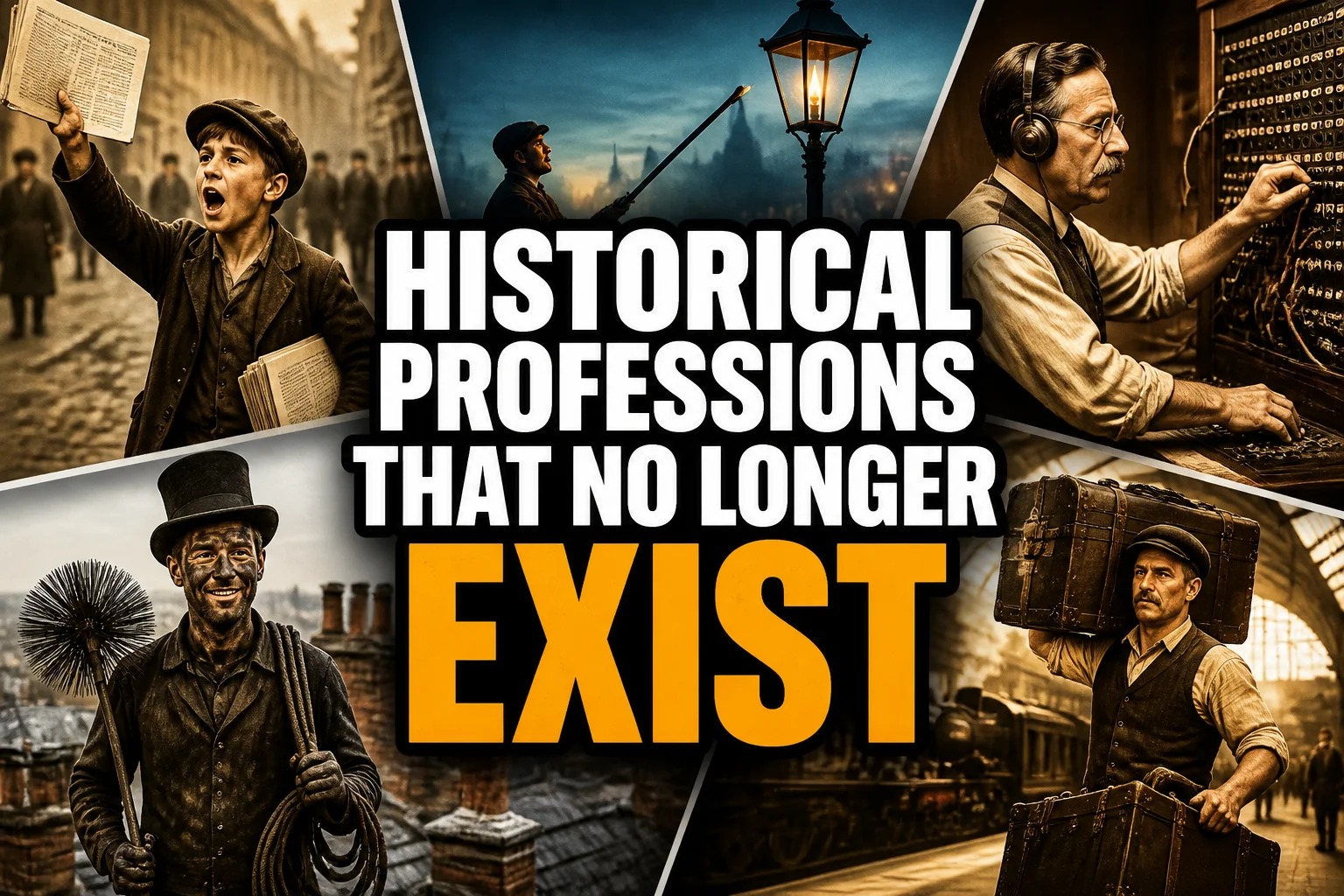
Lamplighters walked the streets at dusk, lighting gas lamps with a long pole topped by a wick. They returned at dawn to extinguish them. In the 1800s, thousands of lamplighters worked in cities across Europe and North America.
Electric street lighting began replacing gas lamps in the late 1800s, and by the mid-20th century the lamplighter was essentially extinct. A few ceremonial lamplighters still work in historic districts like London's Temple area, but the job no longer exists as a widespread profession.
3. Leech Collector
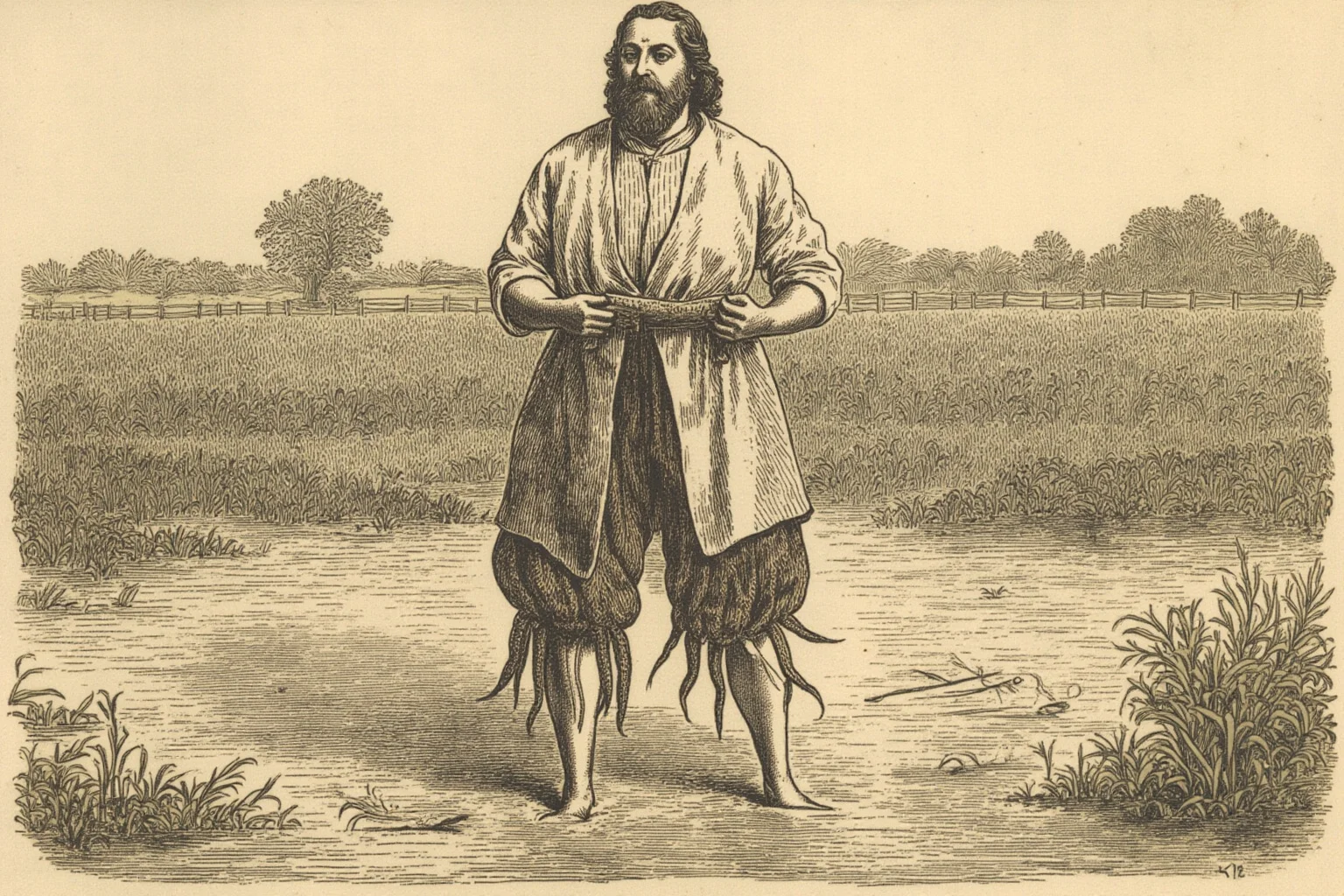
Before modern medicine understood blood circulation, doctors used leeches to treat everything from fevers to headaches. Leech collectors waded into ponds and marshes, often using their own legs as bait. The leeches would attach to their skin, and the collector would pull them off and sell them to apothecaries.
This was a gruesome and poorly paid job, often done by women in rural areas. The profession declined as medical science advanced in the 1800s. Interestingly, leeches have made a small comeback in modern medicine for specific surgical procedures, but the full-time leech collector is long gone.
4. Resurrectionist
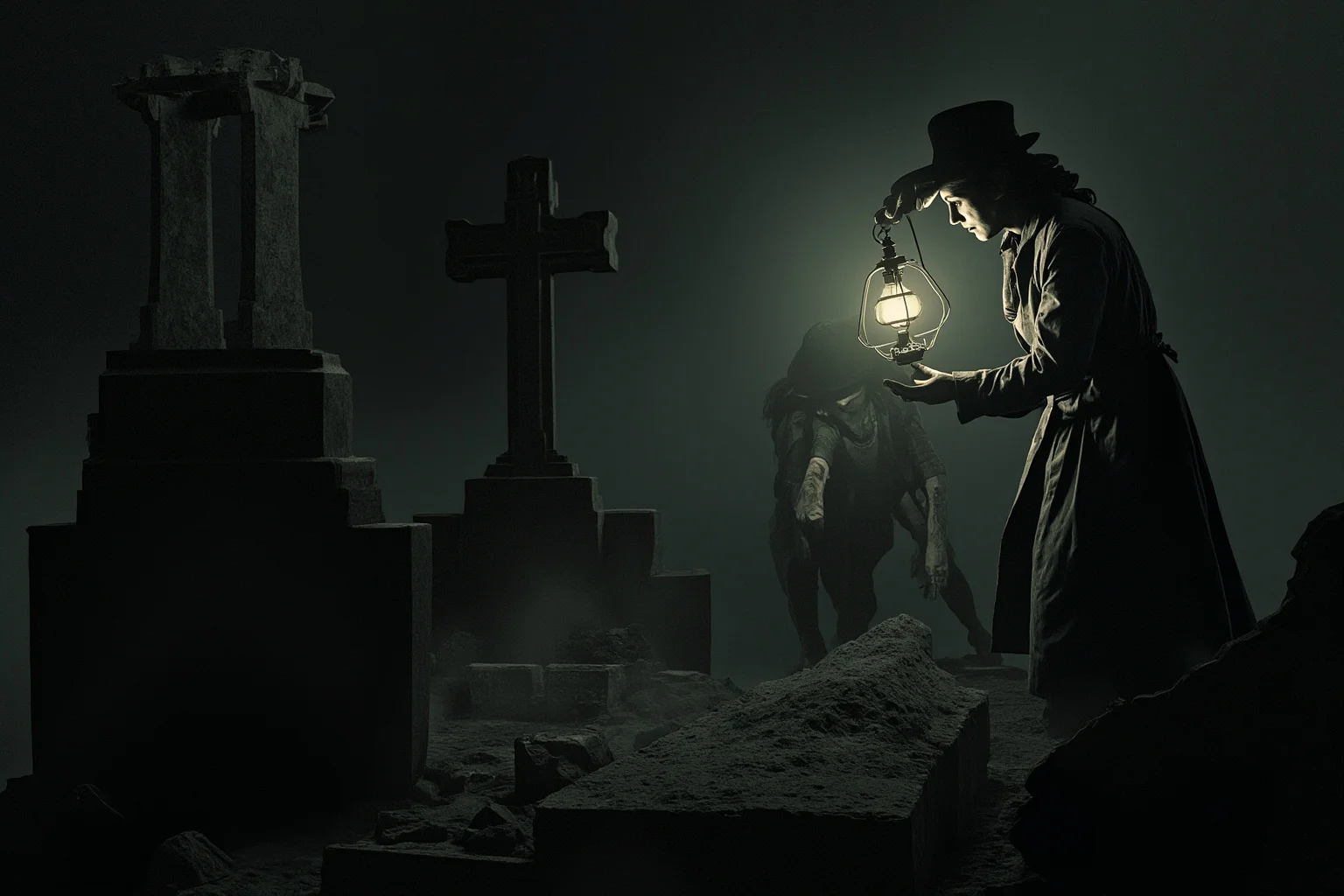
Resurrectionists, also called body snatchers, stole freshly buried corpses and sold them to medical schools for anatomy classes. In the 1700s and early 1800s, medical schools had a desperate need for cadavers but very few legal sources. Resurrectionists filled that gap, often working in teams and digging graves at night.
The profession was dangerous, illegal, and deeply unpopular. Public outrage led to the Anatomy Act of 1832 in Britain, which allowed medical schools to use unclaimed bodies from workhouses and hospitals. This legal change made the resurrectionist obsolete almost overnight.
5. Ice Cutter
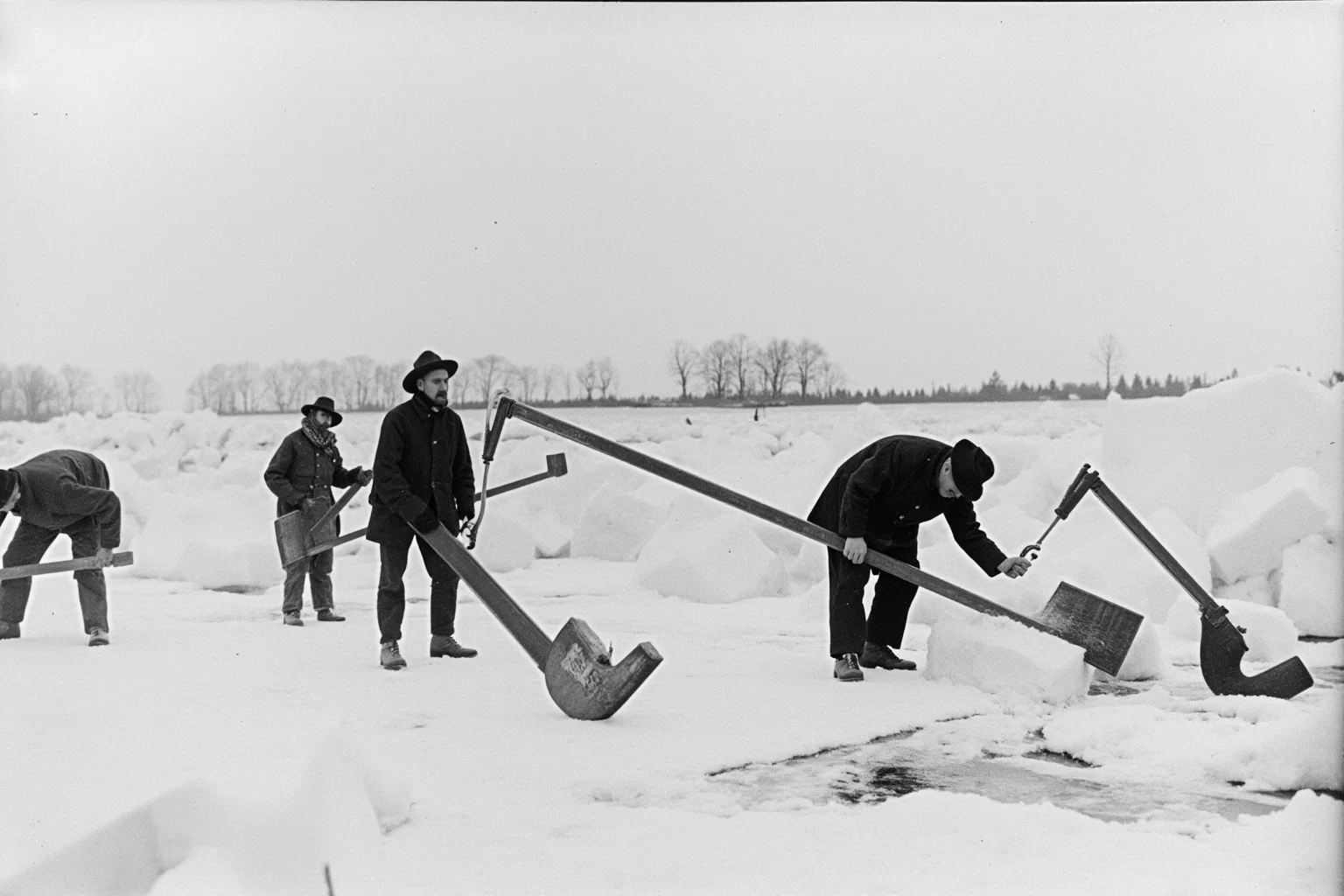
Before electric refrigeration, ice was harvested from frozen lakes and rivers in winter. Ice cutters used large saws to cut blocks of ice, which were then stored in insulated ice houses and sold throughout the year. This was brutal, dangerous work done in freezing conditions.
The ice trade was a massive industry in the 1800s, shipping ice from New England to India and the Caribbean. Mechanical ice-making and household refrigerators killed the profession by the 1920s. Today, ice cutting survives only as a hobby or historical reenactment.
6. Town Crier
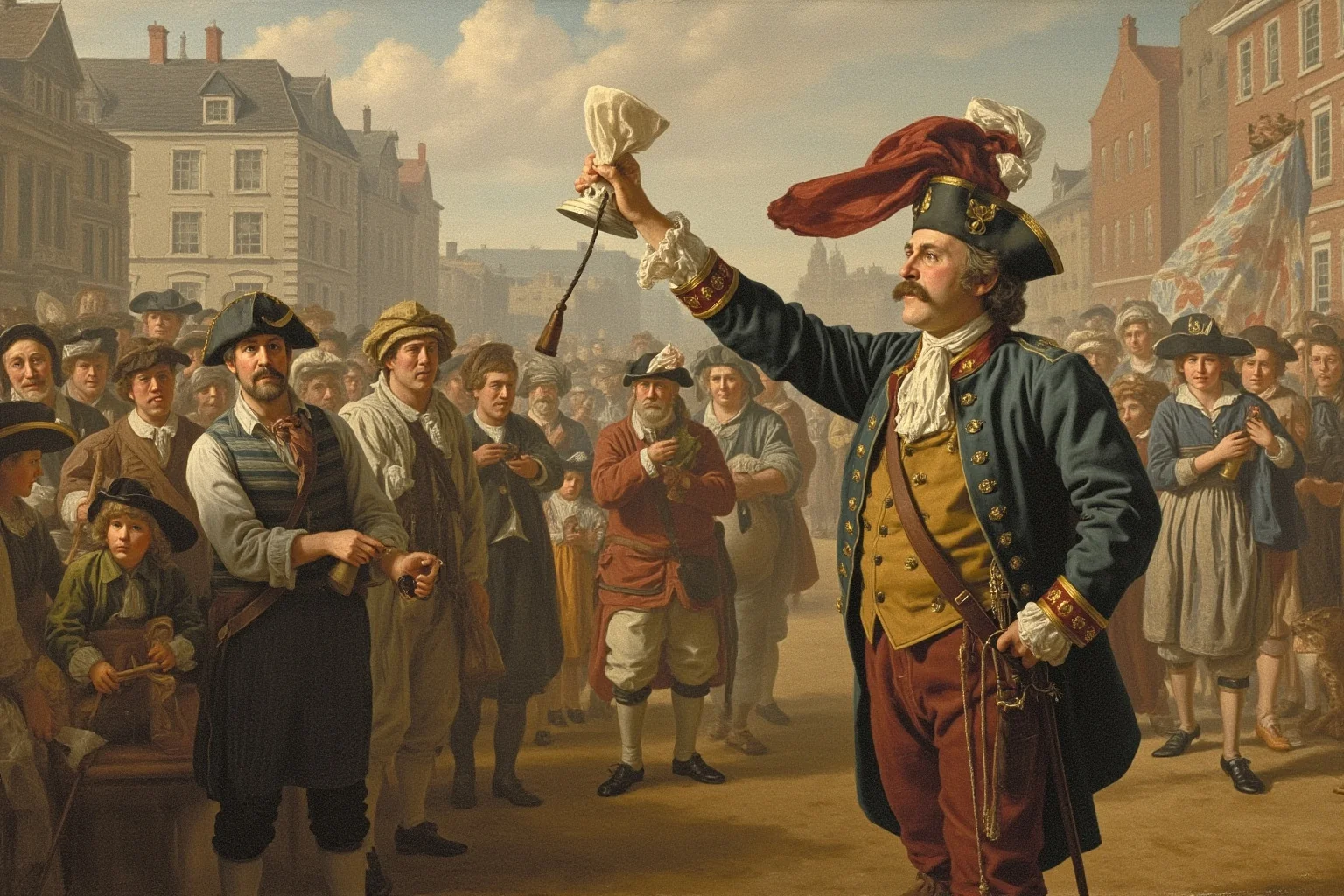
Town criers were official public announcers. They would ring a bell, call out "Oyez, oyez," and read proclamations, news, and market announcements in public squares. Before widespread literacy and newspapers, the town crier was often the only source of official information for ordinary people.
As literacy rates rose and print media expanded, the town crier became unnecessary. Some cities still employ ceremonial town criers for events and tourism, but the role no longer carries the civic importance it once did.
7. Pinsetter

Before automatic pinsetting machines were invented in the 1940s, bowling alleys employed young boys to reset pins by hand. Pinsetters sat at the end of the lane, cleared fallen pins, and returned the ball to the bowler.
This was a low-paid, often dangerous job. Flying pins and bowling balls could cause serious injuries. The first automatic pinsetter was patented in 1936, and by the 1950s most bowling alleys had switched to machines. The human pinsetter became one of the many extinct jobs of the 20th century.
8. Switchboard Operator

In the early days of the telephone, every call had to be connected manually. Switchboard operators plugged cables into jacks to route calls between lines. At its peak in the mid-1900s, hundreds of thousands of people, mostly women, worked as telephone operators.
Automated switching systems began replacing human operators in the 1920s and 1930s, but the job survived in smaller numbers until direct dialing became universal. The profession is now essentially gone, replaced by digital networks and automated systems.
9. Milkman
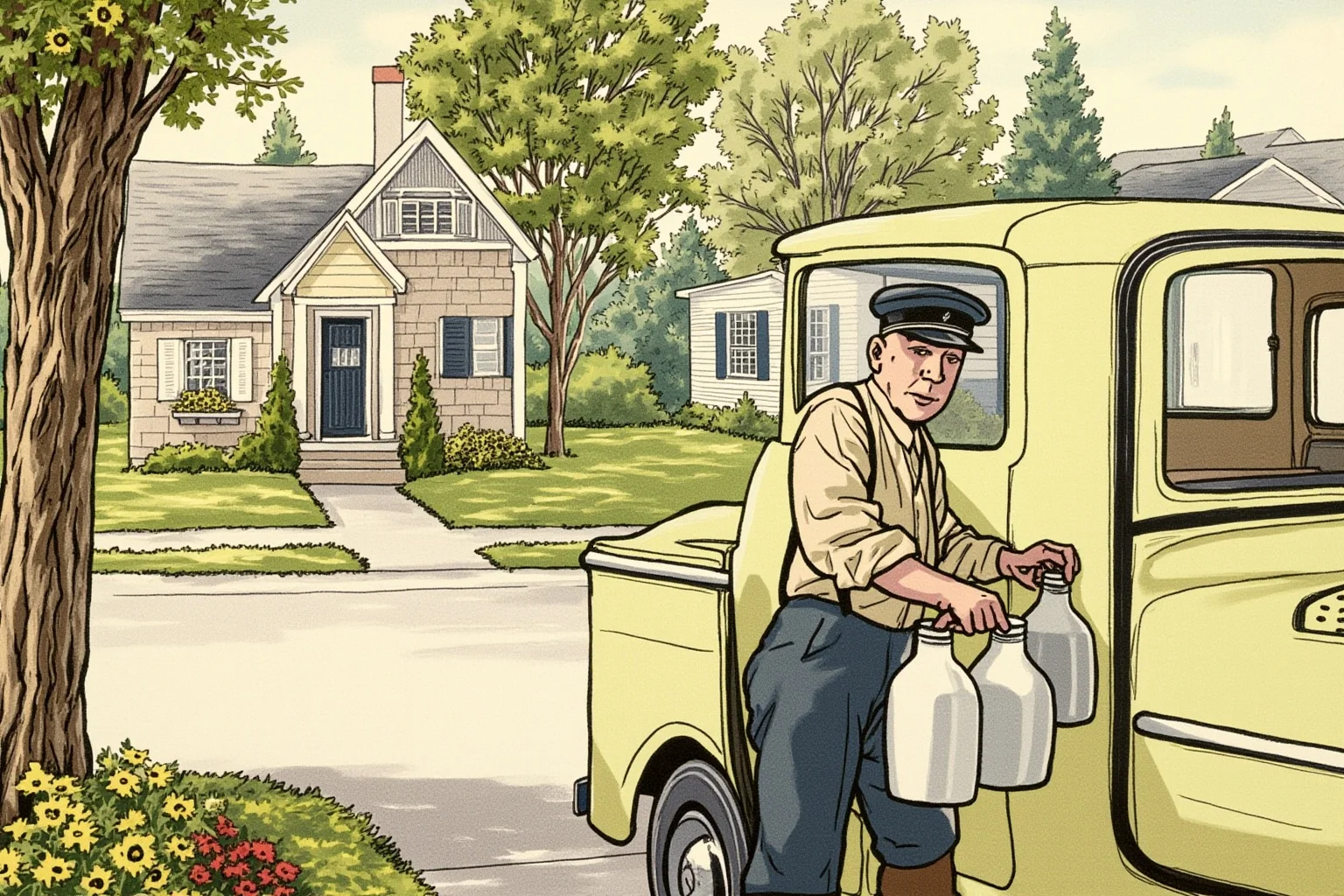
The milkman delivered fresh milk to doorsteps every morning, usually from a horse-drawn cart or later a small truck. In the mid-1900s, milk delivery was a common sight in neighborhoods across America and Europe. The milkman would leave glass bottles on the doorstep and collect empty ones for reuse.
Home refrigeration and the rise of supermarkets made milk delivery unnecessary for most families. A small number of milk delivery services still operate today, often as a premium or nostalgic option, but the traditional job of the daily milkman has largely disappeared.
10. Chimney Sweep
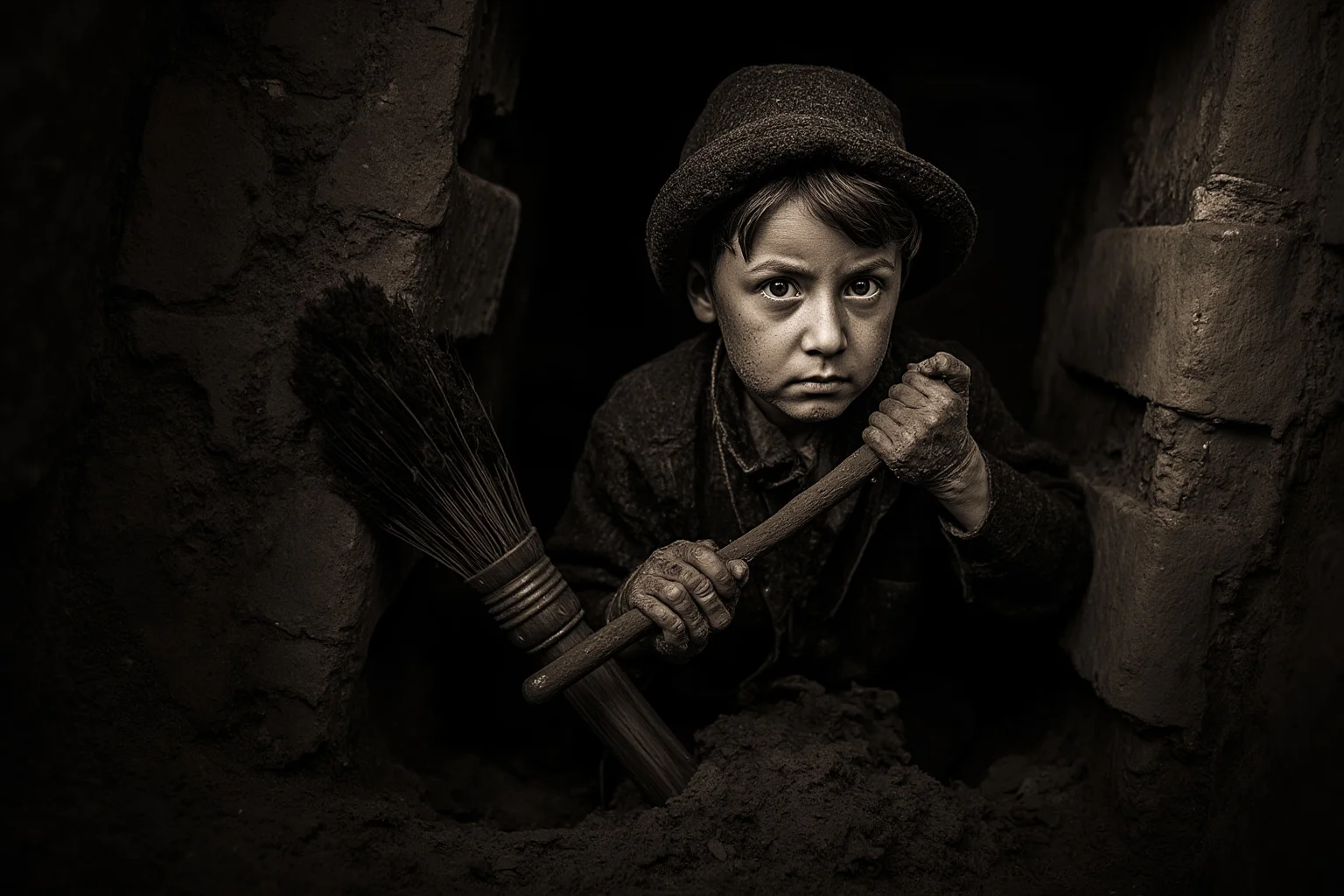
Chimney sweeps climbed into narrow flues to clean soot and creosote from chimneys. In the 1700s and 1800s, this was often done by small children who could fit into tight spaces. The work was dangerous, dirty, and caused serious health problems.
Labor reforms in the 1800s banned the use of child chimney sweeps, and modern heating systems reduced the need for chimney cleaning. Professional chimney sweeps still exist today, using modern tools and safety equipment, but the old image of the climbing sweep has vanished.
11. Rat Catcher
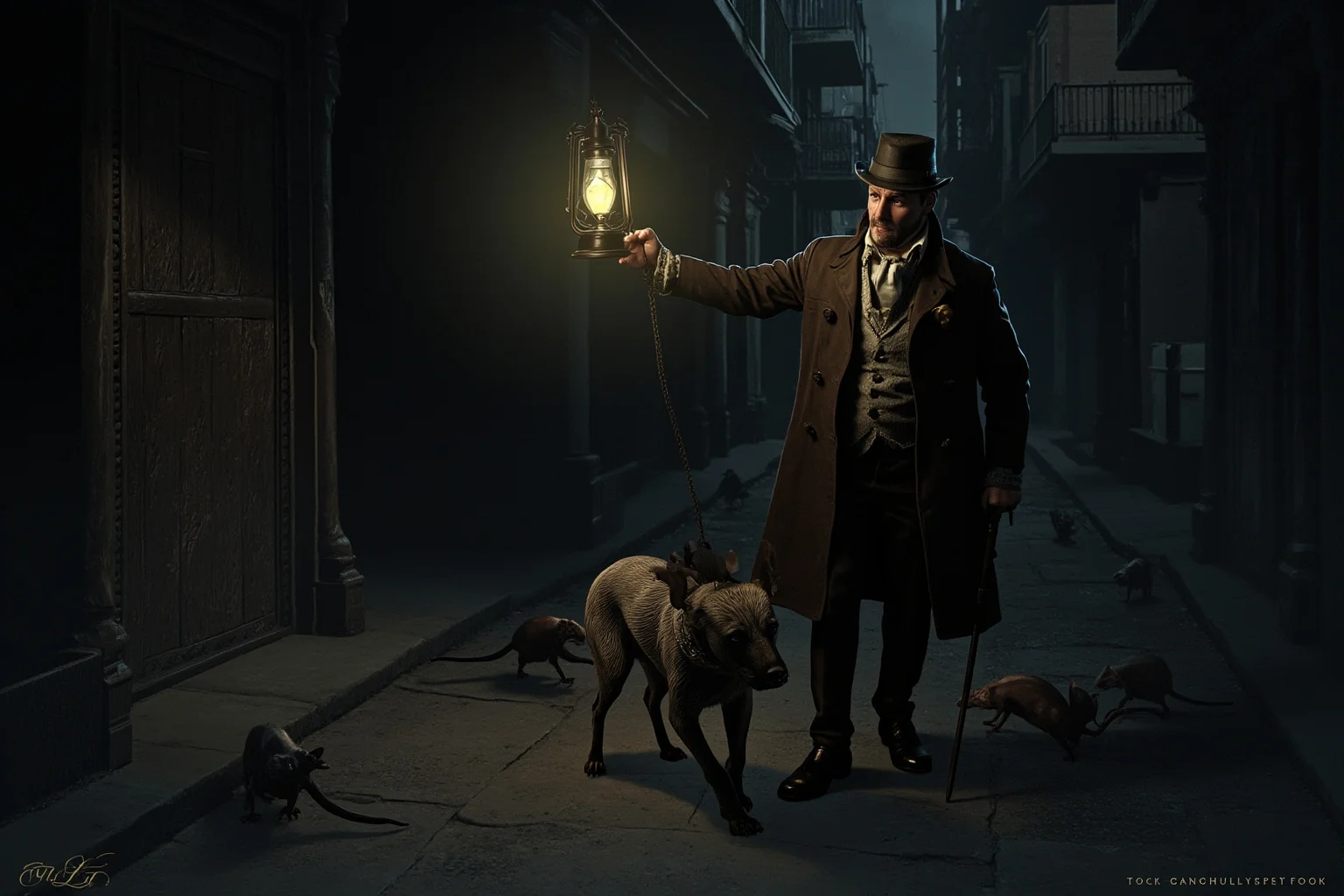
Before modern pest control, rat catchers were employed to control rodent populations in cities. They used dogs, traps, poison, and sometimes their bare hands. Rat catchers were common in Victorian London and other large cities where rats spread disease and destroyed food supplies.
The profession declined as sanitation improved and professional pest control companies emerged. Rat catchers are often remembered in popular culture, from the Pied Piper legend to characters in Victorian novels, but the traditional street rat catcher no longer exists as a standalone trade.
12. Gandy Dancer
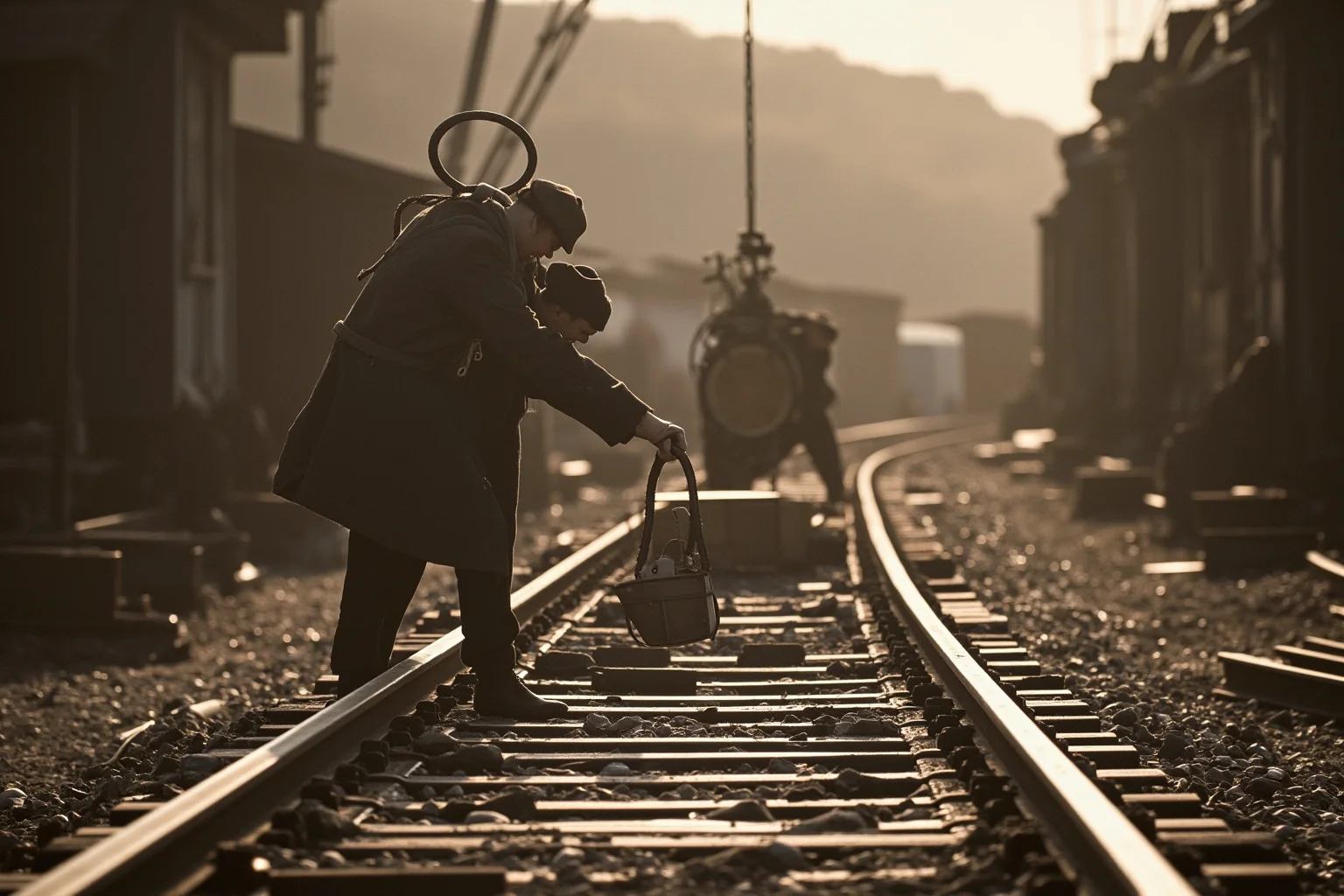
Gandy dancers were railroad workers who maintained and repaired tracks. The name likely comes from the rhythmic chants and synchronized movements they used while lifting and aligning rails. Gandy dancers worked in crews, using hand tools to straighten tracks, replace ties, and tamp ballast.
The job required incredible coordination and physical strength. Machines eventually replaced most manual track work, and the term faded from common use. Gandy dancers remain a symbol of the railroad era's labor and culture.
13. Soda Jerk
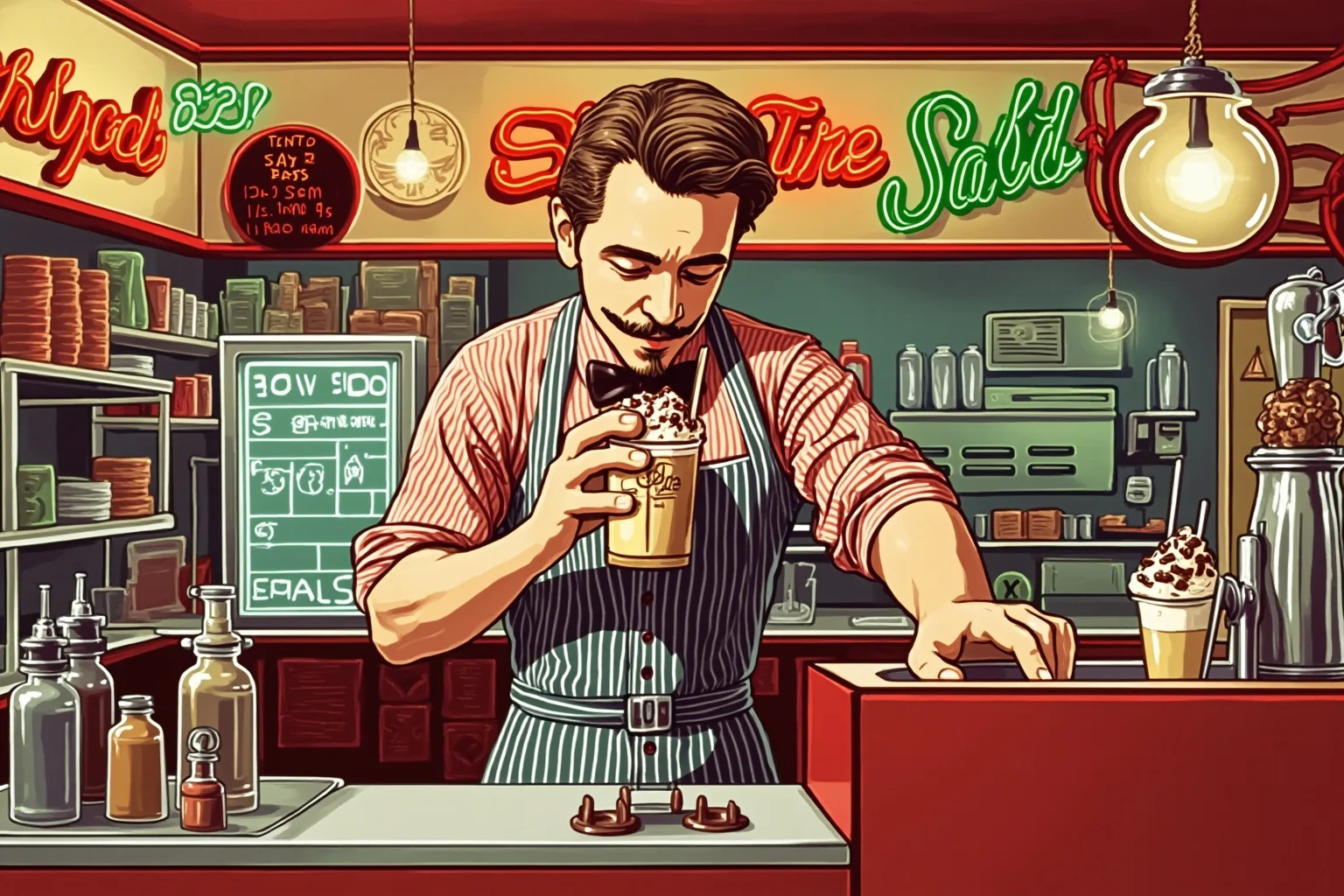
The soda jerk operated the soda fountain in drugstores and ice cream parlors. They mixed flavored syrups with carbonated water, scooped ice cream, and created elaborate sundaes and milkshakes. The name came from the jerking motion used to pull the fountain handle.
Soda jerks were a fixture of American youth culture from the 1920s through the 1950s. Fast food chains and bottled soft drinks made the traditional soda fountain less common. Some vintage soda fountains still exist, but the soda jerk as a widespread profession is gone.
14. Telegraph Operator
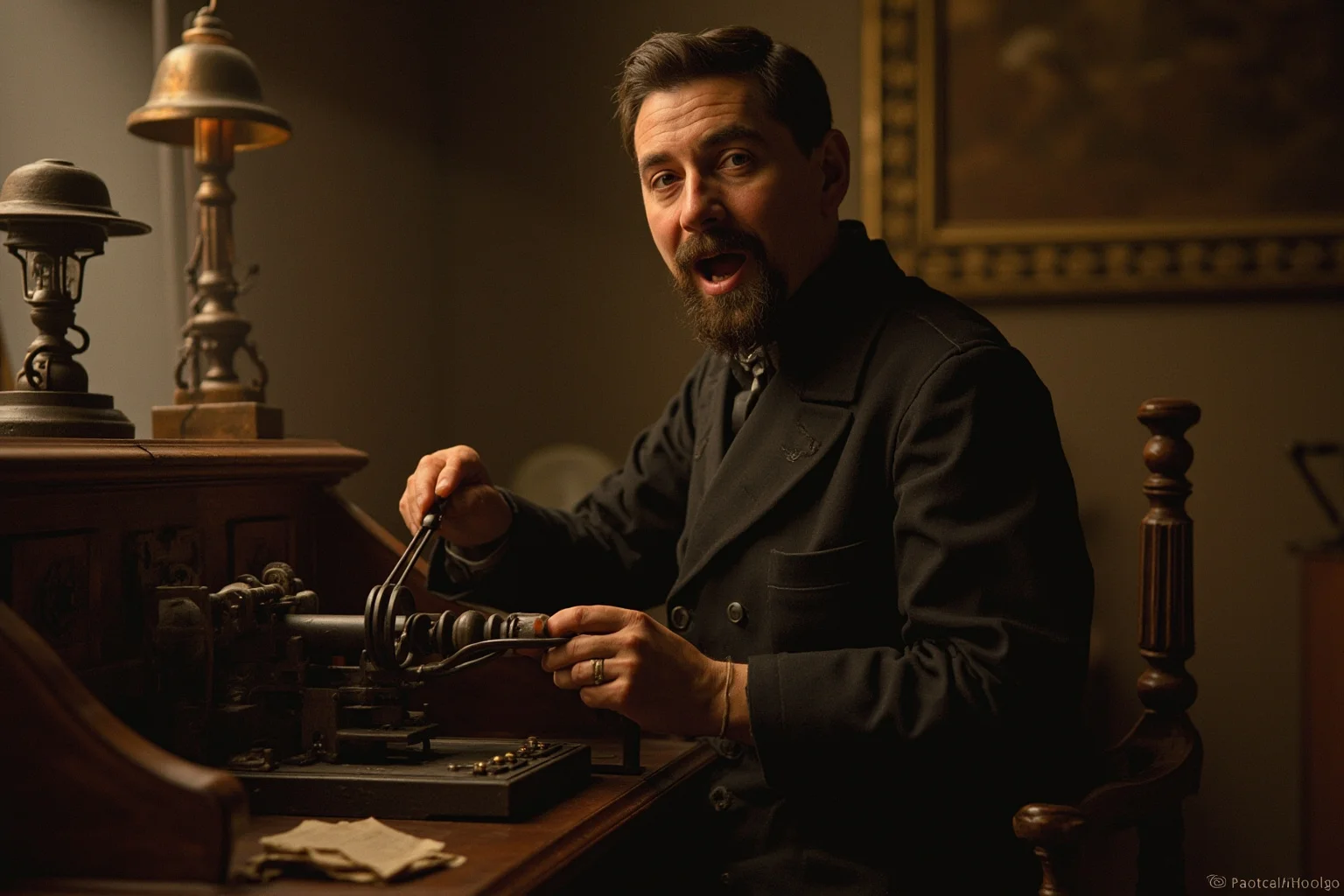
Telegraph operators sent and received messages using Morse code over electric telegraph lines. They worked in offices, train stations, and newsrooms, relaying everything from personal messages to breaking news. The job required fast, accurate code skills and was considered prestigious in the 1800s.
The telephone and later digital communication made the telegraph obsolete. The last commercial telegraph service in the United States ended in 2006, and the profession of telegraph operator has essentially disappeared from the modern workforce.
15. Copyist

Before photocopiers and printers, copyists manually reproduced documents by hand. Monks in medieval scriptoria copied religious texts, while later copyists worked in government offices and legal firms. The work was slow, meticulous, and prone to human error.
The printing press reduced the need for hand copying, but copyists survived in niche roles like legal document preparation. Typewriters, carbon paper, and eventually photocopiers eliminated the profession entirely. Today, the word "copyist" survives mainly in art and music contexts.
16. Fuller
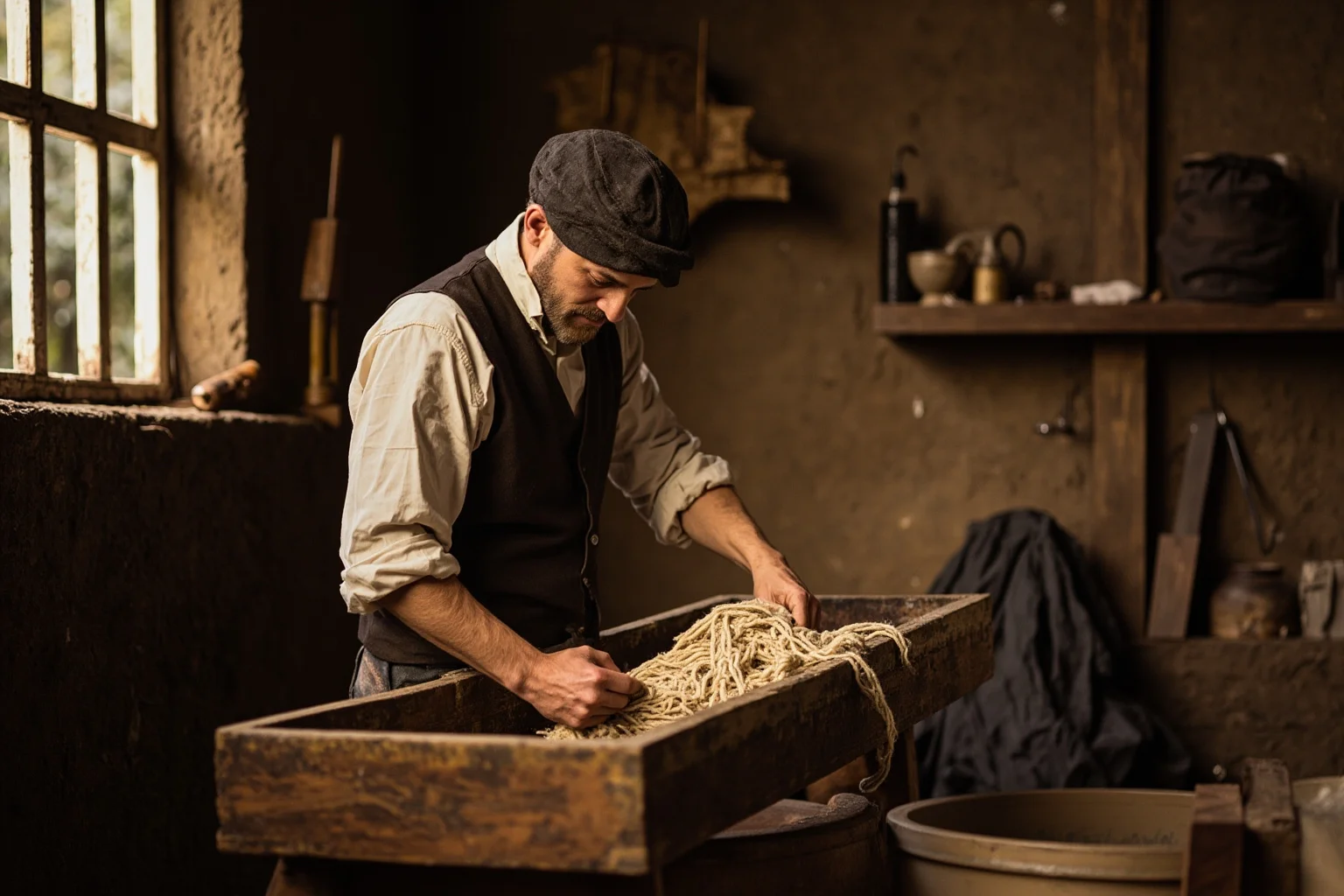
A fuller was a textile worker who cleaned and thickened wool cloth. The job involved soaking cloth in water mixed with urine or fuller's earth, a type of clay, and then beating or walking on it to shrink and soften the fibers. Fulling was essential to producing quality woolen fabric.
The profession dates back to ancient times and was common throughout medieval Europe. Industrial fulling mills replaced manual fullers during the Industrial Revolution. The surname Fuller still exists as a reminder of this ancient job.
17. Linkboy
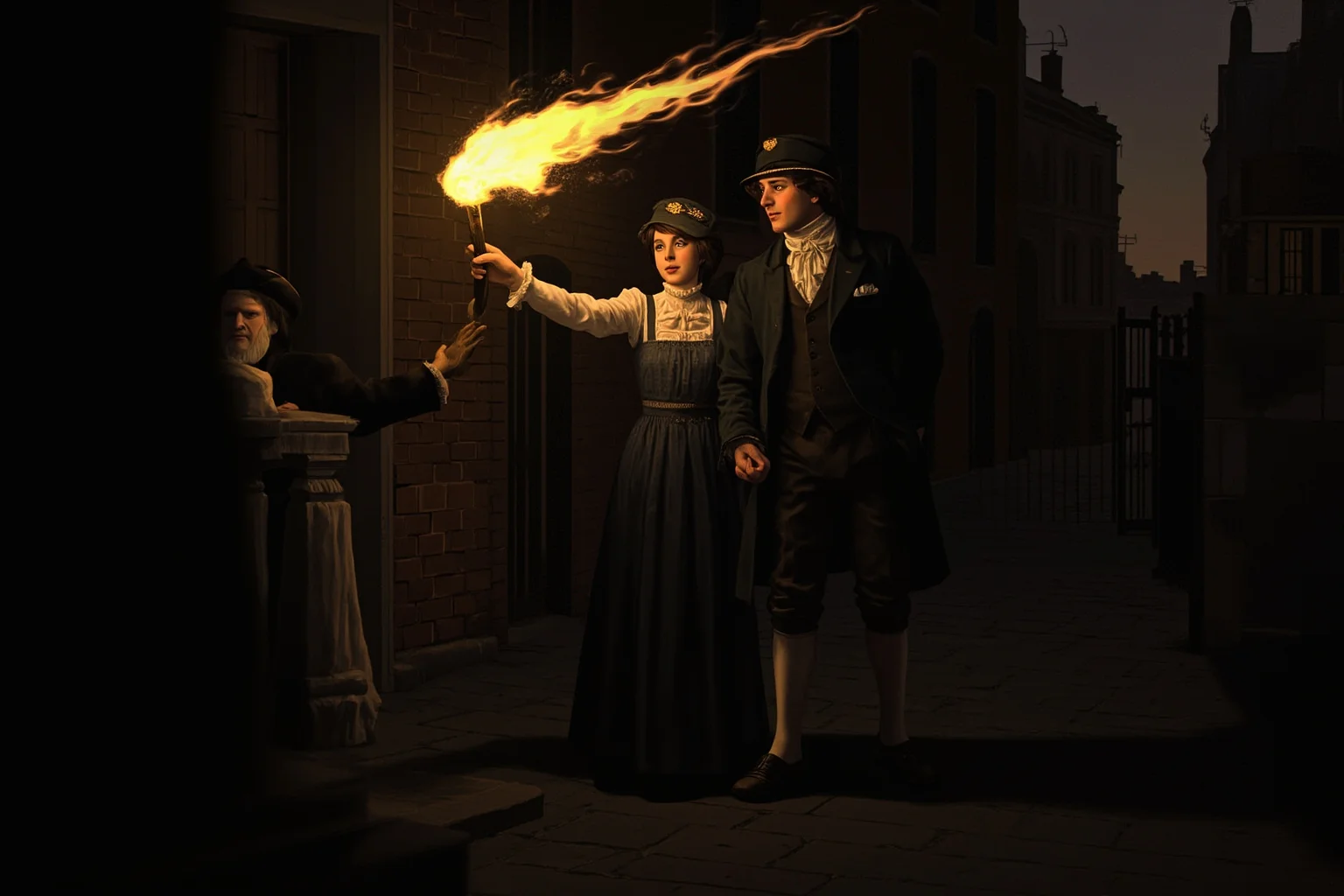
A linkboy was a young man or boy who carried a torch or lantern to guide pedestrians through dark city streets at night. In the 1600s and 1700s, before street lighting was common, linkboys waited outside theaters and taverns to escort people home for a small fee.
The name comes from the "links," or torches, they carried. Linkboys were known for being both helpful and sometimes untrustworthy, occasionally leading customers into dark alleys to rob them. Street lighting made the profession unnecessary, and the linkboy disappeared by the early 1800s.
18. Professional Mourner

Professional mourners, also called moirologists in ancient Greece, were paid to weep, wail, and grieve at funerals. In many cultures, a large, emotional funeral was a sign of respect for the deceased. Families hired mourners to ensure the ceremony looked appropriately sorrowful.
The practice existed in ancient Egypt, Rome, China, and throughout the Mediterranean world. It survives in some cultures today, but as a formal profession it has largely faded in the West. The job appears in the Bible and in ancient literature, making it one of the oldest documented occupations.
19. Phrenologist
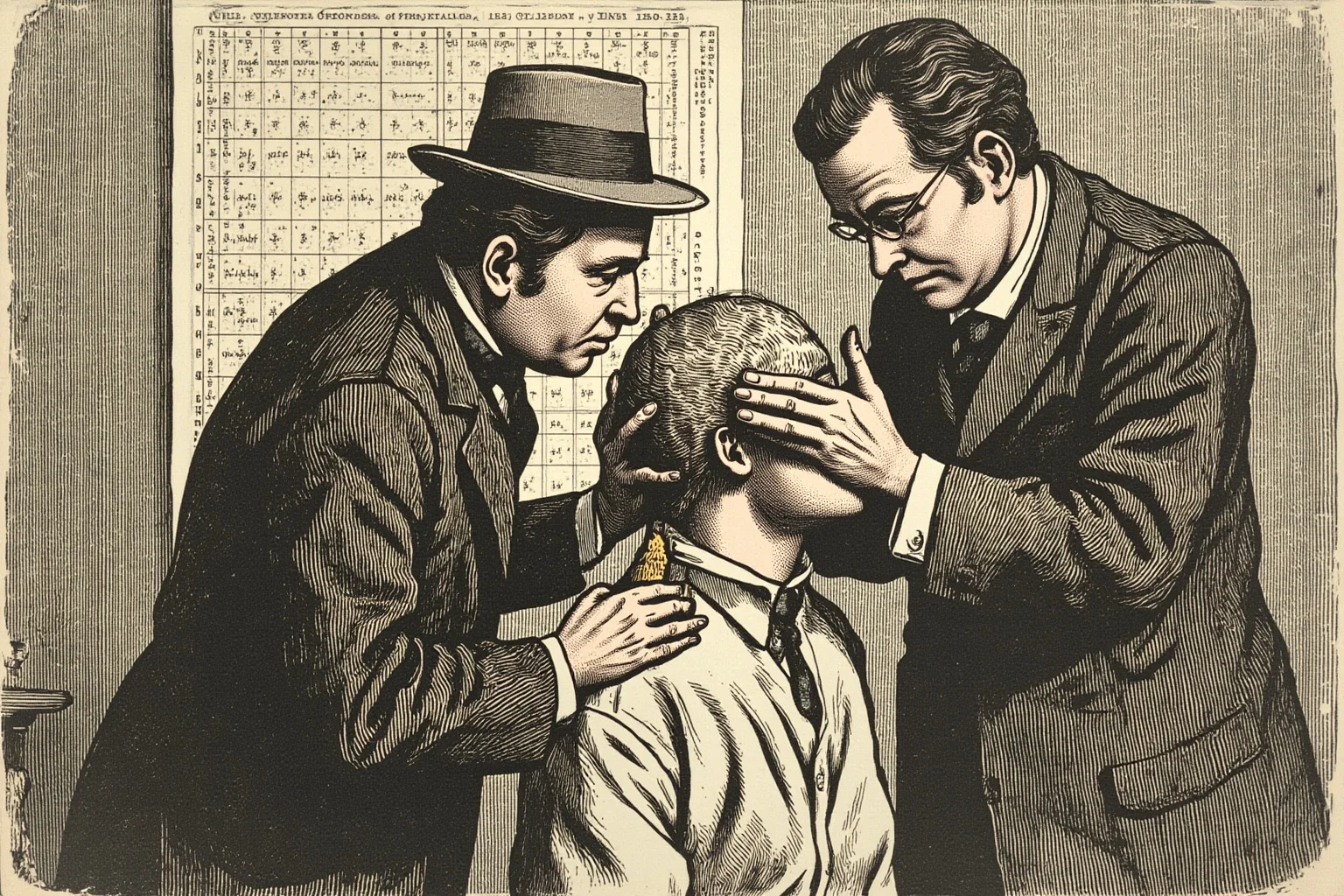
Phrenologists claimed to read a person's character and mental abilities by measuring the bumps on their skull. The pseudo-science was popular in the 1800s, and phrenologists offered readings, wrote books, and even advised employers on hiring.
The practice has been thoroughly discredited by modern neuroscience. Phrenology faded in the early 1900s as scientific psychology developed. The phrenologist is now remembered as an example of how confidently wrong ideas can become popular professions.
20. Human Computer
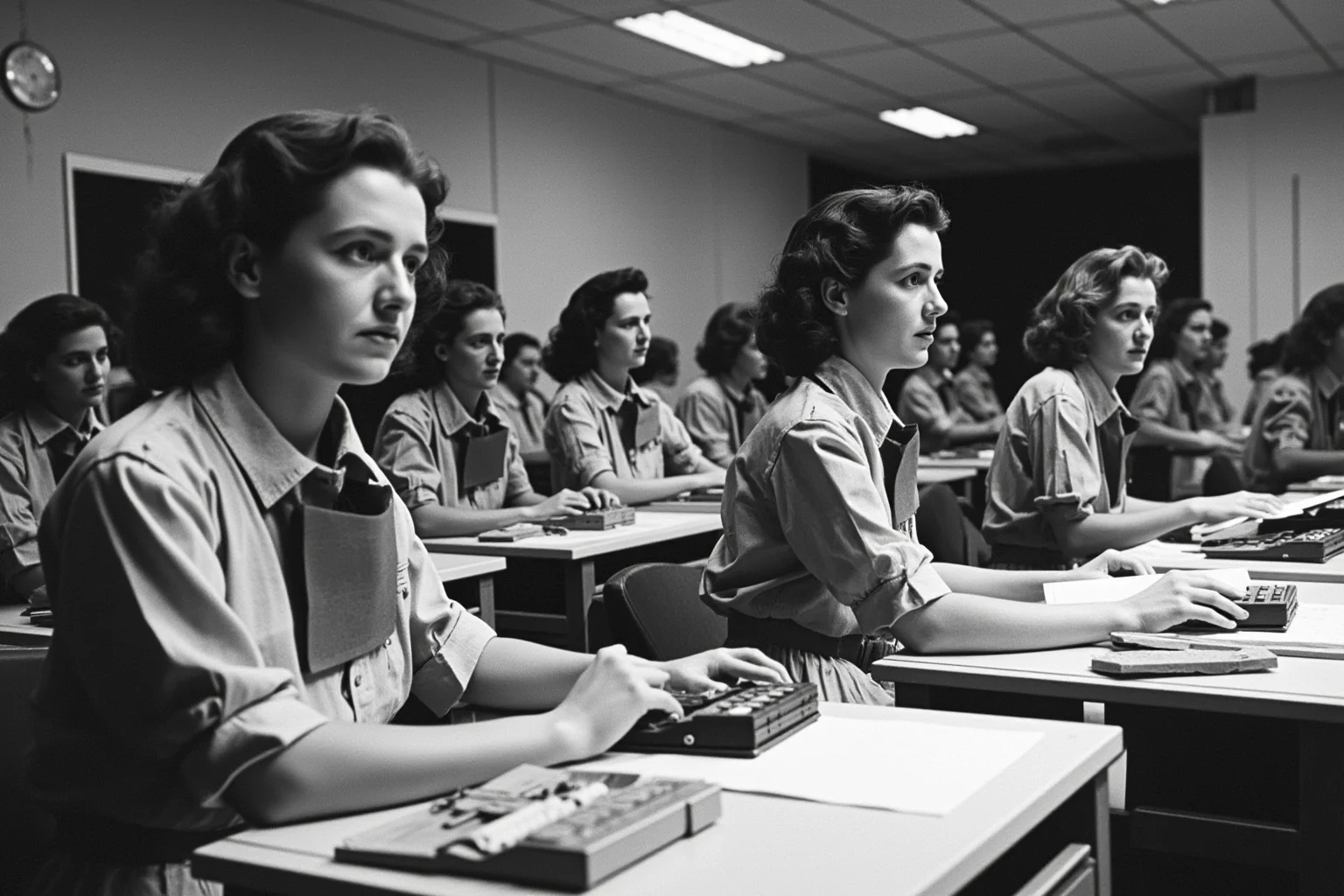
Before electronic computers, "computer" was a job title for a person who performed mathematical calculations by hand. Human computers worked in astronomy, navigation, engineering, and later in early space programs. Many were women, including the teams at NASA made famous by the book and film "Hidden Figures."
Human computers calculated orbits, built tables, and checked complex equations. Electronic computers made the profession obsolete by the 1960s, though the skills they developed were essential to early programming. The job title now means something entirely different.
What Can We Learn From Obsolete Occupations?
These historical jobs remind us that work is always changing. Jobs in the past were shaped by the technology, economy, and social norms of their time. When those conditions changed, the jobs disappeared, often faster than the people doing them expected.
Some of these professions sound strange to us now, but they made perfect sense in their own era. A leech collector was providing what doctors genuinely believed was effective treatment. A knocker-upper was solving a real problem for workers who could not afford clocks. History is full of jobs that seemed essential until they suddenly were not.
Which Professions Are No Longer Professional?
The question "which professions are no longer professional" has a double meaning. Some jobs literally no longer exist as professions, like the lamplighter or the linkboy. Others still exist but have lost their professional status or prestige, such as the milkman or the soda jerk.
A few of these roles survive in changed forms. Chimney sweeps still work today, but with modern tools and regulations. Milk delivery still happens, but as a niche service. The line between "extinct" and "transformed" is not always clear, and that ambiguity is part of what makes labor history so interesting.
The broader lesson is that no profession is permanent. The jobs we consider essential today may be tomorrow's historical footnotes. Understanding why jobs die helps us prepare for the changes that are already happening in the modern economy.
The Future of Work and the Past of Work
Automation, artificial intelligence, and climate change are already reshaping the labor market. Some of today's jobs will become historical curiosities, just as the ice cutter and the telegraph operator did. The cycle of creation and destruction in work has been running for centuries.
Studying obsolete occupations is not just an exercise in nostalgia. It is a way of understanding how economic and technological change actually works. The people who lost these jobs adapted, retrained, or retired. Their children found work in new industries that did not exist when the old jobs began.
This long view of labor history is both humbling and hopeful. It shows that change is constant, but also that people are resilient. The jobs that no longer exist are not just a list of curiosities — they are evidence of how much the world has changed, and how much it will keep changing.
Frequently Asked Questions
What are some examples of jobs that no longer exist?
Examples of jobs that no longer exist include knocker-uppers (human alarm clocks), lamplighters, leech collectors, resurrectionists (body snatchers), ice cutters, town criers, pinsetters, switchboard operators, telegraph operators, and human computers. These professions disappeared due to technological advances, social changes, or shifts in the economy.
What are the oldest professions in history?
The oldest documented professions include farming, toolmaking, weaving, brewing, midwifery, and fulling (cloth processing). These ancient jobs appear in archaeological evidence and early written records from thousands of years ago. Some, like professional mourning, are also among the oldest known paid occupations.
Which professions are no longer professional?
Some jobs have completely vanished as professions, such as lamplighters, linkboys, and phrenologists. Others still exist but have lost their traditional professional status, like the milkman or soda jerk, which survive only as niche or nostalgic services rather than widespread careers.
Why do traditional jobs disappear?
Traditional jobs disappear for three main reasons: technology replaces human labor, social norms make certain services unnecessary or unacceptable, and economic shifts change how goods and services are produced. Most obsolete occupations die from a combination of these factors.
What is an example of an old timey job that sounds fake but was real?
The knocker-upper is a great example of an old timey job that sounds fake but was real. These workers used long sticks to tap on bedroom windows to wake people before alarm clocks were affordable. The profession was common in industrial Britain until the 1930s.

Alex Warren
Related Articles