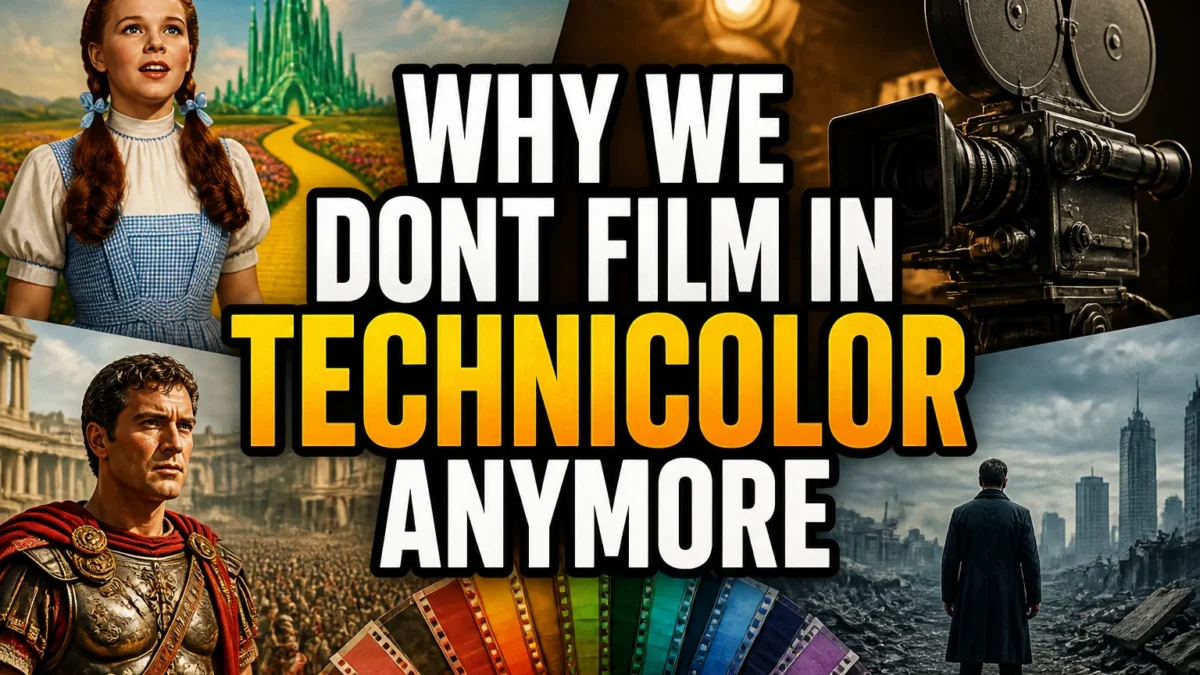
Few visual signatures in film history feel as instantly recognizable as the saturated, almost dreamlike palette of classic Technicolor. Think of Dorothy's ruby slippers glowing against the Yellow Brick Road, or Scarlett O'Hara's emerald curtains dress burning against a sunset sky. Those images feel less like recorded reality and more like vivid dreamscapes painted onto celluloid.
Yet the technology behind that look effectively vanished decades ago, replaced by digital color tools that rarely chase the same effect. The question that lingers for filmmakers and fans is simple: what happened to Technicolor, and is Technicolor still used in any meaningful way today?
TL;DR: Technicolor's original three-strip process was a complex, expensive photochemical system that faded for practical and economic reasons, and while digital tools can imitate its palette, recreating the exact physical look remains surprisingly elusive.
The Birth of a Color Empire
Technicolor did not arrive fully formed as the lush three-strip process most people picture. It began as a series of experiments in the 1910s and 1920s, each iteration struggling to solve the same problem: how to capture and project natural color on film. Early versions used two-color systems that could render only a limited range of hues, often skewing toward pinks, greens, and teals.
Herbert Kalmus, Daniel Frost Comstock, and W. Burton Wescott founded the Technicolor Motion Picture Corporation in 1914. Their early additive and subtractive processes were technically clever but commercially shaky, producing images that looked more like tinted photographs than true color cinema. The company kept refining its approach, learning from each failed or semi-successful release.
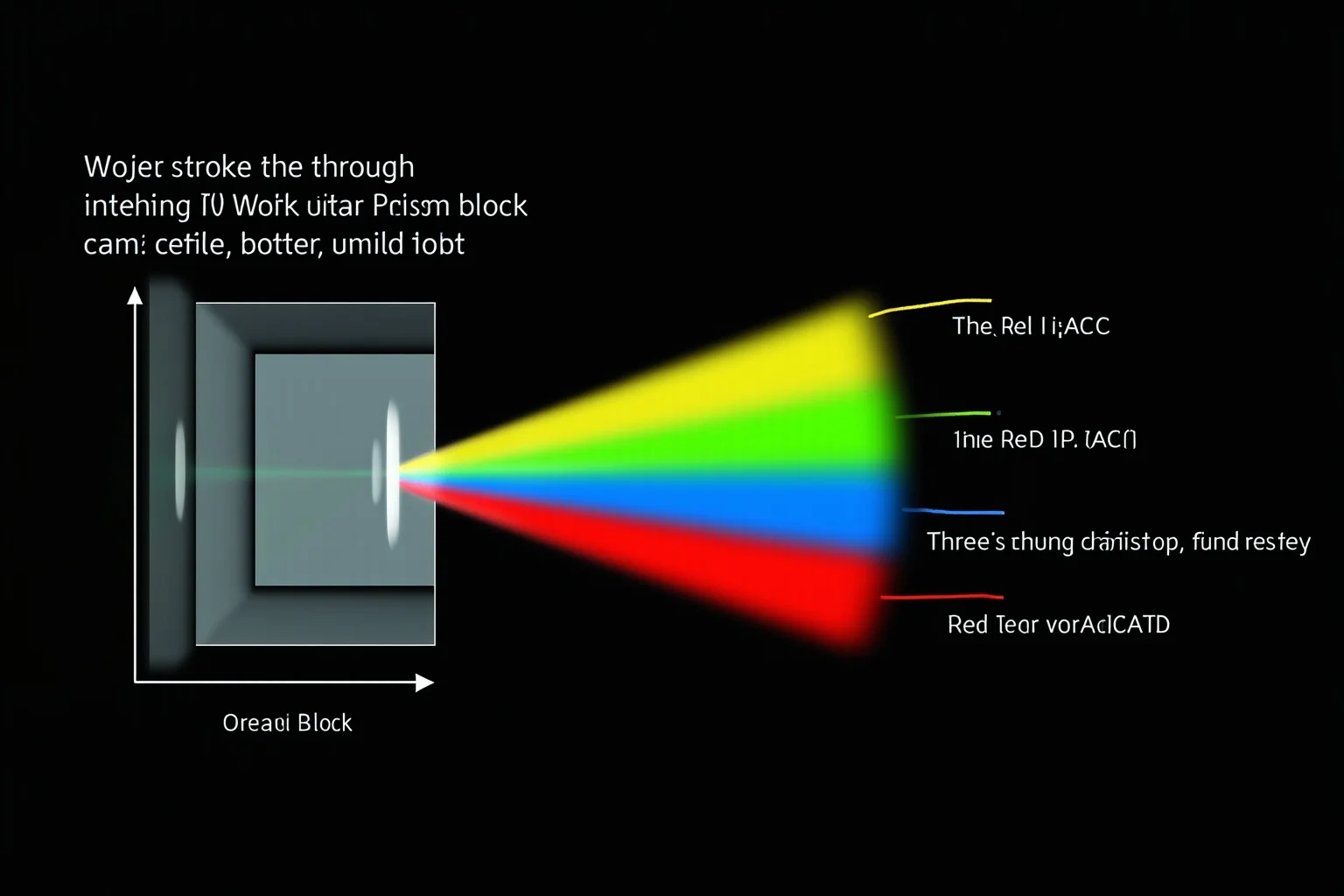
The breakthrough came with the three-strip process introduced in the early 1930s. By splitting incoming light through a prism onto three separate strips of black-and-white film, each filtered for red, green, or blue, Technicolor could capture a full spectrum of color. The three negatives were then dyed and transferred onto a single print through a dye-imbibition process, creating images with remarkable depth and saturation.
What Made Three-Strip Technicolor Unique
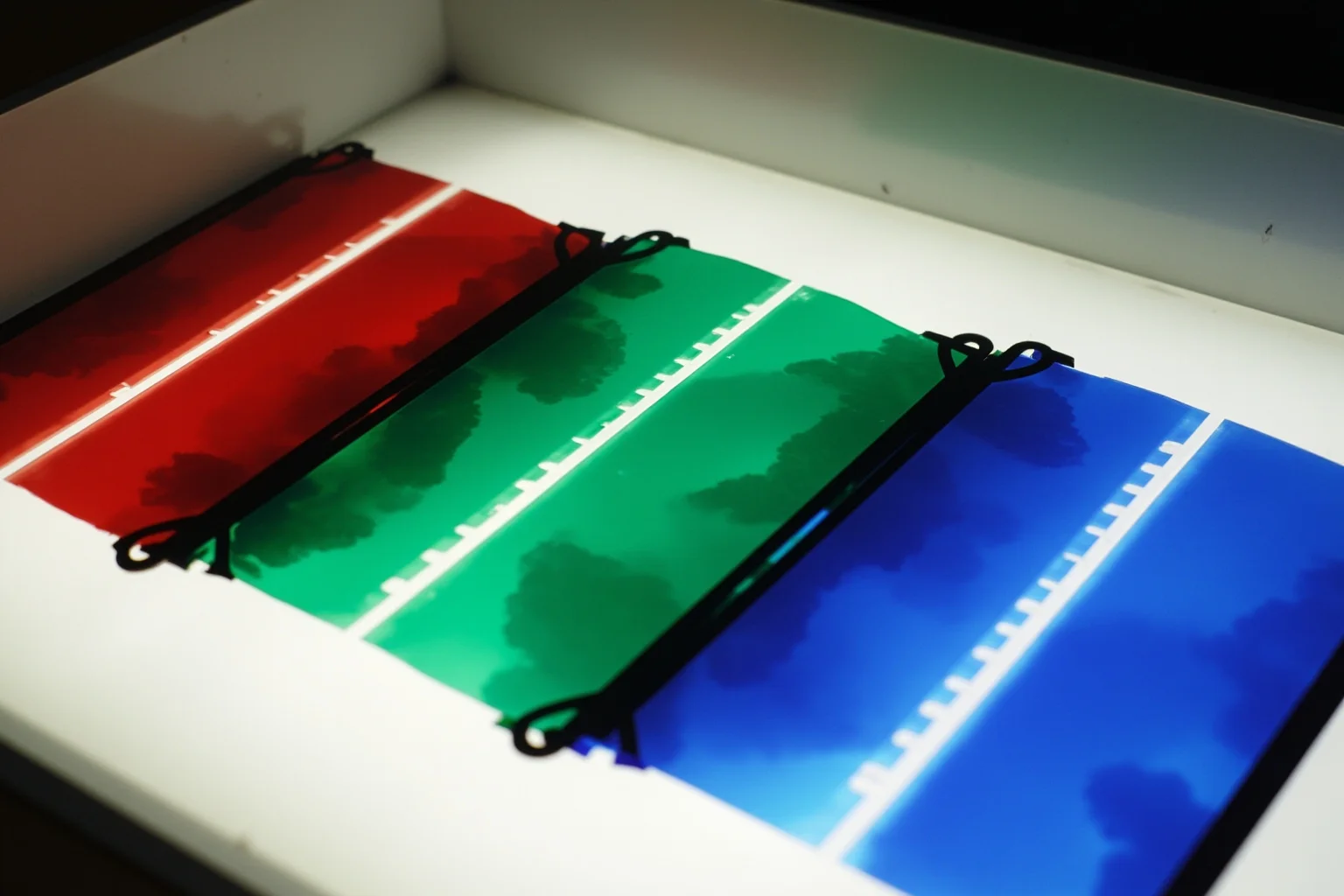
The three-strip camera was a beast of engineering. It weighed anywhere from 400 to 500 pounds, housed a complex prism block, and required enormous amounts of light to expose three negatives simultaneously. Sound stages had to be blazingly hot and bright, which was uncomfortable for actors and crews alike.
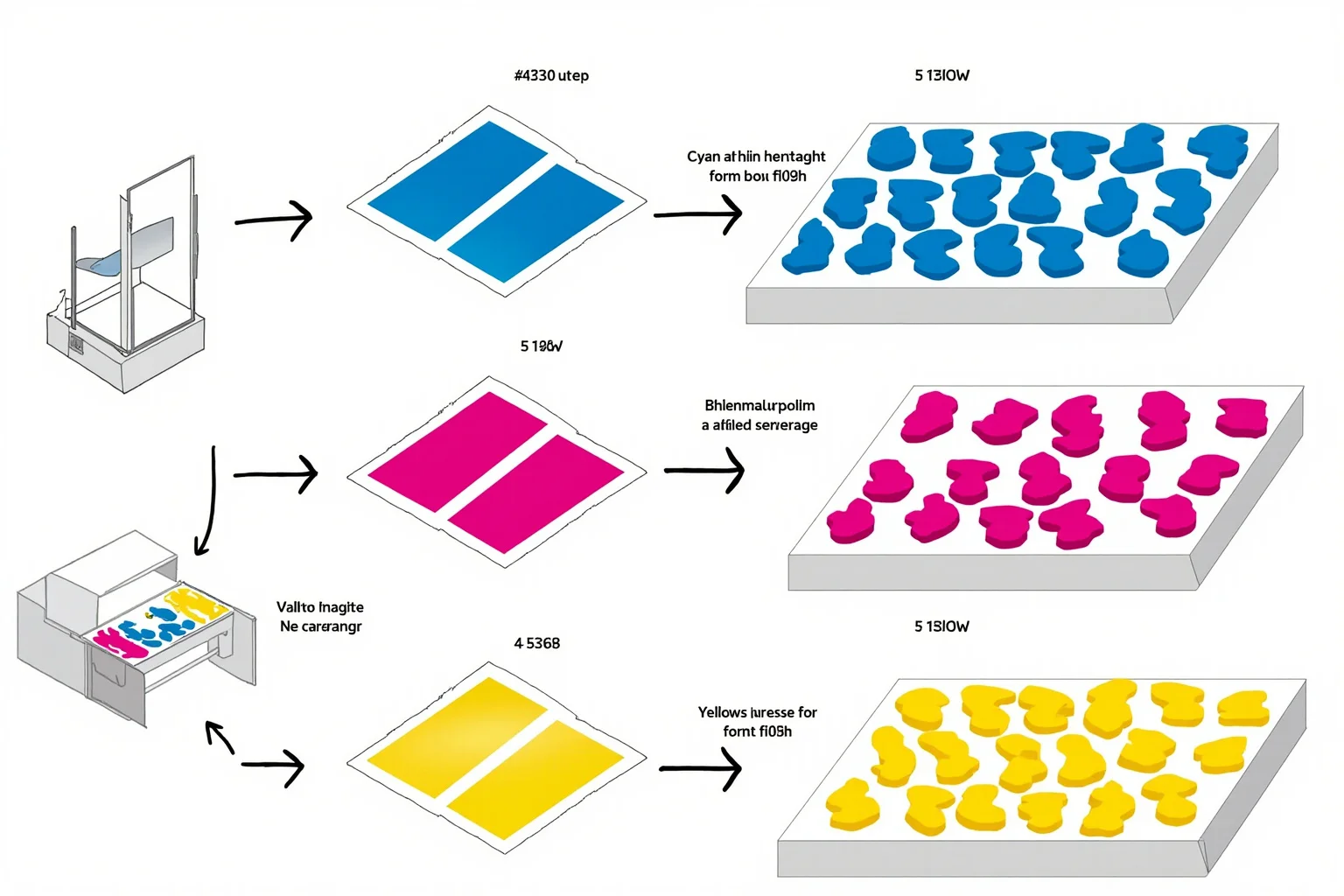
The real magic happened in the lab, not the camera. Each of the three black-and-white negatives was processed separately, then used to create a gelatin relief matrix soaked in complementary dye. Those matrices were pressed against a blank receiver print one at a time, transferring cyan, magenta, and yellow dyes in precise registration.
This dye-transfer printing gave Technicolor its famous look. Because the color lived in dyes rather than in light-sensitive silver, the palette could be tuned with extraordinary precision during printing. Technicolor consultants worked directly with studios to approve color choices, often pushing for bold, controlled palettes that matched the emotional tone of a scene.
The Golden Age of Technicolor
From the late 1930s through the mid-1950s, Technicolor dominated color filmmaking in Hollywood. Musicals, adventures, and fantasies benefited most from the process because their heightened realities matched Technicolor's saturated, painterly aesthetic. The look became synonymous with spectacle and escape.
Films like The Adventures of Robin Hood (1938), Gone with the Wind (1939), and The Wizard of Oz (1939) cemented Technicolor as the gold standard. These productions used the process not just to record color but to design it, with costume, set, and lighting choices made specifically for how they would render on three-strip film.
Technicolor's control extended far beyond the camera. The company required studios to hire Technicolor color consultants, often credited as associate producers or color directors. These consultants influenced everything from makeup shades to set paint, ensuring the final image matched the company's exacting standards.
The High Cost of Dreamscapes
For all its beauty, three-strip Technicolor was ruinously expensive. The cameras were rented, not sold, and came with mandatory technical crews who operated and maintained them. Studios paid premium rates for every foot of film, every processing step, and every dye-transfer print.
The lighting demands added hidden costs as well. Because the three-strip process split light three ways, sets required vastly more illumination than black-and-white productions. That meant higher electricity bills, hotter stages, more powerful lamps, and more time spent managing heat and glare.
Post-production was equally demanding. The dye-transfer printing process required meticulous alignment and repeated passes, making each print slower and costlier to produce than a conventional color print. For studios watching their bottom lines, Technicolor represented a luxury that grew harder to justify as cheaper alternatives emerged.
The Rise of Single-Strip Color
The first serious threat to Technicolor came from Eastman Kodak's single-strip color negative film, introduced in the early 1950s. Eastmancolor captured all three color records on one strip of film, eliminating the need for the massive three-strip camera and its punishing light requirements. Suddenly, color could be shot with standard cameras and ordinary lighting setups.
Eastmancolor was cheaper, faster, and far more flexible. Directors could shoot on location more easily, use lighter equipment, and work with smaller crews. The aesthetic was softer and more naturalistic than Technicolor's hyper-saturated palette, which suited the emerging tastes of post-war cinema.
Technicolor adapted by offering its dye-transfer printing services for films shot on Eastmancolor negatives. The prints still had the lush Technicolor look, but the capture process no longer required the giant three-strip cameras. This hybrid approach kept the company relevant through the 1960s, but the writing was on the wall.
Why the Original Process Disappeared
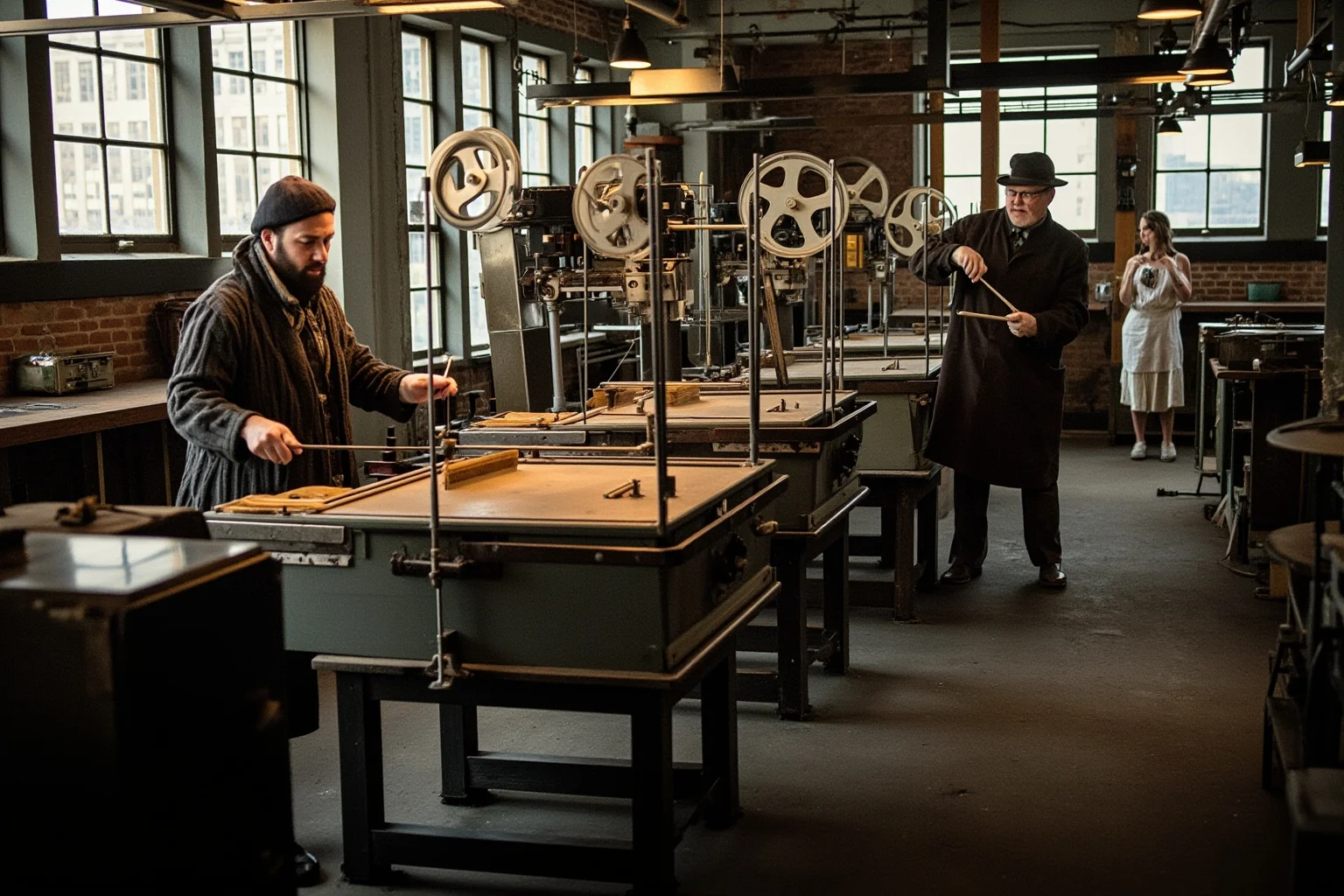
The three-strip camera process ended for a constellation of practical reasons, not because anyone stopped loving the look. The cameras themselves were aging, complex machines that required specialized maintenance and trained operators. Fewer and fewer people knew how to run them, and building new ones was prohibitively expensive.
The industry's economics shifted decisively toward speed and flexibility. Independent productions, location shooting, and faster schedules all favored lightweight single-strip cameras. Even Technicolor's own dye-transfer printing eventually lost ground to cheaper, simpler print processes as theater chains and studios prioritized cost over color fidelity.
Environmental and regulatory factors played a role as well. The dye-transfer process used chemicals and produced waste that became harder to manage as environmental standards tightened. The complex, water-intensive process simply did not fit the streamlined workflows of late twentieth-century filmmaking.
What Happened to Technicolor as a Company
Technicolor as a brand did not vanish overnight. The company pivoted to other services, including film processing, video duplication, and eventually digital post-production and visual effects. Through mergers and acquisitions, the Technicolor name survived as a corporate entity long after the original process disappeared.
The company's dye-transfer printing division shut down in the mid-1970s, a quiet end to a once-dominant technology. A brief revival attempt in the late 1990s and early 2000s processed a handful of films, but the economics no longer worked. The final dye-transfer prints were struck around 2002, after which the equipment was dismantled.
Today, the Technicolor name appears mostly in corporate branding and digital services. The visual signature that made the company famous exists only in archival prints, home video transfers, and the memories of audiences who grew up on its dreamlike colors. In that sense, Technicolor joined the ranks of other massively successful companies that no longer exist in their original form.
Is Technicolor Still Used Today?
The short answer is no, not in its original three-strip form. No commercial production shoots on three-strip cameras anymore, and no lab offers the full dye-transfer printing pipeline. The physical process is gone, surviving only in museums, archives, and the occasional experimental restoration project.
What remains is the idea of Technicolor. Filmmakers regularly reference the look in color grading, costume design, and lighting choices. Digital tools can push saturation, isolate color channels, and emulate the palette of classic dye-transfer prints, but these are simulations rather than true recreations.
A handful of archives and labs maintain the ability to project and preserve original Technicolor prints. Restoration experts work carefully with fading dyes and shrinking film stocks to keep classic films watchable. But no one is manufacturing new three-strip cameras or rebuilding the dye-transfer machinery at scale.
Why Isn't Technicolor Possible Anymore?
The question of why we can't recreate Technicolor has layers. The technical knowledge has not entirely vanished, but the infrastructure has. The cameras, printers, dye baths, and trained personnel that once formed a complete production pipeline no longer exist as a working system. Rebuilding that system from scratch would require enormous investment for uncertain returns.
The dyes themselves present a challenge. The exact chemical formulations used in the original dye-transfer process were proprietary and evolved over decades. Some of the chemicals are no longer manufactured, and modern environmental regulations would complicate their use. Matching the original dyes precisely would require significant research and testing.
The economic logic also works against revival. Even if a filmmaker wanted to shoot true three-strip Technicolor today, the cost would be staggering. The market for such a niche process would be tiny, and the workflow would be slower and more rigid than any modern production could easily accommodate.
Can Technicolor Be Recreated Digitally?
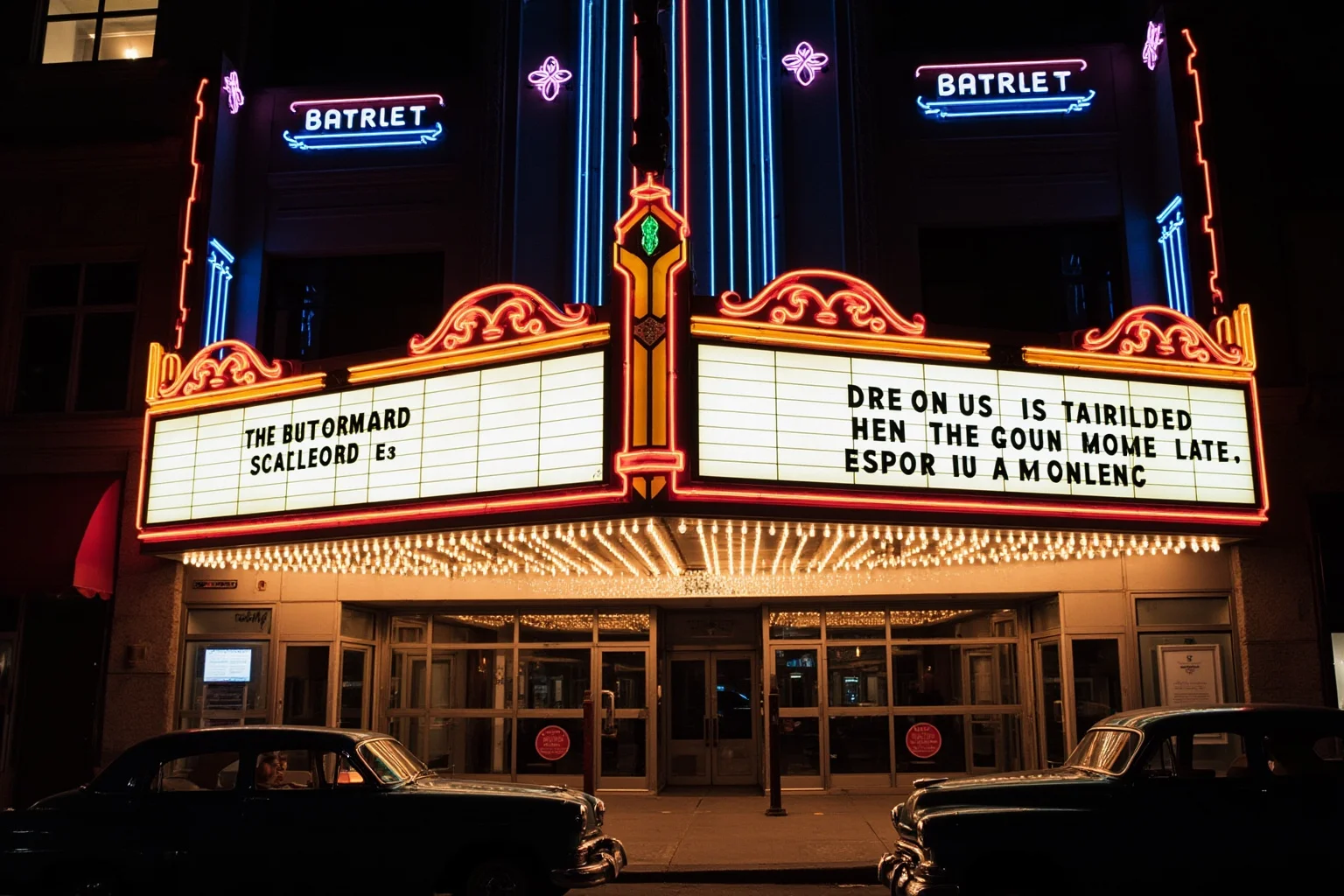
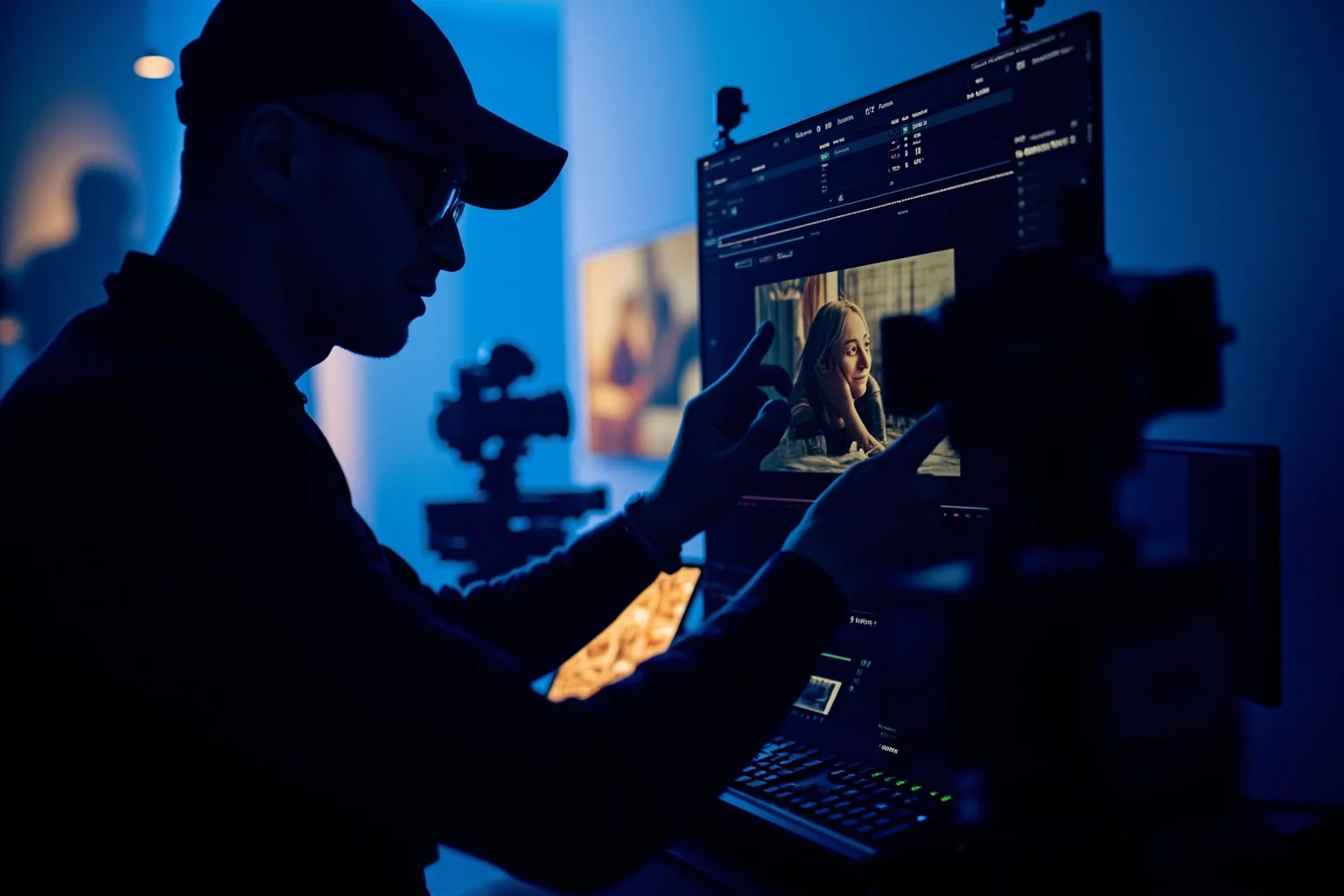
Digital color grading can approximate the Technicolor look, but the results vary. A skilled colorist can boost saturation, shift hues toward the cyan-magenta-yellow interactions of dye transfer, and add the subtle skin-tone characteristics that defined the process. Some software plugins and LUTs are marketed specifically as Technicolor emulations.
The best digital recreations draw on careful study of original prints. Colorists analyze how specific hues rendered in three-strip photography, how highlights and shadows behaved, and how the dye-transfer process created its characteristic contrast. This research-driven approach can produce convincing results for many viewers.
Yet purists argue that digital emulation misses something essential. The physical layering of dyes on film creates subtle optical interactions, slight misregistrations, and a luminous quality that pixels struggle to match. Digital color lives in emitted light on a screen, while Technicolor lived in dyes on a physical print, and that difference matters.
Why the Look Still Captivates Audiences
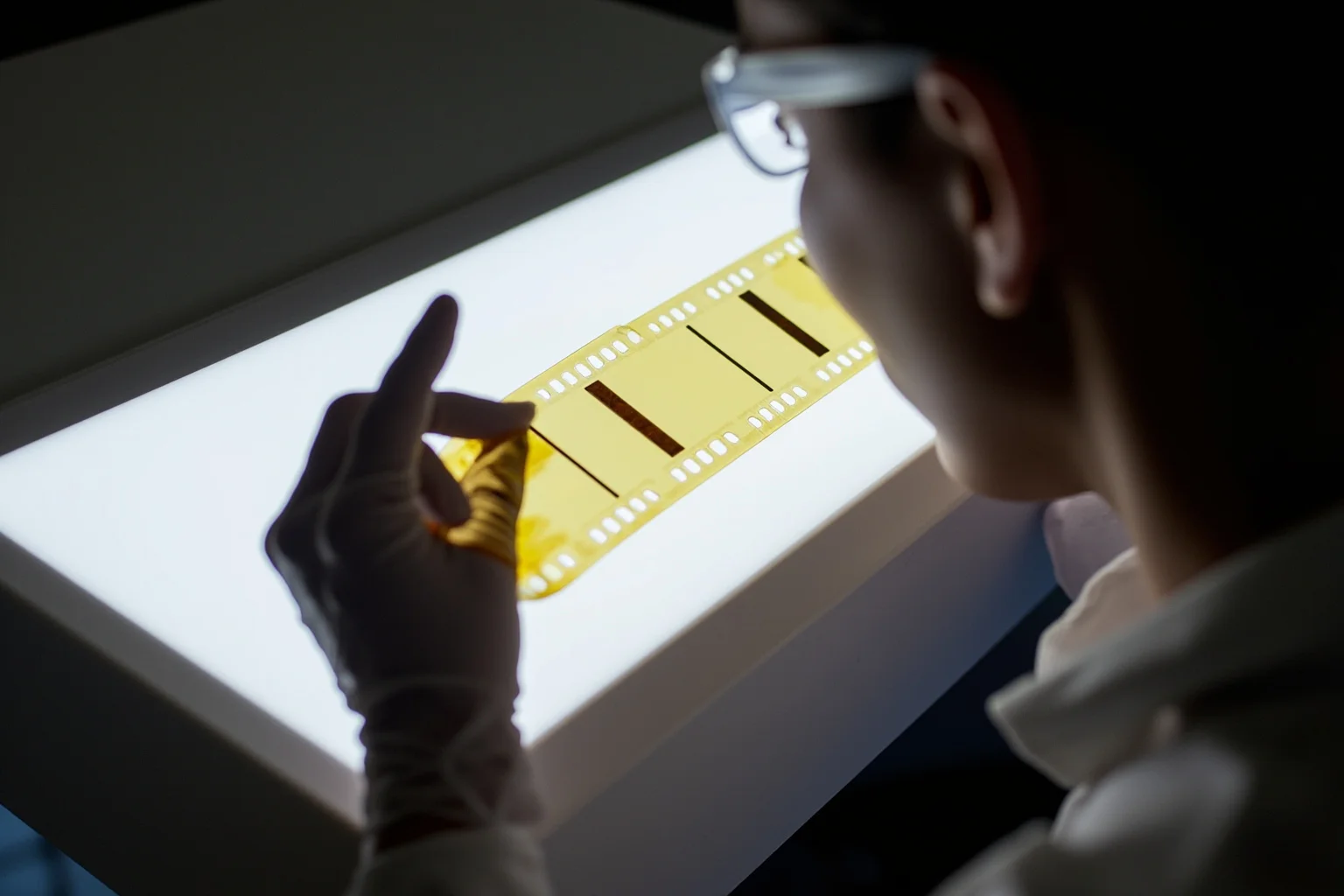
Technicolor's appeal goes beyond nostalgia. The process created a world that felt heightened and deliberate, where every color carried meaning and every frame felt composed. That visual certainty matched the storytelling of classic Hollywood, where musicals and epics operated on emotional logic rather than strict realism.
The palette itself has a psychological pull. Strong, controlled colors trigger strong emotional responses, and Technicolor's saturated reds, deep blues, and glowing skin tones tap directly into those responses. Modern audiences encountering classic Technicolor films often describe the experience as more vivid than life, which is exactly what the process was designed to achieve.
Streaming and digital restoration have introduced the look to new generations. Restored versions of classics like Singin' in the Rain and The Red Shoes reveal the process's full glory, sparking renewed interest in how those colors were made. The dreamlike quality reads as both retro and timeless.
The Dreamscape Legacy in Modern Film
Contemporary filmmakers borrow from Technicolor's playbook even when they shoot digitally. Films like La La Land (2016) deliberately evoked the saturated palettes of classic musicals, using costume and lighting design inspired by three-strip aesthetics. Directors reference Technicolor as a shorthand for heightened emotion and stylized reality.
The influence shows up in animation as well. Animated features can push color in ways live-action rarely attempts, and many draw on the bold, controlled palettes that Technicolor pioneered. The look has become a visual language for fantasy, romance, and spectacle across genres and formats.
Even horror and drama occasionally reach for the palette's unsettling potential. When a modern film uses hyper-saturated, artificial-looking color, audiences instinctively sense that something is slightly off. That unease is a direct inheritance from Technicolor's ability to make reality feel like a dream.
Preservation Challenges for Technicolor Films
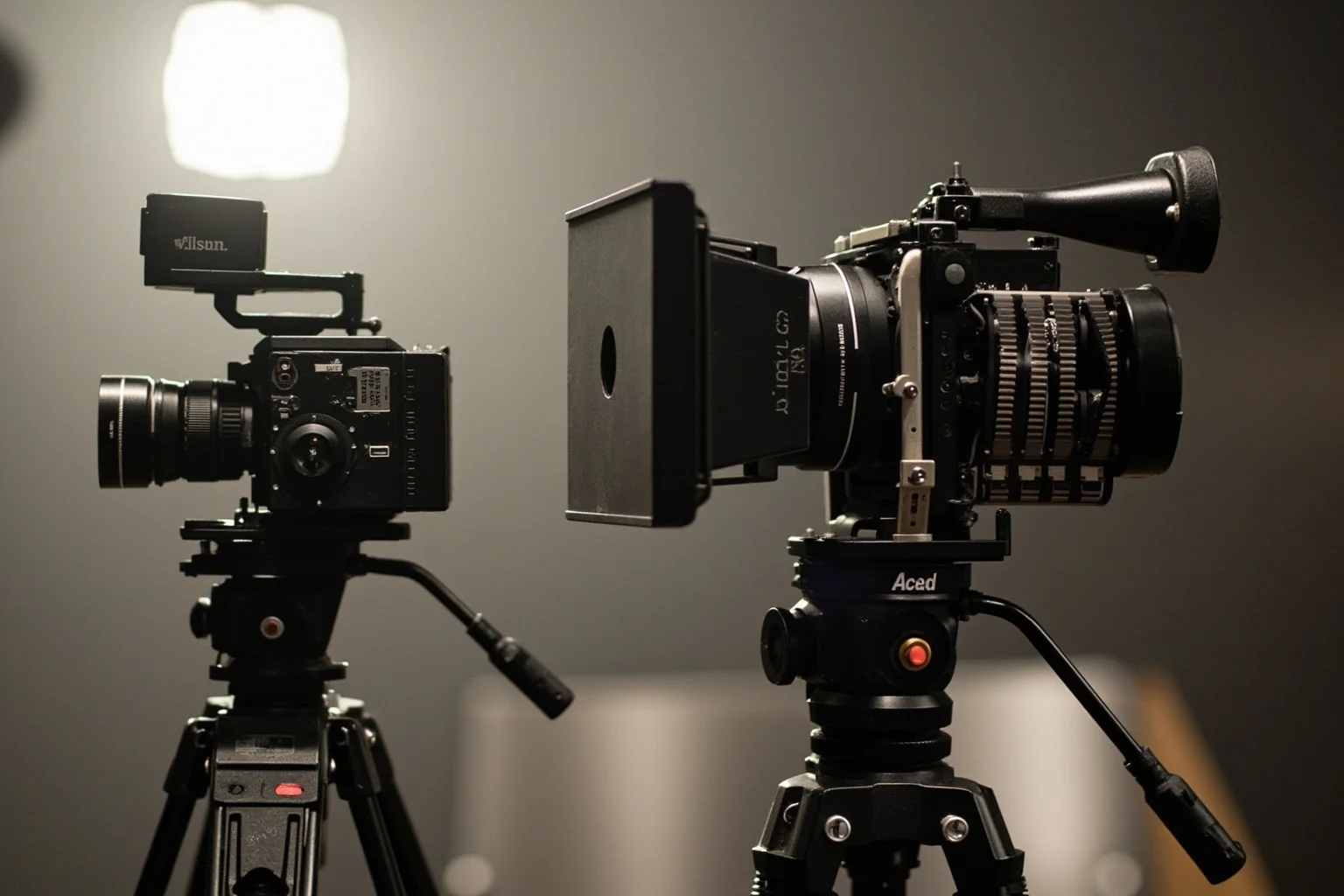
Original three-strip Technicolor prints face serious preservation hurdles. The dye-transfer process produced colors that could be remarkably stable, but the black-and-white separations and the prints themselves age in complex ways. Vinegar syndrome, dye fading, and shrinkage all threaten surviving materials.
Archives approach Technicolor preservation with a combination of photochemical and digital tools. Some restorations create new black-and-white separations from original negatives, then digitally recombine them to simulate the dye-transfer process. Others scan original prints and correct for fading using reference materials and historical documentation.
Restoring Technicolor faithfully requires deep expertise in how the process actually worked. Restorers study surviving prints, production notes, and color references to determine what the original release looked like. The goal is not to make old films look modern but to recover the specific visual experience audiences had decades ago.
Could a Physical Revival Ever Happen?
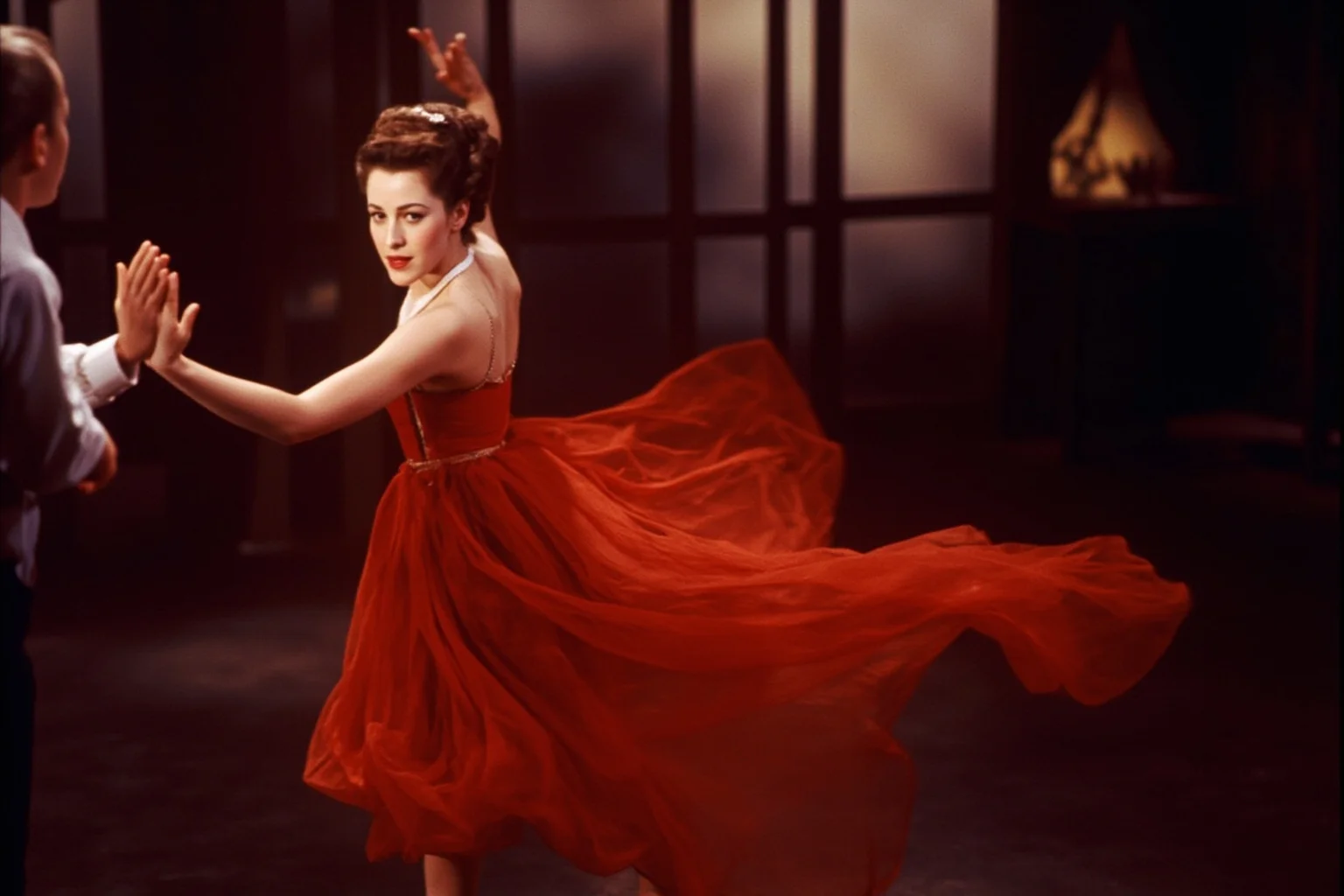
A true physical revival of three-strip Technicolor remains technically possible but practically unlikely. The knowledge exists in archives, patents, and the memories of retired technicians, but reconstructing the cameras and printing equipment would be a massive undertaking. The market for such a process would be minuscule.
Some filmmakers have expressed interest in the challenge, but none have mounted a full-scale revival. The cost, complexity, and environmental concerns outweigh the artistic appeal for all but the most dedicated purists. Digital emulation remains the practical path for most productions seeking the look.
The closest modern equivalent may be the ongoing use of film itself. A handful of directors still shoot on celluloid for its texture and grain, though they use modern single-strip color negative rather than three-strip Technicolor. That commitment to photochemical capture shares a spirit with Technicolor's craft, even if the technology differs.
What Modern Filmmakers Can Learn
Technicolor's history offers lessons beyond color science. The process succeeded because it treated color as a design element rather than an accident of capture. Every choice, from costume fabric to set paint to makeup, was made with the final palette in mind. That level of intentionality still matters today.
The collaboration between Technicolor consultants and filmmakers also set a template for modern color grading. A skilled colorist functions much like those early consultants, shaping the emotional tone of a film through color choices. The tools have changed, but the underlying goal of using color to tell stories remains identical.
Most importantly, Technicolor proves that technical limitations can produce creative brilliance. The process's constraints forced filmmakers to think carefully about every visual element, and that discipline often produced stronger, more coherent imagery. Modern tools offer unlimited flexibility, but that freedom can sometimes dilute the focus that limitations imposed.
The Enduring Allure of Vivid Dreamscapes
The dream of recreating Technicolor persists because the look remains unmatched in certain respects. The physical dye-transfer process produced a color depth and luminosity that digital tools still struggle to fully replicate. That gap between simulation and reality keeps the question alive for cinephiles and technicians alike.
Every few years, a new article or video essay asks why Technicolor vanished and whether it could return. The answers are always the same: economics, convenience, and the loss of physical infrastructure ended the process, while digital tools offer only approximation. Yet the fascination endures precisely because the original was so singular.
Technicolor created dreamscapes that felt more real than reality, and that paradox is hard to shake. In an era of infinite digital color, the controlled, handcrafted palettes of three-strip film remind us that limits can produce beauty. The process may be gone, but its vivid dreamscapes continue to shape how we imagine color in cinema.
Frequently Asked Questions
Can Technicolor be recreated?
Technicolor can be approximated digitally through careful color grading, LUTs, and plugin emulations, but the original three-strip photochemical process cannot be fully recreated with current infrastructure. The cameras, dye formulations, and printing equipment no longer exist as a working system, making a true physical recreation impractical.
Why can’t we recreate Technicolor?
Recreating Technicolor would require rebuilding the massive three-strip cameras, proprietary dye formulations, and dye-transfer printing equipment that were dismantled decades ago. Many original chemicals are no longer manufactured, environmental regulations complicate the process, and the enormous cost cannot be justified for a tiny niche market.
Why is Technicolor impossible now?
Technicolor is effectively impossible now because the complete production pipeline no longer exists. The specialized cameras were retired in the 1950s, the dye-transfer printing division shut down in the mid-1970s, and the trained technicians who operated the equipment have largely retired. Rebuilding that entire system from scratch would be extraordinarily difficult.
What happened to Technicolor?
Technicolor's original three-strip process was replaced by cheaper, more flexible single-strip color film like Eastmancolor in the 1950s. The company pivoted to other services, and its dye-transfer printing operation closed in the mid-1970s. The Technicolor name survives today as a digital post-production and visual effects brand.
Is Technicolor still used?
No, Technicolor's original three-strip capture and dye-transfer printing processes are not used commercially today. Modern filmmakers sometimes emulate the look through digital color grading, but no production shoots on three-strip cameras or strikes true dye-transfer prints.
Why is Technicolor no longer used?
Technicolor is no longer used because it was extremely expensive, required enormous lighting setups, and demanded specialized equipment and crews. Single-strip color film offered cheaper, faster, and more flexible production, while digital tools later made the photochemical process obsolete for commercial filmmaking.
Why isn’t Technicolor possible anymore?
Technicolor isn't practically possible anymore because the physical infrastructure is gone. The cameras, dye baths, printing matrices, and trained personnel that once formed the complete process no longer exist as a working system, and reconstructing them would require prohibitive investment and overcome significant regulatory hurdles.

Alex Warren
Related Articles