

Long before interstate highways crisscrossed the country, the automobile was already rewriting American life. It changed where people lived, how cities were built, and even how romance, rebellion, and freedom got expressed. The cars that drove us weren’t just machines — they were rolling snapshots of the decade that built them.
This list traces the history of cars in America through the vehicles that mattered most, not necessarily the fastest or the flashiest. Some of these famous cars in America were genuine engineering breakthroughs. Others earned their spot through pure cultural staying power, for better or worse. Either way, each one left a mark on the road we’re still driving today.
TL;DR: From the Ford Model T to the Tesla Model S, a handful of American historic cars didn’t just move people around — they reshaped the country’s economy, culture, and idea of freedom itself.
Why Cars Became the Story of America
The automobile arrived in the United States in the 1890s as a novelty for the wealthy, but it didn’t stay that way for long. Within a few decades, cars had transformed farming, suburban development, courtship rituals, and even the geography of American cities. Detroit became synonymous with industrial might, and “driving” became shorthand for independence itself.
Every era of American history has its own signature car, and looking at them in order tells a bigger story than any textbook chapter could. Postwar optimism, muscle-car rebellion, oil-crisis anxiety, and today’s electric transition all show up in sheet metal and chrome. What follows are the most iconic American cars that captured each of those moments, presented roughly in the order they arrived.
1. Duryea Motor Wagon (1893)
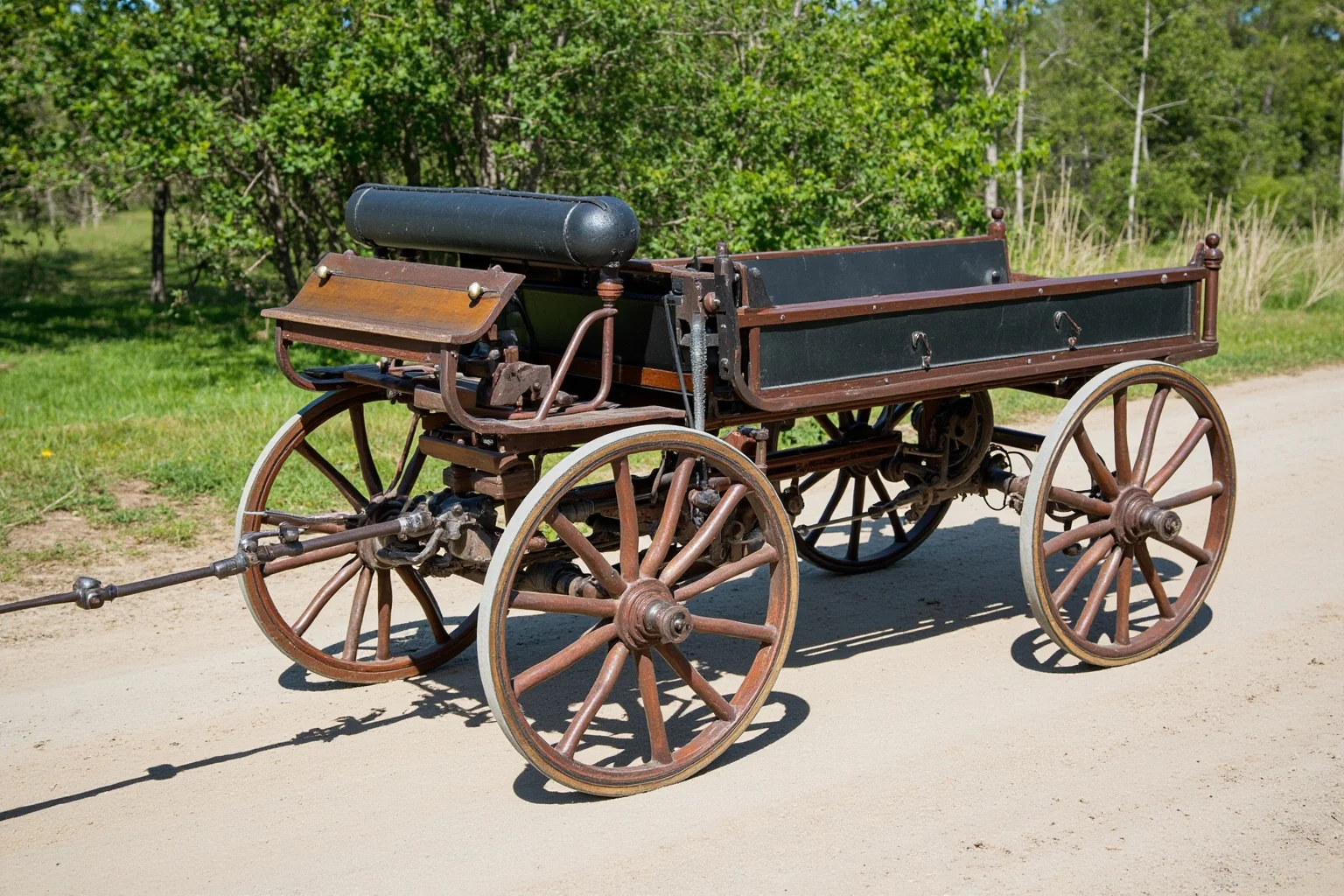
Brothers Charles and Frank Duryea built and road-tested this gasoline-powered buggy in Springfield, Massachusetts, generally credited as the first successful American gasoline automobile. It wasn’t much to look at, essentially a modified horse carriage with a one-cylinder engine bolted in. But it proved that a homegrown American car industry was possible, years before Henry Ford entered the picture.
The Duryea Motor Wagon Company went on to build a small number of cars for sale, making it also one of the earliest American car manufacturers in a commercial sense. It never achieved mass production, but every American car that followed owes it a debt.
2. Oldsmobile Curved Dash (1901)
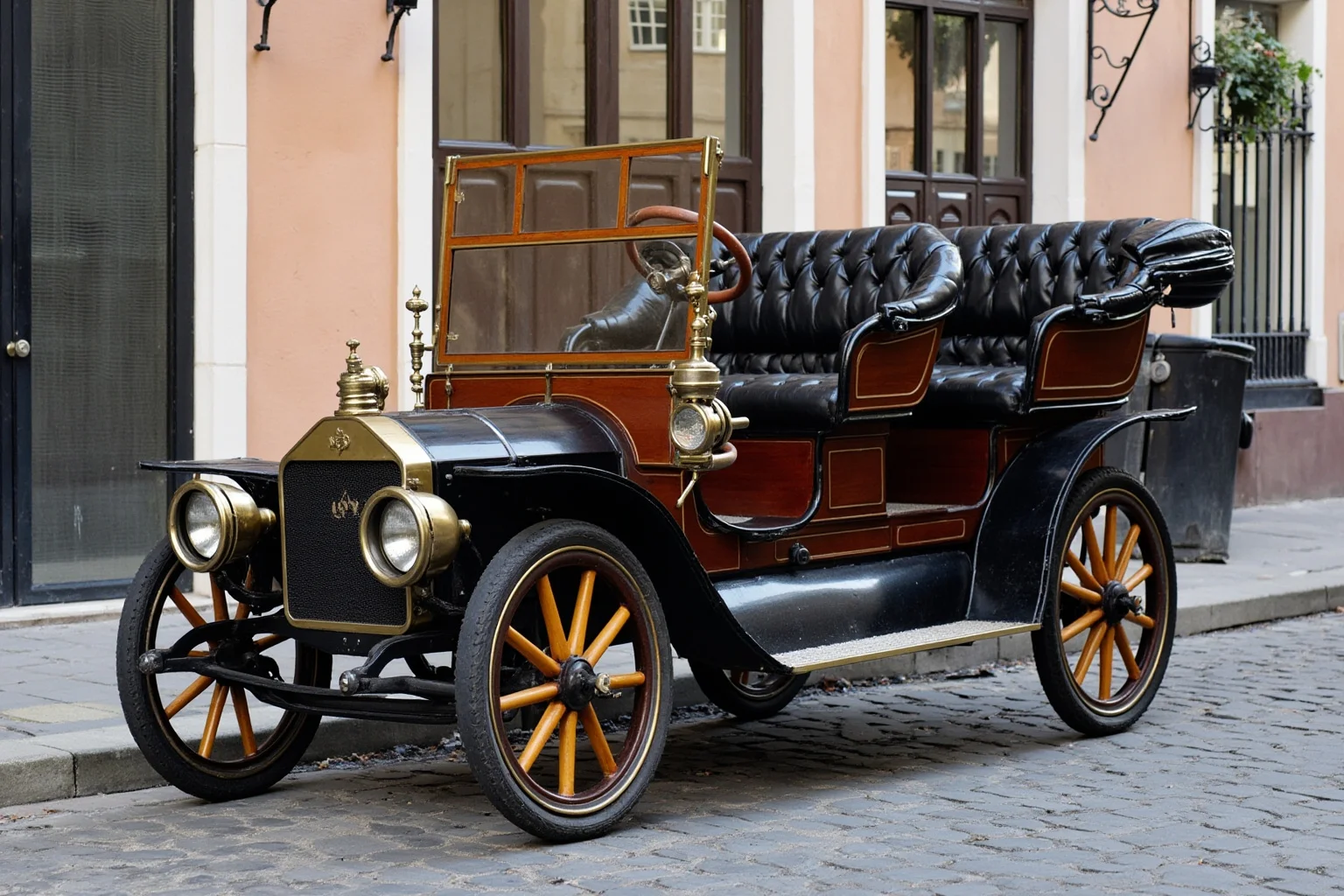
Ransom Olds beat Henry Ford to the assembly line by more than a decade. The Curved Dash Runabout was built using an early progressive assembly process in Detroit, allowing Olds to produce it in far greater numbers than any competitor of its day.
It was simple, light, and affordable enough that it became the first car most Americans could realistically picture themselves owning. That accessibility mattered as much as any technical detail, since it planted the idea that a car could be a mass-market product rather than a rich person’s toy.
3. Ford Model T (1908)
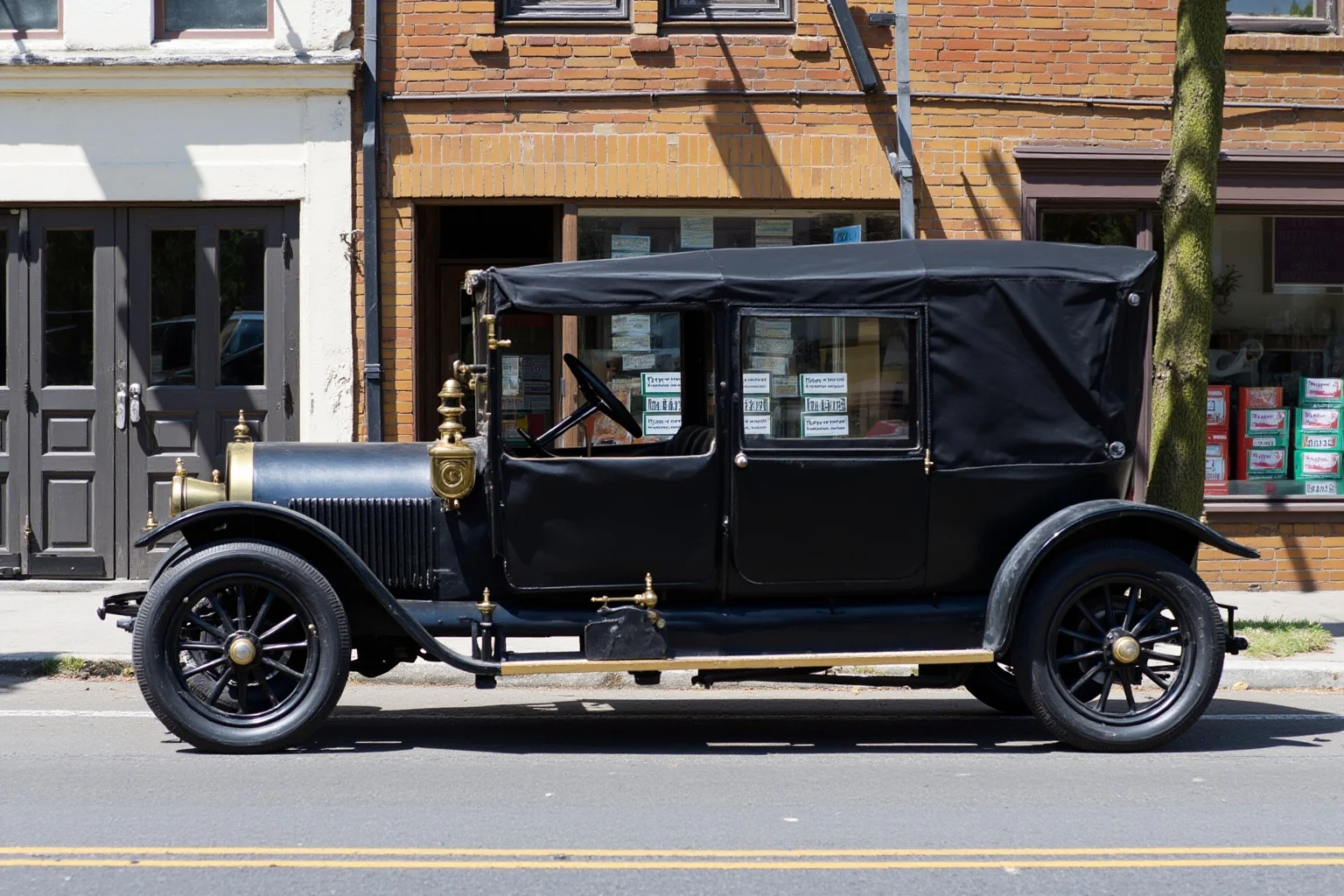
No discussion of American historic cars gets far without the Model T. Henry Ford’s moving assembly line, introduced in 1913, slashed production time and cost so dramatically that the car eventually sold for a few hundred dollars, a price ordinary factory workers could afford.
By the time production ended in 1927, more than 15 million had been built. The Model T didn’t just put America on wheels; it restructured towns, created the used-car market, and gave rise to entirely new industries like roadside gas stations and motels.
4. Cadillac Self-Starter Model (1912)
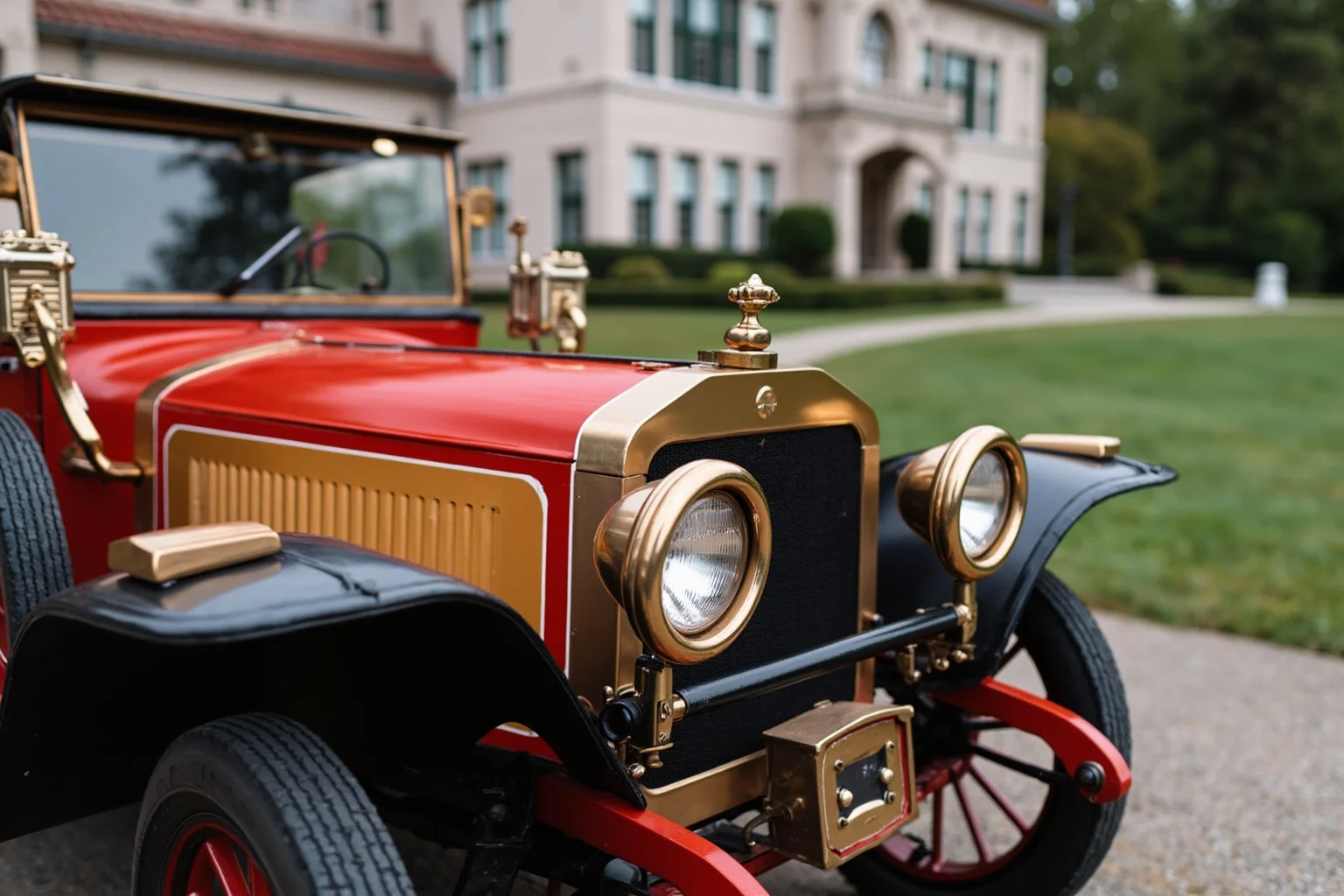
This Cadillac isn’t remembered for its styling, but for a single feature: Charles Kettering’s electric self-starter. Before this, starting a car meant cranking it by hand, a task that was dangerous and sometimes literally broke drivers’ arms.
Kettering’s invention made driving accessible to far more people, including many women who had been physically excluded from hand-cranking. It’s a quiet reminder that some of the most significant cars in American history earned their place through a single innovation rather than overall design.
5. Ford Model A (1927)
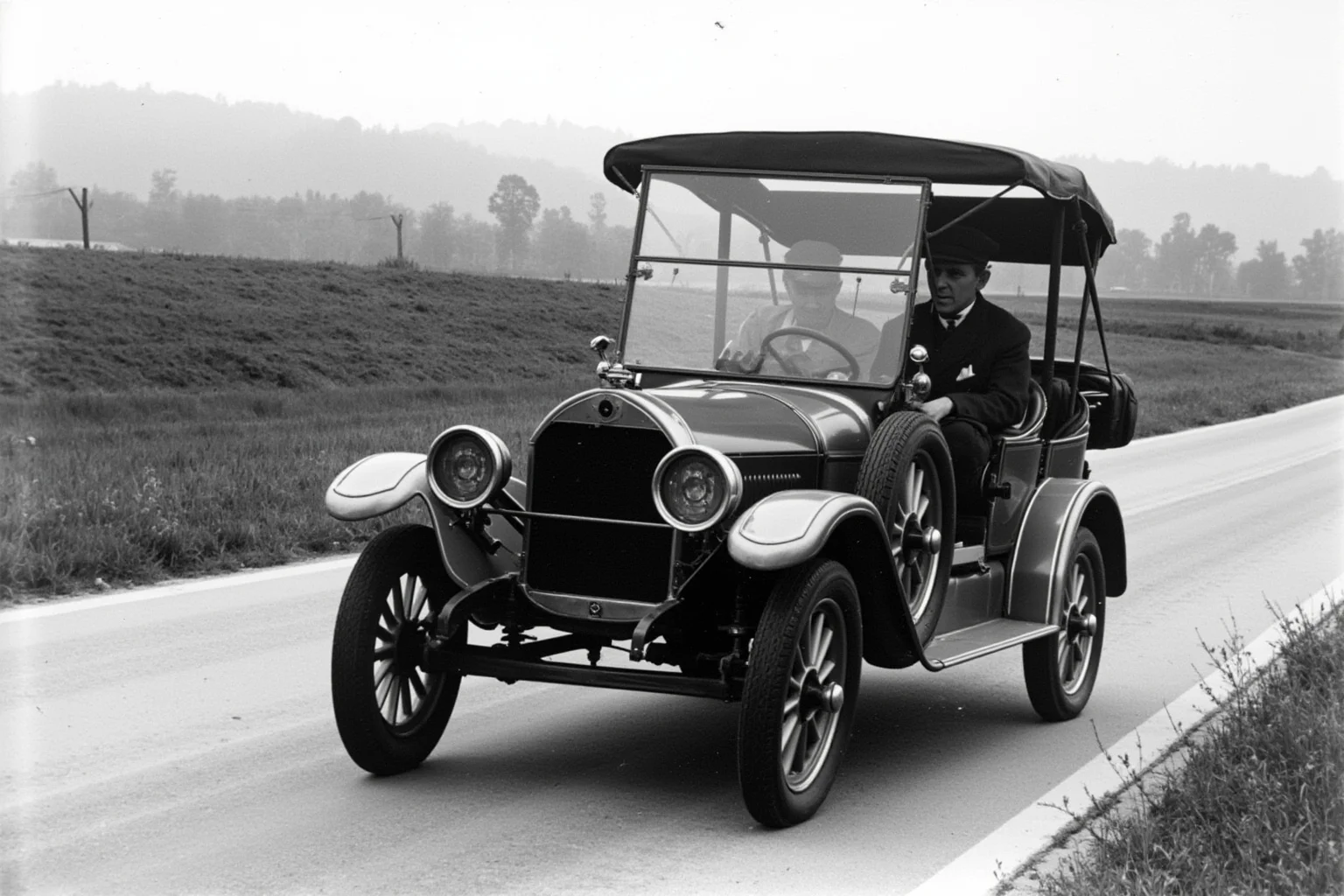
When the Model T finally became outdated, Ford replaced it with the Model A, a completely redesigned car with a more powerful engine and modern conveniences like a standard windshield wiper and shock absorbers. It sold roughly four million units in just a few years.
The Model A proved that Ford could adapt after dominating an era, a lesson the company would need again decades later. It also showed American consumers that cars were expected to evolve, not just endure.
6. Willys MB Jeep (1941)
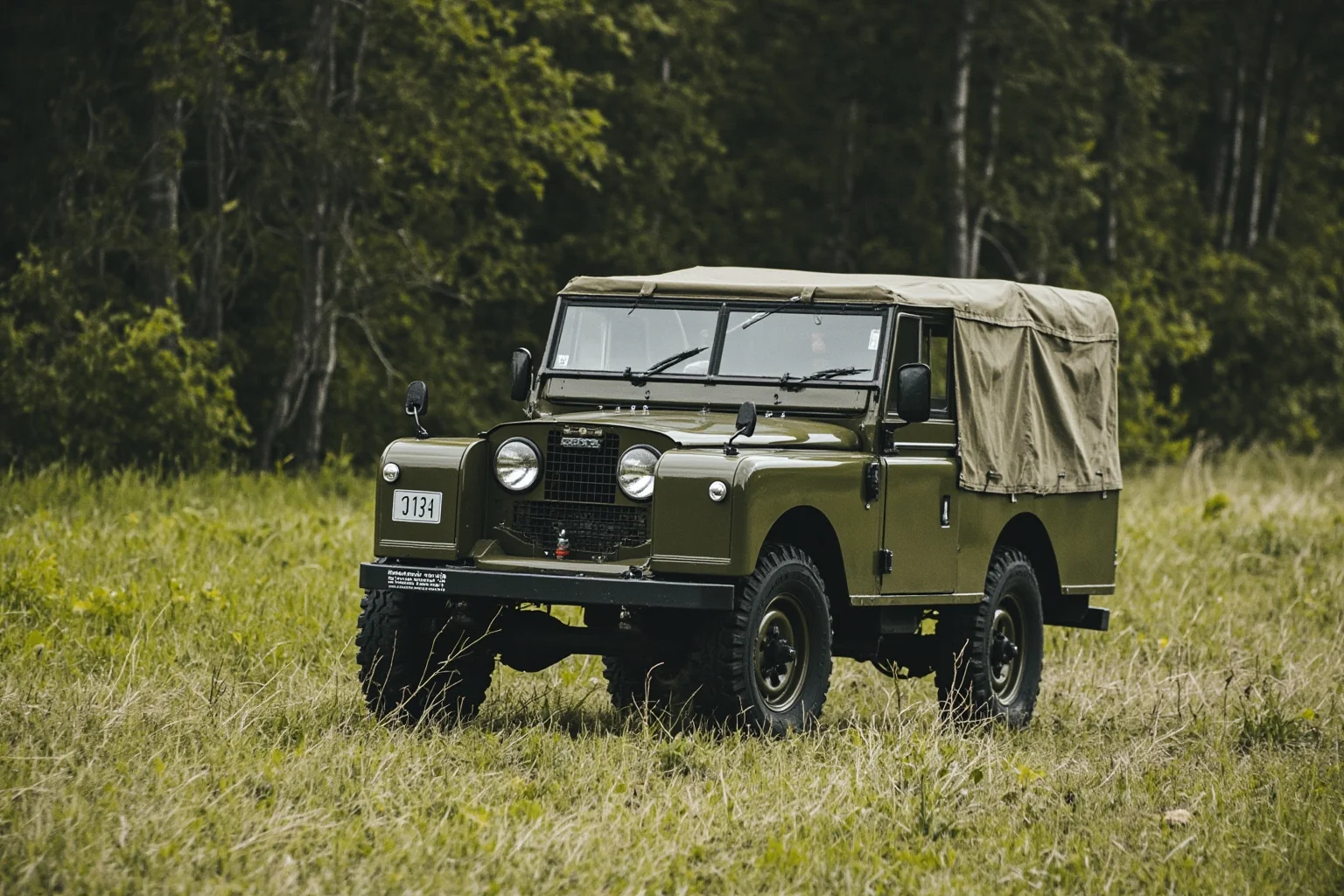
Built for the U.S. Army during World War II, the Willys MB became one of the most recognizable vehicles of the 20th century. Rugged, simple, and go-anywhere capable, it helped mechanize American military operations across multiple theaters of war.
The exact origin of the nickname “Jeep” is debated among historians, with theories ranging from the military abbreviation “GP” to a popular comic strip character of the era. What’s certain is that after the war, surplus Jeeps helped create the American off-road and SUV market that still thrives today.
7. Tucker 48 (1948)
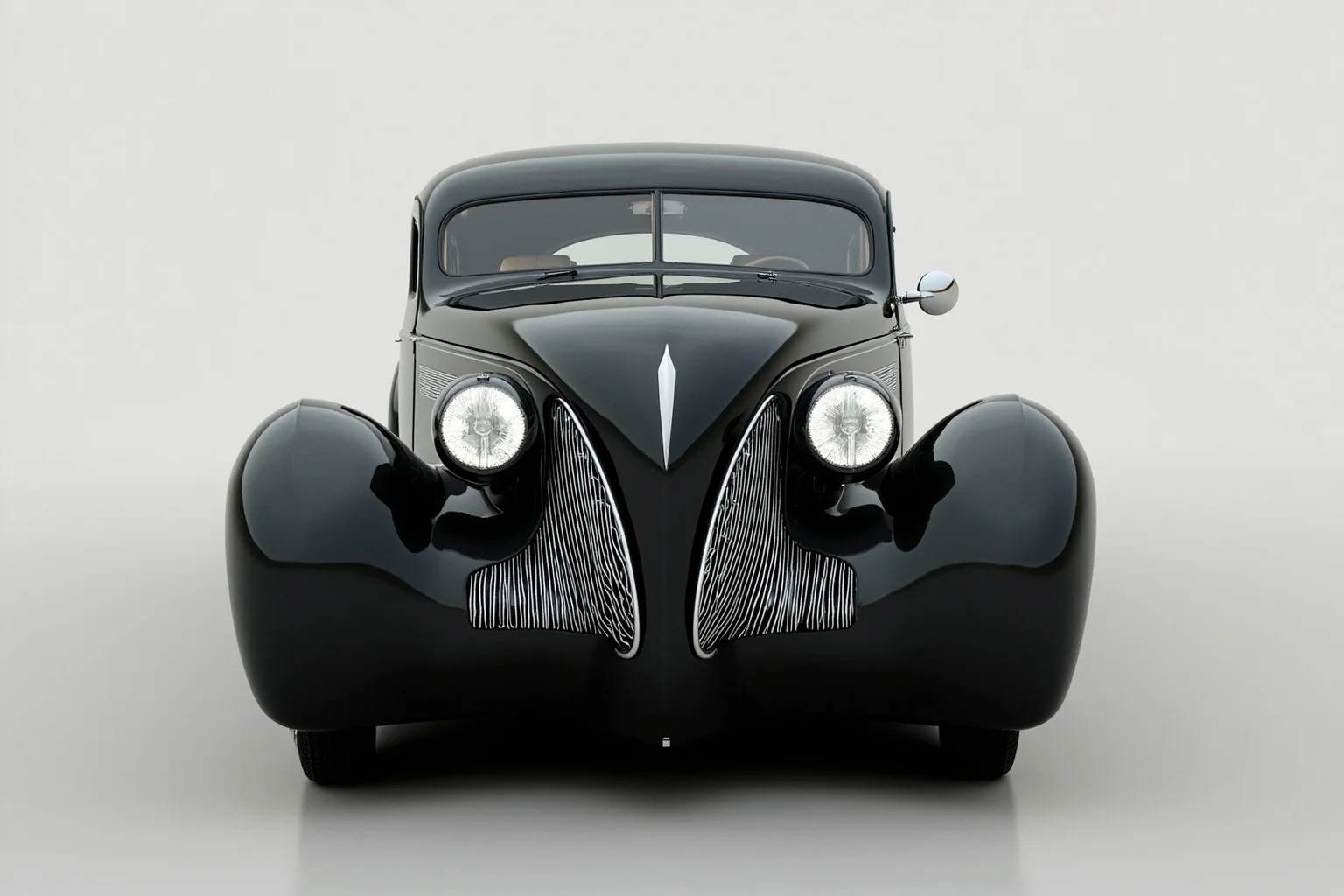
Preston Tucker’s 48 was startlingly ahead of its time, featuring a padded dashboard, a shatterproof windshield, and a center headlight that turned with the steering wheel for better visibility. Only a small number were ever built before the company collapsed amid an SEC fraud investigation.
Tucker was later acquitted of the charges, and some enthusiasts have long suspected the Big Three automakers helped orchestrate his downfall. That theory remains unproven, and most historians treat it as folklore rather than settled fact, even though it makes for a good story.
8. Oldsmobile Rocket 88 (1949)
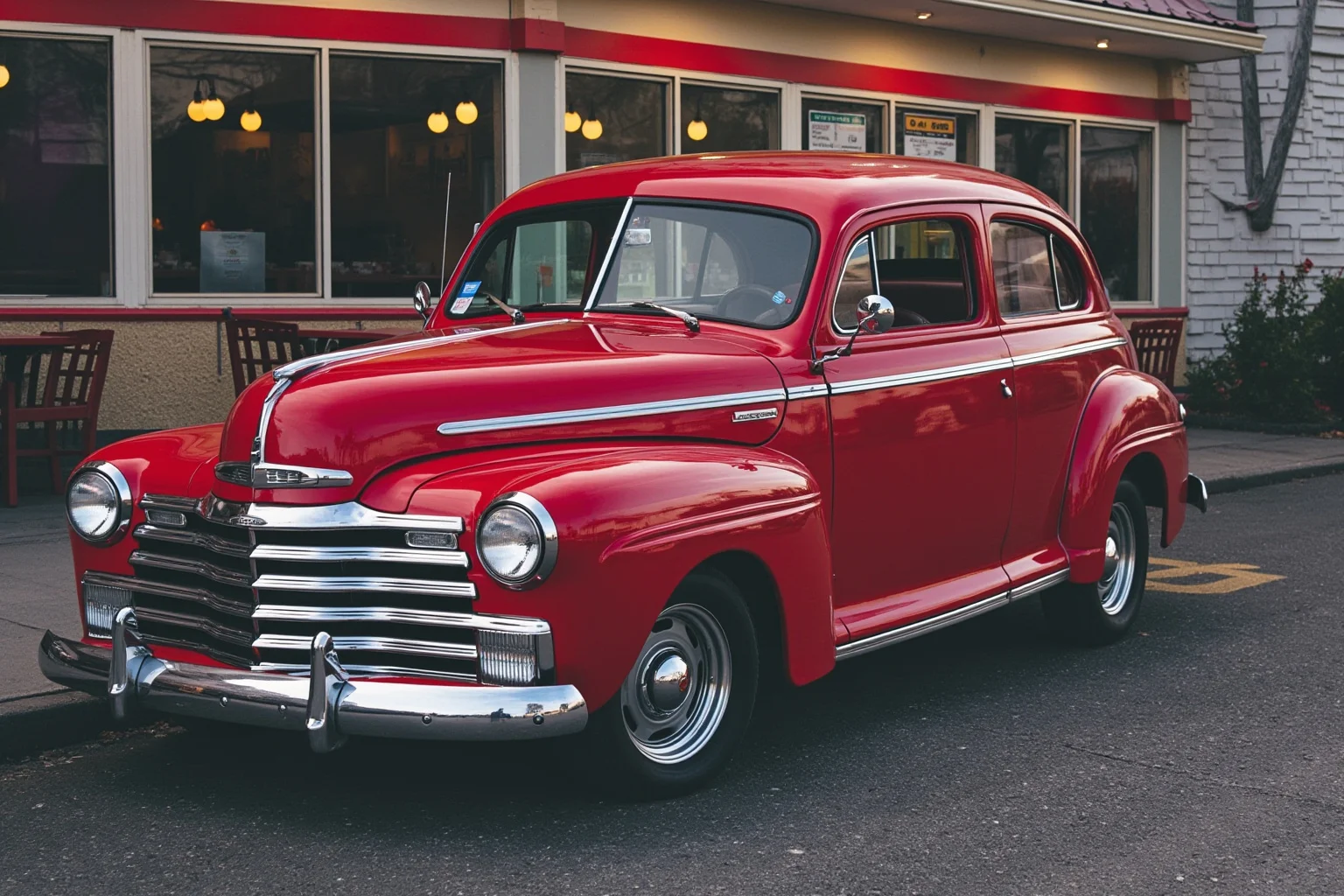
The Rocket 88 paired a lightweight body with a powerful new V8 engine, making it one of the fastest production cars of its day. It’s often tied to the song “Rocket 88,” which some music historians describe as an early contender for the first rock and roll record, though that title is genuinely contested among scholars.
Whatever its musical legacy, the car itself signaled a shift toward performance as a selling point, setting the stage for the horsepower wars still decades away.
9. Chevrolet Corvette (1953)
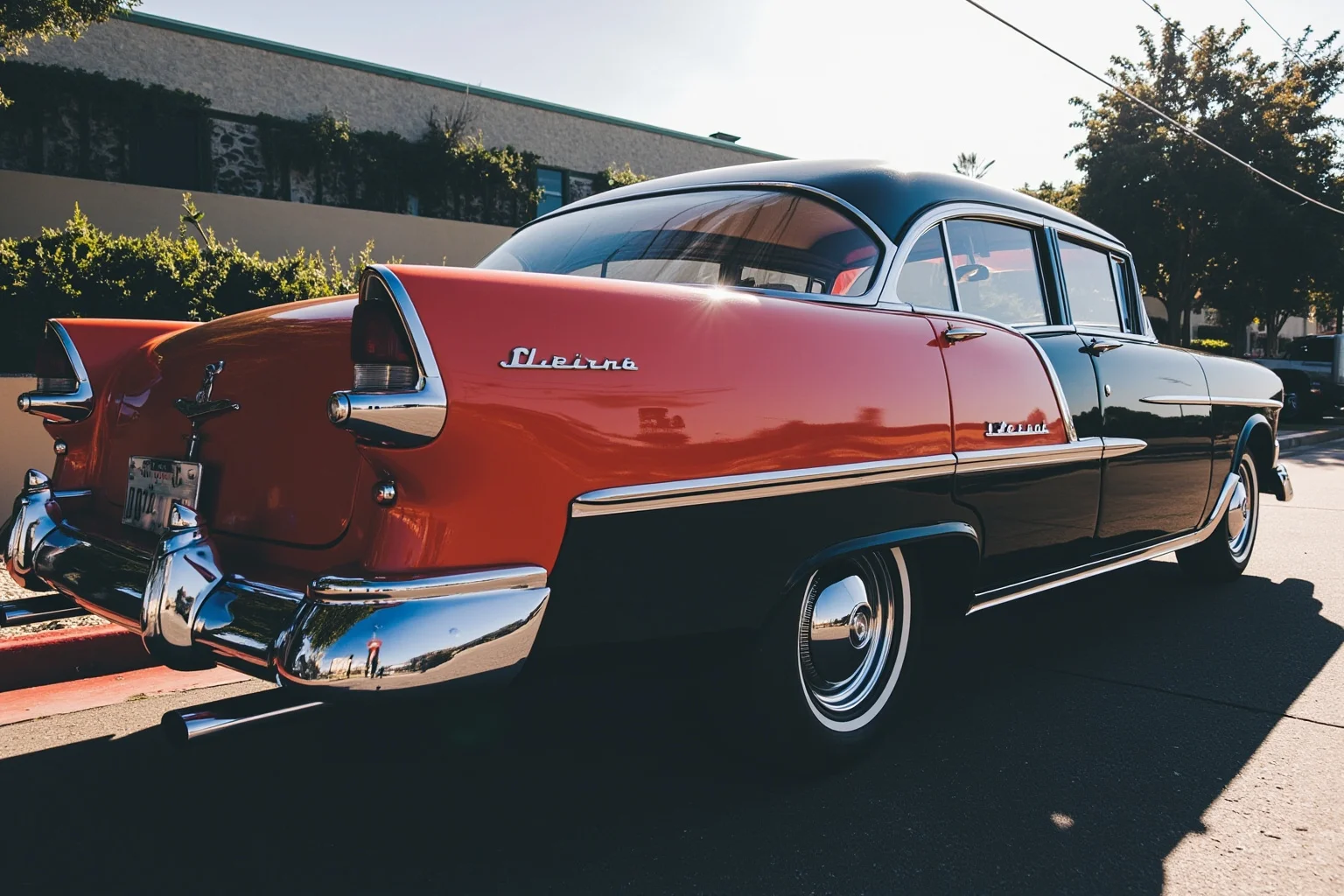
Chevrolet’s answer to European sports cars debuted with a fiberglass body, a novelty at the time, and a design meant to prove America could build something stylish and quick. Early sales were modest, but the Corvette found its footing through the rest of the decade.
It remains in production today, making it one of the longest continuously built nameplates in American car history. Few vehicles have carried the “America’s sports car” label as consistently or as literally.
10. Ford Thunderbird (1955)
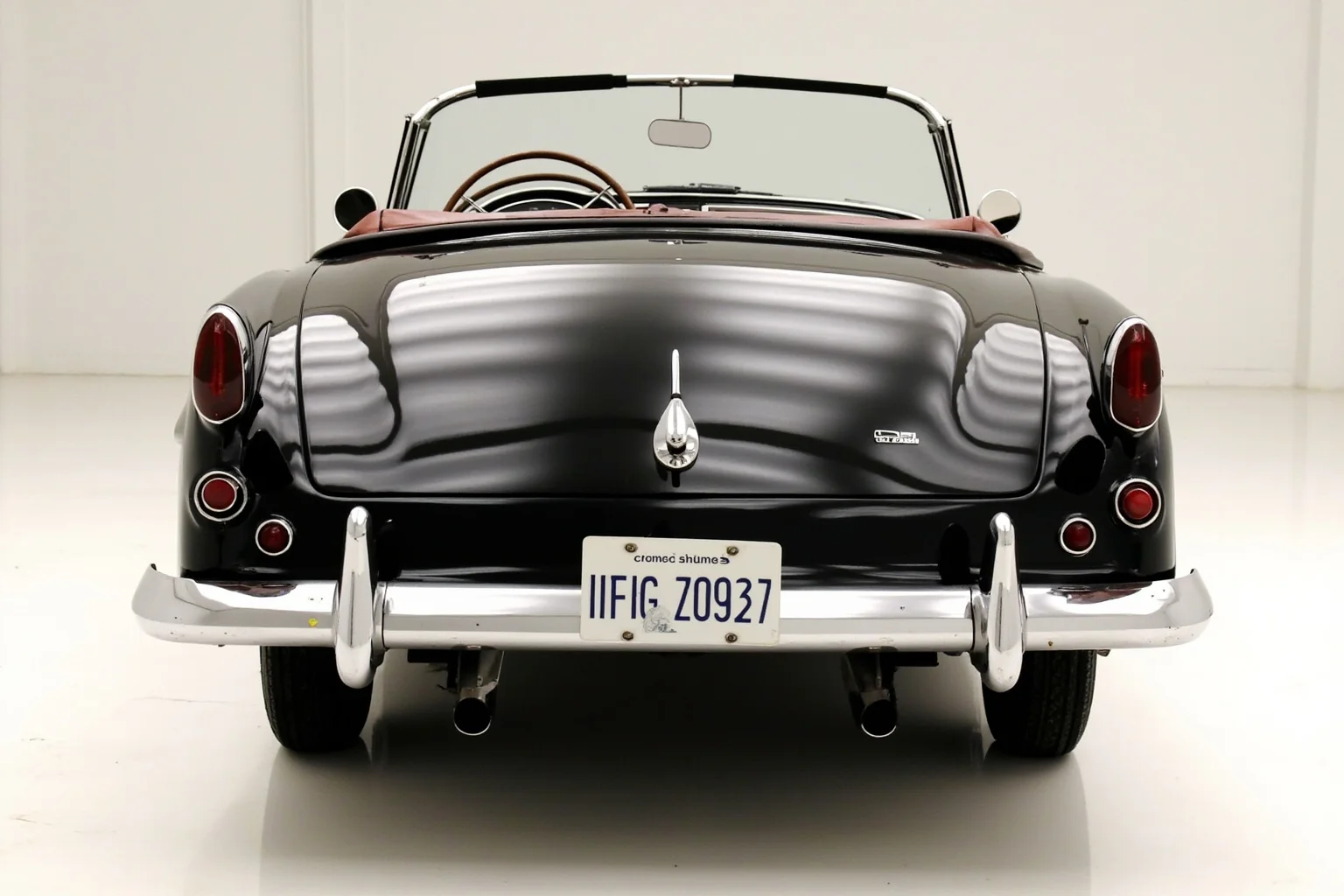
The Thunderbird carved out an entirely new category: the personal luxury car, built for style and comfort rather than outright performance. It was smaller and sportier than a typical family sedan but not meant to compete directly with the Corvette.
Its success proved there was a market for cars sold on image and comfort as much as capability. That formula would go on to influence decades of American car marketing.
11. Chevrolet Bel Air (1957)
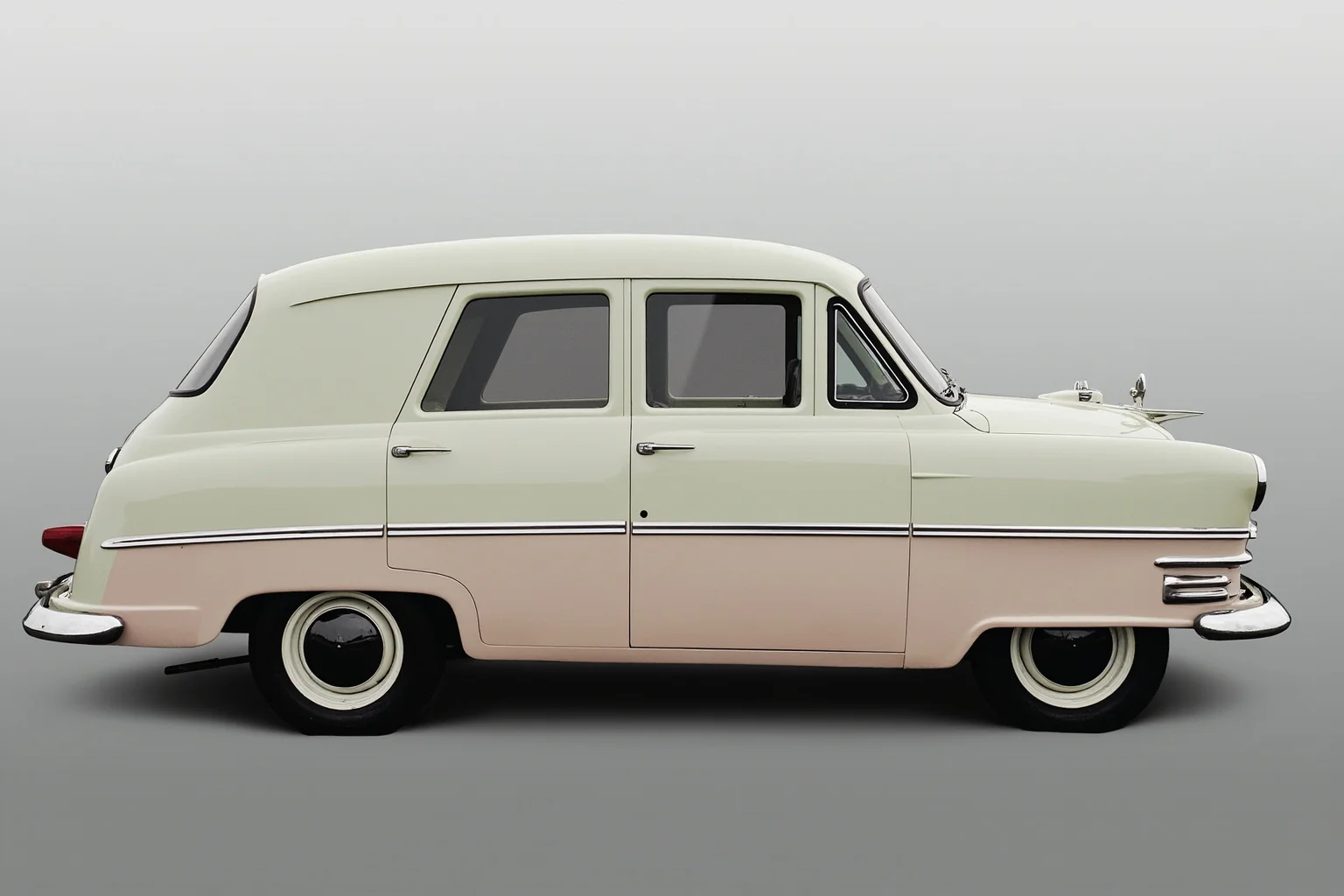
With its sweeping tailfins, two-tone paint, and abundant chrome, the ’57 Bel Air has become visual shorthand for 1950s Americana. It captured a moment of postwar confidence when cars were treated almost like household appliances meant to show off prosperity.
It’s one of the most reproduced images in American car nostalgia, appearing constantly in diner decor and classic-car shows. Few famous cars in America have been so thoroughly absorbed into the country’s visual memory.
12. Cadillac Eldorado Biarritz (1959)
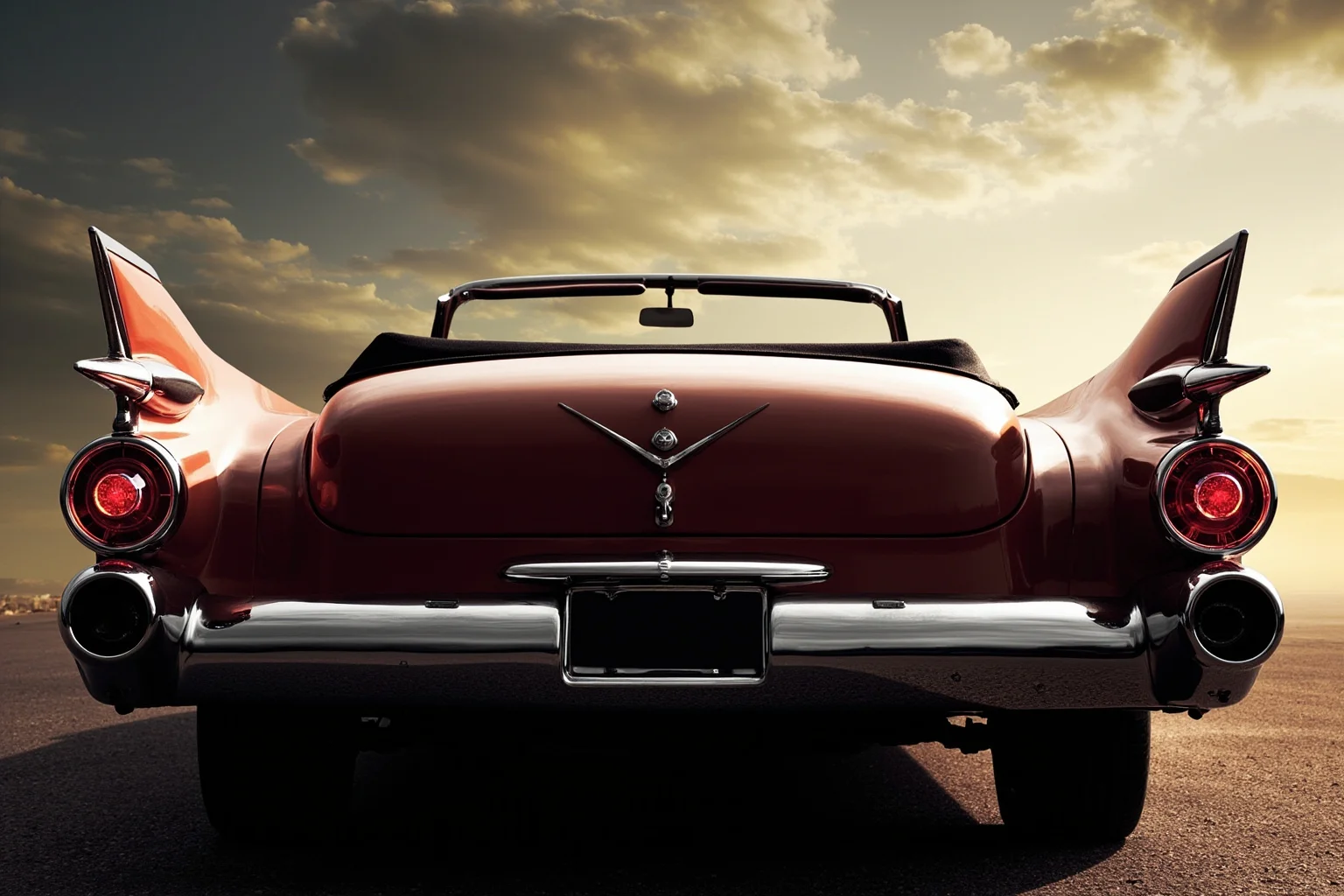
The 1959 Eldorado represents the absolute peak of tailfin excess, with fins so tall and dramatic they’ve become a punchline as much as a design statement. It embodied an era when American cars competed on spectacle as much as substance.
GM design chief Harley Earl pushed these exaggerated forms across the lineup, and the Eldorado was his boldest statement. Automotive styling would pull back sharply from this look within just a few years.
13. Chevrolet Corvair (1960)
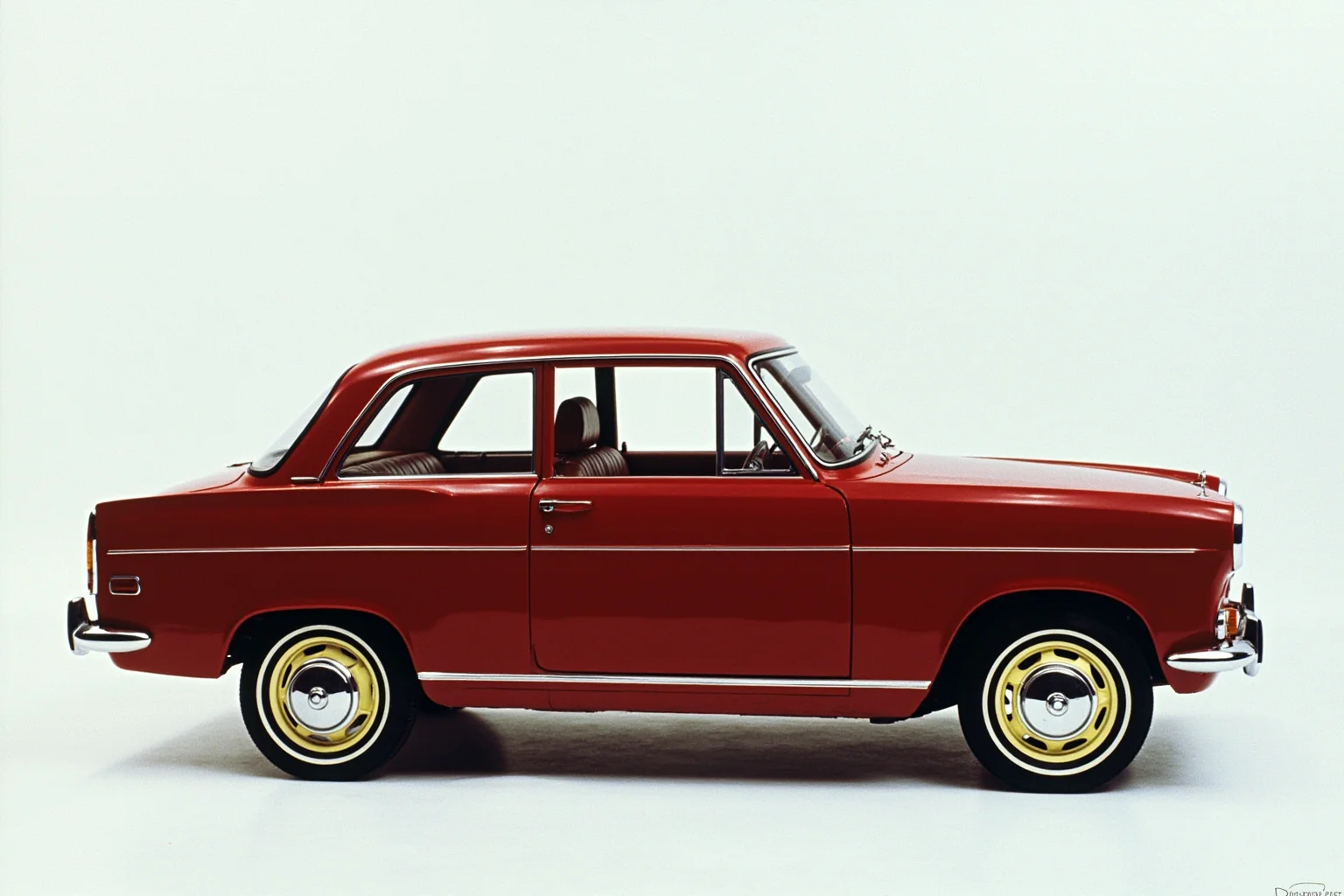
The rear-engine, air-cooled Corvair was genuinely unusual for an American car, borrowing ideas more common in European design. It became infamous after consumer advocate Ralph Nader criticized its handling characteristics in his 1965 book “Unsafe at Any Speed.”
A 1972 U.S. government safety study later found the Corvair’s handling was not significantly more dangerous than comparable cars of its time, complicating the car’s reputation. It’s a good example of why myths about American historic cars deserve a second look before being taken as settled fact.
14. Lincoln Continental (1961)
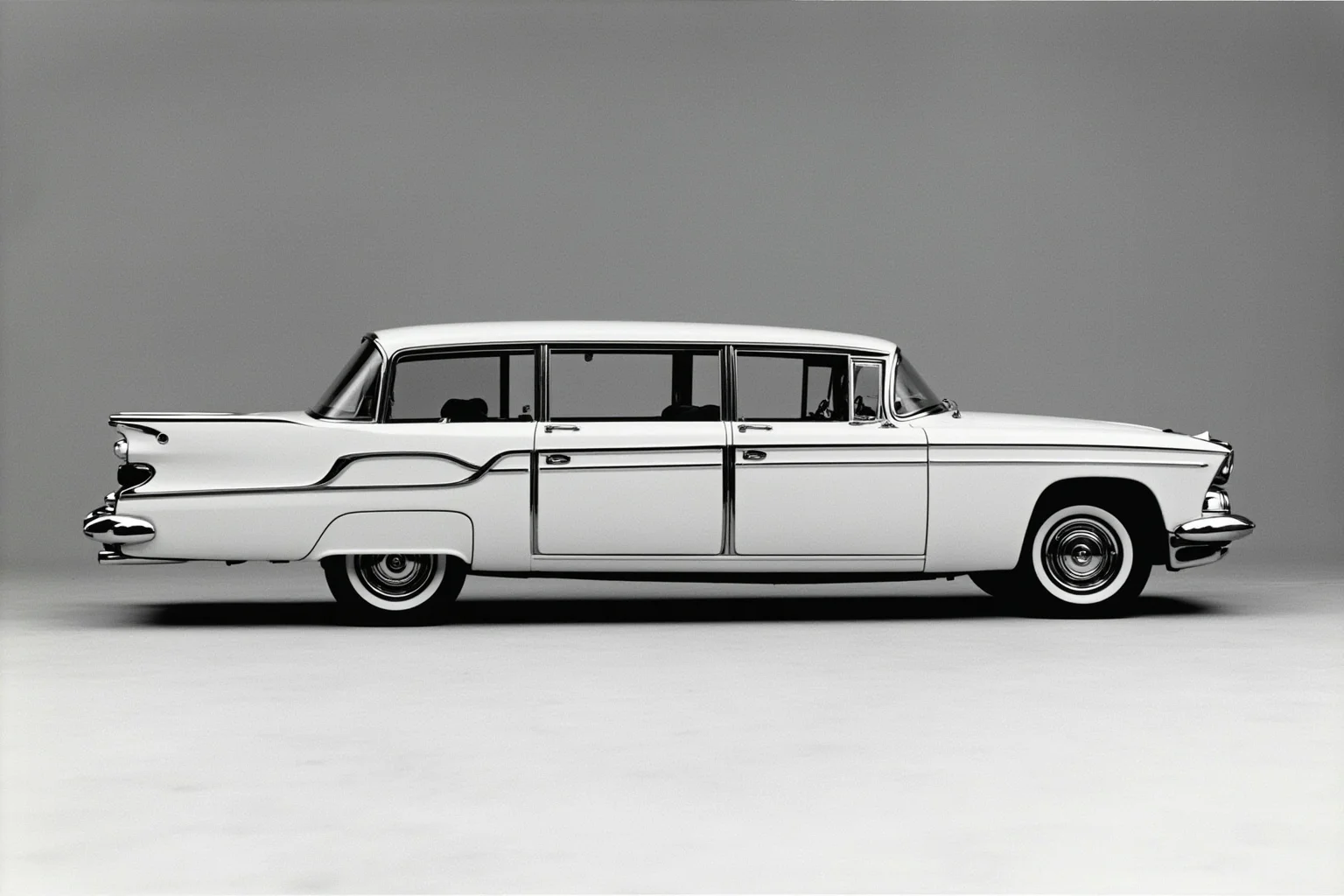
The 1961 Continental introduced a clean, slab-sided design language and reintroduced rear-hinged “suicide doors” to American luxury cars. Its restrained elegance stood in sharp contrast to the chrome excess of the previous decade.
This generation of Continental is also historically significant for a somber reason: a 1961 Lincoln Continental convertible was the presidential limousine involved in the assassination of President John F. Kennedy in 1963. That tragic association is part of the car’s permanent place in American history.
15. Studebaker Avanti (1962)
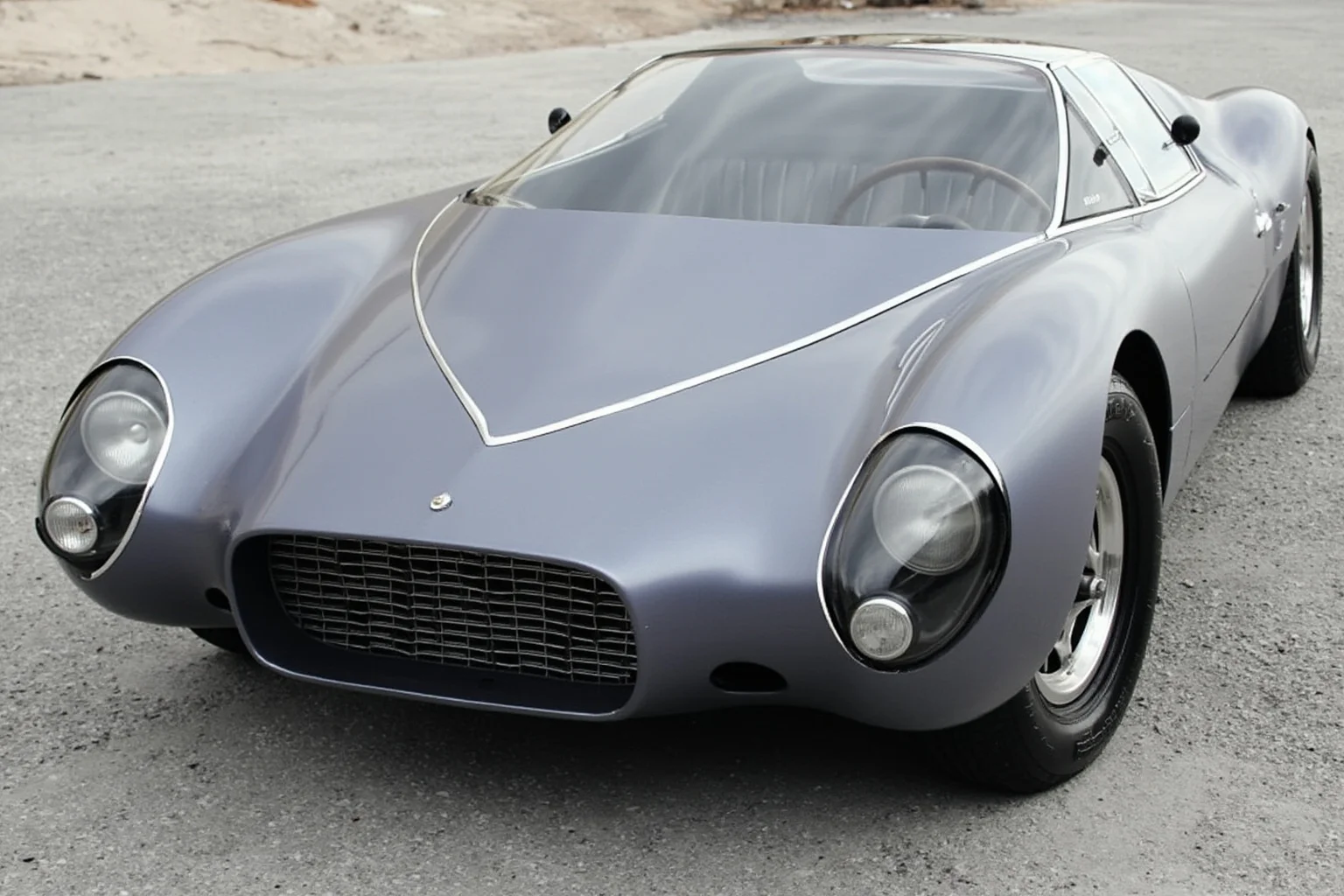
Designed by legendary industrial designer Raymond Loewy, the fiberglass-bodied Avanti was a bold, futuristic swing from a company that was running out of time. Studebaker’s American manufacturing operations shut down just a few years later, in 1963–64.
The Avanti nameplate outlived the parent company through a series of independent revivals, a rare fate among discontinued American cars. It’s remembered as proof that great design doesn’t always save a struggling automaker.
16. Ford Mustang (1964)
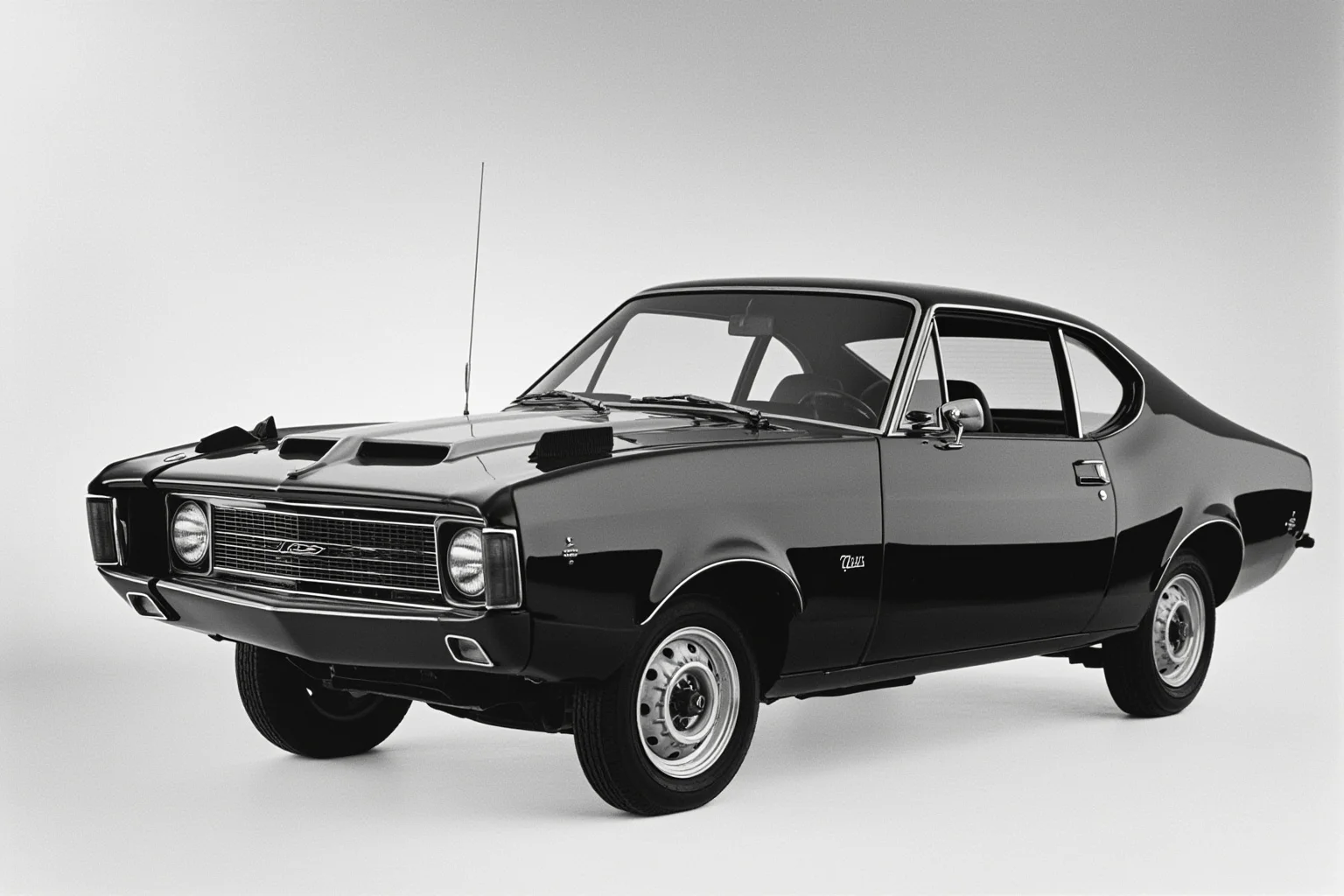
Unveiled at the 1964 New York World’s Fair, the Mustang created the “pony car” category almost overnight and sold in huge numbers within its first year. It offered sports-car styling at a price ordinary buyers could afford, a formula Ford had already proven with the Model T decades earlier.
The Mustang has stayed in continuous production ever since, evolving through multiple eras while staying recognizably itself. It remains one of the most iconic American cars precisely because it never fully left showrooms.
17. Pontiac GTO (1964)
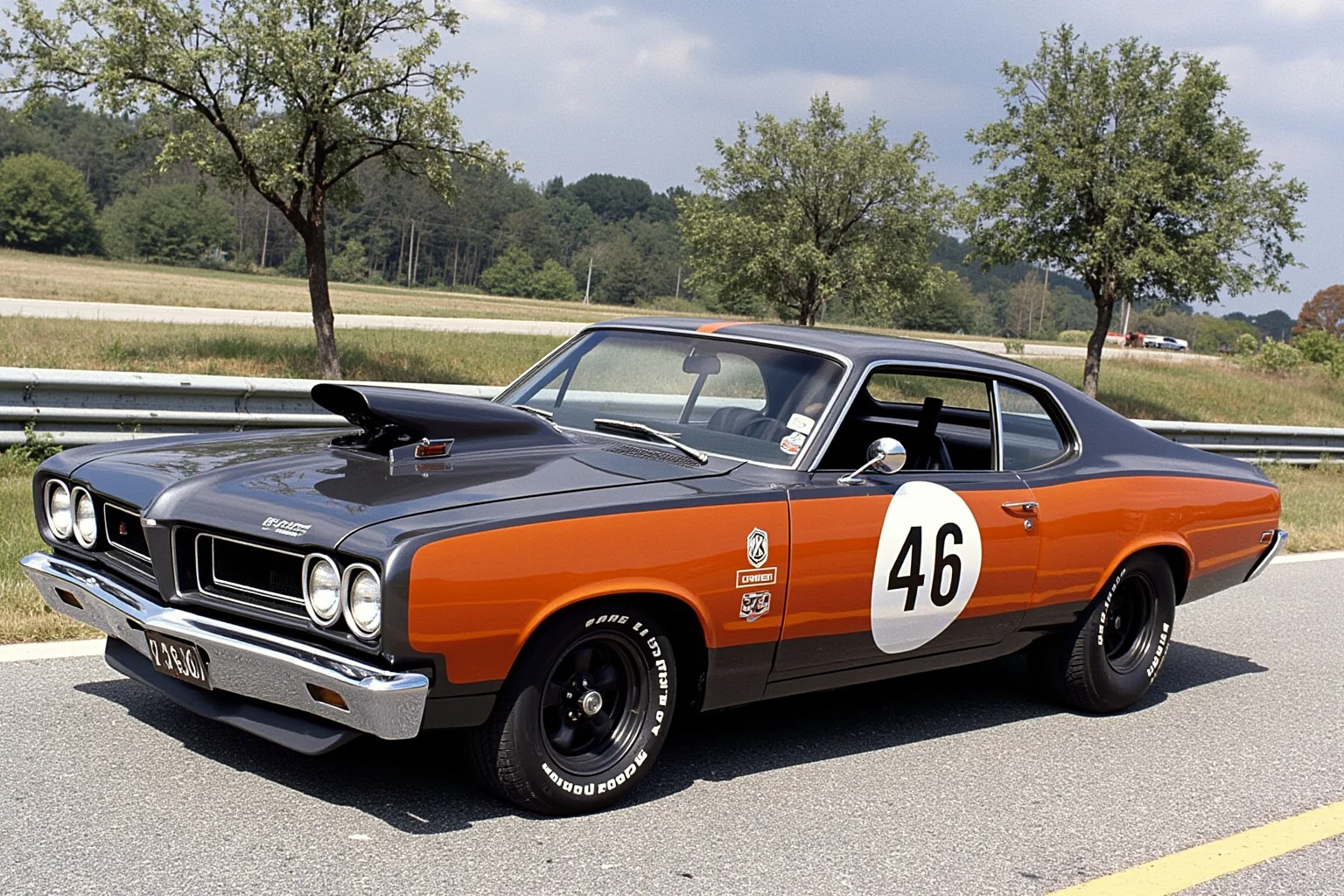
Engineer John DeLorean and his team dropped a big engine into a mid-size Pontiac Tempest, creating a formula widely credited with launching the muscle car era. Other cars, like the earlier Chrysler 300, had offered high performance before, but the GTO packaged it for younger, mainstream buyers.
Its success triggered a horsepower arms race across Detroit that would define American performance cars for most of a decade. That race only cooled once insurance costs and emissions rules caught up in the early 1970s.
18. Dodge Charger (1966)
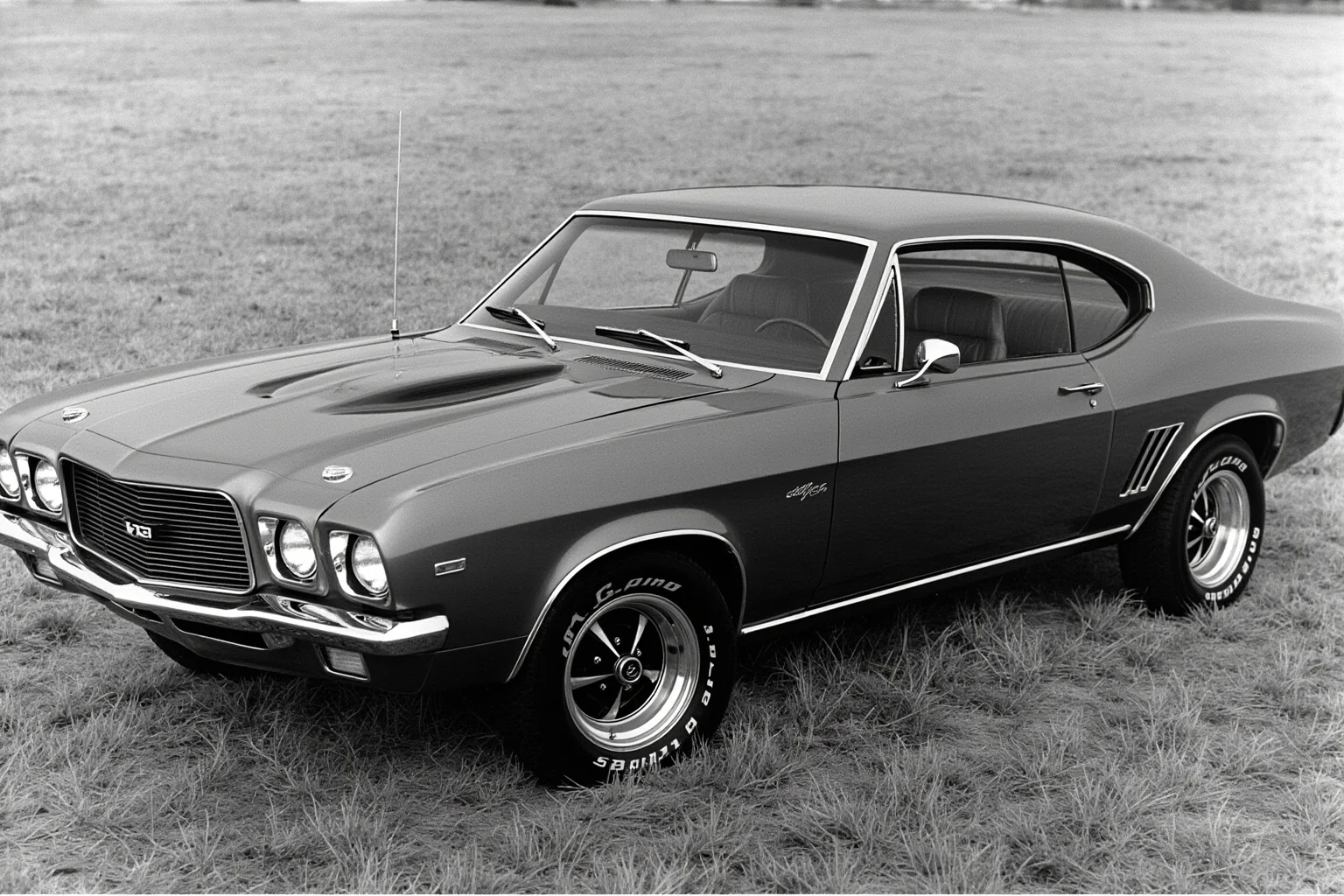
The Charger became a muscle car icon thanks to its aggressive fastback styling and serious performance options, especially in its 1968–1970 form. It later achieved pop-culture immortality as the car featured in “The Dukes of Hazzard” and the “Fast & Furious” film franchise.
Few American cars have crossed over so successfully from showroom performance to screen stardom. That dual legacy is a big part of why it still shows up on lists of the cars that drove us.
19. Chevrolet Camaro (1967)
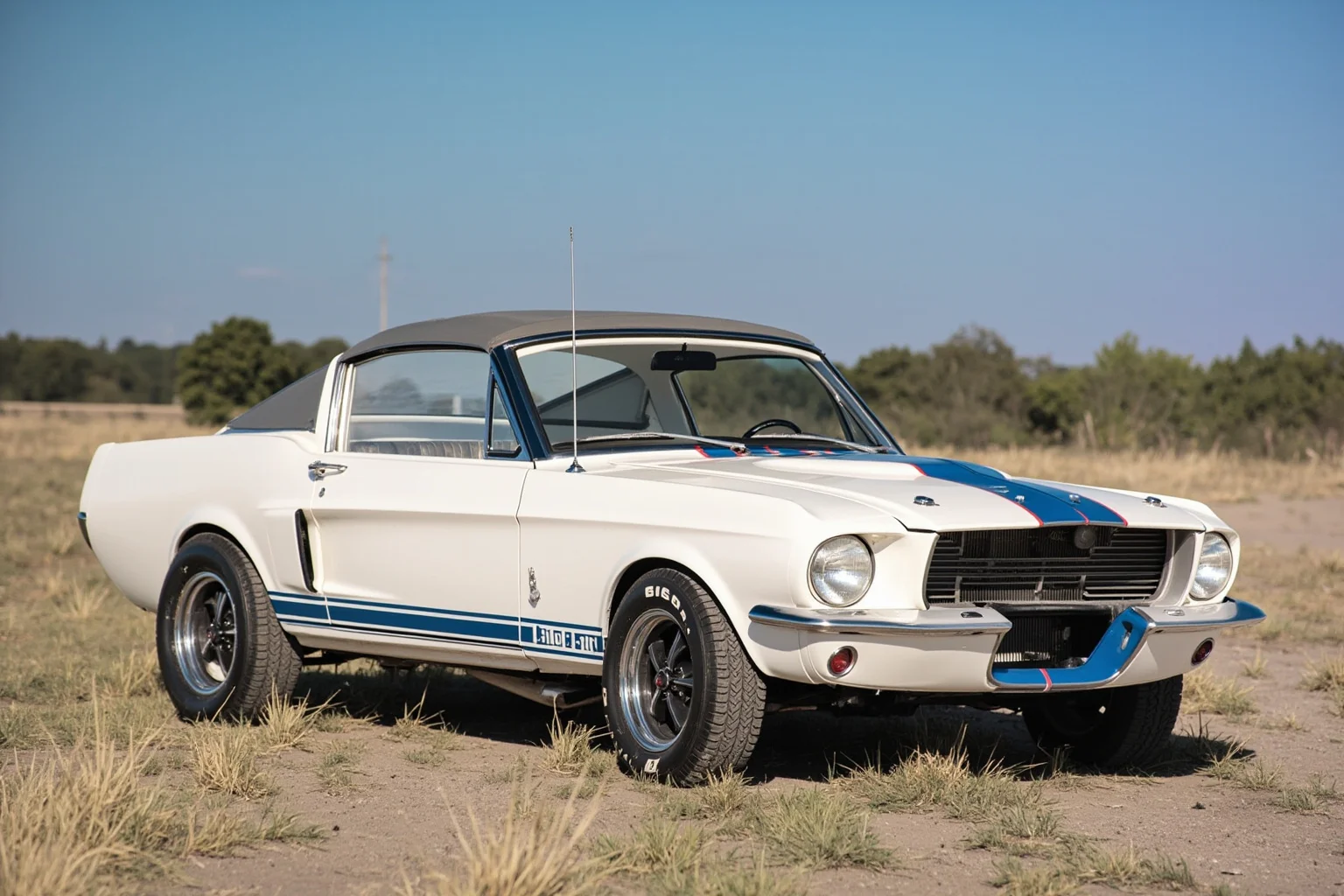
GM built the Camaro specifically to compete with Ford’s runaway Mustang success, launching a rivalry that car enthusiasts still argue about today. It offered similar accessible performance with its own distinct styling identity.
The Mustang-versus-Camaro debate became one of the longest-running rivalries in American car culture. Both nameplates have outlasted nearly every competitor from their original era.
20. AMC Gremlin (1970)
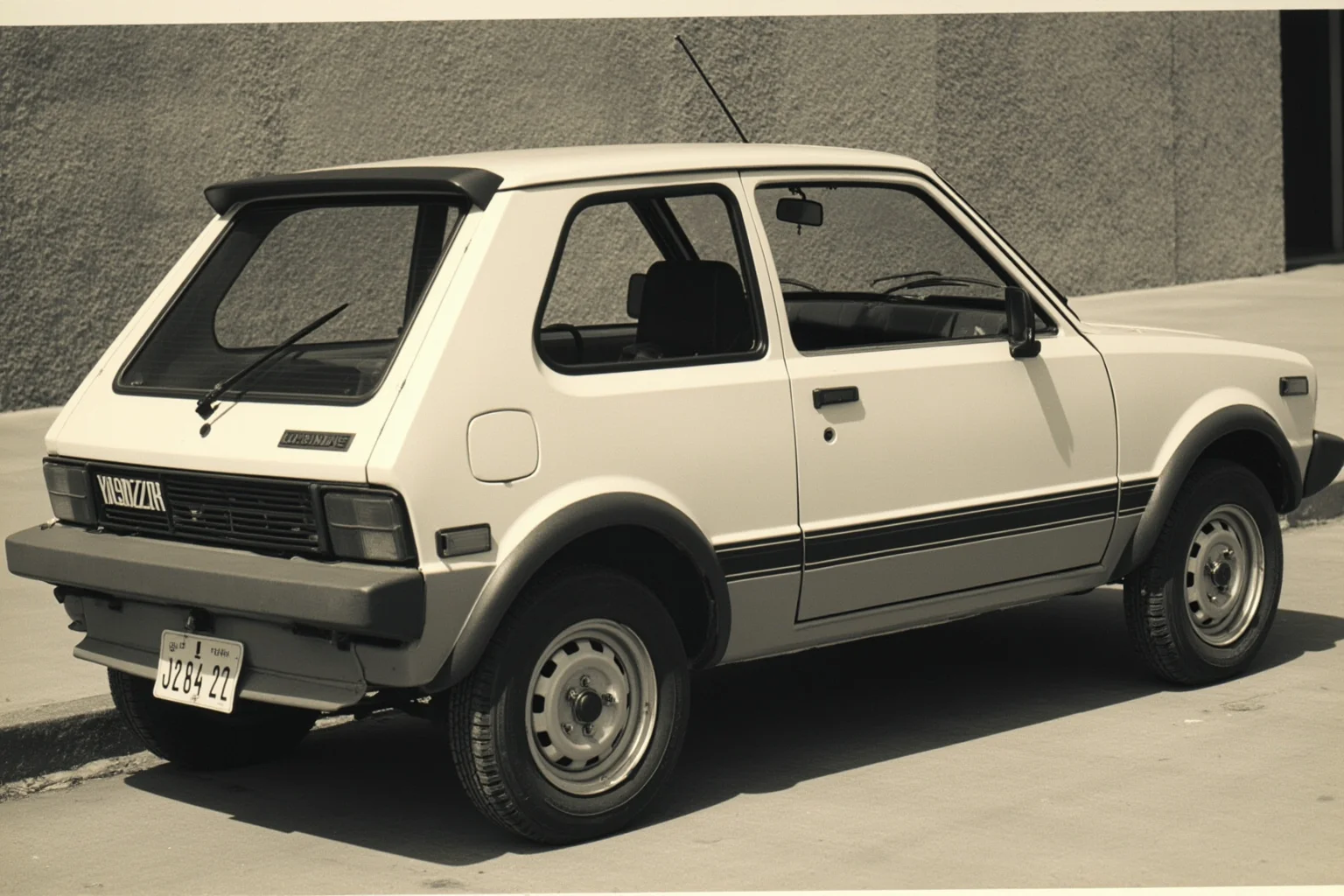
American Motors Corporation, always the scrappiest of the major automakers, introduced the Gremlin as an early response to growing demand for smaller, cheaper cars. Its stubby, chopped-off rear design was polarizing from day one.
The timing turned out to be prescient, arriving just a few years before the 1973 oil crisis made fuel-efficient cars a national priority. The Gremlin is often remembered more for its odd looks than its foresight, but the foresight was real.
21. Ford Pinto (1971)
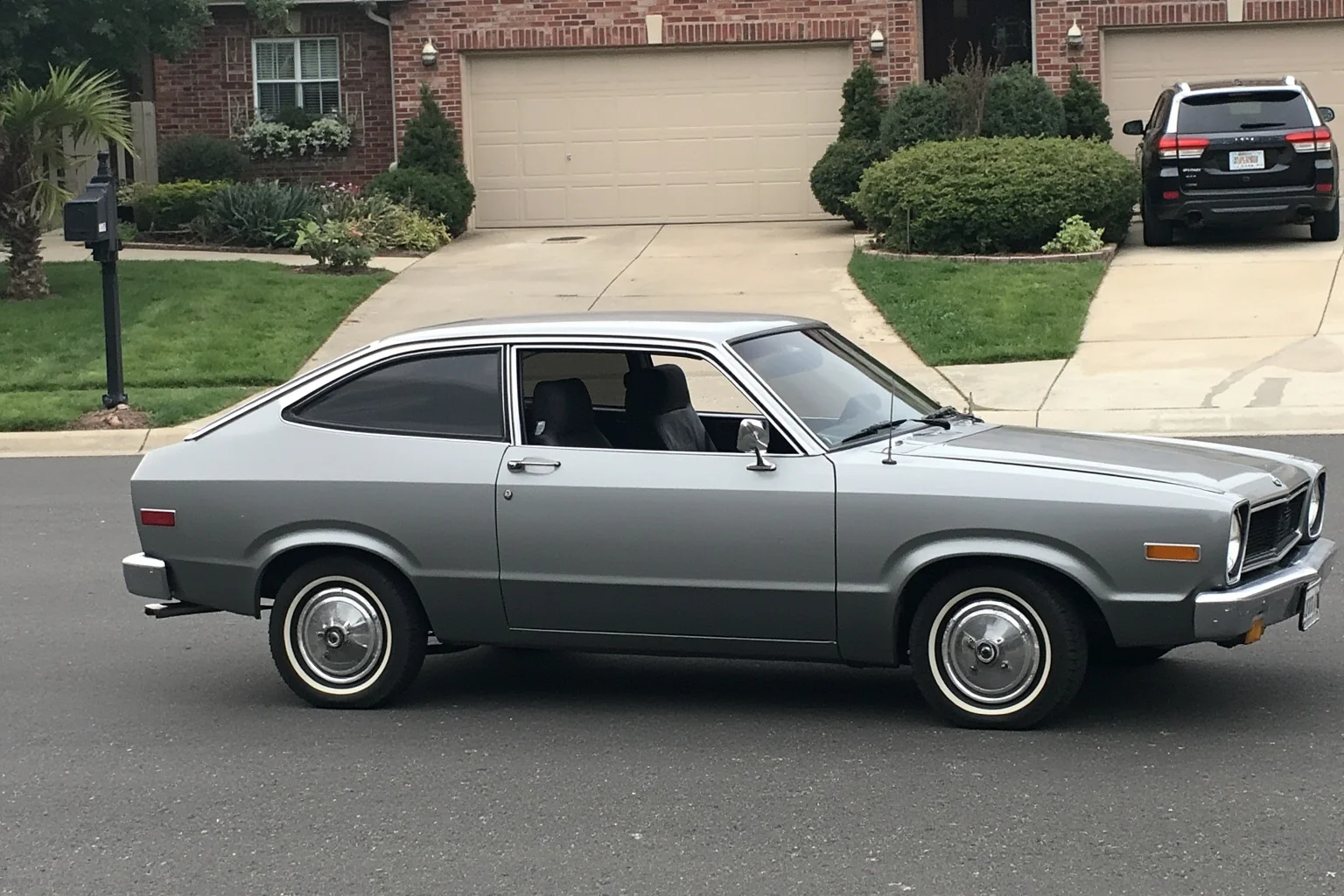
The Pinto is one of the most infamous American cars, largely due to lawsuits and news coverage alleging its fuel tank design made it prone to dangerous fires in rear-end collisions. The controversy became a landmark case study in product liability law.
Later engineering analyses have argued the Pinto’s fire risk was broadly comparable to other subcompacts of its era, and that its reputation was shaped as much by media narrative and a notorious internal cost-benefit memo as by unique design flaws. Either way, the Pinto changed how American companies think about safety litigation and public perception.
22. DeLorean DMC-12 (1981)
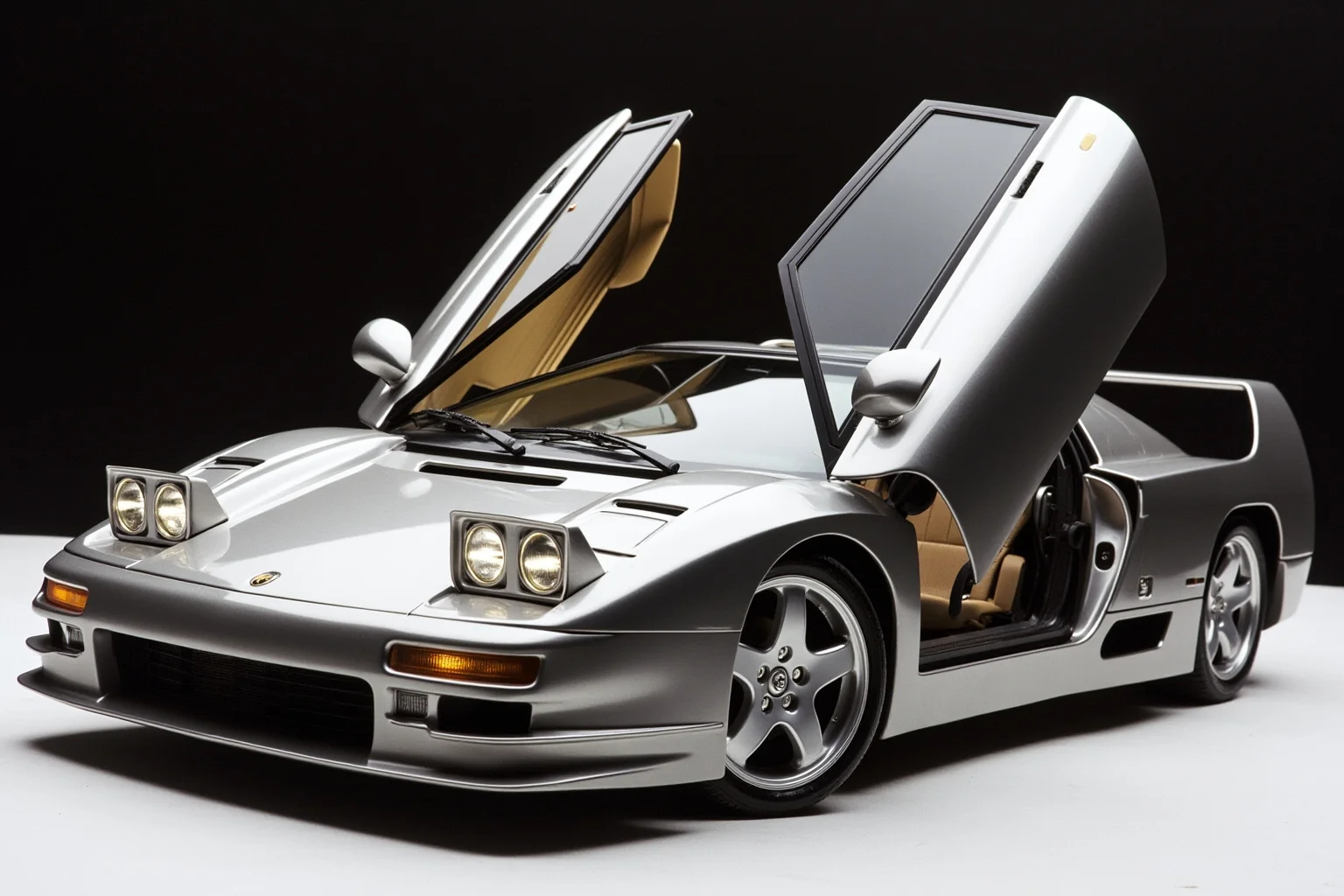
With its brushed stainless steel body and dramatic gull-wing doors, the DeLorean DMC-12 looked like nothing else on American roads. Financial troubles and legal issues brought John DeLorean’s company down within a couple of years of launch.
Its commercial failure hardly mattered once “Back to the Future” turned it into a time machine on screen in 1985. Few famous cars in America owe more of their legacy to a movie than their original sales numbers.
23. Ford Explorer (1991)
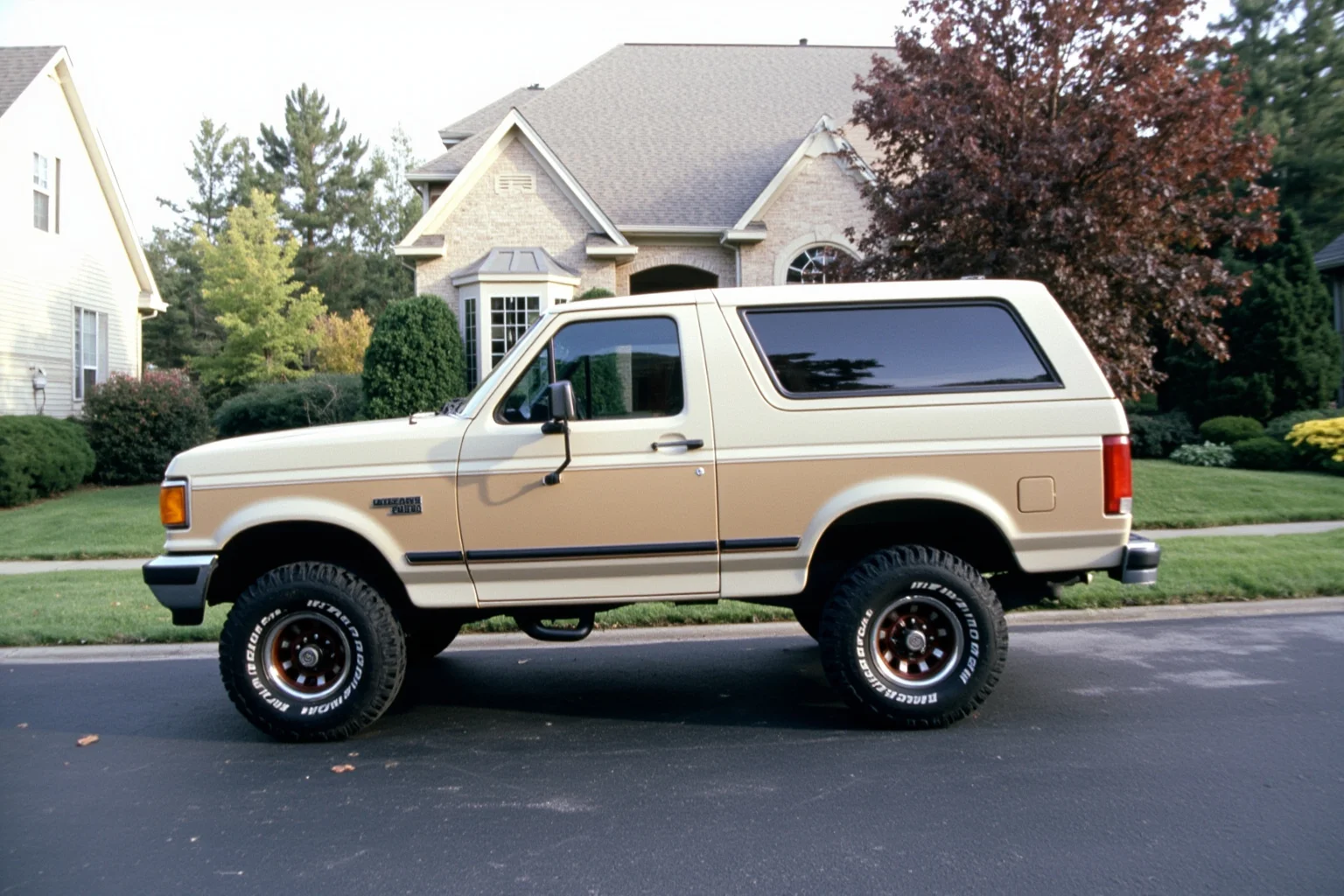
The Explorer wasn’t the first SUV, but it’s widely credited with turning the category into a mainstream family vehicle rather than a rugged niche product. Its success helped trigger the sedan-to-SUV shift that has reshaped American car buying ever since.
By the 2000s, SUVs and trucks had overtaken sedans as the best-selling vehicle types in the country. That shift traces back in large part to the Explorer proving there was mass demand for the format.
24. Tesla Model S (2012)
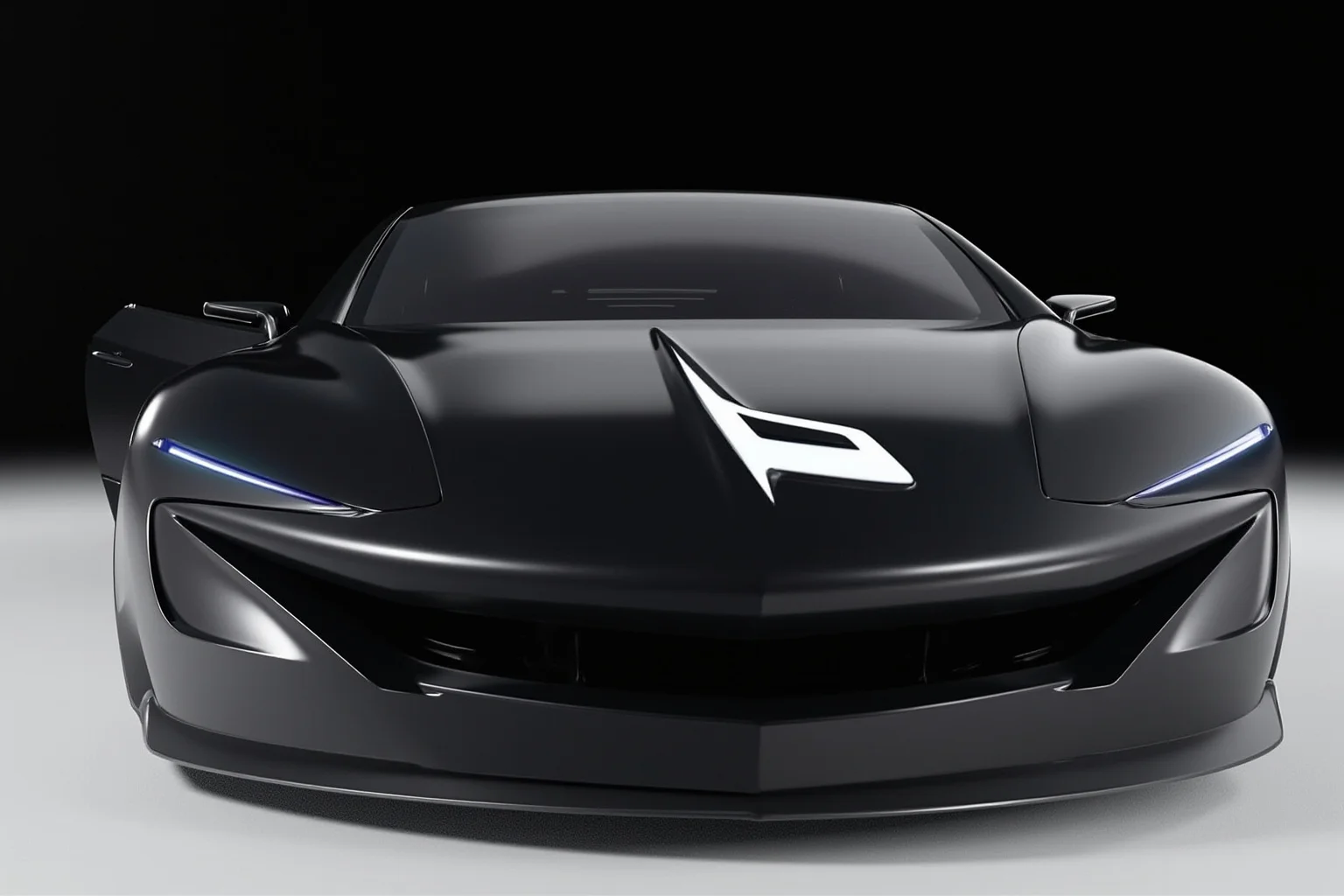
Tesla’s Model S proved that an electric car could be genuinely desirable, offering long range, strong performance, and a striking design at a time when EVs were still seen as compromised. It pushed established automakers to accelerate their own electric programs.
Whether or not it ultimately ranks among the most significant cars in American history is still being written, but its influence on the current EV transition is already undeniable. It’s a fitting bookend to a list that started with a homemade gasoline buggy in 1893.
The Road Ahead
Looking back across more than a century of American historic cars, a pattern emerges. The vehicles that mattered most weren’t always the best-engineered or the best-selling; they were the ones that captured what the country wanted to believe about itself at that moment, whether that was freedom, speed, safety, or reinvention.
That pattern isn’t finished. As electric and autonomous vehicles reshape the industry again, some future list of the most iconic American cars will include machines that haven’t even been unveiled yet. The story of the automobile in America has never really been about the cars alone; it’s about what they let people do, and who they let people become.
Frequently Asked Questions
What are considered the most iconic American cars in history?
Most historians and car enthusiasts point to a core group that includes the Ford Model T, Chevrolet Corvette, Ford Mustang, Willys MB Jeep, and Chevrolet Bel Air as among the most iconic American cars ever produced. Each one either changed how cars were built, sold, or perceived, from Ford's mass-market pricing to the Mustang's creation of the pony car segment.
What was the first car made in America?
The Duryea Motor Wagon, built by brothers Charles and Frank Duryea in 1893, is generally credited as the first successful American gasoline-powered automobile. Ransom Olds' Curved Dash Runabout followed shortly after and became the first American car mass-produced using early assembly-line methods.
Why is the Ford Model T considered so significant?
The Model T mattered because Henry Ford's moving assembly line made it affordable for average American workers, not just the wealthy. Over 15 million were built between 1908 and 1927, and the car reshaped everything from town planning to the used-car market.
Is it true the Ford Pinto’s fuel tank was uniquely dangerous?
The Pinto's reputation for fuel tank fires became a major legal and media story in the 1970s, but later engineering reviews found its actual fire risk was broadly in line with other subcompact cars of its era. Its infamy was shaped as much by lawsuits and a widely publicized internal memo as by a design flaw unique to that model.
What car is linked to President Kennedy’s assassination?
The presidential limousine involved in President John F. Kennedy's assassination in 1963 was a 1961 Lincoln Continental convertible, specially modified for official use. That tragic event became a permanent part of the Continental's place in American car history.
How did the muscle car era begin in American car history?
The 1964 Pontiac GTO, developed under engineer John DeLorean, is widely credited with launching the mainstream muscle car era by combining a powerful engine with an affordable, mid-size body. It sparked a horsepower race among Detroit automakers that lasted until fuel and insurance costs slowed things down in the early 1970s.

Alex Warren
Related Articles





