Every culture on Earth has asked the same enormous question: where did we come from? Long before science offered its answers, people told stories to explain the origins of the world, the gods, and humanity itself. These ancient creation stories are among the oldest myths in the world, and they reveal how our earliest ancestors made sense of existence.
The following list of creation myths spans continents and millennia, from the river valleys of Mesopotamia to the temples of Egypt and the oral traditions of Polynesia. While no single story can be crowned the absolute oldest mythology in the world, scholars point to several written and oral traditions that reach back astonishingly far. Each entry below explores one of the most famous creation myths, its historical context, and what it tells us about the people who told it.
TL;DR: The oldest creation myths in the world include Sumerian, Egyptian, Babylonian, Hindu, and Greek origin stories, with written examples dating back over 4,000 years and oral traditions likely far older.
1. The Eridu Genesis (Sumerian, c. 1600 BCE, but likely older)
The Eridu Genesis is often cited as the oldest surviving written creation myth in the world. It was composed in Sumerian and discovered on fragmented clay tablets from ancient Mesopotamia, in what is now southern Iraq. The text describes how the gods An, Enlil, Enki, and Ninhursanga created the world and humanity.
In this origin myth example, humans are fashioned from clay and given the breath of life. The story also includes a flood narrative that predates the biblical account of Noah by centuries. Its setting in the city of Eridu, considered by the Sumerians to be the first city on Earth, underscores its claim to deep antiquity.
2. The Enuma Elish (Babylonian, c. 1800–1100 BCE)
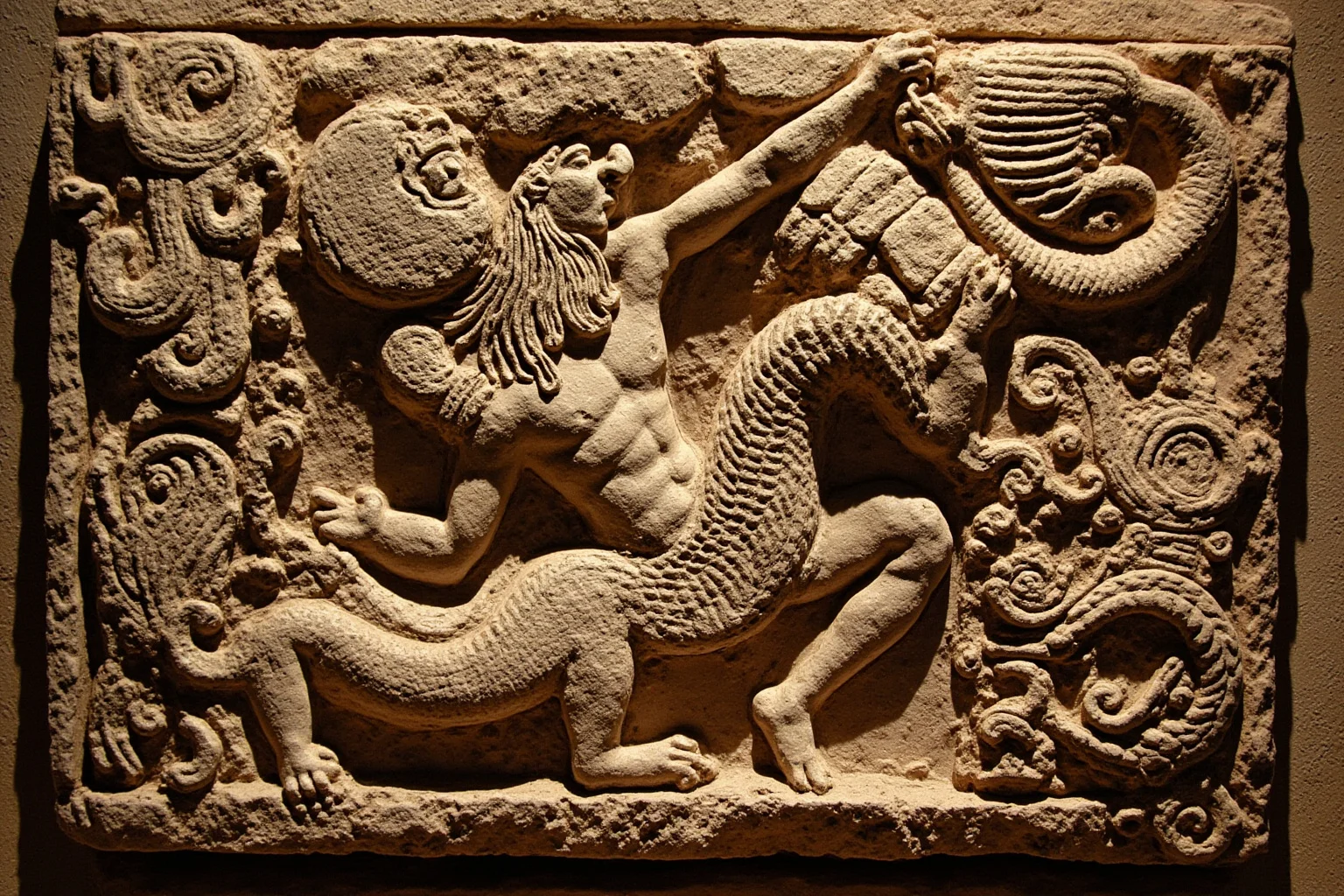
The Enuma Elish, named for its opening words meaning "when on high," is one of the most famous creation myths from ancient Mesopotamia. It was recited annually during the Babylonian New Year festival to honor the god Marduk. The epic describes a cosmic battle between Marduk and the primordial sea goddess Tiamat.
After defeating Tiamat, Marduk splits her body in two, creating the heavens and the earth from her remains. He then creates humanity from the blood of a defeated god to serve the gods. This myth is a powerful origin myth example because it links creation directly to political power, elevating Babylon as the center of the cosmos.
3. The Heliopolitan Creation Myth (Egyptian, c. 2400 BCE)
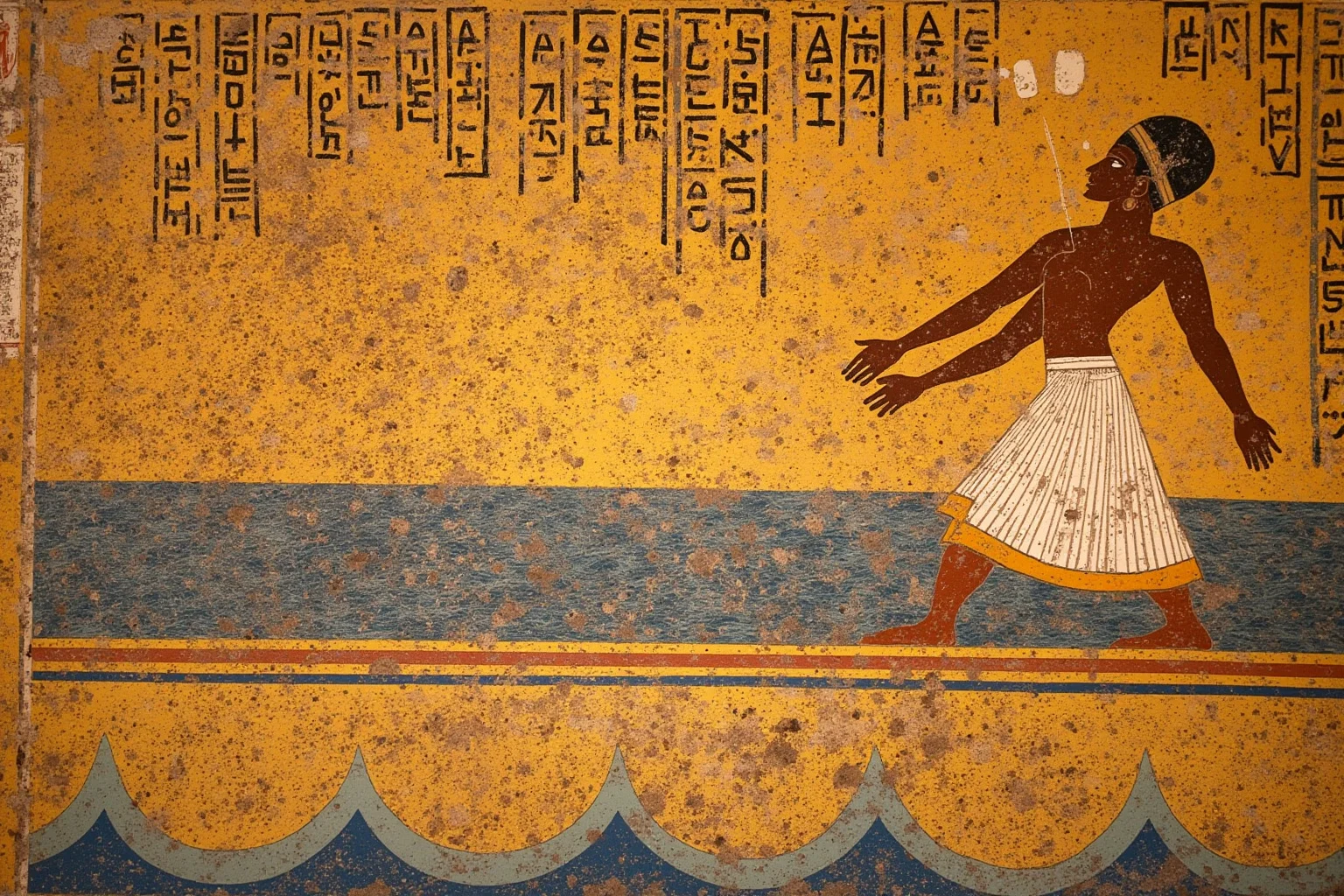
The ancient Egyptians developed several creation myths, but the Heliopolitan version from the city of Heliopolis is among the oldest and most influential. It centers on Atum, the self-created god who emerged from the primordial waters of Nun. Atum then brought forth Shu and Tefnut, the gods of air and moisture.
These deities in turn produced Geb, the earth, and Nut, the sky, whose separation created the world as the Egyptians knew it. The myth explains the daily cycle of the sun and the annual flooding of the Nile. Egyptian texts referring to this story appear in the Pyramid Texts, making it one of the oldest myths in the world with written documentation.
4. The Memphite Theology (Egyptian, c. 700 BCE, based on older sources)
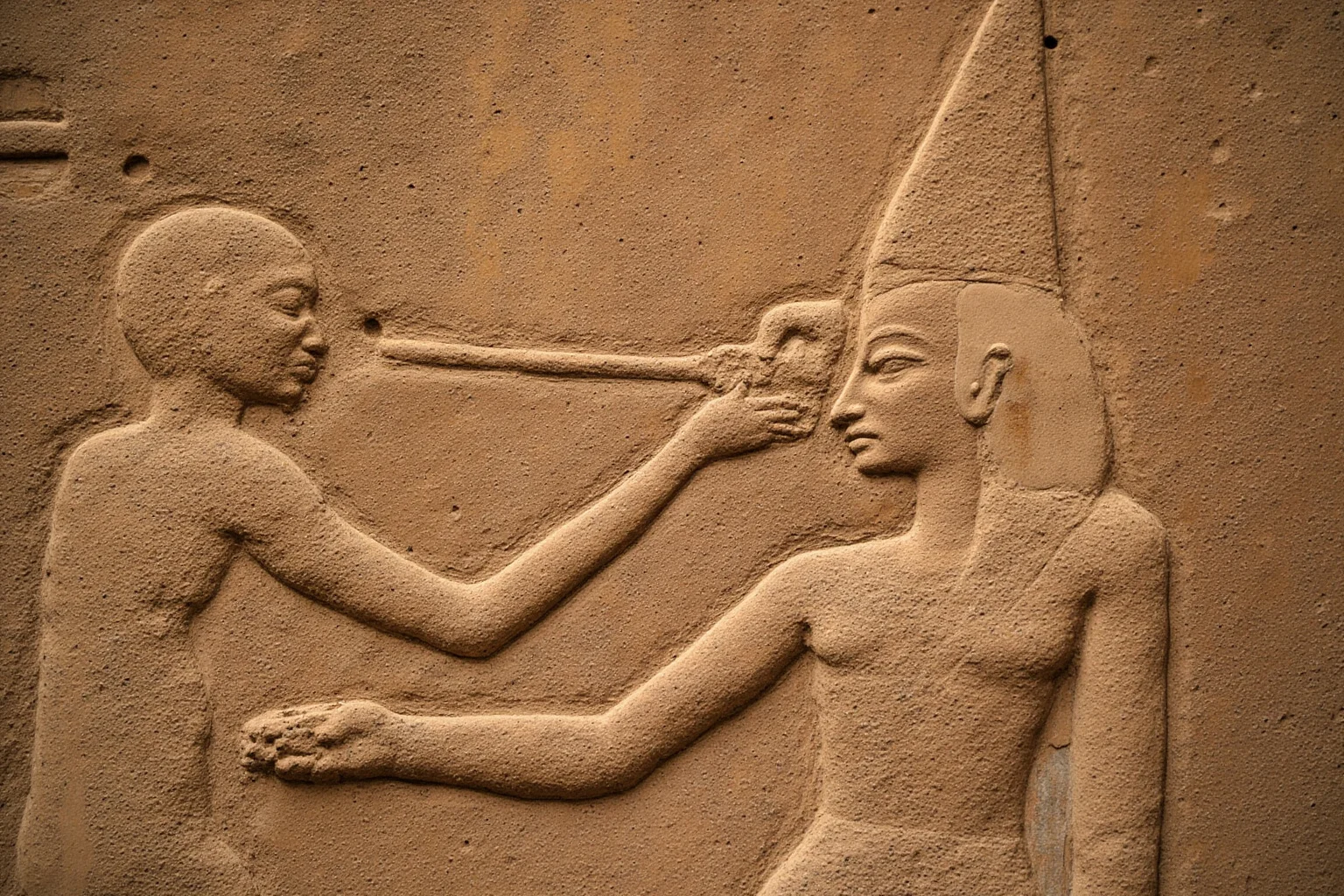
The Memphite Theology, inscribed on the Shabaka Stone, preserves a creation myth from the city of Memphis that likely dates back much earlier than its inscription. In this ancient creation story, the god Ptah creates the world through thought and speech alone. He conceives the universe in his heart and brings it into being by speaking its name.
This idea, that creation occurs through divine word and intellect, is remarkably sophisticated for its time. The Memphite version deliberately positions Ptah as superior to Atum and the other creator gods. It demonstrates how competing Egyptian cities used creation myths to assert their own religious primacy.
5. The Theban Creation Myth (Egyptian, c. 1500 BCE)
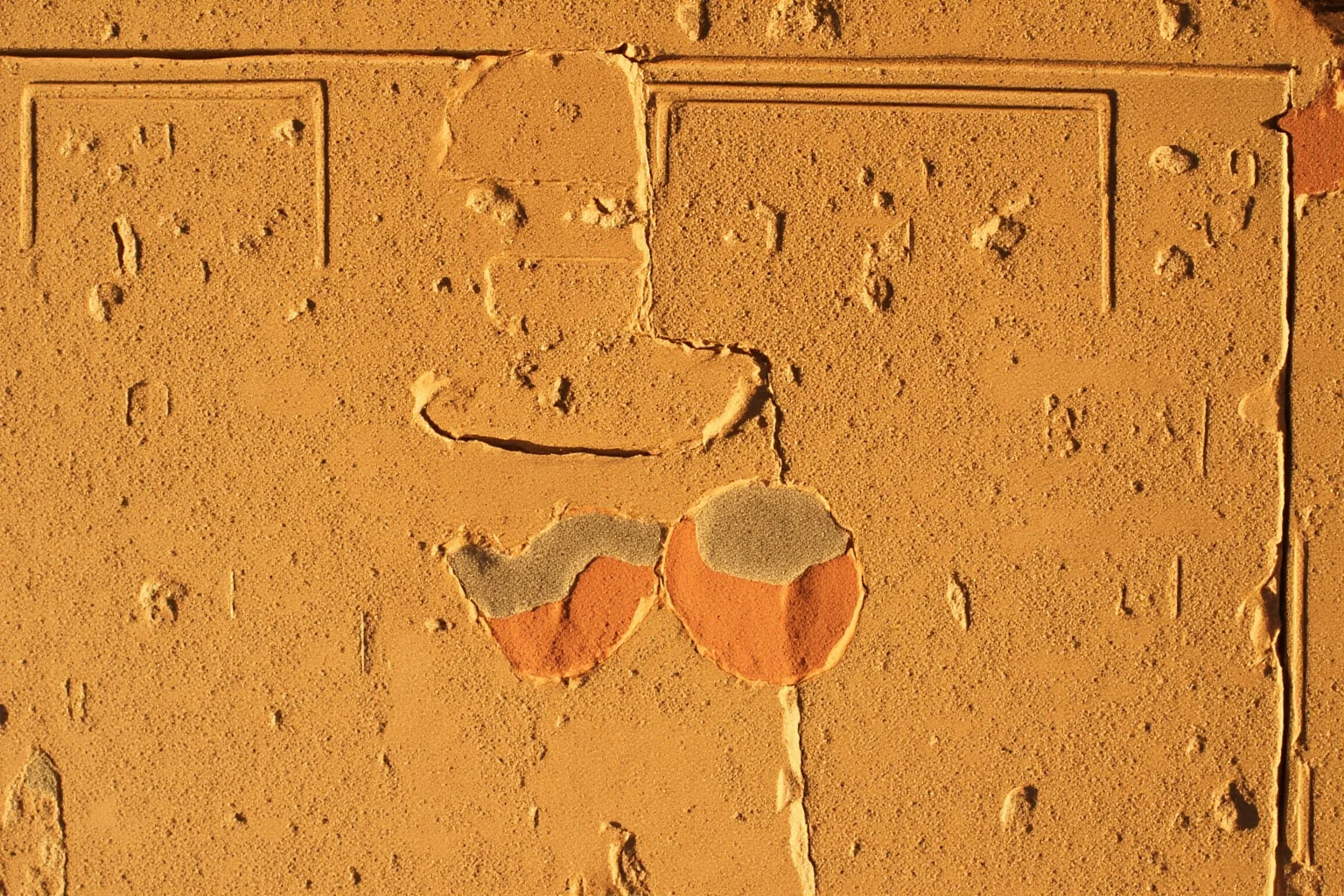
When Thebes rose to prominence during the Middle and New Kingdoms, its priests promoted their own creation story featuring the god Amun. The Theban creation myth describes Amun as the hidden, self-created source of all existence. He existed before the other gods and brought them into being through his will.
This myth merges Amun with the sun god Ra to form Amun-Ra, the supreme creator deity. The story emphasizes the invisibility and transcendence of the creator, a theme that would echo in later religious traditions. It stands as another significant origin myth example from the rich tapestry of Egyptian theology.
6. The Rig Veda Creation Hymn (Hindu, c. 1500–1200 BCE)
The Nasadiya Sukta, or Creation Hymn, from the Rig Veda is one of the most philosophically profound ancient creation stories ever composed. It opens with a striking admission of uncertainty: there was neither existence nor non-existence, neither death nor immortality. The hymn describes a time before time, when only a formless, watery darkness existed.
What makes this hymn extraordinary is its refusal to claim certainty about creation. It asks whether even the gods know how the world began, since they came after it. This skeptical, questioning tone sets it apart from most other famous creation myths, which assert their truths confidently.
7. The Purusha Sukta (Hindu, c. 1200–900 BCE)
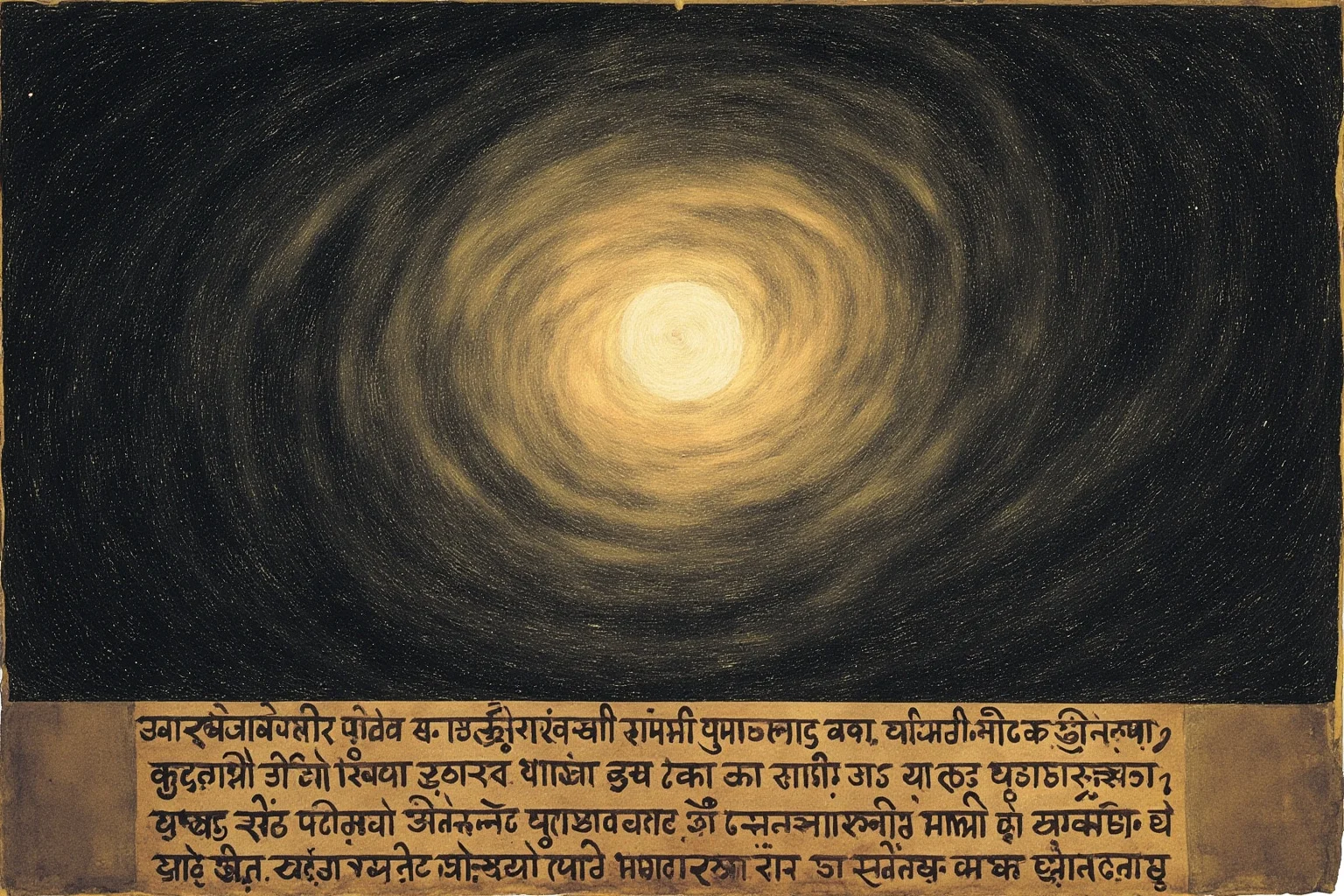
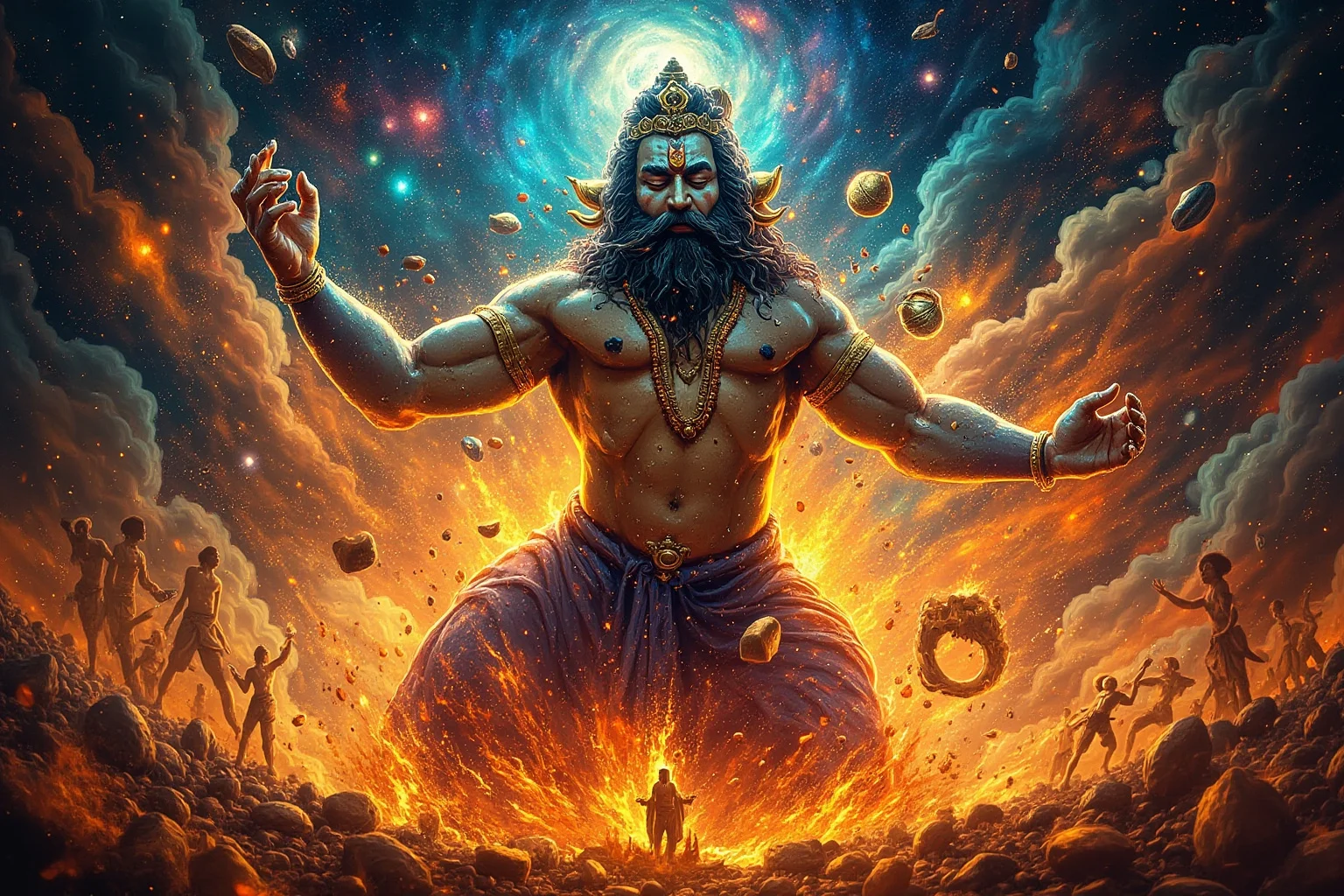
Another Rig Vedic creation hymn, the Purusha Sukta, tells a very different story. It describes the sacrifice of Purusha, a cosmic giant with a thousand heads and feet. From his dismembered body, the gods create the world: his mind becomes the moon, his eye the sun, his breath the wind, and his mouth the priestly class.
This myth is crucial for understanding the origins of the caste system, as it describes the four varnas emerging from different parts of Purusha's body. It is an origin myth example that explicitly links cosmic creation to social order. The hymn remains one of the most analyzed texts in the oldest mythology of South Asia.
8. The Greek Theogony (Hesiod, c. 730–700 BCE)
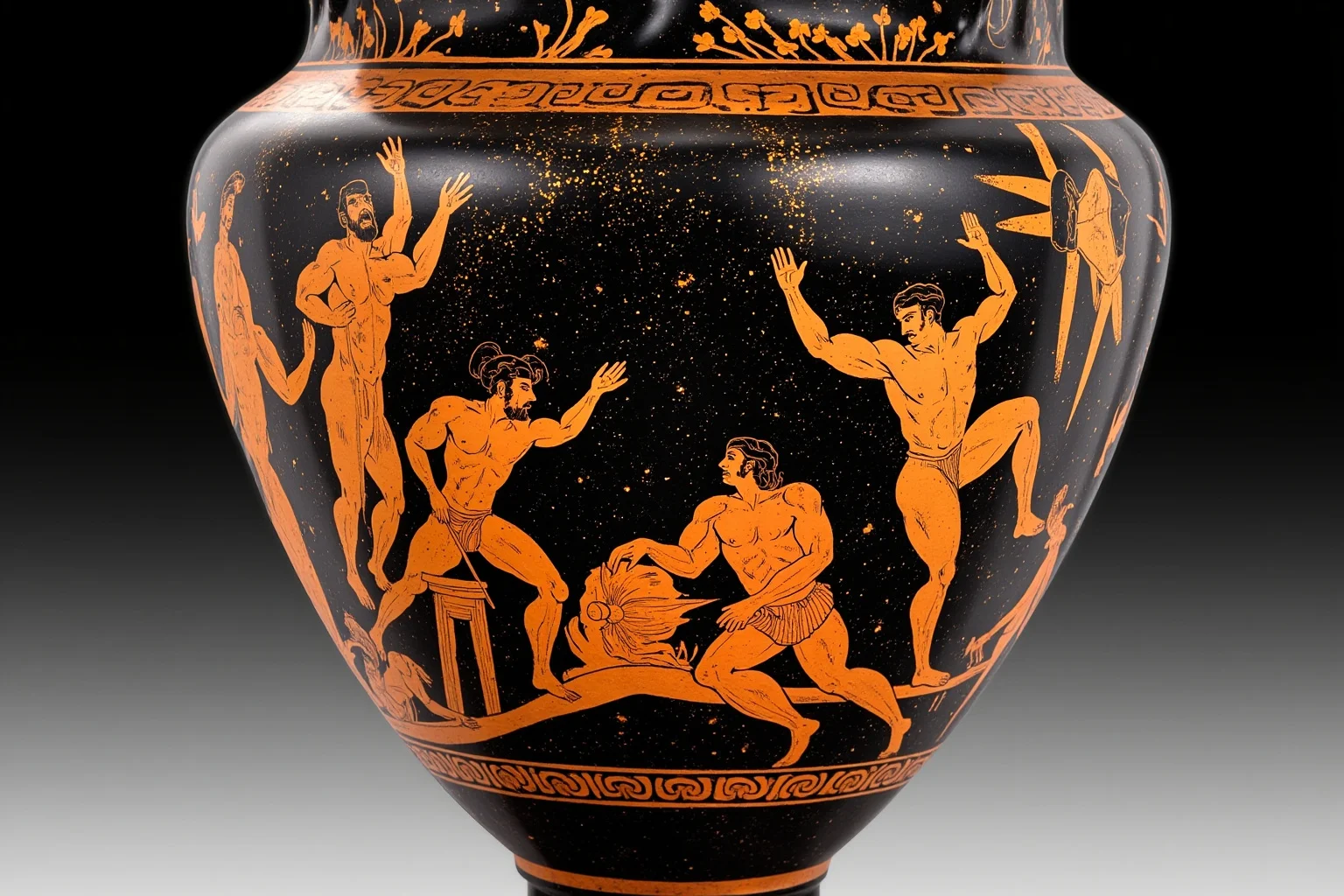
Hesiod's Theogony is the foundational creation myth of ancient Greece. It begins with Chaos, a void from which emerge Gaia, the earth, and other primordial deities. The poem traces the genealogy of the gods through several generations of cosmic conflict, culminating in the triumph of Zeus.
The Theogony is not just a story but a systematic attempt to organize the Greek pantheon. Hesiod describes how the world, the gods, and the natural order came to be. As one of the most famous creation myths in Western literature, it profoundly influenced later Greek and Roman thought.
9. The Orphic Creation Myth (Greek, c. 500 BCE or earlier)
The Orphic tradition, associated with the mythical poet Orpheus, offered an alternative to Hesiod's account. In this myth, Chronos, or Time, creates a cosmic egg from which emerges Phanes, a radiant deity of light and creation. Phanes then gives birth to the universe and the other gods.
This story is notable for its abstract, philosophical character. Unlike Hesiod's genealogical approach, the Orphic myth emphasizes cosmic principles like time, necessity, and love. It influenced later Greek philosophy, including the thought of Plato, and represents a mystical strand within ancient Greek religion.
10. The Pelasgian Creation Myth (Greek, date uncertain)
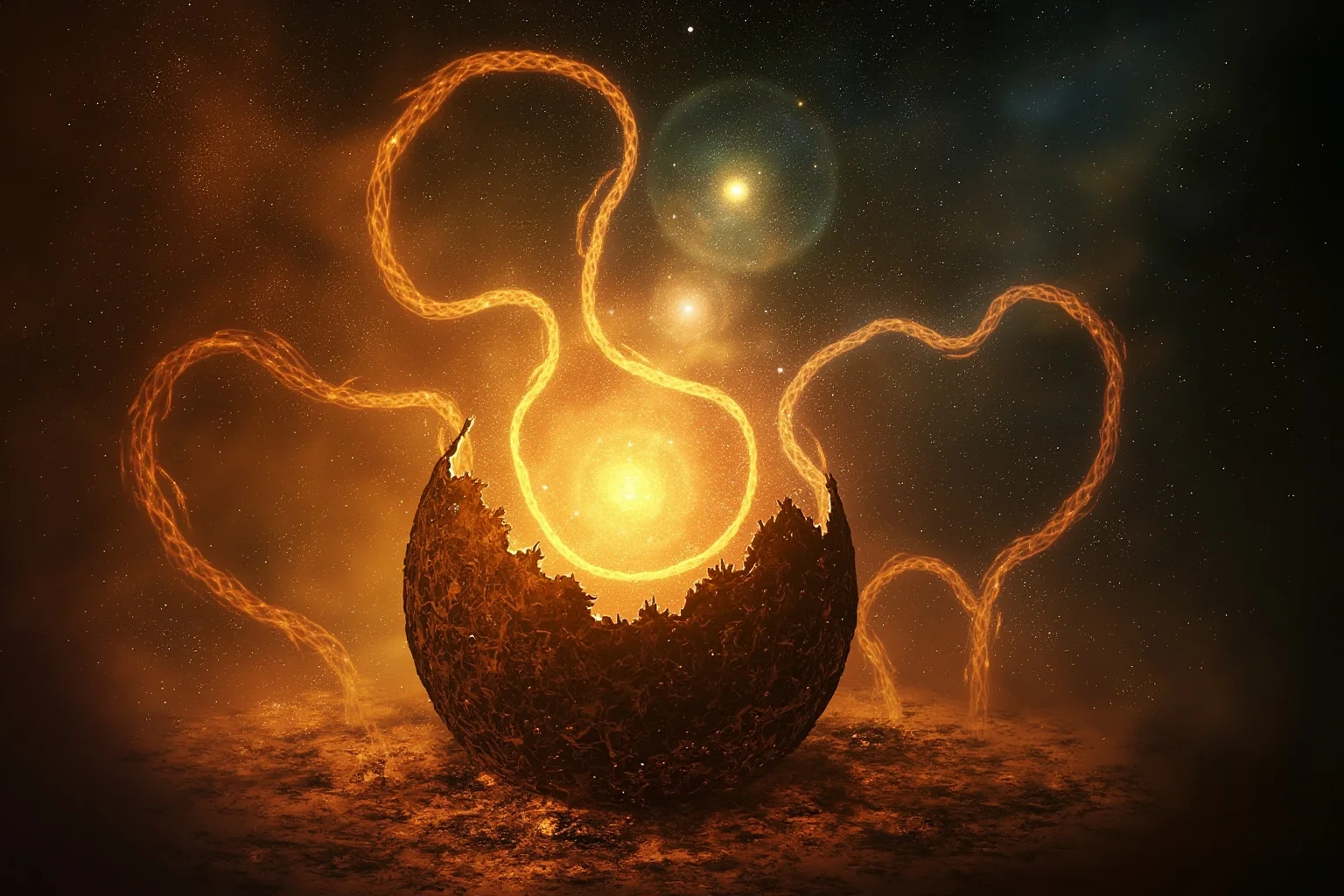
The Pelasgian creation myth, recorded later but attributed to Greece's pre-Hellenic inhabitants, features the goddess Eurynome. According to this story, Eurynome emerged from Chaos and danced upon the waters, creating the wind. She then mated with the serpent Ophion and laid a cosmic egg from which all creation hatched.
This myth is significant because it places a female deity at the center of creation, unlike the male-dominated Olympian accounts. Its exact age is debated, but it may preserve very old Mediterranean traditions. It serves as a fascinating counterpoint to the more familiar patriarchal origin myth examples from Greece.
11. The Chinese Creation Myth of Pangu (c. 200–300 CE, but likely older)
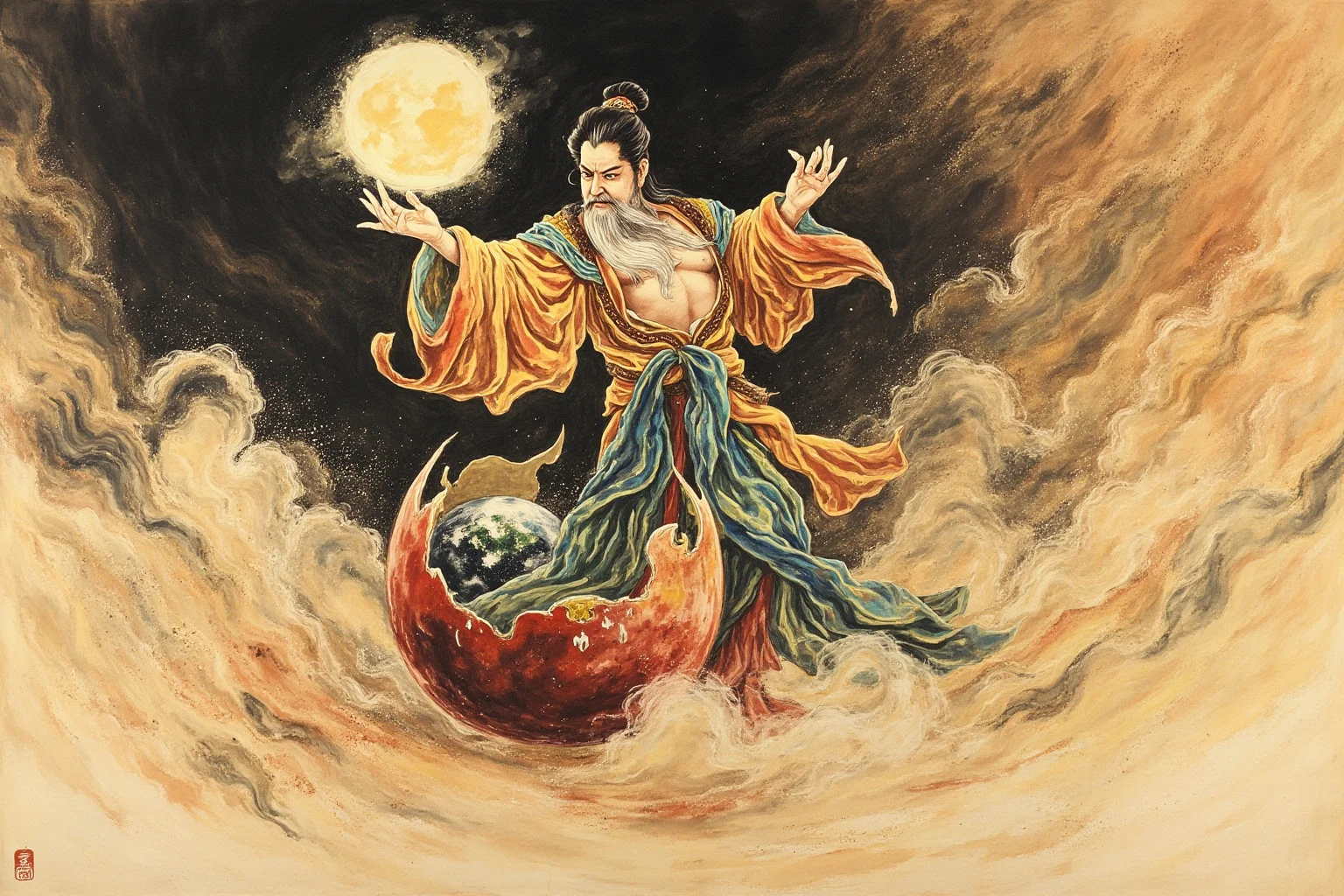
The myth of Pangu is the most famous Chinese creation story, though it was first written down relatively late. In this tale, the universe begins as a cosmic egg containing chaos. Pangu sleeps inside for 18,000 years before waking and breaking the egg apart, separating heaven and earth.
Pangu then holds the sky and earth apart, growing taller each day for another 18,000 years until they remain permanently separated. When he dies, his body transforms into the features of the world: his breath becomes wind, his voice thunder, his eyes the sun and moon, and his body the mountains. This is a classic origin myth example of a primordial being's sacrifice giving form to the world.
12. The Chinese Creation Myth of Nüwa (c. 200–300 CE, but likely older)
Nüwa, a goddess with a human head and serpent body, appears in another major Chinese creation myth. After the world was formed, she felt lonely and began fashioning figures from yellow clay. She breathed life into them, and they became the first humans.
When she grew tired of shaping each person individually, Nüwa dragged a rope through mud and flicked it, creating humanity in greater numbers. The myth also tells how she repaired the sky when it was damaged, saving the world from destruction. Together with the Pangu story, these are among the most famous creation myths of East Asia.
13. The Shinto Creation Myth (Japanese, c. 712 CE)
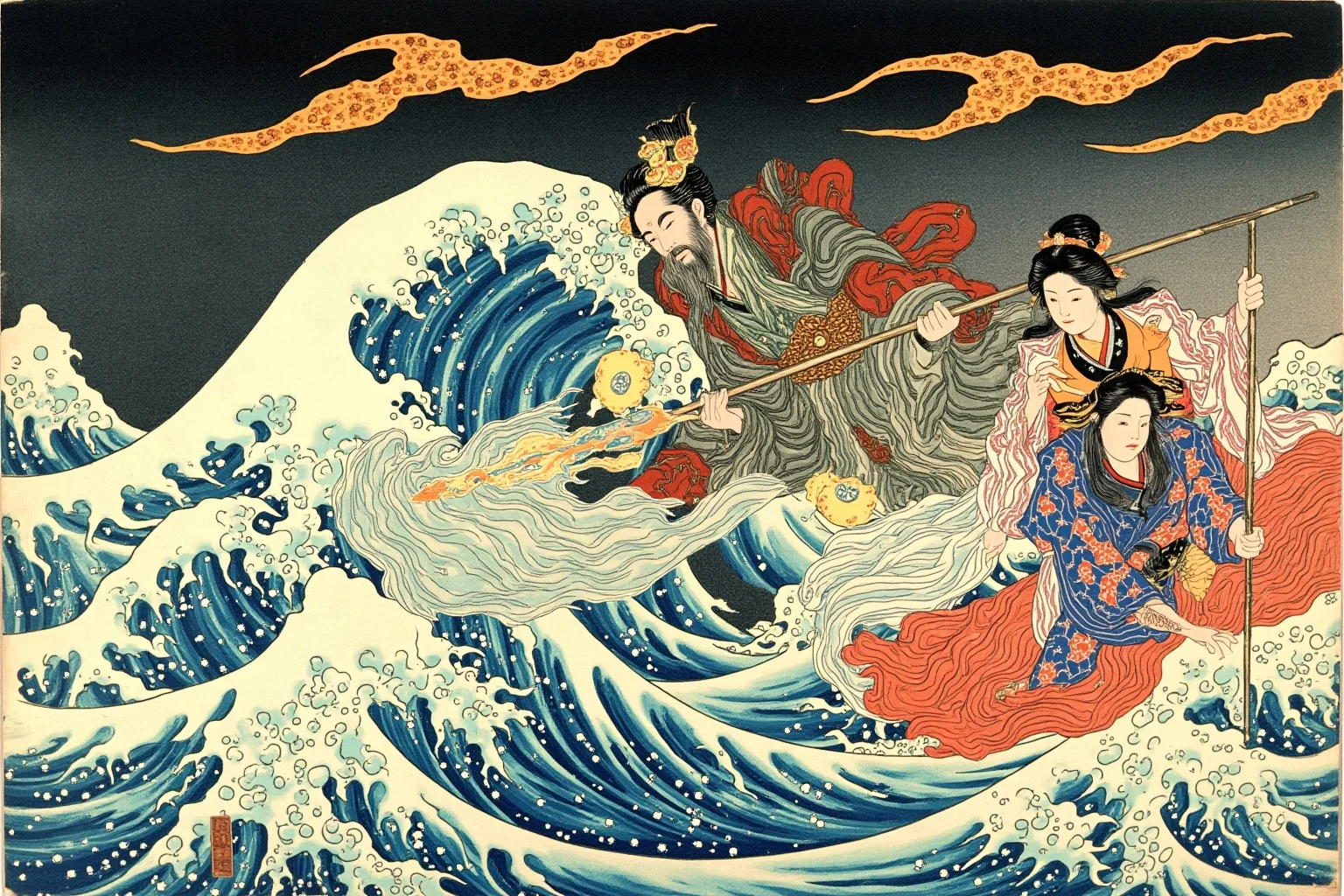
The Kojiki, Japan's oldest surviving book, records the Shinto creation myth. It describes how the first gods, Izanagi and Izanami, stood on the floating bridge of heaven and stirred the primordial ocean with a jeweled spear. When they lifted the spear, the drops that fell formed the first island of Japan.
The two deities then descended and created the other islands and many gods. After Izanami died giving birth to the fire god, Izanagi traveled to the underworld in a failed attempt to retrieve her. This myth is central to Shinto belief and to the Japanese imperial family's claims of divine descent.
14. The Yoruba Creation Myth (West African, oral tradition, date uncertain)
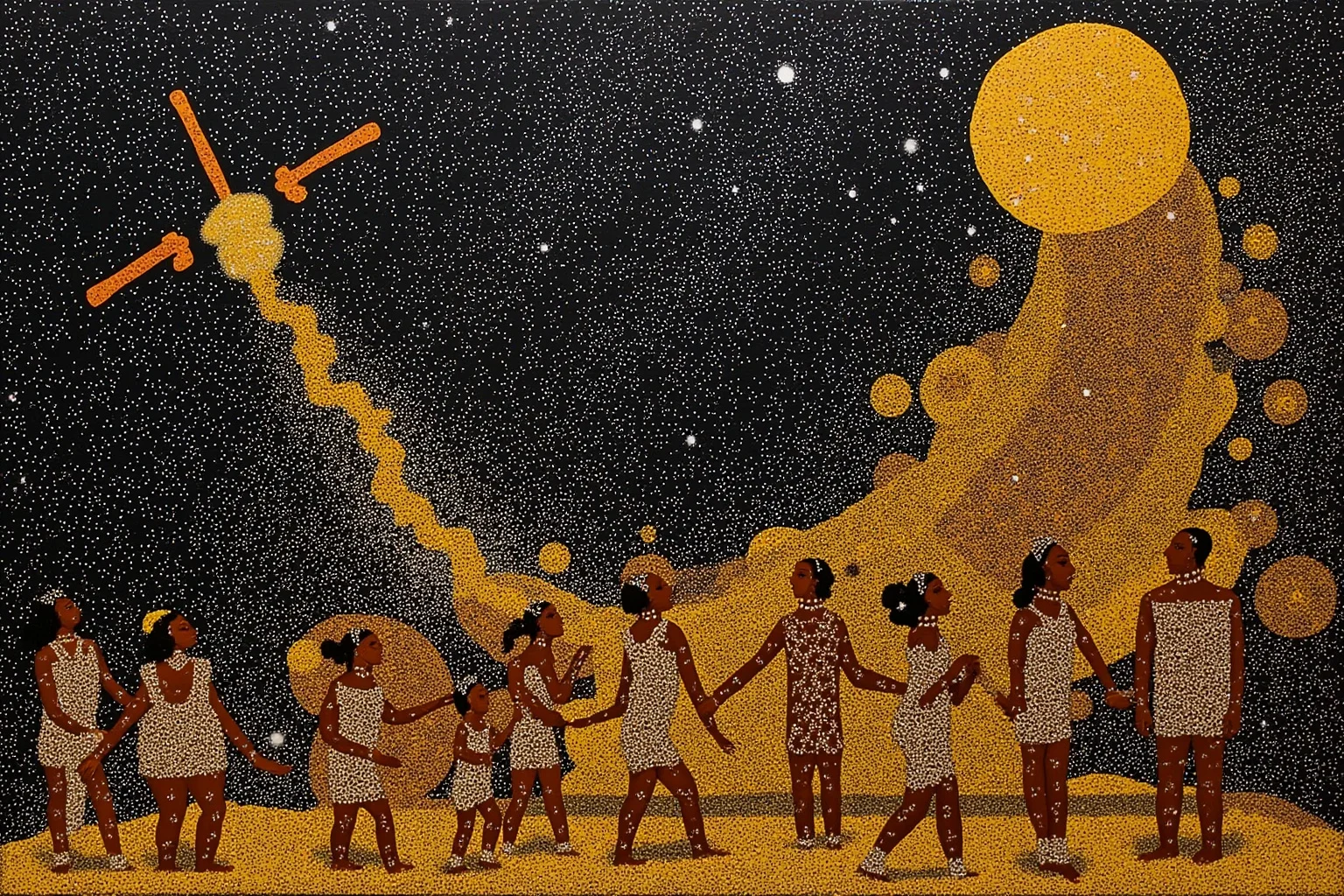
The Yoruba people of West Africa tell of a time when only the sky, ruled by Olorun, and the watery chaos below existed. The god Obatala descended from heaven on a golden chain to create dry land. He poured sand onto the waters and placed a chicken on it, which scratched the sand to spread it into continents.
Obatala then shaped humans from clay, and Olorun breathed life into them. Other versions credit the task to the god Oduduwa. This myth, passed down orally for centuries, is among the oldest mythology in the world from Africa, though its exact age cannot be determined.
15. The Dogon Creation Myth (Mali, oral tradition, date uncertain)
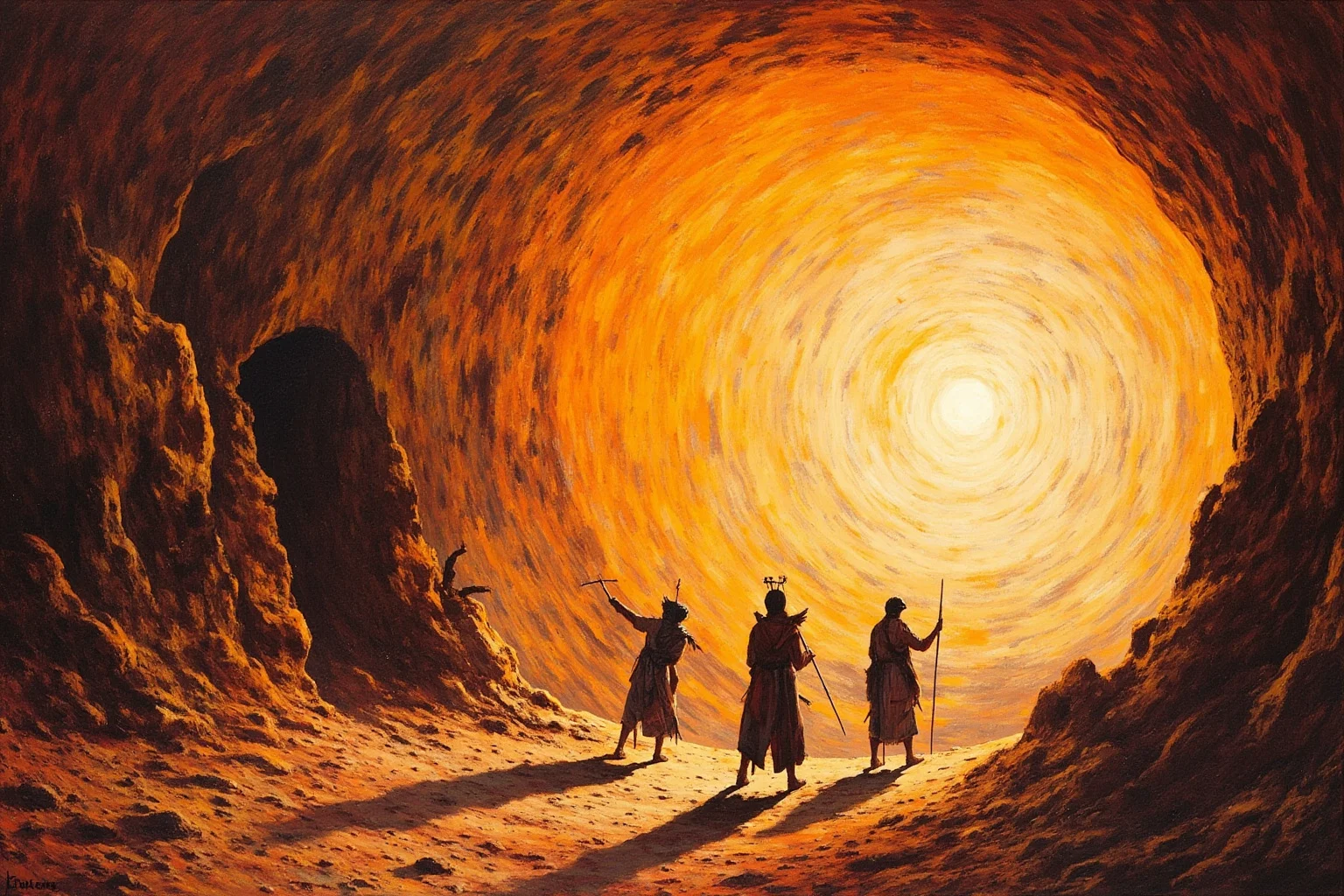
The Dogon people of Mali possess an extraordinarily complex creation mythology. It centers on the god Amma, who created the world from a single grain of matter. This grain exploded in a cosmic event, forming the universe, the stars, and the planets.
The Dogon myth also describes the creation of the Nommo, ancestral spirits who came to Earth to teach humanity. What makes this tradition remarkable is its detailed astronomical knowledge, which has fascinated researchers for decades. It is an important example of how ancient creation stories can encode sophisticated observations about the natural world.
16. The Zuni Creation Myth (Native American, oral tradition, date uncertain)
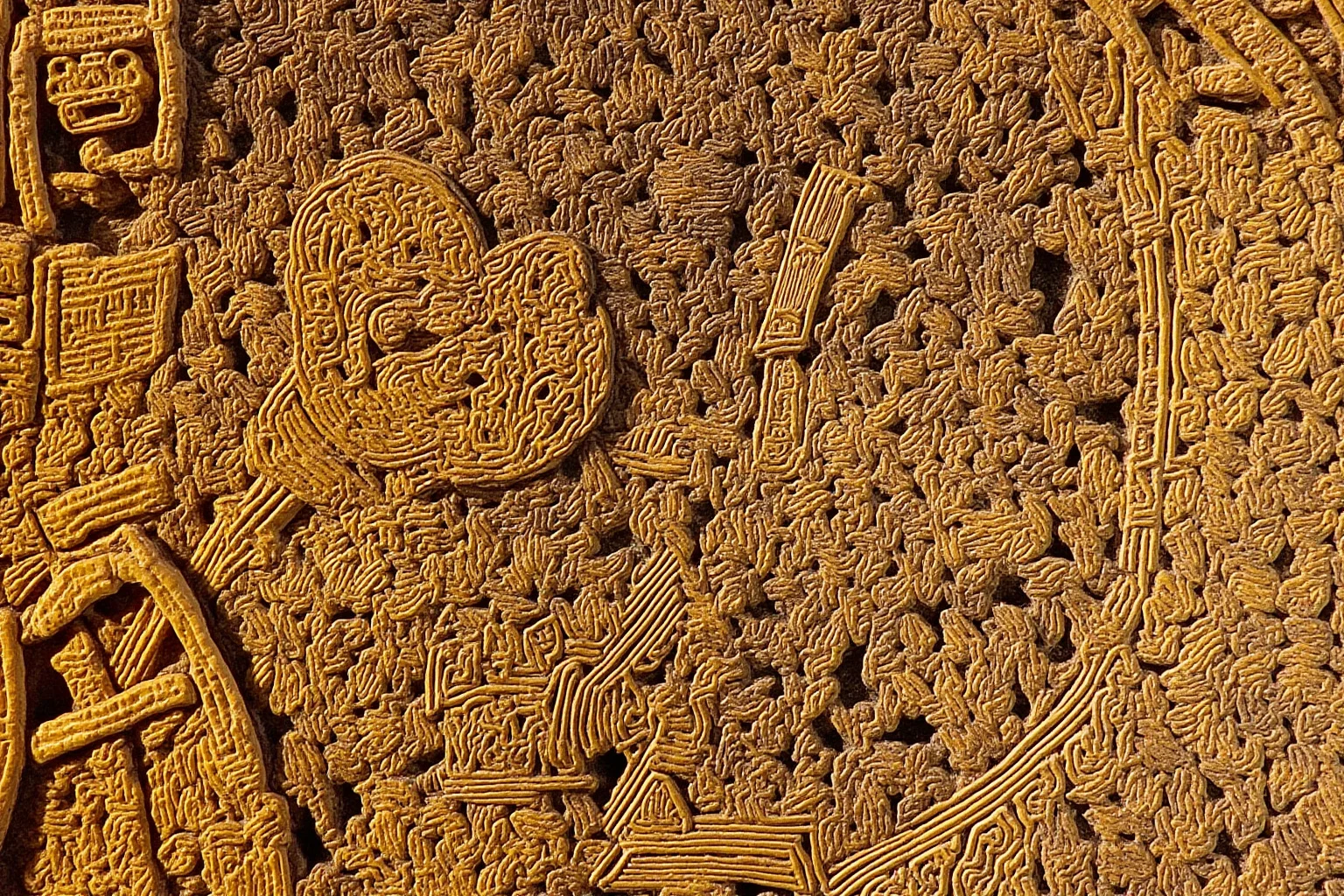
The Zuni people of the American Southwest tell of Awonawilona, a creator who existed before all else. Alone in the void, Awonawilona transformed into the sun and created the earth and sky from his own substance. The myth then describes how the first humans emerged from caves in the earth's four underworlds.
This emergence story is common among many Southwestern Native American cultures. It explains the Zuni's connection to their land and the origins of their clans and ceremonies. As an oral tradition, it may be among the oldest myths in the world preserved through continuous retelling.
17. The Maya Popol Vuh (c. 1550 CE, based on much older sources)
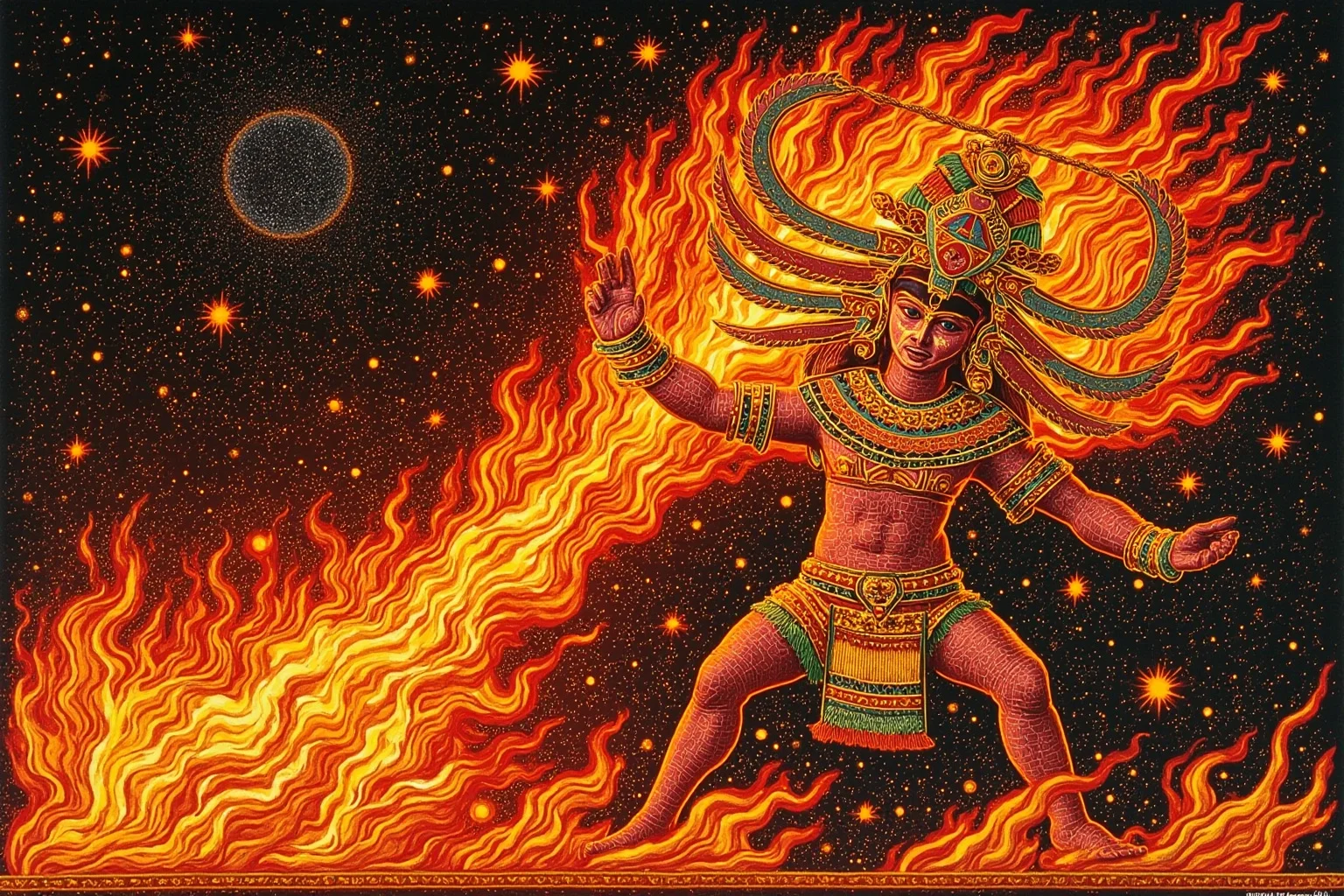
The Popol Vuh, the sacred book of the K'iche' Maya, records a creation myth that is certainly much older than its sixteenth-century manuscript. It describes how the gods Tepeu and Gucumatz created the world through their words alone. They then attempted to create humans who would worship them properly.
The gods tried mud, then wood, before finally succeeding with maize, the sacred crop of Mesoamerica. The Popol Vuh also tells the adventures of the Hero Twins, who defeat the lords of the underworld. It is one of the most important surviving examples of pre-Columbian literature and a profound origin myth example.
18. The Aztec Creation Myth (c. 1500 CE, based on older sources)
The Aztecs believed the world had been created and destroyed four times before the current era. Each of the five suns, as these eras are called, ended in catastrophe: jaguars, wind, fire, and flood. The current world, the Fifth Sun, was created when the god Nanahuatzin sacrificed himself by throwing himself into a fire to become the sun.
The other gods then shed their blood to set the sun in motion. This myth explains the Aztec practice of human sacrifice, which they believed was necessary to sustain the sun and prevent cosmic destruction. It is a striking example of how creation myths can shape a civilization's entire worldview.
19. The Inca Creation Myth (c. 1500 CE, based on older sources)
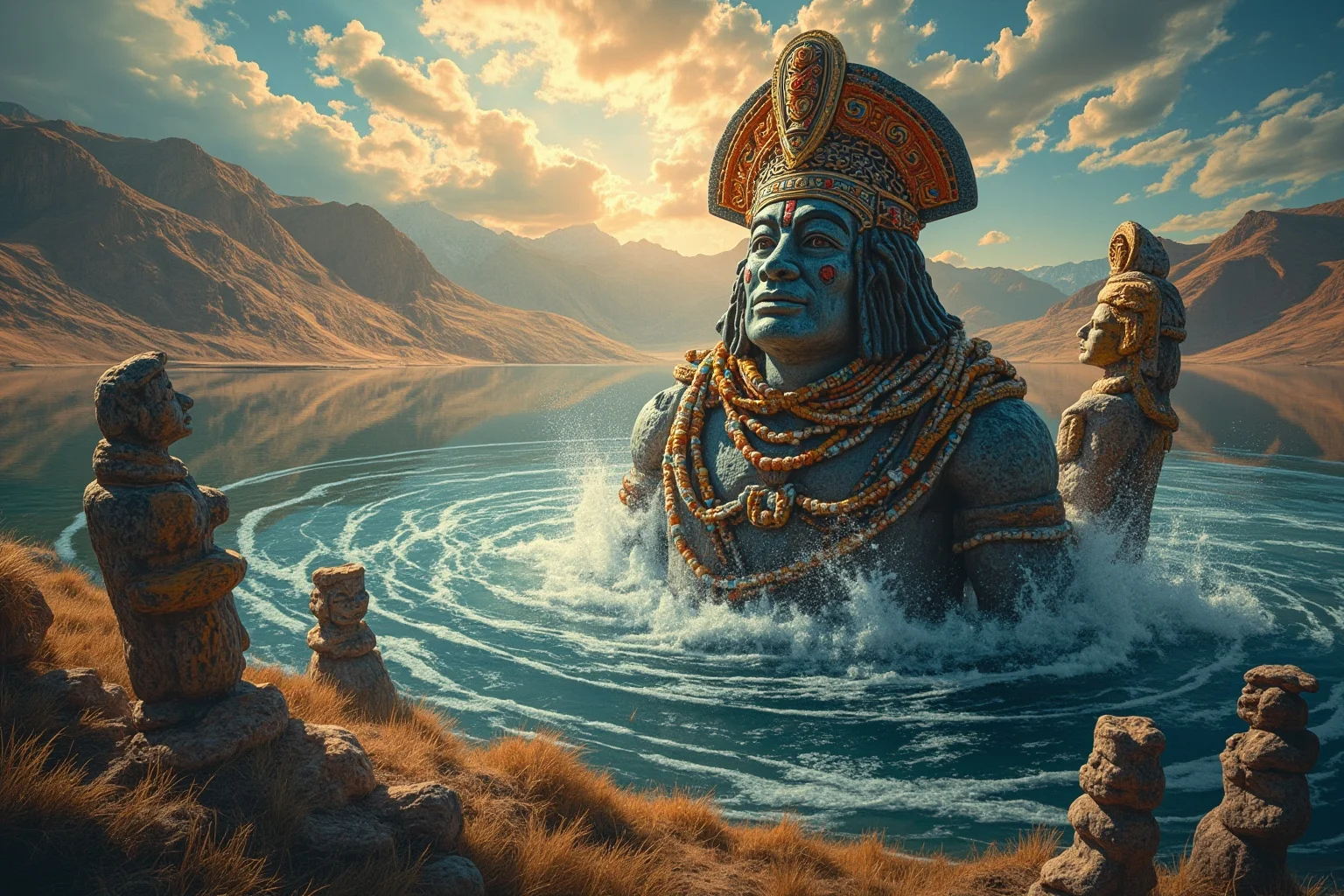
The Inca creation myth centers on Viracocha, a creator god who emerged from Lake Titicaca. He created the sun, moon, and stars, then fashioned humans from stone. Viracocha traveled through the Andes teaching people how to live before disappearing into the Pacific Ocean.
The Inca also told of Manco Capac and Mama Ocllo, the first Inca rulers, who emerged from the same lake to found their civilization at Cusco. This myth legitimized the Inca ruling dynasty as divinely ordained. It is an important example of how ancient creation stories served political purposes alongside religious ones.
20. The Aboriginal Australian Dreamtime (oral tradition, possibly 40,000+ years old)
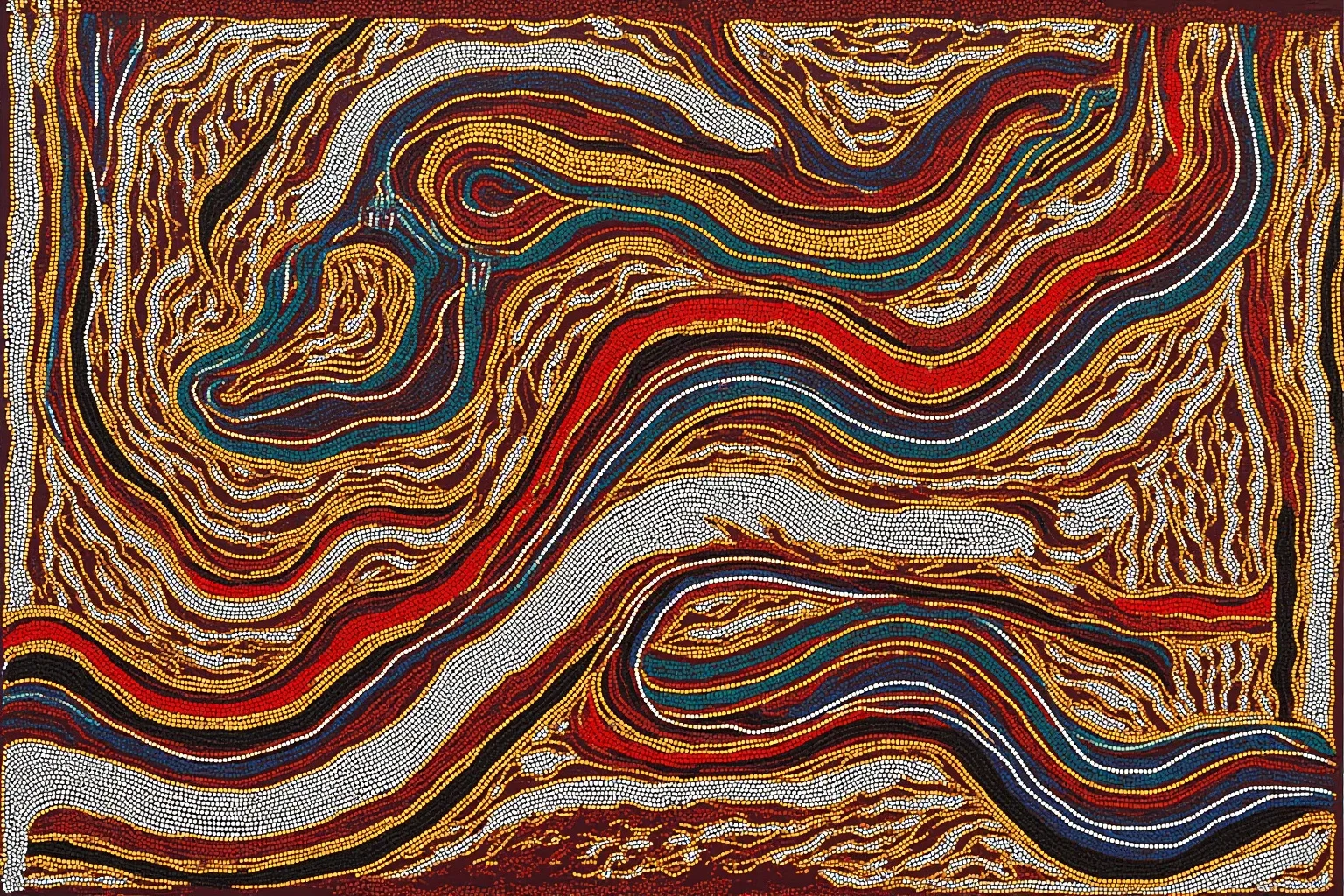
The Dreamtime, or Dreaming, of Aboriginal Australians is not a single myth but a vast network of stories about the creation of the land, its features, and its people. Ancestral beings like the Rainbow Serpent traveled across the formless earth, shaping mountains, rivers, and waterholes as they moved. Their actions created the landscape that Aboriginal people have inhabited for tens of thousands of years.
Some Dreaming stories describe the Rainbow Serpent emerging from beneath the ground to carve out rivers and create life. Because Aboriginal oral traditions may date back more than 40,000 years, these are strong candidates for the oldest mythology in the world. However, the absence of written records makes precise dating impossible, and scholars emphasize this uncertainty.
21. The Norse Creation Myth (c. 1200 CE, based on older oral traditions)
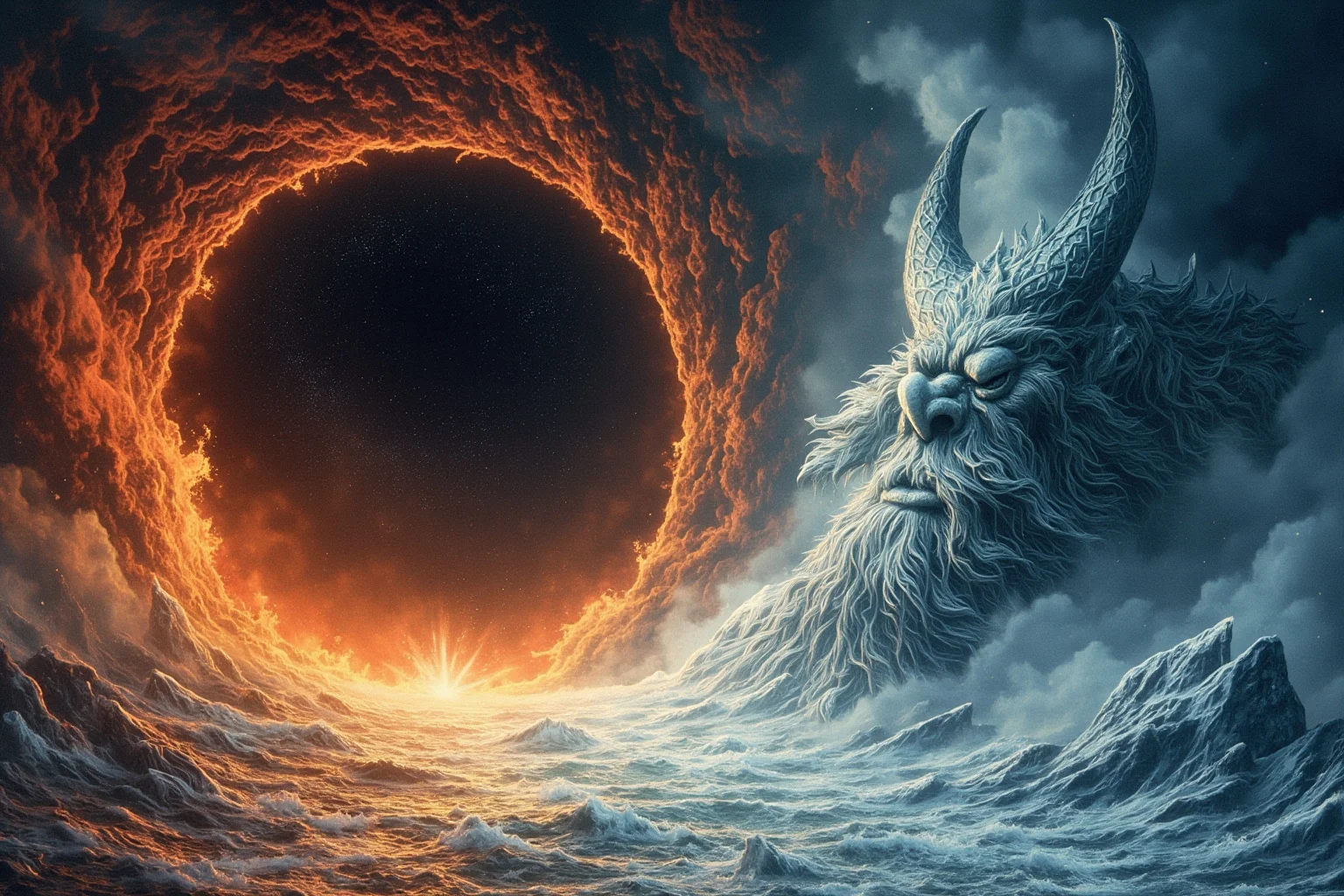
The Norse creation myth, recorded in the Prose Edda and Poetic Edda, begins with the void of Ginnungagap. To its north lay the frozen realm of Niflheim, and to its south the fiery realm of Muspelheim. When heat met frost, the giant Ymir and the cow Audhumla emerged from the melting ice.
The gods Odin and his brothers killed Ymir and fashioned the world from his body: his blood became the seas, his bones the mountains, and his skull the sky. They then created the first humans, Ask and Embla, from driftwood. This myth is among the most famous creation myths of Northern Europe, though it was written down only after Christianization.
22. The Zoroastrian Creation Myth (c. 1000–600 BCE, based on older sources)
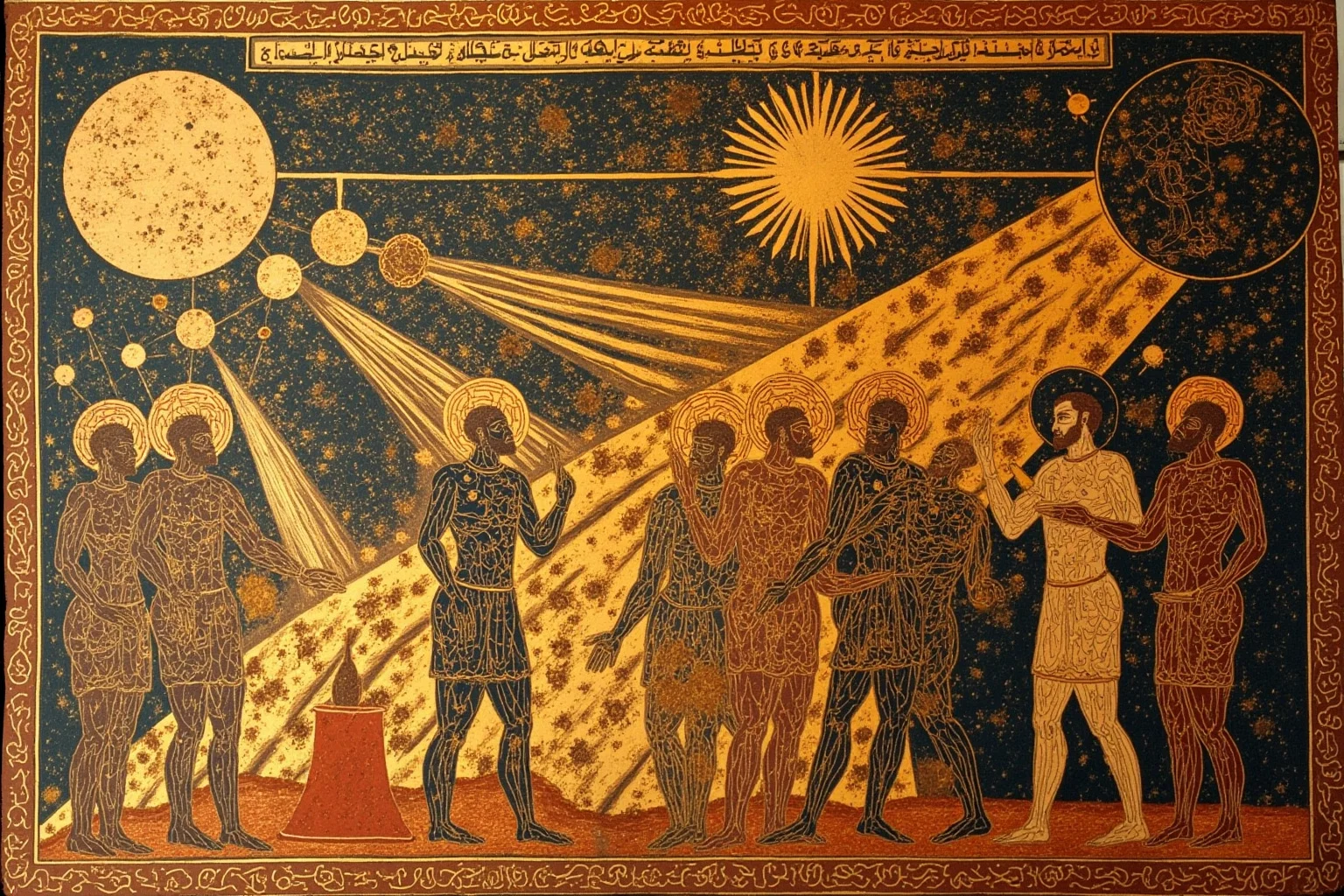
Zoroastrianism, one of the world's oldest monotheistic religions, has its own creation story recorded in the Bundahishn, a much later text based on older Avestan sources. The supreme god Ahura Mazda created the world in six stages, from sky to water to earth to plants to animals to humans. The first human, Gayomard, and the first bull were created as the pinnacle of this process.
The myth describes an ongoing cosmic struggle between Ahura Mazda and the destructive spirit Angra Mainyu. This dualistic framework deeply influenced later religions, including elements of Judaism and Christianity. It stands as a crucial link between the oldest myths of Mesopotamia and the religious traditions that followed.
23. The Hittite Kumarbi Cycle (c. 1400–1200 BCE)
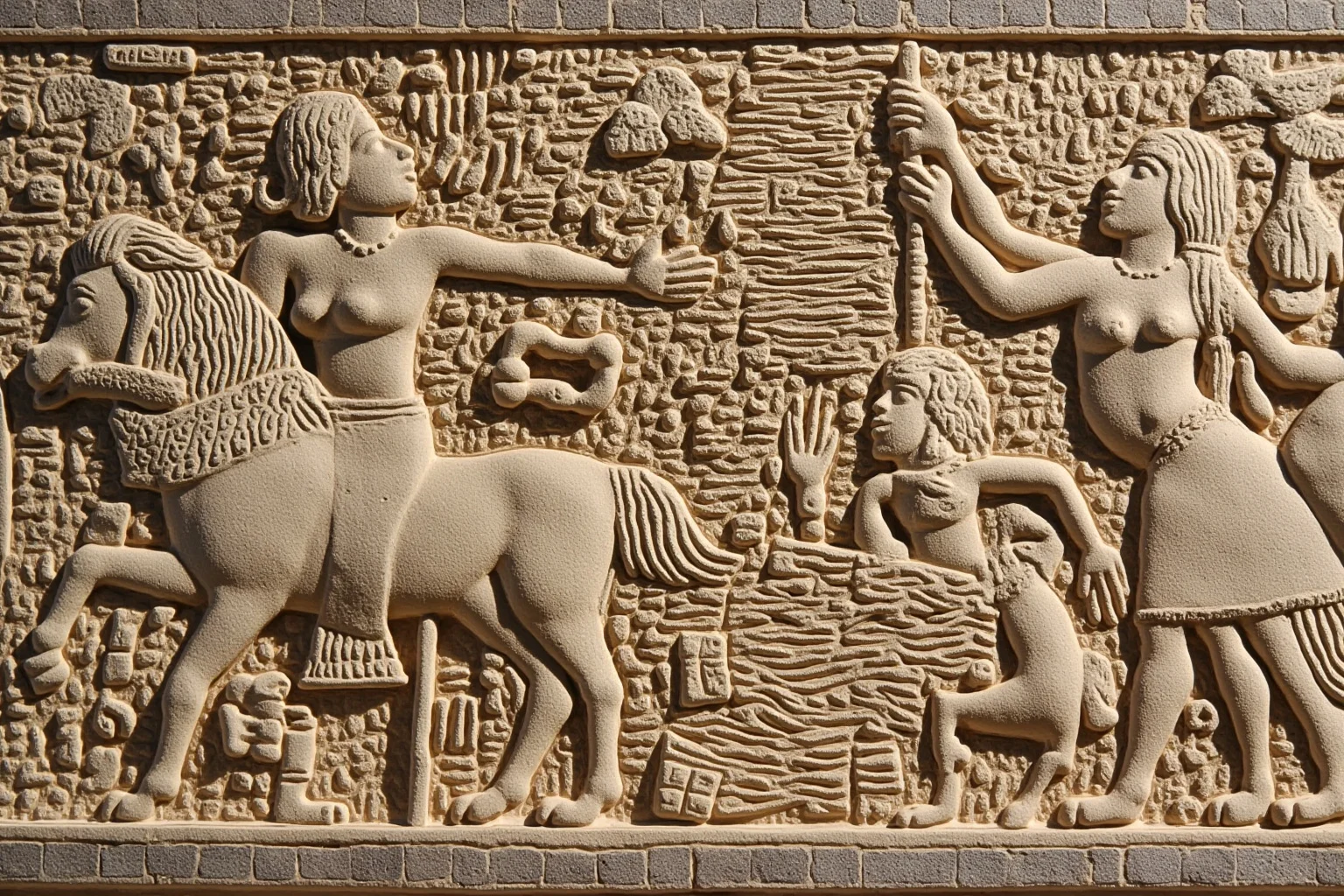
The Hittites of ancient Anatolia preserved a succession myth known as the Kumarbi Cycle. It describes how the sky god Anu was overthrown by Kumarbi, who bit off his genitals and swallowed them. Kumarbi then gave birth to the storm god Teshub, who eventually defeated him in turn.
This violent succession narrative bears striking similarities to Hesiod's Greek Theogony, suggesting shared roots in older Near Eastern traditions. The Kumarbi Cycle is a valuable origin myth example for understanding how creation stories traveled and transformed across cultures. It also demonstrates that the question of cosmic order was central to ancient mythology.
Why These Ancient Creation Stories Still Matter
These ancient creation stories are not merely relics of a pre-scientific past. They reveal how early humans grappled with fundamental questions about existence, order, and purpose. Every origin myth example above reflects the values, fears, and aspirations of the culture that produced it.
Studying the oldest myths in the world also shows us how interconnected human cultures have always been. Stories traveled along trade routes, adapted to new environments, and merged with local traditions. The similarities between Mesopotamian, Greek, and Hittite myths are not coincidences but evidence of deep cultural exchange.
Finally, these myths remind us that the impulse to understand our origins is universal. Whether expressed through divine battles, cosmic eggs, or primordial sacrifice, the question of where we come from remains one of the most enduring in human history. The list of creation myths above offers just a glimpse into that vast and ancient conversation.
Frequently Asked Questions
What is a list of creation myths?
A list of creation myths includes origin stories from different cultures explaining how the world and humanity began. Famous examples include the Sumerian Eridu Genesis, the Babylonian Enuma Elish, the Egyptian Heliopolitan myth, the Hindu Rig Veda hymns, the Greek Theogony, the Chinese Pangu myth, the Japanese Kojiki story, and the Maya Popol Vuh.
What is the oldest mythology in the world?
The oldest written mythology in the world is generally considered to be Sumerian mythology, with texts like the Eridu Genesis dating to around 1600 BCE and likely reflecting much older oral traditions. Aboriginal Australian Dreamtime stories may be far older as continuous oral traditions, potentially reaching back 40,000 years or more, though they lack written records for precise dating.
What are some origin myth examples?
Common origin myth examples include the Sumerian Eridu Genesis, where gods create humans from clay; the Babylonian Enuma Elish, where Marduk forms the world from Tiamat's body; the Hindu Purusha Sukta, where a cosmic giant's sacrifice creates the world; and the Chinese Pangu myth, where a primordial being's body becomes the landscape after his death.
What are the most famous creation myths?
The most famous creation myths include the Greek Theogony by Hesiod, the Babylonian Enuma Elish, the Egyptian Heliopolitan creation story, the Hindu Rig Veda Creation Hymn, the Norse myth of Ymir, the Chinese Pangu myth, the Japanese Izanagi and Izanami story, and the Maya Popol Vuh.
How old are the oldest myths in the world?
The oldest written myths in the world date to around 2000–1600 BCE in ancient Mesopotamia and Egypt. However, oral traditions like Aboriginal Australian Dreamtime stories may be tens of thousands of years old. Scholars distinguish between the age of written texts and the age of the oral traditions they record, which can be considerably older.

Alex Warren
Related Articles