Love letters, diplomatic marriages, and agonizing farewells: history is full of couples who pledged themselves to each other and then spent years — sometimes decades — living in different countries. Some were separated by war, others by duty, and a few by scandal. Their stories reveal how romance, power, and geography have always been tangled together.
This post explores famous and lesser-known historical couples who lived apart across borders. We will separate documented fact from romantic myth, and along the way we will answer a question many readers have been asking about one modern name: Iris de Rode husband.
TL;DR: Royal duty, war, exile, and even banishment forced many historical couples to live in separate countries for years — and their letters, treaties, and reunions still shape how we understand love across borders.
1. Napoleon Bonaparte and Joséphine de Beauharnais
Napoleon and Joséphine married in 1796, and within days he left to command the French army in Italy. For years their relationship was conducted largely through letters sent between different countries, as Napoleon campaigned across Europe and Egypt. Joséphine remained in France, managing his political interests and social circles.
Napoleon's letters from Italy and Egypt are famously passionate, often begging Joséphine to join him or write more often. The distance eventually strained the marriage, and rumors of Joséphine's infidelities reached Napoleon abroad. The couple divorced in 1810, though Napoleon reportedly still cared for her deeply until her death in 1814.
2. Tsar Nicholas II and Empress Alexandra Feodorovna
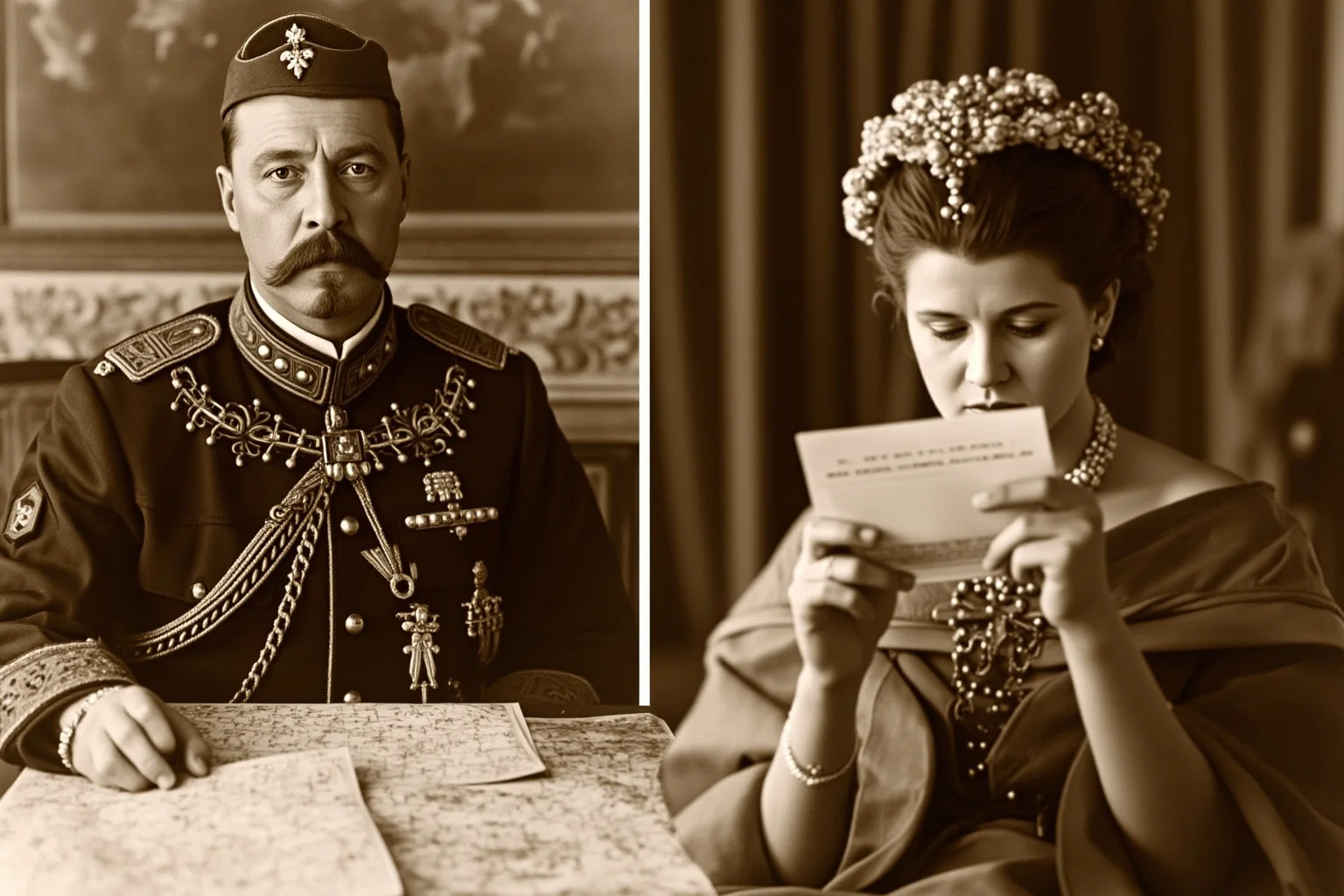
Nicholas and Alexandra were deeply devoted to each other, yet World War I pulled them into separate spheres of activity. Nicholas spent long stretches at the military headquarters in Mogilev, while Alexandra remained in Tsarskoye Selo near Petrograd, managing the home front and advising him by letter and telegram. Their correspondence from this period fills hundreds of pages.
Though both were technically within the Russian Empire, their wartime separation meant they lived apart for months at a time. Alexandra's reliance on Rasputin grew during these absences, which damaged the monarchy's reputation. The couple was reunited after Nicholas's abdication and remained together until their execution in 1918.
3. Ferdinand II of Aragon and Isabella I of Castile
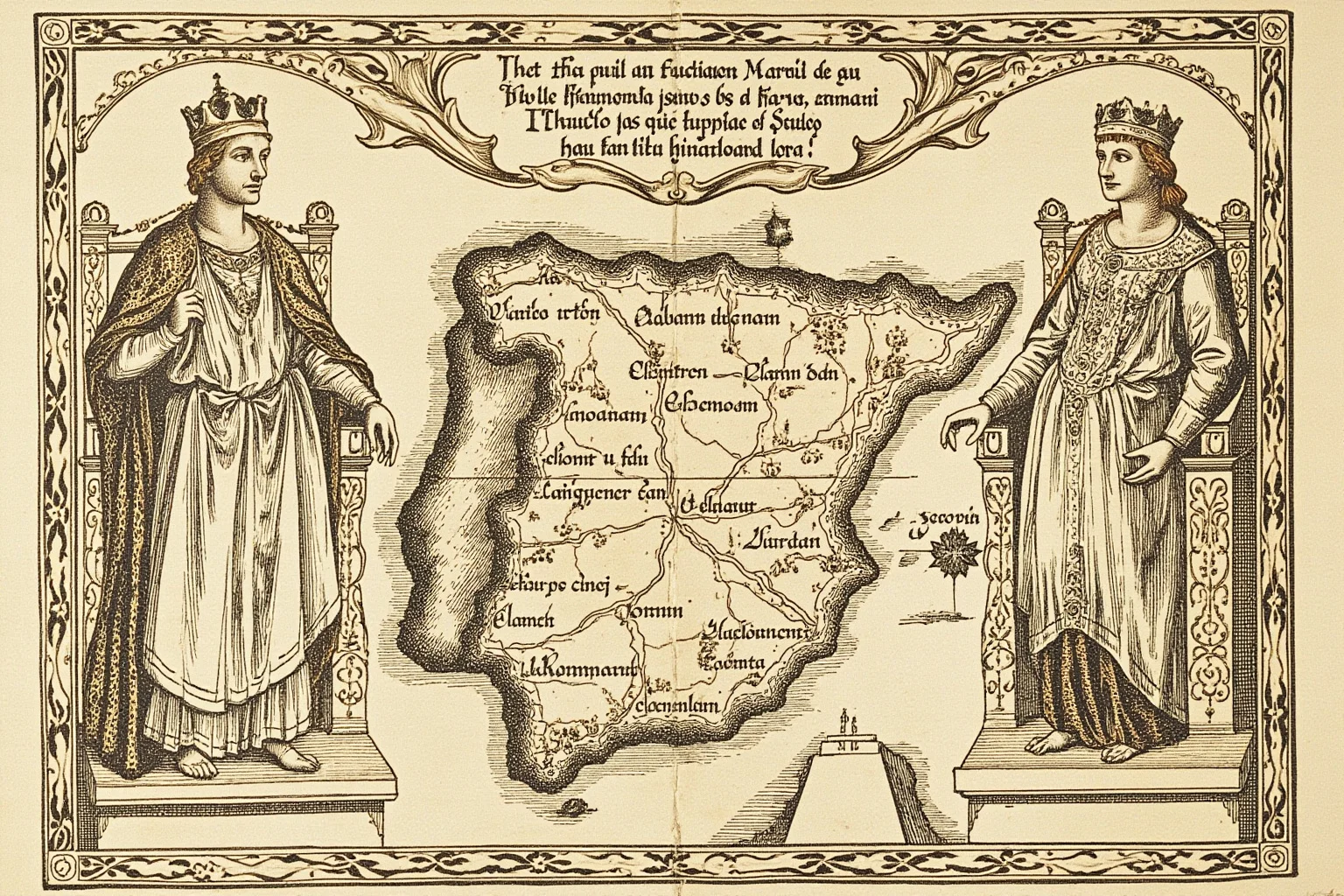
Ferdinand and Isabella famously united Spain through their marriage in 1469, but they did not merge their kingdoms into a single administration. Each monarch retained authority over their own realm, and they often traveled separately to govern their respective territories. For years, they lived in different parts of Spain while coordinating policy through messengers and letters.
Their partnership was political as much as romantic, and their motto "Tanto monta, monta tanto" reflected their equal standing. They were frequently apart during military campaigns, including Isabella's management of Castile while Ferdinand fought in Aragon and Naples. Their marriage created a dynastic union, not a single blended kingdom.
4. King George VI and Queen Elizabeth (The Queen Mother)
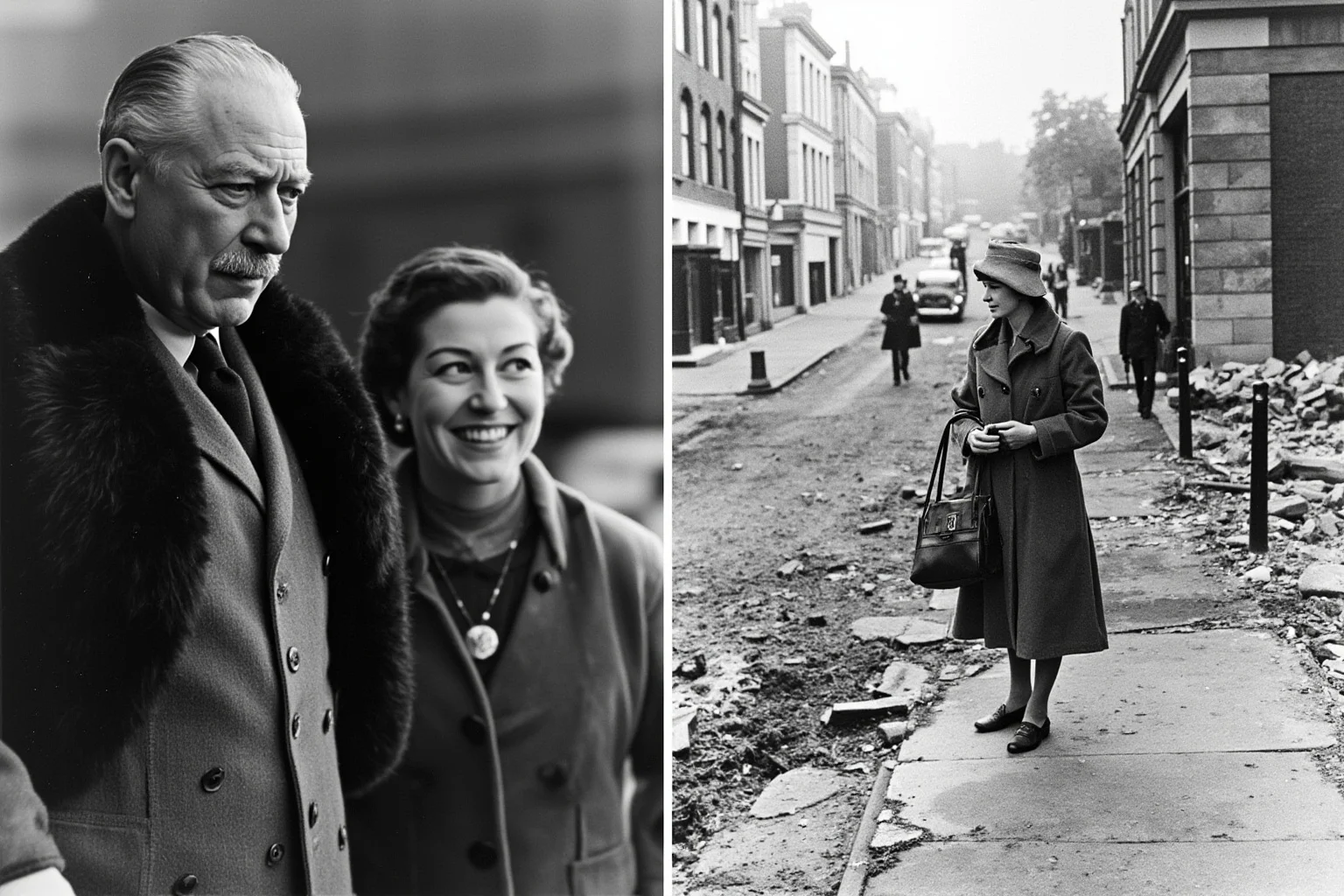
During World War II, King George VI remained in London, refusing to leave the capital during the Blitz. Queen Elizabeth, however, traveled extensively within the United Kingdom to visit bombed cities, hospitals, and factories. While they were not separated by international borders, their wartime duties frequently kept them in different parts of the country.
The King and Queen wrote to each other daily during these periods apart. Their letters reveal deep affection and a shared determination to project calm and resilience. Elizabeth later wrote that she was glad they had been bombed because it allowed them to "look the East End in the face."
5. John Adams and Abigail Adams
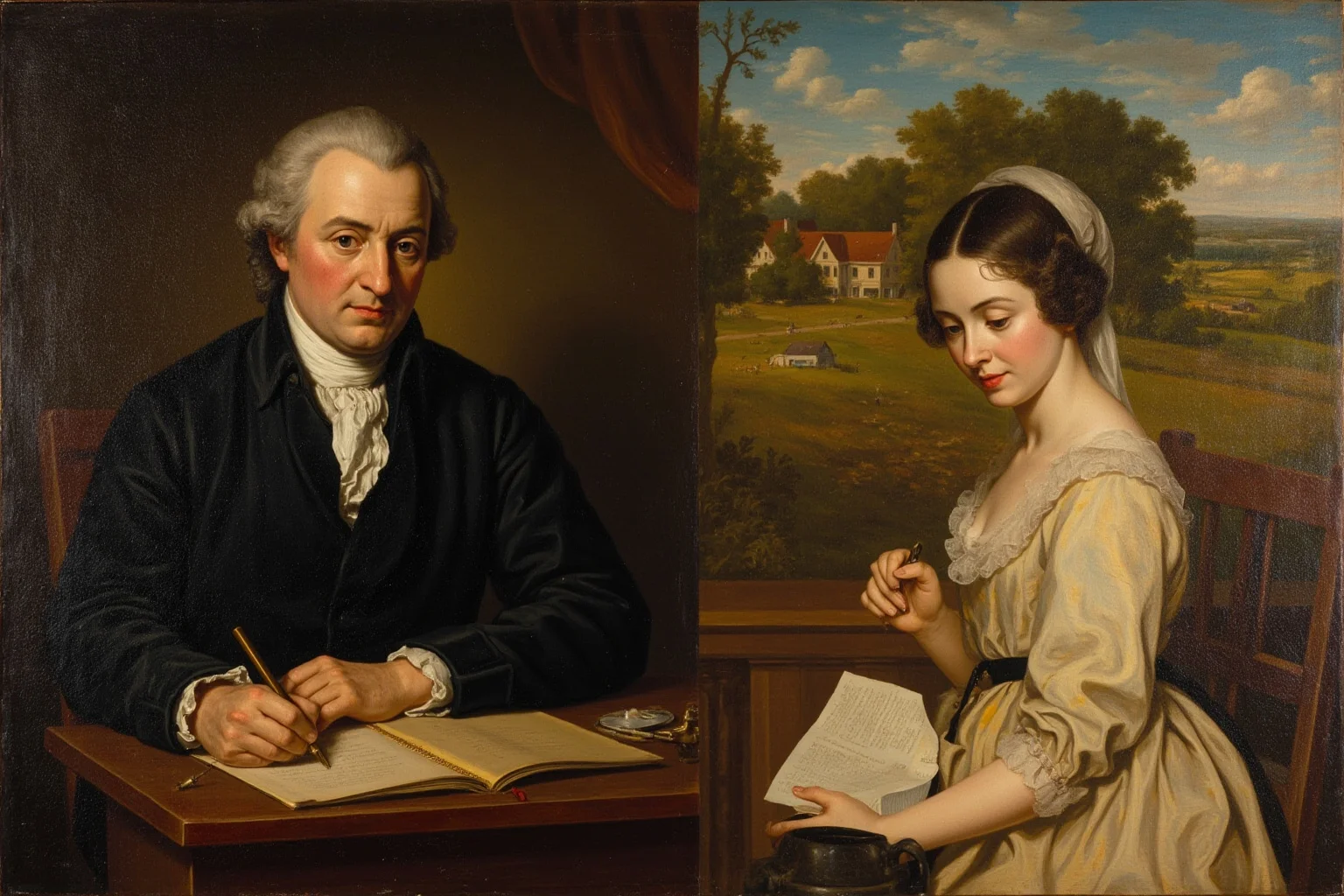
John and Abigail Adams spent more than a decade apart during the American Revolution and the early years of the United States. John served in the Continental Congress in Philadelphia and later as a diplomat in France, the Netherlands, and Britain. Abigail remained in Massachusetts, managing the family farm, raising their children, and reporting on wartime conditions.
Their correspondence is one of the most celebrated letter collections in American history, spanning over 1,100 letters. Abigail famously urged John to "remember the ladies" when drafting new laws. They reunited in Europe in 1784 when Abigail finally joined John in France and later London.
6. Winston Churchill and Clementine Churchill
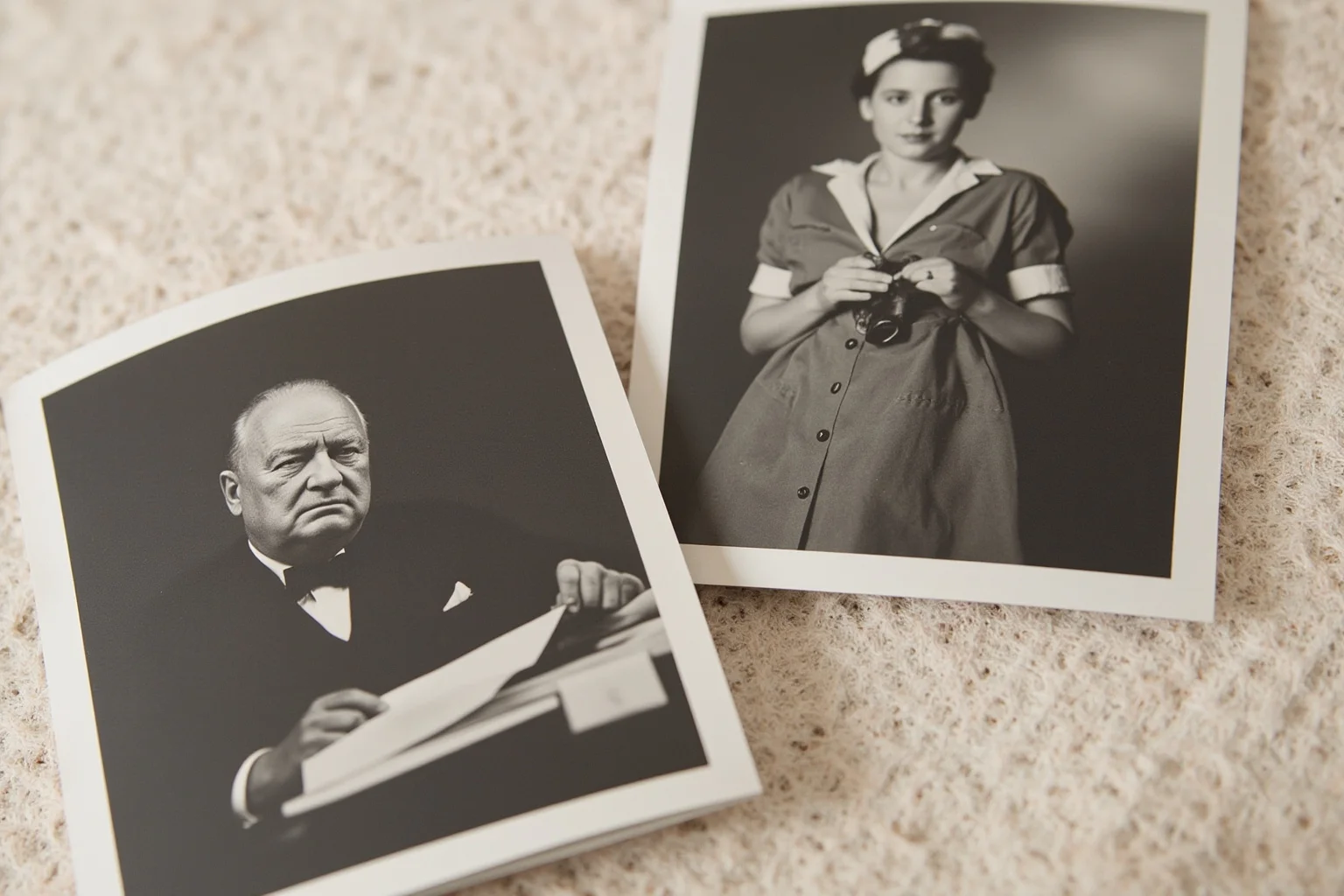
Winston and Clementine Churchill were married for over 56 years, but Winston's political career and Clementine's own travels often kept them apart. During World War I, Winston served on the Western Front in France while Clementine remained in England. Later, Clementine traveled to the Soviet Union during World War II on a humanitarian mission for the Red Cross.
Their marriage survived these separations through constant letter writing, with Clementine often serving as Winston's most honest critic. She was unafraid to warn him about political missteps or his temper. Their correspondence reveals a partnership built on mutual respect and frank communication across distance.
7. Prince Albert and Queen Victoria
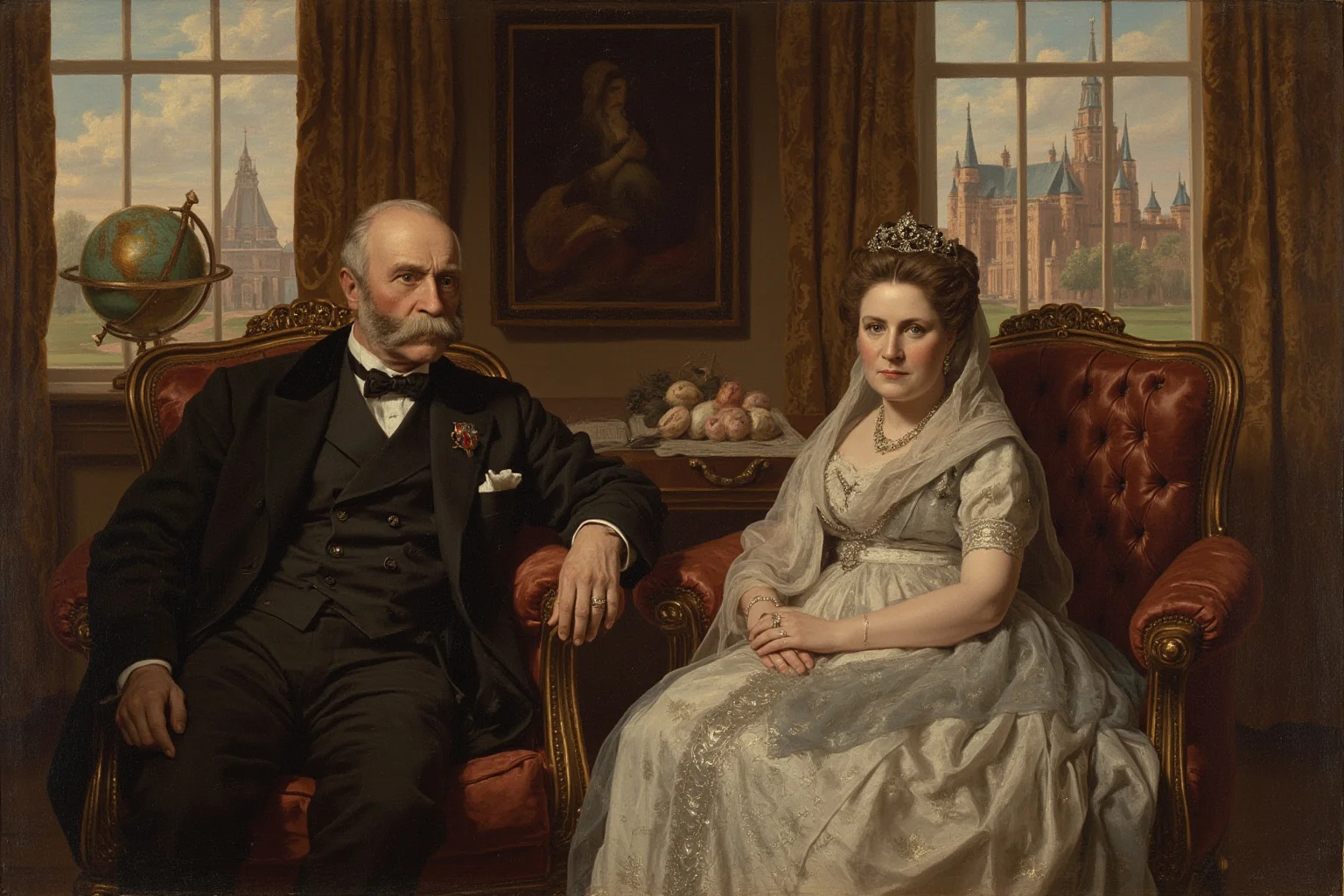
Queen Victoria and Prince Albert were rarely apart after their marriage in 1840, but Albert's diplomatic trips to Germany occasionally separated them. More significantly, Victoria's pregnancies and the demands of the British monarchy meant Albert often handled foreign affairs alone. After Albert's death in 1861, Victoria's grief famously consumed her for decades.
While they lived together at Buckingham Palace, Windsor, and Balmoral, their emotional and political partnership transcended any single residence. Albert's German background also meant regular visits to his homeland, during which Victoria wrote him detailed letters about court life and their children. Their marriage set the standard for the Victorian ideal of domestic monarchy.
8. Marie Antoinette and Louis XVI
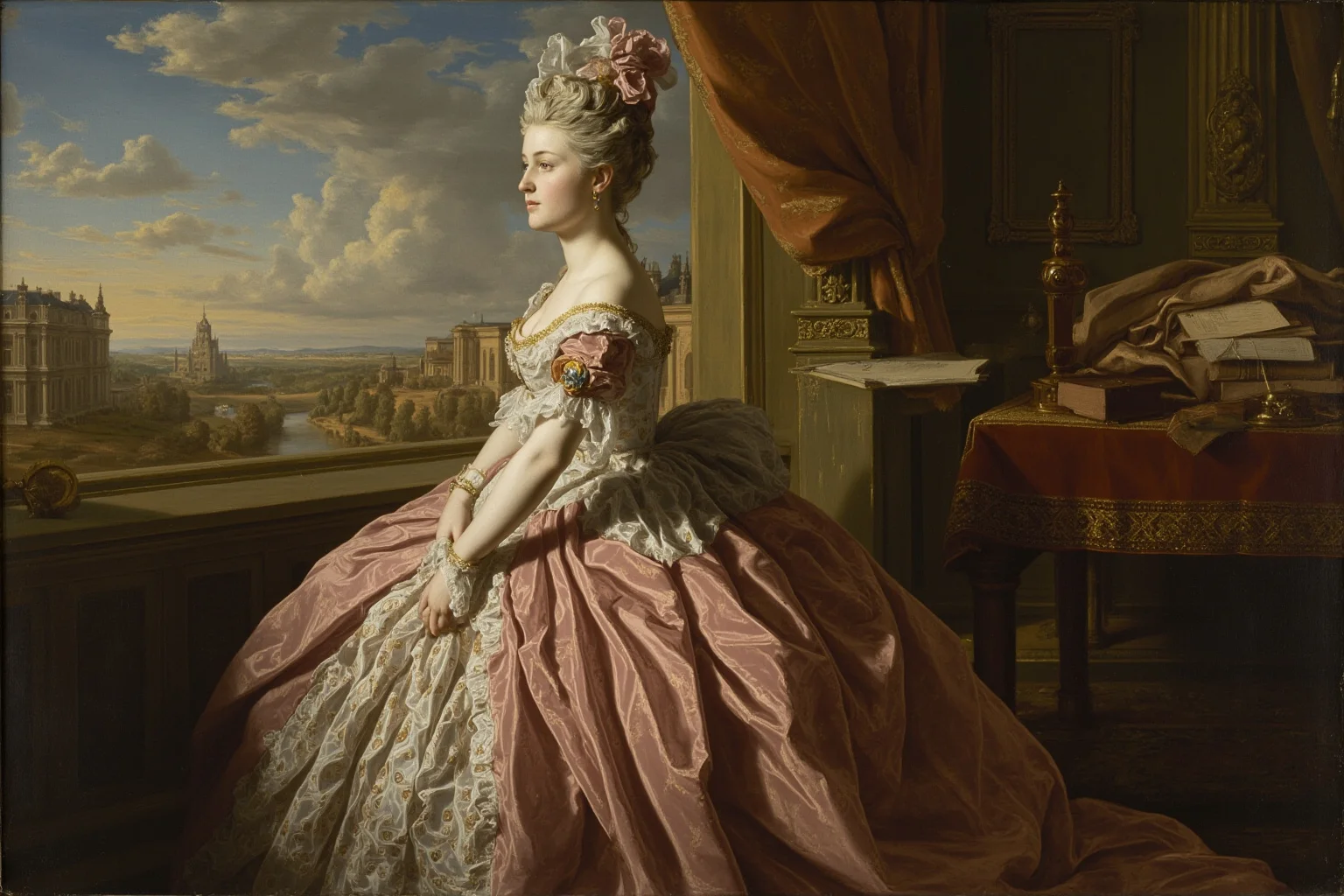
Marie Antoinette left Austria at age 14 to marry the future Louis XVI of France, permanently separating from her family in Vienna. While she and Louis lived together at Versailles, her entire marriage was defined by living in a foreign country away from her Austrian relatives. Her mother, Empress Maria Theresa, wrote her letters full of advice and criticism from afar.
Marie Antoinette's Austrian origins became a political liability during the French Revolution. She was accused of corresponding with her brother, Emperor Leopold II, and of plotting against France. Her foreign birth and continued connections to Austria contributed to the suspicion that ultimately helped seal her fate.
9. Prince Philip and Queen Elizabeth II
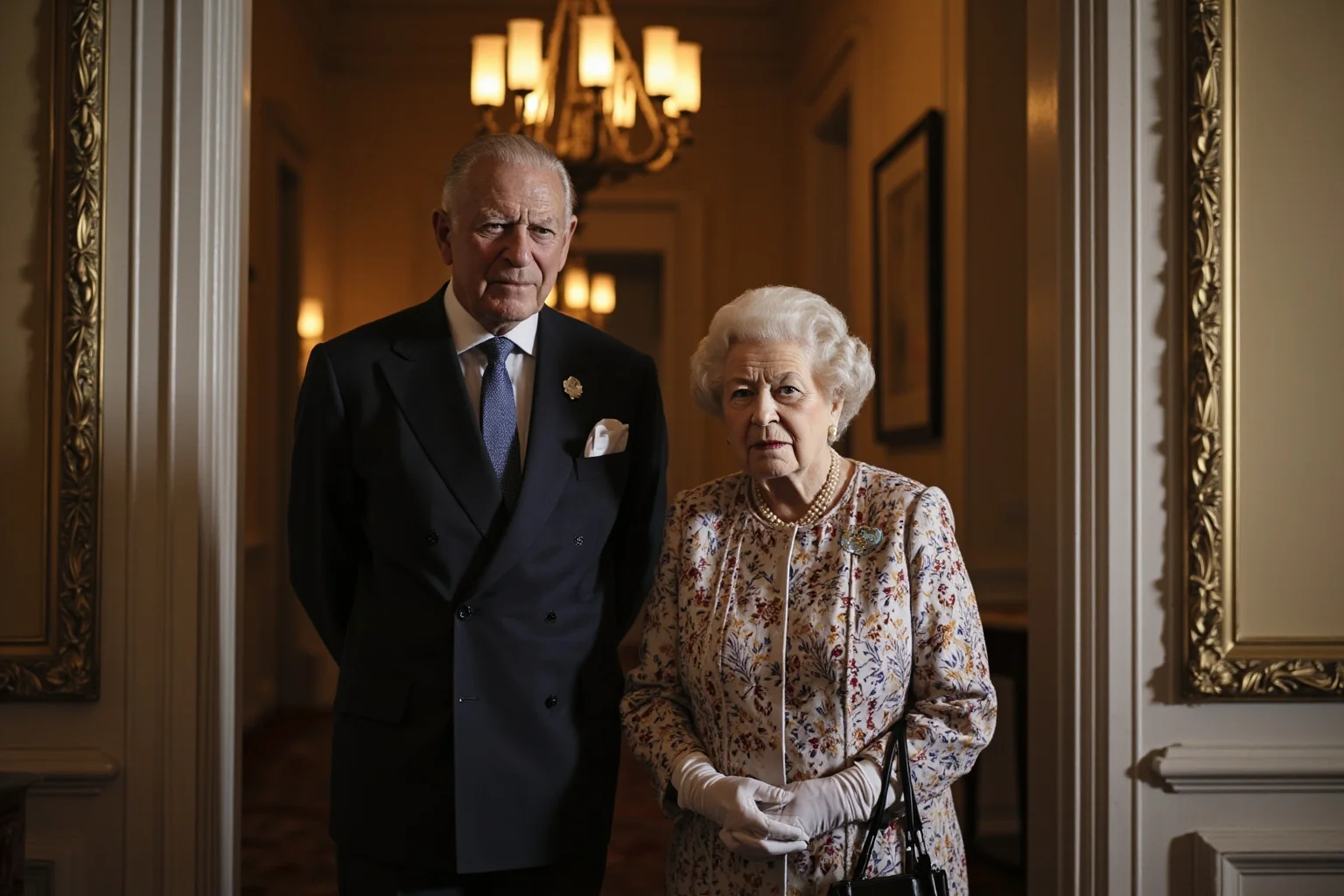
Prince Philip and Queen Elizabeth II spent significant portions of their 73-year marriage living apart due to their royal duties. Philip maintained residences and commitments in different parts of the Commonwealth, while Elizabeth was anchored to Buckingham Palace and her constitutional role in the United Kingdom. Their schedules frequently pulled them in different directions.
In his later years, Philip lived primarily at Wood Farm on the Sandringham estate while Elizabeth remained in London and Windsor. This arrangement was widely reported as a practical solution to their different rhythms and responsibilities, not a sign of estrangement. They reunited regularly for family events and official occasions.
10. Frida Kahlo and Diego Rivera
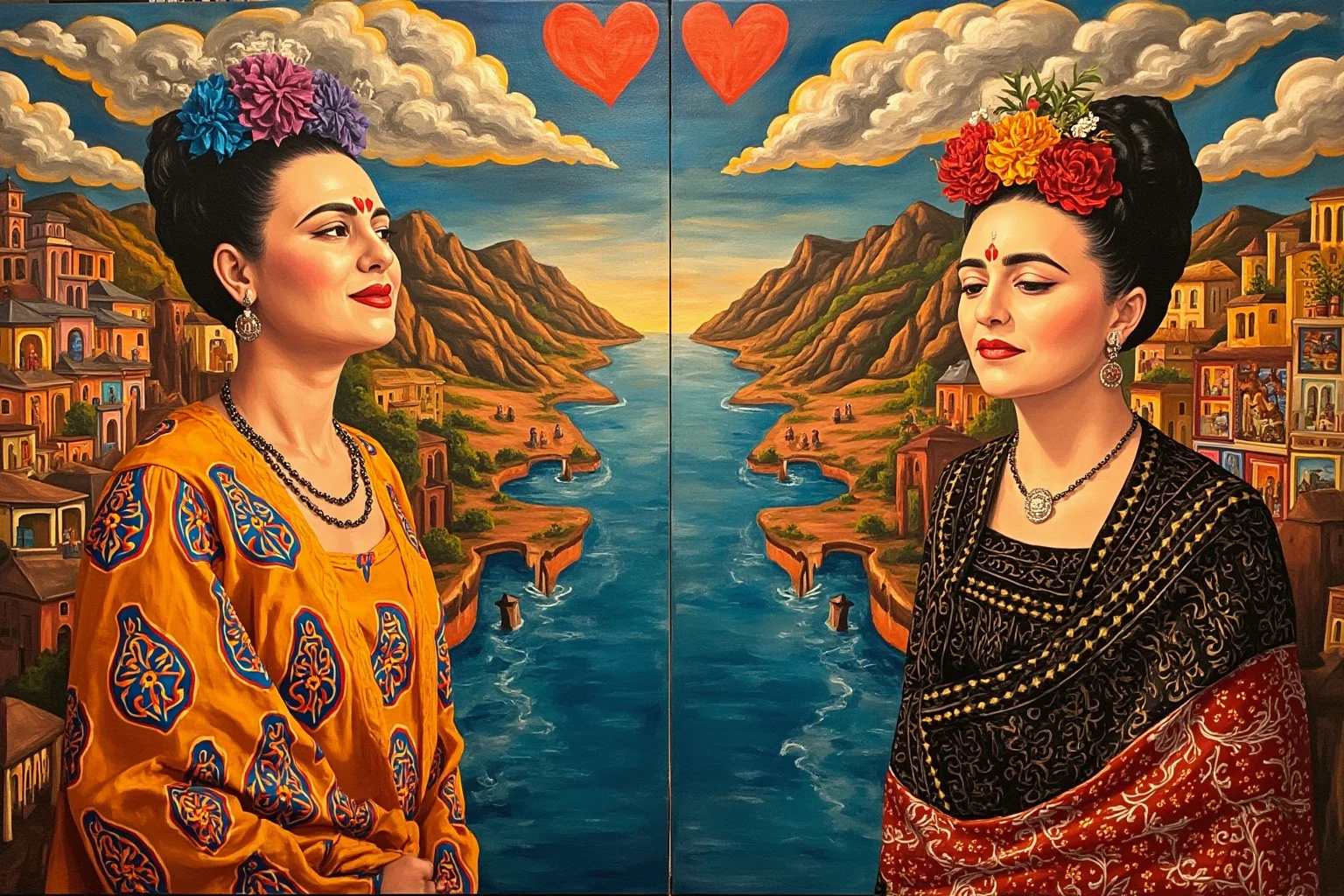
Frida Kahlo and Diego Rivera married twice, and their relationship was famously stormy. Rivera's mural commissions took him to the United States for extended periods, while Kahlo often remained in Mexico or traveled separately for exhibitions. During Rivera's time in San Francisco, Detroit, and New York, Kahlo experienced isolation and health crises.
Their time apart did not prevent Rivera from having affairs, including one with Kahlo's own sister. Kahlo responded with affairs of her own, and they divorced in 1939 only to remarry a year later. Their separation across borders was one of many fractures in a relationship that was as artistically productive as it was personally painful.
11. Edward VIII and Wallis Simpson
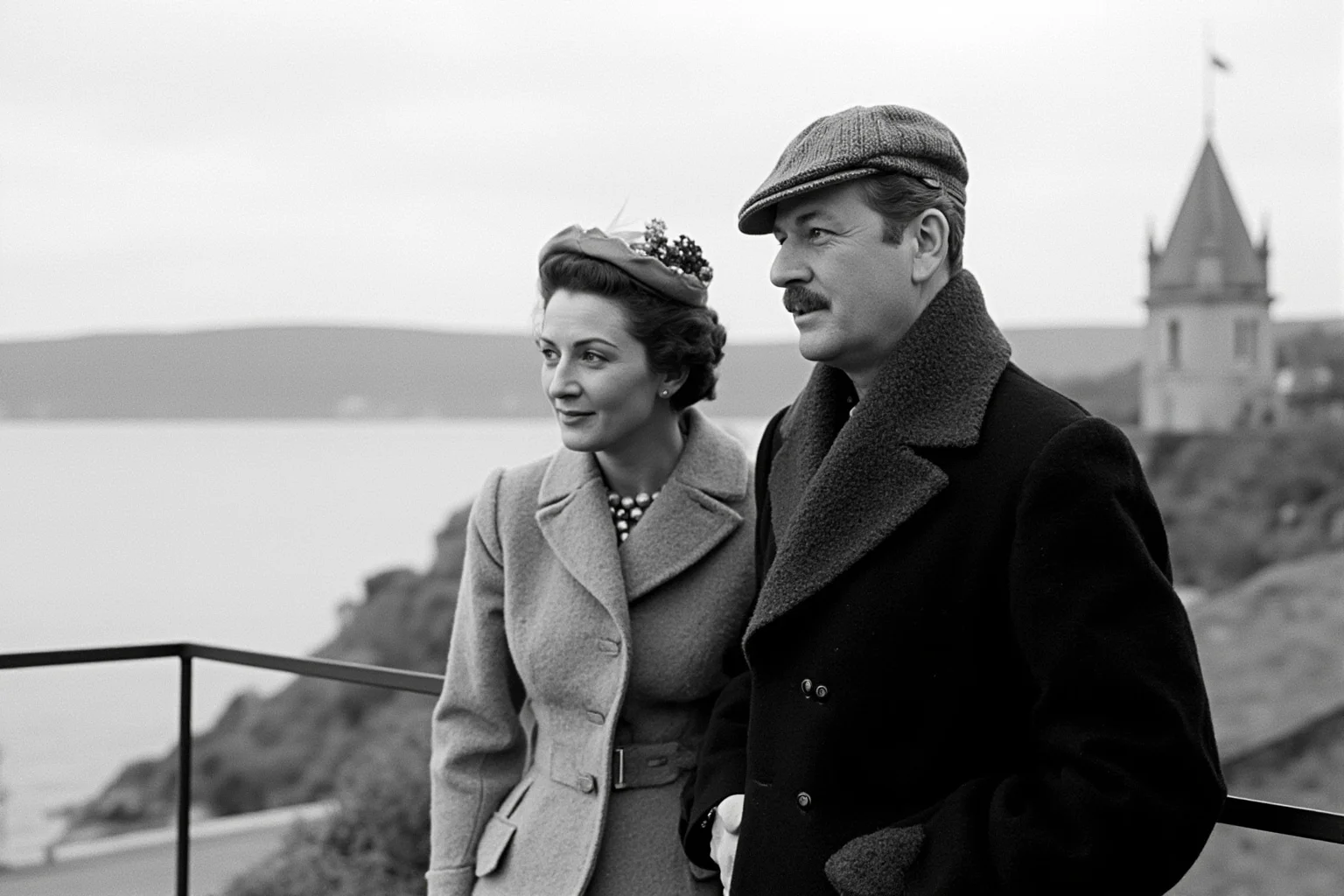
After Edward VIII abdicated the British throne in 1936 to marry Wallis Simpson, the couple faced a unique form of separation. Wallis's second divorce was not yet finalized, and she remained in France while Edward waited in Austria. They were finally married in June 1937 at the Château de Candé in France, with no member of the British royal family in attendance.
After their marriage, the couple lived primarily in France and later the Bahamas, where Edward served as governor during World War II. Wallis occasionally traveled separately, but they were rarely apart for long. Their exile from Britain was permanent, a price paid for a marriage that reshaped the British monarchy.
12. Henry VIII and Anne of Cleves
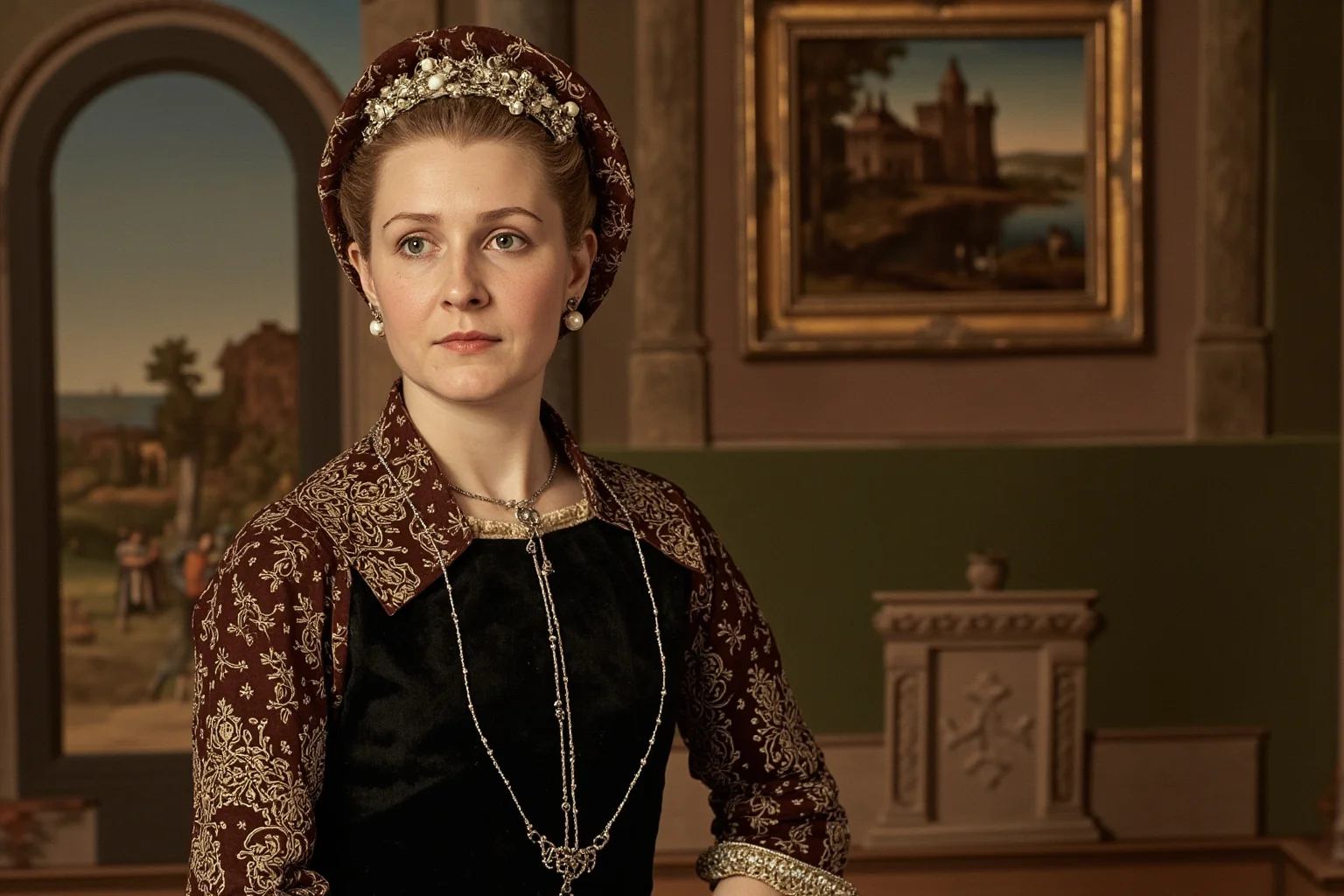
Henry VIII married Anne of Cleves in January 1540, but the marriage was annulled just six months later. Anne, who had traveled from the German duchy of Cleves to England for the match, did not return to her homeland. Instead, she was given the title "the King's Beloved Sister" and granted several properties, including Hever Castle.
Anne lived comfortably in England for the rest of her life, enjoying a cordial relationship with Henry and his subsequent wives. She was one of the few people to survive a marriage to Henry VIII with both her head and her fortune intact. Her story is a rare example of an amicable royal separation.
13. Empress Elisabeth of Austria and Emperor Franz Joseph
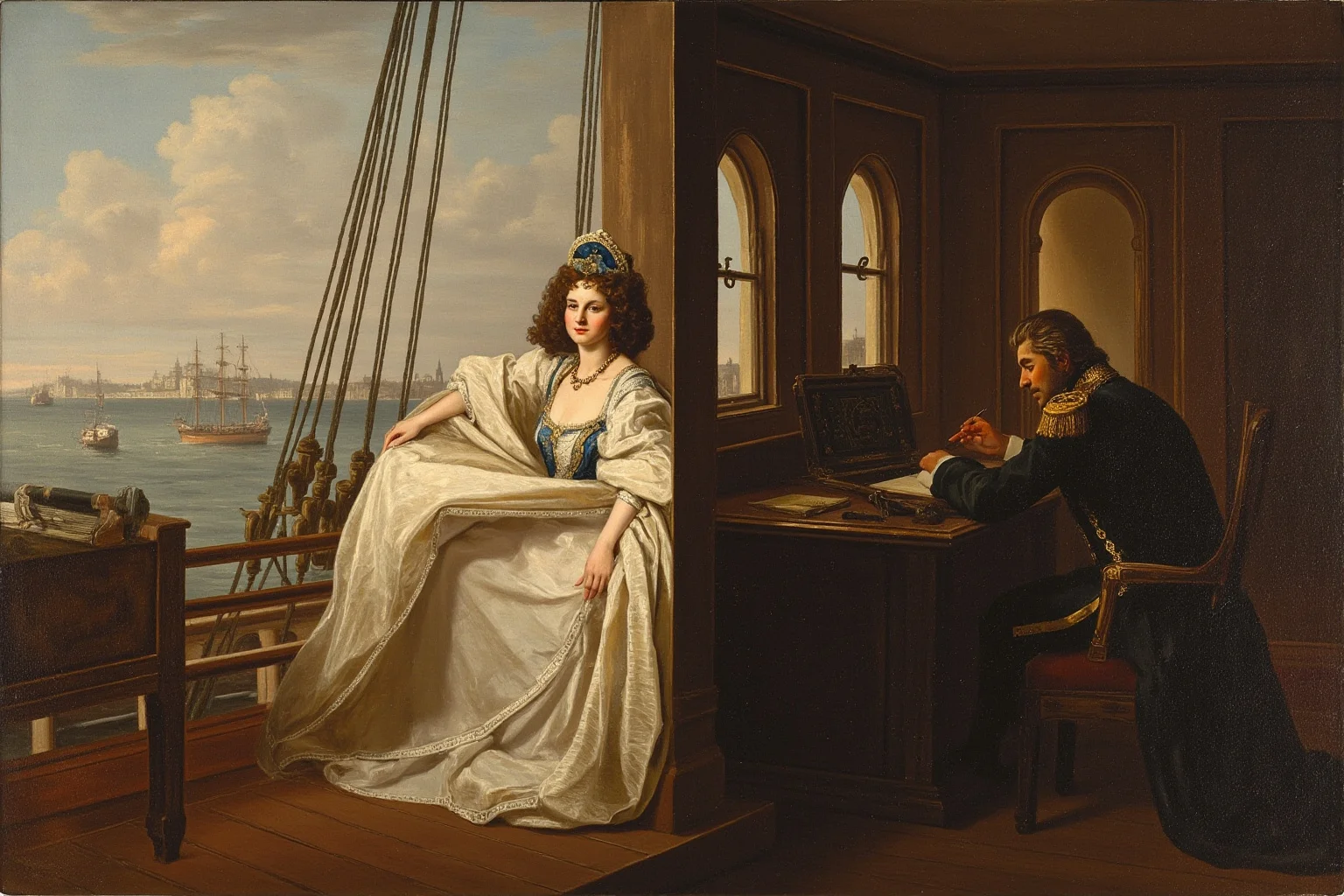
Empress Elisabeth, known as Sisi, spent much of her married life traveling across Europe, often away from her husband, Emperor Franz Joseph. She suffered from melancholy and ill health, which she treated through constant movement and visits to warmer climates. Franz Joseph remained in Vienna, consumed by the duties of the Austro-Hungarian Empire.
Their correspondence during her absences was frequent but often formal. Sisi's travels took her to Greece, Hungary, England, and Madeira, while Franz Joseph stayed behind to govern. The marriage endured, but their long separations reflected Sisi's deep unhappiness with court life and her longing for personal freedom.
14. Percy Bysshe Shelley and Mary Shelley
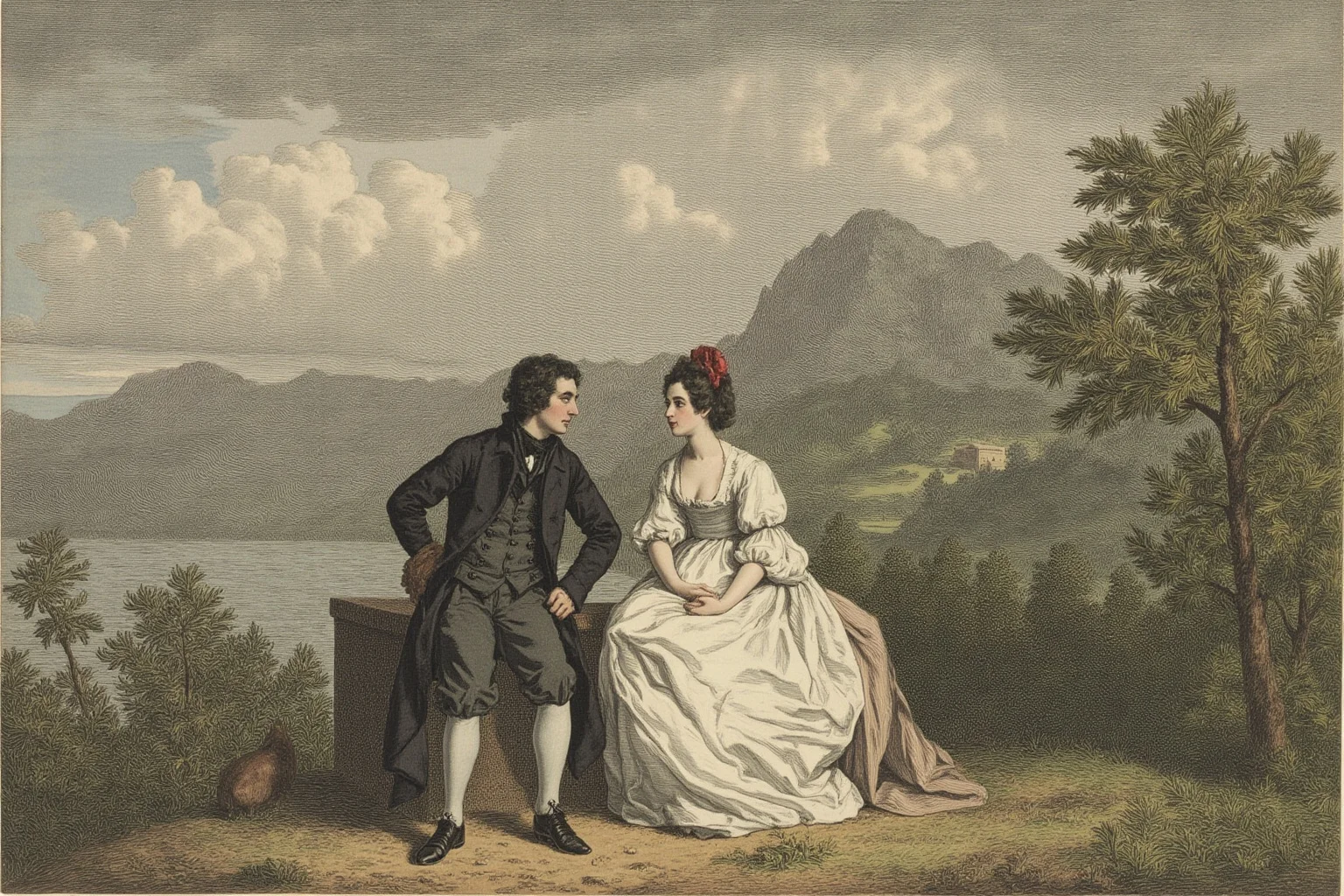
Percy Bysshe Shelley and Mary Shelley eloped in 1814 and spent much of their relationship moving between England, Switzerland, and Italy. Their time in Italy was particularly formative, as it was there that Mary wrote Frankenstein during the famous summer of 1816 at Lake Geneva. The couple faced financial difficulties and social ostracism in England.
Percy Shelley drowned in 1822 while sailing off the coast of Italy, leaving Mary a widow at 24. She returned to England and dedicated herself to preserving his literary legacy. Their life together was marked by constant movement across borders, driven by debt, scandal, and Percy's restless nature.
15. Richard the Lionheart and Berengaria of Navarre
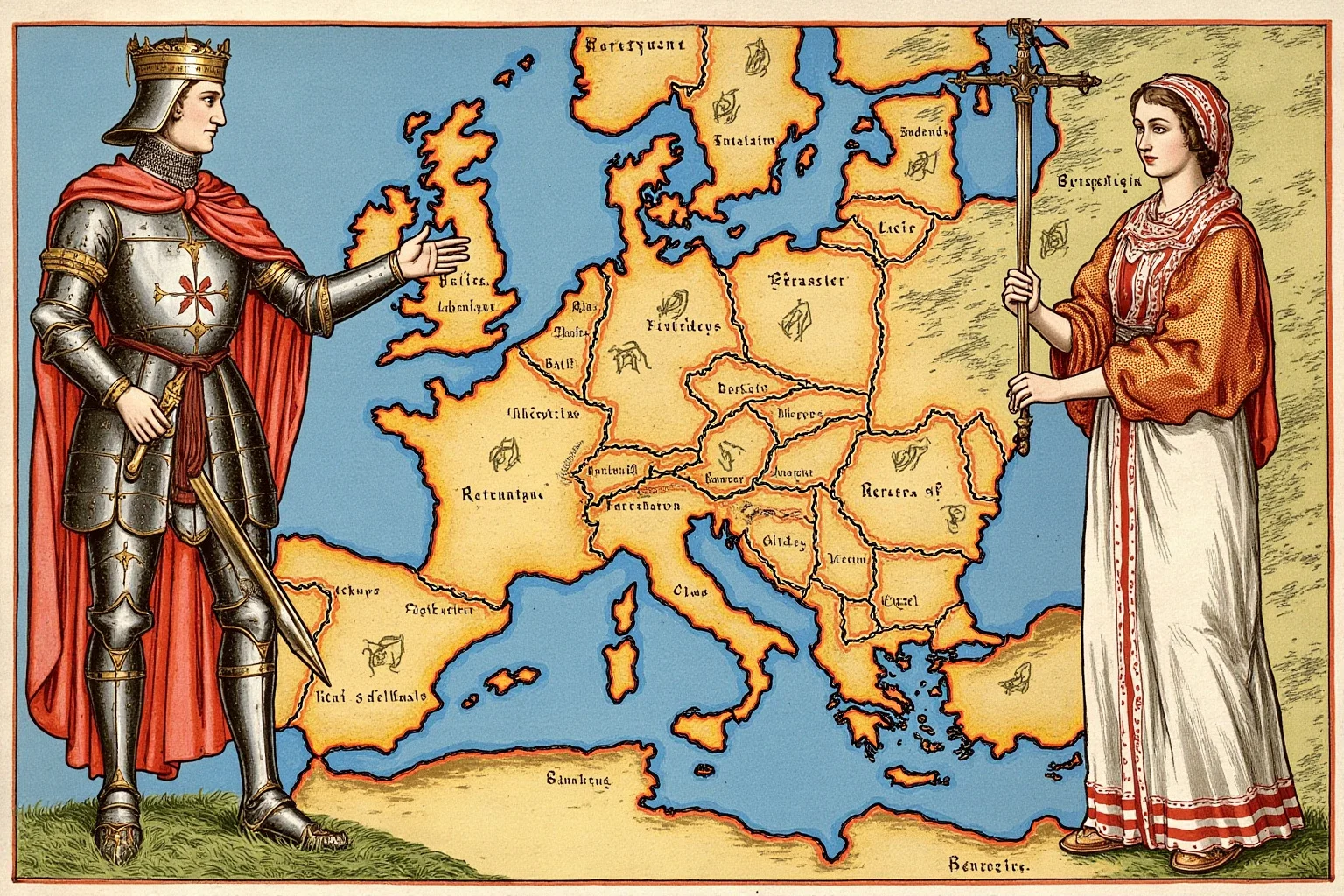
Richard I of England married Berengaria of Navarre in Cyprus in 1191 while en route to the Third Crusade. The marriage produced no children, and the couple spent very little time together. Richard was captured and imprisoned in Austria on his return from the Crusades, while Berengaria remained in France.
After Richard's release, he returned to England and his continental possessions, but he and Berengaria were rarely reunited. She never visited England during his lifetime, living instead in France. Richard's death in 1199 left Berengaria to spend her remaining decades in Le Mans, managing her dower lands.
16. Christopher Columbus and Filipa Moniz Perestrelo
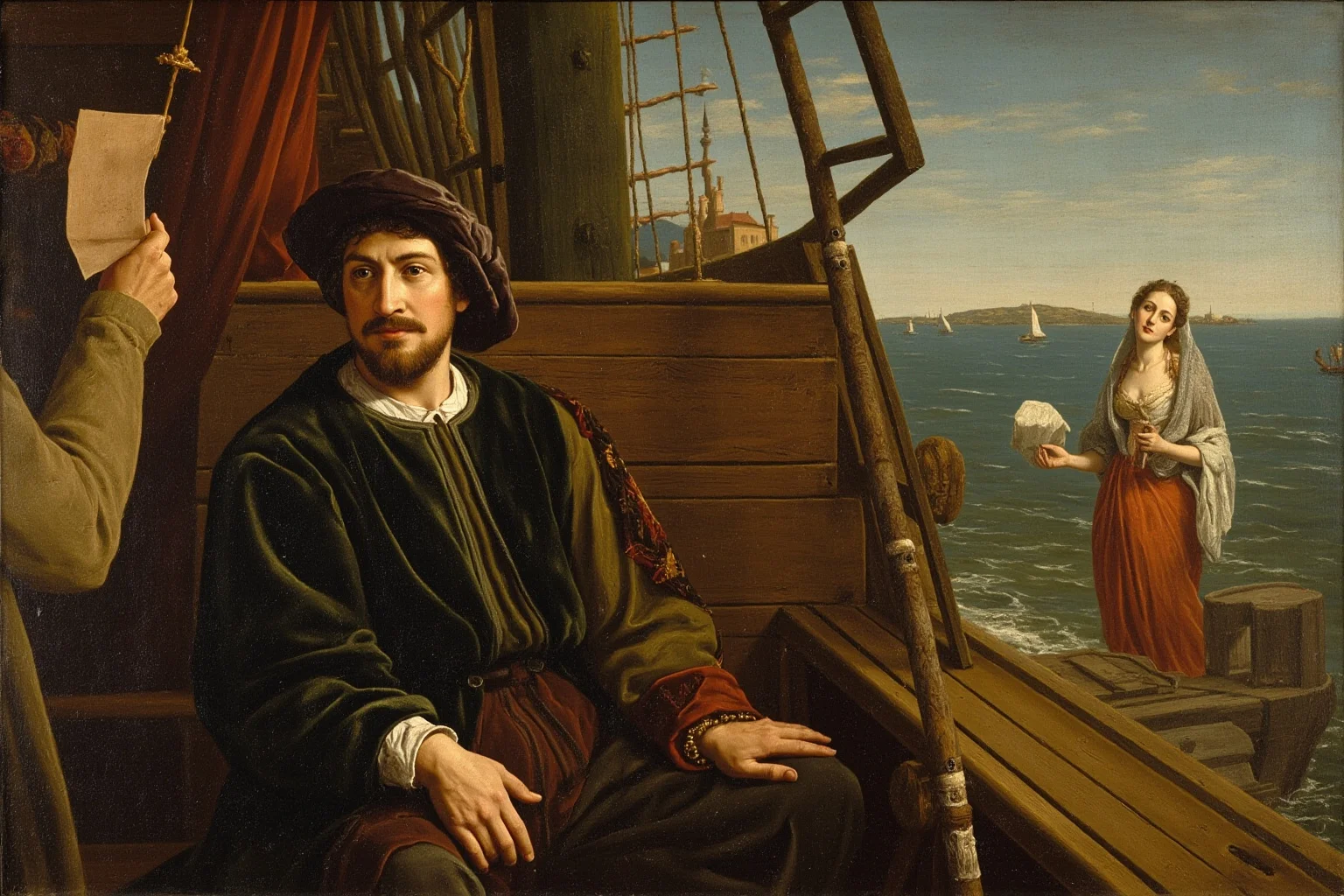
Christopher Columbus married Filipa Moniz Perestrelo, a Portuguese noblewoman, around 1479. They lived together in Portugal and on the island of Porto Santo, where her family held land. Filipa died around 1484, leaving Columbus free to pursue his plans for westward exploration.
After her death, Columbus moved to Spain and entered a relationship with Beatriz Enríquez de Arana, who bore him a son, Ferdinand. Beatriz remained in Spain while Columbus made his voyages to the Americas. His life was defined by long absences from the women he loved, driven by his obsessive pursuit of discovery.
17. Mark Antony and Cleopatra
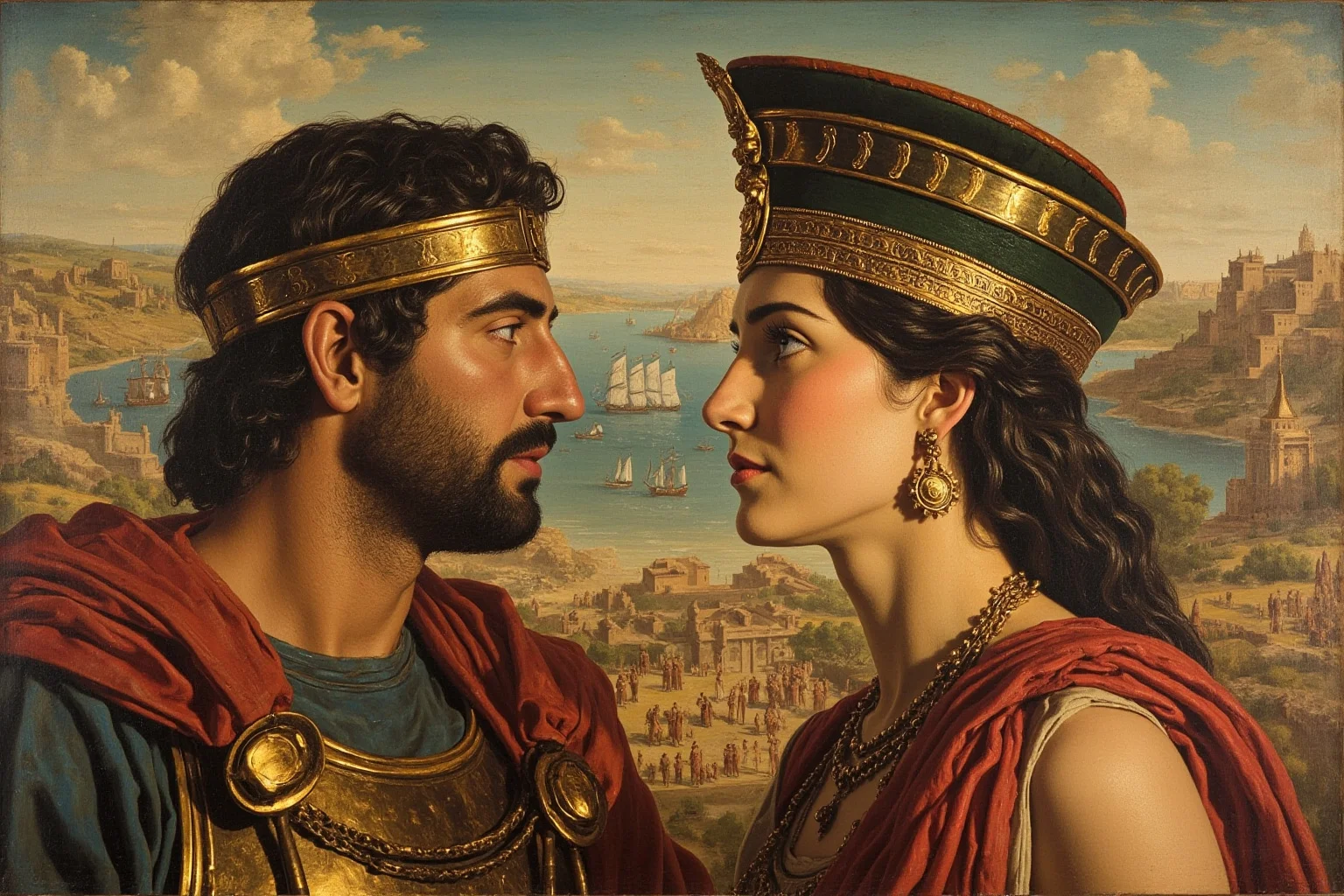
Mark Antony and Cleopatra conducted their famous relationship across the Mediterranean, with Antony based in Rome and Cleopatra ruling Egypt. Antony returned to Rome periodically to manage his political alliance with Octavian, but his heart remained in Alexandria. Their twin children, Alexander Helios and Cleopatra Selene, were born in Egypt in 40 BCE.
Antony's marriage to Octavia, Octavian's sister, was a political necessity that did not end his bond with Cleopatra. He eventually divorced Octavia and made Alexandria his primary home. Their defeat at the Battle of Actium in 31 BCE led to their deaths and the end of the Ptolemaic dynasty.
18. King Charles II and Catherine of Braganza
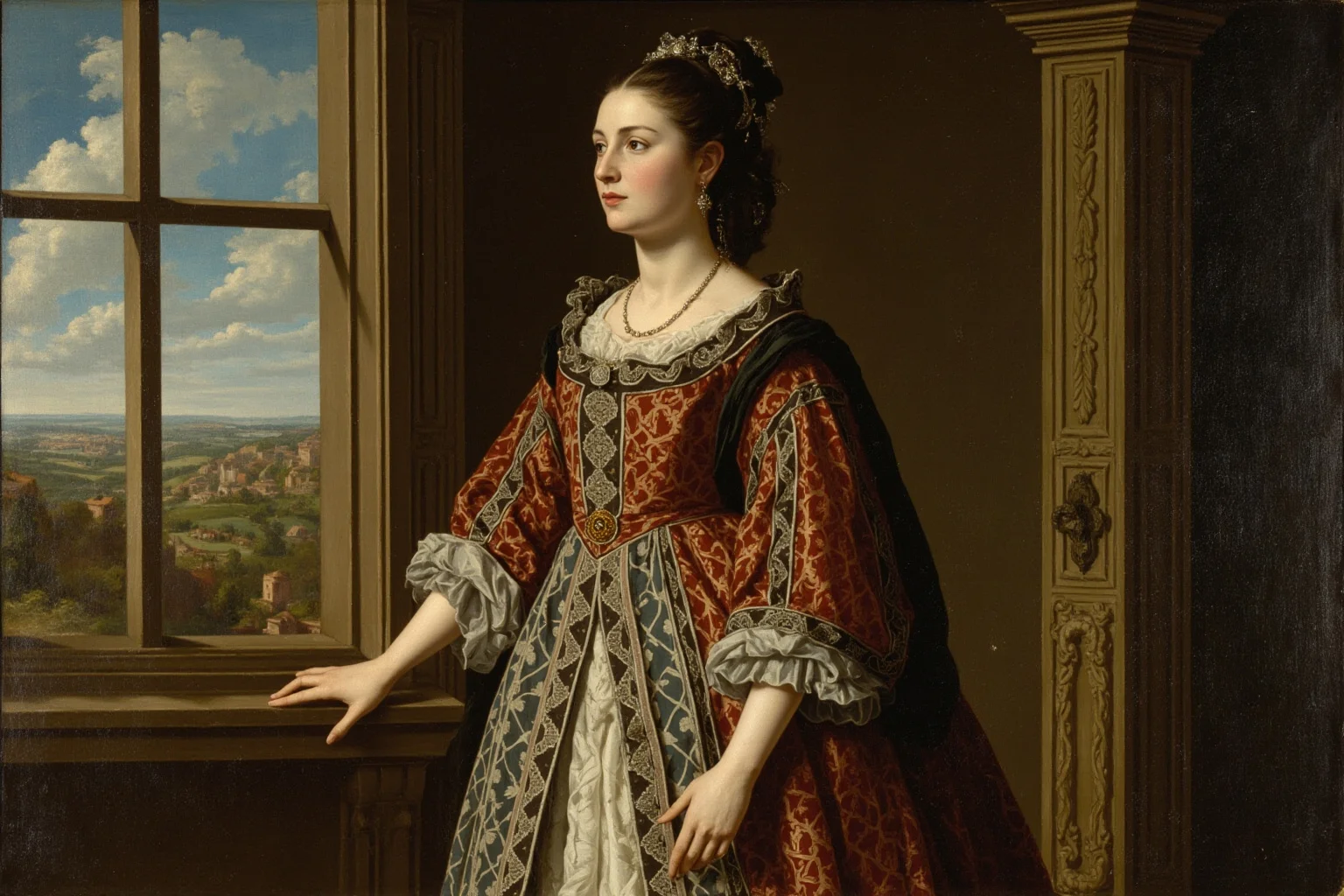
Charles II of England married Catherine of Braganza in 1662, bringing a substantial dowry that included Tangier and Bombay. Catherine, a Portuguese princess, struggled to adapt to the English court and faced hostility due to her Catholic faith. She never produced an heir, and Charles openly kept mistresses.
Despite these challenges, Catherine remained loyal to Charles, and he defended her against accusations of plotting to poison him during the Popish Plot. After Charles's death in 1685, Catherine returned to Portugal, where she acted as regent for her brother. Her marriage was defined by her foreign origins and the political complexities of Anglo-Portuguese relations.
19. Franklin D. Roosevelt and Eleanor Roosevelt
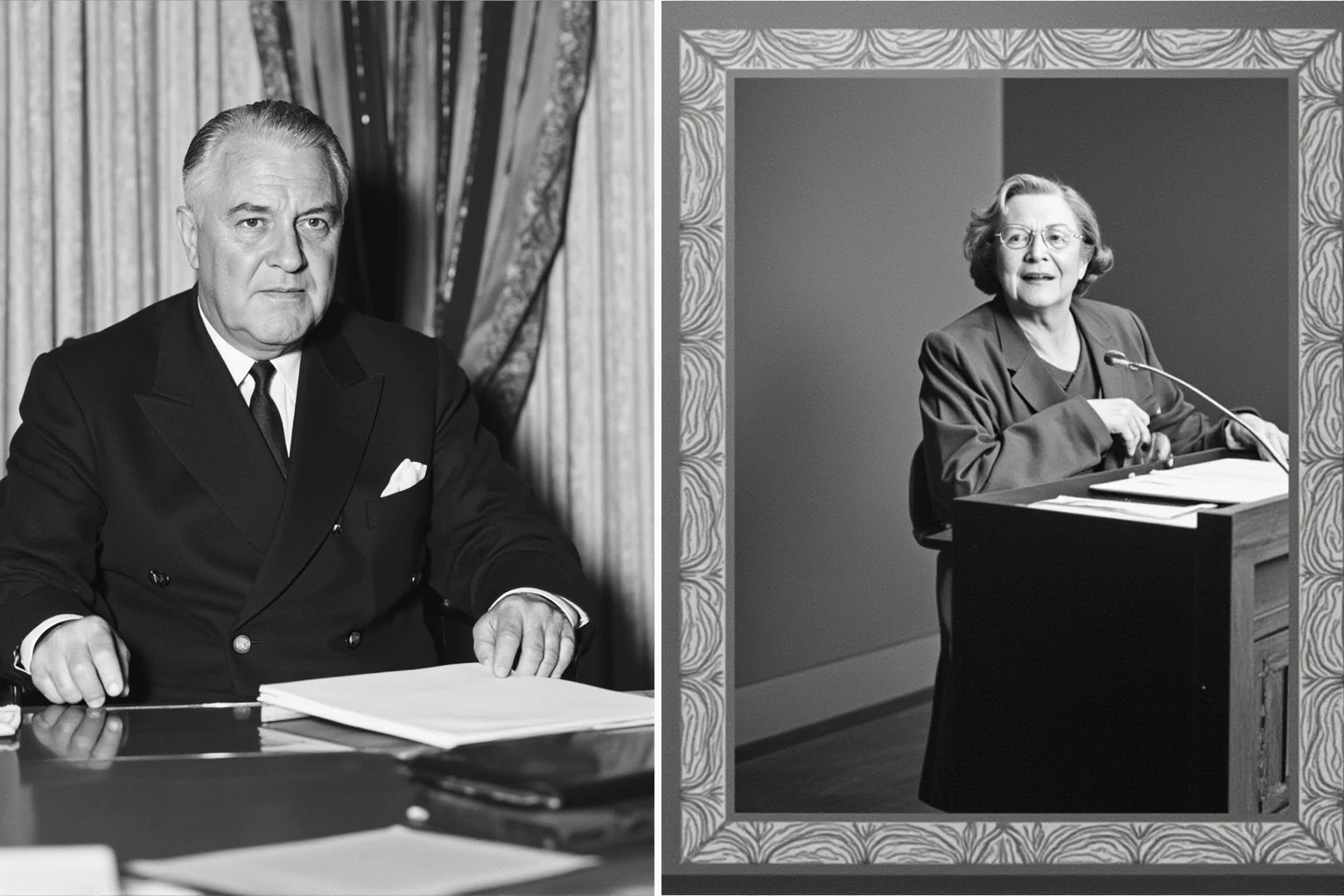
Franklin and Eleanor Roosevelt were married in 1905, but their relationship evolved into a political partnership rather than a conventional marriage. Franklin's paralysis and presidency kept him in Washington and Warm Springs, while Eleanor traveled extensively across the United States and abroad as his eyes and ears. She visited troops, factories, and refugee camps during World War II.
Eleanor's travels made her one of the most visible first ladies in American history. The couple often communicated through memos and intermediaries, and Eleanor maintained her own residence at Val-Kill in Hyde Park. Their partnership redefined the role of the first lady and demonstrated how a marriage could function across distance and personal estrangement.
20. T.E. Lawrence and His Correspondence with Charlotte Shaw
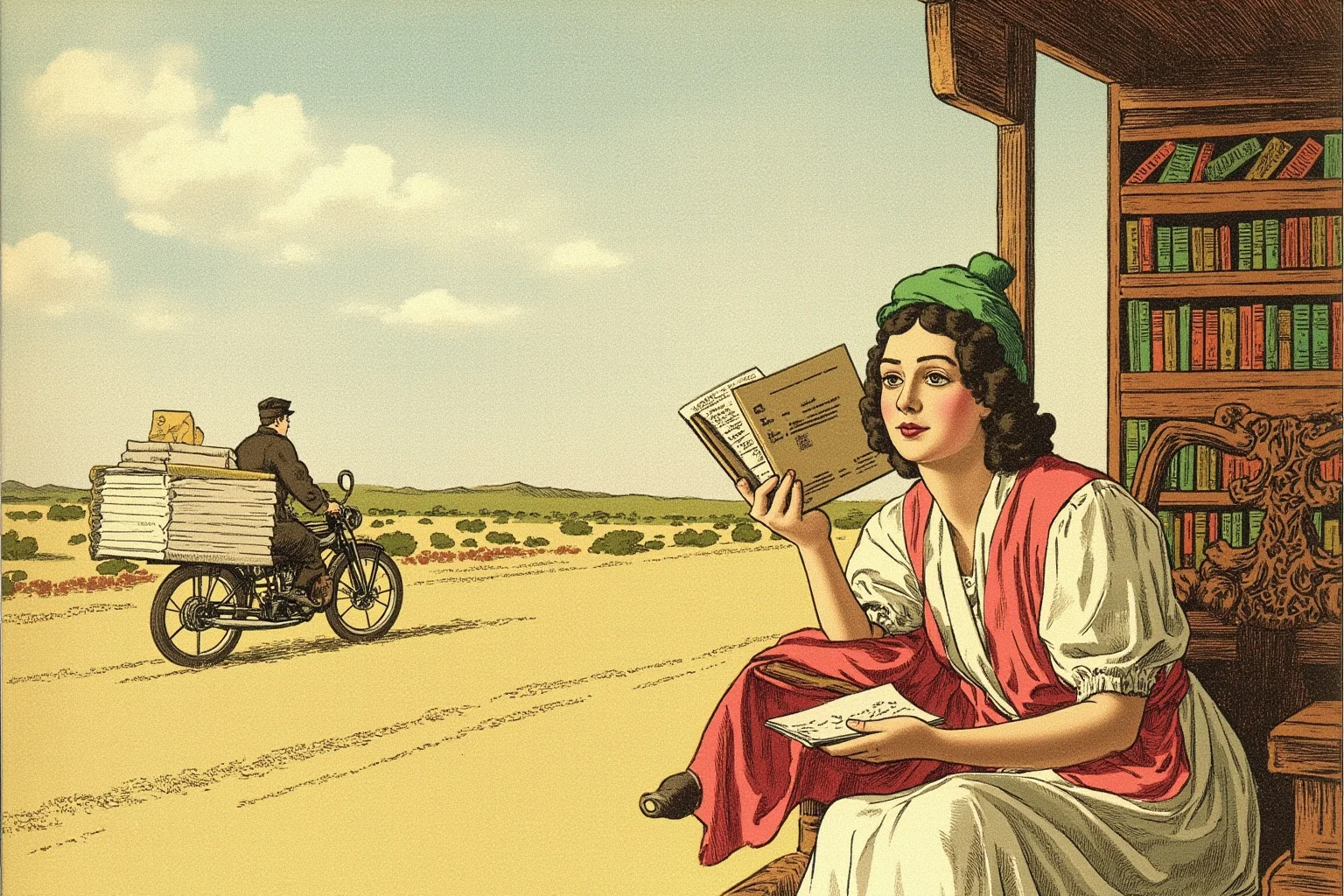
T.E. Lawrence, known as Lawrence of Arabia, maintained an intense epistolary relationship with Charlotte Shaw, wife of playwright George Bernard Shaw. Lawrence's travels across the Middle East and later his service in the RAF and Tank Corps kept him away from England for years. Charlotte became one of his most trusted confidantes.
Their relationship was conducted almost entirely through letters, many of which survive and reveal deep emotional intimacy. Charlotte served as a maternal figure and intellectual companion, editing Lawrence's memoir Seven Pillars of Wisdom. Their bond demonstrates how some historical relationships existed primarily on paper, spanning countries and continents.
21. Iris de Rode and Her Husband: The Search for a Historical Figure
Many readers searching for "Iris de Rode husband" are likely encountering the name of Iris de Rode, a Dutch historian and author known for her work on the Franco-American alliance during the American Revolution. Her acclaimed book, "François-Jean de Chastellux: A French General in the American Revolution," has made her a notable figure in early American history circles. There is no widely documented historical evidence that Iris de Rode herself lived in a separate country from a husband.
The confusion may stem from her research subjects rather than her personal life. Iris de Rode has studied historical figures who crossed the Atlantic and maintained relationships across borders during the Revolutionary era. It is important to note that claims about her personal relationships should not be presented as historical fact without reliable documentation.
22. Lafayette and Adrienne de Noailles
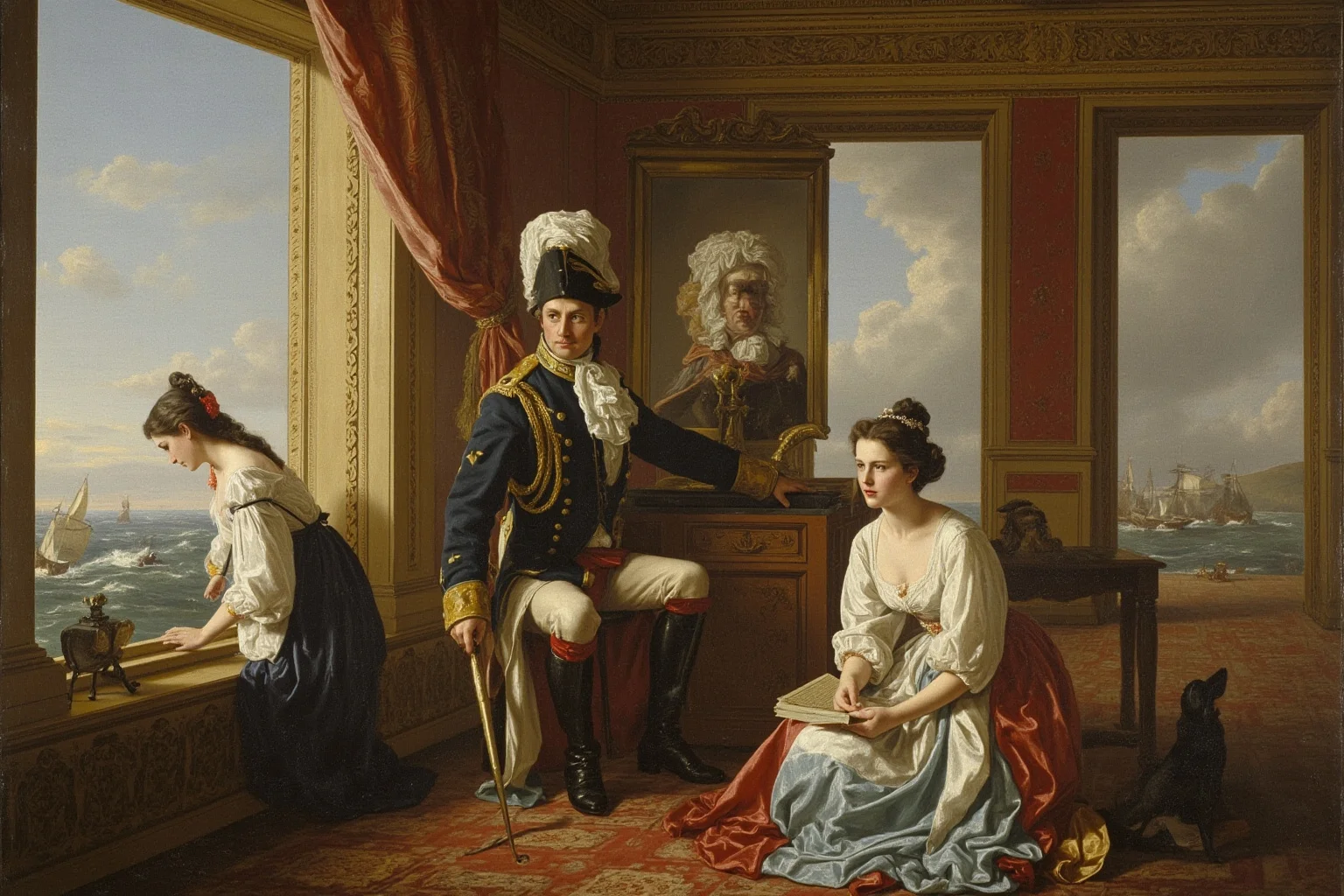
The Marquis de Lafayette married Adrienne de Noailles in 1774, when he was just 16 and she was 14. His decision to join the American Revolution in 1777 separated them for years, as he crossed the Atlantic to fight alongside George Washington. Adrienne remained in France, managing the family estates and giving birth to their children.
Lafayette returned to France a hero, but the French Revolution brought new dangers. He was imprisoned in Austria for five years, during which Adrienne and their daughters voluntarily joined him in prison. Their reunion in captivity was one of the most moving chapters of their marriage, and Adrienne's health never fully recovered from the ordeal.
23. Lord Byron and Annabella Milbanke
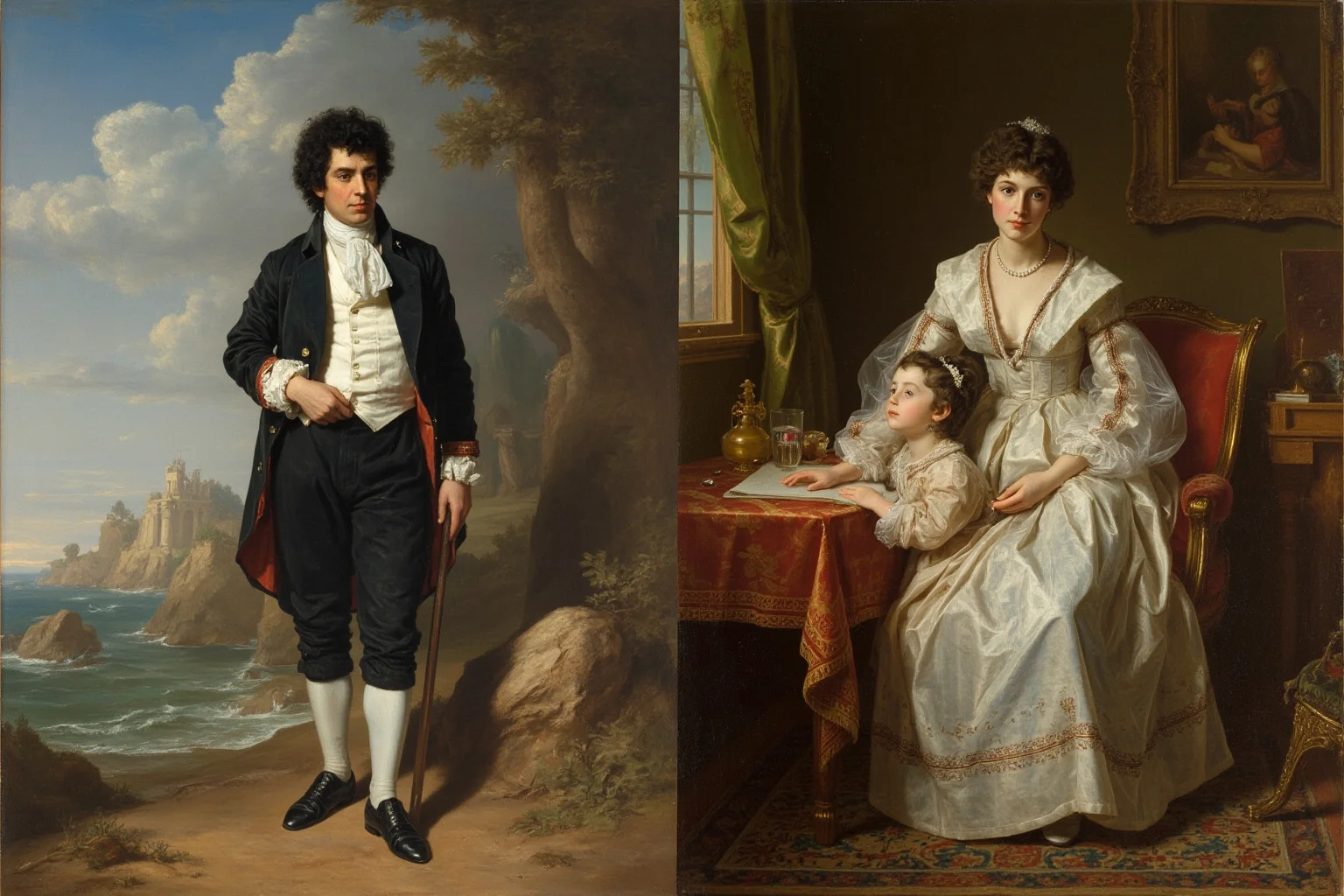
Lord Byron married Annabella Milbanke in 1815, but the marriage lasted barely a year. Byron's debts, affairs, and erratic behavior drove Annabella to leave him, taking their infant daughter Ada with her. Byron left England permanently in 1816, settling in Italy and later Greece, where he died in 1824.
Annabella raised their daughter, Ada Lovelace, in England and became a noted philanthropist and reformer. She feared that Byron's influence would corrupt Ada and pushed her toward mathematics as a counterweight to poetic imagination. Ada grew up to become a pioneer of computing, while Byron never saw his daughter again.
24. John Quincy Adams and Louisa Catherine Adams
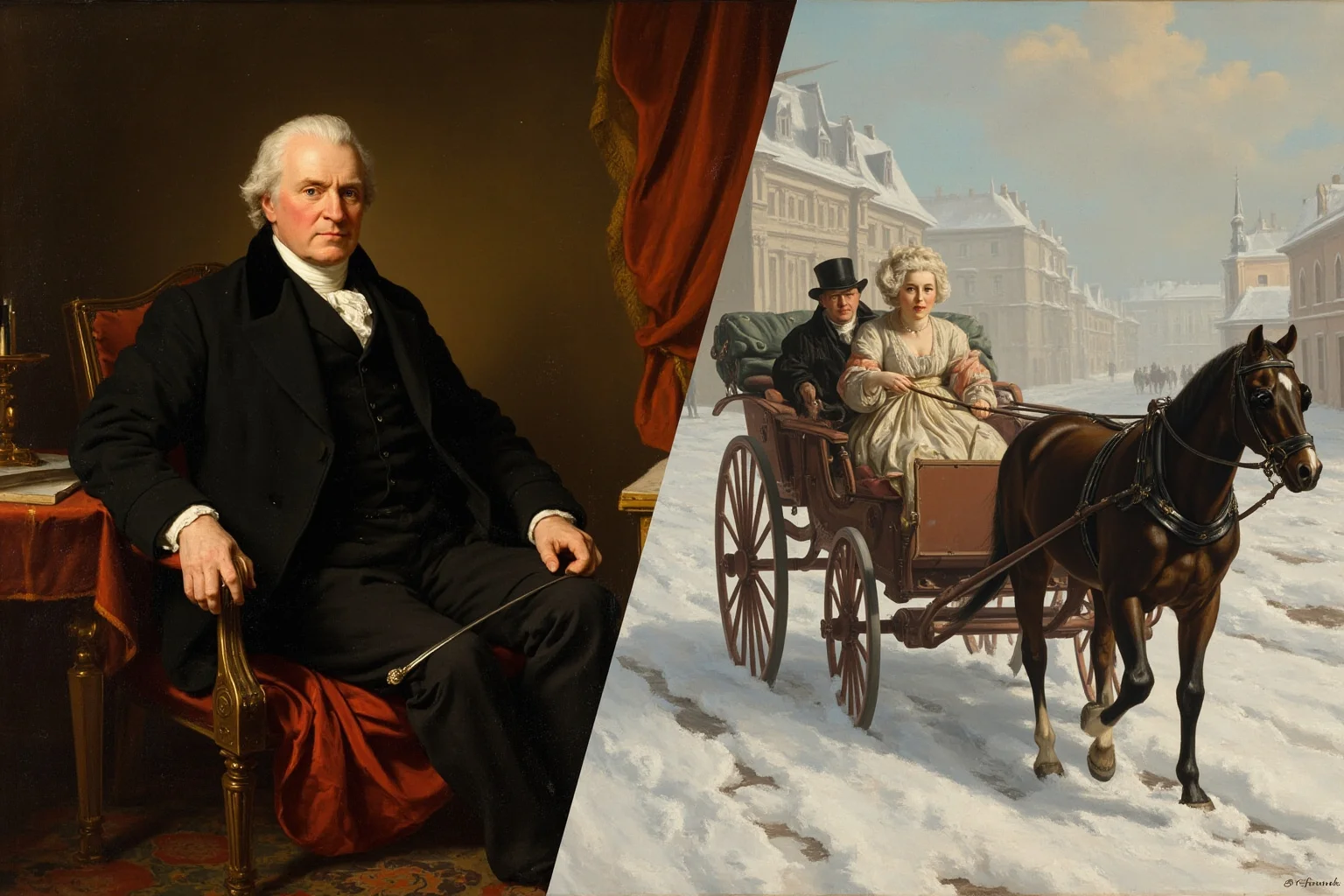
John Quincy Adams spent much of his career as a diplomat in Europe, often separated from his wife Louisa Catherine Adams. Louisa was born in London and met John Quincy there, but his postings to Prussia, Russia, and Britain created constant upheaval. She endured the deaths of two children while living abroad.
Louisa's solo journey from St. Petersburg to Paris in 1815, traveling through war-torn Europe with her young son, is one of the most remarkable episodes in first lady history. The couple's correspondence reveals the strain of constant relocation and separation from family. Their marriage survived decades of diplomatic service across multiple countries.
25. Eleanor of Aquitaine and Henry II
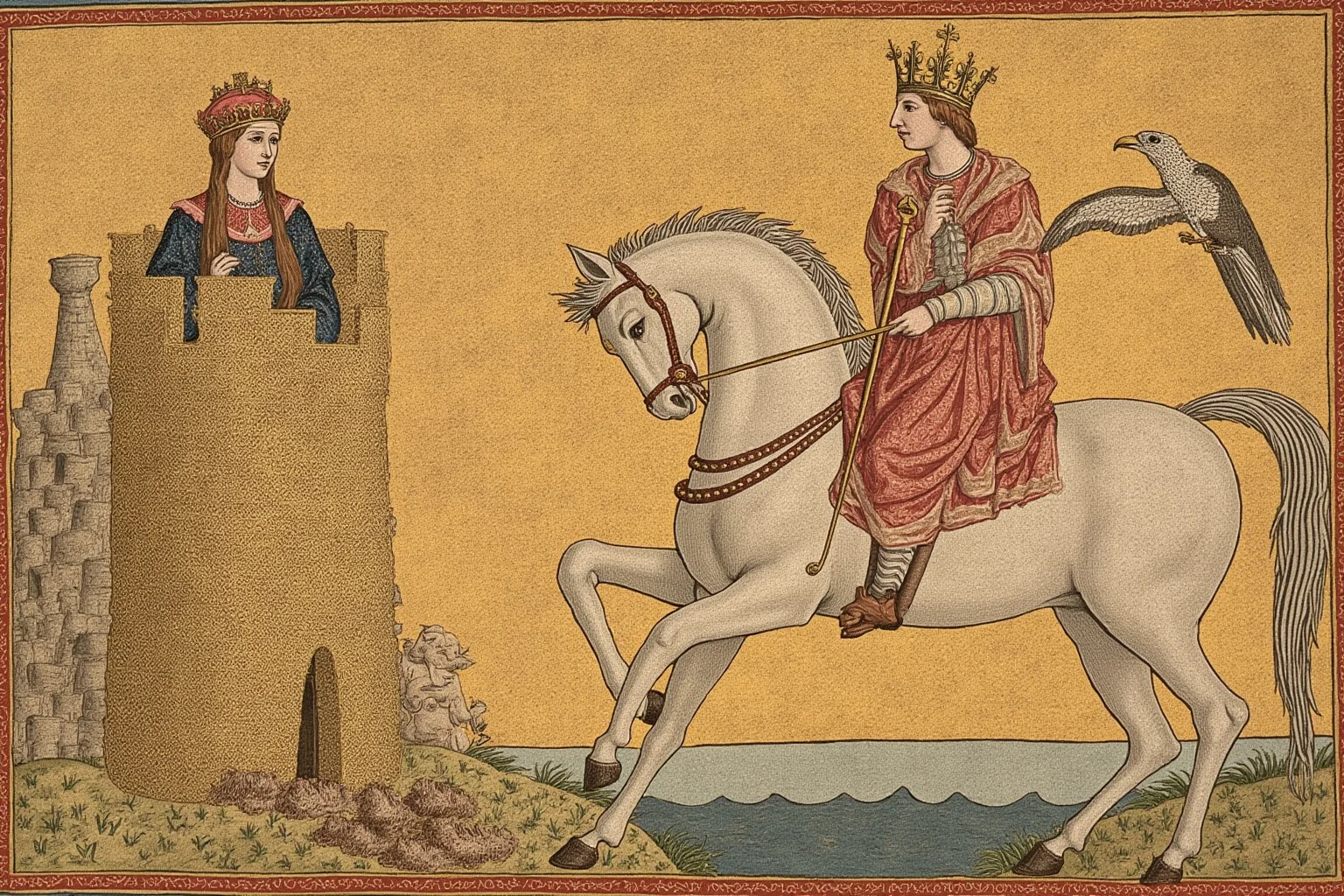
Eleanor of Aquitaine and Henry II of England ruled a vast empire stretching from Scotland to the Pyrenees. Their marriage in 1152 united England and Aquitaine, but their relationship deteriorated into open rebellion. Eleanor supported their sons' revolt against Henry in 1173, leading to her imprisonment for 16 years.
During her imprisonment, Eleanor was confined in various English castles while Henry ruled his domains. After Henry's death in 1189, Eleanor was released and became a powerful political force as regent for her son Richard I. She traveled extensively in her later years, even journeying to Spain to escort a bride for Richard's successor.
26. Hernán Cortés and La Malinche
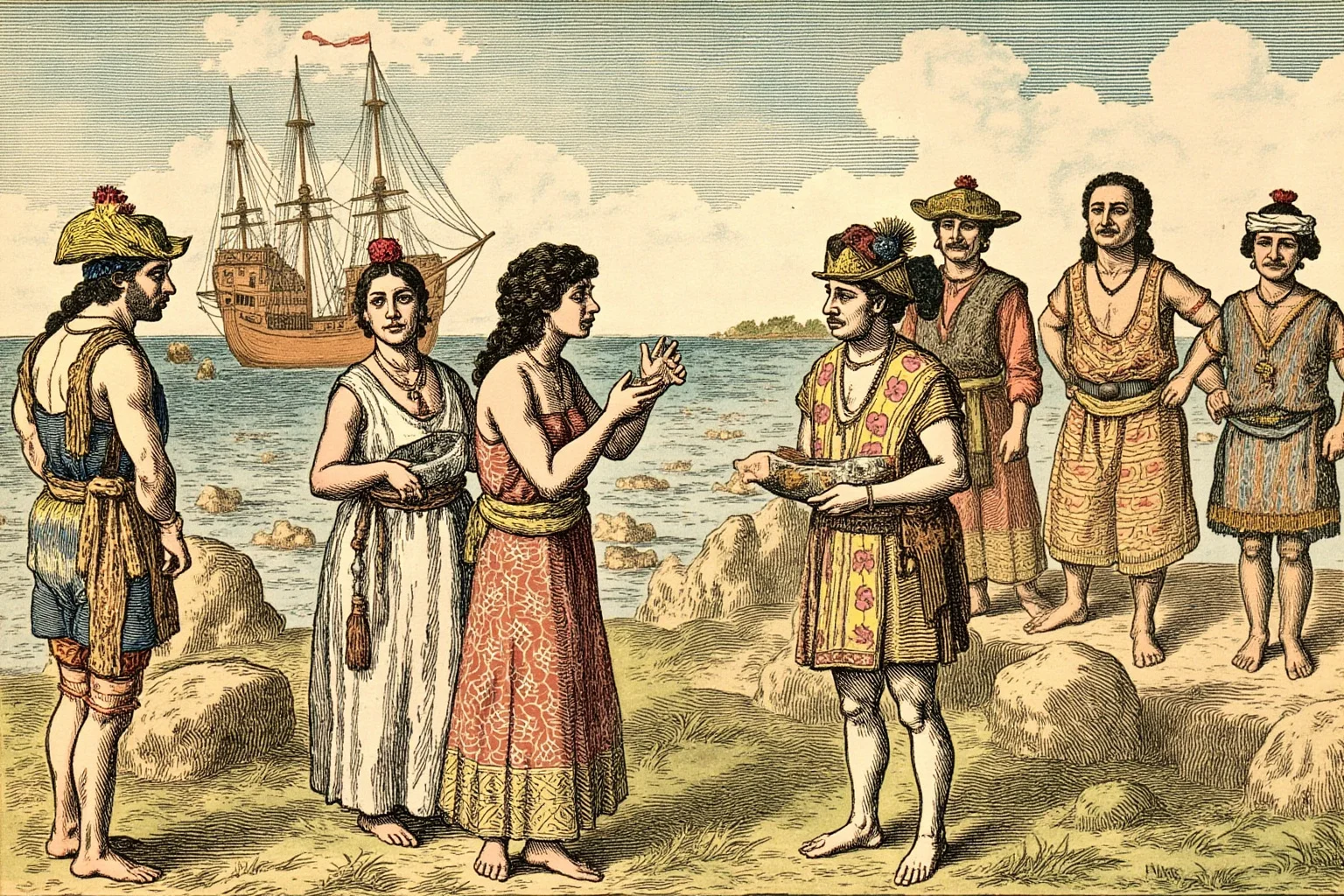
Hernán Cortés and La Malinche, also known as Doña Marina, were never formally married, but their relationship was central to the Spanish conquest of Mexico. La Malinche served as Cortés's interpreter, advisor, and mother of his son Martín. She traveled with him across Mexico during the conquest, bridging Spanish and Indigenous worlds.
After the conquest, Cortés arranged for La Malinche to marry Juan Jaramillo, one of his captains. She lived in Mexico while Cortés returned to Spain to defend his actions before the king. Their relationship remains deeply controversial, symbolizing both collaboration and survival in the face of conquest.
27. King George III and Queen Charlotte
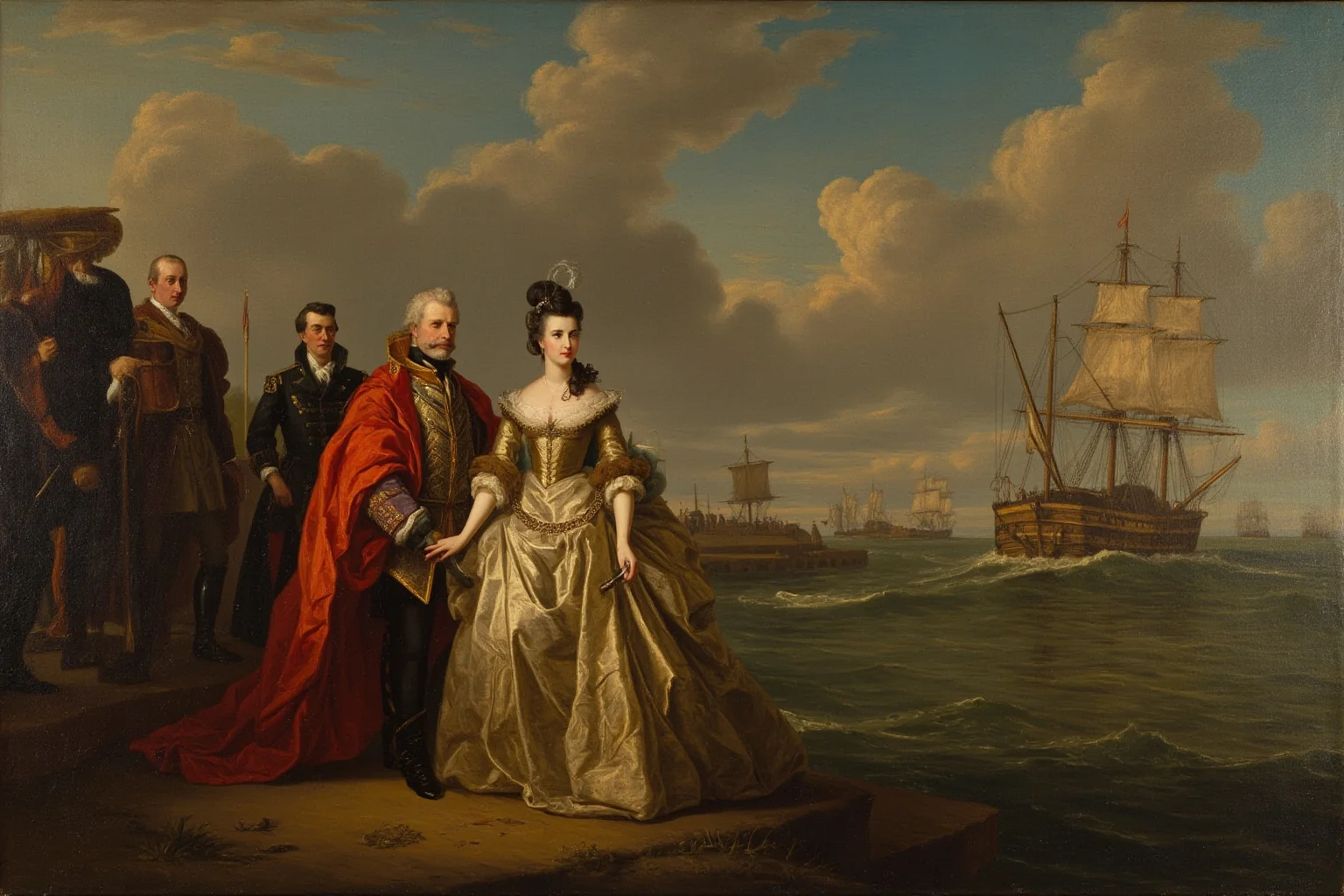
King George III and Queen Charlotte were married for 57 years and had 15 children, a famously devoted royal couple. Charlotte arrived from the German duchy of Mecklenburg-Strelitz in 1761, speaking no English, and never returned to her homeland. Her entire adult life was lived in a foreign country.
George's periods of mental illness, now often attributed to porphyria or bipolar disorder, separated the couple emotionally and physically. Charlotte was deeply distressed by his condition, and their later years together were marked by his illness. Their marriage is remembered as one of the most successful and affectionate in British royal history.
28. Simón Bolívar and María Teresa Rodríguez del Toro
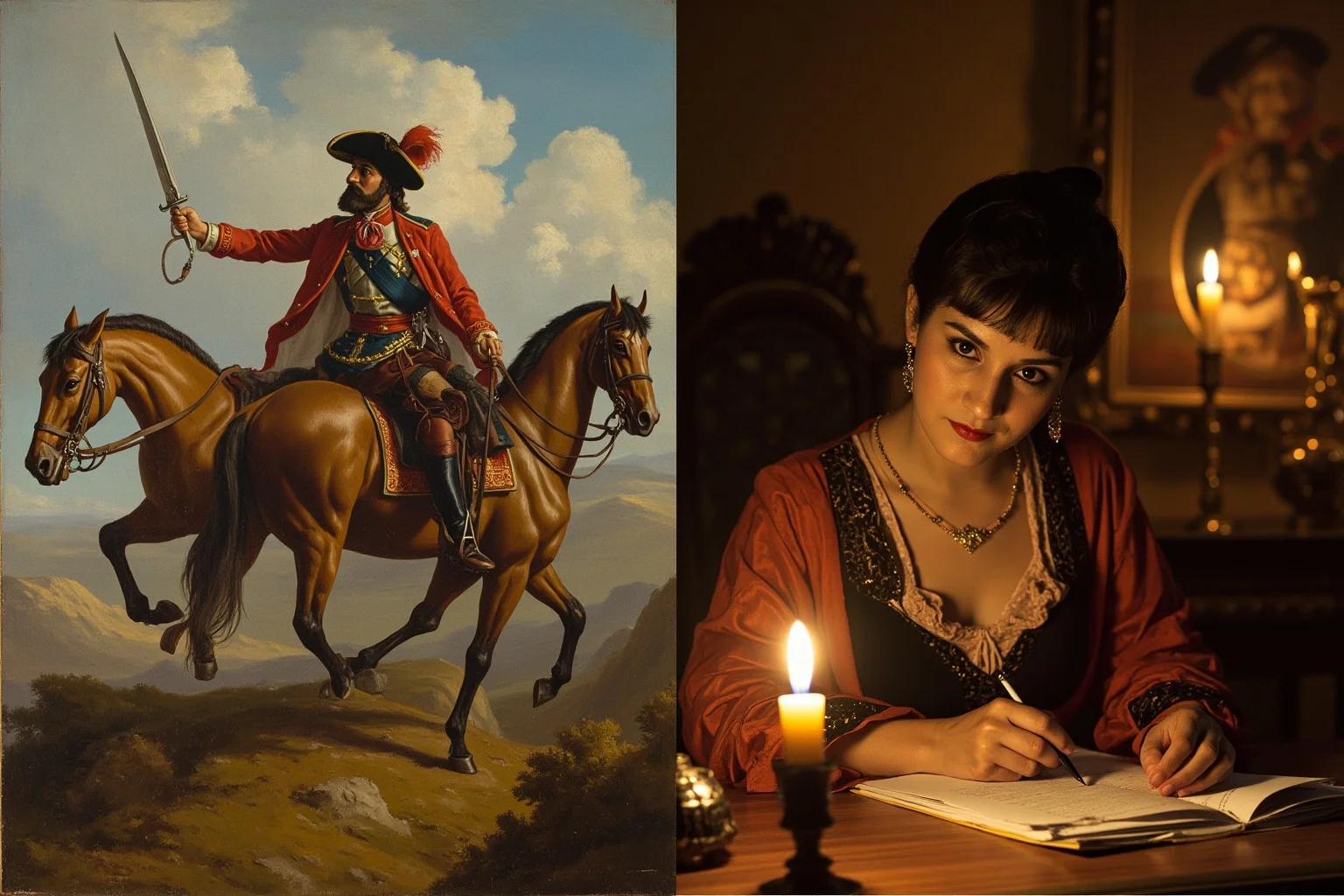
Simón Bolívar married María Teresa Rodríguez del Toro in 1802, when he was 19. She died of yellow fever less than a year later, before they could return to Venezuela from Spain. Bolívar never remarried, though he had several significant relationships during his campaigns for South American independence.
His revolutionary career kept him constantly on the move across Venezuela, Colombia, Ecuador, Peru, and Bolivia. His most enduring companion, Manuela Sáenz, was often separated from him by the demands of war. Bolívar's life was defined by his mission to liberate a continent, leaving little room for domestic stability.
29. Emperor Pedro I of Brazil and Maria Leopoldina of Austria
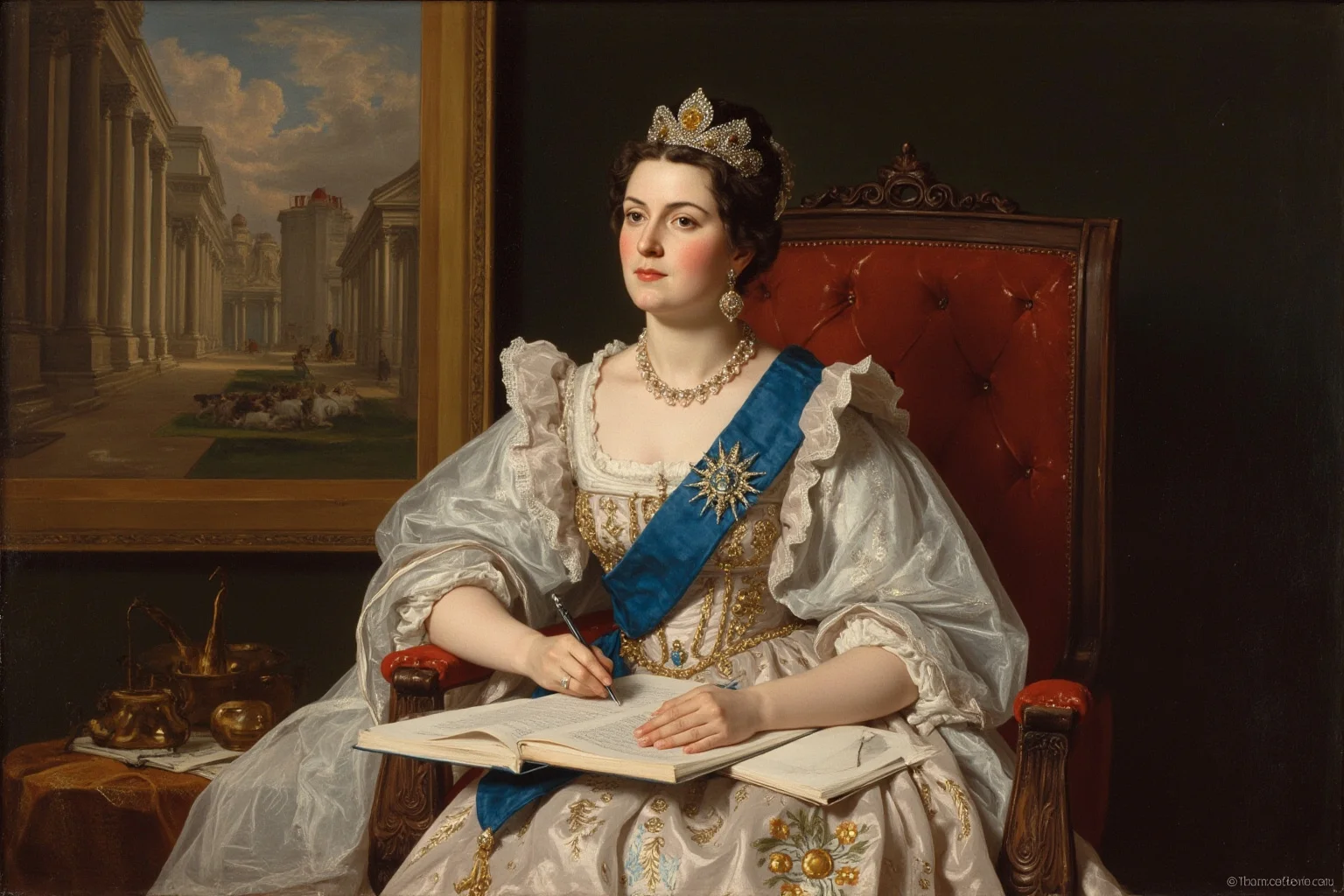
Pedro I of Brazil married Maria Leopoldina of Austria in 1817, when she was just 20 years old. She left Vienna for Brazil, a journey that took months, to marry a man she had never met. Her letters home to Austria describe her homesickness and her efforts to adapt to life in Rio de Janeiro.
Leopoldina played a crucial role in Brazil's independence, advising Pedro and signing the decree of independence in 1822. Pedro's public affair with Domitila de Castro humiliated her, and she died in 1826 at age 29. Her sacrifice and political acumen made her a beloved figure in Brazilian history.
30. Napoleon III and Empress Eugénie
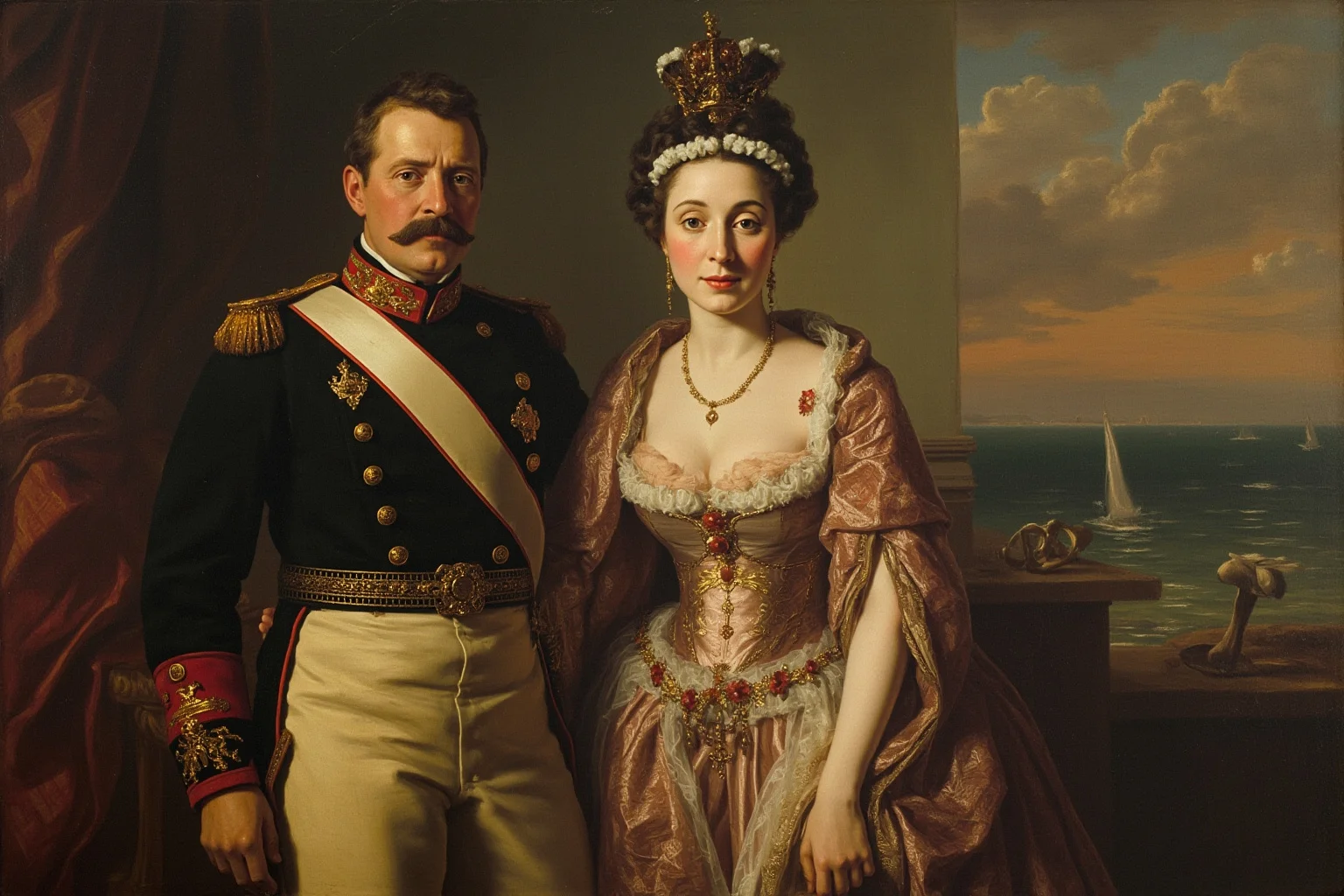
Napoleon III of France married Eugénie de Montijo, a Spanish countess, in 1853. Eugénie left Spain for Paris, where she became a fashion icon and influential political figure. During Napoleon III's absences on military campaigns, including the Franco-Prussian War, Eugénie served as regent.
After the fall of the Second Empire in 1870, the couple fled to England. Napoleon III died in 1873, and Eugénie lived the rest of her long life in exile, primarily in England. She never remarried and dedicated herself to preserving the memory of her husband and son, who died fighting for the British in 1879.
Why These Stories Still Resonate
These couples faced separations that modern readers can barely imagine, often waiting months for a single letter to arrive. Their relationships were tested by war, duty, exile, and the simple tyranny of distance. Yet many of them found ways to maintain deep bonds across borders, leaving behind correspondence that still moves us today.
Their stories also remind us that marriage has rarely been a purely private affair. Royal marriages were treaties, diplomatic postings were family decisions, and revolutionary commitments often meant leaving loved ones behind. Understanding these couples helps us see the personal cost behind the grand events of history.
Whether you came here looking for the story behind "Iris de Rode husband" or simply love a good historical romance, the larger lesson remains. Love across borders is one of the oldest stories in the world, and these couples lived it long before airplanes and video calls made separation easier to bear.
Frequently Asked Questions
Who is Iris de Rode’s husband?
Iris de Rode is a Dutch historian and author known for her research on the Franco-American alliance during the American Revolution, particularly her book on François-Jean de Chastellux. There is no widely documented historical evidence or reliable public record identifying her husband. Much of the search interest around "Iris de Rode husband" appears to stem from curiosity about her personal life rather than from verified historical sources, so any claims about her marital status should be treated with caution.
Did any historical couples actually live in separate countries for years?
Yes, many did. Royal marriages often required one spouse to move permanently to a foreign country, and wartime separations kept couples like John and Abigail Adams apart for over a decade. Diplomatic postings, exile, and political imprisonment also forced couples such as the Marquis de Lafayette and Adrienne de Noailles to spend years in different countries.
Which historical couple spent the longest time apart?
One of the most extended separations was between John and Abigail Adams, who spent more than a decade apart during the American Revolution and John's diplomatic service in Europe. Eleanor of Aquitaine and Henry II were also separated for 16 years while she was imprisoned. The exact record depends on how one defines separation, since many royal couples maintained separate residences for decades while technically married.
Did love letters help historical couples survive long separations?
Absolutely. The correspondence between John and Abigail Adams, Napoleon and Joséphine, and Winston and Clementine Churchill shows how crucial letter writing was for maintaining emotional bonds across distance. These letters often took weeks or months to arrive, making each one a precious connection to a distant spouse.
Were royal marriages ever arranged across different countries?
Yes, royal marriages were frequently arranged across borders as diplomatic tools. Marie Antoinette left Austria for France at age 14, Queen Charlotte came to England from a German duchy, and Maria Leopoldina traveled from Austria to Brazil. These marriages were designed to strengthen alliances, not to satisfy personal preference.

Alex Warren
Related Articles