History is full of remarkable lives, but sometimes the way those lives ended was stranger than anything the person did while alive. When we talk about famous deaths in history, we usually think of battles, plagues, or old age. Yet a surprising number of famous dead people in history met their ends in ways that sound almost too strange to be true.
This list explores some of the most famous historical deaths where the circumstances were bizarre, ironic, or just plain unlucky. From ancient philosophers to modern political leaders, these stories remind us that even the most powerful people cannot control how their final moments unfold. Keep in mind that some older accounts blend fact with legend, so we will note where historians have doubts.
TL;DR: Even the most powerful and celebrated figures in history sometimes died in absurd, ironic, or gruesomely unlucky ways that challenge the myth of the dignified death.
1. Aeschylus and the Falling Tortoise
Aeschylus is often called the father of Greek tragedy, and he wrote some of the most enduring plays of the ancient world. According to a story repeated by later Roman writers, the playwright died around 455 BCE when an eagle mistook his bald head for a rock. The bird supposedly dropped a tortoise on his skull to crack open its shell.
Modern scholars treat this tale with skepticism, since it first appears centuries after Aeschylus lived. However, the story persists because it is so wonderfully ironic that a man who wrote about fate and divine will would die in such a random, almost comedic way. Whether true or not, it remains one of the most famous deaths history has passed down.
2. Chrysippus and the Drunken Donkey
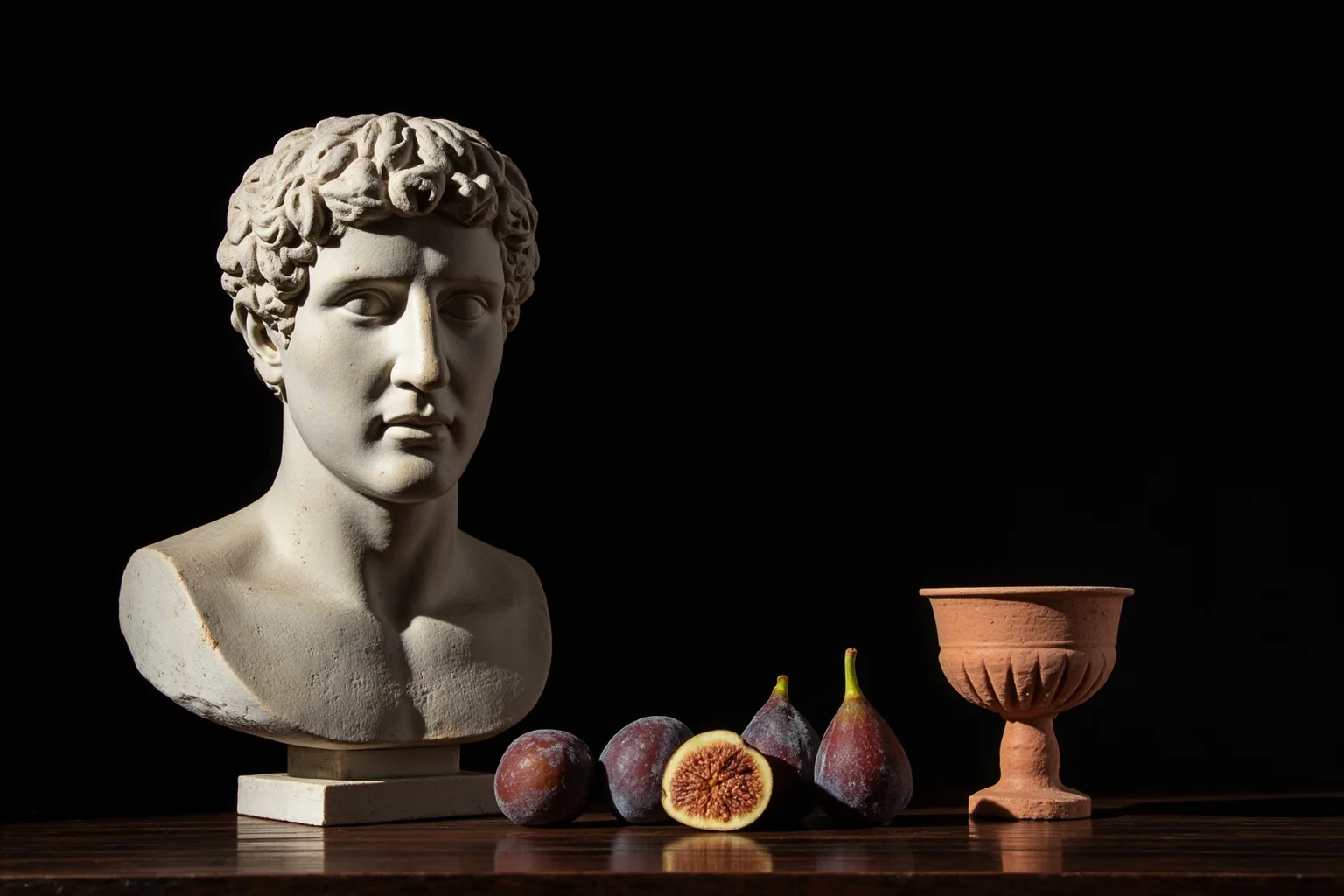
Chrysippus was one of the most important Stoic philosophers of ancient Greece, credited with systematizing Stoic logic. Several ancient sources claim he died around 206 BCE from a fit of uncontrollable laughter. The trigger, according to the story, was watching a donkey eat figs and then drink unmixed wine.
The tale may be a later joke at the expense of a famously serious thinker, since Stoics were known for emotional restraint. Yet the image of a great philosopher laughing himself to death over a tipsy donkey is hard to resist. It also serves as a reminder that even stories about dead historical people can be shaped by humor and gossip.
3. Qin Shi Huang and the Quest for Immortality
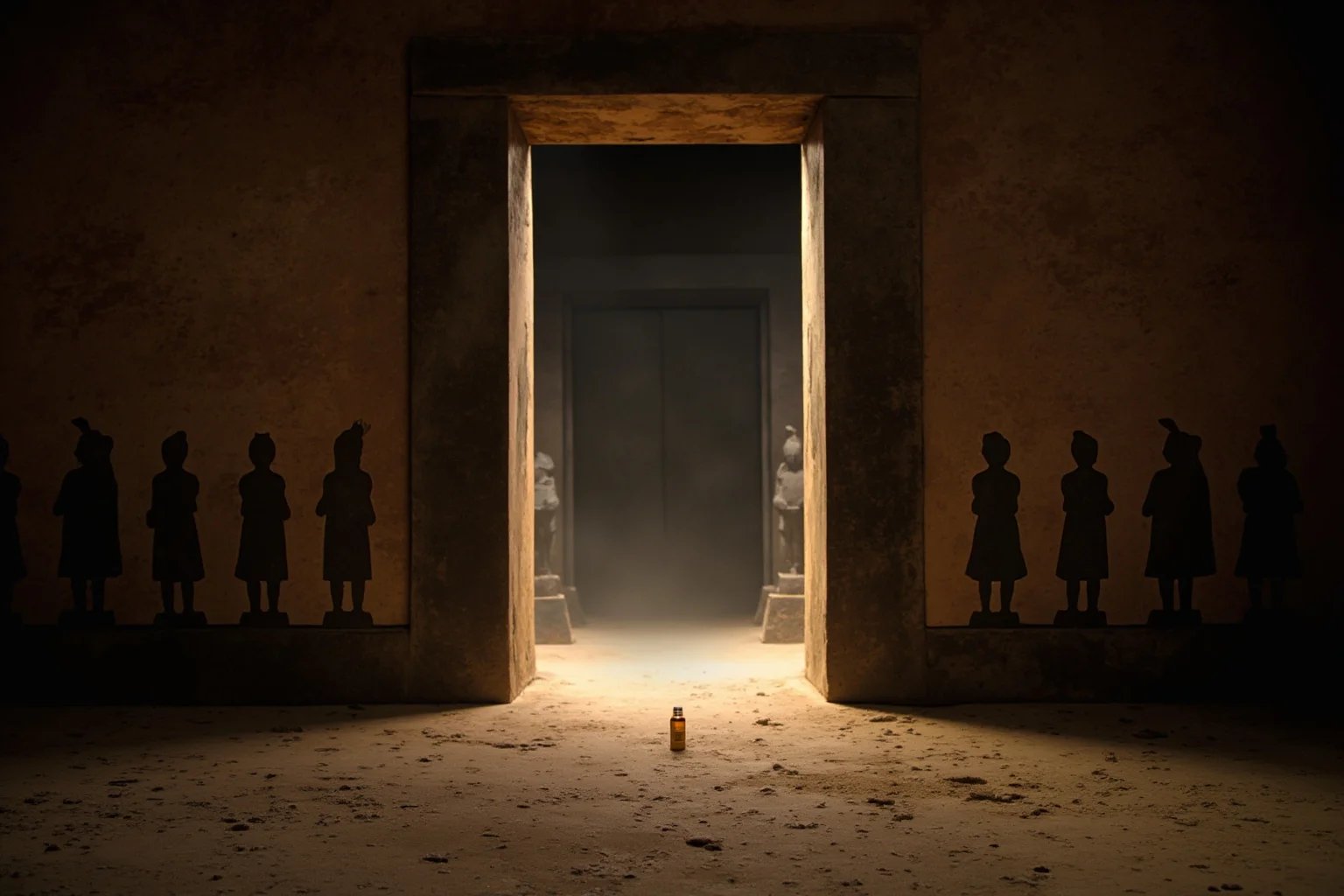
Qin Shi Huang unified China in 221 BCE and built the first version of the Great Wall. He was also obsessed with living forever and sent expeditions to find elixirs of immortality. Ironically, many historians believe his death in 210 BCE was caused or hastened by mercury poisoning from the very immortality pills he consumed.
The emperor's tomb is famously guarded by the Terracotta Army, but his body reportedly decayed so badly that courtiers carried rotting fish to mask the smell. His search for eternal life may have cut his own life short, making this one of the most famous deaths in history for its poetic irony. The mercury theory is widely accepted, though some scholars still debate the exact cause.
4. Draco and the Shower of Hats

Draco was an Athenian lawmaker in the 7th century BCE whose legal code was so harsh that we still use the word "draconian" today. According to later Greek accounts, he died after being smothered by a shower of cloaks and hats. Supporters at a theater in Aegina reportedly showed their admiration by throwing their garments onto him in a traditional gesture of honor.
The sheer volume of clothing apparently buried him alive. Historians are uncertain about the details, and the story may be a legend invented to mock a man famous for extreme punishments. Even so, it is one of the more unusual tales among dead famous people in history.
5. Empedocles and the Volcano

Empedocles was a Greek philosopher in the 5th century BCE who proposed that everything is made of four elements: earth, air, fire, and water. According to legend, he wanted people to believe he had become a god, so he leaped into the crater of Mount Etna. The volcano supposedly spat out one of his bronze sandals, revealing the trick.
Most historians consider this story apocryphal, a dramatic myth attached to a colorful figure. The tale persists because it captures the philosopher's grandiose self-image and the idea that nature itself rejected him. It remains a favorite among stories of famous historical deaths with a theatrical twist.
6. Pyrrhus and the Roof Tile
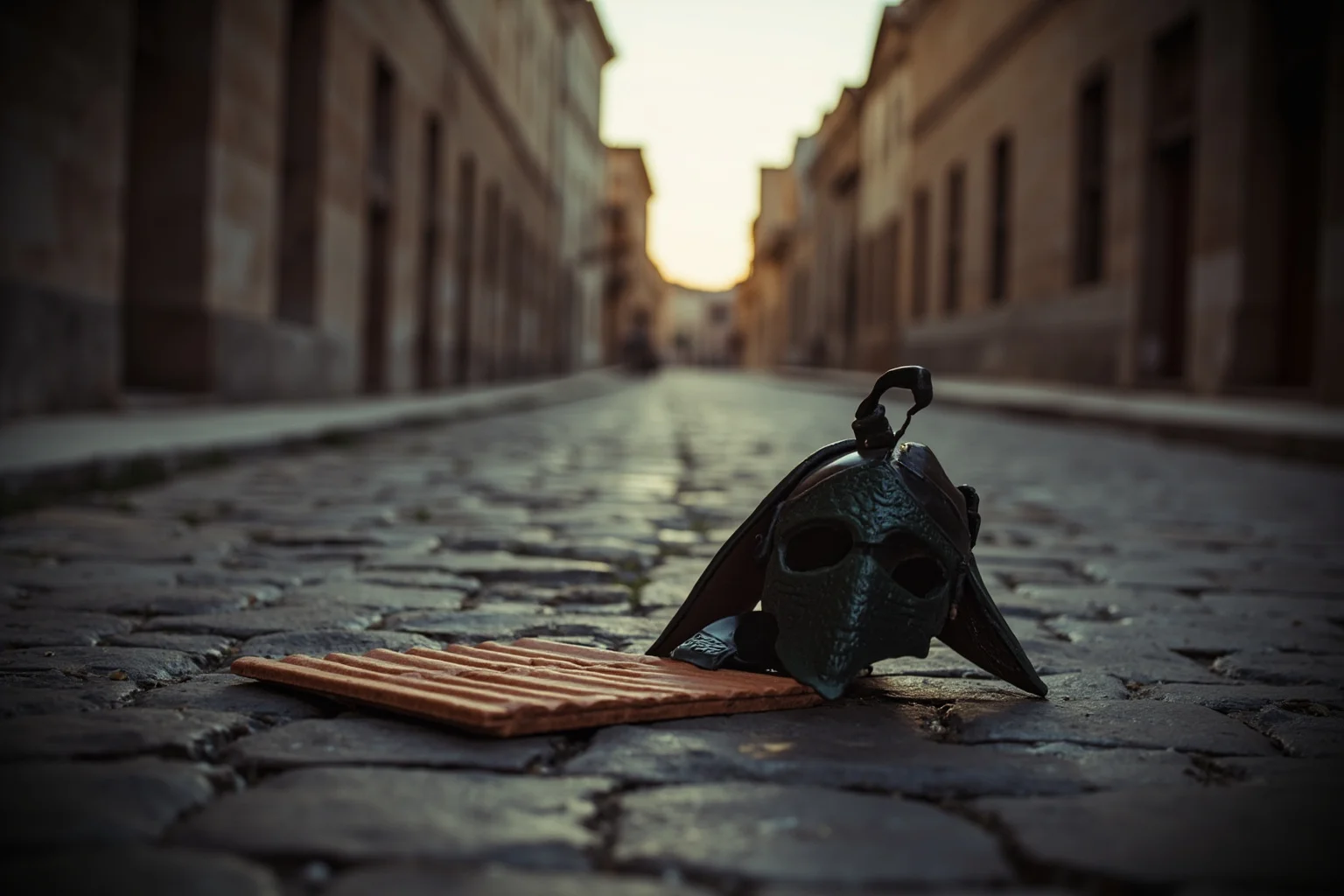
Pyrrhus of Epirus was one of the great military commanders of the ancient world, famous for winning battles at such cost that we now speak of "Pyrrhic victories." In 272 BCE, during street fighting in the city of Argos, he was reportedly stunned by a roof tile thrown by an old woman. While he lay dazed, an enemy soldier killed him.
The story of a legendary general brought low by a tile from above is almost too perfect to be true, but ancient sources record it consistently. It remains a vivid example of how random chance could end even the most carefully planned military career. For anyone studying how many people have died in all of human history, stories like this show how often the mighty fell to the mundane.
7. Attila the Hun and the Nosebleed
Attila the Hun terrorized the Roman Empire in the 5th century CE, earning the nickname "the Scourge of God." In 453 CE, he died on his wedding night after marrying a young woman named Ildico. The official story says he suffered a severe nosebleed while lying drunk and choked on his own blood.
Some historians suspect foul play or an internal hemorrhage, but the nosebleed account is the one most ancient sources repeat. The idea that one of history's most feared warriors died in bed from a nosebleed is a powerful reminder that fame offers no protection from bodily frailty. It ranks high among most famous deaths in history for sheer anticlimax.
8. Basil I and the Deer's Belt
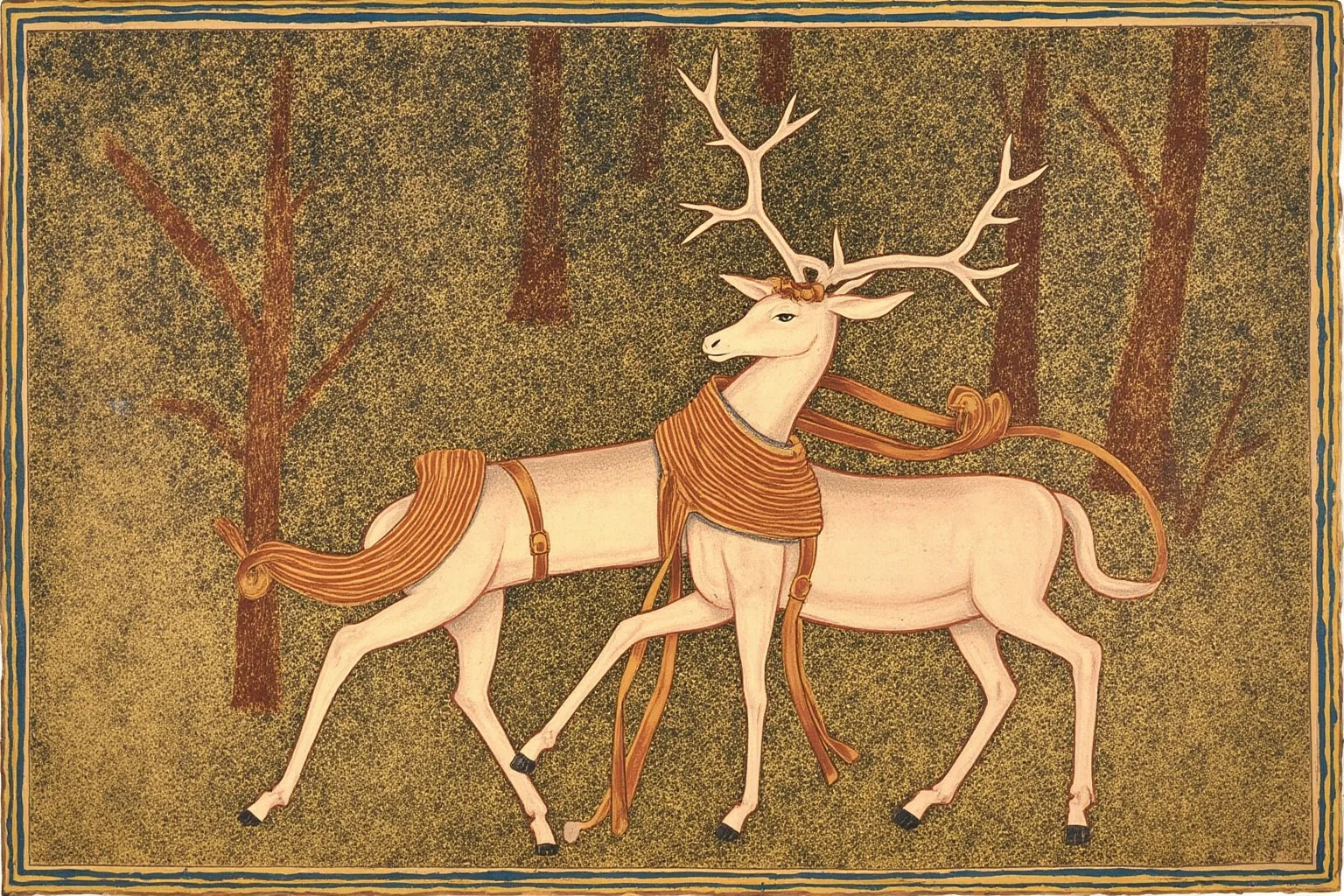
Basil I founded the Macedonian dynasty of the Byzantine Empire in the 9th century. According to Byzantine chroniclers, he died in 886 CE after a hunting accident in which a stag's antlers caught his belt and dragged him through the woods. A servant eventually cut him free, but Basil had already suffered severe internal injuries.
The story may have been embellished by later writers, but it reflects the real dangers of imperial hunting expeditions. An emperor who survived wars and palace intrigue was ultimately undone by an animal and his own clothing. It is a strange entry among dead people in history who held immense power.
9. Sigurd the Mighty and the Severed Head

Sigurd the Mighty was a Norse earl who ruled Orkney in the 9th century. According to the Orkneyinga Saga, he killed an enemy named Máel Brigte and tied the severed head to his saddle as a trophy. While riding, the dead man's tooth scratched Sigurd's leg, and the wound became infected, killing him.
This story comes from a saga written centuries later, so historians treat it as legend rather than reliable fact. Still, it captures the brutal and superstitious world of Viking-age politics. It also offers a darkly ironic twist: the victor killed by the corpse of his victim.
10. Edward II and the Hot Poker

Edward II of England was deposed by his wife Isabella and her ally Roger Mortimer in 1327. He died later that year at Berkeley Castle, and rumors soon spread that he was murdered in a gruesome manner. The most famous account claims a red-hot poker was inserted into his rectum, killing him without leaving visible marks on his body.
Modern historians debate whether this story is true, with some arguing Edward may have survived and lived secretly in exile. The hot poker tale may have been propaganda designed to discredit his killers or to create a martyr. Whatever the truth, it has become one of the most infamous famous deaths history records from medieval England.
11. Martin of Aragon and Indigestion
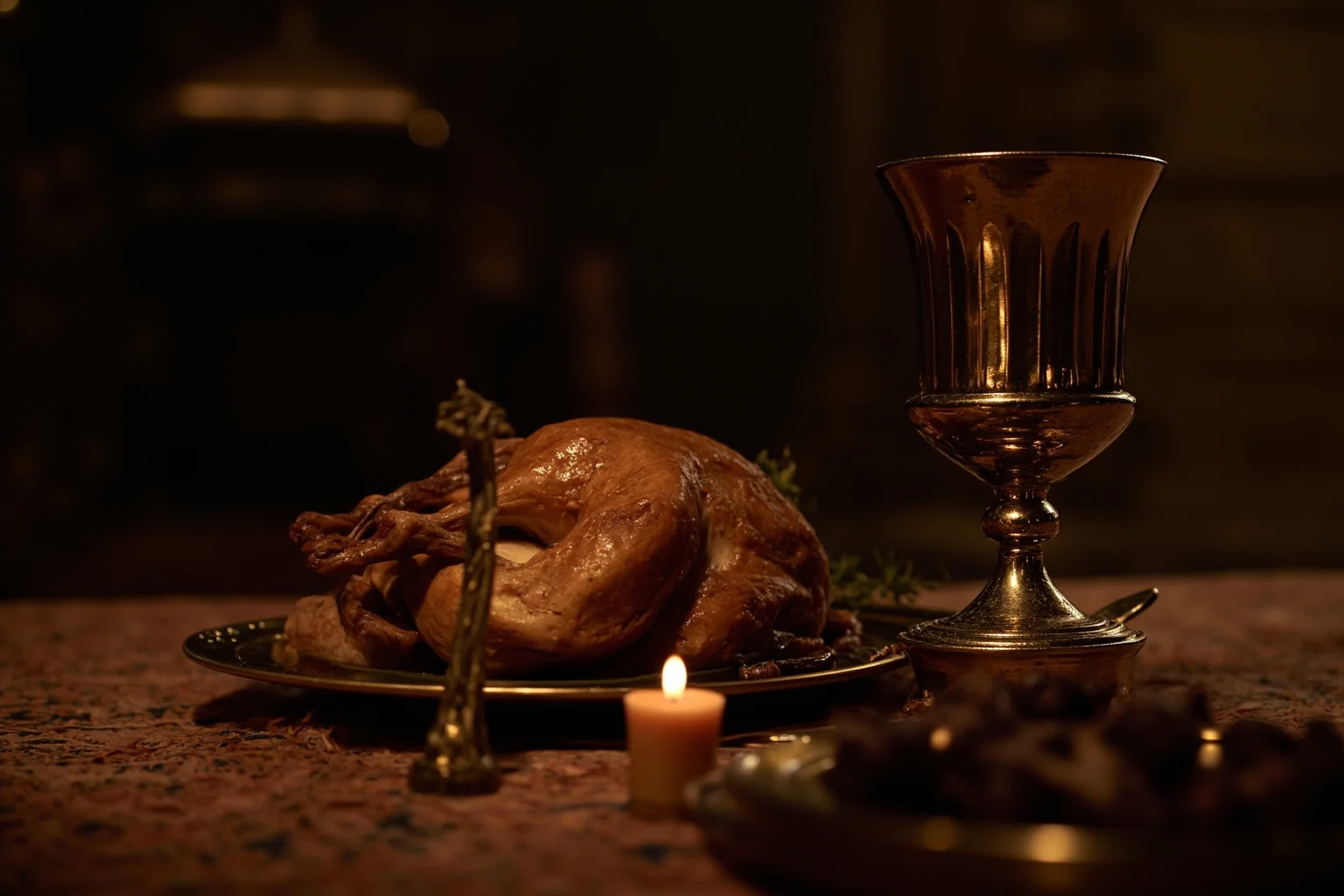
Martin I of Aragon ruled a Mediterranean kingdom in the early 15th century. He died in 1410, reportedly from a combination of indigestion and uncontrollable laughter. According to a contemporary chronicler, he ate an entire goose and then laughed so hard at a joke that he could not stop, dying shortly afterward.
The story may exaggerate the king's gluttony, but it reflects a real medieval belief in the dangers of excess. A king who controlled armies and fleets was ultimately defeated by a meal and a joke. It is one of the stranger famous deaths in history involving food.
12. George Plantagenet and the Malmsey Wine
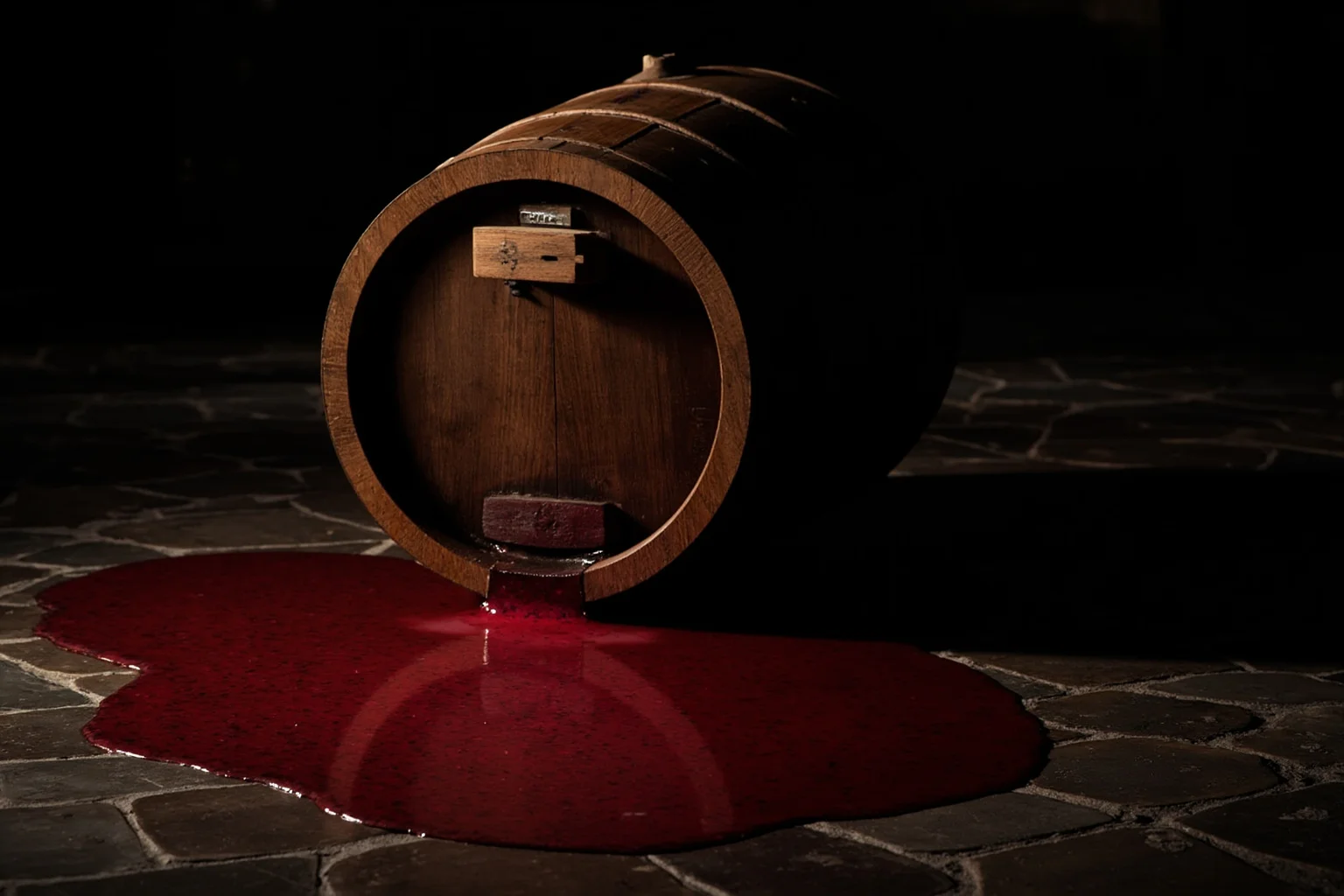
George Plantagenet, Duke of Clarence, was the brother of King Edward IV and Richard III. He was executed for treason in 1478, but the manner of his death became legendary. According to tradition, he was drowned in a butt of Malmsey wine, supposedly at his own request.
The story appears in Shakespeare and in later Tudor chronicles, and many historians believe there is some truth to it. A private execution by drowning would have allowed the royal family to avoid a public beheading. The image of a prince drowning in sweet wine has made this one of the most memorable famous historical deaths of the Wars of the Roses.
13. Francis I of France and the Courtly Life

Francis I was a Renaissance king of France, a patron of Leonardo da Vinci, and a rival of Emperor Charles V. He died in 1547 at the age of 52, and later writers often blamed his death on syphilis or an infected bladder. A popular but unverified story claims he caught a chill after falling into a frozen moat while visiting a mistress.
The moat story is likely apocryphal, but it reflects the king's reputation for romantic adventures. His actual death was probably far less glamorous, caused by a painful urinary tract infection or kidney disease. Still, the legend persists as a reminder that even kings die of ordinary illnesses.
14. Tycho Brahe and the Burst Bladder

Tycho Brahe was a Danish astronomer whose precise observations helped Johannes Kepler discover the laws of planetary motion. He died in 1601 after attending a banquet in Prague, and the cause has been debated ever since. The traditional story says he held his urine too long out of politeness, causing his bladder to burst.
Modern research suggests he may have died from a bladder infection or kidney failure, not an actual explosion. Tests on his remains found no evidence of the mercury poisoning some had suspected. Even so, the polite-death-by-urine story remains one of the most quoted famous deaths in history.
15. James I of Scotland and the Drain Pipe

James I of Scotland was assassinated in 1437 by nobles who opposed his rule. He tried to escape through a sewer or drain pipe beneath his chambers at the Blackfriars monastery in Perth. The pipe had recently been blocked because he lost too many tennis balls down it, trapping him inside.
The assassins found him and killed him, ending one of the more unlucky escape attempts in royal history. The tennis ball detail comes from contemporary chronicles and adds an almost absurd twist to a violent political murder. It is a strange reminder that small daily habits can have deadly consequences.
16. Julien Offray de La Mettrie and the Pâté

Julien Offray de La Mettrie was an 18th-century French philosopher and physician, famous for arguing that the mind is entirely a product of the body. He died in 1751 after eating an enormous quantity of pheasant pâté at a feast in Berlin. The story says he suffered a fatal stomach illness, which some contemporaries gleefully attributed to his materialist philosophy.
His death was used by critics to mock his ideas, as if a philosopher who denied the soul deserved an undignified end. The exact medical cause is unknown, but the story of a man dying from too much fancy food fits the satirical spirit of the age. He remains a curious footnote among dead people in history who were famous for ideas rather than power.
17. Jean-Baptiste Lully and the Conductor's Staff

Jean-Baptiste Lully was the leading composer at the court of Louis XIV. In 1687, while conducting a performance celebrating the king's recovery from surgery, he beat time by pounding a long staff on the floor. He accidentally struck his own foot, and the wound became gangrenous.
Lully refused to have the toe amputated because he wanted to keep dancing, and the infection killed him. The story is well documented and shows how a moment of theatrical enthusiasm turned fatal. It is one of the most famous deaths history offers from the world of music.
18. Sir Thomas Urquhart and the Laughing Fit
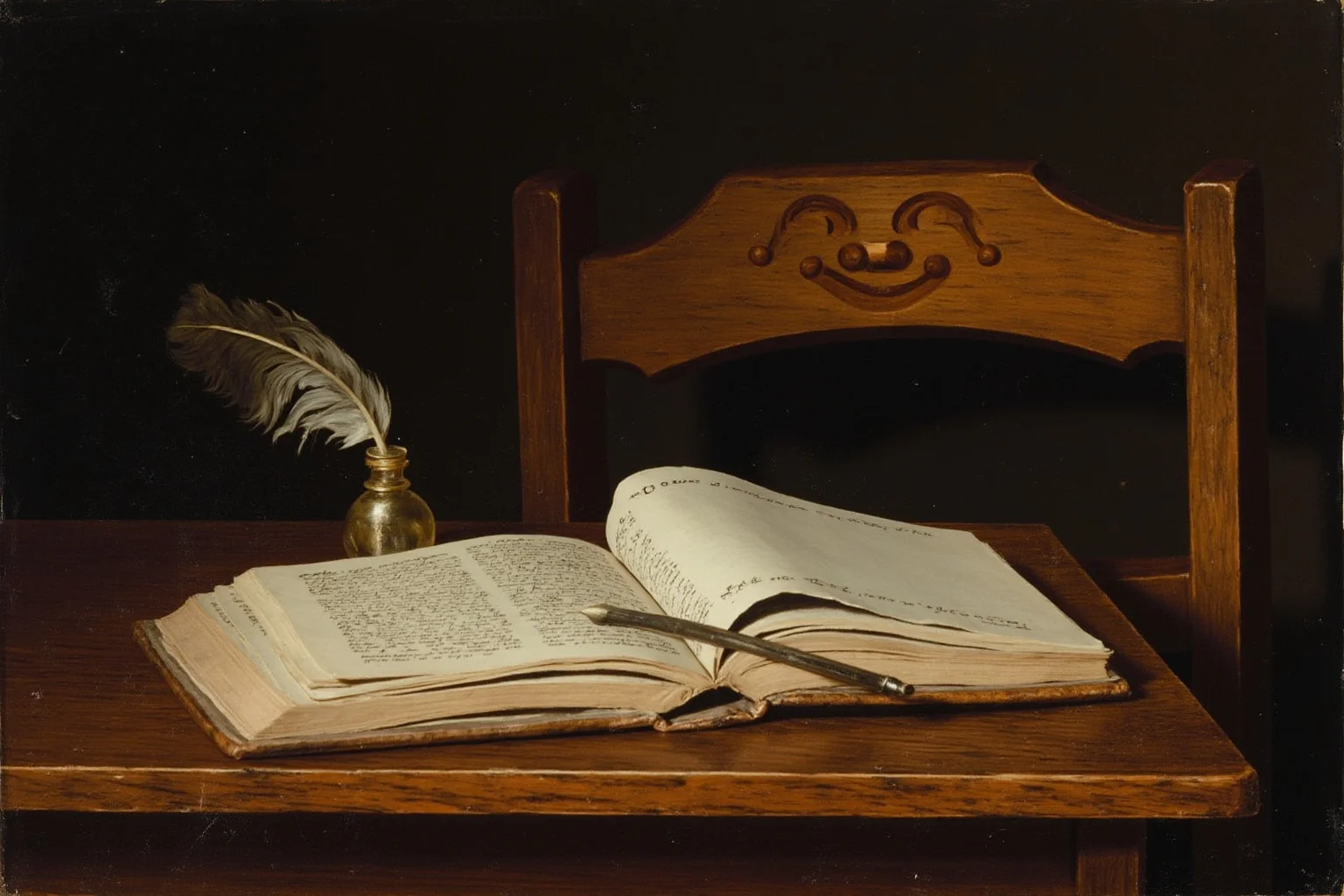
Sir Thomas Urquhart was a 17th-century Scottish writer and translator, best known for his English version of Rabelais. He was a committed royalist who fought for Charles II. According to tradition, he died around 1660 from laughing too hard upon hearing that Charles II had been restored to the throne.
The story may be apocryphal, but it has stuck because it fits Urquhart's reputation as an eccentric and exuberant character. A man who spent his life celebrating wit and wordplay allegedly died from an excess of joy. It remains a favorite among tales of famous dead people in history who died from laughter.
19. Clement VII and the Poisoned Candle
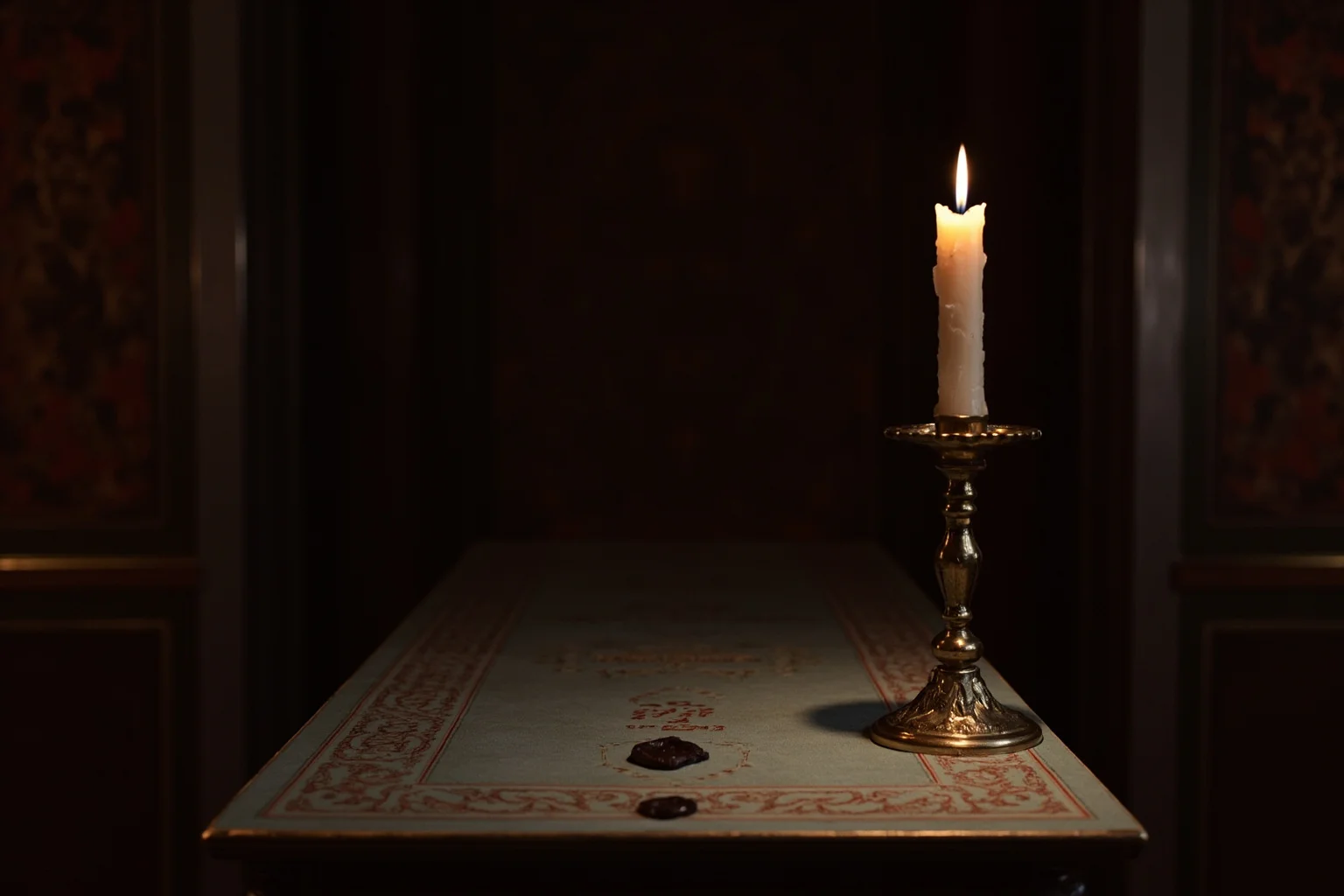
Pope Clement VII is famous for refusing to annul Henry VIII's marriage to Catherine of Aragon, which helped trigger the English Reformation. He died in 1534 after a long illness, but rumors swirled that he had been poisoned. One version of the story claimed his enemies placed poison in the wax of a candle he burned at night.
Most historians believe Clement died of natural causes, likely a fever or infection. The poisoned candle tale reflects the intense political rivalries of Renaissance Rome, where poisoning was a common accusation. It also shows how even spiritual leaders could not escape conspiracy theories about their deaths.
20. Felix Faure and the Boudoir

Félix Faure was president of France from 1895 until his sudden death in 1899. The official story said he died of a stroke at the Élysée Palace. Unofficially, it soon emerged that he was with his mistress, Marguerite Steinheil, at the time, and the phrase "il se sacrifia pour la patrie" circulated as a dark joke.
The exact circumstances remain a matter of historical gossip, but the scandal became an international sensation. A head of state dying in a compromising position was both tragic and farcical, and it damaged the prestige of the French presidency. It remains one of the most talked-about famous historical deaths of the modern era.
How Many People Have Died in All of Human History?
Estimates vary widely, but demographers generally believe that over 100 billion people have lived and died since the emergence of Homo sapiens. The most commonly cited figure is around 108 to 109 billion, though this is an estimate based on population models. No one knows exactly how many people have died in recorded history, because records for most of human existence simply do not exist.
The question of how many people have died in all of human history is popular because it puts our own mortality in perspective. For most of history, written records only captured the lives and deaths of the wealthy and powerful. That is why the bizarre deaths on this list are almost all famous dead people in history, while the vast majority of humanity died unrecorded.
Why Do Bizarre Death Stories Persist?
Stories of strange deaths spread for many reasons. They are memorable, often funny, and they cut powerful figures down to human size. In many cases, later writers added or embellished details to make a moral point or simply to entertain readers.
For historians, these tales are a challenge because they blend fact, legend, and propaganda. The death of a king or philosopher could be retold to flatter allies, mock enemies, or teach a lesson about pride. When we read about famous deaths in history, we should enjoy the stories while also asking who told them and why.
Conclusion
The lives of famous dead people in history are often inspiring, but their deaths can be surprisingly strange. From falling tortoises to exploding bladders, these stories remind us that no amount of power or genius protects anyone from bad luck. They also show how history itself is a mix of documented fact and colorful storytelling.
Whether these tales are true, exaggerated, or invented, they have become part of how we remember the past. The next time you hear about a famous historical death, consider the source and enjoy the irony. After all, the way someone dies is sometimes the most human thing about them.
Frequently Asked Questions
Who are some famous dead people in history with bizarre deaths?
Examples of famous dead people in history with bizarre deaths include Aeschylus, who was reportedly killed by a falling tortoise dropped by an eagle, and Tycho Brahe, who supposedly died after holding his urine too long at a banquet. Other cases include Attila the Hun's fatal nosebleed and Edward II's rumored death by hot poker. Many of these stories blend historical fact with later legend, so they should be read with some caution.
What are the most famous deaths in history that were ironic?
Some of the most famous deaths in history are remembered for their irony. Qin Shi Huang died while trying to become immortal, likely from mercury-laced elixirs. Pyrrhus, a great general, was reportedly felled by a roof tile thrown by an old woman. Sigurd the Mighty allegedly died from an infection caused by the severed head of an enemy he had killed.
How many people have died in all of human history?
Demographers estimate that roughly 108 to 109 billion people have lived and died since the emergence of Homo sapiens, though the exact number is unknown. Because written records cover only a small fraction of that time, no one can say precisely how many people have died in recorded history.
Are bizarre historical death stories true?
Some bizarre historical death stories are well documented, while others are legends or exaggerations added by later writers. For example, Jean-Baptiste Lully's death from a gangrenous foot after striking himself with a conductor's staff is well attested, but the story of Empedocles jumping into Mount Etna is considered apocryphal by most historians.

Alex Warren
Related Articles