

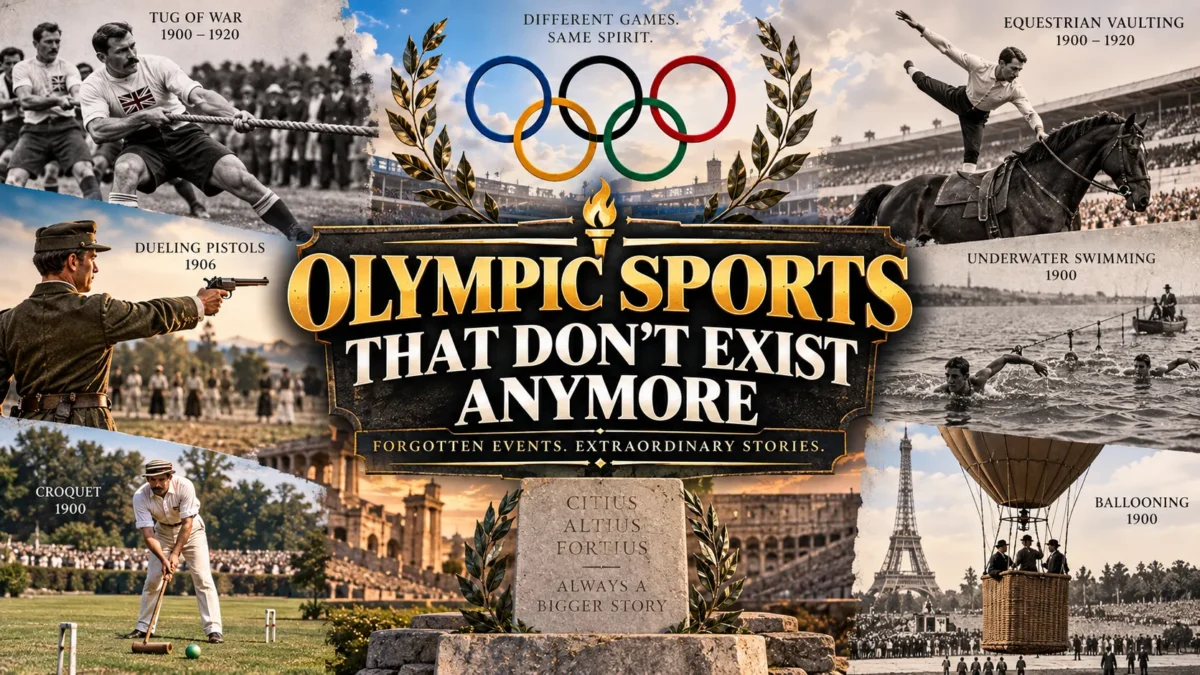
Every four years, the Olympics roll out a familiar cast of sports — swimming, track and field, gymnastics, basketball. But the Games haven’t always looked this way. For more than a century, the Olympic program has quietly added, tested, and axed dozens of events, some of which sound less like sport and more like a fever dream.
Tug of war, live pigeon shooting, underwater swimming, and even fine art all once carried Olympic medals. This list digs into the obscure Olympic sports and discontinued events that time — and the International Olympic Committee — left behind, plus why they disappeared and what still counts as a real Olympic sport today.
TL;DR: Dozens of Olympic sports and events, from tug of war and live pigeon shooting to art competitions and standing jumps, were quietly dropped over the past century for reasons ranging from safety and cost to changing ideas about what counts as “sport.”
What Actually Counts as a Discontinued Olympic Sport?
Before diving in, it helps to separate a few categories that often get blurred together. Some events were fully medaled Olympic sports that later got cut entirely, like tug of war or polo. Others were single sub-events within a still-existing sport, like the standing long jump inside athletics or tandem cycling inside track cycling.
Then there are demonstration sports, which were showcased at a Games without full medal status, and the bizarre case of Olympic art competitions, which awarded real medals for painting and poetry between 1912 and 1948. All of these get lumped into casual searches for “old Olympic sports” or “ex Olympic sports,” so this guide covers the full spectrum.
A Quick Word on Cancelled Olympic Games
It’s worth distinguishing discontinued sports from cancelled Olympic Games themselves, since the two get confused often. The Olympics have only been outright cancelled three times: 1916 Berlin, and 1940 and 1944 Tokyo/Helsinki and London, all due to World Wars, two of the most disruptive historical time periods of the 20th century.
The 2020 Tokyo Games were postponed by a year because of the COVID-19 pandemic, but they did eventually happen in 2021, so that wasn’t a true cancellation. Sports being dropped from the program is a completely separate, much more common phenomenon, and it’s the focus of the rest of this list.
Sports That Used to Be Olympic (But Aren’t Anymore)
Here are the discontinued Olympic sports and events history has largely forgotten, roughly in the order they left the program.
1. Tug of War
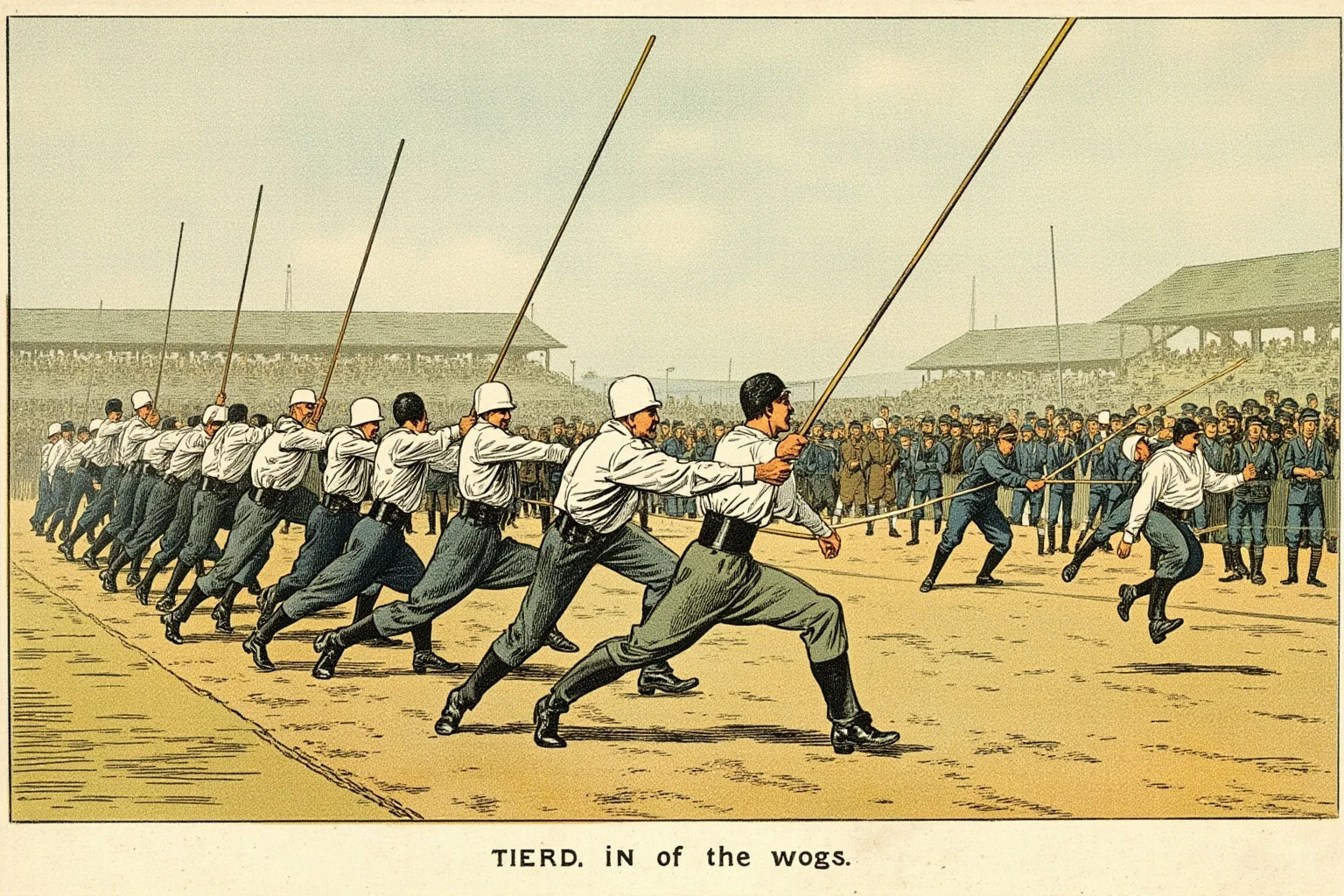
Tug of war was a full Olympic sport from 1900 to 1920, usually contested as part of the athletics program. Teams of eight hauled a rope against each other, and Great Britain dominated several early editions.
It was dropped after the 1920 Antwerp Games as the Olympic program grew more standardized and less tied to regional strongman traditions. Today it survives as a serious competitive sport outside the Olympics, governed by the Tug of War International Federation, and it remains one of the oldest sports in the world still played competitively today.
2. Live Pigeon Shooting
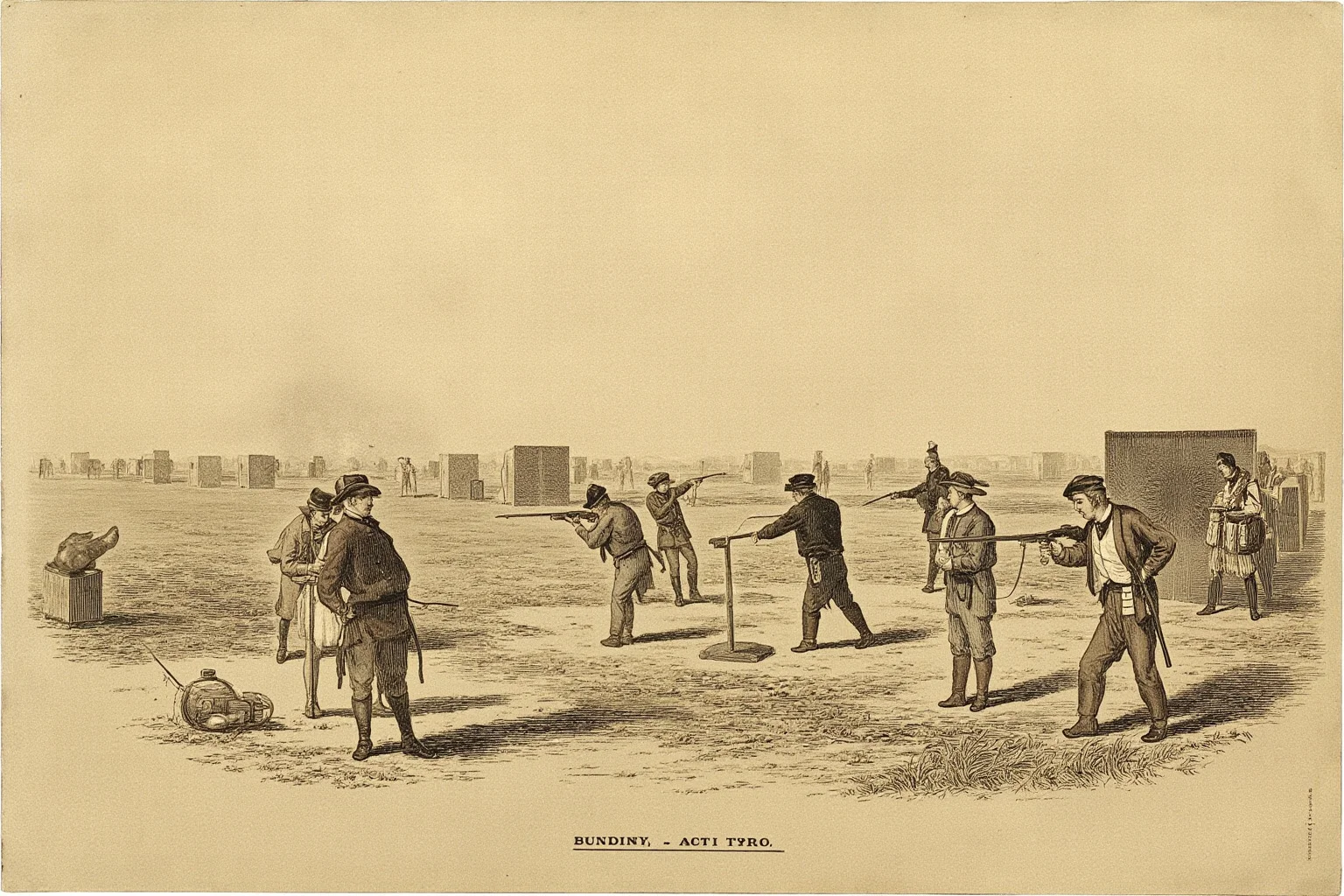
This is the one that tends to shock people most. At the 1900 Paris Olympics, a live pigeon shooting event released real birds as targets, and it remains the only Olympic event in history to use live animals this way.
The event was never repeated, and shooting quickly shifted to clay targets instead. It’s a strong reminder that the early Olympics were far less standardized — and far less concerned with animal welfare — than the modern Games.
3. Pistol Dueling
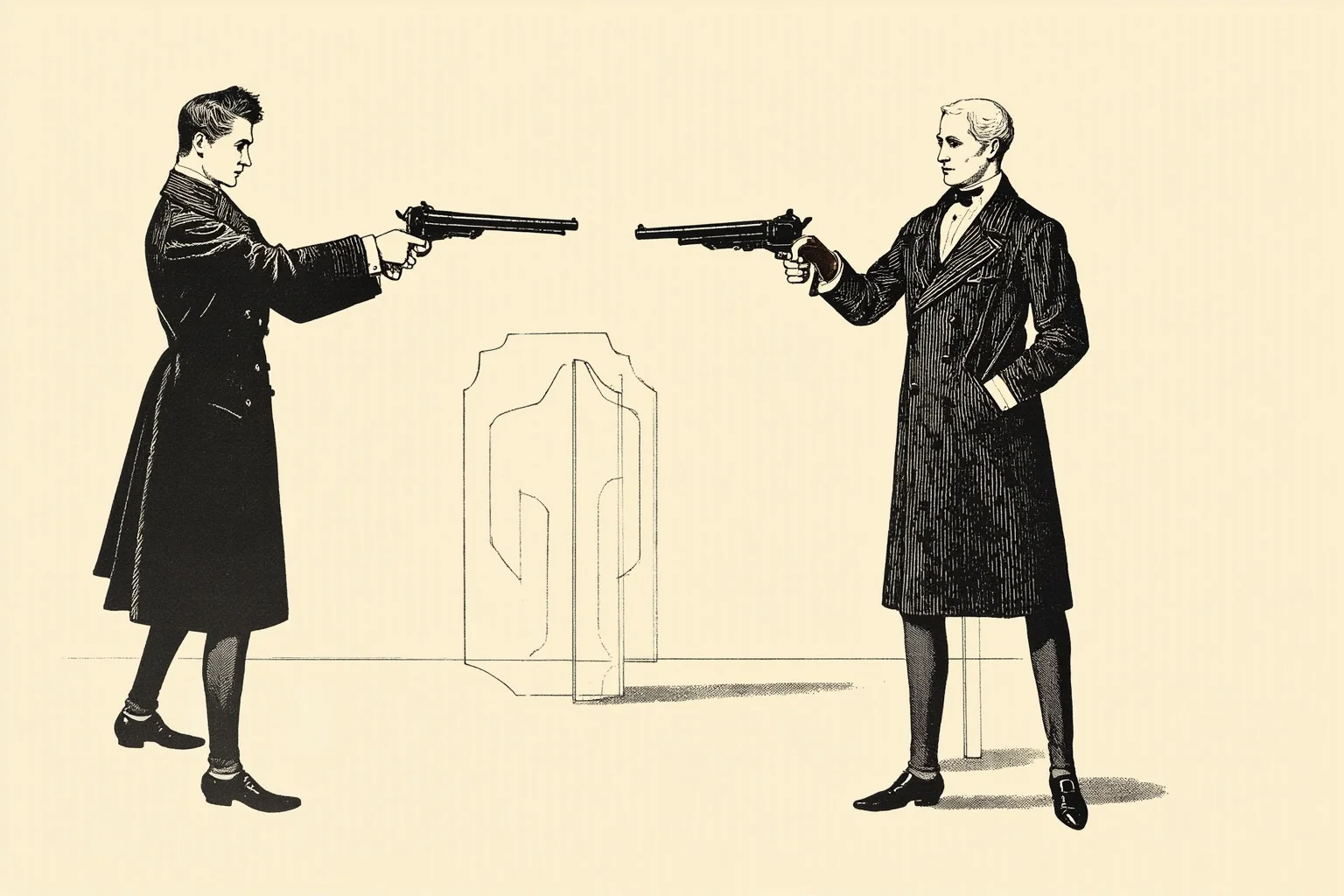
Despite how it sounds, Olympic pistol dueling in 1908 and 1912 did not involve shooting at another person. Competitors fired wax bullets at mannequins dressed in frock coats, aiming for a painted bullseye on the dummy’s chest.
It’s a great myth-busting example, since the name alone has led plenty of people to assume something far more dangerous happened. The event faded quietly and was never revived after 1912.
4. Standing Long Jump and Standing High Jump

Before the modern long jump and high jump used a running approach exclusively, the Olympics also held standing versions, where athletes jumped from a stationary position. American Ray Ewry famously won multiple gold medals in these events in the early 1900s.
Both standing jump events were removed from the program after the 1912 Stockholm Olympics. They’re a good example of an old Olympic event that existed alongside a sport that’s still very much alive today.
5. Club Swinging
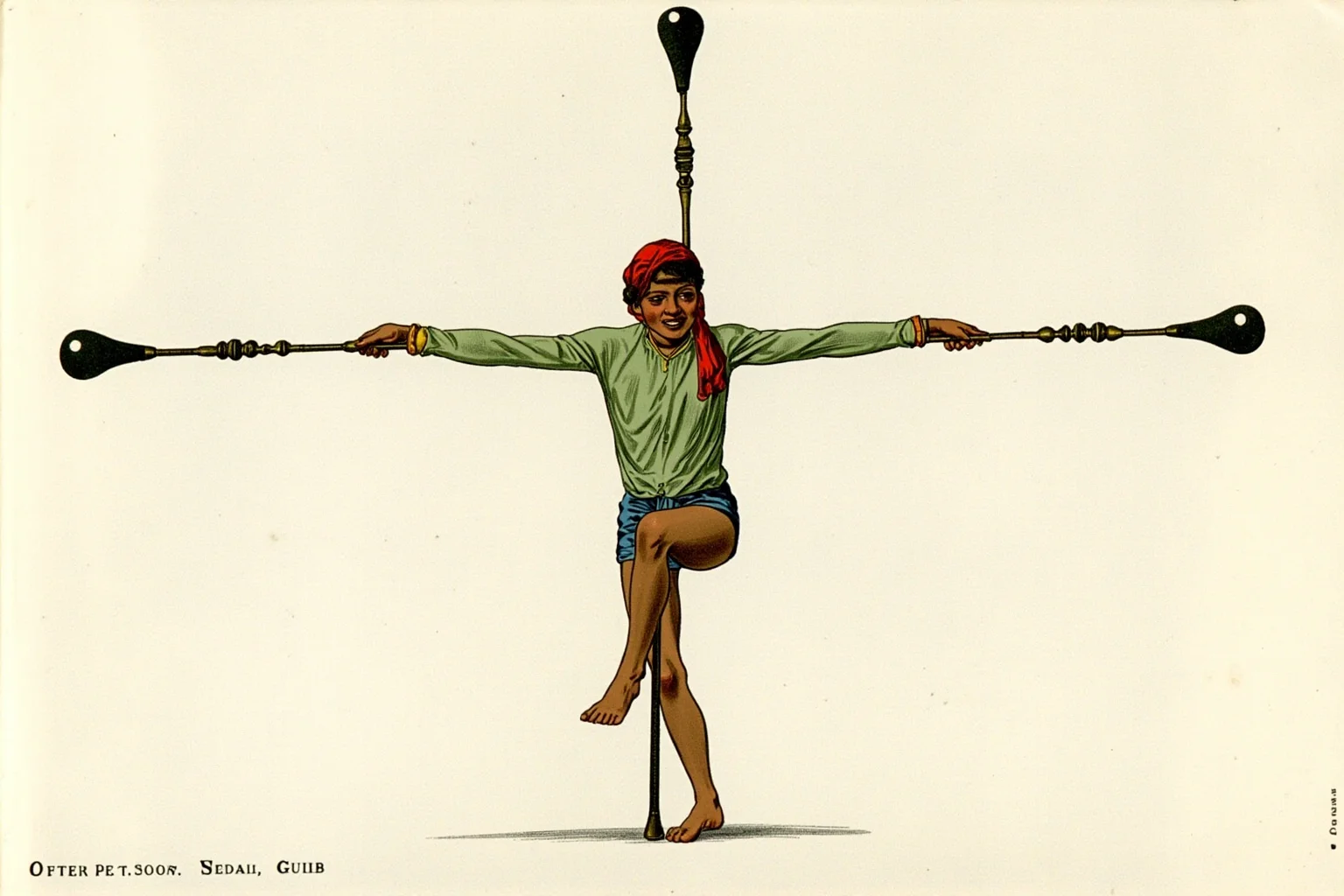
Also called Indian club swinging, this gymnastics event had competitors swing weighted clubs in rhythmic patterns, similar to a routine you might now see in rhythmic gymnastics with ribbons. It appeared at the 1904 and 1932 Olympics.
It never became a permanent fixture and was dropped as gymnastics standardized around apparatus like rings, bars, and vault. Few people today have ever heard of it, which is exactly why it belongs on any list of obscure Olympic sports.
6. Rope Climbing
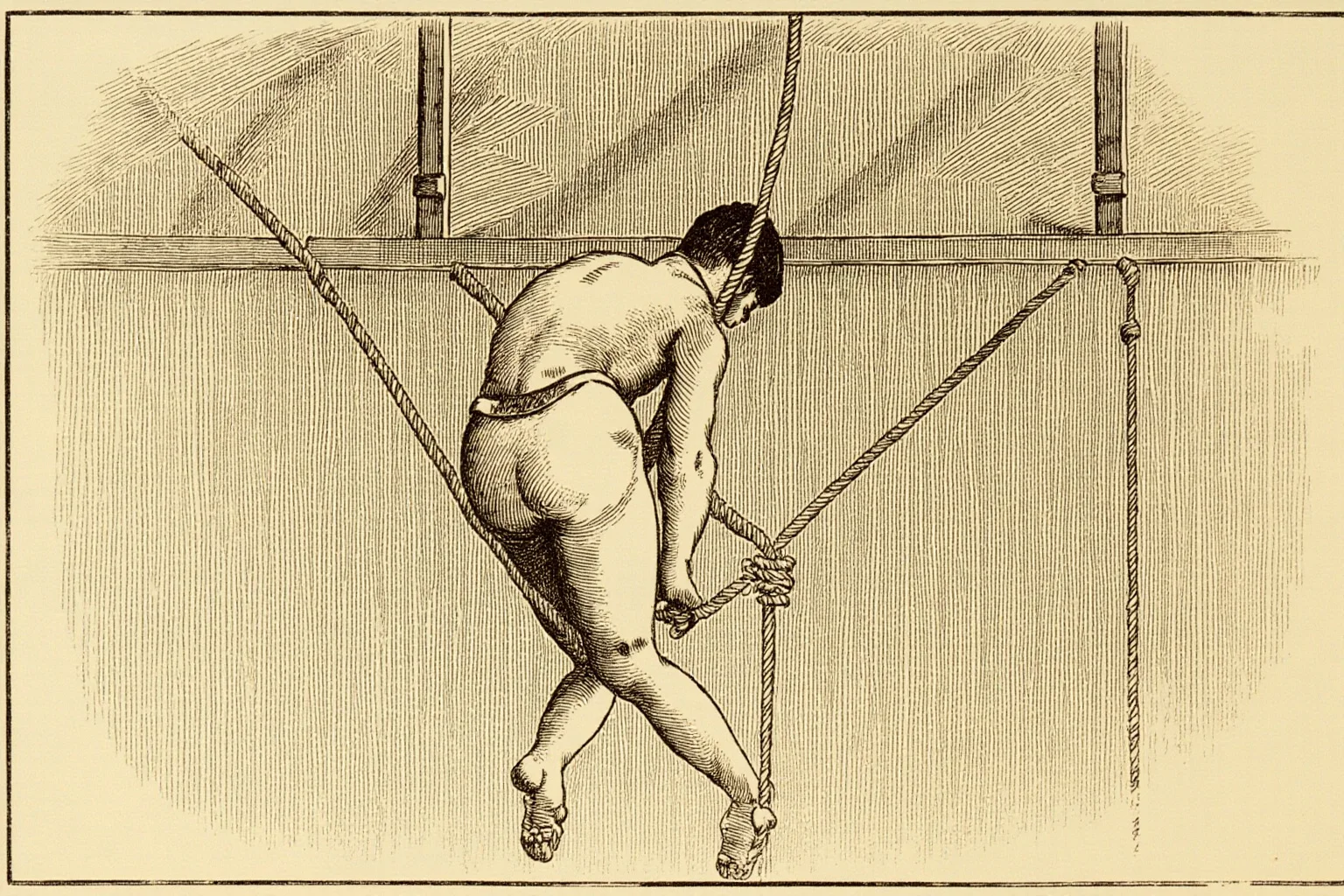
Rope climbing was a recognized men’s gymnastics event on and off between 1896 and 1932, judged on speed and technique for scaling a suspended rope. It rewarded raw upper-body strength more than the artistry associated with modern gymnastics.
As gymnastics evolved into a more choreography-focused sport, rope climbing didn’t fit the direction the IOC wanted. It was eventually phased out entirely from the Olympic gymnastics program.
7. The Plunge for Distance
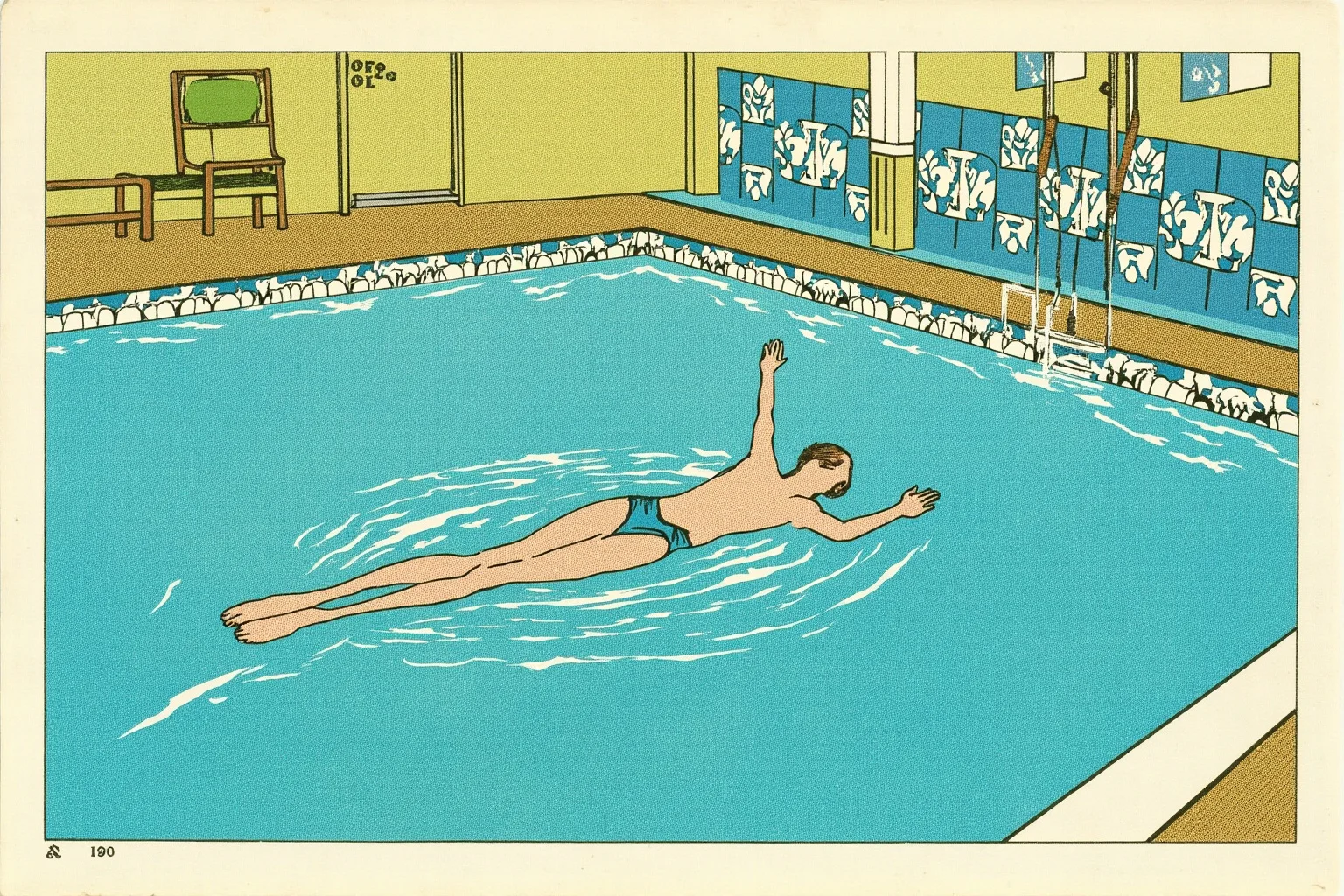
One of the strangest swimming events ever held, the plunge for distance appeared only at the 1904 St. Louis Olympics. Swimmers dove into the pool and then stayed motionless, gliding as far as possible without stroking, with distance measured after 60 seconds.
It was less a display of athleticism and more a test of buoyancy and dive technique. Unsurprisingly, it never returned to the Olympic program after 1904.
8. Obstacle Course Swimming
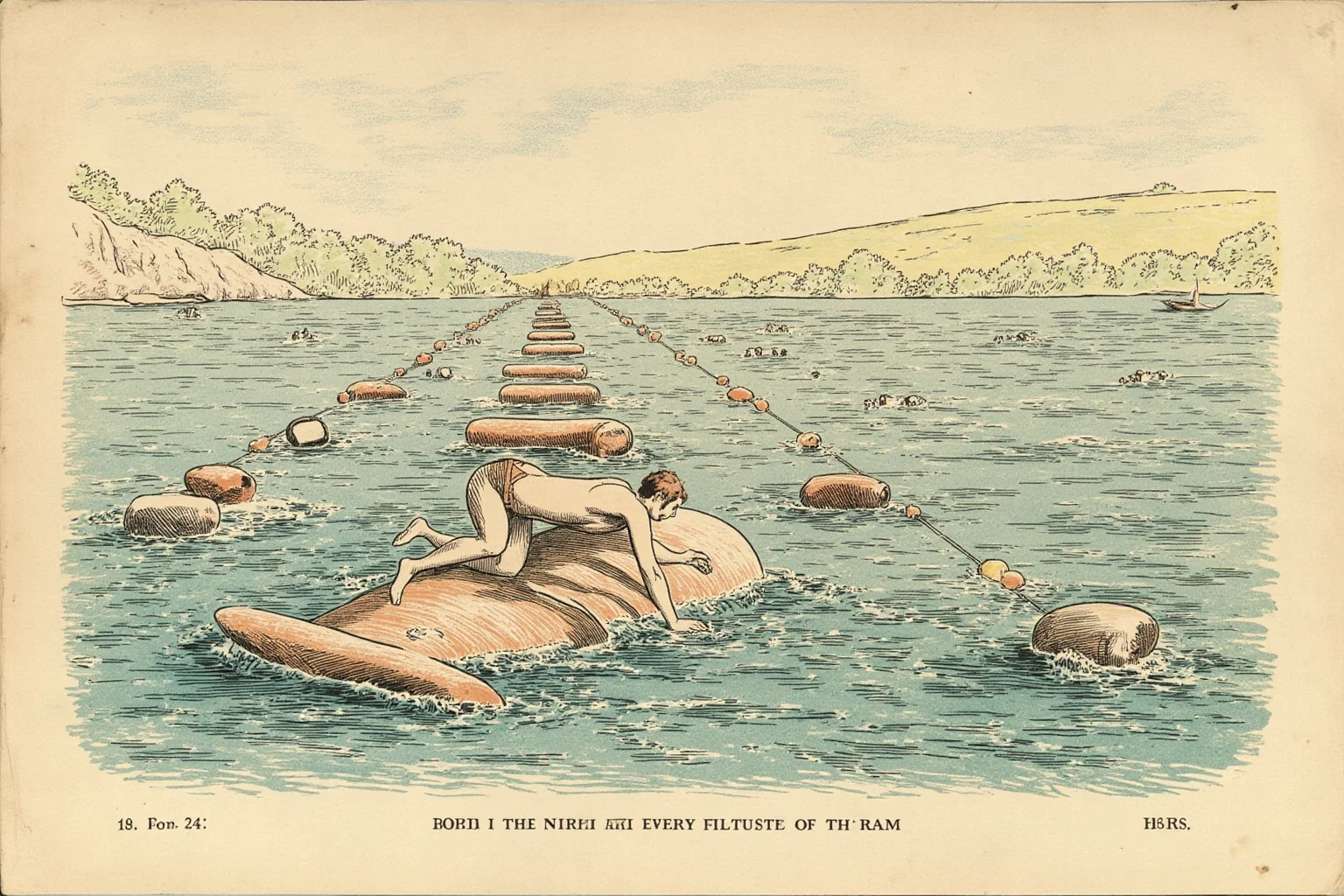
At the 1900 Paris Olympics, swimmers competed in the Seine River itself, navigating over and under boats and poles as part of an obstacle race. Open-water conditions and unpredictable currents made it wildly different from a standard pool event.
It was a one-time novelty tied to that year’s unusual venue choices. Modern open-water swimming exists today, but this specific obstacle format never came back.
9. Underwater Swimming
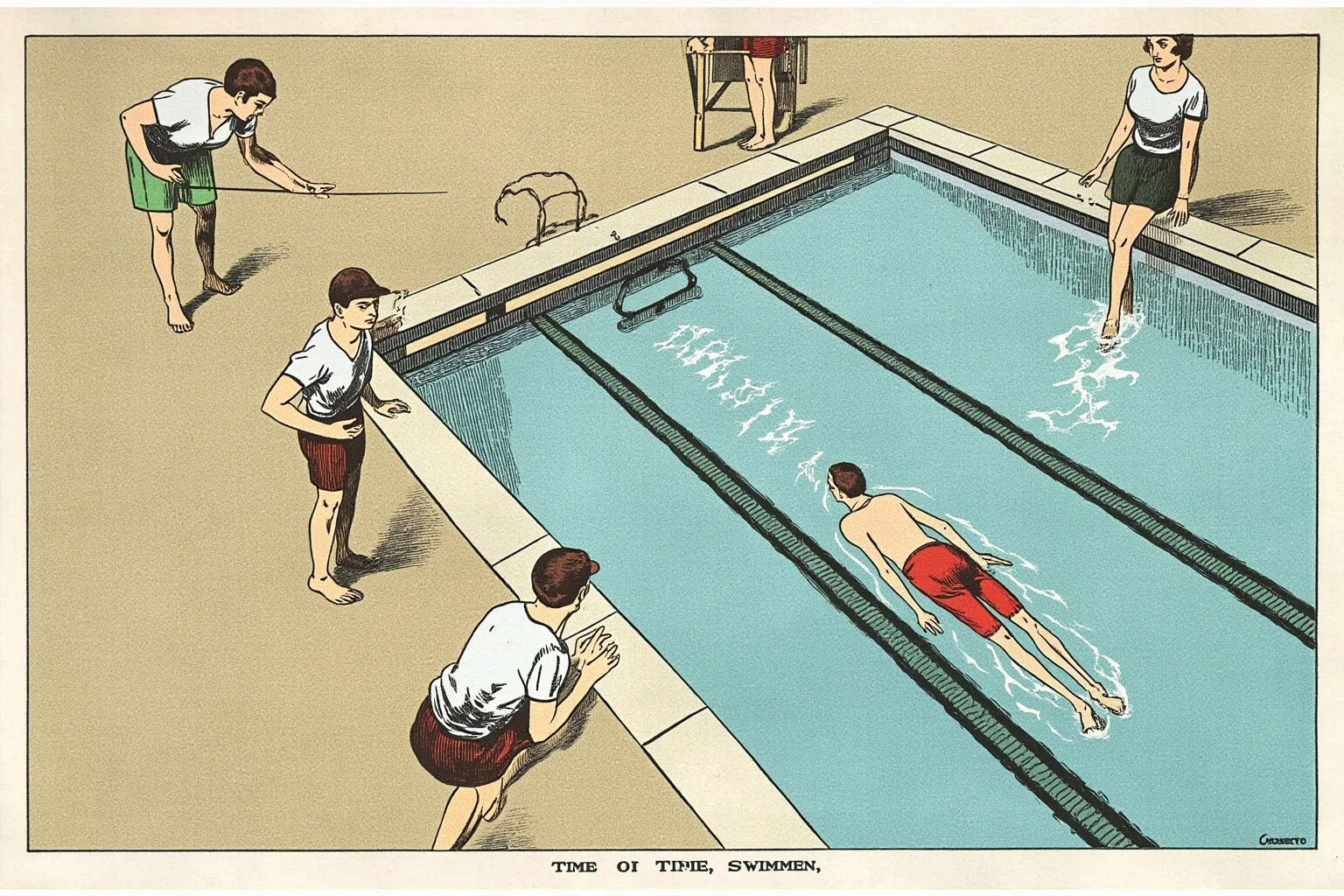
Also held at the 1900 Paris Games, this event scored swimmers on both distance and time spent underwater rather than speed to a finish line. Spectators reportedly struggled to watch it, since there was very little to actually see from the surface.
That lack of spectator appeal likely contributed to its quick removal. It’s rarely mentioned today, but it’s one of the more genuinely bizarre entries among old Olympic events.
10. Croquet
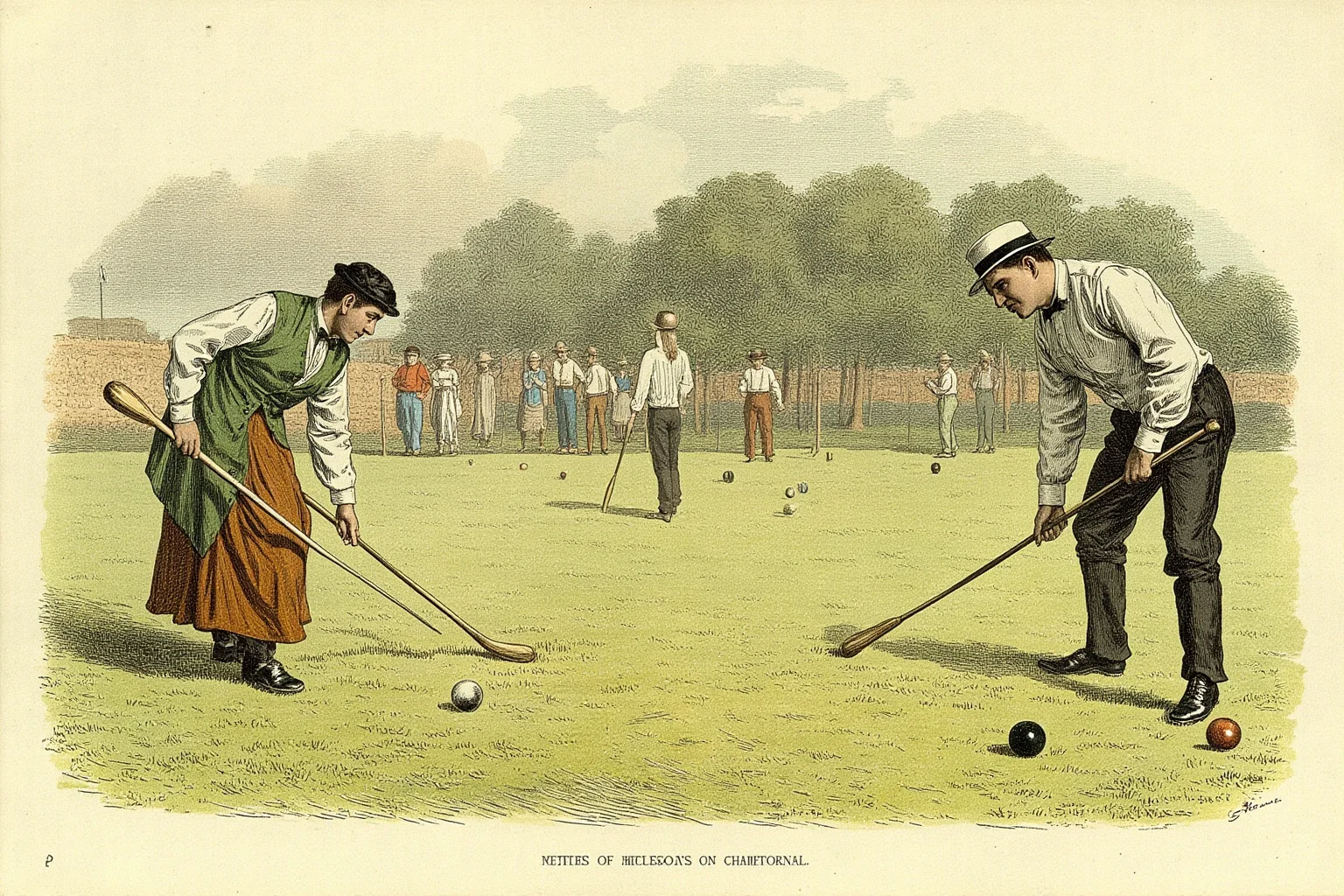
Croquet had its only Olympic appearance at the 1900 Paris Games, making it one of the shortest-lived sports in Olympic history. Reportedly, attendance was extremely low, with only one paying spectator recorded at the event by some accounts of the Games.
It never returned to the program afterward. Croquet remains a popular backyard and club sport worldwide, just not an Olympic one.
11. Roque
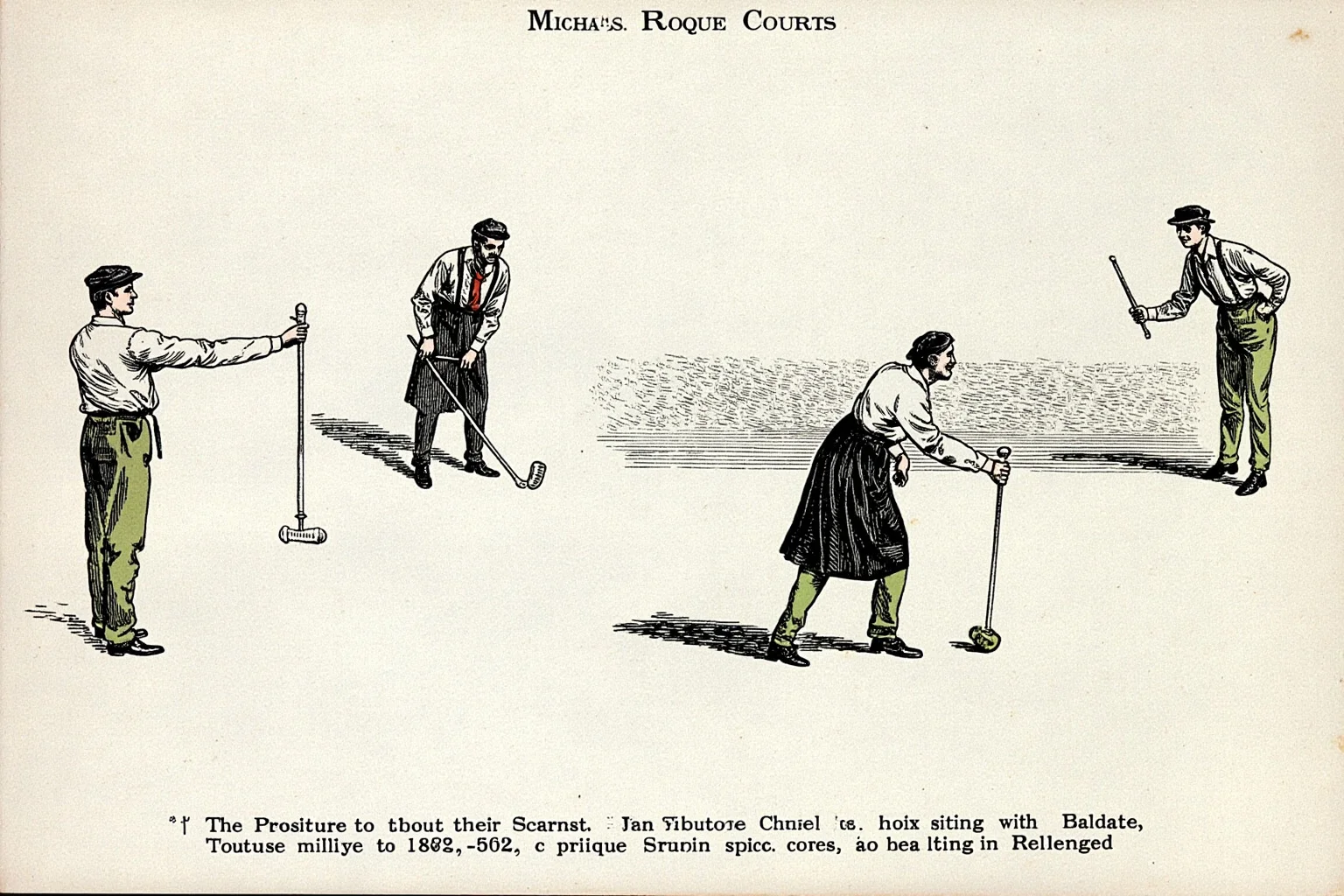
Roque, an American variant of croquet played on a hard, walled court, appeared exclusively at the 1904 St. Louis Olympics. Every competitor was American, since the sport had limited international reach even at the time.
It was dropped after that single appearance and never regained Olympic status. Roque still exists in a small niche of dedicated players today, largely in the United States.
12. Jeu de Paume
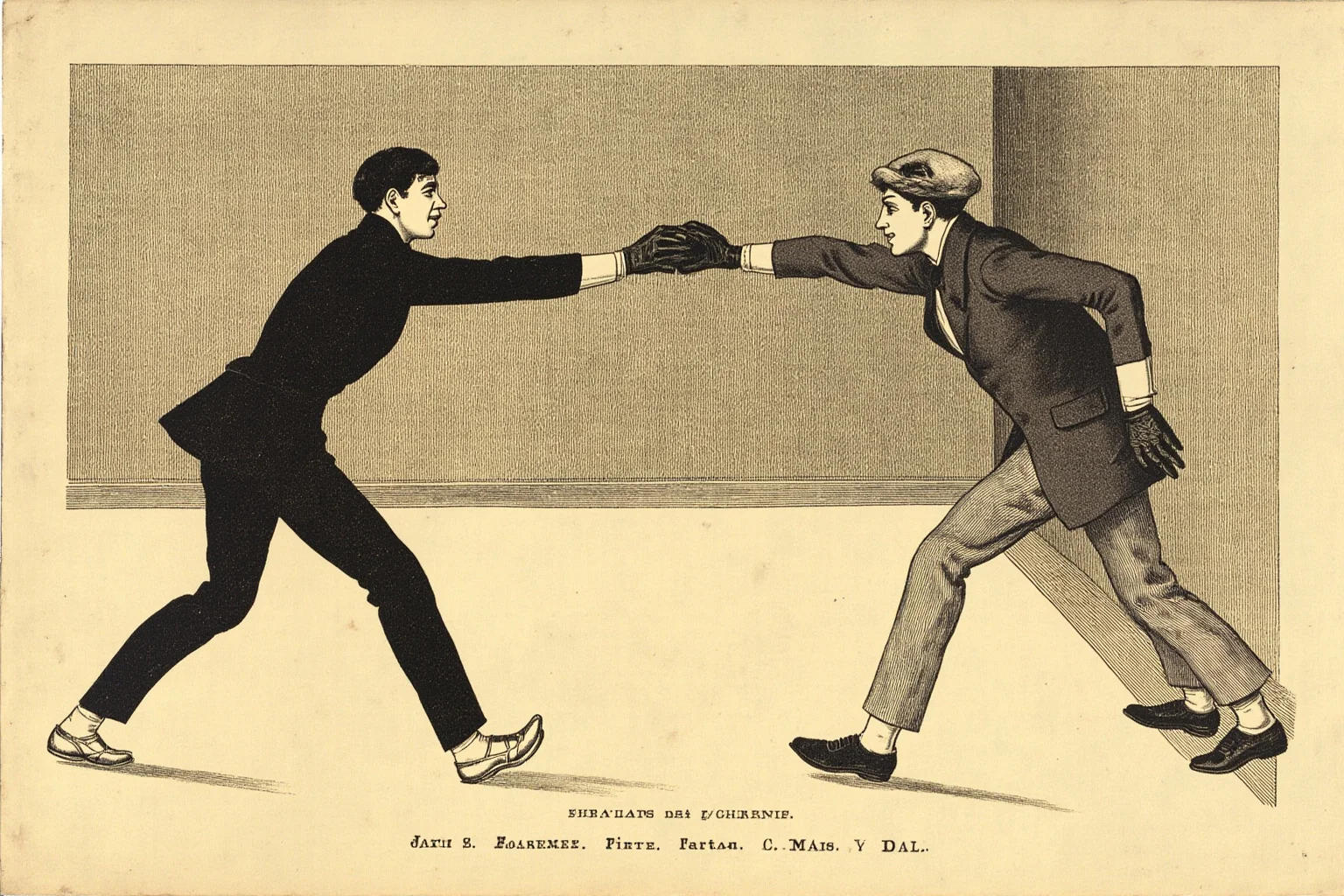
Jeu de paume, a French precursor to modern tennis played indoors with the hand or a paddle-like glove, was contested at the 1908 London Olympics. It’s considered one of the ancestors of both tennis and racquet sports more broadly.
Despite its historical importance, it wasn’t repeated in later Games. It remains a played sport in a handful of specialty courts in France today, largely as a heritage activity.
13. Rackets
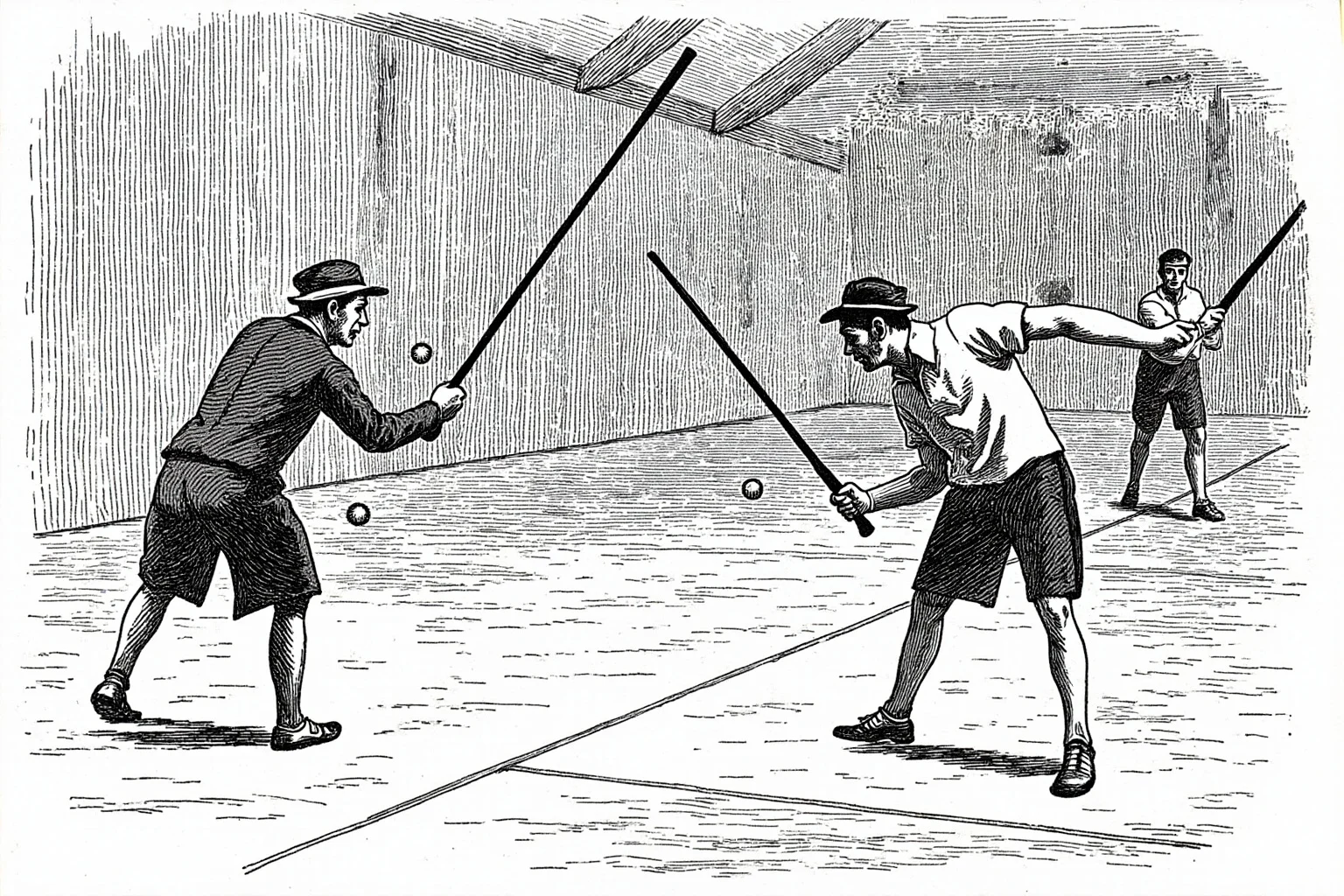
Rackets, an indoor racquet sport that also helped inspire squash, was part of the 1908 London Olympics program. It required specialized courts that were expensive to build and maintain, which limited its practicality for future Games.
That logistical burden is a big part of why it never returned. Squash, its more accessible descendant, has repeatedly been proposed for Olympic inclusion but has never made the cut either.
14. Motorboating
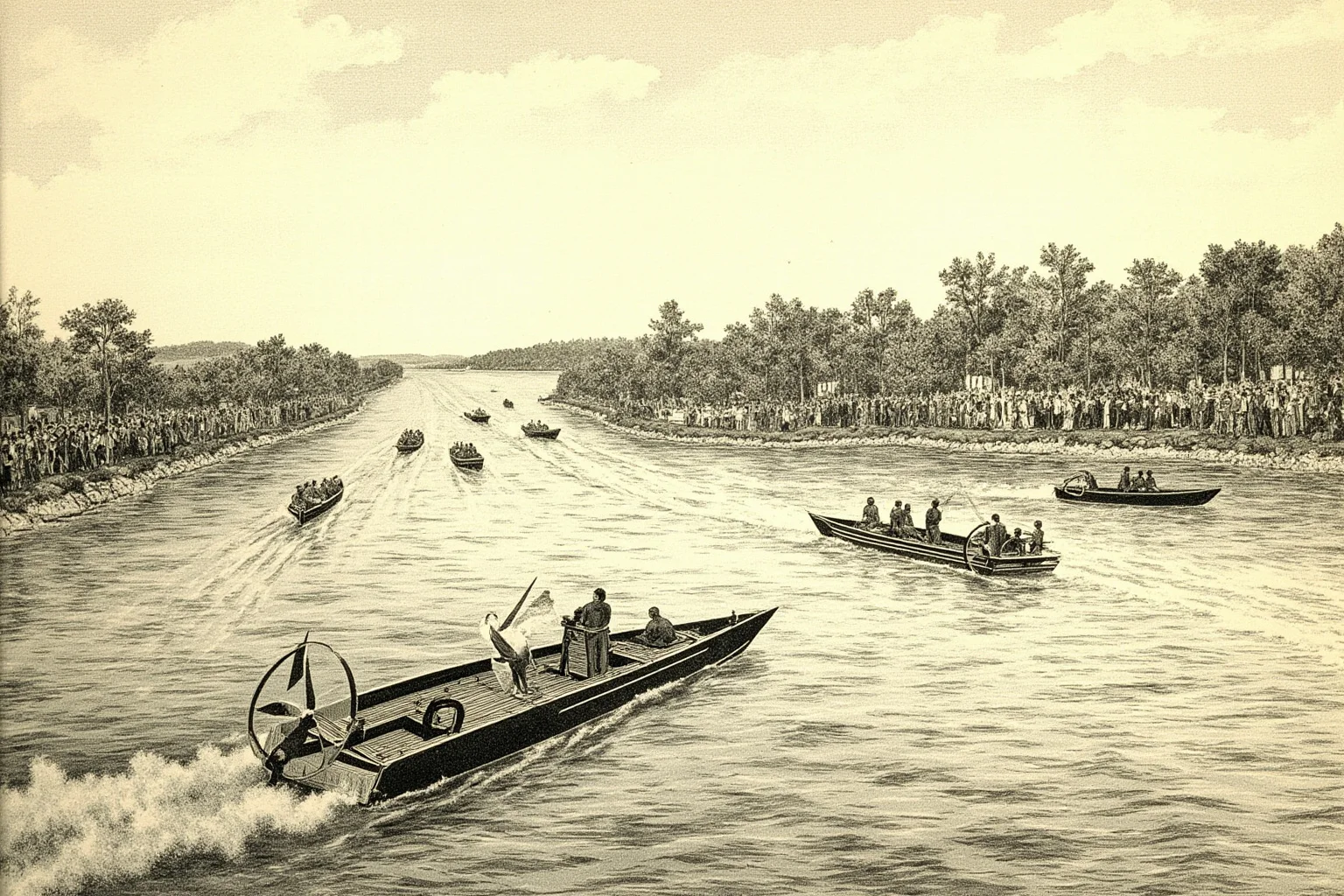
The 1908 London Olympics included a motorboat racing event, making it one of the few motorized sports ever contested at the Games. Mechanical breakdowns were common, and in at least one race, few or no boats actually finished.
The cost, unpredictability, and mechanical nature of the sport made it a poor fit for the amateur ideals the early Olympic movement valued. It was never brought back after 1908.
15. Basque Pelota
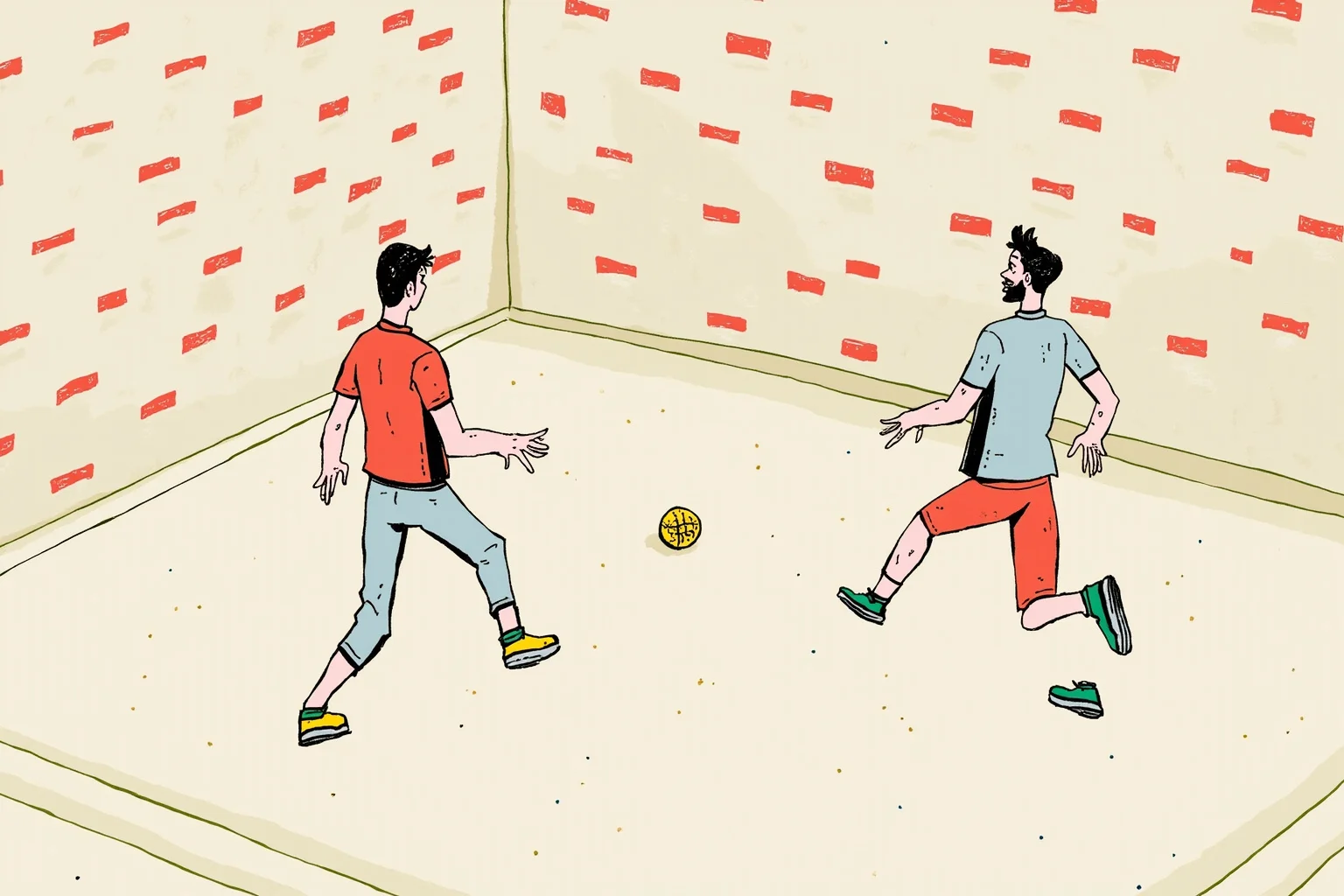
Basque pelota, a fast wall-and-ball sport related to jai alai, had a single official medal event at the 1900 Paris Olympics and later demonstration appearances in 1924 and 1968. Only two teams competed for the 1900 medal, reflecting how narrow its international reach was at the time.
It never secured a permanent place on the program despite multiple attempts. The sport still thrives regionally in Spain, France, and Latin America.
16. Cricket
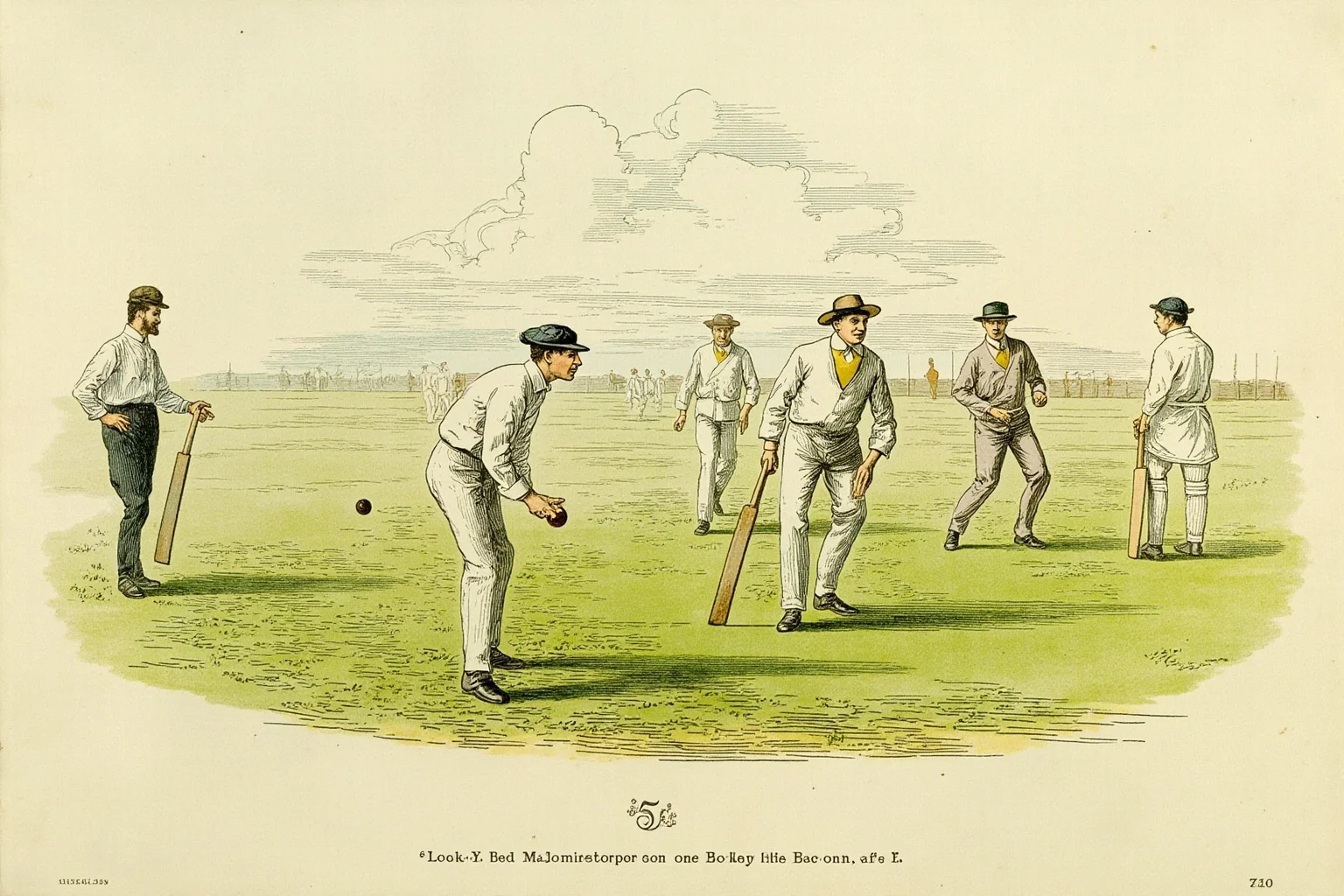
Cricket’s only Olympic appearance came at the 1900 Paris Games, in a single match between Great Britain and a French club team. Great Britain won, and to this day it remains the only Olympic cricket medal ever awarded.
For over a century, cricket sat firmly among sports not in the Olympics, largely due to scheduling conflicts with international cricket’s existing calendar. That’s set to change, though, since T20 cricket is scheduled to return for the 2028 Los Angeles Olympics.
17. Polo
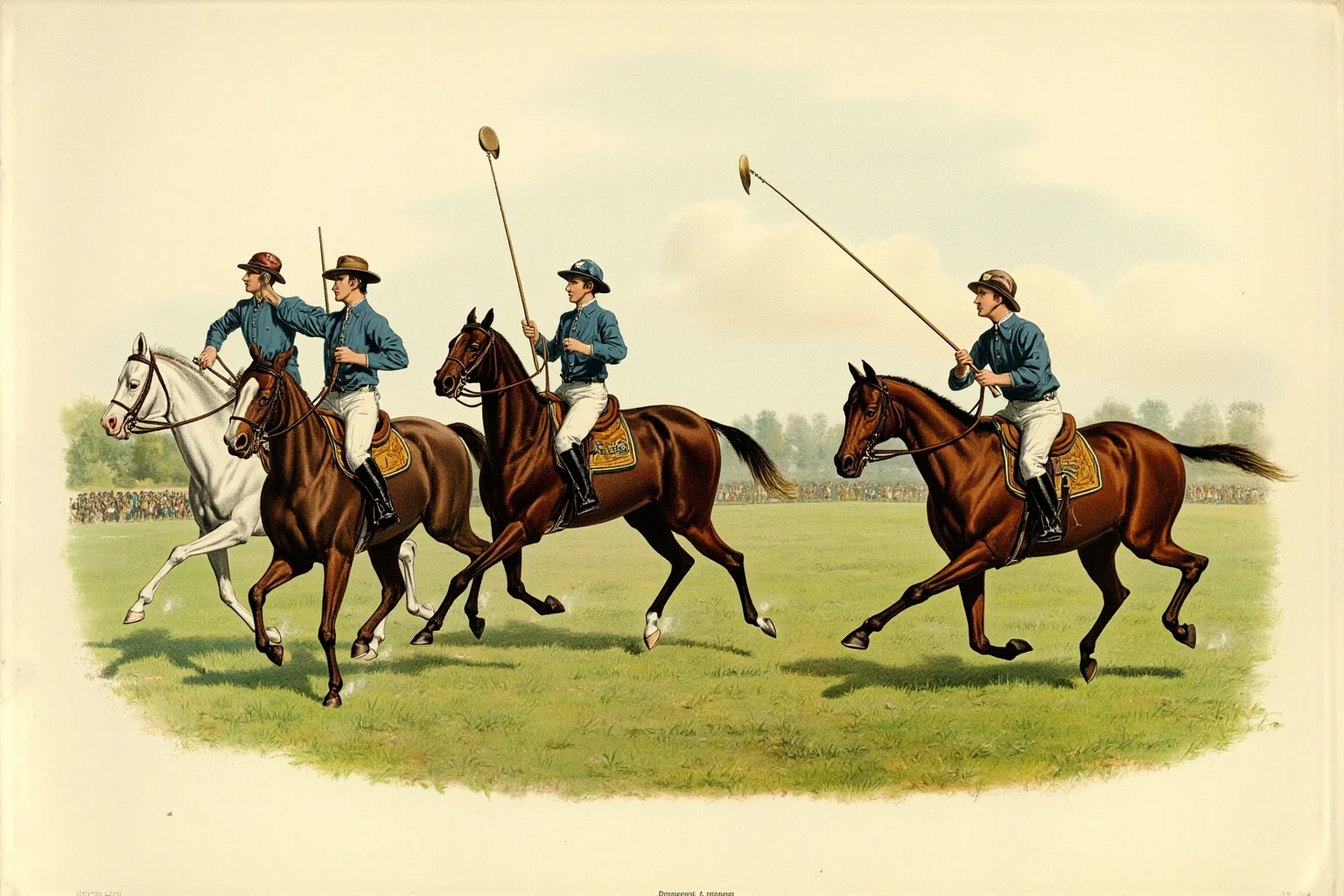
Polo was contested at the Olympics in 1900, 1908, 1920, 1924, and 1936, making it a fairly regular fixture for decades. It was ultimately dropped after 1936, largely due to the high cost of horses, equipment, and transportation involved in fielding a team.
Those logistical demands made it difficult for many countries to compete on equal footing. Polo has occasionally been discussed for a comeback, but it has never returned to the official program.
18. Tandem Cycling
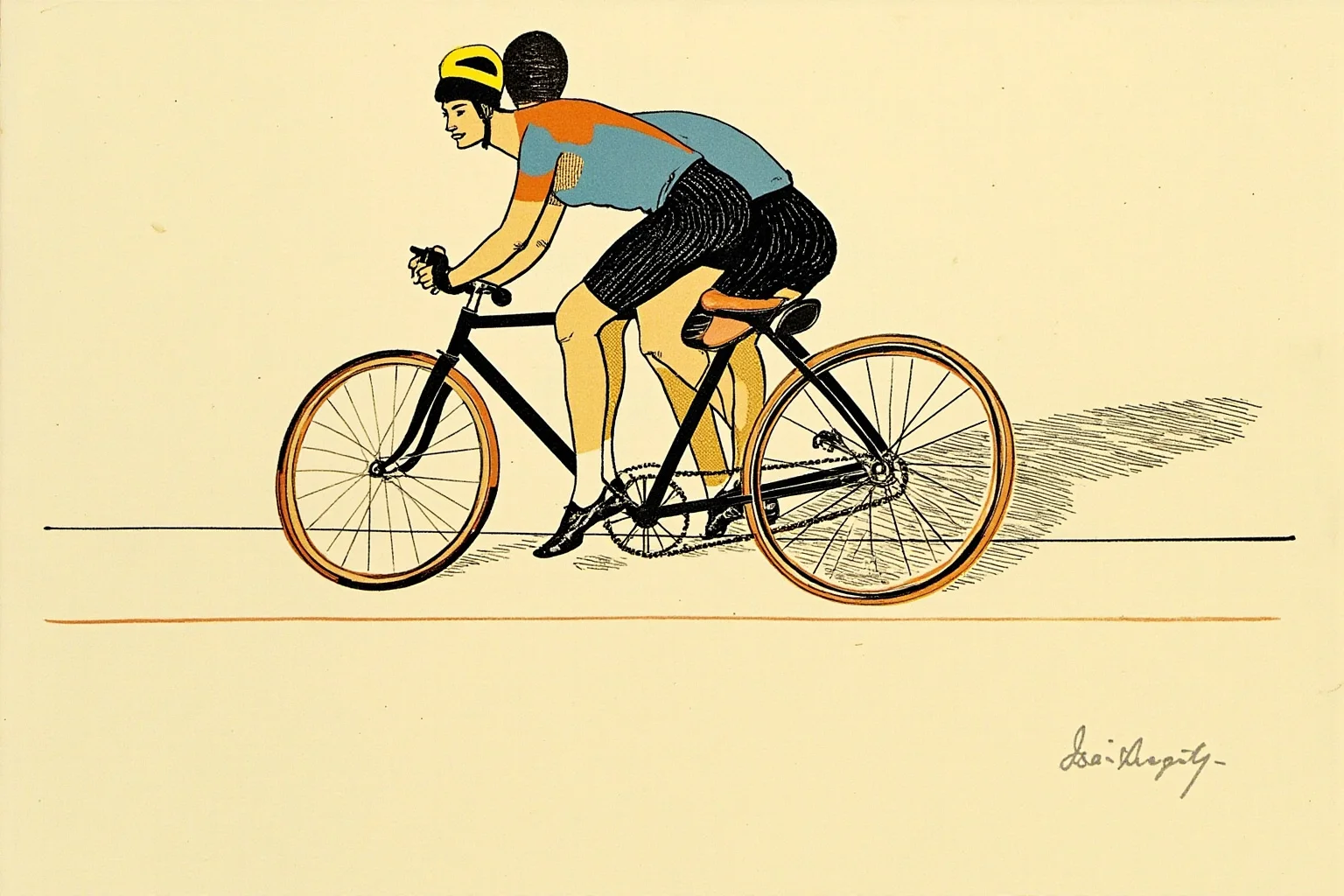
Tandem cycling, a two-person sprint event on the velodrome track, was part of Olympic cycling from 1908 through the 1972 Munich Games. It was eventually dropped as the track cycling program was restructured toward individual and team sprint formats.
Its disappearance is a good example of a sport not being eliminated outright, but rather one specific event fading out of an otherwise thriving sport. Track cycling as a whole remains a core part of the modern Summer Games.
19. Olympic Art Competitions

From 1912 to 1948, the Olympics awarded actual medals for painting, sculpture, architecture, literature, and music, all inspired by athletic or sporting themes. Pierre de Coubertin, the founder of the modern Olympics, pushed hard for this fusion of sport and culture.
The events were discontinued after 1948 amid disputes over whether artists could be considered amateurs, which was a strict requirement for Olympic competitors at the time. Today, host cities run a Cultural Olympiad instead, which celebrates art without awarding competitive medals.
20. Military Patrol
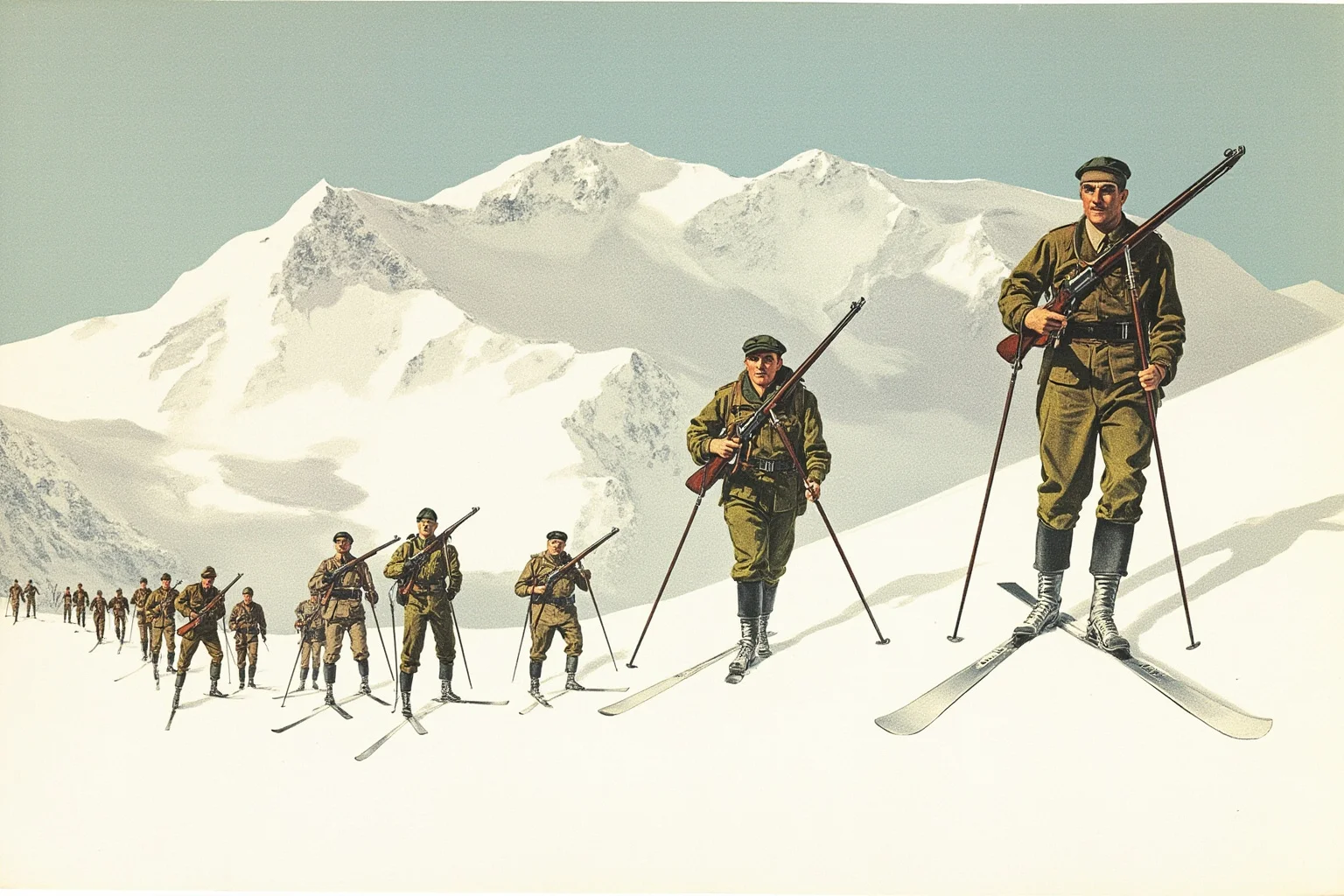
Military patrol, a team event combining cross-country skiing, shooting, and mountaineering-style navigation, appeared at the Winter Olympics in 1924, 1928, 1936, and 1948, sometimes as a demonstration sport. It was essentially a military training exercise adapted into competitive form.
Rather than disappearing completely, it evolved directly into the modern sport of biathlon, which became a fully official Olympic sport in 1960. So in a sense, this “discontinued” sport never really died — it just changed its name.
21. Solo Synchronized Swimming

Individual synchronized swimming was a genuine Olympic event at the 1984, 1988, and 1992 Games, with athletes performing solo routines judged much like the duet and team events still held today. It was removed from the program after 1992 in favor of consolidating the sport around duet and team competition.
The sport itself, now called artistic swimming, remains firmly on the Olympic program. Only the solo format is the part that no longer exists.
22. Baseball and Softball’s In-and-Out Run
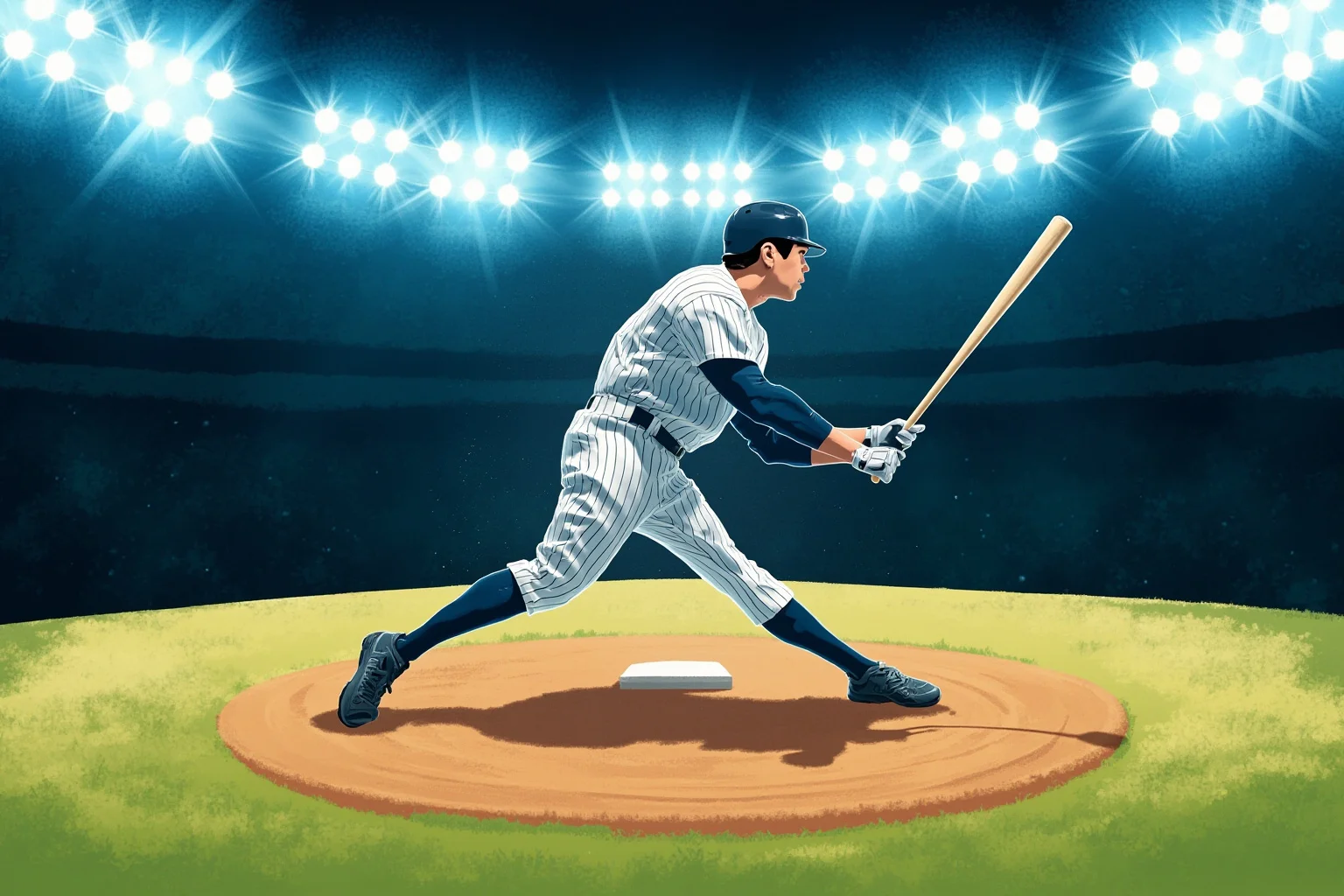
Baseball and softball were both full Olympic sports at the 2008 Beijing Games, but neither appeared at London 2012 or Rio 2016. This gap is frequently behind searches asking whether there’s been an Olympic sport since 2008 that simply vanished.
Both sports were reinstated for the delayed Tokyo 2020 Olympics, largely because host nation Japan requested them, only to be dropped again for Paris 2024. They’re set to return once more for Los Angeles 2028, illustrating how host cities can now add sports with strong local popularity.
23. Golf’s 112-Year Hiatus
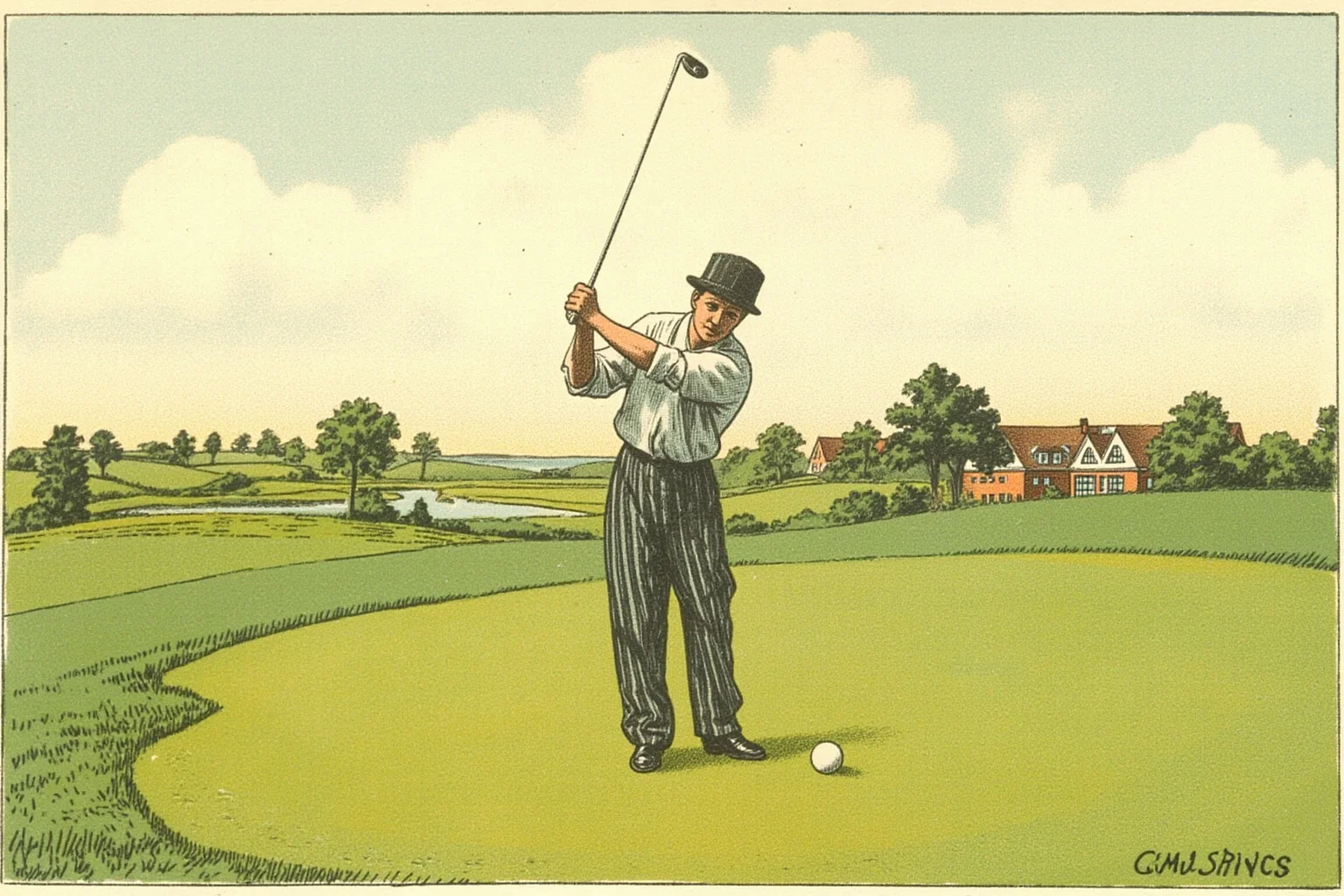
Golf appeared at the Olympics in 1900 and 1904, then vanished from the program entirely for well over a century. Low turnout and organizational disputes in those early editions are generally credited with its long absence.
It finally returned at the 2016 Rio Olympics after IOC members voted to reinstate it in 2009. Golf stands as one of the clearest examples of a former Olympic event making a genuine comeback after more than a hundred years away.
Sports That Have Never Been in the Olympics at All
It’s worth separating discontinued sports from a different, equally common question: what sports are not in the Olympics in the first place, and never have been? Several extremely popular sports fall into this category, despite huge global followings.
Squash has been repeatedly proposed and rejected for Olympic inclusion, largely due to limited television appeal and an already crowded program. Netball, despite being played competitively in more than 80 countries, has never secured Olympic status either.
Bowling, American football, and bandy also remain outside the Games entirely, even though each has dedicated international federations and world championships. Chess is recognized by the IOC as a “mind sport” but has never been part of the official Olympic program, since it doesn’t involve physical athletic competition in the traditional sense.
These non-Olympic sports aren’t lesser sports by any measure — they’re simply victims of a selective and often political admission process that only allows a limited number of sports per Games.
Why Do Sports Get Cut From the Olympics?
The IOC evaluates sports based on global participation, television ratings, cost of hosting, and how well an event fits the overall Games schedule. A sport that’s expensive to stage, like polo with its horses or rackets with its specialized courts, is at a real disadvantage compared to something cheap and widely accessible.
Gender equity has also become a major factor in recent decades, pushing organizers to favor sports with strong men’s and women’s participation. Cultural relevance matters too, which is part of why host cities like Tokyo and Los Angeles have been allowed to propose additional sports with strong local followings, such as baseball, softball, and surfing.
Safety and ethical concerns played a role historically as well, most obviously with the removal of live pigeon shooting after its single disturbing appearance in 1900. Put simply, an event has to justify its slot on an increasingly crowded and closely scrutinized global stage.
Could Any of These Old Olympic Sports Make a Comeback?
Golf’s return in 2016 and baseball and softball’s back-and-forth history prove that former Olympic events aren’t necessarily gone forever. The modern rule allowing host cities to add sports for their own Games, introduced ahead of Tokyo 2020, has opened the door for more flexibility than the Olympics has ever had before.
Cricket’s scheduled return for Los Angeles 2028 is the clearest recent example of this shift in action. It’s not out of the question that a revived version of polo, rackets, or even tug of war could someday reappear as a host city’s special addition, though nothing like that is currently planned.
What’s clear is that the Olympic program has never been fixed in stone. It has always evolved alongside changing technology, ethics, and popular taste, and the strange, forgotten sports on this list are proof of just how much it has already changed.
Final Thoughts on the Olympics’ Strangest Chapters
Looking back at these discontinued and obscure Olympic sports is a reminder that the Games have always been a work in progress, not a fixed institution, in much the same way that even massively successful companies that no longer exist once seemed like permanent fixtures of their industries. What counted as serious competition in 1900 — live pigeon shooting, underwater swimming, wax-bullet dueling — looks almost unrecognizable next to today’s polished, televised program.
That evolution isn’t finished either. As new sports rise in global popularity and old debates about cost, safety, and fairness continue, the Olympic program will keep shifting, just as it always has for well over a century.
Frequently Asked Questions
What are some sports not in the Olympics?
Popular sports not in the Olympics include squash, netball, bowling, American football, and bandy. All of these have dedicated international competitions and large global followings, but none have secured a permanent place on the Olympic program, usually due to limited TV appeal, venue costs, or an already crowded schedule of events.
What is an example of a discontinued Olympic sport?
Tug of war is one clear example, having been a full Olympic sport from 1900 to 1920 before being dropped as the program became more standardized. Other discontinued events include live pigeon shooting, the standing long jump, croquet, and tandem cycling, all of which appeared at the Olympics before being removed.
Why was baseball removed from the Olympics after 2008?
Baseball and softball were dropped after the 2008 Beijing Games mainly due to low global participation outside a handful of countries and concerns about scheduling conflicts with professional leagues like MLB. Both sports were later reinstated for Tokyo 2020 at the host nation's request, dropped again for Paris 2024, and are scheduled to return for Los Angeles 2028.
Has the Olympics ever been officially cancelled?
Yes, the Olympics have been outright cancelled three times: the 1916 Berlin Games, and both the 1940 and 1944 Games, all due to World War I and World War II. The 2020 Tokyo Olympics were postponed by a year because of COVID-19, but that was a delay rather than a true cancellation, since the Games did eventually take place in 2021.
Is cricket an Olympic sport?
Cricket appeared at the Olympics exactly once, in a single 1900 Paris match won by Great Britain, and has been absent ever since. It's set to return in a T20 format at the 2028 Los Angeles Olympics, ending well over a century as one of the world's most popular sports not in the Olympics.
What was the strangest sport ever included in the Olympics?
Live pigeon shooting at the 1900 Paris Olympics is widely considered the strangest and most unsettling, since it remains the only Olympic event in history to use live animals as targets. Other unusual entries include underwater swimming, the plunge for distance, and Olympic art competitions that awarded medals for painting and literature between 1912 and 1948.

Alex Warren
Related Articles





