

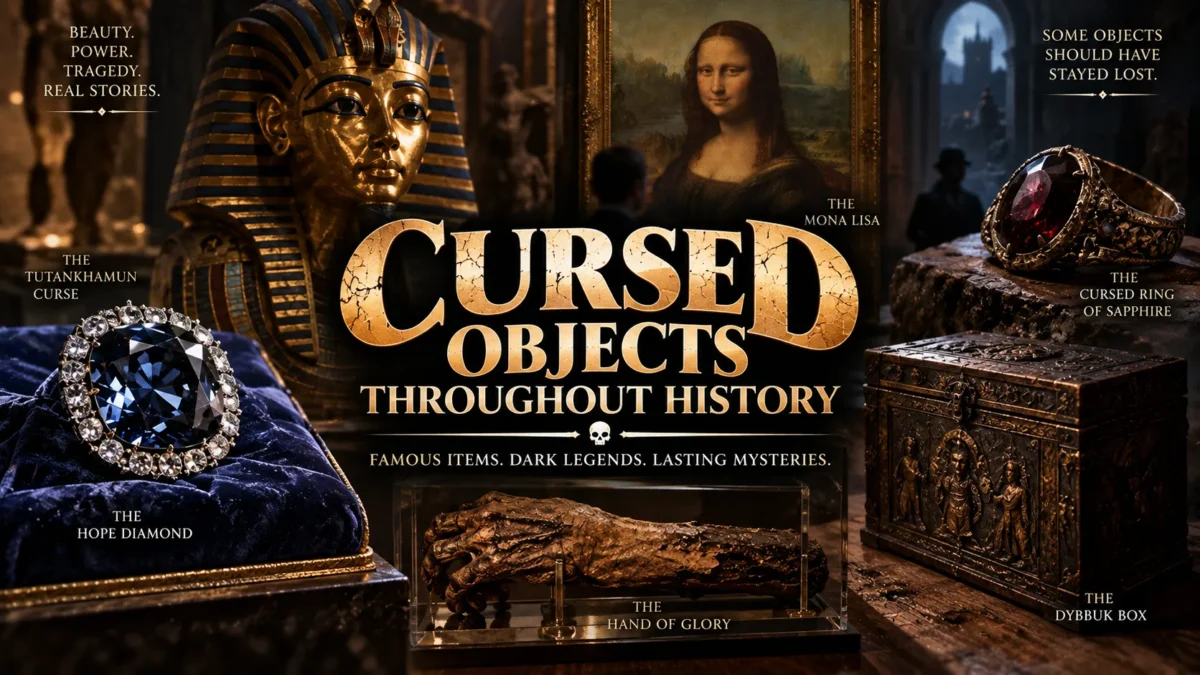
Every culture has a story about an object that brought its owner nothing but misery. A diamond that ruins royal families, a doll that seems to move on its own, a painting that survives every fire that touches its house.
These tales of cursed objects and haunted items have been told and retold for centuries, gaining new details each time they pass from one storyteller to the next.
This list digs into the real history behind the world’s most famous cursed artifacts, possessed objects, and scary heirlooms, separating documented fact from the legends that grew up around them.
Some of these stories have genuine historical roots. Others are almost entirely modern folklore dressed up as ancient truth. We’ll be honest about which is which along the way.
TL;DR: Most “cursed objects” turn out to be ordinary antiques wrapped in extraordinary stories, but the history behind those stories — from Egyptian tombs to Victorian parlor tricks — is genuinely fascinating on its own.
Why Do People Believe Objects Can Be Cursed?
Humans have always looked for patterns, and misfortune is easier to accept when it has a cause. If a family suffers a string of bad luck after inheriting a ring or a mirror, it feels more satisfying to blame the object than to accept that bad things simply happen.
This is a well-documented psychological tendency called apophenia, the habit of seeing meaningful connections in random or unrelated events.
Ancient civilizations also used curses deliberately, inscribing warnings on tombs, rings, and coffins to deter thieves. That practical, very human strategy is part of why so many genuinely old objects come with curse inscriptions attached. It doesn’t mean the objects work as advertised, but it does mean the fear is often centuries older than the modern legend.
The Most Famous Cursed and Haunted Objects in History
Here are twenty of the most talked-about cursed items, haunted artifacts, and possessed objects in recorded history, along with what we actually know about each one.
1. The Hope Diamond
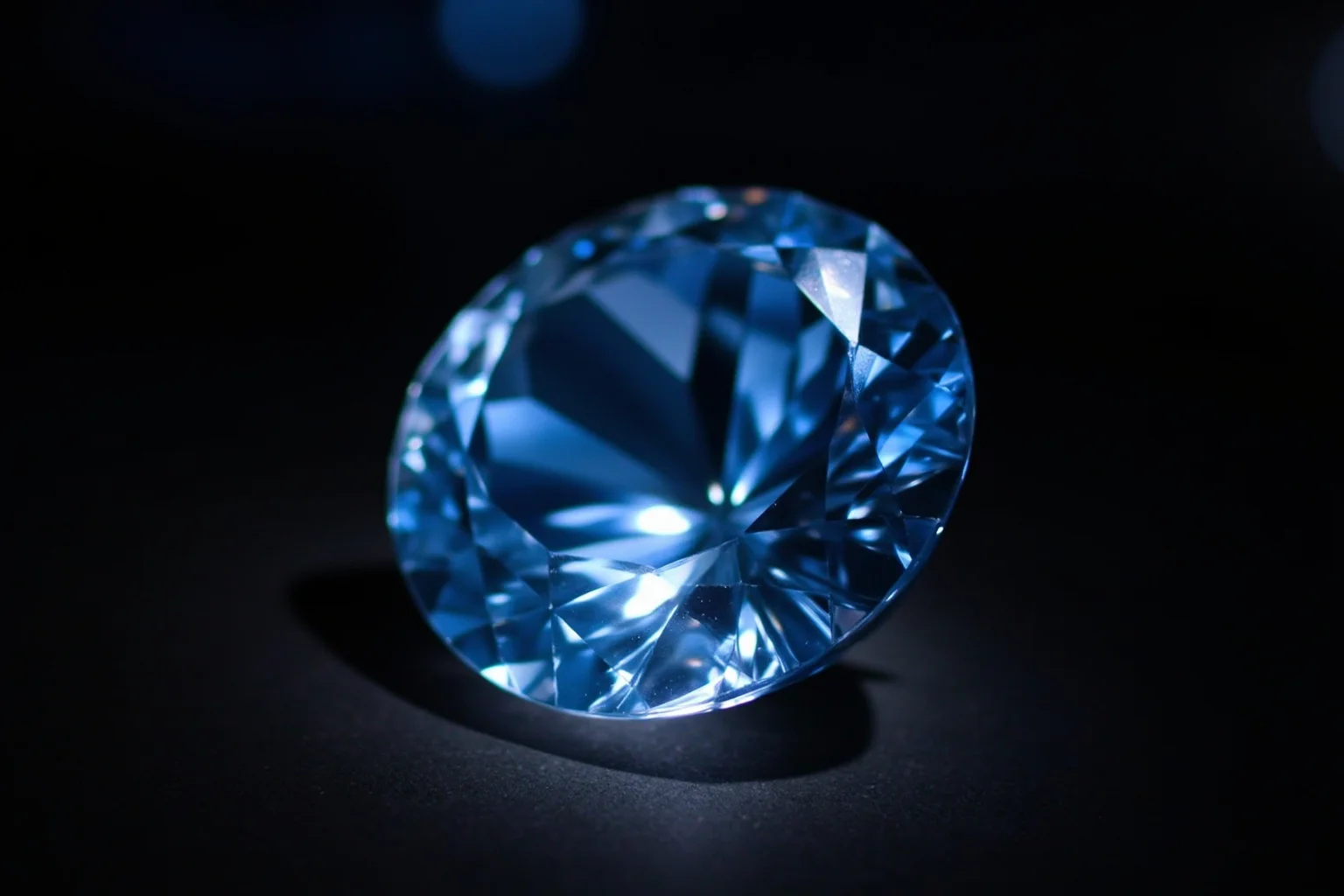
The Hope Diamond is a 45.52-carat blue diamond with a documented history stretching back to 17th-century India, where it was likely mined before being cut and sold in Europe. Legend claims it was pried from the eye of a Hindu temple idol and that every owner since has suffered ruin, disease, or death.
Historians have found little evidence connecting most of its owners to any unusual tragedy beyond ordinary misfortune common to wealthy families of the era. The diamond has resided safely at the Smithsonian Institution since 1958, viewed by millions of visitors without incident.
Its curse reputation largely traces back to sensational early 20th-century newspaper coverage rather than any older tradition.
2. The Koh-i-Noor Diamond

One of the largest cut diamonds in the world, the Koh-i-Noor passed through Mughal, Persian, Afghan, and Sikh rulers before the British East India Company acquired it in 1849. A supposed curse holds that the stone brings doom to any man who wears it, which is why it’s traditionally set only in the crowns of queens or princesses within the British royal family.
The stone’s genuinely bloody history of conquest and seizure is well documented, which likely fed the curse legend more than any supernatural cause. Today it remains part of the Crown Jewels, on public display at the Tower of London.
3. The Delhi Purple Sapphire
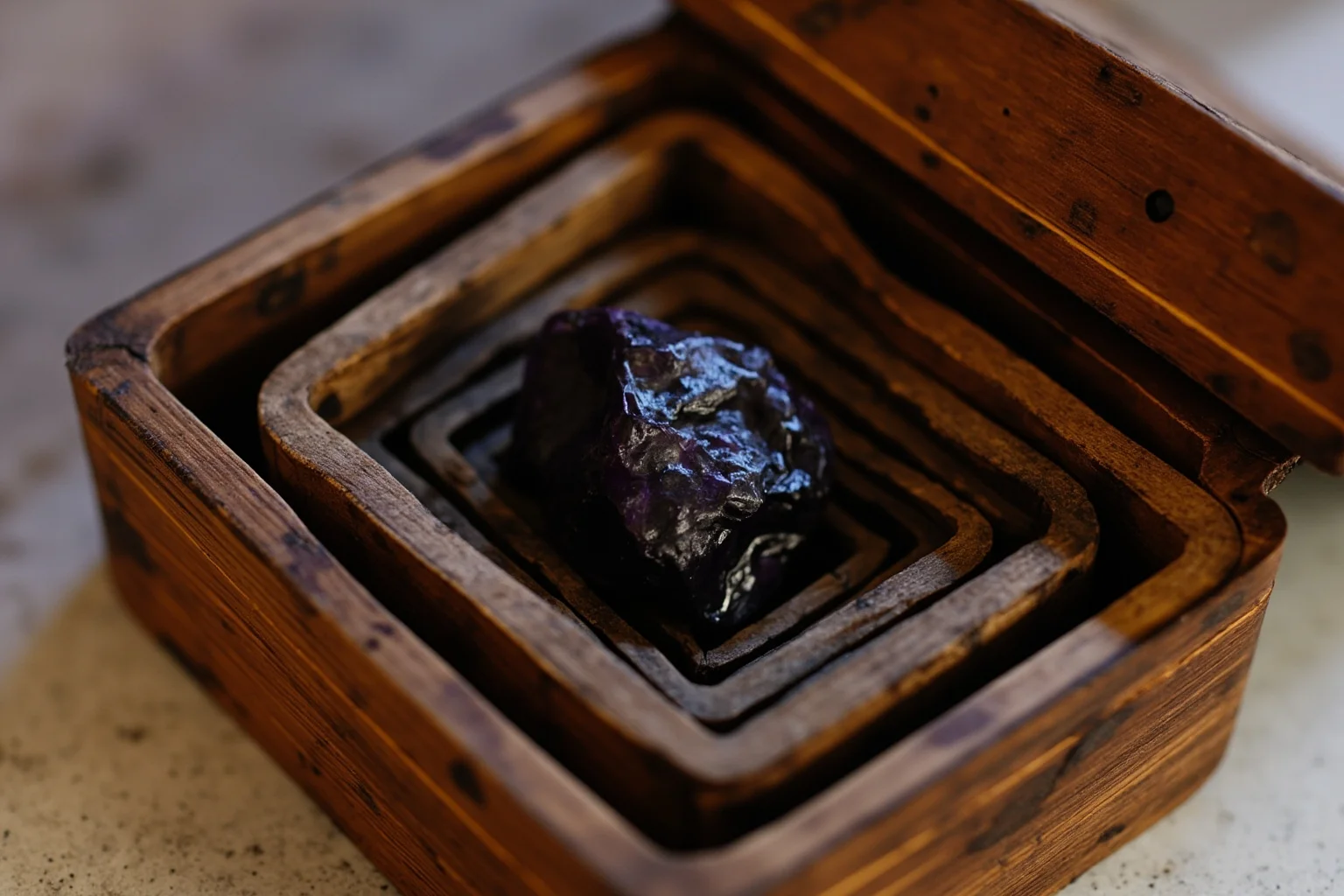
Despite its name, this gem is actually an amethyst, brought to England from India by a cavalry officer following the 1857 Indian Rebellion. Its later owner, Edward Heron-Allen, claimed the stone brought him and everyone who touched it terrible luck, eventually locking it away with handwritten notes warning future owners.
Heron-Allen donated it to London’s Natural History Museum in 1944, insisting it be sealed inside seven boxes. The museum still displays the gem along with its curse letters, treating it as a fascinating piece of Victorian occult culture rather than a genuine hazard.
4. Annabelle the Doll
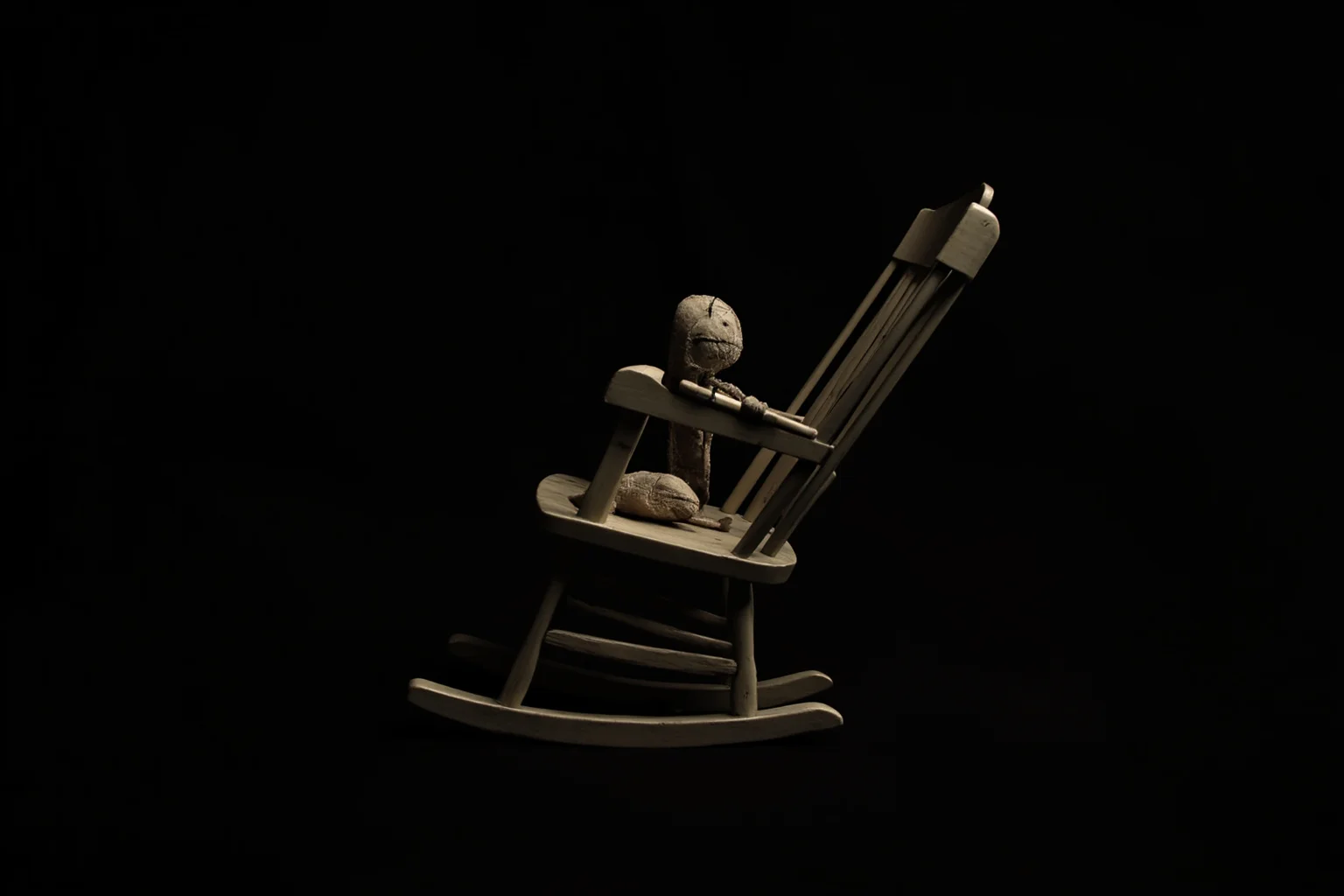
The real Annabelle is a soft, cloth Raggedy Ann doll, not the porcelain figure shown in horror films. It was reportedly given to a nursing student in the 1970s and later handed over to paranormal investigators Ed and Lorraine Warren after alleged strange occurrences.
The doll now sits in a locked case at the Warrens’ occult museum in Monroe, Connecticut. Its fame owes far more to the Warrens’ storytelling and the subsequent film franchise than to any independently verified incidents.
5. Robert the Doll
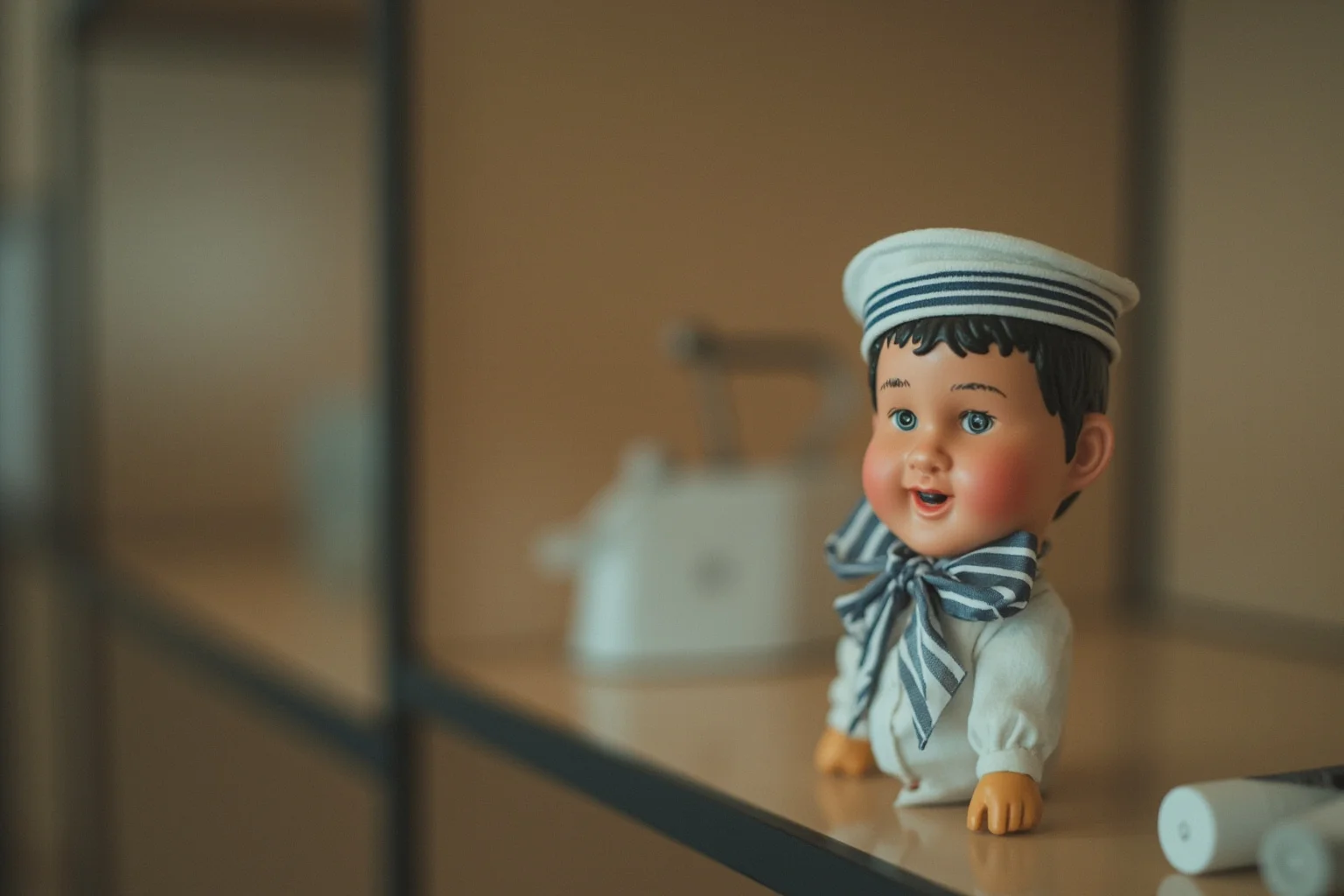
Robert belonged to Key West artist Robert Eugene Otto in the early 1900s and became a fixture of local legend, with claims that the doll moved objects and caused accidents in the Otto household. It now resides at the Fort East Martello Museum in Key West.
Visitors reportedly leave apology notes for the doll after their visit, believing bad luck follows anyone who mocks him without permission. The tradition says more about tourist folklore culture than about any documented curse.
6. La Pascualita the Mannequin

Since the 1930s, a strikingly lifelike wedding-dress mannequin has stood in a shop window in Chihuahua, Mexico. Local legend claims she is actually the embalmed body of the shop owner’s daughter, Pascuala, who died shortly before her wedding.
The shop has always denied this, and the mannequin’s realistic appearance is more likely explained by high-quality wax-and-plaster manufacturing common in that era. The story persists because the figure genuinely looks unsettlingly human.
7. The Basano Vase
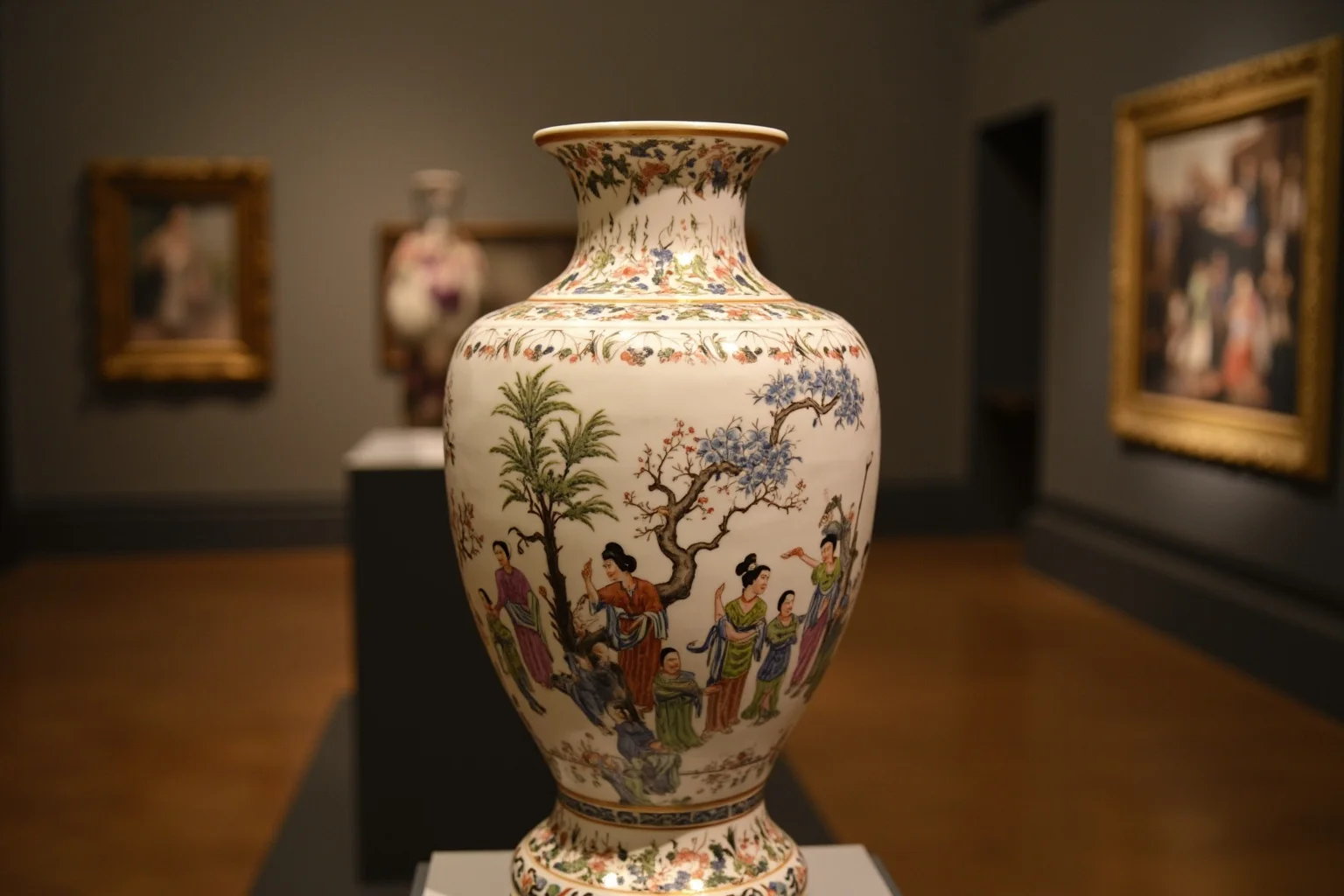
According to internet lore, this 18th-century Italian vase was cursed by a nobleman after murdering his wife, and every subsequent owner died mysteriously. The story circulated widely online in the 2000s with dramatic photographs and a supposed ownership chain.
No verifiable museum records, auction listings, or historical documentation support the vase’s existence as described. It’s a strong example of how a creepy story with just enough specific detail can be mistaken for documented history.
8. The Crying Boy Paintings
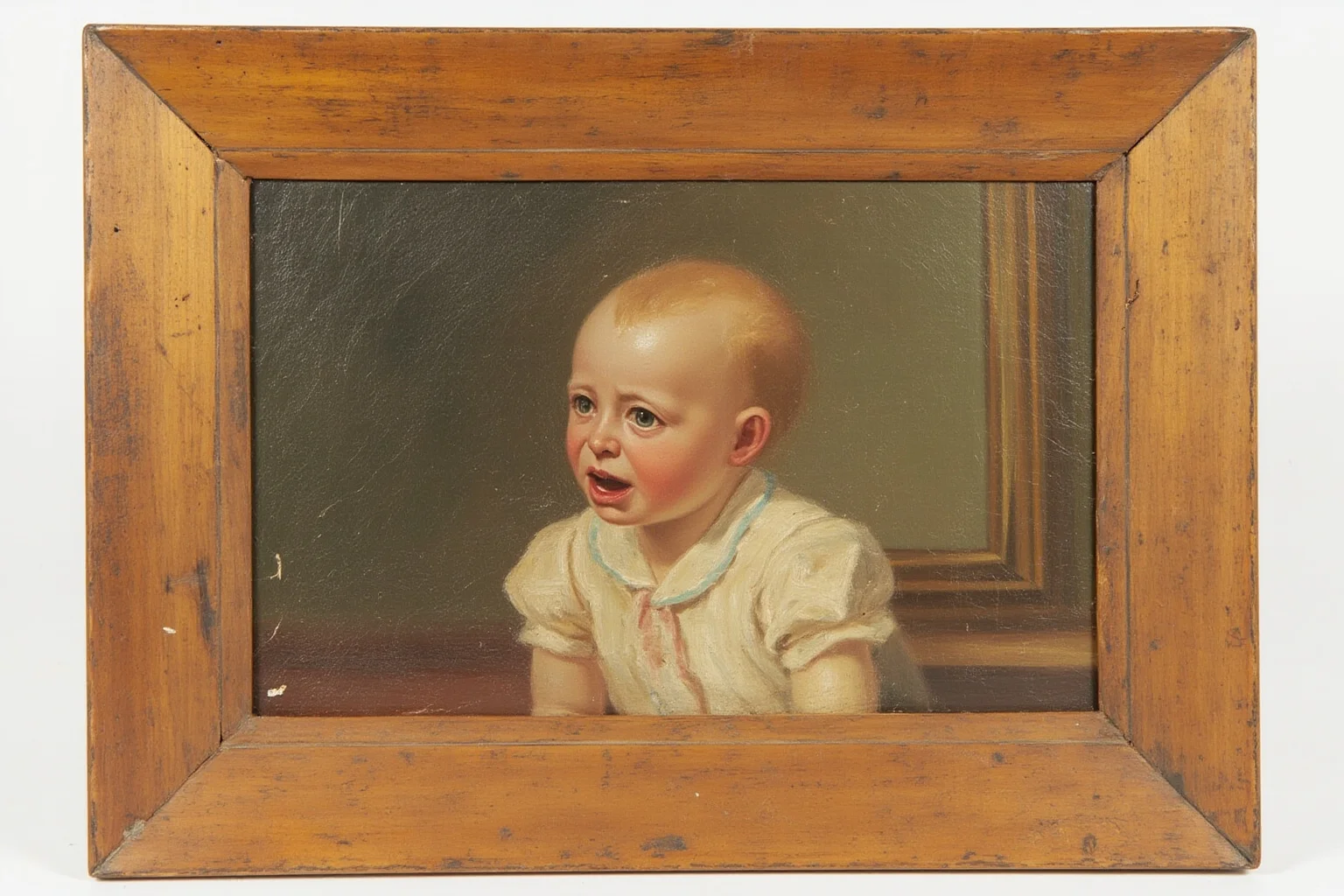
These mass-produced prints of weeping children, created by Italian painter Bruno Amadio in the 1950s and ’60s, became notorious after a 1985 report in The Sun newspaper claimed the paintings survived house fires unburned while everything else was destroyed. Panicked readers reportedly burned their copies en masse.
Fire investigators later suggested a mundane explanation: the prints may have been treated with a flame-resistant varnish, and their masonite backing could resist combustion better than surrounding materials. It remains one of the best-documented cursed object media panics in modern history.
9. The Anguished Man

This unsettling painting, reportedly owned by a man named Sean Robinson, comes with a modern legend claiming the artist mixed his own blood into the paint before dying by suicide. Robinson posted videos online describing strange noises and shadows after inheriting it.
Unlike older cursed object stories, this one has almost no history before the YouTube era. It’s a useful case study in how quickly a scary object legend can form today with just a camera and a compelling backstory.
10. Busby’s Stoop Chair
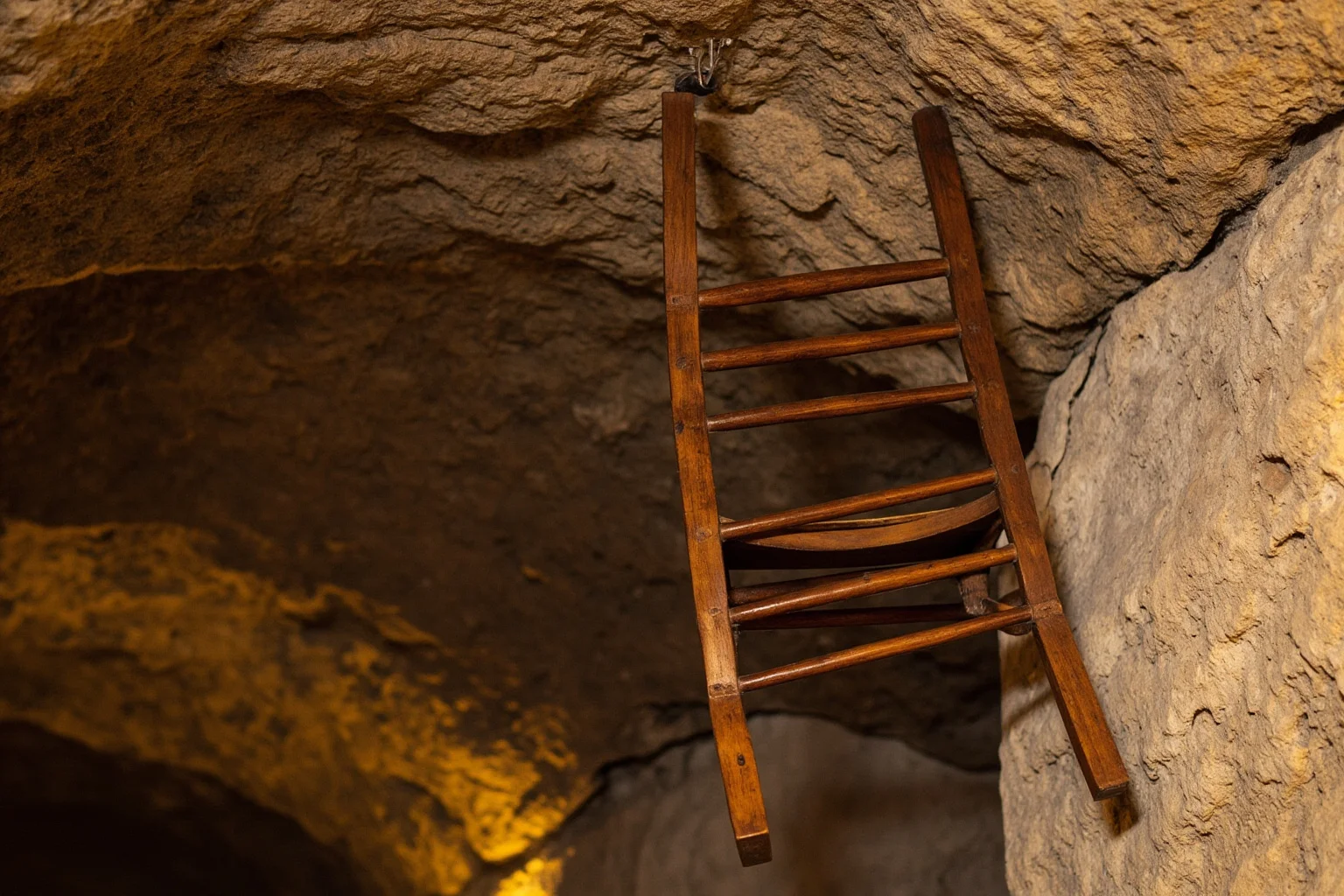
In 1702, Thomas Busby was executed in Yorkshire, England, for murder, and legend says he cursed the chair he’d been sitting in at a local inn just before his arrest. Pub patrons who later sat in the chair allegedly met untimely deaths, prompting the owners to hang it from the ceiling, out of reach.
The chair is now displayed at the Thirsk Museum, where it remains suspended and off-limits to sitters. It’s one of the more consistently told cursed furniture legends in English folklore.
11. The Myrtles Plantation Mirror
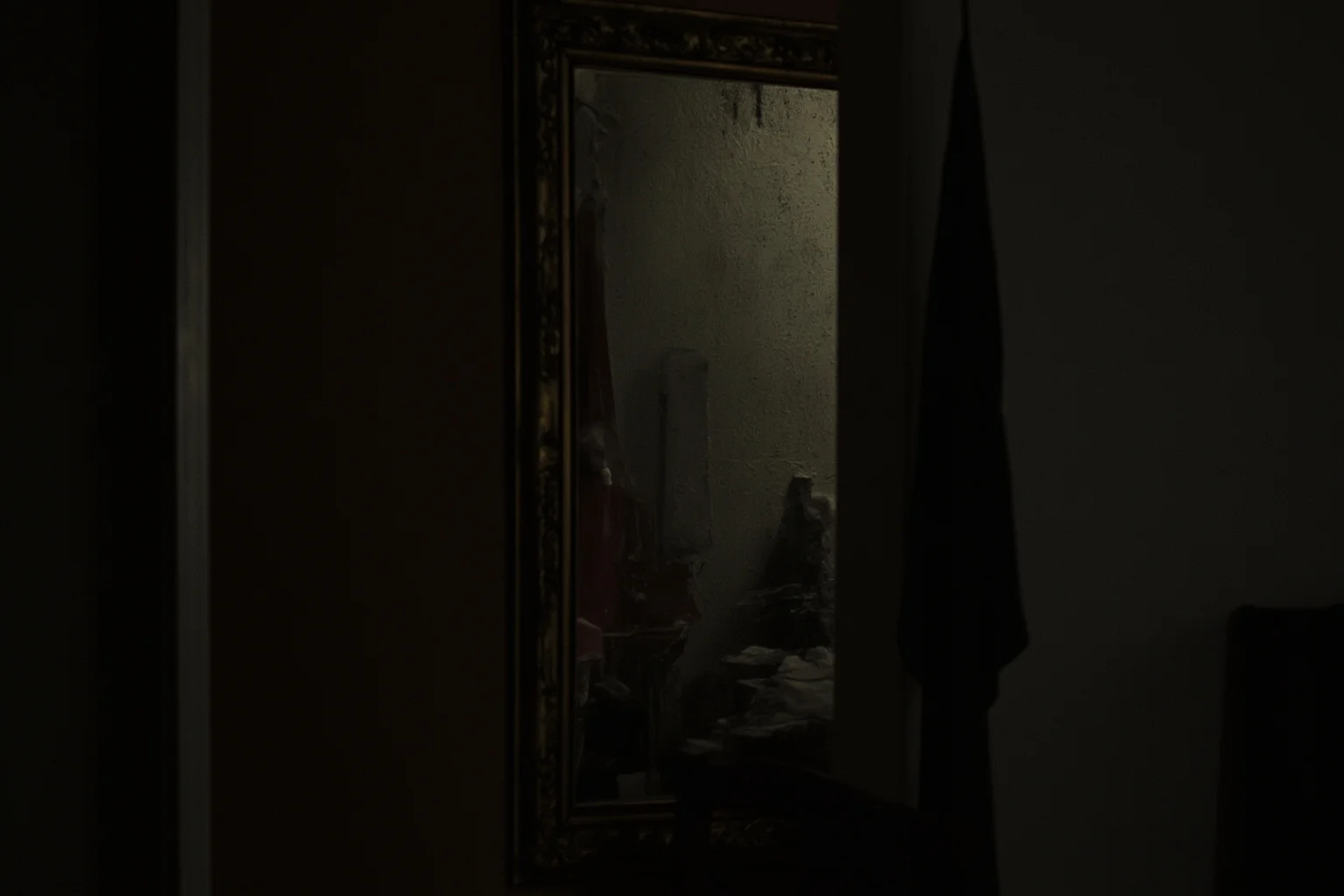
At this Louisiana plantation house, an antique mirror is said to hold the trapped souls of murdered family members, their faint handprints supposedly visible on the glass. The legend ties into the Southern folk custom of covering mirrors after a death to prevent spirits from becoming trapped inside.
The Myrtles’ broader ghost stories, including a fictional enslaved woman named Chloe, have been challenged by historians researching the property’s actual records. The mirror legend endures mainly through tourism and ghost-tour storytelling rather than documented incidents.
12. Black Aggie

This bronze cemetery statue in Baltimore, modeled after the famous Adams Memorial in Washington, D.C., became the subject of local fraternity dares in the 20th century, with legends claiming her eyes glowed red at midnight. Students reportedly believed spending the night in her lap could cause blindness or death.
The statue was eventually removed from the cemetery due to vandalism and now sits in the courtyard of the Smithsonian’s National Museum of American Art building, no longer publicly accessible after dark. Its curse reputation is a distinctly American piece of 20th-century campus folklore.
13. The Unlucky Mummy
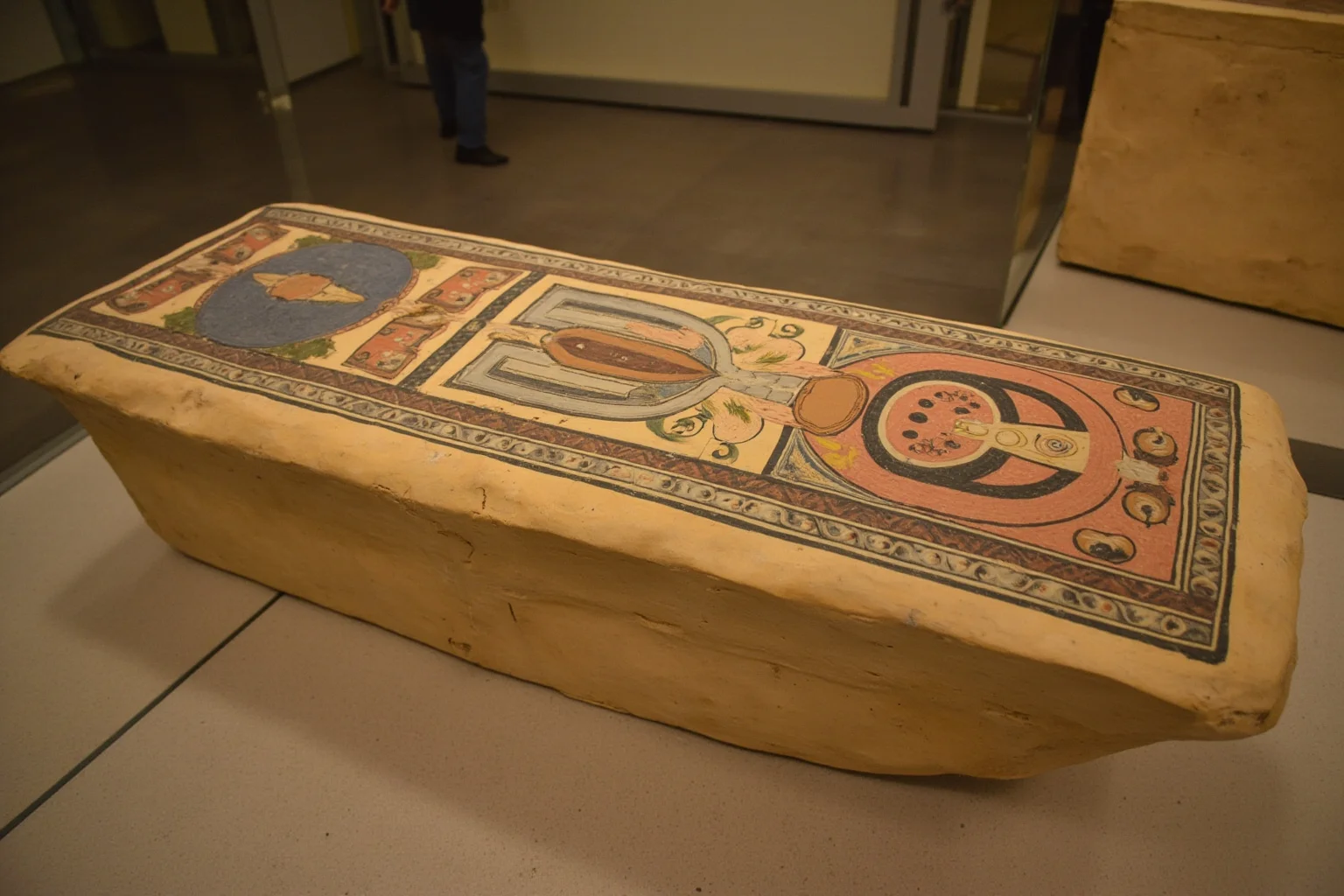
Held at the British Museum, this Egyptian coffin lid (catalogued as EA22542) is often called “the most haunted object in the world.” Victorian rumor tied it to a string of misfortunes among its early owners and even claimed it was aboard the Titanic when it sank.
That Titanic connection is demonstrably false; the coffin lid never left England and remains in the museum’s collection to this day. The legend appears to have grown from sensational newspaper storytelling in the early 1900s rather than any documented event.
14. Tutankhamun’s Tomb and the Curse of the Pharaohs
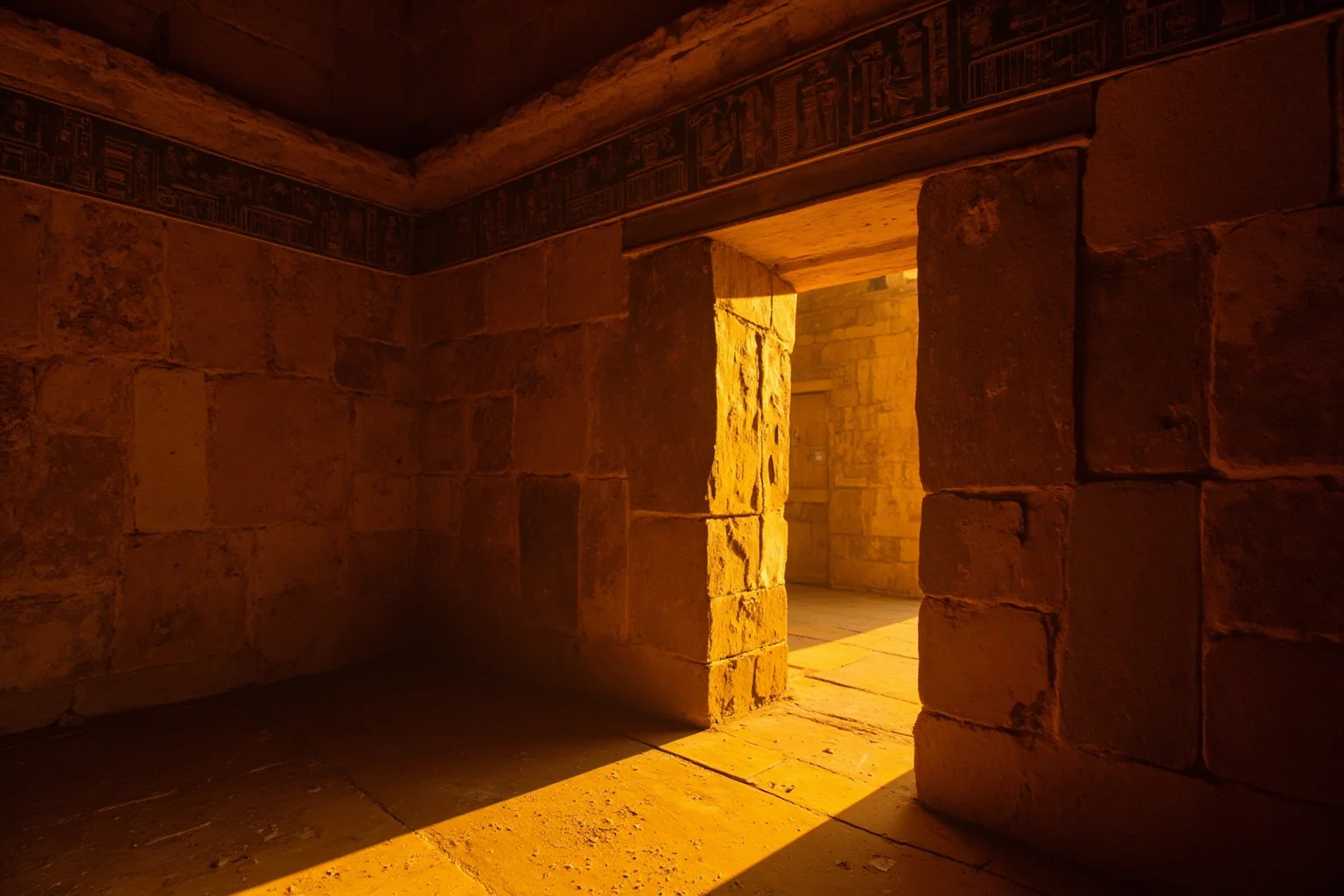
When Howard Carter’s team opened the tomb of King Tutankhamun, one of history’s most recognized figures, in 1922, the sponsor of the excavation, Lord Carnarvon, died just months later from an infected mosquito bite. Newspapers quickly declared a “pharaoh’s curse,” fueled partly by rumors of an inscribed warning at the tomb’s entrance.
Statistical studies of the excavation team’s lifespans, conducted decades later, found no unusual pattern of early deaths among those who entered the tomb. The curse of the pharaohs remains one of history’s most famous examples of coincidence transformed into legend.
15. James Dean’s “Little Bastard” Porsche

Actor James Dean died in a 1955 crash while driving his Porsche 550 Spyder, nicknamed “Little Bastard.” Stories later claimed the wrecked car’s salvaged parts caused injuries to a mechanic and contributed to further accidents when reused in other vehicles.
Many of these details have been embellished or are difficult to verify through independent records. The legend nonetheless became a lasting piece of Hollywood cursed object lore.
16. The Dybbuk Box
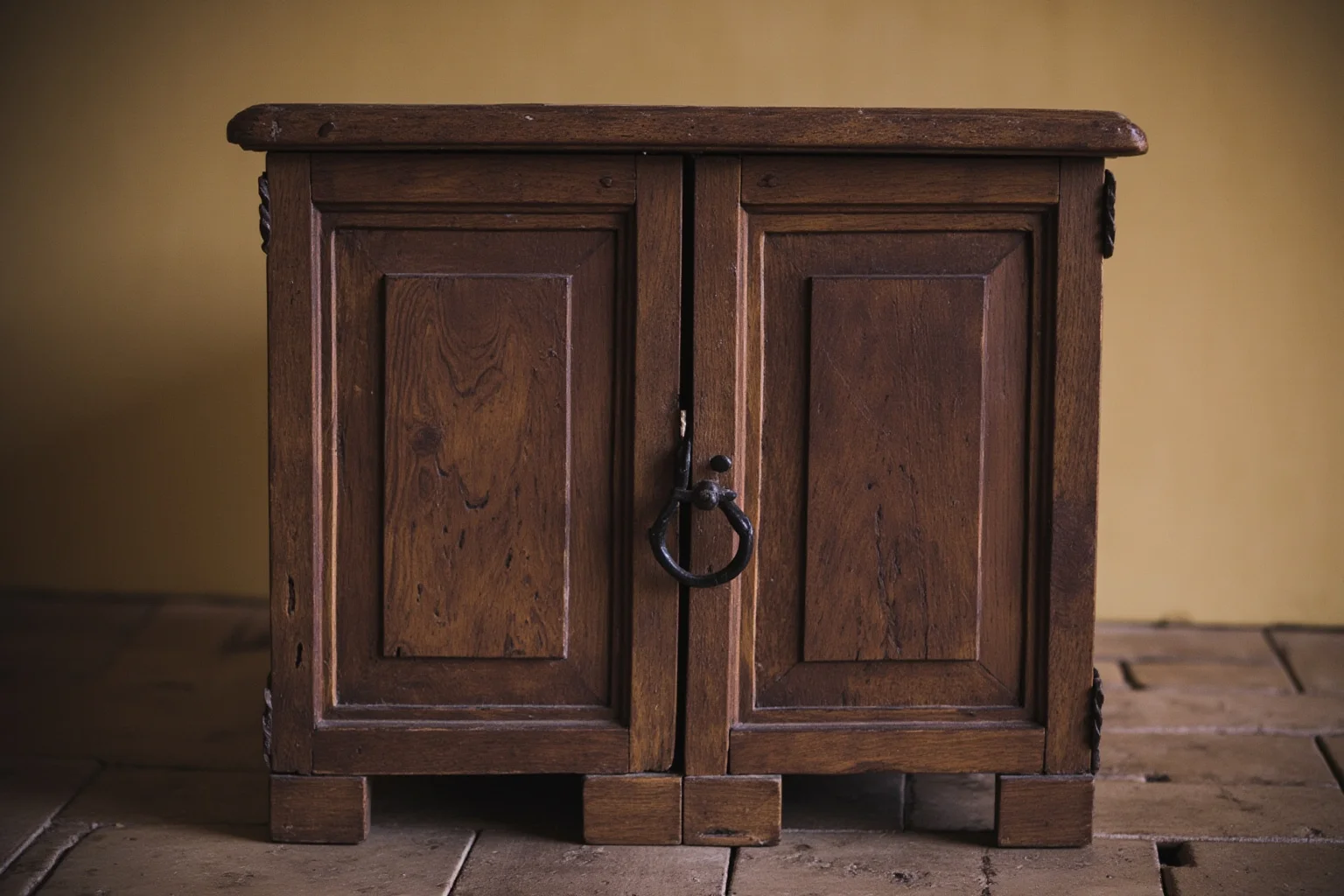
A wine cabinet sold on eBay in 2001 came with a listing claiming it was haunted by a dybbuk, a malevolent spirit from Jewish folklore. Seller Kevin Mannis described nightmares and unexplained events tied to the box, a story that later inspired the 2012 film The Possession.
The dybbuk box has almost no history before that eBay listing, making it a clearly modern piece of cursed object marketing rather than an ancient artifact. It remains a favorite case study for skeptics studying how internet-era ghost stories are built from scratch.
17. The Ring of Silvianus (The Vyne Ring)
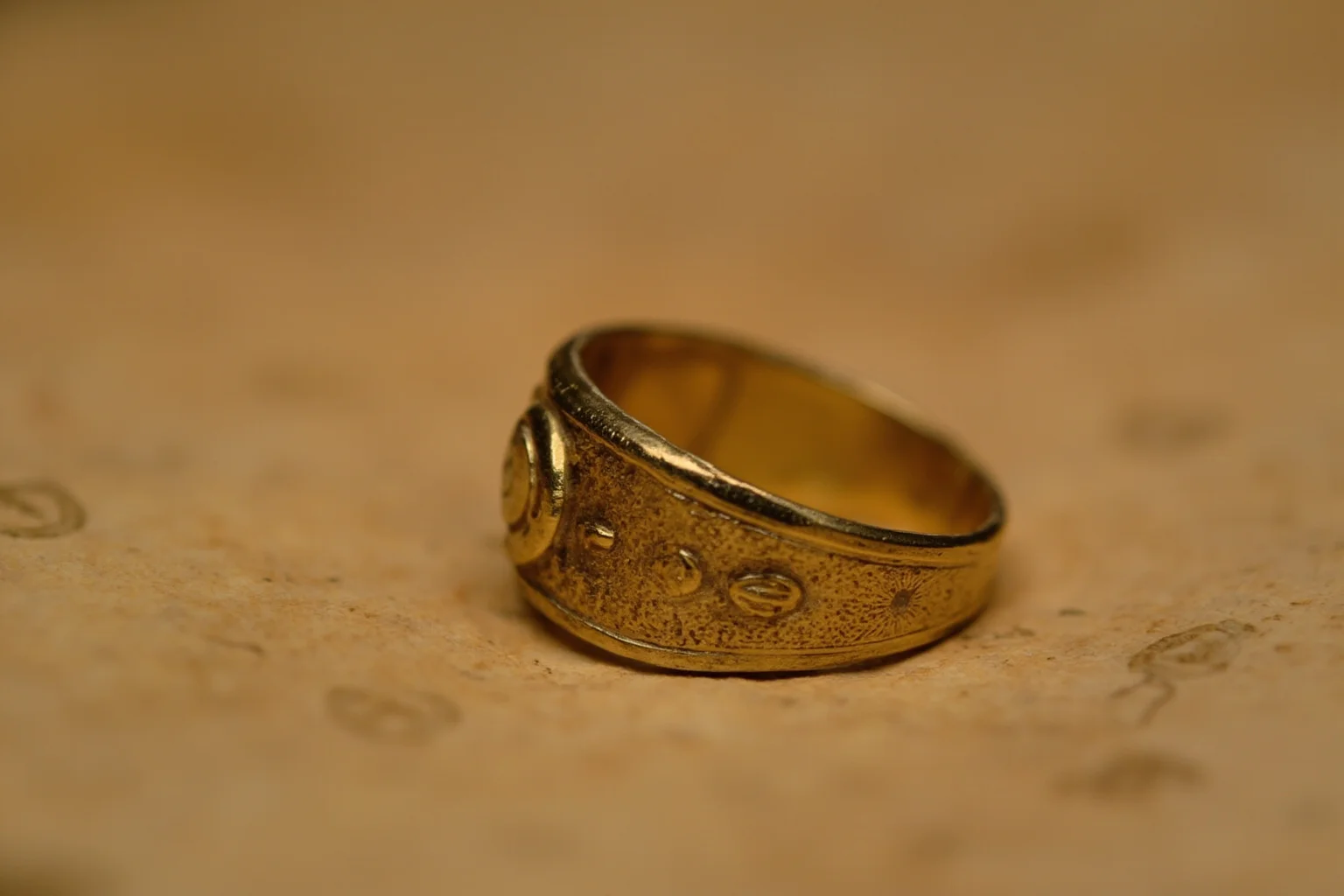
This genuine Roman gold ring, unearthed in a field in 1785 near The Vyne estate in Hampshire, England, is inscribed with a curse against a thief named Senicianus. Decades later, archaeologists found a separate curse tablet at a Roman temple in Lydney, naming the same thief and cursing him for stealing a ring.
Archaeologist Mortimer Wheeler consulted Oxford philologist J.R.R. Tolkien while researching the connection, and some historians believe the ring may have loosely inspired elements of Tolkien’s fiction. Unlike many entries on this list, both objects are real, documented, and still studied by archaeologists today.
18. The Isla de las Muñecas Dolls

On a small island in Xochimilco, Mexico, caretaker Julián Santana Barrera spent decades hanging discarded dolls in trees, reportedly to appease the spirit of a girl who drowned nearby. After his own death in 2001, the island became a popular, eerie tourist destination.
The dolls themselves aren’t tied to any single haunted item legend, but the sheer number of weathered, hanging figures has made the island one of the most photographed “haunted items” locations in the world. It’s less a cursed object story and more a folk memorial that grew into something else entirely.
19. The Amityville House Artifacts

Following the 1974 DeFeo family murders in Amityville, New York, the Lutz family moved into the same house and reported a haunting in 1975, later detailed in the bestselling book and film The Amityville Horror. Objects from the house, including items later linked to Ed and Lorraine Warren’s investigations, became attached to the legend.
William Weber, the DeFeo family’s defense attorney, later stated publicly that he and the Lutzes had embellished the haunting story over drinks. The case remains one of the most disputed hauntings in American history, though it continues to shape how people talk about possessed objects and haunted houses.
20. The Warrens’ Occult Museum Collection
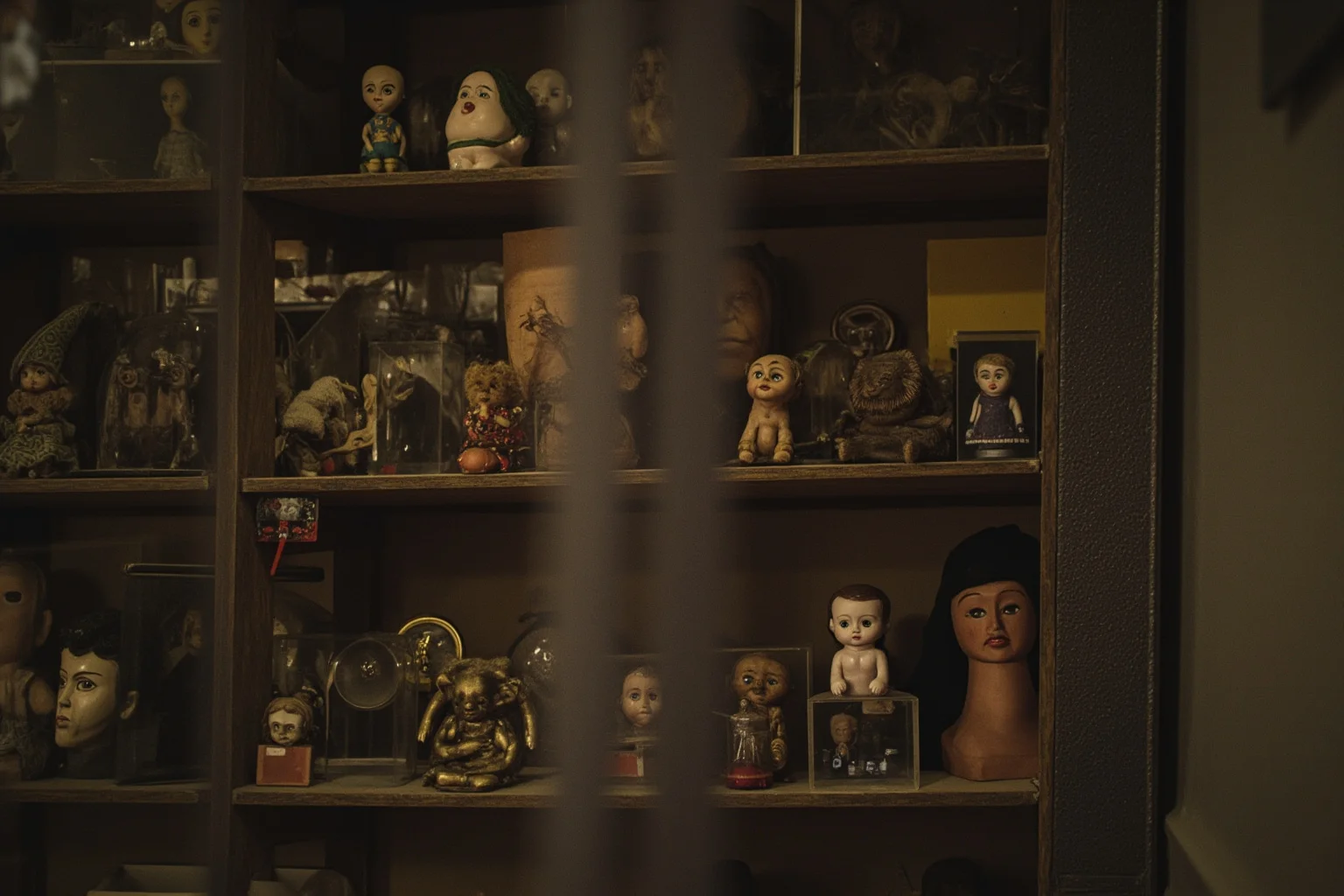
Beyond Annabelle, paranormal investigators Ed and Lorraine Warren amassed a large private collection of items linked to cases they investigated over five decades, displaying them in a small Connecticut museum. The collection reportedly included dolls, masks, and other so-called demonic artifacts pulled from their casework.
The museum closed to the public in 2019 due to zoning issues, though the Warrens’ legacy lives on through books, films, and continued fascination with their collection. It stands as one of the largest assembled groups of “cursed items” in one place, whatever one makes of the claims behind each piece.
So, Is Any Object Actually Cursed?
No cursed object on this list has ever been scientifically shown to cause harm through supernatural means. What these stories do reliably show is how humans process grief, fear, and coincidence by attaching meaning to physical things we can touch and see.
That doesn’t make the history any less compelling. Many of these objects are genuinely old, genuinely tied to real tragedies, and genuinely fascinating as artifacts of how earlier generations understood misfortune. The curse is often less about the object and more about the story we needed to tell.
Final Thoughts on History’s Cursed Objects
Whether it’s a diamond blamed for royal ruin or a doll blamed for a bad night’s sleep, cursed object legends reveal a very human need to explain the unexplainable. Some, like the Ring of Silvianus, rest on genuine archaeological evidence. Others, like the Basano Vase or the Dybbuk Box, are closer to modern campfire tales dressed in old-fashioned language.
Either way, these stories aren’t going anywhere. As long as people inherit strange old objects and experience strange runs of bad luck, someone will connect the two and a new legend will be born.
Frequently Asked Questions
What is the most haunted object in the world?
There's no single scientifically verified "most haunted object," but the Unlucky Mummy at the British Museum and Annabelle the doll are the two most commonly cited candidates in popular culture. Both owe much of their reputation to sensational media coverage rather than documented evidence.
Are cursed objects actually real?
There's no scientific evidence that any object carries a supernatural curse capable of causing harm. Most cursed object stories can be traced to coincidence, psychological pattern-seeking, or deliberate storytelling, though the historical artifacts themselves are often very real.
What’s the difference between a haunted item and a possessed object?
In folklore, a haunted item is generally believed to carry the lingering presence or energy of a deceased person, while a possessed object is thought to be controlled or animated by an active spirit or entity. The distinction is a matter of tradition and storytelling rather than any formal or scientific classification.
What are some famous nameless antiques & oddities people talk about?
Many well-known cursed items, like the Anguished Man painting or various "haunted dolls" sold online, are essentially unidentified antiques with no verifiable maker or origin story, which is part of why they attract so much speculation. These famous nameless antiques and oddities tend to gain elaborate backstories precisely because so little can be verified about where they actually came from.
Where are cursed objects in Tanglewood?
This phrase most often refers to a location or quest inside a video game or fictional setting rather than a real-world place, and it isn't connected to any documented historical curse. If you're researching real cursed artifacts and haunted items, the objects covered in this article, like the Hope Diamond or Busby's Stoop Chair, have actual historical documentation behind them.
Can you actually buy or own a cursed object?
Plenty of items marketed as cursed or haunted are sold online, often inspired by cases like the Dybbuk Box, but there's no evidence any of them carry supernatural properties. Buyers are generally paying for a story and a collectible curiosity rather than a genuine curse.

Alex Warren
Related Articles





