
Close your eyes and picture the Mesozoic Era. Odds are good you’re imagining a set of teeth the size of bananas, a roar that shakes the trees, and absolutely no chance of a friendly hello. That mental image isn’t entirely wrong, but it’s only half the story of a world that lasted roughly 180 million years and produced thousands of species.
Some of these animals genuinely earn the title of scariest dinosaurs — built with bone-crushing jaws, ripping claws, and hunting instincts refined over tens of millions of years. Others get an undeserved bad reputation from pop culture, when the fossil record actually paints them as gentle plant-eaters or awkward oddballs. This guide walks through both camps, separating the true terrifying dinosaurs from the misunderstood softies, with the science kept front and center.
TL;DR: The Mesozoic Era’s true scariest dinosaurs — like T. rex, Giganotosaurus, and Spinosaurus — earned their fearsome reputations through bite force and hunting adaptations, while many other famous dinosaurs were actually gentle, plant-eating giants that pop culture unfairly casts as villains.
What Actually Makes a Dinosaur “Scary”?
Before ranking anything, it helps to define terms. Paleontologists judge a predator’s fearsomeness using measurable traits: bite force, tooth shape, claw design, speed estimates from leg bones, and the size of prey found in stomach contents or bite marks on fossilized bones.
Size matters too, but it’s not everything. A dinosaur can be enormous and still be a harmless plant-eater, while a human-sized dinosaur with the right claws and pack-hunting behavior can be far more dangerous in practice.
It’s also worth remembering that “scary” is a modern, human judgment. These animals weren’t villains or heroes; they were simply doing what evolution shaped them to do in order to survive.
Did All the Dinosaurs Really Fear the T. Rex?
A popular phrase floating around online claims that all the dinosaurs feared the T. rex, as if every species from Stegosaurus to Brachiosaurus lived in constant dread of it. This makes for a great movie trailer, but it isn’t historically accurate.
Tyrannosaurus rex lived only in the very last few million years of the Cretaceous period, roughly 68 to 66 million years ago, and only in what is now western North America. Famous dinosaurs like Stegosaurus and Allosaurus had already been extinct for tens of millions of years before T. rex even evolved, so they never crossed paths with it at all.
Within its own time and place, T. rex likely was the apex predator, and smaller local herbivores like Triceratops and Edmontosaurus probably did have good reason to be wary of it. But the idea of a single dinosaur terrorizing the entire Mesozoic timeline is more Hollywood myth than paleontology.
The 20 Scariest Dinosaurs of the Mesozoic Era
Here are the dinosaurs that genuinely deserve a spot on any list of terrifying prehistoric predators, ranked with a mix of size, weaponry, and hunting ability in mind. These are the animals that make paleontologists nod seriously when someone asks what the most fearsome dinosaur really was.
1. Tyrannosaurus Rex
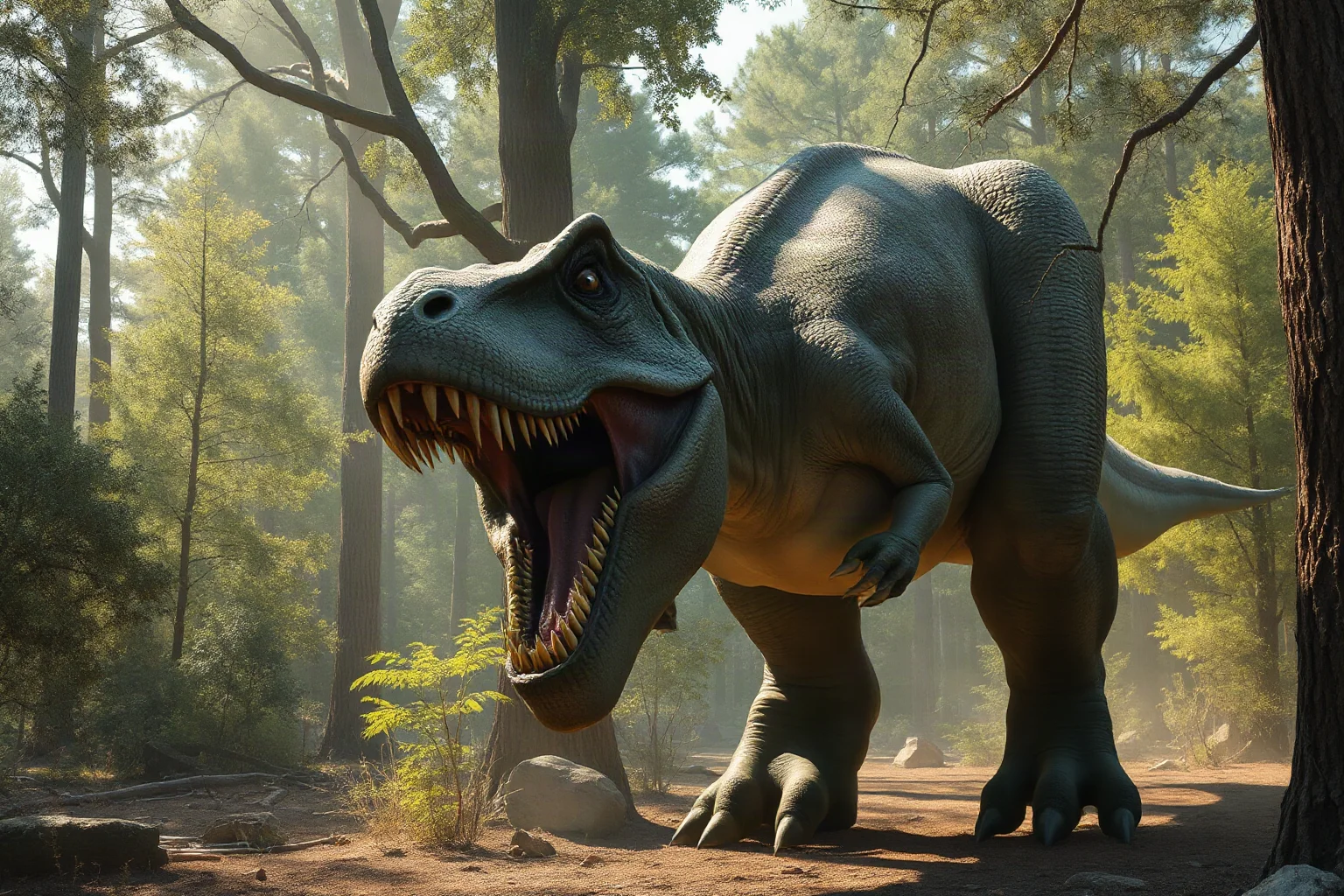
It’s the dinosaur every kid learns first, and for good reason. T. rex had one of the strongest bite forces ever measured in a land animal, with estimates from bone-crunching studies suggesting over 6 tons of force at the back teeth.
Its skull was reinforced to handle the stress of crushing bone, and broken, healed bones found in prey fossils confirm it wasn’t just scavenging. At up to 40 feet long and weighing several tons, T. rex remains the dinosaur most people picture when asked what do you call the scariest dinosaur.
2. Giganotosaurus
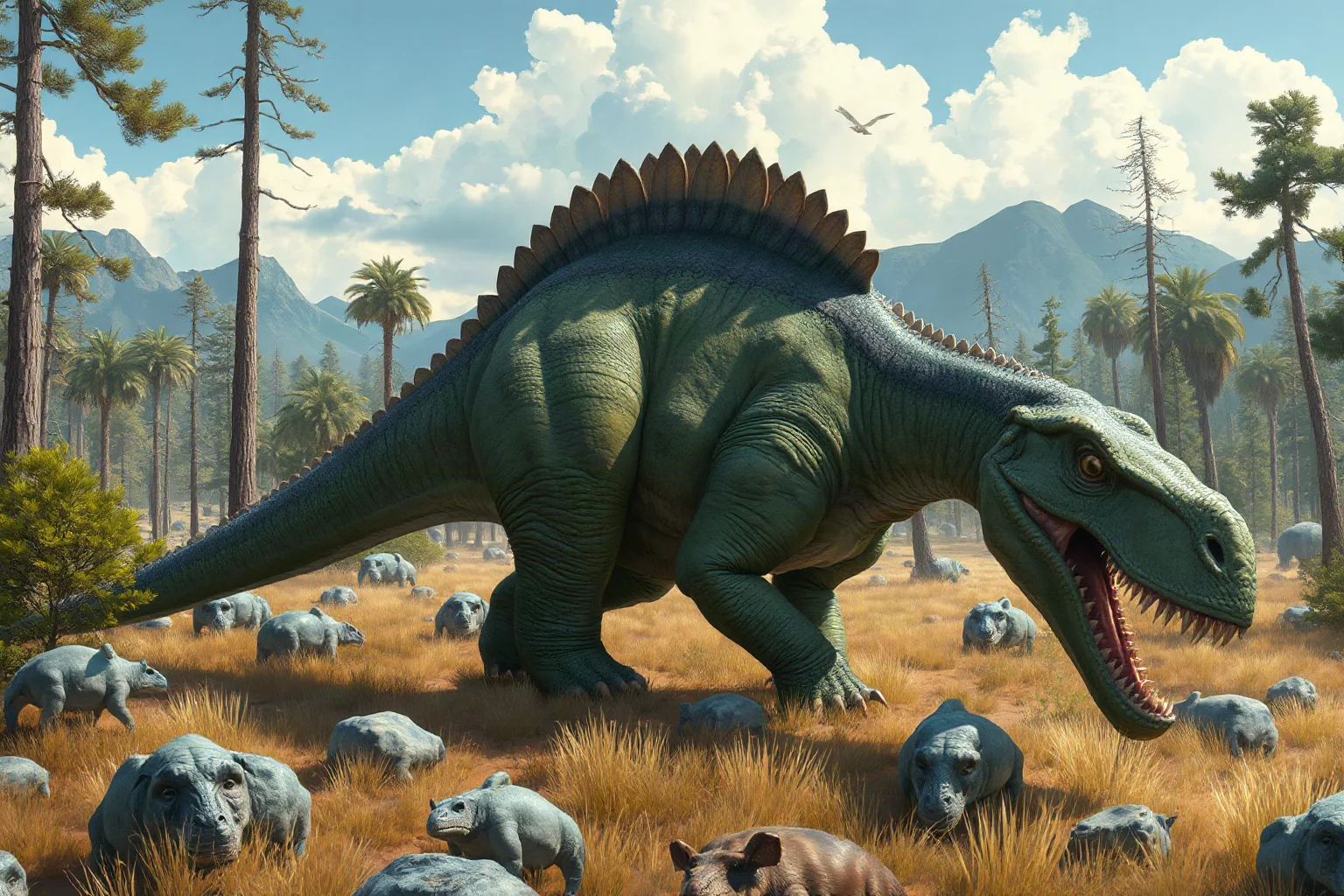
Living in South America around 99 to 97 million years ago, Giganotosaurus was longer than T. rex by some estimates, potentially reaching over 40 feet. Its skull was built more like a blade than a bone-crusher, suited for slashing bites rather than crushing power.
It likely hunted enormous long-necked sauropods, which means it may have taken down some of the biggest land animals to ever exist. That combination of size and target prey makes it one of the most fearsome dinosaur candidates in the entire fossil record.
3. Spinosaurus
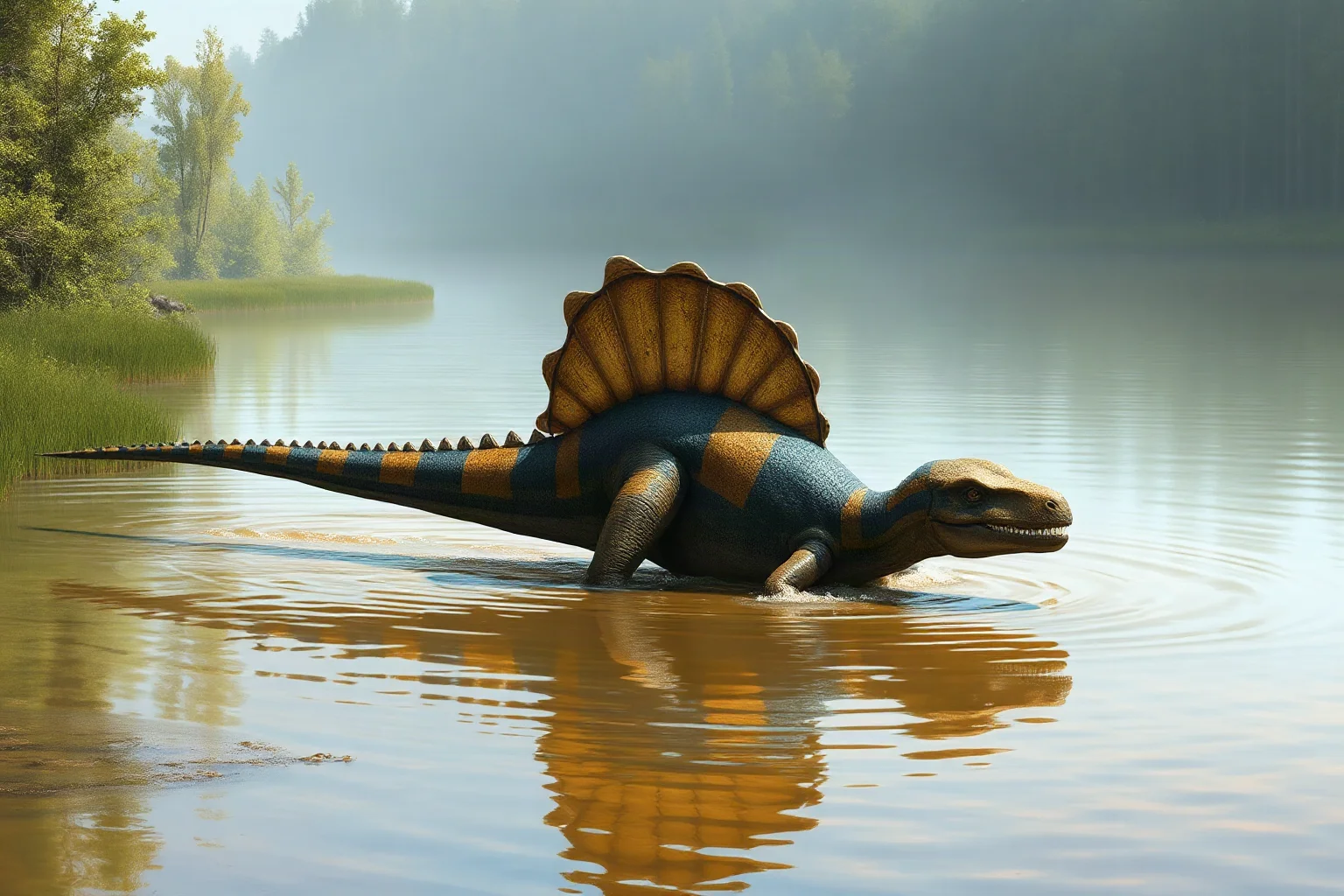
Spinosaurus holds the title of longest known carnivorous dinosaur, potentially stretching past 45 feet. Recent research suggests it was semi-aquatic, with dense bones for buoyancy control and a paddle-like tail for swimming through Cretaceous rivers in North Africa.
Its long, crocodile-like snout was lined with conical teeth built for grabbing slippery prey like fish. A dinosaur this size hunting from the water is a genuinely unsettling image, even if it wasn’t chasing land animals the way T. rex did.
4. Carcharodontosaurus
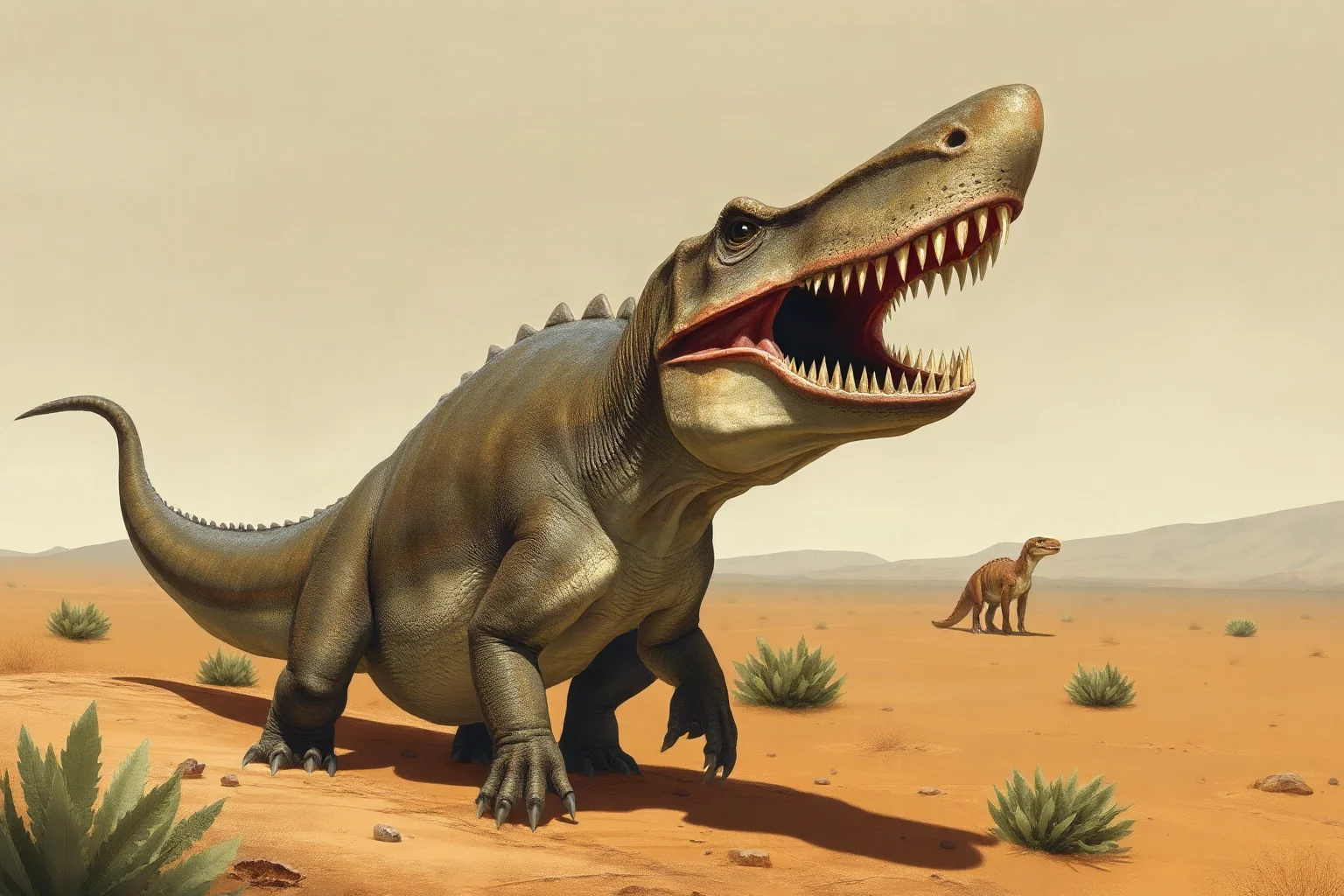
Named for its shark-like teeth, Carcharodontosaurus prowled North Africa around 100 million years ago and rivaled Giganotosaurus in size. Its serrated teeth were built for slicing through flesh in a way that would have caused massive blood loss quickly.
It shared its ecosystem with Spinosaurus, meaning this region of ancient Africa hosted two of the largest carnivorous dinosaurs ever found at the same time. That overlap makes Cretaceous North Africa one of the scariest places a time traveler could visit.
5. Allosaurus
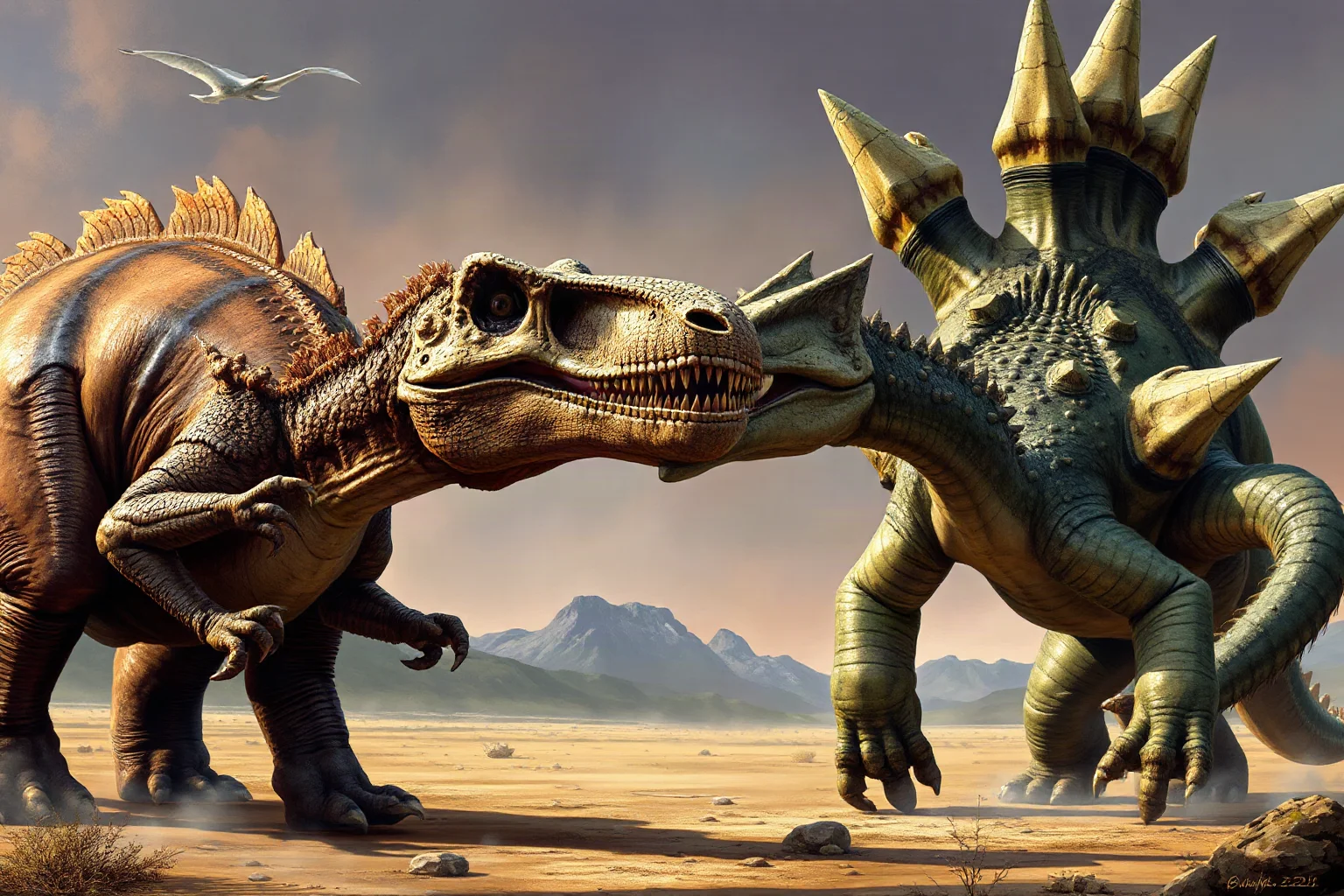
Before T. rex existed, Allosaurus ruled Late Jurassic North America as the dominant predator. It grew up to 30 feet long and had a hatchet-like skull suited for delivering repeated slashing bites rather than one crushing bite.
Fossil evidence, including bite marks on Stegosaurus tail spikes and armor, shows Allosaurus regularly clashed with heavily defended prey. It also may have hunted in loose groups, based on multiple individuals found together at some sites.
6. Velociraptor
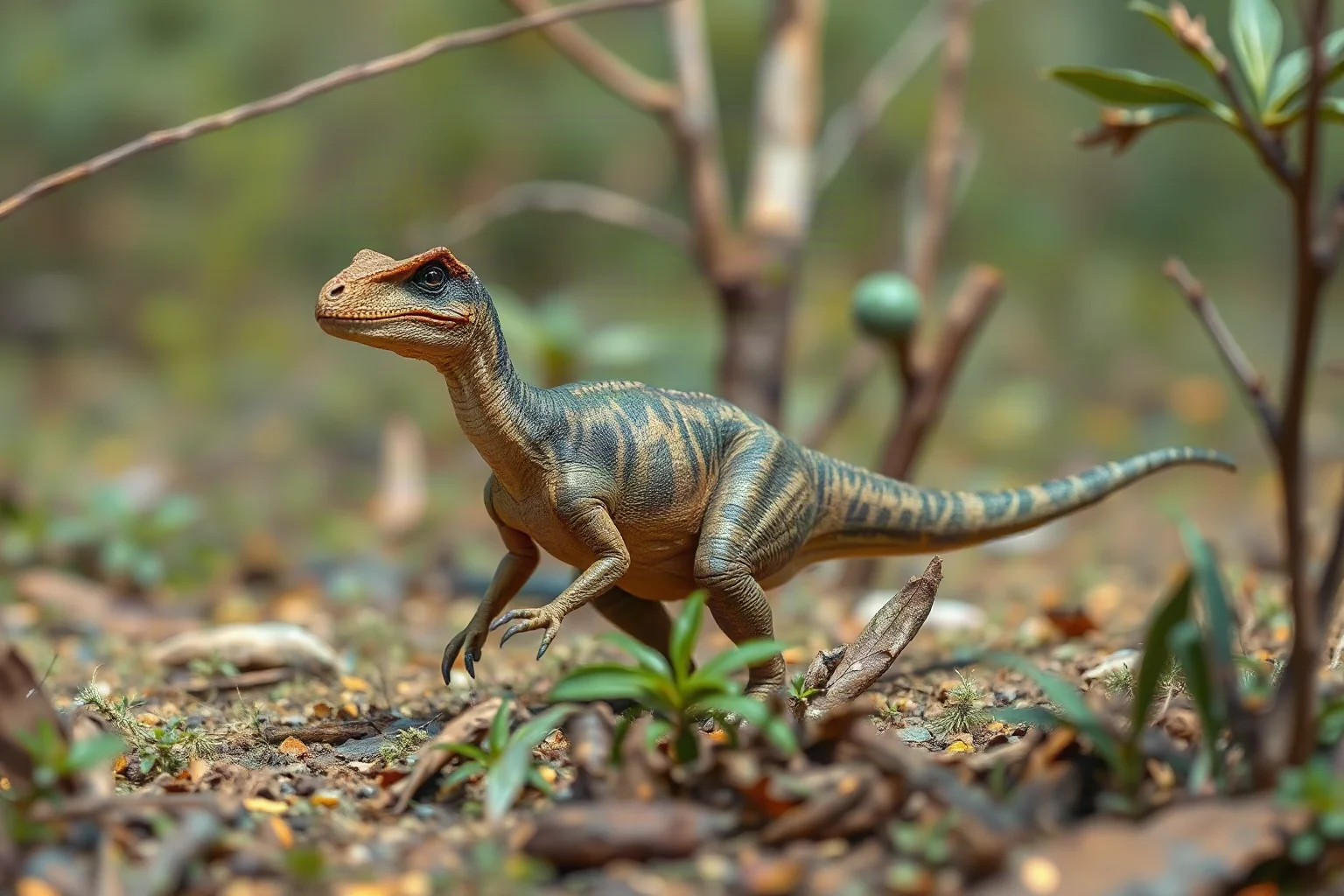
Thanks to movies, most people imagine Velociraptor as a six-foot-tall pack hunter. In reality it was closer to the size of a turkey, covered in feathers, and far less imposing physically than its on-screen version.
What it lacked in size it made up for in weaponry, with a curved, retractable killing claw on each foot and a stiff tail for balance during fast, agile movement. A famous fossil shows one locked in combat with a Protoceratops, offering rare direct evidence of predatory behavior.
7. Deinonychus
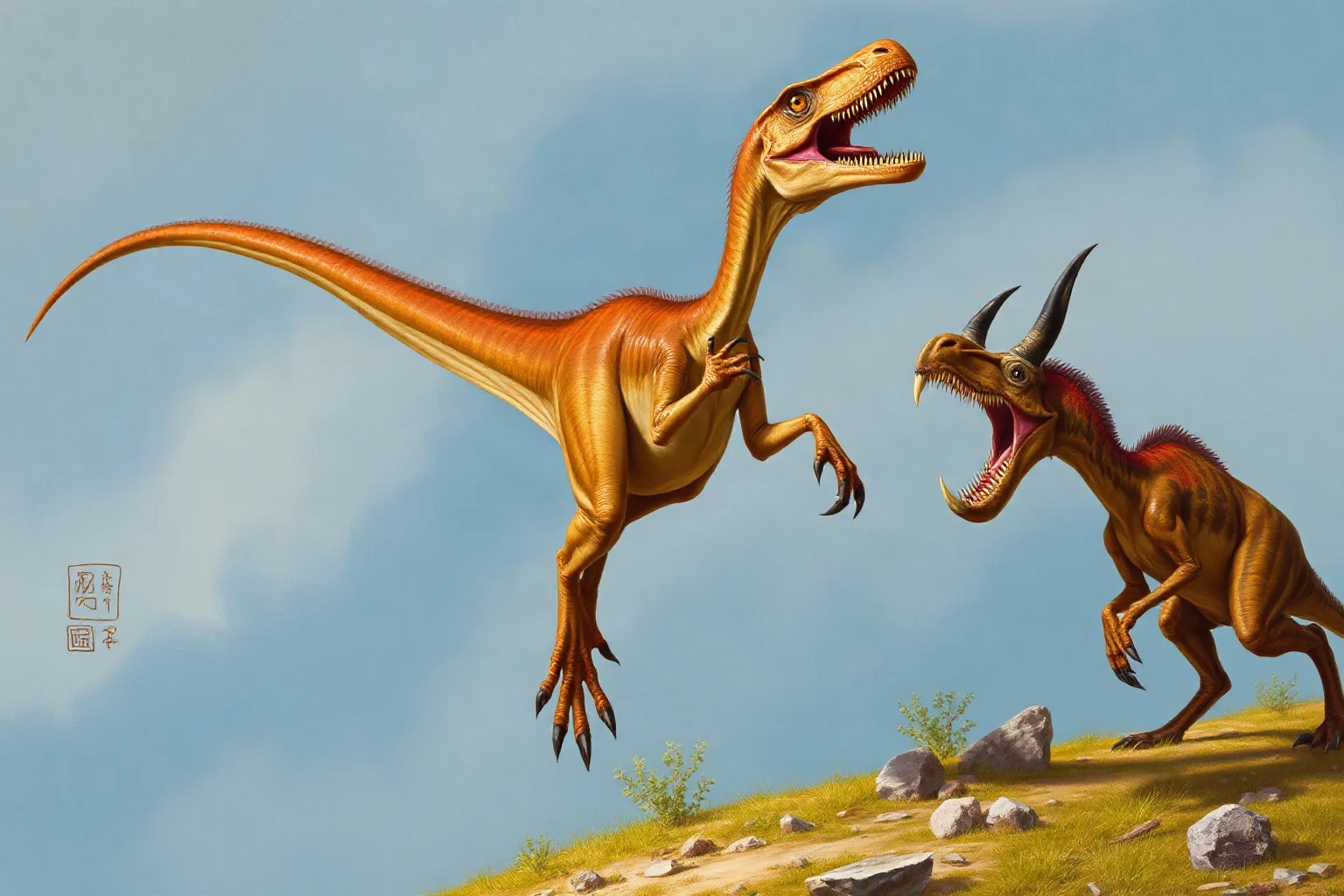
Deinonychus is the dinosaur that actually inspired the movie version of Velociraptor’s size and behavior. At around 11 feet long, it had the same sickle-shaped claw and was one of the animals that helped scientists connect birds to dinosaurs in the 1960s.
Tooth marks on the bones of the much larger herbivore Tenontosaurus suggest Deinonychus may have hunted prey far bigger than itself, possibly in groups. That kind of coordinated aggression is exactly what makes it feel like a genuinely terrifying dinosaur.
8. Utahraptor
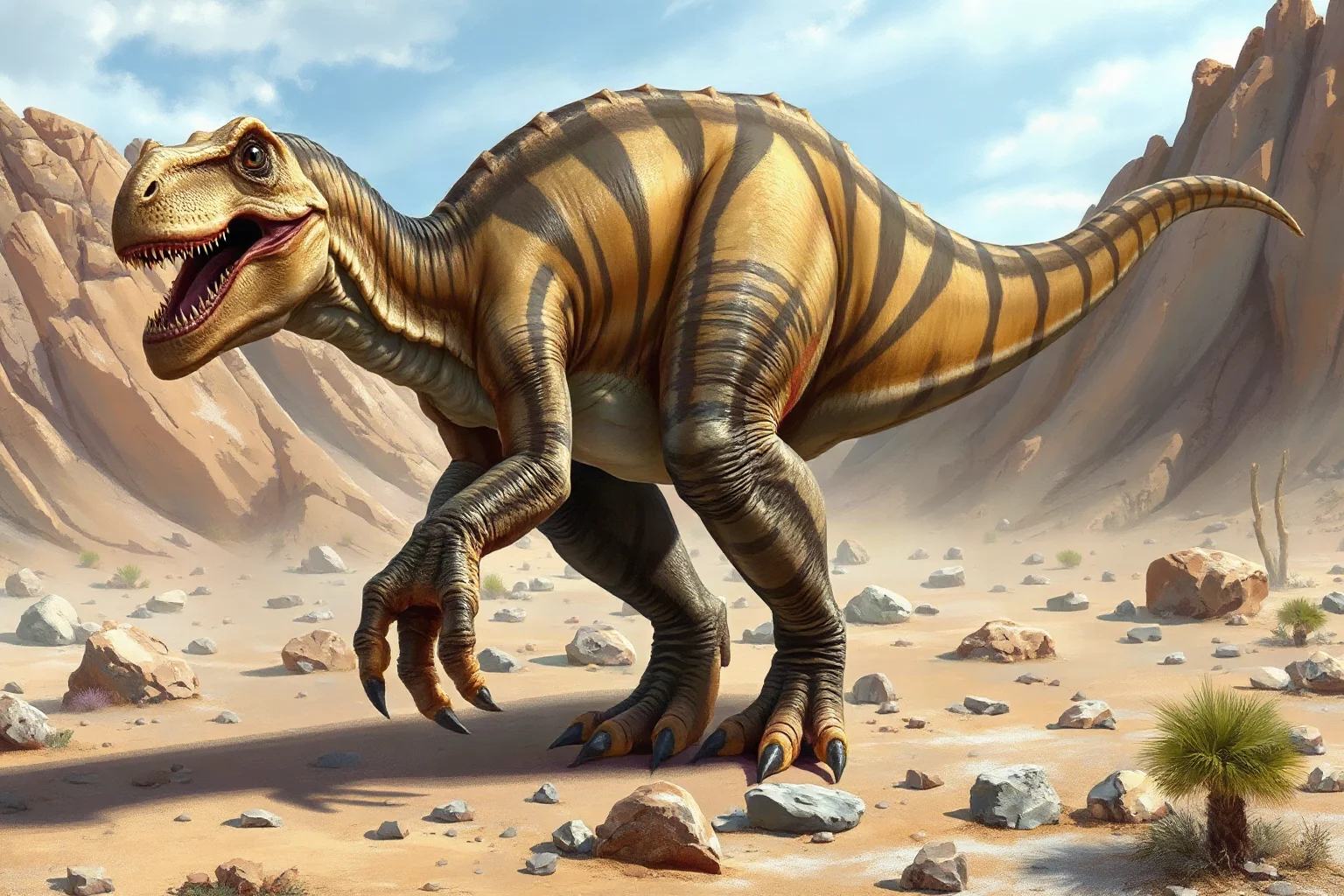
Utahraptor was the largest known member of the raptor family, reaching lengths of around 20 feet, making it far bigger than its raptor relatives. It had an oversized sickle claw on each foot, estimated at up to nine inches long.
Discovered in Utah in the 1990s, it lived earlier than Velociraptor and Deinonychus, showing that raptor-type predators were already fearsome well before the mid-Cretaceous. Its sheer size combined with raptor agility makes it a strong pick for most fearsome dinosaur in its weight class.
9. Tarbosaurus
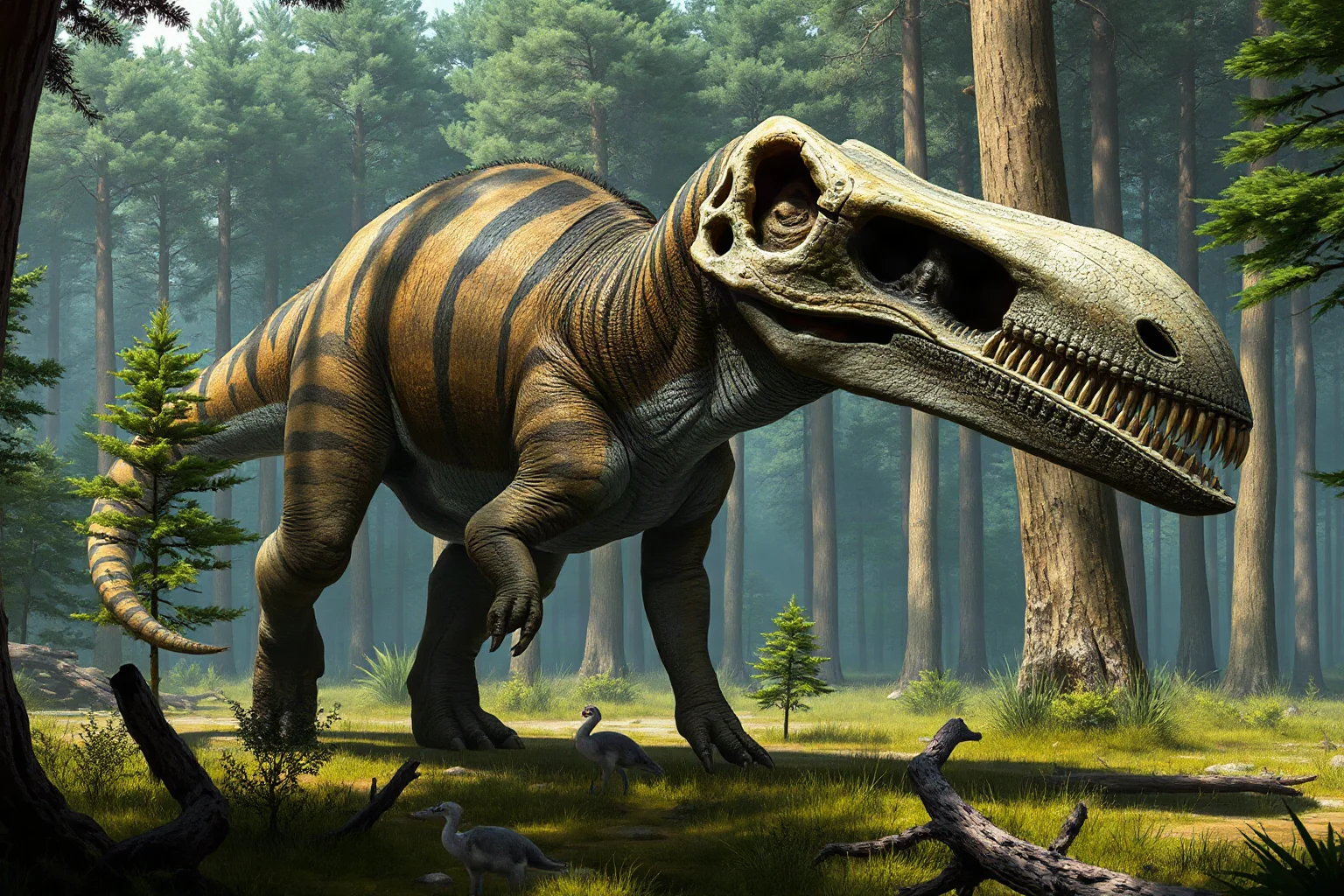
Often called Asia’s version of T. rex, Tarbosaurus lived in what is now Mongolia and China around 70 million years ago. It shared a similar body plan, with a massive skull, small forelimbs, and powerful jaws suited for crushing bone.
Some researchers consider it closely related enough to T. rex to debate whether it deserves its own genus. Either way, it was almost certainly the apex predator of its ecosystem, feared by every other animal sharing its territory.
10. Ceratosaurus
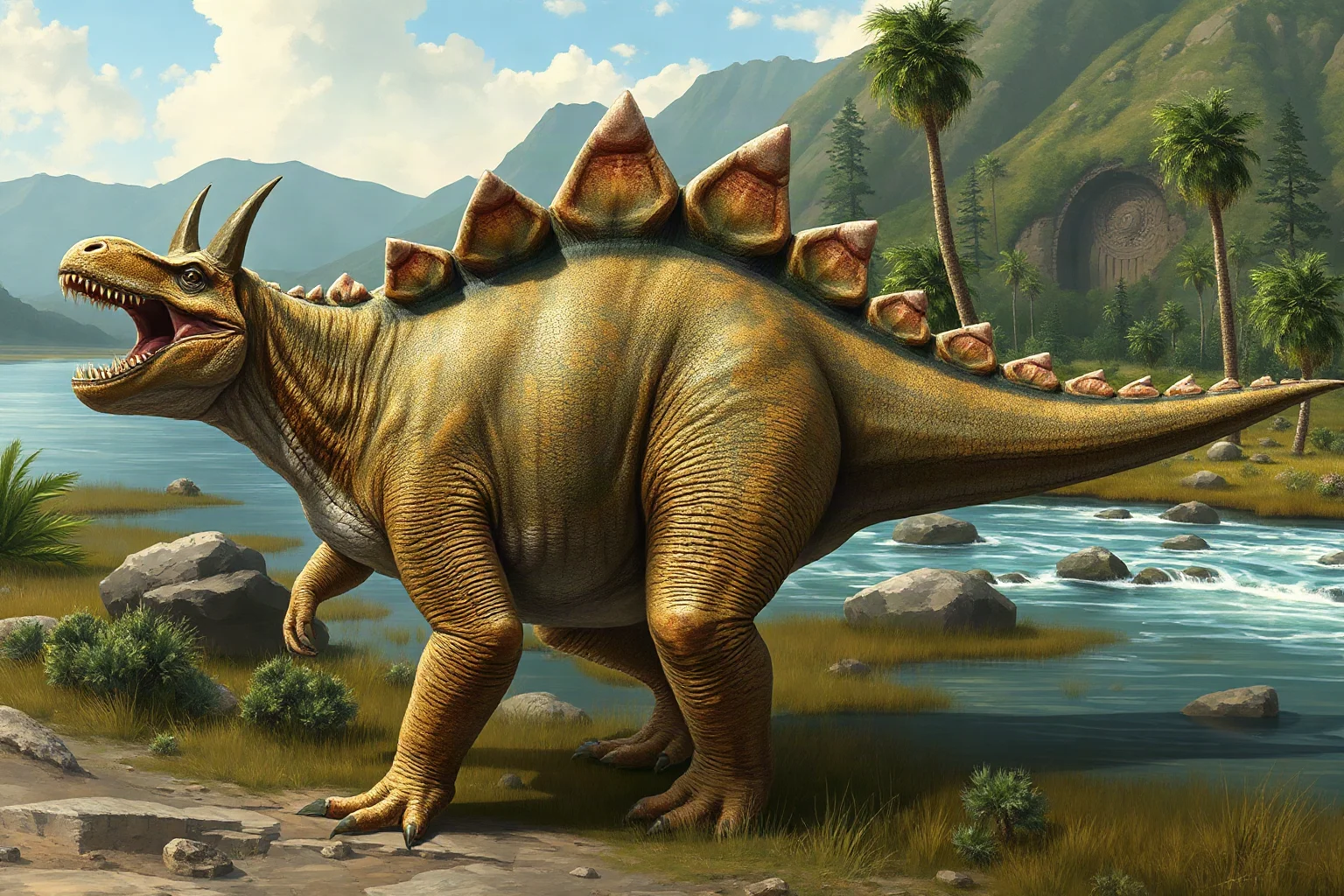
Ceratosaurus prowled Late Jurassic North America alongside Allosaurus, distinguished by a prominent nose horn and rows of bony scutes running down its back. It grew to around 20 feet and had unusually long, blade-like teeth compared to other predators of its size.
Its exact hunting style is debated, but the horn and armor-like ridges gave it a genuinely dragon-like appearance. Few dinosaurs look as purely menacing in skeletal reconstructions as Ceratosaurus does.
11. Majungasaurus
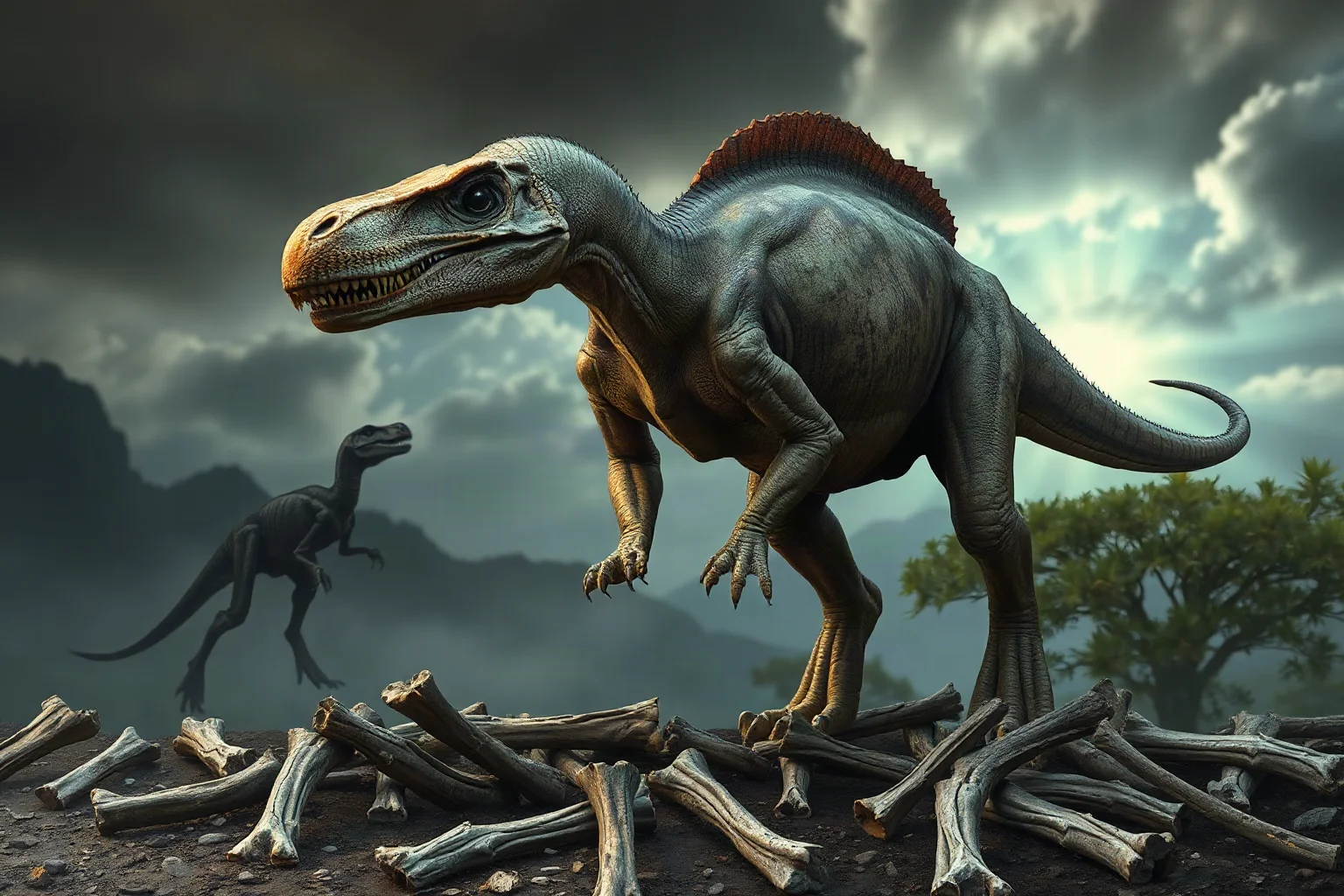
Found in Madagascar, Majungasaurus lived near the end of the Cretaceous and left behind some of the most unsettling fossil evidence in paleontology. Bones of other Majungasaurus individuals bear tooth marks matching its own teeth, providing direct evidence of cannibalism.
That’s not speculation from a movie script; it’s documented in peer-reviewed research on bite mark patterns. Combined with a thick, short skull built for powerful bites, it’s one of the most genuinely disturbing dinosaurs on record.
12. Baryonyx
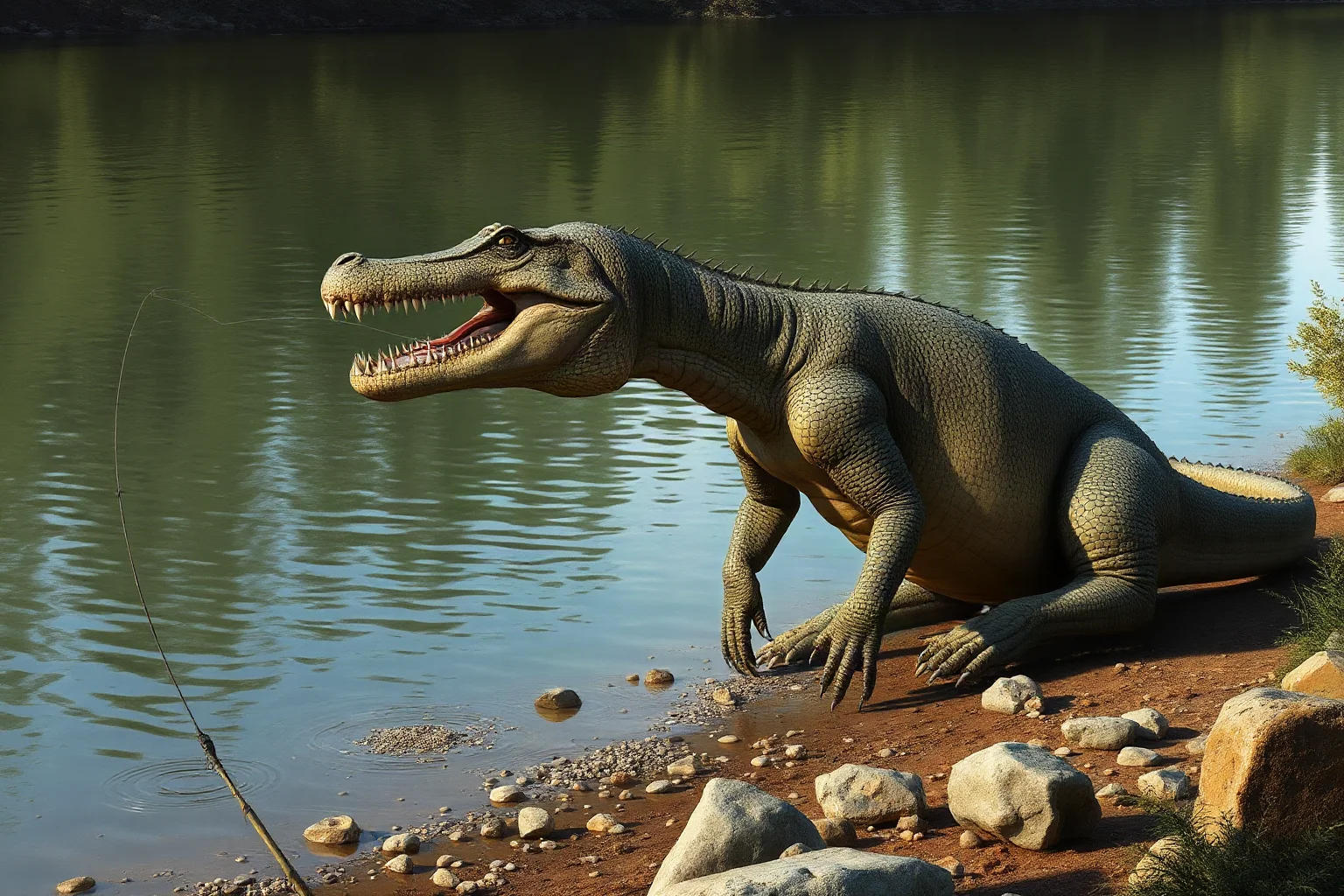
Discovered in England, Baryonyx had a long, narrow snout similar to a crocodile’s and unusually large claws on its hands, including one that could exceed 12 inches. Fossilized fish scales found in its stomach region confirm it ate fish, likely wading into rivers to fish much like a modern heron on a much larger scale.
Its claws may have been used for hooking slippery prey out of the water rather than pure combat. Still, a car-sized animal with foot-long claws wading toward you is unsettling regardless of its diet.
13. Suchomimus
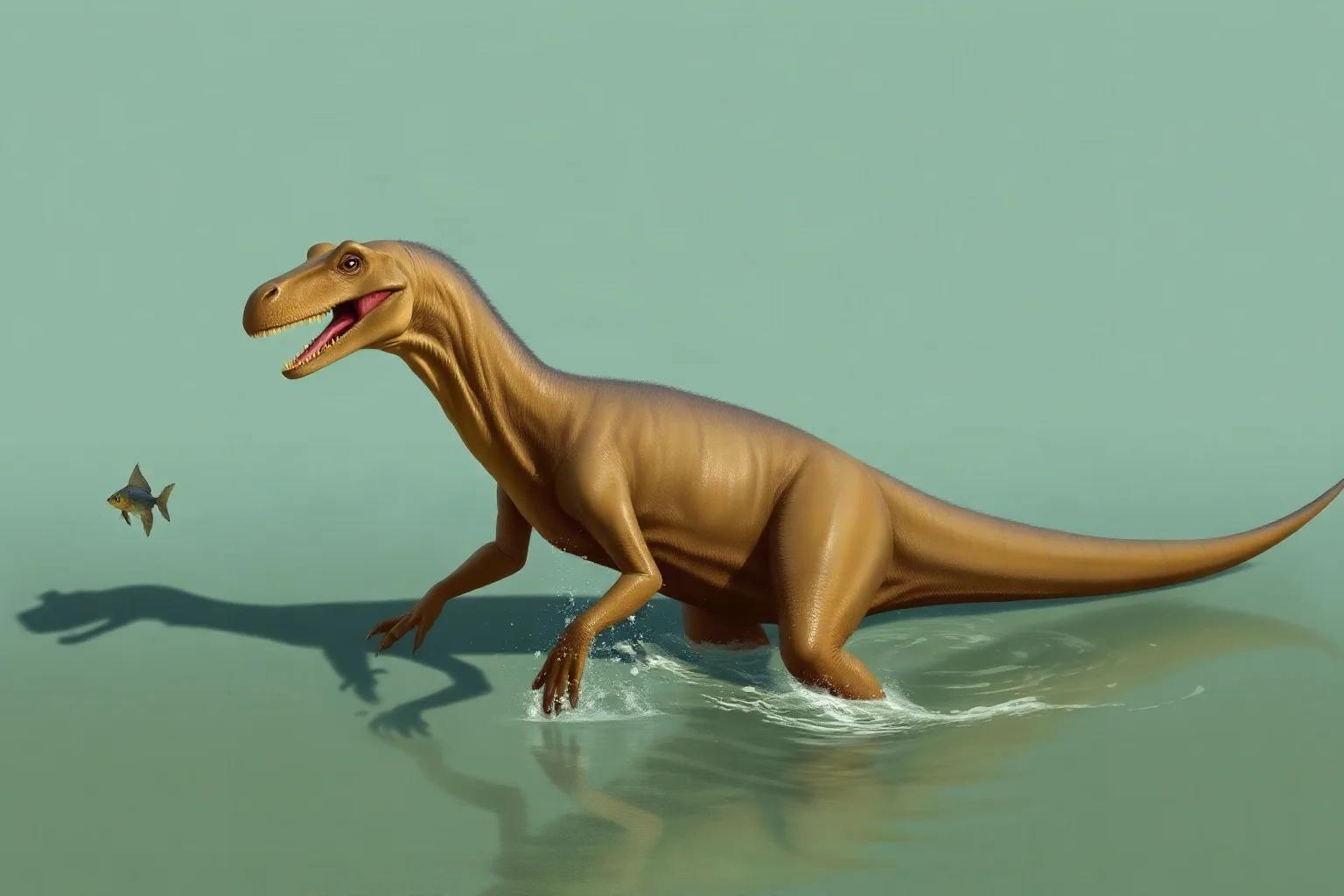
A close relative of Baryonyx, Suchomimus lived in what is now Niger and grew even longer, potentially reaching 36 feet. Its name literally means “crocodile mimic,” reflecting its long, low, tooth-lined snout built for grabbing fish.
Despite the fish-focused diet, its overall size put it in the same size range as some of the biggest land predators ever discovered. Standing next to one would have felt far closer to meeting a dragon than a heron.
14. Dilophosaurus
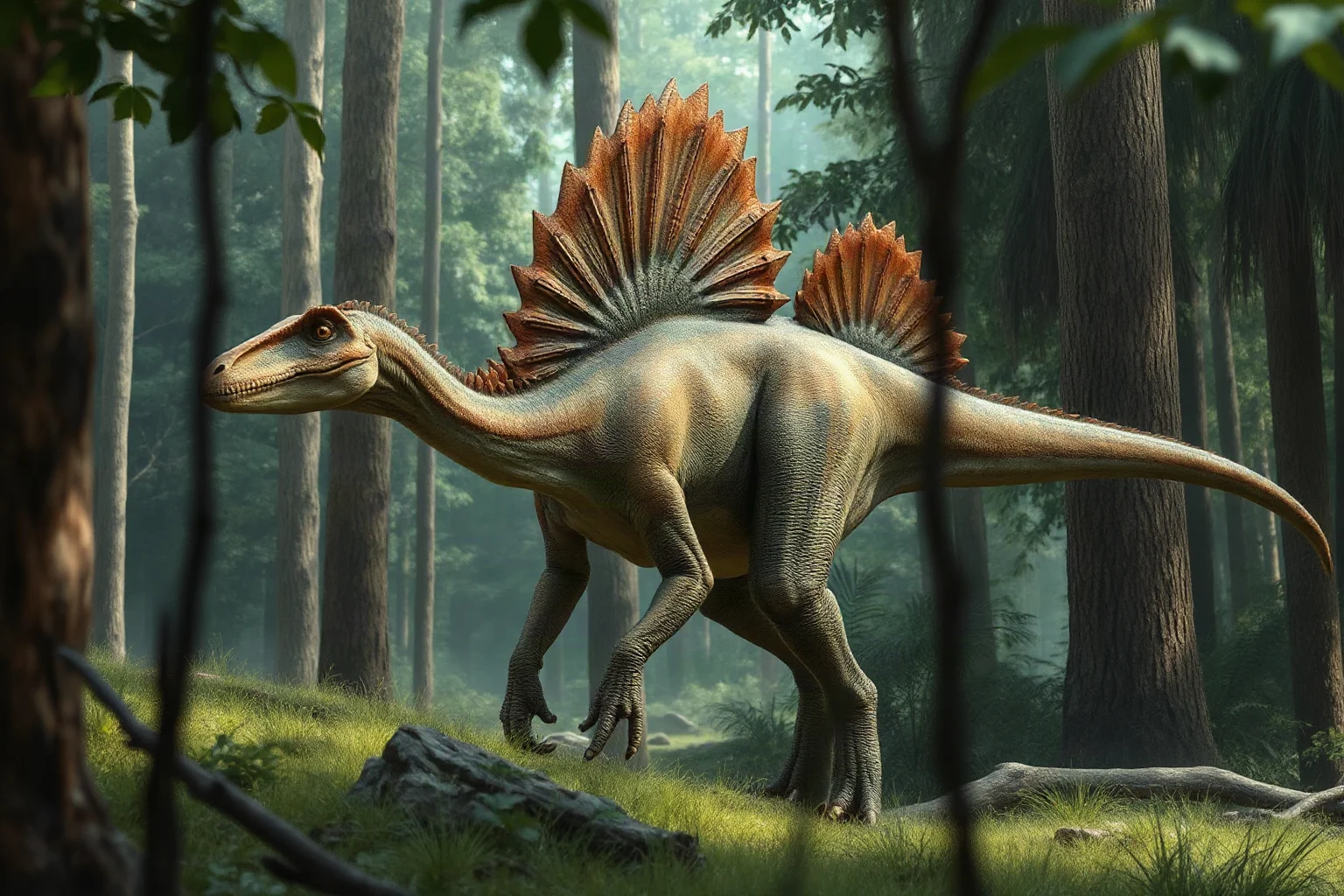
Thanks to Jurassic Park, most people picture Dilophosaurus as a small, frill-necked dinosaur that spits venom. Real fossil evidence shows no frill, no venom glands, and a much larger body, likely around 20 feet long, roughly three times the movie version’s size.
It did have a distinctive double crest on its skull, which probably served a display purpose rather than a combat one. The real Dilophosaurus is a great reminder that some “scary dinosaur” myths come more from screenwriters than fossils.
15. Yutyrannus
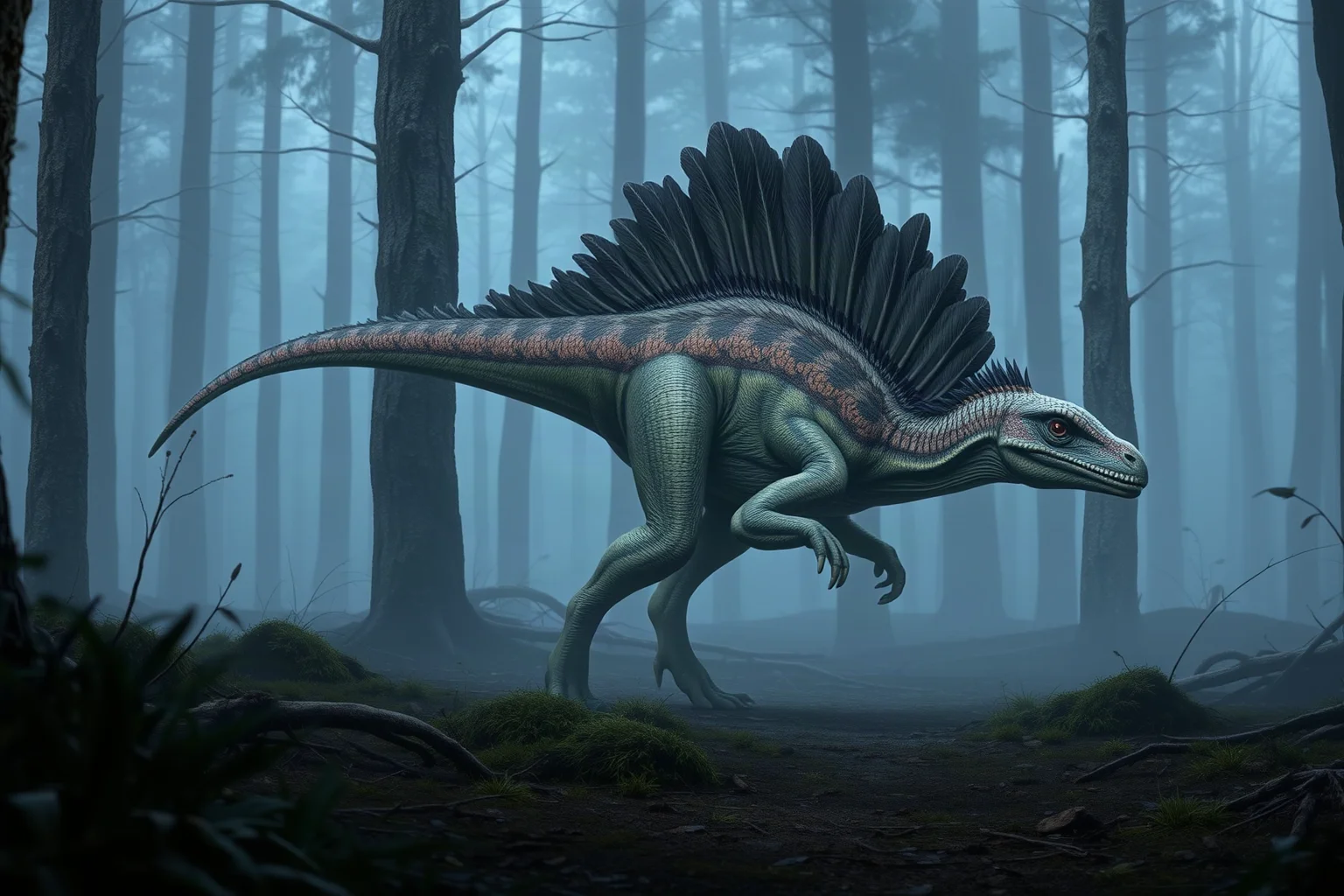
Yutyrannus is one of the largest dinosaurs known to have been covered in feathers, reaching around 30 feet in Early Cretaceous China. It was a relative of T. rex, showing that even large tyrannosaur cousins could be feathered rather than scaly.
The image of a feathered, wolf-sized-and-then-some predator stalking through a cold Cretaceous forest adds a genuinely eerie dimension to how we picture dinosaur predators. It also reshaped assumptions about which dinosaurs had feathers versus scales.
16. Albertosaurus
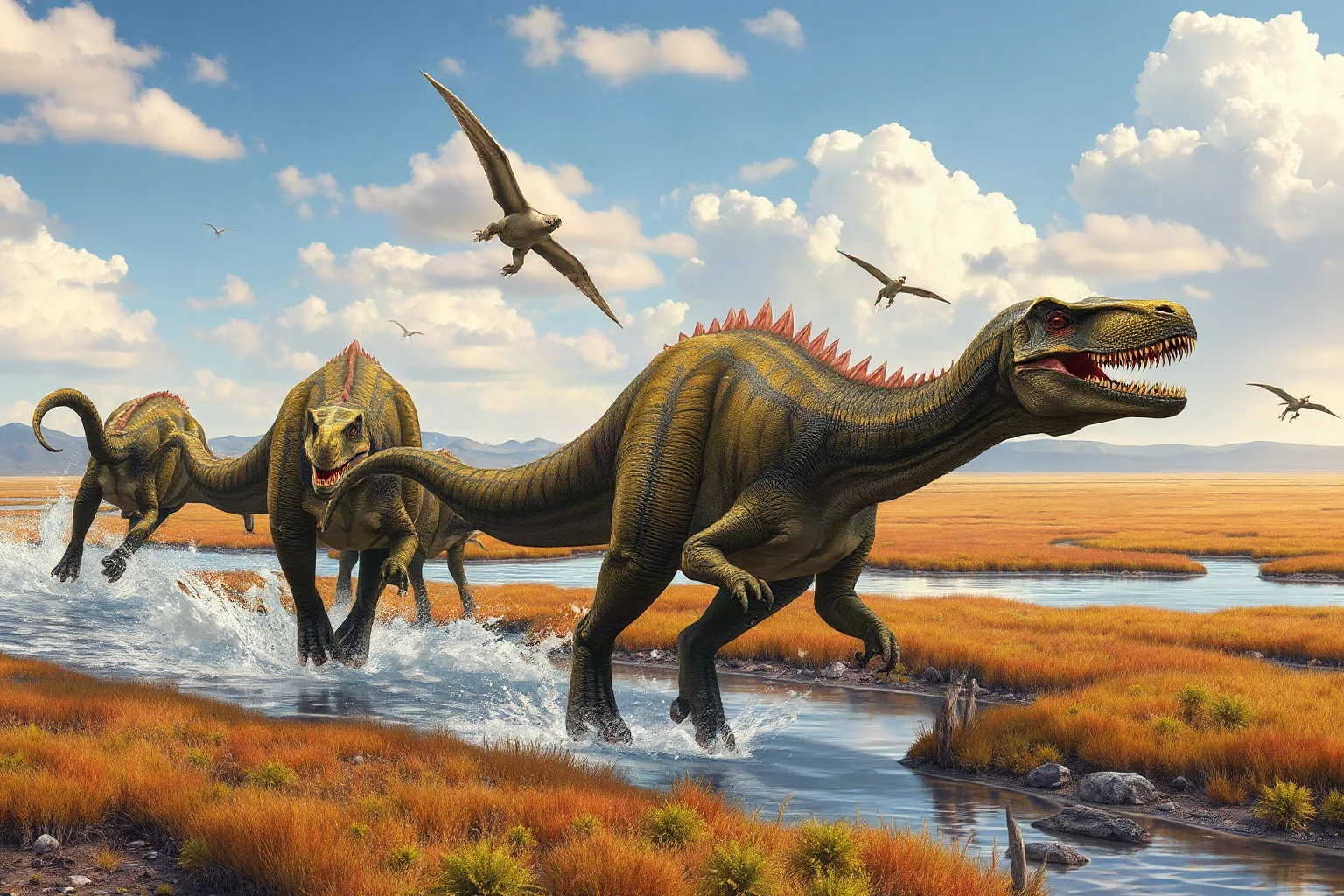
A smaller cousin of T. rex, Albertosaurus lived in what is now Canada around 70 million years ago and reached about 30 feet in length. A bonebed containing multiple individuals of different ages has led some researchers to suggest it may have hunted in groups, though this remains debated.
If accurate, group-hunting tyrannosaurs would be a genuinely frightening prospect for any prey animal nearby. Even without that behavior confirmed, its speed and bite made it a formidable predator on its own.
17. Daspletosaurus
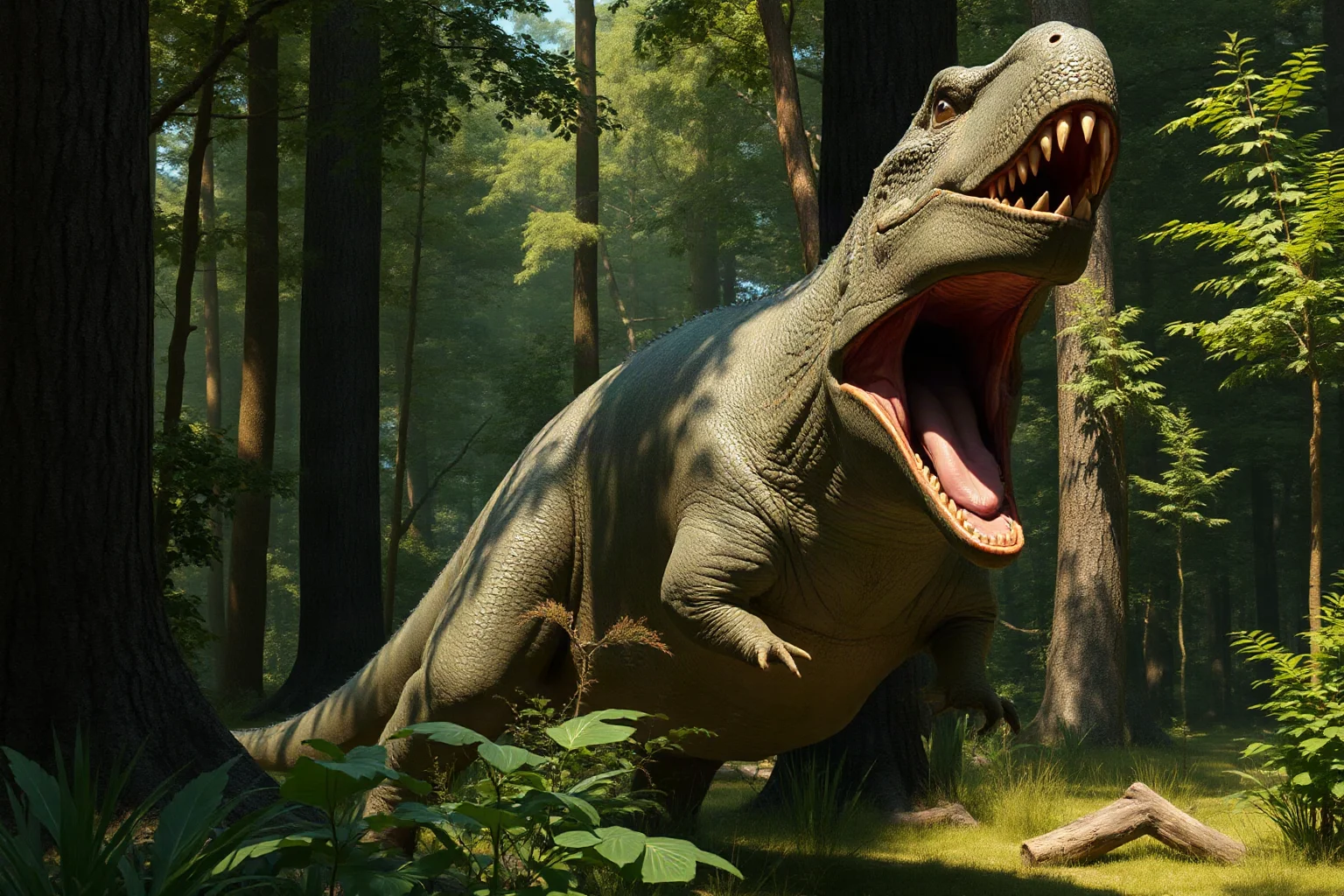
Daspletosaurus lived slightly earlier than T. rex and shared many of its features, including a heavily built skull and powerful jaw muscles. Some fossil specimens show healed bite wounds on the face, suggesting these animals may have fought each other, possibly over territory or mates.
That kind of intraspecies aggression adds another layer to its fearsome reputation. It wasn’t just prey animals that needed to watch out around a Daspletosaurus.
18. Carnotaurus
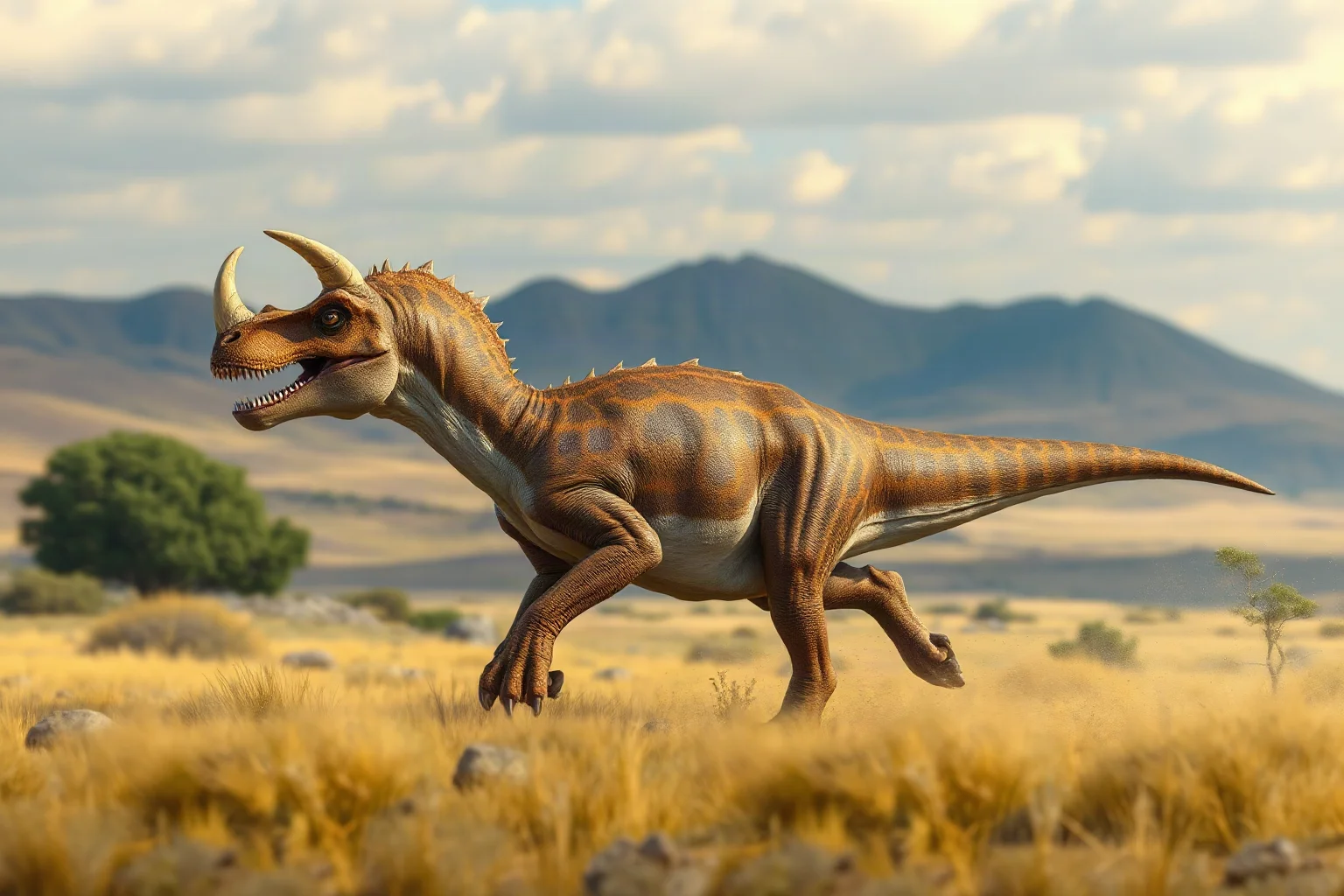
Carnotaurus, from Late Cretaceous Argentina, is instantly recognizable for the pair of thick horns above its eyes and an unusually short, deep skull. Its arms were even more reduced than T. rex’s, but it was likely built for speed, with long, slender legs suited for fast pursuit.
The combination of horns, a bulldog-like face, and speed gives Carnotaurus one of the more genuinely alien appearances among large predators. It looks less like a typical dinosaur and more like something built for pure aggression.
19. Megalosaurus
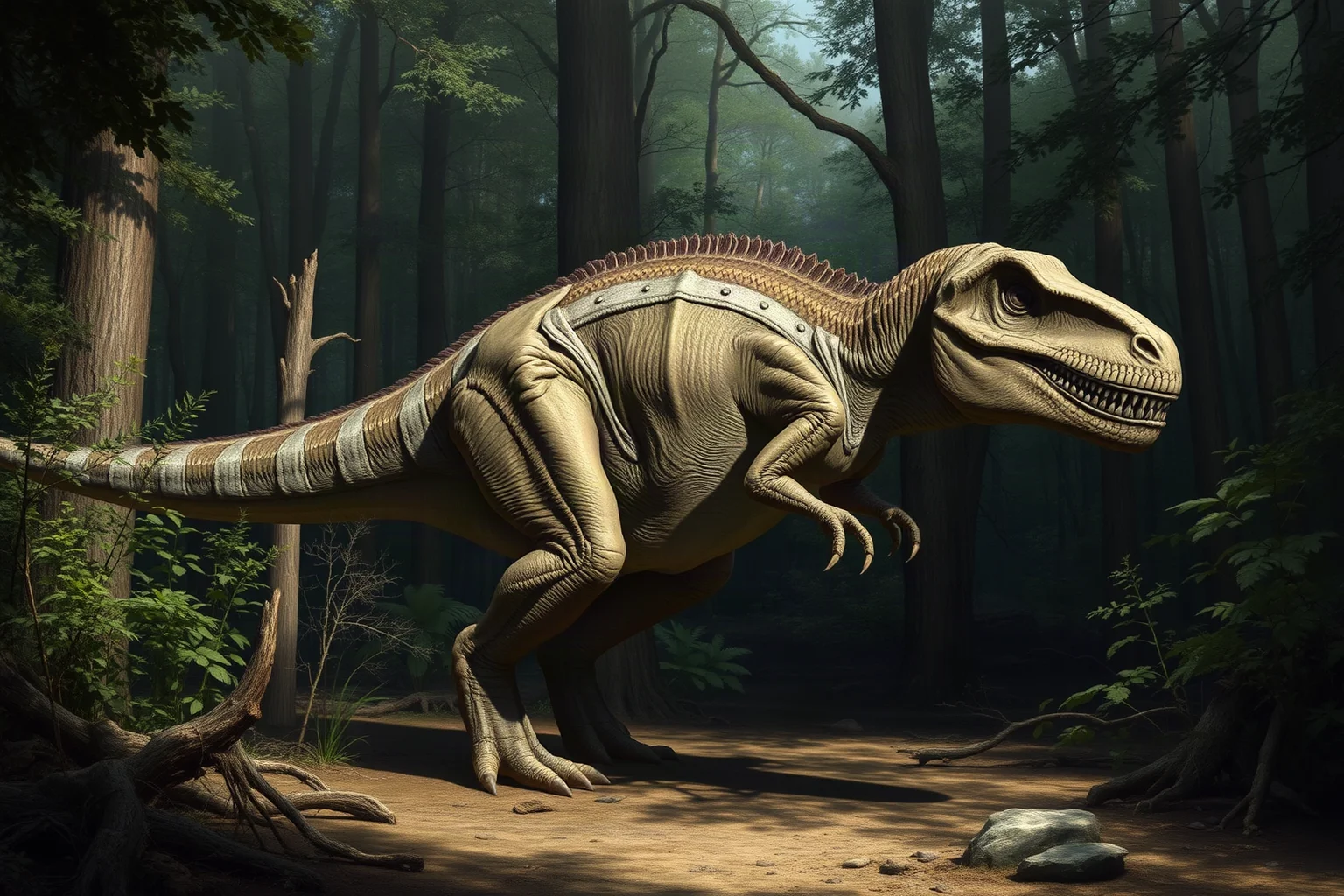
Megalosaurus holds a special place in history as the first dinosaur ever formally named and described, back in 1824. Known mostly from fragmentary remains, it was a large Jurassic predator from England, likely in the 20- to 30-foot range.
Because so little of its skeleton has been found compared to later discoveries, much of its exact appearance remains uncertain. Even so, it kicked off the entire scientific study of dinosaurs, making it foundational to every scarier dinosaur discovered since.
20. Torvosaurus
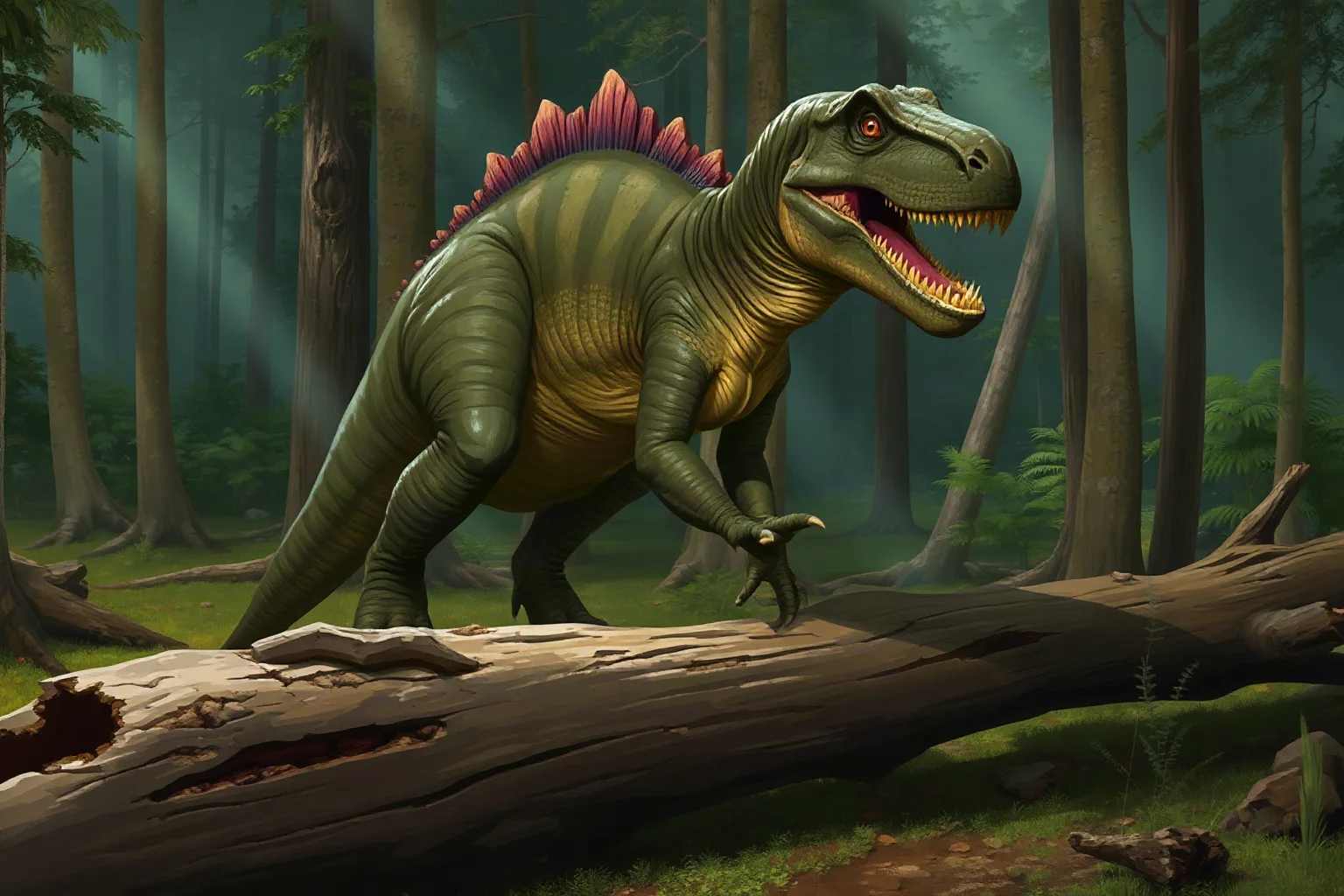
Torvosaurus was one of the largest predators of the Late Jurassic, rivaling Allosaurus in size at up to 33 feet long, with a heavily built body and large, blade-like teeth. It lived in both North America and, in a related form, Europe, suggesting these massive predators had a wide range.
Its robust build suggests it may have specialized in overpowering large, well-defended prey rather than relying purely on speed. Alongside Allosaurus and Ceratosaurus, it made Late Jurassic North America an especially dangerous place to be a plant-eater.
10 Surprisingly Friendly (or at Least Non-Scary) Dinosaurs
Not every dinosaur deserves a horror-movie reputation. Many of the most famous species were slow-moving plant-eaters whose defensive weapons were built for protection, not predation, and whose behavior — as far as fossils can tell us — leaned far more toward peaceful grazing than hunting.
21. Triceratops
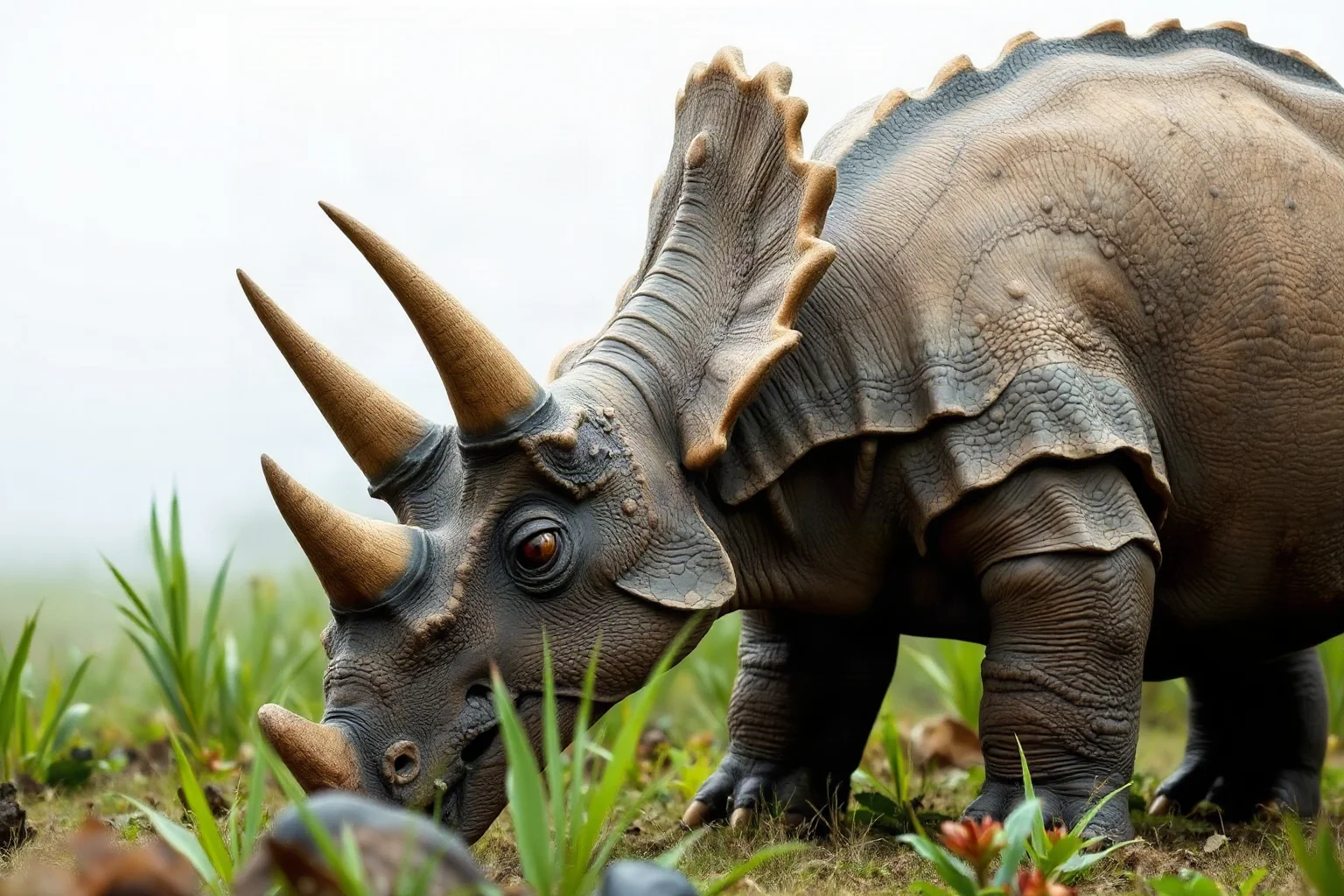
Triceratops is often drawn as a fierce battler, but its three horns and massive frill were almost certainly used for defense against predators like T. rex and for display or combat within its own species, not for attacking other animals. It was a plant-eater through and through, grazing on low vegetation across Late Cretaceous North America.
Healed bite marks matching T. rex teeth on some Triceratops fossils show it could and did fight back when attacked. That’s self-defense, though, not the behavior of an aggressor.
22. Stegosaurus
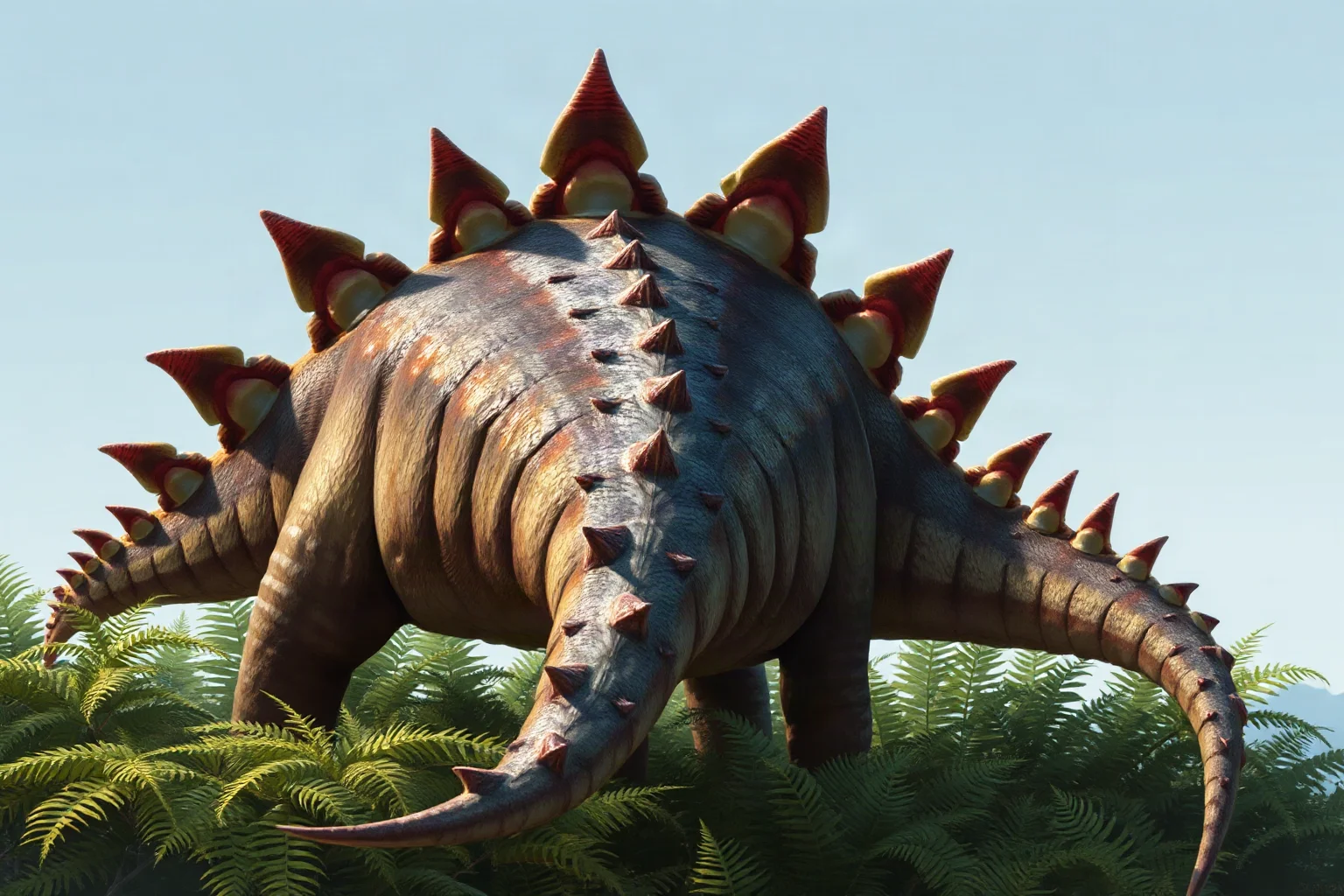
With its rows of back plates and spiked tail, Stegosaurus looks armored for war, but it was a slow-moving herbivore that primarily used its tail spikes defensively. Fossil evidence of an Allosaurus pelvis bone with a matching puncture wound suggests its tail spikes worked well when it needed them.
Otherwise, Stegosaurus spent its days quietly browsing on ferns and shrubs. It’s a great example of a dinosaur built to survive scary predators, not to become one.
23. Brachiosaurus
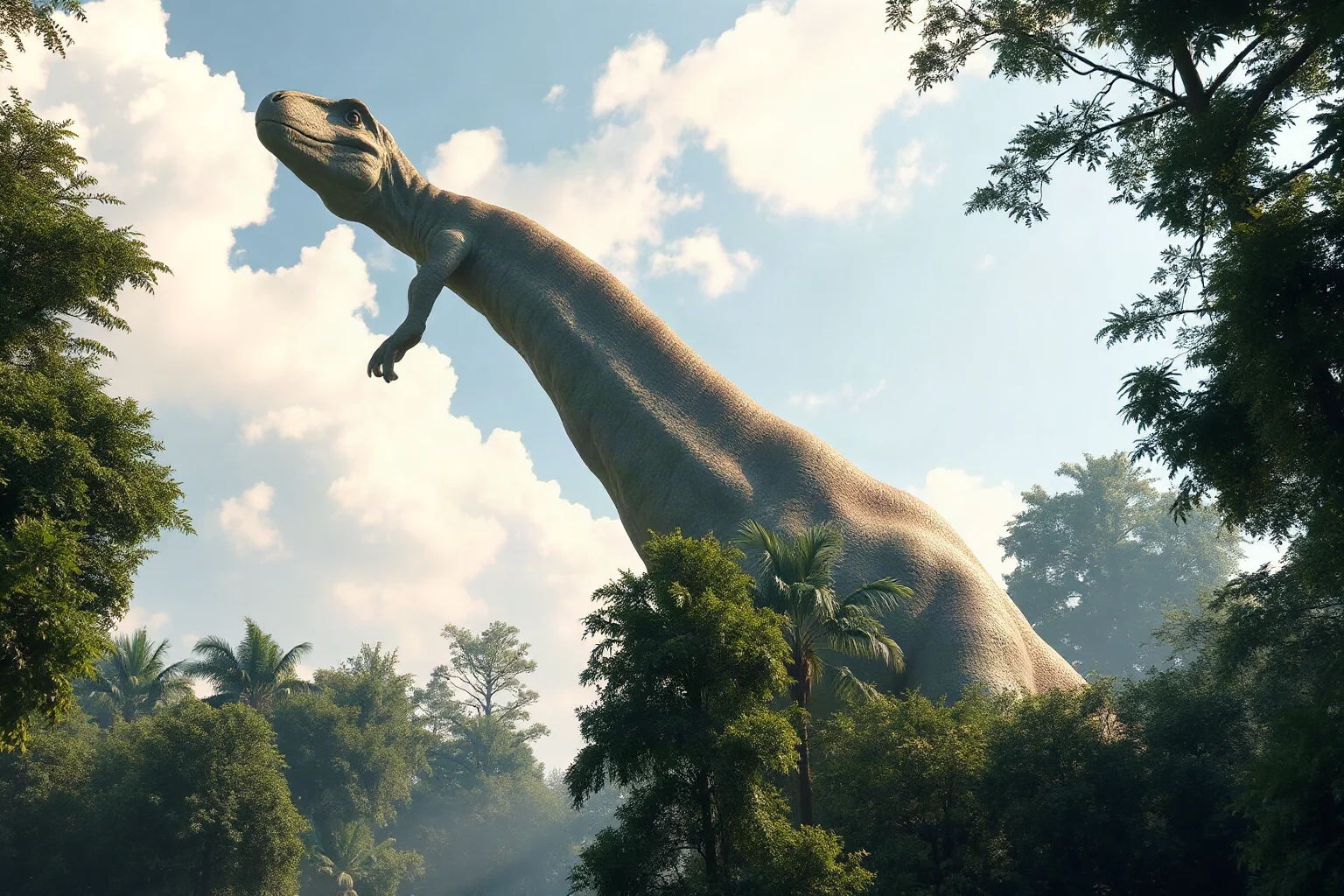
Brachiosaurus, one of the tallest dinosaurs at over 40 feet, used its long neck to reach vegetation high in the treetops that other herbivores couldn’t access. Its sheer size alone offered protection, since few predators would risk attacking a healthy adult of that scale.
There’s no evidence this gentle giant ever behaved aggressively toward other animals. It simply ate, grew, and towered peacefully over the Jurassic landscape.
24. Ankylosaurus
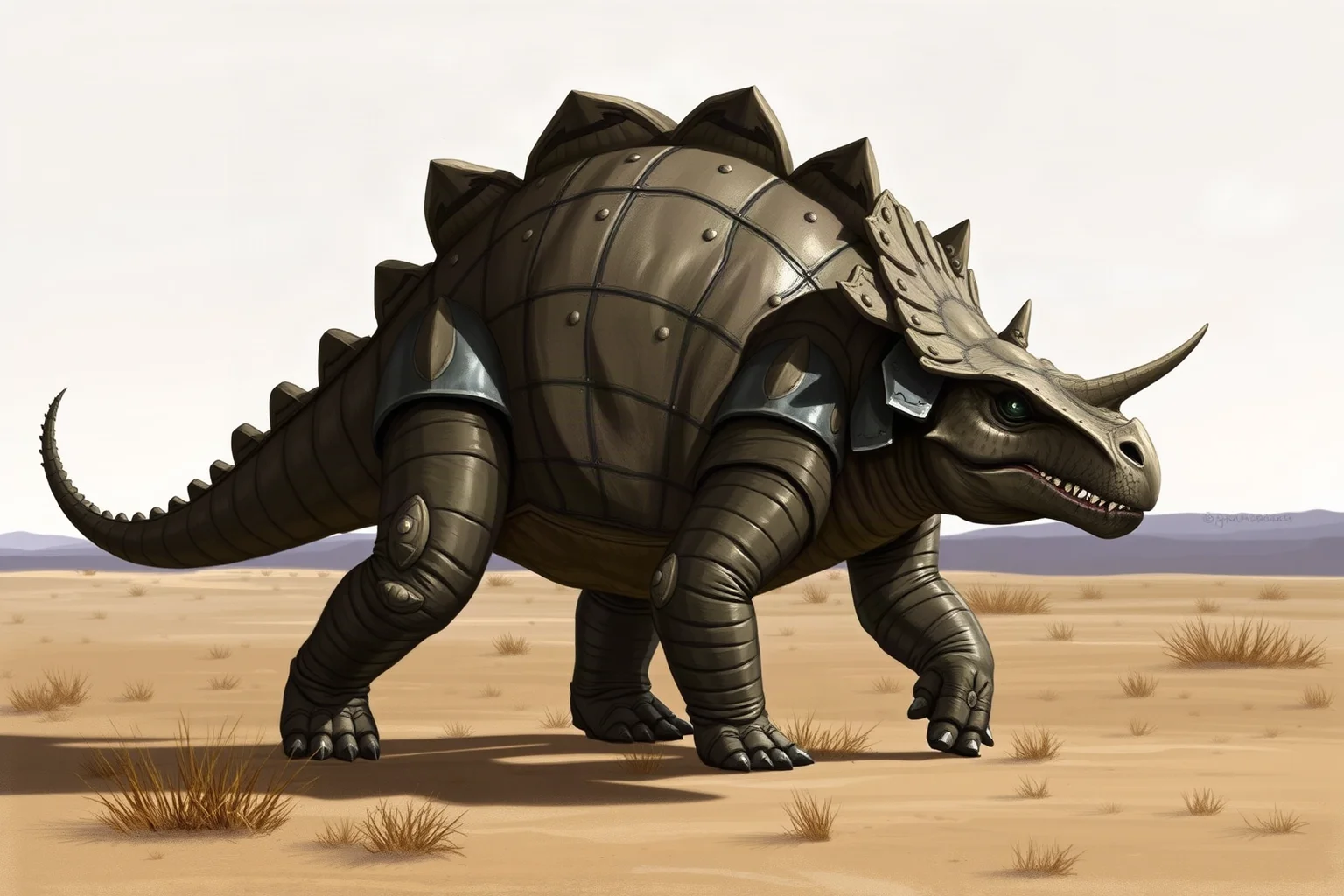
Ankylosaurus was essentially a living tank, covered in bony plates with a heavy club at the end of its tail. That club could deliver a powerful defensive swing, likely aimed at a predator’s legs rather than used to hunt anything.
Its low, wide body and thick armor made it one of the best-defended herbivores of the Late Cretaceous. It’s built like a fortress, not a weapon.
25. Parasaurolophus
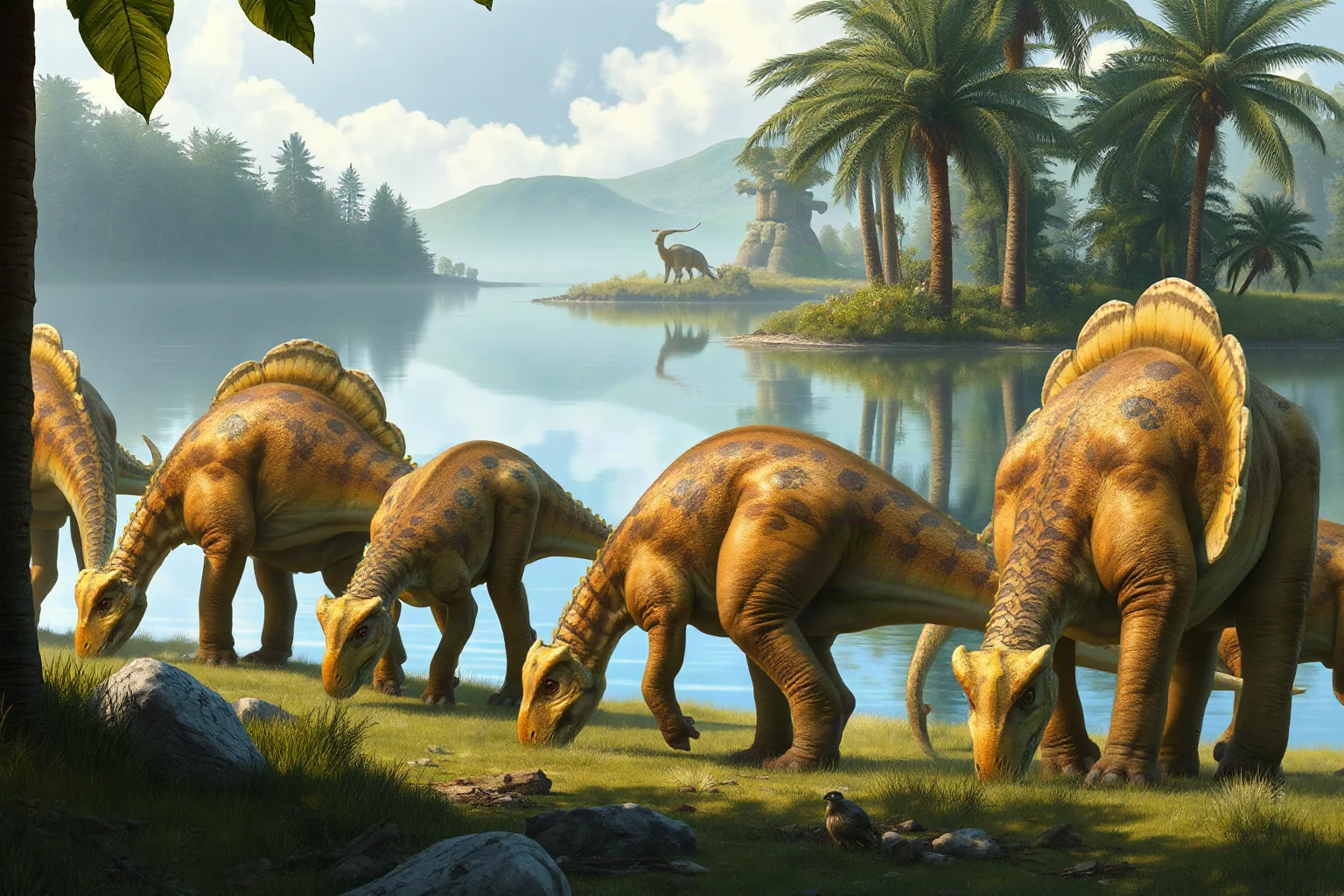
Known for its long, curved head crest, Parasaurolophus likely used that crest to make loud, resonant calls rather than for any kind of combat. Researchers believe the hollow crest acted something like a natural trombone, helping members of a herd communicate over distance.
It grazed in herds across Late Cretaceous North America, relying on numbers and hearing rather than weapons for safety. A dinosaur that communicated through song is about as far from terrifying dinosaurs as it gets.
26. Iguanodon
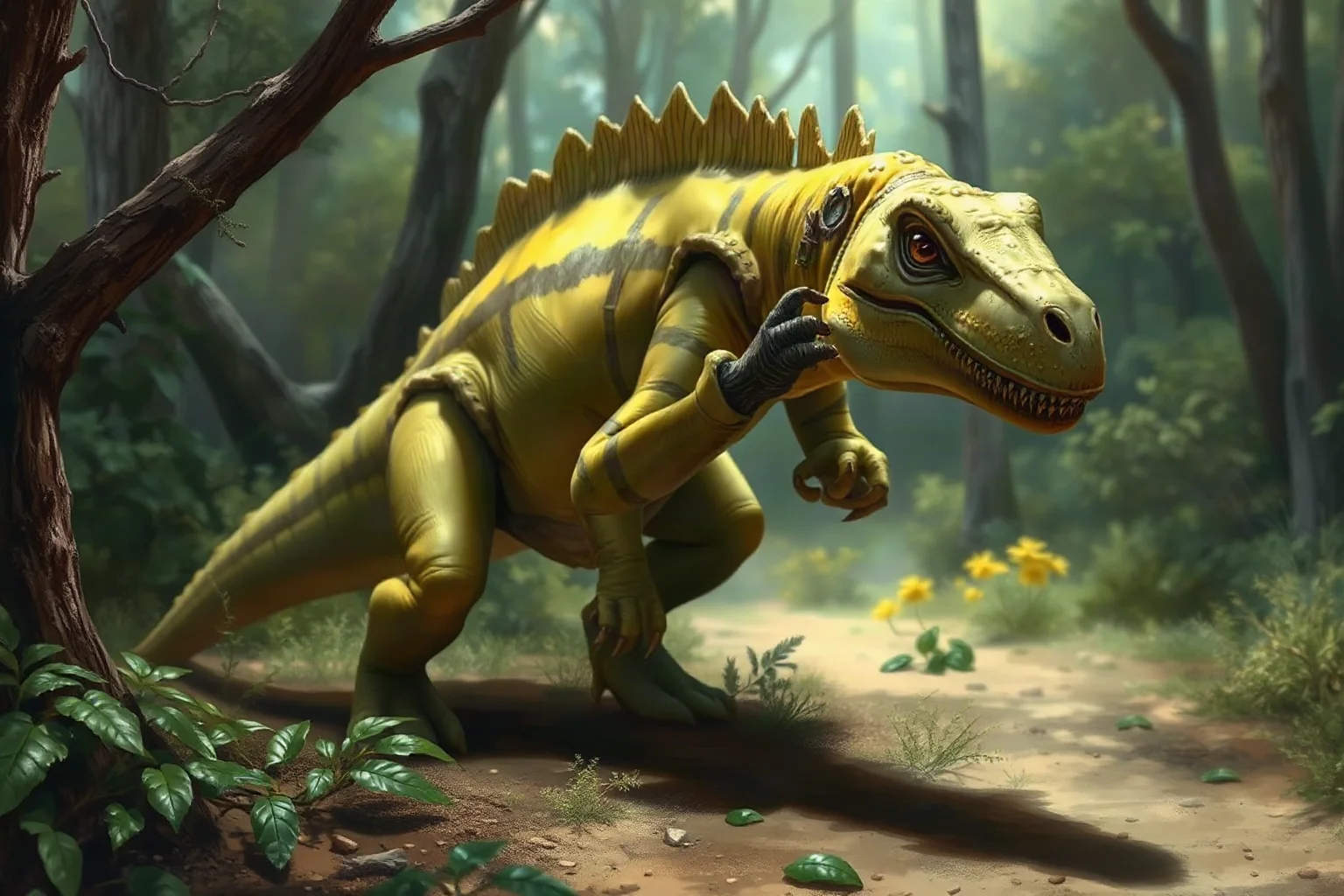
Iguanodon was one of the very first dinosaurs ever discovered, back in the early 1800s, and it turned out to be a large, thumb-spiked herbivore rather than any kind of predator. Its distinctive spiked thumb was likely used for defense or foraging, not attacking.
It moved on either two or four legs depending on speed and browsed on plants across what is now Europe. Its gentle, adaptable lifestyle helped make it one of the most successful dinosaur genera of its time.
27. Pachycephalosaurus
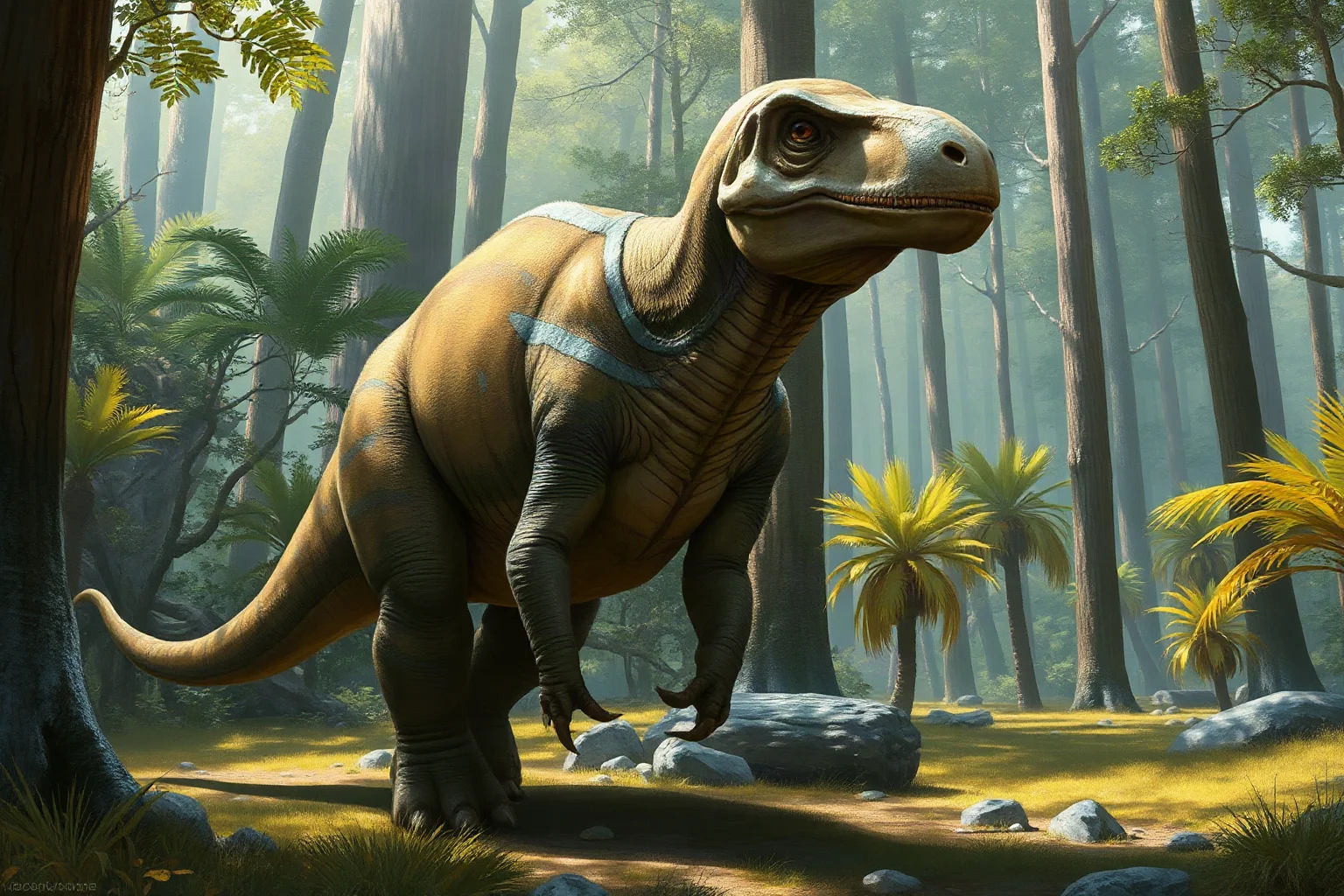
Best known for its thick, dome-shaped skull, Pachycephalosaurus likely used head-butting behavior within its own species, possibly for territory or mating displays, similar to modern bighorn sheep. It was a plant-eater, and there’s no evidence it used its skull to attack other species.
The dome shape has been debated by researchers, with some suggesting it may have been more for display than actual head-to-head combat. Either way, it’s a far cry from a predator’s weaponry.
28. Maiasaura
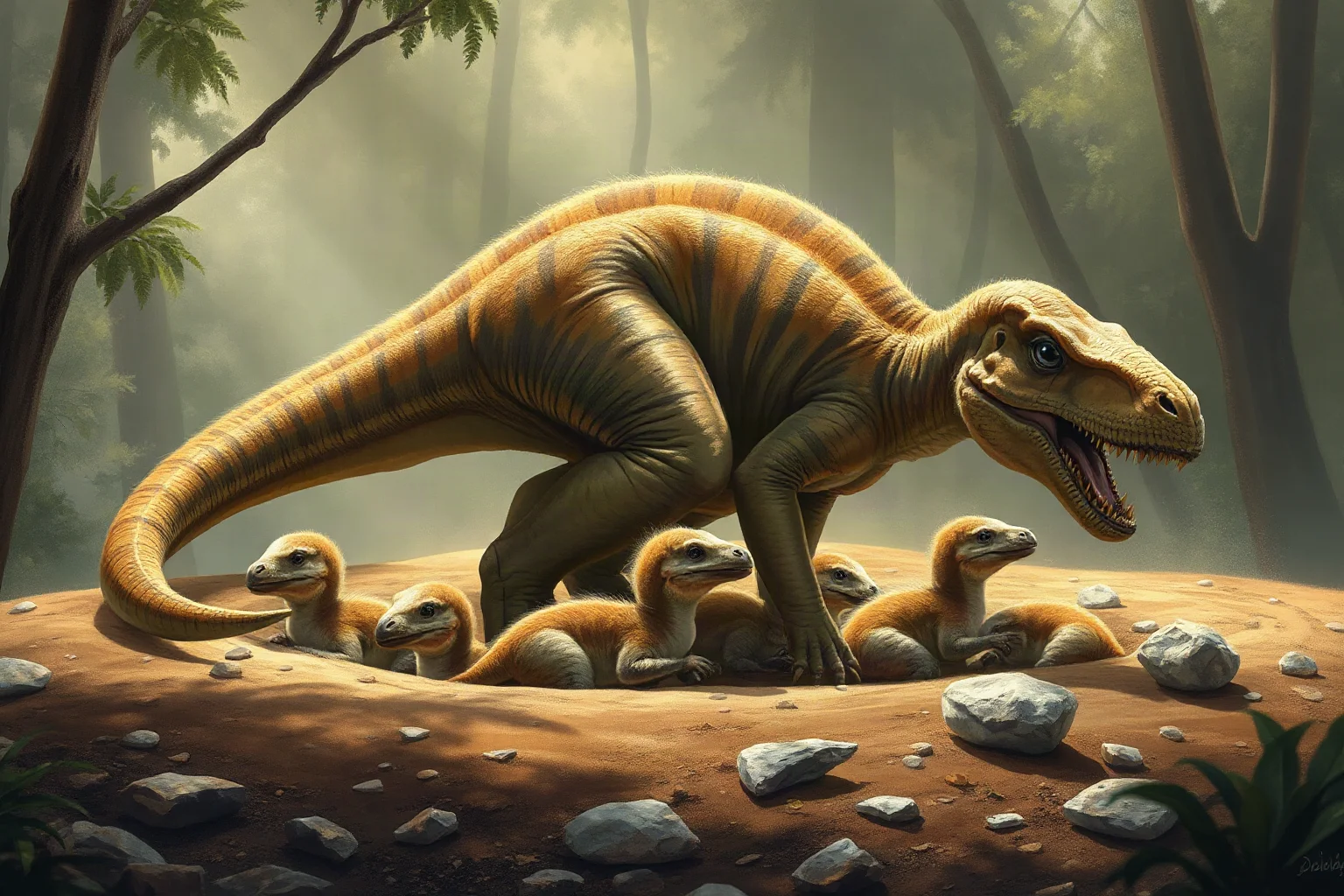
Maiasaura’s name literally translates to “good mother lizard,” earned after paleontologists discovered nesting sites with adults surrounded by juveniles of multiple ages. This suggested strong parental care and possibly communal nesting behavior among herds.
It was a mid-sized herbivore that lived and likely raised its young in large groups. Few dinosaurs offer as warm and relatable a picture of family life as Maiasaura.
29. Microraptor
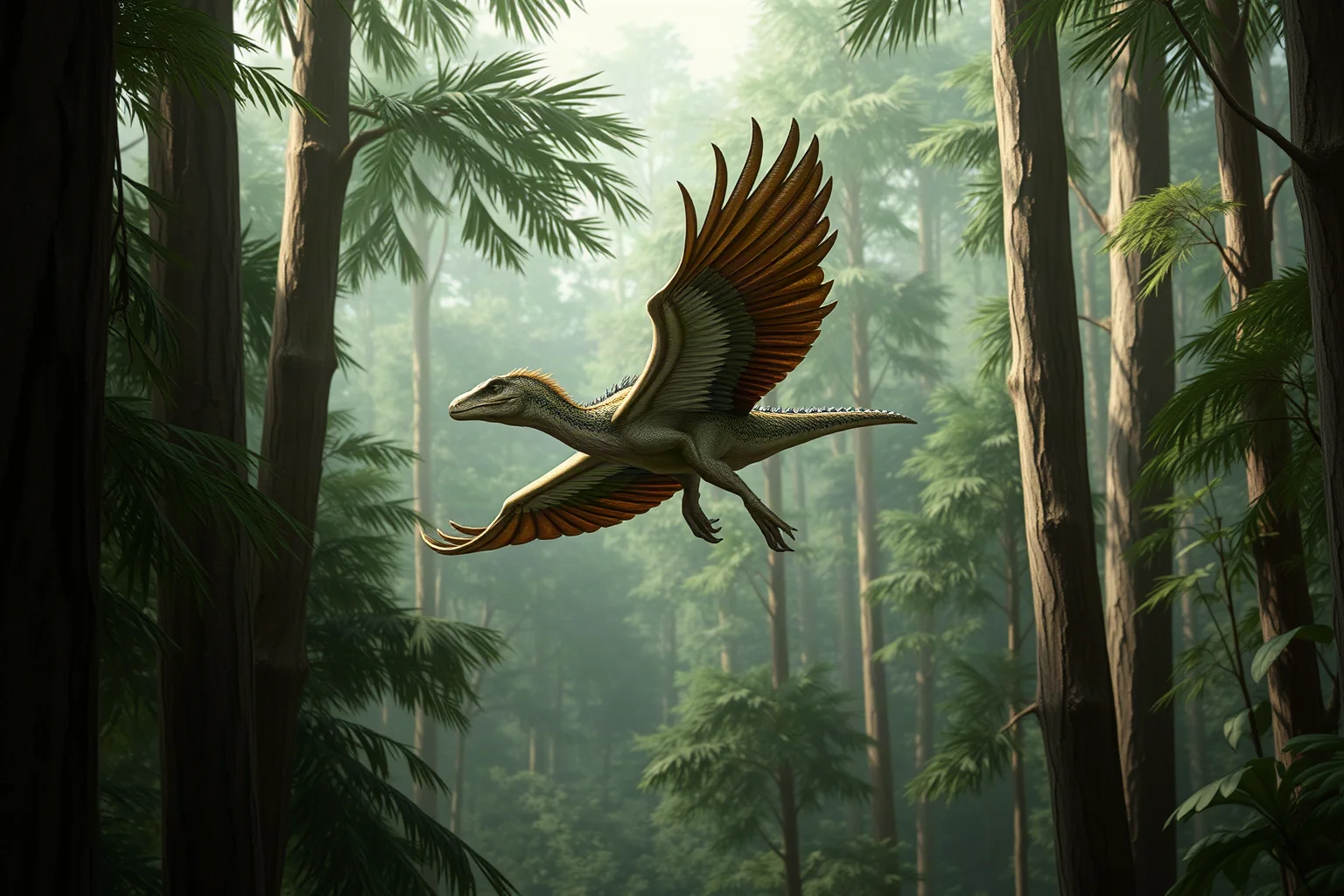
Microraptor was a crow-to-pigeon-sized feathered dinosaur with wing-like structures on both its arms and legs, suggesting it could glide between trees. Its small size and diet, which likely included insects, small animals, and possibly fish, made it far more curious than intimidating.
It’s one of the clearest fossil links between dinosaurs and modern birds. Picturing it fluttering through a Cretaceous forest is closer to birdwatching than monster-hunting.
30. Compsognathus
Among the smallest known dinosaurs, Compsognathus was roughly chicken-sized and hunted small lizards and insects rather than anything resembling the terrifying dinosaurs higher on this list. Its delicate, lightweight frame was built for speed and agility over raw power.
Despite an exaggerated, oversized portrayal in some films, actual fossils confirm it posed no threat to anything larger than a small lizard. It’s proof that not every dinosaur needs to be scary to be fascinating.
Which Dinosaur Really Wins the Nightmare Crown?
After walking through 20 genuine predators and 10 gentler counterparts, it’s clear there’s no single, universally agreed-upon answer to which dinosaur was the scariest of all. Different criteria point to different winners: T. rex for bite force and cultural fame, Giganotosaurus and Spinosaurus for sheer length, and Majungasaurus for the sheer unsettling nature of its documented cannibalism.
What’s certain is that the Mesozoic Era was home to an extraordinary range of animals, from tank-like herbivores to blade-toothed apex predators. The fossil record keeps expanding too, so it’s entirely possible an even more fearsome dinosaur is waiting to be dug up somewhere right now.
Until then, T. rex remains the closest thing paleontology has to an undisputed icon of prehistoric fear, even if it never actually terrorized every other dinosaur on this list at the same time.
Frequently Asked Questions
What do you call the scariest dinosaur?
There's no single official title, but Tyrannosaurus rex is the dinosaur most commonly called the scariest thanks to its immense bite force, bone-crushing jaw, and cultural fame. Depending on the criteria used, though, paleontologists might point to Giganotosaurus or Spinosaurus for sheer size, or Majungasaurus for its documented cannibalistic behavior.
Did all the dinosaurs really fear the T. rex?
No — this is a popular myth rather than historical fact. T. rex lived only in the last few million years of the Cretaceous period in western North America, so it never coexisted with earlier famous dinosaurs like Stegosaurus or Allosaurus, which had already been extinct for tens of millions of years by the time T. rex evolved.
What is the most fearsome dinosaur ever discovered?
Candidates vary by measurement. T. rex had the strongest confirmed bite force among predatory dinosaurs, Giganotosaurus and Spinosaurus were likely longer, and Utahraptor combined large size with raptor-style killing claws, making all of them strong contenders for the title.
Were T. rex and Velociraptor really as terrifying as movies show them?
T. rex's real bite force and hunting ability largely match its fearsome movie reputation. Velociraptor, however, was closer in size to a turkey rather than the six-foot version seen on screen; its larger, more intimidating movie portrayal was actually based more on a relative called Deinonychus.
What is the friendliest or most gentle dinosaur?
Maiasaura is a strong candidate, since fossil nesting sites suggest it cared for its young in communal herds, earning it the nickname 'good mother lizard.' Large plant-eaters like Brachiosaurus and armored species like Ankylosaurus were also non-aggressive, relying on size or armor for defense rather than attacking other animals.
Did humans ever encounter dinosaurs in real life?
No — this is another common myth. Non-avian dinosaurs went extinct roughly 66 million years ago, while the earliest members of the human genus appeared only a few million years ago, meaning there is a gap of over 60 million years between the two.

Alex Warren
Related Articles