
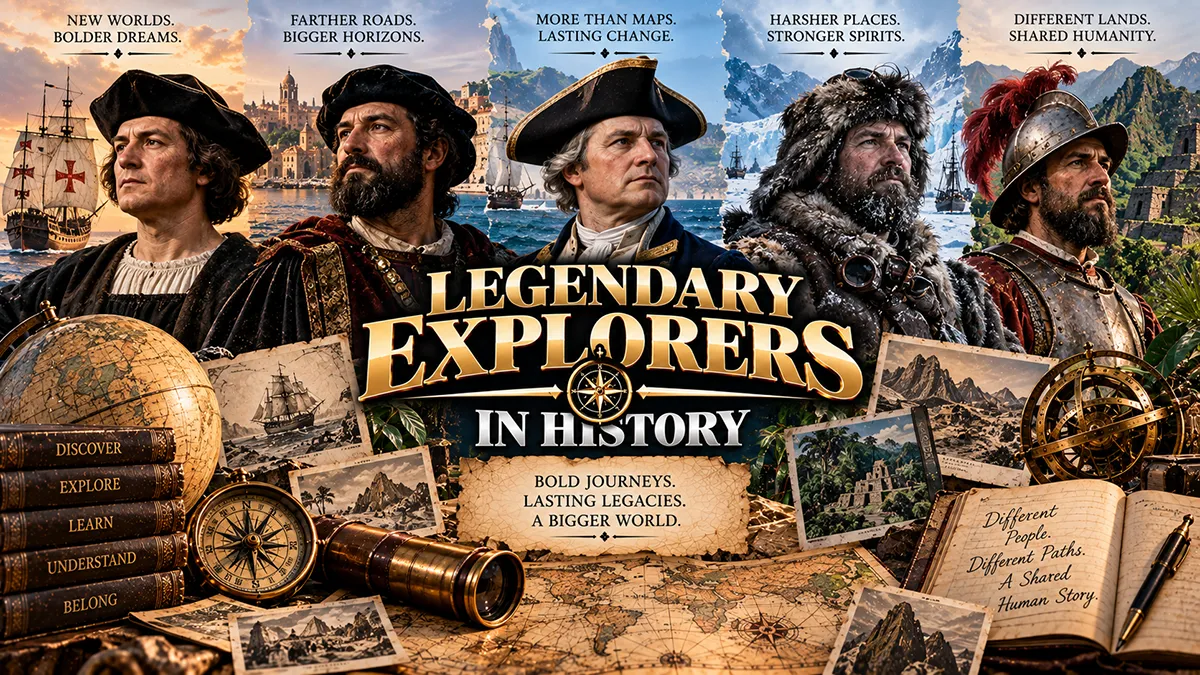
When you picture a legendary explorer, you probably imagine a ship’s captain squinting at the horizon, or a lone figure trudging through snow toward a pole no one has reached before.
Throughout history, explorers have expanded what humans know about our world — sometimes through genuine courage and curiosity, sometimes by accident, and often at a devastating cost to the people and places they “discovered.”
This guide brings together the most famous explorers in history, from ancient Greek sailors to Victorian trailblazers, so you can see who they really were, what they were looking for, and why we still tell their stories today.
Some of these names will be familiar the moment you hear them — Columbus, Magellan, Cook. Others are less famous but just as significant, having opened trade routes, mapped coastlines, or survived expeditions that reshaped world history.
Whichever explorer interests you most, this list covers the full sweep of the Age of Exploration and beyond, along with the context historians use to separate myth from fact.
TL;DR: From ancient Greek navigators to polar pioneers, this list of 25 legendary explorers traces how human curiosity, ambition, and rivalry redrew the map of the world — for better and for worse.
What Were European Explorers Looking For?
Historians often sum up European motivations with a simple phrase: God, gold, and glory. Explorers and the monarchs who funded them wanted new trade routes to Asia’s spices and silk, precious metals to fill royal treasuries, and the prestige of claiming lands and converts for crown and church.
By the 1400s, overland routes to Asia were controlled by powerful empires and costly middlemen, so Portugal and Spain began looking for sea routes instead. This rivalry — supercharged by new ship designs, navigational tools, and the printing press spreading maps and reports — is what historians call the Age of Exploration, roughly the 15th through 17th centuries.
It’s worth being honest about the other side of this story, too. These voyages also triggered colonization, forced labor, the transatlantic slave trade, and the spread of diseases that devastated Indigenous populations across the Americas, Africa, and the Pacific. Understanding explorers in history means holding both truths at once: genuine feats of navigation and endurance, alongside consequences that were often catastrophic for the people already living in the places being “found.”
Types of Explorers Throughout History
Not every explorer person fits the same mold. Maritime navigators like Vasco da Gama and James Cook charted coastlines and ocean routes using ships and increasingly precise instruments.
Overland traders and travelers, such as Marco Polo and Ibn Battuta, moved across existing trade networks and recorded what they saw for audiences back home. Conquistadors like Cortés and Pizarro combined exploration with military conquest, while colonial administrators like Samuel de Champlain mixed exploration with settlement-building.
Later came the scientific explorers — naturalists and cartographers mapping the interior of continents — and finally the polar and mountaineering adventurers of the 19th and 20th centuries, who pushed into places no human could survive for long. Today’s “explorers” often work in space, the deep ocean, or extreme sports, carrying the same spirit forward in very different environments.
The Most Legendary Explorers in History
Below is our list of the most legendary explorers in history, arranged loosely by era — from antiquity through the golden age of polar exploration. This isn’t every explorer who ever lived, but it does cover the significant explorers and leaders whose voyages changed maps, trade routes, and the course of world history.
1. Pytheas of Massalia
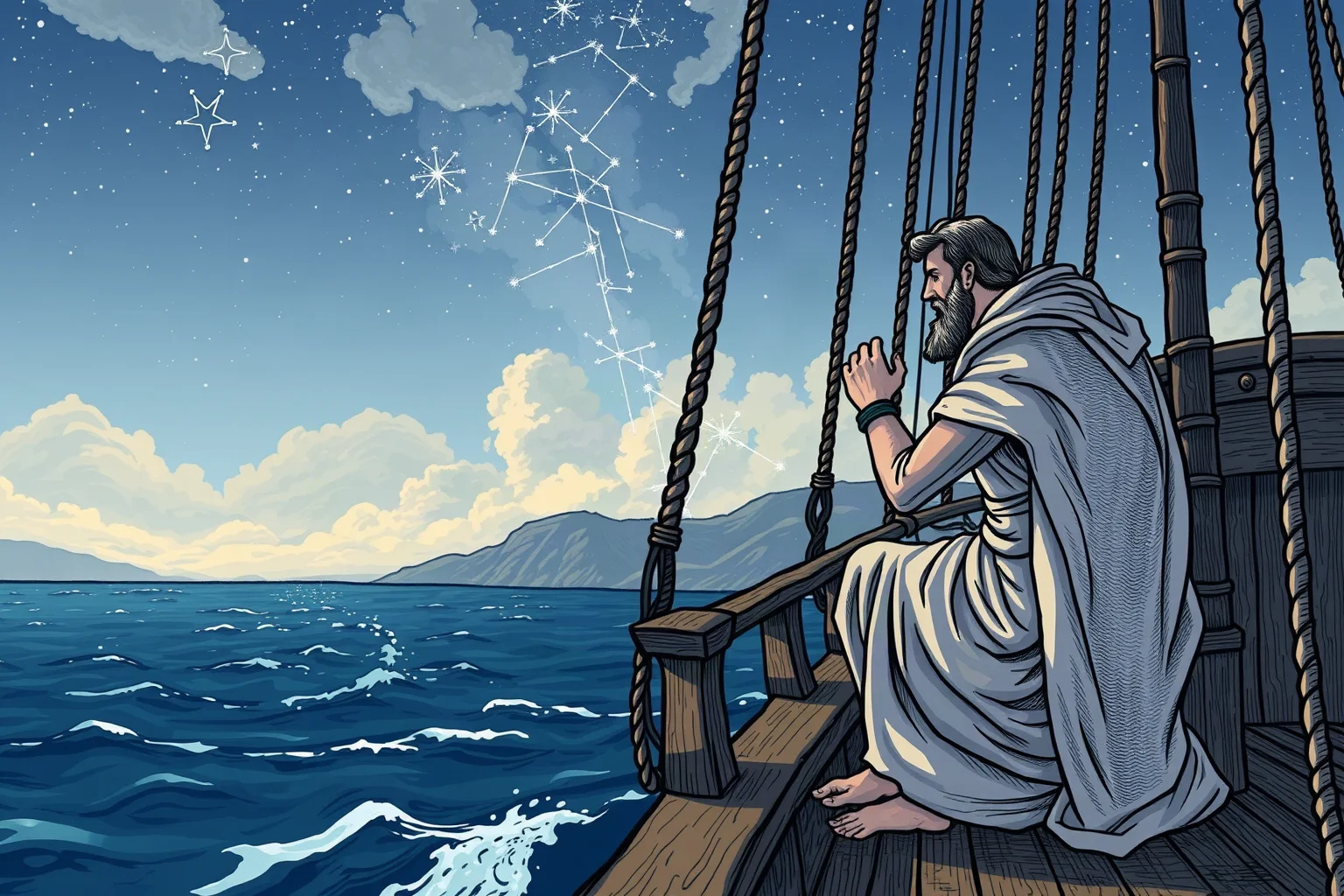
Pytheas was a Greek geographer and navigator from Massalia (modern Marseille) who sailed north around 325 BC, reportedly reaching Britain and a mysterious land he called Thule. His original account is lost, but later Greek and Roman writers like Strabo and Pliny the Elder referenced his findings.
He’s one of the earliest named explorers on record, making him a natural starting point for anyone researching ancient explorers or Greek explorers specifically. Much of what he reported was doubted by contemporaries, though modern historians believe at least parts of his journey were genuine.
2. Zheng He
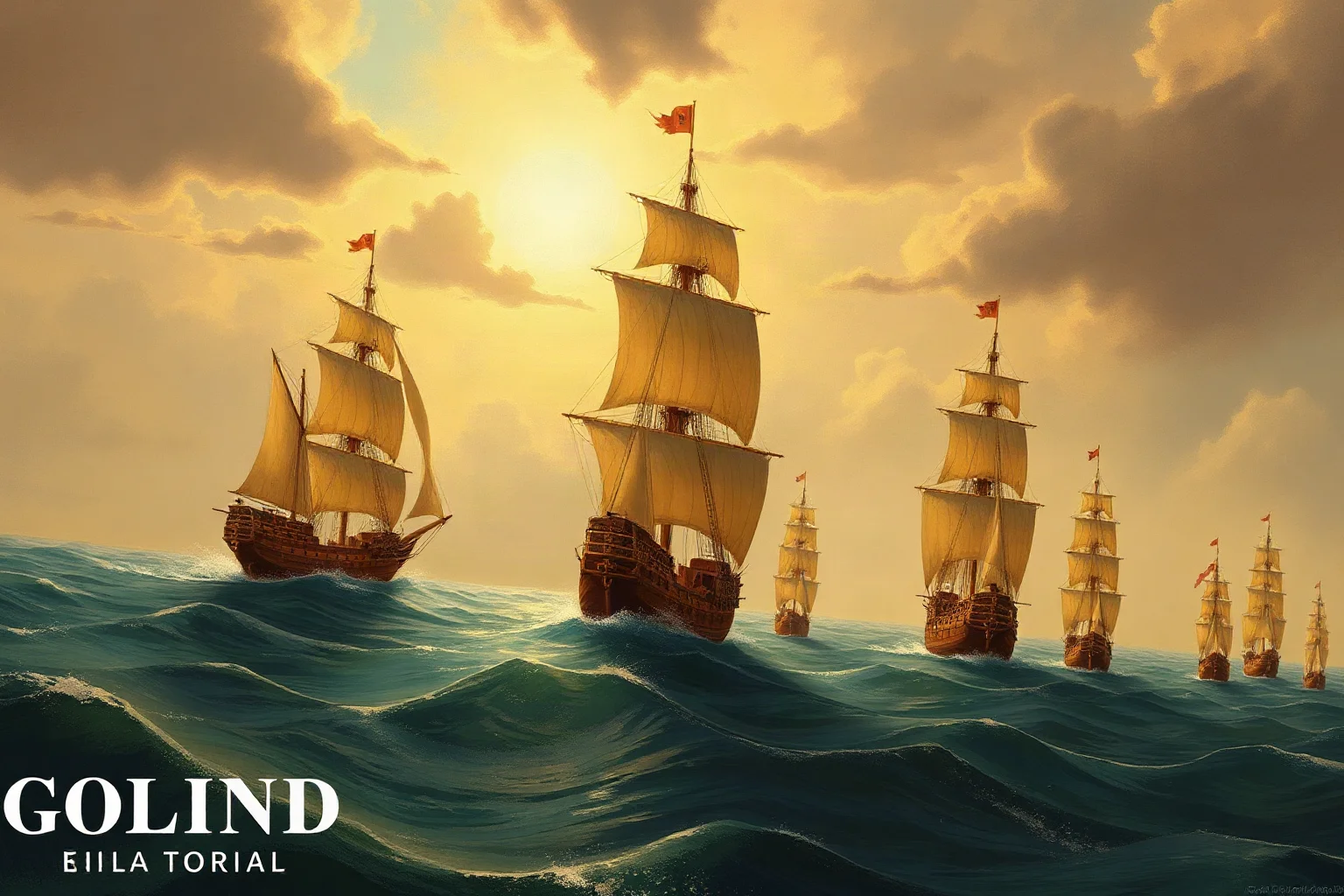
Zheng He commanded China’s enormous “treasure fleet” voyages between 1405 and 1433 under the Ming dynasty, reaching Southeast Asia, India, the Arabian Peninsula, and the coast of East Africa. His ships were far larger than anything Europe would build for another century.
His expeditions were about trade, diplomacy, and projecting Chinese power rather than territorial conquest. Zheng He is a crucial reminder that the history of famous explorers isn’t only a European story.
3. Leif Erikson
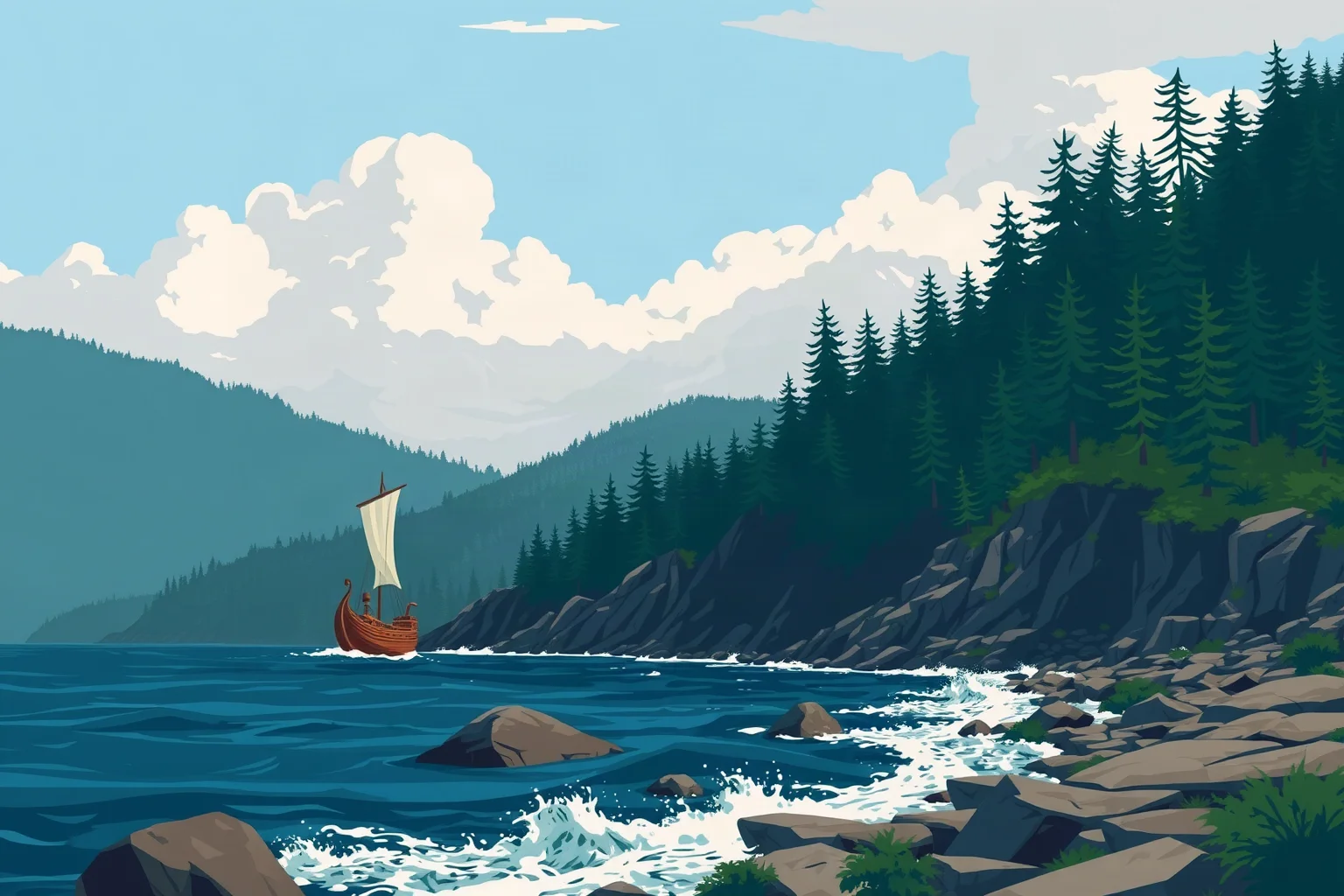
Leif Erikson was a Norse explorer, son of Erik the Red, who led an expedition to a place he called Vinland around 1000 AD — widely believed to be part of coastal Newfoundland. Archaeological remains at L’Anse aux Meadows in Canada support the idea that Norse explorers reached North America roughly 500 years before Columbus.
This is one of the clearest myth-busting facts in this entire list: Columbus did not “discover” a continent that Norse sailors had already visited, and that was, of course, already home to millions of Indigenous people.
4. Ibn Battuta
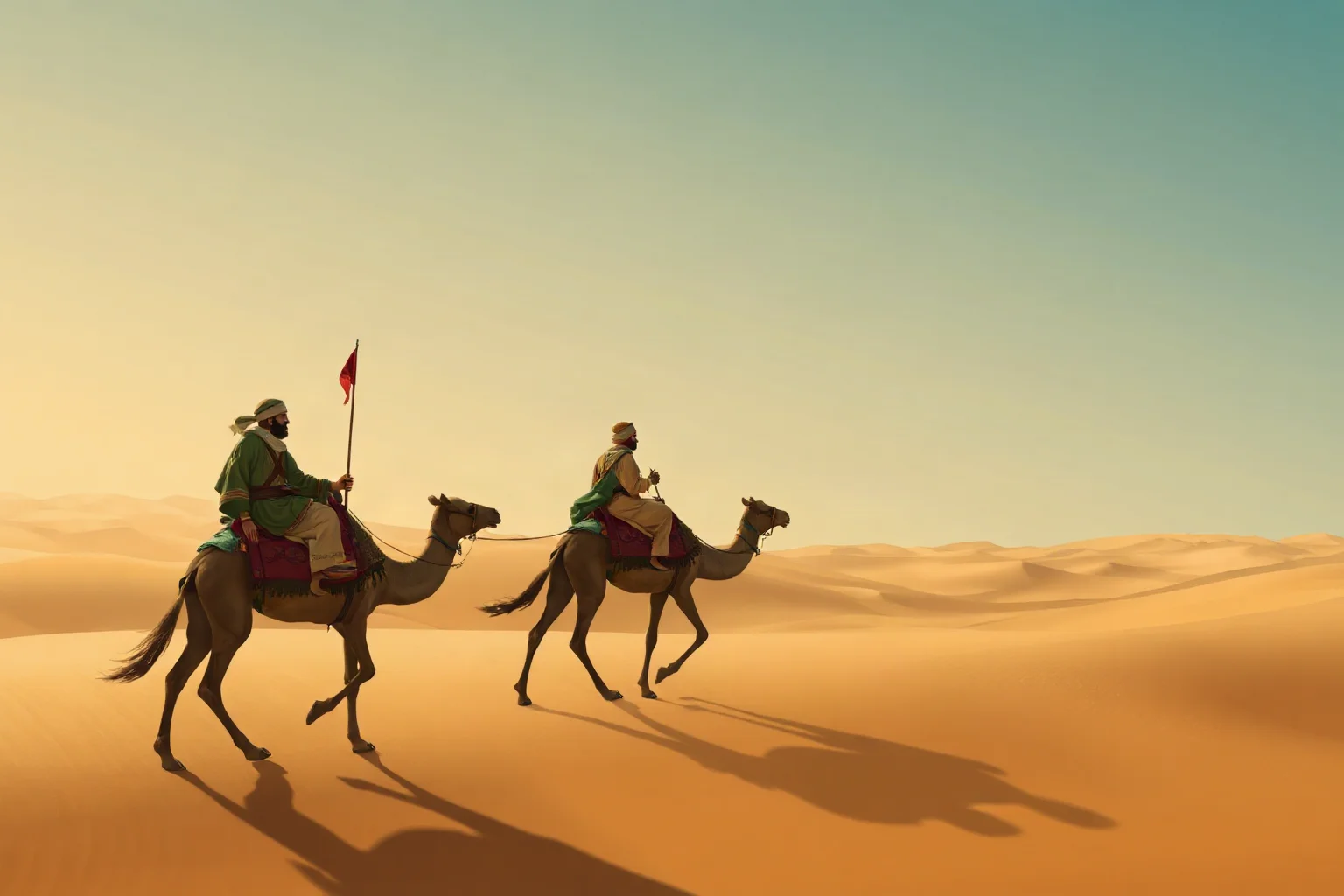
Ibn Battuta was a 14th-century Moroccan scholar who traveled an estimated 75,000 miles across North and West Africa, the Middle East, South Asia, and China. His travel account, the Rihla, remains one of the richest firsthand records of the medieval Islamic world.
Unlike many explorers on this list, Ibn Battuta wasn’t sponsored by a monarch chasing gold or converts. He traveled largely for scholarship, pilgrimage, and curiosity, making him one of history’s most well-traveled private citizens.
5. Marco Polo
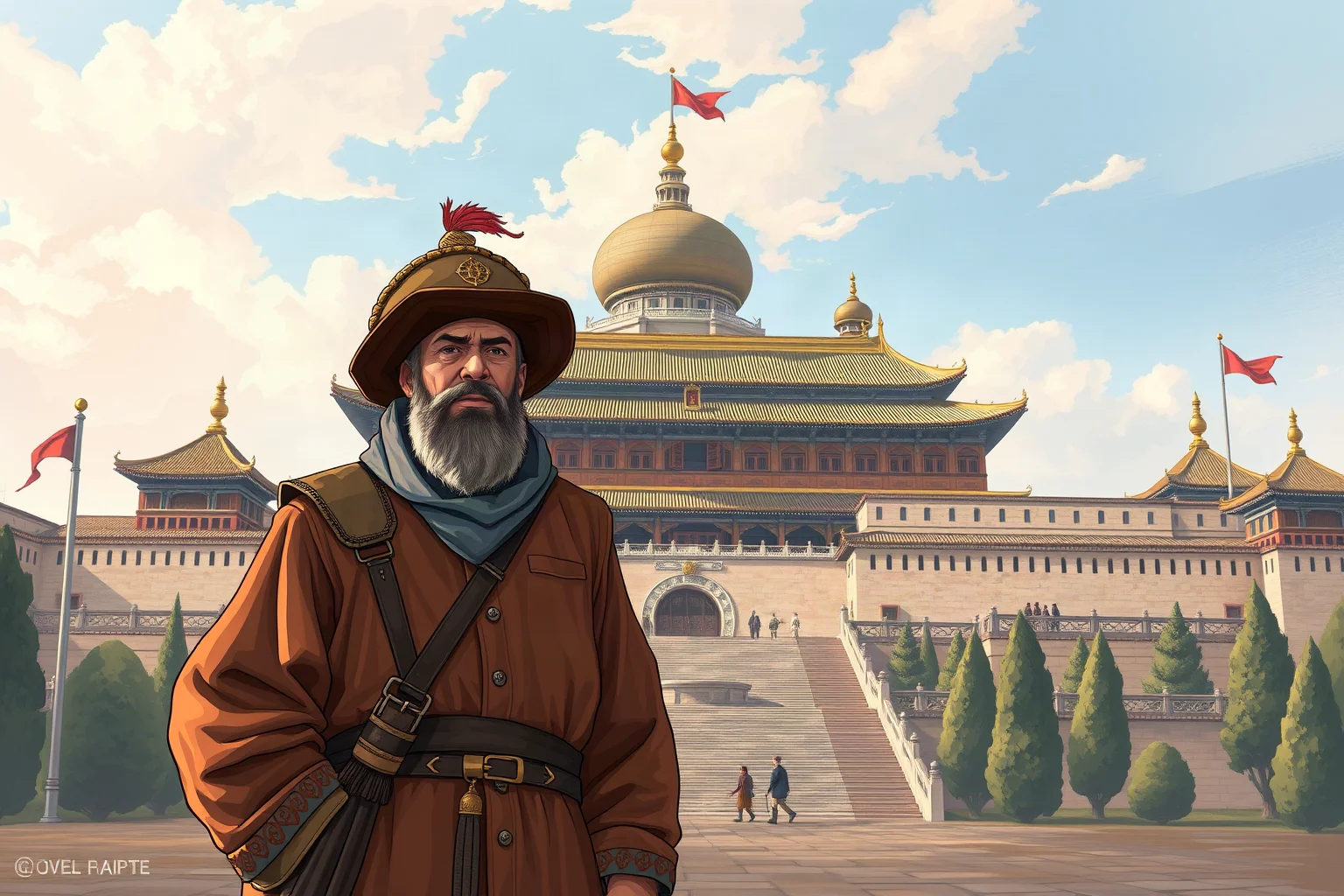
Marco Polo was a Venetian merchant, one of the best-known explorers from Italy, who traveled to the court of the Mongol ruler Kublai Khan in the late 1200s. His book, often called “The Travels of Marco Polo,” introduced Europeans to descriptions of Chinese cities, customs, and trade.
Historians debate how much of his account he witnessed firsthand versus embellished or borrowed from other travelers. Even so, his book helped inspire later generations of European explorers, including Columbus.
6. Christopher Columbus
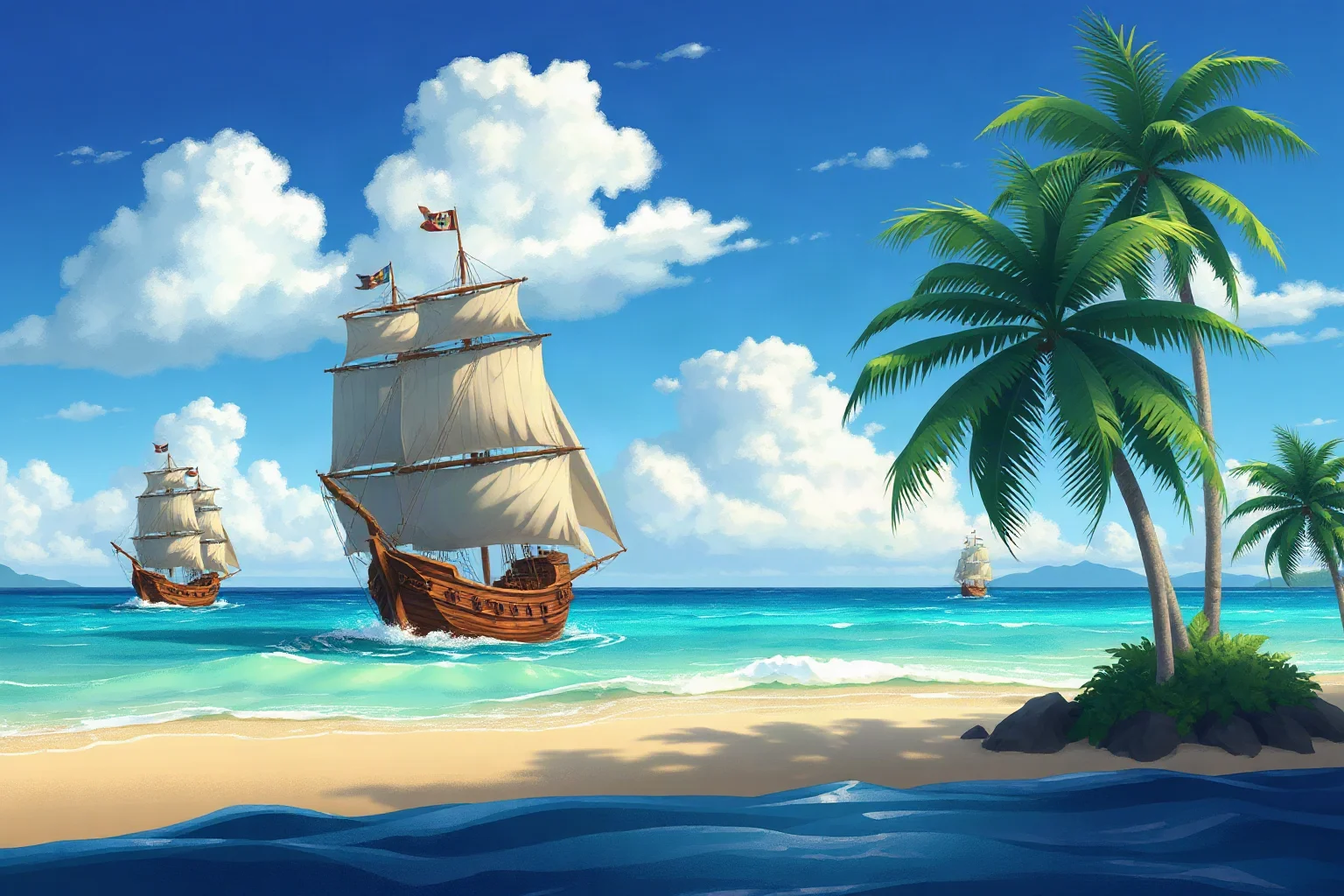
Christopher Columbus was a Genoese navigator sailing under the Spanish crown when he reached the Caribbean in 1492 while searching for a westward route to Asia. He never actually reached the Asian mainland he was aiming for, and he never set foot on the North American mainland either.
Columbus is often mislabeled as the first person to “discover” America, but Indigenous peoples had lived there for thousands of years, and Norse explorers had arrived centuries earlier. What his voyages did trigger was sustained European contact with the Americas, launching an era of colonization with enormous and often brutal consequences.
7. Vasco da Gama
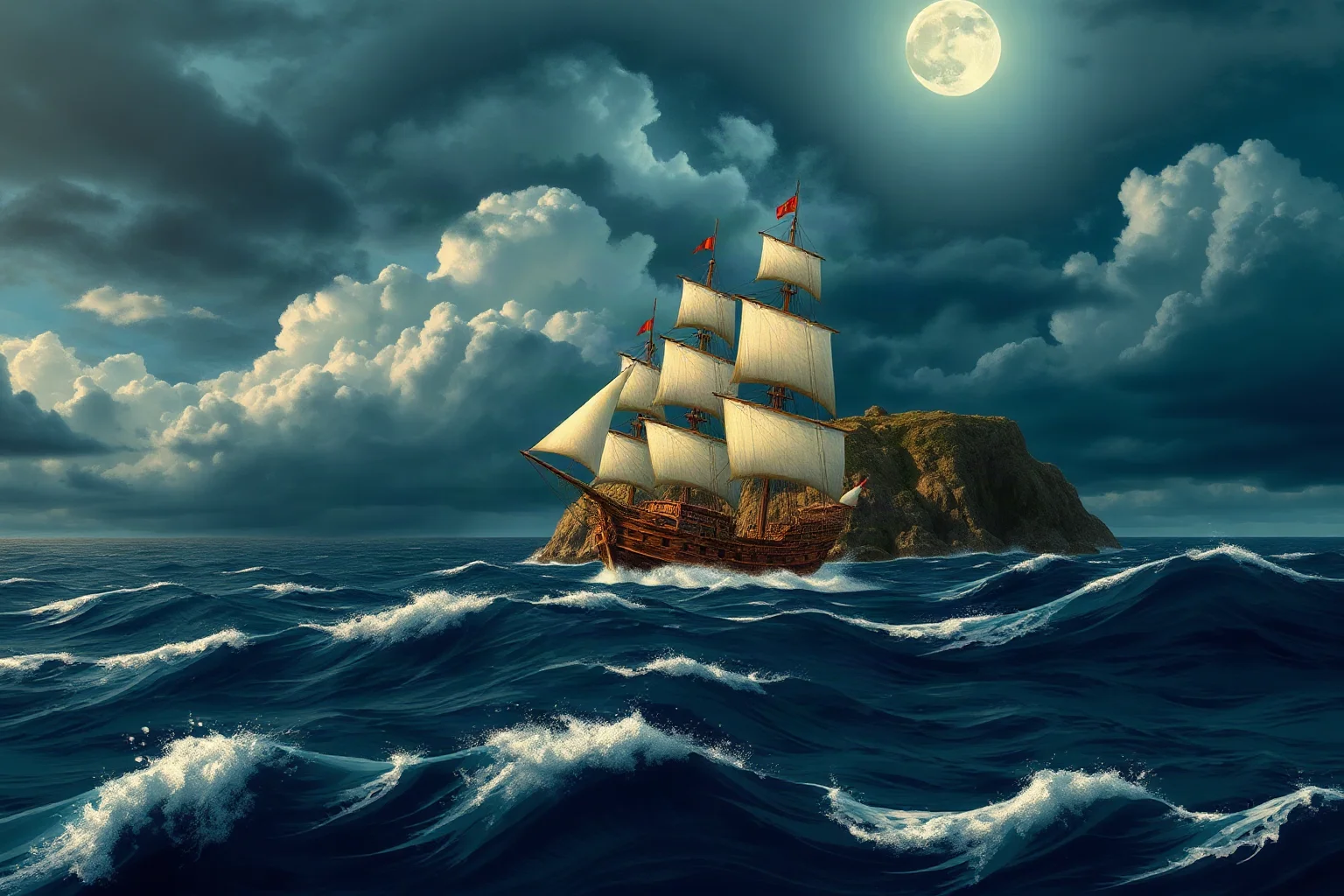
Vasco da Gama was a Portuguese explorer who, between 1497 and 1499, became the first European known to sail directly from Europe to India by rounding the Cape of Good Hope. This route bypassed the overland Middle Eastern trade networks that had controlled the spice trade for centuries.
His voyage cemented Portugal’s early lead in the Age of Exploration and opened a long, often violent chapter of European trade and colonization in Asia. Da Gama remains one of the most cited famous European explorers in maritime history.
8. Ferdinand Magellan
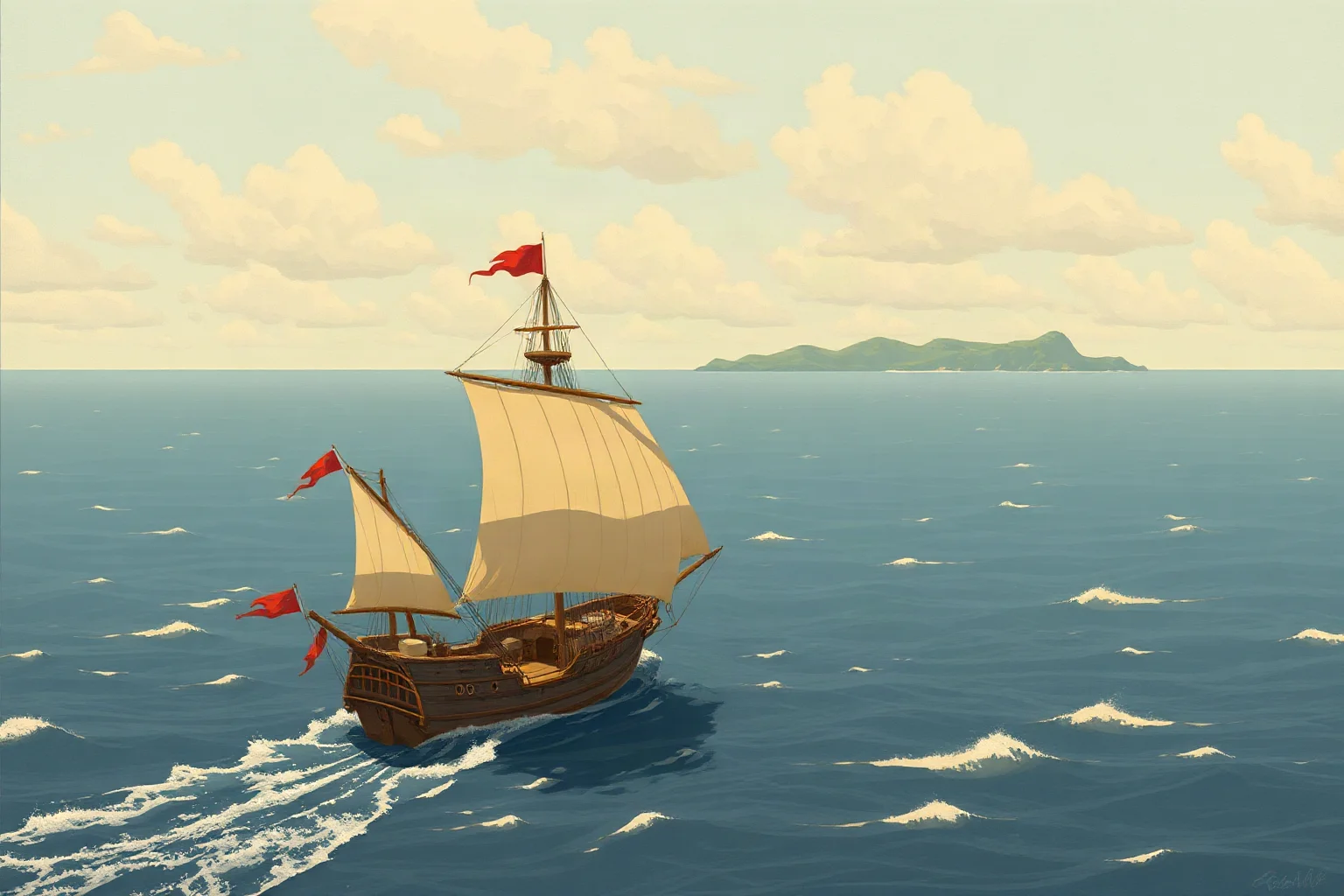
Ferdinand Magellan was a Portuguese explorer sailing for Spain who set out in 1519 to find a westward route to the Spice Islands. He was killed in the Philippines in 1521, meaning he never personally completed the circumnavigation his voyage is famous for.
It was his crew, led by navigator Juan Sebastián Elcano, who finished the journey in 1522, becoming the first expedition to sail all the way around the globe. Magellan’s name is still attached to the achievement, even though he didn’t survive to see it finished.
9. Amerigo Vespucci
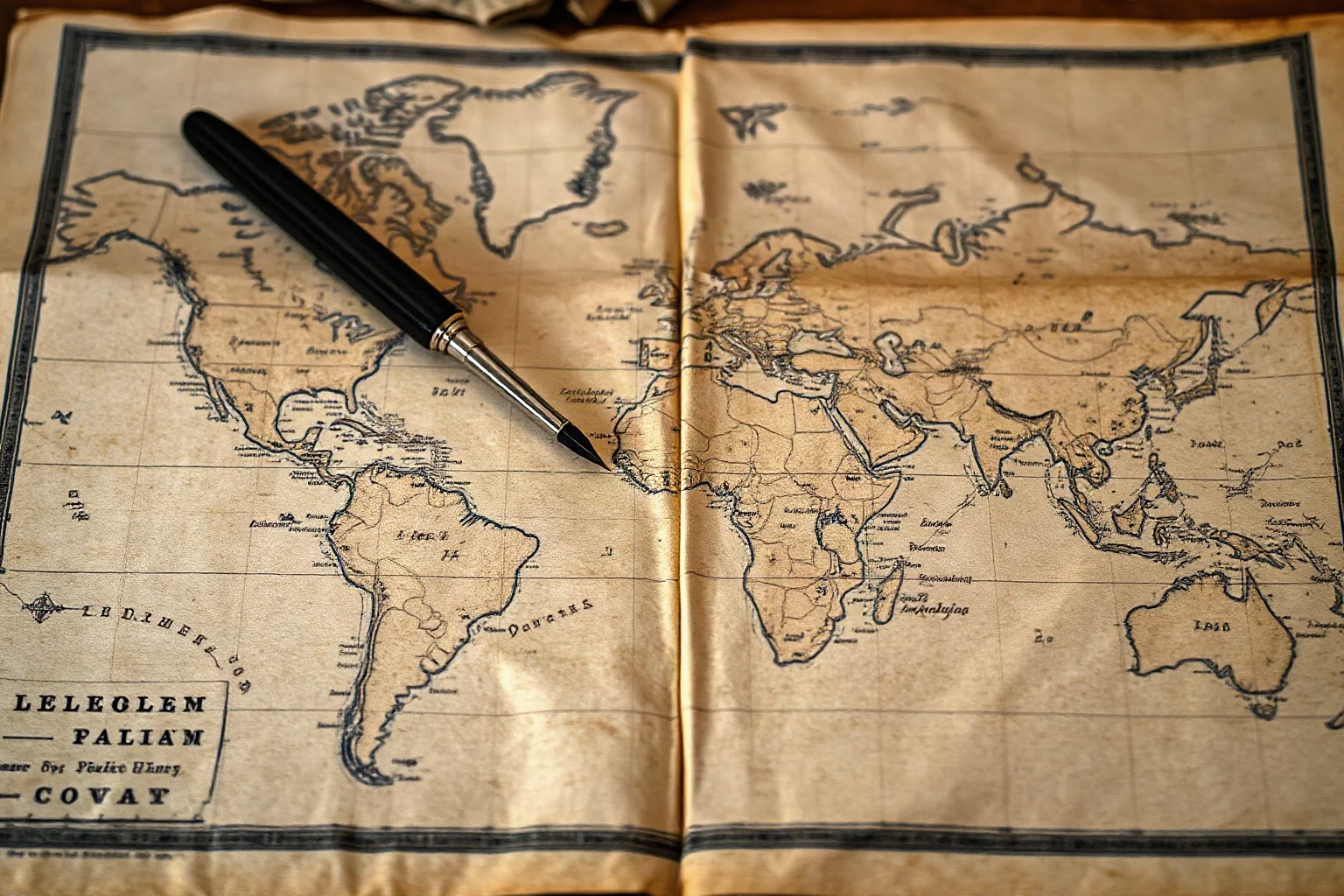
Amerigo Vespucci was an Italian explorer and cartographer whose letters argued that the lands Columbus reached were not part of Asia, but an entirely separate landmass. A German cartographer later used a Latinized version of his first name to label these continents on a widely circulated 1507 map — which is how “America” got its name.
Vespucci never led a major expedition of his own on the scale of Columbus or Magellan. His lasting fame comes almost entirely from that one geographic insight and the map that immortalized it.
10. Hernán Cortés
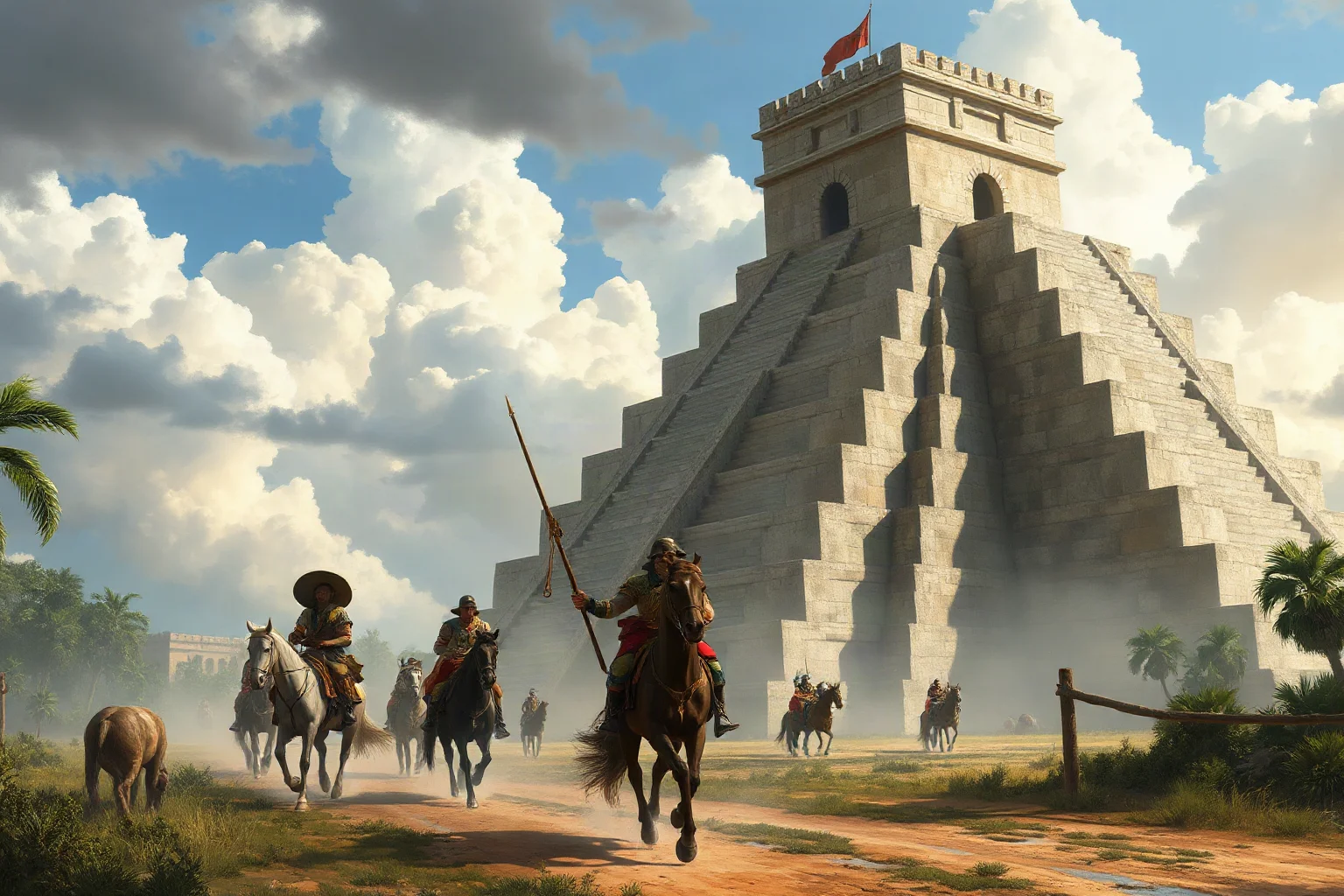
Hernán Cortés was a Spanish conquistador who led the conquest of the Aztec Empire between 1519 and 1521, ultimately toppling the ruler Moctezuma II and seizing the capital, Tenochtitlan. His campaign combined alliances with rival Indigenous groups, superior weaponry, and the devastating effects of European diseases.
Cortés is remembered as one of history’s most consequential — and most controversial — explorer-conquerors. His conquest reshaped the political and demographic map of Mesoamerica for centuries.
11. Francisco Pizarro
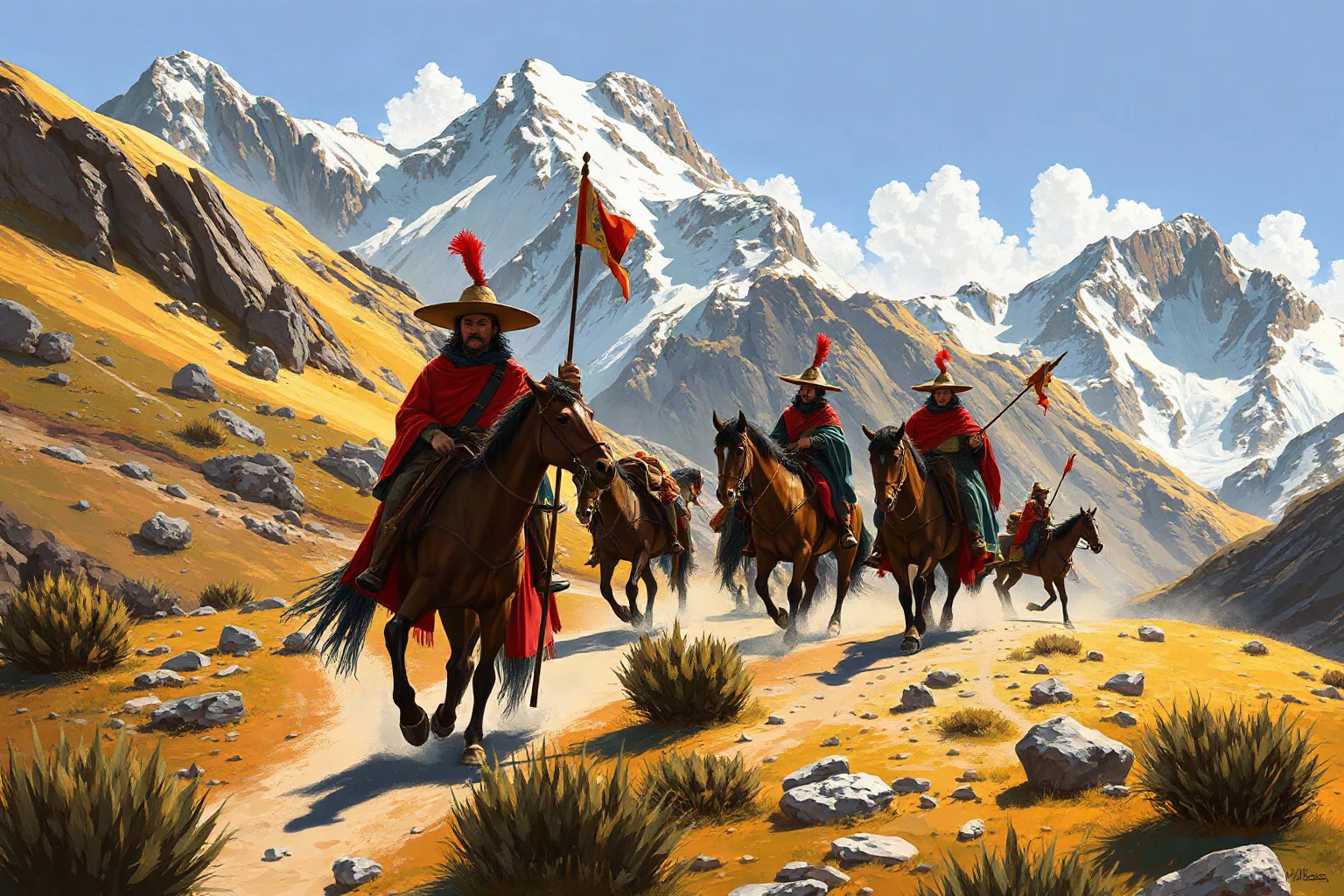
Francisco Pizarro led the Spanish conquest of the Inca Empire, capturing the Inca ruler Atahualpa in 1532 and effectively ending Inca sovereignty within a few years. Like Cortés, he exploited internal political divisions and had access to weapons and horses unfamiliar to Andean forces.
His campaign opened Spanish colonial control over much of western South America. Pizarro’s story is frequently taught alongside Cortés as a cautionary example of how quickly exploration could turn into conquest.
12. John Cabot
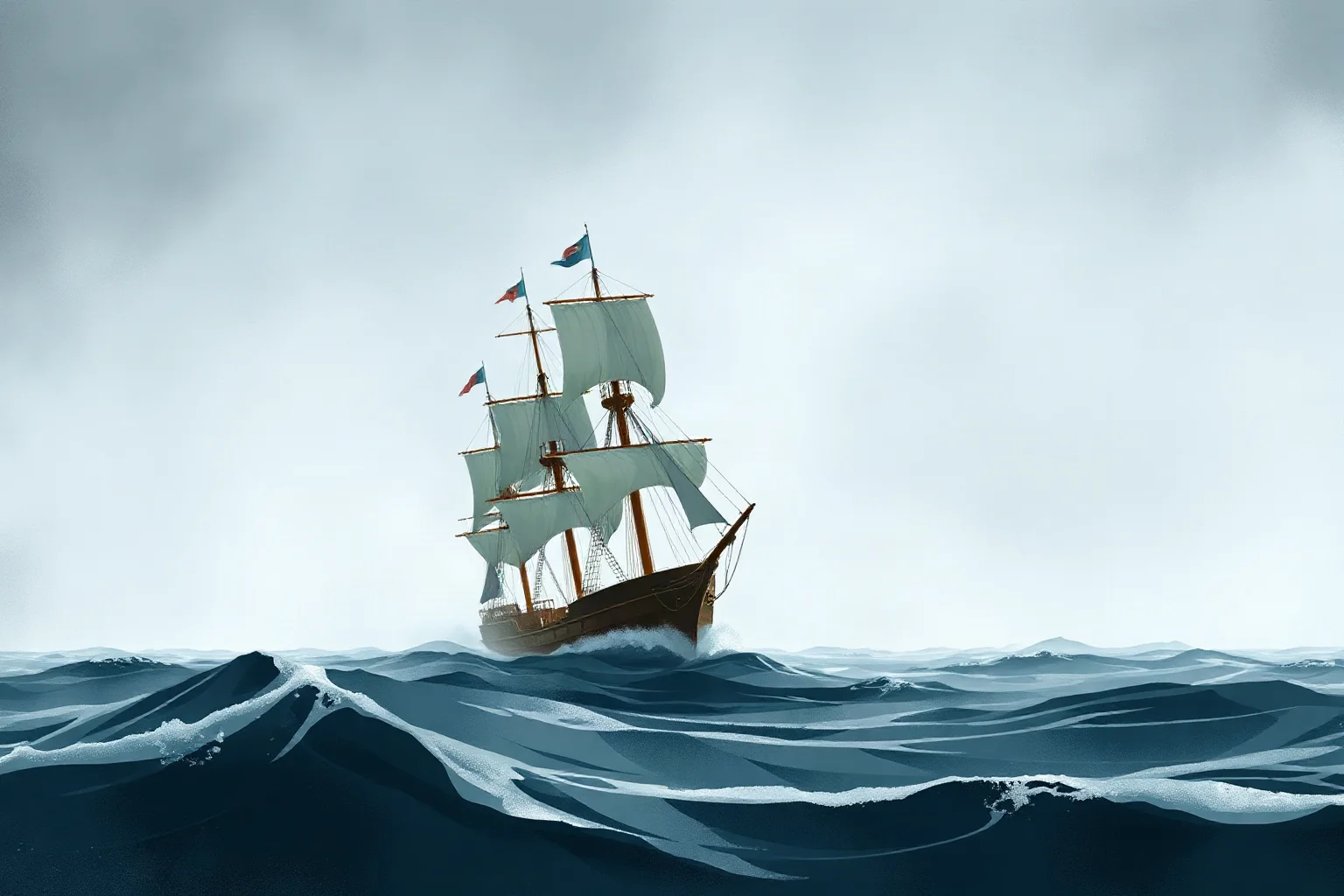
John Cabot, born Giovanni Caboto in Italy, sailed for England’s King Henry VII and reached the coast of North America — likely Newfoundland — in 1497. That makes him one of the earliest explorers from England on record, even though he was Italian by birth.
Cabot’s voyage gave England an early claim in North America, one that English colonists would build on more than a century later. His story is a good reminder that many “national” explorers were hired talent from elsewhere in Europe.
13. Jacques Cartier
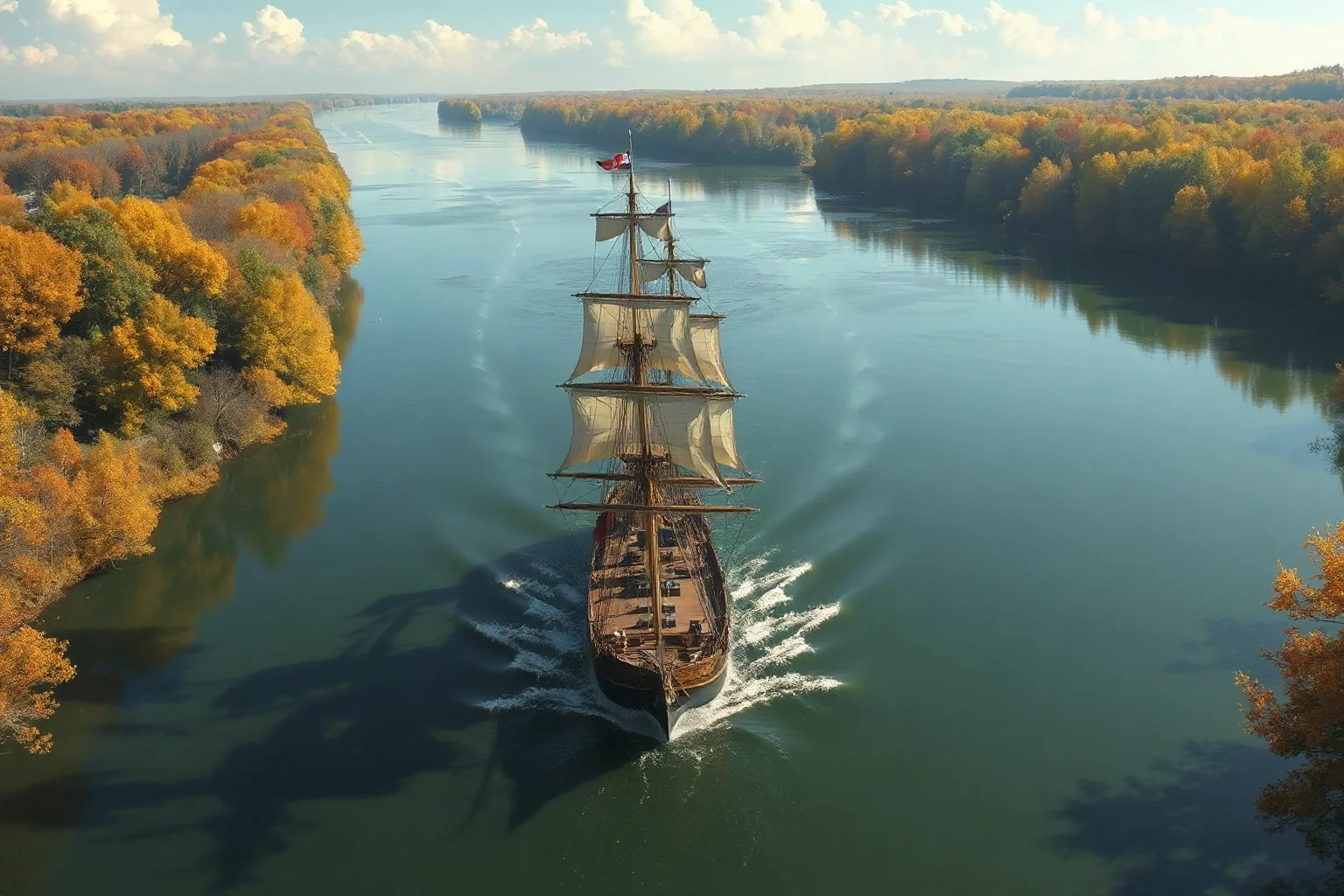
Jacques Cartier was a French explorer who made three voyages to North America between 1534 and 1542, mapping the Gulf of St. Lawrence and sailing up the St. Lawrence River. He is often credited with giving Canada its name, based on his misunderstanding of an Iroquoian word for “village.”
Cartier’s expeditions laid the groundwork for French claims in North America, even though his own attempts at permanent settlement largely failed. He remains one of the most important explorers France produced during this era.
14. Samuel de Champlain
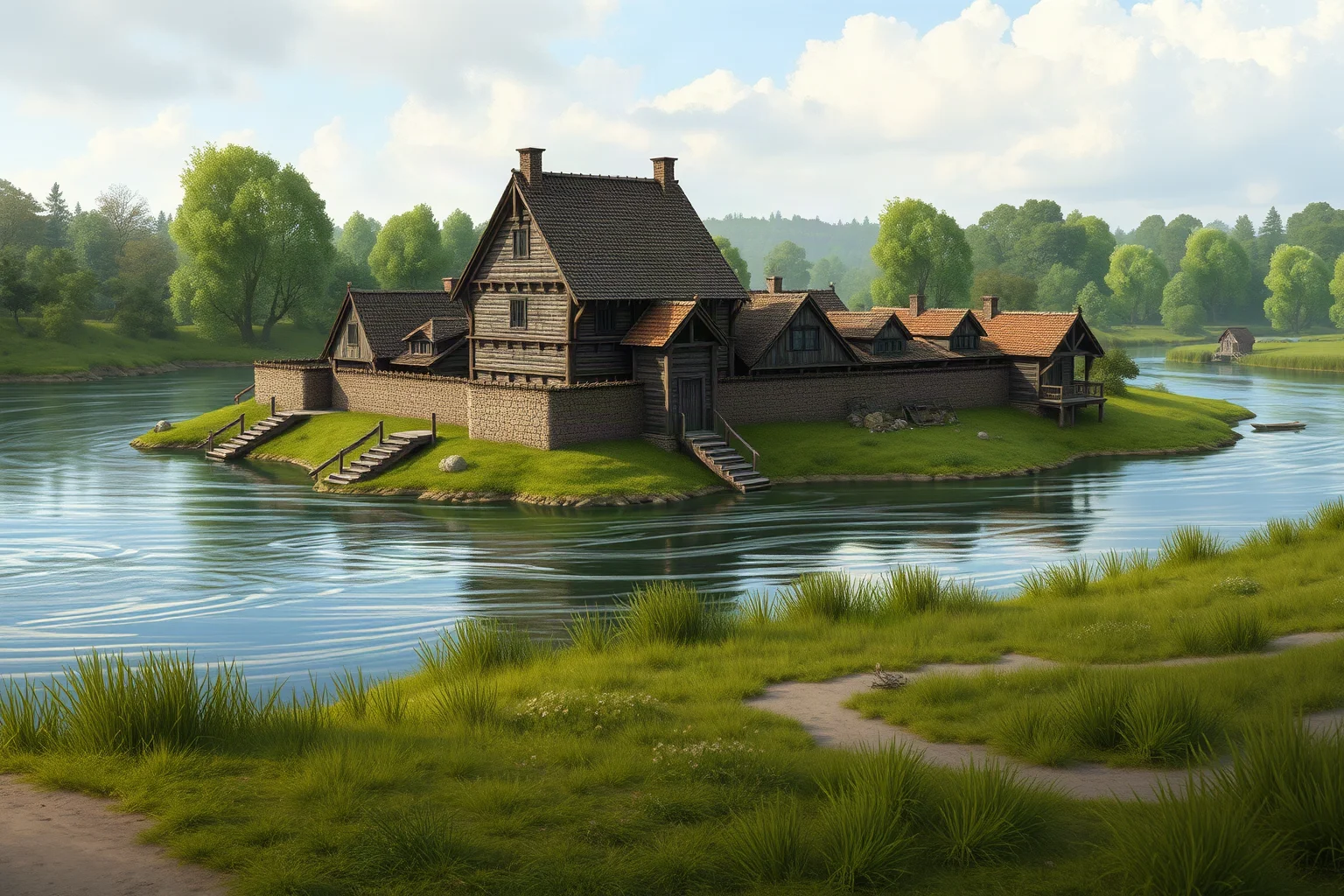
Samuel de Champlain was a French explorer, soldier, and cartographer who founded Quebec City in 1608 and extensively mapped the Great Lakes region. Unlike many explorers focused purely on discovery, Champlain also built lasting alliances with Indigenous nations like the Huron and Algonquin.
His work helped establish “New France” as a durable colonial presence rather than a series of failed outposts. Champlain is regularly cited among the most famous French explorers for both his maps and his diplomacy.
15. Sir Francis Drake
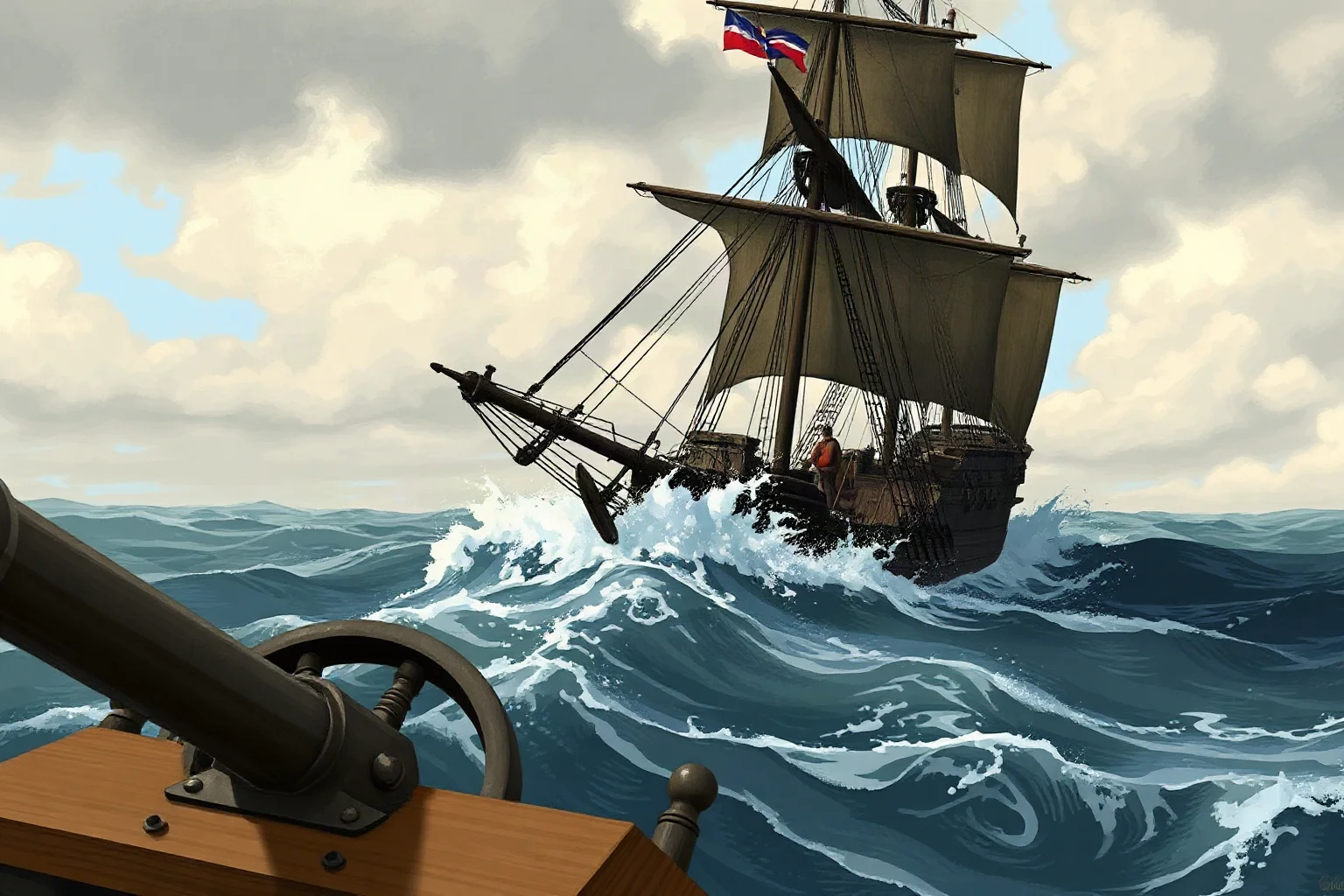
Sir Francis Drake was an English explorer and privateer who became the second person to circumnavigate the globe, completing the voyage between 1577 and 1580. He was also a key naval commander in England’s defeat of the Spanish Armada in 1588.
Drake was celebrated in England as a national hero but was viewed very differently by Spain, which considered him a pirate. Both reputations are historically accurate — his fame and his fortune came largely from raiding Spanish ships and settlements.
16. Sir Walter Raleigh
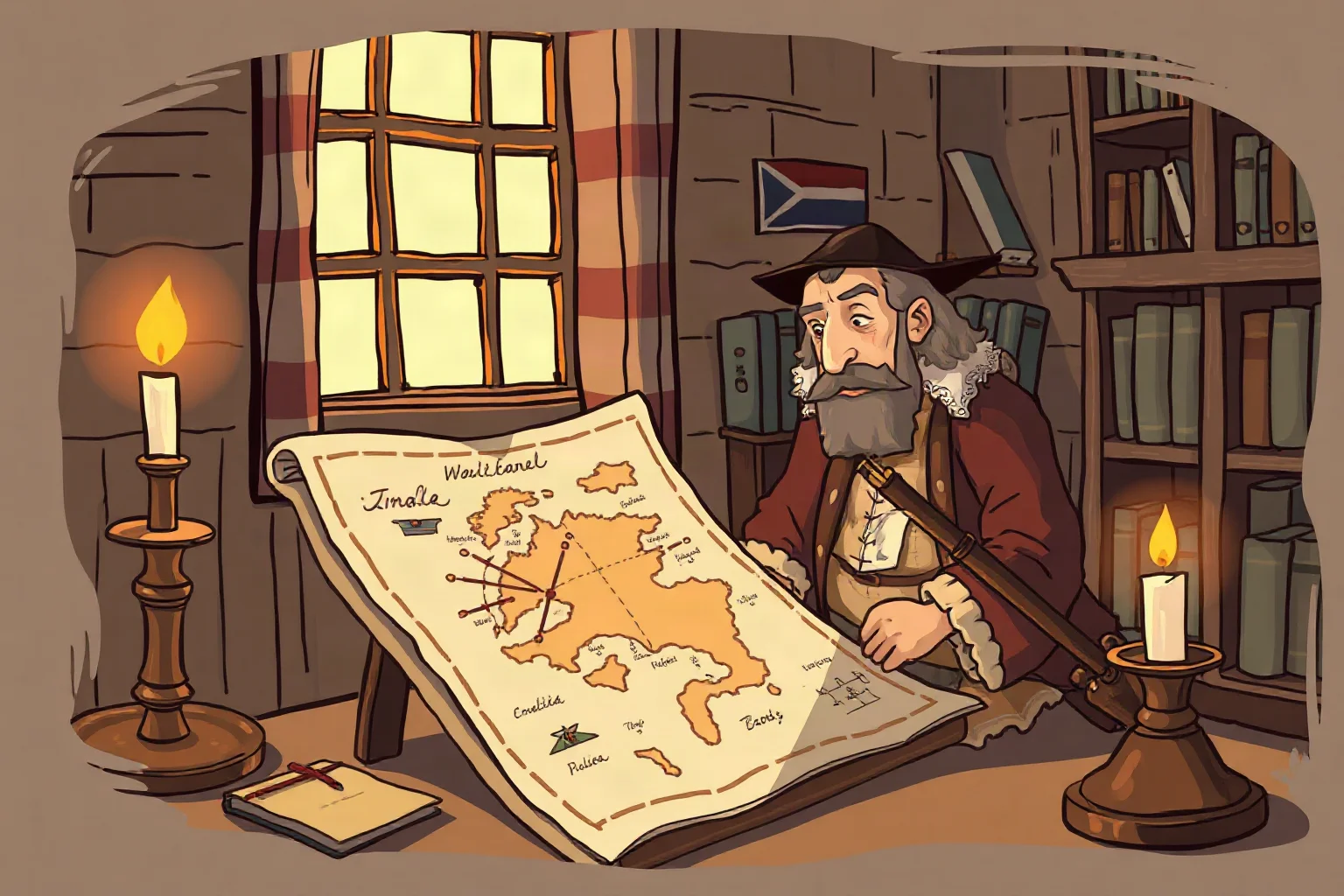
Sir Walter Raleigh was an English explorer, writer, and courtier who organized England’s early, ultimately failed colonization attempts at Roanoke Island in the 1580s. He also led expeditions searching for the legendary golden city of El Dorado in South America, which was never found because it likely never existed as described.
Raleigh’s career blended genuine exploration with political ambition at the English court. He was eventually executed in 1618, a reminder that exploration careers of this era were often tied tightly — and dangerously — to royal favor.
17. Henry Hudson
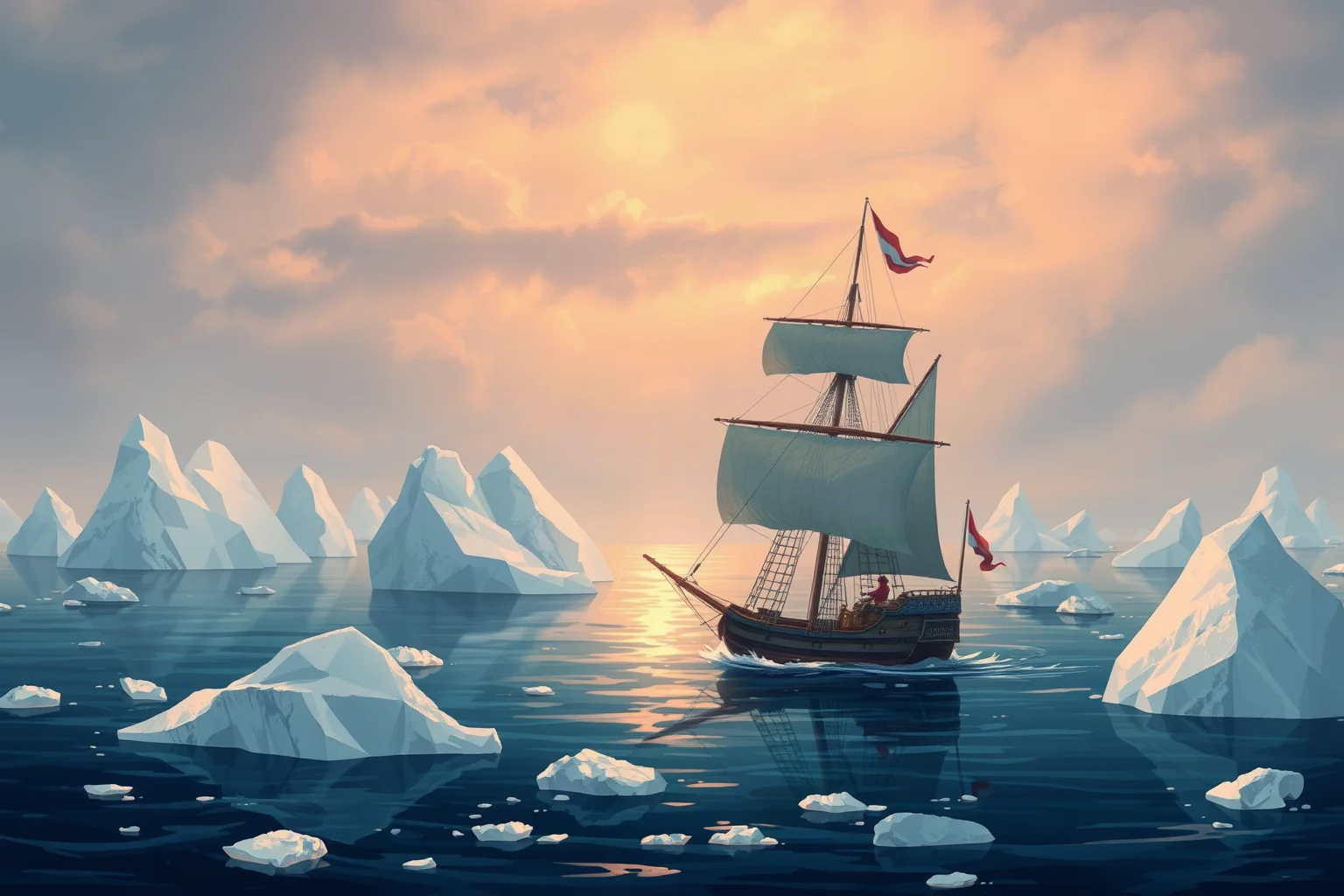
Henry Hudson was an English explorer who sailed for both English and Dutch backers while searching for a northern trade route to Asia. His voyages mapped the river and bay that now bear his name in present-day New York and Canada.
Hudson’s final expedition ended in mutiny in 1611, and he was set adrift with a small crew and never seen again. His disappearance remains one of the more haunting unsolved stories among explorers of the age of exploration.
18. Captain James Cook
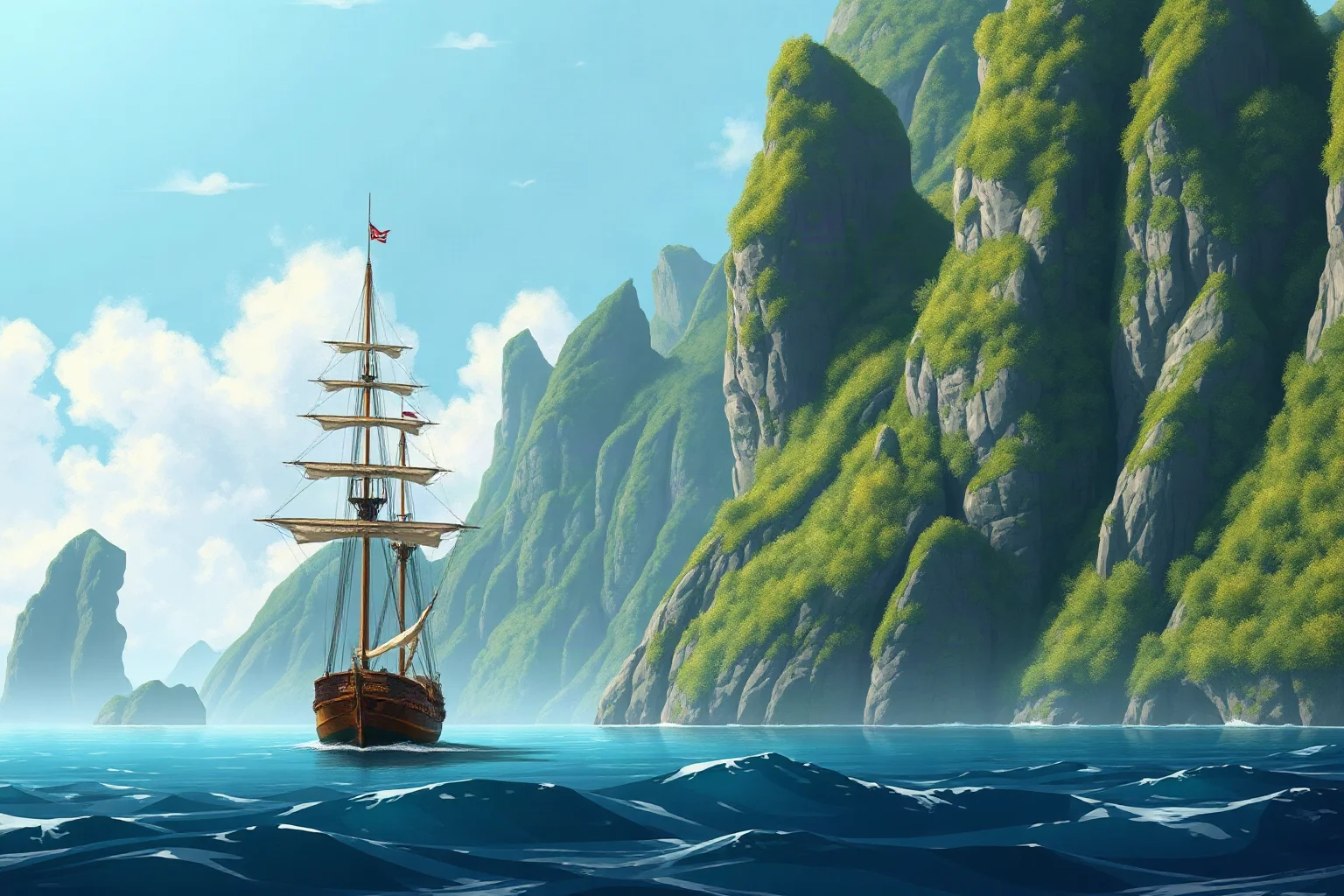
Captain James Cook was an English explorer and master cartographer who led three major Pacific voyages between 1768 and 1779. He mapped New Zealand and the eastern coast of Australia in unprecedented detail and was among the first Europeans to reach Hawaii.
Cook is often praised for his navigational precision and his crew’s health record, since he took unusually effective measures against scurvy for his time. He was killed in a violent confrontation in Hawaii in 1779, during a dispute that followed rising tensions between his crew and local Hawaiians.
19. Meriwether Lewis and William Clark
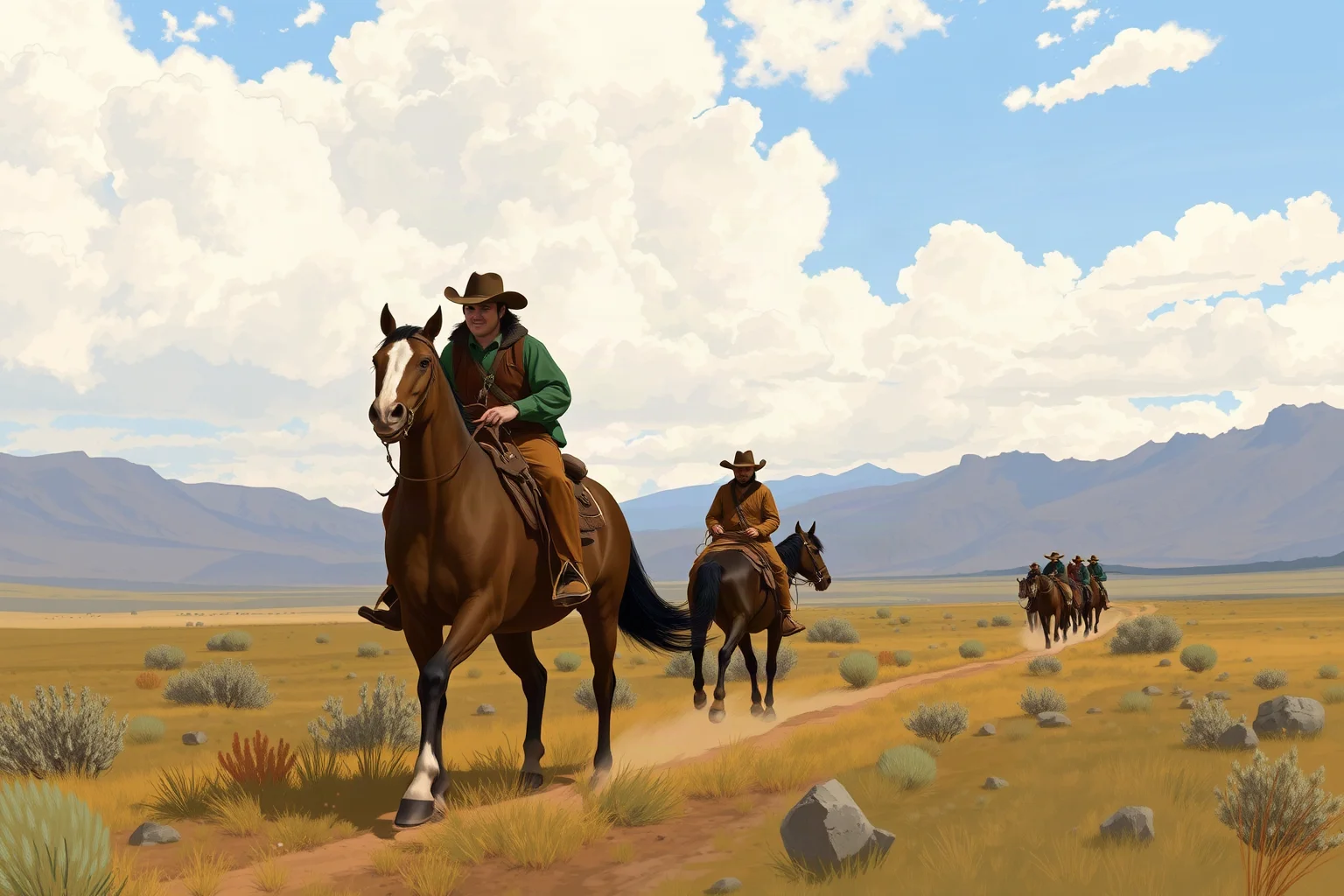
Meriwether Lewis and William Clark led the Corps of Discovery expedition from 1804 to 1806, commissioned by President Thomas Jefferson to map the Louisiana Purchase and find a route to the Pacific. They are among the most famous American explorers, and their detailed journals remain a foundational record of the American West’s geography, plants, and animals.
Their expedition depended heavily on cooperation and knowledge from numerous Indigenous nations along the route. Without that assistance, the journey’s success would have been far less likely, if not impossible.
20. Sacagawea
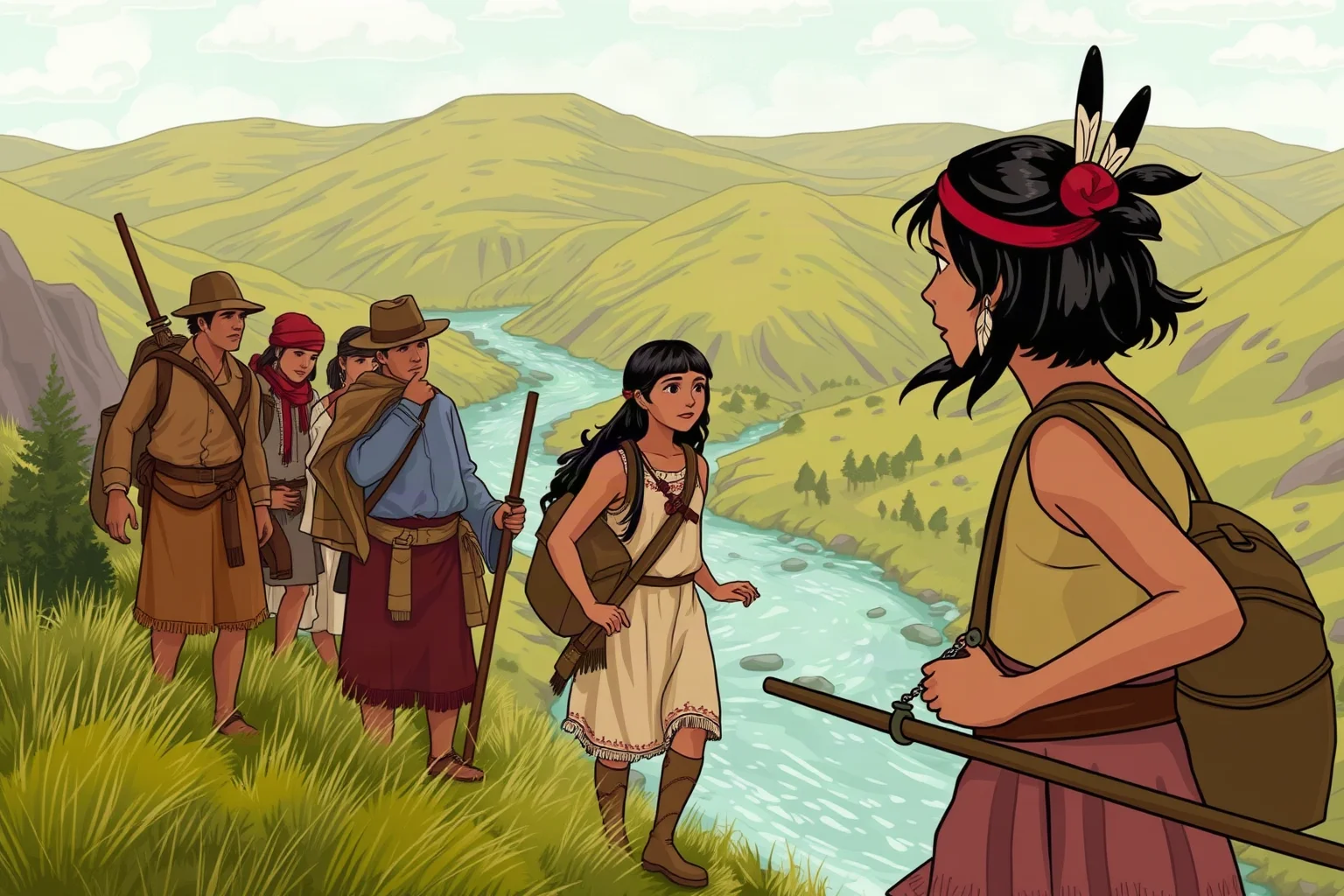
Sacagawea was a Shoshone woman who served as an interpreter and guide for the Lewis and Clark expedition, joining while pregnant and later traveling with her infant son. Her knowledge of the terrain, plants, and local languages was essential to the expedition’s ability to navigate and negotiate safely.
She’s one of the few women who appears consistently across lists of famous explorers in history, though much of what’s popularly claimed about her life beyond the expedition is based on limited historical records. Her documented contributions to the Corps of Discovery, however, are well established.
21. David Livingstone
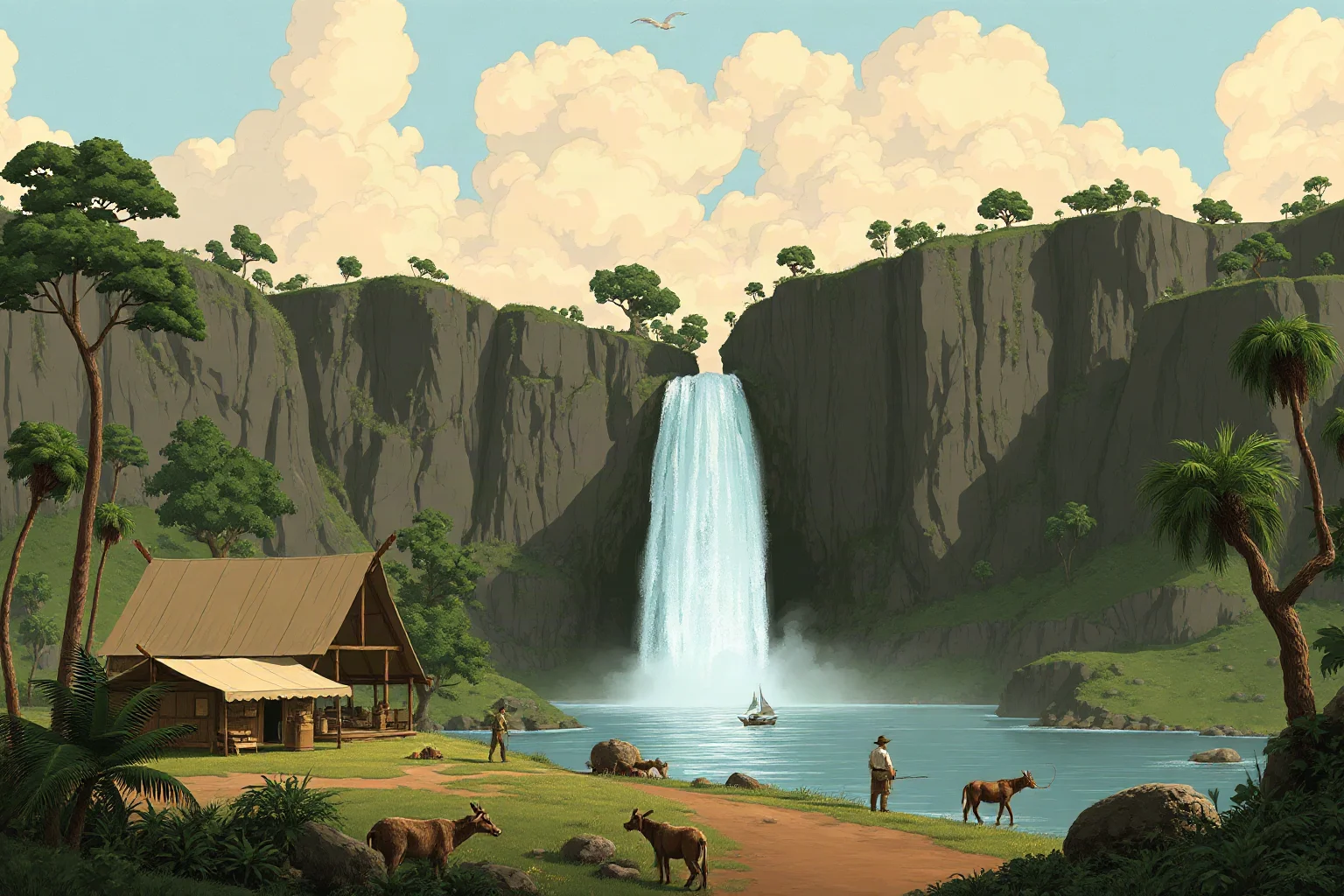
David Livingstone was a Scottish missionary and explorer who spent decades mapping much of central and southern Africa, including sections of the Zambezi River and Victoria Falls, which he named. He became a Victorian celebrity in Britain, admired for his endurance and his outspoken opposition to the East African slave trade.
Livingstone also embodied the era’s colonial mindset, believing European commerce and Christianity should “civilize” Africa, a view historians now scrutinize far more critically. He disappeared from contact for years while searching for the source of the Nile, prompting the famous rescue mission that made his “finder” nearly as famous as he was.
22. Henry Morton Stanley
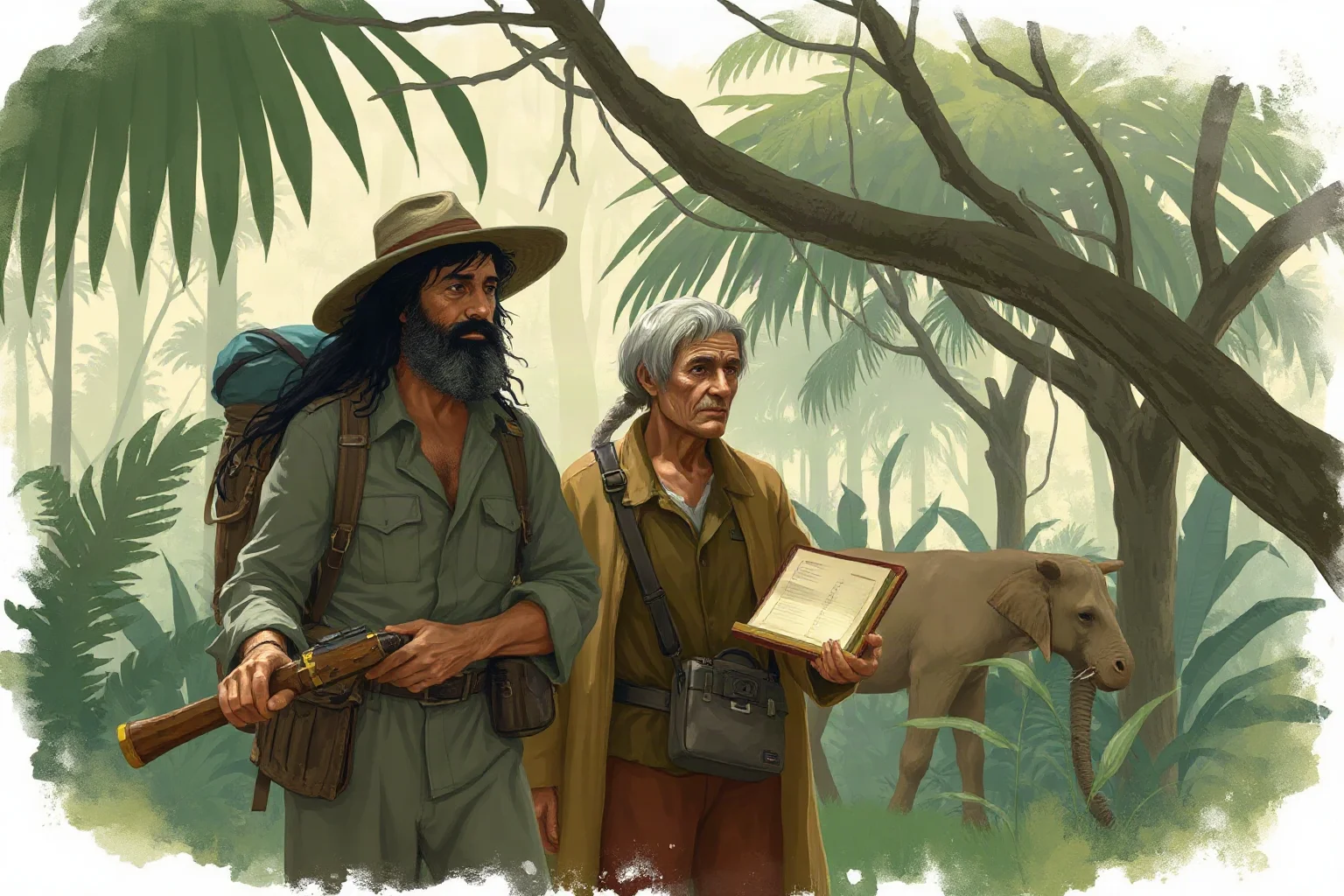
Henry Morton Stanley was a Welsh-American journalist and explorer sent to find the missing David Livingstone in 1871. Their meeting produced one of the most quoted lines in exploration history — “Dr. Livingstone, I presume?” — though historians note the exact wording, and even whether it was said at all, is disputed since Stanley’s own journal pages from that day are missing.
Stanley later led brutal expeditions charting the Congo River and worked for Belgian King Leopold II, whose colonial regime in the Congo became one of the most violent in modern history. Stanley’s legacy is a stark example of how Victorian explorers’ fame often obscured the human cost of their expeditions.
23. Roald Amundsen
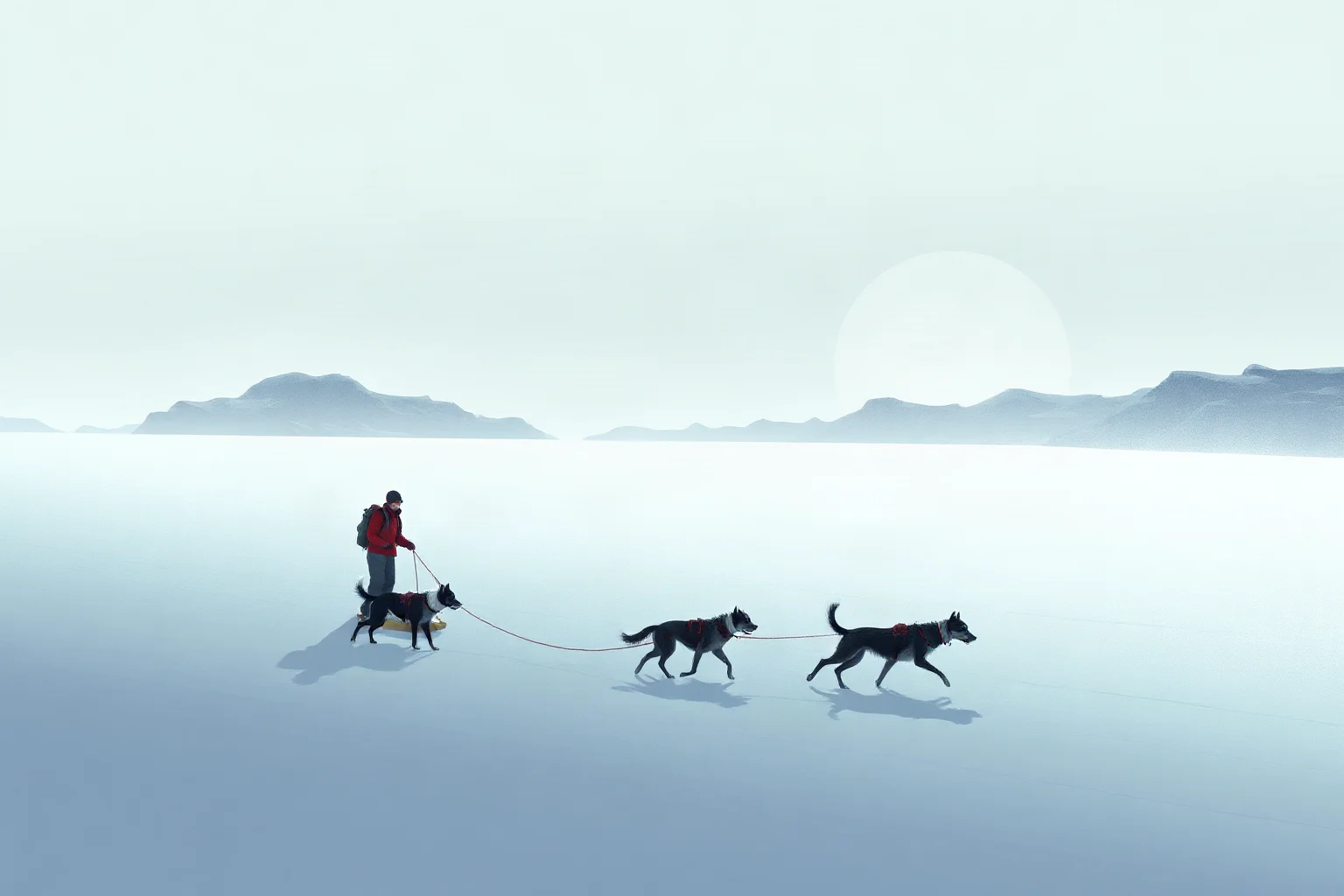
Roald Amundsen was a Norwegian polar explorer who led the first expedition to reach the South Pole in December 1911, narrowly beating a British team led by Robert Falcon Scott. He had earlier become the first person to navigate the Northwest Passage by ship, from 1903 to 1906.
Amundsen’s meticulous planning — including his use of sled dogs and lessons learned from Inuit survival techniques — is often credited for his expedition’s success where others failed. He disappeared in 1928 during a rescue flight over the Arctic, and no confirmed trace of him was ever found.
24. Ernest Shackleton
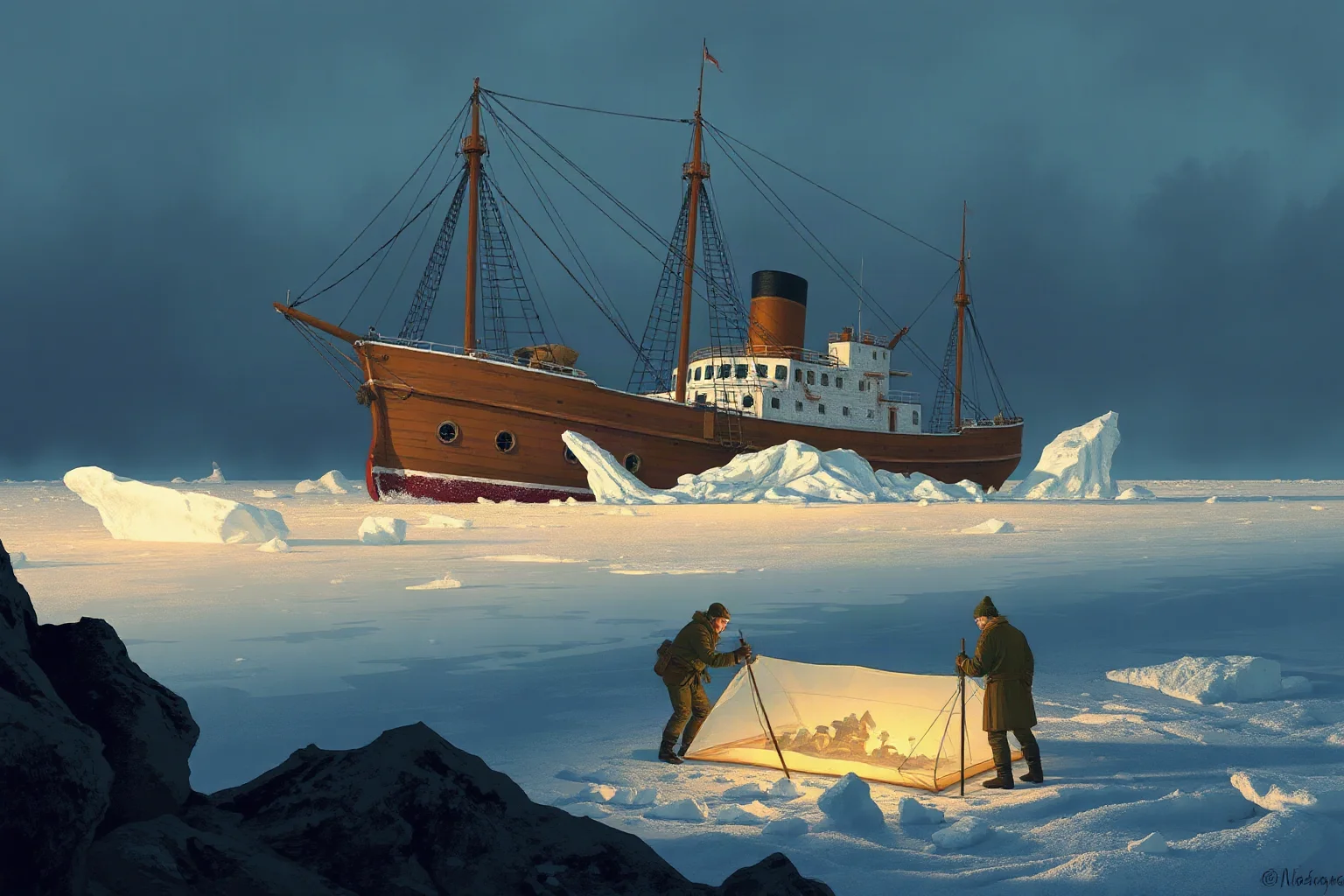
Ernest Shackleton was a British explorer best known for leading the Endurance expedition to Antarctica from 1914 to 1917, during which his ship was crushed by pack ice long before reaching the continent. He then led his entire crew on a harrowing journey across ice and open ocean, and remarkably, everyone survived.
A widely circulated newspaper recruitment ad attributed to Shackleton — promising “safe return doubtful” — is popular in books and online, but historians have never located an original printed copy, so its authenticity remains unverified. What’s well documented, however, is his crew’s survival against extraordinary odds, which is why Shackleton is still cited among history’s greatest explorers.
25. Sir Edmund Hillary
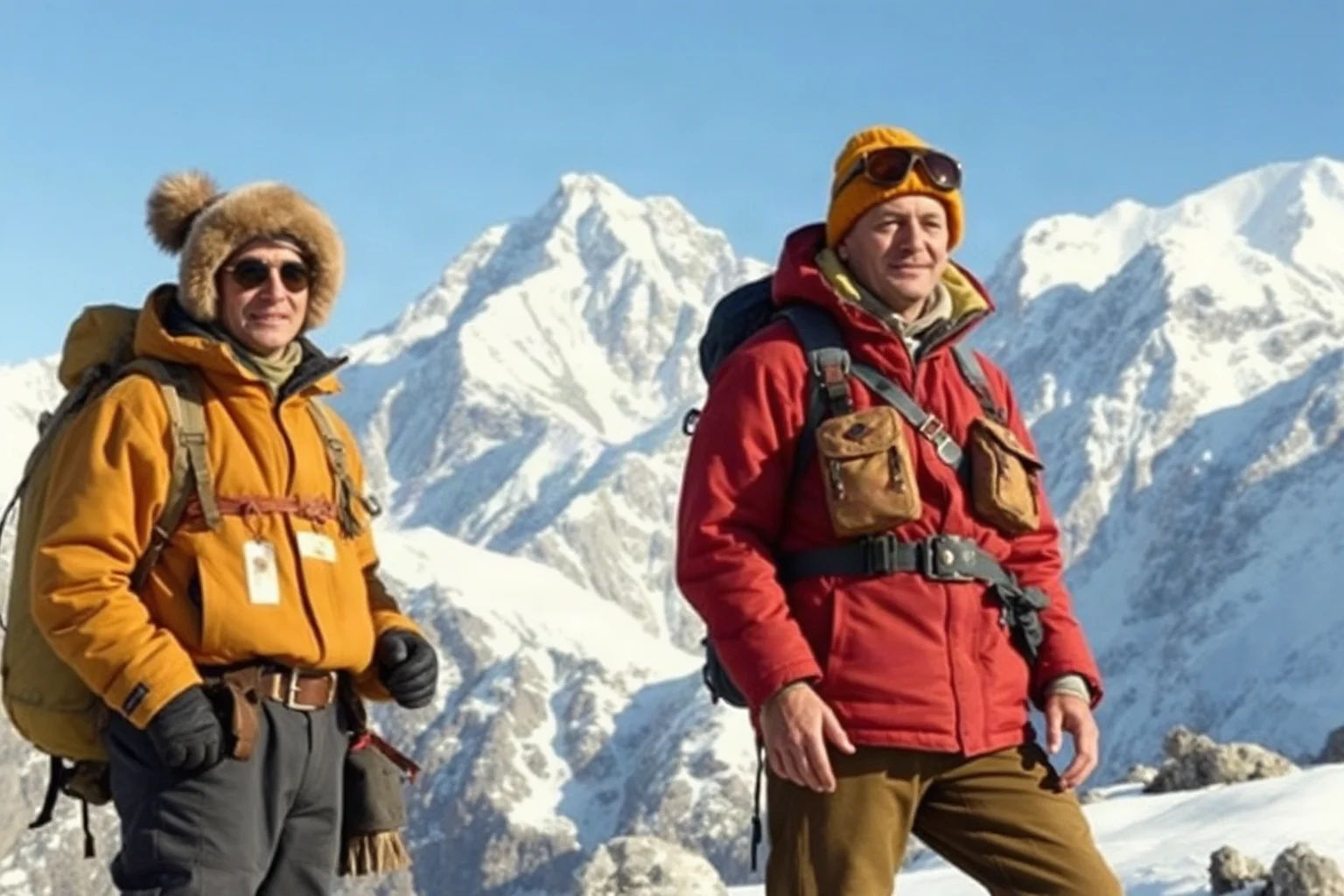
Sir Edmund Hillary was a New Zealand mountaineer who, along with Nepali Sherpa climber Tenzing Norgay, became the first climbers confirmed to reach the summit of Mount Everest in 1953. Their achievement is often cited as the moment exploration shifted from mapping unknown coastlines to pushing the limits of human endurance in already-mapped but extreme environments.
Hillary spent much of his later life supporting humanitarian projects in Nepal, working alongside the Sherpa communities who had made his climb possible. He’s a fitting closing figure for this list, bridging the era of famous explorers and adventurers with the modern age of extreme sports and mountaineering.
Quotes by Famous Explorers: A Word of Caution
Search online for quotes by famous explorers and you’ll find plenty of inspiring lines attributed to Shackleton, Livingstone, Magellan, and others. Some are accurately sourced from journals, letters, or ship logs that survive to this day.
Others, though, are exaggerated, mistranslated, or entirely invented long after the explorer died, then repeated so often online that they start to feel like fact. When you’re researching explorers in history for a school project or just out of curiosity, it’s worth checking whether a quote appears in a primary source — a journal, letter, or contemporary account — rather than just a quote-image circulating on social media.
Why These Explorers Still Matter
The explorers on this list didn’t just wander — they changed how humans understood geography, trade, and each other. Their voyages connected continents that had been separated for thousands of years, for good and for ill, reshaping economies, cultures, and populations across the globe.
Modern “explorers” now chart deep oceans, polar ice sheets, and even outer space, carrying forward the same mix of curiosity, ambition, and risk-taking. Understanding the full history of famous explorers — their genuine achievements alongside their era’s darker realities — gives us a much richer picture than the simplified hero stories many of us learned in school.
Whether you’re drawn to ancient navigators like Pytheas, conquest-era figures like Cortés, or endurance icons like Shackleton, each name on this list represents a different chapter of how humanity mapped its own world. That story is still being written today, one expedition at a time.
Frequently Asked Questions
Who are considered the most famous explorers in history?
Names like Christopher Columbus, Ferdinand Magellan, Vasco da Gama, Marco Polo, James Cook, and Roald Amundsen are consistently cited among the most famous explorers in history. Each led expeditions that significantly changed European and global understanding of geography, trade routes, or the polar regions, which is why their names have endured in textbooks and popular culture.
What were European explorers looking for during the Age of Exploration?
Historians commonly summarize their motives as God, gold, and glory: new trade routes to Asia's spices and silk, precious metals and resources, religious converts, and national prestige. Rivalry between Portugal, Spain, England, France, and the Dutch Republic drove much of the era's rapid expansion.
Who was the greatest explorer of all time?
There's no single agreed-upon answer, since 'greatest' depends on the criteria used — distance traveled, navigational skill, survival against the odds, or historical impact. Explorers like Zheng He, James Cook, and Ferdinand Magellan are frequently named for the sheer scale of their voyages, while Ernest Shackleton is often praised specifically for leadership and crew survival.
Did Christopher Columbus really discover America?
No. Indigenous peoples had lived throughout the Americas for thousands of years before Columbus arrived in 1492, and Norse explorer Leif Erikson reached parts of North America around 1000 AD, roughly 500 years earlier. Columbus's voyages are historically significant mainly because they triggered sustained European contact and colonization of the Americas.
Who are some famous explorers from England?
Notable explorers from England include Sir Francis Drake, Sir Walter Raleigh, Henry Hudson, and Captain James Cook, along with John Cabot, who was Italian-born but sailed under the English crown. Together they helped establish England's early claims and trade routes across North America, the Pacific, and beyond.
Are there famous female explorers in history?
Yes, though they're less frequently highlighted in traditional accounts. Sacagawea's guidance and translation work was essential to the Lewis and Clark expedition, and later explorers like aviator Amelia Earhart and mountaineer Junko Tabei expanded the record of women's exploration achievements in more recent history.
What’s the difference between an explorer and an adventurer?
The terms overlap heavily, but 'explorer' traditionally refers to someone charting unknown-to-them territory, routes, or resources for scientific, trade, or national purposes. 'Adventurer' is often used more broadly for anyone undertaking a risky, physically demanding journey, including modern mountaineers and endurance athletes who aren't necessarily mapping new ground.

Alex Warren
Related Articles