

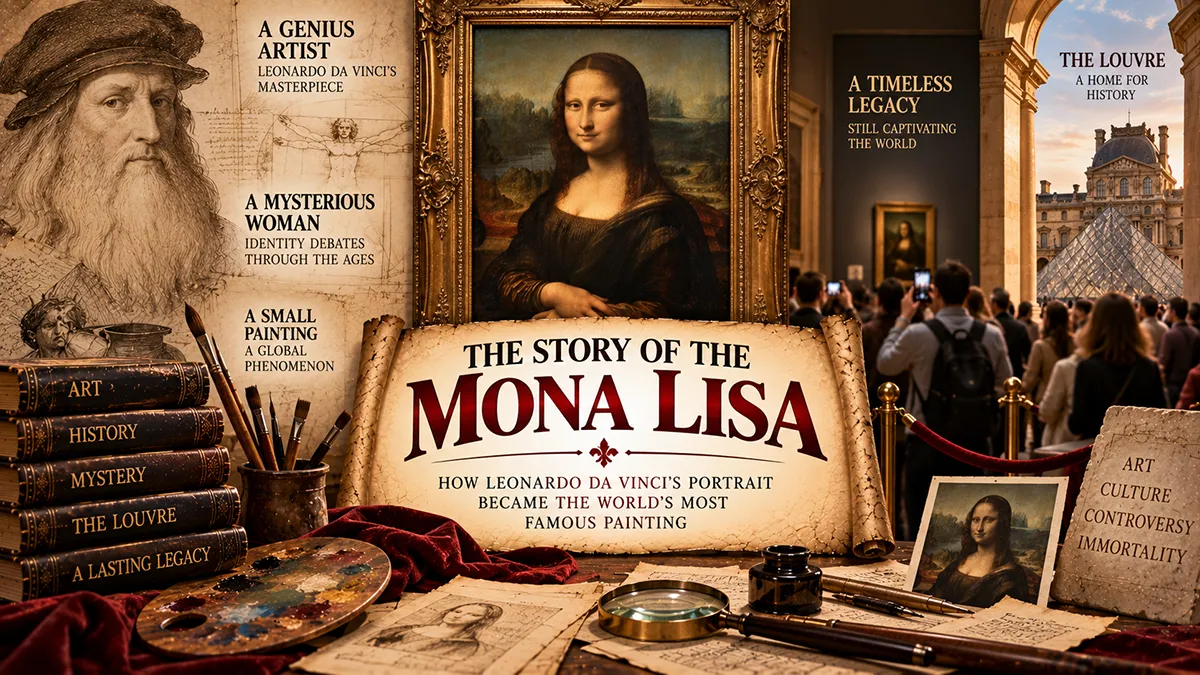
Millions of people visit the Louvre in Paris every year specifically to see the Mona Lisa — and most of them are surprised by how small it actually is. At just 30 x 21 inches (77 x 53 cm), roughly the size of a large cereal box, it's not the painting's scale that made it famous. It's everything that happened to it, and around it, over the 500 years since Leonardo da Vinci first picked up his brush.
Who Painted the Mona Lisa?
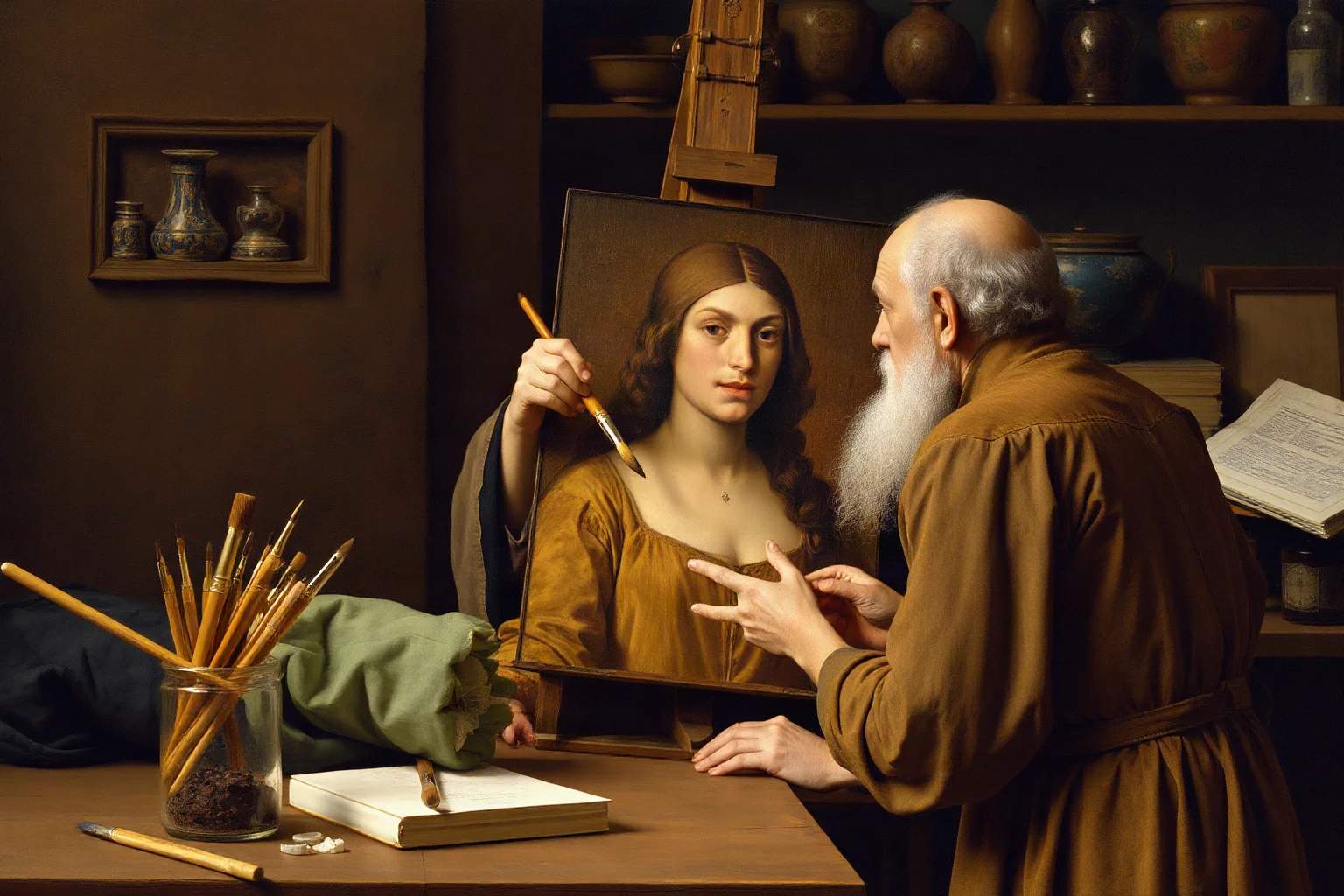
The Mona Lisa was painted by Leonardo da Vinci, the Italian Renaissance polymath better known today for being a painter, inventor, and anatomist all at once. Da Vinci began the portrait around 1503, working in Florence, and by most historical accounts continued refining it on and off for over a decade — possibly not fully finishing it until close to his death in 1519. Unlike most commissioned portraits of the era, da Vinci never delivered this one to the client who reportedly requested it. He kept it with him for the rest of his life, still making small adjustments to the paint years after most artists would have called a portrait complete.
Who Is the Woman in the Mona Lisa?
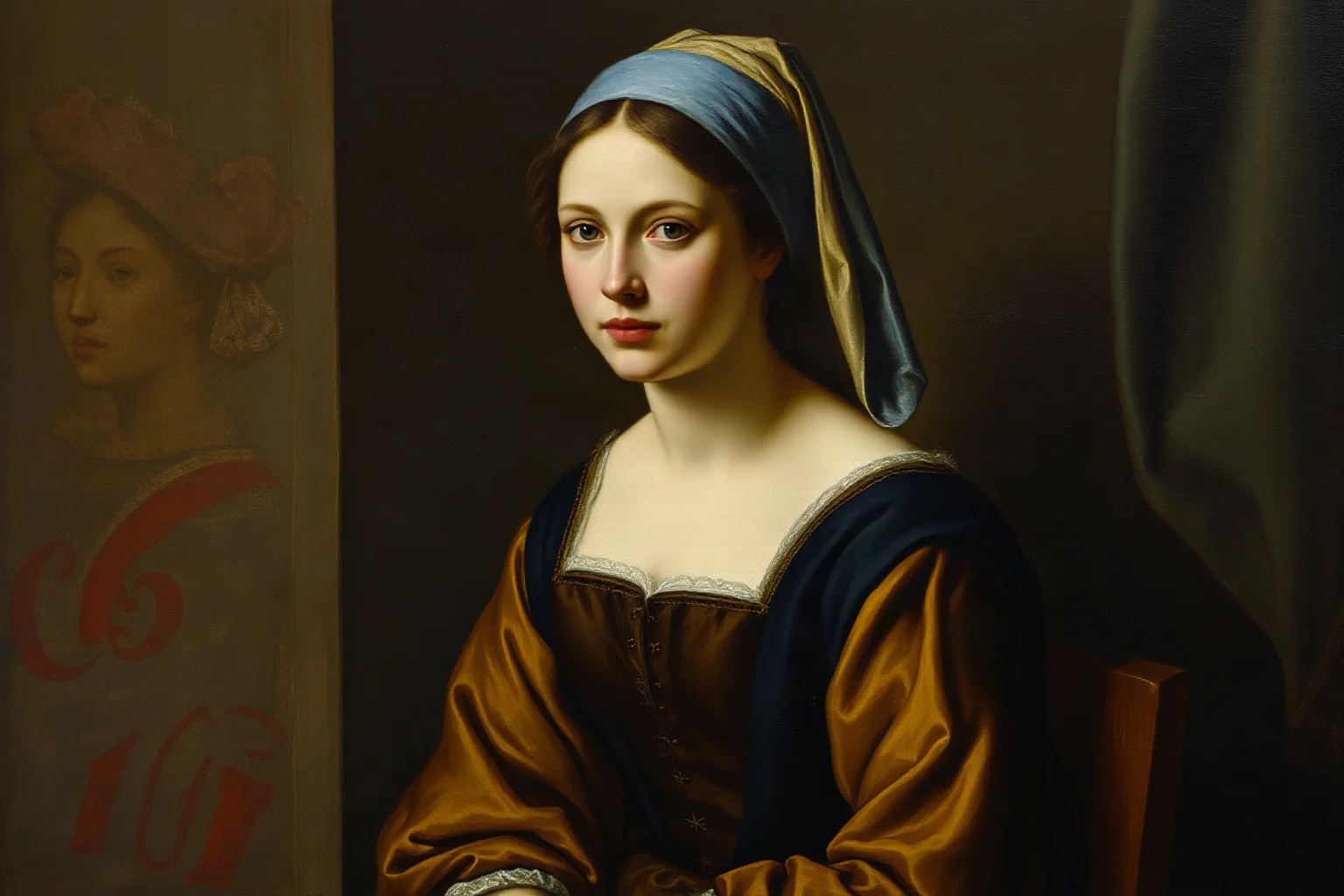
The woman in the painting is widely believed to be Lisa Gherardini, the wife of a Florentine silk merchant named Francesco del Giocondo — which is where the painting's Italian name, La Gioconda, comes from. The portrait was reportedly commissioned by her husband, likely to mark either the birth of their second son or the purchase of a new home, both common occasions for commissioning a portrait in Renaissance Florence. Da Vinci, however, never handed the finished (or nearly finished) painting over to the family, keeping it in his personal possession instead.
When Was the Mona Lisa Painted?
Most art historians date the start of the Mona Lisa to around 1503, with da Vinci continuing to work on it until sometime between 1506 and 1519 — meaning the painting may have taken well over a decade to reach its final form. When da Vinci died in France in 1519, the portrait was still among his belongings, never formally delivered to the Giocondo family who may have originally commissioned it.
How the Mona Lisa Ended Up in France
Leonardo da Vinci spent his final years in France, invited by King Francis I to live and work near the royal court. When da Vinci died in 1519, the king acquired the Mona Lisa — along with other works from his studio — and it entered the French royal art collection. It stayed in royal hands for centuries, moving between palaces including Versailles, before eventually becoming part of the Louvre's public collection after the French Revolution, when the former royal palace was converted into a national museum.
Why Is the Mona Lisa So Famous?
For roughly 300 years after its creation, the Mona Lisa was respected among art experts but far from the global icon it is today — that transformation happened for several specific reasons, not just the quality of the painting itself.
The sfumato technique and the famous smile. Da Vinci pioneered a painting technique called sfumato, blending colors and tones so gradually that there are no harsh outlines, which is part of why the woman's expression seems to shift depending on the angle you view it from. Her smile appears to change — sometimes warm, sometimes distant — which has fueled centuries of debate and fascination.
The 1911 theft. The single biggest reason the Mona Lisa became a household name wasn't a critic's review — it was a heist. In 1911, an Italian handyman named Vincenzo Peruggia, who had worked at the Louvre, stole the painting by hiding it under his coat and simply walking out during business hours. The theft made international headlines for two years while the painting's location remained unknown, and when it was finally recovered in Italy in 1913, the story had turned the Mona Lisa into the most talked-about painting on Earth.
Its size surprises people. Because of how iconic it's become, most visitors expect the Mona Lisa to be a large, dominating canvas — instead, it's a modest wooden panel painting, smaller than many portraits hanging nearby in the Louvre. That contrast between its size and its fame is part of what makes seeing it in person so memorable for many visitors.
The 1911 Heist That Made It a Global Icon

Vincenzo Peruggia's theft of the Mona Lisa remains one of the most famous art crimes in history. He reportedly believed the painting belonged in Italy, da Vinci's home country, rather than in a French museum — a nationalist motive rather than a purely financial one. For two years, the painting's whereabouts were completely unknown, and newspapers around the world ran the story repeatedly, turning "the missing Mona Lisa" into a genuine international mystery. Peruggia was eventually caught after trying to sell the painting to an art dealer in Florence, and the recovered Mona Lisa was returned to the Louvre to enormous public fanfare — cementing a level of fame the painting had never had before the theft.
Where Is the Mona Lisa Today?
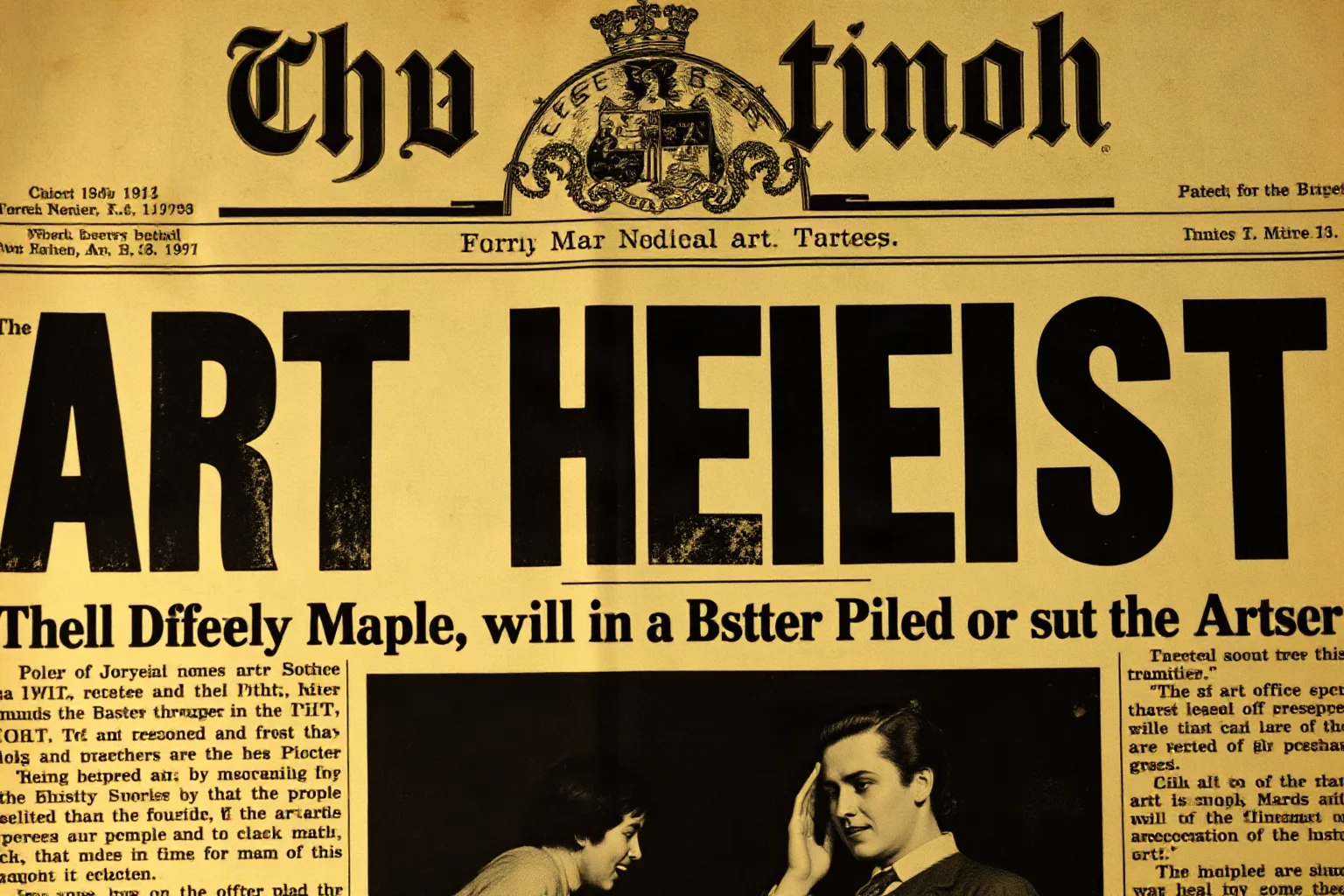
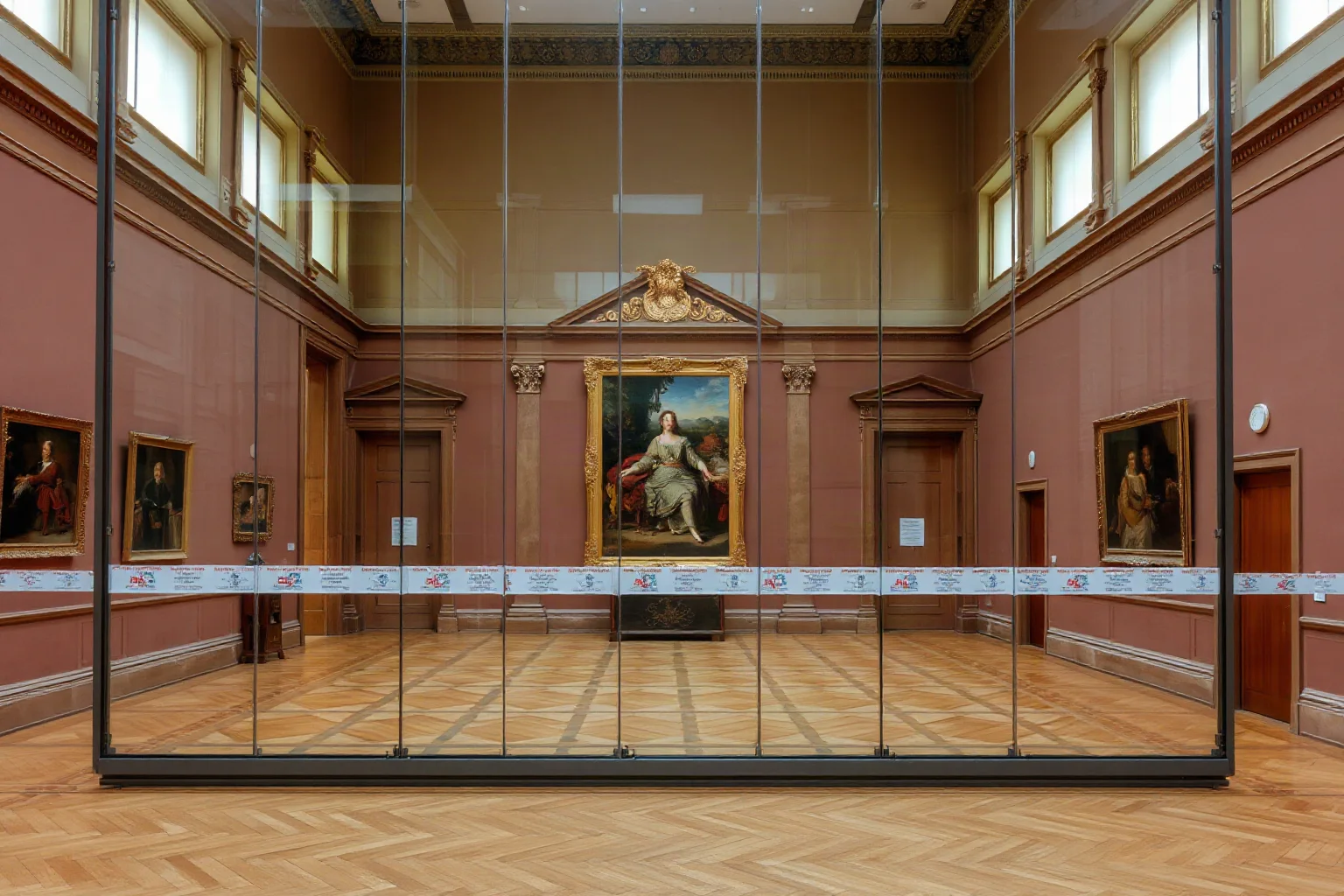
The Mona Lisa hangs today in the Louvre Museum in Paris, inside a dedicated room called the Salle des États, protected behind bulletproof, climate-controlled glass. Its extreme value and fame mean it's treated less like a typical painting and more like a national treasure requiring museum-grade security — a direct legacy of the 1911 theft and later vandalism attempts. Millions of visitors pass through the room each year, most viewing the painting from a roped-off distance.
Mona Lisa Facts Worth Knowing
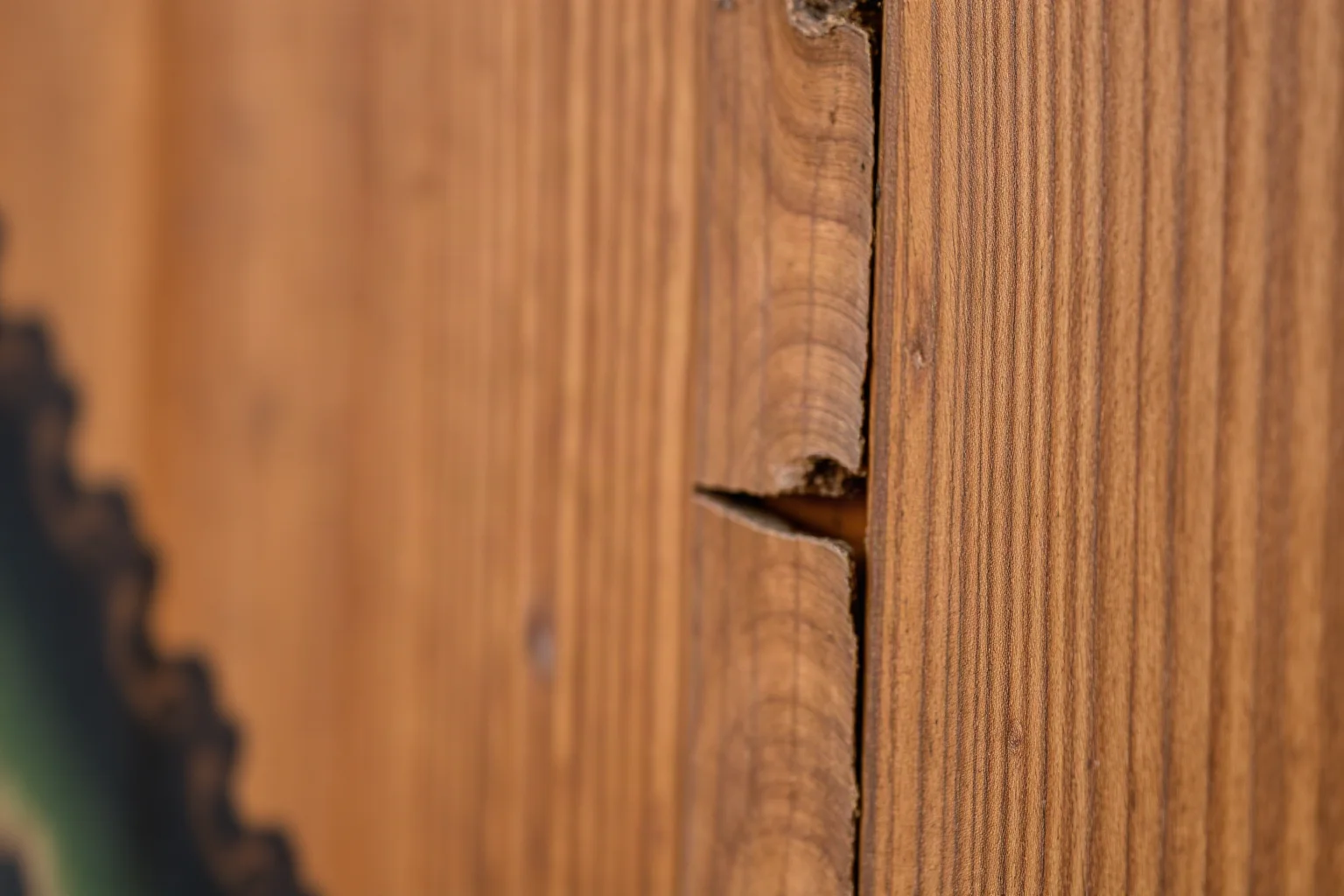
- It's painted on wood, not canvas. Da Vinci used a poplar wood panel, a common choice for Italian Renaissance portraits of the era, rather than the stretched canvas many people assume.
- She has no visible eyebrows or eyelashes. Whether this was an intentional stylistic choice, a result of aging/restoration over the centuries, or simply lost to time remains debated among art historians.
- It's technically owned by the French government, as part of the Louvre's public national collection — not for sale, and effectively priceless by any conventional appraisal standard.
- The painting has been attacked more than once, including acid and rock-throwing incidents in the 20th century, which is part of why it's now displayed behind protective glass.
Frequently Asked Questions
Who painted the Mona Lisa?
Leonardo da Vinci painted the Mona Lisa, beginning around 1503 and reportedly continuing to refine it until close to his death in 1519.
Why is the Mona Lisa so famous?
Its fame comes from a combination of da Vinci's innovative painting technique, the mysterious, shifting quality of the subject's smile, and — most significantly — the sensational 1911 theft that made global headlines for two years.
When was the Mona Lisa painted?
Most historians date it to between 1503 and 1519, meaning da Vinci likely worked on it, on and off, for over a decade.
Who is the woman in the Mona Lisa?
She's widely believed to be Lisa Gherardini, the wife of Florentine merchant Francesco del Giocondo — which is also where the painting's alternate name, La Gioconda, comes from.
Where is the original Mona Lisa painting?
The original hangs in the Louvre Museum in Paris, displayed behind bulletproof glass in the Salle des États.
Who owns the Mona Lisa?
It's owned by the French government as part of the Louvre's public collection, and it isn't for sale.
Final Thoughts
The Mona Lisa's fame isn't really about brushstrokes alone — it's the combination of a genuinely groundbreaking technique, centuries of royal ownership, and one very real, very dramatic theft that turned a respected Renaissance portrait into the most recognized painting on the planet. Five hundred years later, people are still lining up in Paris just to stand in front of it, still debating exactly what that smile means.

Alex Warren
Related Articles