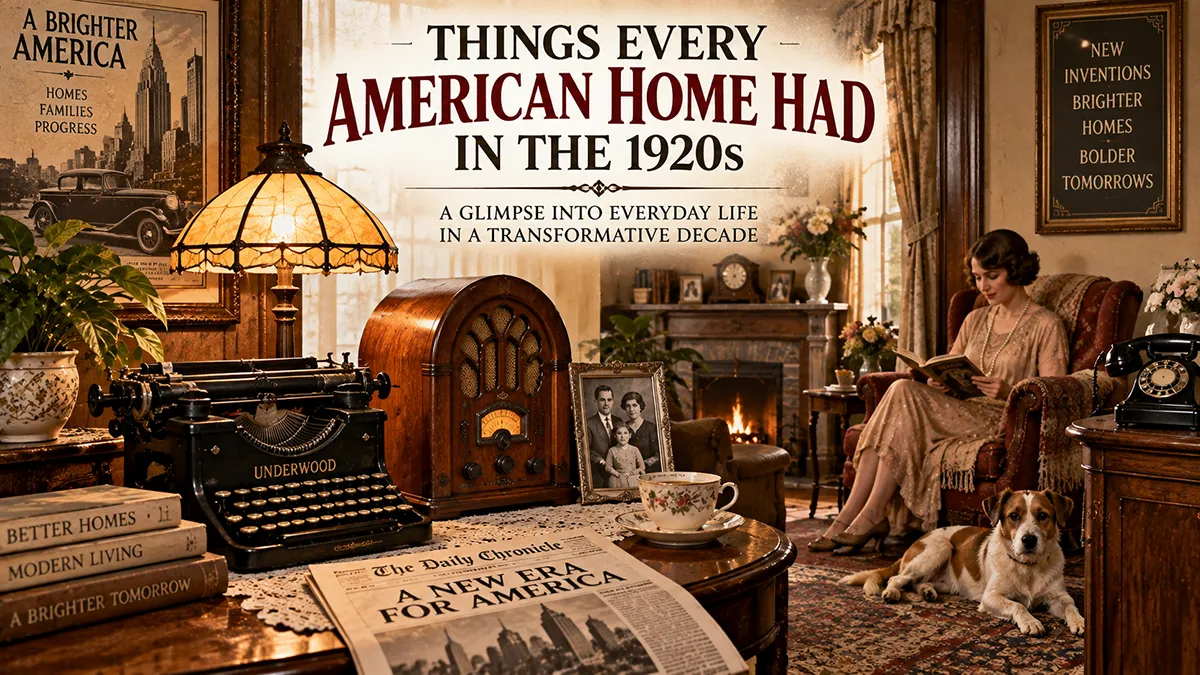
The 1920s get remembered as the decade that invented modern life. Flappers, jazz, bootleg gin, and a brand-new radio in every parlor — that’s the postcard version of the Roaring Twenties. But the real story of household products during the 1920s is messier and more interesting than the postcard, full of contradictions between the glossy ads of the era and what actually sat in most American kitchens and living rooms.
This was a decade of genuine transformation. Mass production, installment credit, and a booming advertising industry put a wave of new consumer goods in the 1920s within reach of the middle class for the first time. At the same time, huge swaths of the country — especially rural America — were still waiting for the electric lines, indoor plumbing, and factory-made comforts that city dwellers were starting to take for granted. Understanding 1920s things means holding both realities at once.
TL;DR: The 1920s brought a wave of new home appliances and consumer goods to American households, but access was wildly uneven — city and suburban families adopted electric conveniences years, sometimes decades, before rural ones did.
Setting the Scene: Electricity in the 1920s United States
Before diving into the list, it helps to understand the power grid — literally. Electricity in the 1920s was expanding fast in cities and suburbs, but it was far from universal. By 1930, roughly 80-90% of urban and non-farm homes had electric service, while only about 10% of American farms did, according to U.S. Census and rural electrification records.
That gap matters enormously for this list. Many of the appliances of the 1920s described below were marketed nationally, but they were realistically usable only by households already wired for electricity. Widespread rural electrification didn’t arrive until the Rural Electrification Act of 1936 — a New Deal-era response to the same hardships of the Great Depression that reshaped so much of American life — so a lot of the story of 1920s consumer appliances is really a story about American cities and their suburbs first.
With that caveat in place, here are the products, gadgets, and everyday fixtures that defined family life in the 1920s for millions of Americans — some in every home, some only in the homes that could afford them.
1. Electric Lighting — With a Big Asterisk
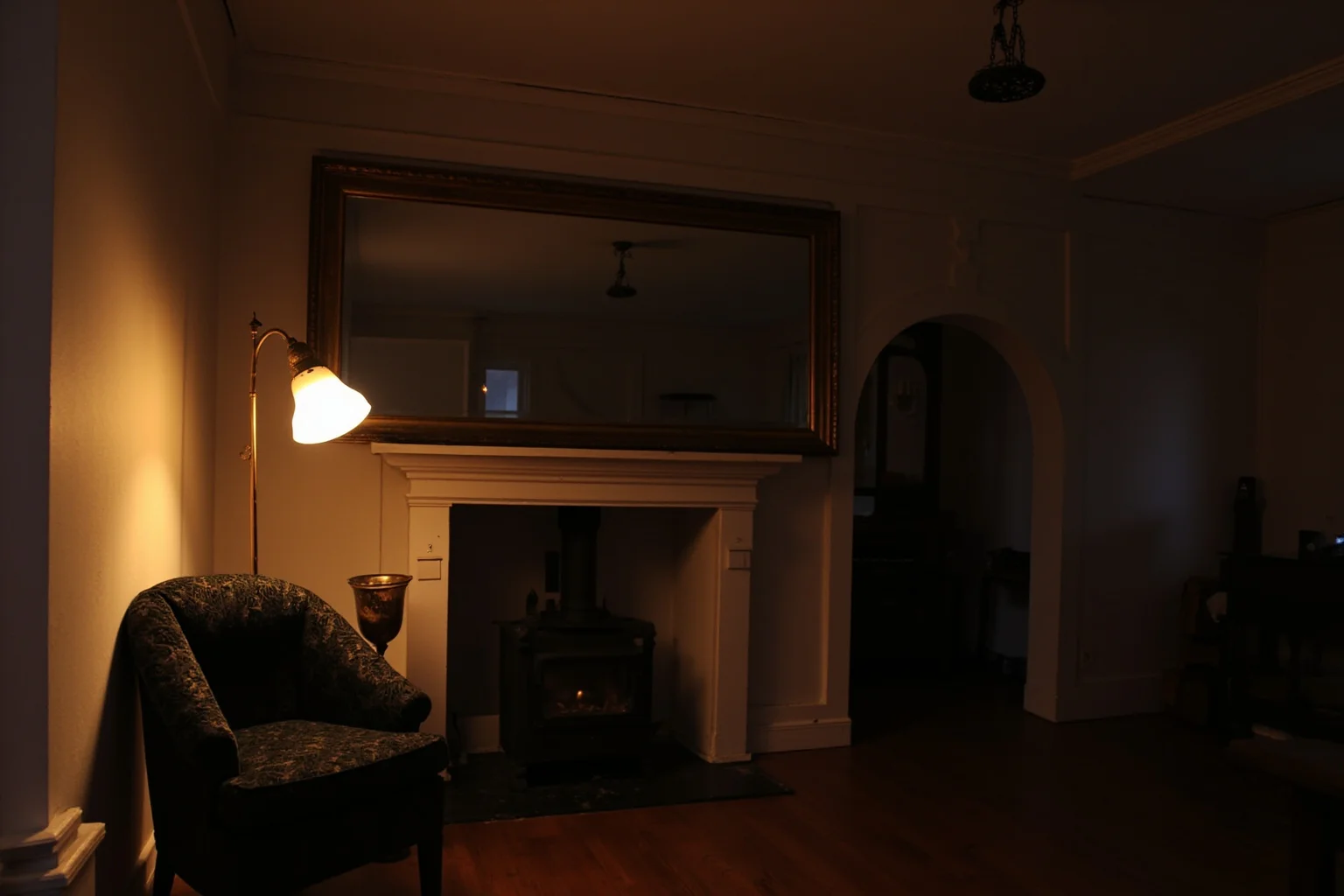
Electric light bulbs were not new in the 1920s; Edison’s practical bulb dated back to 1879. What changed in this decade was scale, as utility companies extended power lines into new suburbs and city neighborhoods at a rapid clip.
Still, plenty of households, especially in rural areas, continued to rely on kerosene lamps and gaslight well into the decade. When people picture ‘what was popular in the 1920s,’ the brightly lit city street is the image that sticks, but the flickering farmhouse lamp was just as common a reality.
2. The Radio: America’s New Hearth
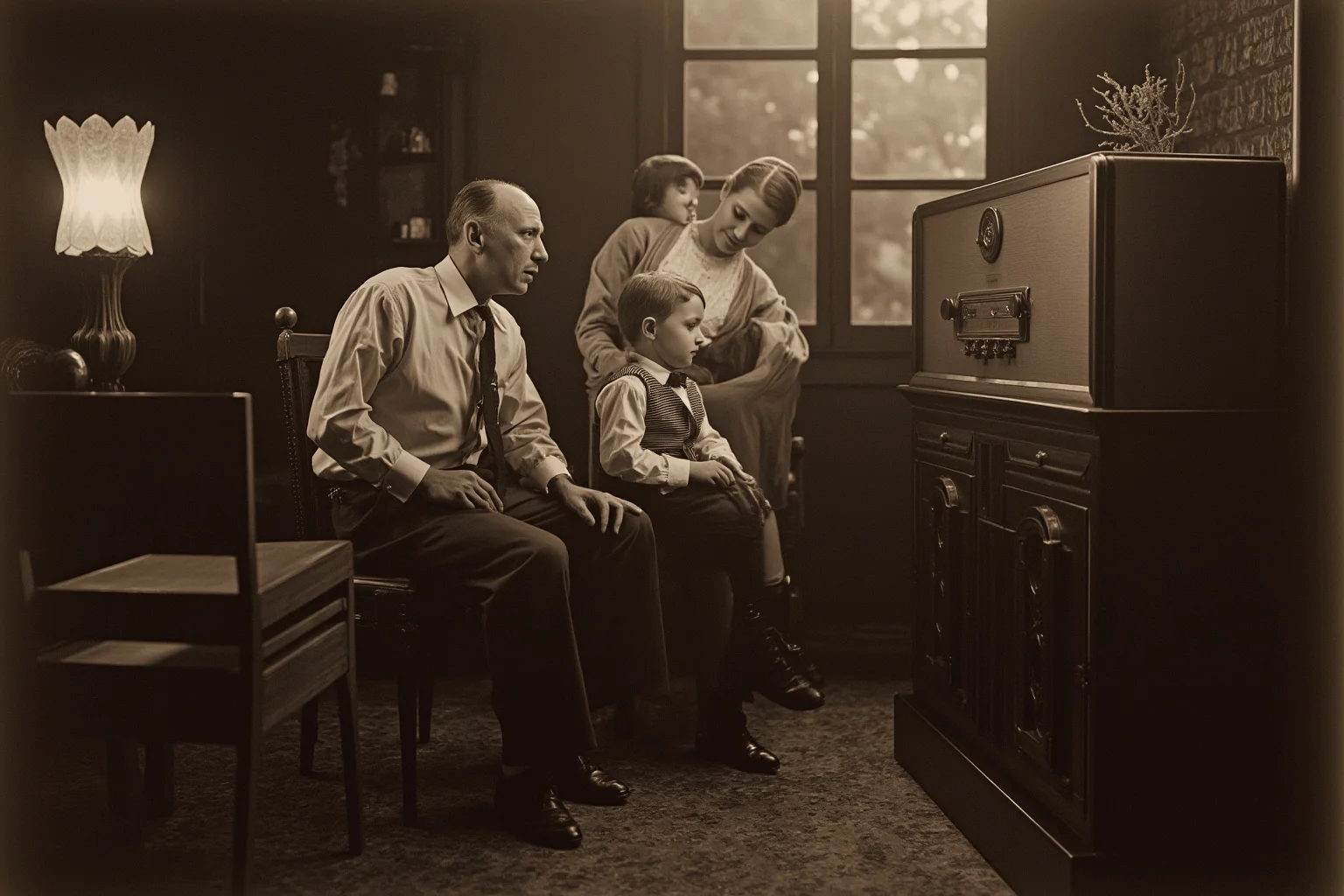
The home radio receiver was arguably the single most transformative consumer product of the decade, and one of the 20th-century inventions we still take for granted today. Commercial broadcasting took off after station KDKA in Pittsburgh began regular broadcasts in 1920, and by the end of the decade millions of families gathered around a wooden console cabinet each evening.
Radios brought news, music, comedy, and advertising directly into the living room in a way nothing had before. It’s one of the clearest examples of a household appliance in the 1920s that reshaped not just chores, but leisure and family routines.
3. The Icebox (Before the Refrigerator)
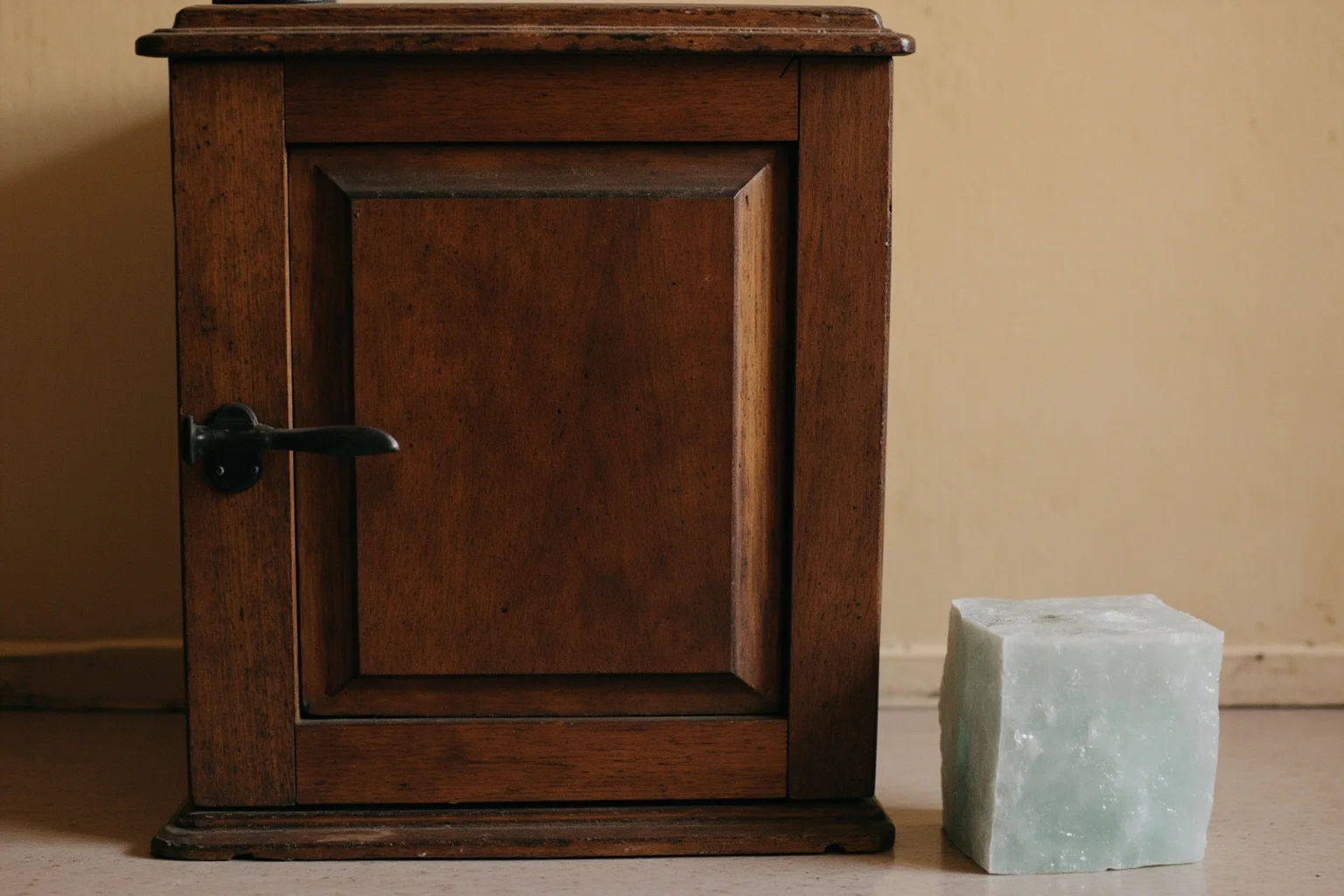
Most American kitchens in the 1920s still relied on an icebox — an insulated wooden cabinet cooled by a block of ice delivered regularly by an iceman. Electric refrigerators existed, but they were expensive and mechanically unreliable early in the decade.
The electric refrigerator only started gaining real traction among the affluent later in the 1920s and wouldn’t become a true mass-market item until the following decade. For most families, the icebox — and the daily ritual of the ice delivery — was simply how food storage worked.
4. The Electric or Hand-Cranked Washing Machine
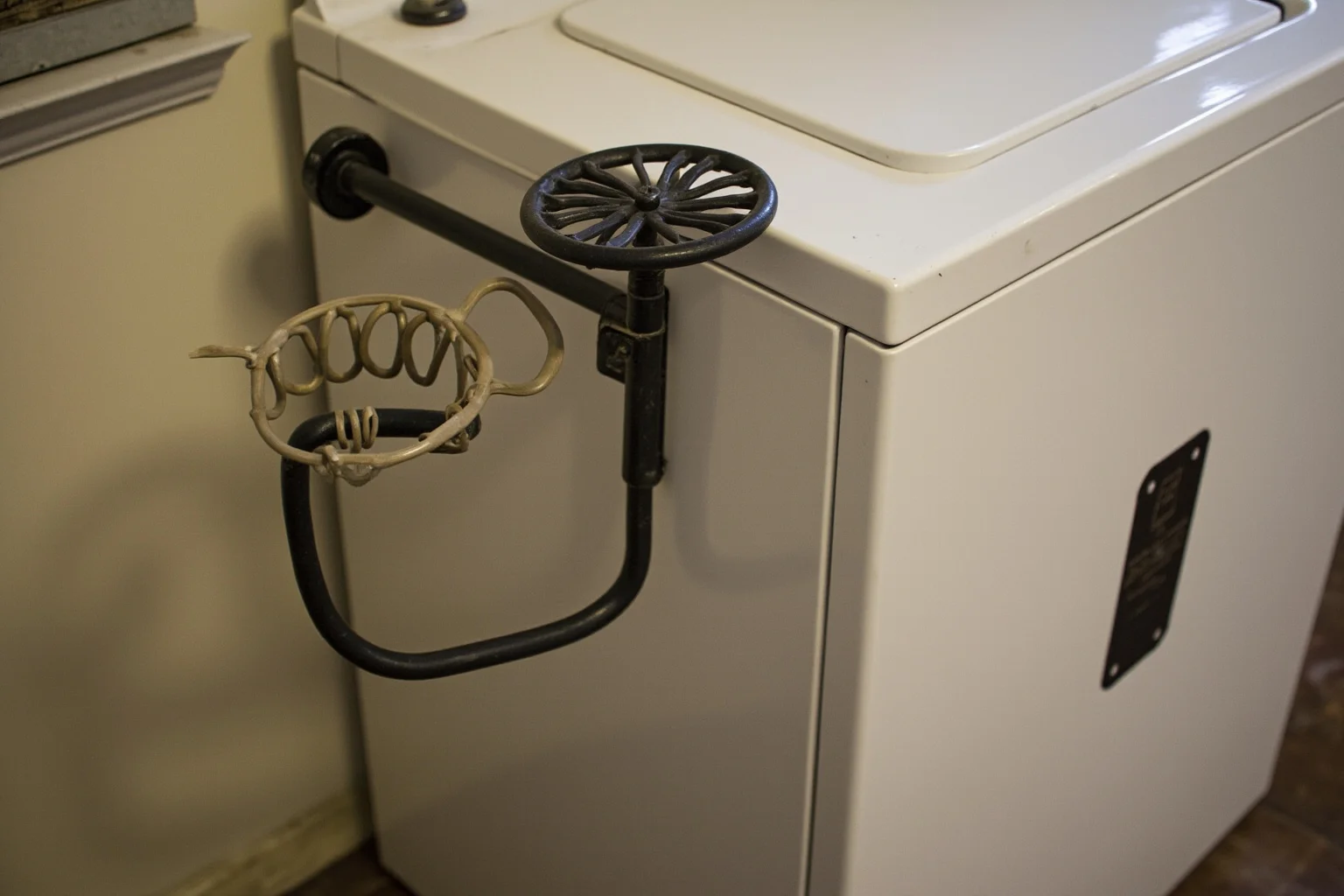
Laundry day was still one of the most dreaded chores of the week. Electric washing machines with a wringer attachment began spreading in urban and suburban homes with power access, cutting hours off what had been an all-day, back-breaking task.
But plenty of families without electricity still used hand-cranked or gasoline-powered washers, and many more simply scrubbed clothes by hand with a washboard and tub. The electric washer is one of the clearest examples of new home appliances in the 1920s dividing households by income and geography.
5. The Vacuum Cleaner
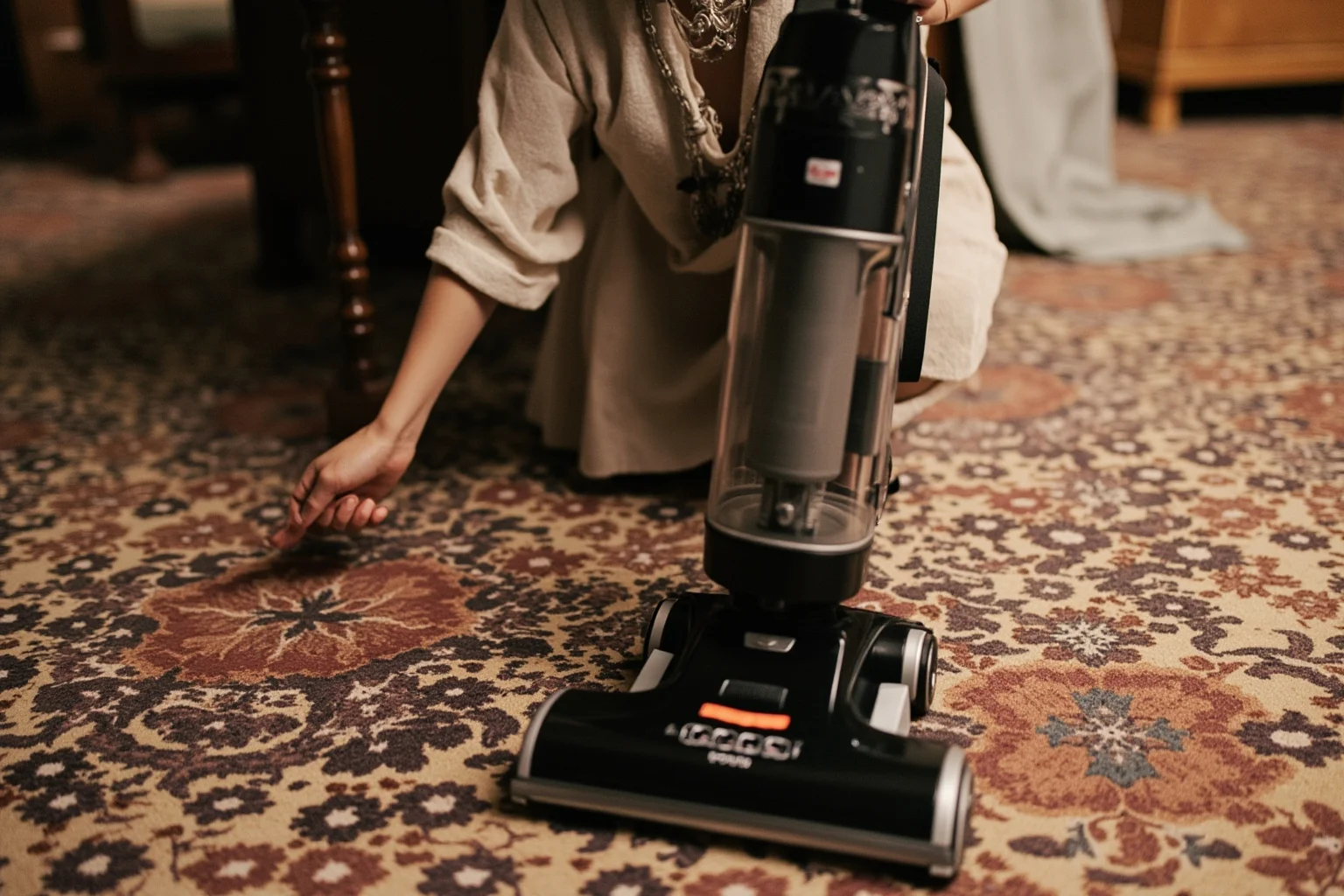
Upright electric vacuum cleaners, pioneered commercially in the years before the war, became a genuine middle-class aspiration during the 1920s. Companies like Hoover advertised heavily, tying the vacuum to a new ideal of the modern, efficient housewife.
Owning one was as much a status symbol as a labor-saver. It signaled that a household had both electricity and enough disposable income to buy convenience.
6. The Electric Toaster
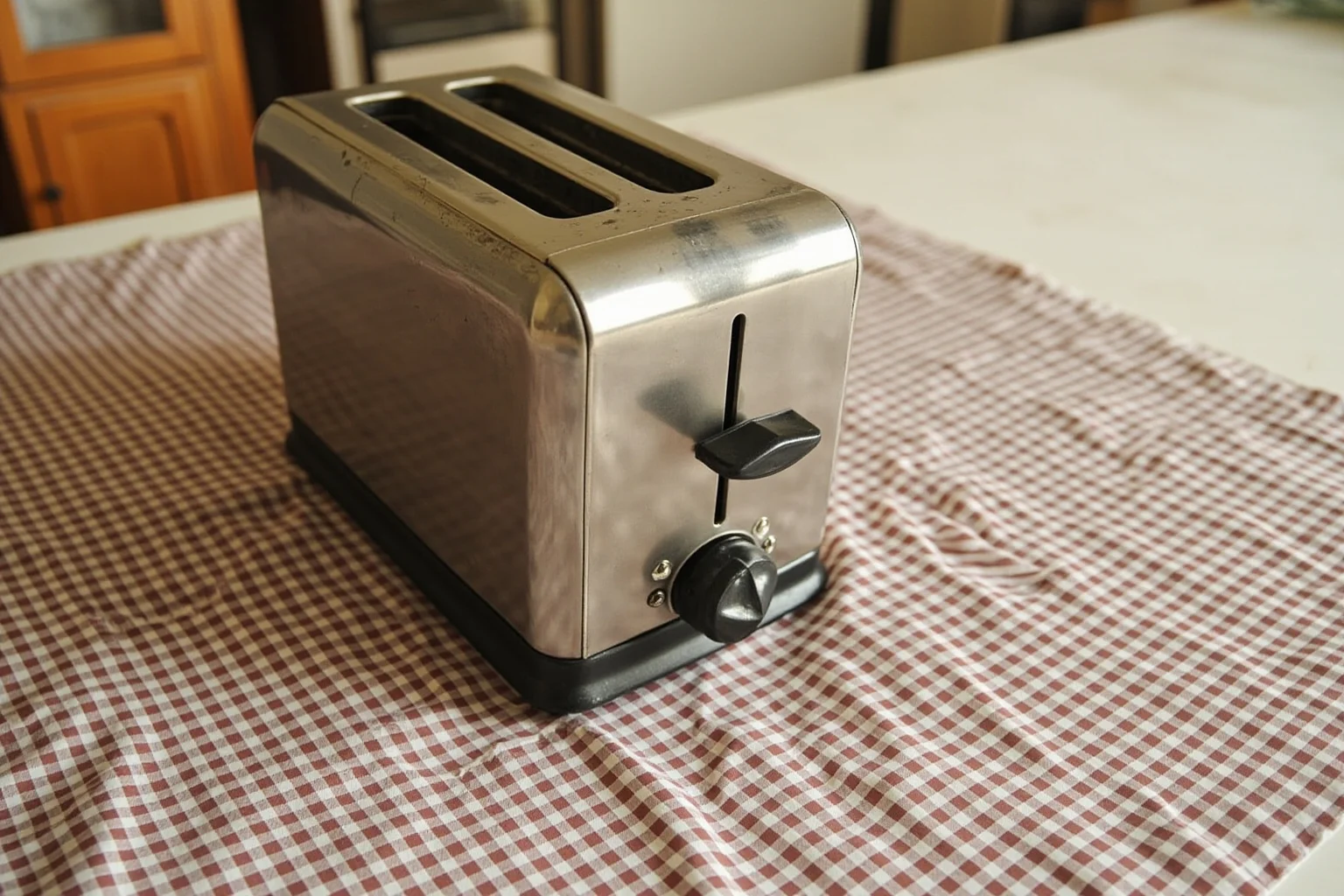
The pop-up toaster as we know it was patented in 1919 and commercialized through the early 1920s, making toast-making faster and safer than holding bread over an open flame or oven rack. It’s a small item, but it’s a good symbol of the era’s obsession with streamlining the kitchen.
Early electric toasters were often a single-slice design and required the user to flip the bread manually. The fully automatic pop-up version marketed to consumers really only became common toward the end of the decade and into the 1930s.
7. The Percolator and Coffee Pot
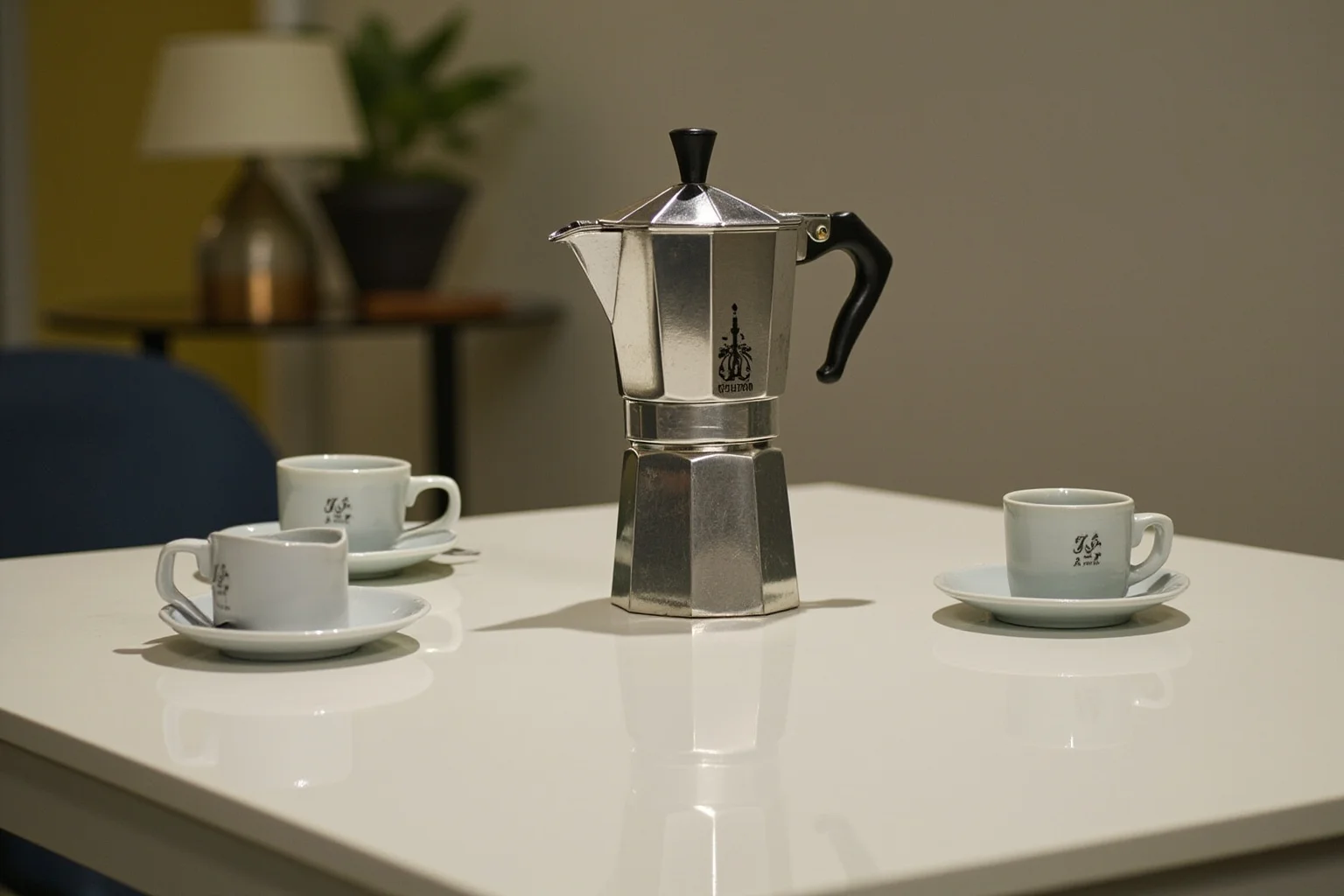
Electric percolators became a familiar sight on 1920s breakfast tables, especially in homes with electric service. They let a family brew coffee without hovering over a stovetop, fitting neatly into the decade’s fascination with speeding up domestic routines.
For households without power, the traditional stovetop percolator or simple boiled coffee remained standard. Either way, coffee culture at home was thriving.
8. The Sewing Machine
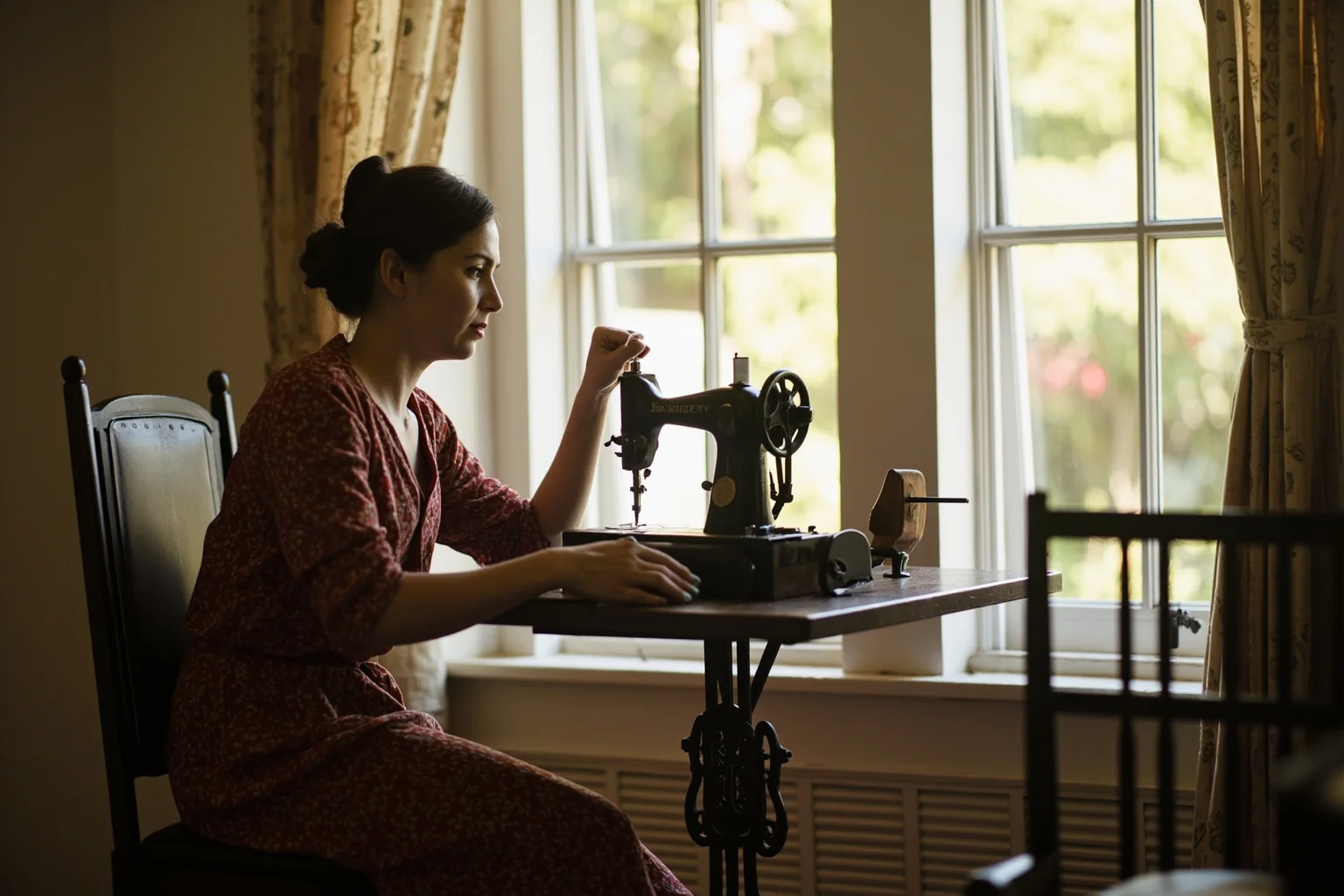
The home sewing machine was a holdover from the 19th century, but it remained a fixture in most households well into the 1920s. Many women still made or altered a significant portion of the family’s clothing at home, even as ready-made clothing became more affordable and fashionable.
Electric sewing machines existed for those with the means and the power supply, but foot-treadle models remained common. This is a good reminder that not every household product during the 1920s was new — plenty of Victorian-era tools simply carried on.
9. The Telephone (Often Shared)
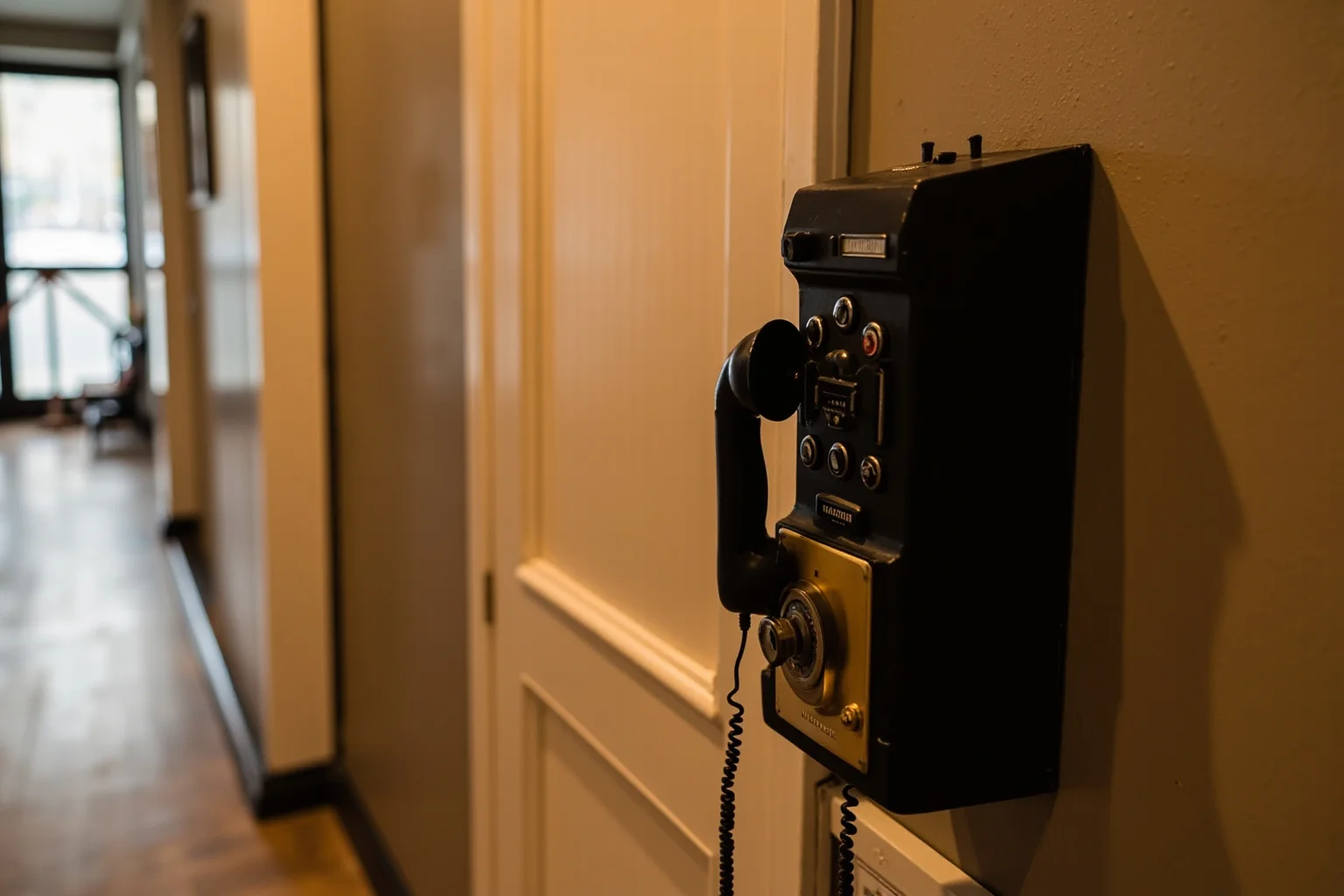
Telephone ownership grew substantially in the 1920s, particularly in towns and cities, but it was frequently a shared experience rather than a private one. Many households used ‘party lines,’ where several neighbors shared a single line and could, in theory, listen in on each other’s calls.
Rural telephone service lagged well behind urban service, mirroring the electricity gap. Still, the telephone was rapidly becoming one of the defining consumer goods in the 1920s American household.
10. The Phonograph or Victrola
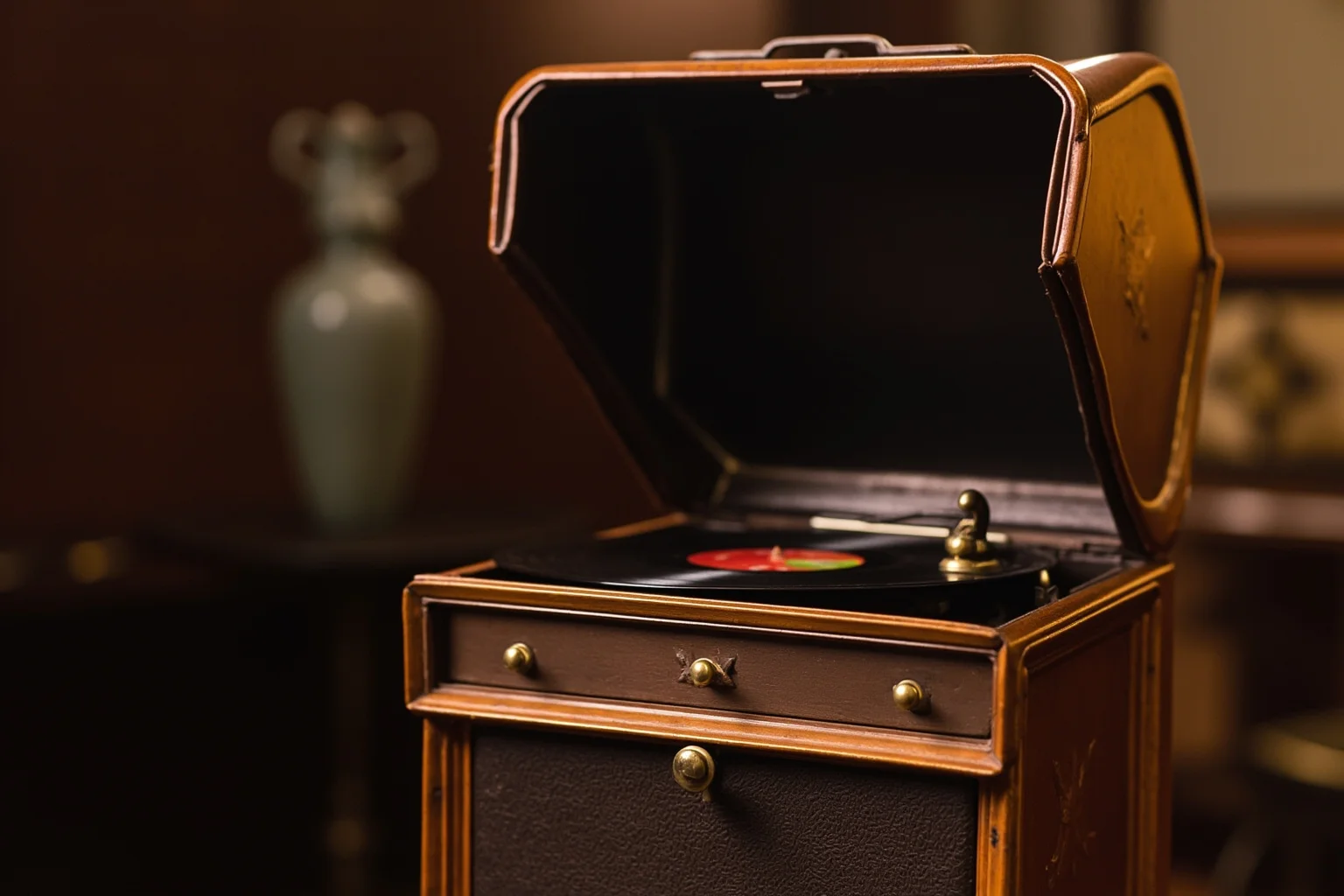
Before radio fully took over, the wind-up phonograph — often called a Victrola after the popular Victor Talking Machine Company brand — was the primary way families enjoyed recorded music at home. Jazz records, blues, and popular dance tunes spun on these machines throughout the decade.
Many households kept both a phonograph and, later, a radio side by side. Recorded music and broadcast music coexisted for years before radio’s convenience won out for most casual listening.
11. The Kitchen Range (Gas, Wood, or Coal)
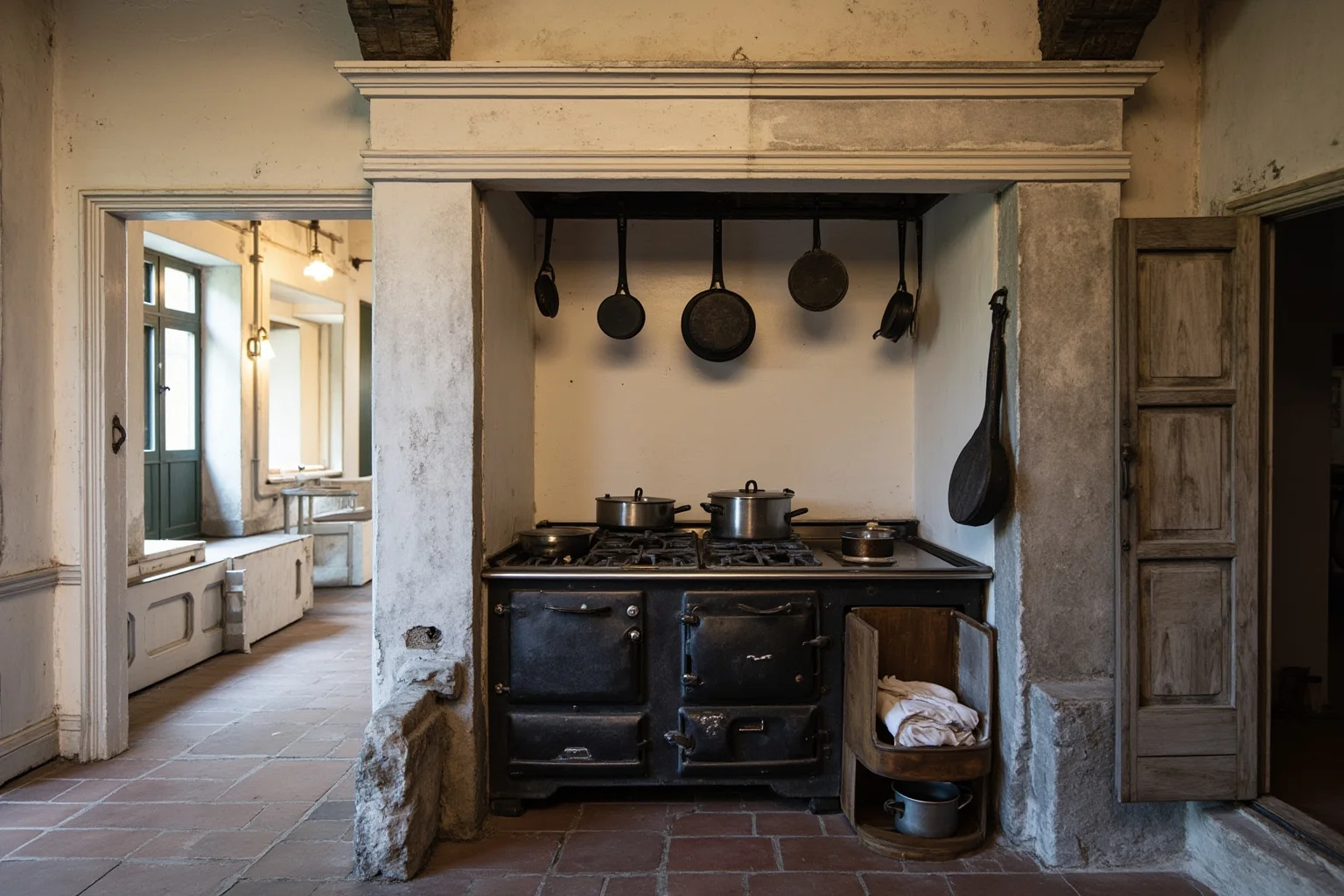
The modern all-electric kitchen stove was still a rarity in the 1920s. Most homes cooked on a gas range if they had city gas service, or on a wood- or coal-burning stove if they didn’t — a fact that often surprises people picturing this era as fully modernized.
Gas ranges were considered a genuine convenience upgrade over the older solid-fuel stoves, and gas utility companies marketed them aggressively to homemakers. The fully electric range was more of a 1930s-and-beyond story.
12. The Electric Iron
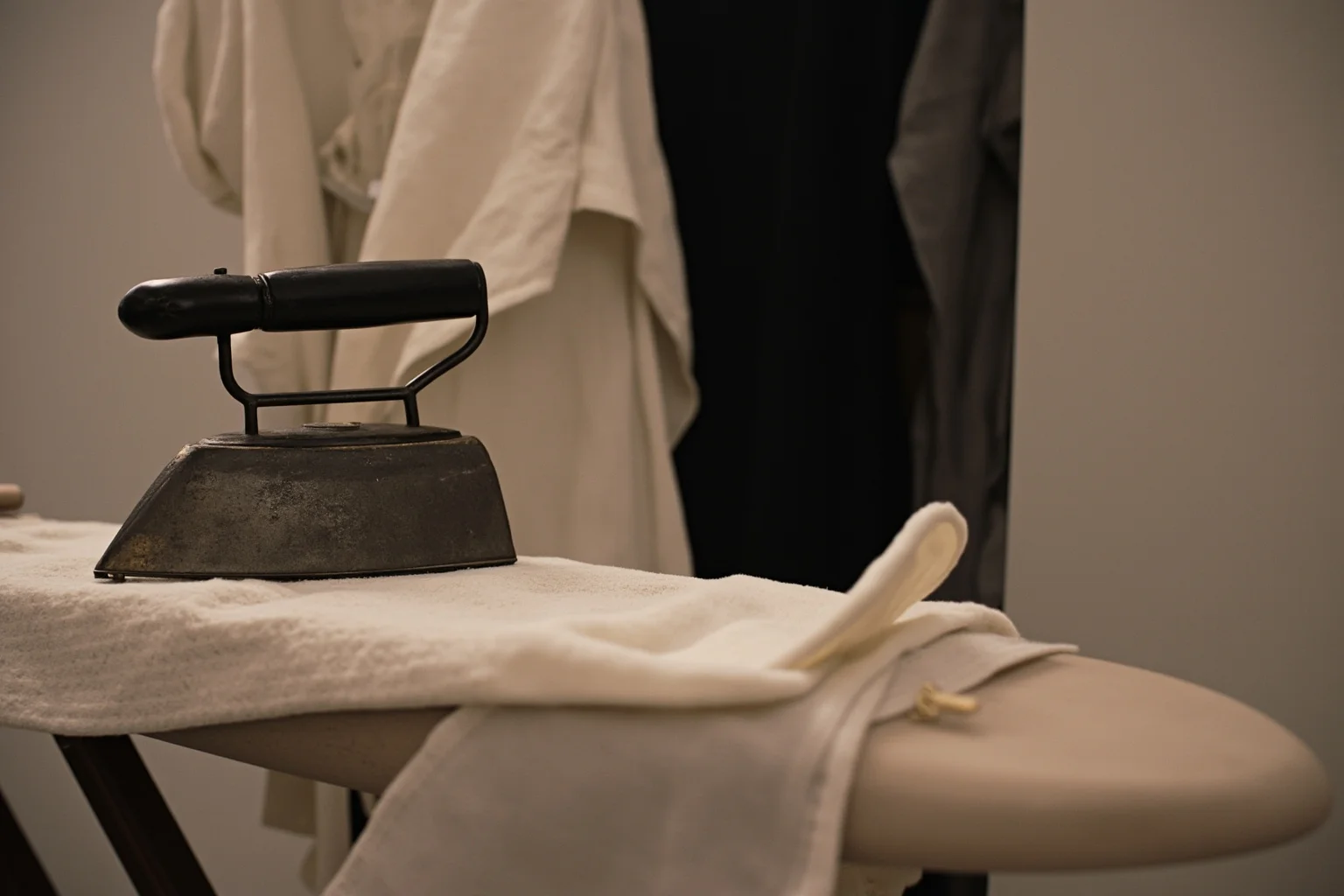
The electric iron was one of the earliest and most widely adopted electrical appliances in the 1920s, in part because it was relatively affordable and required no plumbing or major installation. It replaced the older method of heating a heavy flat iron directly on the stove.
For homes with electricity, it was often one of the very first appliances purchased. It’s a small but telling example of how home appliances in the 1920s often started with simple, low-cost devices before families worked up to bigger purchases like washers or refrigerators.
13. The Mail-Order Catalog
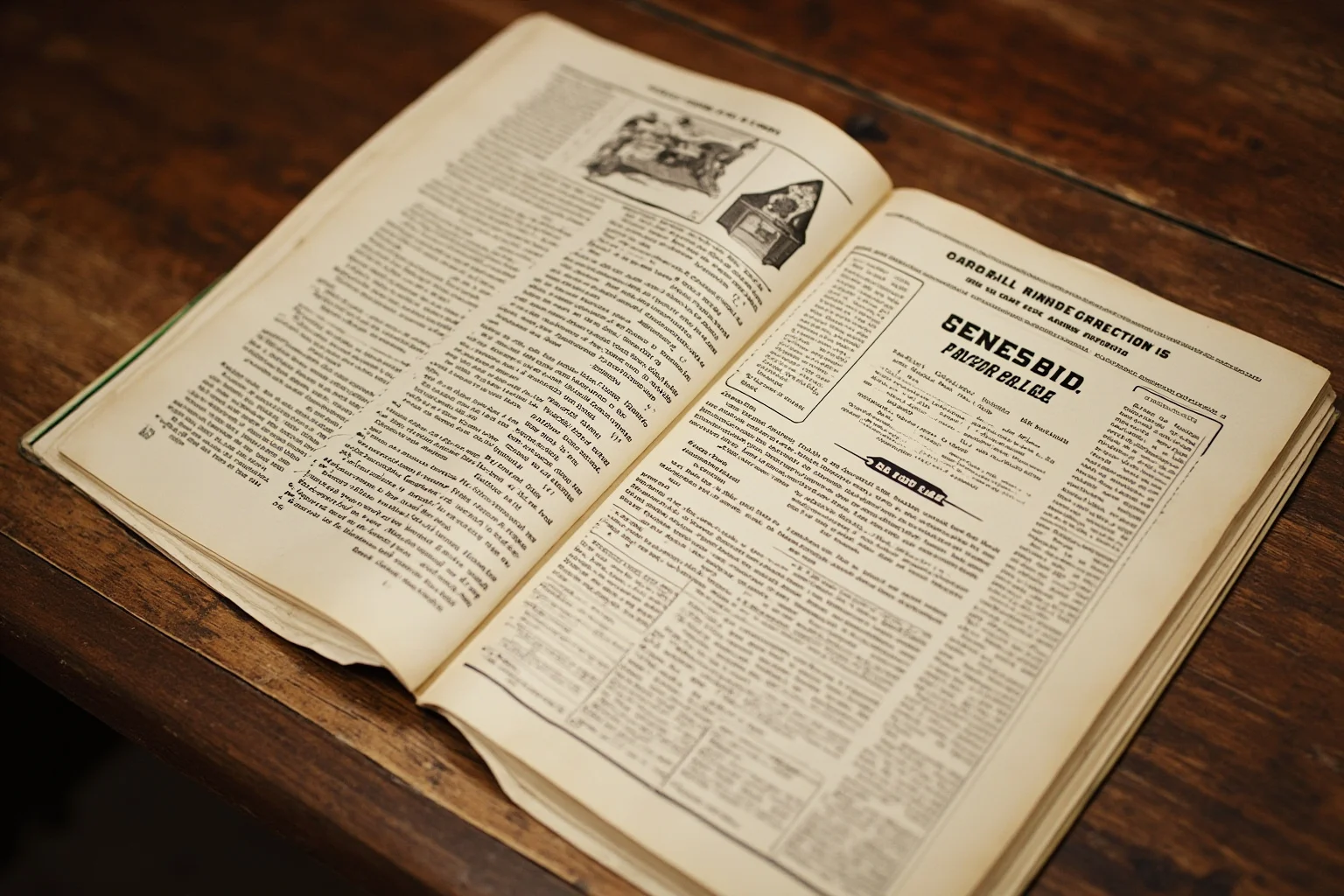
Sears, Roebuck and Company and Montgomery Ward catalogs were practically fixtures of the American home, rural households especially. They offered everything from clothing and furniture to entire mail-order house kits, making them one of the most influential distributors of 1920 products to families far from big-city department stores.
For rural families without easy access to urban retail, the catalog was often the main connection to the wider consumer economy. It’s easy to underestimate just how central these catalogs were to everyday life in the 1920s.
14. The Family Bible
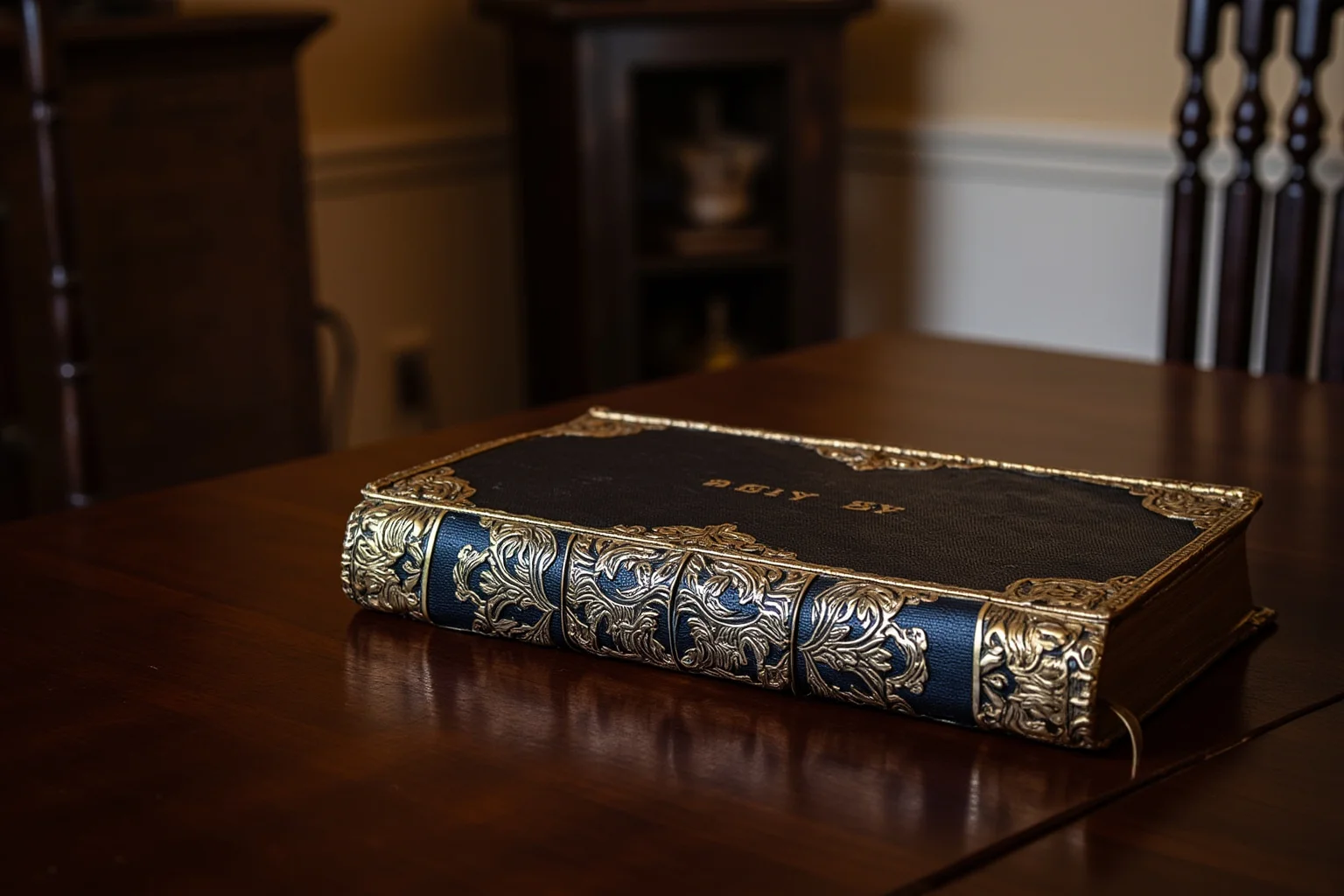
Amid all the modern gadgets, most American homes still kept a family Bible, often a large, decorative volume used to record births, marriages, and deaths across generations. Religion remained a central, largely unchanged feature of domestic life even as consumer culture rapidly modernized around it.
This is a useful counterpoint to the era’s flashy reputation. Alongside all the new radios and toasters, plenty of household life stayed rooted in tradition.
15. Mason Jars and Home Canning Equipment
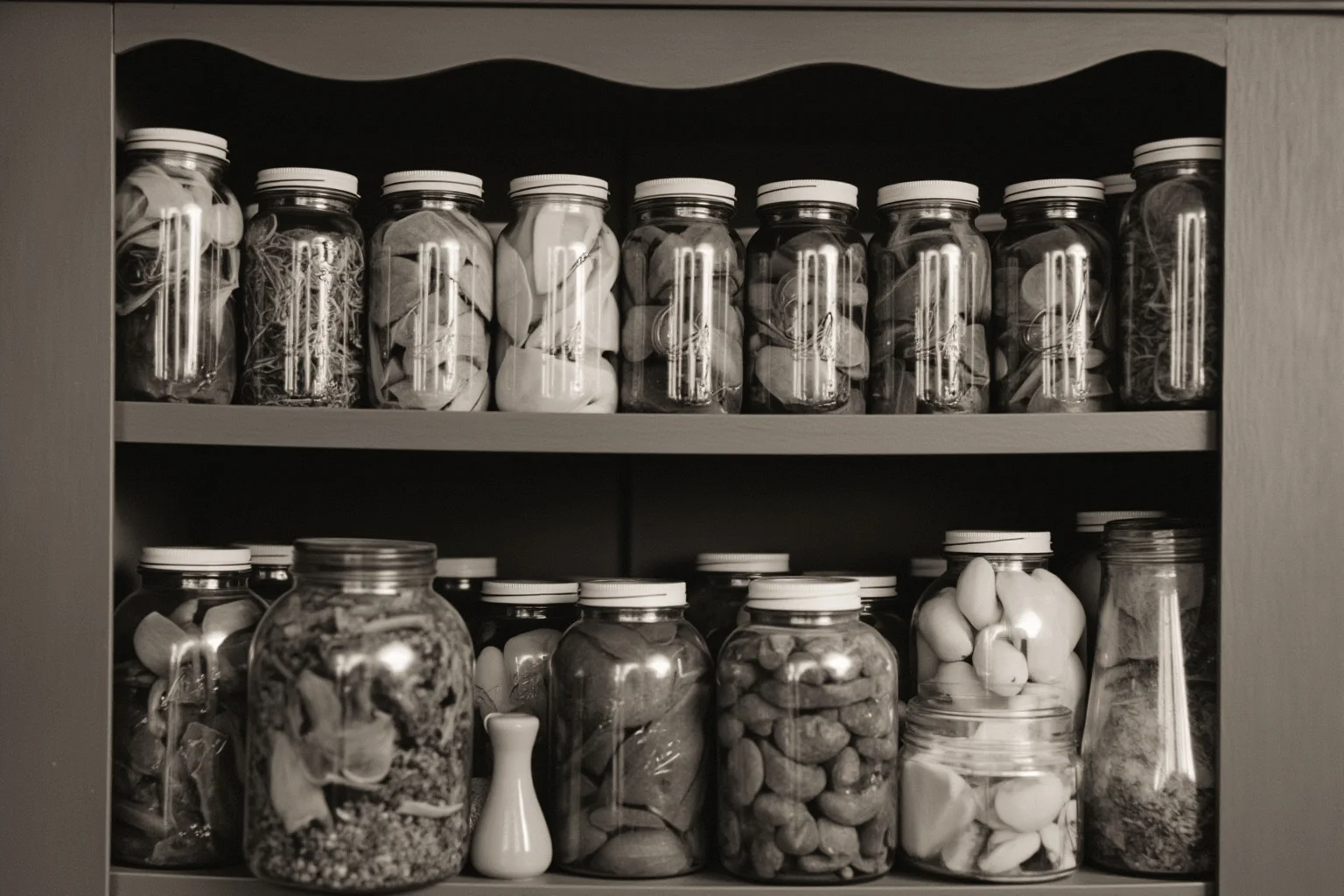
With refrigeration still limited, home canning remained an essential household skill throughout the 1920s. Mason jars, canning kettles, and rubber sealing rings were standard kitchen equipment, especially for families preserving garden produce for winter.
This wasn’t a nostalgic hobby the way it can be today — it was often a practical necessity. Home canning bridged the gap between harvest season and a kitchen without a reliable refrigerator.
16. The Parlor Suite
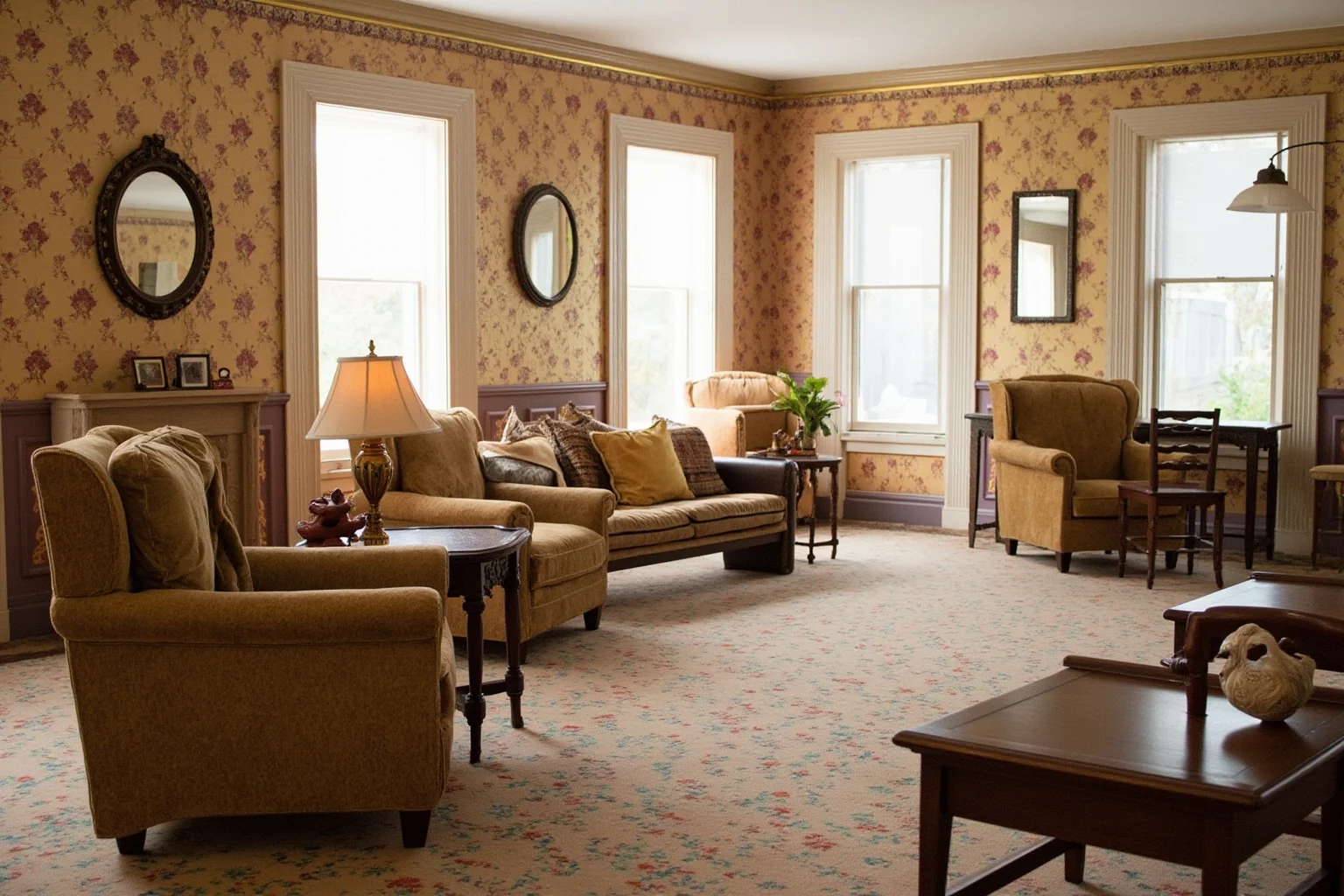
Many homes still maintained a formal ‘parlor’ or front room, furnished with a matching upholstered suite reserved for guests and special occasions. This tradition, inherited from the Victorian era, was gradually giving way to the more casual ‘living room’ concept by the end of the decade.
The shift reflected a broader change in family life in the 1920s, as homes slowly became less formal and more centered around shared, everyday use rather than display. The console radio, notably, often ended up as the new centerpiece of that evolving living room.
17. Linoleum Flooring
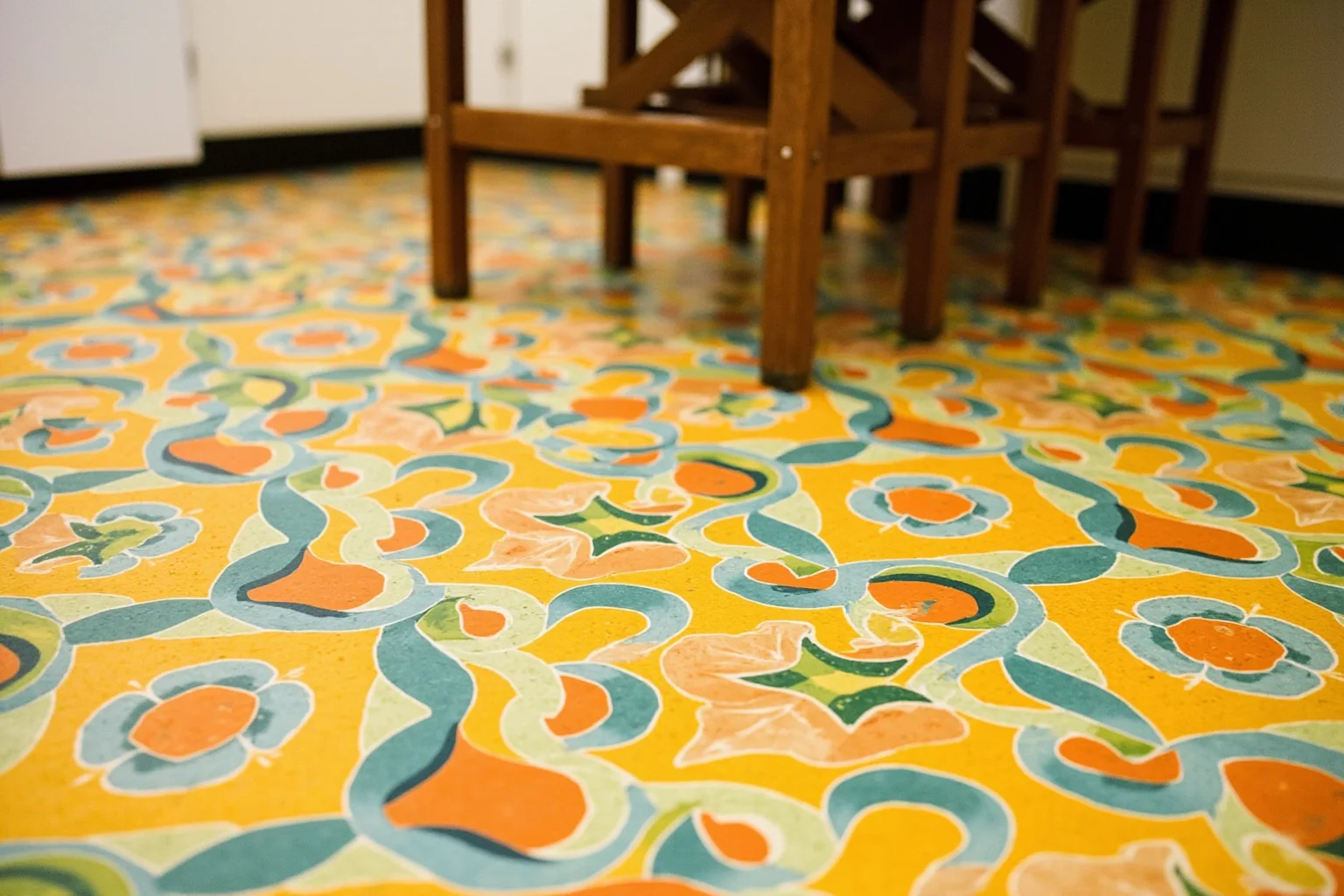
Linoleum became an enormously popular flooring choice in 1920s kitchens and bathrooms, prized for being easier to clean than bare wood and cheaper than tile. Bright, patterned linoleum was heavily advertised as a modern, hygienic choice for the up-to-date home.
It’s a small detail, but it captures the decade’s broader obsession with cleanliness, efficiency, and visible modernity. A shiny linoleum floor was, in its own way, a status symbol.
18. The Ice Cream Freezer
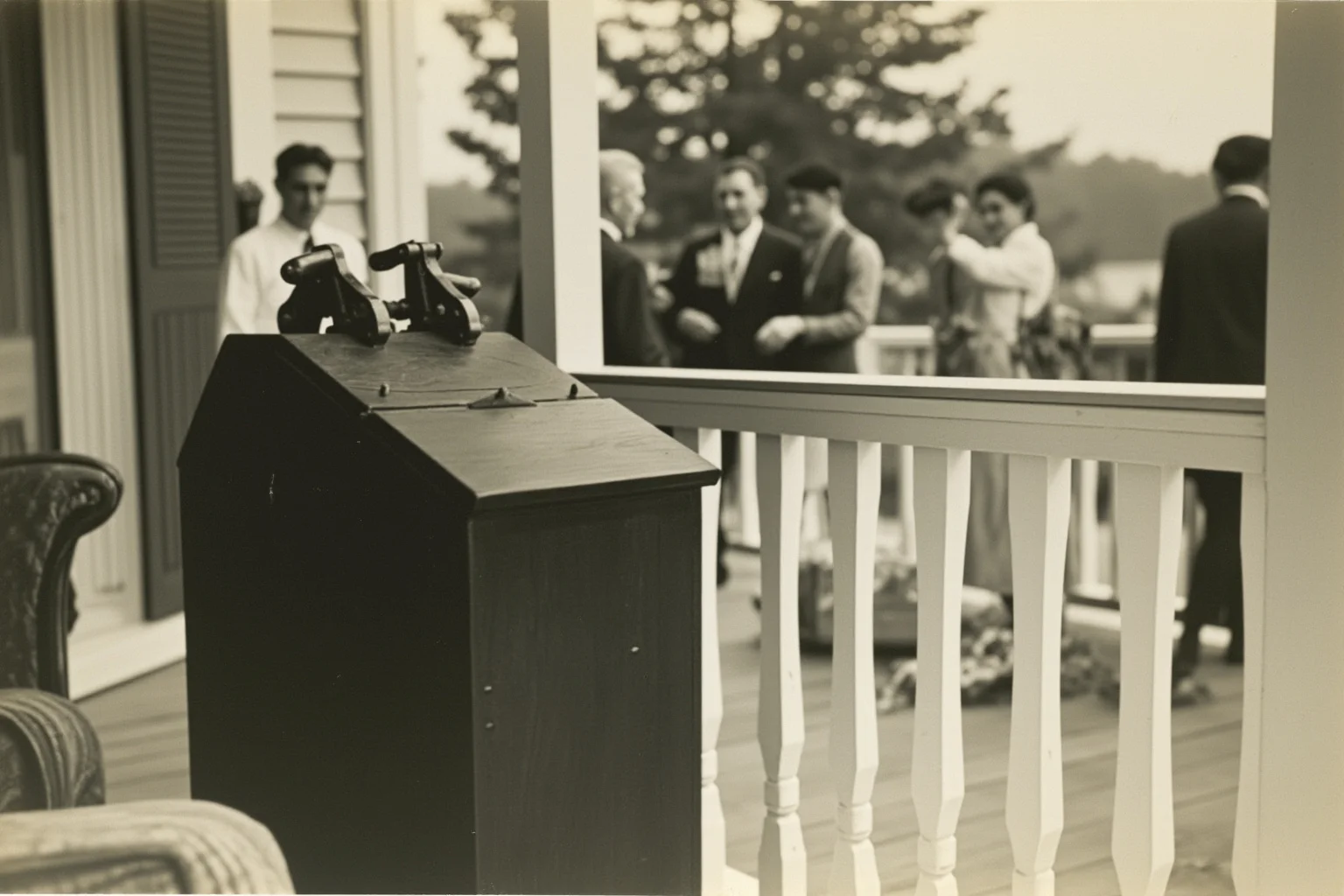
The hand-cranked ice cream freezer was a beloved fixture of many households, particularly for weekend and holiday gatherings. It required ice and rock salt rather than electricity, so it remained accessible even to families without power.
Electric ice cream makers existed for wealthier buyers, but the hand-cranked wooden bucket version stayed the norm for most. It’s a good example of a homemade treat straddling the line between old-fashioned effort and new consumer convenience.
19. The Electric Fan
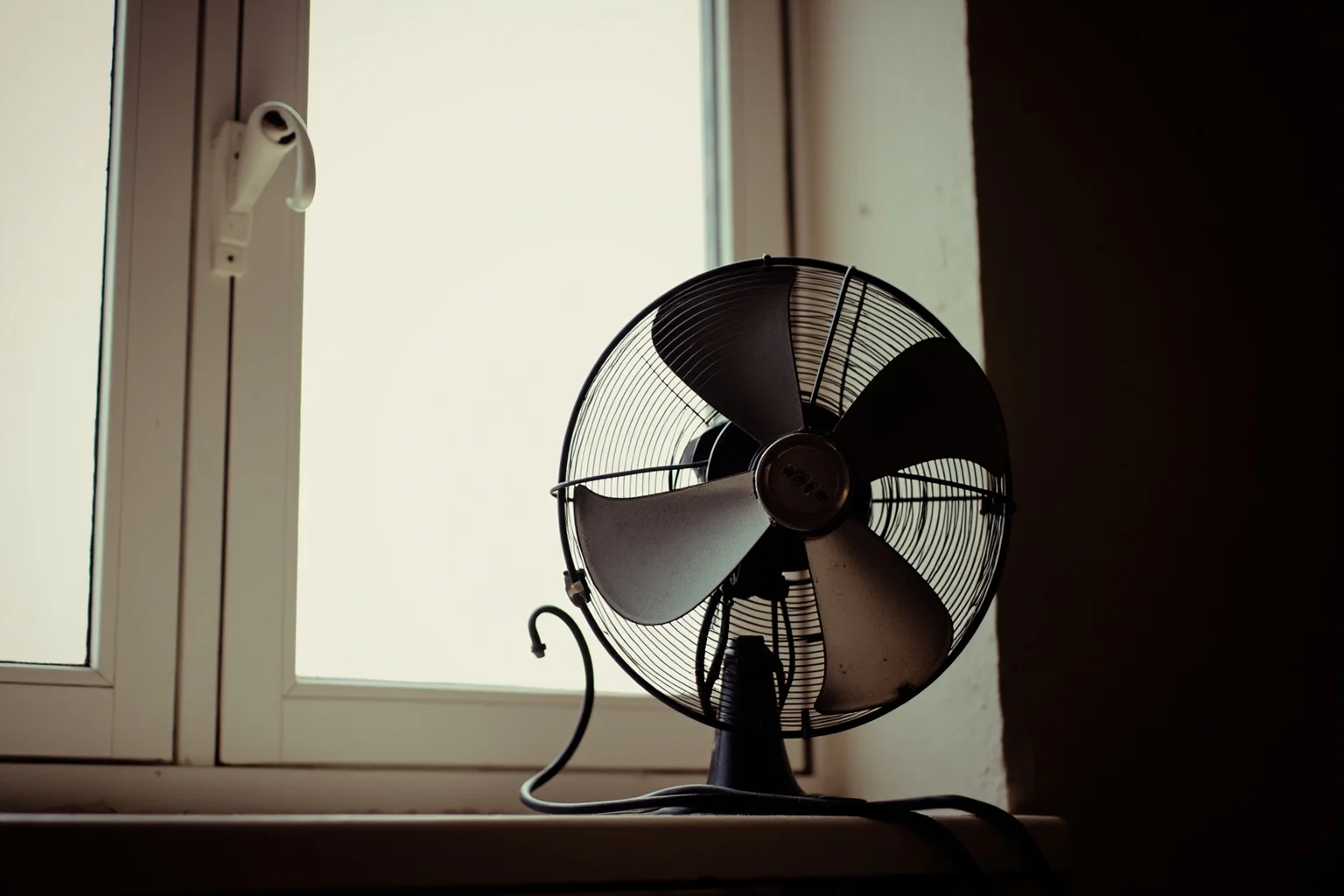
Before air conditioning existed in any practical home form, the electric fan was the main defense against summer heat for households with power. Oscillating fans became widely available and affordable during the decade, making them one of the more modest but genuinely popular items from 1920 onward.
Homes without electricity relied on hand fans, open windows, and shaded porches instead. The electric fan, simple as it sounds, was a small quality-of-life revolution for the households that had one.
20. The Bathroom (For Those Who Had One)
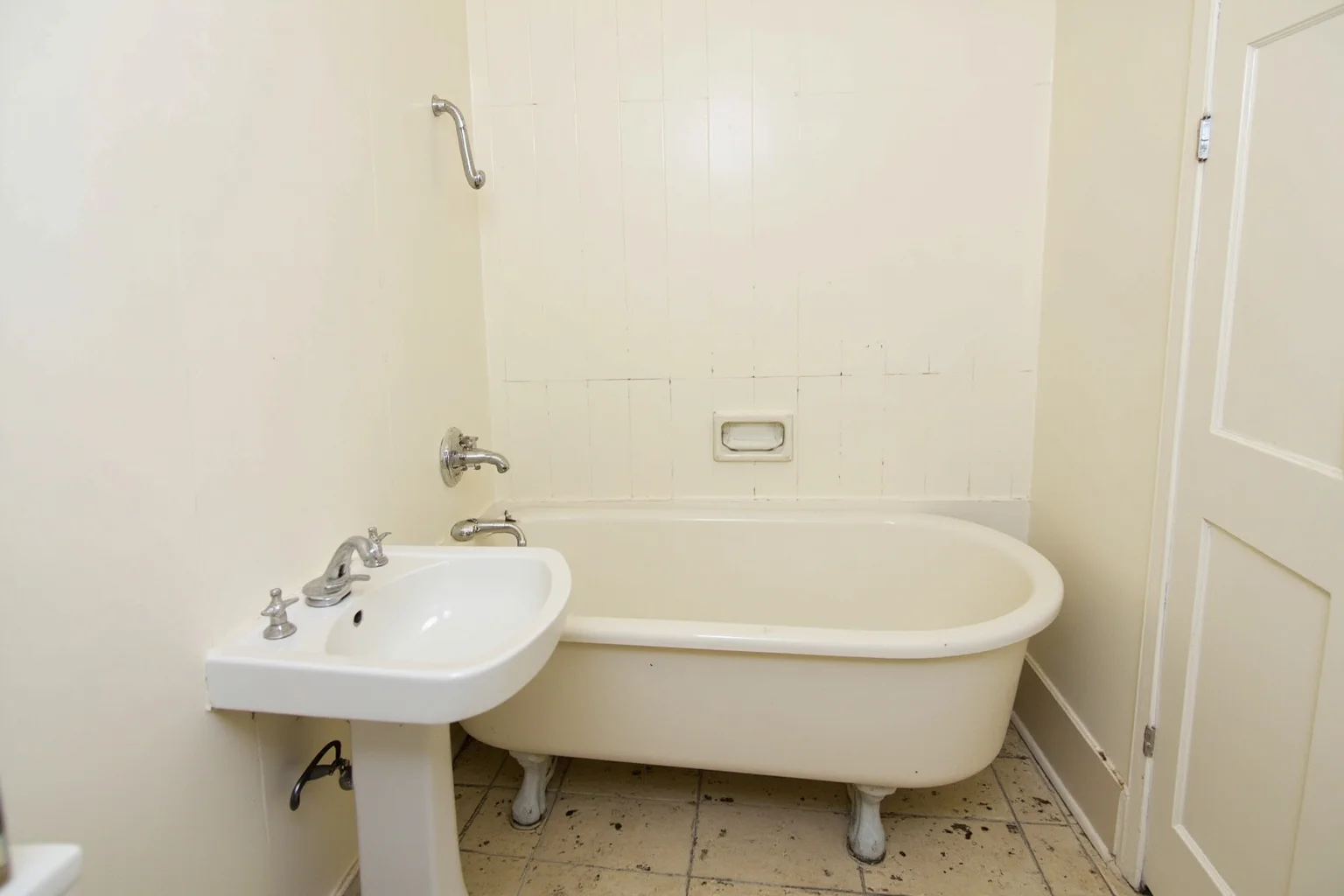
Indoor plumbing and a dedicated bathroom with a flush toilet, sink, and tub were increasingly standard in new urban and suburban construction during the 1920s. But a significant share of American homes, particularly in rural regions, still relied on outdoor privies and hauled water well into the decade and beyond.
This is one of the most commonly misunderstood facts about the era. The glamorous, fully plumbed 1920s bathroom of movies and magazines was a real thing, but it was far from universal.
21. The Mantel Clock
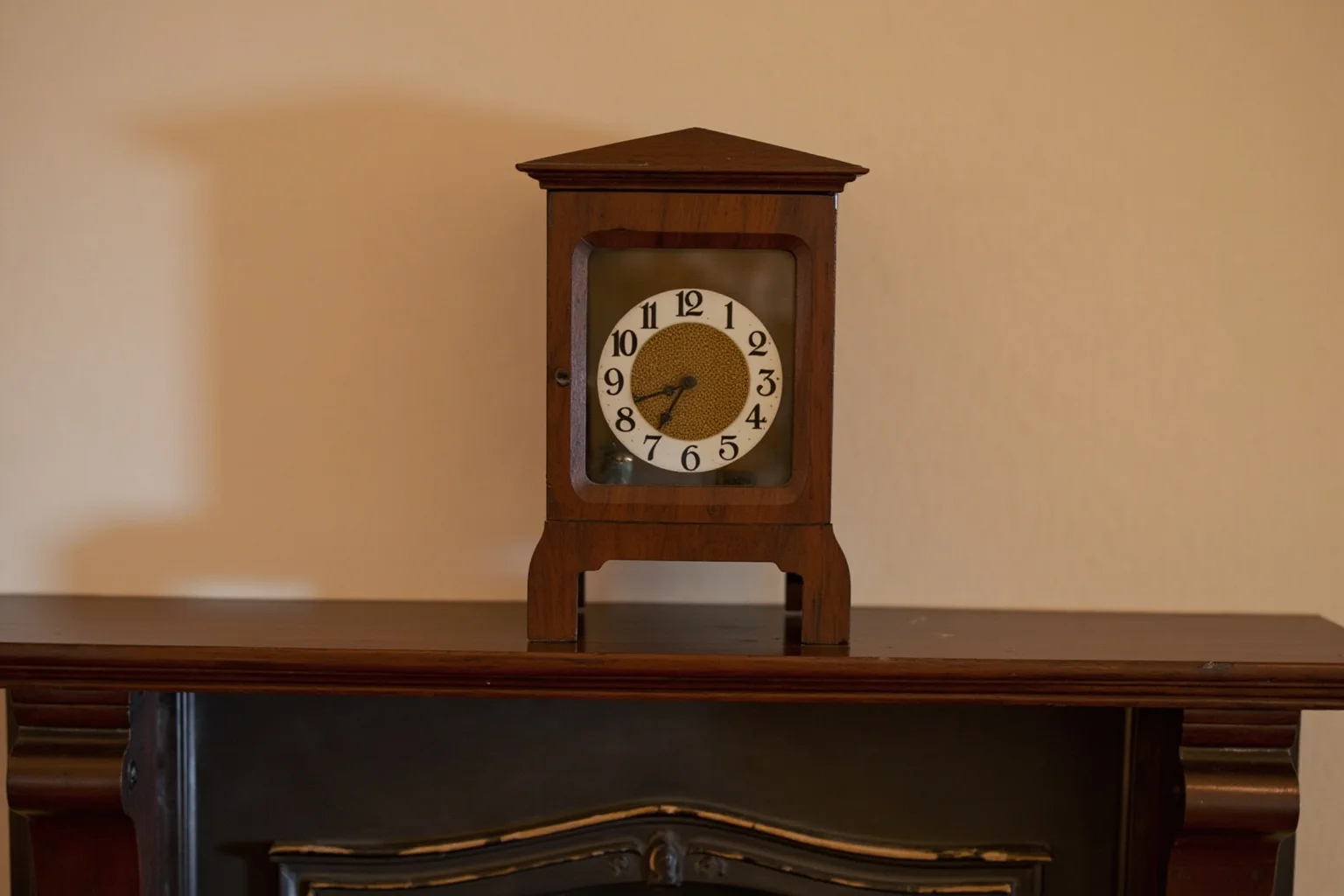
A wound mechanical clock, often displayed prominently on the mantel or a shelf, remained a common household fixture for timekeeping in an era before clock radios or electric wall clocks were common in every home. Many families also owned pocket watches for on-the-go timekeeping.
Electric clocks did start appearing in wealthier homes toward the end of the decade. But the wind-up mantel clock remained the practical standard for most households.
22. The Piano or Sheet Music Collection
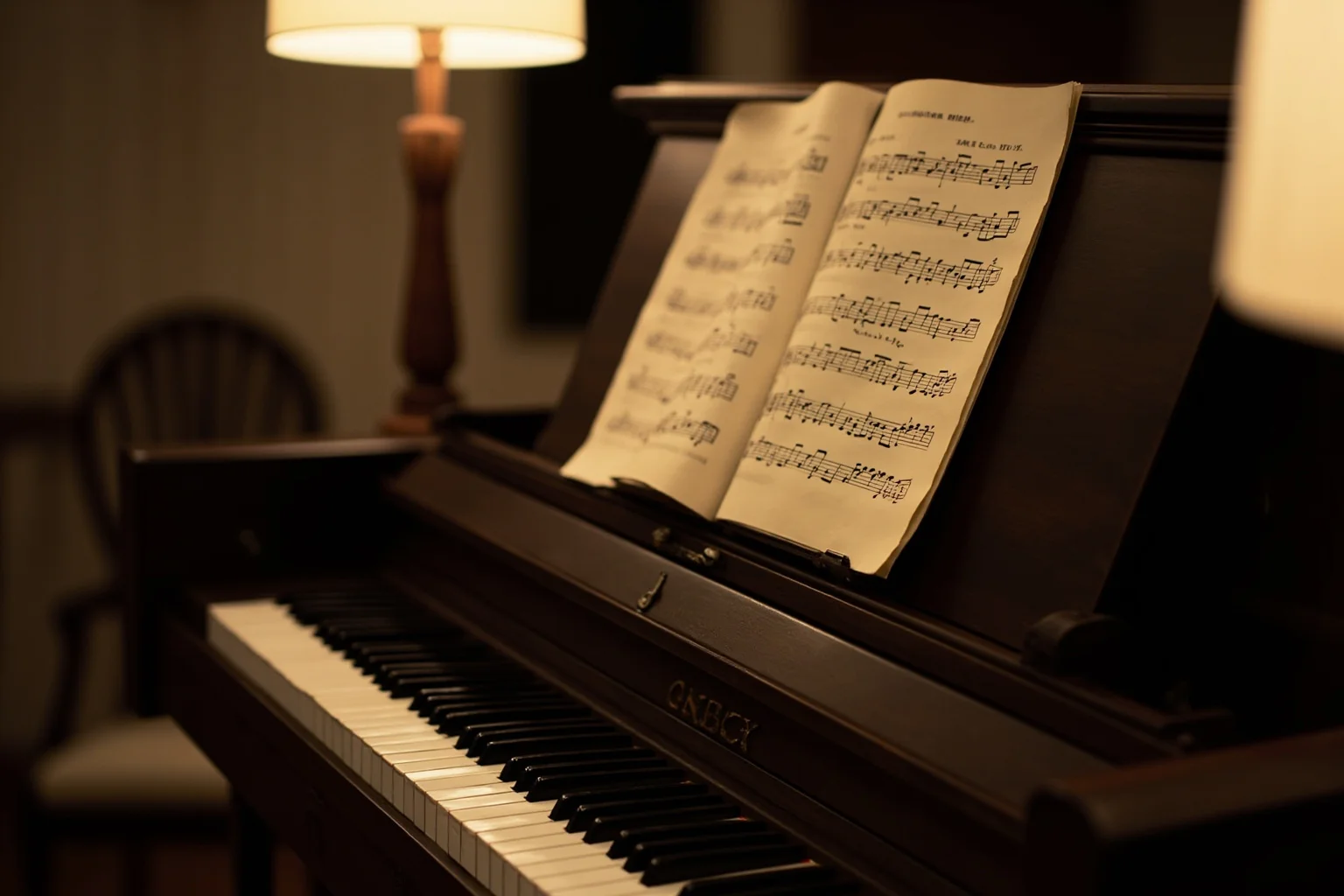
Before recorded music fully took over, home entertainment for many families still meant a piano in the living room and a stack of sheet music for the latest popular songs. Family sing-alongs and amateur piano playing were common evening pastimes, especially in households that couldn’t yet afford a phonograph or radio.
As radios and record players spread, sheet music sales gradually declined, but the piano remained a proud centerpiece of many homes throughout the decade. It’s a nice reminder that not every famous thing from the 1920s ran on electricity.
What the 1920s Home Really Tells Us
Looking back at this list, the real story of the 1920s United States isn’t a simple march toward modern convenience for everyone at once. It’s a picture of uneven, overlapping change, where a wired-up city apartment with a radio and vacuum cleaner could exist just a few hundred miles from a farmhouse still lit by kerosene lamp.
That unevenness is exactly what makes the decade worth studying closely rather than through nostalgia alone. The appliances and products people bought reveal not just what technology existed, but who could actually access it, and how quickly the gap between rich and poor, urban and rural, was or wasn’t closing.
The 1920s set the template for the 20th-century American home: mass-produced goods, installment buying, and advertising-driven desire for convenience. The decade didn’t finish the job of modernizing every household, but it undeniably started it, laying the groundwork for the appliance-filled homes of the 1930s, 40s, and the fully electrified suburban dream chronicled in life in the 1950s.
Frequently Asked Questions
What was daily life like in the 1920s in the United States?
Daily life in the 1920s United States varied enormously by location and income. City and suburban families increasingly enjoyed electricity, radios, and modern appliances, while many rural households still lacked electric power, indoor plumbing, and running water well into the decade.
What household appliances became widely available in the 1920s?
Electric irons, toasters, washing machines, vacuum cleaners, fans, and radios all became more widely available during the 1920s, especially in homes already connected to electric service. However, adoption was concentrated in cities and suburbs, since only a small fraction of American farms had electricity by the decade's end.
Did most American homes have electricity in the 1920s?
No. By 1930, most urban and suburban homes had electric service, but only around 10% of American farms did. Widespread rural electrification didn't happen until the Rural Electrification Act of 1936 and the years that followed.
What were the most popular consumer products of the 1920s?
Popular consumer goods included radios, phonographs, electric irons, vacuum cleaners, washing machines, and mail-order catalog purchases from companies like Sears and Montgomery Ward. Automobiles, most notably the Ford Model T, were also among the era's most transformative purchases for families who could afford one.
Did every 1920s home have a refrigerator?
No. Most households used an icebox cooled with ice delivered by an iceman rather than an electric refrigerator. Electric refrigerators existed but were expensive and mechanically unreliable for much of the decade, only becoming a true mass-market item in the 1930s.

Alex Warren
Related Articles