

Pick up your phone, flip a light switch, or grab a cold drink from the fridge, and you’re touching history without realizing it. Most of the conveniences that structure modern life were invented, refined, or made mainstream during the 20th century — often in a single, astonishingly compressed decade. The 1920s alone gave the world radio broadcasting, insulin therapy, frozen food, and the first flickering demonstrations of television.
This list walks through 25 of the most important innovations of the 20th century, with a heavy focus on the 1900s and the 1920s, since so much of what we consider “modern” actually traces back to that 30-year stretch. Along the way, we’ll bust a few persistent myths about who really invented what, and when.
TL;DR: Most of the technology we treat as ordinary — radio, television, antibiotics, frozen food, sound film, and more — was invented or popularized in the early 20th century, especially the 1920s, and it reshaped daily life faster than almost any period before it.
Why the Early 20th Century Changed Everything
The groundwork was laid in the late 1800s. Inventions between 1850 and 1900 — the telephone, the light bulb, the internal combustion engine — set the stage, but they were still novelties for the wealthy or the curious.
Technology from 1900 onward is where things shifted from novelty to necessity. It wasn’t the first time history saw a concentrated burst of invention reshape society — the Renaissance produced its own wave of world-changing ideas centuries earlier — but the reach and pace of 20th-century innovation was unlike anything that came before it.
Inventions during the 1900s, like powered flight and mass production, proved that big, expensive ideas could scale. Things invented in 1900 and the years just after weren’t polished consumer products yet; they were rough prototypes that engineers spent the next two decades refining. That refinement process is exactly what exploded in the 1920s.
Technology in the 1920s benefited from something the 1900s lacked: reliable electricity in homes, cheaper manufacturing, and a postwar consumer boom.
Inventions during the 1920’s weren’t just scientific breakthroughs — they were the moment when radios, refrigerators, and cars moved from the workshop into the living room. That’s why so many “firsts” in daily life trace back to this single decade.
Early 1900s Foundations (1900–1919)
1. The Airplane (1903)
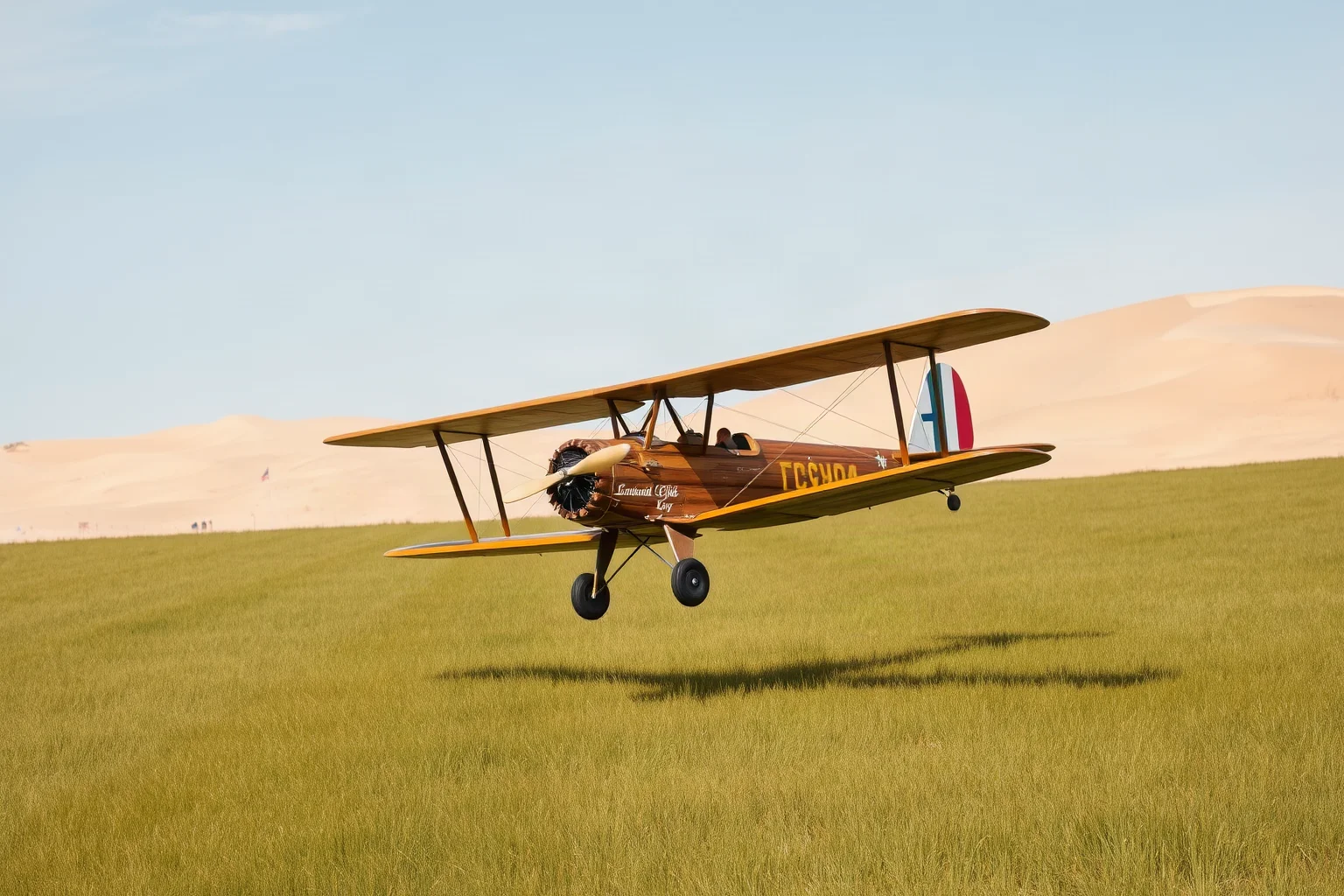
Orville and Wilbur Wright’s first controlled, powered flight at Kitty Hawk in December 1903 lasted just 12 seconds and covered about 120 feet. It’s easy to underestimate how experimental this was — most engineers of the era assumed heavier-than-air flight was decades away, if possible at all.
Within a generation, aviation went from a fragile wooden glider to biplanes used in World War I and, eventually, passenger travel. Few inventions in 1900 or its surrounding years had a longer ripple effect on global trade, warfare, and tourism than this one.
2. Mass Production and the Moving Assembly Line (1908–1913)
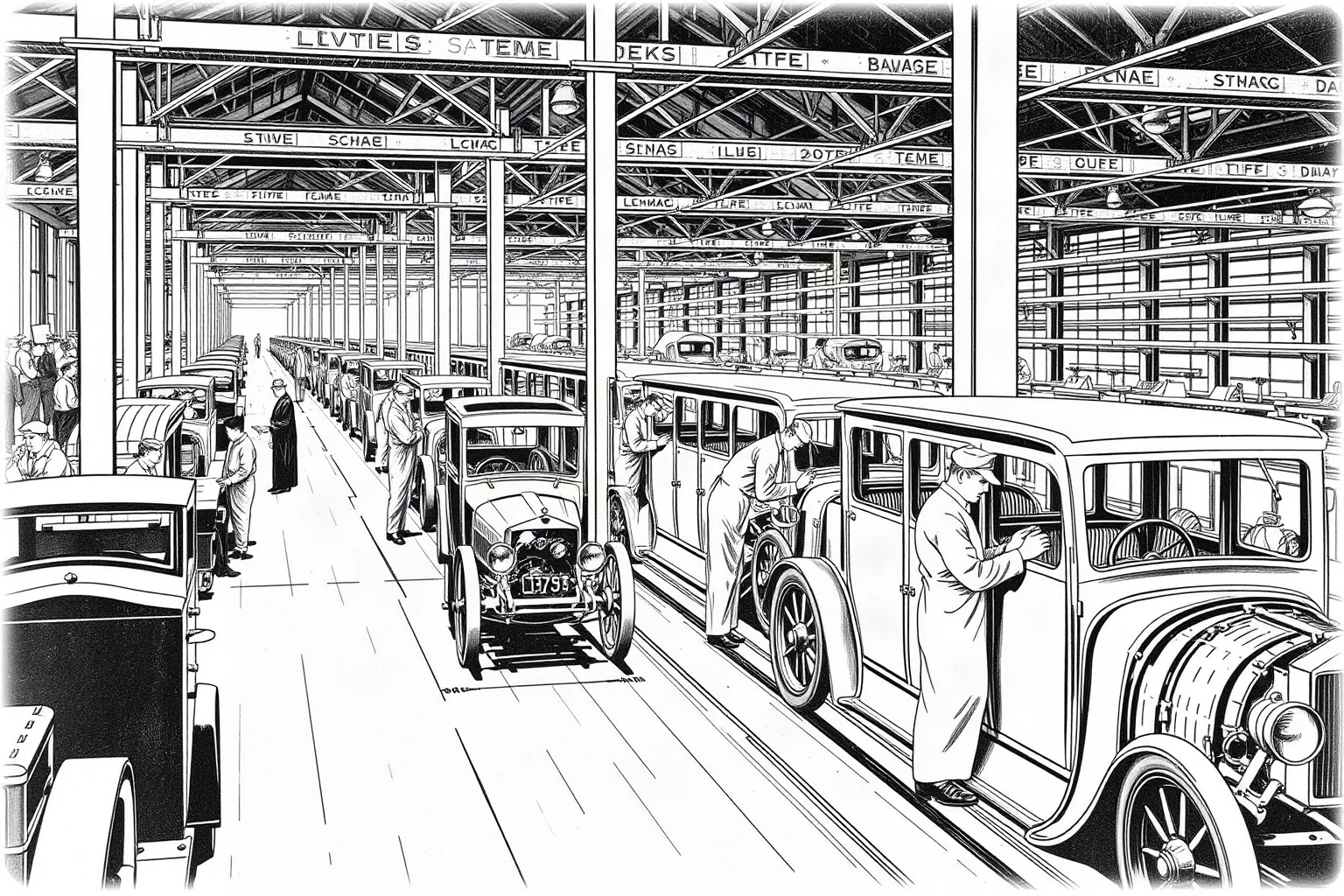
Henry Ford didn’t invent the automobile, and he didn’t even invent the assembly line — that credit more accurately belongs to earlier manufacturers like Ransom Olds. What Ford’s team did, starting with the Model T in 1908 and the moving assembly line by 1913, was combine standardized parts with a continuously moving production line.
This cut the time to build a car from about 12 hours to roughly 90 minutes. It’s one of the most underrated inventions made in the 1900s, because its real legacy isn’t the car itself — it’s the manufacturing template used to mass-produce almost everything today.
3. Bakelite — The First Fully Synthetic Plastic (1907)
Leo Baekeland, a Belgian-American chemist, created Bakelite in 1907 while searching for a synthetic substitute for shellac. He accidentally discovered a moldable, heat-resistant material that could be shaped into almost anything, from radio casings to jewelry to telephone housings.
Bakelite matters because it kicked off the entire plastics industry. Every plastic product in your kitchen, car, or office has a distant ancestor in this one invention from the 1900s.
4. Vacuum Tube Electronics (1904–1907)
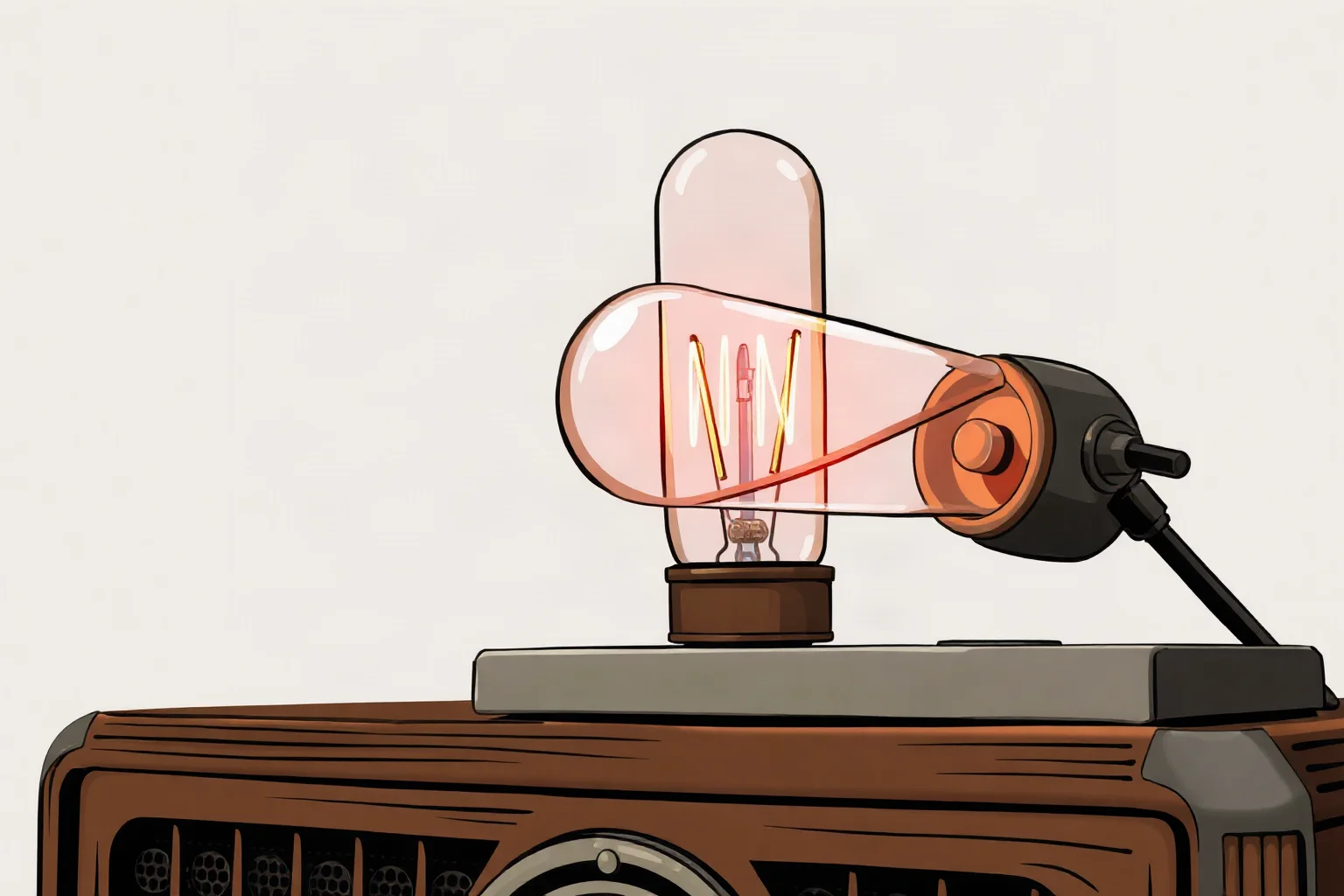
The vacuum tube, developed through work by John Ambrose Fleming and Lee de Forest in the early 1900s, allowed electrical signals to be amplified and controlled for the first time. Without it, radio broadcasting, long-distance telephone calls, and early television simply couldn’t have worked.
This is a good example of an invention that’s invisible today because it was later replaced by the transistor — but its function, amplifying and switching signals, is still what every modern chip does.
The Roaring Twenties: A Decade of Rapid-Fire Invention (1920–1929)
If you’re searching for 1920s inventions, technology during the 1920s, or what was invented in the 20s, this is the heart of it. The decade’s nickname, “the Roaring Twenties,” wasn’t just about jazz and speakeasies — it was also about a genuine explosion of consumer technology in the 1920s that changed how ordinary households lived.
5. Radio Broadcasting Goes Mainstream (1920)
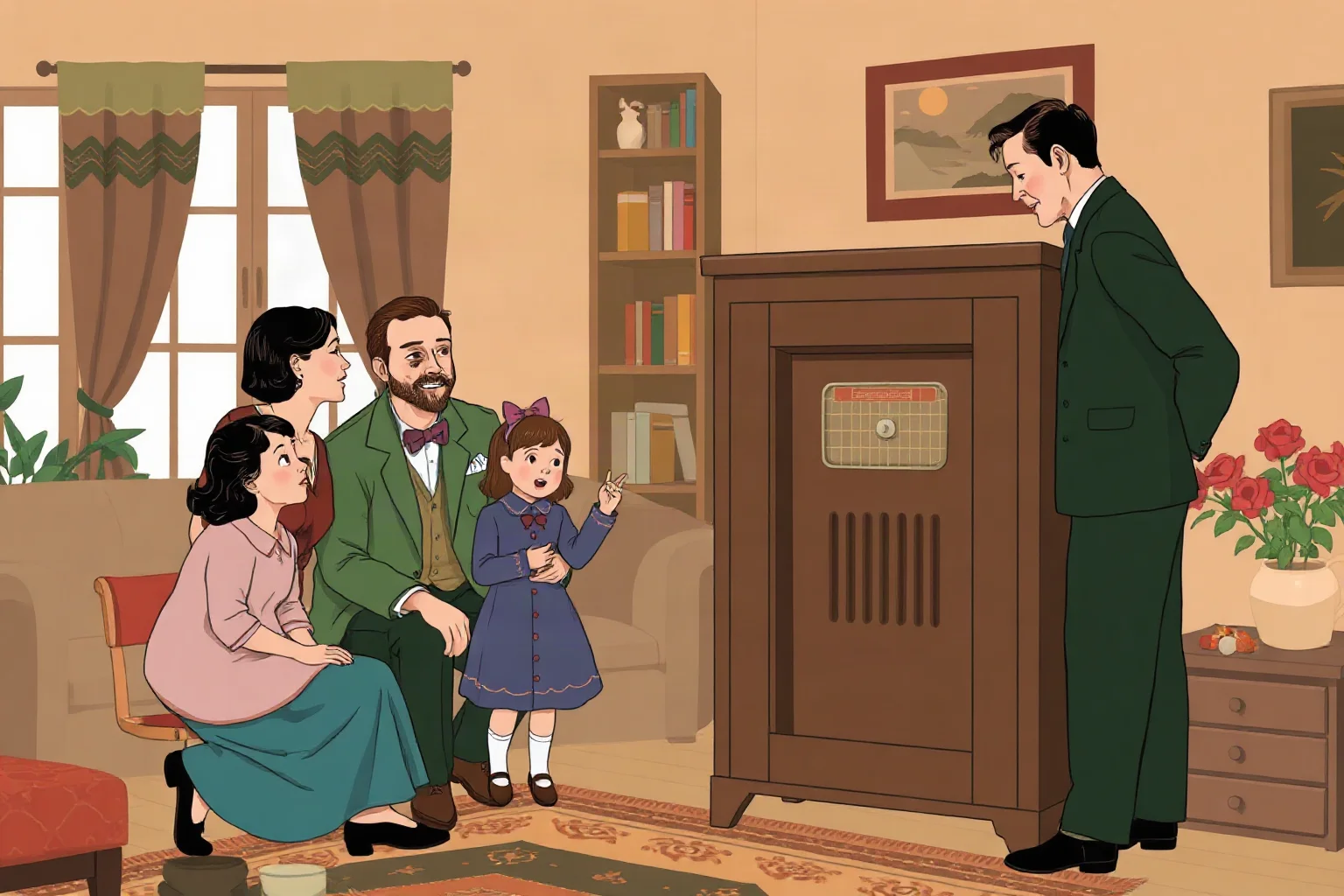
Radio technology existed before 1920, but commercial broadcasting is usually dated to KDKA in Pittsburgh, which began regular programming in November 1920. Within a few years, radios were in millions of American homes, turning a niche hobbyist technology into mass media.
This single invention in 1920 arguably created the modern advertising industry and the concept of a shared national broadcast moment, decades before television did the same thing.
6. Television’s First Flickering Steps (1920s)
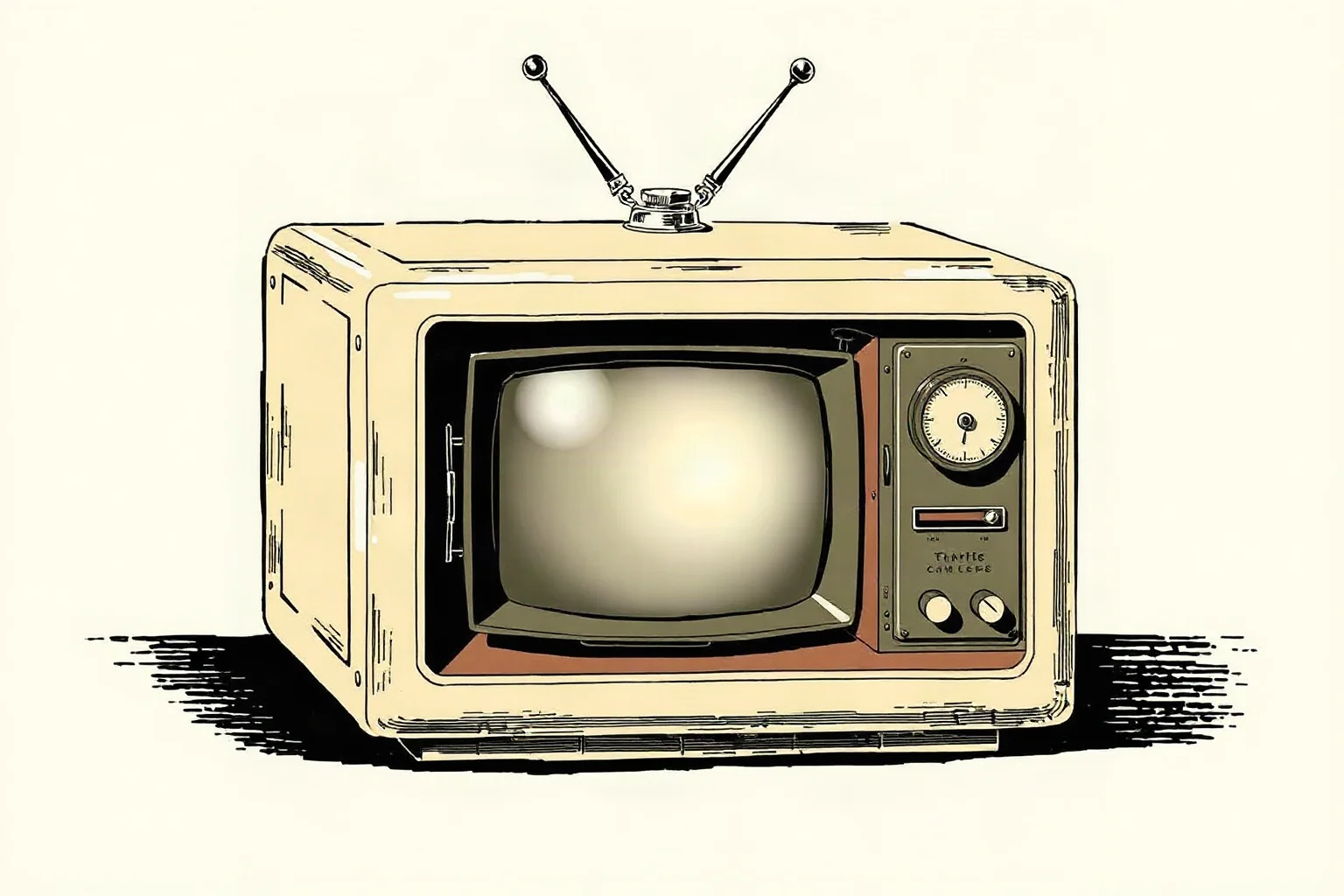
Contrary to popular belief, no single person “invented” television in a eureka moment. Scottish engineer John Logie Baird demonstrated a mechanical television system in 1925–26, while American Philo Farnsworth developed a competing electronic system around the same time.
These early demonstrations were crude, low-resolution, and years from commercial use, but they proved the concept. It’s one of the clearest cases where 1920s new technology took decades to mature into something recognizable in your living room.
7. Insulin Therapy (1921–1922)
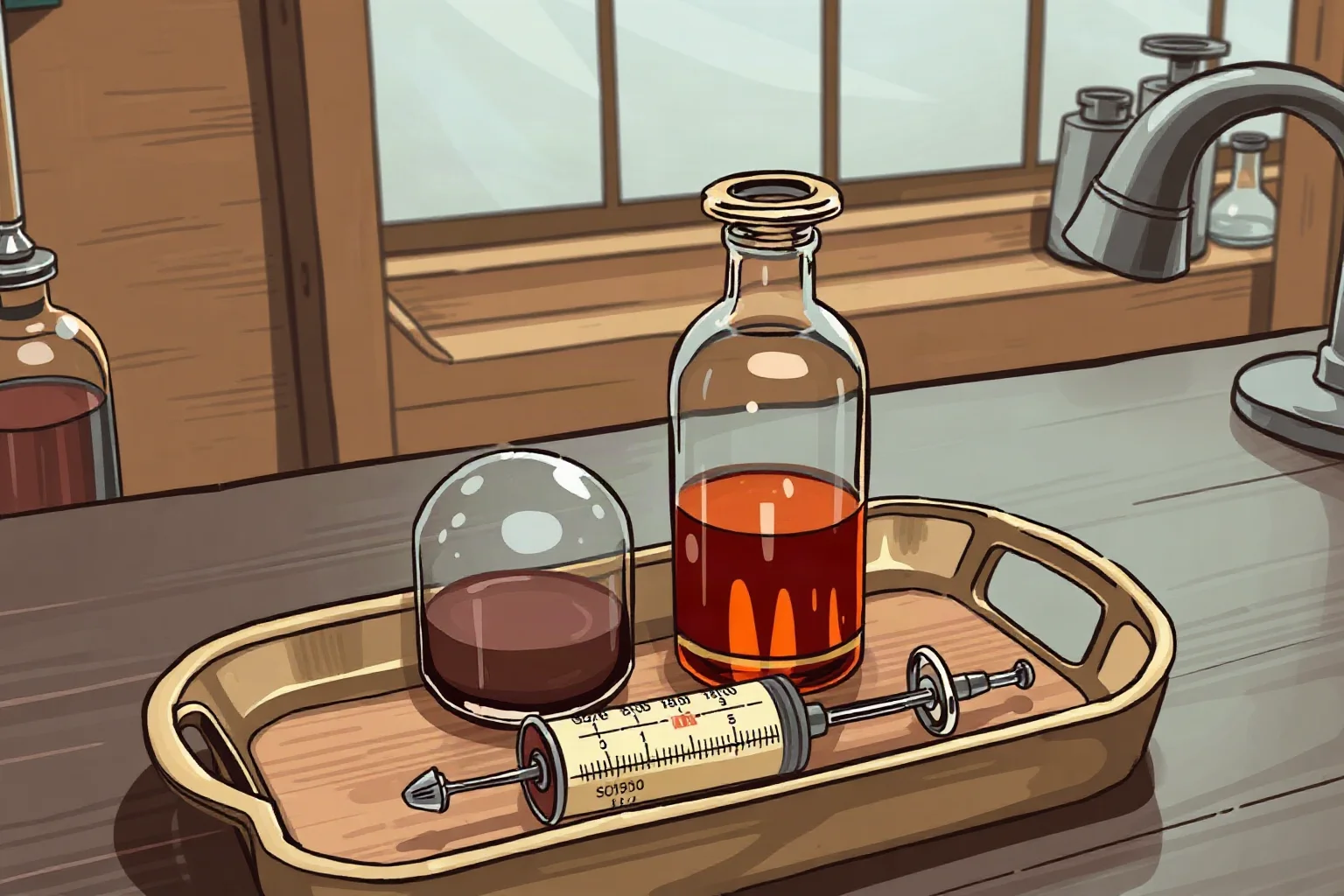
Frederick Banting and Charles Best, working at the University of Toronto, successfully isolated insulin in 1921 and used it to treat a diabetic patient in 1922. This wasn’t a cure for diabetes — it’s important not to overstate it — but it turned a nearly always fatal diagnosis into a manageable chronic condition.
Banting shared the 1923 Nobel Prize in Medicine for this work, making it one of the most life-saving inventions during the 1920’s on this entire list.
8. The Automatic Traffic Light (1920s)
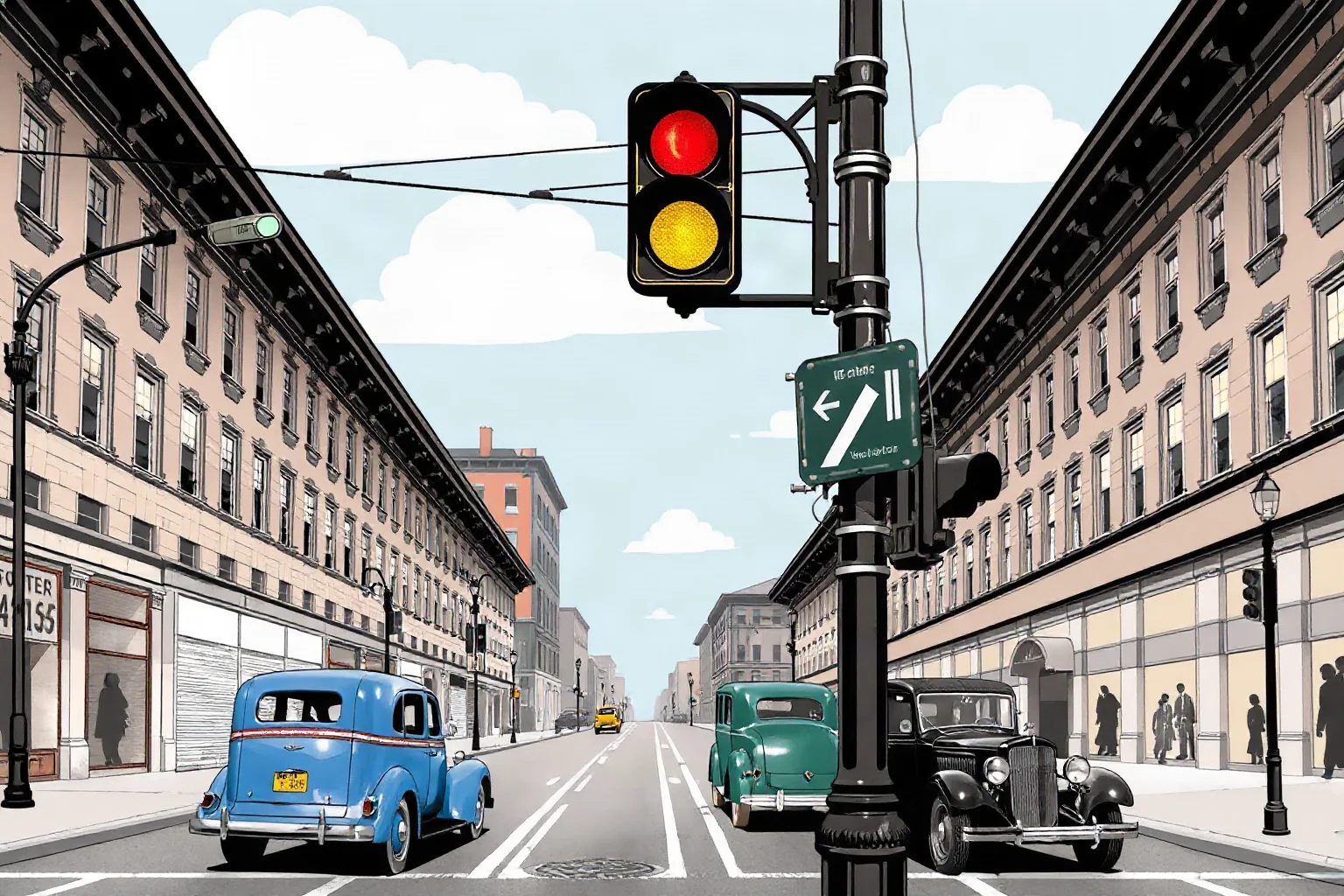
Here’s a myth worth busting: traffic lights weren’t invented from scratch in the 1920s. Early electric traffic signals appeared as far back as 1912–1914 in Utah and Ohio. What the 1920s contributed was standardization and automation — inventor Garrett Morgan patented an improved automatic signal in 1923, and cities began coordinating signals to manage growing car traffic.
As car ownership exploded thanks to mass production, this piece of technology in the 1920s became a genuine public-safety necessity rather than a curiosity.
9. “Talkies” — Sound Film (1927)

The Jazz Singer, released in 1927, is often called the first “talkie,” though it actually combined silent scenes with a few synchronized musical and speaking sequences. It still marked the tipping point that pushed Hollywood away from silent film within just a few years.
Sound-on-film technology, developed through systems like Vitaphone, is a textbook example of new inventions in the 1920s that completely reshaped an entertainment industry almost overnight.
10. The Band-Aid (1920)
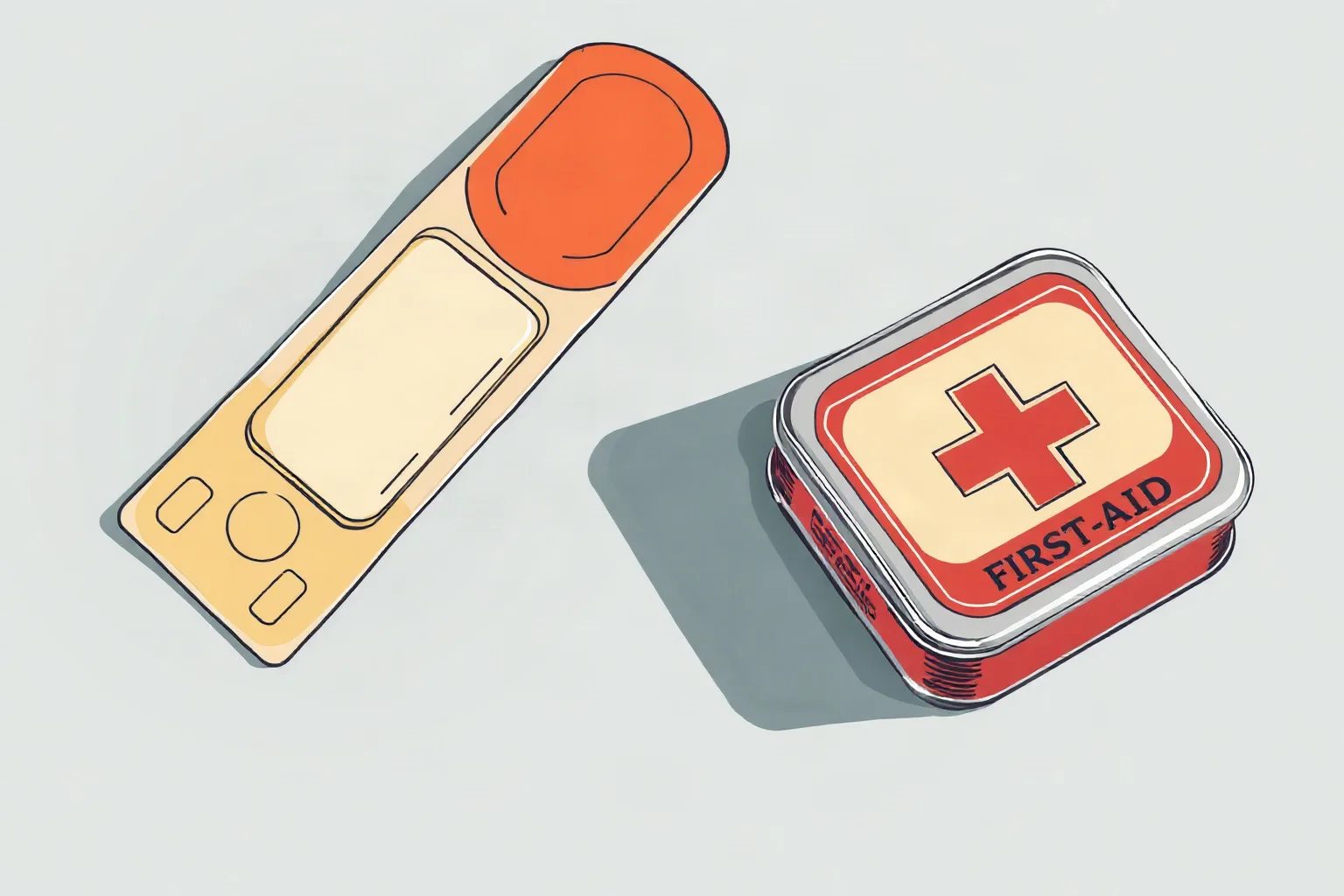
Earle Dickson, an employee at Johnson & Johnson, is credited with creating the first adhesive bandage in 1920, reportedly to help his wife treat minor kitchen cuts more easily. It’s a small, humble invention in 1920, but it’s also one of the most literally “taken for granted” items in any household medicine cabinet.
11. Frozen Food Technology (1920s)
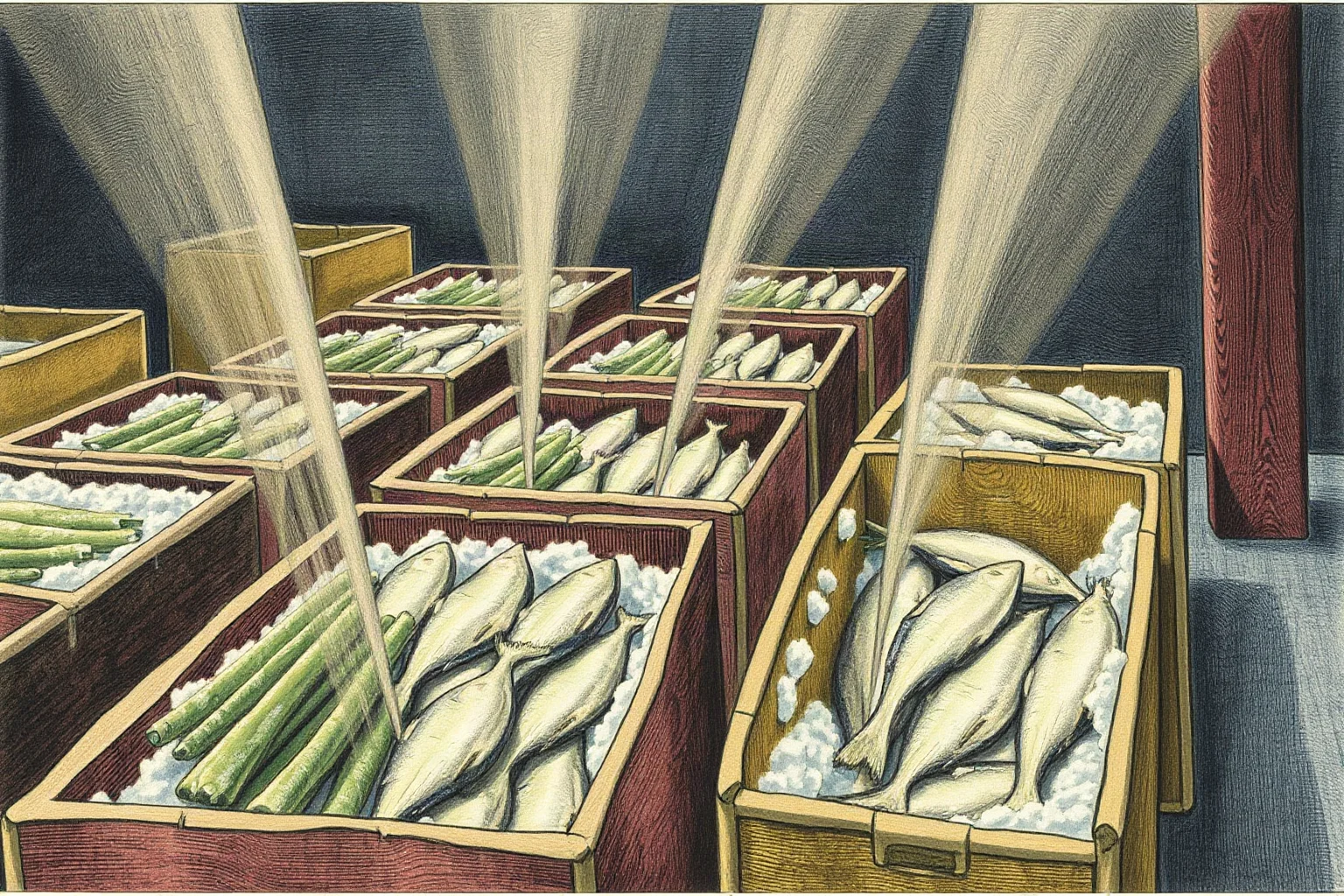
Clarence Birdseye developed a fast-freezing process in the mid-1920s after observing Inuit fishing communities freeze fish almost instantly in Arctic conditions. His method preserved texture and flavor far better than slow freezing, and by 1930 his company was selling frozen vegetables, fruit, and fish commercially.
This is one of the more overlooked new products in the 1920s, but it fundamentally changed grocery shopping, meal planning, and food supply chains for the rest of the century.
12. Mass-Market Sunglasses (1929)

Sunglasses existed in limited forms earlier, but Sam Foster began mass-producing and selling affordable sunglasses on American beaches starting around 1929 through his company Foster Grant. This turned sunglasses from a rare, specialized item into an everyday accessory.
It’s a minor entry compared to insulin or radio, but it’s a good reminder that not every 1920s technological advancement was medical or industrial — some were purely lifestyle-driven.
13. Liquid-Fueled Rockets (1926)

Robert Goddard launched the world’s first liquid-fueled rocket in March 1926 in Auburn, Massachusetts. It flew for only about 2.5 seconds and reached a modest height, and it was largely dismissed by the press at the time.
Goddard’s work is now recognized as the foundation for the rocketry that eventually powered satellites and crewed spaceflight decades later — proof that some inventions of the 1920’s looked like failures before they looked like history.
14. Sliced Bread and the Pop-Up Toaster (1928)
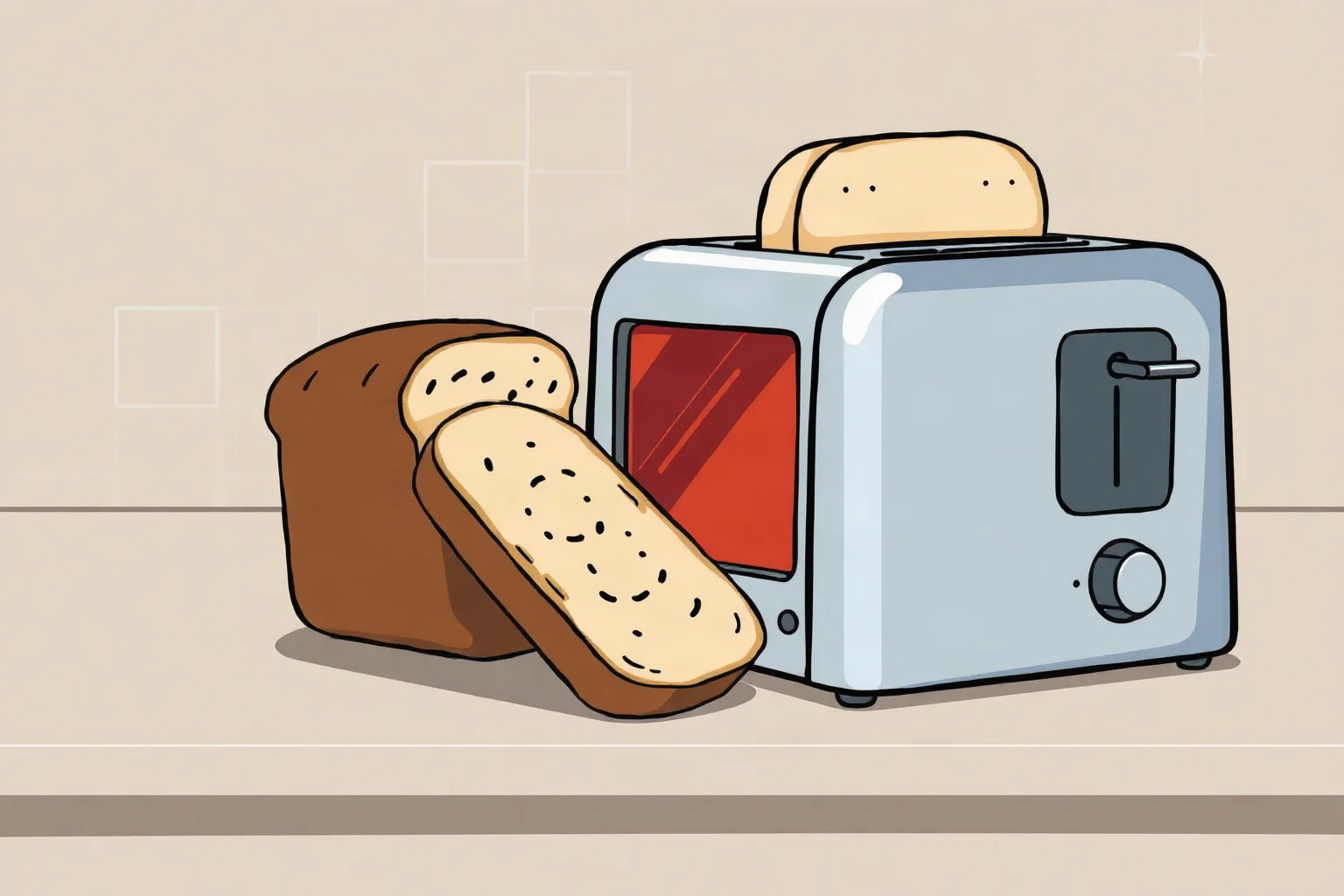
Otto Rohwedder invented the first automatic bread-slicing machine, and sliced bread hit store shelves in 1928. Around the same period, Charles Strite patented the pop-up toaster in 1919, though it wasn’t widely commercialized until the 1920s and 1930s.
The phrase “greatest thing since sliced bread” actually comes from this era, which tells you how genuinely novel and convenient it felt to shoppers at the time.
15. Penicillin’s Discovery (1928)
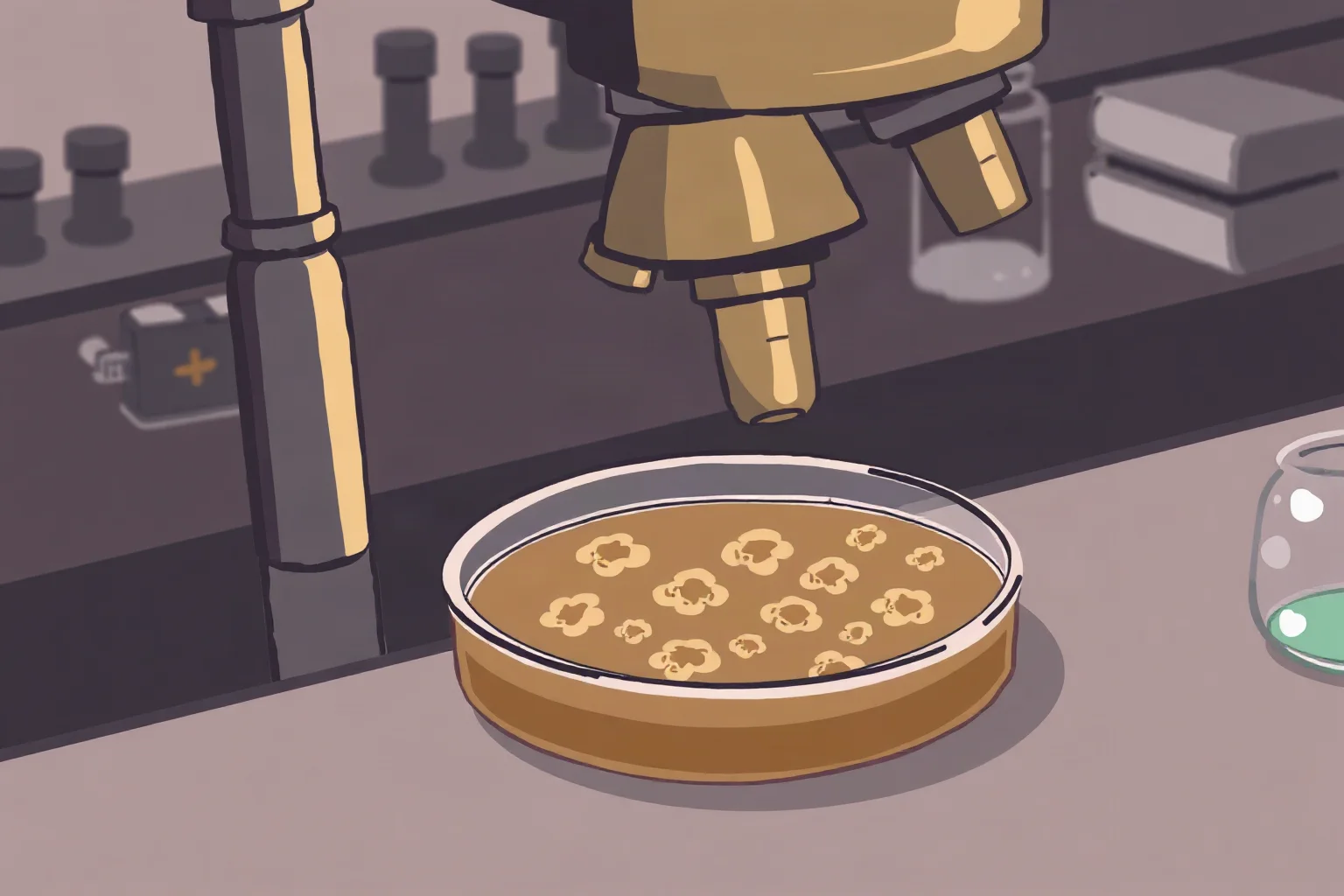
Alexander Fleming famously noticed mold killing bacteria in a petri dish he’d left uncovered in his London lab in September 1928. It’s worth being precise here: Fleming discovered the phenomenon, but he didn’t turn it into a usable drug.
That work fell to Howard Florey and Ernst Boris Chain in the early 1940s, who purified and mass-produced penicillin for wartime use. So while penicillin is often filed under 1920s inventions, its actual life-saving impact didn’t arrive until more than a decade later.
16. The Modern Electric Refrigerator (1920s)
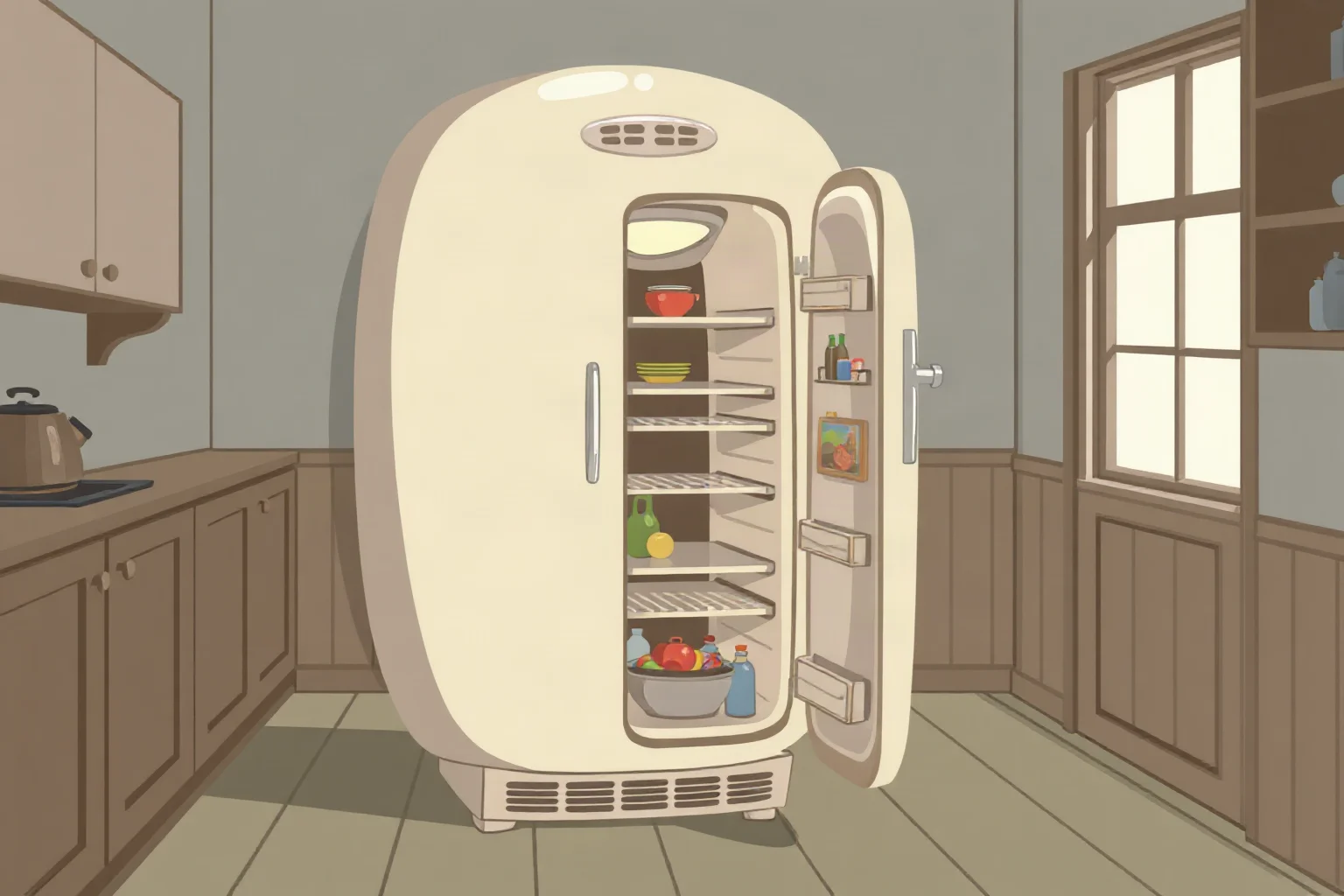
Electric refrigerators existed in small numbers before 1920, but companies like Frigidaire and Kelvinator made them affordable and common in American homes throughout the decade. This eliminated the need for ice deliveries and dramatically reduced food spoilage and related illness.
Combined with frozen food technology, this is one of the quieter but most transformative pieces of 1920s technology in terms of everyday health and convenience.
Mid-Century Breakthroughs (1930s–1950s)
The pace of invention didn’t slow down after the 1920s — if anything, world wars accelerated it. This is where the 20th century inventions list widens beyond the Roaring Twenties into the technologies that defined the mid-century and reshaped life in the 1950s for millions of Americans.
17. The Transistor (1947)
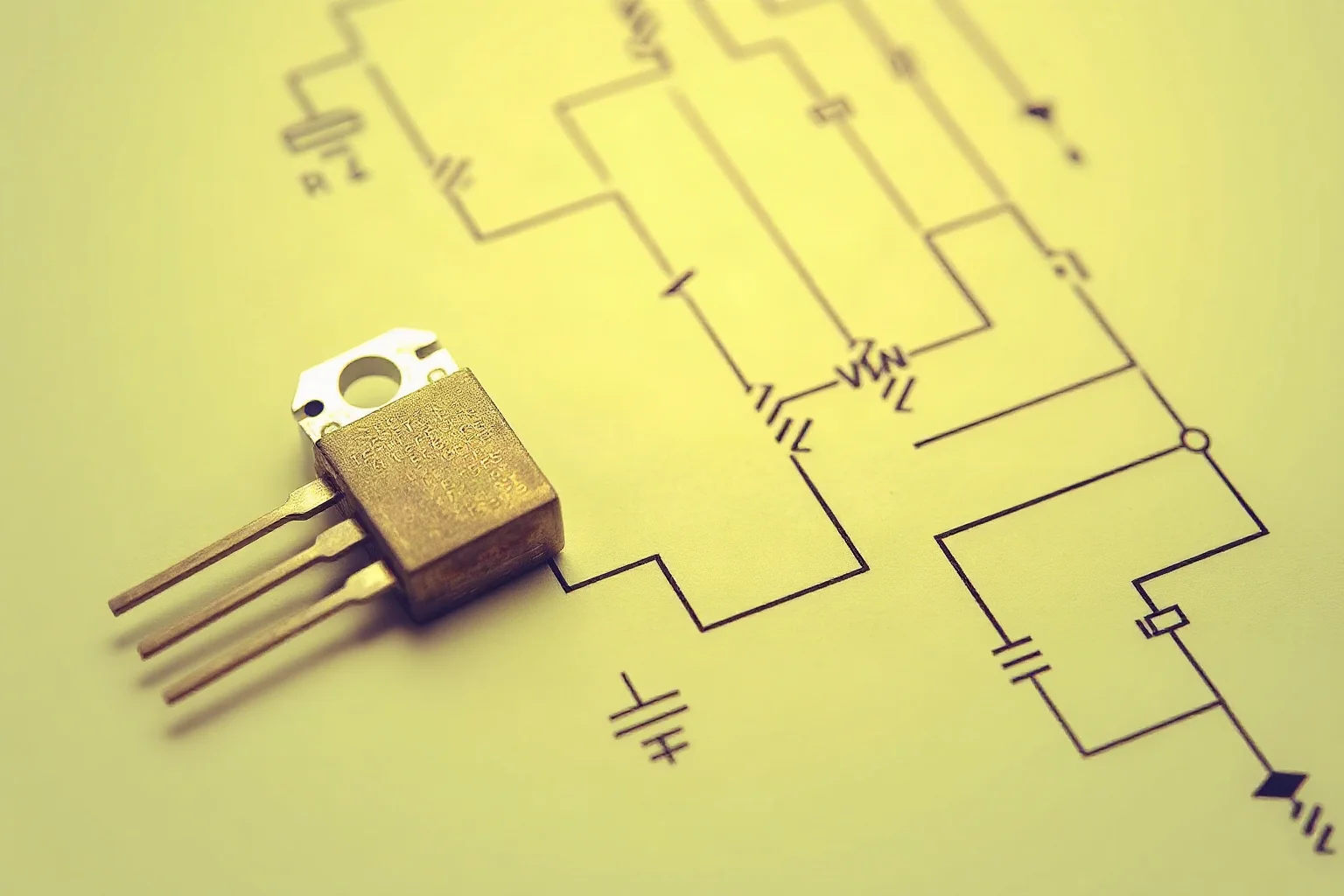
John Bardeen, Walter Brattain, and William Shockley developed the transistor at Bell Labs in 1947, and the trio shared the 1956 Nobel Prize in Physics for it. The transistor did what the old vacuum tube did, but smaller, cheaper, and far more reliable.
It’s arguably a strong contender for the most important invention of the 20th century, since it’s the direct ancestor of every microchip in every phone, computer, and appliance made since.
18. The Electronic Computer (1940s)
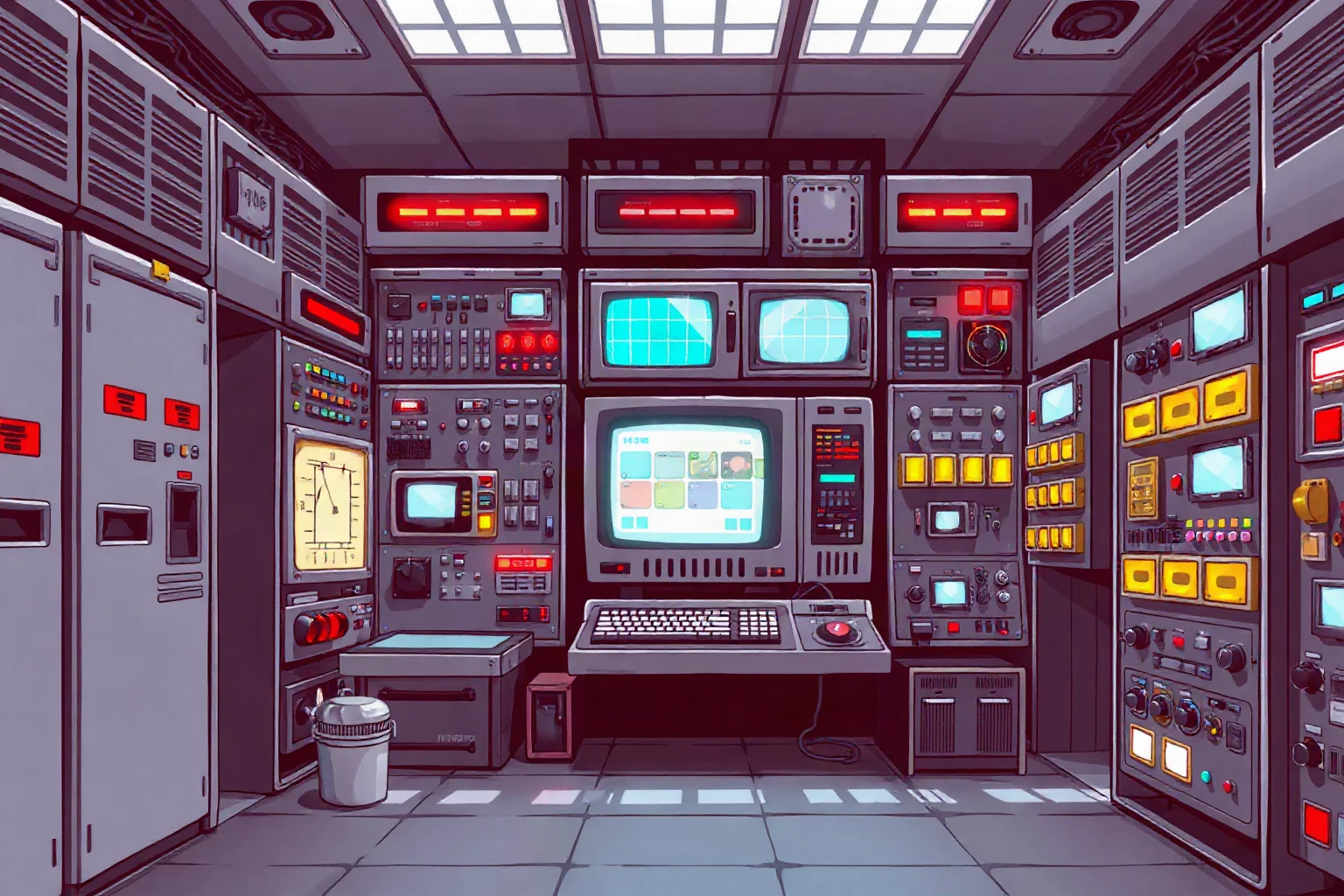
Early electronic computers like Britain’s Colossus (1943–44) and the American ENIAC (1945) were room-sized machines built mainly to crunch wartime calculations. They bear almost no visual resemblance to a modern laptop, but the logical architecture they pioneered still underlies computing today.
These machines are a useful reminder that major inventions of the 20th century often started as clunky, expensive, single-purpose tools before becoming general and personal.
19. Widespread Vaccination and Antibiotics (Mid-Century)
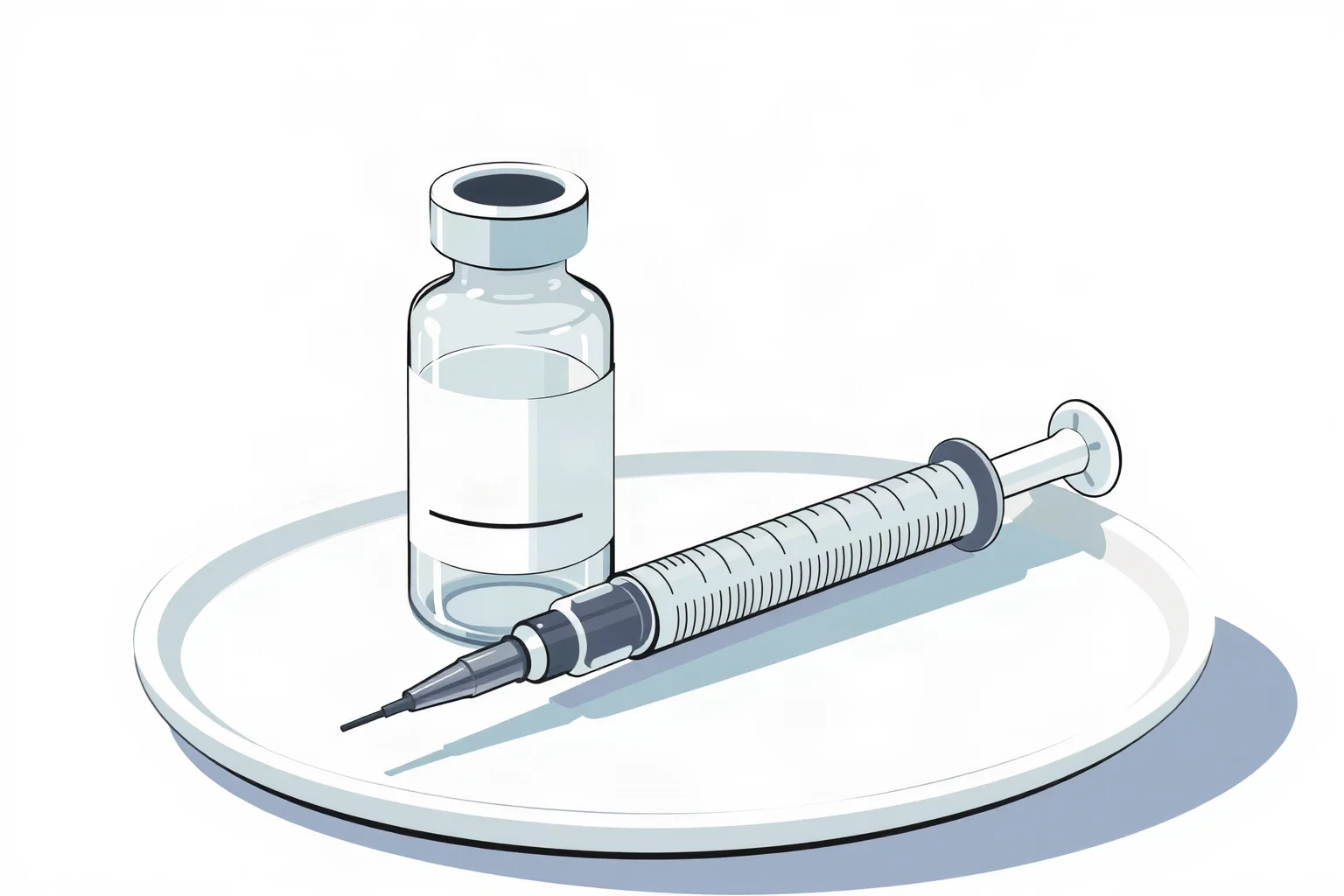
Beyond penicillin’s eventual mass production in the 1940s, the mid-20th century saw major advances in vaccines, including Jonas Salk’s polio vaccine in 1955. Together, antibiotics and vaccines caused some of the sharpest declines in mortality ever recorded in human history.
It’s hard to overstate this cluster of medical inventions when ranking the greatest inventions of the 20th century, since their impact is measured in tens of millions of lives.
20. Nuclear Power (1940s–1950s)

Nuclear fission was first harnessed for weapons in the 1940s, but by the mid-1950s it was also being adapted for electricity generation, with the Soviet Union’s Obninsk plant opening in 1954. Nuclear power remains one of the most debated inventions of the 20th century precisely because its civilian and military uses are so intertwined.
It’s a good example of why this list tries to avoid presenting any single invention as purely good or purely bad — nuclear technology is genuinely both a triumph and a source of lasting controversy.
21. The Jet Engine (1930s–1940s)

Frank Whittle in Britain and Hans von Ohain in Germany independently developed practical jet engines in the late 1930s, and jet aircraft entered military service by the early 1940s. Commercial jet travel followed in the 1950s with aircraft like the de Havilland Comet and Boeing 707.
This single invention shrank the world, turning multi-week ocean crossings into overnight flights and reshaping global tourism, trade, and migration.
The Space Age and Digital Revolution (1950s–1990s)
The back half of the 20th century inventions story shifts from mechanical and chemical breakthroughs toward electronics, space exploration, and digital networks — the technologies that lead directly into today’s world.
22. Space Travel: Satellites and the Moon Landing (1957–1969)
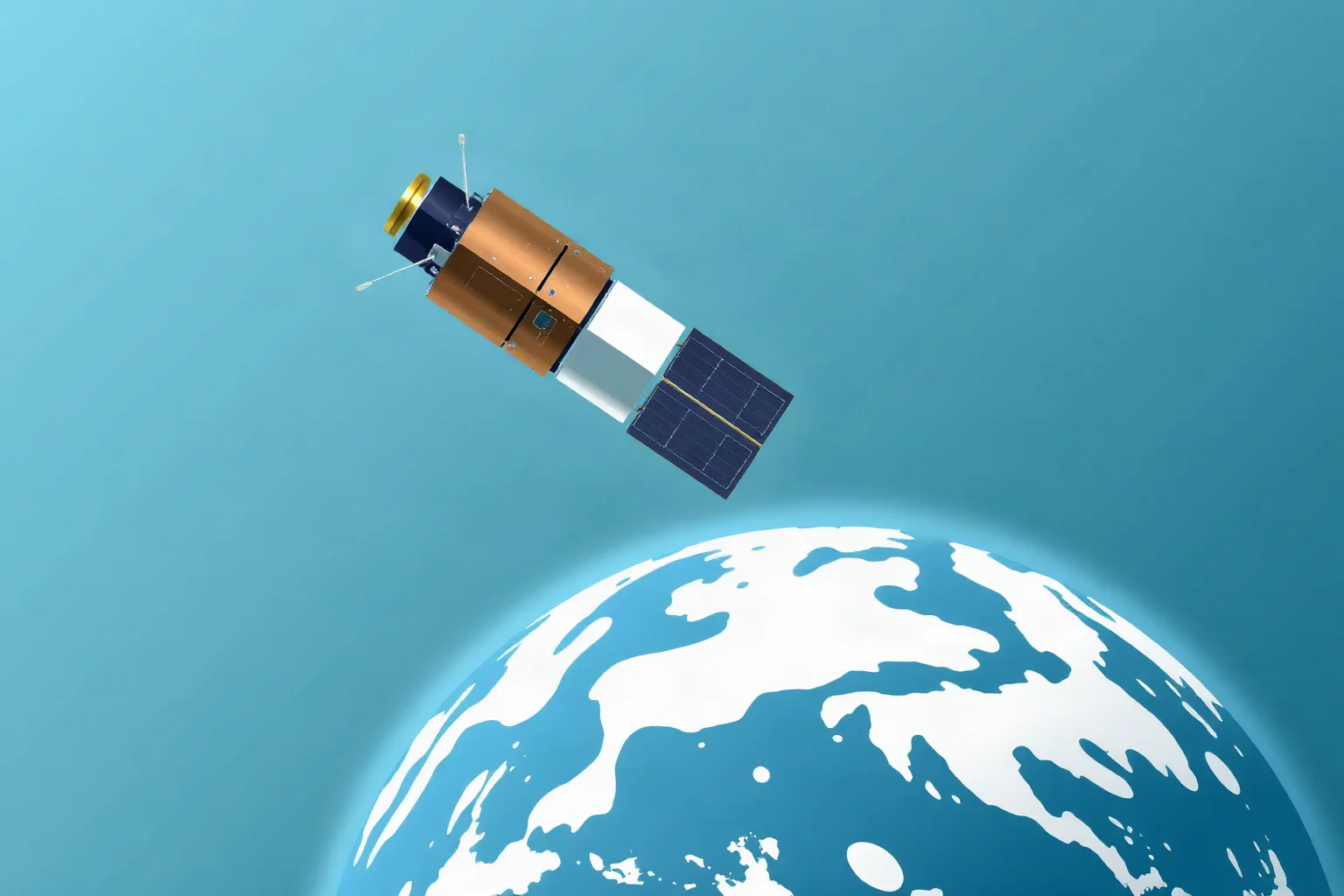
The Soviet Union launched Sputnik 1 in October 1957, kicking off the Space Race, and NASA’s Apollo 11 mission landed astronauts on the Moon in July 1969. These achievements relied on the liquid-fueled rocket principles Robert Goddard had demonstrated decades earlier in 1926.
Beyond the historic drama, this era also gave us practical satellite technology, which underpins GPS, weather forecasting, and global communications today.
23. The Personal Computer (1970s)
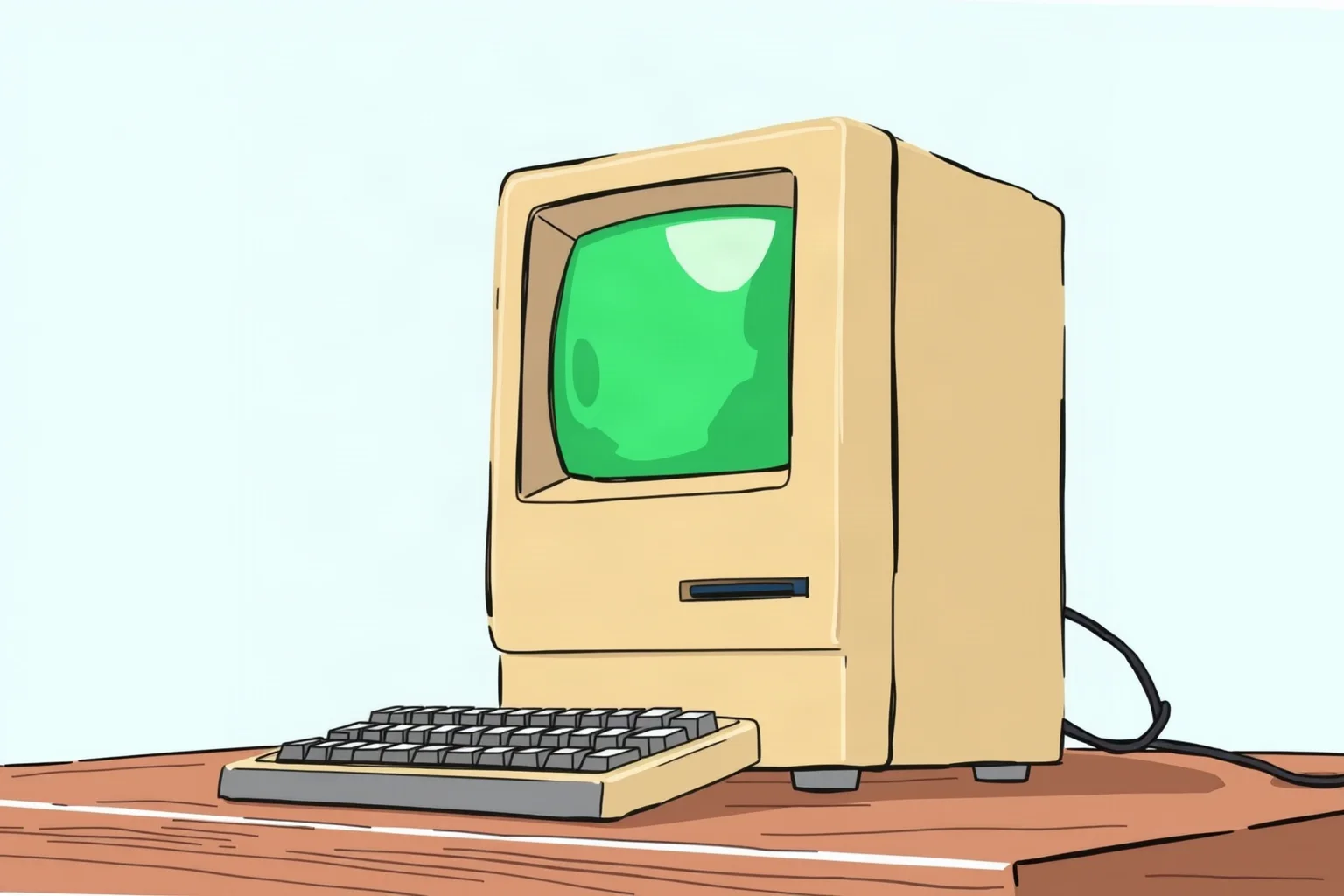
Machines like the Altair 8800 (1975) and later the Apple II (1977) brought computing out of research labs and corporate basements and into homes and small offices. For more on the broader cultural backdrop of this decade, see our guide to the most memorable events of the 1970s. This shift, built on the transistor and later the microprocessor, is what finally made “computer” a household word rather than an institutional one.
It’s a strong candidate whenever people debate the biggest invention of the 20th century, since it set the stage for the internet era that followed.
24. The Internet (1960s–1990s)

The internet’s roots go back to ARPANET in 1969, a U.S. military and academic research network. It wasn’t until Tim Berners-Lee invented the World Wide Web in 1989–1991 that the internet became something ordinary people could actually browse and use.
This two-stage development — decades of quiet infrastructure followed by a sudden, explosive public-facing layer — is a pattern you’ll notice throughout this whole list, from radio to rockets.
25. Genetic Engineering and the Discovery of DNA’s Structure (1953 Onward)
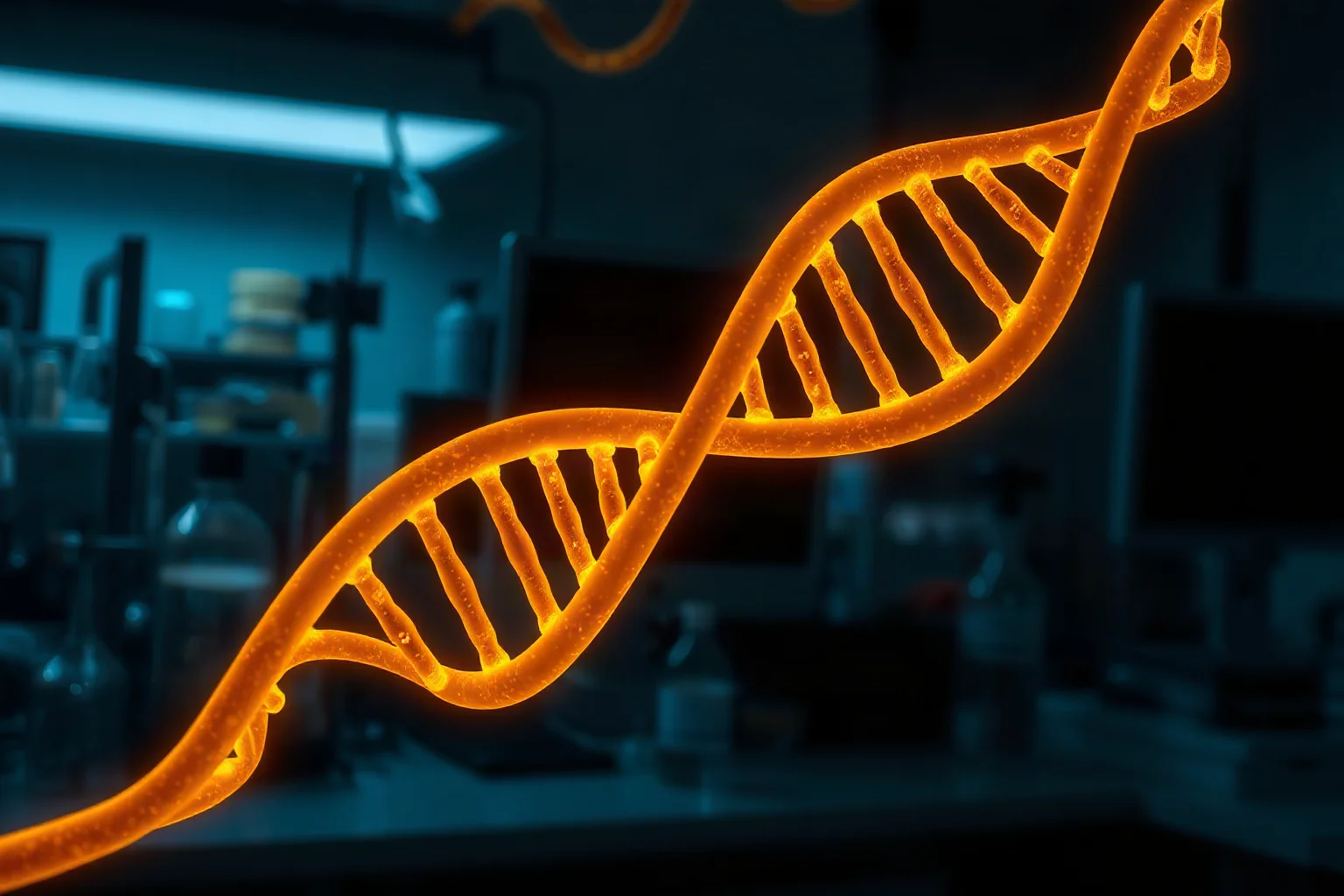
James Watson and Francis Crick, building on data and imaging work by Rosalind Franklin, described the double-helix structure of DNA in 1953. This discovery eventually enabled genetic engineering, DNA fingerprinting, and modern biotechnology, though practical genetic engineering tools didn’t really mature until the 1970s and beyond.
It closes out this list as one of the most quietly consequential 20th century inventions and inventors entries, since its effects are still unfolding in medicine and agriculture today.
What This Tells Us About Innovation
Looking across this timeline, a pattern emerges: almost none of these breakthroughs arrived as a single “aha” moment. Most inventions after 1900 went through a slow, unglamorous middle phase between the first prototype and the point where ordinary people could actually use them. For a broader view of how this era fits into the full sweep of history, see our guide to major historical time periods and eras.
Radio took roughly two decades to go from lab curiosity to living-room fixture. Penicillin sat in a research paper for over a decade before it saved a single life. Even space travel depended on rocket experiments that newspapers mocked as failures in the 1920s.
That’s worth keeping in mind when comparing 20th century technology to the pace of change today. Inventions in the last 20 years — smartphones, mainstream AI tools, mRNA vaccines — often feel faster only because we’re watching the early, visible phase rather than the decades of quiet groundwork behind them, much like inventions of 2020 built directly on mobile and internet infrastructure from the 1990s.
Final Thoughts
What happened during the 20th century wasn’t one giant leap — it was hundreds of smaller ones, stacked on top of each other, decade after decade. The 1900s proved big ideas could work at all; the 1920s proved they could be affordable, mass-produced, and woven into daily routines.
The next time your fridge hums, your phone buzzes, or you flip on a light without thinking twice, it’s worth remembering there’s a very specific, very human story behind it — usually messier, slower, and more collaborative than the tidy “lone genius” version we’re taught in school.
Frequently Asked Questions
Who were some of the most notable inventors from the 1920s?
Notable inventors and innovators from the 1920s include Frederick Banting and Charles Best (insulin therapy), John Logie Baird and Philo Farnsworth (early television systems), Clarence Birdseye (frozen food processing), Robert Goddard (liquid-fueled rockets), Garrett Morgan (automatic traffic signals), and Otto Rohwedder (the bread-slicing machine). Many of these breakthroughs were refined or commercialized further in the decades that followed.
What was the most important invention of the 20th century?
There's no single agreed-upon answer, since it depends on the criteria used, but the transistor (1947) is a common pick among historians of technology because it enabled virtually all modern electronics, from computers to phones. Others argue for penicillin's mass production or the internet, given their massive impact on health and communication respectively.
What new technology appeared in the 1920s?
The 1920s introduced commercial radio broadcasting, early television demonstrations, insulin therapy, automatic traffic signals, sound film, frozen food processing, and affordable household refrigerators, among other innovations. It's often described as a decade when laboratory inventions from the 1900s and 1910s finally became practical, mass-market products.
What was invented in 1900, specifically?
The year 1900 itself is often associated with the Zeppelin airship's first flight and ongoing refinements to earlier inventions like the automobile and electric power systems. Many textbooks loosely group inventions from 1900 to roughly 1910, a period that also included early X-ray machines, safety razors, and the first practical vacuum cleaners.
Did Alexander Fleming actually invent penicillin as a usable medicine?
Not exactly — Fleming discovered the antibacterial mold effect in 1928, but he didn't develop it into a working drug. That crucial step was completed over a decade later by Howard Florey and Ernst Boris Chain in the early 1940s, who purified and mass-produced penicillin for clinical use.
Were traffic lights really invented in the 1920s?
Not entirely. Basic electric traffic signals date back to around 1912–1914 in places like Ohio and Utah. What the 1920s contributed, largely through inventor Garrett Morgan's 1923 patent, was a more reliable, automated signal system suited to the rapidly growing number of cars on American roads.
How is 1920s technology different from most 20th century inventions that came later?
1920s technology mostly focused on bringing existing lab concepts, like radio waves and electric refrigeration, into affordable household use. Later 20th century inventions, such as the transistor, computer, and internet, built on that foundation to create entirely new categories of digital technology that hadn't existed in any form before.

Alex Warren
Related Articles