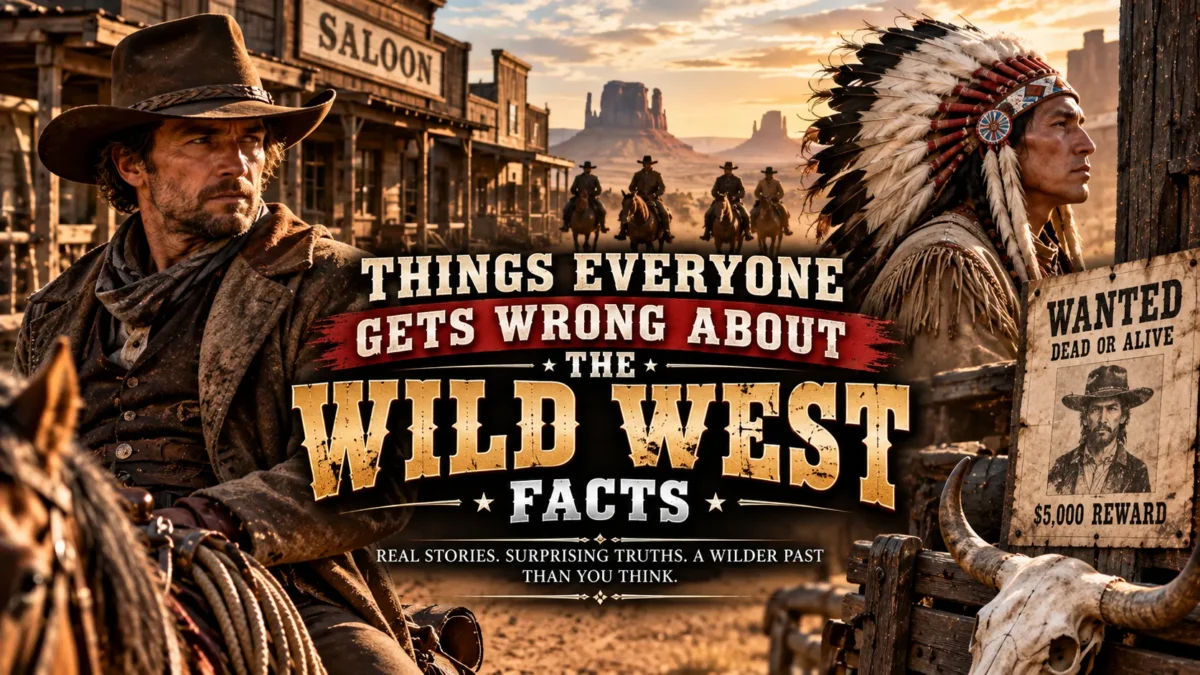
Ask most people to picture the Wild West and they’ll describe a dusty street, two men squaring off at high noon, and a saloon full of whiskey and trouble. That image comes almost entirely from Hollywood, not history. The real frontier was stranger, shorter, more diverse, and in many ways far less violent than the legend suggests.
This list digs into the cowboywitdastic world of ranch hands, outlaws, vaqueros, and boomtowns to separate genuine history from dime-novel fiction. Whether you’re hunting for wild west trivia for a classroom project or just love fun facts about the south west, these 22 entries will change how you picture America’s frontier era.
TL;DR: The Wild West was a brief, complicated era where most cowboys were broke, diverse young laborers, gunfights were rare, and much of what we “know” comes from dime novels and traveling shows rather than real history.
1. The “Wild West” Was a Shockingly Short Era
When people say “the Wild West,” they’re usually picturing a span of centuries. In reality, most historians place the classic frontier era between roughly 1865 and 1895, just thirty years sandwiched between the Civil War and the closing of the open range.
That’s a remarkably short window for something so deeply embedded in American identity. Railroads, barbed wire, and statehood closed the frontier almost as fast as it opened, which is part of why the myths grew so much larger than the reality.
2. Cowboys Were One of the Most Diverse Workforces in America
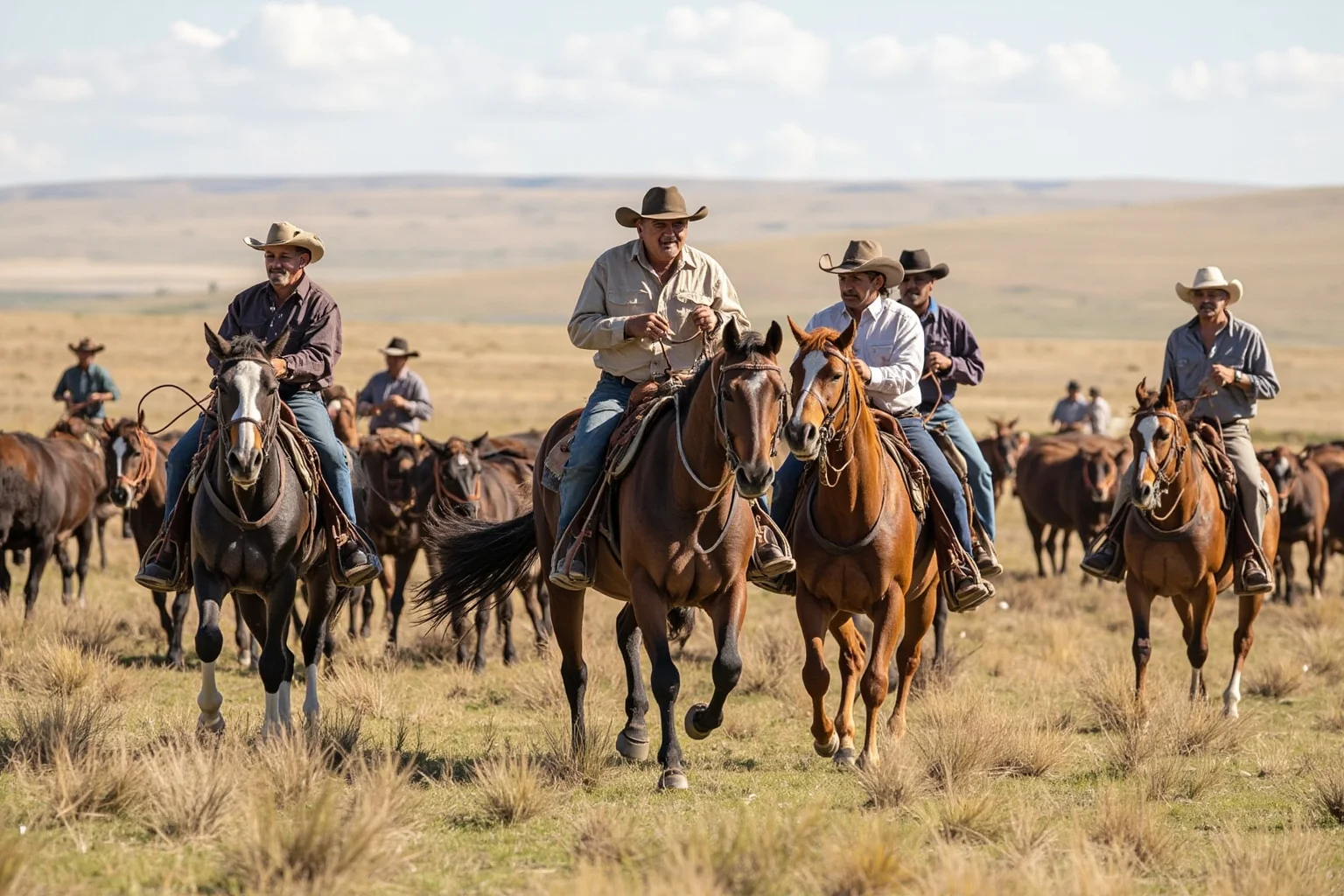
One of the biggest facts about cowboys that surprises people is just how diverse the profession actually was. Historians estimate that roughly one in four cowboys on the trail drives was Black, and many others were Mexican, Mexican-American, or Native American.
Former slaves and their descendants found ranch work to be one of the few trades where skill mattered more than skin color, at least on the open trail. This is one of the most important cowboy facts left out of most Western films, which overwhelmingly cast white actors in the starring roles.
3. The Vaqueros Invented Cowboy Culture Long Before the U.S. Existed
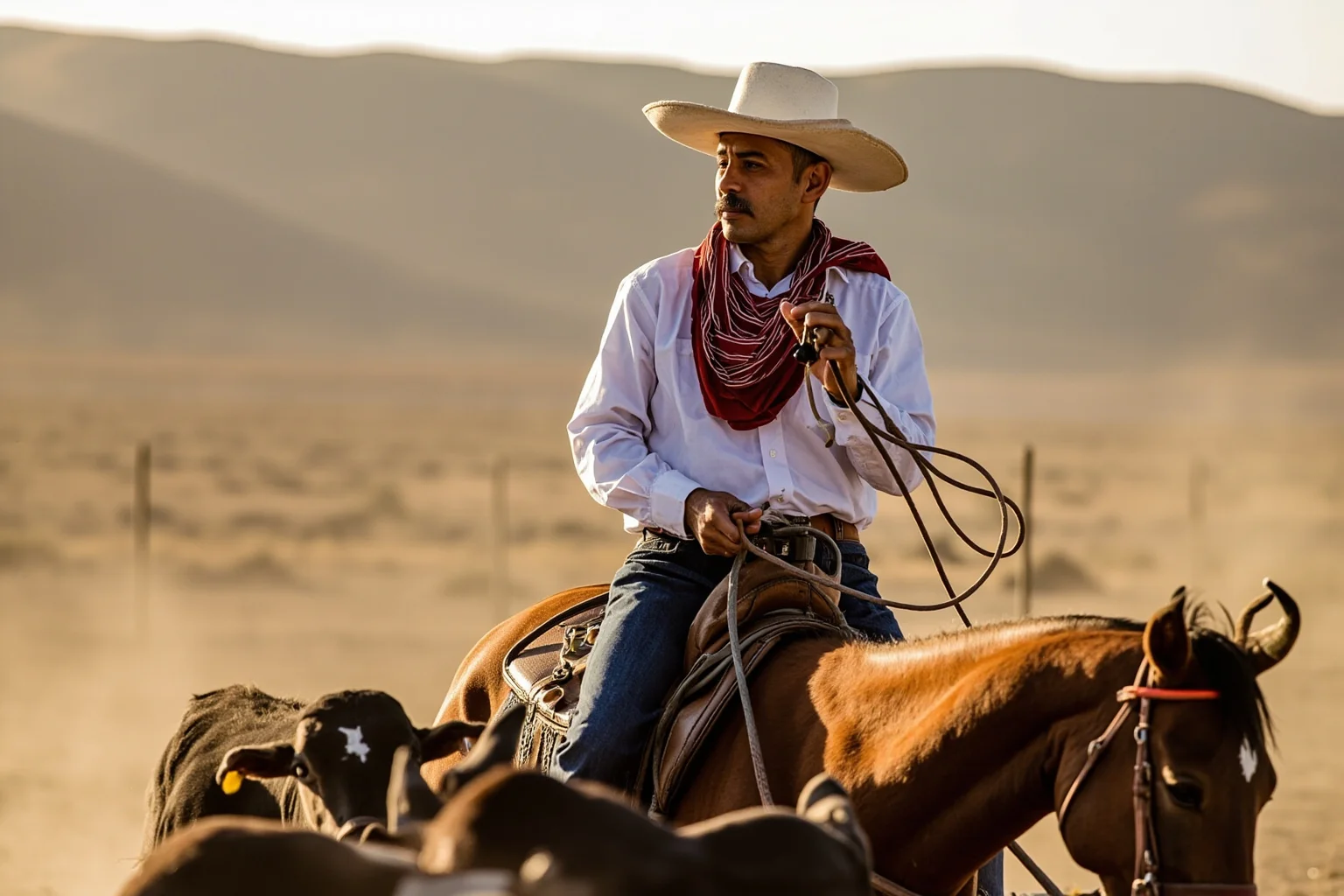
Long before Anglo-American cowboys existed, Spanish and Mexican vaqueros were herding cattle across what’s now Texas, New Mexico, and California. The word “cowboy” itself is essentially a translation of vaquero, and so much of the gear we associate with the job came directly from this tradition.
Lariats, chaps, spurs, and even the wide-brimmed hat all trace back to vaquero horsemanship. When people share interesting facts about cowboys, this origin story deserves far more attention than it usually gets.
4. Quick-Draw Duels Were Almost Never Like the Movies
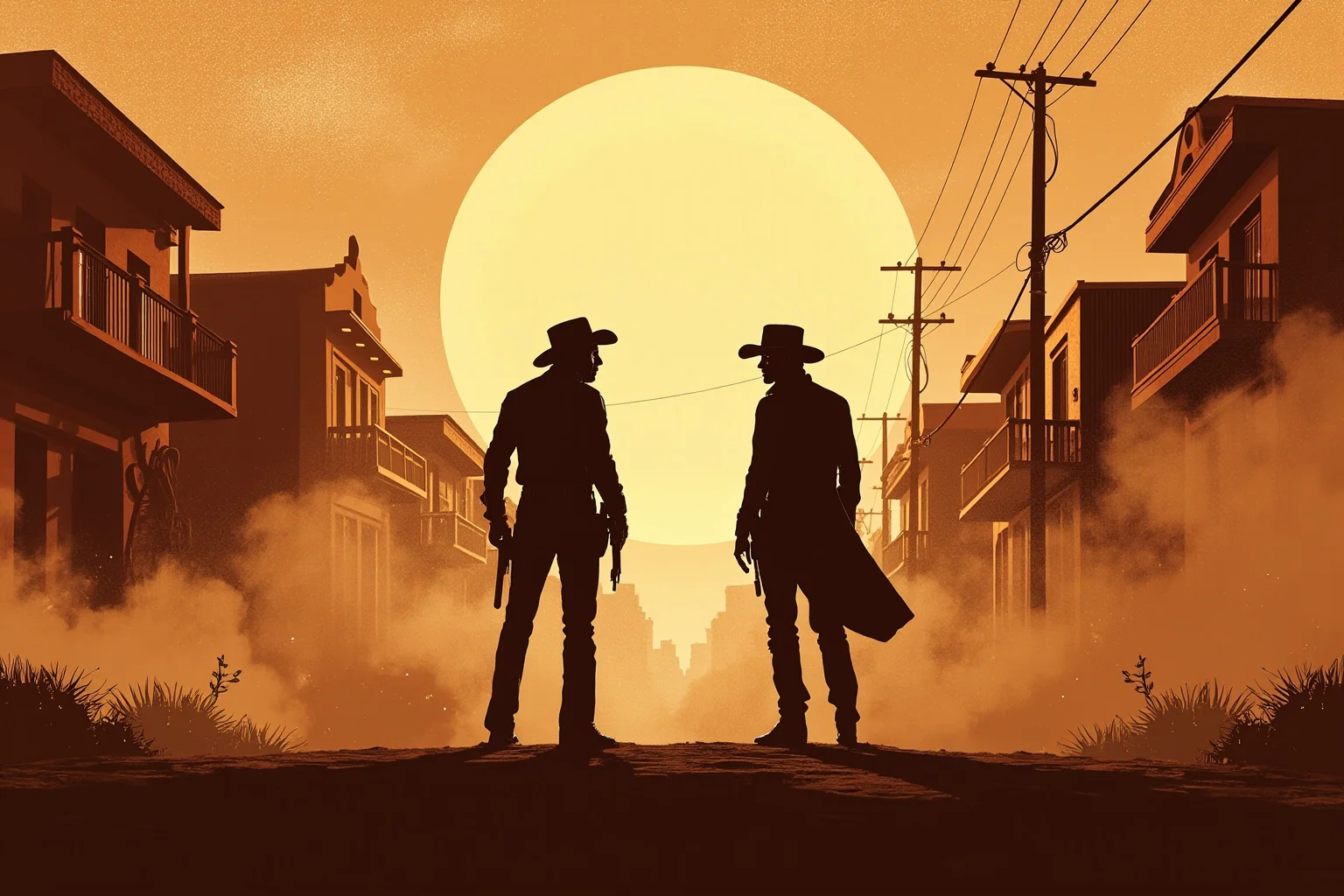
The classic showdown, two men walking toward each other at high noon before drawing revolvers, is almost entirely a Hollywood invention. Actual gunfights were messy, often involved more than two people, and frequently happened at close range in bars or alleys rather than empty streets.
Many “gunfighters” of legend were involved in only one or two documented shootings in their entire lives. The rest of their reputation came from newspapers and, later, movie studios looking for a good story.
5. Most Cowboys Were Broke Teenagers, Not Grizzled Gunslingers
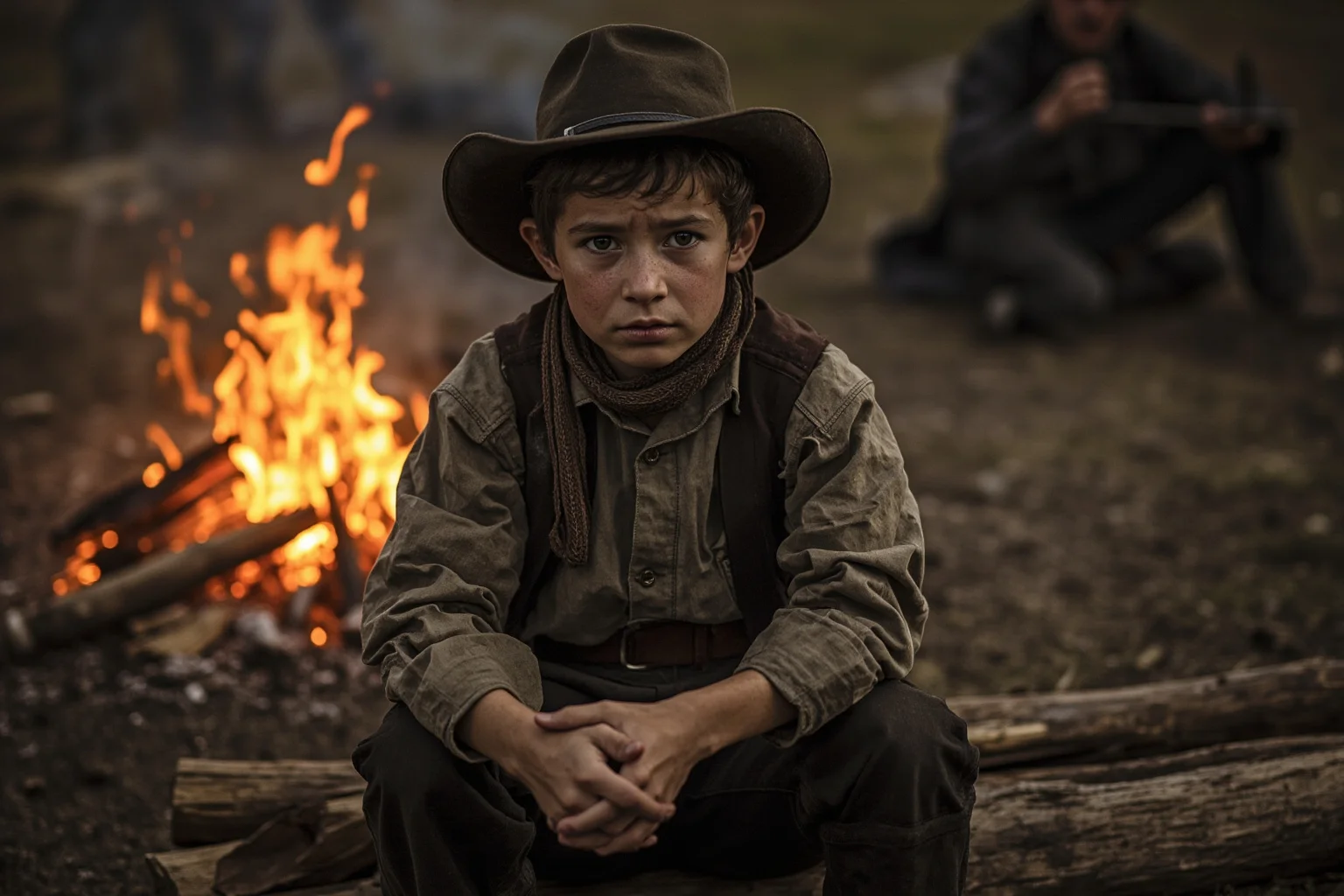
The stereotypical cowboy is a weathered older man with decades of trail experience. In truth, most working cowboys were young men in their late teens or twenties, drawn to the job because it required little formal training and paid a modest but steady wage.
Pay was typically around a dollar a day, plus food, which was not a path to riches. Turnover was high because the work was exhausting, dangerous, and seasonal, so few men made it a lifelong career.
6. Cattle Drives Were Miserable, Not Romantic
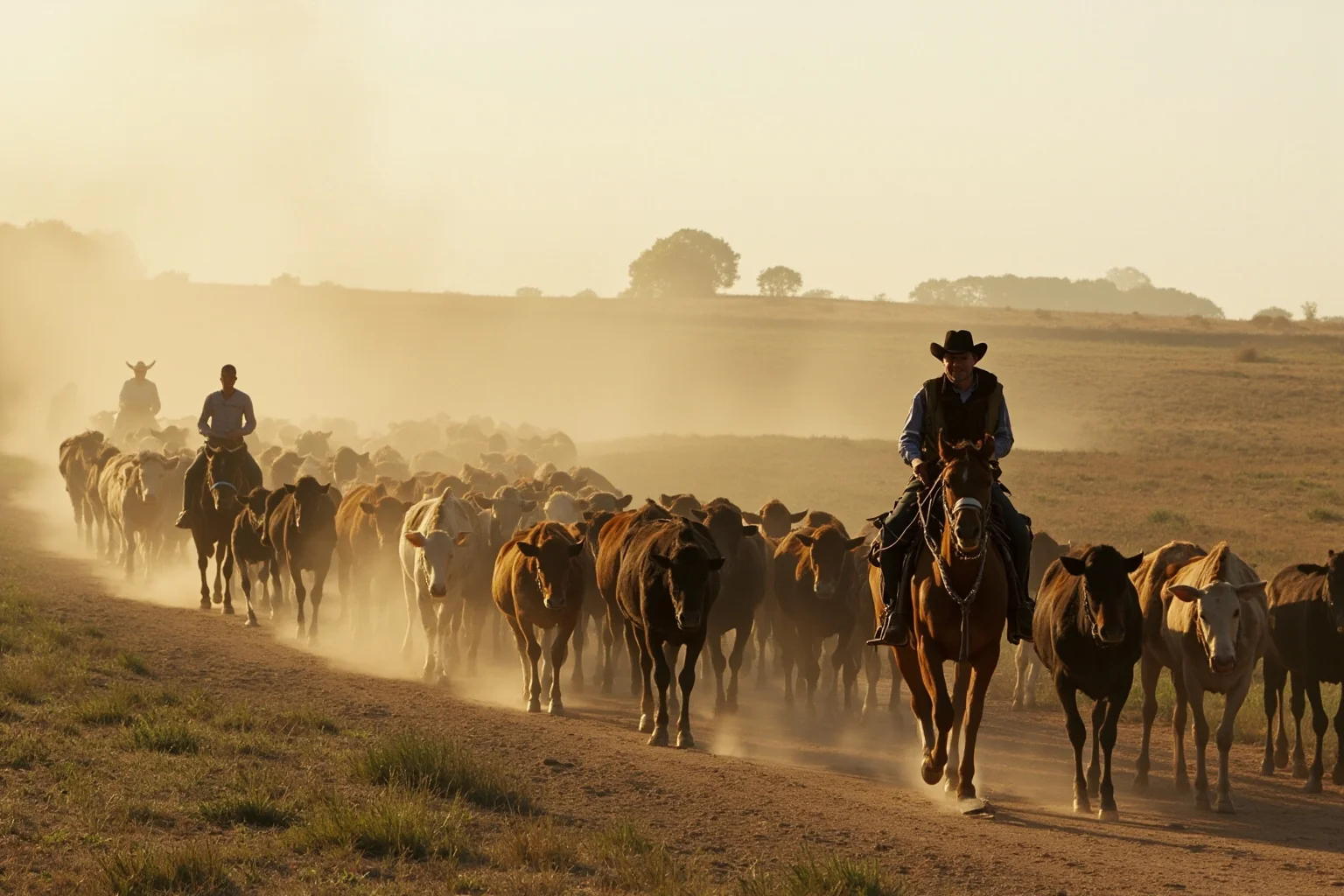
Driving a herd of a few thousand cattle from Texas to railheads in Kansas could take two to three months, covering rough terrain, river crossings, and unpredictable weather. Cowboys worked long shifts, slept in the open, and faced real dangers from stampedes, storms, and disease.
There was very little glamour in the job day to day. It was closer to a grueling seasonal trucking route than the adventure depicted in film and television.
7. Many Towns Had Strict Gun Control Laws
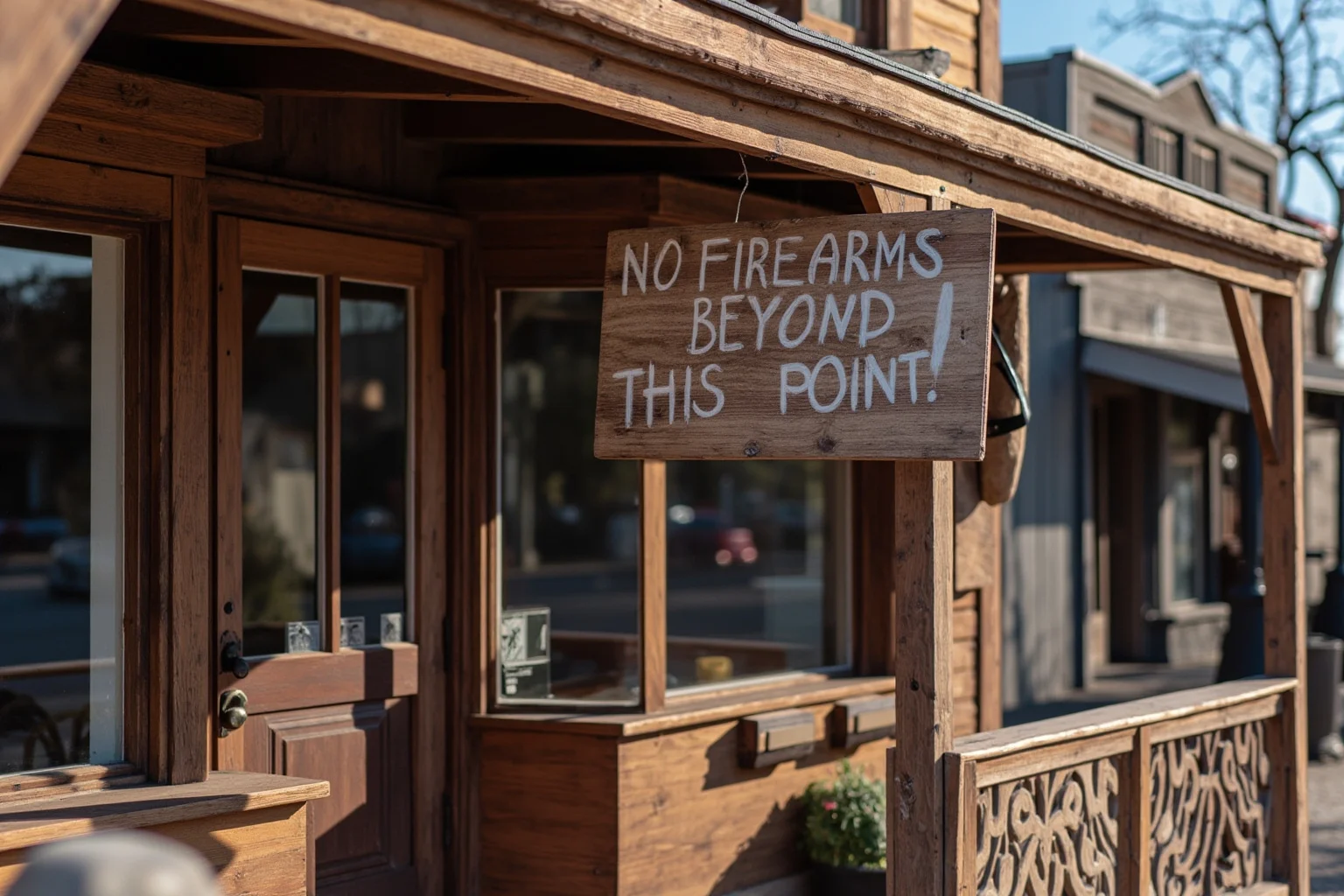
Contrary to the lawless image, many frontier towns actually banned carrying firearms within city limits. Places like Dodge City and Tombstone required visitors to check their guns with the sheriff upon arrival, precisely because town leaders wanted to prevent shootouts.
This is one of those wild west facts that surprises people who assume the frontier was a free-for-all. Local business owners wanted order, not chaos, because gunfights were bad for trade.
8. The Famous Gunfight at the O.K. Corral Lasted About 30 Seconds
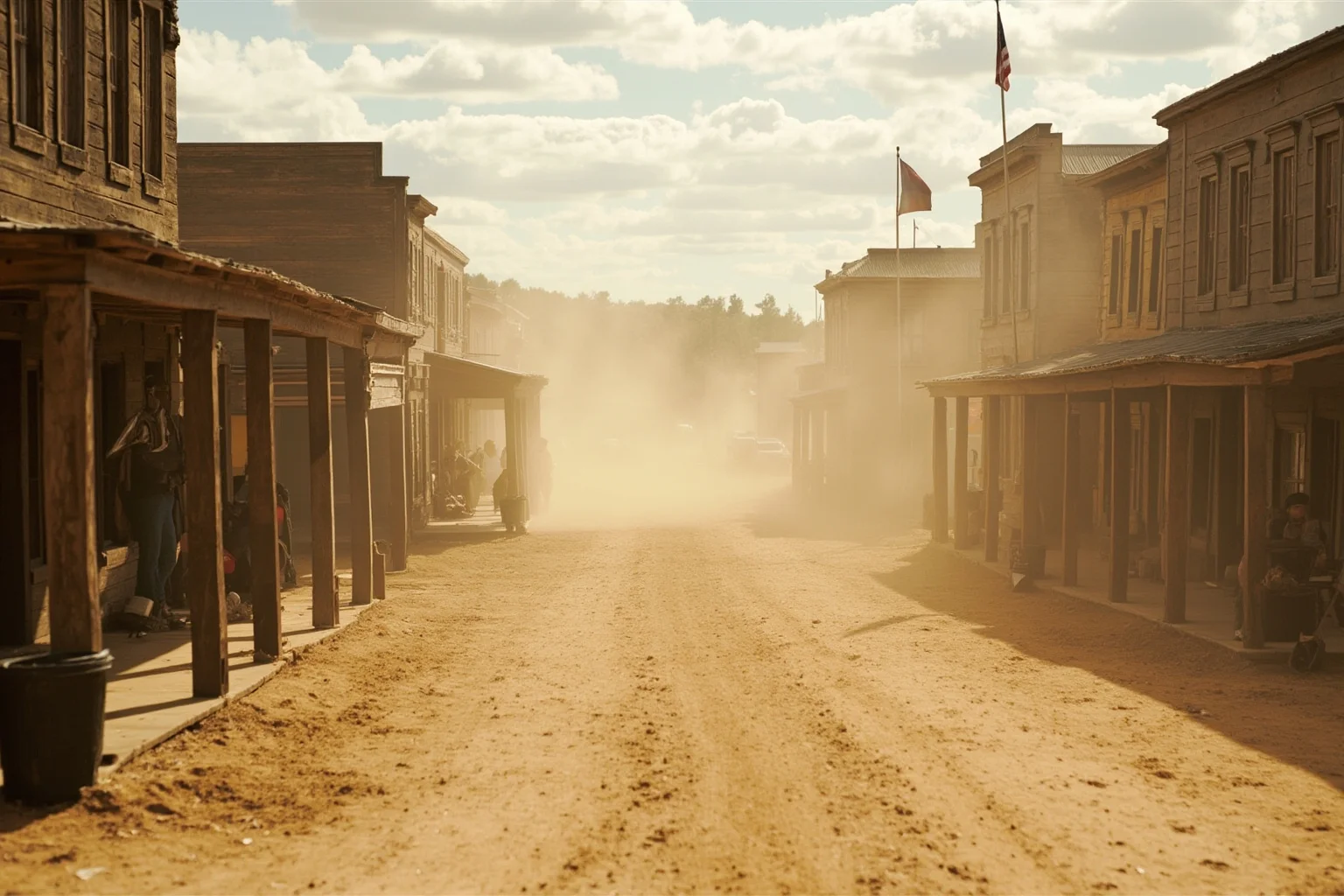
The 1881 shootout in Tombstone, Arizona, between the Earps, Doc Holliday, and the Clanton-McLaury group is arguably the most famous gunfight in American history. Yet the entire exchange lasted roughly thirty seconds, and it wasn’t even fought directly in the O.K. Corral itself, but in a nearby lot.
The brevity of the fight didn’t stop it from becoming legendary. Newspapers, and later films, stretched those thirty seconds into an enduring symbol of frontier justice.
9. Saloons Sold a Lot More Than Whiskey
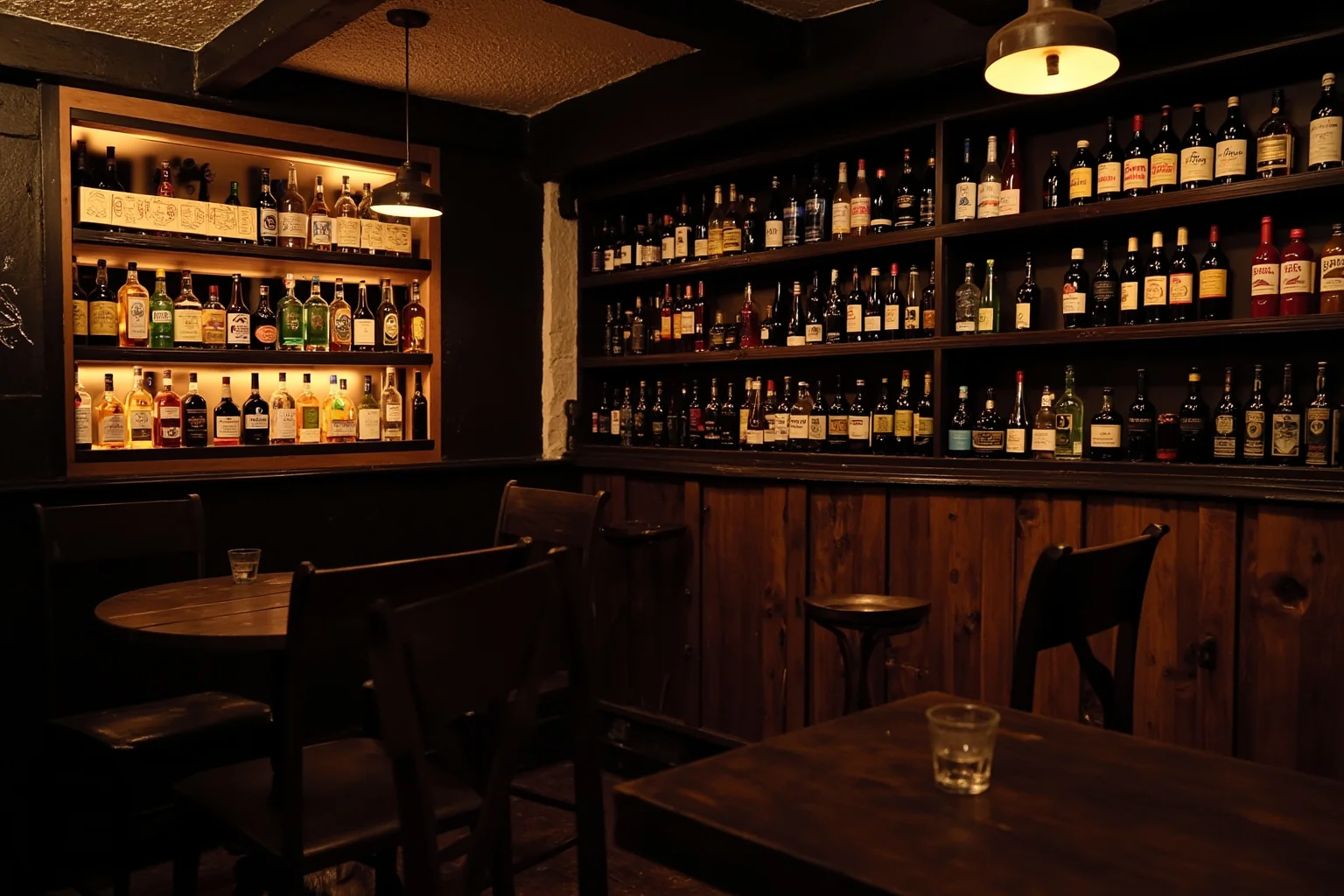
Saloons are usually shown as smoky rooms full of whiskey glasses and card sharks, and while gambling and drinking certainly happened, these buildings often served many community roles. They functioned as makeshift banks, meeting halls, post offices, and even churches on Sundays in towns without other public buildings.
Sarsaparilla and other non-alcoholic drinks were common too, especially in towns with strong temperance movements. The saloon was often the true social hub of frontier life, not just a den of vice.
10. Barbed Wire Did More to End the Wild West Than Any Gunslinger
It’s a strange twist of history that a simple invention, barbed wire, helped close the open range faster than any marshal or outlaw. Patented in the 1870s, it allowed ranchers to fence off land cheaply, ending the era of free-roaming cattle drives across unclaimed territory.
This directly reduced the need for large cowboy crews to move herds long distances. Combined with the expansion of railroads, barbed wire quietly ended the golden age of the cattle drive within a couple of decades.
11. The Pony Express Only Ran for About 18 Months
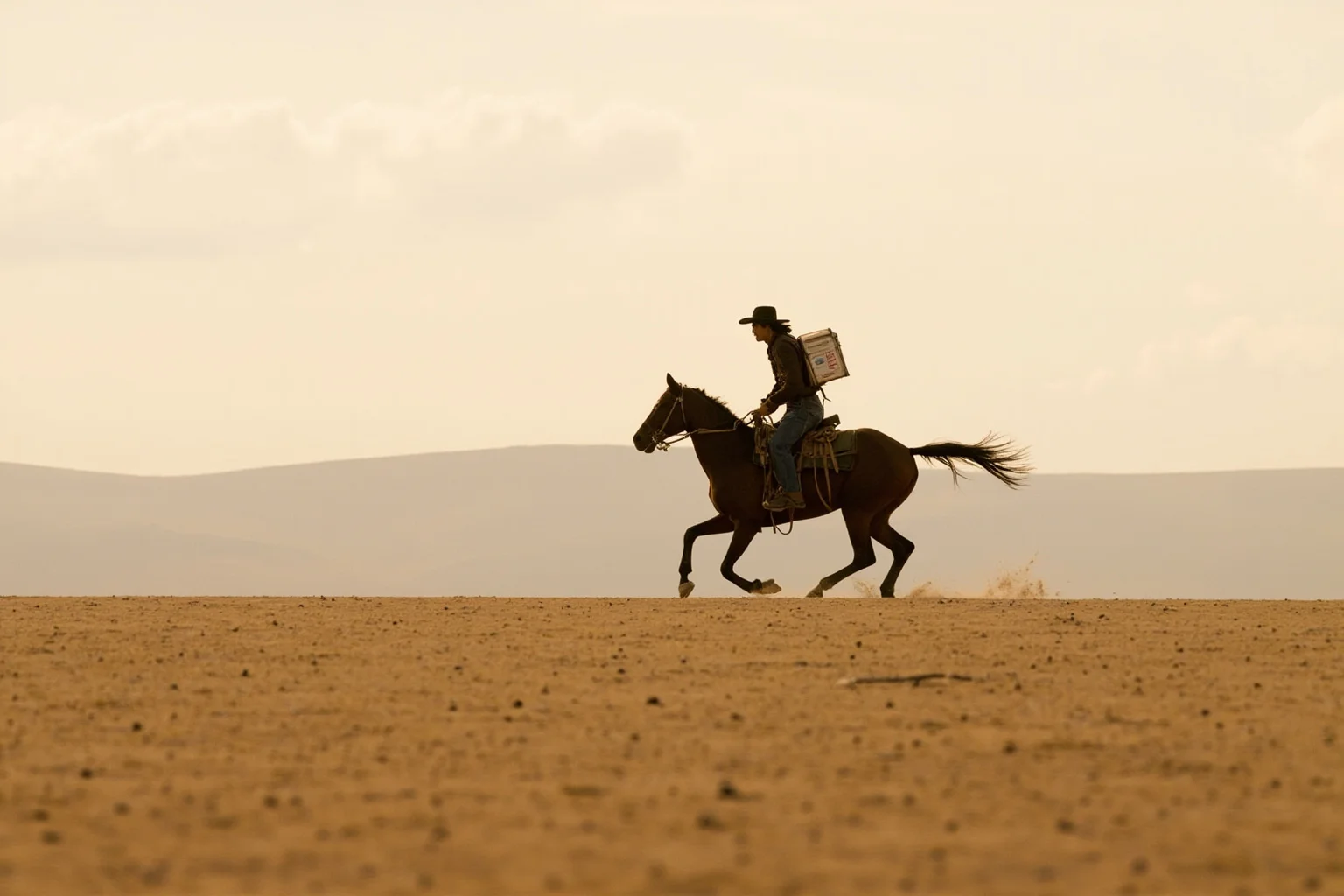
The Pony Express is remembered as a defining symbol of the frontier, yet it operated for only about a year and a half, from 1860 to 1861. It went out of business almost as soon as the transcontinental telegraph was completed, because instant electronic messages made horse-relay mail obsolete overnight.
Despite its short run, the service left an outsized legacy in popular imagination. It’s a great example of how briefly some “iconic” Wild West institutions actually existed.
12. Dime Novels Turned Outlaws into Legends
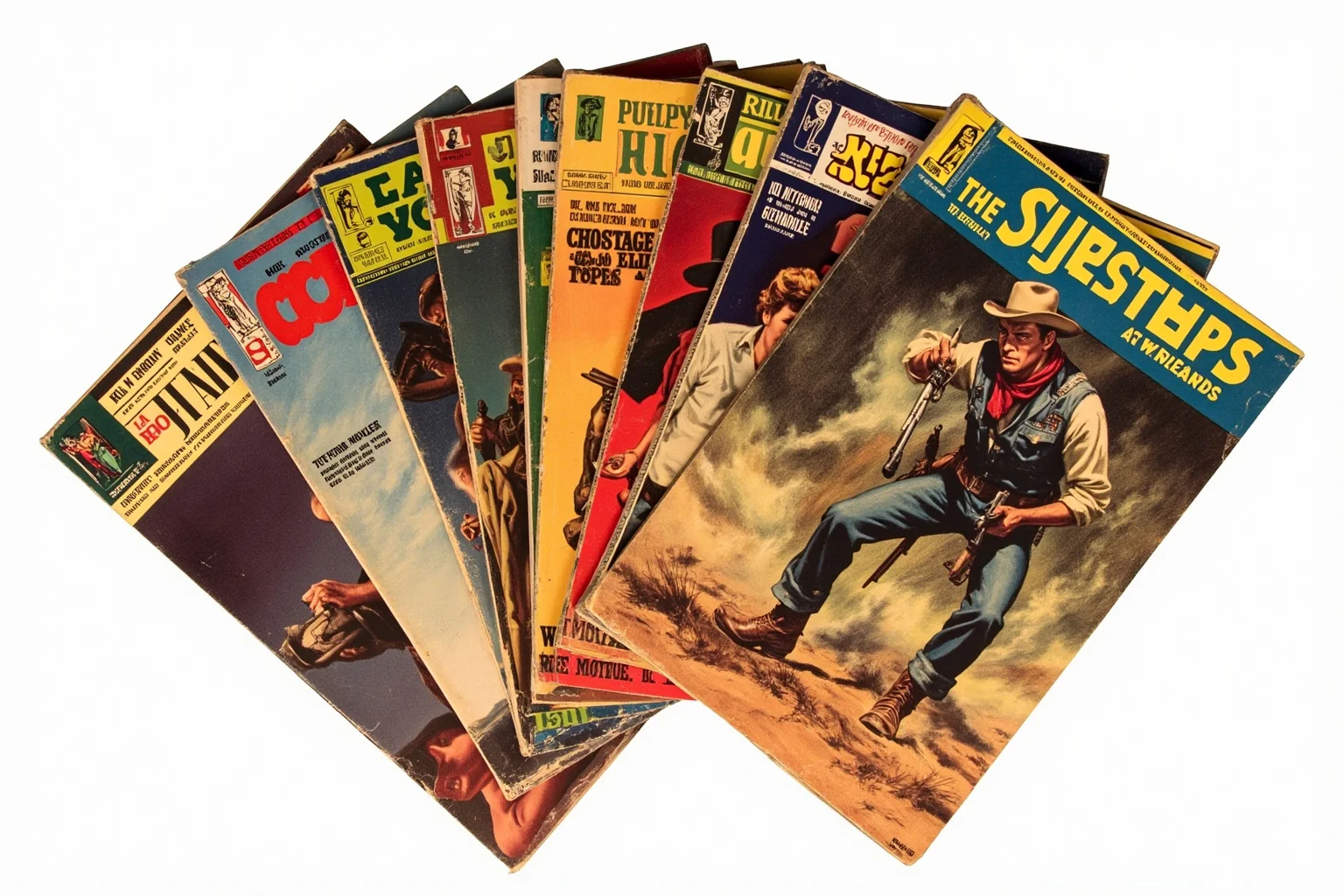
Figures like Jesse James and Billy the Kid were real outlaws responsible for real crimes, but their larger-than-life reputations came largely from cheap, sensationalized dime novels sold across the country. These pulpy publications exaggerated exploits, invented dialogue, and often turned violent criminals into folk heroes.
Readers back East had never seen the frontier firsthand, so they had no way to separate fact from fiction. This media hype is a big reason today’s interesting facts about the wild west so often start by debunking a myth.
13. Buffalo Bill’s Wild West Show Shaped How We See the Era
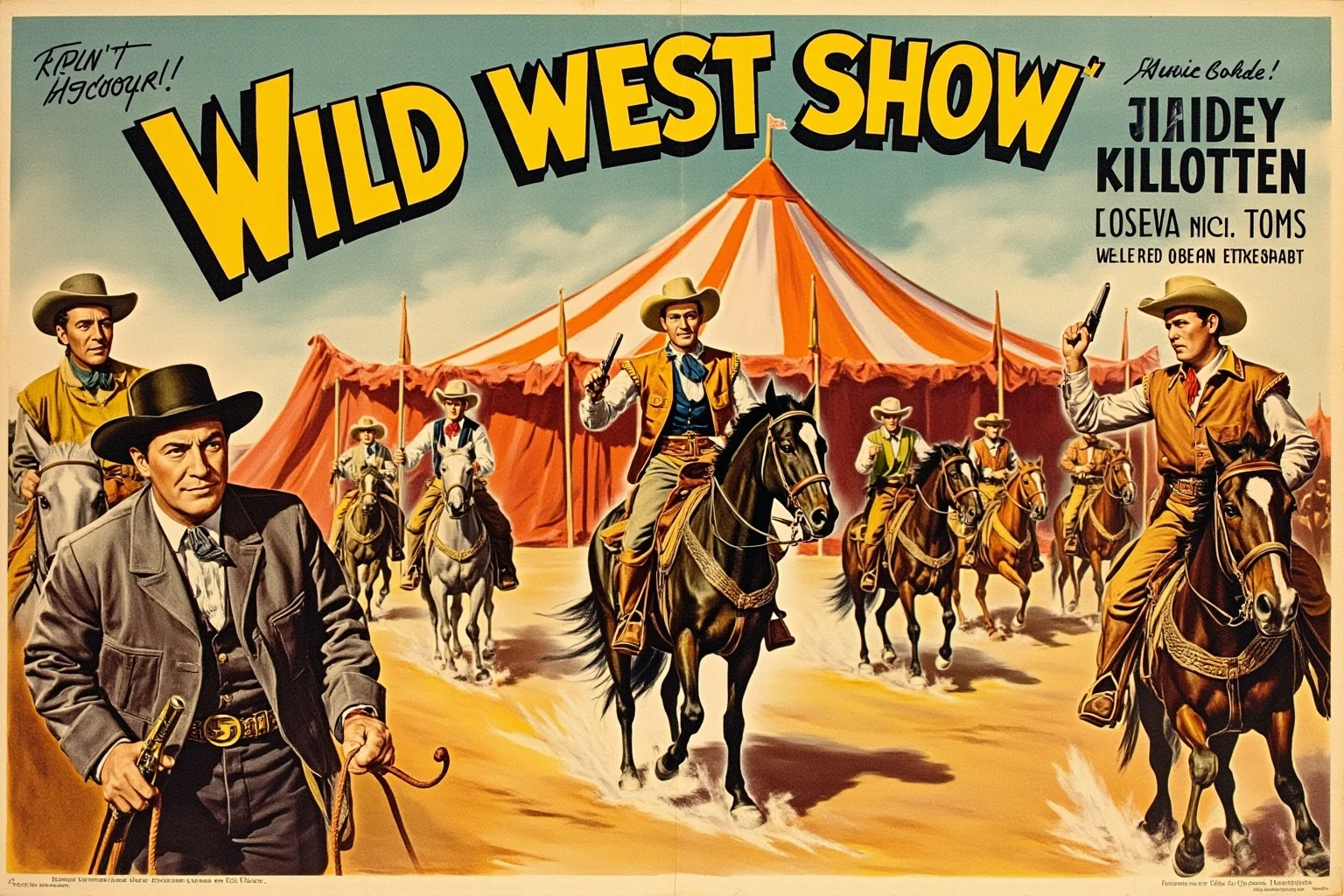
William “Buffalo Bill” Cody’s traveling show, which toured the U.S. and Europe starting in the 1880s, dramatized cowboy life, staged mock battles, and featured real performers like sharpshooter Annie Oakley. Millions of people who never set foot west of the Mississippi formed their entire idea of the frontier from this traveling spectacle.
The show blended real frontier figures with theatrical exaggeration in a way that stuck permanently in the public imagination. In many ways, Buffalo Bill did more to invent the popular “Wild West” than the actual frontier did.
14. Women Ran Ranches, Businesses, and Even Outlaw Gangs
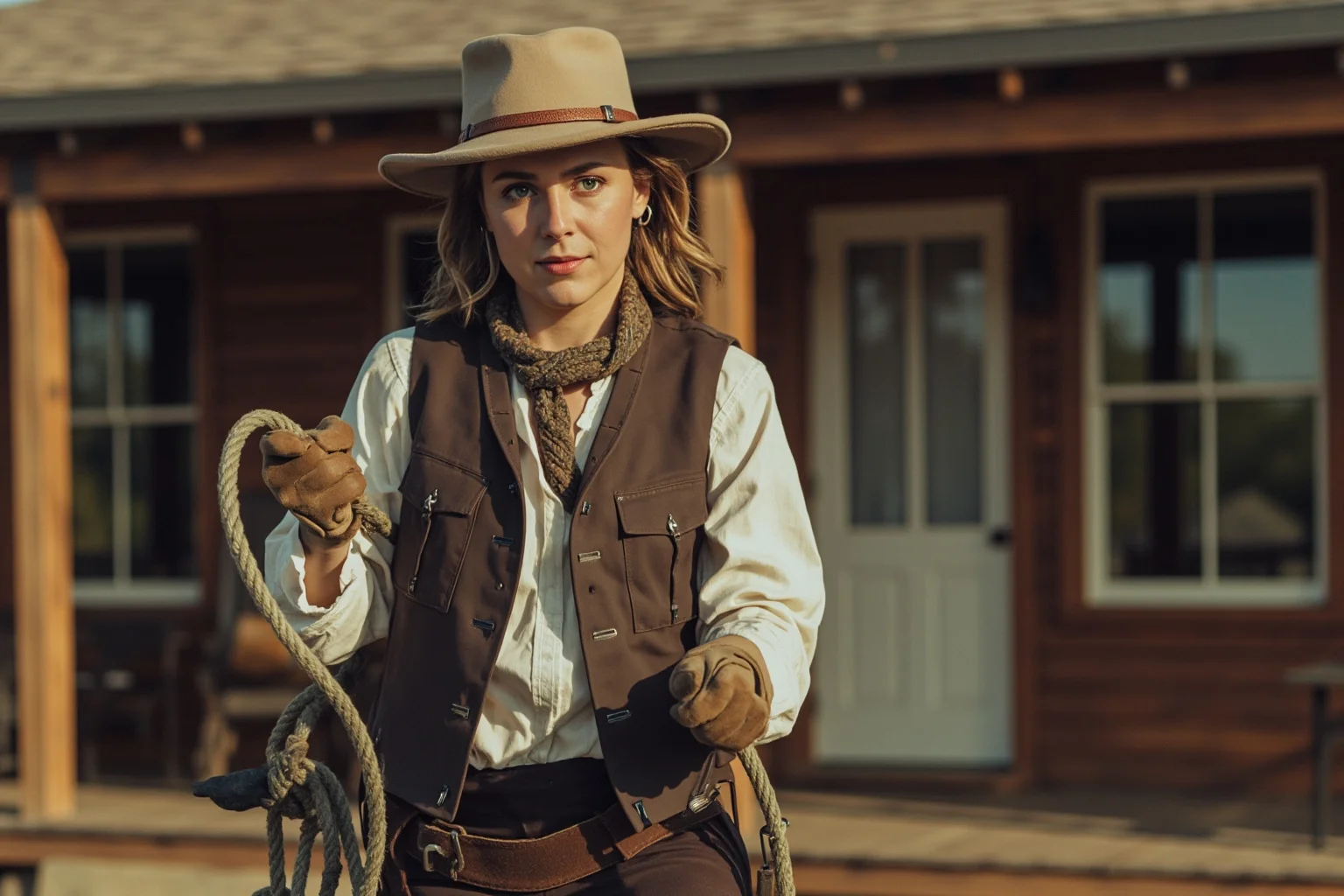
Women are often sidelined in Wild West stories, but they ran boarding houses, owned ranches, worked as journalists, and in some cases became outlaws themselves. Figures like Calamity Jane became famous in their own time, while countless other women managed family ranches and businesses without ever making headlines.
Women in frontier territories like Wyoming also gained the right to vote decades before the rest of the country, starting in 1869. That’s an underappreciated piece of west facts history that rarely makes it into the movies.
15. Cowboy Hats Weren’t Always Big
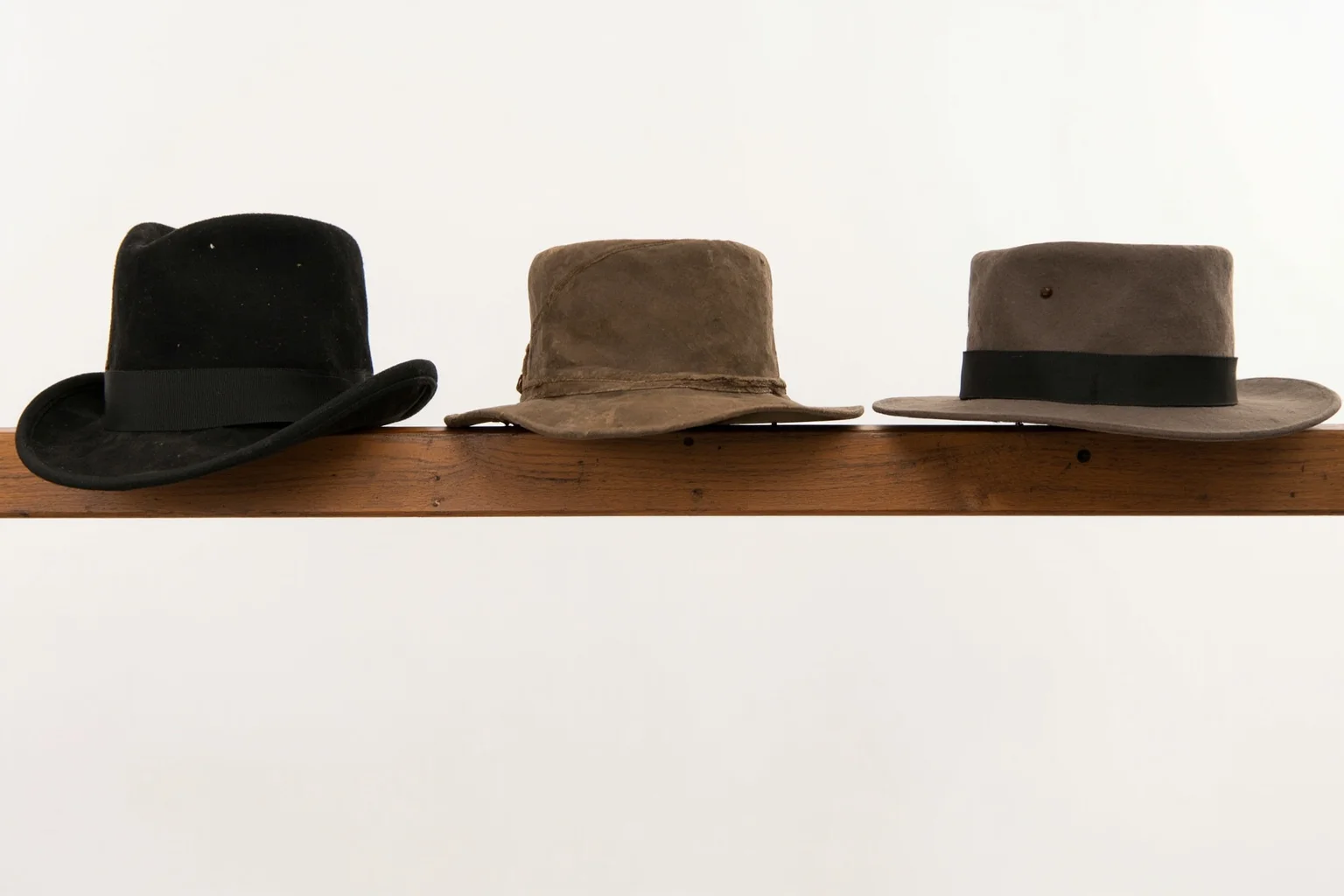
The massive, high-crowned cowboy hat popularized by film stars wasn’t the standard headwear of actual 19th-century cowboys. Many working ranch hands wore smaller hats, including bowler derbies, which were actually quite practical for staying on during rough rides.
The oversized “ten-gallon” style became fashionable later, partly through Wild West shows and early Western films needing a bigger visual silhouette. Practical work gear slowly gave way to costume design built for the stage and screen.
16. Rodeo Events Came Straight from Ranch Work
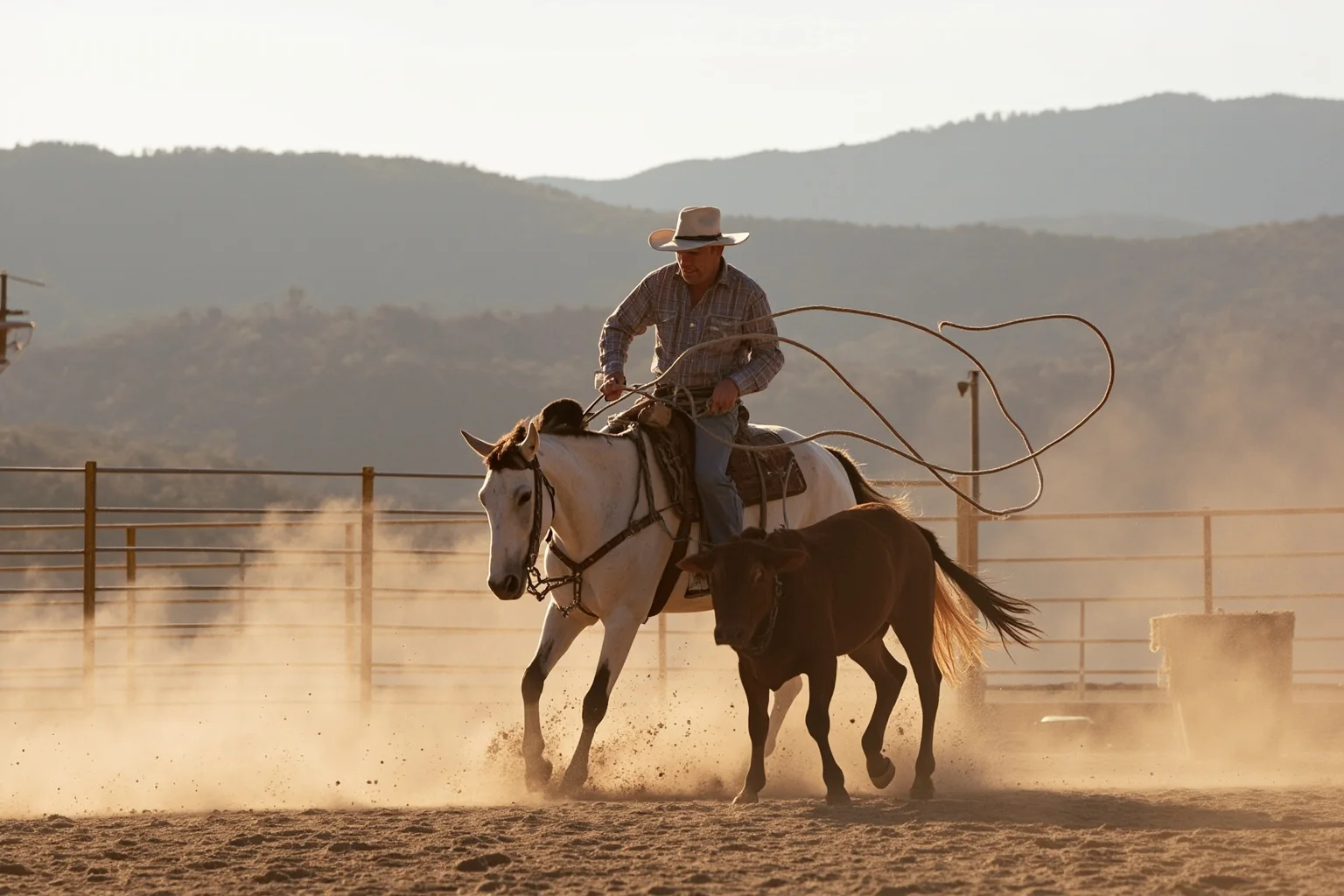
Modern rodeo competitions like roping, bronc riding, and steer wrestling aren’t invented sports; they’re direct descendants of everyday ranch chores. Cowboys needed to rope calves, break wild horses, and control cattle as part of their normal job duties.
Informal competitions between ranch hands eventually evolved into organized events by the late 1800s. Today’s professional rodeo circuit is essentially a formalized, spectator-friendly version of actual frontier labor.
17. Cowboys Ate Mostly Beans, Coffee, and Biscuits
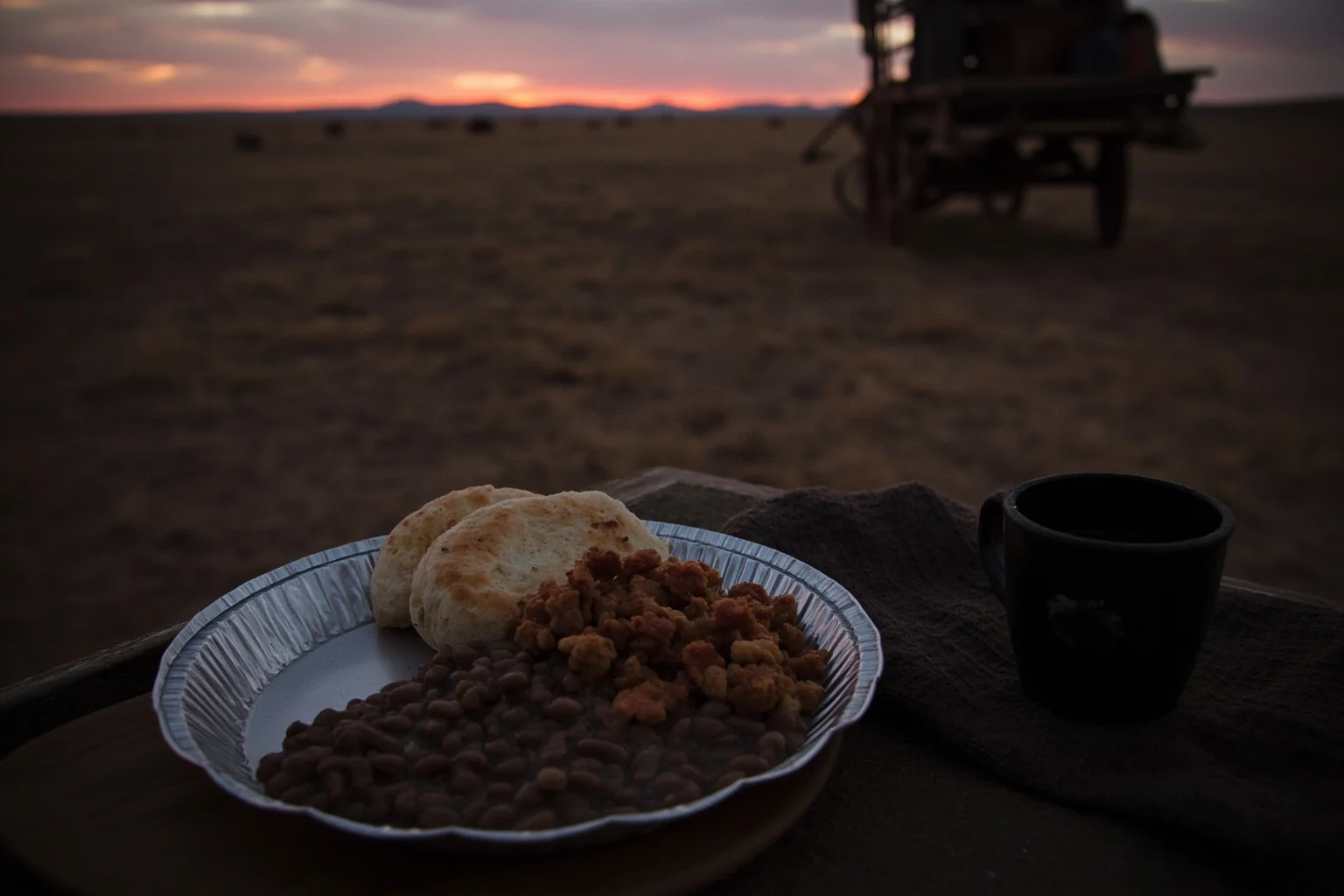
Forget sizzling steaks by the campfire; the real cowboy diet on a trail drive was repetitive and simple. Beans, black coffee, biscuits, and salted or dried meat made up the bulk of meals, largely because fresh food spoiled quickly and cooking options were limited.
The trail cook, often called “Cookie,” traveled with a chuckwagon stocked with these staples. Fresh beef was actually a rare treat, since the cattle being driven belonged to the client, not the crew’s dinner table.
18. The Wild West Sat on Native American Land
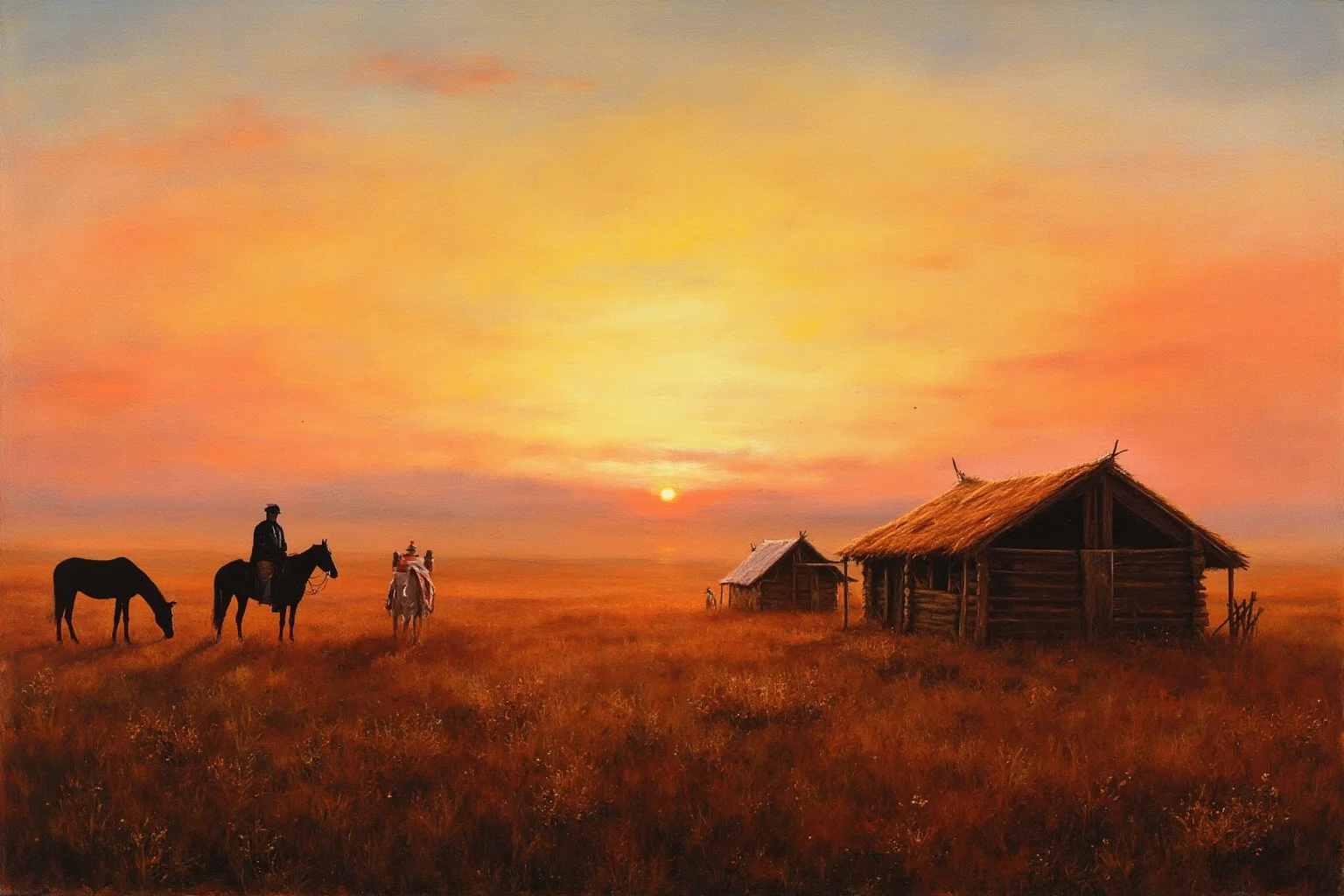
Any honest look at facts about the American frontier has to include the fact that this entire era took place on land that belonged to Indigenous nations for centuries before European settlement. Expansion westward involved broken treaties, forced relocations, and violent conflict that devastated Native communities.
The “taming” of the frontier, as it was often described at the time, meant displacement and loss for the people who already lived there. Modern retellings increasingly try to include this context rather than treating westward expansion as an empty stage waiting for settlers.
19. Railroads Built the Wild West as Much as Cattle Did
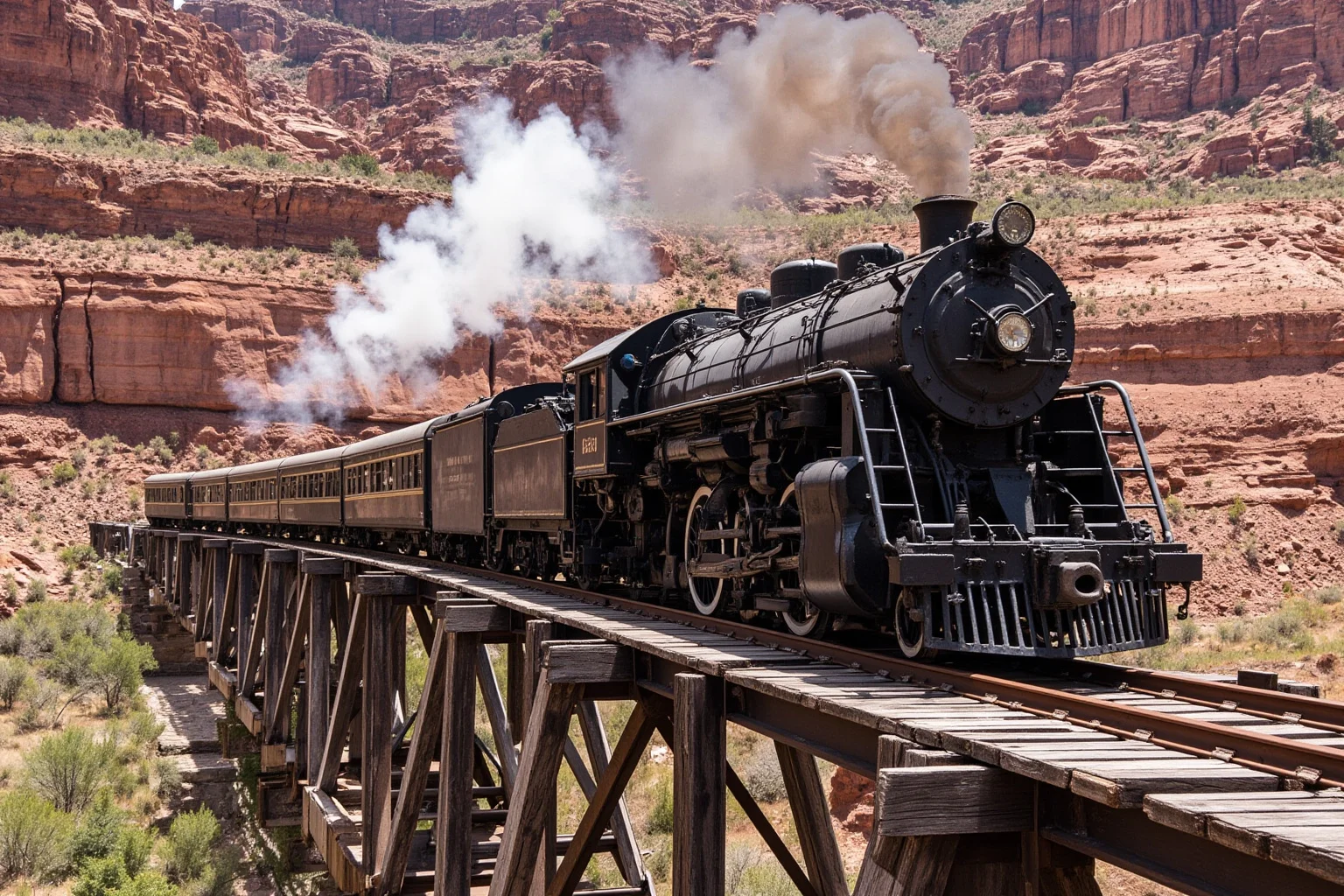
The transcontinental railroad, completed in 1869, transformed the frontier economy far more than any gunslinger ever did. It created boomtowns almost overnight, connected cattle ranches to Eastern markets, and brought waves of settlers, speculators, and workers into new territories.
Railroads also made the traditional long-distance cattle drive unnecessary within a few decades, since trains could move livestock faster and cheaper. Steel rails, not six-shooters, were the real engine of westward change.
20. Cowboy Slang Still Shapes Everyday English
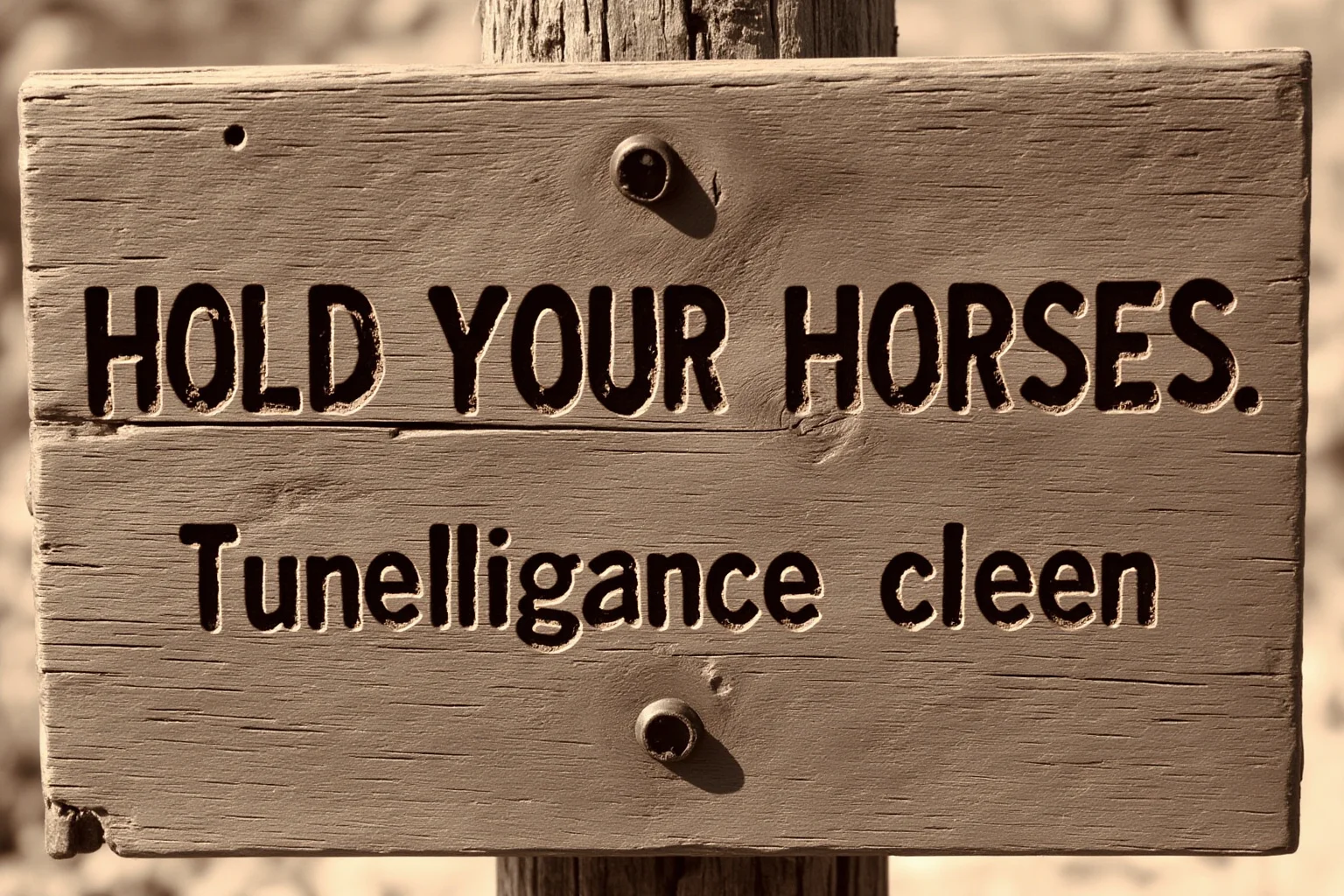
A surprising number of phrases we use today came straight out of cowboy culture. Terms like “hold your horses,” “riding shotgun,” and “chuck” (as in food) all trace back to ranch and trail life.
This linguistic legacy is one of the more fun cowboy facts to share, because most people use these expressions without realizing their origin. The frontier didn’t just shape American geography; it shaped the way Americans talk.
21. The Southwest’s Landscape Was as Wild as Its Reputation
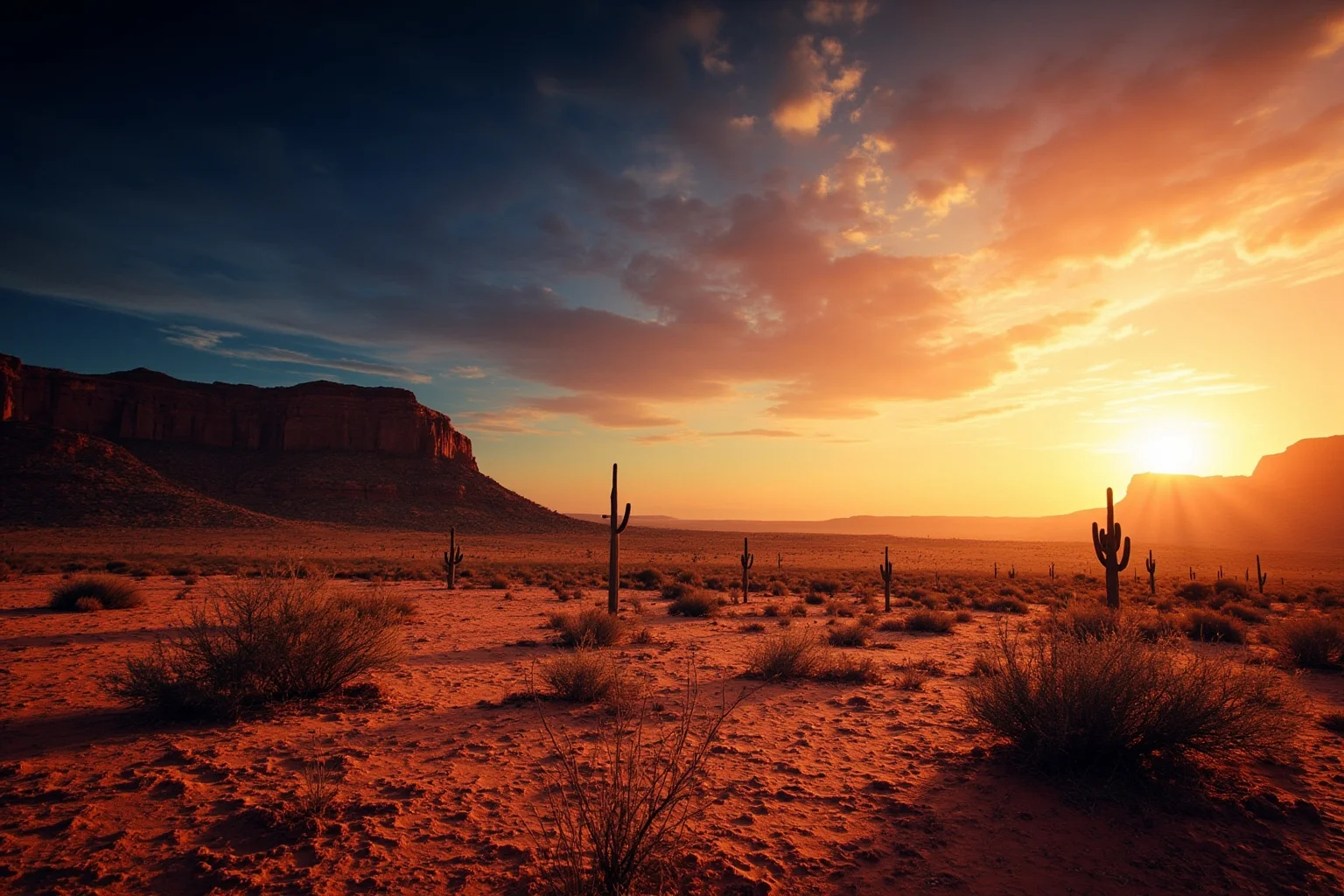
Beyond the human drama, the physical Southwest itself was a serious challenge for anyone crossing it. Extreme heat, scarce water, flash floods, and rugged mountain ranges killed far more travelers than any outlaw did.
Among the more overlooked fun facts about the south west is just how many settlers and prospectors died from exposure, dehydration, or getting lost, rather than violence. The terrain was every bit as formidable as the legends about its people.
22. Most “Wild West” Violence Happened in a Handful of Places
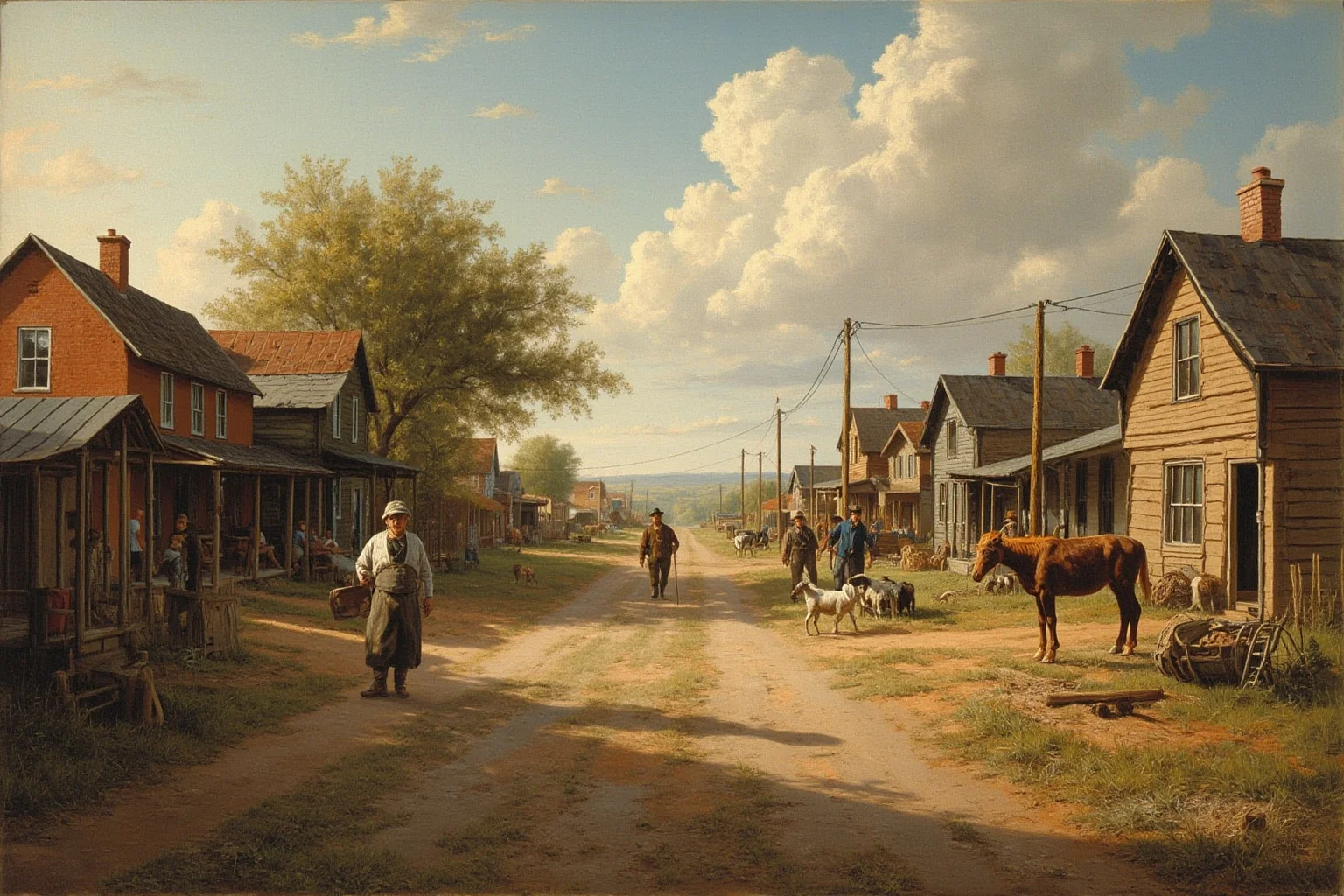
Despite its reputation, most frontier towns were far calmer than movies suggest, with only a small number of notoriously rough boomtowns generating the bulk of violent incidents historians can document. Places tied to mining booms or major cattle markets, like certain periods in Tombstone or Dodge City, saw real spikes in crime, but they were the exception rather than the rule.
Many farming and ranching communities went years without a single homicide. The myth of constant gunplay everywhere in the West says more about popular entertainment than about everyday frontier life.
Why These Myths Still Matter
Understanding the gap between Wild West fiction and Wild West fact isn’t just trivia for its own sake. It changes how we understand American identity, the people written out of popular history, and how quickly a good story can outrun the truth.
The next time someone shares a cowboy fun fact or a dramatic outlaw tale, it’s worth asking where that story actually came from. More often than not, the answer traces back to a dime novel, a traveling show, or an early Hollywood screenwriter rather than a courthouse record.
The real Wild West was shorter, more diverse, more difficult, and in many ways more interesting than the legend. That’s ultimately what makes it worth studying honestly rather than just romantically.
Frequently Asked Questions
What are some wild wild west facts most people don’t know?
Many people don't realize the Wild West era lasted only about 30 years, that roughly a quarter of cowboys were Black, and that towns like Tombstone and Dodge City actually required visitors to check their firearms with local authorities rather than allowing open gunplay in the streets.
How long did the Wild West era actually last?
Historians generally date the classic Wild West period from about 1865, after the Civil War, to around 1895, when railroads, barbed wire fencing, and statehood had largely closed the open frontier. That's a much shorter span than most popular depictions suggest.
Were Wild West gunfights as common as movies show?
No. Documented gunfights were relatively rare, and many frontier towns had strict laws against carrying firearms within city limits specifically to prevent violence. The dramatic, high-noon duel popularized by film is largely a Hollywood invention rather than a common historical event.
Who were the vaqueros and why do they matter to cowboy history?
Vaqueros were Spanish and Mexican cattle herders working in North America long before Anglo-American cowboys existed. They developed much of the equipment and technique later associated with cowboys, including the lariat, chaps, and horsemanship skills, making them foundational to what we now call cowboy culture.
What did cowboys actually eat on cattle drives?
Real trail food was simple and repetitive, typically consisting of beans, black coffee, biscuits, and salted or dried meat prepared by a trail cook traveling with a chuckwagon. Fresh steak was rarely on the menu since the cattle being herded belonged to the ranch owner, not the crew.
Did women play an important role in the Wild West?
Yes, women ran ranches, businesses, and boarding houses, and some frontier territories like Wyoming granted women the right to vote decades before the rest of the country, starting in 1869. Women are frequently underrepresented in popular Wild West stories despite their significant real-world roles.

Alex Warren
Related Articles