

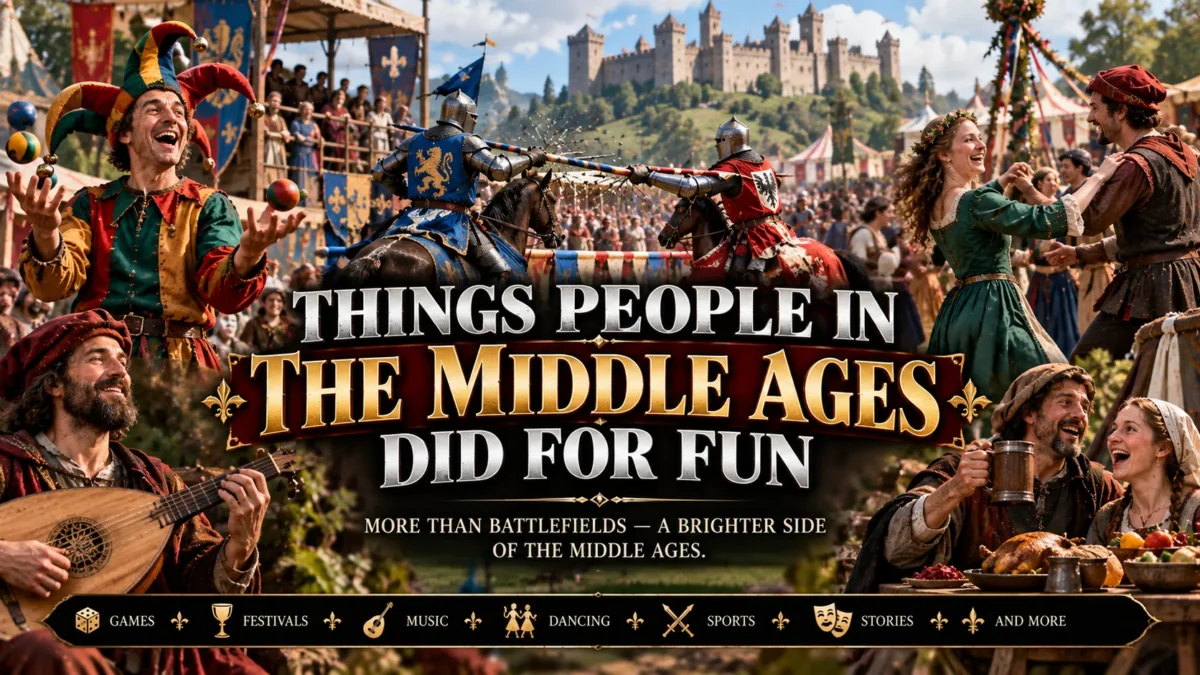
Picture the Middle Ages and you probably imagine mud, plague, and grim-faced peasants trudging behind an ox from dawn to dusk. Popular culture has sold us a version of medieval Europe with almost no joy in it at all, as if everyone simply waited around to die of the plague between bouts of backbreaking labor. The reality was a lot livelier, a lot weirder, and honestly a lot more relatable than most people expect.
From raucous village festivals to chess games between kings, medieval people filled their downtime with games, sports, music, theater, and plenty of gambling. This list rounds up the real, well-documented ways people spent their leisure time, from the great halls of nobles to the muddy village greens where everyone else played.
TL;DR: Entertainment in the Middle Ages was rich and varied, ranging from chess and jousting among nobles to football, fairs, and festivals enjoyed by everyone else.
So, What Did People Actually Do for Fun in the Middle Ages?
The short answer is: a little bit of everything. Medieval society was sharply divided by class, so what a duke did on a Sunday afternoon looked nothing like what a farmer did. But both groups carved out real time for play, and the calendar was actually packed with holidays.
Historians estimate that medieval Europeans, especially in England, enjoyed somewhere around 50 or more holy days and festival days per year on top of Sundays. That’s a lot of built-in downtime for a society often imagined as endlessly grinding away at labor. Here’s what they actually did with it.
1. Chess and Strategy Board Games
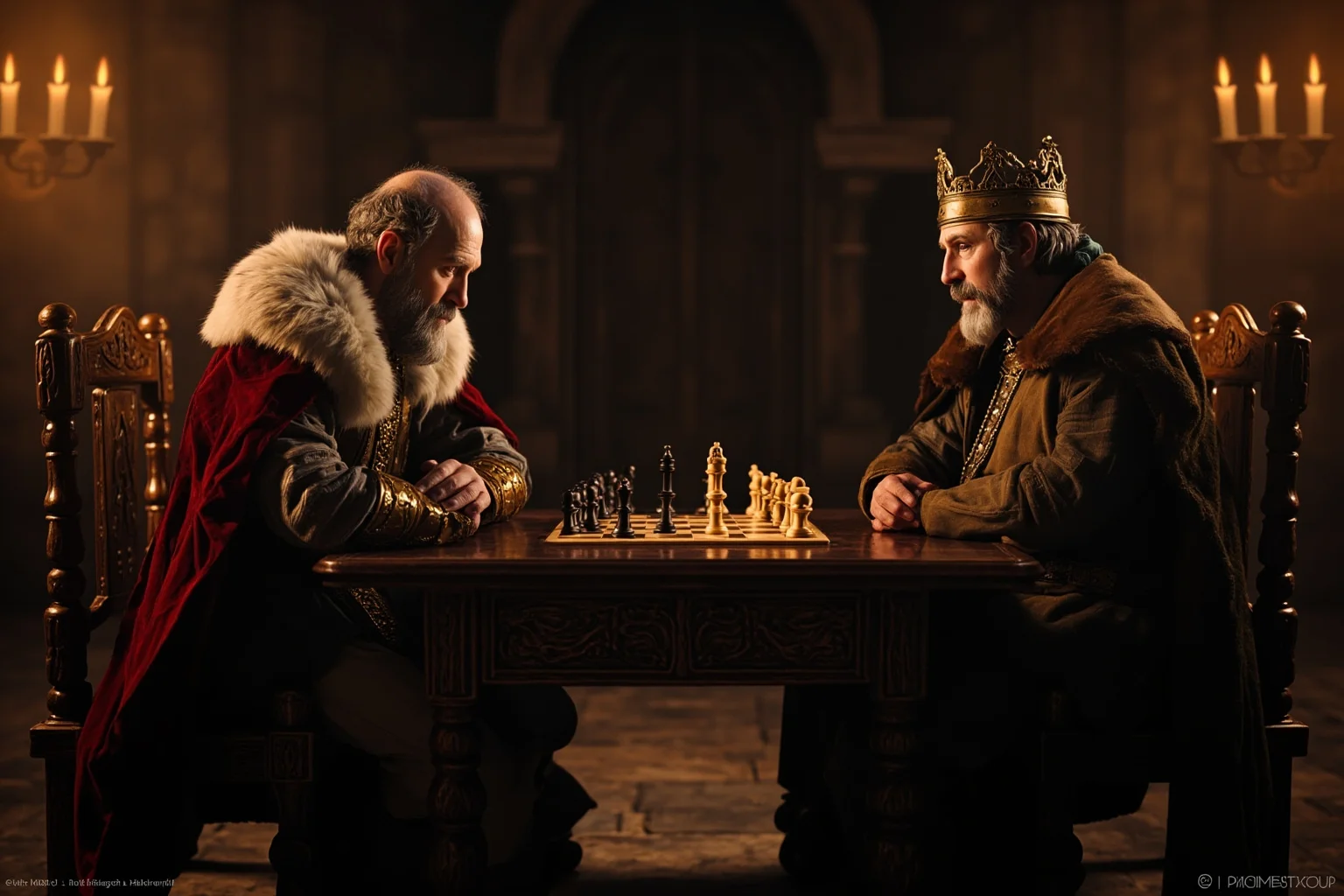
Chess arrived in Europe from the Islamic world sometime around the 10th century and quickly became a favorite pastime of the aristocracy. It was considered part of a well-rounded noble education, alongside hunting and music, and appears constantly in medieval literature and romance.
Ordinary people had their own board games too, most notably nine men’s morris, which required only a scratched grid and some pebbles. Backgammon-style “tables” games were also popular across social classes and often played for small stakes.
2. Dice Games and Gambling
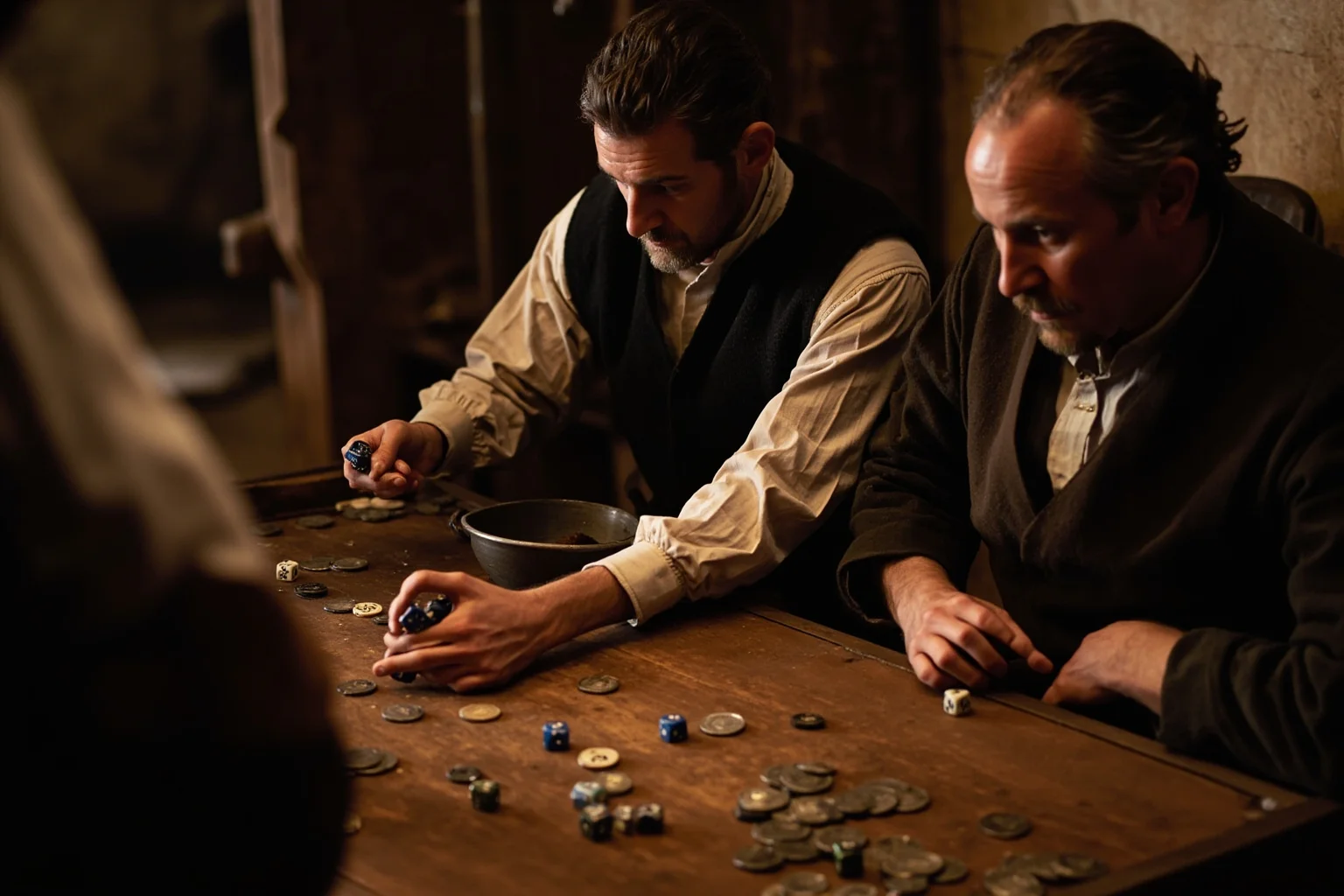
Dice were cheap, portable, and everywhere. Games like hazard, an early ancestor of craps, were wildly popular in taverns, army camps, and even monasteries, much to the frustration of church officials.
Gambling was so widespread that various kings and town councils tried to restrict it, particularly among soldiers and apprentices who were supposed to be practicing archery instead. The rules rarely stuck, and dice remained a constant feature of medieval fun.
3. Falconry
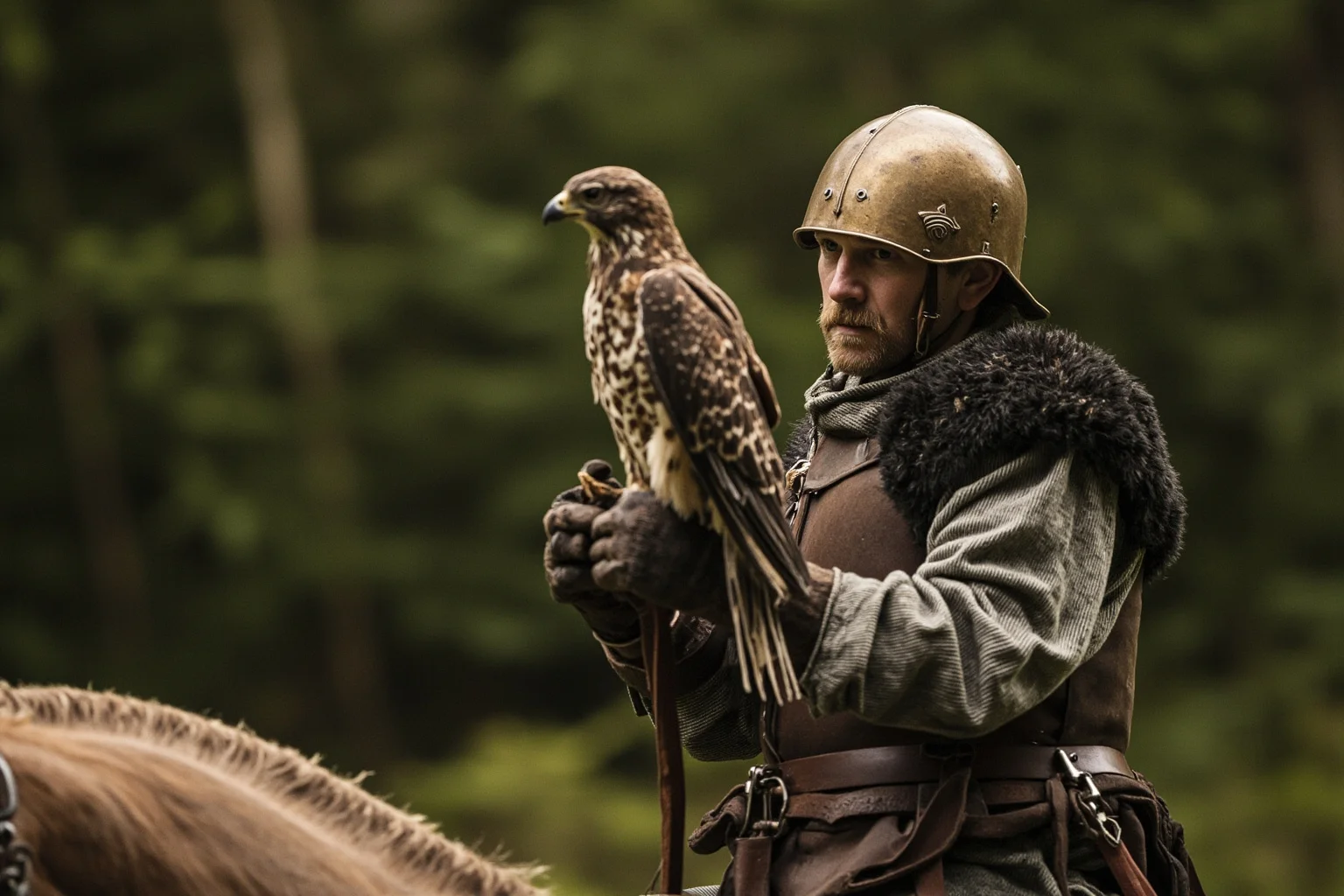
Falconry was one of the clearest status symbols of the medieval elite, requiring expensive birds, trained handlers, and leisure time that peasants simply didn’t have. A well-known 15th-century text, The Boke of St Albans, famously assigned specific birds of prey to specific ranks of society, though historians debate how strictly this hierarchy was actually followed in daily life.
What’s certain is that hunting with trained hawks and falcons was a genuine passion among medieval nobility, blending sport, status, and outdoor recreation into one activity.
4. Jousting Tournaments
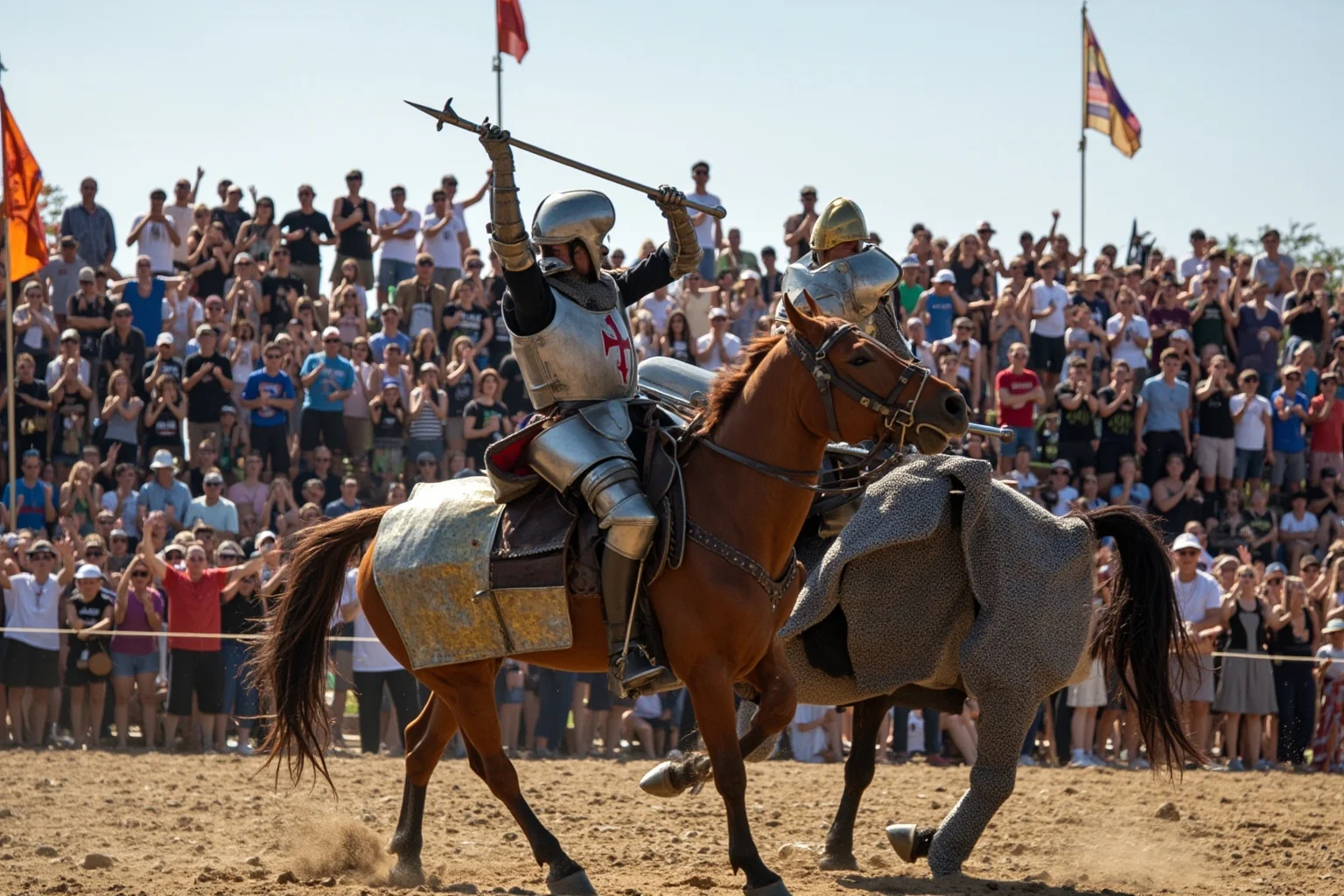
Tournaments began in 11th-century France as rough group melees for knights to practice combat skills, eventually evolving into the more familiar one-on-one joust. These events were essentially the medieval equivalent of major sporting events, complete with prize money, ransomed armor, and crowds of spectators.
Ladies of the court often presented favors to knights, and successful tournament fighters could become genuinely famous. This is one of the clearest answers to what nobles did for entertainment in the Middle Ages, since jousting combined athletic skill, spectacle, and serious social prestige.
5. Hunting
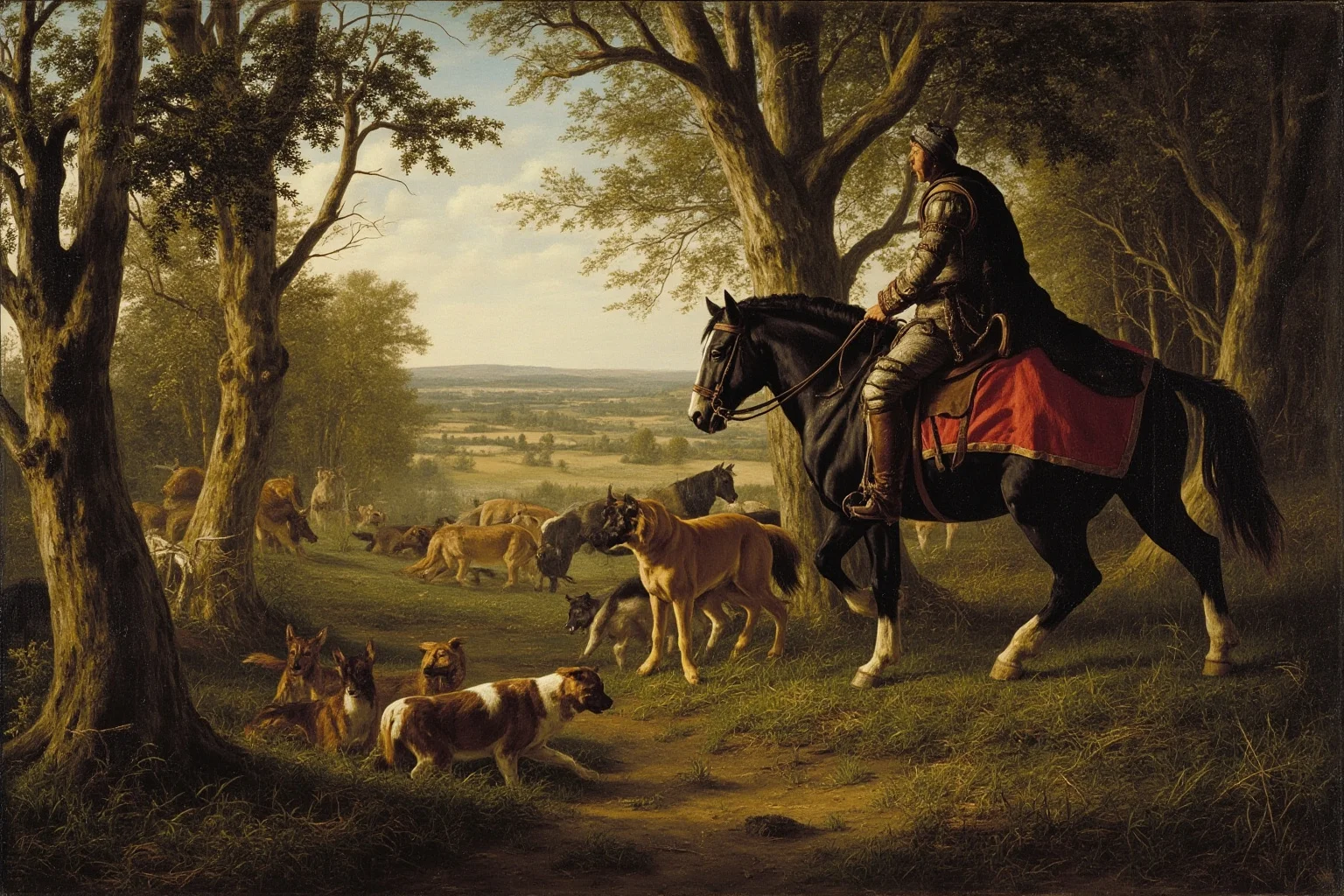
Hunting large game like deer and boar was heavily restricted by forest laws in many medieval kingdoms, effectively reserving the best hunting grounds for nobles and royalty. It wasn’t just about food; it was a display of wealth, land ownership, and physical prowess.
Common people weren’t entirely shut out of the fun, though. Poaching was rampant, and smaller-scale hunting of hares and birds remained a popular, if riskier, pastime for those outside the aristocracy.
6. Grand Feasts and Banquets
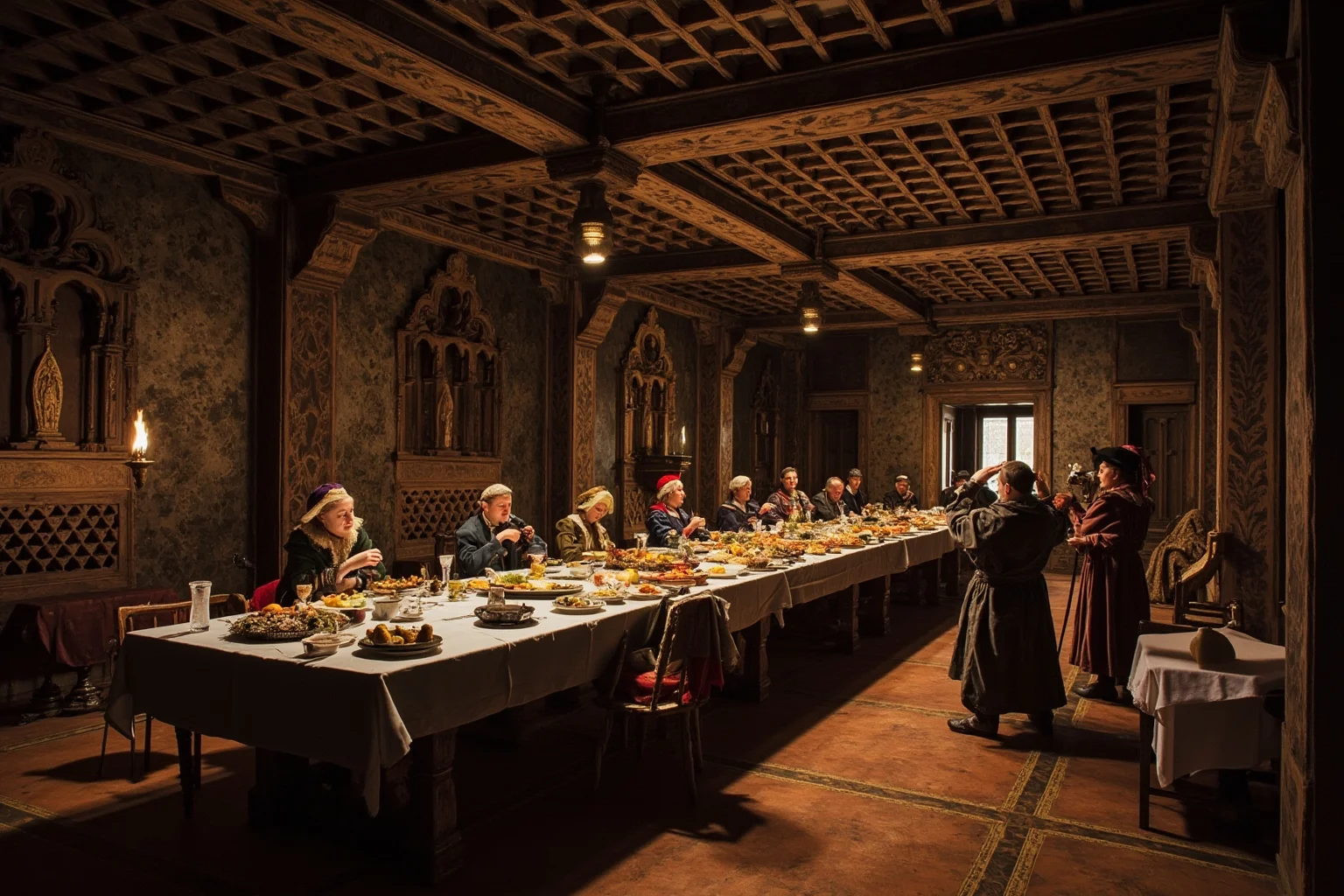
Noble feasts were entertainment in their own right, often stretching across multiple elaborate courses accompanied by music, jesters, and acrobats, a far cry from the simple, everyday food most peasants ate. Wealthy hosts sometimes commissioned “subtleties,” elaborate sculpted centerpieces made of sugar or pastry, purely to impress guests.
These banquets served a social function too, reinforcing alliances and displaying status through sheer abundance. For the upper classes, a feast could be as much about theater and performance as it was about food.
7. Mumming Plays and Masked Performances
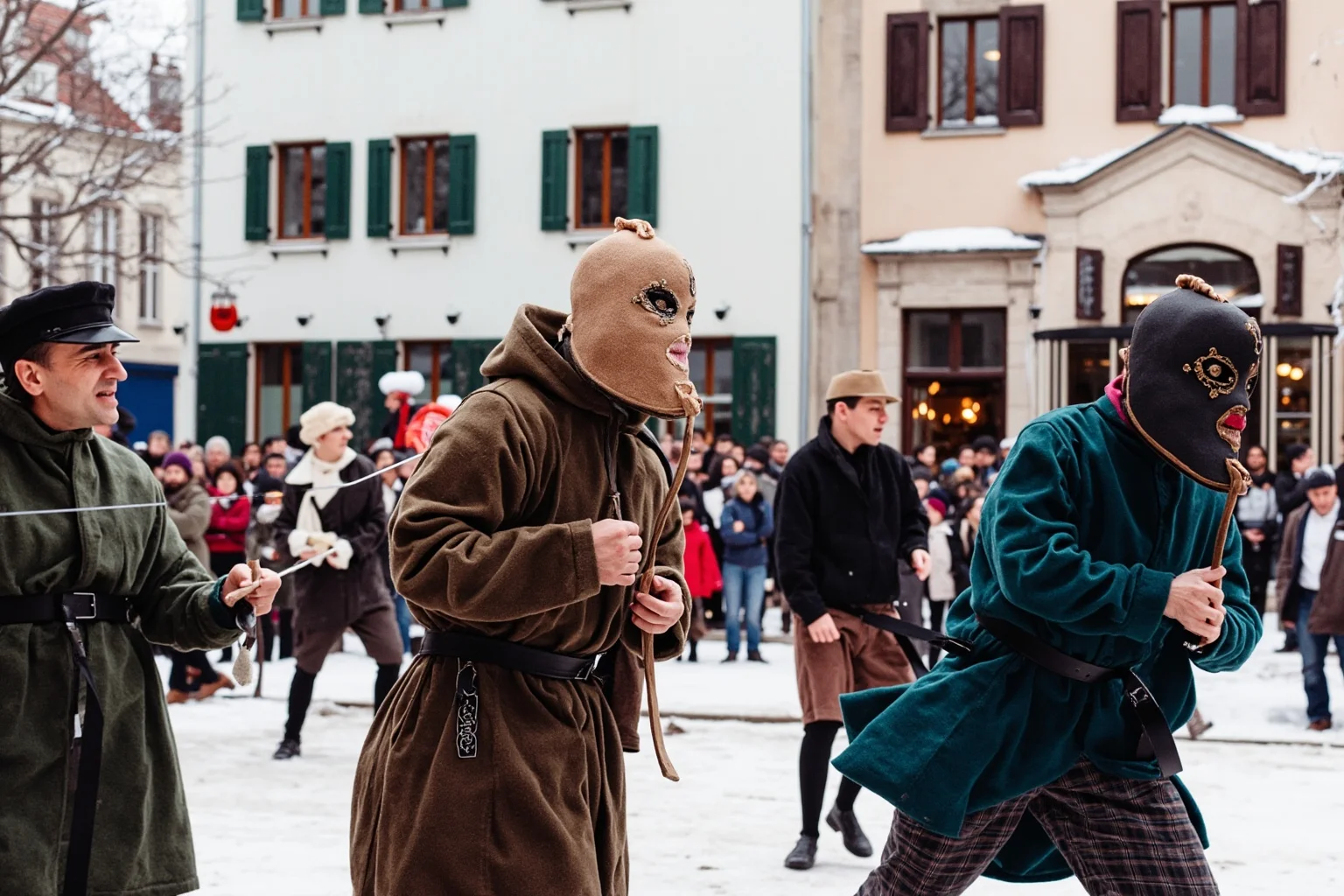
Mumming plays were folk performances, often tied to Christmas and other winter festivals, in which amateur performers dressed in disguise and acted out simple, symbolic stories. A recurring character was a heroic figure like St. George, who would battle a villain and often be “revived” by a comic doctor character.
These plays traveled door to door in villages, blending community bonding with lighthearted seasonal theater. They’re a great example of entertainment that belonged to ordinary people rather than the court.
8. Traveling Minstrels, Troubadours, and Jesters
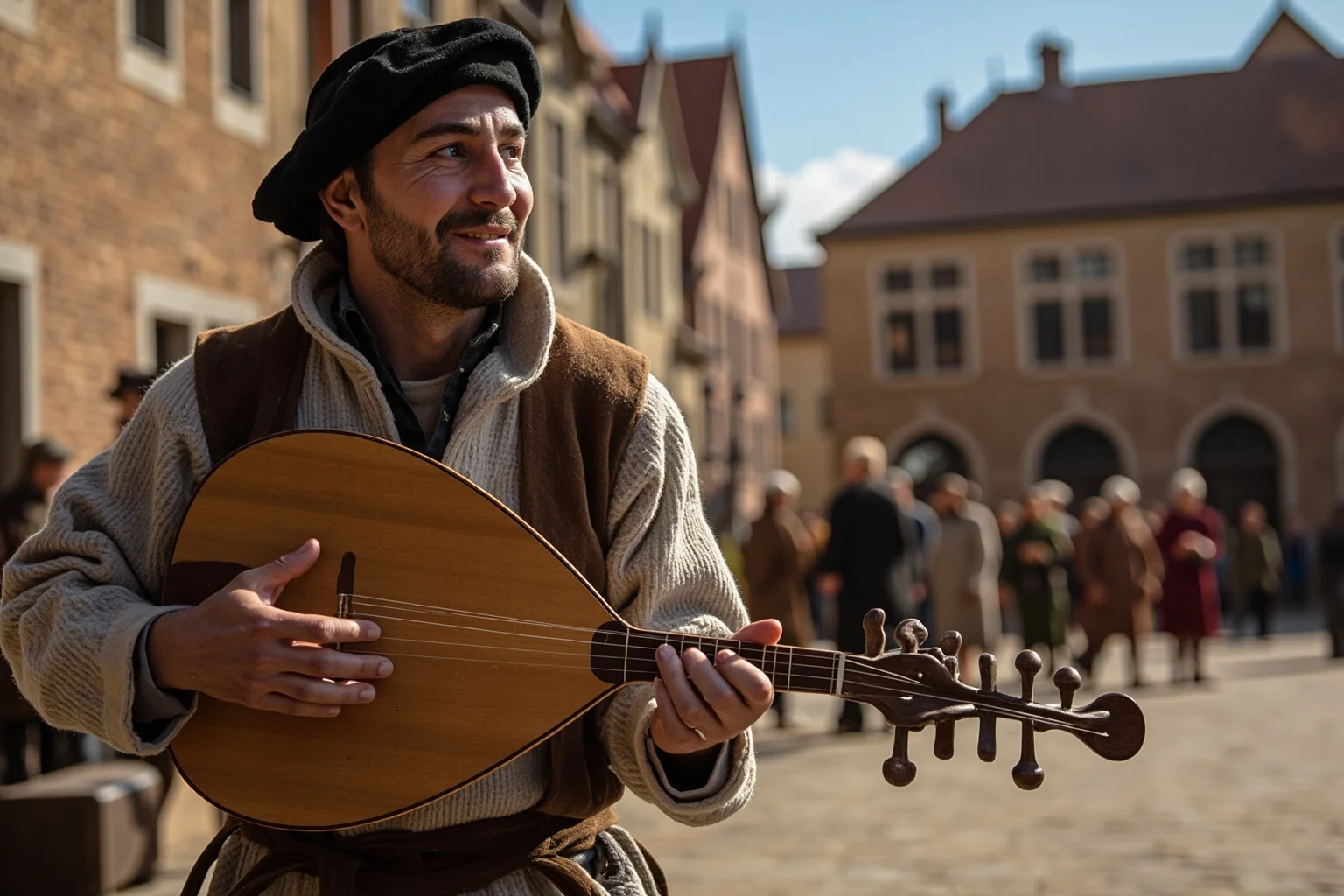
Music was everywhere in medieval life, performed by everyone from humble traveling minstrels to sophisticated troubadours in southern France who composed elaborate songs about courtly love. Wealthy households and royal courts also employed jesters and fools, whose job combined comedy, music, and sometimes surprisingly pointed political commentary.
Towns often had their own official musicians, sometimes called waits, who performed at civic events and festivals. Music wasn’t a luxury reserved for special occasions; it was a constant backdrop to medieval daily life.
9. Mystery and Morality Plays
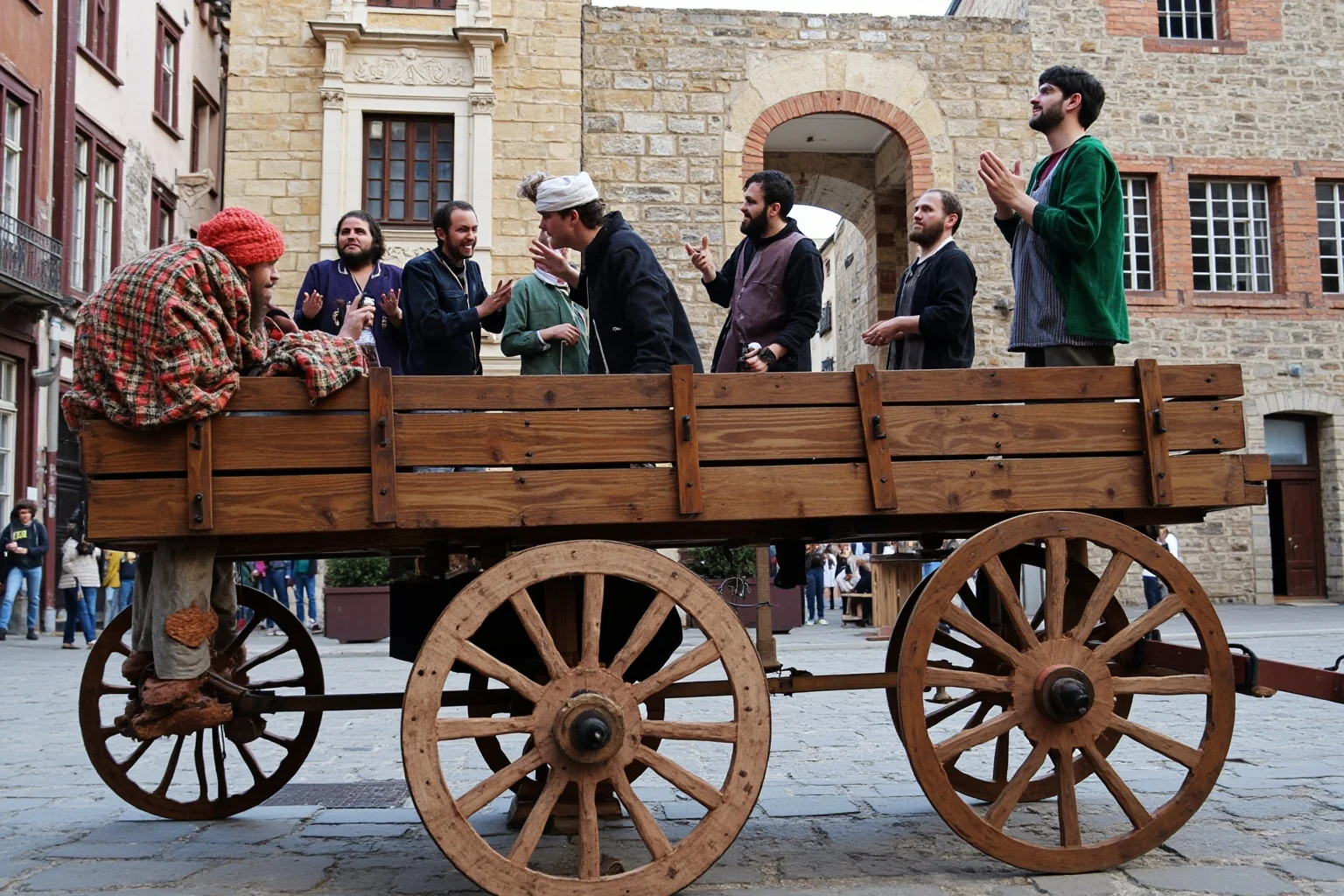
Religious drama was a major form of public entertainment, particularly the mystery play cycles performed in English towns like York, Chester, and Wakefield. Local craft guilds would each take responsibility for staging a different biblical scene, often from elaborate pageant wagons pulled through town.
Morality plays like Everyman used allegorical characters to explore religious and ethical themes in a more dramatic, story-driven way. These performances were genuinely popular civic events, drawing large crowds and doubling as both entertainment and religious instruction.
10. Medieval Folk Football
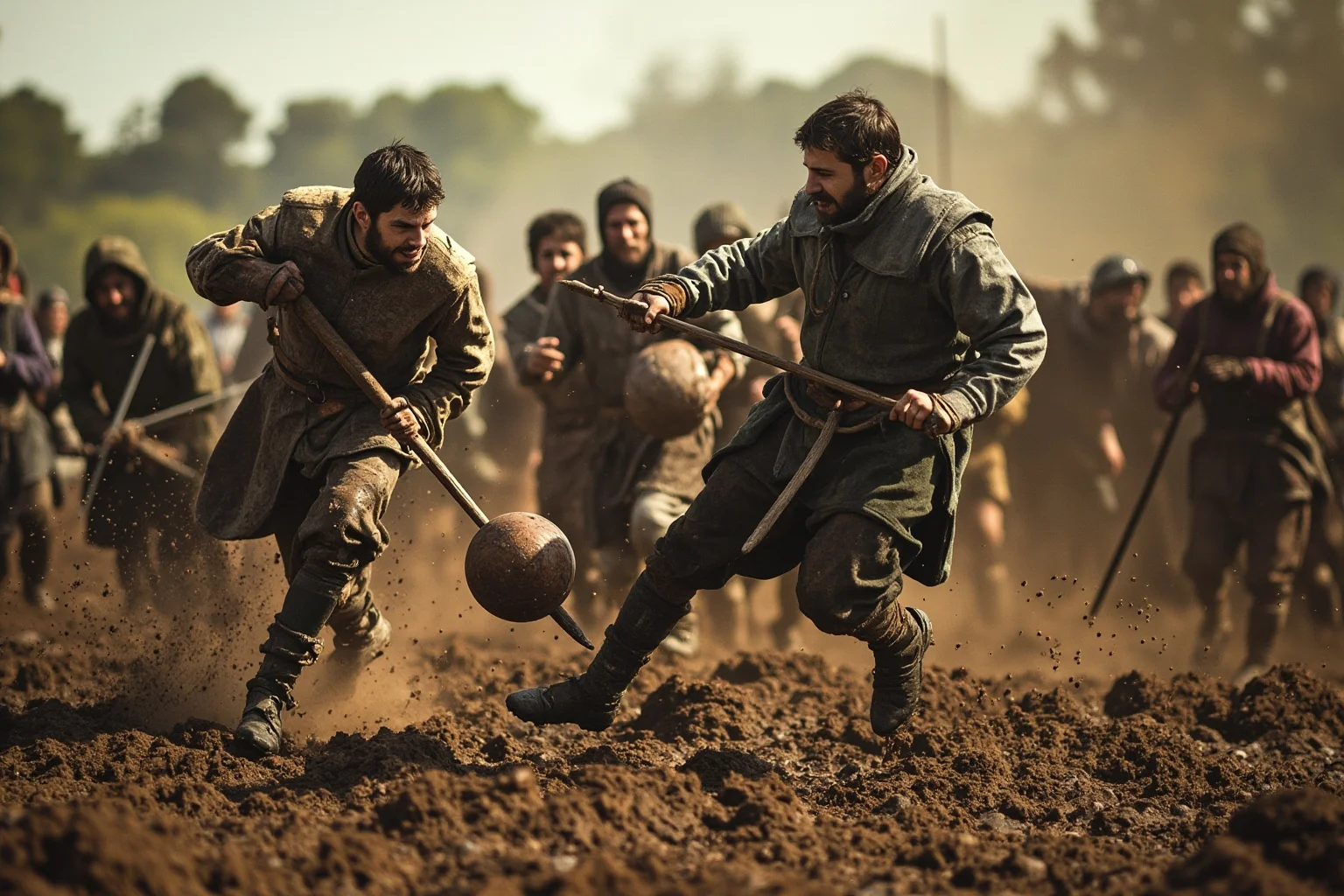
Folk football was a chaotic, often violent game played between whole villages or neighborhoods, sometimes involving hundreds of participants and few real rules. It was popular enough, and destructive enough, that King Edward II banned it in London in 1314 for causing public disorder.
Despite repeated bans across various reigns, the game persisted for centuries, and a few English towns still hold traditional Shrovetide football matches today. It’s a strong reminder that medieval fun could be every bit as rowdy as modern sports fandom.
11. Wrestling and Combat Sports
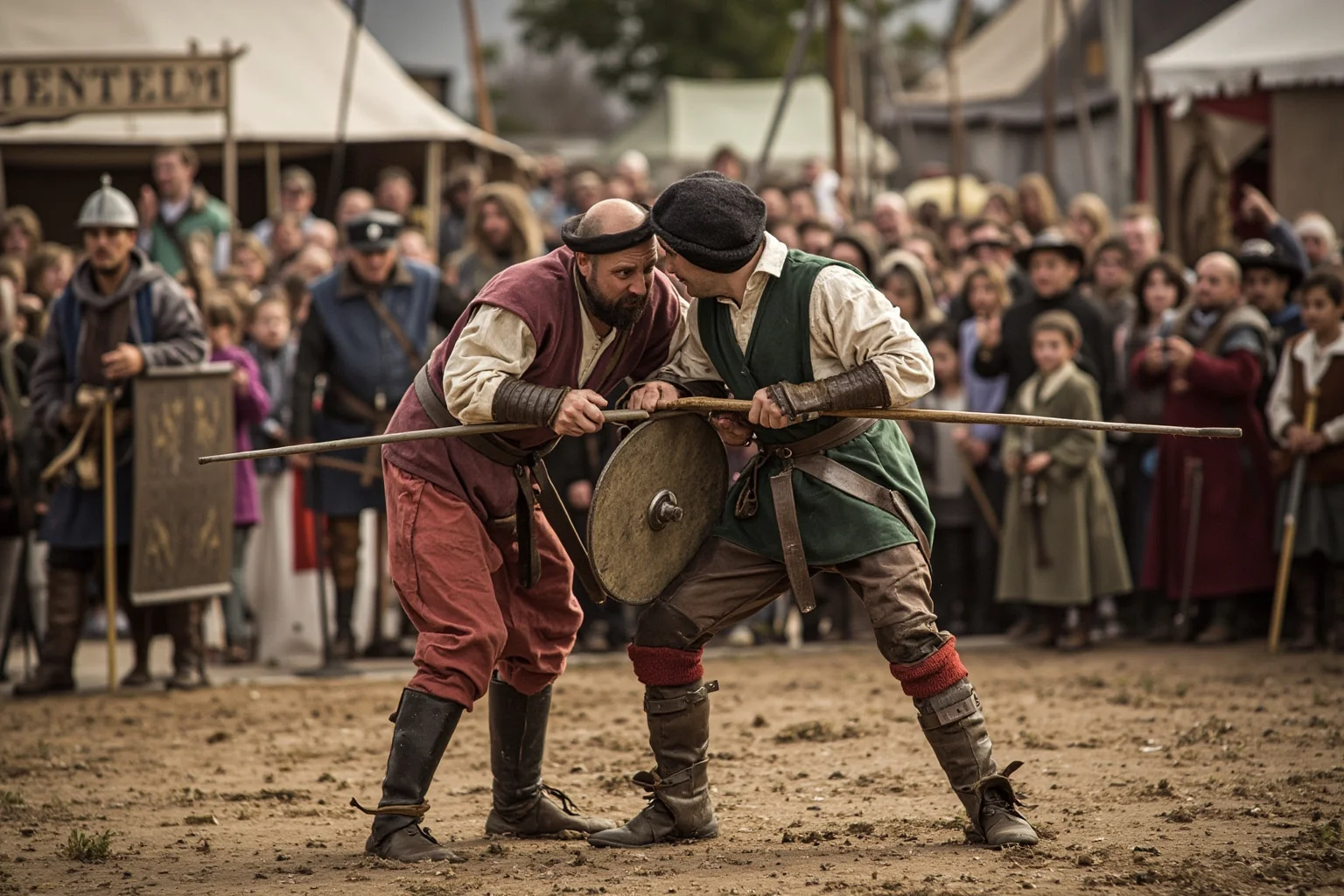
Wrestling matches were common features at fairs and festivals, open to competitors from ordinary backgrounds rather than just the nobility. Prize money or small wagers often sweetened the competition, and skilled wrestlers could build local reputations.
Other combat-based games, like quarterstaff fighting and backsword sparring, were also popular pastimes, especially among young men looking to show off strength and skill in a socially acceptable way.
12. Archery Contests
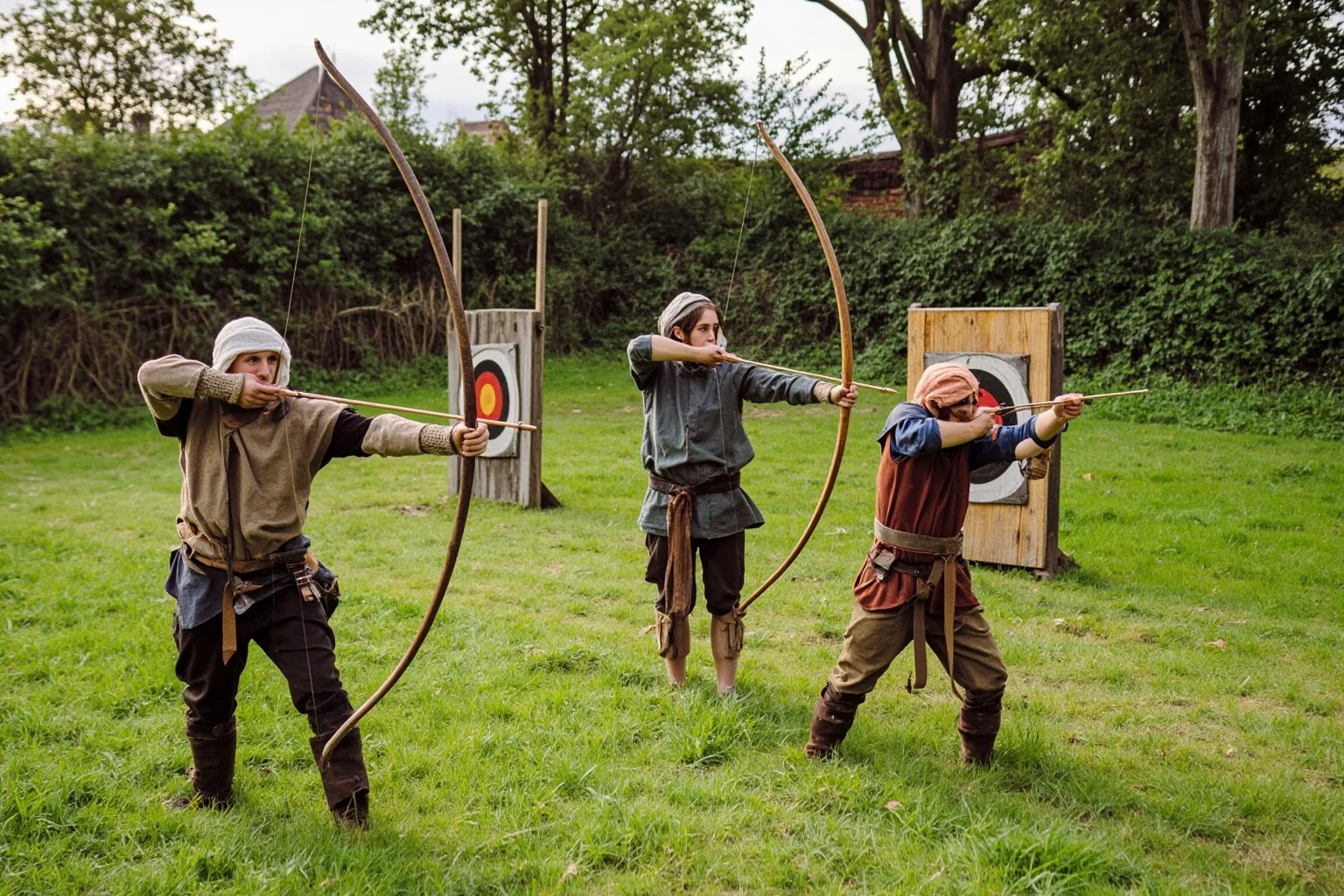
In England especially, archery wasn’t just recreation, it was practically mandatory. Laws like the Assize of Arms encouraged, and later statutes required, regular practice with the longbow to maintain a ready supply of skilled archers for war.
That requirement didn’t stop it from being genuinely fun, though. Village archery contests with prizes were common social events, blending civic duty with friendly competition and bragging rights.
13. Dancing
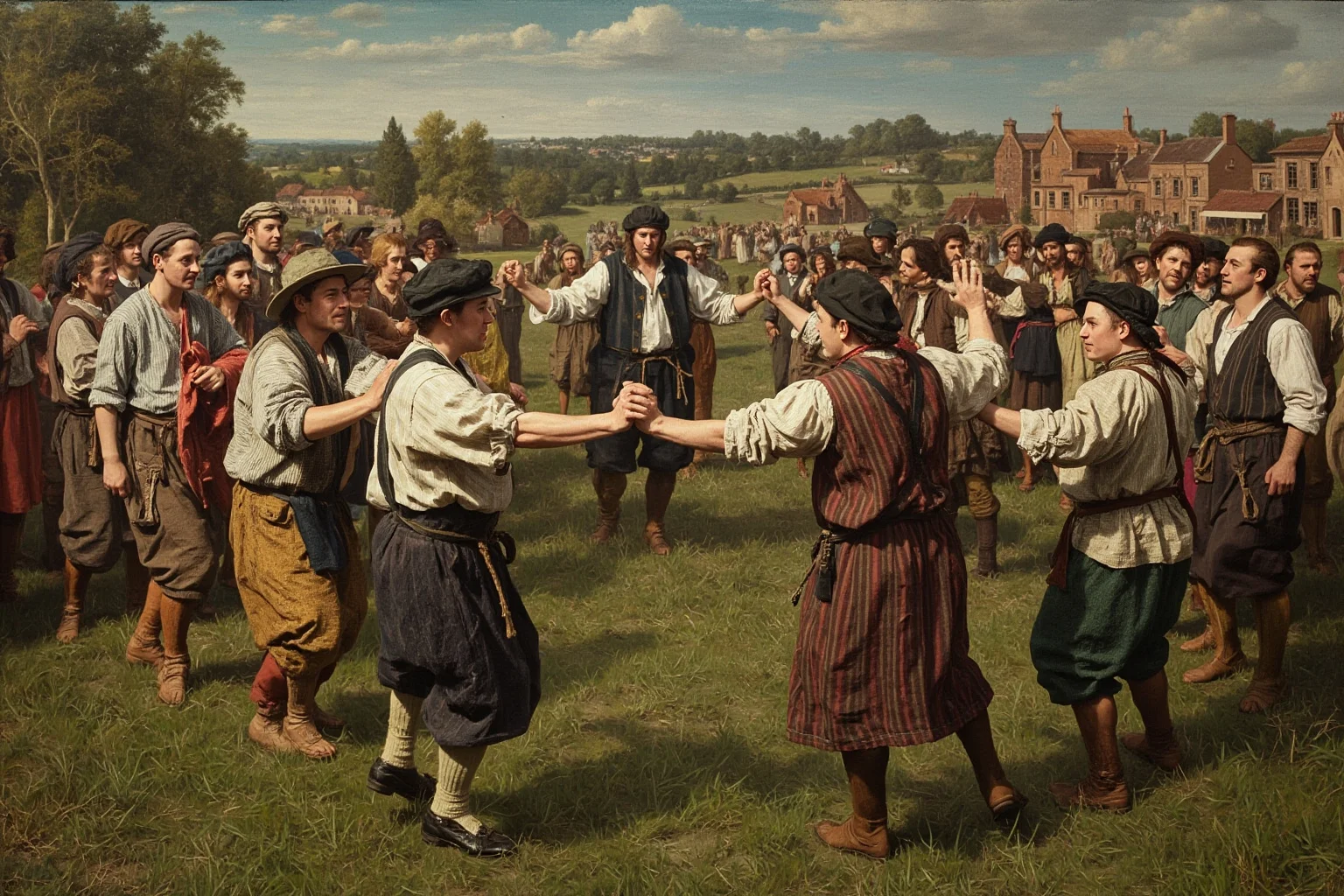
Dancing was a major feature of medieval festivals, weddings, and holy days across every social class. Simple circle dances known as carols were popular among common people, performed outdoors on village greens during festivals.
Nobles enjoyed more structured court dances, often accompanied by musicians playing lutes, pipes, or early stringed instruments. Dancing wasn’t confined to any single class; it was one of the most universal forms of medieval fun.
14. Storytelling and Epic Poetry
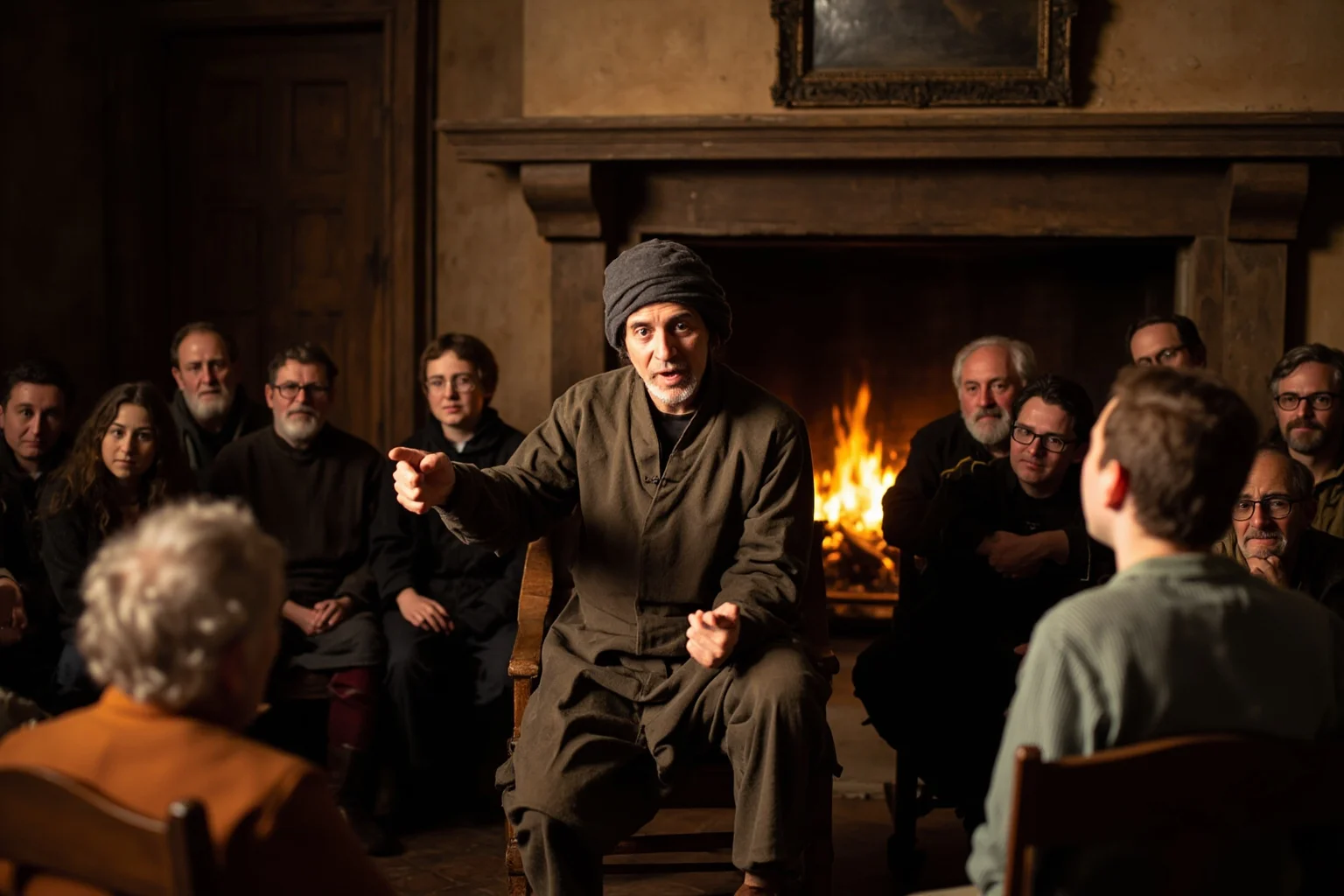
With literacy rates low outside the clergy and nobility, oral storytelling remained a hugely important form of entertainment. Long narrative poems like Beowulf and the various Arthurian romances were performed aloud, often by professional storytellers or poets, to captivated audiences.
Geoffrey Chaucer’s The Canterbury Tales, written in the late 14th century, actually reflects this culture directly, framing itself as a collection of stories told by travelers to pass the time on a pilgrimage. Storytelling was both art and social glue.
15. Fairs, Markets, and Traveling Entertainers
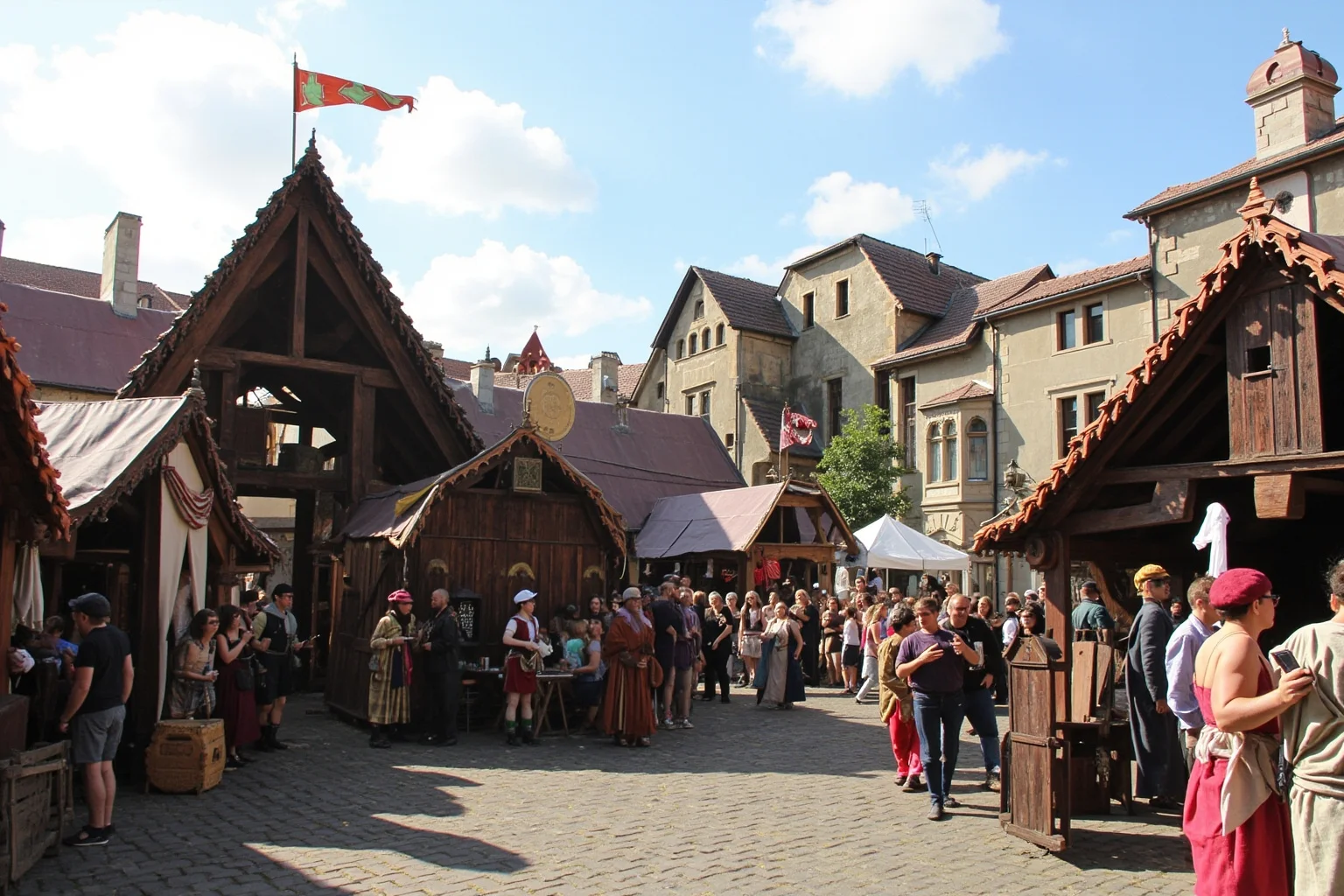
Annual fairs like London’s famous St. Bartholomew’s Fair combined commerce with genuine spectacle, drawing acrobats, jugglers, and traveling performers from across the region. These events could last days and drew crowds from surrounding villages eager for novelty.
Exotic animals, sleight-of-hand tricks, and games of chance were common attractions at these gatherings. For most medieval people, a good fair was one of the highlights of the entire year.
16. Religious Festivals and Feast Days
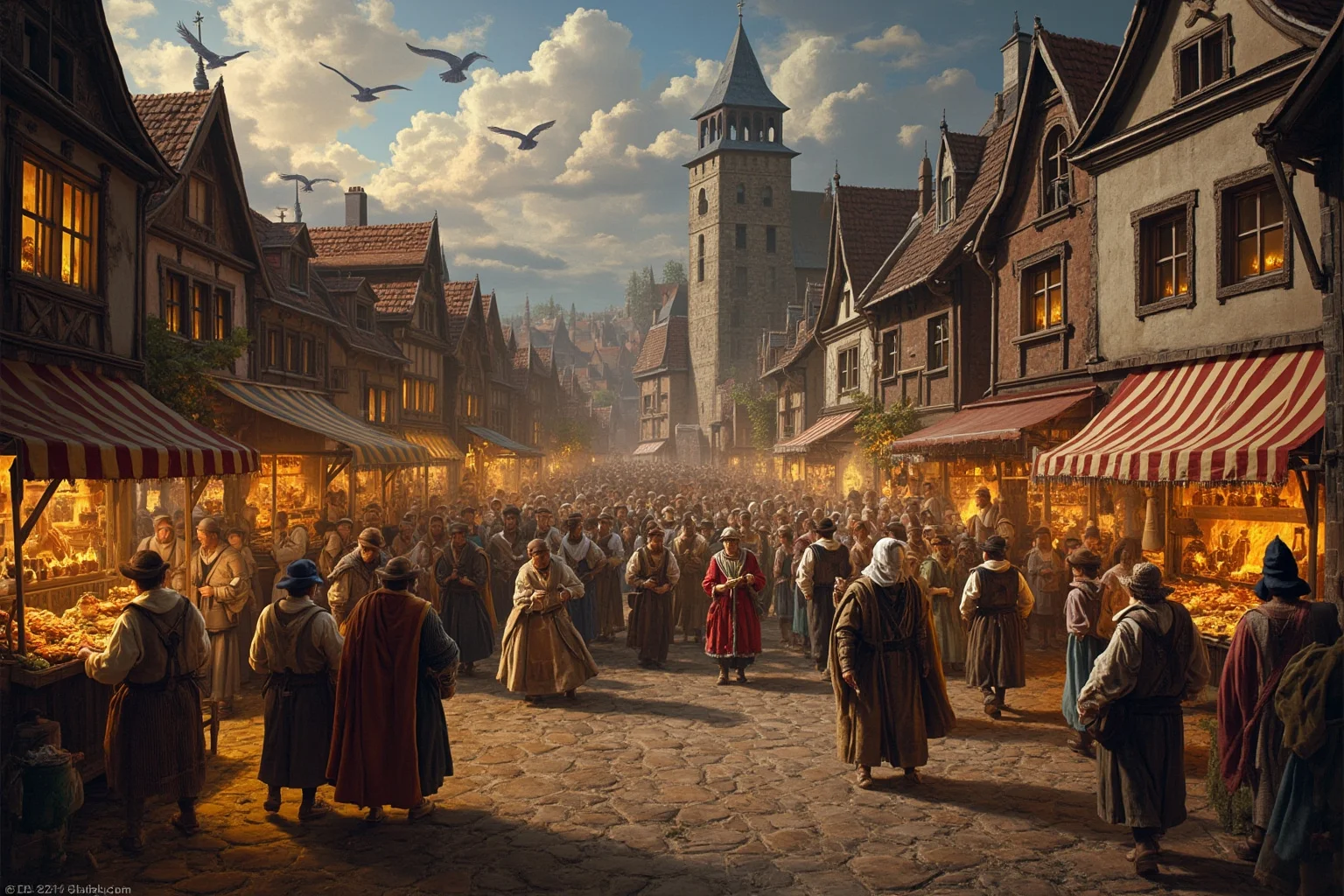
Because the medieval calendar was built around the church, religious feast days doubled as genuine holidays, often the only real breaks from agricultural labor. Events like Twelfth Night, Corpus Christi, and pre-Lenten Carnival celebrations combined worship with feasting, dancing, and theater.
This is a key point when thinking about entertainment during the Middle Ages: fun and faith weren’t separate categories the way they often are today. A religious festival could easily include a boisterous street party by the time the day was over.
17. Animal-Related “Sports”
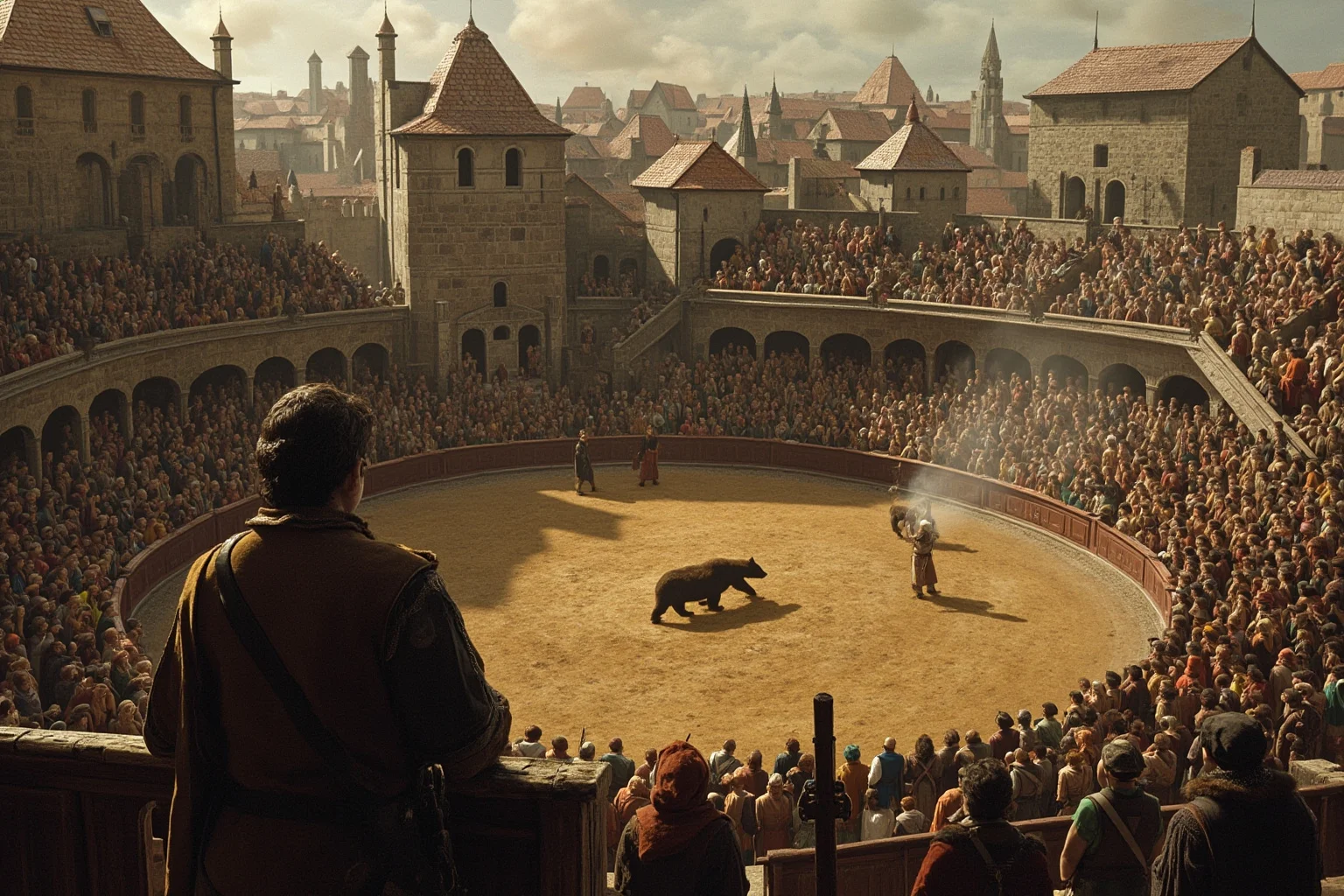
Activities like bear-baiting, bull-baiting, and cockfighting were genuinely popular across medieval Europe, drawing crowds from both common and noble backgrounds. These blood sports are difficult to look back on comfortably today, since they involved real cruelty to animals for the sake of spectacle.
Still, being honest about medieval entertainment means acknowledging that these events were common and well-attended rather than pretending they didn’t happen. They persisted in various forms well beyond the medieval period.
18. Bowling, Skittles, and Lawn Games
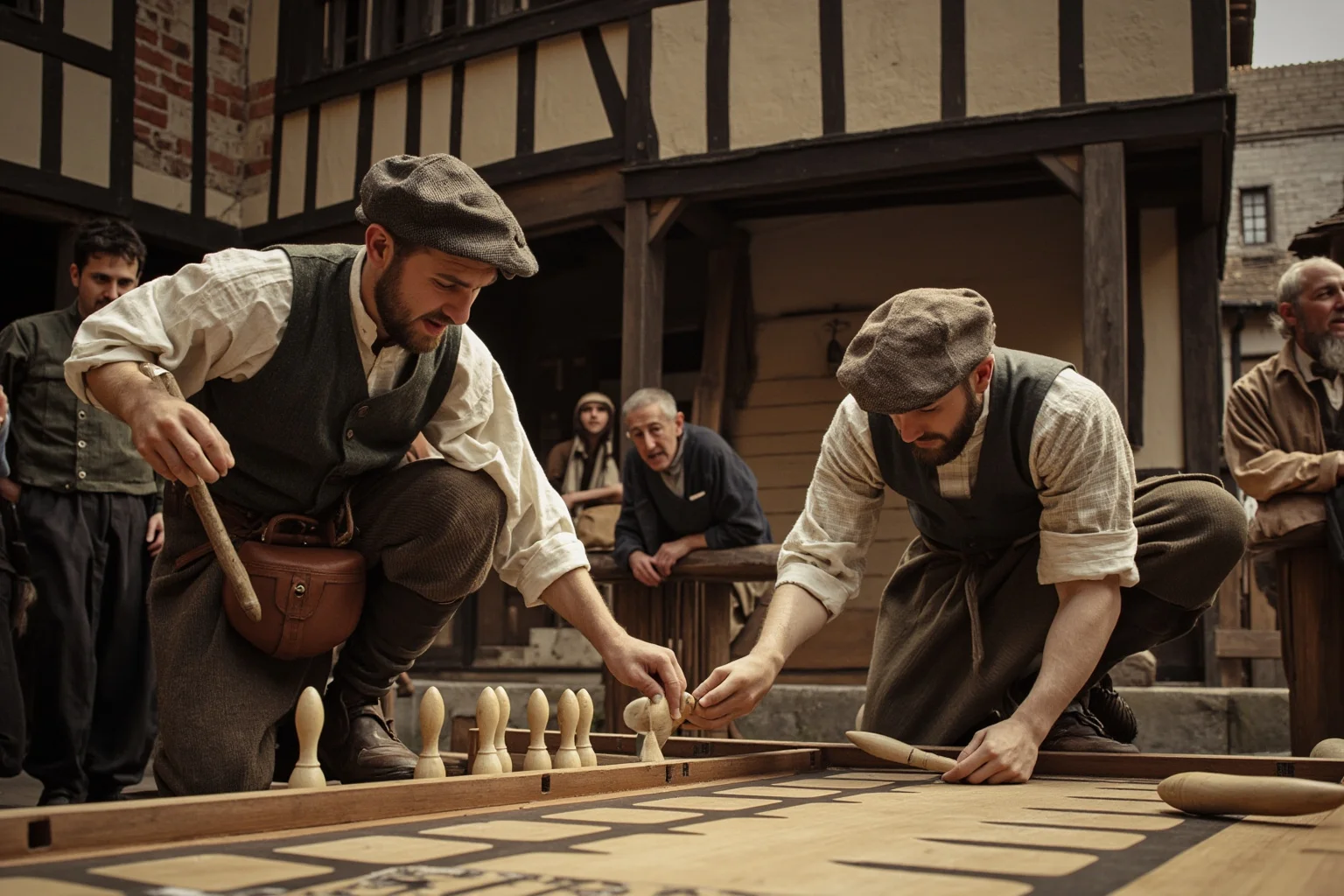
Early bowling-style games, including skittles (sometimes called kayles), were popular pub and village pastimes involving knocking down wooden pins with a thrown ball or stick. Quoits, a ring-tossing game, was another simple outdoor amusement enjoyed by ordinary people.
These games required minimal equipment and space, making them accessible entertainment options for people without much disposable income or free time. They’re a good reminder that not all medieval fun required a castle or a tournament ground.
19. Card Games
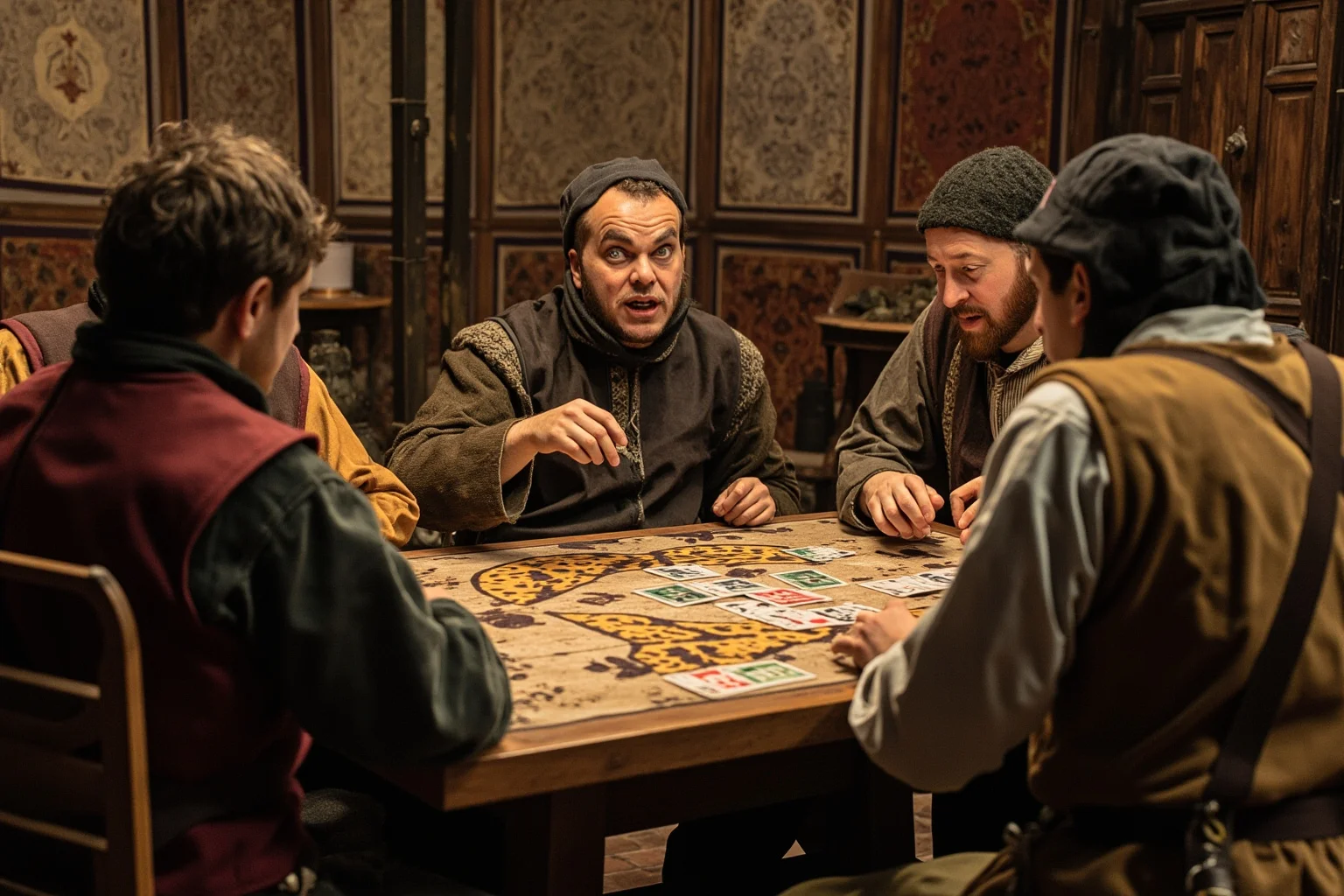
Playing cards reached Europe in the late 14th century, likely arriving via trade routes connected to the Islamic world and Mamluk Egypt. Early decks were hand-painted and expensive, making them a novelty for the wealthy at first.
Once cheaper woodblock-printed decks became available in the 15th century, card games spread quickly among ordinary townspeople as well. Gambling with cards soon became just as popular, and just as frequently condemned by moralists, as dice.
20. Puppet Shows and Performing Animals
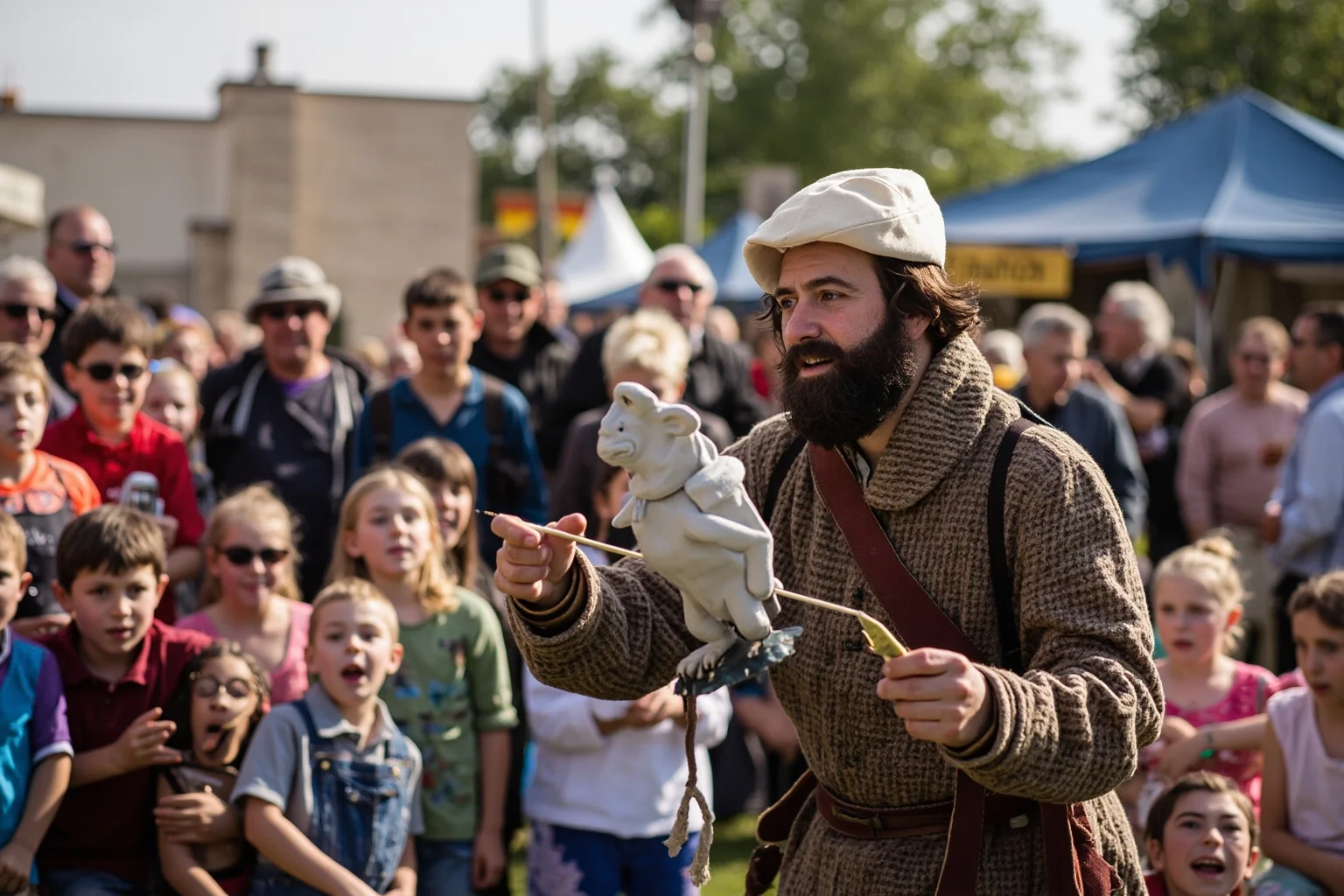
Traveling entertainers at fairs and markets sometimes brought trained animals, including monkeys and bears, to perform tricks for paying crowds. Puppet shows were another common fairground attraction, offering simple comic stories to entertain passersby of all ages.
These acts were cheap, portable forms of entertainment that could travel from town to town along with their performers, making them a familiar sight at seasonal gatherings.
21. Riddles, Wordplay, and Reading Aloud
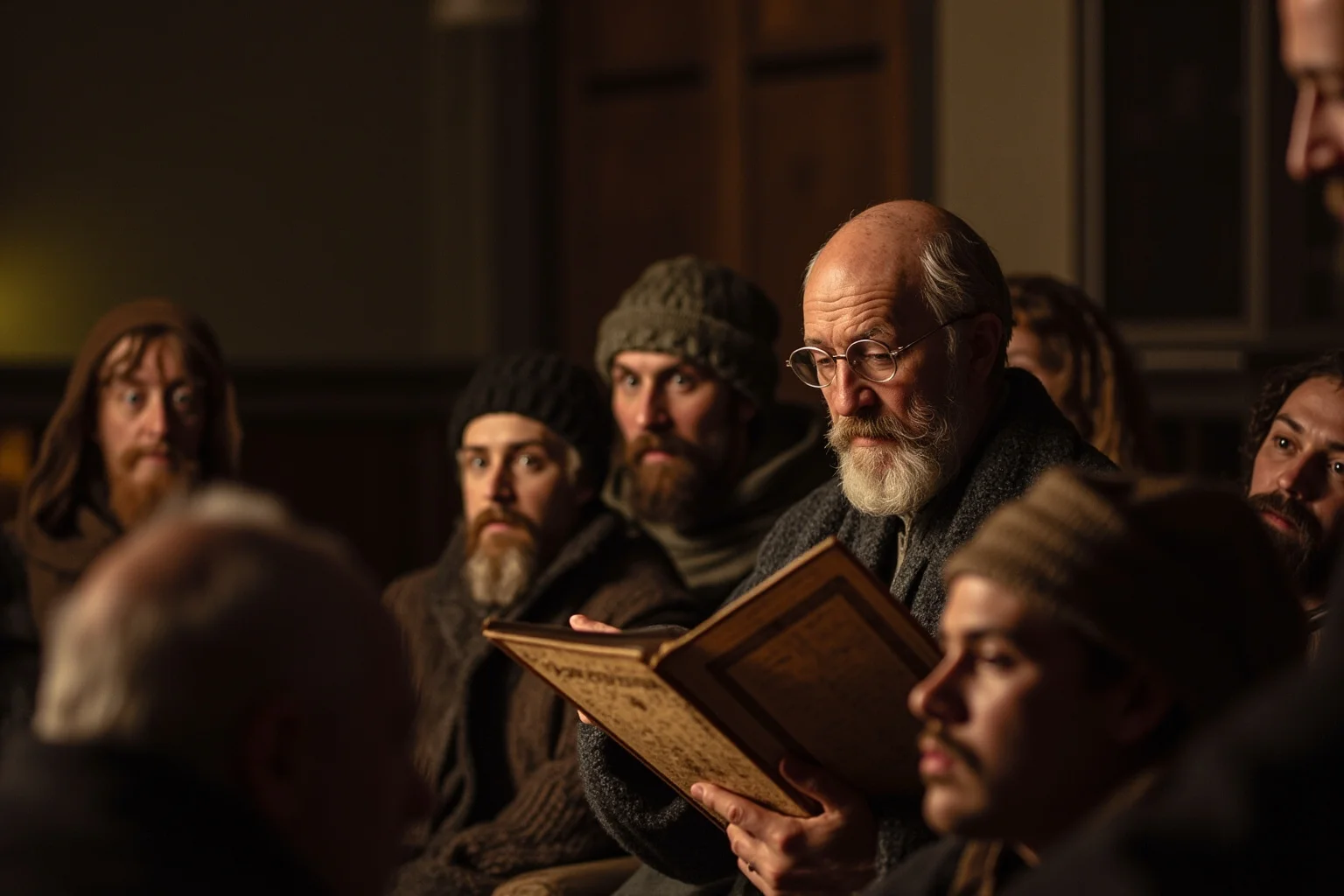
Word games had a real place in medieval leisure, best illustrated by the Exeter Book, a 10th-century Anglo-Saxon manuscript containing nearly 100 riddles alongside its poetry. These riddles were meant to be shared and puzzled over in group settings, often with clever double meanings.
Because widespread literacy came later, reading aloud to gathered groups was itself a social activity rather than a solitary one. A single literate person reading a story or poem to family or neighbors was a genuinely common form of shared entertainment.
22. Swimming, Bathing, and Public Bathhouses
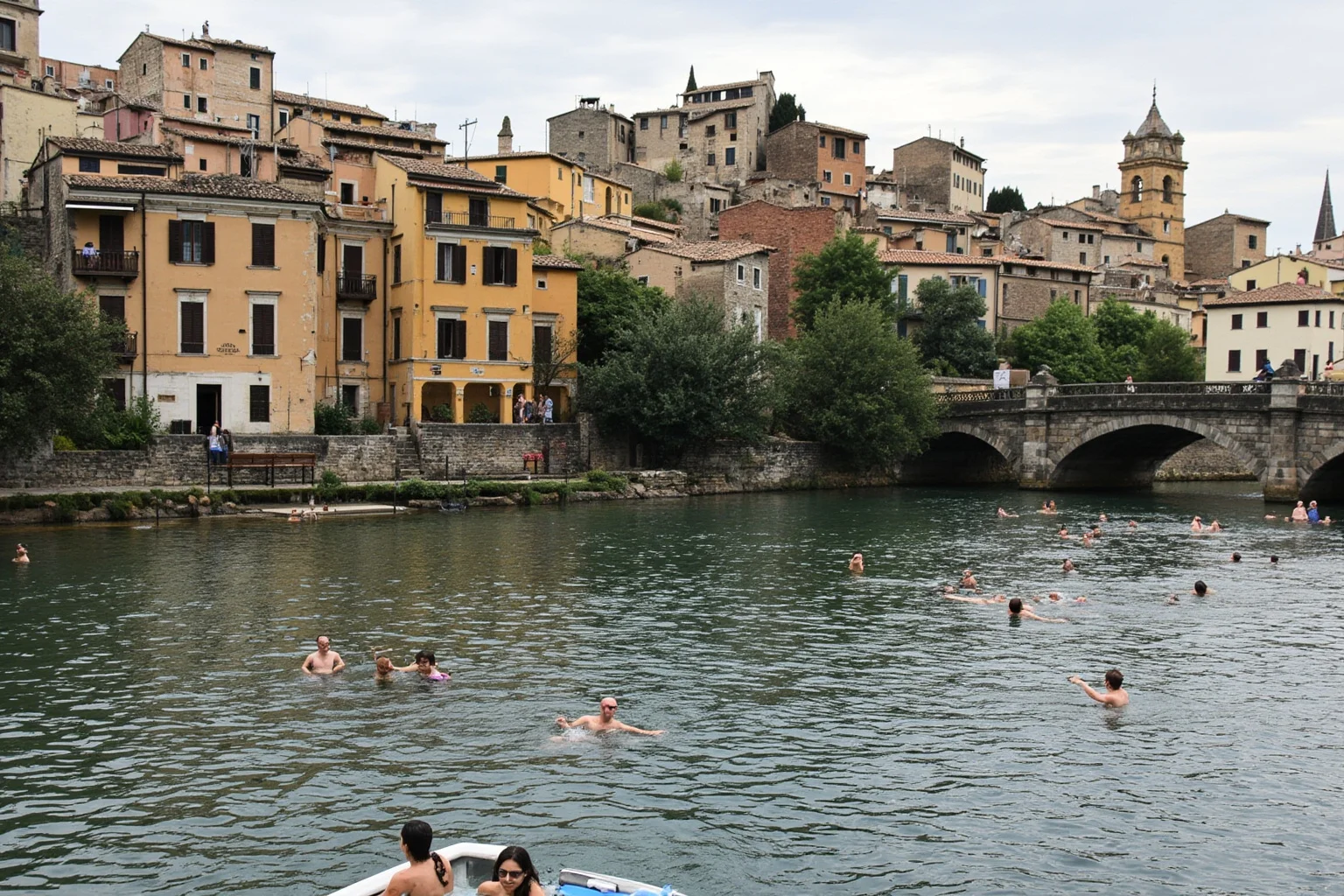
Public bathhouses, sometimes called “stews,” existed in major medieval cities like London and Paris and served a genuine social and recreational function, at least earlier in the period. Swimming in rivers and ponds during warm weather was also a popular, informal way to cool off and relax.
It’s worth noting that by the later Middle Ages, many bathhouses had also become associated with brothels, which eventually led to stricter regulation and closures in some cities. Even so, bathing culture shows that medieval people cared about relaxation and hygiene as forms of leisure, not just necessity.
The Myth of the Miserable Middle Ages
Looking at this list, it’s hard to argue that medieval people simply endured a thousand years of grim survival with no room for joy. Fun in the Middle Ages was everywhere, from raucous village football matches to quiet evenings spent solving riddles by firelight.
What changed most dramatically between nobles and peasants wasn’t whether they had fun, but how much time, money, and freedom they had to pursue it. A noble might spend an afternoon falconing while a farmer snatched an hour for dice at the tavern, but both were chasing the same basic human need for play.
The next time someone describes the Middle Ages as an endless grey slog, feel free to mention the chess games, the traveling jugglers, and the village-wide football brawls that got banned by royal decree. Medieval people worked hard, but they absolutely knew how to have a good time too.
Frequently Asked Questions
What was entertainment during the Middle Ages actually like?
Entertainment during the Middle Ages was surprisingly varied, ranging from board games like chess and nine men's morris to jousting tournaments, traveling musicians, religious festival plays, and rowdy folk football matches. What people did for fun depended heavily on social class, wealth, and location, but leisure activities existed at every level of society.
What did nobles do for entertainment in the Middle Ages?
Nobles typically enjoyed higher-status leisure activities like falconry, hunting on private lands, jousting tournaments, chess, and elaborate feasts featuring music and jesters. These activities generally required wealth, land access, or specialized equipment that ordinary people simply couldn't afford.
What did peasants and common people do for fun in medieval times?
Common people enjoyed accessible pastimes like dice games, folk football, wrestling matches, village dancing, storytelling, and attending fairs and religious festivals. Many of these activities were cheap or free and tied closely to the community's shared calendar of holy days and seasonal celebrations.
Did medieval people really play board games and cards?
Yes, board games like chess and nine men's morris were popular throughout the medieval period, and playing cards arrived in Europe in the late 14th century and spread quickly once cheaper printed decks became available. Dice games were also extremely common across all social classes, despite frequent attempts by authorities to restrict gambling.
How much free time did people actually have in medieval society?
Medieval Europeans, particularly in England, had a surprising number of holy days and festival days built into the calendar, sometimes estimated at 50 or more per year on top of Sundays. This gave both nobles and common people regular, recurring opportunities for rest, celebration, and organized fun.
Were medieval festivals as wild as people say?
Many medieval festivals genuinely did involve large public celebrations with feasting, dancing, theater, and games, particularly around events like Carnival and Corpus Christi. It's important not to exaggerate or embellish specific stories, but the general picture of lively, crowded, multi-day festivals is well supported by historical record.

Alex Warren
Related Articles





