

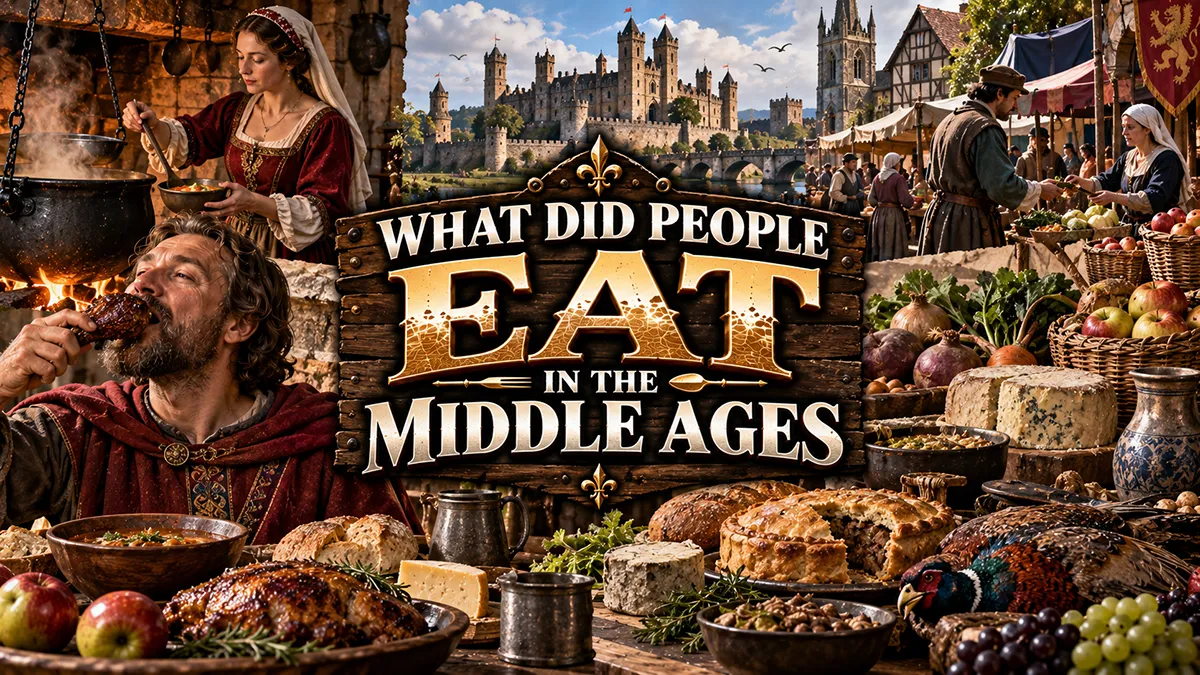
When most of us picture medieval food, we imagine a giant turkey leg, a mug of ale, and someone tossing a chicken bone over their shoulder. That image owes more to modern dinner-theater shows than to actual history. Real medieval era food was shaped by climate, class, religion, and geography, and it looked very different depending on whether you were a serf working the fields or a king hosting a feast.
This guide walks through what people ate in the Middle Ages, roughly the years 500 to 1500, and pushes into the food in the 1500s as the medieval world gave way to the Renaissance. We’ll cover peasant staples, noble luxuries, and the myths that just won’t die.
TL;DR: Medieval diets varied enormously by class and season, with peasants living on bread, pottage, and ale while nobles and kings feasted on roasted meats, spices, and sugar sculptures — and much of what we “know” about medieval food from pop culture is exaggerated or flat-out wrong.
Medieval Food in a Nutshell: Who Ate What
Before diving into the list, it helps to understand the basic shape of meals in the Middle Ages. Society was organized into rough tiers: peasants and serfs at the bottom, free tenant farmers and merchants in the middle, and lords, nobles, and kings at the top. Food access tracked that hierarchy closely.
Most people ate two meals a day, a bigger one around midday and a lighter one in the evening, built around bread, grains, and vegetables. Meat, spices, and wheat bread were markers of wealth, while oats, rye, and barley fed the majority of the population. Religion mattered too, since the Christian calendar was full of fasting days when meat, eggs, and dairy were restricted, pushing fish and vegetables to the center of the plate.
Geography also played a huge role in the medieval diet. Coastal communities relied heavily on fish, mountain regions leaned on hardy grains and cheese, and southern Europe had easier access to olive oil, wine, and fresh produce than the colder north. So when people ask what did people eat in the middle ages, the honest answer is: it depended enormously on where and when you lived.
Food for Peasants and Serfs in the Middle Ages
The vast majority of medieval Europeans were peasants, and their diet was built for endurance, not indulgence. Food for peasants in the middle ages was repetitive, seasonal, and almost entirely homegrown or locally traded. Here’s what typically ended up on a serf’s table.
1. Coarse Rye and Barley Bread
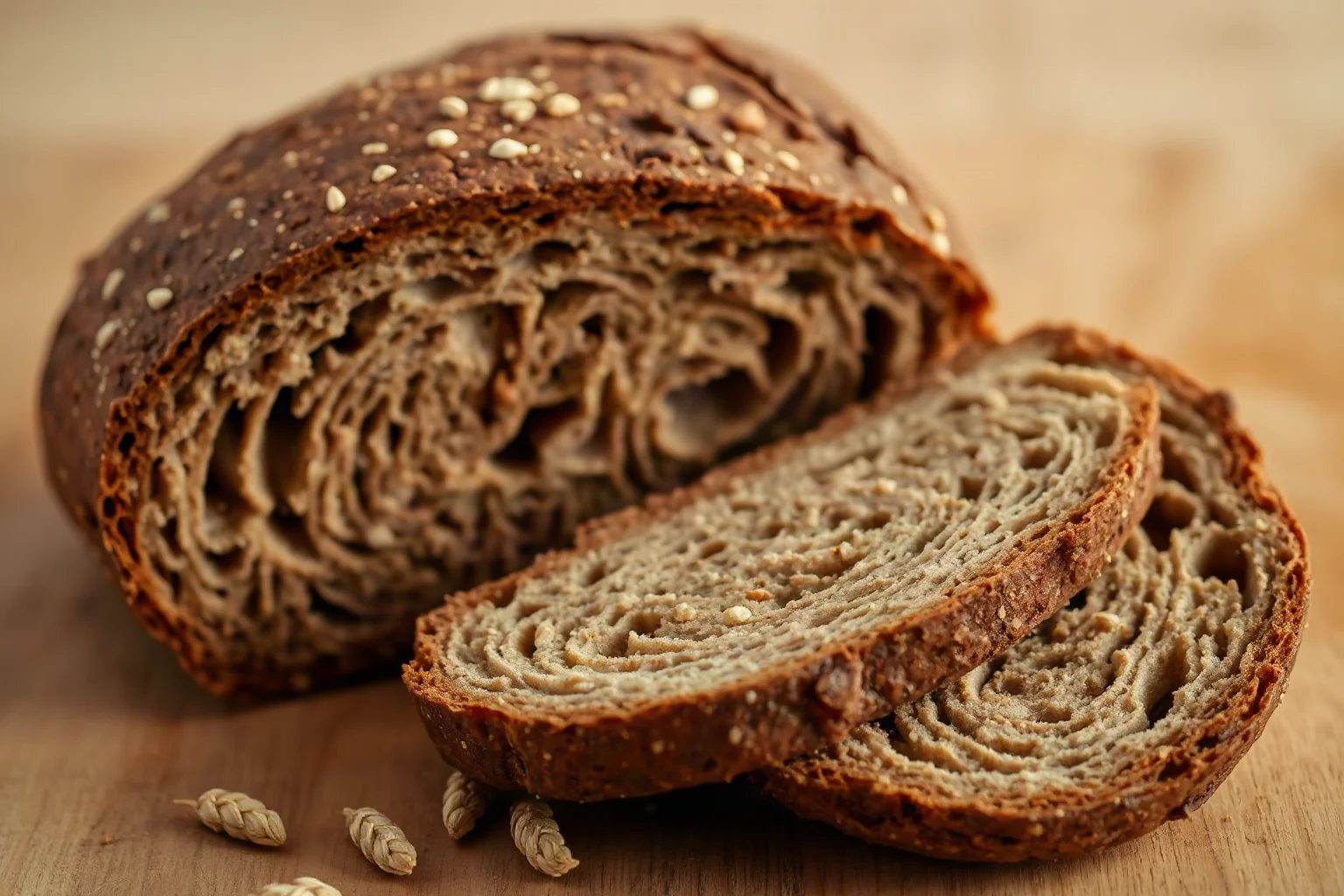
Bread was the backbone of the medieval diet at every social level, but peasant bread was a world away from a noble’s loaf. Serfs ate dense, dark bread made from rye, barley, or mixed grains, often bulked out with peas or beans in lean years. This coarse bread was filling and nutritious, even if it wasn’t particularly refined.
2. Pottage
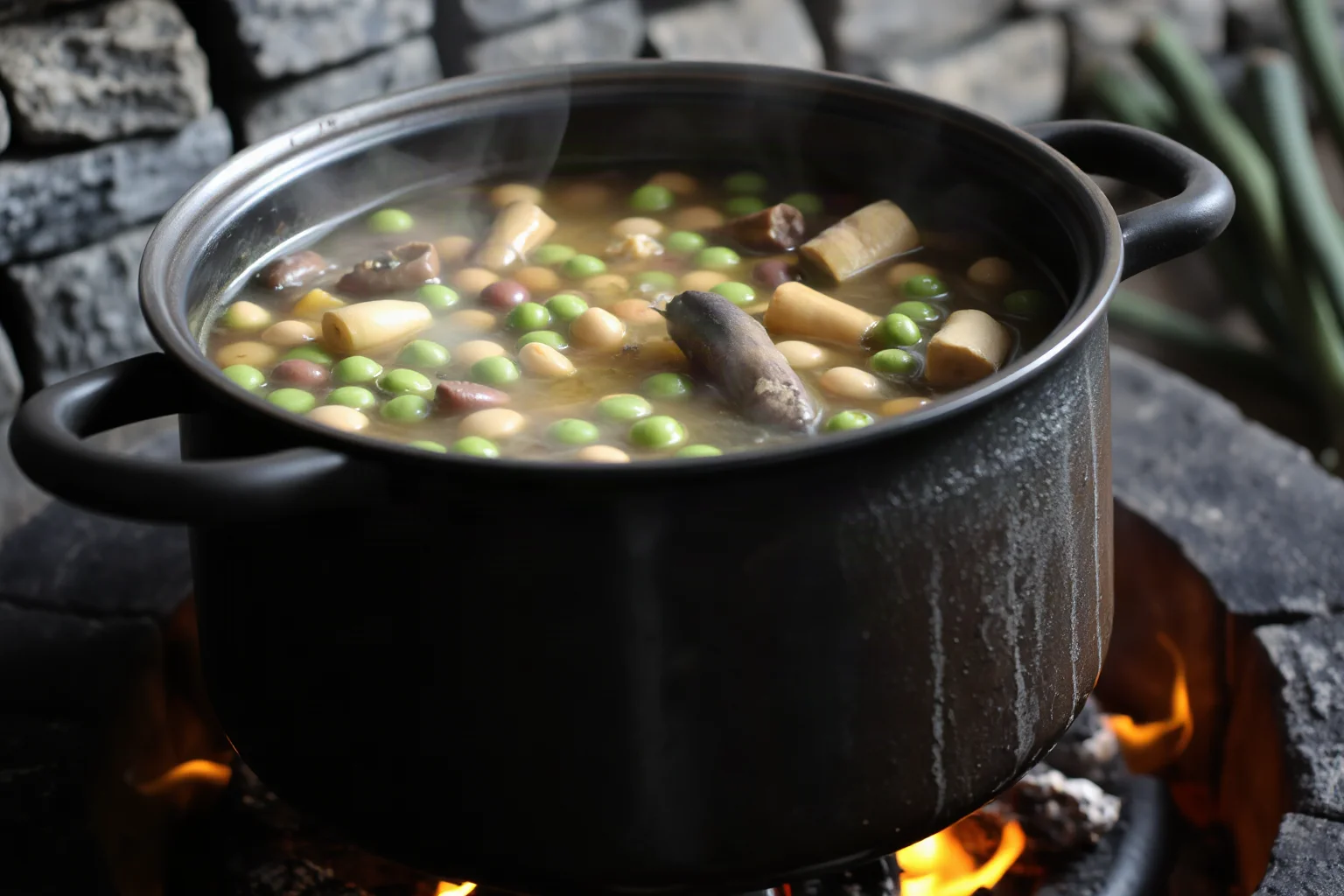
Pottage was the everyday peasant meal, a thick stew or porridge simmered over the fire for hours. It usually combined grains, dried peas or beans, and whatever vegetables were on hand, like onions, cabbage, or turnips. Because it cooked slowly in one pot, pottage was practical for households with limited fuel and time.
3. Beans, Peas, and Lentils
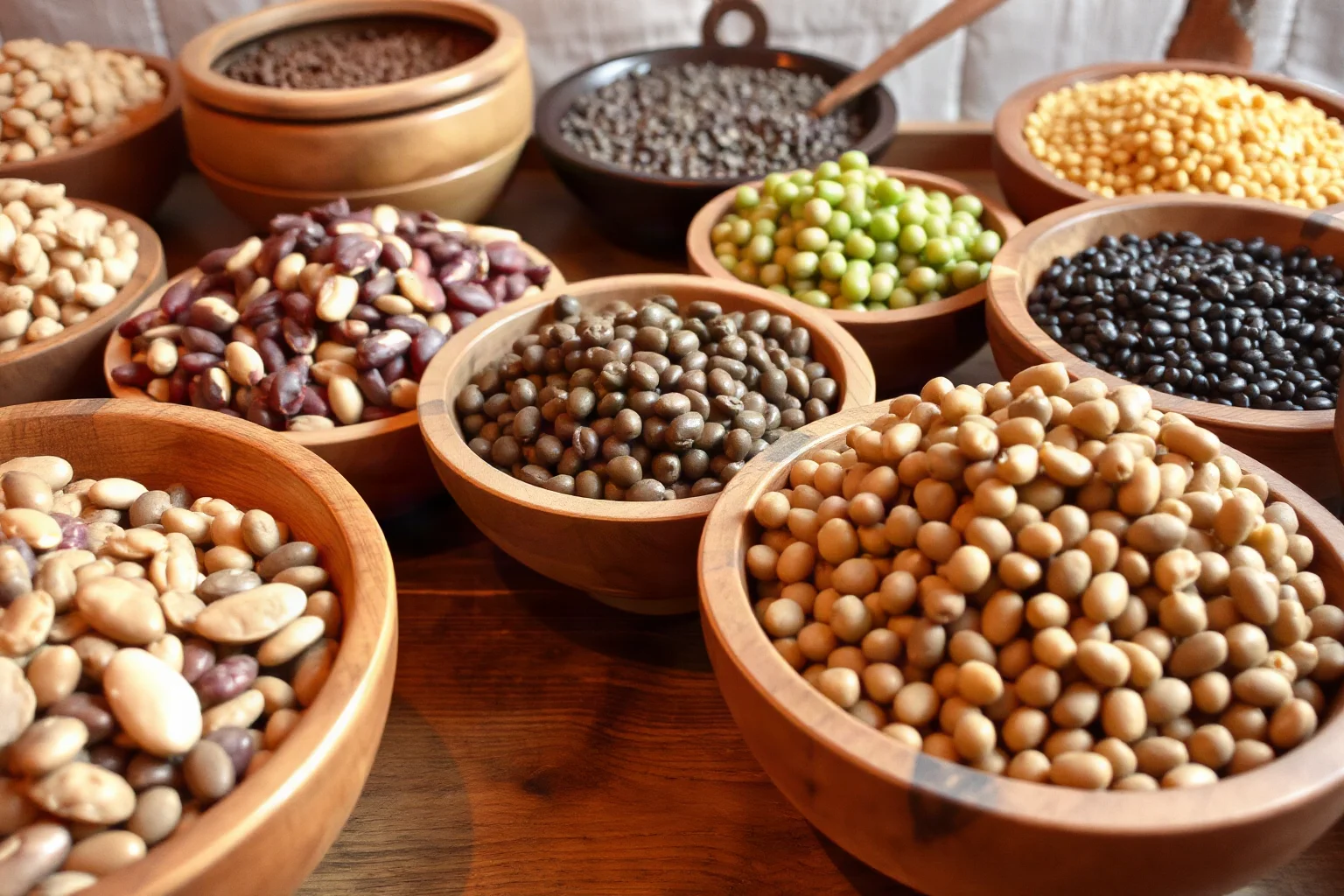
Legumes were essential protein sources for people who couldn’t eat meat every day. Dried peas and beans stored well through winter and could be added to pottage or eaten on their own. They were cheap, filling, and packed with nutrients that helped make up for a meat-scarce diet.
4. Onions, Leeks, and Garlic
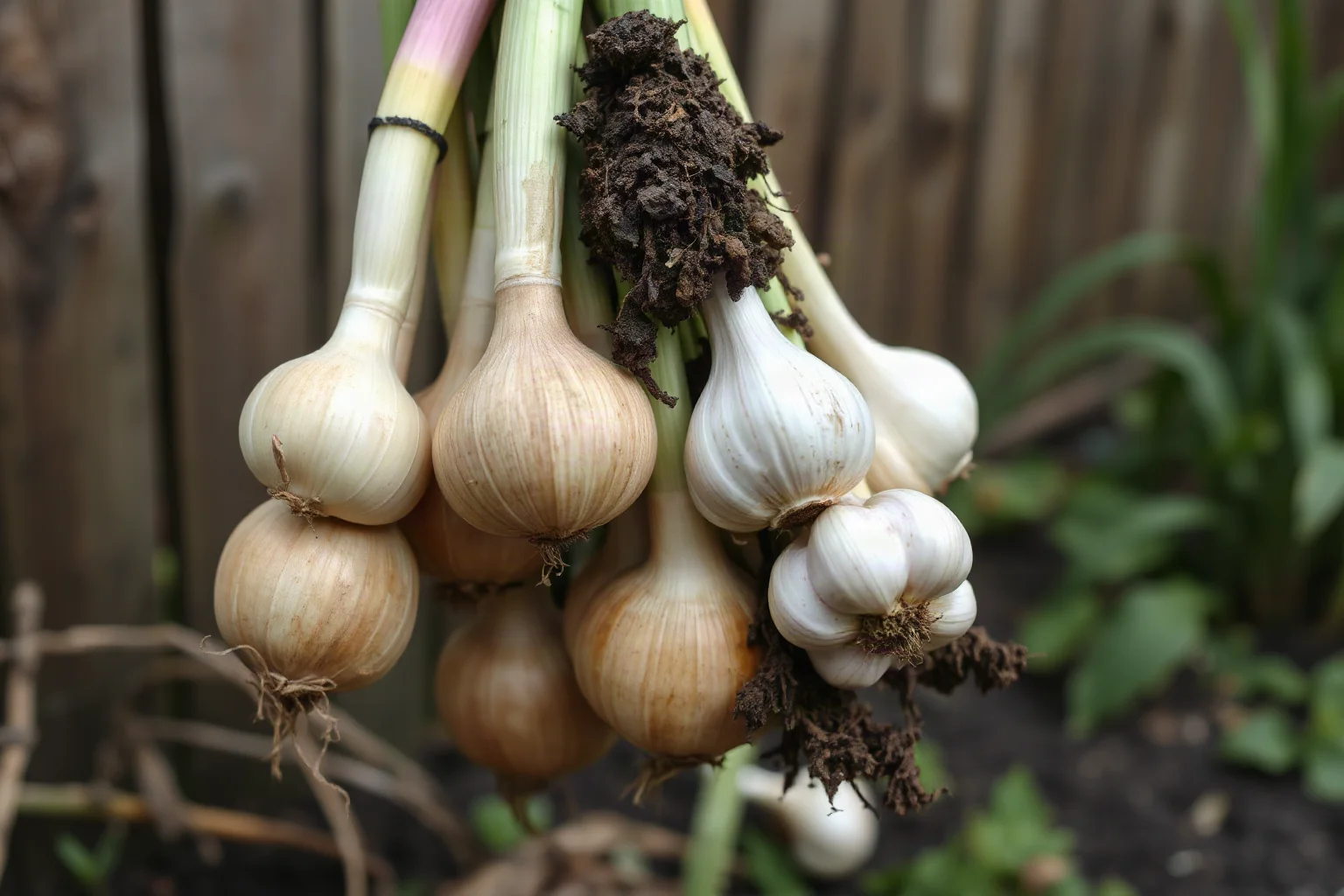
These pungent vegetables flavored almost every peasant dish and were easy to grow in small garden plots. Onions and leeks in particular were dietary staples across Europe, showing up in soups, stews, and pottage. Garlic was valued both as a flavoring and, in folk belief, as a health aid.
5. Cabbage and Root Vegetables
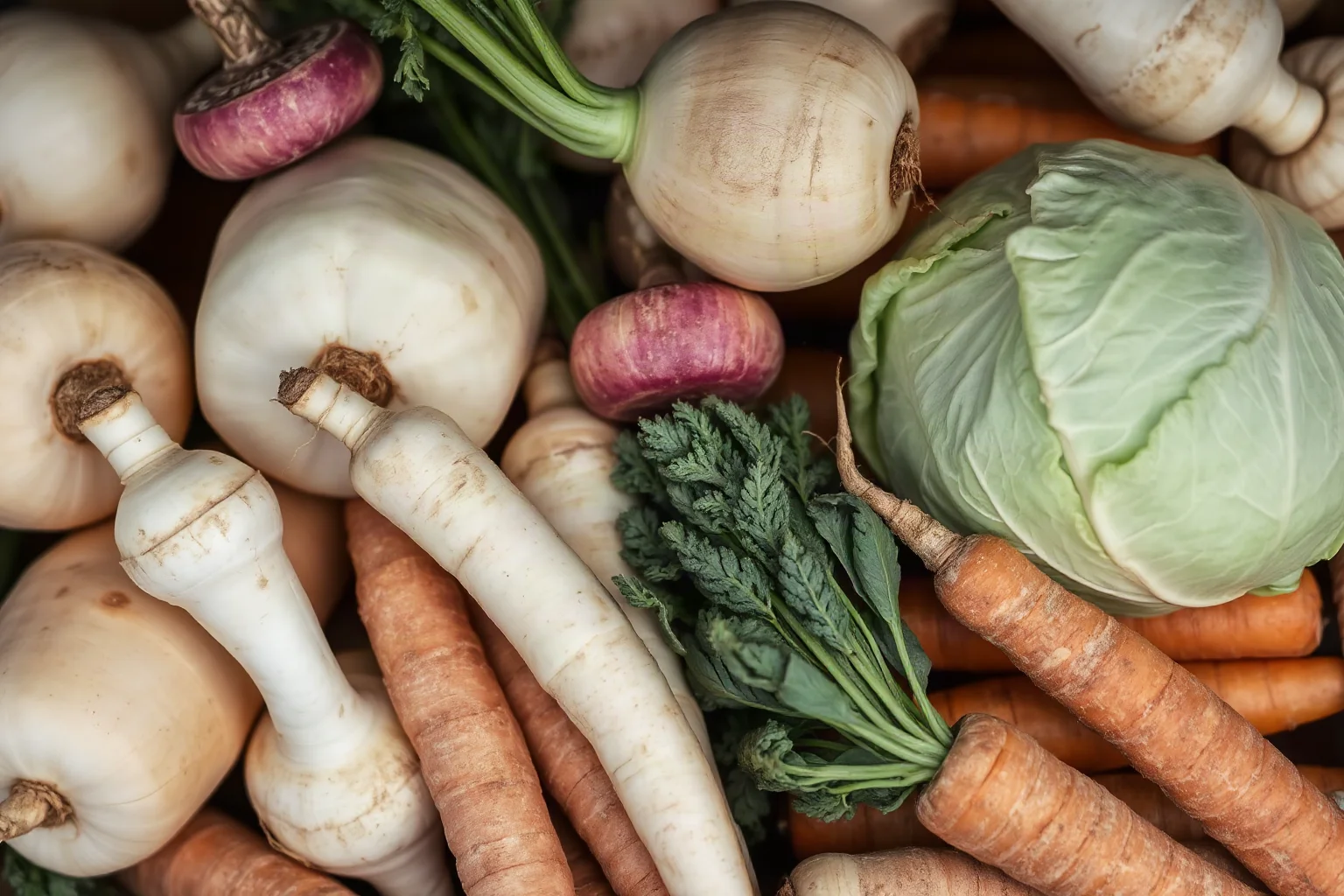
Cabbage, turnips, carrots, and parsnips were hardy crops that thrived in medieval gardens and stored reasonably well through the colder months. They formed the vegetable backbone of the peasant diet, often boiled into pottage or eaten alongside bread. None of these vegetables were the bright orange carrots we know today; medieval varieties were typically white, yellow, or purple.
6. Small Ale
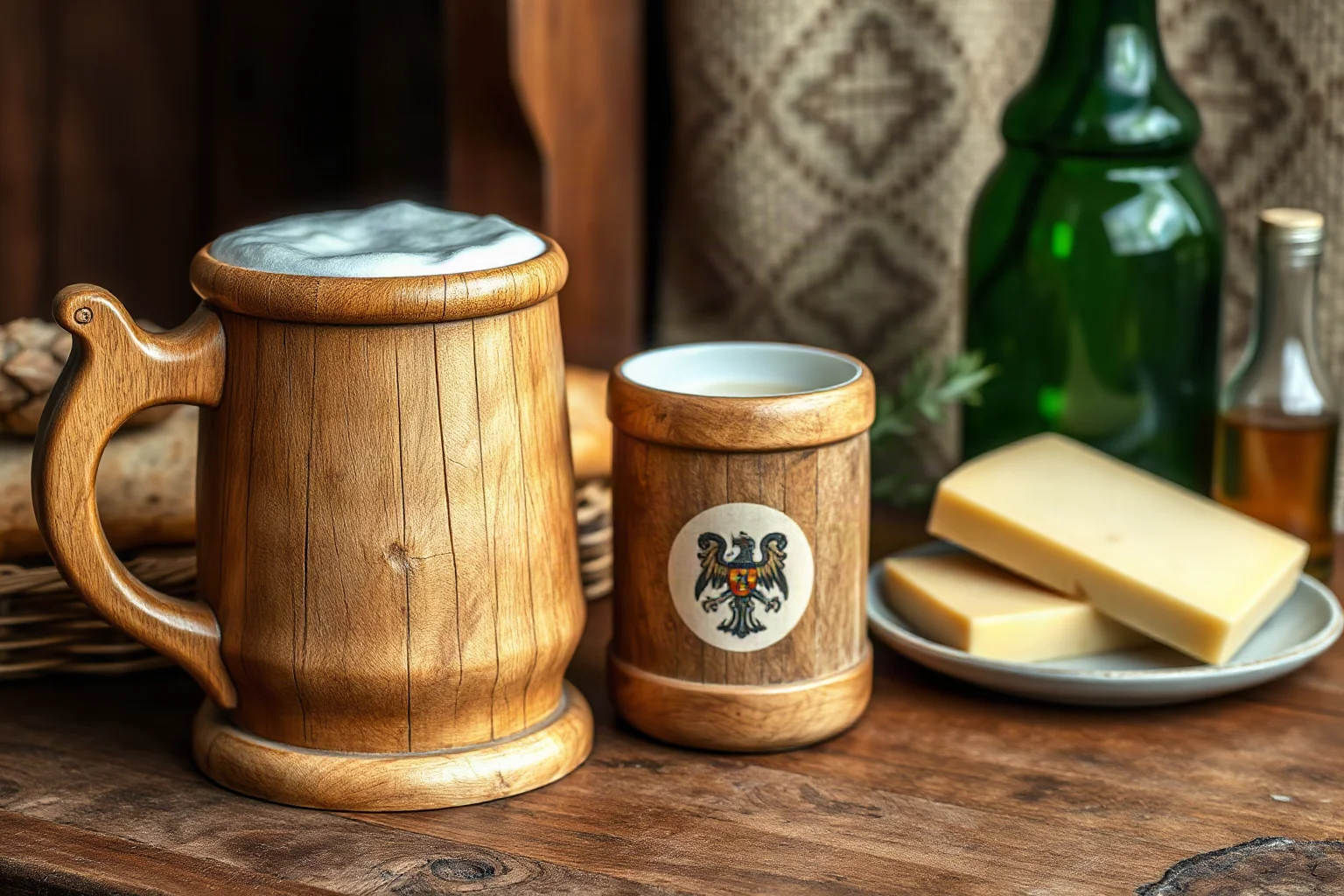
Clean drinking water wasn’t always reliable, so many peasants drank weak, low-alcohol “small beer” or ale throughout the day, including with meals. This wasn’t about getting drunk; the brewing process made the liquid safer than some untreated water sources. Ale also provided calories and was often brewed at home.
7. Cheese and Curds
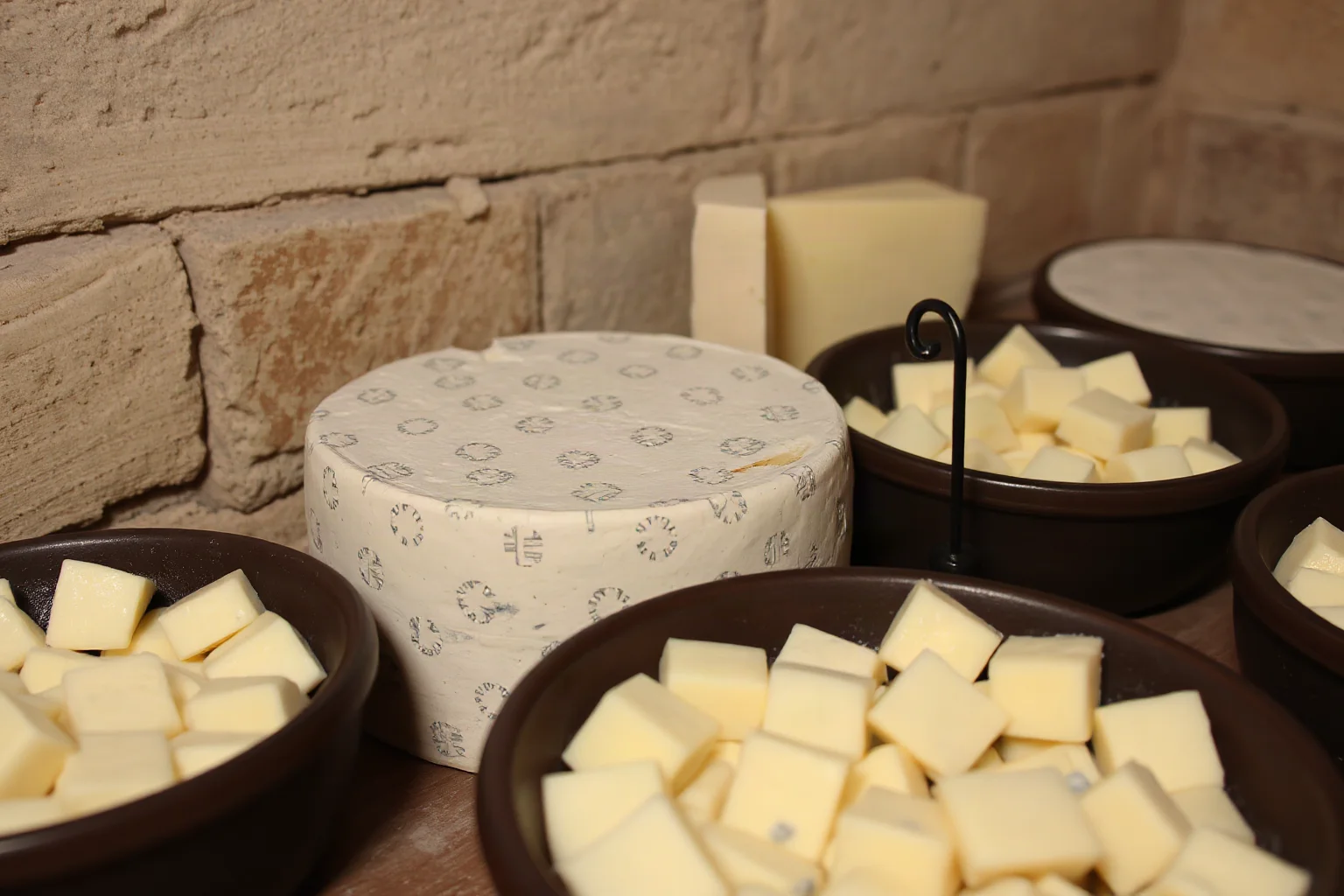
Dairy from cows, sheep, or goats was turned into simple cheeses and curds that peasant families could produce themselves. Cheese kept longer than fresh milk and offered valuable protein and fat, especially during Lent and other fasting periods when meat was off the table. It was humble food, but a dependable one.
8. Salted or Pickled Herring
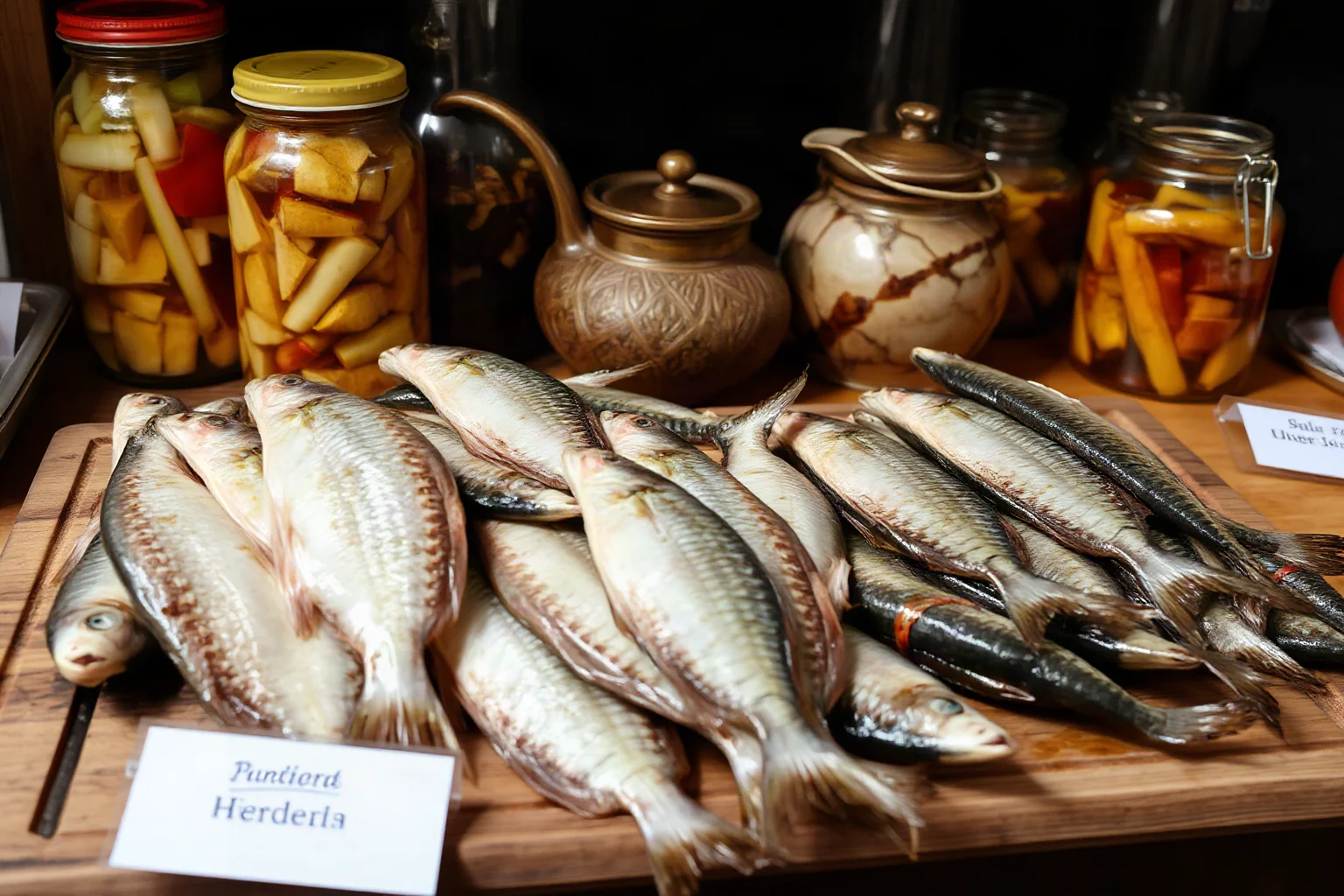
Fish, especially herring, was hugely important across medieval Europe, partly because the Church mandated meatless days on Fridays, during Lent, and on other holy days. Since fresh fish spoiled quickly away from the coast, herring was commonly salted, smoked, or pickled so it could travel inland. This made it a staple even for peasants who lived far from the sea.
Meat, Fish, and Protein: What Crossed Class Lines
A popular myth claims medieval peasants never ate meat at all. In reality, most people ate some meat or fish, just far less often and of a lesser cut than the nobility. This section covers proteins that appeared, in different forms, at nearly every level of society.
9. Bacon and Salt Pork
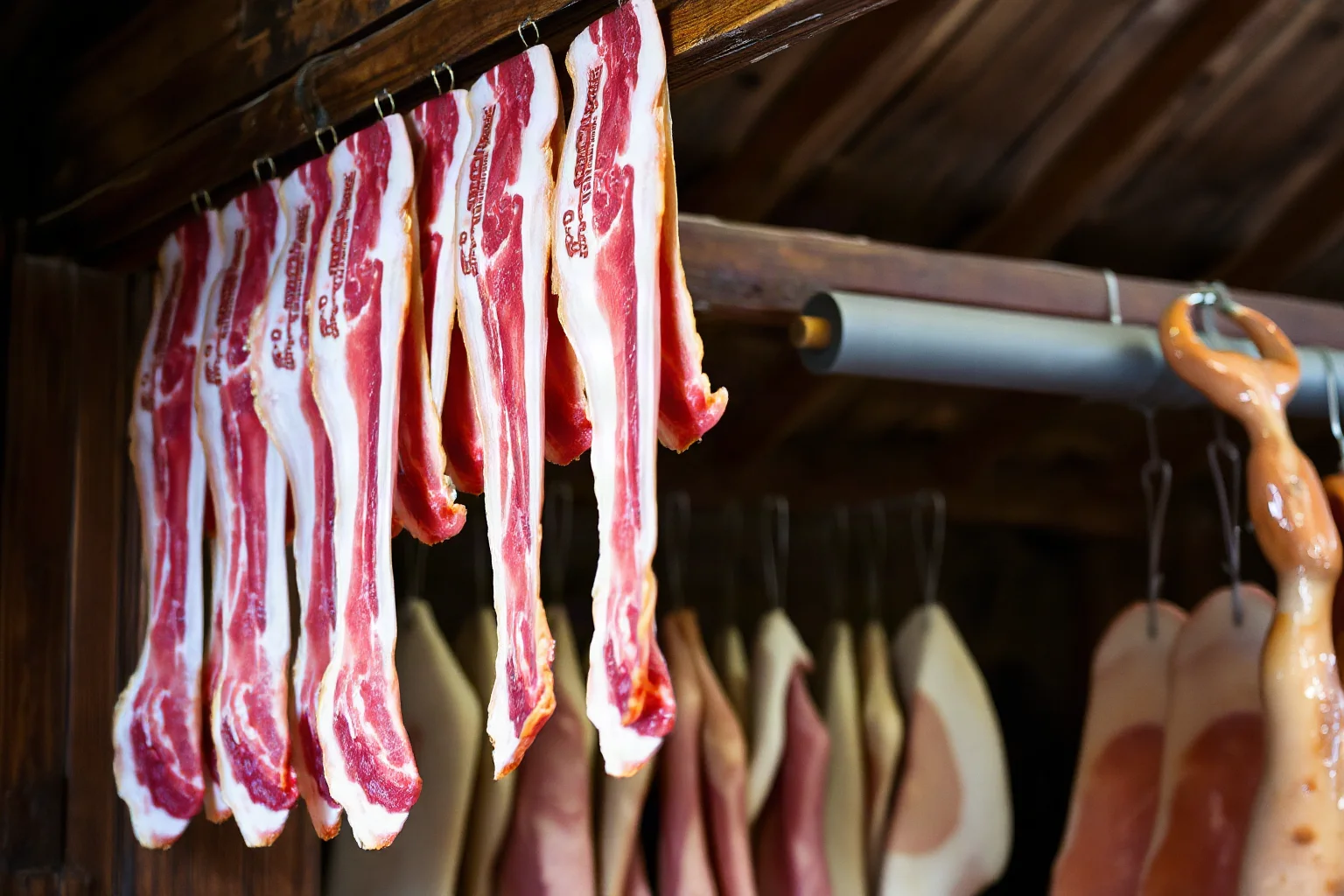
Pigs were relatively cheap to raise because they could forage on scraps and woodland acorns, which made pork the most common meat among ordinary families. Salt pork and bacon were preserved through curing, allowing households to stretch a single pig across many months. A little bacon fat could season an entire pot of pottage.
10. Eggs
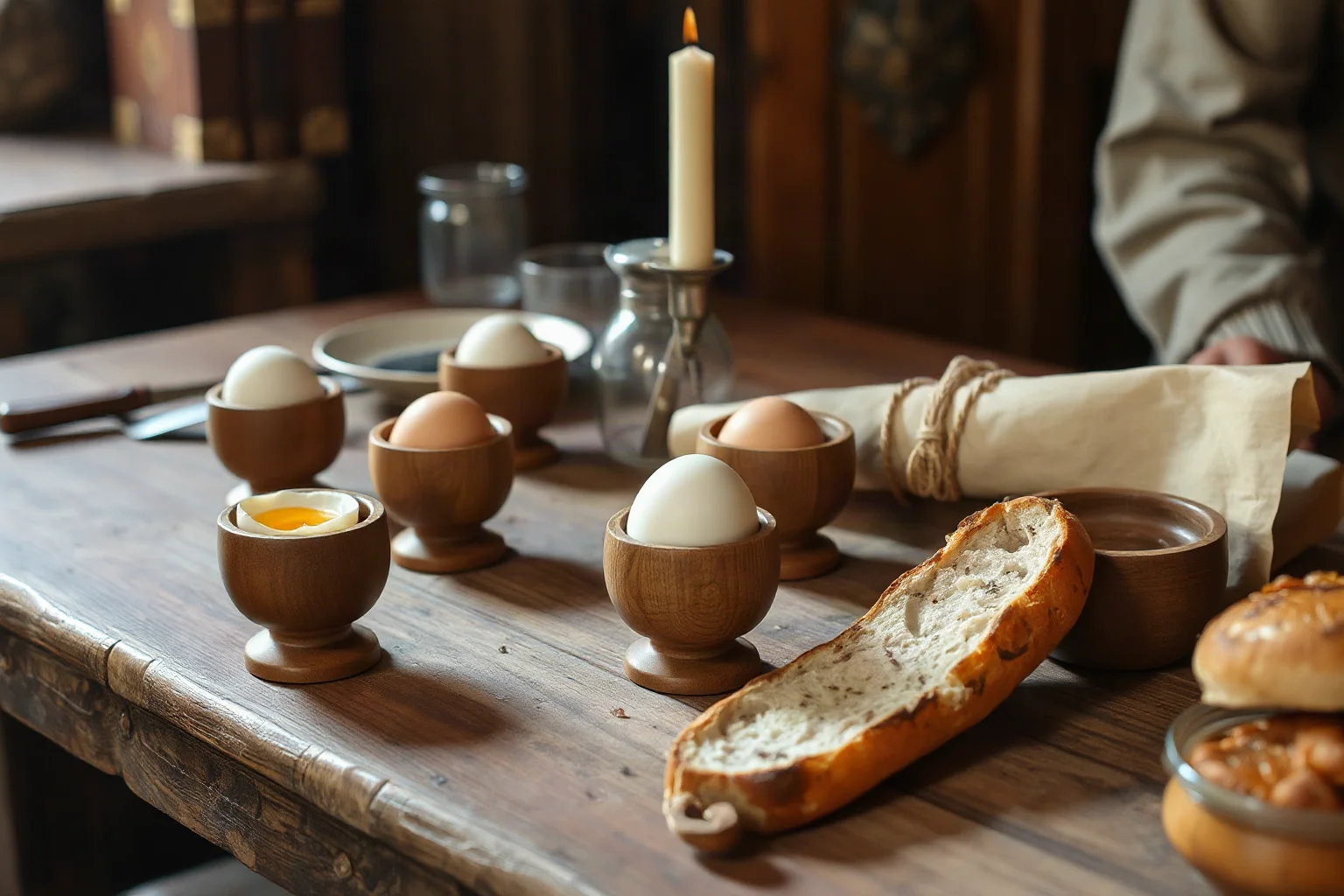
Chickens were kept by peasant and noble households alike, making eggs a widely available source of protein. Eggs were eaten boiled, baked into dishes, or used in the simple custards and pastries that appeared on wealthier tables. Like meat, eggs were restricted during certain fasting periods.
11. Freshwater and Sea Fish
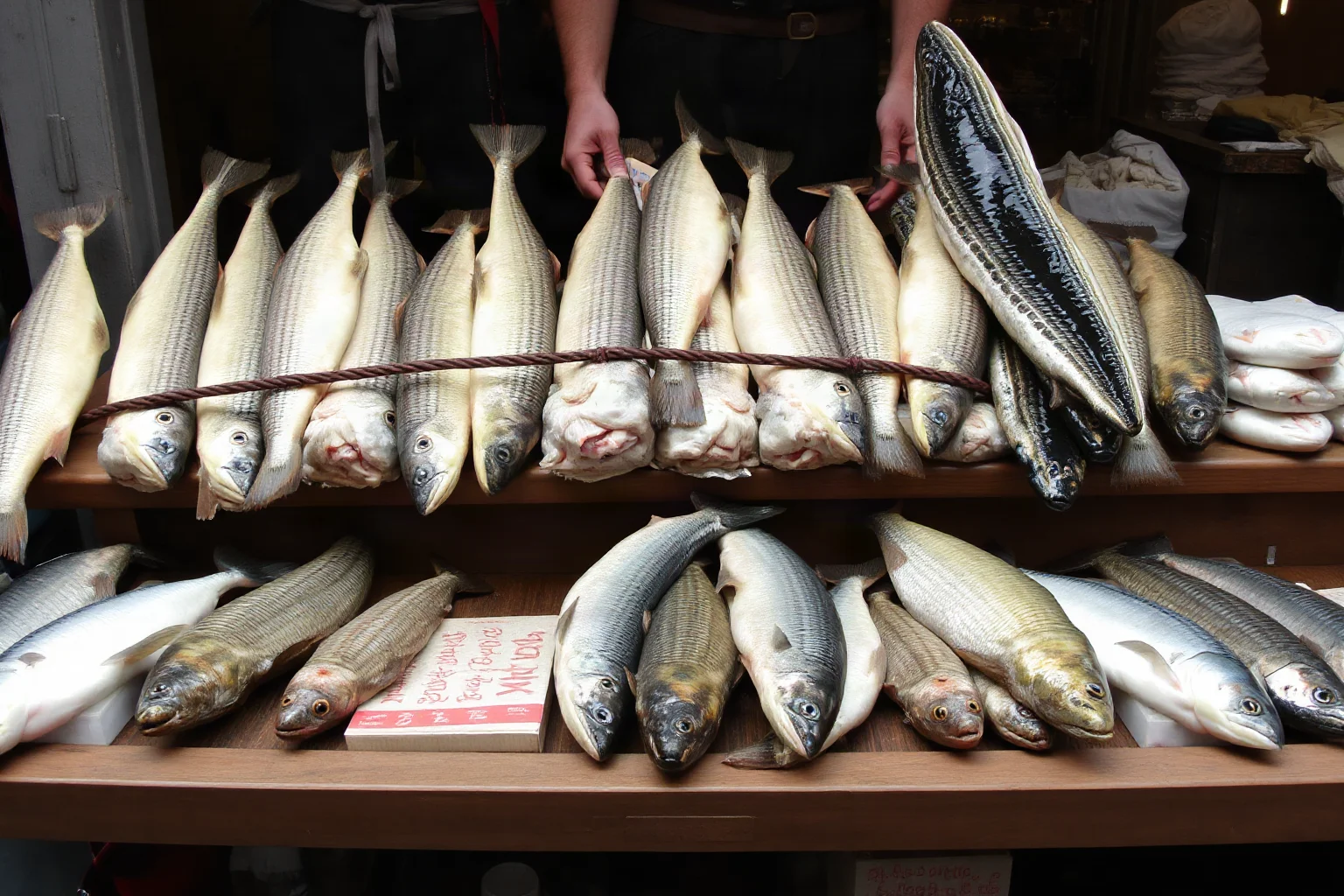
Beyond salted herring, medieval households ate a wide range of fish depending on location, including cod, pike, eel, and trout. Monasteries often kept fish ponds to guarantee a supply for fasting days. Fish was so central to the medieval diet that it’s a key answer whenever people ask what did they eat in medieval times, especially on the many religious fasting days each year.
12. Game Meats: Venison and Wild Boar
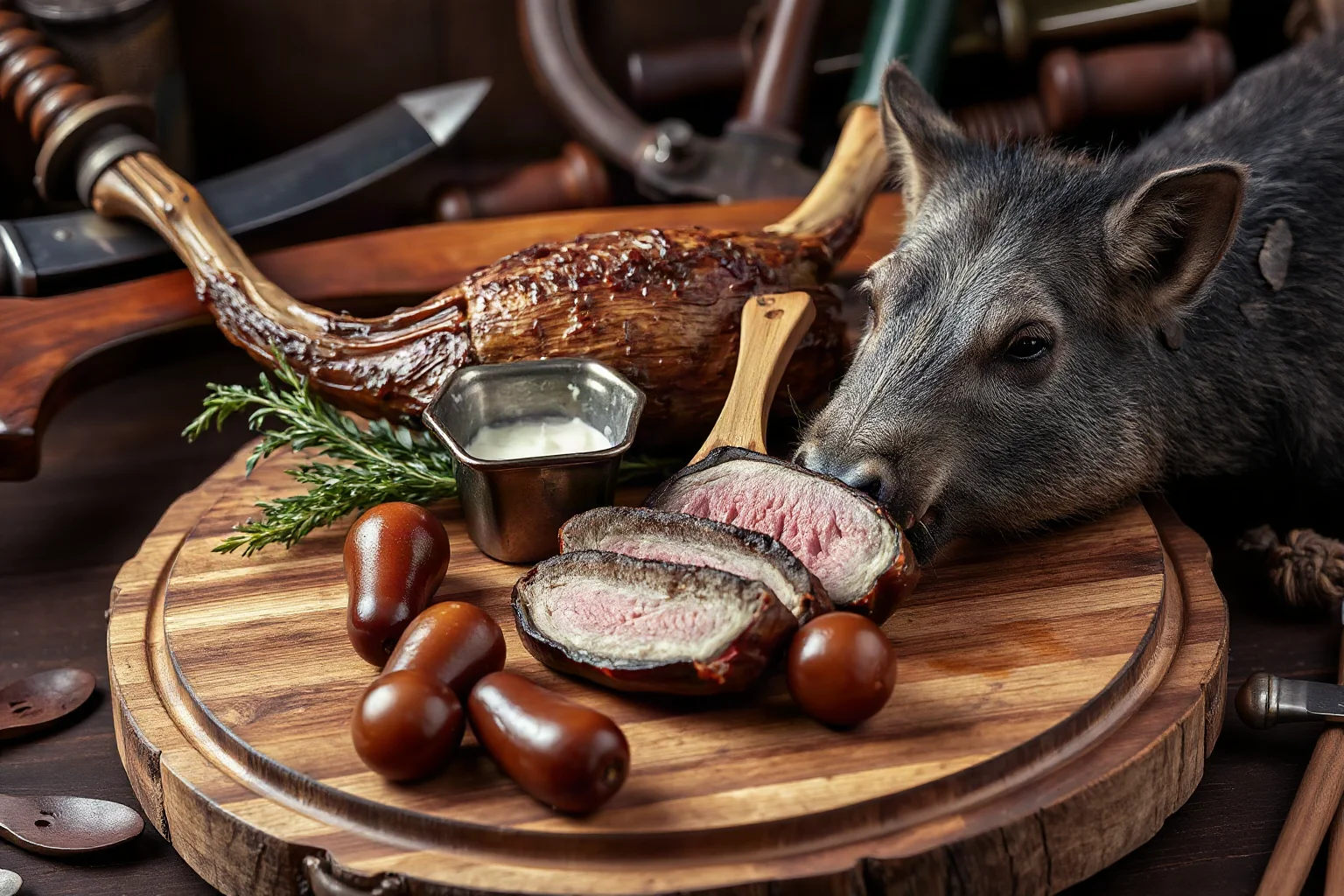
Hunting rights were tightly controlled, and in much of Europe only nobles were legally permitted to hunt large game like deer and wild boar. Venison, in particular, became a symbol of aristocratic privilege and appeared at noble feasts as both food and a display of status. Peasants caught poaching faced serious penalties in many regions.
13. Poultry, Including Some Unusual Birds
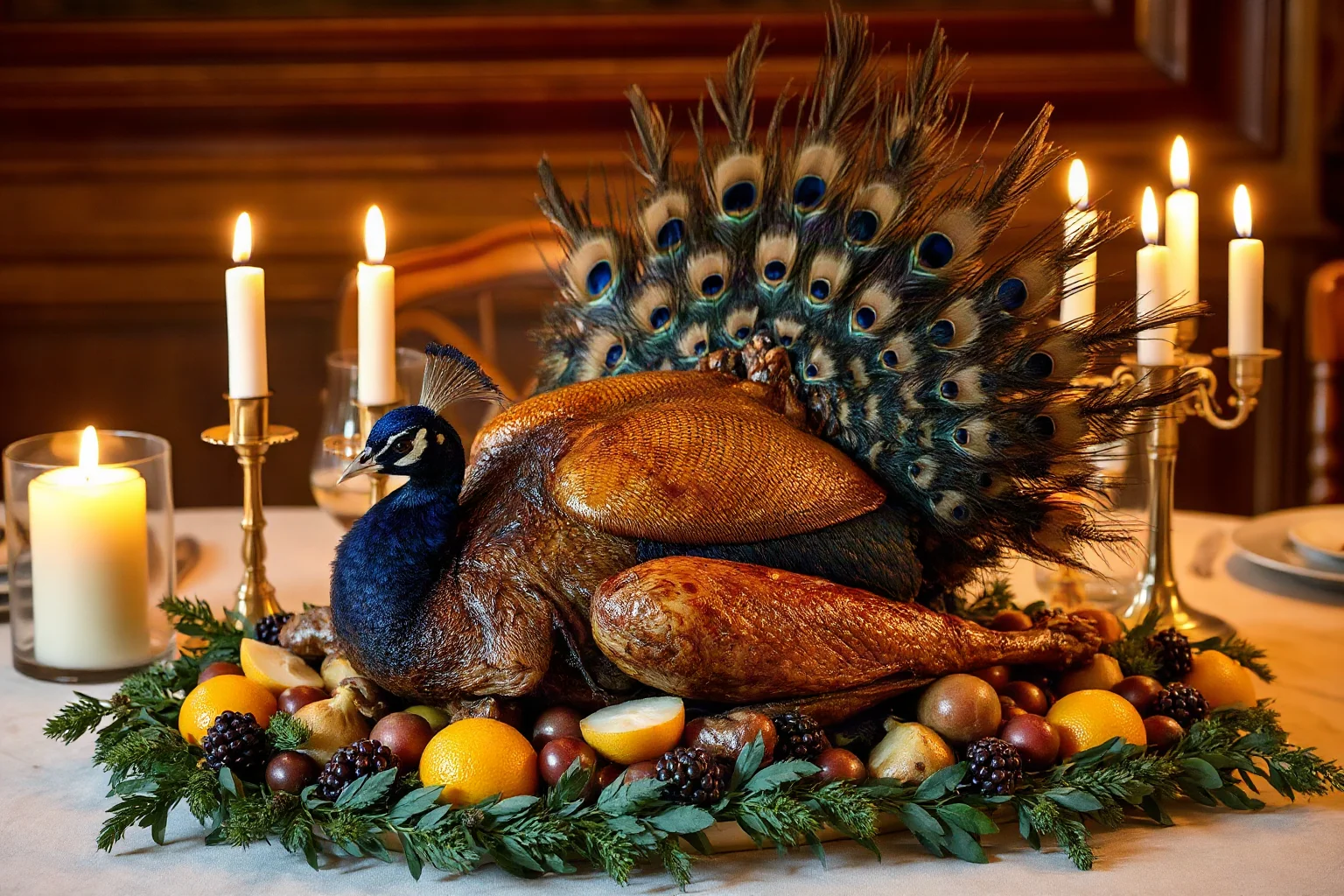
Chickens, geese, and ducks were common across the social spectrum, but wealthier households also served swans, peacocks, and even herons at special feasts. These exotic birds were prized more for their visual spectacle when presented at the table than for their flavor. A roasted peacock redressed in its own feathers was theater as much as it was dinner.
Medieval Food for the Rich: What Kings, Lords, and Nobles Ate
Medieval food for the rich looked dramatically different from what filled a peasant’s bowl. Nobles and kings had access to imported goods, skilled cooks, and enormous quantities of meat, and their meals were designed to impress as much as to nourish.
14. Roasted Meats at Grand Feasts
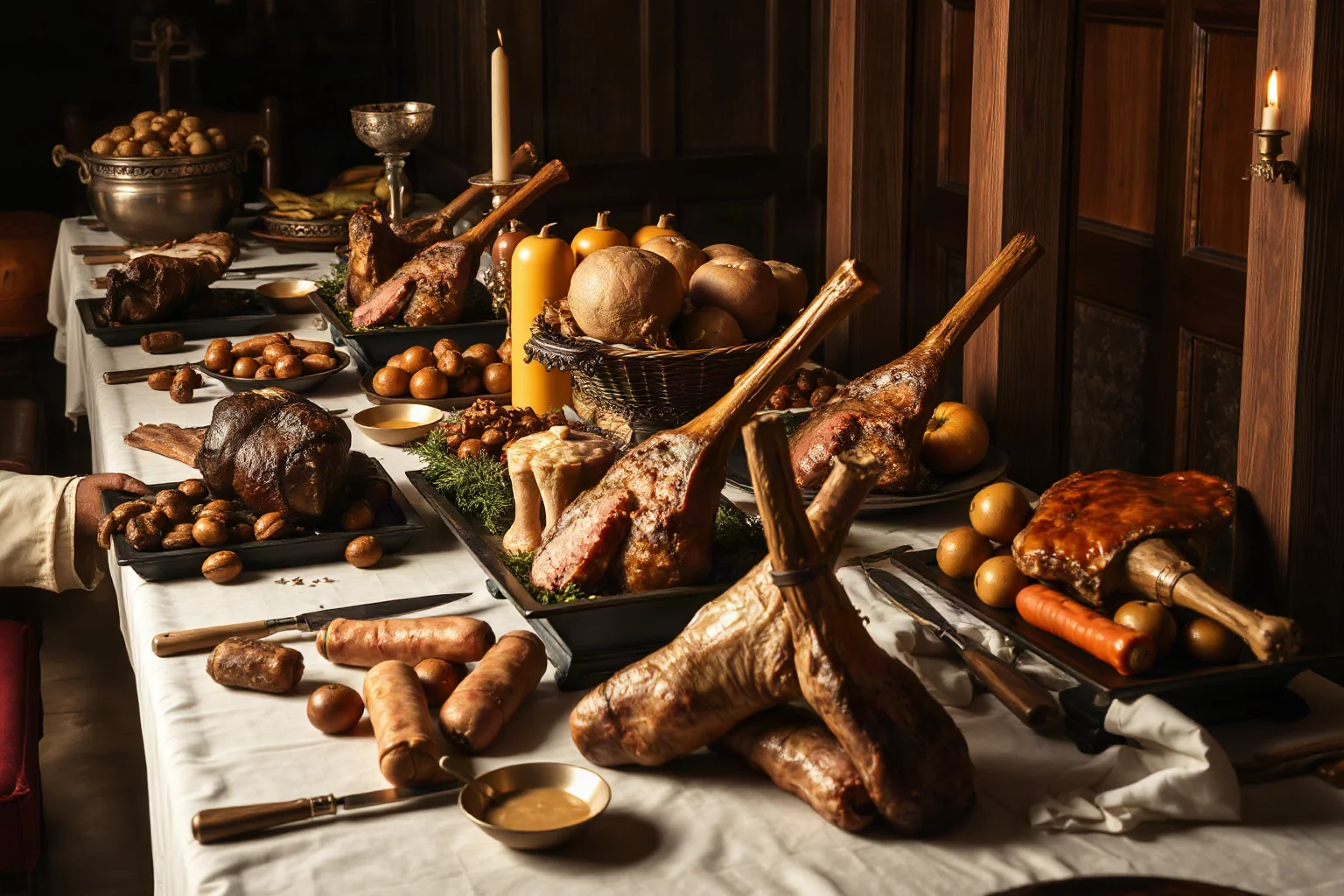
While peasants stretched a little meat across a stew, nobles roasted whole joints of beef, mutton, and pork, often several kinds at a single feast. What did kings eat in the middle ages? Multi-course banquets could include a dozen or more meat dishes served in sequence, a level of abundance meant to signal wealth and generosity to guests. Quantity itself was part of the display.
15. Richly Spiced and Sauced Dishes
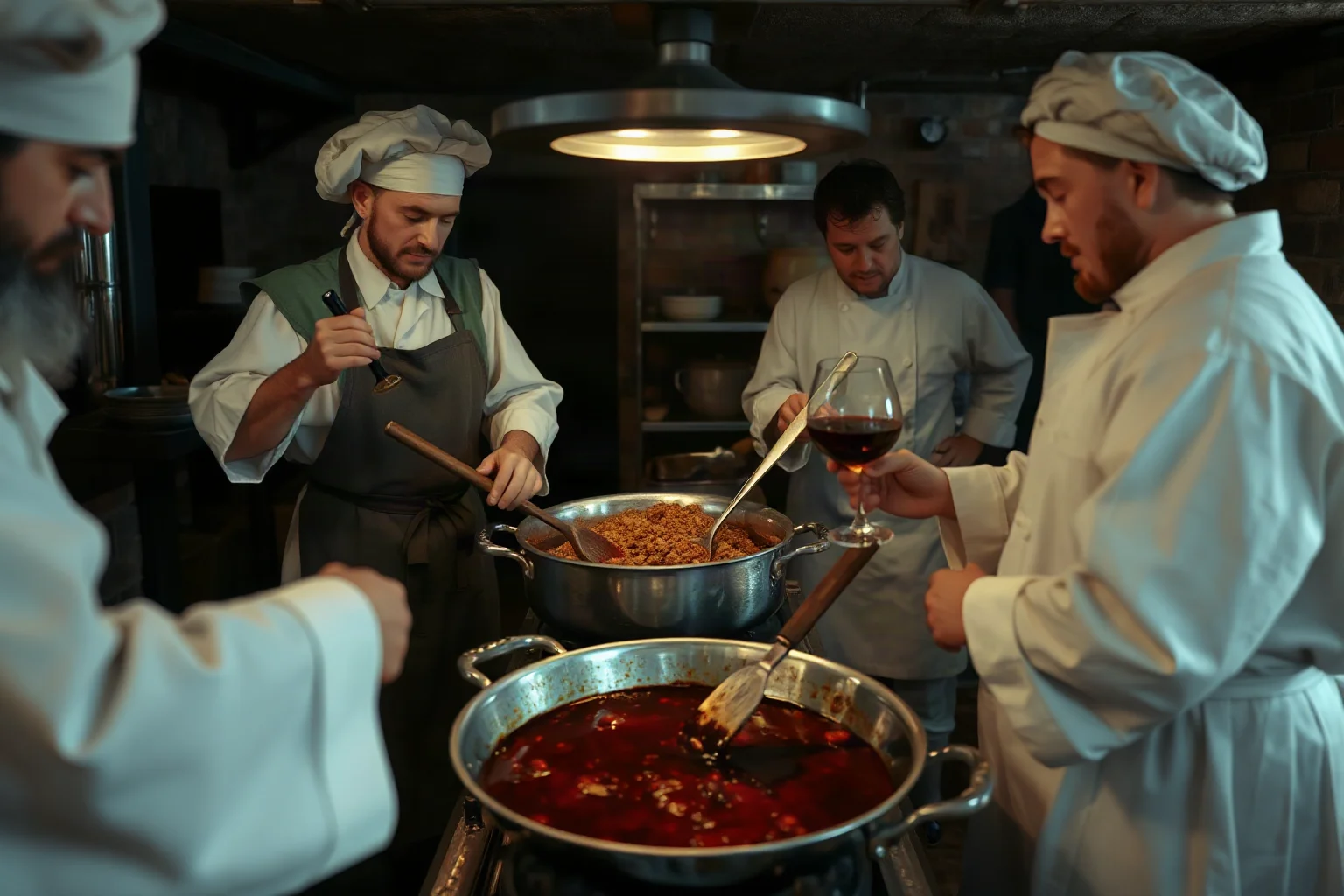
Noble kitchens used sauces thickened with breadcrumbs or almonds and flavored with wine, vinegar, and imported spices. There’s a persistent myth that medieval cooks drenched meat in spices to hide the taste of spoilage, but most historians reject this idea. Spices were extremely expensive, so using them generously was about showing off wealth, not disguising bad food.
16. White Wheat Bread
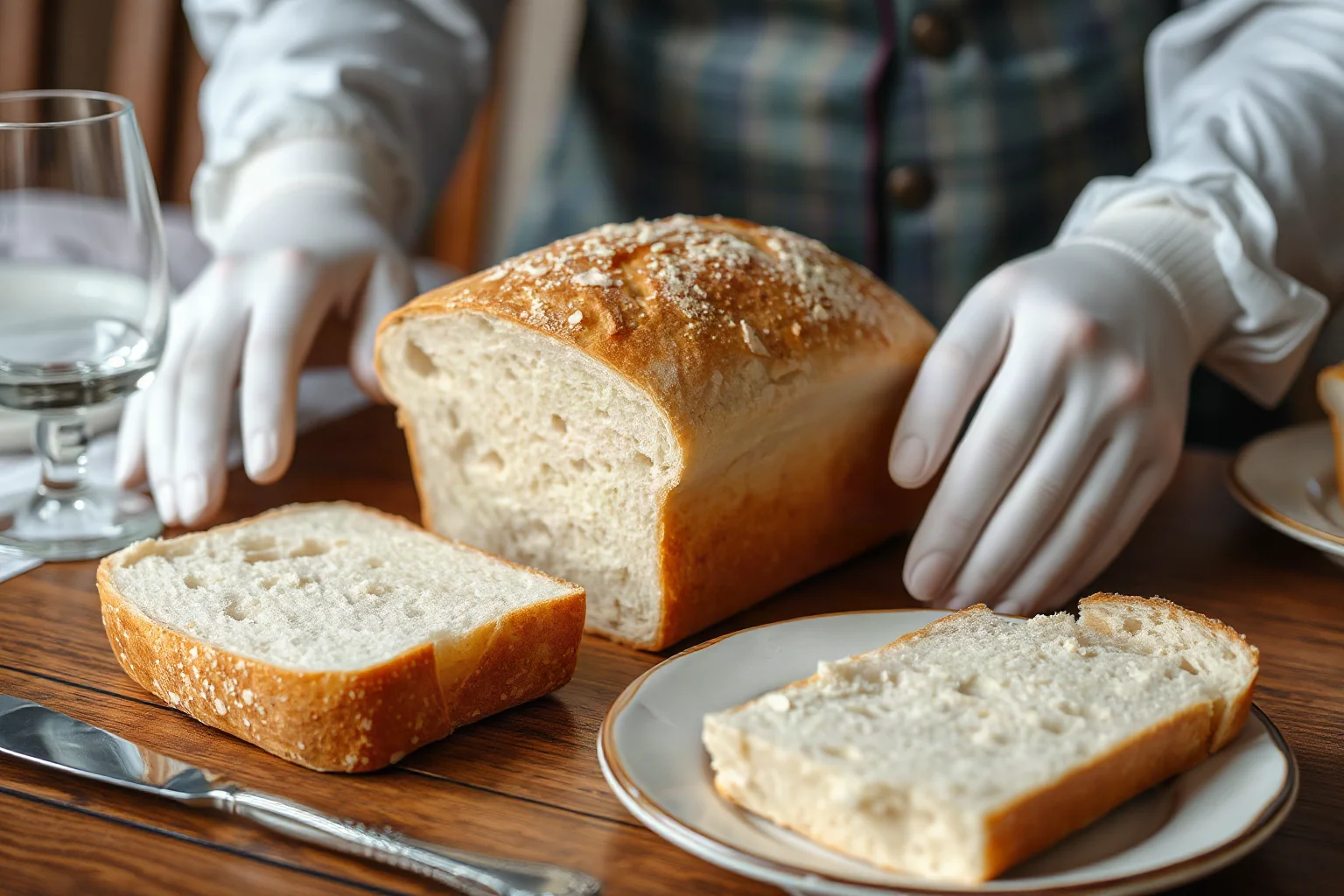
While serfs ate dark rye and barley loaves, the wealthy ate fine white bread made from sifted wheat flour, sometimes called manchet bread. The whiter and finer the bread, the higher the status it signaled. Trenchers, thick slices of slightly stale bread used as edible plates, were also common at noble tables.
17. Sugar Sculptures and Marzipan “Subtleties”
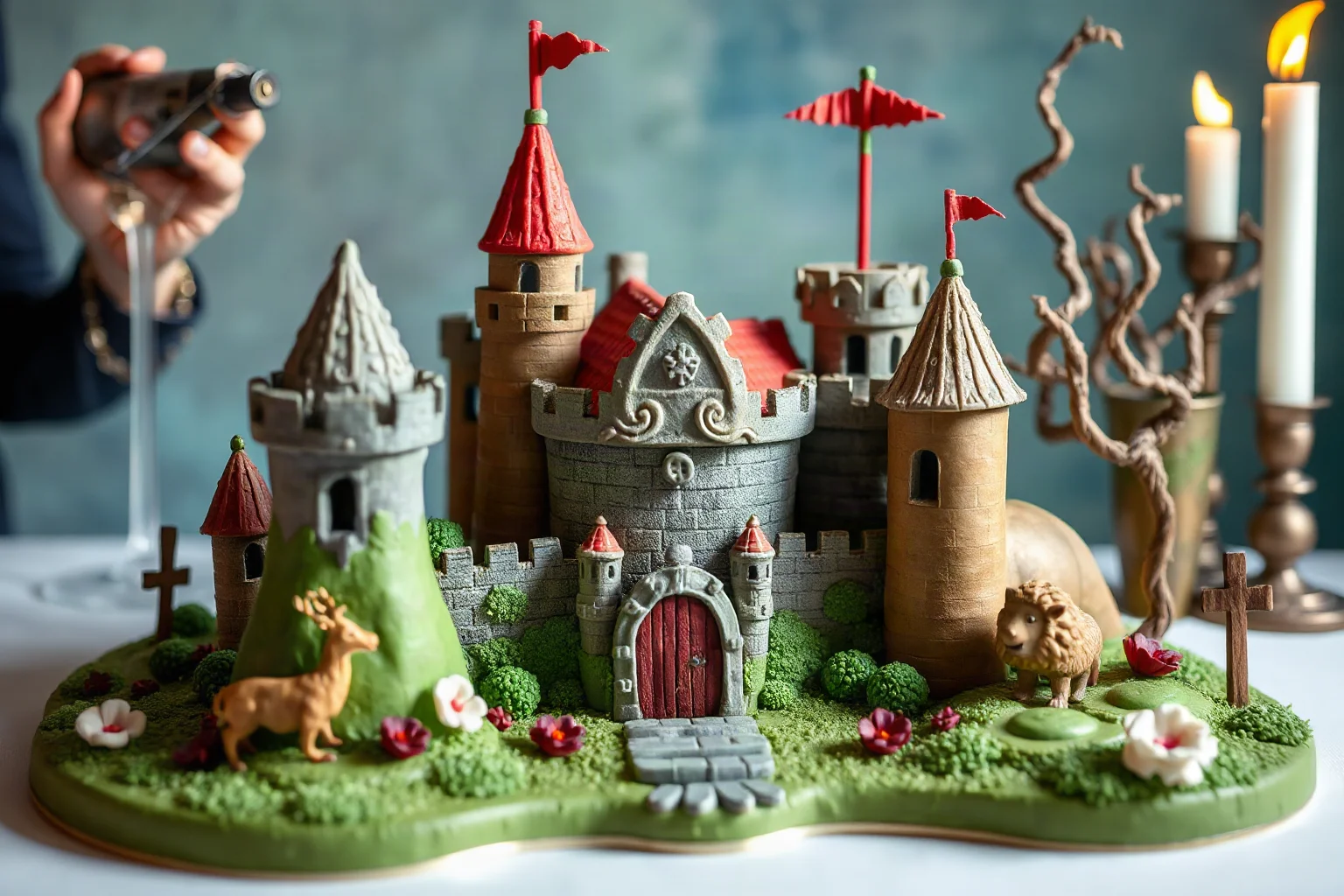
Sugar was a rare, imported luxury in the Middle Ages, so wealthy households used it sparingly in food but lavishly in display. Elaborate sugar and marzipan sculptures called “subtleties” were crafted into castles, animals, or coats of arms and presented between courses at grand feasts. These were as much art and entertainment as they were dessert.
18. Wine and Imported Drinks
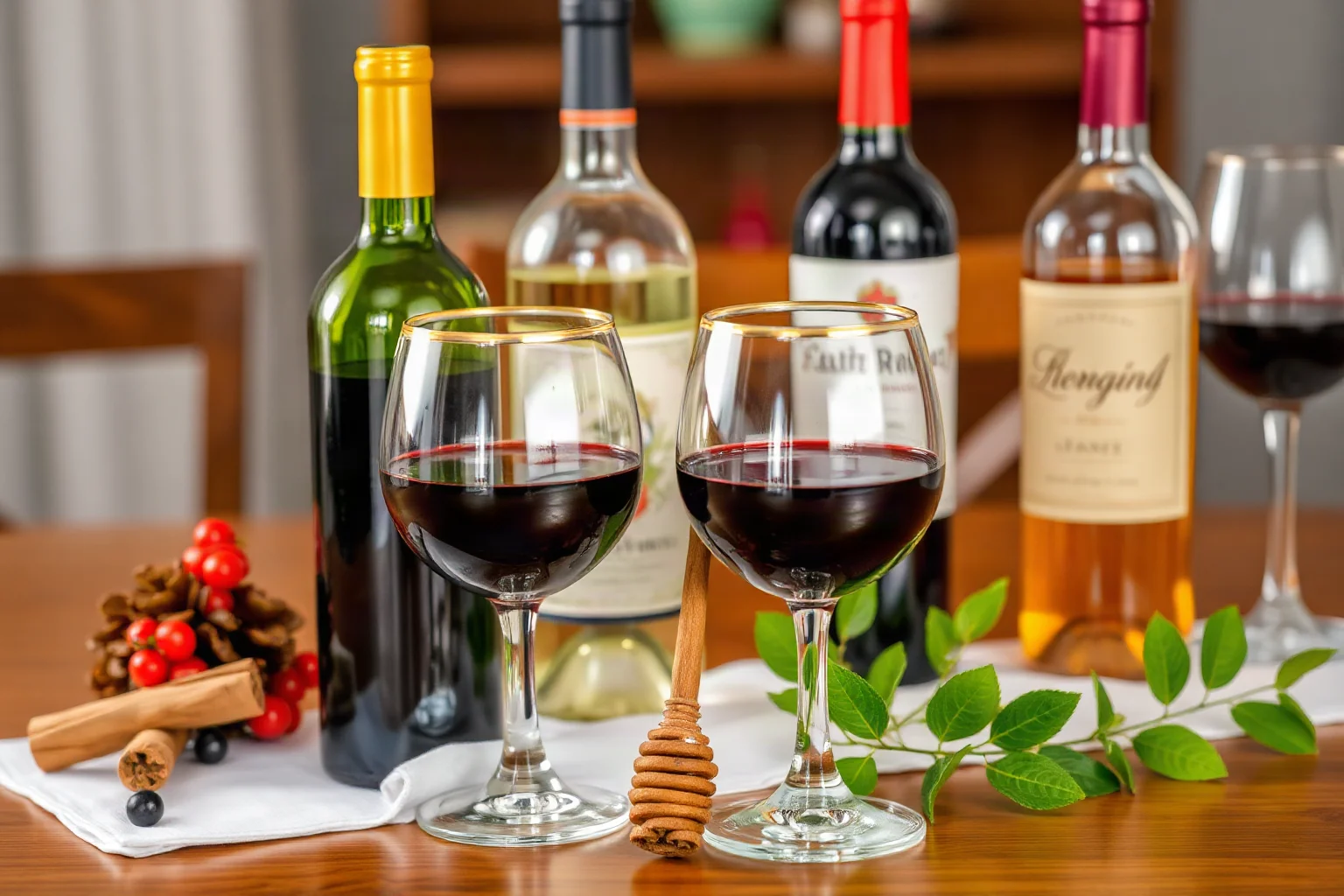
While peasants drank ale, the nobility favored wine, often imported from France, Germany, or the Mediterranean. Spiced wine, sweetened with honey and flavored with cinnamon or ginger, was a particular favorite at aristocratic tables. Access to imported wine was itself a marker of wealth and trade connections.
19. Exotic Imported Spices
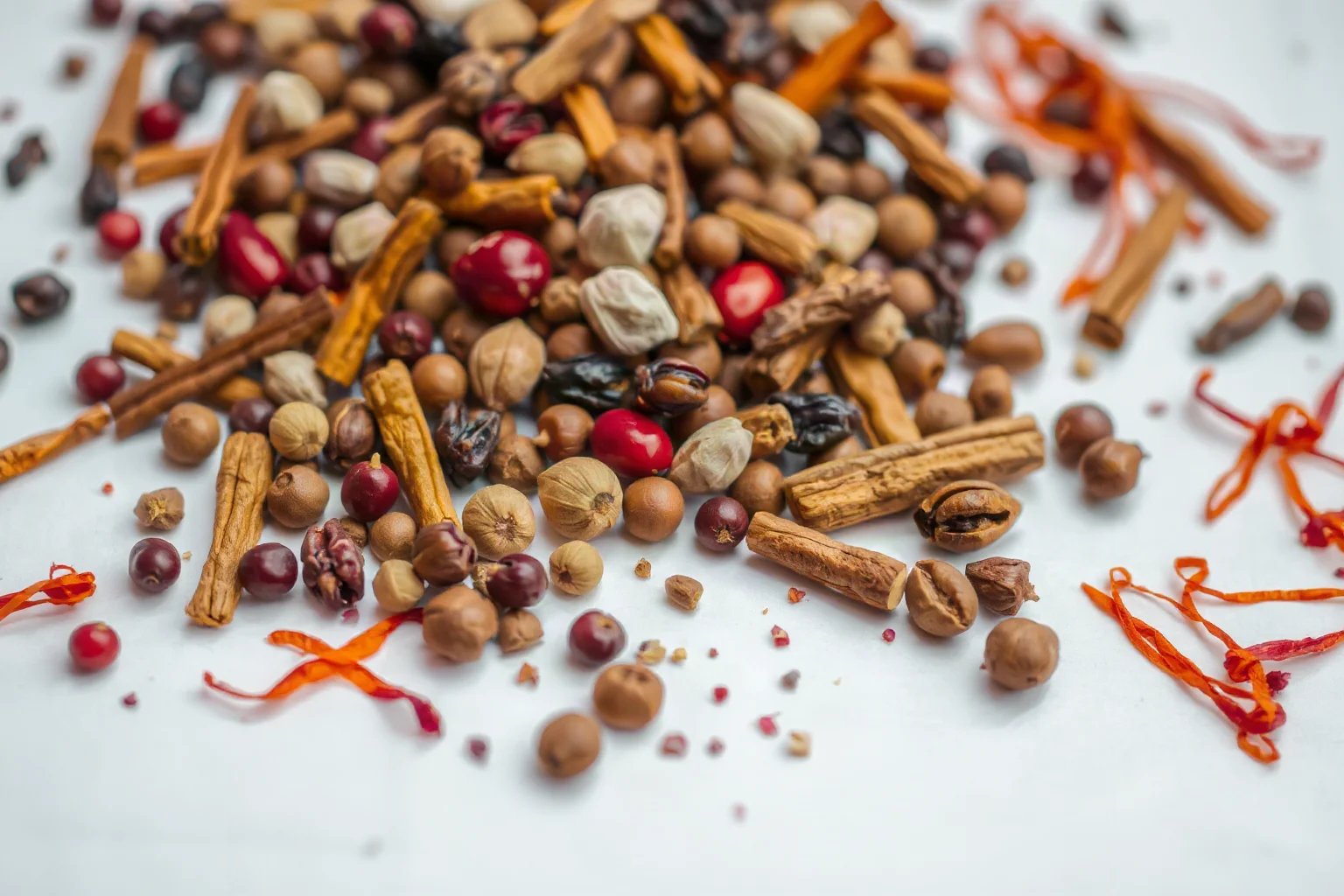
Pepper, cinnamon, cloves, nutmeg, and saffron traveled enormous distances along trade routes from Asia and the Middle East before reaching European kitchens. These spices were so valuable that they were sometimes used as currency or stored like precious goods. Only the rich could season food this way, which made a heavily spiced dish an obvious status symbol.
Fruits, Sweets, and Little Luxuries
Not every medieval food was a matter of survival or status. Fruits, nuts, and modest sweets appeared across the social scale, even if the fanciest versions stayed firmly on noble tables.
20. Medieval Fruits
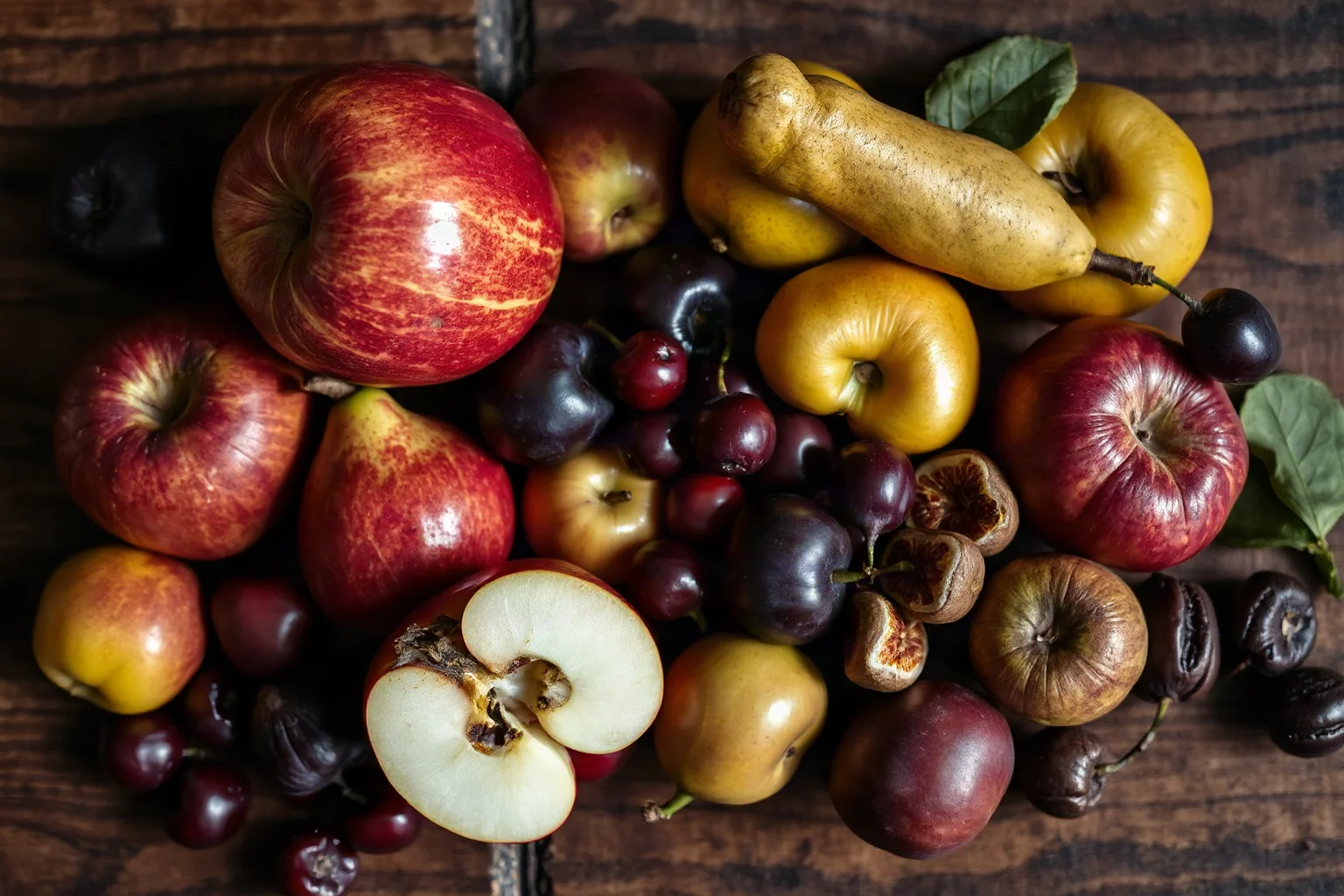
Medieval fruits included apples, pears, plums, cherries, and a wide range of berries, most of which were grown locally rather than imported. Fresh fruit was eaten in season, while techniques like drying and preserving in honey let people enjoy fruit through the winter. Citrus fruits and dried fruits like figs and dates were available to wealthier households through Mediterranean trade routes.
21. Nuts
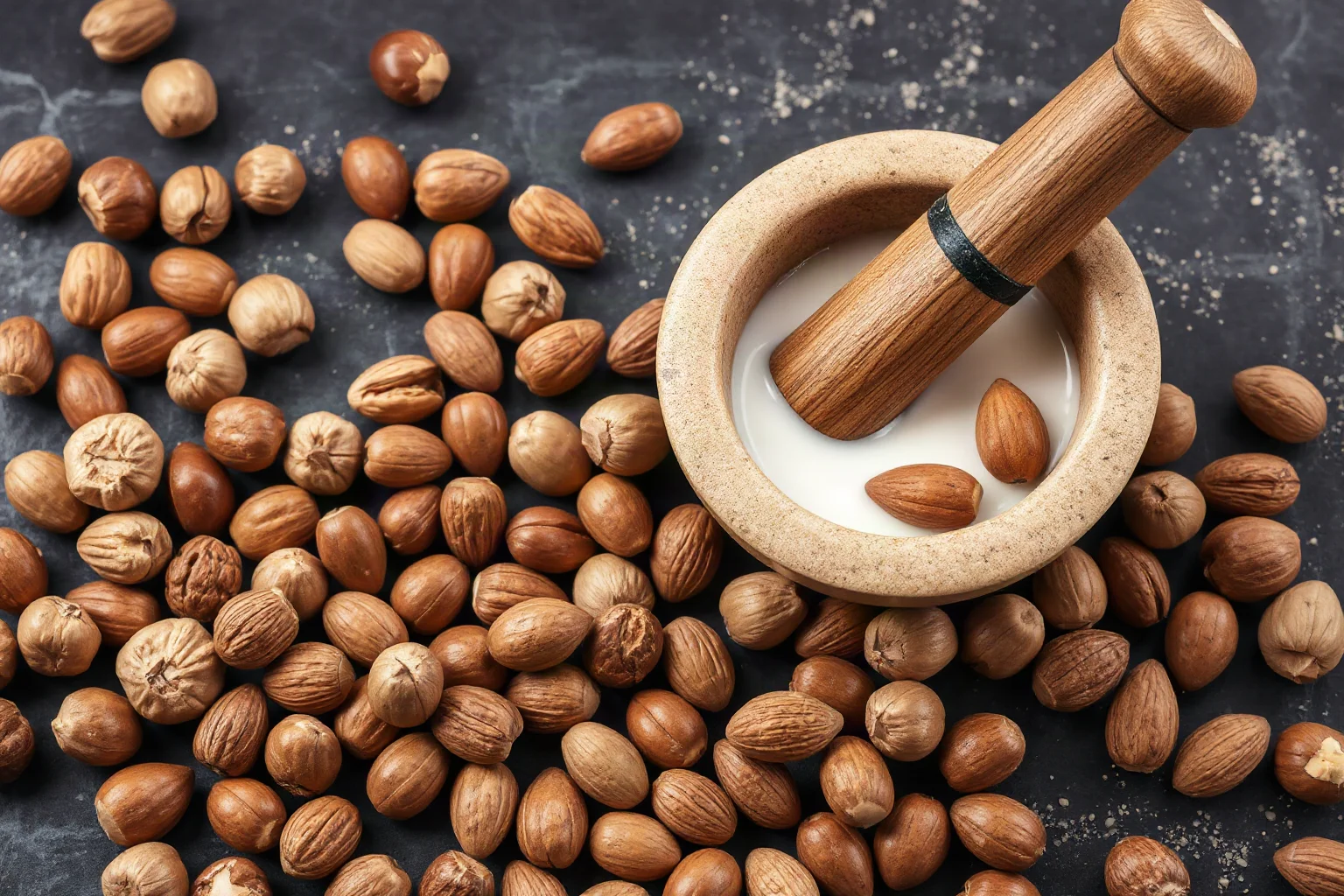
Walnuts, hazelnuts, chestnuts, and almonds were gathered or cultivated and used in cooking across Europe. Almonds were especially prized in noble kitchens, where they were ground into almond milk, a useful dairy substitute during fasting periods. Nuts also added texture and richness to sauces and desserts.
22. Honey as the Main Sweetener
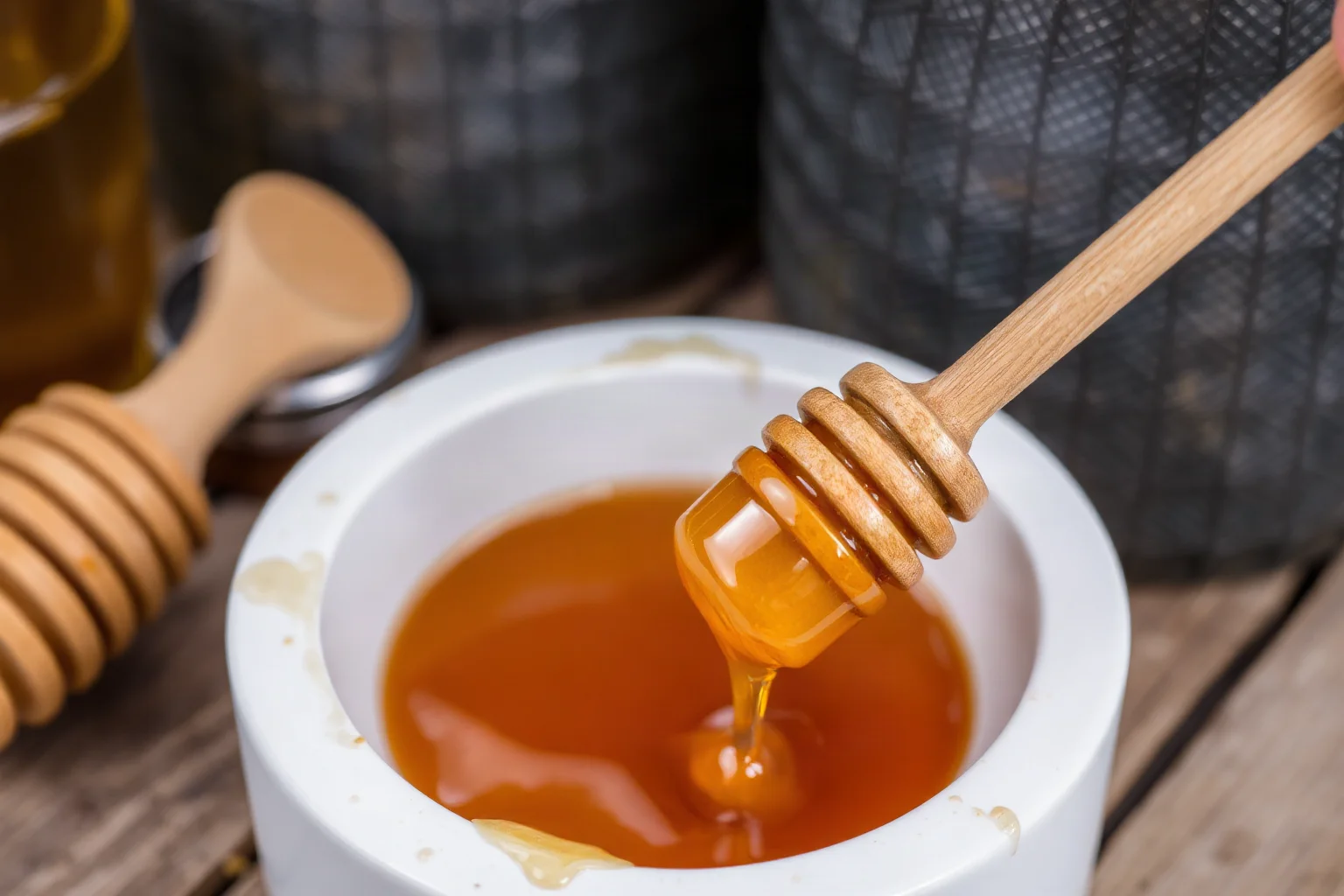
Before sugar became more widely available, honey was the primary sweetener for most of the medieval period. It was used in drinks, desserts, and even preserved fruits, and beekeeping was a valued skill in many communities. Honey also had a reputation as a medicinal ingredient, used in remedies as well as recipes.
23. Pies and Pastries
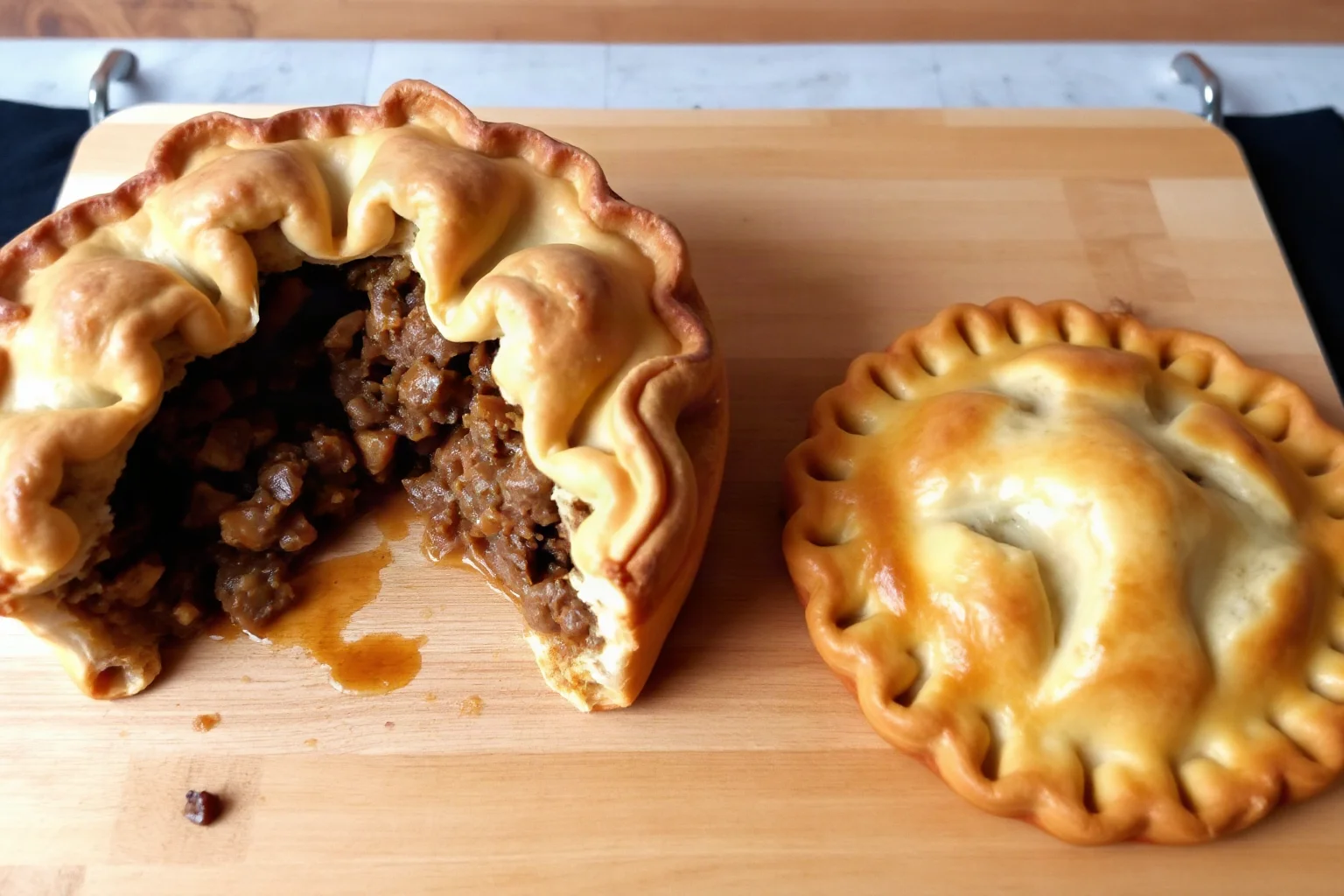
Medieval pastry, often called a “coffin” or “coffyn,” was originally more of a sturdy container than a delicate crust, used to bake and store meat, fruit, or fish fillings. Wealthier households eventually developed lighter, more refined pastries as sugar and butter became more accessible. Meat pies, in particular, were common at both peasant and noble tables, though the fillings varied enormously by class.
How Food Began to Change by the 1500s
The Middle Ages didn’t end with a clean break; food traditions shifted gradually into the early modern period. Looking at food in the 1500s shows a diet in transition, still rooted in medieval habits but starting to change fast as Europe stepped into the Renaissance.
24. New World Crops Arriving in Europe
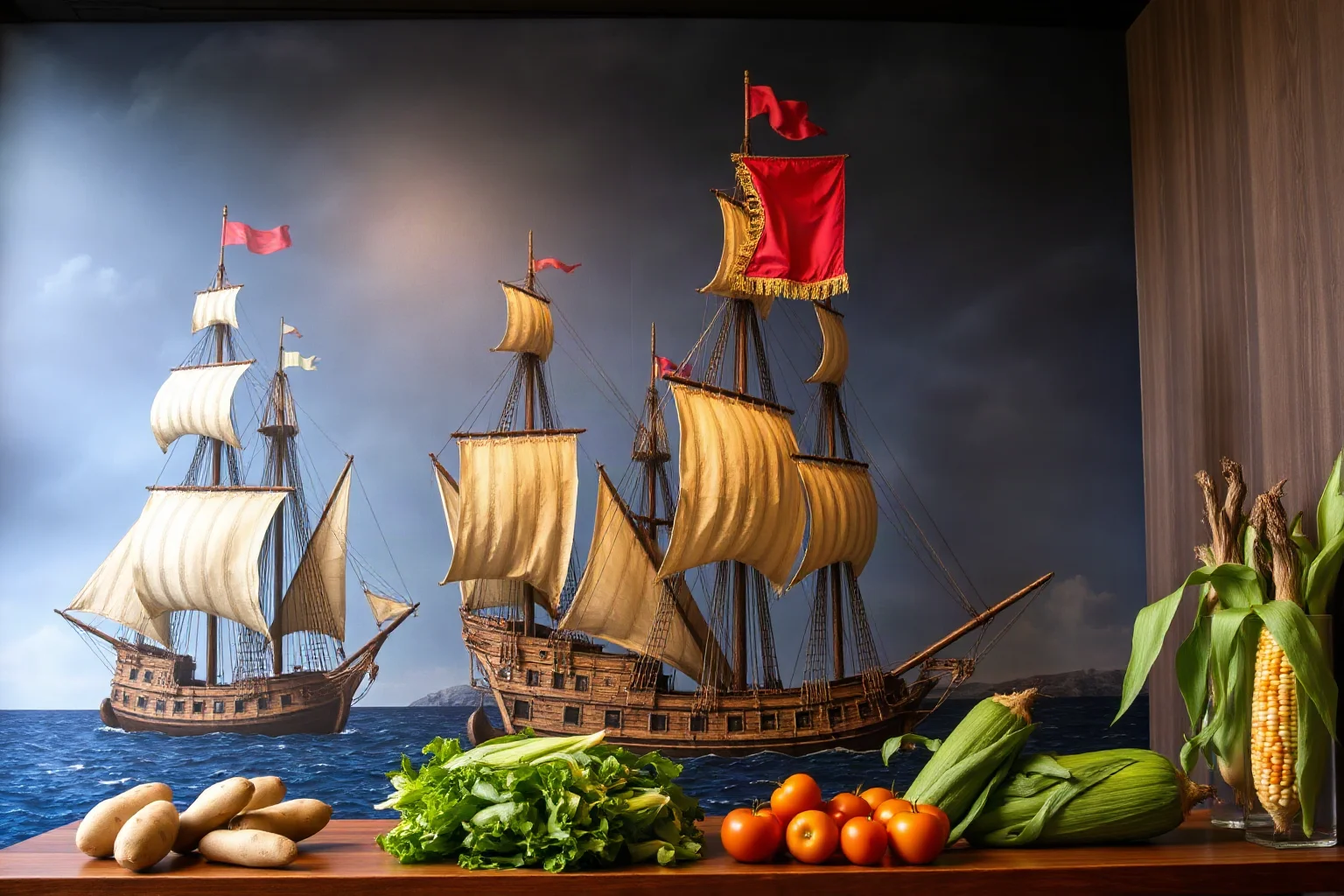
After Columbus’s voyages beginning in 1492, foods like potatoes, tomatoes, maize, and peppers slowly made their way from the Americas into European kitchens. These crops were not part of true medieval cooking and only began appearing, cautiously and unevenly, in the 1500s. It took decades, and in some cases over a century, for ingredients like the tomato and potato to become kitchen staples.
25. Fasting and Lenten Dishes
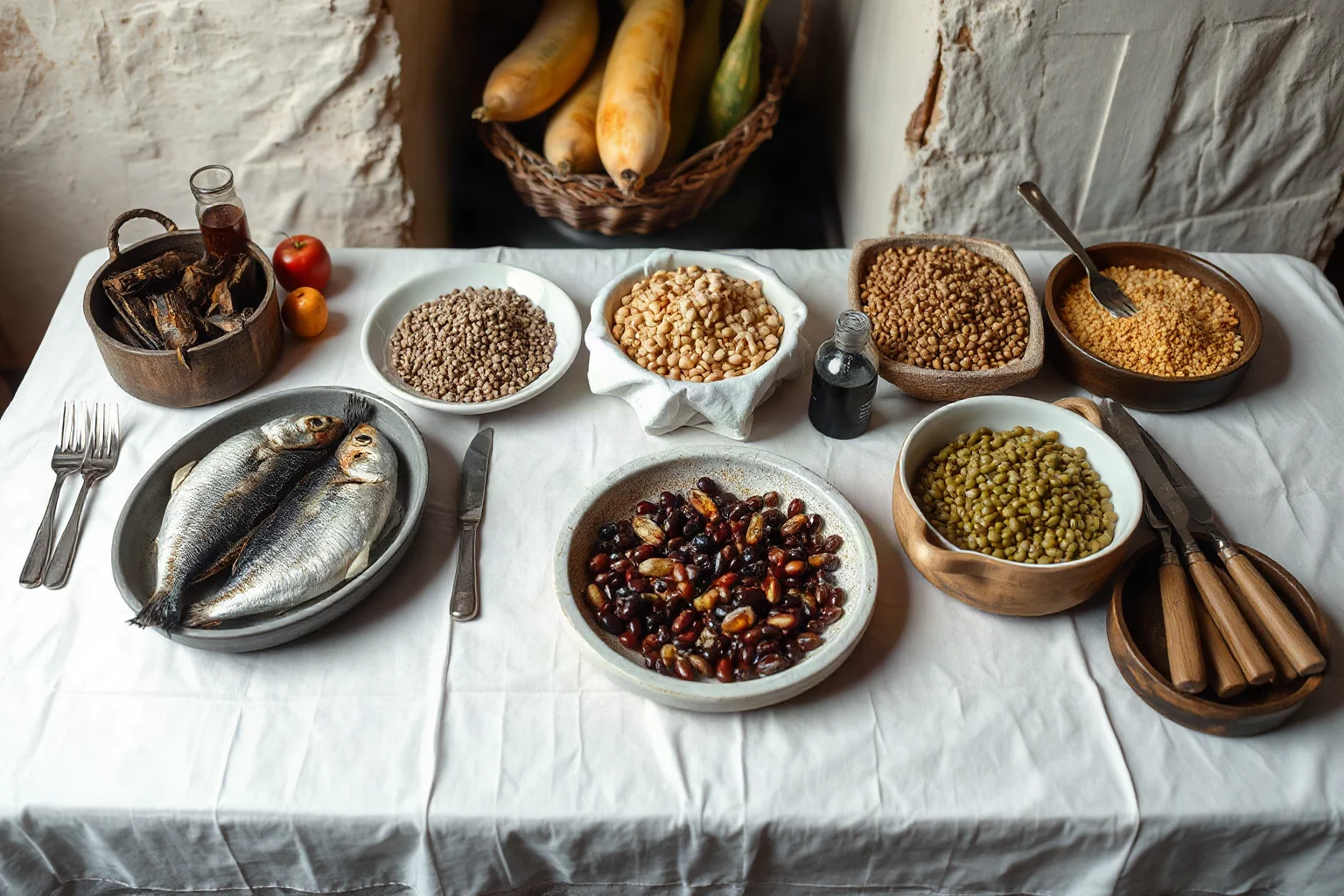
Religious fasting rules continued to shape 1500s food much as they had throughout the Middle Ages, keeping fish, vegetables, and meat-free dishes central to the calendar. Lenten meals relied on preserved fish, legumes, and grain dishes, continuing centuries-old patterns even as new ingredients slowly entered European pantries. This overlap shows just how gradual the shift from medieval to early modern eating really was.
Meal Times and Table Manners in the Middle Ages
Medieval meals followed a rhythm shaped by daylight, labor, and religious observance rather than a modern nine-to-five schedule. Most households ate a substantial midday meal, called dinner, followed by a lighter supper in the evening. Breakfast was often minimal or skipped entirely by adults, especially among laborers whose main meal came after a morning of physical work.
Table manners also varied sharply by class. Nobles used elaborate table settings, multiple courses, and increasingly formal etiquette guides as the period went on, while peasant families ate more simply, often from shared bowls with wooden spoons. Forks were essentially unknown in most of medieval Europe; people ate with knives, spoons, and their hands well into the later medieval and early modern periods.
Busting the Biggest Medieval Food Myths
Popular culture has done medieval cooking a real disservice, and it’s worth separating fact from fiction. The claim that spices masked rotten meat isn’t well supported by historical evidence, since spices were far too expensive to waste on spoiled food that could simply be avoided or salted properly. Wealthy households used spices to show off, not to cover up mistakes.
Another myth is that medieval people ate almost no vegetables or fruit. In truth, vegetables and legumes made up a huge portion of the average diet, especially for peasants who couldn’t afford much meat. The image of every meal being a giant roasted animal comes from noble feasts and modern medieval-themed entertainment, not from everyday medieval diet.
Finally, tomatoes, potatoes, and corn on the cob simply did not exist in the European medieval diet, no matter how often they show up in fantasy retellings of the period. Those ingredients arrived from the Americas only at the very end of the Middle Ages or afterward. Getting this timeline right matters if you’re trying to understand what food people in the middle ages actually had available to them.
Bringing It All Together
Medieval food was never one single thing; it was a patchwork shaped by class, climate, religion, and trade routes stretching across continents. A serf’s pottage and a king’s spiced roast came from the same historical period but told very different stories about power and access. That contrast is exactly what makes medieval era food such a rich lens for understanding the period as a whole.
Whether you’re curious about food from medieval times for a school project, a novel, or just genuine curiosity about the past, the key takeaway is variety. Bread, pottage, and ale sustained the many, while spices, sugar sculptures, and imported wine dazzled the few. Understanding both sides gives a far more accurate picture than any turkey leg ever could.
Frequently Asked Questions
What did people eat in the Middle Ages?
What people ate in the Middle Ages depended heavily on social class, region, and the church calendar. Peasants relied on coarse bread, pottage made from grains and vegetables, legumes, cheese, and small amounts of pork or fish, while nobles and kings enjoyed roasted meats, white bread, imported spices, and elaborate multi-course feasts.
What food did peasants and serfs eat in the Middle Ages?
Peasants and serfs ate a simple, grain-based diet built around dark rye or barley bread, pottage (a thick vegetable and grain stew), dried peas and beans, cabbage and root vegetables, cheese, and small amounts of bacon or salted fish. Meat was eaten occasionally rather than as a daily staple.
What did kings and nobles eat in medieval times?
Kings and nobles ate lavish meals featuring multiple roasted meats, game like venison and wild boar, richly spiced sauces, white wheat bread, imported wine, and decorative sugar or marzipan centerpieces. These feasts were designed to display wealth and status as much as to feed guests.
What food do they serve at Medieval Times restaurants?
The Medieval Times dinner theater chain serves a themed meal typically including roasted chicken, a rib, bread, and vegetable side dishes eaten by hand, meant to evoke a feast atmosphere. This modern menu is a simplified, entertainment-focused take on medieval dining rather than a strict historical recreation.
Did medieval people use spices to hide the taste of rotten meat?
This is a common myth that historians generally reject. Spices were extremely expensive imports and were used by wealthy households as a status symbol, and there's little historical evidence that they were used specifically to disguise spoiled meat.
How was food different in the 1500s compared to earlier medieval times?
By the 1500s, European food was beginning to change as New World crops like potatoes, tomatoes, and maize slowly entered European kitchens following Columbus's voyages. However, staples like bread, pottage, salted fish, and fasting-day meals continued much as they had throughout the medieval period.
What fruits were common in medieval Europe?
Common medieval fruits included apples, pears, plums, cherries, and various berries, most grown locally and eaten fresh in season or preserved with honey for winter. Wealthier households also had access to imported dried fruits like figs, dates, and raisins through Mediterranean trade.

Alex Warren
Related Articles