

Picture the modern Olympics: sprinters exploding off the blocks, gymnasts twisting through the air, swimmers slicing across the water.
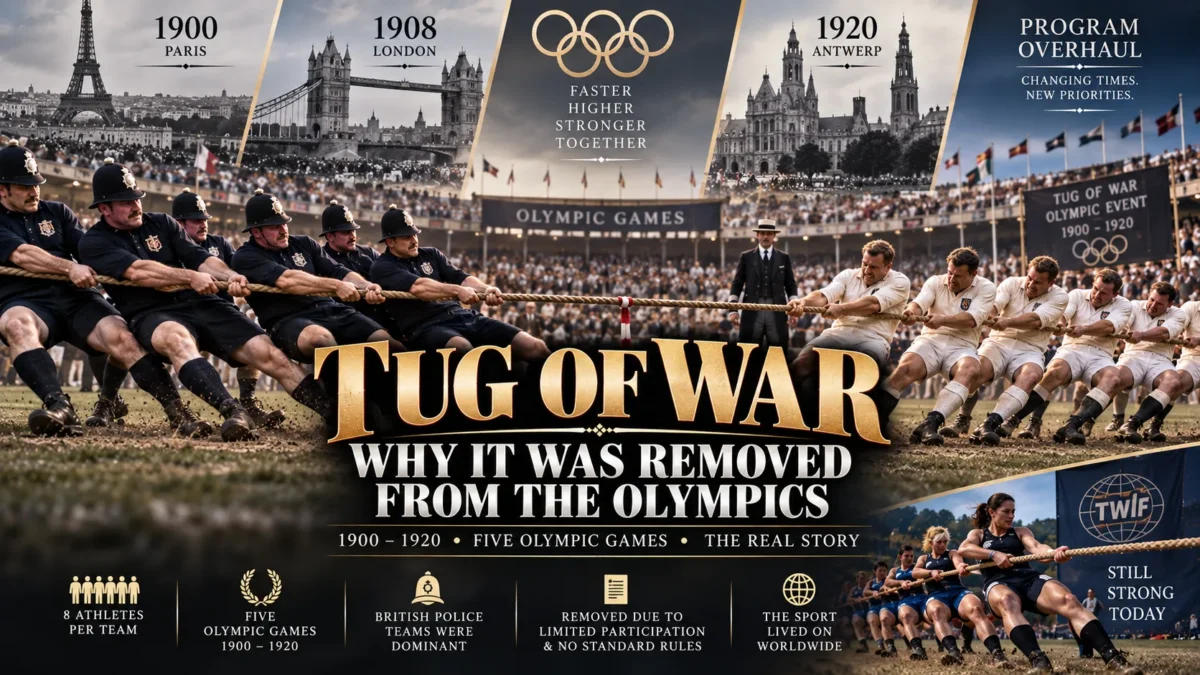
Now picture eight burly police officers in matching boots, leaning back hard on a thick rope, straining to drag their rivals across a chalk line. Believe it or not, that scene once earned real Olympic medals.
Tug of war — yes, the same game played at company picnics and elementary school field days — was a genuine Olympic sport for two decades.
Then it disappeared from the program, and the internet has been full of half-true explanations for its exit ever since. Let’s separate the documented history of tug of war at the Olympics from the myths that have grown up around it.
TL;DR: Tug of war was a full Olympic sport from 1900 to 1920, but it was dropped in the 1920s as officials trimmed a bloated Olympic program — not, as a popular myth claims, because of its “war” name after World War I.
1. Tug of War Has Ancient, Global Roots
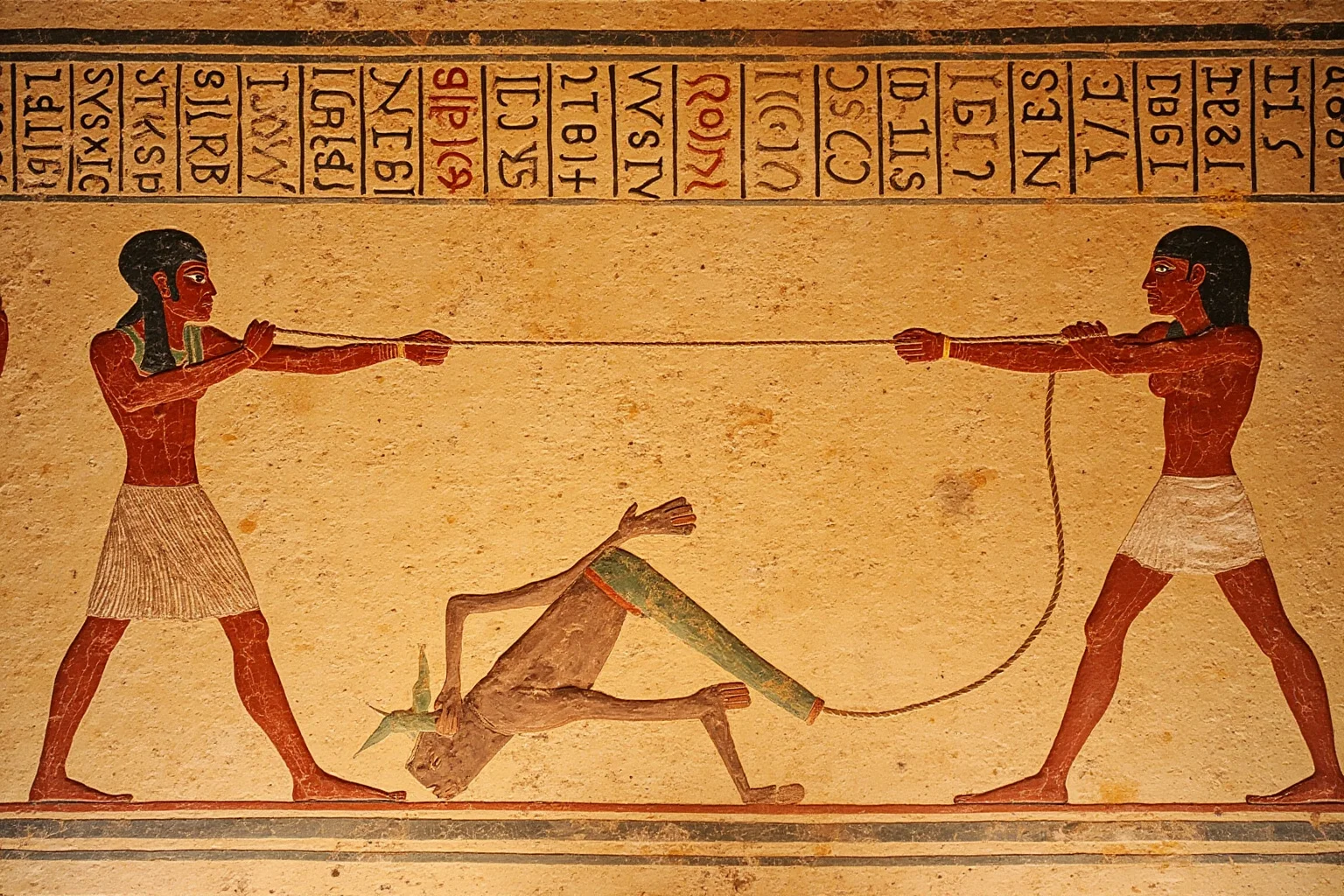
Long before it graced an Olympic stadium, tug of war existed in some form across many ancient cultures, appearing again and again throughout history’s major time periods. Tomb paintings from ancient Egypt and historical texts from ancient China and India describe rope- or stick-pulling contests used for training, ritual, or celebration.
Similar contests appeared in ancient Greece, where a version sometimes called “helkustinda” tested strength between two teams. This long, scattered history places tug of war among the oldest sports still played today, and made it a natural fit when early Olympic organizers went looking for simple, universally recognizable contests to round out the athletics program.
2. It Debuted at the 1900 Paris Olympics
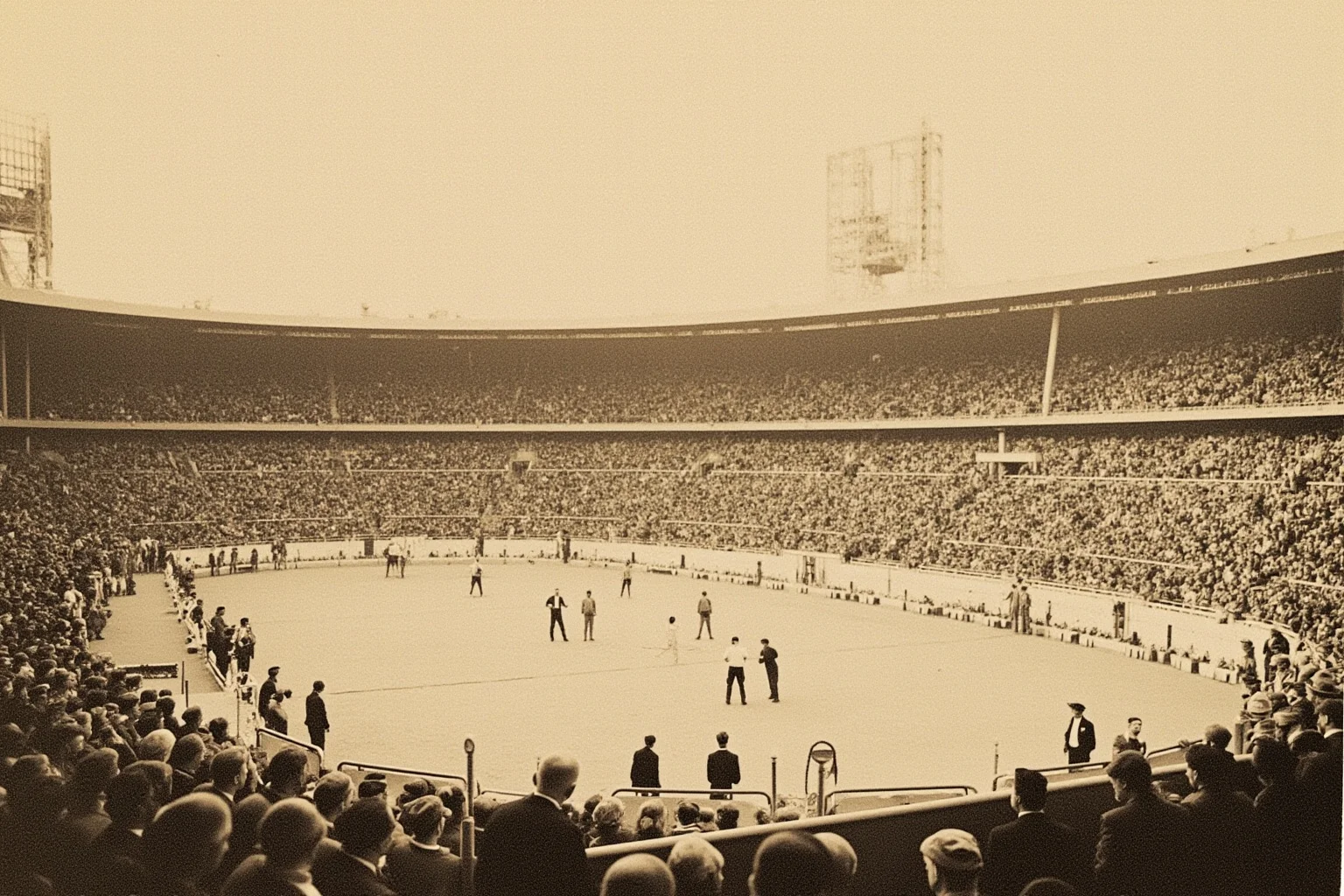
Tug of war made its official debut as an Olympic event at the 1900 Paris Games, only the second modern Olympics ever held. It was folded into the athletics, or track and field, program rather than being given its own separate category. That detail matters a lot later, when it comes time to explain why the sport eventually lost its place on the schedule.
3. It Was Never Its Own Separate Sport
Unlike swimming or gymnastics, tug of war never held Olympic status as an independent discipline. It was classified as an athletics event, administered by the same officials who oversaw races and jumps. That meant its Olympic future was tied directly to decisions athletics organizers made about trimming their own crowded program.
4. The Format Was a Best-of-Three Pull
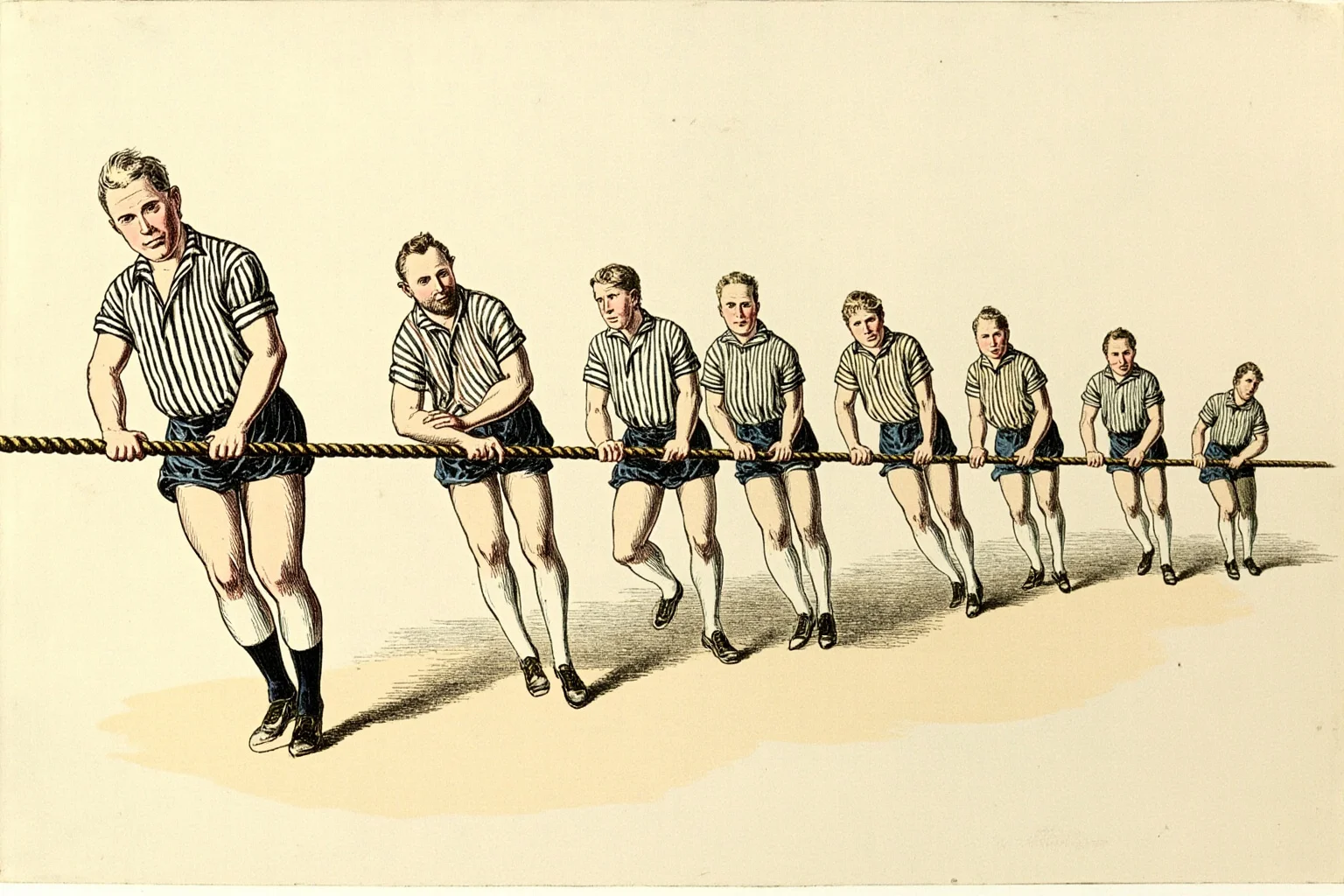
Olympic tug of war matches were contested between two teams of eight, hauling on a rope until one side pulled the other a set distance — often around six feet — across a marked line. Most matches were decided by the best of three pulls. There was no judged artistry involved, just raw, sustained pulling power and coordinated teamwork.
5. The 1904 St. Louis Games Were (Almost) All-American
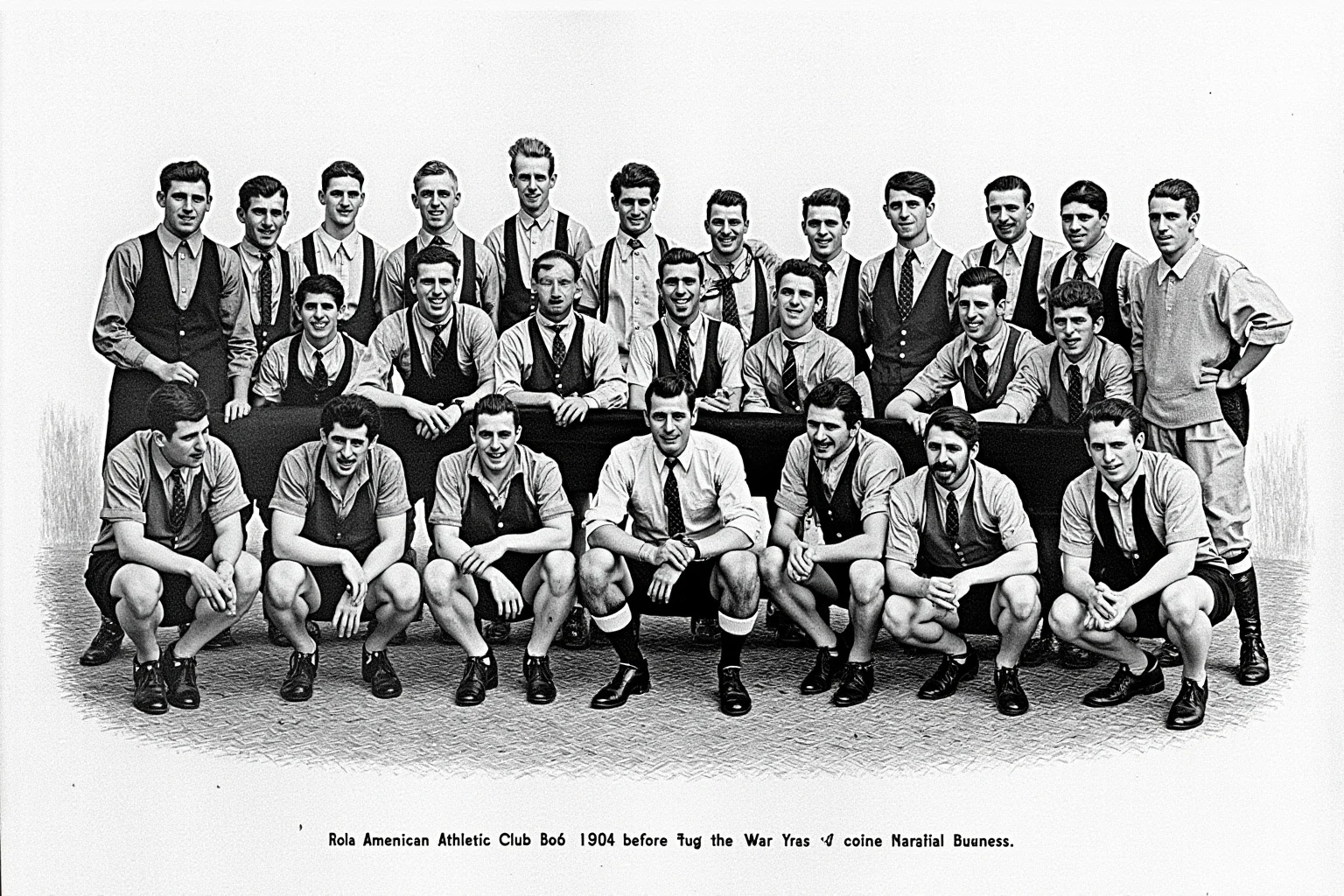
The 1904 Games in St. Louis were logistically difficult for international travelers, and tug of war reflected that reality. Nearly every team entered was American, drawn from athletic and turner clubs rather than national federations. It’s one of the clearest examples of how early tug of war in the Olympics depended heavily on whoever could actually show up, rather than a broad global field.
6. British Police Teams Became Tug of War Royalty
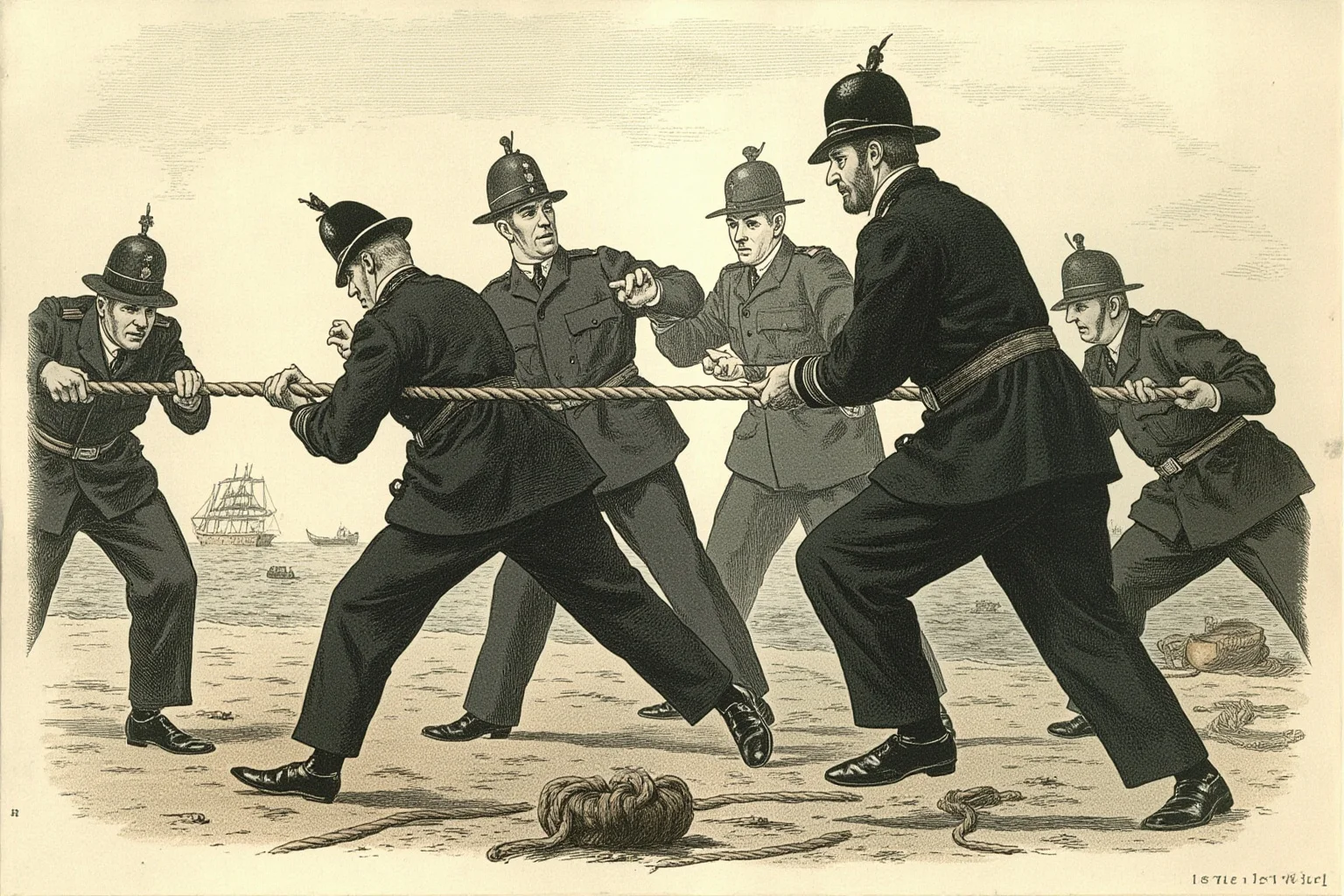
Great Britain fielded some of the most successful squads in Olympic tug of war history, and many of them weren’t traditional athletes at all — they were working police officers. Teams representing the City of London Police and Liverpool Police became fixtures on Olympic medal stands in the early 1900s and 1910s. Their day jobs apparently built exactly the kind of strength and discipline that translated well onto the rope.
7. The Infamous 1908 London “Boots” Controversy
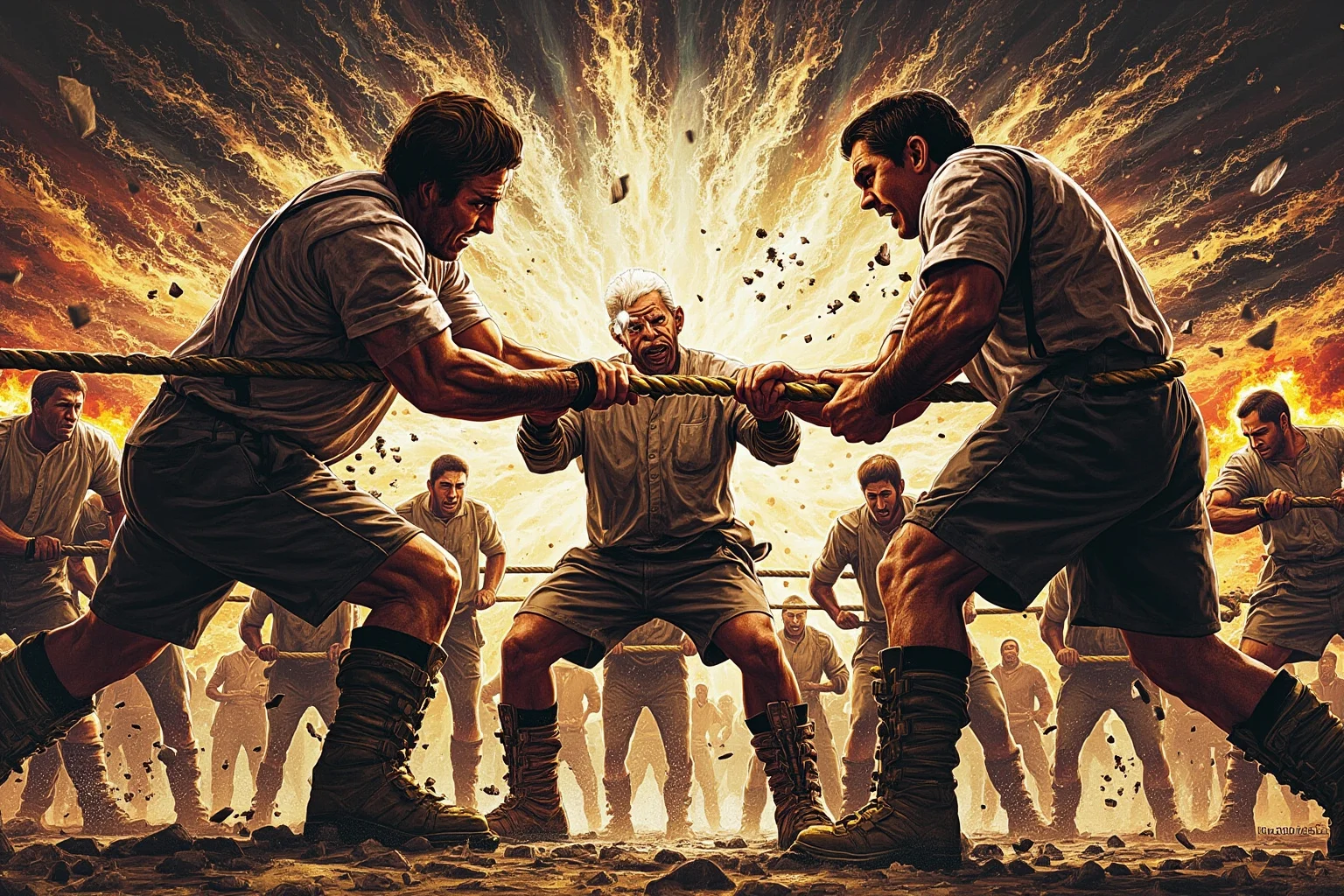
The 1908 London Games produced tug of war’s most retold controversy. According to widely repeated historical accounts, the American team protested after a British police squad — wearing heavy, cleated regulation work boots — dug in and refused to budge. Officials ruled the boots were legal since they were standard-issue police footwear, and the dispute became one of the era’s most talked-about Olympic grudges.
8. The Rivalry Continued in 1912
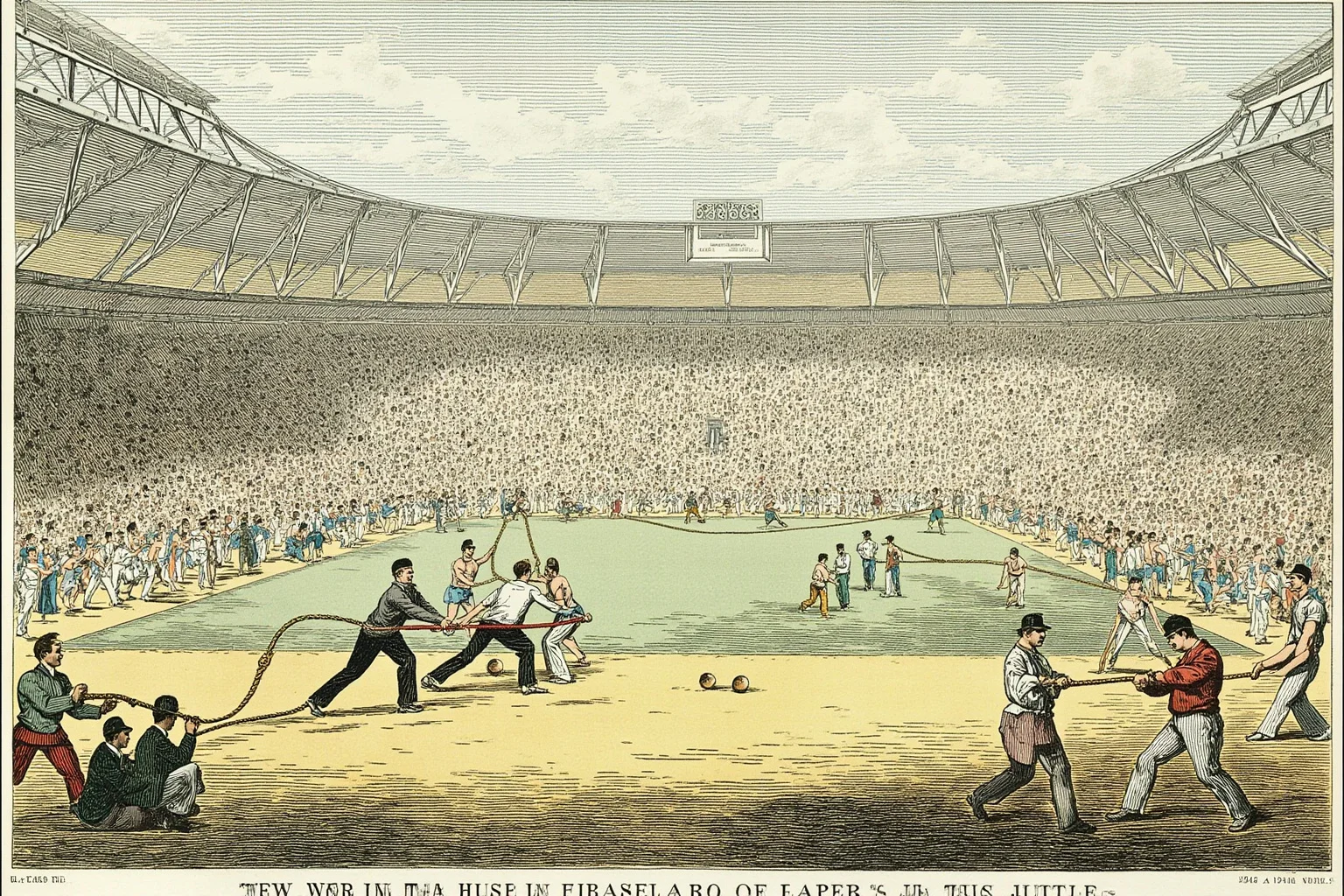
Tug of war returned for the 1912 Stockholm Olympics, again drawing a small international field of competing nations. As in previous Games, the event remained a niche curiosity next to marquee track and field events, but it kept its spot on the athletics program for one more cycle. British success remained a running theme throughout this stretch of Olympic tug of war.
9. 1920 Antwerp Was the Last Olympic Appearance
Tug of war’s fifth and final Olympic outing came at the 1920 Antwerp Games, the first Olympics held after World War I. Great Britain, the Netherlands, and Belgium were among the nations that competed. When the athletics program was drawn up for the 1924 Paris Games, tug of war was no longer part of it.
10. Only Five Olympics Ever Featured It
Across two decades, tug of war appeared at just five editions of the Summer Olympics: 1900, 1904, 1908, 1912, and 1920. That makes it one of the shorter-lived disciplines in the early athletics program, alongside several other now-forgotten events. Its entire Olympic run ended before the Games had even reached their tenth edition.
11. Why It Got Cut: An Olympic Program Overhaul

The real reason tug of war disappeared has more to do with Olympic housekeeping than drama. Throughout the 1920s, the International Olympic Committee and the international athletics federation trimmed the program, cutting events considered redundant, hard to standardize, or short on international participation. Tug of war checked several of those boxes at once.
12. Too Few Nations, Too Little Standardization

Across its Olympic history, this event rarely drew more than a handful of competing countries, and the same few nations — especially Great Britain — dominated the medals. There was also no consistent international rulebook governing team weight, rope specifications, or pulling technique. That combination made it an easy candidate to cut once organizers started asking which sports truly deserved a permanent Olympic slot.
13. Myth-Busting: It Wasn’t Renamed Because of the Word “War”
Here’s a myth worth killing directly, since versions of it circulate constantly online: tug of war is sometimes mistakenly cited as the sport whose name changed after World War I, as if organizers grew uncomfortable with a sport literally called “tug of war” after such a devastating conflict. It’s also occasionally lumped in with other sports supposedly renamed after a world war for similar reasons.
Neither claim holds up. The sport’s name never changed at all — it was “tug of war” before, during, and after both World Wars. Its removal from the Olympics was an administrative decision about program size and international standardization, not a reaction to wartime sensitivity around a word.
14. Tug of War Wasn’t Alone: Other Sports Got Cut Too
The 1920s program trimming wasn’t unique to tug of war. Events like the standing high jump, club swinging, and the 56-pound weight throw also disappeared from the Olympics around the same era, joining tug of war on the broader list of Olympic sports that don’t exist anymore. Looking at tug of war’s removal alongside these other cuts makes it clear this was a broad cleanup effort, not a targeted decision about one sport’s name or reputation.
15. No Dedicated Federation Hurt Its Case

Major Olympic sports are typically backed by international federations that set standardized rules, run world championships, and lobby for continued inclusion. Tug of war had no such body during its Olympic years, since one wouldn’t exist for decades. Without that institutional support, there was no organized effort keeping the event on the program once officials began asking hard questions about which sports truly belonged.
16. The Sport Found a New Home After the Olympics
Tug of war didn’t vanish from the world after 1920 — it simply left the Olympic stage. National associations kept the sport alive in countries like England, the Netherlands, and Switzerland throughout the twentieth century. Decades later, those national bodies came together to build the sport its own dedicated governing structure.
17. The Tug of War International Federation Gave It Structure

The Tug of War International Federation, known as TWIF, was eventually established to organize the sport on a global scale, standardizing rules around rope length, team weight categories, and pulling technique. Its creation gave tug of war exactly what it had lacked during its Olympic years: a real international governing body. TWIF still oversees the sport’s major competitions today.
18. World Championships Kept the Rivalry Going
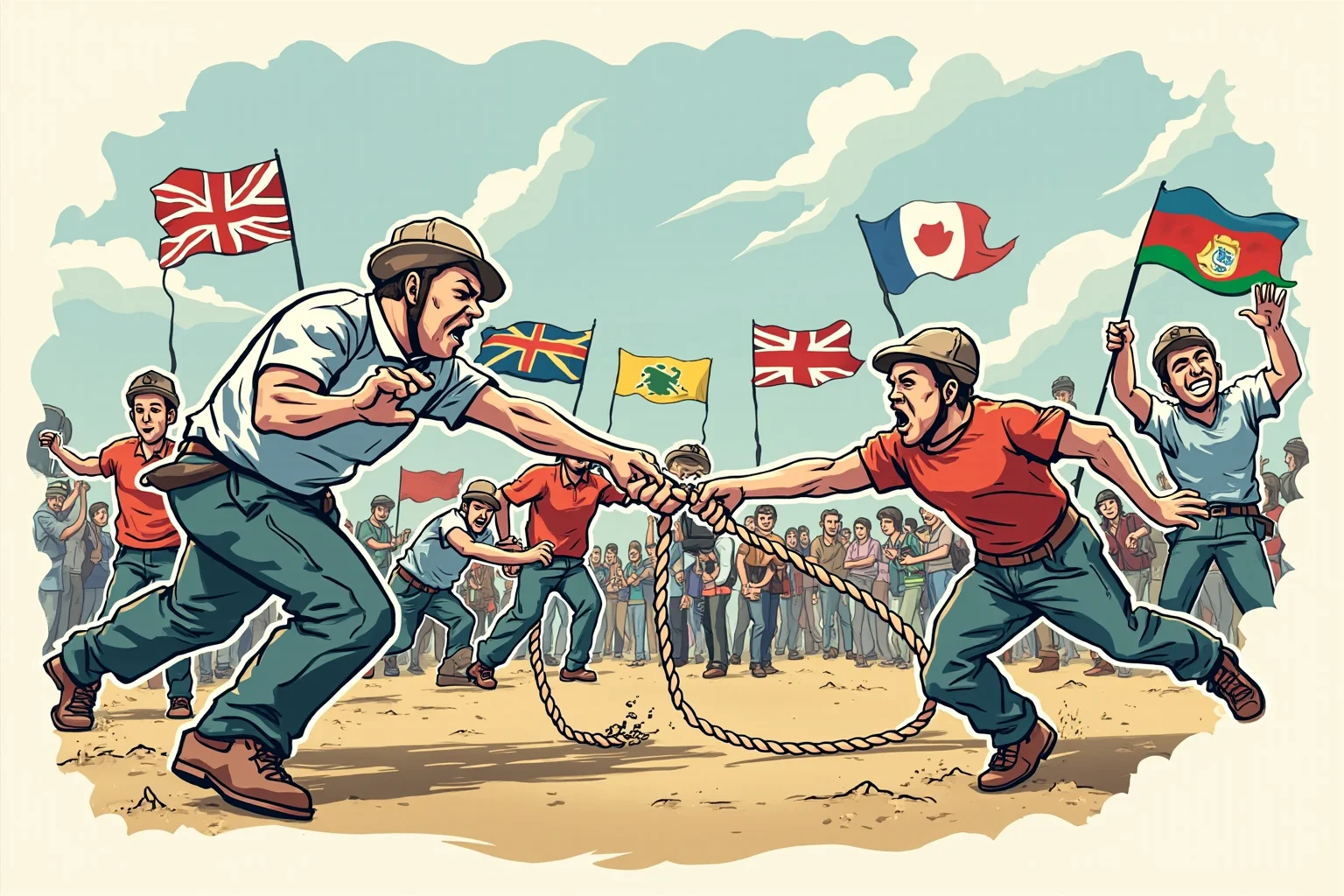
Since TWIF’s founding, tug of war has held its own World Championships, contested in both indoor and outdoor formats. Countries including England, the Netherlands, Switzerland, and Ireland have all produced strong championship teams over the decades. It’s proof the sport never actually died out — it simply built its competitive life outside the Olympic umbrella.
19. Modern Tug of War Runs on Weight Classes
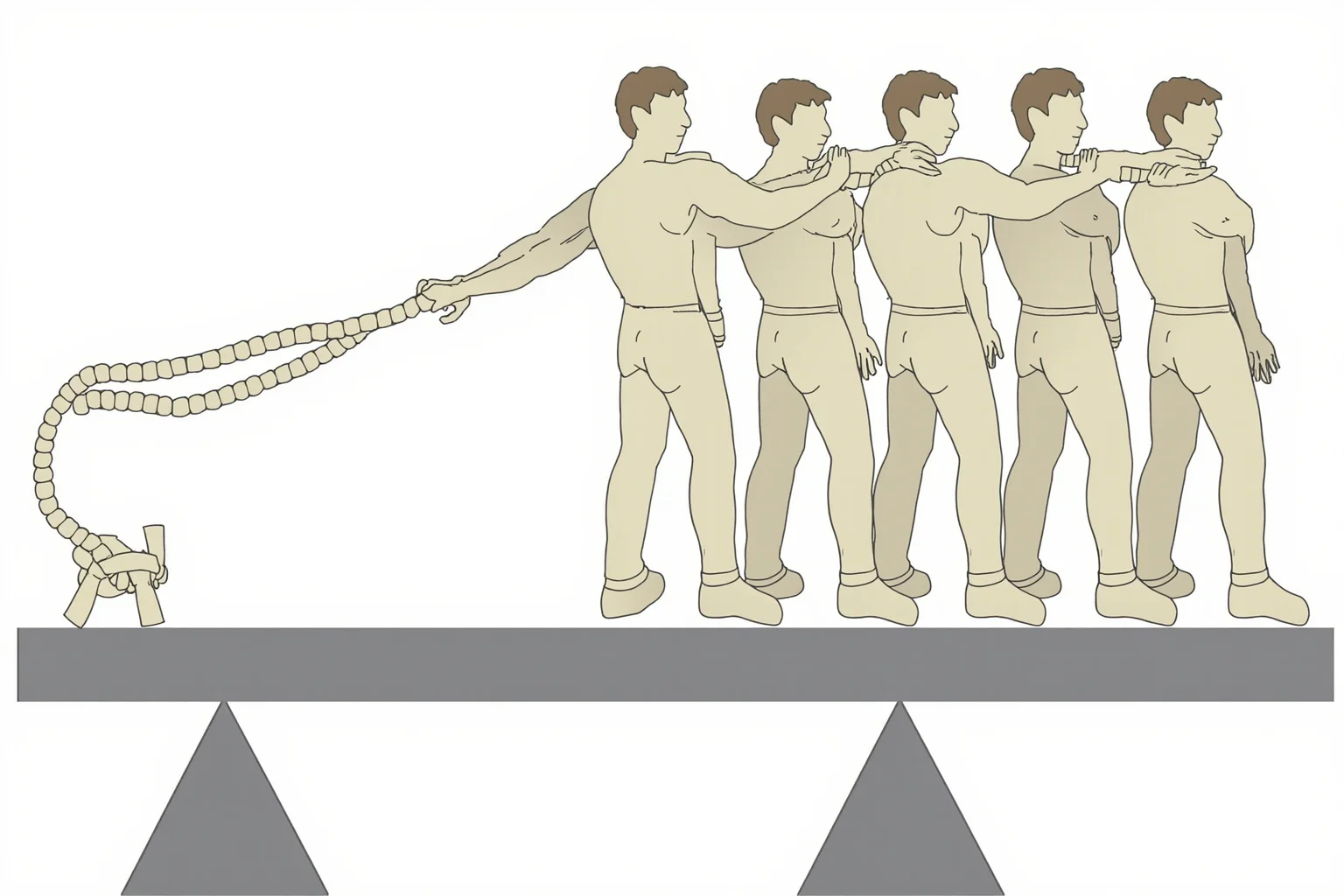
Today’s competitive tug of war is far more regulated than its Olympic-era version ever was. Teams compete in specific weight classes, with the combined body weight of all eight pullers capped at set limits depending on the category. This kind of standardization, largely absent during the sport’s Olympic days, is exactly what early organizers felt the event was missing.
20. Could Tug of War Ever Return to the Olympics?

TWIF and its member federations have periodically pushed for tug of war’s return to the Olympic program, and the sport has appeared in other multi-sport events over the years. Full Olympic reinstatement, however, would require meeting the modern IOC’s criteria around global reach, youth appeal, and broadcast value. For now, its story as an Olympic sport remains a two-decade chapter rather than an ongoing one.
The Bottom Line on Tug of War’s Olympic Journey
Tug of war’s Olympic story is less a tale of scandal and more a tale of bureaucracy. It was a genuine, medal-awarding Olympic event for twenty years, contested by police officers, club athletes, and national teams who took the rope every bit as seriously as any sprinter took the track.
Its removal came down to practical issues: a small pool of competing nations, no standardized international rulebook, and a sweeping cleanup of the Olympic athletics program in the 1920s. The popular idea that it was renamed or dropped because of its “war” name after World War I simply doesn’t hold up against the historical record.
What’s clear is that tug of war never really went away. It found new life through dedicated federations, world championships, and cultural traditions that still thrive today, proving that even after losing its Olympic rings, a good rope pull never really goes out of style.
Frequently Asked Questions
Why did tug of war Olympics competition get removed from the Games?
Tug of war Olympics competition ran from 1900 to 1920 as part of the athletics program, but it was dropped in the early 1920s when the IOC and athletics officials trimmed the schedule, cutting events with limited international participation and no standardized global rulebook.
Was tug of war an Olympic sport?
Yes. Tug of war was an official Olympic sport contested at five Summer Games between 1900 and 1920, classified as part of the athletics (track and field) program rather than as its own standalone discipline.
How many times was tug of war an Olympic event?
Tug of war appeared as an Olympic event five times: at the 1900, 1904, 1908, 1912, and 1920 Summer Olympics. It was left off the program starting with the 1924 Paris Games.
Did tug of war’s name change after World War I?
No. This is a common misconception, but there is no historical record showing tug of war was renamed after World War I or any other world war. The sport kept its original name throughout its Olympic history and its later life outside the Olympics.
Which countries were most successful in Olympic tug of war?
Great Britain was the most dominant nation in Olympic tug of war, with teams representing organizations like the City of London Police and Liverpool Police winning multiple medals between 1908 and 1920. The United States, Sweden, the Netherlands, and Belgium also fielded competitive teams.
Is tug of war still played competitively today?
Yes. Tug of war continues as an organized international sport governed by the Tug of War International Federation (TWIF), which runs World Championships and maintains standardized rules, including team weight classes, even though the sport is no longer part of the Olympic program.

Alex Warren
Related Articles





