

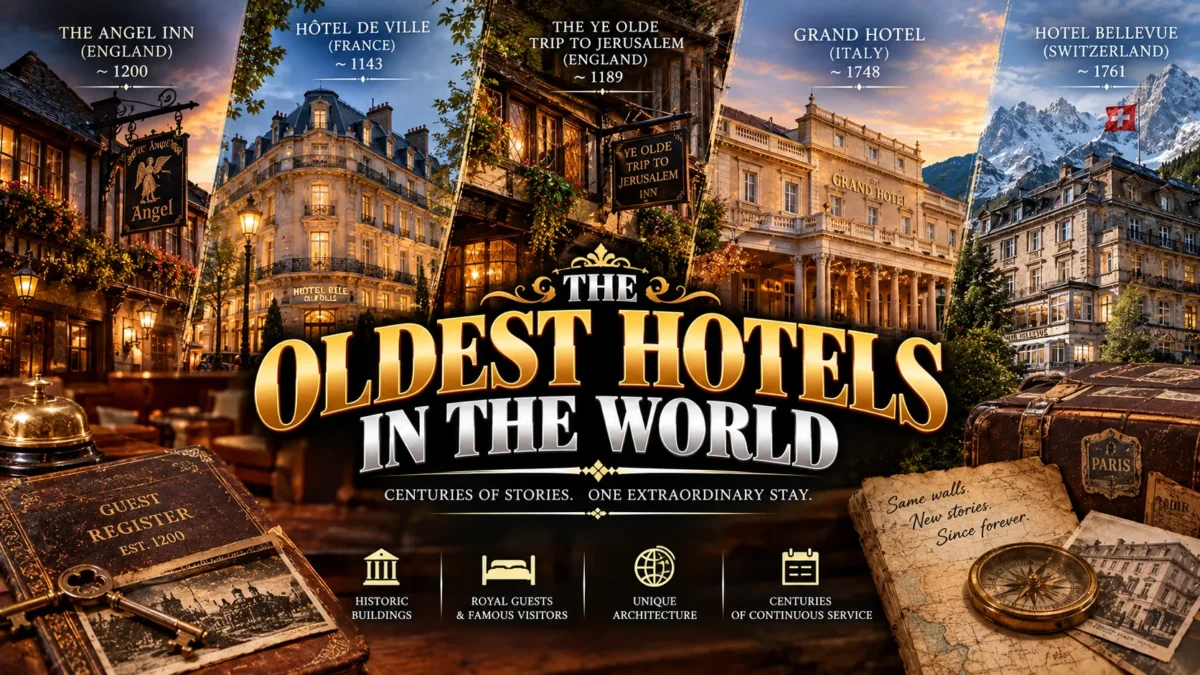
Long before loyalty programs and room service apps, travelers still needed a warm bed, a hot meal, and a locked door.
Some of the buildings that provided exactly that are still doing it today, centuries or even more than a millennium after they first opened their doors. That raises one of history’s more delightfully contested questions: what is actually the oldest hotel in the world?
The honest answer is messier than most listicles let on. Definitions of “hotel” versus “inn,” “pub,” or “caravanserai” shift depending on who’s telling the story, and plenty of romantic founding dates rest on local legend rather than hard documentation.
This guide walks through the strongest claims, flags the shaky ones, and gives you a proper world tour of historic hotels worldwide, from Japanese hot-spring ryokans to Silk Road caravanserais and English coaching inns.
TL;DR: Guinness World Records credits Japan’s Nishiyama Onsen Keiunkan, founded in 705 AD, as the oldest hotel in the world, but a handful of other ancient hotels and inns across Japan, Europe, and the Middle East have equally fascinating (if harder to verify) claims to the title.
What Actually Counts as the “Oldest Hotel”?
Before ranking anything, it helps to define terms, because this is where most arguments about the oldest hotel in the world actually happen, much like similar debates over the oldest country in the world or the oldest universities in the world, where documented history and local legend often tangle together.
A hotel in the modern sense means a business that offers paid overnight lodging to the general public, ideally with some continuity of operation.
An inn is a similar concept, usually smaller and older in flavor, often attached to a pub or tavern. A caravanserai, meanwhile, was a fortified rest stop for merchant caravans along trade routes like the Silk Road, offering free lodging for a set number of nights rather than charging by the room.
Many “oldest inn” claims in Britain and Ireland actually rest on continuous drinking-establishment history rather than lodging history, which is a related but different claim. Keep that distinction in mind as you read, because we’ll flag it wherever it matters.
A Quick History of Hospitality Before “Hotels”
The word “hotel” itself is relatively young, entering English usage in the 18th century from the French “hôtel.” But organized traveler lodging is ancient, stretching back to Roman “mansiones,” official rest stations spaced along imperial roads for couriers and officials.
In medieval Europe, monasteries and abbeys, many of which also produced some of the oldest and most beautiful churches in the world, often ran the equivalent of guesthouses for pilgrims, which is exactly how several entries on this list got started.
Along Asian and Middle Eastern trade routes, caravanserais performed a similar function for merchants, evolving into an entire architectural tradition of courtyards, stables, and guest rooms built around a central square.
Japan developed its own parallel tradition through onsen (hot spring) towns, where ryokans grew up around natural hot springs believed to have healing properties. That tradition is exactly why Japan dominates the very top of any serious oldest hotel in the world ranking.
The Oldest Hotels and Inns in the World
What follows is a chronological tour of the strongest, best-documented, and most famous claims to ancient hotel status, along with a few honest notes on where the evidence gets thin.
1. Nishiyama Onsen Keiunkan, Japan (705 AD)
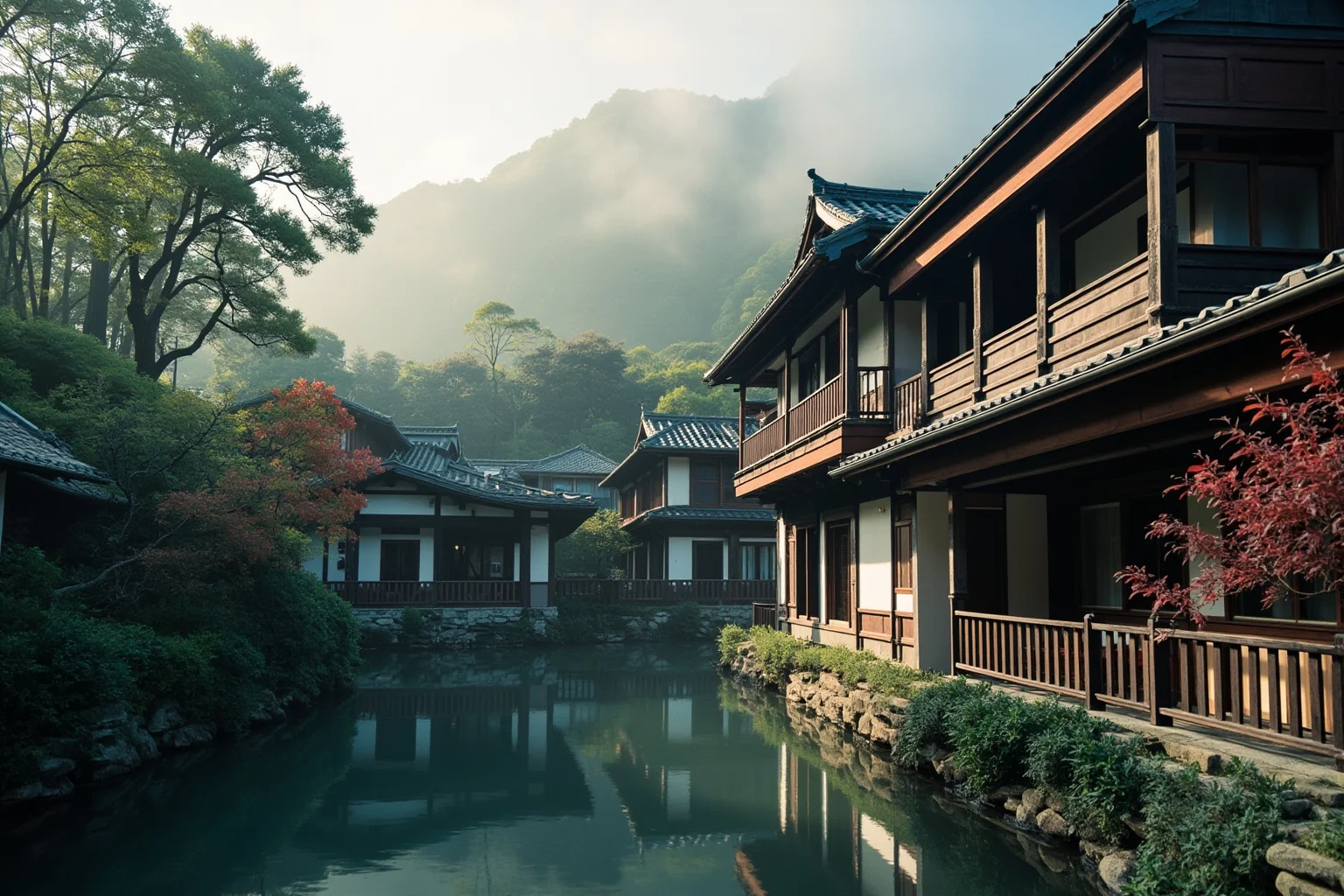
Guinness World Records recognizes Nishiyama Onsen Keiunkan, tucked in the mountains of Yamanashi Prefecture, as the oldest hotel in the world. It was founded in 705 AD around a natural hot spring and has reportedly been run by the same family across more than 50 generations.
The current buildings are, naturally, not the originals, but the business itself and its guiding purpose, a hot-spring retreat for weary travelers, has continued essentially unbroken for over 1,300 years. That combination of documented founding and unbroken operation is exactly why it holds the record.
2. Hōshi Ryokan, Japan (718 AD)
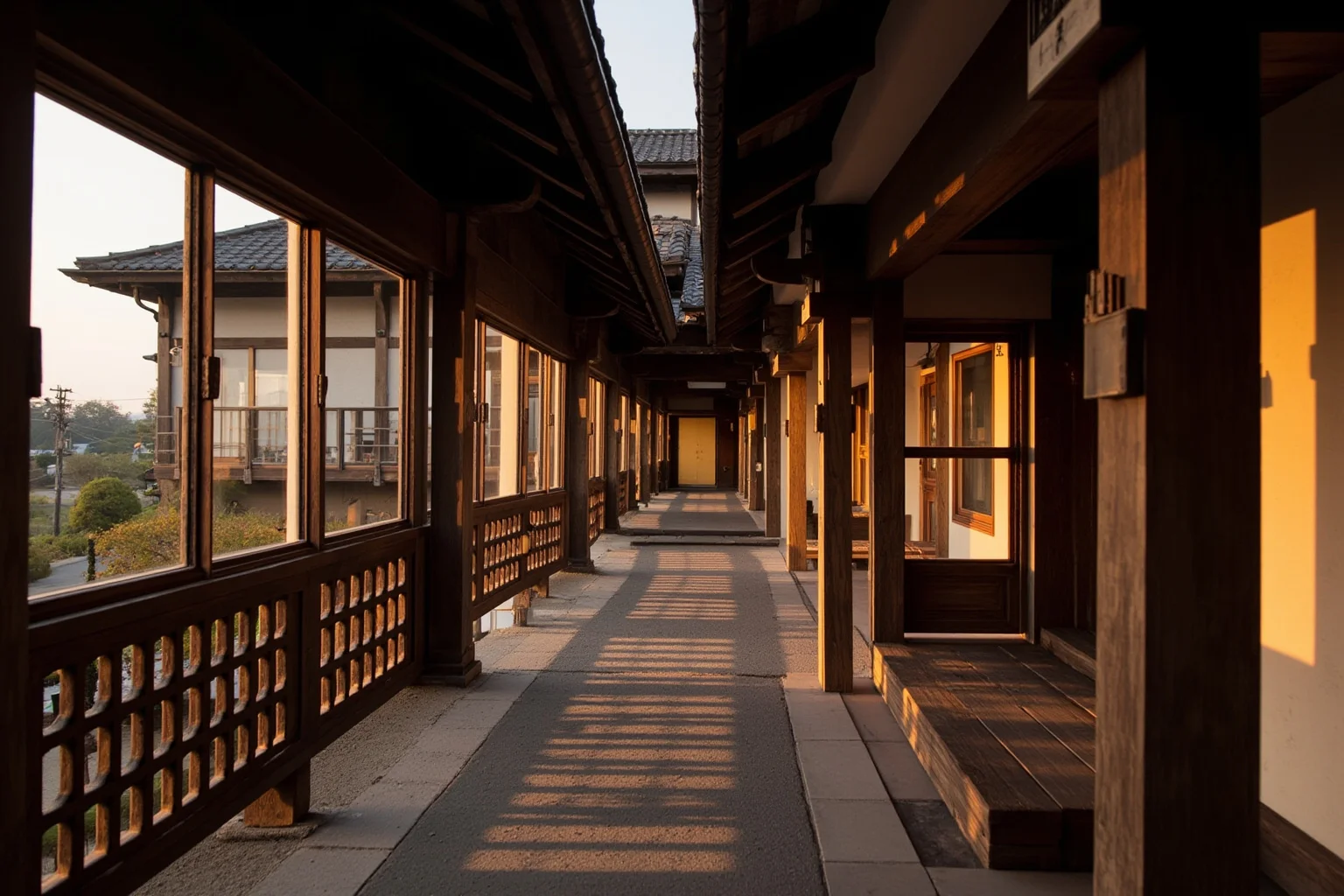
Just down the road from Nishiyama Onsen Keiunkan, in a historical sense, sits Hōshi Ryokan in Komatsu, founded in 718 AD by a Buddhist monk named Taicho at the Awazu hot spring. It held the Guinness title of oldest hotel before the record was later reassigned, and it remains one of the most credible rivals for the honor.
The ryokan has stayed in the same family for around 46 generations, according to the hotel’s own history, making it one of the longest-running family businesses on the planet in any industry. Whether it or Nishiyama Onsen Keiunkan is technically “first” depends on how strictly you interpret founding-date records that are, understandably, over 1,300 years old.
3. Zum Roten Bären, Freiburg, Germany (documented from the 12th century)
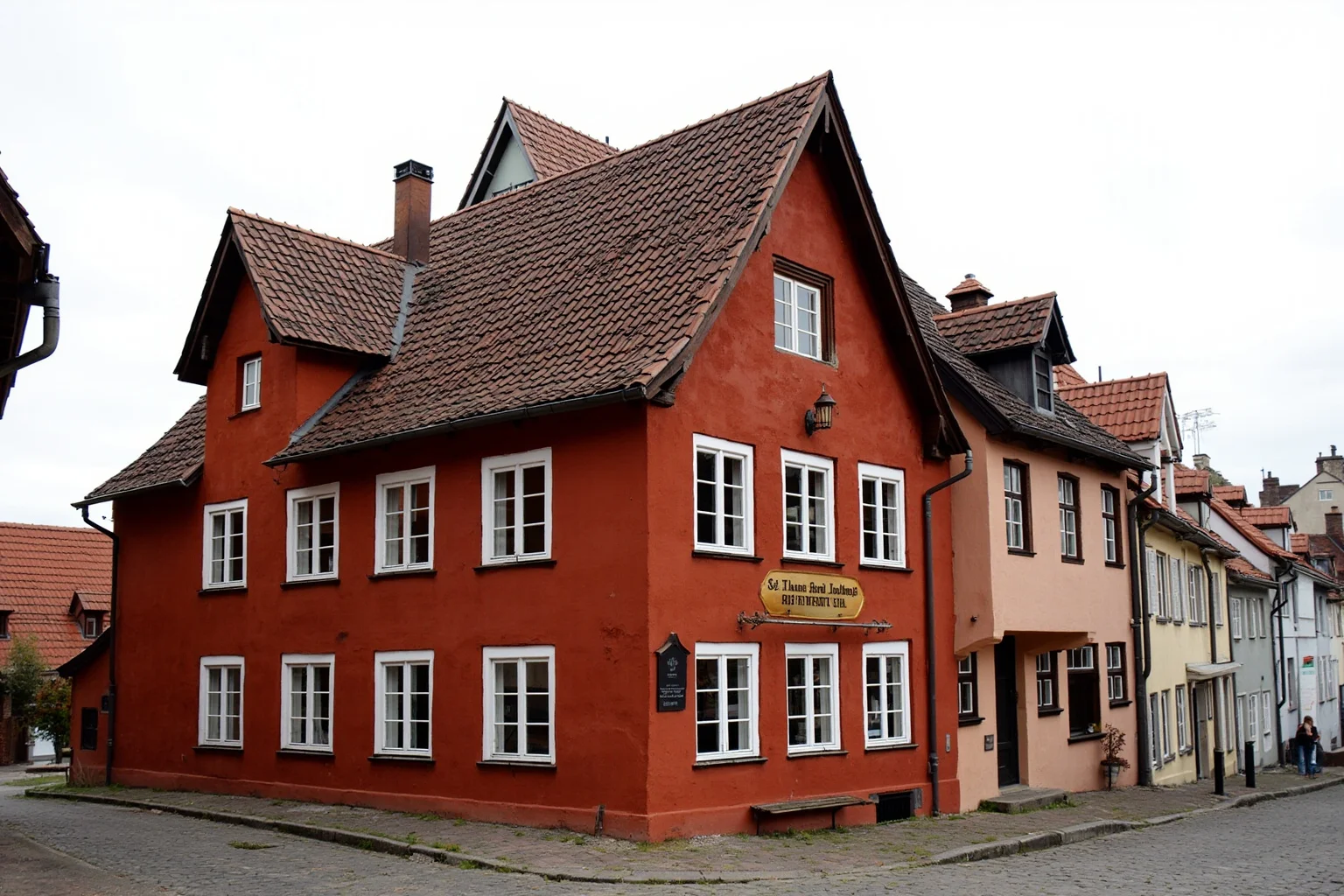
Germany’s strongest claim to an ancient hotel is Zum Roten Bären in Freiburg im Breisgau, whose foundations are said to date to around 1120. Documented records of it operating as an inn stretch back to at least the 14th century, and it markets itself as Germany’s oldest hotel.
As with many medieval buildings, the structure has been rebuilt and altered many times over the centuries. Still, the site’s continuous use as a lodging house for travelers passing through the city gives it a genuinely strong historical pedigree.
4. Sean’s Bar, Athlone, Ireland (c. 900 AD)
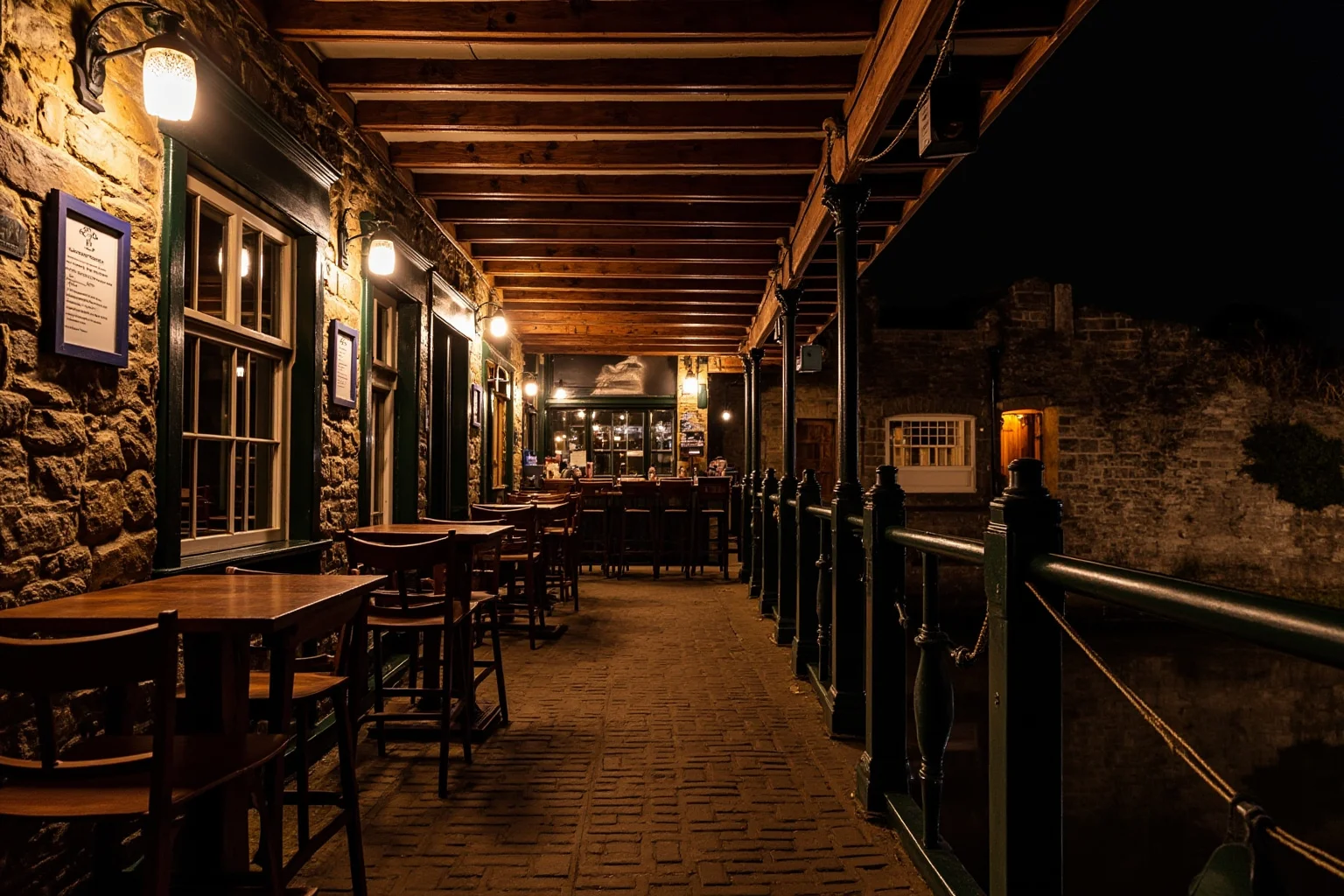
Sean’s Bar sits beside a historic Shannon river crossing in Athlone and is recognized by Guinness World Records as Ireland’s oldest pub, with wattle-and-daub wall fragments dated to around 900 AD. It began life as a hostelry offering food, drink, and shelter to travelers fording the river, which puts it firmly in “oldest inn” territory even though today it functions primarily as a pub rather than a hotel.
It’s a great example of why the line between “oldest pub,” “oldest inn,” and “oldest hotel” gets blurry fast. The lodging function faded over the centuries even as the drinking-house tradition carried on.
5. The Bingley Arms, Leeds, England (claimed 953 AD)
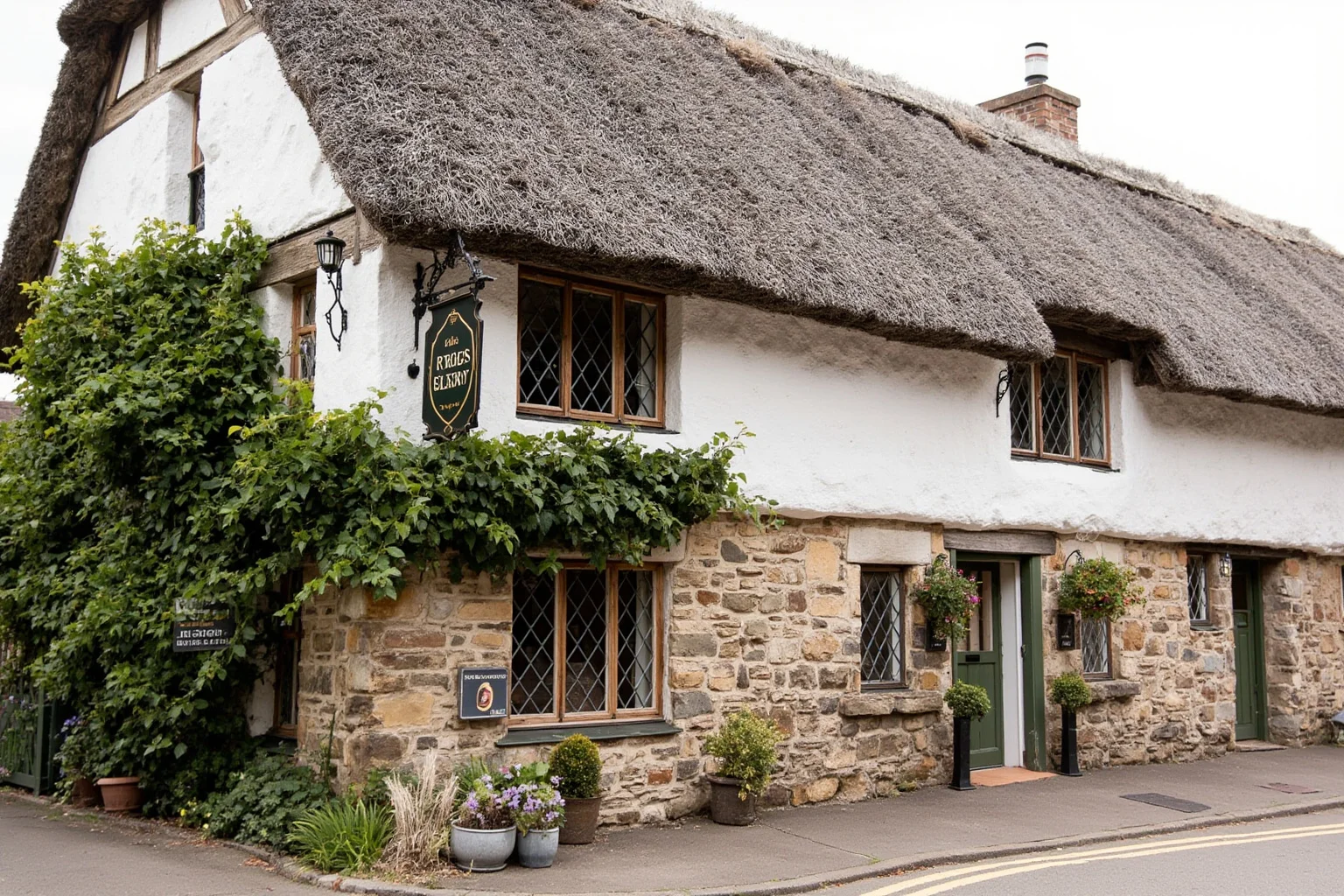
The Bingley Arms in Yorkshire claims records dating back to 953 AD, when it supposedly operated as “The Priests Inn” for the nearby church. It’s frequently cited in “oldest pub in Britain” debates, going head-to-head with Nottingham’s Ye Olde Trip to Jerusalem for the title.
The trouble is that solid documentary evidence from the 10th century simply doesn’t survive for a building like this, so the date rests largely on tradition rather than verified record. It’s a fun claim worth knowing, just not one to repeat as settled fact.
6. Ye Olde Trip to Jerusalem, Nottingham, England (claimed 1189)
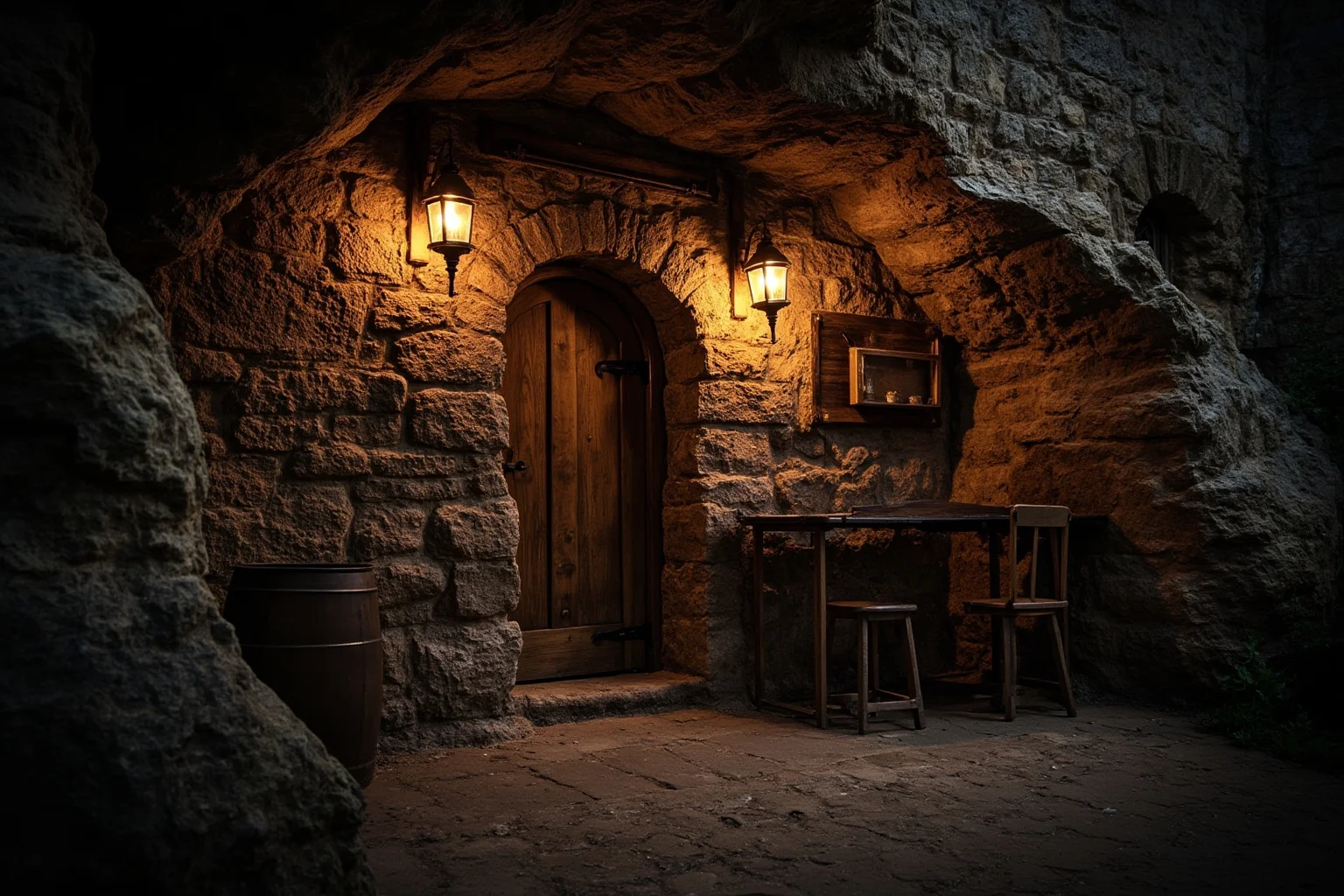
Built into caves beneath Nottingham Castle, Ye Olde Trip to Jerusalem claims a founding date of 1189, tying its story to Crusaders supposedly stopping there en route to the Holy Land. The current above-ground structure was largely rebuilt in the 17th century, though the cave rooms carved into the sandstone below are genuinely old.
Like the Bingley Arms, its precise founding date is more folklore than paperwork. What is certain is that the site has hosted travelers in some form for a very long time.
7. The Old Ferry Boat Inn, Holywell, England (claimed 560 AD)
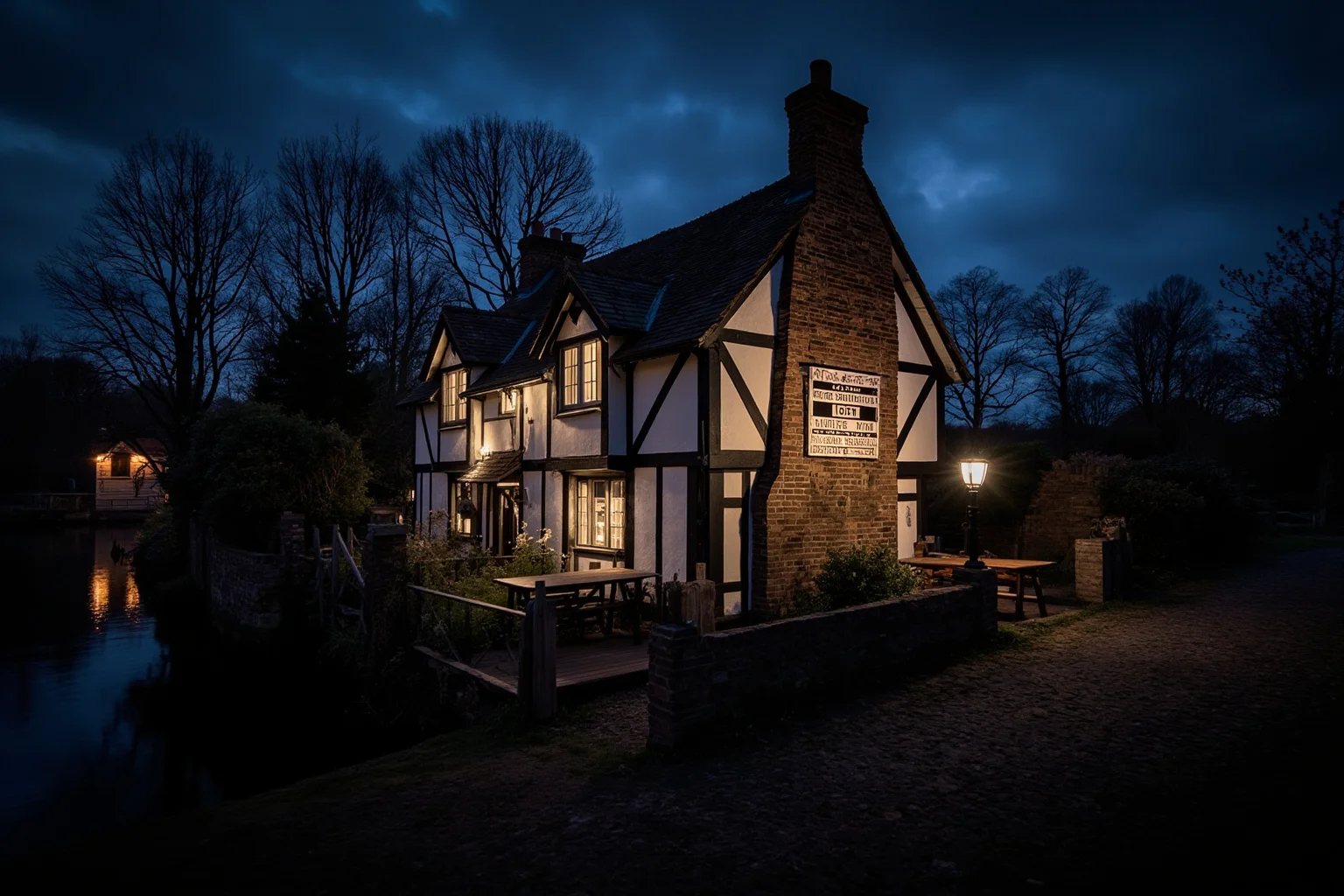
This riverside inn near Cambridgeshire claims a drinking establishment has stood on its site since around 560 AD, tied to an old ferry crossing over the River Ouse. The current timber-framed building, however, dates mainly from the 16th century, making the ancient founding date essentially unverifiable.
The inn is more famous today for its ghost story about a young woman named Juliet Tewsley, said to be buried beneath a flagstone inside. It’s a wonderful piece of folklore and a textbook case of separating charming legend from documented history.
8. The Olde Bell Inn, Hurley, England (1135)
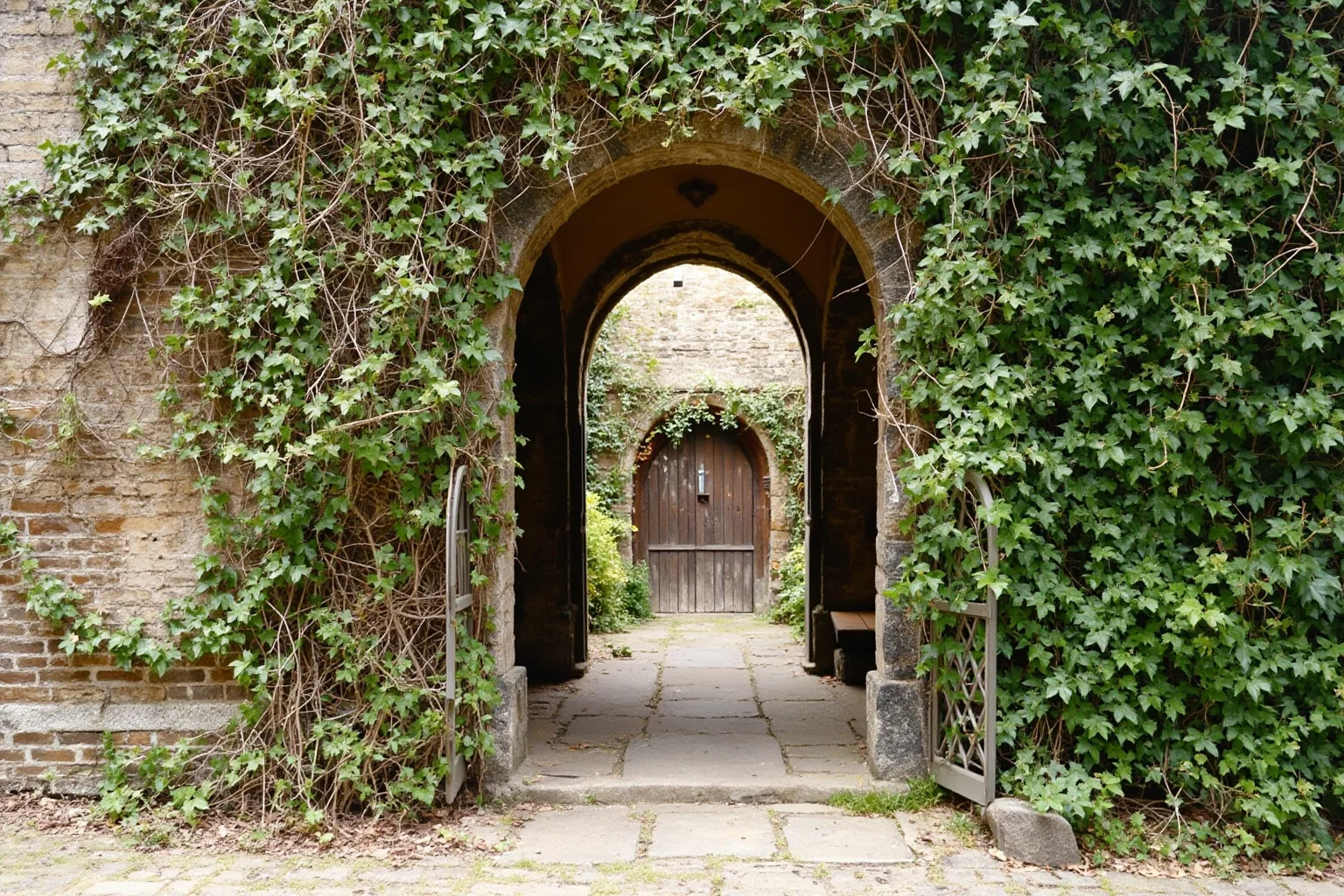
The Olde Bell in Berkshire was reportedly built in 1135 to house guests of the neighboring Hurley Priory, a Benedictine monastery. That monastic guesthouse origin is a common thread running through many of Europe’s oldest surviving inns.
It has operated in some hospitality capacity ever since, making it one of England’s better-documented claims to genuinely medieval innkeeping. Today it functions as a boutique hotel, still trading on that 12th-century pedigree.
9. The Old Bell Hotel, Malmesbury, England (1220)
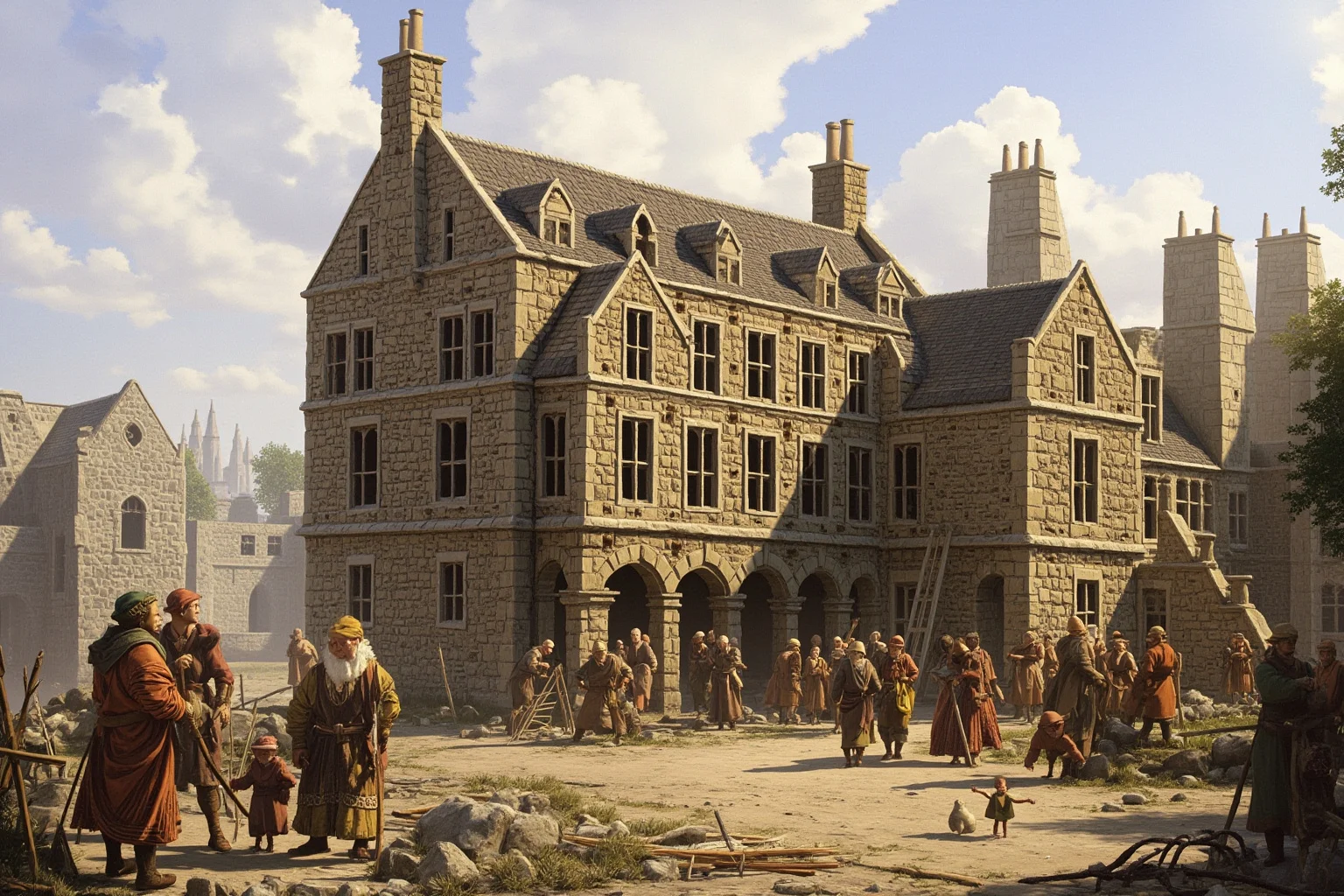
Malmesbury’s Old Bell Hotel is often marketed as England’s oldest purpose-built hotel, with a founding date of around 1220. It was originally constructed to house the stonemasons and craftsmen working on nearby Malmesbury Abbey.
That purpose-built distinction matters, since many entries on this list started as monastery guesthouses, wool halls, or private homes before becoming inns. The Old Bell was designed from the start as lodging for visiting workers, which is a meaningfully different origin story.
10. The Angel & Royal, Grantham, England (1203)
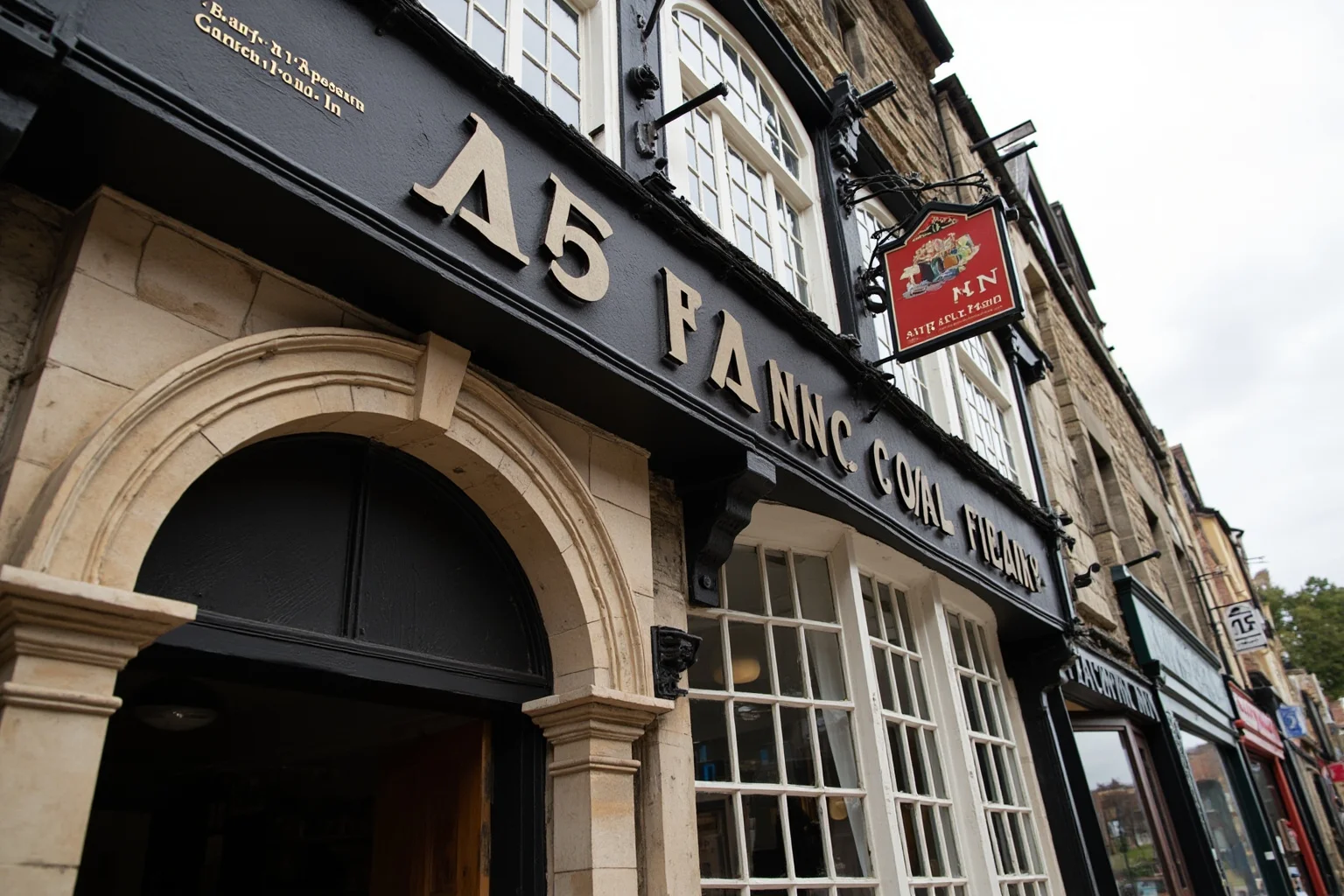
Parts of this Lincolnshire inn date to 1203, and its own history claims King John held court there in 1213. It’s also linked to a far darker legend: that Richard III signed the death warrant for the Duke of Buckingham within its walls in 1483.
Whatever the truth of those royal anecdotes, the building’s medieval stonework is genuine, and it remains one of England’s oldest continuously licensed coaching inns. It’s a good reminder that royal connections often get attached to old buildings well after the fact.
11. Pilgrim Haus, Soest, Germany (1304)
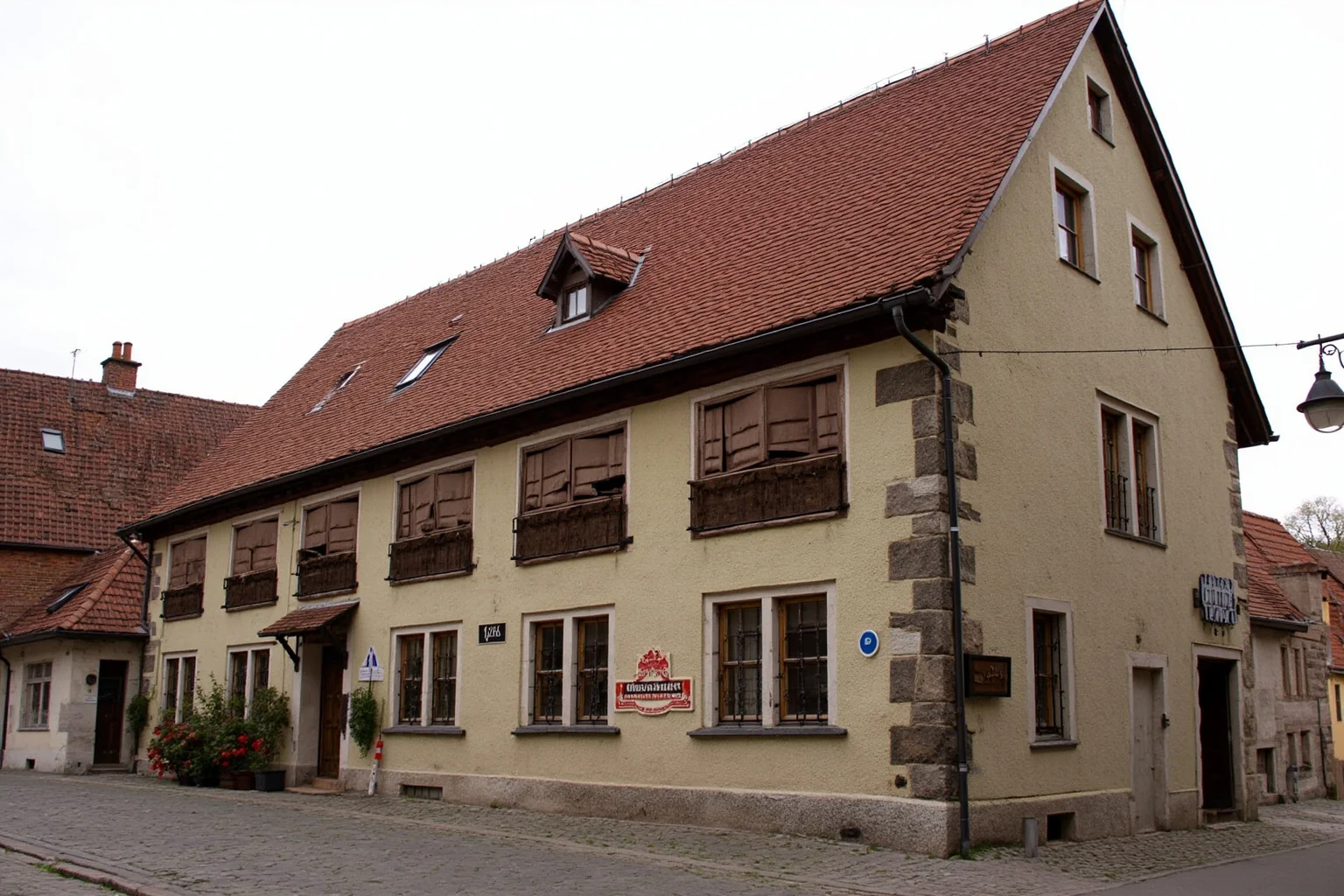
Pilgrim Haus in the historic town of Soest was built in 1304 and is frequently listed among Germany’s oldest hotels. As the name suggests, it began as a hospice for pilgrims traveling through Westphalia.
It has operated continuously as guest lodging for over seven centuries, surviving wars, fires, and multiple rebuilds along the way. That resilience is part of what makes it a standout among historic hotels worldwide.
12. The George Inn, Norton St Philip, England (1397)
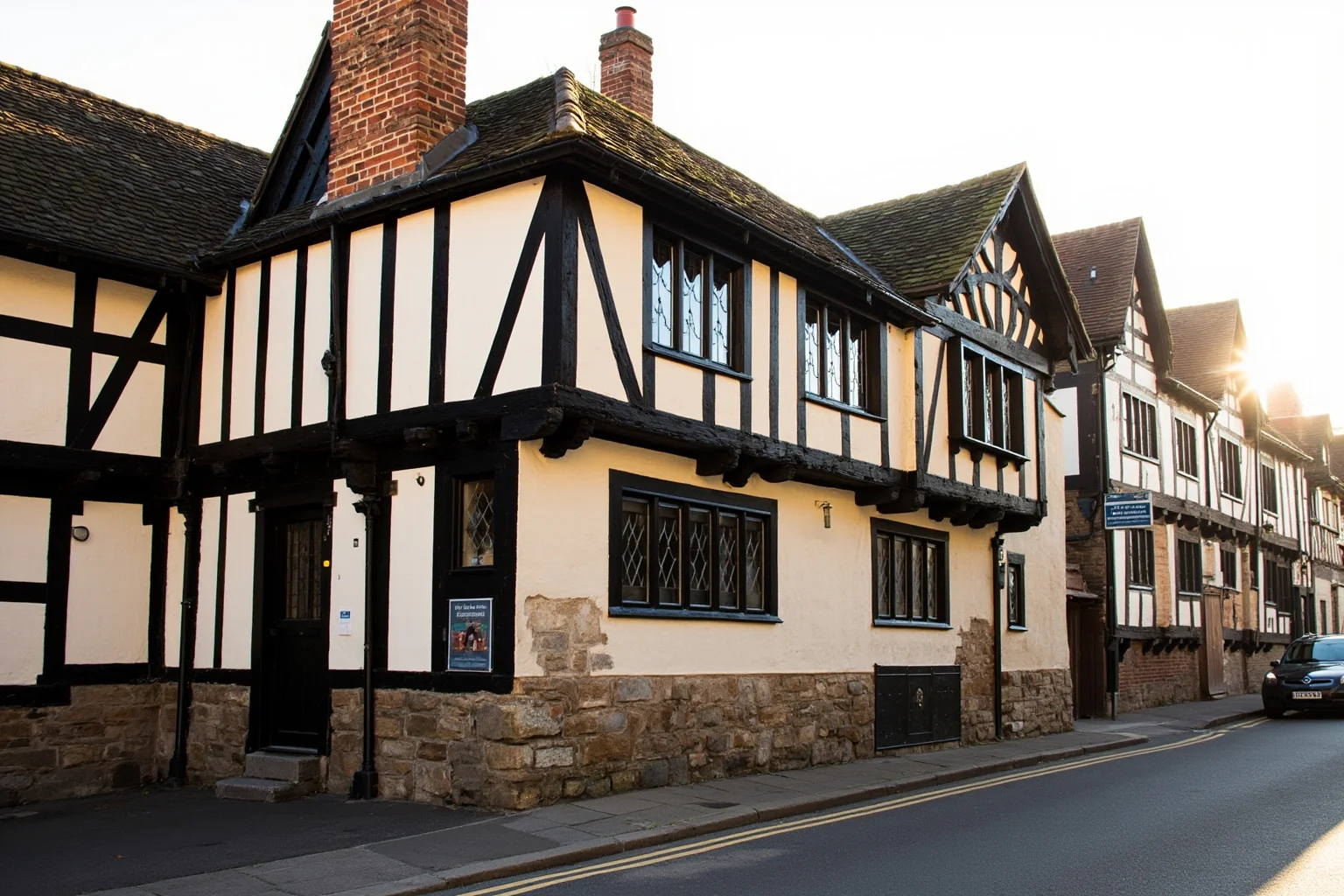
Originally built as a wool trading hall around 1397, this Somerset building was later converted into an inn and hosted some notable guests over the centuries. Diarist Samuel Pepys reportedly stayed there in 1668, and the rebel Duke of Monmouth lodged there in 1685 shortly before the Battle of Sedgemoor.
The building’s stone construction and surviving medieval features make its age far easier to verify than many purely legendary claims on this list. It remains a working pub and inn today.
13. The New Inn, Gloucester, England (c. 1450)
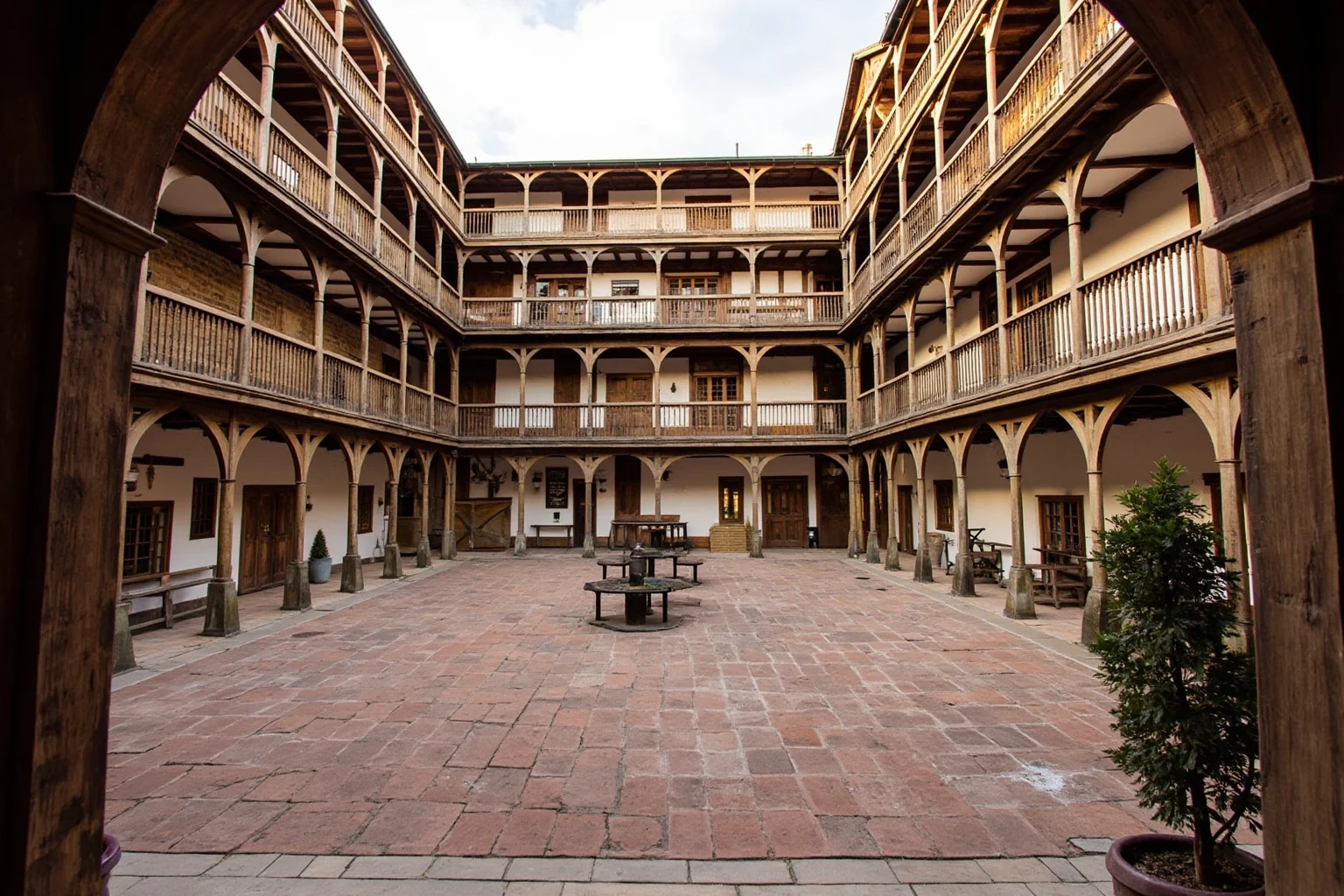
Built around 1450 by a Gloucester Abbey monk as a hostel for pilgrims visiting the shrine of King Edward II, the New Inn is one of the best-preserved galleried medieval inns in England. Its timber-framed courtyard, built around a central yard where coaches once pulled in, still survives largely intact.
Local tradition holds that Lady Jane Grey was proclaimed queen from its courtyard in 1553, though as with many such stories, that detail rests more on tradition than hard record. Either way, the building itself is a genuinely rare survivor of 15th-century inn architecture.
14. The Lygon Arms, Broadway, England (1377)
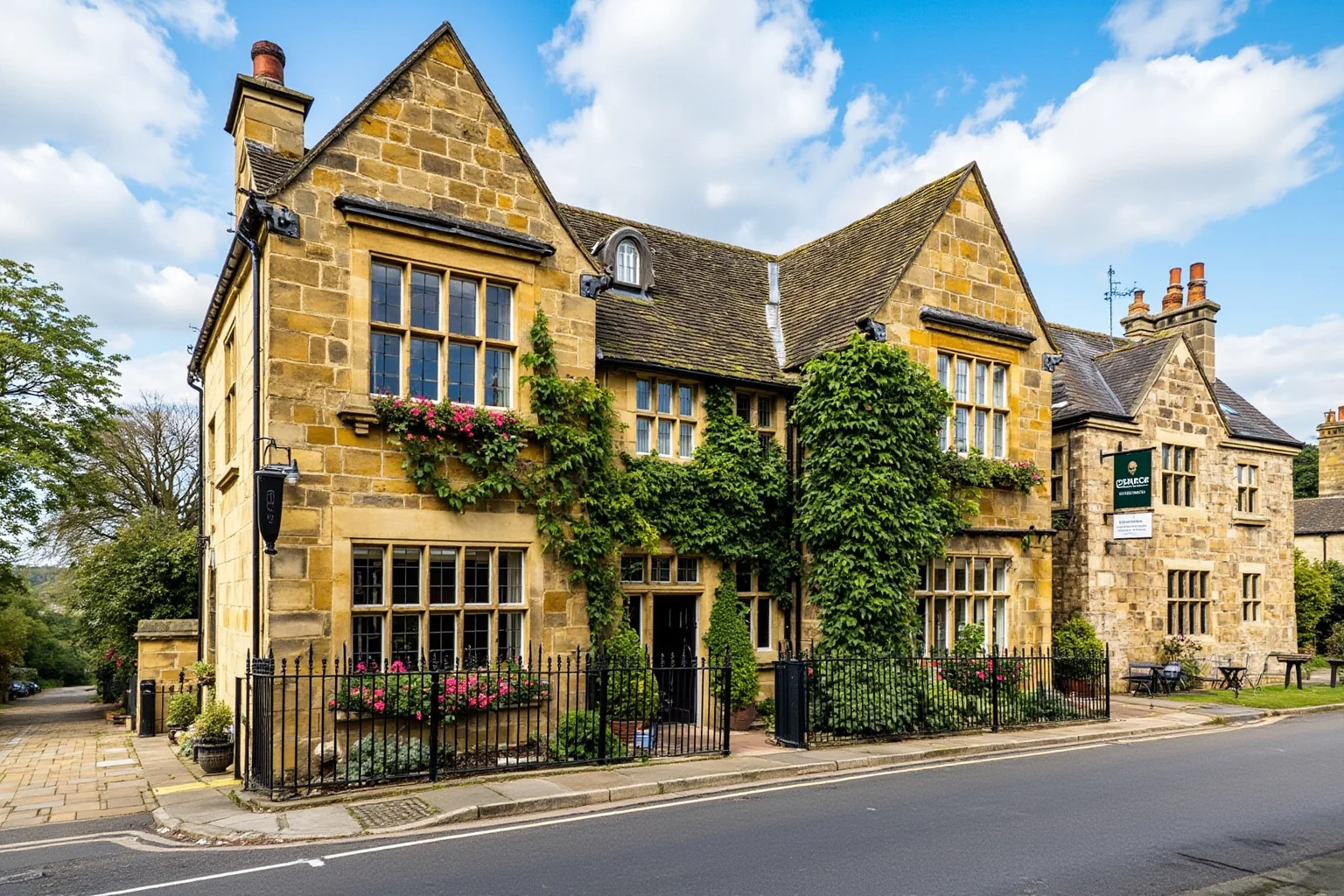
The stone core of the Lygon Arms in the Cotswolds dates to around 1377, though it wasn’t formalized as a coaching inn until later centuries. Local legend claims both King Charles I and Oliver Cromwell stayed there at different points during the English Civil War.
Those royal and revolutionary visits are difficult to verify with certainty, but the building’s medieval stonework is real and well documented by architectural historians. It remains one of the Cotswolds’ most photographed historic hotels.
15. Sultanhanı Caravanserai, Turkey (1229)
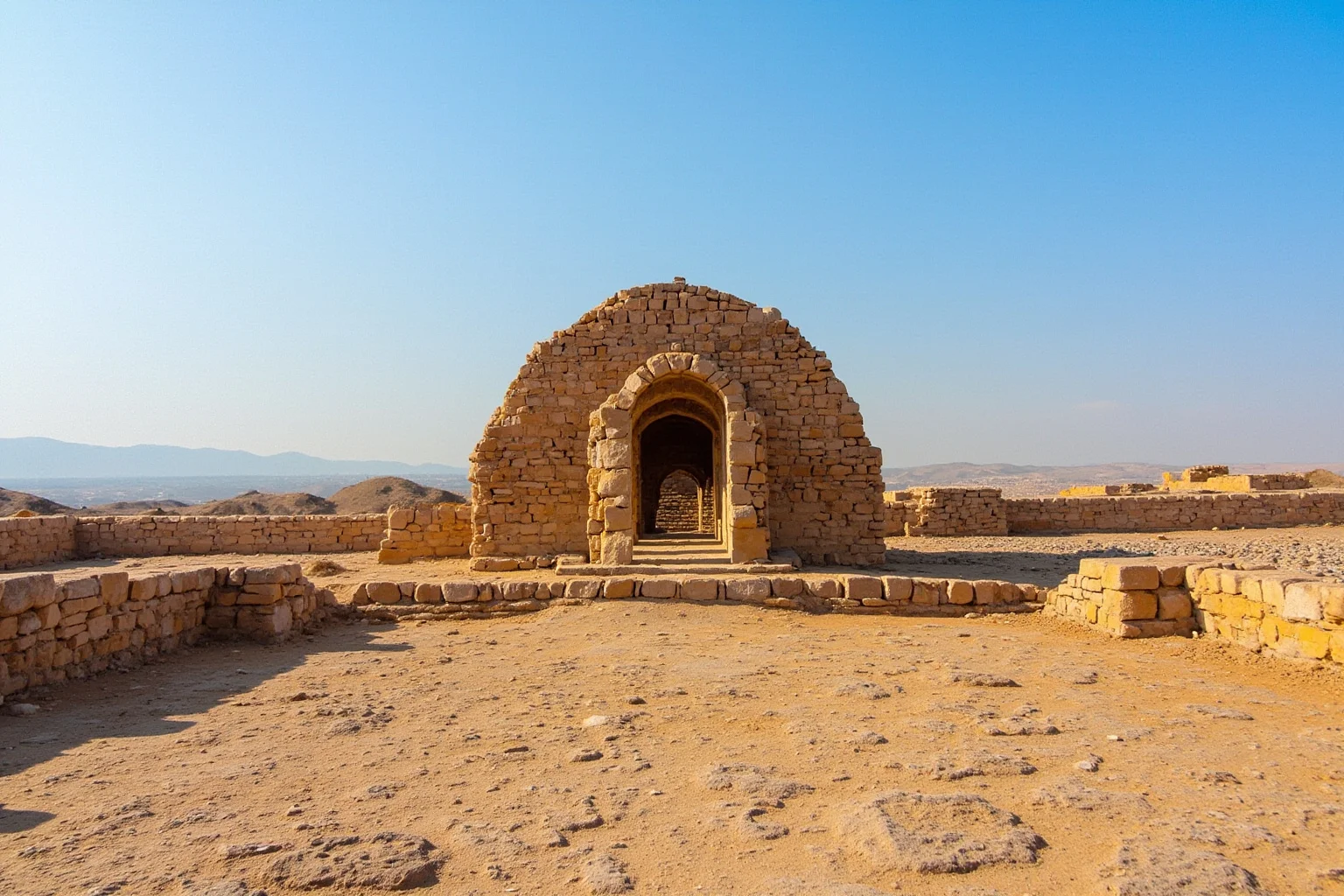
Stepping outside Europe, the Sultanhanı Caravanserai between Konya and Aksaray is one of the finest surviving examples of a Seljuk-era ancient hotel. Built in 1229 under Sultan Ala ad-Din Kayqubad I, it was part of a network of state-funded “hans” along Anatolian trade routes.
Merchants and their animals could stay free of charge for up to three days, a strikingly different business model from the paid lodging we associate with hotels today. The building’s massive stone walls, central courtyard, and covered winter hall still stand largely intact.
16. Ribat-i Sharaf, Iran (12th century)
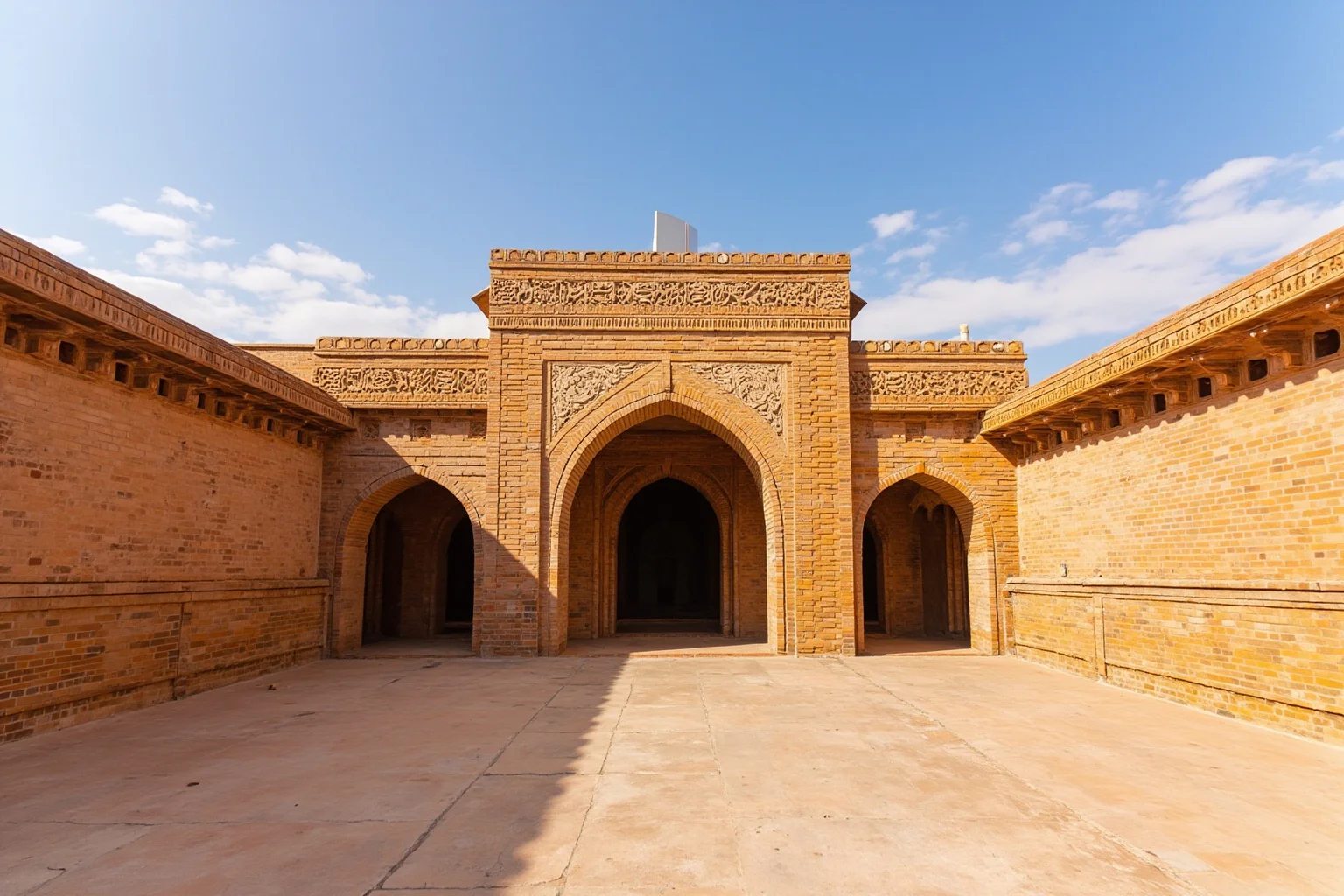
Deep in Iran’s Khorasan region, Ribat-i Sharaf is a lavishly decorated caravanserai built during the Seljuk period, roughly between 1114 and 1154. Its twin courtyards and intricate brick and stucco work made it one of the most architecturally significant rest stops on the medieval trade routes linking Persia to Central Asia.
Like its Anatolian counterparts, it functioned as a form of ancient hotel for merchants, offering shelter, food, and safety from bandits along a genuinely dangerous stretch of road. Its scale reflects just how important trade-route hospitality infrastructure was to medieval economies.
17. Sarai Amanat Khan, India (1640)
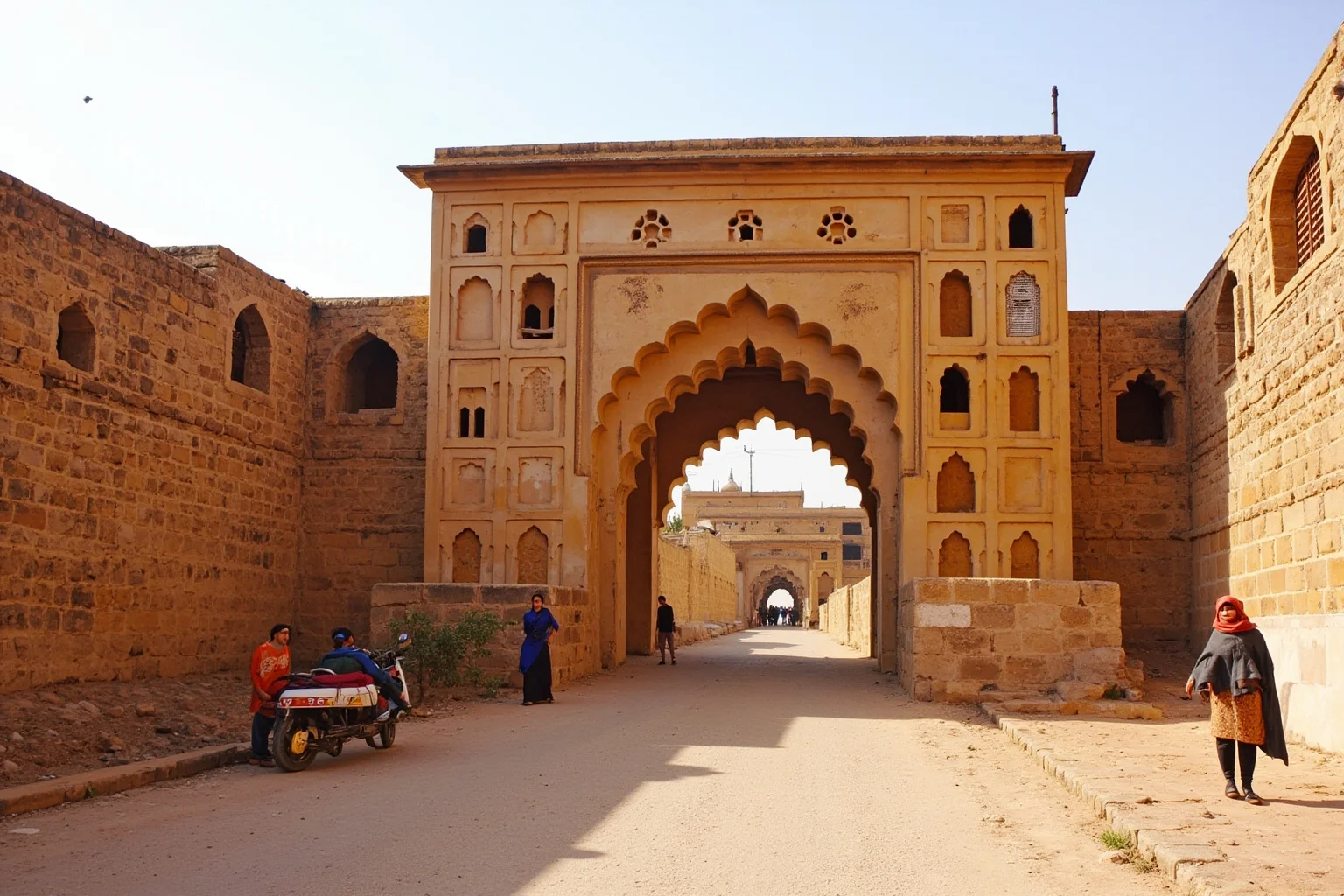
Built in 1640 near Amritsar under the Mughal Emperor Shah Jahan, Sarai Amanat Khan was one of many fortified rest stops along the Grand Trunk Road connecting Delhi to Kabul. It’s named after Amanat Khan, a calligrapher famous for his work on the Taj Mahal, who is also buried at the site.
The sarai’s decorated gateway and enclosed courtyard reflect the same basic caravanserai model seen across the Islamic world, adapted to Mughal artistic tastes. It stands as one of the better-preserved examples of South Asia’s own tradition of ancient hotel architecture.
18. The Fighting Cocks, St Albans, England (disputed 8th century claim)
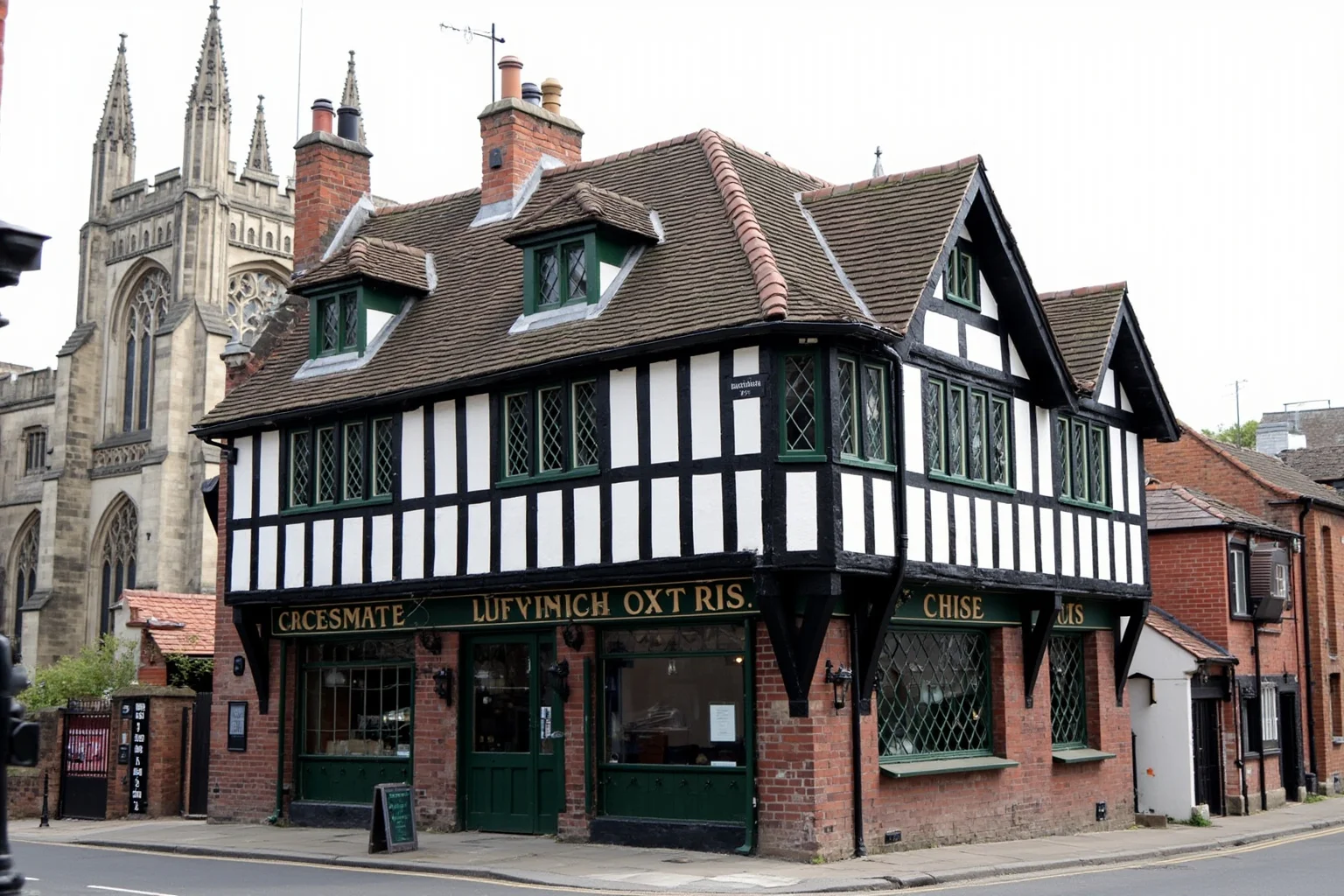
This distinctive octagonal pub near St Albans Cathedral has long claimed roots stretching back to the 8th century, supposedly originating as a pigeon house attached to the abbey. Guinness World Records has publicly disputed the claim, noting that the building’s actual structure appears to date from the 16th or 17th century at the earliest.
It’s a useful cautionary example for anyone chasing the “oldest inn” title: an old-looking building on an old site doesn’t automatically mean the business itself is that ancient. The Fighting Cocks remains a beloved, genuinely historic pub either way.
19. Ye Olde Man & Scythe, Bolton, England (1251)
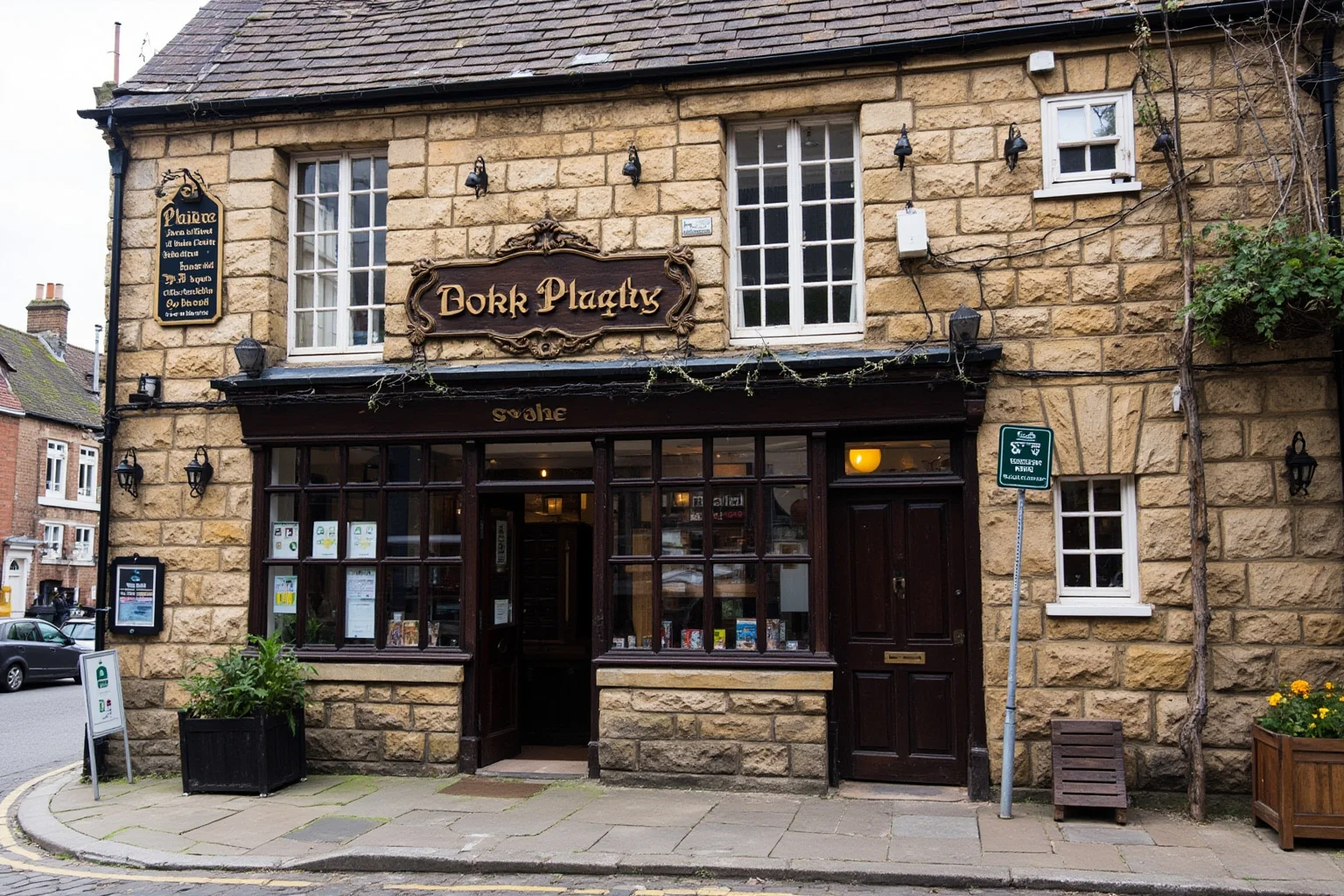
Records reference this Lancashire inn as far back as 1251, making it one of England’s better-documented early inns. It’s linked to a dramatic historical footnote: James Stanley, 7th Earl of Derby, reportedly ate his last meal there before his execution in 1651, exactly 400 years after the inn’s earliest recorded mention.
The current building has been rebuilt more than once, as is true of nearly every entry on this list. But the site’s continuous documented use as a public house and inn stretches back an unusually long time for an English building.
20. The Feathers Hotel, Ludlow, England (1619)
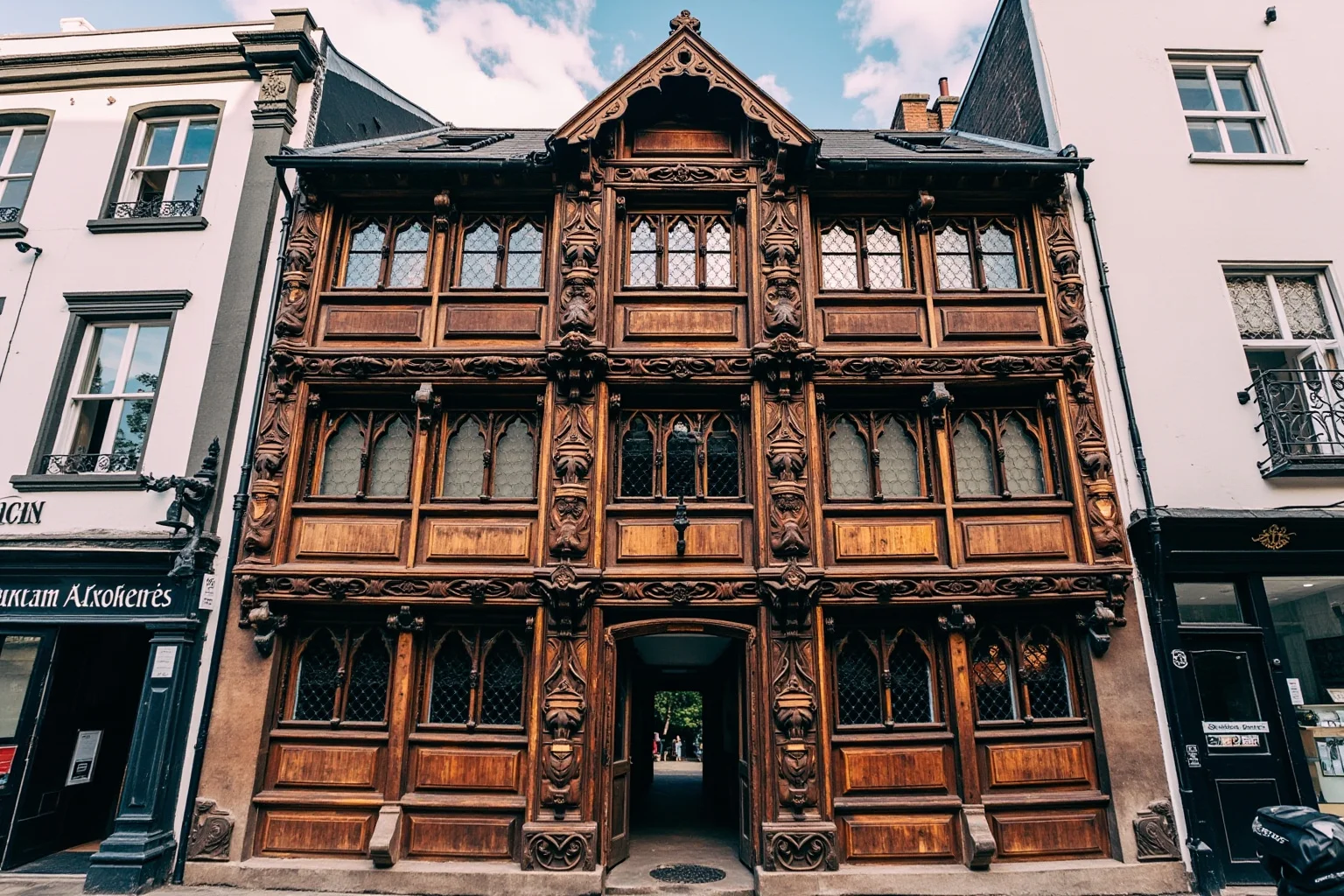
The youngest entry on this list by far, the Feathers Hotel in Shropshire was built in 1619 as a private townhouse before becoming an inn around the 1670s. Its elaborately carved timber-framed façade is so striking that a 1930s travel writer reportedly called it “the most handsome inn in the world.”
It’s included here not because it competes on age with the medieval or ancient entries above, but because it represents the next great wave of purpose-built hospitality architecture in Britain. It’s a helpful reminder that “historic” doesn’t always mean “oldest,” and both categories deserve attention.
So, Which Is Really the Oldest Hotel in the World?
If you want the single most defensible answer, Guinness World Records’ pick of Japan’s Nishiyama Onsen Keiunkan, founded in 705 AD, is the best-documented claim to the oldest hotel in the world title. Its closest genuine rival is Hōshi Ryokan, founded just 13 years later in 718 AD, also in Japan.
Everything else on this list involves a bit more nuance, whether that’s the pub-versus-hotel distinction at Sean’s Bar, the undocumented folklore behind the Bingley Arms, or the caravanserai model of free short-term lodging used across the medieval Islamic world. None of that makes those places less fascinating; it just means their claims deserve a slightly different kind of respect than a hard, documented founding date.
What ties all twenty of these places together is remarkable persistence. Buildings burn down, empires fall, and travel habits change completely, yet the basic human need for a safe bed on the road has kept these ancient hotels and inns in business across centuries, and in a few cases, well over a thousand years. It’s a similar kind of staying power you’ll find among the oldest fast food chains in the world, businesses that have kept feeding travelers and locals alike through centuries of changing tastes.
Next time you check into a hotel and complain about slow Wi-Fi, it might be worth remembering that some establishments have been perfecting the art of hospitality since before your country existed. That’s a pretty remarkable kind of customer service consistency.
Frequently Asked Questions
What is the oldest hotel in the world?
Guinness World Records recognizes Nishiyama Onsen Keiunkan in Yamanashi, Japan, founded in 705 AD, as the oldest hotel in the world. It has reportedly been run by the same family for more than 50 generations, built around a natural hot spring.
What was considered the first hotel in the world?
There is no single verified 'first' hotel, since paid lodging for travelers developed independently in different regions, from Roman mansiones to Japanese onsen inns. The oldest documented example still operating today is generally considered to be Nishiyama Onsen Keiunkan, founded in 705 AD.
What is the oldest inn still operating today?
Among businesses with strong documentation, Japan's Nishiyama Onsen Keiunkan (705 AD) and Hōshi Ryokan (718 AD) are the oldest verified examples. In Europe, inns like Zum Roten Bären in Freiburg and the Olde Bell Inn in Hurley, England, both tracing back to the 12th century, are among the oldest still welcoming guests.
Is Sean’s Bar in Ireland an old hotel or just a pub?
Sean's Bar in Athlone is recognized as Ireland's oldest pub, with wall fragments dated to around 900 AD, and it originally served as a hostelry offering food, drink, and shelter to river travelers. Today it operates primarily as a pub rather than a lodging house, which is why it's usually discussed as an 'oldest inn' claim rather than a hotel.
Why do so many ‘oldest inn’ claims get disputed?
Many claims rely on local tradition or a building's age rather than continuous, documented business operation as lodging. Guinness World Records and historians have publicly disputed several famous claims, such as St Albans' Fighting Cocks pub, because the physical structure often postdates the claimed founding year by centuries.
Were caravanserais the same thing as ancient hotels?
Caravanserais functioned similarly to hotels by offering merchants shelter, food, and security along trade routes like the Silk Road, but they typically provided free lodging for a limited number of nights rather than charging by the room. Sites like Turkey's Sultanhanı Caravanserai, built in 1229, are considered important precursors to the modern hotel.

Alex Warren
Related Articles





