

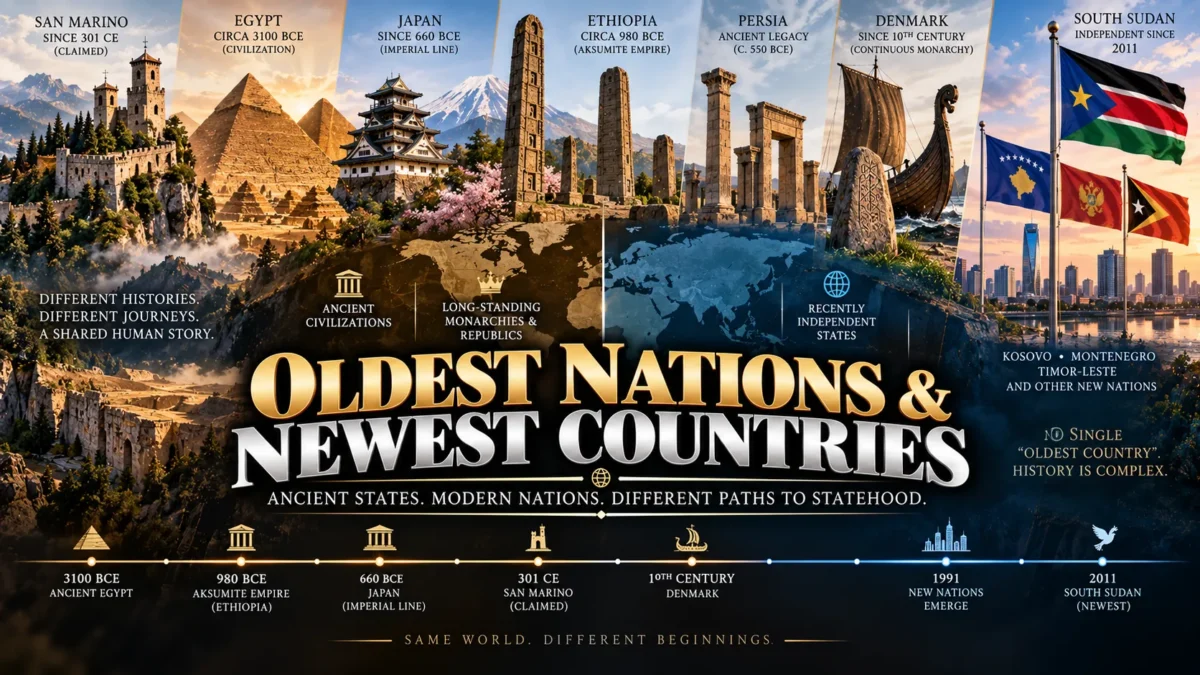
Ask ten historians which country is the oldest in the world, and you might get ten different answers. That’s not because anyone is wrong — it’s because “oldest” can mean radically different things depending on how you define a nation, a state, or a continuous government.
Are we talking about the first place humans ever organized into a state? The oldest republic still standing? Or the oldest kingdom whose borders were never erased by conquest?
This guide untangles that tangle. We’ll look at the strongest contenders for the world’s oldest nation, the governments that have quietly outlasted empires, and then flip the question entirely to look at the ten newest countries on the map — several of which didn’t exist within living memory of most adults alive today.
TL;DR: There’s no single, universally agreed “oldest country” — San Marino, Ethiopia, Japan, and Egypt all have legitimate but very different claims — while South Sudan and Kosovo sit at the opposite end as the world’s newest nations.
What Actually Makes a Country “Old”?
Before ranking anything, it helps to separate a few ideas that get mashed together constantly. The “first state in the world” is a question about human history broadly — the earliest moment people organized themselves into centralized, governed territories. That distinction usually goes to Sumerian city-states like Uruk, or to unified Egypt around 3100 BCE, both of which predate almost every modern nation by thousands of years.
“Oldest continuous country,” on the other hand, asks something different: which currently existing nation has kept its identity, government, or borders intact the longest without a total rupture. This is where things get genuinely messy, because almost every long-lived nation has been conquered, occupied, split, or reunified at some point. The honest answer is that continuity is always a matter of degree, not an unbroken straight line.
There’s also a difference between the oldest nation and the oldest government or republic. A country can have ancient cultural roots while its current constitution or parliamentary system is only a few decades old — and vice versa. Keeping these categories separate is the only way to make sense of competing “oldest country” claims you’ll see online.
For context, today’s world is made up of roughly 195 sovereign states, depending on how you count partially recognized territories like Kosovo or Taiwan. A full alphabetical list of every country is really its own reference document rather than something to skim through in a single article, but the United Nations’ 193 member states plus a couple of observer states make up the commonly cited total.
The World’s Oldest Nations: Top Contenders for Oldest Country
None of the entries below comes with a universally agreed founding certificate. Each one has a reasonable claim to deep continuity, but each claim also comes with an asterisk worth knowing about.
1. San Marino — The World’s Oldest Surviving Republic
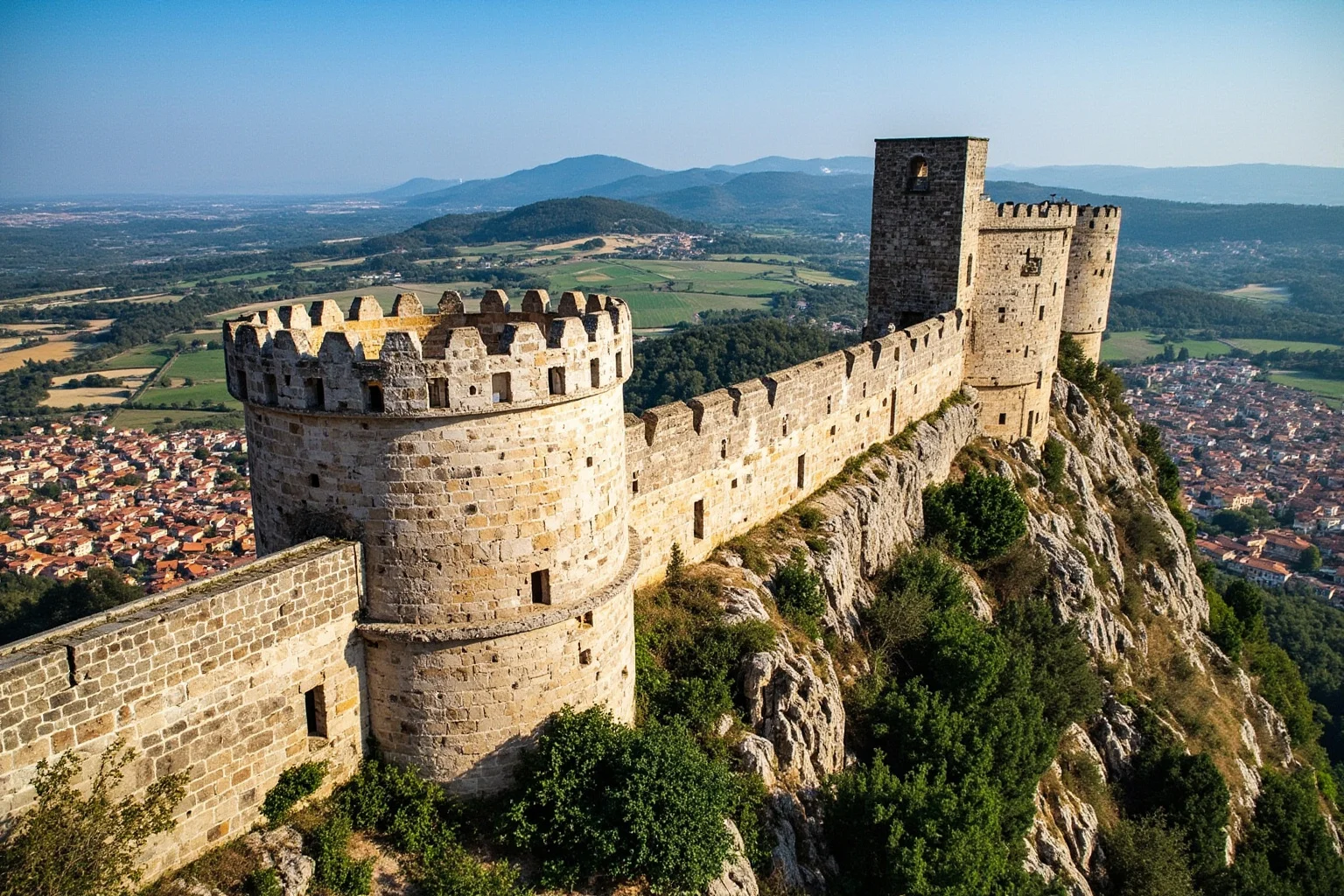
San Marino’s founding legend says a Christian stonemason named Marinus established a small community on Mount Titano in 301 CE, fleeing religious persecution. That exact date is tradition rather than verified record, so it’s worth treating as legend, not settled fact.
What is well documented is that San Marino has functioned as a self-governing commune since at least the medieval period, with a written statute dating to 1600. It’s widely regarded as the oldest republic still in existence, having never been absorbed by the larger powers surrounding it in the Italian peninsula.
2. Ethiopia — Africa’s Ancient, Unconquered Kingdom
Ethiopia’s political history stretches back through the Kingdom of Aksum and earlier polities like D’mt, with organized states in the region reaching back roughly 2,000–3,000 years. The long-ruling Solomonic dynasty claimed continuous descent into the 20th century, giving Ethiopia one of the strongest continuity narratives on the African continent.
Crucially, Ethiopia is also one of very few African nations never permanently colonized by a European power. Italy occupied it briefly between 1936 and 1941, but Ethiopian sovereignty was restored, preserving its claim to uninterrupted independence.
3. Iran — Heir to Millennia of Persian Statehood
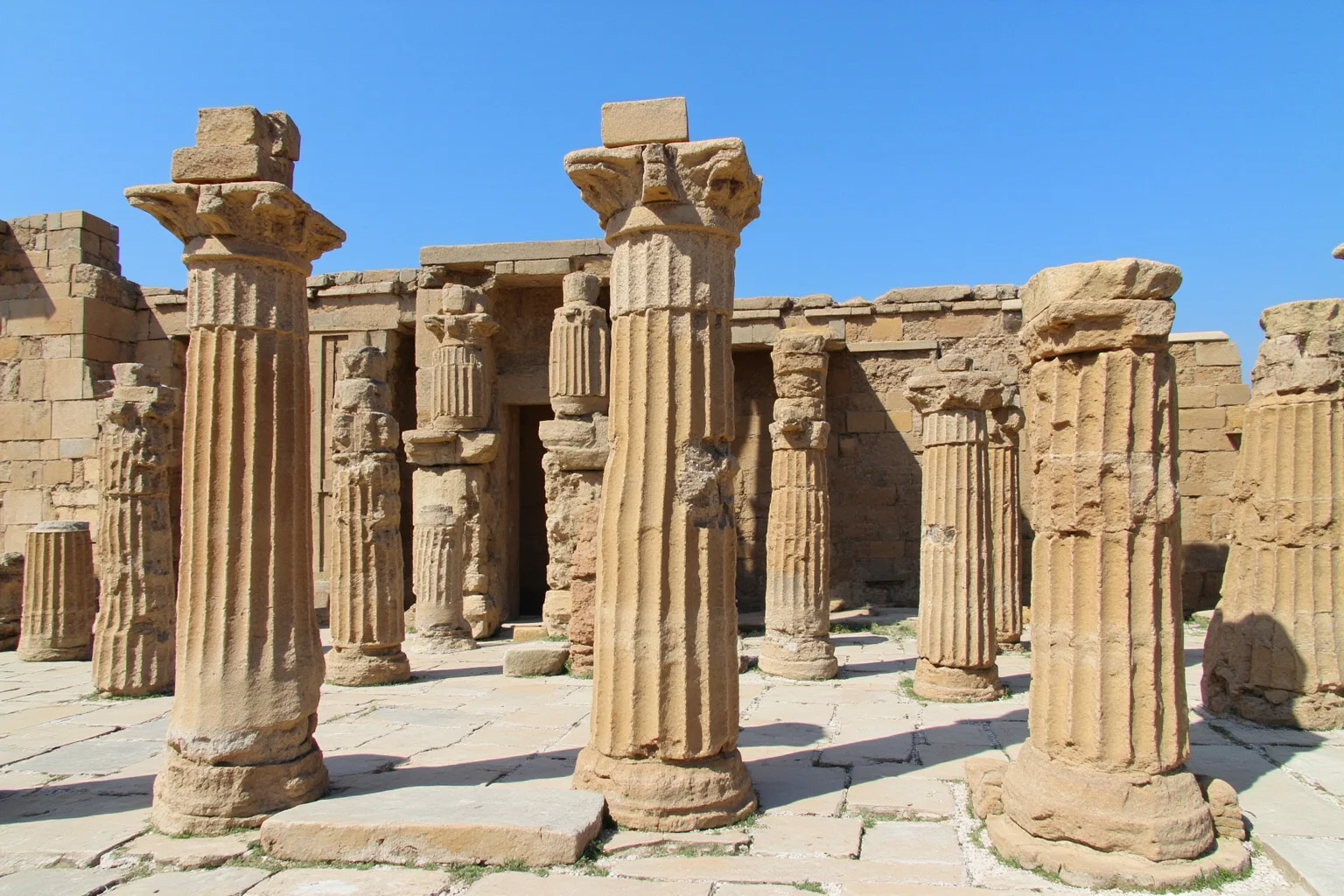
Iran’s claim rests on cultural and political continuity rather than one unbroken government. Organized states in the region go back to the Elamites and flourished dramatically under Cyrus the Great’s Achaemenid Empire around 550 BCE.
Dynasties, empires, and religions have changed repeatedly across Persian history, and the borders have shifted enormously. Even so, the idea of “Iran” as a continuous cultural and political identity is old enough that many historians treat it as one of the world’s oldest continuously recognizable nations.
4. Japan — The World’s Oldest Continuous Monarchy
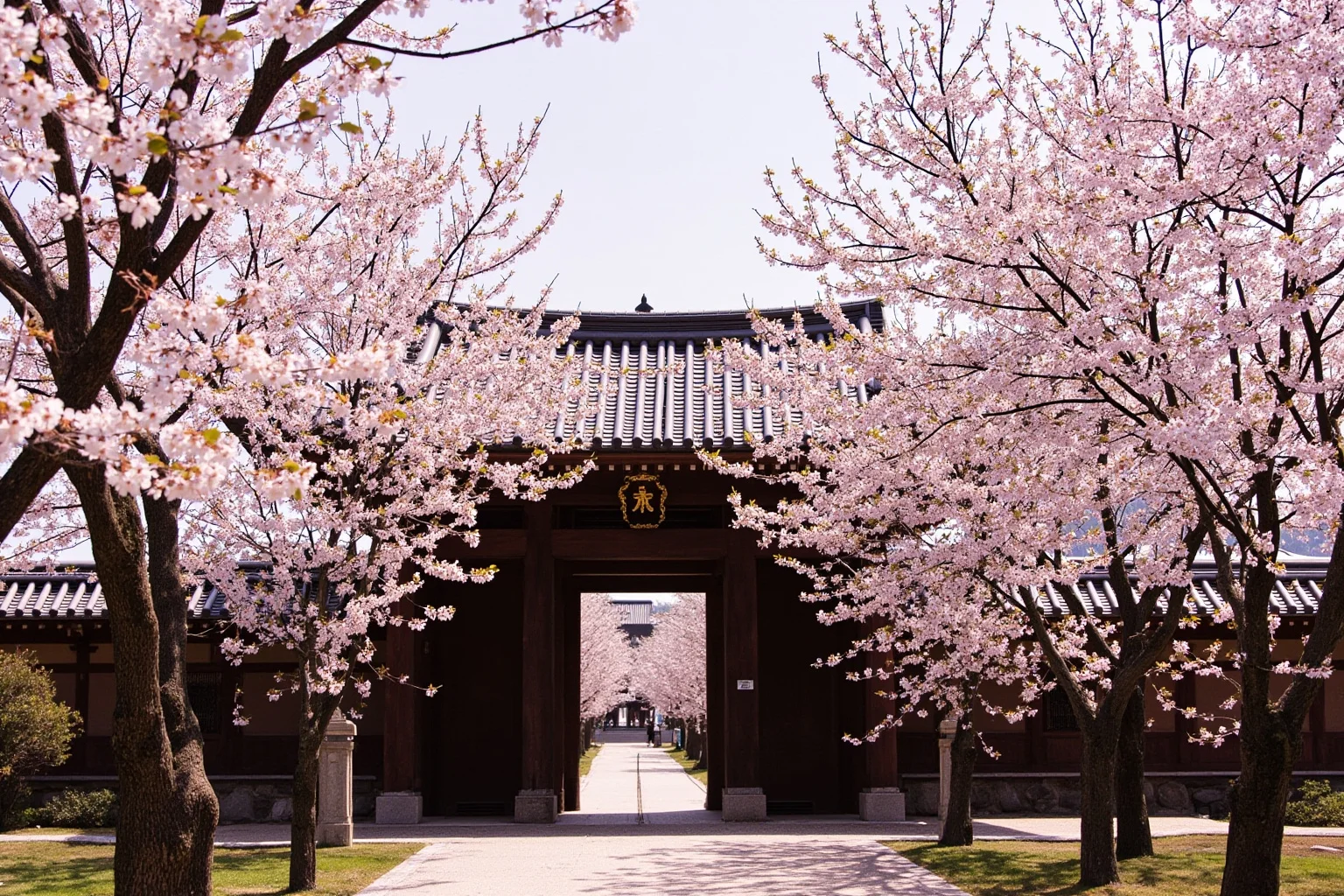
Japan’s traditional founding date of 660 BCE comes from the Nihon Shoki, an 8th-century chronicle mixing myth with history — so it shouldn’t be repeated as a verified fact. What historians can verify is an imperial line documented with reasonable confidence from roughly the 5th or 6th century CE onward.
Even using the more conservative dating, Japan’s imperial institution is frequently cited by reference sources as the oldest continuous hereditary monarchy on Earth. The throne has never been seized by a foreign dynasty, which is a genuinely unusual streak in world history.
5. Oman — The Arab World’s Oldest Continuously Independent State
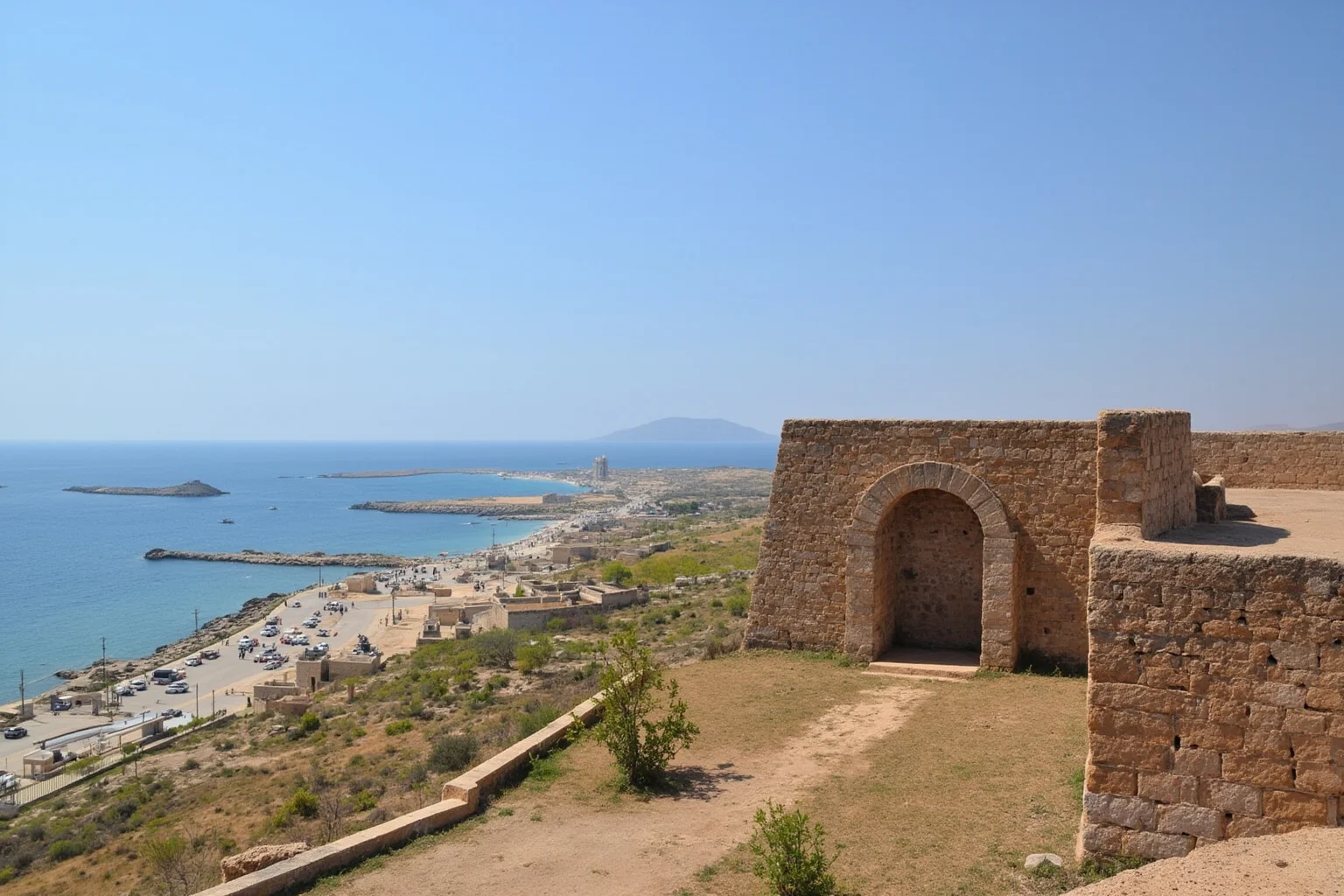
Oman is commonly cited as the Arab world’s oldest continuously independent state, with self-rule under the Ibadi Imamate tradition tracing back to the 8th century CE. Unlike many of its neighbors, Oman avoided prolonged colonization, maintaining local rule through shifting dynasties and imamates.
Its geography — mountainous, somewhat isolated from the interior of the Arabian Peninsula — helped it maintain a distinct political identity for centuries. That’s why any resident of the Arab world’s oldest continuously independent state can reasonably point to Oman when the topic comes up.
6. Denmark — Europe’s Oldest Continuous Monarchy
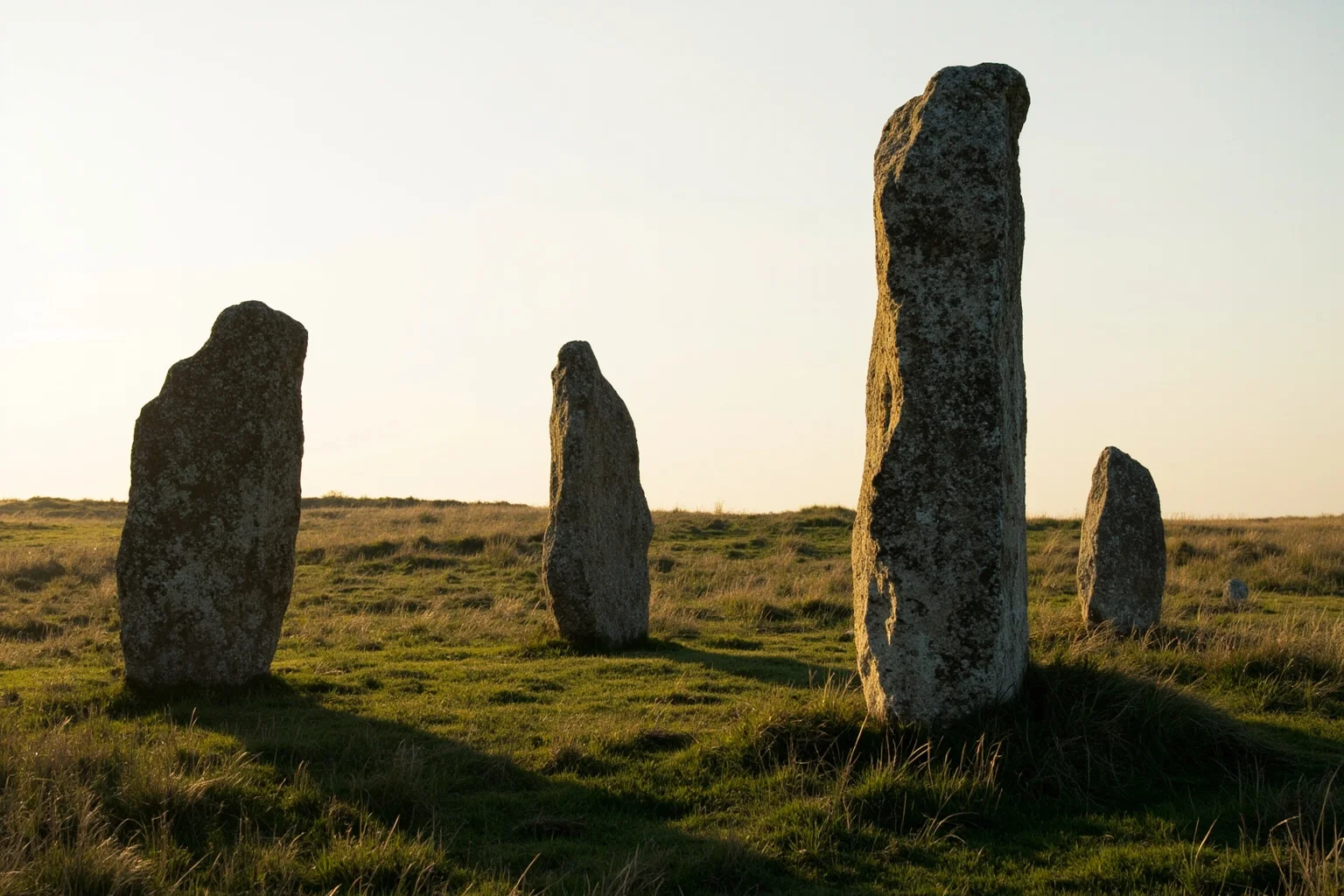
Denmark’s monarchy is usually traced to Gorm the Old and his son Harald Bluetooth in the 10th century, with the famous Jelling Stones from around 965 CE serving as an early written record of a unified Danish kingdom. The Danish monarchy has continued in some form ever since.
That makes Denmark a frequent answer to “oldest kingdom in Europe,” even though its governing system has changed enormously, moving from absolute monarchy to a modern constitutional one over the centuries.
7. Bulgaria — Europe’s Oldest State Under One Name
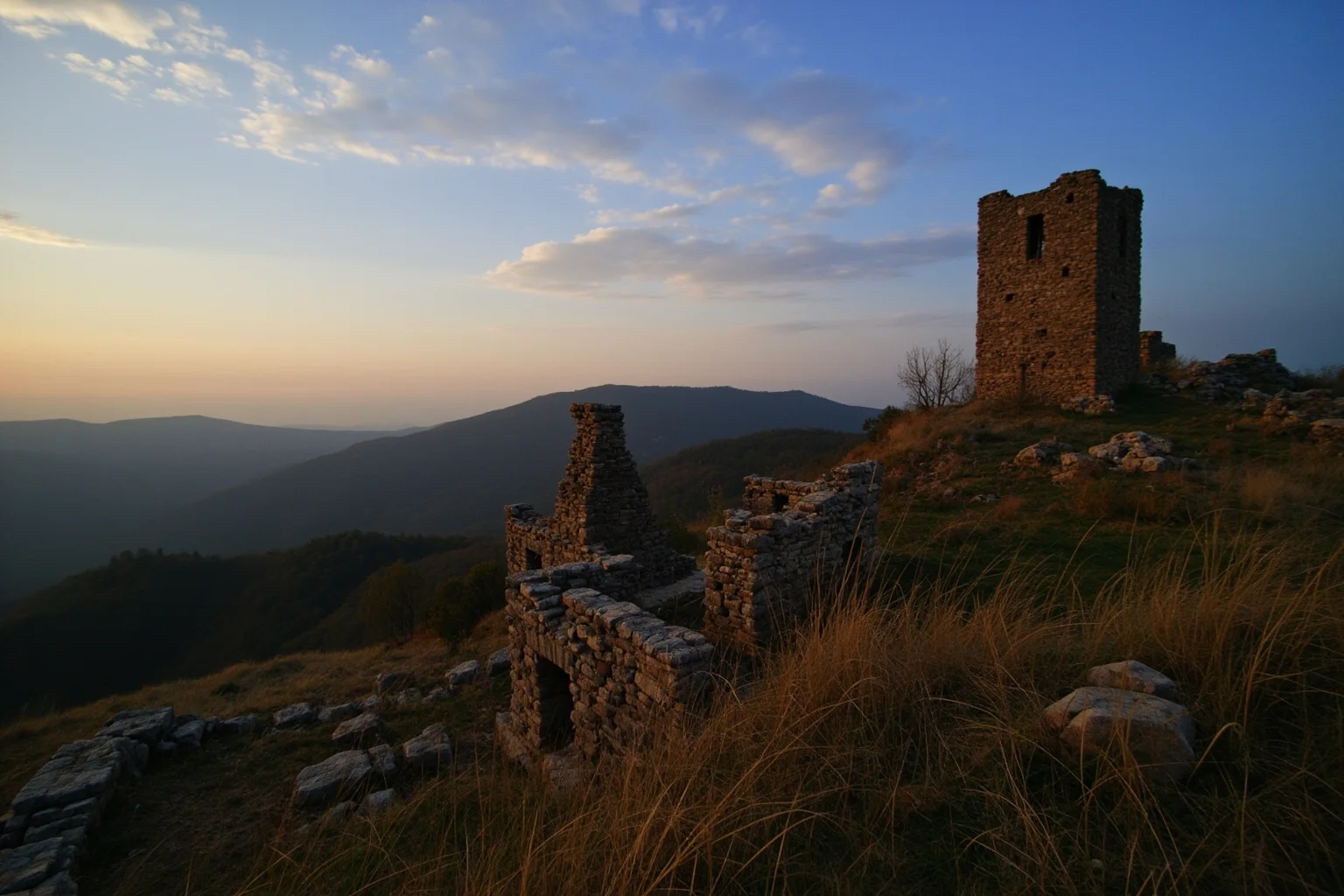
Bulgaria dates its founding to 681 CE, when Khan Asparukh’s Bulgar state secured recognition from the Byzantine Empire after a decisive battle. Despite Ottoman rule for roughly five centuries afterward, the name and cultural identity of “Bulgaria” persisted and was later restored as an independent state in 1878.
That combination — same name, same general territory, since the 7th century — is why Bulgaria is often called the oldest state in Europe to keep both its name and rough location.
8. France — Continuity Since the Frankish Kingdoms
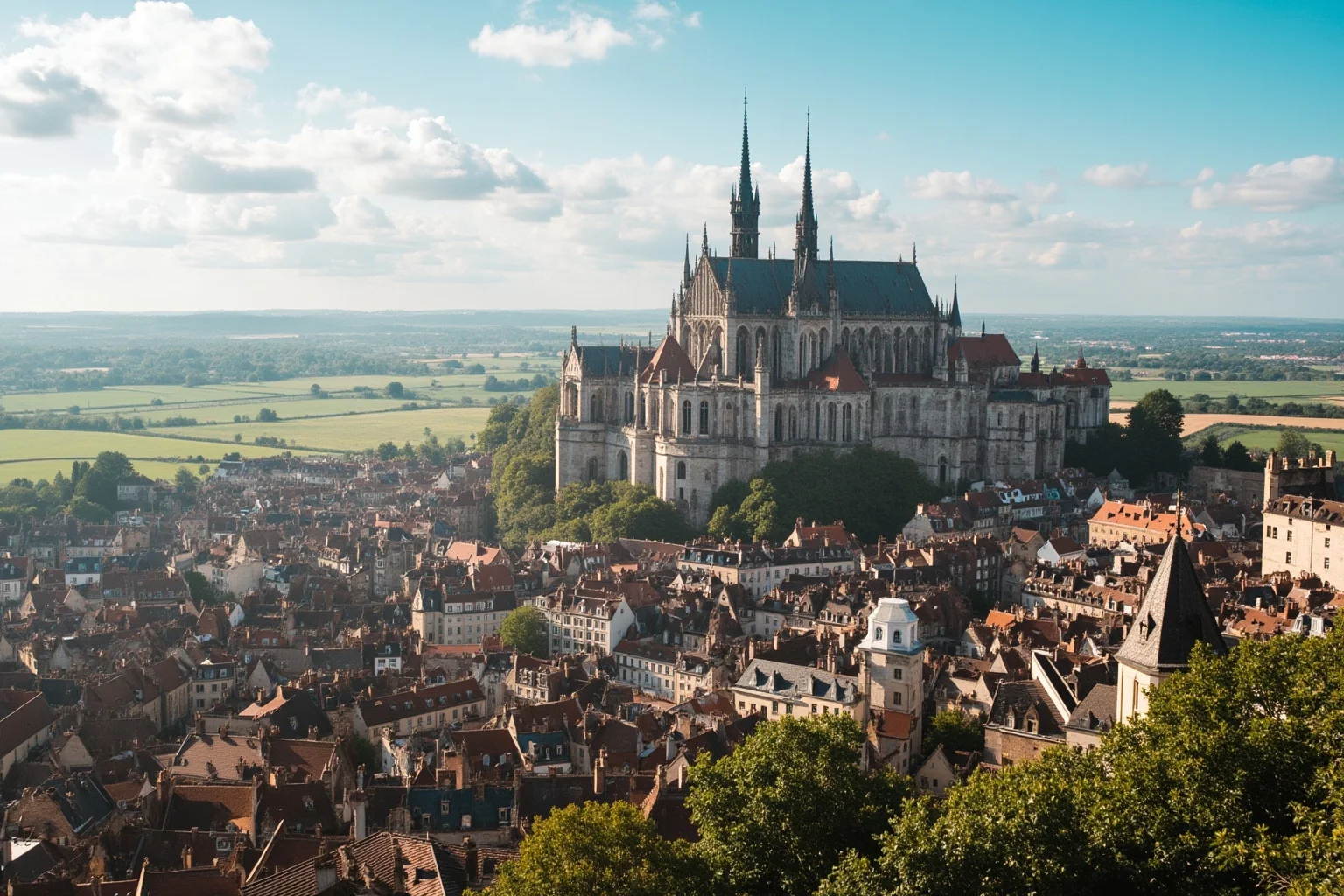
France’s roots are usually traced to the division of the Carolingian Empire at the Treaty of Verdun in 843 CE, which created West Francia, the direct ancestor of the French kingdom. From there, France moved through monarchy, revolution, empire, and republic multiple times.
That turbulent record makes France’s continuity more political and territorial than institutional — the government has been rebuilt from scratch several times, most dramatically during the French Revolution. Still, the territorial and national thread reaching back to the 9th century is hard to dismiss.
9. Portugal — Europe’s Oldest Unchanged Borders
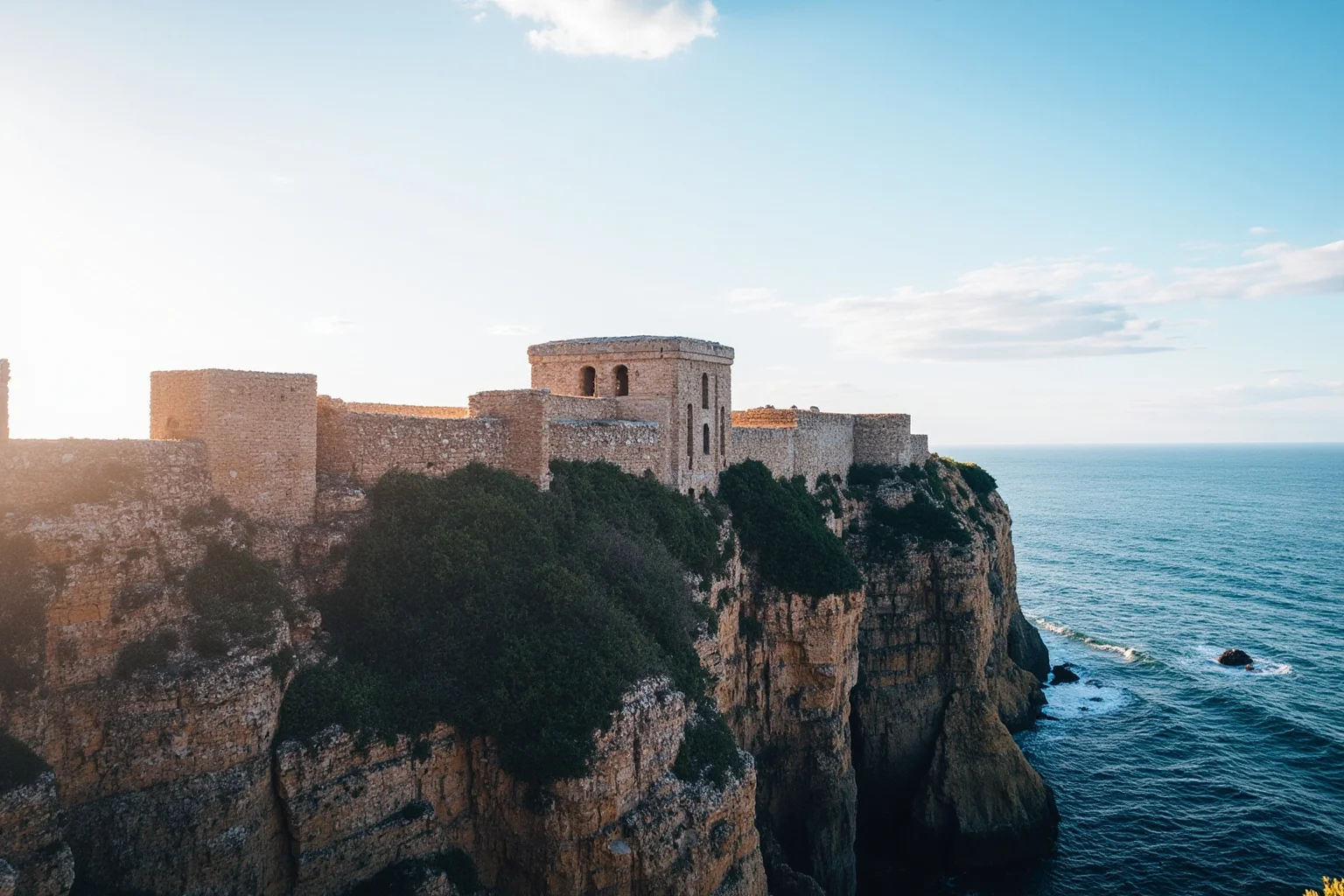
Portugal traces its founding to 1139 or 1143, when Afonso Henriques was recognized as king after asserting independence from the Kingdom of León. Its borders have remained essentially unchanged since the Treaty of Alcanizes in 1297, making it one of the most territorially stable states in European history.
That’s a slightly different kind of “oldest” claim — not the oldest government or oldest republic, but arguably the oldest unchanged national border in Europe.
10. Egypt — The First Recorded Nation-State
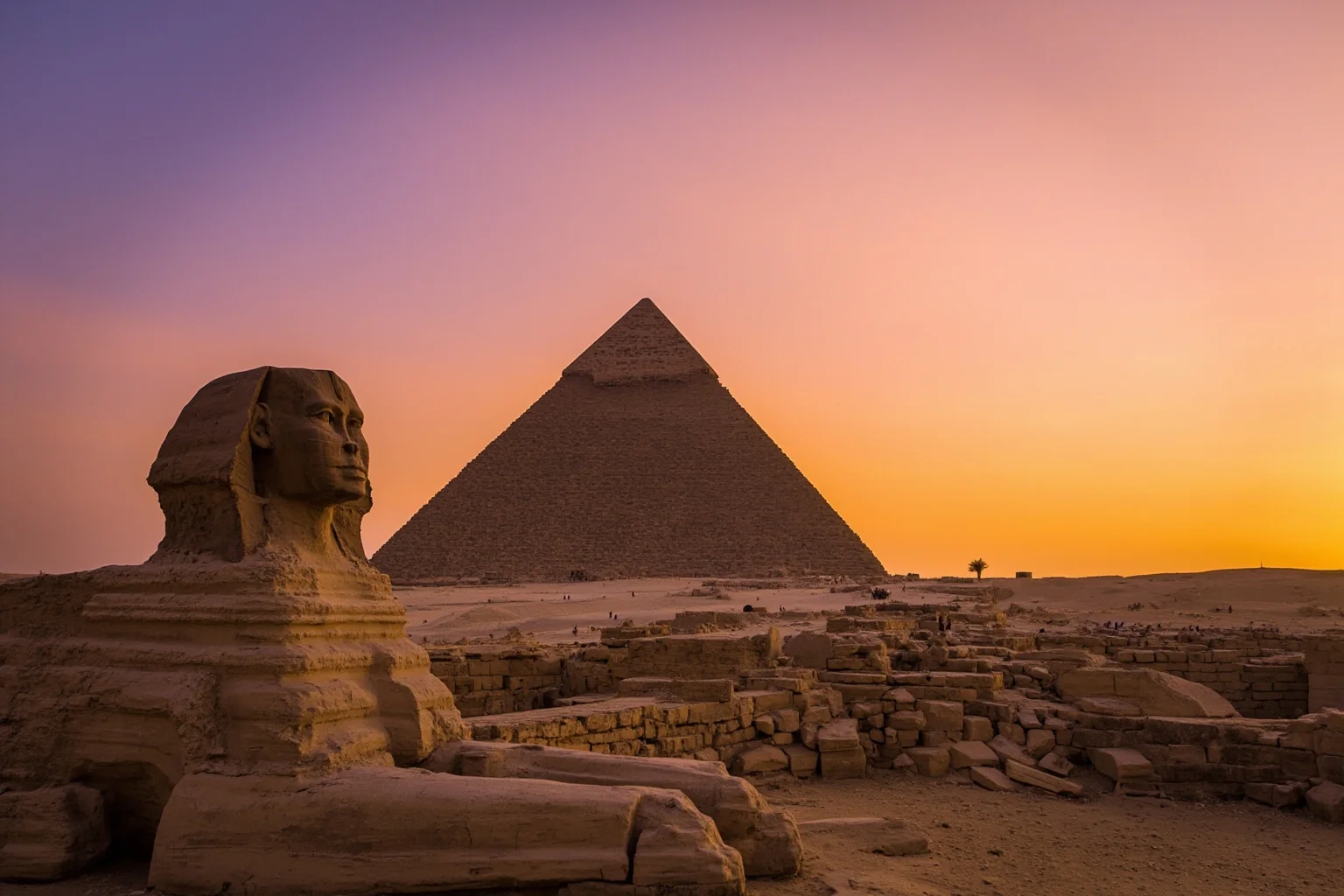
Egypt earns its spot for an entirely different reason: it’s the strongest answer to “what is the first state in the world.” The unification of Upper and Lower Egypt around 3100 BCE, traditionally attributed to a ruler named Narmer, created one of the earliest large-scale centralized states in human history.
Egypt’s political continuity was interrupted many times afterward — by Persian, Greek, Roman, Arab, and Ottoman rule, several of which rank among the greatest empires in history — so it doesn’t win on unbroken government. But as a civilization and cultural identity persisting across five millennia in roughly the same place, it remains a foundational answer to when the first country was founded.
Oldest Governments and Institutions Still in Session
A country being old and a government being old are not the same thing, and a few institutions deserve credit here specifically. Iceland’s Althing, established around 930 CE, is widely regarded as one of the oldest parliamentary institutions still functioning in some form today.
The Isle of Man’s Tynwald claims a similarly ancient pedigree, with roots often dated to around 979 CE. San Marino’s Grand and General Council has also operated continuously for centuries, reinforcing the country’s claim to being both an old nation and an old republic at once.
These examples matter because “oldest governments in the world” and “oldest nation” are frequently confused online. A nation can be ancient while its current government is quite young, as we’ll see clearly in the next section.
The World’s Newest Nations: 10 Countries Born in Recent Memory
While some nations trace their identity back over a thousand years, others have appeared on world maps within the last three decades. Most of these newest nations emerged from decolonization, referendums, or the breakup of larger federations like the Soviet Union, Yugoslavia, and Czechoslovakia — many of them designing entirely new national flags to mark the occasion.
11. South Sudan (2011)
South Sudan is generally recognized as the world’s newest widely-recognized sovereign state. It formally seceded from Sudan on July 9, 2011, following a referendum in which the overwhelming majority of voters chose independence after decades of civil conflict.
12. Kosovo (2008)
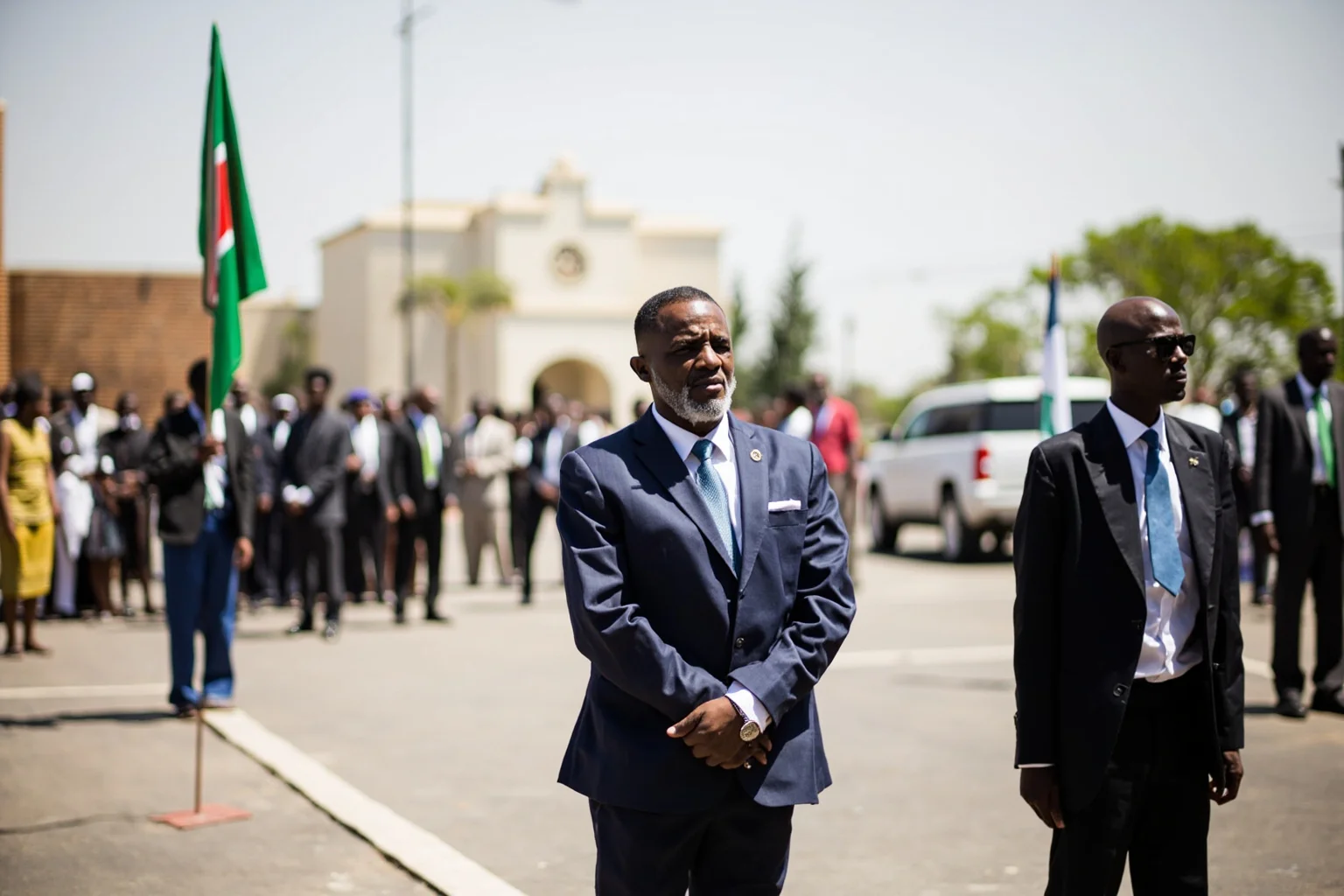
Kosovo declared independence from Serbia in February 2008, and roughly 100 UN member states have since recognized it. It’s important to note Kosovo is not currently a UN member itself, since Serbia, Russia, China, and several other states dispute its sovereignty.
13. Montenegro (2006)
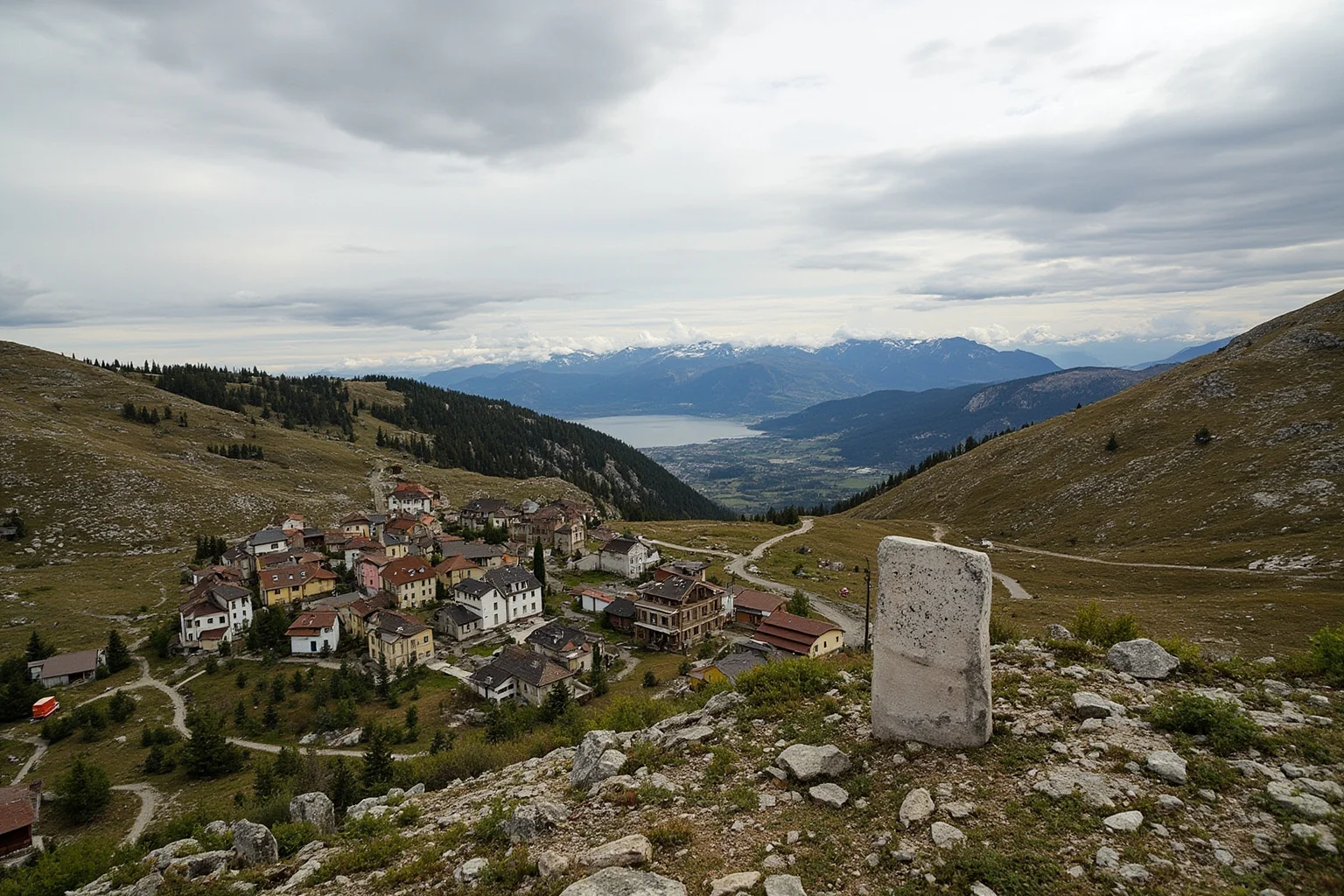
Montenegro voted to leave its union with Serbia in a May 2006 referendum, narrowly clearing the threshold required for independence. It was quickly admitted to the United Nations later that same year.
14. Serbia (2006)
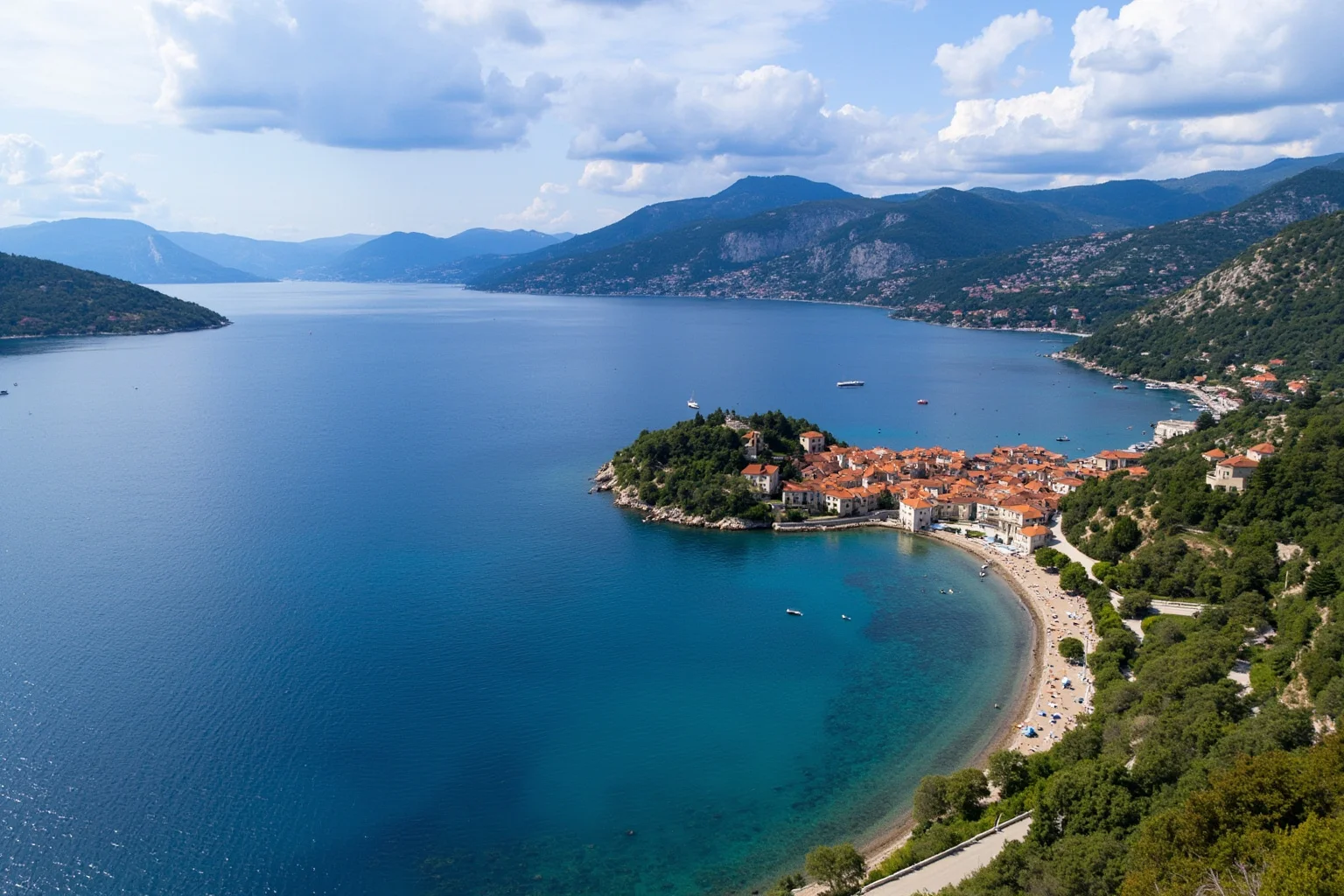
It sounds strange to call Serbia a “new” country, given its much older national history, but the specific state known as the Republic of Serbia in its current form also dates to 2006. When Montenegro departed the joint state of Serbia and Montenegro, Serbia became the sole successor state rather than a union partner.
15. Timor-Leste (2002)

Timor-Leste gained full independence in 2002 after a UN-administered transition, capping a long and difficult path through Portuguese colonization and a brutal Indonesian occupation. It remains one of the youngest nations in Southeast Asia.
16. Palau (1994)
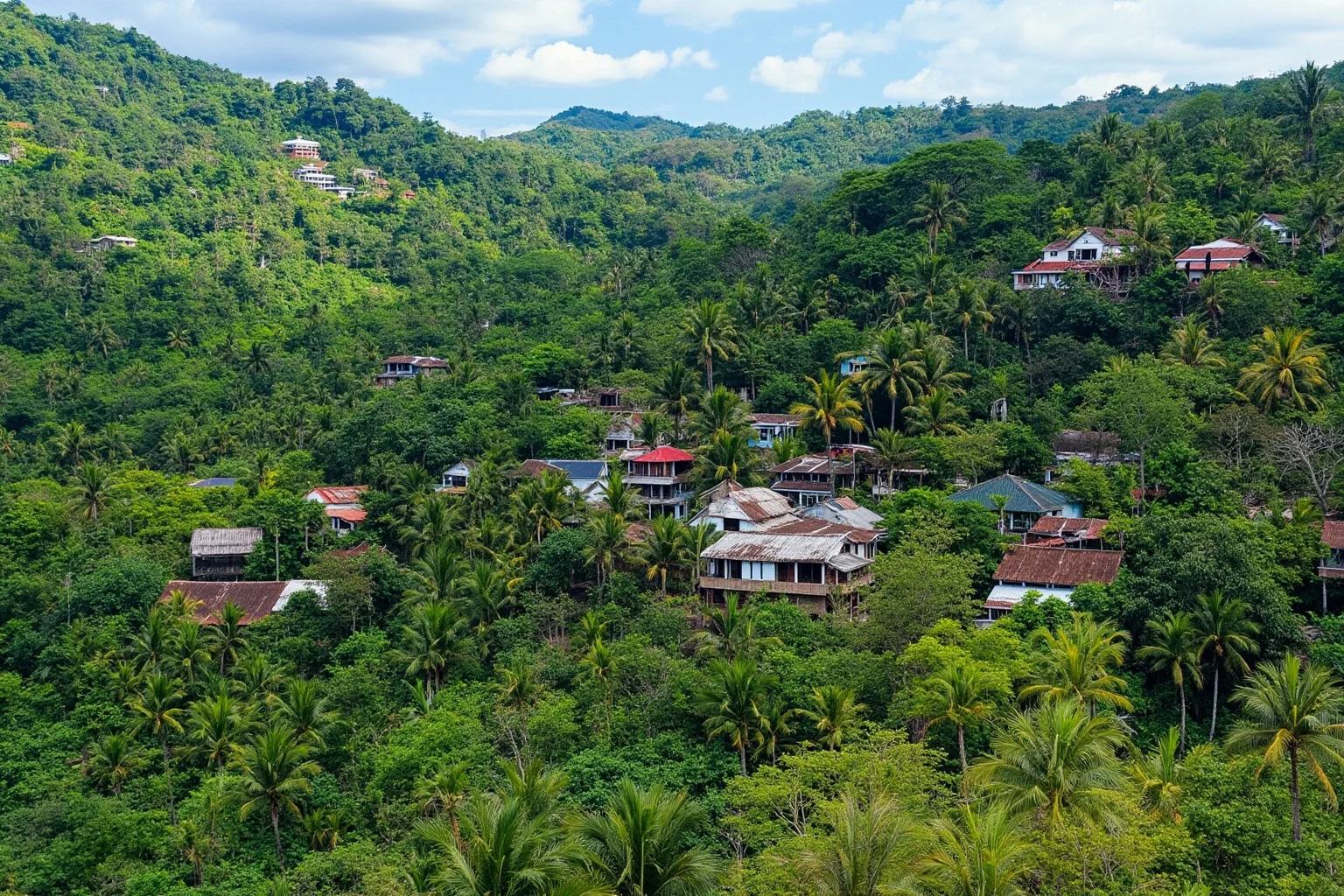
Palau became fully self-governing in 1994 under a Compact of Free Association with the United States, after decades as part of the UN Trust Territory of the Pacific Islands. It joined the United Nations that same year.
17. Eritrea (1993)
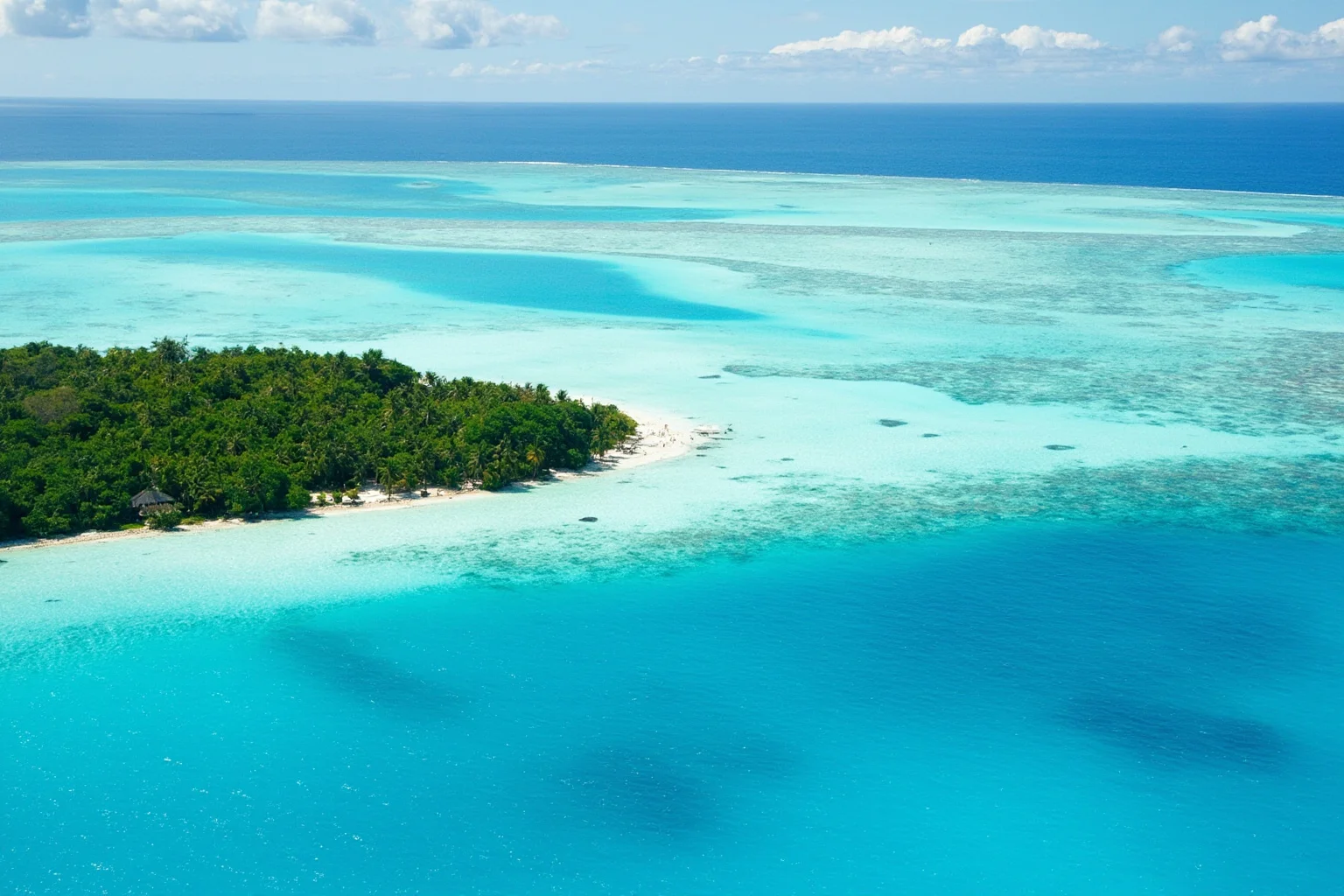
Eritrea achieved independence from Ethiopia in 1993 following a referendum, ending a war for independence that had lasted roughly three decades. It’s a reminder that Ethiopia’s own ancient continuity coexists with more recent territorial changes on its borders.
18. Czech Republic (1993)
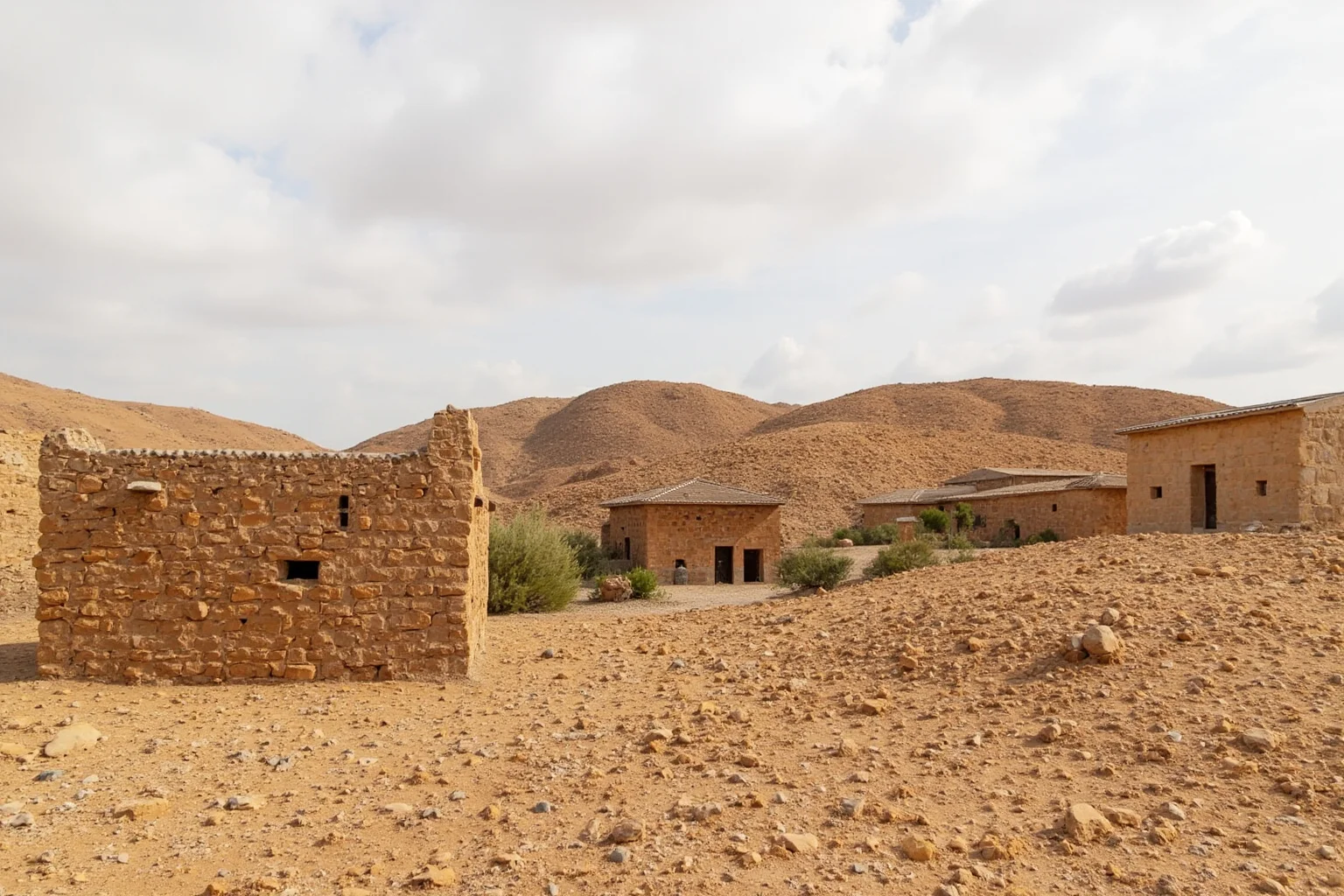
The Czech Republic came into being on January 1, 1993, through what’s often called the “Velvet Divorce” — the peaceful, mutually agreed split of Czechoslovakia. Unlike many national breakups, this one happened without violence.
19. Slovakia (1993)
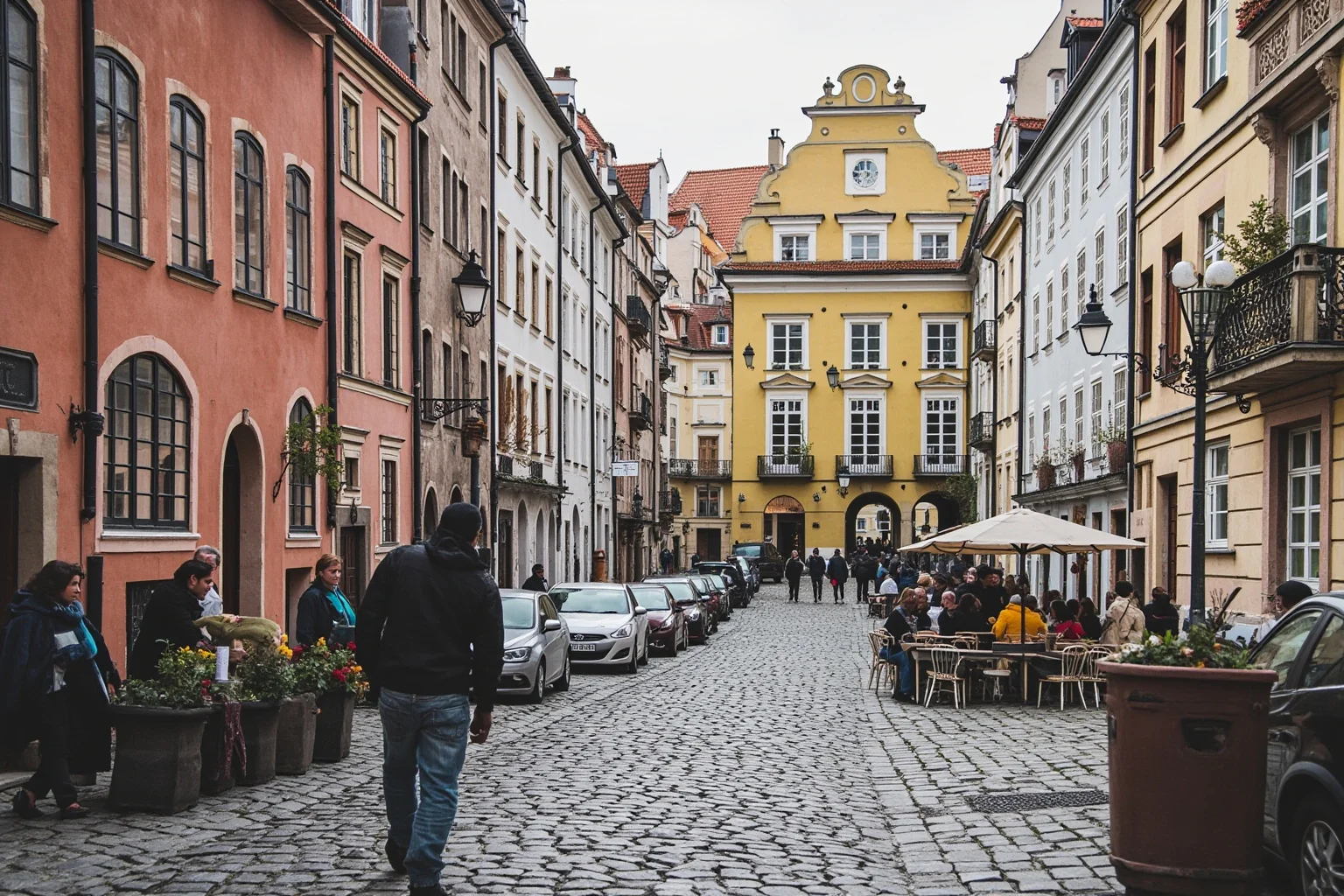
Slovakia emerged the same day as its Czech counterpart, as the other half of the Velvet Divorce. Both countries have functioned as fully independent, internationally recognized states ever since.
20. Marshall Islands and the Federated States of Micronesia (1991)
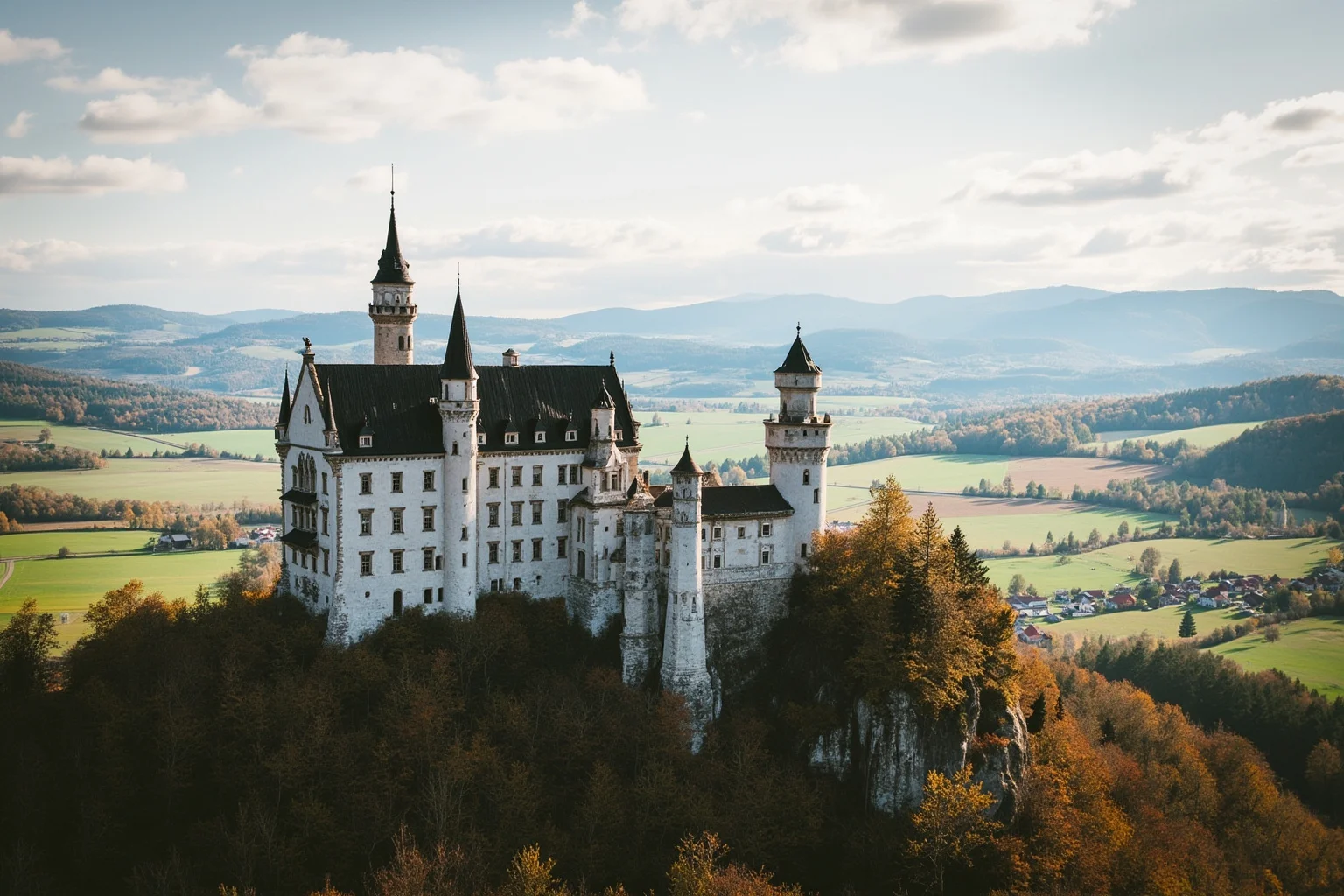
Both Pacific nations gained self-government in 1986 under Compacts of Free Association with the United States but weren’t admitted to the United Nations until 1991, which is generally treated as the milestone for full international sovereignty. They’re frequently grouped together as among the youngest nations in the Pacific region.
Why New Countries Keep Appearing on the Map
Most of the youngest nations in the world share a handful of common origin stories. Decolonization after World War II created dozens of new states across Africa, Asia, and the Pacific between the 1940s and 1970s, as European empires withdrew from territories they had controlled for generations.
A second wave came from the collapse of federations rather than empires. The dissolution of the Soviet Union in 1991 alone created fifteen new or newly independent states, while Yugoslavia’s breakup through the 1990s and 2000s produced Slovenia, Croatia, Bosnia and Herzegovina, North Macedonia, Serbia, Montenegro, and Kosovo.
Self-determination movements continue today, and it’s entirely possible more new nations will join this list in the coming years. Places like Somaliland currently function with many trappings of independent statehood without widespread international recognition, showing that the process of “becoming a country” is often gradual rather than a single clean event.
The Real Answer? It’s Complicated — And That’s the Interesting Part
If you came here hoping for one definitive answer to “what’s the oldest country,” the honest takeaway is that the question resists a single clean answer.
San Marino has the strongest claim to being the oldest surviving republic, Japan and Denmark anchor the oldest continuous monarchies, Ethiopia and Oman represent unbroken independence in their regions, and Egypt holds the title for the earliest large-scale state in recorded history.
Meanwhile, on the opposite end of the timeline, South Sudan reminds us that new nations are still being born, born out of referendums, negotiated separations, and long independence struggles.
Somewhere between a state that’s existed for over a millennium and one that’s barely old enough to vote in its own elections lies most of the rest of the world’s roughly 195 countries — each with its own founding story worth digging into.
Frequently Asked Questions
So, what’s the oldest country in the world?
There's no single agreed answer, because it depends on what you're measuring. San Marino is usually cited as the oldest surviving republic, Japan and Denmark hold strong claims to the oldest continuous monarchies, Ethiopia and Oman represent some of the longest unbroken independence records, and Egypt is often credited as the first large-scale state in recorded history. Most historians treat this as a question with several valid answers rather than one official winner.
What is the first state in the world?
The earliest organized states in human history emerged in Mesopotamia and Egypt around 3100 BCE, with Sumerian city-states like Uruk and the unification of Upper and Lower Egypt under Narmer both serving as strong candidates. These predate every currently existing nation by thousands of years, which is why 'first state ever' and 'oldest surviving nation' are really two different questions.
What is the oldest state in the world still in existence today?
Among currently existing nations, San Marino is widely regarded as the oldest surviving republic, while Japan's imperial monarchy and Denmark's royal line are considered the oldest continuous monarchies. Egypt and Ethiopia also have extremely deep historical roots, though their governments and borders have changed more dramatically over the centuries.
Which country has the oldest continuous, unbroken history as a nation?
Ethiopia is frequently cited here because it's one of the only nations never permanently colonized, with organized states in the region reaching back roughly 2,000 to 3,000 years. San Marino and Japan are also strong contenders, since San Marino's republic and Japan's imperial line have both avoided being absorbed or replaced by foreign rule for an unusually long stretch of time.
What is the oldest republic in the world?
San Marino holds this title in most reference sources, tracing its self-governing tradition back through the medieval period, with a written statute dating to 1600. Its founding legend places the community's origin at 301 CE, though that specific date is considered tradition rather than verified historical fact.
Which is the Arab world’s oldest continuously independent state?
Oman is generally recognized as the Arab world's oldest continuously independent state, with self-rule tracing back to the Ibadi Imamate tradition established around the 8th century CE. Unlike many neighboring territories, Oman largely avoided prolonged foreign colonization, allowing it to maintain a distinct political identity for well over a thousand years.
When was the first country founded?
If 'country' means the earliest centralized, governed state in human history, that points to Sumerian city-states and unified Egypt, both dating to roughly 3100 BCE. This is a different question from asking which currently existing country is oldest, since none of those original ancient states survive in their original form today.
What are the youngest nations in the world today?
South Sudan, which became independent in 2011, is generally considered the newest widely-recognized sovereign nation. Other very young nations include Kosovo (2008, with partial recognition), Montenegro and Serbia (2006), Timor-Leste (2002), and Eritrea, the Czech Republic, and Slovakia (all 1993).
What are the oldest governments in the world?
Iceland's Althing, established around 930 CE, is often cited as one of the oldest parliamentary institutions still functioning in some form today. The Isle of Man's Tynwald and San Marino's Grand and General Council are also frequently mentioned among the world's oldest continuously operating governing bodies.
Is there a complete list of all the countries in the world?
Yes, though it's really its own reference document rather than something covered fully in a single article. Most counts put the total around 195 sovereign states, combining the 193 UN member states with a small number of observer or partially recognized states, and the United Nations' own official membership list is the most authoritative starting point.

Alex Warren
Related Articles





