When you picture a dinosaur, you might imagine a towering predator with teeth like steak knives. But the dinosaur family tree was packed with small, skittish, and gentle species that would rather run than throw their weight around. This post explores the least intimidating dinosaurs that ever lived, including some often labeled the weakest dinosaurs.
The idea of ranking “weak” dinosaurs is tricky, because survival isn’t just about strength. Still, some dinosaurs were clearly built for speed, hiding, or peaceable plant-eating rather than combat. As you’ll see, being a harmless dinosaur didn’t mean being an evolutionary loser.
TL;DR: The least intimidating dinosaurs were often small, lightly built, and harmless herbivores—proving that not every ancient creature was a fearsome dino.
Why the Weakest Dinosaurs Aren’t a Real Official Group
Paleontologists don’t rank extinct animals like characters in a fighting game. Terms such as “weak dinosaurs” or “gentle dinosaurs” are popular shorthand, not scientific categories. That said, anatomy can reveal which species were lightly built and probably avoided confrontation.
A dinosaur with slender limbs, small claws, and a toothless beak was likely less dangerous than a heavily armed predator. Many small herbivores survived by spotting danger early and running, not by fighting back. These strategies worked for millions of years.
What Is the Weakest Dinosaur? The Complicated Answer
If you ask “what is the weakest dinosaur,” you’ll often hear Compsognathus named. This chicken-sized Jurassic predator weighed only a few kilograms and had a delicate frame. Yet it was still fast and capable of catching small prey.
A better way to think about it is that “weakest” depends on your definition. The smallest known non-avian dinosaurs, including Microraptor and possibly some bird-like species, had far less physical power than giant sauropods. But they were not helpless.
The real answer is that no single species holds the title. Paleontologists usually avoid the label because even a tiny dinosaur could survive well in its niche. So “weakest” is a thought experiment more than a fact.
20 Least Intimidating Dinosaurs That Were Gentle, Harmless, or Just Too Small to Scare
This list includes small hunters, toothless plant-eaters, and gentle giants. None of them were built to terrify, though some could still defend themselves if cornered. Here are twenty dinosaurs often described as weak, gentle, or harmless.
1. Compsognathus: The Tiny Predator Often Called the Weakest Dinosaur
Compsognathus lived about 150 million years ago in what is now Europe. It measured roughly 3 feet long and probably weighed around 3 kilograms, similar to a large chicken. Its slender jaws and small teeth were suited for insects and small vertebrates.
Despite being a predator, this little hunter looked far from fearsome. Its long legs suggest it could run quickly, but it had no chance against larger meat-eaters. That combination of tiny size and delicate build is why it frequently appears in “weakest dinosaurs” conversations.
It was discovered in Germany in the 1850s and became famous for its small size. Some older books even compare it to a chicken. That comparison is fair in weight, but Compsognathus was still a capable little hunter.
2. Microraptor: A Four-Winged Feathered Glider
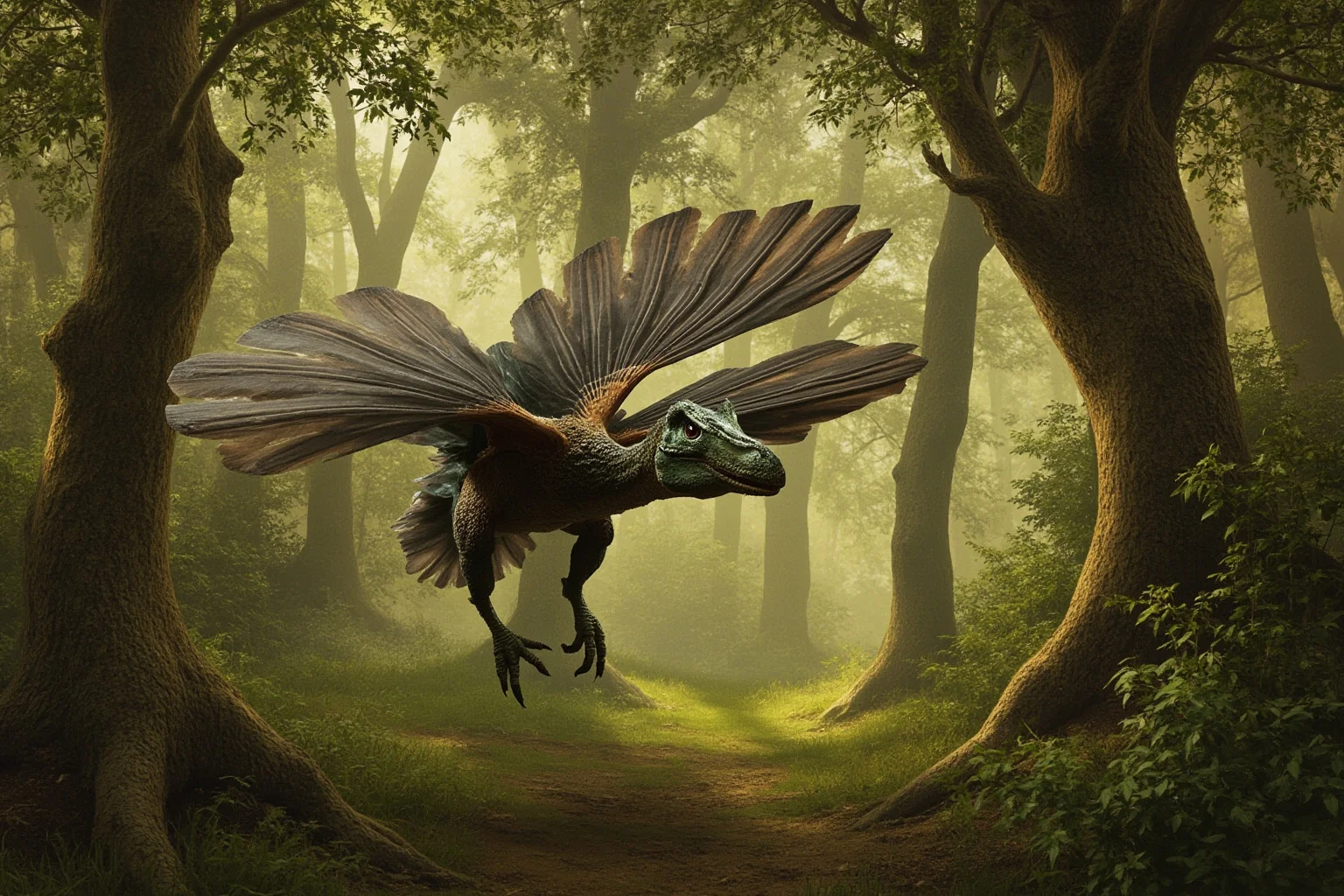
Microraptor lived during the early Cretaceous, about 120 million years ago, in what is now China. It was about the size of a crow and had long feathers on both its arms and legs. Many researchers think it used these four wings to glide between trees.
This little dinosaur probably ate small animals and insects. Its only real defenses were flight-like escapes and staying out of reach. A feathered glider simply wasn’t built to terrify anything larger than a lizard.
Fossils of Microraptor preserve feathers in exceptional detail, making it a key species for understanding dinosaur-bird evolution. Its gliding lifestyle likely kept it off the ground and away from larger predators. That made it more of a tree-dwelling neighbor than a little monster.
3. Hypsilophodon: A Fast, Fragile Plant-Eater
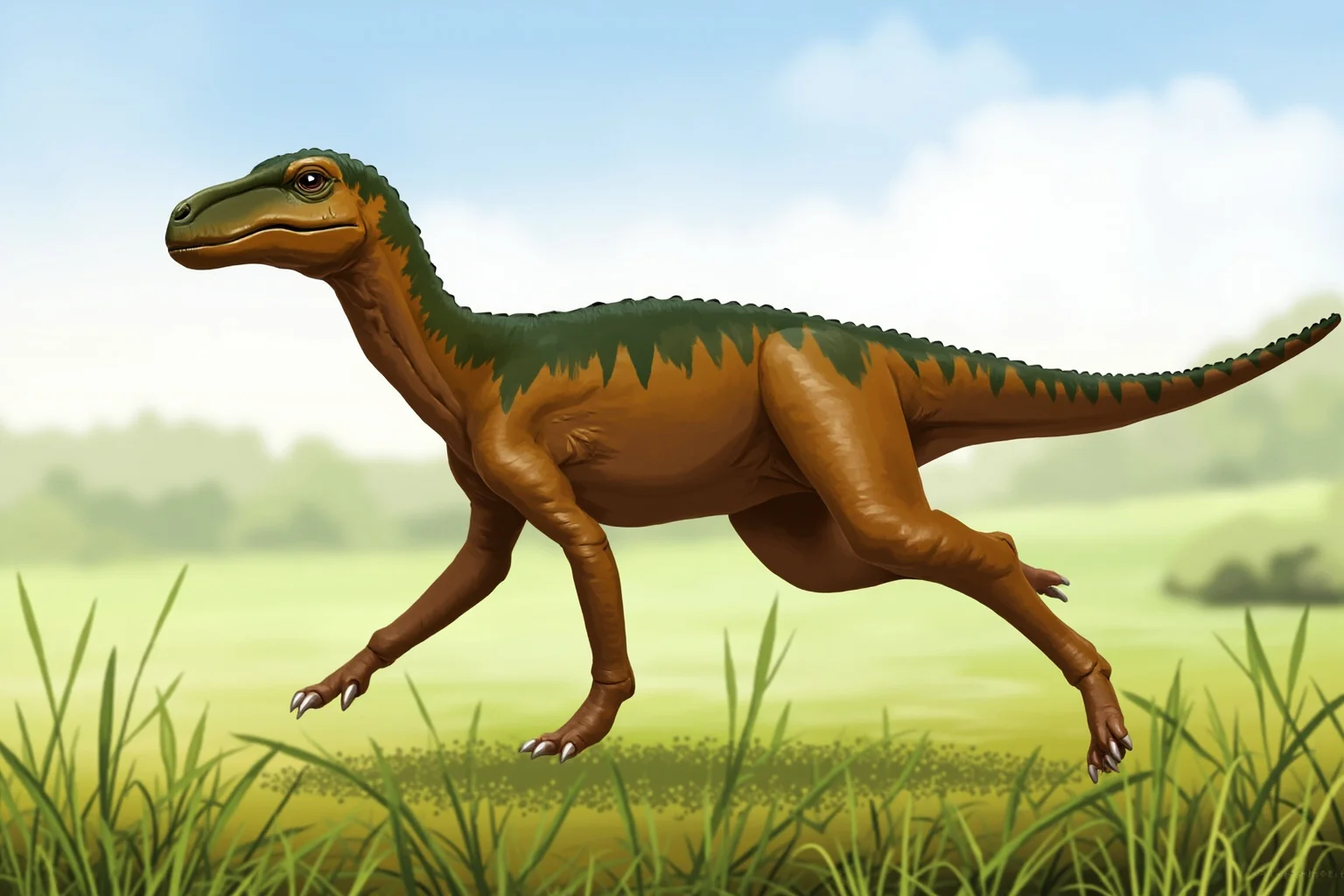
Hypsilophodon was an early Cretaceous herbivore that lived in what is now England and other parts of Europe. It grew to about 6 feet long but remained lightly built, with long legs and a stiff tail for balance. Its beak and leaf-shaped teeth were made for cropping plants.
Speed was its main survival tool. Hypsilophodon had no horns, armor, or giant claws. That made it a gentle dinosaur that almost certainly preferred to flee from predators.
Early paleontologists once imagined Hypsilophodon climbing trees, but modern research suggests it was a ground-dwelling runner. It may have lived in groups for protection. Its only real strategy was to see danger early and disappear quickly.
4. Dryosaurus: A Lightweight Jurassic Leaf-Eater
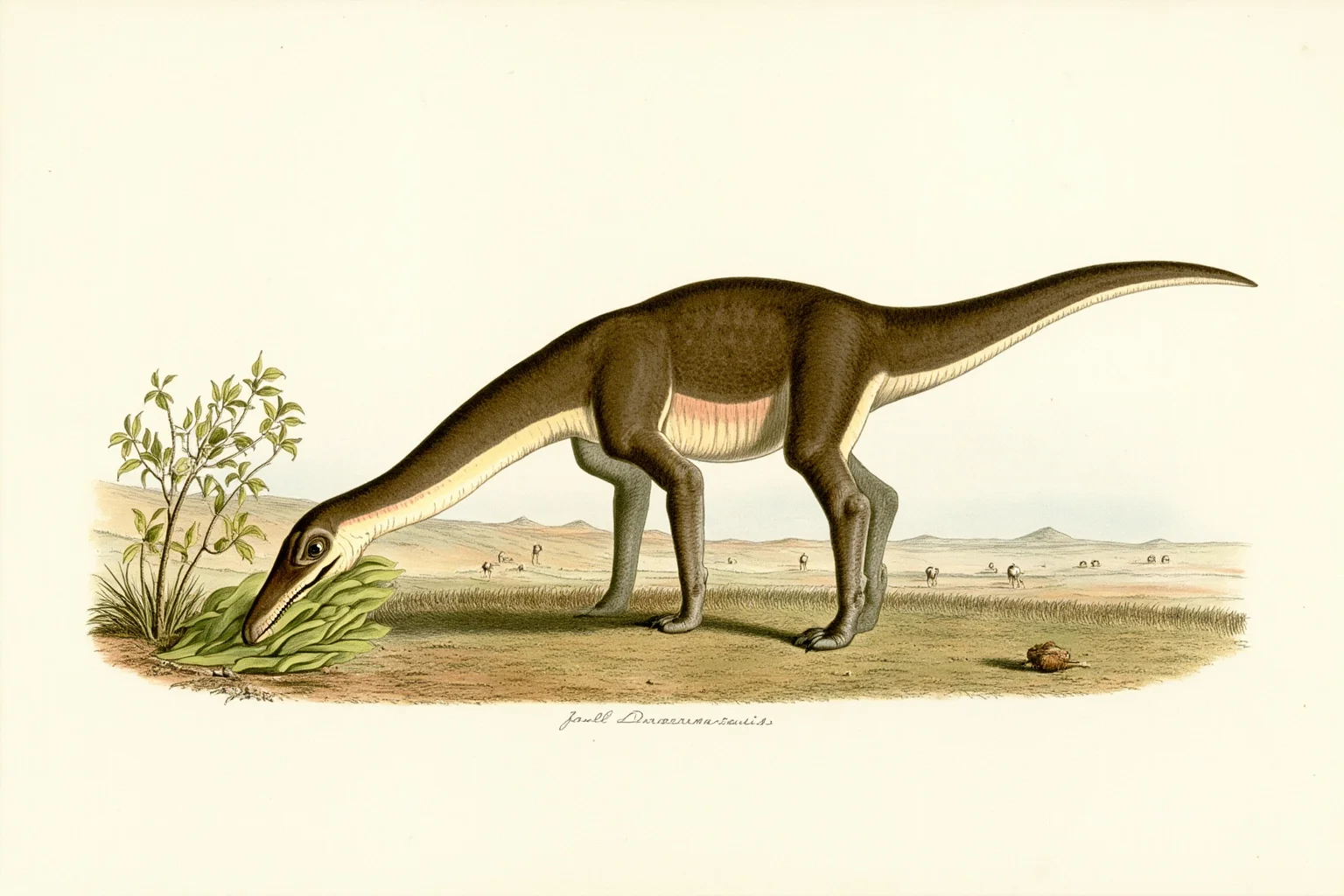
Dryosaurus lived in the late Jurassic of North America, around 155 million years ago. It was a small ornithopod that reached about 8 to 10 feet long, but it was slender and probably weighed less than 200 pounds. Its name means “tree lizard,” a nod to its plant-based diet.
With no armor or defensive weapons, Dryosaurus relied on agility. It may have lived in open environments where it could spot predators early. This was a harmless dinosaur, not a fighter.
Dryosaurus belongs to a group of small, fast ornithopods that flourished in the Jurassic and Cretaceous. Its long legs and light body made it much quicker than many predators. That speed was its main survival advantage.
5. Lesothosaurus: A Small Early Runner
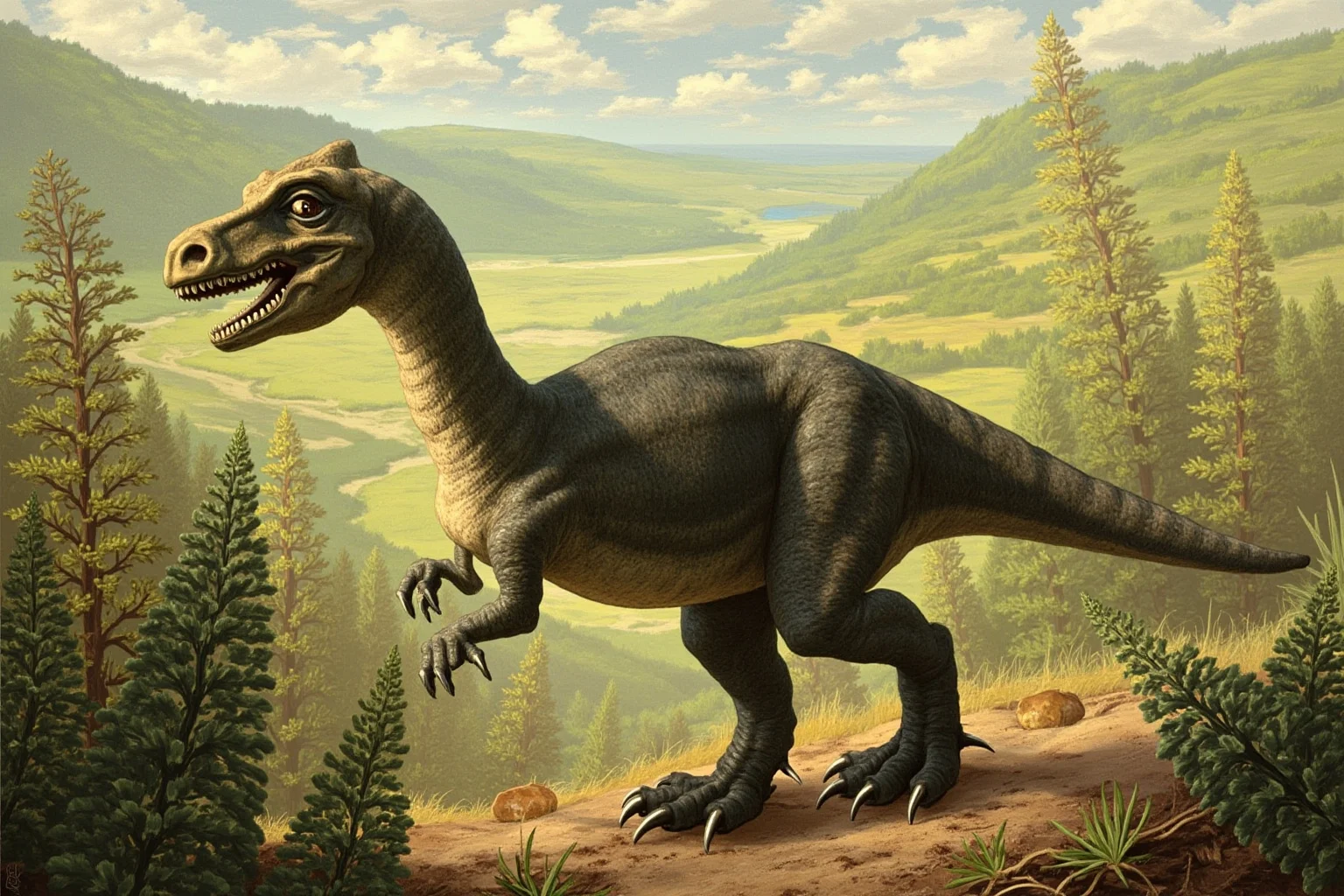
Lesothosaurus was one of the earliest ornithischian dinosaurs, from the early Jurassic of southern Africa. It was only about 3 feet long and had a slim, bipedal build. Its small beak and teeth suggest it ate plants, though some scientists think it may have eaten insects too.
This tiny runner had long hind legs and a light frame. It would have been easy prey if caught, so it likely relied on speed. Lesothosaurus is a strong candidate for one of the most harmless dinosaurs of its time.
The name Lesothosaurus comes from Lesotho, the southern African kingdom where its fossils were found. Its simple build helps paleontologists understand the early stages of plant-eating dinosaur evolution. It looked more like a delicate lizard than a movie dinosaur.
6. Psittacosaurus: The Parrot-Beaked Lizard
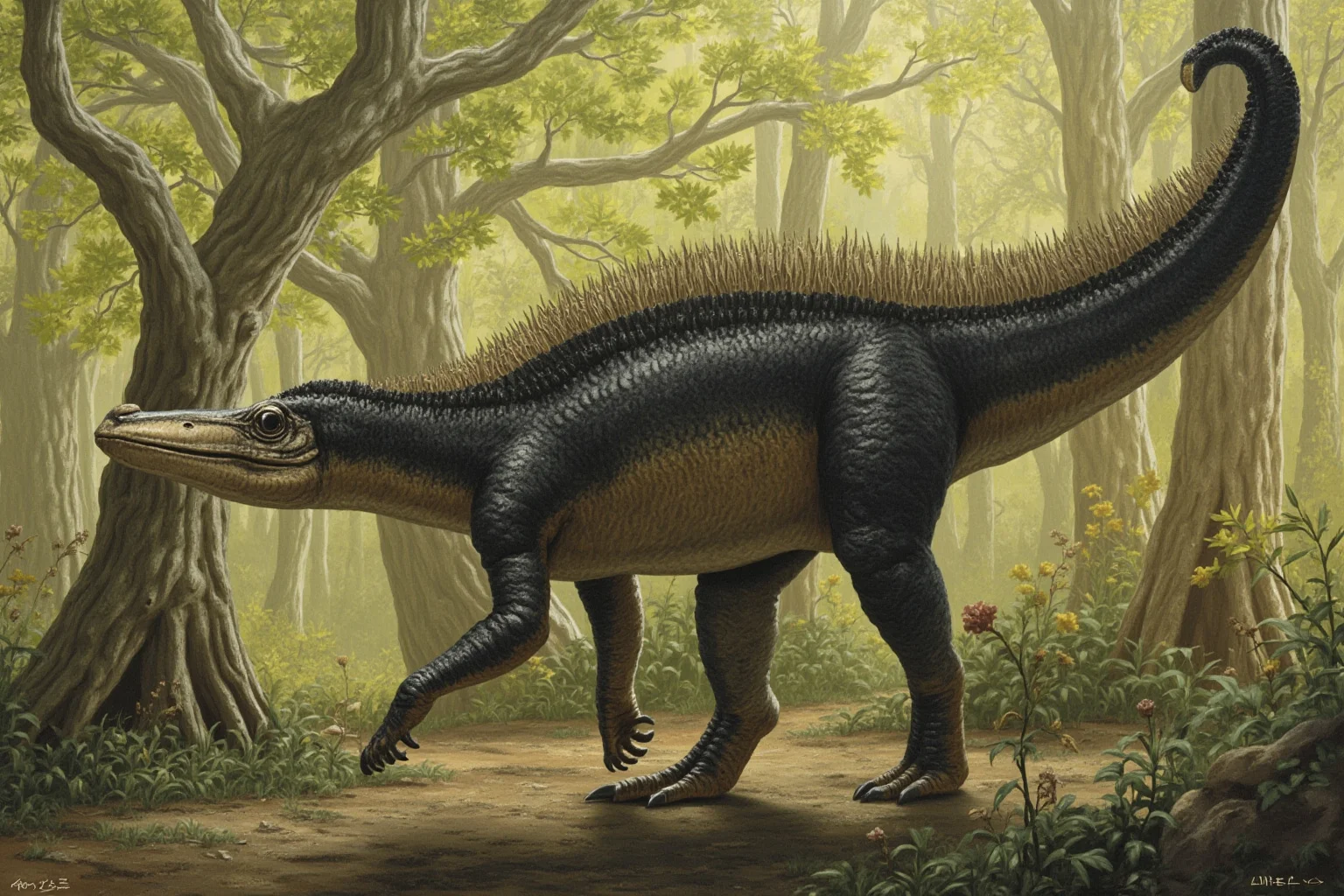
Psittacosaurus lived in early Cretaceous Asia and is known from hundreds of fossils. Most species were about 3 to 6 feet long, with a deep beak that looked like a parrot’s. It was an early relative of horned dinosaurs but lacked horns and a large frill.
Some fossil specimens show bristle-like structures on the tail, but nothing that could harm a predator. Psittacosaurus likely traveled in groups and ate plants. It was a gentle dinosaur with a face more cute than terrifying.
Hundreds of specimens make Psittacosaurus one of the best-understood dinosaurs. Some fossilized individuals preserve soft tissue and pigment patterns. That evidence points to a small, social herbivore rather than a pugnacious fighter.
7. Protoceratops: The Sheep-Sized Cousin of Triceratops
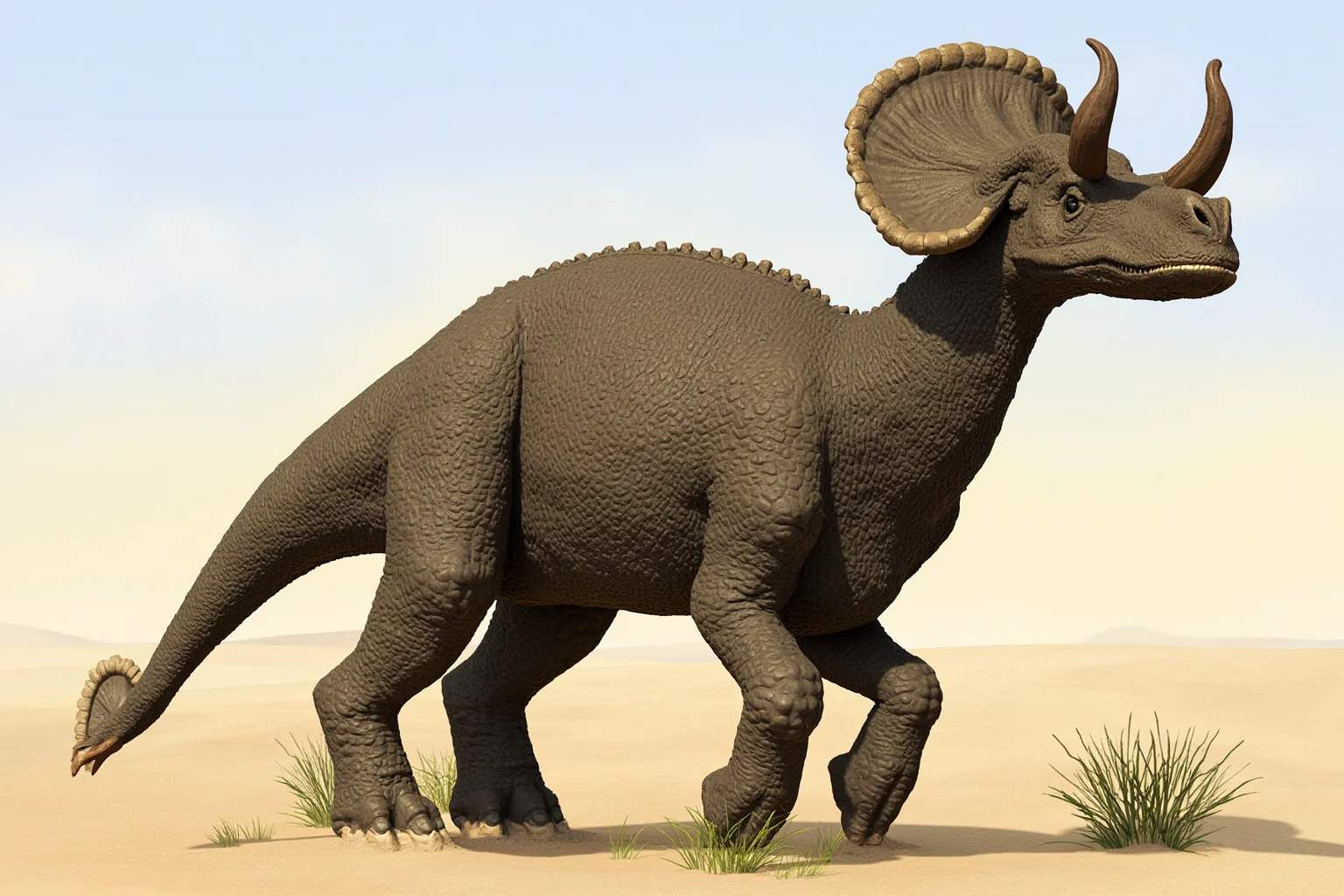
Protoceratops was a small ceratopsian from the late Cretaceous of Mongolia. It grew to about 6 feet long and weighed roughly 200 to 400 pounds, similar to a large sheep. It had a frill but no true horns, and it used its beak to crop desert plants.
One famous fossil shows a Protoceratops locked in a fight with a Velociraptor, but that was likely a life-or-death struggle, not evidence of aggression. In normal life, this plant-eater probably avoided conflict. Its modest size makes it one of the least intimidating horned dinosaurs.
Protoceratops is famous for being preyed upon by Velociraptor and for laying eggs in desert nests. It may have used its beak and frill for display, not combat. This was a peaceful plant-eater in a harsh environment.
8. Orodromeus: A Small Herbivore That Didn’t Stick Around
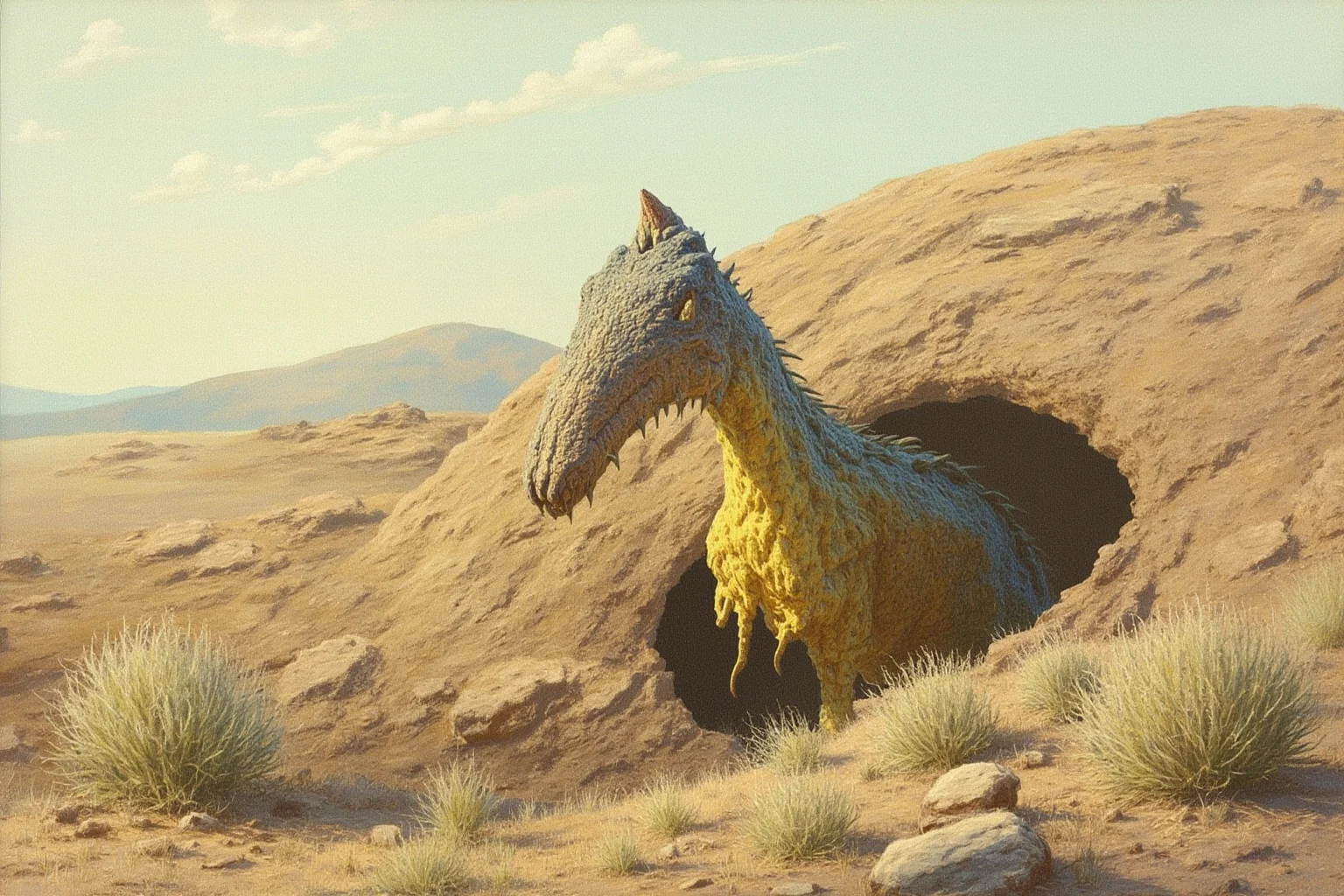
Orodromeus was a small, fast-moving ornithopod from the late Cretaceous of Montana. It grew to about 8 feet long but had a very light build. Its legs suggest it was built for quick bursts of speed.
This dinosaur probably fed on low-growing plants and may have lived in groups. It had no armor or obvious weapons, so running was its best option. Orodromeus is another example of a gentle dinosaur that stayed off the menu by being hard to catch.
Fossils from Montana’s Egg Mountain site show that Orodromeus shared its world with nesting Maiasaura. It probably stayed close to cover and relied on alarm behavior. In a landscape full of predators, its best defense was to avoid attention.
9. Thescelosaurus: A Sturdy But Peaceful Plant-Eater
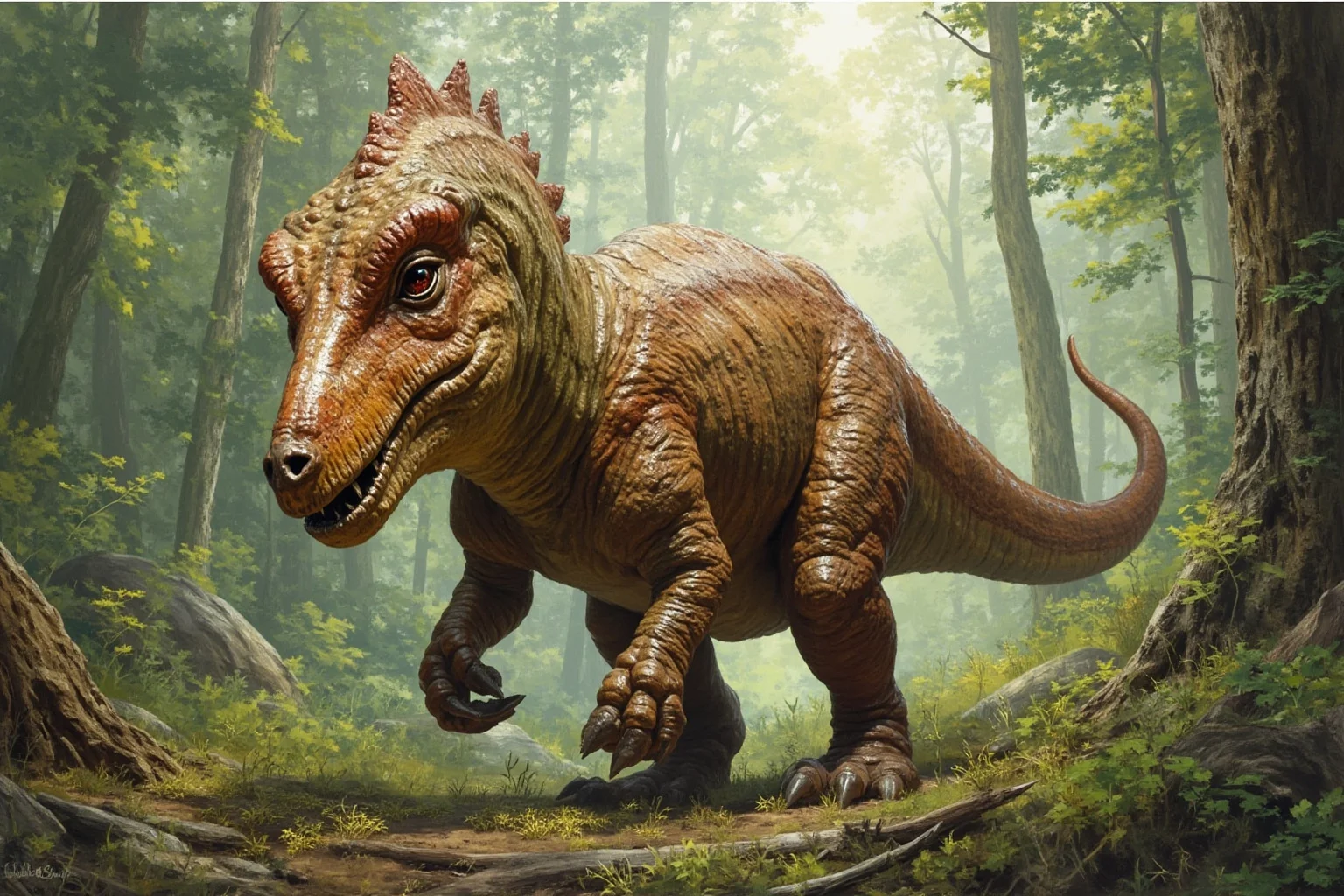
Thescelosaurus lived right up to the end of the Cretaceous in North America. It measured about 10 to 13 feet long and had a relatively stocky build compared with Hypsilophodon. Yet it still lacked claws, horns, or other defensive weapons.
Its teeth and jaws were suited for chewing tough plants. Thescelosaurus probably spent most of its time grazing close to the ground. It wasn’t especially weak, but it was certainly a harmless dinosaur by behavioral standards.
Some studies suggest Thescelosaurus had a relatively good sense of smell for finding food. It may have preferred low, forested habitats. Even at the very end of the age of dinosaurs, it remained a gentle plant-eater.
10. Leaellynasaura: A Polar Plant-Eater With Big Eyes
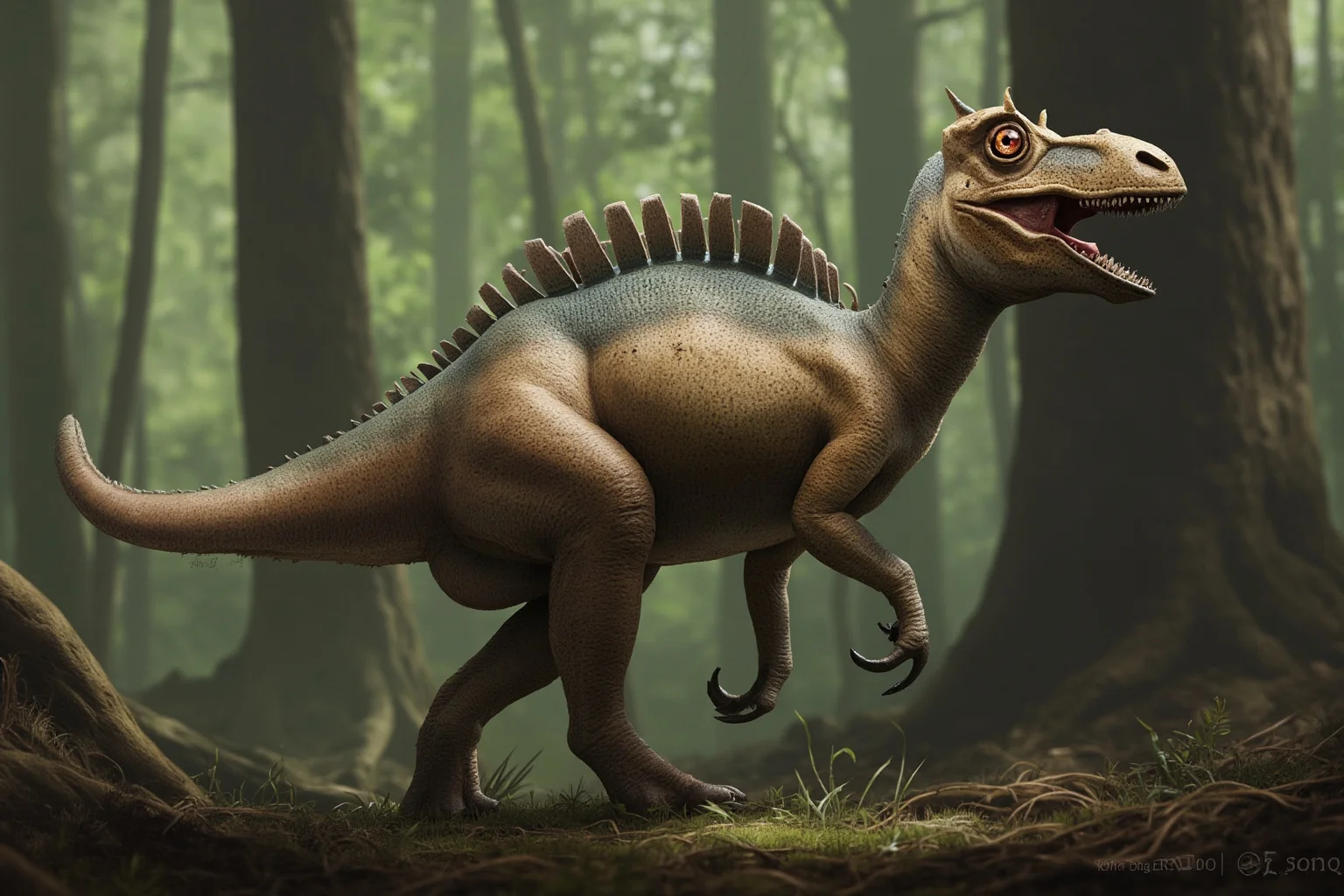
Leaellynasaura was a small ornithopod from the early Cretaceous of Australia. It lived at high southern latitudes, where winters could be dark for long periods. Some fossils suggest it had large eye sockets, possibly helping it see in low light.
This dinosaur was only about 3 to 6 feet long and probably ate plants. Its small size and gentle habits make it another non-intimidating species. Living in a tough polar environment may have made it resilient, but not fearsome.
The name Leaellynasaura honors the daughter of the paleontologists who discovered it. It was adapted to a cool, polar climate, which is remarkable for a dinosaur. That toughness came from adaptation, not from horns or claws.
11. Scutellosaurus: A Tiny Armored Dinosaur
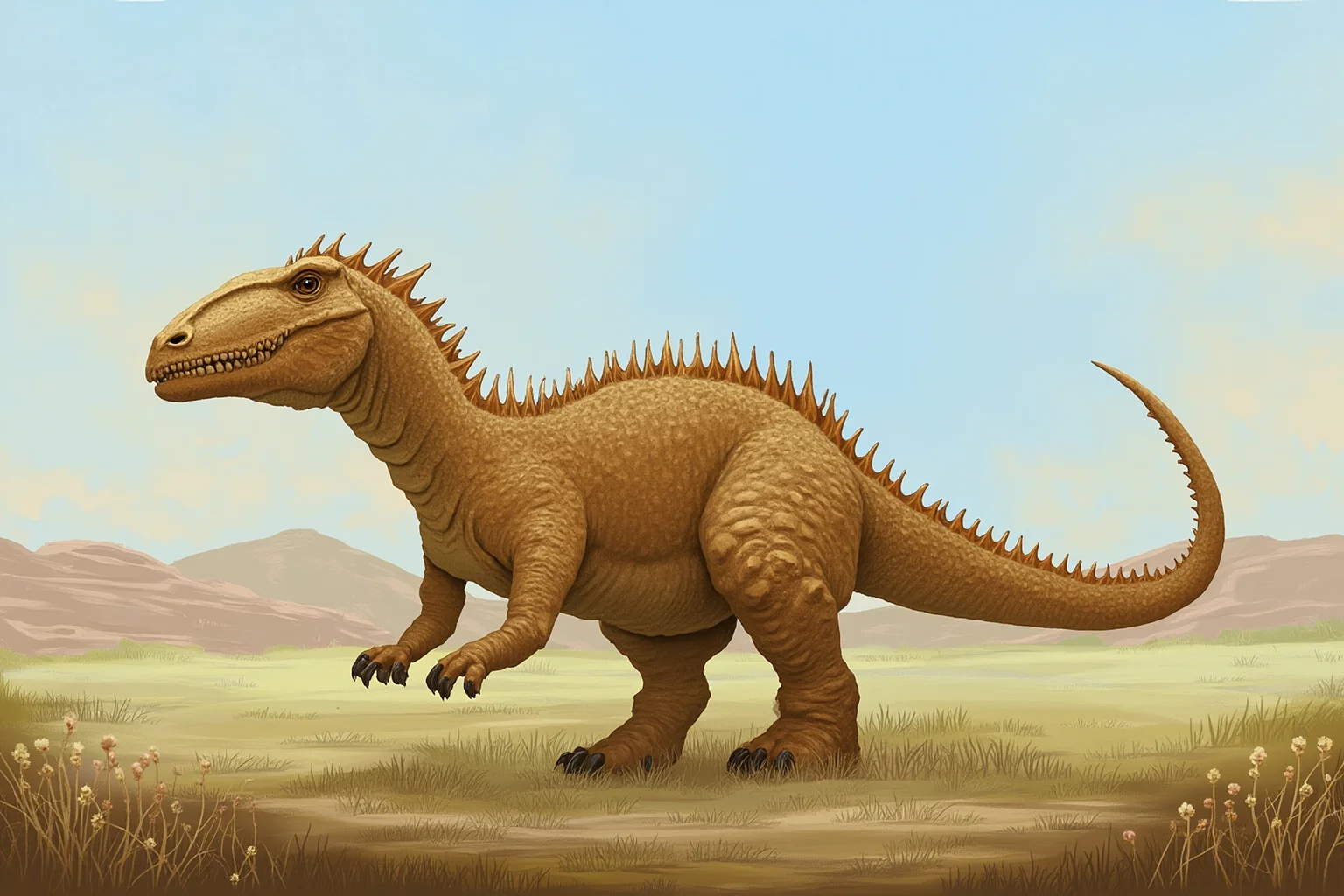
Scutellosaurus lived in the early Jurassic of what is now the southwestern United States. It was only about 4 feet long and had small bony scutes running along its back. These scutes were a primitive kind of armor, but they were far from heavy.
This little plant-eater likely moved on its hind legs and could drop to all fours. It was not built for battle. Scutellosaurus shows that even armored dinosaurs started out small and relatively gentle.
Its small scutes were embedded in the skin, giving it a rough surface rather than a tank-like shell. Later relatives such as Stegosaurus and Ankylosaurus became much larger and more heavily armed. Scutellosaurus was the modest start of that armored lineage.
12. Minmi: A Peaceful Small Ankylosaur
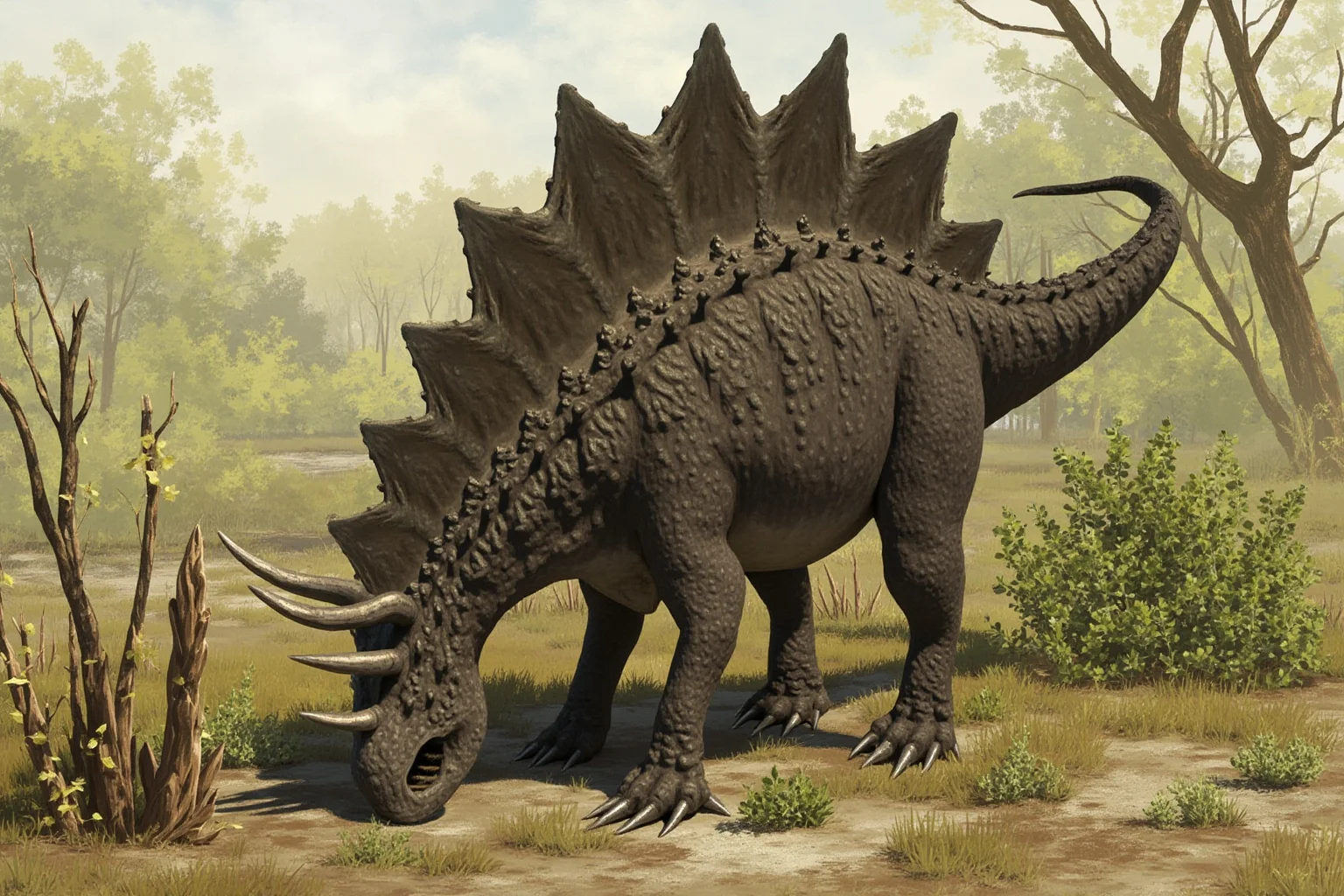
Minmi was an ankylosaur from the early Cretaceous of Australia. It grew to about 10 feet long, which is modest for an armored dinosaur. It had bony armor along its back, but it lacked the massive tail club of later ankylosaurs.
This plant-eater probably relied on its armor for passive defense. It didn’t charge predators or swing a heavy club. Minmi earns a spot among the least intimidating armored dinosaurs—more of a walking shield than a weapon.
Minmi is named after the Minmi Crossing in Queensland, Australia. Its armor included small bony plates and belly armor that may have helped protect it from predators. Still, it was built for passive defense rather than aggression.
13. Sinosauropteryx: A Fuzzy Little Hunter
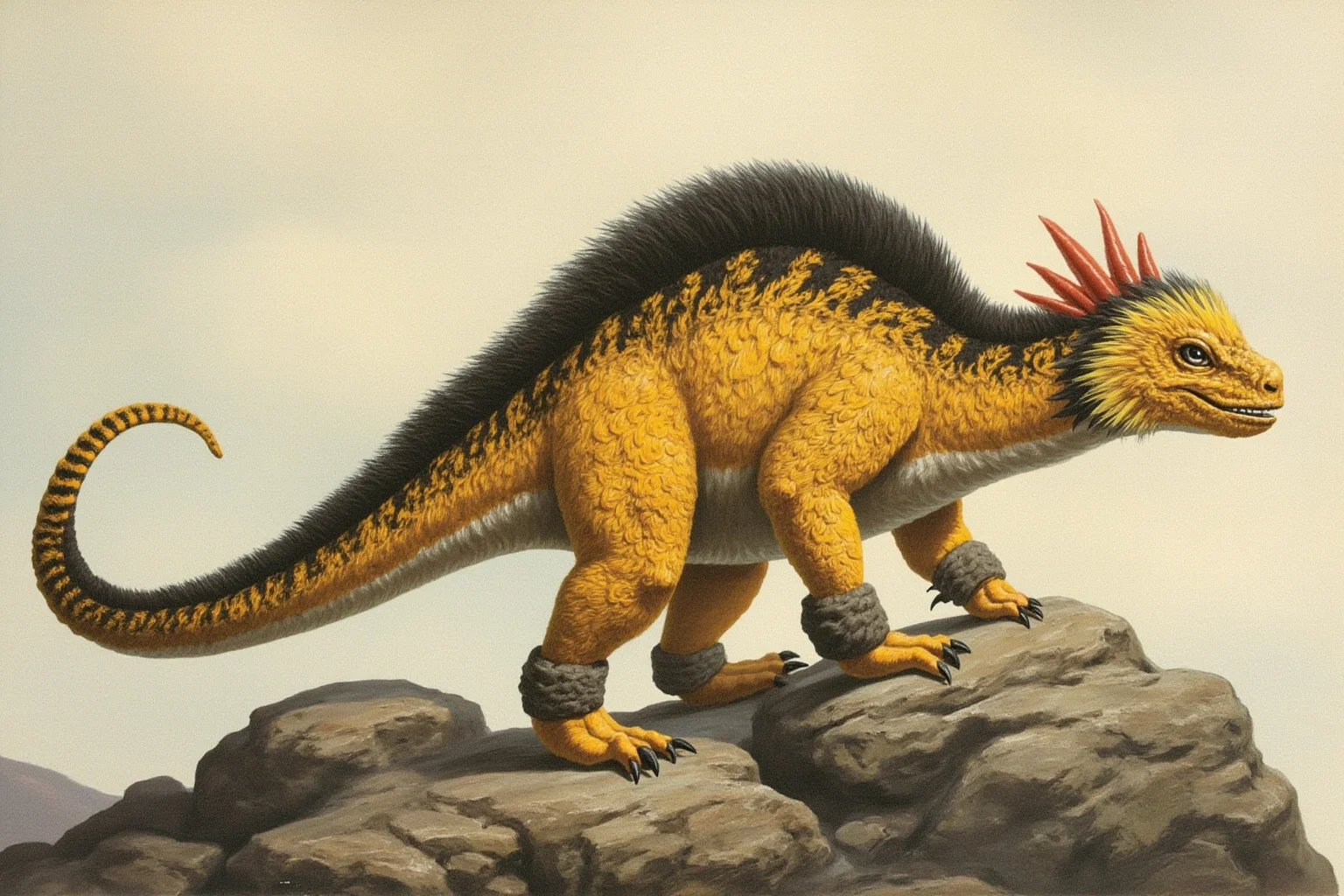
Sinosauropteryx lived in the early Cretaceous of China and was one of the first non-avian dinosaurs found with feather-like filaments. It was about 3 feet long and had a long tail. Its tiny teeth suggest it ate insects, small lizards, and other small prey.
Despite being a predator, it was not a fearsome dino. The fluffy covering and small frame made it look more like a modern bird than a monster. It probably hunted quickly and stayed hidden from larger predators.
The discovery of Sinosauropteryx in the 1990s helped confirm that some non-avian dinosaurs had feathers. Its fossil even preserves banding patterns in the tail. That scientific importance earns it attention far beyond its tiny size.
14. Caudipteryx: A Turkey-Sized Feathered Oddball
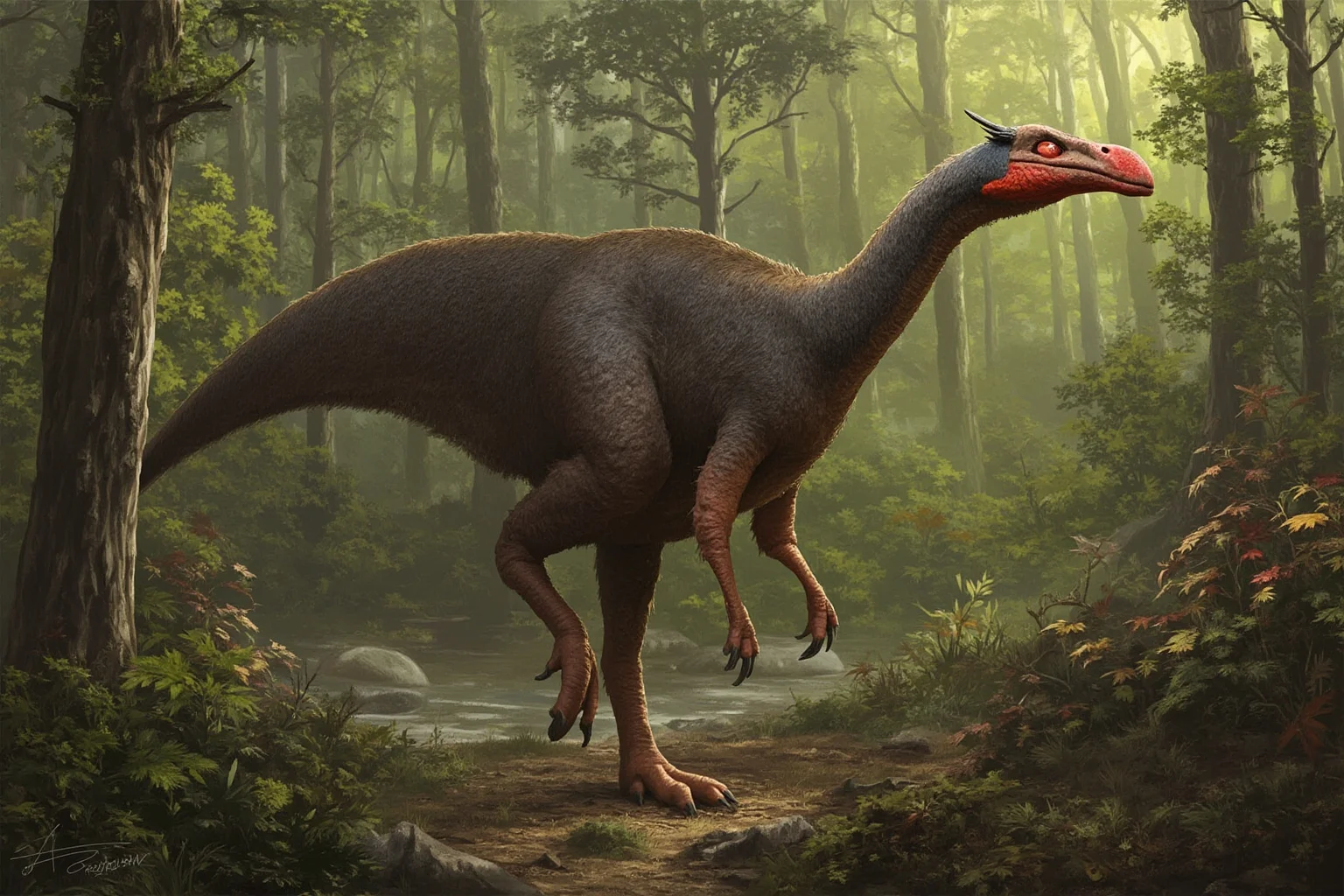
Caudipteryx was a small feathered dinosaur from the early Cretaceous of China. It reached about 3 feet long, with wing-like arms and a short, toothless beak. Its body plan looked more like a ground bird than a traditional dinosaur.
Most researchers think Caudipteryx ate plants or possibly small invertebrates. It couldn’t fly, but its feathers may have helped with display or insulation. This is exactly the kind of gentle dinosaur that would be more confusing than scary.
Caudipteryx had short, feathered arms that were not built for flight. Paleontologists debate whether this dinosaur was an herbivore or an omnivore. Either way, it was a small, ground-dwelling animal that posed little threat.
15. Gallimimus: The Speedy Ostrich-Mimic
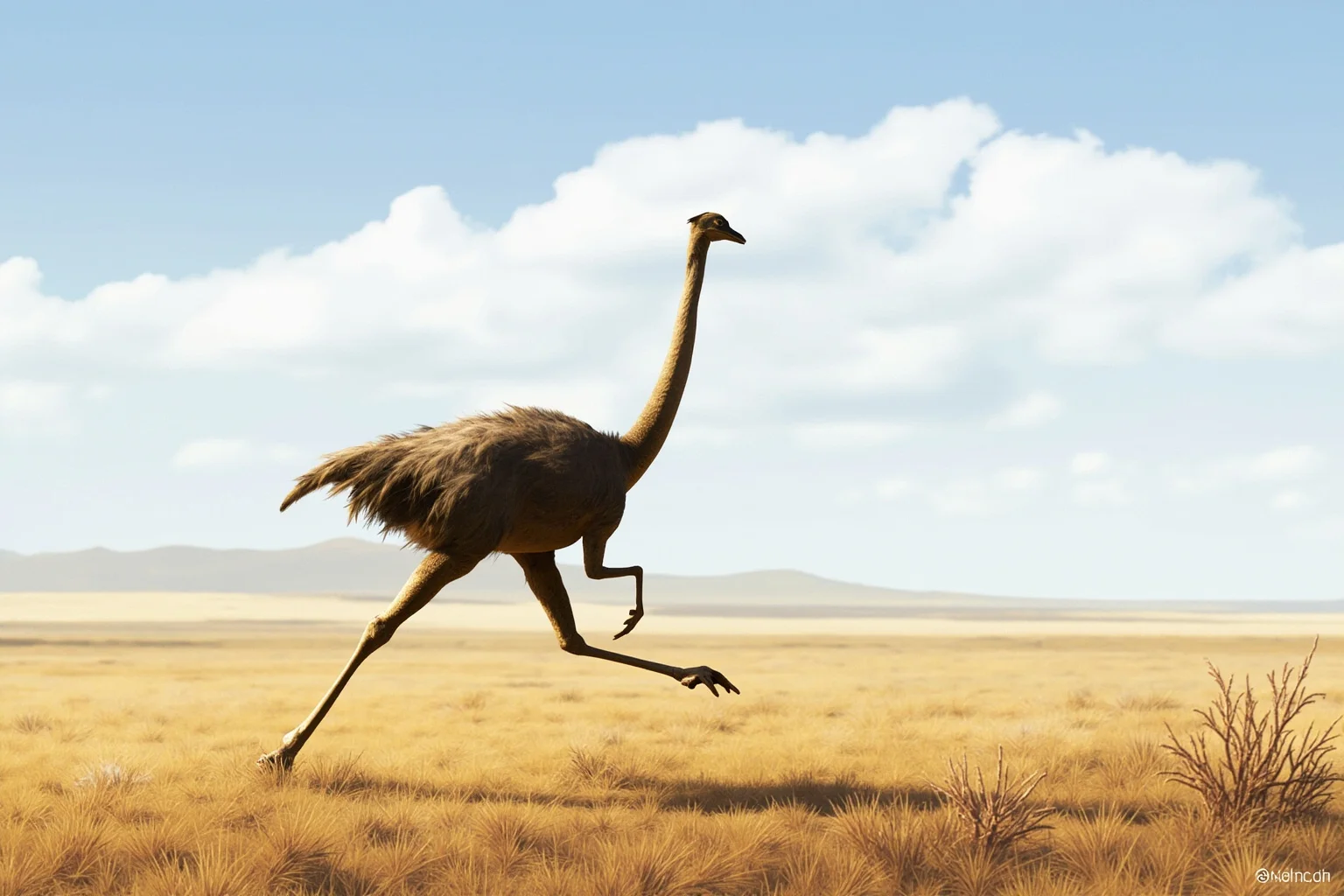
Gallimimus was a large ornithomimid from the late Cretaceous of Mongolia, but it was lightly built for its length. It could reach about 20 feet long, much of that neck and tail. Its toothless beak and long legs suggest it was a fast runner, possibly an omnivore.
Unlike some other large dinosaurs, Gallimimus had no sharp teeth or heavy claws for fighting. It probably relied on speed and flocking behavior. This ostrich-like animal was much more gentle than its size might suggest.
Gallimimus is often shown in herds in paleoart and documentaries. Its large eyes may have helped it spot predators across open plains. That combination of speed, social behavior, and vigilance made it a gentle dinosaur built for survival.
16. Struthiomimus: Another Ostrich Look-Alike
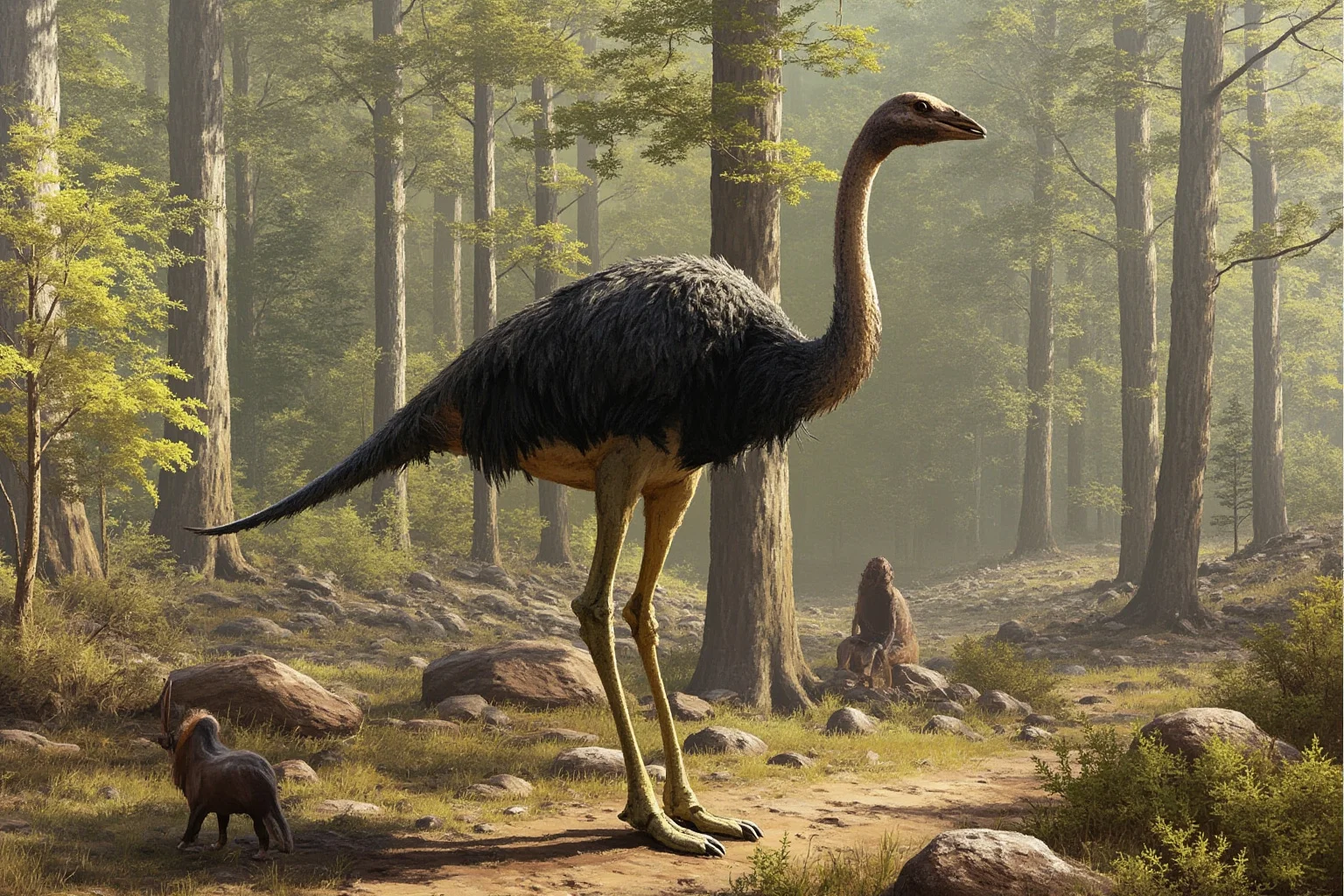
Struthiomimus lived in the late Cretaceous of North America. It measured around 13 to 15 feet long and had a small head with a toothless beak. Long, slender legs made it one of the fastest dinosaurs in its ecosystem.
It likely ate plants, seeds, insects, and maybe small animals. With no horns or armor, Struthiomimus was a peaceful runner. Like Gallimimus, it was built to escape trouble, not start it.
Struthiomimus means “ostrich mimic,” and the name fits its long neck and legs. It lived in ecosystems that included Tyrannosaurus, so running was probably essential. Its entire body plan points to a peaceful flight response.
17. Mussaurus: The “Mouse Lizard” That Started Out Tiny
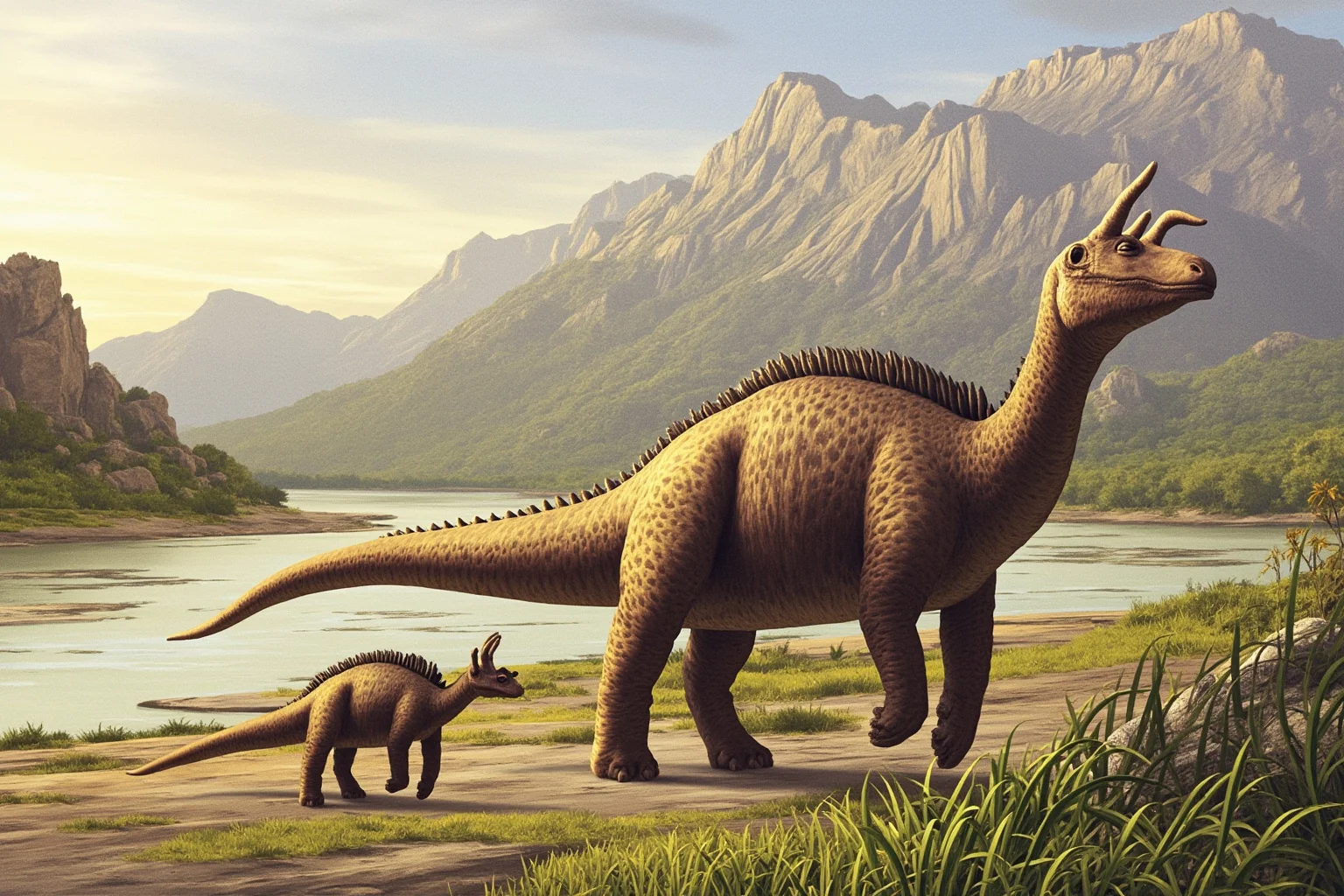
Mussaurus is known from Argentina and lived around the Triassic-Jurassic boundary. Its name means “mouse lizard” because early discoveries included tiny hatchling skeletons. Those babies were small enough to seem almost harmless in a human hand.
Adult Mussaurus grew much larger, but it remained a plant-eating sauropodomorph. The name still makes people think of weak dinosaurs, even though adults were probably successful herbivores. This is a good reminder that size changes the story across a dinosaur’s life.
More recent adult fossils show that Mussaurus grew into a plant-eating sauropodomorph. It may have walked on two legs or four as it grew. That growth story makes it a reminder that baby dinosaurs looked very different from their parents.
18. Maiasaura: The “Good Mother” Duck-Billed Dinosaur
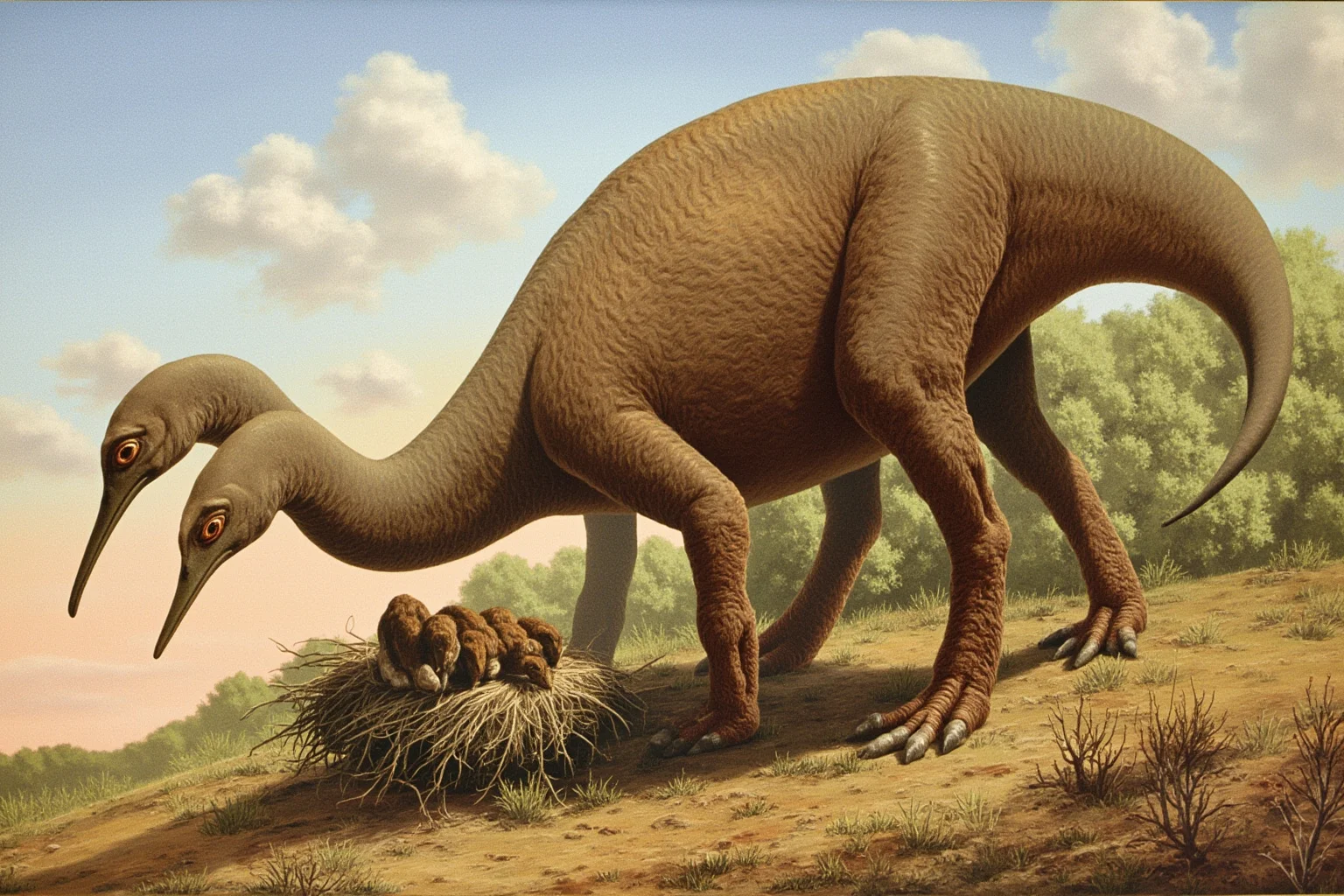
Maiasaura was a hadrosaur from the late Cretaceous of Montana. It grew to about 30 feet long, but its only obvious defense was living in a herd. Fossil nests, eggs, and hatchlings found together suggest adults cared for their young.
This evidence has made Maiasaura a popular answer for the friendliest dinosaur, although “friendly” is a human label. It was a plant-eater with a broad, duck-like beak. Its social nesting behavior points to a relatively gentle lifestyle.
The name Maiasaura means “good mother lizard,” based on nests found with baby skeletons. This was one of the first strong fossil cases for parental care in dinosaurs. It helped change how scientists view dinosaur social lives.
19. Parasaurolophus: A Gentle Giant With a Strange Crest
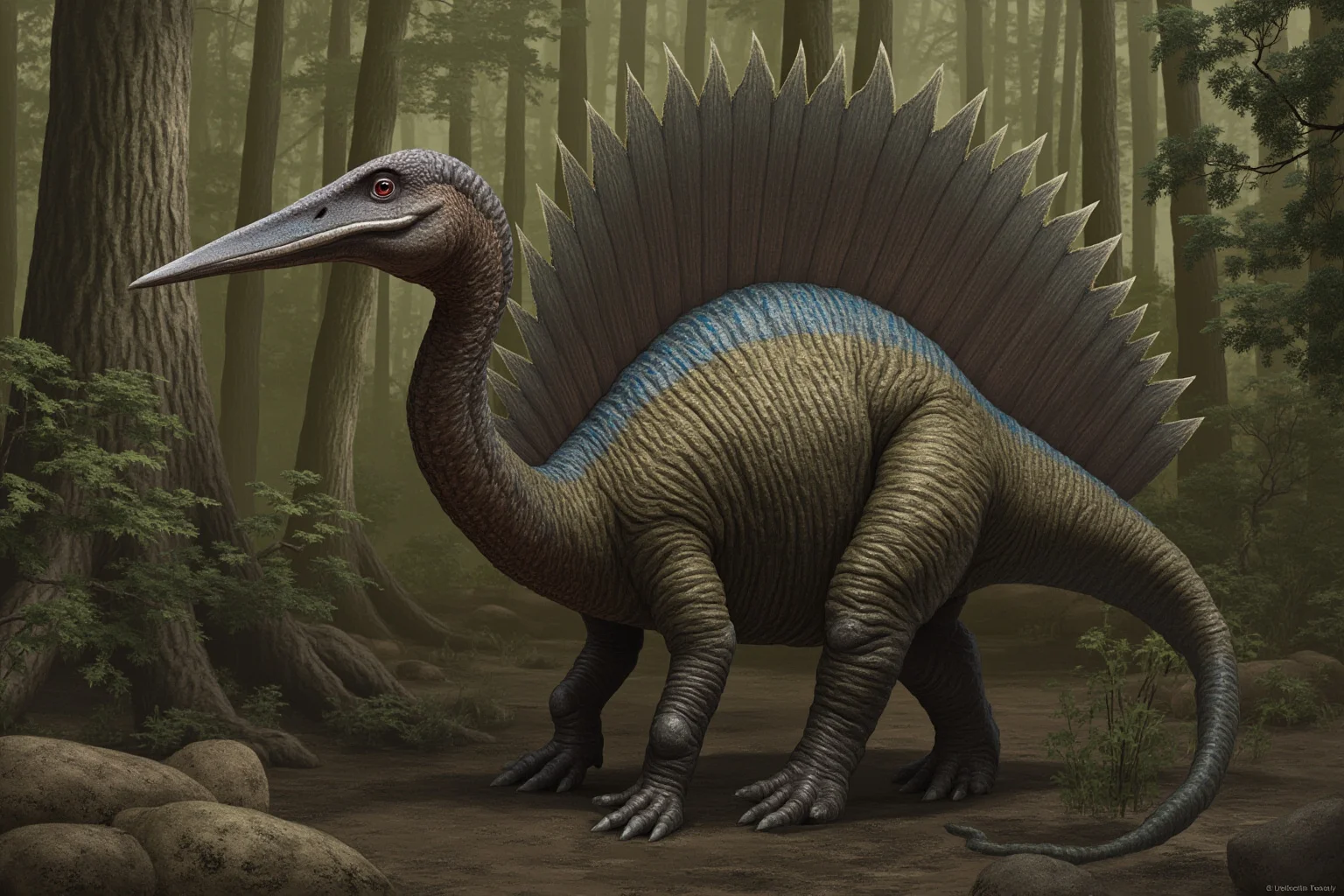
Parasaurolophus was a duck-billed dinosaur from the late Cretaceous of North America. It reached about 30 feet long and carried a long, hollow crest on its head. Researchers think the crest may have helped the animal communicate with low-frequency sounds.
Despite its size, it had no sharp claws, horns, or armor. Its mouth was full of teeth for grinding tough plants. That makes Parasaurolophus one of the most famous gentle dinosaurs in paleoart.
The crest was hollow and connected to the nasal passages, so it may have acted like a resonating chamber. This suggests Parasaurolophus could produce loud, low calls to stay in contact with its herd. Such communication likely helped these gentle dinosaurs avoid trouble.
20. Diplodocus: A Long-Necked Browser That Avoided Conflict
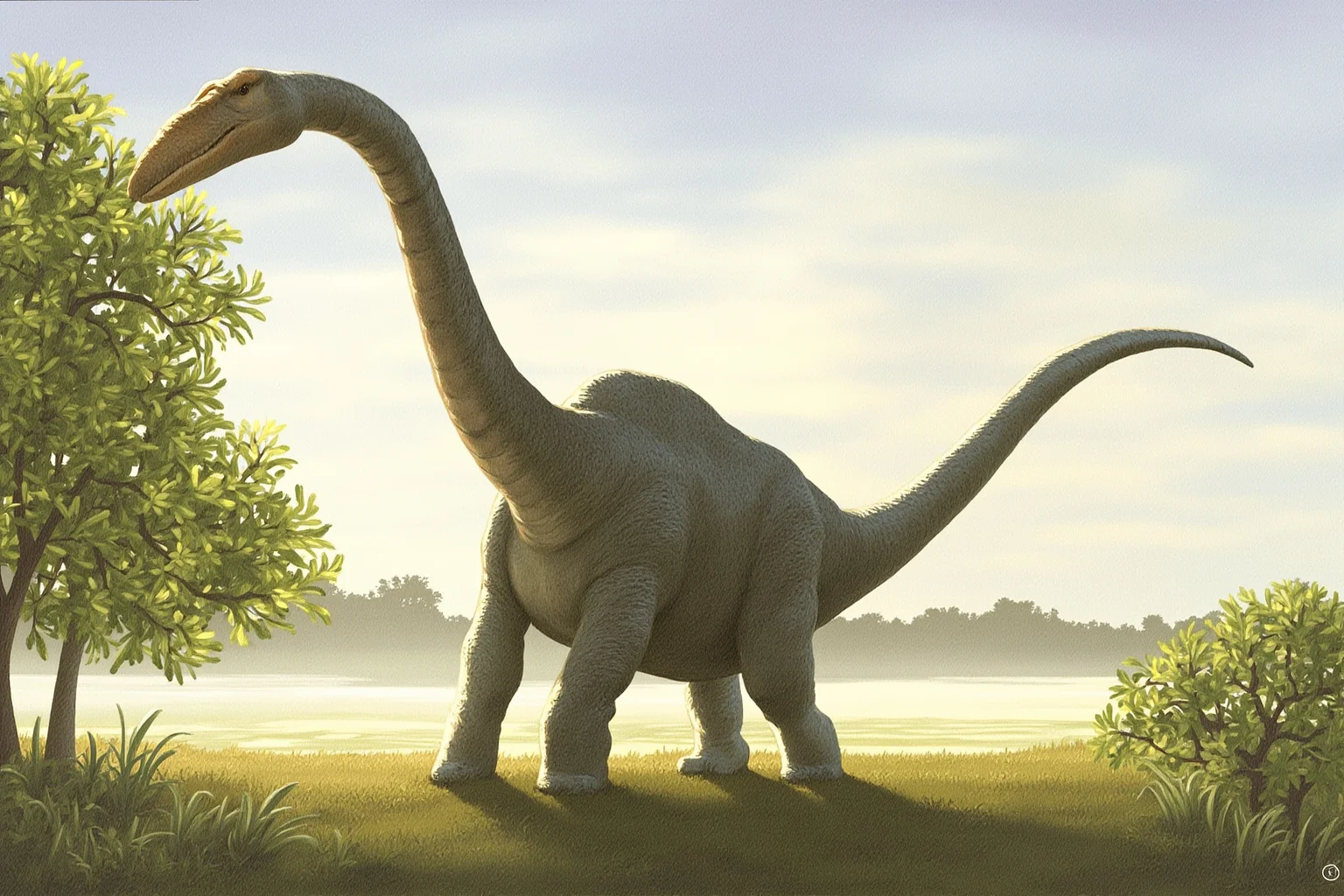
Diplodocus was a giant sauropod from the late Jurassic of North America. It could reach about 80 to 90 feet long, with an extremely long neck and tail. Unlike some heavily built sauropods, it was relatively slender for its length.
Its size made it dangerous if threatened, but its lifestyle was probably peaceful. Diplodocus likely spent much of its day browsing plants. Among giant dinosaurs, it remains a symbol of the gentle dinosaur rather than the fearsome dino.
Diplodocus had a long, whip-like tail that might have cracked like a flag, but it was not an aggressive weapon. Its teeth were simple pegs for stripping leaves. This giant was content to browse and move through the landscape.
What These Gentle Dinosaurs Teach Us
The idea of the weakest dinosaur is mostly a thought experiment. Species that seem weak to us were often perfectly evolved for their environments. They survived through speed, camouflage, social groups, or sheer small size.
Dinosaurs were far more diverse than the movie monsters suggest. For every fearsome dino, there were many harmless dinosaurs quietly going about their lives. That variety is part of what makes paleontology so interesting.
Frequently Asked Questions
What is the weakest dinosaur?
There is no official weakest dinosaur, but Compsognathus is often used as an example. It was roughly chicken-sized, lightly built, and hunted small prey. If you define “weakest” as smallest and least physically powerful, small feathered dinosaurs like Microraptor are also strong candidates.
What was the weakest dinosaur?
The answer depends on how you define weakness. Paleontologists usually avoid ranking dinosaurs this way because small or lightly built species were often well adapted to their environments. Compsognathus, Microraptor, and small ornithopods such as Hypsilophodon are commonly named.
Were any dinosaurs harmless?
Yes, many small herbivores such as Hypsilophodon, Dryosaurus, and Psittacosaurus had no obvious weapons and likely relied on speed or camouflage. Even large sauropods like Diplodocus were probably peaceful plant-eaters, though their size could make them dangerous if threatened.
What is the friendliest dinosaur?
There is no direct evidence of friendliness, but some dinosaurs are often considered gentle because they lived in groups and may have cared for young. Maiasaura is a common candidate because of nesting colonies and fossil evidence for parental care.

Alex Warren
Related Articles