American history is full of vivid stories that feel too tidy to be true. Many of them are exactly that: tidy, repeated stories that simplify a much messier past. That messiness is not a flaw; it is often where the real story lives.
These historical myths survive because they make the past easier to understand, more patriotic, or more entertaining. In this list, we separate fact from fiction and explain why the real story often matters more. Some of these corrections will surprise you, but all of them rest on historical evidence.
TL;DR: Many familiar US history myths about the founding, Civil War, frontier, and modern era fall apart under evidence, but the real stories often reveal a more complex, human nation.
Founding and Colonial Myths
1. Christopher Columbus Did Not Discover America
The first of these historical myths is that Christopher Columbus discovered America in 1492. Indigenous peoples had lived across the Americas for thousands of years, and Norse explorers reached Newfoundland centuries earlier.
Columbus also never set foot on the mainland of what is now the United States. His voyages opened sustained contact between Europe and the Caribbean, but "discovery" is the wrong word for a land already inhabited.
The story persists because it turns a complex era of encounter, conquest, and exchange into a single heroic moment. Calling 1492 a "discovery" hides the civilizations, trade networks, and cultures that already existed across two continents.
The word "discovery" also implies that the land was empty or unclaimed. That implication erases Indigenous governance and makes a violent process sound benign.
2. The Pilgrims Held the First Thanksgiving
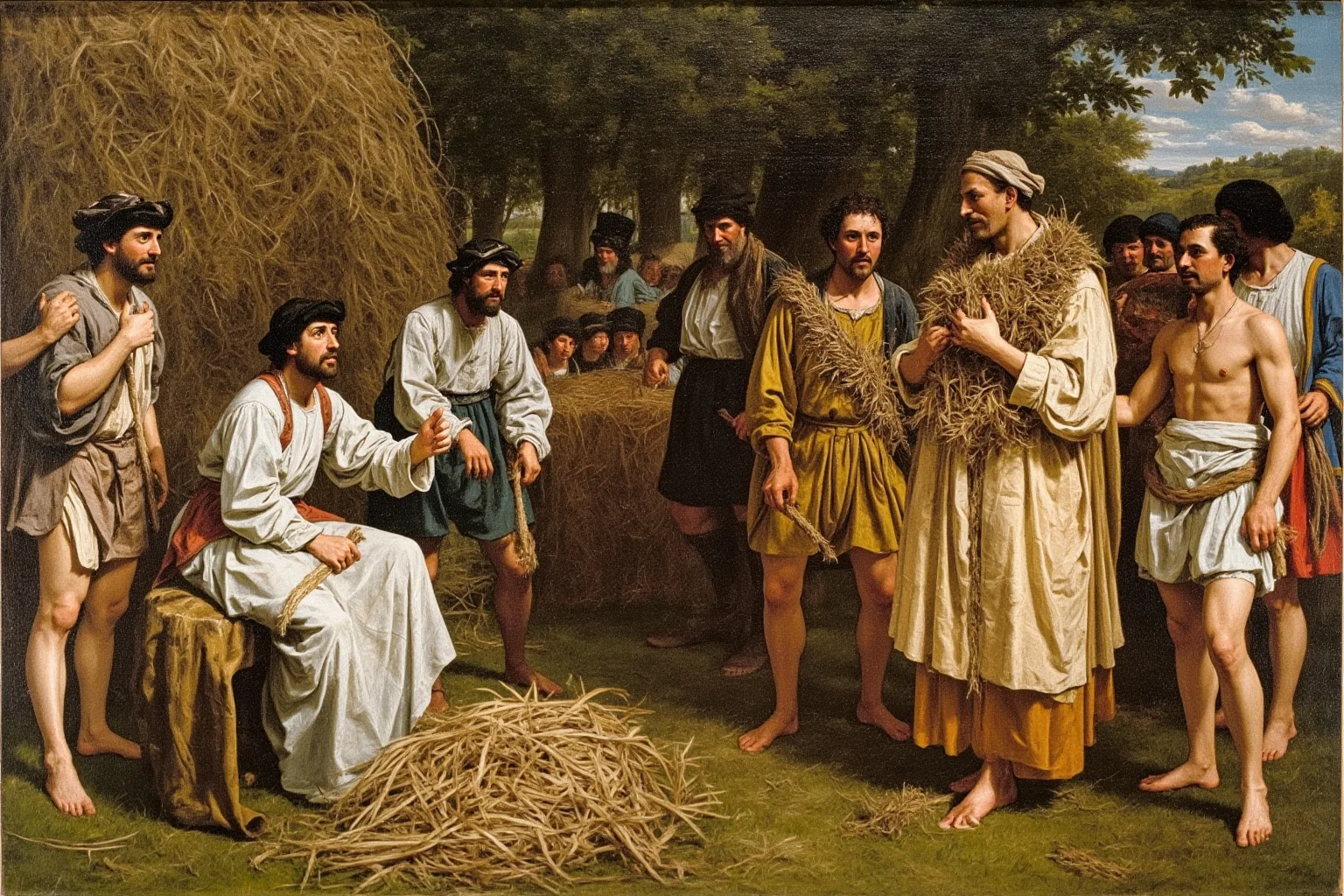
The Pilgrims and Wampanoag people did share a harvest meal at Plymouth in 1621. However, it was not called Thanksgiving, and similar communal harvest observations had occurred earlier in other colonies and in Indigenous traditions.
The national holiday we celebrate today developed much later, especially through Abraham Lincoln's 1863 proclamation. Turkey, potatoes, and pumpkin pie as a fixed holiday menu are later additions, not an exact recreation of the 1621 meal.
Many of these details were retrofitted during the 19th century as Americans looked for unifying stories. The real event was a political and diplomatic meeting, not the simple shared feast of legend.
The first Thanksgiving is now a useful example of how holidays are invented. It mixes a real 1621 event with later national needs.
3. George Washington Had Wooden Teeth
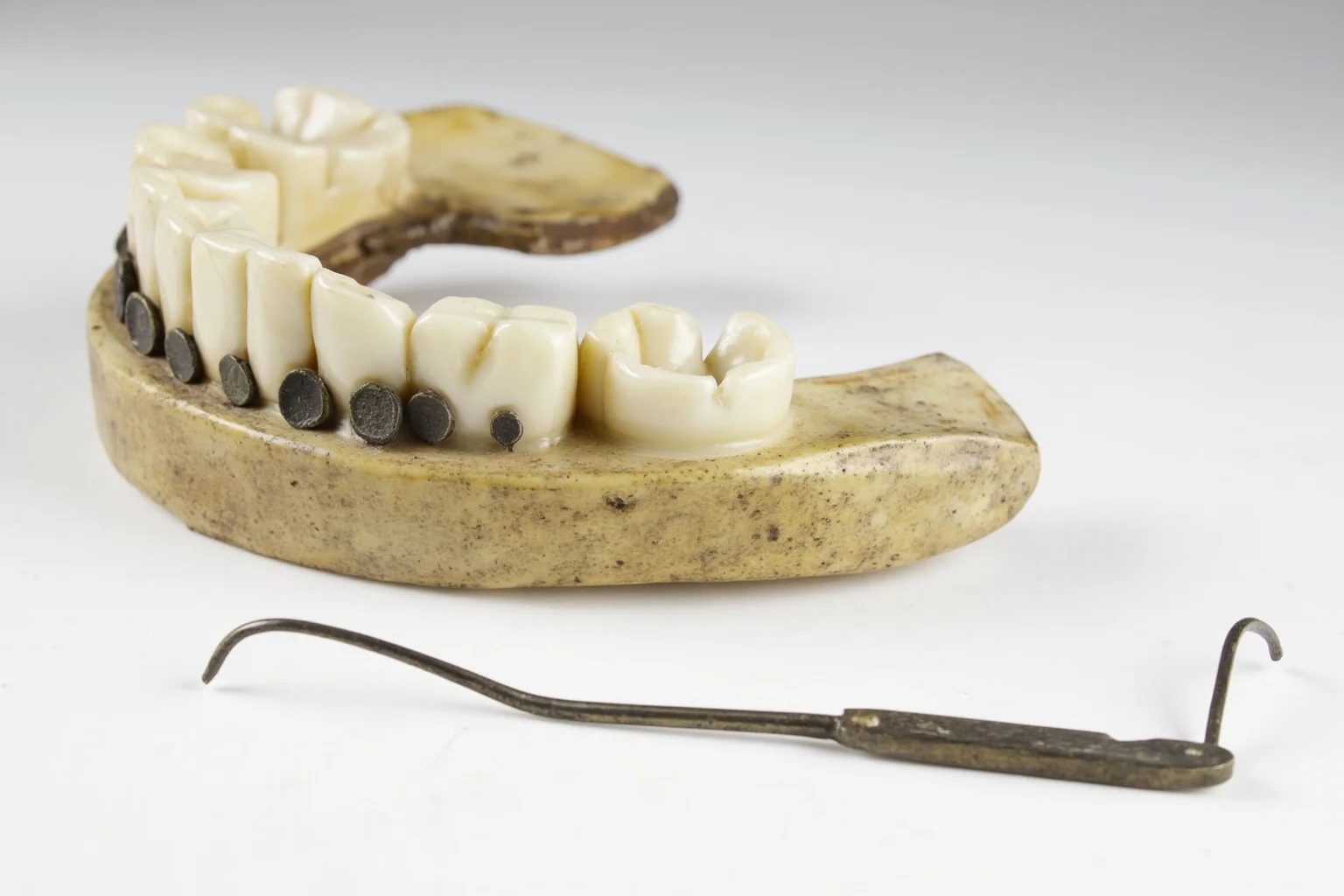
George Washington had serious dental problems and wore multiple sets of dentures. None were made of wood.
His dentures used human teeth, animal teeth, ivory, and metal. Some were held together with springs and fitted to his mouth, which may have caused discomfort.
The wooden teeth story probably arose after his death, when stained dentures looked like wood or when people misremembered the materials. It is one of the simplest US history myths to correct, but it persists in schoolbooks and trivia.
4. Betsy Ross Sewed the First American Flag
The story that Betsy Ross sewed the first American flag at George Washington's request became popular after her grandson told it in the 1870s. There is no contemporary documentation to confirm it.
Historians treat the tale as a family legend rather than established fact. The early flag design likely came together through several hands, and Congress did not record a single official flag maker.
Ross was a real upholsterer in Philadelphia and may have made flags during the Revolution. However, the specific claim that she created the first Stars and Stripes cannot be verified from surviving records.
The Betsy Ross legend also shows how family stories can become patriotic symbols. Once a story enters tradition, it can outgrow the evidence.
5. Paul Revere's Midnight Ride Happened as the Poem Says
Paul Revere did ride on April 18, 1775, but he did not shout "The British are coming!" Colonists at the time considered themselves British, and the operation needed secrecy.
Revere and other riders spread word that the regulars were out. Revere was also captured before completing his full route, while Samuel Prescott and others carried the alarm farther.
Henry Wadsworth Longfellow's poem later turned a complex event into a single heroic ride. The real story involves many messengers, signal lanterns, and a carefully organized colonial intelligence network.
6. The Declaration of Independence Was Signed on July 4, 1776
July 4, 1776 is the date Congress adopted the Declaration of Independence. It does not mark a mass signing ceremony.
Most delegates signed a parchment copy on August 2, 1776, and some signed even later. The famous print showing all the founders gathered around one table is a 19th-century invention.
The holiday celebrates adoption, not a single signing day. That difference may seem small, but it shows how easily a legal process becomes a symbolic scene.
7. The Founders Intended to Create a Christian Nation
Many founders were influenced by Christian ideas, but the new federal government was built on secular constitutional principles. The Constitution bans religious tests for office and makes no declaration of national faith.
The 1797 Treaty of Tripoli, approved by the Senate, stated that the U.S. government was not founded on the Christian religion. Americans have argued about religion in public life ever since.
The idea of a formally Christian founding is a later political claim rather than a direct reading of the founding charter. Different founders held different beliefs, and the government they designed was deliberately separate from any church.
Religious liberty in the early republic was contested and varied by state. National institutions, however, were not designed to enforce one Christian denomination.
8. The Founders Created a Direct Democracy
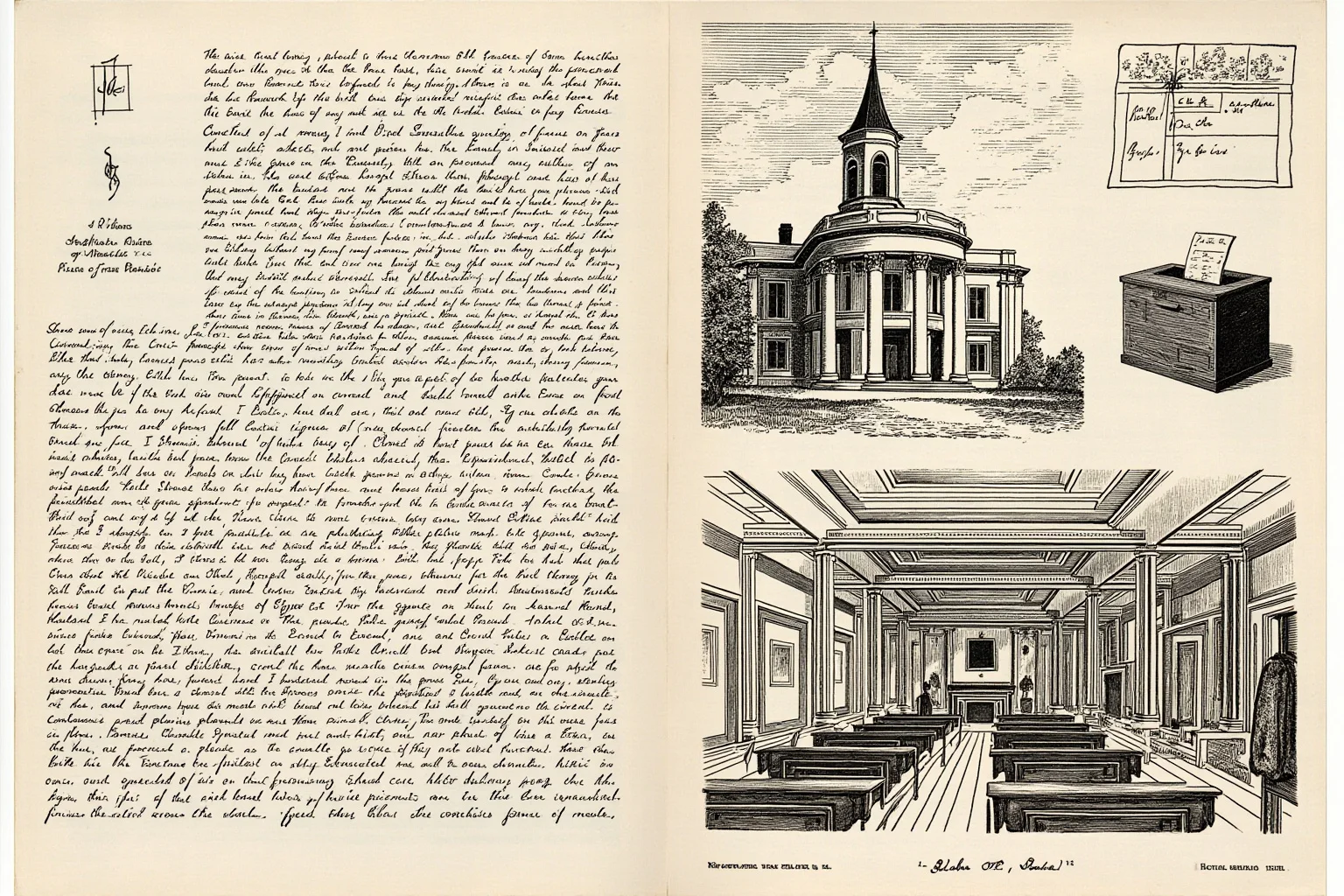
The founders did not create a direct democracy in which citizens voted on every law. They designed a representative republic with elected officials, a Senate, and an Electoral College.
Many leading founders openly worried about direct democracy and its potential to become mob rule. The early franchise was also limited, excluding most women, Native Americans, enslaved people, and many poor white men in some states.
Calling the early United States a full democracy misreads the Constitution. The expansion of voting rights came later through amendments and long political struggles.
The word "democracy" appears nowhere in the Constitution. The founders used checks and balances to slow popular majorities.
9. Pocahontas and John Smith Had a Romance
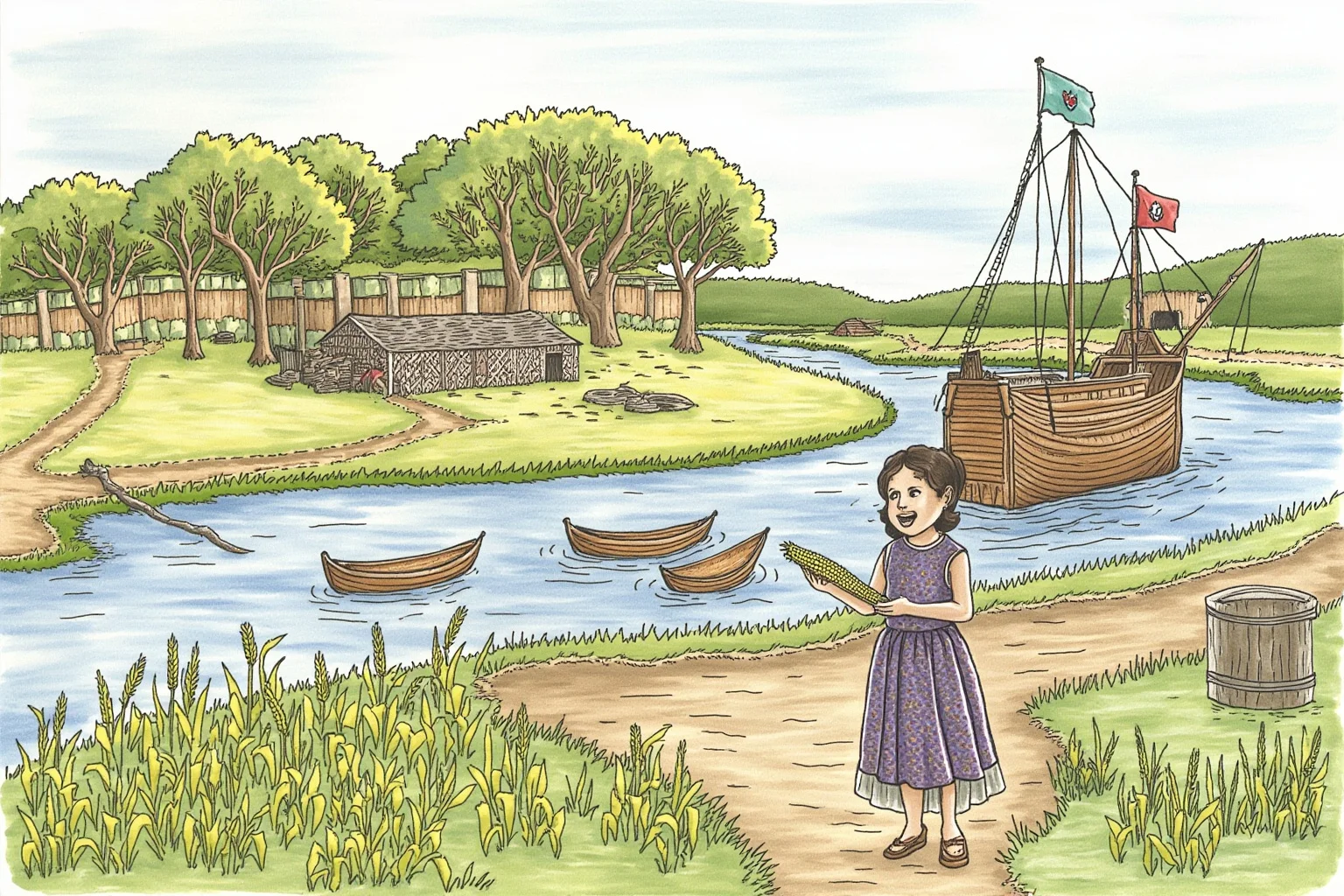
Pocahontas was a real Powhatan girl, and John Smith was a real Jamestown leader. However, no reliable evidence shows a romantic relationship between them.
Smith wrote that she intervened to help him during a ceremony, but he told different versions over time. Pocahontas was around ten or twelve years old when they met, and she later married John Rolfe.
The romance was grown in later centuries through plays, paintings, and films. It turns a story of diplomacy, captivity, and cultural collision into a simple love story.
10. The American Revolution Was Supported by a Clear Majority
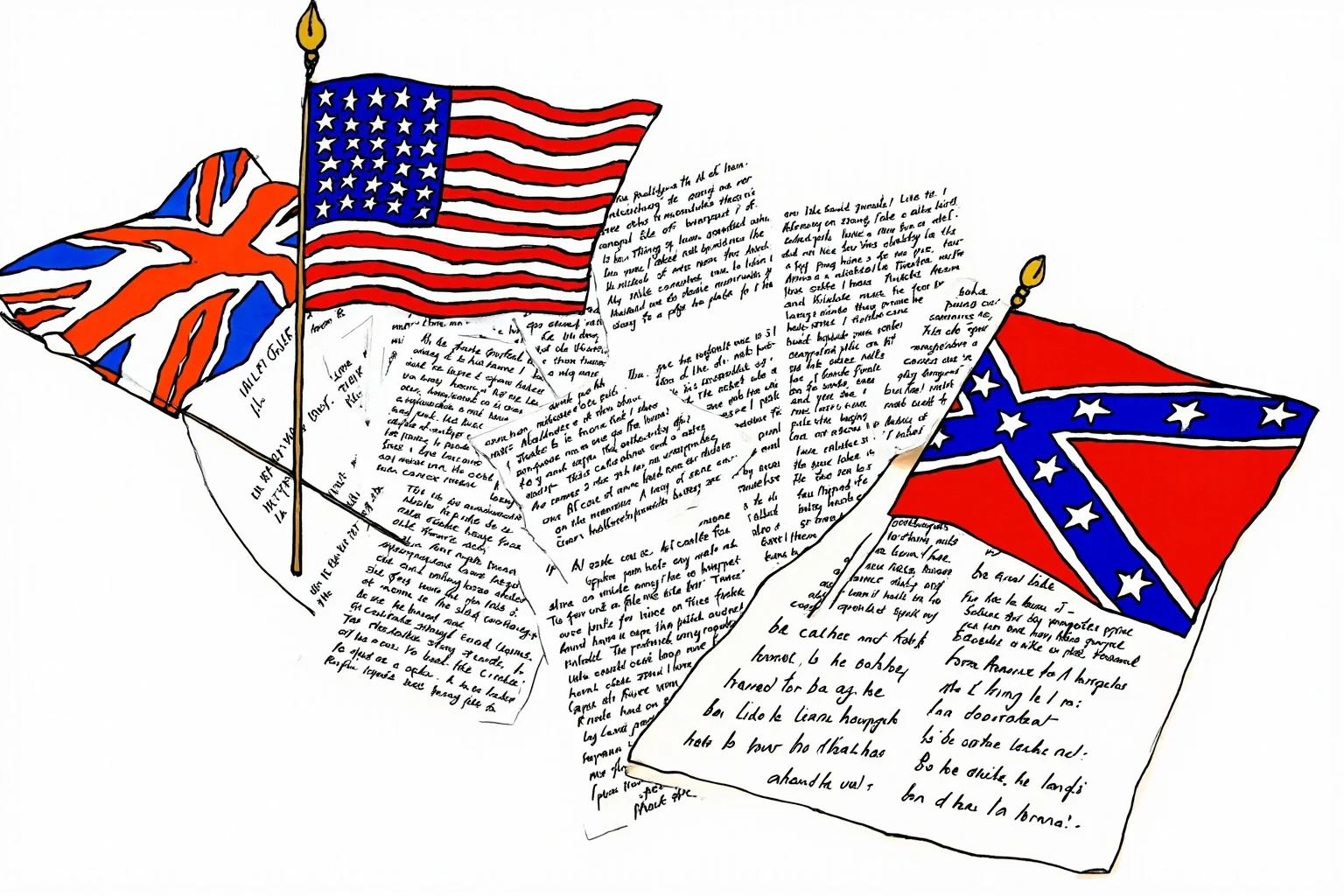
The revolution was deeply divisive, not a unanimous cause. John Adams later estimated that about one-third of colonists supported independence, one-third remained loyal to Britain, and one-third stayed neutral.
Modern historians treat Adams's numbers as a rough impression rather than a scientific poll. Support shifted over time, depended on region, and often changed with military events.
The idea of a united patriotic uprising is a national founding story more than a precise description. Many colonists actively opposed the revolution or simply tried to survive it.
Revolutions rarely reflect total consensus. The American Revolution succeeded partly because enough people in key colonies could organize, not because everyone agreed.
11. Salem Witches Were Burned at the Stake
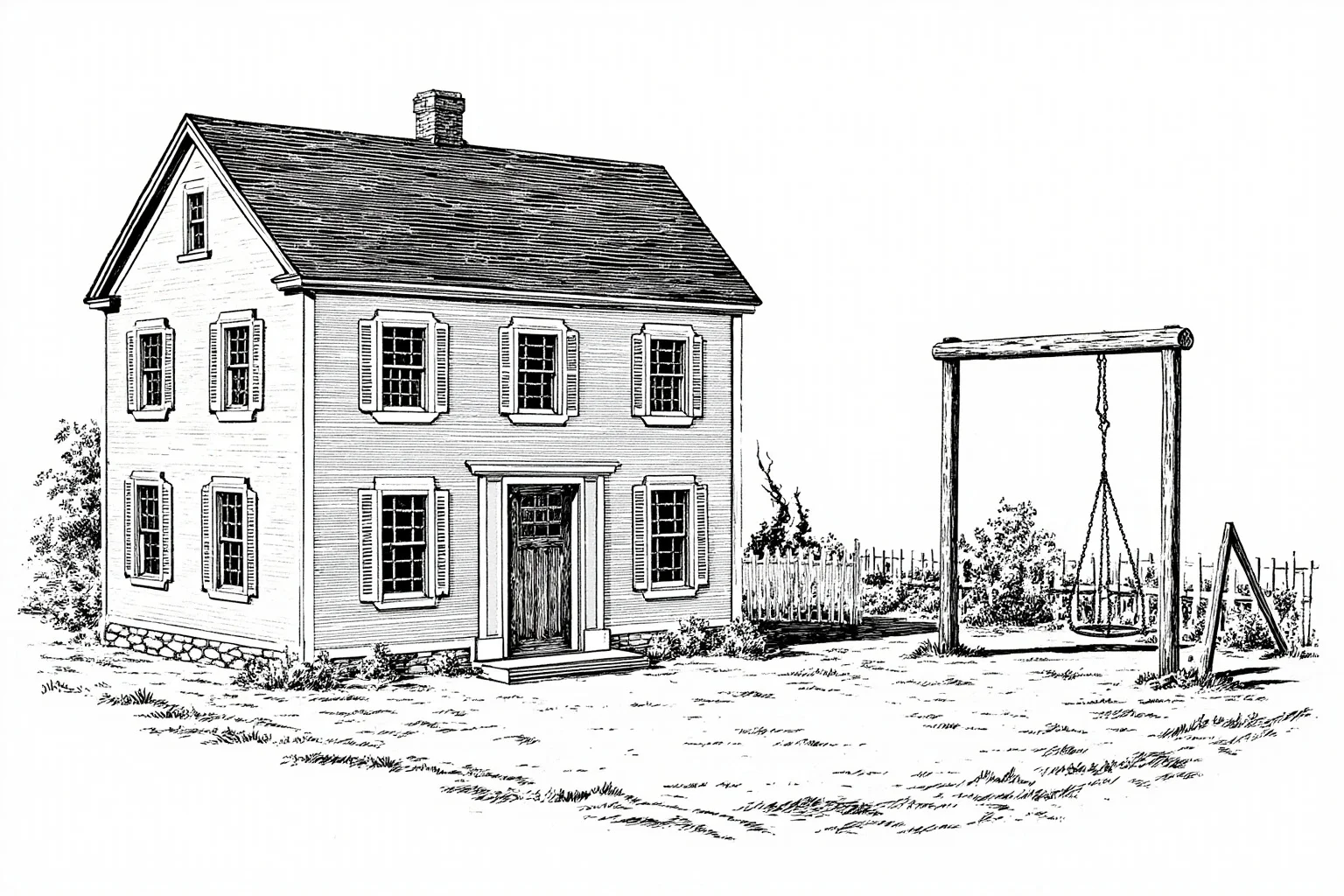
The Salem witch trials are often remembered as a time when accused witches were burned alive. In reality, most convicted people in Salem were hanged, and one man was pressed to death.
Burning was a method used in some European witch persecutions, which may have shaped the American legend. Salem's tragedy was real, but the specific image of burning at the stake is not accurate for colonial Massachusetts.
The trials lasted for several months in 1692 and involved more than 200 accusations. Their causes were a mix of social tension, legal procedure, and fear, not a single religious frenzy.
The Salem trials are often used as a shorthand for religious extremism. The legal records reveal a community in crisis, but not a burning pyre.
Civil War and Nineteenth-Century Myths
12. The Emancipation Proclamation Freed All Enslaved People
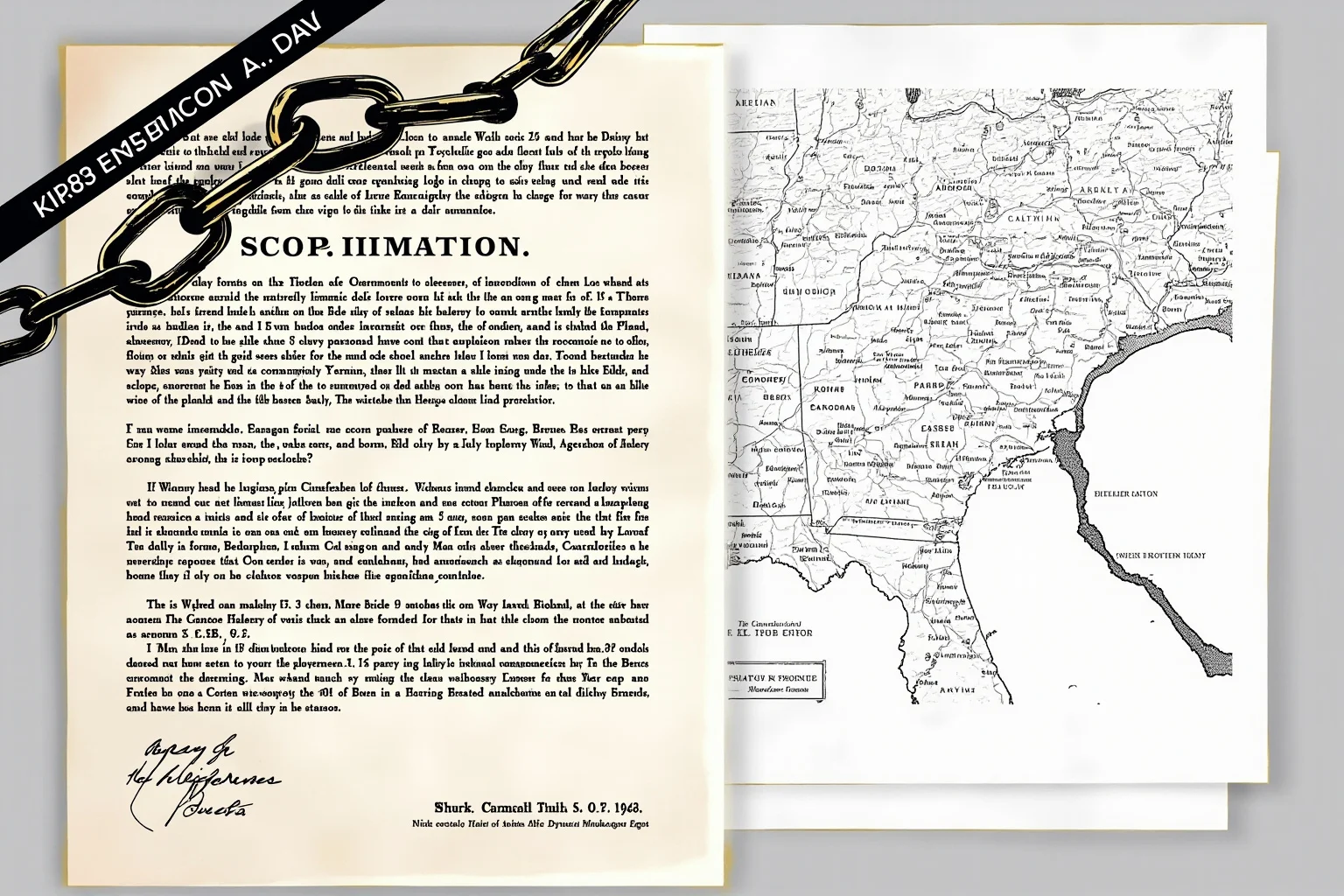
Abraham Lincoln's Emancipation Proclamation, issued in 1863, declared enslaved people in Confederate-controlled areas free. It did not apply to the border slave states that remained in the Union or to areas already under Union control.
It was also a wartime measure, not a permanent constitutional end to slavery. Full legal abolition required the Thirteenth Amendment in 1865.
The proclamation still changed the character of the war and encouraged many enslaved people to escape. However, its limits show that emancipation was a process, not a single document.
13. Abraham Lincoln Was Always a Radical Abolitionist
Lincoln personally loathed slavery, but he was not a pure abolitionist from the start of his political career. He long favored stopping slavery's expansion and hoped it would eventually disappear.
His views shifted under the pressures of war and emancipation. By 1865 he supported the Thirteenth Amendment and moved toward broader rights.
His earlier positions were more moderate and politically cautious. The change in his thinking is part of what makes his story historically important.
14. The Alamo Was Fought Simply for American Freedom
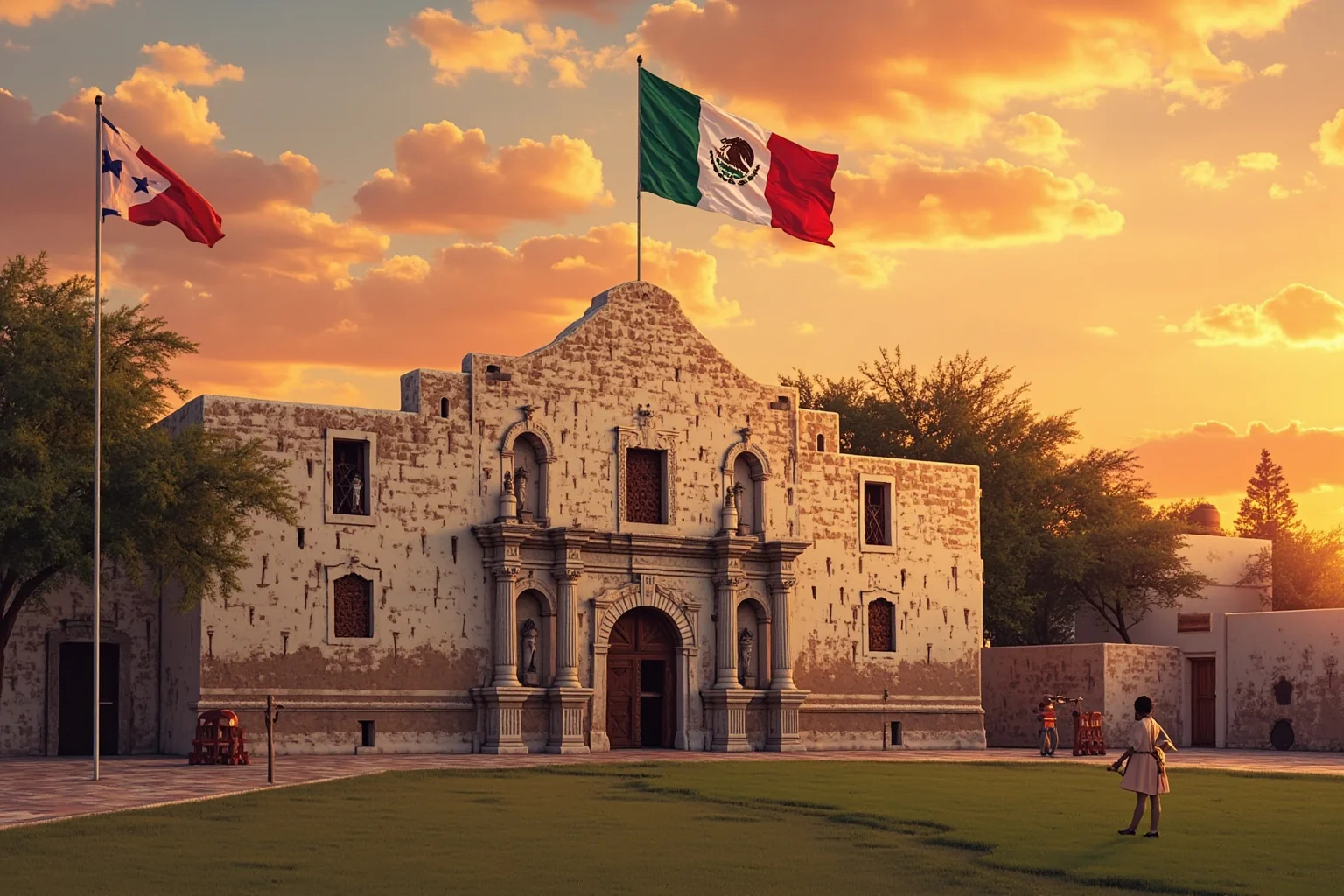
The defenders of the Alamo in 1836 became symbols of courage, but the cause was not simply American liberty. Texas was part of Mexico, and many Anglo settlers had moved there under Mexican law.
Tensions included Mexico's abolition of slavery, which some Anglo Texas settlers opposed. The battle's meaning is still debated.
Reducing the Alamo to a fight for U.S. freedom erases the conflict's complex politics, including federalism, land, and slavery. The Texas Revolution produced its own republic, not immediate American annexation.
The Alamo myth grew through Texas schoolbooks and later films. It often ignores the Mexican perspective and the conflict's ties to slavery.
15. The Wild West Was Constantly Violent
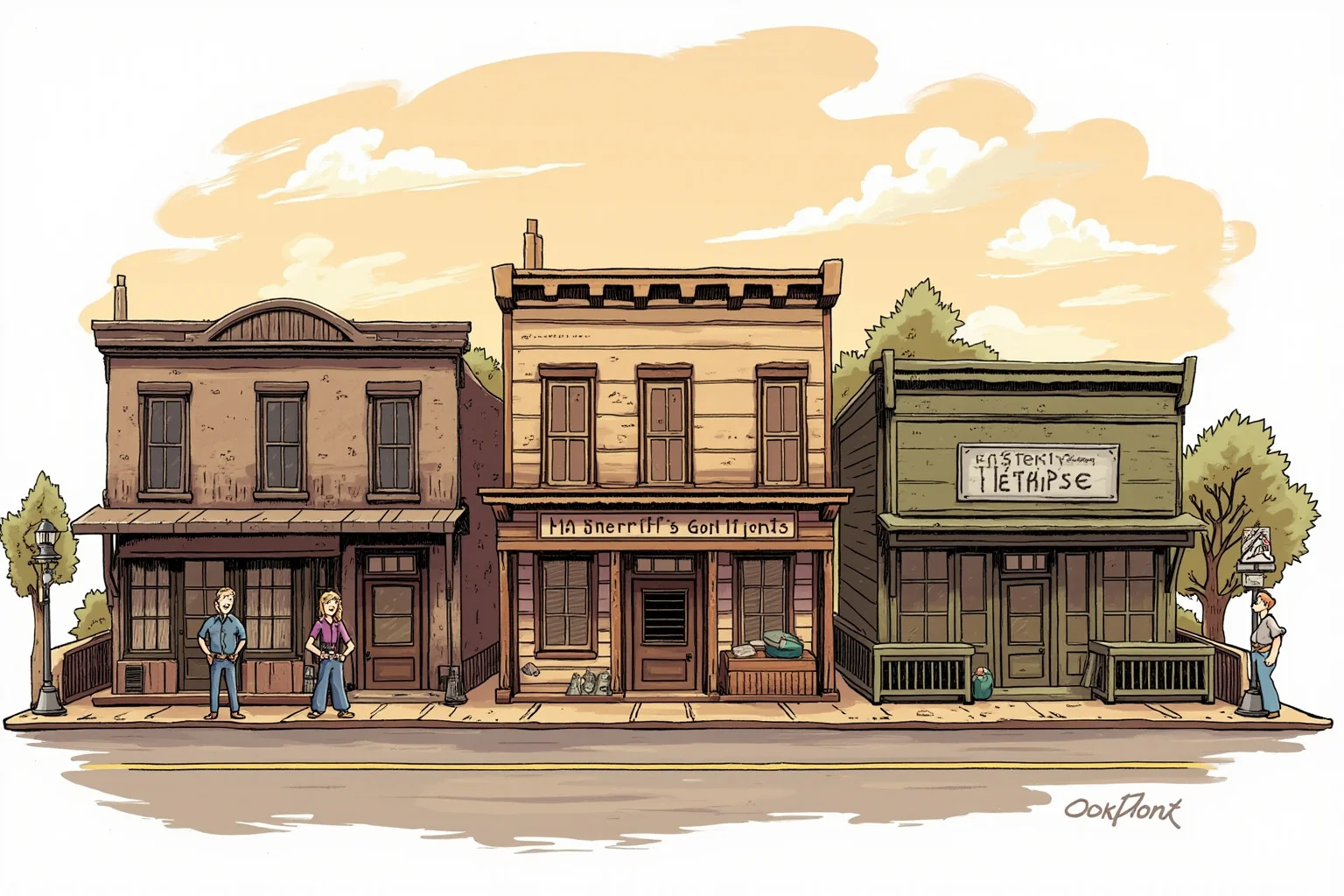
Popular culture makes the frontier look like a constant gunfight, but many western towns had strict gun control and relatively low homicide rates. Violent events like the gunfight at the O.K. Corral were the exception.
The image of endless lawlessness was shaped later by dime novels and movies. Historians note that mining camps and cow towns did have bursts of violence, but daily life was more orderly than the myth suggests.
The frontier had courts, sheriffs, and community rules as well as conflict. The phrase "Wild West" is more a creation of entertainment than a complete social history.
Gun control in frontier towns is a surprising detail for many readers. Places like Dodge City sometimes required visitors to surrender firearms.
16. Cowboys Were Mostly White
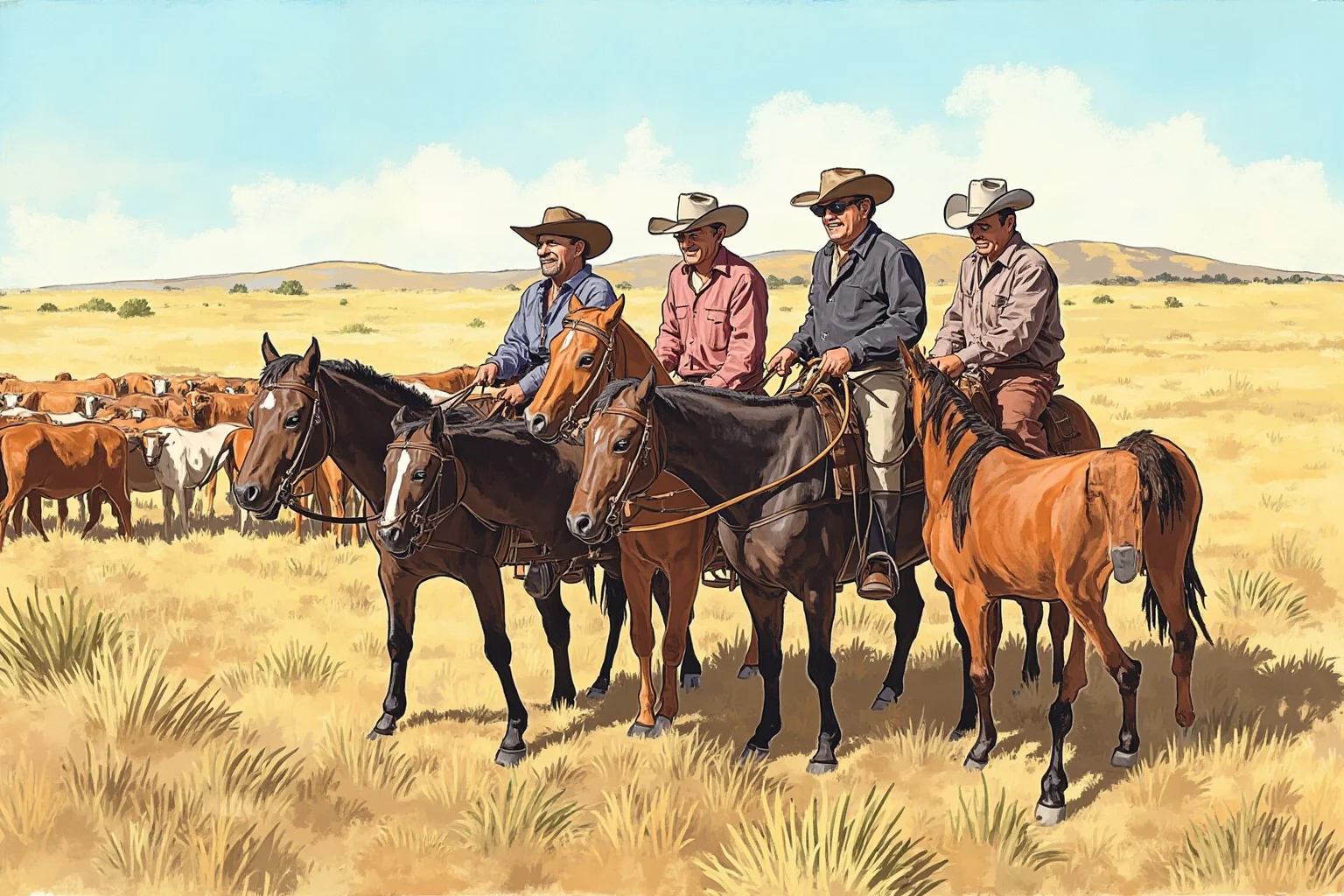
The cowboy image is often overwhelmingly white, but the historic cattle industry was multiracial. After the Civil War, many cowboys were Black, Mexican, Native American, or mixed-race.
Mexican vaqueros created many of the tools and techniques associated with cowboy culture. Black cowboys may have made up a substantial portion of trail crews in Texas and the Great Plains.
The white cowboy hero came later as a product of novels, rodeo shows, and Hollywood. That image erased the diverse workforce that actually moved cattle across the West.
The erasure of Black and Mexican cowboys was not accidental. Popular entertainment chose white heroes for commercial and racial reasons.
17. Abner Doubleday Invented Baseball
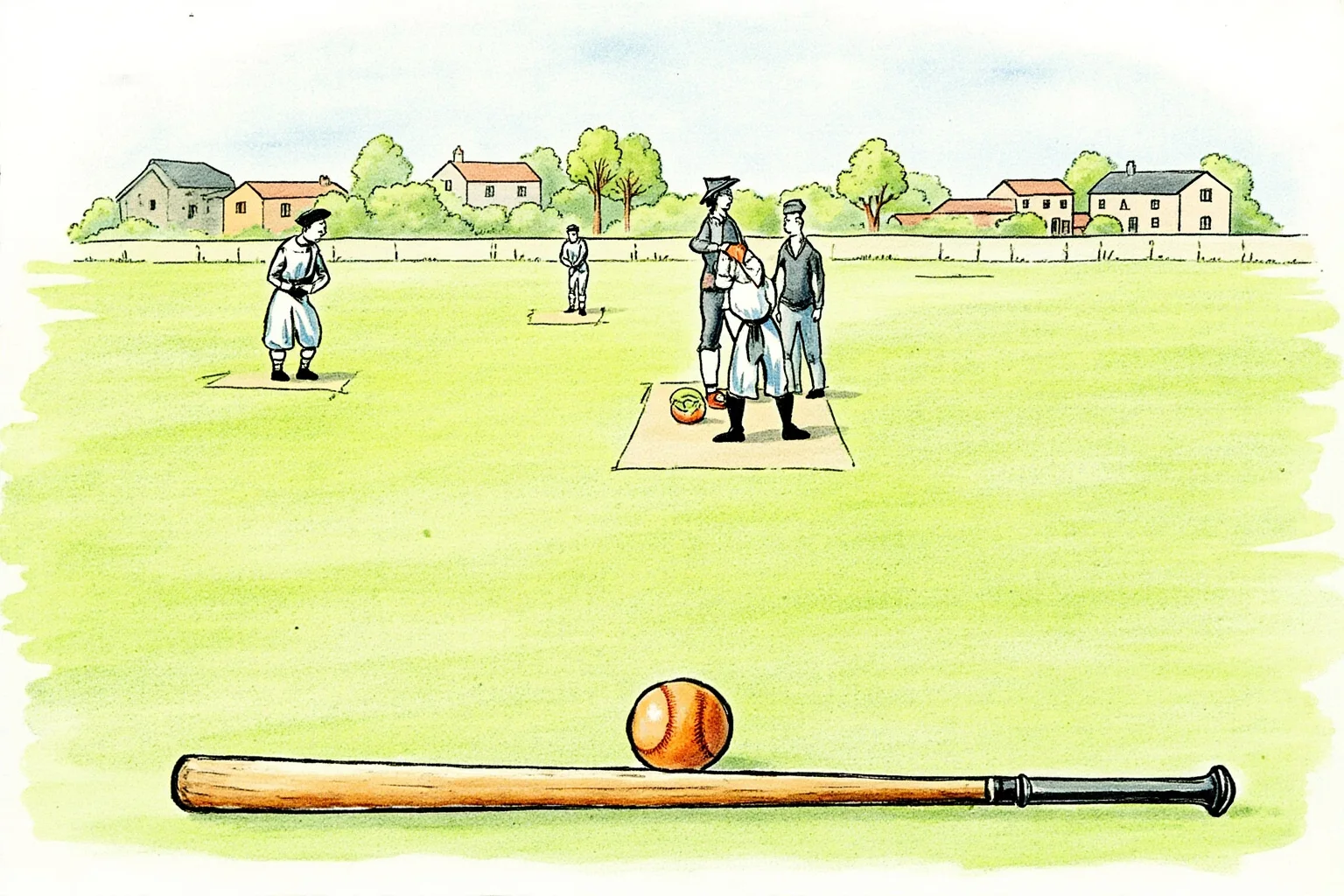
A commission in the early 1900s credited Abner Doubleday with inventing baseball in Cooperstown in 1839. Historians have found no evidence to support that claim.
Baseball evolved from older bat-and-ball games imported from England, including rounders and cricket. The version we know developed gradually in cities, not from a single inventor.
The Doubleday story gave baseball a patriotic American origin, but it was a promotional myth. Even the commission that promoted it relied on weak testimony decades after the fact.
Twentieth-Century and Modern Myths
18. Thomas Edison Invented the Light Bulb Alone
Thomas Edison did not invent the light bulb from nothing. Inventors in England and the United States had developed earlier electric lamps, but they were not practical for home use.
Edison and his team created a commercially viable incandescent bulb and the electrical system to support it. That was a crucial achievement, but it is misleading to call him the lone inventor.
The light bulb's history includes many researchers, patents, and failed experiments. Edison's genius lay in organizing invention and making the technology profitable.
Edison's large research laboratory at Menlo Park was a model for industrial invention. That organizational achievement matters as much as the bulb itself.
19. The Wright Brothers Were the First Humans to Fly
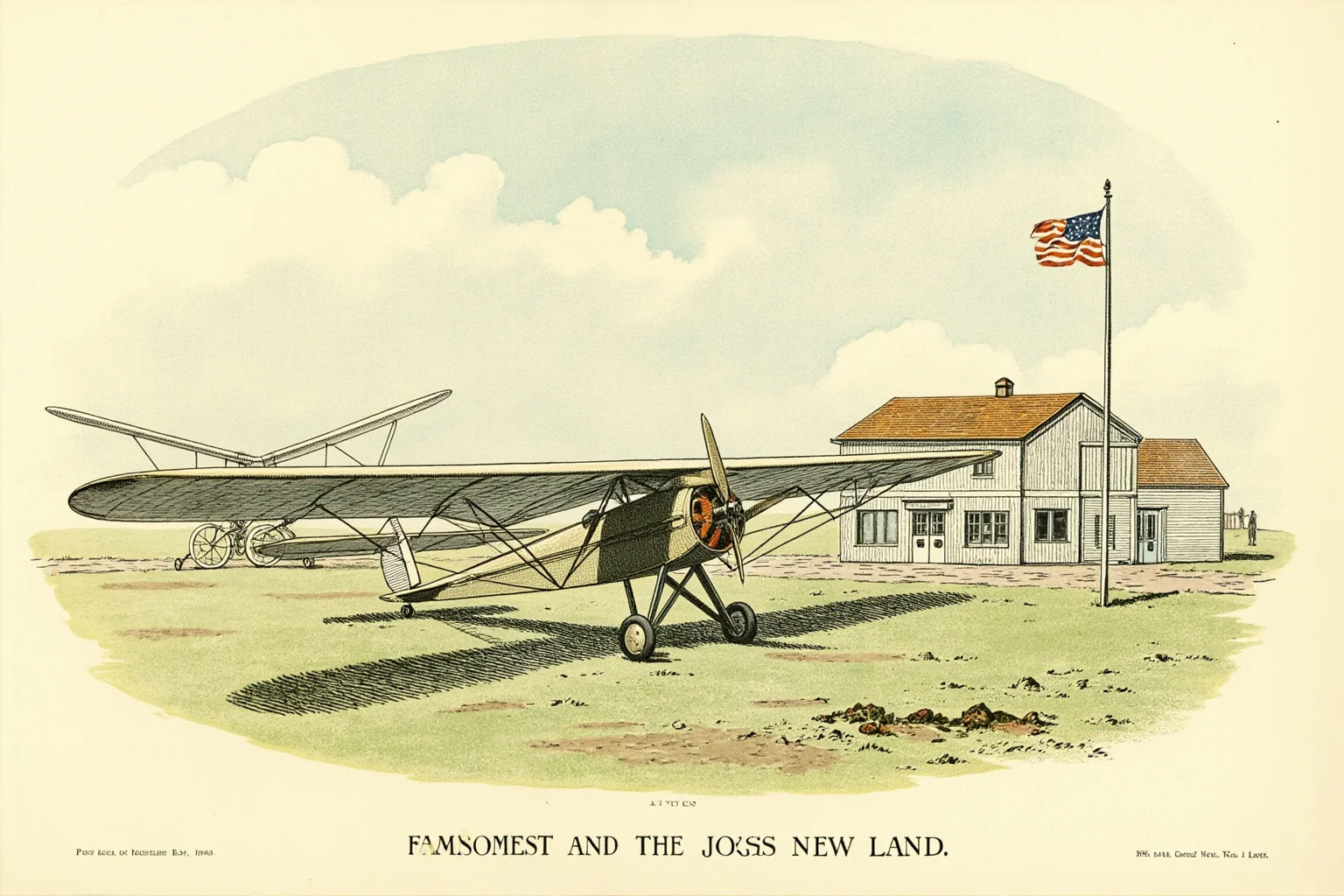
The Wright brothers achieved the first controlled, sustained, powered flight in 1903. They were not the first humans to leave the ground.
Balloons, gliders, and unpowered aircraft had carried people before them. Their breakthrough was controlled powered flight, which changed aviation history.
The phrase "first in flight" works only when you include the words controlled, sustained, and powered. Without those qualifiers, the claim becomes a myth.
20. The United States Was Completely Isolationist Before Pearl Harbor
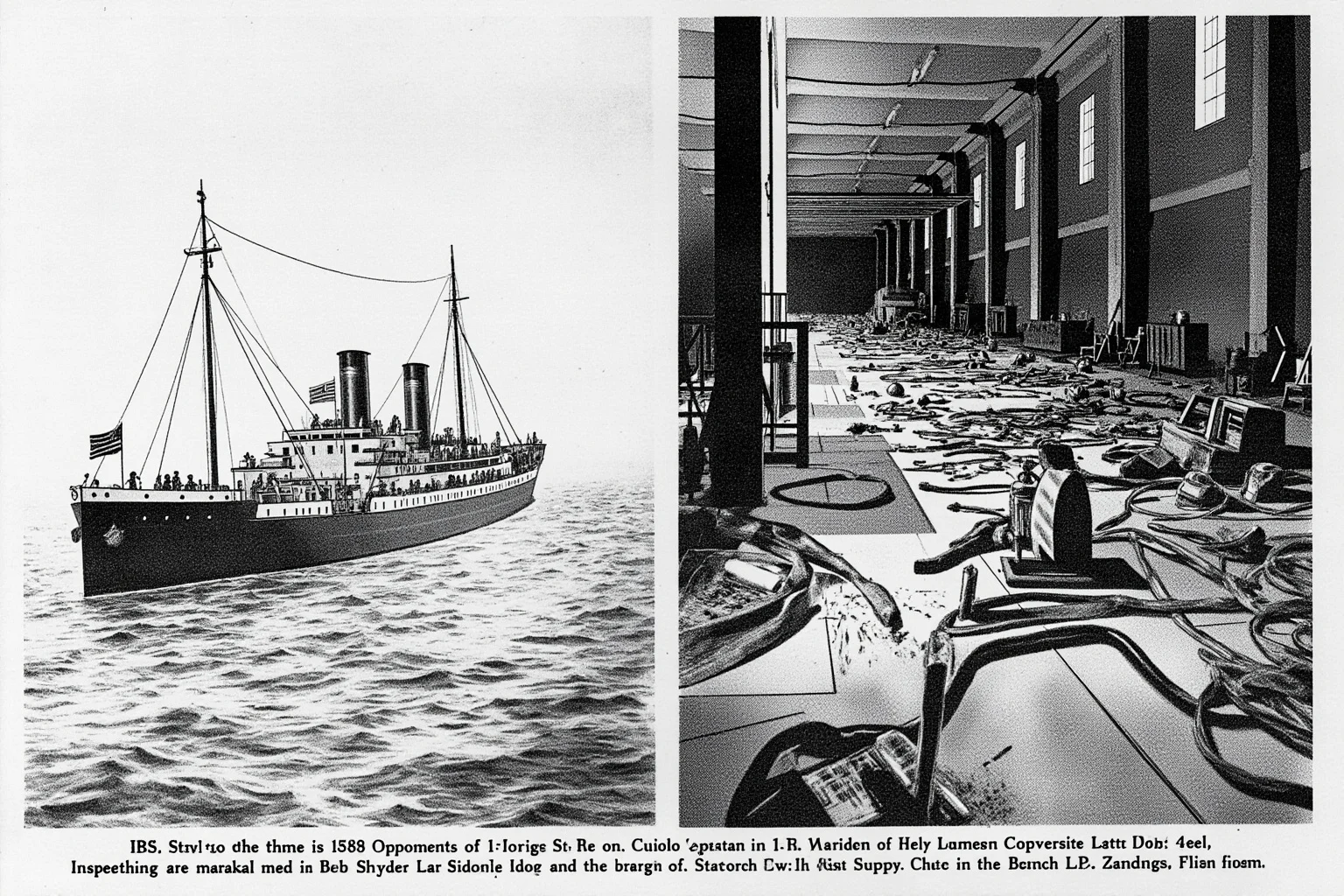
The story that most Americans were completely isolationist before Pearl Harbor is too simple. Congress passed neutrality acts in the 1930s, but public opinion shifted as war spread.
Before Pearl Harbor, U.S. aid to Britain through Lend-Lease and destroyers-for-bases showed deep involvement. The country was not yet at war, but it was far from fully detached.
The attack on Pearl Harbor in 1941 changed the timing and public support for entry, not the entire direction of foreign policy. Isolationist sentiment was powerful, but it was never absolute.
Neutrality and isolation are often confused, but they are not the same. The United States avoided formal war while still shaping global events through aid and trade.
21. The New Deal Ended the Great Depression on Its Own
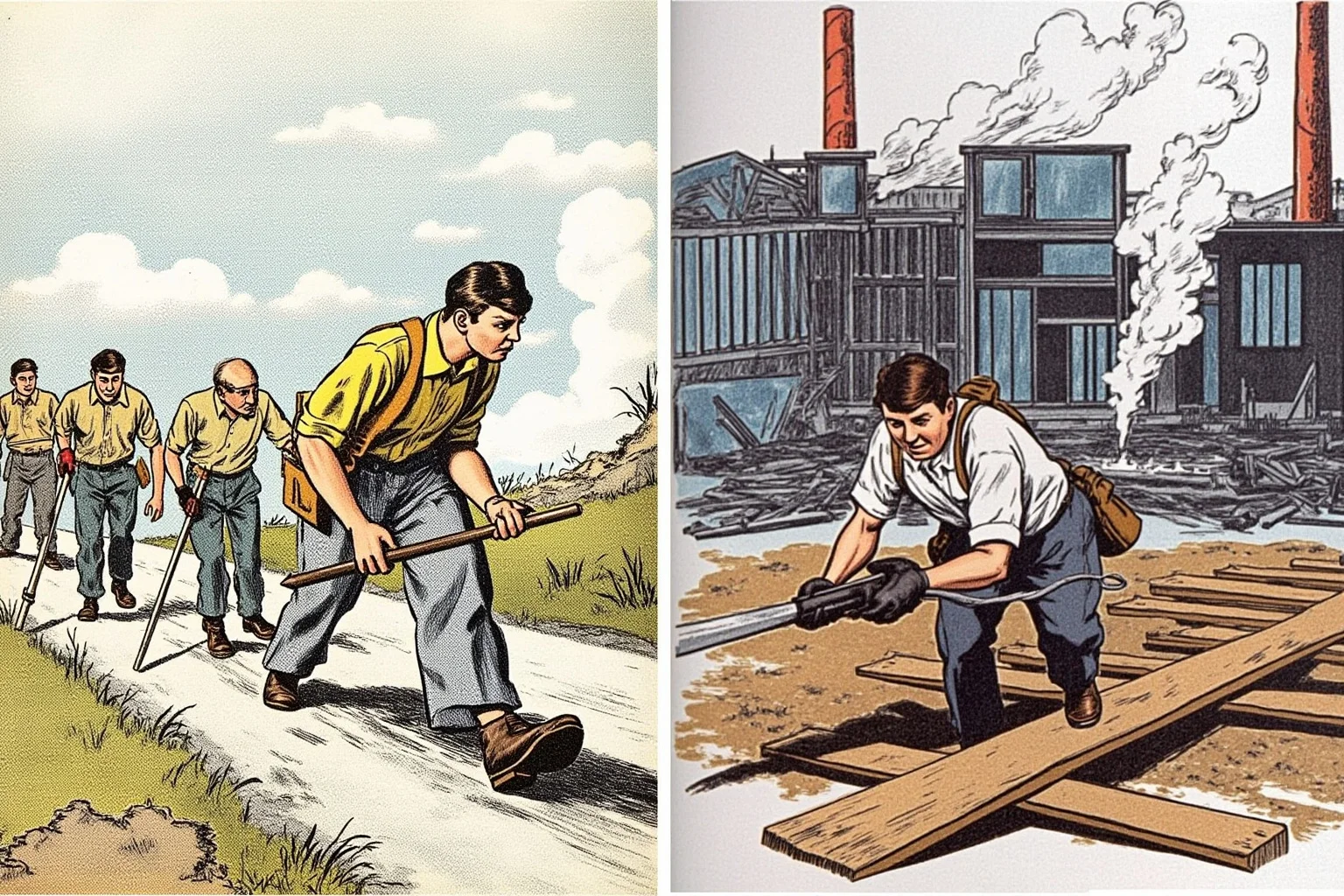
The New Deal created programs that provided relief and changed American society, but most economists do not credit it alone with ending the Great Depression. Recovery was uneven, and unemployment remained high into the late 1930s.
Massive wartime spending and mobilization during World War II transformed the economy. The New Deal helped stabilize the country, but the Depression's end came from a combination of forces.
Historians still debate how much each factor mattered. That debate is a reminder that economic causes are rarely as simple as a single program.
22. America Has Always Welcomed Immigrants
The idea that the United States has always welcomed immigrants with open arms is one of the most persistent myths in the United States. The country has a long history of both immigration and restriction.
Laws such as the Chinese Exclusion Act of 1882, the Immigration Act of 1924, and earlier naturalization limits that barred most nonwhite immigrants show a more complicated record. The myth of America as a universal refuge breaks down under these laws.
Immigration history is better understood as a tension between labor needs, family ties, and exclusionary politics. That tension still shapes policy today.
The myth of America as a universal refuge also ignores Indigenous displacement and African enslavement. Both were central to the nation's expansion.
Why Debunking Historical Myths Matters
When we correct these historical myths, we are not just ruining good stories. We are learning to ask better questions about evidence, memory, and power.
US history myths often survive because they comfort a particular national identity. But the real record, with its contradictions and conflicts, gives us a more honest foundation for understanding the country.
The next time you hear a tidy story about the founding, the frontier, or the modern era, look for primary sources and recent scholarship. A more accurate history is usually more interesting than the legend.
Frequently Asked Questions
What are some of the most persistent myths in the United States?
Some common examples include Christopher Columbus discovering America, George Washington having wooden teeth, and Betsy Ross sewing the first flag. These stories persist because they are simple and patriotic, but primary sources do not confirm them.
Why do US history myths survive so long?
They often serve a national identity or make complex events easier to teach. Once a story appears in textbooks, films, and holidays, it becomes part of shared memory even after historians correct it.
Did Christopher Columbus discover America?
No. Indigenous peoples had inhabited the Americas for thousands of years, and Norse settlers reached North America before Columbus. Columbus also never landed on the mainland of the modern United States.
Did the Emancipation Proclamation free all enslaved people?
No. It applied only to Confederate-controlled areas and did not free enslaved people in border states loyal to the Union. Permanent legal abolition came with the Thirteenth Amendment in 1865.
Is the myth of America as a welcoming nation accurate?
It is only partly true. The United States has welcomed many immigrants, but it has also passed restrictive laws such as the Chinese Exclusion Act and the Immigration Act of 1924, and earlier paths to citizenship were often racially limited.

Alex Warren
Related Articles