Military history loves a clean victory, but the most instructive episodes are often disasters. When a wartime strategy fails, it can expose faulty assumptions more ruthlessly than any peacetime exercise. The following ten plans were launched with confidence, yet each collapsed in a way that forced armies to rewrite their manuals.
These backfired military strategies range from Napoleon’s march into Russia to modern American military strategies in Iraq. They are not just curiosities; they explain why logistics, mobility, intelligence, and political context now shape warfare strategies. What follows is a list of ambitious plans that went wrong and changed warfare in the process.
TL;DR: Ten ambitious military strategies backfired so badly that they forced armies to rethink logistics, firepower, mobility, and the political limits of war.
Why Backfired Strategies Teach More Than Victories
Every wartime strategy is a bet on how an enemy will react. A successful plan can reinforce existing doctrine, but a failed plan often reveals the hidden rules of a new era. The episodes below did not merely embarrass their planners; they exposed changes in technology, society, and logistics that could no longer be ignored.
In some cases, the failure was operational—a bad route, a weak flank, or a supply line that snapped. In others, the failure was strategic—a political miscalculation that turned a limited war into a global one. Together, they form a rough history of modern military warfare tactics and their consequences.
1. Napoleon’s 1812 Invasion of Russia
In 1812, Napoleon assembled the Grande Armée, a force of roughly 600,000 men, to compel Tsar Alexander I to enforce the Continental System. His wartime strategy assumed that a rapid march toward Moscow would produce a decisive battle and a quick negotiated peace. Instead, Russian commanders refused to cooperate with that script.
The Russians used scorched-earth tactics, burning supplies and retreating deeper into their vast interior. Napoleon’s supply lines stretched across hundreds of miles of hostile territory, and horses and soldiers began dying long before the first snow. The capture of Moscow in September brought no surrender; the city was largely abandoned and soon burning.
The retreat from Moscow became one of the worst military disasters in history. Hunger, cold, disease, and constant Cossack raids destroyed the Grande Armée, and only a fraction of the original force returned. This backfired invasion showed that a strategy built on decisive battle could collapse when an enemy refused to fight on those terms.
The disaster changed European warfare by elevating logistics to a central concern. Armies learned that speed and firepower meant little without secure supply, forage, and a clear exit plan. The term “scorched earth” entered the strategic lexicon as a defensive method for trading space for time.
Napoleon’s defeat also emboldened Russia, Prussia, Austria, and Britain to form a coalition that eventually toppled his empire. The long-term lesson was that the political object of a war must match the military means. No commander could simply march on a capital and expect the enemy state to collapse.
2. The Schlieffen Plan, 1914
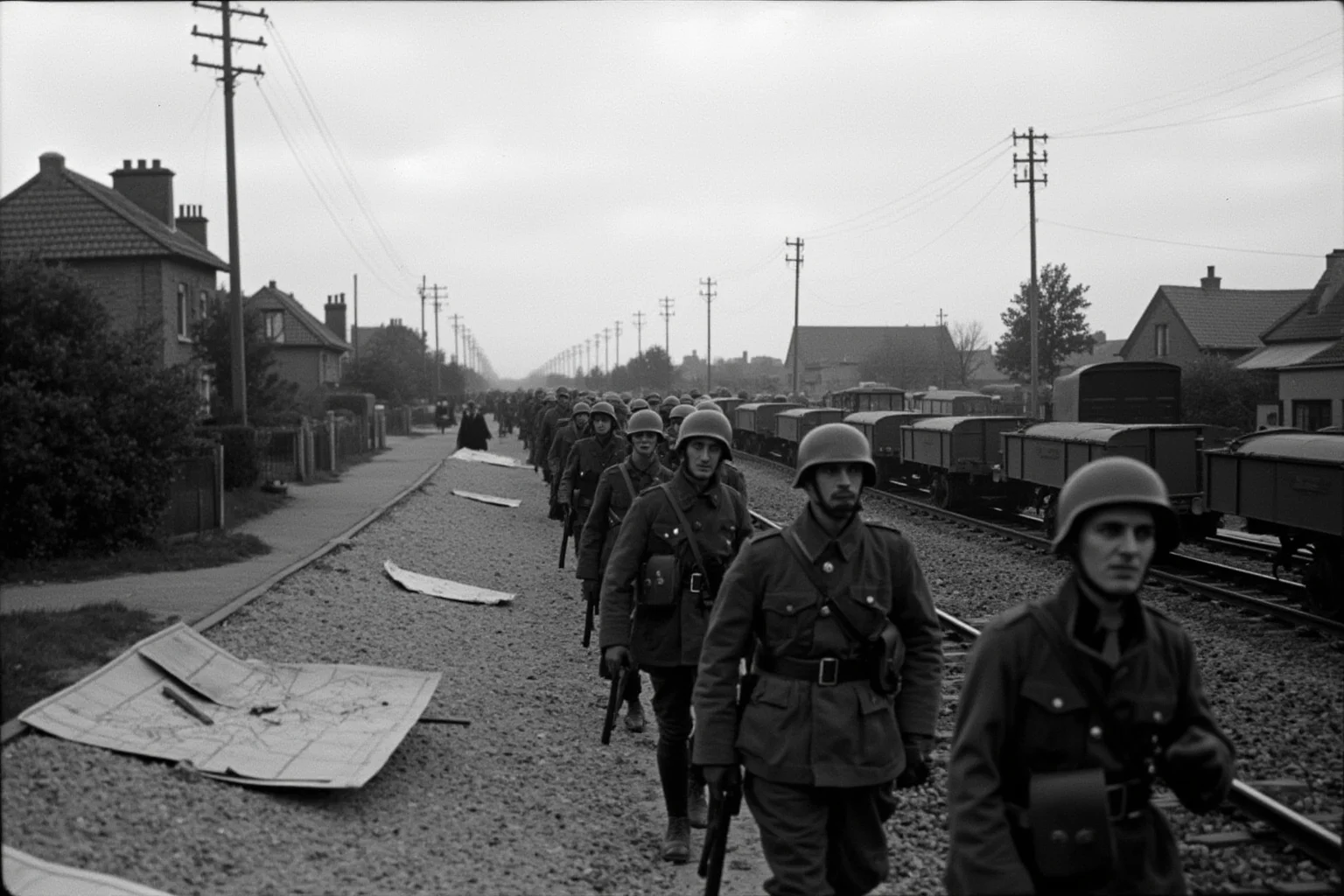
Germany’s military war strategy before World War I was designed to avoid fighting France and Russia simultaneously. The Schlieffen Plan called for a massive right wing to sweep through Belgium and encircle Paris within six weeks. It assumed Russia would mobilize slowly and that Belgium would offer little resistance.
The plan began to unravel when Belgian forts held longer than expected and Britain entered the war over Belgian neutrality. French and British forces retreated but remained intact, then counterattacked near the Marne River. The German offensive stalled, and the war of movement became a war of trenches.
The backfire was not just tactical; it transformed a regional Balkan crisis into a prolonged two-front war. Germany’s violation of neutral Belgium helped guarantee British intervention and shaped international opinion. The very plan meant to prevent encirclement produced exactly the long war Germany could not win.
In the aftermath, generals across Europe drew contradictory lessons. Some concluded that rapid mobilization and rail timetables needed more flexibility, while others doubled down on offense. The real lesson was that no prewar plan could fully account for friction, delay, and enemy choices.
The failure influenced military warfare tactics for decades by showing the danger of rigid timetables. It also introduced the idea that small border violations can have enormous diplomatic consequences. World War I’s stalemate owes much to a plan that worked only on paper.
3. The Gallipoli Campaign, 1915–1916
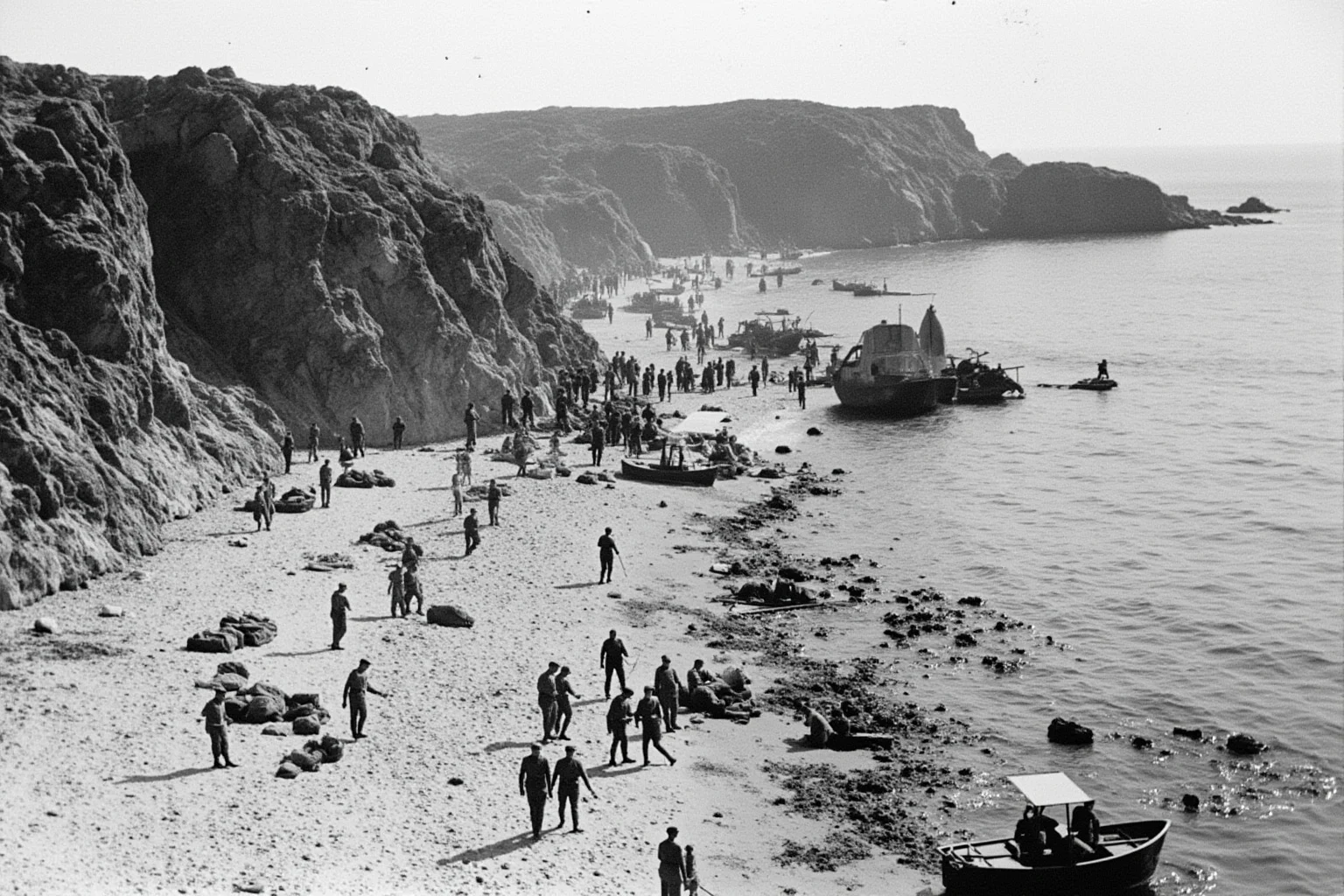
Allied leaders wanted to knock the Ottoman Empire out of World War I and open a warm-water supply route to Russia. Their wartime strategy was to force the Dardanelles with warships, then land troops on the Gallipoli Peninsula. The plan promised a shortcut to victory on the Eastern Front.
The naval attack struck mines and shore batteries, and the follow-up landings met steep terrain and well-prepared Ottoman defenders. British, French, Australian, New Zealand, and other Allied troops were pinned on beaches for months. What was meant to be a bold maneuver became a static bloodbath.
The campaign backfired by consuming nearly a year and huge resources while achieving none of its strategic goals. Casualties mounted into the hundreds of thousands on both sides, and the Allies eventually evacuated. The Ottomans won a morale-boosting defensive victory that helped shape modern Turkish identity.
Gallipoli forced military planners to rethink amphibious warfare strategies. It showed that naval gunfire alone could not silence prepared defenses and that landing forces needed specialized equipment, better intelligence, and close army-navy coordination. Those hard lessons later informed successful landings in World War II.
The campaign also demonstrated the political cost of a failed expedition. Winston Churchill, one of the plan’s champions, lost his Admiralty post and carried the stigma for years. Gallipoli remains a case study in how an imaginative strategic shortcut can become a costly dead end.
4. Germany’s Unrestricted Submarine Warfare, 1917
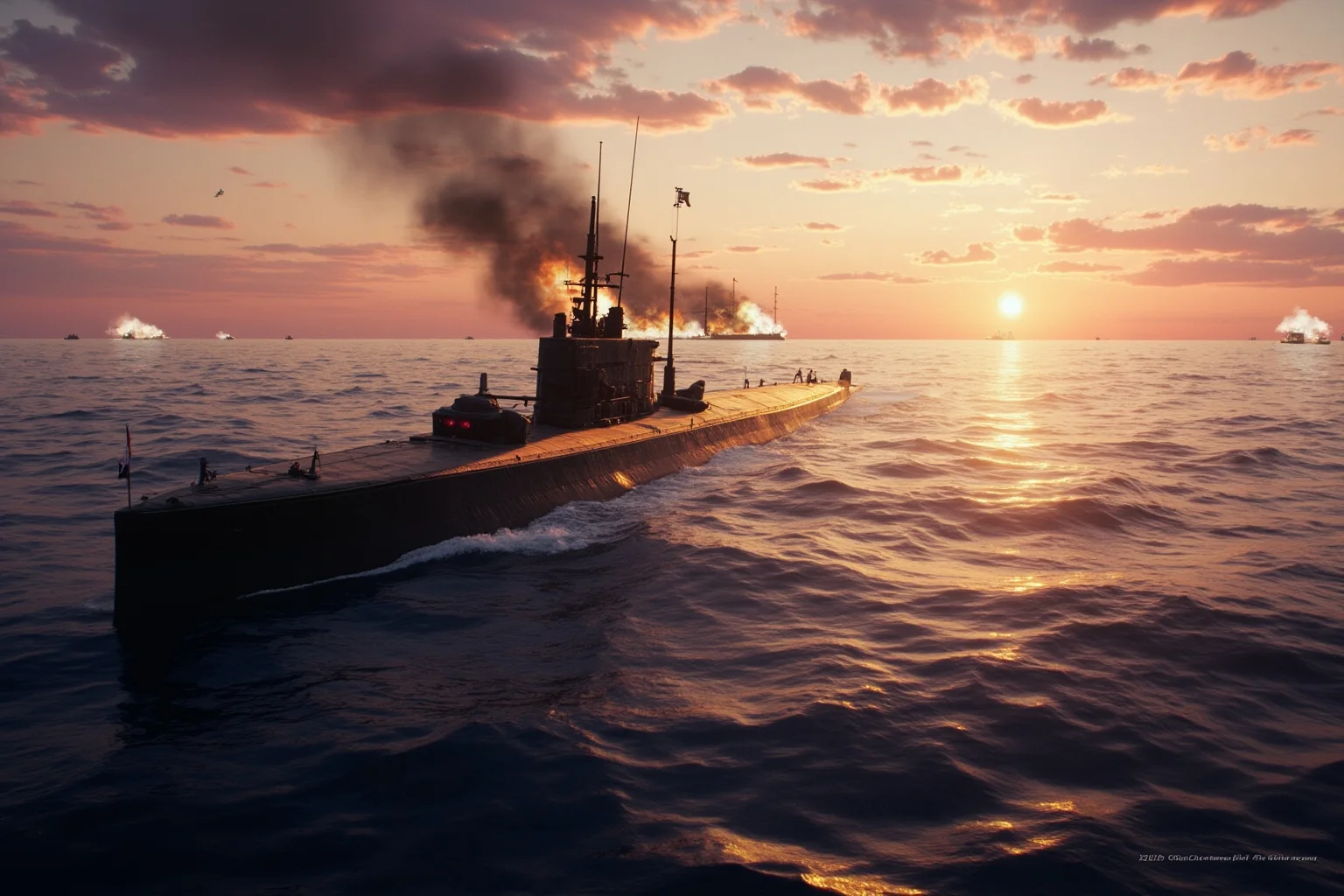
By 1917, Germany was being strangled by the British naval blockade and sought a decisive maritime counterstroke. Its military strategy was to resume unrestricted submarine attacks on all shipping approaching Allied ports. German planners believed they could starve Britain into submission before American power could arrive.
The campaign initially sank enormous tonnage and caused panic in Allied shipping lanes. But the sinking of neutral and passenger ships, including the Lusitania in 1915, had already turned public opinion against Germany. The final resumption of unrestricted attacks helped push the United States into the war in April 1917.
The strategic backfire was immense. Germany traded a long-shot chance to cripple Britain for the certainty of fighting a fresh industrial giant. American troops, supplies, and naval escorts began arriving just as German forces were exhausted. The submarine offensive became a textbook case of a strategy that underestimated an enemy's ability to mobilize.
The crisis forced Britain and its allies to develop the convoy system, grouping merchant ships under naval escort. This shift drastically reduced shipping losses and changed naval warfare permanently. Anti-submarine warfare, sonar, depth charges, and intelligence became core disciplines.
The lesson was not that submarines were useless, but that unrestricted attacks carried severe diplomatic risks. Modern naval strategies now weigh economic pressure against the danger of expanding a war. Germany’s decision remains one of the clearest examples of a military strategy producing the opposite of its intended political result.
5. France’s Maginot Line, 1940
After the immense losses of World War I, France wanted to prevent another German invasion. Its defensive military strategy relied on the Maginot Line, a chain of fortified positions along the Franco-German border. French planners believed these forts would channel any German attack through Belgium, where Allied armies could meet it.
In May 1940, German forces did enter Belgium, but their main armored thrust went through the Ardennes Forest farther south. The Maginot Line was not smashed; it was simply bypassed. French mobile forces were caught out of position, and the German blitzkrieg split the Allied armies.
The backfire was strategic as well as operational. France had invested heavily in static defense at the expense of armored warfare, air power, and flexible command. The rapid fall of France in six weeks stunned the world and ended the illusion that fixed fortifications could guarantee security.
This collapse changed military thinking by discrediting singular defensive lines. Future warfare strategies emphasized depth, mobility, air support, and the ability to react to unexpected axes of advance. Fortifications did not disappear, but they became part of a layered defense rather than a substitute for maneuver.
The Maginot Line also became a cautionary metaphor for preparing to fight the last war. It showed that a clever defensive system can fail when the enemy refuses to attack it. The real failure was not the forts themselves, but the strategic rigidity around them.
6. Operation Barbarossa, 1941
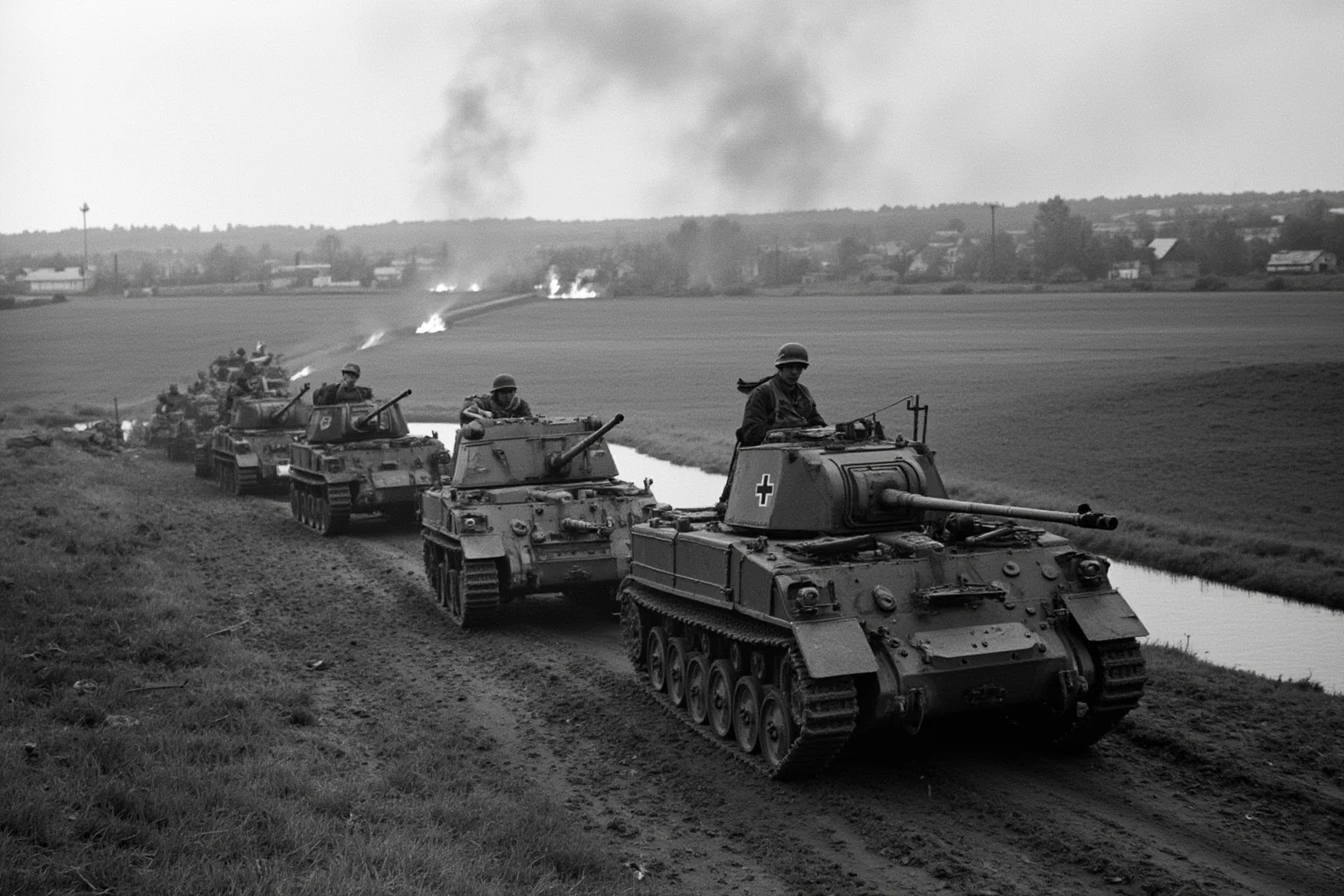
Nazi Germany’s invasion of the Soviet Union in June 1941 was the largest military operation in history up to that point. The military war strategy assumed that the Soviet state would collapse after a few weeks of devastating encirclements. German planners expected a short campaign, not a prolonged war of attrition.
The Wehrmacht won enormous early victories, capturing millions of prisoners and advancing deep into Soviet territory. Yet the Red Army kept fighting, factories were relocated beyond the Urals, and the vast country absorbed the shock. German logistics, already strained, began to fail as supply columns bogged down in mud and dust.
The strategy backfired when the advance stalled outside Moscow in December 1941. The Soviet counteroffensive, reinforced by fresh divisions from Siberia, pushed the exhausted Germans back. Germany now faced the two-front war it had tried to avoid, against an opponent with far greater manpower and industrial capacity.
Barbarossa transformed warfare by proving the limits of blitzkrieg and the decisive role of logistics, depth, and national mobilization. It also led to the industrialization of destruction on the Eastern Front, where total war reached its most extreme form. No serious planner could again assume that a modern state would collapse from a single operational blow.
The campaign changed the course of World War II and post-war strategic thinking. It demonstrated that ideology and intelligence failures can distort military strategy as much as bad maps. In the end, the invasion of the Soviet Union became the central reason for Germany’s defeat.
7. Japan’s Attack on Pearl Harbor, 1941
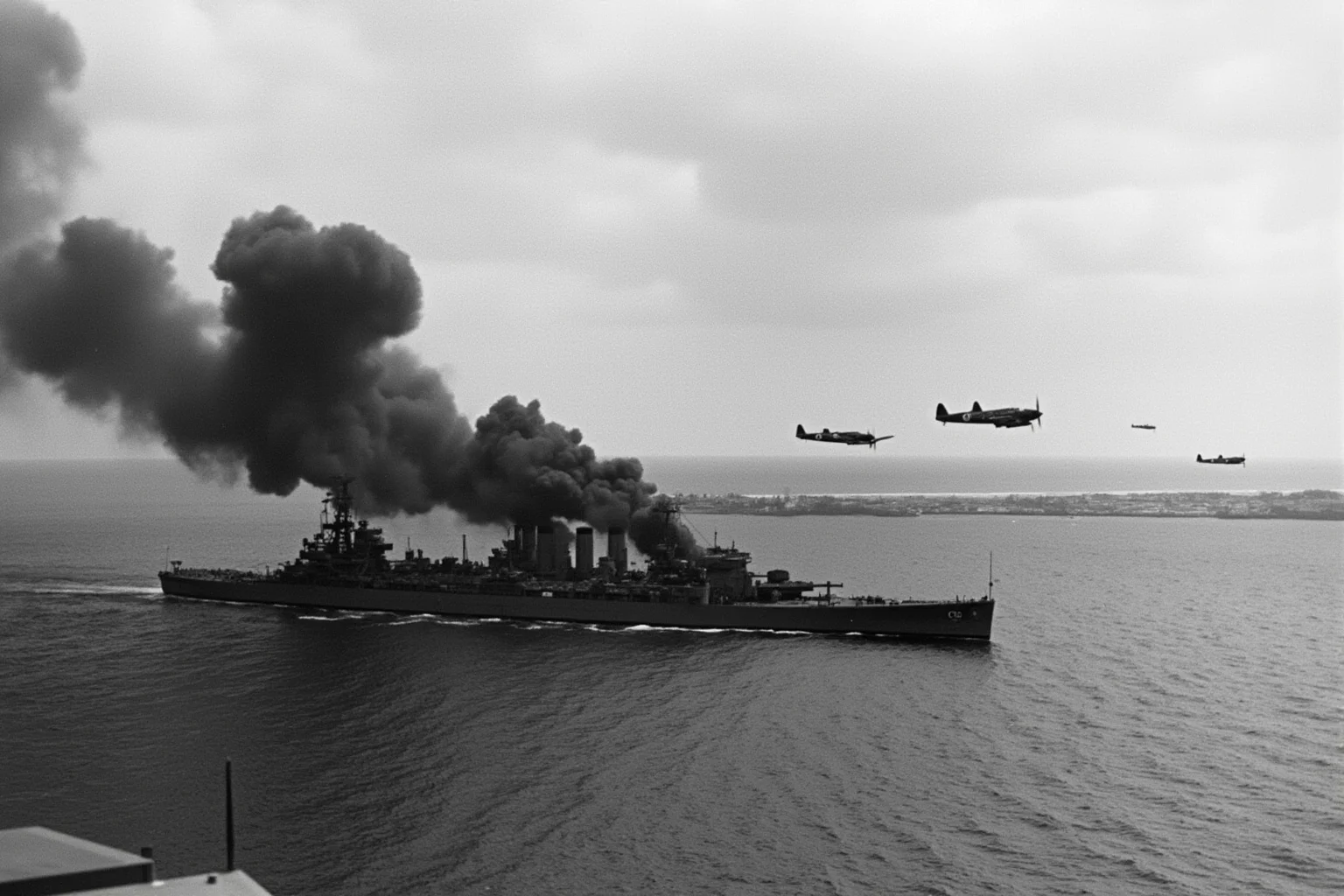
Japan’s wartime strategy in 1941 aimed to neutralize the U.S. Pacific Fleet and secure access to oil and raw materials in Southeast Asia. Japanese planners hoped a sudden strike at Pearl Harbor would buy time and weaken American resolve. The attack was tactically brilliant but strategically catastrophic.
On December 7, 1941, Japanese carrier aircraft sank or damaged several battleships and killed more than 2,400 Americans. However, the American aircraft carriers were not in port, and the attack left fuel depots and repair yards largely intact. Most important, the strike united American public opinion for war.
The backfire was immediate and irreversible. Japan had replaced a divided, reluctant neutral with a mobilized industrial superpower. The United States converted its vast economy to war production, eventually outbuilding Japan in ships, aircraft, and munitions by enormous margins. This was the exact outcome Japan had sought to avoid.
Pearl Harbor changed naval warfare by proving that aircraft carriers, not battleships, were the centerpiece of sea power. The carrier battles of the Pacific war reshaped military warfare tactics, emphasizing air strikes, radar, and amphibious island-hopping. Surface battleships shifted to supporting roles rather than serving as the primary fleet weapon.
The attack also taught strategists that preemptive strikes can create political unity in the target nation. The risk of a short-term tactical win producing a long-term strategic defeat remains a core warning in military strategy. Japan’s decision is now studied as a classic example of a devastating success with fatal consequences.
8. Pickett’s Charge at Gettysburg, 1863
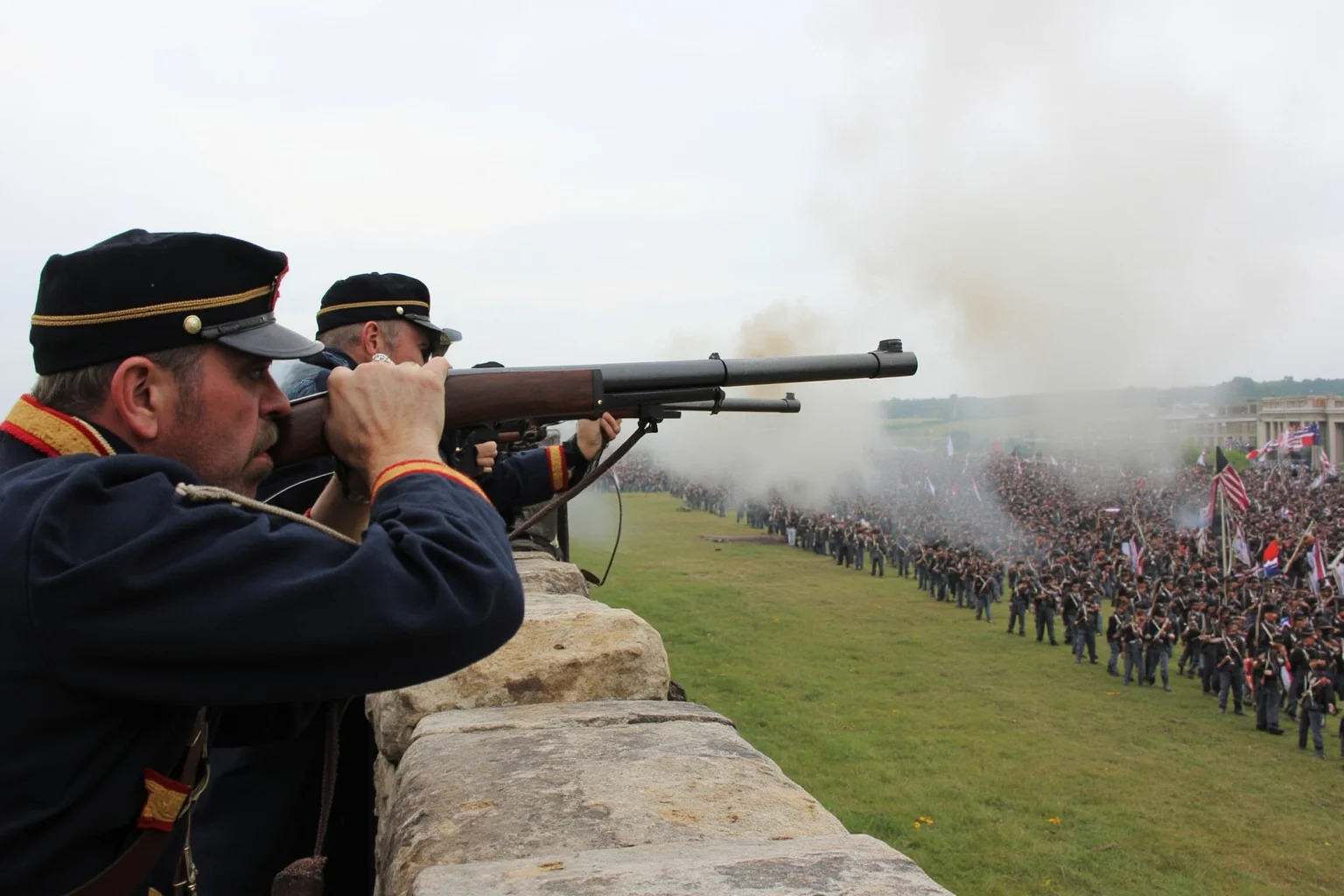
On the third day of the Battle of Gettysburg, Confederate commander Robert E. Lee ordered a massed infantry assault on the center of the Union line. The military strategy reflected older Napoleonic assumptions that a concentrated column could break a defensive position with momentum and will. Those assumptions were about to collide with rifled muskets and artillery.
Around 12,500 Confederate soldiers advanced across open fields toward Cemetery Ridge. Union artillery and infantry fire tore into the ranks from front and flank, killing or wounding thousands in less than an hour. The attack failed completely, and the survivors retreated with devastating losses.
The backfire had enormous consequences for the Confederacy. Gettysburg ended Lee’s invasion of the North and gave the Union a vital strategic victory. Combined with the fall of Vicksburg the same week, the battle marked a turning point in the American Civil War.
Pickett’s Charge changed American military strategies by exposing the cost of frontal assaults against modern firepower. It did not end offensive warfare, but it showed that old parade-ground tactics were obsolete against entrenched infantry with rifled weapons. Civil War generals increasingly turned to trenches, flanking maneuvers, and attrition.
The charge also became a cultural symbol of doomed gallantry. In military education, it is cited as a warning against letting pride or desperation override tactical judgment. The lesson endures: courage cannot solve a problem that geometry and firepower have already decided.
9. U.S. Search-and-Destroy in Vietnam, 1965–1972
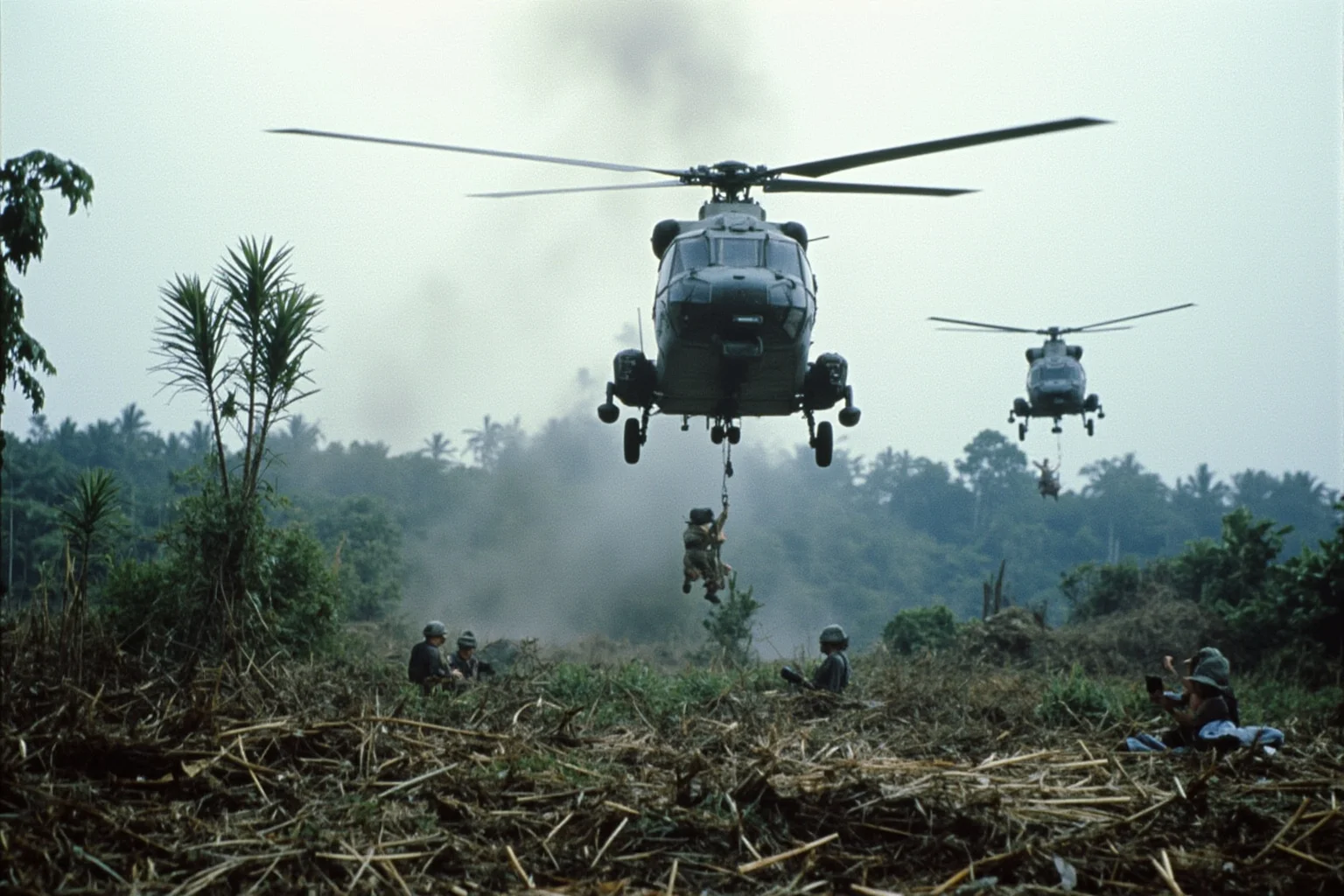
American military strategies in Vietnam initially relied on superior firepower, mobility, and attrition. Search-and-destroy missions aimed to locate Viet Cong and North Vietnamese units, fix them with airmobile forces, and kill more of them than could be replaced. The strategy assumed that high enemy body counts would eventually break the insurgency.
The approach produced many firefights and heavy enemy losses, but it did not deliver lasting security. Villages were often left vulnerable after U.S. troops moved on, and civilian casualties fueled anti-American and anti-Saigon sentiment. The enemy dictated the tempo by choosing when and where to fight.
The strategy backfired politically. Television brought the war’s brutality home, and the gap between optimistic military reports and the reality on the ground eroded public trust. The Tet Offensive of 1968 was a military failure for North Vietnam but a psychological and political victory that shattered U.S. confidence.
Vietnam forced a deep rethinking of US military strategies and counterinsurgency doctrine. The post-war military initially avoided messy irregular conflicts, but later generations embraced population-centric approaches, clear-hold-build methods, and the principle that legitimacy matters more than body count. Air mobility and firepower remained useful, but not as substitutes for political strategy.
The Vietnam experience still shapes debates over when and how to use American military power. It taught strategists that a wartime strategy can win battles yet lose the political struggle at home and abroad. That lesson continues to influence U.S. decisions on intervention, withdrawal, and the limits of military force.
10. Disbanding the Iraqi Army After the 2003 Invasion

After the rapid fall of Baghdad in 2003, US military strategies shifted from conventional invasion to occupation. One key decision was to disband the Iraqi military and purge members of the Baath Party from government. The goal was to remove Saddam Hussein’s influence and build a new, democratic security force.
The move backfired by throwing hundreds of thousands of trained, often armed men out of work. Many became recruits for a growing insurgency, bringing military skills, local knowledge, and grievances to anti-coalition groups. The state’s ability to provide security collapsed just as sectarian violence increased.
The resulting insurgency, including the rise of al-Qaeda in Iraq, turned a quick military victory into a long and costly occupation. Coalition forces discovered that they had won the conventional fight but not the peace. The political and security vacuum empowered militias and deepened sectarian divisions.
This experience changed military thinking about post-conflict stability operations. Planners now emphasize preserving state institutions, retaining security forces, and separating regime ideology from the everyday machinery of government. Counterinsurgency doctrine stresses protecting civilians and standing up local forces rather than dismantling them.
The Iraq case remains a touchstone for how wartime strategy must extend beyond the defeat of enemy armies. It reinforced that nation-building is not an afterthought but a core part of military war strategy. Modern American military strategies now include detailed planning for what happens after major combat operations.
What These Backfired Strategies Reveal About Warfare
These ten examples share a common pattern. Each military plan was built on assumptions that seemed reasonable at the time but collapsed under friction, enemy choice, logistics, or politics. The backfires were not random bad luck; they were symptoms of deeper changes in technology and society.
Warfare changes constantly, but the basic problem of strategy does not. Commanders must make decisions with incomplete information and then adapt when the enemy does something unexpected. The best military strategies are flexible enough to survive contact with reality.
The record also shows that tactical success can be worthless if it produces a strategic defeat. Pearl Harbor and the German submarine campaign both won early successes, yet both expanded the war in ways their planners could not control. The measure of a strategy is not how it starts but how it shapes the endgame.
Modern armies study these failures because they expose the hidden costs of ambition, rigidity, and overconfidence. Logistics, intelligence, political legitimacy, and post-war planning are now central to military warfare tactics and operations. No one can predict the next war, but these cases offer a checklist of what can go wrong when strategy ignores reality.
Frequently Asked Questions
What is a military strategy?
Military strategy is the planning and direction of large-scale operations to achieve political or military goals. Wartime strategy focuses on using forces, resources, geography, and timing to impose will on an enemy.
What makes a military strategy backfire?
A strategy backfires when its assumptions collapse, producing the opposite of the intended result. Common causes include bad intelligence, logistics failures, underestimated opponents, or a mismatch between military warfare tactics and political reality.
Which backfired strategy had the biggest effect on warfare?
Many historians point to Germany’s Schlieffen Plan because it helped turn a regional crisis into a prolonged World War I stalemate. Others highlight Operation Barbarossa for exposing the limits of rapid mechanized warfare.
How did Vietnam change American military strategies?
The Vietnam War pushed the U.S. military away from pure attrition and search-and-destroy approaches toward population-centric counterinsurgency. It also sharpened awareness of political limits on wartime strategy.
Are static defensive strategies now obsolete?
Fixed defenses are not entirely obsolete, but the Maginot Line showed that any single fortified line can be bypassed or undermined. Modern warfare strategies emphasize mobility, sensors, camouflage, and layered defense.

Alex Warren
Related Articles