Introduction
Walk into any American supermarket today and you will see aisles stocked with foods that once seemed exotic, trendy, or even un-American. The story of what Americans eat is not static; it shifts with wars, recessions, immigration, technology, and marketing. This post traces the most popular food in the United States decade by decade, from Prohibition-era finger foods to the kale smoothies of the 2010s.
Some of these foods were genuinely beloved nationwide, while others became famous through advertising, convenience, or sheer cultural noise. Popularity is tricky to measure historically, so this list blends sales records, cookbook trends, restaurant menus, and contemporary reporting. Where the evidence is thin or contested, the post says so plainly.
TL;DR: The most popular food in the United States changed dramatically each decade, but almost every era's favorite was shaped less by pure taste and more by war, technology, advertising, and convenience.
Why Decade-by-Decade Food History Gets Complicated
Before jumping into the decades, it helps to understand a few caveats. There is no single government database tracking what Americans ate in, say, 1937. Historians reconstruct food trends from cookbooks, newspaper recipes, company sales figures, restaurant menus, and even government rationing records.
Regional differences also matter enormously. A food that was everywhere in the Midwest might have been rare in coastal cities, and vice versa. When this post names a decade's defining food, it means the food had broad national reach, strong cultural visibility, or a lasting legacy — not that every American ate it daily.
Finally, popularity and identity are different things. White bread may have outsold bagels in 1955, but the bagel tells a richer story about immigration and urban life. This list balances both the best-selling foods and the foods that defined how the decade is remembered.
1. 1920s: The Sandwich and the Speakeasy Snack
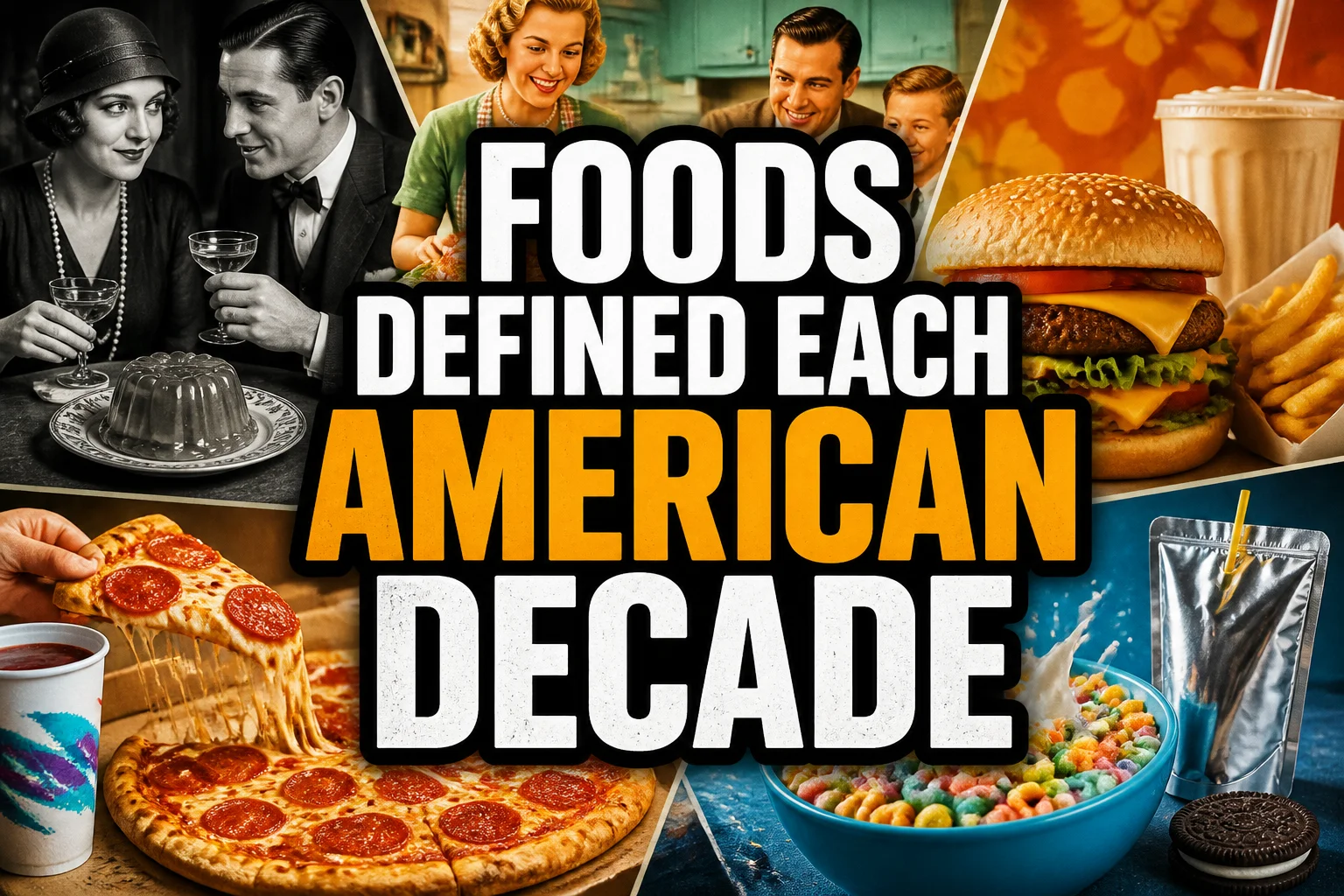
The 1920s were a golden age for the sandwich, partly because sliced bread arrived in 1928. Before Otto Rohwedder's bread-slicing machine went commercial, most Americans sliced loaves by hand at home. Once sliced bread spread, the sandwich became faster, neater, and more portable.
Club sandwiches, tea sandwiches, and grilled cheese all gained ground during the decade. At the same time, Prohibition pushed dining into speakeasies and private clubs, where finger foods like deviled eggs, salted nuts, and canapés became fashionable. These snacks were easy to serve without a full kitchen and paired well with illicit cocktails.
Popular food in the 20s also included Jell-O, which was already a national phenomenon by then. The brand published recipe booklets that encouraged home cooks to suspend fruit, vegetables, and even meat in shimmering gelatin molds. Jell-O salads were cheap, colorful, and photographed beautifully in women's magazines.
2. 1930s: The Great Depression Casserole
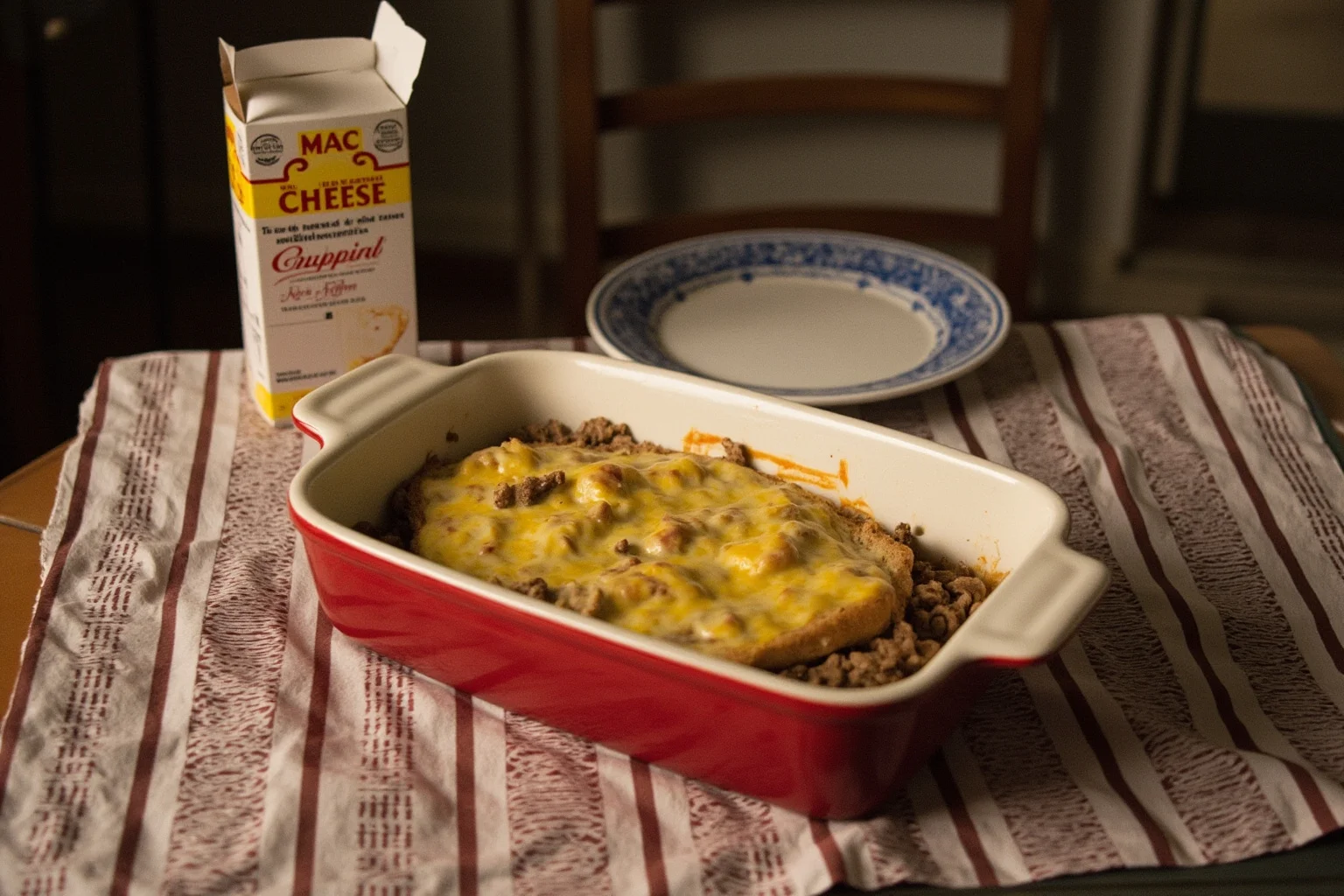
The Great Depression reshaped American eating around thrift. Families stretched small amounts of meat with rice, pasta, potatoes, or beans, and one-dish meals became a survival strategy. Casseroles, often bound with condensed soup, were economical and could feed a crowd.
Creamed chipped beef on toast, nicknamed "SOS" in military slang, became a Depression staple because dried beef was cheap and shelf-stable. Kraft's boxed macaroni and cheese, introduced in 1937, sold millions of boxes in its first year at 19 cents each. It promised a hot, filling meal for four people for under a dollar.
Government programs also shaped the decade's food. The Federal Surplus Commodities Corporation distributed apples, beans, and flour to relief families, and school lunch programs began expanding. Home economists taught women how to cook nutritious meals on tiny budgets, and radio cooking shows spread those lessons nationwide.
3. 1940s: Victory Gardens and Ration-Box Cooking
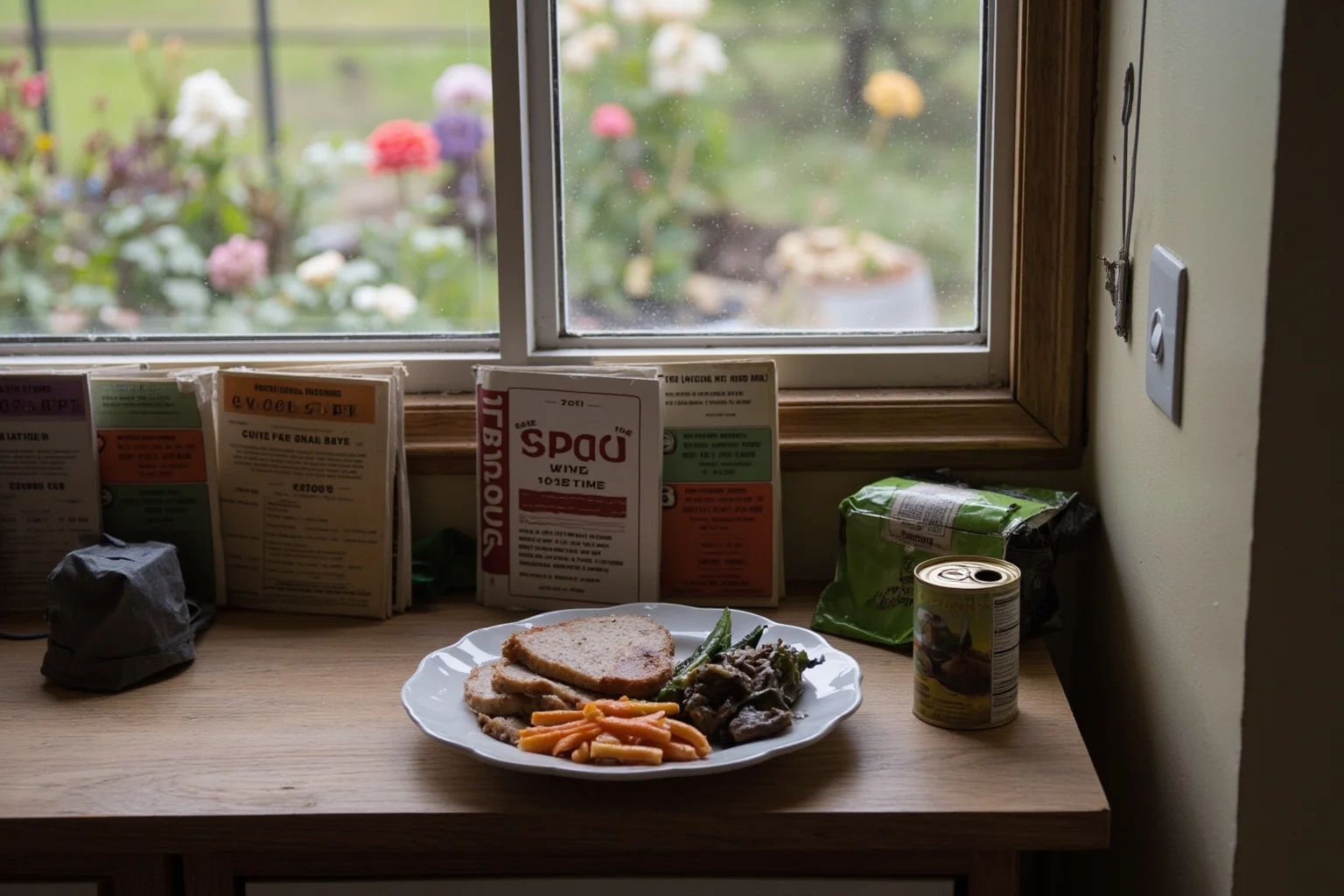
Popular food in the 40s was defined by World War II rationing. Sugar, butter, meat, cheese, and canned goods were restricted, so home cooks improvised. Victory gardens supplied fresh vegetables, and community canning centers helped preserve the harvest.
Spam became an icon of the decade. The canned pork product was cheap, portable, and required no refrigeration, making it ideal for military rations and home pantries alike. By the war's end, Hormel had shipped hundreds of millions of cans, and Spam appeared in everything from fried breakfast slices to baked casseroles.
Mock foods also flourished. Wartime cookbooks taught recipes for "mock apple pie" made with crackers, "victory cake" made with less sugar, and "meatless meatloaf" bulked up with breadcrumbs and oats. These dishes were patriotic, practical, and widely shared through government pamphlets and women's magazines.
4. 1950s: The TV Dinner and the Casserole Era
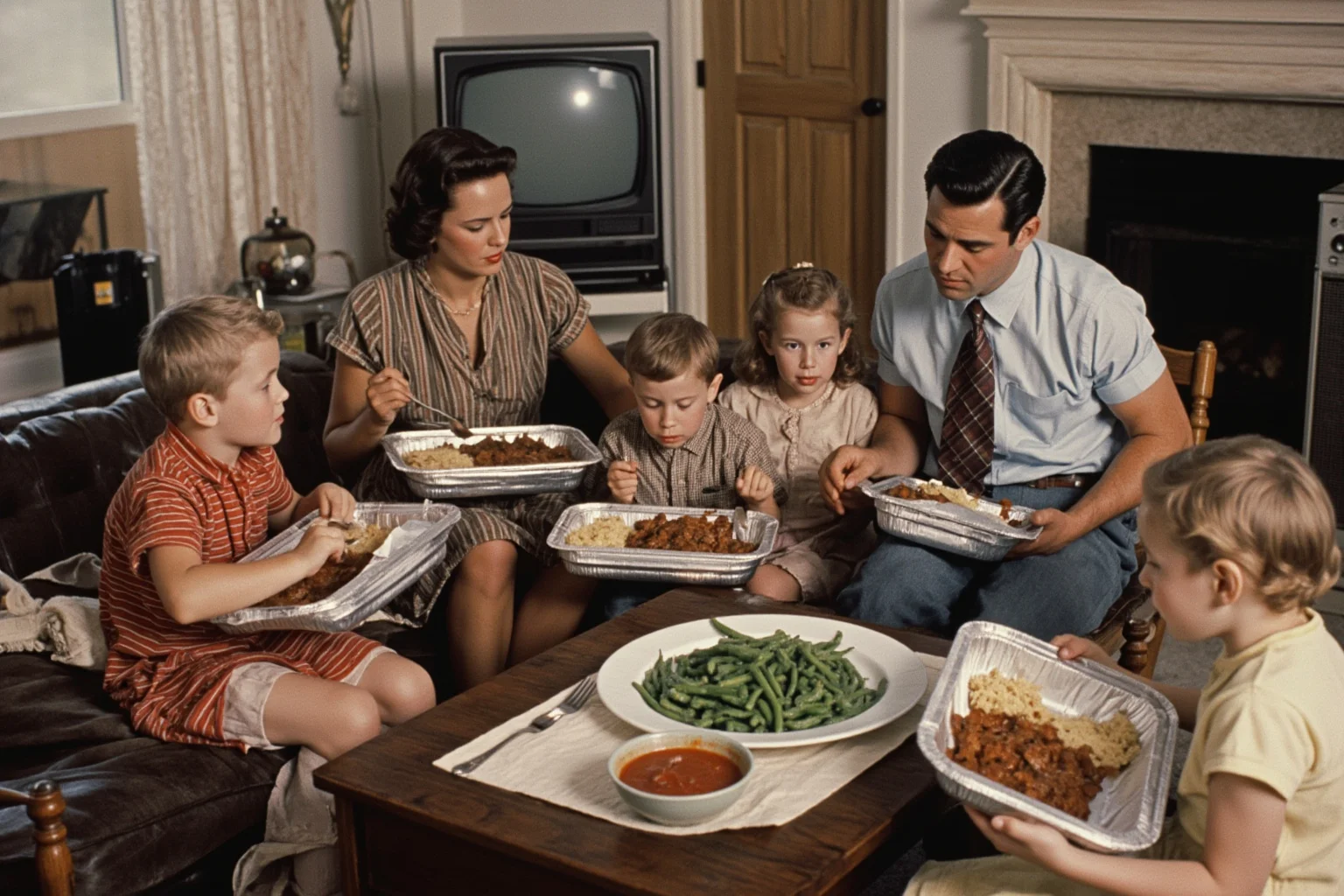
The 1950s were the decade of convenience, and no food captured that better than the TV dinner. Swanson introduced its first frozen turkey dinner in 1953, selling millions of aluminum-tray meals within a year. The TV dinner let families eat in front of the new television set, and it fit perfectly with the decade's love of modern appliances.
Casseroles remained hugely popular, now often made with canned cream soup and topped with crushed potato chips or canned fried onions. Green bean casserole, created by Campbell's recipe developer Dorcas Reilly in 1955, became a Thanksgiving standard and still appears on millions of holiday tables.
Jell-O salads reached peak kitsch in the 1950s, with molded rings of lime gelatin studded with canned pineapple, cottage cheese, and even tuna. Meanwhile, backyard grilling took off as suburban homeownership grew. Hamburgers, hot dogs, and charcoal-grilled steaks became symbols of postwar abundance and leisure.
5. 1960s: Fondue, Flambé, and the Rise of "Gourmet"
The 1960s brought a new fascination with European cooking, fueled by Julia Child's television debut in 1963. Her show "The French Chef" made coq au vin, boeuf bourguignon, and soufflés feel achievable for home cooks. Americans suddenly wanted copper pots, wine in the pan, and butter in everything.
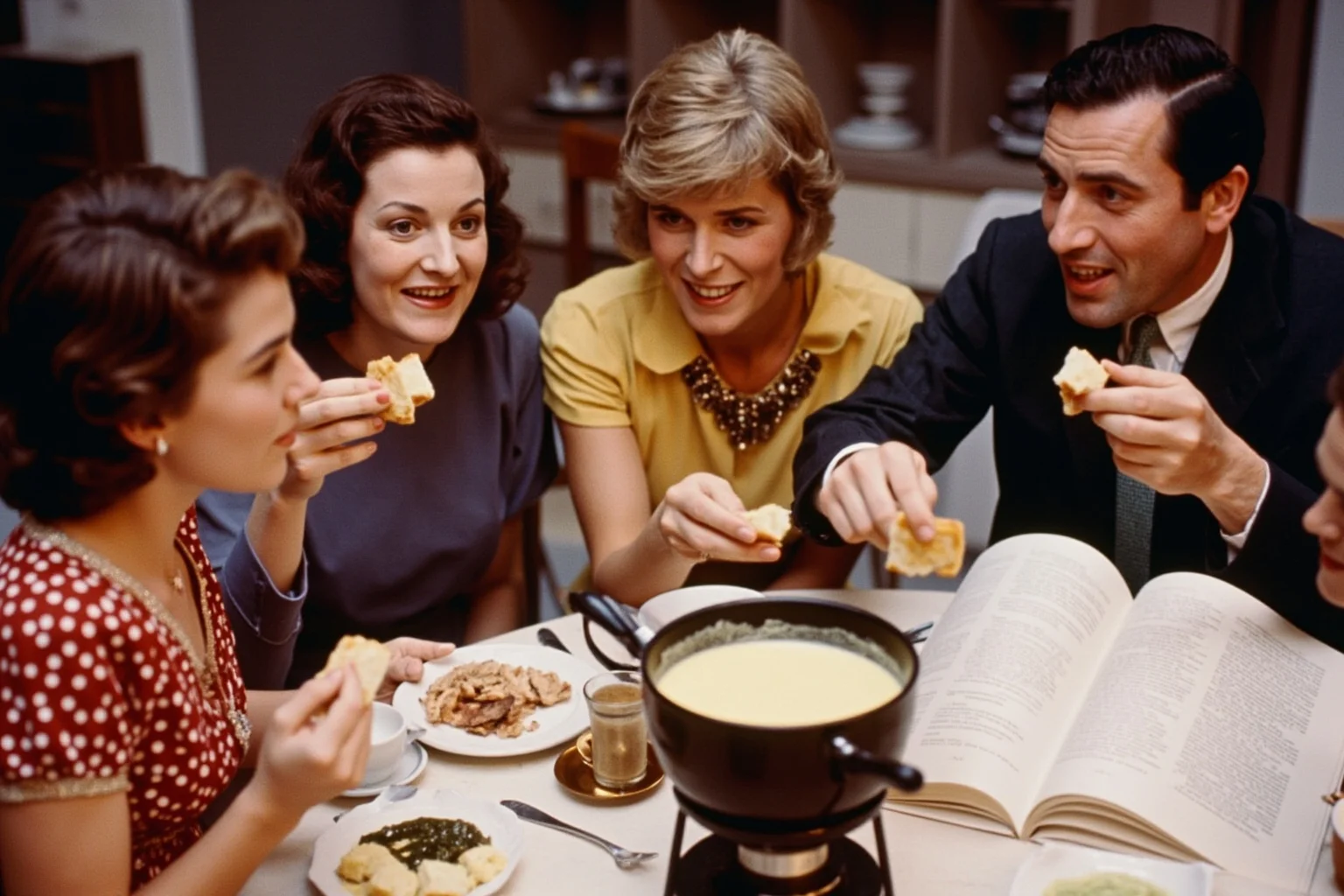
Fondue became a party sensation. Swiss cheese fondue, beef fondue cooked in hot oil, and chocolate fondue for dessert all swept through dinner parties. The communal pot was social, theatrical, and very much of the moment. Fondue sets became a standard wedding gift by the late 1960s.
At the same time, processed and convenience foods kept growing. Instant mashed potatoes, powdered orange drink, and canned spaghetti all competed for the weeknight table. The decade's food story is really two stories: a new gourmet enthusiasm on one side, and ever-more-processed convenience on the other.
6. 1970s: The Quiche, the Crockpot, and the Salad Bar
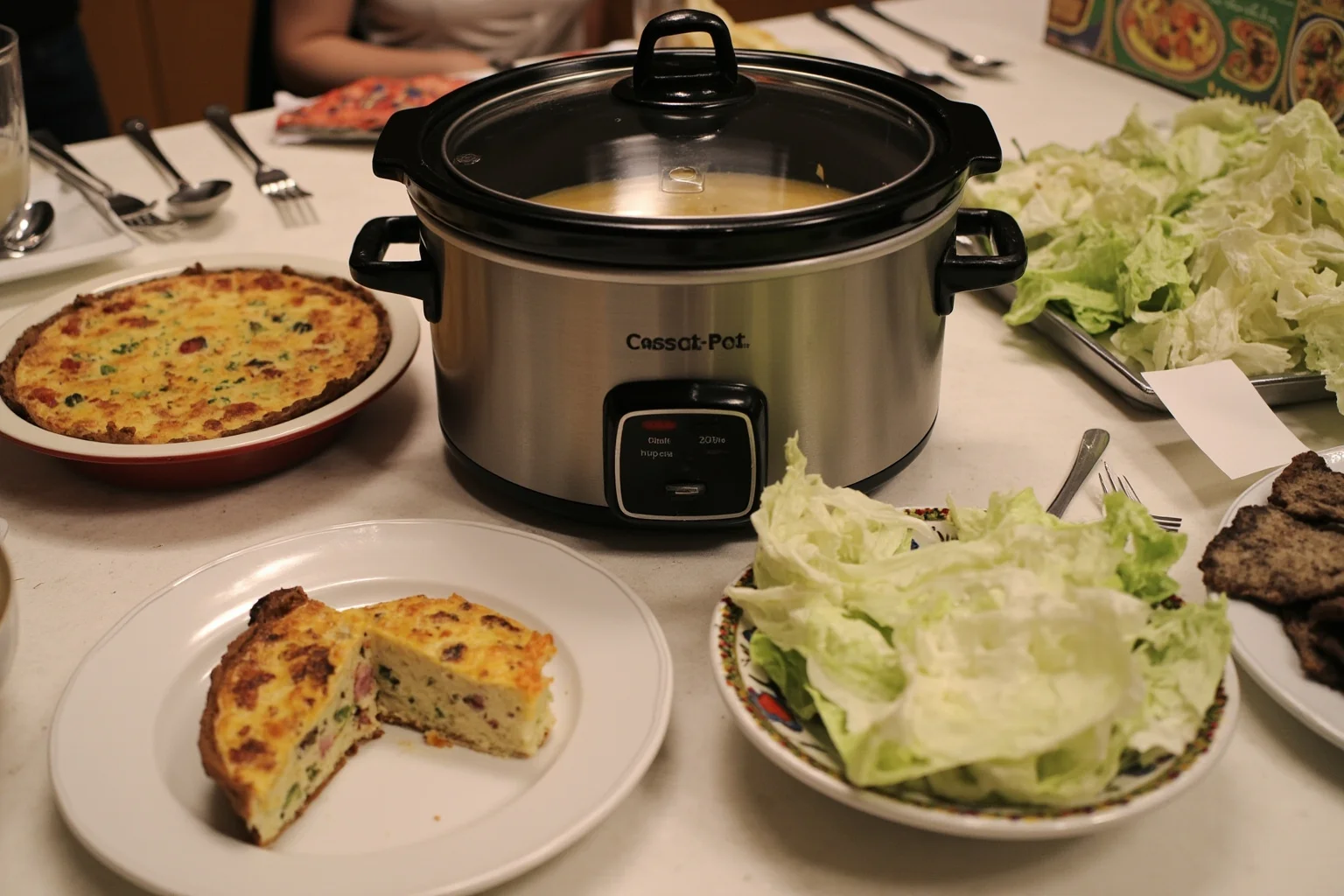
The 1970s gave America quiche. The egg-and-cream tart became the era's signature brunch dish, popularized by cookbooks like "Real Men Don't Eat Quiche" — which, despite its title, helped cement quiche as a cultural touchstone. Quiche Lorraine appeared on restaurant menus and at dinner parties from coast to coast.
The slow cooker, introduced as the Crock-Pot in 1971, changed weeknight cooking. Women entering the workforce in larger numbers could assemble ingredients in the morning and return to a hot meal at night. Stews, pot roasts, and bean dishes all found new life in the countertop appliance.
Salad bars exploded in popularity during the 1970s, especially at chain restaurants. Iceberg lettuce, canned chickpeas, shredded cheese, and ranch dressing — invented in the early 1950s but booming by the 1970s — became staples. The decade also saw the rise of health food stores, granola, and carob as counterculture alternatives, part of a broader shift in the pop culture and history of the 1970s.
7. 1980s: Pasta Salad, Sun-Dried Tomatoes, and the Microwave
The 1980s were loud, bright, and a little excessive, and the food matched. Pasta salad — cold rotini tossed with Italian dressing, black olives, and cubed cheese — appeared at every potluck and picnic. It was cheap, colorful, and easy to make in huge batches.
Sun-dried tomatoes became the decade's most fashionable ingredient, showing up in pasta, sandwiches, and even bagels. The "California cuisine" movement, led by chefs like Alice Waters and Wolfgang Puck, celebrated fresh, local ingredients and wood-fired pizzas topped with goat cheese and smoked salmon.
The microwave oven went mainstream in the 1980s, transforming how Americans cooked — or didn't. Microwave popcorn, frozen burritos, and "lean cuisine" meals all became pantry staples. The decade also saw the rise of the power lunch, where ambitious professionals dined on grilled chicken salads and mineral water.
8. 1990s: The Bagel Boom, the Wrap, and Low-Fat Everything
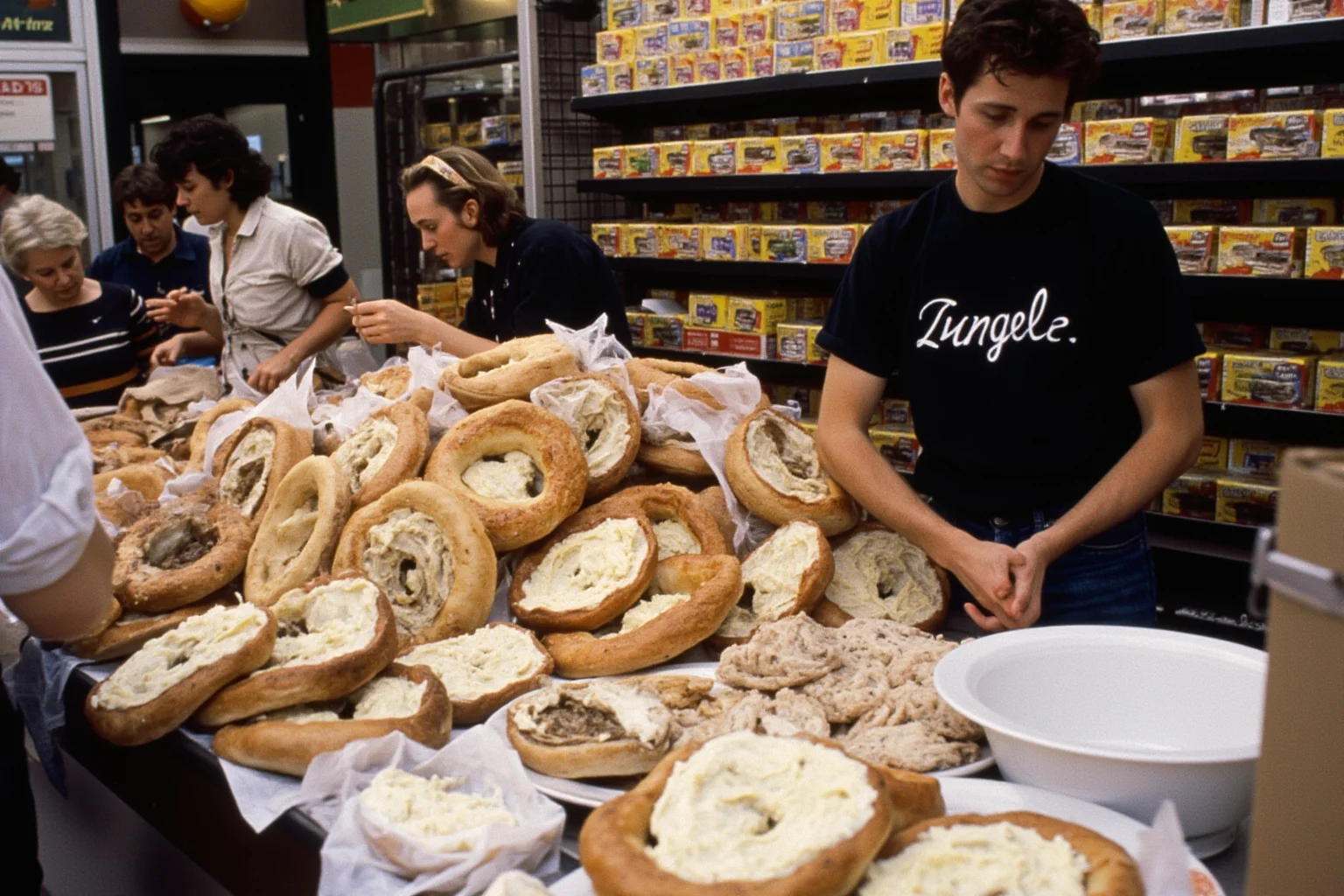
The 1990s were defined by two competing impulses: indulgence and dieting. Bagels became a national obsession, with bagel shops spreading far beyond their Jewish-deli roots. Oversized bagels with cream cheese became a standard breakfast and lunch, and chains like Einstein Bros. and Bruegger's expanded rapidly.
The wrap arrived mid-decade as the "healthier" alternative to the sandwich. Flour tortillas rolled around grilled chicken, lettuce, and ranch dressing appeared on menus everywhere. The wrap felt lighter than bread, even when it wasn't, and it fit the decade's grab-and-go lifestyle.
Low-fat and fat-free products dominated grocery shelves. SnackWell's cookies, baked potato chips, and fat-free salad dressings sold in enormous quantities. The low-fat craze was driven by official dietary guidance that emphasized cutting fat, and food companies responded with thousands of reformulated products.
9. 2000s: The Cupcake, the Bacon Craze, and the Food Network Era
The 2000s saw food become entertainment on an unprecedented scale. The Food Network's rise turned chefs into celebrities, and cooking competitions drew millions of viewers. Home cooks started talking about plating, knife skills, and "elevating" comfort food.
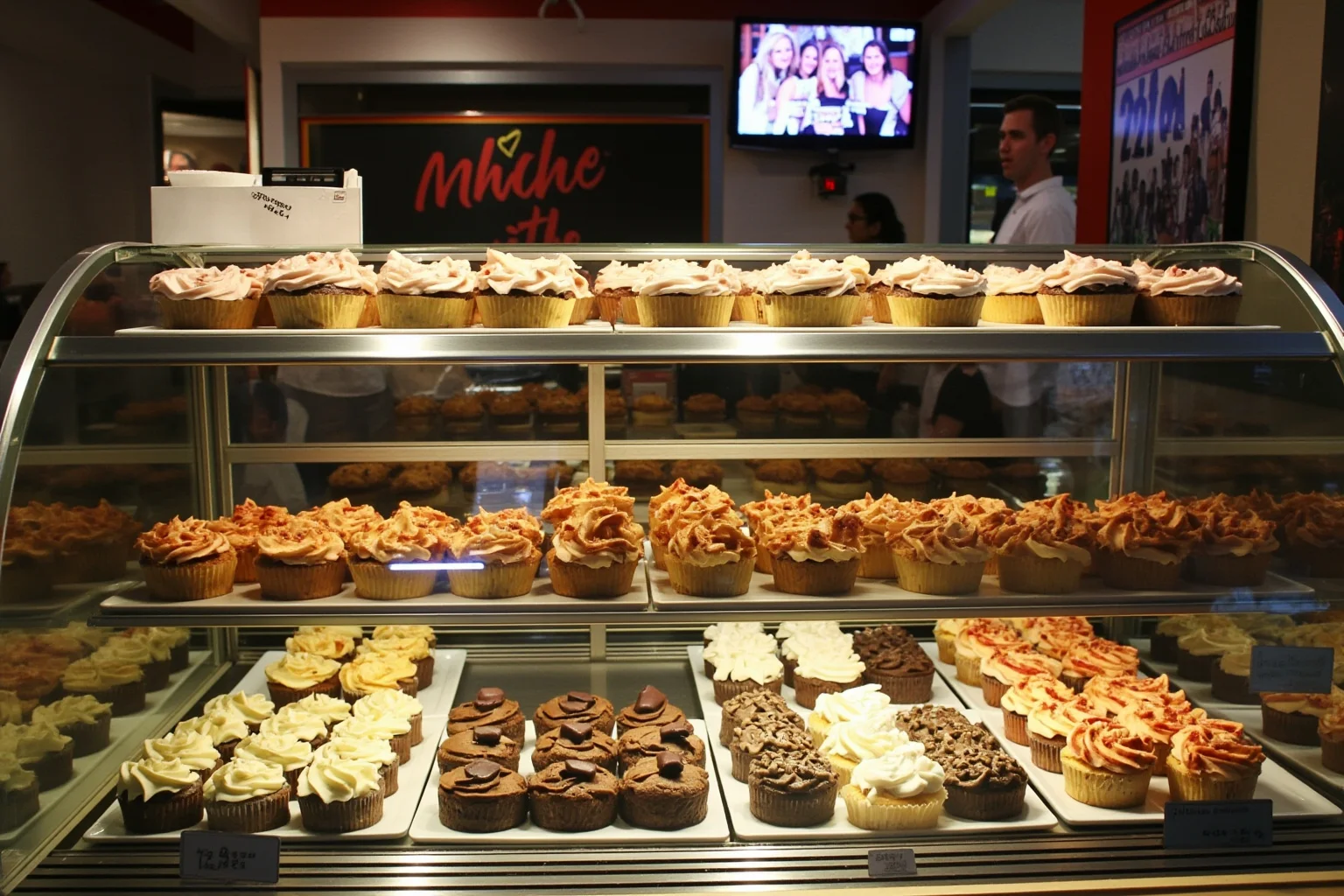
The cupcake led the decade's dessert trend. Boutique cupcake shops like Sprinkles and Magnolia Bakery drew long lines, and the humble cupcake became a luxury item with gourmet flavors and elaborate frosting. Cupcakes appeared at weddings, corporate events, and birthday parties alike.
Bacon became an obsession, moving beyond breakfast to appear in chocolate, ice cream, cocktails, and even soap. The "bacon everything" trend reflected the decade's love of irony and indulgence. At the same time, farmers' markets and organic food went mainstream, and terms like "locavore" entered the vocabulary.
10. 2010s: Avocado Toast, Kale, and the Instagram Plate
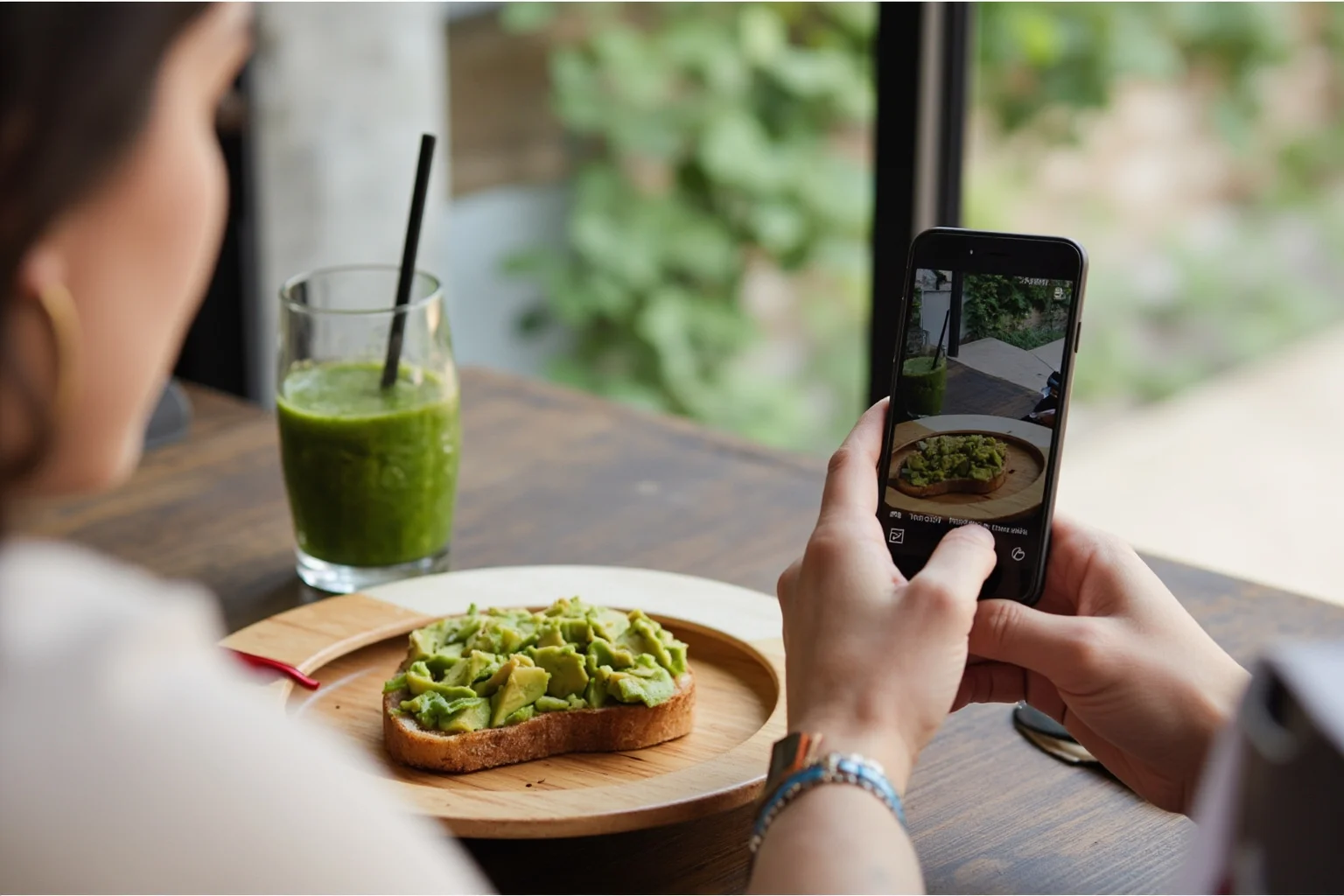
The 2010s were the decade of the camera-ready meal. Avocado toast became the era's defining dish — simple, photogenic, and endlessly customizable. It symbolized millennial food culture so completely that it sparked debates about spending habits and generational economics.
Kale went from garnish to superfood, appearing in smoothies, salads, chips, and even fast-food menus. Quinoa, chia seeds, and acai bowls followed the same path, fueled by wellness influencers and social media. The phrase "eating clean" became a lifestyle brand as much as a dietary choice.
Plant-based eating went mainstream during the 2010s. The Impossible Burger and Beyond Meat arrived in grocery stores and fast-food chains, and oat milk replaced almond milk as the trendiest coffee add-in. Food delivery apps also transformed eating habits, making restaurant meals available without leaving the couch.
11. 2020s So Far: Comfort, Cost, and the Air Fryer
The 2020s are still being written, but a few patterns are clear. The pandemic pushed Americans back into home kitchens, and sourdough bread became the decade's first viral food. Banana bread, dalgona coffee, and homemade pasta all had their moments during lockdown.
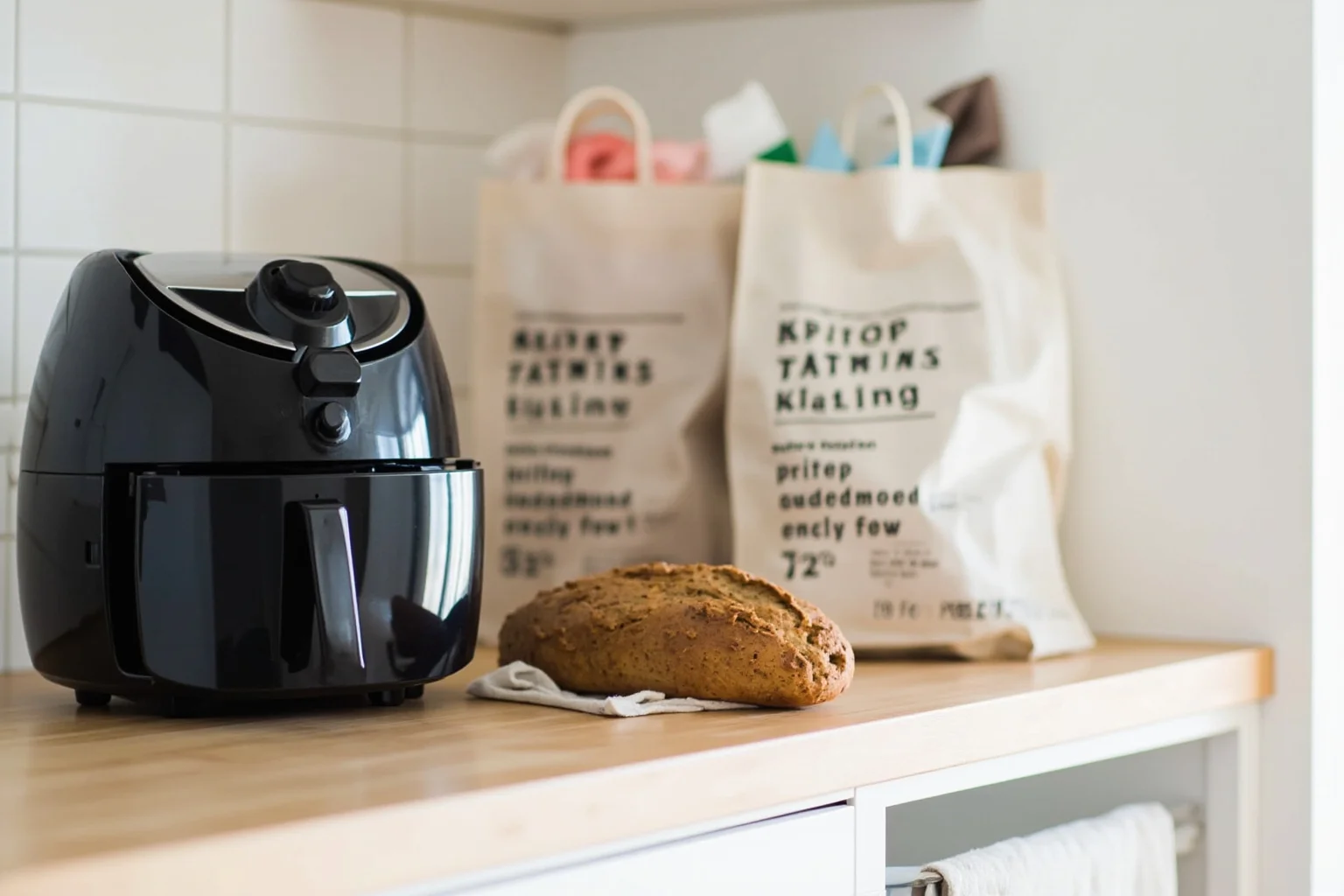
The air fryer became the decade's defining appliance, promising crispy food with less oil. Social media recipes for air-fried everything — from salmon to cookies — spread rapidly. The appliance also fit the decade's focus on faster, cheaper home cooking.
Inflation and supply chain disruptions made budget cooking newly relevant. Grocery prices rose sharply, and shoppers traded down to store brands and cheaper proteins. At the same time, nostalgic comfort foods like butter boards and "girl dinner" went viral, suggesting a cultural turn toward simple, low-effort eating.
What Actually Qualifies as the Most Food Eaten in the USA
When people search for the most food eaten in the USA, they are usually asking about volume — what Americans consume the most of by weight or calories. The honest answer is less glamorous than the decade-by-decade list above. By most measures, the most-consumed foods in the United States are staples like wheat flour, potatoes, chicken, and dairy products.
Chicken has been the most popular meat in the United States since the 1990s, overtaking beef in per-person consumption. Americans eat roughly 100 pounds of chicken per person per year, more than double the amount consumed in 1970. Potatoes, mostly as frozen french fries, account for a huge share of vegetable consumption.
Soft drinks and bread also rank near the top of consumption lists. None of these staples is glamorous, but they reveal the backbone of the American diet. The decade-defining foods above are the cultural stars; the everyday staples are the workhorses.
27 Foods That Last for Decades: The Pantry Long-Haulers
Some foods are popular precisely because they last. The search phrase "27 foods that last for decades" reflects real curiosity about shelf-stable foods, and a surprising number of American pantry staples can indeed last for years. These long-lived foods became especially relevant during the pandemic and in periods of economic uncertainty.
White rice, dried beans, and dried pasta can last for decades when stored in airtight containers in cool, dry conditions. Honey famously never spoils, and archaeologists have found edible honey in ancient Egyptian tombs. Salt and pure sugar are similarly stable, provided they stay dry.
Canned goods generally remain safe for years past their printed dates, though quality declines. Canned tuna, canned corn, and canned tomatoes are common long-haulers. Dehydrated foods like powdered milk, dried potatoes, and jerky also last far longer than their fresh counterparts.
It is important to note that "last for decades" depends heavily on storage conditions. Heat, moisture, and pests can ruin even the most shelf-stable food. Still, a well-stocked pantry of rice, beans, honey, salt, sugar, and canned goods is a modern echo of the Depression-era and wartime pantries described earlier.
Why Advertising Defines Decades More Than Taste
One recurring theme across every decade is the power of advertising and media. Jell-O became a national icon partly because the brand spent heavily on recipe booklets and magazine ads. The TV dinner succeeded because Swanson tied it directly to television, the era's defining technology.
Food companies have consistently shaped what Americans think of as popular. The low-fat craze of the 1990s was driven as much by marketing as by science, and many of those fat-free products later proved to be high in sugar. The avocado toast trend of the 2010s was amplified by Instagram's visual culture.
This does not mean the foods were not genuinely enjoyed. But it does mean that popularity is never purely organic. War rationing, food industry lobbying, celebrity chefs, and social media algorithms all play a role in what ends up on the American plate.
How Historians Know What Americans Actually Ate
Reconstructing historical diets requires patience and multiple sources. Cookbooks tell historians what recipe developers and publishers thought people wanted to cook, but they do not prove what people actually cooked. Sales records from grocery chains and food companies offer harder evidence, though they are often incomplete for earlier decades.
Government records are valuable, especially wartime rationing documents and agricultural statistics. The USDA has tracked food availability since the early 20th century, showing per-capita consumption of major commodities. Restaurant menus, diaries, and oral histories add texture and regional nuance.
No single source is definitive, which is why this post avoids claiming exact rankings. When a food is called "the most popular food in the United States" for a given decade, that claim is always an interpretation based on the best available evidence, not a precise measurement.
The Most Popular Food United States: A Question Without One Answer
Searchers often ask for the single most popular food in the United States, expecting one clear winner. The honest answer is that it depends on the measure. By volume, staples like wheat and potatoes dominate. By cultural impact, pizza and hamburgers are strong contenders. By restaurant orders, french fries and burgers lead most surveys.
Pizza has a strong claim as the most popular food in the United States by cultural consensus. Americans eat an estimated 3 billion pizzas per year, and pizza appears on more restaurant menus than almost any other item. Hamburgers rival pizza in both sales and symbolic status as an American icon.
Rather than crown a single winner, it is more accurate to say that the American diet is a layered thing. Each decade adds new favorites while older ones persist. The foods that defined the 1920s did not disappear; they evolved, merged, and made room for the next wave.
Conclusion
American food history is not a straight line from bland to adventurous. It zigzags between scarcity and abundance, homemade and processed, regional and national. The popular food in the United States in any given decade tells you something about the economy, the technology, and the anxieties of that moment.
The next time you eat avocado toast, a Jell-O salad, or a TV dinner, you are tasting a specific historical moment. These foods carried meaning for the people who ate them, and they still carry that meaning today. Understanding what Americans ate decade by decade is one of the most direct ways to understand American life itself.
Food trends will keep changing, and future historians will study our air fryers and sourdough starters with the same curiosity we bring to fondue pots and victory gardens. The plate, it turns out, is a mirror.
Frequently Asked Questions
What is the most popular food in the United States?
There is no single definitive answer because it depends on the measure. By volume, staples like wheat, potatoes, chicken, and dairy products are consumed most. By cultural impact and restaurant sales, pizza and hamburgers are strong contenders. Pizza alone accounts for roughly 3 billion pies eaten by Americans each year, while hamburgers remain the most ordered sandwich in the country.
What was the most food eaten in the USA during the 20th century?
Across the 20th century, the most-consumed foods by volume were staples like wheat flour, potatoes, and dairy products. Among meats, beef led for most of the century until chicken overtook it in the 1990s. These everyday staples were far more significant in total consumption than any single trendy dish.
What was popular food in the 1920s?
Popular food in the 1920s included the club sandwich, which gained ground after sliced bread arrived in 1928, along with speakeasy snacks like deviled eggs and canapés. Jell-O molds and salads were also hugely popular, driven by aggressive brand marketing and colorful recipe booklets aimed at home cooks.
What was popular food in the 1940s?
Popular food in the 1940s was shaped by World War II rationing. Spam became an icon because it was cheap, shelf-stable, and widely used in military rations. Victory garden vegetables, mock dishes like mock apple pie, and stretch-and-extend casseroles also defined home cooking during the decade.
Are there really 27 foods that last for decades?
Yes, many pantry staples can last for decades when stored properly. White rice, dried beans, dried pasta, honey, salt, and sugar are among the most durable. Canned goods like tuna and tomatoes remain safe for years past their printed dates, though quality may decline. The key is cool, dry, pest-free storage conditions.

Alex Warren
Related Articles