

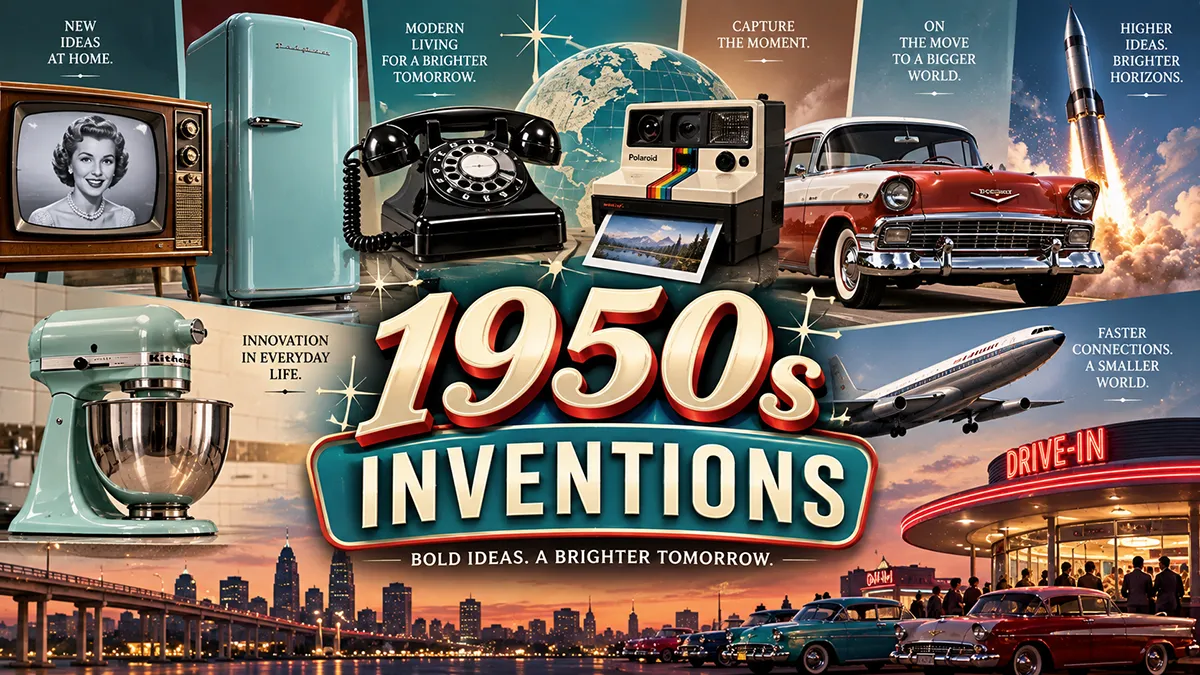
The 1950s get a reputation as a decade of poodle skirts, diners, and rock and roll, but underneath the nostalgia was one of the most inventive stretches in modern history.
Coming out of World War II, engineers, chemists, and physicists had a backlog of wartime research to repurpose for everyday life, and the results transformed how people cooked, healed, communicated, and played.
From the transistor radio in your pocket to the vaccine that finally beat polio, 1950s technology quietly built the foundation for the digital, connected world we live in today. This guide walks through the most significant inventions of the 1950s, the inventors behind them, and the world events that pushed innovation forward.
TL;DR: The 1950s produced a remarkable run of inventions — from transistor radios and color TV to the polio vaccine and integrated circuits — that quietly laid the groundwork for modern life.
What Made 1950s Technology So Revolutionary?
The 1950s sat at a unique crossroads. Wartime research into radar, electronics, and materials science was suddenly available for civilian use, and a booming postwar economy gave companies the money to commercialize it. At the same time, Cold War competition with the Soviet Union poured government funding into science, space, and computing.
That combination of consumer demand and geopolitical pressure is why technology in the 1950s advanced so quickly on so many fronts at once. Household appliances, medicine, entertainment, and computing all leapt forward within the same ten-year span. It’s genuinely hard to find another decade where so many unrelated fields matured simultaneously.
1. The Transistor Radio
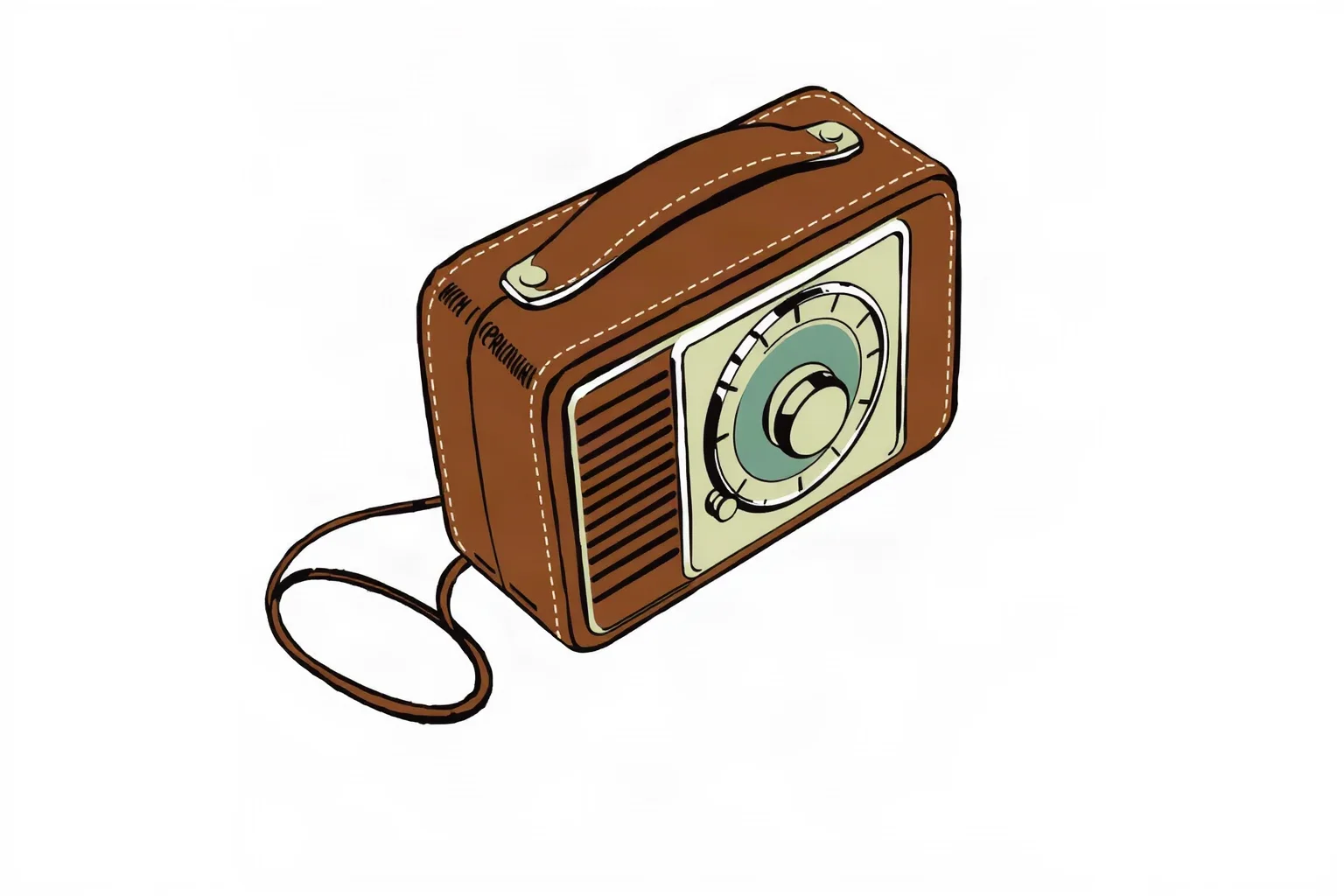
The transistor itself was invented at Bell Labs in 1947, but it took until 1954 for that invention to become a must-have gadget. Texas Instruments and a small company called Regency released the Regency TR-1, the first commercially available transistor radio.
It was small enough to fit in a coat pocket, ran on a battery, and didn’t need the bulky vacuum tubes older radios relied on. This single product basically invented the idea of portable personal electronics, a concept that eventually led to the Walkman, the boombox, and every device we now carry in our pockets.
2. Color Television
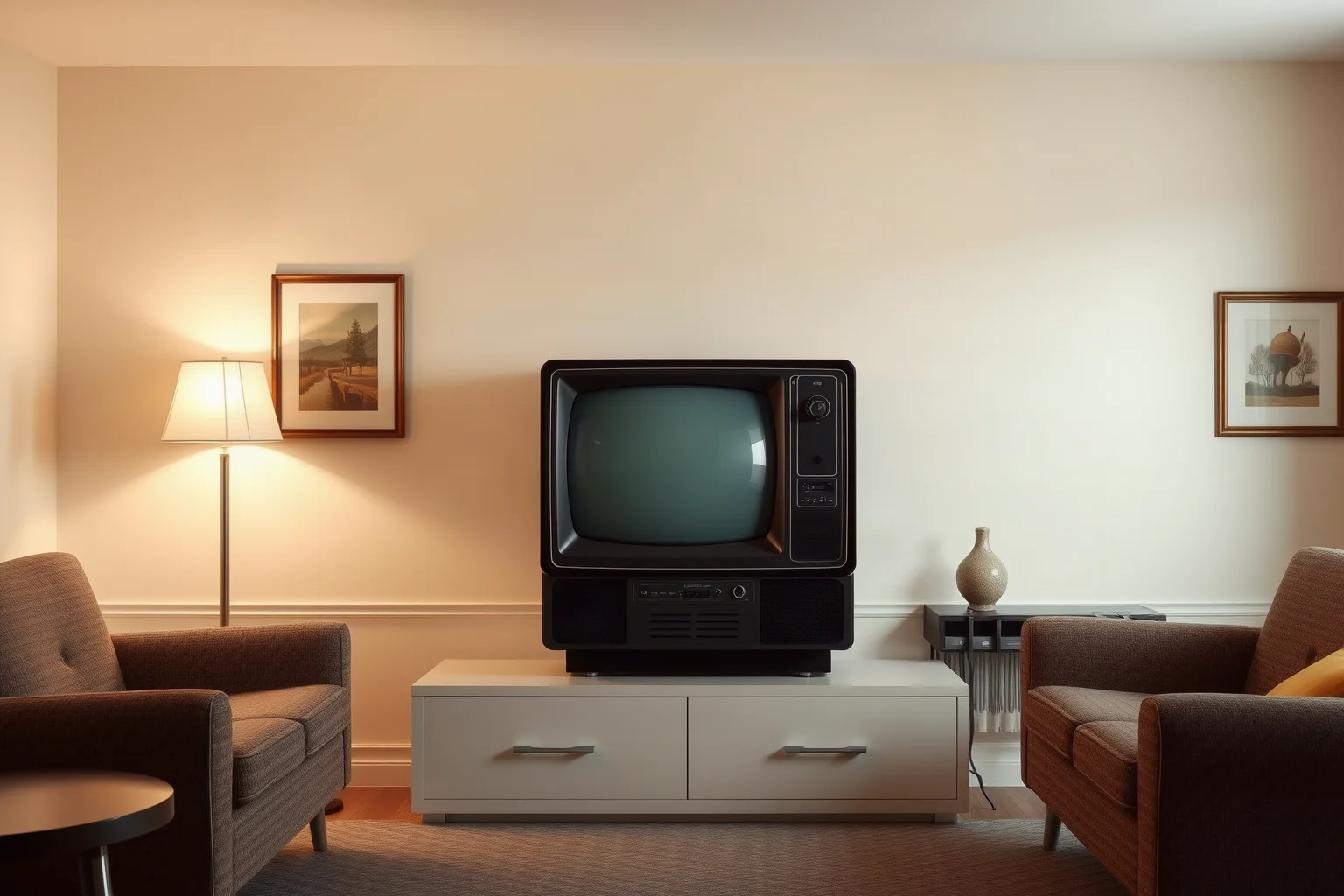
Black-and-white TV was already common by 1950, but color television arrived as one of the decade’s flashiest upgrades. RCA released the CT-100 in 1954, shortly after the NTSC color broadcasting standard was approved in the United States.
Early color sets were expensive and color programming was scarce, so adoption crept along slowly through the decade. Still, the technology behind 1950s color TV set the stage for television’s dominance as America’s central entertainment medium for the next fifty years.
3. The Polio Vaccine

Few inventions from the 1950s changed as many lives as Jonas Salk’s polio vaccine. Polio outbreaks had terrified American families for decades, paralyzing and killing thousands of children every year, and a field trial of Salk’s vaccine in 1954 involved close to two million children.
When results were announced in April 1955, they confirmed the vaccine was safe and effective, and mass vaccination campaigns began almost immediately. It remains one of the clearest examples of 1950s science directly saving lives on a massive scale.
4. The Credit Card
Modern cashless spending traces back to a 1950 dinner in New York City. Businessman Frank McNamara reportedly forgot his wallet at a restaurant, and the embarrassment inspired him to co-found Diners Club, which issued the first general-purpose charge card later that year.
Diners Club cards were initially accepted at a small circle of restaurants and hotels in New York, but the concept spread quickly. Within a few years, American Express and Bank of America launched competing cards, kicking off the credit card industry as we know it.
5. The Videotape Recorder
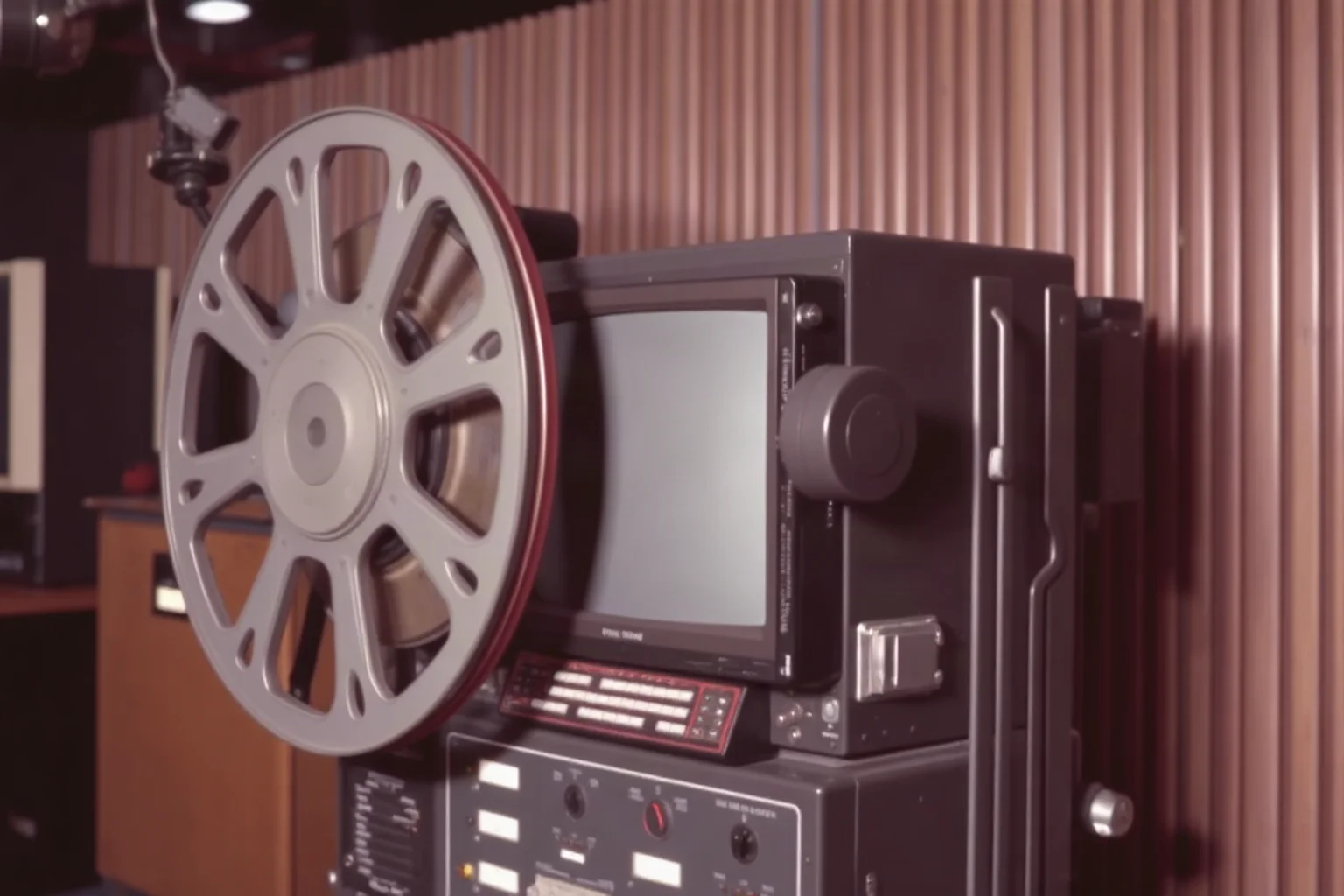
Before 1956, television was almost entirely live, because there was no practical way to record video for broadcast. Ampex Corporation, led by engineer Charles Ginsburg, solved that problem with the VRX-1000, the first commercially successful videotape recorder.
CBS used it to broadcast a taped news segment that same year, and the technology quickly became standard in TV studios worldwide. It’s a direct ancestor of the home VCRs that would define family movie nights decades later.
6. The Solar Cell
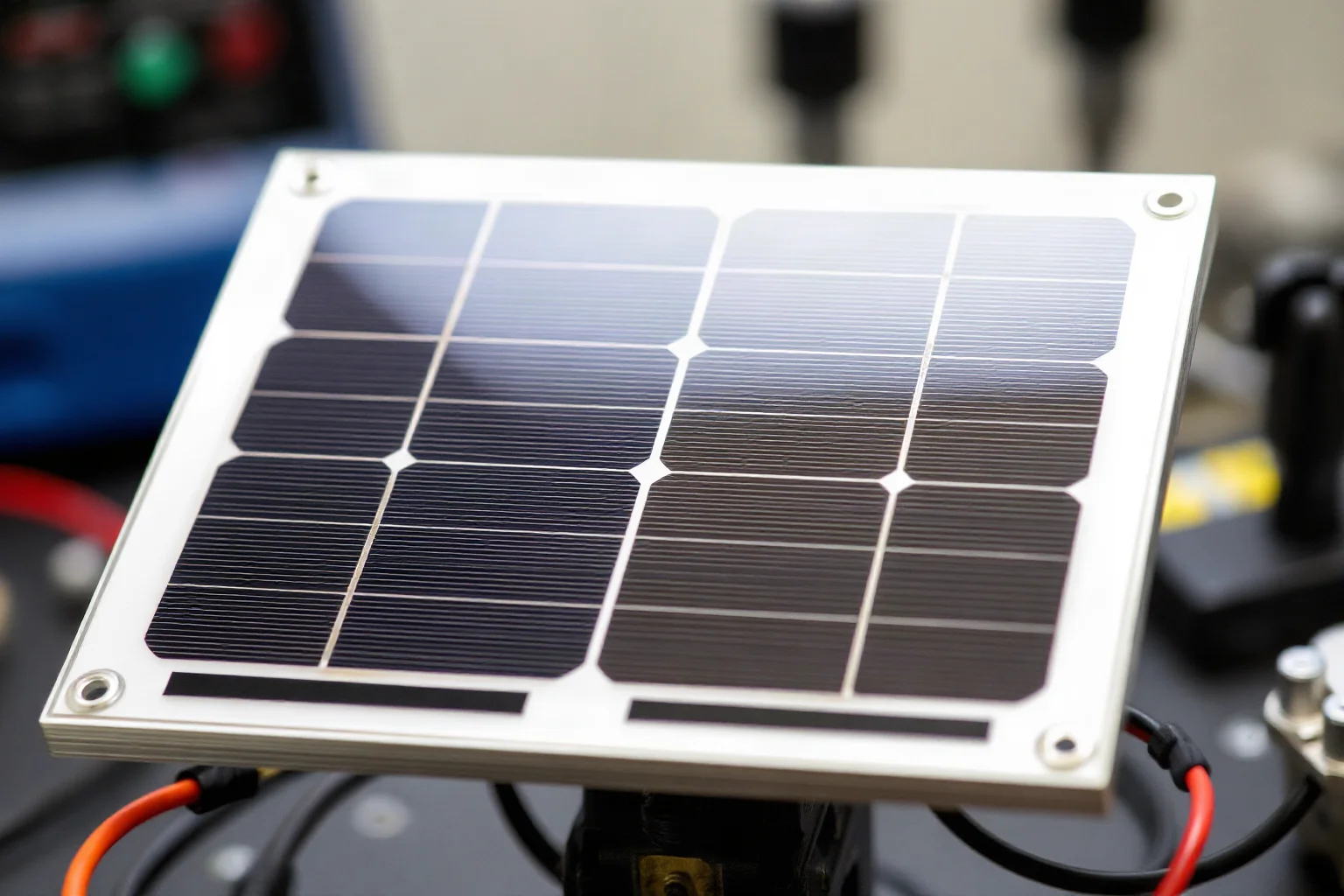
Bell Labs researchers Daryl Chapin, Calvin Fuller, and Gerald Pearson unveiled the first practical silicon solar cell in 1954. It converted sunlight into electricity efficiently enough to be genuinely useful, a major leap beyond earlier experimental versions.
The technology was too expensive for everyday consumer use at the time, so its first major applications were in satellites and remote power systems. It laid essential groundwork for the solar panels now common on rooftops around the world.
7. The Hard Disk Drive
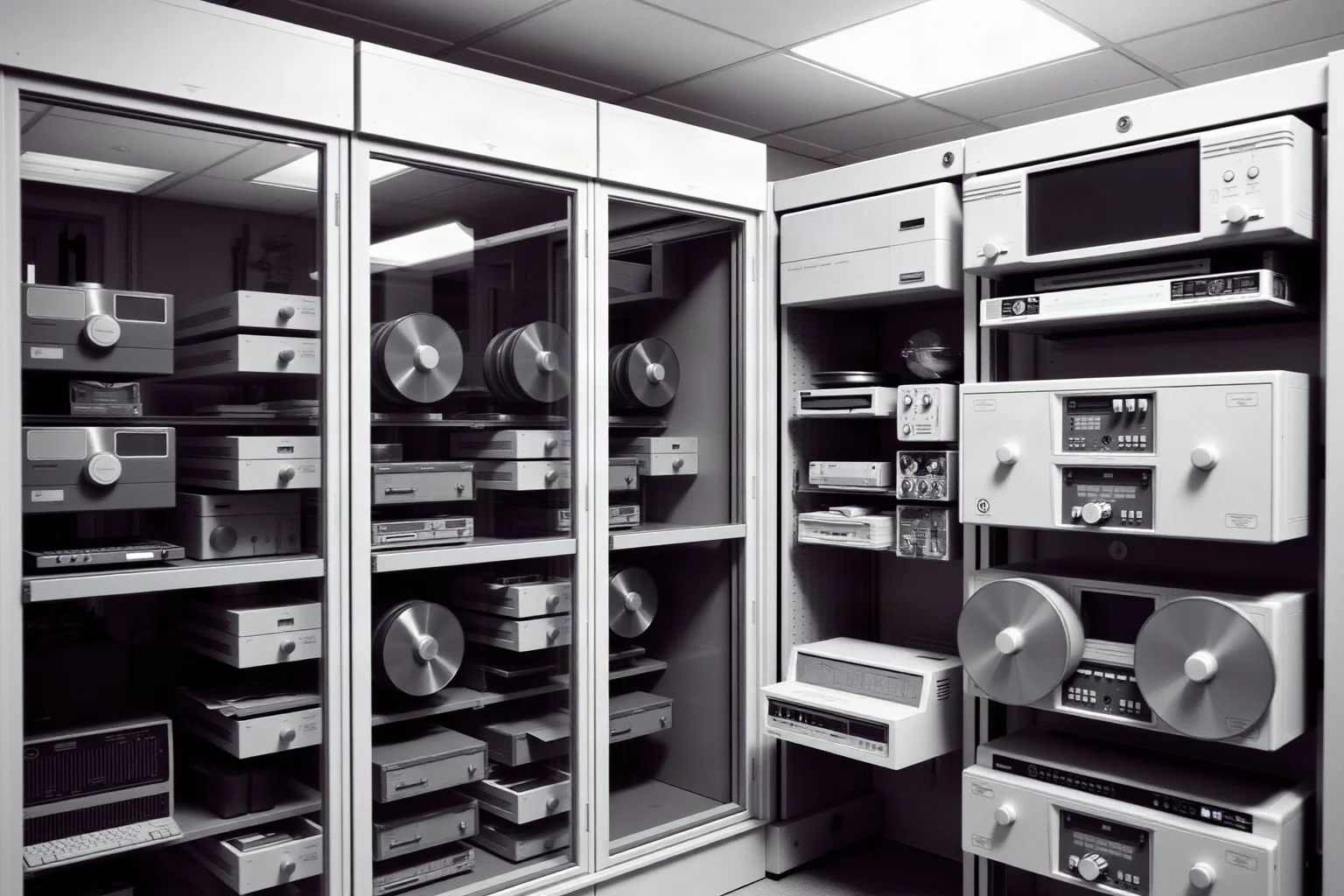
IBM introduced the 305 RAMAC computer in 1956, and tucked inside it was the first commercial hard disk drive. It stored a then-astonishing five megabytes of data across fifty spinning metal disks, in a unit roughly the size of two refrigerators.
By today’s standards it was enormous and slow, but it proved that data could be stored magnetically and accessed randomly rather than in sequence. That principle still underpins digital storage today, even though hardware has shrunk from refrigerator-sized to fingernail-sized.
8. Velcro
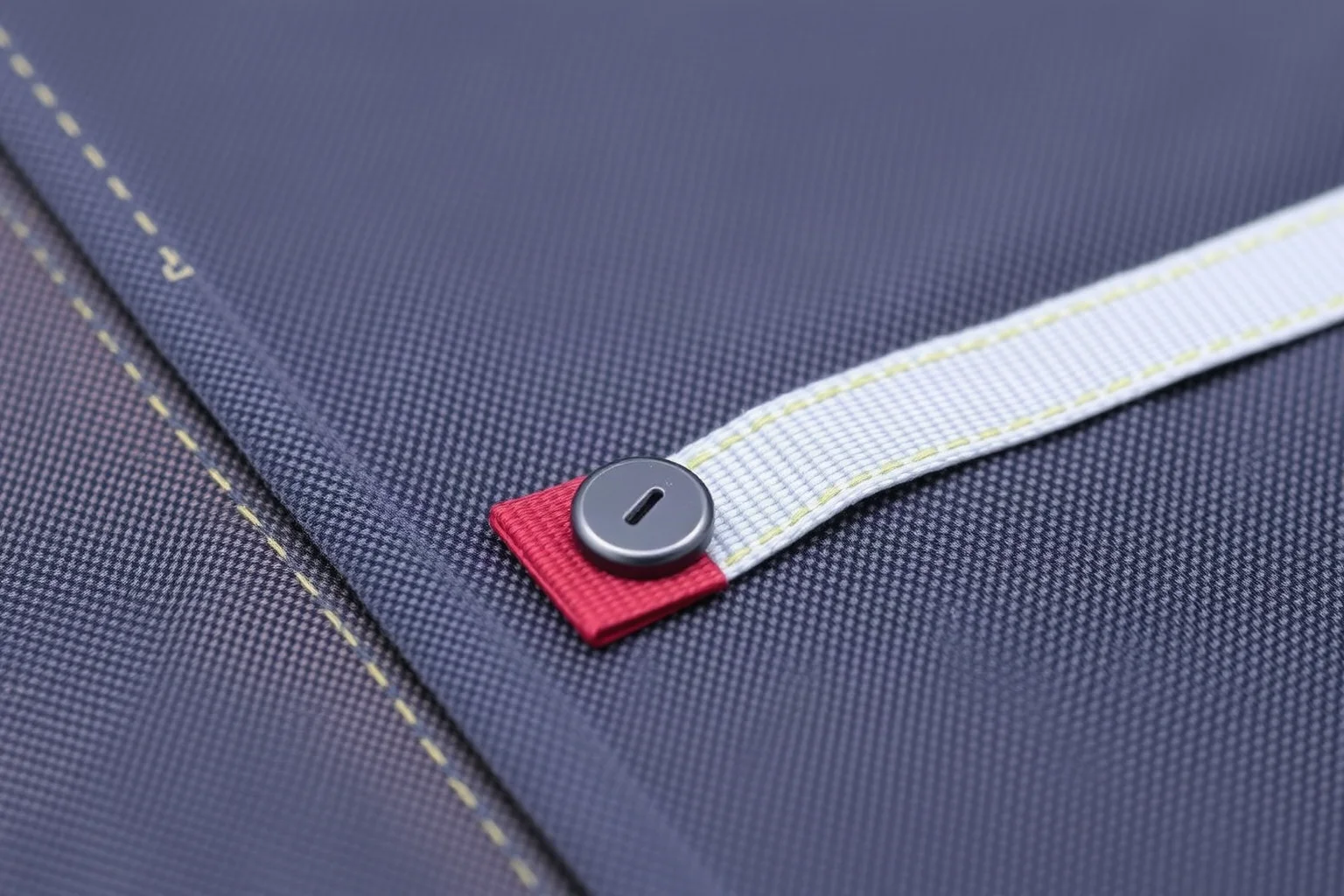
Swiss engineer Georges de Mestral got the idea for Velcro after noticing how burdock burrs clung to his dog’s fur on a hike. He spent years refining a hook-and-loop fastening system, and it was officially patented in 1955.
Velcro wasn’t an overnight consumer hit, and it took NASA’s use of the fastener in space suits during the 1960s to really boost its reputation. Today it’s hard to imagine shoes, jackets, and countless products without it.
9. The Hovercraft
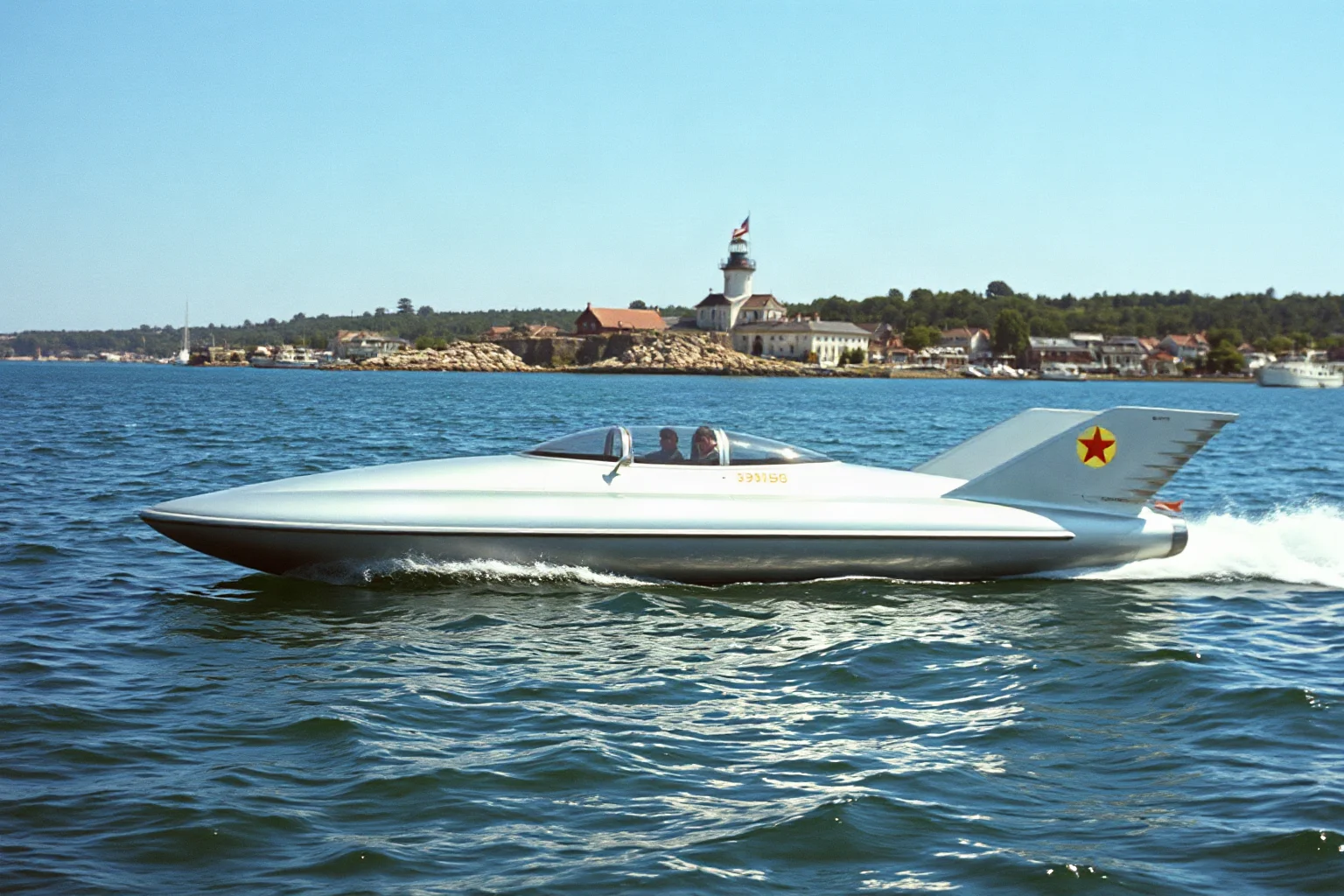
British engineer Christopher Cockerell patented the modern hovercraft design in 1959, using a cushion of air to let vehicles glide over water, land, or ice with minimal friction. It was a genuinely novel form of transportation, unlike anything that had come before.
Commercial hovercraft services eventually launched in the 1960s, most famously crossing the English Channel. The technology never fully replaced boats or planes, but it remains a striking example of the decade’s appetite for reimagining basic transportation.
10. Non-Stick Teflon Cookware

Teflon itself was discovered accidentally by chemist Roy Plunkett back in 1938, but nobody had turned it into cookware yet. French engineer Marc Grégoire figured out how to bond the slick material to aluminum pans in the mid-1950s, and he founded the Tefal company in 1956 to sell the first non-stick frying pans.
The pans were an instant hit with home cooks tired of scrubbing burnt eggs off cast iron. Non-stick cookware remains one of the most recognizable and widely used 1950s inventions still sitting in kitchens today.
11. The TV Dinner

Swanson introduced its frozen TV dinner in 1953, reportedly after overestimating how much frozen turkey it would need for Thanksgiving. The company packaged turkey, cornbread stuffing, and vegetables into a compartmentalized aluminum tray designed to be heated and eaten in front of the television.
The exact origin story is debated among historians, and Swanson employee Gerry Thomas’s claimed role in creating it has been questioned over the years. Regardless of who deserves the credit, the TV dinner reshaped how American families thought about mealtime convenience.
12. Super Glue

Chemist Harry Coover first discovered cyanoacrylate adhesives in 1942 while trying to develop clear plastic gun sights, but he dismissed the ultra-sticky substance as impractical at the time. Years later, while working at Eastman Kodak, he recognized its commercial potential, and the product launched in 1958 as Eastman 910.
It eventually became known worldwide as Super Glue. Few inventions from the 1950s have proven as enduringly useful for such a simple, everyday purpose.
13. The Frisbee

Wham-O released the Pluto Platter in 1957, a plastic flying disc based on informal pie-tin tossing games that had been popular on American college campuses for years. The company later renamed it the Frisbee, inspired by the Frisbie Pie Company whose tins had originally sparked the trend.
It became one of the defining backyard toys of the century. Simple, cheap, and endlessly reusable, it’s a great example of 1950s entertainment innovation that needed no batteries or electricity at all.
14. Lego Bricks

The Lego company had been making wooden toys since the 1930s, but the interlocking plastic brick design most people recognize today was patented in 1958. Danish founder Ole Kirk Christiansen and his team refined the stud-and-tube coupling system to make bricks that could be securely stacked and easily pulled apart.
That patent essentially created the modern building-block toy industry. Decades later, the basic design has barely changed, a rare case of a 1950s invention needing almost no updates.
15. Optical Fiber
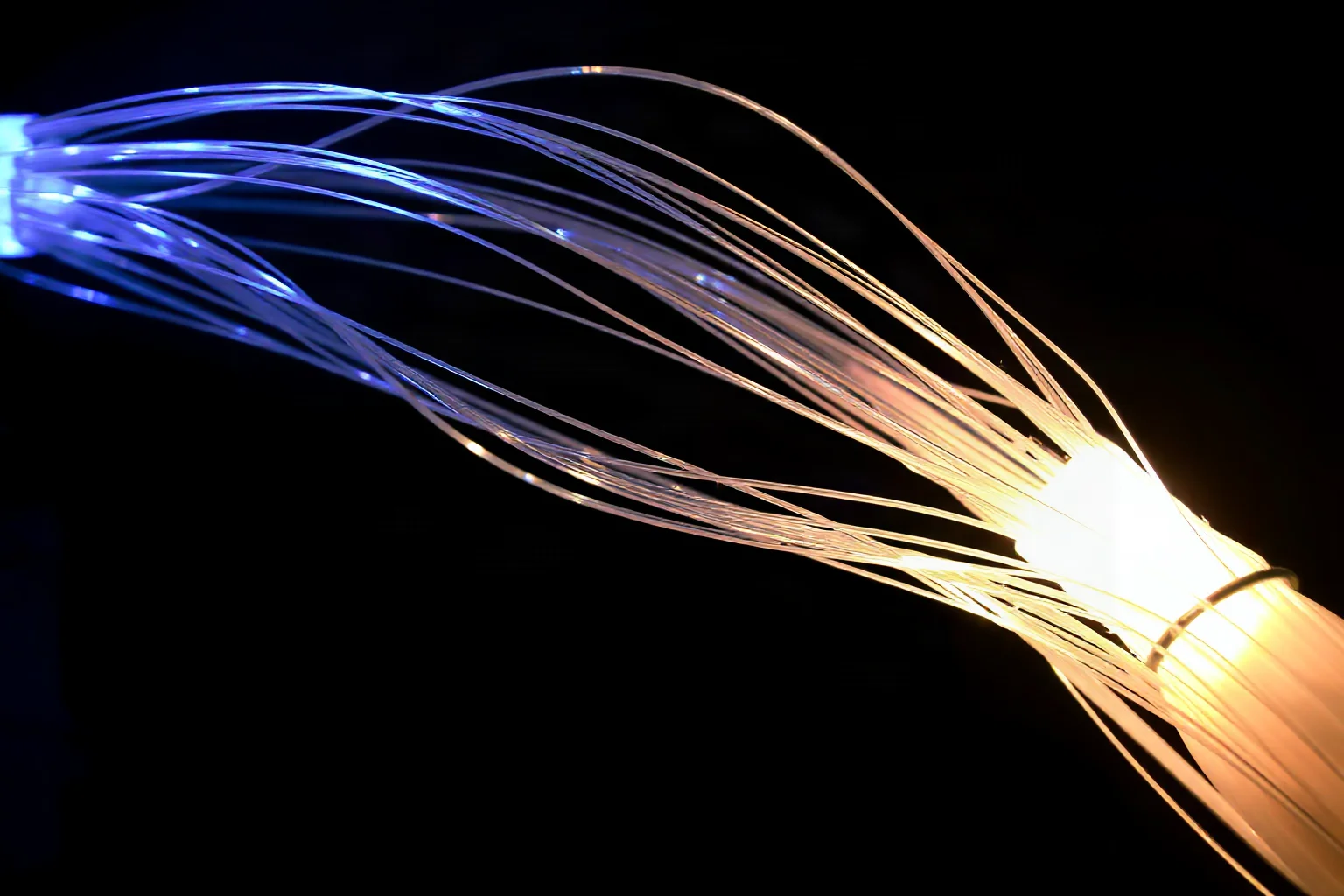
Physicist Narinder Singh Kapany is widely credited with coining the term “fiber optics” and advancing practical light-transmission research through glass fibers during the mid-1950s. His work built on earlier theoretical studies but pushed the science toward real-world applications.
Early fiber optics were mainly used for medical imaging instruments. It would take until the 1970s and beyond for the technology to become the backbone of global internet and telecommunications infrastructure.
16. The Integrated Circuit
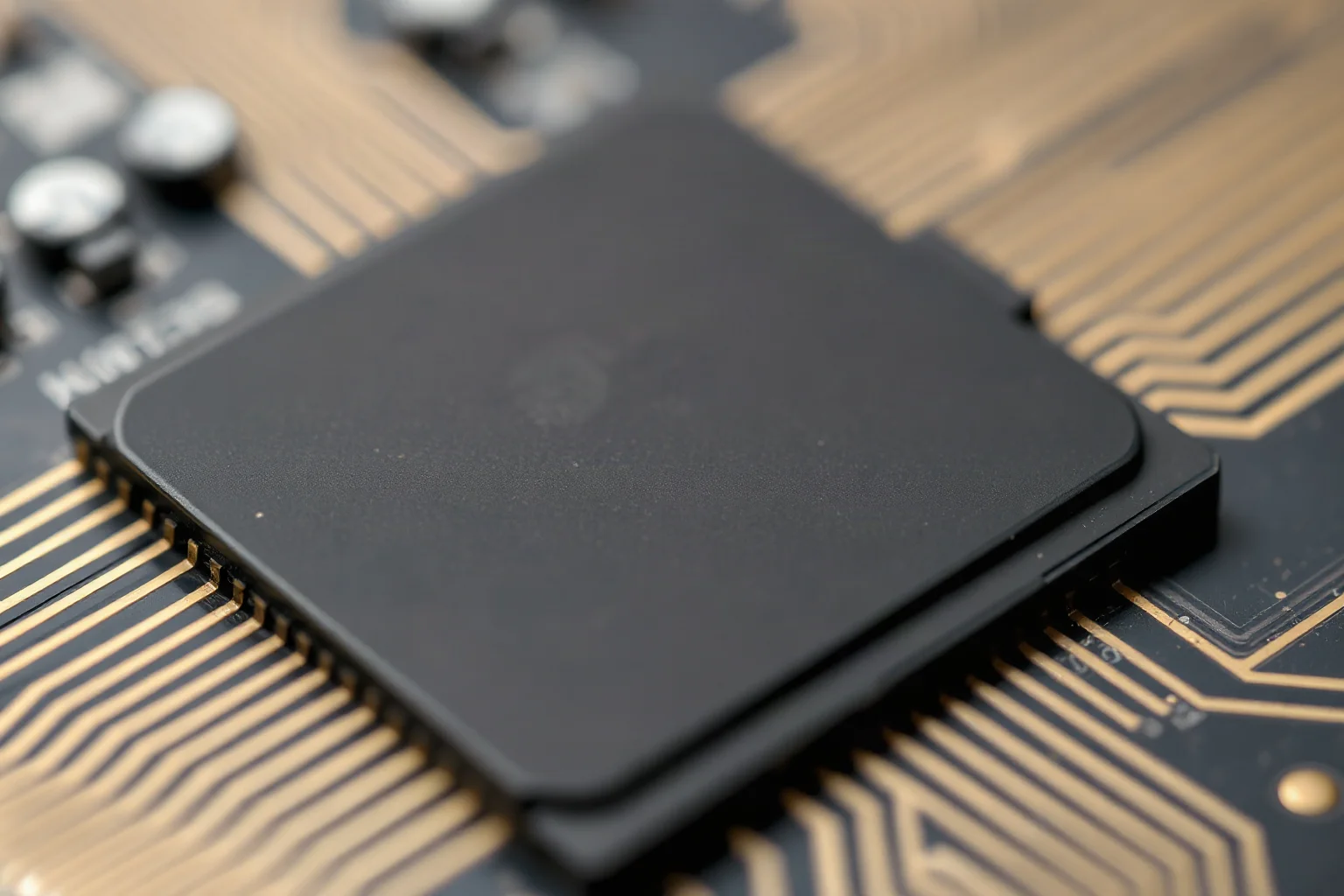
Engineer Jack Kilby at Texas Instruments built the first working integrated circuit in 1958, cramming multiple electronic components onto a single small chip instead of wiring them together separately. It solved what engineers called the “tyranny of numbers,” the growing difficulty of hand-wiring increasingly complex electronics.
Robert Noyce independently developed a related, more practical version shortly after. Together, their work is considered a foundational moment in the history of computing, directly enabling the microchips inside every modern phone and computer.
17. FORTRAN, the First Major Programming Language
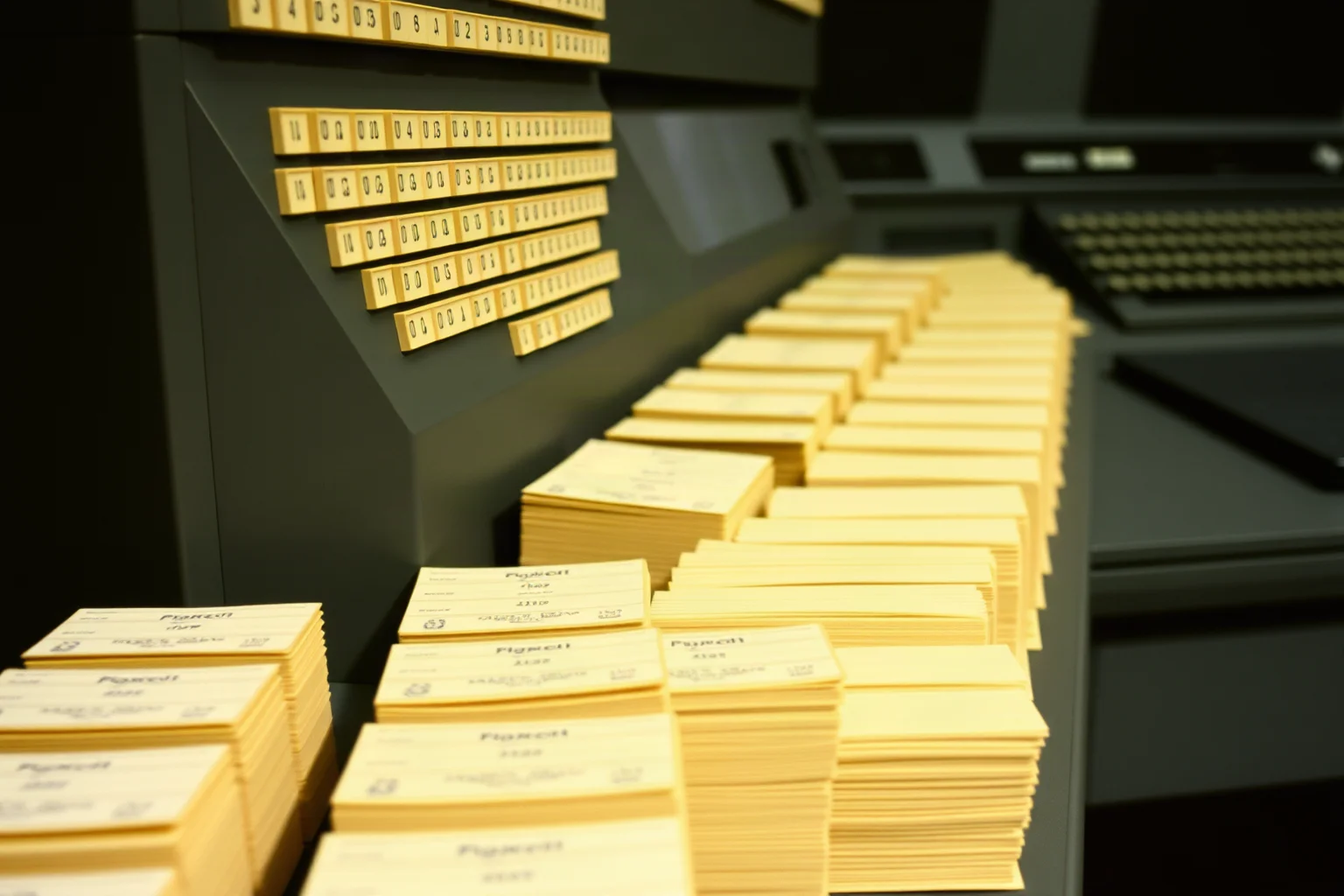
John Backus led a team at IBM that released FORTRAN in 1957, short for “Formula Translation.” It let scientists and engineers write instructions in something closer to mathematical notation instead of raw machine code, making computers dramatically more accessible.
FORTRAN is still used today in some scientific and engineering applications, which is a remarkable lifespan for a 1950s invention. It also set the template for the high-level programming languages that followed.
18. The Heart-Lung Machine
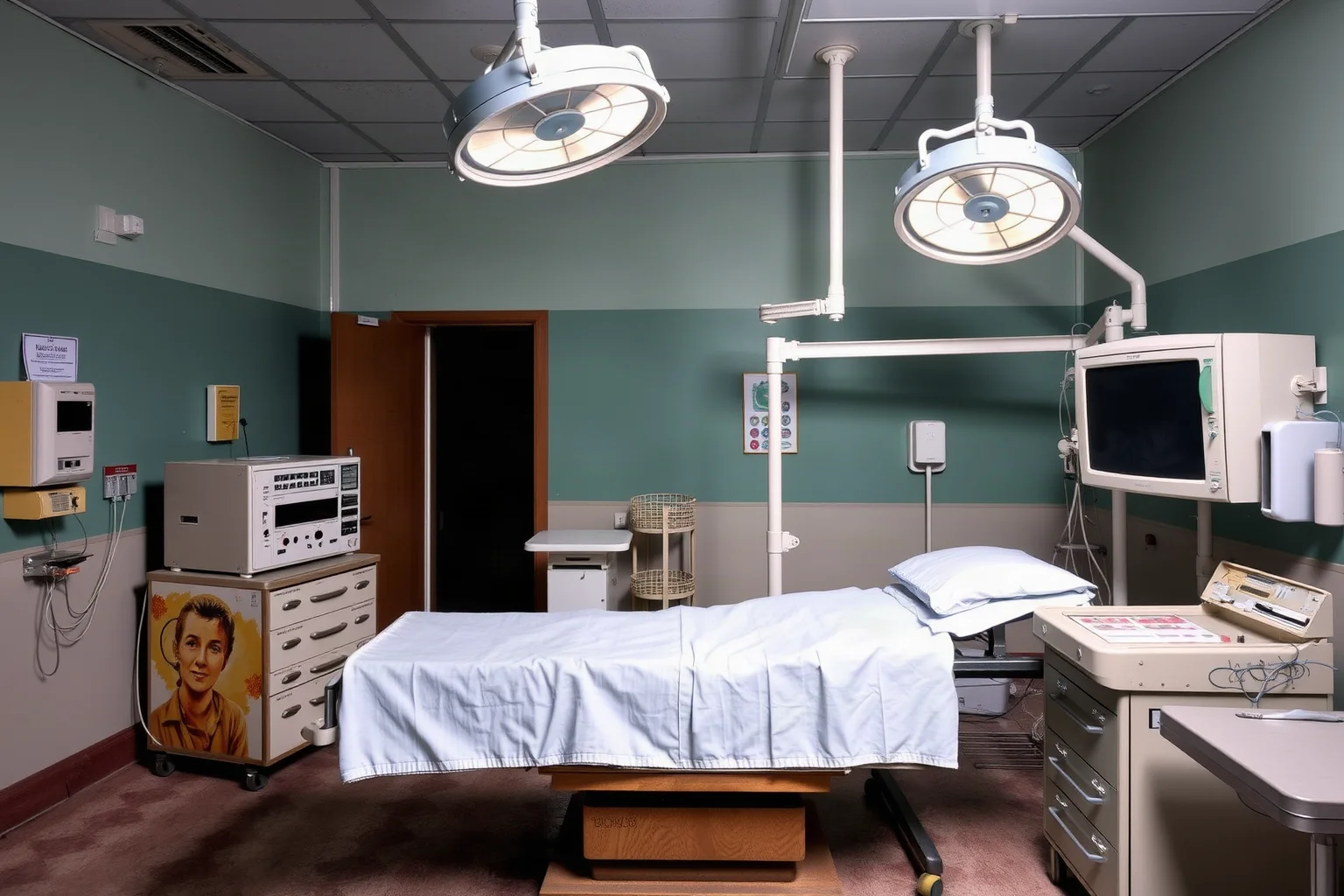
Surgeon John Gibbon performed the first successful open-heart surgery using a heart-lung machine in 1953, temporarily taking over a patient’s circulation and breathing so surgeons could operate on a still heart. It was the culmination of decades of research into extracorporeal circulation.
The breakthrough opened the door to modern cardiac surgery, including bypass operations and heart transplants. Medical historians generally regard it as one of the most important medical advances to emerge from 1950s science.
19. Sputnik and the Dawn of the Space Age
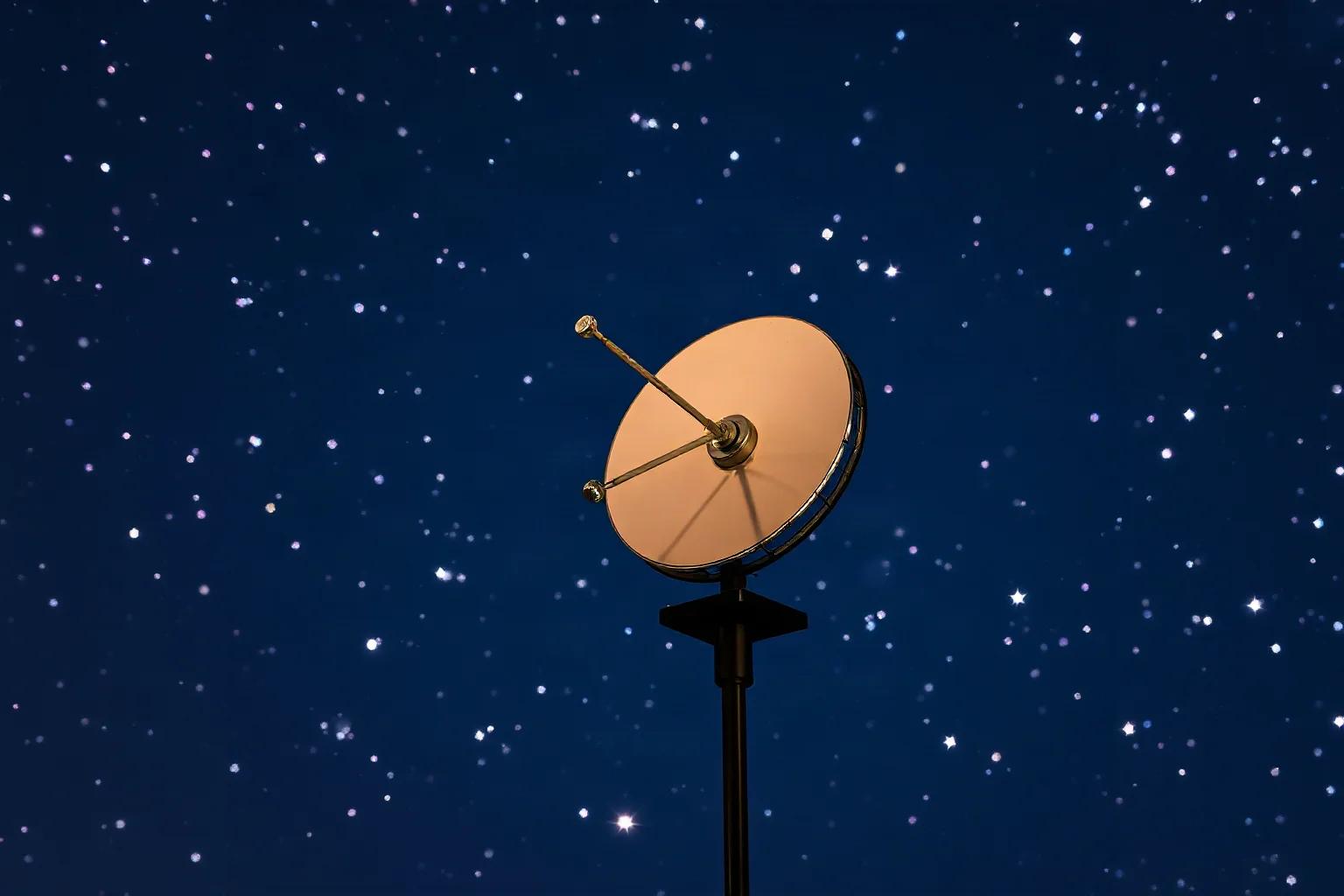
The Soviet Union launched Sputnik 1 on October 4, 1957, the first artificial satellite to orbit Earth. It was a relatively simple metal sphere transmitting radio pulses, but its psychological impact on the United States was enormous.
Sputnik triggered the so-called Space Race and led directly to the creation of NASA in 1958. It’s a strong reminder that some of the era’s biggest technological leaps came from international competition rather than pure commercial demand.
20. The First Grid-Connected Nuclear Power Plant
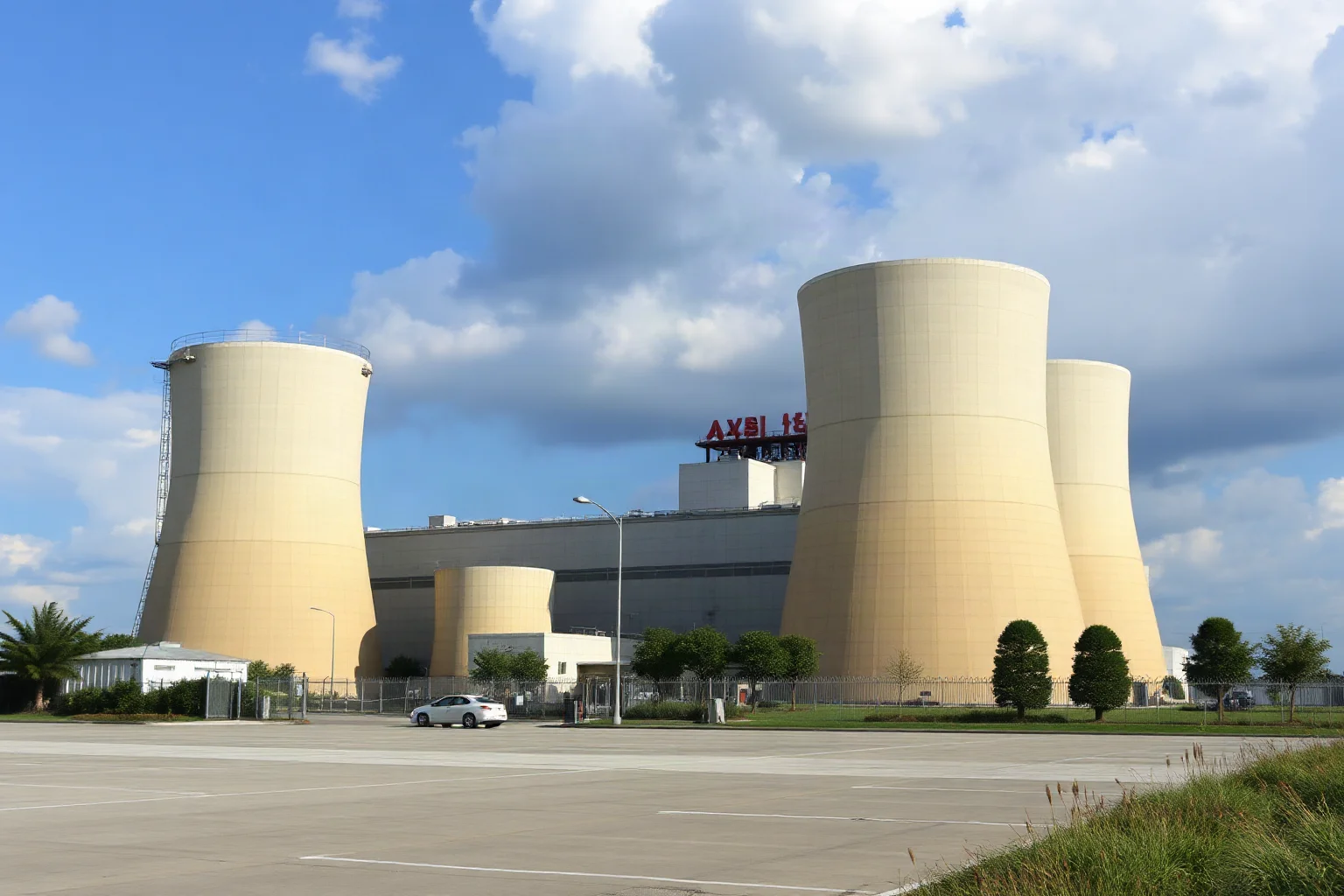
The Soviet Union’s Obninsk plant began supplying electricity to the power grid in 1954, generally recognized as the first nuclear power plant to do so. The United States followed with the Shippingport Atomic Power Station in Pennsylvania in 1957.
Nuclear power promised nearly limitless energy at a time when Cold War tensions made “atomic” technology feel both thrilling and unsettling. It marked a genuine turning point in how the world thought about generating electricity.
21. Diet Soda
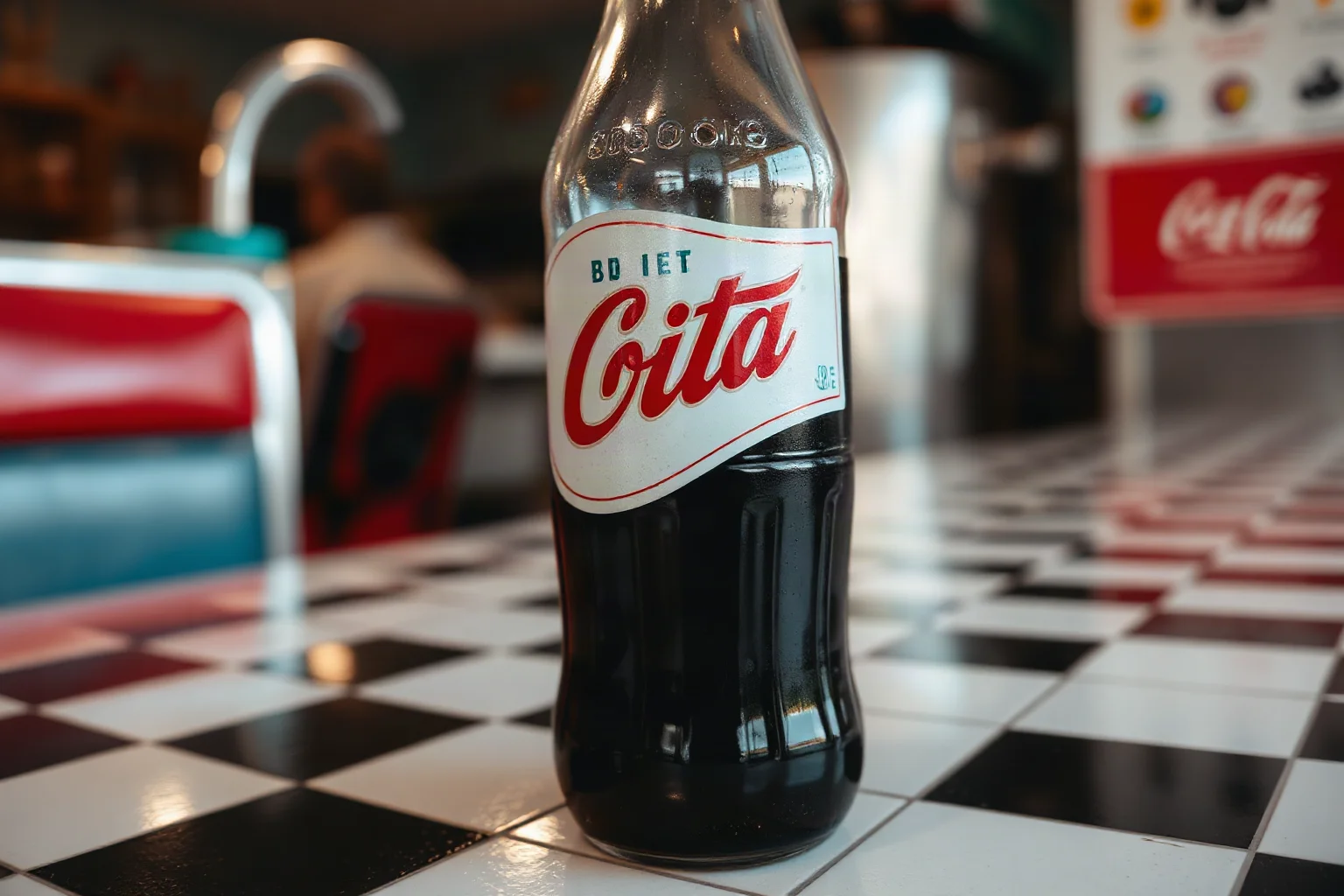
The Kirsch Bottling Company introduced No-Cal ginger ale in 1952, generally credited as the first diet soft drink, originally aimed at diabetic patients rather than dieters in general. It used cyclamate as a sugar substitute, years before diet soda became a mainstream weight-conscious product.
Bigger brands like Royal Crown Cola followed later in the decade with their own sugar-free sodas. It’s a small but telling example of how 1950s products quietly reshaped everyday consumer habits.
22. The Barbie Doll
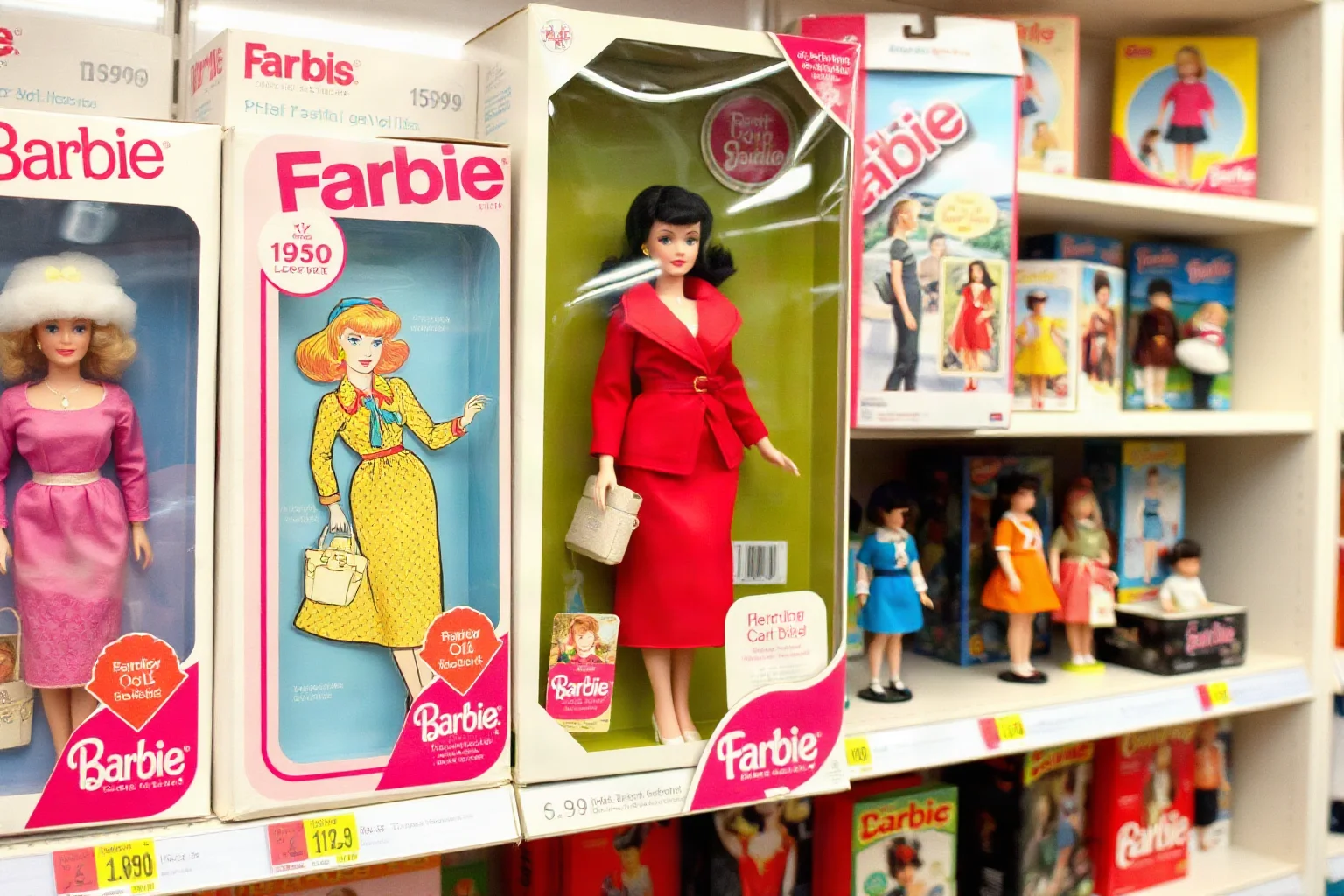
Mattel co-founder Ruth Handler developed the Barbie doll after watching her daughter play with paper dolls and noticing there was no three-dimensional adult-figured toy on the market. Barbie debuted at the American Toy Fair in New York in 1959 and became an instant commercial phenomenon.
She has remained one of the best-selling toys in history ever since. Barbie is regularly cited as one of the most culturally significant inventions of the 1950s, for better or worse, given decades of debate over her influence on beauty standards.
23. Modern Radial Tires
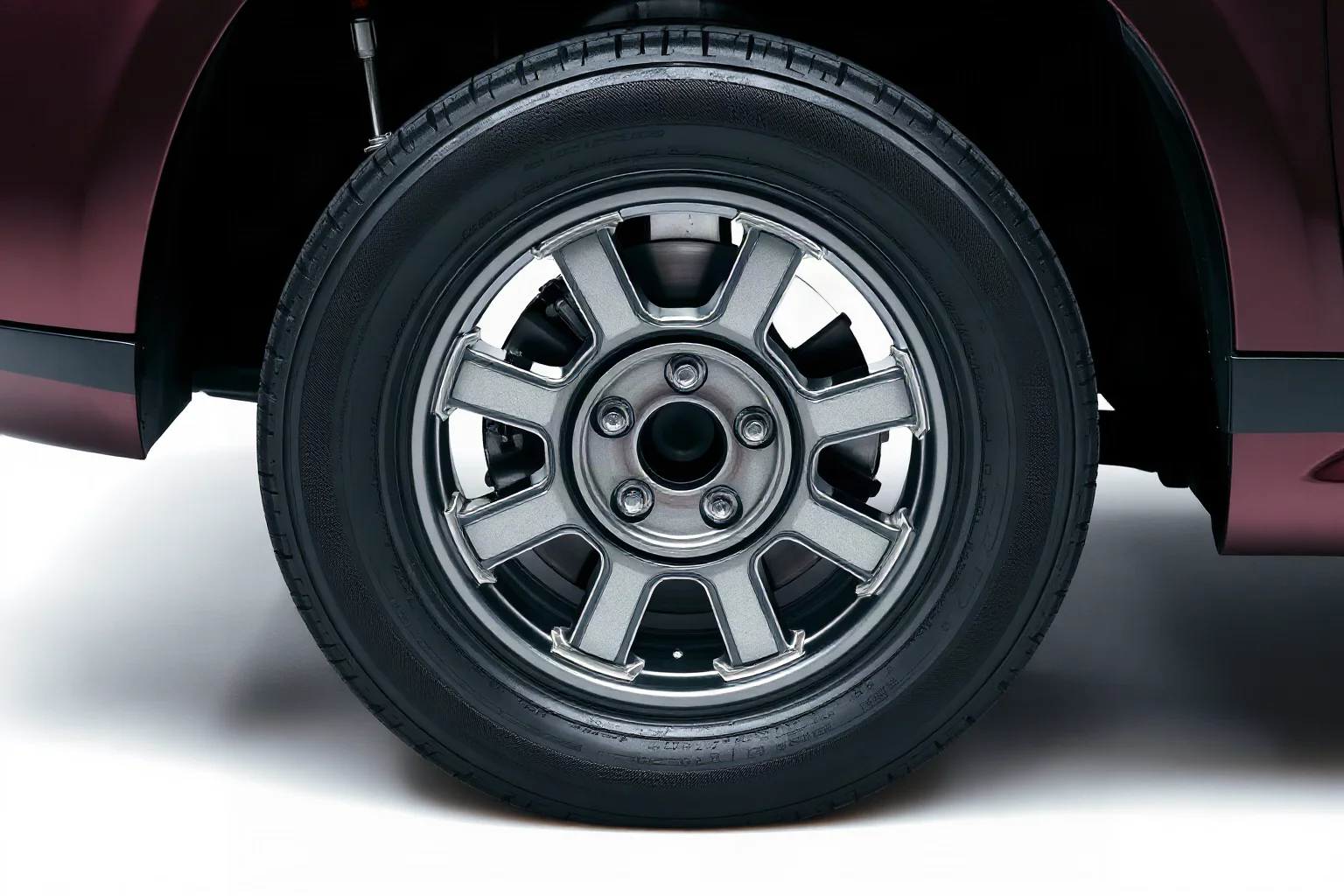
Michelin patented the radial tire design back in 1946, but it was the 1950s when the technology truly went mainstream, most notably on the innovative Citroën DS launched in 1955. Radial construction improved fuel efficiency, tire lifespan, and road grip compared to older diagonal-ply tires.
American manufacturers were slower to adopt the design, but it eventually became the global standard. It’s a quieter, less flashy example of 1950s technology, but one that changed automotive safety in a very real way.
24. The Compact Home Microwave Oven
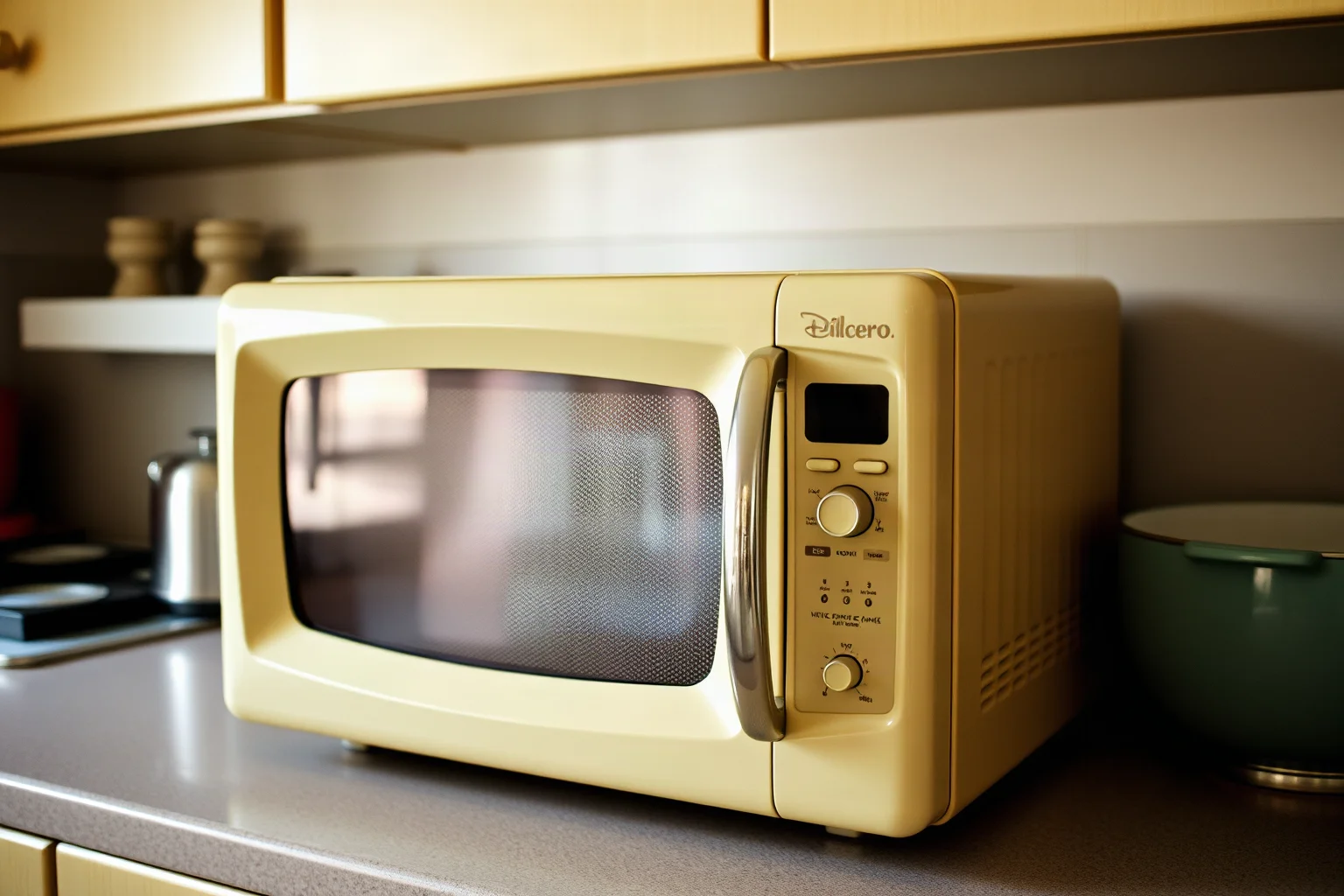
Raytheon’s Percy Spencer had patented the microwave cooking process back in 1945 after noticing radar equipment melted a chocolate bar in his pocket, and the company released the enormous, expensive Radarange for commercial kitchens in 1947. In 1955, Tappan introduced a smaller countertop version aimed at home kitchens.
Early home microwaves were still bulky and pricey by today’s standards, so they remained a niche novelty through the decade. It would take another twenty years or so before microwaves became a common household appliance, but the 1950s groundwork made that later boom possible.
Key World Events That Shaped 1950s Innovation
Invention rarely happens in a vacuum, and the major world events of the 1950s heavily influenced which technologies got funding and attention. The Korean War (1950-1953) pushed advances in aviation, medicine, and mass production, while Cold War tensions with the Soviet Union fueled the nuclear and space research that produced Sputnik and early atomic power plants.
The civil rights movement also gained major momentum during this decade, including the 1954 Brown v. Board of Education ruling and the 1955-56 Montgomery Bus Boycott. These events don’t show up in a typical list of gadgets, but they shaped the social and political backdrop against which all of the era’s science and technology unfolded.
Economically, postwar prosperity in the United States and parts of Europe created a growing middle class eager to buy new appliances, cars, and televisions. That consumer demand is a big part of why so many inventions of the 1950s were aimed squarely at the home rather than just industry or the military.
Notable Inventors and Innovators of the 1950s
Some of the era’s biggest breakthroughs came from large corporate labs rather than lone inventors working in garages. Bell Labs alone contributed to the transistor, the solar cell, and early fiber optics research, showing how much innovation had shifted toward well-funded institutional teams by mid-century.
Other figures worked more independently, like Jonas Salk, who famously refused to patent his polio vaccine so it could be distributed as widely and cheaply as possible. Jack Kilby’s integrated circuit work at Texas Instruments and John Backus’s FORTRAN team at IBM show a similar pattern of engineers embedded in corporate research divisions producing world-changing results.
It’s worth noting that not every invention credited to a single “eureka” moment tells the full story. Many 1950s technologies, from Teflon cookware to radial tires, actually built on earlier discoveries from the 1930s and 40s that simply reached commercial maturity during this decade.
Why 1950s Inventions Still Matter Today
Looking back, it’s striking how many everyday conveniences trace directly back to this single decade. Credit cards, non-stick pans, Lego bricks, and Super Glue are still sitting in homes around the world, largely unchanged from their original 1950s designs.
On the more technical side, the integrated circuit and early hard disk storage quietly became the ancestors of every smartphone, laptop, and cloud server in use today. The polio vaccine, meanwhile, stands as one of the clearest examples of how 1950s science and technology could deliver a near-total public health victory within just a few years.
The decade’s mix of consumer convenience, medical breakthrough, and Cold War-driven science makes it one of the most genuinely transformative periods in modern technological history. It’s not just nostalgia talking. The 1950s really did build a surprising amount of the world we still live in today.
Frequently Asked Questions
Who were the most notable inventors in the 1950s?
Notable inventors in the 1950s included Jonas Salk (polio vaccine), Jack Kilby (integrated circuit), Georges de Mestral (Velcro), John Backus (FORTRAN), and teams at Bell Labs and IBM who developed the solar cell and early hard disk storage. Many breakthroughs of the era came from corporate research labs rather than solo inventors.
What was invented in 1950?
1950 is best known for the launch of the Diners Club card, the first general-purpose credit card, created by Frank McNamara in New York City. The decade's broader wave of consumer and scientific inventions built momentum throughout the following years.
What was invented in 1955?
1955 saw the announcement of the successful field trial results for Jonas Salk's polio vaccine, one of the most important medical breakthroughs of the century. That same year, Velcro was officially patented and Tefal began developing non-stick Teflon cookware for home kitchens.
What was invented in 1956?
In 1956, IBM released the 305 RAMAC, which contained the first commercial hard disk drive, and Ampex introduced the first practical videotape recorder for television broadcasting. Both inventions quietly reshaped how information and media were stored and shared.
What was invented in 1958?
1958 brought the first working integrated circuit from Jack Kilby at Texas Instruments, Super Glue's commercial launch by Eastman Kodak, and the modern Lego brick patent from the Lego company in Denmark. It was one of the most productive single years of the decade.
What major events happened in 1950?
The Korean War began in June 1950, drawing the United States and United Nations forces into a major Cold War conflict on the Korean peninsula. It was also the year the first credit card was introduced, linking a major geopolitical event with a lasting consumer innovation.
What was popular in the 1950s?
Popular culture in the 1950s centered around rock and roll music, drive-in movie theaters, backyard toys like the Frisbee, and new home conveniences such as television dinners and transistor radios. Consumer spending boomed as postwar prosperity gave families more disposable income than ever before.
What was invented in 1946?
Although just before the decade began, 1946 saw Michelin patent the radial tire and the unveiling of ENIAC, one of the earliest general-purpose electronic computers. Both developments influenced the technology that flourished throughout the 1950s.

Alex Warren
Related Articles