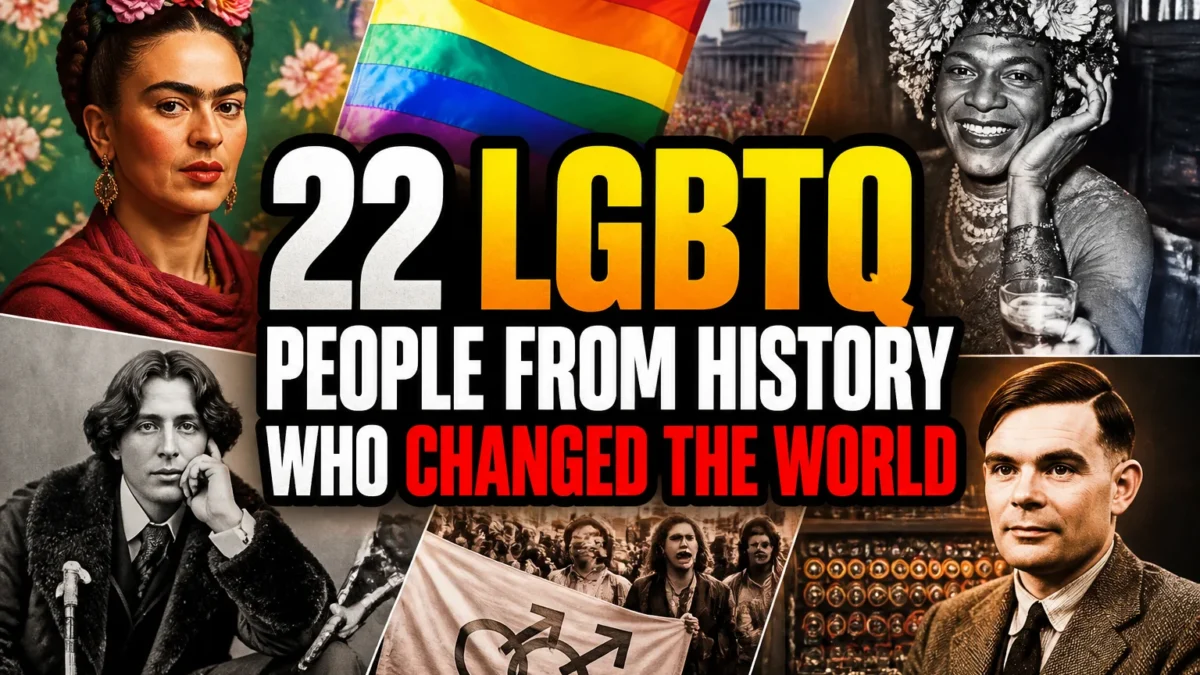
History is often taught like a straight line, but the truth has always been more colorful. Many of the people who built art, science, civil rights, and culture were part of what we now call the LGBTQ community. This post looks at famous LGBTQ people from history whose lives still influence our world.
Labels are tricky. The words gay, lesbian, bisexual, and transgender are modern, while many historical figures described their lives differently or left no private records at all. That is why historians focus on evidence such as letters, court records, poems, and contemporary accounts rather than forcing modern identities onto the past.
TL;DR: From Sappho to Alan Turing, these 22 LGBTQ historical figures shaped poetry, science, politics, art, and activism, and their stories still matter today.
Why LGBTQ History Is Hard to Recover
For centuries, same-sex relationships and gender nonconformity were criminalized, censored, or quietly ignored. Archives are full of gaps, coded language, and destroyed letters. That makes the job of historians difficult, but it also makes every recovered life story more valuable.
Some frequently asked questions ask which notable gay people in history can be named with confidence. The answer depends on evidence and on how we define sexual orientation across time. In this list, we include people who self-identified in terms close to modern identities, people whose same-sex attachments are well documented, and a few whose place in LGBTQ history is still debated.
Whenever possible, we note the difference between established fact, interpretation, and myth. That approach is essential for gay history figures, because both erasure and exaggeration have shaped popular memory.
How These LGBTQ Historical Figures Were Selected
No single list can capture the full range of historic LGBTQ figures. We chose people whose work changed a field, a movement, or a nation, and whose stories are supported by credible historical evidence. Some are widely known; others are included here because their contributions are often overlooked.
22 LGBTQ Historical Figures Who Changed the World
Below are 22 famous LGBTQ persons and historic LGBTQ figures from different eras, regions, and fields. The list is roughly chronological, though some lives overlap across centuries.
1. Sappho (c. 630–570 BCE): The Poet of Lesbos
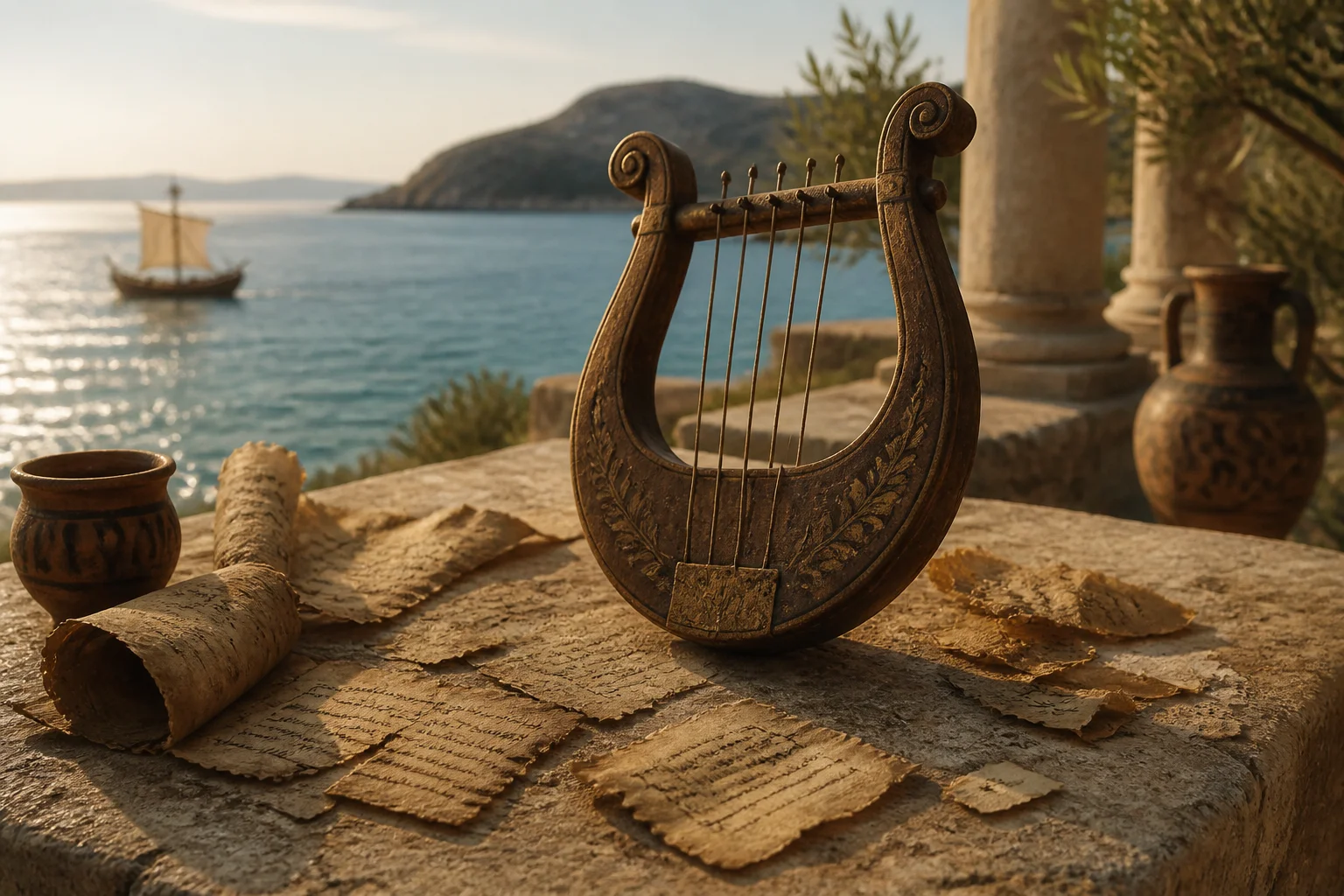
Only fragments of Sappho's poetry survive, but they are enough to make her one of the most famous lesbian historical figures in the Western world. Born on the Greek island of Lesbos, she wrote lyric poems about desire, beauty, and love, often addressed to women. Her name gave later languages the words sapphic and lesbian.
Historians caution that we know little about Sappho's biography. Ancient texts describe her as a teacher or leader of a circle of women, but the details are uncertain. What matters is her poetry's power: it made same-sex longing visible in a tradition that still echoes today.
2. Alexander the Great (356–323 BCE): The Conqueror with a Debated Legacy
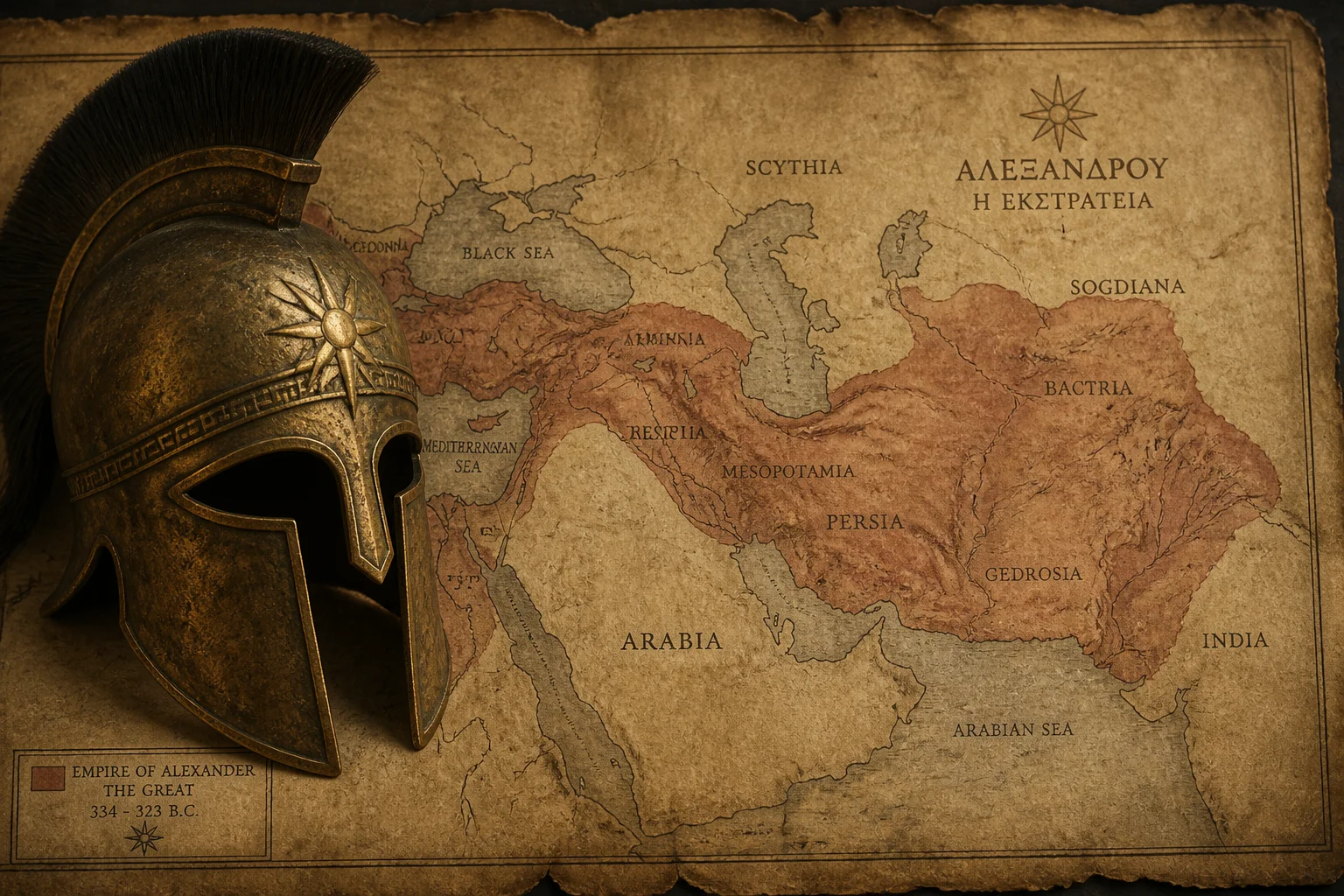
Alexander the Great conquered one of the largest empires of the ancient world by age thirty. Ancient sources describe his close, emotionally intense bond with his companion Hephaestion, which many modern readers see as a same-sex relationship. However, applying the label gay to Alexander is anachronistic, because ancient Macedonian and Greek categories of sexuality differed from ours.
Some classicists argue the evidence for a sexual relationship is strong; others believe the bond was primarily a deep friendship. Because no personal letters from Alexander survive, the debate remains open. He is included among notable gay people in history as a figure who forces us to think carefully about how we read the past.
3. Emperor Hadrian (76–138 CE): The Roman Ruler and Antinous
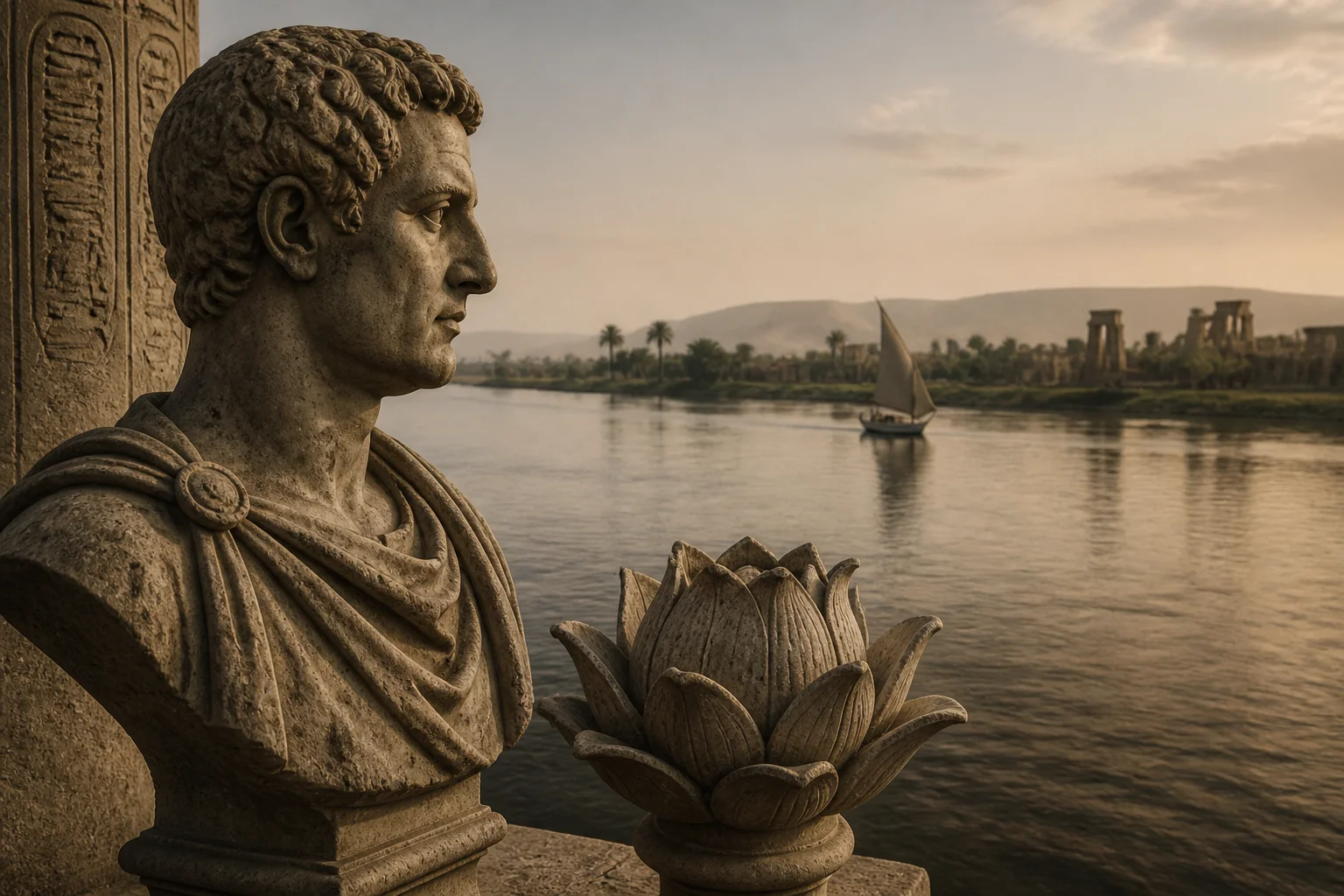
Emperor Hadrian ruled Rome at its height and traveled constantly to oversee frontiers, law, and building projects. After his companion Antinous drowned in the Nile in 130 CE, Hadrian mourned openly and founded the city of Antinoopolis in his memory. Statues of Antinous were erected across the empire, making their bond one of the best-documented same-sex relationships in Roman history.
Hadrian's grief was public and political, not hidden. While Roman sexuality was structured by power and status rather than modern identity, the emperor's devotion to Antinous remains a key example for historians of gay history figures. It also shows how love could shape imperial monuments and cities.
4. Leonardo da Vinci (1452–1519): The Renaissance Mind
Leonardo da Vinci is remembered as a painter, inventor, and scientist, but church records also reveal an anonymous accusation of sodomy in Florence in 1476. The case was dismissed, and he later formed close working and personal relationships with male pupils and companions. Many historians describe him as a man attracted to men, though he left no explicit self-label.
His notebooks are rich with observation but reveal little about his private life. That mix of documented accusation and guarded personal writing is common among historic LGBTQ figures. His legacy rests on the 'Mona Lisa,' the 'Last Supper,' and a mind that changed art and anatomy.
5. Michelangelo (1475–1564): The Sculptor Who Wrote Love Sonnets
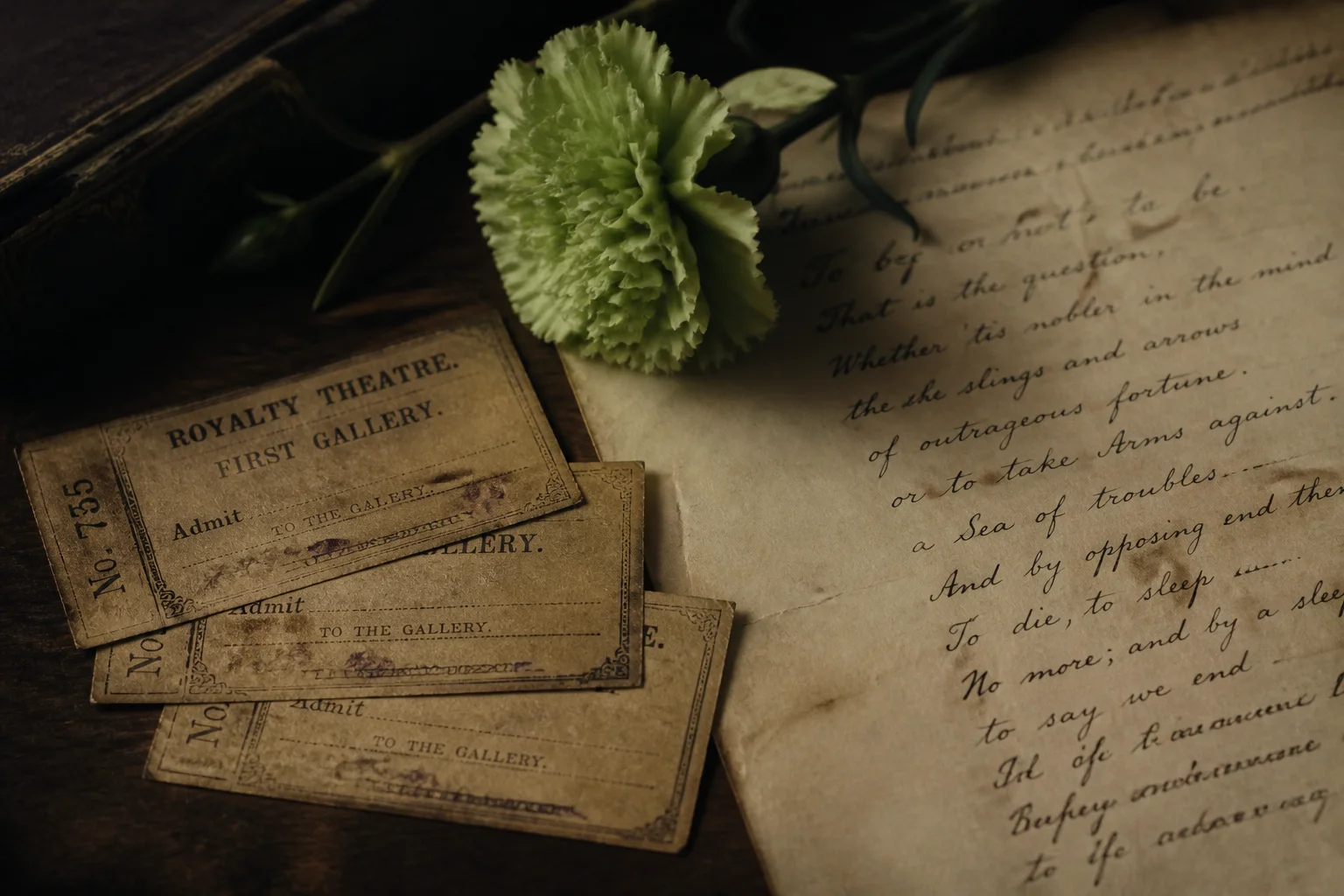
Michelangelo's sculptures and frescoes shaped the Renaissance, but his poetry offers a more personal record. He wrote sonnets expressing love and devotion to younger men, including Tommaso dei Cavalieri. In the 19th and 20th centuries, scholars debated or obscured these poems, but modern editors generally read them as homoerotic.
His family later altered the pronouns in some poems to make them appear addressed to women. That form of censorship shows exactly why LGBTQ historical figures can be hard to document. Today, Michelangelo's letters and verse are central to understanding his life.
6. Chevalier d'Éon (1728–1810): The Gender-Nonconforming Diplomat
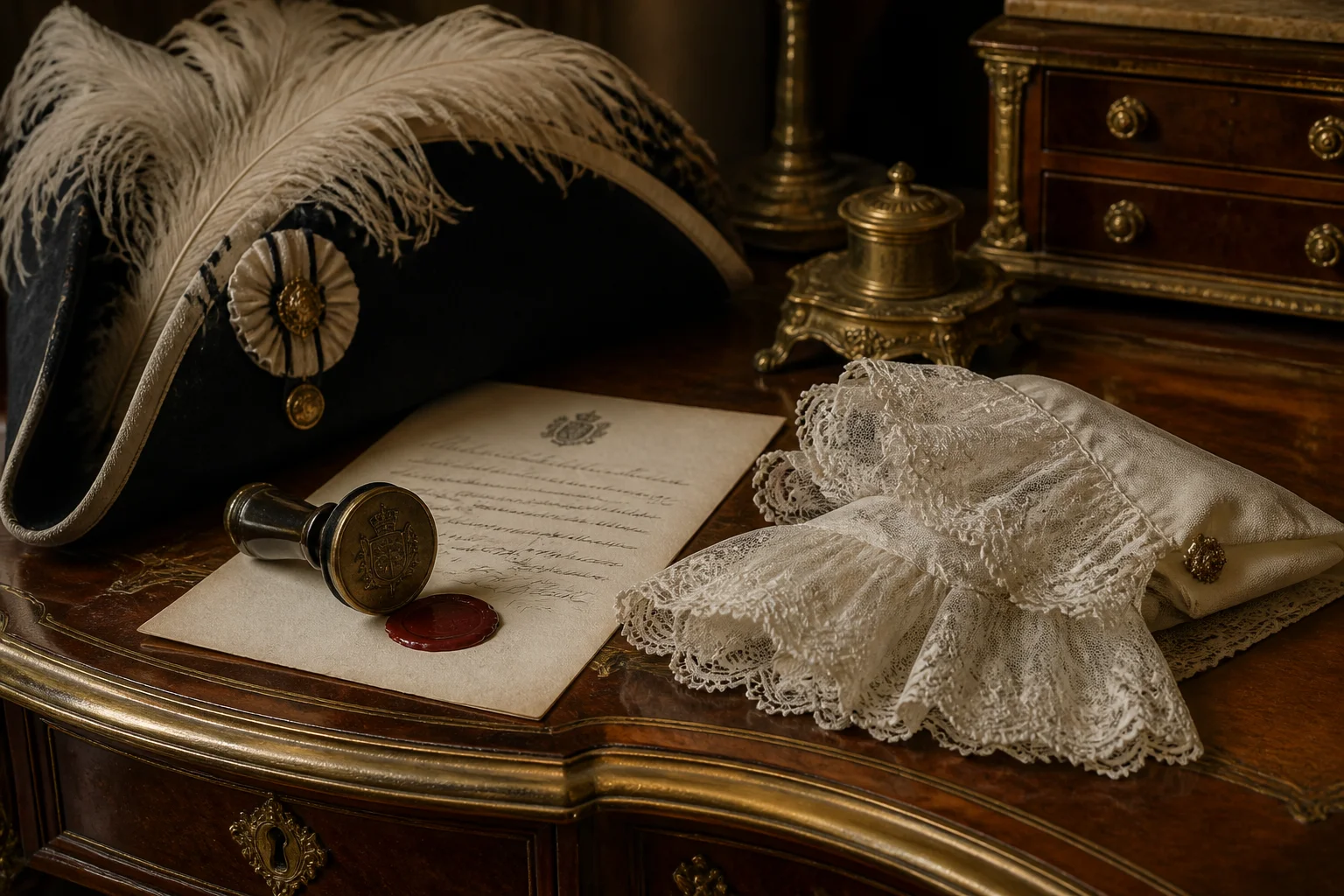
Charles-Geneviève-Louis-Auguste-André-Timothée d'Éon de Beaumont lived as both a man and a woman during the 1700s and became a celebrated diplomat and soldier in France. For much of her later life in London and Paris, she presented publicly as a woman, and many contemporaries treated her as such. The Chevalier d'Éon is now often discussed as one of the first publicly gender-nonconforming figures in modern European history.
Her story complicates any simple list of gay or lesbian historical figures, because the evidence concerns gender expression more than sexuality. Court records, memoirs, and newspaper coverage all document the social and legal negotiations around her identity. D'Éon's life shows that gender variance has a long, if contested, history.
7. Pyotr Ilyich Tchaikovsky (1840–1893): The Composer Who Channeled Emotion
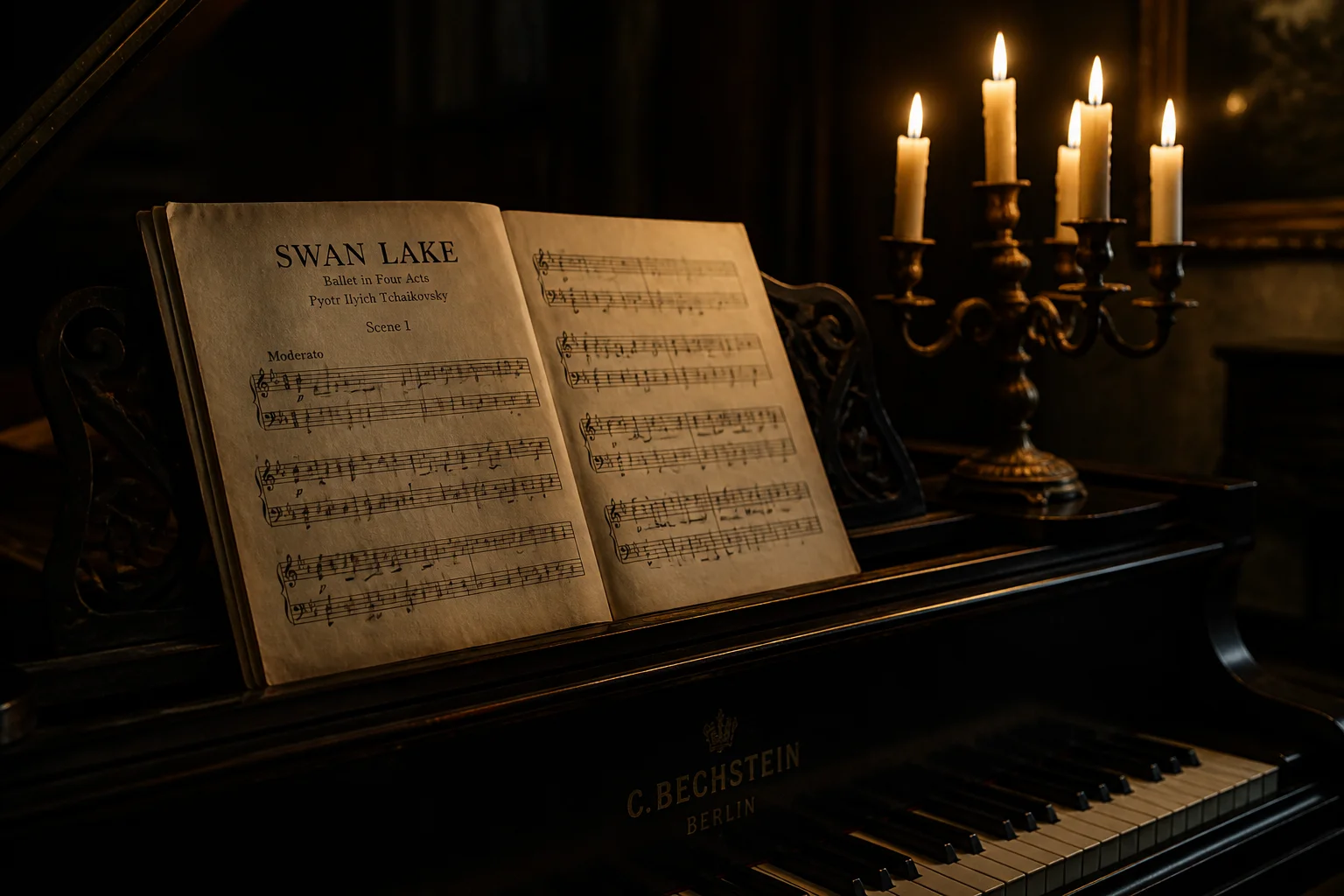
Pyotr Ilyich Tchaikovsky composed 'Swan Lake,' 'The Nutcracker,' and the '1812 Overture,' making him one of Russia's most beloved composers. His letters and diaries show that he experienced same-sex attraction, and he formed close relationships with men, although he married briefly and unhappily. Soviet-era scholars often suppressed this part of his life.
Modern biographers generally treat Tchaikovsky as a gay man whose emotional life shaped his music. The sadness and longing in his work are not proof of sexuality, but they align with what he wrote about his private struggles. He is among the famous LGBTQ people whose art remains more visible than their identity.
8. We'wha (1849–1896): The Zuni Lhamana Ambassador
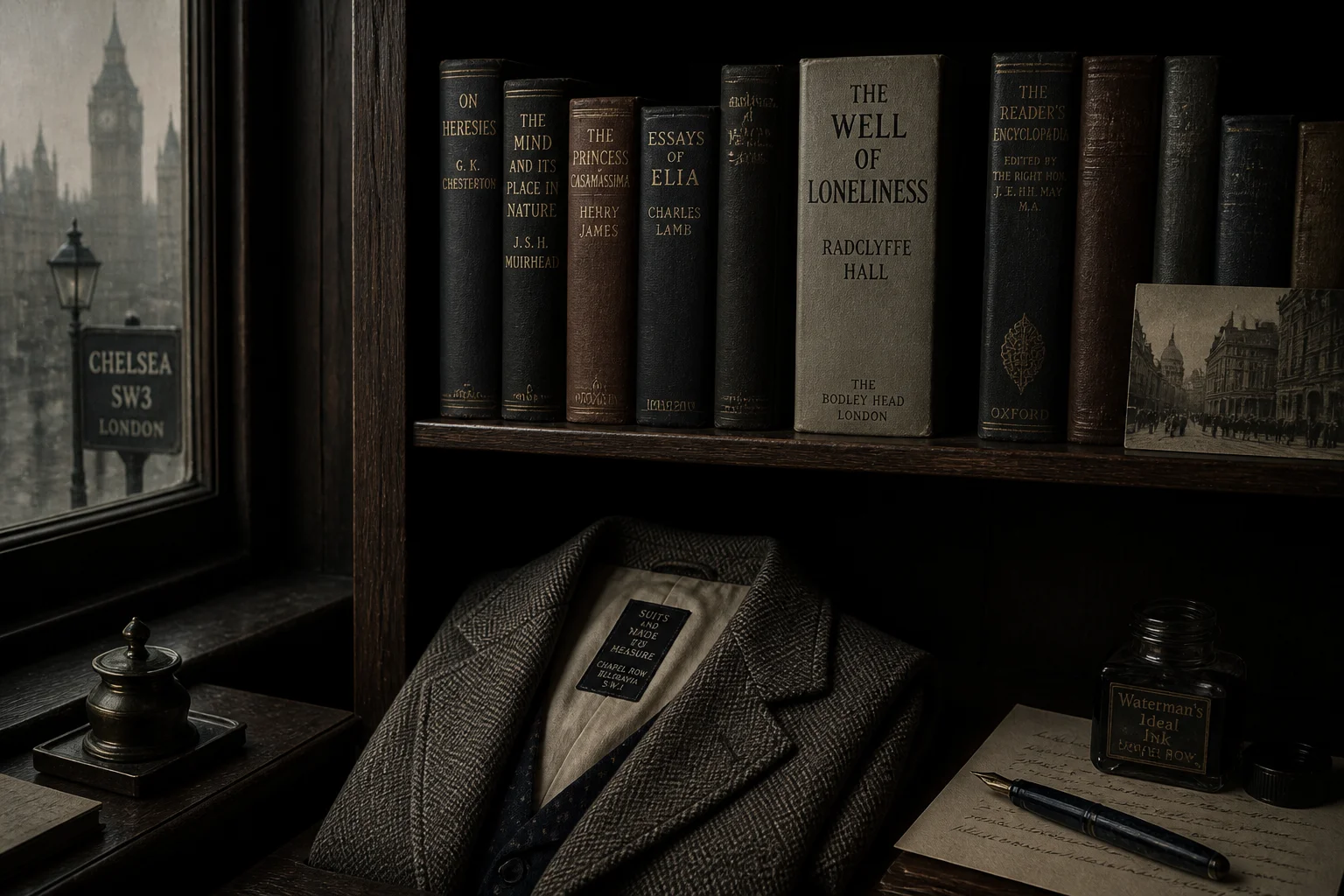
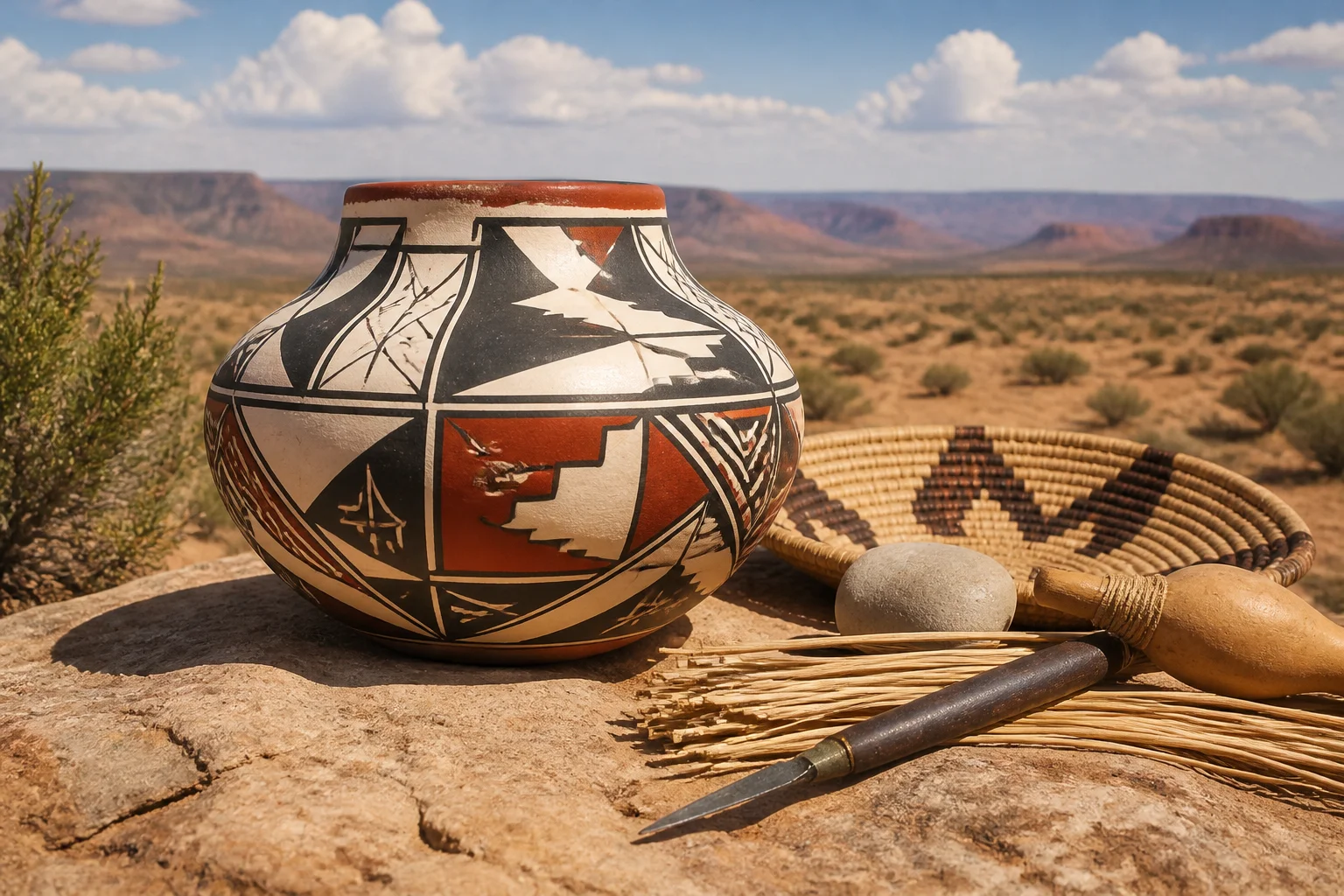
We'wha was a Zuni lhamana, a recognized third-gender role in the Zuni Nation, born around 1849 in what is now New Mexico. Trained in both men's and women's crafts, We'wha became an expert potter and weaver. In 1886, We'wha traveled to Washington, D.C., as a cultural ambassador and met officials and anthropologists.
Many non-Native observers misread We'wha's gender, but Zuni society recognized lhamana as a distinct role. This is important for LGBTQ history: it reminds us that same-sex and gender-variant identities are not purely modern or Western inventions. We'wha's story belongs among historic LGBTQ figures because it challenges the idea that only two rigid gender paths have ever existed.
9. Oscar Wilde (1854–1900): The Wit Who Defied Victorian Morality
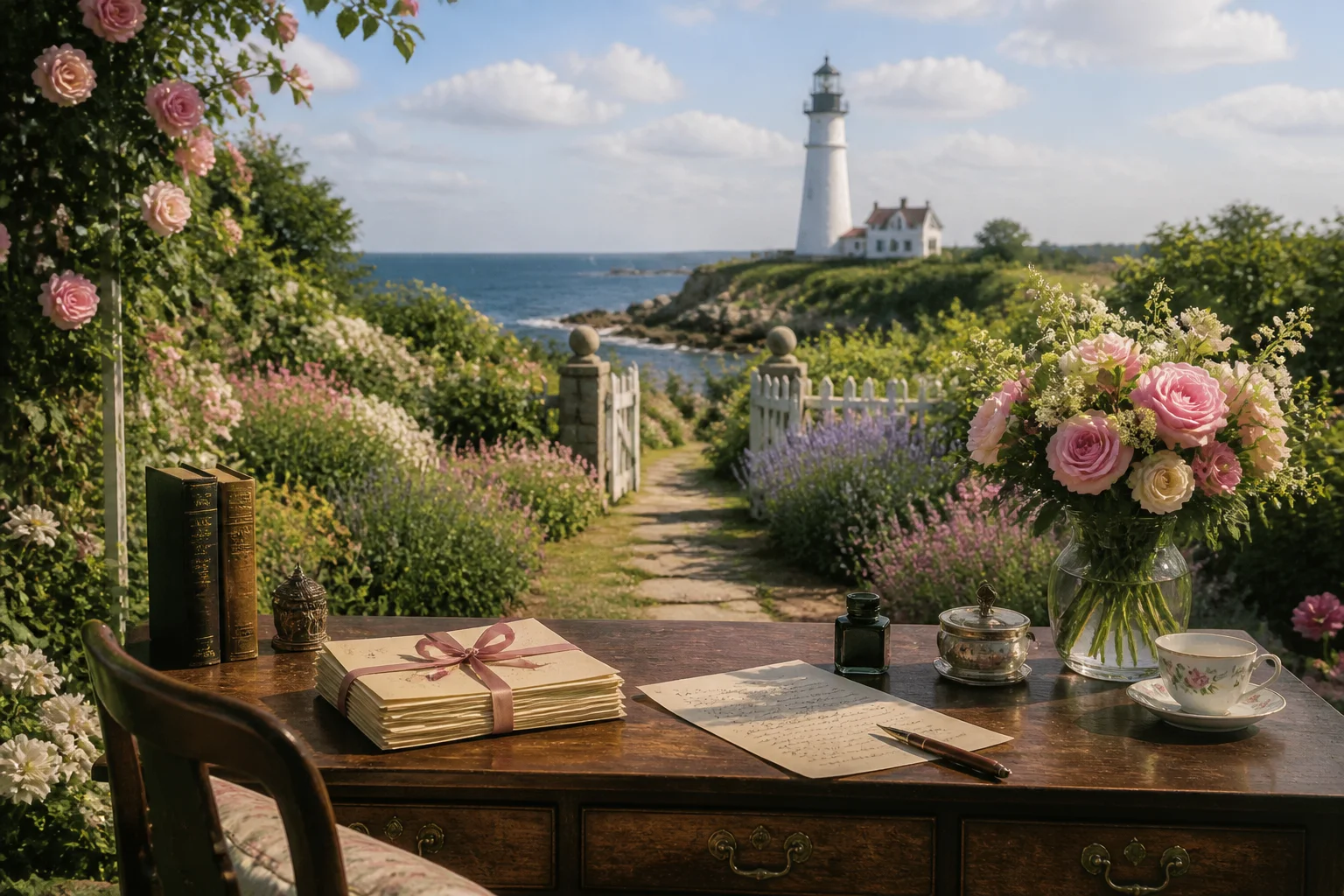
Oscar Wilde was the Irish playwright and wit behind 'The Importance of Being Earnest' and 'The Picture of Dorian Gray.' In 1895, after a public legal battle with the Marquess of Queensberry, Wilde was convicted of 'gross indecency' for relationships with men. He served two years of hard labor, a punishment that broke his health.
His trial made him the most visible gay man of the Victorian age, though he did not use that word. Wilde's wit, prison letter 'De Profundis,' and later death in exile turned him into a symbol of artistic freedom and defiance. He remains one of the most famous gay people in modern history.
10. Radclyffe Hall (1880–1943): The Novelist Who Wrote Lesbian Love
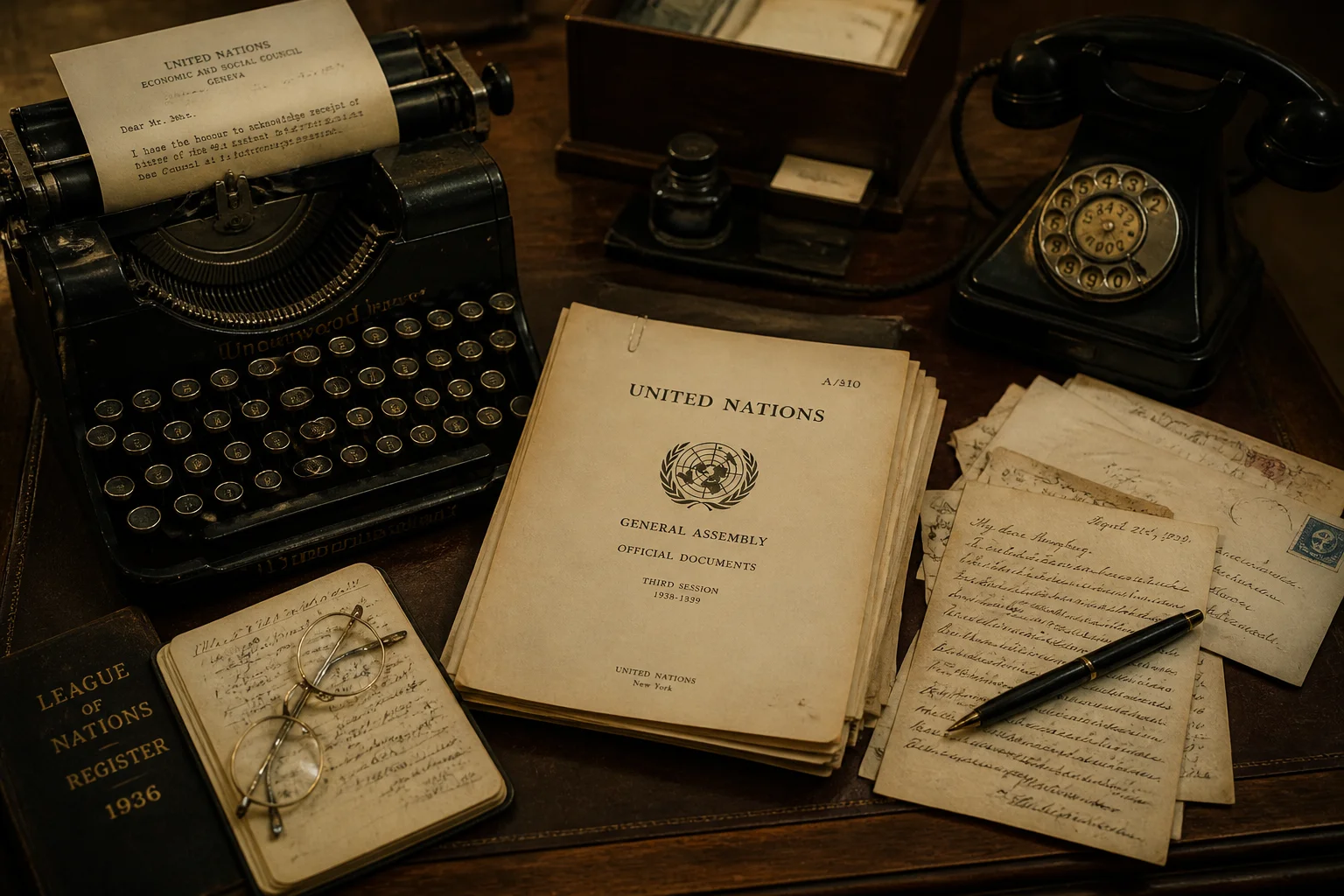
Radclyffe Hall was an English writer whose 1928 novel 'The Well of Loneliness' depicted a lesbian protagonist and argued for acceptance. The book was tried for obscenity in the United Kingdom and banned, despite containing no explicit sex. It became an international symbol of lesbian identity and struggle.
Hall lived openly with her partner Una Troubridge and often wore tailored men's clothing. Her novel is problematic in its language today, yet its historical impact is undeniable. Hall is a key figure among lesbian historical figures because her work brought the idea of lesbian community into public debate.
11. Virginia Woolf (1882–1941): The Modernist Writer and Vita Sackville-West
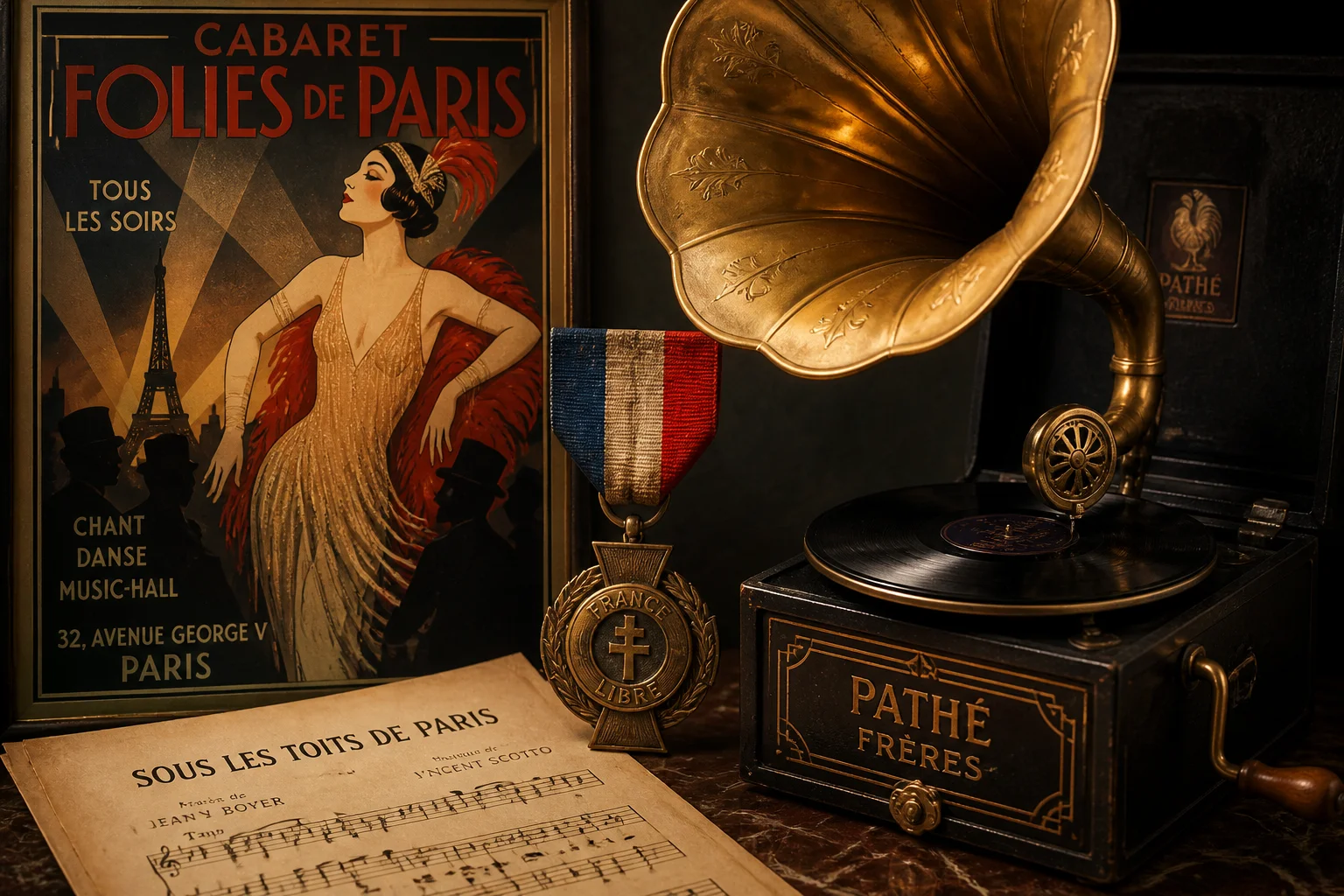
Virginia Woolf transformed the novel with 'Mrs. Dalloway,' 'To the Lighthouse,' and 'Orlando.' Her relationship with writer Vita Sackville-West was documented in letters and diaries, and 'Orlando' was inspired by Vita's life and gender play. Many scholars describe Woolf as a woman who loved both men and women.
Woolf also struggled with mental illness and died by suicide in 1941. Her work explores the fluidity of gender and identity, making her a touchstone for LGBTQ readers. She illustrates how famous LGBTQ persons can shape culture through literature far beyond identity categories.
12. Eleanor Roosevelt (1884–1962): The First Lady with Private Letters
Eleanor Roosevelt redefined the role of First Lady through her work on human rights and the United Nations. Her letters to journalist Lorena Hickok, with whom she shared a long and intimate friendship, have been read by many historians as evidence of a romantic relationship. The letters include phrases of deep affection and physical longing.
Some biographers describe Roosevelt as a woman who had significant same-sex attachments; others are more cautious. What is documented is a devoted, years-long correspondence and a partnership that mattered greatly to both women. Her story shows why the phrase 'notable gay people in history' often depends on how we interpret private letters.
13. Josephine Baker (1906–1975): The Performer, Spy, and Activist
Josephine Baker was an American-born performer who became a star in Paris, a French Resistance agent during World War II, and a civil rights activist. She had relationships with both men and women, and her private life was part of her larger defiance of convention. Baker also adopted a 'rainbow tribe' of children from different countries as a statement against racism.
She refused to perform for segregated audiences in the United States and spoke at the 1963 March on Washington. Her bisexuality is documented through multiple biographies, though she did not center her public identity on it. Baker belongs in any list of gay history figures because her activism and art crossed so many borders.
14. Frida Kahlo (1907–1954): The Bisexual Surrealist
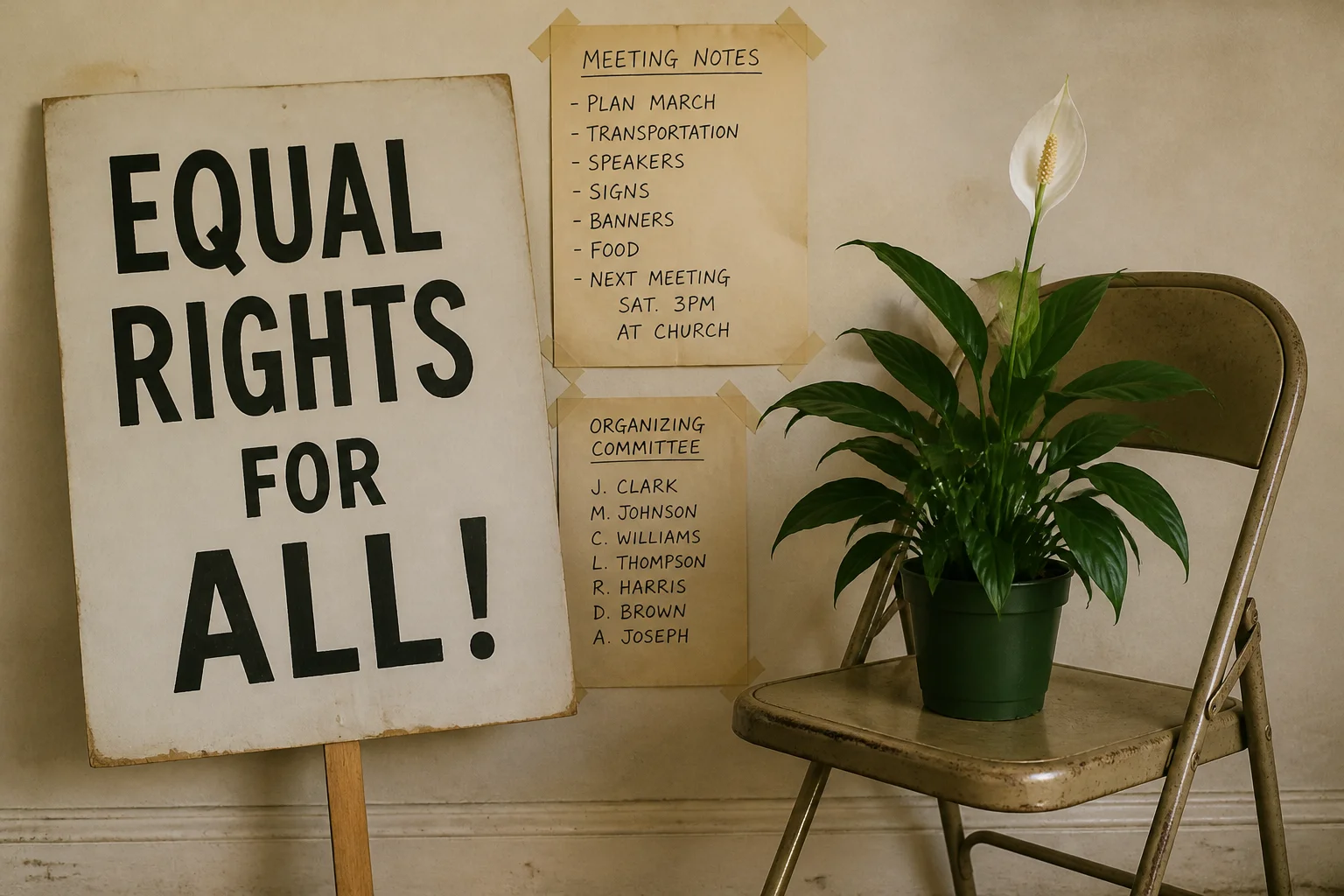
Frida Kahlo's paintings turned pain, politics, and identity into some of the most recognizable images of the 20th century. She had relationships with women as well as with her husband Diego Rivera, and her letters and diaries confirm desire for women. Kahlo is often claimed as a bisexual icon and a lesbian historical figure in popular culture.
Her art did not simply illustrate her sexuality, but her self-portraits explored body, gender, and defiance of norms. Historians emphasize that Kahlo's life was complex and cannot be reduced to any one identity. Still, she remains one of the most famous LGBTQ people in art.
15. Alan Turing (1912–1954): The Codebreaker Who Saved Millions
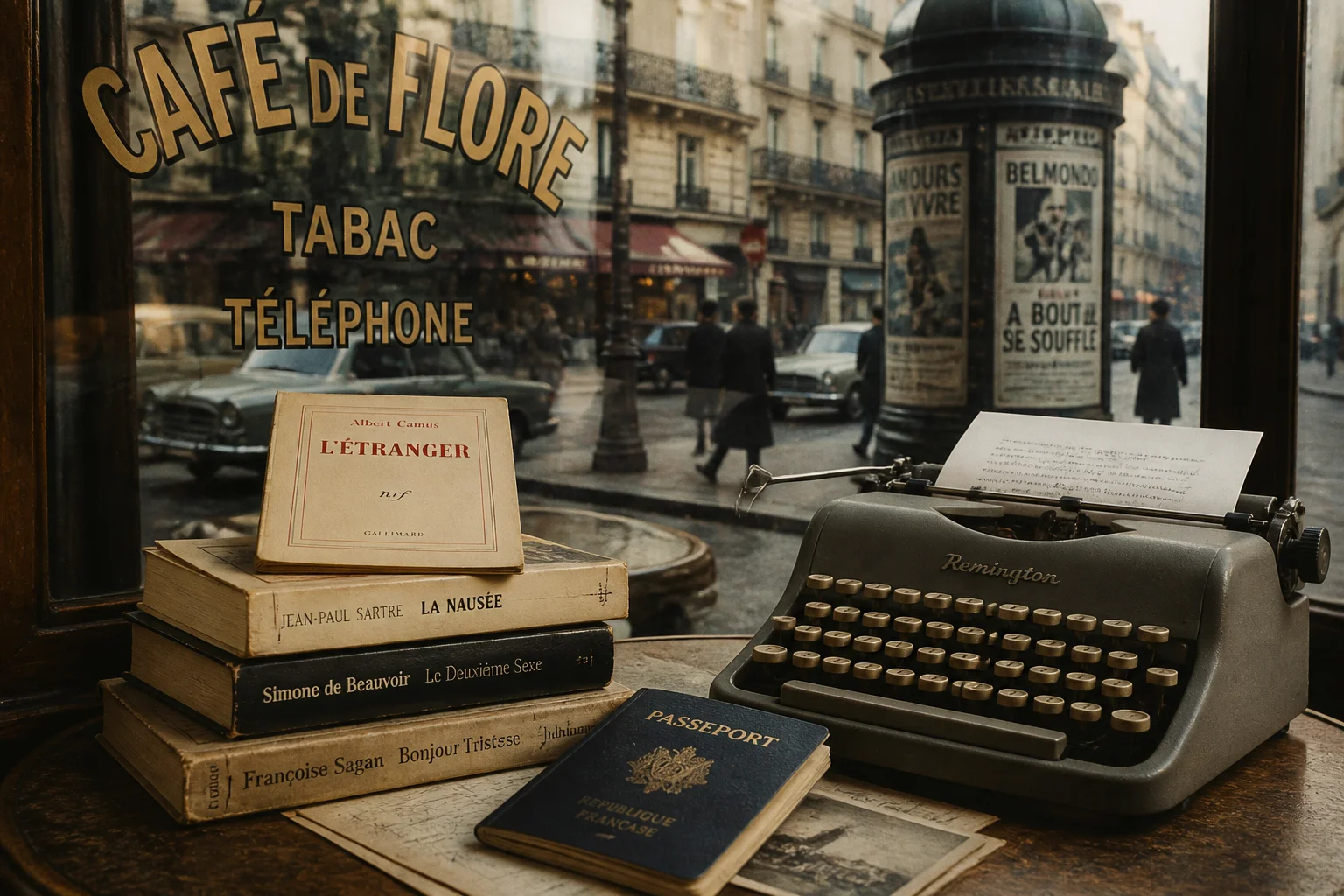
Alan Turing was a mathematician and logician whose work at Bletchley Park helped break Nazi Germany's Enigma code during World War II. Many historians argue that his codebreaking work shortened the war and saved millions of lives. In 1952, he was prosecuted for having a same-sex relationship and forced to undergo chemical castration.
Turing died in 1954 from cyanide poisoning, and his death was ruled a suicide. The British government issued a formal apology in 2009, and he was granted a royal pardon in 2013. He is the clearest example among notable gay people in history of how persecution can cut short a genius.
16. Bayard Rustin (1912–1987): The Organizer Behind the March
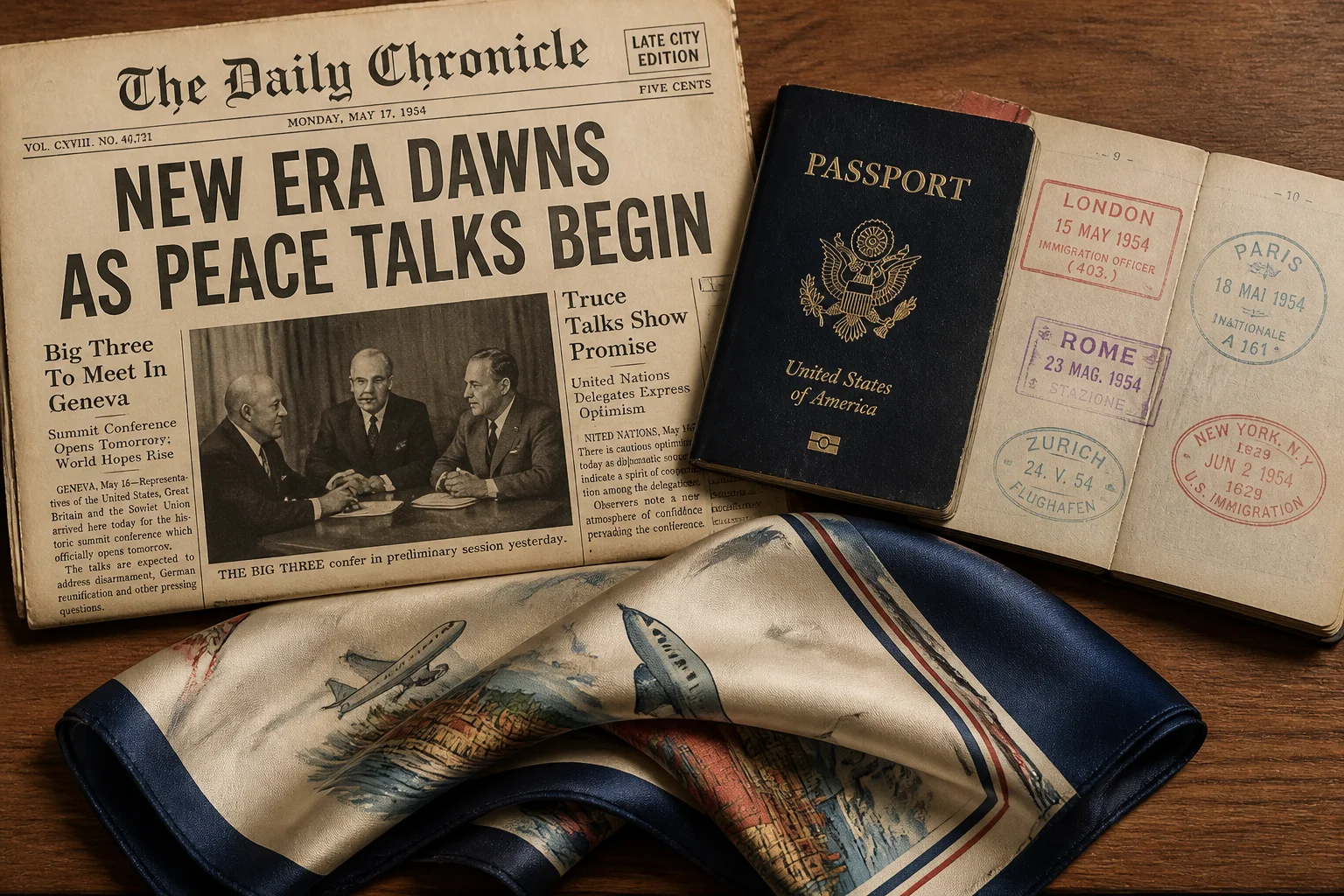
Bayard Rustin was a pacifist and civil rights strategist who organized the 1963 March on Washington for Jobs and Freedom. He was openly gay at a time when that status brought constant risk, and rivals sometimes used his sexuality against him. Martin Luther King Jr. relied on Rustin as an adviser on nonviolent resistance.
Rustin's role was long downplayed in civil rights histories because he was gay and had briefly been a member of a communist youth group. Later scholarship restored his place as one of the great organizers of the movement. He is a prime example of an LGBTQ hero whose public legacy was almost erased.
17. James Baldwin (1924–1987): The Voice of Love and Justice
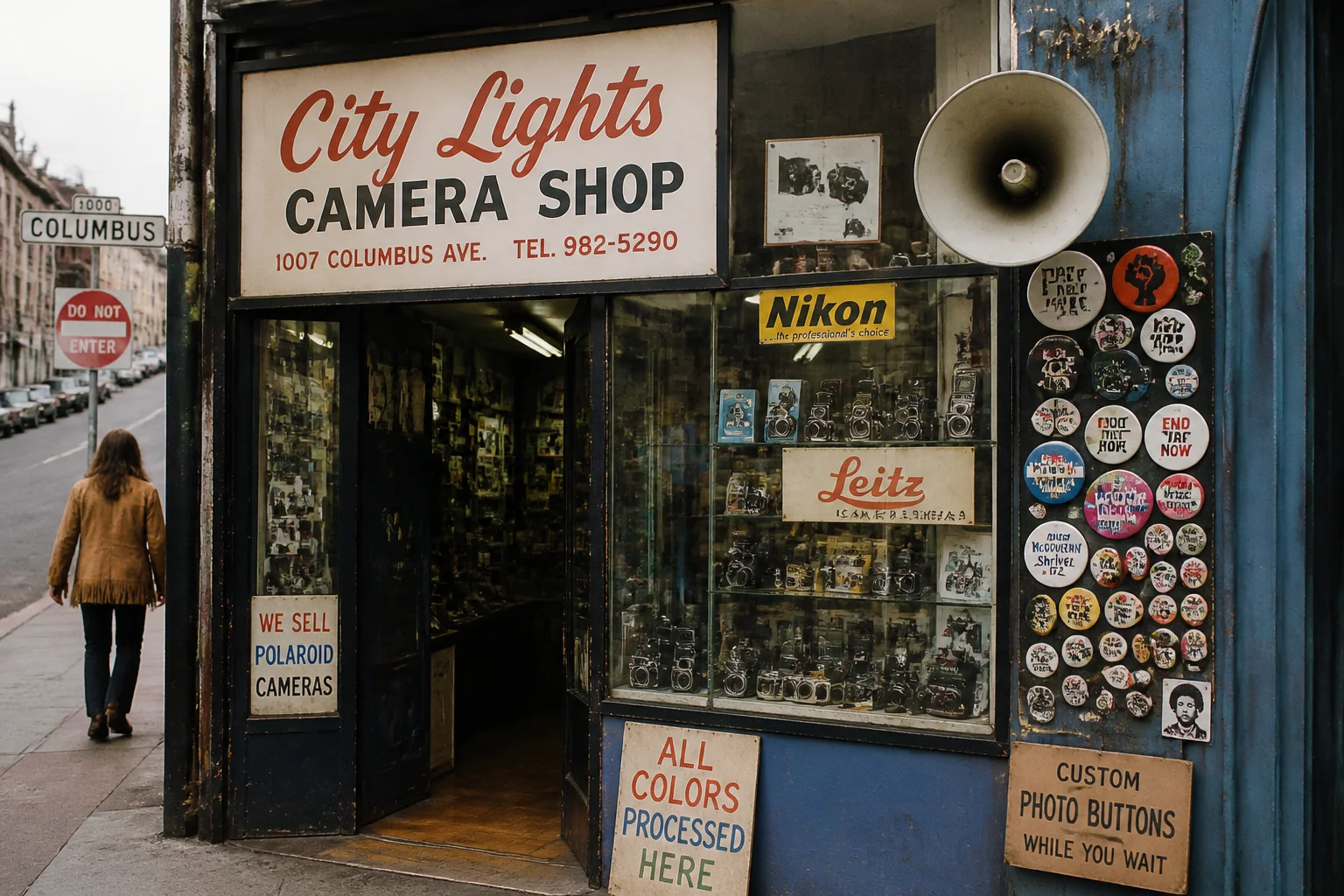
James Baldwin wrote novels and essays that exposed racism, sexuality, and American identity with unmatched clarity. His works include 'Giovanni's Room,' one of the first major English-language novels to center gay male love, and 'The Fire Next Time,' a landmark of civil rights thought. Baldwin was unapologetically Black and gay in a society that punished both.
He spent much of his life in France, though he always wrote to and about America. Baldwin's essays and interviews also challenged the idea that gay identity belonged only to white Europeans or Americans. He remains one of the most influential famous LGBTQ people in literature.
18. Christine Jorgensen (1926–1989): The Trans Pioneer
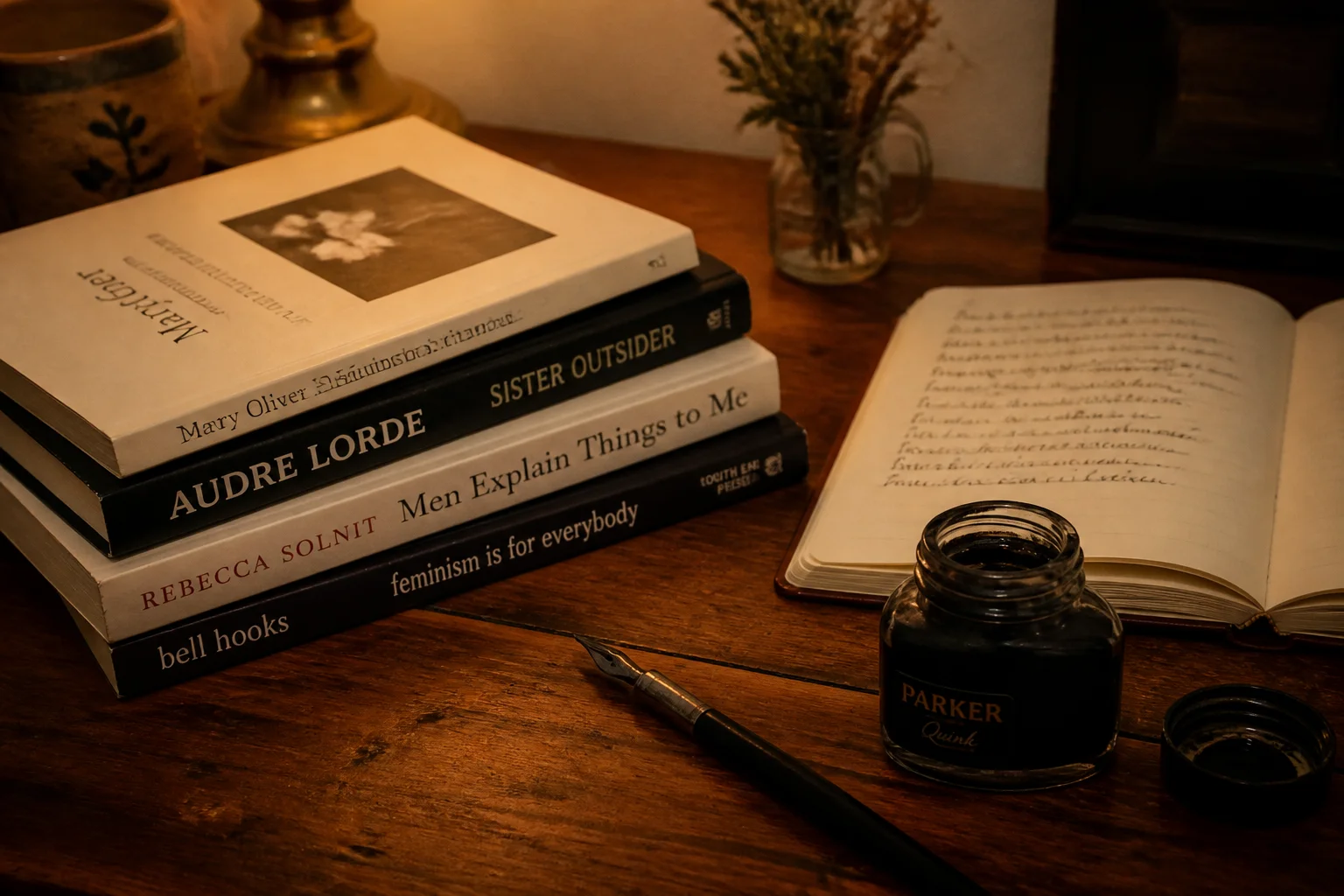
Christine Jorgensen became an international story in 1952 after undergoing gender confirmation surgery in Denmark. The former GI from New York returned to the United States as a celebrity, writer, and speaker. She used the press to explain her life and to advocate for understanding, even as newspapers sensationalized her.
Jorgensen did not always use the word transgender, which was not yet common, but she described herself as a woman born in a male body. Her visibility made gender transition a public issue for the first time for many Americans. She is a crucial figure among historic LGBTQ figures for trans history.
19. Harvey Milk (1930–1978): The People's Politician
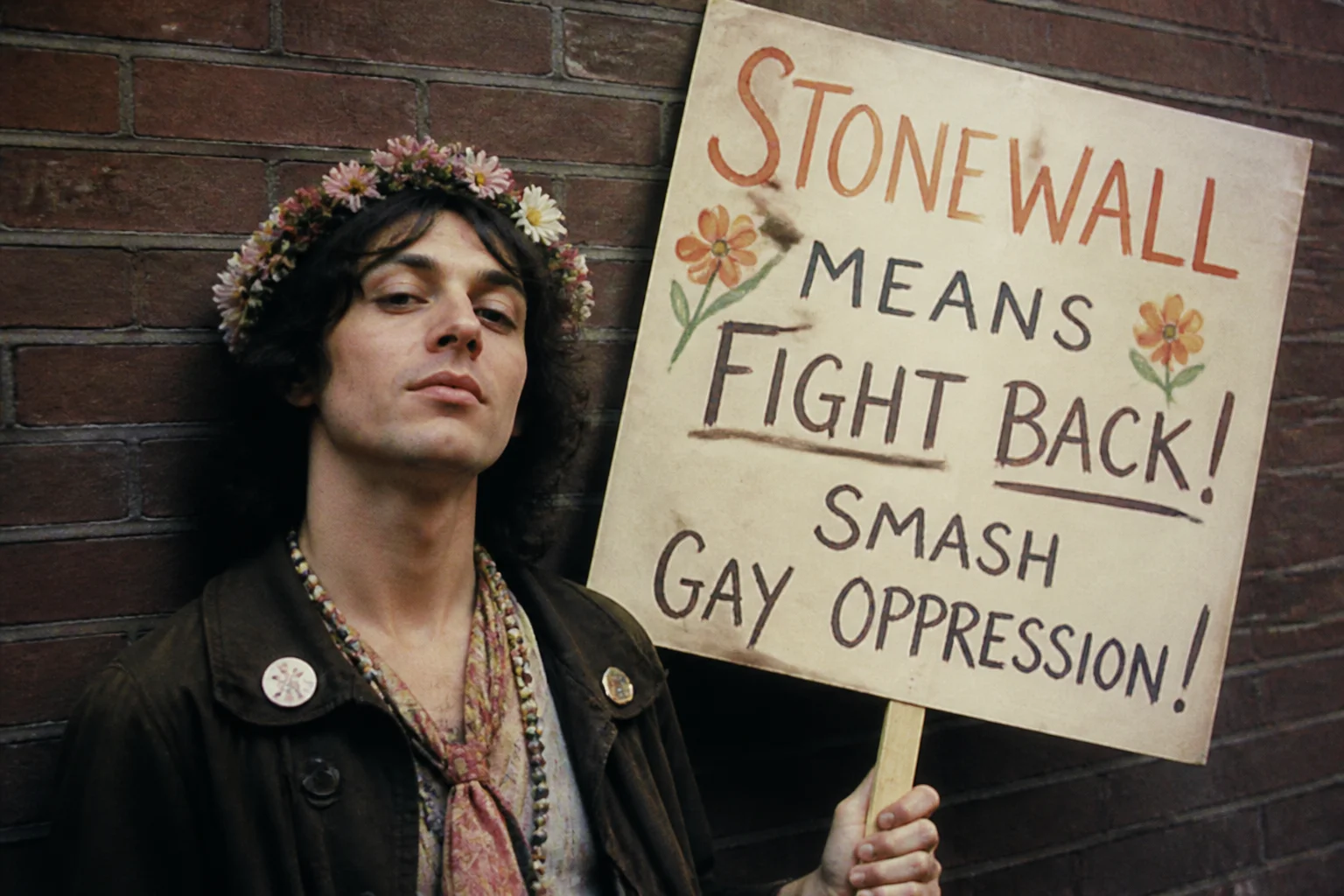
Harvey Milk was elected to the San Francisco Board of Supervisors in 1977, making him one of the first openly gay elected officials in the United States. He organized coalitions across labor, immigrant, and neighborhood groups and fought against a California ballot measure that would have barred gay people from teaching. Milk was assassinated in 1978, less than a year into office.
His camera shop in the Castro became a campaign headquarters and community hub. Milk's speeches and recordings remain a rallying point for LGBTQ heroes. His short career proved that open political representation could change the conversation.
20. Audre Lorde (1934–1992): The Black Lesbian Warrior Poet
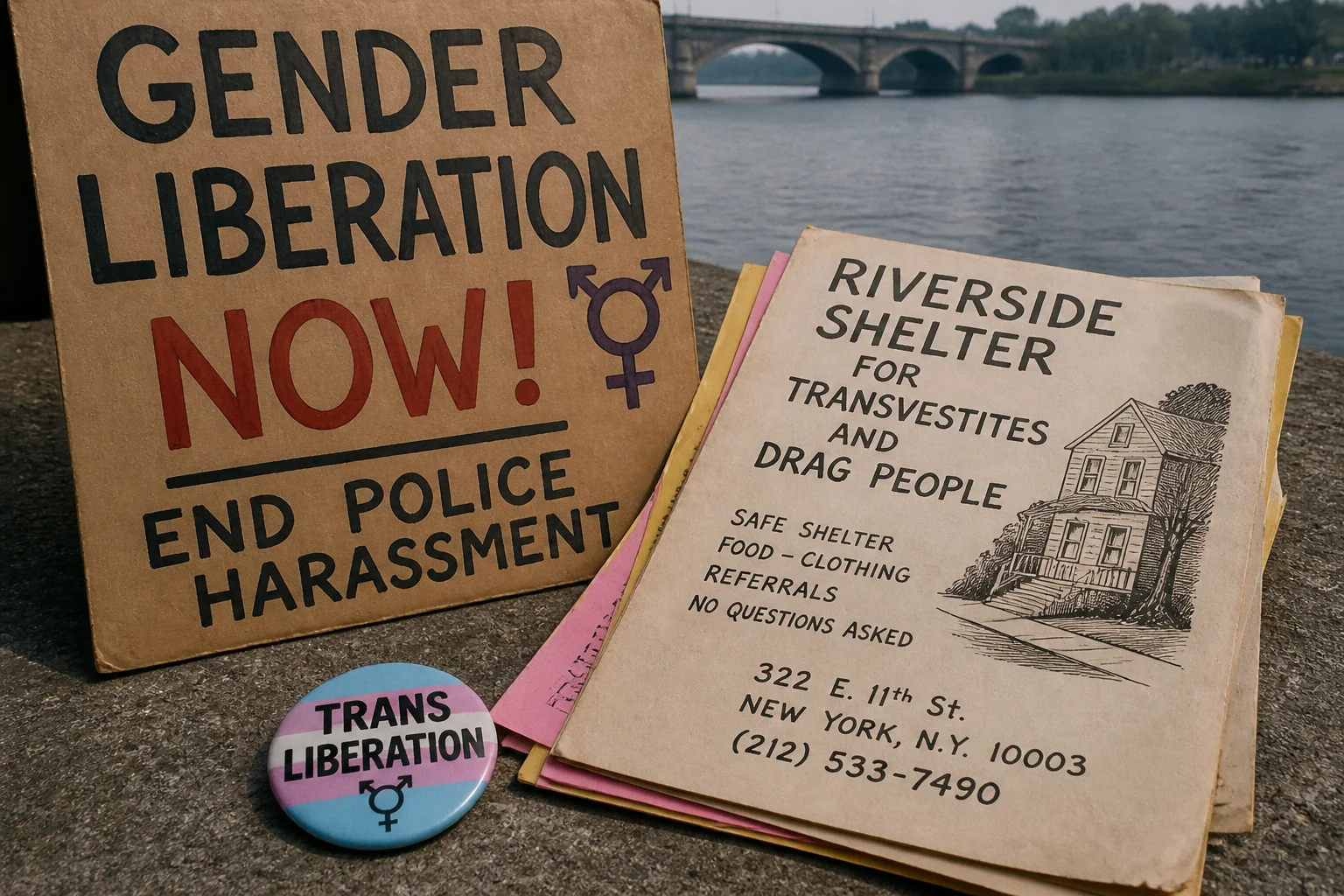
Audre Lorde was a Black lesbian poet, essayist, and activist whose work linked racism, sexism, homophobia, and class. She described herself as a Black lesbian mother warrior poet, and she wrote classics such as 'Sister Outsider' and 'Zami: A New Spelling of My Name.' Her essays influenced feminist and queer theory around the world.
Lorde insisted that silence would not protect people and called for honest speech about difference. She fought cancer for years and wrote about that experience as well. Lorde remains a central figure for lesbian historical figures because she refused to separate her identities.
21. Marsha P. Johnson (1945–1992): The STAR of Stonewall
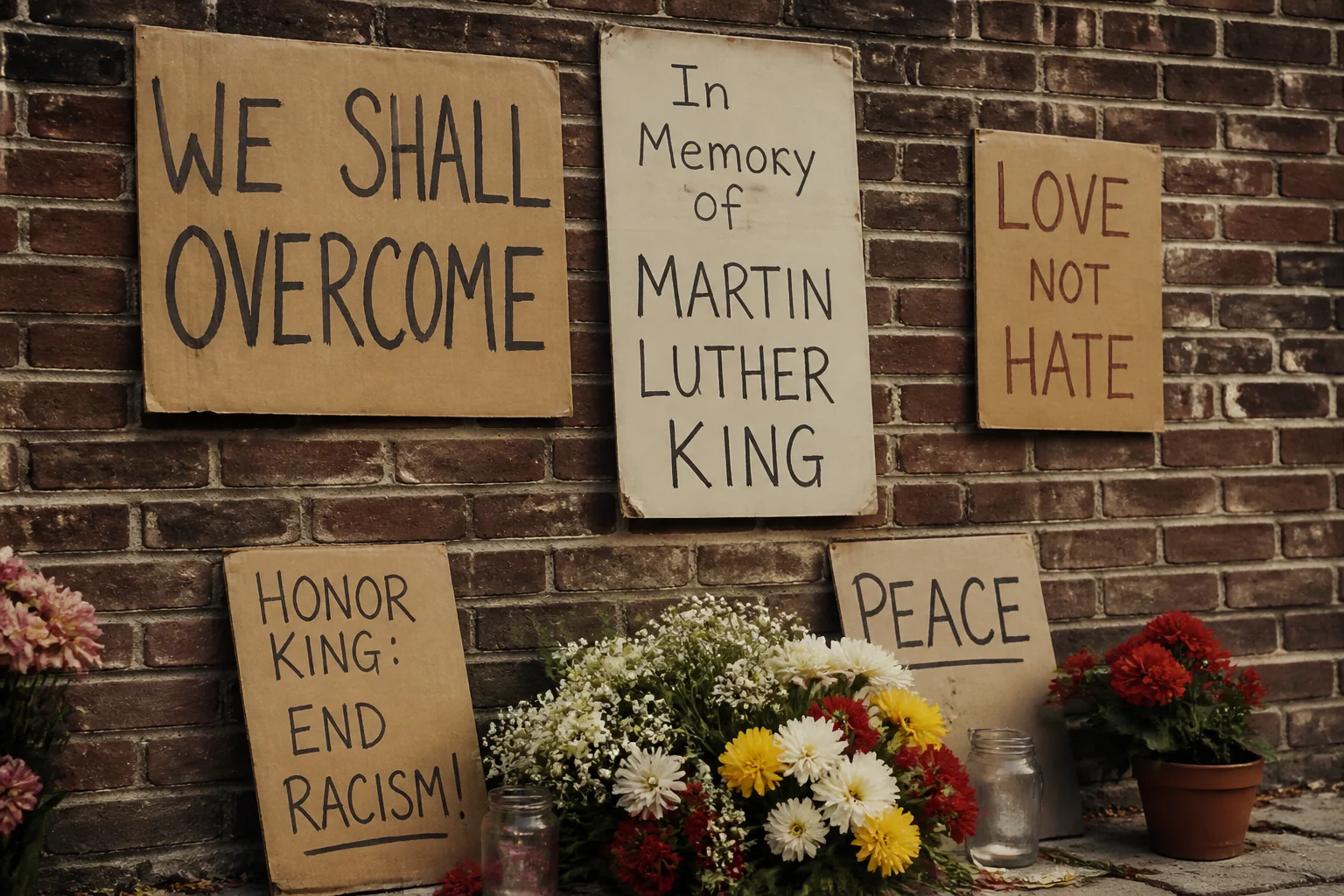
Marsha P. Johnson was a Black trans woman and drag performer who became a central figure in the Stonewall uprising of 1969. Along with Sylvia Rivera, she co-founded Street Transvestite Action Revolutionaries (STAR), which provided housing and support for homeless queer youth. Johnson's kindness and visibility made her a beloved figure in New York's LGBTQ community.
She used the term transvestite because the word transgender was not widely used then. Johnson's life was also shaped by poverty, mental illness, and violence, and she died in 1992 under circumstances that were long treated as suspicious. Her legacy now anchors many LGBTQ history discussions.
22. Sylvia Rivera (1951–2002): The Trans Liberation Fighter
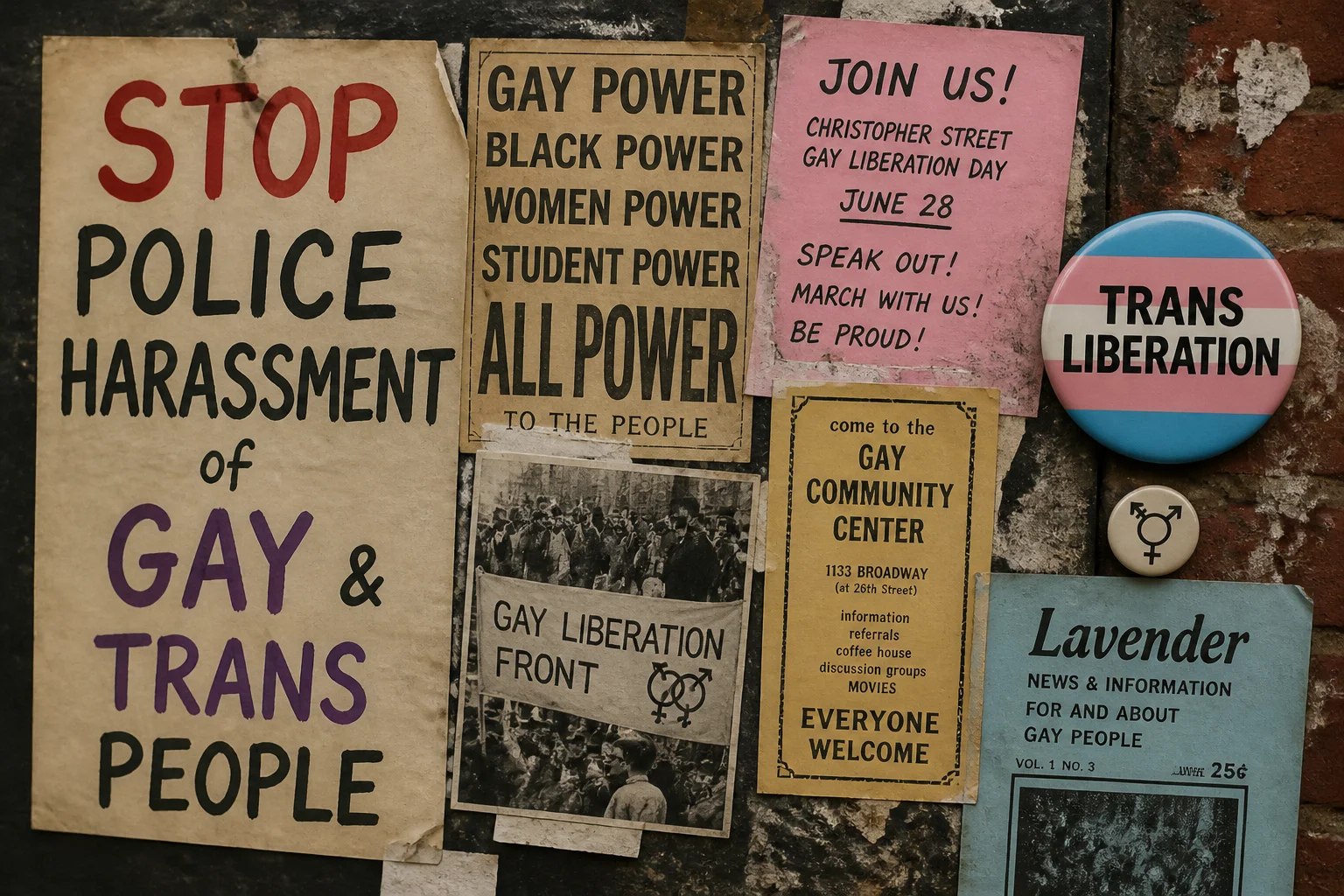
Sylvia Rivera was a Latina trans activist who fought for the inclusion of transgender and gender-nonconforming people in the LGBTQ movement. She was present during the Stonewall uprising, though she later said accounts often centered white gay men instead of street youth like her. With Marsha P. Johnson, she co-founded STAR and campaigned for a trans-inclusive civil rights bill.
Rivera challenged mainstream gay organizations that left trans people behind. She returned to activism in the 1990s and is now remembered among LGBT History Month figures and in public memorials. Her work reminds us that LGBTQ heroes have never been a single unified group.
What We Can Learn from Famous LGBTQ People in History
These stories show that LGBTQ people have always existed, even when language and laws tried to erase them. They also reveal how much talent and courage were required simply to live, create, and fight in hostile societies. The cost of that hostility is clearest in figures like Alan Turing, Oscar Wilde, and Marsha P. Johnson.
Learning about LGBTQ historical figures is not just about the past. It shapes how we understand art, science, civil rights, and the diversity of human experience today. When we mention notable gay people in history, we recover the missing threads of the stories we already tell.
During LGBT History Month and beyond, these lives are a reminder that identity is not a modern invention. The words change, but the people behind them were real. Their contributions changed the world, and their memory continues to inspire.
Frequently Asked Questions
Who are some notable gay people in history?
Notable gay people in history include Alan Turing, Oscar Wilde, James Baldwin, Bayard Rustin, Leonardo da Vinci, and Harvey Milk. Figures such as Sappho, Virginia Woolf, and Eleanor Roosevelt are often discussed as lesbian or same-sex-attracted, though historical evidence and modern labels vary.
Why is it difficult to identify LGBTQ historical figures?
Many past societies criminalized same-sex relationships or erased gender variance. People often used coded language, and their letters or diaries were destroyed. Modern categories like gay, lesbian, or transgender do not always map neatly onto earlier cultures.
Who is the most famous LGBTQ person in history?
Alan Turing and Oscar Wilde are probably the most widely recognized gay men in history, while Sappho is the most famous ancient figure associated with lesbian desire. Fame, however, depends on region and culture, and many other LGBTQ heroes are famous within their fields.
What does lhamana mean in We’wha’s story?
Lhamana is a Zuni third-gender role that We'wha held in the 19th century. It is a distinct social and ceremonial role, not simply a modern Western identity, and it shows the diversity of gender systems across cultures.

Alex Warren
Related Articles