
Ask anyone to name the greatest robberies in history, and the conversation usually slides toward masked gunmen, underground tunnels, and getaway cars. Yet the historical record shows something stranger: many of the most notorious bank robbers were patient planners who spent months posing as shopkeepers, security workers, or ordinary customers at the institution they would later rob.
This list of bank robberies and famous bank robbers covers nearly 150 years of heists, from a doomed 1876 raid in Minnesota to a 2016 cyberattack that moved $81 million without a single vault being opened. Some were successful bank robberies; others failed on the day but still became legend.
TL;DR: The most daring bank robberies succeed through patience, insider knowledge, and engineered tunnels more often than brute force, and even the most notorious bank robbers rarely escape for long.
What Makes a Bank Robbery 'Daring'
What separates a common note-passing stickup from one of the biggest robberies in history is usually planning, scale, and nerve. A daring bank robbery often involves a tunnel, an inside man, a hostage holdout, or a flaw in a bank's own security routine.
To be clear, robbery is a violent crime, and this list does not celebrate harm. Many entries include injury, kidnapping, or death, and they are included here because they changed how banks, police, and security experts think.
The 20 Most Daring Bank Robberies
These entries are arranged roughly by era rather than by rank, because comparing a tunnel job to a cyber heist is less useful than seeing how methods evolved. Each case below is tied to a specific time, place, and crew.
1. The James-Younger Gang's Northfield Raid (1876)
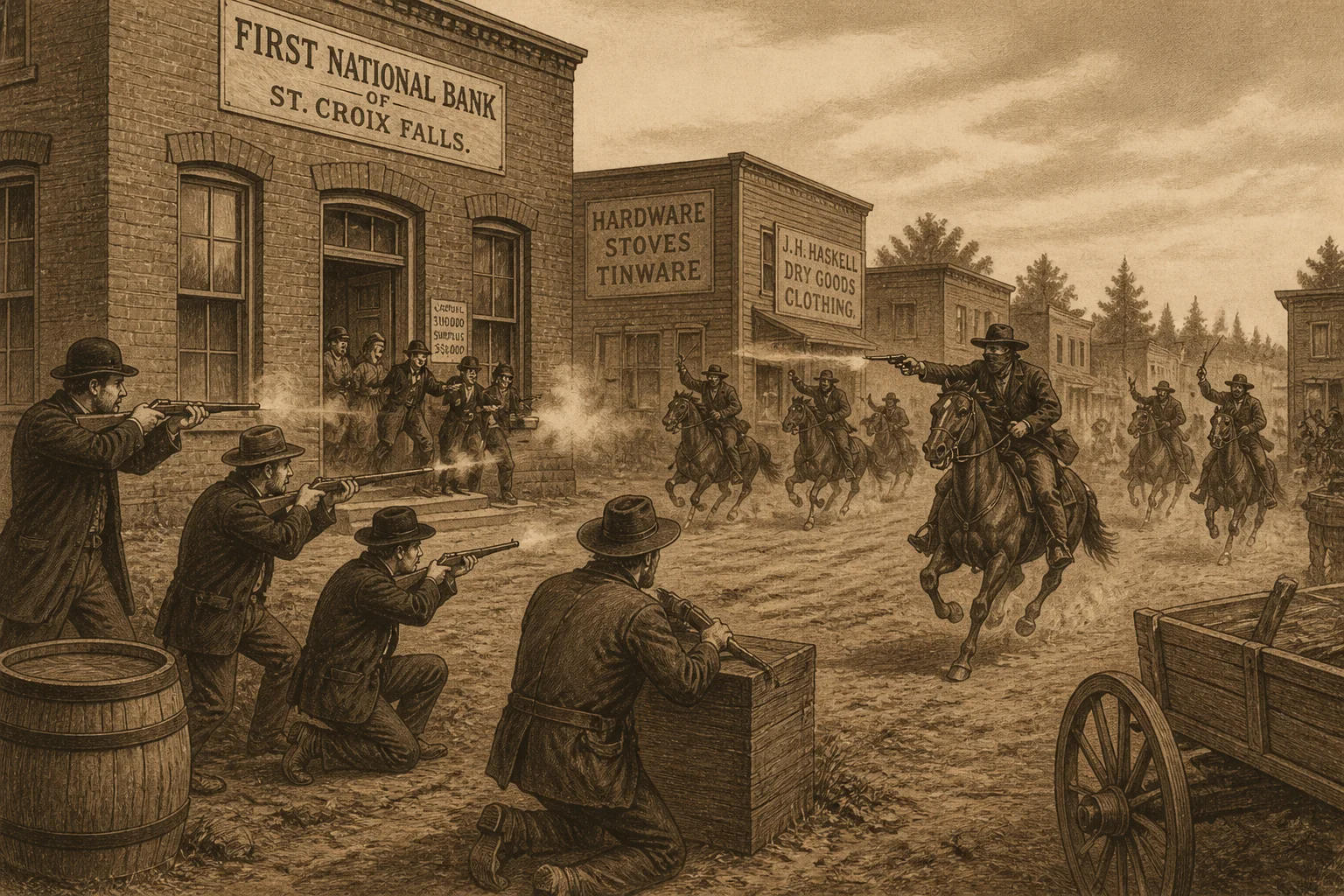
On September 7, 1876, eight members of the James-Younger Gang rode into Northfield, Minnesota, intending to rob the First National Bank. They had selected the town partly because it sat far enough from their Missouri base to seem like an easy target.
The raid collapsed when merchants and townspeople realized what was happening and opened fire from storefronts and windows. Three outlaws were killed in the street, the Younger brothers were captured, and only Frank and Jesse James escaped.
The failed raid became a landmark in the history of American bank robbery, not because it worked but because ordinary citizens fought back. It also exposed how quickly a bank holdup could become a massacre when a community refused to submit.
2. The Newton Boys' 1920s Bank Raids
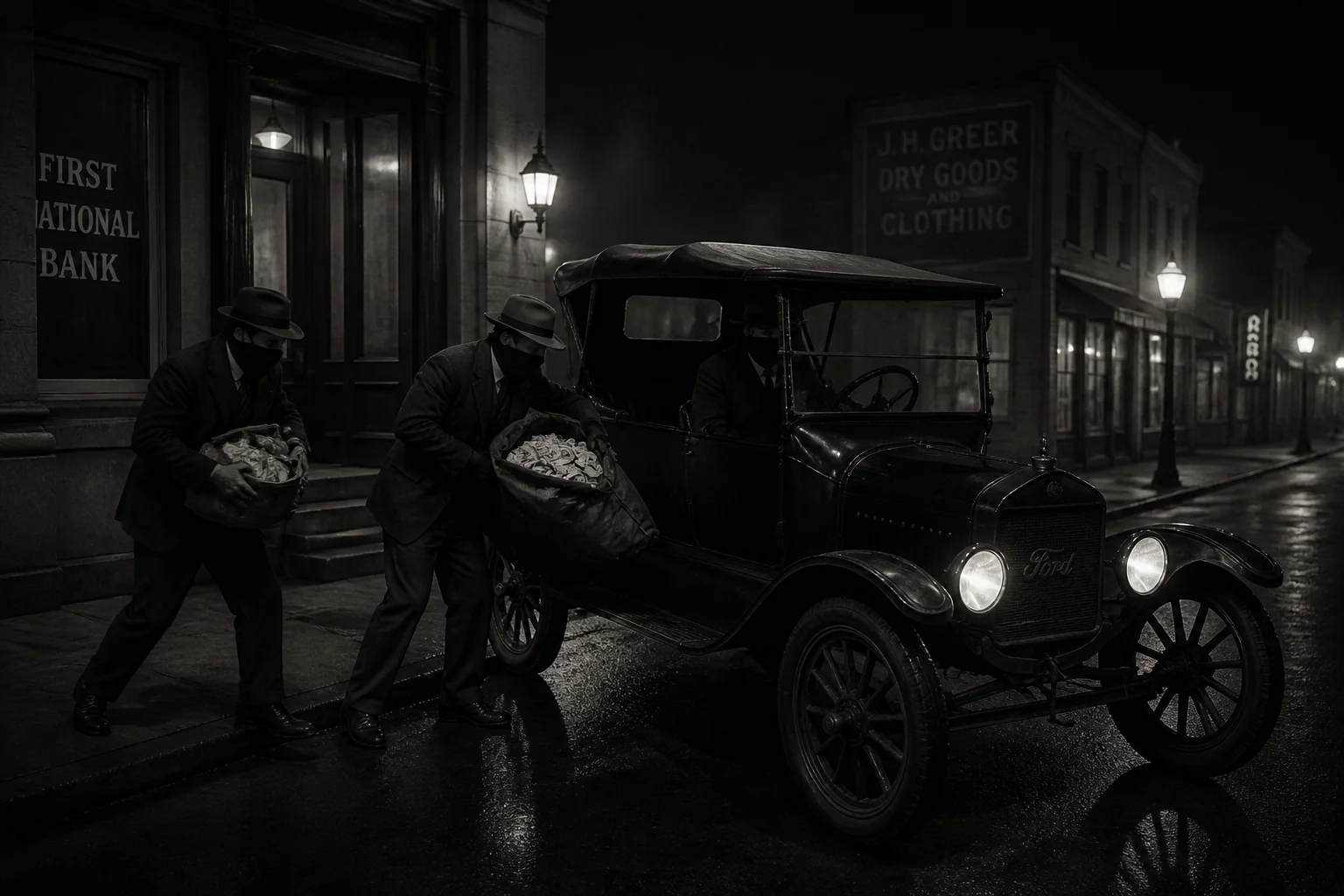
From the late 1910s into the 1920s, the Newton brothers and their associates built a reputation as some of the most prolific bank robbers of the Prohibition era. Operating primarily in Texas and the Midwest, they specialized in night burglaries and daylight bank raids that relied on detailed casing rather than constant gunfights.
By some later accounts, the Newton Boys took part in more than 80 bank and train robberies over the course of their criminal career. Those numbers are difficult to verify from period records, but the gang's bank work was certainly extensive enough to draw national attention.
Their success flowed from patience and local knowledge, not dramatic shootouts. When the gang finally unraveled, it was due to a mail-train robbery that brought federal pressure down on the entire network.
3. The Lincoln National Bank Robbery (1930)
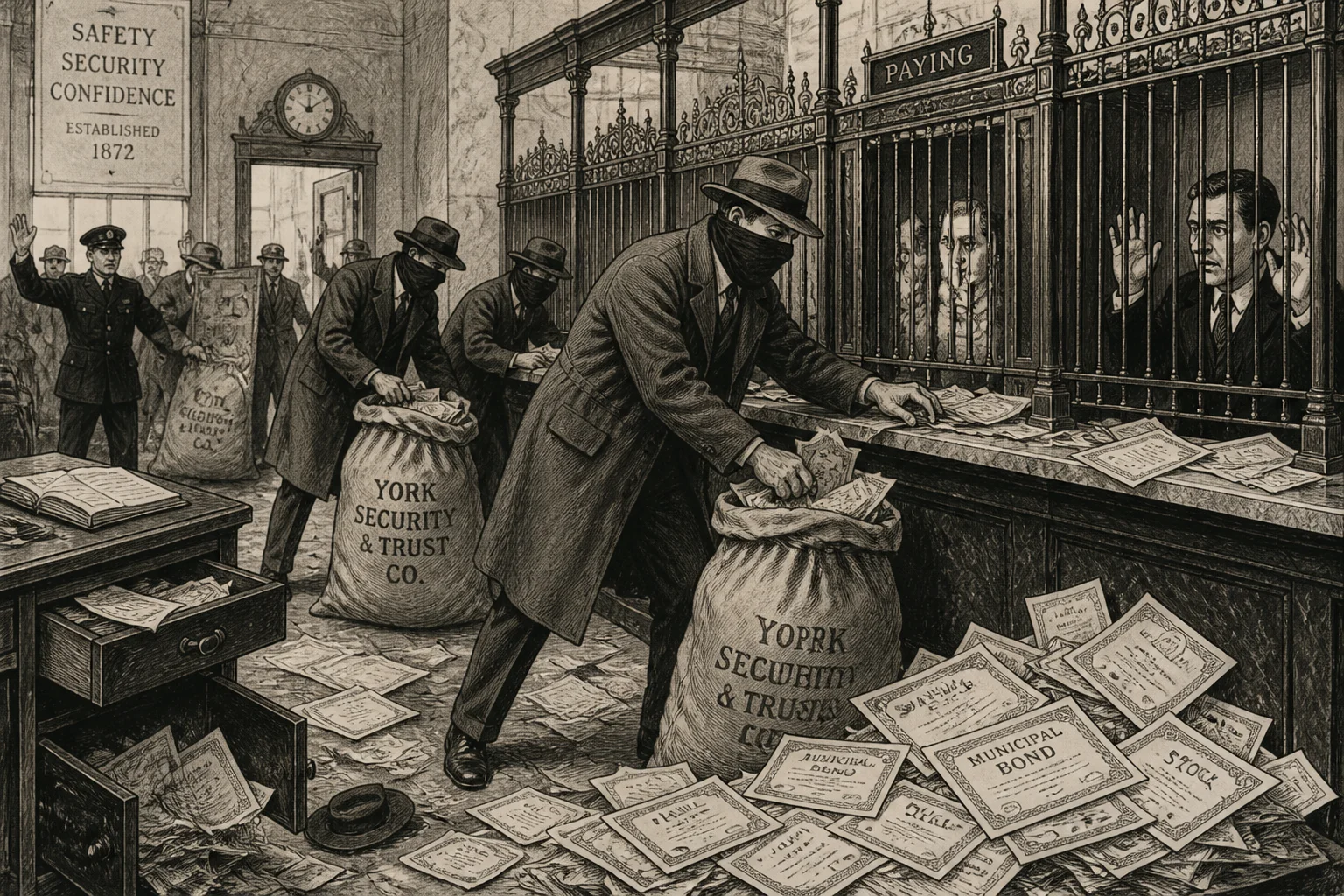
On September 17, 1930, a crew walked into the Lincoln National Bank and Trust in Lincoln, Nebraska, and left with a huge haul in cash, bonds, and securities. Newspaper reports put the loss above $2.7 million, making it one of the largest robberies in U.S. history at that point.
The robbers had spent weeks posing as ordinary businessmen and had even rented office space nearby to study the bank's routines. That level of preparation allowed them to move quickly once the raid began.
Several men were later arrested and convicted, but much of the paper value in bonds and securities was never fully recovered. The case marked a shift toward professional crews who treated bank robbery as a planned operation rather than an impulsive crime.
4. Dillinger's Midwest Bank Spree (1933-1934)
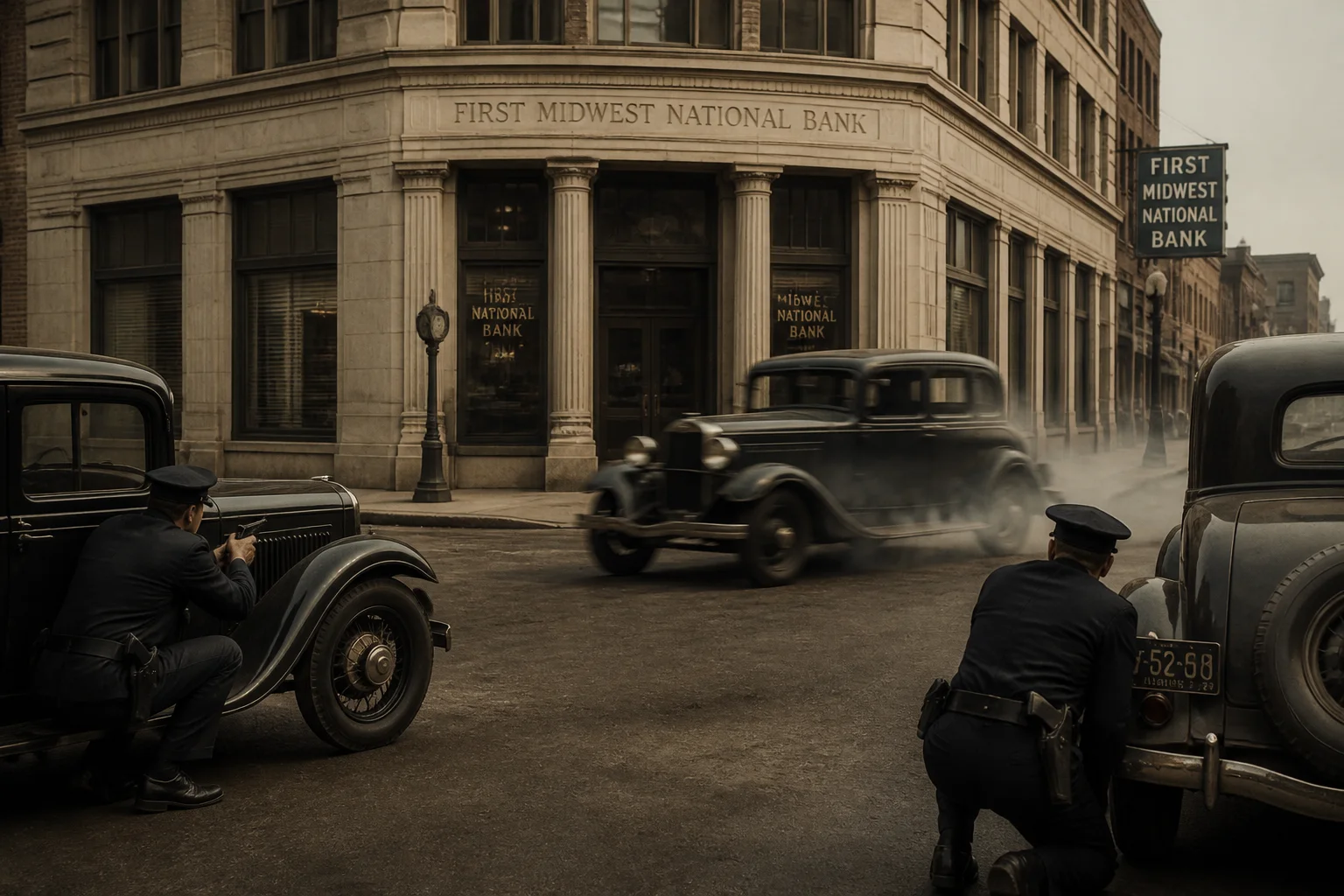
John Dillinger and a rotating gang of accomplices cut through Indiana, Ohio, Wisconsin, and neighboring states in a 13-month wave of bank jobs. They favored fast, loud takeovers that subdued employees and customers before alarm systems could bring help.
Dillinger's escapes from jail and dramatic jailbreak tools made him one of the most notorious bank robbers of the 1930s. The actual cash take from any single robbery was often modest, but the sheer number of raids kept the gang constantly supplied.
His spree ended when the FBI closed in, and the public fascination with his name has never fully faded. He personified the 'public enemy' era in which bank robbers were treated as both threats and antiheroes.
5. Bonnie and Clyde's Bank and Store Robberies (1932-1934)
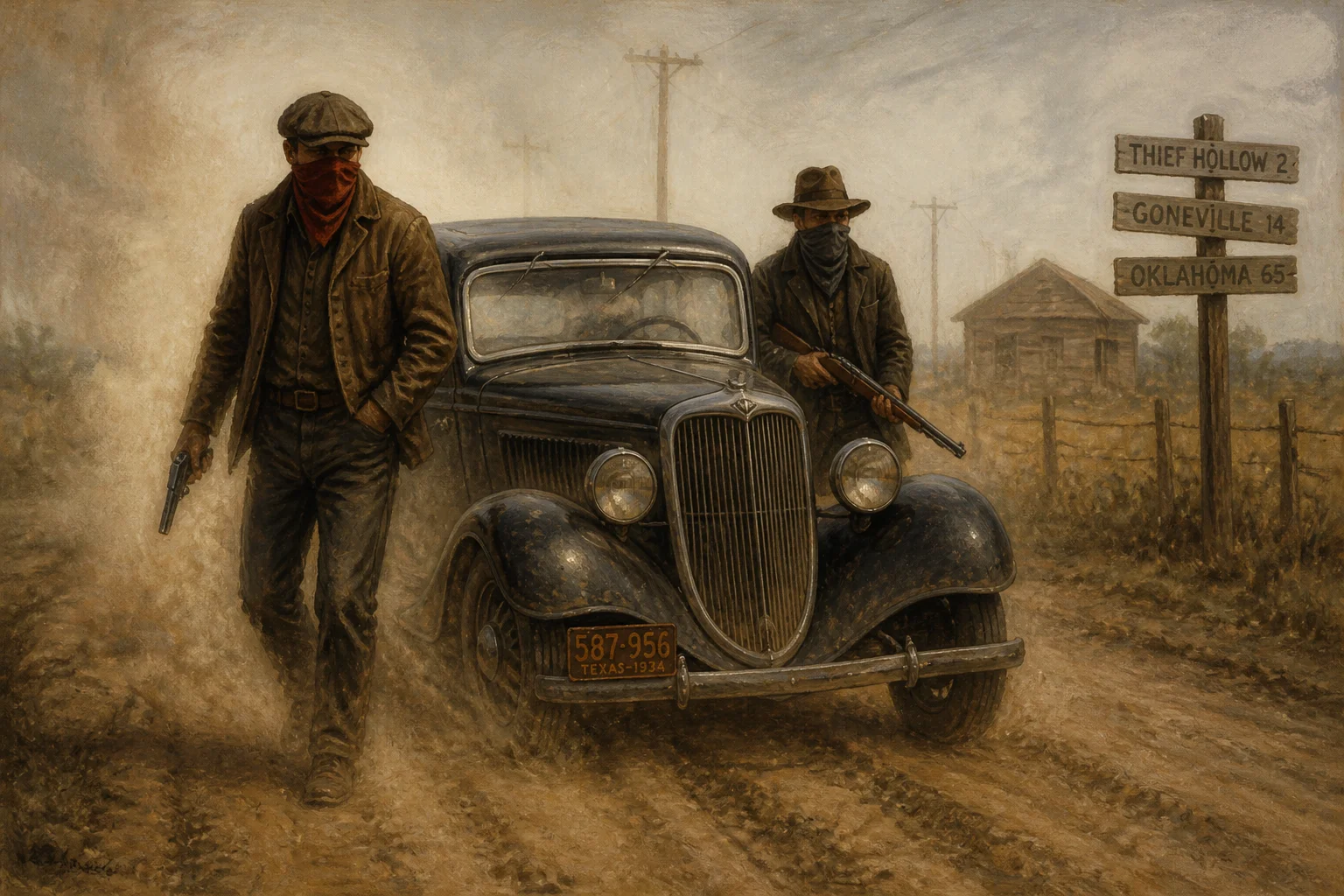
Clyde Barrow and Bonnie Parker led a faction of the Barrow Gang through a series of small-town bank, store, and filling station robberies across Texas, Oklahoma, Missouri, and other states. Contrary to the romanticized film image, they were not elegant master criminals.
Their jobs were often chaotic, poorly executed, and violent, with smaller scores than the public usually imagines. Bonnie and Clyde became famous less for the size of their hauls than for their ability to escape roadblocks and for the national manhunt that symbolized the era's panic about outlaws.
Their bank robberies were part of a broader pattern of car theft, kidnapping, and armed hold-ups. In the end, the couple was ambushed by law enforcement officers in Louisiana in 1934, and their legend grew far beyond the reality of their crimes.
6. The Great Brink's Robbery (1950)
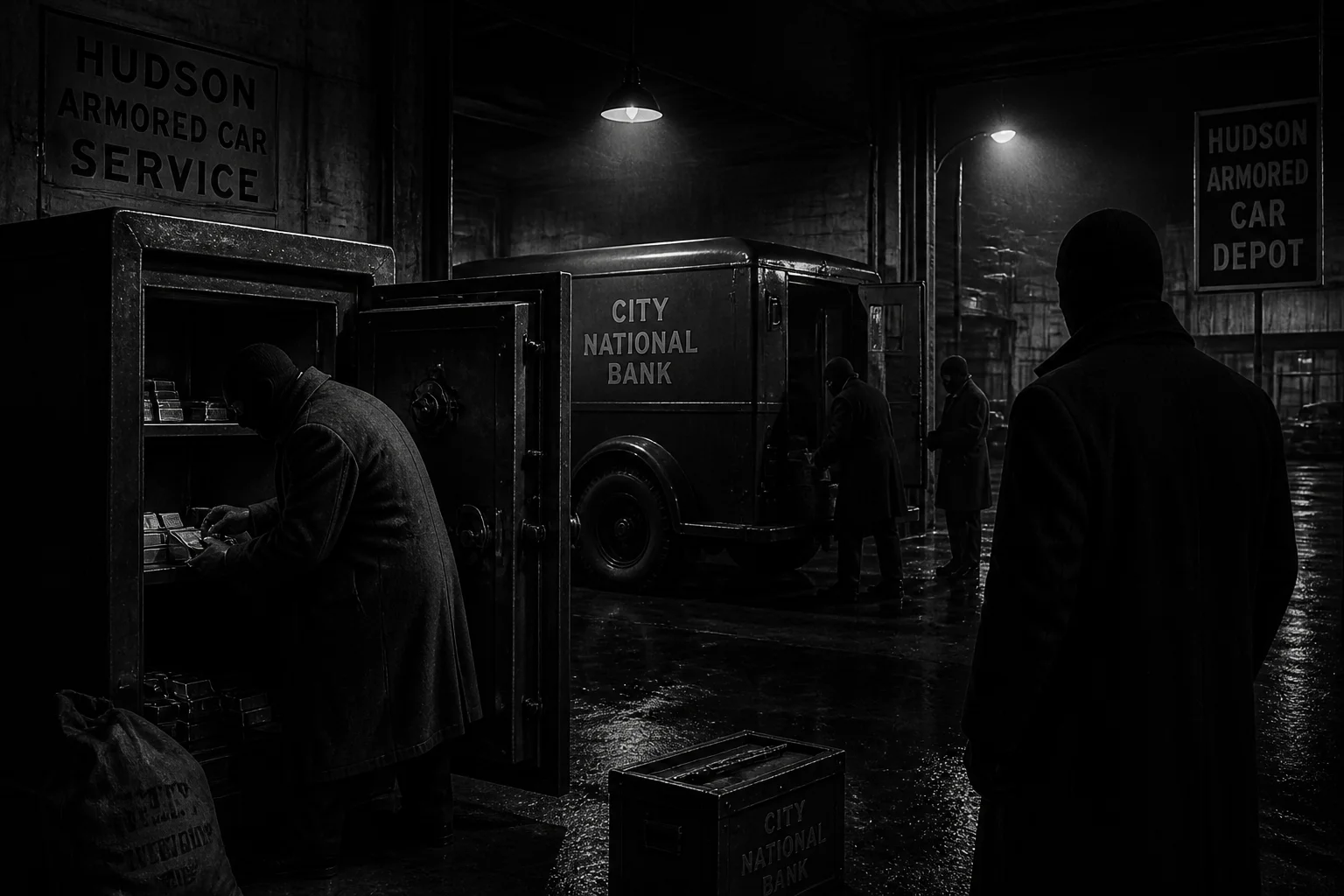
On January 17, 1950, a crew of men wearing masks and pea coats walked into the Brink's armored car depot in Boston, bound five employees, and made off with more than $1.2 million in cash and about $1.5 million in checks and securities. At the time, it was called the crime of the century and ranked among the biggest robberies in history.
The robbers had studied the building's routines for months and entered through a series of locked doors using duplicated keys. They completed the theft without firing a shot, which only added to the myth.
The case was eventually broken through pressure and an informant, but much of the cash was never recovered. It changed how armored car companies designed night security and how police investigated organized crews.
7. Willie Sutton's Bank Robbery Career (1920s-1952)

Willie Sutton robbed banks for more than two decades, using disguises and careful surveillance to convince tellers and managers to open cash drawers. He was often described as a 'gentleman bandit,' though his work was still armed robbery.
Sutton was captured several times and escaped from prison more than once, which kept his name in the news. He remains a fixture on any list of bank robbers, partly because of the widely repeated line that he robbed banks 'because that's where the money is.'
That quote is often cited as a journalist's invention rather than something Sutton actually said. Whatever its origin, the line captured the cold logic that made him a legend.
8. The Barker-Karpis Gang's Rural Bank Circuit (1931-1935)
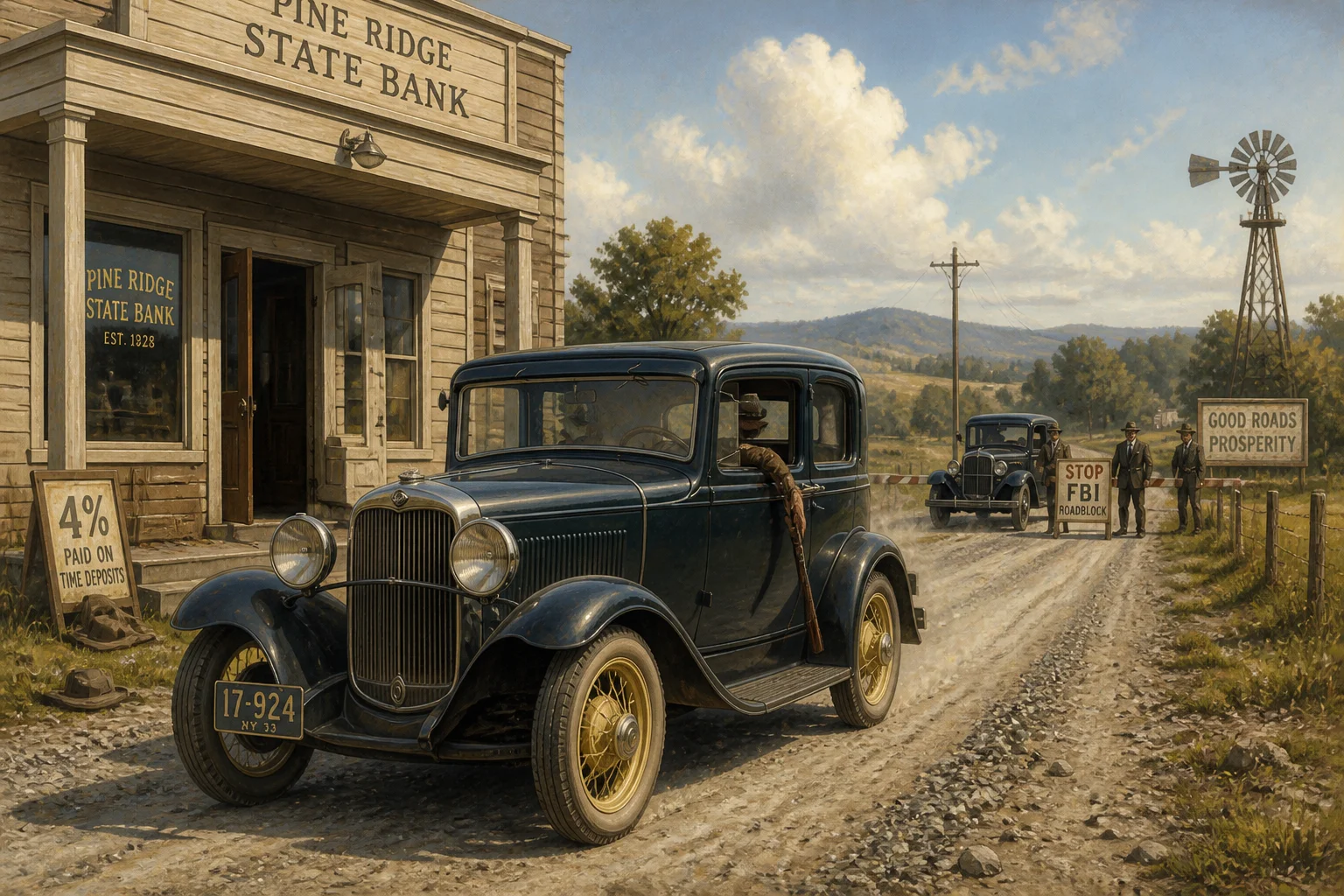
Alvin Karpis, Fred Barker, and their associates spent the early 1930s robbing banks, post offices, and mail shipments across the rural Midwest and upper South. They were methodical and willing to move long distances between jobs, which made them hard for local law enforcement to predict.
The FBI eventually listed Karpis as Public Enemy No. 1, and the gang became synonymous with the organized bandit period. Their bank work is a reminder that the most notorious bank robbers often operated as part of a larger criminal network.
Arrests and shootouts eventually eroded the group, but not before it had a lasting impact on federal policing tactics. The era pushed law enforcement to coordinate across state lines in ways that had previously been rare.
9. The Baker Street Bank Burglary (1971)
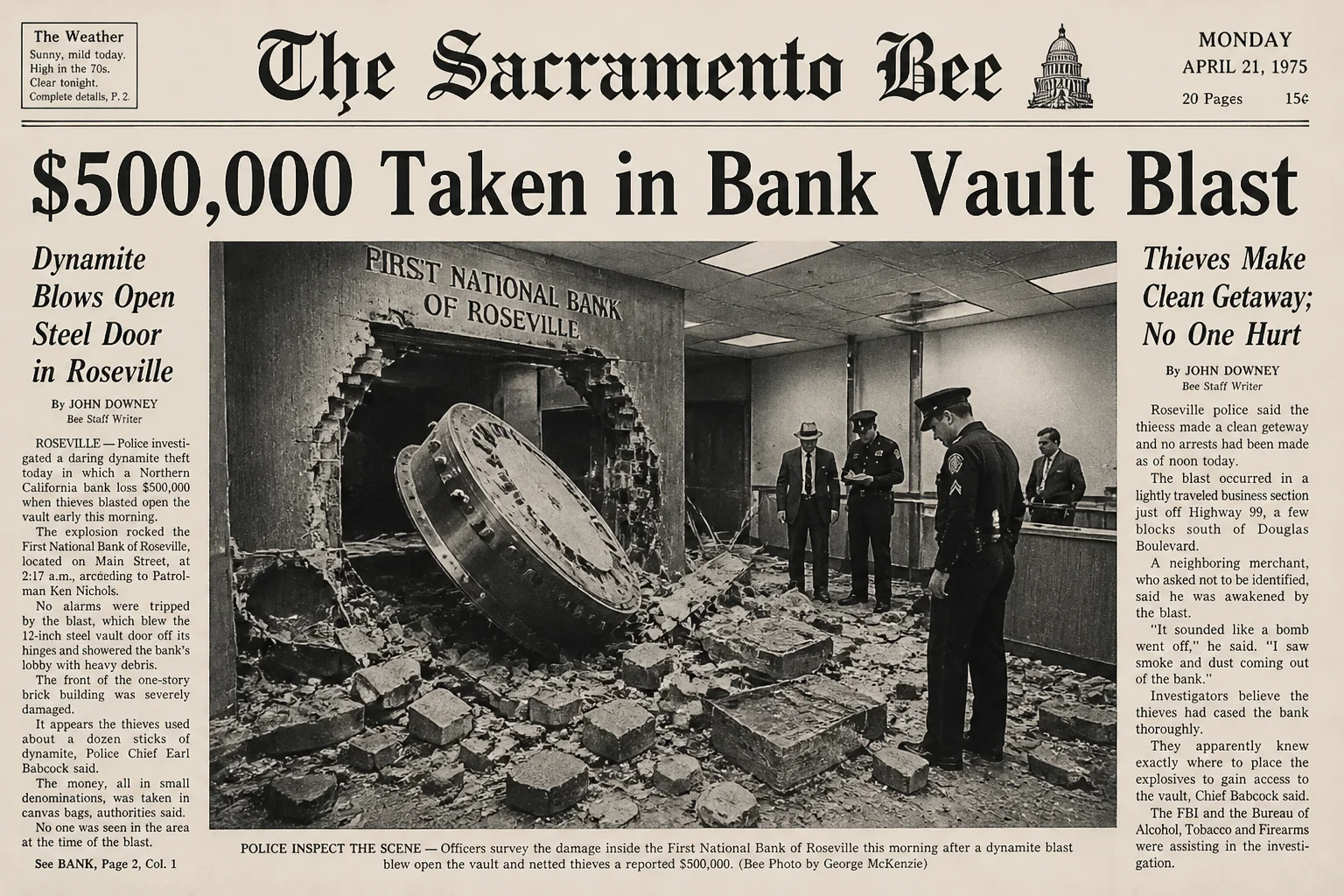
During the autumn of 1971, thieves in London leased a leather goods shop two doors from a Lloyds Bank branch near Baker Street. Over several weeks, they tunneled beneath the building and then cut into the bank vault from below.
The crew emptied hundreds of safe deposit boxes, with estimates ranging from £1.5 million to £3 million. A radio operator reportedly overheard their walkie-talkie chatter, but the case became more famous for its audacity than for clear convictions.
The Baker Street job remains one of the most cinematic bank burglaries in British history. It later inspired films and books, partly because the exact value of the stolen goods was never fully established.
10. The United California Bank Burglary (1972)
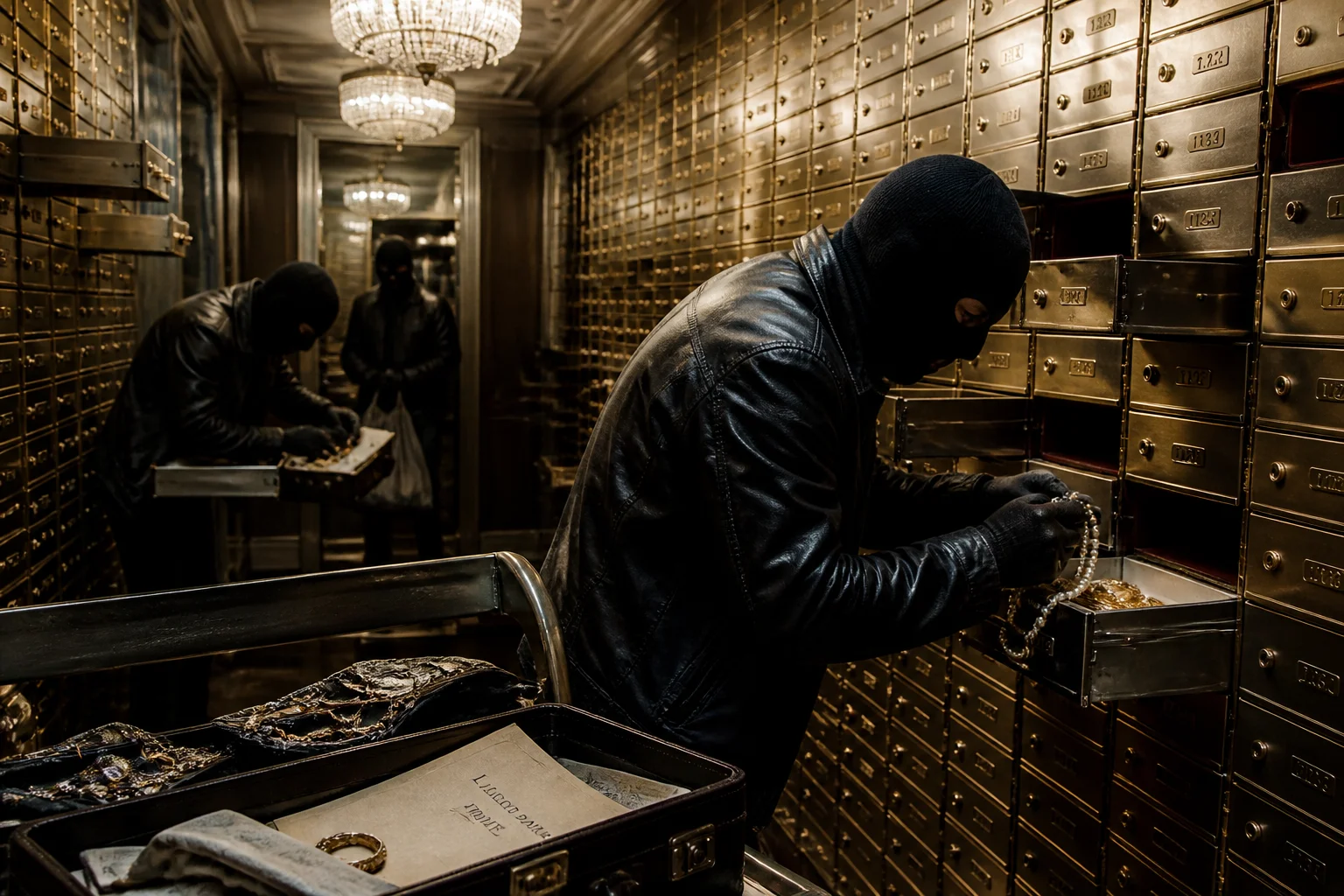
In March 1972, a crew broke into a United California Bank branch in Laguna Niguel and used explosives to blast their way into the vault. The loss, often cited at around $9 million, made it one of the most expensive bank burglaries in American history at the time.
Investigators later connected the job to a professional crew from Ohio that had carefully scouted the bank's layout and security. The break-in was unusually sophisticated for its time and involved disabling alarms before entering.
The heist pushed banks to add more advanced vault sensors and night monitoring systems. It also demonstrated that a quiet suburban bank could hold far more cash than the public assumed.
11. The Société Générale Sewer Heist, Nice (1976)

Albert Spaggiari, a man with a talent for planning, spent months preparing to enter a Société Générale bank in Nice by tunneling from the city sewer system. In July 1976, his crew broke through into the vault and removed about 60 million francs in cash and valuables.
Spaggiari reportedly left a message on the vault wall saying 'without weapons, hatred, or violence,' framing the heist as a harmless adventure. The line became part of the crime's glamorous reputation.
He later escaped from custody and remained at large for years, which only added to the myth. The Nice tunnel job is now a global template for bank robberies built on patience and access rather than guns.
12. The Knightsbridge Safe Deposit Robbery (1987)

On July 12, 1987, two men walked into the Knightsbridge Safe Deposit Centre in London, claiming they wanted to open a box. Once inside, they subdued guards and let in a larger crew that spent several hours breaking open hundreds of deposit boxes.
Estimates put the haul as high as £60 million, making it one of the largest safe deposit thefts in British history. Many victims were wealthy individuals who kept valuables, gold, and cash in private boxes.
Several participants were eventually convicted, though much of the property was never recovered. The heist exposed the weakness of private banking facilities that looked secure but lacked strong visitor controls.
13. The Dunbar Armored Inside Job (1997)

In 1997, a security official at Dunbar Armored in Los Angeles used his intimate knowledge of the facility to bypass alarms, allowing a crew to enter after hours. They loaded roughly $18.9 million in cash into a truck, a total widely cited as the largest cash robbery in U.S. history.
The inside man, Allen Pace, had studied the vault count schedule and then shared the timing with accomplices. Because he knew which cameras were real and which angles were blind, the crew avoided immediate detection.
The case showed why even the strongest bank-adjacent security can fail when the threat comes from within. Multiple people were later convicted, but only a small portion of the cash was ever recovered.
14. The Loomis Fargo Heist (1997)
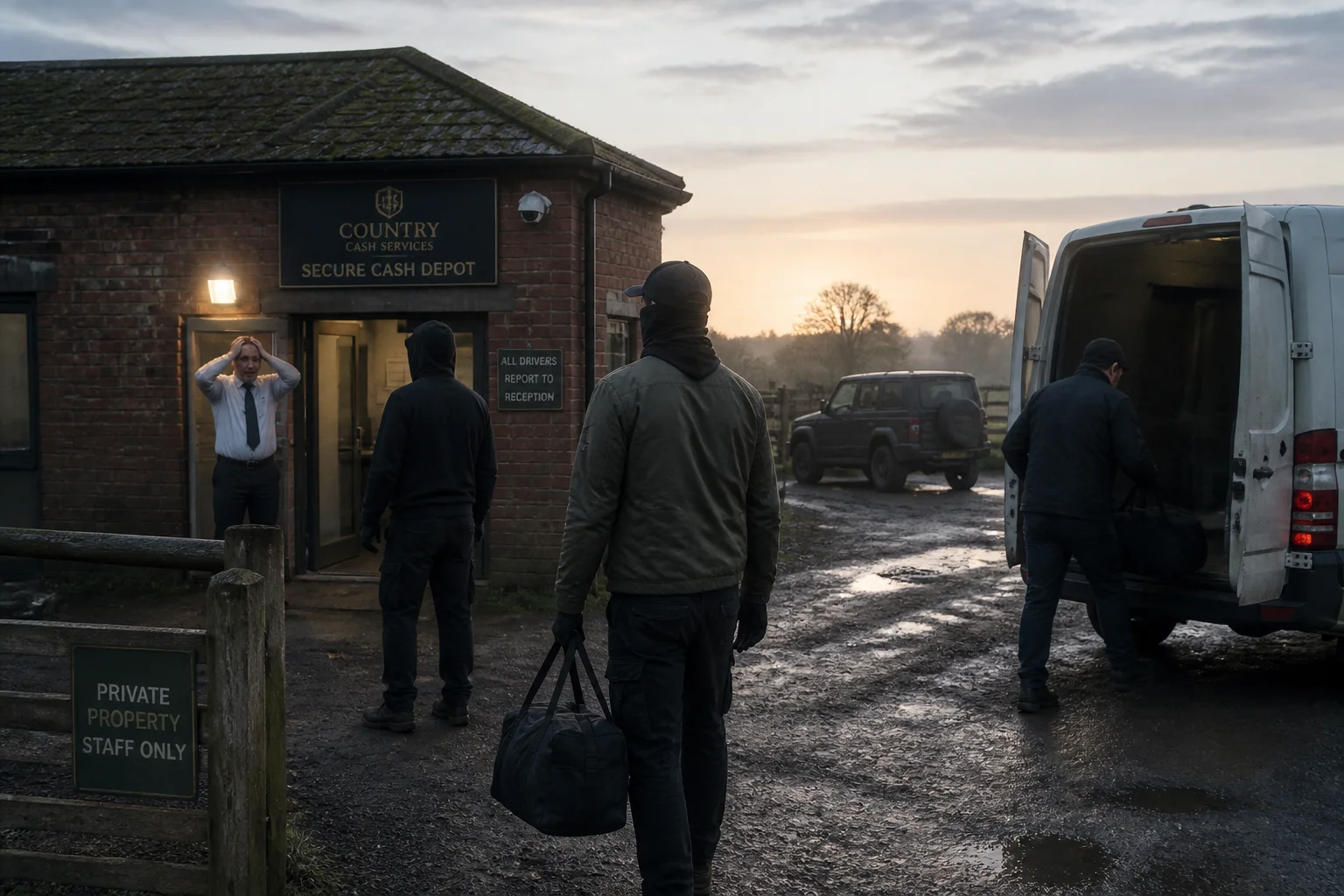
Later in 1997, armored car employee David Ghantt helped plan the theft of about $17.3 million from a Loomis Fargo depot in North Carolina. He and his accomplices moved the cash across state lines while Ghantt fled to Mexico.
The plan unraveled through a trail of evidence that included a rented van, phone records, and accomplices who turned on one another. It remains one of the largest cash robberies in U.S. history and inspired multiple books and films.
The Loomis Fargo case is often used as an example of how ordinary employees can become the weak point in cash security. Unlike many heists on this list, the money was recovered in significant part, though not before it financed a bizarre spending spree.
15. The Northern Bank Hostage Robbery (2004)

In December 2004, a gang in Belfast kidnapped the families of two Northern Bank employees and forced the staff to open the bank's vault before the robbery was discovered. The thieves left with about £26.5 million, one of the largest bank thefts in British history.
Investigators and governments suspected paramilitary involvement, though the legal aftermath was tangled. The case highlighted how robbers can use hostage pressure to bypass even the strongest technical security.
The Northern Bank robbery also changed how financial institutions handle 'tiger kidnapping' risk, in which family members are held to force insider cooperation. Banks tightened procedures for after-hours vault access and family emergency protocols.
16. The Banco Central Tunnel Heist, Fortaleza (2005)
Over several months in 2005, thieves in Fortaleza, Brazil, ran a fake landscaping business from a rented house while tunneling 78 metres beneath a Banco Central branch. On the weekend of August 6-7, they broke through into the vault and removed about R$164.8 million, close to $70 million in U.S. dollars at the time.
The crime is often counted among the greatest robberies in history because of its scale and engineering. The tunnel had its own lighting, ventilation, and an apparent system for removing soil without attracting attention.
Only a fraction of the cash was recovered, though many suspects were later identified and convicted. The case became a benchmark for tunnel heists and inspired a wave of copycat attempts in South America.
17. The Securitas Depot Robbery, Tonbridge (2006)

On February 22, 2006, a group abducted the manager of a Securitas cash depot in Tonbridge, Kent, along with his family, and forced him to lead them inside. They collected about £53 million, the largest cash robbery in British history.
The robbers used disguises and detailed planning, but they were undone by forensic evidence and the sheer number of people involved. The case is a bank-adjacent heist rather than a branch robbery, but it shaped modern cash-handling security around the world.
Investigators recovered part of the money, and many of the main participants were eventually sentenced to long prison terms. The crime remains a warning about how organized crews can exploit personal connections to defeat electronic security.
18. The Hatton Garden Safe Deposit Burglary (2015)
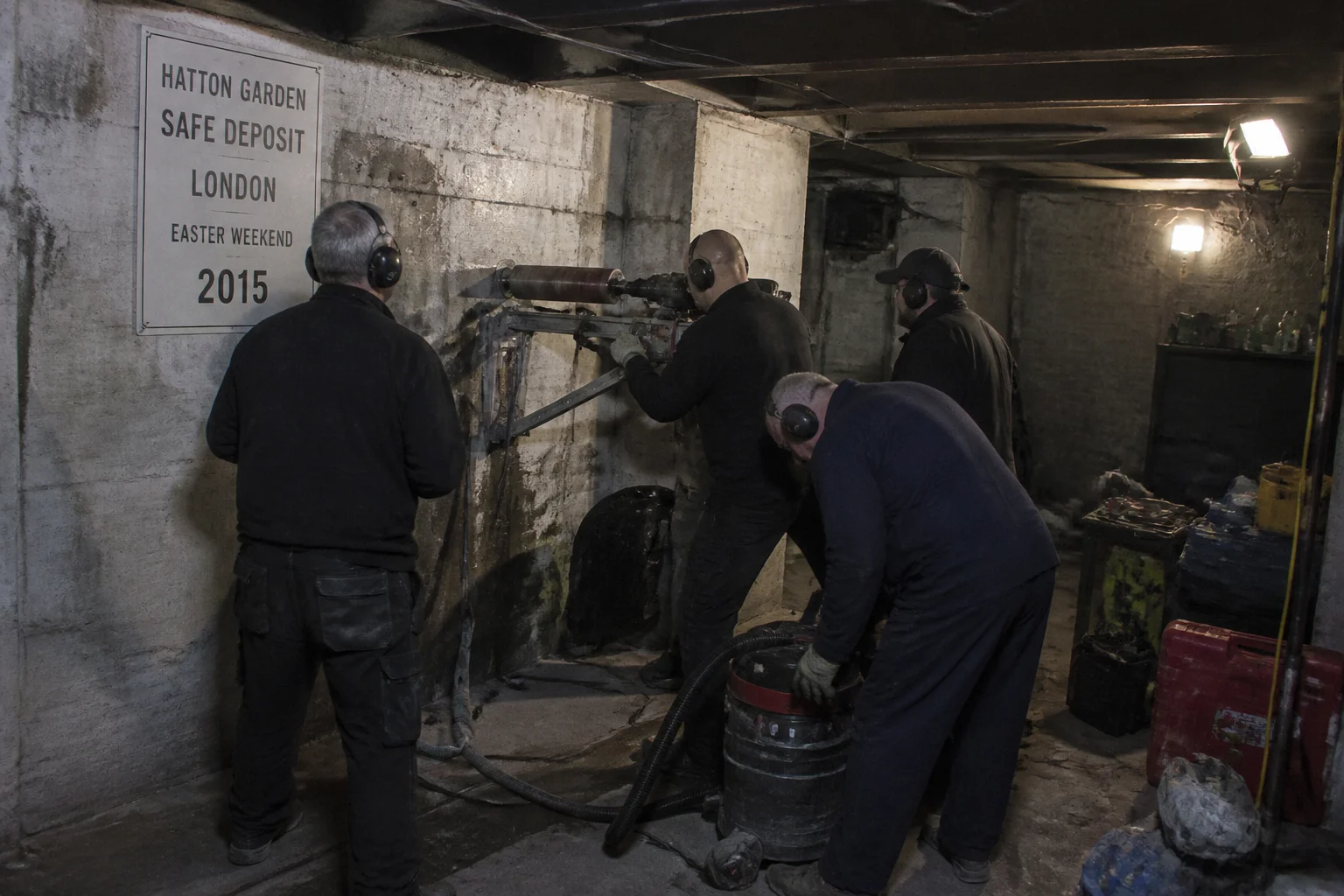
During Easter weekend in 2015, a group of mostly older men broke into the Hatton Garden Safe Deposit company in London's jewelry district. They disabled an elevator, descended a shaft, and drilled through a thick concrete wall to reach the vault.
Over several days, they ransacked 73 boxes worth an estimated £14 million in jewelry, gold, and gems. The story riveted Britain because the crew was far older than the typical image of masked bank robbers.
Most of the men were eventually caught and sentenced, though much of the property was not recovered. The case proved that low-tech patience and practical skills could still defeat a vault in an era of digital alarms.
19. The Bangladesh Bank Cyber Heist (2016)
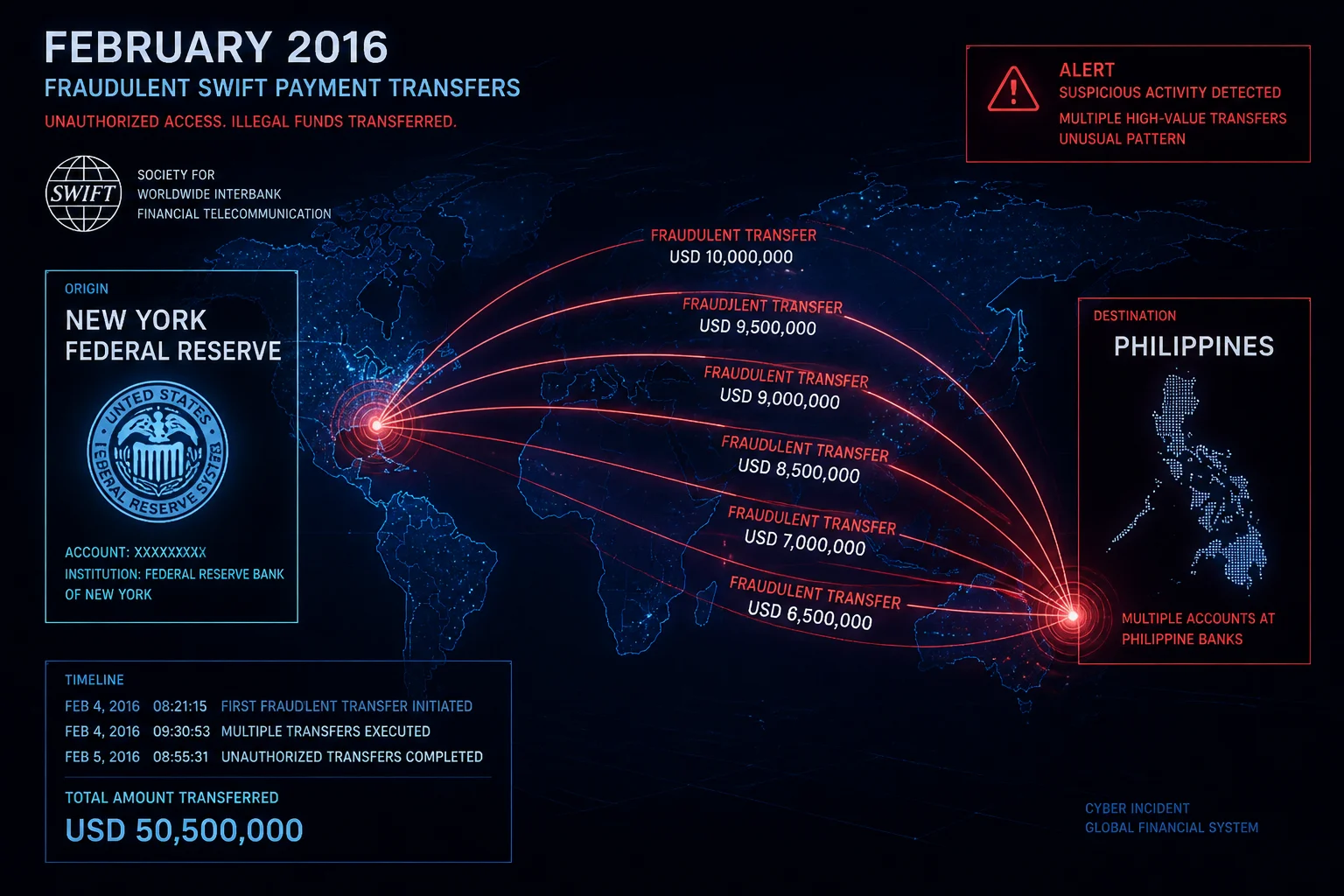
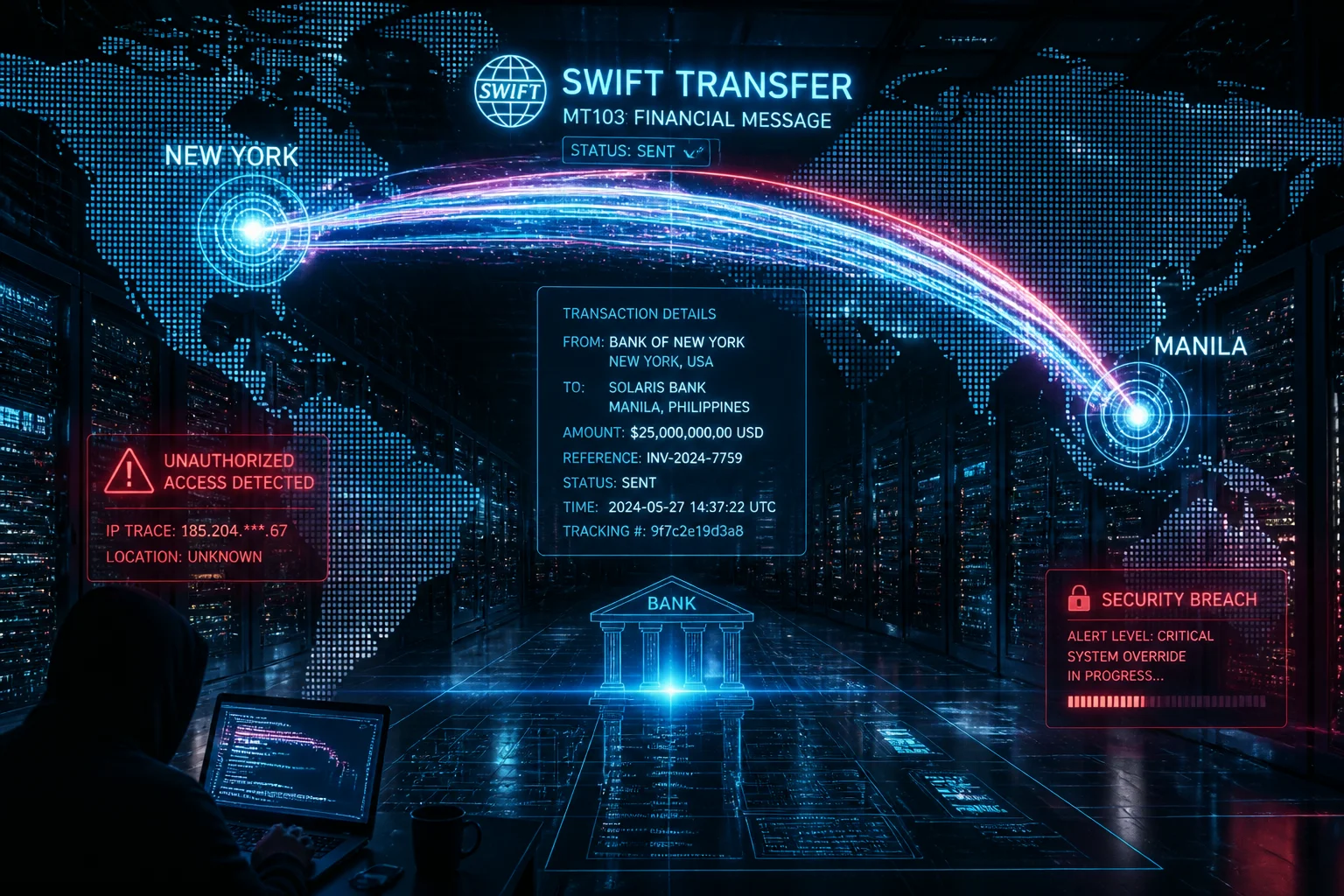
In February 2016, hackers used fraudulent SWIFT payment instructions to drain about $81 million from Bangladesh Bank's account at the Federal Reserve Bank of New York. The attackers had planned to move nearly $1 billion, but a spelling error in one transaction helped stall the rest.
The money was routed to the Philippines and largely vanished through casinos. The cyber heist is now regarded as one of the biggest robberies in history, even though no vault was ever touched.
The attack changed how central banks and financial institutions verify payment messages. It remains a central case study in cybercrime and banking security courses worldwide.
20. The Prosegur Heist in Ciudad del Este (2017)

On April 24, 2017, dozens of armed attackers targeted a Prosegur cash depot in Ciudad del Este, Paraguay, a city on the Brazilian border. They used automatic weapons and explosives to overwhelm the facility and escaped with about $11.7 million in multiple currencies.
The assault left a police officer dead and caused international security concern along the border region. It showed that large-scale cash robberies remain a serious threat in parts of South America, even as physical bank robberies decline elsewhere.
The heist also demonstrated a shift toward military-style raids against cash logistics hubs. Authorities in Paraguay and Brazil made arrests, but the border region's organized crime networks made the investigation difficult.
What History's Most Notorious Bank Robbers Have in Common
Across these heists, the same ingredients appear again and again: an insider who knows the routine, a rented room near the target, a tunnel or unlocked route, and a crew that trusts one another just long enough to escape. The greatest robberies in history are rarely solved by genius alone; they are solved by months of patient preparation.
At the same time, the violent myth of famous bank robbers usually breaks down under scrutiny. Bonnie and Clyde, for example, stole far less money than most people assume, and many so-called master thieves were simply lucky not to be killed in the first hour.
The most successful bank robberies in this list were usually the ones that avoided gunfire altogether. Quiet burglaries, insider jobs, and delayed discoveries gave robbers a head start that a getaway car never could.
Myths Hollywood Gets Wrong About Bank Robbers
The movie image of famous bank robbers usually revolves around charisma and improvised genius. In reality, many of the successes on this list came from weeks of dull surveillance, unglamorous digging, and compromised insiders.
Another myth is that a big score guarantees a long and comfortable retirement. Most crews spent the money quickly, informed on one another, or were caught within a year.
Finally, the idea that bank robbery is victimless is false. Even 'nonviolent' burglaries leave employees, depositors, and families shaken, and many cases on this list involved severe trauma or death.
How Common Are Bank Robberies Today?
How common are bank robberies today? In the United States, the number of bank robberies has declined sharply since the 1990s, and the typical take is now far smaller than the heists on this list.
Physical bank robberies are much rarer than they were in the 1930s or even the 1990s, especially in the United States and Western Europe. Banks keep less cash on hand, while dye packs, alarms, and cameras have made rapid capture far more likely.
That does not mean bank crime vanished. Successful bank robberies still occur, but larger organized groups have shifted toward armored depots, virtual payment systems, and cyber fraud.
The Aftermath: Why the Biggest Robberies Still Captivate Us
Most of the largest robberies in history ended with arrests, prison sentences, or uneasy uncertainty about where the money went. That messy aftermath is part of the appeal: the heist is not just a puzzle, but a story about human confidence, greed, and error.
These cases also changed the institutions around them. Banks reinforced vault walls, armored carriers redesigned routes, and central banks hardened payment systems.
In that sense, even failed or foolish heists left a permanent mark on how we protect money. The real legacy of the most daring bank robberies is not the cash that disappeared, but the security systems that appeared in response.
Frequently Asked Questions
What are the greatest robberies in history?
The greatest robberies in history often include the 2005 Banco Central tunnel heist in Brazil, the 1987 Knightsbridge safe deposit robbery, the 1950 Great Brink's robbery, and the 2016 Bangladesh Bank cyber heist. Lists vary because 'greatest' can mean largest cash value, most complex planning, or highest notoriety.
Who are the most notorious bank robbers?
The most notorious bank robbers include John Dillinger, Bonnie and Clyde, Willie Sutton, Alvin Karpis, and the James-Younger Gang from the American outlaw era. Internationally, figures connected to heists include Albert Spaggiari and Valerio Viccei, though many legends mix fact with myth.
What was the largest robbery in US history?
The largest cash robbery in U.S. history is widely considered to be the 1997 Dunbar Armored inside job in Los Angeles, which took about $18.9 million in cash. The 1997 Loomis Fargo heist in North Carolina is a close second, with about $17.3 million.
How common are bank robberies?
Physical bank robberies are far less common today than in the 1930s or the 1990s, especially in the U.S. and Western Europe. Banks now keep less cash on hand, and improved alarms, cameras, and dye packs make rapid capture more likely.
Are most bank robberies successful?
No. Many bank robberies are solved quickly, and the typical take is much smaller than the famous heists on this list. The most successful bank robberies usually involve careful planning, insider knowledge, and a delayed discovery rather than weapons.

Alex Warren
Related Articles