
Human history is full of “man eaters” that became local legends, often blurring the line between real animal behavior and fearful storytelling. A single predator could stop railway construction, empty a village, or turn a pilgrimage route into a road of dread. These cases were rare, but they left deep scars in the places where they happened.
When people ask what animals are man eaters, the answer usually starts with lions, tigers, and leopards, but bears, wolves, crocodiles, and sharks also appear in the record. Some attacks are well documented, while others are heavily colored by rumor, colonial record-keeping, and local folklore. This list focuses on historical man-eaters that genuinely terrified regions, while separating what is known from what is merely repeated.
TL;DR: Most man-eaters were injured, old, or desperate predators—lions, tigers, leopards, bears, wolves, crocodiles, and sharks—whose fearsome reputations often grew far beyond the verified body counts.
What Makes an Animal a Man-Eater?
A man-eater is not simply an animal that kills a person once. The label usually applies to an individual or group that repeatedly hunts and consumes humans, not one that attacks in self-defense. Injury, old age, dental disease, drought, and shrinking habitat are among the most common explanations for why an animal turns to human prey.
Many classic man-eater cases involve big cats with broken teeth or old injuries that made normal prey too difficult. For example, the Champawat Tiger had damaged canines, and the Tsavo lions were later examined for signs of dental and jaw stress. Bears, wolves, and crocodiles have different triggers, but opportunity and desperation are recurring themes.
Colonial hunting records are a major source for these stories, especially in India and Africa. Those records are valuable, but they also reflect the biases and exaggerations of their era. Modern researchers treat body counts as rough estimates rather than precise statistics.
1. The Tsavo Lions: Man-Eaters That Stopped a Railway
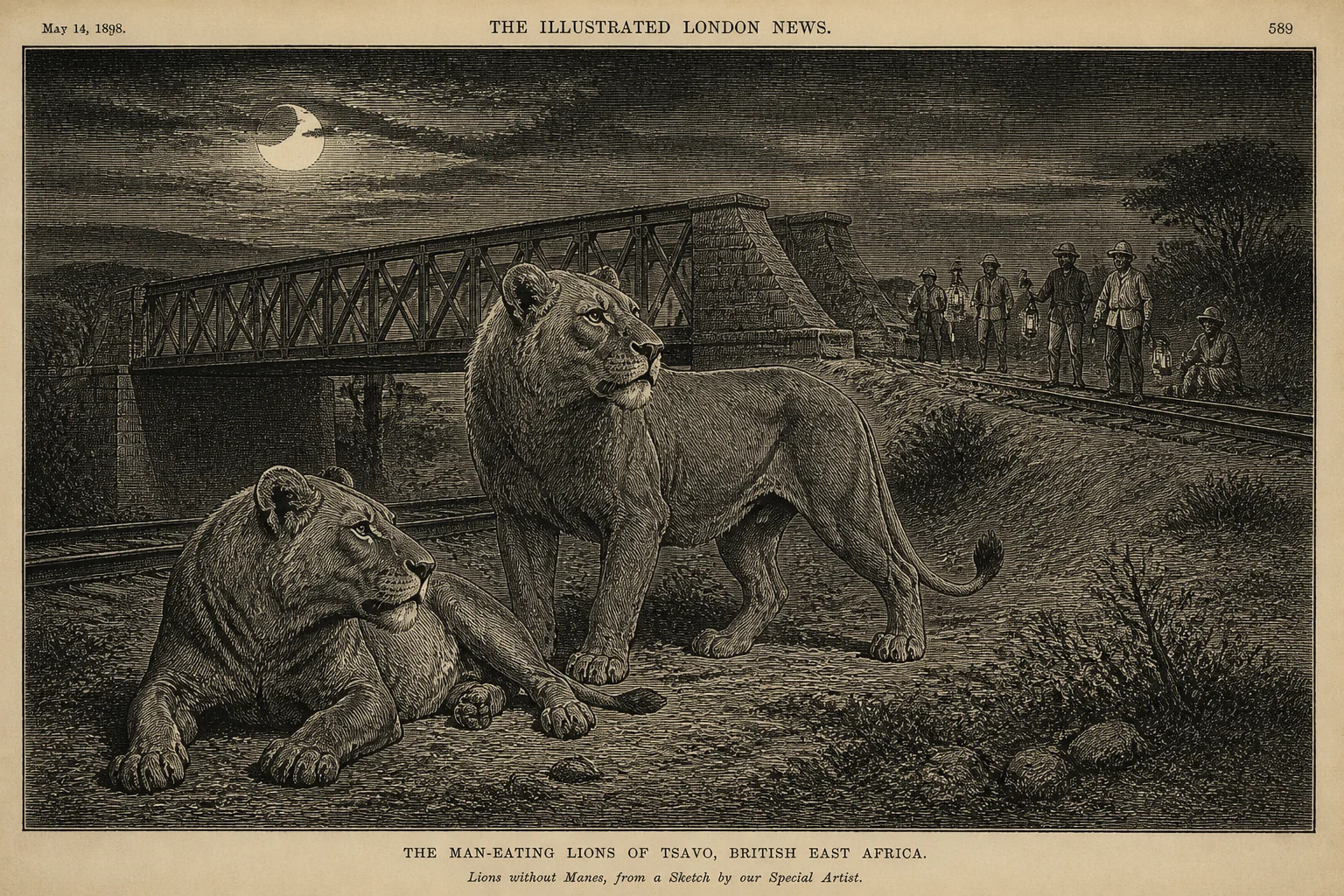
In 1898, during construction of the Uganda Railway, two maneless male lions repeatedly attacked workers at a bridge site near the Tsavo River in Kenya. The British engineer John Henry Patterson wrote that the lions killed dozens of Indian and African laborers before he shot them. His dramatic account turned the pair into the most famous man eaters of the colonial era.
Modern analysis of the lions’ remains and records suggests the true death toll was lower than Patterson’s later claim of 135. The Field Museum, which holds the mounted lions, notes that the available evidence makes certainty impossible. What is not disputed is that the attacks stopped work and spread fear across the railway camps.
The Tsavo story shows how a real man-eater crisis can grow into legend. It also reminds us that even famous historical numbers deserve scrutiny.
2. The Champawat Tiger: One of the Deadliest Man-Eaters Ever Recorded
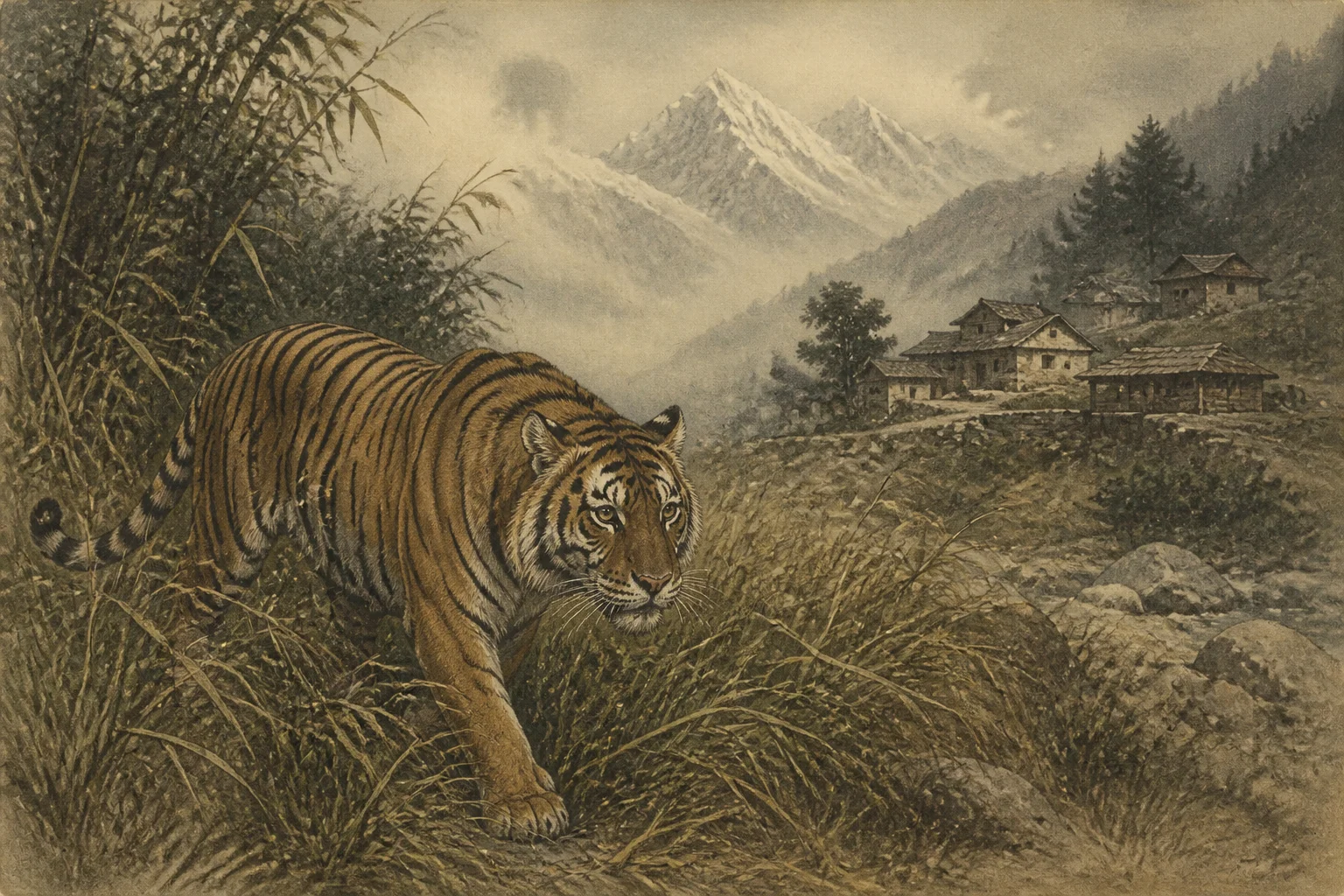
Early in the 20th century, a Bengal tigress in Nepal and northern India killed an estimated 436 people, making her the deadliest single animal in modern history. Jim Corbett, a British Indian hunter and author, tracked her across the Kumaon region and killed her in 1907. Her broken lower and upper canine teeth are often cited as the reason she switched from natural prey to humans.
Although 436 is the most repeated figure, it comes from Corbett’s own account and local records, so historians treat it as an estimate. The Champawat case helped establish the pattern of the disabled big cat as man-eater. It also made Corbett one of the most famous man-eater hunters in history.
Her story spread far beyond India and Nepal. Today it remains a benchmark for how a single predator can terrorize entire regions.
3. The Leopard of Rudraprayag: Eight Years of Fear in the Himalayas
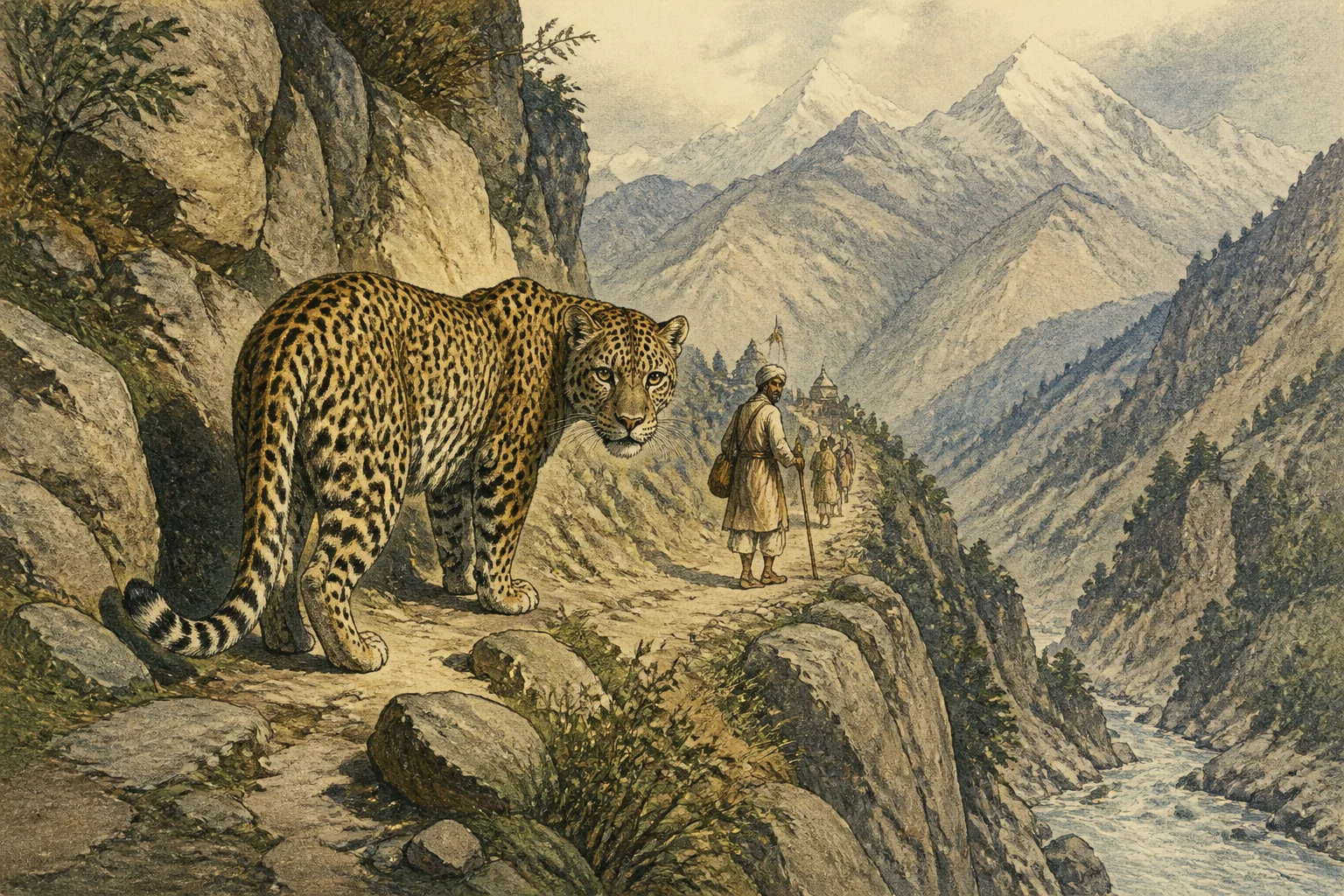
For eight years, a male leopard in the Rudraprayag area of what is now Uttarakhand killed pilgrims and villagers moving through mountain roads. Jim Corbett hunted the animal from 1918 until he finally shot it in 1926. Local reports credited the leopard with around 125 human kills.
The leopard’s boldness made it especially terrifying. It sometimes broke into homes or attacked people sleeping outdoors, and it survived several traps and hunts. Corbett later wrote that the Rudraprayag leopard was one of the most difficult man-eaters he ever pursued.
Modern historians view the death toll as approximate. Still, the case illustrates how a single elusive predator could paralyze a region for years.
4. The Panar Leopard: A Man-Eater Before the Famous Hunts
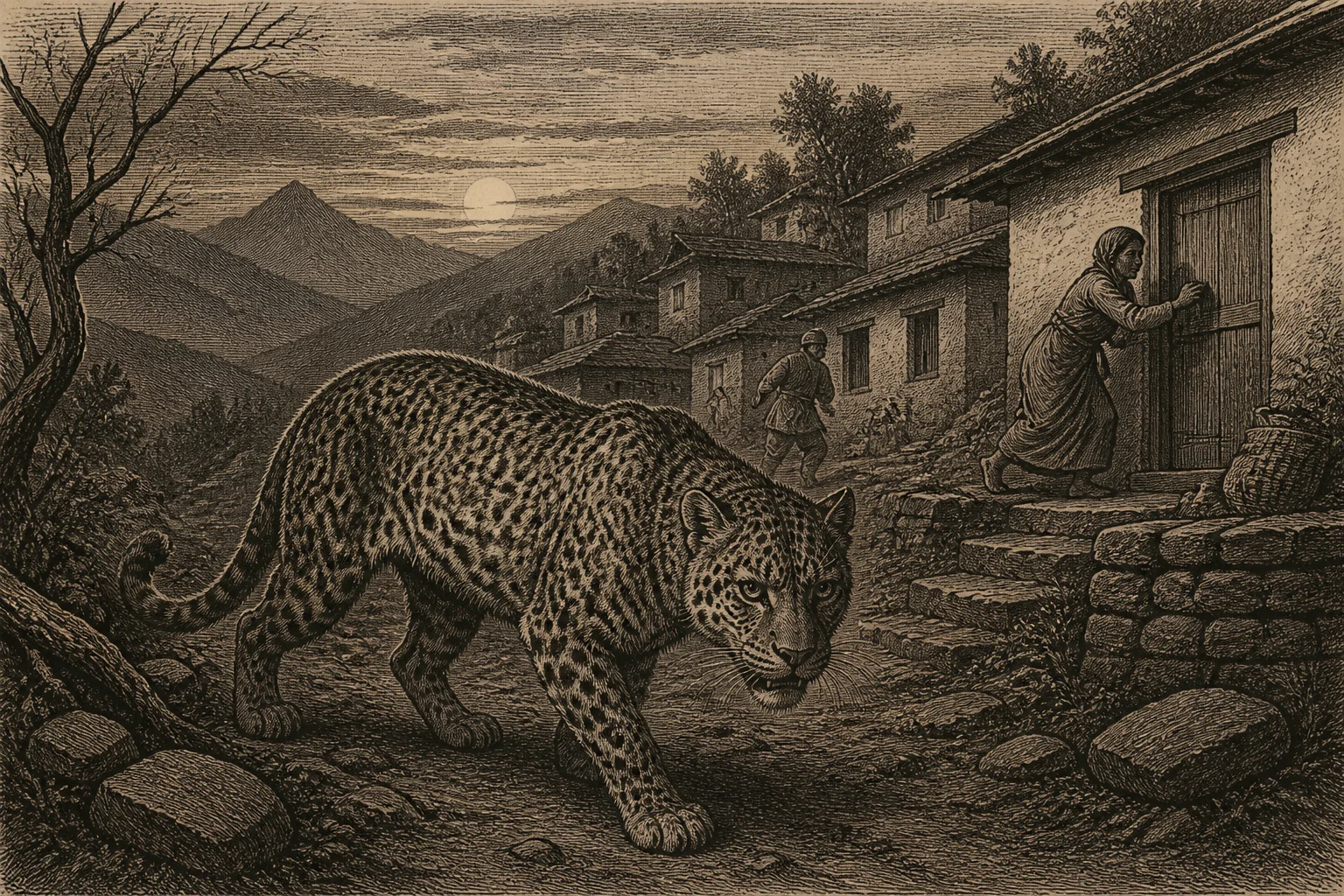
Before the Rudraprayag leopard, Corbett hunted another man-eater in the Panar region of Kumaon. This leopard was said to have killed around 400 people, though the exact figure is impossible to verify. Corbett finally shot the Panar leopard in 1910 after a series of attacks on isolated villagers.
The Panar case shows how man-eater stories in colonial India often grew in the retelling. Villages in remote hill areas had limited written records, so numbers came from memory and official reports. Even so, the disruption and fear that the leopard caused were clearly real.
Unlike the Rudraprayag case, the Panar leopard did not become a global media story. But it was a major reason Corbett developed his methods for tracking man-eaters in difficult hill country.
5. The Man-Eater of Gummalapur: A Regional Killer in Southern India
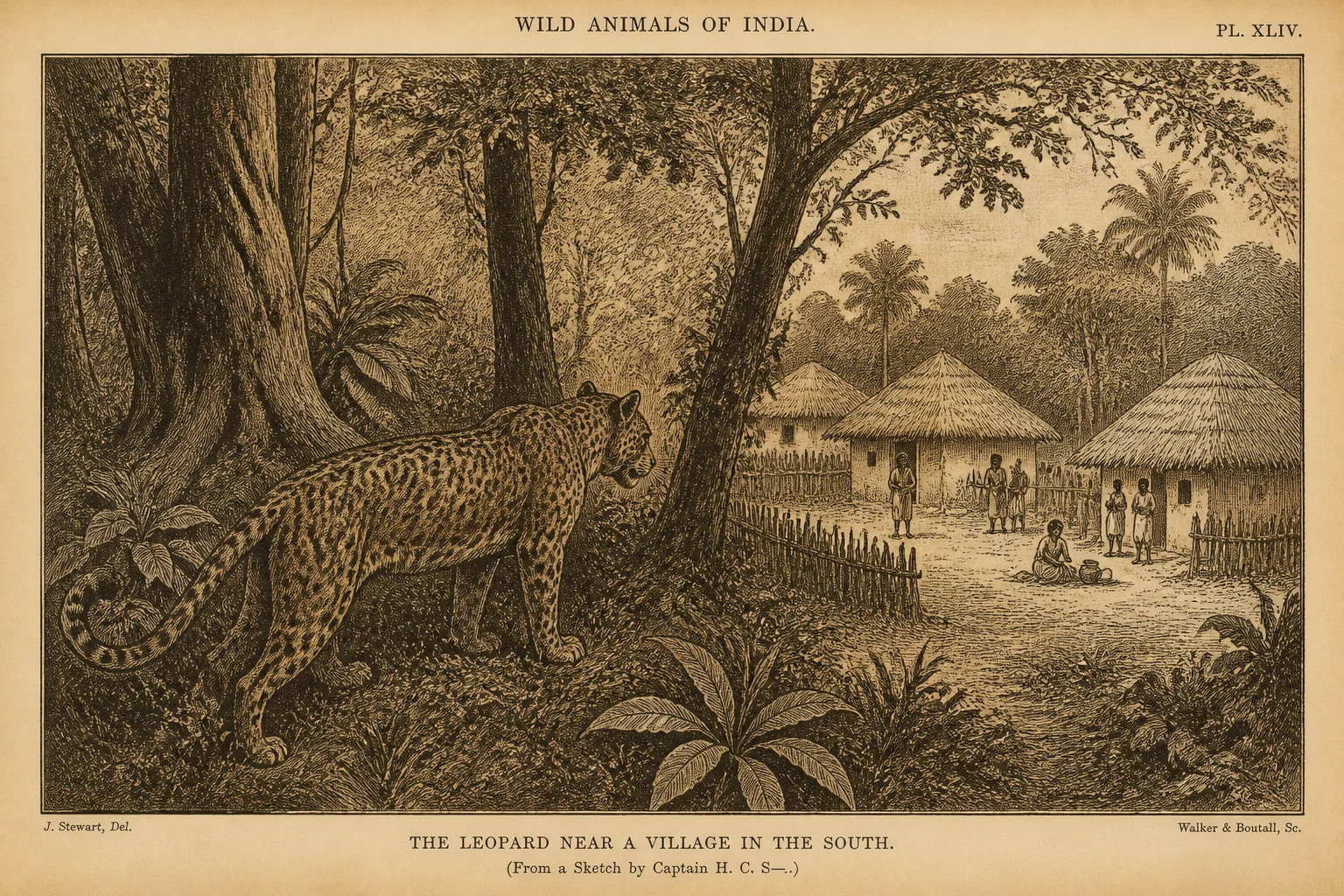
The man eater of Gummalapur refers to a big cat that terrorized villages in the Gummalapur area of southern India during the 20th century. It became known through the hunting stories of Kenneth Anderson, a British Indian author who wrote extensively about man-eating tigers and leopards. Anderson’s accounts blend documented hunts with dramatic narrative, so exact details are hard to separate.
The animal is often remembered as a tiger, but later retellings sometimes call it a leopard, reflecting the difficulty of species identification in dense jungle. What is consistent is that villagers reported repeated fatal attacks before the animal was eventually killed. The Gummalapur case is a good example of how regional man-eaters became famous through colonial and postcolonial hunting literature.
Because Gummalapur was not as famous as Kumaon, the case shows how many man-eater events were known mostly through hunting books. Those books preserved local memories that might otherwise have been lost, even when their numbers cannot be independently confirmed.
6. The Chowgarh Tigress: A Puzzling Man-Eater of the Kumaon Hills
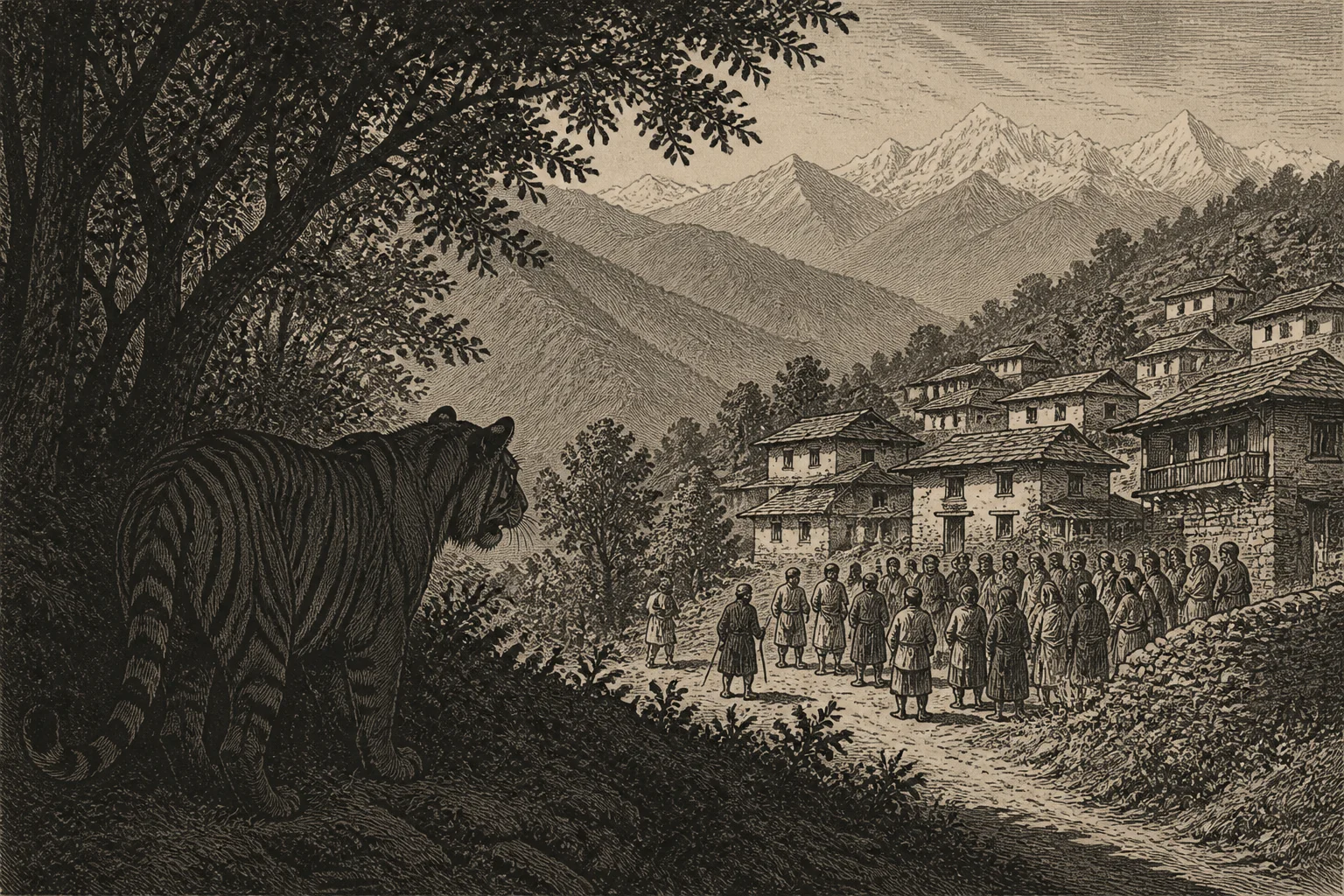
In the 1920s, a tigress in the Chowgarh area of Kumaon began attacking villagers in a wide territory. Jim Corbett tracked her for several years and killed her in 1930. She was credited with 64 human deaths, a number that Corbett himself treated with caution.
Unlike the Champawat tigress, the Chowgarh tigress was not obviously disabled, which made her behavior puzzling. Some researchers suggest she learned to hunt humans after being wounded by a poacher or after losing her natural prey. Her case helped build the modern understanding that not all man-eaters fit a single profile.
The Chowgarh tigress also illustrates why local people sometimes turned man-eater hunts into spiritual or community events. Corbett’s accounts describe villagers as active guides and informants, not passive victims.
7. The Tigers of the Sundarbans: Where Man-Eating Is Still a Risk

The mangrove forests of the Sundarbans, shared by Bangladesh and India, are one of the few places on Earth where Bengal tigers still regularly kill people. Unlike the lone injured animal model, these attacks are often opportunistic and tied to people entering tiger territory for fishing, honey, and firewood. Estimates of annual deaths have varied widely, from a few dozen to more than a hundred in older reports.
Researchers stress that the Sundarbans tigers are not all “man-eaters” in the classic sense. Some attacks are defensive or accidental, and the high death toll reflects a large human population living inside a tiger habitat. The region remains a rare modern example of sustained human-tiger conflict.
Local communities sometimes use face masks on the backs of heads because tigers typically attack from behind. The practice is more folklore than proven safety gear, but it shows how man-eater fear shapes daily life.
8. The Lions of Njombe: A Colonial Crisis with Disputed Numbers
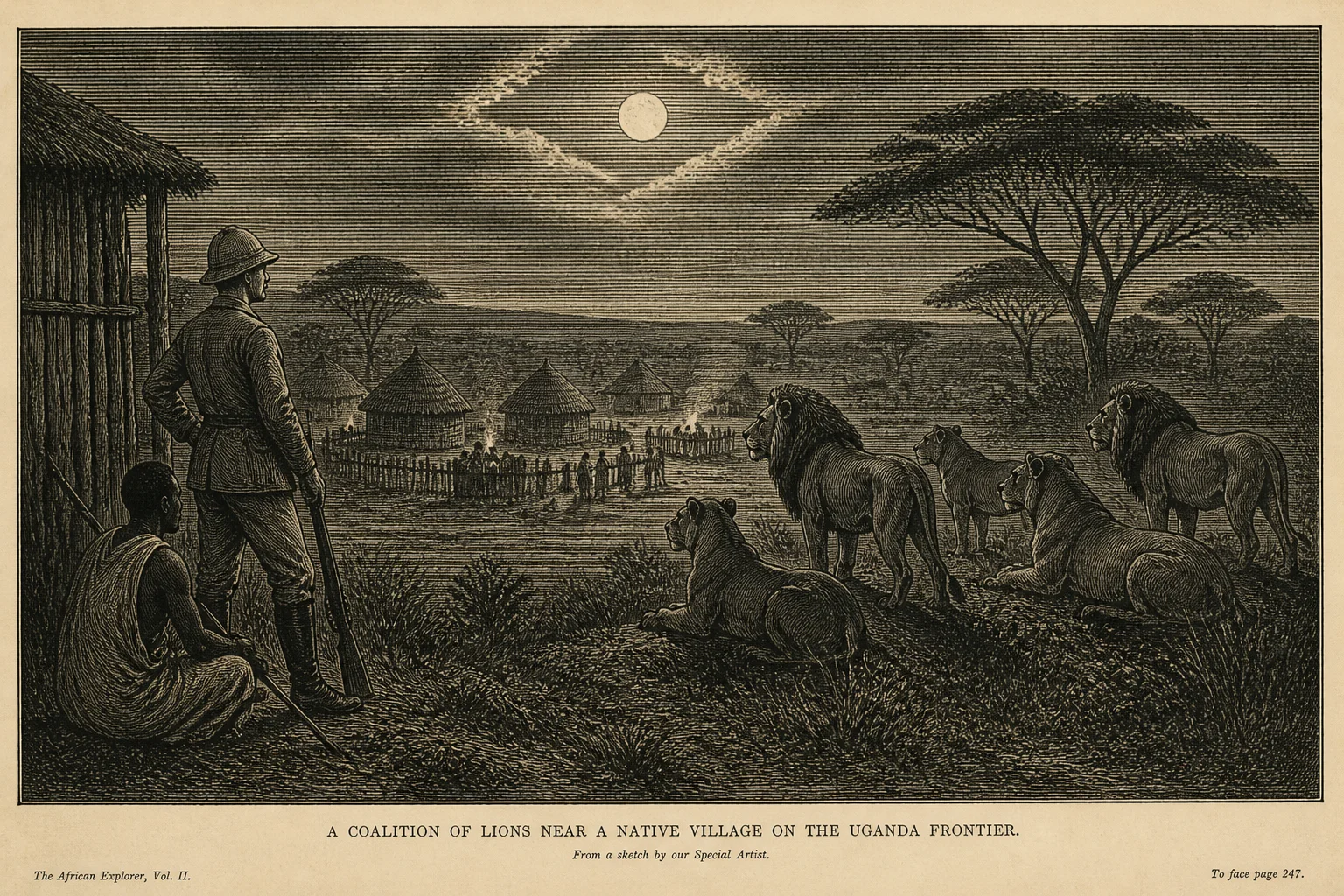
In southern Tanganyika, now Tanzania, colonial authorities reported that a coalition of lions killed huge numbers of people between the 1930s and late 1940s. The British game warden George Gilman eventually killed the lions, and colonial estimates claimed more than 1,000 victims. Modern researchers treat those numbers with considerable skepticism.
Even if the death toll was lower than reported, the Njombe case was a genuine regional crisis. The lions moved through a large district, attacking villagers and pulling people from fields and homes. It remains one of the most extreme lion man-eater episodes on record.
The story also shows how colonial record-keeping could inflate or simplify local events. Future research may revise the numbers, but the fear was real.
9. The Lion of Mfuwe: A Modern Man-Eater in Zambia
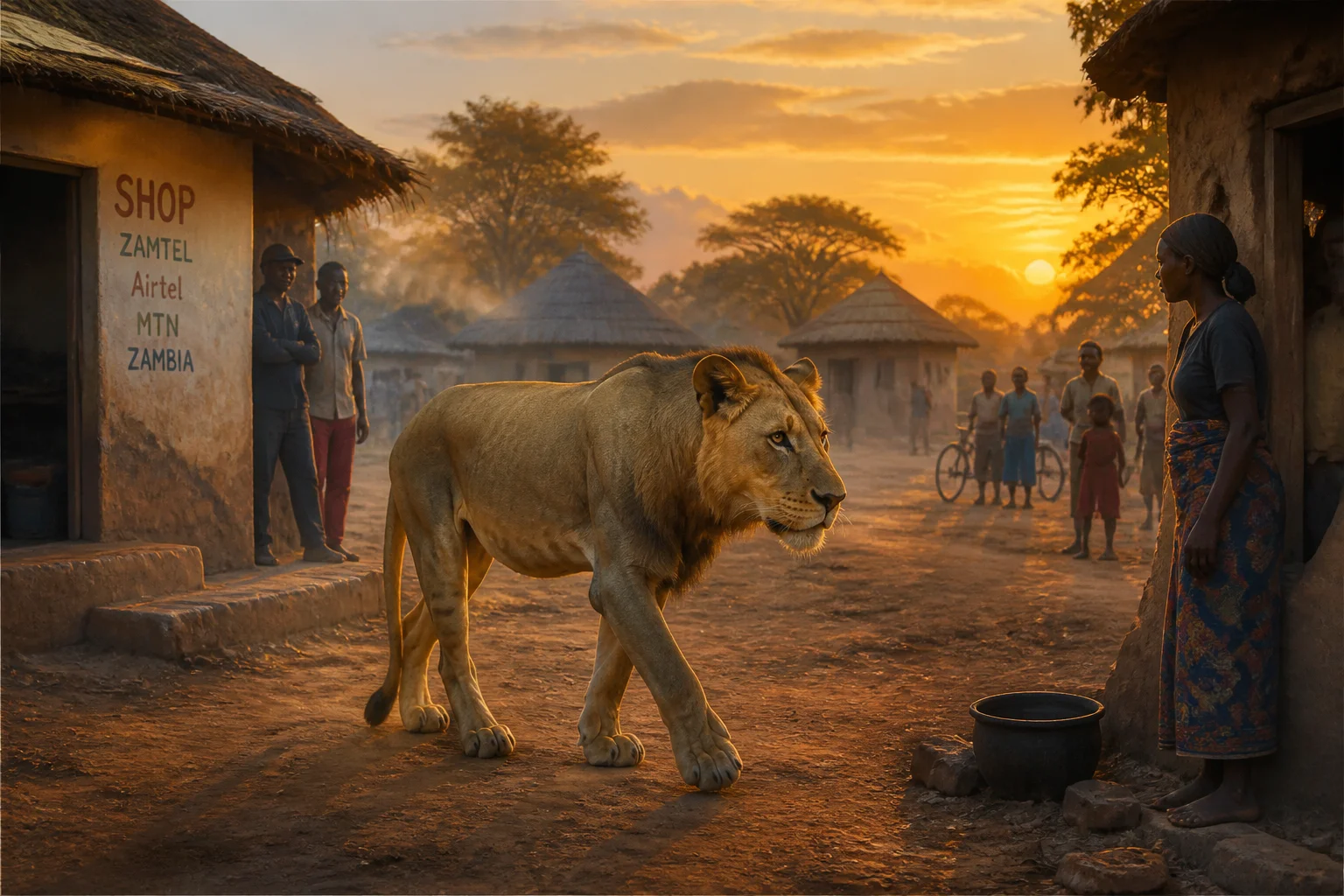
In 1991, a large maneless male lion in Zambia’s Luangwa Valley killed at least six people in the Mfuwe area. The lion was unusually bold and even walked through villages during daylight. Professional hunter Wayne Hose shot the animal after a hunt organized by the wildlife authorities.
The Mfuwe lion is often examined as a modern man-eater case because it happened when better records and forensics existed. Tests showed no obvious injury that clearly explained its behavior, though it may have learned to target easy human prey. It reminds us that man-eater episodes did not end in the colonial era.
The Lion of Mfuwe also raised questions about conservation and public safety. Removing a man-eater often conflicts with protecting endangered predators, a debate that continues in parts of Africa today.
10. The Leopard of the Central Provinces: India’s Forgotten Terror
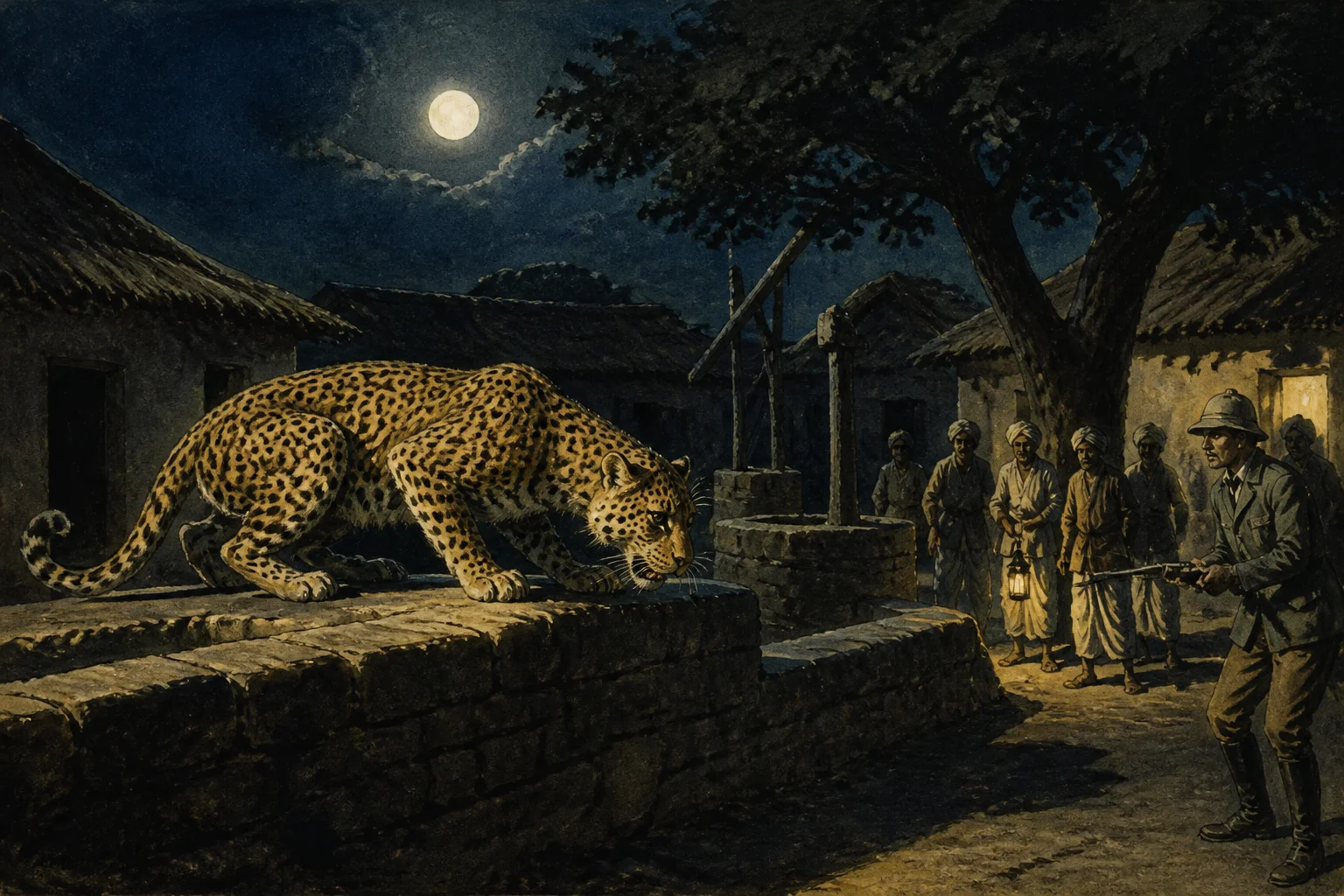
In the early 20th century, a man-eating leopard in India’s Central Provinces was said to have killed more than 150 people before it was shot. The attacks spread fear across remote villages and made ordinary travel dangerous. Reports from the period differ on exact numbers, but the leopard became one of the most notorious man-eaters of central India.
The case followed the familiar pattern of an old or injured big cat targeting villagers at night. Colonial hunting officers treated the animal as a serious public safety threat rather than a trophy. It also contributed to the image of the man-eating leopard as one of India’s most feared predators.
The Leopard of the Central Provinces is less well known today than the Kumaon leopards. That gap reflects how hunting literature shaped which man-eaters became globally famous.
11. The Sankebetsu Brown Bear: A Maneater Bear That Stalked a Village
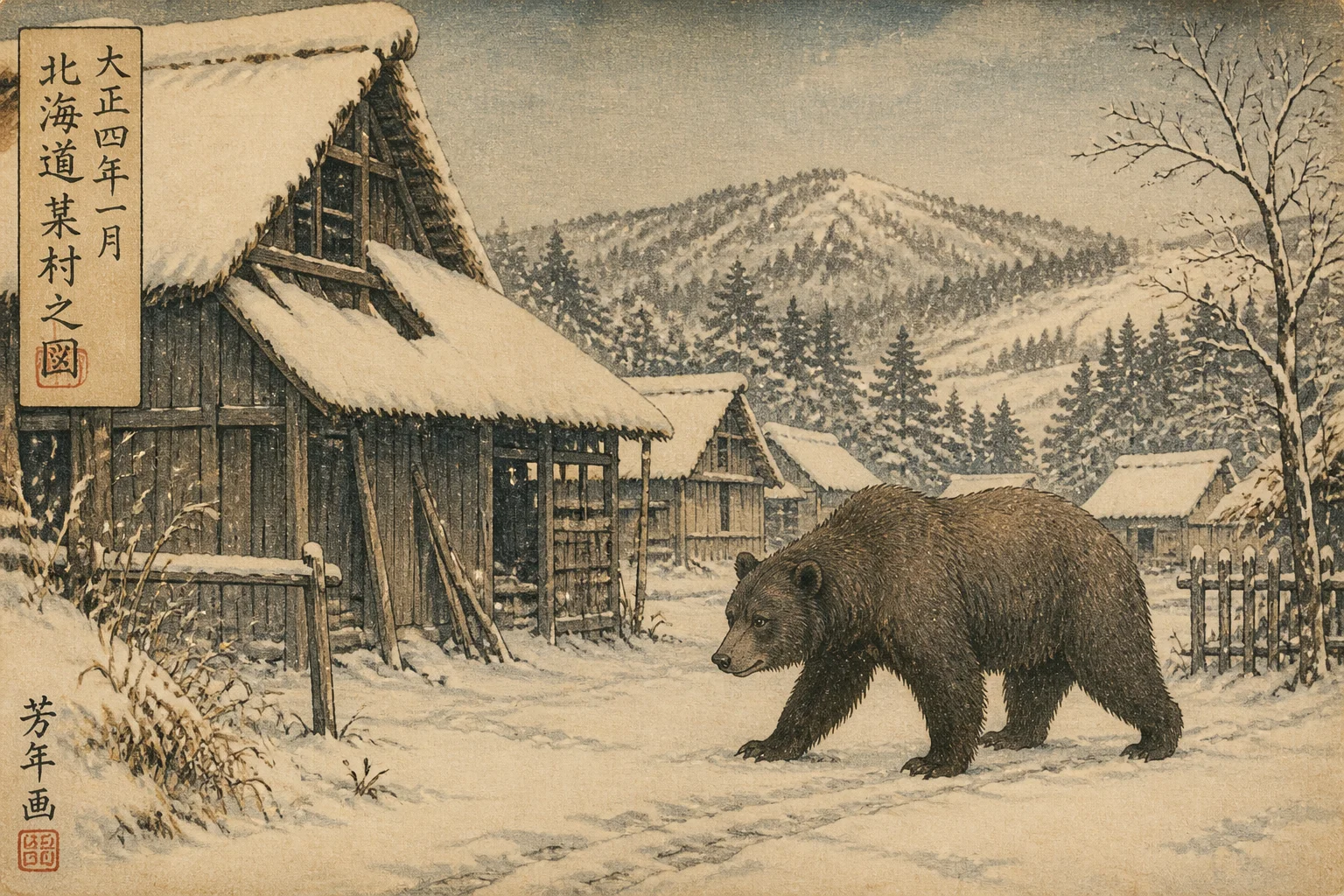
In December 1915, a large brown bear entered the Sankebetsu district of Hokkaido, Japan, and attacked several farmhouses over multiple days. The bear killed seven people and injured others, becoming one of the most infamous maneaters bears in modern history. Villagers tracked and killed the animal, but only after a devastating series of attacks.
The Sankebetsu incident changed how Japanese authorities managed large predators in rural areas. It also inspired books and films, though many dramatizations add details not found in the historical record. The bear’s boldness was likely linked to hunger and human encroachment on its range.
Maneaters bears are far rarer than man-eating big cats, but this case shows how frightening they can be. It remains the deadliest bear attack episode in recorded Japanese history.
12. The Mysore Sloth Bear: An Aggressive Exception in Southern India
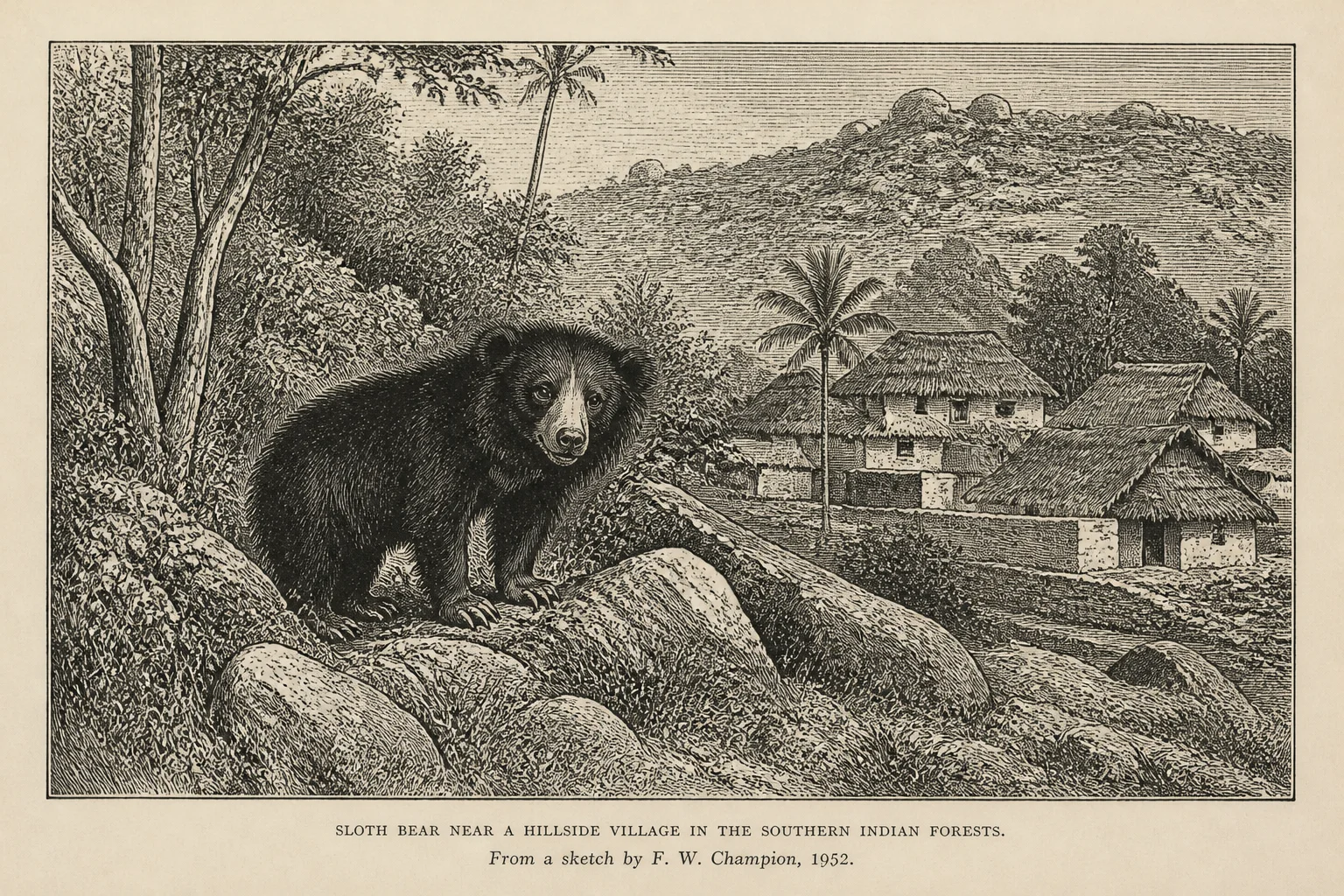
In 1957, a sloth bear in the Mysore region of southern India was reported to have killed at least twelve people across a wide area. Kenneth Anderson, the same hunter-author connected to the Gummalapur story, hunted and killed the bear. Sloth bears are normally shy, but they can be extremely aggressive when surprised or injured.
The Mysore bear became one of the most cited examples of a man-eating bear in India. Unlike brown bears, sloth bears often attack humans defensively rather than as prey, so the label man-eater may overstate the behavior. Still, repeated fatal encounters made it a genuine regional threat.
The case shows that not every animal labeled a man-eater actually hunts humans as food. Some are simply dangerous when cornered or wounded.
13. The Wolves of Uttar Pradesh: A Child-Killing Pack in Modern India
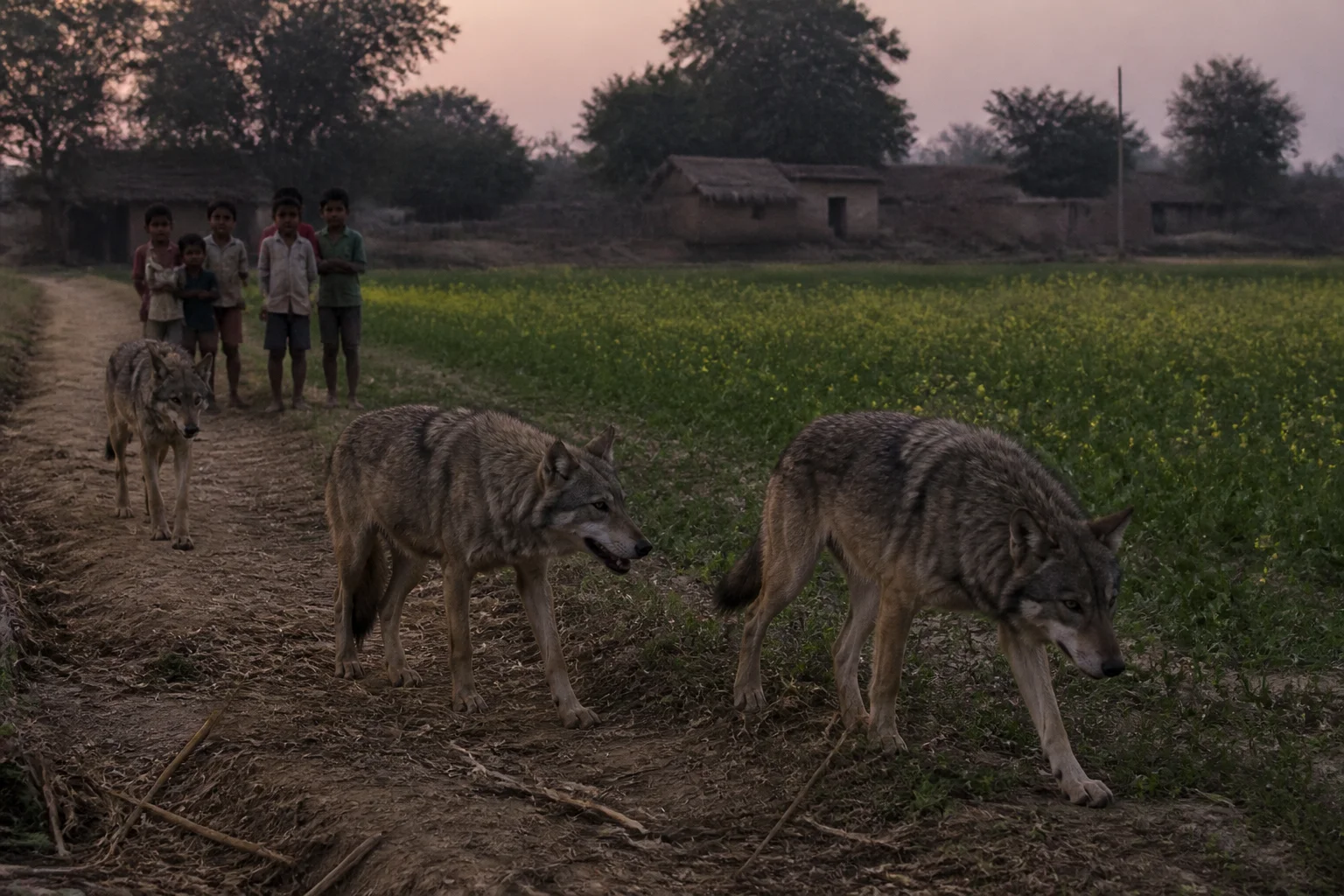
During the mid-1990s, wolf attacks in western Uttar Pradesh killed dozens of children, with official reports often citing more than 70 deaths over several months. The victims were largely young children in rural areas, which fits the pattern of wolves treating small humans as prey. Indian authorities eventually killed several wolves linked to the attacks.
The Uttar Pradesh wolf scare shows that child-killing wolves can terrify a region even when adult attacks are rare. Researchers debated whether one pack or multiple animals were responsible, and the exact count remains uncertain. Unlike many old colonial stories, this case was studied by modern wildlife biologists and government officials.
The attacks also led to community patrols and increased government intervention in rural villages. Conservationists pointed to habitat loss and the decline of natural prey as likely factors behind the wolf behavior.
14. The Wolf of Gysinge: Sweden’s Habituated Man-Eater
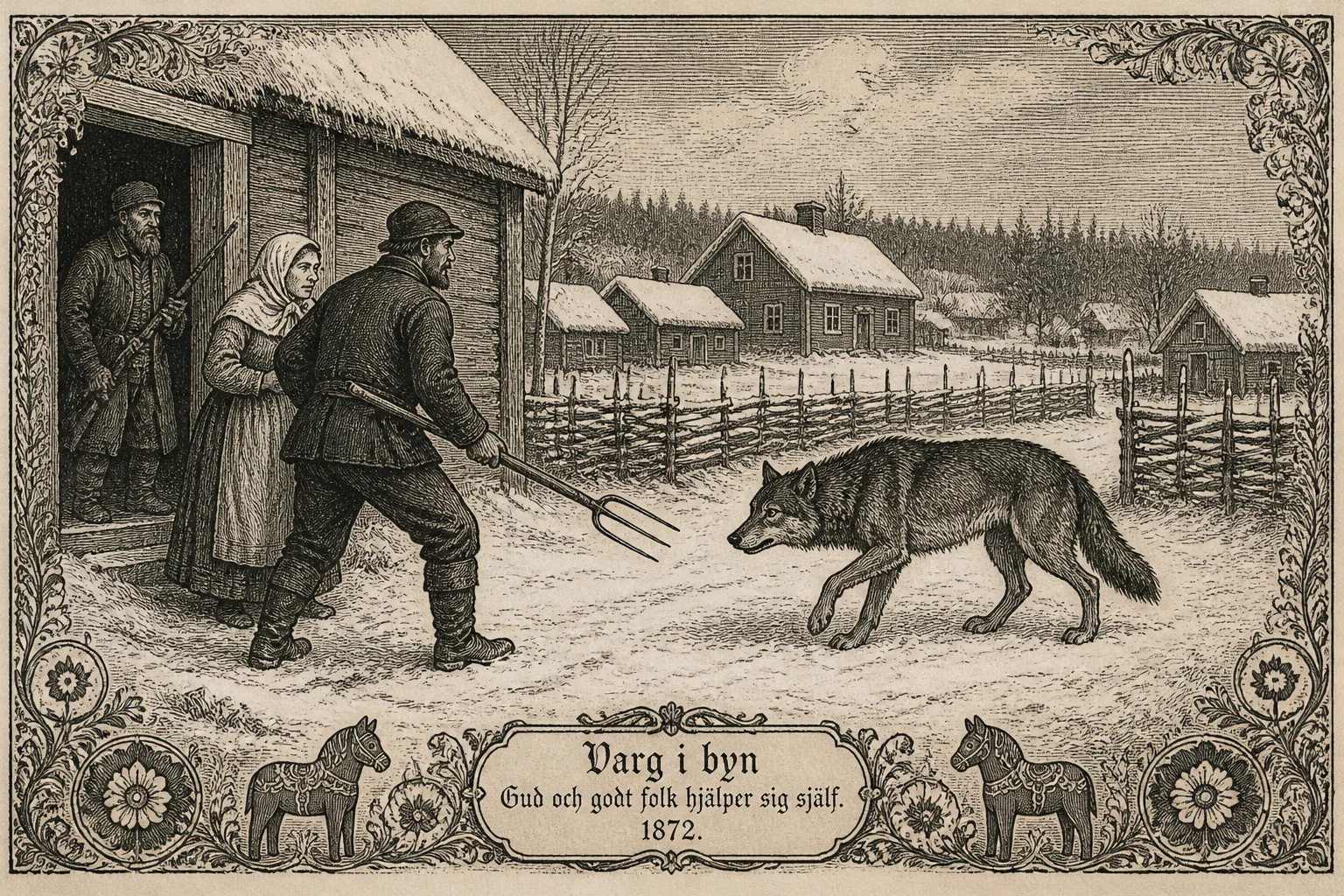
In the early 1820s, a wolf around Gysinge in Sweden killed several children over a period of months. The animal was later identified as a captive-reared wolf, which likely explains its lack of fear around people. Swedish sources often place the death toll at between nine and twelve, though older accounts vary.
The Gysinge case is historically important because it shows that habituation can turn a normally wary predator into a man-eater. The wolf was eventually hunted down, and the attacks prompted lasting fear in the region. It remains one of Scandinavia’s clearest recorded cases of a wolf repeatedly preying on people.
Scandinavian wolf populations were under intense pressure at the time. The Gysinge wolf became a cautionary tale about raising wild animals in captivity and then releasing them near settled areas.
15. The Beast of Gévaudan: Wolves, Fear, and Legend in 18th-Century France
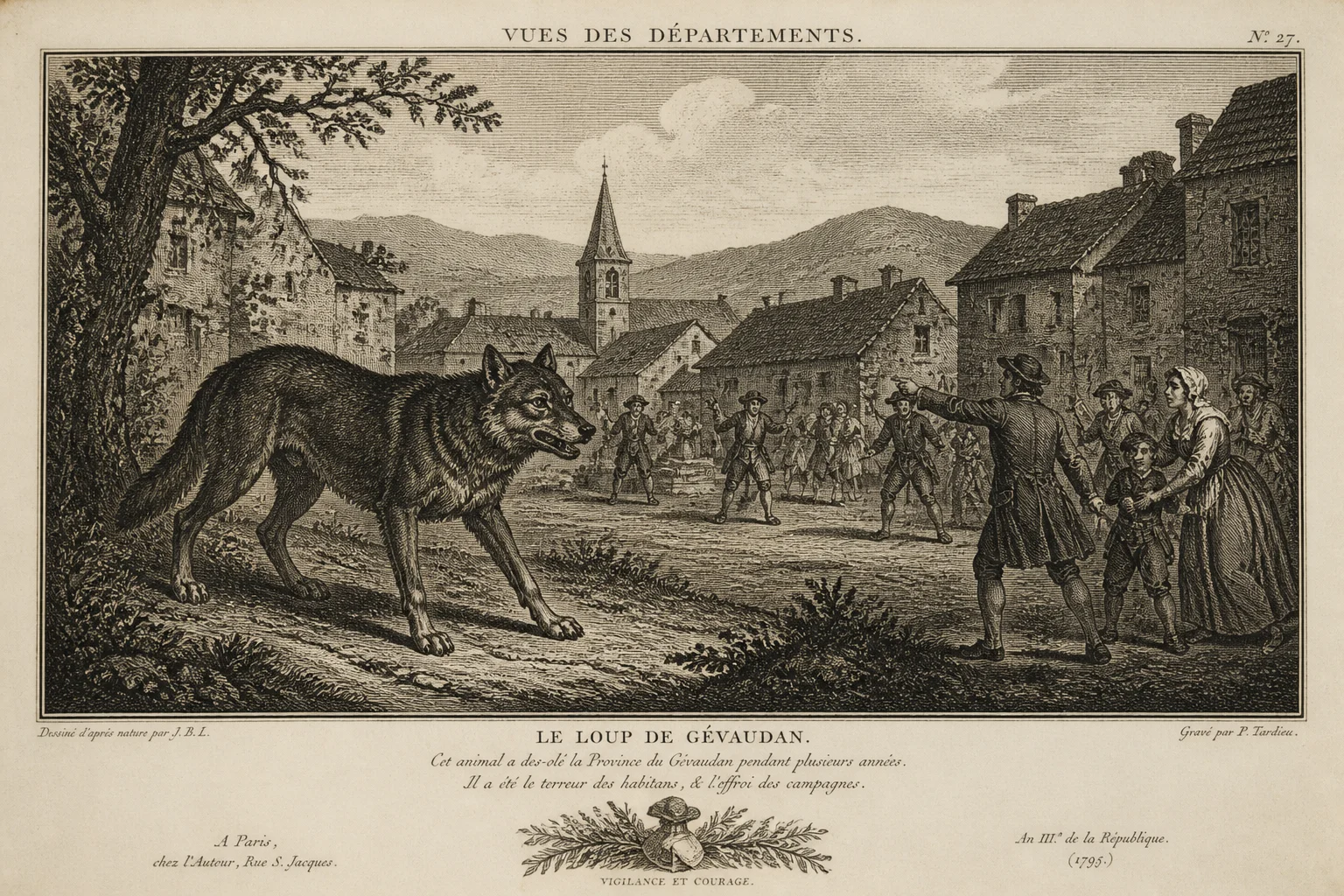
Between 1764 and 1767, a predator in the Gévaudan region of southern France killed around a hundred people, according to contemporary parish and official records. Many accounts describe a wolf-like animal, and some have added theories of wolf-dog hybrids or escaped exotic beasts. The French government organized large hunts and killed several large wolves, but attacks continued for years.
Historians now generally agree that the Beast was most likely a wolf or a series of wolves rather than a supernatural creature. The high death toll includes uncertainty and likely combines attacks by different animals. Gévaudan remains a classic example of how fear and folklore can enlarge a real man-eater crisis.
Gévaudan also influenced how governments understood predator threats. It led to more systematic wolf hunts and marked an early attempt to manage a man-eater crisis through official action rather than local legend alone.
16. Gustave the Crocodile: A Modern Myth with a Real Bite
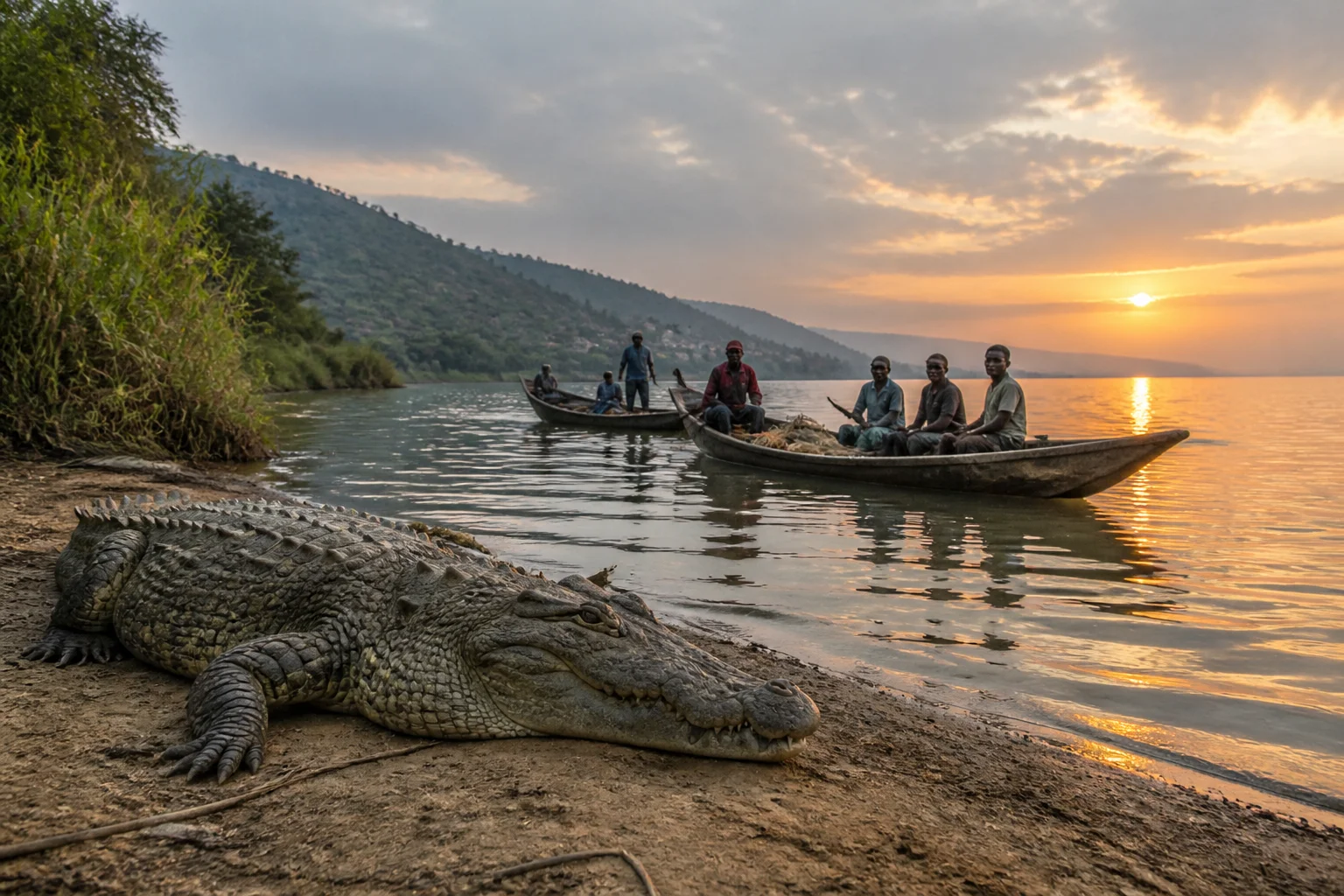
Gustave is a Nile crocodile in Burundi that became famous in the 1990s and 2000s for allegedly killing hundreds of people near the Ruzizi River and Lake Tanganyika. The story spread through documentaries and books, but no one has verified the total number of deaths. Gustave has been studied and hunted repeatedly, but he has never been conclusively captured or photographed with proof.
The Gustave case is a useful myth-busting test. Crocodiles absolutely kill people, and large crocodiles can hunt humans, but precise tallies for an unmarked wild animal are nearly impossible. Many researchers think the real number is far lower than the most dramatic claims.
Gustave shows how an individual predator can become a modern legend even without firm evidence. It also highlights the difference between documented attacks and media-driven body counts.
17. The Ramree Island Crocodiles: A Wartime Story Under Scrutiny
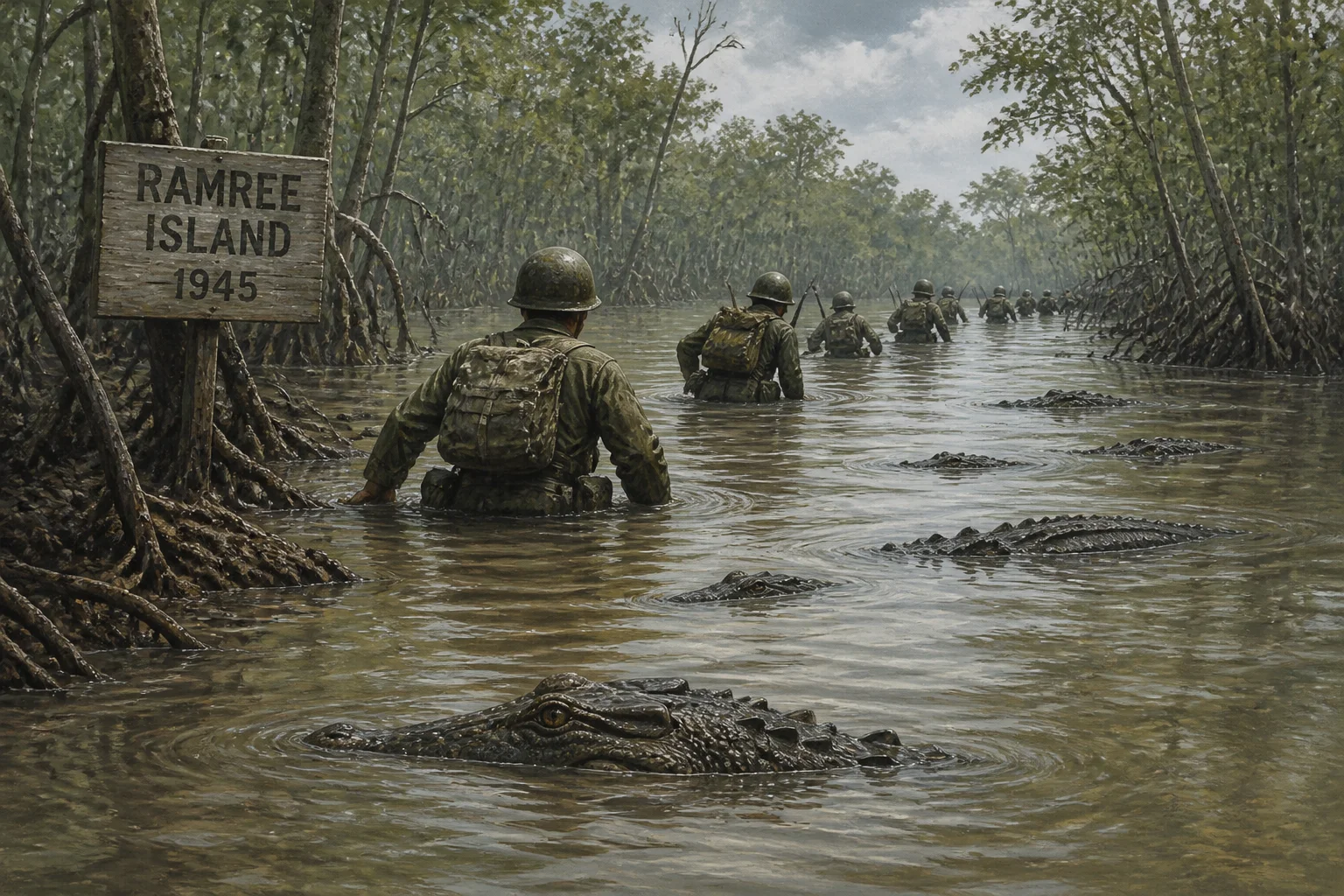
In early 1945, during the Burma campaign of World War II, Japanese soldiers retreating through mangrove swamps on Ramree Island encountered saltwater crocodiles. Later popular accounts claimed hundreds of soldiers were killed overnight, but historians and herpetologists have found no solid military documentation for that number. The most extreme version of the story is now treated as a wartime legend inflated over time.
That does not mean crocodiles were absent from the mangroves or that no men were taken. It does mean the famous “worst crocodile disaster in history” label rests on flimsy evidence. The Ramree Island case is often used to teach how man-eater stories can be repeated until they harden into fact.
Military historians and ecologists agree that mangrove terrain, hunger, disease, and enemy fire were all likely dangers for the retreating soldiers. Saltwater crocodiles were one hazard, but not the sole or even primary killer that popular accounts suggest.
18. The Jersey Shore Shark Attacks: Twelve Days That Changed Shark History
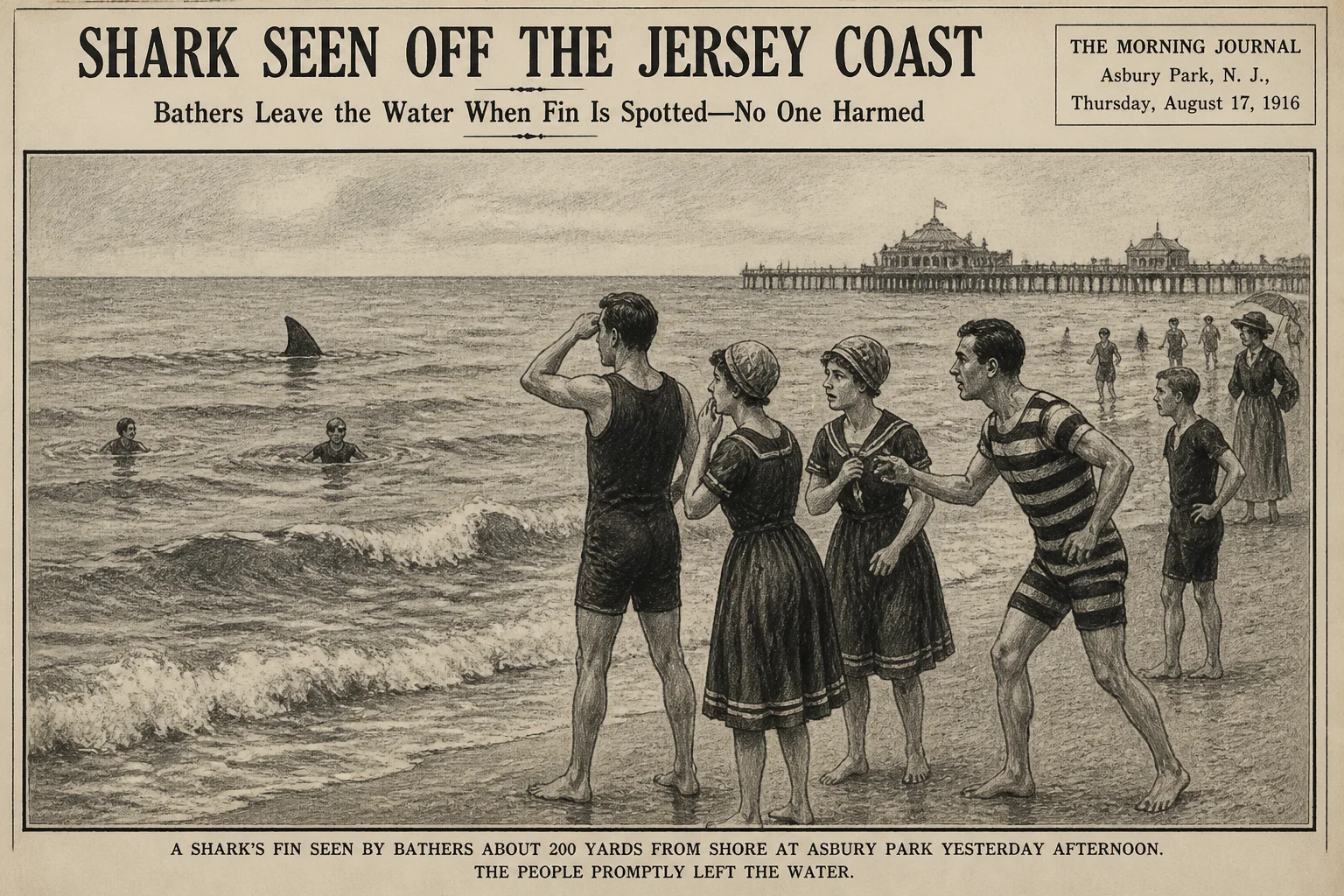
Over twelve days in July 1916, four people were killed and one injured in a series of shark attacks along the New Jersey coast. The attacks terrified beach towns and triggered an unprecedented public panic. Scientists and historians still debate whether one or several sharks were responsible, with great white and bull shark theories both proposed.
The Jersey Shore events changed public perception of sharks in America. They directly influenced later fears and pop culture, including the novel and film Jaws. As with many man-eater scares, the verified number of victims was small compared with the cultural impact.
The Jersey Shore attacks also led to a wave of shark hunting, much of it based on fear rather than science. Modern shark biologists argue that such reactions often had little effect on public safety.
19. The Man-Eater of Mundachipallam: A Southern Indian Forest Killer
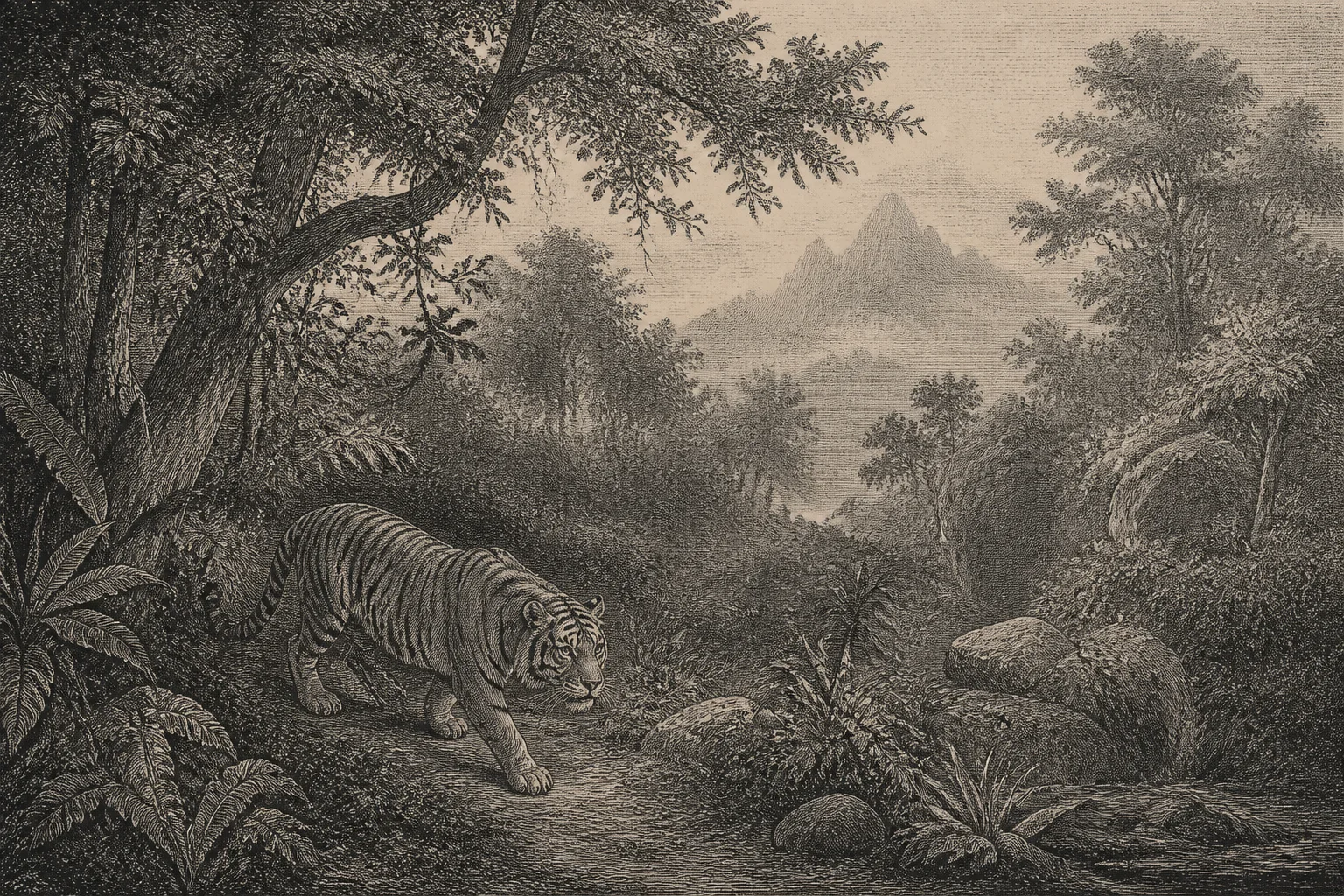
The man-eater of Mundachipallam was a tiger or leopard said to have killed numerous people in a forested district of southern India. It appears in Kenneth Anderson’s hunting stories, which describe long tracking expeditions and frightened villagers. Because Anderson’s books are rooted in personal experience, they are valuable sources but not always verifiable in the modern sense.
The Mundachipallam case mirrors the broader pattern of postcolonial India’s man-eater crises. Remote villages, limited firearms, and dense forests made hunting a dangerous and difficult task. Even with uncertain numbers, the repeated attacks were enough to force communities to change how they worked and traveled.
The Mundachipallam story is a reminder that man-eater history is often fragmented. Many attacks in remote forests were never recorded in official statistics, so the true toll may be higher or lower than written accounts claim.
20. The Man-Eater of Jowlagiri: A Local Tragedy in a Global Pattern
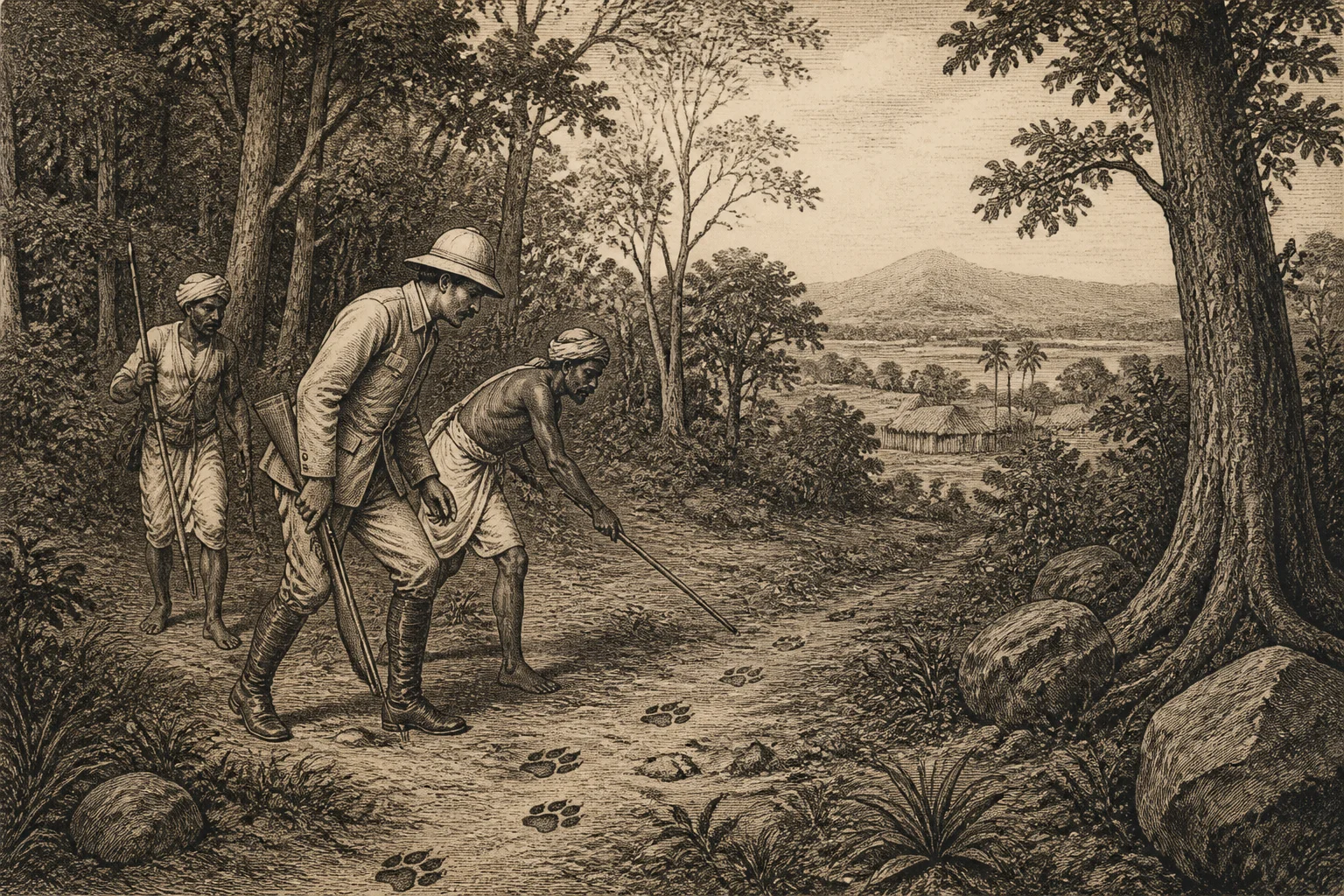
The man-eater of Jowlagiri is another big cat from southern India that became known through Kenneth Anderson’s books. The animal was reported to have killed several villagers around the Jowlagiri area before being tracked and shot. Anderson’s retellings emphasize the cat-and-mouse patience required to find an elusive man-eater.
These regional Indian cases did not receive the global fame of the Tsavo lions or Champawat tiger. But for the people who lived through them, a single predator could reshape daily routines and create lasting fear. They reveal how many man-eater events were local tragedies before they became historical footnotes.
Together, these smaller Indian cases help explain why colonial and postcolonial literature is packed with man-eater narratives. They were not just adventure stories; they were records of a real struggle between rural communities and dangerous predators.
How Man-Eater Stories Changed Daily Life
A man-eater did not just kill victims; it changed how communities farmed, traveled, and built homes. In rural India and East Africa, people sometimes stopped letting children walk to water alone or began sleeping indoors behind stronger doors. These precautions were practical, but they also reshaped social life for years.
In places like the Sundarbans, fear of man-eaters still influences fishing schedules, religious offerings, and local rules about entering the forest. Some communities developed rituals or taboos around certain landscapes after attacks. These cultural effects often outlived the predator itself.
Understanding man-eaters therefore means looking beyond body counts. The real historical footprint includes abandoned villages, changed labor routines, and legends passed down through generations.
How to Read Man-Eater Body Counts
Many famous man-eater totals come from hunting memoirs, colonial reports, or village memories recorded years later. These sources are useful, but they are not modern forensic data. When a single animal is credited with hundreds of kills, historians usually treat the number as an upper bound rather than a precise count.
For example, the Champawat tigress’s 436 and the Panar leopard’s 400 are impressive but unverifiable. They reflect long periods, wide territories, and oral reporting. That does not mean the animals were harmless; it means the exact figures carry wide margins of error.
A myth-busting approach does not dismiss the victims. It protects the historical record by separating documented facts from dramatic inflation.
The Bigger Picture: Fear, Folklore, and Facts
Man-eater stories endure because they sit at the intersection of real danger and human imagination. Before modern medicine and reliable firearms, a single predator could genuinely cut off trade routes, stop farm work, and force families to abandon villages. That material reality is often forgotten when the stories become thrillers or campfire tales.
At the same time, myth-busting matters. Many legendary tolls were produced by colonial officials, hunting writers, or local rumor, and they were rarely subjected to careful verification. Modern researchers now view even the most famous man-eaters with a mix of respect for the real victims and skepticism toward the numbers.
The true history of man eaters is neither pure fact nor pure fiction. It is a record of rare, frightening animal behavior, amplified by the cultures that recorded it and the people who survived it.
Frequently Asked Questions
What was the man eater of Gummalapur?
The man eater of Gummalapur was a man-eating big cat in southern India, most often remembered as a tiger and written about by hunter-author Kenneth Anderson. Local accounts described repeated fatal attacks before the animal was killed, though details about the exact species and death toll vary.
What animals are man eaters?
Lions, tigers, leopards, bears, wolves, crocodiles, and sharks are the animals most often labeled man-eaters. In practice, the label usually applies to specific individuals that repeatedly hunt humans, not to an entire species.
Are maneaters bears common?
No, maneaters bears are rare. The Sankebetsu brown bear in Japan and the Mysore sloth bear in India are famous exceptions, but most bear attacks are defensive rather than predatory.
Do man-eaters still exist today?
Yes, though they are less common and more closely monitored. The Sundarbans tigers and some large crocodile populations still cause fatal attacks, and individual predators can learn to target people where habitat and natural prey are scarce.

Alex Warren
Related Articles