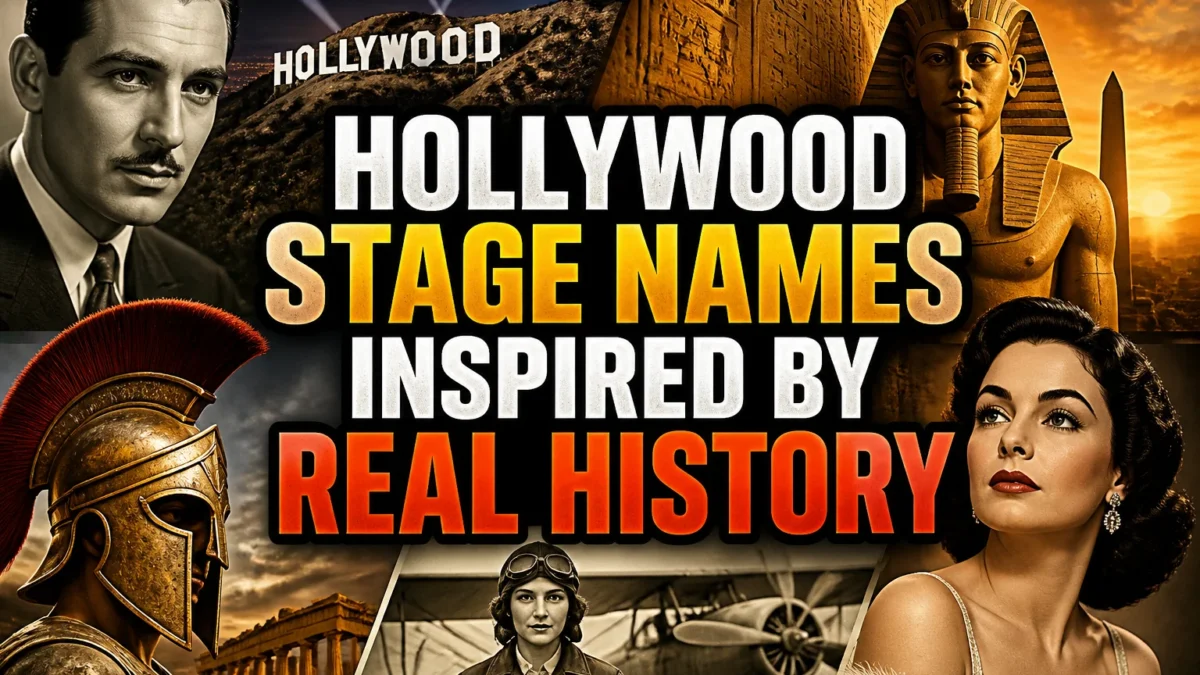
Hollywood has always loved a good reinvention. Long before social media rebrands, studios were reshaping actors into identities built for marquees, posters, and fan magazines. Many of those stage names were not random: they borrowed from real generals, writers, performers, places, and myths.
That habit created some of the most famous stage names in movie history. In some cases, the borrowed history is well documented by the stars themselves. In others, the origin comes from studio lore and is best treated as a colorful tradition rather than settled fact.
TL;DR: Many famous Hollywood stage names are quiet history lessons, borrowed from real generals, writers, performers, places, and myths—including the name Hollywood itself.
Why Is Hollywood Named Hollywood? Where Does Hollywood Get Its Name?
The origin of the name Hollywood is more debated than most movie fans expect. The most common account credits Daeida Wilcox, who moved to California in the 1880s and gave the name Hollywood to her husband's ranch or subdivision.
According to that story, Daeida heard the word from a woman on a train who described a family estate in Ohio called Hollywood. Another tradition links the name to H.J. Whitley, a real estate developer who promoted the area and used the name in his land projects.
Historians treat these as competing origin claims rather than one official record. What is clear is that the name was attached to the area by 1887 and quickly became much more than a place marker.
20 Stage Names with Historical Roots
The list below includes adopted names from Hollywood and adjacent entertainment. Some are confirmed by the people who used them; a few come from studio archives and are labeled as reported or traditional.
1. John Wayne, Named for a Revolutionary War General
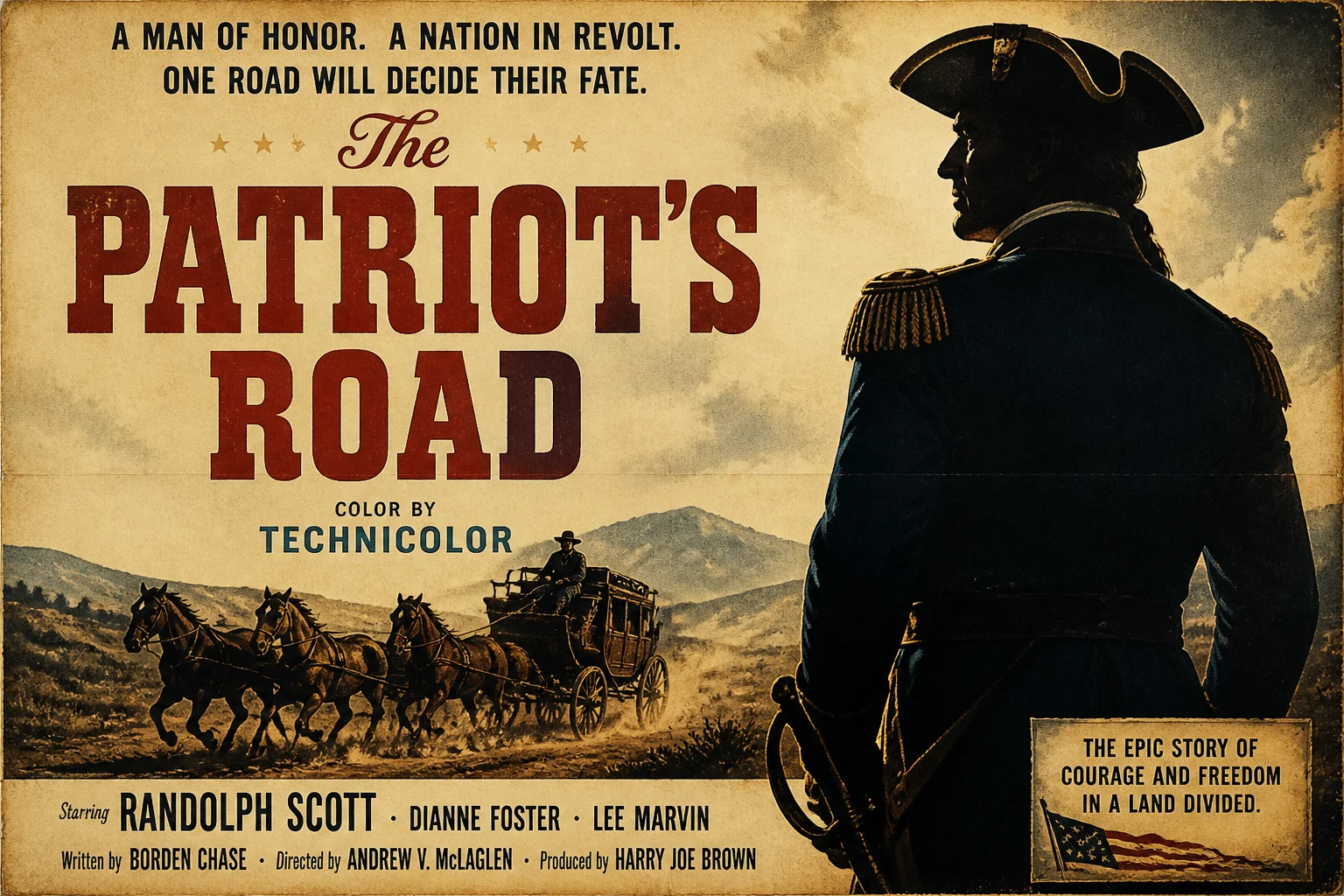
John Wayne was born Marion Morrison in Iowa, but studio executives wanted a stronger American name. Director Raoul Walsh and Fox executives settled on John Wayne, borrowing the surname from Revolutionary War general Anthony Wayne.
General Wayne was known as Mad Anthony for his aggressive battlefield tactics, including the 1779 capture of Stony Point. The choice gave a young actor a name that sounded like frontier confidence before he ever starred in a Western.
That historical echo stayed quiet for most audiences. Wayne the movie star became a symbol of rugged independence, while Wayne the general remained a schoolbook name.
2. Martin Sheen, Borrowed from a TV Bishop
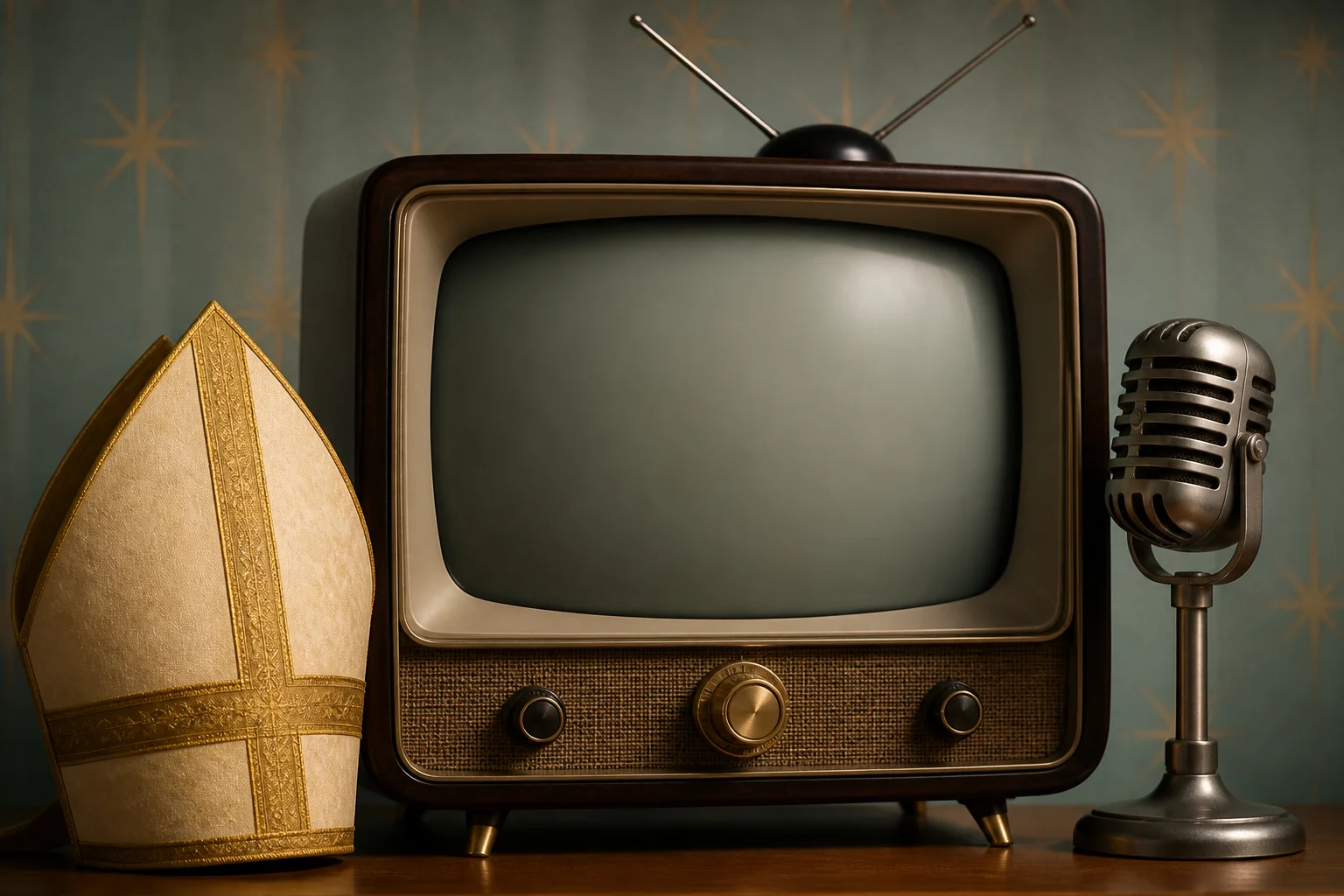
Martin Sheen was born Ramón Estévez in Dayton, Ohio, to a Spanish father and an Irish mother. When he began acting in New York, he adopted the surname Sheen to improve his chances of being cast.
The name came from Fulton J. Sheen, a Roman Catholic bishop and early television personality who was famous for his radio and TV talks. It was a direct borrowing from real cultural history, not a studio invention.
That choice gave a young actor an air of seriousness and moral weight. It also created a stage name that his son would later inherit.
3. Charlie Sheen, a Family Stage Name
Charlie Sheen inherited the stage name rather than inventing it. He was born Carlos Irwin Estévez, the son of actor Martin Sheen and Janet Templeton.
Like his father, he used the surname Sheen for film roles, continuing a direct line to the historical Bishop Fulton J. Sheen. His first name Charlie is simply the English form of Carlos.
The result shows how a borrowed historical name can become a family tradition across generations. What started as one actor's rebrand turned into a recognizable Hollywood surname.
4. Olivia Wilde, a Nod to Oscar Wilde
Olivia Wilde was born Olivia Jane Cockburn and changed her professional surname before her acting career took off. She has said she chose Wilde as a tribute to the Irish writer Oscar Wilde.
Oscar Wilde was a Victorian playwright, poet, and wit whose works include The Picture of Dorian Gray and The Importance of Being Earnest. Borrowing that surname added a literary charge to a modern screen name.
The choice also reshaped a difficult-to-pronounce family name into something crisp and memorable. It connects an unlikely comedy actor to one of the sharpest writers in English literary history.
5. Nicolas Cage, After the Composer John Cage
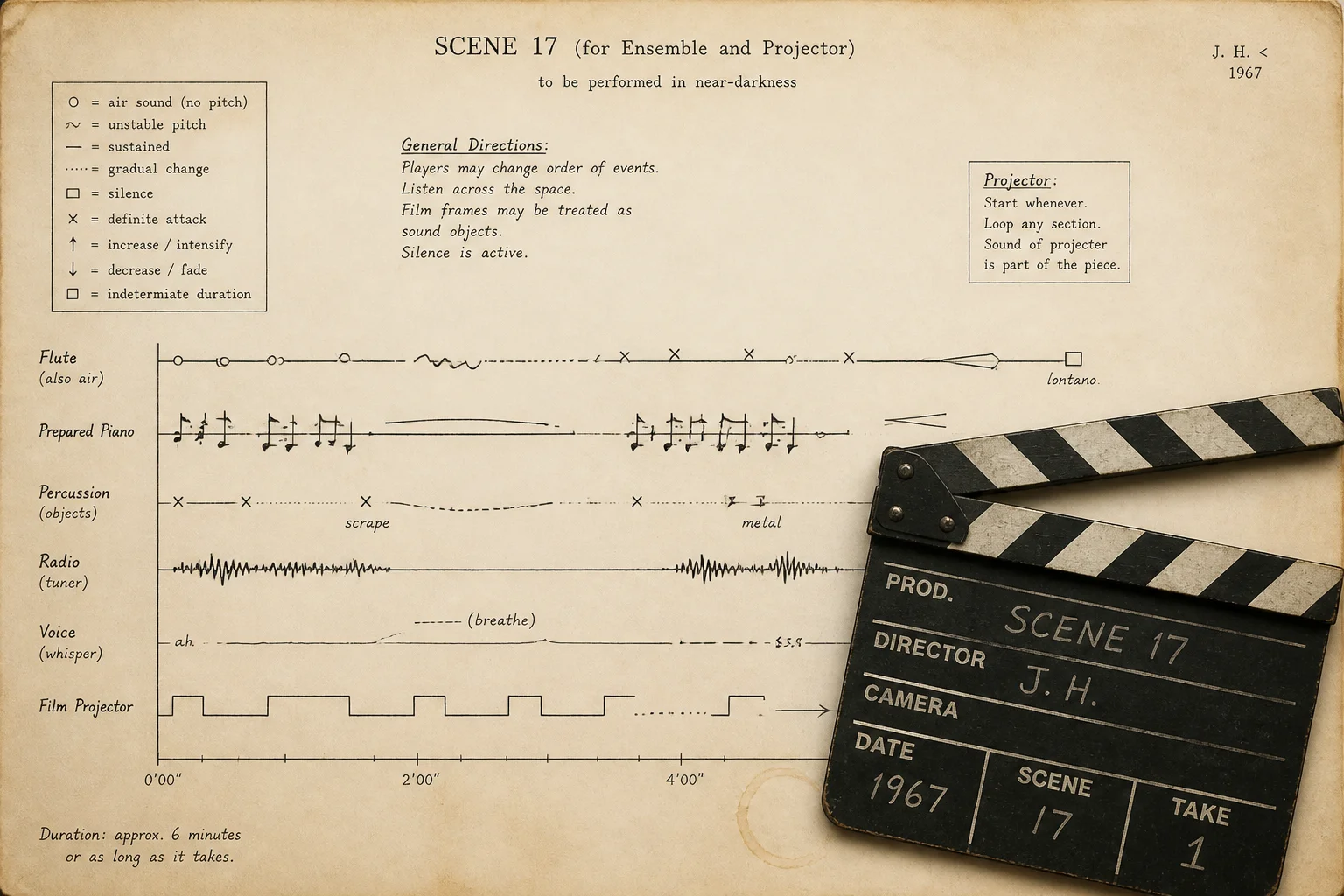
Nicolas Cage was born Nicolas Coppola, part of the Coppola filmmaking family. He changed his stage name to avoid being judged simply as Francis Ford Coppola's nephew.
He has said he took Cage partly from the avant-garde composer John Cage. John Cage was an experimental musician and theorist who changed twentieth-century ideas about sound, silence, and performance.
That quiet artistic reference gave the actor an identity far outside the family brand. His stage name now stands alongside the composer's name in two very different histories.
6. Sigourney Weaver, from The Great Gatsby
Susan Alexandra Weaver became Sigourney Weaver after she took her new first name from a minor character in F. Scott Fitzgerald's The Great Gatsby. The novel is a landmark of American literary history.
Sigourney Howard appears only briefly in the book, but the name was distinctive enough to help an aspiring actor stand out. It remains one of the most literary stage names in Hollywood.
The choice was less about the character's role and more about the sound of the word. It gave an ambitious young performer a name that felt elegant, unusual, and impossible to forget.
7. Rock Hudson, Built from Landmarks
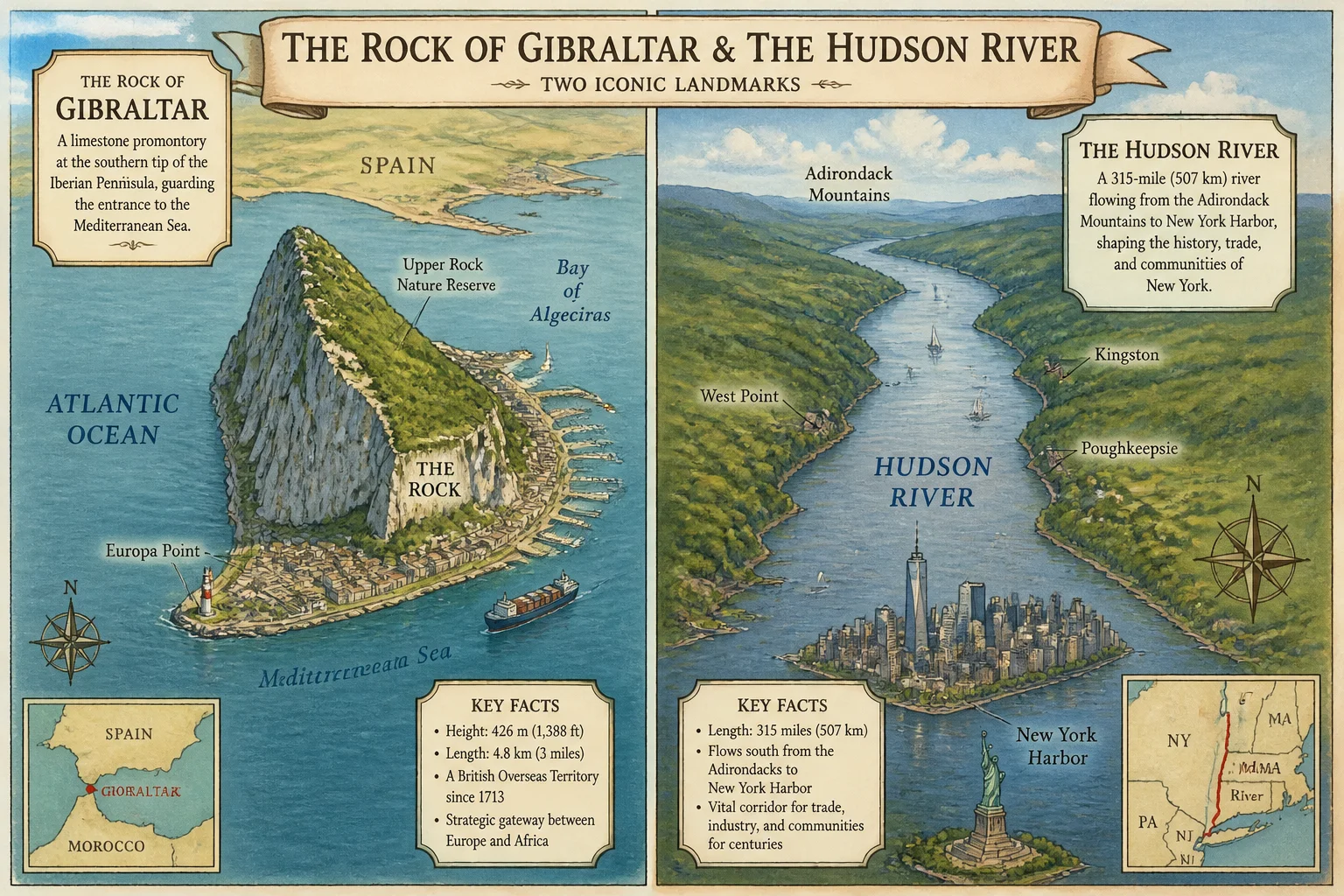
Rock Hudson was born Roy Harold Scherer Jr. and later took the surname Fitzgerald from his stepfather. Talent agent Henry Willson then suggested a full rebrand for the young actor.
Willson combined the Rock of Gibraltar, a real natural landmark, with the Hudson River, a waterway central to New York history. The result was a name that sounded rugged, stable, and all-American.
The name was pure postwar Hollywood packaging. In practice, it helped turn an unknown actor into one of the most bankable romantic leads of the 1950s and 1960s.
8. Joaquin Phoenix, the Mythical Bird
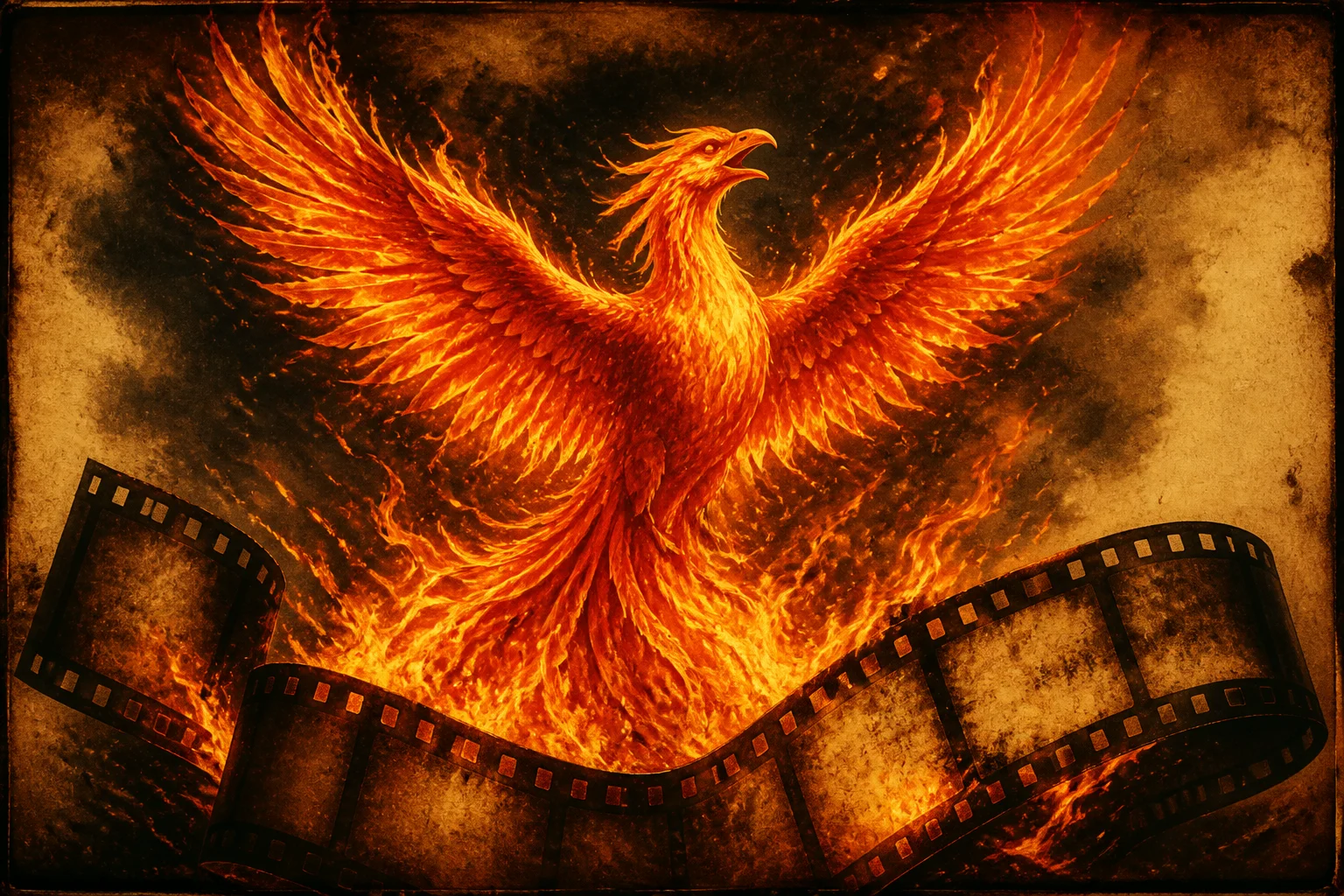
Joaquin Phoenix was born Joaquin Rafael Bottom in Puerto Rico. When the family returned to the United States, they adopted the surname Phoenix as part of a new beginning.
The name comes from the mythical bird that burns and rises again from its own ashes. That story appears in ancient Egyptian and Greek traditions, making the surname a symbolic choice about renewal.
It was not originally a studio decision, but it worked like a stage name. The family name carried a sense of rebirth that matched their lives as traveling performers.
9. River Phoenix, Literature and Family
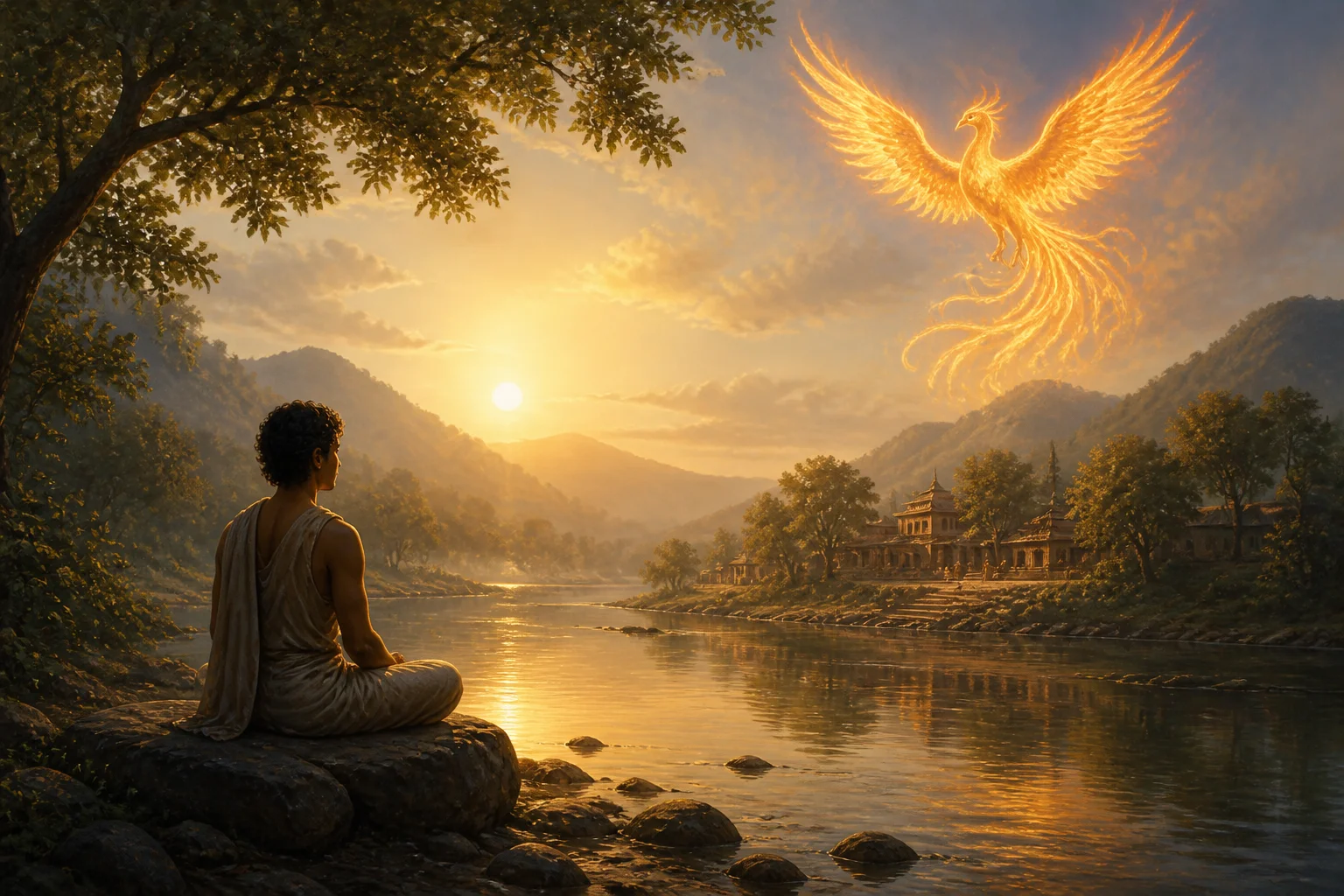
River Phoenix, Joaquin's older brother, shared the family's adopted surname. His first name came from a different source, connected to literary and spiritual history.
His parents named River after the river of life in Hermann Hesse's novel Siddhartha. That book became a favorite of the 1960s counterculture and gave the name a philosophical, historical tone.
The name fit the family's back-to-the-land beginnings and later suited River's quiet, searching screen presence. It remains a strong example of a Hollywood name rooted in a real literary moment.
10. Hedy Lamarr, a Silent-Film Legacy
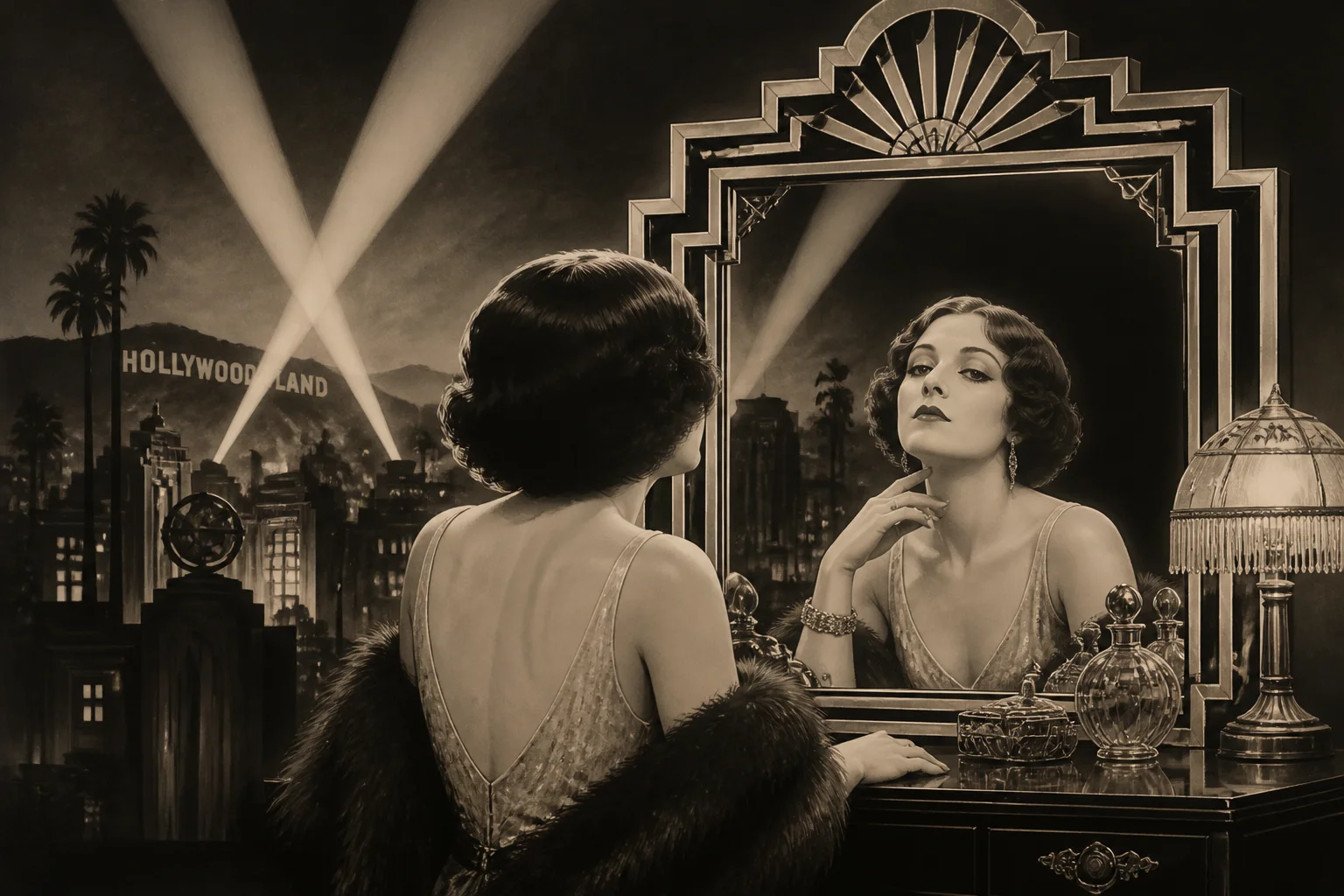
Hedy Lamarr was born Hedwig Eva Maria Kiesler in Vienna. MGM head Louis B. Mayer helped create her American screen name when she came to Hollywood in the late 1930s.
The surname Lamarr is often reported as a nod to Barbara La Marr, a silent-film actress and writer who had died in 1926. La Marr was one of early Hollywood's most celebrated and tragic figures.
That borrowed glamour helped introduce a European actor to American audiences. Later, Lamarr became famous for more than film when her wartime frequency-hopping invention was recognized.
11. Gene Wilder, from Thornton Wilder
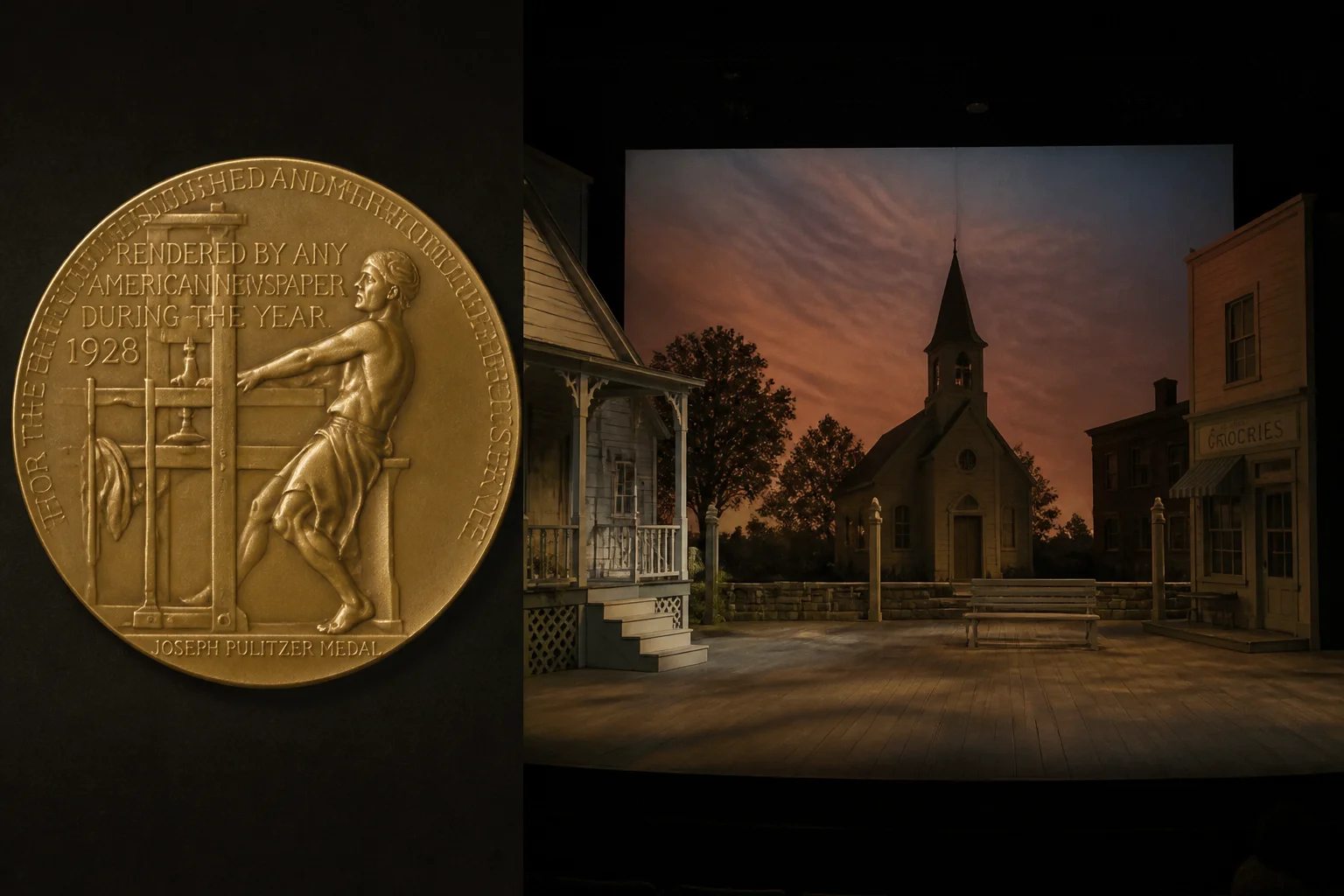
Gene Wilder was born Jerome Silberman in Milwaukee. He chose the stage name Gene Wilder at age 26, wanting something that matched the boyish, offbeat characters he was beginning to play.
He has said the surname came from Thornton Wilder, the Pulitzer Prize-winning author of Our Town and The Bridge of San Luis Rey. That literary lineage gave the name a quiet American tint.
The change also separated his acting work from his family name. It let him build a career as a comic surrealist with a surprisingly traditional literary root.
12. Marilyn Monroe, a Broadway Star and a Family Name
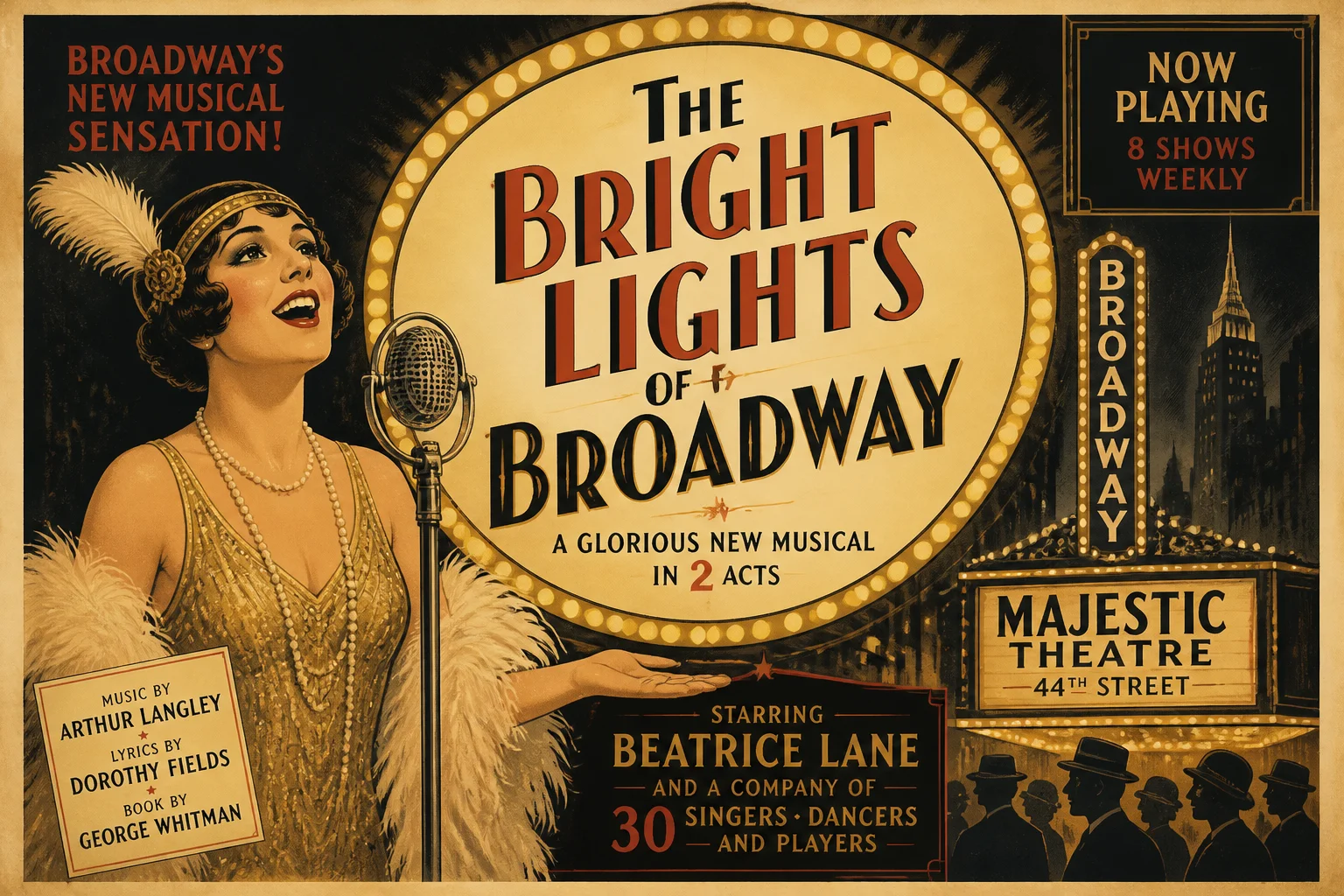
Marilyn Monroe was born Norma Jeane Mortenson, and her stage name changed in stages. The first part came from Broadway actress Marilyn Miller, a major musical-comedy star of the 1920s.
The surname Monroe came from her mother's family name. That combination created a stage name that felt both glamorous and historical, connecting old Broadway to new Hollywood.
The result was one of the most recognizable stage names of the twentieth century. It concealed the ordinary birth name while still carrying a thread of real family history.
13. Michael Caine, from a Novel and Film
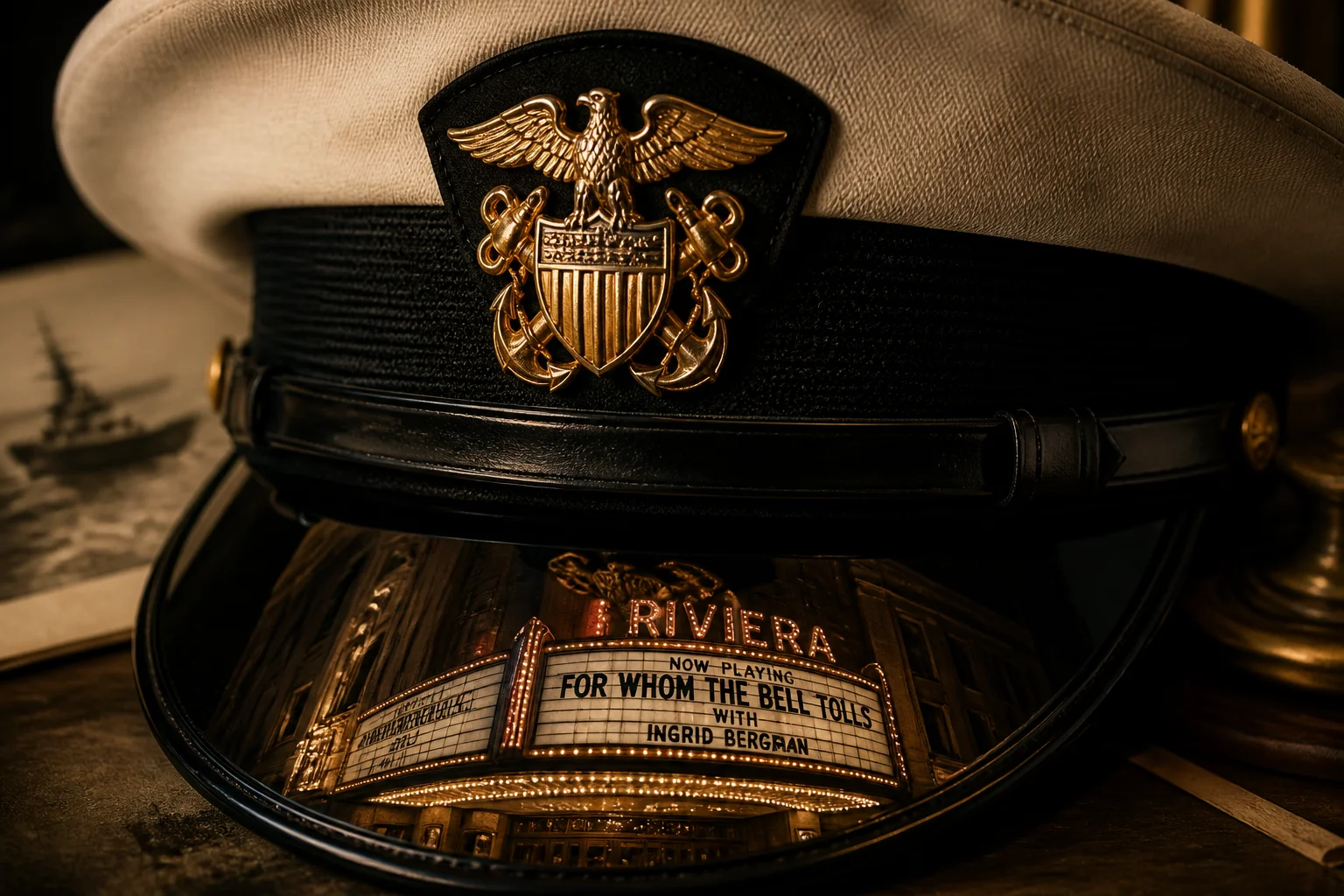
Michael Caine was born Maurice Joseph Micklewhite in London. He took the surname Caine after seeing The Caine Mutiny advertised on a cinema marquee.
The 1954 film was based on Herman Wouk's Pulitzer Prize-winning novel about a fictional U.S. Navy ship. The name gave him a crisp, memorable edge and a link to serious drama.
That borrowed word from a movie title became one of British film's most enduring stage names. It also gave a working-class actor a touch of naval-tinged authority.
14. Judy Garland, a Song and a Critic
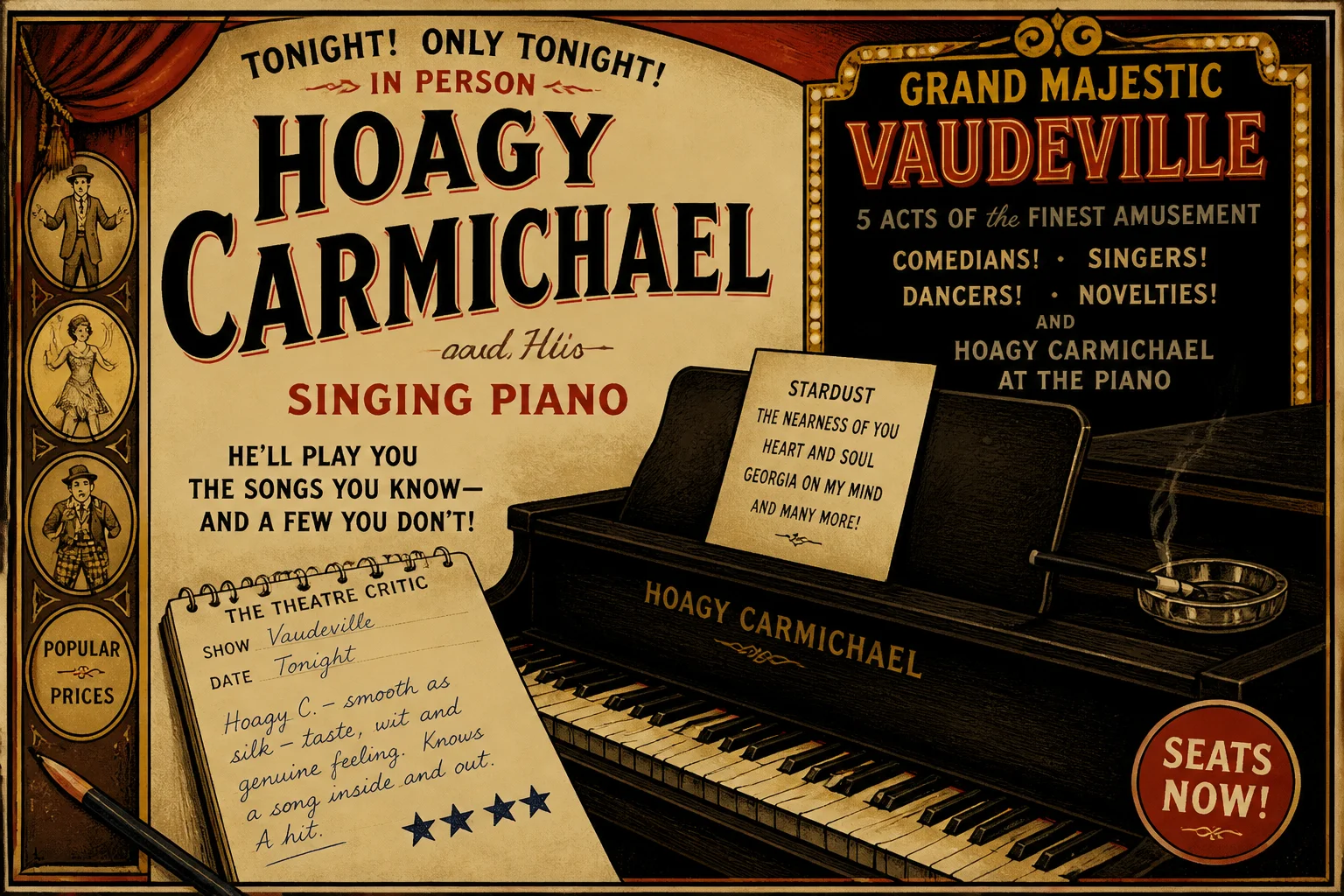
Judy Garland was born Frances Ethel Gumm in Grand Rapids, Minnesota. She changed her name during her vaudeville years, before MGM shaped her into a major star.
Her first name is often tied to the Hoagy Carmichael song Judy, while Garland reportedly came from theater critic Robert Garland. That dual borrowing connected her to both music and criticism of the era.
The new name softened the oddity of Gumm and gave her stage persona a musical lift. It became one of the most beloved stage names in entertainment history.
15. Buster Keaton, Named by Houdini
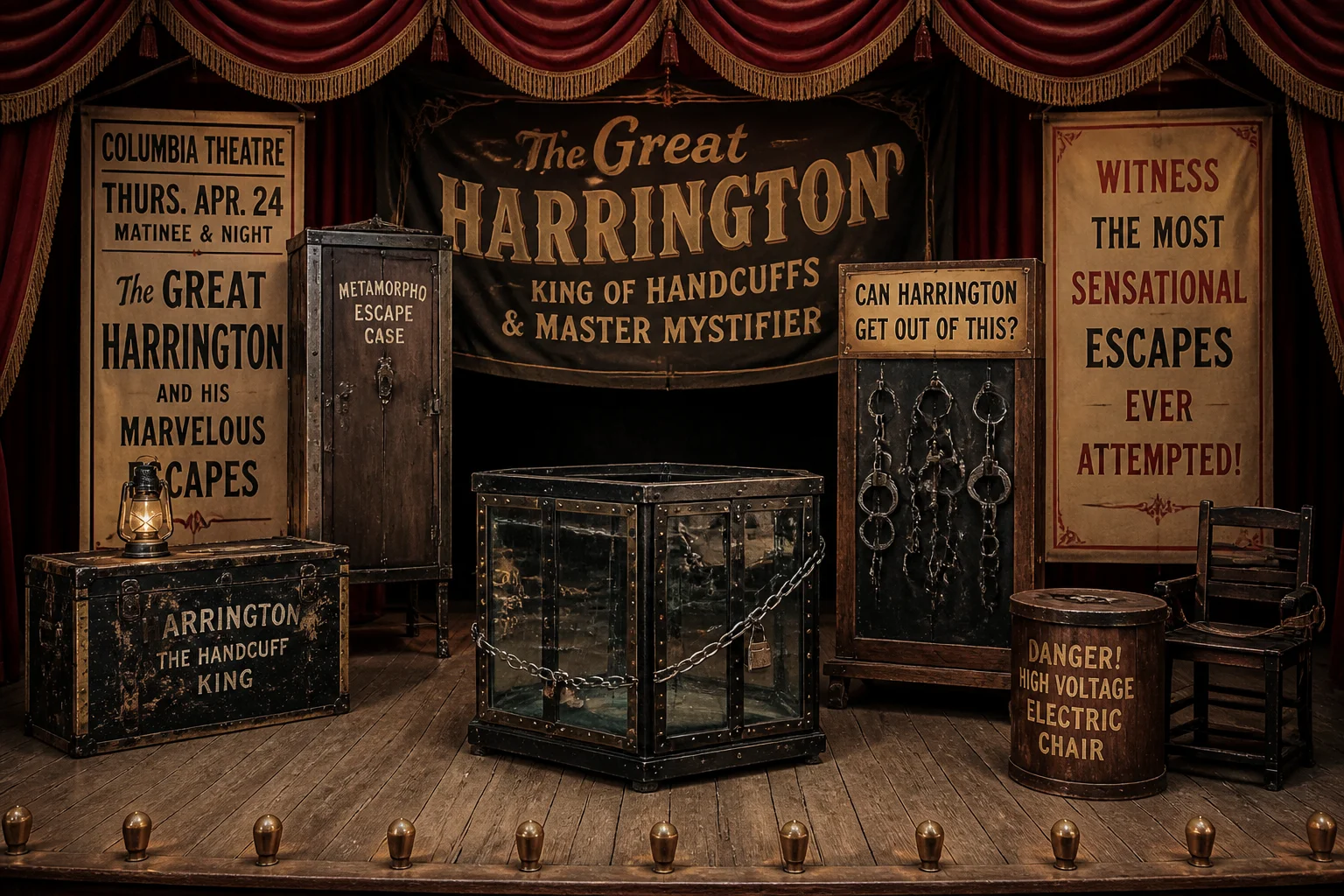
Buster Keaton was born Joseph Frank Keaton into a vaudeville family. His famous nickname arrived in childhood, not from a studio memo.
According to Keaton and family lore, the magician Harry Houdini gave him the name Buster after watching him survive a fall. Houdini was a real escape-artist and show-business legend, making this one of Hollywood's most direct historical nicknames.
The story may have grown softer with retelling, but Keaton kept the name for life. It turned a childhood accident into a permanent comic identity.
16. Michael Keaton, a Tribute to Buster Keaton
Michael Keaton was born Michael John Douglas in Pennsylvania. He could not use his birth name in the Screen Actors Guild because Michael Douglas and Mike Douglas were already listed.
He chose the surname Keaton, a decision widely reported as a tribute to silent-film comedian Buster Keaton. That link makes his stage name a second-generation borrowing from Hollywood's own history.
The change solved a practical union problem and gave him a name with built-in cinematic memory. It also created a subtle connection between two very different comic actors.
17. David Bowie, the Frontier Knife
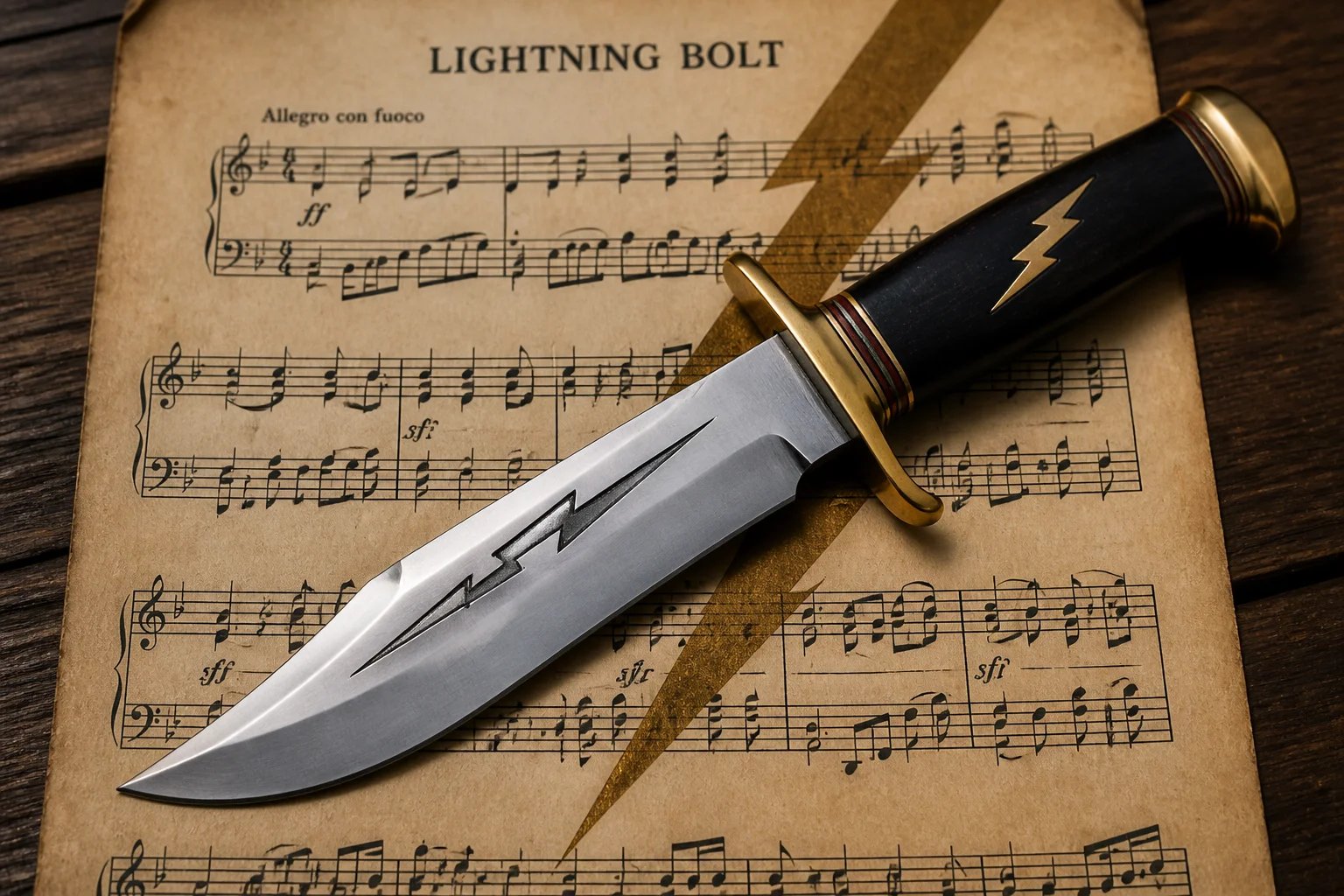
David Bowie was born David Robert Jones in London, but his stage name became one of the most famous in entertainment. He changed it partly to avoid confusion with Davy Jones of the Monkees.
The surname Bowie points to Jim Bowie, the nineteenth-century American frontiersman associated with the Bowie knife. It gave a futuristic performer a name with old American frontier weight.
Though Bowie was primarily a musician, his film work put the name into Hollywood credits. The historical echo suited a star who constantly reinvented himself.
18. Natalie Wood, from the Director Sam Wood
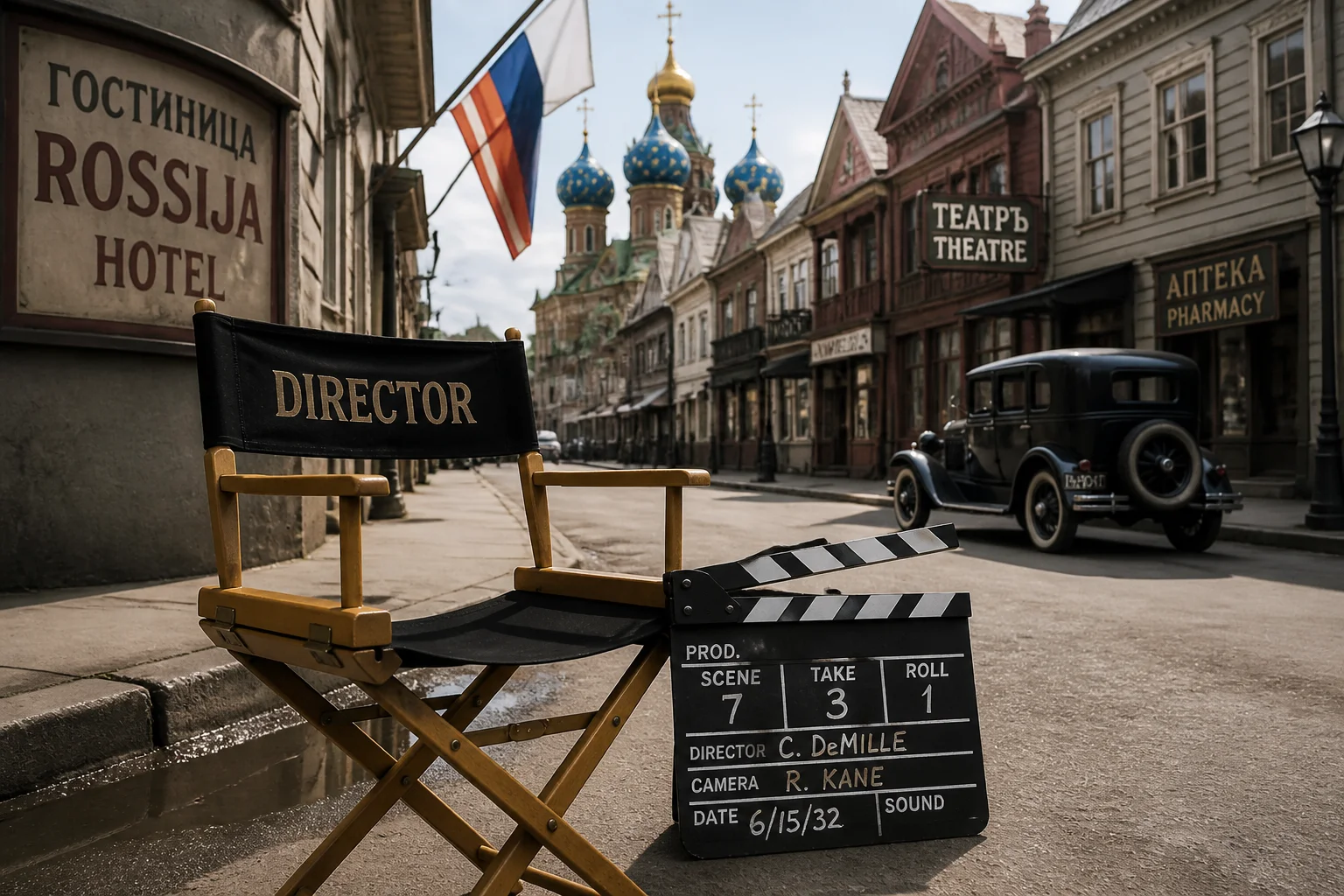
Natalie Wood was born Natalia Nikolaevna Zakharenko to Russian immigrant parents. She began acting as a child and needed a professional name that was easier for American audiences to pronounce.
According to studio-era accounts, the surname Wood was borrowed from director Sam Wood, who helped shape early Hollywood. That practical change tied her screen identity to the industry she was joining as a child.
The name kept a trace of her Russian first name while making her easier to remember in fan magazines. It is a reminder that many stage names were built for practicality first and history second.
19. Rita Hayworth, a Family History Rebrand
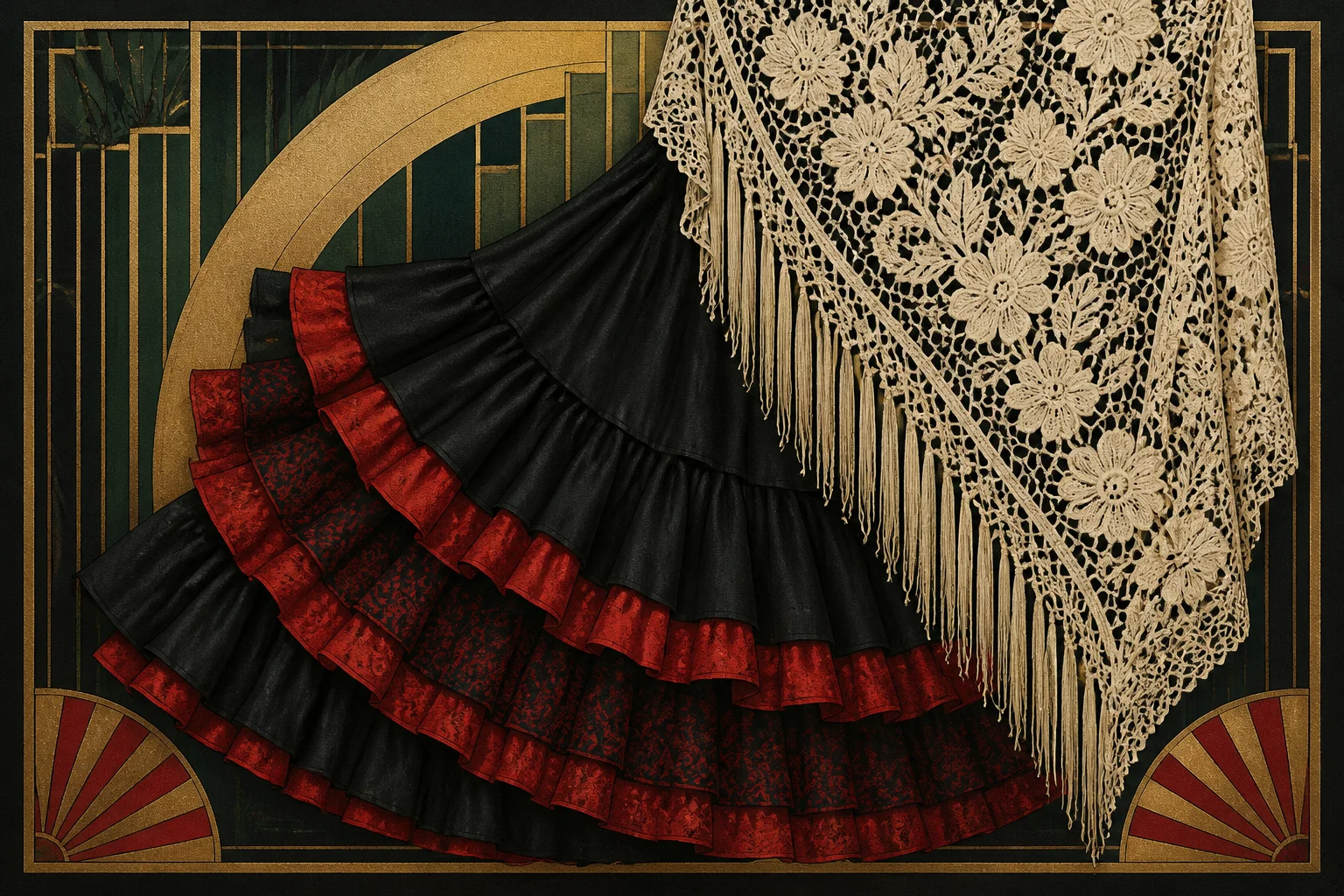
Rita Hayworth was born Margarita Carmen Cansino in Brooklyn. Her stage name did not come from a famous stranger but from her own family history.
Rita was an Americanized version of Margarita, while Hayworth came from her mother's Irish-American family name. The rebrand blended her Spanish and English heritage into one marquee-ready package.
That blend helped the studio market her in an era that often erased ethnic identity. The stage name preserved part of her family story while smoothing the edges for mainstream audiences.
20. Chevy Chase, a Ballad and a Town
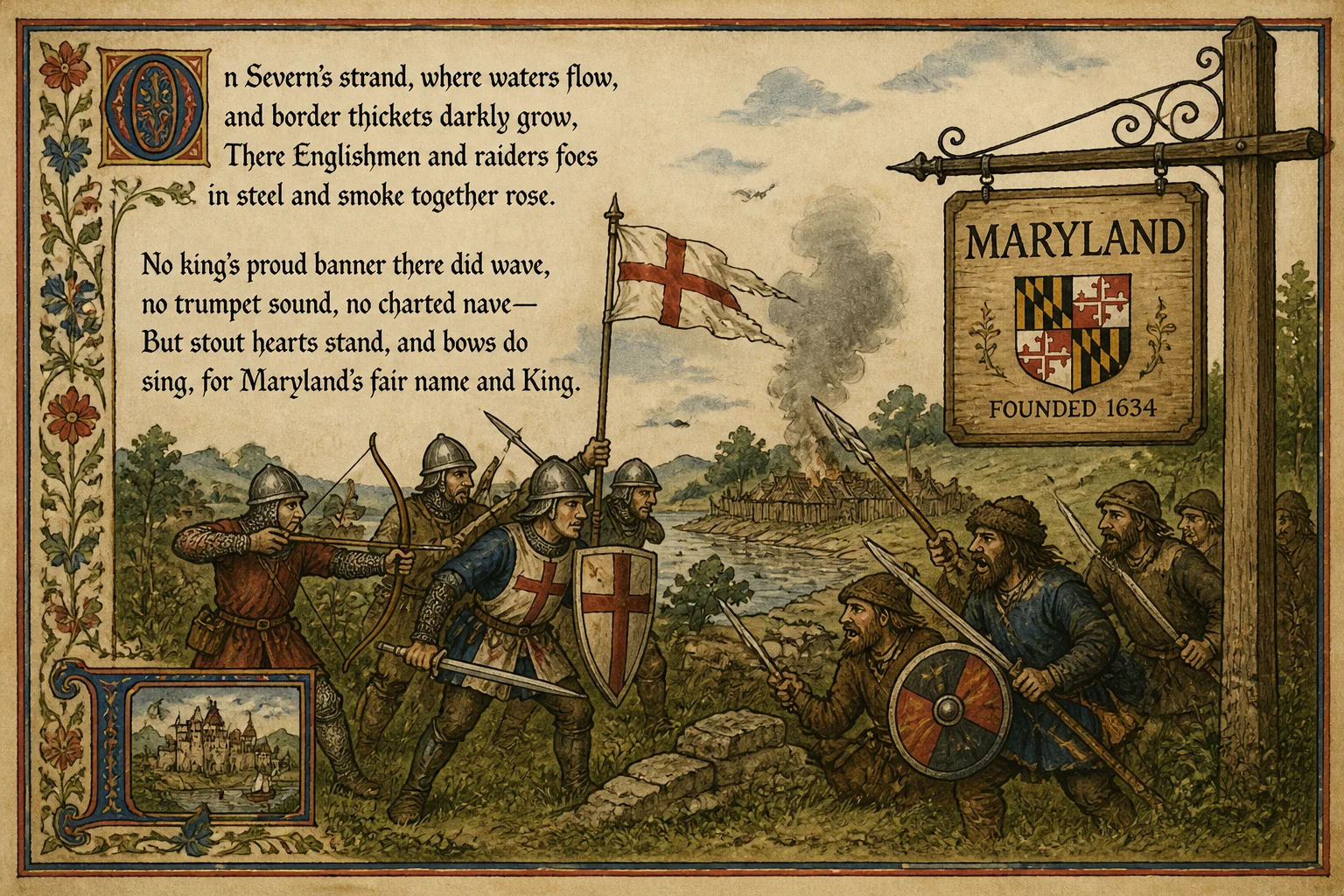
Chevy Chase was born Cornelius Crane Chase in New York. His quirky first name was a nickname that stuck, and it shares its roots with a real historical place.
The actor's familiar name is connected to Chevy Chase, Maryland, a town that took its name from The Ballad of Chevy Chase. That old English border ballad told the story of a violent medieval confrontation.
The nickname therefore carries a long line of history behind it. A modern comic performer ended up with a name that reaches back to centuries-old English song and border conflict.
How to Read a Stage Name Like a Historian
Because the studio system did not always keep perfect records, some of these origins should be read as reported rather than proven. The safest accounts come straight from the stars in interviews or memoirs.
When a story appears only in fan magazines or studio press materials, it may have been shaped for publicity. That does not make it false, but it does make the word reportedly an important part of the story.
A good rule is to separate the documented borrowing from the colorful legend. In many cases, both versions are worth knowing, because they reveal how Hollywood sold its own past.
What These Stage Names Have in Common
Over and over, actors changed their names because unions, studios, or casting directors demanded something shorter, cleaner, or easier to pronounce. The borrowed historical names gave them a sense of permanence and cultural weight.
That pattern also reveals how Hollywood packaging works. A name must be easy on a poster, simple to remember, and able to carry a myth, and history supplied ready-made myths.
The same impulse operated behind the naming of Hollywood itself. A borrowed place name, wrapped in real-estate ambition, became the label for an entire industry.
The Real History Hiding in the Credits
Hollywood stage names are more than trivia. They are compact reminders of the generals, novelists, musicians, saints, and ancient stories that shaped the culture actors wanted to join.
The next time you scan a movie poster, look at the name closely. There is often a small piece of real history hiding inside a studio invention.
Frequently Asked Questions
Why is Hollywood named Hollywood?
The most common account credits Daeida Wilcox, who reportedly heard the name from a woman on a train describing an Ohio estate called Hollywood and gave it to her California ranch or subdivision in the 1880s. Another tradition links the name to real estate developer H.J. Whitley. Historians treat these as competing origin stories rather than one settled fact.
Where does Hollywood get its name?
Hollywood most likely gets its name from a transplanted eastern place name. The best-known story says Daeida Wilcox borrowed it from a family estate called Hollywood she heard about on a train, while another account connects it to developer H.J. Whitley. The area was recorded as Hollywood by 1887.
Why did actors adopt historical stage names?
Studios and casting directors often wanted shorter, cleaner, more American-sounding names for posters and fan magazines. Borrowing from real generals, writers, performers, and places gave those new identities instant cultural weight, recognition, and a sense of permanence.
Which Hollywood stage name is linked to a Revolutionary War general?
John Wayne's stage surname was borrowed from General Anthony Wayne, the Revolutionary War officer known as Mad Anthony for his aggressive battlefield tactics. Wayne was born Marion Morrison, but the studio renamed him to sound more rugged and all-American.

Alex Warren
Related Articles