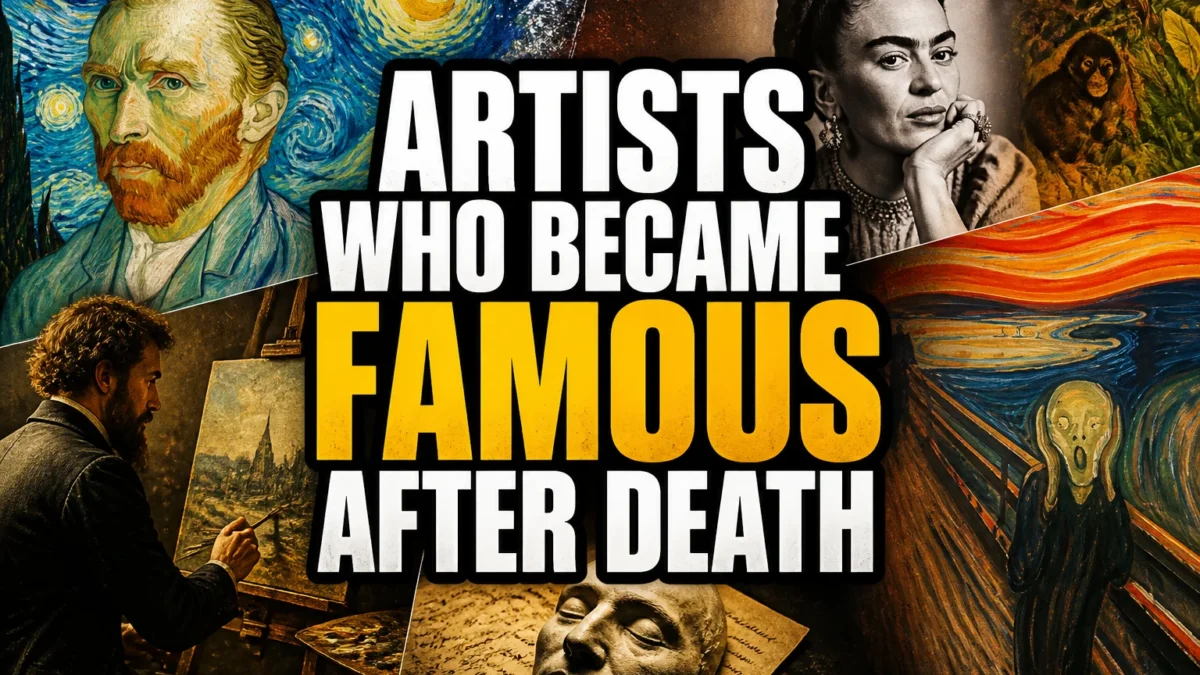
Art history has a habit of rewriting its own winners list. Painters and sculptors who struggled to sell work during their lifetimes sometimes become household names decades or even centuries after the death of the artist. This post looks at famous dead painters and underappreciated artists whose reputations shifted only after they were gone.
None of these stories is as simple as “nobody liked them.” Many had small circles of admirers, patrons, or fellow artists who recognized their talent even when the broader art market did not. The real story is how posthumous champions, changing tastes, and rediscovered archives turned overlooked work into canon.
TL;DR: Many famous dead painters died poor, ridiculed, or forgotten—only to become icons after the death of the artist, thanks to supporters, rediscovery, and changing taste.
Before the List: Why Posthumous Fame Happens
Posthumous fame rarely comes from nowhere. It is usually built by executors, dealers, scholars, family members, or museums who rescue works from storage and convince the public to look again. For many dead artists painters now celebrate, the market simply caught up with radical ideas.
Changing taste also plays a part. Impressionism and Expressionism were once seen as unfinished or ugly, but later generations embraced them as modern classics. Painters who died young sometimes leave a small body of work, which can make the surviving pieces feel especially rare and valuable.
Famous Dead Painters: 22 Artists Who Became Famous After Death
Below are twenty-two artists whose reputations grew dramatically after death. Some were painters, some sculptors, and a few worked with a camera or mixed media, but all belong to the broader story of artists who became famous after death.
1. Vincent van Gogh
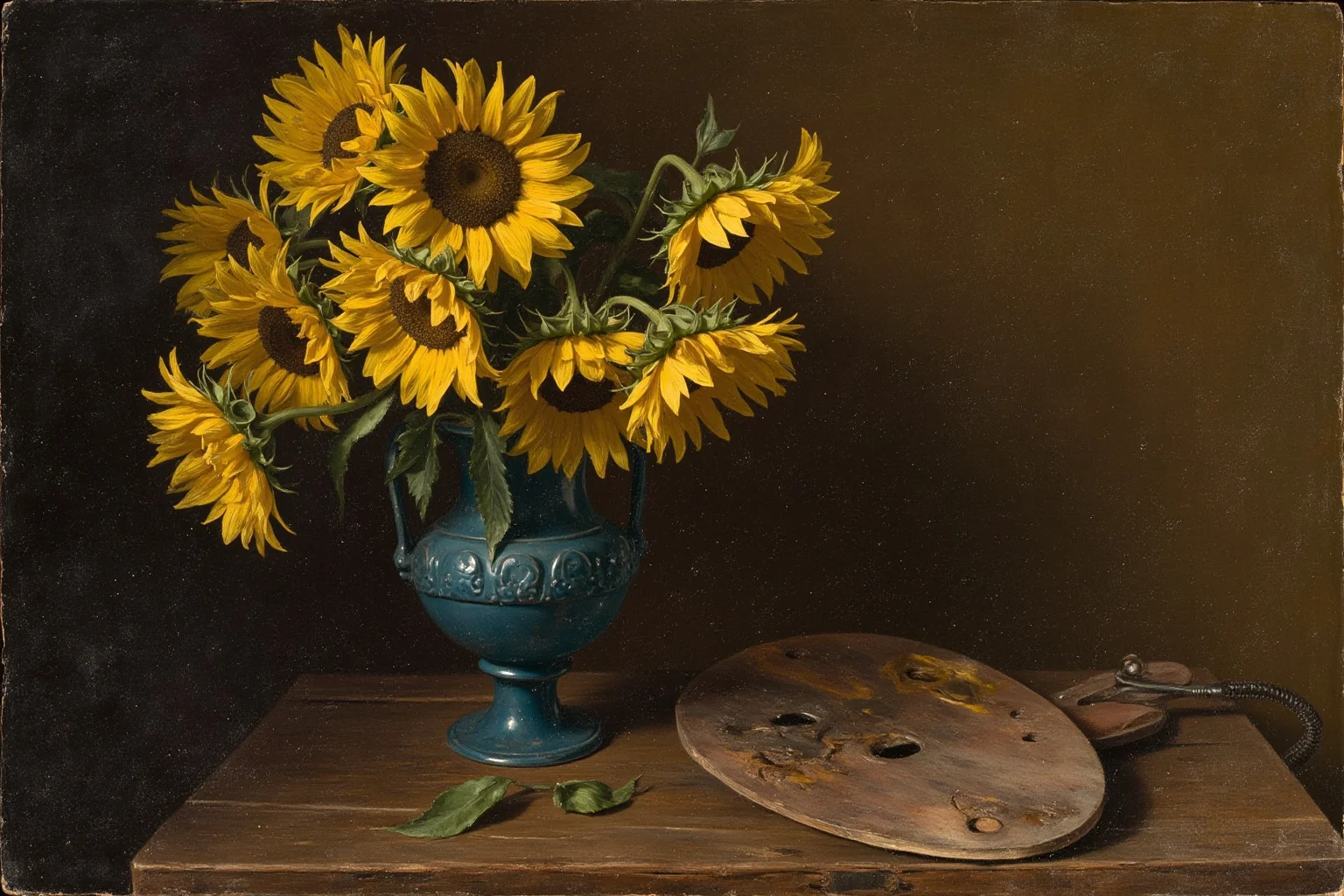
Vincent van Gogh is the archetypal artist who became famous after death. He produced roughly 2,100 artworks in about a decade, but he likely sold only a handful during his lifetime, with The Red Vineyard often cited as the best-known sale. He relied on his brother Theo for money and support while his mental health deteriorated.
After Vincent died in 1890 and Theo died six months later, Theo’s widow Jo van Gogh-Bonger became the key champion of his work. She organized exhibitions, translated letters, and placed paintings with collectors until the world saw what she saw. Today he is one of the most famous dead painters in Western art, though he was never entirely invisible to adventurous artists in his own circle.
2. Johannes Vermeer
Johannes Vermeer was respected in his home city of Delft, but he worked slowly and died in debt in 1675. After his death, his name faded for nearly two centuries, and some of his paintings were attributed to other Dutch masters. That changed when French critic Théophile Thoré-Bürger began championing him in the 1860s.
Thoré’s campaign turned Vermeer into one of the most admired painters of the Dutch Golden Age. Works such as Girl with a Pearl Earring now draw crowds, but the artist’s full surviving catalog is tiny—only around thirty-four paintings are widely accepted. His story shows that fame for dead artists painters can depend on a single determined rediscoverer.
3. El Greco
El Greco, born Domenikos Theotokopoulos in Crete, spent most of his career in Toledo, Spain. He received major commissions, so he was not ignored during his life, but his elongated figures and unusual color choices puzzled many contemporaries. After his death in 1614, his reputation declined as Baroque naturalism became the new standard.
Romantic and modern artists later rescued him from obscurity. Eugène Delacroix, Édouard Manet, and Pablo Picasso all studied his work, and twentieth-century critics recast him as a prophet of modern expression. He is now a Spanish art icon, even though his true fame was largely posthumous.
4. Amedeo Modigliani
Amedeo Modigliani arrived in Paris from Italy in 1906 and became known as much for his lifestyle as for his portraits and nudes. He sold work for small sums and often traded drawings for meals, but widespread financial success never arrived. He died in 1920 at age thirty-five from tubercular meningitis, and his partner Jeanne Hébuterne died the following day.
The couple’s tragic end became part of the Modigliani legend, but it took decades for his reputation to reach blockbuster status. Major museum shows and a heated auction market in the late twentieth and twenty-first centuries made him one of the painters who became famous after death. In 2015, his Reclining Nude sold at Christie’s for more than $170 million.
5. Henri Rousseau
Henri Rousseau was a self-taught painter who worked as a toll collector, which earned him the nickname “Le Douanier.” Critics often mocked his flat forms and dreamlike jungles, even while avant-garde artists such as Pablo Picasso and Robert Delaunay recognized something original. He died in 1910 poorer than many of the artists who admired him.
Rousseau had never visited a real jungle; he based his lush scenes on the Jardin des Plantes, postcards, and illustrated magazines. After his death, those same jungle paintings became some of the most beloved images in modern art. He is now a key example among famous dead painters whose style looked wrong to contemporaries but iconic to later generations.
6. Georges Seurat
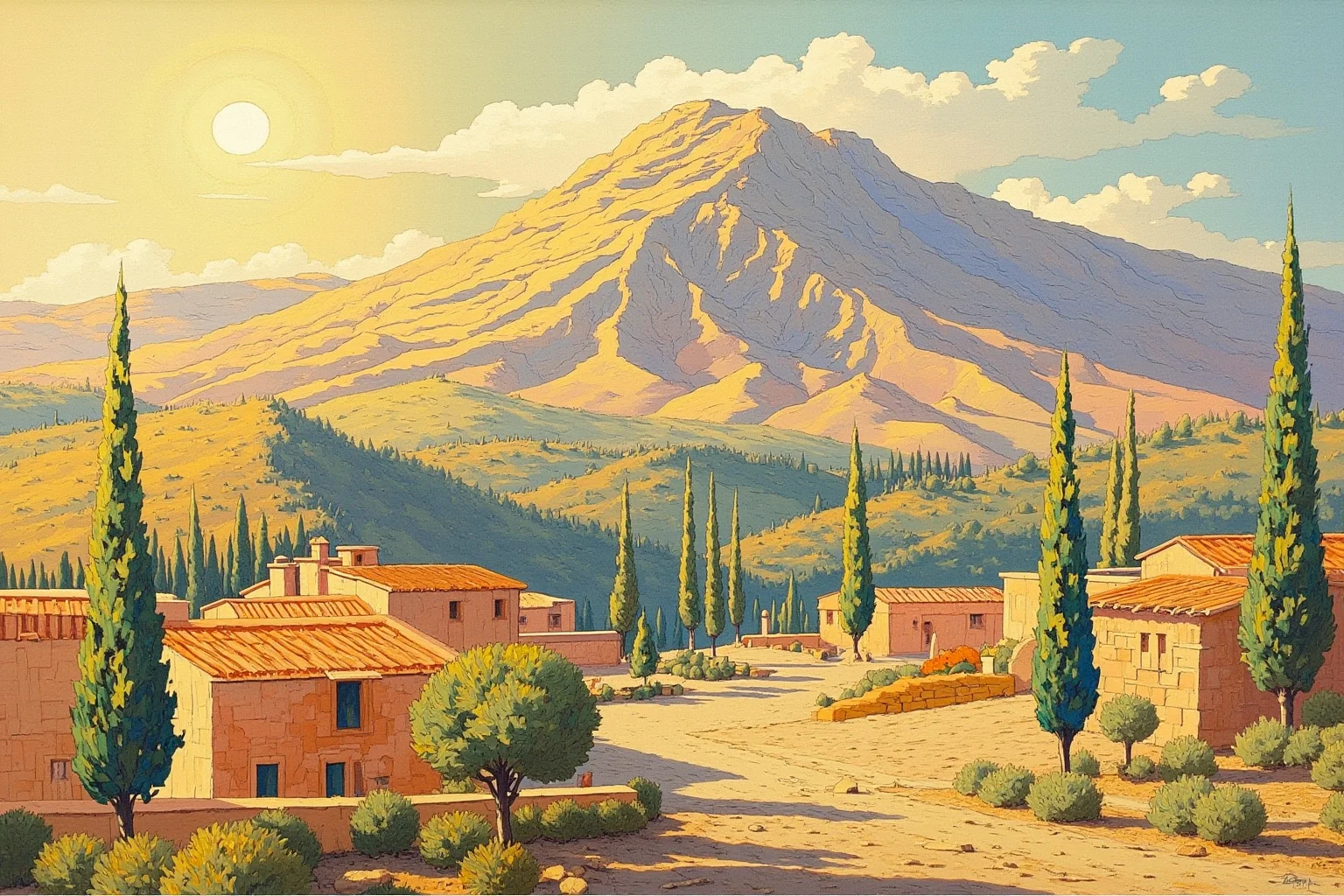
Georges Seurat died suddenly in 1891 at age thirty-one, only a few years after shocking audiences with A Sunday Afternoon on the Island of La Grande Jatte. His pointillist technique, built from tiny dots of color, had both admirers and vocal critics. He was not unknown, but his early death cut short a reputation still in formation.
After his death, fellow Neo-Impressionists such as Paul Signac defended and expanded his ideas, and modern critics came to see him as a bridge between Impressionism and abstraction. Today he is one of the painters who died young and still left an outsized mark on art history.
7. Paul Cézanne
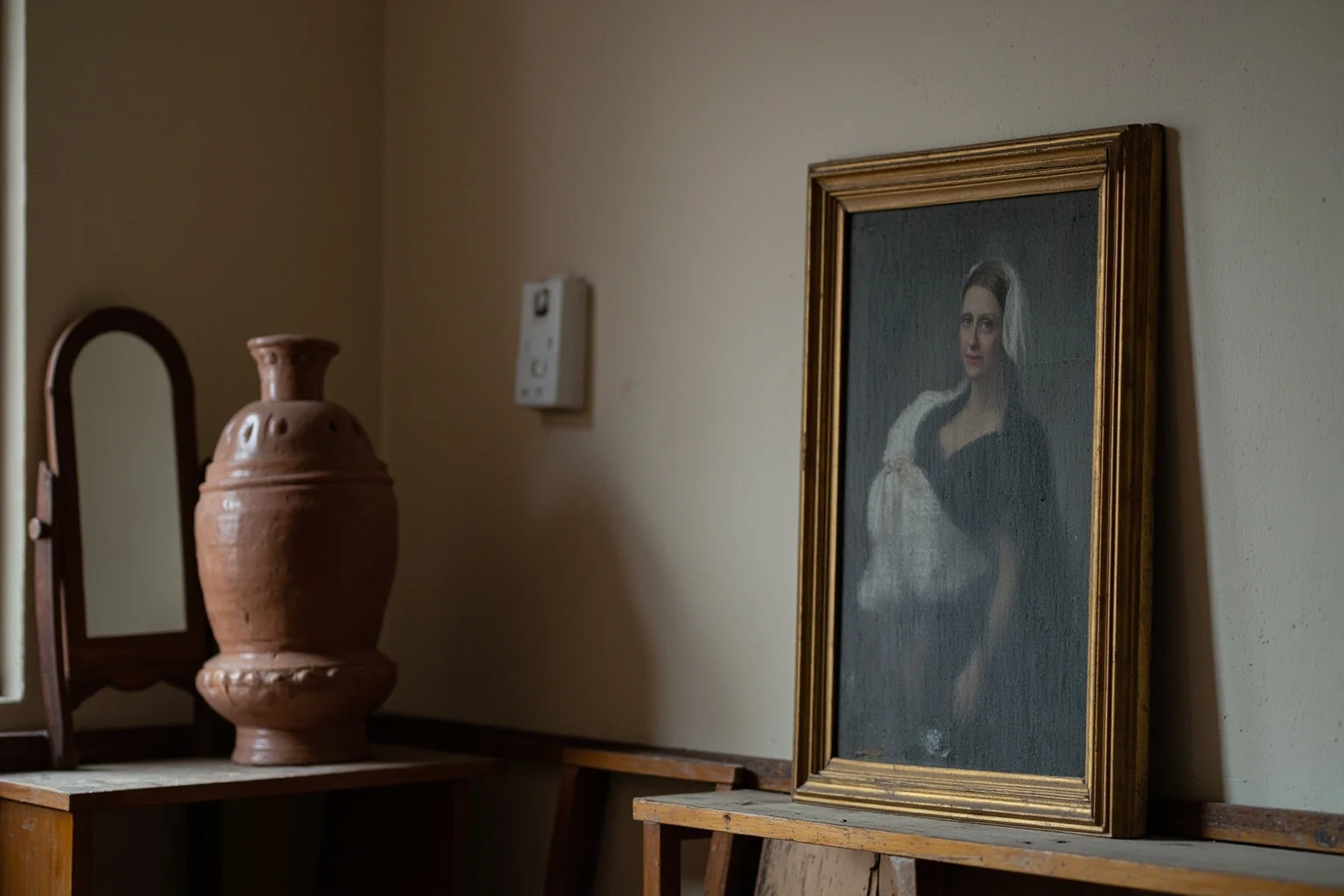
Paul Cézanne is often called the father of modern art, but that title is mostly a posthumous verdict. He was rejected by the official Salon repeatedly and spent long stretches painting in isolation around Aix-en-Provence. Toward the end of his life, younger artists did seek him out, and a 1895 Paris dealer show helped, but broad public fame came later.
After Cézanne’s death in 1906, a major retrospective helped lock in his influence on Picasso, Matisse, and others. His work’s geometric simplification of nature became a foundation story for Cubism. This makes him a useful myth-buster: he was not entirely unappreciated, but his world-historical status arrived after he was gone.
8. Paula Modersohn-Becker
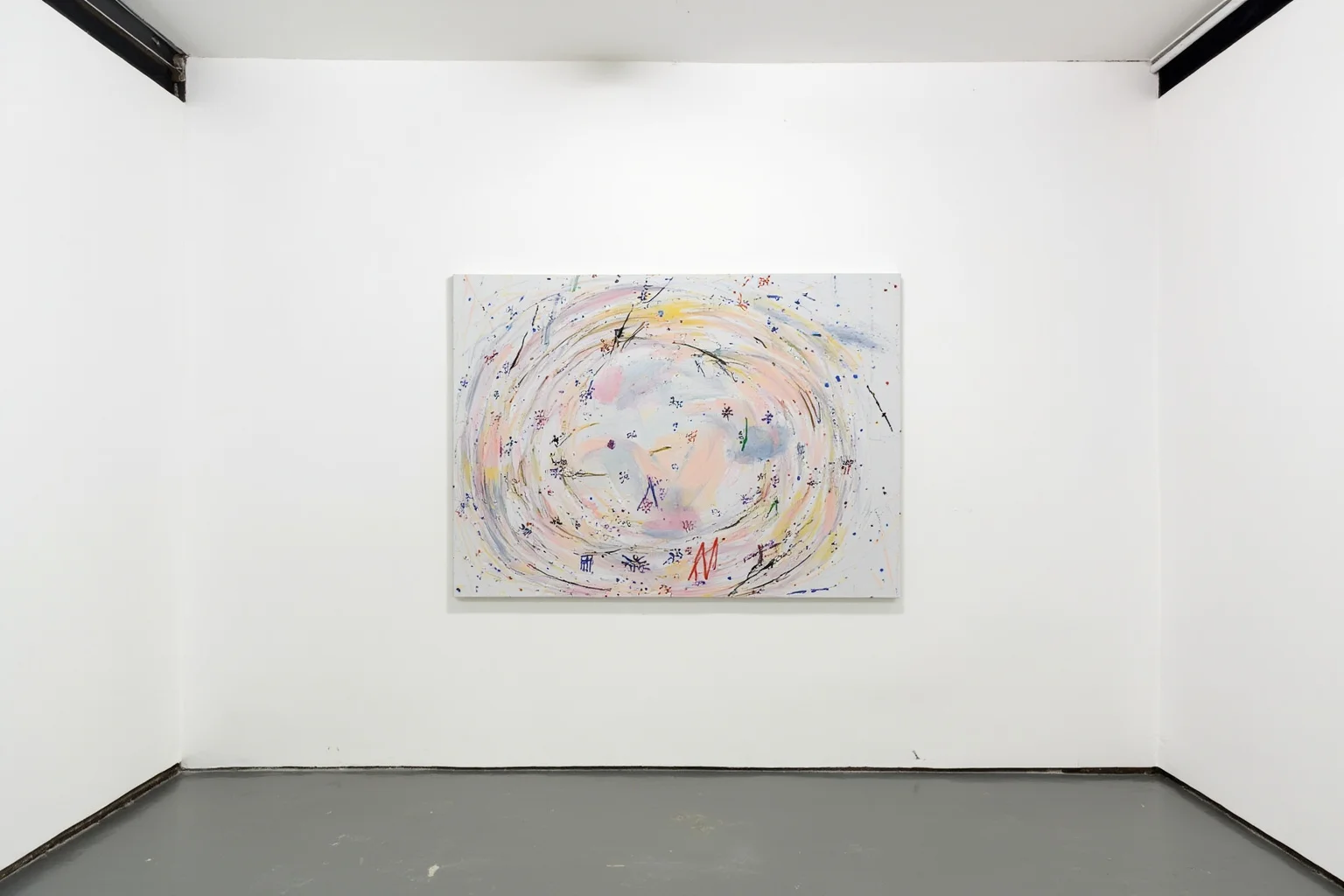
Paula Modersohn-Becker was a German painter who brought European modernism into her own spare, direct portraits and still lifes. During her short life she was known mainly in the Worpswede artists’ colony, and her work sold in small numbers. She died in 1907 at age thirty-one from an embolism shortly after giving birth.
Her letters and journals were later published, and exhibitions in the 1910s and beyond helped build her reputation as an Expressionist forerunner. She is often cited among the first modern women artists to paint nude self-portraits, though claims about absolute firsts should be read carefully. Today she is recognized as a significant example among artists who became famous after death, especially within German modernism.
9. Hilma af Klint
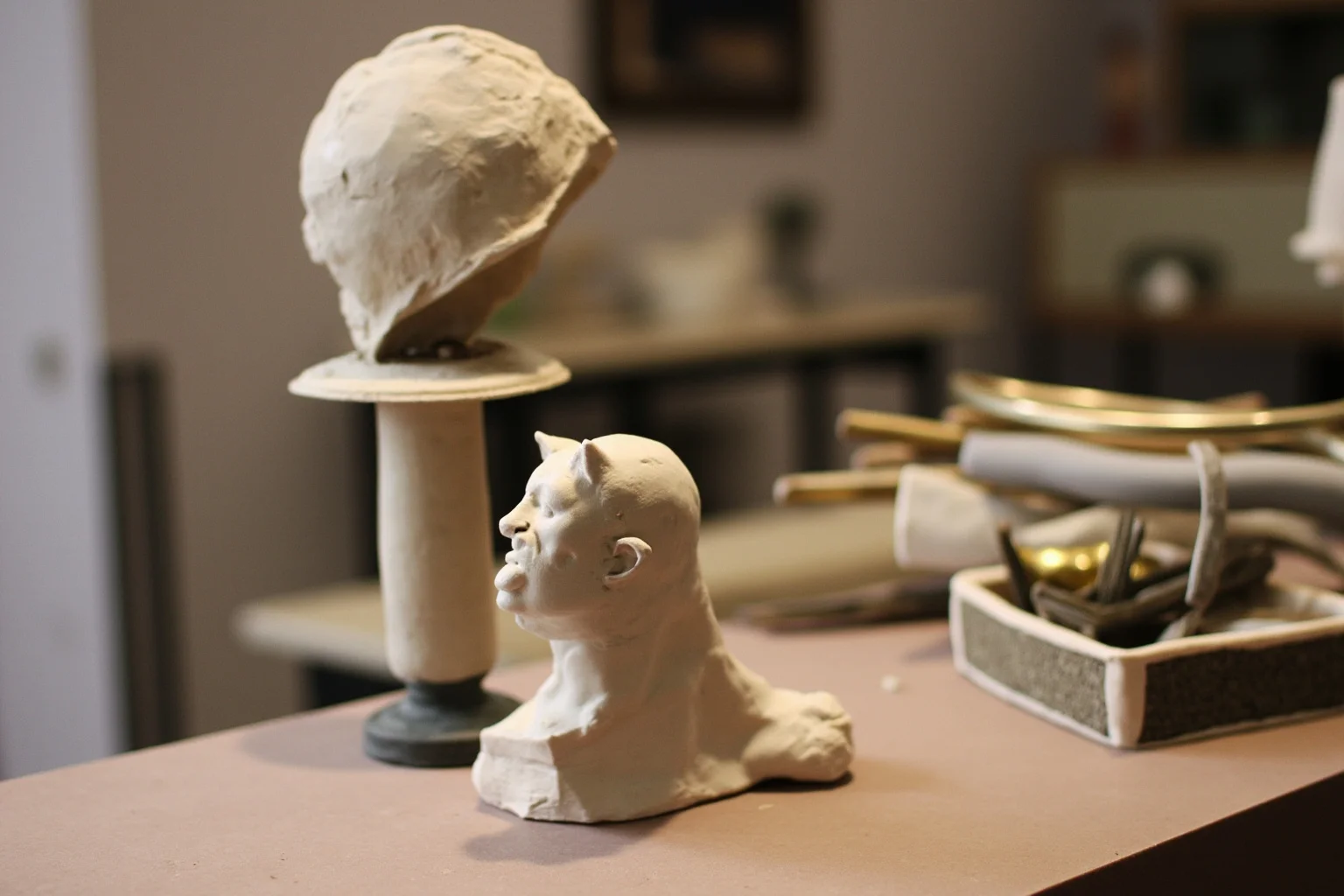
Hilma af Klint was a Swedish painter who created large, colorful abstractions years before the more famous abstract pioneers. She showed little of her most radical work publicly, partly because she believed the world was not ready for it. Her will specified that many of her abstract paintings should not be exhibited until twenty years after her death.
For decades her work remained largely hidden in storage, while the standard story of abstraction centered on male artists such as Kandinsky and Mondrian. A landmark 1986 exhibition in Los Angeles began the slow rediscovery that made her a global art phenomenon. She is now one of the clearest cases of an artist whose timeline was simply ahead of her era.
10. Camille Claudel
Camille Claudel was a French sculptor who studied with Auguste Rodin and produced powerful works in clay, plaster, and bronze. Her relationship with Rodin has often overshadowed her own art, but she was a significant sculptor in her own right. In 1913 her family committed her to a psychiatric institution, where she spent the last thirty years of her life.
After her death in 1943, she was known mostly through biographies of Rodin, but exhibitions and a museum dedicated to her work in Nogent-sur-Seine helped revive her standing. Scholars now treat her as one of the major artists who became famous after death, not merely a tragic footnote. Her story is also a reminder that posthumous fame can involve decades of erasure by family, institutions, and art history itself.
11. Egon Schiele
Egon Schiele died in the 1918 influenza pandemic at age twenty-eight, just three days after his pregnant wife Edith. Before his death he had begun to gain attention in Vienna and Germany, but his raw, sexually frank drawings also brought scandal and even a brief imprisonment in 1912. His early death froze that mixed reputation in place.
Over the following decades, Vienna’s museums and international collectors rebuilt his image as a central Expressionist. Today his tense portrait drawings and nudes command huge prices, and he is regularly named among the painters who died young and later became iconic. The myth-busting detail is that he was not completely obscure, but his global fame was definitely posthumous.
12. Caravaggio
Michelangelo Merisi da Caravaggio was famous in Rome for his dramatic lighting and realistic saints, then notorious for brawls and a fatal duel. He died in 1610 under unclear circumstances while traveling to seek a pardon. After his death, his influence spread through the Caravaggisti across Europe, but his own reputation later slipped into disrepute.
For centuries many critics saw his work as too violent or naturalistic, until early twentieth-century scholars such as Roberto Longhi re-evaluated him. That rediscovery made Caravaggio central to the story of Baroque painting and one of the most studied dead artists painters know today. His case proves that even a famous artist can be forgotten and then reclaimed.
13. Judith Leyster
Judith Leyster was a successful Haarlem painter during the Dutch Golden Age, but after her death in 1660 her work was often misattributed to Frans Hals. Some of her signed paintings had even been given a false Hals signature, which made her disappear from view. In 1893 a legal dispute over a painting bought as a Hals revealed her own monogram underneath.
That rediscovery prompted scholars to reconstruct her career and restore her name to around thirty paintings. Today she is celebrated as one of the most important women artists of her era, and her market reputation has grown accordingly. Leyster is a reminder that dead artists painters sometimes vanish not because their work failed, but because history filed it under someone else’s name.
14. Frédéric Bazille
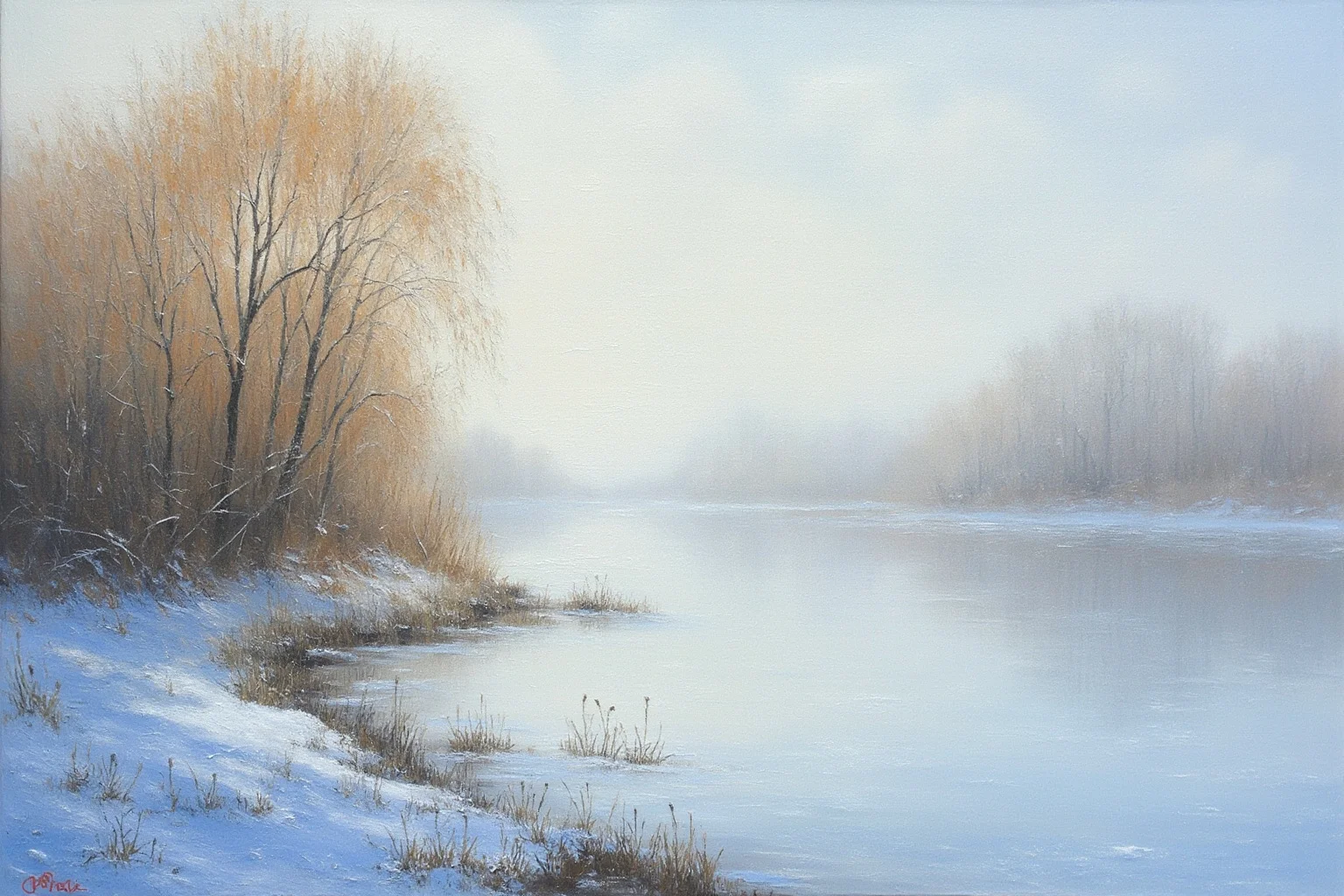
Frédéric Bazille was a wealthy French painter who helped form the circle that became the Impressionists. He died in 1870 at age twenty-eight while serving in the Franco-Prussian War, a loss that cut short a promising career. His work was shown only occasionally during his lifetime, and his name receded behind friends like Monet and Renoir.
Later exhibitions and scholarship brought his luminous portraits and outdoor scenes back into view. He is now seen as an early Impressionist who might have been a major figure had he lived. For readers interested in painters who died young, Bazille is one of the most poignant cases.
15. Alfred Sisley
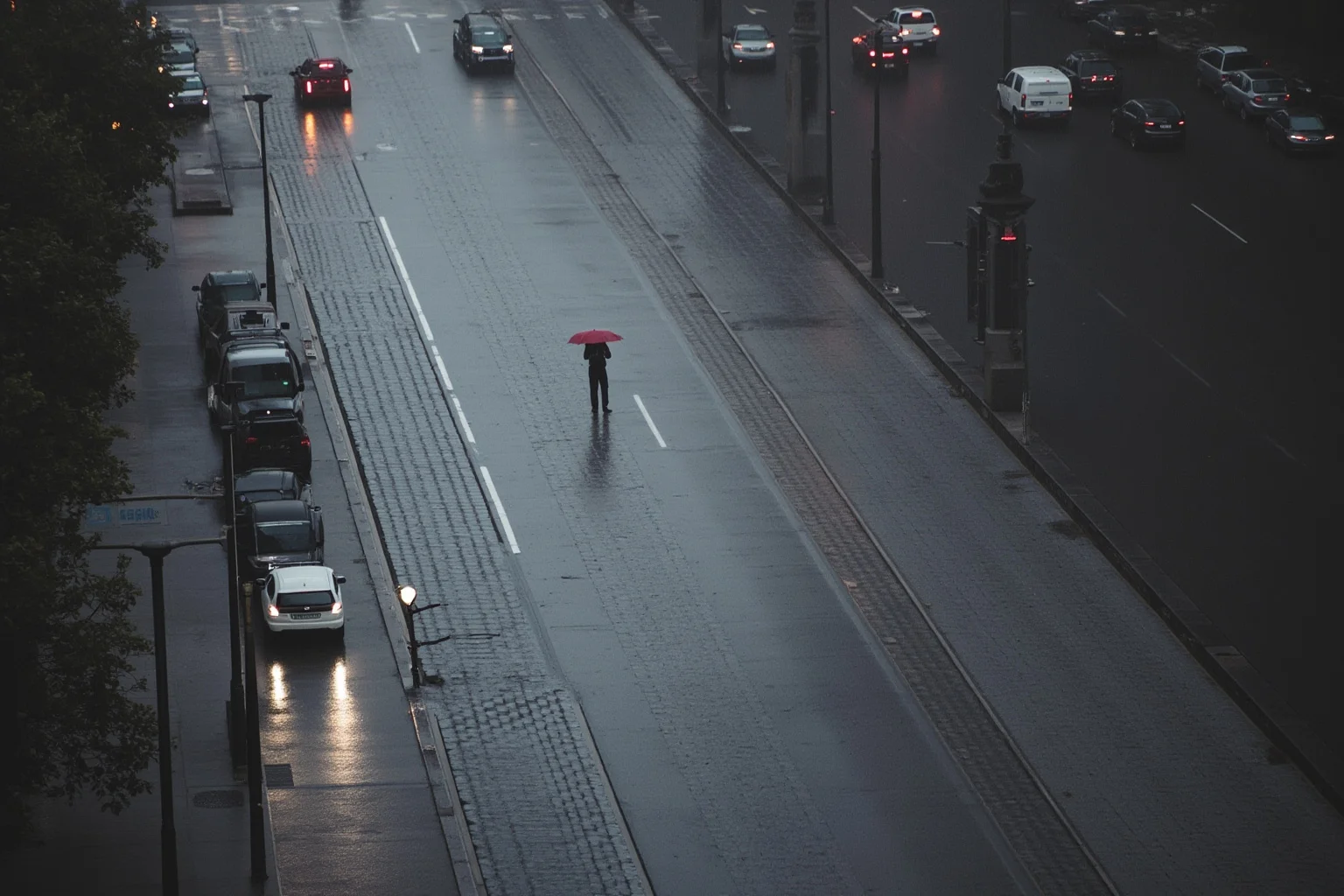
Alfred Sisley was a core Impressionist landscape painter, but he spent much of his life in poverty. He applied for financial help more than once and never achieved the success of Monet or Degas while alive. He died in 1899, shortly after the death of his long-term partner, and only afterward did the art market elevate his misty, calm views.
Sisley’s reputation grew slowly through the twentieth century as Impressionism became one of the most popular movements in art history. Today he is regularly included among famous dead painters, though he remains less flashy than some peers. His story shows that even inside a famous movement, recognition can be uneven.
16. Gustave Caillebotte
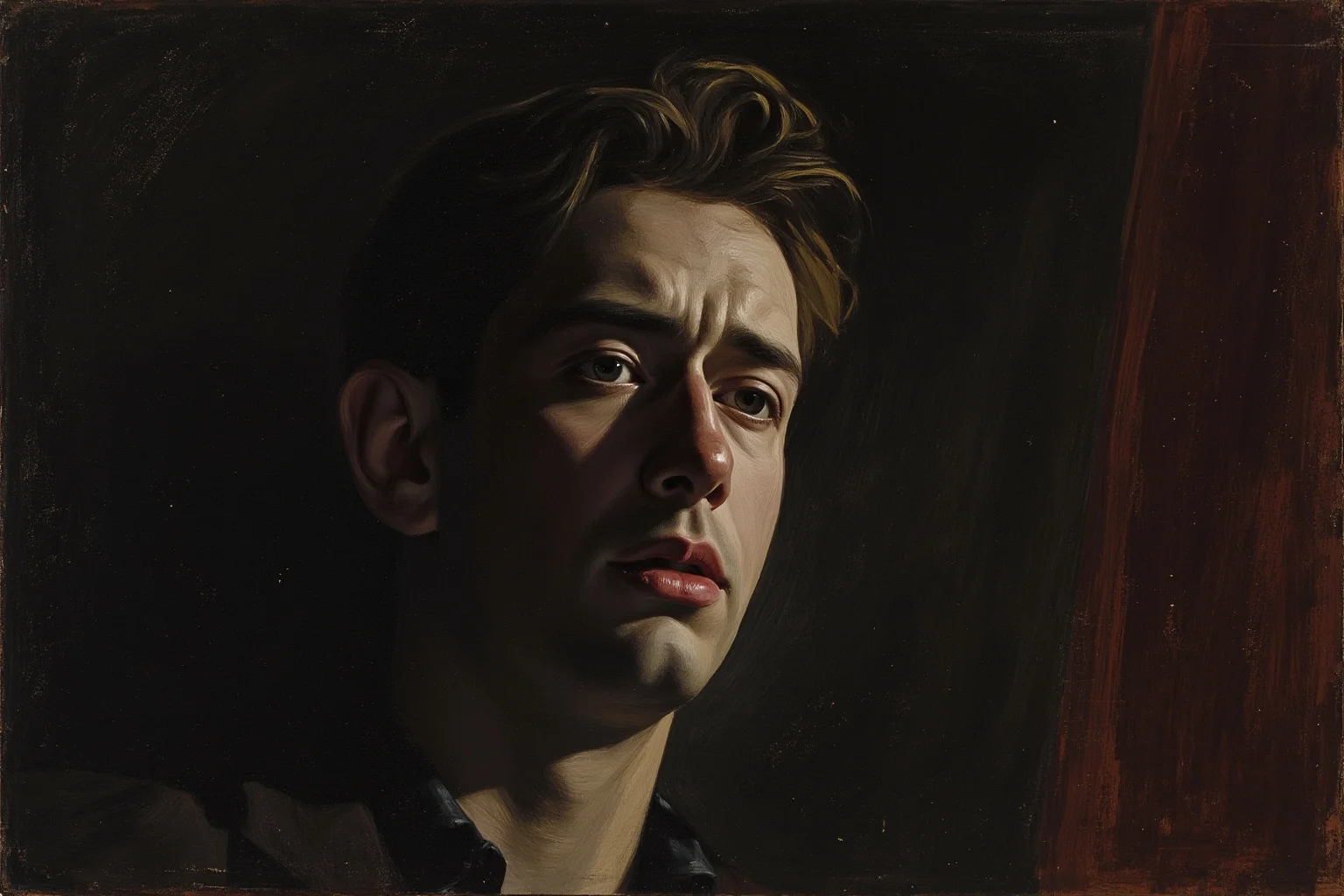
Gustave Caillebotte was both a painter and a crucial patron of the Impressionists, using inherited wealth to buy their work and fund exhibitions. His own paintings, including Paris Street; Rainy Day, were known but often treated as a supporting act rather than central Impressionism. After his death in 1894, his collection went to the French state, but his reputation as a painter faded for a while.
The late twentieth century changed that, as major retrospectives and a renewed taste for urban realism made his work enormously popular. He is now one of the painters who became famous after death in a double sense: first as a benefactor, then as an artist. That dual legacy makes him unique on this list.
17. Richard Gerstl
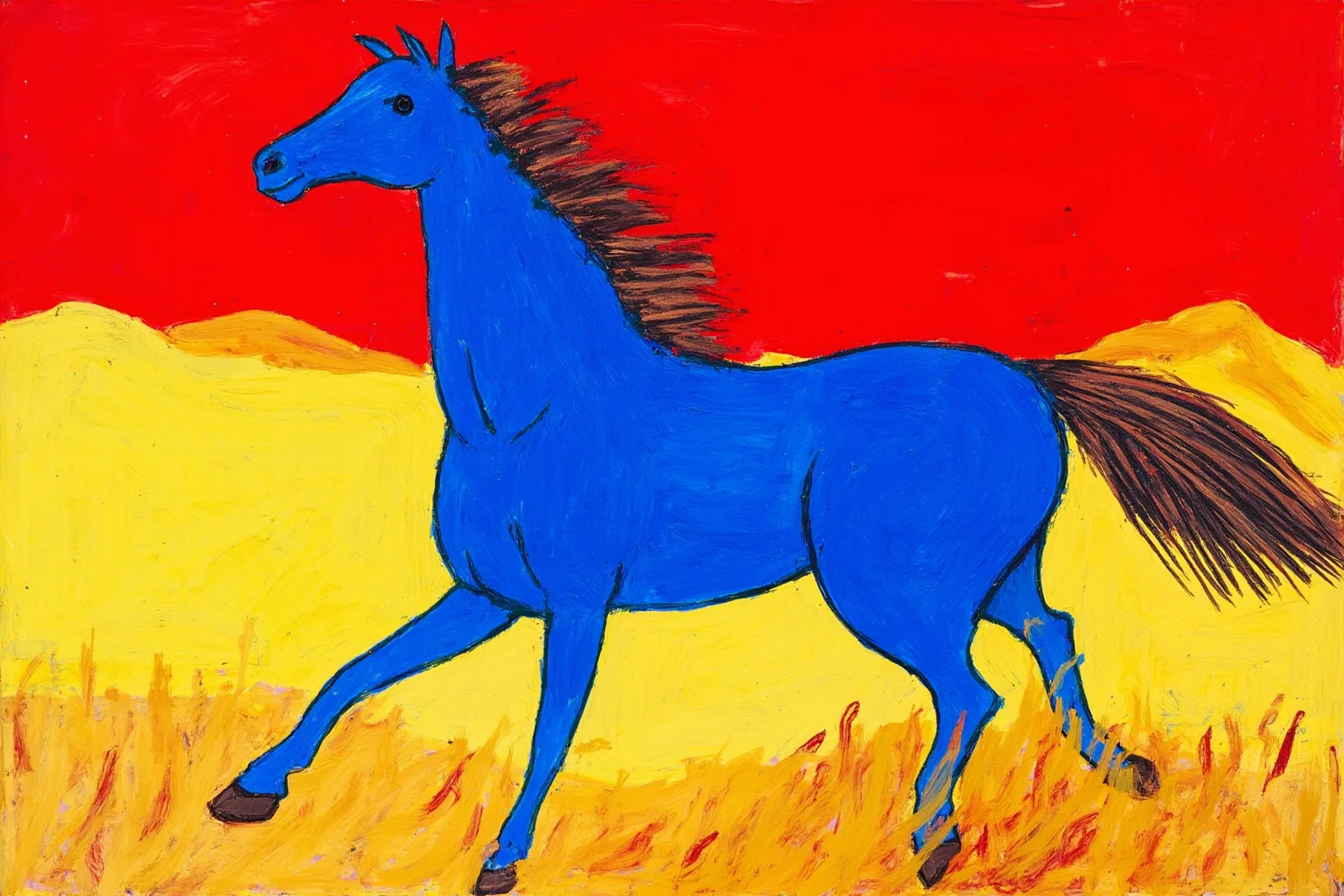
Richard Gerstl was a Viennese painter who created expressive, psychologically intense portraits in the early 1900s. He exhibited almost nothing during his life and died by suicide in 1908 at age twenty-five. His work might have disappeared entirely, but it was discovered in a warehouse in the 1930s.
After World War II, Austrian art historians began to treat him as a lost pioneer of Austrian Expressionism. Today his small body of work is studied alongside the far more famous Egon Schiele and Oskar Kokoschka. Gerstl is an extreme example of an artist who became famous after death, having had almost no public career at all.
18. Franz Marc
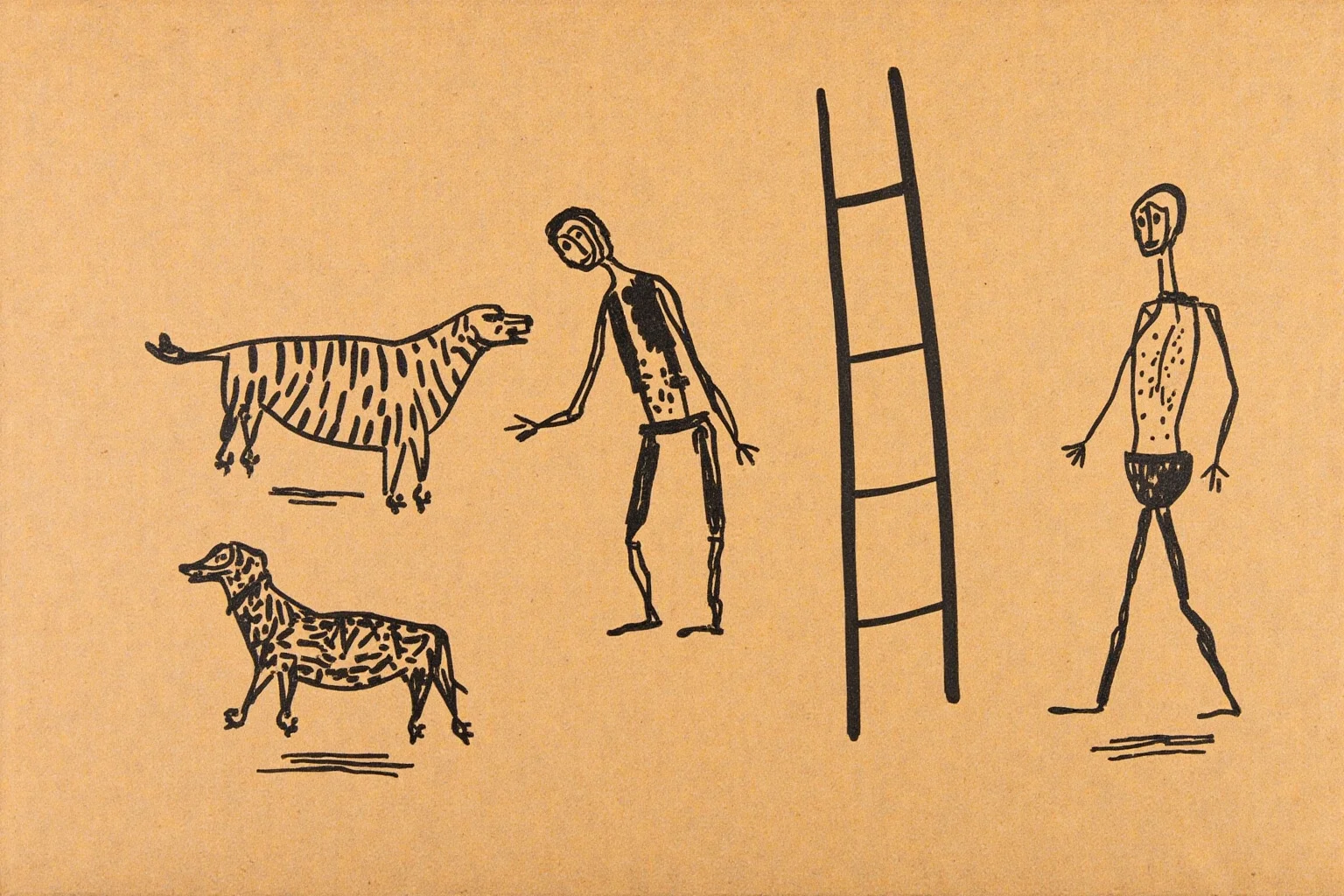
Franz Marc was a co-founder of the Blue Rider group and a painter of vividly colored animals that blurred the line between representation and spiritual symbolism. He died in 1916 while serving in World War I, at age thirty-six, before his ideas had fully reached a wide audience. The Nazi regime later labeled his art “degenerate,” which temporarily suppressed his legacy in Germany.
After 1945, museums and scholars rebuilt his reputation as a central figure of German Expressionism. His blue horses and fractured landscapes are now among the most recognizable images of early modern art. Marc belongs among painters who died young in the sense that his war death froze a career still in motion, and among artists who became famous after death as history corrected itself.
19. Bill Traylor
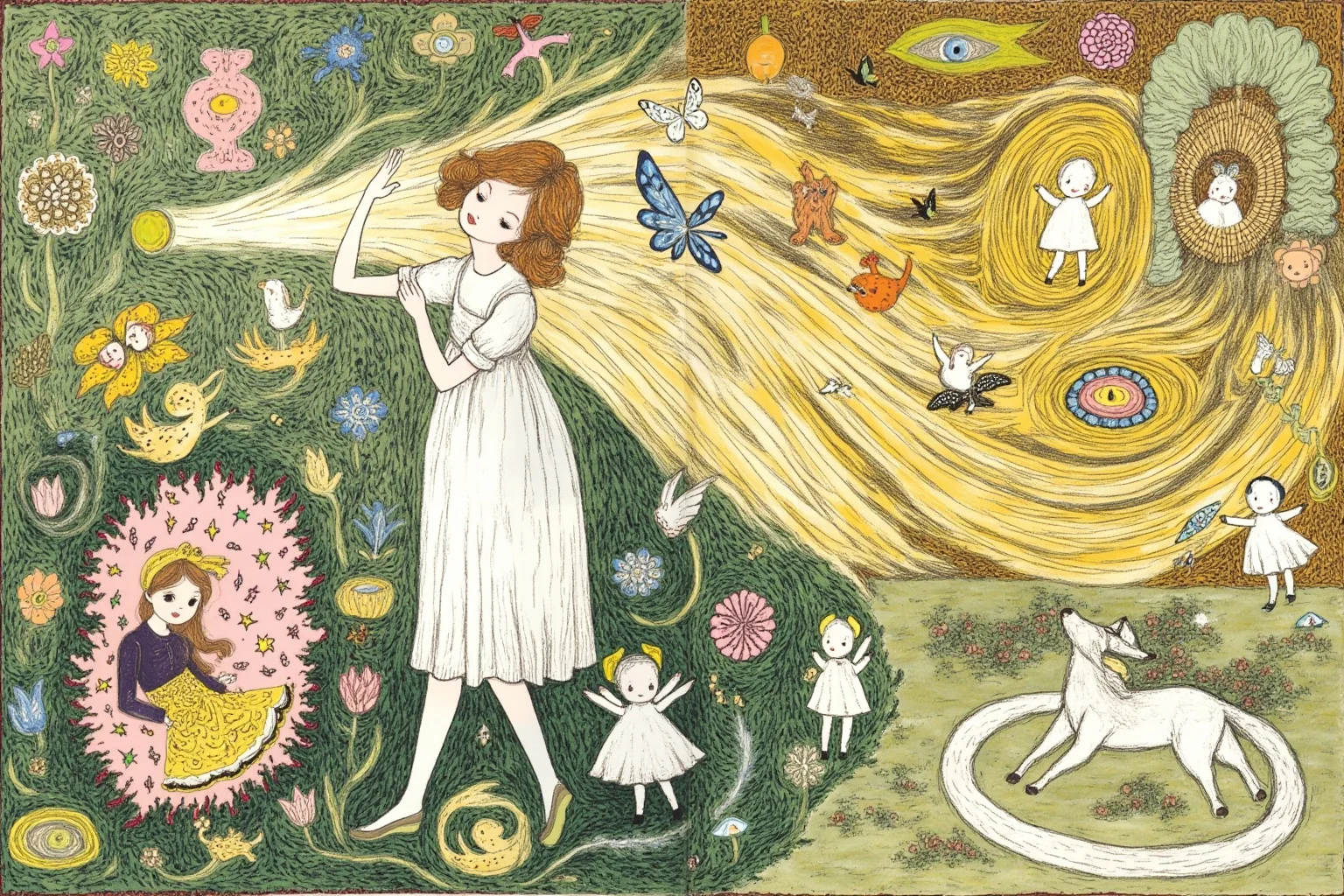
Bill Traylor was born into slavery in Alabama around 1853 and did not begin drawing until he was in his eighties. He made hundreds of spare, rhythmic works on cardboard while sitting on Montgomery sidewalks in the late 1930s and early 1940s. A local artist named Charles Shannon recognized his talent and preserved much of the work.
Traylor died in 1949, mostly known only to a small circle. Starting in the 1980s, major exhibitions and scholarly attention transformed him into one of the most celebrated American self-taught artists. His rise is a reminder that the canon of dead artists painters and outsiders can change dramatically when institutions finally look.
20. Henry Darger
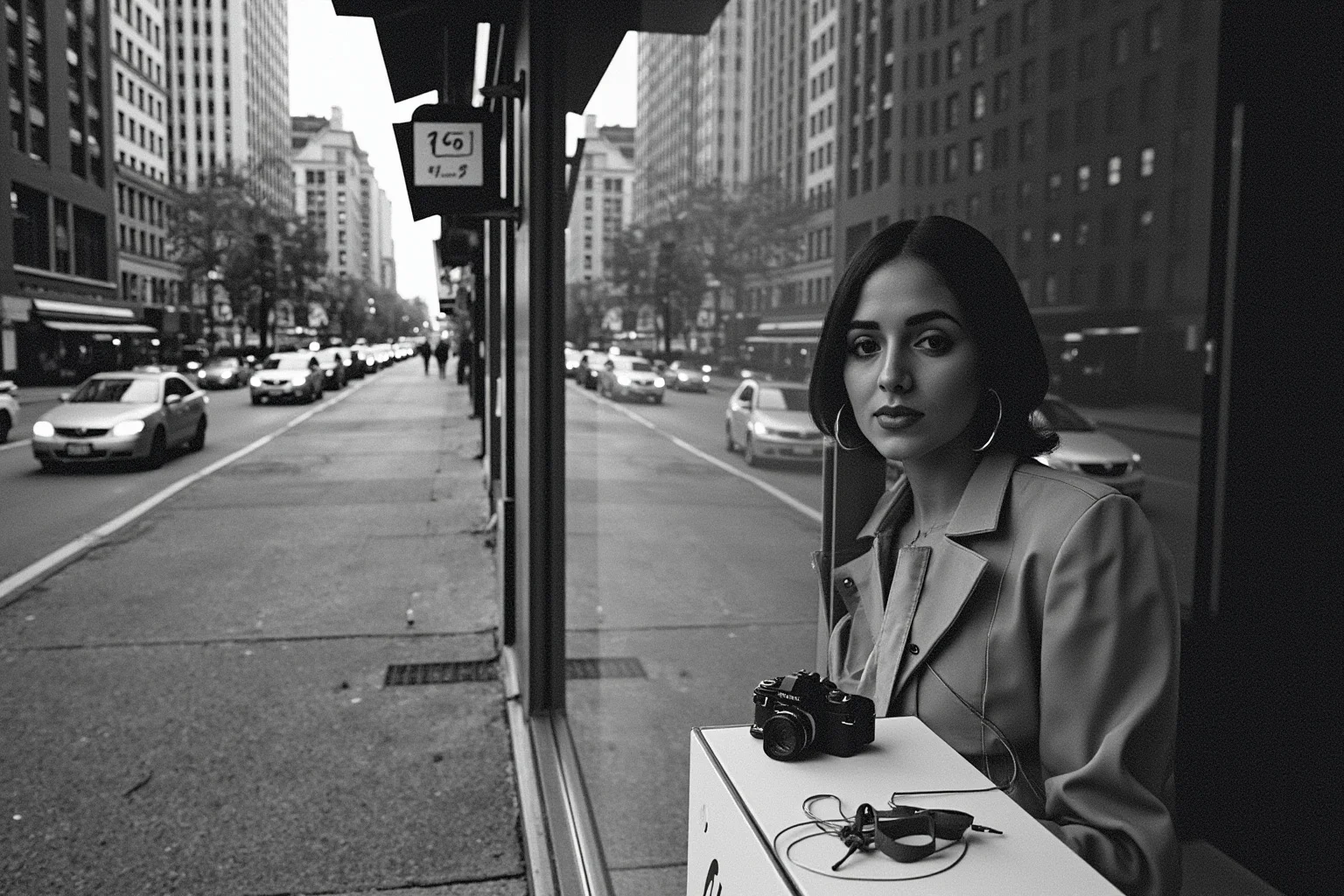
Henry Darger was a reclusive hospital custodian in Chicago who secretly created a vast illustrated epic called The Story of the Vivian Girls. When he died in 1973, his landlord Nathan Lerner discovered hundreds of drawings, watercolors, and handwritten pages in his room. Darger had never sought an art career, and the work was never shown during his life.
After his death, Lerner recognized the material as extraordinary and began to preserve and exhibit it. Darger is now one of the most famous outsider artists in the world, with works in major museums and a dedicated following. His case tests the very definition of an artist, but it unquestionably fits the pattern of becoming famous after death.
21. Vivian Maier
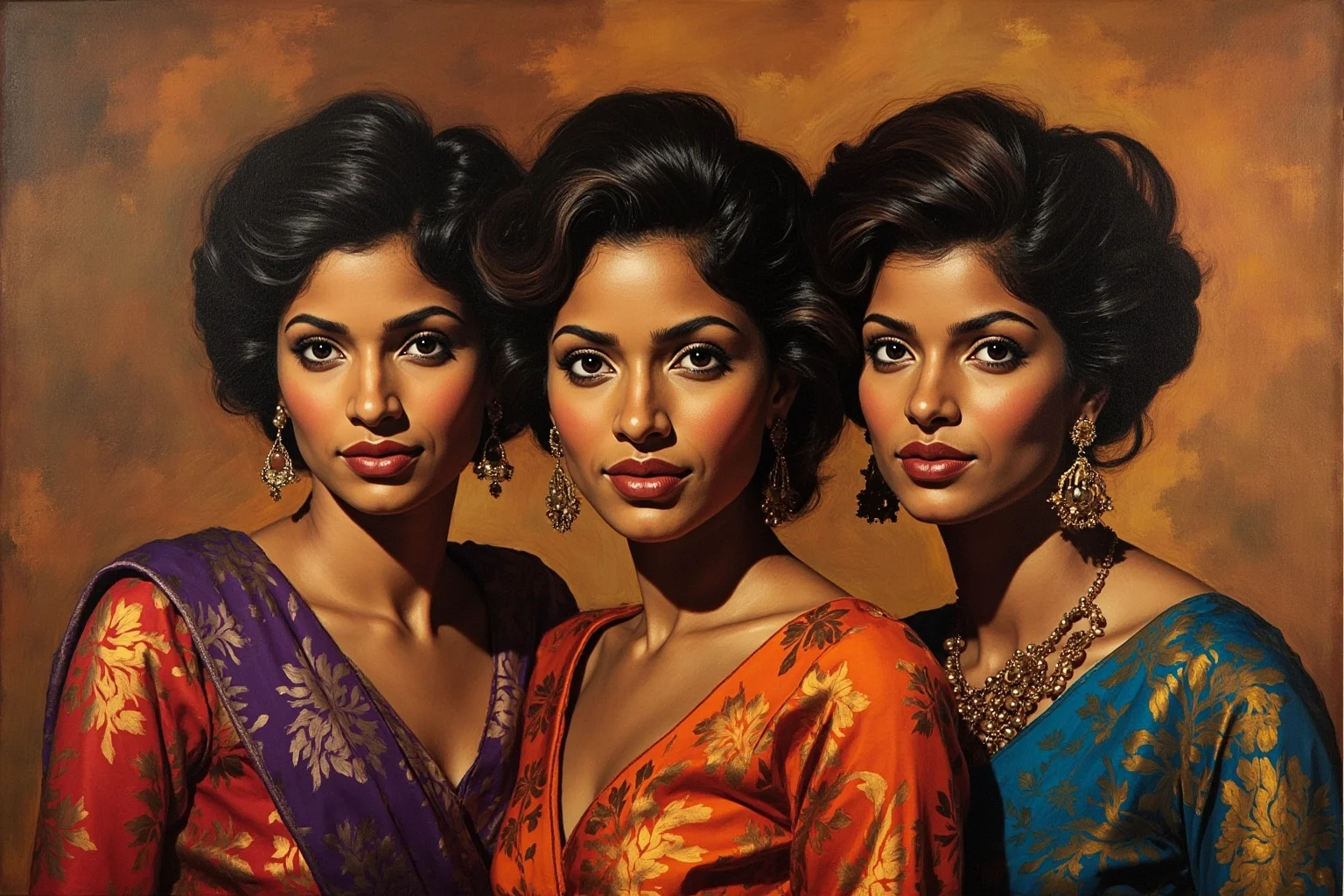
Vivian Maier worked as a nanny in Chicago and New York while spending her free time taking tens of thousands of photographs. Her negatives were largely unknown until a storage locker was auctioned off in 2007, shortly before her death in 2009. Buyers who examined the film realized they had found a major street photographer.
Maier’s story spread rapidly online, and posthumous exhibitions, books, and a documentary made her a global name. She is not a painter, but she belongs on any list of artists who became famous after death because she had no gallery career at all. The ethics of printing someone’s private archive after death is also part of the conversation, but her artistic reputation is now secure.
22. Amrita Sher-Gil
Amrita Sher-Gil was an Indian-Hungarian painter who brought a bold, modern eye to Indian subjects and scenes. She gained some official recognition before her sudden death in 1941 at age twenty-eight, but her international reputation remained small. The circumstances of her death are often described as a medical crisis in Lahore, and historians still debate the details.
After her death, her family preserved and promoted her work, and she became a founding figure for modern Indian art. Today her paintings are national treasures in India, and her auction prices have soared. Sher-Gil is a strong closing example of painters who died young and later took their place among iconic artists who became famous after death.
What These Posthumous Icons Teach Us
These stories do not prove that suffering is required for great art, or that every underappreciated artist will be rescued by history. They show that fame is a fragile, social construction built by champions, institutions, and changing taste—not a natural reward for talent alone. Many equally gifted artists never get rediscovered.
The phrase “the death of the artist” often marks the beginning of a myth, because death can simplify a messy life into a legend. It can also create scarcity, close unfinished careers, and invite audiences to revisit work with fresh sympathy. That is why so many iconic painters became famous after death rather than during it.
Next time you see a famous painting in a museum, remember that the label on the wall may reflect a reputation assembled long after the artist’s final brushstroke. The gap between talent and recognition is one of art history’s oldest stories.
Frequently Asked Questions
Why do so many artists become famous only after the death of the artist?
Posthumous fame often happens because death stops new work, making a small existing body feel rare, and because champions such as family members, dealers, scholars, and museums have time to build a reputation. Changing taste also matters: styles that once looked ugly or unfinished can later seem visionary.
Who is the most famous dead painter to die in poverty?
Vincent van Gogh is the most common answer, though he was not entirely penniless because his brother Theo supported him. Johannes Vermeer also died in debt, and Alfred Sisley spent much of his life poor. The idea that all great painters starve is too simple, but poverty was real for many of them.
Which painters who died young left the strongest legacy?
Egon Schiele, Georges Seurat, Frédéric Bazille, Paula Modersohn-Becker, and Amrita Sher-Gil all died before age forty and are now studied widely. Their small surviving bodies of work often feel especially precious. Early death does not guarantee fame, but it can concentrate attention on a limited catalog.
Is it true that no one appreciated Vermeer before the nineteenth century?
Not exactly. Vermeer had patrons and a local reputation in Delft, but he was not a star across Europe, and after his death his name faded for nearly two centuries. The modern rediscovery by Théophile Thoré-Bürger in the 1860s is real, but the myth of total obscurity is too strong.
Do all underappreciated artists eventually become famous?
No. The stories here are memorable because they are exceptions, not rules. Many talented painters, sculptors, and photographers have been lost to time, destroyed, misattributed, or simply never championed. Posthumous fame depends on luck, preservation, and powerful advocates almost as much as on talent.

Alex Warren
Related Articles