

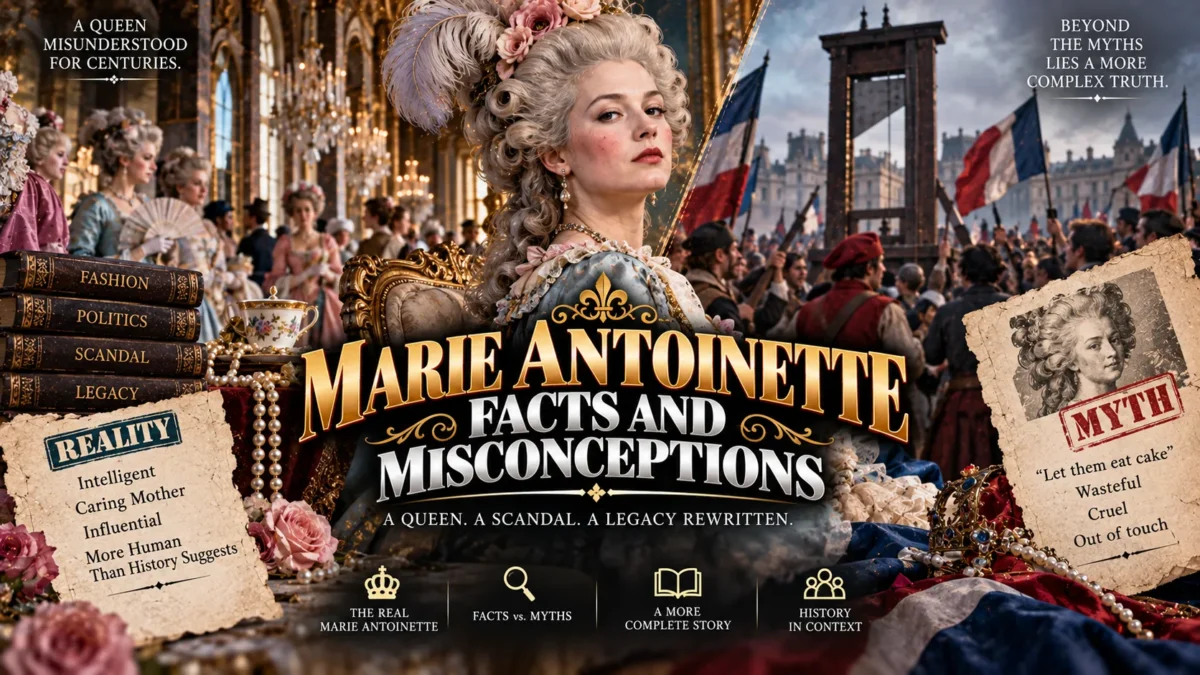
Marie Antoinette might be one of the most misunderstood women in European history—much like Joan of Arc, another young Frenchwoman whose legend outgrew the facts.
Ask most people what she was known for, and you’ll likely hear about cake, extravagant wigs, and a guillotine—but the real story is far stranger and more human than the legend.
If you’re talking about Marie Antoinette the tragic queen of Revolutionary France, or the cartoonish villain of pop culture, it turns out those are two very different people.
This list separates the documented facts about Marie Antoinette from the myths that grew up around her, so you can see the real woman behind the powdered wig.
TL;DR: Marie Antoinette was a real teenager thrust into a political marriage and a doomed monarchy, and most of what people “know” about her—from the cake quote to her supposed overnight gray hair—is myth, not history.
Who Was Marie Antoinette, Really?
Marie Antoinette was the last queen of France before the French Revolution, married to King Louis XVI, and she remains one of the most recognized historical figures from European history.
She’s remembered today mostly for extravagance, scandal, and her execution in 1793, but that reputation was shaped as much by propaganda as by fact.
Understanding what Marie Antoinette was actually known for during her lifetime means separating three things: her real actions, the political attacks against her, and the myths that outlived her by centuries.
Below, we’ll walk through both the genuinely interesting facts and the persistent misconceptions, in roughly chronological order.
Early Life and a Political Marriage
1. She Was Born an Austrian Archduchess, Not a French Princess
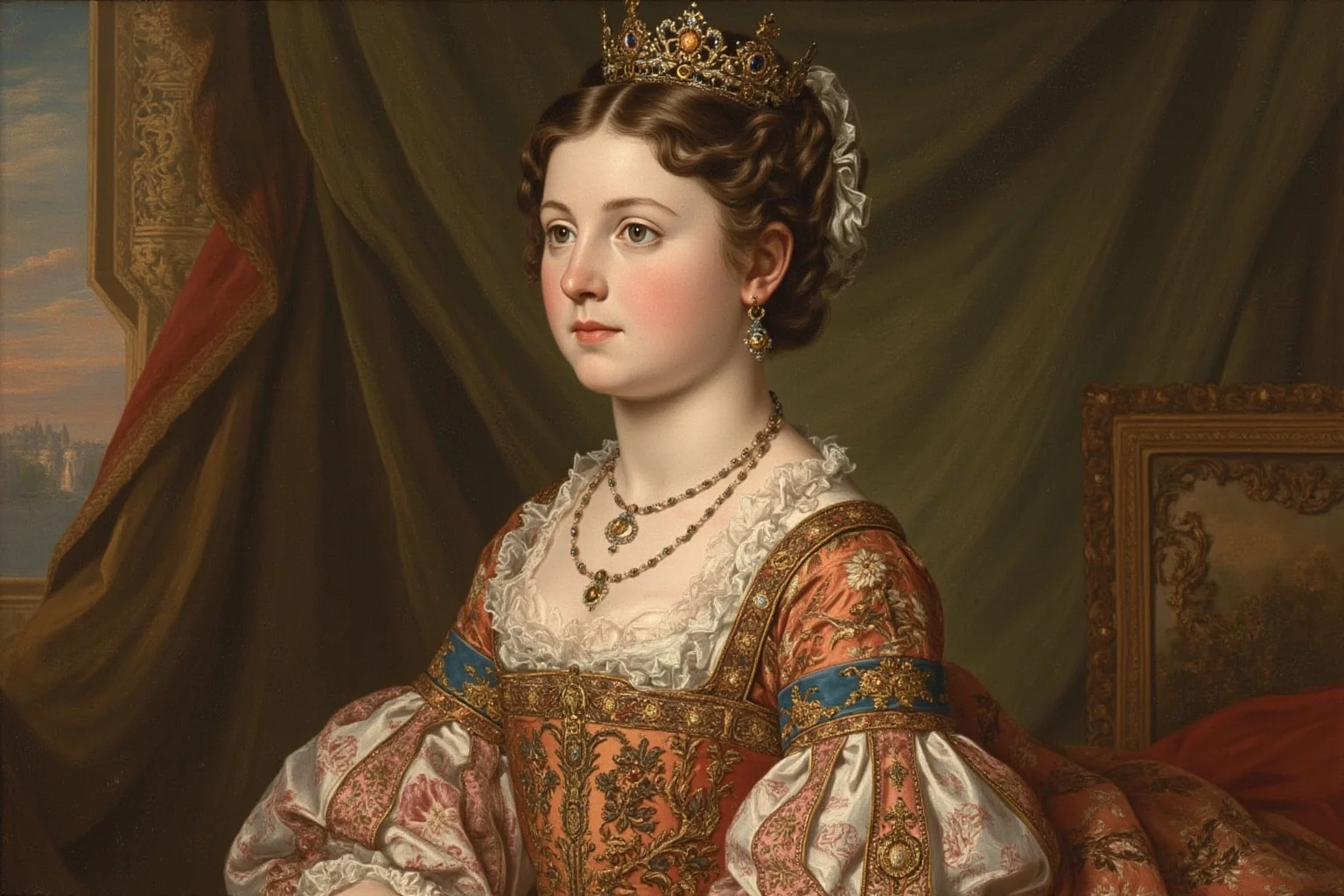
Marie Antoinette was born Maria Antonia Josepha Johanna on November 2, 1755, in Vienna. She was the youngest daughter of Empress Maria Theresa of Austria and Holy Roman Emperor Francis I, making her a Habsburg by birth, not a Bourbon.
This Austrian identity mattered enormously later in her life. It gave her enemies at the French court a convenient label—”L’Autrichienne,” or “the Austrian woman”—that was used as an insult for decades.
2. Her Marriage Sealed a Political Alliance—at Age 14
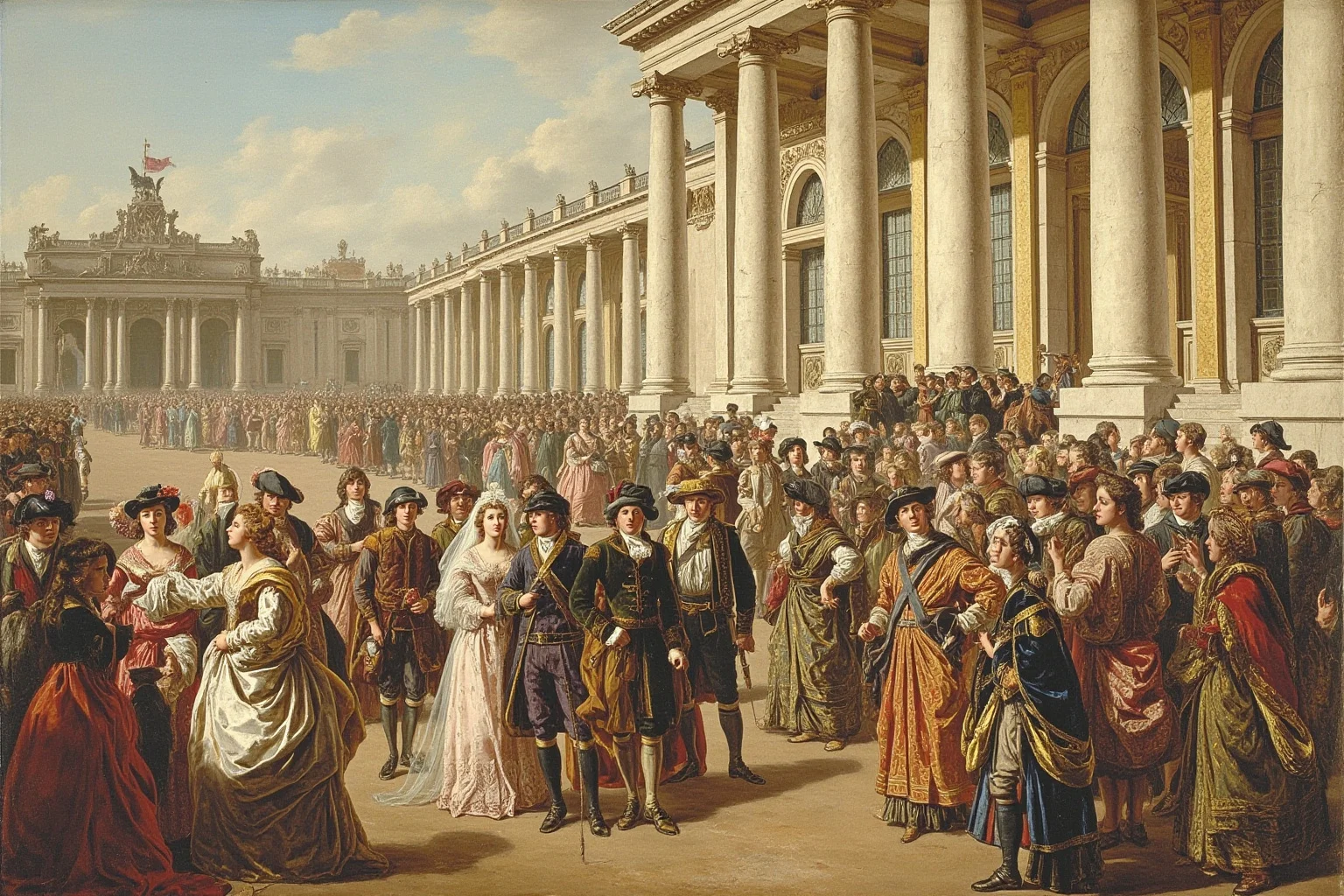
Marie Antoinette’s marriage to the future Louis XVI was arranged to cement the Franco-Austrian alliance, reversing centuries of Habsburg-Bourbon rivalry. She was married by proxy in Vienna in April 1770, then again in person at Versailles in May 1770, at just 14 years old.
Her husband, the dauphin Louis-Auguste, was only 15. Neither teenager had much say in the match, which was purely a matter of state.
3. Her Marriage Wasn’t Consummated for Years
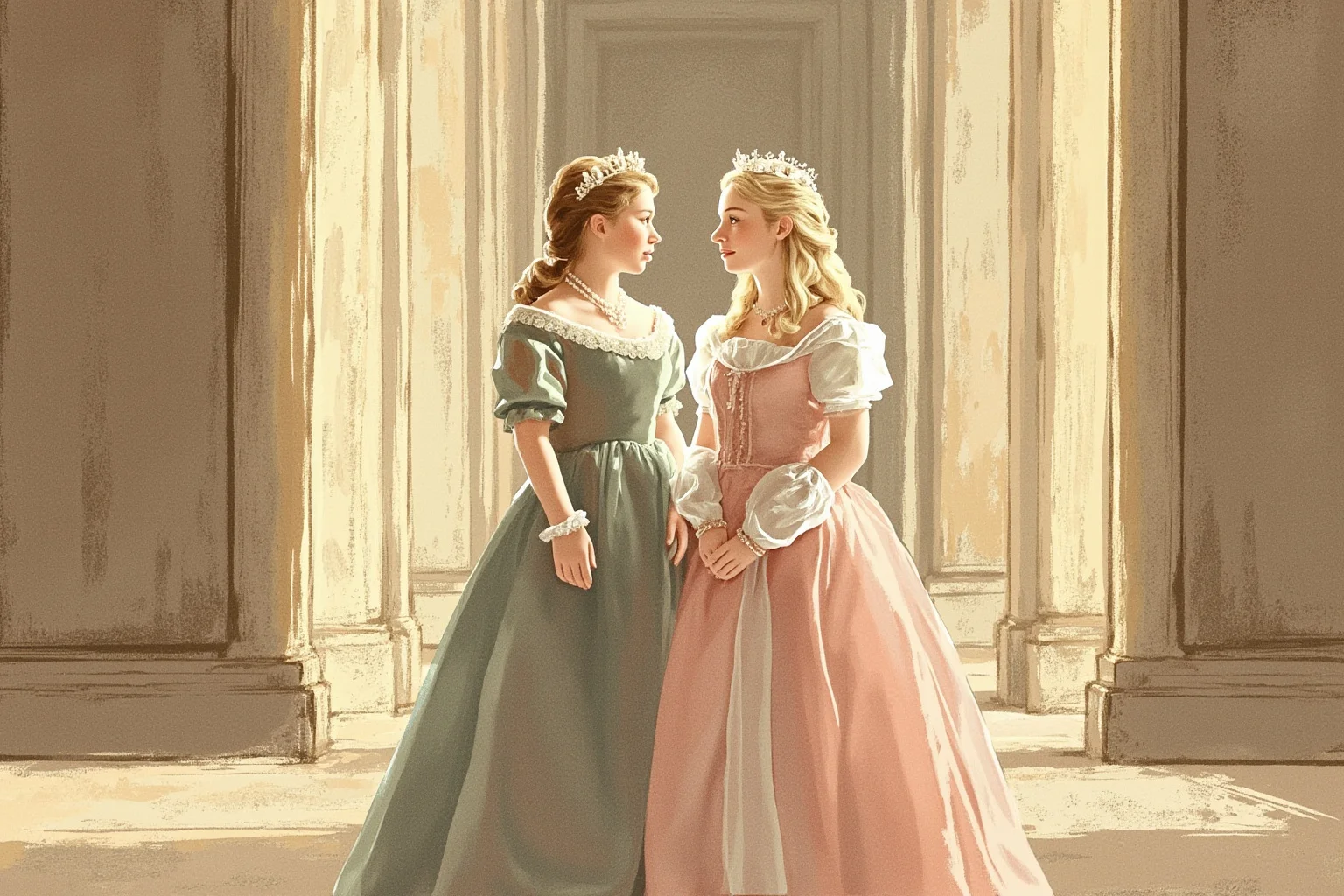
One of the more surprising facts about Marie Antoinette is that her marriage remained unconsummated for roughly seven years. Historians generally attribute this to Louis’s shyness and possible medical issues rather than any fault of hers, though it caused serious dynastic anxiety at the time.
The marriage was finally consummated around 1777, and her first child arrived in 1778. The delay had already fueled years of court gossip and doubt about her ability to produce an heir.
Life at the French Court
4. She Became Europe’s Original Fashion Influencer
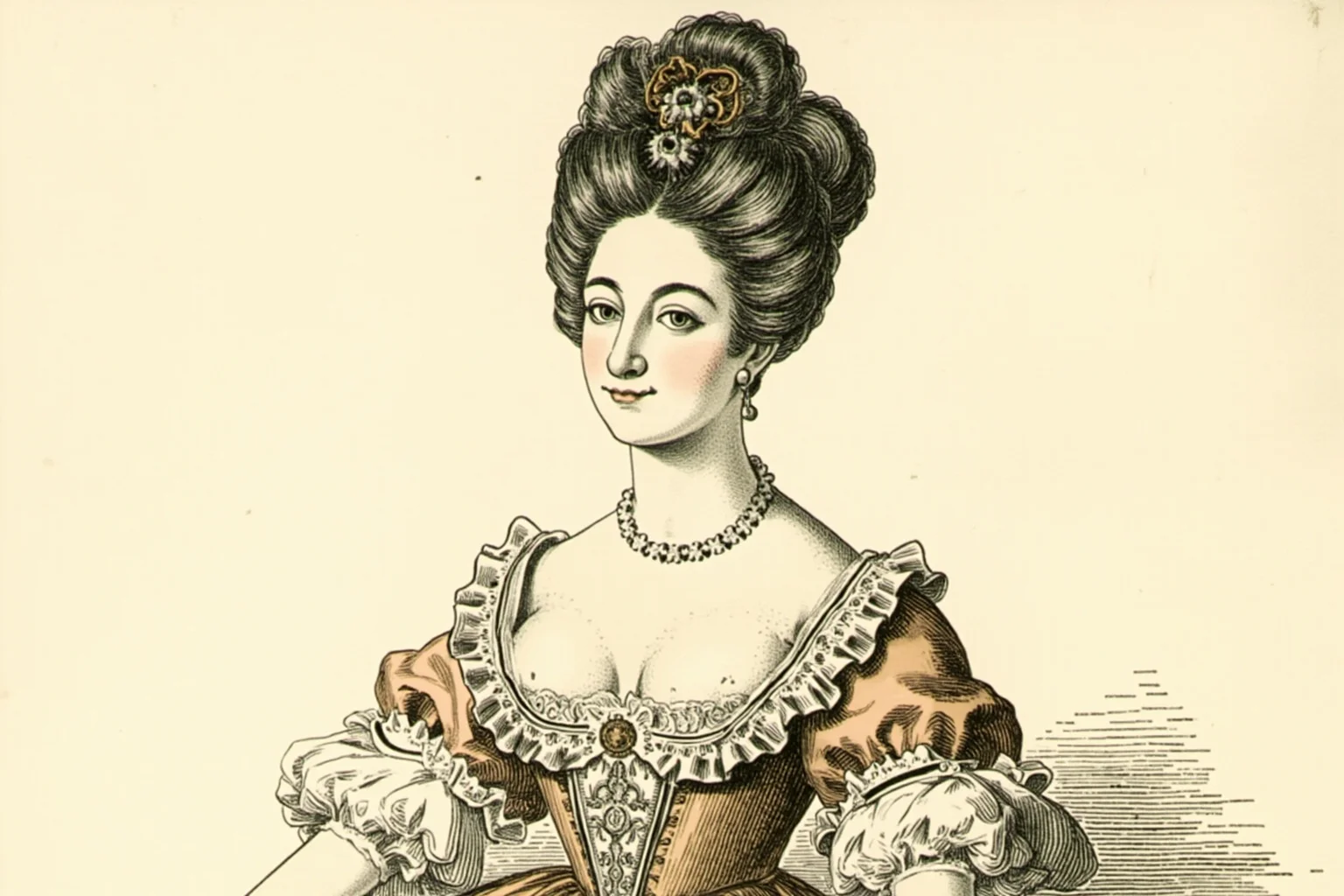
Marie Antoinette worked closely with dressmaker Rose Bertin to create towering hairstyles, elaborate gowns, and bold new looks that spread across European courts. Her fashion choices were widely copied, making her something like an 18th-century trendsetter.
This reputation cut both ways. As France’s economy struggled, her expensive wardrobe became an easy symbol for critics to point to, even though court fashion spending long predated her.
5. She Had a Private Escape: The Petit Trianon
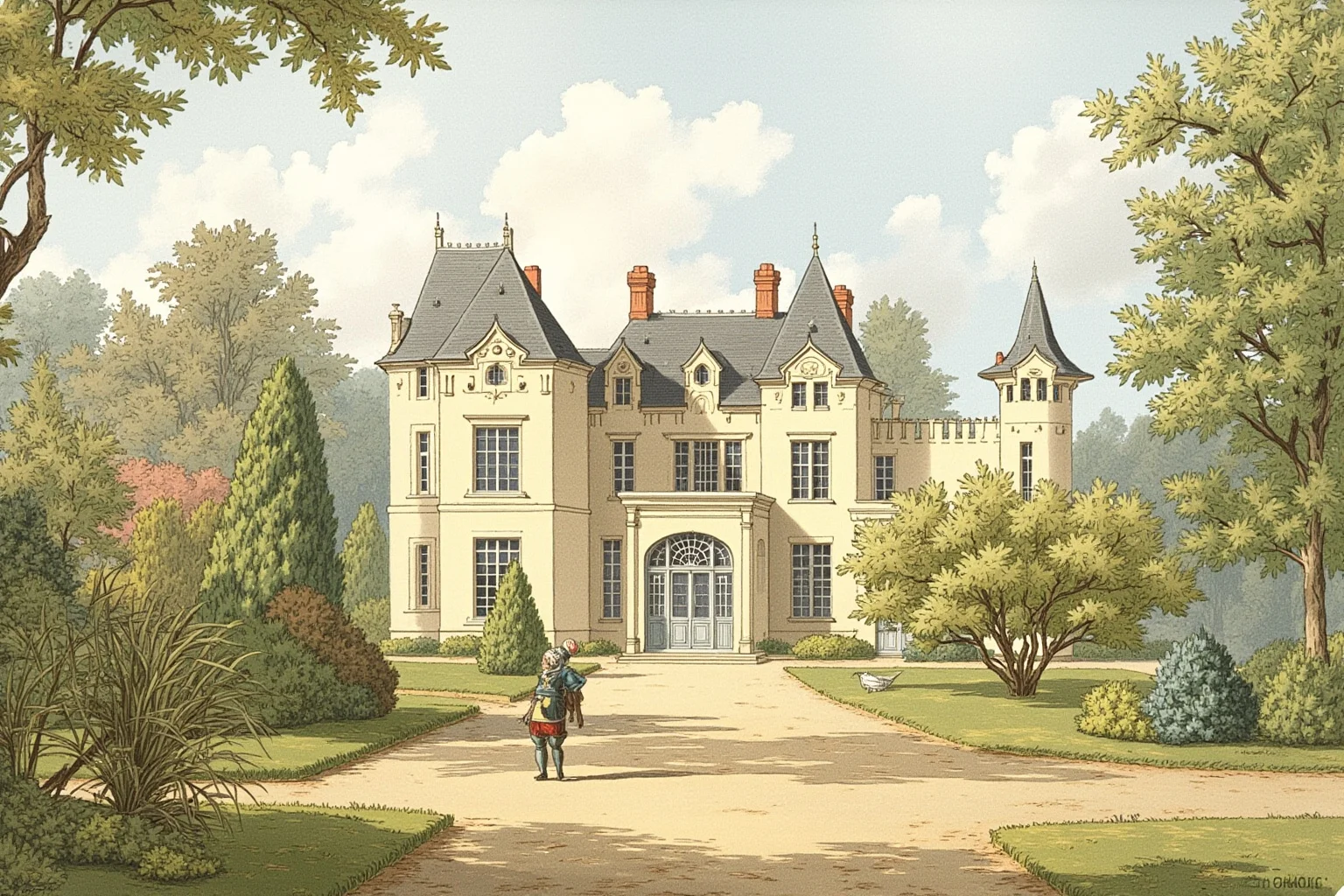
King Louis XVI gave Marie Antoinette use of the Petit Trianon, a small chateau on the grounds of Versailles, where she could escape the rigid formality of court life. She redesigned its gardens and used it as a personal retreat with close friends.
Critics at the time saw this private space as proof of her detachment from public duty. In reality, it reflected her discomfort with the suffocating etiquette expected of a queen.
6. She Loved Acting in Amateur Theater
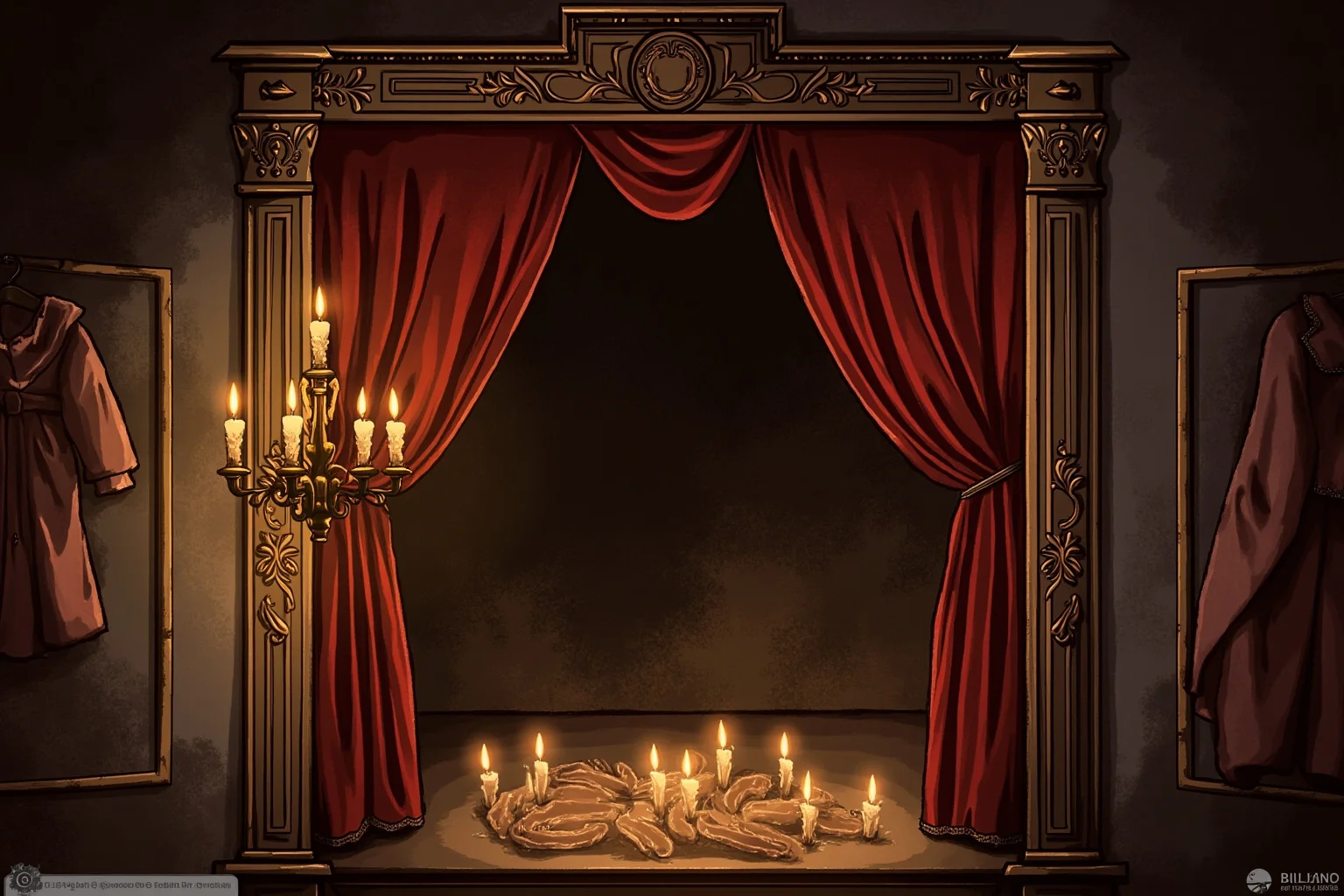
Marie Antoinette had a small theater built at the Petit Trianon and performed in plays herself alongside courtiers. This was highly unusual behavior for a queen, since acting was considered socially beneath royalty at the time.
Her love of theater is one of the more human, relatable facts about Marie Antoinette. It showed a playful side rarely seen in official portraits.
7. She Built an Idyllic (and Controversial) Fake Village
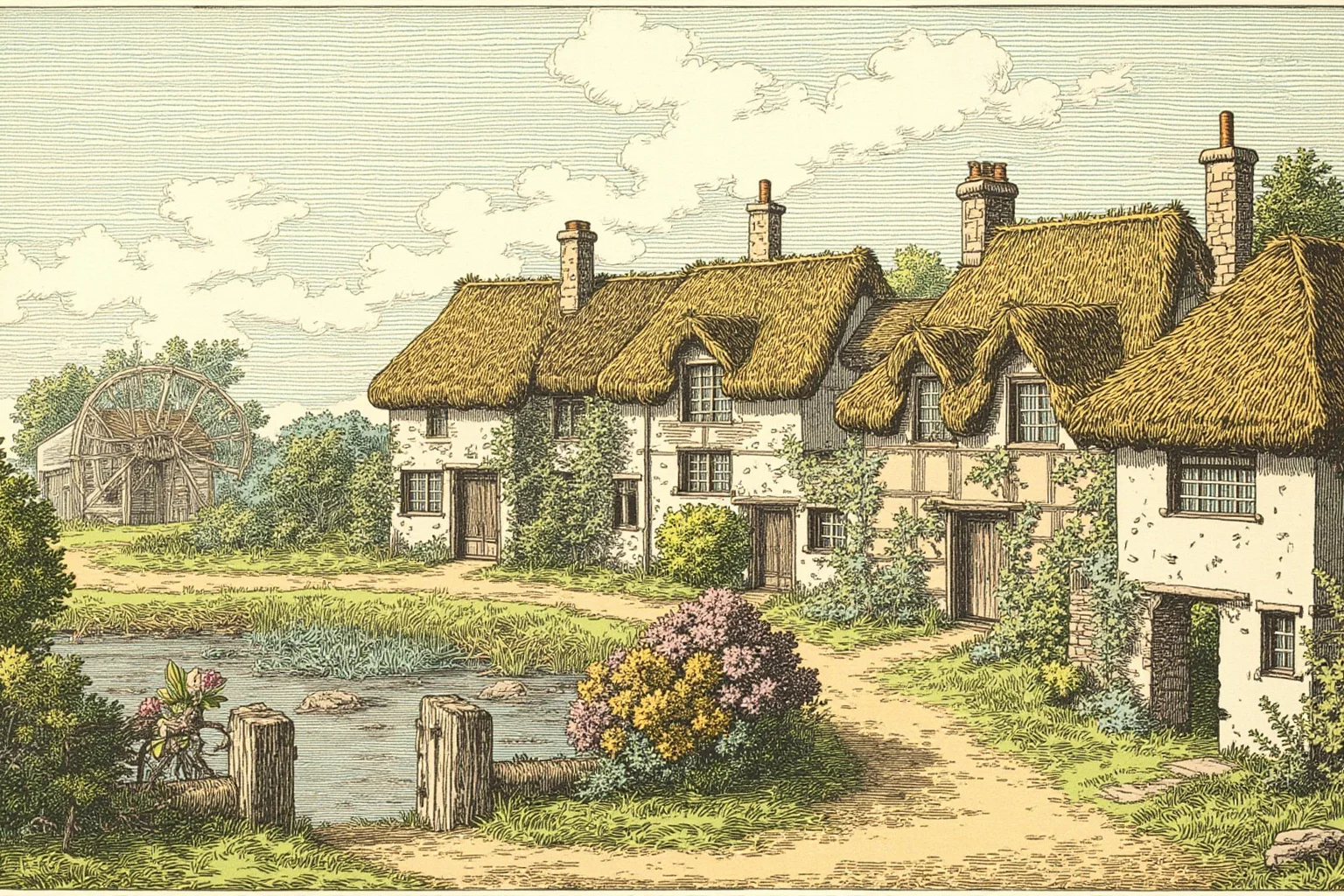
Between 1783 and 1785, Marie Antoinette had the Hameau de la Reine built near the Petit Trianon—a picturesque cluster of cottages, a mill, and a dairy designed to look like a rustic peasant hamlet. She and her friends would visit to enjoy a romanticized version of country life.
While charming, the hamlet later became a symbol of royal disconnection from the real hardships facing French peasants. It’s frequently cited as evidence of her supposed indifference, even though it was a private fantasy space, not a public policy statement.
8. She Was a Devoted Mother Who Suffered Great Loss
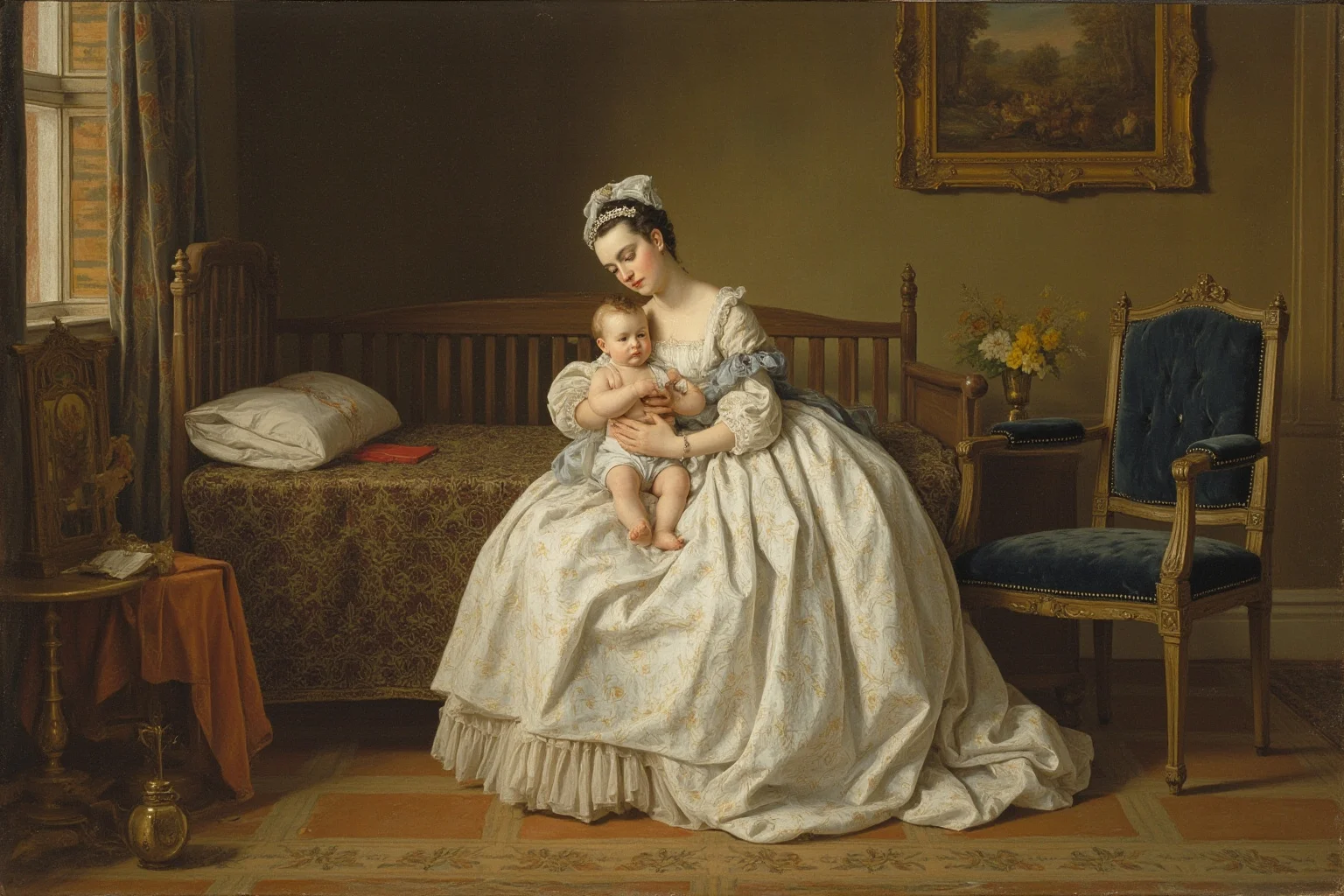
Marie Antoinette had four children: Marie-Thérèse, Louis-Joseph, Louis-Charles, and Sophie. Sophie died as an infant in 1787, and the dauphin Louis-Joseph died of illness in June 1789, just weeks before the Revolution escalated.
Her letters reveal genuine grief over these losses. This is an important fact about Marie Antoinette that’s often left out of the popular “heartless queen” narrative.
9. She Had a Childhood Connection to Mozart
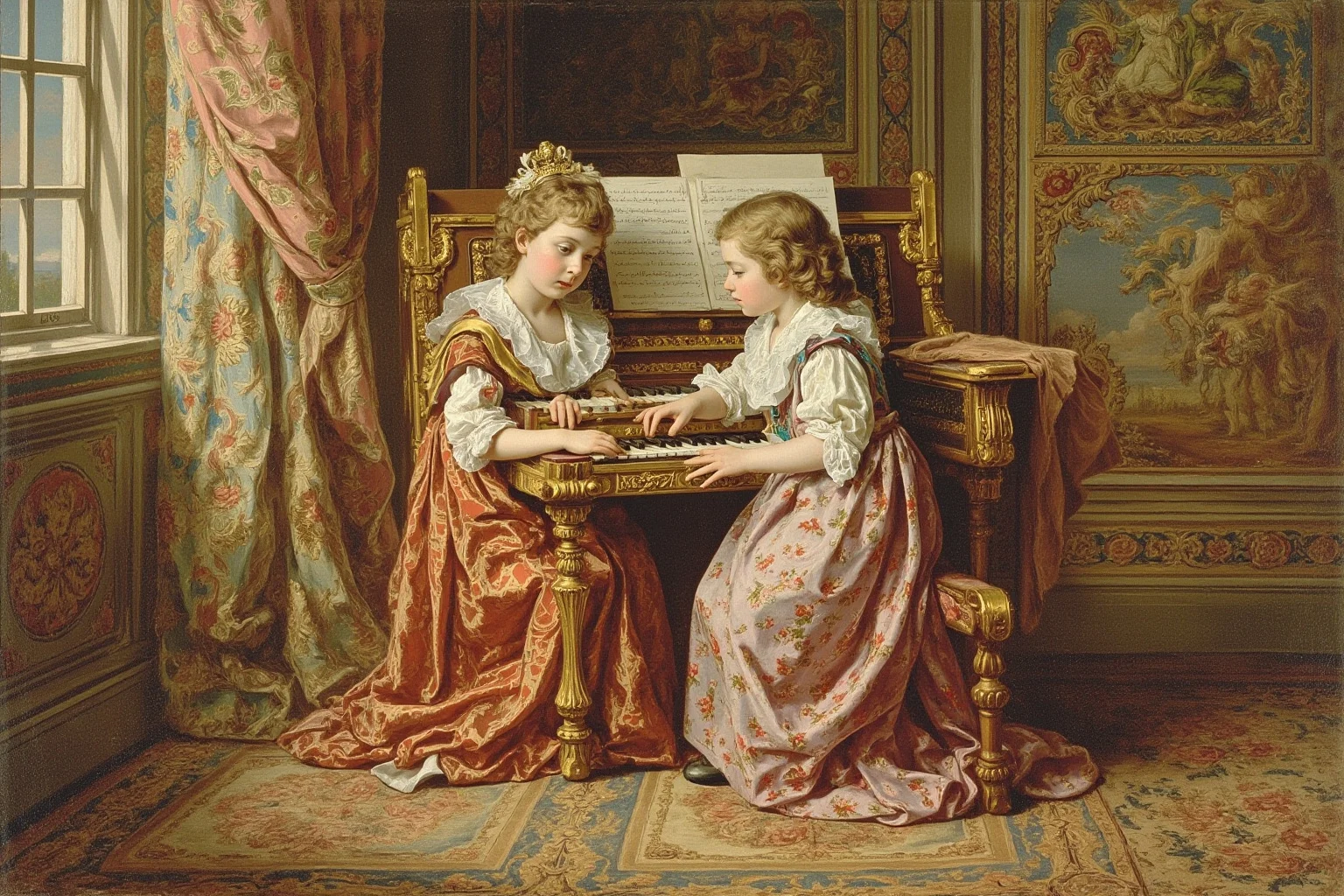
As a child in Vienna, Marie Antoinette reportedly met a young Wolfgang Amadeus Mozart at Schönbrunn Palace in 1762, when both were children. A popular anecdote claims Mozart proposed marriage to her on the spot, though this specific detail is difficult to verify with certainty.
As queen, she continued to support musicians and composers in France, including Christoph Willibald Gluck. Music remained a genuine interest throughout her life, not just a court obligation.
10. Her Teeth Were Treated With Early Orthodontics
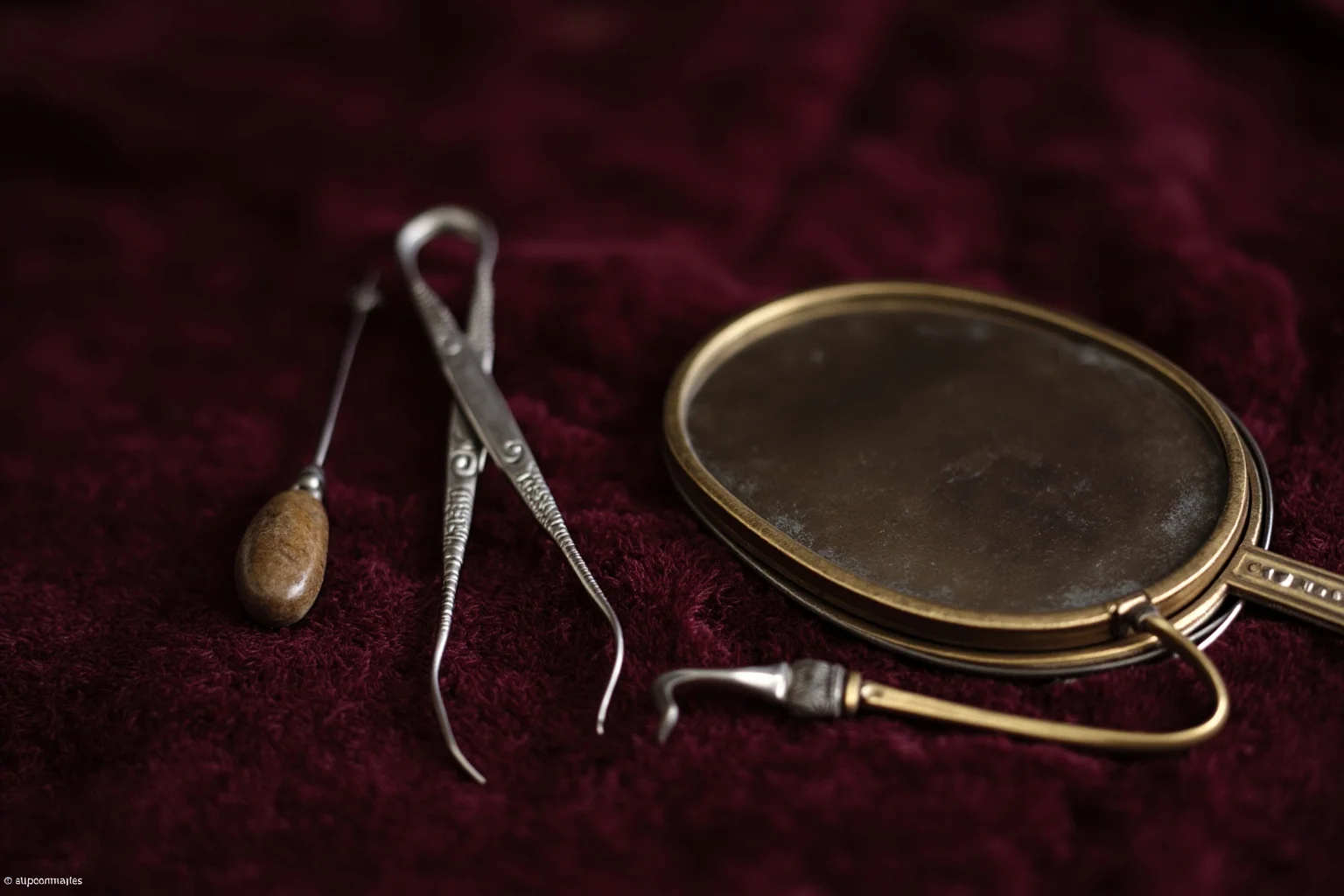
Among the more oddly specific facts people search for is the story of Marie Antoinette’s teeth. According to biographical accounts, her mother arranged early dental correction treatments for her as a teenager, before her marriage, to ensure she made the best possible impression at the French court.
This makes her one of history’s earlier documented cases of orthodontic-style treatment. It’s worth noting that the closed-mouth smiles seen in her portraits reflect the fashionable painting conventions of the era, not necessarily evidence of ongoing dental problems.
Scandal, Flight, and Downfall
11. She Was Wrongly Blamed for the Diamond Necklace Affair
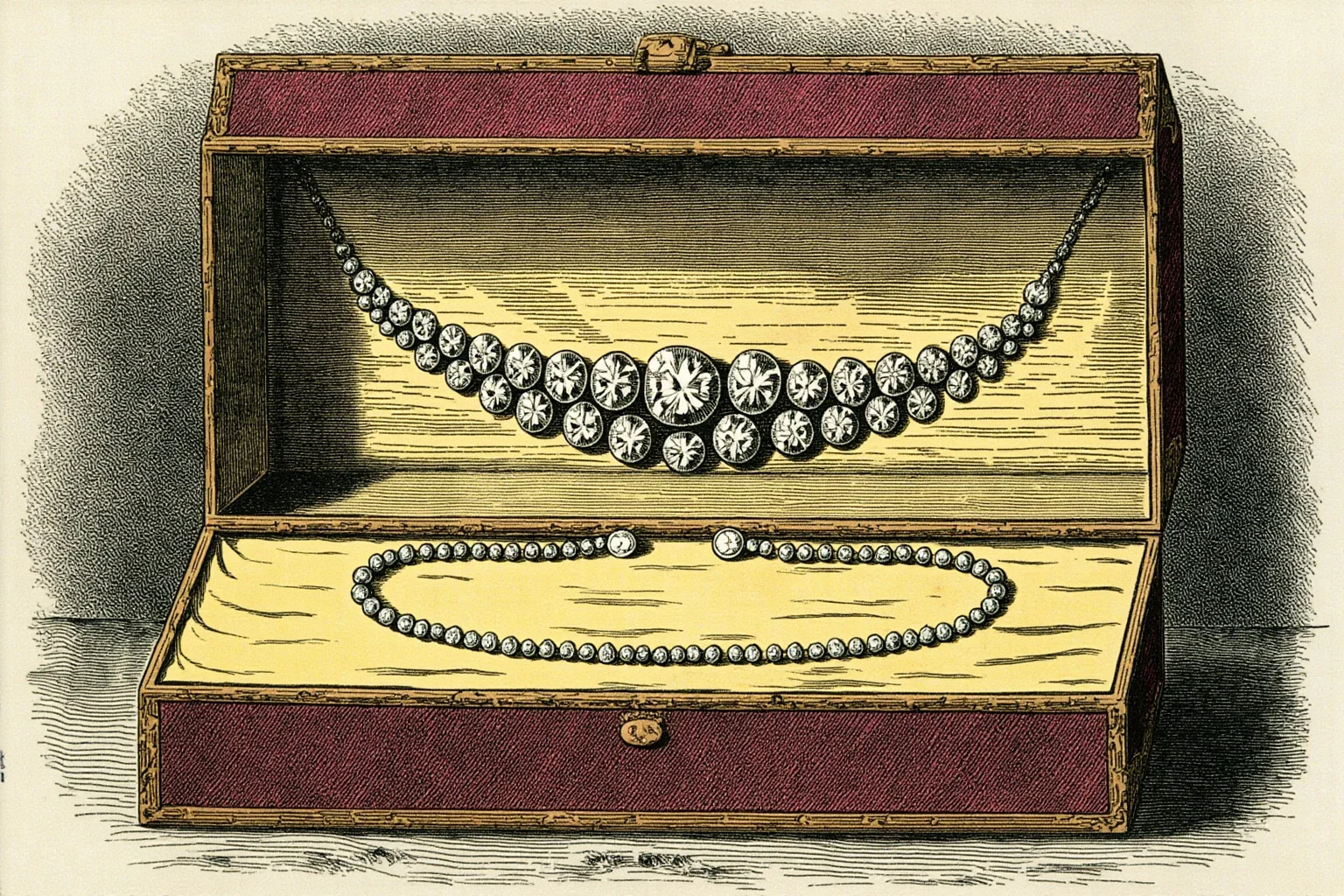
In 1785, a con artist named Jeanne de la Motte orchestrated an elaborate scheme using forged letters and Marie Antoinette’s name to swindle a fabulously expensive diamond necklace from Parisian jewelers. Marie Antoinette had actually declined to purchase the necklace years earlier and had no part in the fraud.
Despite her innocence, the scandal severely damaged her public reputation. It reinforced the false image of a queen obsessed with jewels at the public’s expense.
12. She Quietly Supported Charitable Causes
Marie Antoinette contributed to charitable institutions supporting poor families and hospitals during her time as queen. This side of her rarely made it into public discourse, which focused almost entirely on her spending rather than her giving.
Her charitable work never matched the scale of France’s financial problems, of course. But it complicates the simple picture of a queen who cared only about herself.
13. Her Friendship With a Swedish Count Fueled Rumors
Marie Antoinette maintained an extensive correspondence with Swedish count Axel von Fersen, and rumors of a romantic relationship between them have persisted for centuries. Some of their letters survive today, though sections were later redacted or destroyed, leaving the exact nature of their relationship genuinely debated among historians.
It’s important to be careful here: while the friendship was real and close, no definitive proof of an affair exists. Much of the salacious detail comes from later speculation rather than confirmed historical record.
14. She Tried to Flee France in Disguise
In June 1791, the royal family attempted to escape France in disguise, hoping to reach loyalist troops near the eastern border. They were recognized near the town of Varennes, captured, and forcibly returned to Paris.
The failed escape, known as the Flight to Varennes, badly damaged the monarchy’s remaining credibility. It convinced many revolutionaries that the royal family could not be trusted.
15. She Faced Trial and Execution With Notable Composure
After Louis XVI was executed in January 1793, Marie Antoinette was tried before the Revolutionary Tribunal in October 1793 on charges including treason. She was found guilty and executed by guillotine on October 16, 1793.
Contemporary accounts describe her composed, dignified demeanor in her final hours. This part of her story is one of the few areas where the historical record and the popular legend actually align.
10 Common Misconceptions About Marie Antoinette
16. Misconception: She Said “Let Them Eat Cake”
The phrase most associated with Marie Antoinette—”Let them eat cake,” or in French, “Qu’ils mangent de la brioche”—was never actually said by her. The line appears in Jean-Jacques Rousseau’s “Confessions,” attributed to an unnamed “great princess,” and was written years before Marie Antoinette even arrived in France.
This is arguably the single biggest piece of Marie Antoinette controversy: a quote she never uttered has defined her reputation for over two centuries. It was a convenient piece of anti-monarchy propaganda that stuck.
17. Misconception: Her Hair Turned White Overnight
A popular legend claims that Marie Antoinette’s hair turned completely white overnight, either during the Flight to Varennes or the night before her execution. There’s no solid contemporary evidence supporting such a sudden transformation.
Gradual graying under prolonged stress is medically plausible, and portraits from her final years do show more gray in her powdered hair. But “overnight” is dramatic embellishment, not documented fact.
18. Misconception: She Single-Handedly Bankrupted France
France’s financial crisis in the 1780s stemmed from decades of expensive wars, including the Seven Years’ War and support for the American Revolution, plus a deeply inefficient tax system that let the nobility and clergy avoid most taxation. Marie Antoinette’s personal spending, while real, was a tiny fraction of the national budget.
Blaming one queen for a structural fiscal collapse decades in the making is historically simplistic. It made for an easy scapegoat, though, especially given her foreign origins.
19. Misconception: “Madame Deficit” Was a Fair Nickname
Critics nicknamed her “Madame Deficit,” implying she was personally responsible for France’s debt crisis. This nickname exaggerated her actual financial impact considerably.
It worked as propaganda precisely because it was simple and satisfying, not because it was accurate. Understanding why people didn’t like Marie Antoinette often comes down to this kind of effective, if unfair, messaging.
20. Misconception: Her Affairs Were Proven Fact
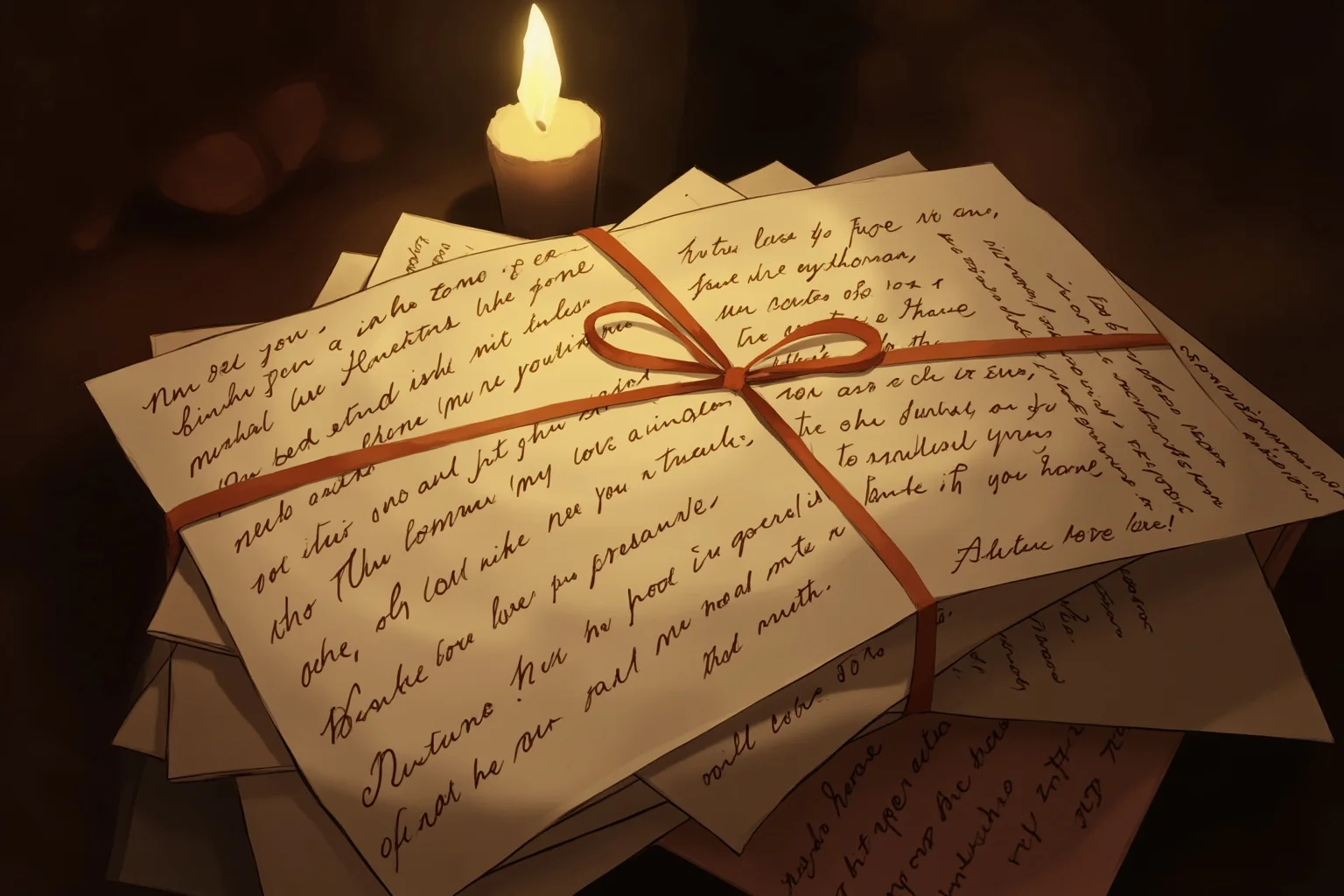
During her lifetime, scandalous pamphlets called “libelles” accused Marie Antoinette of numerous affairs and even incest, often illustrated with pornographic caricatures. Most modern historians view these as deliberate political propaganda rather than documented fact.
Her relationship with Axel von Fersen remains genuinely debated, as noted earlier, but the wilder accusations from the libelles have no credible historical basis. They were designed to shock and discredit, not to inform.
21. Misconception: She Was Frivolous and Uninterested in Anything Serious
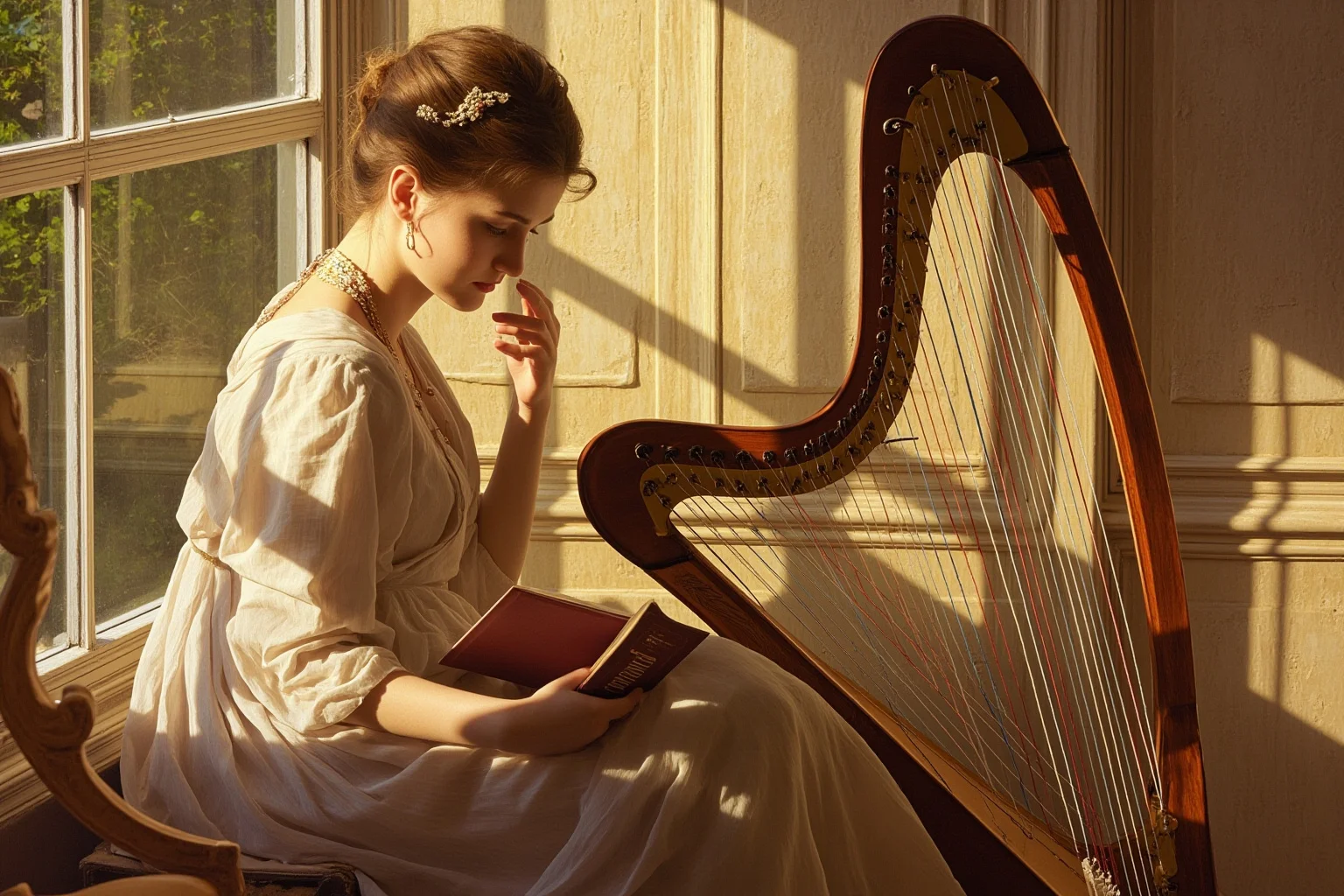
The popular image of Marie Antoinette as an empty-headed party queen ignores real evidence to the contrary. She read regularly, played the harp and harpsichord, took an active interest in her children’s education, and grew increasingly engaged in political strategy as the Revolution progressed.
She wasn’t a political mastermind, but she wasn’t oblivious either. This nuance rarely survives in the simplified version of her story.
22. Misconception: She Invented Versailles’s Culture of Excess
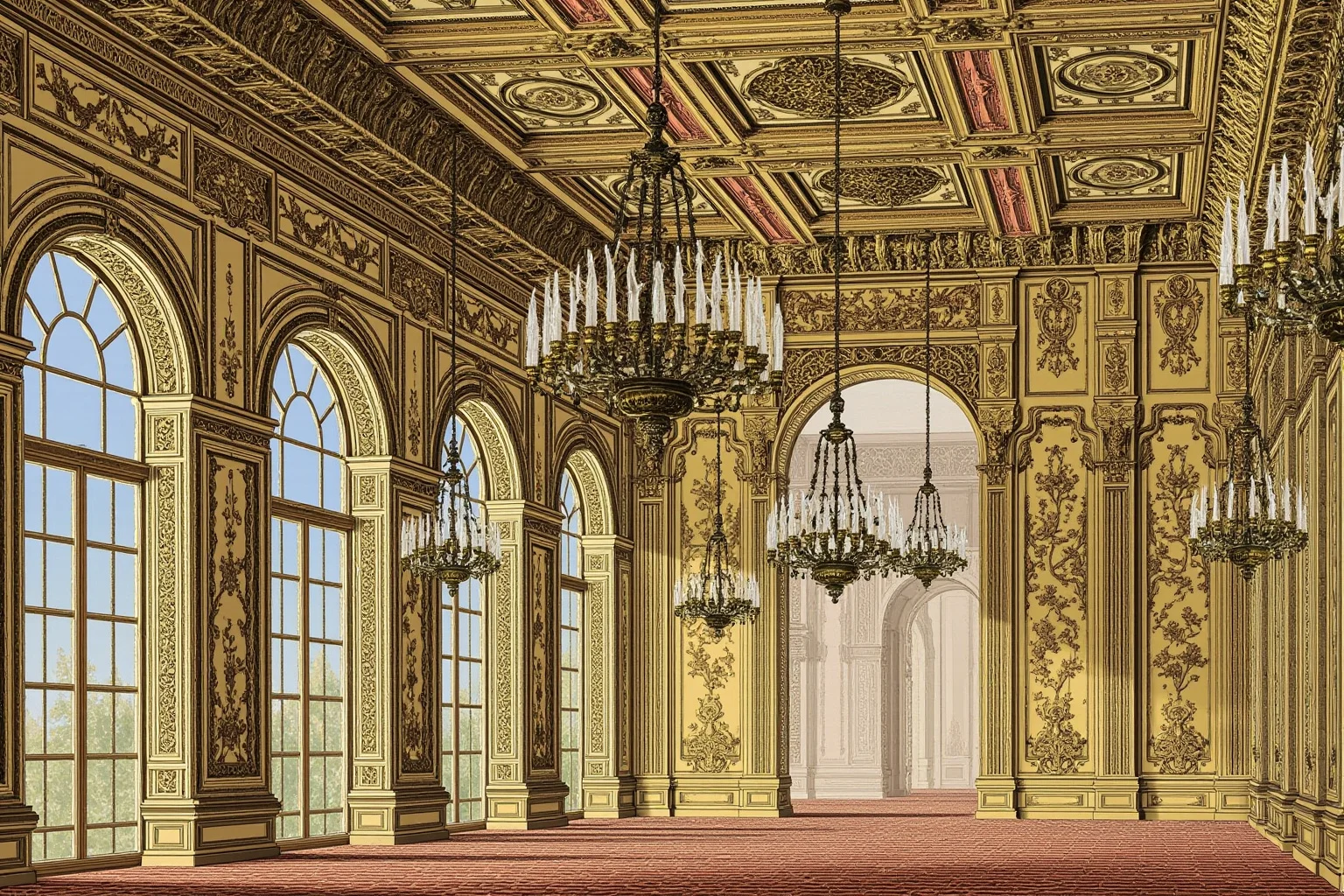
Lavish spending at the French court long predated Marie Antoinette. Louis XIV and Louis XV had both presided over extraordinarily expensive court cultures decades before she ever arrived at Versailles.
She became the visible symbol of royal excess partly because she was young, foreign, and female—an easy target. The underlying culture of extravagance, though, was already centuries old.
23. Misconception: She Was Hated From the Moment She Arrived
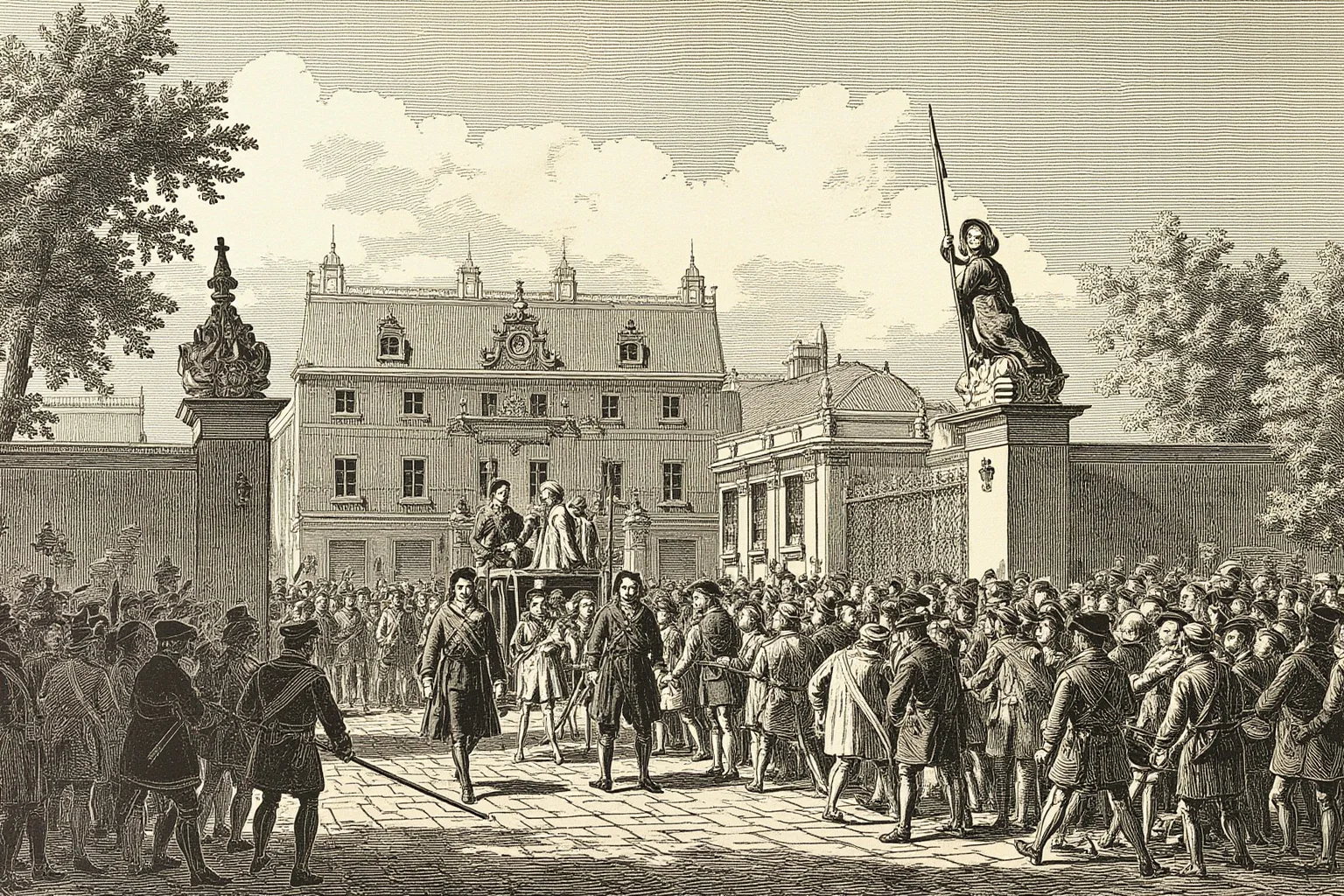
When Marie Antoinette first arrived in France as a teenage bride, she was actually quite popular, admired for her youth and charm. Public opinion soured gradually over roughly fifteen years, driven by economic crises, the Diamond Necklace Affair, and relentless propaganda.
Her foreignness made her a convenient target once things went wrong. But the deep public hostility people associate with her wasn’t present from day one.
24. Misconception: She Was a Cold, Neglectful Mother
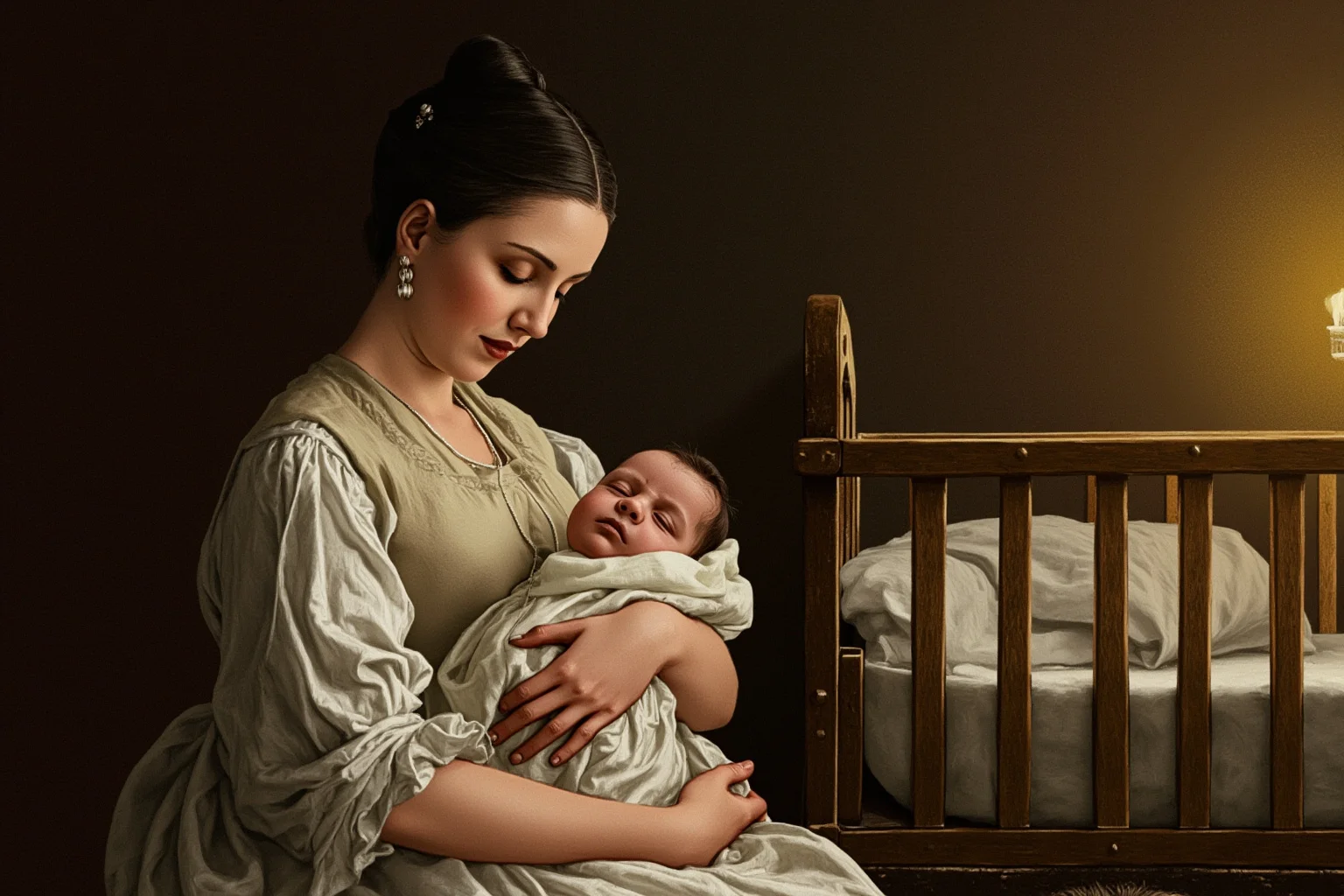
Contrary to her icy public image, surviving letters show Marie Antoinette was personally devoted to her children. She reportedly attempted to breastfeed her first daughter herself, unusual behavior for a queen of that era, and was visibly devastated by her children’s deaths.
This warmer, more personal side rarely appears in popular portrayals. It’s one of the clearest gaps between Marie Antoinette in real life and the myth that surrounds her.
25. Misconception: The Scandalous Pamphlets About Her Were Factual
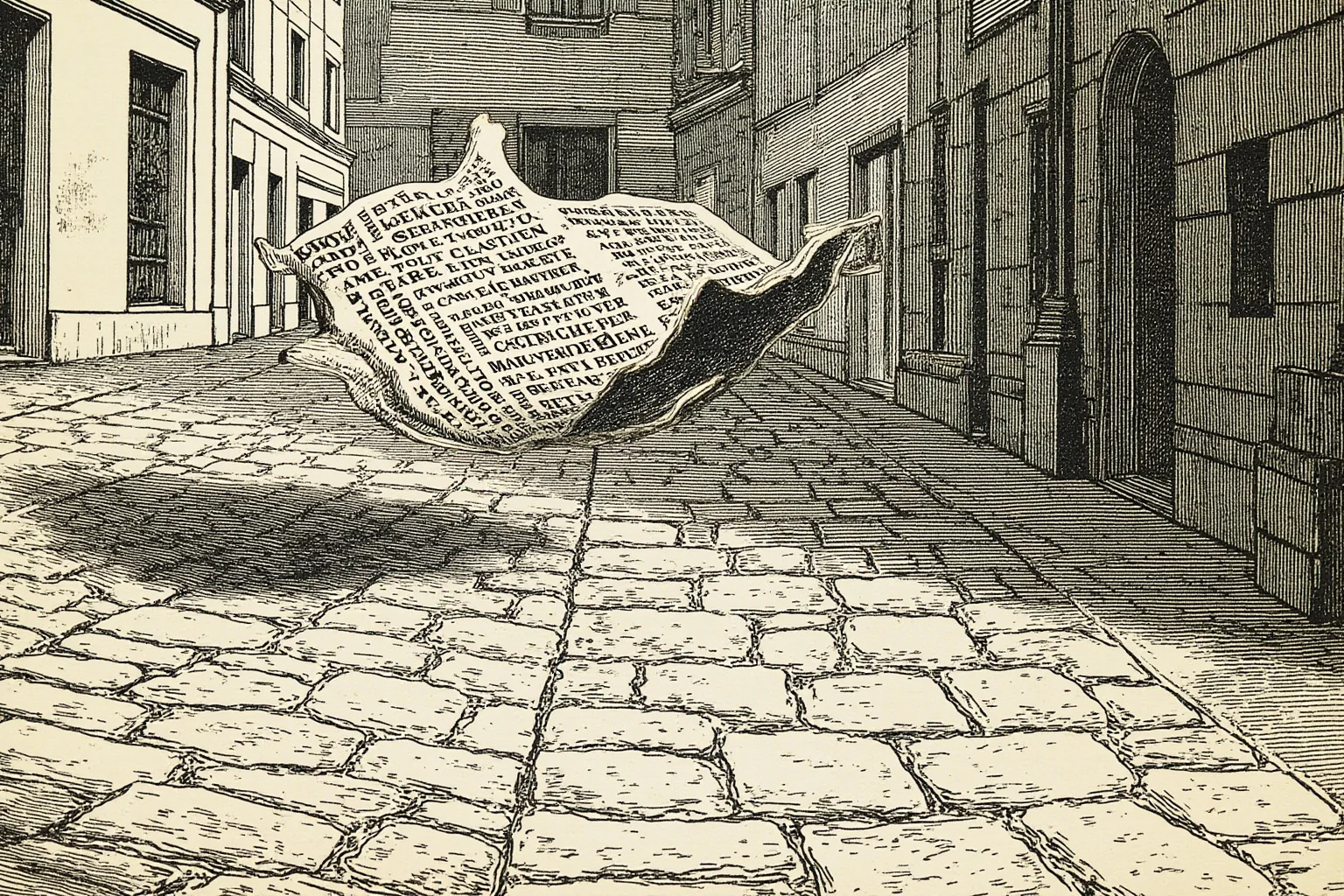
Much of what people think they “know” about Marie Antoinette actually traces back to libelles—illegal, scandalous pamphlets sold in the years before and during the Revolution to discredit the monarchy. These pamphlets mixed exaggeration, invention, and outright fabrication with just enough plausible detail to feel credible.
Treating this propaganda as straightforward historical record has shaped her reputation for over 200 years. Separating the real woman from these pamphlets is exactly why myth-busting lists like this one matter.
Why Did People Turn Against Marie Antoinette?
The short answer is that timing, xenophobia, and effective propaganda combined against her. France’s financial troubles, food shortages, and political unrest all needed a face, and an Austrian-born queen with expensive tastes was an easy one to choose.
Her foreignness in particular made her vulnerable in ways a French-born queen might not have been. Nicknames like “L’Autrichienne” carried both nationalist resentment and crude wordplay, and pamphleteers exploited that resentment relentlessly.
None of this excuses real missteps, like tone-deaf spending during economic hardship. But it does explain why so much of the Marie Antoinette controversy was manufactured, exaggerated, or simply invented outright by people with a political motive to bring down the monarchy.
The Real Marie Antoinette: Final Thoughts
Strip away the myths, and Marie Antoinette in real life looks far more human than the legend suggests: a teenager pushed into a political marriage, a mother who grieved deeply for her children, and a queen who became a convenient symbol for problems far bigger than herself. She made real missteps, but she also absorbed blame for a financial and political crisis that had been building for generations before she ever set foot in France.
The next time someone repeats the cake quote or the overnight-white-hair story, you’ll know the real history behind it. That’s the whole point of separating genuine facts about Marie Antoinette from the myths that have outlived her by more than two centuries.
Frequently Asked Questions
What are some interesting facts about Marie Antoinette?
Among the most interesting facts about Marie Antoinette: she was born an Austrian archduchess, married at 14 to seal a political alliance, built a private hamlet at Versailles called the Hameau de la Reine, and was wrongly implicated in the Diamond Necklace Affair despite having declined to buy the necklace herself.
What was Marie Antoinette known for?
Marie Antoinette is best known as the last queen of France before the Revolution, for her lavish fashion sense, her connection to the 'let them eat cake' myth (which she never actually said), and her execution by guillotine in 1793 after being tried by the Revolutionary Tribunal.
Why did people not like Marie Antoinette?
Public dislike grew gradually due to France's worsening financial crisis, her Austrian origins, the Diamond Necklace Affair scandal, and a flood of propaganda pamphlets called libelles that exaggerated or invented scandalous claims about her behavior.
Did Marie Antoinette really have dental problems?
Historical accounts indicate Marie Antoinette underwent early dental correction treatment as a teenager before her marriage, arranged by her mother to improve her appearance for the French court, making her an early documented case of orthodontic-style treatment.
What is the biggest misconception about Marie Antoinette?
The biggest misconception is that she said 'Let them eat cake.' The phrase actually appears in Rousseau's writings, attributed to an unnamed princess, years before Marie Antoinette arrived in France, and there's no evidence she ever said it.
Was Marie Antoinette really as extravagant as people think?
She did spend heavily on fashion and had a lavish personal retreat at the Petit Trianon, but lavish court spending long predated her under Louis XIV and Louis XV. Her personal spending was a small fraction of France's overall debt, which stemmed mainly from decades of costly wars.

Alex Warren
Related Articles





