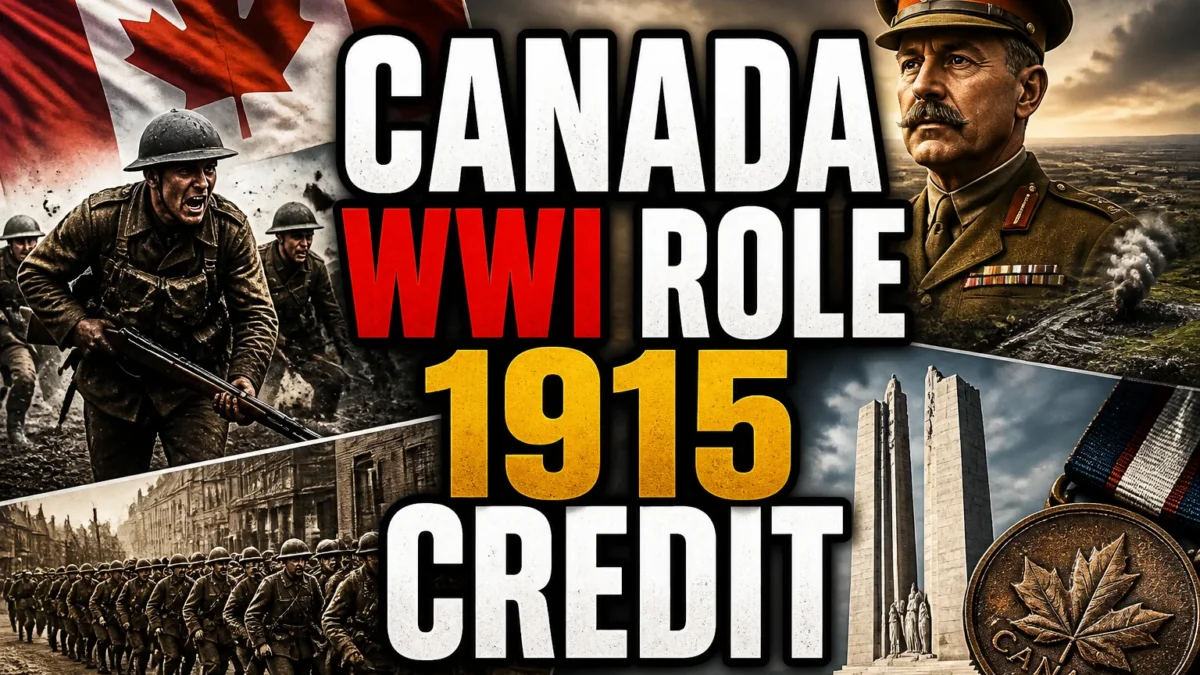
Ask most people to name a major Allied power in the First World War and Canada rarely makes the first cut. Yet Canada and WW1 are so closely intertwined that the war reshaped the young dominion’s politics, industry, and national identity.
The problem isn’t that Canada’s soldiers did little; it’s that the Canadian story is often folded into a larger British narrative. This list separates the Canadian thread from the imperial blanket and gives the country credit where credit is due.
TL;DR: Canada and WW1 were a pivotal pairing—by 1915 Canadian troops were already holding lines, counterattacking through gas, and shaping the war’s memory, yet their role remains underrated.
20 Ways Canada Shaped the First World War
1. Canada Entered the War as a Dominion, Not a Passive Colony
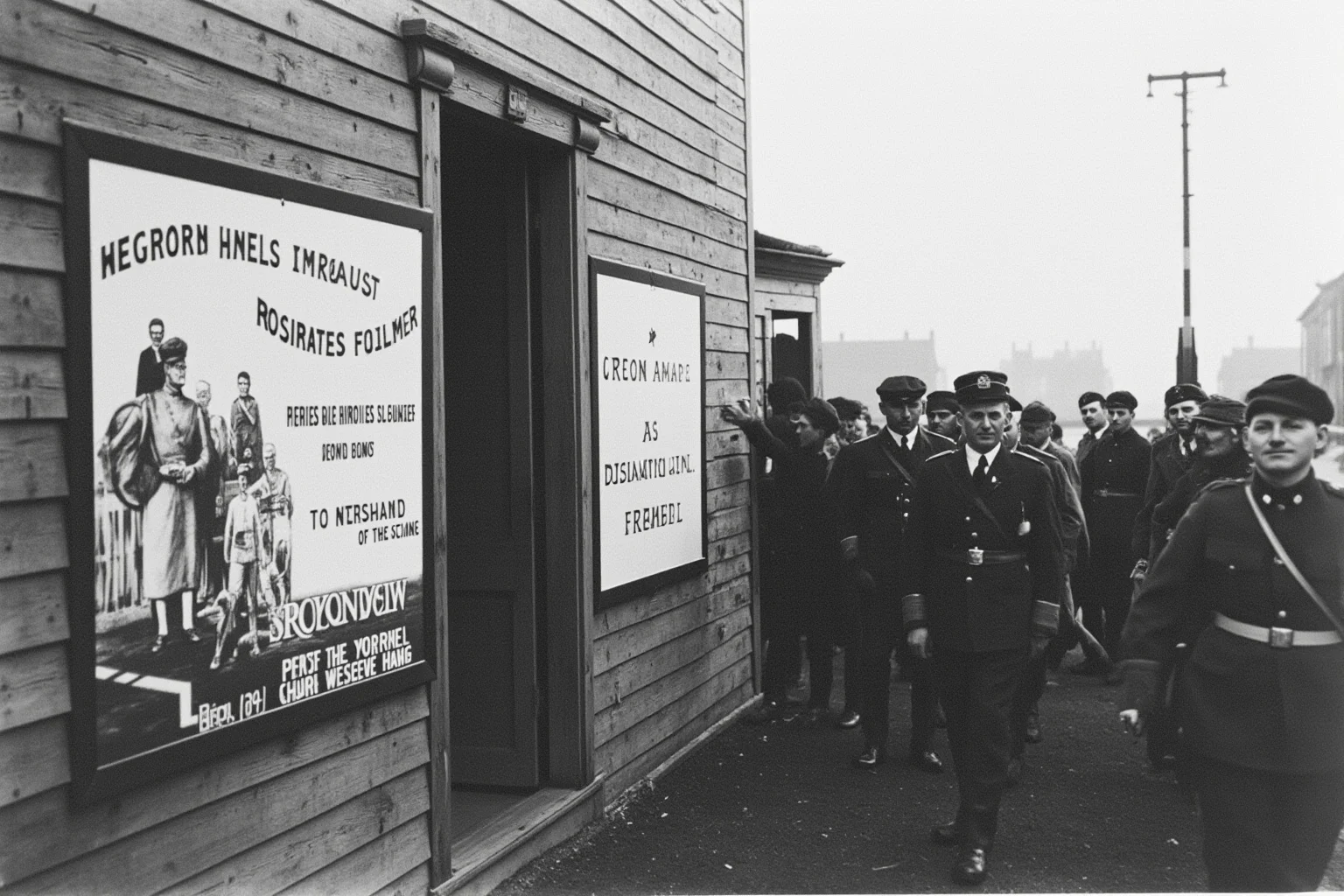
When Britain declared war on Germany on August 4, 1914, Canada was legally at war as part of the British Empire. That automatic status often makes Canada look like a passive follower, but the real story is different. Ottawa controlled its own level of participation and chose full-scale mobilization rather than a symbolic detachment.
The decision transformed Canada and WW1 from an imperial obligation into a national project. It also exposed a contradiction that would define the next four years: Canada was sovereign enough to raise and command its own forces but not yet sovereign enough to sign its own foreign policy. That tension drove Canada’s demand for a greater voice as the war dragged on.
The scale of the response also set expectations for how Canada would be treated by Britain and the wider Empire. As casualties rose, Canadian leaders began to ask for more control over their own soldiers and strategy. That demand, rooted in 1914 and 1915, eventually reshaped the imperial relationship.
2. Valcartier Built an Army from Scratch in Weeks
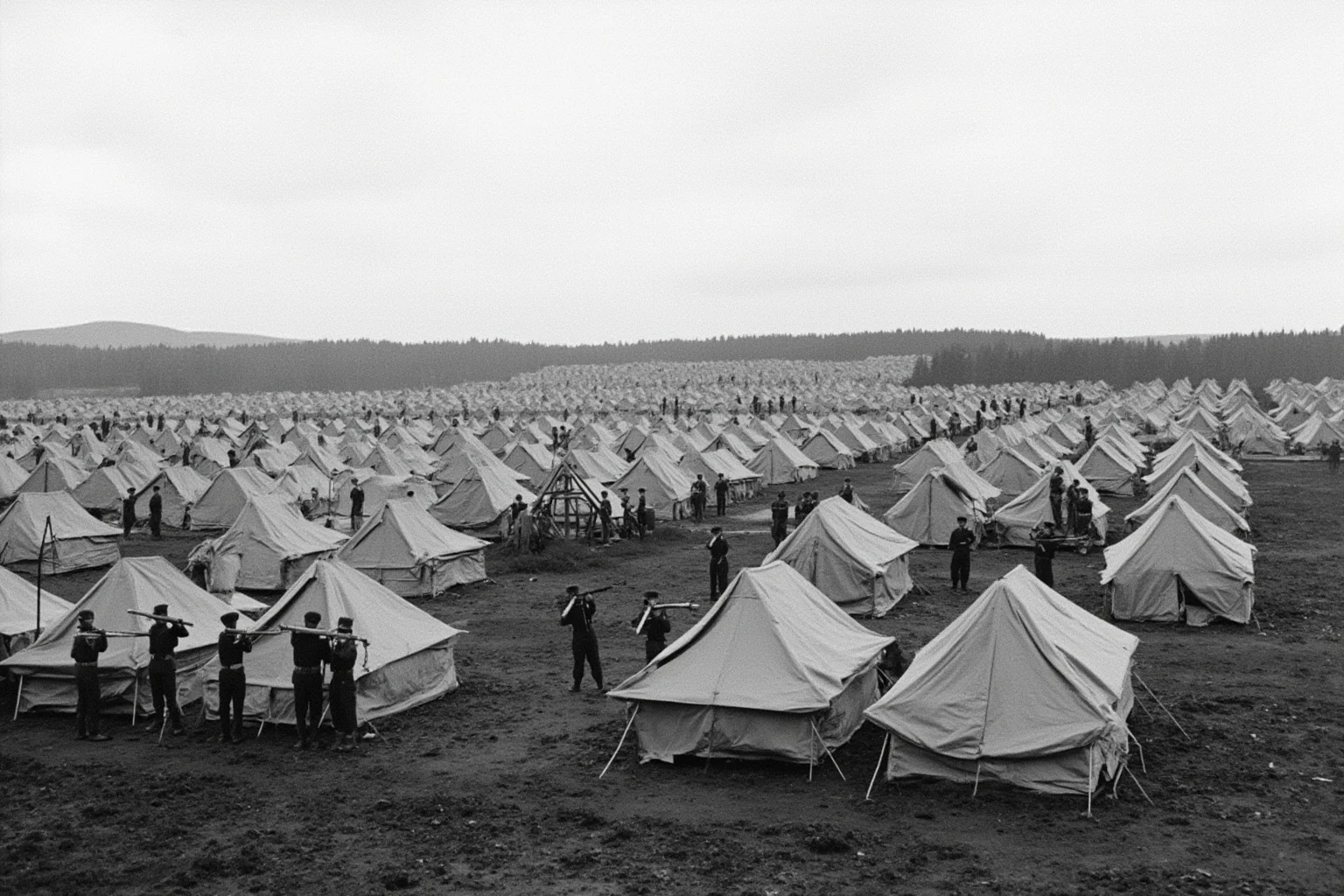
Sam Hughes, the energetic and controversial militia minister, turned a Quebec farm field into Camp Valcartier with astonishing speed in August 1914. More than 30,000 volunteers arrived within weeks, far exceeding pre-war expectations. The camp was chaotic, muddy, and under-equipped, but it worked.
Valcartier produced the First Canadian Contingent, the largest overseas force Canada had ever assembled. The speed of its creation revealed both the enthusiasm of ordinary Canadians and the administrative chaos that would become Hughes’s trademark. For all its problems, the camp proved that a small dominion could mobilize a real army.
Valcartier also became a symbol of what Canada could do when it accepted wartime urgency. The camp’s rapid growth influenced later training sites in Canada and Britain. It was messy, but it delivered the fighting force that crossed the Atlantic in 1914.
3. The First Canadian Convoy Crossed the Atlantic at Unprecedented Scale
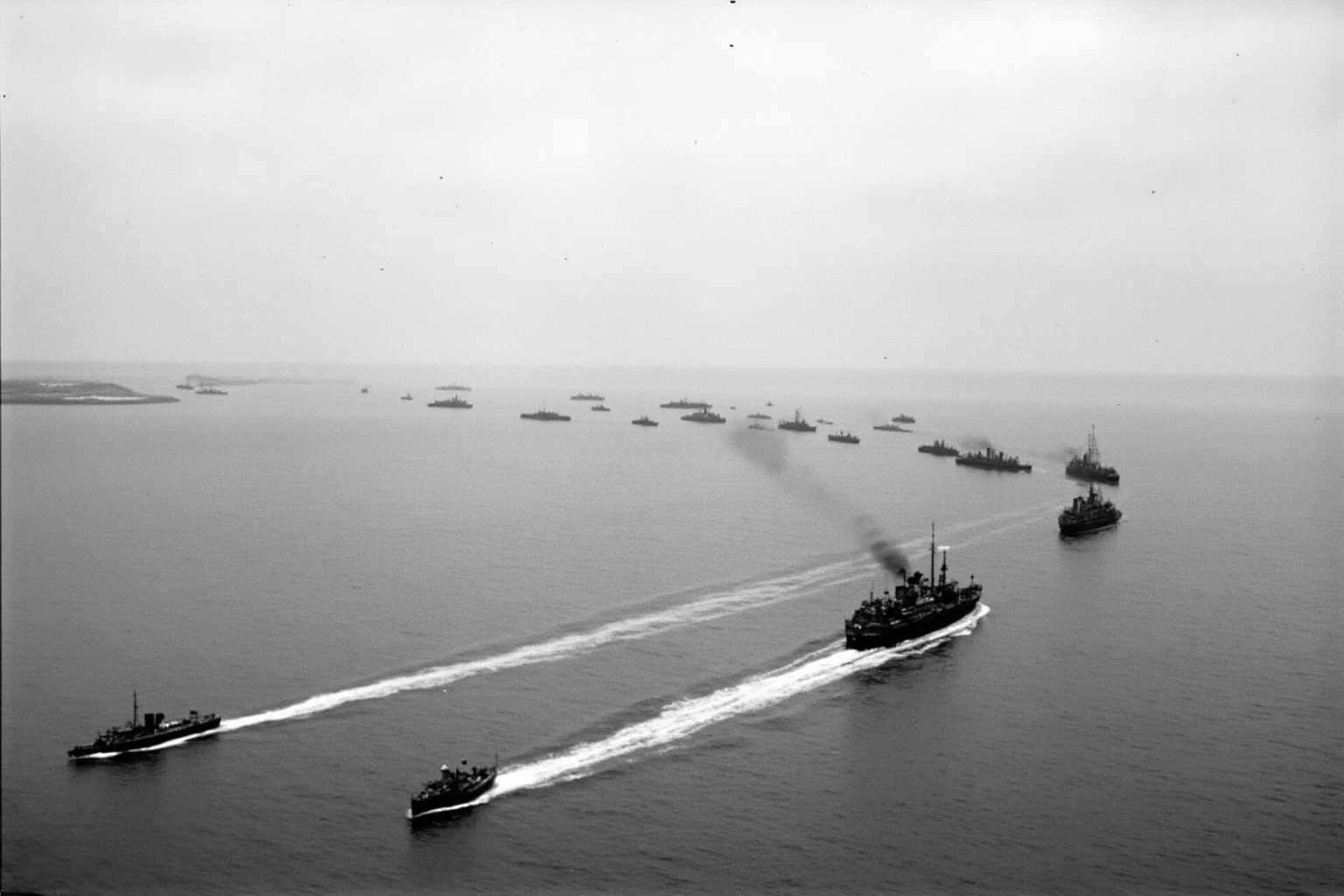
In early October 1914, the first major Canadian troop convoy sailed for England carrying more than 30,000 soldiers. It was one of the largest military convoys assembled to that date and a major test of naval escort and coordination. German submarines were already a threat, but the crossing went without losing a transport.
That voyage showed the Atlantic supply line could move an entire army rather than just a colonial detail. It also marked the start of a pipeline that would carry hundreds of thousands of Canadians to Europe by 1918. The safe arrival was an early logistical victory that often goes unnoticed beside later battles.
The convoy’s success depended on careful coordination between the Royal Navy and Canadian civilian shipping. It also demonstrated that Canada could project military power beyond its own shores. That projection would have been almost unthinkable a generation earlier.
4. Canadian Troops Trained Through a Wet, Miserable English Winter
The First Canadian Division spent the winter of 1914–1915 training on Salisbury Plain in England. Relentless rain turned the camps into seas of mud and tents into soggy misery. Equipment arrived slowly, and sickness spread through the ranks.
Those months still mattered because they gave volunteers a partial transition from civilian life to the routines of a mass army. By the time the division reached France in February 1915, it was still inexperienced but no longer completely raw. The hard winter also forged unit spirit that would be tested almost immediately.
Training in England also brought Canadian troops into contact with British military organization. They absorbed drills, trench routines, and the command style that would govern the Western Front. The mixing of Canadian volunteers with imperial methods shaped how the Canadian Corps would eventually develop its own identity.
5. At Second Ypres, Canadians Held as Poison Gas Changed War
On April 22, 1915, the German army opened canisters of chlorine gas against French colonial and territorial troops near Ypres. The attack created a dangerous gap on the Canadian division’s left flank and introduced a terrifying new weapon. Canadian units did not simply run; they adjusted their line, helped fill parts of the gap, and launched local counterattacks.
The Canadian role at Second Ypres is one of the most direct answers to the question of what Canada did in 1915. It was not a clean victory, and Canadian positions were eventually forced back under pressure. But the stand helped stabilize a critical sector during a moment when the entire Allied line around Ypres could have collapsed.
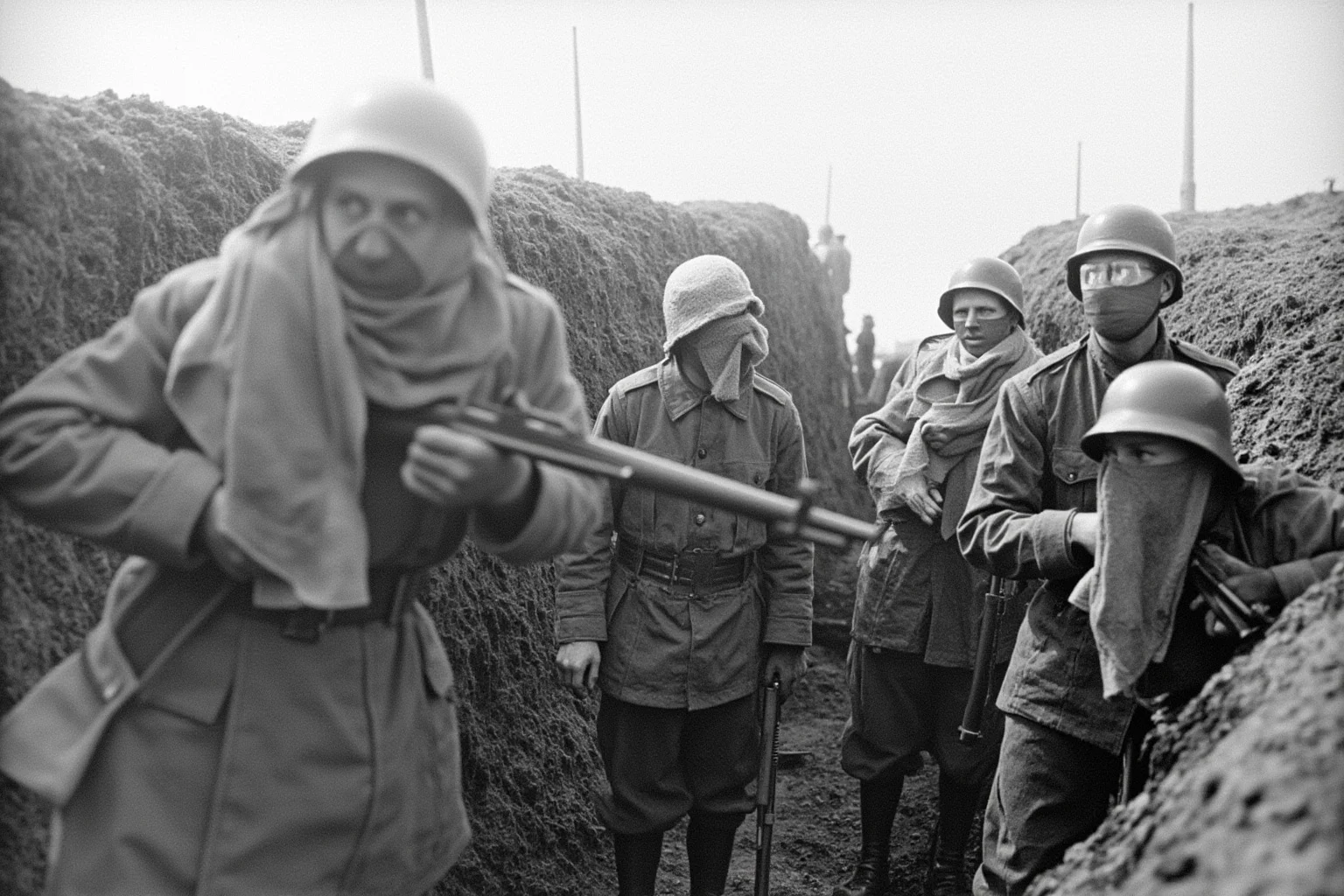
The battle also demonstrated that gas warfare required new tactics and equipment. Canadian soldiers improvised protection by using water-soaked or urine-soaked cloths over their faces. Their resilience under gas helped buy time for Allied reinforcements.
6. The Night Counterattack at Kitcheners’ Wood Was Bloody and Decisive
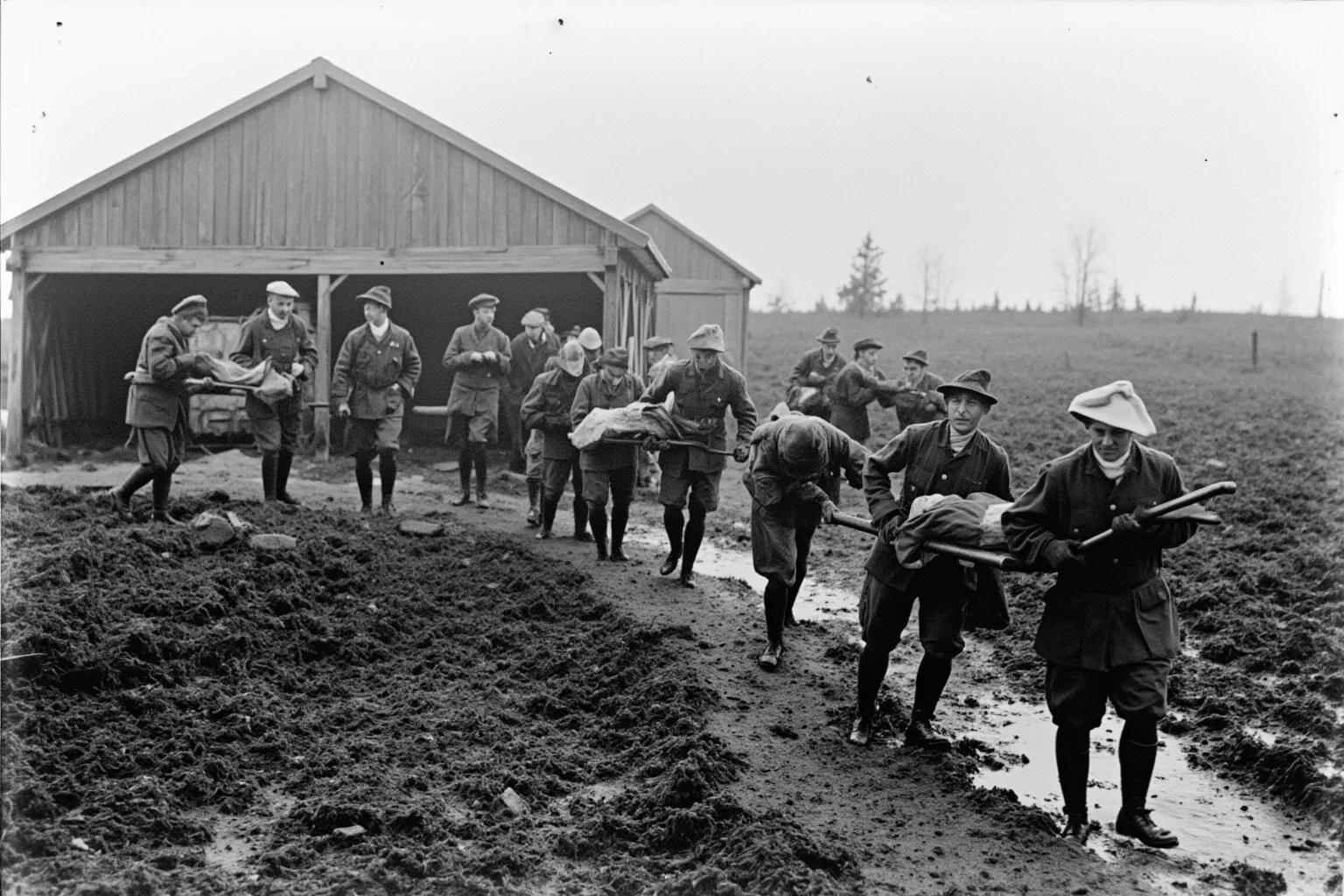
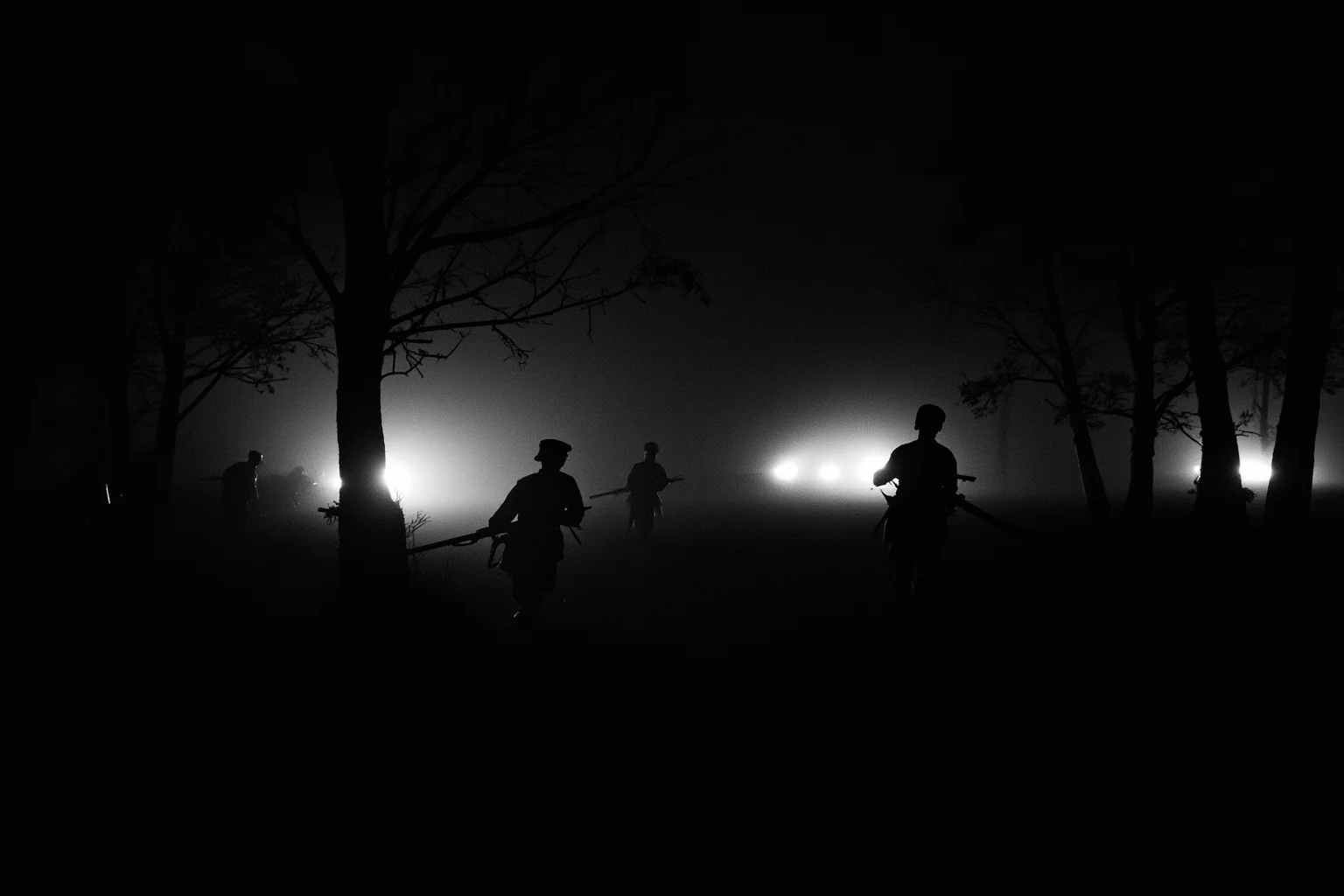
Hours after the first gas attack, the 10th and 16th Canadian battalions moved toward Kitcheners’ Wood in darkness. The night assault was confused, close-quarter, and extremely costly. Men advanced into machine-gun fire that lit up the dark, but their attack disrupted the German push.
Kitcheners’ Wood became an early symbol of Canadian determination under impossible conditions. It also showed that courage alone could not compensate for poor communications and limited artillery preparation. That lesson would be repeated at Festubert and Givenchy in the weeks after.
The attack also showed the limits of improvisation in modern war. Canadian officers learned that night operations required better maps, signals, and supporting fire. Those hard lessons would guide planning in later Canadian battles.
7. Canada’s 1915 War Record Wiped Out the Idea of the ‘Token Dominion’
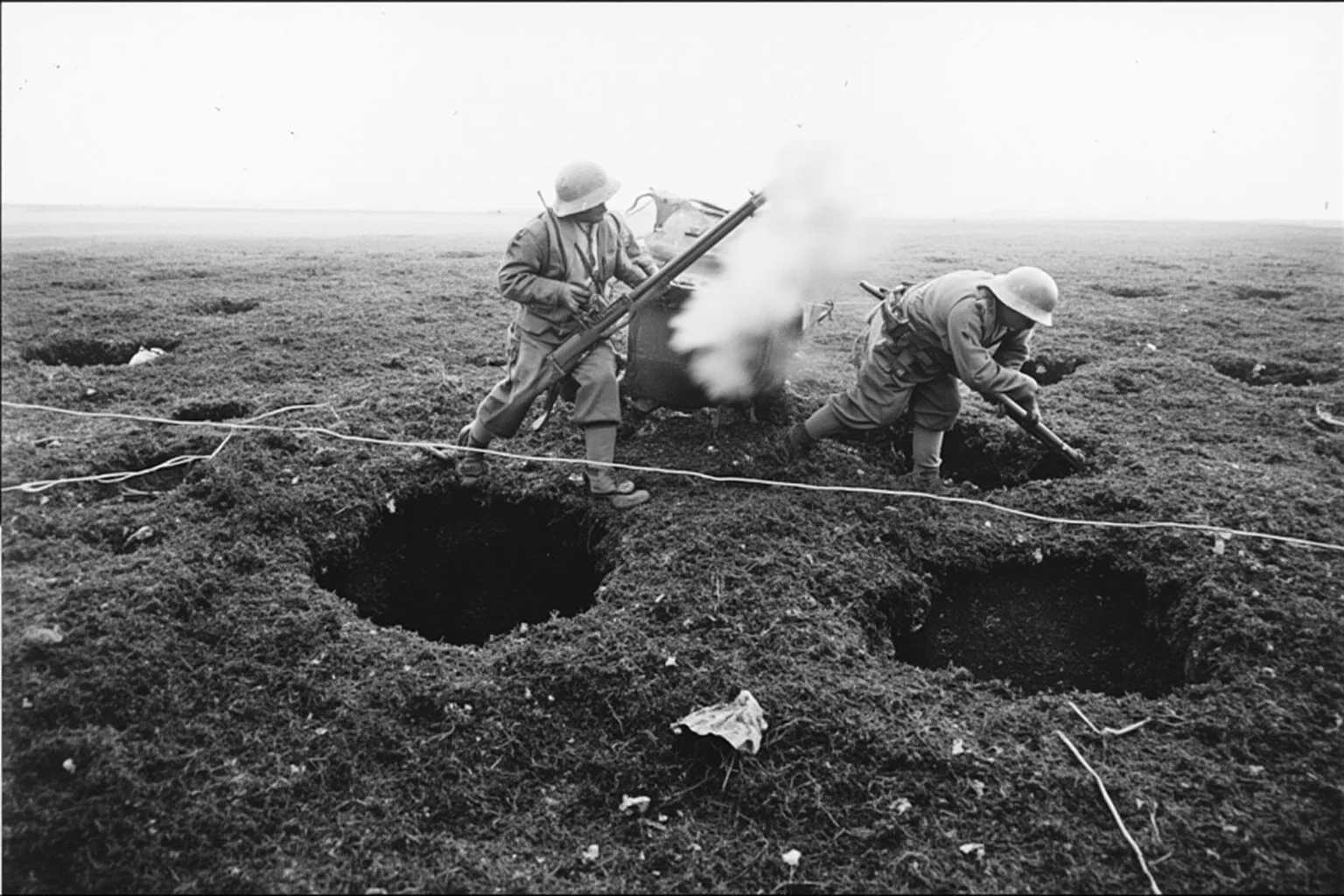
Between April and June 1915, Canadian troops fought three major actions: Second Ypres, Festubert, and Givenchy. The casualty lists were staggering for a dominion of fewer than eight million people. Roughly 6,000 Canadians were killed, wounded, or missing at Second Ypres alone.
Those losses sent shock waves through Canadian communities but also hardened the country’s commitment. The idea that Canada would simply send a small imperial detachment ended in the mud of Belgium and northern France. Canada’s 1915 war record, though far less famous than Vimy, was the moment the country began to understand the cost of total war.
Yet the Canadian public and press framed the losses as proof of national character rather than imperial failure. That framing helped build a distinct Canadian war narrative. It also created pressure on the government to ensure the sacrifice was not treated as an afterthought in London.
8. Festubert and Givenchy Taught the Ugly Arithmetic of Trench Warfare
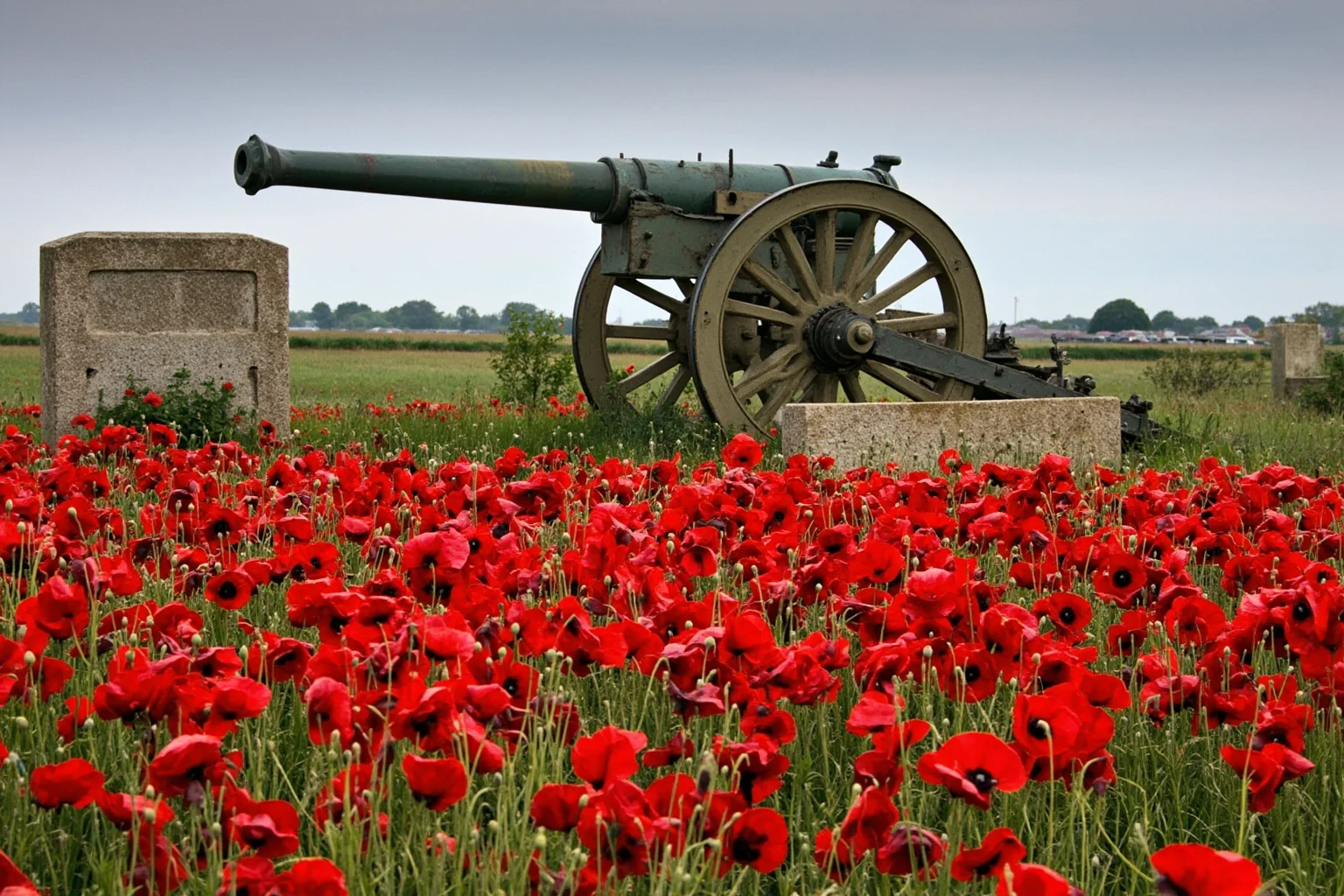
At Festubert in May 1915 and Givenchy in June, Canadian battalions attacked entrenched German positions with far too little artillery support. Gains were measured in yards while casualties mounted for limited strategic return. These battles rarely appear in the heroic version of Canadian memory.
They remain important because they explain how Canada learned the brutal arithmetic of trench warfare. Officers and soldiers discovered that bayonets and bravery could not solve a problem defined by machine guns, wire, and artillery. By the end of 1915, the Canadian force understood attrition in a way no training manual could teach.
Military historians still debate whether these 1915 battles achieved anything beyond attrition. What is not debated is their effect on the Canadians who survived. The experience created a core of battle-hardened officers and NCOs who would later lead Canada’s more famous divisions.
9. John McCrae’s ‘In Flanders Fields’ Gave the War Its Most Lasting Symbol
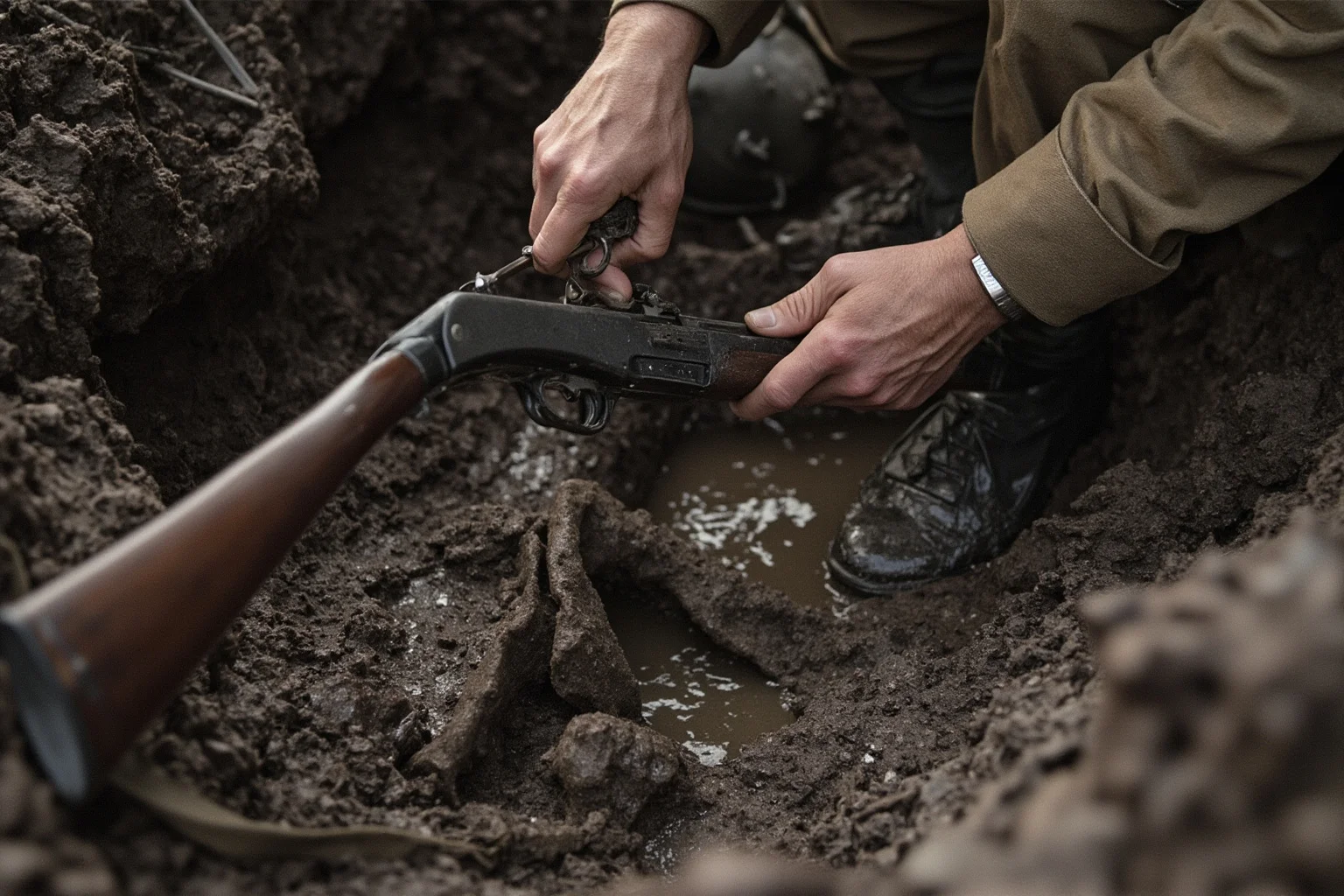
Canadian medical officer and artillery veteran John McCrae wrote his famous poem after burying a friend near Essex Farm in May 1915. The poem circulated quickly in soldiers’ newspapers and eventually became one of the most widely known pieces of writing from the war. Its poppy imagery grew into the international symbol of remembrance.
McCrae did not survive the war; he died of pneumonia and meningitis in January 1918. The fact that a Canadian physician gave the Great War its most enduring symbol is a cultural contribution that often gets separated from Canada’s military record. Canada’s role in the war was not only physical but also memorial, shaping how future generations would remember it.
McCrae’s poem is often read at Remembrance Day services without much attention to its Canadian authorship. Restoring that context helps show how deeply Canada shaped the cultural memory of the war. The poppy itself, now a global symbol, owes much of its standing to a Canadian voice.
10. The Ross Rifle Debacle Showed Canada’s Supply Lines Needed Reform
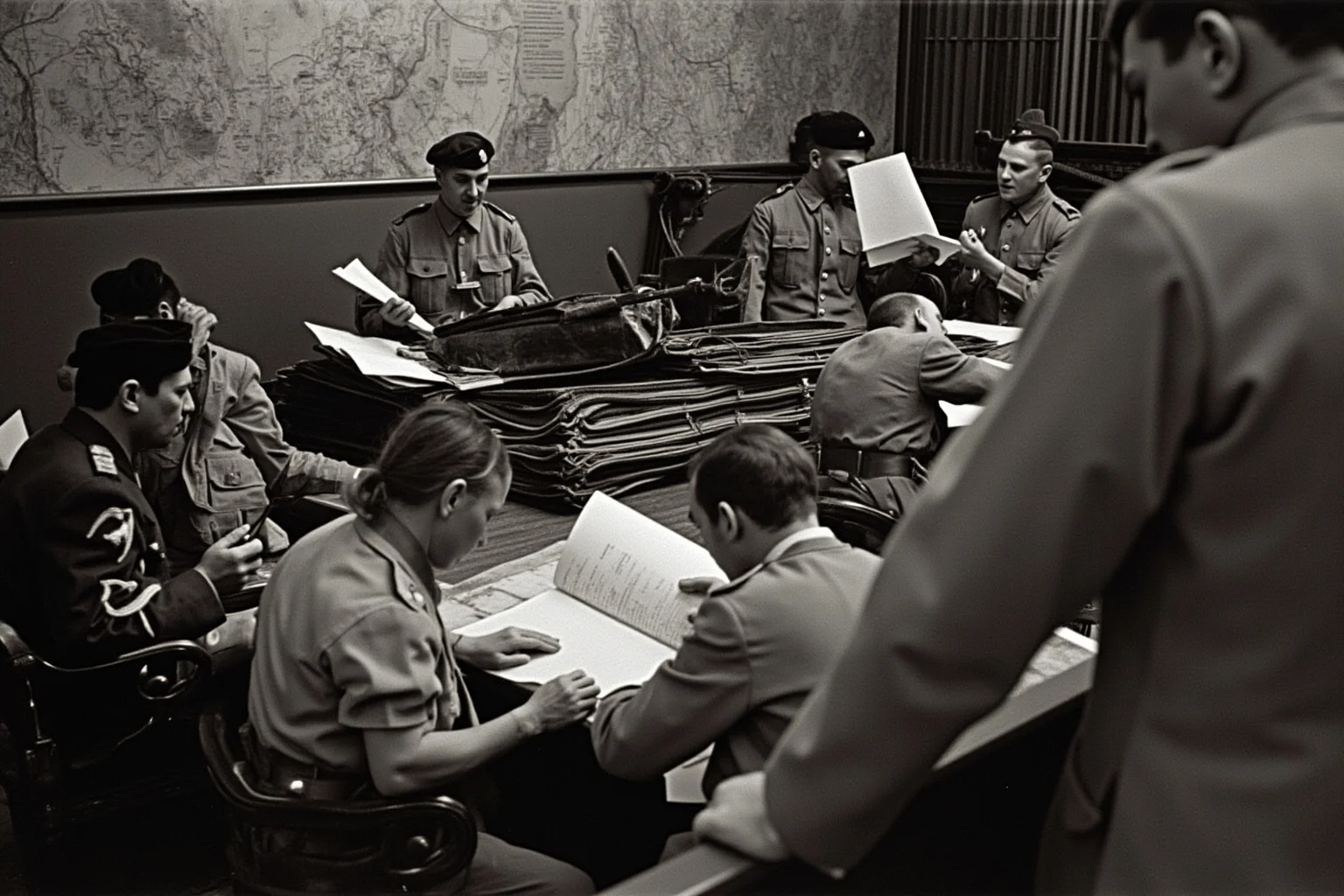
Canadian infantry went to war with the Canadian-made Ross rifle, a weapon championed by Sam Hughes. It was accurate on a clean target range, but it jammed badly in mud and rapid fire. Soldiers increasingly replaced it with the British Lee-Enfield whenever they could.
The Ross controversy was not just about equipment; it exposed the tension between political patronage and battlefield reality. Complaints from the front in 1915 helped push the Canadian military toward more professional supply and procurement. Correcting that fault made the Canadian Expeditionary Force more reliable in the later years of the war.
The switch to the Lee-Enfield was gradual and politically sensitive, but soldiers on the ground often made the change without waiting for orders. Their preference eventually forced official recognition. That bottom-up pressure was an early sign of the professional force Canada was becoming.
11. Sam Hughes’s Militia Department Was Energy and Chaos in One Package
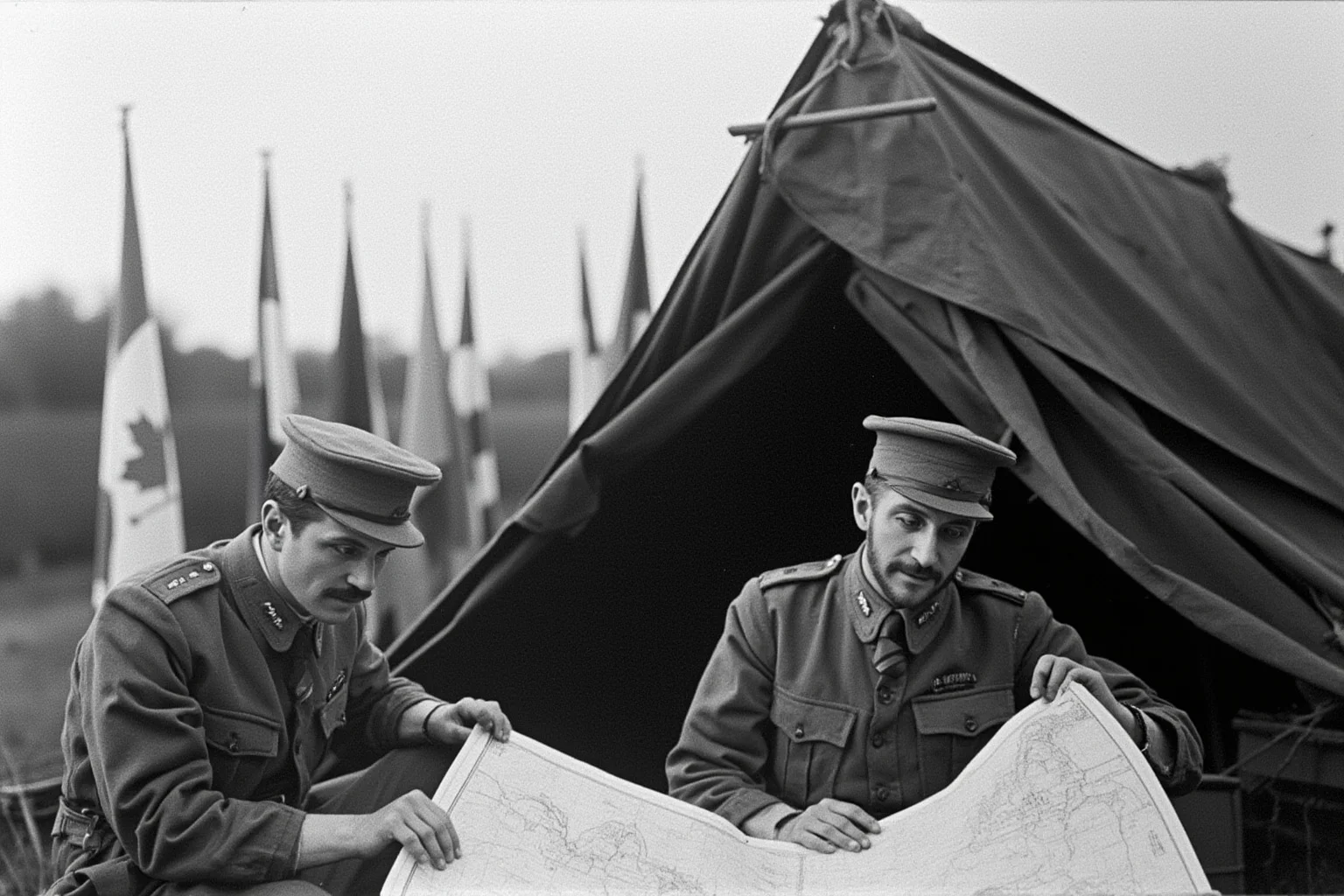
Sam Hughes dominated Canadian military administration in the early war years and embodied both patriotic energy and administrative chaos. He mobilized men quickly but also handed out contracts to political allies and clashed with professional officers. His methods created scandals that eventually helped force his departure from the cabinet in 1916.
Even so, the force he helped raise in 1915 was real and substantial. Canada’s 1915 war effort cannot be explained without him. His legacy remains deeply contested because it mixes genuine achievement with favoritism and chaos.
Understanding Hughes means accepting that Canada’s mobilization was never a tidy, professional process. It was improvised, partisan, and human. That messy energy still managed to build an army that mattered on the Western Front.
12. The Canadian Corps Took Shape in 1915
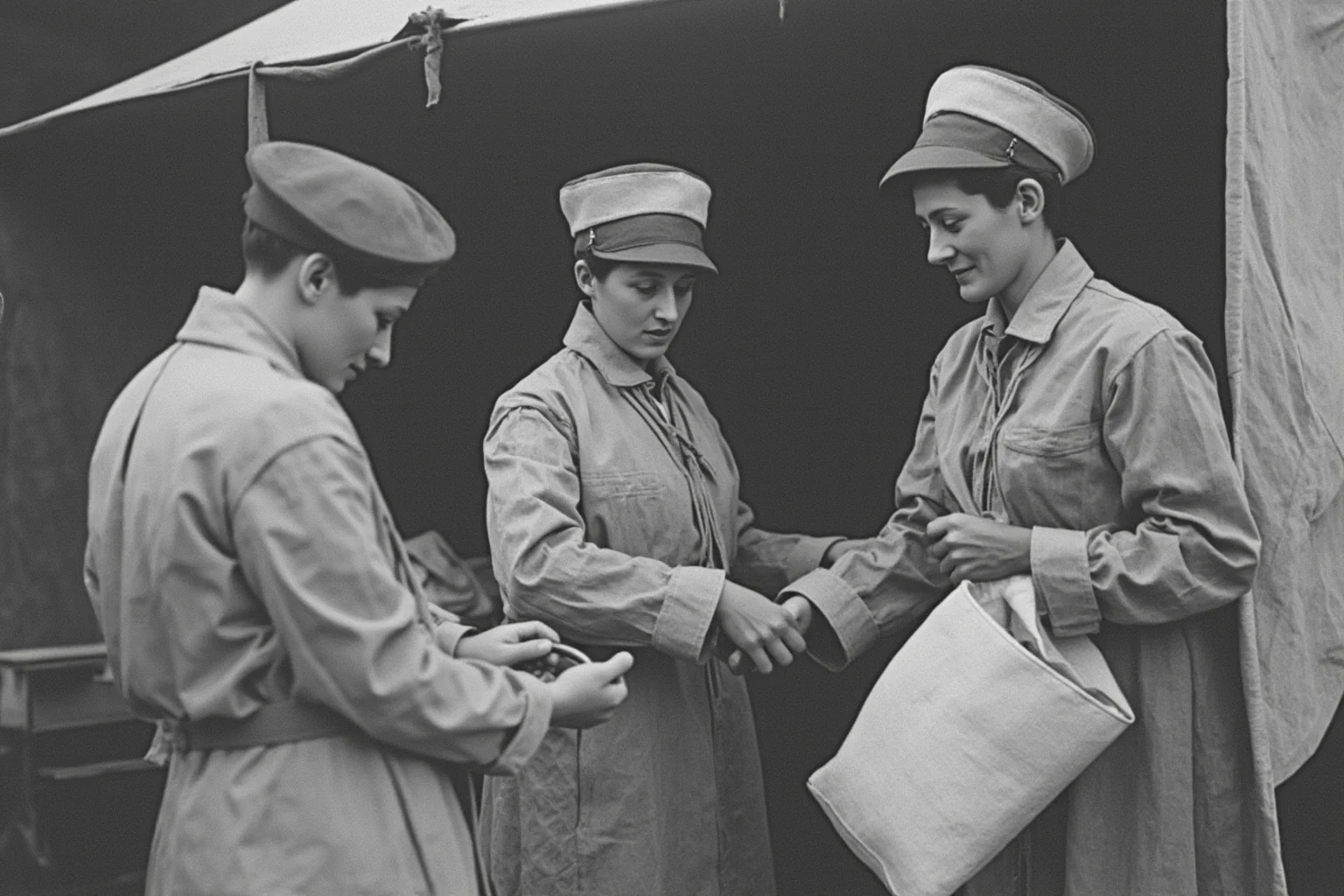
After the Second Canadian Division arrived in Europe, the Canadian Corps was formally established in September 1915. Initially commanded by British Lieutenant-General Edwin Alderson, the corps gave Canada’s divisions a distinct headquarters and identity. A third and then a fourth division would follow later in the war.
This administrative step is easy to overlook, but it transformed scattered Canadian units into a coordinated national army. The corps structure created the framework for later success at Vimy Ridge in 1917. That national command identity started in 1915, not with the headline victories that came afterward.
The corps also became a political symbol. It showed that Canadian soldiers would fight together as Canadians rather than being scattered invisibly among British units. That visibility was central to Canada’s postwar claims for international recognition.
13. Nursing Sisters Brought Canada’s Medical Presence to the Front
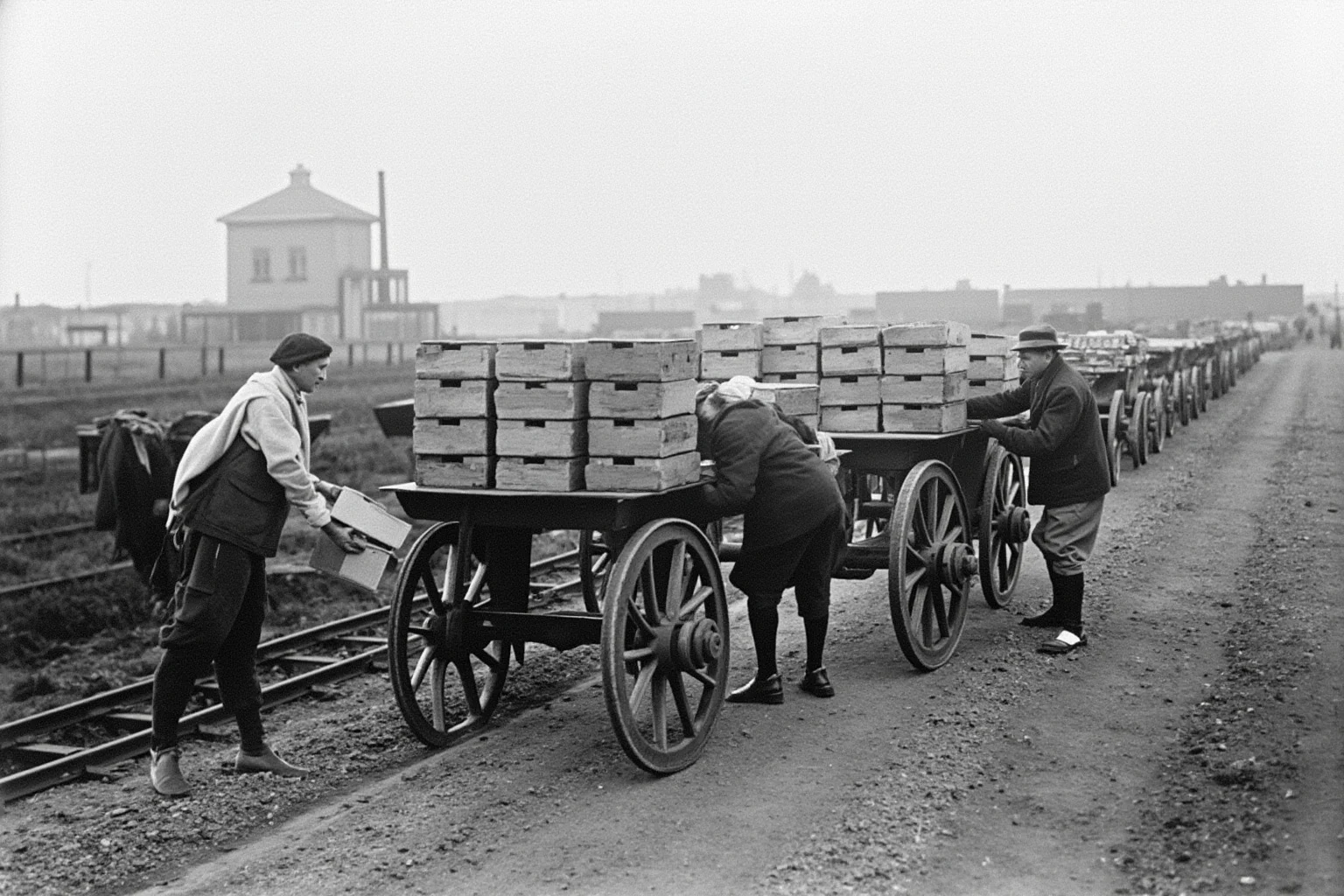
Canadian nursing sisters served near the front from the earliest months of the war, often in casualty clearing stations and hospital ships. They worked under shellfire, managed infection, and cared for thousands of wounded soldiers. By the end of the war, more than 2,800 women had served as nursing sisters in the Canadian medical services.
Their work in 1915 was foundational for Canadian military medicine and expanded public debate about women’s roles. Nursing sisters also helped make the war visible to Canadians at home through their letters and reports. That contribution, though less often told than infantry stories, was central to Canada’s war effort.
The medical services saved lives, but they also shaped how Canada remembered the war. Nurses described wounds, disease, and death in precise, unromantic detail. Their testimony became part of the national record.
14. The Home Front Became an Engine of Food and Finance
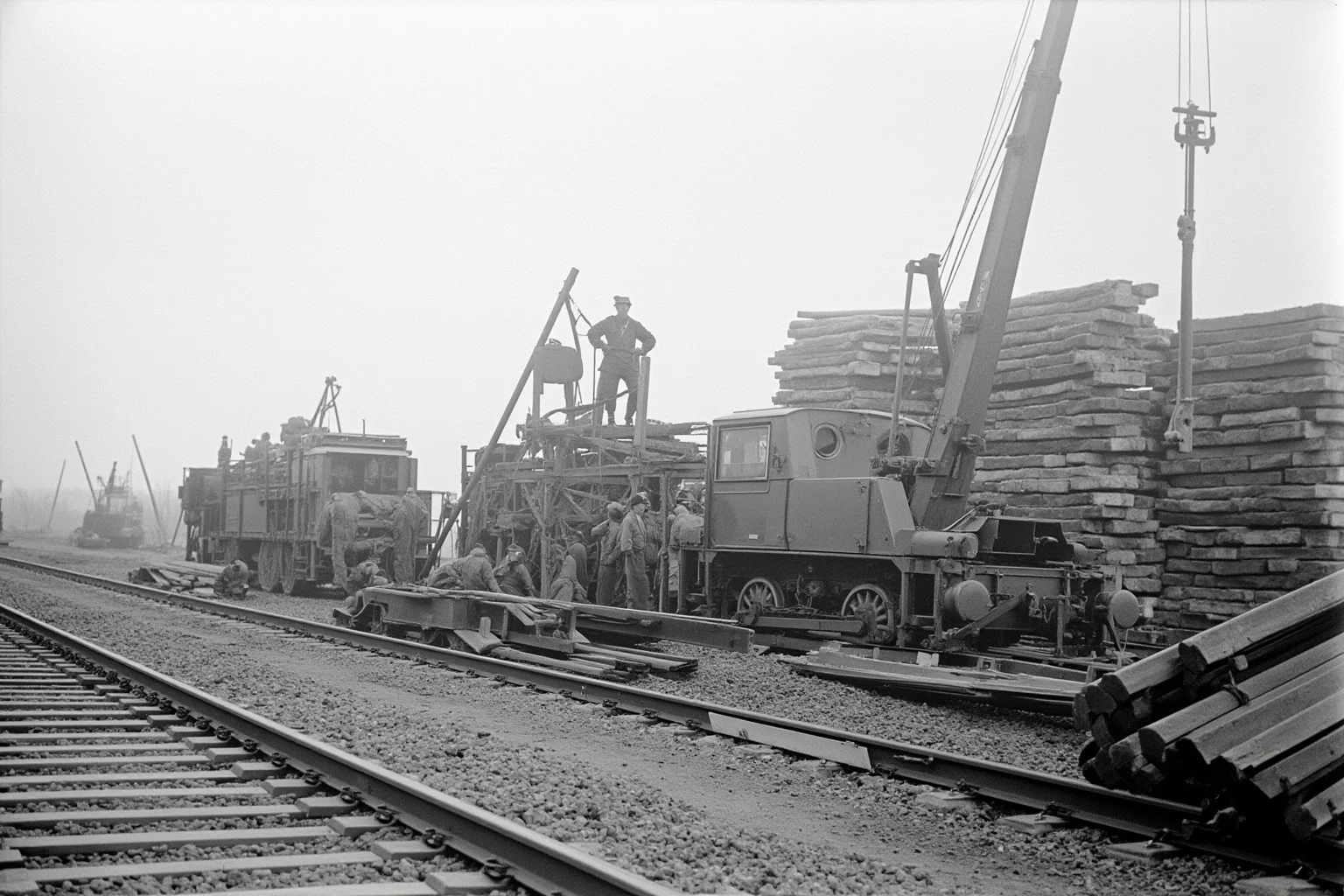
Canada did not enter the war with a massive munitions industry, but the home front ramped up quickly. Farmers, factory workers, and volunteer organizations redirected food, clothing, and money to the Allied effort. By the end of the war, Canada was a major exporter of wheat, cheese, beef, and other essentials.
The shift from peacetime economy to wartime production was uneven in 1915, but it laid the foundation for the Imperial Munitions Board and later output. This economic role is often undercredited in histories that focus only on the battlefield. The war transformed Canadian industry in ways that outlasted the armistice.
Volunteers also knitted socks, raised funds, and organized care packages with remarkable efficiency. These efforts bound civilian life to the front in daily, material ways. Canada’s war was never only happening in France and Flanders.
15. Canadian Railways and Engineers Built the Logistics the Western Front Depended On
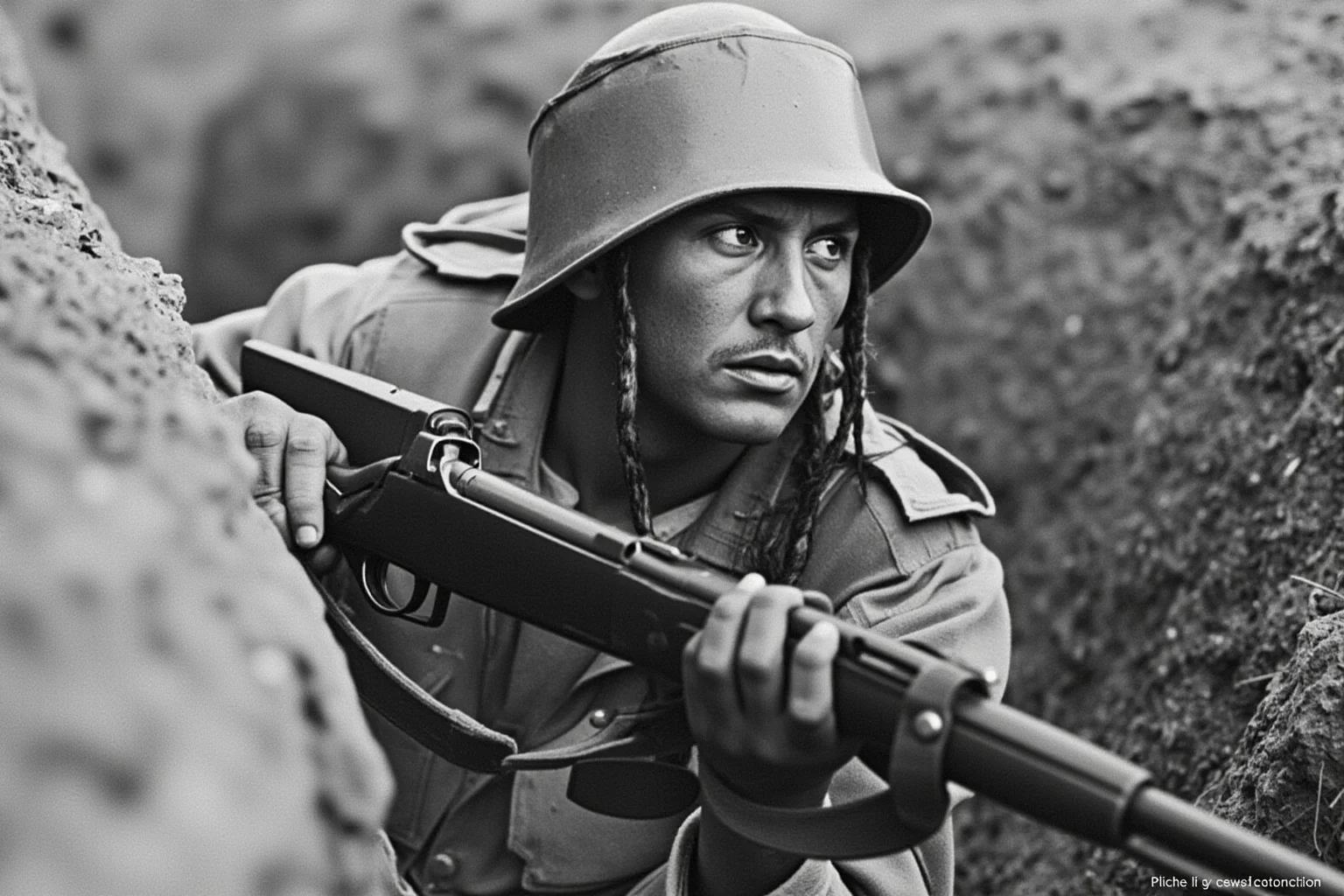
Railway construction and engineering became quiet Canadian specialties during the First World War. Canadian railway troops laid and maintained the lines that moved men, ammunition, and supplies behind the front. The technical tradition existed from the early years, even though the largest railway units expanded later in the war.
Canadians also served in forestry, tunnelling, and bridge-building roles that lacked the drama of an infantry charge. These support troops kept the Western Front functioning in miserable and dangerous conditions. Their contribution is easy to overlook because it didn’t produce dramatic front-page advances.
Without railways, the Western Front’s huge artillery bombardments and rapid troop rotations would have been impossible. Canadian experience in building transcontinental rail lines gave the Allies a ready pool of skilled workers. That expertise became a strategic asset.
16. Indigenous Soldiers Fought Despite Barriers and Became Elite Scouts and Snipers
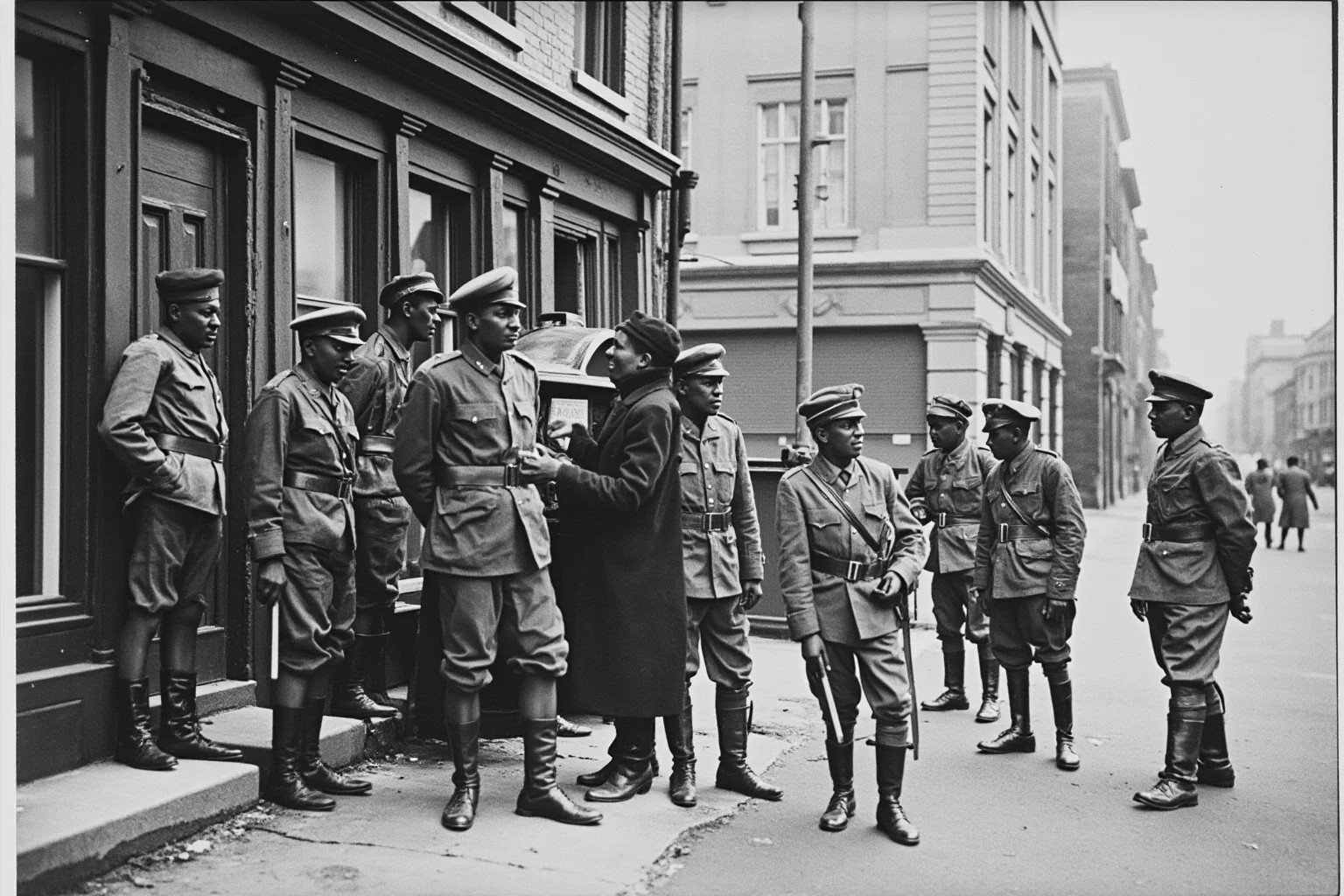
More than 4,000 First Nations men are estimated to have served in the Canadian forces during the war, often at great personal risk. Many overcame official hesitation and discriminatory recruiting practices to enlist. Once at the front, Indigenous soldiers were frequently assigned to scouting and sniping roles that demanded patience and skill.
Soldiers like Francis Pegahmagabow, an Ojibwe scout and sniper, became among the most decorated members of the Canadian Expeditionary Force. Their service is a vital part of Canada and WW1 that mainstream memory has too often sidelined. Recognizing their contribution corrects a long-standing gap in the national story.
Indigenous participation also carried specific cultural and community costs. Many returned home to find that their service did not win them equal treatment under Canadian law. That contradiction remains part of the war’s complicated legacy.
17. Black and Other Racialized Canadians Served Even When the Army Made It Hard
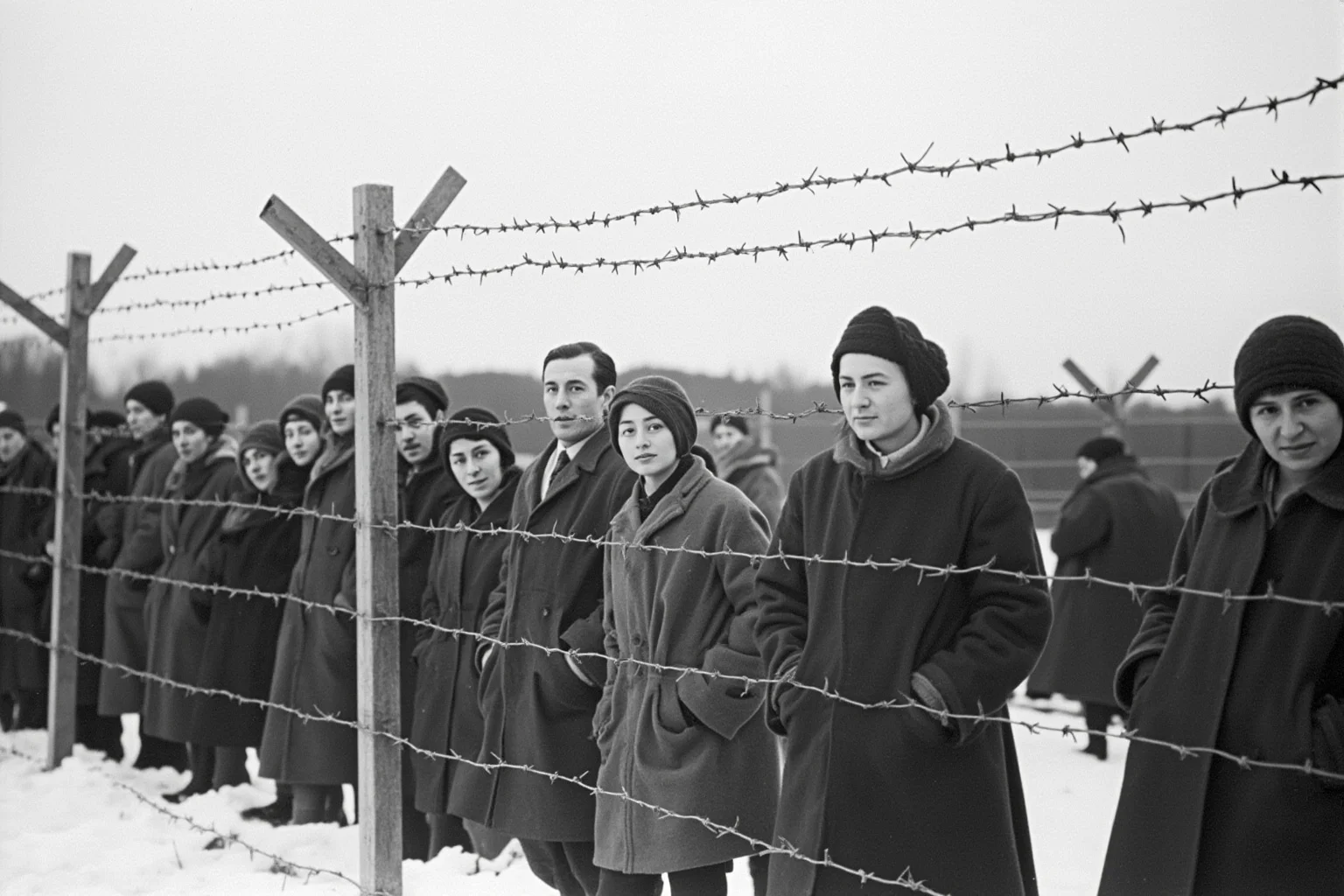
Many Black Canadians who tried to enlist in 1914 and 1915 were turned away by recruiters. Some crossed the border to join American units, while others persisted until they found a place in Canadian service. In 1916, the No. 2 Construction Battalion was formed as a segregated non-combat unit for Black volunteers.
The early barriers did not erase the will to serve. Racialized Canadians, including Chinese, Japanese, and South Asian Canadians, also served in smaller numbers despite prejudice at home and in the ranks. Their experiences complicate the idea that the Canadian war effort was equally open to everyone.
These histories matter because they show that military service and full citizenship were entangled. Many volunteers fought for a country that did not yet treat them as equals. That tension is as much a part of Canada and WW1 as the better-known battle stories.
18. The War Measures Act Remade Canada at Home—With Lasting Consequences
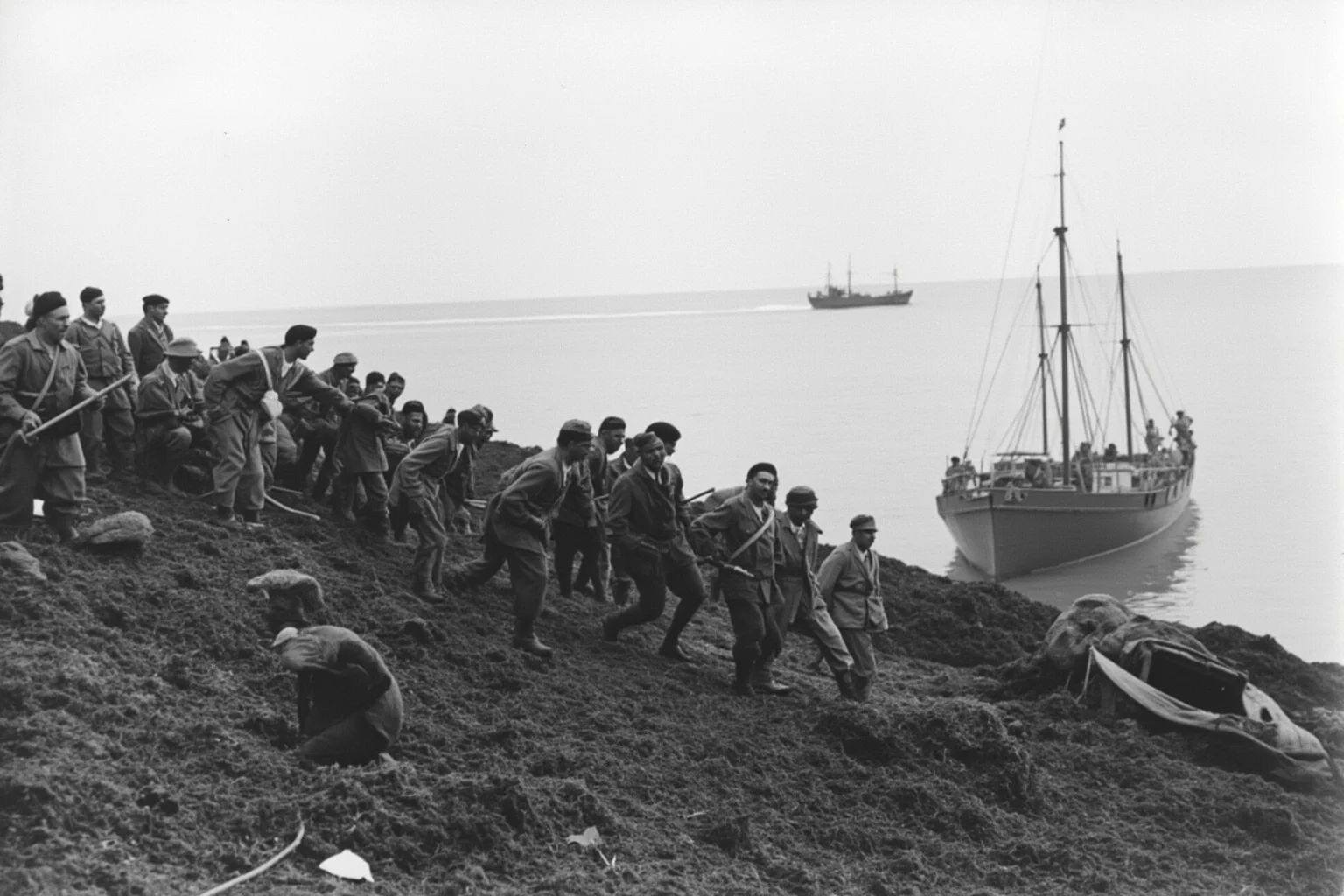
The federal government passed the War Measures Act in 1914, giving itself sweeping powers over daily life. It used those powers to censor publications, restrict civil liberties, and intern people classified as enemy aliens. More than 8,500 people, many of them Ukrainian and other Eastern European immigrants, were interned during the war.
This home-front story complicates the easy narrative of a united, innocent Canada. Recognizing it does not erase the battlefield record, but it makes the country’s World War I experience more honest. Canada’s role in the war included difficult national choices, not just acts of courage.
The internment camps left lasting scars in affected communities. They also set a precedent for the use of emergency powers that would echo later in Canadian history. Remembering this part of the war is essential to telling the full story.
19. Newfoundland Fought as Its Own Dominion and Paid a Separate Price
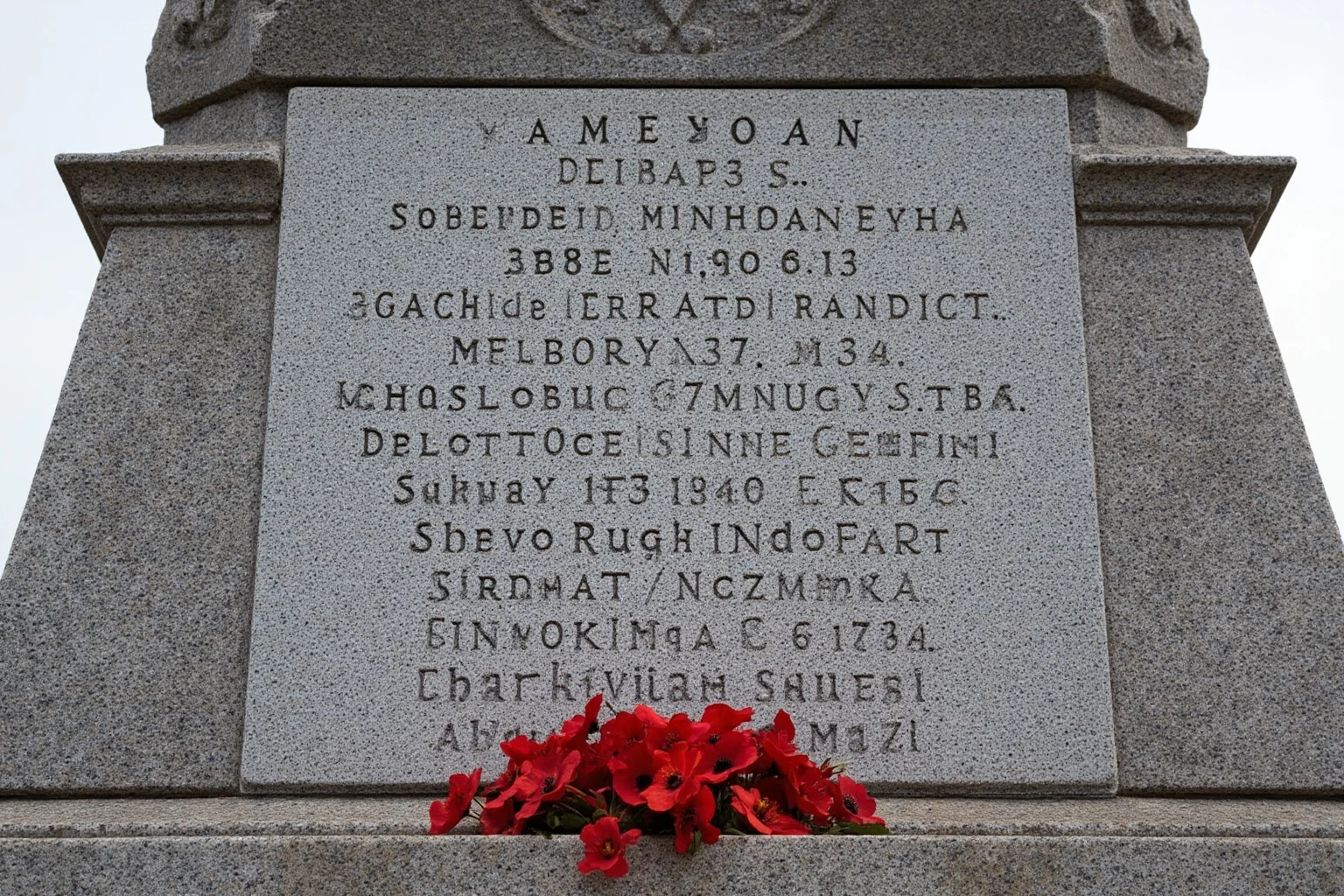
Newfoundland was not part of Canada in 1914; it was a separate dominion within the British Empire. The Newfoundland Regiment served at Gallipoli in 1915 before transferring to the Western Front. Its identity and sacrifices were distinct from Canada’s even though modern memory often merges the two.
Newfoundland’s later tragedy at Beaumont-Hamel in 1916 became a defining trauma for the island. Including Newfoundland’s experience alongside Canada’s is understandable, but it should be done without erasing the separate political reality of the time. The distinction is one of the most common myths in popular Canadian war memory.
Knowing that difference makes the map of the war more accurate. Canadian and Newfoundland soldiers fought as separate dominions with separate governments. That political detail mattered greatly to the people who sent their sons overseas.
20. Canada’s Separate Signature After the War Was Not a Token
Because Canadian forces had fought as a distinct national body, Prime Minister Robert Borden demanded representation at the Paris Peace Conference and a separate signature on the Treaty of Versailles. Canada also gained its own seat in the League of Nations. These were not empty gestures.
They reflected the weight of Canadian sacrifice and organization during the war. The road from automatic participation in 1914 to independent international status in 1919 runs directly through the battles of 1915 and beyond. That political evolution is one of the most concrete ways Canada and WW1 reshaped the country.
The seat and signature were built on more than battlefield glory. They were the result of sustained national effort, economic production, and political lobbying. Canadians earned a place at the table because the country had done the work of a serious wartime power.
Why Canada’s WWI Role Still Gets Overlooked
The Canadian role in the First World War has long been caught between two stories: the heroic Vimy narrative and the broader British imperial narrative that absorbs Canada without naming it. Both flatten the messier, more interesting truth. Canada learned to fight in 1915, paid a steep price, and gradually transformed from a dominion following Britain into a nation asserting its own place.
The next time you hear an account of the Western Front that skips from 1914 to the Somme, ask where Canada was. The answer is in the gas at Ypres, in the mud at Festubert, in the verse of John McCrae, and on the rails and hospital wards that kept the war machine alive. That record deserves more than a footnote.
Canada and WW1 are inseparable in ways that go beyond military glory. The war changed the country’s politics, economy, memory, and standing in the world. Giving Canada credit is not about inflating the past; it is about seeing it clearly.
Frequently Asked Questions
What did Canada do in 1915?
In 1915, Canadian troops fought their first major Western Front battles, including the Second Battle of Ypres in April, where they helped hold the line during the first large-scale chlorine gas attack. The First Canadian Division also fought at Festubert and Givenchy, and John McCrae wrote “In Flanders Fields” in May 1915.
How many Canadians served in WWI?
More than 620,000 Canadians served in the Canadian Expeditionary Force during the First World War. Of those, roughly 60,000 were killed and more than 170,000 were wounded.
Why is Canada’s role in WWI underrated?
Canada’s contribution is often folded into the larger British imperial story, while famous Allied and American narratives dominate popular memory. Because Canada had no independent foreign policy in 1914, its distinct military and political role is frequently treated as an afterthought.
Was Canada automatically at war when Britain declared war in 1914?
Yes, as part of the British Empire, Canada was legally at war when Britain declared war on August 4, 1914. However, Canada controlled the scale and nature of its own contribution, which is why Ottawa was able to choose mass mobilization rather than a token force.
What were Canada’s key battles in WWI?
Canada’s key battles included Second Ypres in 1915, the Somme in 1916, Vimy Ridge, Hill 70, and Passchendaele in 1917, and the Hundred Days offensive in 1918. The 1915 battles at Festubert and Givenchy were also important early tests for Canadian forces.

Alex Warren
Related Articles