
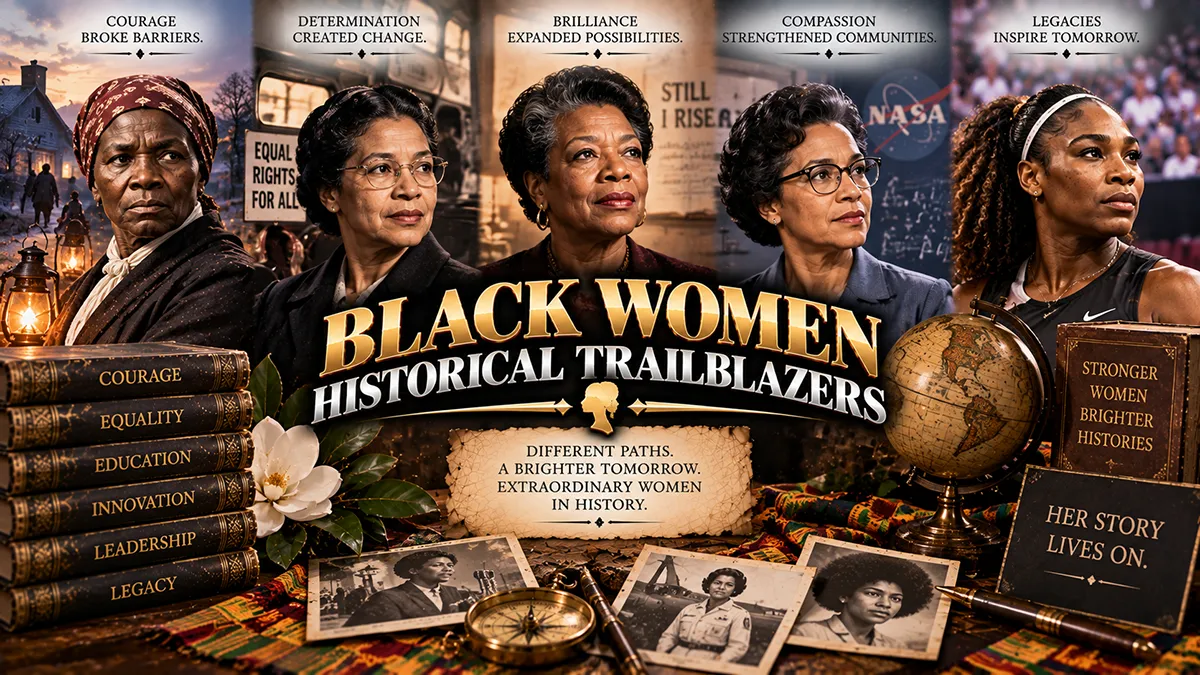
When most people picture “history’s greats,” a shockingly narrow set of faces tends to come to mind. But Black women in history have been quietly (and not so quietly) rewriting the rules of medicine, law, politics, art, and space travel for over two centuries.
Their stories were often left out of textbooks, minimized, or credited to someone else entirely — which is exactly why they deserve a closer, myth-busting look.
This list pulls together some of the most famous Black women in history, alongside a few lesser-known black female historical figures whose impact rivals the household names. Some were revolutionaries who risked their lives for freedom. Others were the first to break into rooms that were never built with them in mind.
TL;DR: From Harriet Tubman to Kamala Harris, Black women have repeatedly changed the course of American history — often without receiving credit at the time.
Why Black Women’s History Deserves the Spotlight
Black history month people and women in particular have long been treated as a footnote rather than the main story. Yet when you actually trace the record, Black female leaders in history show up at nearly every major turning point in American life. They were abolitionists, Underground Railroad conductors, Supreme Court arguers, astronauts, and Nobel laureates.
Part of the myth-busting work here is separating verified history from legend. Popular retellings sometimes flatten these women into single, simplified moments — a bus seat, a speech, a headline. The fuller picture is almost always more complicated, more strategic, and more impressive than the shorthand version.
What follows isn’t a ranked “best of” — it’s a chronological-ish journey through some of the most influential Black women in history, grouped loosely by era. Each one helped widen the door for the next generation of black female heroes.
1. Sojourner Truth (c. 1797–1883)
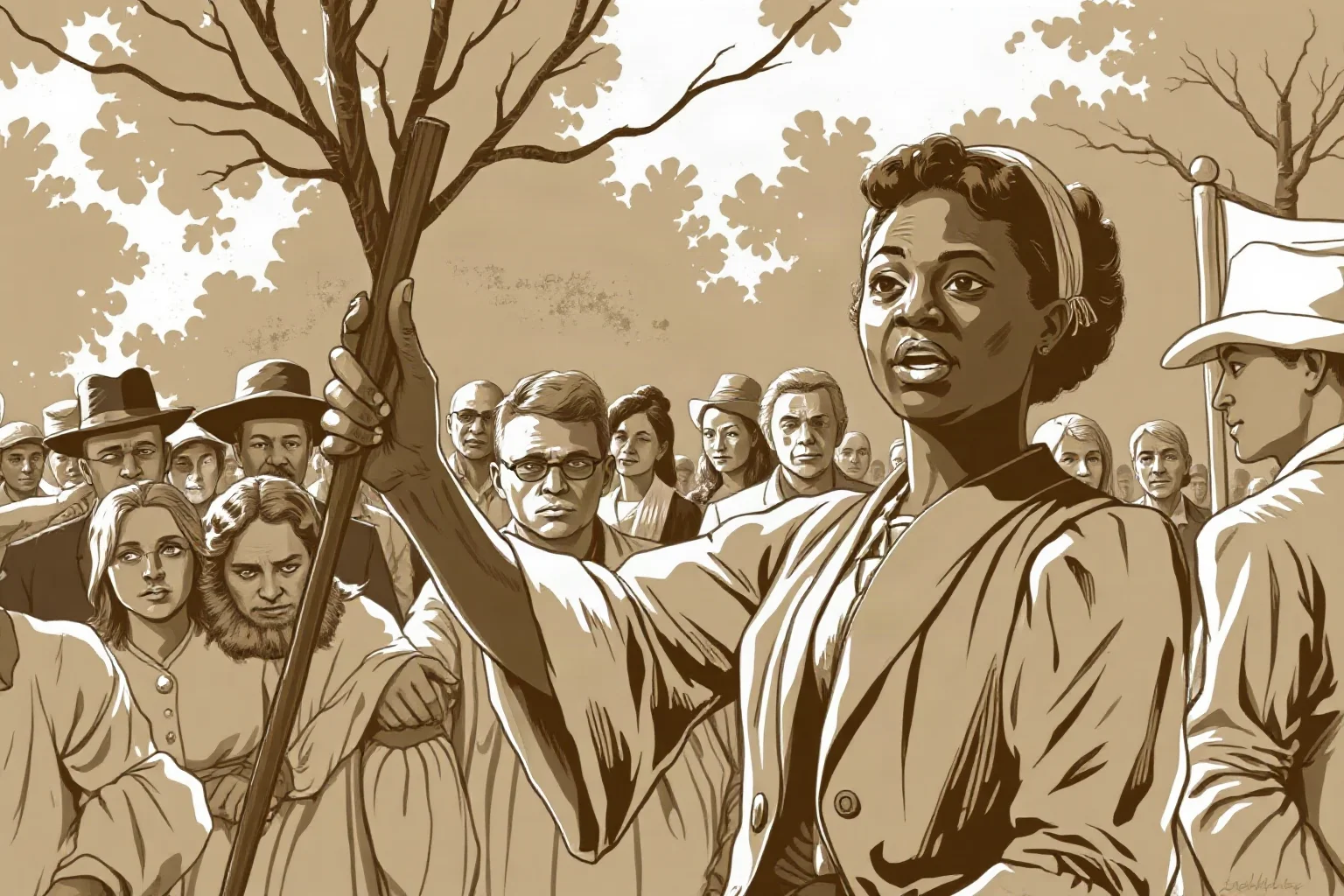
Born enslaved in New York, Sojourner Truth escaped bondage and became one of the era’s most powerful abolitionist and women’s rights speakers. She’s best remembered for an 1851 speech at a women’s rights convention in Ohio.
Here’s the myth-busting part: the famous “Ain’t I a Woman?” phrasing, written in a Southern dialect, was published by a white transcriber more than a decade after the speech and doesn’t match earlier newspaper accounts of her actual words. Historians generally agree the speech happened and was powerful — they just caution against treating that specific wording as a verbatim quote.
2. Harriet Tubman (c. 1822–1913)
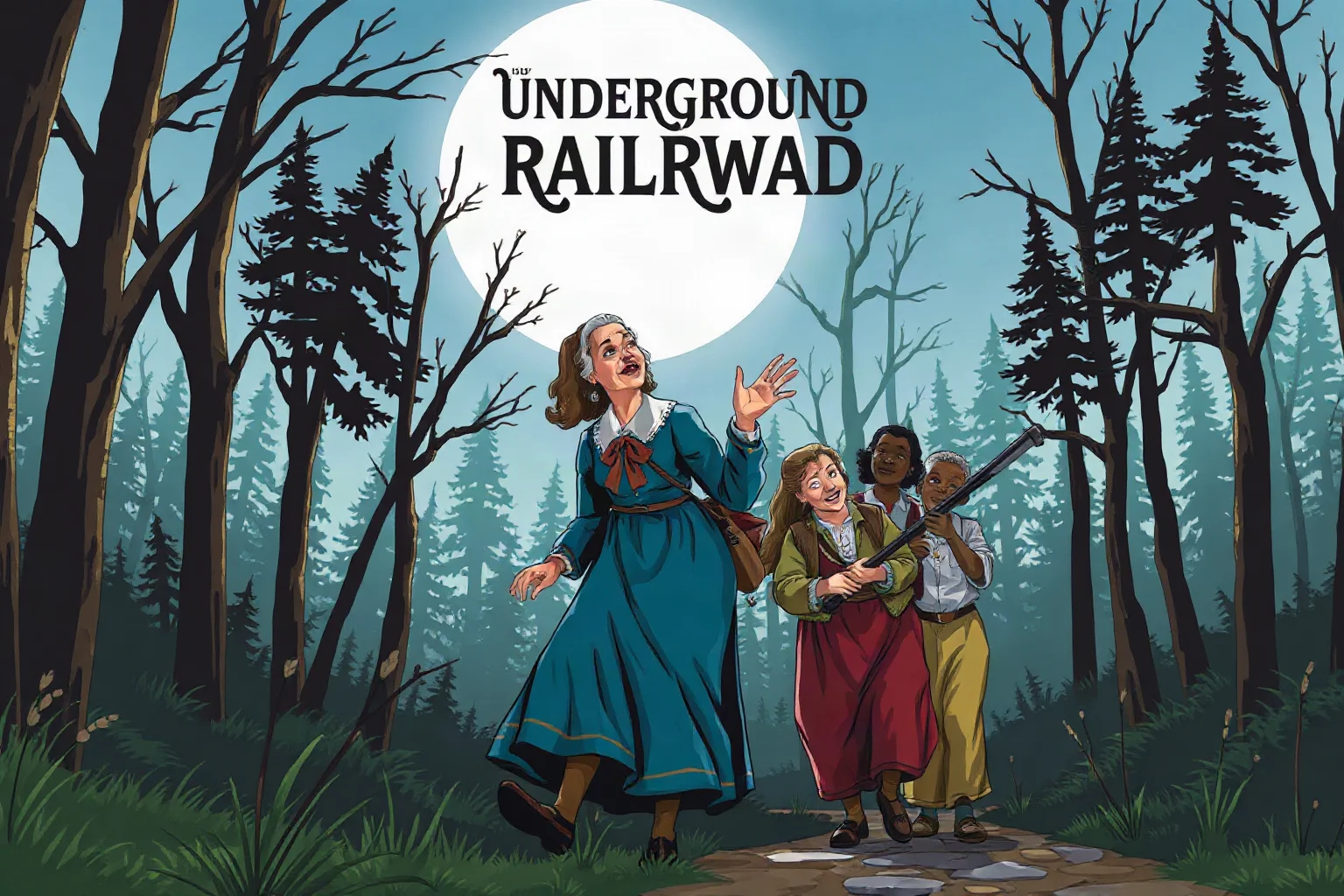
Harriet Tubman escaped slavery in Maryland around 1849 and returned to the South repeatedly to guide dozens of enslaved people to freedom along the Underground Railroad. During the Civil War, she also served the Union Army as a scout and spy, notably helping plan the Combahee Ferry Raid.
Later in life, Tubman supported the women’s suffrage movement, connecting the fight for Black freedom to the fight for women’s votes. She remains one of the most recognized historical Black women in American memory.
3. Ida B. Wells (1862–1931)
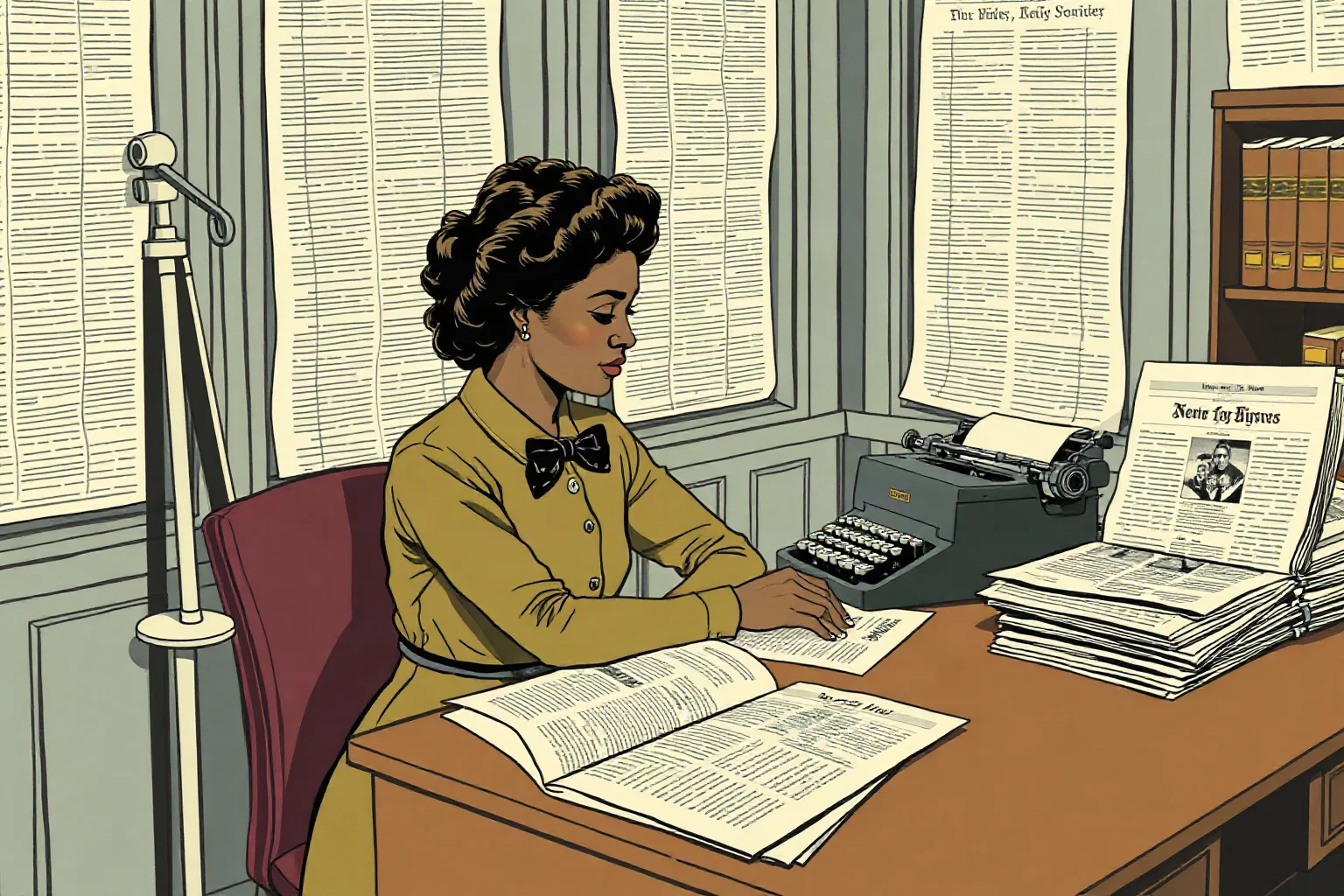
Ida B. Wells was a journalist and researcher who used data and firsthand investigation to document the horrifying scale of lynching in the post-Reconstruction South. Her reporting challenged the false narratives white newspapers used to justify racial violence.
She also co-founded the NAACP in 1909, though she was later somewhat sidelined within the organization’s early leadership. Wells is frequently cited among famous Black female historians for her meticulous, evidence-based approach to documenting racial terror.
4. Mary Church Terrell (1863–1954)
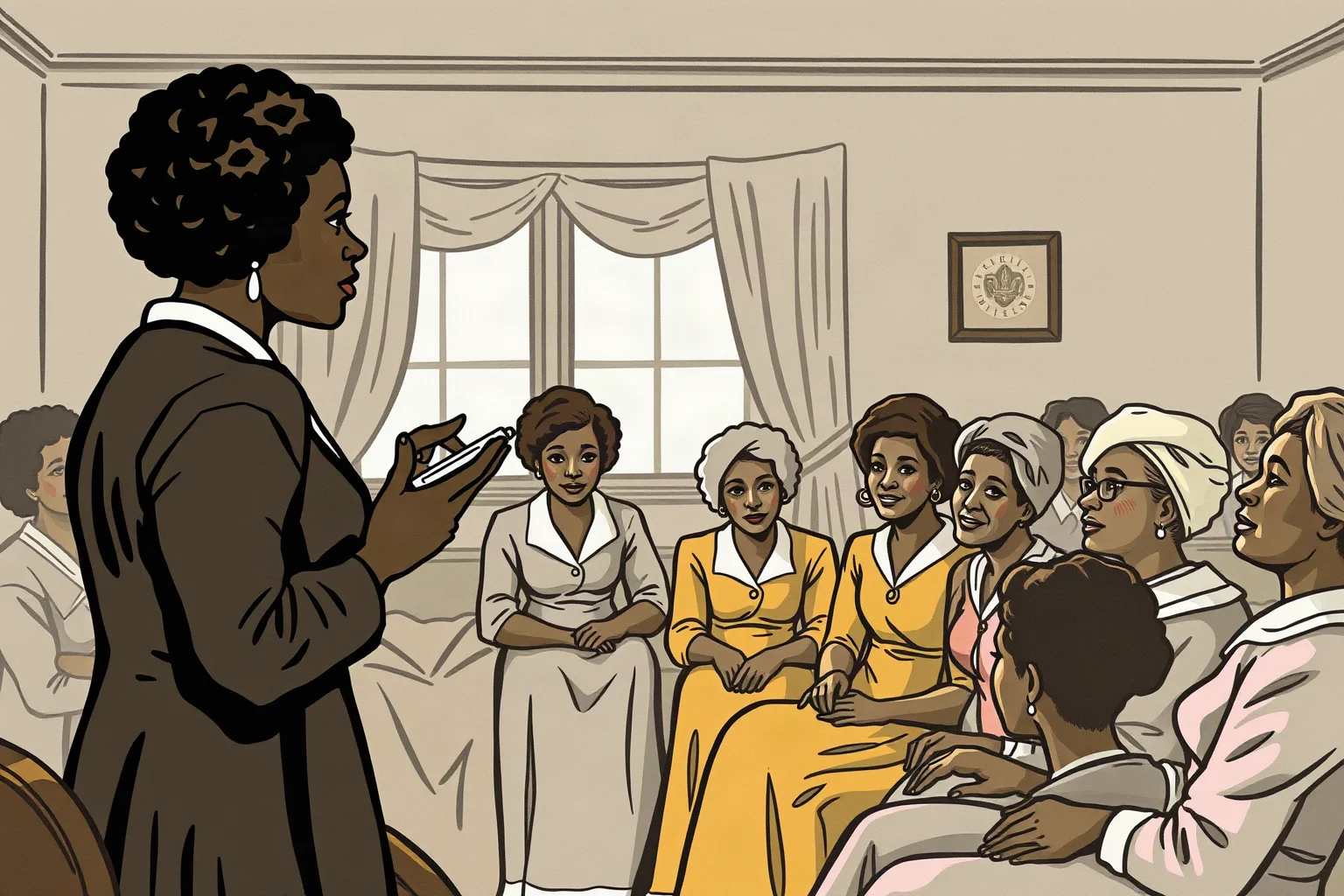
One of the first Black women in the U.S. to earn a college degree, Mary Church Terrell became the founding president of the National Association of Colored Women in 1896. The group’s motto, “Lifting as We Climb,” captured her belief that Black women’s advancement was tied to uplifting the whole community.
Terrell spent decades fighting for both racial justice and women’s suffrage, often navigating exclusion from white-led suffrage organizations. She continued activism well into her 80s, including supporting the desegregation of Washington, D.C. restaurants.
5. Madam C.J. Walker (1867–1919)
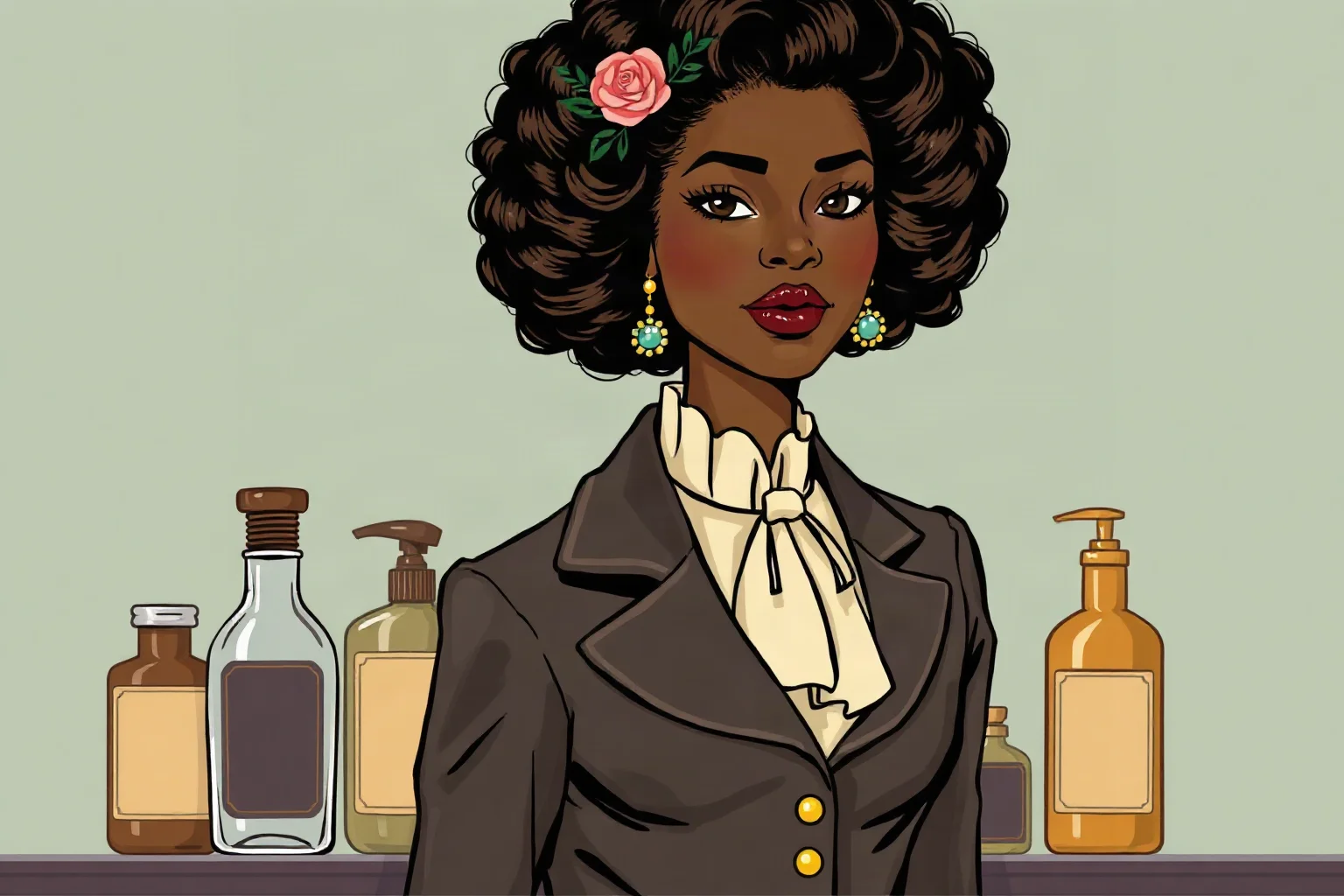
Born Sarah Breedlove to formerly enslaved parents, Madam C.J. Walker built a hugely successful line of hair care products marketed to Black women. She’s often described as one of the first self-made women millionaires in America, a claim widely repeated in business histories though exact wealth figures from that era are hard to verify precisely.
What’s well documented is her employment of thousands of Black sales agents and her philanthropy toward Black schools, churches, and civil rights causes. She remains a touchstone example of successful Black women turning entrepreneurship into community investment.
6. Bessie Coleman (1892–1926)
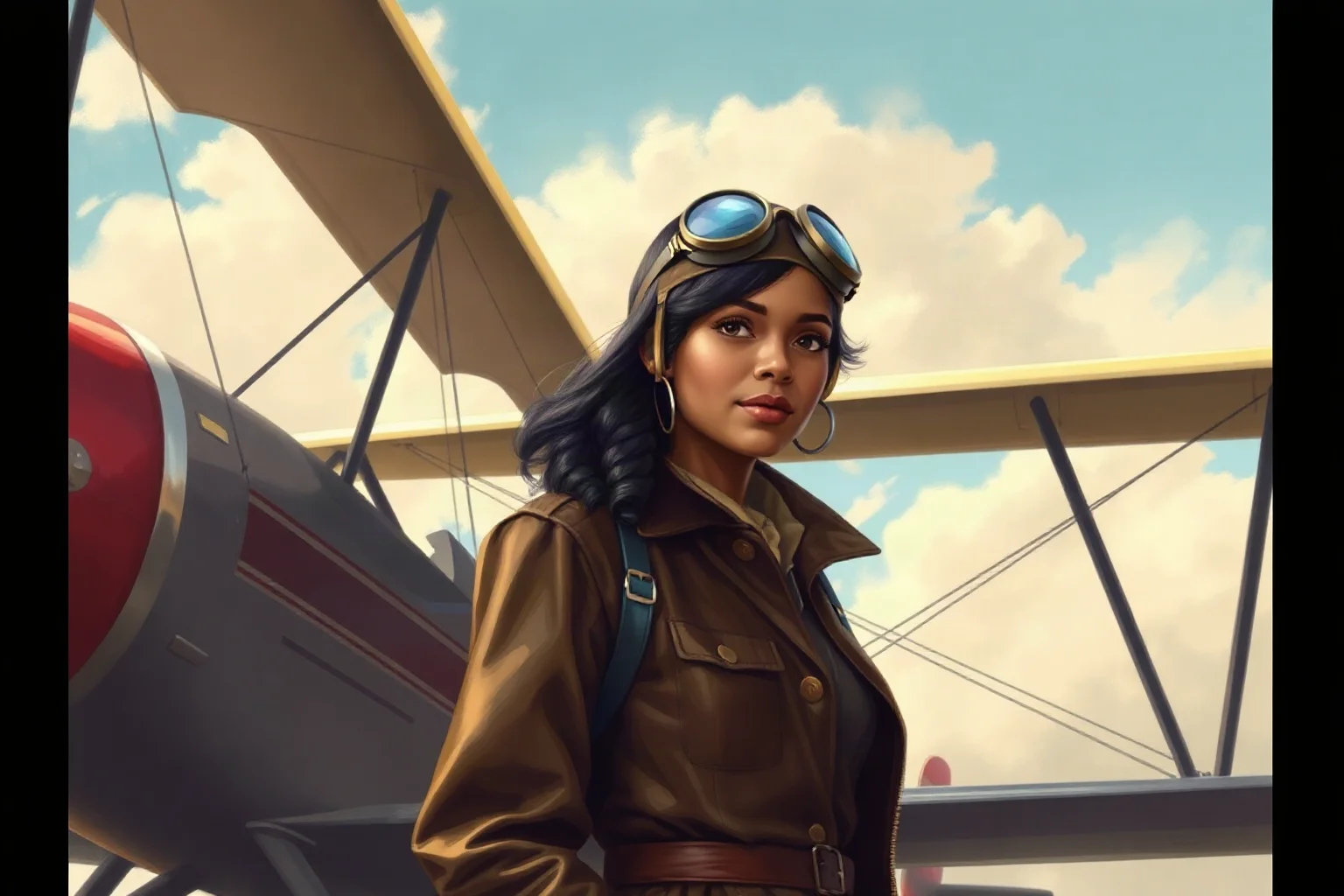
Bessie Coleman became the first African American woman (and the first woman of Native American descent) to earn a pilot’s license, achieving the feat in France in 1921 after U.S. flight schools refused to train her. She returned home to perform daring aerial shows and lecture on aviation to Black audiences across the country.
Coleman died in a plane crash during a rehearsal flight in 1926, before she could open the flight school she dreamed of founding for Black aviators. Her legacy still inspires pilots and aerospace programs named in her honor.
7. Zora Neale Hurston (1891–1960)
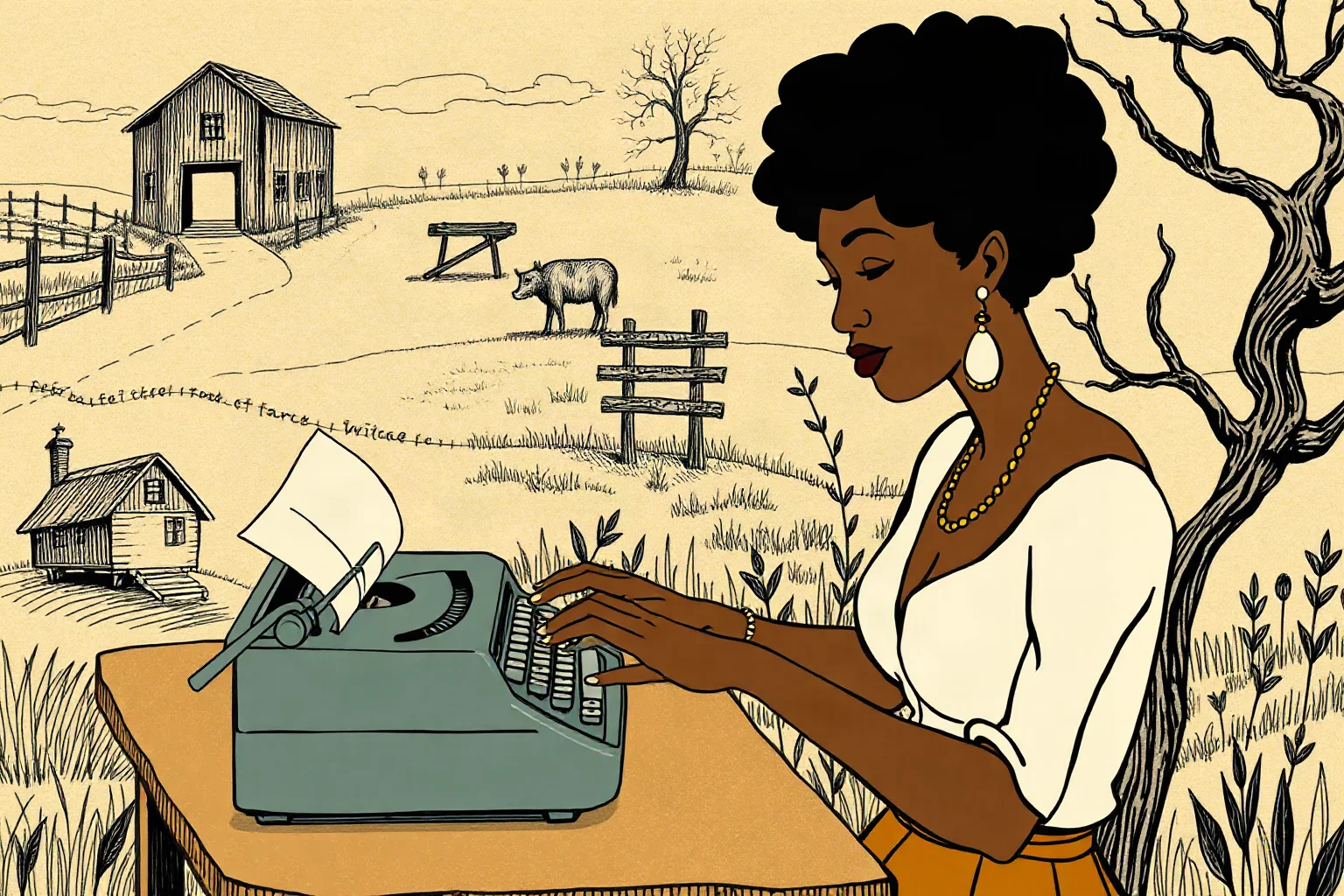
A central figure of the Harlem Renaissance, Zora Neale Hurston trained as an anthropologist and wove folklore research into acclaimed fiction like “Their Eyes Were Watching God.” Her work captured Black Southern dialect and culture with a richness that was ahead of its critical reception at the time.
Hurston died in relative obscurity, and her grave went unmarked for over a decade. Writer Alice Walker helped revive interest in her work in the 1970s, and Hurston is now considered essential reading in American literature.
8. Mary McLeod Bethune (1875–1955)
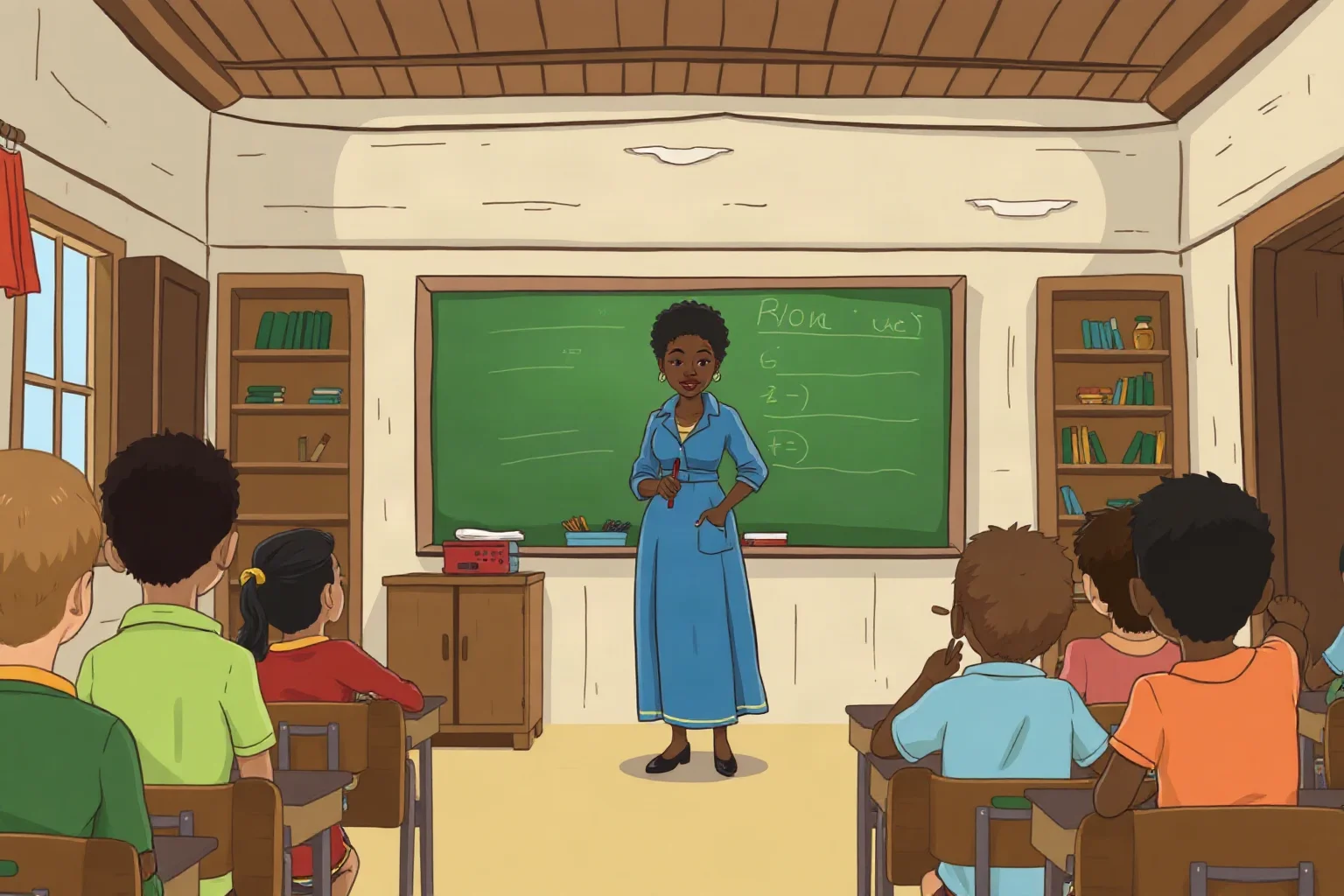
Mary McLeod Bethune founded a school for Black girls in Florida that eventually became Bethune-Cookman University. She went on to advise President Franklin D. Roosevelt as part of his informal “Black Cabinet,” giving her rare access to federal policy discussions.
Bethune also led the National Council of Negro Women, which she founded in 1935 to unite Black women’s organizations under one advocacy umbrella. She’s frequently named among the most important Black women in history for bridging grassroots education and national politics.
9. Rosa Parks (1913–2005)
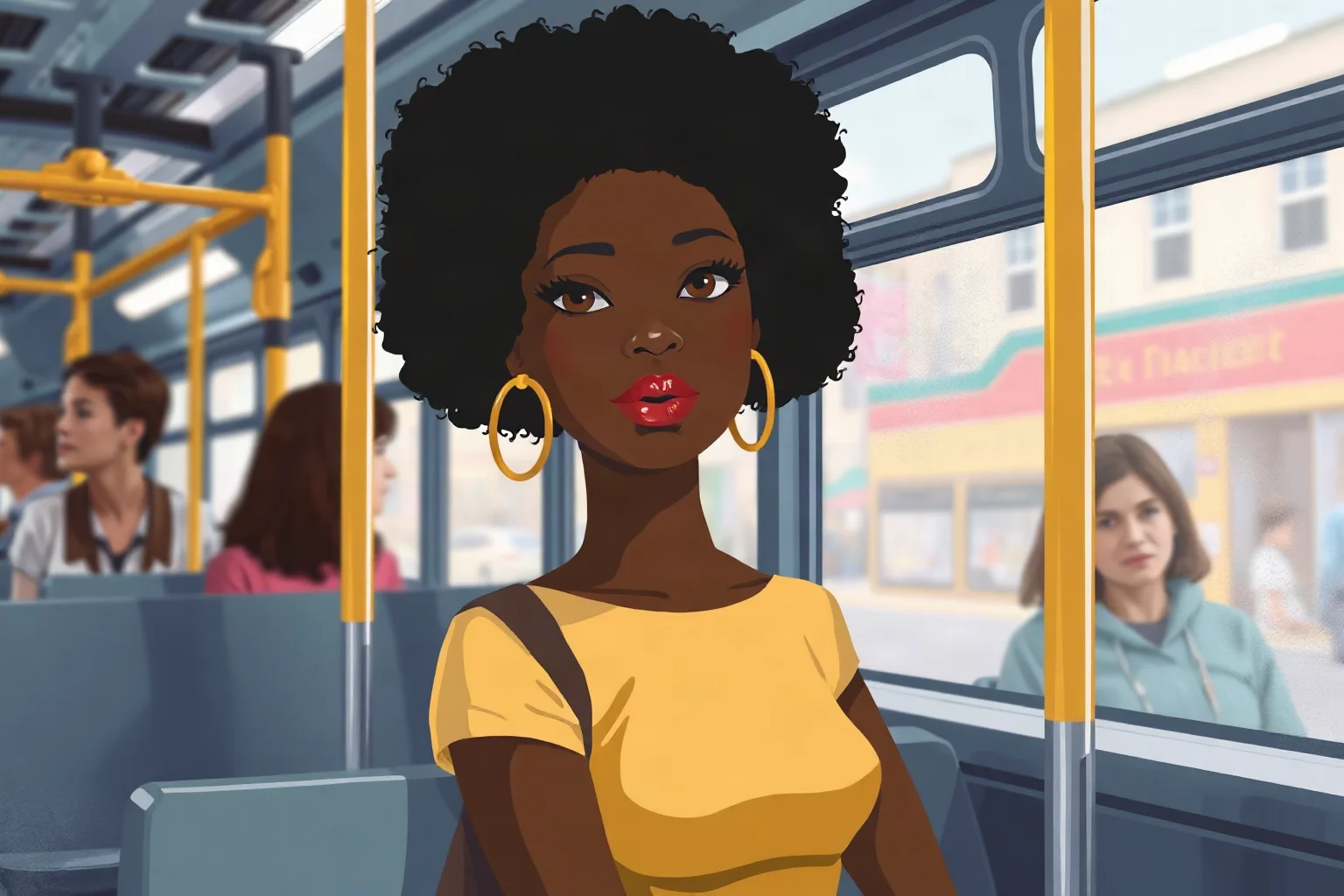
Rosa Parks is famous for refusing to give up her bus seat in Montgomery, Alabama in December 1955, an act that sparked the Montgomery Bus Boycott. The popular story sometimes flattens her into a spontaneously tired seamstress, but Parks was actually a longtime NAACP secretary and trained civil rights organizer.
Her arrest was part of a broader, carefully building movement against segregated transit, not an isolated impulsive moment. That fuller context makes her strategic courage even more remarkable.
10. Claudette Colvin (b. 1939)
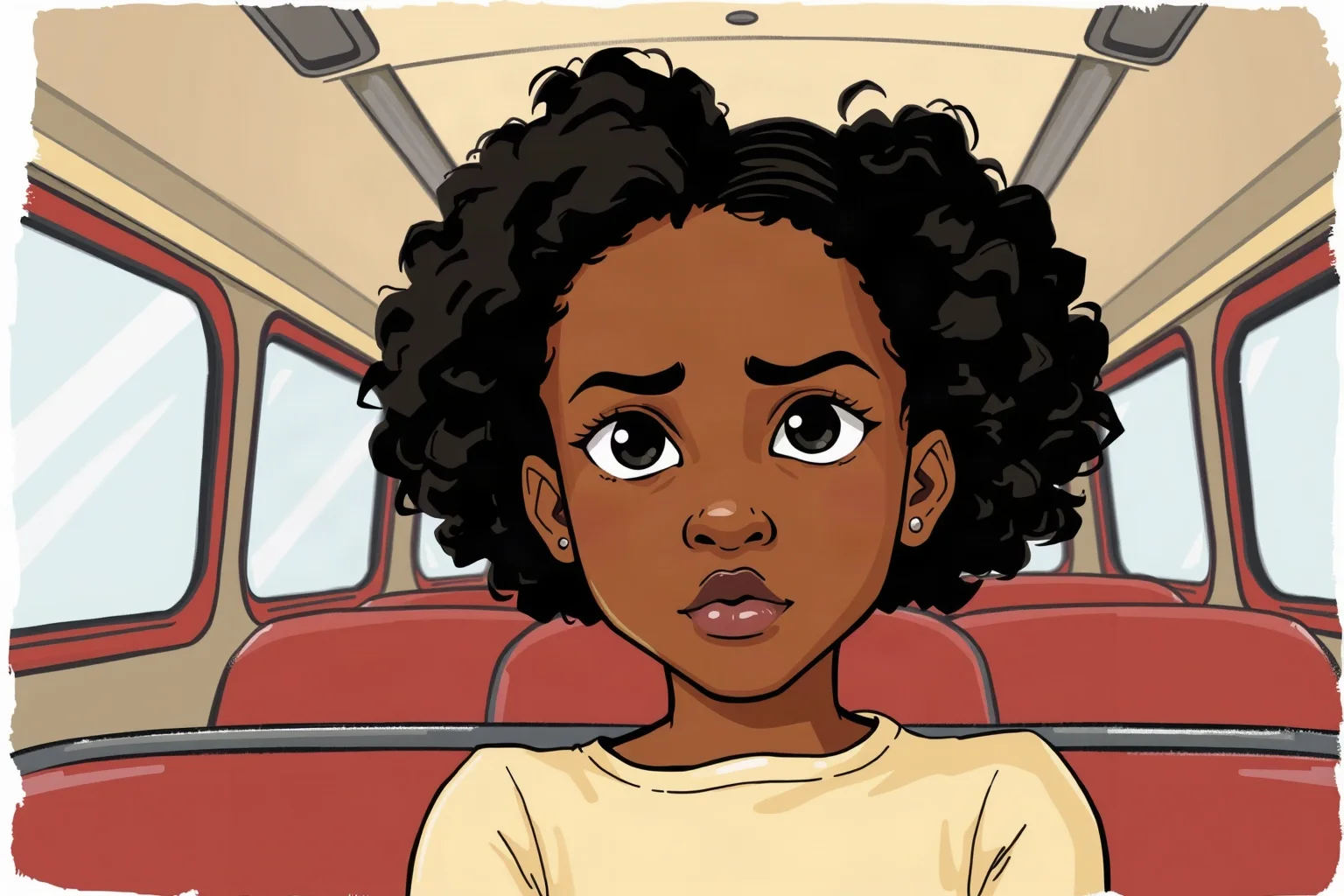
Months before Rosa Parks’s arrest, 15-year-old Claudette Colvin refused to give up her bus seat in Montgomery and was arrested. Civil rights leaders ultimately chose not to build the boycott campaign around her case, partly due to her age and personal circumstances.
Colvin later served as a plaintiff in Browder v. Gayle, the federal case that helped declare Alabama’s bus segregation laws unconstitutional. Her story is a reminder that many black females who made history never received the recognition their older peers did.
11. Fannie Lou Hamer (1917–1977)
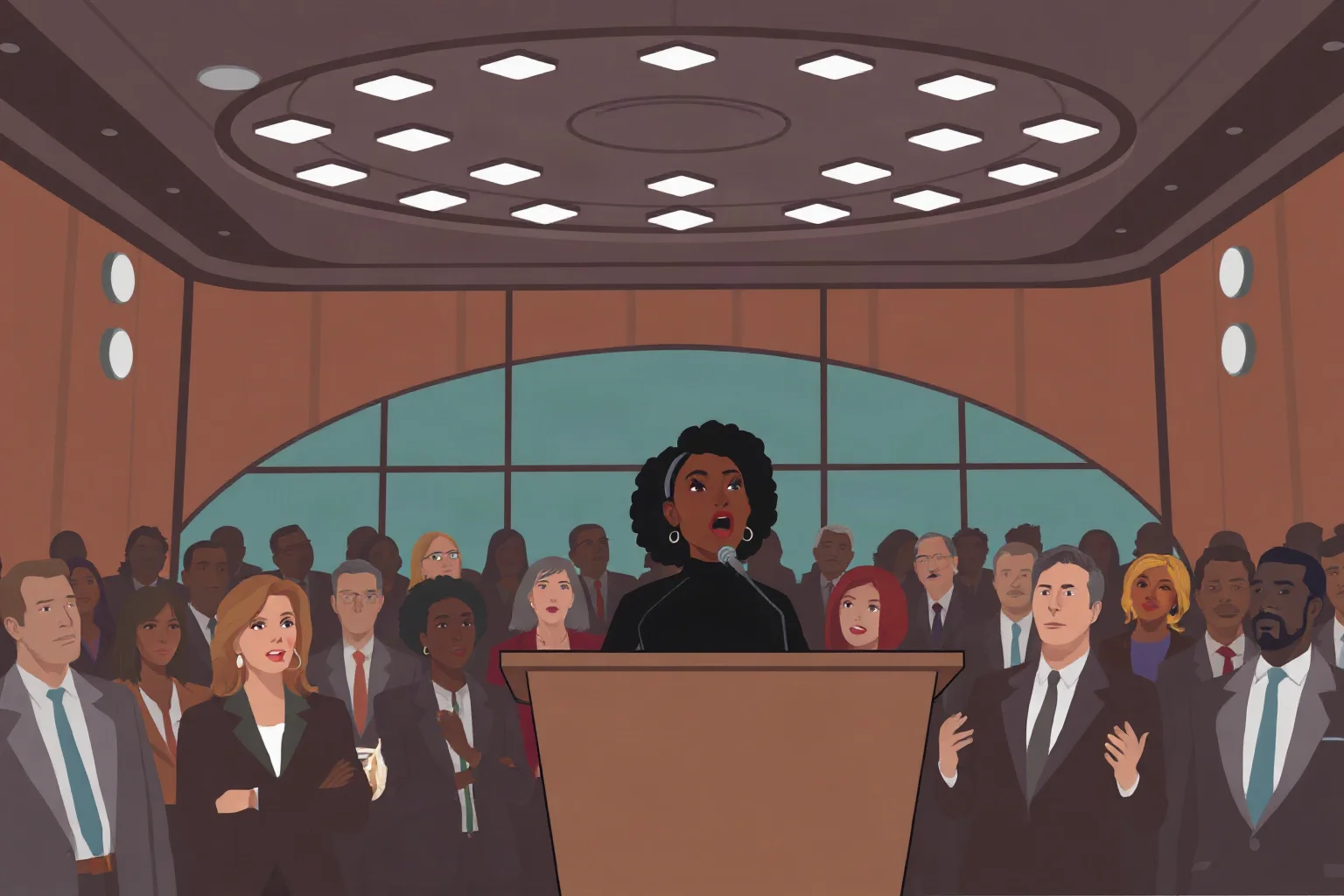
Fannie Lou Hamer was a Mississippi sharecropper turned voting rights activist who co-founded the Mississippi Freedom Democratic Party. She testified before the 1964 Democratic National Convention’s credentials committee about the violent retaliation she faced for trying to register to vote.
Her plain-spoken, unflinching testimony helped push national attention toward voter suppression in the South. Hamer remains one of the most influential Black women in history within the voting rights movement specifically.
12. Septima Clark (1898–1987)
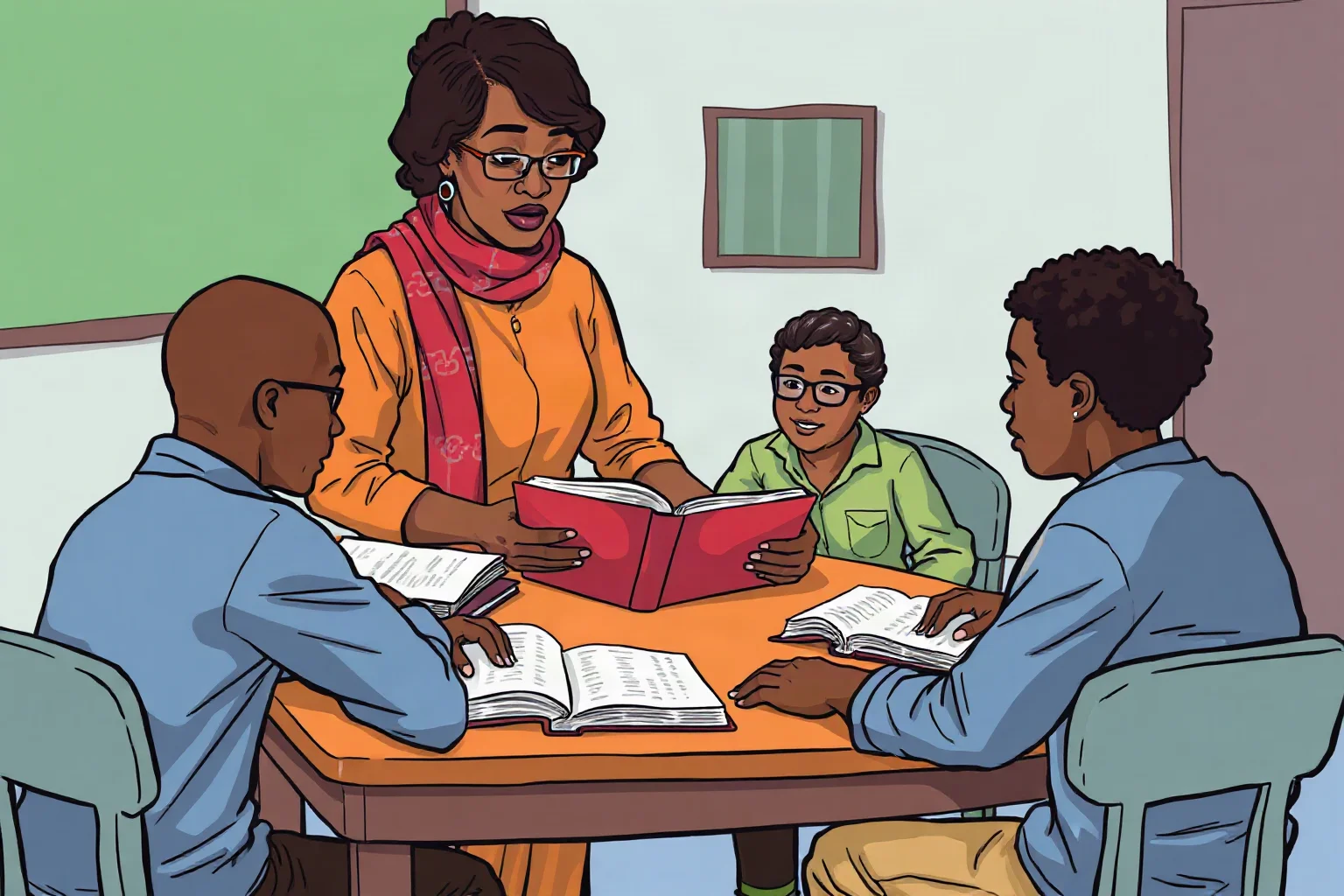
Often called the “Mother of the Movement,” Septima Clark developed “citizenship schools” that taught literacy skills Black Southerners needed to pass discriminatory voter registration tests. Her education-focused model quietly powered much of the movement’s grassroots voter organizing.
Martin Luther King Jr. credited her programs as foundational to the movement’s success, even though Clark’s name is far less recognized than his. She’s a key example of the behind-the-scenes black female heroes whose work enabled more visible leaders.
13. Ella Baker (1903–1986)
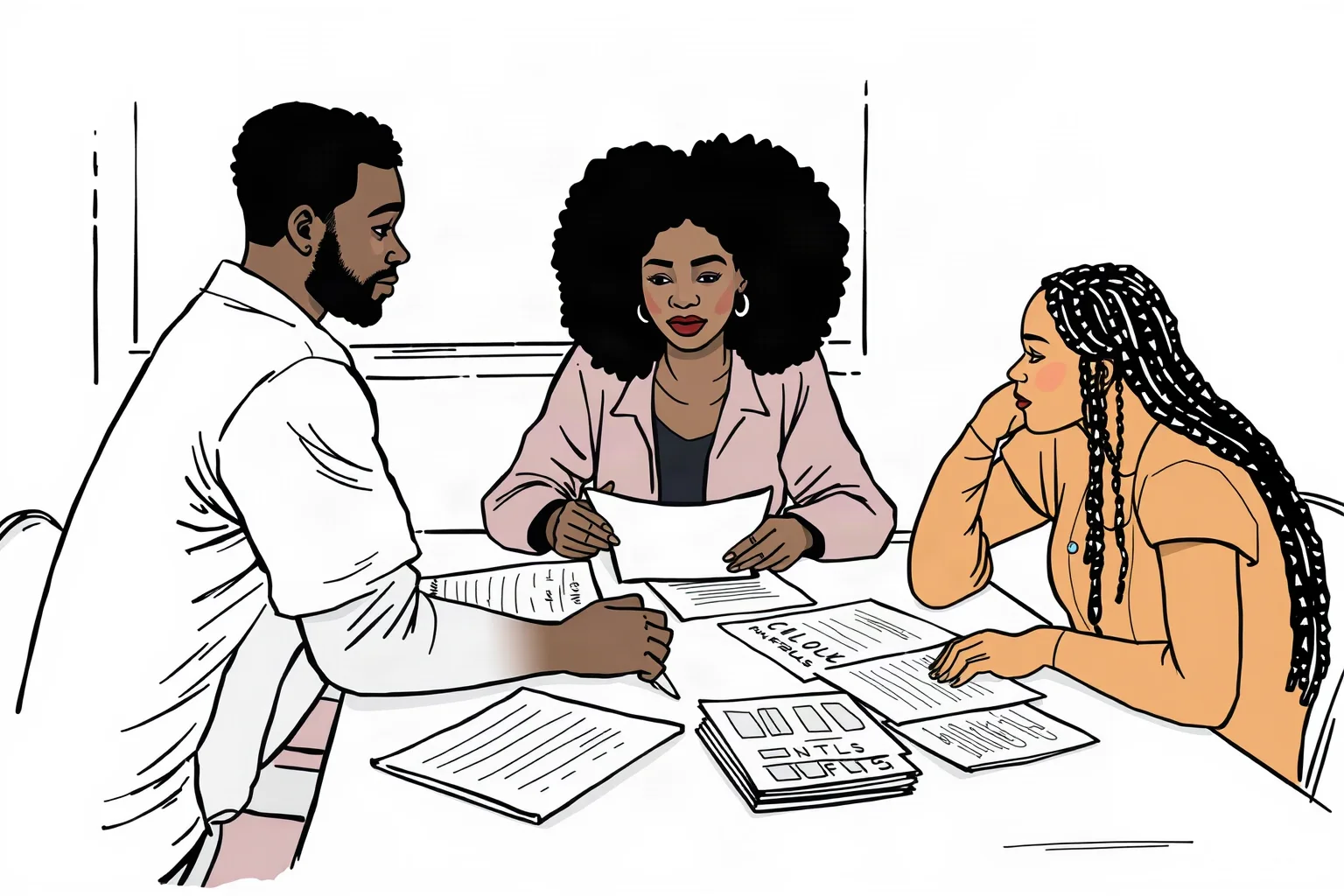
Ella Baker worked with the NAACP, co-founded the Southern Christian Leadership Conference’s early operations, and helped launch the Student Nonviolent Coordinating Committee (SNCC) in 1960. She believed strongly in grassroots, group-centered leadership rather than relying on a single charismatic figurehead.
That philosophy shaped SNCC’s youth-driven organizing style during sit-ins and voter registration drives. Baker’s influence on movement structure is still studied in organizing and activism today.
14. Dorothy Height (1912–2010)
Dorothy Height led the National Council of Negro Women for four decades and worked closely alongside civil rights leaders during the 1963 March on Washington. Despite her deep involvement in planning, she wasn’t invited to speak on stage that day, a detail often cited in discussions of women’s marginalization within the movement’s public leadership.
Height continued advocating for both racial and gender equity well into her later years. She received the Presidential Medal of Freedom in 1994 for her decades of service.
15. Charlotte E. Ray (1850–1911)
Charlotte E. Ray became the first African American woman admitted to practice law in the United States, passing the Washington, D.C. bar in 1872. She was also likely the first woman admitted to practice before the D.C. Supreme Court.
Despite her groundbreaking credentials, racial and gender discrimination made it difficult for Ray to sustain a law practice, and she eventually shifted careers to teaching. Her legal trailblazing paved the way for generations of Black women in law.
16. Constance Baker Motley (1921–2005)
Constance Baker Motley worked as a civil rights lawyer with the NAACP Legal Defense Fund, helping argue school desegregation cases including groundwork tied to Brown v. Board of Education. In 1966, she became the first Black woman appointed to a federal judgeship.
Motley’s legal strategy work directly challenged segregation in Southern universities and public schools during some of the movement’s most contested court battles. Her judicial career opened doors that had been firmly closed to Black women in the federal bench.
17. Shirley Chisholm (1924–2005)
Shirley Chisholm became the first Black woman elected to the U.S. Congress in 1968, representing New York. In 1972, she ran for the Democratic presidential nomination, making her the first Black woman to seek a major party’s nomination for president.
Chisholm famously described herself as “unbought and unbossed,” refusing to align neatly with any single political faction. She remains a foundational figure for understanding influential Black women in American politics.
18. Barbara Jordan (1936–1996)
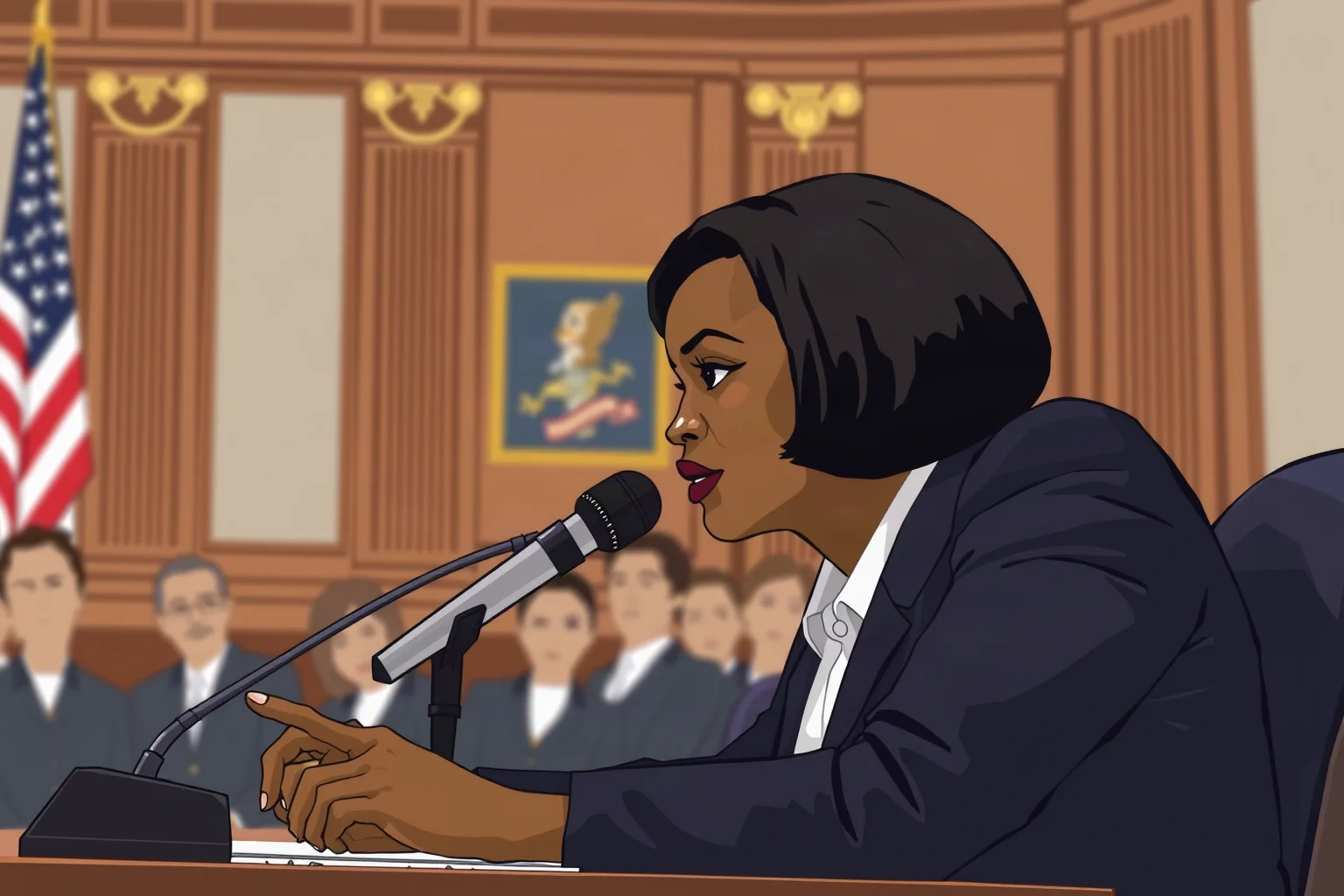
Barbara Jordan became one of the first Black women elected to the Texas legislature and later the first Black woman from a Southern state elected to Congress. Her precise, commanding opening statement during the 1974 Watergate impeachment hearings remains one of the most studied speeches in American political history.
Jordan later became a respected professor of public policy at the University of Texas. Her career blended legal reasoning with a rare gift for public oratory.
19. Katherine Johnson (1918–2020)
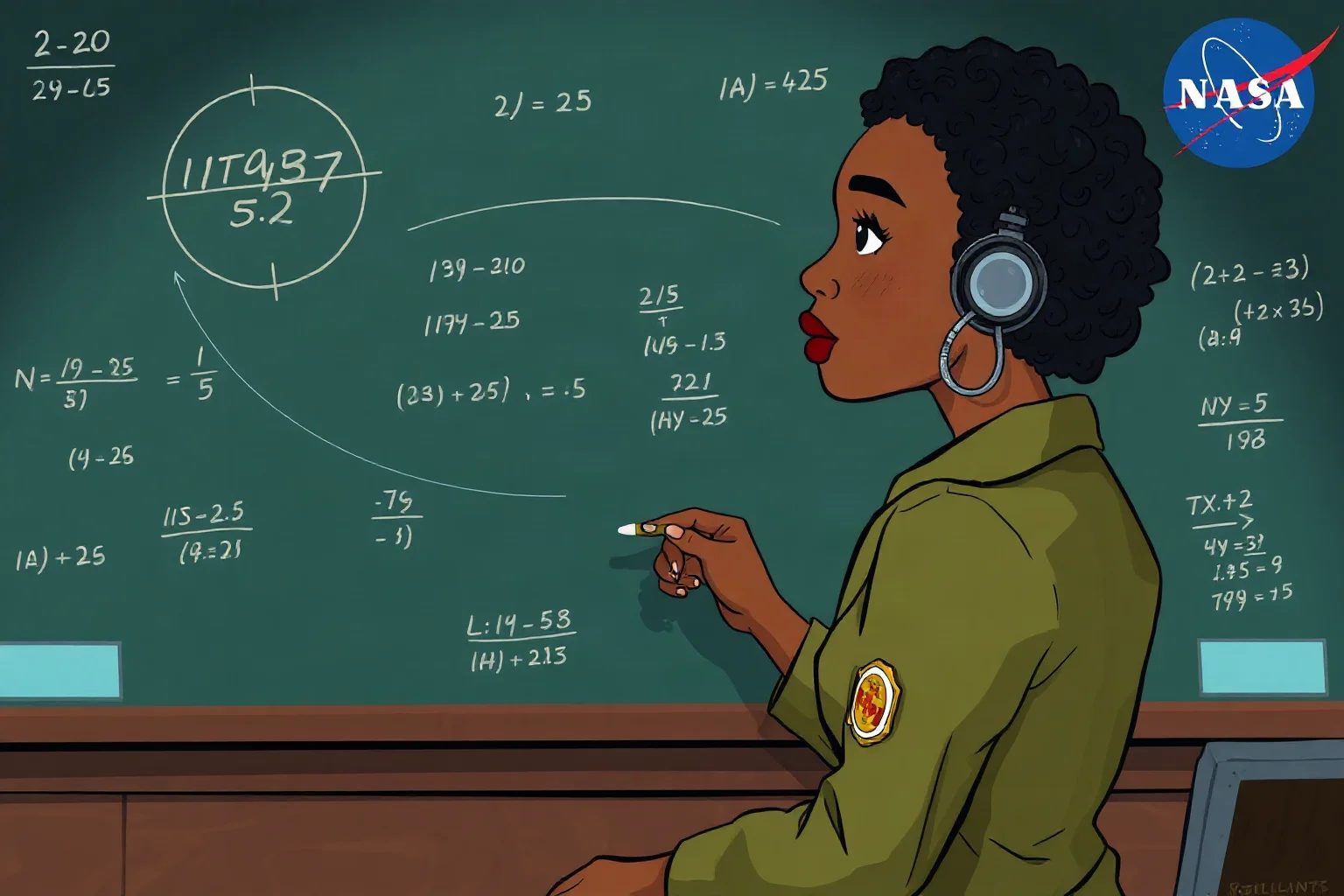
Katherine Johnson was a NASA mathematician whose orbital trajectory calculations were critical to the success of early U.S. spaceflights, including John Glenn’s 1962 orbital mission. She worked for years within NASA’s segregated “West Area Computers” unit before her contributions gained wider public recognition.
Johnson’s story reached a much broader audience through the 2016 book and film “Hidden Figures.” She received the Presidential Medal of Freedom in 2015 for her decades of work in aerospace mathematics.
20. Mae Jemison (b. 1956)

Mae Jemison became the first Black woman to travel to space when she flew aboard the Space Shuttle Endeavour in 1992. Before joining NASA, she worked as a physician and served in the Peace Corps.
Jemison has continued advocating for STEM education, particularly encouraging girls of color to pursue careers in science and engineering. She’s frequently cited as proof that famous African American women in science are shaping fields far beyond Earth’s atmosphere.
21. Patricia Bath (1942–2019)
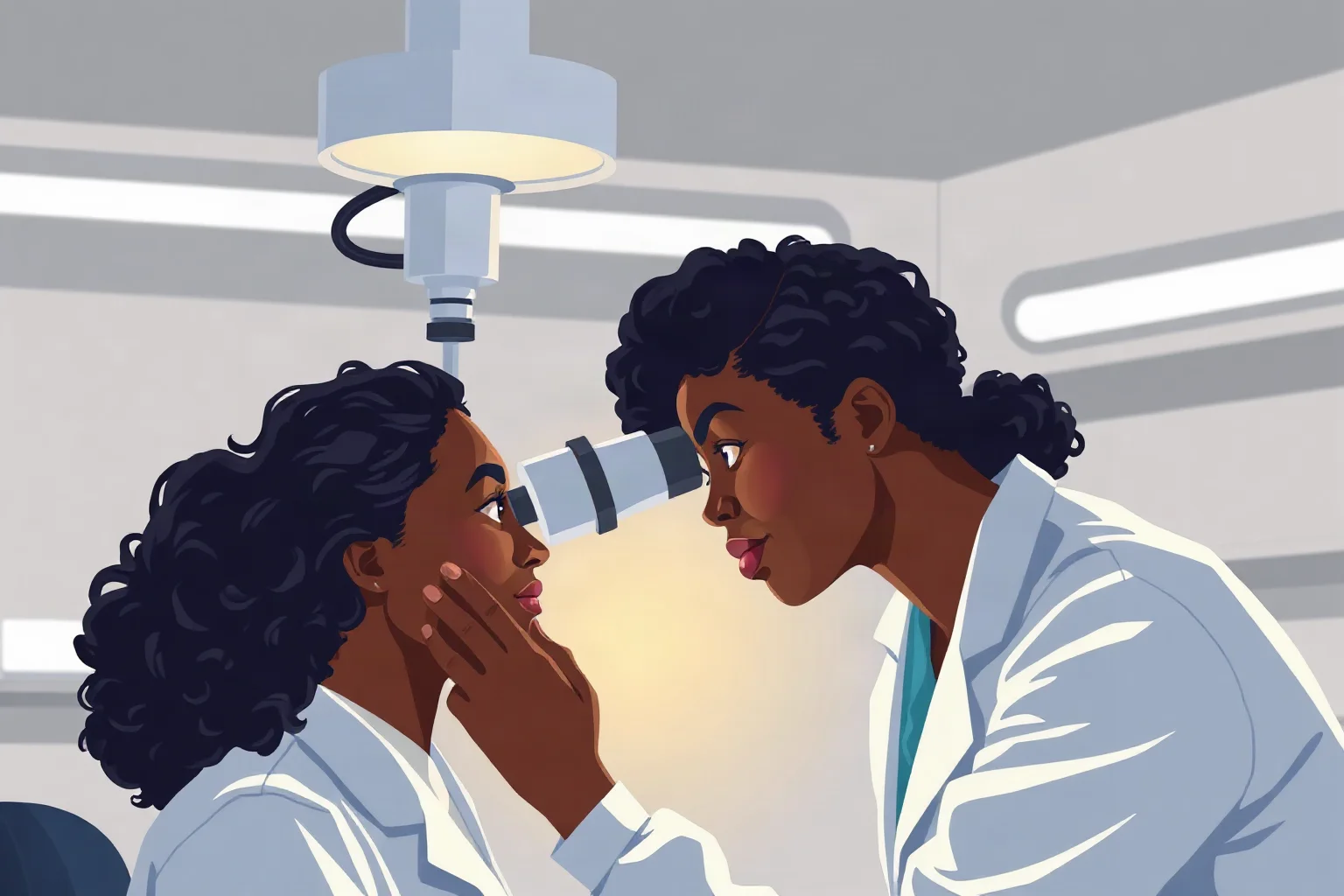
Patricia Bath was an ophthalmologist who invented the Laserphaco Probe, a device that improved the precision of cataract surgery. In 1988, she became the first Black woman doctor to receive a U.S. medical patent.
Bath also co-founded the American Institute for the Prevention of Blindness, focused on providing eye care in underserved communities. Her dual legacy as inventor and public health advocate makes her one of the more underrated famous African American females in STEM history.
22. Marian Anderson (1897–1993)
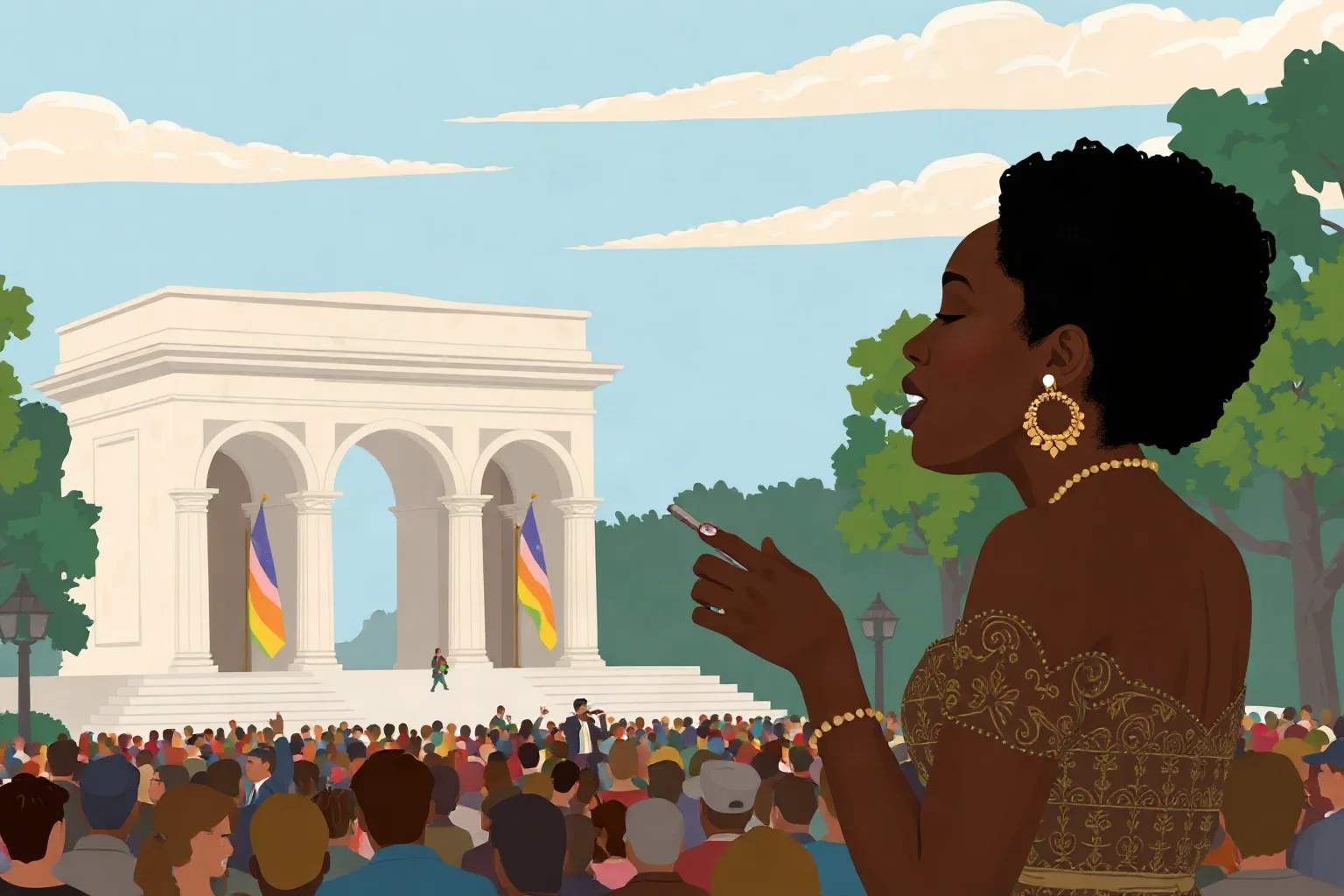
Marian Anderson was a celebrated contralto whose vocal talent drew acclaim across Europe and the U.S. In 1939, the Daughters of the American Revolution denied her a concert booking at Constitution Hall because of her race, prompting Eleanor Roosevelt to resign from the organization in protest.
Anderson instead performed an open-air concert at the Lincoln Memorial to a crowd of roughly 75,000 people. In 1955, she also became the first Black singer to perform with the Metropolitan Opera.
23. Toni Morrison (1931–2019)
Toni Morrison authored novels including “Beloved,” “Song of Solomon,” and “Sula,” exploring Black American life with lyrical, unflinching prose. In 1993, she became the first Black woman to win the Nobel Prize in Literature.
Morrison also worked for years as a book editor, championing other Black writers before her own novels found wide acclaim. Her influence spans both her own fiction and the doors she opened within publishing.
24. Maya Angelou (1928–2014)
Maya Angelou’s memoir “I Know Why the Caged Bird Sings” became a landmark work exploring trauma, racism, and resilience in the Jim Crow South. She was also a poet, performer, and civil rights-era activist who worked alongside both Martin Luther King Jr. and Malcolm X at different points.
In 1993, Angelou delivered an original poem, “On the Pulse of Morning,” at President Bill Clinton’s inauguration. Her body of work remains a staple in American literature classrooms.
25. Kamala Harris (b. 1964)
Kamala Harris made history in 2021 as the first woman, first Black person, and first person of South Asian descent to become U.S. Vice President. Before that, she served as California’s Attorney General and as a U.S. Senator.
Harris’s rise reflects a broader, ongoing pattern: Black women reaching political positions that had never included them before. Her career adds a modern chapter to the long list of black female leaders in history.
26. The Historians Who Preserved These Stories
Many of the names above would be far less documented today without the work of Black female historians who dedicated careers to recovering and archiving this history. Scholars like Darlene Clark Hine, Evelyn Brooks Higginbotham, and Nell Irvin Painter built academic frameworks specifically for studying Black women’s experiences in America.
Their research uncovered primary sources, corrected historical misattributions, and challenged simplified textbook narratives. Without this scholarship, distinguishing verified history from popular myth — the exact kind of myth-busting this article relies on — would be far harder to do responsibly.
Carrying Their Legacy Forward
Looking across this list, a pattern emerges: Black women in history rarely waited for permission or recognition before doing the work. They organized, litigated, invented, and created — often while being denied credit in their own lifetimes. That pattern continues today, whether it’s showing up in STEM labs, courtrooms, publishing houses, or political office.
Learning these stories accurately matters more than repeating a tidy, simplified version. Understanding the real complexity — Sojourner Truth’s likely-altered speech, Rosa Parks’s activist training, Claudette Colvin’s overlooked bravery — actually makes the history more impressive, not less. It shows resilience built on strategy and community, not just isolated moments of luck or spontaneity.
Whether you’re researching for Black History Month, a school project, or just personal curiosity, these women deserve to be remembered with the same accuracy and respect given to any other major historical figure. Their contributions weren’t a side note to American history — they were, and remain, central to it.
Frequently Asked Questions
Who are some of the most famous Black women in history?
Some of the most widely recognized names include Harriet Tubman, Sojourner Truth, Rosa Parks, Ida B. Wells, Shirley Chisholm, Katherine Johnson, and Toni Morrison. Each made major contributions in different fields, from abolitionism and civil rights to science and literature.
Why is studying Black women in history important?
Studying Black women in history helps correct a historical record that often minimized or omitted their contributions. Their work shaped major turning points in abolition, civil rights, science, and politics, so a fuller understanding of American history depends on including their stories accurately.
Who was the first Black woman to hold major political office in the U.S.?
Shirley Chisholm became the first Black woman elected to the U.S. Congress in 1968. She later became the first Black woman to run for a major party's presidential nomination in 1972, followed decades later by Kamala Harris becoming the first Black woman elected Vice President in 2021.
Who was the first Black woman lawyer in the United States?
Charlotte E. Ray is generally credited as the first African American woman admitted to practice law in the U.S., passing the Washington, D.C. bar exam in 1872. She faced significant professional discrimination afterward, which limited how long she could sustain an active law practice.
Did Rosa Parks act alone and spontaneously during the Montgomery Bus Boycott?
Not quite — while her arrest was a genuine act of personal courage, Rosa Parks was already a trained NAACP secretary and experienced activist at the time. Her case became the catalyst for a boycott that civil rights organizers had been strategically preparing to challenge for some time.
Who are considered important Black female historians?
Scholars such as Darlene Clark Hine, Evelyn Brooks Higginbotham, and Nell Irvin Painter are widely recognized for their academic research recovering and documenting Black women's history. Their work laid the foundation for much of what is known today about earlier Black female historical figures.

Alex Warren
Related Articles