
Ask ten musicians to name the greatest drummer of all time and you’ll likely get ten different answers, along with a heated argument about what “greatest” even means.
Is it technical mastery, raw power, groove, innovation, or influence on generations of players who came after? The truth is that drumming greatness has been defined differently across jazz clubs, arena rock stages, and funk studios for nearly a century.
This list pulls together the musicians whose names come up again and again in serious conversations about the best drummers of all time, from the swing era through modern metal and alternative rock.
We’ve tried to separate documented history from the exaggerated legends that tend to grow around famous drummers, while still celebrating what made each of them extraordinary.
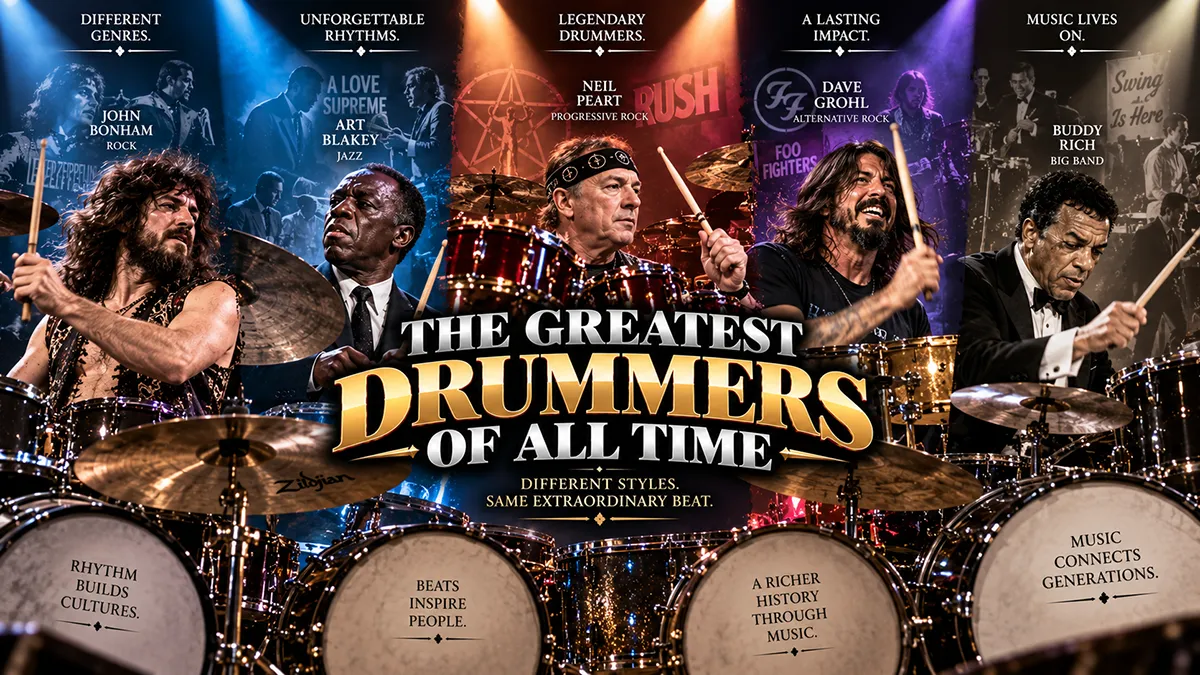
TL;DR: There is no single, universally agreed-upon “greatest drummer of all time,” but John Bonham, Buddy Rich, Neil Peart, Keith Moon, and Ginger Baker are the names that consistently top expert and fan rankings across genres.
What Actually Makes a Drummer “Great”?
Before diving into the list, it’s worth asking what criteria even apply here. Speed and technical flash matter to some fans, but many of the most famous drummers in history are remembered for feel, timing, and the ability to make a song groove rather than for pure chops.
Others earned their reputation through innovation, inventing patterns and techniques that changed what drums could do in popular music. Session drummers, meanwhile, are judged by consistency and versatility across thousands of recordings that most listeners never realize they’re hearing.
Because the criteria shift by genre, this list spans rock, jazz, funk, and session work rather than sticking to one lane. That’s also why publications like Rolling Stone, when compiling their well-known “100 Greatest Drummers” feature, drew from rock, jazz, R&B, and world music rather than ranking rock drummers alone.
How This List Was Built
Ranking any group of musicians against each other is inherently subjective, and drumming is no exception. Rather than pretending there’s a scientific formula, this list leans on decades of critical consensus, peer testimony from other musicians, technical innovation, and lasting influence on the instrument.
Where a drummer is often crowned “the greatest of all time” in popular culture, we note that this is a widely held opinion rather than an objective fact. Music history rarely offers neat, settled rankings, and that’s part of what makes debating it so much fun.
1. John Bonham
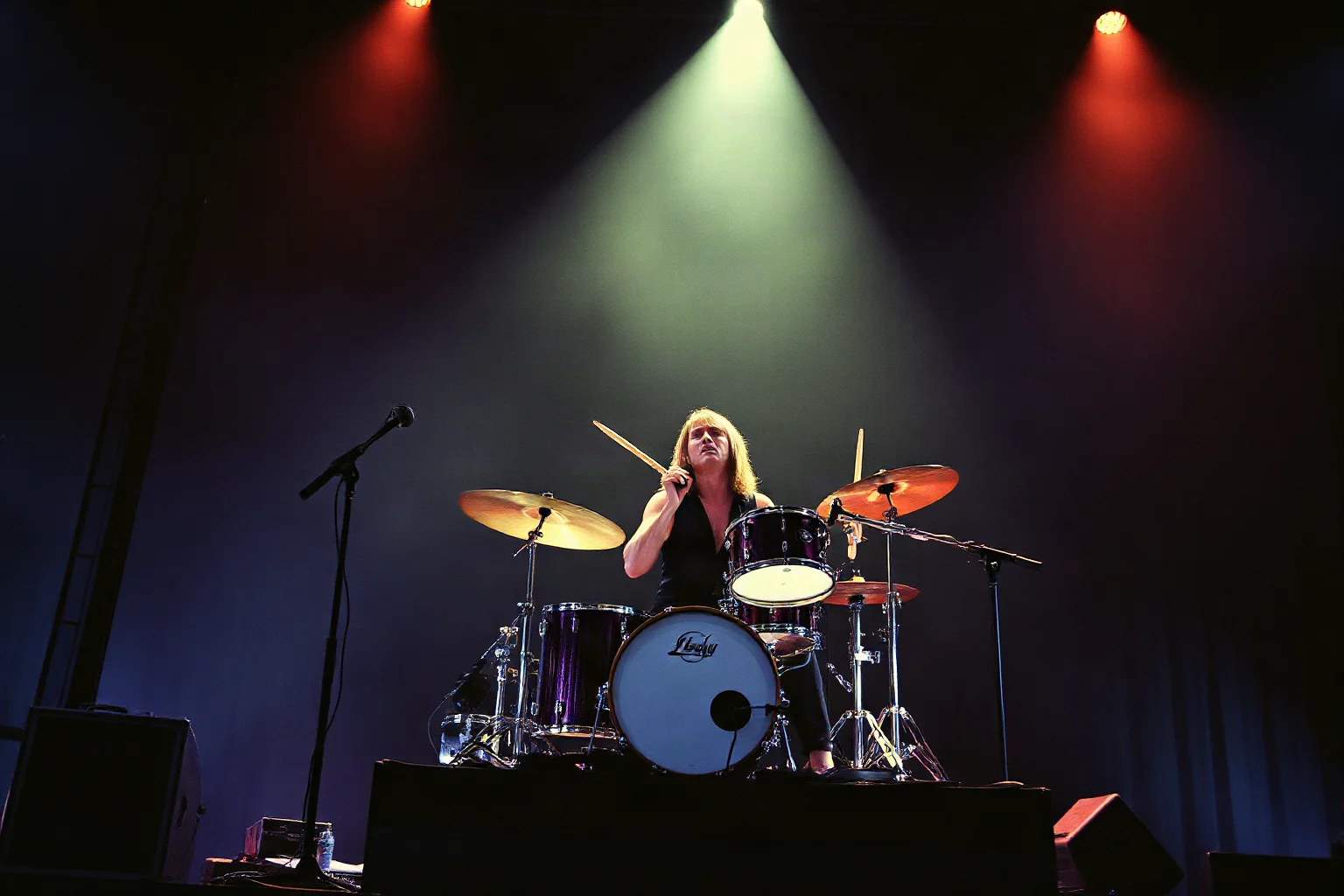
John Bonham of Led Zeppelin is probably the name that comes up most often when people ask who was the greatest drummer of all time. His work on tracks like “Good Times Bad Times” and “Moby Dick” combined thunderous power with surprising subtlety and swing, drawing on funk and blues influences most hard rock drummers ignored.
Bonham died in 1980 at age 32, which cut short a career that had already reshaped rock drumming. Generations of drummers, from Dave Grohl to members of modern metal bands, cite him as their biggest influence.
2. Buddy Rich
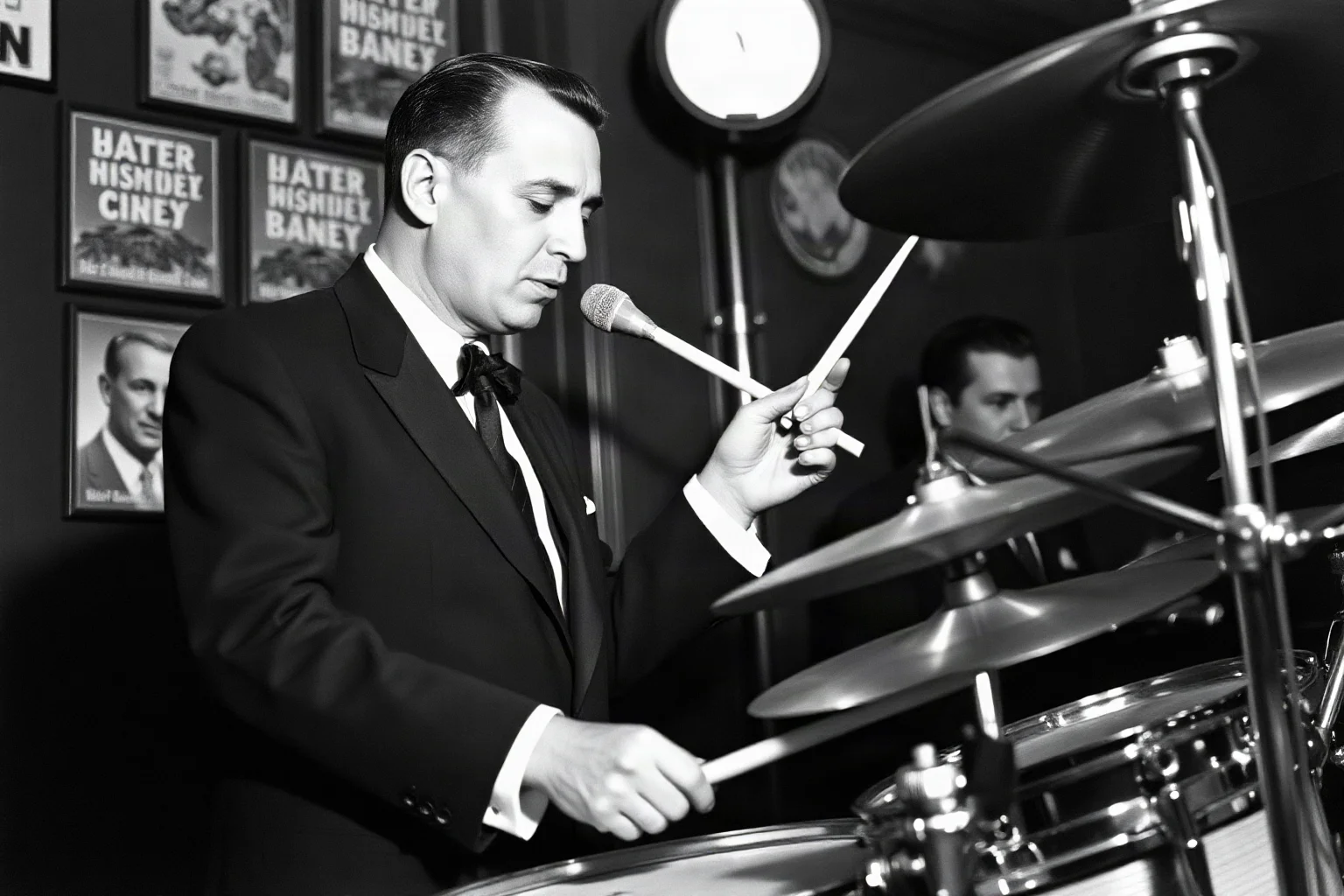
Buddy Rich was a swing and big-band virtuoso whose technical speed and showmanship set a benchmark that jazz drummers still measure themselves against. He began performing professionally as a child in vaudeville and later led his own big band well into the 1980s.
Rich was known for blistering solos and an almost telepathic sense of dynamics within an ensemble. Many musicians, including rock drummers who never touched jazz, point to Rich as proof of what’s technically possible behind a kit.
3. Neil Peart
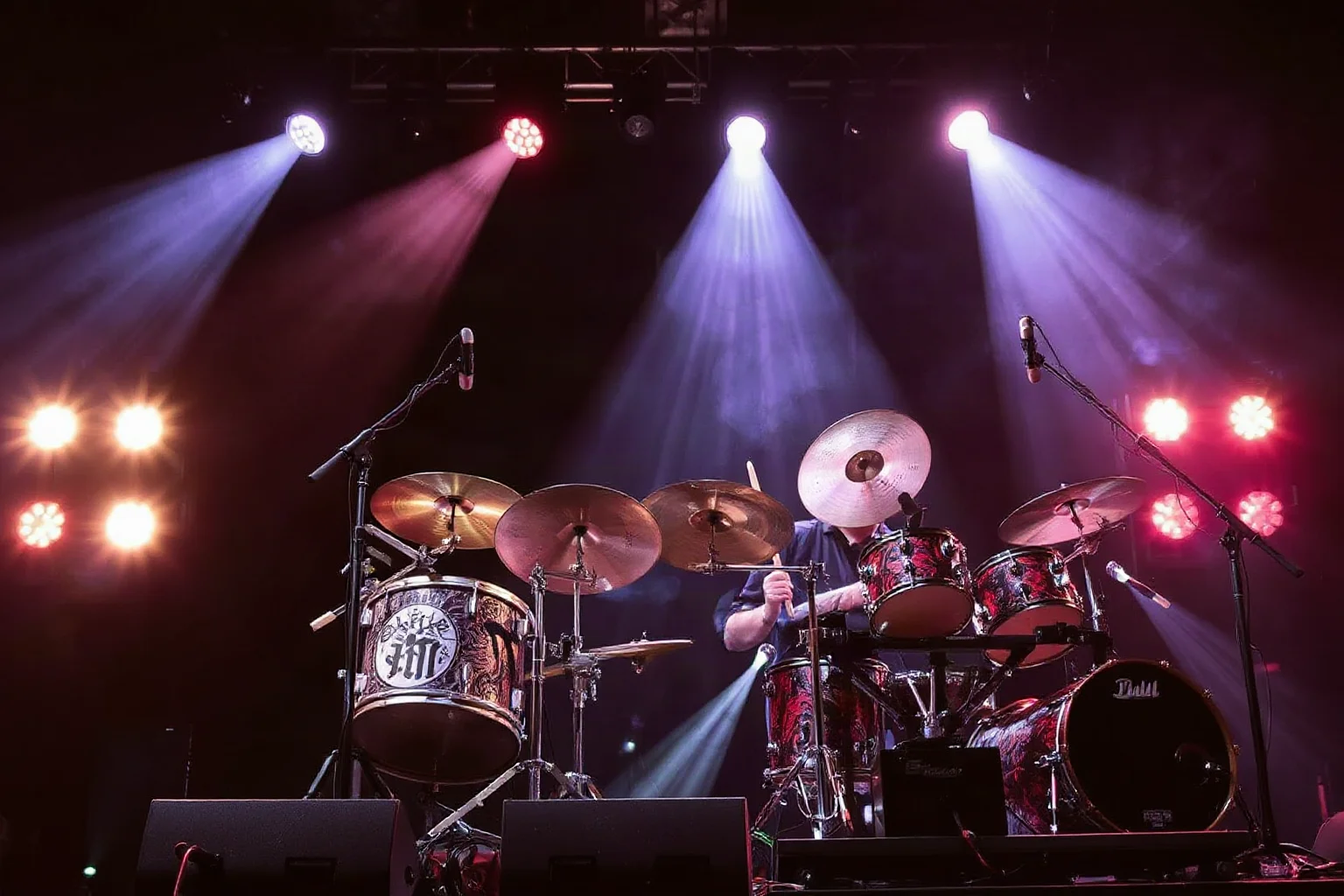
Neil Peart of Rush is frequently named the greatest rock drummer by other musicians, thanks to his intricate, almost orchestral approach to progressive rock. He was also Rush’s primary lyricist, giving him a rare dual role as both technical powerhouse and creative voice.
Peart studied various percussion traditions throughout his life and continually evolved his style, from early virtuosic showcases to leaner, groove-focused playing later in his career. He passed away in 2020, and tributes from drummers across every genre followed.
4. Keith Moon
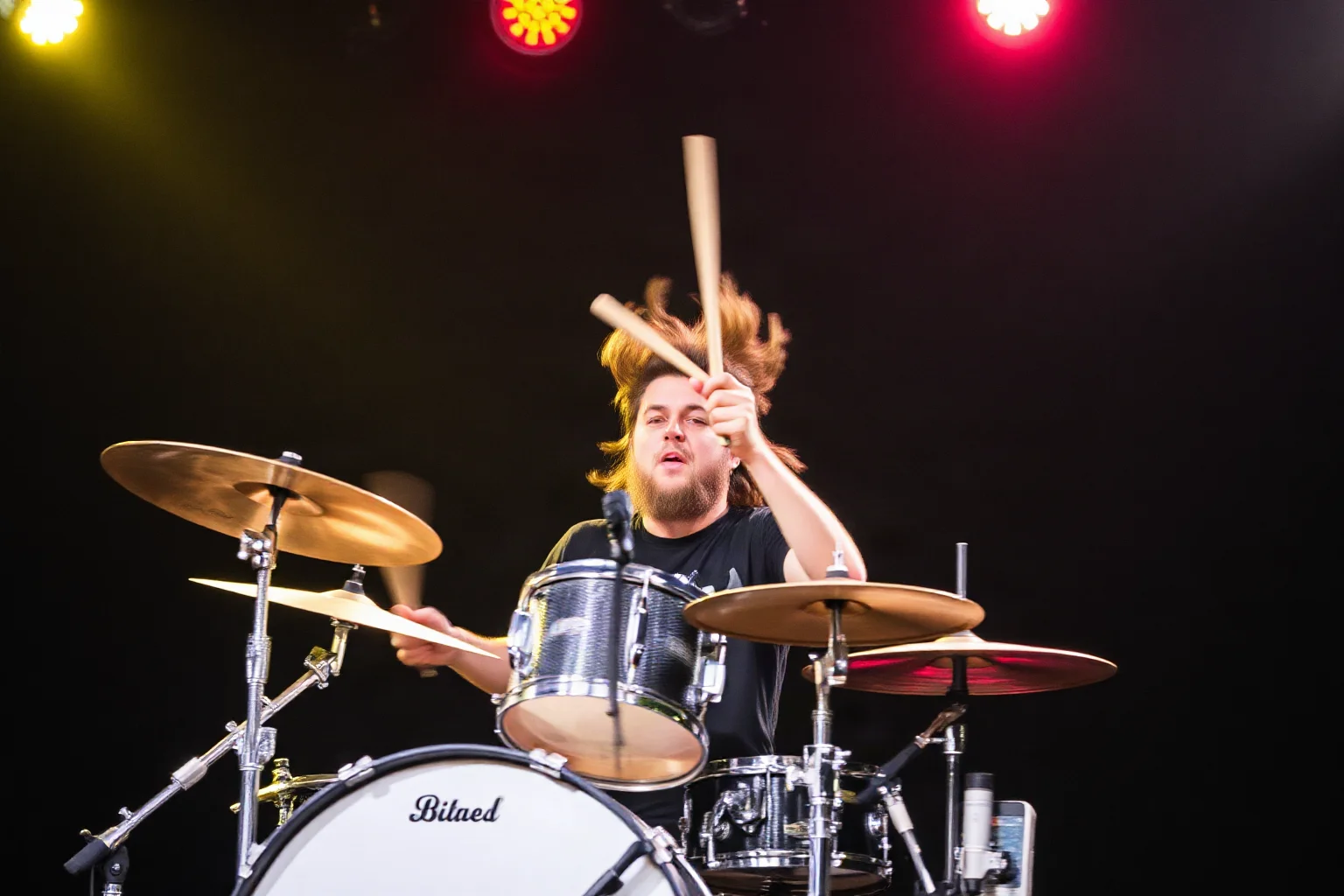
Keith Moon of The Who played with a chaotic, lead-instrument energy that broke the mold of drummers simply keeping time. His fills often felt like they were racing the guitar and vocals rather than supporting them, giving The Who’s live shows a manic intensity.
Moon’s offstage antics have become the stuff of rock legend, though some stories have grown taller with retelling over the decades. What’s well documented is his enormous influence on drummers who wanted permission to be loud, busy, and theatrical.
5. Ginger Baker
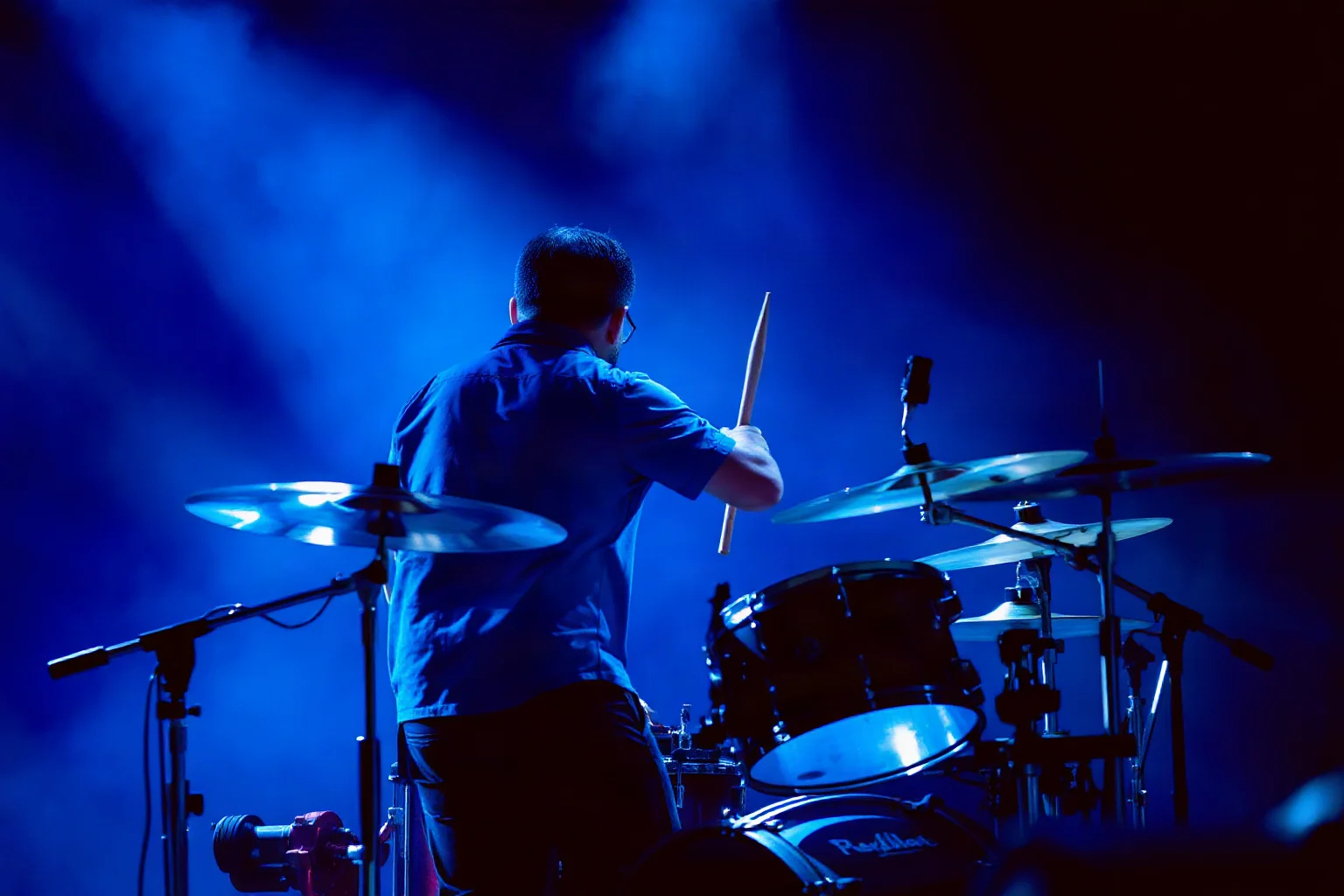
Ginger Baker, best known for his work with Cream, fused jazz phrasing with rock power and helped popularize extended drum solos in rock music, most famously on “Toad.” He had a deep interest in African percussion traditions, which he studied and incorporated into his playing later in his career.
Baker’s polyrhythmic approach influenced everyone from hard rock drummers to jam-band percussionists. His pairing with bassist Jack Bruce in Cream is still studied as an early template for rock’s rhythm section as a genuine musical conversation.
6. Gene Krupa
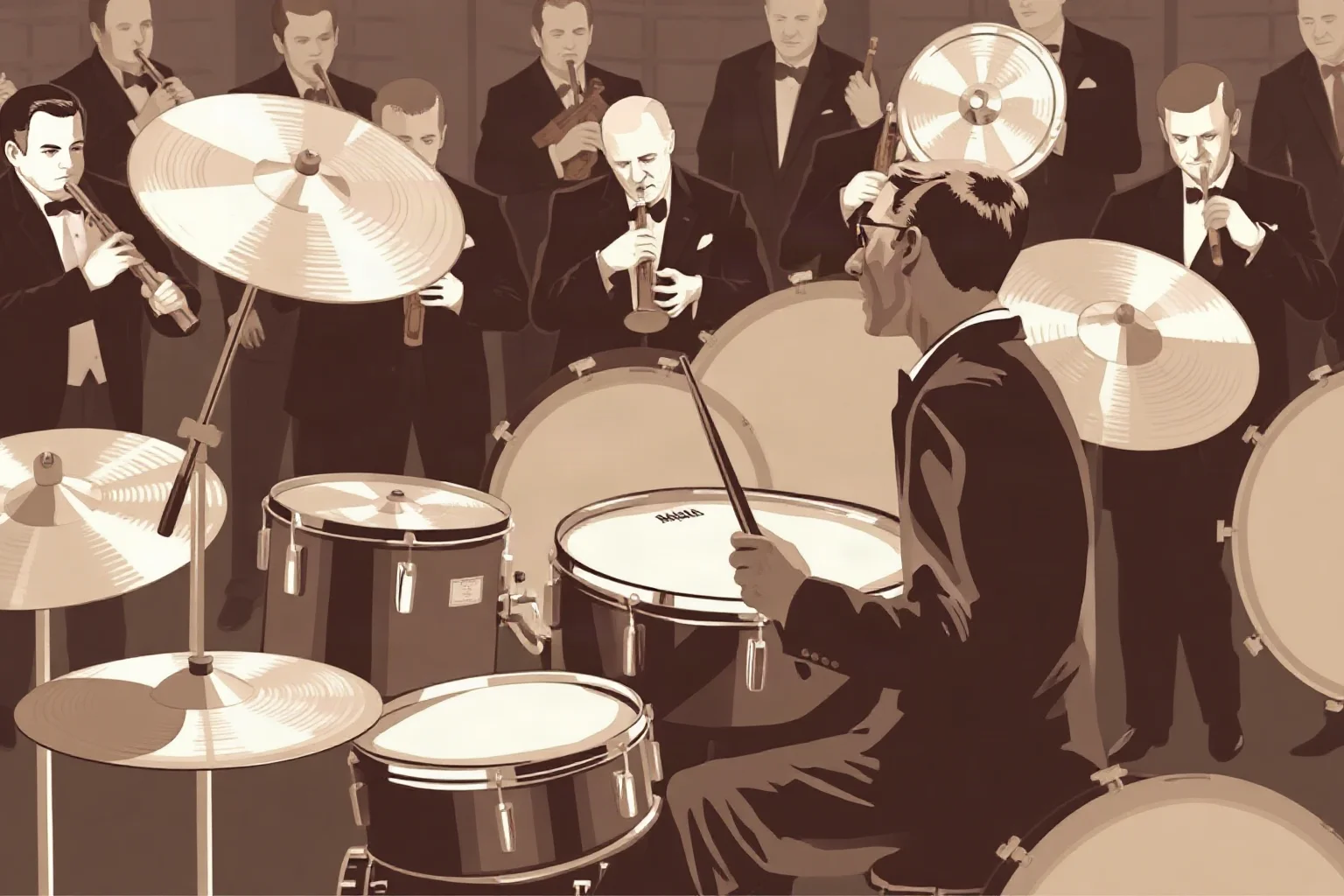
Gene Krupa helped make the drummer a featured, visible star of the band during the swing era of the 1930s and 1940s. His extended solo on Benny Goodman‘s “Sing, Sing, Sing” is often cited as one of the first moments a drum solo captivated a mainstream audience.
Krupa’s showmanship and technical skill helped elevate drumming from a background job to a genuine solo art form. Later rock and jazz drummers, including Buddy Rich, credited him with paving the way for drummers to be treated as headline talent.
7. Stewart Copeland
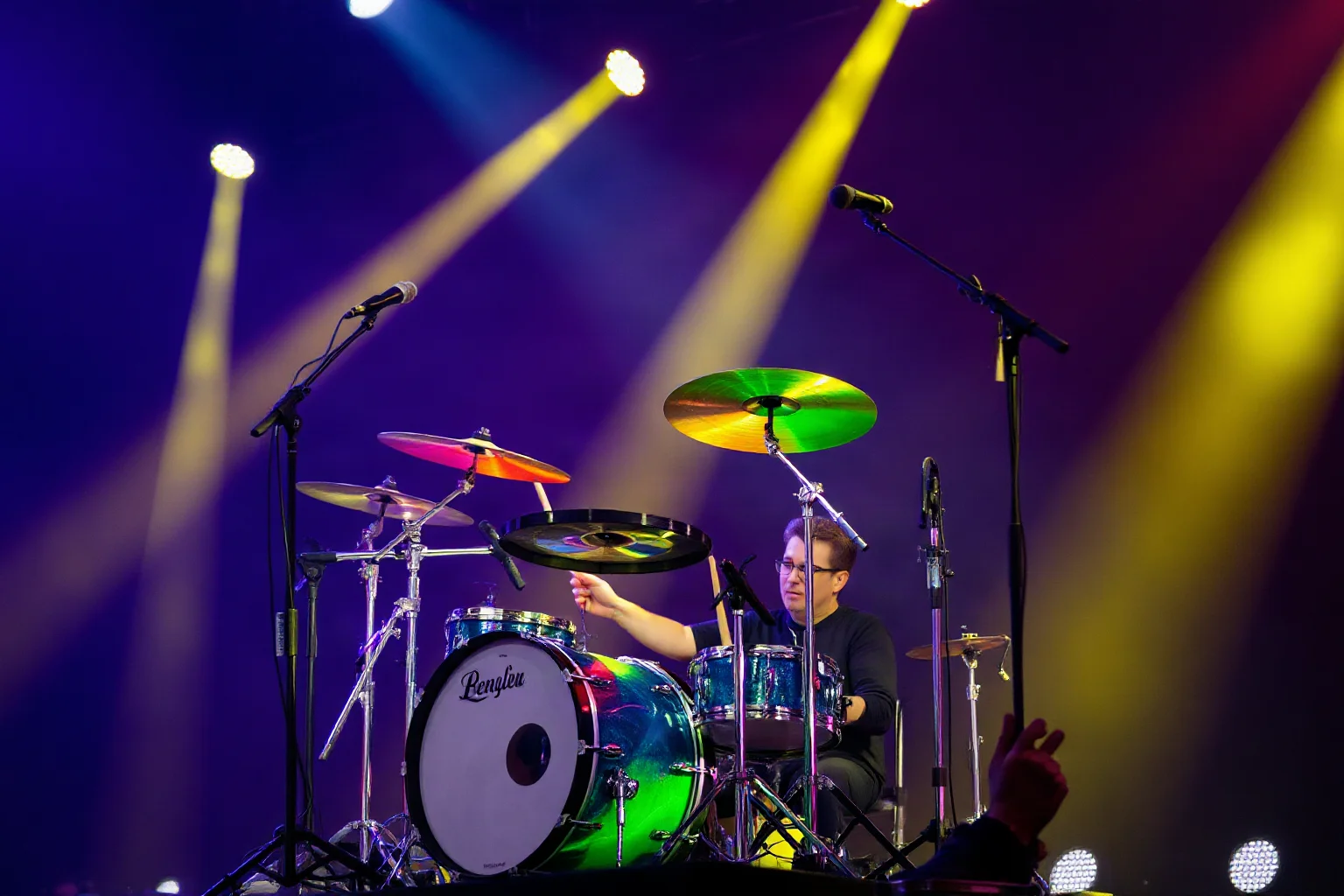
Stewart Copeland of The Police brought a reggae- and ska-influenced sense of syncopation to late-1970s and early-1980s rock, making him one of the most distinctive top rock drummers of that era. His hi-hat work and use of odd rhythmic accents gave songs like “Roxanne” and “Message in a Bottle” their unmistakable bounce.
Copeland’s classical training and interest in world music set him apart from many of his rock peers. He later composed film and television scores, showing a musical range that extended well beyond the drum kit.
8. Ringo Starr
Ringo Starr’s reputation has long been debated, with some critics underrating him and others correctly pointing out how perfectly his playing served The Beatles’ songs. His parts on tracks like “Come Together” and “Rain” are deceptively clever, built around unusual fills and a strong sense of groove rather than flash.
Paul McCartney and other musicians have publicly defended Starr’s skill, noting that his feel was central to the band’s sound. As one of the most famous drummers in history simply by association with The Beatles, his actual musicianship is often underestimated.
9. Mitch Mitchell
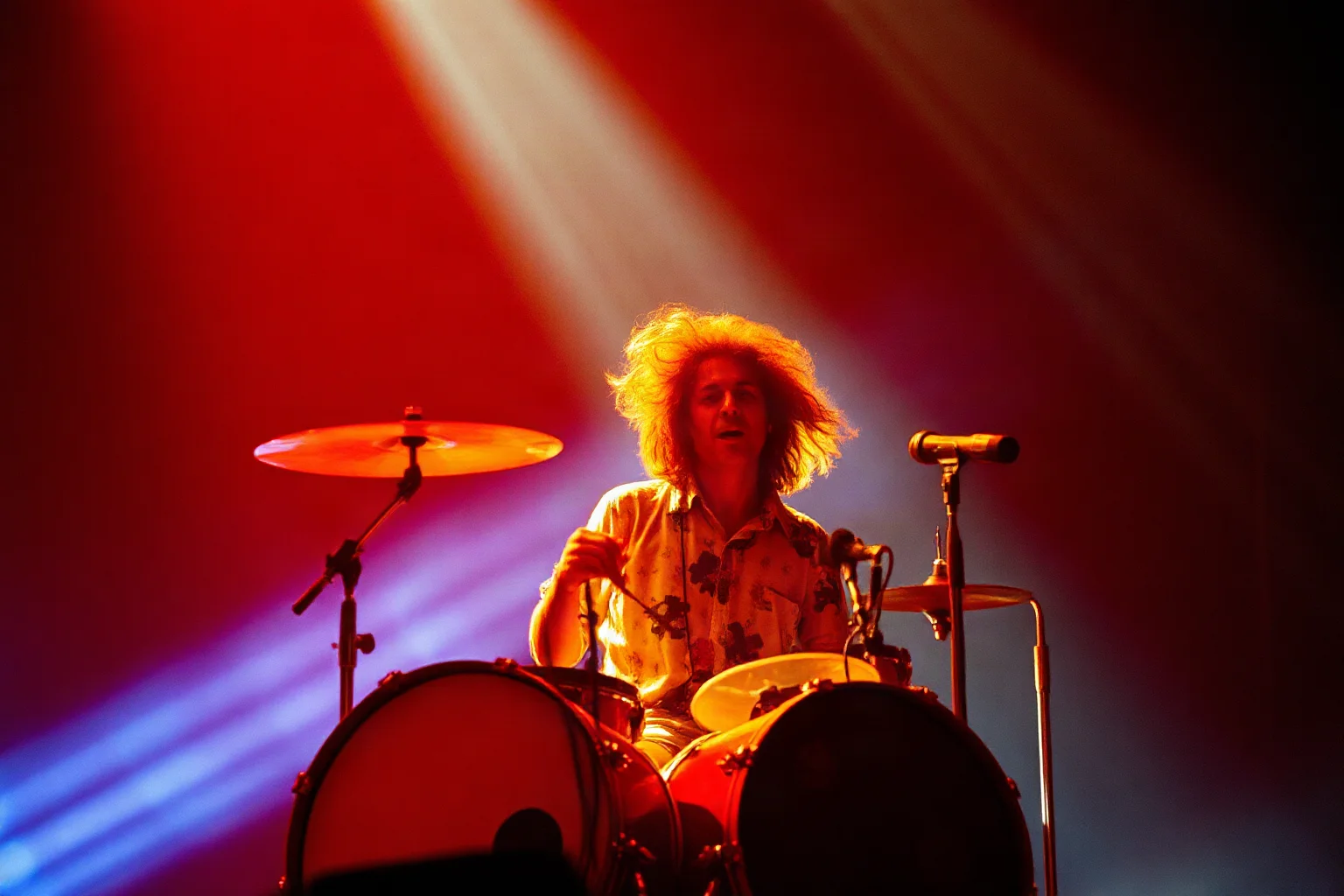
Mitch Mitchell, drummer for the Jimi Hendrix Experience, brought a jazz-trained fluidity to psychedelic rock that few of his contemporaries could match. His loose, busy style complemented Hendrix’s improvisational guitar work rather than competing with it.
Mitchell had studied jazz drumming before joining Hendrix, and that background shows in his cymbal work and swing feel. His playing on “Manic Depression” and “Fire” remains a touchstone for drummers blending rock power with jazz technique.
10. Charlie Watts
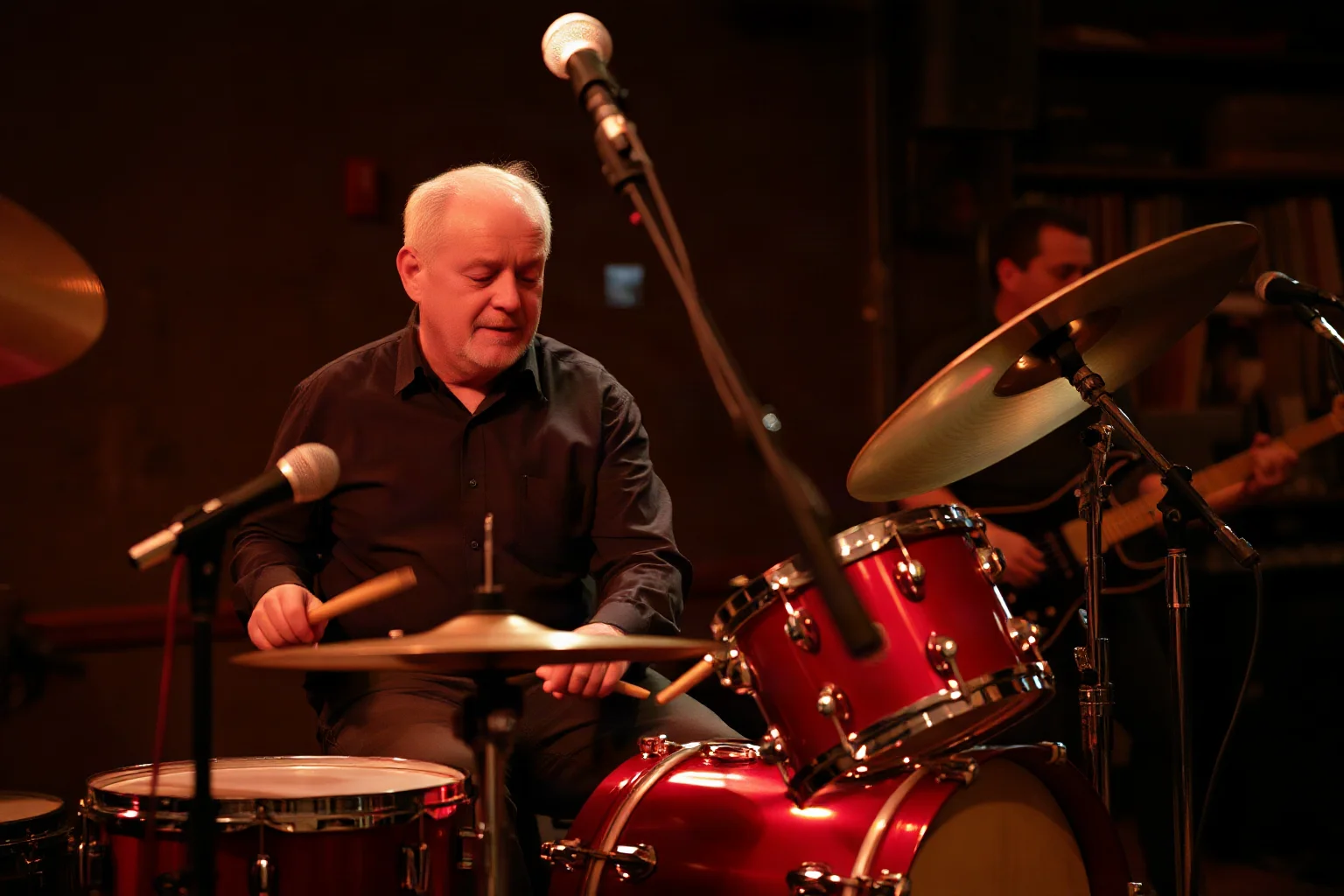
Charlie Watts anchored The Rolling Stones for nearly six decades with a steady, understated style rooted in jazz and blues. He rarely sought the spotlight, but his behind-the-beat feel gave songs like “Gimme Shelter” and “Start Me Up” their distinctive swagger.
Watts was a lifelong jazz fan and occasionally led his own jazz ensembles outside the Stones. His death in 2021 prompted widespread tributes recognizing him as one of rock’s most reliable and tasteful timekeepers.
11. Dave Grohl
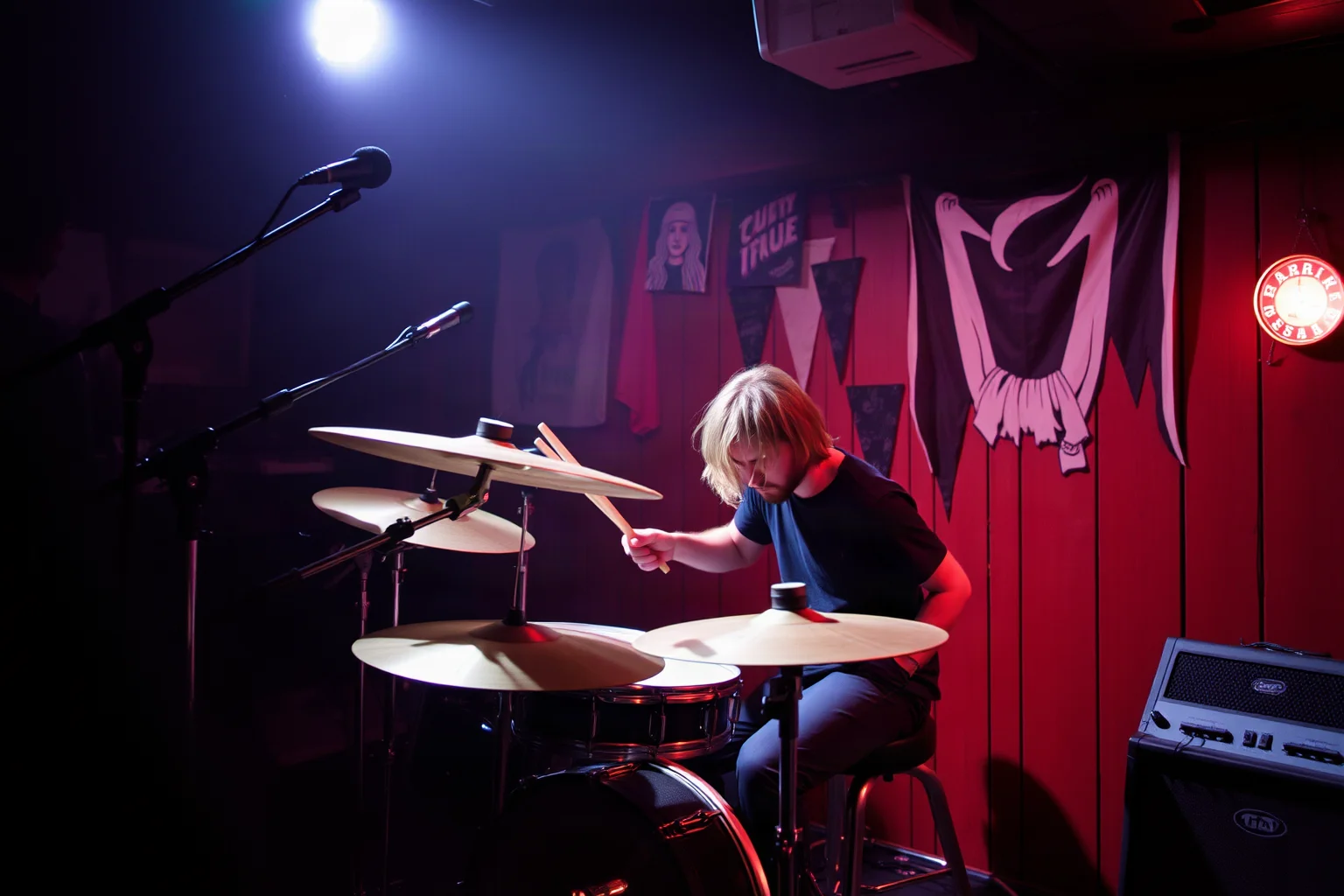
Before fronting Foo Fighters, Dave Grohl was Nirvana’s drummer, known for a ferociously powerful yet melodic style that helped define the grunge sound of the early 1990s. His playing on “Smells Like Teen Spirit” combines raw force with genuine musicality.
Grohl has cited John Bonham as a major influence and has occasionally returned to session drumming for other artists even after becoming primarily known as a guitarist and singer. His dual career gives him a rare perspective on what makes a drum part actually serve a song.
12. Tony Williams
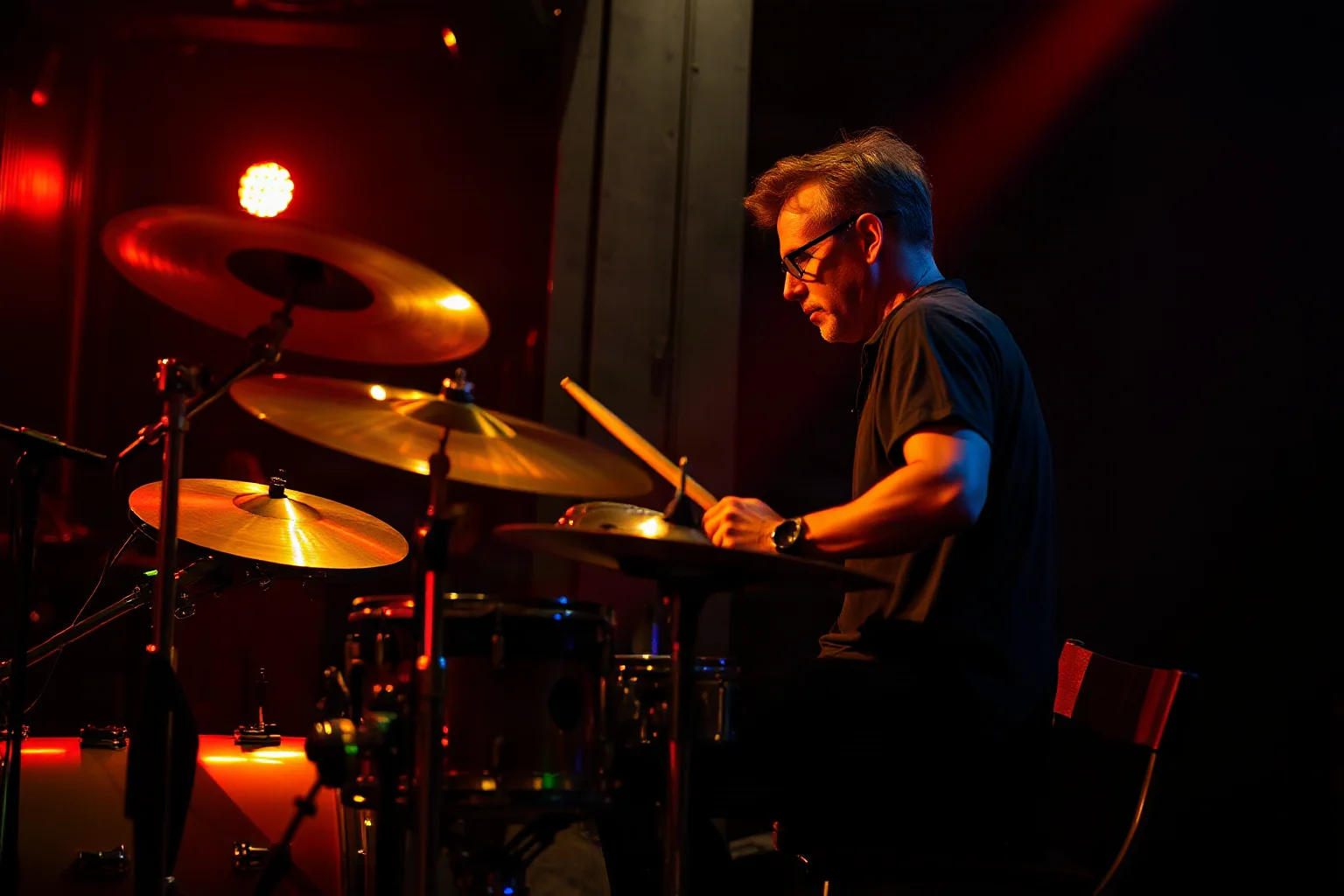
Tony Williams joined Miles Davis‘s band as a teenager and helped redefine jazz drumming with a loose, elastic sense of time that influenced fusion and modern jazz alike. His playing on Davis’s mid-1960s recordings is often studied as a turning point in jazz rhythm.
Williams later led his own fusion projects, blending rock energy with jazz complexity. Many contemporary jazz and fusion drummers point to him as a primary influence on modern technique.
13. Elvin Jones
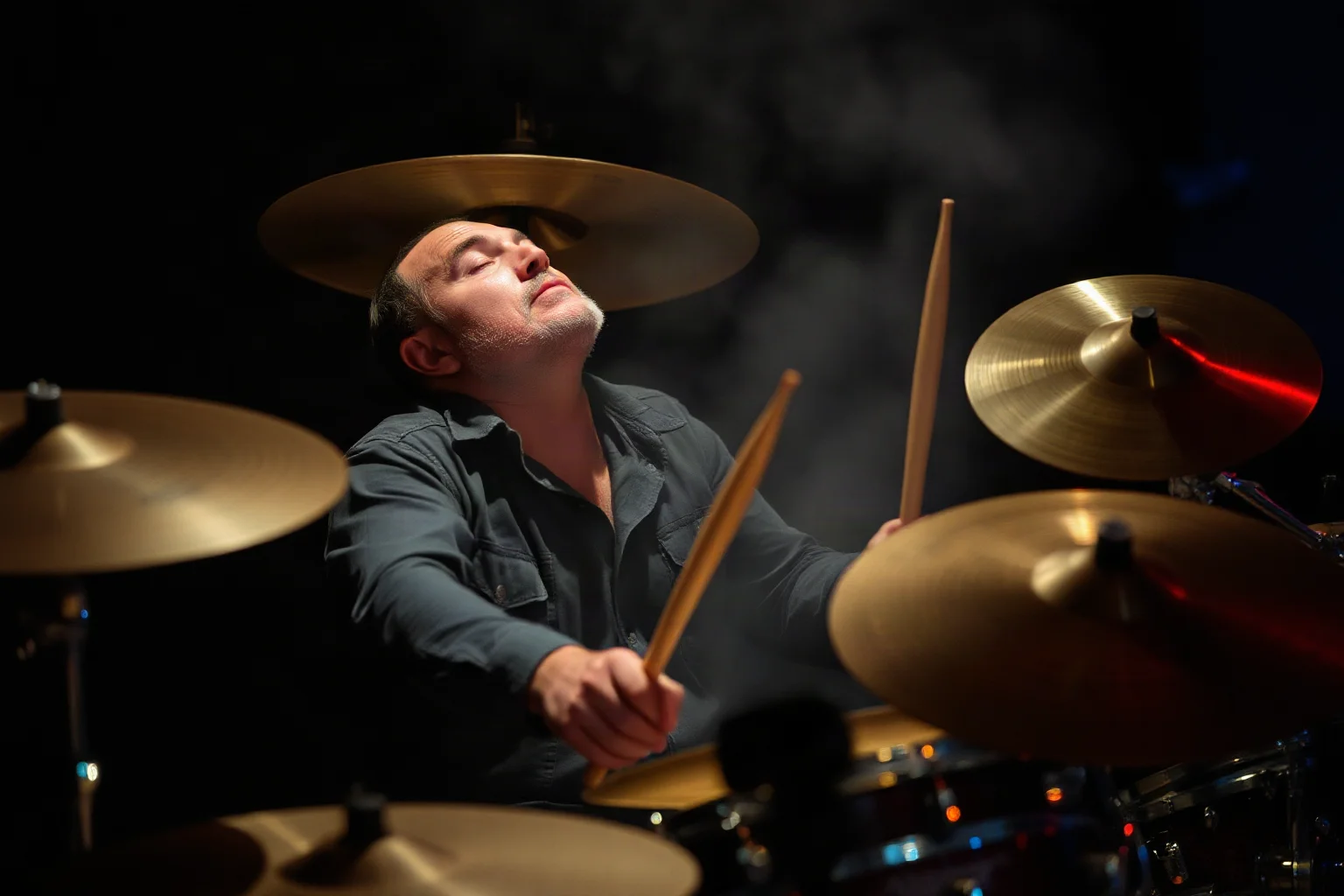
Elvin Jones is best known for his work with John Coltrane‘s classic quartet, where his rolling, polyrhythmic style helped push jazz into more expansive, spiritual territory. His approach treated the drum kit almost like a set of overlapping conversations happening simultaneously.
Jones’s playing on Coltrane recordings like “A Love Supreme” is frequently cited by jazz historians as essential listening. His influence extends well beyond jazz into rock and fusion drummers seeking a freer approach to time.
14. Max Roach
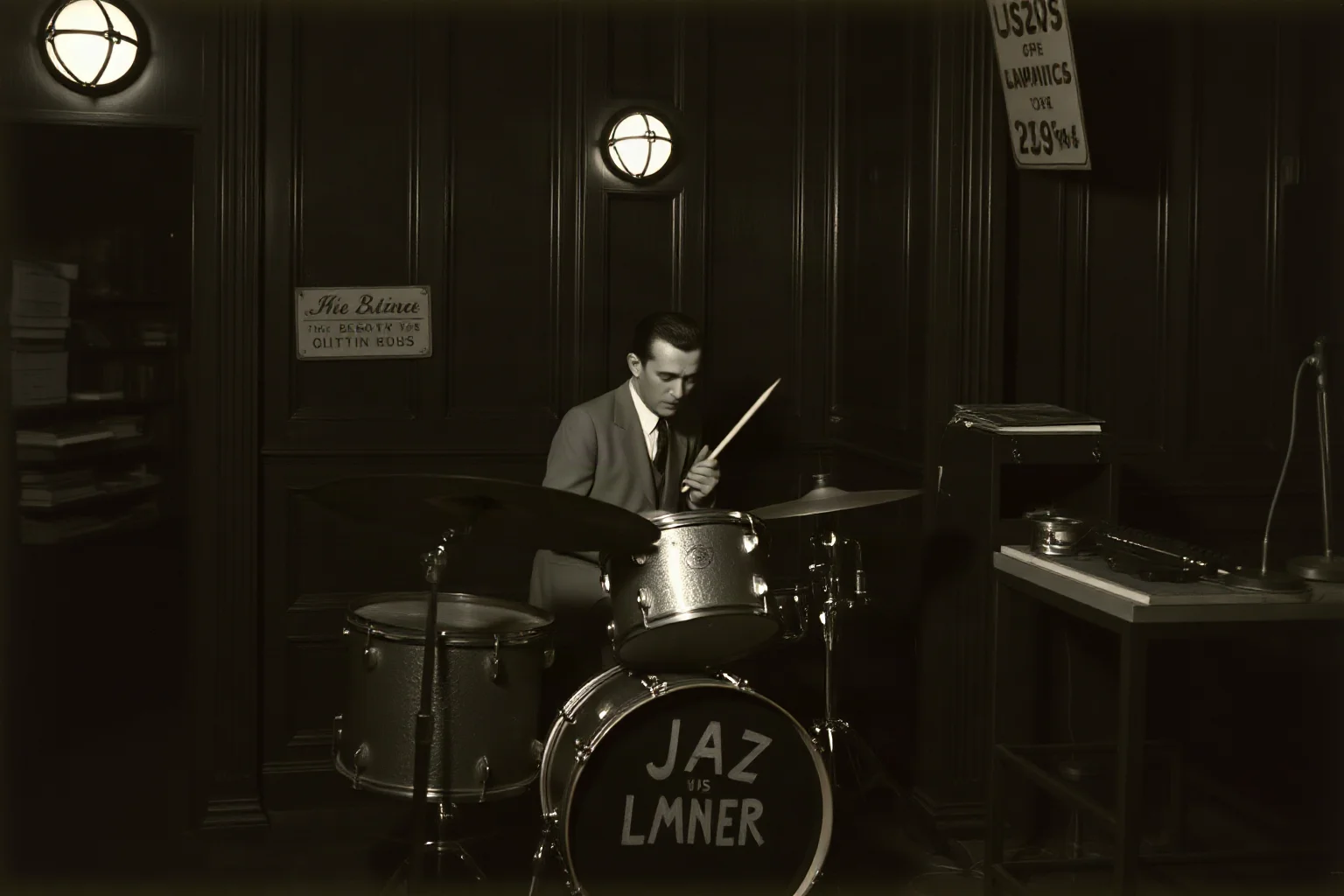
Max Roach was a pioneering bebop drummer and later a prominent civil rights-era composer and bandleader. He helped shift jazz drumming away from strictly keeping time toward a more melodic, interactive role within the ensemble.
Roach’s work with Charlie Parker and Dizzy Gillespie in the 1940s helped define bebop’s rhythmic language. He remained musically and politically active for decades, making him one of jazz’s most historically significant drummers.
15. Steve Gadd
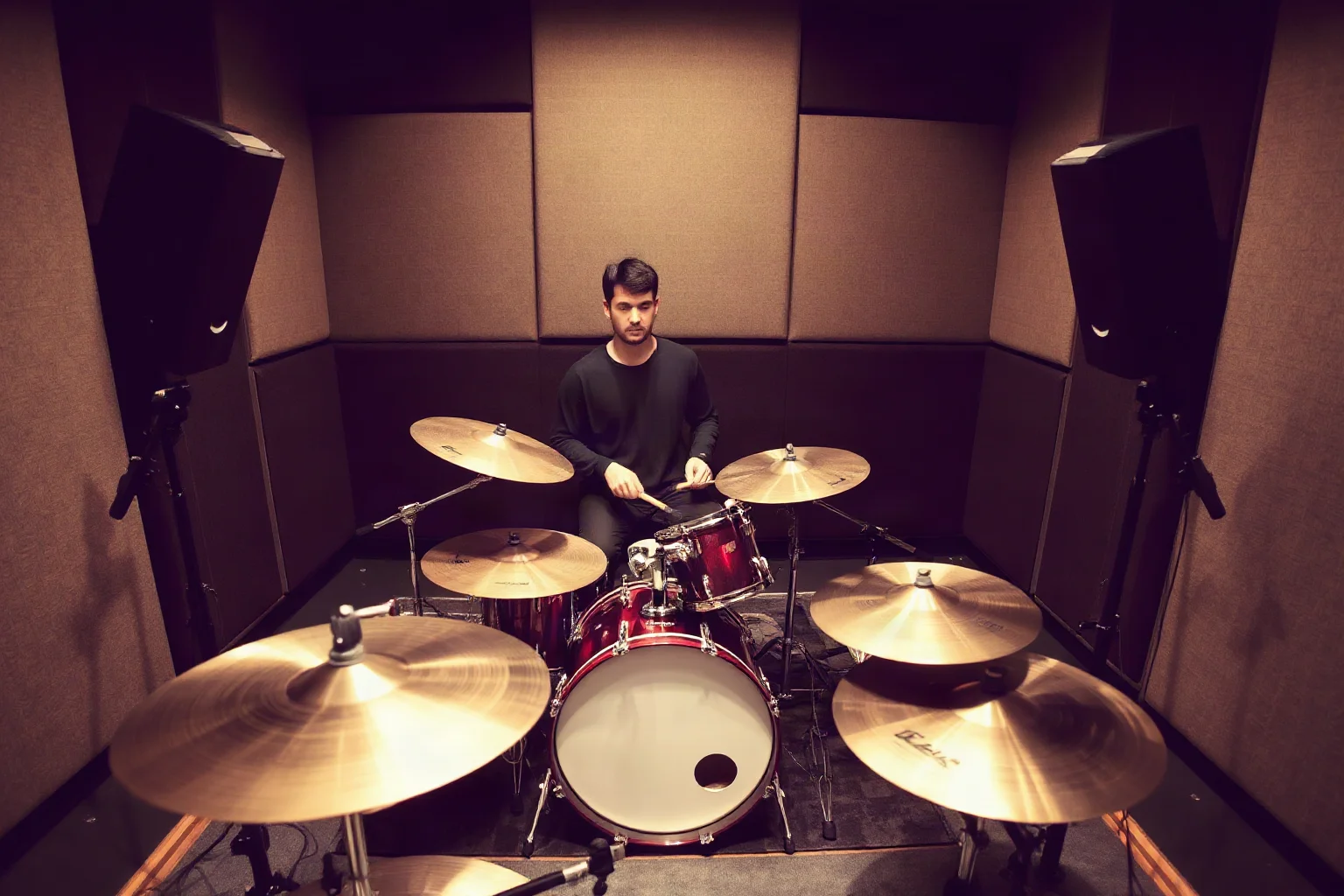
Steve Gadd is one of the most recorded session drummers in history, known for his instantly recognizable groove on Paul Simon’s “50 Ways to Leave Your Lover” and Steely Dan’s “Aja.” His parts are studied by drum students worldwide as models of taste and precision.
Gadd’s ability to craft a memorable, almost melodic drum part within a pop or jazz-fusion context set a standard for studio musicians. Unlike many famous drummers tied to one band, his legacy comes from an enormous and varied body of session work.
16. Terry Bozzio
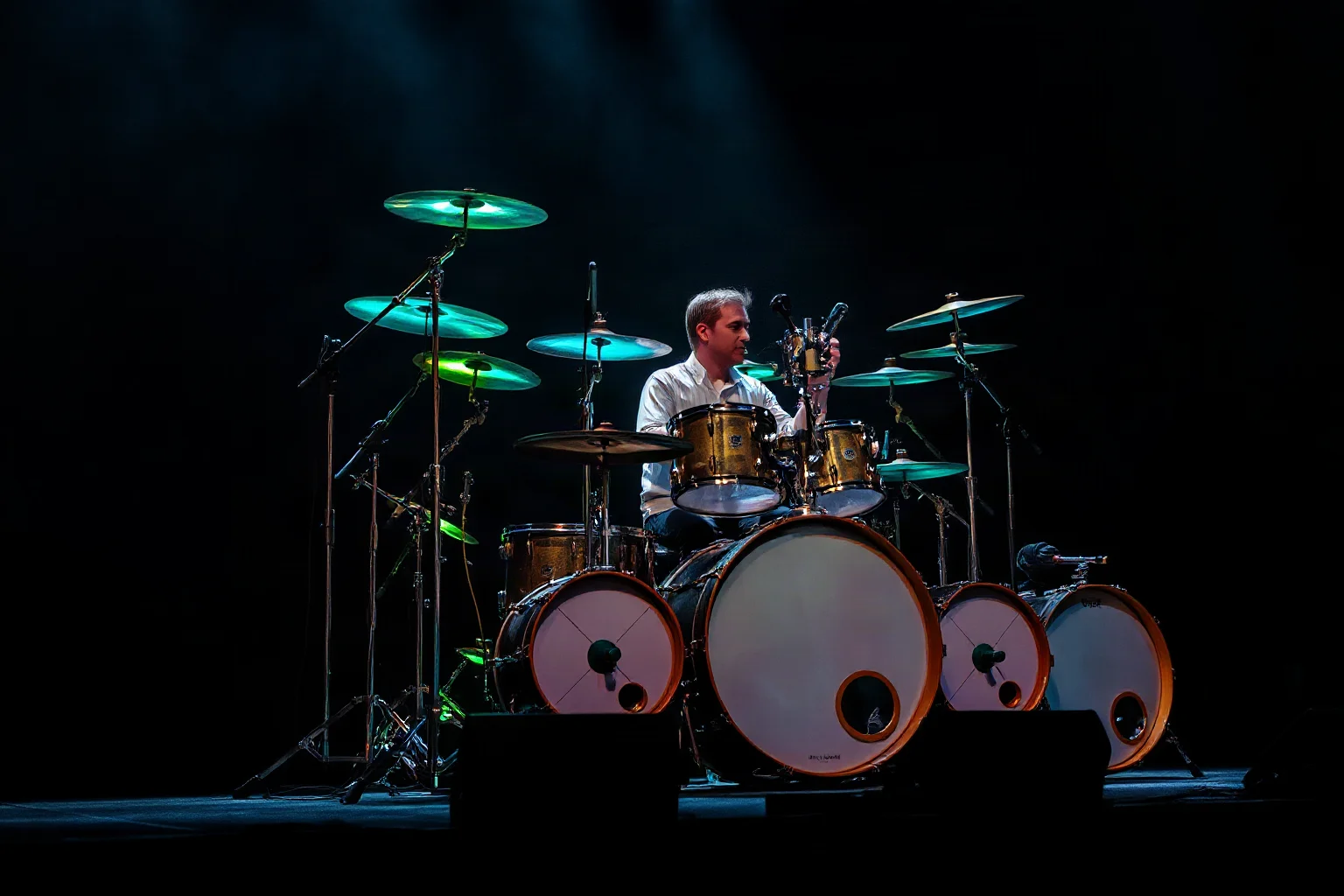
Terry Bozzio built his reputation playing extraordinarily complex material with Frank Zappa in the 1970s before moving into progressive rock and solo percussion work. His technical range allowed him to handle Zappa’s famously difficult time signatures with apparent ease.
Bozzio later became known for enormous custom drum setups and solo performances that treat the kit almost like a full orchestra. His career illustrates how far technical drumming can be pushed as a genuinely composed art form.
17. Bill Bruford
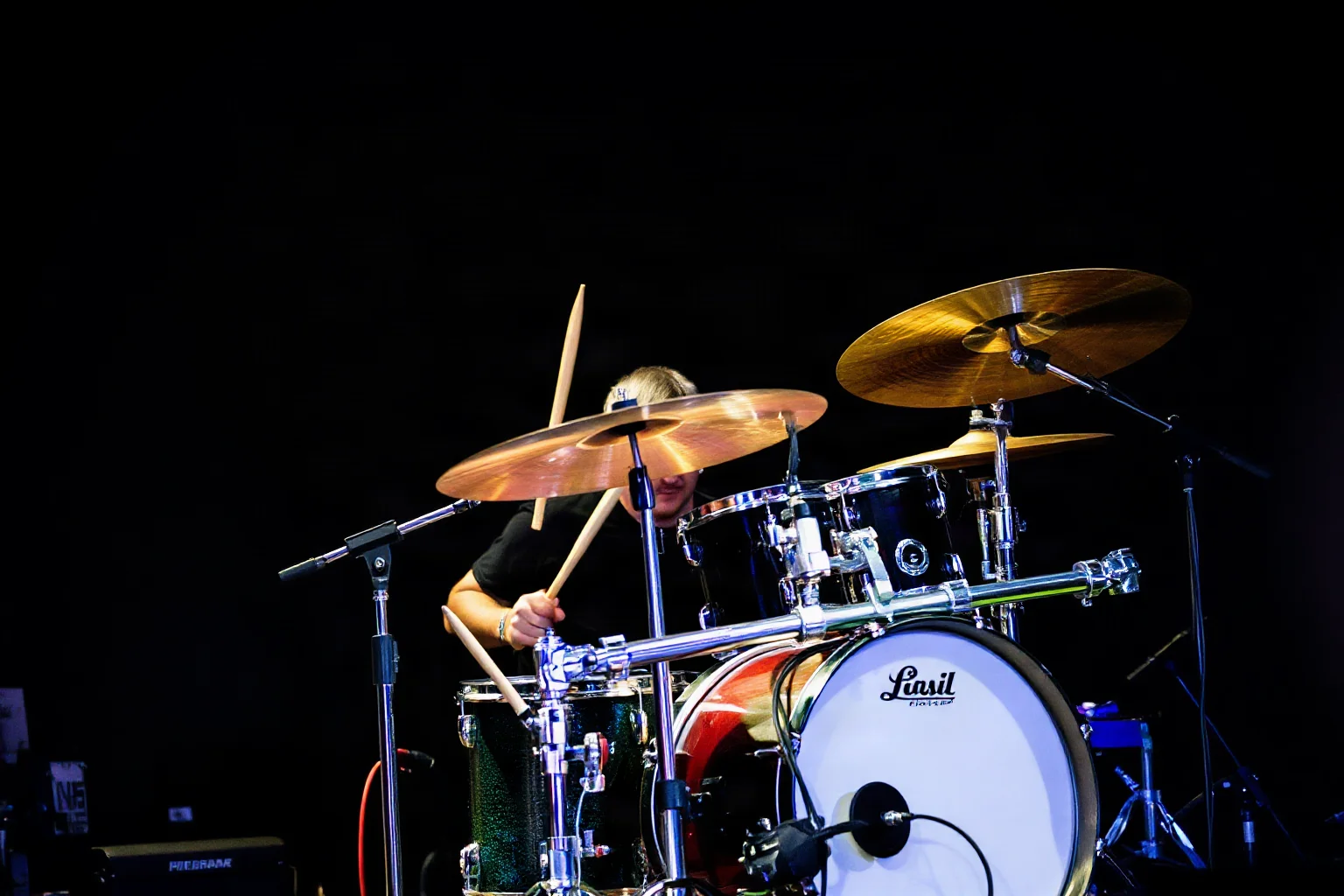
Bill Bruford made his name with Yes before helping define the more experimental, angular sound of King Crimson in the 1970s. His playing favored odd time signatures and unconventional tones over straightforward rock power.
Bruford later explored jazz and electronic percussion with his own groups, showing a restless curiosity rare among rock-era drummers. He remains a key reference point for progressive rock drummers seeking to avoid conventional patterns.
18. Vinnie Colaiuta
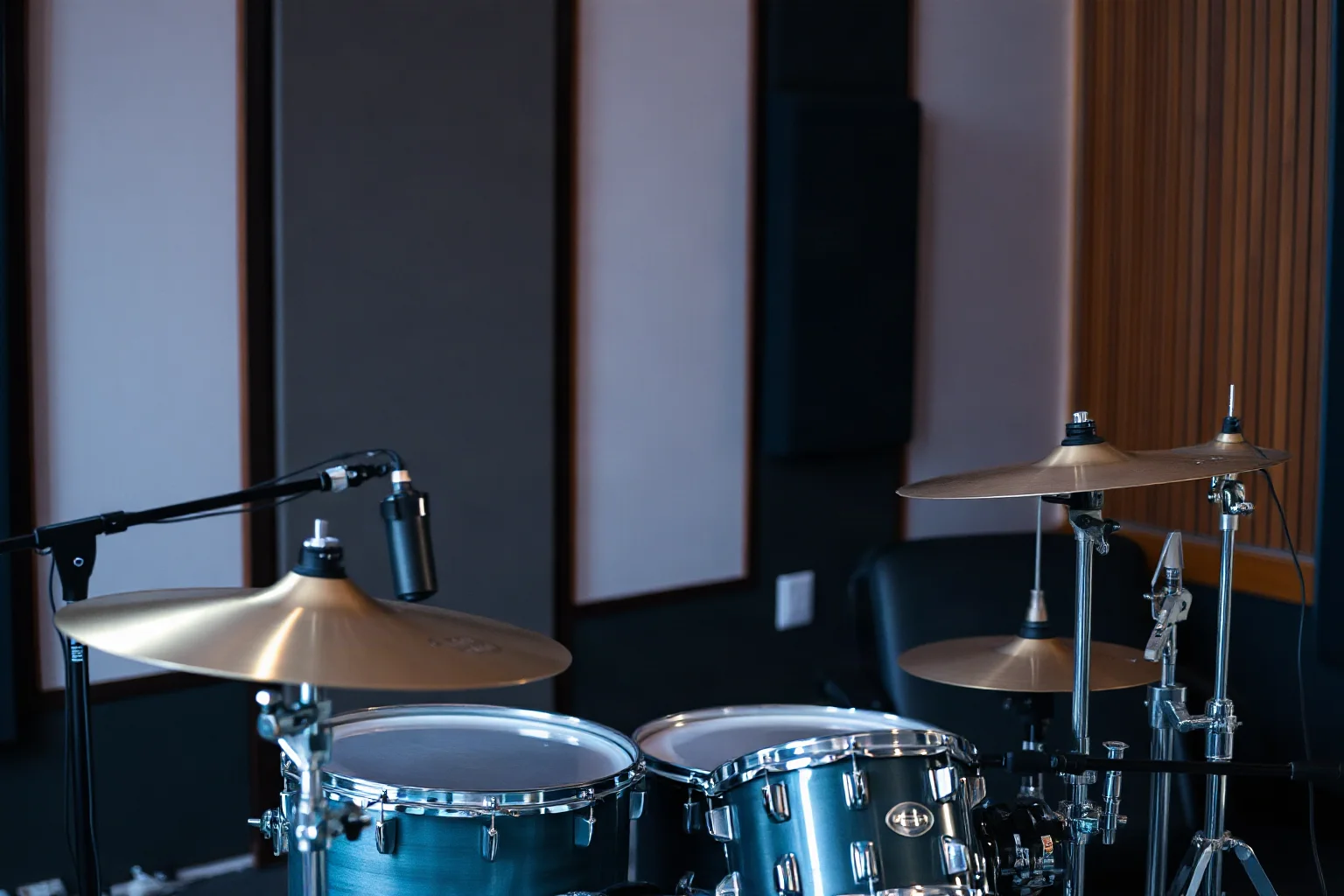
Vinnie Colaiuta is a session drummer’s session drummer, known for extraordinarily precise, complex playing across genres from pop to jazz fusion. His work with Frank Zappa, Sting, and countless studio sessions showcases an almost unmatched technical vocabulary.
Colaiuta’s ability to move seamlessly between odd meters and mainstream pop grooves has made him a favorite collaborator for decades. Other drummers frequently cite him as among the most technically accomplished players alive.
19. Sheila E.
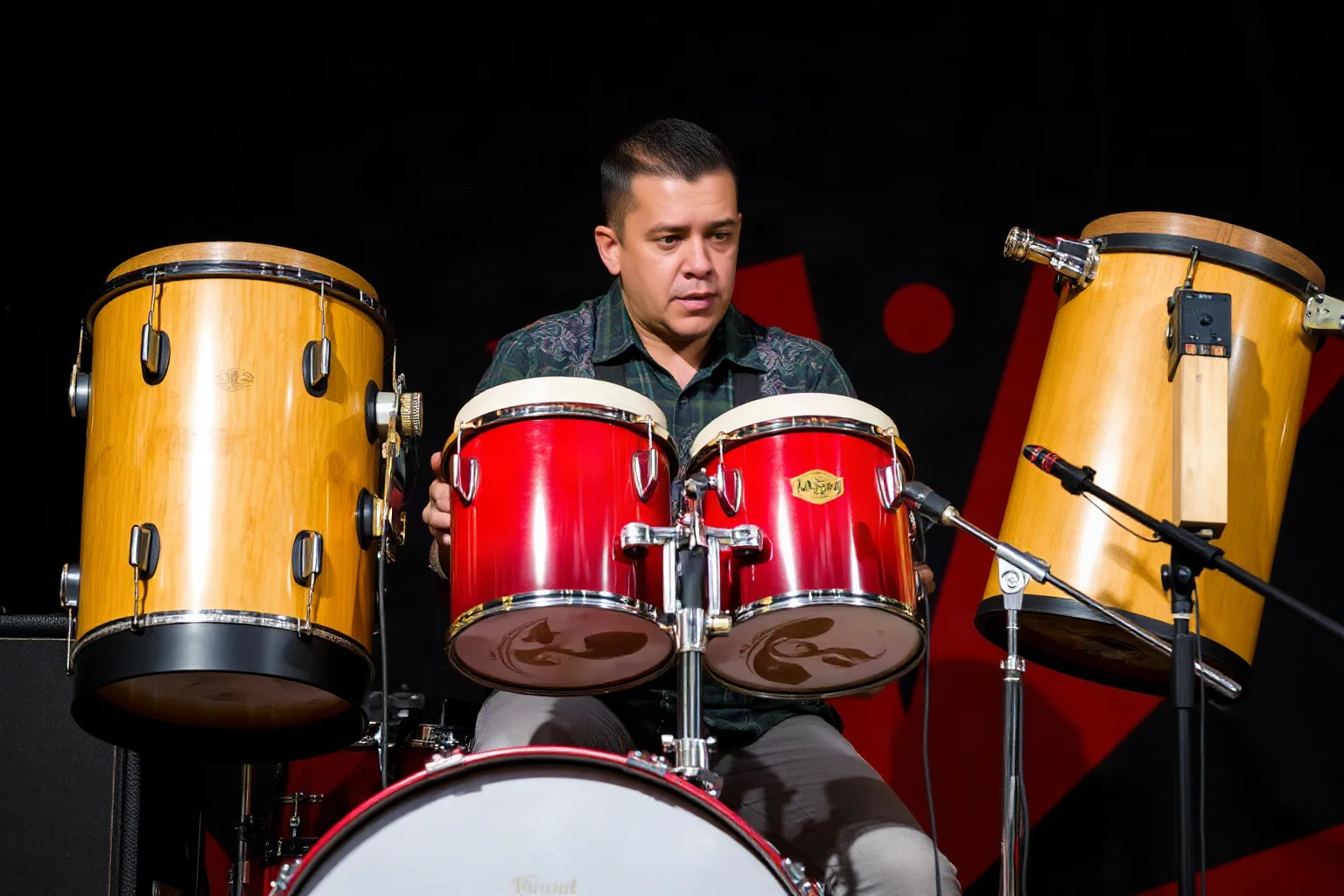
Sheila E. brought Latin percussion traditions into mainstream pop and funk, both as a solo artist and as a longtime collaborator with Prince. Her command of congas, timbales, and a full drum kit alike made her one of the most versatile famous drummers of her generation.
Sheila E.’s family background in Latin jazz percussion, combined with her pop sensibility, gave her a genuinely distinctive sound. She remains an important reminder that great drumming history extends well beyond rock and jazz’s usual names.
20. Clyde Stubblefield
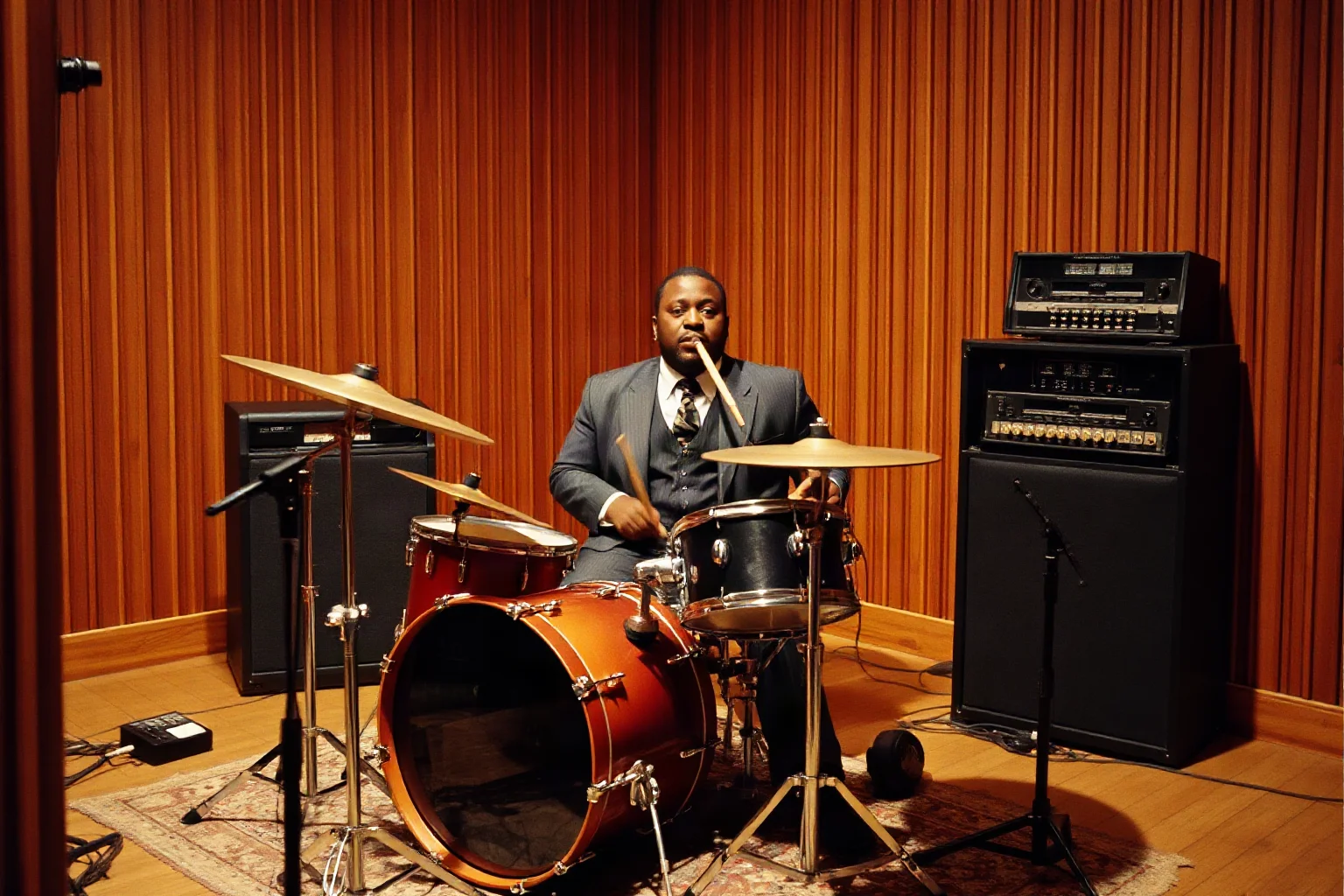
Clyde Stubblefield played drums for James Brown and created some of the most sampled drum breaks in music history, most notably on “Funky Drummer.” His tight, syncopated grooves became foundational building blocks of hip-hop production decades later.
Stubblefield rarely received the financial benefit his samples generated for other artists, a fact that has become a well-known cautionary tale in music business history. His rhythmic ideas nonetheless underpin an enormous portion of modern popular music.
21. Hal Blaine
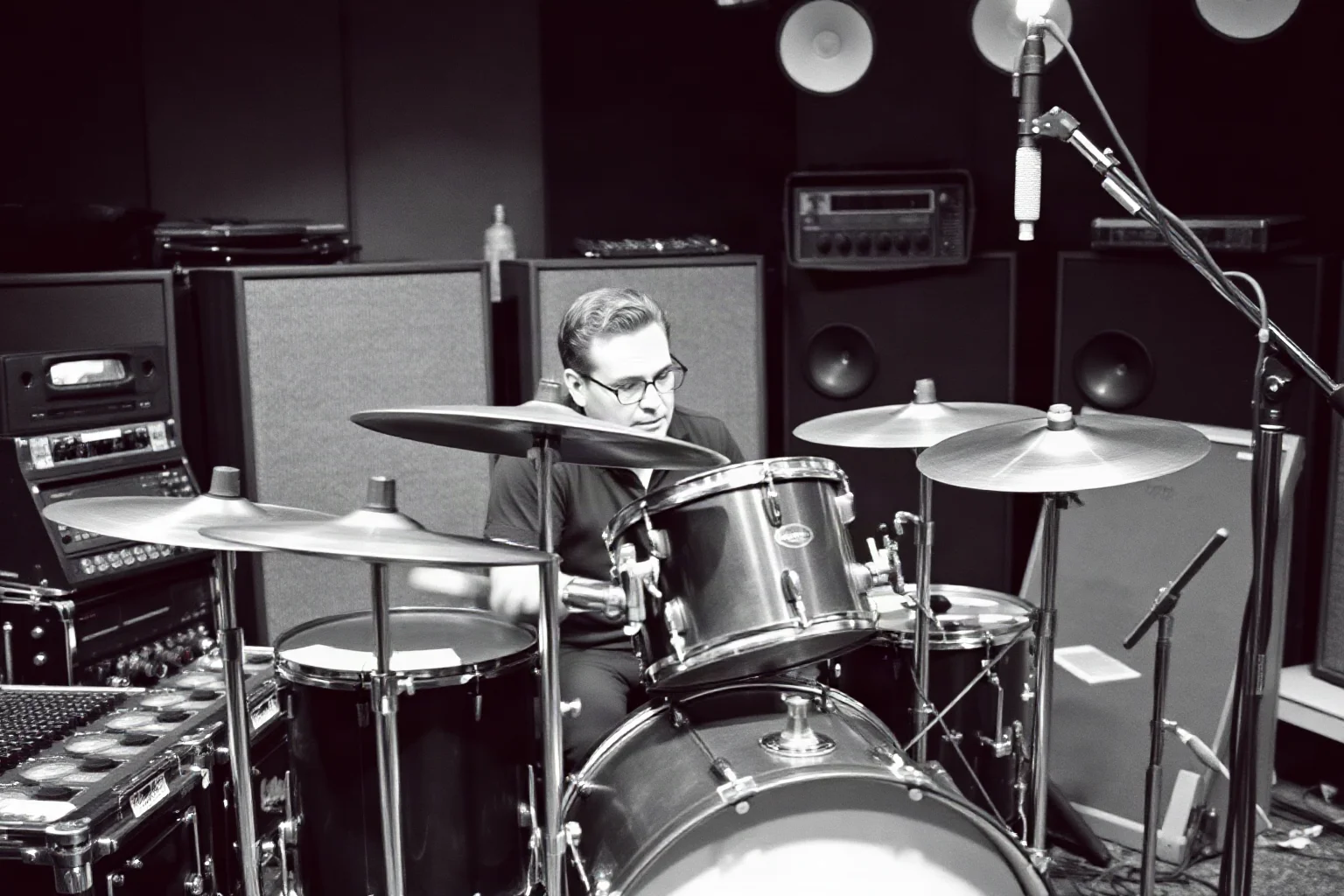
Hal Blaine was the drummer behind an astonishing number of 1960s and 1970s hit records as a core member of the Los Angeles session collective known as the Wrecking Crew. He reportedly played on thousands of recordings, including hits for The Beach Boys, The Mamas and the Papas, and Simon & Garfunkel.
Blaine’s steady, adaptable style helped define the polished sound of the era’s pop production. While exact numbers of his recordings vary by source, his influence on how pop drums were recorded and played is well documented.
22. Danny Carey
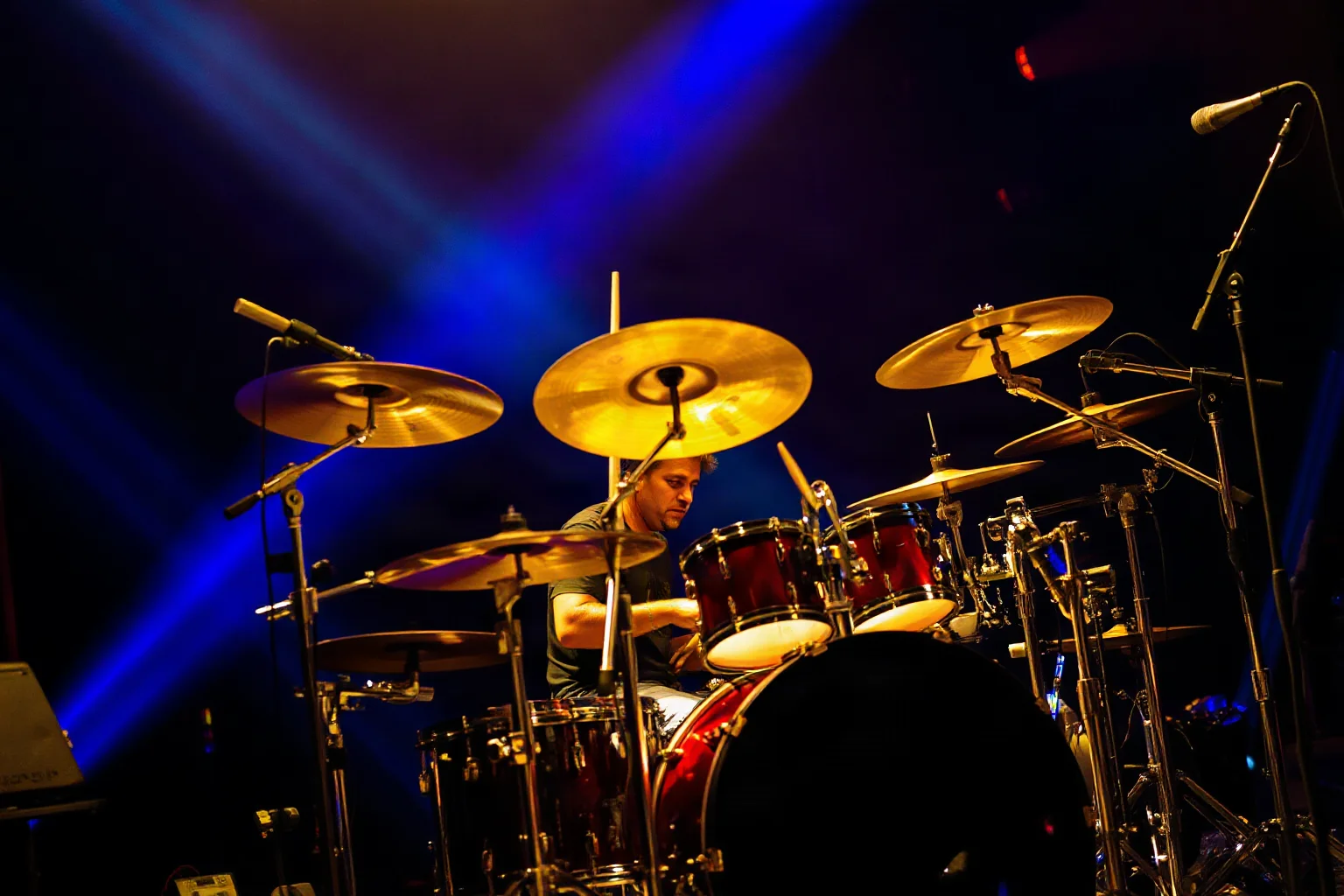
Danny Carey of Tool is widely regarded as one of the top rock drummers of the modern era, known for complex time signatures and a deep interest in world percussion traditions. His playing on albums like “Lateralus” combines mathematical precision with genuine emotional weight.
Carey studied various percussion styles and often incorporates unconventional instruments alongside his standard kit. Many younger progressive metal drummers cite him as a primary influence on blending technical complexity with heaviness.
23. Lars Ulrich
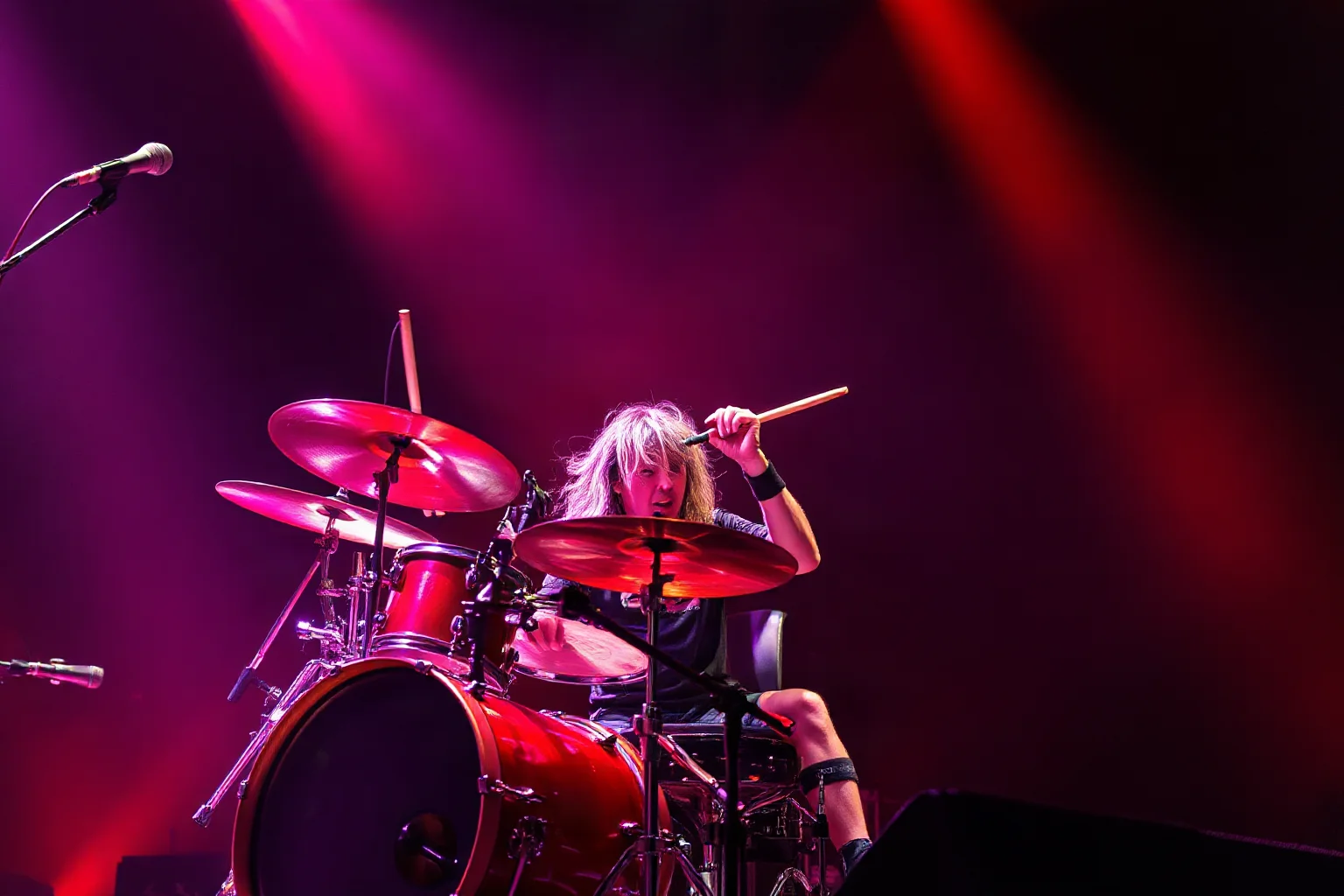
Lars Ulrich co-founded Metallica and became one of the defining drummers of thrash metal in the 1980s, prioritizing speed and aggression that matched the genre’s guitar work. While critics have sometimes debated his technical precision compared to peers, his influence on metal’s rhythmic vocabulary is undeniable.
Ulrich’s role extended beyond drumming into songwriting and business decisions that shaped Metallica’s career. His visibility helped bring thrash metal drumming into mainstream rock conversations.
24. Travis Barker
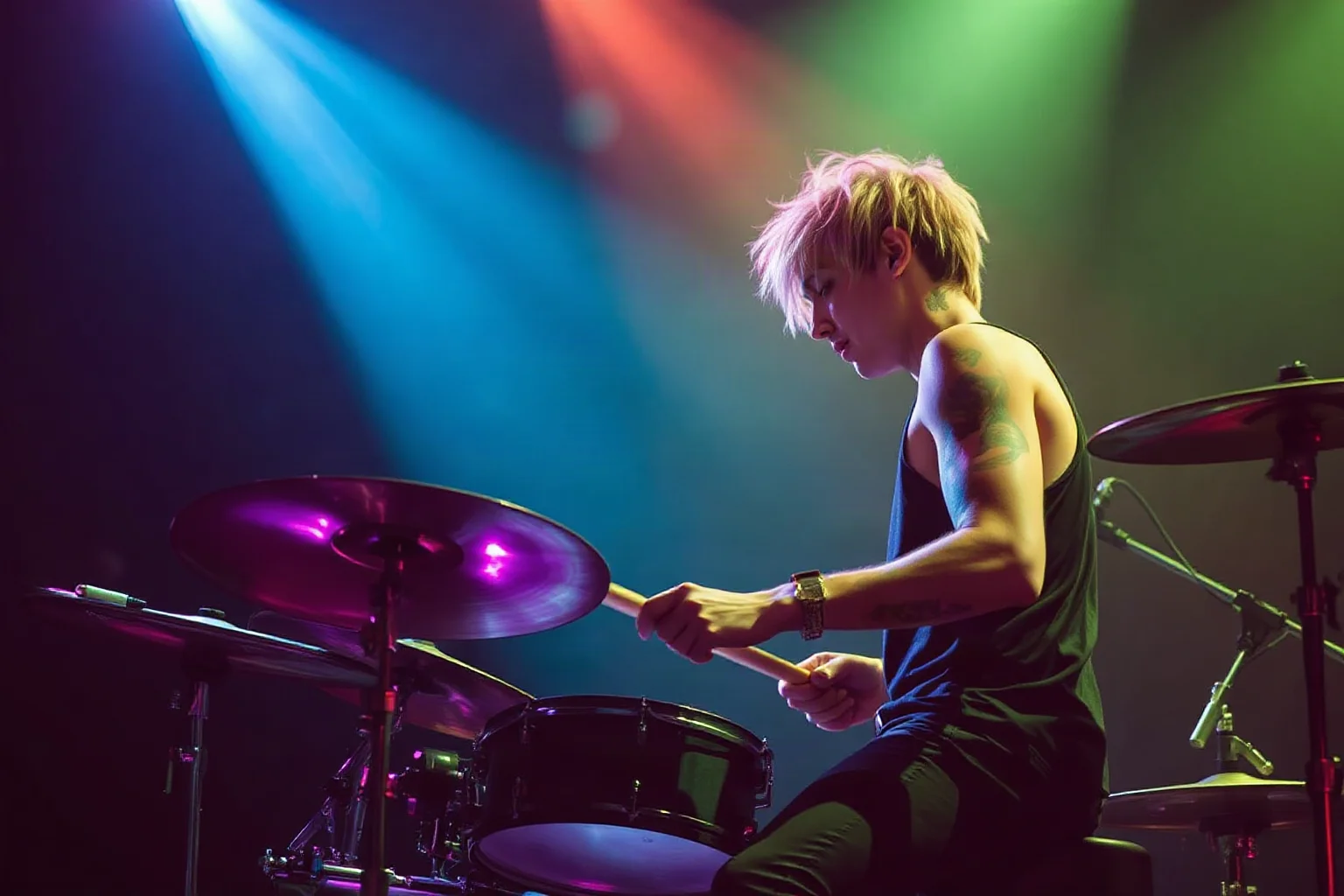
Travis Barker rose to fame with Blink-182, bringing a punk-rock energy combined with genuine technical skill influenced by his background in drum corps and hip-hop production. His rapid-fire fills and showmanship made him one of the most recognizable famous drummers of the pop-punk era.
Barker has also worked extensively as a producer and collaborator across hip-hop and pop, showing versatility beyond his original genre. His visibility on social media and in mainstream media has introduced drumming history to a newer generation of fans.
Rock, Jazz, or Funk: Why Rankings Depend on Genre
One reason lists of the greatest drummers of all time generate so much debate is that comparing genres is like comparing apples to trumpets. A jazz drummer’s improvisational conversation with a soloist requires different skills than a metal drummer’s need for relentless, precise speed.
Publications like Rolling Stone acknowledged this challenge when compiling their famous “100 Greatest Drummers” feature, drawing on a wide range of genres rather than ranking rock players alone. That list, like this one, reflects informed opinion and critical consensus rather than an objective, measurable ranking.
This is also why a top ten list, a top 20 list, or even a top five list of drummers will look different depending on who compiles it. Genre bias, generational taste, and personal experience with live performances all shape these rankings in ways that are worth acknowledging honestly.
The Legacy of Legendary Drummers
What unites these drummers, despite their wildly different styles, is that each one changed what listeners expected from the instrument. Some did it through sheer power, some through subtlety, and others through pushing rhythmic complexity into new territory.
Their influence shows up constantly in modern music, often in ways casual listeners never notice. A hip-hop producer sampling a decades-old funk break, or a young rock drummer copying a fill first played in the 1970s, both continue an unbroken line of influence.
That’s really the best argument for why these musicians deserve to be called legend drummers rather than simply skilled ones. Their ideas outlived their original recordings and became part of music’s shared vocabulary.
Final Thoughts
There will never be a single, universally agreed-upon answer to who was the greatest drummer of all time, and that’s part of what makes the debate endlessly enjoyable. What we can say with confidence is that the musicians on this list each left a permanent mark on how drums are played, recorded, and appreciated.
Whether you lean toward Bonham’s thunder, Rich’s speed, or Watts’s understated groove, exploring their recordings is the best way to understand why they’re still discussed decades later. History’s greatest drummers earned their reputations one performance at a time, and their recordings remain the best evidence of that legacy.
Frequently Asked Questions
Who is considered the greatest drummer of all time?
There's no single official answer, but John Bonham of Led Zeppelin is the name most frequently cited by musicians, critics, and fans in polls and retrospective rankings. Buddy Rich, Neil Peart, Keith Moon, and Ginger Baker are also commonly mentioned, since the answer often depends on whether the comparison favors rock, jazz, or technical virtuosity.
Who was the greatest drummer of all time in rock music specifically?
Within rock, John Bonham, Neil Peart, and Keith Moon are the three names that come up most consistently in critic and musician polls. Each brought a different strength: Bonham's power and groove, Peart's technical precision and composition, and Moon's chaotic, lead-instrument energy.
What does the Rolling Stone 100 Greatest Drummers list say?
Rolling Stone published a widely referenced feature ranking 100 drummers across rock, jazz, funk, and other genres, drawing on input from musicians and critics. Like any such list, it reflects informed editorial opinion rather than an objective, measurable ranking, and rankings have shifted between different published versions.
Who is the most famous drummer of all time?
Fame and technical greatness don't always overlap perfectly, but Ringo Starr is arguably the most famous drummer simply due to The Beatles' global cultural impact. John Bonham and Keith Moon also carry enormous name recognition well beyond dedicated music fans.
What actually makes someone one of the greatest drummers of all time?
Most rankings weigh a combination of technical skill, innovation, influence on later musicians, and the ability to serve a song's groove rather than just showcase speed. Because these criteria can be weighted differently, lists of the greatest drummers of all time will always vary somewhat depending on who's compiling them.
Are jazz drummers included among the greatest drummers of all time?
Yes, jazz drummers like Buddy Rich, Gene Krupa, Tony Williams, Elvin Jones, and Max Roach are consistently included in serious rankings of the greatest drummers in history. Jazz drumming's emphasis on improvisation and dynamic conversation with other musicians is often considered just as demanding as rock or metal technique.

Alex Warren
Related Articles